21 Scandinavian Living Room Ideas for a Cozy, Calm Space
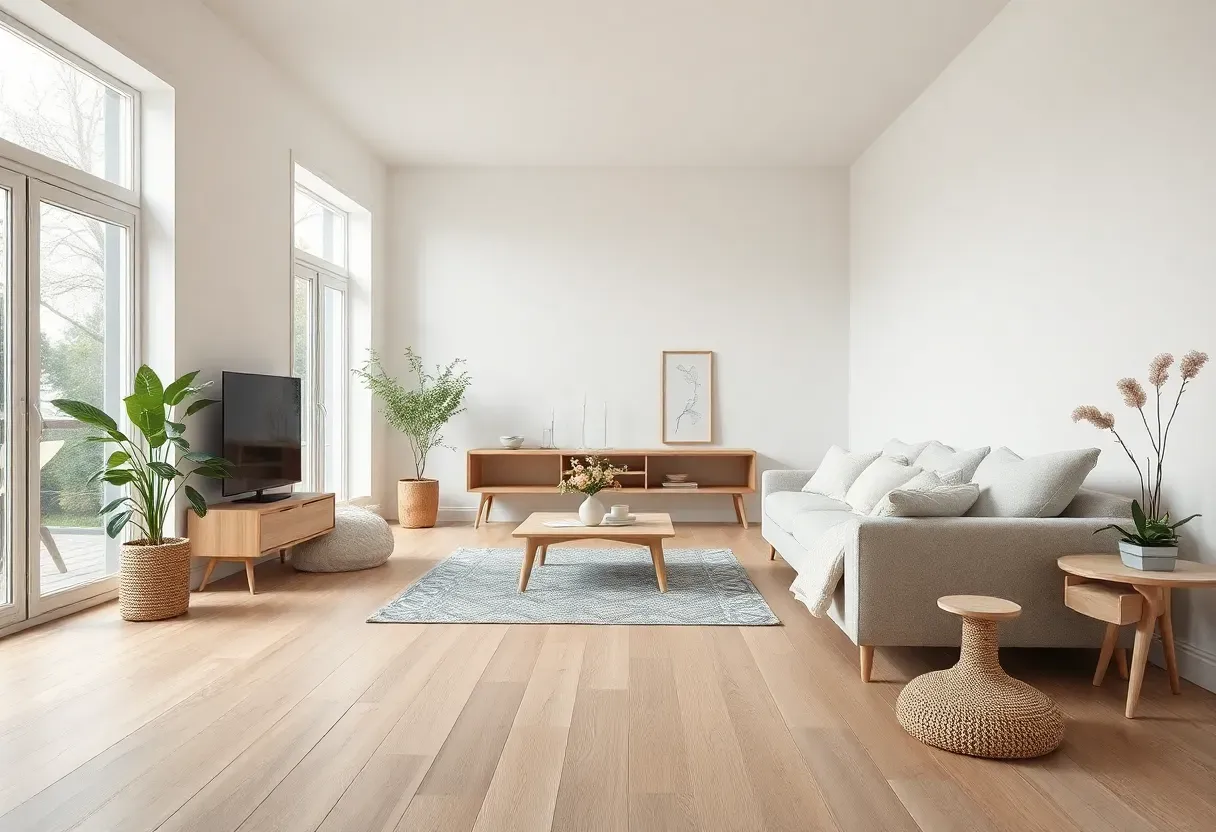
These Scandinavian living room ideas show how to create a space that feels calm, cozy, and effortlessly pulled together. Nordic design balances minimalism with warmth by prioritizing natural light, neutral palettes, and organic materials like light oak and wool. The guiding philosophy is hygge -- the Danish concept of coziness that turns an ordinary rental apartment into a peaceful retreat without a single permanent change.
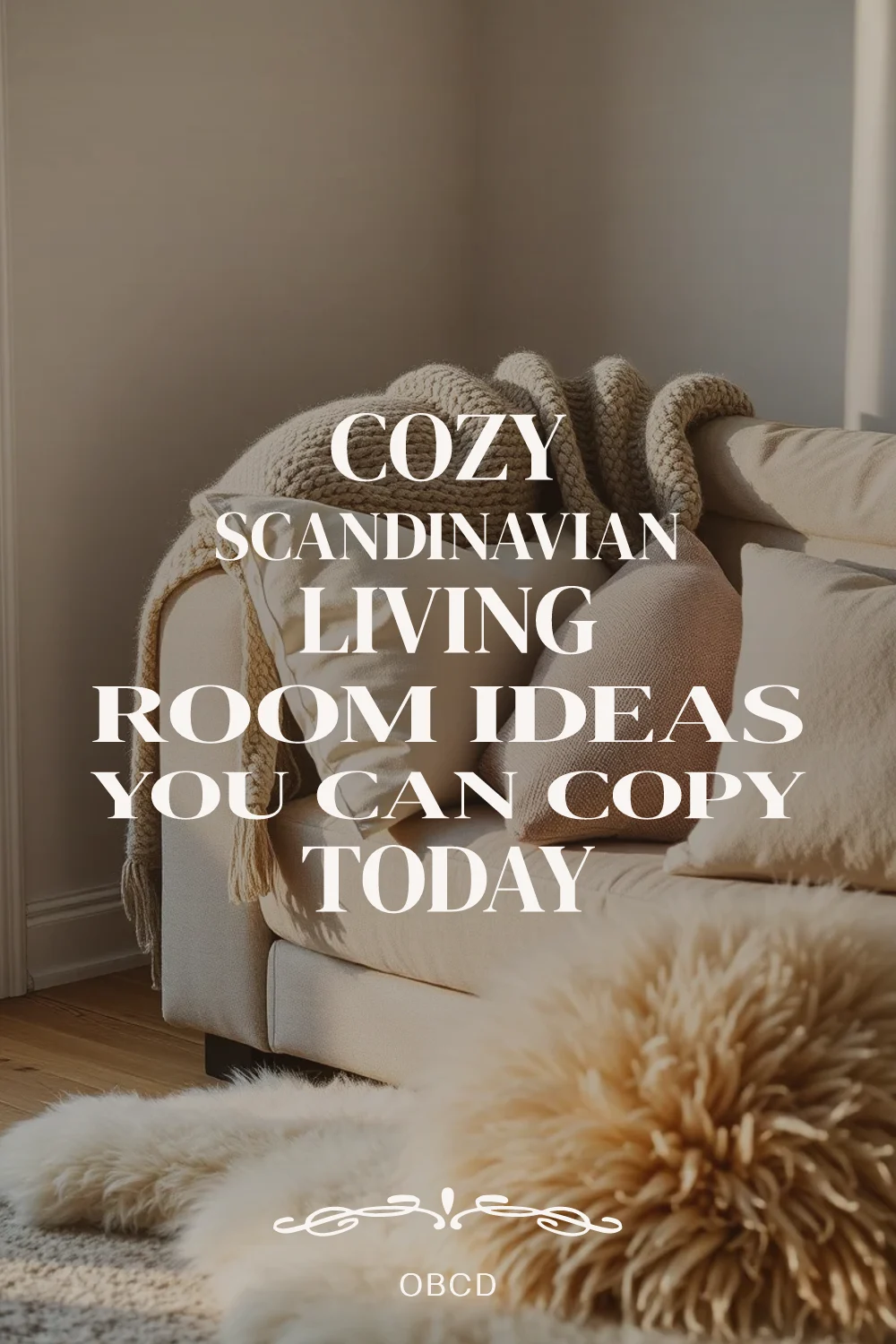
What makes these cozy Scandinavian living room ideas so practical is that every element serves double duty. Light wood floors and furniture reflect daylight to make small apartments feel larger, while layered textiles in wool, linen, and cotton add tactile warmth without visual clutter. The result is a living room that breathes: spacious, bright, and remarkably livable even on a budget.
Whether you are renting a studio or decorating a first home, Scandinavian living room design scales beautifully. These 21 ideas range from quick renter-friendly swaps like sheepskin throws and floating shelves to bigger moves like modular sofas and window seats. The focus stays on quality over quantity, craftsmanship over trends, and enduring comfort over fleeting fashion.
Quick FAQ
What are the key elements of a Scandinavian living room?
Essential elements include light wood floors, neutral walls (white, cream, soft gray), minimalist furniture with clean lines, natural textiles, and abundant natural light. Plants and simple decor pieces add personality without clutter.
How do I make a minimalist room feel cozy?
Layer textures through wool throws, linen cushions, and sheepskin rugs. Incorporate warm lighting with multiple sources at different heights. Add organic elements like wood, stone, or plants. Choose furniture with rounded edges and soft upholstery.
What colors work best in Nordic-style interiors?
Start with a neutral base of white, cream, or light gray. Add warmth through natural wood tones. Introduce soft accent colors like sage green, dusty blue, or warm beige. Black accents provide contrast and grounding.
Why do Scandinavian interiors use so much light wood?
Light wood reflects natural light, making rooms feel brighter and more spacious. Native Nordic species like birch, pine, and ash are readily available and embody the connection to nature that's central to Scandinavian design philosophy.
Can I achieve Scandi style on a budget?
Absolutely. Focus on decluttering and painting walls white or light gray. Add texture through affordable textiles. Shop second-hand for wooden furniture with simple lines. Incorporate plants and DIY shelving. Quality lighting makes a significant impact.
How do I avoid my room looking too stark or cold?
Balance clean lines with soft textures. Layer rugs to add warmth. Use warm white bulbs (2700K-3000K) instead of cool daylight. Incorporate personal items and books. Choose furniture with some organic curves rather than exclusively angular pieces.
As an Amazon Associate I earn from qualifying purchases.
Table of Contents
- 1. Light Wood Foundation with Neutral Walls
- 2. Layered Textiles for Tactile Warmth
- 3. Low-Profile Furniture with Airy Silhouette
- 4. Statement Lighting as Functional Art
- 5. Indoor Plants for Living Greenery
- 6. Monochromatic Gallery Wall
- 7. Floating Shelves for Minimal Storage
- 8. Cozy Reading Nook by Natural Light
- 9. Textured Rug Layering
- 10. Black Accents for Graphic Contrast
- 11. Sheer Curtains for Softened Light
- 12. Modular Sofa for Flexible Arrangement
- 13. Natural Coffee Table as Organic Anchor
- 14. Floor Lamp beside Armchair
- 15. Built-In Window Seat
- 16. Minimal Entertainment Unit
- 17. Oversized Knit Throw as Focal Point
- 18. Sliding Wood Room Divider
- 19. Slate or Stone Hearth Accent
- 20. Cane or Woven Texture Elements
- 21. Circular Mirror for Light Reflection
1. Light Wood Foundation with Neutral Walls
The foundation of any authentic Scandinavian living room begins with the interplay between light wood flooring and pristine neutral walls. Light oak, birch, or ash hardwood floors reflect natural light throughout the space, creating an sense of expansiveness even in modestly sized rooms. Pale walls in crisp white, soft cream, or barely-there gray serve as the perfect canvas, allowing furniture and decorative elements to take center stage without visual competition. This combination captures the essence of Nordic summers—long days filled with diffuse, magical light that transforms interiors into luminous sanctuaries.
Tips
- Choose wider planks (6-7 inches) for a more contemporary look that feels less busy
- Leave walls slightly off-white (warm white 1-2% yellow) rather than pure white for softer atmosphere
- Run flooring in the same direction throughout connected spaces for visual continuity
- If replacing flooring isn't possible, layer a large light jute or sisal rug over existing floors
What this gives you: A bright, expansive foundation that makes any room feel larger while establishing the characteristic Scandinavian palette of warmth and simplicity.
2. Layered Textiles for Tactile Warmth
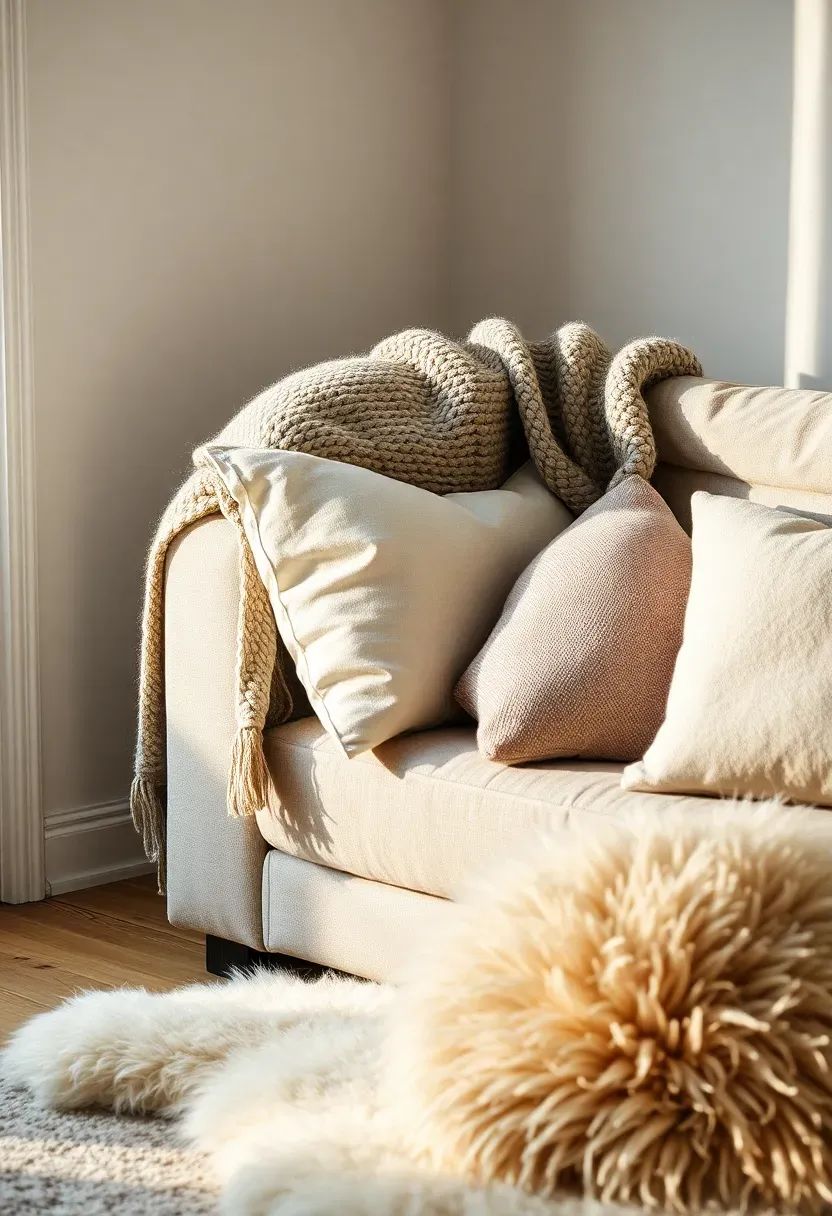
Scandinavian design masters the art of layering textiles to introduce warmth without sacrificing the minimalist aesthetic. Think of it as a study in material poetry—wool throws casually draped over sofa arms, linen cushions in varying shades of cream and gray, perhaps a sheepskin rug adding luxurious texture to a sleek armchair. The key is varying textures within a restrained color palette, creating depth through touch rather than visual noise. These layers invite conversation, reading, and relaxation—activities central to the hygge lifestyle that defines Nordic home life. Even in warmer months, lighter weight textiles in cotton or open-weave wool maintain that comforting presence without overheating the space.
Recommended
Items for this idea
Placement note: Distribute textiles thoughtfully rather than clustering them on one piece of furniture—a throw on the sofa, a cushion on the armchair, a rug defining the seating area. This creates visual rhythm and ensures warmth is felt throughout the room.
The magic lies in the details: fringed edges on throws, knife-edge pillow seams, the subtle nubbiness of heavyweight linen. These tactile elements engage the senses and make a minimalist room feel lived-in and loved rather than sterile or showroom-perfect. Seasonal rotation keeps the space feeling fresh—chunky cable knits and sheepskins for winter, lighter cottons and unlined linen for summer. This approach honors both the changing Nordic climate and the Danish tradition of marking seasons through home rituals.
Tips
- If/Then: If your sofa is a solid neutral, add pattern through textured pillows rather than printed fabrics. Then choose small-scale geometric or organic patterns in similar tones for sophistication.
- Aim for odd numbers of pillows (3, 5, 7) for more natural, visually pleasing arrangements
- Invest in one high-quality throw rather than multiple cheaper ones—natural materials like wool or alpaca age beautifully
Budget note: Authentic sheepskin rugs can be expensive; high-quality faux alternatives in cream or gray offer similar texture at a fraction of the cost.
What this gives you: A room that welcomes touch and invites lingering, transforming sleek minimalism into genuine comfort through the universal language of texture.
3. Low-Profile Furniture with Airy Silhouette
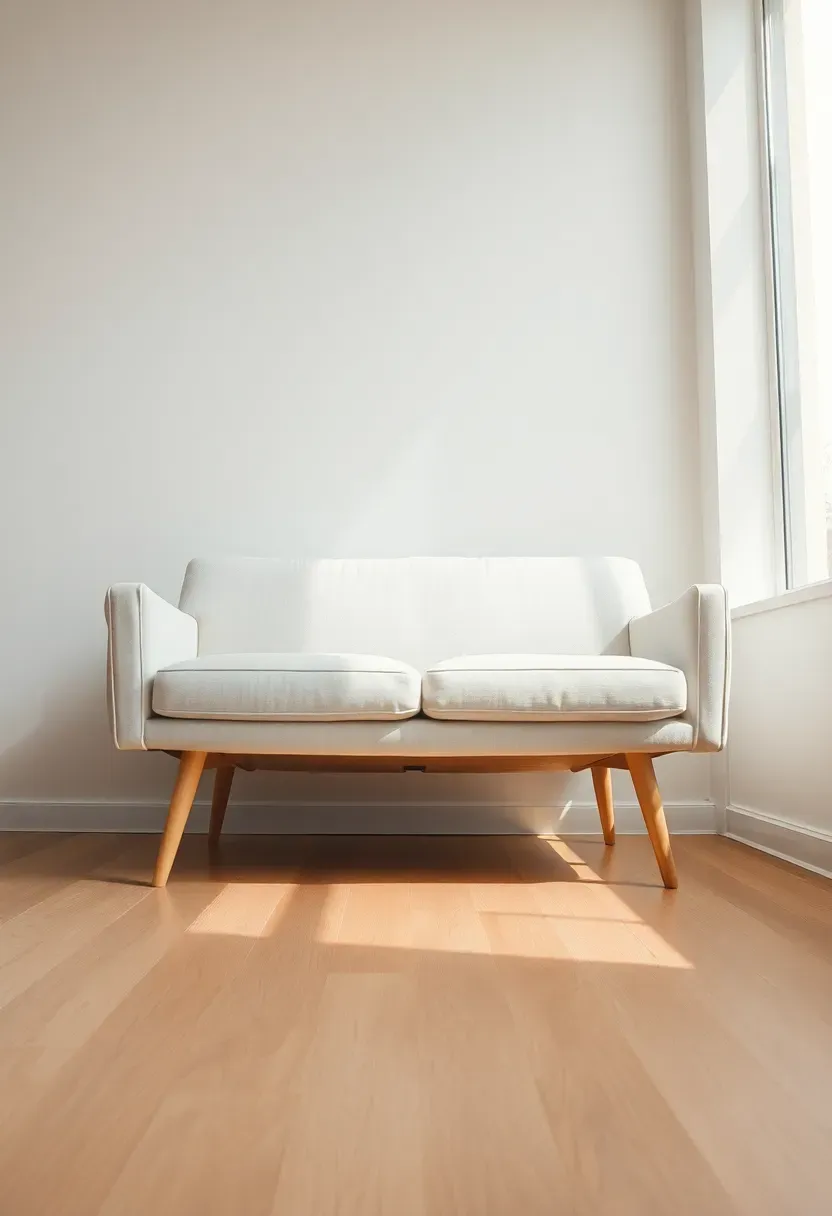
Scandinavian furniture design favors pieces that sit closer to the ground, creating an immediate sense of spaciousness and airiness even in rooms with standard ceiling heights. Sofas and armchair with legs rather than box bases allow light to flow underneath, visually expanding floor space and making cleaning effortless. This design choice isn't merely aesthetic—it reflects the Nordic understanding that furniture should enhance, not dominate, a room's architecture. The emphasis on slender tapered legs, often in wood rather than bulky metal, contributes to the overall lightness while maintaining warmth and natural character.
Tips
- Do: Choose sofas with exposed legs in wood tones that match or complement flooring for cohesion
- Don't: Select pieces with boxy, floor-length bases that create visual blocks in the room
- Measure leg height—aim for 6-8 inches of clearance for the airiest silhouette
- Consider raised console tables and open-bottom media units to maintain the floating aesthetic
Rental note: If you can't replace furniture, use risers to add 2-3 inches of height to existing pieces, instantly creating a more open, Scandinavian feel.
What this gives you: A visually lighter room that feels larger than its actual dimensions, with furniture that appears to float rather than anchor heavily, making space feel both sophisticated and effortless.
4. Statement Lighting as Functional Art
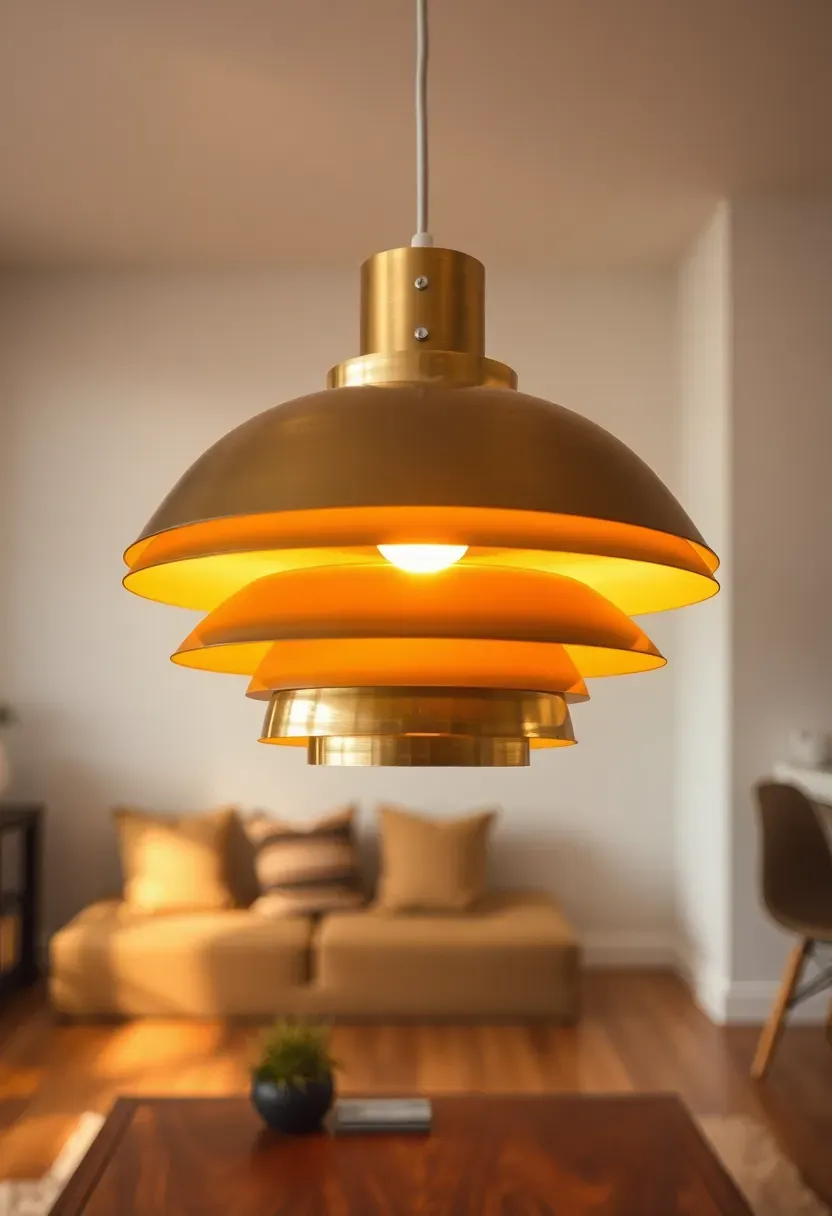
In Scandinavian interiors, lighting transcends mere function to become sculptural art that defines the room's character. The iconic PH lamp series, Arne Jacobsen's pendant lights, and contemporary designs that honor these traditions demonstrate how illumination can serve as both practical necessity and aesthetic focal point. A well-chosen pendant suspended over the coffee table or a dramatic floor lamp beside the reading chair creates visual interest without requiring additional objects or accessories. These pieces celebrate the beauty of simplicity—the perfect curve of metal, the warm glow through layered shades, the way light spills downward to create intimate pools of brightness within the larger room.
Recommended
Items for this idea
The placement of lighting matters as much as the fixture itself. Rather than relying on a single central ceiling light, Nordic design employs multiple light sources at different heights, creating layers of illumination that can be adjusted for different moods and activities. A pendant at dining table height, a floor lamp casting reading light, subtle LED strip lighting under shelving—each contributes to the overall atmosphere while remaining independently useful. This approach acknowledges that Nordic winters bring limited daylight, making artificial lighting a crucial element in maintaining warmth and well-being during dark months.
Tips
- Pro/Con/Fix: Pendant lights create beautiful focused light but can feel oppressive if hung too low. Fix by installing on a dimmer switch and positioning 28-32 inches above surfaces.
- Choose fixtures with brass or copper interiors for warmer light reflection
- Scale matters—oversized pendants make a statement, but ensure they don't overwhelm smaller rooms
- Mix metals within the same finish family (matte black, brushed brass) for collected sophistication
Best for: Rooms with high ceilings or architectural focal points that can support dramatic hanging fixtures without feeling cramped.
What this gives you: Lighting that serves as both illumination and art, creating visual anchors and warm ambiance while reducing the need for additional decorative objects.
5. Indoor Plants for Living Greenery
Nothing embodies the Scandinavian connection to nature quite like the thoughtful integration of indoor plants into living spaces. The Nordic climate demands that residents bring the outdoors inside during long winters, and this necessity has evolved into an essential design element. A statement Monstera in the corner, a trailing ivy on a high shelf, a cluster of small pots on the coffee table—each plant breathes life into the room, literally improving air quality while metaphorically reminding inhabitants of the vibrant natural world outside their windows. This living greenery provides the perfect counterpoint to minimalist interiors, introducing organic shapes and colors that soften clean lines and neutral palettes.
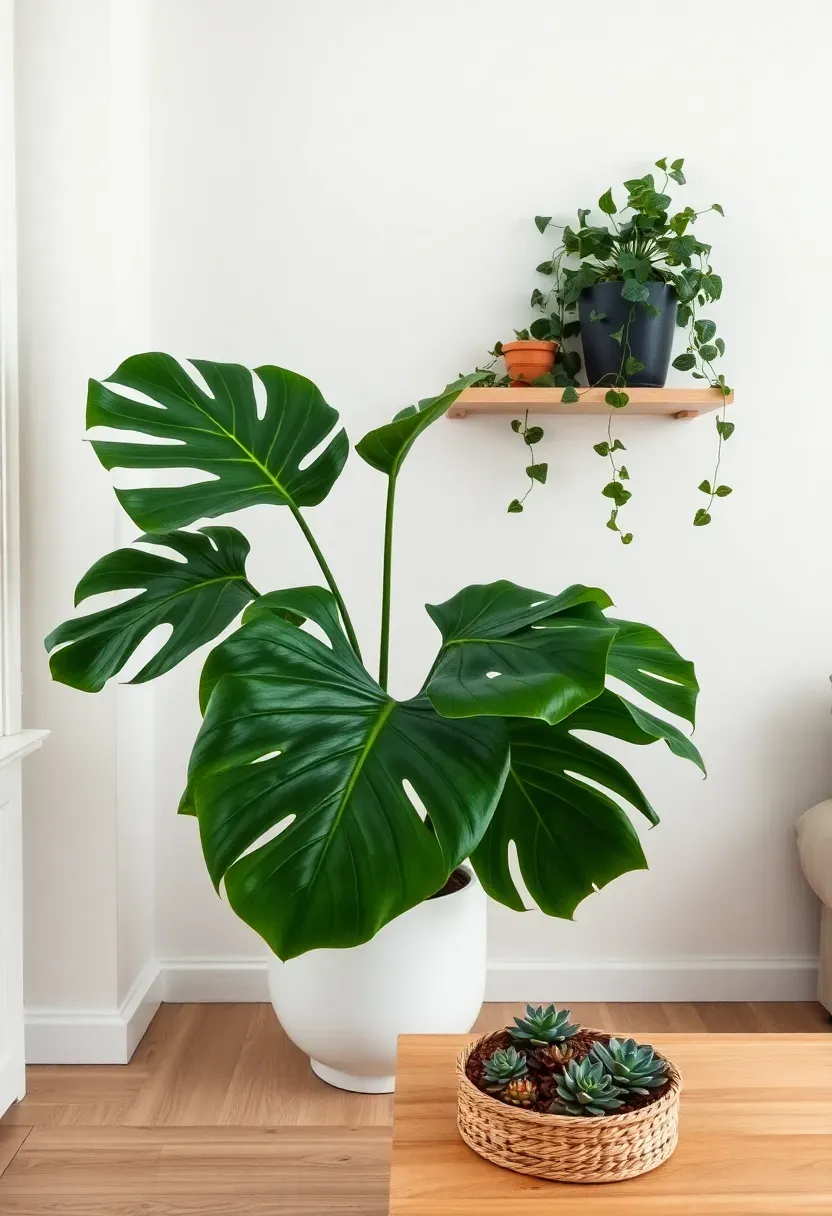
Mini "Why it works": Plants bridge the gap between the controlled interior environment and the untamed beauty of nature, creating spaces that feel alive and evolving rather than static and sterile. They acknowledge that true minimalism isn't about emptiness, but about surrounding ourselves with elements that genuinely enhance our well-being.
The choice of planters matters as much as the plants themselves. Scandinavian styling favors simple ceramic pots in white or soft gray, unglazed terracotta for natural warmth, or baskets that add textural contrast. Avoid ornate or highly decorative containers that compete with the plants' natural beauty. Group plants in odd numbers (three, five) for more dynamic arrangements, and vary heights by using stands or placing pots on shelves or books. This creates visual interest while maintaining the overall sense of intentional simplicity that defines Nordic interiors.
Tips
- Choose low-maintenance plants if you're new to indoor gardening—snake plants, ZZ plants, and pothos are nearly indestructible
- Water plants in the sink or bathtub to protect floors and furniture from moisture damage
- Rotate plants quarterly to ensure even growth and prevent leaning toward light sources
- Dust leaves monthly with a damp cloth—clean leaves photosynthesize more efficiently
- Create a dedicated plant station with all supplies in a beautiful basket for easy maintenance
What this gives you: A living connection to nature that purifies air, boosts mood, and brings organic beauty into minimalist spaces without adding clutter or visual noise.
6. Monochromatic Gallery Wall
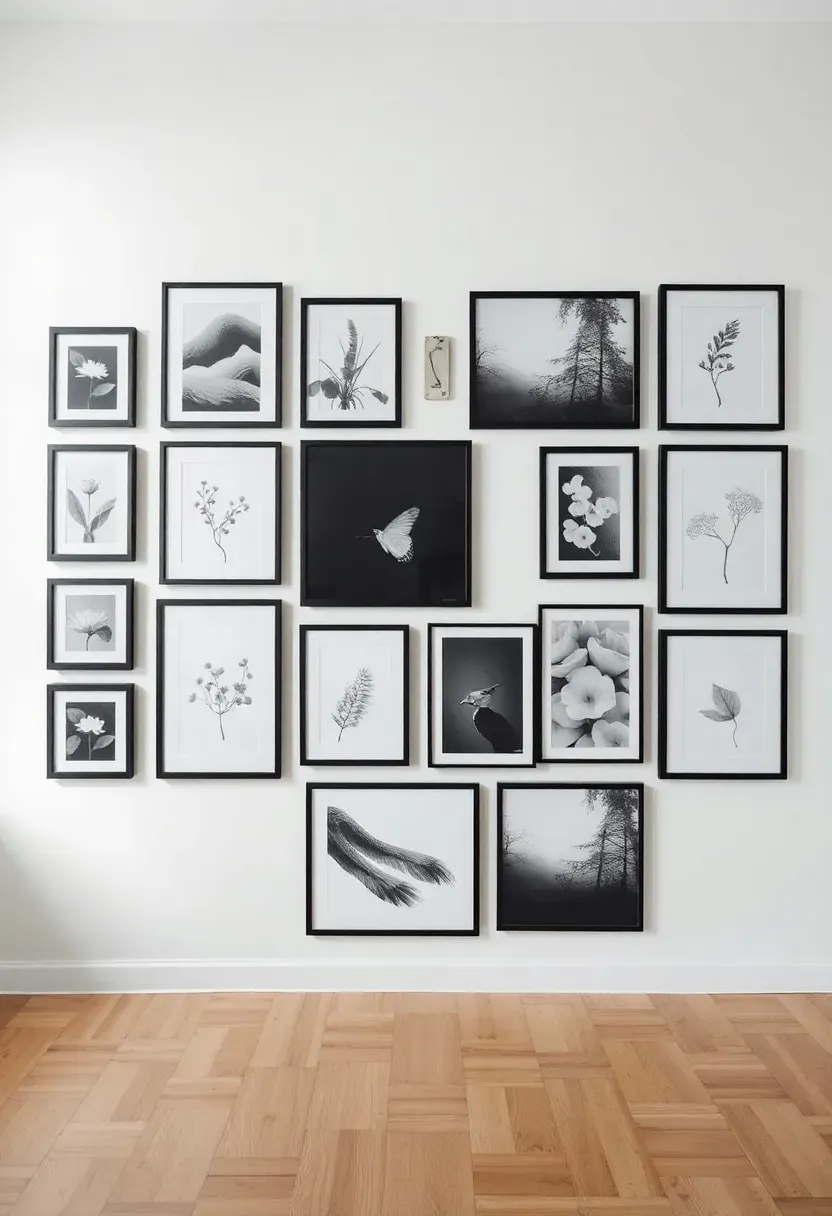
A gallery wall need not contradict minimalist principles when approached with Scandinavian restraint and intentionality. The Nordic approach to wall display favors monochromatic or tightly limited color palettes—black and white photography, botanical prints in muted tones, abstract pieces featuring grays and naturals. Frames should be uniform or coordinated in style, with white mats creating breathing room between artworks. This creates visual interest and personal expression without the chaotic energy of eclectic, multicolored displays that contradict the serene atmosphere characteristic of Scandinavian interiors.
Recommended
Items for this idea
The arrangement itself follows principles of balance rather than rigid symmetry. Think organic grid—pieces aligned but not perfectly spaced, or a linear arrangement of three works at eye level rather than a salon-style floor-to-ceiling collection. The goal is creating focal points that draw the eye and tell a story about the inhabitants' tastes and experiences, not covering every available surface. Negative space remains as important as the artworks themselves, allowing each piece to be appreciated individually while contributing to the overall composition.
Tips
- Aim for consistent mat width (2-3 inches) to create a cohesive, professionally designed look
- Use painter's tape to plan layouts before committing to nail holes
- Keep the center of each piece approximately 57-60 inches from the floor for ideal viewing height
- In smaller rooms, limit gallery walls to one statement wall rather than surrounding the space
Avoid if: Your room already has strong architectural features or multiple patterns—gallery walls work best as the primary visual interest rather than competing with other elements.
What this gives you: Personalized wall display that reflects your taste and experiences while maintaining the serene, uncluttered aesthetic essential to Scandinavian design.
7. Floating Shelves for Minimal Storage
Floating shelves exemplify the Scandinavian genius for combining practical function with aesthetic purity. Unlike bulky bookcases or storage units that dominate walls and collect dust, floating shelves appear to hover weightlessly, providing display and storage without visual mass. This approach respects the Nordic aversion to clutter while acknowledging the reality that living spaces need places for books, plants, and curated objects. The key is editing—shelves should contain items that are either beautiful, useful, or meaningfully sentimental, never merely filling space because it exists.
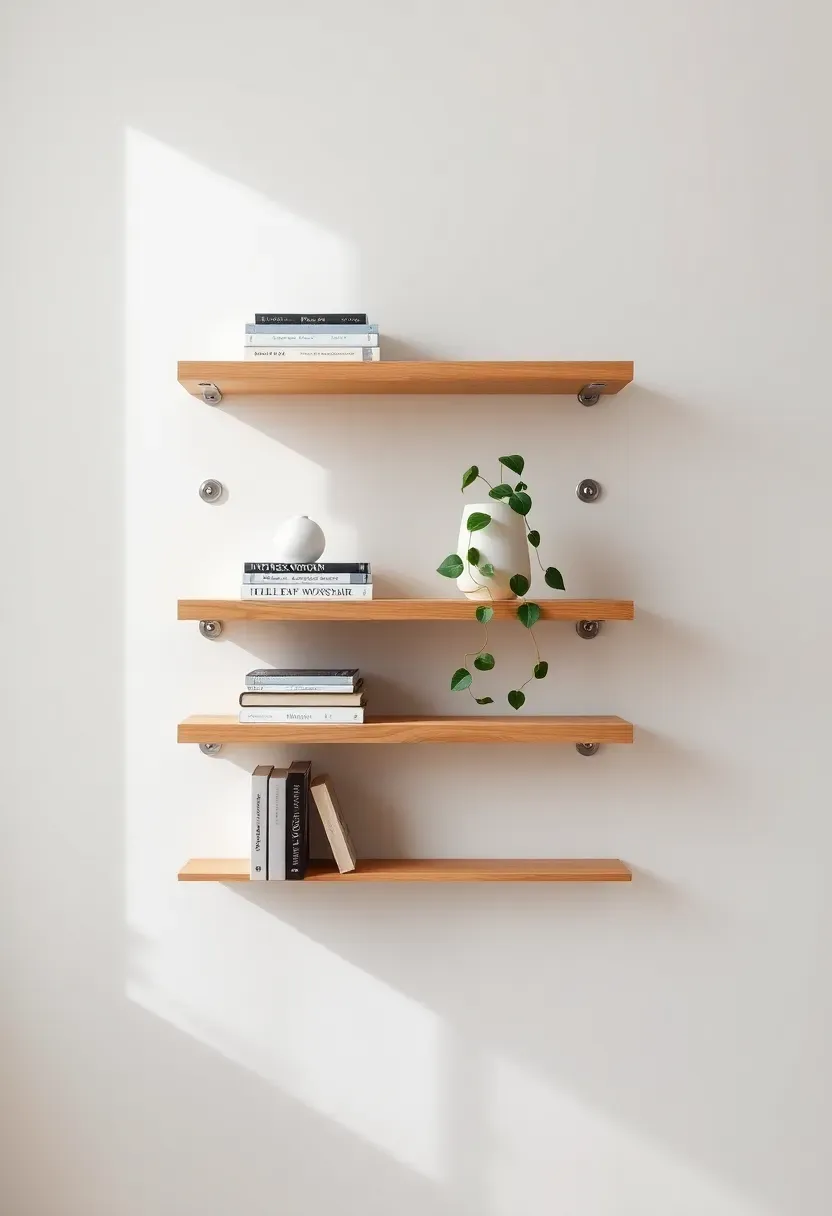
Installation follows precise guidelines for visual harmony. Shelves should be level, evenly spaced, and ideally positioned in relation to furniture or architectural features. Above a sofa, the bottom shelf should sit approximately 8-10 inches above the furniture back. For standalone installations, center shelves at eye level (approximately 60 inches from the floor). Choose shelving depth based on intended use—6-8 inches for books and smaller objects, 10-12 inches if displaying larger pieces or serving as a mini bar setup. The material should match or complement other wood elements in the room for cohesive flow.
Tips
- Install into studs for heavy items, or use appropriate anchors for your wall type
- Use a level during installation—uneven shelves are instantly noticeable and undermine the minimalist aesthetic
- Style shelves with odd numbers of objects and vary heights to create visual interest
- Leave some negative space—completely full shelves feel cluttered regardless of how beautiful the objects are
- Consider cable management if placing electronics—minimal cord exposure maintains the clean, floating aesthetic
Budget/Time: DIY floating shelves using quality brackets and solid wood cost significantly less than pre-made units while allowing customization of length and finish.
What this gives you: Functional storage and display that appears virtually weightless, maintaining visual spaciousness while providing necessary utility for everyday living.
8. Cozy Reading Nook by Natural Light
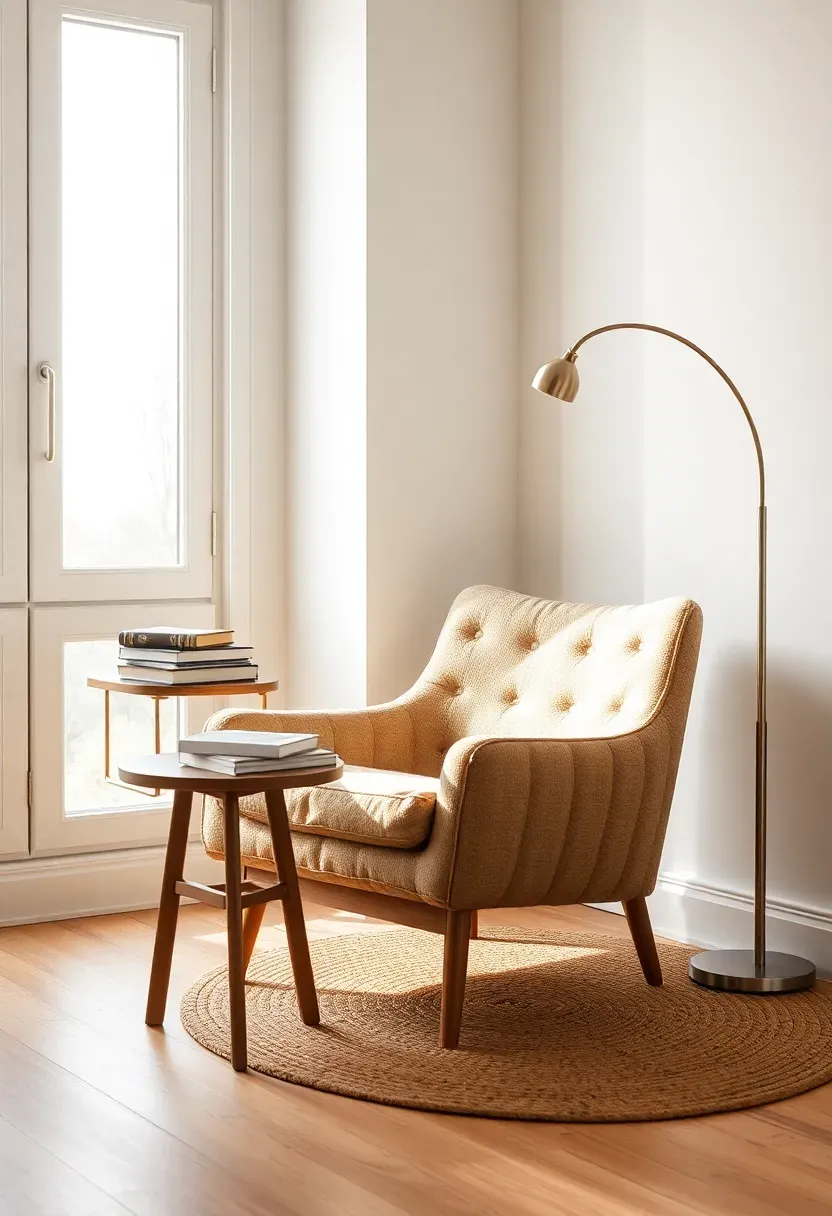
The reading nook represents hygge in its purest architectural form—a dedicated space that invites pause, contemplation, and escape from daily concerns. Scandinavian living rooms often incorporate a chair positioned to maximize natural light, perhaps beside a window or in a corner that captures morning sun. This isn't wasted space but rather a deeply intentional acknowledgment that rest and reflection deserve physical manifestation in our homes. The chair itself should be comfortable enough for extended sitting, with clean lines that complement rather than dominate the surrounding aesthetic. A small side table holds books and a warm beverage; a floor lamp provides illumination for evening reading.
Recommended
Items for this idea
This micro-environment within the larger room demonstrates the Scandinavian understanding of zones—creating distinct areas for different activities rather than treating the living room as undifferentiated space. The reading nook might be defined by a rug underneath the chair, or simply by its positioning relative to light sources and other furniture. What matters is the sense of being in a special, protected space, however subtle the definition. During winter months, this nook becomes particularly precious, a sanctuary of warmth and light during the dark Nordic afternoons that begin in mid-afternoon.
Tips
- Position the chair to face the room rather than the wall—this creates a more welcoming, social feeling even when the space is used solo
- Add a throw within arm's reach for temperature control during longer reading sessions
- Choose a side table that matches the scale of the chair—oversized tables overwhelm small reading areas
- If space allows, a small stool or ottoman provides a place to prop feet, increasing comfort significantly
Best for: Rooms with at least one corner or window area that can be partially dedicated to this purpose, even if the nook serves multiple functions throughout the day.
What this gives you: A dedicated space for rest and rejuvenation that embodies the hygge philosophy, creating a physical reminder that comfort and contemplation are essential, not optional.
9. Textured Rug Layering
The Scandinavian practice of layering rugs introduces warmth, texture, and visual interest without compromising the minimalist foundation. This technique typically involves a larger neutral base rug—jute, sisal, or a low-pile wool in cream or gray—anchored by a smaller accent rug on top, perhaps a sheepskin or a vintage piece with restrained pattern. The base rug provides practical floor covering and defines the seating area, while the layered piece adds softness, luxury underfoot, and a focal point that draws the eye. This approach allows for flexibility and seasonal change; swap the top rug to transform the room's mood without replacing the entire floor covering.
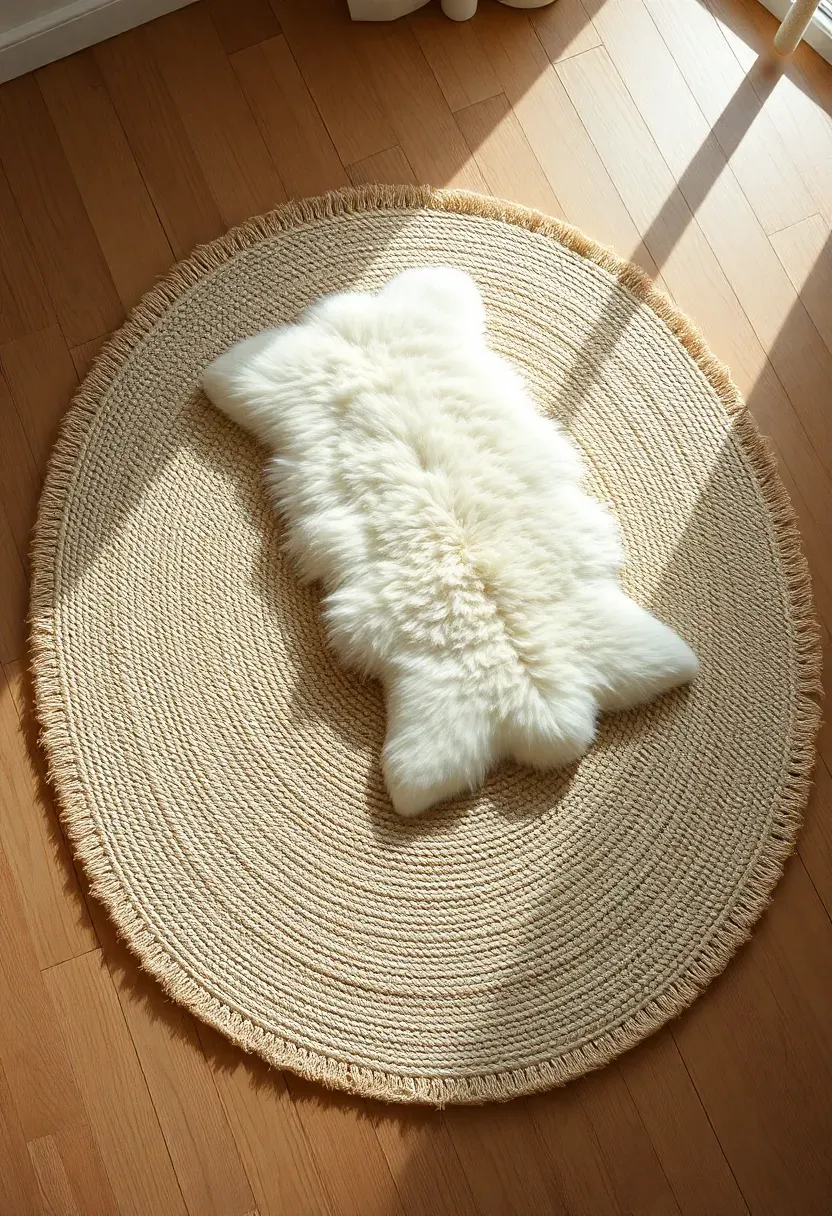
Mini "Common mistake": Many make the error of choosing rugs that are too small for the space, leaving islands of flooring around furniture edges. The base rug should be large enough that at least the front legs of all seating pieces rest on it, ideally fully under sofas and chairs. This creates proper anchoring and makes the entire seating arrangement feel unified and intentional rather than scattered. Similarly, the accent rug should be substantial enough to register visually but small enough to clearly read as a layer rather than competing with the base.
Material choice matters for both function and philosophy. Natural fibers like jute and sisal offer sustainability and textural contrast while being remarkably durable—practical considerations that align with Nordic values. Wool provides warmth and natural stain resistance, important in homes where outdoor living and indoor comfort constantly intersect. When layering, consider the contrast in texture: smooth wool over rough jute, plush sheepskin over flat-weave cotton. These textural differences create tactile interest that keeps the eye engaged even within a monochromatic color scheme.
Tips
- Use rug pads between layers to prevent slipping and bunching—this small investment significantly improves safety and comfort
- Vacuum layered rugs more frequently than single rugs—dust accumulates between layers
- In open-concept spaces, use the base rug to define zones without walls
- Rotate rugs annually to ensure even wear, especially if placed in high-traffic areas or direct sunlight
What this gives you: Dimensional warmth underfoot and visual depth that transforms stark minimalism into layered luxury, with flexibility to refresh the room's character seasonally.
10. Black Accents for Graphic Contrast
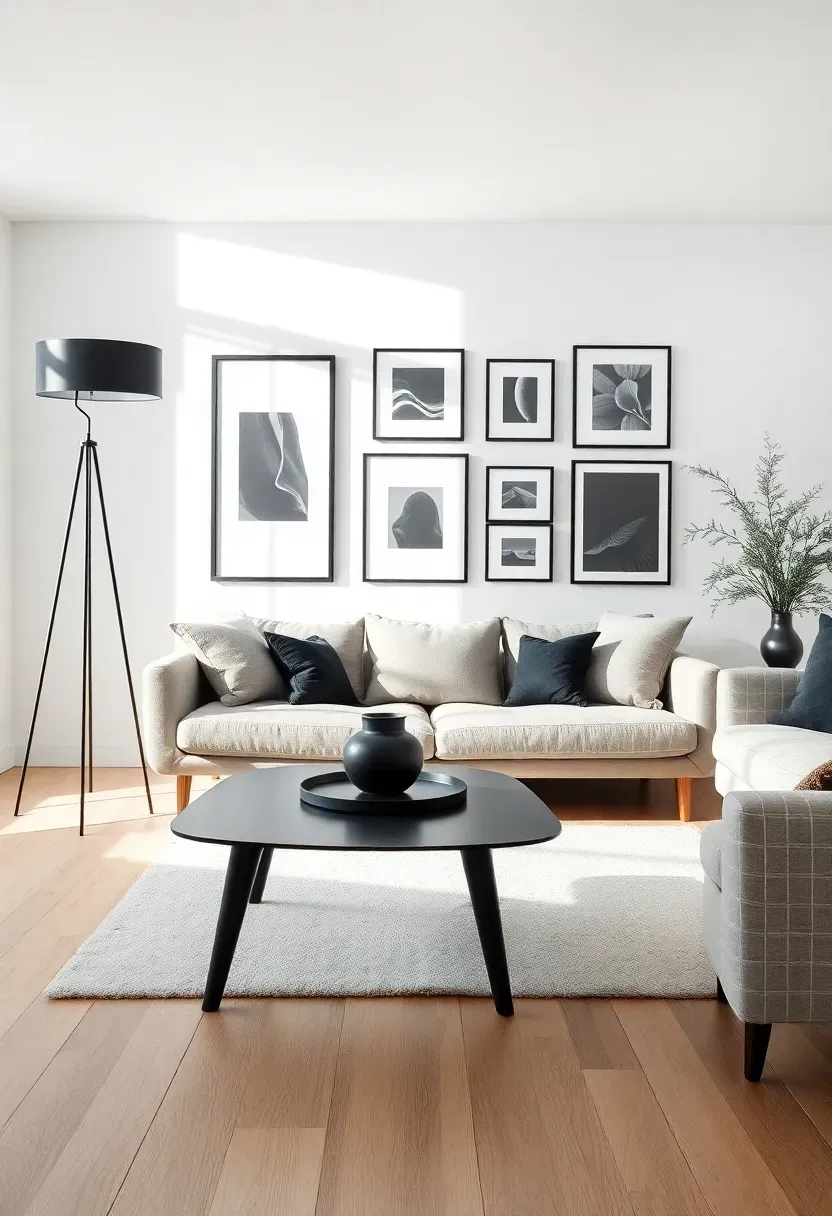
While Scandinavian interiors are predominantly light and neutral, strategic black accents provide essential contrast that prevents rooms from feeling washed out or overly ethereal. This isn't about darkness but rather definition—black picture frames, lamp bases, or furniture legs create graphic punctuation that grounds the space and adds sophistication. The Nordic climate itself demonstrates this principle: winters aren't merely gray but feature sharp contrasts between dark evergreens, white snow, and deep Baltic skies. Interior design translates this natural drama into architectural terms, using black as an organizing visual element rather than a dominating color scheme.
Recommended
Items for this idea
The key is restraint—black should function as accent, not theme. Think black metal floor lamp slender legs, matte black ceramic vase, picture frames in black rather than white or wood tones. These elements read as neutral rather than dark, providing anchor points that give the eye somewhere to rest within all the lightness. They also create visual rhythm—repeating black elements throughout the space creates continuity without matching every component. This approach acknowledges that contrast, not uniformity, creates visual interest and sophistication.
Placement note: Distribute black accents throughout the room rather than clustering them in one area. A black frame on one wall, a black lamp base on the opposite side, black furniture legs—this creates visual balance and prevents any single area from feeling weighted or heavy.
Tips
- Mix matte and slightly glossy black finishes for subtle sophistication and visual variety
- Black elements can be practical too—black hides wear and stains better than white on high-touch items
- Consider black plumbing fixtures or hardware for bathroom or kitchen continuity if your living room incorporates these accents
- Photographs in black frames gain graphic impact regardless of subject matter or color palette
What this gives you: Graphic definition and sophisticated contrast that prevents light interiors from feeling washed out, adding visual punctuation that anchors the space without darkening its character.
11. Sheer Curtains for Softened Light
Nordic interiors master the art of light manipulation, and sheer curtains represent one of the most elegant tools in this repertoire. Rather than blocking or heavily filtering natural light, sheer panels soften and diffuse it, creating that characteristic Scandinavian glow—bright yet gentle, luminous but never harsh. This approach maximizes limited daylight hours during Nordic winters while maintaining privacy and reducing glare on screens or reflective surfaces. The effect transforms ordinary sunlight into something magical, bathing rooms in ethereal illumination that feels both natural and otherworldly.
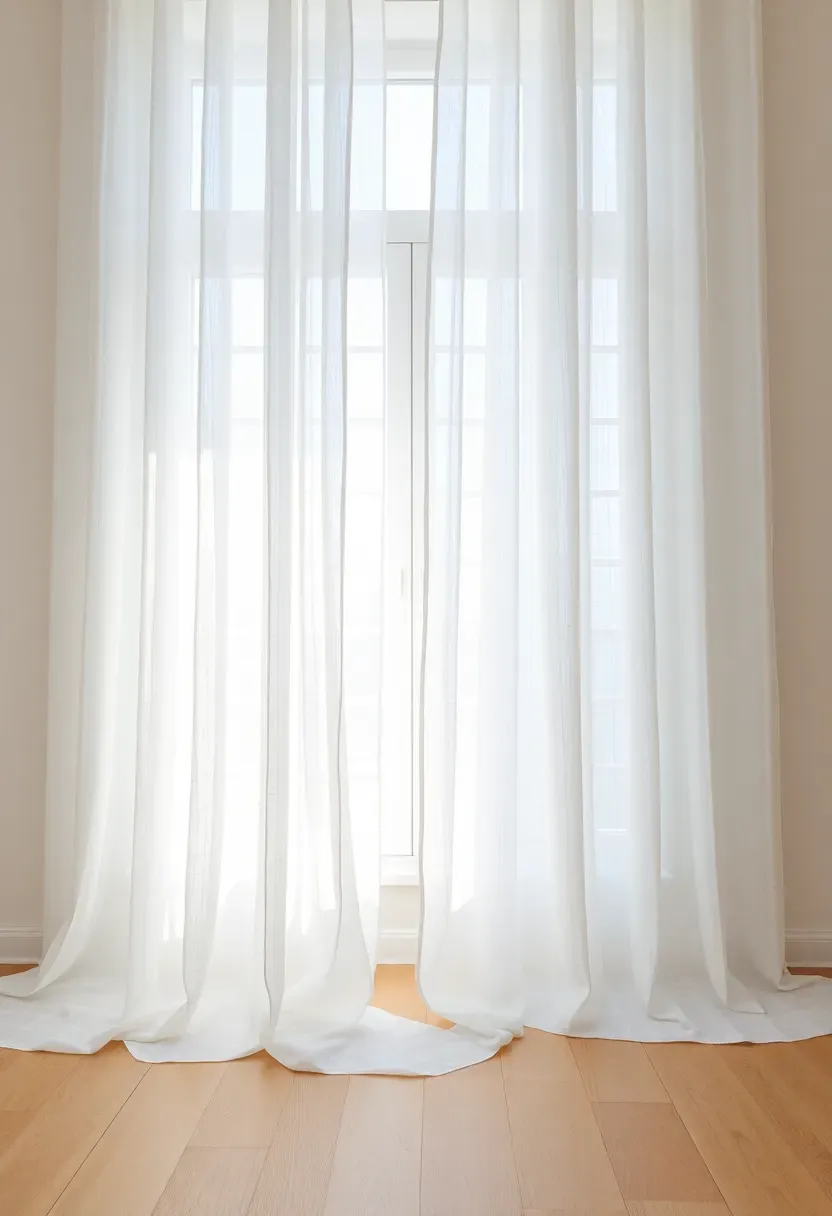
Installation follows minimalist principles. Floor-to-ceiling mounting creates drama and makes ceilings feel higher, while the sheer fabric itself takes up minimal visual space. Mount several inches above the window frame rather than directly at its edges—this trick, borrowed from high-end hotel design, makes windows appear larger and ceilings taller. The fabric should pool slightly on the floor (1-2 inches) for a relaxed, elegant feel rather than stopping exactly at floor level, which can look stunted. White or barely-there gray panels maintain the light, neutral palette while providing all the functional benefits of window treatments.
Tips
- Choose high-quality sheers—cheap, transparent fabrics can look dingy rather than ethereal
- If privacy isn't a concern, consider hanging sheers without any backing curtains for ultimate lightness
- Layer sheers over blackout curtains in bedrooms for the best of both worlds: light diffusion when desired, complete darkness when needed
- Wash sheers in cold water and air dry or tumble on low—high heat causes shrinkage and damages delicate fibers
- Iron while slightly damp for crisp results—wrinkled sheers read as messy rather than relaxed
Budget note: White linen or cotton voile panels from retailers like IKEA or H&M Home offer excellent quality at accessible prices—no need to go custom for this look.
What this gives you: Softened, diffused natural light that creates the characteristic Scandinavian glow while maintaining privacy and reducing harsh glare throughout the day.
12. Modular Sofa for Flexible Arrangement
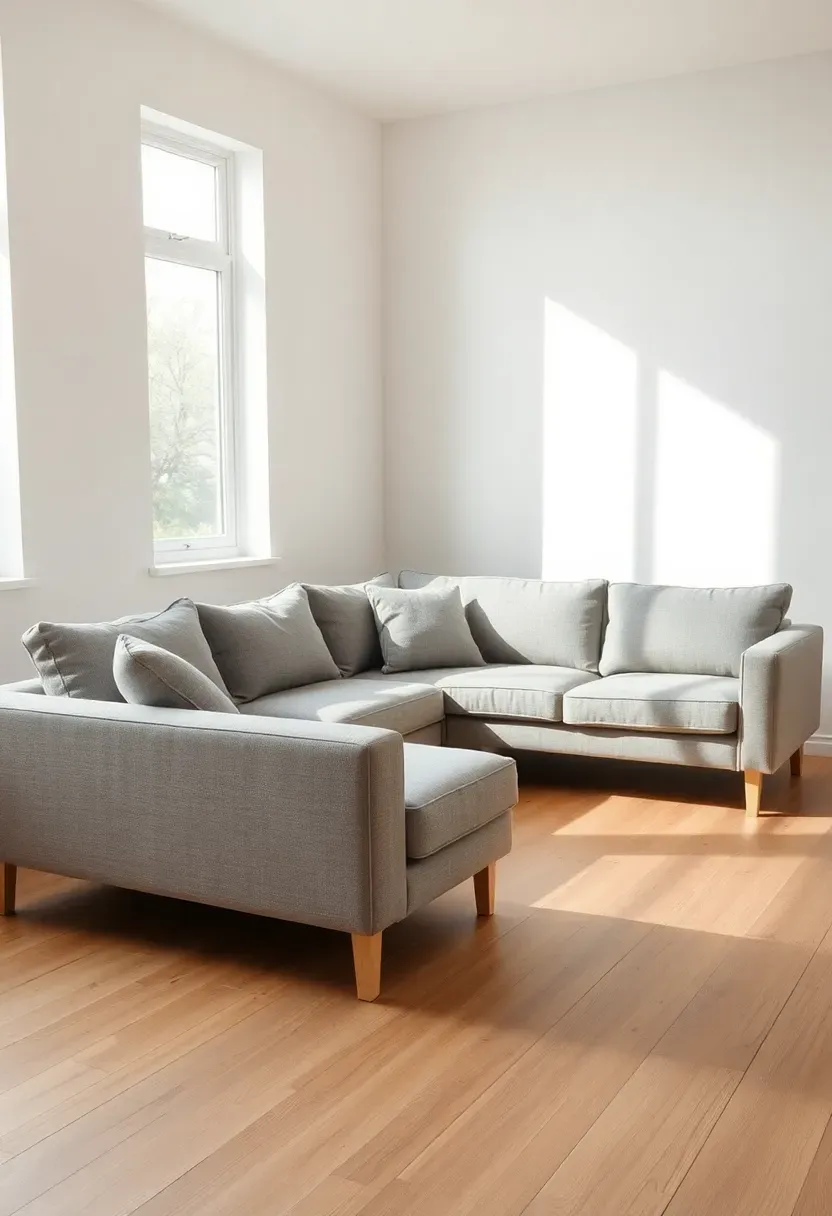
The modular sofa exemplifies Scandinavian practicality married to contemporary design flexibility. Rather than committing to a fixed configuration, modular systems allow rearrangement as needs change—expanding for gatherings, contracting for intimate evenings, reconfiguring entirely if the room's use evolves. This adaptability honors the Nordic understanding that homes aren't static showpieces but living environments that must accommodate changing circumstances, from growing families to shifting work patterns. The clean, typically low-profile design of modular pieces maintains the minimalist aesthetic while providing maximum functionality and comfort.
Recommended
Items for this idea
When selecting modular systems, prioritize quality construction and timeless design over trendy features or the lowest price point. These sofas represent significant investment pieces that should serve for decades, not years. Look for solid wood frames, high-density foam or wrapped feather cushions that maintain shape, and removable, washable covers—a practical necessity in Nordic climates where outdoor living constantly tracks inside, and in homes where comfort doesn't equal preciousness about furniture. Neutral fabrics in light colors expand the visual footprint while making the room feel airier, though darker shades can work if consistently balanced with light elements elsewhere.
Tips
- Before purchasing, use masking tape to mark out different configurations in your room—this prevents expensive mistakes about what actually fits
- Consider armless modules for maximum flexibility—arms can always be added later but limit rearrangement options
- Invest in extra cushion filling when buying; all cushions compress over time and having filling on hand extends the sofa's life significantly
- If you entertain frequently, prioritize deeper seat depth (40+ inches) which allows comfortable perching or lounging during gatherings
Rental note: Modular sofas are ideal for renters—easier to move through doorways in pieces than fixed sectionals, and reconfigurable for different rental layouts.
What this gives you: Seating that adapts to changing needs and spaces, providing long-term value and flexibility while maintaining the clean, contemporary aesthetic essential to Scandinavian design.
13. Natural Coffee Table as Organic Anchor
The coffee table serves as the living room's literal and metaphorical center, grounding the seating arrangement while providing a surface for daily life—books, beverages, laptops, tired feet. Scandinavian design favors coffee tables in natural materials that celebrate organic imperfections: live-edge wood slabs, stone tops with natural veining, or simple round forms in light oak or ash. These pieces bring nature indoors, echoing the forests and landscapes that define Nordic geography, while providing essential function without dominating the visual field. The best coffee tables in Scandi interiors feel found rather than designed, like natural objects that happened into the room and settled there.
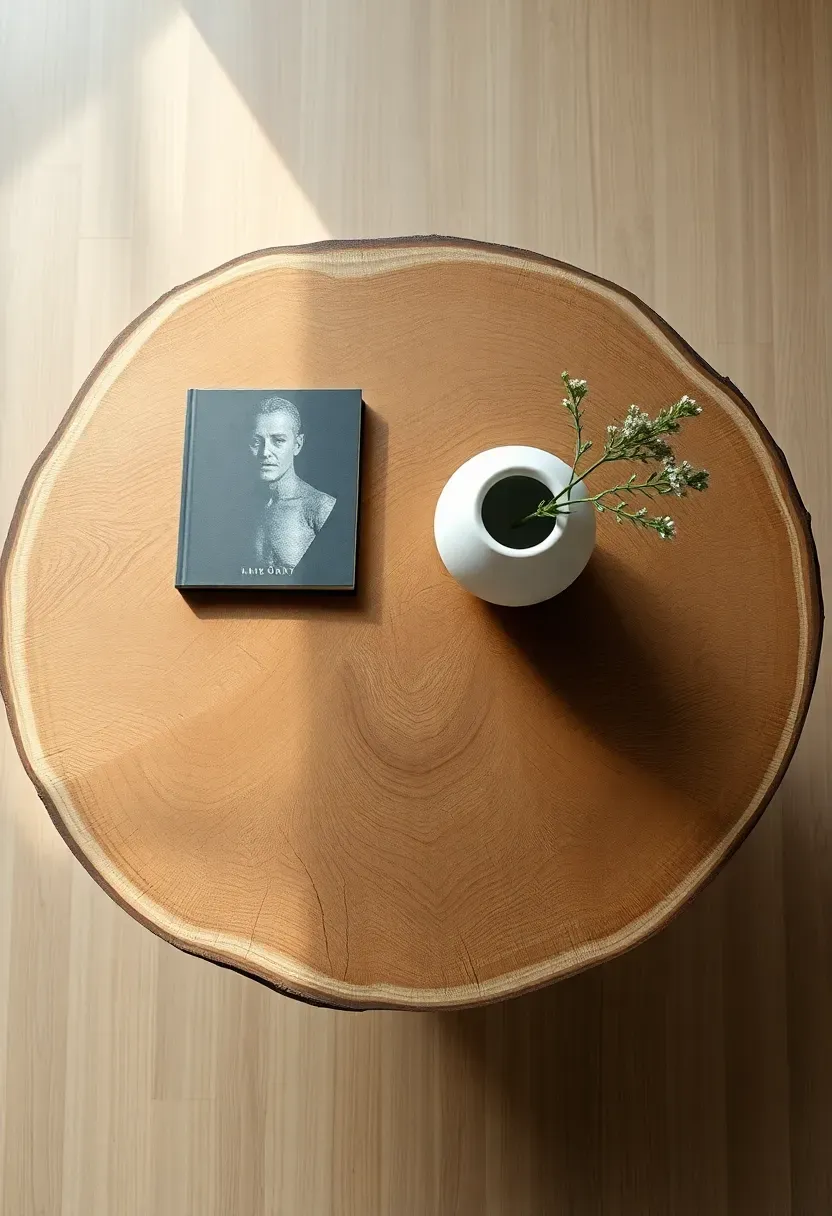
Scale and proportion matter tremendously. The table should be approximately two-thirds the length of your sofa and sit at seating height (16-18 inches) or slightly lower (14-16 inches) for a more contemporary, relaxed feel. Round tables work beautifully in smaller rooms or with sectional sofas, as they lack corners that can create awkward flow or visual obstruction. Rectangular tables suit longer sofas and traditionally arranged rooms. The key is ensuring there's adequate circulation space—at least 18 inches between the table edge and sofa or other furniture for comfortable movement.
Tips
- If using a live-edge or highly figured wood table, keep surrounding elements simpler to avoid visual competition
- Apply appropriate sealer to natural materials—wood needs periodic oiling, stone may require sealing based on porosity
- Consider nested tables if you need flexibility—smaller tables can be pulled out when needed and tucked away when not
- Use coasters even on sealed surfaces—water marks eventually damage even protected natural materials
- Style sparingly; one or two objects (a book, a small plant, a tray) creates more impact than many items scattered across the surface
What this gives you: An organic focal point that grounds the room while celebrating natural materials, providing essential function without overwhelming the minimalist aesthetic.
14. Floor Lamp beside Armchair
The floor lamp beside an armchair represents a specific Scandinavian tradition: creating functional, inviting micro-spaces through thoughtful lighting placement. This isn't merely illumination but zone definition—by placing a floor lamp beside an armchair, you create a reading corner, a conversation nook, a place for morning coffee or evening reflection. The lamp itself should be substantial enough to serve as a sculptural element while providing adequate task lighting for reading or other focused activities. Arched floor lamps that extend over the chair are particularly popular in Nordic interiors, providing direct light where needed while maintaining an airy, open feel beneath the arc.
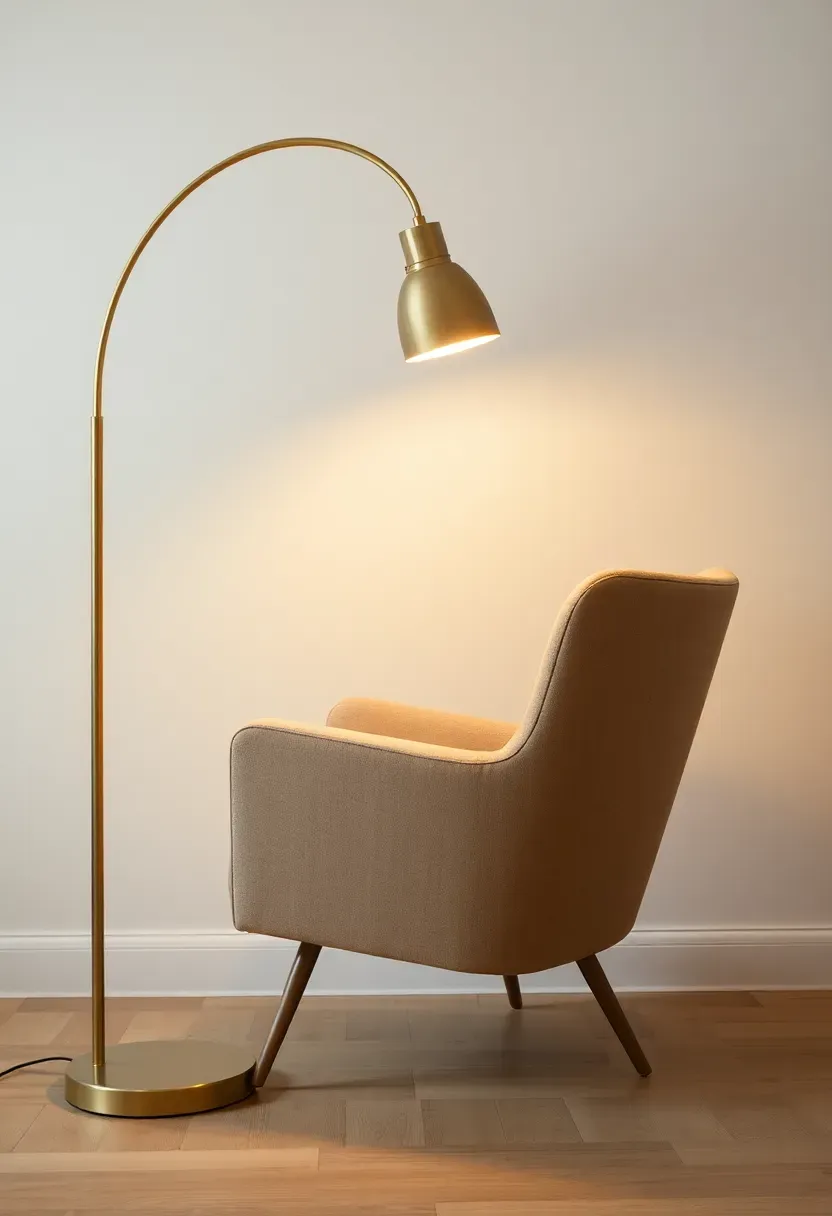
Recommended
Items for this idea
Light bulb selection matters significantly. Warm white LEDs (2700K-3000K) provide the cozy glow essential to hygge atmospheres, whereas cooler daylight temperatures (4000K+) can feel clinical and at odds with the room's warmth. Consider bulbs with high CRI (Color Rendering Index) ratings of 90+ for accurate color rendering—this makes reading more comfortable and allows the room's colors to be seen as intended. Dimmable fixtures add flexibility, allowing the same lamp to provide bright task light when needed and softer ambient light for relaxation.
Tips
- Position the lamp so the switch is easily reachable from the seated position—this sounds obvious but is frequently overlooked in design
- If using an arched lamp, ensure the shade is positioned to the side rather than directly overhead to minimize glare on reading material or screens
- Choose fixtures with weighted bases—tippy lamps become a constant annoyance and safety hazard
- Consider the lamp's visual weight—delicate fixtures suit minimalist rooms, while chunkier, more substantial designs can anchor spaces with lots of upholstery
Best for: Living rooms with at least one dedicated seating area away from walls, where a floor lamp can define the zone without blocking traffic patterns or competing with other lighting.
What this gives you: A functional, inviting seating zone with ideal lighting for reading or conversation, defined through illumination rather than walls or physical barriers.
15. Built-In Window Seat
The window seat represents perhaps the most quintessential expression of Scandinavian living design—a built-in perch that frames outdoor views while maximizing natural light and providing a cozy spot for contemplation. This architectural feature acknowledges that connection to the outdoors remains vital even when weather demands staying inside. Window seats are typically positioned to capture optimal light, often with storage beneath for cushions or blankets, making them both beautiful and practical. The best examples feel like architectural discoveries, as if the building naturally offered this perfect vantage point.
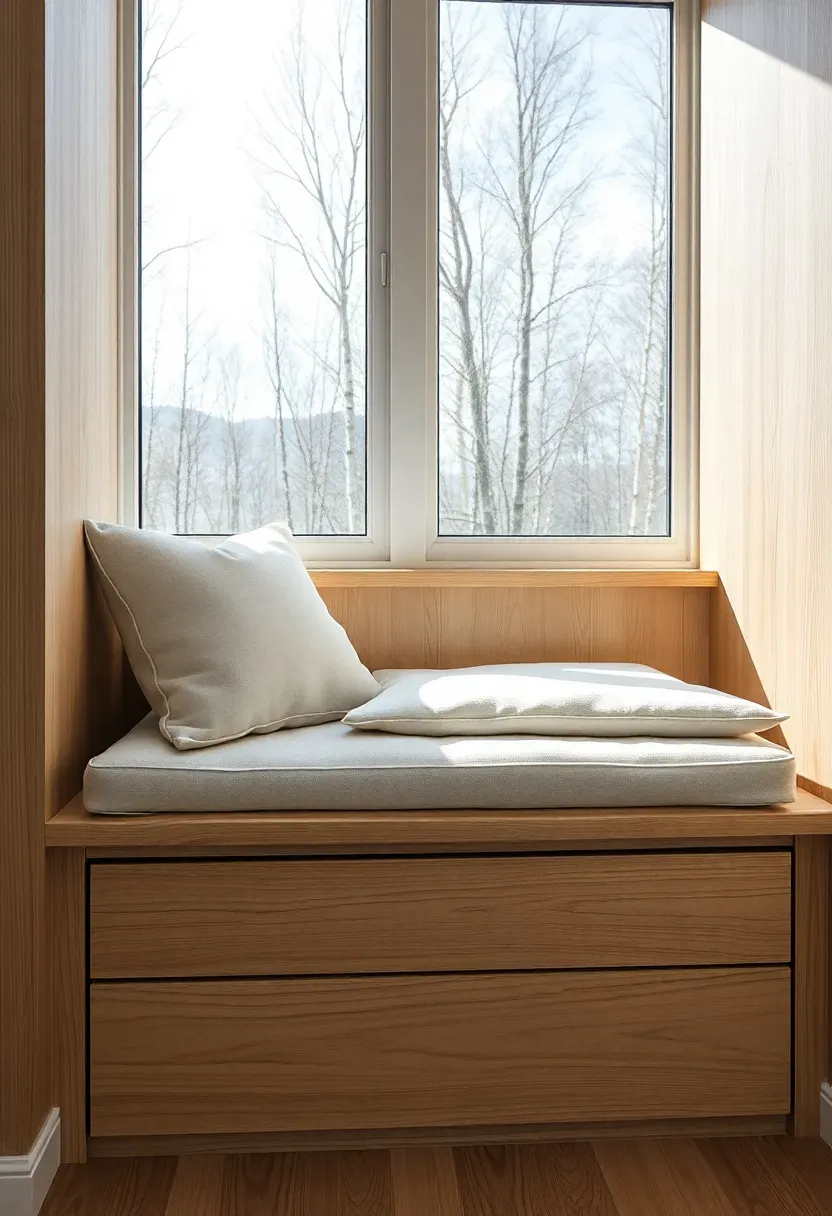
Construction should honor minimalist principles—clean lines, simple cushion shapes, perhaps a button-tufted detail for subtle sophistication without fussy ornamentation. The bench height should allow comfortable seating with feet touching the floor (approximately 18 inches from the floor to the top of the cushion). Depth depends on intended use—shallow (16-18 inches) primarily for seated perching, deeper (24+ inches) if the seat will be used for lounging or occasional napping. Cushions in durable but comfortable fabrics like heavy linen or canvas withstand daily use while maintaining a relaxed, lived-in quality that feels authentic rather than precious.
Tips
- If doing new construction or major renovation, orient window seats toward the best view—this seems obvious but is frequently overlooked in favor of other considerations
- Include hidden storage beneath for cushions, throws, or seasonal items—this makes the feature functional year-round
- Add a wall sconce or pendant light above for evening use, transforming the seat into a cozy reading spot after dark
- Consider solar film on windows if the seat receives intense afternoon sun—this protects both furnishings and occupants from UV exposure
- Style simply: one lumbar pillow and maybe a throw is sufficient; over-accessorizing undermines the architectural purity of the feature
Budget/Time: DIY built-ins using stock kitchen cabinets as a base, topped with custom wood and foam cushions, cost significantly less than custom millwork while providing similar functionality.
What this gives you: A architectural feature that celebrates natural light and views while providing cozy seating and clever storage—form and function in perfect Nordic balance.
16. Minimal Entertainment Unit
Even in interiors that prioritize analog comfort over digital distraction, the entertainment unit remains a practical necessity for most households. Scandinavian design addresses this reality through minimalist media consoles that prioritize function while minimizing visual mass. Low-profile units in light wood or matte white provide storage and surface area without dominating walls or drawing attention away from more aesthetic elements. The best examples almost disappear, providing everything needed for electronics and media storage while barely registering visually.
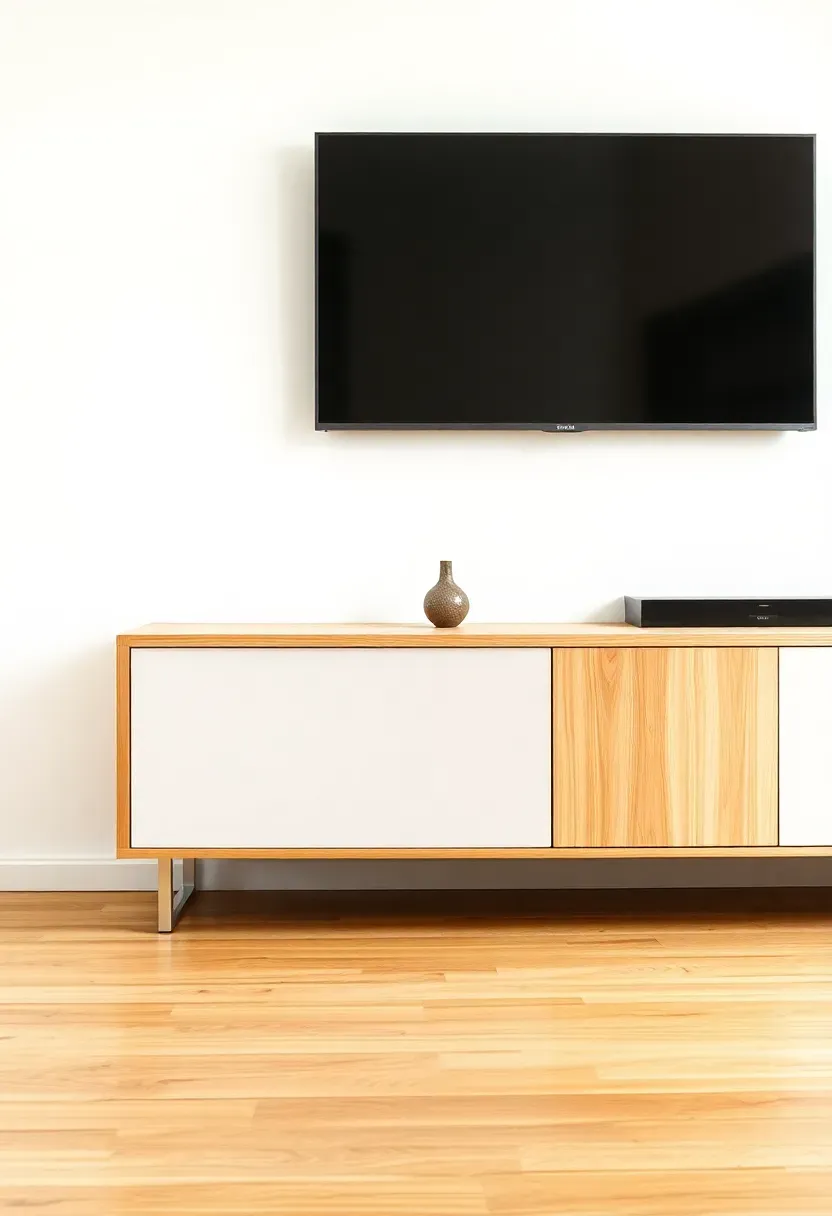
Recommended
Items for this idea
Cable management represents the critical difference between successful and unsuccessful media console integration. Look for units with enclosed backs or channels that keep cords contained and out of sight. This attention to detail distinguishes minimalist theory from minimalist practice—anyone can choose sleek furniture, but true minimalism requires addressing the messy realities of modern life. The unit should provide adequate ventilation for electronics while maintaining the clean facade that characterizes Nordic interiors. Consider units with doors or drawers that conceal equipment when not in use, further reducing visual noise.
Tips
- Measure equipment before purchasing—ensure the unit will actually accommodate your specific components
- Choose a unit at least as wide as your TV (preferably 6-12 inches wider on each side) for proper visual proportion
- Style the surface sparingly; one or two objects provides balance without competing with the screen for attention
- If wall-mounting the TV, consider floating console rather than traditional cabinet for lighter, more contemporary feel
Best for: Open-concept living rooms where the TV area is visible from multiple vantage points, requiring careful integration to prevent electronics from dominating the space.
What this gives you: Essential media storage and equipment housing that maintains clean lines and minimizes visual clutter, keeping technology present but not prominent.
17. Oversized Knit Throw as Focal Point
The oversized knit throw, particularly in chunky cable or fisherman stitch patterns, represents hygge made visible—coziness that can be seen as clearly as it can be felt. Draped casually over a sofa or armchair, these substantial textiles become sculptural elements that add warmth, texture, and visual interest while remaining entirely functional. Their scale and texture make them focal points despite—or because of—their simplicity. In predominantly neutral rooms, a throw in cream, gray, or natural wool tones provides textural contrast without introducing new colors, maintaining the serene palette while adding luxurious softness.

The quality of materials matters enormously. Pure wool or alpaca provides warmth, durability, and that luxurious hand-feel that synthetic blends cannot replicate. These natural fibers also age beautifully, developing character rather than simply wearing out. The scale of the knit should be substantial—oversized needles create chunky stitches that read as texture from across the room, not just up close. Size matters too; the throw should be large enough to truly envelop a seated person (at least 50x70 inches, ideally larger), transforming from decorative accent to genuine comfort whenever needed.
Tips
- Hand-wash or dry clean only—machine washing, even on gentle cycles, will felt and ruin wool throws
- Store folded rather than hung; hanging stretches wool fibers and ruins the shape over time
- Refresh between uses by shaking outdoors and airing in sunlight—this removes dust and refreshes without washing
- If you knit or crochet, making your own allows customization of size, color, and pattern at a fraction of retail prices
- Consider having a high-quality throw monogrammed discreetly in a corner—this personalizes the piece and makes it feel special rather than generic
Best for: Neutral rooms that could benefit from additional texture without introducing pattern or color, particularly in cooler climates where warmth is valued for much of the year.
What this gives you: Visual and tactile luxury that functions as both decorative accent and genuine comfort, embodying the hygge principle in visible, touchable form.
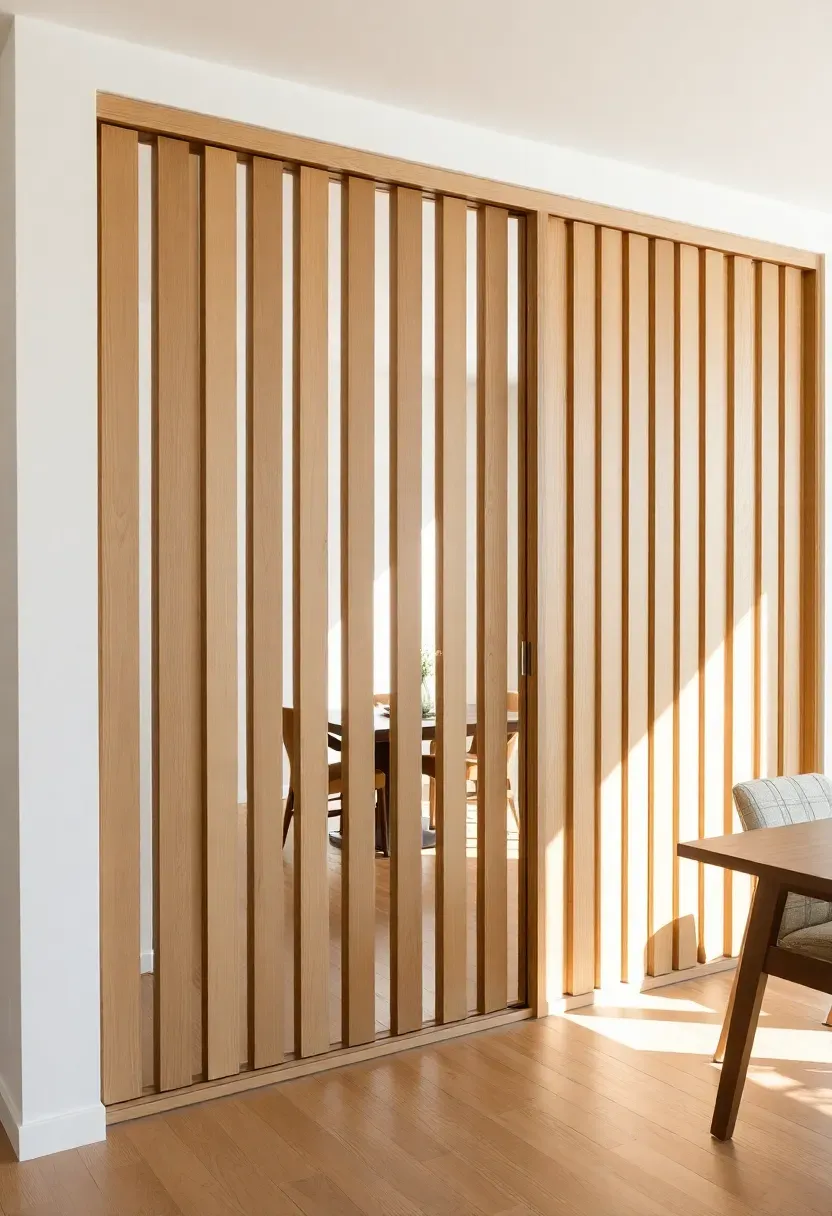
18. Sliding Wood Room Divider
The sliding wood divider addresses the challenge of open-concept living while maintaining the aesthetic continuity that characterizes Scandinavian interiors. Rather than walls that permanently separate spaces, sliding panels allow flexibility—opened to create flow and connection, closed to define zones or provide privacy as needed. This adaptability honors the Nordic understanding that homes must accommodate changing needs throughout the day and throughout life. Materials typically match or complement existing wood flooring and furniture, creating visual continuity rather than introducing new elements that disrupt the palette.
Recommended
Items for this idea
Design ranges from full-height panels that completely separate spaces to shorter screens that merely suggest zoning without full enclosure. Hardware should be minimal and high-quality—bulky tracks or complicated mechanisms undermine the sleek, functional aesthetic. The panels themselves might be solid wood for complete privacy, slat designs that allow light and air to pass while still defining separate areas, or even incorporate glass or fabric inserts for varied degrees of separation. The key is that these dividers feel architectural rather than temporary, like built-in features rather than afterthoughts.
Tips
- If renting or seeking flexibility, consider freestanding divider screens that can be moved or removed rather than installed tracks
- For full-height installations, ensure tracks can support the panel weight—solid wood is surprisingly heavy
- Soft-close mechanisms prevent slamming and extend hardware life, worth the additional cost
- Consider acoustic properties if separating noisy areas—solid panels dampen sound more effectively than slat or open designs
Rental note: Freestanding screens or tension rods with ceiling-mounted curtains provide similar separation without permanent installation, perfect for renters seeking zone definition.
What this gives you: Flexible space definition that can adapt to changing needs throughout the day, maintaining open-concept benefits while allowing privacy and separation when desired.
19. Slate or Stone Hearth Accent
Even when actual fireplaces aren't practical or desired, incorporating stone or slate materials into living room design creates a hearth-like focal point that grounds the space with natural, earthy character. Slate flooring in front of a seating area, a stone-clad accent wall, or even a simple slate tabletop brings the tactile connection to earth and geology that resonates deeply with Scandinavian design's celebration of natural materials. These cool, smooth surfaces provide perfect textural contrast to warm woods and soft textiles, creating sensory richness within the restrained palette.
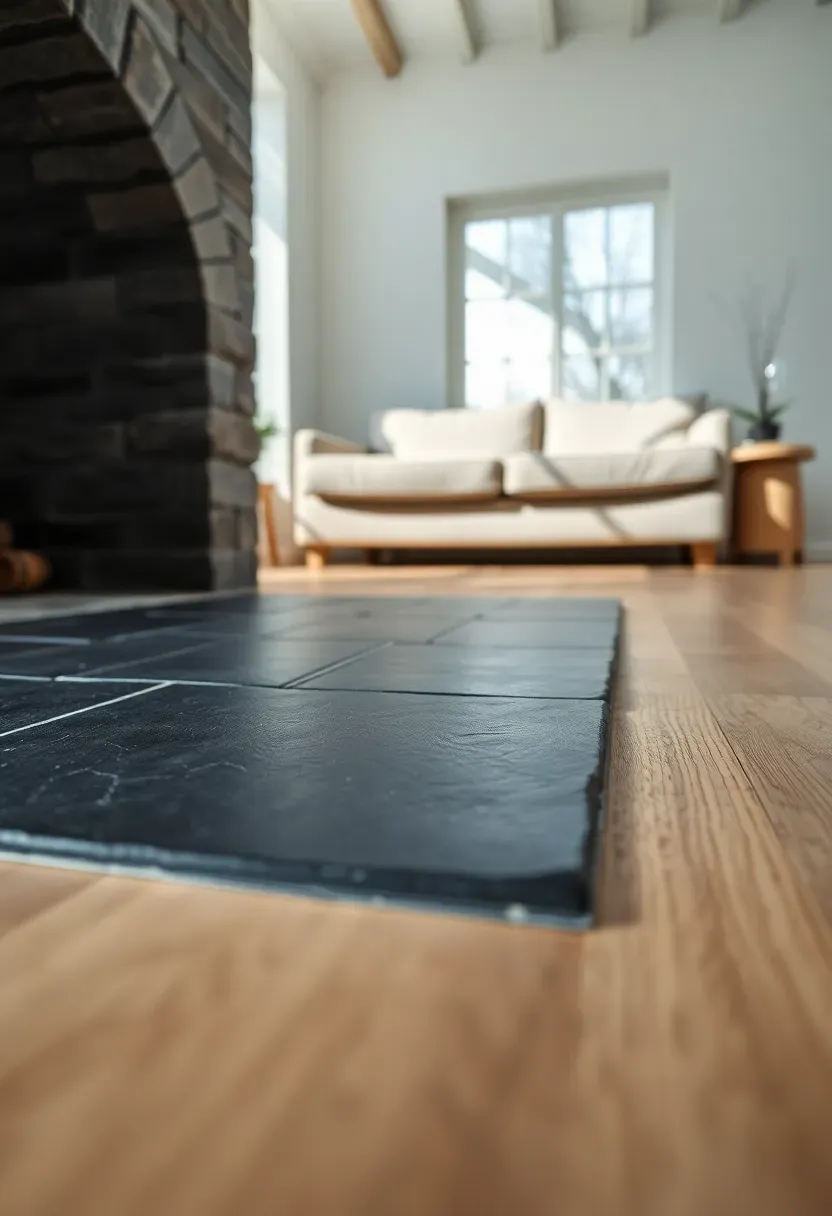
The type of stone matters less than the quality and consistency of application. Slate offers subtle color variation and natural cleft surfaces that catch light beautifully. Limestone provides warmer, creamier tones that complement neutral palettes without introducing jarring contrast. Granite offers durability and dramatic patterning for those seeking stronger visual impact. Whatever the material, installation should be precise and deliberate—random patterns still require intentional planning to avoid looking haphazard or poorly executed. The goal is naturalism that reads as thoughtful, not careless.
Tips
- Seal stone appropriately based on porosity—unsealed stone stains dramatically and is difficult to clean once damaged
- Consider underfloor heating beneath stone surfaces—this luxurious touch transforms cold stone into comfortably warm surfaces year-round
- Use stone runners or thresholds between different flooring types for elegant transitions that honor material differences
Budget/Time: Stone veneer rather than full slabs provides the look for significantly less cost and easier installation, ideal for DIY-competent homeowners seeking the aesthetic without the expense.
What this gives you: Natural, earthy texture and visual grounding that creates a hearth-like focal point while celebrating organic materials in their raw, beautiful state.
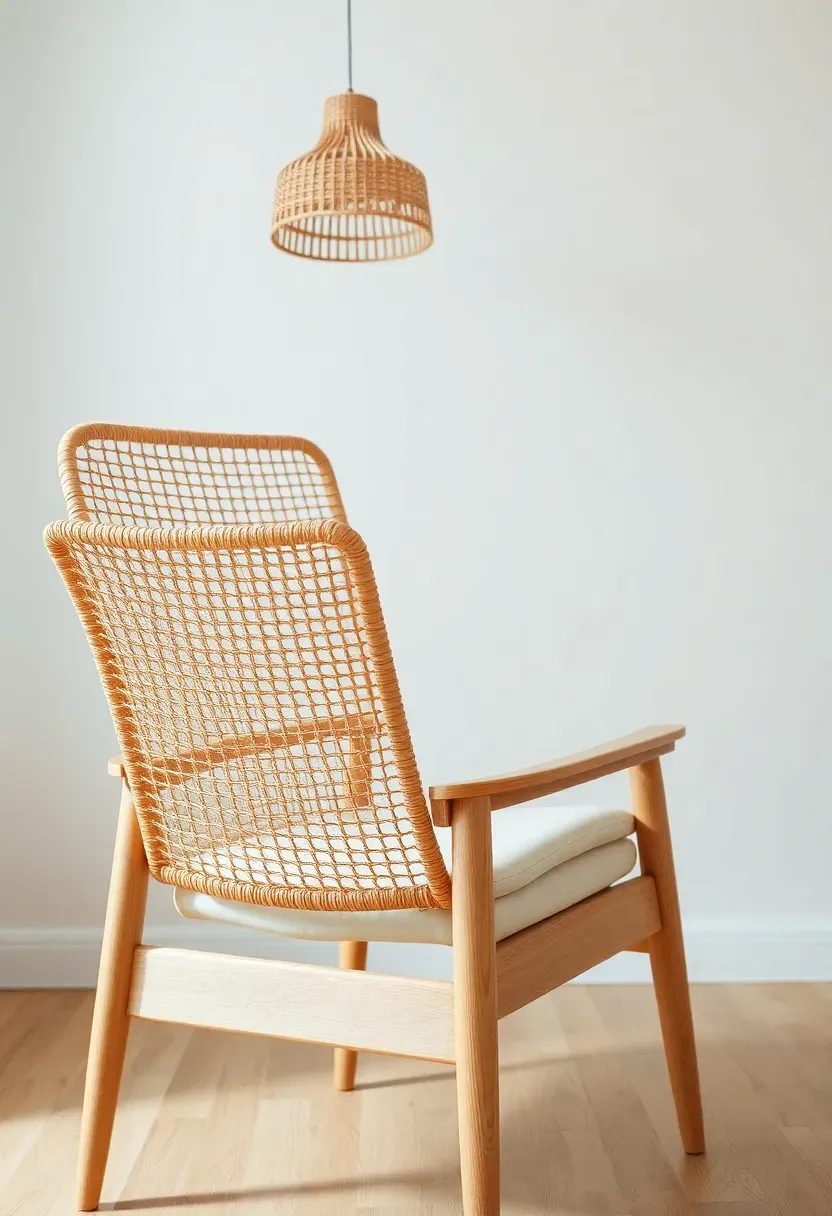
20. Cane or Woven Texture Elements
Cane webbing, rattan, and other woven materials bring warmth, texture, and nostalgic character to Scandinavian interiors while maintaining the commitment to natural materials. These elements reference Nordic design heritage while feeling entirely contemporary—chairs with cane backs, rattan light fixtures, or woven storage baskets introduce pattern and interest through texture rather than color or ornament. The organic irregularity of hand-woven pieces provides perfect counterpoint to the clean lines and precision that dominate Scandi furniture, creating visual balance between order and naturalism.
Recommended
Items for this idea
Integration should be selective rather than comprehensive. A cane chair among solid wood pieces, a single rattan pendant among metal fixtures, woven baskets for storage—these accents read as intentional details rather than themed decorating. This restraint prevents the space from feeling dated or overly retro while still benefiting from woven materials' warmth and texture. Quality matters significantly—tight, even weaving and substantial frames distinguish well-made pieces that will age beautifully from cheap versions that may sag or break relatively quickly.
Tips
- Protect cane from direct sunlight and extreme dryness—both conditions cause natural fibers to become brittle and break
- Wipe cane regularly with a damp cloth to prevent dust from settling in the weave, which can lead to deterioration over time
- Consider cane or woven pieces for seasonal rooms or vacation homes—they withstand humidity and temperature changes better than many solid wood pieces
- Mix woven textures rather than matching everything exactly—a cane chair, rattan light, and seagrass basket in the same room creates layered sophistication
- In humid climates, cane may loosen slightly over time—this can be tightened by professionals, but prevention through climate control is preferable
Avoid if: You have pets that might claw woven materials—cats particularly find cane irresistible, and damaged cane is expensive to repair or replace.
What this gives you: Natural texture and nostalgic warmth that references design heritage while feeling contemporary, creating visual interest through material rather than ornament.
21. Circular Mirror for Light Reflection
The circular mirror serves both practical and aesthetic functions in Scandinavian living rooms, reflecting natural light deeper into spaces while introducing soft curves that balance the prevalence of straight lines and right angles. Placed strategically opposite windows or light sources, mirrors effectively double daylight penetration—particularly valuable during Nordic winters when every photon of natural light counts. The circular shape specifically softens architectural rigidity, adding organic geometry that feels more natural and less constructed than rectangular alternatives. This small detail makes rooms feel more livable and less designed, more evolved than planned.
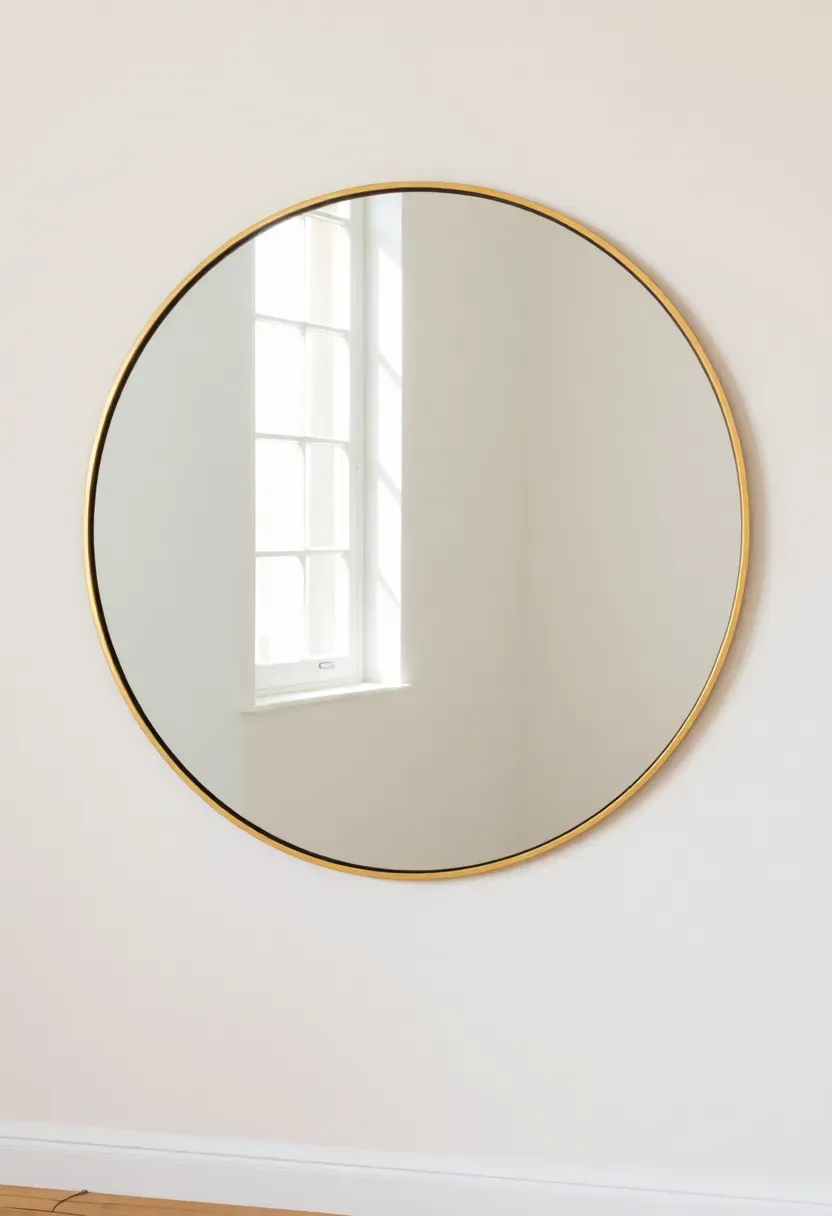
Placement requires thoughtful consideration of what the mirror will reflect. The goal is capturing light or interesting views—not unattractive corners, cluttered areas, or blank walls. Positioning opposite art, architectural features, or window views ensures the mirror reflects something worthwhile. Scale matters enormously too—tiny mirrors feel insignificant, while oversized mirrors (40+ inches diameter) become dramatic focal points that transform walls. The frame should be minimal or nonexistent for true Scandinavian style—thin metal rims, light wood, or frameless versions that focus attention on the reflection rather than the object itself.
Tips
- Hang at eye level (approximately 60 inches from the floor to the center) for the most natural, flattering reflection
- Use appropriate hanging hardware for the mirror's weight—falling mirrors are dangerous and damaging
- Consider leaning very large mirrors rather than hanging them—this creates a more relaxed, contemporary feel and makes moving or repositioning easier
- Position to reflect your most attractive architectural feature or best view—this doubles the visual impact of whatever the mirror captures
Best for: Rooms with limited natural light or awkward dark corners, where strategic mirror placement can dramatically improve brightness and perceived spaciousness.
What this gives you: Amplified natural light, perceived spaciousness, and soft geometric contrast that makes rooms feel brighter, larger, and more dynamically balanced.
These 21 Scandinavian living room ideas show that Nordic design achieves its character through thoughtful restraint, not excess. Each element serves multiple purposes: beauty alongside function, hygge comfort alongside minimalist simplicity. Whether you layer wool throws on a modular sofa, hang floating shelves for renter-friendly storage, or simply swap to warm-white bulbs, every change moves your living room closer to that calm, cozy Scandinavian feel. By prioritizing light wood, natural textiles, and intentional simplicity over clutter and accumulation, you create a space that genuinely enhances daily life -- proof that less, chosen with care, really is more.
About the author
OBCD
CGI visualization and interior design content. We create detailed 3D renders and curate practical design ideas for every room in your home.