What Is a Tiny House on Wheels? Cost, Legality, and Design
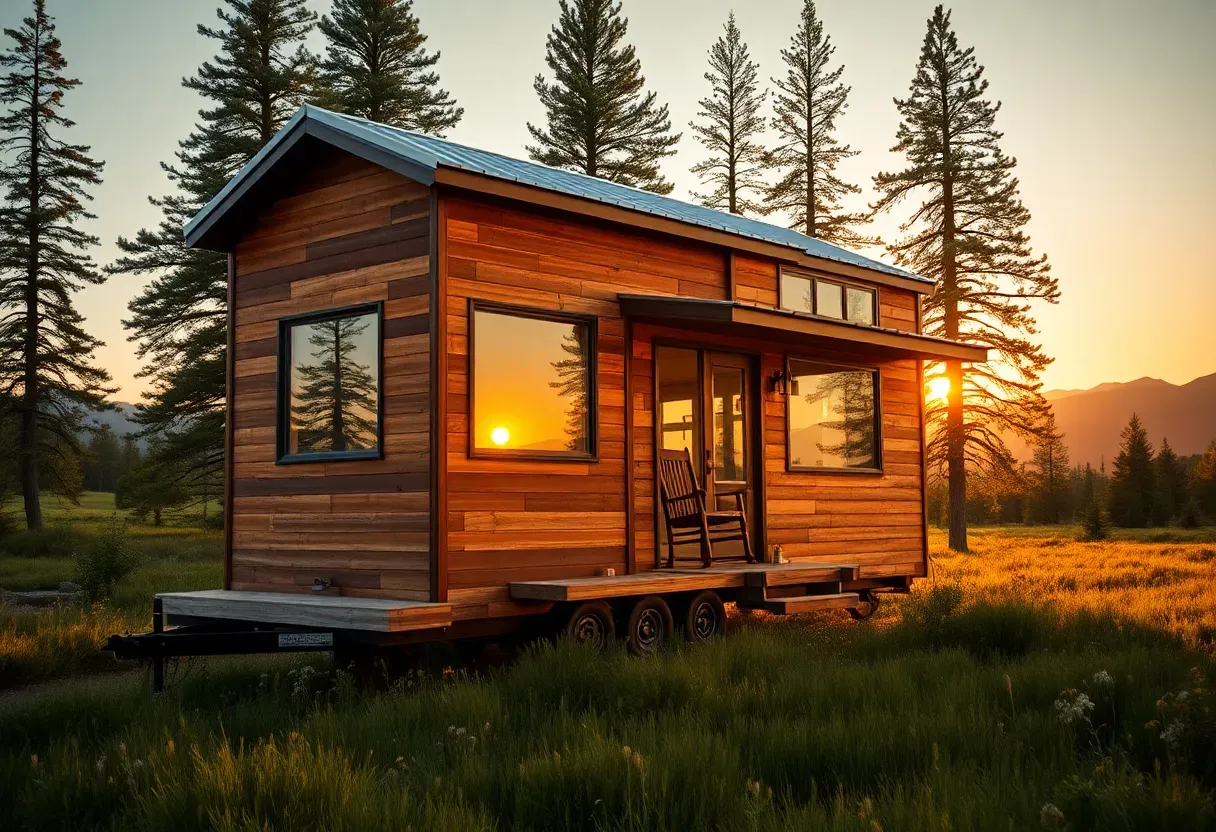
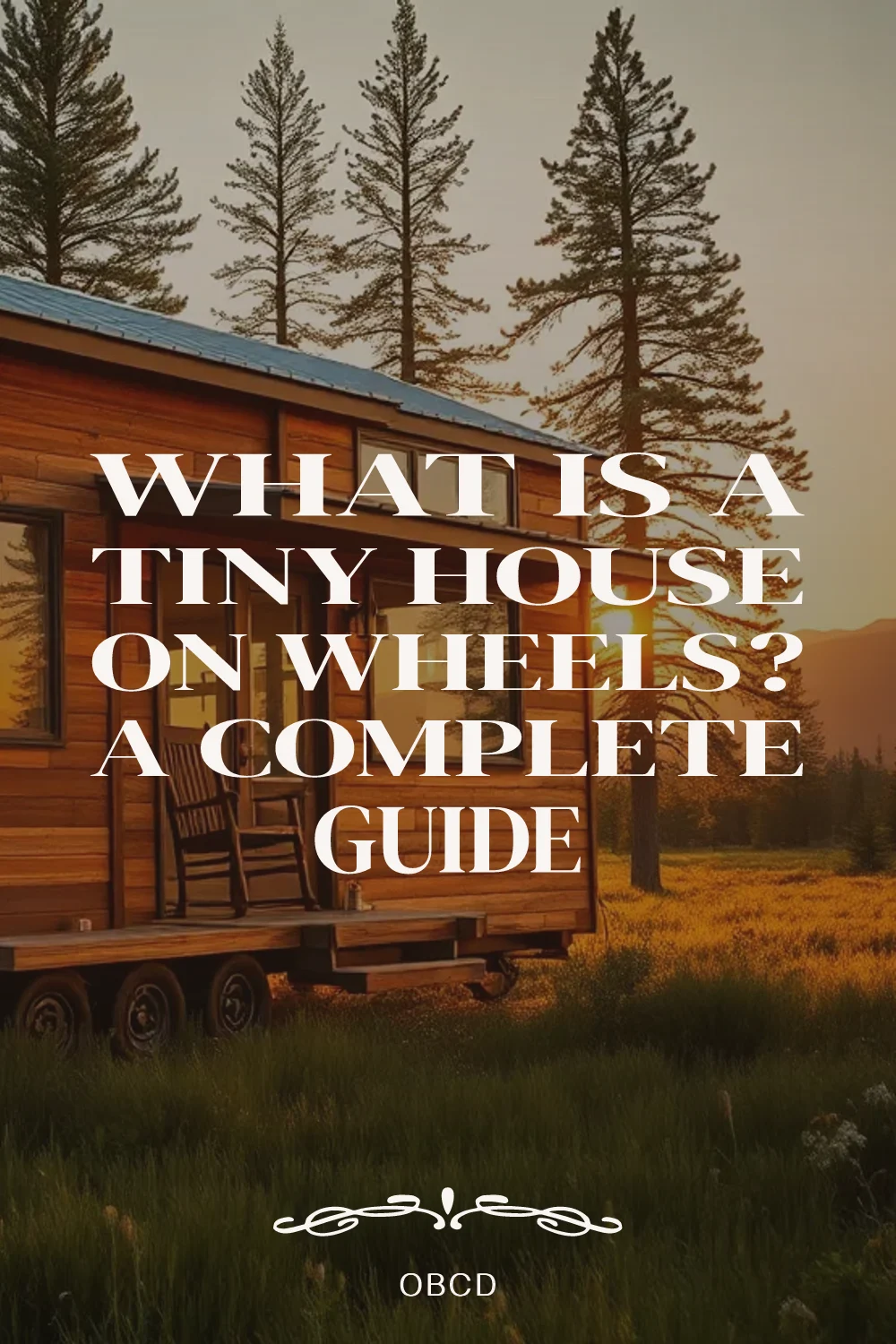
A tiny house on wheels is a compact, fully functional dwelling built on a trailer chassis that combines minimalist living with mobile freedom. Typically ranging from 100 to 400 square feet, these homes challenge conventional housing by prioritizing quality over quantity and intentional living over excess. The tiny house on wheels movement has grown from a niche lifestyle choice into a mainstream alternative for anyone seeking housing affordability, sustainability, or location independence.
Unlike RVs or traditional mobile homes, a tiny house on wheels is constructed with residential-grade building materials and techniques, featuring proper insulation, standard fixtures, and customized layouts. They are designed for year-round living while maintaining the flexibility to relocate when life circumstances change, making them appealing to renters tired of rising costs and homeowners ready to downsize.
This guide covers everything from tiny house on wheels costs and legal requirements to smart interior layouts and off-grid utility systems. Whether you are curious about the movement or seriously planning your build, the practical details below will help you decide if this lifestyle fits your goals.
Quick FAQ
What exactly defines a tiny house on wheels?
A tiny house on wheels is a dwelling under 500 square feet built on a trailer chassis, designed for full-time living with essential amenities like kitchen, bathroom, and sleeping areas, while remaining transportable.
Are tiny houses on wheels legal everywhere?
Legality varies significantly by location. Some municipalities embrace them as ADUs or full residences, while others have minimum square footage requirements or zoning restrictions. Research local codes before parking.
How much does a tiny house on wheels cost?
Prices typically range from $30,000 to $100,000+ depending on size, materials, and whether you build DIY or hire professionals. Land costs and utilities are additional considerations for your budget.
Can you live in a tiny house on wheels year-round?
Yes, when properly constructed with adequate insulation, heating, and cooling systems. Four-season tiny houses require specialized features like thermal windows, roof insulation, and often propane or electric heating.
What's the difference between a tiny house and an RV?
Tiny houses use residential construction materials and methods, offer better insulation and durability, while RVs prioritize lightweight materials for travel efficiency and are regulated by different codes.
Do tiny houses on wheels hold their value?
Well-built tiny houses can appreciate or hold value similar to traditional homes, especially custom builds with quality materials. However, market demand is still emerging compared to conventional housing.
As an Amazon Associate I earn from qualifying purchases.
Table of Contents
- 1. Understanding the Tiny House Movement Origins
- 2. Essential Design Principles for Wheel-Based Living
- 3. Zoning, Parking, and Legal Considerations
- 4. Smart Interior Layouts and Space Optimization
- 5. Utility Systems: Water, Power, and Waste Management
- 6. Building vs. Buying: Cost and Timeline Comparison
- 7. Lifestyle Realities and Community Connection
1. Understanding the Tiny House Movement Origins
The tiny house movement emerged in the early 2000s as a response to housing affordability crises, environmental concerns, and a growing cultural shift toward minimalism. Pioneered by architects like Jay Shafer and popularized by shows and social media, the movement challenged the assumption that bigger homes equal better living. What started as an alternative lifestyle choice has evolved into a recognized housing solution that addresses modern challenges: rising housing costs, environmental sustainability, and the desire for financial freedom through reduced overhead.
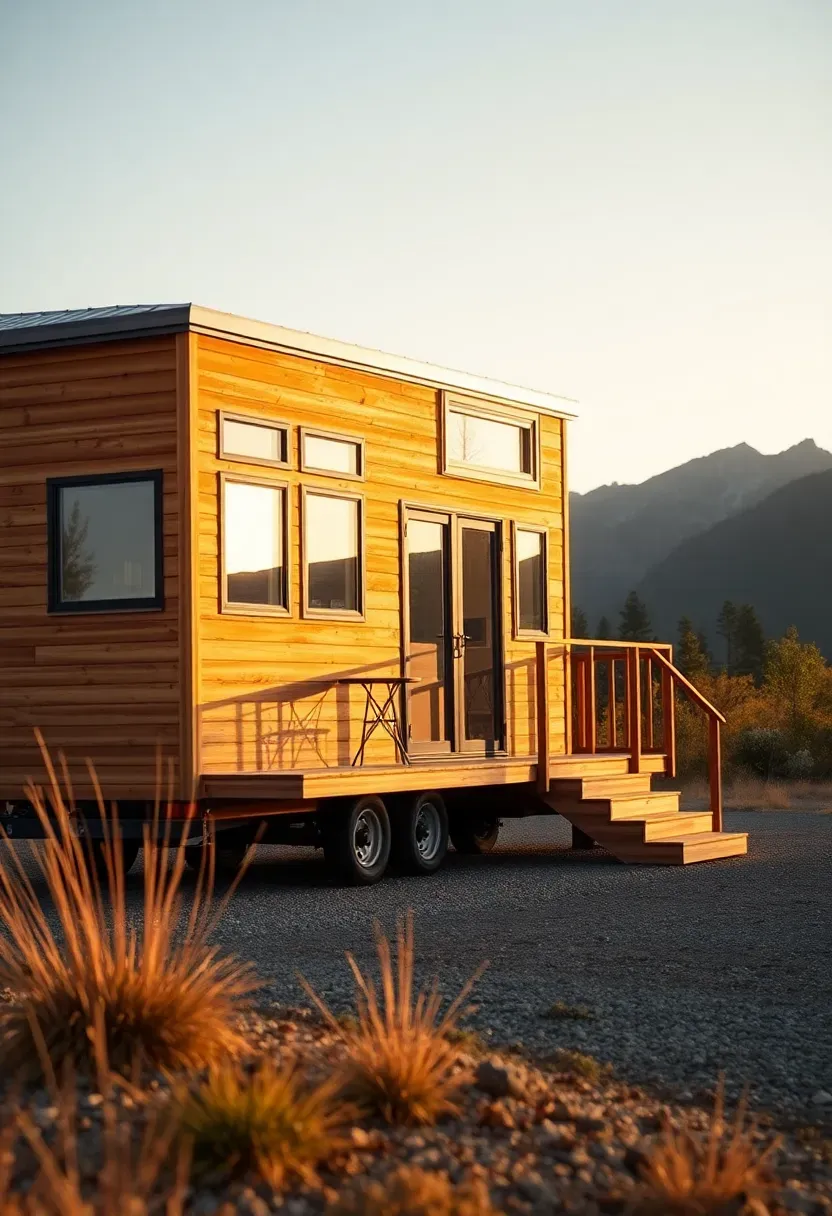
The philosophy behind tiny living isn't about deprivation—it's about prioritization. By reducing square footage, residents allocate resources toward experiences, relationships, and financial goals rather than mortgage payments and maintenance. This shift aligns with broader cultural movements toward minimalism, sustainability, and intentional living. The community aspect has become equally important, with tiny house villages, online forums, and gatherings creating support networks for those choosing unconventional paths.
Tips
- Research tiny house communities and festivals to experience different designs and meet residents firsthand
- Follow tiny house builders and dwellers on social media for daily insights into the lifestyle
- Consider renting a tiny house through platforms like Airbnb before committing to building or buying
- Connect with local tiny house groups to understand regional regulations and challenges
Best for: those seeking financial freedom, environmental consciousness, or location independence
What this gives you: A framework for reimagining housing as a tool for life goals rather than a life goal itself
2. Essential Design Principles for Wheel-Based Living
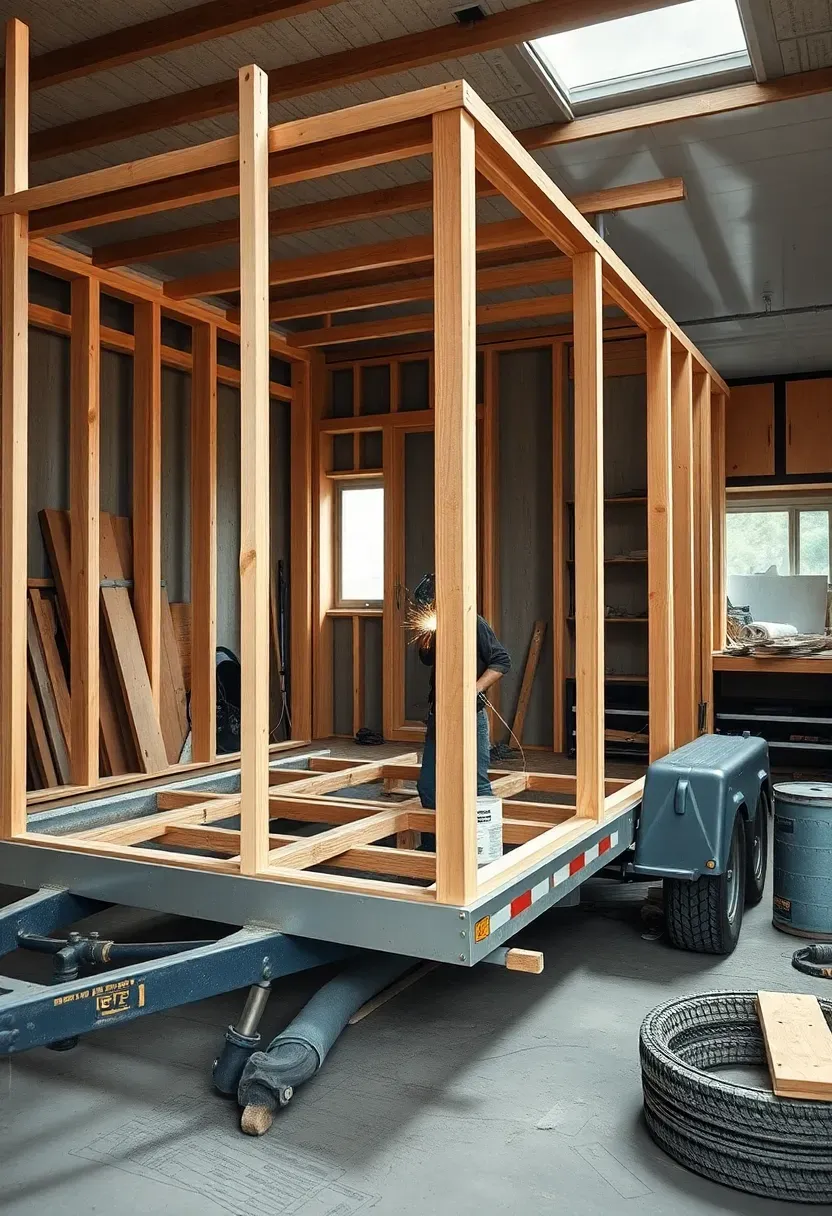
Designing for mobility requires balancing residential comfort with transportation constraints. Every design decision affects weight distribution, road safety, and long-term durability. The trailer foundation must support the structure while allowing for proper weight distribution—typically 10-15% tongue weight for stable towing. This constraint drives choices like lighter framing materials, strategic placement of heavy features like water tanks near the axle, and aerodynamic profiling to reduce sway and improve fuel efficiency during transport.
Recommended
Items for this idea
Vertical optimization becomes crucial when floor space is limited. Lofts for sleeping areas, vaulted ceilings for visual spaciousness, and multi-functional furniture transform perceived volume. The highway height limit of 13.5 feet in most jurisdictions creates another constraint that influences design—many builders incorporate features like pop-up roof sections or hydraulic lifts to increase headroom while remaining street-legal. Window placement balances natural light, ventilation, and privacy, while exterior materials must withstand highway speeds and weather exposure.
Tips
- If you plan to move frequently, prioritize aerodynamic design and lightweight construction materials
- Consider gooseneck or fifth-wheel trailer designs for better weight distribution on larger builds
- Design systems (plumbing, electrical) for easy disconnect and reconnect when relocating
- Plan for tie-down points and structural reinforcement for furniture during transport
Budget/Time: Custom builds typically take 3-12 months depending on complexity and whether you DIY or hire professionals
What this gives you: A mobile home that doesn't sacrifice residential quality or comfort for transportation capability
3. Zoning, Parking, and Legal Considerations
The legal landscape for tiny houses on wheels exists in a gray area between RV regulations and residential building codes. Most jurisdictions categorize them as recreational vehicles rather than permanent dwellings, which affects where you can legally park and live. This distinction impacts everything from property taxes to insurance to voter registration. Some progressive municipalities have created specific tiny house ordinances, while others enforce minimum square footage requirements that effectively prohibit them. Understanding your local regulations before investing in a tiny house is essential.
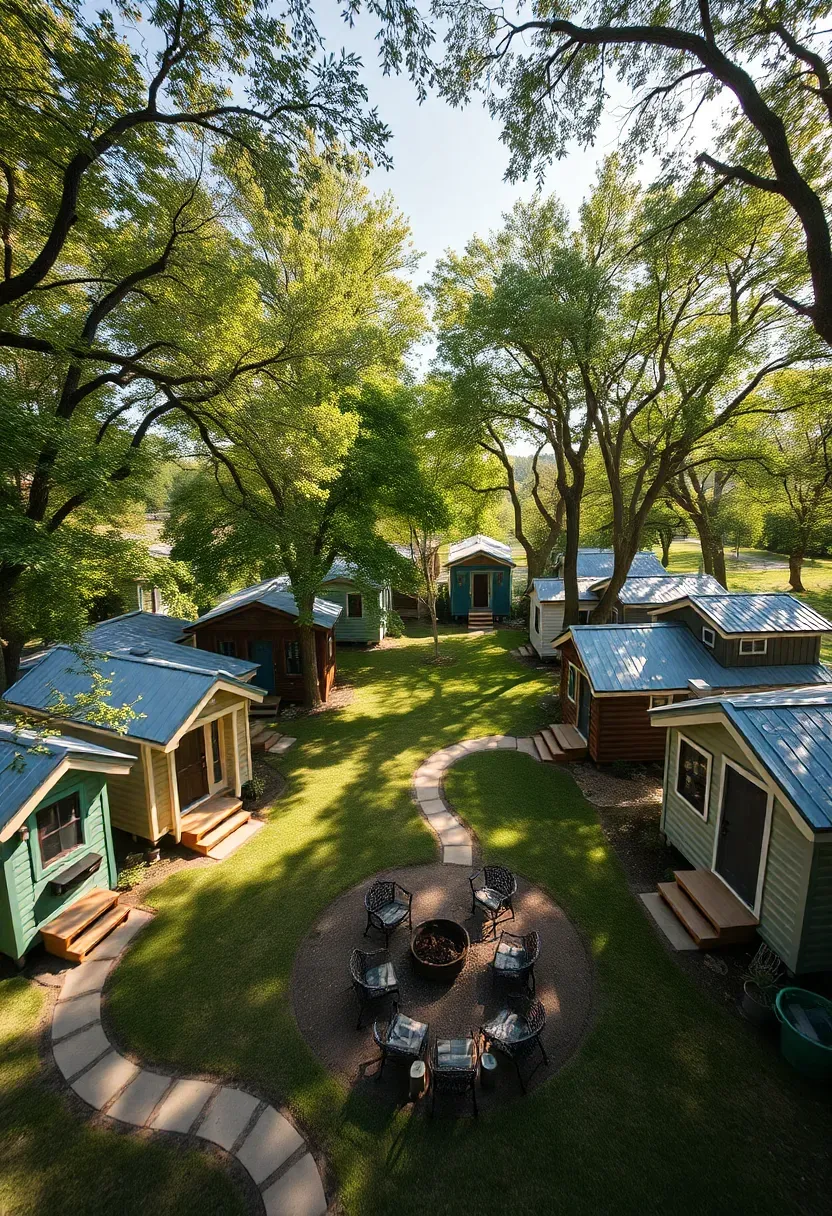
Placement note: Common parking solutions include backyard placement as accessory dwelling units, tiny house communities with shared amenities, rural properties with relaxed zoning, or RV parks that allow long-term stays. Each option comes with trade-offs between community, cost, infrastructure access, and legal security. Some tiny house dwellers embrace "stealth parking" or remote locations, but these approaches carry risks of code enforcement issues.
Building codes present another complexity. While the International Residential Code includes an appendix for tiny houses, adoption varies widely. Some states require certification from certified tiny house builders, while others have no specific requirements. Insurance adds another layer—many companies offer specialized tiny house policies, but coverage and costs vary significantly based on whether the home is certified, how often it's moved, and where it's located.
Tips
- Consult local planning departments before purchasing or building—they can provide definitive answers about what's permitted
- Consider building to RVIA standards if you want RV park access, though this may limit residential zoning options
- Join tiny house advocacy organizations working to improve legal recognition and standardization
- Maintain detailed documentation of construction, certifications, and inspections for insurance and regulatory purposes
What this gives you: Awareness of legal constraints helps you make informed decisions and avoid costly mistakes or forced relocations
4. Smart Interior Layouts and Space Optimization
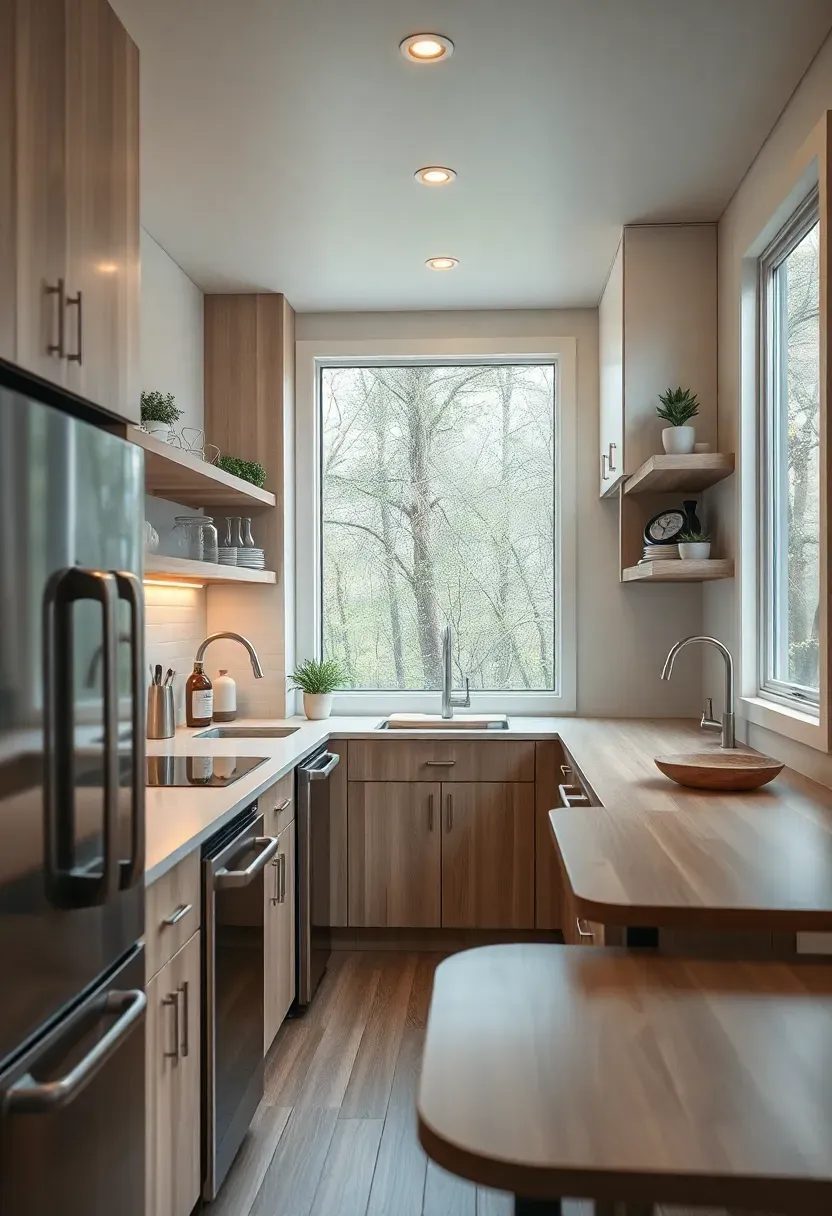
The art of tiny house design lies in making every square foot serve multiple purposes without feeling cramped. Successful layouts flow logically from daily routines, placing frequently used functions within easy reach and grouping related activities. The kitchen often serves as the central hub, with compact appliances, smart storage solutions, and sometimes convertible dining spaces. Bathrooms prioritize efficiency with wet-bath designs that combine shower and toilet areas, while sleeping lofts maximize vertical space with careful attention to headroom and access.
Recommended
Items for this idea
Built-in furniture and storage are the unsung heroes of tiny living. From stairs with built-in drawers to murphy beds that transform living areas into bedrooms, these features maximize utility without sacrificing style. The concept of "negative space" becomes especially important—cluttered tiny homes feel oppressive quickly, so thoughtful storage for everything from clothes to kitchen gadgets to seasonal items is non-negotiable. Many successful designs incorporate visual tricks like lighter colors, mirrors, and strategic window placement to create an expansive feel despite limited dimensions.
Tips
- Live in your space temporarily (or measure it out with tape) before finalizing built-in designs—you'll discover your actual patterns differ from assumptions
- Invest in quality hardware for drawers, doors, and moving parts—they'll get heavy use in small spaces
- Design vertical storage for lightweight items and lower storage for heavy frequently-used things
- Consider flexible spaces that can adapt to changing needs over time rather than permanently fixed layouts
Best for: those willing to be intentional about possessions and flexible about room definitions
What this gives you: A living space that feels expansive and functional despite its compact footprint
5. Utility Systems: Water, Power, and Waste Management
Off-grid capability or grid-connection flexibility makes tiny houses on wheels uniquely adaptable, but it also requires sophisticated utility planning. Water systems typically include fresh water storage, pumps, filtration, and either gray water management or full septic connection. Power options range from standard shore power connections to solar arrays with battery banks to propane generators—each with different costs, maintenance requirements, and lifestyle implications. The choice between on-grid and off-grid living significantly impacts daily routines and long-term satisfaction.
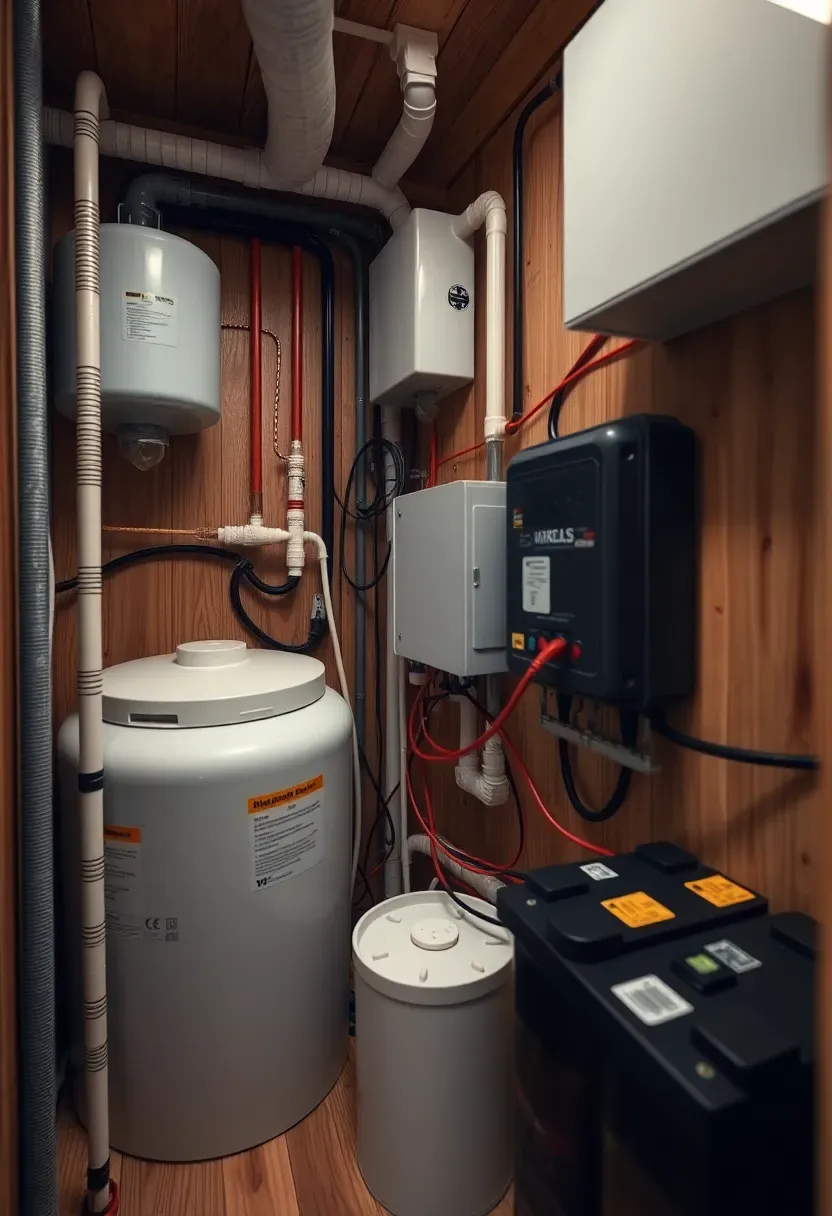
Heating and cooling present specific challenges in small spaces where moisture accumulation and temperature fluctuations happen quickly. Mini-split systems, propane heaters, wood stoves, and radiant floor heating are popular options, each with trade-offs between efficiency, cost, and aesthetic appeal. Ventilation becomes critical not just for comfort but for preventing moisture damage and maintaining air quality. Many tiny house dwellers incorporate passive design elements like thermal mass, proper window placement, and quality insulation to reduce mechanical system dependence.
Tips
- Over-size your solar and battery systems if planning off-grid—you'll always find uses for extra power
- Install water shutoffs and drain valves for winterizing if you live in freezing climates
- Plan for easy access to all utility systems for maintenance and troubleshooting
- Consider redundant systems (like both propane and electric heat) for reliability during extreme weather
Budget/Time: Utility systems typically cost $10,000-30,000+ depending on whether you're grid-tied or fully off-grid
What this gives you: Independence from traditional utility infrastructure and the ability to live comfortably in diverse locations
6. Building vs. Buying: Cost and Timeline Comparison
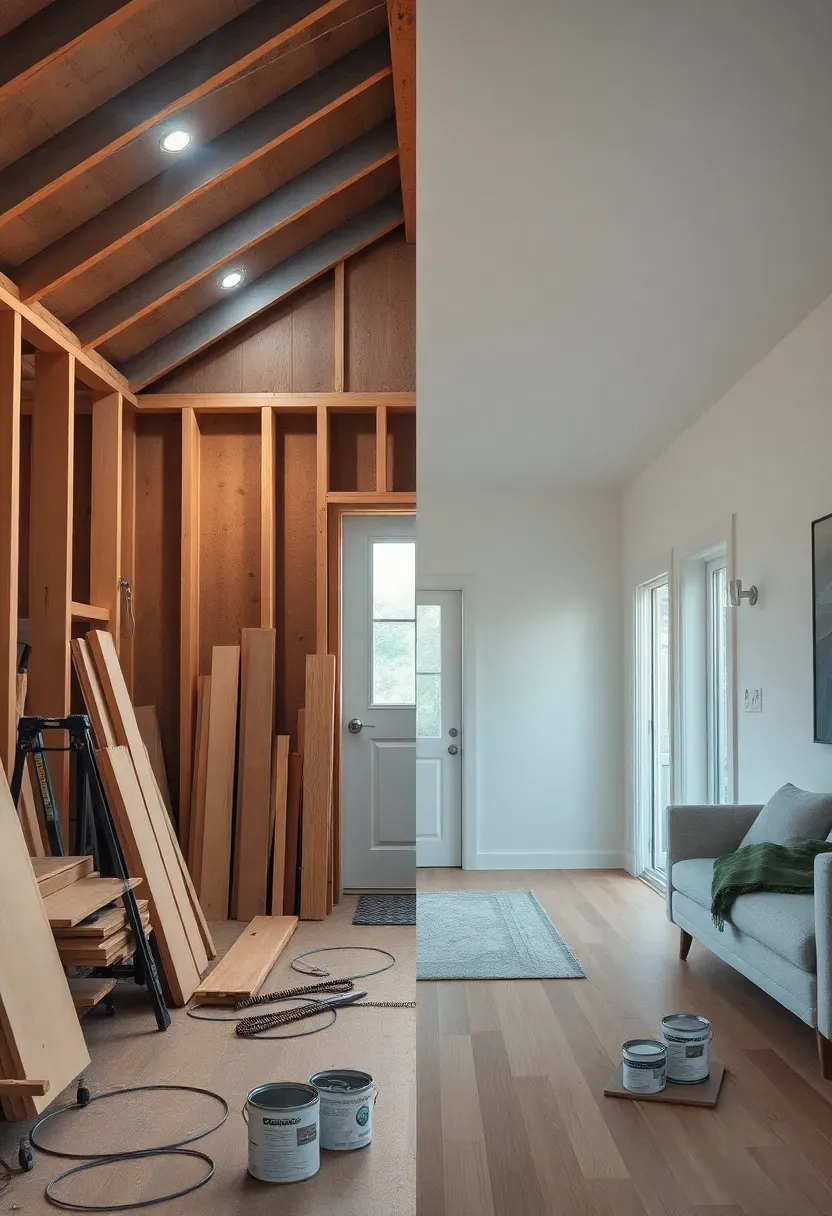
The decision to build your own tiny house or purchase from a professional builder involves weighing cost savings against time investment, learning curves, and quality assurance. DIY builds can cost 30-50% less than comparable professional builds, with greater customization potential, but require significant construction knowledge, tools, and time commitment. Professional builders offer expertise, warranty coverage, and faster timelines but at premium prices. The middle ground includes trailer shells or partially completed builds that allow customization while reducing technical complexity.
Recommended
Items for this idea
Placement note: Financing presents challenges regardless of approach—traditional mortgages typically aren't available for tiny houses on wheels, so most buyers pay cash or secure personal loans/RV loans. This financial reality makes budget planning crucial, with many experts recommending adding 20-30% contingency funds for unexpected costs. The total investment includes not just construction but also land, utilities, insurance, and ongoing maintenance—factors that vary dramatically based on location and lifestyle choices.
Timeline expectations also differ significantly. Professional builds typically take 2-6 months from deposit to delivery, depending on the builder's queue and customization level. DIY projects often stretch beyond initial estimates as owners learn new skills, encounter unexpected challenges, or balance construction with other life responsibilities. Many successful builders recommend allowing at least double your initial time estimate and having flexible living arrangements during construction phases.
Tips
- If building DIY, start with smaller projects to develop skills before committing to a full house build
- Visit multiple professional builders and tour completed homes to understand quality and value differences
- Check references and reviews for any builder—tiny house construction requires specialized knowledge not all contractors possess
- Factor your time's value into DIY cost calculations; learning curves are steeper than expected
What this gives you: Realistic expectations about the investment required and confidence in choosing the approach that fits your skills, budget, and timeline
7. Lifestyle Realities and Community Connection
Beyond the physical structure, tiny house living represents a fundamental shift in daily routines, consumption patterns, and social dynamics. The limited space necessitates continuous decision-making about possessions, activities, and relationships. While many find this liberating—spending less on maintenance and shopping while investing more in experiences—others struggle with the constant mindfulness required. The physical constraints also affect hosting capabilities, privacy within relationships, and the ability to pursue space-intensive hobbies.
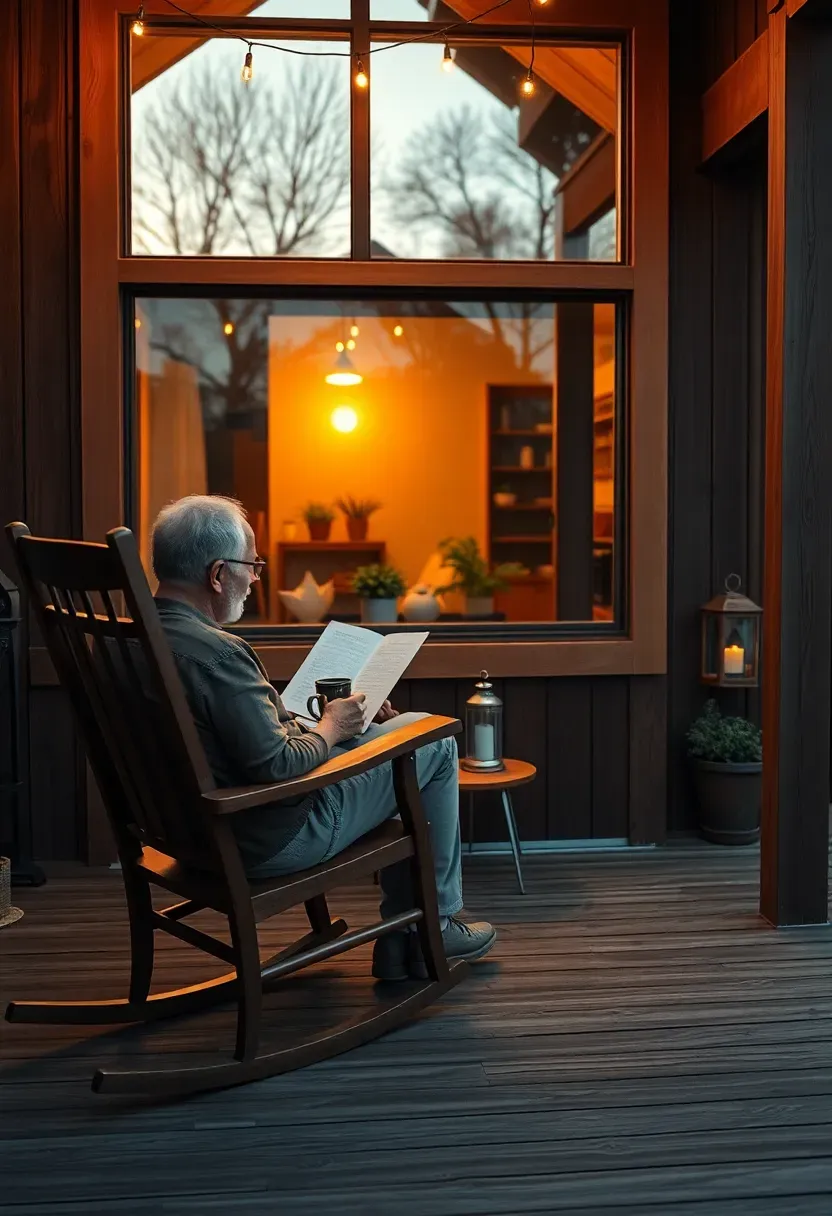
Community becomes both more essential and more complicated in tiny house living. Whether through formal tiny house villages, informal gatherings, or online networks, connection with others who understand the lifestyle challenges and rewards provides invaluable support. These communities share knowledge about parking locations, regulatory changes, build techniques, and emotional support for navigating skeptical family members or curious strangers. The movement's culture values creativity, sustainability, and mutual aid, creating bonds that transcend geographic proximity.
Tips
- Develop relationships with neighbors wherever you park—goodwill provides practical support and buffers against potential complaints
- Create systems for guest hosting that work within your space, whether through outdoor areas, nearby accommodations, or creative hosting solutions
- Document your journey publicly if you're comfortable—blogging or sharing builds knowledge contributes to the community and creates connections
- Practice patience with curious questions while maintaining boundaries about privacy and personal space
Avoid if: you're not ready for ongoing conversations about your lifestyle choices with strangers, friends, and family
What this gives you: A supportive community of like-minded individuals and a lifestyle aligned with values of simplicity, sustainability, and intentionality
A tiny house on wheels is more than architectural innovation -- it is a practical path toward financial freedom, reduced environmental impact, and intentional living. By understanding the real costs, legal landscape, layout strategies, and utility options covered in this guide, you can decide whether this mobile dwelling aligns with your goals. The tiny house movement continues evolving as regulations adapt, designs improve, and communities grow, making tiny house on wheels living an increasingly viable alternative to traditional housing for renters, downsizers, and adventurers alike.
About the author
OBCD
CGI visualization and interior design content. We create detailed 3D renders and curate practical design ideas for every room in your home.