7 Minimalist Tiny House Living Ideas for Calm Small Spaces
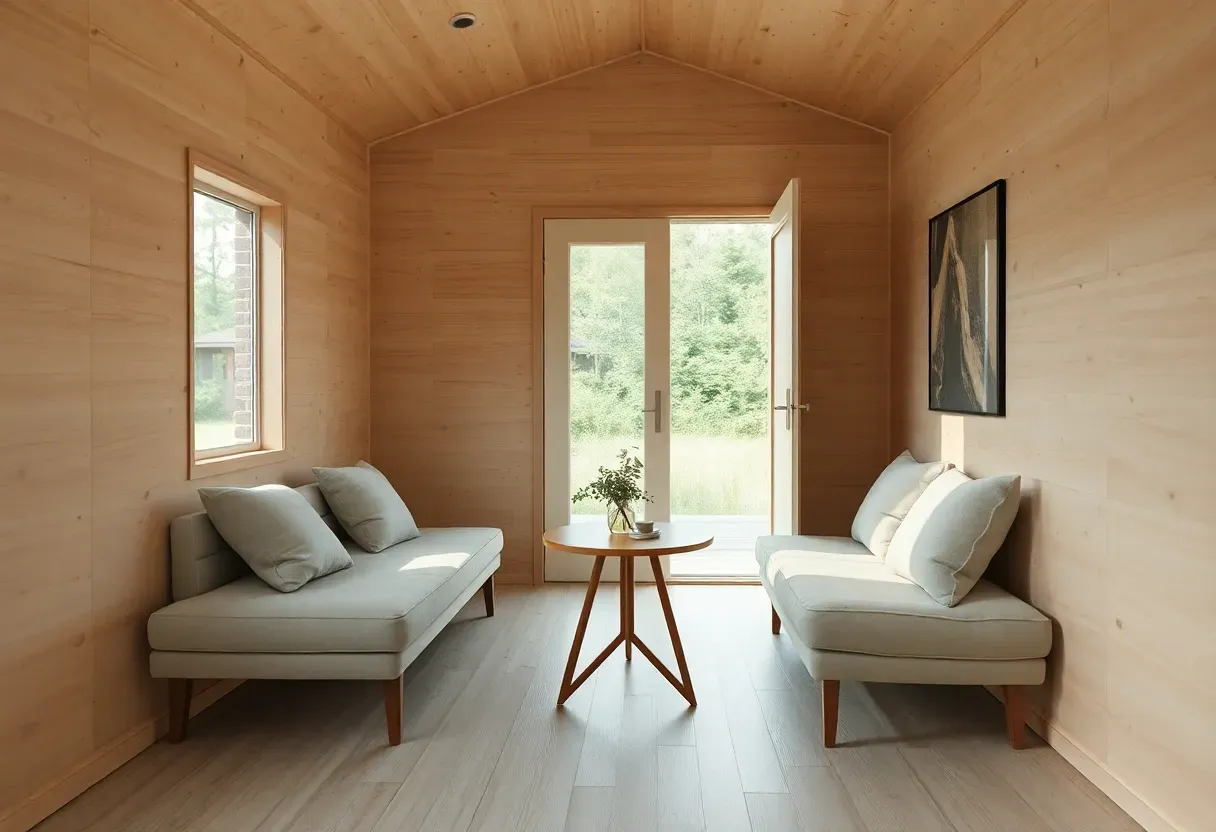
Minimalist tiny house living works best when the whole interior is planned as a calm system, and these seven ideas show how to build that clarity from layout to materials.
Tiny house minimalism depends on smart zoning, natural light, and built-in storage choices that keep the visual flow open instead of busy, even in spaces under 300 square feet.
Whether your footprint is 180 or 320 square feet, the same small space minimalist design rules can make it feel composed, generous, and genuinely comfortable day after day.
Quick FAQ
What does minimalist living in a tiny house actually prioritize?
It prioritizes flow, clear zones, and honest materials over clever clutter. The goal is to reduce visual noise so the room feels larger and calmer even when it is fully functional.
Which layout supports tiny house minimalism without feeling cramped?
A single open zone with one social core works best for most tiny homes. Keep the circulation path clear and align furniture to one axis so sightlines stay long.
Should I separate zones or keep everything open?
Use light separation rather than solid walls. Half-height storage, curtains, or a level change define zones while protecting daylight and airflow.
Which materials make a tiny house feel larger?
Light woods, matte plaster, and linen keep reflections soft and consistent. A small palette of two or three finishes reads as one continuous space.
How do you avoid a tiny house looking sterile?
Add texture with wool, woven rugs, and a single plant rather than extra decor. One warm accent tone and layered lighting keep the space human.
As an Amazon Associate I earn from qualifying purchases.
Table of Contents
- 1. Anchor your tiny house layout with a single social core
- 2. Use vertical zoning to separate functions
- 3. Prioritize light-maximizing windows and sightlines
- 4. Build a neutral palette with tactile contrast
- 5. Choose minimalist multifunctional furniture that disappears
- 6. Turn tiny house storage into architecture
- 7. Extend the room with an outdoor edge
1. Anchor your tiny house layout with a single social core
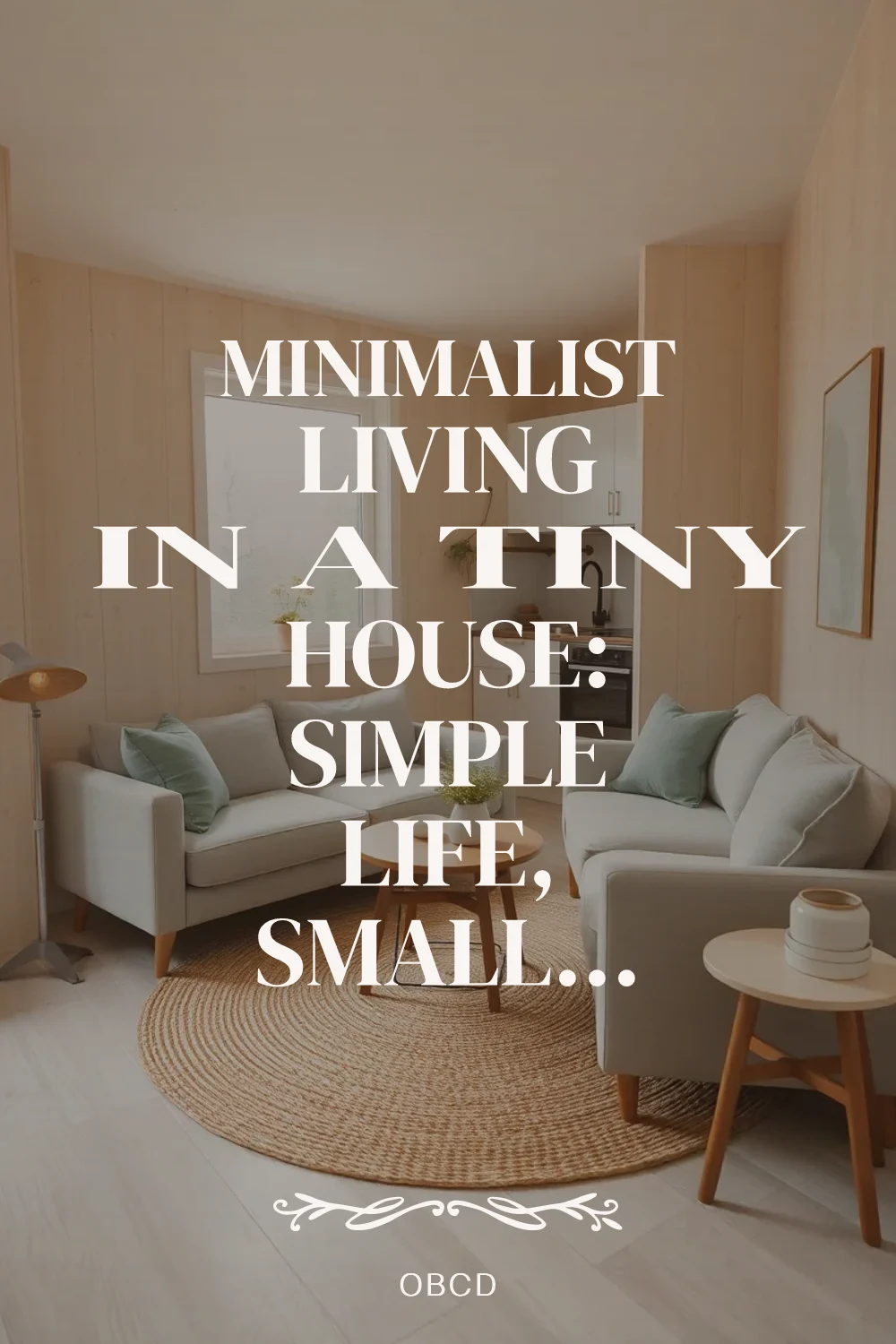
An open-plan layout works best when you anchor the room around one clear social core. Line up the seating, dining surface, and kitchen run so the visual flow travels in one clean axis from entry to window. Keep a 30-inch circulation path around the seating to protect ease of movement and lengthen the room. If the sofa is bulky, the space collapses; a 68-inch loveseat and two light stools keep the center open.
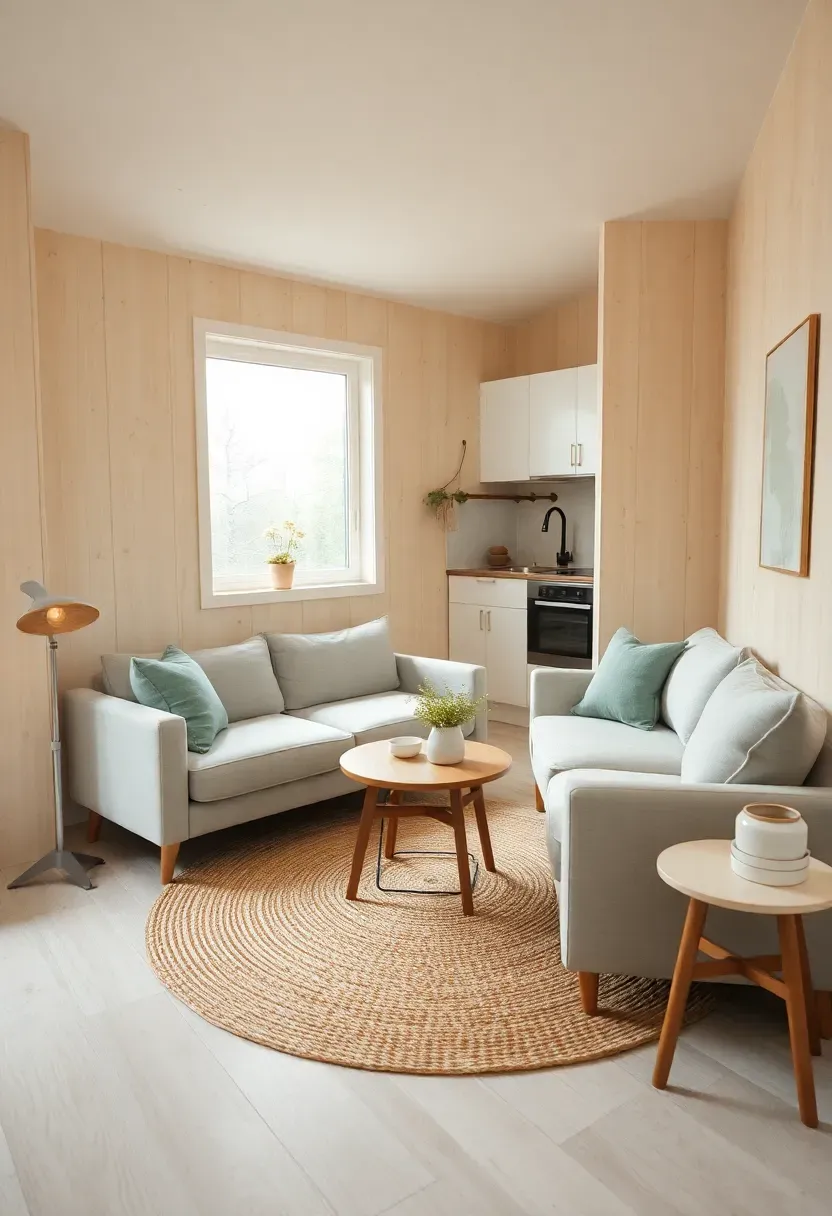
Use birch plywood walls, white oak floors, and linen upholstery to make the volume read as a single calm shell. A low round table avoids sharp corners and gives knees more clearance in tight circulation. Instead of a tall media unit, mount a 10-inch-deep shelf to preserve sightlines while hiding cables. A soft woven rug reduces echo and anchors the zone without adding visual weight.
For more small-footprint layouts, see 25 Minimalist Living Room Ideas for Small Spaces That Create a Welcoming Living Room and adapt the zoning logic.
Tips
- Do keep one focal wall for seating so the rest of the room can stay quiet
- Don't split the floor with two competing rugs
- Do choose furniture with visible legs to increase visual flow
Best for: tiny houses with open kitchens and one main window wall
What this gives you: a clear social center that makes a small room feel long and effortless
2. Use vertical zoning to separate functions
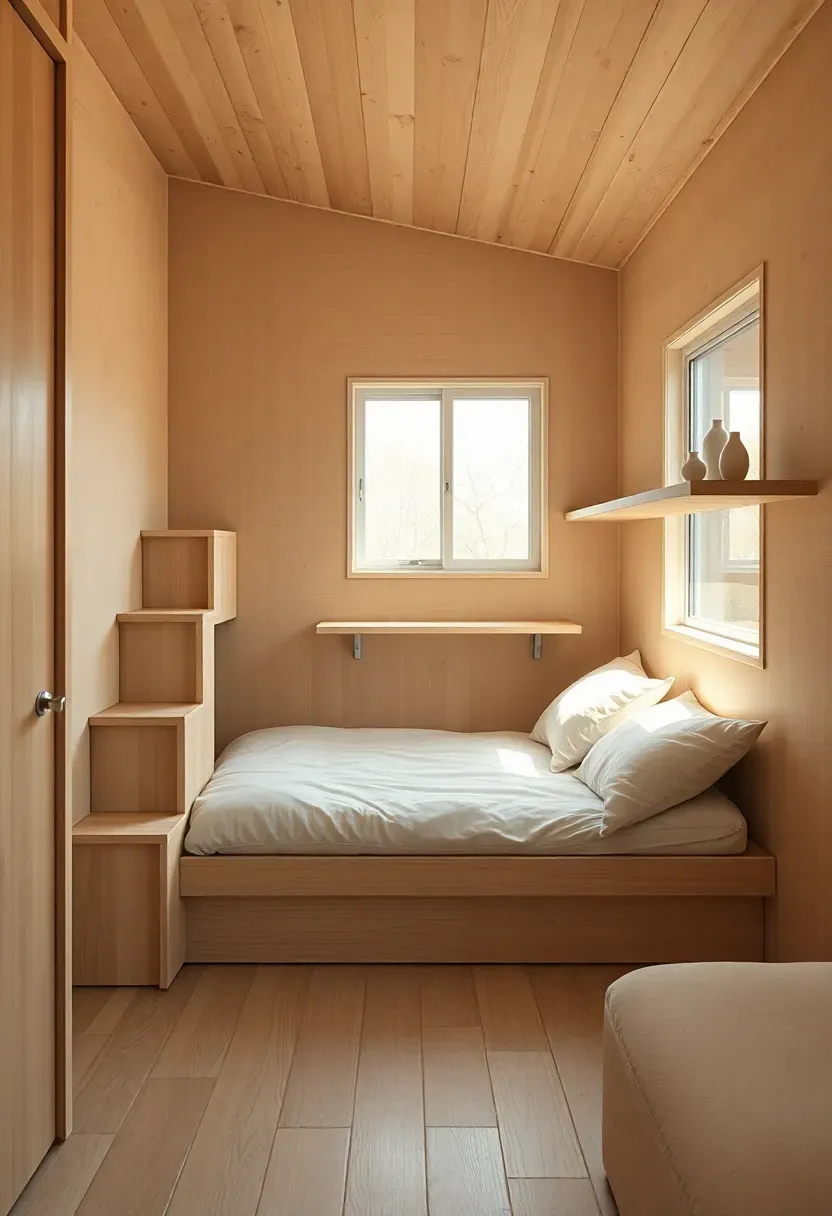
Vertical zoning turns a tiny house into layers rather than a single flat room. Lift sleep or storage above the main level and align the loft edge with the kitchen line to keep the geometry clean. A loft deck around 6 feet 6 inches high preserves standing room below while keeping the roof line low. If a full loft is not possible, a 14-inch platform bed with drawers still gives the space a stacked feeling.
Recommended
Items for this idea
Placement note: Place the stair or ladder on the wall with the fewest windows so you protect daylight and keep the center of the room open.
For a broader look at daily routines that support this approach, see 17 Tips for Living in a Tiny House and apply them to your loft plan.
Warm wood grain and soft linen keep the vertical elements from feeling heavy. Let the ladder read as a light graphic line, not a bulky obstruction, and keep guardrails slim to avoid visual clutter. Instead of a deep desk, use a 20-inch top to keep leg room clear and prevent the loft from feeling compressed. A simple wall shelf at eye level is enough for daily items and keeps the floor free.
Tips
- If you use a ladder, then keep rung depth near 3 inches and add a secure handhold
- If the loft is for daily sleep, then allow at least 36 inches of head clearance
- If you need a work zone below, then align the loft edge with the desk line
What this gives you: distinct functions without building walls that shrink the space
3. Prioritize light-maximizing windows and sightlines
Light-maximizing windows are the fastest way to make tiny house minimalism feel airy. Keep sightlines long by aligning openings and keeping window coverings lightweight. A 3 percent openness shade softens glare while still showing the outdoors. Instead of adding more lamps, upgrade the window width so daylight does the heavy lifting.
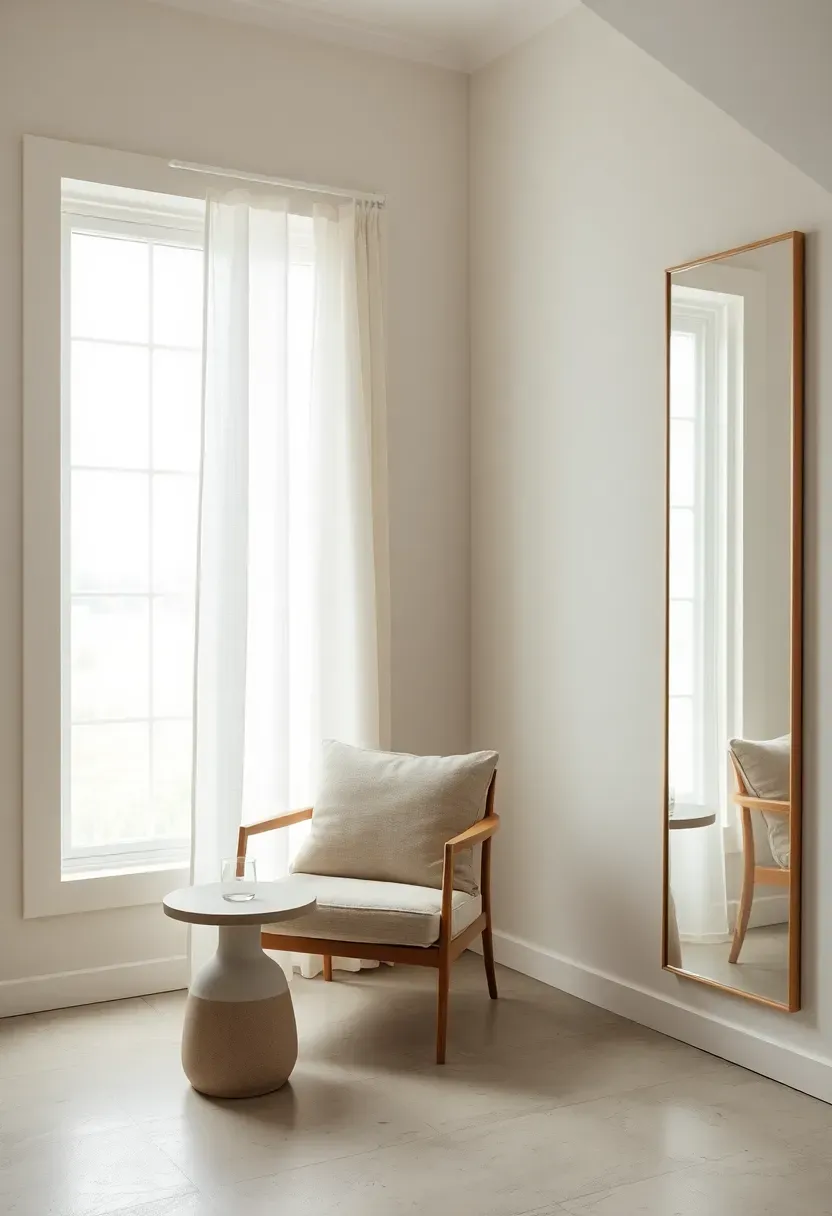
Why it works: daylight expands perceived volume and makes a small room feel like part of the landscape.
Use a single tall mirror panel opposite the window to bounce light deeper without doubling clutter. Keep bulbs at 2700K so the evening mood stays warm and does not clash with daylight. If privacy is the concern, choose a frosted lower panel rather than closing the whole window. A light microcement floor reflects brightness and makes the room read as one plane.
For more context on tiny house planning, see What Is a Tiny House on Wheels? A Complete Guide and pull the legal and layout tips into your plan.
Tips
- Pro: align windows across the long axis for stronger sightlines
- Con: heavy drapes shorten the room and absorb light
- Fix: swap to linen panels and keep the rod 6 inches above the frame
Budget/Time: enlarging a window wall is a bigger investment, but swapping to lighter shades is a one-day change
What this gives you: a brighter, longer-feeling room that still stays private and calm
4. Build a neutral palette with tactile contrast
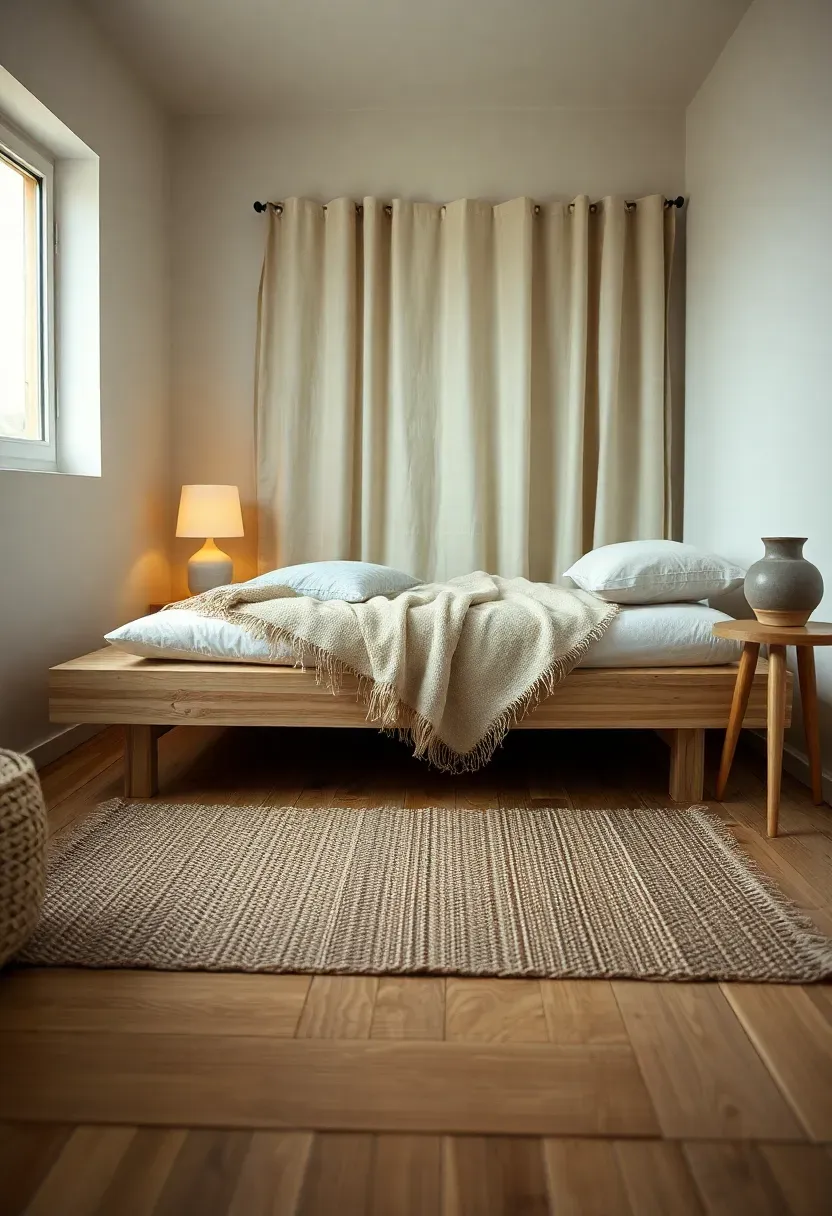
A neutral palette keeps the eye from bouncing between colors, which is crucial in small spaces. Limit the scheme to one warm neutral and one cool neutral, then let texture do the contrast. Choose matte plaster or paint for walls and let white oak or birch plywood add warmth. Instead of a bold accent wall, introduce one clay-toned textile so the room stays cohesive.
Recommended
Items for this idea
Common mistake: mixing three or four undertones makes the tiny house feel busy even if the colors are all light.
Use a wool throw and a woven rug to add depth without visual clutter. Keep the curtain light so daylight still defines the edges of the room, and avoid shiny finishes that highlight every object. A single ceramic lamp adds warmth and gives the eye a soft resting point. If you want contrast, go for texture and scale changes rather than saturation.
Tips
- Pick one wood tone and repeat it on floor, shelf, and trim
- Layer one nubby textile against one smooth textile for quiet contrast
- Keep metal finishes to one family, like brushed nickel or blackened steel
What this gives you: a calm envelope that feels soft and intentional instead of bare
5. Choose minimalist multifunctional furniture that disappears
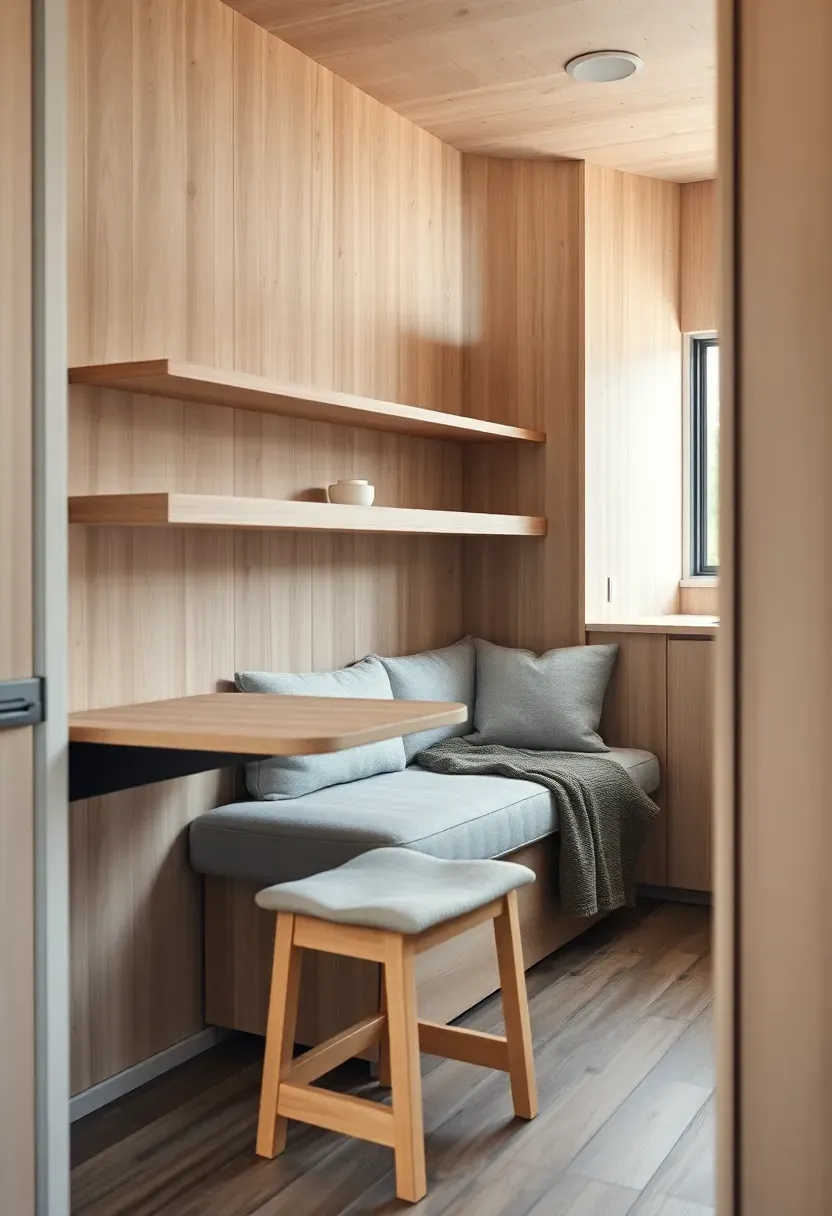
Multifunctional furniture is essential, but it should disappear when not in use. A fold-down table, a slim sofa bed, and nesting stools allow the room to change without clutter. Keep the dining surface at 24 inches deep so it does not steal circulation. If a piece cannot tuck away or serve two roles, it is probably too big for the plan.
If you prefer a contemporary aesthetic, see Modern Tiny House Ideas for more furniture and finish inspiration.
Let the primary seating read like a sofa, not a pullout, so the room stays calm even when it hides a bed. A wall-mounted shelf above the table keeps daily items reachable without adding another piece of furniture. Use a light wood finish so the pieces blend into the shell and do not feel like separate zones. Instead of a big ottoman, choose a storage stool that slides under the table.
Tips
- Do prioritize one high-quality convertible piece over several flimsy ones
- Don't use oversize armrests that eat floor width
- Do measure the folded size and keep at least 18 inches of clearance
Rental note: choose pieces that mount with a few screws so you can patch easily later
What this gives you: a room that flexes for work, sleep, and meals without constant rearranging
6. Turn tiny house storage into architecture
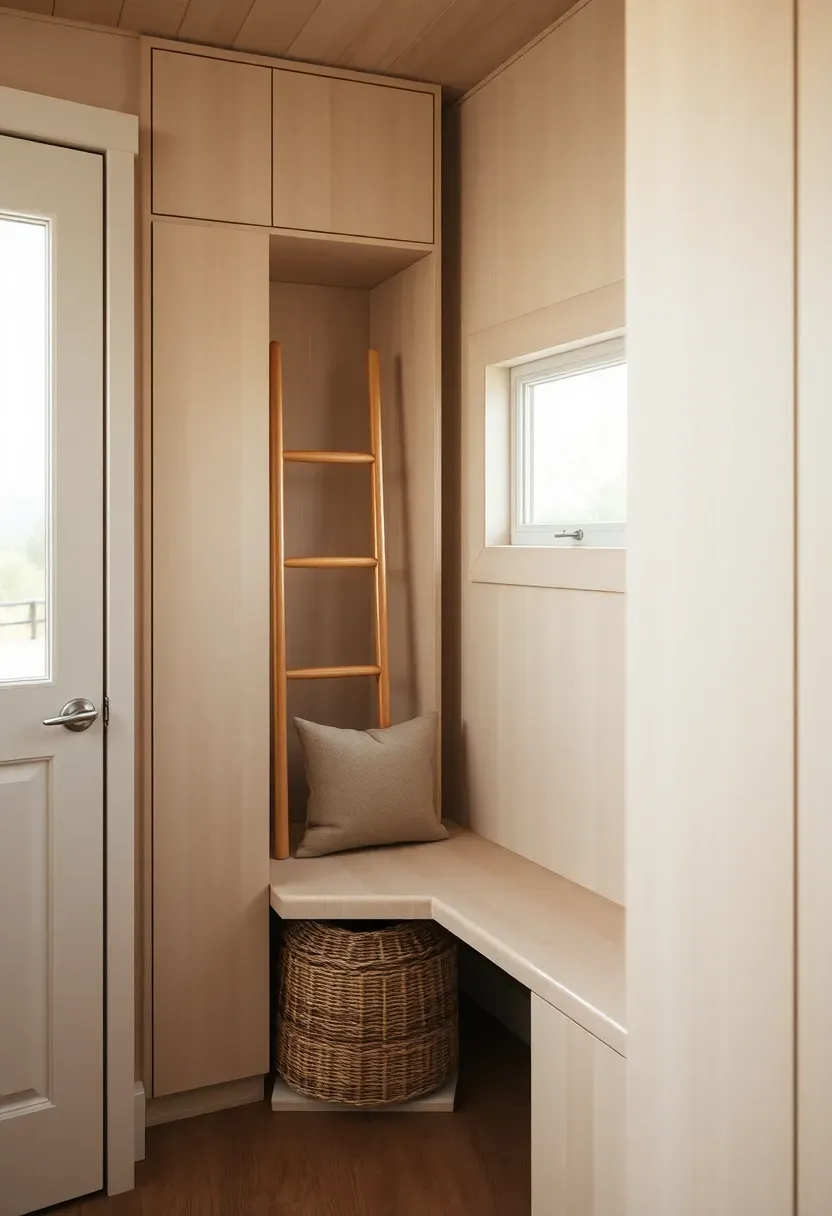
Built-in storage should feel like part of the structure, not extra furniture. Run a continuous cabinet line so the eye reads one surface instead of a row of separate boxes. Keep overheads to about 12 inches deep so they do not loom. If you need more volume, add toe-kick drawers rather than taller units.
Recommended
Items for this idea
Placement note: Keep tall storage on the back wall so the room opens toward the main window and stays visually light.
Let the storage bench do double duty as a reading nook and a landing spot for bags. A slim ladder or pull-out step gives access to upper shelves without blocking the main path. Instead of open shelves everywhere, mix in two closed fronts to hide daily clutter. The result is a continuous facade that makes the room feel larger.
For more compact tiny house layouts, see 25 Japanese Tiny House Ideas for Small Space Zen Living and borrow the built-in discipline.
Tips
- If you store bulky items, then reserve one deep cabinet at floor level
- If you want display, then keep it to one 30-inch-wide niche
What this gives you: storage that reads as architecture and keeps the room feeling clean
7. Extend the room with an outdoor edge
An indoor-outdoor connection makes tiny house living feel generous without adding square footage. A sliding door to a 4-foot-deep deck effectively doubles your social zone in good weather. Keep the threshold flush so the floor reads continuous from inside to out. Instead of extra interior seating, use one outdoor bench that serves both spaces.
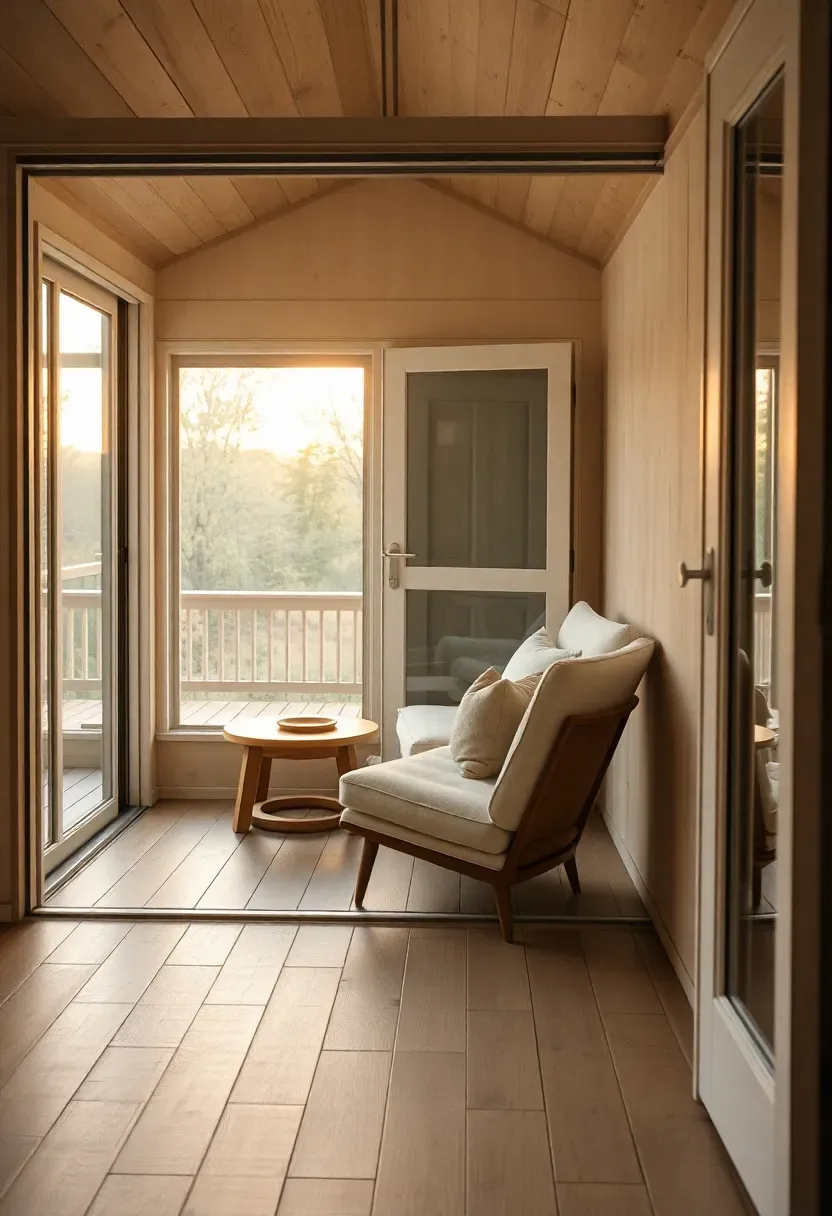
Why it works: an exterior view extends the horizon line, which makes the interior feel wider and calmer.
Use cedar or light-stained wood outside so the palette stays continuous. Keep a simple glass door with minimal framing to protect sightlines. A low outdoor bench can double as a plant shelf or a landing spot for shoes. If privacy is an issue, use a slatted screen rather than a solid fence.
Tips
- Pro: a single exterior bench replaces extra indoor seating
- Con: bulky patio sets make the small deck feel cramped
- Fix: use two stackable chairs that store under the bench
Best for: tiny houses in mild climates with a usable outdoor setback
What this gives you: the feeling of a larger home without building more interior volume
Minimalist tiny house living is less about owning less and more about designing every square foot to do more. When tiny house minimalism is guided by clear zones, light-forward planning, and cohesive materials, the interior feels calm instead of compressed. Use these seven ideas as a connected system so every decision, from layout to furniture to storage, supports the same quiet goal. The result is a minimalist tiny house interior that feels open, flexible, and genuinely easy to maintain day after day.
About the author
OBCD
CGI visualization and interior design content. We create detailed 3D renders and curate practical design ideas for every room in your home.