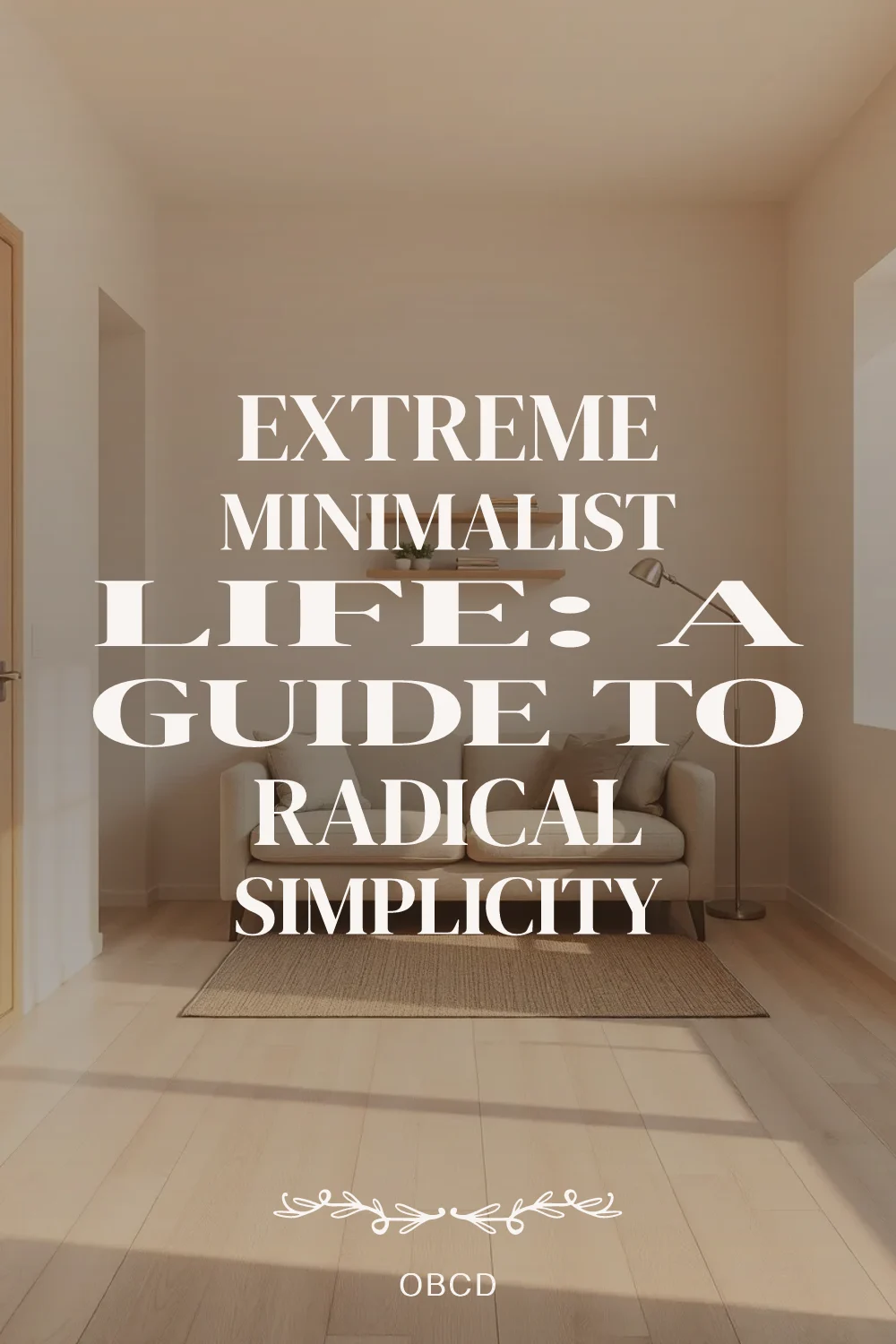
Extreme Minimalist Living: 7 Steps to Radical Simplicity
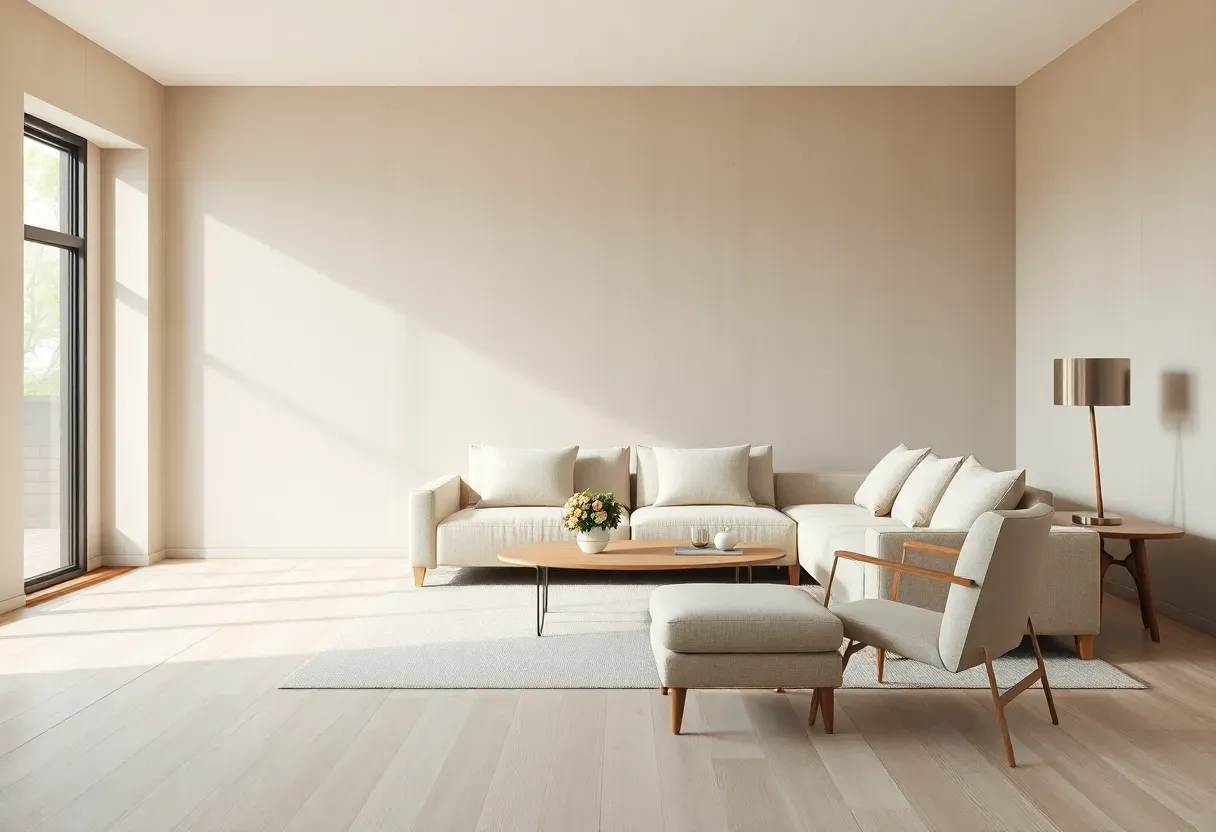
Extreme minimalist living helps reclaim visual calm and makes rooms feel larger without moving walls or spending heavily on renovation.
This guide to radical simplicity focuses on layout, materials, and light so the whole space reads intentional, not empty, whether you own or rent.
Use the seven steps below to edit a single room or scale the ultra-minimalist approach across your entire home.
Quick FAQ
Is extreme minimalist life realistic for families or roommates?
Yes, as long as the rules are shared and storage is planned from the start. Focus on shared zones first, then simplify private rooms. Extreme minimalism works best when everyone agrees on what stays visible and what moves behind doors.
How is radical simplicity different from regular minimalism?
Radical simplicity prioritizes spatial calm over decor variety. It reduces furniture count, limits material changes, and treats open space as a design element. Regular minimalism often keeps more styling layers and accessory rotation.
Which room should I simplify first?
Start with the living room because it sets the daily visual tone for the home. Simplifying one high-traffic space teaches the habits you can scale to bedrooms, kitchens, and entry areas. You will also notice immediate stress reduction.
Does extreme minimalism mean zero decor?
No, it means intentional decor. Keep one or two pieces that anchor the room--like a single artwork or sculptural vessel--and let everything else serve function. The point is clarity, not sterility.
How do I keep an extreme minimalist home from feeling cold?
Use warm neutrals, natural materials, and soft light temperatures. A linen throw, white oak floor, and 2700-3000K lighting add warmth without visual clutter. Texture replaces excess objects.
As an Amazon Associate I earn from qualifying purchases.
Table of Contents
1. Edit Your Home to Essential Zones
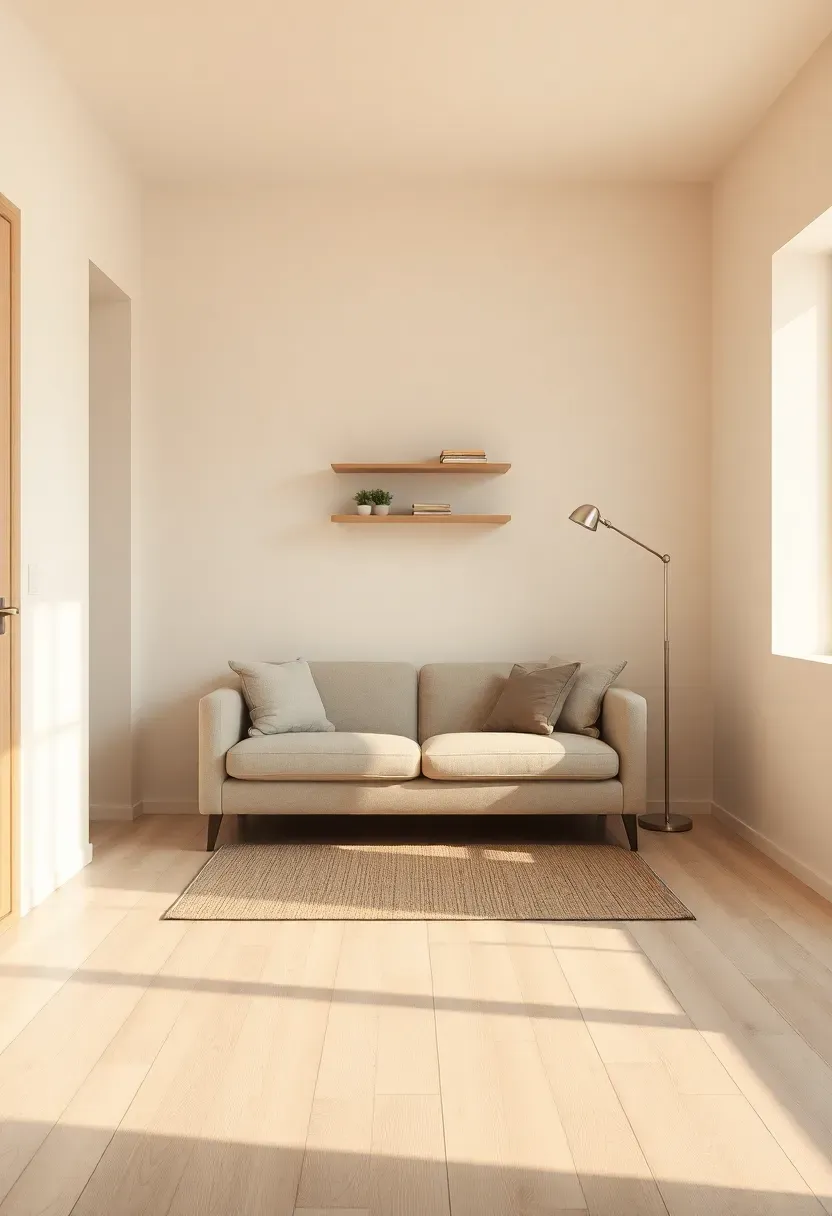
In extreme minimalist living, the first win comes from editing the floor plan into just a few essential zones. Treat the circulation path as sacred: a 36-inch clear walkway from entry to seating makes the room feel larger. Instead of filling every corner, choose one social zone and one quiet zone, then let negative space carry the rest. This shift turns the room into a calm field rather than a busy collection of objects.
If you are just beginning the minimalist journey, see How to Start a Minimalist Lifestyle for the foundational steps before going extreme.
Start with a scaled anchor like a two-seat sofa and an 8x10 rug, then stop. A single low table is enough for use without breaking the open floor plan. The contrast move is to skip a console behind the sofa and mount a slim shelf instead, keeping the walking lane clear. If you need extra seating, add one floor cushion rather than a second chair so the room stays breathable.
Tips
- Do: map zones with painter's tape before you move furniture.
- Don't: scatter side tables in every corner.
- Do: leave one wall fully blank to reinforce the negative space.
Best for: open-plan apartments or lofts that need a clear circulation path.
What this gives you: a room that feels bigger, calmer, and easy to navigate.
2. Let One Material Lead
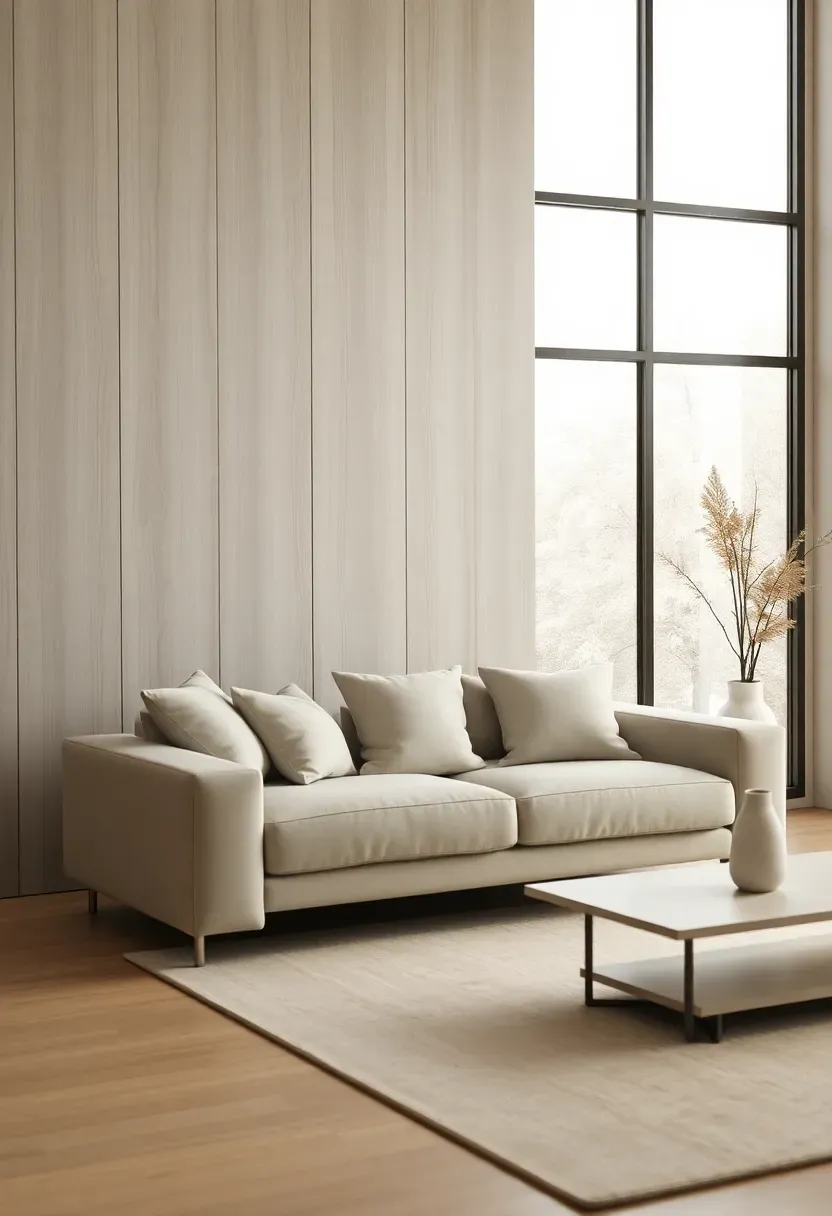
Radical simplicity feels cohesive when one material leads the room and the palette follows. A monochrome palette anchored by white oak, limewash, or microcement keeps visual noise low while still feeling warm. Keep transitions minimal by using the same wall color on ceiling and trim, ideally in a matte or 10-percent eggshell sheen. This is extreme minimalist life at a room scale: one dominant material, one accent, and the rest in shadow.
Recommended
Items for this idea
Placement note: carry the leading material across the largest surface, then repeat it once more at a smaller scale.
If you crave variety, change texture rather than color: ribbed oak panels, honed stone, or a matte microcement skim coat. The trade-off is that bold color accents feel louder, so keep accents small and quiet. As a contrast line, skip patterned rugs and use a flatweave in the same tone as the floor to avoid breaking the monochrome palette. This approach makes even small rooms feel deliberate instead of decorated.
For a habit-based reset that supports the same mindset, see 17 Minimalist Habits: Simplify Your Life and Find Joy for a More Thoughtful Home.
Tips
- If the floor is a strong material, then keep walls muted and quiet.
- If you want contrast, then swap sheen levels instead of adding a new color.
- If the room feels cold, then add one warm-toned wood element.
What this gives you: a unified, calm room where materials do the visual work.
3. Build Minimalist Storage Into the Shell
Extreme minimalist life becomes sustainable when storage disappears into the architecture. Built-in storage keeps surfaces clear so you can live with fewer visible objects without constantly tidying. Aim for flush panels, push-latch doors, and a consistent 14-inch depth so the wall reads like a single plane. This is the supporting term that matters here: built-in storage lets the room stay calm even on busy days.
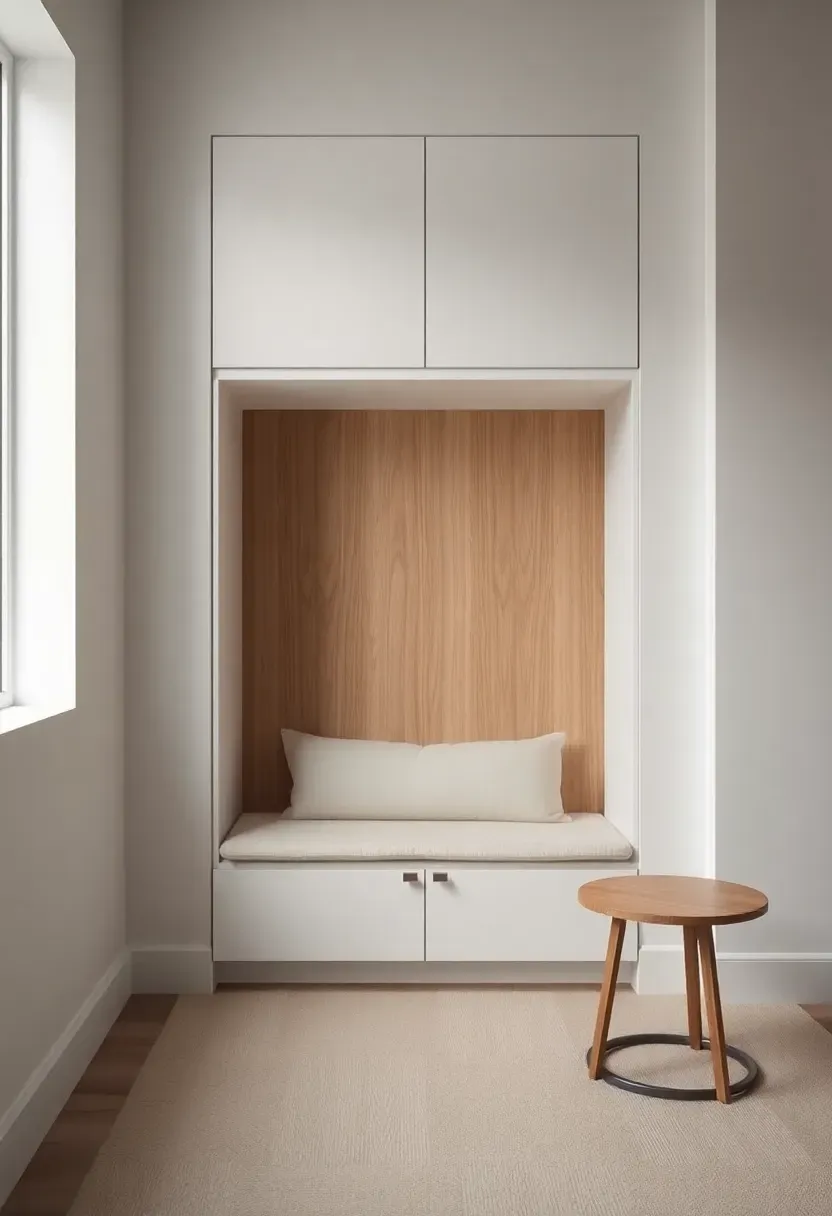
Why it works: the eye reads continuous planes as calm, while hidden storage keeps visual weight to a minimum.
Use the middle third of the wall for everyday items and reserve upper cabinets for seasonal pieces. A contrast move is to keep one open niche for a single object, which looks curated instead of cluttered. Add a travertine or white oak bench to soften the wall and provide a perch without introducing extra furniture. The consequence of skipping built-ins is that drawers and baskets spread across the room, which erodes the minimalist effect.
Tips
- Pro: full-height cabinetry removes visual breaks.
- Con: it can feel heavy in small rooms.
- Fix: lighten with recessed toe-kicks and a 2-inch shadow gap.
Avoid if: you rent and cannot alter walls or add built-ins.
What this gives you: a room that stays clear without constant daily resets.
4. Scale Furniture to Embrace Empty Space
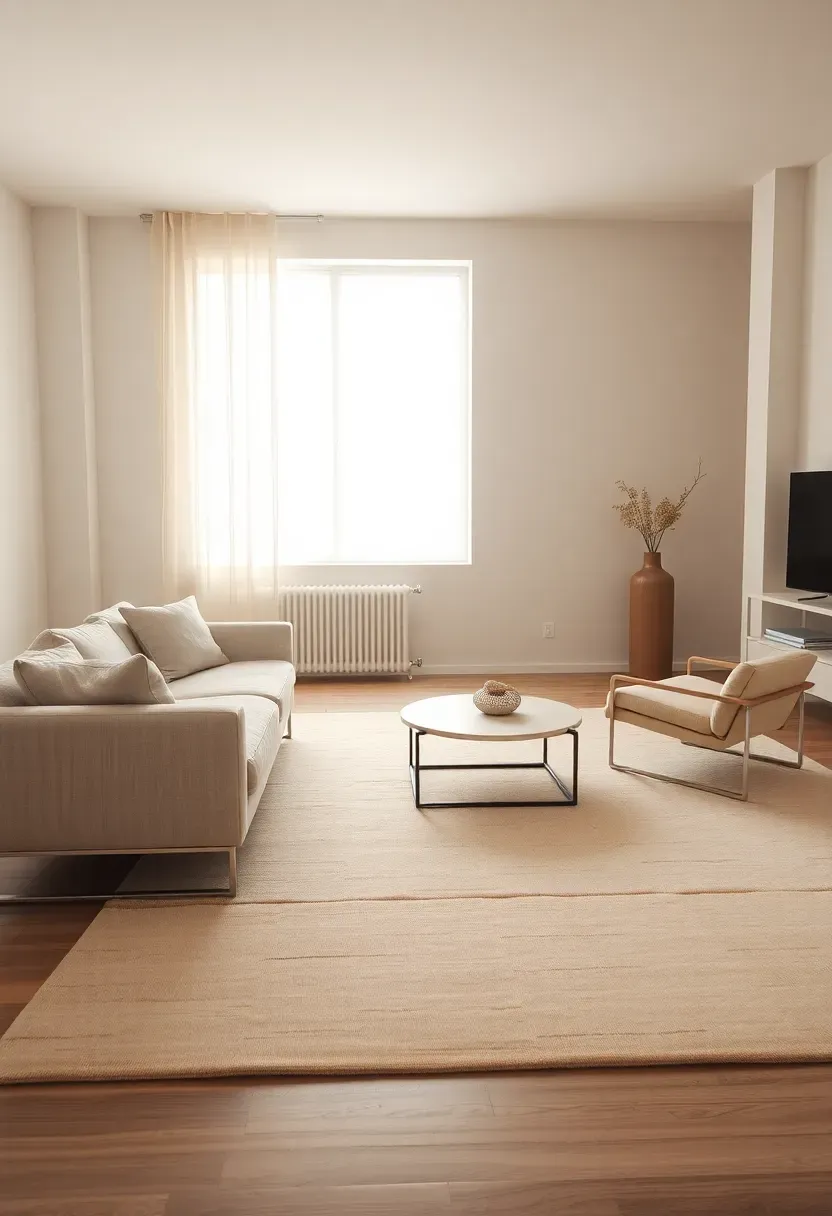
Ultra-minimalist living looks right only when scale and proportion are correct. Choose fewer pieces, but size them so the room feels grounded rather than sparse. A low-profile sofa with a 34-36 inch depth gives comfort without bulk, and a single lounge chair can carry the seating zone. The contrast move is to avoid tiny side tables, which make the room look unfinished instead of intentionally minimal.
Recommended
Items for this idea
Common mistake: using too many small pieces to "fill" the room, which breaks the scale and proportion.
Let empty space read as a design choice by keeping 12-18 inches of breathing room around the main pieces. A large rug--8x10 or 9x12--anchors the zone and makes the furniture feel intentional. If you need extra function, swap a storage ottoman for a coffee table rather than adding another piece. This is where minimalist rooms shift from sparse to composed.
For more room-wide layouts, review 23 Simple Living Ideas for a Minimalist Lifestyle Now for a More Thoughtful Home and adapt the spacing cues.
Tips
- Use a painter's grid on the floor to test scale before buying.
- Choose one oversized piece instead of two medium ones.
- Keep side tables at or below the sofa arm height.
What this gives you: a minimalist room that feels settled, not empty.
5. Light Becomes the Focal Point
Extreme minimalist life depends on light because empty surfaces reveal every shadow. Make sightlines toward the best light source and keep window treatments sheer or absent. Use a single, large opening as the primary feature, then let the rest of the room stay subdued. This is the upgrade path when you want drama without adding objects.
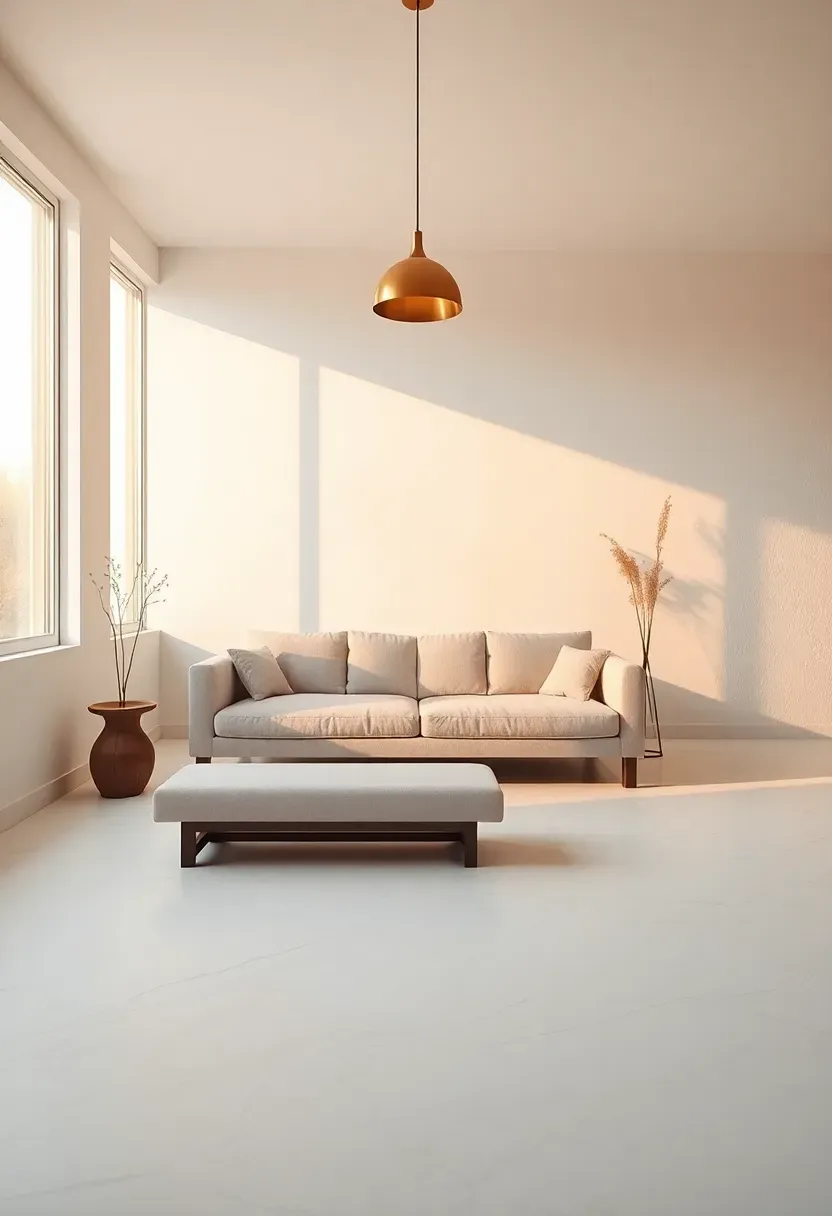
Layer lighting with two sources at 2700-3000K so the evening mood stays warm, not clinical. The contrast move is to skip a central chandelier and use a simple pendant or wall wash instead. If natural light is limited, use a single floor lamp placed to mimic window direction, which keeps shadows consistent. The consequence of mismatched lighting is a flat room that looks like a showroom rather than a home.
Tips
- Do: aim light across textured walls to create soft depth.
- Don't: mix warm and cool bulbs in the same room.
- Do: keep lamp shades neutral to avoid color cast.
Rental note: plug-in sconces can add wall washing without rewiring.
What this gives you: a minimalist space that feels alive at every hour.
6. Use Texture as Quiet Contrast
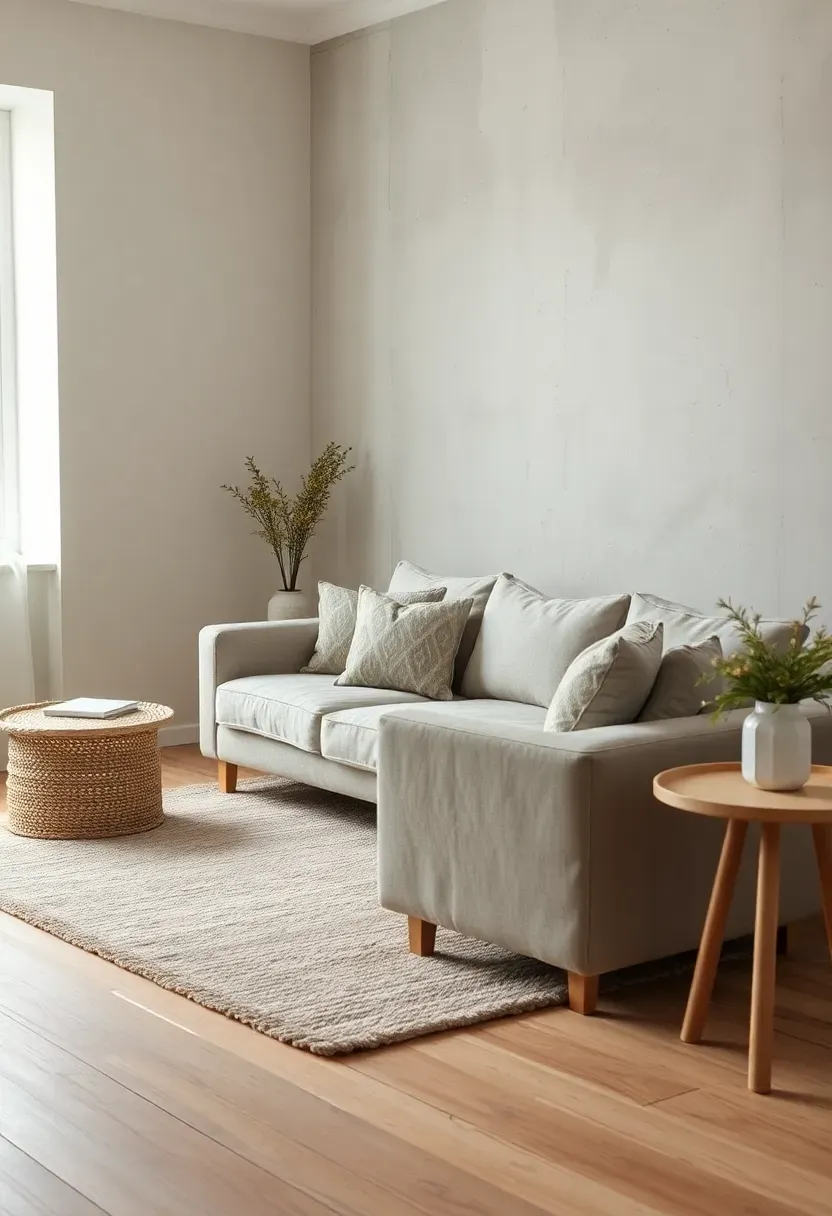
Radical minimalist life relies on texture contrast to prevent the room from feeling flat. Keep the palette tight, then swap surfaces: nubby wool, smooth plaster, and soft linen each read as different without adding color. This is the simplest way to add depth while keeping surfaces clean and sparse. The contrast line is to avoid patterned textiles and let the weave itself do the work.
Recommended
Items for this idea
Placement note: place the roughest texture at floor level and the smoothest at eye level for balance.
Choose a heavyweight linen (7-9 oz) for curtains so the drape adds quiet structure. The trade-off is that richer textures can collect dust, so keep the number of textiles limited to two or three. If you want one accent, use a single boucle cushion and skip additional throws. This keeps texture contrast intentional rather than layered.
If you want a room-first view of this strategy, see 27 Minimalist Living Room Ideas: Serene Spaces Unveiled for a Comfortable Living Space.
Tips
- If the sofa is smooth, then choose a rug with visible texture.
- If the walls are textured, then keep textiles flat and quiet.
- If you need warmth, then add a single wool throw, not multiples.
What this gives you: depth and comfort without introducing visual clutter.
7. Design Rituals for Daily Reset
Extreme minimalist life succeeds when the space supports small daily rituals. Plan for a ten-minute reset by giving every object a clear home and limiting visual weight on open surfaces. A single tray for keys, a closed basket for throws, and one shelf for books are enough. The consequence is that the room stays calm with minimal effort, even after busy days.
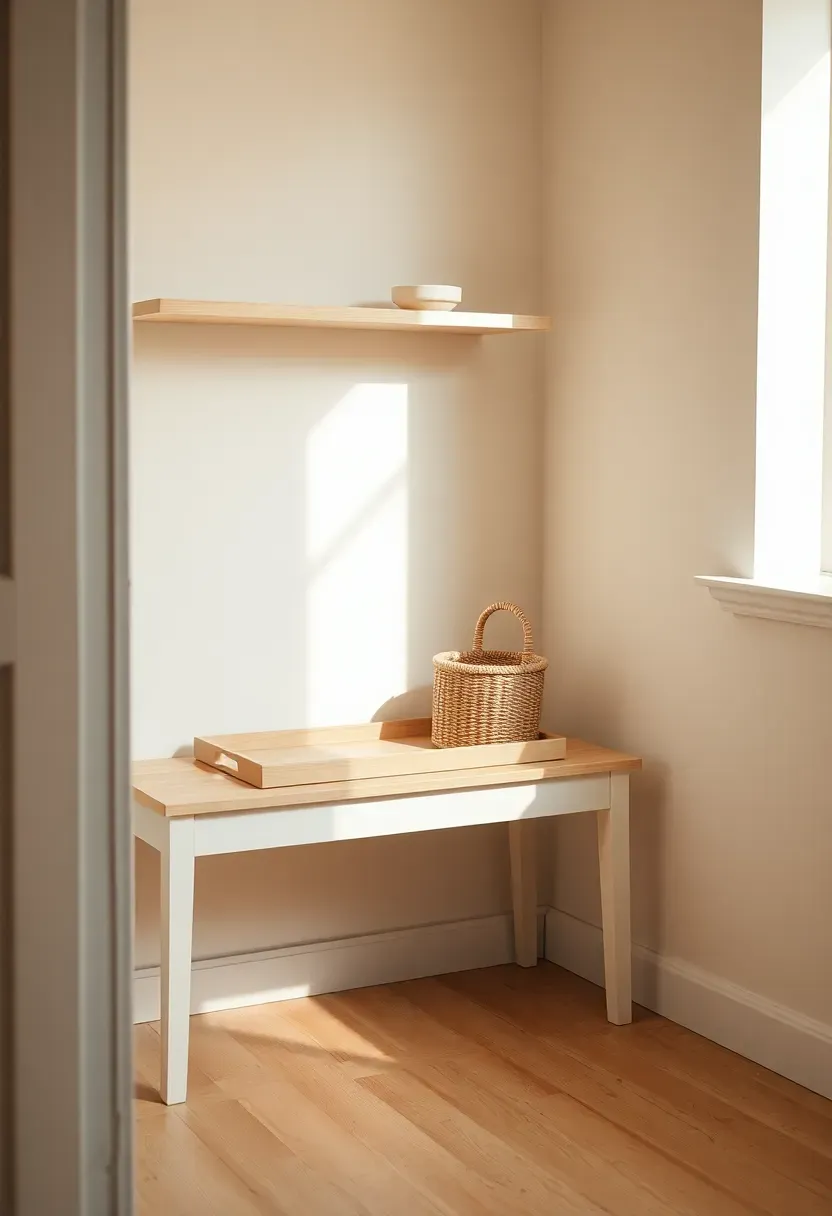
Why it works: repeating the same small reset keeps the room stable and prevents visual drift.
For a broader list of daily actions that reinforce this mindset, see 21 Ways to Live a Minimalist Life and adapt them to your reset routine.
Build a simple routine: reset surfaces nightly, return items to storage, and keep the focal point clear. The contrast move is to avoid open shelving for daily clutter, which quickly adds visual weight. If you need display, choose one shelf and refresh it monthly rather than stacking new items weekly. This creates a clean baseline you can maintain without burnout.
Tips
- Pro: a 10-minute reset keeps the room ready for guests.
- Con: it can feel strict on busy weeks.
- Fix: keep a single closed bin for temporary overflow.
Budget/Time: plan 2-3 hours for a one-time storage reset, then 10 minutes daily.
What this gives you: a minimalist home that stays calm without constant effort.
Extreme minimalist living is not about emptiness--it is about radical simplicity that supports how you actually live each day. By editing zones, leading with one material, and using light and texture as structure, the space becomes quiet but welcoming. The approach rewards consistency and small daily rituals over constant redecorating. When done well, this ultra-minimalist path delivers a home that feels spacious, centered, and genuinely easy to maintain.
About the author
OBCD
CGI visualization and interior design content. We create detailed 3D renders and curate practical design ideas for every room in your home.