19 Grey and White Bedroom Ideas for a Cozy, Restful Space
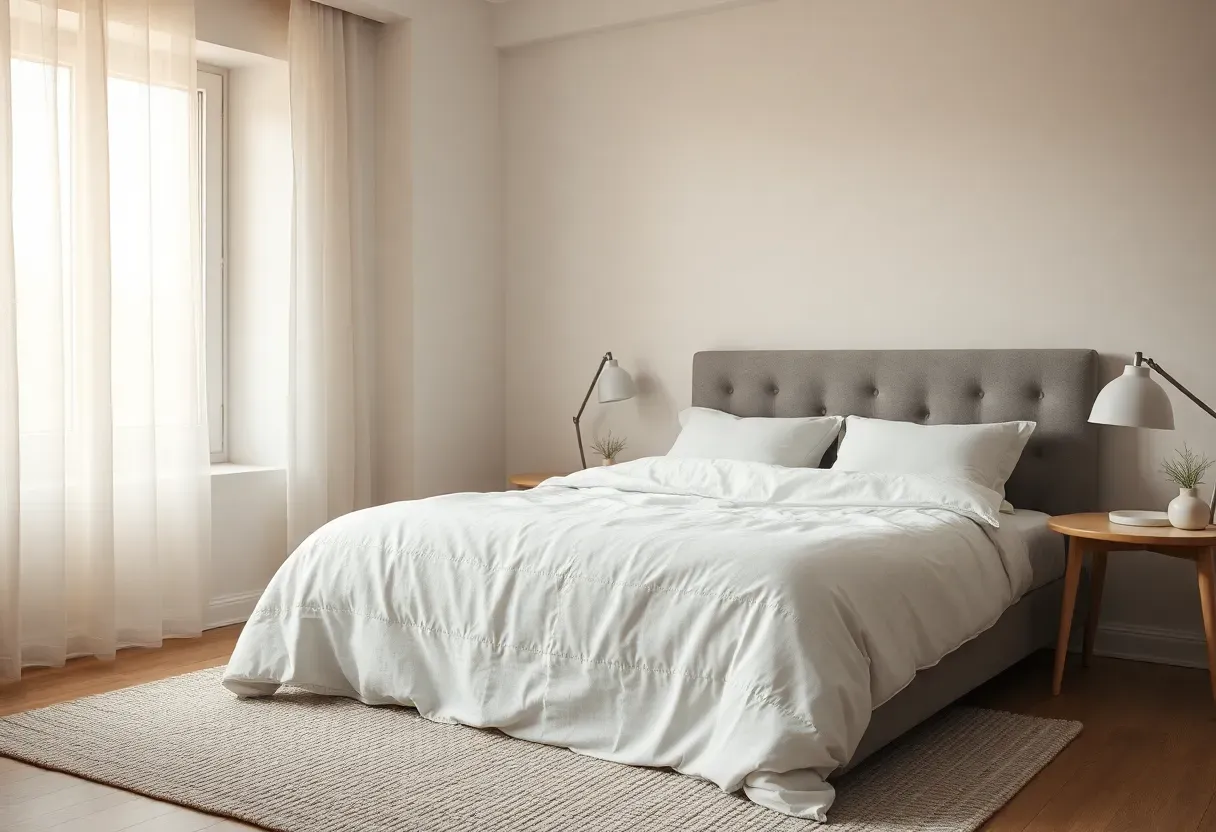
These grey and white bedroom ideas show how to build a calm, hotel-level feel without losing warmth, balancing soft grays, clean trims, and quiet lighting for real-life comfort in any size space. Think greige layers, warm white walls, and textures that make a small bedroom feel bigger while still grounded.
Each cozy grey and white bedroom layout leans into tactile materials like linen, boucle, and wool while keeping the palette restful and easy to update. You will find gray and white bedroom decor options, lighting setups, and finish choices that feel cohesive rather than overly styled, with clear guidance on what to avoid.
Use the ideas as a full-room plan or combine a few for your own mix, especially if you are working with a small apartment or rental limitations where permanent changes are off the table.
Quick FAQ
How do cozy grey and white bedroom ideas avoid feeling cold?
Use warmer grays like greige or mushroom, then layer texture through linen, wool, and matte ceramics. Add warm light at 2700K to 3000K and include at least one wood element so the palette feels lived-in.
Which lighting works best for a grey and white bedroom?
Layer ambient lighting with soft bedside lamps and one accent light, such as a wall sconce or picture light. Dimmers are the simplest upgrade and help grey and white surfaces stay soft instead of stark.
Should I paint the walls gray or keep them white?
If your room is small or low-light, start with warm white walls and introduce gray in textiles and furniture. In a bright room, a light gray wall adds depth while keeping the space airy.
What fabrics make gray and white bedrooms feel cozy?
Linen, brushed cotton, boucle, and wool blend throws add softness without visual noise. Avoid shiny fabrics in large areas because they can read cool against gray tones.
Do cozy gray and white bedroom ideas work in rentals?
Yes. Focus on removable changes like layered bedding, peel-and-stick wall panels, and lighting swaps that do not require hardwiring. Neutral art and large rugs can transform the space without paint.
As an Amazon Associate I earn from qualifying purchases.
Table of Contents
- 1. Greige-and-White Layered Bedding
- 2. Soft Charcoal Accent Wall With White Trim
- 3. Whitewashed Oak Bed With Gray Linen
- 4. Light Gray Upholstered Headboard Focus
- 5. Tone-on-Tone Texture Mix
- 6. Minimal White Walls With Graphite Sconces
- 7. Subtle Stripe Rug for Soft Movement
- 8. Warm Gray Curtains With White Sheers
- 9. Calm Black-and-White Gallery Strip
- 10. Mist Gray Ceiling for Depth
- 11. Low-Contrast Patterned Wallpaper
- 12. White Built-Ins With Gray Back Panel
- 13. Stone-and-Textile Nightstand Pairing
- 14. Microcement Floor With Cloud Rug
- 15. Charcoal Canopy Frame in a Light Room
- 16. Soft White Furniture With Smoke Glass
- 17. Gray Bench and Wool Throw Zone
- 18. White Closet Doors With Gray Hardware
- 19. Window Seat in Greyscale Layers
1. Greige-and-White Layered Bedding
Start your cozy grey and white bedroom ideas with bedding because it sets the tone and covers the largest surface in the room. Choose a warm greige duvet cover, crisp white sheets, and a mid-gray quilt to create a gentle gradient that feels calm rather than flat. This layered stack reads intentional even in a small room, especially when the texture mix includes washed linen, a matte cotton percale, and a wool throw. A contrast line helps here: if everything is the same shade, the bed can look sleepy and dull, so add one deeper gray lumbar pillow for definition. Keep the palette quiet but vary weave and stitch pattern so the light has something to catch. For scale, aim for a duvet that drapes 18 to 22 inches past the mattress edge to add softness and reduce harsh lines. The overall effect is hotel-like comfort without the fuss of extra decorative pillows.

Keep bedside styling minimal so the bed remains the hero. A simple ceramic lamp with a white linen shade keeps the glow warm, and a low-profile tray on the nightstand prevents clutter from scattering. If you need contrast, swap the quilt for a subtle herringbone weave rather than a bold pattern. The goal is quiet variation that reads cozy at night and bright in morning light. If you want a fuller room update, pair the bedding with soft white walls and pale wood floors to reinforce the calm, layered palette.
Tips
- Do keep one pillow in a deeper gray for structure.
- Don't stack more than three pillow sizes; it adds visual noise.
Best for: Bedrooms that feel stark and need softness without color.
What this gives you: A serene, hotel-style bed that anchors the entire room.
2. Soft Charcoal Accent Wall With White Trim
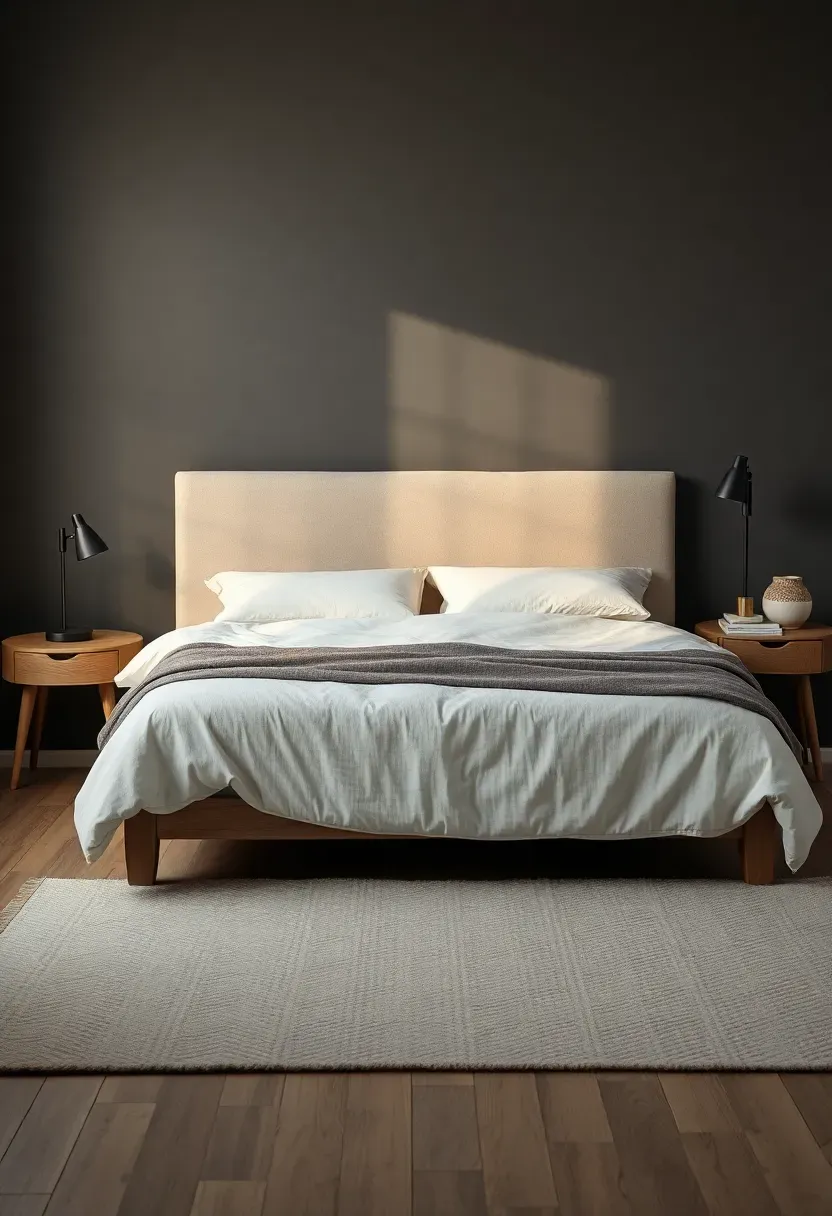
A single charcoal wall behind the bed can make cozy grey and white bedroom ideas feel grounded, especially when the trim and ceiling remain white. This is a benefit-first move: the dark backdrop visually tucks the bed into place, creating a calm sleeping zone without adding furniture. Choose a warm charcoal with brown undertones rather than a blue-gray to avoid a cool, moody vibe. The contrast line is important here: high-contrast black feels harsh, but charcoal reads soft and intentional. Keep the rest of the walls a warm white like a creamy eggshell so the room still feels open. In a 10-by-12-foot room, one accent wall is enough to shift the mood while still reflecting light from windows.
Recommended
Items for this idea
Placement note: Paint only the wall behind the headboard so the darker tone frames the sleep zone without shrinking the whole room.
Balance the accent wall with light wood or white furniture to keep the look airy. A white linen headboard softens the edge where the wall meets the bed, and a simple black metal sconce adds function without clutter. If you are unsure about paint permanence, try peel-and-stick panels in a soft charcoal to test the depth. Add a thin white frame above the bed for a subtle highlight, then stop--too many accessories will fight the calm.
For a related tonal approach, see 19 Beige Minimalist Bedroom Ideas: Serene Simplicity for Comfort and Visual Balance and borrow the low-contrast layering.
Tips
- If your room faces north, choose a warm charcoal to keep it inviting.
- If the ceiling feels low, paint the trim in the same white as the ceiling to lift the edge.
What this gives you: A grounded focal wall that keeps the room cozy without heavy decor.
3. Whitewashed Oak Bed With Gray Linen
This idea pairs a whitewashed oak bed with gray linen, creating a soft, natural base that feels more welcoming than pure white furniture. The wood grain brings warmth, and the linen adds a relaxed texture that reads cozy rather than crisp. A key contrast line: avoid cool, shiny finishes on the bed frame because they make the room feel sterile against gray textiles. Choose a platform bed with simple legs and a low profile to keep the space airy. A 60-inch-wide headboard works well for a queen bed and creates a clean silhouette without bulk.

Why it works: the whitewashed oak carries a hint of warmth that offsets cool gray textiles, so the room feels layered even with a limited palette.
Keep the rest of the furniture light to support the organic-modern mood. A white ceramic table lamp and a gray stone catchall are enough to add detail without creating clutter. If you want a pop of contrast, introduce a charcoal throw at the foot of the bed instead of adding color. This keeps the focus on material quality and cozy texture. The palette also photographs beautifully in daylight, making it ideal for small rooms that rely on natural light. If you need additional storage, add a low white dresser so the room stays visually light.
Tips
- Pro: Whitewashed oak keeps the look warm and modern.
- Con: It can look dusty; wipe it with a damp microfiber weekly.
- Fix: Use a matte wood oil to deepen the grain without shine.
Budget/Time: Mid-range, one weekend for delivery and styling.
What this gives you: A grounded natural base that makes gray textiles feel inviting.
4. Light Gray Upholstered Headboard Focus
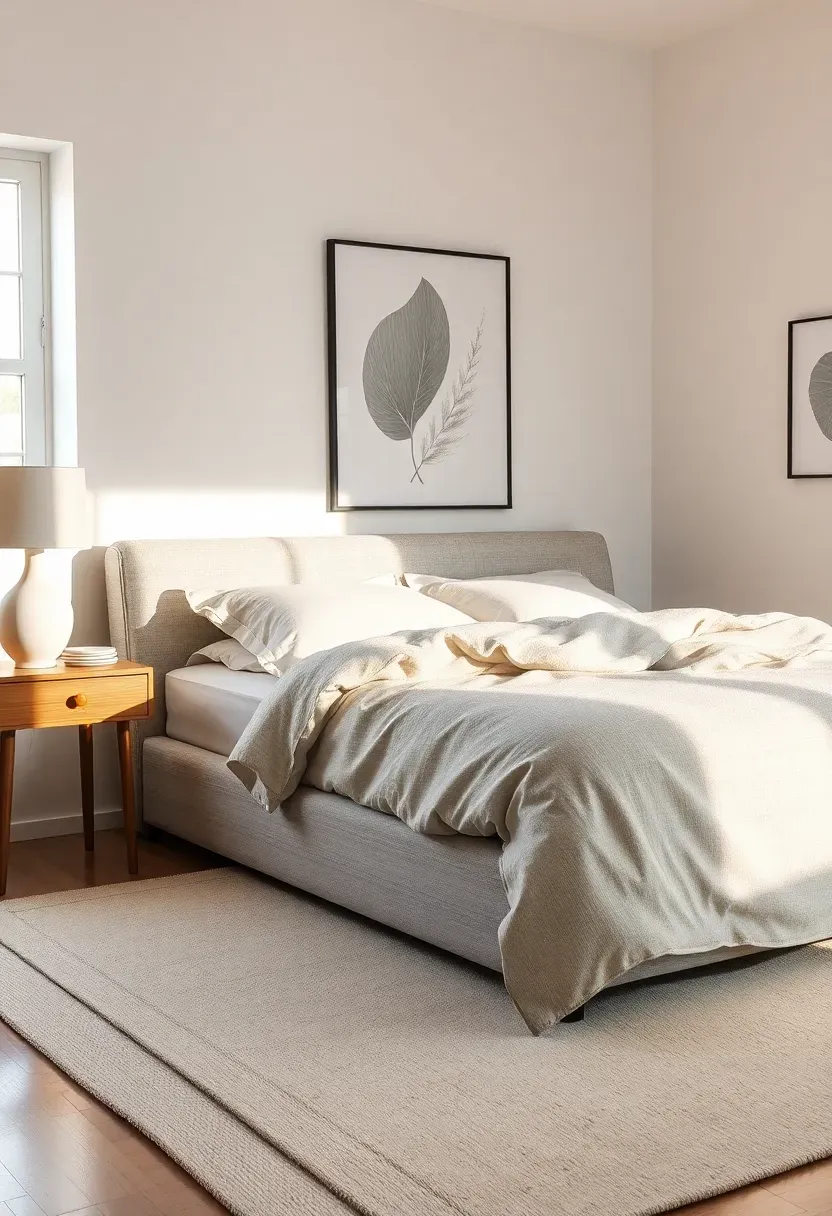
A light gray upholstered headboard delivers comfort and a quiet focal point without overwhelming the room. Choose a softly curved or rectangular silhouette with a low profile so the space stays airy. The fabric should be matte and tactile--think boucle or brushed linen--because sheen can look cold in a grey-and-white palette. The contrast line here is about proportion: oversized, tall headboards can shrink the room, so keep it about 48 to 54 inches high for a standard bedroom. This move pairs well with white walls and minimalist nightstands, making the texture the star.
Recommended
Items for this idea
Common mistake: pairing an upholstered headboard with shiny satin bedding, which makes the textures fight instead of harmonize.
Balance the softness with a crisp white duvet and a single medium-gray throw. If you want more depth, add a warm wood nightstand so the palette does not feel washed out. Keep lighting simple--swing-arm sconces in matte black or brushed nickel provide functional light without cluttering the bedside surface. A 5-by-8-foot rug in a subtle gray pattern will frame the bed and soften footsteps, which makes the room feel quieter at night.
Tips
- Use a tight-weave fabric so it holds up to daily use.
- Keep side tables open or floating to avoid visual bulk.
- Add one warm element, like oak, to keep the palette inviting.
What this gives you: A soft focal point that feels calm, plush, and clean.
5. Tone-on-Tone Texture Mix
A tone-on-tone mix is the secret weapon for cozy grey and white bedroom ideas because it creates depth without adding visual noise. Use white walls, a pale gray duvet, and a medium gray rug, then let textures do the work. Pair a boucle throw with a waffle-knit blanket, and add a matte ceramic vase on the nightstand. The contrast line is subtle but vital: too many smooth surfaces make the room feel flat, so balance them with at least two tactile textures. Keep the palette within a four-step gradient from white to charcoal to avoid a muddy look. For scale, choose a rug that extends 24 inches beyond the bed sides so the layering reads intentional.

Use a single black or charcoal accent, such as a slim lamp base, to keep the room from drifting into monotony. If you like pattern, keep it micro-scale--herringbone or fine pinstripes read calm at a distance. The overall vibe should feel layered and tactile, not busy. This approach also works well in rentals because it relies on soft furnishings rather than permanent changes. If you want a stronger visual rhythm, add a ribbed bench at the foot of the bed in a mid-gray fabric.
Tips
- Do mix at least three textures so the palette feels rich.
- Don't mix bold patterns with heavy texture; it creates noise.
Avoid if: You dislike tactile fabrics or need ultra-easy cleaning.
What this gives you: Depth and coziness without extra color or clutter.
6. Minimal White Walls With Graphite Sconces
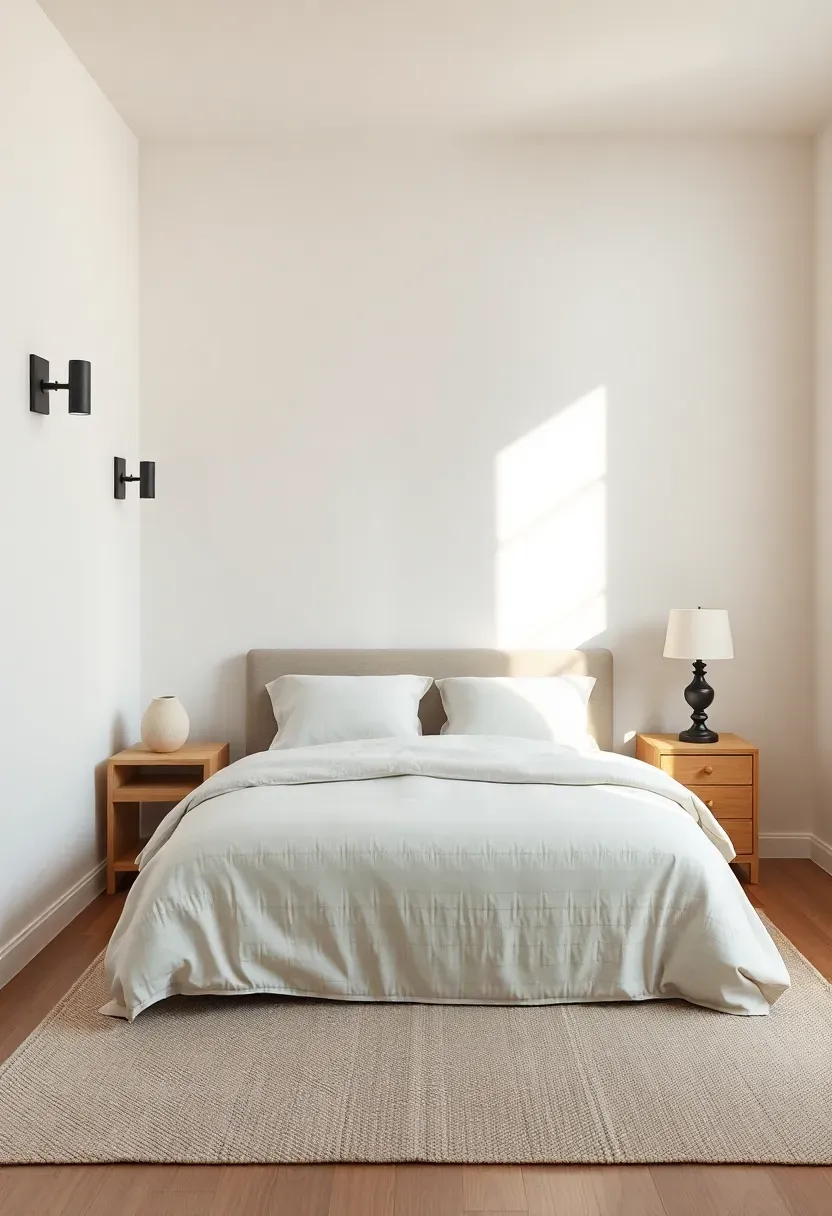
White walls keep the room airy, but graphite sconces add a sharp, architectural line that makes the space feel designed. This is a placement-first idea: mount the sconces 60 to 66 inches from the floor, centered over the nightstands, to frame the bed neatly. The contrast line is essential--choose matte graphite rather than glossy black so the fixtures feel soft against the white walls. Pair them with a pale gray duvet and white pillowcases for a clean, sleep-ready palette. This approach also frees up nightstand space, which makes the room feel less cluttered.
Recommended
Items for this idea
Placement note: Keep sconces aligned with the center third of the headboard so the symmetry reads intentional.
Use warm bulbs in the 2700K range to soften the graphite finish and avoid a clinical feel. If hardwiring is not an option, choose plug-in sconces with a slim cord cover painted to match the wall. Add a small ceramic dish on the nightstand for rings and a single book, then stop.
Tips
- If your walls are bright white, choose warm gray bedding to soften the contrast.
- If you need reading light, select sconces with a small swivel arm.
What this gives you: Crisp lines and functional light without taking up surface space.
7. Subtle Stripe Rug for Soft Movement
A subtle stripe rug adds movement to a grey-and-white bedroom while keeping the palette calm. Think thin lines in warm gray on an ivory base rather than bold, high-contrast stripes. The contrast line: wide, dark stripes can dominate the room and make it feel smaller, so go for a low-contrast pattern that reads like texture. Size matters for comfort; a 6-by-9-foot rug fits well under a queen bed and lets you step onto softness in the morning. This idea pairs with white walls and simple furniture, making the rug the quiet anchor.

Why it works: gentle pattern introduces rhythm without breaking the calm color story, so the room feels styled but not busy.
Pair the rug with a gray throw and white bedding so the lines echo elsewhere in the room. A soft gray bench at the foot of the bed can pick up the same tones without matching perfectly. Keep wall art minimal--one oversized black-and-white print is enough. If the room feels too flat, add a textured pillow in a deeper gray to create depth. This is a simple update that works in rentals because the rug does the heavy lifting with no paint required.
Tips
- Pro: Low-contrast stripes hide dust and lint well.
- Con: Cheap flatweaves can curl at the edges.
- Fix: Use a thick rug pad to keep it smooth.
Best for: Bedrooms that need subtle movement without pattern overload.
What this gives you: A calm visual rhythm that makes the room feel finished.
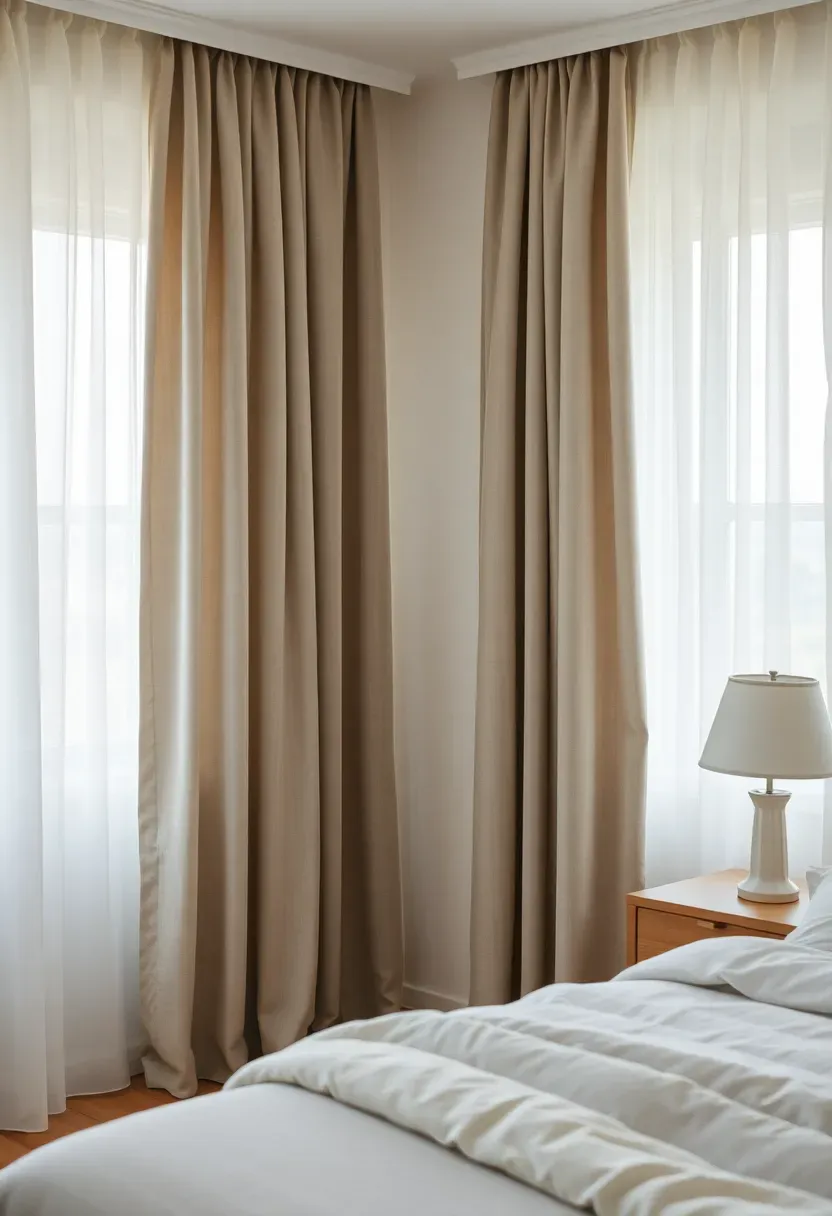
8. Warm Gray Curtains With White Sheers
Layer warm gray curtains over white sheers for a practical, cozy look that softens the whole room. This idea uses a material-first approach: the drape of linen or linen-blend fabric creates softness, while sheers maintain daylight. A contrast line is important--heavy, dark drapes will feel heavy against a light palette, so stick to a mid-gray that still lets the room breathe. Hang the rod 2 to 3 inches below the ceiling and extend it 6 inches past each side of the window to make the wall feel wider.
Recommended
Items for this idea
Common mistake: choosing heavy blackout drapes in a cool gray, which makes the palette feel cold and weighted.
Pair the drapery with white walls and a pale gray duvet so the window feels like part of the palette rather than a separate feature. For nighttime comfort, choose lined curtains to block light and insulate the room. Add a light wood bench beneath the window to anchor the layers and provide a functional spot for a throw. If you want to make the window feel larger, keep the sheers full and the drapes slightly pushed to the sides. This is an easy update that changes the mood without a full redesign.
Tips
- Steam the panels after hanging for a soft, relaxed fall.
- Use ring clips to make the drape evenly spaced.
- Double-check hem length in daylight to avoid dragging.
What this gives you: Softened daylight and a cozy frame around the room.
9. Calm Black-and-White Gallery Strip
A short gallery strip in black-and-white photography gives a grey-and-white bedroom personality while staying quiet. Choose three to five frames in the same finish, with generous white mats so the wall still feels airy. The contrast line matters: a huge gallery wall can overwhelm the calm palette, so keep it tight and linear above a dresser or bench. This is a great way to add personal meaning without introducing color. Pair the frames with a gray dresser and a white lamp to keep the mood cohesive.
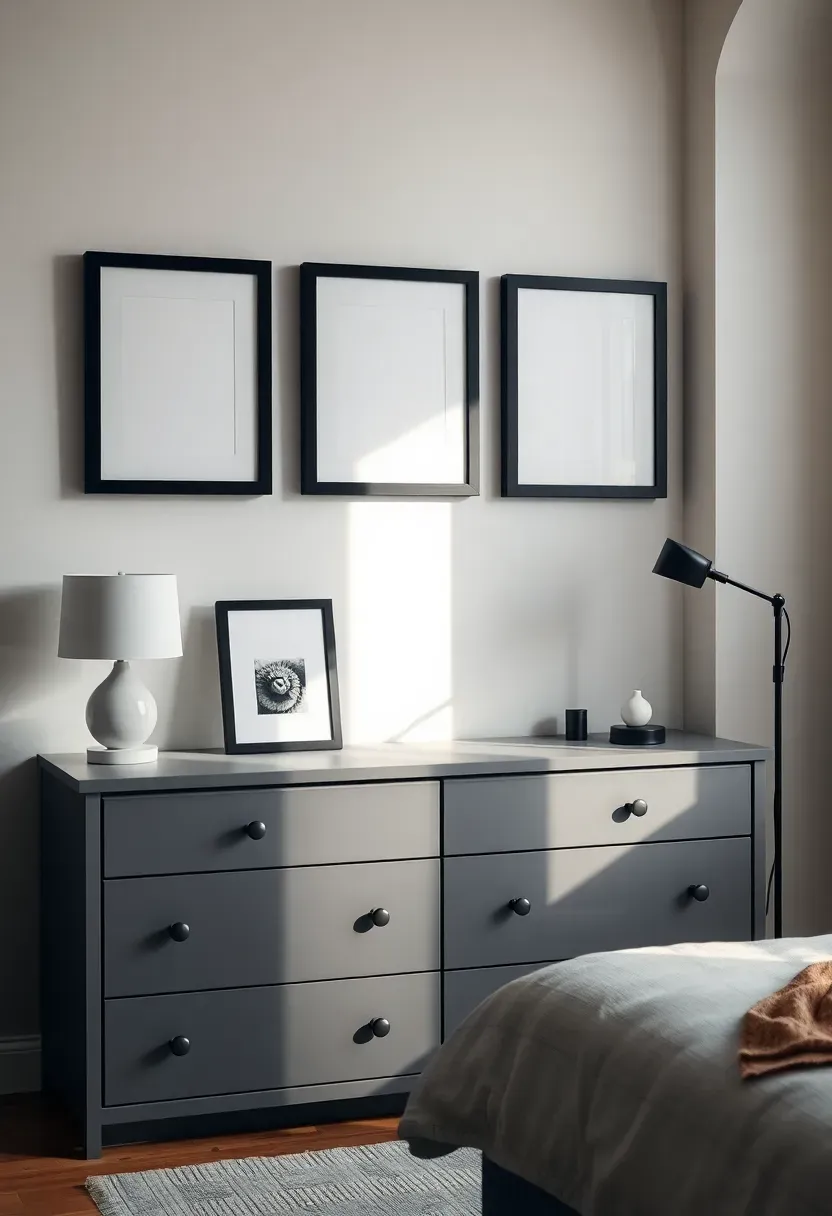
Keep spacing consistent--2 to 3 inches between frames reads neat and intentional. If the wall feels too blank, add a slim picture light with a warm glow for nighttime ambience. Use frames with a matte finish to avoid reflections that can look harsh against gray walls. This approach pairs well with minimalist furniture and low-profile storage, keeping the room uncluttered.
For a softer, romantic take on monochrome, see 17 Cozy Romantic Bedroom Ideas for Comfort and Elegance and borrow the lighting cues.
Tips
- Do keep mats generous so the wall feels open.
- Don't mix frame finishes; consistency keeps it calm.
Rental note: Use removable picture strips to avoid wall damage.
What this gives you: Personality and structure without disrupting the palette.
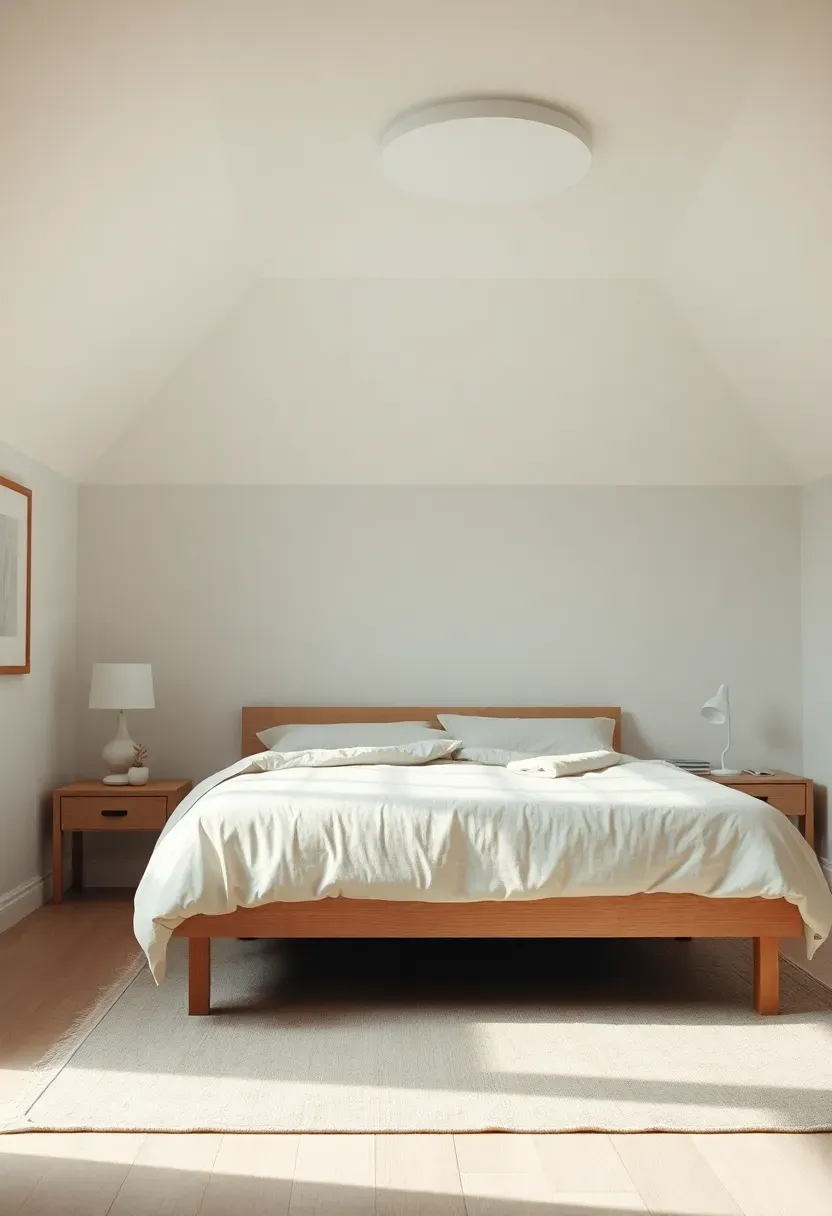
10. Mist Gray Ceiling for Depth
Painting the ceiling in mist gray adds depth without making the room feel dark, especially when walls stay white. This is a contrast-first idea: instead of a stark white lid, the soft gray brings the ceiling closer and makes the room feel cocooned. Choose a light gray with warm undertones and a matte finish to avoid glare. In a standard 8-foot room, this subtle shift can make the space feel intentional and cozy, not cramped. Keep trim and doors white so the perimeter stays crisp.
Recommended
Items for this idea
Placement note: Extend the ceiling color just 1 inch down onto the wall to reduce a harsh edge.
Balance the gray ceiling with white bedding and a pale gray rug so the top and bottom of the room feel connected. A simple pendant or flush mount in white or matte nickel keeps the focus on the soft ceiling tone. If you need more depth, add a darker gray pillow or throw. This idea works well in rooms with adequate daylight, so consider lighter bulbs if the space feels dim. It is an easy update that shifts the mood without adding visual clutter.
Tips
- If your room gets little light, test a lighter gray to keep it bright.
- If you use a ceiling fan, choose one in white so it blends.
What this gives you: A cocooned feel that stays soft and airy.
11. Low-Contrast Patterned Wallpaper
Low-contrast wallpaper introduces pattern without breaking the calm of a gray-and-white palette. Look for subtle motifs--like watercolor brush, soft geometric, or linen weave--in two near-identical shades. The contrast line: bold patterns or high-contrast prints will fight the serenity, so keep it quiet and textural. Use wallpaper on a single wall behind the bed to avoid visual overload. A peel-and-stick option makes this renter-friendly and easy to change later.
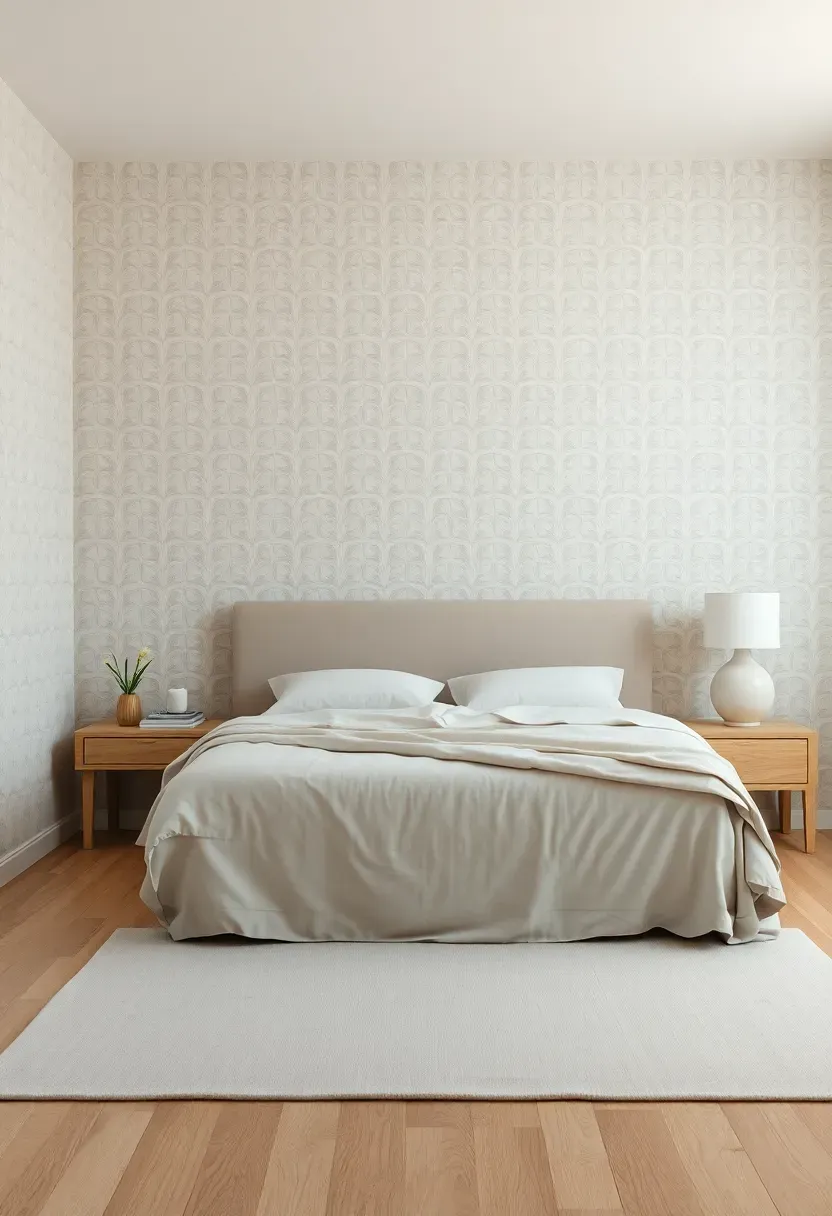
Why it works: the pattern adds depth when light shifts across the wall, while the palette stays calm and cohesive.
Pair the wall with simple white bedding and a gray throw to echo the motif. Keep bedside tables minimal so the wallpaper remains the feature. A single ceramic lamp and a small stack of books are enough. For extra softness, add a light gray rug that picks up the wall tone. If you want to change the mood seasonally, swap the throw and pillow textures rather than changing the wall. This is a modern way to add personality without clutter.
Tips
- Pro: Peel-and-stick wallpaper is easy to remove.
- Con: Some patterns show seams in strong light.
- Fix: Choose a smaller repeat and align carefully.
Best for: Rooms that feel flat but need calm pattern.
What this gives you: Subtle depth without introducing new colors.
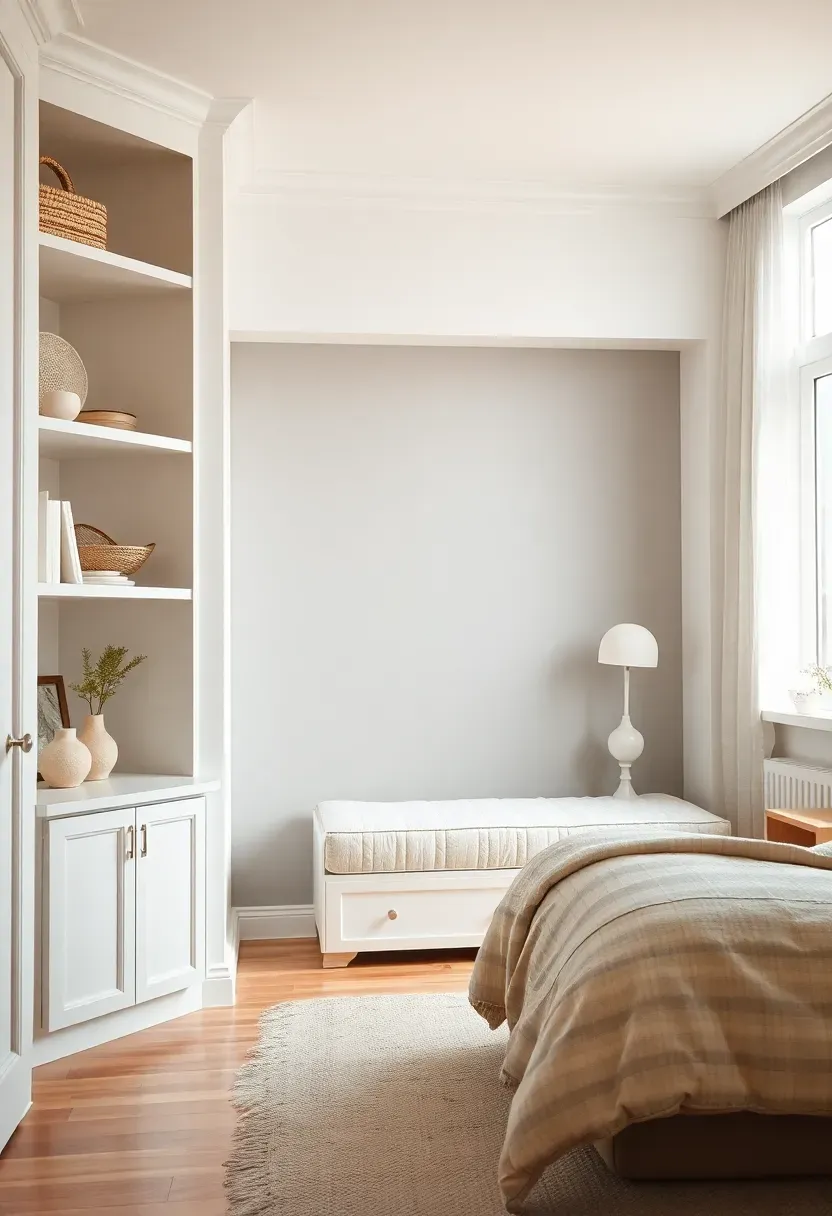
12. White Built-Ins With Gray Back Panel
Built-ins in white with a gray back panel add storage and style while keeping the room open. The gray panel creates visual depth and makes the shelves feel intentional rather than utilitarian. A contrast line helps: if the back panel is too dark, it can dominate, so choose a soft medium gray that relates to your bedding. Keep the shelving simple and symmetrical to avoid visual clutter. This idea works well for small rooms because it uses vertical space instead of bulky furniture.
Recommended
Items for this idea
Common mistake: overstyling every shelf, which turns a calm wall into visual clutter.
Style shelves with a few neutral objects--stacked books, a small ceramic bowl, and a framed black-and-white photo. Leave at least 30 percent of the shelf space empty so the room feels breathable. If you need hidden storage, add matching baskets in light gray or white to keep the palette clean. A built-in look can be achieved with IKEA-style cabinets and trim paint, which keeps costs down.
For more minimalist storage inspiration, see Cozy Guest Bedroom Ideas for a Welcoming Stay and adapt the calm storage styling.
Tips
- Use matching baskets to hide small clutter.
- Keep shelf styling to 1-2 objects per shelf.
- Leave negative space so the wall feels light.
What this gives you: Clean, built-in storage that looks intentional and calm.
13. Stone-and-Textile Nightstand Pairing
Pair a slim stone-top nightstand with soft textiles to create a balanced, cozy look. The stone surface adds cool visual weight, while the textiles--like a linen shade or wool throw--bring warmth. The contrast line matters: too much stone can feel cold, so keep the nightstand small and add a soft lamp or fabric basket nearby. A light gray wall behind the bed helps the stone feel refined rather than stark. This pairing works best in rooms that lean minimalist and need a touch of material richness.
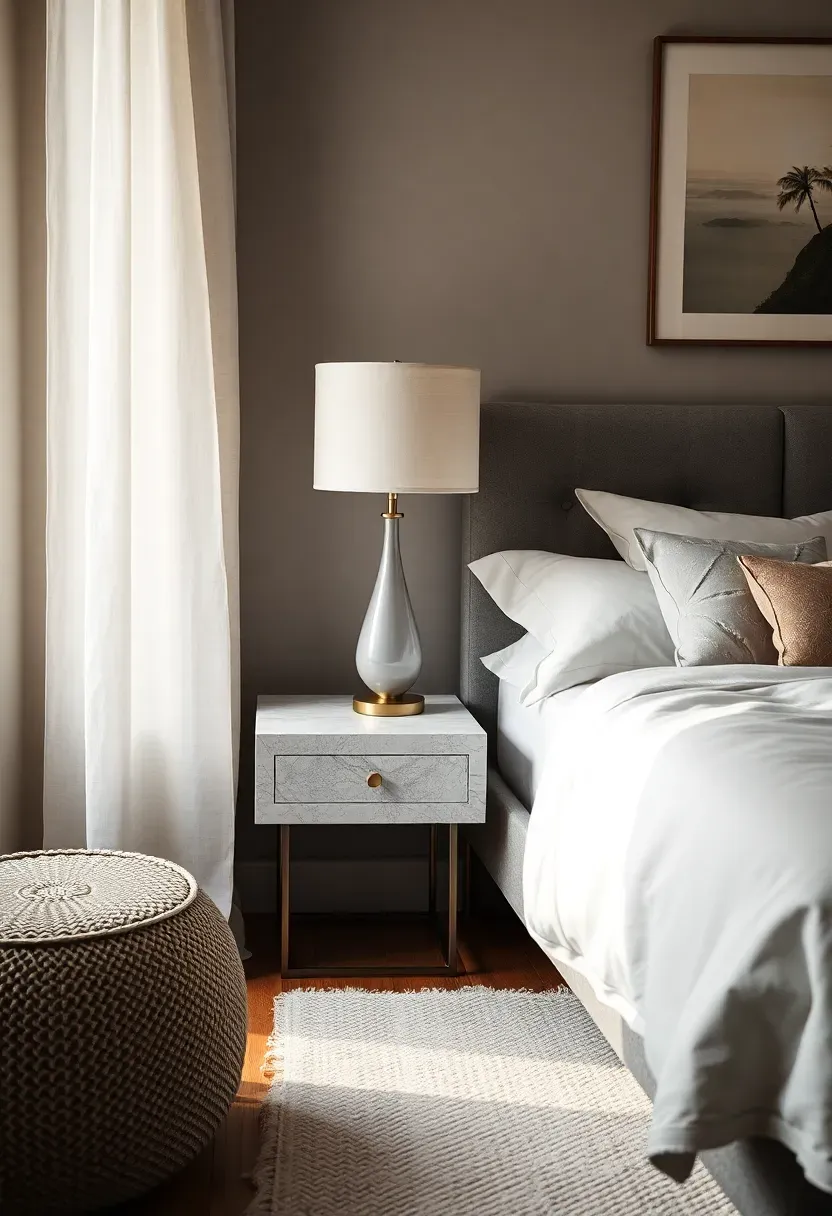
Choose honed stone rather than polished for a softer, matte look. A warm bulb in a linen shade will soften the stone's coolness, especially at night. Add a small felt coaster or a textile tray to protect the surface and introduce another layer of texture. If your room has lots of white, choose a gray stone like soapstone or limestone to keep the palette cohesive. This small change can make the bedside zone feel curated without adding clutter.
Tips
- Pro: Stone tops are durable and easy to clean.
- Con: They can feel cold if paired with metal-heavy decor.
- Fix: Add a fabric tray or woven coaster.
Budget/Time: Mid to high cost, quick swap in a day.
What this gives you: A refined bedside zone with balanced texture.
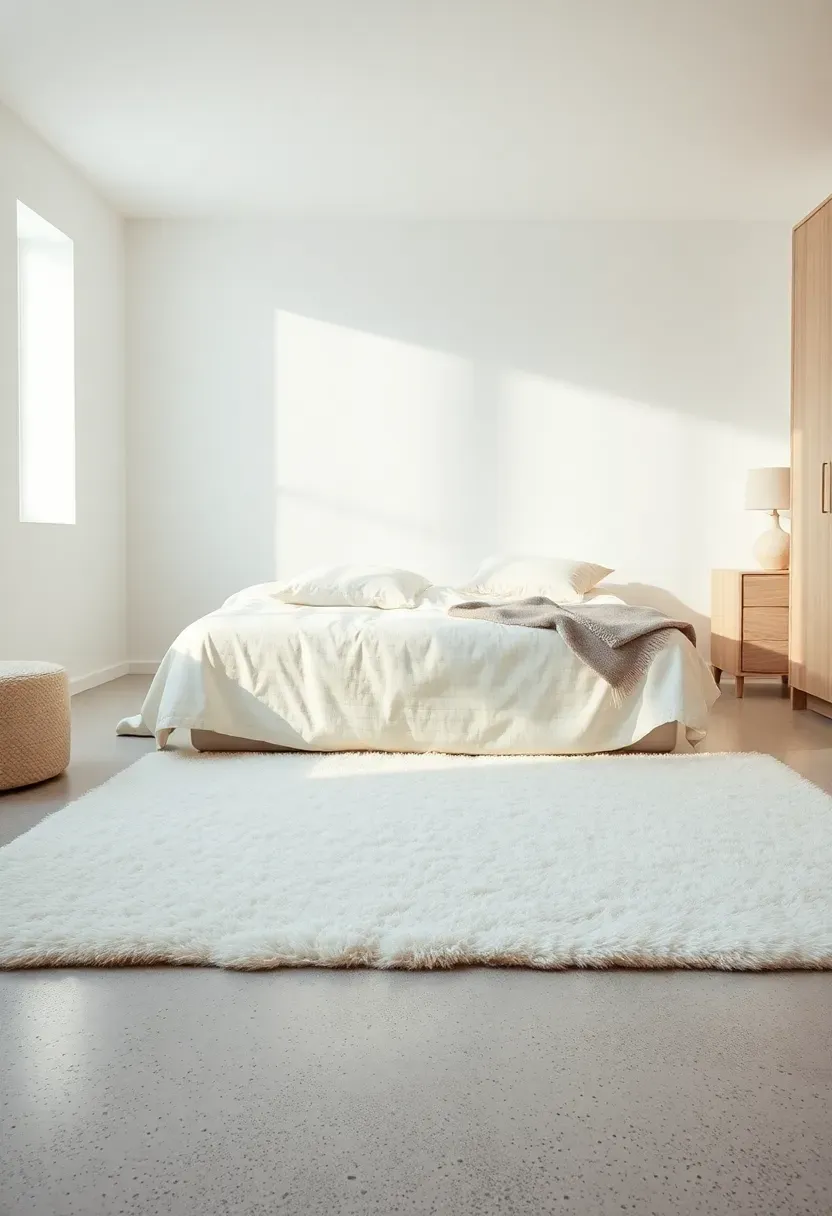
14. Microcement Floor With Cloud Rug
Microcement floors bring a sleek, seamless surface that pairs beautifully with gray-and-white textiles. The smooth gray base feels modern, while a plush white rug brings softness and warmth underfoot. The contrast line: if the rug is too thin, the room can feel cold, so choose a thick pile or layered wool rug. This idea works especially well in minimalist spaces where you want a clean foundation and a cozy center. Keep the walls white and the bedding soft gray to maintain balance.
Recommended
Items for this idea
Placement note: Let the rug extend at least 30 inches past the bed sides for a soft landing.
To warm up the microcement, add natural materials like light oak or ash in furniture. A white dresser keeps the palette soft, while a charcoal lamp base adds definition. If you want more texture, layer a smaller gray flatweave on top of the plush rug near the bed. This creates a subtle design moment without feeling busy. Microcement is durable but can feel cool, so consider radiant heating or thicker rugs in colder climates.
Tips
- If you live in a cold climate, choose a thicker rug pad for warmth.
- If the floor is new, allow it to cure fully before placing rugs.
What this gives you: A sleek foundation with a soft, cozy landing zone.
15. Charcoal Canopy Frame in a Light Room
A charcoal canopy frame can add structure to a light, grey-and-white bedroom without making it feel heavy. The thin lines create an architectural outline around the bed, while the rest of the room stays soft and airy. The contrast line is about scale: a bulky canopy can overwhelm, so choose a slim metal frame with a matte finish. Pair it with white bedding and a light gray throw to keep the look balanced. This idea feels modern yet cozy, especially in rooms with higher ceilings.
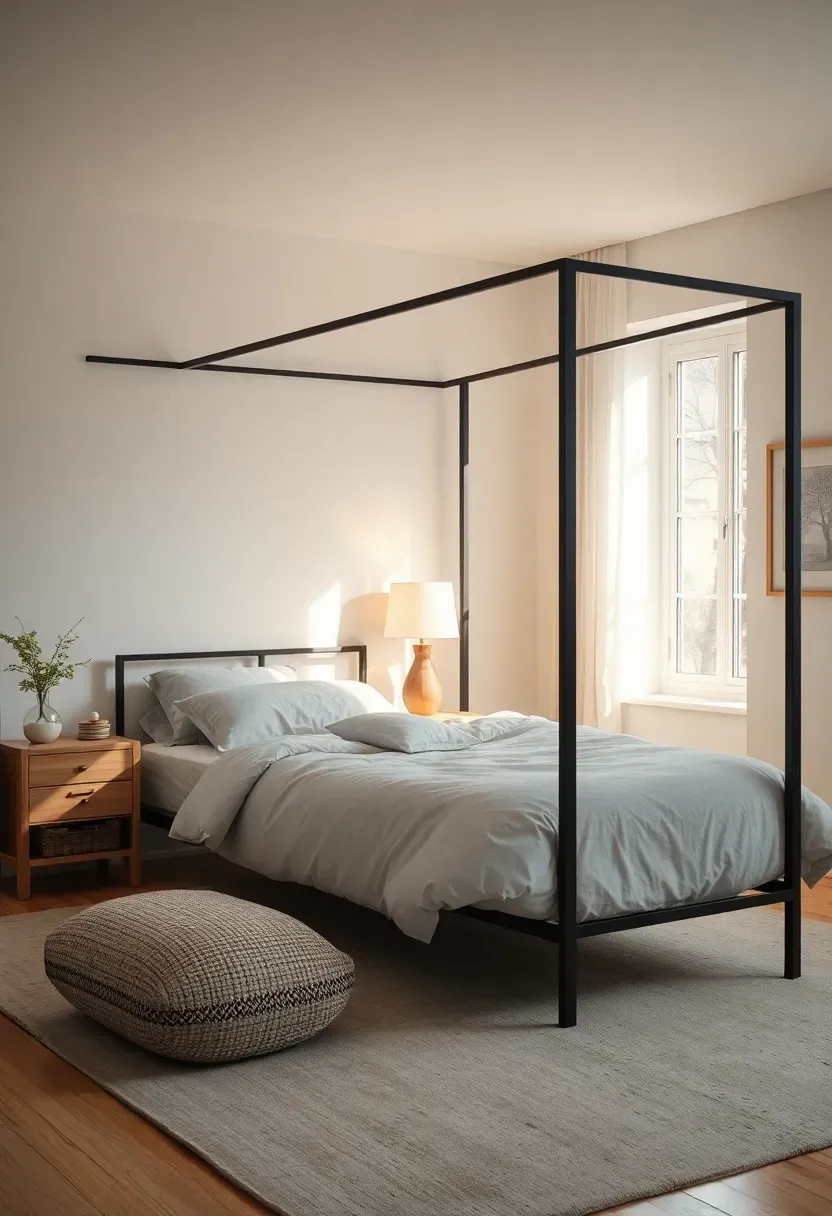
Why it works: the frame adds vertical definition, but the open structure keeps the room light and breathable.
Keep nightstands simple and low-profile to let the canopy stand out. Choose warm, textured bedding so the dark frame doesn't feel cold against the light palette. If you want to soften the canopy, add a light linen throw draped over one corner rather than full curtains. The subtle contrast makes the bed feel like a centerpiece without overwhelming the room. This is also a good solution for large rooms that need more visual structure.
Tips
- Pro: Slim frames add structure without bulk.
- Con: Dark metal can feel cool at night.
- Fix: Use warm bulbs and textured bedding to soften it.
Best for: Large bedrooms that need structure without bulk.
What this gives you: A striking bed outline that still feels calm and light.
16. Soft White Furniture With Smoke Glass
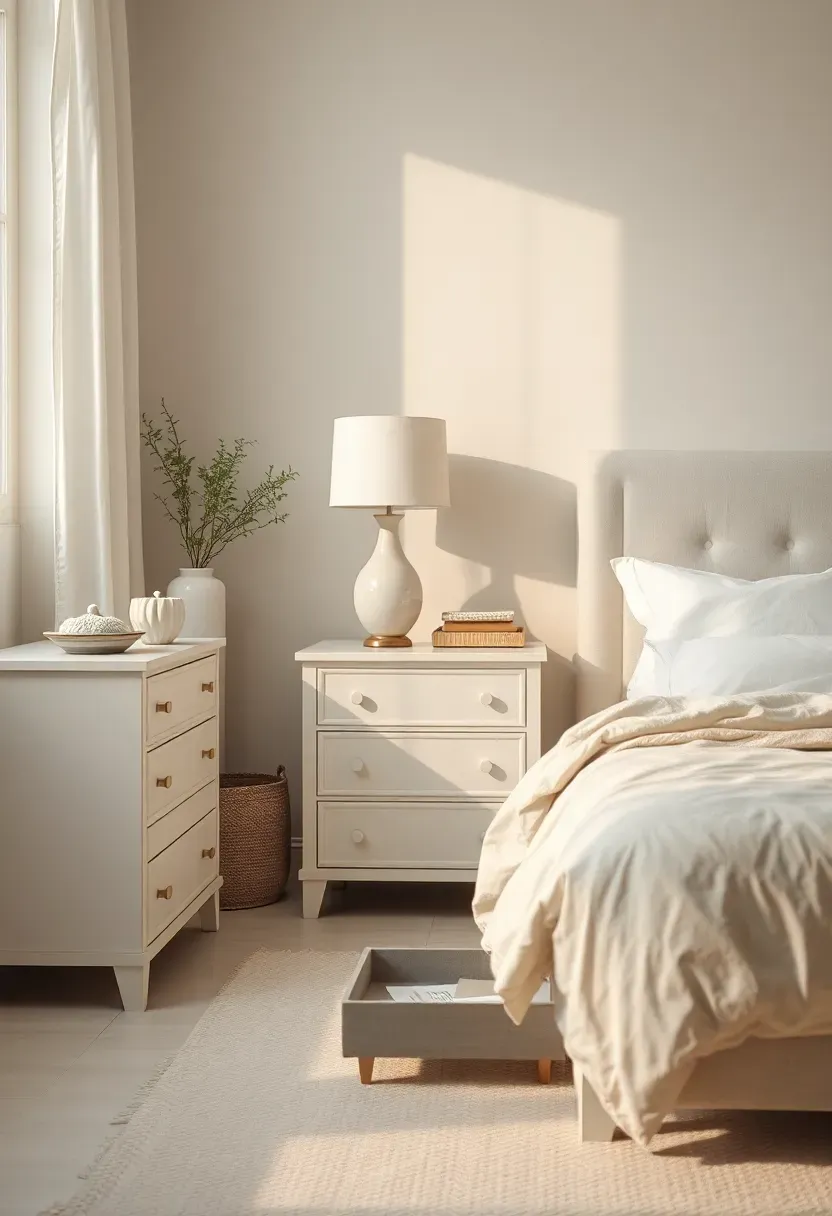
Soft white furniture keeps the room bright, while smoke glass introduces depth and a refined edge. Think a white dresser with a smoked glass lamp or a small glass tray for jewelry. The contrast line: clear glass can look too crisp, but smoke glass softens the reflection and blends with gray tones. This idea works well in smaller rooms where you want lightness without losing interest. Use warm lighting to keep the glass from feeling cool or sterile.
Recommended
Items for this idea
Common mistake: using clear glass and chrome together, which makes the room feel too shiny for a cozy palette.
Pair the glass with matte ceramics or textiles to avoid an overly glossy look. A gray linen runner on top of a dresser can soften the surface and tie into the bedding. If you need more contrast, introduce a charcoal picture frame or a small black clock. This is a subtle, grown-up look that feels polished but still cozy.
Tips
- Group glass accents in pairs to look intentional.
- Use a matte tray under glass to prevent reflections.
- Swap to warm bulbs to keep smoke glass from feeling cool.
What this gives you: Brightness with a refined, smoky edge.
17. Gray Bench and Wool Throw Zone
A gray bench at the foot of the bed creates a cozy landing zone for clothes and blankets without adding bulk. Choose a bench with slim legs and a soft upholstered top to keep the room light. Add a folded wool throw to reinforce the cozy, tactile feeling. The contrast line: a bulky storage bench can feel heavy, so go for a low profile and let the textiles do the softening. This is an easy upgrade that adds function and a visual anchor.

Why it works: the bench adds a secondary surface that balances the bed and creates a natural place for texture.
Match the bench tone to your rug or bedding for cohesion. If you want a little contrast, choose a bench in a slightly darker gray than the bedding. Keep the throw in a chunky knit to emphasize softness. The bench also helps visually extend the bed, making the room feel more intentional and designed. If space is tight, choose a bench with a 14- to 16-inch depth so it does not crowd the walkway.
Tips
- Do keep the bench 4 to 6 inches narrower than the bed.
- Don't stack multiple throws; one statement texture is enough.
Avoid if: Your room has less than 24 inches of clearance at the foot of the bed.
What this gives you: A functional, cozy end-of-bed moment.
18. White Closet Doors With Gray Hardware
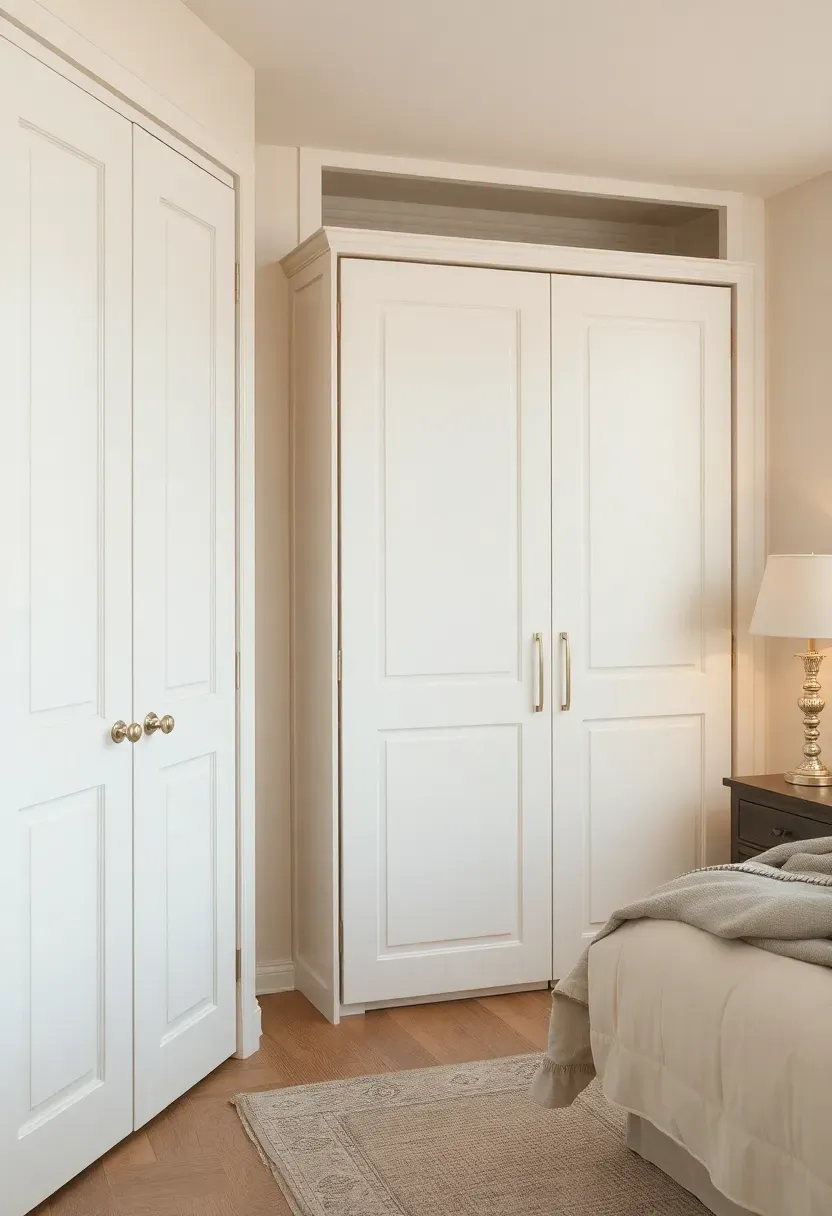
Updating closet hardware is a simple way to add subtle contrast in a grey-and-white bedroom. Keep the doors white so the wall feels clean, then add gray or brushed nickel pulls for a soft, modern edge. The contrast line: black hardware can look too sharp in a calm palette, so medium gray reads softer and more cohesive. This small change creates a finished look without a big renovation. Use longer pulls to add a vertical line that makes the doors feel taller.
Recommended
Items for this idea
Placement note: Align pulls at the same height as your light switches for a clean visual line.
Keep the rest of the wall minimal so the hardware feels intentional rather than decorative. If you want more texture, add a gray woven basket nearby to echo the metal tone. This is a great rental-friendly update because hardware swaps are reversible.
For a broader neutral palette approach, see 27 Minimalist White and Black Bedroom Ideas for Comfort and Visual Balance and adapt the contrast control to gray tones.
Tips
- If you want a softer look, choose satin nickel over chrome.
- If you need storage balance, add matching hooks inside doors.
What this gives you: Subtle contrast that makes the room feel finished.
19. Window Seat in Greyscale Layers
A window seat adds an architectural feel and creates a cozy reading nook within the bedroom. Keep the seat cushion in a medium gray and layer it with white pillows and a light gray throw. The contrast line: avoid overly patterned fabrics, which can make the nook feel busy and out of sync with the rest of the room. A window seat also helps balance furniture placement, especially if the bed is centered on a solid wall. If you can, build a 16- to 18-inch-deep seat so it feels comfortable without taking over the room.
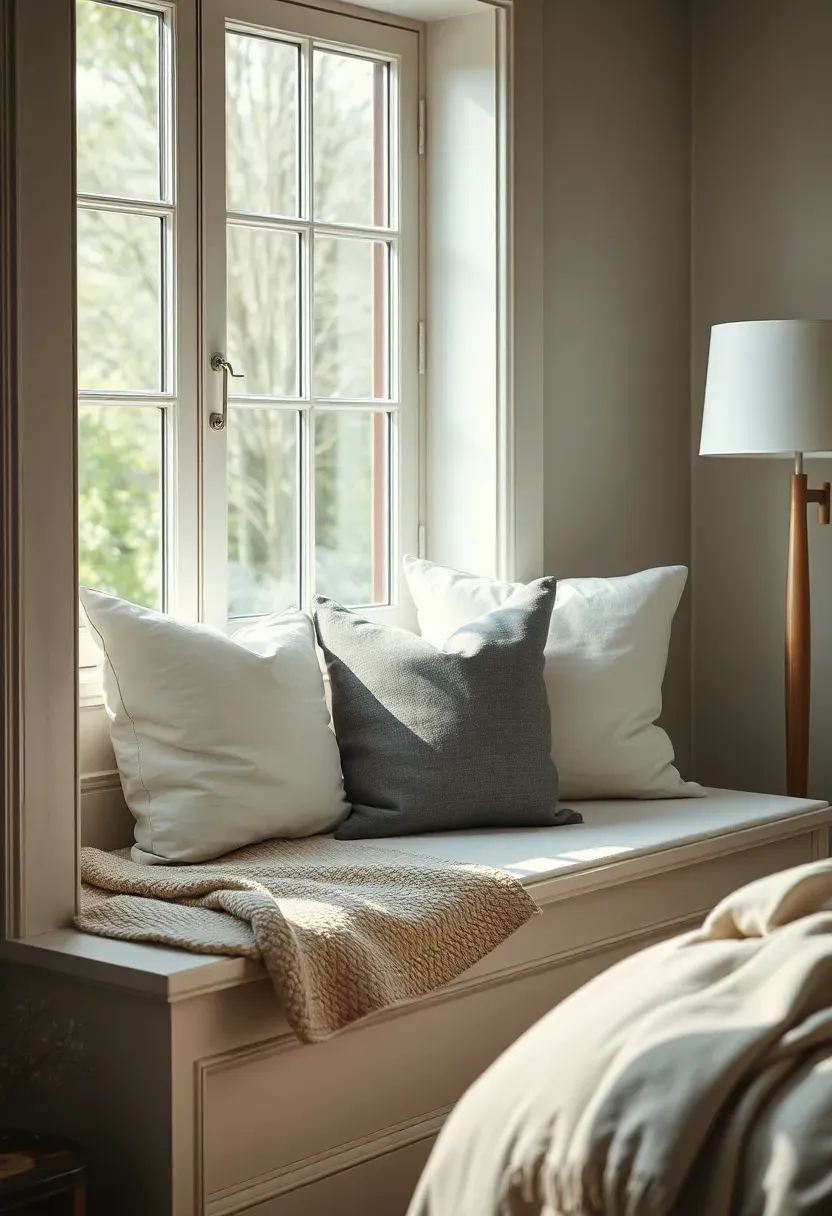
Why it works: it creates a secondary zone that feels intentional while staying in the same calm palette.
Add a slim wall sconce or small floor lamp nearby to make the nook functional at night. A built-in seat can also hide storage underneath, which keeps the room tidy. If you are not ready for built-ins, use a low white bench and a thick cushion to mimic the look.
For more compact, cozy layout ideas, see 25 Inspiring Home Library Ideas for a Cozy Reading Escape and borrow the reading-zone setup.
Tips
- Pro: Window seats add function without extra furniture.
- Con: Hard edges feel cold if the cushion is too thin.
- Fix: Use a 3-inch foam cushion with a linen cover.
Best for: Rooms with a large window wall that feels underused.
What this gives you: A cozy, greyscale nook that boosts comfort and layout balance.
The best grey and white bedroom ideas rely on gentle contrast, layered texture, and warm light rather than bold color. With soft grays, clean whites, and tactile materials, the room feels calm, restful, and easy to maintain even in a rental. Use a few of these cozy grey and white bedroom ideas together for a full-room refresh, or pick one to shift the mood instantly. When gray and white are balanced well, the result is a serene retreat that still feels warm and livable.

About the author
OBCD
CGI visualization and interior design content. We create detailed 3D renders and curate practical design ideas for every room in your home.