21 Cozy Scandinavian Living Room Ideas for Calm Spaces
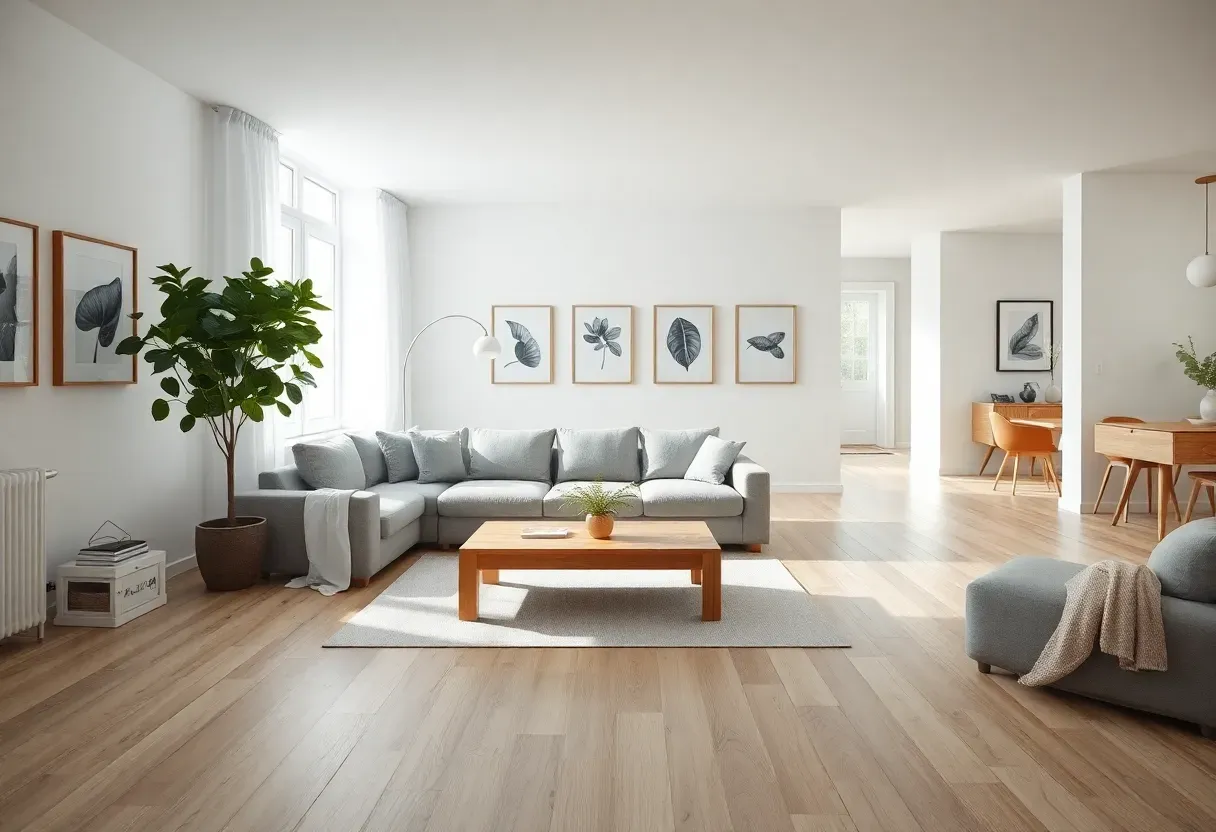
Looking for cozy Scandinavian living room ideas that actually work in a rental apartment? A Scandinavian living room strikes the perfect balance between minimalist design and warm functionality, creating spaces that feel serene yet genuinely inviting. This Nordic living room approach emphasizes natural light, neutral color palettes, and uncluttered layouts while maintaining hygge warmth through thoughtful material choices and textural variety.
What sets Scandinavian living room decor apart is its emphasis on hygge -- the Danish concept of coziness and contentment -- achieved through layers of soft textiles, warm ambient lighting, and organic elements like wood and plants. These spaces prioritize quality over quantity, featuring carefully curated furniture that serves both aesthetic and practical purposes. We found that even in small apartment living rooms, this minimalist Scandinavian approach makes every square foot feel intentional and inviting.
Whether you're renting a compact studio or styling a spacious open-plan area, these Scandinavian design principles adapt beautifully to any space -- no drilling, no permanent changes required. The focus remains on creating calm surroundings where natural materials, clean lines, and subtle textures work together to establish a living room that feels sophisticated and comfortably lived-in.
Quick FAQ
What are the key elements of a Scandinavian living room?
The essential elements include neutral color palettes (whites, grays, beige), natural wood surfaces, ample natural light, minimalist furniture with clean lines, layered textiles for warmth, and strategic plant placement for organic texture.
How do I make a Scandinavian living room feel cozy?
Incorporate plush throw blankets, textured pillows, warm ambient lighting through multiple light sources, area rugs to define spaces, and personal decor pieces that add character without clutter. Materials like wool, sheepskin, and linen are essential for achieving that hygge warmth.
What colors work best in a Scandinavian-style living room?
Stick to a foundation of white, cream, or light gray walls. Add depth with muted earth tones like taupe, soft sage, dusty blue, or warm beige. Use darker shades sparingly as accents through furniture or artwork.
Can Scandinavian design work in a small rental living room?
Absolutely. Scandinavian design excels in small spaces and rentals due to its emphasis on light, minimal clutter, and multifunctional furniture. Light colors and mirrors enhance spatial perception, while streamlined freestanding furniture maximizes floor space without permanent modifications.
What type of lighting is ideal for a Nordic-style living room?
Layered lighting is crucial. Combine natural daylight with warm-toned ambient fixtures, task lighting for reading nooks, and accent lights to highlight architectural features or artwork. Avoid harsh, cool white bulbs in favor of soft, warm illumination around 2700K.
How do I add personality to a minimalist Scandinavian living room?
Introduce personal items thoughtfully: a statement artwork, handmade ceramics, vintage finds, or travel souvenirs. The key is restraint -- select pieces that have meaning and display them as curated focal points rather than scattered collections.
As an Amazon Associate I earn from qualifying purchases.
Table of Contents
- 1. Light-Filled Open Layout with Natural Wood Accents
- 2. Neutral Foundation with Textural Layering
- 3. Low-Profile Furniture with Airy Silhouette
- 4. Statement Window as Focal Point
- 5. Monochromatic Cream Scheme with Organic Contrast
- 6. Multi-Functional Storage for a Clutter-Free Scandinavian Living Room
- 7. Nature-Inspired Indoor Garden Integration
- 8. Cozy Hygge Reading Nook in an Unused Corner
- 9. Fireplace-Centric Seating Arrangement
- 10. Light Wood Flooring Throughout
- 11. Minimalist Wall Decor Gallery
- 12. Textured Rug as Room Anchor
- 13. Suspended Lighting Design Statement
- 14. Beige and Gray Serene Harmony
- 15. Open Shelving Display Approach
- 16. Sheepskin and Wool Textiles for Hygge Warmth
- 17. Black Accents Against Light Backdrop
- 18. Sloped Ceiling Attic Conversion
- 19. Glass and Mirrored Surface Elements
- 20. Seamless Indoor-Outdoor Connection
- 21. Curated Minimalist Coffee Table
1. Light-Filled Open Layout with Natural Wood Accents
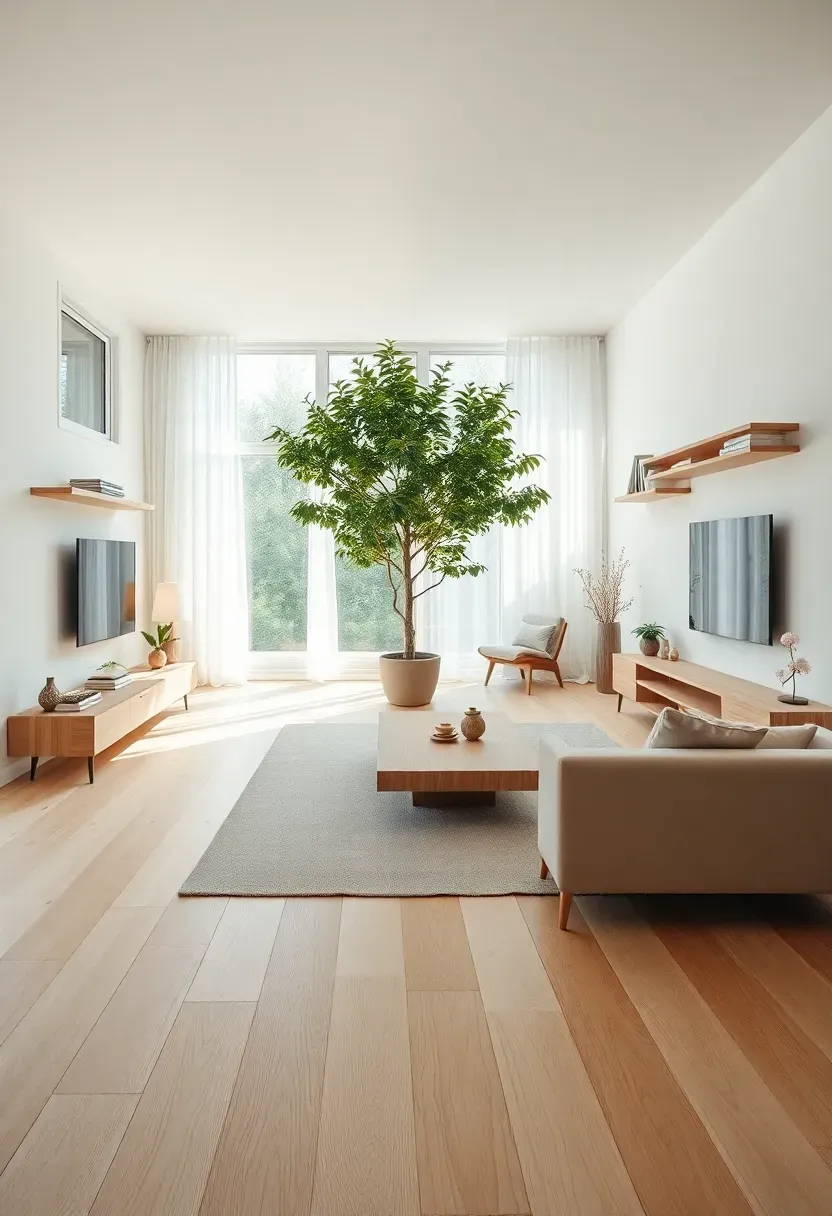
Embrace the quintessential Scandinavian approach by maximizing natural light through unobstructed window treatments and reflective surfaces. This living room design centers on an open floor plan where light oak flooring runs continuously across the space, creating visual flow and warmth. The walls remain crisp white to bounce daylight throughout, while light wood furniture—包括 a streamlined media console, low coffee table, and floating shelves—introduces organic warmth without overwhelming the minimalist aesthetic.
Tips
- Install floor-to-ceiling curtains hung high to enhance ceiling height and light diffusion
- Choose furniture with exposed legs to maintain visual lightness and floor visibility
- Position a large mirror opposite windows to double natural light penetration
What this gives you: An effortlessly spacious sanctuary that feels energized by daylight while maintaining the cozy warmth that makes Nordic interiors so inviting.
2. Neutral Foundation with Textural Layering
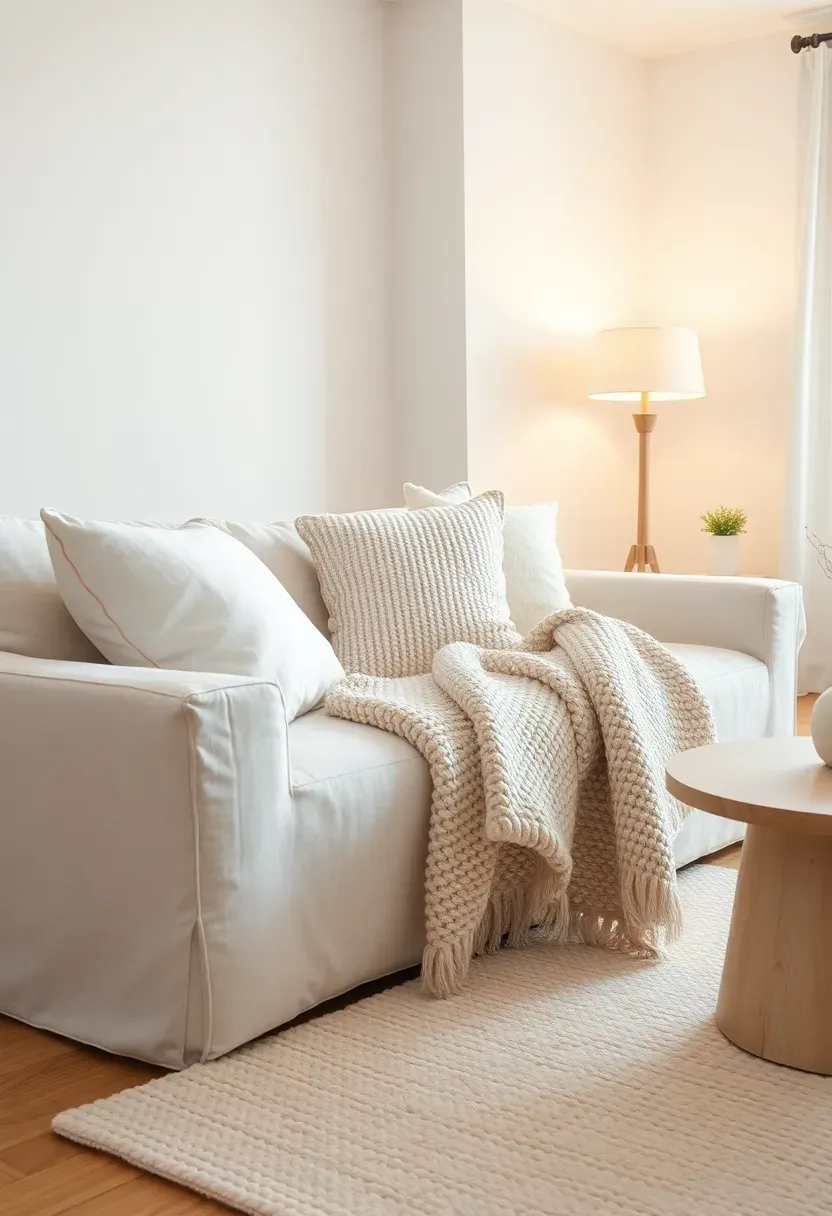
Build a serene foundation using a monochromatic palette of white, cream, and soft gray, then introduce depth through varied textures rather than additional colors. This approach layers a linen-upholstered sofa, a wool area rug, velvet throw pillows, and a chunky knit blanket—all in similar neutral tones—to create richness without visual chaos. The texture variety engages the senses while maintaining the calm, cohesive aesthetic essential to Scandinavian design.
Recommended
Items for this idea
Tips
- If/Then: If the room feels too flat, add a jute or sisal rug layer beneath the main rug for instant texture
- Combine at least three different fabric weights—light linen, medium-weight cotton, heavy wool or velvet
- Don't introduce patterned textiles; let subtle weave variations provide visual interest instead
Best for: Open-plan spaces where you want to define the living area without using room dividers or bold color blocks
What this gives you: A sophisticated, layered space that feels warm and inviting despite its restrained color palette, proving that minimalism need not be stark or cold.
3. Low-Profile Furniture with Airy Silhouette
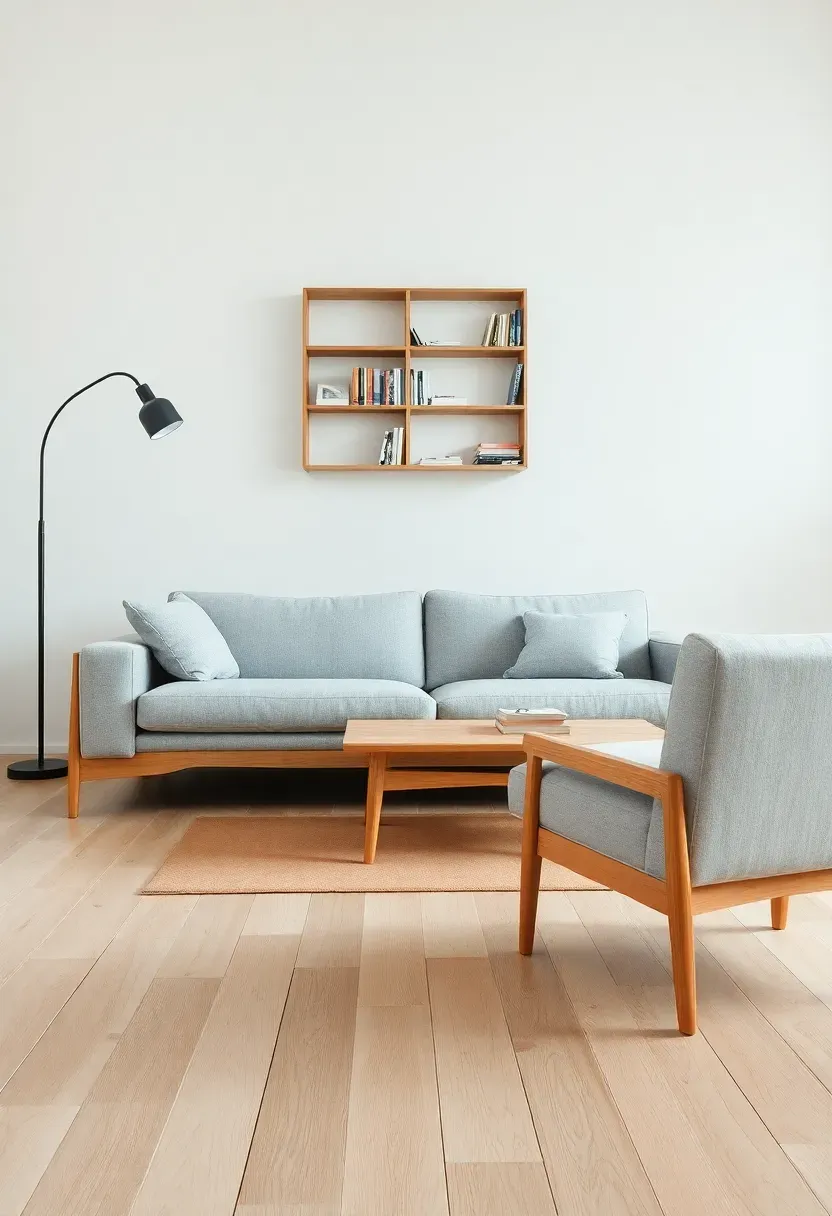
Scandinavian design traditionally favors furniture that sits close to the ground, creating a sense of spaciousness and calm. Choose a low-back sofa, streamlined armchairs, and horizontal bookcases that emphasize horizontal lines rather than vertical height. This approach makes ceilings feel higher and creates a relaxed, lounging-friendly atmosphere. The key is selecting pieces with slim profiles and exposed legs—whether tapered wood or sleek metal—to maintain visual lightness and prevent the room from feeling heavy or enclosed.
Tips
- Aim for sofa seat heights around 40-45cm (16-18 inches) for that authentic Nordic low-slung look
- Ensure low furniture is balanced with at least one vertical element—a tall floor lamp or potted plant
- Avoid placing low furniture directly under windows; let curtains hang unobstructed for maximum light
Budget/Time: Low-profile furniture is often more affordable; invest in one quality piece (the sofa) and complement with budget-friendly side tables
What this gives you: A living room that feels casually relaxed and visually expanded, where furniture enhances rather than dominates the spatial experience.
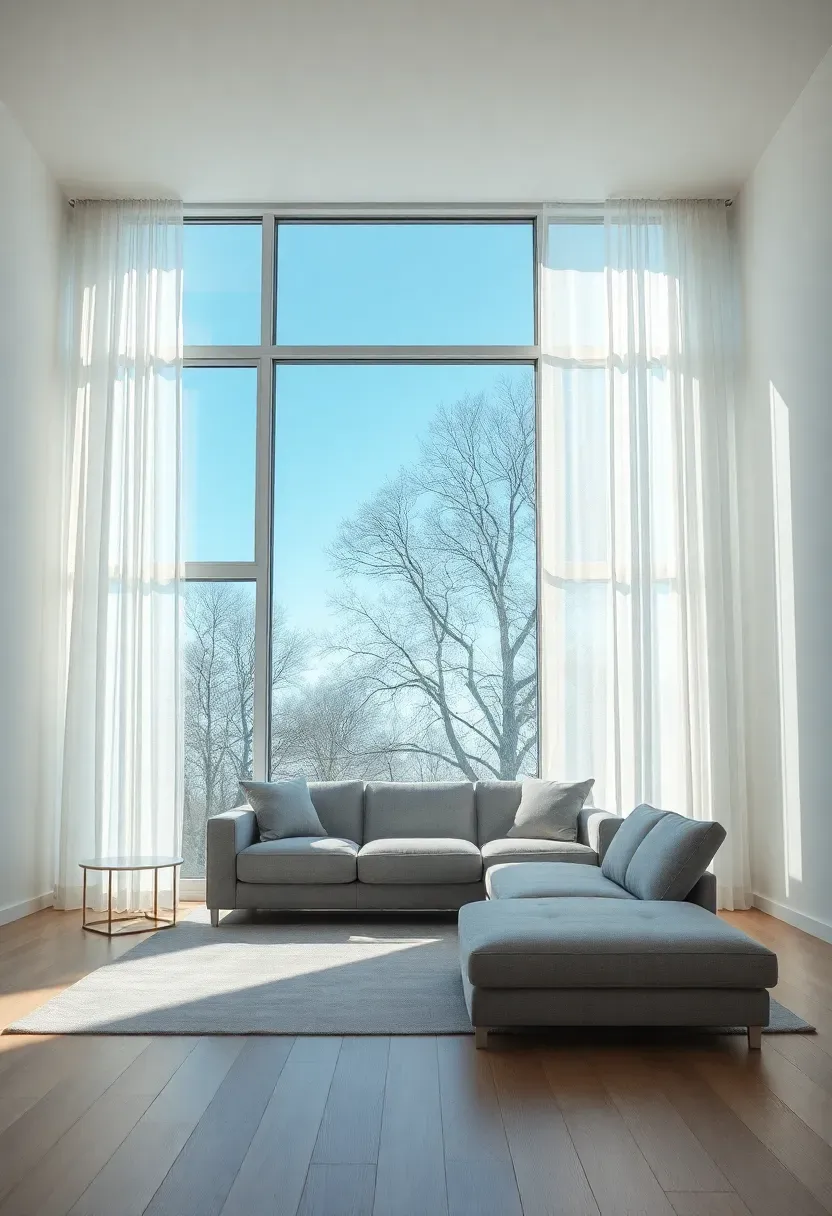
4. Statement Window as Focal Point
In true Nordic fashion, celebrate your largest window as the room's primary feature by keeping it completely unadorned or dressed with the sheerest possible curtains. Position the seating arrangement to face this natural light source, making the view and daylight itself the decorative focal point. This approach works especially well in rooms with garden views or architectural interest outside, but even in urban settings, the frame of sky and cityscape becomes living art. Keep window treatments minimal—floor-length white linen panels hung from ceiling height that pool slightly on the floor.
Recommended
Items for this idea
Tips
- Install curtain rods 6-8 inches above the window frame and extend rods 6-12 inches beyond each side
- Choose curtains with at least 1.5 to 2 times the window width for proper fullness when closed
- Consider motorized blinds hidden behind a valance for clean lines when light control is needed
Placement note: Ensure furniture placement doesn't block the lower third of the window; floating the sofa 12-18 inches away maintains access to the view and light.
What this gives you: A room that celebrates natural light as its primary design element, creating an uplifting, ever-changing atmosphere that connects interior living to the outside world.
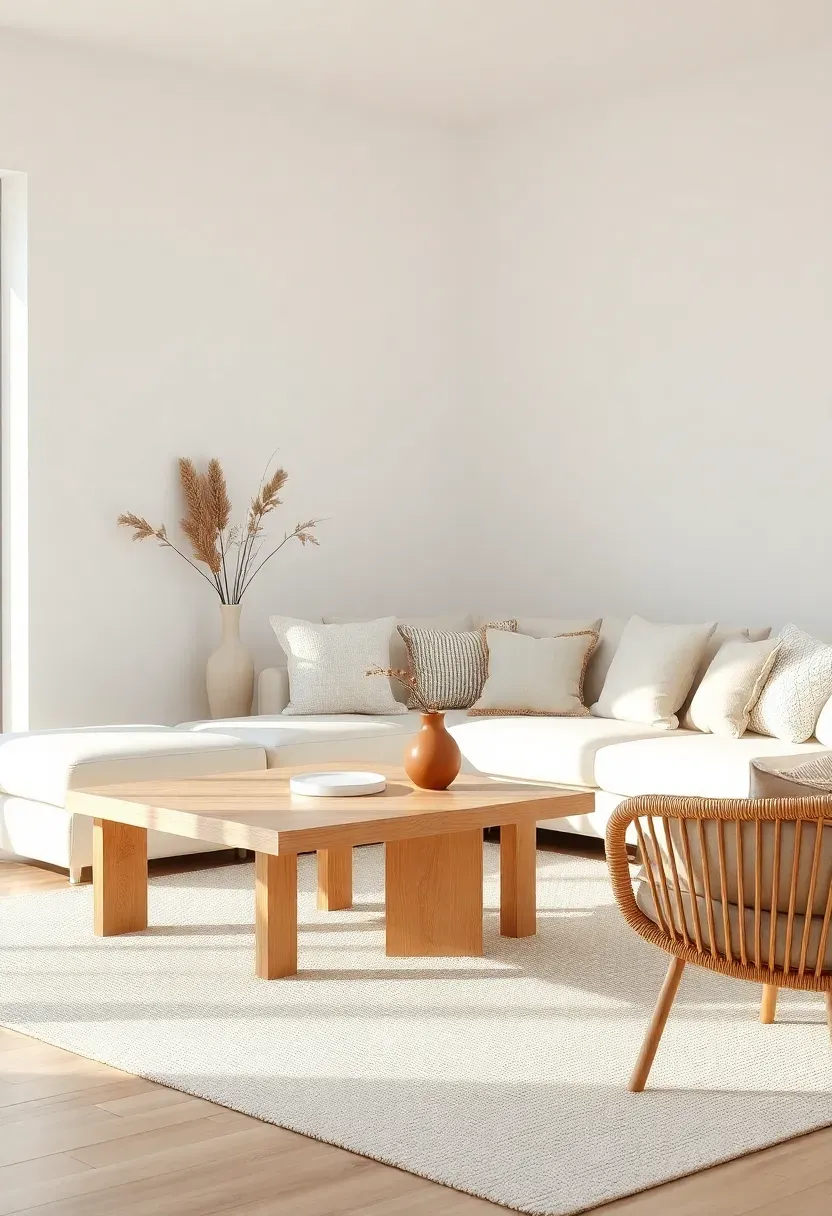
5. Monochromatic Cream Scheme with Organic Contrast
Create a sophisticated yet warm living room by working within an all-cream palette—vanilla walls, oatmeal upholstery, ivory rugs—then introduce contrast through natural materials rather than color. A reclaimed wood coffee table, a rattan armchair, a jute rug layered beneath the main rug, and a terracotta vase add visual interest through texture and material variation while maintaining overall harmony. This monochromatic approach makes spaces feel larger, calmer, and more cohesive while the organic elements prevent the room from feeling sterile or overly matched.
Tips
- Collect cream samples from paint stores and view them at different times of day before committing
- Vary your creams: cool vanilla for walls, warm oatmeal for upholstery, soft ivory for accents
- Don't avoid darker natural woods—the contrast is intentional and essential to the aesthetic
What this gives you: A living space of exceptional sophistication and calm that feels warm rather than stark, proving that neutral palettes can be richly layered and visually compelling.
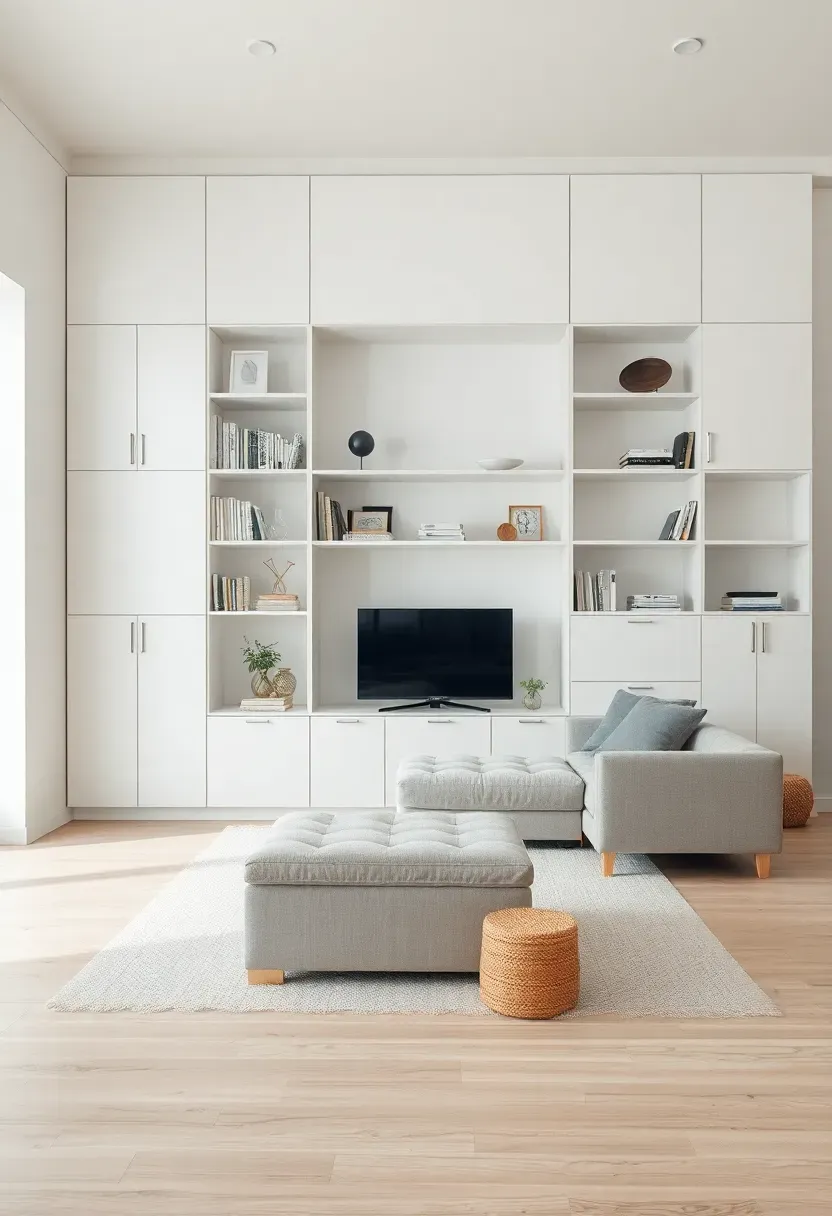
6. Multi-Functional Storage for a Clutter-Free Scandinavian Living Room
Scandinavian homes often prioritize smart storage solutions that maintain the clutter-free aesthetic while providing ample concealed space for everyday items. Incorporate a floor-to-ceiling wall unit with closed lower cabinets and open upper shelves, a storage ottoman that doubles as seating, and a media console with hidden cord management. Built-in cabinetry painted to match walls creates seamless storage that virtually disappears, while baskets and boxes can stylishly corral items on open shelves. This storage-first approach ensures the minimalist look is livable and sustainable rather than just staged.
Recommended
Items for this idea
Tips
- Dedicate 60-70% of shelf space to闭storage and only 30-40% to display for easy maintenance
- Choose storage furniture with push-latch doors rather than handles for a cleaner, more streamlined look
- Invest in matching storage boxes or baskets in natural materials to unify open shelving displays
Best for: Families or anyone who needs serious organizational capacity without sacrificing style; particularly valuable in smaller living rooms where every inch counts
What this gives you: A living room that maintains its serene, uncluttered appearance daily while functioning efficiently for real life—minimalism that works rather than just looks pretty.
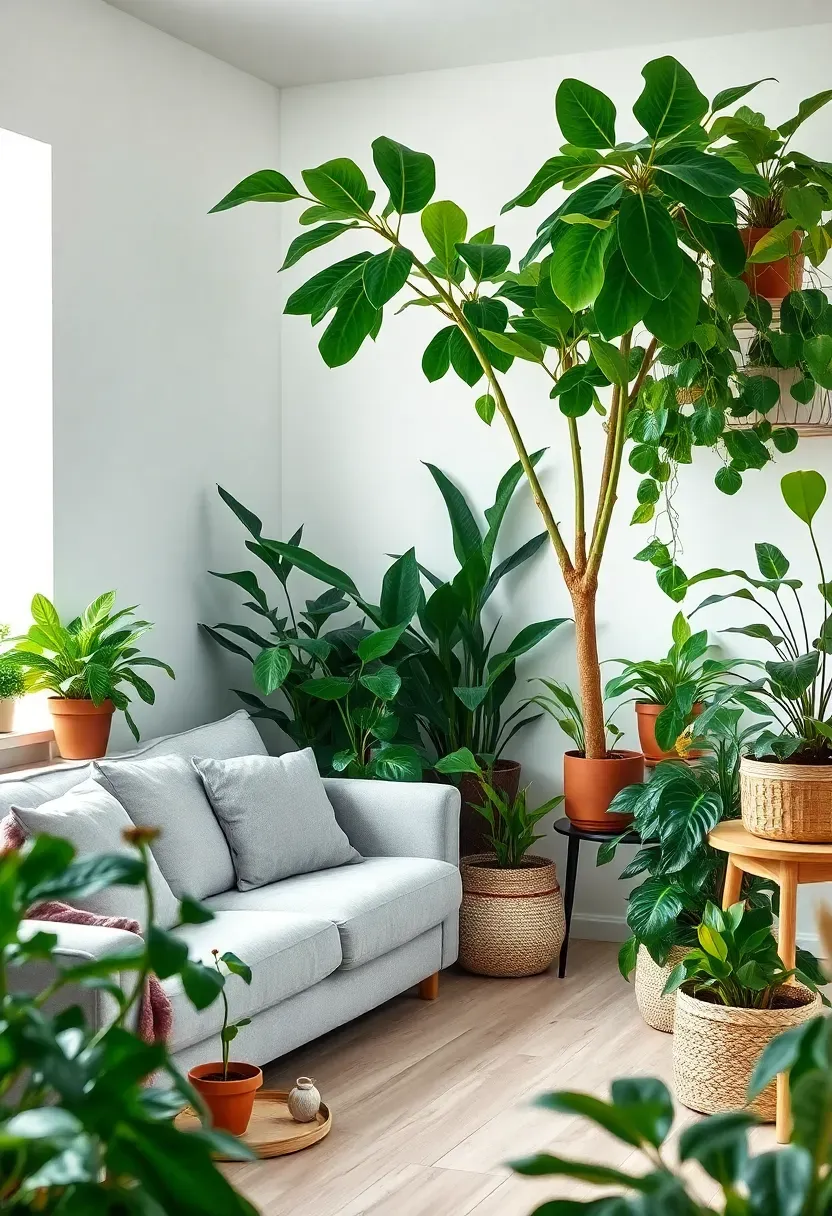
7. Nature-Inspired Indoor Garden Integration
Bring the Nordic appreciation for nature indoors by incorporating living plants as integral design elements rather than afterthought accessories. Position a large statement tree—such as a fiddle leaf fig, olive tree, or bird of paradise—in a prominent corner, then complement with smaller plants on shelves, side tables, and even hanging from the ceiling. The key is scale and variety: mix plant heights, leaf shapes, and pot styles to create an indoor garden that feels organic rather than manicured. Plants add life, purify air, and provide the perfect organic counterpoint to minimalist furniture and architecture.
Tips
- Group plants in odd numbers (three or five) with varying heights for the most natural arrangement
- Choose plants with similar light requirements and position them accordingly within the room's light zones
- Elevate smaller plants on stools or stands to create varied elevations and prevent visual clutter at floor level
Budget/Time: Start with one large statement plant ($100-200) and propagate smaller plants from cuttings over time; most indoor plants require minimal weekly care
What this gives you: A living space that breathes with natural vitality, where the constant subtle movement and organic shapes of plants create a dynamic, ever-changing interior environment.
8. Cozy Hygge Reading Nook in an Unused Corner
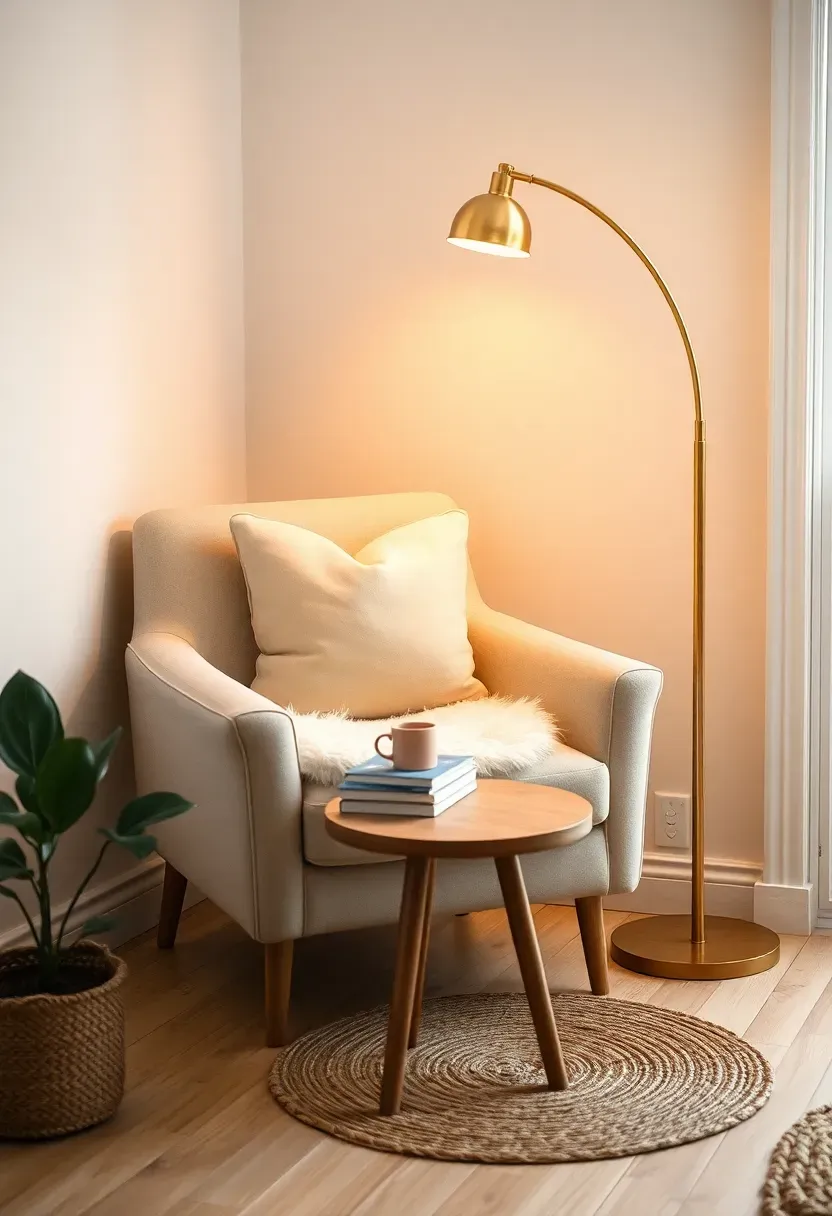
Transform an underutilized corner into an intimate reading sanctuary that embodies the concept of hygge. Position a comfortable armchair or small loveseat at an angle to maximize the corner space, add a floor lamp for focused task lighting, and incorporate a small side table for books and beverages. Layer in textiles: a sheepskin or chunky knit throw, a lumbar pillow, and perhaps a small rug underneath to define the area. This dedicated reading space doesn't require square footage—it creates a sense of destination and retreat within the larger living room.
Recommended
Items for this idea
Tips
- Position the chair to face into the room rather than into the corner for a more welcoming orientation
- Choose a lamp with an adjustable arm or shade to direct light precisely for reading without glare
- Keep the nook strictly for relaxation—avoid working from this space to maintain its psychological association with leisure
Rental note: This is an ideal rental-friendly solution; freestanding furniture and a rug create the nook without any permanent installation or wall treatment
What this gives you: A personal retreat within your living room that invites daily moments of pause and pleasure, proving that cozy corners matter more than overall square footage.
9. Fireplace-Centric Seating Arrangement
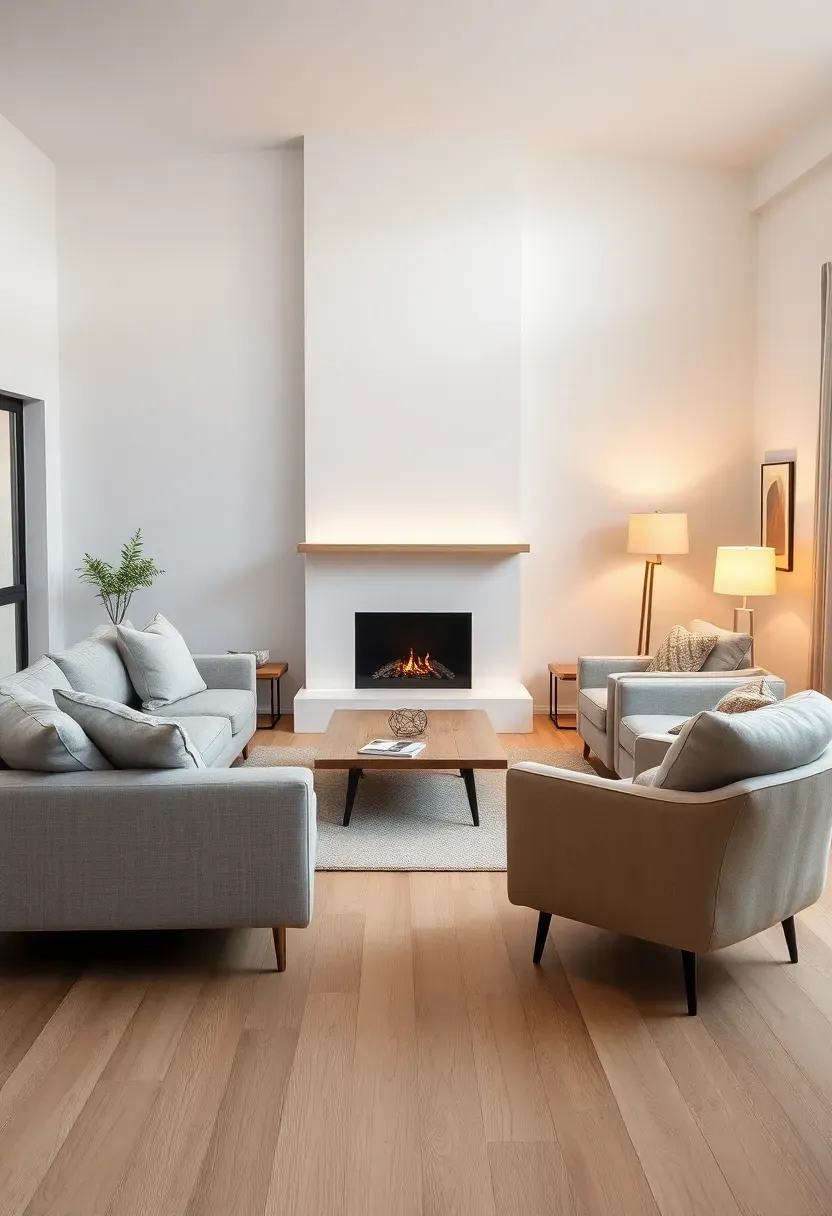
Center your seating arrangement around a fireplace—whether real, electric, or purely decorative—to create a natural focal point that anchors the room. In Nordic homes, the fireplace represents warmth, gathering, and the heart of the home. Position your primary sofa facing the fireplace with complementary chairs or a second sofa forming a conversational U-shape. Even if you rarely use the fireplace, its presence provides architectural interest and a natural organizing principle for furniture placement, creating an intimate, conversation-friendly layout.
Tips
- Leave at least 36 inches between the coffee table and seating for comfortable circulation and conversation
- If the fireplace is off-center, use the rug to visually recenter the seating arrangement in the room
- Consider the fireplace's year-round appearance; style the mantel sparingly even in non-heating months
What this gives you: A naturally organized, conversation-friendly layout that creates a strong sense of gathering and warmth—both literal and psychological—regardless of how often the fireplace is actually used.
10. Light Wood Flooring Throughout
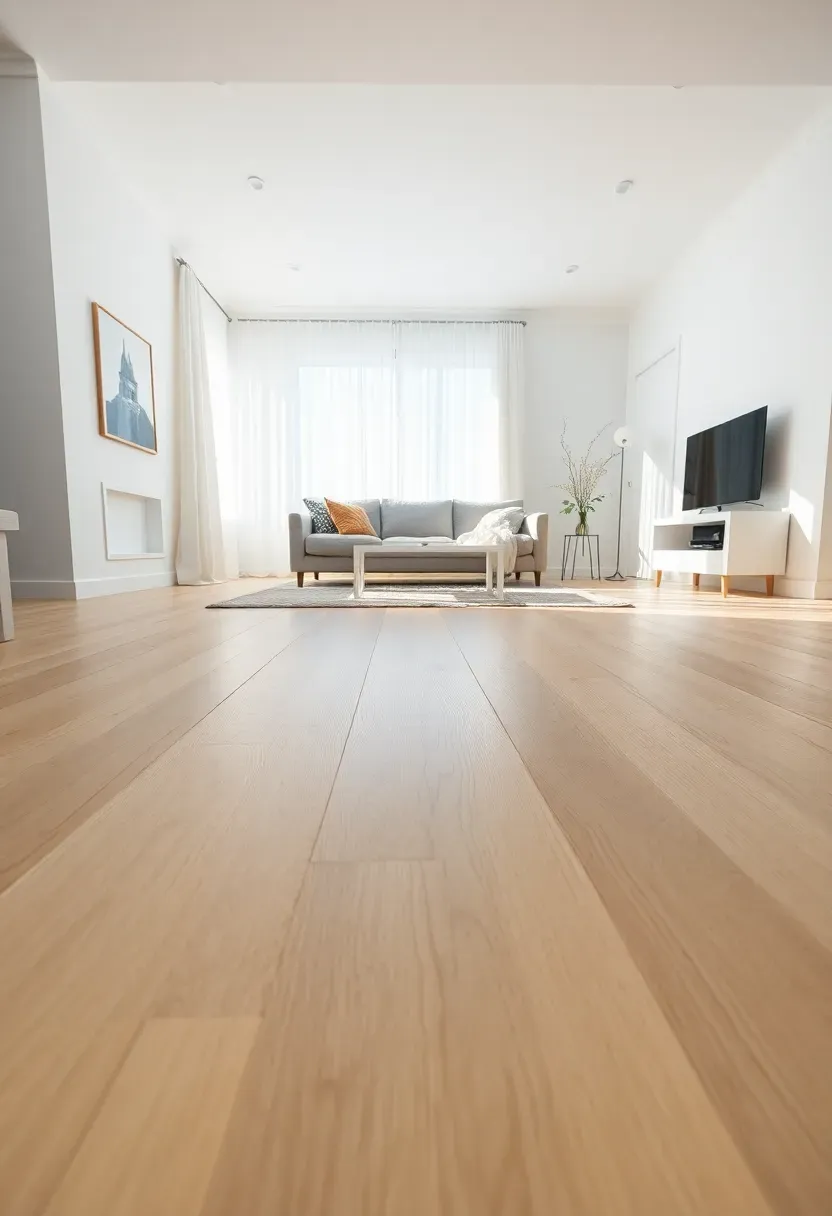
Install continuous light wood flooring—white oak, ash, or birch—throughout the living area and adjoining spaces to create visual flow and warmth. Light wood reflects more light than darker finishes, making rooms feel larger and brighter while introducing natural warmth that balances white walls and minimalist furniture. The flooring becomes a unifying element that connects different zones within an open-plan layout. Opt for wide planks (at least 5-7 inches) with a matte or satin finish rather than high-gloss for that authentic Nordic aesthetic.
Recommended
Items for this idea
Tips
- Test wood samples in your actual lighting—what looks warm in the showroom may look pink or yellow in your space
- Choose matte or satin finishes; high-gloss shows scratches and feels less authentic to Scandinavian style
- If replacing flooring isn't possible, light-colored wall-to-wall sisal or jute can approximate the look
Budget/Time: Major investment ($8-15/sq ft installed); prioritize this over other upgrades as it completely transforms the space and adds long-term value
What this gives you: A continuous foundation of warmth and light reflection that unifies the entire living space and makes every other design element feel more cohesive and intentional.
11. Minimalist Wall Decor Gallery
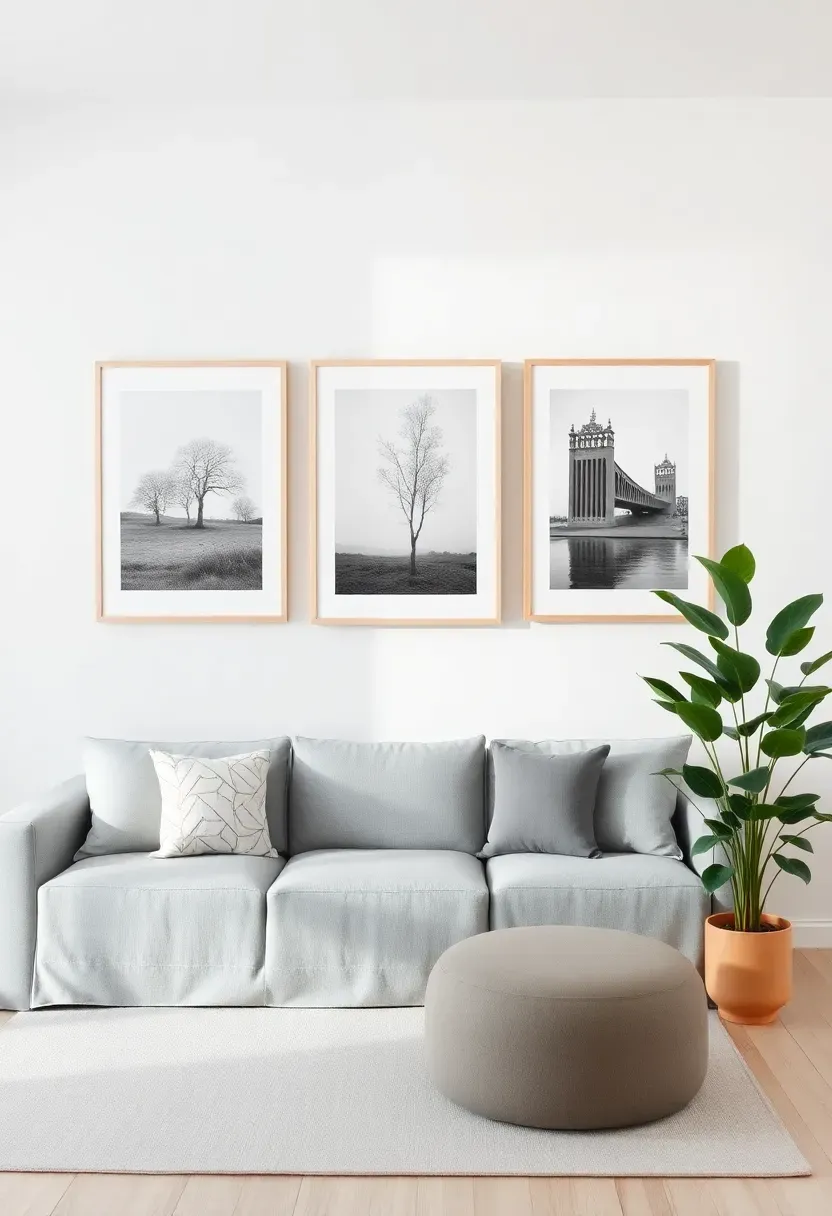
Create a curated gallery wall that exemplifies Scandinavian restraint through carefully selected, widely spaced artwork. Choose 3-5 pieces with a unifying element—monochromatic palette, black-and-white photography, or abstract nature subjects—and arrange them with generous negative space between each piece. Unlike eclectic gallery walls, Nordic-style wall decor emphasizes breathing room and intentional placement. Frame simply in light wood, white, or black slender frames, and consider incorporating one oversized piece rather than many smaller ones for maximum impact with minimal visual clutter.
Tips
- Space artwork at least 3-4 inches apart; the gaps between pieces are as important as the pieces themselves
- Hang the center of your gallery at 57-60 inches from the floor—the standard eye-level for viewing art
- Choose art that incorporates the room's color palette to maintain continuity rather than introducing new hues
Best for: Adding personality and interest to blank walls without introducing clutter or visual chaos; particularly effective in rooms with minimal furniture
What this gives you: A sophisticated, curated wall display that reflects personal taste while maintaining the calm, uncluttered aesthetic essential to Scandinavian design.
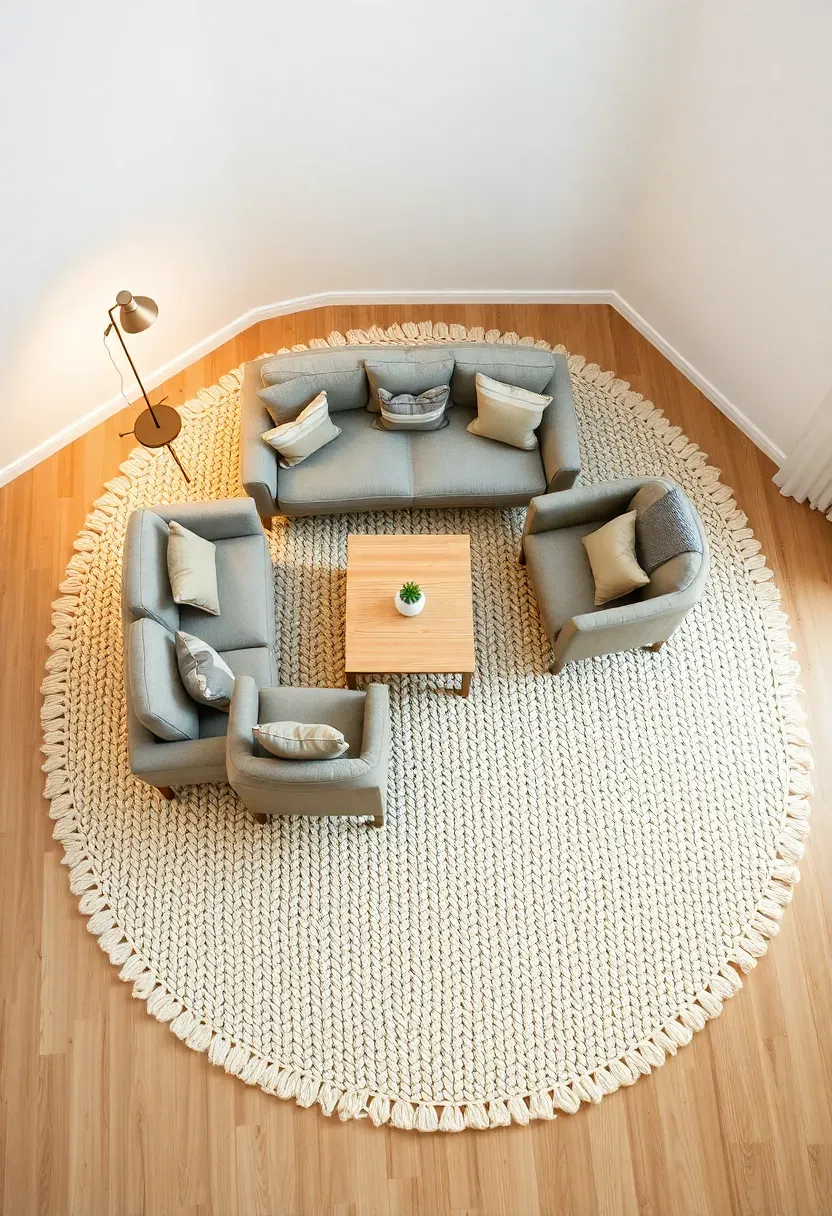
12. Textured Rug as Room Anchor
Anchor your living room seating area with a large, textured rug that defines the space and adds essential warmth underfoot. In Nordic interiors, rugs serve both practical and aesthetic purposes—they provide insulation and comfort while introducing another layer of texture to the neutral palette. Choose a rug that's large enough for all front furniture legs to rest on it, or at minimum, the front legs of the primary seating. Natural materials like wool, jute, or sisal in neutral tones with subtle patterns or cable-knit textures add depth without competing for visual attention.
Recommended
Items for this idea
Tips
- Size up: an 8x10 or 9x12 rug often works better than the 6x9 many people default to for living rooms
- Layer a smaller flat-weave or jute rug beneath a larger plush rug for added texture and dimension
- Place rug pads underneath for both comfort and to prevent slipping on hard floors
Placement note: In open-plan spaces, use the rug to visually separate the living zone from dining or entry areas without adding physical barriers.
What this gives you: A defined, cohesive seating arrangement that feels grounded and intentional, with added warmth and sound absorption that makes the room function better and feel more comfortable.
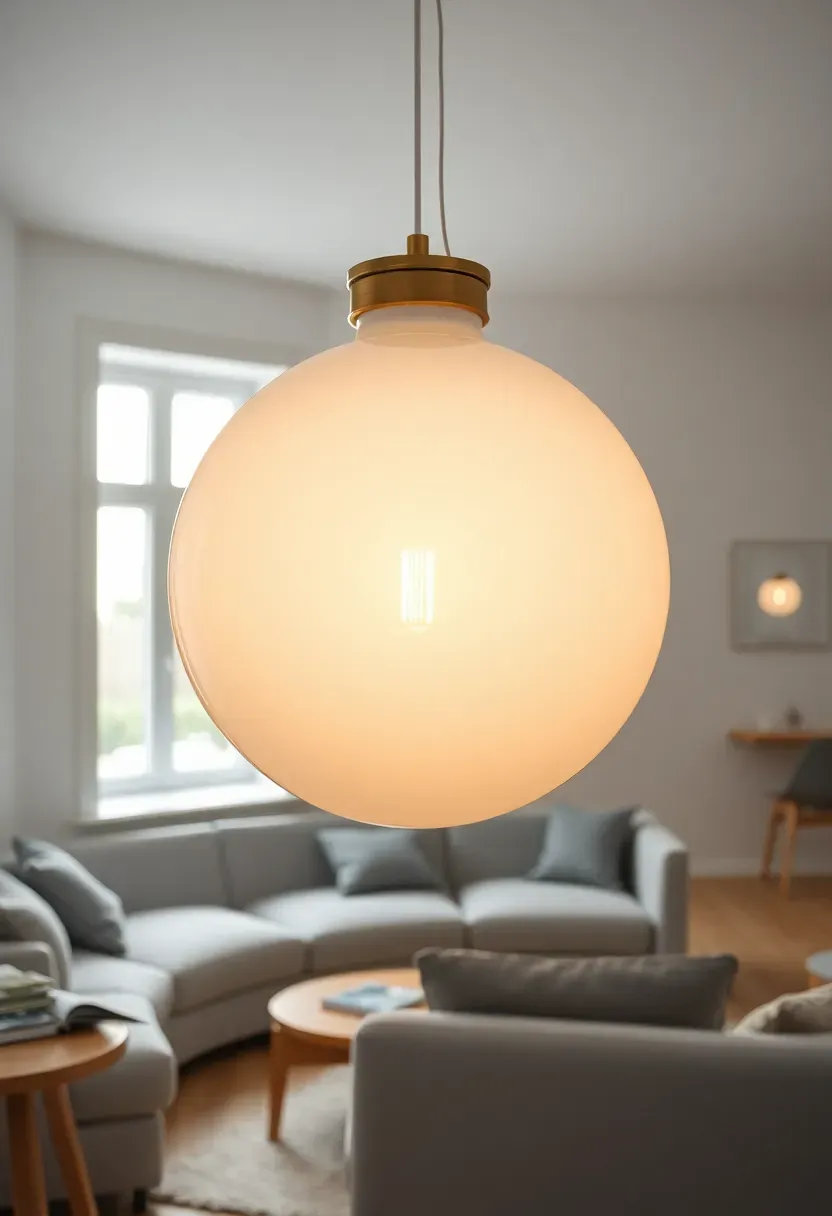
13. Suspended Lighting Design Statement
Elevate your living room's design with a statement pendant light that serves as both functional illumination and sculptural art. Scandinavian lighting design excels at creating fixtures that are beautiful even when unlit—think handblown glass globes, paper lanterns, or bentwood pendant lamps. Position a dramatic pendant over the coffee table or slightly off-center in the room, then complement with smaller pendants or floor lamps to create layered lighting. The suspended fixture draws the eye upward, adding vertical interest while maintaining the minimalist approach.
Tips
- Hang pendants 28-34 inches above a coffee table or 36-42 inches in open passage areas for proper clearance
- Choose LED bulbs with a color temperature of 2700K for that warm, cozy Nordic ambiance
- Consider installing dimmers to adjust pendant lighting from bright task light to soft ambient glow
Budget/Time: Statement pendants range from $200-1000+; consider this a long-term investment piece that can move with you between homes
What this gives you: A focal point that combines art and function, elevating the entire room's design while providing beautiful, controllable lighting for different moods and occasions.
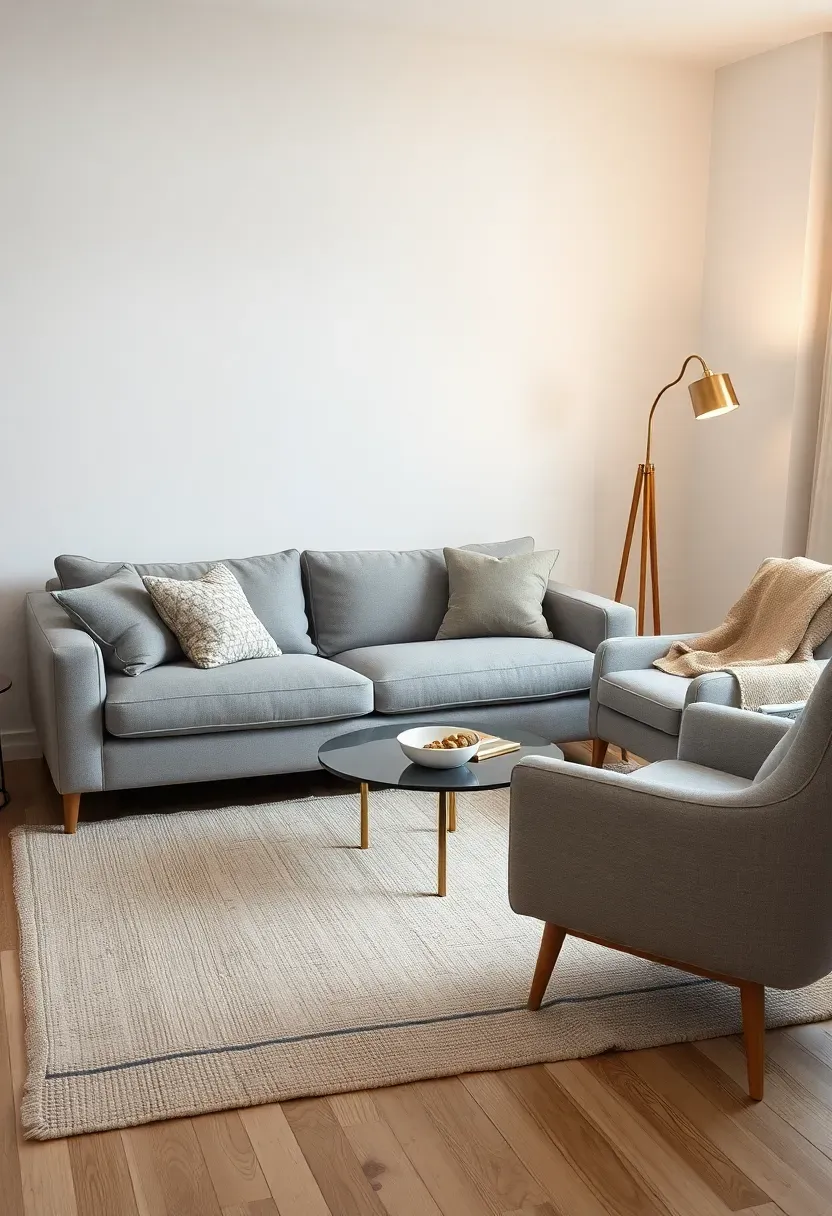
14. Beige and Gray Serene Harmony
Create a sophisticated, calming foundation by combining warm beige and cool gray tones throughout your living room. This color pairing bridges the gap between warm and cool, creating a neutral backdrop that feels both inviting and refined. Use gray for larger upholstered pieces—sofa, armchairs—while introducing beige through rugs, pillows, throws, and accessories. The interplay between these neutrals adds visual interest without requiring bold colors, and the combination creates a serene atmosphere that's perfect for relaxation and gathering.
Recommended
Items for this idea
Tips
- Test beige and gray samples together in your actual lighting; some grays read purple in warm light
- Vary the saturation of each color—mix light gray with darker beige, and vice versa, for depth
- Add one accent color sparingly: black, navy, or a muted natural green for occasional punctuation
Best for: Homes where you want a sophisticated neutral palette that's more dynamic than all-white or all-cream but still maintains overall calm
What this gives you: A living space of refined serenity where the interplay of neutrals creates subtle visual interest while maintaining the calm, cohesive aesthetic essential to Scandinavian design.
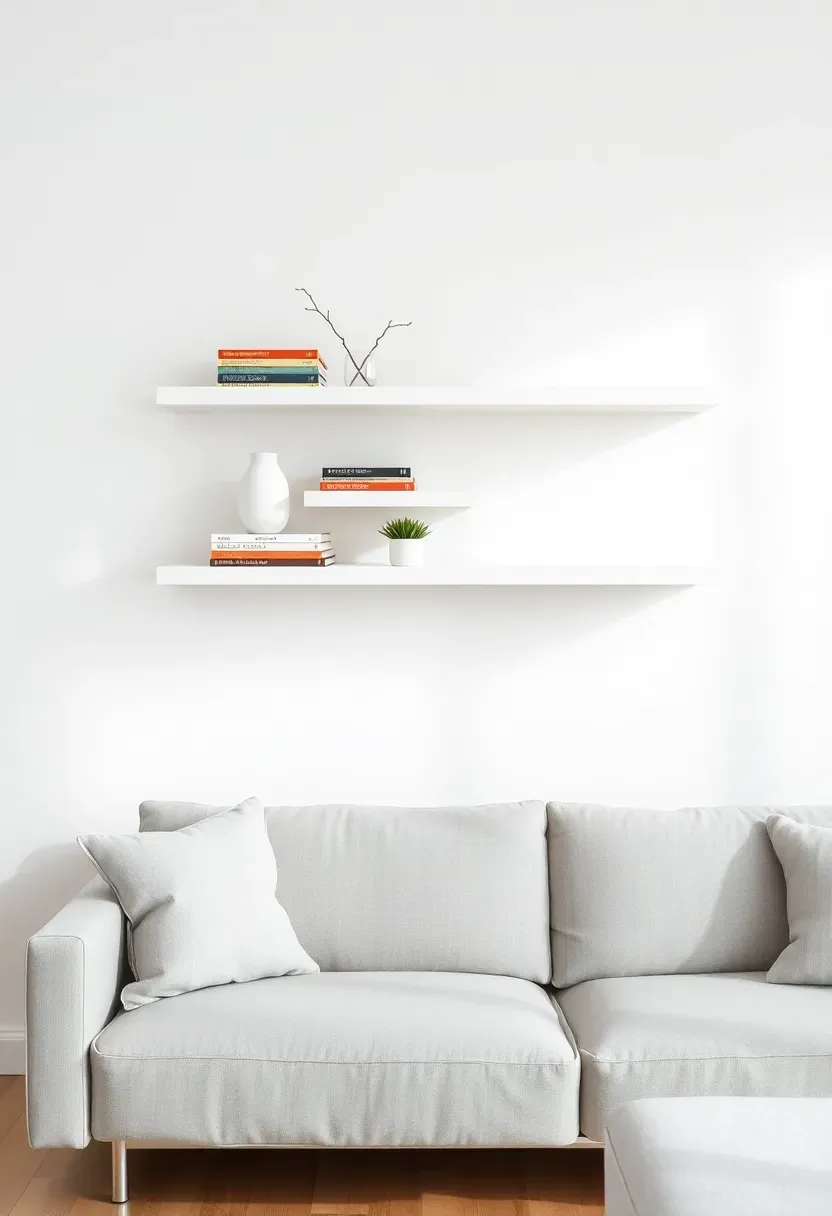
15. Open Shelving Display Approach
Incorporate open shelving as both storage and display, embracing the Scandinavian approach of carefully curated visibility rather than hidden clutter. Install floating shelves or a sleek shelving unit, then style it intentionally: books arranged by color or size, a few well-chosen objects—ceramic vessels, framed photos, small plants—and generous negative space around each item. The key is editing; these shelves should display what you love and use regularly, not become a catch-all for miscellaneous items. Rotate displays seasonally to keep the arrangement fresh.
Tips
- Apply the rule of thirds: fill roughly one-third of shelf space and leave two-thirds empty for breathing room
- Group items in odd numbers (three or five) on each shelf for the most natural, visually pleasing arrangement
- Stack books horizontally and vertically within the same shelf to create visual rhythm and variety
Placement note: Position shelves where they're visible from the main seating area but avoid placing them directly behind the sofa where they can't be comfortably appreciated.
What this gives you: Functional storage that doubles as personalized decor, allowing you to display meaningful items while maintaining the curated, uncluttered aesthetic that defines Scandinavian interiors.
16. Sheepskin and Wool Textiles for Hygge Warmth
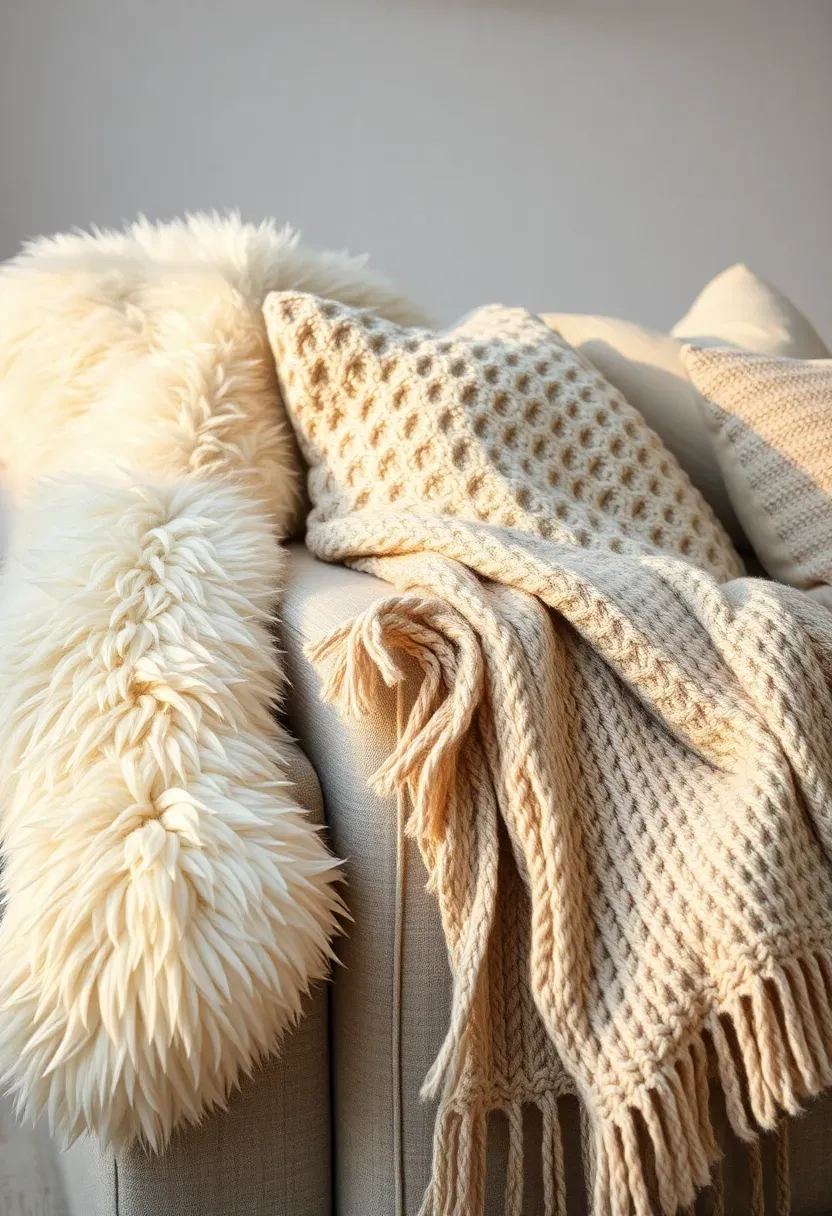
Layer plush textiles throughout the living room to create the quintessential hygge atmosphere of warmth and comfort. Drape a sheepskin or faux fur throw over the sofa or armchair, add chunky knit blankets within reach, and position wool pillows for both comfort and texture. These textiles aren't just decorative—they're meant to be used, touched, and enjoyed. The contrast between sleek minimalist furniture and sumptuously soft textiles creates the perfect Nordic balance: clean lines tempered by tactile warmth. Natural materials like wool, sheepskin, cotton, and linen add authenticity and quality.
Recommended
Items for this idea
Tips
- Invest in quality textiles; natural fibers like wool and linen age beautifully and feel luxurious
- Layer at least three textile types (smooth linen, nubby wool, plush fur) for rich textural contrast
- Keep textiles within the same neutral family; let texture, not color, provide the visual interest
Best for: Anyone seeking to make a minimalist space feel instantly more inviting and livable; textiles are the easiest way to transform a room from stark to cozy
What this gives you: A living room that invites you to settle in, linger, and truly relax—where every seating option feels embraces by warmth and comfort regardless of the room's minimalist structure.
17. Black Accents Against Light Backdrop
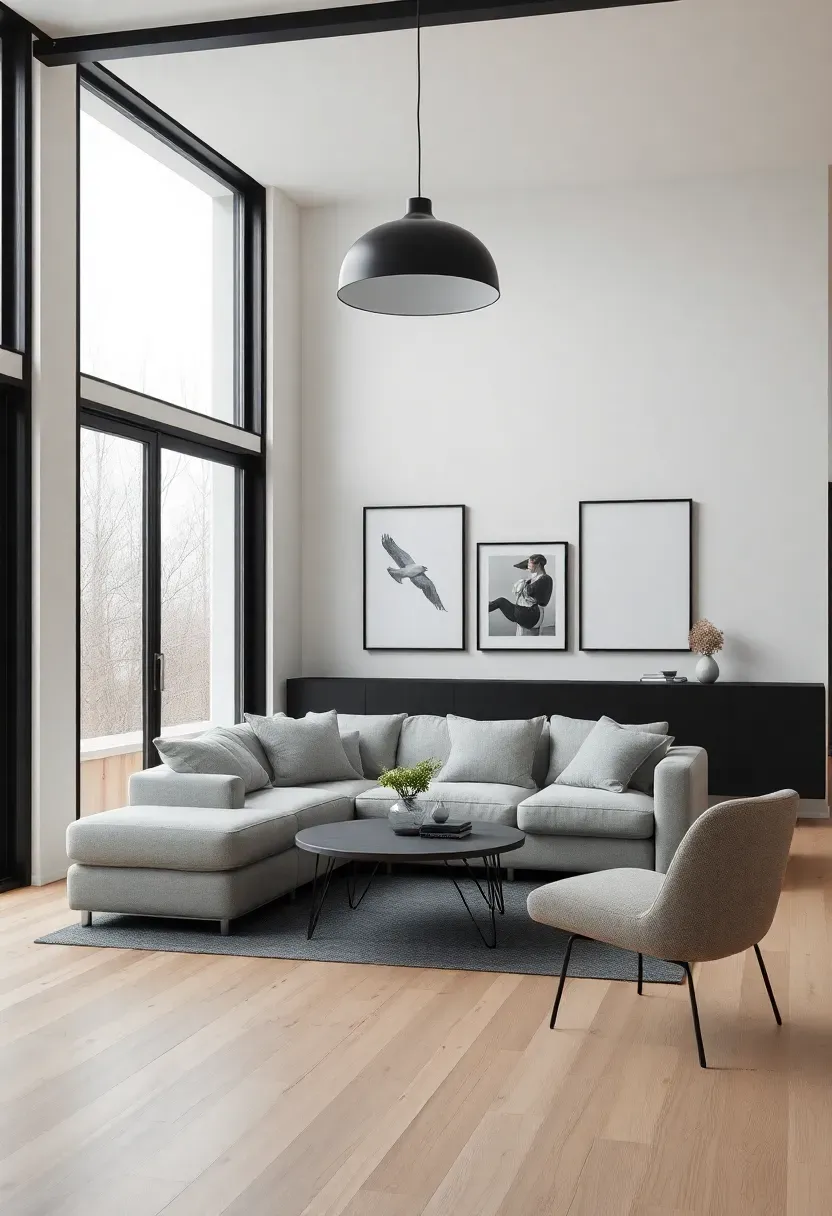
Introduce graphic contrast and sophistication by incorporating black accents as intentional punctuation against white walls and light wood. This might include black metal window frames, a black pendant light, black-framed artwork, or black legs on furniture. The black elements add visual weight and definition without overwhelming the bright, airy atmosphere. In Scandinavian design, black serves as the anchor that gives structure and clarity to an otherwise pale palette, creating spaces that feel both ethereal and grounded.
Tips
- Limit black to 10-15% of the room's surfaces; it's an accent, not a primary color
- Repeat black elements at least three times for visual cohesion—window frames, lighting, and furniture legs
- Choose matte black finishes rather than glossy for a more sophisticated, less industrial look
Budget/Time: Black accents can be introduced affordably through paint, frames, and smaller hardware; black pendant lights ($100-300) make high-impact statements
What this gives you: A living space with crisp, modern definition where black elements provide visual structure and sophistication, creating beautiful contrast against the bright Nordic backdrop.
18. Sloped Ceiling Attic Conversion
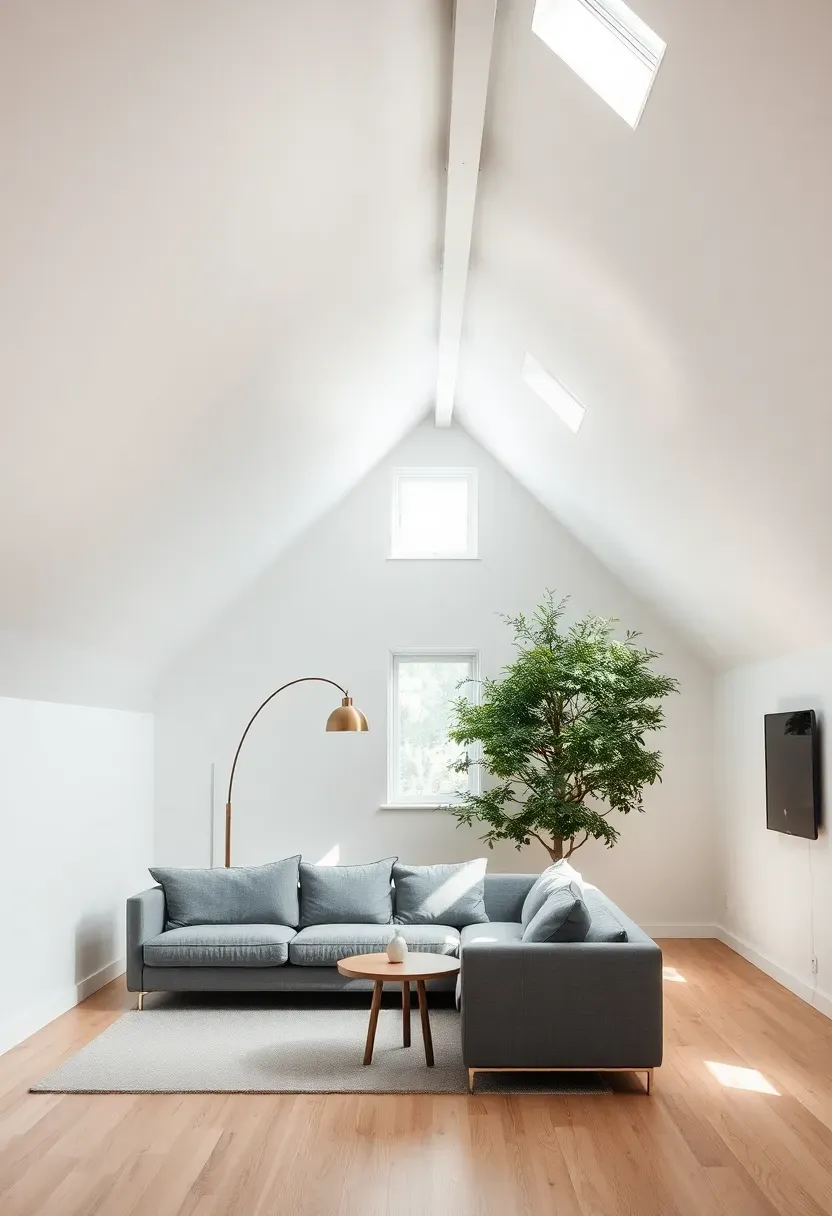
Embrace—and celebrate—the architectural character of an attic or upper-level living room with sloped ceilings rather than trying to disguise them. In Nordic homes, these cozy upstairs spaces become perfect retreats when approached thoughtfully. Position low furniture along the lowest walls, use the highest point for a statement pendant or plant, and paint everything—including the slopes—a crisp white to maximize brightness. The sloped ceiling creates natural intimacy and coziness; rather than fighting it, work with the angles to create a uniquely inviting living space.
Recommended
Items for this idea
Tips
- Measure standing room carefully; reserve the lowest areas for seating rather than standing or walking paths
- Install recessed lighting in slopes where pendant lights would be at head height
- Use the tallest wall for your primary focal point—whether artwork, media console, or fireplace
Best for: Attic conversions, bonus rooms, or any space with angled ceilings; these features become assets rather than challenges when approached with the right design mindset
What this gives you: A uniquely cozy living space that embraces its architectural character, creating an intimate retreat-like atmosphere that feels both special and intentionally designed.
19. Glass and Mirrored Surface Elements
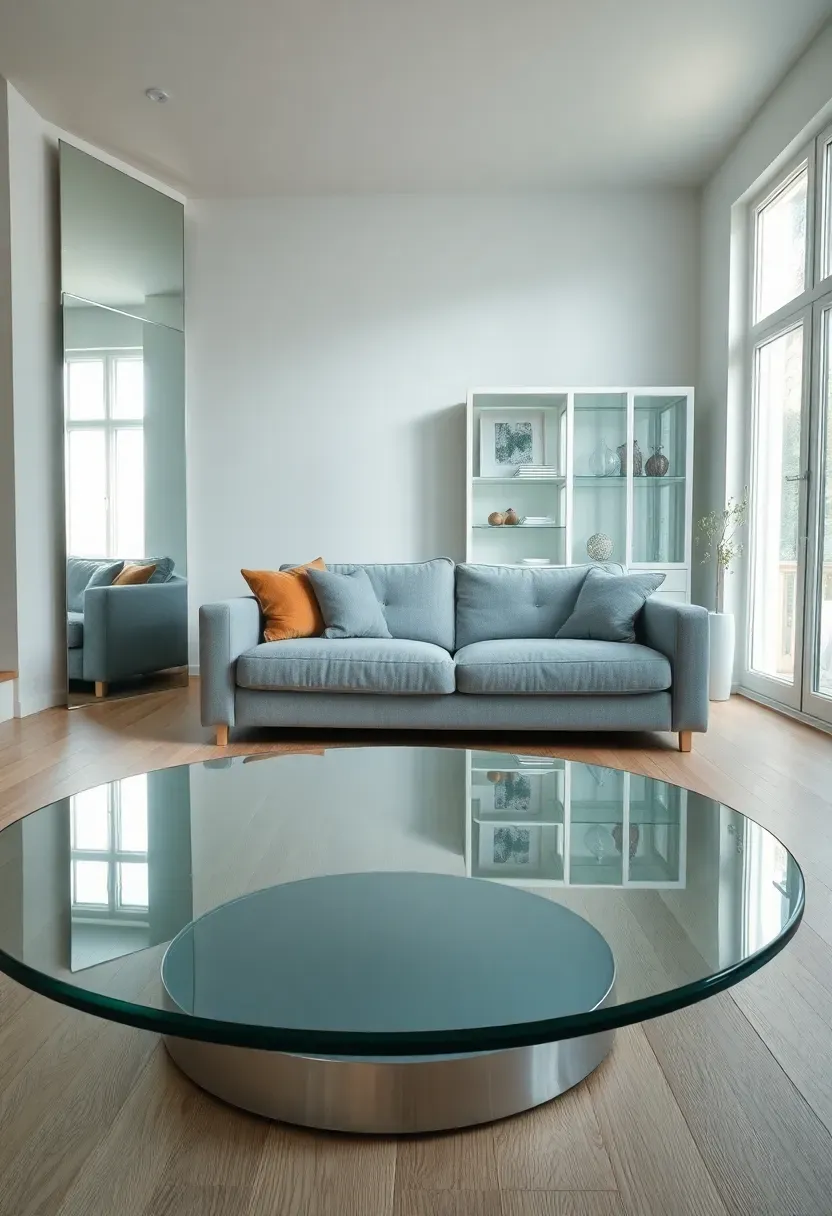
Maximize the sense of space and light in your living room by incorporating glass and mirrored surfaces that reflect and amplify the Scandinavian emphasis on brightness. A glass coffee table, mirror-clad accent wall, or glass-fronted cabinet creates visual transparency that makes rooms feel larger and more open. These surfaces reflect natural light deeper into the space and bounce it around, enhancing the airy quality essential to Nordic design. Choose sleek, frameless options or those with minimal metal framing for the most sophisticated integration.
Tips
- Position mirrors to reflect windows or artwork, not blank walls, for maximum light and visual interest
- Choose tempered glass for tables and cabinets for safety and durability in high-traffic areas
- Clean glass surfaces regularly; smudges and fingerprints are highly visible and undermine the sleek aesthetic
Best for: Smaller living rooms where maximizing perceived space is priority, or rooms with limited natural light that need help distributing available brightness
What this gives you: A living space that feels more expansive and luminous than its actual dimensions, with glass and mirror surfaces working continuously to enhance light and create visual depth.
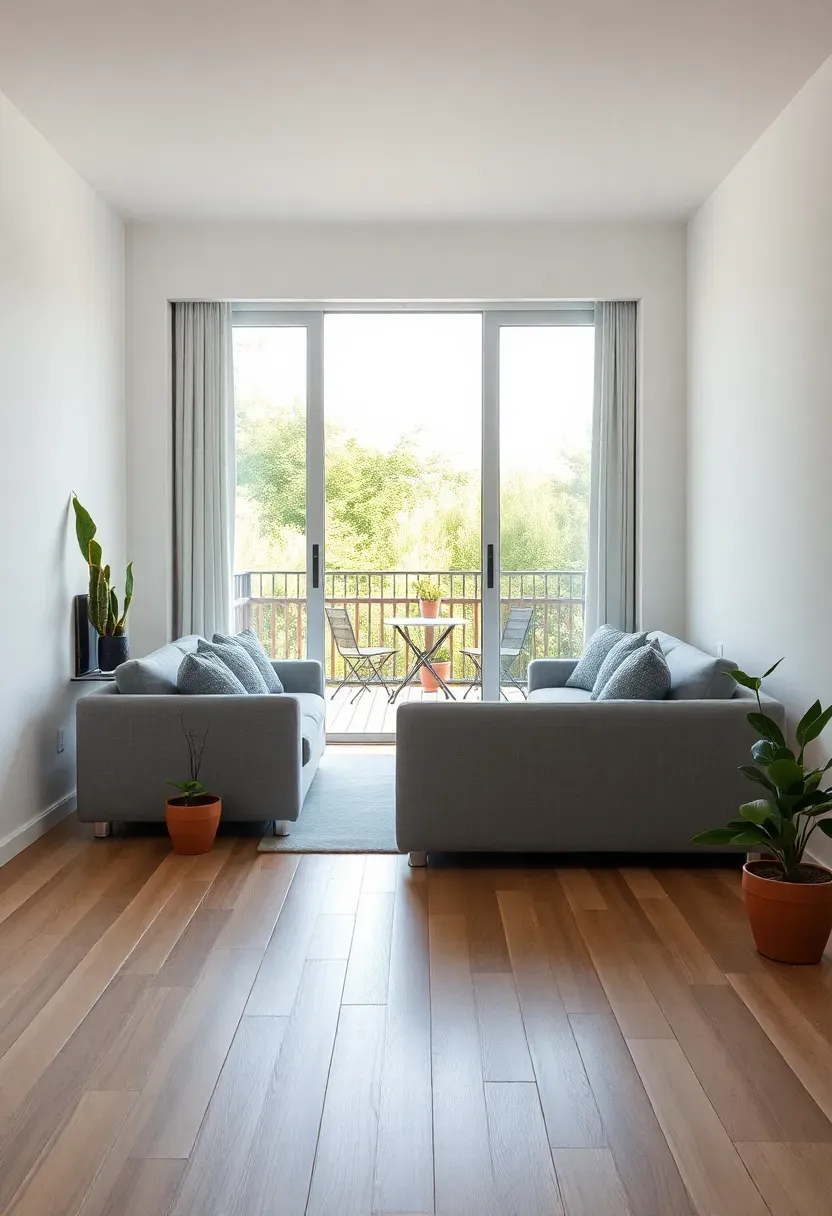
20. Seamless Indoor-Outdoor Connection
Strengthen the connection between your living room and outdoor spaces by treating them as continuous rather than separate areas. This might mean positioning furniture to face sliding glass doors, using the same flooring material indoors and out on a patio, or choosing doorways that can be fully opened to merge the spaces. Even in urban apartments without private outdoor space, arrange furniture to maximize views of sky and trees from windows, and bring outdoor elements indoors through abundant plants and natural materials. This Nordic approach blurs boundaries and expands the perceived living space.
Recommended
Items for this idea
Tips
- Use plants on both sides of glass doors to visually connect indoors and out and soften the transition
- If flooring continuity isn't possible, use similar large-format tiles indoors and out for visual flow
- Choose window treatments that can be fully opened or stacked to maximize the opening and view
Budget/Time: Major renovation ($5,000-20,000+) for full folding or sliding glass systems; furniture rearrangement is a free immediate improvement
What this gives you: A living space that feels significantly larger and more connected to nature, with the psychological benefit of expanded horizons regardless of actual square footage.
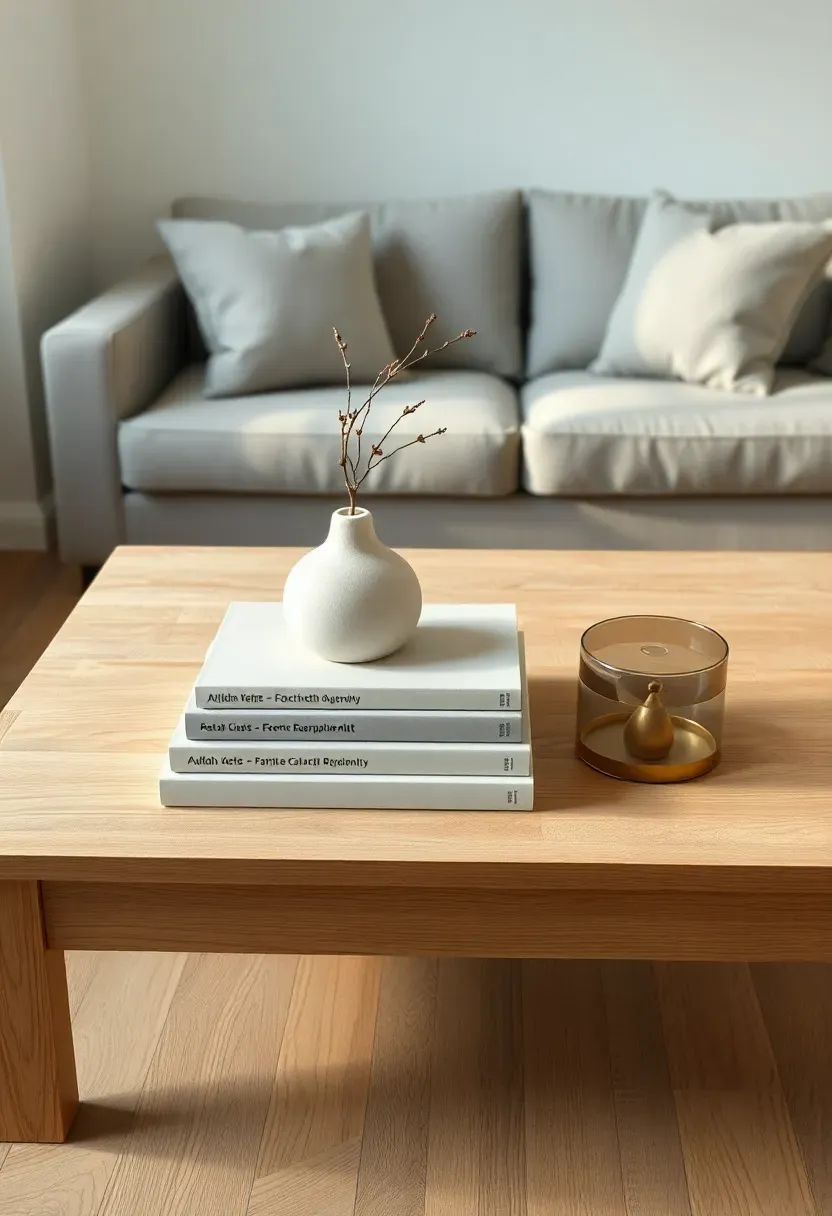
21. Curated Minimalist Coffee Table
Style your coffee table as a carefully composed vignette that embodies Scandinavian restraint and intentionality. Rather than a surface covered in clutter, choose just 2-3 meaningful objects: perhaps a stack of art books, a ceramic vessel with seasonal branches, and a sculptural object. Arrange these items with attention to composition—varying heights, materials, and shapes—while leaving most of the table surface empty. This curated approach makes the objects themselves feel special and meaningful while maintaining the serene, uncluttered aesthetic that defines Nordic interiors.
Tips
- Follow the rule of thirds: visually divide the table surface and style one section while leaving two-thirds empty
- Vary heights by stacking books horizontally and displaying one object vertically for dynamic composition
- Edit seasonally: swap branches or small objects to reflect the time of year while maintaining the overall arrangement
Best for: Coffee tables in open-view living rooms where the surface is constantly visible; this approach creates a composed, intentional appearance even in daily use
What this gives you: A focal point that exemplifies mindful curation, where each object feels intentionally chosen and the overall composition creates a sense of calm and order in the center of your living space.
These 21 cozy Scandinavian living room ideas show how Nordic design principles create spaces that feel both serene and inviting -- even in a small rental apartment. By prioritizing natural light, neutral palettes, intentional texture, and thoughtful organization, you can craft a living room that embodies the essence of hygge without permanent modifications or a huge budget. Whether you're renting a compact studio or styling a spacious open-plan area, these renter-friendly approaches adapt to create calm, welcoming spaces that support both relaxation and gathering while maintaining the sophisticated simplicity that defines Scandinavian interiors.
About the author
OBCD
CGI visualization and interior design content. We create detailed 3D renders and curate practical design ideas for every room in your home.