Pros and Cons of Tiny House Living: 21 Honest Takes
What are the real pros and cons of tiny house living? This lifestyle has gained enormous popularity as people seek alternatives to crushing mortgages and oversized homes, but the reality is more nuanced than social media suggests. Before downsizing to under 400 square feet, you need an honest look at both the liberating advantages and genuine challenges.
The decision to embrace tiny house living involves weighing serious financial benefits against practical limitations. From slashing utility bills by 70% to navigating complex zoning battles, the tiny house lifestyle presents a picture that varies dramatically based on your location, design choices, and personal circumstances.
We have gathered 21 honest takes on tiny house benefits and drawbacks to help you decide whether this dramatic lifestyle change is truly worth it. Whether you are a solo minimalist or a couple considering downsizing, these factors cover the full spectrum from financial freedom to relationship strain.
Quick FAQ
How much money can I actually save with a tiny house?
Most tiny house owners save 50-70% on housing costs compared to traditional homes, with monthly expenses often under $1,000 including utilities, though land costs vary significantly by location.
What are the biggest challenges of tiny house living?
The most common challenges include finding legal parking, dealing with moisture buildup, limited storage for seasonal items, and navigating building codes that don't recognize tiny houses as dwellings.
Can a family live in a tiny house?
Families can thrive in tiny houses with thoughtful design incorporating separate sleeping lofts, outdoor living space, and clarified boundaries, though most families choose 200+ square feet minimum.
Do tiny houses hold their value?
Quality-built tiny houses on wheels can appreciate like RVs, while those on foundations typically appreciate similar to traditional homes, though the niche market affects resale speed and price.
How long does it take to build a tiny house?
DIY builds typically take 6-18 months depending on complexity and available time, while professional builds usually complete in 2-4 months with a team working full-time on construction.
What about utilities like water and electricity?
Tiny houses can connect to grid utilities like traditional homes, or go fully off-grid with solar, composting toilets, and water tanks, offering flexibility based on parking location and personal preference.
As an Amazon Associate I earn from qualifying purchases.
1. Financial Freedom Through Reduced Costs
The most compelling advantage of tiny house living is the dramatic reduction in housing expenses. With typical tiny houses costing between $30,000-$80,000 compared to median home prices exceeding $300,000, the savings are substantial. Monthly expenses including utilities often total under $800, freeing up income for experiences, investments, or early retirement rather than mortgage payments.
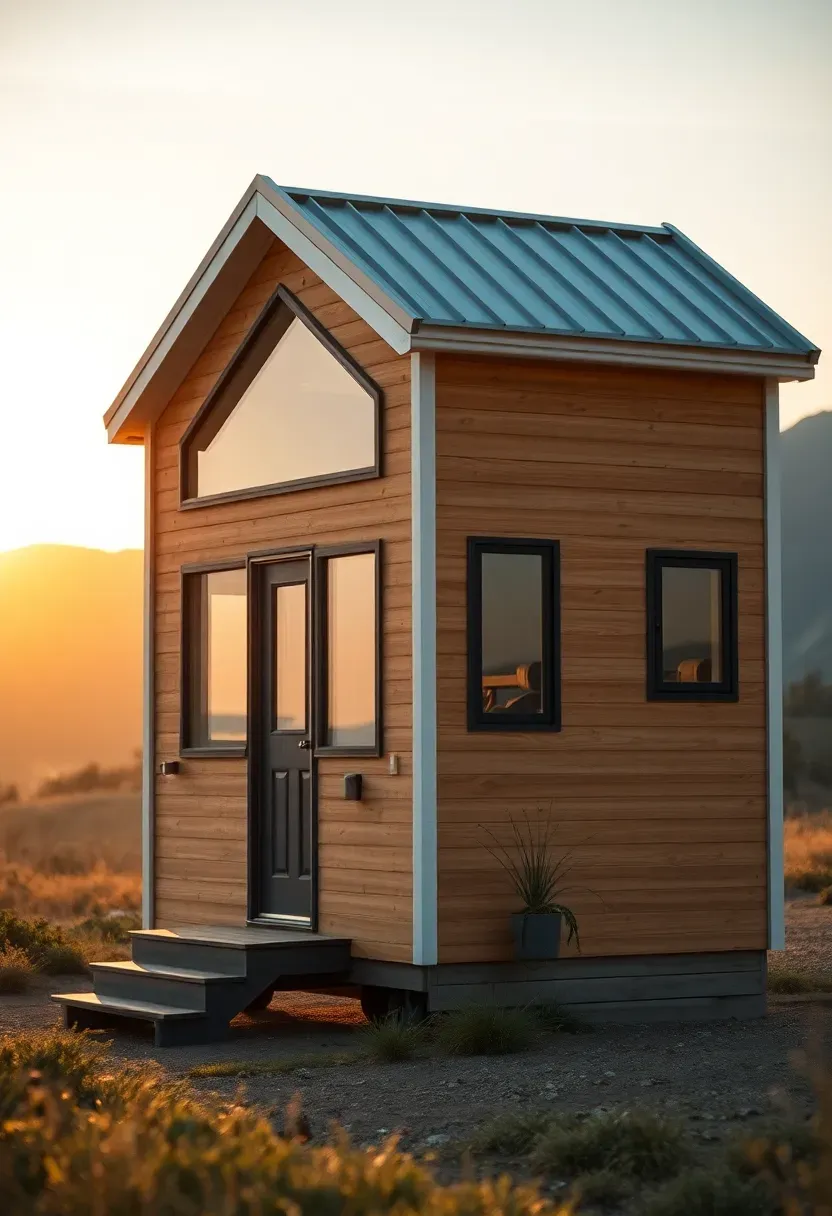
Modern tiny house exterior with cedar siding, metal roof, and covered porch set against mountain backdrop representing financial freedom
What are the real pros and cons of tiny house living? This lifestyle has gained enormous popularity as people seek alternatives to crushing mortgages and oversized homes, but the reality is more nuanced than social media suggests. Before downsizing to under 400 square feet, you need an honest look at both the liberating advantages and genuine challenges.. Modern tiny house exterior with cedar siding, metal roof, and covered porch set against mountain backdrop representing financial freedom
Recommended
Items for this idea
Tips
- Do research average tiny house costs in your region before committing
- Don't underestimate land costs if buying property for parking
- Consider RV loan options if traditional financing isn't available
What this gives you: Financial breathing room and the ability to pursue life goals beyond homeownership.
2. Lower Environmental Impact
Tiny houses inherently require fewer resources to build and maintain, dramatically reducing their carbon footprint compared to conventional homes. With approximately 20% of the materials needed for construction and 30% of the energy required for heating and cooling, tiny house living aligns naturally with sustainable values. Many owners incorporate solar panels, composting toilets, and rainwater collection to further minimize environmental impact.
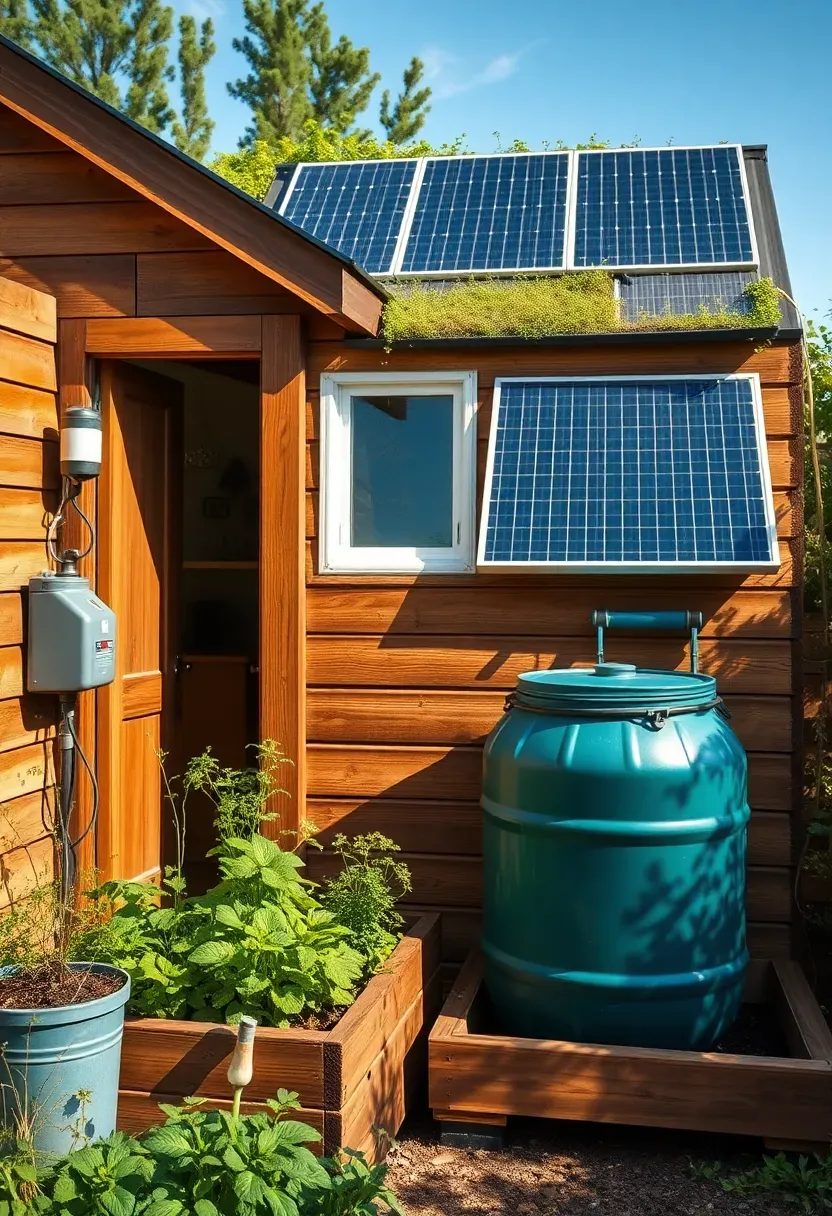
Eco-friendly tiny house with rooftop solar panels, rainwater collection barrels, reclaimed wood siding, and a small garden bed
What are the real pros and cons of tiny house living? This lifestyle has gained enormous popularity as people seek alternatives to crushing mortgages and oversized homes, but the reality is more nuanced than social media suggests. Before downsizing to under 400 square feet, you need an honest look at both the liberating advantages and genuine challenges.. Eco-friendly tiny house with rooftop solar panels, rainwater collection barrels, reclaimed wood siding, and a small garden bed
Recommended
Items for this idea
Tips
- If sustainability motivates you, prioritize non-toxic building materials
- Consider passive solar design to maximize natural heating and cooling
- Research local incentives for renewable energy installations
Best for: Environmentally conscious individuals seeking to reduce their ecological footprint through housing choice.
What this gives you: The satisfaction of knowing your lifestyle aligns with planetary sustainability goals.
3. Simplified Maintenance and Cleaning
With less than 400 square feet to maintain, tiny house ownership dramatically reduces the time and effort required for upkeep. Cleaning the entire space takes under 30 minutes, and maintenance tasks like painting, repairs, or replacements require minimal materials and labor. This simplified approach frees up weekends and evenings for activities rather than endless household chores, while also reducing ongoing maintenance costs.
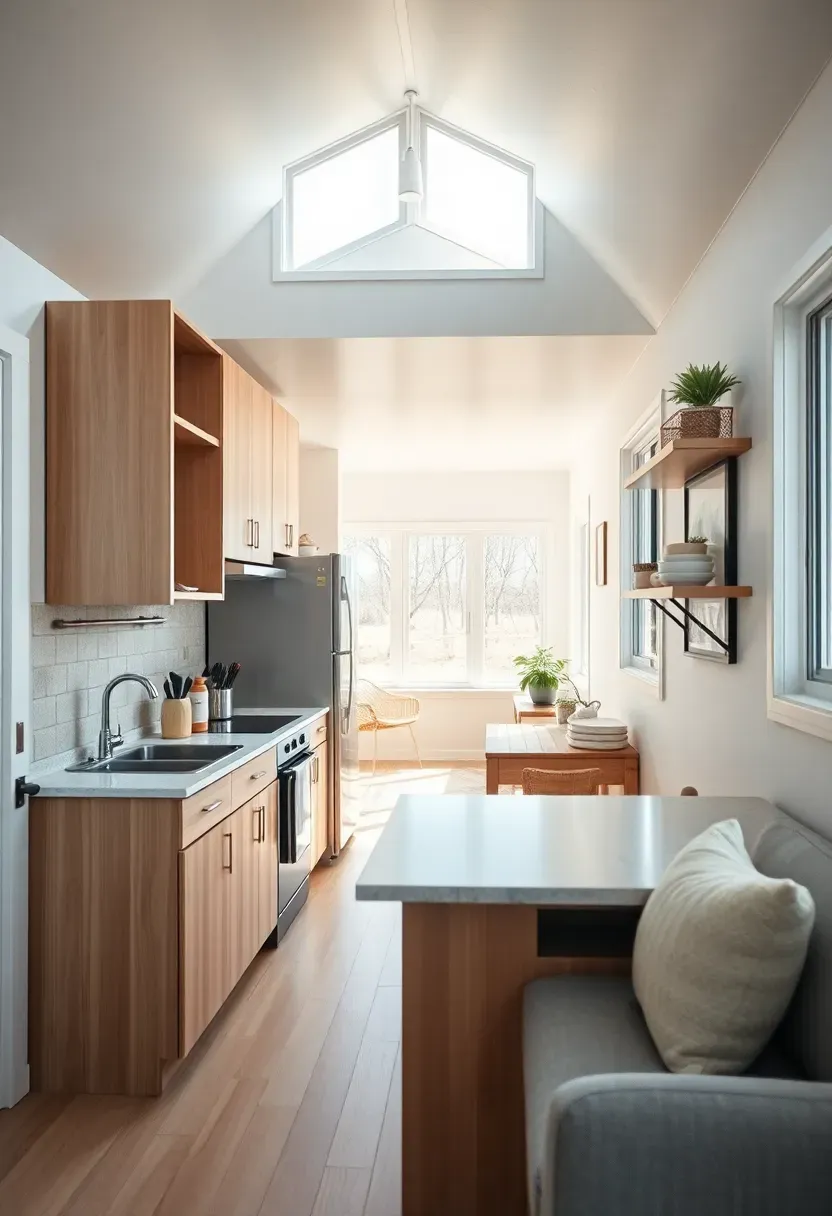
Clean and organized tiny house kitchen with light oak cabinetry, quartz countertops, and clutter-free surfaces
What are the real pros and cons of tiny house living? This lifestyle has gained enormous popularity as people seek alternatives to crushing mortgages and oversized homes, but the reality is more nuanced than social media suggests. Before downsizing to under 400 square feet, you need an honest look at both the liberating advantages and genuine challenges.. Clean and organized tiny house kitchen with light oak cabinetry, quartz countertops, and clutter-free surfaces
Recommended
Items for this idea
Tips
- Choose durable, low-maintenance materials to reduce long-term upkeep
- Design with accessible systems for easy repairs without professional help
- Avoid complex mechanical systems that require specialized maintenance
What this gives you: More free time and less stress from household maintenance responsibilities.
4. Mobility and Location Flexibility
Tiny houses on wheels offer unparalleled freedom to relocate without selling property or moving possessions. This mobility enables following job opportunities, escaping harsh winters, or simply exploring new regions while maintaining housing stability. For those drawn to travel or uncertain about long-term location preferences, a portable tiny house provides roots without being permanently anchored to one geographic area.
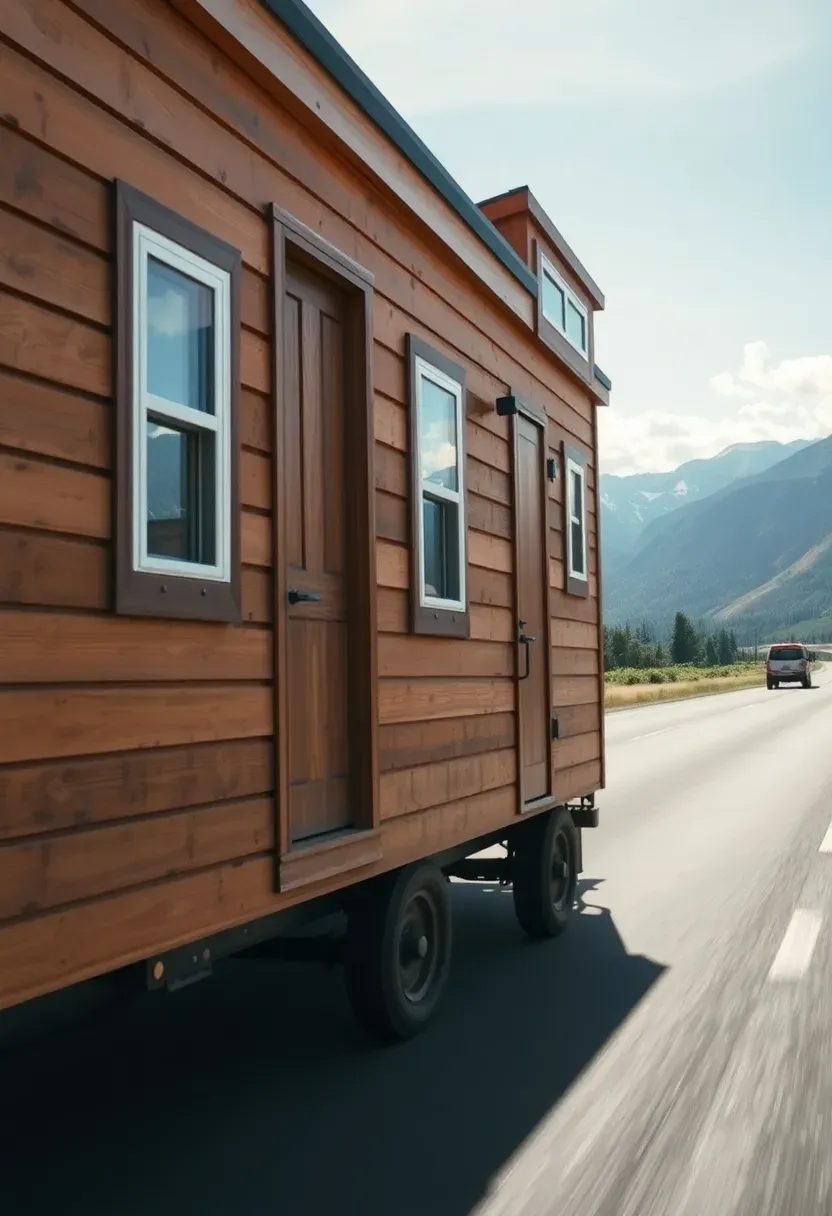
Tiny house on wheels being towed along a scenic mountain highway showing mobility and location flexibility
What are the real pros and cons of tiny house living? This lifestyle has gained enormous popularity as people seek alternatives to crushing mortgages and oversized homes, but the reality is more nuanced than social media suggests. Before downsizing to under 400 square feet, you need an honest look at both the liberating advantages and genuine challenges.. Tiny house on wheels being towed along a scenic mountain highway showing mobility and location flexibility
Recommended
Items for this idea
Tips
- Ensure your trailer meets DOT requirements for highway towing
- Practice towing in safe conditions before attempting long-distance moves
- Research height and weight restrictions on your planned routes
Budget/Time: Factor in $500-1,500 per move for towing costs and 1-3 days for relocation including setup.
What this gives you: Geographic flexibility and the ability to change your scenery without changing your home.
5. Intentional Living and Mindful Consumption
Tiny house living forces a complete reevaluation of possessions, requiring deliberate choices about what truly matters. Space constraints naturally eliminate unnecessary purchases while encouraging investment in quality over quantity. This intentional approach extends beyond physical belongings to time management, relationships, and daily habits, creating a life curated around values rather than accumulation.
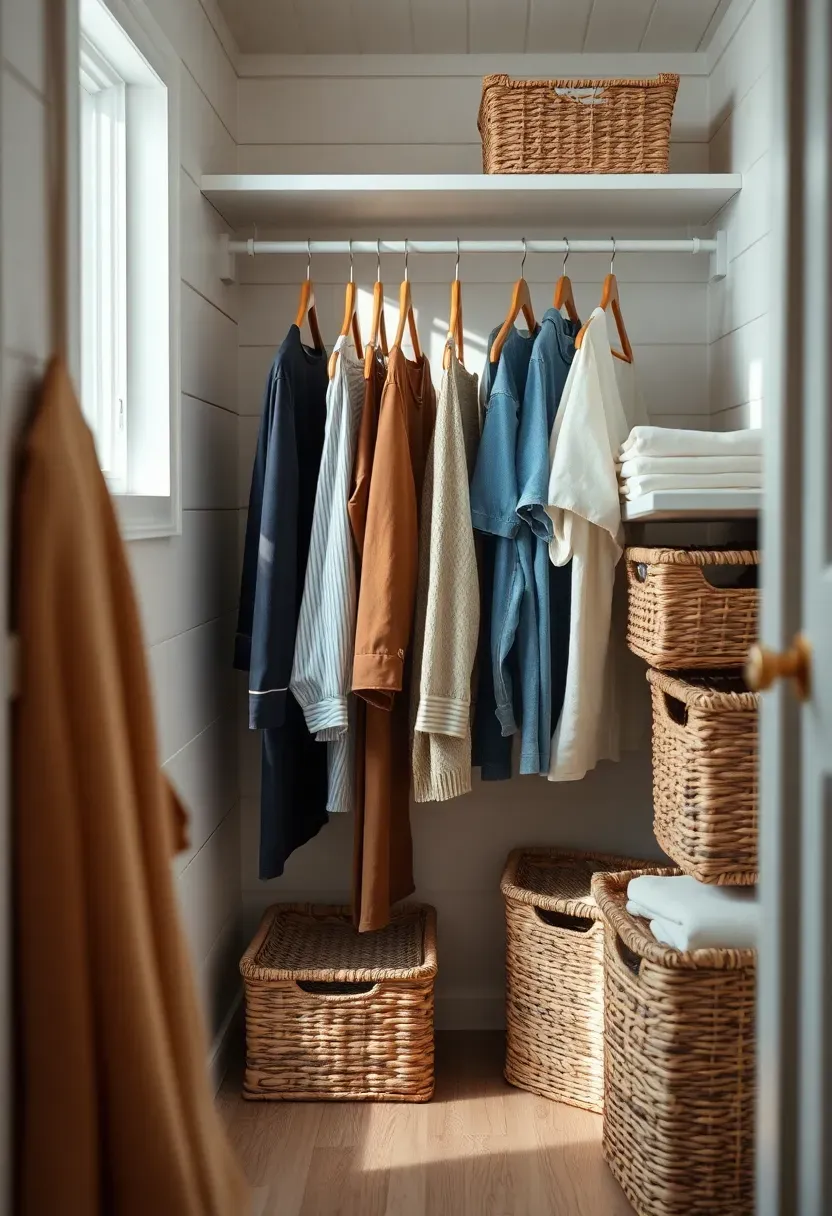
Minimalist tiny house closet with curated hanging clothes, woven baskets, and white shiplap walls showing intentional living
What are the real pros and cons of tiny house living? This lifestyle has gained enormous popularity as people seek alternatives to crushing mortgages and oversized homes, but the reality is more nuanced than social media suggests. Before downsizing to under 400 square feet, you need an honest look at both the liberating advantages and genuine challenges.. Minimalist tiny house closet with curated hanging clothes, woven baskets, and white shiplap walls showing intentional living
Recommended
Items for this idea
Tips
- If buying new, commit to the one-in-one-out rule for possessions
- Design flexible storage that adapts to changing needs over time
- Embrace multi-functional items that serve multiple purposes
Avoid if: You're not ready to significantly reduce your possessions or attach strong sentimental value to many items.
What this gives you: A clearer understanding of what you truly value and freedom from consumer culture's pressure to accumulate.
6. Stronger Connection to Outdoor Living
Limited interior space naturally extends daily activities into outdoor environments, creating stronger connections with nature and seasonal rhythms. Decks, patios, and gardens become essential living rooms, encouraging fresh air, natural light, and engagement with surroundings. This outdoor expansion effectively increases usable square footage while maintaining a small physical footprint and promoting healthier lifestyle patterns.
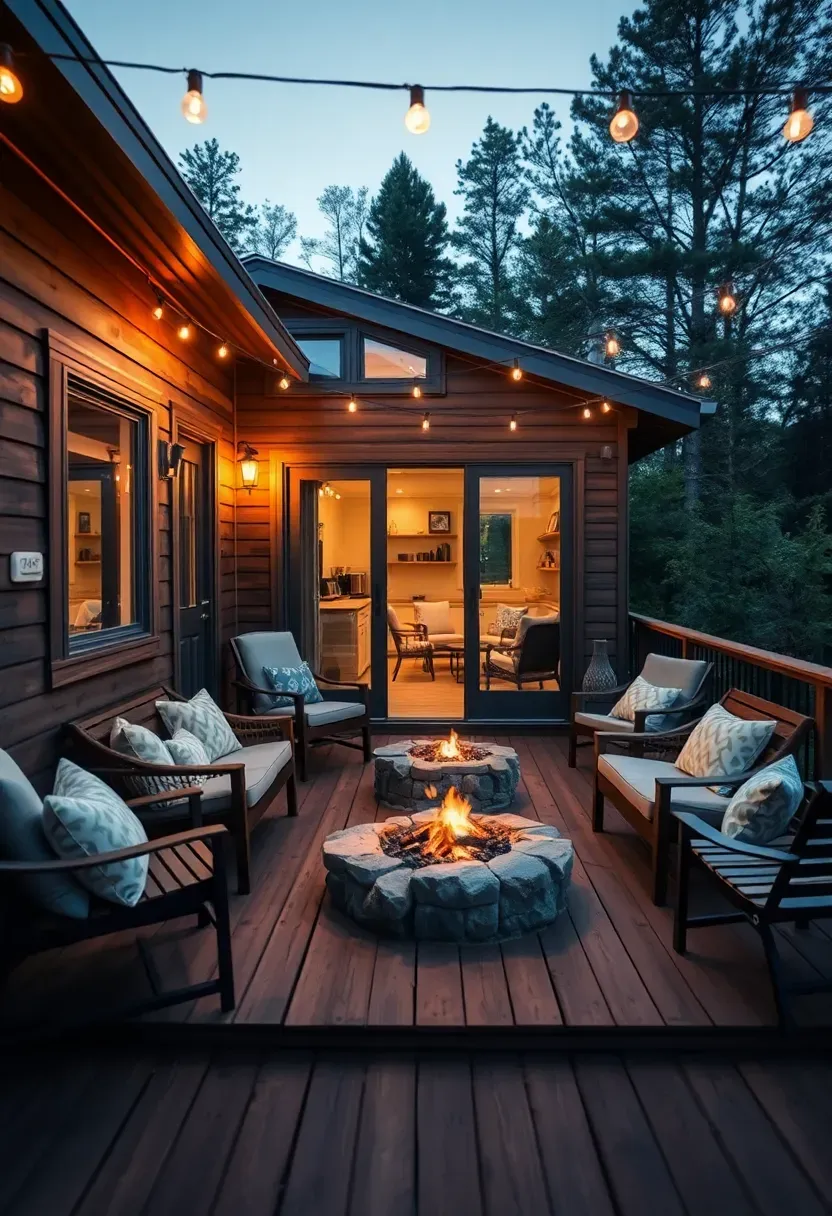
Tiny house with expanded outdoor deck, string lights, seating area, and fire pit creating seamless indoor-outdoor living
What are the real pros and cons of tiny house living? This lifestyle has gained enormous popularity as people seek alternatives to crushing mortgages and oversized homes, but the reality is more nuanced than social media suggests. Before downsizing to under 400 square feet, you need an honest look at both the liberating advantages and genuine challenges.. Tiny house with expanded outdoor deck, string lights, seating area, and fire pit creating seamless indoor-outdoor living
Recommended
Items for this idea
Tips
- Design indoor-outdoor flow with large doors or folding walls
- Consider seasonal weather patterns when planning outdoor spaces
- Invest in quality outdoor furniture that withstands your climate
What this gives you: Expanded living space and a healthier, more nature-connected lifestyle without increasing your physical footprint.
7. Custom Design Freedom
Tiny houses offer complete control over design decisions, allowing spaces tailored exactly to individual needs and aesthetics. From loft heights to storage solutions, every element can be customized for specific lifestyle requirements rather than accepting generic floor plans. This personalization extends to choosing sustainable materials, incorporating specialized features, or creating unique architectural expressions impossible in mass-produced housing.
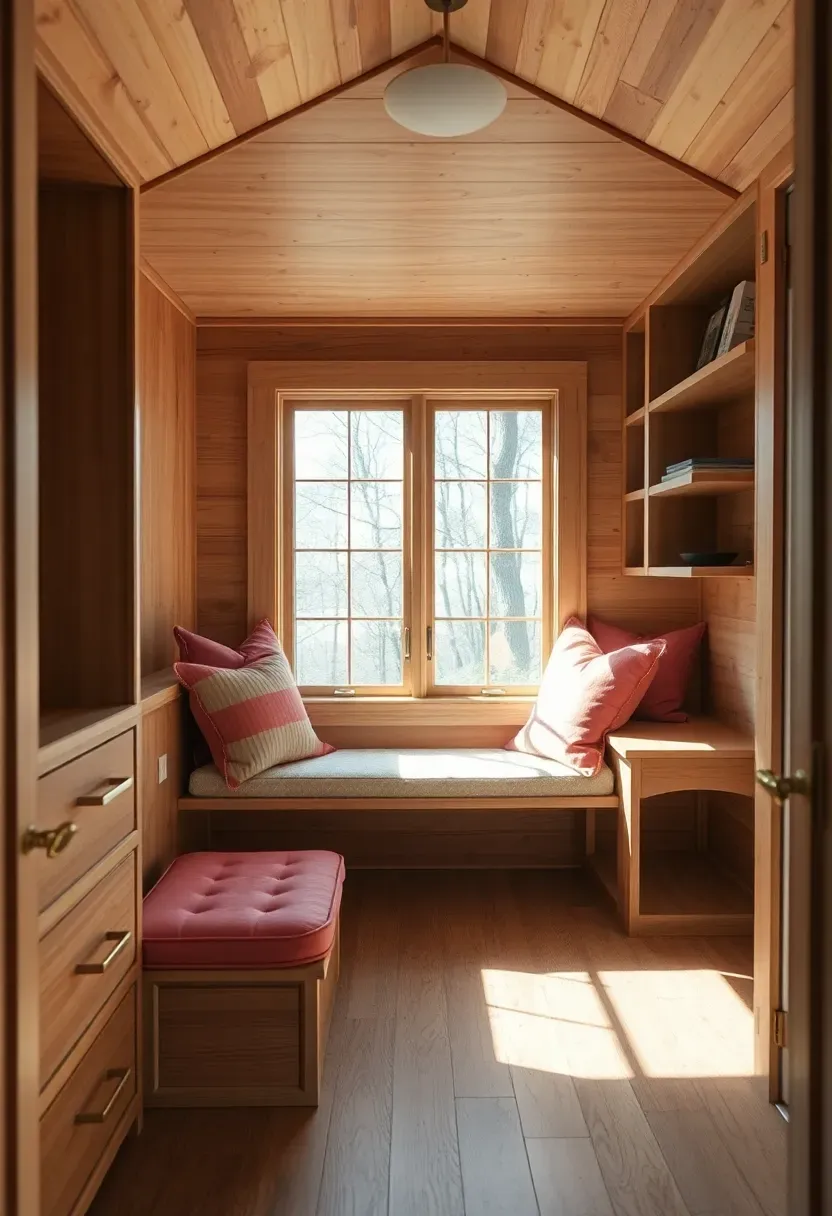
Custom tiny house interior with maple built-in window seat, desk nook, hidden storage compartments, and brass hardware
What are the real pros and cons of tiny house living? This lifestyle has gained enormous popularity as people seek alternatives to crushing mortgages and oversized homes, but the reality is more nuanced than social media suggests. Before downsizing to under 400 square feet, you need an honest look at both the liberating advantages and genuine challenges.. Custom tiny house interior with maple built-in window seat, desk nook, hidden storage compartments, and brass hardware
Recommended
Items for this idea
Tips
- Live in your space temporarily before building permanent custom features
- Prioritize flexible design elements that can adapt as needs change
- Consider resale appeal even when designing highly personalized features
Placement note: Document your custom design decisions thoroughly to help future owners understand and appreciate specialized features.
What this gives you: A home that perfectly reflects your personality, needs, and aesthetic preferences without compromise.
8. Built Community Opportunities
The tiny house movement has spawned numerous communities and networks where like-minded individuals share resources, knowledge, and support. From formal tiny house villages to informal online groups, these connections provide practical assistance with building challenges, legal issues, and lifestyle adjustments. Many owners find that the community aspect becomes one of the most rewarding elements of tiny house living, offering belonging and collaboration rarely found in traditional neighborhoods.
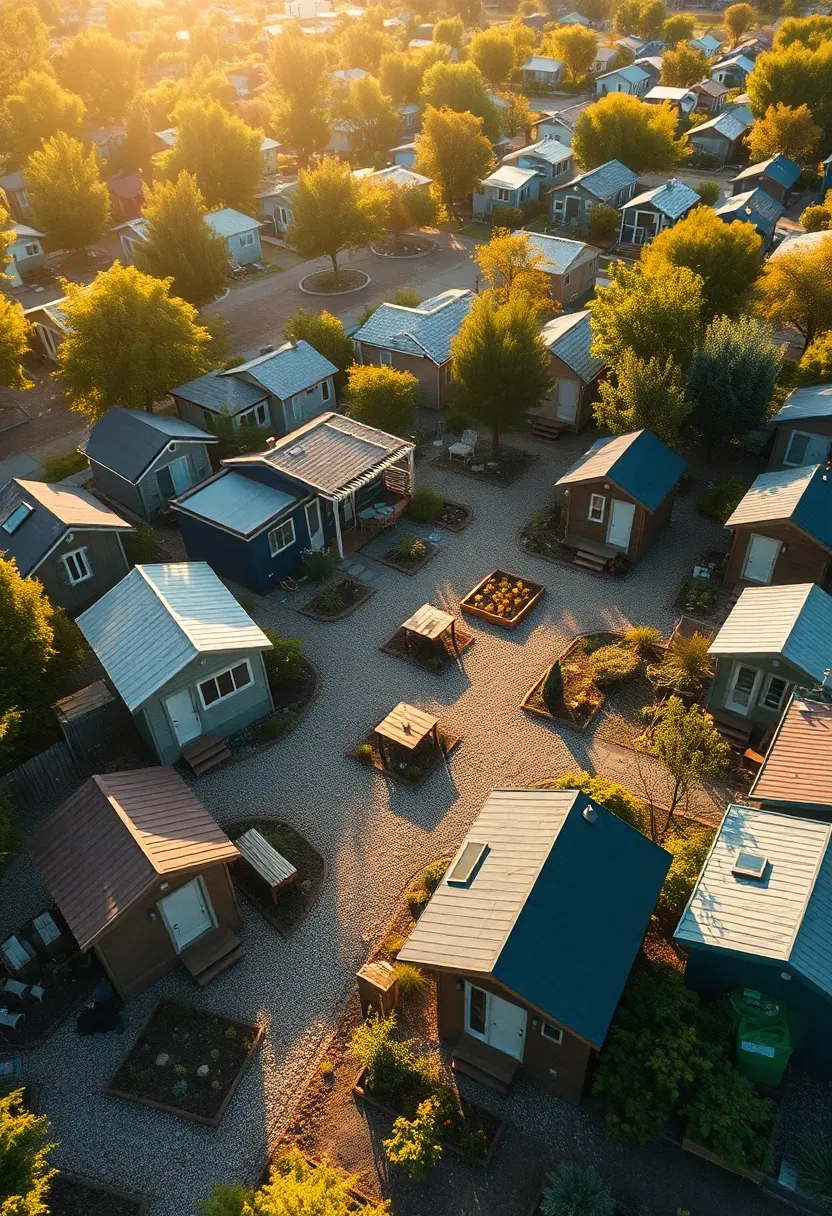
Aerial view of a tiny house community with homes around a central garden, shared gathering space, and gravel pathways
What are the real pros and cons of tiny house living? This lifestyle has gained enormous popularity as people seek alternatives to crushing mortgages and oversized homes, but the reality is more nuanced than social media suggests. Before downsizing to under 400 square feet, you need an honest look at both the liberating advantages and genuine challenges.. Aerial view of a tiny house community with homes around a central garden, shared gathering space, and gravel pathways
Recommended
Items for this idea
Tips
- Research existing tiny house communities before planning your own location
- Join online forums and local meetups to build connections before downsizing
- Consider shared amenities to reduce individual infrastructure costs
Best for: Social individuals who value collaboration and shared resources over complete independence.
What this gives you: Access to a supportive community and the collective wisdom of experienced tiny house dwellers.
9. Reduced Debt and Financial Stress
The lower cost of tiny houses often enables ownership without substantial mortgages, dramatically reducing long-term debt burden and associated financial stress. Many owners purchase their homes outright or pay off loans within 5-10 years rather than 30 years, creating financial security and flexibility during economic uncertainty. This debt-free approach eliminates interest payments and frees income for investments, experiences, or career changes that might be impossible with traditional housing expenses.
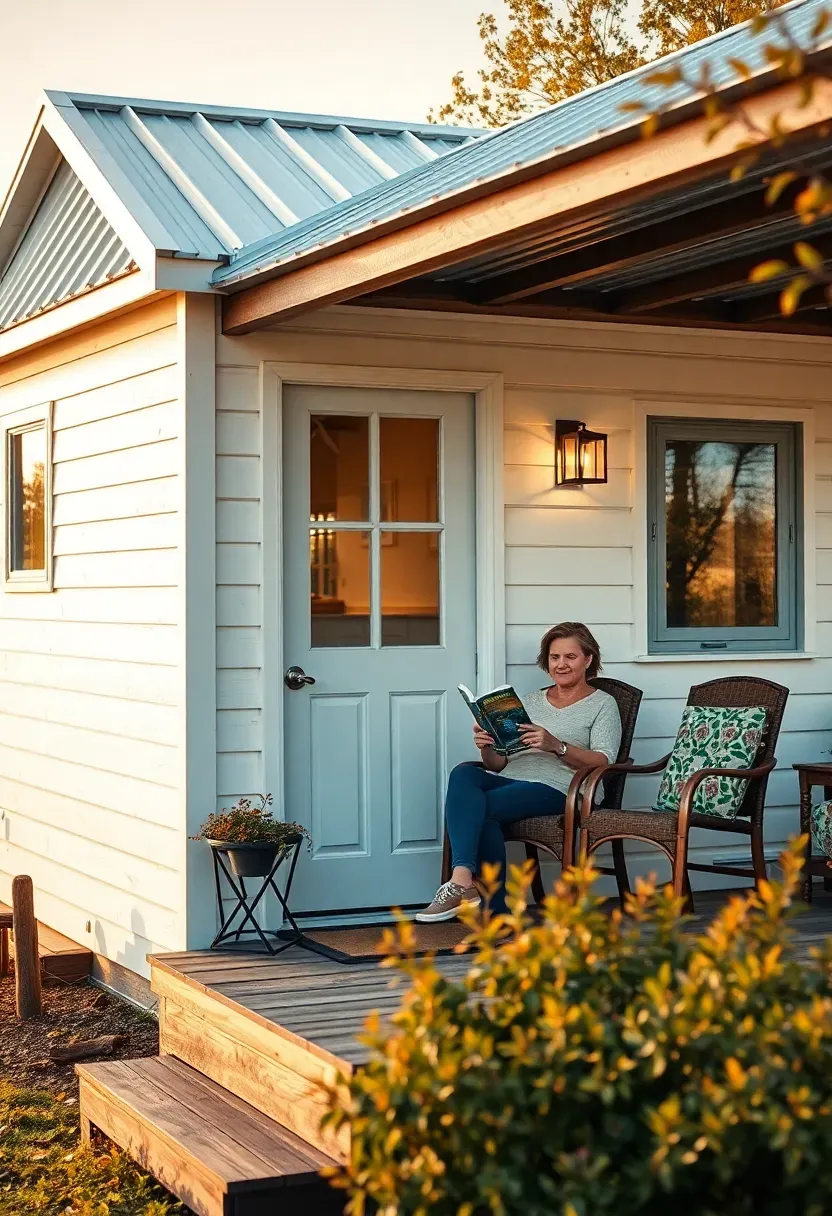
Person relaxing on a tiny house porch with white board-and-batten siding, reading a book in golden afternoon light
What are the real pros and cons of tiny house living? This lifestyle has gained enormous popularity as people seek alternatives to crushing mortgages and oversized homes, but the reality is more nuanced than social media suggests. Before downsizing to under 400 square feet, you need an honest look at both the liberating advantages and genuine challenges.. Person relaxing on a tiny house porch with white board-and-batten siding, reading a book in golden afternoon light
Recommended
Items for this idea
Tips
- Calculate total cost of ownership including land, utilities, and maintenance
- Avoid financing the entire cost if possible to maximize debt-free benefits
- Consider building in stages to spread costs and maintain financial flexibility
What this gives you: Freedom from mortgage debt and the peace of mind that comes with owning your home outright.
10. More Time for Experiences Over Possessions
With reduced space to maintain, fewer possessions to manage, and lower financial overhead, tiny house living naturally shifts focus from accumulating things to experiencing life. The freedom from lengthy commutes, household maintenance, and shopping for unnecessary items creates time for travel, hobbies, relationships, and personal growth. Many owners report that tiny house living provides the margin needed for creative pursuits, outdoor adventures, or simply spending quality time with loved ones.
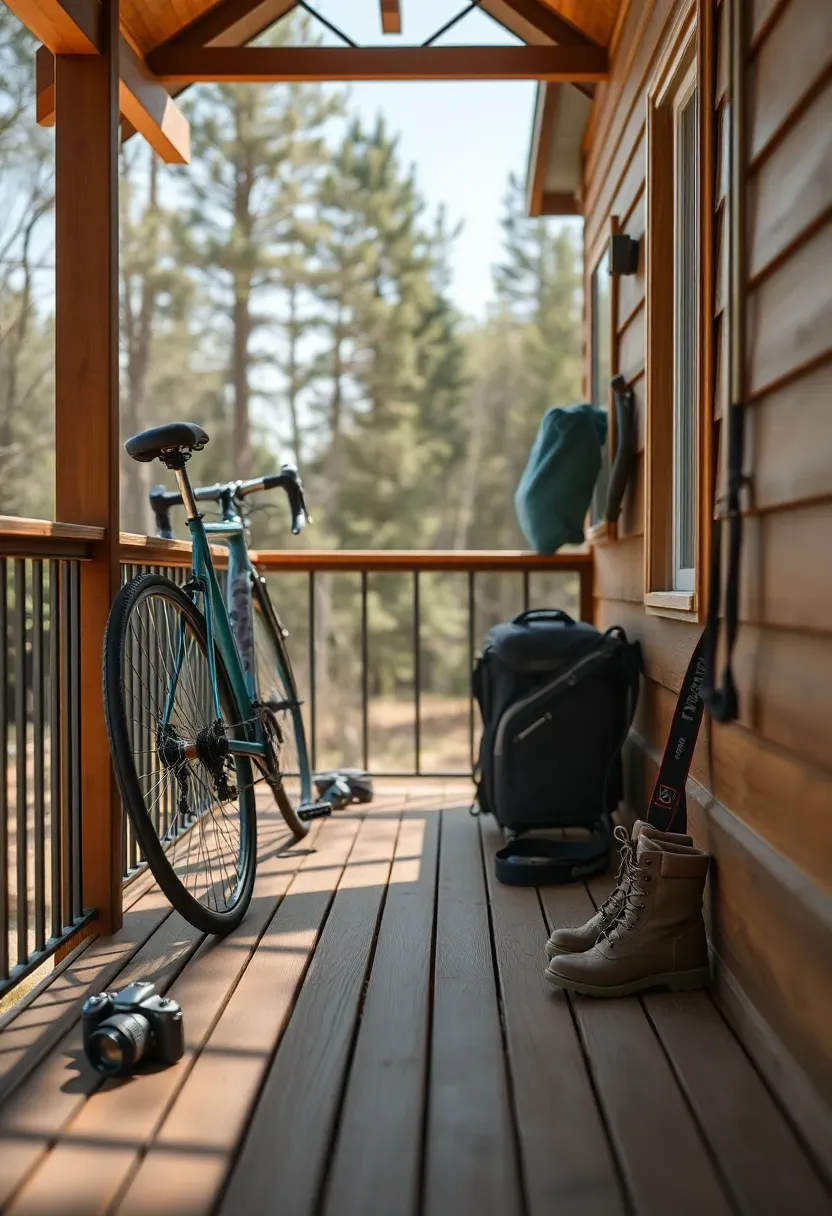
Tiny house porch with bicycle, hiking boots, and camera gear showing an experience-focused minimalist lifestyle
What are the real pros and cons of tiny house living? This lifestyle has gained enormous popularity as people seek alternatives to crushing mortgages and oversized homes, but the reality is more nuanced than social media suggests. Before downsizing to under 400 square feet, you need an honest look at both the liberating advantages and genuine challenges.. Tiny house porch with bicycle, hiking boots, and camera gear showing an experience-focused minimalist lifestyle
Recommended
Items for this idea
Tips
- Design storage specifically for equipment supporting your preferred activities
- Consider how your tiny house location facilitates access to experiences you value
- Prioritize durable, low-maintenance finishes that maximize active time
Rental note: If renting parking space, choose locations that provide access to activities you enjoy rather than just lowest cost.
What this gives you: The time and financial freedom to pursue experiences and relationships that truly matter to you.
11. Limited Storage and Belongings
The most significant challenge of tiny house living is the strict limit on possessions, requiring difficult decisions about what to keep, sell, or store. Seasonal items, hobby equipment, and even basic necessities require creative storage solutions or off-site storage arrangements. This constraint affects everything from wardrobe choices to kitchen gadgets, potentially causing frustration for those accustomed to having supplies readily available for various activities and situations.
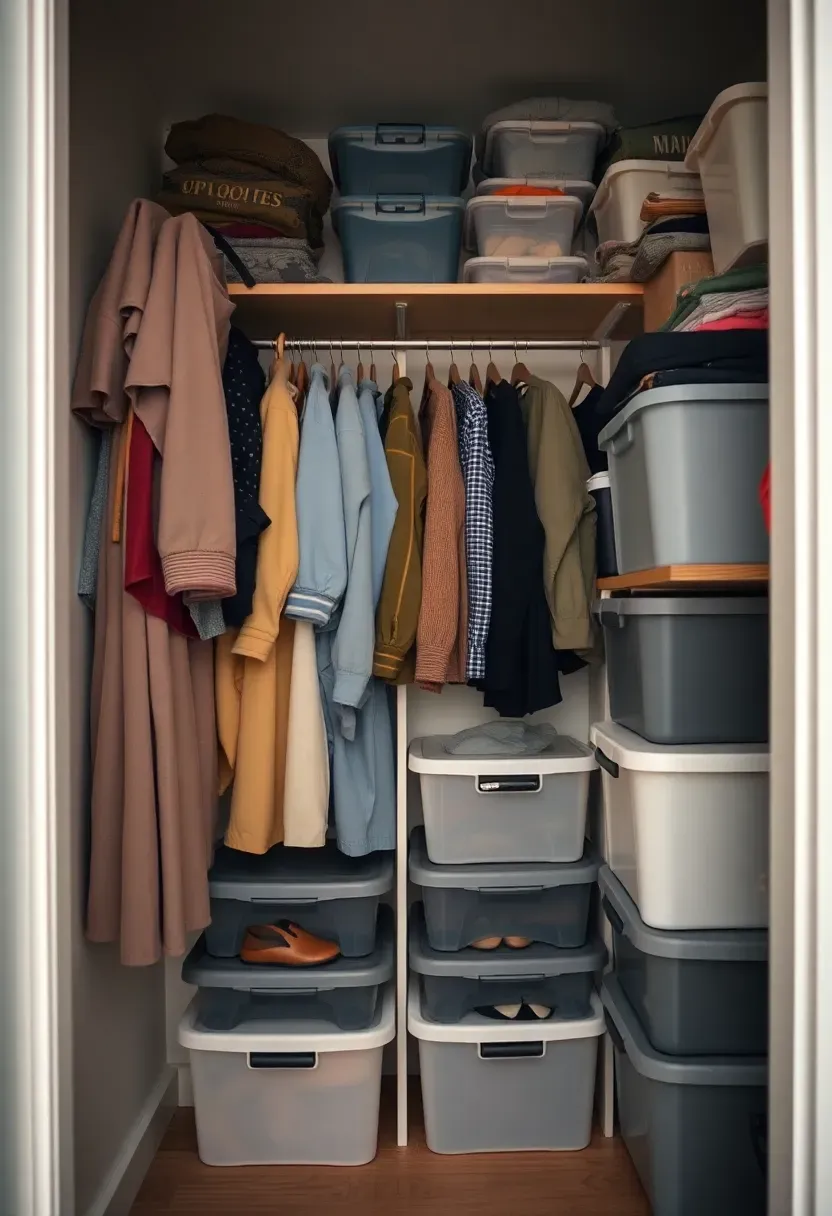
Tiny house closet packed to capacity with hanging clothes, stacked bins, and shelving showing storage limitations
What are the real pros and cons of tiny house living? This lifestyle has gained enormous popularity as people seek alternatives to crushing mortgages and oversized homes, but the reality is more nuanced than social media suggests. Before downsizing to under 400 square feet, you need an honest look at both the liberating advantages and genuine challenges.. Tiny house closet packed to capacity with hanging clothes, stacked bins, and shelving showing storage limitations
Recommended
Items for this idea
Tips
- Do an honest inventory of possessions before committing to tiny living
- Design storage with vertical thinking to maximize every cubic foot
- Consider renting a small off-site storage unit for truly sentimental items
What this gives you: A forced clarity about what you actually need and use, though the process of downsizing can be emotionally challenging.
12. Zoning and Legal Challenges
Perhaps the greatest practical obstacle to tiny house living is the complex legal landscape, with most municipalities lacking clear codes for tiny dwellings. Many areas classify tiny houses on wheels as RVs, limiting where they can be parked permanently, while those on foundations often face minimum square footage requirements. Navigating permits, finding legal parking, and dealing with skeptical officials requires persistence, creativity, and sometimes compromises on location or design.
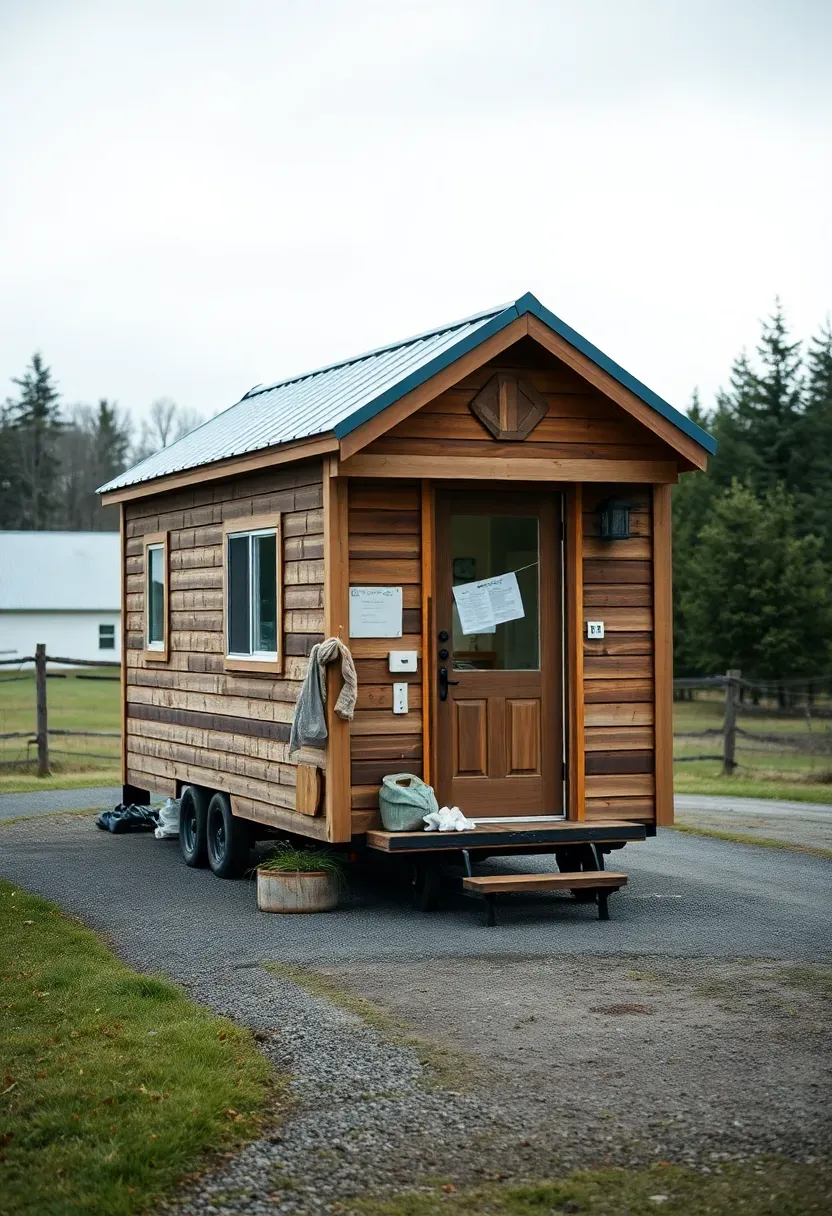
Hyper-realistic 3/4 view of a tiny house parked in a rural driveway with visible regulatory paperwork or permit notice suggesting legal complications. Materials: wood siding, metal roof, paper documents visible. Overcast flat lighting showing bureaucratic reality. Legal challenge mood with visible isolation suggesting limited legal parking options. Shallow depth of field, sharp documentary details, realistic constraint composition. No text, no logos, no watermarks.</p>
What are the real pros and cons of tiny house living? This lifestyle has gained enormous popularity as people seek alternatives to crushing mortgages and oversized homes, but the reality is more nuanced than social media suggests. Before downsizing to under 400 square feet, you need an honest look at both the liberating advantages and genuine challenges.. Hyper-realistic 3/4 view of a tiny house parked in a rural driveway with visible regulatory paperwork or permit notice suggesting legal compli
Recommended
Items for this idea
Tips
- Research local zoning regulations thoroughly before building or purchasing
- Connect with local tiny house advocates who have navigated the process
- Consider communities specifically designed for tiny house living
Avoid if: You're not prepared for potential legal battles or uncertainty about where you can legally park your home.
What this gives you: Unfortunately, mostly stress and uncertainty, though successfully navigating these challenges can be incredibly empowering.
13. Resale and Financing Difficulties
The tiny house market remains niche, making resale potentially slower and more uncertain than traditional real estate. Many lenders refuse to finance tiny houses, particularly those on wheels, limiting the buyer pool to cash purchasers or those willing to use personal loans. This specialized market also makes accurate valuation difficult, with prices varying widely based on location, quality, and customization levels, potentially affecting return on investment.
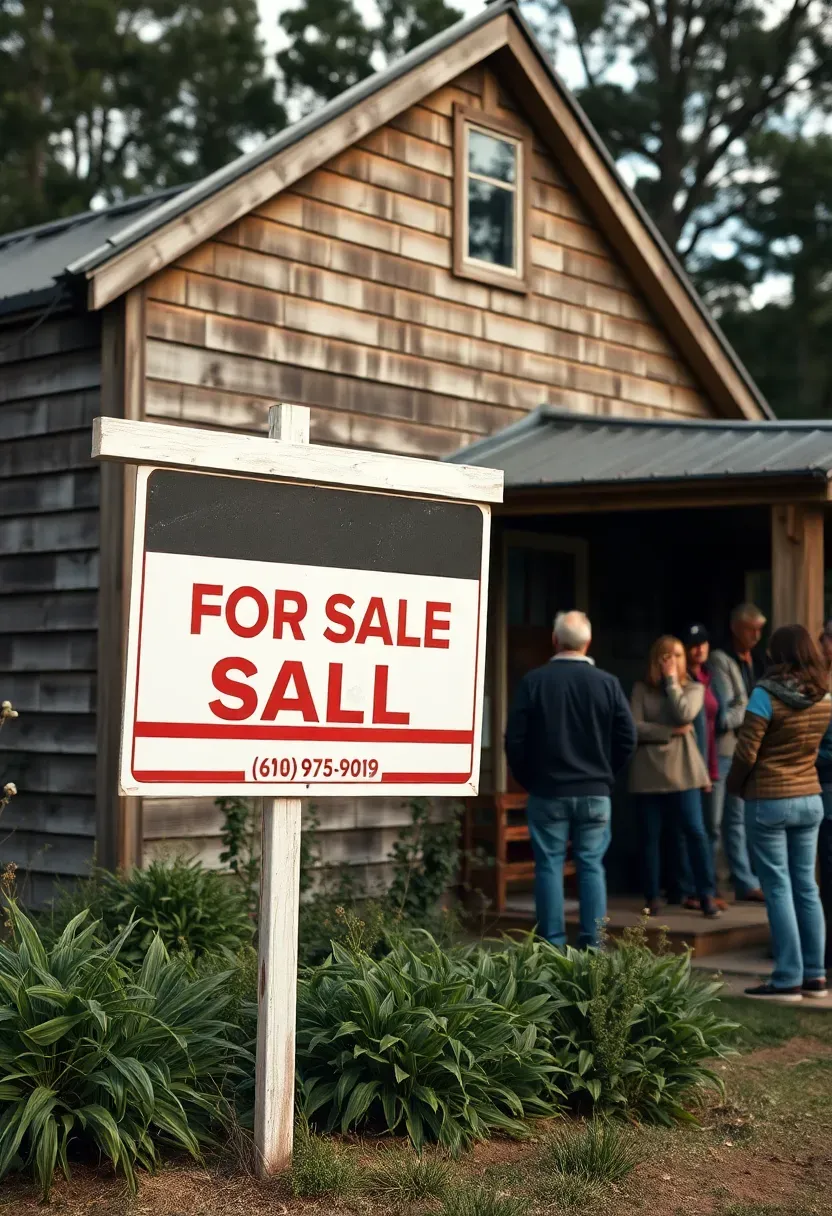
Hyper-realistic 3/4 view of a
What are the real pros and cons of tiny house living? This lifestyle has gained enormous popularity as people seek alternatives to crushing mortgages and oversized homes, but the reality is more nuanced than social media suggests. Before downsizing to under 400 square feet, you need an honest look at both the liberating advantages and genuine challenges.. Hyper-realistic 3/4 view of a
Recommended
Items for this idea
Tips
- Build with broad appeal rather than highly personalized features if resale matters
- Maintain detailed records of construction quality and materials for potential buyers
- Consider your tiny house as a lifestyle choice rather than investment vehicle
Placement note: Market your tiny house through specialized channels rather than traditional real estate listings to reach interested buyers.
What this gives you: A reminder to view tiny house living primarily as a lifestyle choice rather than a traditional investment opportunity.
14. Privacy and Space Constraints
Living in a tiny house with others requires exceptional communication skills and respect for personal boundaries, with virtually no physical space for solitude or separation. Even for singles, the lack of private retreat areas can become challenging during stressful periods or when hosting guests. The close quarters mean that every sound, activity, and mood affects the entire space, making it difficult to escape interpersonal tensions or simply find quiet moments alone.
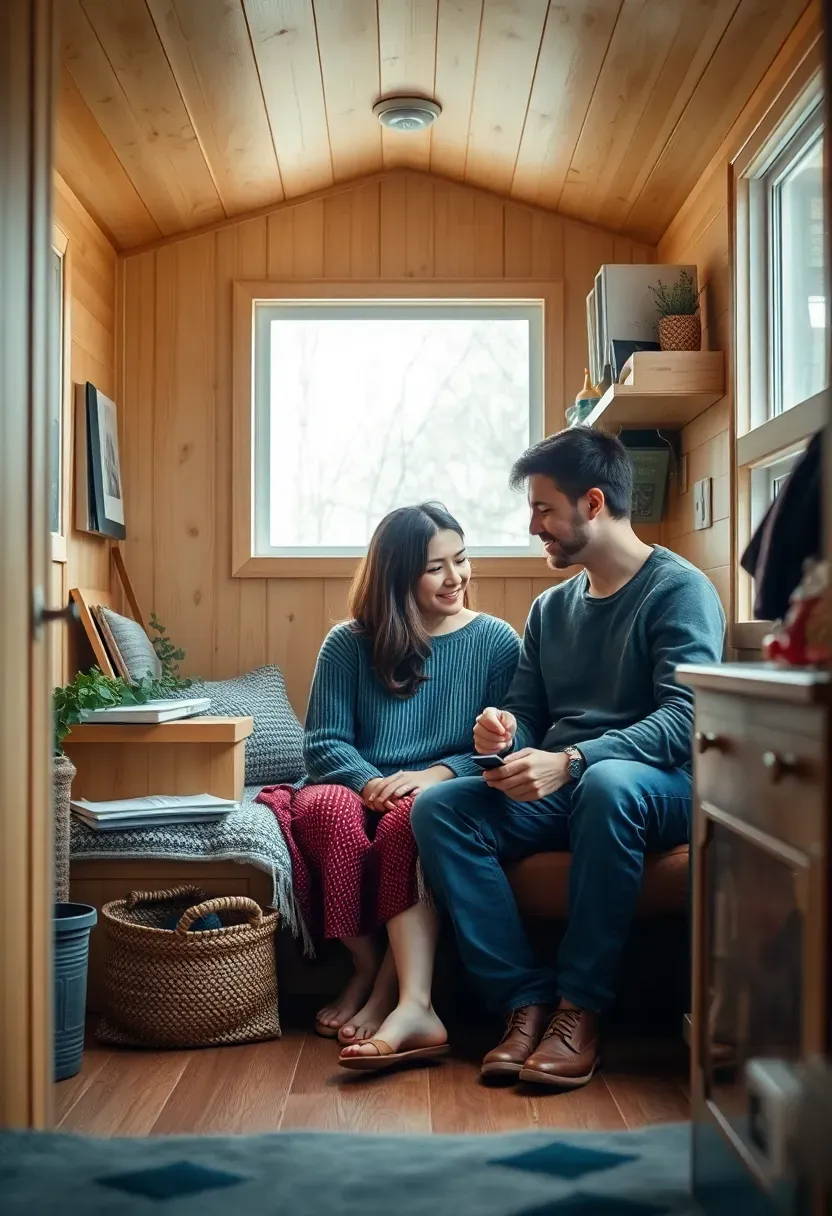
Hyper-realistic 3/4 view of a tiny house interior showing a couple in close proximity doing different activities, illustrating the space constraints on privacy and personal space. Materials: light wood finishes, textiles, personal items visible. Natural interior lighting showing daily life in close quarters. Intimate proximity mood with visible lack of privacy and personal space. Shallow depth of field, sharp relationship details, realistic constraint composition. No text, no logos, no watermarks.</p>
What are the real pros and cons of tiny house living? This lifestyle has gained enormous popularity as people seek alternatives to crushing mortgages and oversized homes, but the reality is more nuanced than social media suggests. Before downsizing to under 400 square feet, you need an honest look at both the liberating advantages and genuine challenges.. Hyper-realistic 3/4 view of a tiny house interior showing a couple in close proximity doing different activities, illustrating the space const
Recommended
Items for this idea
Tips
- Design separate retreat spaces even if they're just reading nooks or headphones zones
- Establish clear communication protocols about privacy needs and alone time
- Create outdoor escape spaces for weather-permitting privacy alternatives
Best for: Individuals who value close relationships over personal space and couples with excellent communication skills.
What this gives you: Forced development of communication skills and conflict resolution abilities, though at the cost of personal privacy.
15. Climate Control and Insulation Issues
The small volume of tiny houses creates unique heating and cooling challenges, with temperatures responding quickly to external conditions and occupancy. Many tiny houses struggle with temperature regulation, experiencing extreme heat in summer and rapid heat loss in winter unless built with exceptional insulation and HVAC systems. Moisture control also presents significant challenges, with condensation and mold risks requiring vigilant ventilation management, particularly in colder climates.
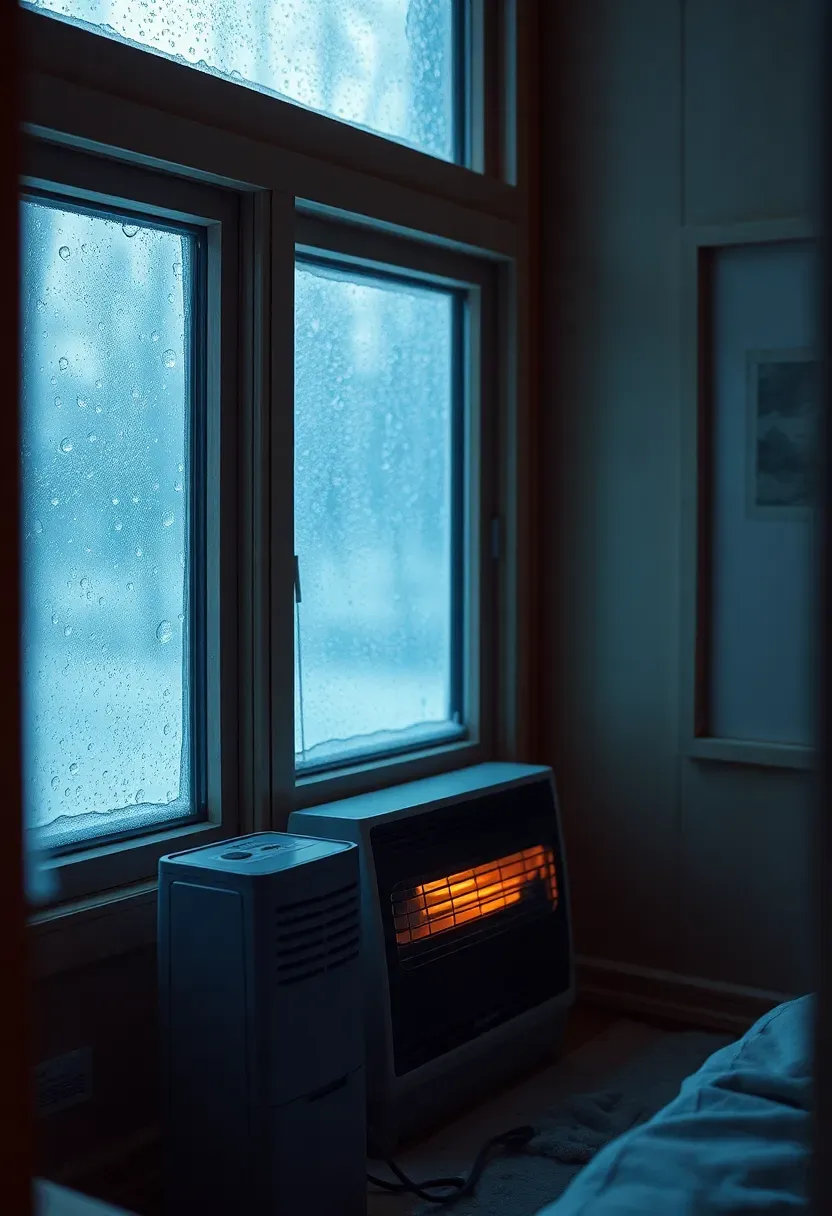
Hyper-realistic 3/4 view of a tiny house interior showing visible condensation on windows and a small space heater, illustrating climate control challenges. Materials: window glass with water droplets, small electric heater, visible insulation. Cool blue-toned lighting suggesting temperature struggle. Climate challenge mood with visible moisture and heating equipment limitations. Shallow depth of field, sharp moisture details, realistic environmental composition. No text, no logos, no watermarks.</p>
What are the real pros and cons of tiny house living? This lifestyle has gained enormous popularity as people seek alternatives to crushing mortgages and oversized homes, but the reality is more nuanced than social media suggests. Before downsizing to under 400 square feet, you need an honest look at both the liberating advantages and genuine challenges.. Hyper-realistic 3/4 view of a tiny house interior showing visible condensation on windows and a small space heater, illustrating climate contr
Recommended
Items for this idea
Tips
- Invest in insulation beyond code minimums, especially in roof and walls
- Design for cross-ventilation to manage humidity and temperature naturally
- Consider mini-split systems for efficient heating and cooling in small spaces
What this gives you: unfortunately, mostly ongoing vigilance and energy bills that may surprise you given the small square footage.
16. Limited Entertaining Options
Hosting guests in a tiny house requires careful planning and potentially creative solutions, with dinner parties, overnight guests, or even casual gatherings presenting logistical challenges. The limited seating, minimal bathroom facilities, and lack of private guest accommodations mean that social activities often shift outdoors or to public spaces. For those who enjoy frequent entertaining, this constraint can significantly impact social life and require reimagining hospitality approaches.
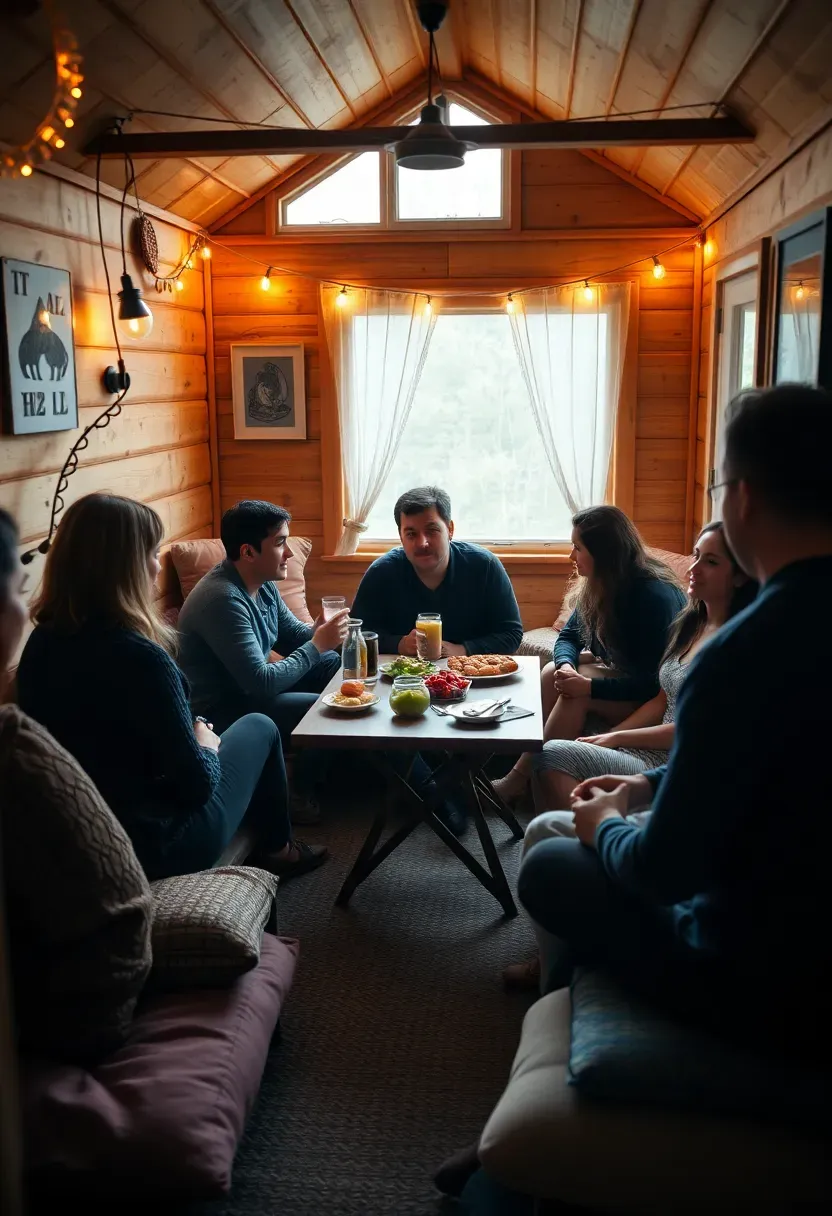
Hyper-realistic 3/4 view of a tiny house interior during a small gathering, showing people seated closely with limited space, food on a compact table, illustrating entertaining constraints. Materials: small dining table, cushions, food and drinks. Warm interior lighting showing social activity in confined space. Entertaining challenge mood with visible space limitations during social gathering. Shallow depth of field, sharp social details, realistic constraint composition. No text, no logos, no watermarks.</p>
What are the real pros and cons of tiny house living? This lifestyle has gained enormous popularity as people seek alternatives to crushing mortgages and oversized homes, but the reality is more nuanced than social media suggests. Before downsizing to under 400 square feet, you need an honest look at both the liberating advantages and genuine challenges.. Hyper-realistic 3/4 view of a tiny house interior during a small gathering, showing people seated closely with limited space, food on a compac
Recommended
Items for this idea
Tips
- Design flexible indoor-outdoor entertaining spaces to expand capacity
- Invest in comfortable outdoor seating for weather-permitting gatherings
- Consider community spaces as alternatives to home entertaining
Rental note: If renting parking, look for locations with common areas or community spaces for entertaining flexibility.
What this gives you: A shift toward experiential entertaining in restaurants, parks, and community spaces rather than home-centered socializing.
17. Potential Moisture and Ventilation Problems
The high ratio of occupants to square footage creates significant moisture challenges in tiny houses, with breathing, cooking, and bathing generating humidity that can cause condensation, mold, and air quality issues. Proper ventilation becomes absolutely critical but also challenging in small spaces, with many owners learning through experience about airflow, moisture control, and the importance of exhaust systems. These issues can cause structural damage and health problems if not addressed proactively.
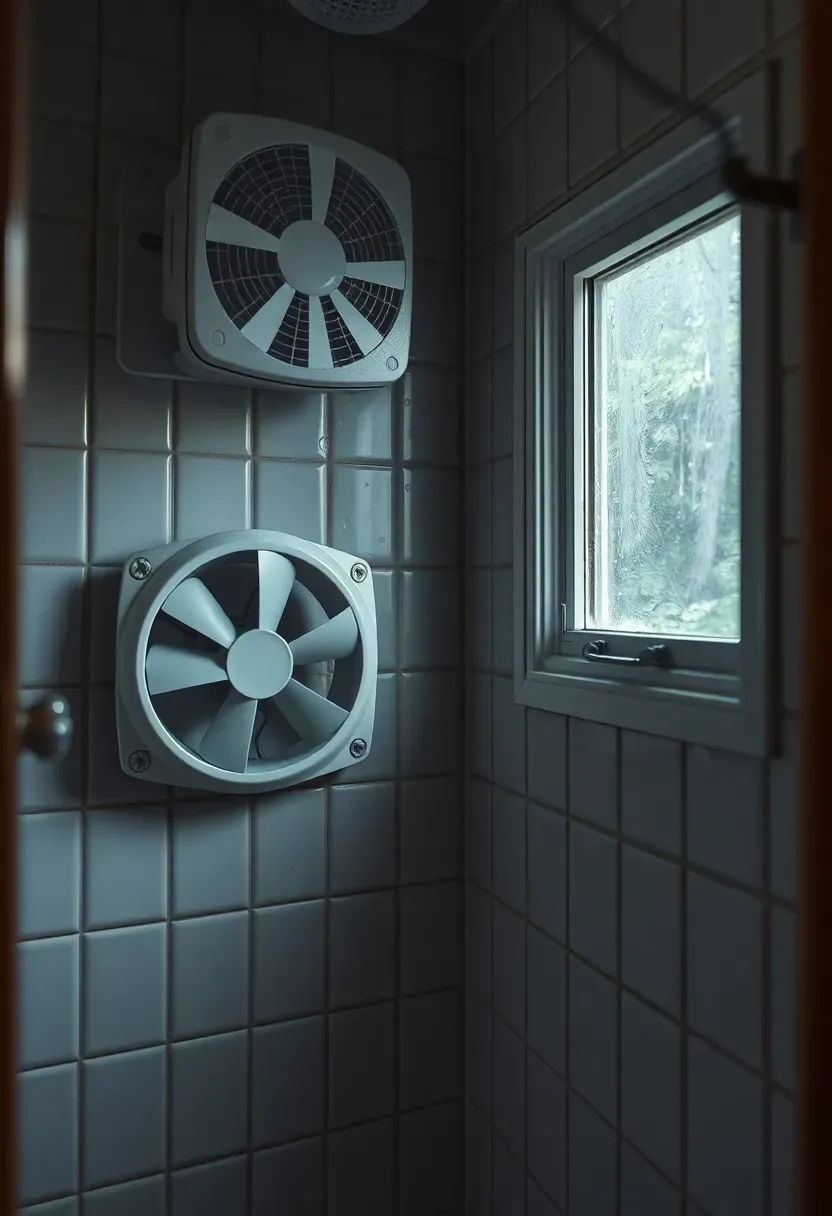
Hyper-realistic 3/4 view of a tiny house bathroom showing visible moisture issues including water droplets on surfaces, a ventilation fan, and a small cracked window for airflow. Materials: tile surfaces, ventilation fan, window hardware. Humid interior lighting showing moisture challenges. Ventilation concern mood with visible moisture control equipment and problem areas. Shallow depth of field, sharp moisture details, realistic environmental composition. No text, no logos, no watermarks.</p>
What are the real pros and cons of tiny house living? This lifestyle has gained enormous popularity as people seek alternatives to crushing mortgages and oversized homes, but the reality is more nuanced than social media suggests. Before downsizing to under 400 square feet, you need an honest look at both the liberating advantages and genuine challenges.. Hyper-realistic 3/4 view of a tiny house bathroom showing visible moisture issues including water droplets on surfaces, a ventilation fan, and
Recommended
Items for this idea
Tips
- Install quality exhaust fans in bathroom and kitchen with adequate CFM rating
- Design for passive ventilation through operable windows and vented skylights
- Monitor humidity levels and address moisture problems immediately
Placement note: Position windows and vents to create cross-ventilation paths that maximize airflow without compromising privacy.
What this gives you: Unfortunately, mostly vigilance and potential maintenance issues if ventilation systems aren't properly designed and maintained.
18. Parking and Utility Hookup Challenges
Finding suitable parking for a tiny house on wheels involves navigating a complex landscape of zoning regulations, HOA restrictions, and practical considerations like access to utilities, road access, and soil conditions. Even when parking is available, securing water, sewer, and electrical connections may require creative solutions or expensive infrastructure investments. For those not on foundations, this uncertainty about where to park and how to connect to services creates ongoing stress and limits location options.
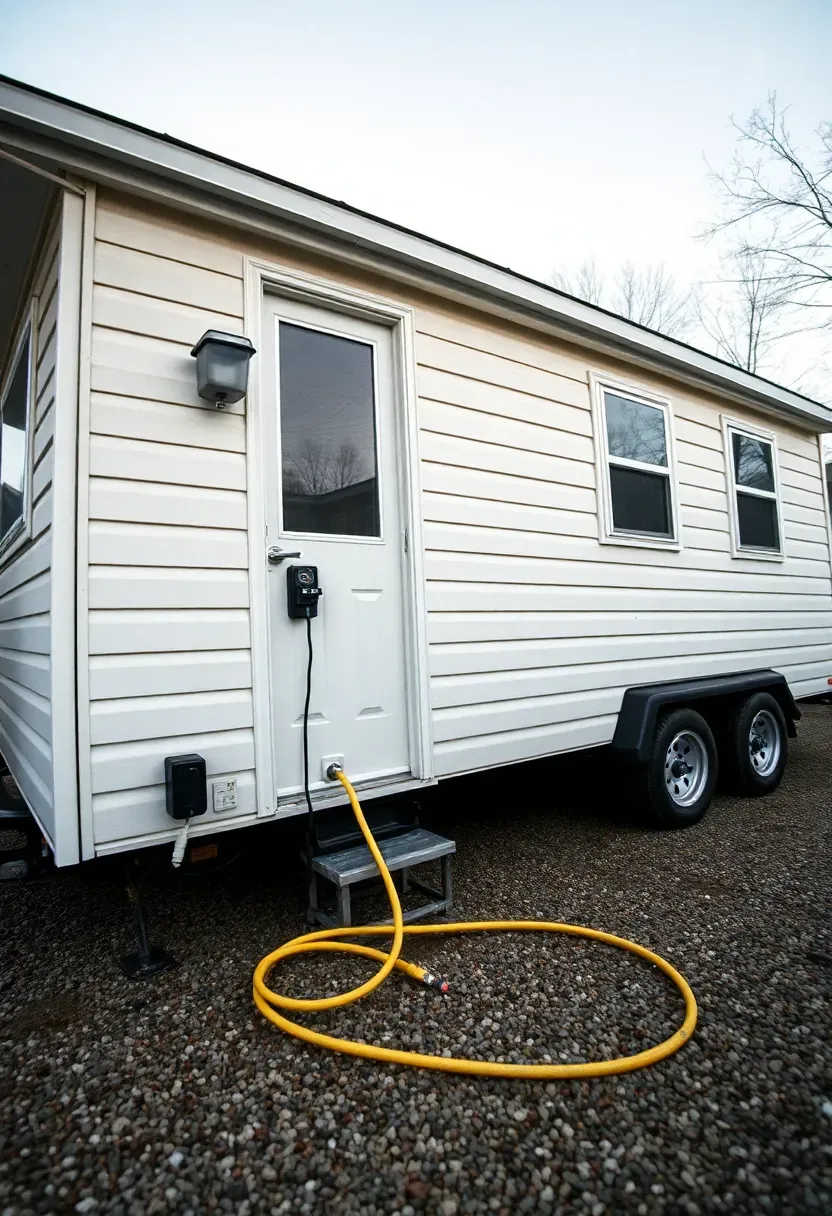
Hyper-realistic 3/4 view of a tiny house parked in a driveway with visible utility connections including electrical cord and water hose snaking across the ground to main house connections. Materials: vinyl siding, utility cables and hoses visible, gravel driveway surface. Neutral daylight showing infrastructure challenges. Parking uncertainty mood with visible temporary hookup arrangements and access limitations. Shallow depth of field, sharp utility details, realistic constraint composition. No text, no logos, no watermarks.</p>
What are the real pros and cons of tiny house living? This lifestyle has gained enormous popularity as people seek alternatives to crushing mortgages and oversized homes, but the reality is more nuanced than social media suggests. Before downsizing to under 400 square feet, you need an honest look at both the liberating advantages and genuine challenges.. Hyper-realistic 3/4 view of a tiny house parked in a driveway with visible utility connections including electrical cord and water hose snakin
Recommended
Items for this idea
Tips
- Research parking options thoroughly before building or purchasing
- Design for off-grid capability to increase parking location options
- Consider establishing relationships with tiny house-friendly landowners
Avoid if: You're not comfortable with uncertainty about where you'll live or relying on others for parking and utilities.
What this gives you: Either flexibility through mobility or ongoing stress depending on your parking situation and access to utilities.
19. Learning Curve for Systems Management
Tiny houses often feature specialized systems including composting toilets, solar power, water pumps, and unique waste management solutions that require learning new skills and maintenance routines. Unlike traditional homes where professionals handle most systems issues, tiny house owners often become DIY experts on everything from electrical troubleshooting to compost maintenance. This learning curve can be steep and frustrating, particularly for those without technical backgrounds or DIY experience.
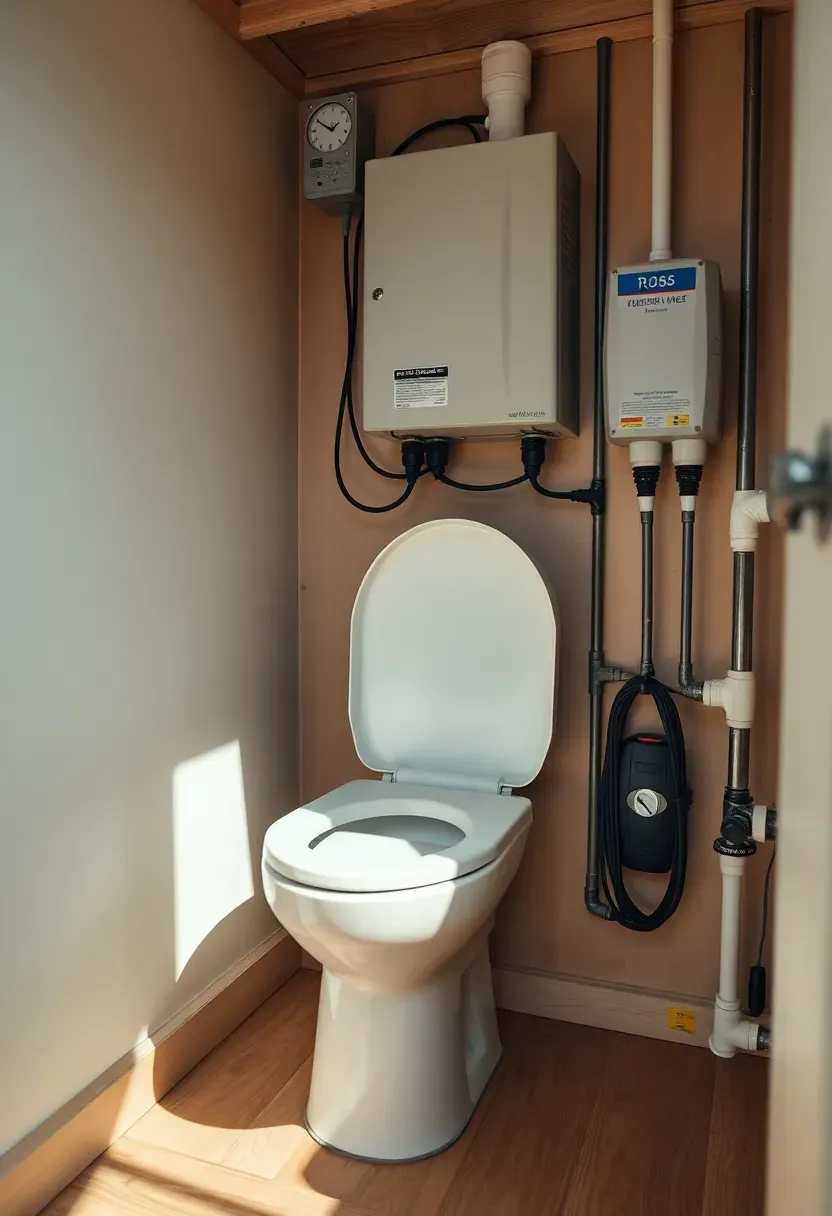
Hyper-realistic 3/4 view of a tiny house utility corner showing specialized systems including a composting toilet unit, solar inverter with visible cables, and water system components. Materials: composting toilet plastic, electrical equipment, plumbing pipes. Bright daylight showing technical complexity. Systems management mood with visible specialized equipment requiring owner knowledge. Shallow depth of field, sharp system details, technical complexity composition. No text, no logos, no watermarks.</p>
What are the real pros and cons of tiny house living? This lifestyle has gained enormous popularity as people seek alternatives to crushing mortgages and oversized homes, but the reality is more nuanced than social media suggests. Before downsizing to under 400 square feet, you need an honest look at both the liberating advantages and genuine challenges.. Hyper-realistic 3/4 view of a tiny house utility corner showing specialized systems including a composting toilet unit, solar inverter with vi
Recommended
Items for this idea
Tips
- Choose the simplest systems that meet your needs rather than the most high-tech
- Connect with experienced tiny house owners for practical systems advice
- Keep detailed system documentation and maintenance schedules
What this gives you: Valuable self-sufficiency skills and independence, though the learning process can be frustrating and time-consuming.
20. Relationship Strain from Close Quarters
Sharing a tiny house with a partner or family amplifies all relationship dynamics, with no space to retreat during conflicts or simply take breaks from each other. Small annoyances become magnified when personal space is nonexistent, requiring exceptional communication skills and conflict resolution abilities. Many couples find that tiny house living either strengthens their relationship through forced cooperation or exposes fundamental incompatibilities that might remain hidden in larger spaces.
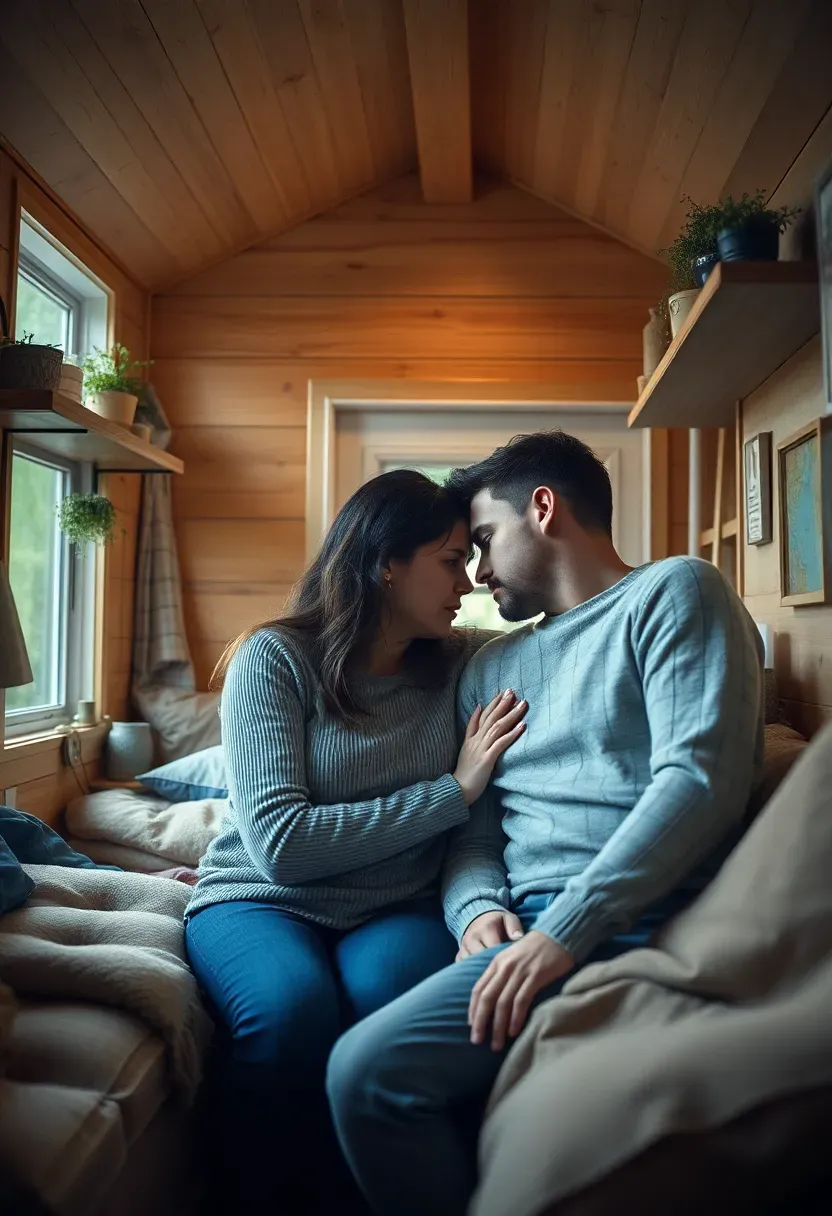
Hyper-realistic 3/4 view of a tiny house interior showing a couple in an intimate but tense moment, suggesting the relationship pressures of extremely close living. Materials: soft furnishings, personal items, limited space. Natural interior lighting showing emotional proximity. Relationship challenge mood with visible lack of escape space during interpersonal tension. Shallow depth of field, sharp emotional details, realistic relationship composition. No text, no logos, no watermarks.</p>
What are the real pros and cons of tiny house living? This lifestyle has gained enormous popularity as people seek alternatives to crushing mortgages and oversized homes, but the reality is more nuanced than social media suggests. Before downsizing to under 400 square feet, you need an honest look at both the liberating advantages and genuine challenges.. Hyper-realistic 3/4 view of a tiny house interior showing a couple in an intimate but tense moment, suggesting the relationship pressures of e
Recommended
Items for this idea
Tips
- Discuss conflict resolution strategies before moving into small spaces together
- Design separate retreat spaces even if they're just reading corners
- Establish regular alone time schedules to maintain individual identities
Best for: Couples with strong communication foundations and those who value relationship intensity over personal space.
What this gives you: Either a strengthened relationship through forced cooperation or a clearer understanding of compatibility issues.
21. Social Stigma and Misconceptions
Tiny house living exists outside mainstream norms, potentially attracting unwanted questions, skepticism, or judgment from family, friends, and society at large. Many people assume tiny house living is temporary, forced by financial circumstances, or simply a phase, leading to challenging conversations about lifestyle choices. This social pressure can strain relationships and create defensive positions, particularly when tiny house living feels like a deliberate rejection of conventional success markers like large homes.
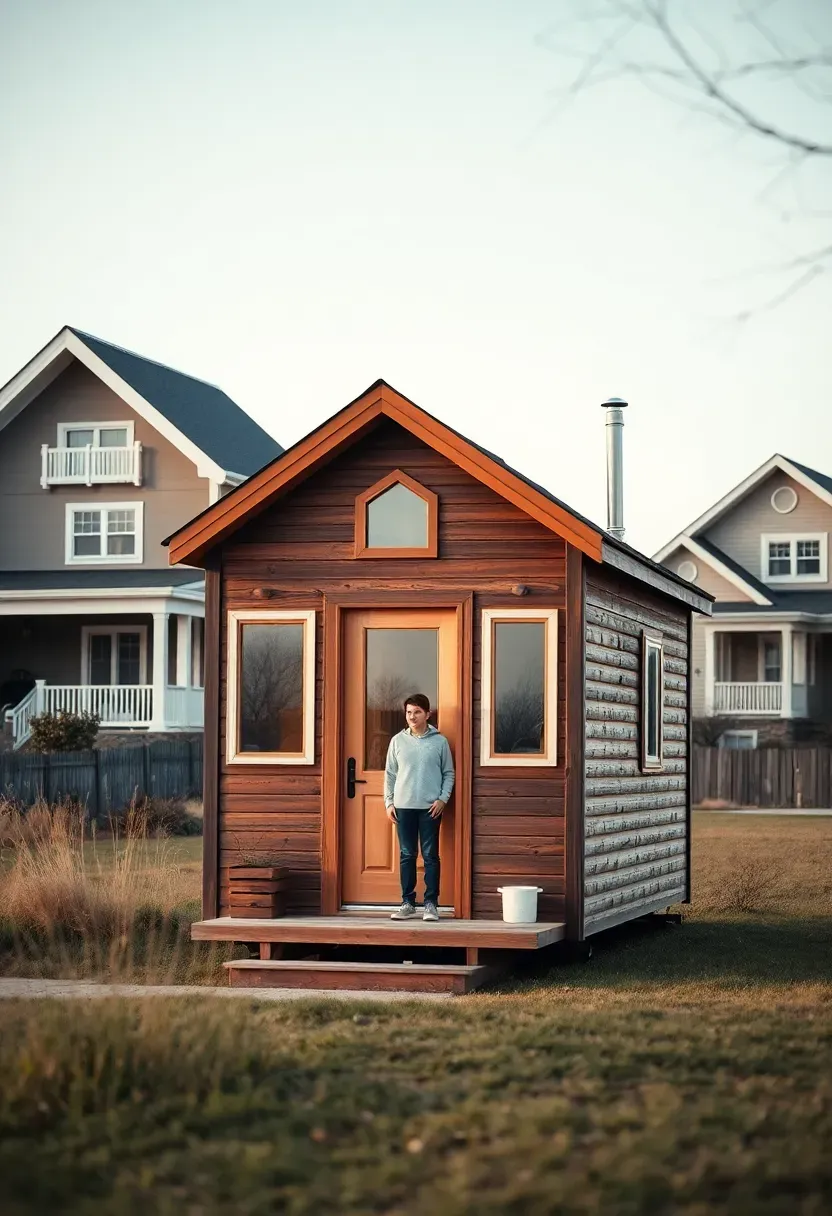
Hyper-realistic 3/4 view of a beautiful tiny house with a person standing outside, with larger traditional houses visible in the background, creating contrast and suggesting social difference. Materials: quality tiny house construction, larger homes background. Neutral daylight showing alternative lifestyle choice. Social contrast mood with visible size difference between tiny and traditional homes. Shallow depth of field, sharp tiny house details, social commentary composition. No text, no logos, no watermarks.</p>
What are the real pros and cons of tiny house living? This lifestyle has gained enormous popularity as people seek alternatives to crushing mortgages and oversized homes, but the reality is more nuanced than social media suggests. Before downsizing to under 400 square feet, you need an honest look at both the liberating advantages and genuine challenges.. Hyper-realistic 3/4 view of a beautiful tiny house with a person standing outside, with larger traditional houses visible in the background, c
Recommended
Items for this idea
Tips
- Prepare confident explanations of your lifestyle choice for curious questioners
- Connect with other tiny house dwellers for validation and support
- Focus on positive aspects of your choice rather than defensive reactions
Placement note: Consider inviting skeptics to experience your tiny house firsthand—many change their perspectives after seeing the quality and intentionality.
What this gives you: An opportunity to examine your values and live authentically despite social pressure, though this requires confidence and resilience.
Tiny house living offers a compelling alternative to conventional housing, with significant financial freedom, environmental benefits, and lifestyle simplification balanced against real challenges of space, legality, and social acceptance. Success requires careful consideration of both pros and cons, honest assessment of personal needs and tolerance for constraints, and often a willingness to navigate uncharted territory in housing and lifestyle choices. For those who embrace the challenges, tiny house living can provide greater fulfillment, stronger relationships, and alignment between values and daily life.