21 Extreme Minimalist Living Ideas for Radical Simplicity
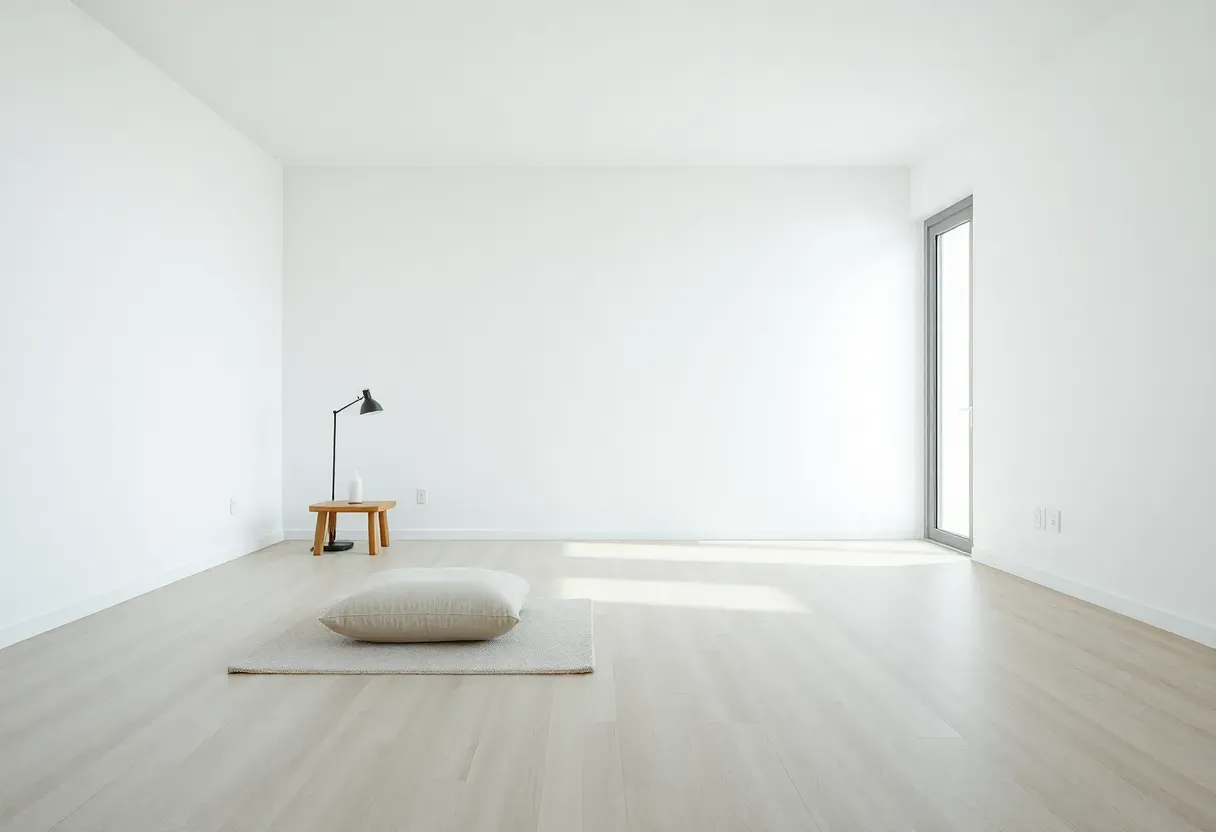
Extreme minimalist living represents the radical end of simplicity philosophy—owning and doing only what's essential, eliminating excess in all forms to create space for what truly matters. This isn't about deprivation or suffering, but about intentional abundance: more time, more mental clarity, more freedom from maintenance and upkeep, more resources for experiences over possessions. For renters and small apartment dwellers especially, extreme minimalism transforms limited square footage into spacious, calming environments.
The journey to extreme minimalism typically begins with physical decluttering but quickly expands to include digital life, commitments, relationships, and mental habits. It challenges cultural assumptions about success and happiness, asking fundamental questions about what we actually need versus what we've been taught to want. The results can be transformative: homes that clean themselves in minutes, schedules with breathing room, finances with surplus, and minds less burdened by decision fatigue and constant comparison.
This guide explores 21 extreme minimalist living ideas—not as a set of rigid rules but as a spectrum of radical simplicity you can adapt to your own circumstances. Whether you're drawn to environmental benefits, financial freedom, mental clarity, or simply the aesthetic of uncluttered spaces, these decluttering tips and mindful living strategies offer tools for reshaping your relationship with possessions, time, and attention.
Quick FAQ
What is extreme minimalism and how does it differ from regular minimalism?
Extreme minimalism pushes beyond "less is more" to "only the essential." While regular minimalism might keep sentimental items, comfortable extras, and aesthetic choices, extreme minimalism questions each possession's necessity. It's not about a specific number of items but about a mindset of ruthless evaluation—keeping only what serves a clear, necessary purpose or brings irreplaceable joy. The threshold is higher, the questions harder, the results more dramatic in terms of space and freedom created.
Is extreme minimalism about living with nothing or living with intention?
Extreme minimalism is about intentional living, not empty living. Practitioners often own fewer items but each item is carefully chosen and deeply valued. The difference isn't visible emptiness but invisible clarity—knowing exactly what you own, why you own it, and where everything is. It's about removing the background noise of possessions so you can focus energy on what truly matters: relationships, experiences, growth, and contribution. The space created isn't vacuum but room for meaning.
How many items do extreme minimalists own?
There's no magic number—extreme minimalists own varying amounts depending on their circumstances, climate, profession, and interests. Some live with under 100 items total, others with several hundred carefully chosen essentials. The number matters less than the principle: each item earns its place through necessity or profound value. What looks like extreme restriction from the outside often feels like liberation from the inside—freedom from cleaning, organizing, insuring, replacing, and storing things that don't significantly improve your life.
Can you have a family and practice extreme minimalism?
Yes, though it looks different than single-person extreme minimalism. Families might own more items overall—clothing for different ages, toys, school supplies—but apply the same essentialist principles to each category. Children's items are particularly suited to minimalism because they outgrow things quickly and don't need quantity to feel loved. Many families find that extreme minimalism reduces parent overwhelm, makes cleanup manageable, and teaches children valuable lessons about sufficiency and gratitude.
What are the biggest challenges of extreme minimalist life?
The biggest challenges are often social rather than practical: navigating gift-giving occasions, explaining choices to skeptical family members, resisting cultural pressure to accumulate, finding community that shares your values. Practical challenges include seasonal needs (winter clothing, holiday decorations), hobbies that require equipment, and maintaining essential documents and supplies. Most challenges have solutions through clear communication, systems for temporary items, and focusing on benefits rather than restrictions.
Does extreme minimalism actually make people happier?
Research on minimalism and happiness consistently shows positive correlations: less stuff correlates with less stress, more satisfaction, stronger relationships, and greater wellbeing. Extreme minimalists frequently report feeling lighter, freer, more focused, and more grateful. However, happiness depends on motivation—minimalism driven by values and desire for clarity tends to increase happiness, while minimalism driven by deprivation or fear can create anxiety. The key is focusing on what you're gaining (freedom, time, meaning) rather than what you're giving up.
As an Amazon Associate I earn from qualifying purchases.
1. What Is Extreme Minimalism? Going Beyond Simple Decluttering
Extreme minimalism represents a fundamental rethinking of our relationship with possessions—not just organizing them better or buying smarter, but questioning whether we need them at all. This philosophy challenges the default cultural assumption that more equals better, that accumulation equals success, that choice equals freedom. Instead, it proposes that ownership is ownership: everything you own owns a piece of your attention, your space, your time, your energy. Extreme minimalism asks what would happen if you reclaimed those resources.
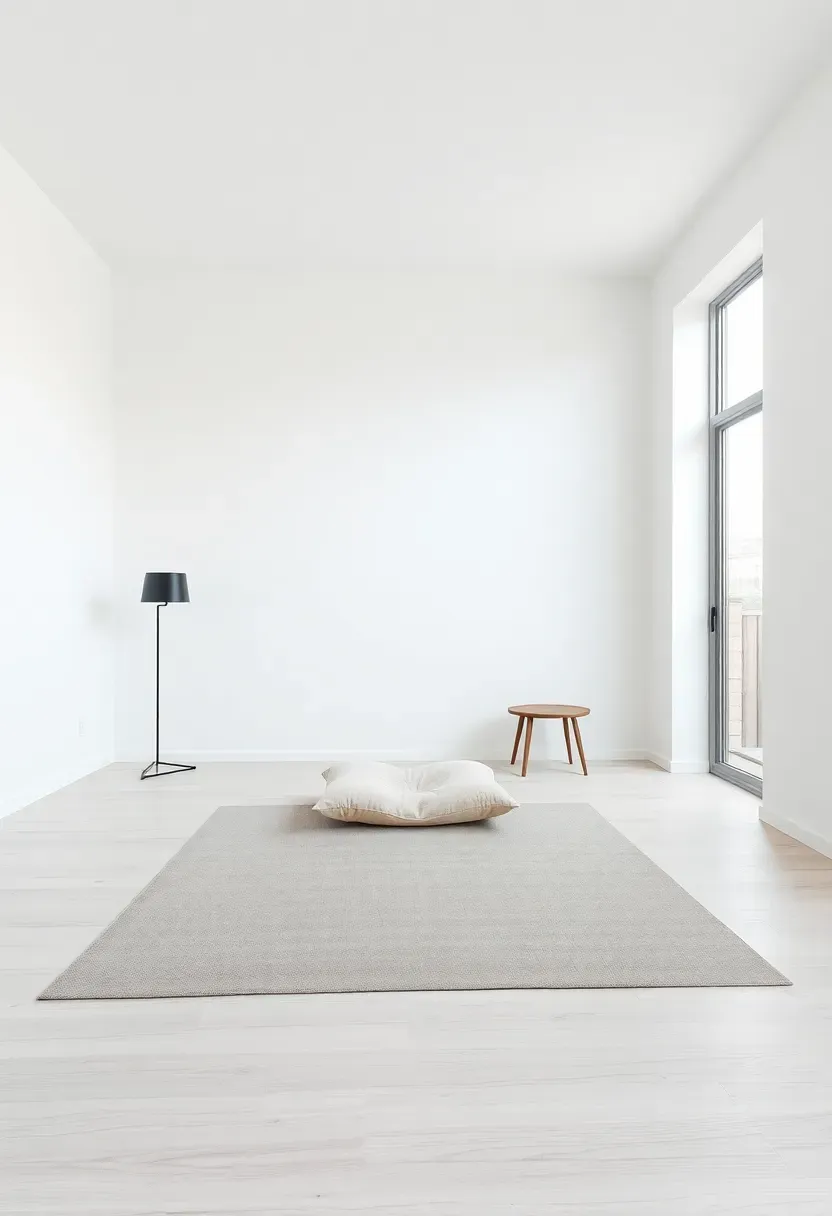
Hyper-realistic wide shot of extreme minimalist living room showing radical simplicity. Empty white walls with no artwork, single light-colored floor cushion, one small wooden side table, floor lamp, no rugs, no decorative objects. Large window with no curtains. Abundant empty space visible. Light wood floor or polished concrete. Materials: neutral fabric, pale wood, black metal lamp. Natural daylight flooding space, minimal shadows. Extreme minimalism mood showing spacious serene environment where only absolute essentials remain.</p>
Extreme minimalist living represents the radical end of simplicity philosophy—owning and doing only what's essential, eliminating excess in all forms to create space for what truly matters. This isn't about deprivation or suffering, but about intentional abundance: more time, more mental clarity, more freedom from maintenance and upkeep, more resources for experiences over possessions. For renters and small apartment dwellers especially, extreme minimalism transforms limited square footage into
Recommended
Items for this idea
Tips
- Start by defining what "essential" means for your life—don't adopt someone else's standard
- Remember extreme minimalism is a spectrum, not a destination—you choose your level of engagement
- Focus on what you're gaining (space, time, freedom) rather than what you're removing
What this gives you: a framework for examining your possessions without guilt or shame, using clarity of purpose rather than arbitrary rules as your guide.
If you are new to minimalism, start with our beginner's guide to starting a minimalist lifestyle before diving into the extreme end.
2. The Psychology of Ownership: Why We Accumulate
Understanding why we accumulate makes extreme minimalism less about willpower and more about awareness. Research shows several key drivers: security (keeping things "just in case"), identity (possessions signal who we are or want to be), habit (we buy what our parents bought, what our friends buy), emotion (retail therapy, boredom shopping, status seeking), and fear of missing out. Marketing deliberately targets these psychological vulnerabilities, creating artificial needs for products that solve problems we didn't know we had.
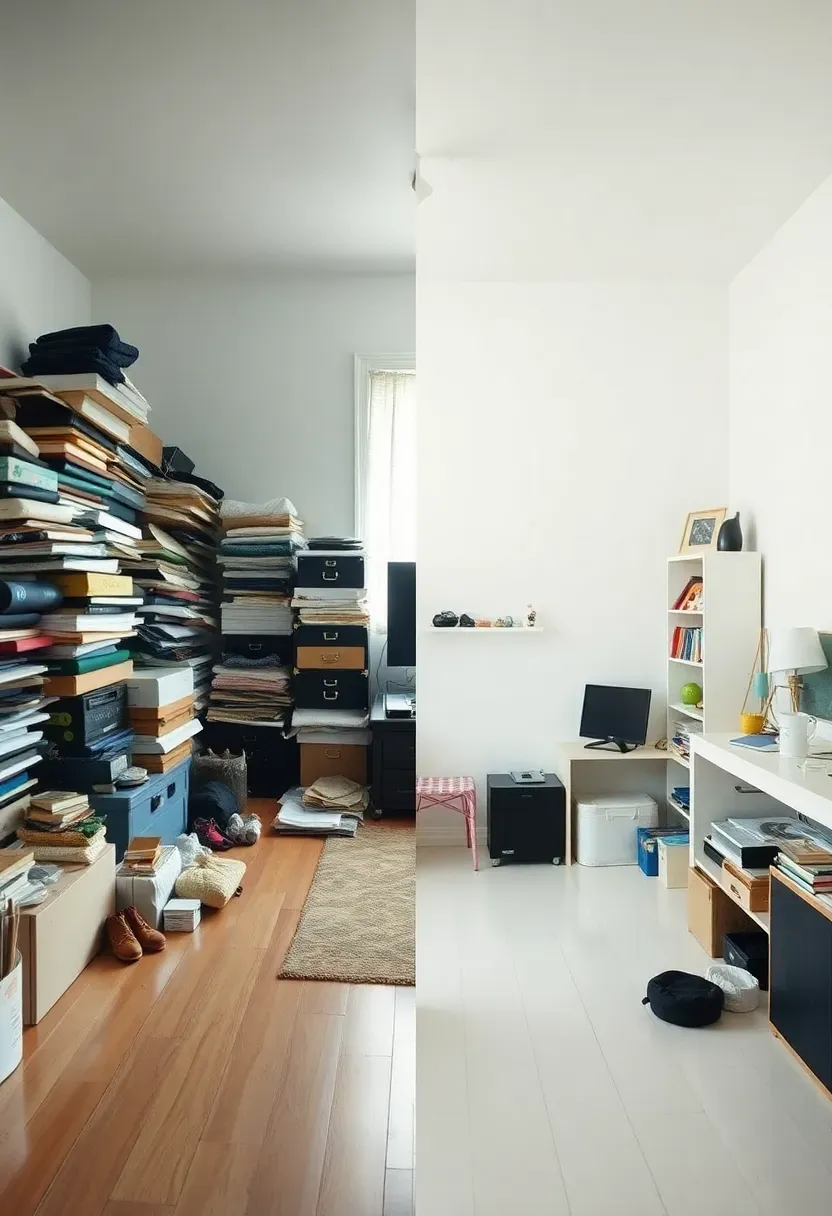
Hyper-realistic split comparison image showing psychology of accumulation. Left side: cluttered room with multiple possessions stacked, visible stress in arrangement. Right side: same room after extreme decluttering, only essentials visible, calm peaceful atmosphere. Same white walls and light floor in both, contrast purely in possession level. Natural lighting even across both sides. Psychology of ownership mood showing mental burden difference between accumulation and simplicity.</p>
Extreme minimalist living represents the radical end of simplicity philosophy—owning and doing only what's essential, eliminating excess in all forms to create space for what truly matters. This isn't about deprivation or suffering, but about intentional abundance: more time, more mental clarity, more freedom from maintenance and upkeep, more resources for experiences over possessions. For renters and small apartment dwellers especially, extreme minimalism transforms limited square footage into
Recommended
Items for this idea
Tips
- Identify your accumulation triggers—security, identity, emotion, social pressure—and address the root cause
- Implement waiting periods before purchases (24 hours for small items, 30 days for large ones)
- Track what you actually use versus what you thought you couldn't live without
Best for: understanding your own patterns so you can address causes rather than constantly treating symptoms
What this gives you: awareness of why you accumulate, making it easier to choose differently rather than relying on temporary willpower.
3. The 90-90 Rule: A Tool for Ruthless Evaluation
The 90-90 rule, popularized by extreme minimalists, provides a practical decision-making framework: Have you used this item in the last 90 days? Will you use it in the next 90 days? If the answer to both questions is no, the item is a candidate for removal. This rule exposes how much we own for hypothetical future scenarios rather than present reality. It reveals that "just in case" usually means "just in case" never happens, and that we're storing our money, space, and attention on imaginary future needs.
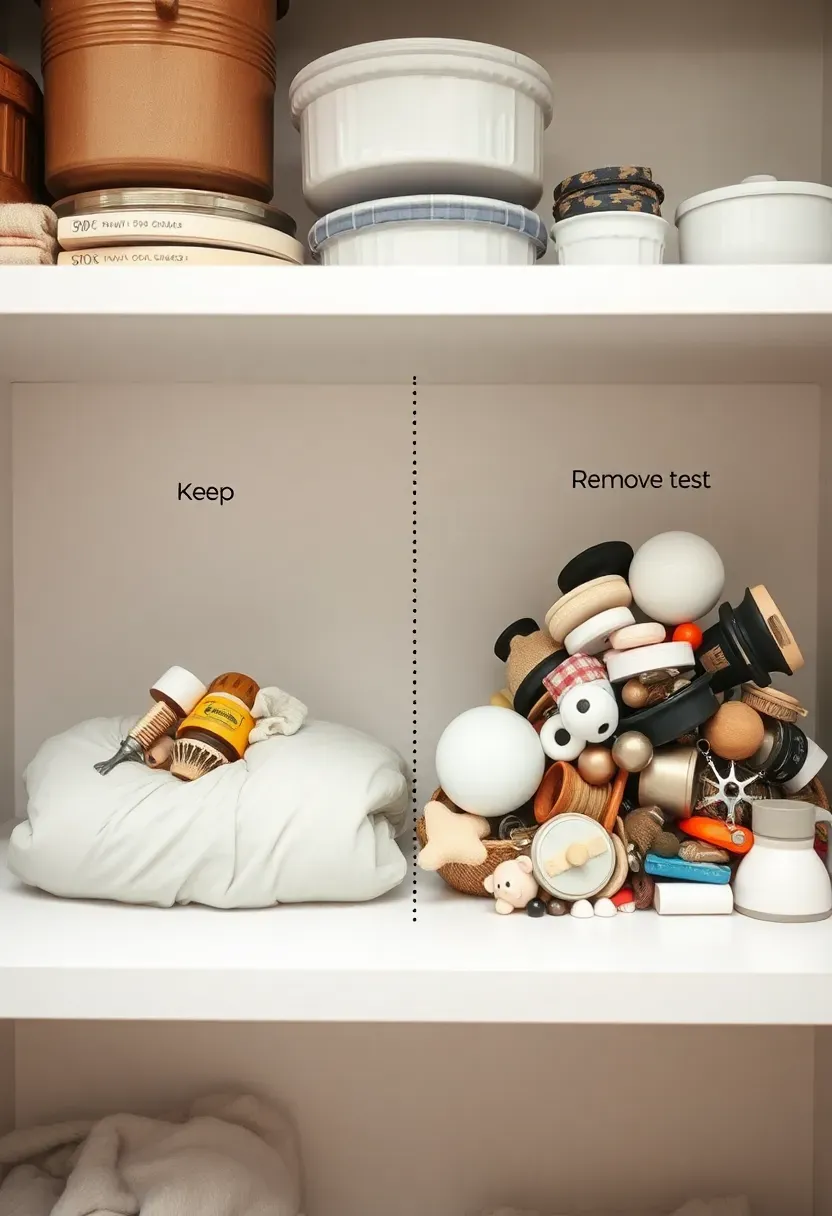
Hyper-realistic view of 90-90 rule evaluation process. White shelf with items being sorted: keep pile (small, recently used) and remove pile (larger, untouched). Small group of items passing 90-90 test visible—essential tools, frequently used clothes, daily cookware. Larger removal pile showing things that failed test—specialty appliances, sentimental decorations, redundant items. Clean organized background. Decision-making framework mood showing practical tool for evaluating possessions through usage lens.</p>
Extreme minimalist living represents the radical end of simplicity philosophy—owning and doing only what's essential, eliminating excess in all forms to create space for what truly matters. This isn't about deprivation or suffering, but about intentional abundance: more time, more mental clarity, more freedom from maintenance and upkeep, more resources for experiences over possessions. For renters and small apartment dwellers especially, extreme minimalism transforms limited square footage into
Recommended
Items for this idea
Tips
- Apply the 90-90 rule ruthlessly at first, then modify based on seasonal needs and genuine exceptions
- For seasonal items, adjust to "used this season last year, will use this season this year"
- Create a "maybe" box for questionable items—store for 90 days and remove if unused
Rental note: renters can use this rule without permanent loss—sell or donate items, knowing you can replace if genuinely needed
What this gives you: a simple, objective way to make difficult decisions about possessions, cutting through emotional attachment and hypothetical scenarios.
4. Digital Extreme Minimalism: Clearing Virtual Clutter
Digital extreme minimalism applies the same ruthless evaluation to our virtual lives: emails, files, apps, photos, social media accounts, digital subscriptions. The average person accumulates terabytes of digital debris they'll never access, creating mental burden even if physical storage is cheap. Digital clutter creates invisible stress: notifications demanding attention, files taking forever to sort through, devices slowing down under the weight of unused apps, the anxiety of important things being lost in the noise.
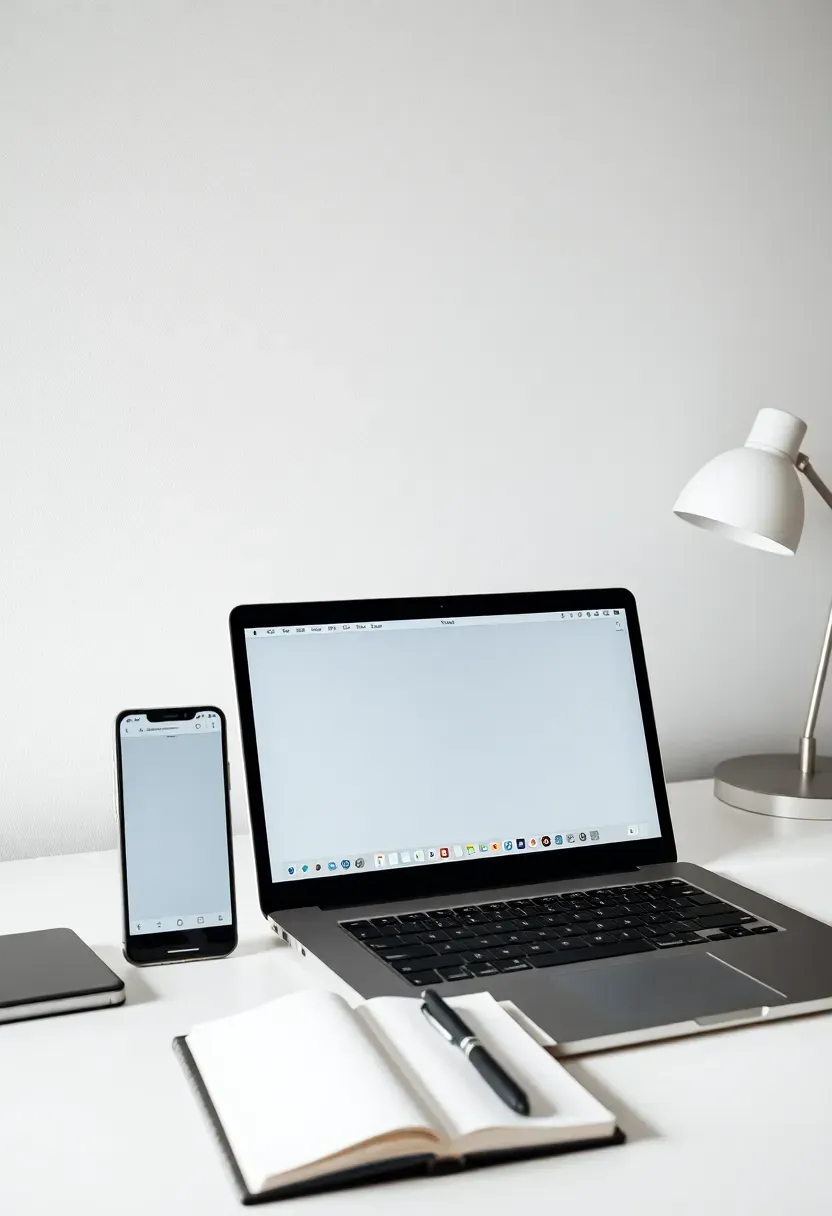
Hyper-realistic view of digital extreme minimalism workspace. Clean laptop screen showing minimalist desktop with only 2-3 icons, empty browser tabs, uncluttered email inbox. Smartphone showing only essential apps, no notification badges. Physical desk also minimalist—only laptop, maybe notebook and pen. White wall background, simple lamp. Natural daylight. Digital minimalism mood showing calm technological environment where virtual clutter has been ruthlessly eliminated.</p>
Extreme minimalist living represents the radical end of simplicity philosophy—owning and doing only what's essential, eliminating excess in all forms to create space for what truly matters. This isn't about deprivation or suffering, but about intentional abundance: more time, more mental clarity, more freedom from maintenance and upkeep, more resources for experiences over possessions. For renters and small apartment dwellers especially, extreme minimalism transforms limited square footage into
Recommended
Items for this idea
Tips
- Unsubscribe from all email newsletters—keep only what you actually read and use
- Delete apps you haven't opened in 30 days—you can always reinstall if needed
- Set up automatic deletion for old files and emails (trash older than 30 days)
Best for: reducing the invisible mental load of digital overwhelm that many people don't realize is affecting them until it's gone
What this gives you: digital environments that serve you rather than demanding your attention, with devices that feel fast rather than frustrating.
5. Extreme Minimalist Wardrobe: The Capsule Approach
The capsule wardrobe represents extreme minimalism applied to clothing: a limited number of carefully chosen pieces that mix and match for all occasions, eliminating decision fatigue, wasted money, and closet clutter. Extreme minimalist wardrobes might contain 30-50 pieces total (including shoes and accessories), though some practitioners go even smaller. The magic isn't the number but the curation: everything fits well, feels comfortable, works together, and makes you feel confident. Laundry becomes a weekly task rather than daily chore. Dressing takes seconds instead of agonizing minutes.
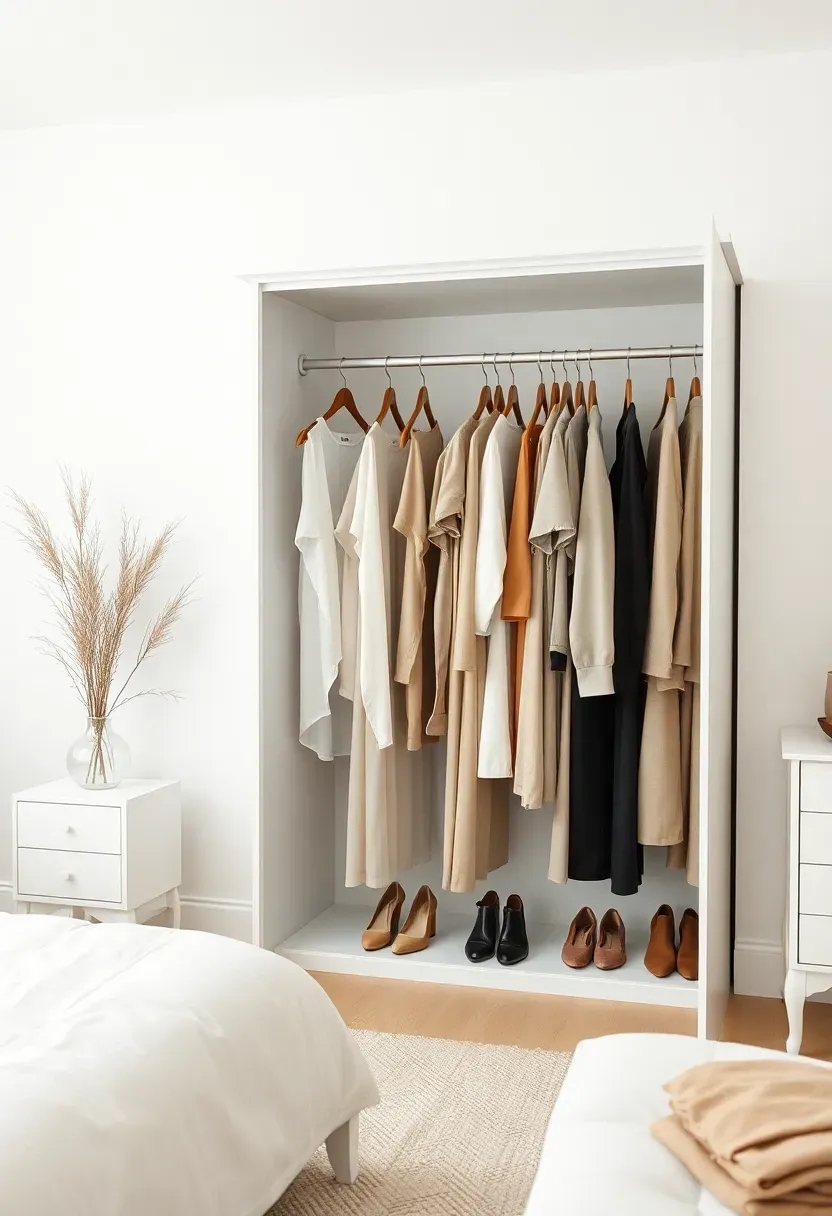
Hyper-realistic view of extreme minimalist capsule wardrobe. Small open closet or clothing rack showing 15-20 pieces maximum: neutral-colored tops and bottoms, one jacket, one coat, few shoes. Everything visible and accessible. No overstuffed drawers, no mismatched hangers. Neutral palette allowing all pieces to work together. Minimalist bedroom background with white walls and simple furniture. Wardrobe curation mood showing intentional selection where each piece earns its place through versatility and use.</p>
Extreme minimalist living represents the radical end of simplicity philosophy—owning and doing only what's essential, eliminating excess in all forms to create space for what truly matters. This isn't about deprivation or suffering, but about intentional abundance: more time, more mental clarity, more freedom from maintenance and upkeep, more resources for experiences over possessions. For renters and small apartment dwellers especially, extreme minimalism transforms limited square footage into
Recommended
Items for this idea
Tips
- Choose a neutral color palette so everything matches—black, white, gray, navy, cream
- Quality over quantity—three well-made outfits beat 15 cheap ones that don't fit well
- Test-drive capsule living by boxing up 80% of your clothes for 30 days—you probably won't miss them
Budget/Time: initially expensive to replace everything with quality basics, but saves money long-term through smarter purchases
What this gives you: mornings without wardrobe meltdowns, closets that breathe, and the confidence of knowing everything you own looks and feels good on you.
6. Zero-Waste Kitchen: Cooking with Absolute Basics
Extreme minimalist kitchens contain only what's actually used for cooking, not what might be used someday or what looks impressive to visitors. This might mean: one good knife instead of a knife block, one multi-purpose pan instead of a cupboard full of specialty cookware, basic utensils that serve multiple functions. The focus shifts from accumulation to mastery: learning to do more with less, developing skill with basic tools rather than buying specialized gadgets for every task. Food storage simplifies too—fewer exotic ingredients requiring special storage, more overlap between meals, less waste from expired items.
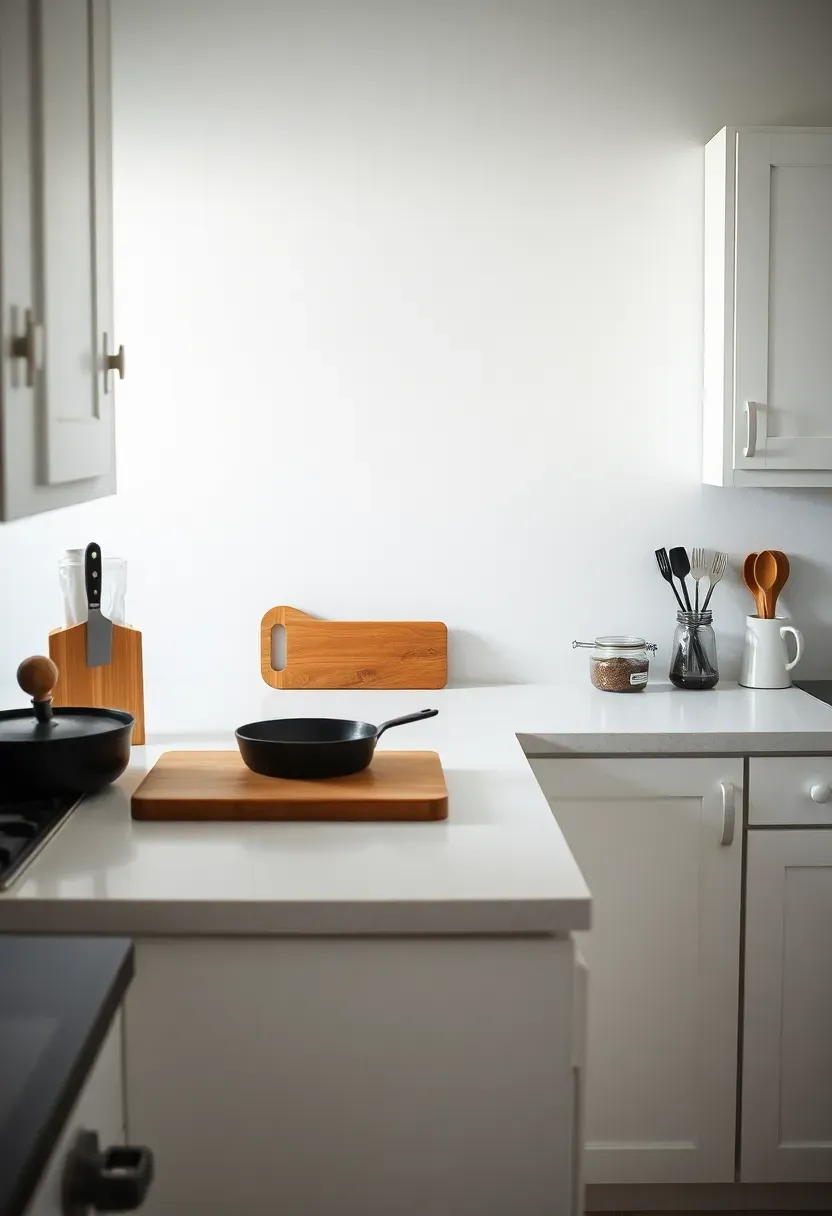
Hyper-realistic view of extreme minimalist kitchen. Countertops nearly empty showing only absolute essentials: one good chef's knife, cutting board, one cast iron skillet, one pot, simple utensil holder with 3-4 tools. Empty walls without decorative items or excessive small appliances. Minimal dishes visible—maybe 2 of each item per person. Clean white cabinets, no clutter on surfaces. Abundant empty counter space visible. Kitchen essentials mood showing how little is actually needed to cook excellent meals when tools are chosen carefully.</p>
Extreme minimalist living represents the radical end of simplicity philosophy—owning and doing only what's essential, eliminating excess in all forms to create space for what truly matters. This isn't about deprivation or suffering, but about intentional abundance: more time, more mental clarity, more freedom from maintenance and upkeep, more resources for experiences over possessions. For renters and small apartment dwellers especially, extreme minimalism transforms limited square footage into
Recommended
Items for this idea
Tips
- Box up all but your most-used kitchen items for 30 days—you'll be surprised what you don't need
- Invest in quality basics—good knife, good pan, good cutting board—rather than quantity of mediocre tools
- Learn versatile techniques (sauté, roast, braise) that work with many ingredients rather than gadget-reliant recipes
Best for: anyone who feels overwhelmed by kitchen clutter or spends more time reorganizing than cooking
What this gives you: kitchens that are genuinely pleasant to work in, where cooking feels creative rather than chaotic, and cleanup takes minutes.
7. The One-In-One-Out Rule: Maintaining Balance
The one-in-one-out rule provides a simple maintenance system for extreme minimalism: every time something new enters your life, something equivalent must leave. If you buy a new shirt, an old shirt is donated or recycled. If you subscribe to a new streaming service, an existing subscription is cancelled. This prevents creep—those gradual accumulations that slowly rebuild clutter even after initial purging. The rule forces consideration of trade-offs: is this new thing better than what I'd have to give up? Usually, the answer is no.
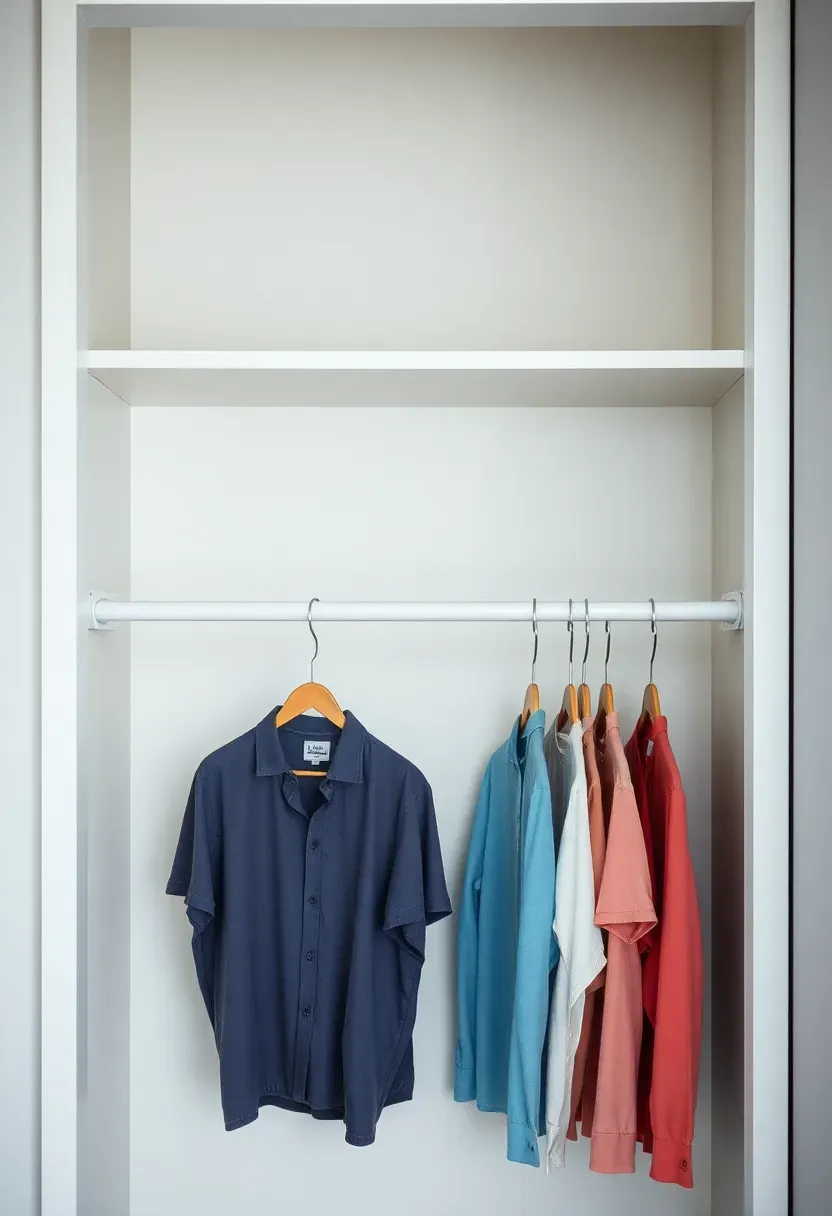
Hyper-realistic visual representation of one-in-one-out rule. Scene showing minimal closet space: new item being added on one side, old item being removed on other side. Balance maintained—quantity stays constant. Simple clothes rail with few items, one new shirt entering, one old shirt leaving. Neutral organized background. One-in-one-out principle mood showing equilibrium where acquisition requires equivalent release, preventing accumulation over time.</p>
Extreme minimalist living represents the radical end of simplicity philosophy—owning and doing only what's essential, eliminating excess in all forms to create space for what truly matters. This isn't about deprivation or suffering, but about intentional abundance: more time, more mental clarity, more freedom from maintenance and upkeep, more resources for experiences over possessions. For renters and small apartment dwellers especially, extreme minimalism transforms limited square footage into
Recommended
Items for this idea
Tips
- Apply the rule to all categories: clothes, books, kitchen items, digital subscriptions, even commitments
- Make removal immediate—don't let "to donate" piles accumulate
- For gifts, apply the rule mentally: do you have something equivalent you could remove?
Best for: maintaining extreme minimalist gains long-term without requiring periodic massive purges
What this gives you: a simple maintenance system that prevents clutter from slowly returning, keeping your space and life permanently streamlined.
8. Extreme Minimalism and Relationships: Navigating Shared Spaces
Relationships and shared living spaces present the biggest challenge for extreme minimalism, because you can't impose your standards on others without creating tension. The solution isn't converting your partner or family but finding compromise: shared spaces respect everyone's minimum tolerance levels, personal spaces allow individual expression. Some couples maintain separate closet zones, others divide rooms equally, others agree on shared minimum standards but allow individual excesses within personal bounds.
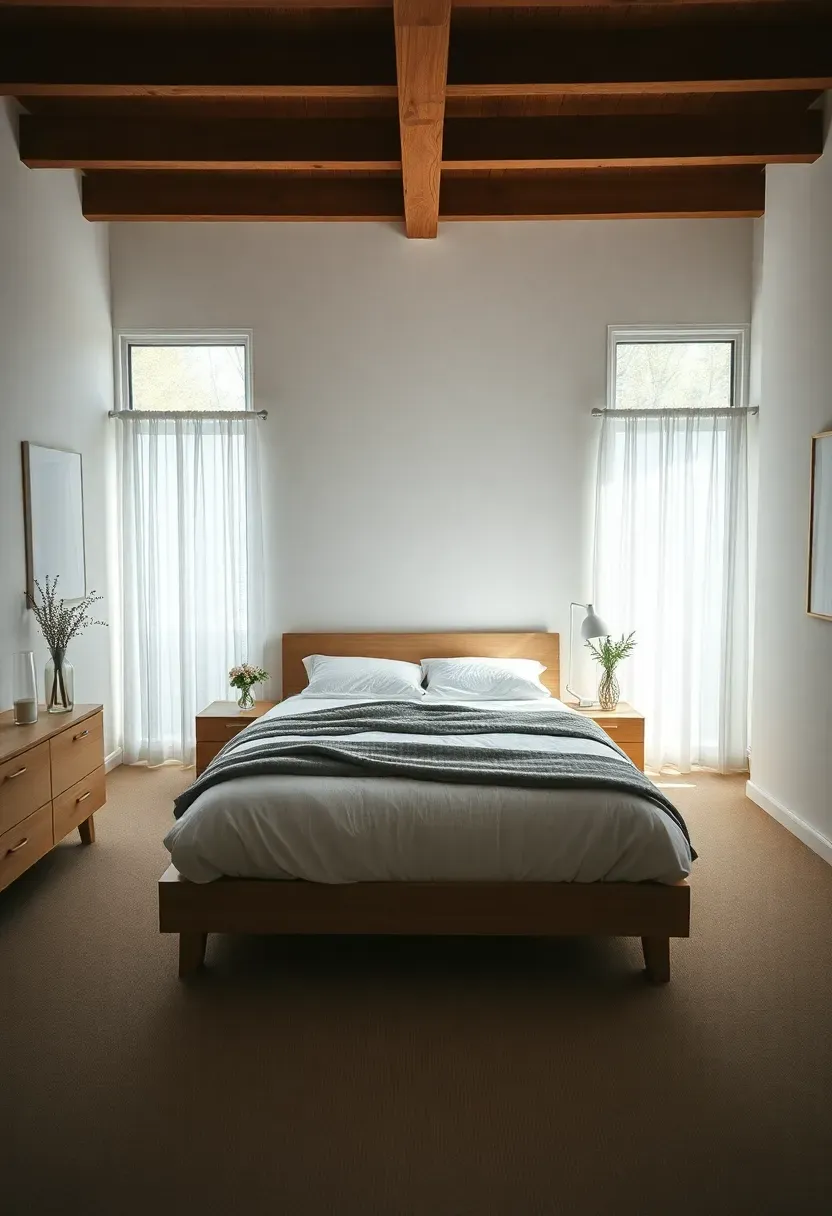
Hyper-realistic view of shared minimalist bedroom with compromise. His side and her side of room showing slightly different approaches: both minimalist but one side slightly more austere, other side having one or two more personal items. Bed in center as shared neutral zone. Overall room still spacious and uncluttered compared to typical bedroom. Both partners respecting each other's boundaries while maintaining shared calm environment. Relationship compromise mood showing how different minimalism levels can coexist harmoniously.</p>
Extreme minimalist living represents the radical end of simplicity philosophy—owning and doing only what's essential, eliminating excess in all forms to create space for what truly matters. This isn't about deprivation or suffering, but about intentional abundance: more time, more mental clarity, more freedom from maintenance and upkeep, more resources for experiences over possessions. For renters and small apartment dwellers especially, extreme minimalism transforms limited square footage into
Recommended
Items for this idea
Tips
- Focus on shared spaces first—keep public areas to the most minimal person's standard
- Allow personal spaces (closet, desk, bedside table) to reflect individual preferences
- Lead by example rather than criticism—let results speak for themselves
Avoid if: you use minimalism as a weapon for controlling others rather than a personal practice for clarity
What this gives you: relationships that survive minimalism discussions and partnerships where both people feel respected rather than pressured.
9. Minimalism with Kids: Raising Essentialists
Minimalism with children requires adaptation but offers unique benefits: less toy overwhelm (kids actually play more with fewer toys), easier cleanup (critical for parental sanity), less financial pressure, and early lessons in sufficiency and gratitude. Extreme minimalist families might own fewer toys total than typical families have in one room, rotating items to maintain novelty without accumulation. The key is age-appropriate explanation—kids don't feel deprived when they understand the principle and see benefits (more space to play, less time cleaning).
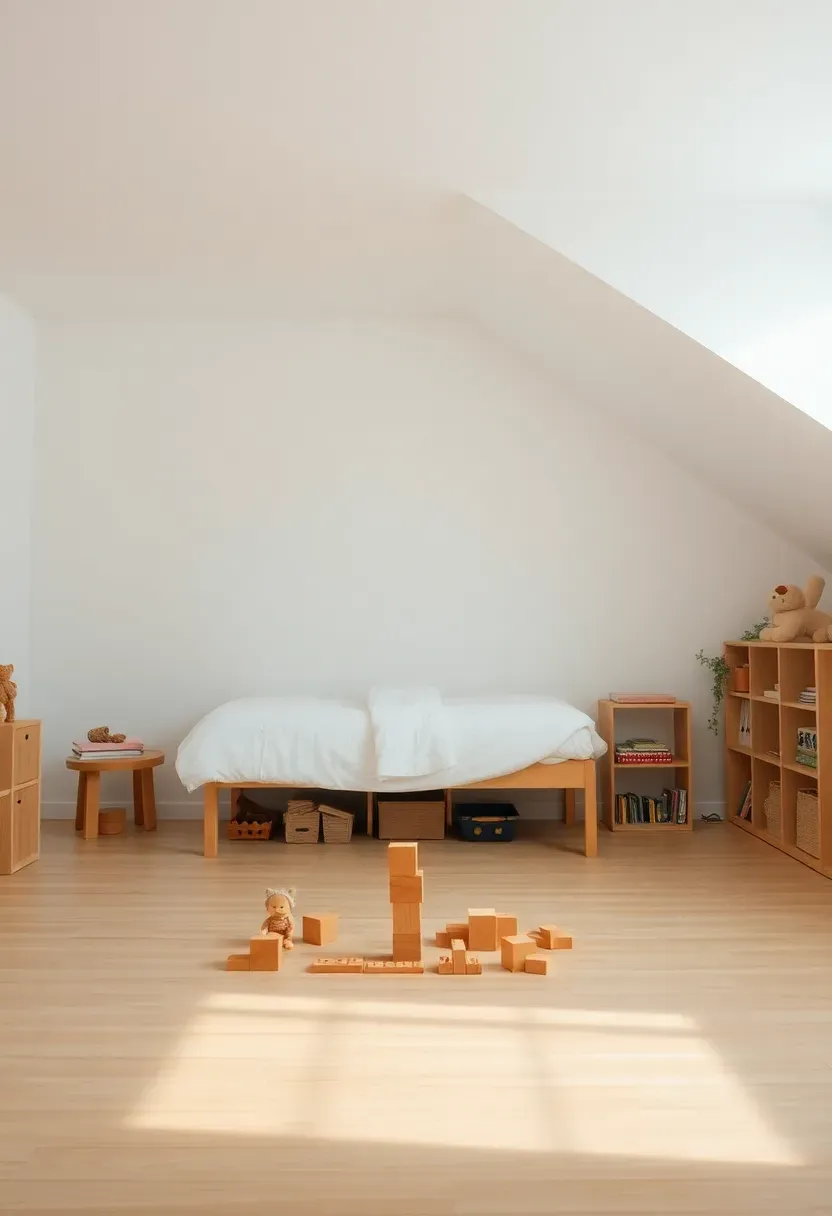
Hyper-realistic view of minimalist child's bedroom. Open floor space with few carefully chosen toys visible: wooden blocks, one doll or action figure, art supplies, one or two books. No toy chest overflowing with unused items. Everything accessible on low shelves. White walls, simple bed or floor bed. Abundant empty floor space for play. Minimalist parenting mood showing how children thrive with less—more focus, more creativity, less overwhelm, more appreciation for what they have.</p>
Extreme minimalist living represents the radical end of simplicity philosophy—owning and doing only what's essential, eliminating excess in all forms to create space for what truly matters. This isn't about deprivation or suffering, but about intentional abundance: more time, more mental clarity, more freedom from maintenance and upkeep, more resources for experiences over possessions. For renters and small apartment dwellers especially, extreme minimalism transforms limited square footage into
Recommended
Items for this idea
Tips
- Rotate toys instead of keeping all available—store extras and swap monthly
- Involve kids in donation decisions—they learn valuable lessons about letting go
- Focus on experiences over things—children remember activities more than toys
Best for: overwhelmed parents who spend more time managing toys than playing with them
What this gives you: children who value what they have, develop creativity with limited resources, and learn that happiness doesn't come from accumulation.
For a deeper dive into family-friendly strategies, see our guide on embracing a minimalist life with kids.
10. How Extreme Minimalism Leads to Financial Freedom
Extreme minimalism's financial benefits are often underestimated. When you stop buying non-essentials, money accumulates rapidly. When you own less, you need less space (lower rent or mortgage), less insurance, less maintenance, less replacement. Extreme minimalists often find they can work less, save more, or retire earlier because their needs are so reduced. The math is compelling: if you spend 30% less because you've eliminated non-essential purchases and optimized essential ones, you need 30% less income to maintain the same lifestyle.
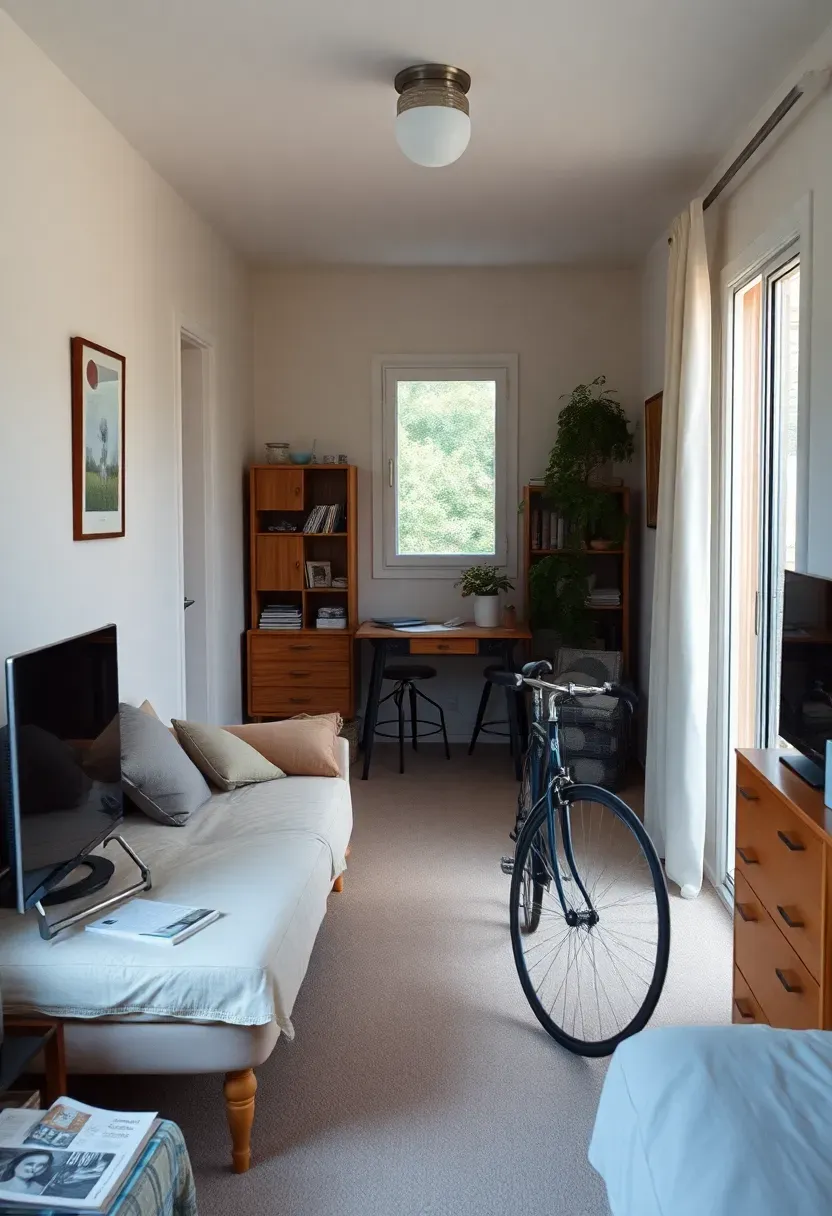
Hyper-realistic view of financial freedom through extreme minimalism. Scene showing simple lifestyle with low costs: small efficient living space, minimal furniture meaning lower replacement costs, bicycle instead of car, home cooking instead of restaurants. Contrasted with mental image of money not being spent on unnecessary possessions. Clean organized space, few visible belongings. Financial freedom mood showing how reduced consumption creates surplus resources for experiences, savings, and time rather than things.</p>
Extreme minimalist living represents the radical end of simplicity philosophy—owning and doing only what's essential, eliminating excess in all forms to create space for what truly matters. This isn't about deprivation or suffering, but about intentional abundance: more time, more mental clarity, more freedom from maintenance and upkeep, more resources for experiences over possessions. For renters and small apartment dwellers especially, extreme minimalism transforms limited square footage into
Recommended
Items for this idea
Tips
- Track spending for one month to see where money goes on non-essentials—you'll be surprised
- Calculate your "freedom number"—how much you need annually to live happily—then work toward passive income
- Use the one-in-one-out rule to prevent replacement purchases: if you buy new, you must sell something old
Best for: anyone feeling trapped by expenses or unable to save despite decent income
What this gives you: the option to work less, save more, or make career changes because your financial needs are dramatically reduced.
11. Time Rich, Possession Poor: Reclaiming Your Schedule
Time extreme minimalism applies the same principles to your schedule: ruthlessly eliminate activities that don't serve your essential values. Cancel subscriptions, decline invitations, quit committees, drop hobbies that don't energize you. The goal isn't emptiness but fullness: filling your time with what matters most rather than what's expected or habitual. When you own fewer possessions, you free time otherwise spent maintaining them. When you say no to good opportunities, you create space for great ones.
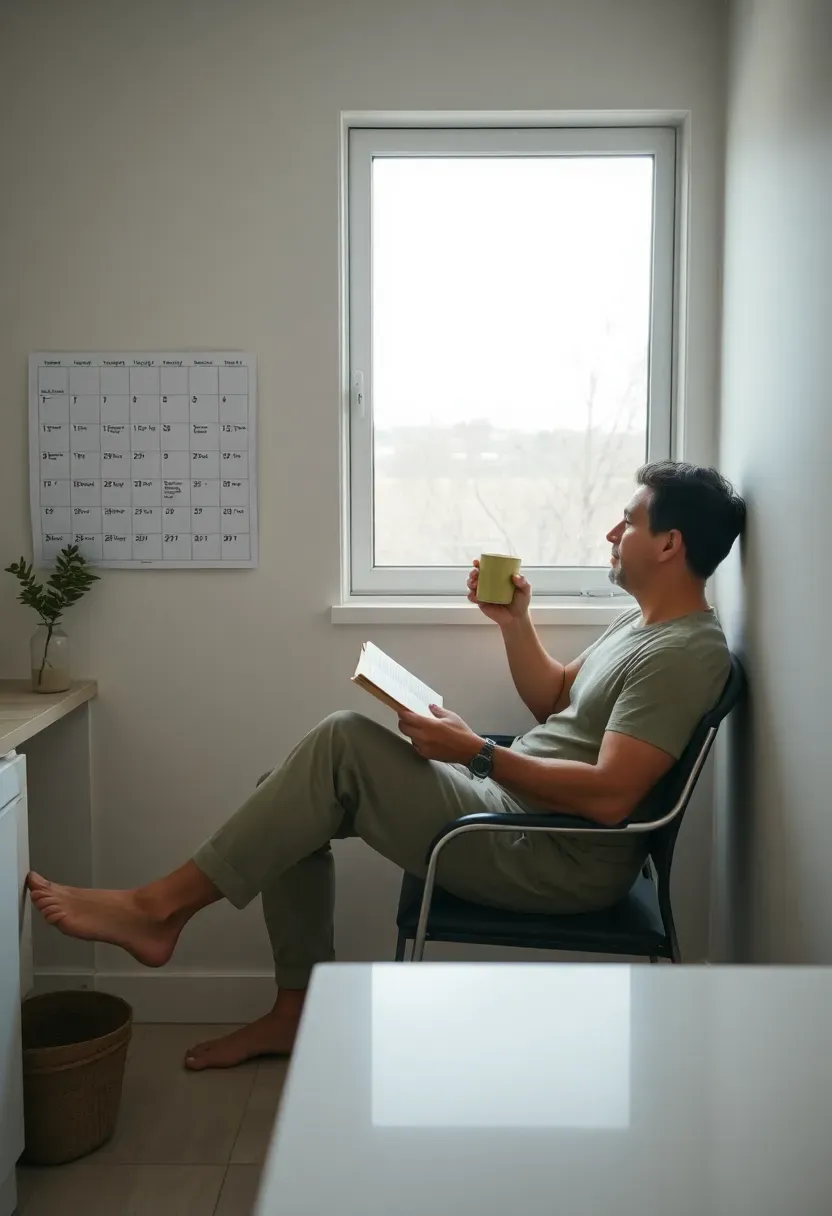
Hyper-realistic view of time abundance through extreme minimalism. Person relaxing in simple minimalist space with abundant free time: reading, drinking tea, looking out window, no visible rushing or multitasking. Calendar on wall showing very few commitments. Empty counter space suggests no家务 burden. No visible technology demanding attention. Time richness mood showing how extreme minimalism in possessions creates freedom to enjoy life rather than maintain it.</p>
Extreme minimalist living represents the radical end of simplicity philosophy—owning and doing only what's essential, eliminating excess in all forms to create space for what truly matters. This isn't about deprivation or suffering, but about intentional abundance: more time, more mental clarity, more freedom from maintenance and upkeep, more resources for experiences over possessions. For renters and small apartment dwellers especially, extreme minimalism transforms limited square footage into
Recommended
Items for this idea
Tips
- Audit your calendar: cancel everything you don't enthusiastically say "yes" to
- Protect empty time like it's money—because it is: your life hours are irreplaceable
- Say "let me think about it" to every new commitment instead of automatic yes
Avoid if: you use busyness as a status symbol or feel guilty when not productive
What this gives you: schedules with breathing room, energy for what truly matters, and the ability to be present rather than perpetually rushed.
12. Extreme Minimalist Travel: Packing Light
Extreme minimalist travel takes carry-on only to the extreme: some practitioners travel internationally with a small backpack for weeks or months. The benefits are substantial: no checked bag fees, no waiting at baggage claim, no hauling heavy luggage through cities or up stairs, no worrying about lost or stolen items. The key is versatile basics, frequent laundry, and accepting that you can buy anything forgotten or needed. Most people discover they use about 20% of what they pack 80% of the time—extreme minimalism means only packing that 20%.

Hyper-realistic view of extreme minimalist travel packing. Small backpack or carry-on bag showing all possessions for international trip: 3-4 days of clothing, toiletries, laptop, notebook. Open suitcase showing minimalist capsule wardrobe. No checked luggage, no excessive
Extreme minimalist living represents the radical end of simplicity philosophy—owning and doing only what's essential, eliminating excess in all forms to create space for what truly matters. This isn't about deprivation or suffering, but about intentional abundance: more time, more mental clarity, more freedom from maintenance and upkeep, more resources for experiences over possessions. For renters and small apartment dwellers especially, extreme minimalism transforms limited square footage into
Recommended
Items for this idea
Tips
- Choose a coordinating color palette so everything works together
- Plan to do laundry on trips—it's cheaper and easier than dragging excess clothes
- Accept that you can buy essentials at your destination if you truly need them
Best for: frequent travelers who hate dealing with luggage and airports
What this gives you: travel that feels light and mobile, with no baggage claim waits and the ability to move freely through cities and transit.
13. Mental Decluttering: Clearing Your Mind
Extreme minimalism eventually extends to mental habits: letting go of grudges, worries about uncontrollable events, mental replay of past mistakes, and future-oriented anxiety. Physical decluttering often triggers mental clarity—as you clear your space, your mind clears too. But extreme minimalists also practice mental decluttering directly: meditation to observe thought patterns without attachment, journaling to externalize worries, "worry time" boundaries to contain anxiety, and conscious media diets to reduce mental pollution.
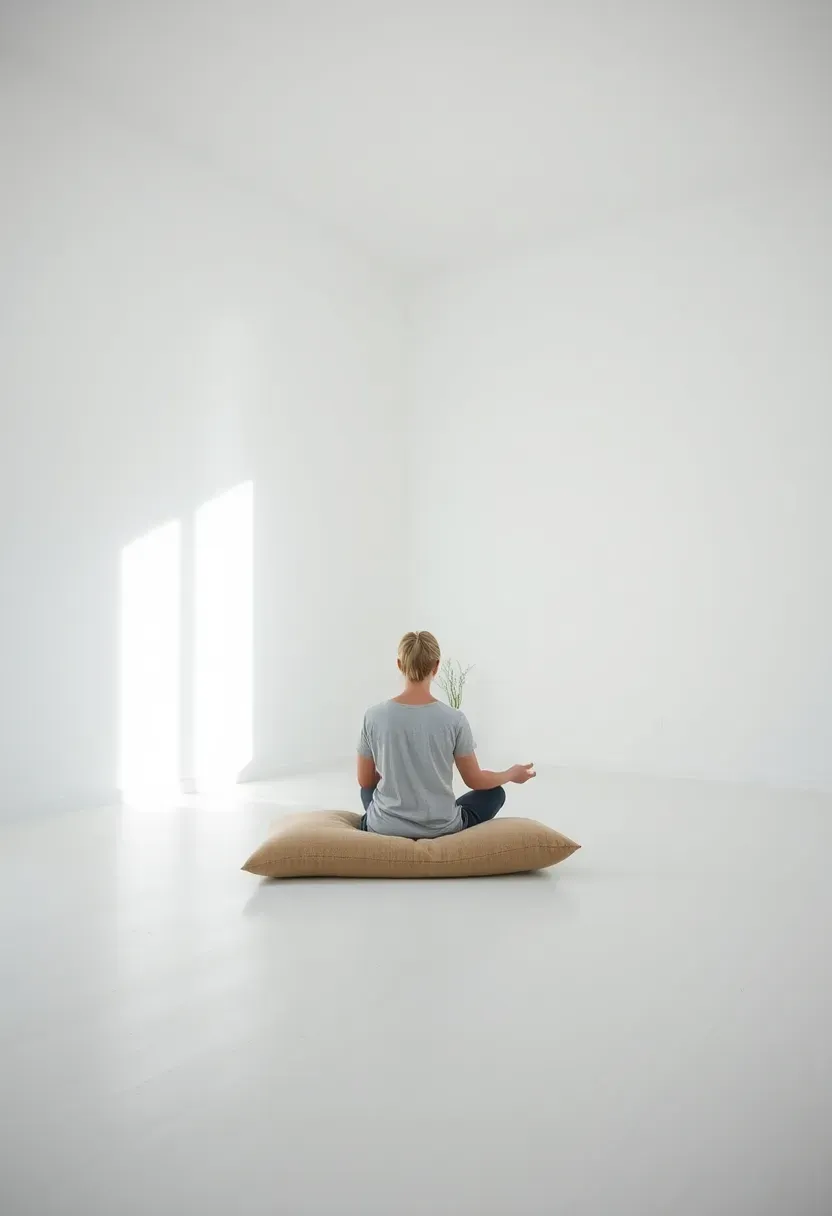
Hyper-realistic view of mental decluttering practice. Person meditating in extreme minimalist space: simple cushion on floor, empty room with white walls, maybe one small plant or candle. No distractions visible. Physical emptiness reflecting mental emptiness. Soft natural light, serene atmosphere. Mindfulness practice mood showing how physical minimalism supports mental clarity through removal of external stimuli that occupy attention.</p>
Extreme minimalist living represents the radical end of simplicity philosophy—owning and doing only what's essential, eliminating excess in all forms to create space for what truly matters. This isn't about deprivation or suffering, but about intentional abundance: more time, more mental clarity, more freedom from maintenance and upkeep, more resources for experiences over possessions. For renters and small apartment dwellers especially, extreme minimalism transforms limited square footage into
Recommended
Items for this idea
Tips
- Practice "worry scheduling"—designate 15 minutes daily to worry, then let go for rest of day
- Do a "media fast" one day per week—no news, social media, or entertainment input
- Write down everything on your mind—just getting it out of your head often reduces its power
Best for: anyone feeling mentally overwhelmed, anxious, or unable to focus due to information overload
What this gives you: mental space for thinking, creating, and being present rather than constantly processing stimuli.
14. The Empty Room Philosophy: Space as Luxury
The empty room philosophy proposes that empty space isn't wasted space but luxury space—the freedom to move, to breathe, to use surfaces as needed, to let eyes and minds rest. In extreme minimalist homes, rooms might appear spartan to visitors: bare walls, minimal furniture, abundant floor space. But this emptiness feels expansive rather than impoverished to practitioners. It represents potential rather than lack: space for dance, exercise, yoga, projects, kids and pets to play, gatherings without feeling cramped. Empty space requires no cleaning, no organizing, no maintenance.
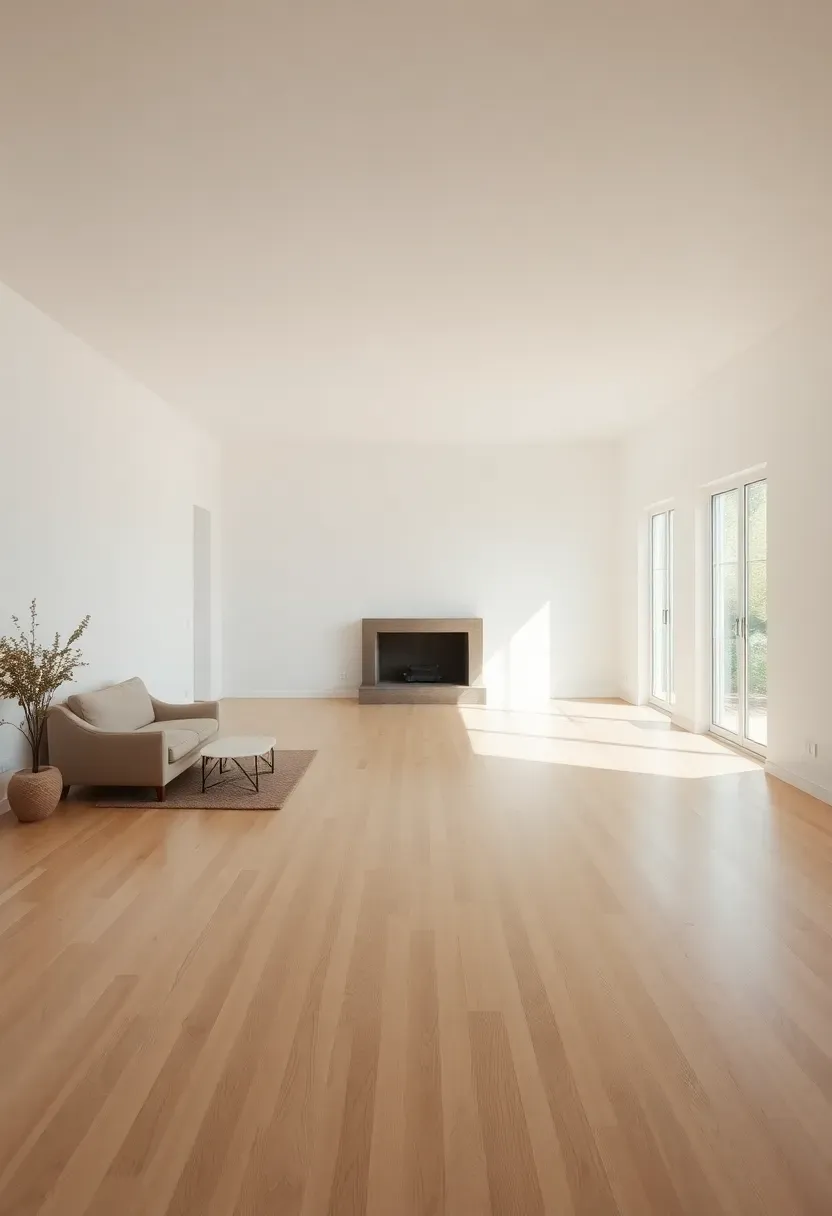
Hyper-realistic wide shot of empty room philosophy. Nearly empty living room with only one or two essential furniture pieces: simple chair or floor cushion, maybe small side table. Vast expanse of empty floor visible. Bare white walls with no artwork. No rugs, no decorative objects. Abundant natural light from windows. Empty space as luxury mood showing how uncluttered volume creates sense of freedom, possibility, and calm rather than deprivation or lack.</p>
Extreme minimalist living represents the radical end of simplicity philosophy—owning and doing only what's essential, eliminating excess in all forms to create space for what truly matters. This isn't about deprivation or suffering, but about intentional abundance: more time, more mental clarity, more freedom from maintenance and upkeep, more resources for experiences over possessions. For renters and small apartment dwellers especially, extreme minimalism transforms limited square footage into
Recommended
Items for this idea
Tips
- Keep one room completely empty—no furniture—to experience the potential of open space
- Notice how you feel in empty rooms: anxious (conditioning) or free (natural response)
- Use empty rooms for movement practices—yoga, dance, exercise—rather than storage
Best for: anyone who's ever felt suffocated by their possessions or overwhelmed by their environment
What this gives you: homes that feel larger regardless of square footage, with the freedom to use spaces however you need them day to day.
15. Seasonal Extremism: Temporary Minimalism
Not everyone is ready for year-round extreme minimalism, but seasonal or temporary minimalism offers the benefits without permanent commitment. Try extreme minimalism for one month: box up 80% of your possessions, live with only essentials, observe how it feels. Some people find permanent conversion, others discover they prefer more stuff, but everyone learns something about their relationship with possessions. Seasonal extremes—winter with only warm essentials, summer with only light items—can also provide minimalist benefits without year-round deprivation.
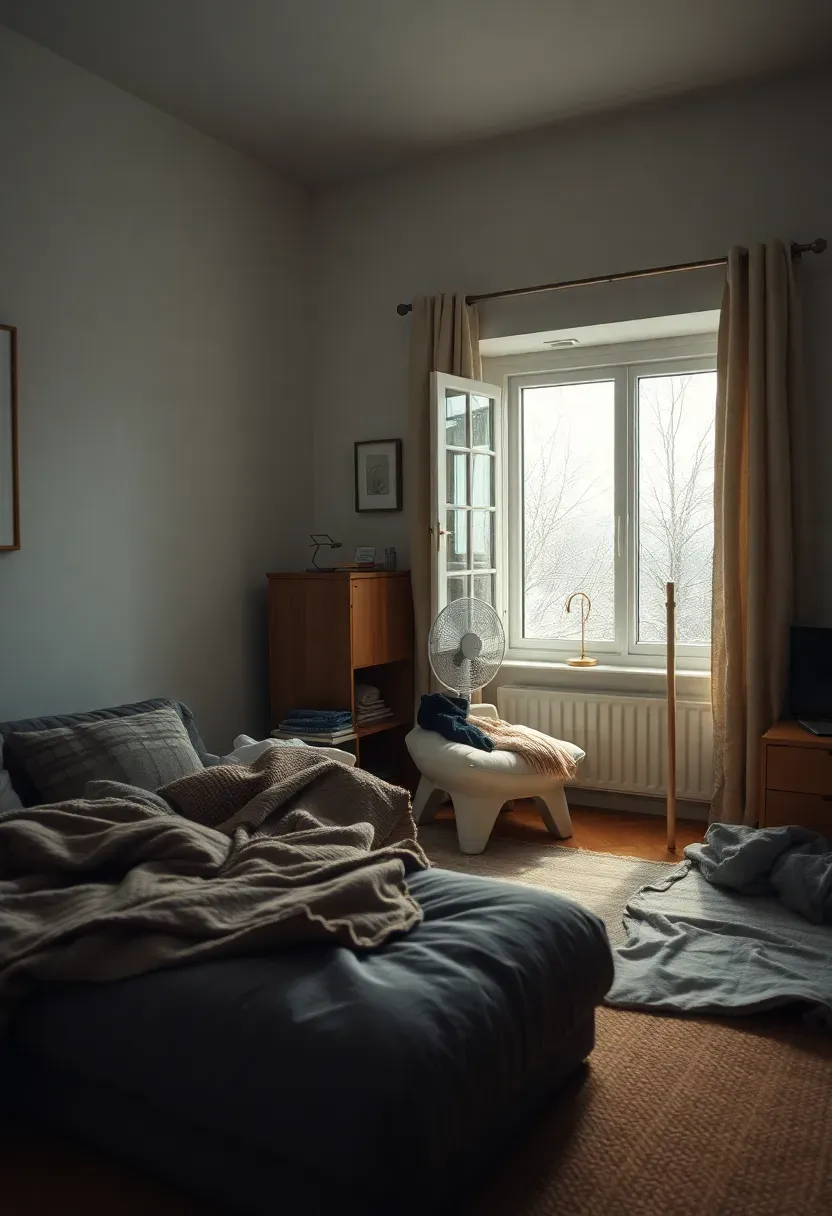
Hyper-realistic view of seasonal minimalism transition. Scene showing seasonal change: winter scene with minimal but warm items visible—thick blanket, warm clothes, cold-weather essentials. Summer scene showing even fewer items—light clothes, open windows, fans. Same living space shown with different seasonal possessions. Core items remain constant while seasonal items rotate through. Temporary minimalism mood showing how possessions can be temporarily reduced based on current needs rather than permanent lifestyle change.</p>
Extreme minimalist living represents the radical end of simplicity philosophy—owning and doing only what's essential, eliminating excess in all forms to create space for what truly matters. This isn't about deprivation or suffering, but about intentional abundance: more time, more mental clarity, more freedom from maintenance and upkeep, more resources for experiences over possessions. For renters and small apartment dwellers especially, extreme minimalism transforms limited square footage into
Recommended
Items for this idea
Tips
- Start with "minimalism month"—box up non-essentials and live without them for 30 days
- Seasonally rotate: store off-season clothes and decorations completely out of sight
- Try micro-minimalism during stressful periods (exams, work crunch) when you need all your energy
Best for: anyone curious about extreme minimalism but afraid of permanent commitment
What this gives you: a risk-free way to test extreme minimalist principles and discover what level of simplicity feels right for your life.
16. Extreme Minimalism in Small Apartments and Rental Spaces
Small spaces and extreme minimalism are natural partners: limited square footage forces possession limits, while minimalism makes small spaces feel generous. Studio apartments and tiny homes become genuinely livable rather than cramped when they're not packed with stuff. Every item must earn its presence through daily use or essential purpose. The result is homes that feel airy rather than confining, with the benefit of lower costs and easier maintenance. Small space minimalism teaches that we don't need as much room as we think—we need less stuff.
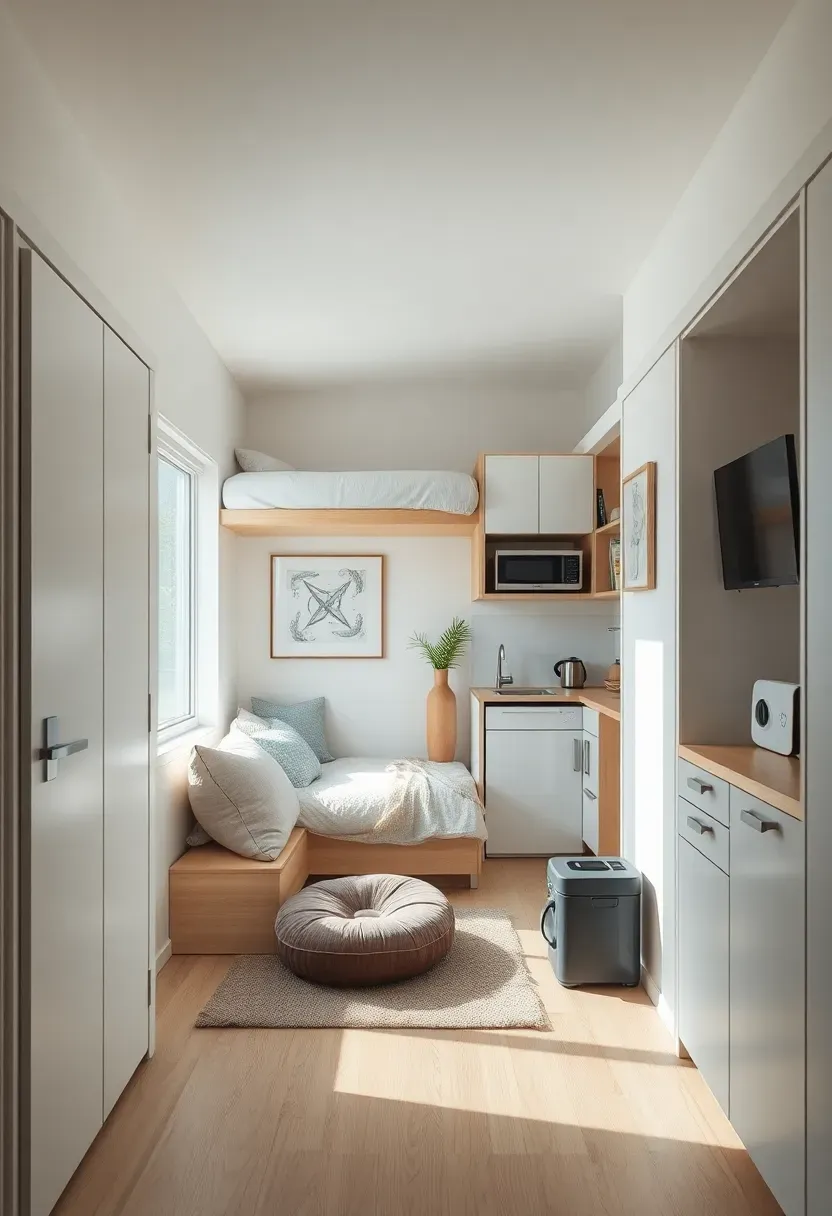
Hyper-realistic view of extreme minimalist small space living. Tiny studio apartment or micro-home showing radical simplicity: Murphy bed or loft bed, minimal seating (floor cushion or compact chair), tiny kitchenette with essential appliances only, clever built-in storage maximizing every inch. Despite small footprint, space feels open and airy because very few possessions are visible. White walls, light colors enhancing sense of space. Small space minimalism mood showing how tiny footprint feels generous when not cluttered with possessions.</p>
Extreme minimalist living represents the radical end of simplicity philosophy—owning and doing only what's essential, eliminating excess in all forms to create space for what truly matters. This isn't about deprivation or suffering, but about intentional abundance: more time, more mental clarity, more freedom from maintenance and upkeep, more resources for experiences over possessions. For renters and small apartment dwellers especially, extreme minimalism transforms limited square footage into
Recommended
Items for this idea
Tips
- Use vertical space—walls, ceilings, high shelves—for storage rather than valuable floor area
- Choose furniture that serves multiple functions or folds away when not in use
- Keep only what you use seasonally—store off-season items elsewhere or eliminate entirely
Best for: urban dwellers, students, or anyone wanting to reduce housing costs without sacrificing quality of life
What this gives you: the ability to live well in less expensive spaces, freeing money for other priorities while maintaining a comfortable home.
Explore more compact-living inspiration in our simple living ideas for a minimalist lifestyle.
17. Social Minimalism: Curating Your Circle
Social minimalism applies essentialist principles to relationships: invest deeply in a few important connections rather than spreading energy thinly across many superficial ones. This doesn't mean being anti-social but intentional about social interaction. Quality over quantity in friendships means having people you can call at 3am rather than 500 Facebook friends. It means declining invitations that don't align with your values and priorities. It means protecting time and energy for the people who matter most by saying no to obligations that don't.
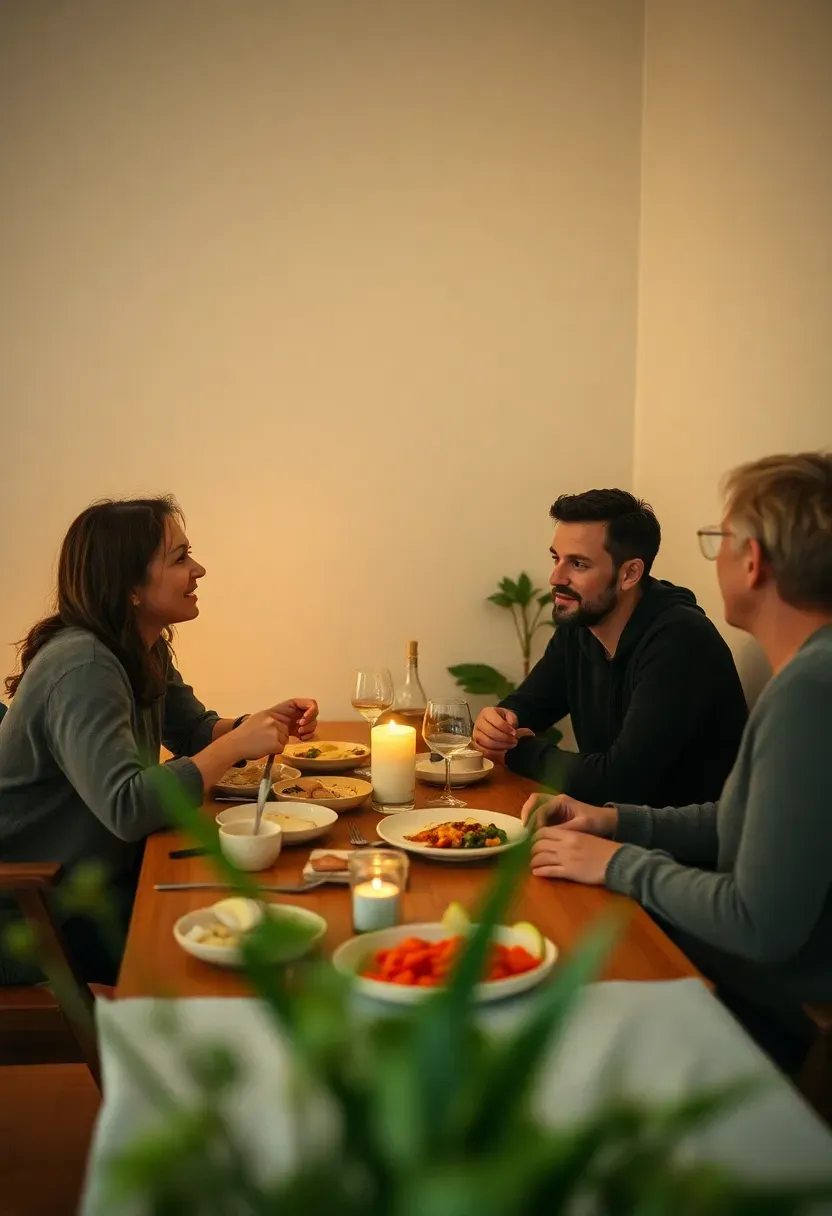
Hyper-realistic view of social minimalism in practice. Small intimate gathering of close friends in minimalist space: 3-4 people having meaningful conversation over simple meal. No party atmosphere, no large groups, no superficial socializing. Quality time visible through focused attention, engaged body language. Warm lighting, simple food, comfortable seating arrangements. Social curation mood showing how depth of connection matters more than number of social contacts or size of social circle.</p>
Extreme minimalist living represents the radical end of simplicity philosophy—owning and doing only what's essential, eliminating excess in all forms to create space for what truly matters. This isn't about deprivation or suffering, but about intentional abundance: more time, more mental clarity, more freedom from maintenance and upkeep, more resources for experiences over possessions. For renters and small apartment dwellers especially, extreme minimalism transforms limited square footage into
Recommended
Items for this idea
Tips
- Identify your core 5-10 relationships and invest intentionally in those people
- Practice "slow friendship"—build connection through quality time rather than frequency of contact
- Decline invitations without guilt—you're saying no to activities, not people
Best for: anyone feeling drained by social obligations or craving deeper connections rather than more interactions
What this gives you: relationships that nourish rather than deplete you, with time and energy for the people who truly matter in your life.
18. The Letting Go Process: Emotional Detachment
The hardest part of extreme minimalism isn't deciding what to keep but actually letting go of things that have emotional value—gifts from loved ones, souvenirs from meaningful trips, items representing who we used to be. The process requires separating the memory from the object: the memory exists independently of the thing. Taking photos of sentimental items before releasing them can help. So can passing items to others who will use and appreciate them. The relief of letting go often outweighs the initial pain.
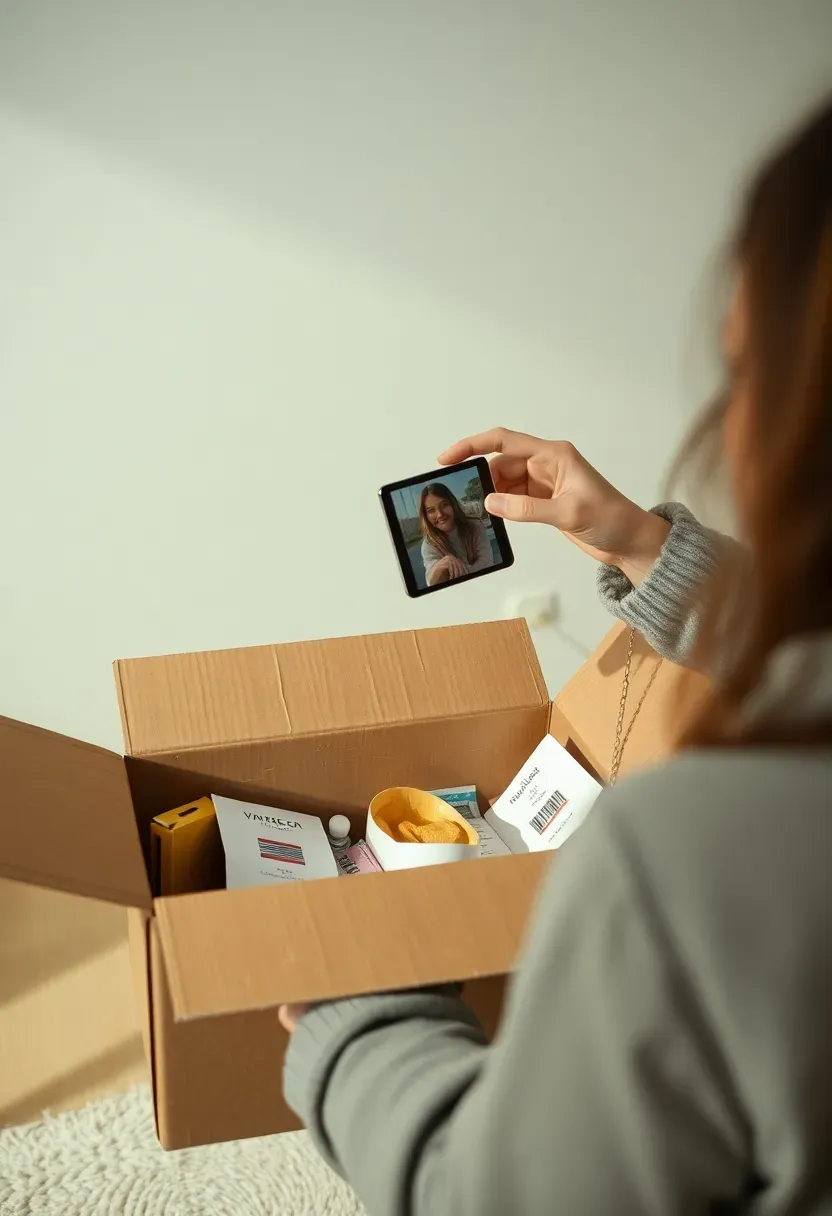
Hyper-realistic view of letting go process. Scene showing person emotionally detaching from possession: box of items being prepared for donation, photograph being taken of sentimental object before release, feeling of lightness and relief as items leave space. Mixed emotions visible but overall positive outcome. Minimalist environment receiving items showing new breathing room. Emotional detachment practice mood showing process of separating memory from object, gaining freedom through release.</p>
Extreme minimalist living represents the radical end of simplicity philosophy—owning and doing only what's essential, eliminating excess in all forms to create space for what truly matters. This isn't about deprivation or suffering, but about intentional abundance: more time, more mental clarity, more freedom from maintenance and upkeep, more resources for experiences over possessions. For renters and small apartment dwellers especially, extreme minimalism transforms limited square footage into
Recommended
Items for this idea
Tips
- Document sentimental items with photos or stories before letting go
- Find good homes for special items—give them to people who will love and use them
- Practice with easier items first, gradually work up to harder emotional attachments
Avoid if: you're in the middle of major life transitions—grief, trauma, big moves—wait until you're stable before making irreversible decisions
What this gives you: the emotional freedom that comes from untethering your identity from possessions and memories from physical objects.
19. Building Systems, Not Collections
Extreme minimalism shifts focus from collecting things to building systems: systems for laundry (smaller wardrobe = simpler laundry), for food (simple ingredients = easier meal planning), for work (fewer tools = focused productivity). Instead of owning a complete set of anything, you own just enough to make your system work smoothly. This applies to hobbies too—you don't need every possible art supply, just enough to create what you want to make. Systems thinking prevents accumulation because each addition must integrate with existing systems.
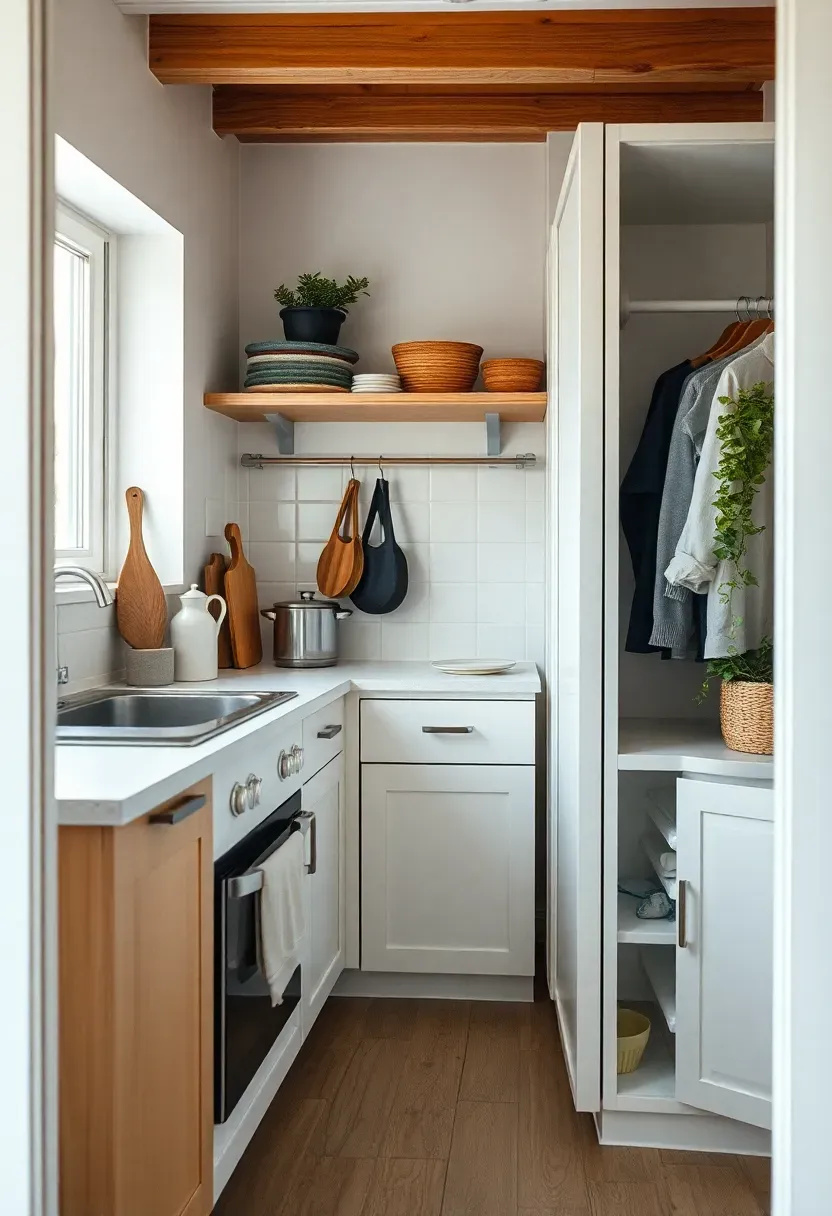
Hyper-realistic view of minimalist systems in action. Small functional kitchen showing efficient cooking system: few tools but each used frequently, everything within reach, workflow optimized. Simple wardrobe system with capsule collection where everything works together. Home organization systems visible: designated spot for each category, easy to maintain. No excess redundancy, everything serves function in larger system. Systems thinking mood showing how extreme minimalism is about efficient processes rather than minimal numbers.</p>
Extreme minimalist living represents the radical end of simplicity philosophy—owning and doing only what's essential, eliminating excess in all forms to create space for what truly matters. This isn't about deprivation or suffering, but about intentional abundance: more time, more mental clarity, more freedom from maintenance and upkeep, more resources for experiences over possessions. For renters and small apartment dwellers especially, extreme minimalism transforms limited square footage into
Recommended
Items for this idea
Tips
- Design your systems before adding items—each new possession must have clear purpose and place
- Test systems with minimum viable equipment before expanding—most needs are imaginary
- Focus on flow: how do you move through your day? Where are the friction points? Reduce there first
Best for: anyone who's repeatedly "organized" their clutter but still feels overwhelmed by it
What this gives you: daily life that runs smoothly with minimal effort, because your systems are designed for function rather than display.
20. Measuring Progress Beyond Possessions
The benefits of extreme minimalism extend far beyond reduced clutter, though that's the most visible. Practitioners report: faster morning routines, easier cleaning, less decision fatigue, more mental clarity, better focus, improved finances, stronger relationships (more time and energy for people), reduced environmental impact, greater gratitude for what they have, less comparison with others, and more time for what truly matters. Measuring progress by these benefits rather than possession count keeps you motivated when initial enthusiasm fades.

Hyper-realistic view of extreme minimalist benefits beyond possessions. Person experiencing quality of life improvements: relaxed morning coffee in sunlit simple space, time for reading or creative pursuit, financial surplus visible through lack of shopping bags, mental peace evident in calm demeanor. Not about what's missing but about what's gained: time, freedom, clarity. Lifestyle benefits mood showing how extreme minimalism creates abundance in intangible areas that matter more than things.</p>
Extreme minimalist living represents the radical end of simplicity philosophy—owning and doing only what's essential, eliminating excess in all forms to create space for what truly matters. This isn't about deprivation or suffering, but about intentional abundance: more time, more mental clarity, more freedom from maintenance and upkeep, more resources for experiences over possessions. For renters and small apartment dwellers especially, extreme minimalism transforms limited square footage into
Recommended
Items for this idea
Tips
- Track time saved: how long does cleaning take? How long to get ready? How much decision fatigue do you feel?
- Notice mental changes: less comparison, more gratitude, clearer priorities, reduced anxiety
- Document financial benefits: money saved, avoided purchases, reduced maintenance costs
Best for: anyone feeling like they're "not making progress" because they're comparing their journey to someone else's endpoint photos
What this gives you: motivation to continue by focusing on life improvements rather than just reduced possession counts.
21. Starting Where You Are: Gradual Radical Simplification
Extreme minimalism isn't achieved overnight but through gradual radical simplification: starting where you are, making incremental changes, observing results, and continuing deeper. Begin with the easiest category (clothes you never wear, kitchen gadgets you never use), then move to harder areas (sentimental items, expensive purchases). As you experience benefits, motivation grows for deeper cuts. There's no finish line, no arrival at "perfect minimalism"—just continuous refinement toward greater simplicity and intentionality.
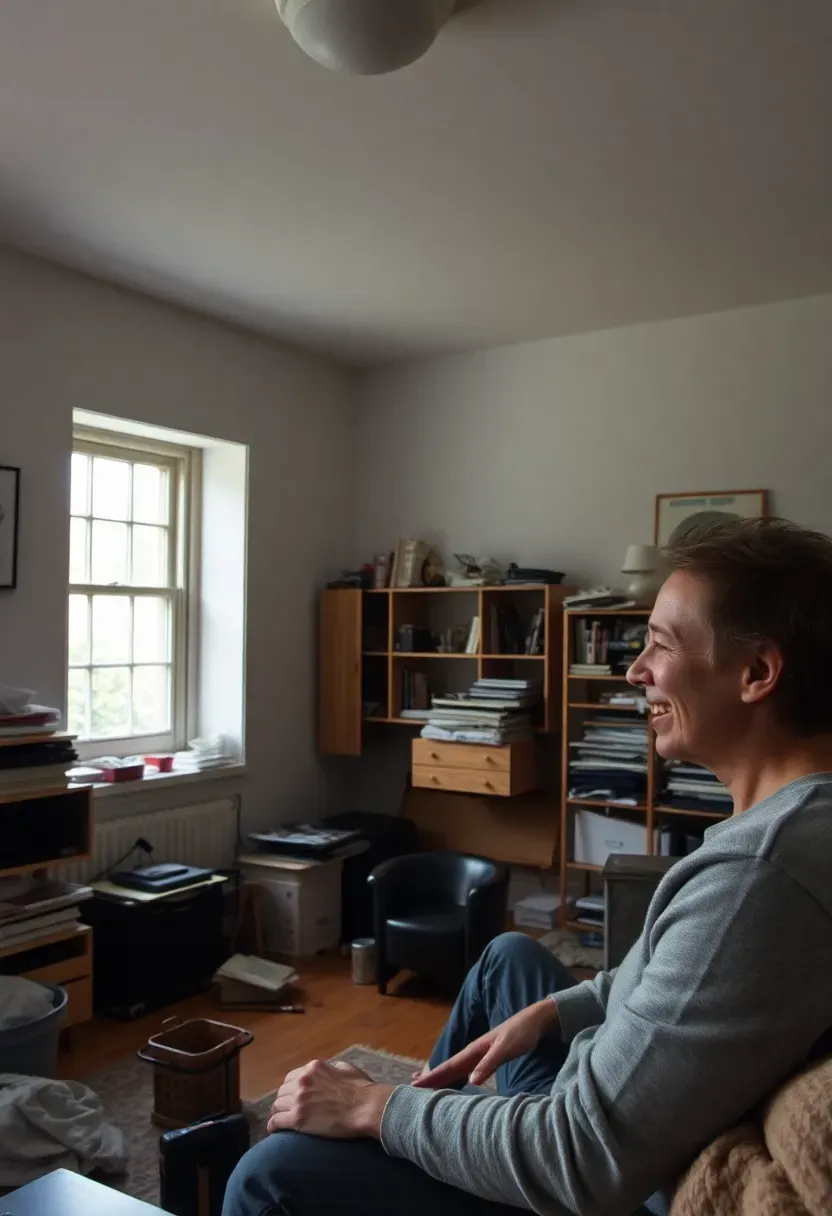
Hyper-realistic view of gradual simplification journey. Room showing transformation in progress: one area completely minimalist (empty, organized), another area partially decluttered (still in progress), starting point visible in corner. Person actively working through possessions, making gradual progress. Motivation and satisfaction visible on their face. Journey process mood showing that extreme minimalism is path not destination, gradual progress toward greater simplicity, starting where you are rather than waiting for perfect conditions.</p>
Extreme minimalist living represents the radical end of simplicity philosophy—owning and doing only what's essential, eliminating excess in all forms to create space for what truly matters. This isn't about deprivation or suffering, but about intentional abundance: more time, more mental clarity, more freedom from maintenance and upkeep, more resources for experiences over possessions. For renters and small apartment dwellers especially, extreme minimalism transforms limited square footage into
Recommended
Items for this idea
Tips
- Start with one category or one room—don't try to transform everything overnight
- Time-box your efforts: spend 30 minutes daily on decluttering until you reach your baseline
- Celebrate progress: notice how good it feels to clear a space or eliminate a category
Budget/Time: this approach costs nothing and can be done in small time increments, making it accessible regardless of resources
What this gives you: a sustainable path to extreme minimalism that feels like liberation rather than deprivation, creating lasting change at your own pace.
For a room-by-room approach to radical simplicity, see our practical guide to extreme minimalist living with layout and material tips.
Extreme minimalist living offers a radical alternative to accumulation and overcommitment: the freedom of owning less, the clarity of fewer choices, the time and money saved when you're not maintaining and managing possessions. Whether you rent a small apartment or own your home, these ideas are not about suffering or deprivation but about intentionality—consciously choosing what fills your life rather than accepting default cultural programming. The journey toward radical simplicity is deeply personal, and the goal is finding your own sweet spot of sufficiency: enough but not too much, comfortable but not cluttered, rich in what matters rather than stuffed with everything.