What Is the Tiny House Movement? 10 Ideas for Small Home Living
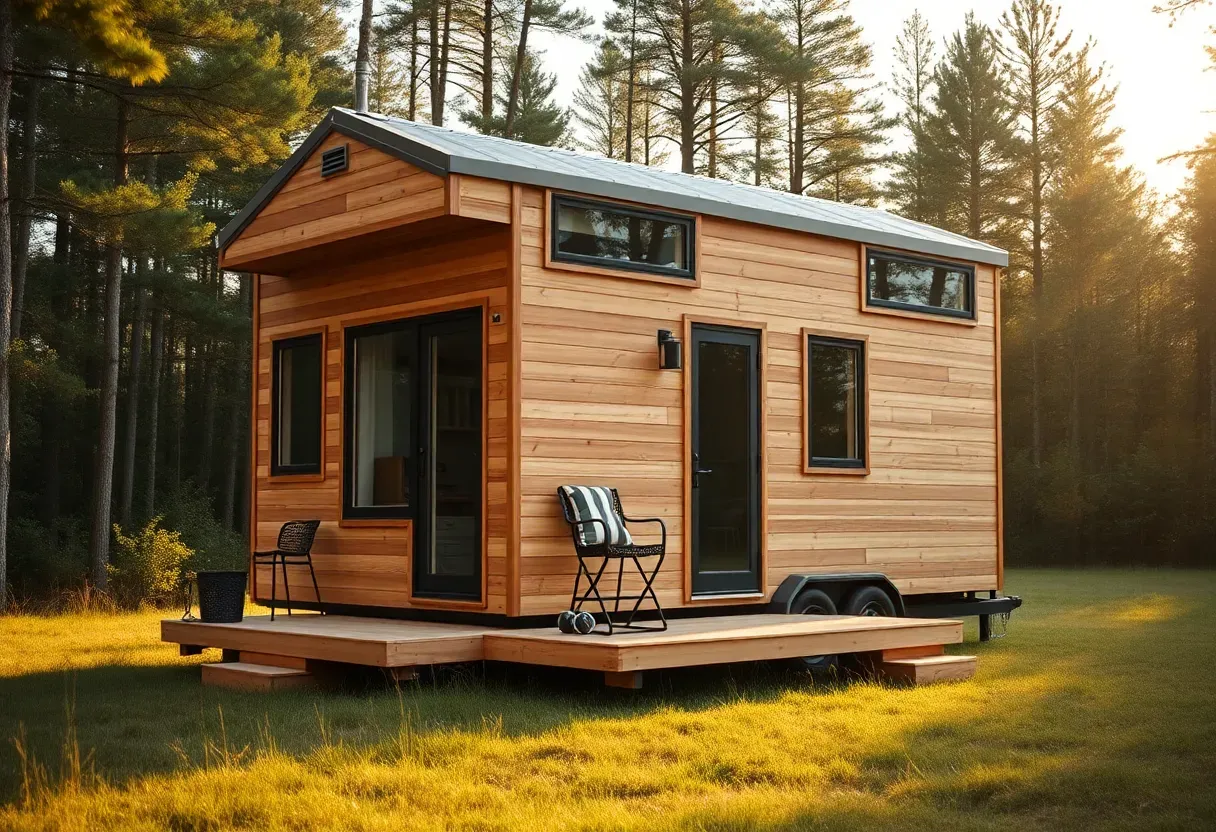
What is the tiny house movement, and why are so many renters and homeowners rethinking the way they live? The tiny house movement represents a fundamental shift in how we approach home, space, and what truly matters in our lives. Born from a desire for financial freedom, environmental sustainability, and intentional living, this growing movement has captured the imagination of people seeking an alternative to oversized, mortgage-heavy homes. At its core, tiny house living asks a simple question: how much space do you really need to live well?
What started as a fringe lifestyle has evolved into a mainstream conversation about downsizing, smart small-space design, and the pursuit of experiences over possessions. Tiny house living isn't just about square footage — it's about reclaiming time, money, and freedom while creating spaces that reflect authentic values. The movement spans everything from converted vans to prefab [tiny homes on wheels](/posts/108_what-is-tiny-house-on-wheels/) and backyard ADUs, making it accessible even for renters exploring alternative living arrangements.
Beyond the physical structures, the tiny house movement embraces a philosophy of mindfulness, environmental stewardship, and community connection. It challenges the assumption that bigger equals better and proves that thoughtful design can create comfortable living under 500 square feet. Whether motivated by financial pragmatism, sustainability, or the desire for a simpler life, tiny house dwellers share a vision of living with less while experiencing more — more freedom, more flexibility, and more focus on what matters.
Quick FAQ
What defines a tiny house?
A tiny house is typically under 500 square feet, though many are 200-400 square feet. They can be on wheels (THOWs) or on foundations, and emphasize efficient, multi-functional design.
Why do people choose tiny house living?
Common reasons include financial freedom (lower costs), environmental benefits (smaller footprint), simplified lifestyle (less maintenance), and the ability to travel or live mortgage-free.
Is tiny house living legal everywhere?
No. Zoning laws vary by location. Tiny houses on wheels face additional regulations, while backyard ADUs are becoming more accepted in progressive cities.
How much does a tiny house cost?
DIY builds can cost $20,000-$50,000, while professional builds range from $50,000-$150,000. Land costs and utilities are additional factors.
Can families live in tiny houses?
Yes, though it requires creative design solutions. Many families use separate sleeping lofts, outdoor living space, and intentional organization to make it work.
What are the biggest challenges?
Zoning restrictions, storage limitations, finding parking (for THOWs), and adjusting to reduced personal space. Mental preparation is as important as physical design.
As an Amazon Associate I earn from qualifying purchases.
Table of Contents
- 1. Origins and Philosophy of the Tiny House Movement
- 2. How Tiny House Living Leads to Financial Freedom
- 3. Smart Tiny House Design Principles for Small Spaces
- 4. Interior Layout Strategies for Maximum Functionality
- 5. Tiny House Storage Solutions and Decluttering Techniques
- 6. Multi-Functional Furniture and Transformable Spaces
- 7. Lighting and Visual Space Expansion for Tiny Homes
- 8. Tiny House Zoning Laws and Community Living Options
- 9. Building vs. Buying a Tiny House: What to Consider
- 10. Is Tiny House Living Right for You?
1. Origins and Philosophy of the Tiny House Movement
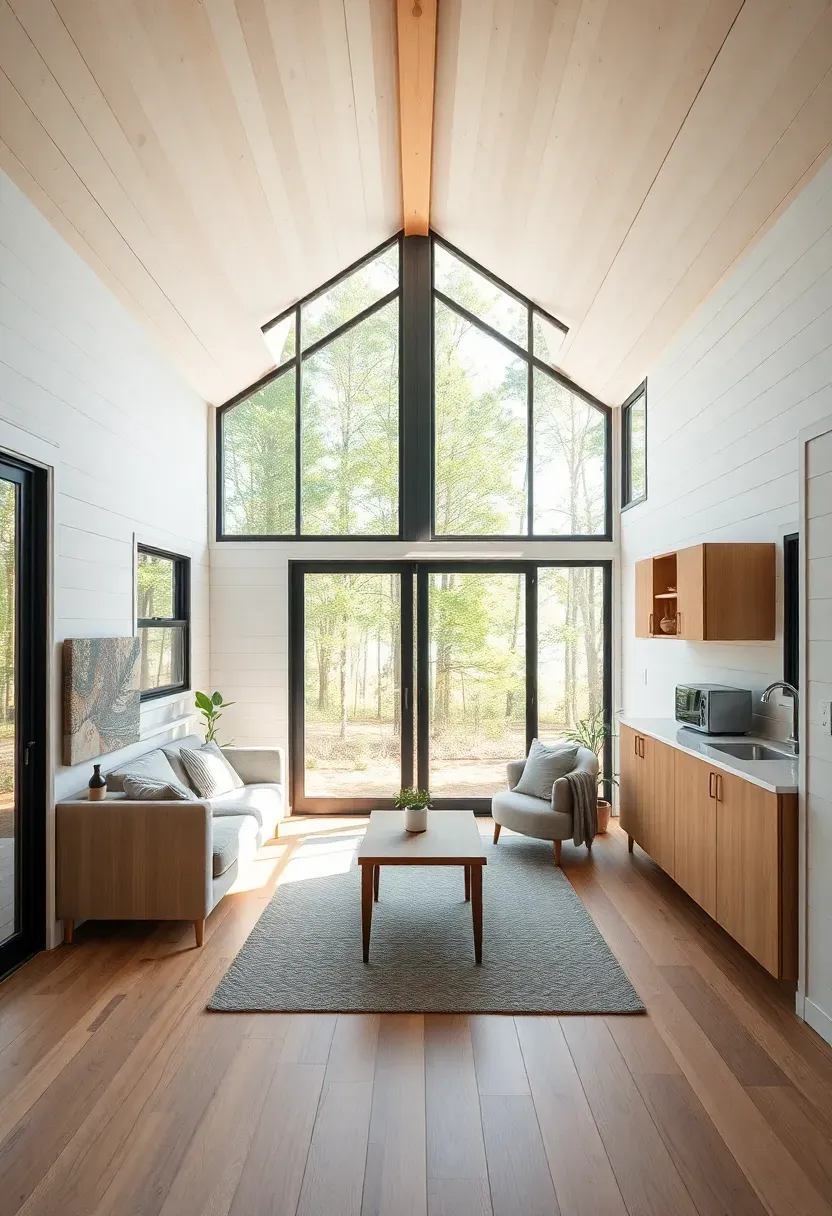
The tiny house movement emerged in the early 2000s as a response to rising housing costs, environmental concerns, and growing disillusionment with the American Dream of ever-larger homes. Pioneered by figures like Jay Shafer and Sarah Susanka, who questioned why houses had doubled in size while family sizes had shrunk, the movement gained momentum after the 2008 financial crisis when many lost homes to foreclosure and sought alternative ways to live. The philosophy centers on intentional living—owning less, experiencing more, and designing spaces that support rather than complicate daily life.
Tips
- Research local zoning laws before committing to a tiny house; regulations vary significantly by municipality and can affect whether you can park legally
- Visit tiny house communities or rentals to experience the lifestyle firsthand before making permanent changes
- Connect with local tiny house groups online for real-world advice on builders, parking, and navigating regulations
What this gives you: A foundation of knowledge to make informed decisions about whether tiny living aligns with your values and circumstances.
2. How Tiny House Living Leads to Financial Freedom
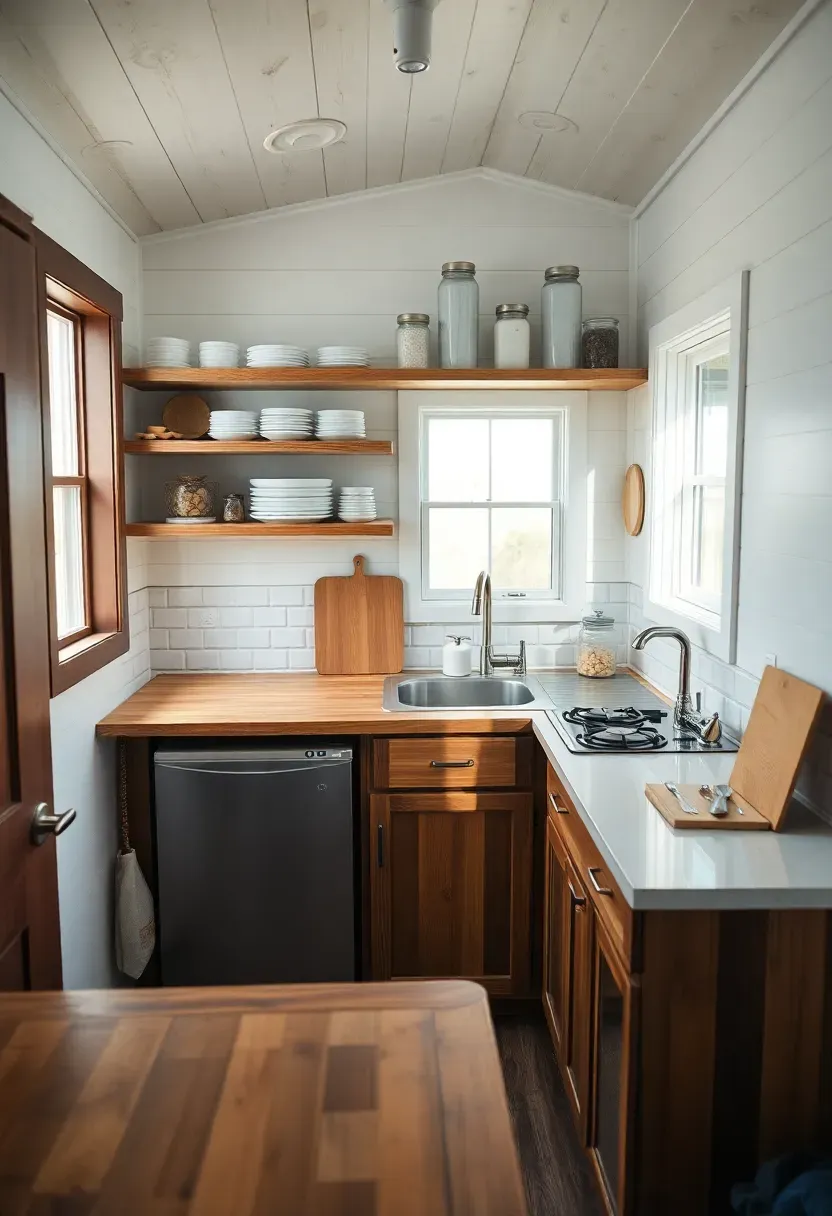
Tiny house living offers a compelling path to financial liberation, with average costs ranging from $20,000 for DIY builds to $100,000 for custom professional builds—compared to the median home price of over $400,000 in many markets. Beyond the initial purchase or construction cost, tiny homes dramatically reduce ongoing expenses: utilities average $50-100 monthly versus $200+ for traditional homes, property taxes are proportionally lower, and maintenance costs are minimal due to smaller square footage. Many tiny house dwellers become mortgage-free within 5-10 years, redirecting those savings toward experiences, travel, investments, or early retirement rather than interest payments.
Recommended
Items for this idea
Tips
- Factor in land costs or parking fees when budgeting; these hidden expenses can significantly impact total cost of ownership
- Consider financing options carefully—traditional mortgages may not apply, and personal loans typically have higher interest rates
- Build in a 15-20% contingency budget for unexpected costs, especially with DIY builds where learning curves add expense
Budget note: While upfront costs vary, most tiny house dwellers report saving $1,000-2,000 monthly after the transition, creating significant long-term wealth-building potential.
What this gives you: A clear understanding of the financial implications and potential savings that make tiny living an attractive alternative to traditional homeownership.
3. Smart Tiny House Design Principles for Small Spaces
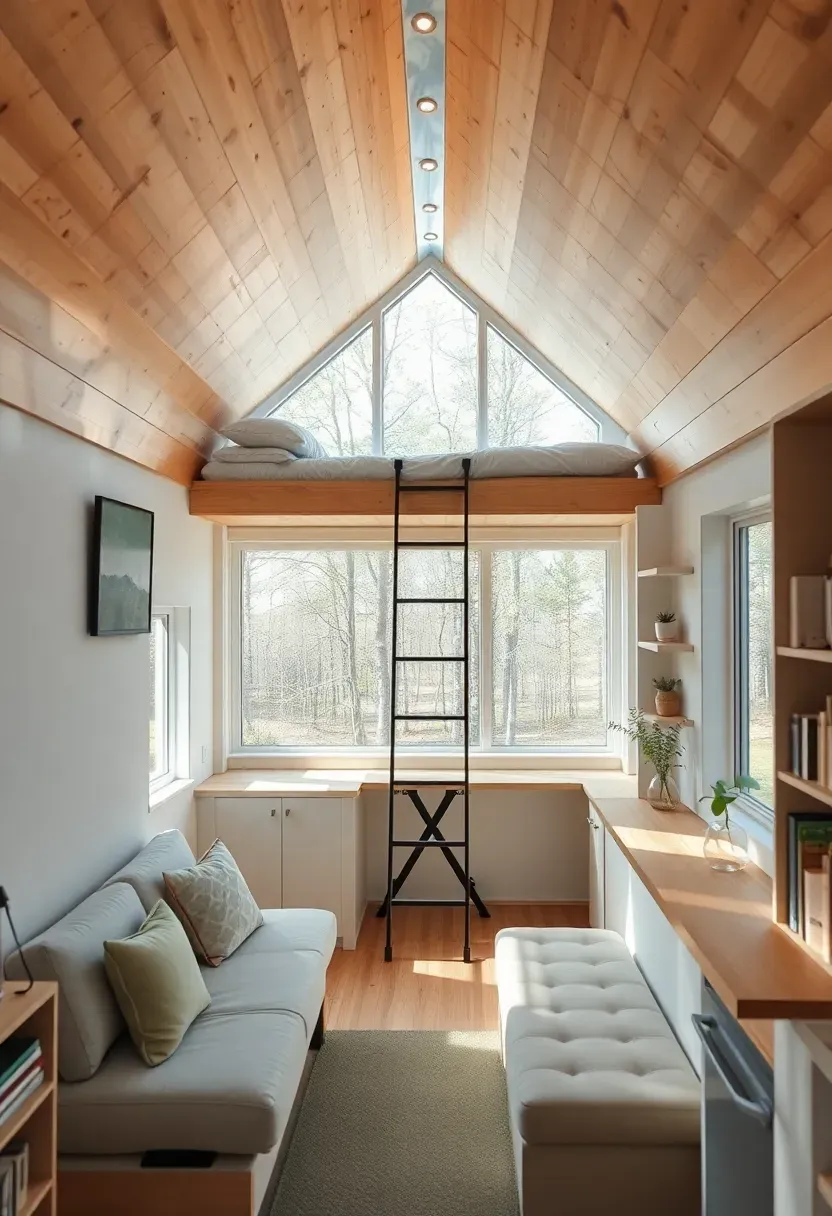
Successful tiny house design relies on seven core principles: vertical thinking (using height for lofts and storage), multi-functionality (every piece serves multiple purposes), visual continuity (light colors and consistent materials expand perceived space), strategic window placement (maximizing natural light and views), minimizing circulation space (eliminating unnecessary hallways), built-in solutions (custom storage fits every inch), and outdoor integration (extending living space beyond walls). The most successful tiny houses feel spacious not because they're large, but because every design decision maximizes utility while maintaining visual breathing room. For more practical strategies, see our guide on [how to make a tiny house feel bigger](/posts/133_how-to-make-a-tiny-house-feel-bigger-20-pro-tips/).
Tips
- If/Then: If you're working with a trailer footprint, then design around wheel wells as built-in storage or seating rather than losing that space to obstacles
- Draw your tiny house to scale on graph paper or use free 3D design tools before building—errors on paper cost nothing, errors in construction are expensive
- Standardize dimensions to avoid custom fabrication (use standard mattress sizes, cabinet widths, appliance dimensions) to keep costs reasonable
What this gives you: A design framework that transforms space constraints into creative opportunities for efficient, beautiful living.
4. Interior Layout Strategies for Maximum Functionality
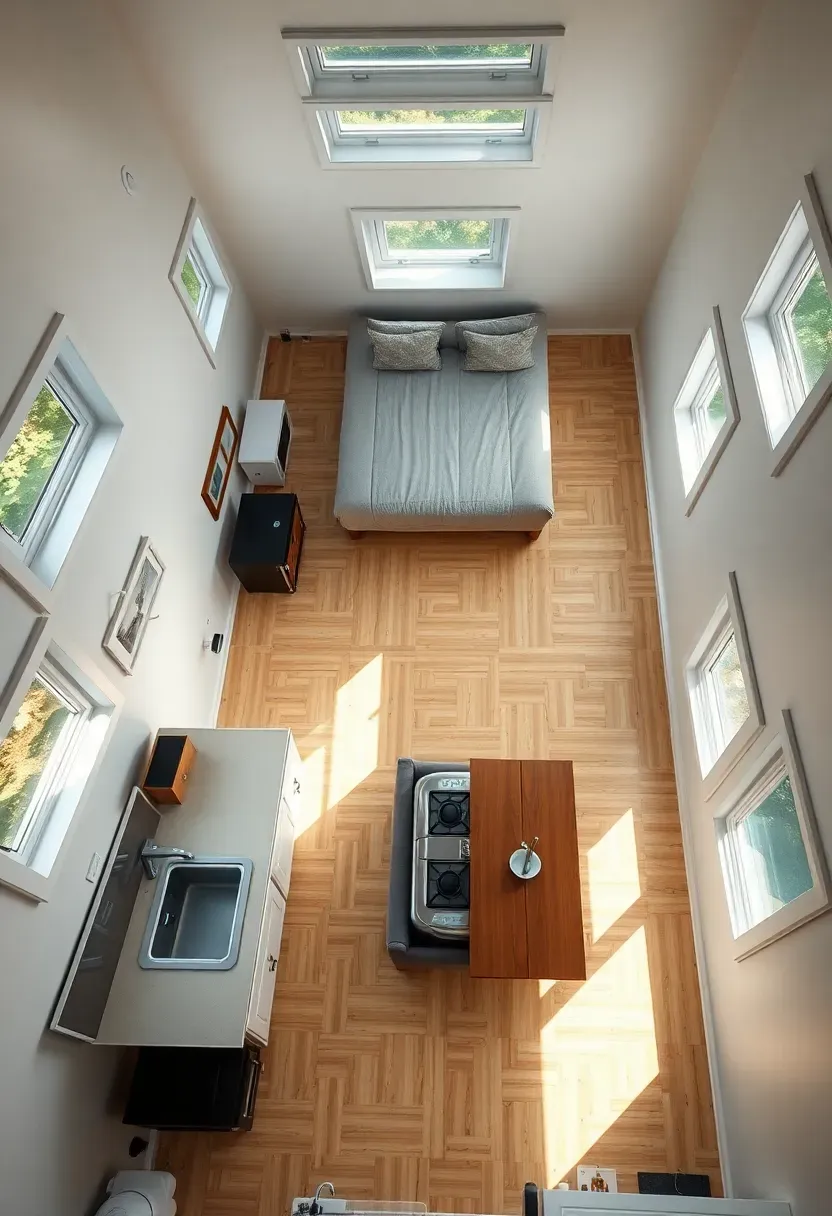
The most effective tiny house layouts divide space into zones rather than separate rooms: a living area that converts to a guest bed, a kitchen that expands for food prep and contracts for dining, a bathroom that combines shower and laundry functions, and a sleeping loft that serves as a quiet retreat. Open floor plans eliminate circulation-wasting hallways, while strategic placement of utilities (water heater, electrical panel) in otherwise dead space preserves prime real estate for living areas. The kitchen, bathroom, and sleeping areas form the core triangle around which everything else arranges, with the living area serving as flexible multi-use space.
Recommended
Items for this idea
Tips
- Place the bathroom on an exterior wall to simplify plumbing runs and minimize interior wall thickness
- Position the kitchen near the entrance to minimize carrying groceries through living spaces
- Don't sacrifice headroom in lofts for ceiling height elsewhere—standard 8-foot ceilings downstairs feel more spacious than 9-foot ceilings with cramped lofts
Placement note: Orient your primary windows south for maximum natural light and passive solar heat gain, which reduces reliance on artificial lighting and heating.
What this gives you: A strategic approach to space planning that maximizes every square foot while maintaining comfortable, functional living areas.
5. Tiny House Storage Solutions and Decluttering Techniques
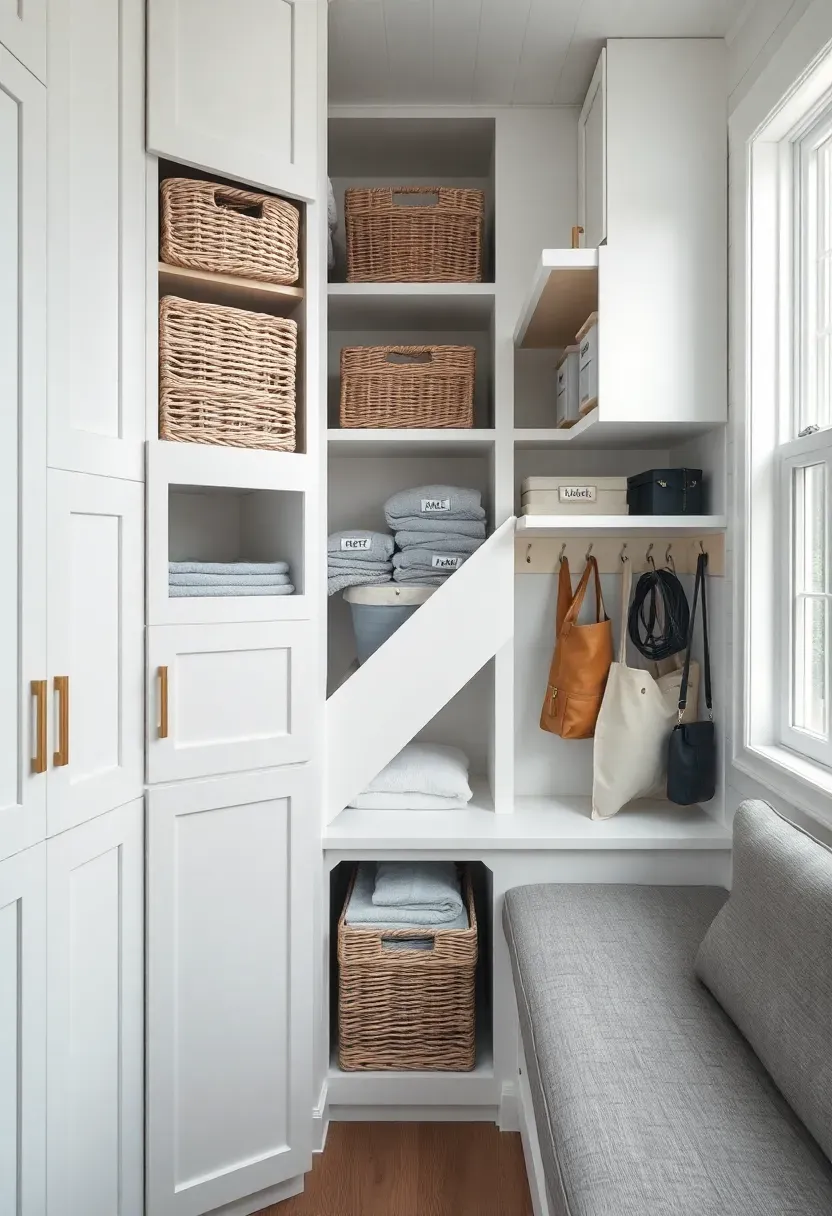
Storage in tiny houses follows the philosophy "a place for everything and everything in its place," utilizing vertical space with floor-to-ceiling built-ins, hidden compartments under furniture and stairs, magnetic strips for metal items, pegboards for tools and kitchen equipment, and vacuum-sealed bags for seasonal clothing. The tiny house lifestyle inherently requires owning less, which means making intentional choices about possessions: keep only what serves a purpose or brings joy, digitize media and documents, choose multi-purpose items over specialized ones, and embrace a "one in, one out" rule for new acquisitions. Many tiny house dwellers report that decluttering before moving is the most transformative part of the process.
Tips
- Do/Don't: Do measure everything you own before designing storage; don't assume standard closet dimensions will accommodate your specific wardrobe and gear
- Use door backs for additional storage—over-the-door organizers, hooks, and magnetic racks turn wasted space into useful storage
- Design storage with accessibility in mind: frequently used items at eye level, seasonal items up high, heavy items down low
Best for: Those transitioning from larger homes who need to downsize possessions systematically and create storage systems that prevent clutter accumulation.
What this gives you: Practical strategies for organizing possessions efficiently while embracing the mental clarity that comes with owning less.
6. Multi-Functional Furniture and Transformable Spaces
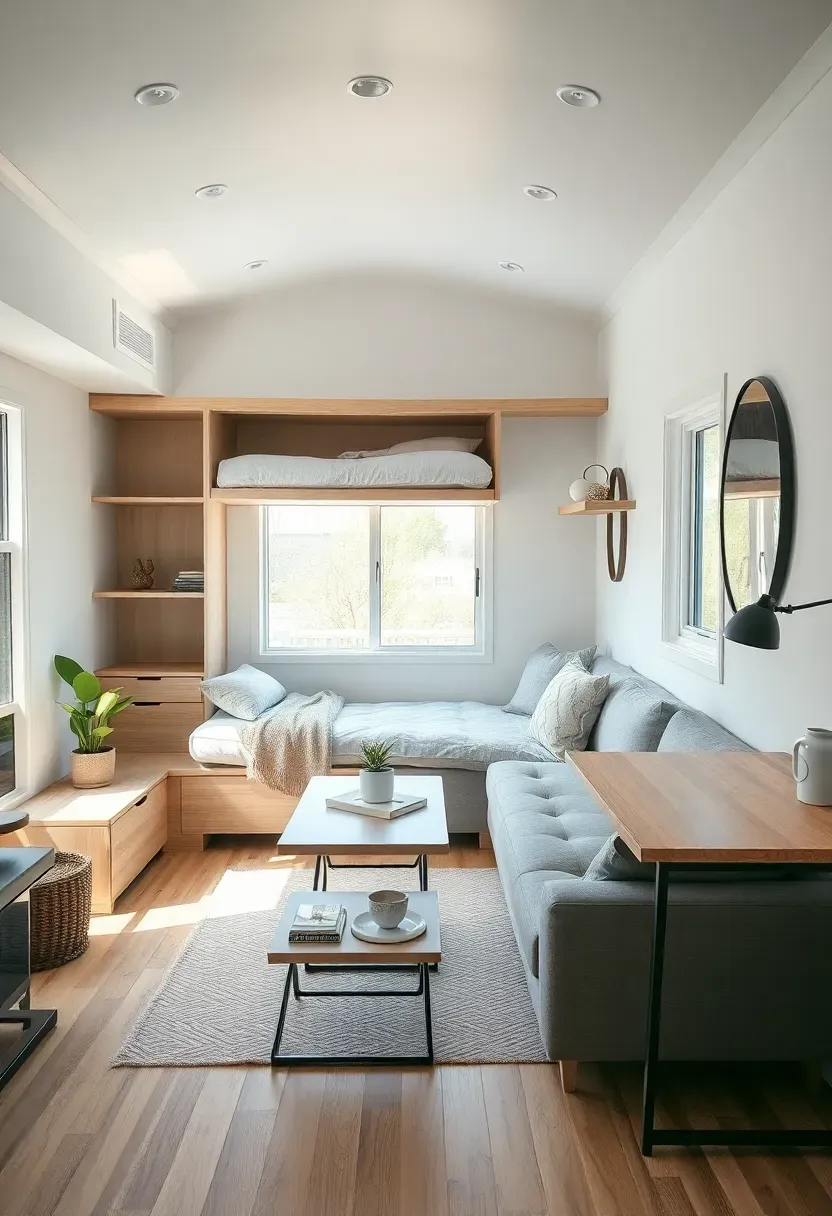
The secret to tiny house comfort lies in furniture that works harder: murphy beds that fold into walls, sofas that convert to guest beds, dining tables that collapse or expand as needed, ottomans with hidden storage, desks that serve as kitchen prep surfaces, and stairs that double as drawers. Transformable furniture allows a single space to serve multiple functions throughout the day—a living room becomes an office during work hours, a dining room at mealtimes, and a guest bedroom at night. This flexibility not only maximizes utility but also prevents the cramped feeling that comes from static, single-purpose furniture crowding limited space.
Recommended
Items for this idea
Tips
- Test transformable furniture mechanisms before purchasing—cheap hardware fails quickly with daily use, and stuck furniture defeats its purpose
- Choose wall-mounted furniture over freestanding pieces to free floor space and make cleaning easier
- Consider custom-built multi-functional pieces if commercial options don't maximize your specific layout
What this gives you: The ability to live comfortably in a small space by making each piece of furniture serve multiple purposes.
7. Lighting and Visual Space Expansion for Tiny Homes
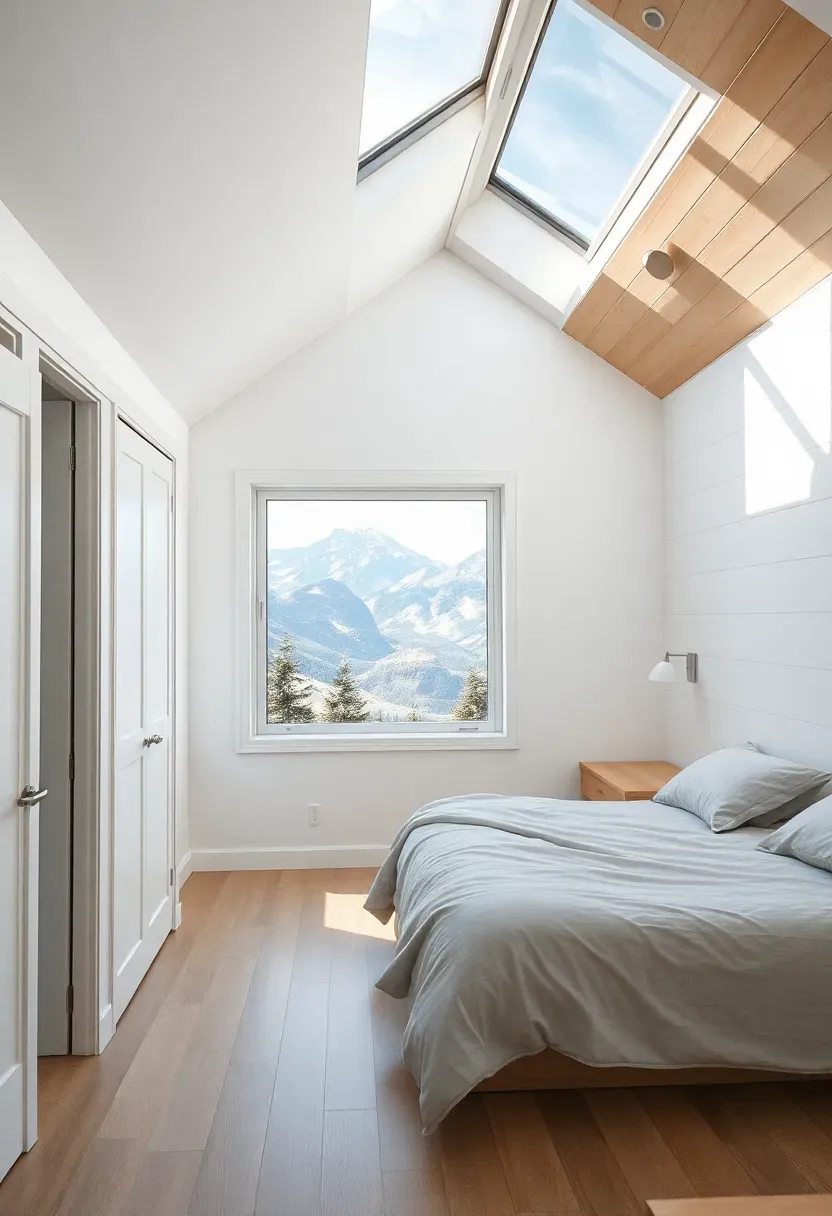
Proper lighting transforms a tiny house from claustrophobic to spacious through strategic use of natural light (large windows, skylights, glass doors), layered artificial lighting (ambient, task, and accent), reflective surfaces (mirrors, glossy tiles, metallic finishes), light color palettes (whites, creams, light grays), and continuous flooring (unbroken from one end to the other). Mirrors strategically placed opposite windows amplify both natural light and views, while minimized window treatments maximize daylight penetration. Recessed lighting keeps ceilings feeling higher, and under-cabinet lighting eliminates shadows on work surfaces. The goal is to eliminate dark corners and visual barriers that make small spaces feel confined.
Tips
- Pro/Con/Fix: Large windows provide light and views but can compromise privacy and insulation. Fix: Use switchable privacy glass or high-quality blinds that seal tightly
- Install dimmers on all light fixtures to control mood and energy use, and use warm white bulbs (2700-3000K) for cozy atmosphere
- Position mirrors to reflect the best view, not just any light—amplifying a beautiful window view makes the space feel larger and more connected to outdoors
What this gives you: A light-filled, visually expanded space that feels larger and more welcoming than its actual square footage.
8. Tiny House Zoning Laws and Community Living Options
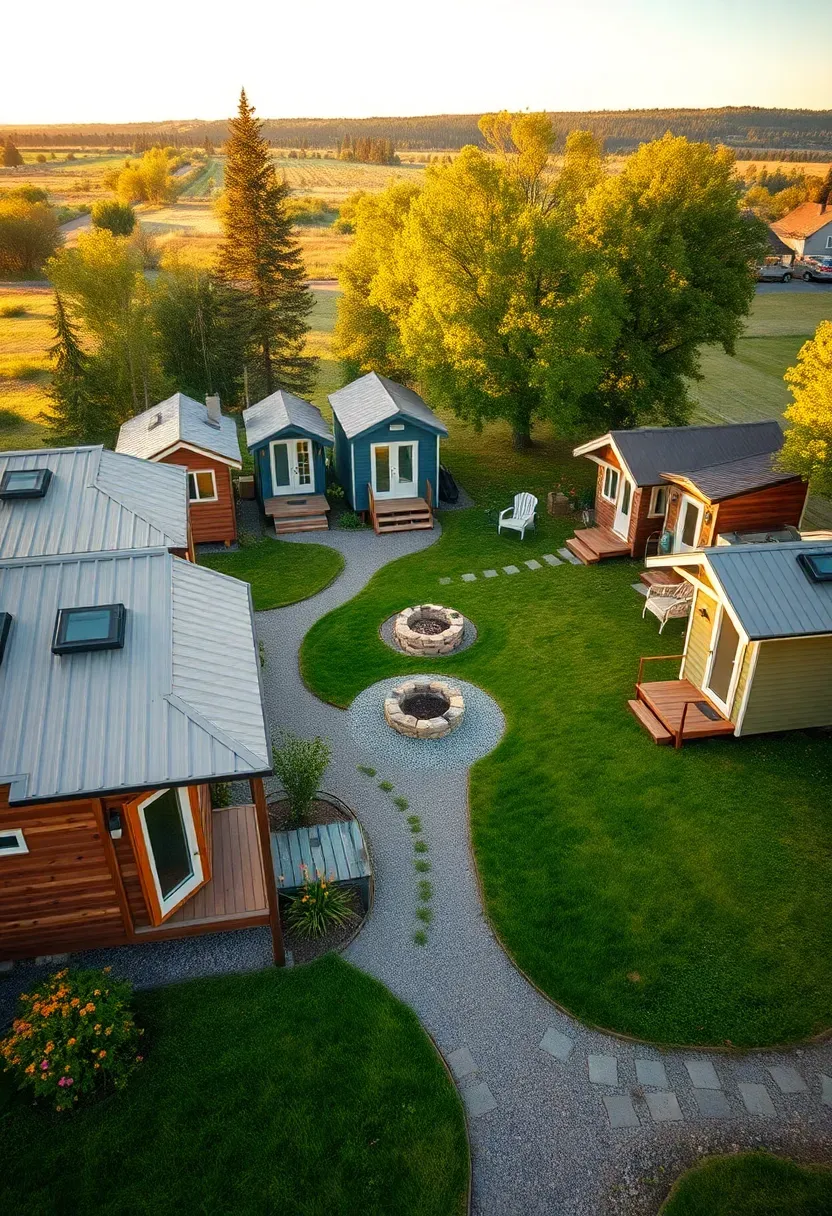
Zoning regulations present the biggest challenge to tiny house living, with minimum square footage requirements (often 600-1,000 square feet), restrictions on accessory dwelling units, prohibitions on wheels as permanent residences, and setbacks that eliminate small lots. Progressive cities are updating codes to include tiny house provisions, but many areas remain unfriendly to small living. Tiny house communities have emerged as solutions—planned developments with shared amenities, common spaces, and like-minded neighbors navigating zoning together. Before committing to tiny house living, research local regulations thoroughly, connect with local tiny house advocates, and consider locations with demonstrated tiny house friendliness.
Recommended
Items for this idea
Tips
- Call your local planning department directly and ask specifically about tiny houses, ADUs, and minimum square footage requirements—don't assume online information is current
- Consider counties rather than cities for more lenient regulations, and look for existing tiny house communities as indicators of friendly policies
- Join the American Tiny House Association for advocacy resources and up-to-date information on regulatory changes nationwide
Rental note: Some tiny house communities offer rental options for trial living before committing to purchase or build—this provides invaluable experience without long-term obligation.
What this gives you: Realistic understanding of the legal landscape and community options that make tiny house living feasible and sustainable.
9. Building vs. Buying a Tiny House: What to Consider
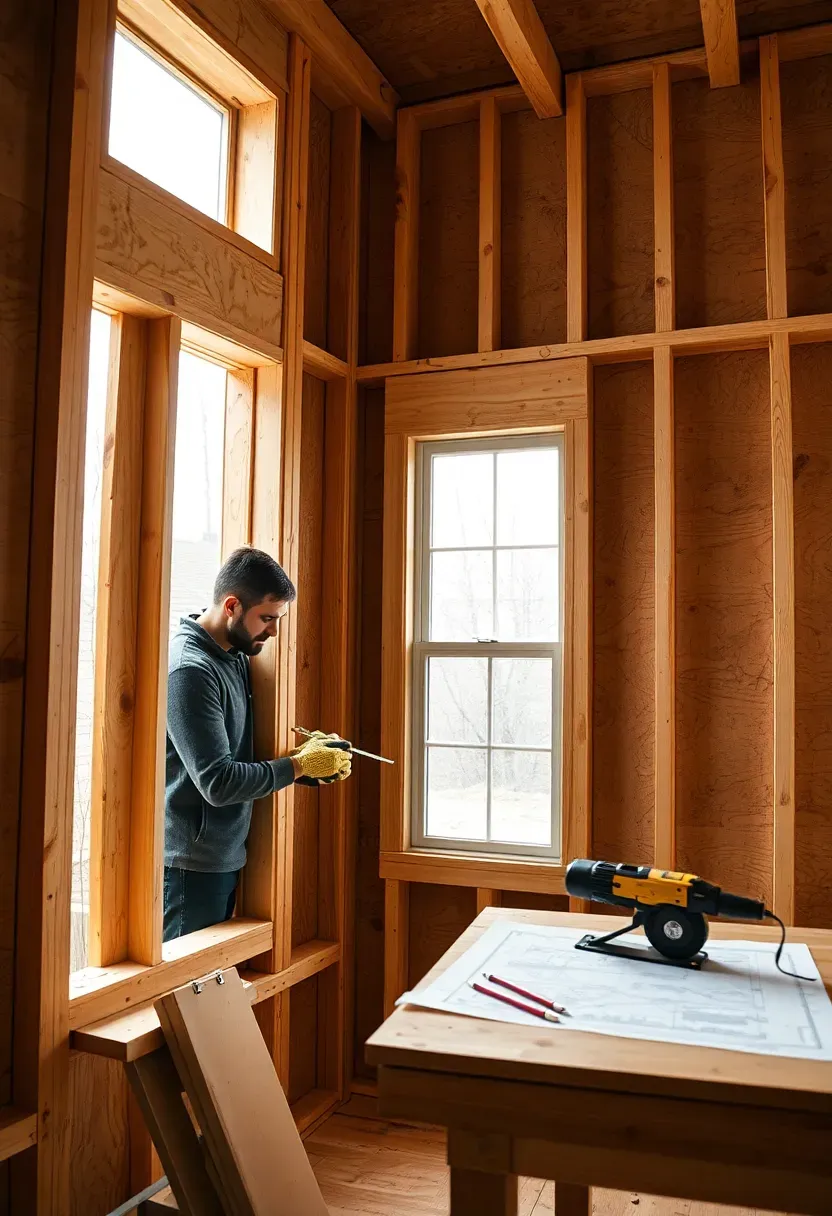
The decision between building your own tiny house or purchasing from a builder involves trade-offs in cost, time, customization, and risk. DIY builds typically cost $20,000-$50,000 but require 500-1,000+ hours of labor, construction skills, and tools. Professional builds cost $50,000-$150,000 but deliver in 2-6 months with warranties and proven designs. Hybrid options include shell kits (structure built by professionals, finishing by owner) and used tiny houses. First-time builders often underestimate time, skill requirements, and hidden costs, while those purchasing from builders may sacrifice customization for speed and reliability. The best choice depends on your budget, skills, timeline, and tolerance for risk.
Tips
- If you've never built anything, start with a smaller project (shed, tiny house trailer) before committing to a full house build
- Research builders thoroughly—request references, visit completed builds, and verify insurance and licensing before making deposits
- Factor your own labor cost at a realistic hourly rate when comparing DIY to professional builds; your time has value even if you're not paying yourself
What this gives you: A framework for making an informed decision about how to acquire your tiny house based on your skills, resources, and priorities.
10. Is Tiny House Living Right for You?
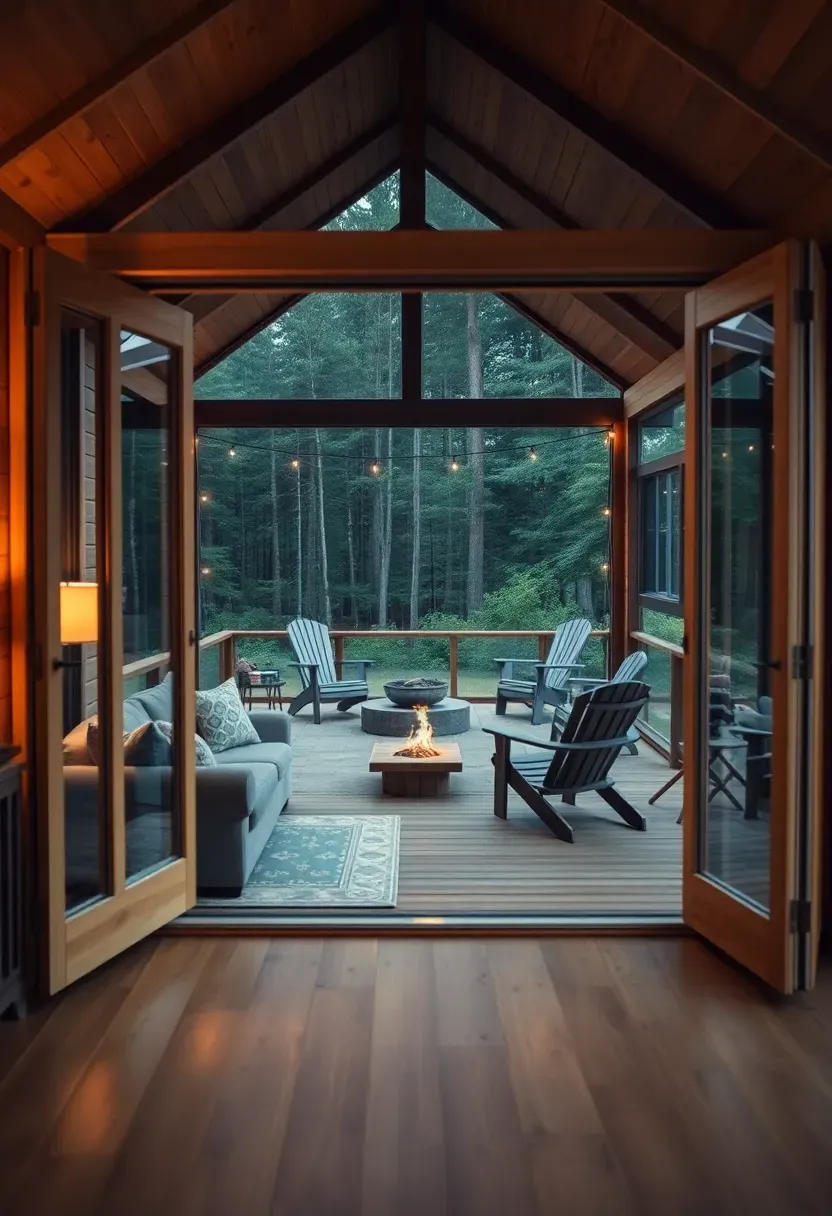
Tiny house living works best for those who value experiences over possessions, embrace minimalism, tolerate close proximity (especially if sharing space), navigate complexity (zoning, parking, utilities), and maintain flexibility in lifestyle choices. It's less suitable for those who work from home requiring dedicated office space, large families with children needing separate areas, collectors with significant possessions, or those who host frequent overnight guests. The most successful tiny house dwellers approach the lifestyle as an experiment rather than a permanent commitment, remaining open to adjustment as needs change. Renting a tiny house before building or buying provides invaluable experience without long-term commitment.
Recommended
Items for this idea
Tips
- Stay in a tiny house rental for at least a week to experience the realities of small-space living before making permanent decisions
- Be honest about your deal-breakers—whether it's cooking elaborate meals, hosting dinner parties, or working from home, these needs should inform your design or your decision
- Connect with experienced tiny house dwellers and ask specifically about their challenges, not just their highlight reel
Avoid if: You're not willing to confront your consumption habits, navigate complex regulations, or significantly downsize your possessions—tiny living requires genuine commitment to simplification.
What this gives you: Clarity about whether tiny house living aligns with your values, needs, and tolerance for the challenges inherent in small-space dwelling.
The tiny house movement represents more than an architectural trend — it's a reimagining of what home means, how much space we truly need, and what we prioritize in our lives. Whether you're a renter exploring downsizing ideas, a homeowner ready to build, or simply curious about the tiny house lifestyle, the principles here translate into real savings, reduced stress, and a simpler daily life. By embracing smart design, intentional minimalism, and community connection, tiny house dwellers prove that bigger isn't necessarily better. If you're ready to explore further, check out our [minimalist living in a tiny house](/posts/114_minimalist-living-in-a-tiny-house-simple-life-small-spaces/) guide for practical next steps.
About the author
OBCD
CGI visualization and interior design content. We create detailed 3D renders and curate practical design ideas for every room in your home.