inspiration

How to Simplify Your Life: A Path to Peace and Wellbeing

How to Simplify Your Life: A Path to Peace and Wellbeing

In a world that constantly demands more—more possessions, more commitments, more stimulation—simplifying your life offers a revolutionary path to peace and wellbeing. Simplification isn't about deprivation or minimalism for its own sake; it's about intentionally removing what doesn't matter so you can fully engage with what does. When you simplify your physical space, schedule, and mental load, you create room for clarity, creativity, and contentment to flourish. The journey toward a simpler life begins at home, where our environments shape our thoughts, emotions, and daily experiences.

The science backs this up: studies consistently show that cluttered environments increase cortisol levels, impair focus, and contribute to feelings of overwhelm. Conversely, simplified spaces reduce visual noise, lower stress, and create a sense of calm that permeates other areas of life. Simplification extends beyond physical belongings to include commitments, relationships, digital consumption, and mental habits. It's a holistic approach to living that aligns your external circumstances with your internal values.

This guide explores ten practical pathways to simplify your life, starting with your home environment and expanding to encompass your time, relationships, and mental landscape. Each approach offers concrete strategies you can implement immediately, creating cumulative momentum toward a life of greater peace, purpose, and presence.

Quick FAQ

Where do I start simplifying my life?

Start with visible physical clutter—countertops, entryways, and flat surfaces. Quick wins build momentum for deeper simplification work.

Will simplifying make my life feel empty or boring?

No—simplification removes distraction so you can engage more deeply with what truly matters, often leading to greater fulfillment and meaning.

How long does it take to simplify a home?

Initial decluttering takes 1-3 months depending on home size and accumulation. Maintaining simplicity becomes faster as systems solidify.

What if my family resists simplification?

Start with your own spaces and belongings, lead by example, and have open conversations about the benefits you're experiencing.

Can I simplify without getting rid of everything?

Absolutely—simplification is about intentionality, not minimalism for its own sake. Keep what you love and use; eliminate excess and obligation.

How does simplification improve mental health?

Reduced visual noise lowers cognitive load, fewer possessions mean less maintenance stress, and intentional commitments prevent overwhelm and burnout.

Table of Contents

  1. 1. Creating a Calming Foundation Through Simplified Interior Design
  2. 2. The Art of Intentional Decluttering: Letting Go to Make Space
  3. 3. Streamlining Daily Routines for Mental Clarity and Ease
  4. 4. Designing Spaces that Support Mindfulness and Rest
  5. 5. Simplifying Commitments: The Power of Saying No
  6. 6. Creating Systems That Reduce Decision Fatigue
  7. 7. Digital Simplification: Reclaiming Attention and Presence
  8. 8. Cultivating Simple, Meaningful Relationships
  9. 9. Financial Simplification for Freedom and Peace of Mind
  10. 10. Maintaining Simplicity: Sustainable Practices for Lasting Peace

1. Creating a Calming Foundation Through Simplified Interior Design

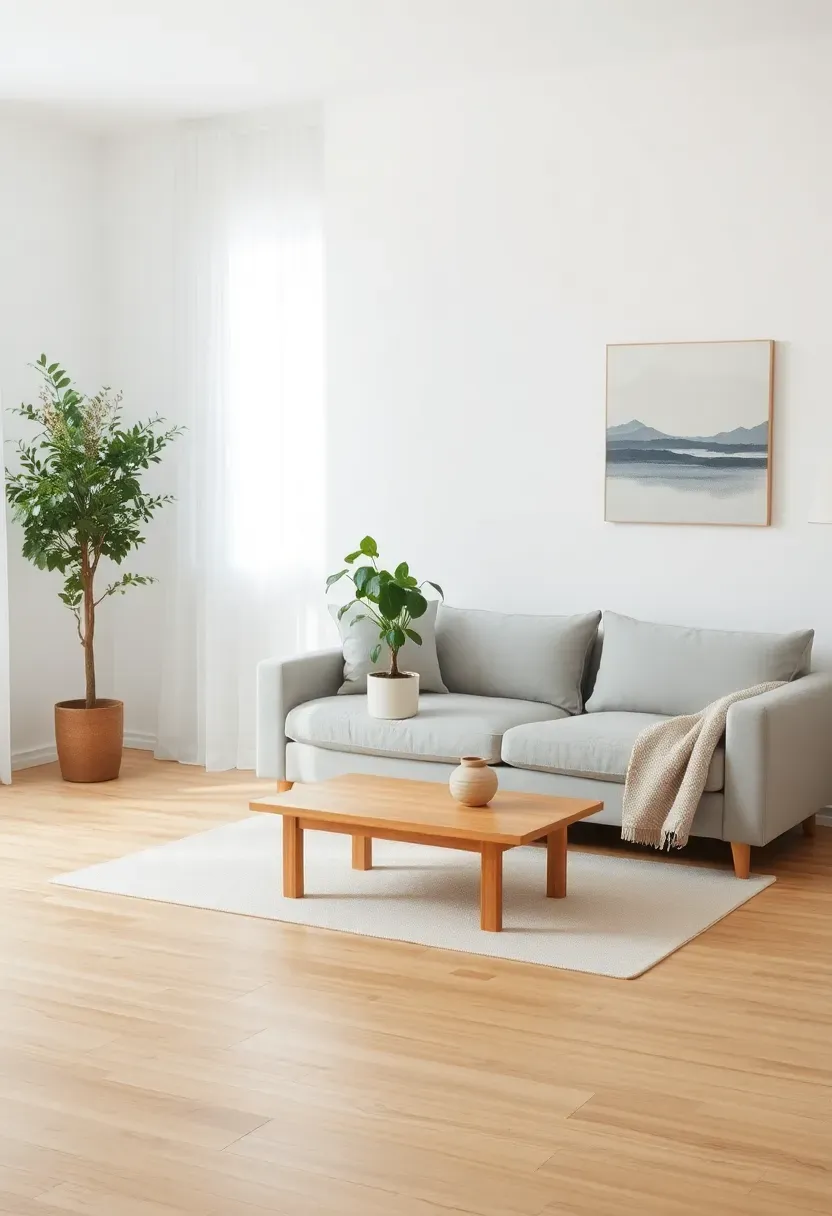
Your home environment profoundly influences your mental state, energy levels, and overall wellbeing. Simplified interior design creates a foundation of calm by reducing visual noise, using cohesive color palettes, incorporating natural materials, maximizing natural light, and arranging furniture to support flow rather than clutter. The goal isn't sterile minimalism but intentional curation—each object and surface should either serve a clear purpose or bring genuine joy. When every item in your space has intention behind it, your home becomes a sanctuary that restores rather than depletes your energy.
Idea 1
Idea 1
In a world that constantly demands more—more possessions, more commitments, more stimulation—simplifying your life offers a revolutionary path to peace and wellbeing. Simplification isn't about deprivation or minimalism for its own sake; it's about intentionally removing what doesn't matter so you can fully engage with what does. When you simplify your physical space, schedule, and mental load, you create room for clarity, creativity, and contentment to flourish. The journey toward a simpler lif
Prompt: Nature documentary captured on Hasselblad X2D 100C with XCD 90V lens at f/4, ISO 64, 1/125s shutter. Hyper-realistic 3/4 view of a simplified living room showing light gray linen sofa, solid oak coffee table, single potted fiddle leaf fig tree, white walls with one abstract landscape painting, light oak flooring, sheer white curtains allowing soft natural light. Minimal accessories: one ceramic vase with dried branches, one textured throw blanket folded neatly. Materials: light oak wood, gray linen upholstery, white plaster walls, ceramic, cotton throw. Soft diffused daylight from large window creating peaceful serene atmosphere. Visible floor space and breathing room around furniture. Kinfolk magazine interior photography style, calm minimalist aesthetic. No text, no logos, no watermarks.

Tips

  • Start with one room—choose where you spend the most time and fully simplify it before moving to other spaces
  • Use a limited color palette of 3-4 colors throughout your home to create visual continuity and reduce mental stimulation
  • Leave 20% of each surface empty; this negative space makes rooms feel larger and more peaceful

What this gives you: A home environment that actively reduces stress and promotes mental clarity through intentional design.

2. The Art of Intentional Decluttering: Letting Go to Make Space

Decluttering differs from organizing—organizing manages existing possessions while decluttering questions whether you need them at all. Effective decluttering follows the "one in, one out" rule, applies the 90-day test (haven't used it in 90 days?), considers the 20/80 principle (we use 20% of our stuff 80% of the time), and asks whether each item serves a purpose or sparks joy. Tackle one category at a time (clothing, then books, then kitchen) rather than one room at a time—this prevents decision fatigue and builds momentum. The physical act of letting go creates emotional and mental space, often revealing that attachment was to the memory or possibility rather than the object itself.
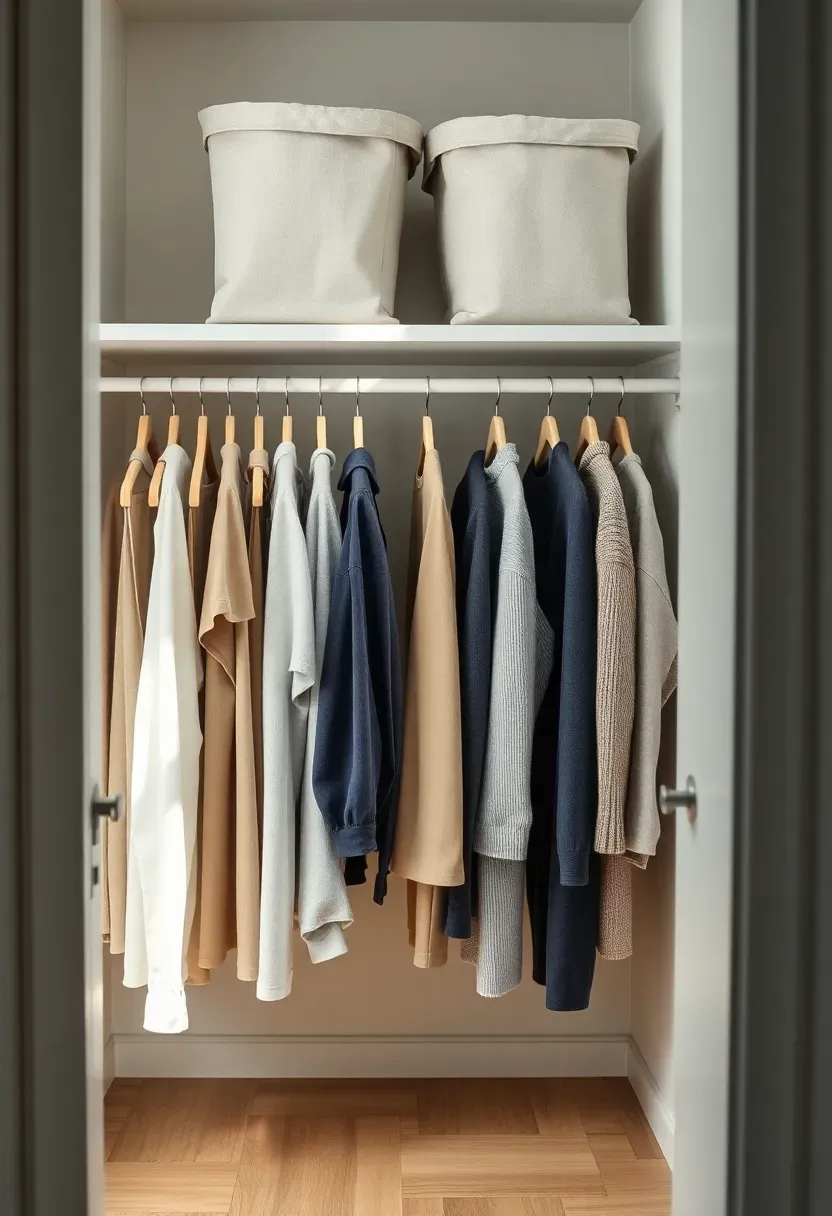
Hyper-realistic detail shot of an organized minimalist closet showing neat row of white wooden hangers with coordinated neutral-colored clothing (beige, gray, navy), three canvas storage bins on top shelf, visible wooden floor, soft natural light from window. Empty space visible between garments allowing easy access and visibility. Materials: white painted wood, cotton canvas, wool and cotton garments, light oak flooring. Daylight from left creating gentle shadows. Orderly calm aesthetic like Martha Stewart organization feature. No text, no logos, no watermarks.</p>
In a world that constantly demands more—more possessions, more commitments, more stimulation—simplifying your life offers a revolutionary path to peace and wellbeing. Simplification isn't about deprivation or minimalism for its own sake; it's about intentionally removing what doesn't matter so you can fully engage with what does. When you simplify your physical space, schedule, and mental load, you create room for clarity, creativity, and contentment to flourish. The journey toward a simpler lif
Prompt: Nature documentary captured on Hasselblad X2D 100C with XCD 90V lens at f/4. Hyper-realistic detail shot of an organized minimalist closet showing neat row of white wooden hangers with coordinated neutral-colored clothing (beige, gray, navy), three canvas storage bins on top shelf, visible wooden floor, soft natural light from window. Empty space visible between garments allowing easy access and visibility. Materials: white painted wood, cotton canvas, wool and cotton garments, light oak flooring. Daylight from left creating gentle shadows. Orderly calm aesthetic like Martha Stewart organization feature. No text, no logos, no watermarks.

Tips

  • Don't/Do: Don't organize before decluttering—you'll waste time arranging things you'll later discard. Do remove everything first, then only return what you genuinely need
  • Create four boxes: keep, donate, sell, and trash. Handle each item once rather than creating "maybe" piles that require re-deciding
  • Photograph sentimental items before letting go; the photo preserves the memory without requiring physical storage space

Best for: Those feeling overwhelmed by possessions who need a systematic approach to letting go without guilt or anxiety.

What this gives you: Liberation from the burden of excess possessions and the mental space that comes with owning only what you use and love.

3. Streamlining Daily Routines for Mental Clarity and Ease

Complex routines drain cognitive resources and create decision fatigue before your day truly begins. Simplification means creating morning and evening rituals that eliminate decisions, grouping similar tasks, preparing the night before, and automating repetitive actions. A simplified morning might involve laying out clothes, preparing breakfast components, and packing bags the evening before—reducing morning friction and protecting your morning mental energy for what matters. Evening routines might include a 10-minute reset (returning items to their places, preparing for tomorrow), creating transition rituals that signal rest, and protecting sleep hygiene through reduced stimulation.
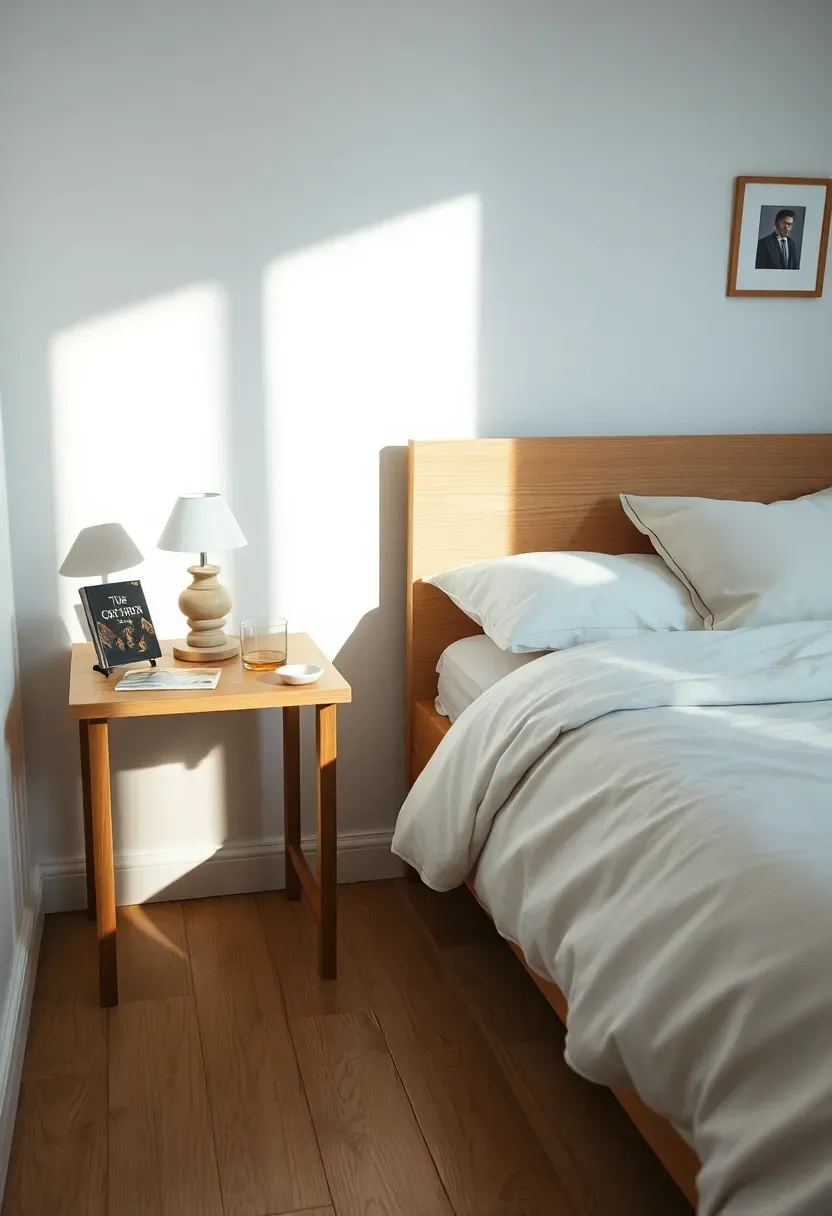
Hyper-realistic 3/4 view of a simplified bedroom corner showing a small wooden bedside table with single lamp, one book, glass of water, and small dish for jewelry. Made bed with neutral bedding, one throw pillow. Light oak flooring, white walls with one small framed photograph. Soft morning light creating peaceful atmosphere. Visible floor space around bed, no visible clutter. Materials: light oak wood, white bedding, ceramic lamp, glass. Serene minimalist bedroom aesthetic. Architectural Digest photography style. No text, no logos, no watermarks.</p>
In a world that constantly demands more—more possessions, more commitments, more stimulation—simplifying your life offers a revolutionary path to peace and wellbeing. Simplification isn't about deprivation or minimalism for its own sake; it's about intentionally removing what doesn't matter so you can fully engage with what does. When you simplify your physical space, schedule, and mental load, you create room for clarity, creativity, and contentment to flourish. The journey toward a simpler lif
Prompt: Nature documentary captured on Hasselblad X2D 100C with XCD 90V lens at f/4. Hyper-realistic 3/4 view of a simplified bedroom corner showing a small wooden bedside table with single lamp, one book, glass of water, and small dish for jewelry. Made bed with neutral bedding, one throw pillow. Light oak flooring, white walls with one small framed photograph. Soft morning light creating peaceful atmosphere. Visible floor space around bed, no visible clutter. Materials: light oak wood, white bedding, ceramic lamp, glass. Serene minimalist bedroom aesthetic. Architectural Digest photography style. No text, no logos, no watermarks.

Tips

  • If/Then: If you struggle with morning decisions, then create a uniform or capsule wardrobe that mixes and matches effortlessly
  • Batch similar tasks—answer emails in two focused sessions rather than constantly checking throughout the day
  • Use "transition rituals" between activities (five minutes of meditation, a short walk, or tea) to mentally shift gears without carryover stress

Placement note: Place a small tray or dish near your entrance for keys, wallet, and essentials—this single change eliminates daily searching and reduces mental load.

What this gives you: Reduced decision fatigue and more mental energy for what matters by automating routine aspects of daily life.

4. Designing Spaces that Support Mindfulness and Rest

Your home should actively support your wellbeing through designated zones for different activities: a calm bedroom optimized for sleep (cool temperature, dark curtains, minimal electronics), a focused workspace free of distractions, a comfortable reading nook that invites relaxation, and a central gathering space that encourages connection. Each zone serves a specific purpose, and the design reinforces that function through lighting, furniture arrangement, and sensory details. The bedroom, for example, benefits from layered window treatments, minimal electronics, cool colors, and dedicated storage for work materials so sleep space doesn't become stress space.
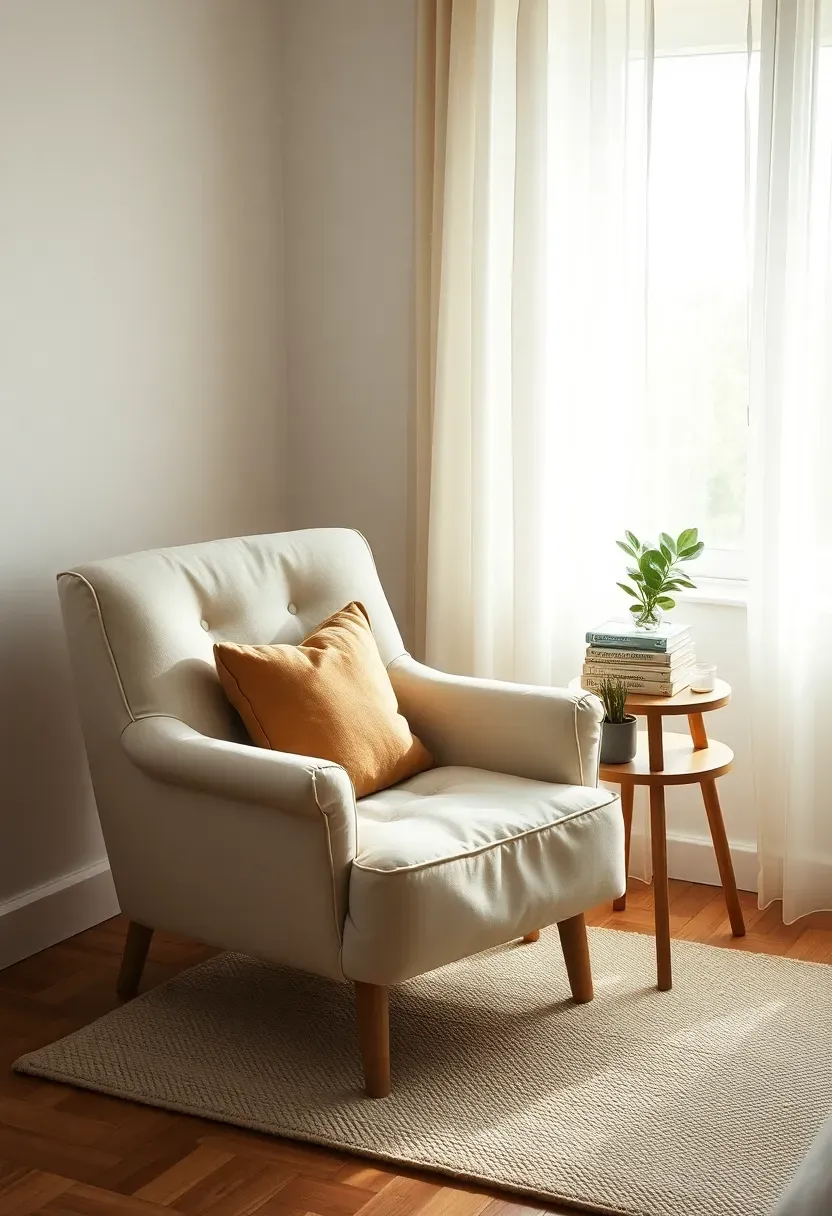
Hyper-realistic 3/4 view of a serene bedroom reading nook showing comfortable armchair in soft neutral fabric, small wooden side table with reading lamp and stack of three books, window with light filtering through sheer curtains, small potted plant, layered rug under chair. Materials: linen upholstery, light oak wood, cream wool rug, green plant, white walls with subtle texture. Soft peaceful light creating inviting reading atmosphere. Visible wall space and negative space preventing visual clutter. Kinfolk magazine lifestyle photography style. No text, no logos, no watermarks.</p>
In a world that constantly demands more—more possessions, more commitments, more stimulation—simplifying your life offers a revolutionary path to peace and wellbeing. Simplification isn't about deprivation or minimalism for its own sake; it's about intentionally removing what doesn't matter so you can fully engage with what does. When you simplify your physical space, schedule, and mental load, you create room for clarity, creativity, and contentment to flourish. The journey toward a simpler lif
Prompt: Nature documentary captured on Hasselblad X2D 100C with XCD 90V lens at f/4. Hyper-realistic 3/4 view of a serene bedroom reading nook showing comfortable armchair in soft neutral fabric, small wooden side table with reading lamp and stack of three books, window with light filtering through sheer curtains, small potted plant, layered rug under chair. Materials: linen upholstery, light oak wood, cream wool rug, green plant, white walls with subtle texture. Soft peaceful light creating inviting reading atmosphere. Visible wall space and negative space preventing visual clutter. Kinfolk magazine lifestyle photography style. No text, no logos, no watermarks.

Tips

  • Design your bedroom for sleep by removing work materials, televisions, and exercise equipment—the space should cue rest, not productivity
  • Create a "landing strip" near your entrance with hooks, a bench, and storage to prevent items from migrating throughout the house
  • Use lighting to support different activities: bright, cool light for work; warm, dim light for relaxation; complete darkness for sleep

What this gives you: A home that actively supports your mental state and daily rhythms through purposeful design.

5. Simplifying Commitments: The Power of Saying No

Time clutter weighs as heavily as physical clutter—every unnecessary commitment creates mental debt and fragments your attention. Simplifying commitments requires auditing your obligations, identifying which align with your values, learning to decline gracefully, and protecting time for rest and relationships. The "good yes" comes only after a "good no"—by declining what doesn't serve your priorities, you preserve energy for what does. Practice the phrase "let me check my schedule and get back to you" rather than agreeing immediately, giving yourself time to evaluate whether the commitment deserves your limited time and attention.
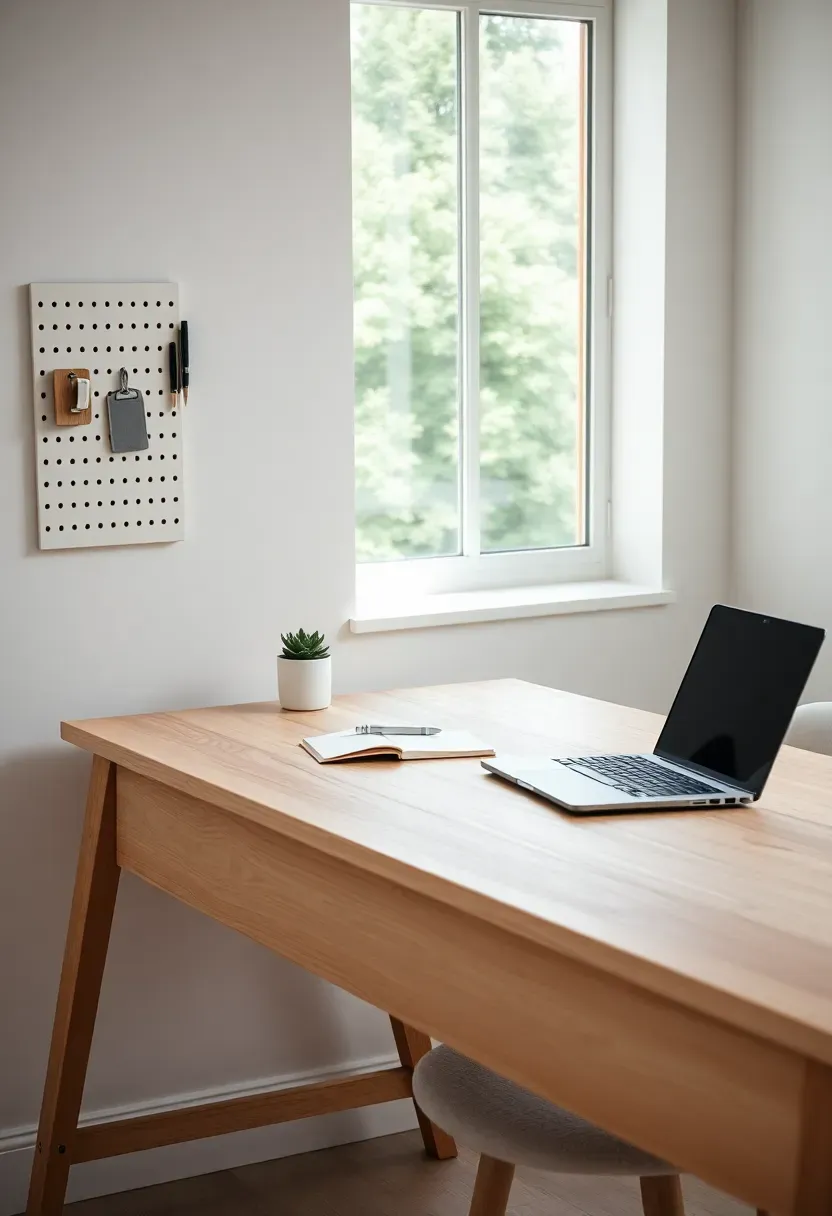
Hyper-realistic 3/4 view of a simplified home office showing clean wooden desk with laptop, notebook, pen, and small succulent. White wall with pegboard holding few essential supplies. Comfortable chair, window with view of greenery. Natural light streaming in. Minimal visual distraction, clear desk surface. Materials: light oak desk, white walls, green plant, black laptop. Peaceful focused atmosphere. Dwell magazine workspace photography style. No text, no logos, no watermarks.</p>
In a world that constantly demands more—more possessions, more commitments, more stimulation—simplifying your life offers a revolutionary path to peace and wellbeing. Simplification isn't about deprivation or minimalism for its own sake; it's about intentionally removing what doesn't matter so you can fully engage with what does. When you simplify your physical space, schedule, and mental load, you create room for clarity, creativity, and contentment to flourish. The journey toward a simpler lif
Prompt: Nature documentary captured on Hasselblad X2D 100C with XCD 90V lens at f/4. Hyper-realistic 3/4 view of a simplified home office showing clean wooden desk with laptop, notebook, pen, and small succulent. White wall with pegboard holding few essential supplies. Comfortable chair, window with view of greenery. Natural light streaming in. Minimal visual distraction, clear desk surface. Materials: light oak desk, white walls, green plant, black laptop. Peaceful focused atmosphere. Dwell magazine workspace photography style. No text, no logos, no watermarks.

Tips

  • Before accepting any commitment, ask: "If this didn't exist, would I create it?" If not, decline
  • Protect one evening per week and one weekend day per month as completely unscheduled—this protected time prevents overcommitment
  • Practice declining without over-explaining: "I'm not able to take that on right now" is a complete sentence

Avoid if: You're in a season where opportunities are scarce and relationship-building is critical—in those times, selective yeses serve your long-term simplicity.

What this gives you: Reclaimed time and energy aligned with your true priorities rather than scattered across miscellaneous obligations.

6. Creating Systems That Reduce Decision Fatigue

Decision fatigue depletes willpower and mental clarity throughout the day—simplification systems automate repetitive decisions so your energy serves what matters. Create meal-planning systems (weekly templates, shopping lists based on recipes), wardrobe systems (capsule collections, seasonal rotation), financial systems (automated savings, bill pay), and household systems (laundry schedules, cleaning routines). The goal is to decide once, then implement repeatedly through systems. When you're not constantly making low-stakes decisions about what to eat, wear, or clean, you preserve cognitive resources for meaningful work, relationships, and creative pursuits.
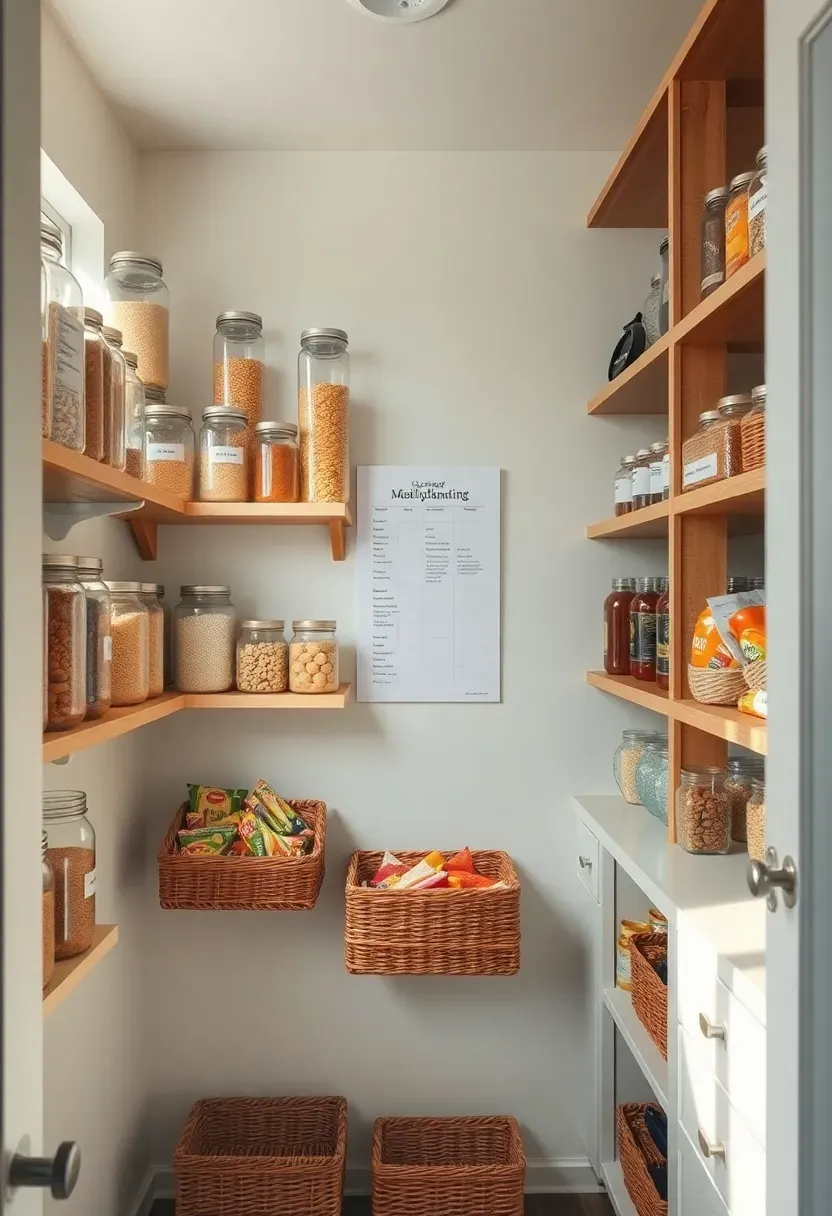
Hyper-realistic 3/4 view of an organized kitchen pantry showing clear glass jars with dry goods labeled, wooden shelves with spices in uniform jars, baskets for snacks, visible meal planning sheet on wall. Materials: clear glass, light wood shelves, wicker baskets, white walls. Natural light from window creating warm organized atmosphere. Visible system and order making meal prep simple. Real Simple magazine organization feature style. No text, no logos, no watermarks.</p>
In a world that constantly demands more—more possessions, more commitments, more stimulation—simplifying your life offers a revolutionary path to peace and wellbeing. Simplification isn't about deprivation or minimalism for its own sake; it's about intentionally removing what doesn't matter so you can fully engage with what does. When you simplify your physical space, schedule, and mental load, you create room for clarity, creativity, and contentment to flourish. The journey toward a simpler lif
Prompt: Nature documentary captured on Hasselblad X2D 100C with XCD 90V lens at f/4. Hyper-realistic 3/4 view of an organized kitchen pantry showing clear glass jars with dry goods labeled, wooden shelves with spices in uniform jars, baskets for snacks, visible meal planning sheet on wall. Materials: clear glass, light wood shelves, wicker baskets, white walls. Natural light from window creating warm organized atmosphere. Visible system and order making meal prep simple. Real Simple magazine organization feature style. No text, no logos, no watermarks.

Tips

  • Pro/Con/Fix: rigid meal planning reduces spontaneity. Fix: Create "theme nights" (Taco Tuesday, Stir-fry Friday) that provide structure while allowing flexibility within parameters
  • Use templates rather than detailed plans—a weekly structure (Mondays for administrative tasks, Tuesdays for focused work) reduces recurring decisions
  • Automate finances completely: automatic transfers to savings, automatic bill payment, automatic investment contributions—money decisions happen once and then run on autopilot

What this gives you: Freedom from daily decision-making about routine matters, preserving mental energy for meaningful choices and creative work.

7. Digital Simplification: Reclaiming Attention and Presence

Digital clutter—endless notifications, overflowing inboxes, and constant connectivity—creates a persistent background hum of anxiety and distraction. Simplification means curating digital spaces aggressively (unsubscribe ruthlessly, turn off notifications except essentials, use focus modes), batching communication rather than constant checking, creating phone-free zones and times, and regularly auditing apps and digital files. The average person spends 3+ hours daily on phones; reclaiming even half that time creates space for meaningful activity, rest, and face-to-face connection. Digital simplification isn't about abandoning technology but about using it intentionally rather than letting it use you.
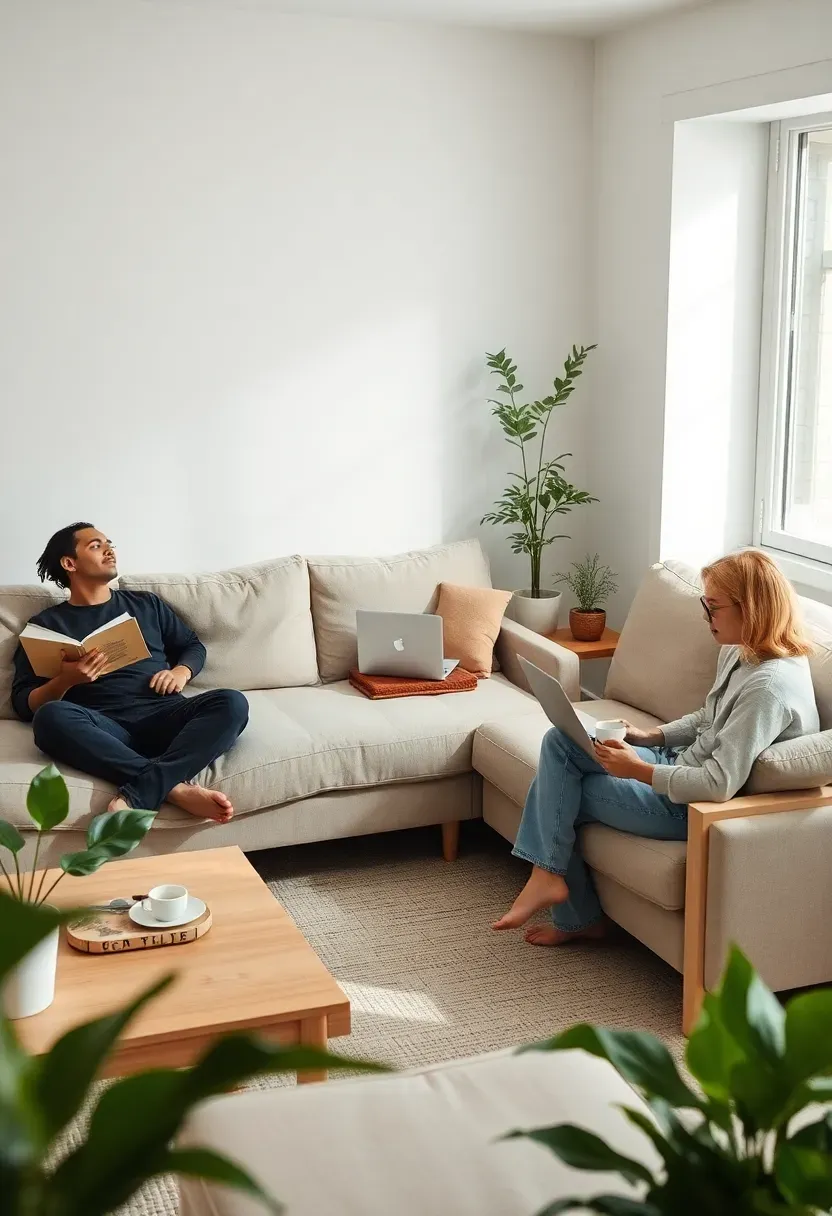
Hyper-realistic 3/4 view of a simplified living room showing people (one reading physical book, one working on laptop, one drinking tea) engaged in separate peaceful activities. Clean surfaces, plants, natural light. No visible phones or screens except the laptop being used intentionally. Materials: linen sofa, light wood furniture, plants, ceramic mugs. Soft afternoon light creating serene contemplative atmosphere. Kinfolk magazine lifestyle photography showing mindful technology use. No text, no logos, no watermarks.</p>
In a world that constantly demands more—more possessions, more commitments, more stimulation—simplifying your life offers a revolutionary path to peace and wellbeing. Simplification isn't about deprivation or minimalism for its own sake; it's about intentionally removing what doesn't matter so you can fully engage with what does. When you simplify your physical space, schedule, and mental load, you create room for clarity, creativity, and contentment to flourish. The journey toward a simpler lif
Prompt: Nature documentary captured on Hasselblad X2D 100C with XCD 90V lens at f/4. Hyper-realistic 3/4 view of a simplified living room showing people (one reading physical book, one working on laptop, one drinking tea) engaged in separate peaceful activities. Clean surfaces, plants, natural light. No visible phones or screens except the laptop being used intentionally. Materials: linen sofa, light wood furniture, plants, ceramic mugs. Soft afternoon light creating serene contemplative atmosphere. Kinfolk magazine lifestyle photography showing mindful technology use. No text, no logos, no watermarks.

Tips

  • Create phone-free zones (bedroom, dining table) and phone-free times (first hour of morning, last hour before sleep)
  • Turn off all notifications except direct communication from humans—let apps wait for you rather than demanding constant attention
  • Do a digital declutter quarterly: unsubscribe from newsletters, delete unused apps, organize photos and files, clear browser bookmarks

Best for: Those feeling constantly distracted or anxious who recognize digital overwhelm as undermining their peace and presence.

What this gives you: Reclaimed attention and reduced digital anxiety through intentional technology use rather than passive consumption.

8. Cultivating Simple, Meaningful Relationships

Relationships can become sources of complexity rather than support when spread too thin or maintained out of obligation. Simplifying relationships means investing deeply in a few meaningful connections rather than broadly across many acquaintances, setting boundaries that protect your time and energy, and nurturing relationships through presence rather than presents. Quality time means undivided attention—phones away, meaningful conversation, shared activity. Consider which relationships energize you versus which drain you, and gradually redirect energy toward the former while gently declining obligations to the latter.
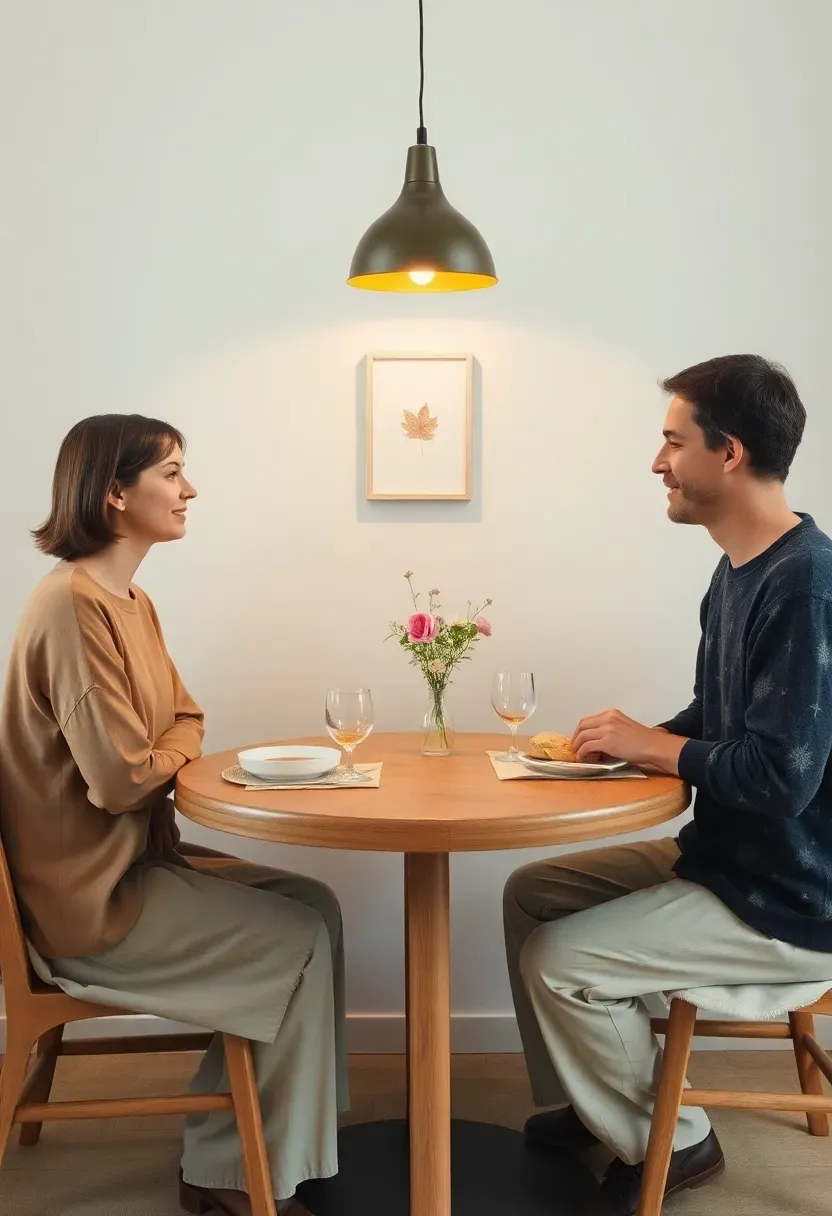
Hyper-realistic 3/4 view of a simplified dining area showing small round wooden table with two people having conversation, simple meal (bowl of soup, bread, water in glass), single small vase with flowers, white wall with one artwork, warm pendant light above. Materials: light oak table, ceramic dishes, glass, linen napkins. Soft warm light creating intimate atmosphere. No visible clutter, focus on human connection. Kinfolk magazine lifestyle photography style. No text, no logos, no watermarks.</p>
In a world that constantly demands more—more possessions, more commitments, more stimulation—simplifying your life offers a revolutionary path to peace and wellbeing. Simplification isn't about deprivation or minimalism for its own sake; it's about intentionally removing what doesn't matter so you can fully engage with what does. When you simplify your physical space, schedule, and mental load, you create room for clarity, creativity, and contentment to flourish. The journey toward a simpler lif
Prompt: Nature documentary captured on Hasselblad X2D 100C with XCD 90V lens at f/4. Hyper-realistic 3/4 view of a simplified dining area showing small round wooden table with two people having conversation, simple meal (bowl of soup, bread, water in glass), single small vase with flowers, white wall with one artwork, warm pendant light above. Materials: light oak table, ceramic dishes, glass, linen napkins. Soft warm light creating intimate atmosphere. No visible clutter, focus on human connection. Kinfolk magazine lifestyle photography style. No text, no logos, no watermarks.

Tips

  • Quality over quantity: invest in 3-5 key relationships rather than trying to maintain many casual connections
  • Create simple recurring rituals (weekly walks, monthly dinners) that maintain connection without constant planning
  • Practice presence in relationships by putting phones away entirely during time together—this single change dramatically deepens connection

What this gives you: Deeper, more nourishing relationships with less energy expenditure through focused investment in what truly matters.

9. Financial Simplification for Freedom and Peace of Mind

Financial complexity creates persistent background stress—simplification means consolidating accounts, automating savings and payments, reducing fixed expenses, and aligning spending with values. Track spending for one month to identify where money goes, then systematically eliminate expenses that don't serve your priorities. Consolidate bank accounts and credit cards (one checking, one savings, one credit card is sufficient for most), automate bill payments and transfers to savings, and create a simple budget framework that prevents overspending without requiring constant tracking. Financial simplification isn't about deprivation—it's about removing money management friction so your resources support your life rather than consume your attention.

Hyper-realistic detail shot of a simplified home finance setup showing wooden desk with laptop open to simple spreadsheet, single wallet, one bill to be paid, ceramic mug, small potted plant. Visible window with natural light. Clean desk surface with breathing room. Materials: light oak desk, black laptop, leather wallet, ceramic, plant. Peaceful organized aesthetic. No visible clutter or paperwork piles. Real Simple magazine organization style. No text, no logos, no watermarks.</p>
In a world that constantly demands more—more possessions, more commitments, more stimulation—simplifying your life offers a revolutionary path to peace and wellbeing. Simplification isn't about deprivation or minimalism for its own sake; it's about intentionally removing what doesn't matter so you can fully engage with what does. When you simplify your physical space, schedule, and mental load, you create room for clarity, creativity, and contentment to flourish. The journey toward a simpler lif
Prompt: Nature documentary captured on Hasselblad X2D 100C with XCD 90V lens at f/4. Hyper-realistic detail shot of a simplified home finance setup showing wooden desk with laptop open to simple spreadsheet, single wallet, one bill to be paid, ceramic mug, small potted plant. Visible window with natural light. Clean desk surface with breathing room. Materials: light oak desk, black laptop, leather wallet, ceramic, plant. Peaceful organized aesthetic. No visible clutter or paperwork piles. Real Simple magazine organization style. No text, no logos, no watermarks.

Tips

  • Automate everything: set up automatic transfers to savings, automatic bill payments, and automatic investment contributions
  • Use the 50/30/20 framework as a simple budget: 50% needs, 30% wants, 20% savings—no complex categories or tracking apps required
  • Consolidate accounts to one checking, one savings, one credit card—fewer accounts mean less monitoring and fewer places for things to go wrong

Budget note: Most people can save 10-20% of income by eliminating unused subscriptions, eating out less, and shopping more intentionally—this builds emergency funds and reduces financial anxiety.

What this gives you: Reduced financial stress and increased freedom through automated systems and spending aligned with values.

10. Maintaining Simplicity: Sustainable Practices for Lasting Peace

Simplification isn't a destination but an ongoing practice—maintaining simplicity requires regular assessment, one-in-one-out rules, seasonal editing, and continual recalibration as circumstances change. Schedule quarterly "simplicity audits" to review possessions, commitments, and systems, letting go of what's accumulated and realigning with current priorities. Create entry barriers for new possessions (wait 48 hours before purchases over $50, ask where it will live before buying) and exit rituals for what's leaving (donate monthly, sell items promptly rather than storing). The goal isn't perfection but progress—each small edit preserves the breathing room you've created.
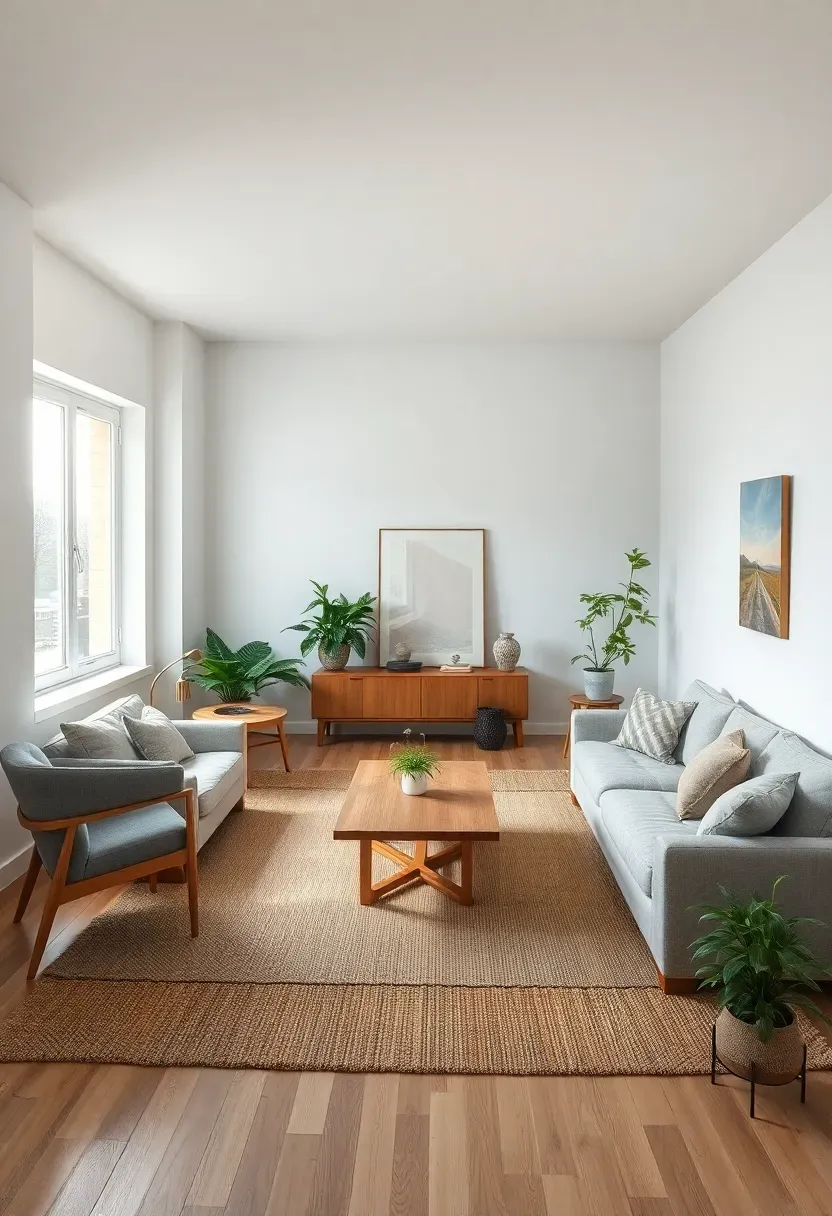
Hyper-realistic wide view of a simplified living room showing careful arrangement of quality furniture, abundant natural light, plants, negative space, visible floor space. Light gray sofa, oak coffee table, one chair, window with view, white walls, layered rug. No visible clutter, each item intentional. Materials: oak wood, linen upholstery, wool rug, plants. Soft natural light creating spacious serene atmosphere. Architectural Digest interior showing maintained simplicity. No text, no logos, no watermarks.</p>
In a world that constantly demands more—more possessions, more commitments, more stimulation—simplifying your life offers a revolutionary path to peace and wellbeing. Simplification isn't about deprivation or minimalism for its own sake; it's about intentionally removing what doesn't matter so you can fully engage with what does. When you simplify your physical space, schedule, and mental load, you create room for clarity, creativity, and contentment to flourish. The journey toward a simpler lif
Prompt: Nature documentary captured on Hasselblad X2D 100C with XCD 90V lens at f/4. Hyper-realistic wide view of a simplified living room showing careful arrangement of quality furniture, abundant natural light, plants, negative space, visible floor space. Light gray sofa, oak coffee table, one chair, window with view, white walls, layered rug. No visible clutter, each item intentional. Materials: oak wood, linen upholstery, wool rug, plants. Soft natural light creating spacious serene atmosphere. Architectural Digest interior showing maintained simplicity. No text, no logos, no watermarks.

Tips

  • Do/Don't: Do schedule regular editing sessions (seasonally works well). Don't wait until clutter returns—prevention is easier than remediation
  • Create a "donation station" where items ready to leave immediately go, preventing decision fatigue about where to put them temporarily
  • Review commitments quarterly as well—ask what you'd say no to if offered again, and decline those things going forward

Best for: Those who've successfully simplified but struggle maintaining momentum—regular rituals prevent complexity from slowly returning.

What this gives you: Sustainable simplicity through ongoing practices that preserve the peace and clarity you've created.

Simplifying your life creates space for peace, clarity, and wellbeing to flourish. Starting with your physical environment and expanding to your commitments, relationships, and mental habits, simplification removes what doesn't matter so you can fully engage with what does. The journey isn't about achieving perfect minimalism but about intentional curation—keeping what serves your values and releasing what doesn't. As you simplify, you'll discover that less truly can be more: more presence, more peace, more meaning, and more satisfaction with what you have rather than constant craving for what you don't. Begin with one small change today, and let the momentum carry you toward a life of greater simplicity and deeper contentment.

Pinterest cover for How to Simplify Your Life: A Path to Peace and Wellbeing