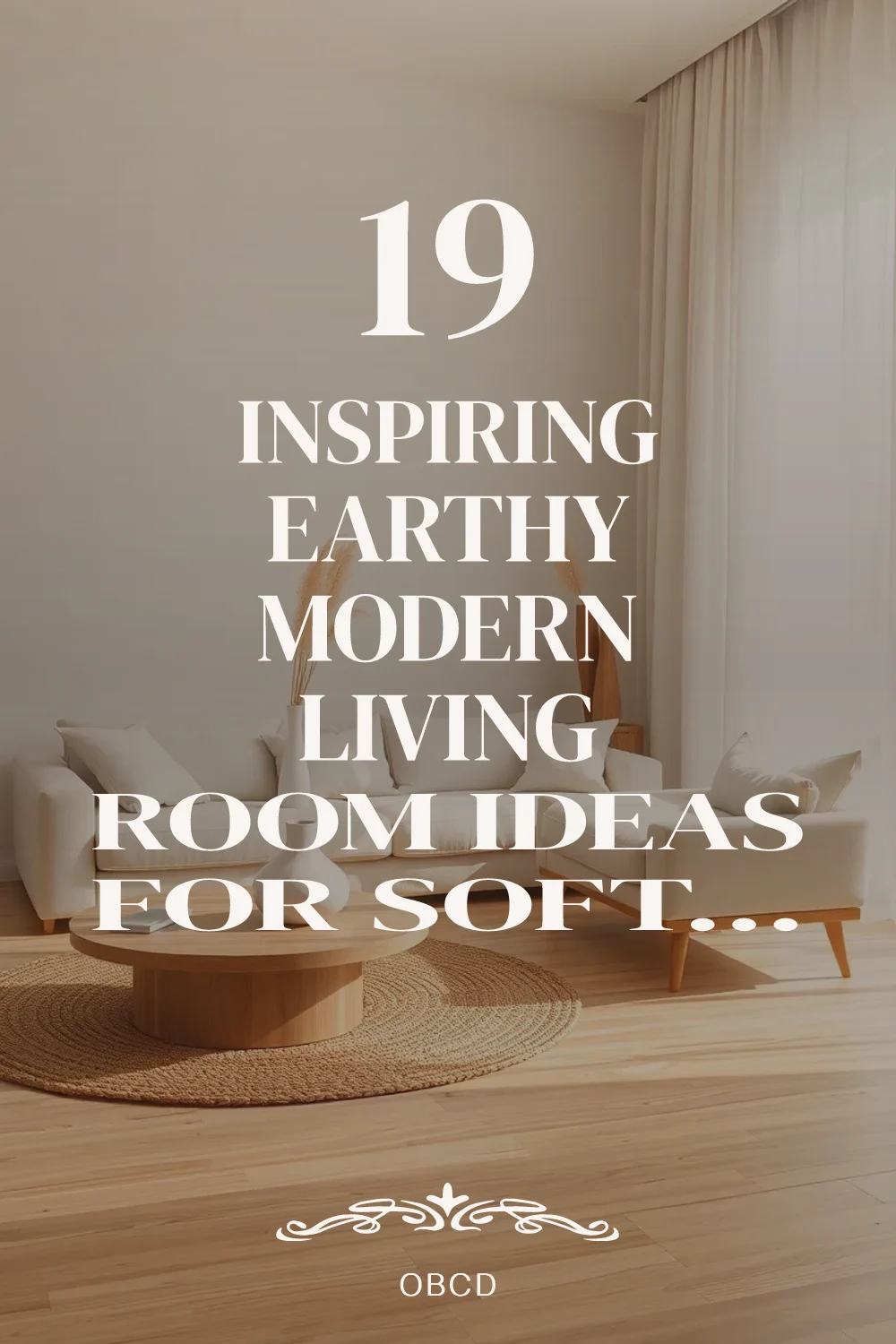
19 Earthy Modern Living Room Decor Ideas for Soft Warmth
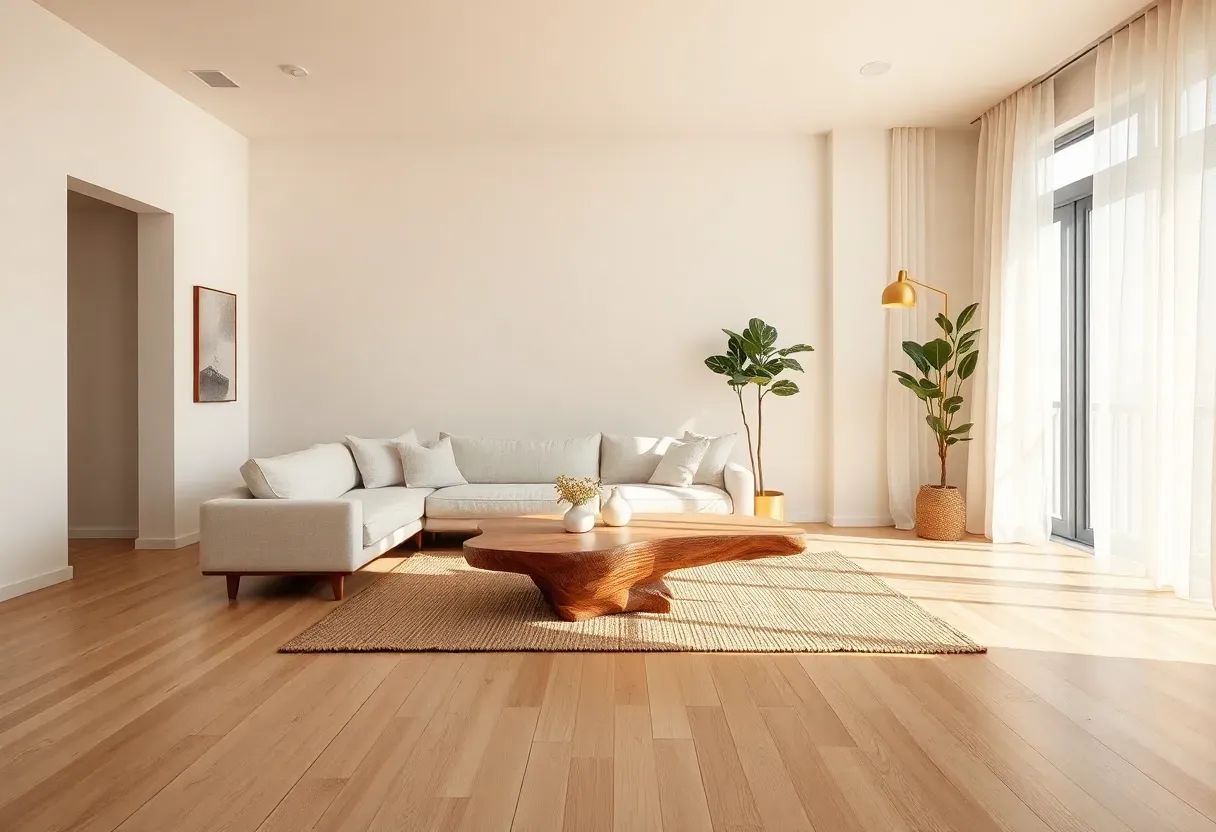
Earthy modern living room decor blends the clean lines of contemporary design with the warmth and organic beauty of natural materials, creating spaces that feel both sophisticated and deeply inviting. This approach bridges the gap between stark minimalism and rustic warmth -- offering the serene calm of modern spaces while incorporating tactile textures, warm earth tones, and natural elements that make a house feel like a home. Whether you are decorating a rental apartment or refreshing a space you own, earthy modern style delivers cozy warmth without permanent changes or big budgets.
The secret to successful earthy modern living room decor lies in thoughtful layering of natural materials against clean architectural backdrops, allowing organic textures to take center stage without overwhelming the space with visual clutter. Whether through warm wood tones, textural woven elements, stone surfaces, or a palette drawn from nature's most soothing hues, these living rooms achieve soft warmth through material quality rather than decorative excess. These 19 ideas demonstrate how to create welcoming contemporary spaces that honor natural materials while maintaining modern sophistication.
From monochromatic earth-tone schemes to bold stone feature walls, from layered linen textures to strategic plant placement, these approaches prove that modern design does not have to feel cold -- and that natural materials can shine brightest within clean, uncluttered settings. Each idea includes practical tips so you can adapt it to your space, whether that is a compact rental living room or a spacious open-plan home.
Quick FAQ
What makes a living room "earthy modern" rather than just boho?
Earthy modern maintains clean lines and architectural simplicity while incorporating natural materials, whereas boho tends toward maximalism with pattern mixing and eclectic collections. The key difference is restraint—earthy modern uses natural elements as deliberate accents within a refined framework.
Can earthy modern work in small living rooms?
Absolutely—earthy modern's emphasis on natural light, reflective surfaces, and uncluttered spaces actually makes small rooms feel larger. Light wood floors, mirrors, and restrained furniture selection create airiness while natural materials add warmth without visual weight.
What are the essential earthy modern materials?
Light woods like oak and ash, natural stone, linen and wool textiles, unglazed ceramics, leather, brass or copper accents, and living plants form the core palette. The key is quality over quantity—fewer materials, each with visible natural character.
How do I keep earthy modern from feeling too rustic?
Maintain clean architectural lines, use streamlined furniture silhouettes, and limit raw or distressed elements. Choose woods with smooth finishes rather than reclaimed barn wood, opt for polished stone surfaces rather than rough fieldstone, and keep decorative objects minimal.
What colors work best for earthy modern living rooms?
Warm whites, sand, terracotta, sage green, warm grays with brown undertones, charcoal, and deep earth tones like forest green or chocolate brown. The palette should feel drawn from nature—think stones, sand, wood, and dried grasses rather than bright synthetic colors.
Is earthy modern a passing trend?
Earthy modern is rooted in timeless principles—natural materials, neutral palettes, and quality craftsmanship—that have enduring appeal. While specific elements may evolve (the current popularity of cane webbing or terracotta, for example), the overall approach represents a lasting shift toward warmer, more livable modernism.
As an Amazon Associate I earn from qualifying purchases.
Table of Contents
- 1. Warm White Canvas for an Airy Earthy Base
- 2. Light Oak Foundation
- 3. Stone Feature Wall
- 4. Terracotta Accents
- 5. Linen Texture Layering
- 6. Monochromatic Earth Tones
- 7. Indoor Garden for Natural Living Room Warmth
- 8. Brass Warmth
- 9. Architectural Concrete with Wood
- 10. Jute and Woven Elements for Organic Texture
- 11. Sage Green Serenity
- 12. Leather Warmth
- 13. Low-Profile Furniture
- 14. Natural Fiber Rugs for Earthy Softness
- 15. Sheer Natural Light
- 16. Organic Coffee Table
- 17. Warm Gray Backdrop
- 18. Clay and Ceramics
- 19. Simplified Fireplace
1. Warm White Canvas for an Airy Earthy Base
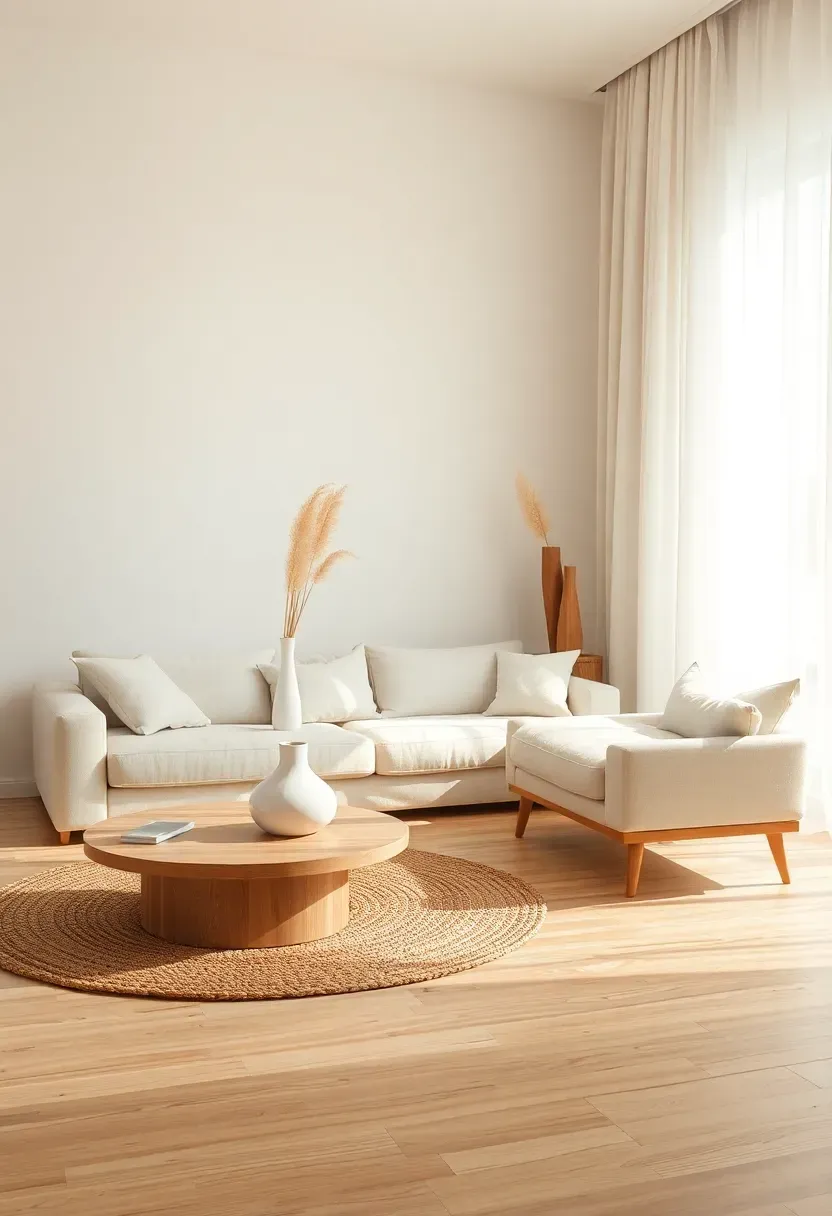
Starting with warm white walls creates a clean modern foundation that allows natural materials and textures to take center stage without visual competition. Unlike cool white which can read as sterile, warm white with subtle yellow or peach undertones provides a creamy backdrop that enhances wood tones, textiles, and organic materials while maintaining the airy spaciousness that defines modern living. This approach works particularly well for rooms with abundant natural light—the warm quality of the paint interacts beautifully with sunlight, creating subtle color shifts throughout the day that add life without needing additional color on the walls.
Tips
- Do test warm white samples at different times of day—natural light changes how paint color reads
- Don't choose white with pink undertones if you want earthy rather than romantic warmth
- Consider the same warm white on ceilings for continuity rather than defaulting to stark white
Best for: rental living rooms with good natural light or anyone wanting maximum flexibility with accent colors
What this gives you: a clean, bright foundation that lets natural materials shine
We picked a few things that go well with this idea: MIULEE Neutral Brown Linen Pillow Covers (4-Pack) (★4.5), MIULEE Natural Beige Linen Pillow Covers (2-Pack) (★4.4) and MIULEE Linen Check Throw Pillow Covers (★4.4). As an Amazon Associate we earn from qualifying purchases.
2. Light Oak Foundation
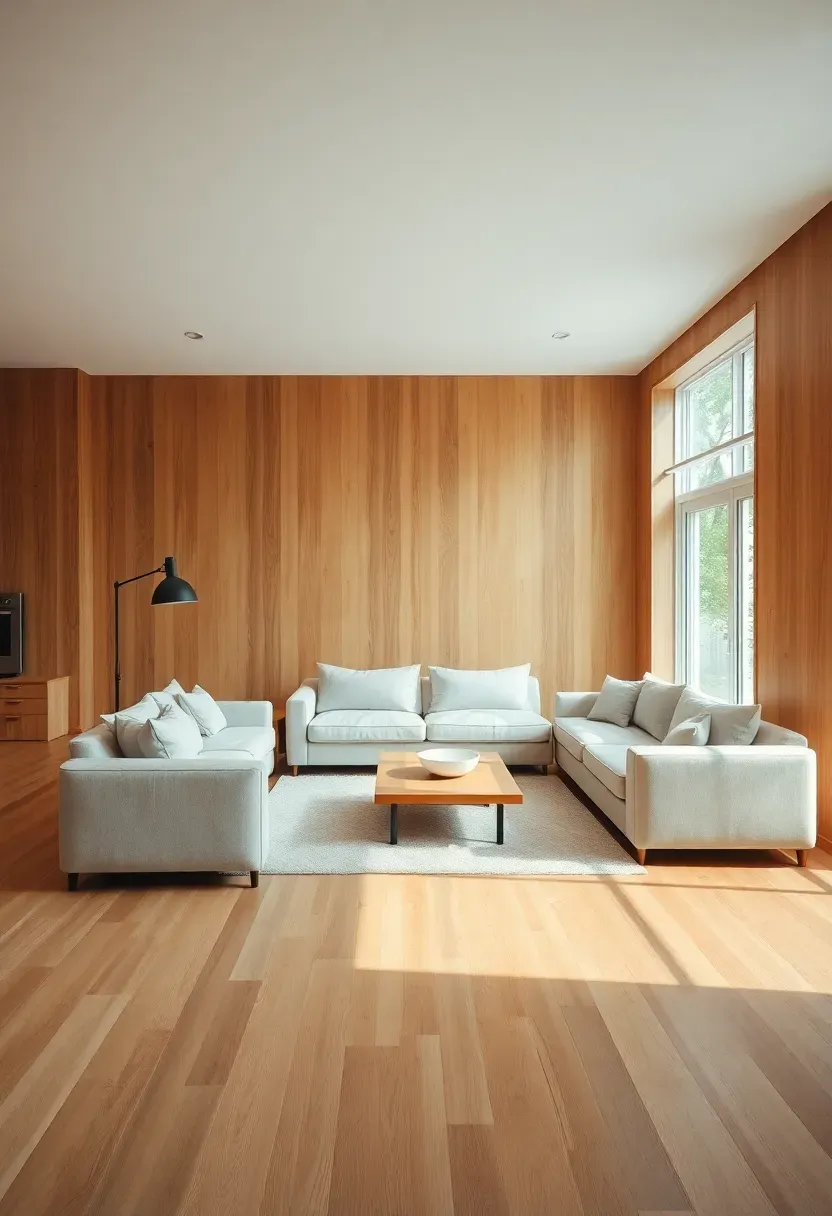
Light oak flooring or wall paneling creates one of the most essential foundations for earthy modern design, bringing visible grain patterns and natural warmth while maintaining the clean, light aesthetic that defines contemporary spaces. Unlike darker woods which can visually shrink a room, light oak reflects natural light and maintains an airy feeling even as it adds organic texture. The key to keeping oak modern rather than rustic lies in the finish—opt for smooth, matte or satin finishes rather than wire-brushed or heavily distressed surfaces, and select planks with clean, straight grain patterns rather than heavy knots or pronounced character markings.
Tips
- Do run the same oak flooring continuously into adjacent spaces for visual flow
- Then consider oak on walls as paneling rather than just flooring for bigger impact
- If real oak exceeds budget, engineered oak with quality veneers provides similar warmth at lower cost
Best for: open-plan living where flooring continuity creates visual flow
What this gives you: organic warmth that feels thoroughly modern through clean finishes and light color
We picked a few things that go well with this idea: Terracotta Ceramic Farmhouse Vases Set (3-Piece) (★4.5), Modern Neutral Ceramic Vase Set (4-Piece) (★4.7) and LUKA Rustic Terracotta Vase Set (3-Piece) (★4.8). As an Amazon Associate we earn from qualifying purchases.
3. Stone Feature Wall
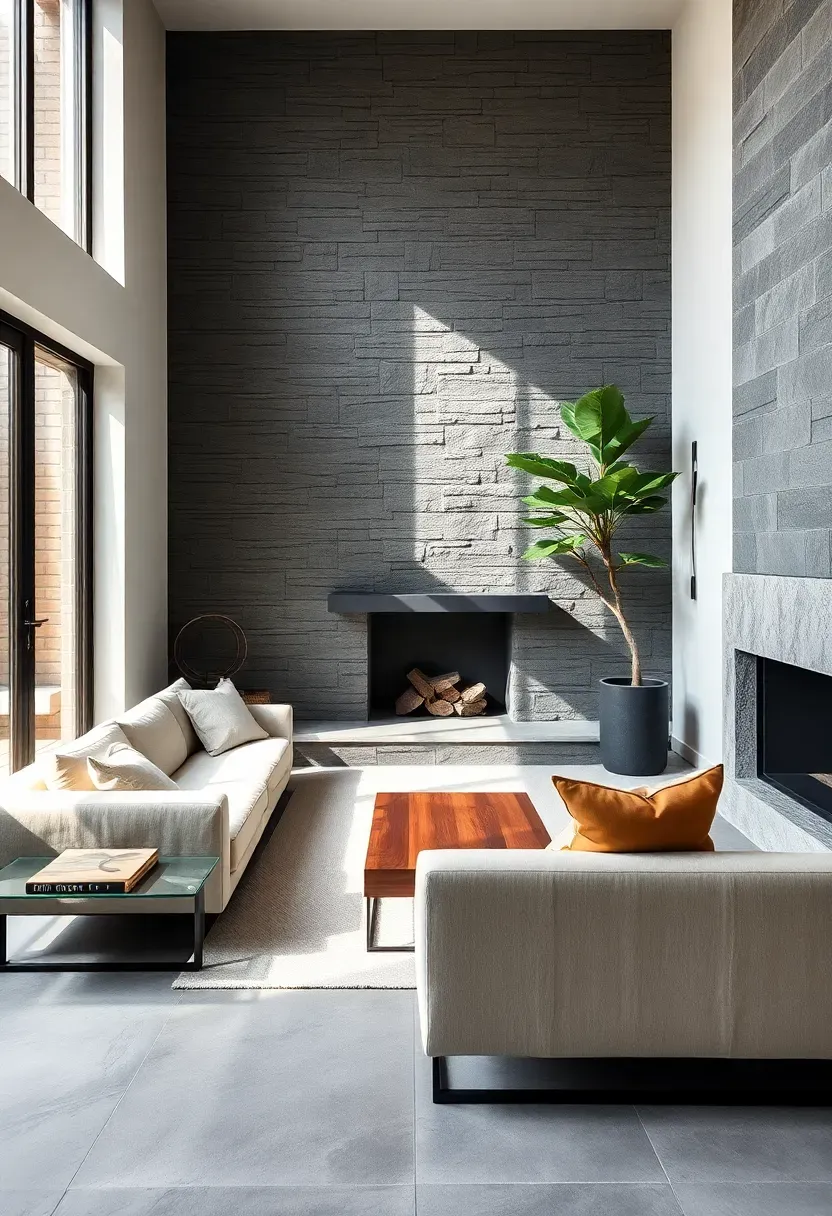
A natural stone feature wall creates instant architectural drama while grounding a modern living room with organic texture that connects the space to the earth itself. Whether you choose slate, limestone, travertine, or ledgestone, the key to keeping stone modern lies in selecting materials with relatively uniform color and consistent sizing—avoid wildly multicolored fieldstone or irregular shapes that read as more rustic than contemporary. Install stone on a single wall, typically the one facing the main seating area or housing the fireplace, allowing the texture to serve as artwork while the surrounding walls remain clean and untextured.
Tips
- Do choose honed or matte stone rather than highly polished for a more organic modern feel
- Don't stone multiple walls—one feature wall creates drama, multiple walls feel like a basement
- Consider LED grazing lights at floor level to enhance stone texture in the evening
Best for: living rooms with high ceilings or those lacking other architectural features
What this gives you: permanent organic artwork that adds depth without needing decor
We picked a few things that go well with this idea: HOMEMONDE Braided Jute Area Rug (8x10) (★4.3), Hand Braided Natural Jute Area Rug (8x10) (★4.7) and S&L Homes Jute Cotton Farmhouse Rug (8x10) (★4.0). As an Amazon Associate we earn from qualifying purchases.
4. Terracotta Accents
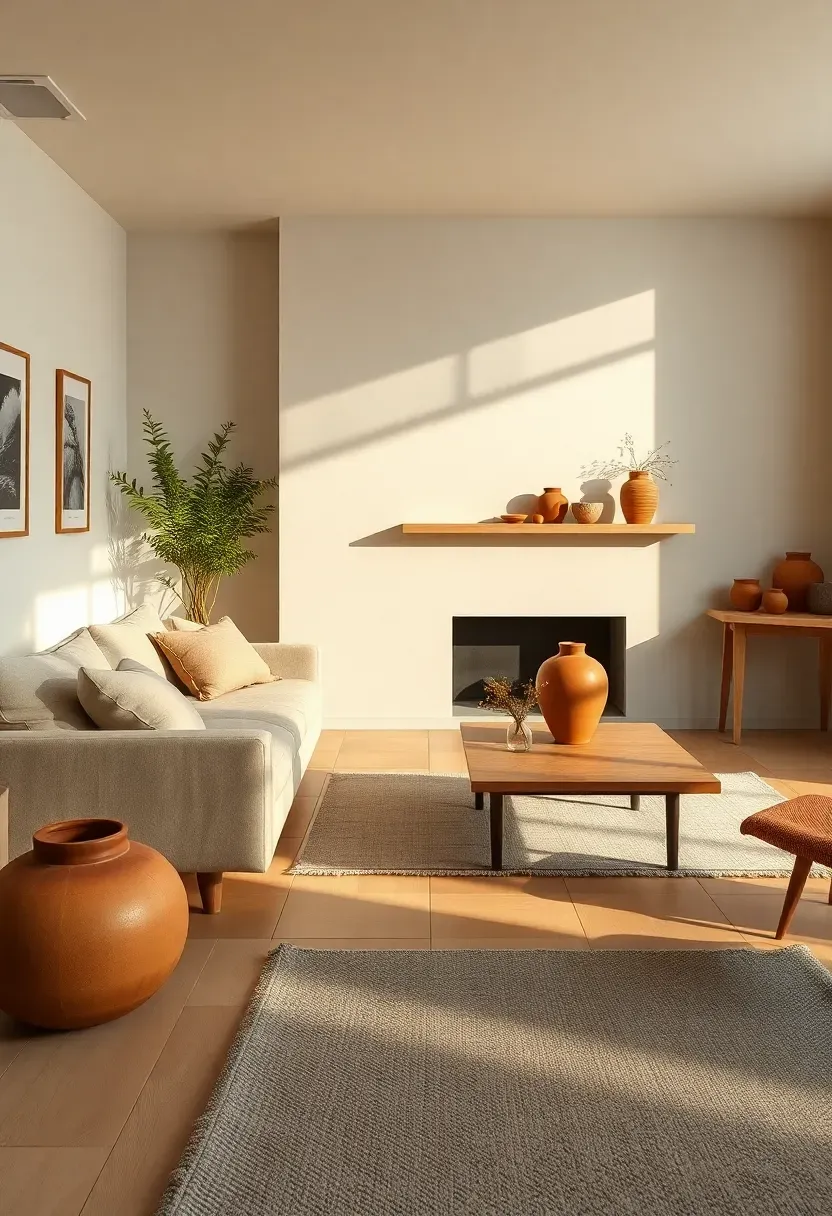
Incorporating terracotta through pottery, tiles, or decorative objects adds warmth and earthy sophistication to modern living rooms without requiring permanent changes or large investments. This ancient material feels simultaneously contemporary and timeless, its reddish-orange tones bringing life to neutral spaces while connecting the room to Mediterranean and desert landscapes. The key to modern terracotta use is restraint—a few well-placed vessels, a terracotta lamp base, or terracotta floor tiles in a small area like the fireplace hearth add warmth without overwhelming the clean modern aesthetic.
Recommended
Items for this idea
Tips
- Do embrace terracotta's natural variation in color from piece to piece
- Don't overdo terracotta—three to five pieces maximum for modern sophistication
- Consider terracotta floor tiles just around a fireplace or in an entry alcove rather than wall-to-wall
Best for: renters and neutral living rooms needing warmth without painting walls or major renovations
What this gives you: ancient warmth that feels thoroughly current through restrained use
5. Linen Texture Layering
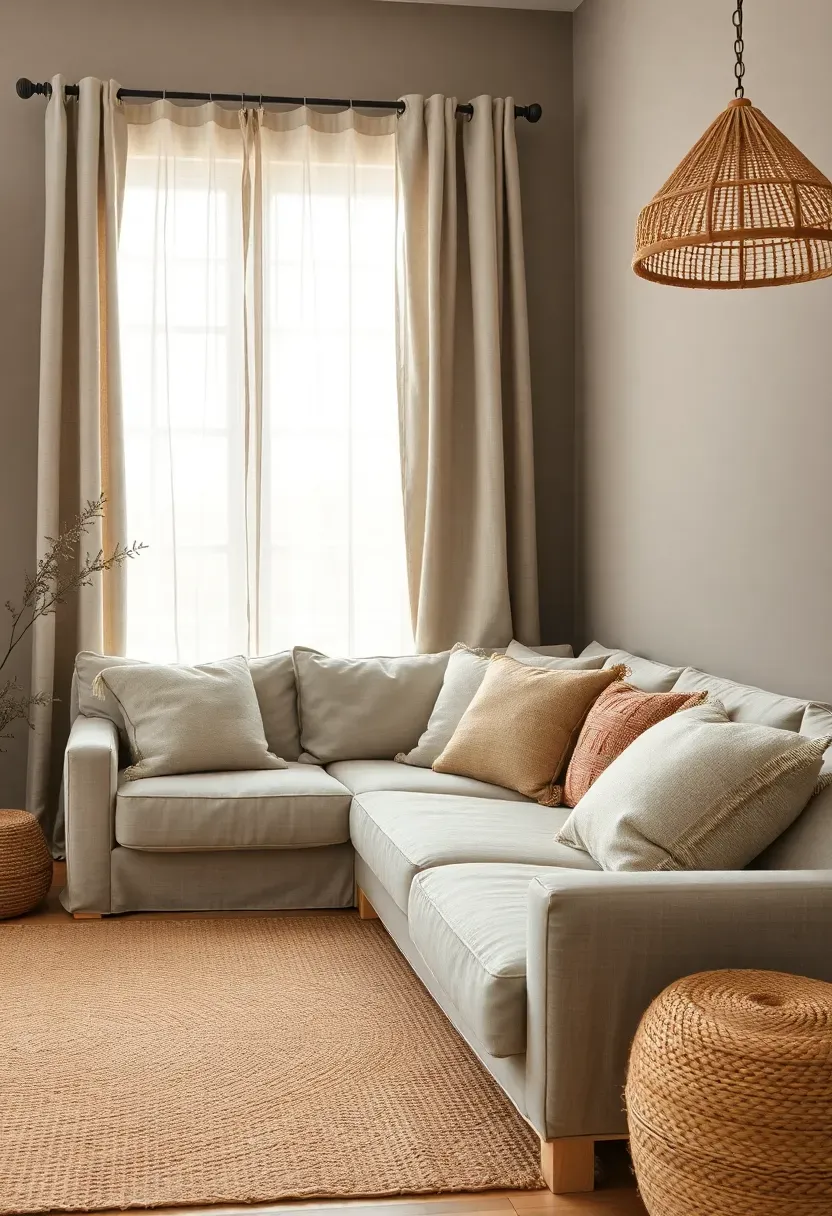
Layering multiple linen elements—from upholstery to curtains to throw pillows—creates a sophisticated textural depth that defines earthy modern spaces while maintaining visual calm through a consistent material palette. Linen's natural slub and visible weave add tactile interest without pattern or color complexity, making it ideal for modern rooms where texture takes the place of decorative embellishment. The key to successful linen layering lies in varying the weight and weave while staying within a cohesive color family—mixing heavy upholstery linen with lightweight drapery linen and nubby throw pillows creates richness through material variety rather than color contrast.
Tips
- Do embrace linen's natural wrinkles and texture rather than choosing treated or stiffened versions
- Then stay within a narrow color range—warm grays, creams, and tans work beautifully together
- If linen feels too casual, choose heavier weights for upholstery which read as more refined
Best for: those wanting sophistication through texture rather than color or pattern
What this gives you: refined casualness that feels both relaxed and elegant
6. Monochromatic Earth Tones
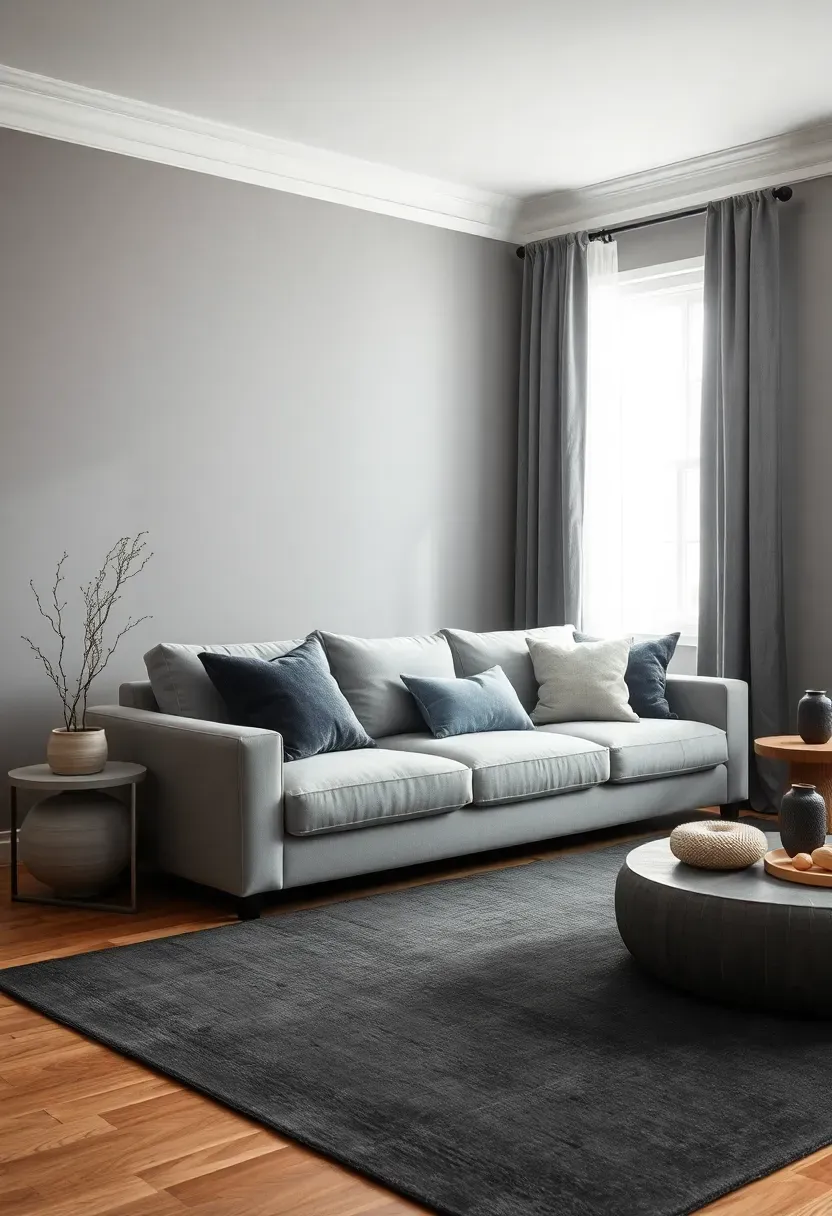
Creating a monochromatic palette using various shades of a single earthy color—whether warm gray, tan, sage, or terracotta—produces some of the most serene and sophisticated modern living rooms possible. This approach eliminates visual competition between colors, allowing texture and form to become the primary sources of interest while maintaining warmth through the chosen hue's inherent connection to nature. The key to successful monochromatic design lies in using at least five shades from nearly white to almost black, varying the placement so light colors anchor the space while dark tones create depth and definition.
Recommended
Items for this idea
Tips
- Do choose an earthy base color with warm undertones rather than cool grays or blues
- Then vary texture extensively—monochromatic rooms need material variety to avoid feeling flat
- Include both matte and subtly reflective surfaces within your color family for added dimension
Best for: those wanting maximum serenity or rooms with architectural details worth highlighting
What this gives you: sophisticated calm where color competition disappears entirely
7. Indoor Garden for Natural Living Room Warmth
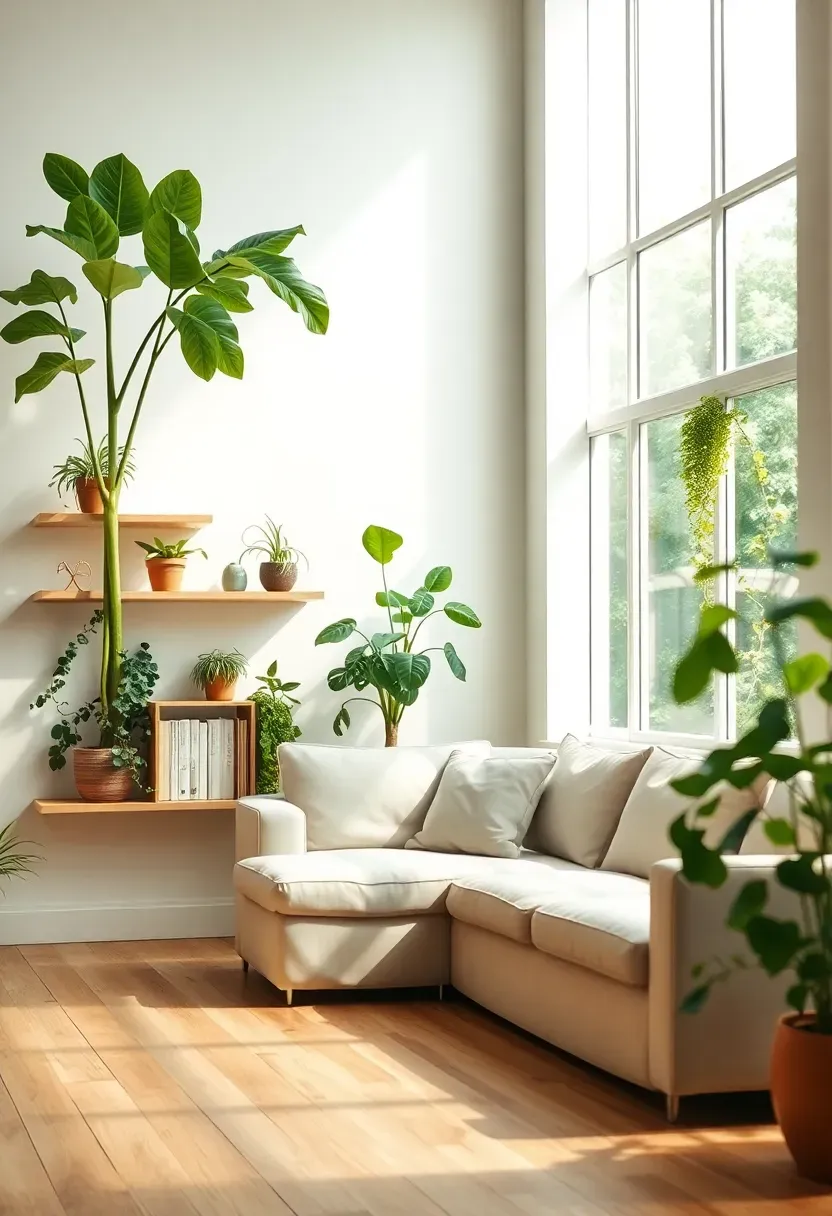
Integrating multiple plants of varying sizes creates a living connection to nature that defines earthy modern design more effectively than almost any other element. Large statement plants like fiddle leaf figs or birds of paradise add vertical drama, while smaller plants on shelves or tables create layers of greenery at different heights. The key to modern plant integration lies in choosing containers that complement your aesthetic—unglazed terracotta, matte black ceramic, or simple woven baskets all work beautifully, while avoiding highly glazed or brightly colored pots that compete with the plants' natural beauty.
Tips
- Do group plants rather than scattering them singly—clusters create more impact
- Don't choose plants that exceed your light level or maintenance commitment
- Consider the plant's mature size when positioning—avoid blocking flow or architectural features
Best for: rooms with good natural light or anyone wanting to bring nature's calming presence indoors
What this gives you: living decor that actually improves air quality while connecting you to nature
8. Brass Warmth
Brass fixtures and accents bring warmth and sophistication to earthy modern living rooms, their golden tones adding literal and figurative glow to neutral spaces while complementing warm woods and natural stones. Unlike chrome or nickel which read as cool, brass inherently feels organic and aged, developing patina over time that enhances rather than diminishes its beauty. The key to modern brass use lies in mixing finishes—some polished, some brushed, some unlacquered—creating visual variety that feels layered rather than matchy-matchy, while limiting brass to three to five elements per room for sophistication rather than ostentation.
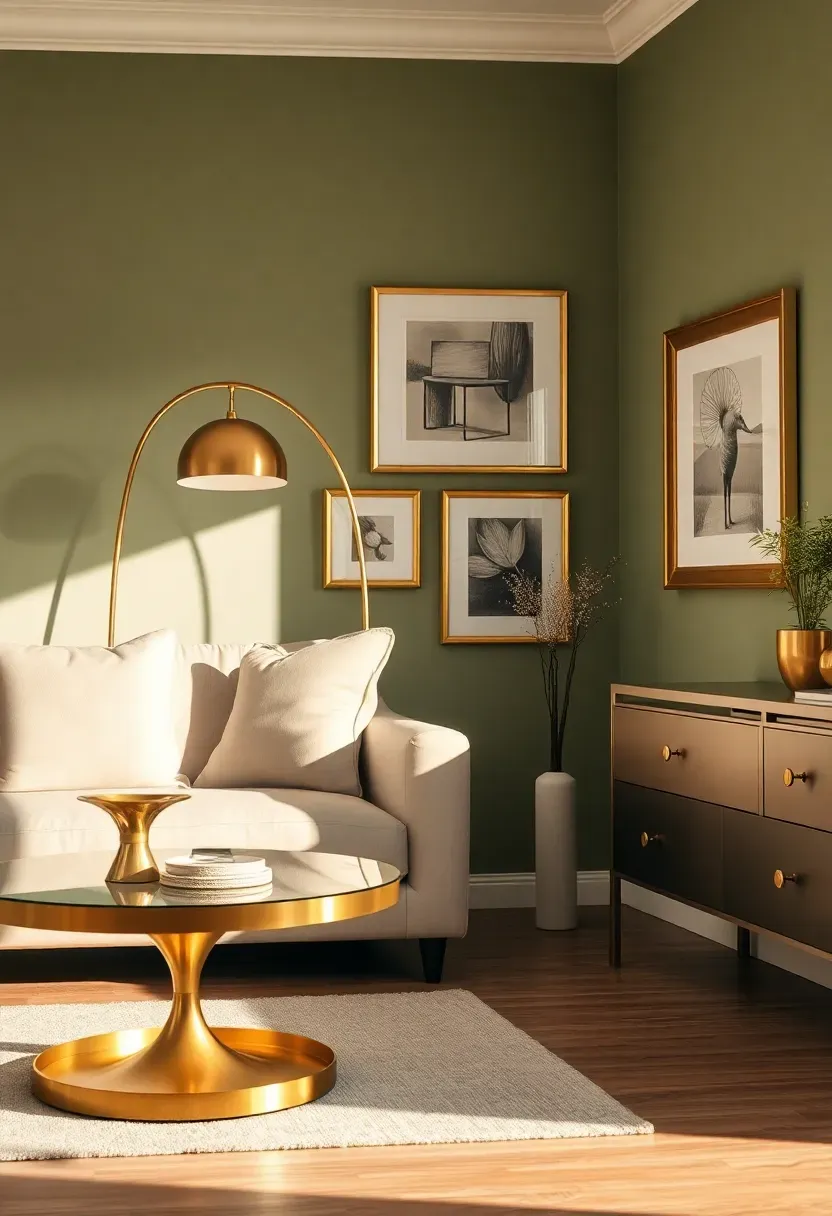
Recommended
Items for this idea
Tips
- Do mix brass finishes—polished for sparkle, brushed for subtlety, unlacquered for character
- Don't feel pressured to commit to brass throughout—light fixtures alone make significant impact
- Consider unlacquered brass if you appreciate patina; choose lacquered brass if you prefer consistent shine
Best for: neutral rooms needing a touch of luxury or warmth
What this gives you: organic warmth that feels luxurious rather than showy
9. Architectural Concrete with Wood
Pairing polished or smooth concrete floors or walls with warm wood creates one of the most striking earthy modern combinations, balancing cool industrial hardness with organic softness for spaces that feel sophisticated yet welcoming. Concrete brings modern architectural rigor while wood provides natural warmth—the contrast between the materials creates visual interest without needing additional decoration. This combination works particularly well in open-plan living spaces where concrete flooring continues consistently from living to dining areas, with wood introduced through furniture, built-ins, or architectural elements like ceiling beams or feature walls.
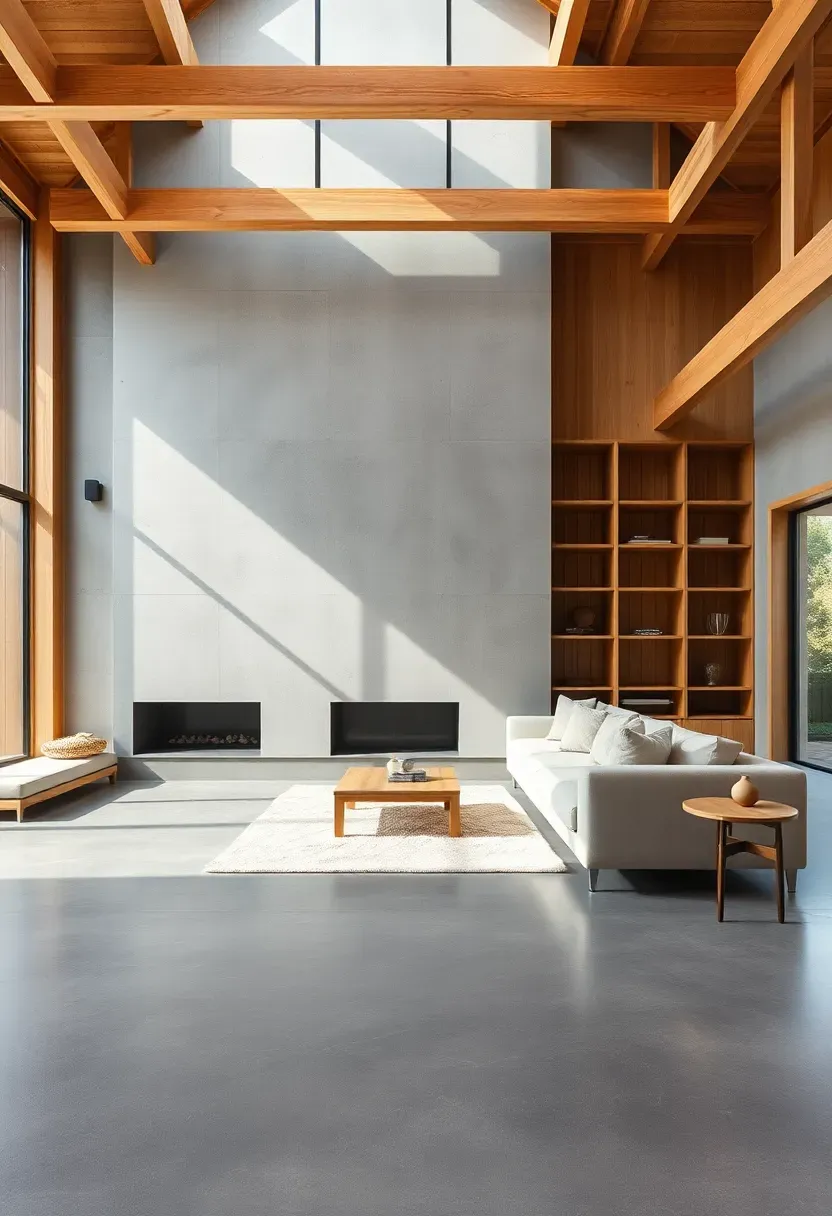
Tips
- Do choose warm gray concrete rather than cool gray for better compatibility with wood
- Then add area rugs for softness underfoot and acoustic dampening
- Consider concrete staining rather than painting—stain penetrates for more durable color
Best for: modern homes or renovations where architectural materials take precedence
What this gives you: sophisticated contrast between cool modernism and warm nature
10. Jute and Woven Elements for Organic Texture
Jute rugs, woven baskets, and cane webbing furniture bring visible handcraft and natural fiber texture to earthy modern living rooms, adding organic warmth without the heaviness of solid wood furniture. These woven elements create visual complexity through their surface patterns and texture variations, allowing rooms to feel layered and interesting without patterned fabrics or colorful decor. The key to modern jute use lies in scale—large jute area rugs ground the space while smaller woven baskets provide storage and decorative containers, creating consistency through material repetition across different functions and scales.
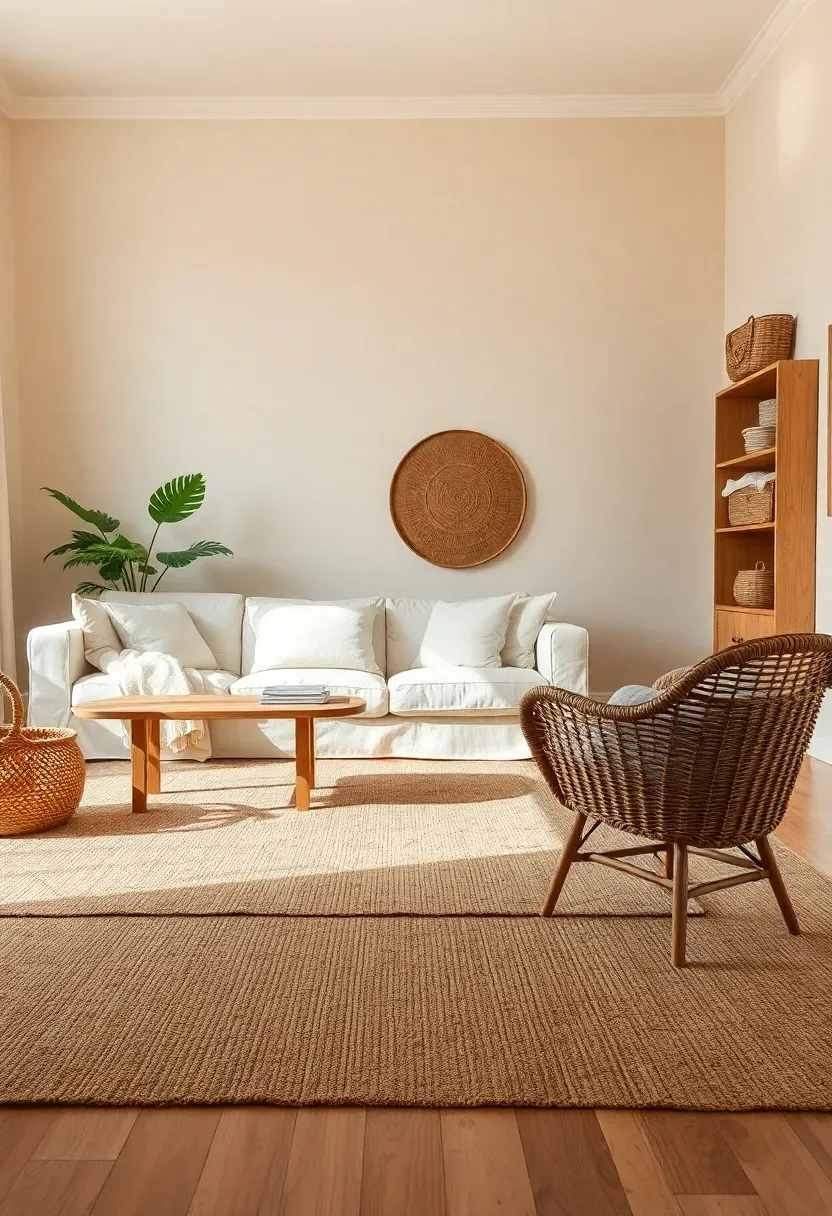
Recommended
Items for this idea
Tips
- Do choose higher quality jute with tighter weaves for better durability and softer texture
- Then layer a smaller plush rug on top of jute for softness underfoot in seating areas
- Consider jute's coarseness—it may not be ideal for barefoot traffic or homes with small children
Best for: renters adding organic texture without weight, visual mass, or permanent changes
What this gives you: handcrafted warmth that feels casual yet sophisticated
11. Sage Green Serenity
Sage green walls or major upholstery pieces create living rooms that feel simultaneously modern and intimately connected to nature, their muted green tones bringing the calming presence of forests and meadows indoors. If you love this palette, our dedicated guide to sage green minimalist living room ideas goes deeper into color pairing and furniture choices. Unlike brighter greens which can feel energetic or retro, sage's gray undertones keep it sophisticated and serene, making it remarkably versatile within modern palettes. Sage works beautifully with warm woods, natural stones, brass accents, and abundant plants—essentially all the core earthy modern materials—making it an excellent unifying color that ties diverse elements together.
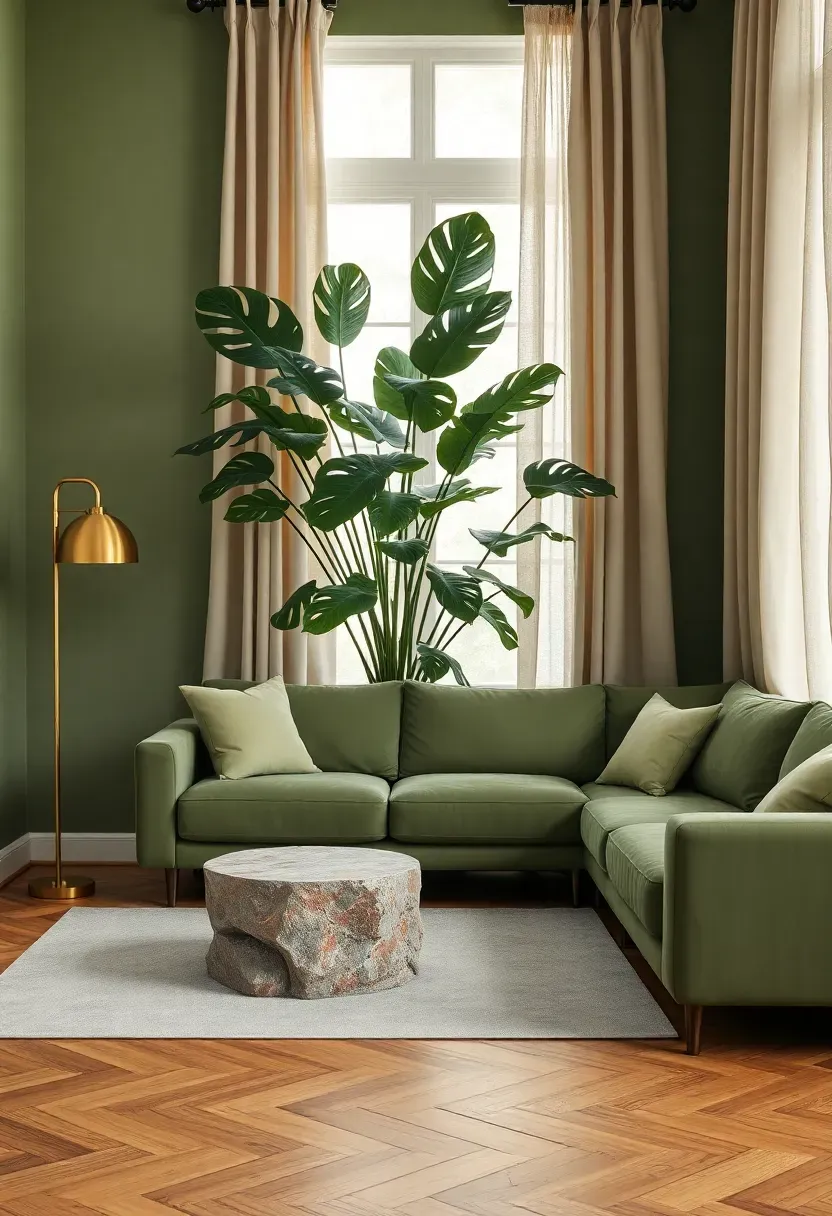
Tips
- Do choose sage with subtle yellow undertones for warmth rather than blue-based cool greens
- Then pair sage with cream rather than pure white for softer, more organic contrast
- Consider sage on just one wall or in upholstery rather than all four walls for easier commitment
Best for: those wanting color without brightness or rooms facing gardens for indoor-outdoor connection
What this gives you: nature's calm indoors without sacrificing modern sophistication
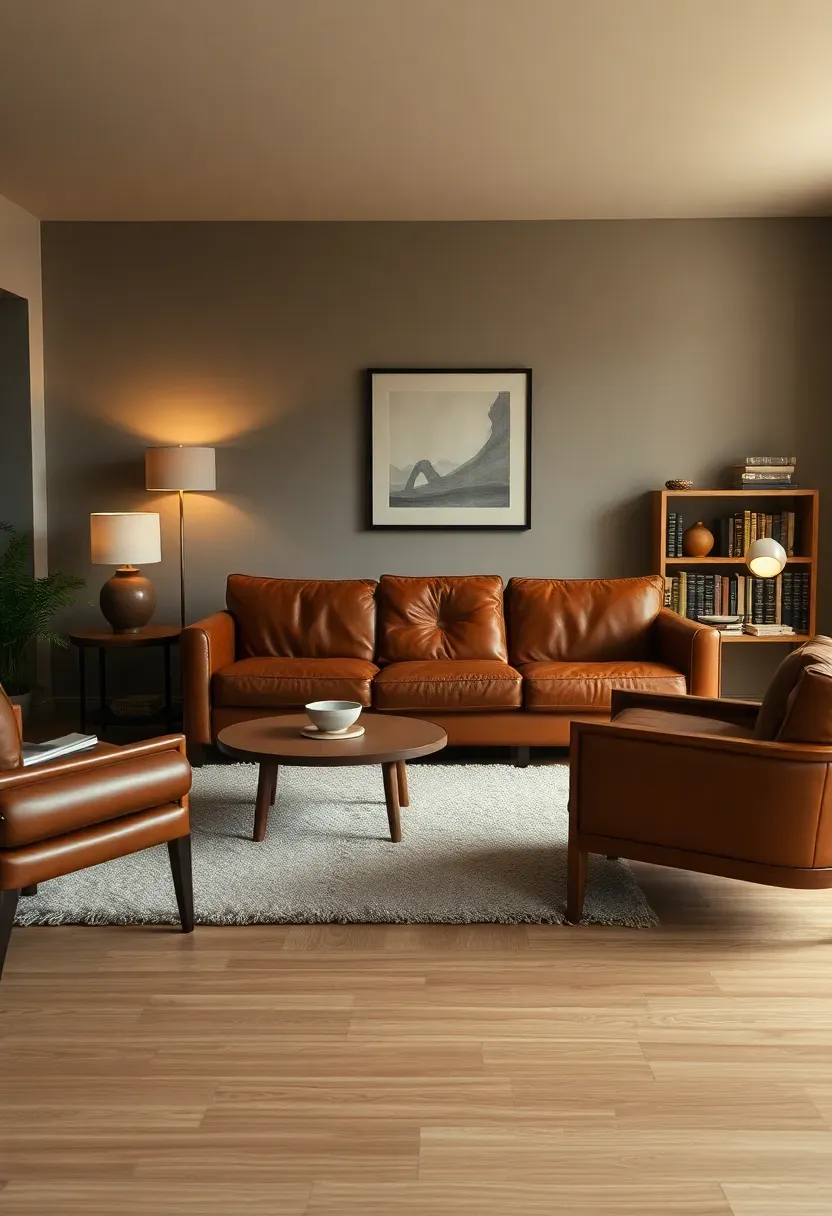
12. Leather Warmth
Leather seating or accents add natural richness and warmth to earthy modern living rooms while maintaining the refined aesthetic essential to contemporary spaces. Unlike fabric upholstery which can read as casual, quality leather feels simultaneously sophisticated and relaxed, developing patina over time that enhances its character rather than diminishing its appearance. The key to modern leather use lies in choosing simple, streamlined silhouettes—avoiding traditional tufting or ornate details—and selecting natural tan or cognac colors rather than dark browns or blacks which can feel heavy.
Recommended
Items for this idea
Tips
- Do choose full-grain or top-grain leather for visible natural character and durability
- Then embrace leather's natural variations—each piece should look unique
- Consider leather's temperature—it feels cool in summer, warm in winter, but may not suit all climates
Best for
What this gives you: refined richness that improves with age through natural patina
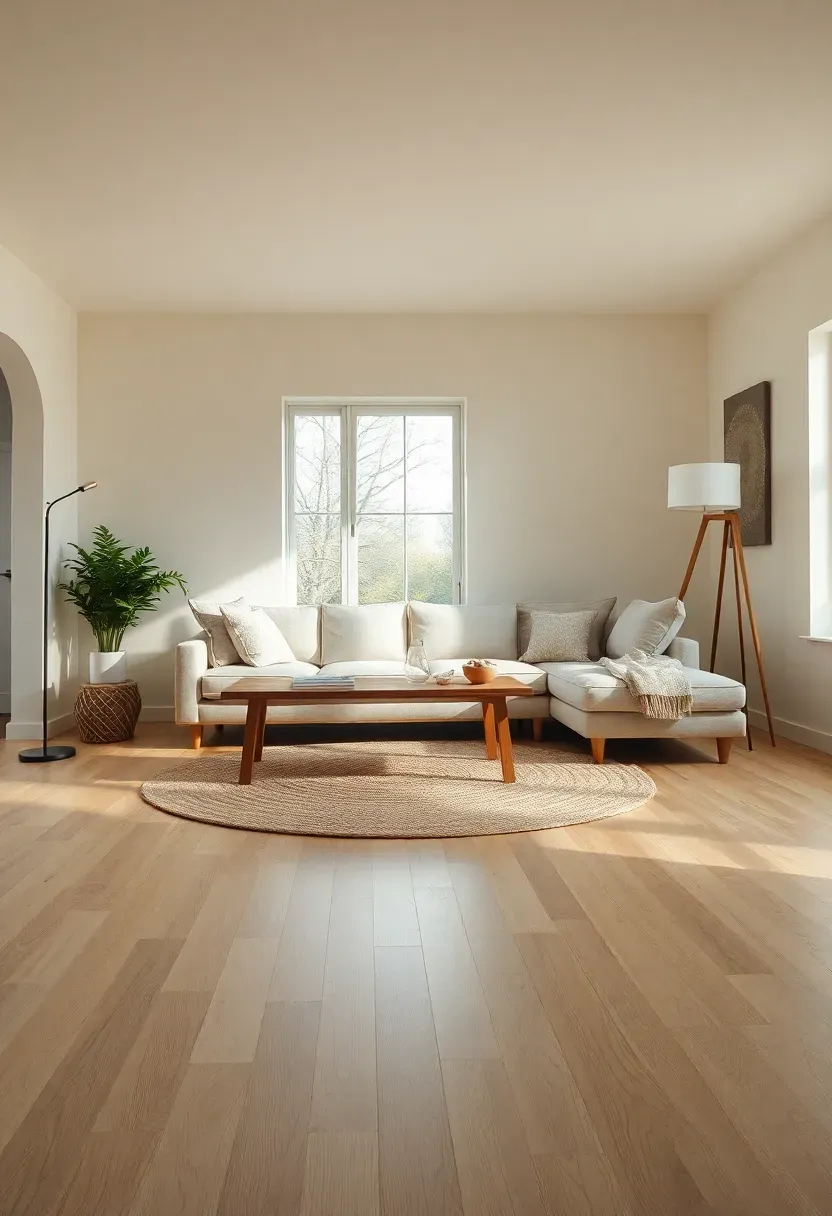
13. Low-Profile Furniture
Choosing low-profile furniture—sofas, chairs, and tables that sit closer to the floor—creates earthy modern living rooms that feel grounded and connected to the space rather than floating above it. This approach enhances the sense of calm and stability while maximizing perceived ceiling height and making rooms feel more spacious. Low furniture also emphasizes architectural features like flooring, rugs, and fireplaces rather than drawing the eye upward to furniture backs, creating better visual flow and allowing natural materials at floor level to take center stage.
Tips
- Do measure seat height before purchasing—anything under 16 inches reads as distinctly low
- Then ensure low seating works for your household's comfort needs and physical requirements
- Balance low furniture with taller elements like floor lamps or plants for vertical variety
Best for: rooms with standard or lower ceilings or those wanting to maximize spaciousness
What this gives you: grounded calm while making rooms feel unexpectedly spacious
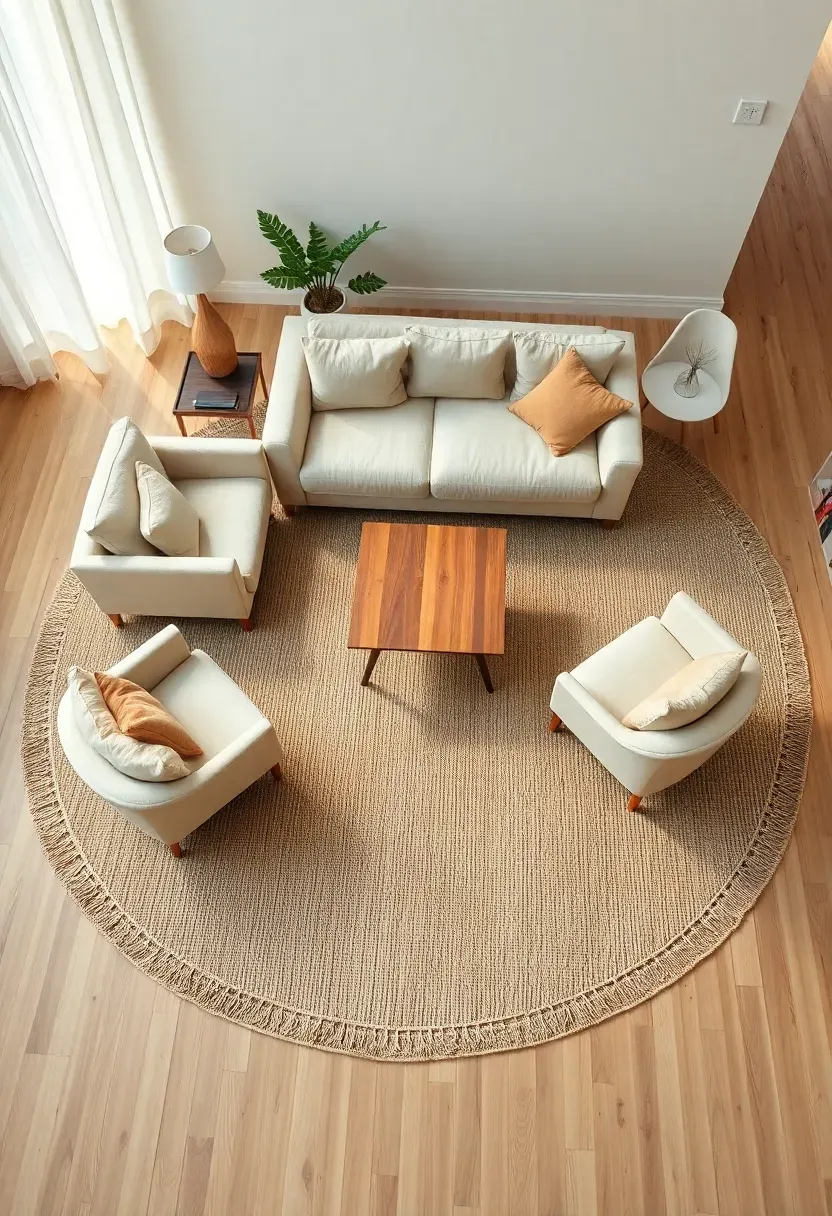
14. Natural Fiber Rugs for Earthy Softness
Natural fiber rugs—whether jute, sisal, seagrass, or wool—add essential softness and warmth underfoot while maintaining the earthy modern aesthetic through their organic origins and visible texture. These rugs provide neutral foundations that tie rooms together while adding visual interest through surface pattern variation, allowing bolder furniture pieces or artwork to take focus without competition. The key to natural fiber rug success lies in proper sizing—rugs should be large enough that front legs of seating furniture sit on the rug, creating a unified seating zone rather than floating islands of furniture.
Recommended
Items for this idea
Tips
- Do choose rug pads for comfort and to prevent slipping on hard floors
- Then consider binding rug edges with canvas or leather for a more finished modern look
- Test natural fiber roughness with bare feet—sisal is coarser than wool or seagrass
Best for: defining seating zones while maintaining organic continuity
What this gives you: foundational softness that ties spaces together through texture
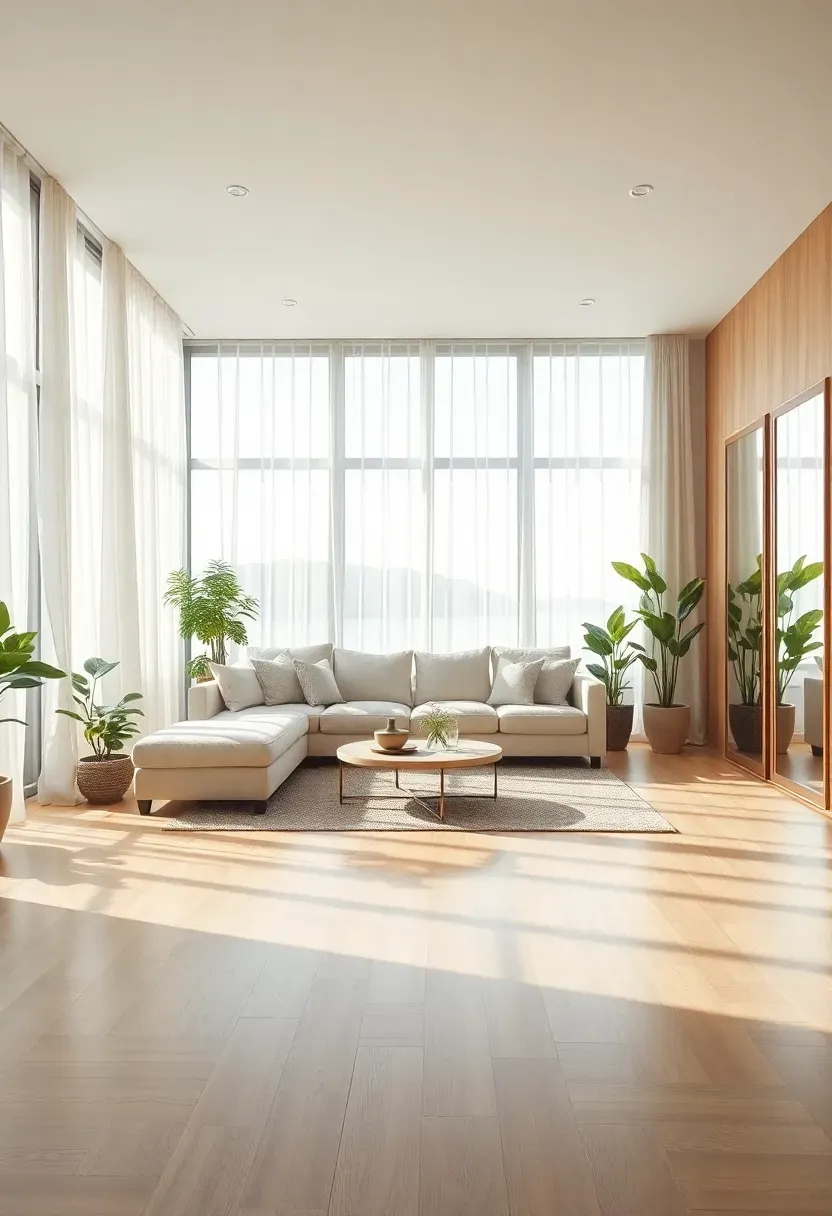
15. Sheer Natural Light
Maximizing natural light through large windows, skylights, and strategically placed mirrors creates earthy modern living rooms that feel bright, airy, and connected to the outdoors while maintaining warmth through material choices. For complementary fixture ideas, see our guide to minimalist living room lighting ideas. Sheer or semi-sheer window treatments allow maximum light penetration while providing privacy and softening harsh direct sunlight, creating the quality of light that makes natural materials visible and appreciated. The key to successful natural light integration lies in window placement and size—prioritize large unobstructed glass areas facing cardinal directions that bring consistent rather than harshly direct light.
Tips
- Do position mirrors to reflect window light deeper into the space
- Then avoid heavy window treatments that defeat the purpose of large windows
- Consider solar shades if glare or UV exposure concerns exist—they filter light while preserving views
Best for: rooms with good window exposure or those prioritizing connection to outdoors
What this gives you: brightness and airiness that makes natural materials sparkle
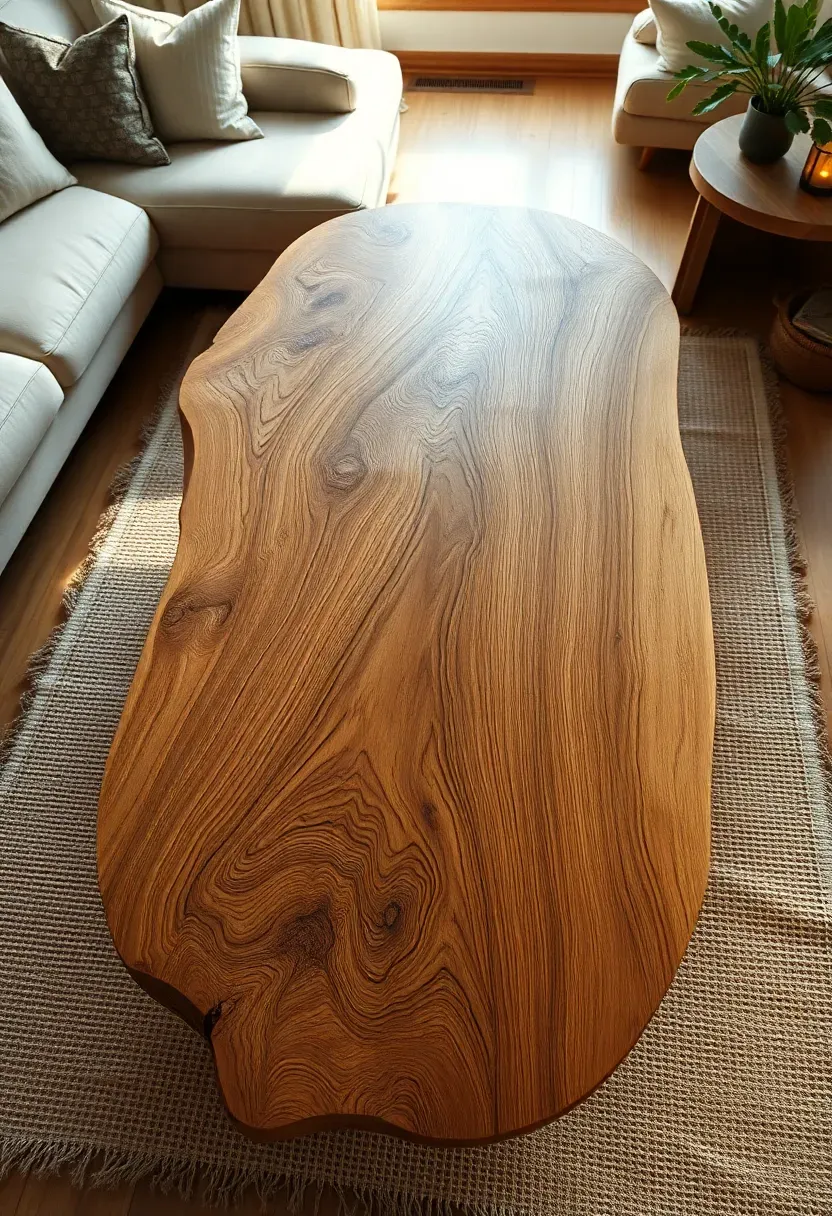
16. Organic Coffee Table
Choosing an organic or irregularly shaped coffee table—whether natural wood with live edges, stone with raw contours, or rounded forms—adds sculptural interest to earthy modern living rooms while maintaining the natural material emphasis that defines the style. Unlike perfectly rectangular or square tables which can feel rigid, organic shapes bring movement and softness to seating arrangements, creating visual focal points that feel like found objects rather than mass-produced furniture. The key to modern organic tables lies in scale—choose substantial sizes that ground seating areas while maintaining low profiles that don't block sightlines or conversation.
Recommended
Items for this idea
Tips
- Do choose tables with sufficient surface area—organic shapes often require larger sizes to be functional
- Then consider rounded edges for better flow around the table in tight seating arrangements
- Protect organic tables with coasters—natural finishes may be more sensitive than synthetic surfaces
Best for: adding sculptural interest without additional artwork or decor
What this gives you: functional art that grounds seating areas through natural beauty
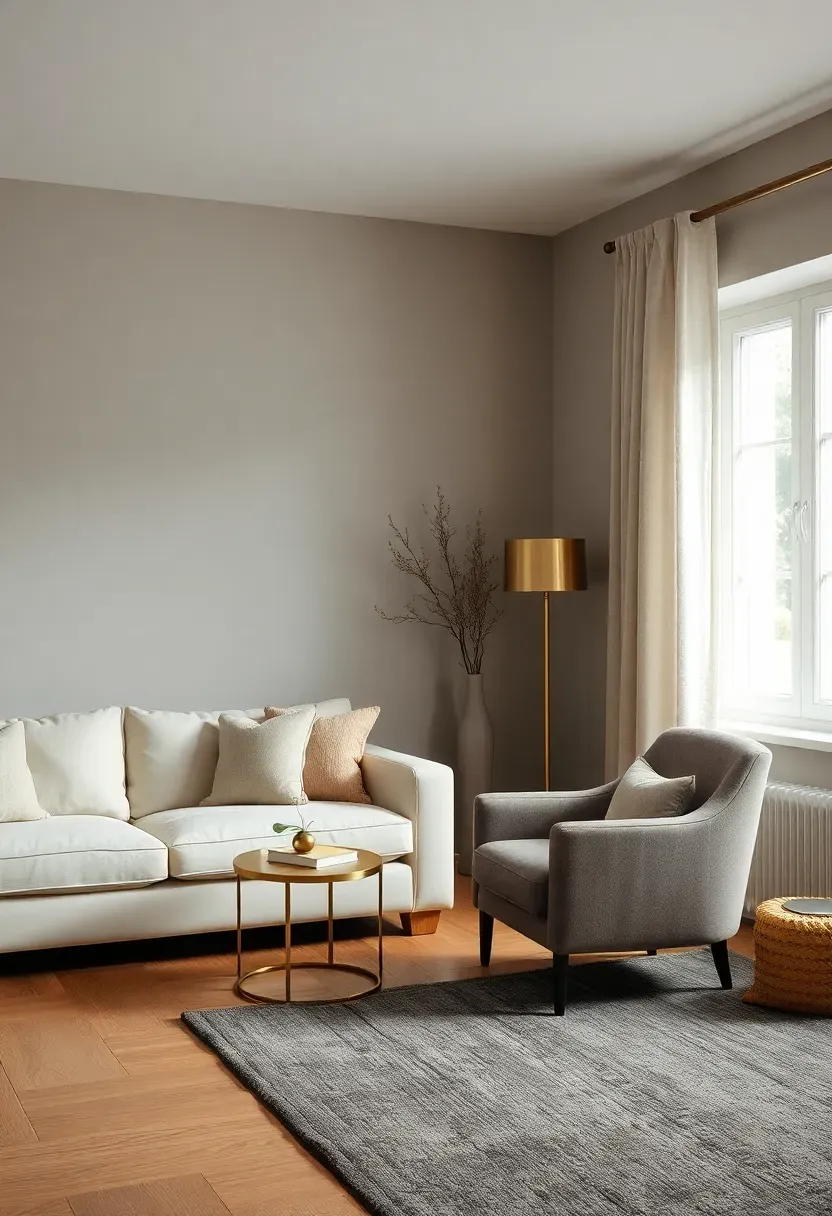
17. Warm Gray Backdrop
Warm gray walls with subtle brown undertones create earthy modern living rooms that feel more sophisticated than purely neutral spaces while maintaining the versatility that makes neutrals so practical. Unlike cool grays which can read as sterile or industrial, warm grays with brown or taupe undertones bring creaminess and depth that enhance wood tones and natural materials while providing a calm backdrop that doesn't compete with furniture or artwork. This color bridges the gap between white and darker neutrals, offering middle-ground warmth that feels refined yet approachable.
Tips
- Do test warm gray samples at different times—artificial and natural light affect undertone visibility
- Then choose your gray first—furniture and materials should complement the walls, not fight them
- Consider slightly darker warm gray for accent walls to create depth within monochromatic schemes
Best for: those wanting sophistication without committing to distinct color
What this gives you: refined neutrality that enhances rather than competes with other elements
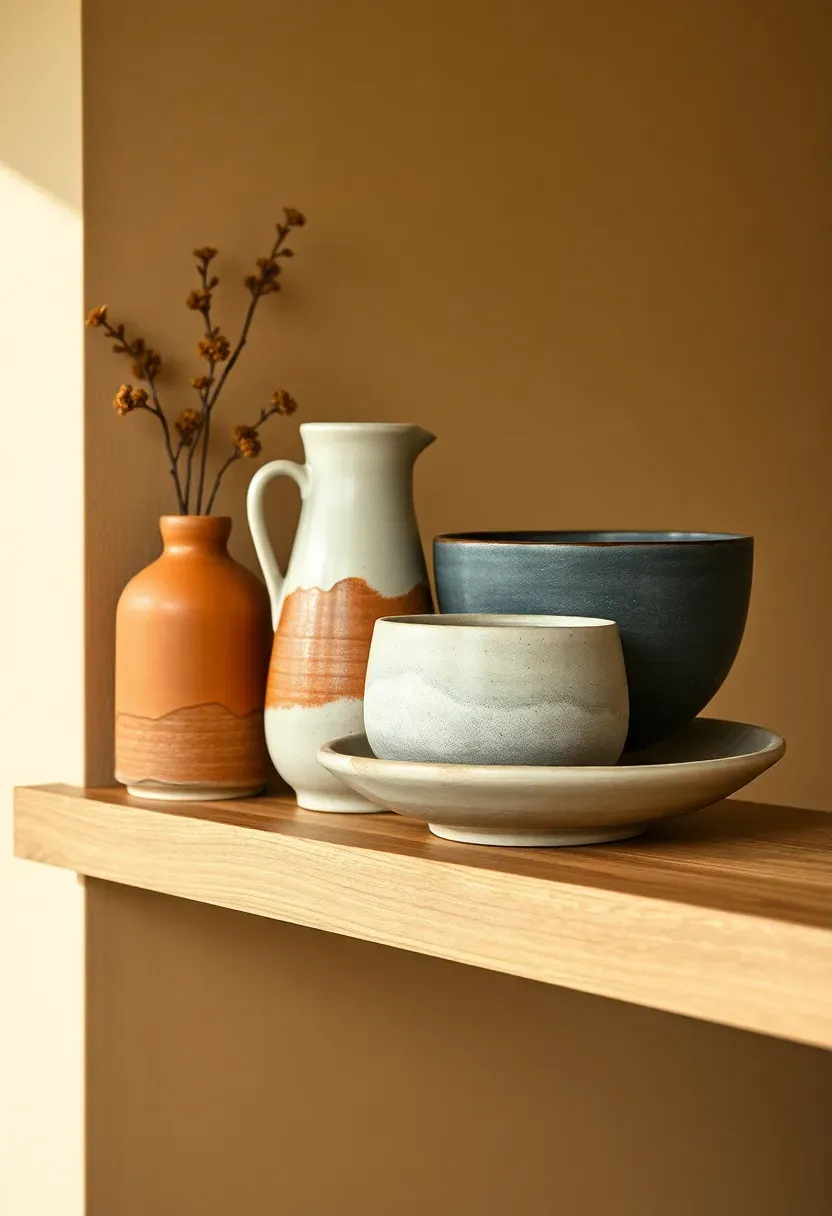
18. Clay and Ceramics
Incorporating handcrafted ceramic pieces -- from vases and vessels to sculptural objects -- adds earthy sophistication and visible craftsmanship to modern living rooms while providing functional decor that connects the space to ancient traditions of making. This pairs beautifully with the broader minimalist organic living room aesthetic. Unlike mass-produced accessories, handmade ceramics bear visible marks of their creation—finger marks, slight irregularities, glaze variations—that add richness and humanity to modern spaces. The key to modern ceramic display lies in grouping and editing—cluster three to five pieces together rather than scattering singles, choosing pieces with a cohesive color palette or material sensibility.
Recommended
Items for this idea
Tips
- Do choose ceramics that relate to your room's palette—warm rooms benefit from warm-toned pieces
- Then group ceramics by color, scale, or origin for intentional rather than random arrangements
- Consider supporting local ceramicists—unique pieces add stories and connection beyond mass production
Best for: adding humanity and craftsmanship to modern spaces
What this gives you: functional art that brings visible handcraft and ancient tradition
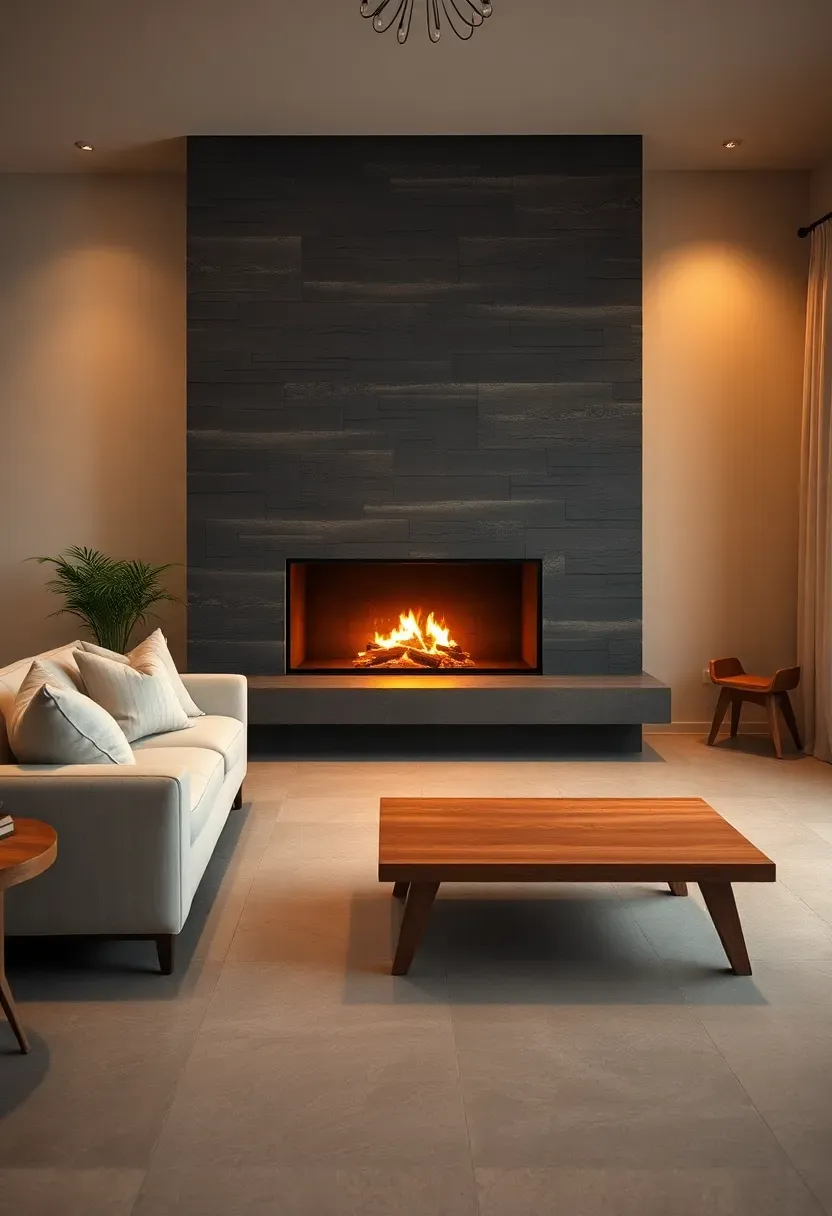
19. Simplified Fireplace
A simplified fireplace design—whether a linear gas fireplace set into smooth stone or a clean wood-burning surround with minimal mantel—creates a natural focal point for earthy modern living rooms while providing literal and figurative warmth. Unlike traditional fireplaces with elaborate surrounds, mantels, and hearths, modern versions emphasize the fire itself as the focal point, using minimalist materials and clean lines that don't compete with the flames. The key to modern fireplace design lies in proportion—wide, low fireplaces generally feel more contemporary than tall, narrow ones, and frameless or minimally framed designs prioritize the fire itself.
Tips
- Do position seating to face the fireplace as primary focal point
- Then consider fire glass or stones rather than logs for more contemporary aesthetic
- Ensure proper ventilation and clearances—modern fireplaces still require safety considerations
Best for: rooms needing a natural focal point or those in colder climates
What this gives you: gathering point that provides both literal warmth and visual anchoring
These 19 earthy modern living room decor ideas demonstrate that contemporary design and natural warmth are not opposing forces but complementary elements that, when balanced thoughtfully, create spaces that feel both current and deeply nurturing. Whether through light oak foundations, stone feature walls, layered linens, or strategic plant placement, the essence of earthy modern decor lies in honoring natural materials while maintaining the clean lines and uncluttered spaces that define modern living. By prioritizing quality materials, warm earth tones, and intentional organic textures over pattern and excess, these living rooms achieve sophisticated warmth that feels both timeless and thoroughly now -- welcoming spaces that connect you to the natural world, no matter whether you rent or own.
About the author
OBCD
CGI visualization and interior design content. We create detailed 3D renders and curate practical design ideas for every room in your home.