Japanese Minimalism Lifestyle: 15 Mindful Living Ideas
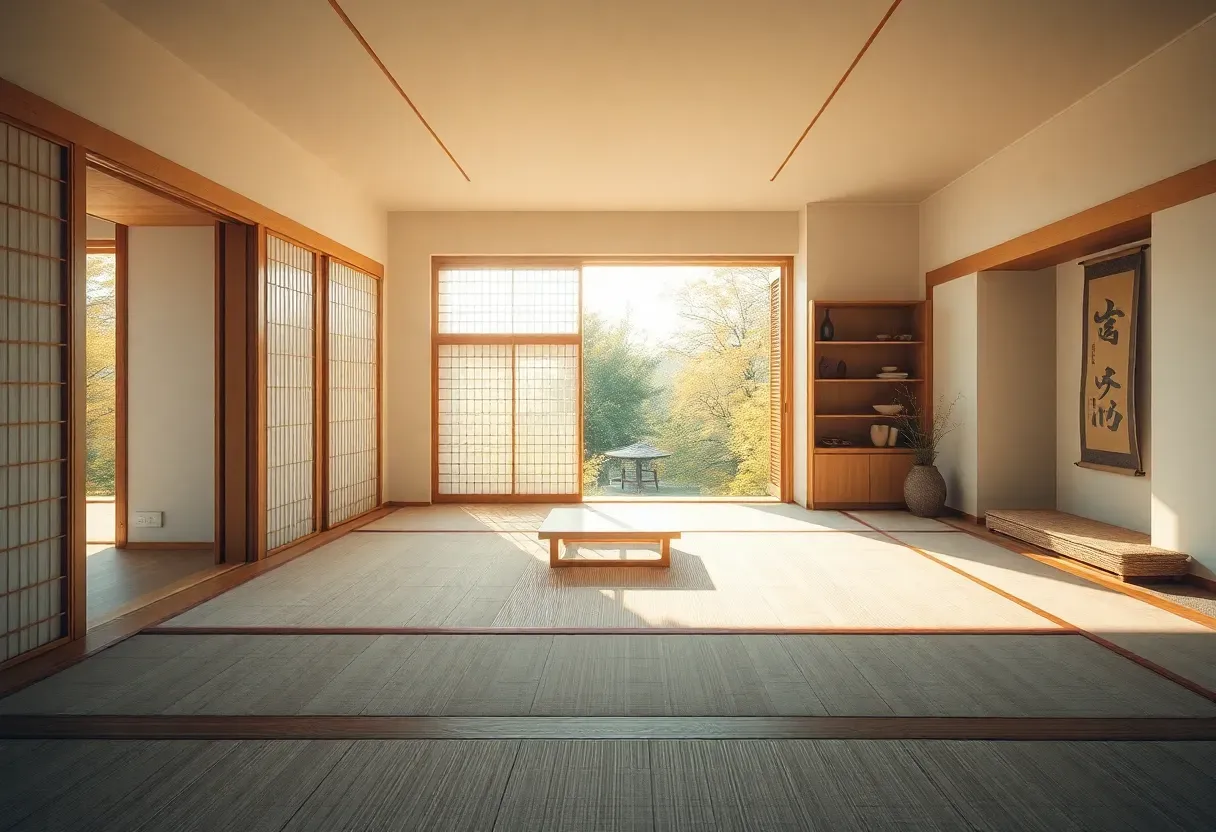
A Japanese minimalism lifestyle goes far beyond decluttering or aesthetic choices. Rooted in centuries-old traditions, this approach to living emphasizes intentionality, mindfulness, and deep appreciation for simplicity. Unlike Western minimalism's focus on reducing possessions, the Japanese minimalist philosophy creates harmony through thoughtful curation of space, objects, and daily practices that cultivate awareness and tranquility in everyday life -- even in a small rental apartment.
The foundation of Japanese minimalist living rests on concepts like "ma" (the intentional use of negative space), "wabi-sabi" (finding beauty in imperfection), and "shibui" (subtle, restrained elegance). These principles transform minimalism from a design choice into a comprehensive lifestyle that influences how you interact with your home, possessions, time, and even your thoughts. If you are new to intentional design, our [beginner's guide to a minimalist lifestyle](/posts/129_how-to-start-a-minimalist-lifestyle-a-beginners-guide/) covers the essential first steps.
Adopting a Japanese minimalism lifestyle doesn't require moving to Tokyo or completely overhauling your life overnight. These 15 principles offer practical, renter-friendly entry points for incorporating this mindful approach into any living situation. Whether you are seeking stress reduction, clearer focus, or deeper appreciation for everyday moments, Japanese minimalism provides a framework for living with greater awareness and intention on any budget.
Quick FAQ
What is the main difference between Japanese and Western minimalism?
Japanese minimalism emphasizes spiritual and philosophical principles like mindfulness, imperfection appreciation (wabi-sabi), and intentional space (ma), while Western minimalism typically focuses on reducing possessions and visual clutter. Japanese minimalism is about cultivating awareness through simplicity rather than just achieving a clean aesthetic.
Do I need to get rid of everything to practice Japanese minimalism?
No. Japanese minimalism focuses on intentionality and meaningful relationships with possessions rather than arbitrary numerical limits. Keep items that serve genuine purposes or bring joy—this approach values quality, craftsmanship, and personal connection over strict minimalism for its own sake.
Can families with children practice Japanese minimalist principles?
Absolutely. In fact, Japanese families often practice these principles through toy rotation systems, designated play areas, and teaching children about care and respect for belongings. The emphasis on quality over quantity and mindfulness about consumption benefits children by teaching them to value and care for what they have.
What is ma and how does it apply to home design?
Ma (間) translates to "gap" or "space" and refers to the intentional use of empty space in design and daily life. In homes, ma means leaving breathing room between objects, avoiding wall-to-wall furniture arrangement, and creating open areas that allow energy and movement to flow freely. This empty space isn't wasted—it's essential for creating calm and clarity.
How does wabi-sabi influence minimalist living?
Wabi-sabi teaches appreciation for imperfection, aging, and natural processes. In minimalism, this means valuing well-worn items that tell stories, embracing visible repairs rather than hiding them, and choosing natural materials that develop patina over time. It shifts focus from pristine perfection to authentic character and lived-in warmth.
Is Japanese minimalism tied to Buddhism or specific religion?
While influenced by Zen Buddhist principles, Japanese minimalism as a lifestyle practice is secular and accessible to anyone regardless of religious beliefs. The emphasis on mindfulness, simplicity, and intentionality aligns with many philosophical and spiritual traditions but doesn't require adherence to any specific faith or practice.
As an Amazon Associate I earn from qualifying purchases.
Table of Contents
- 1. Understand Ma (間)—The Art of Empty Space
- 2. Embrace Wabi-Sabi—Finding Beauty in Imperfection
- 3. Practice Shibui—Subtle, Refined Elegance
- 4. Apply Danshari—The Japanese Decluttering Method for Body, Mind, and Space
- 5. Create Tokonoma—A Focal Point of Beauty
- 6. Engage in Forest Bathing (Shinrin-yoku)
- 7. Practice O-soji—Daily Mindful Cleaning
- 8. Value Mottainai—Respecting Resources
- 9. Adopt Seated Living (Tatami Culture)
- 10. Practice Kintsugi Mindset—Honoring Repairs
- 11. Embrace Vertical Storage Principles
- 12. Create a Genkan—Renter-Friendly Transition Spaces
- 13. Practice Mono No Aware—Appreciating Impermanence
- 14. Apply Shikiri—Invisible Boundaries
- 15. Cultivate Wa—Harmonious Balance
1. Understand Ma (間)—The Art of Empty Space
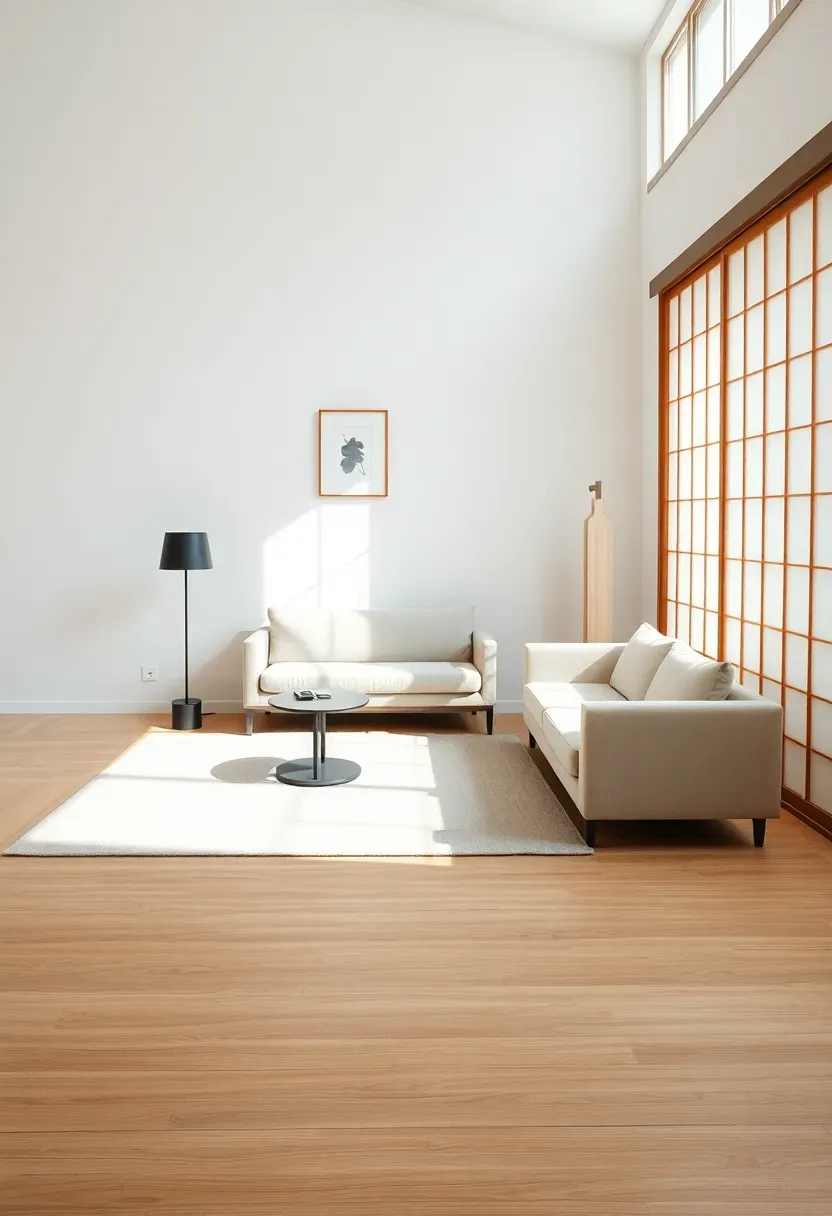
Ma represents perhaps the most fundamental concept in Japanese minimalism: the intentional use of empty space not as absence but as presence. This negative space between objects creates breathing room, allows light to move, and provides visual and mental respite from constant stimulation. In Western design, empty space often feels like wasted opportunity—something to fill with furniture or decoration. Japanese minimalism recognizes ma as essential: the pause between notes that makes music meaningful, the blank canvas that allows art to breathe.
Tips
- Do leave at least 30 inches of walking space between furniture pieces—this creates physical and visual breathing room
- Avoid pushing furniture against walls; pulling pieces slightly into the room creates flow and acknowledges ma around each object
- Resist filling empty surfaces—coffee tables, sideboards, and countertops function better with 60% empty space
- Think in terms of air and light circulation rather than just floor space; ma exists in three dimensions
Placement note: Ma is most powerful in entryways and main living areas where it immediately sets a tone of calm and spaciousness. For room-specific inspiration, see our [Japandi living room ideas](/posts/86_minimalist-japandi-living-room-ideas/) that put this principle into practice.
What this gives you: A home that feels larger and more tranquil regardless of actual square footage, plus reduced visual stress from constant visual stimulation.
We picked a few things that go well with this idea: Florensi Velvet Meditation Floor Cushion (★4.7), Retrospec Sedona Zafu Buckwheat Meditation Cushion (★4.6) and Zafu Cushion Set with Buckwheat and Memory Foam (★4.6). As an Amazon Associate we earn from qualifying purchases.
2. Embrace Wabi-Sabi—Finding Beauty in Imperfection
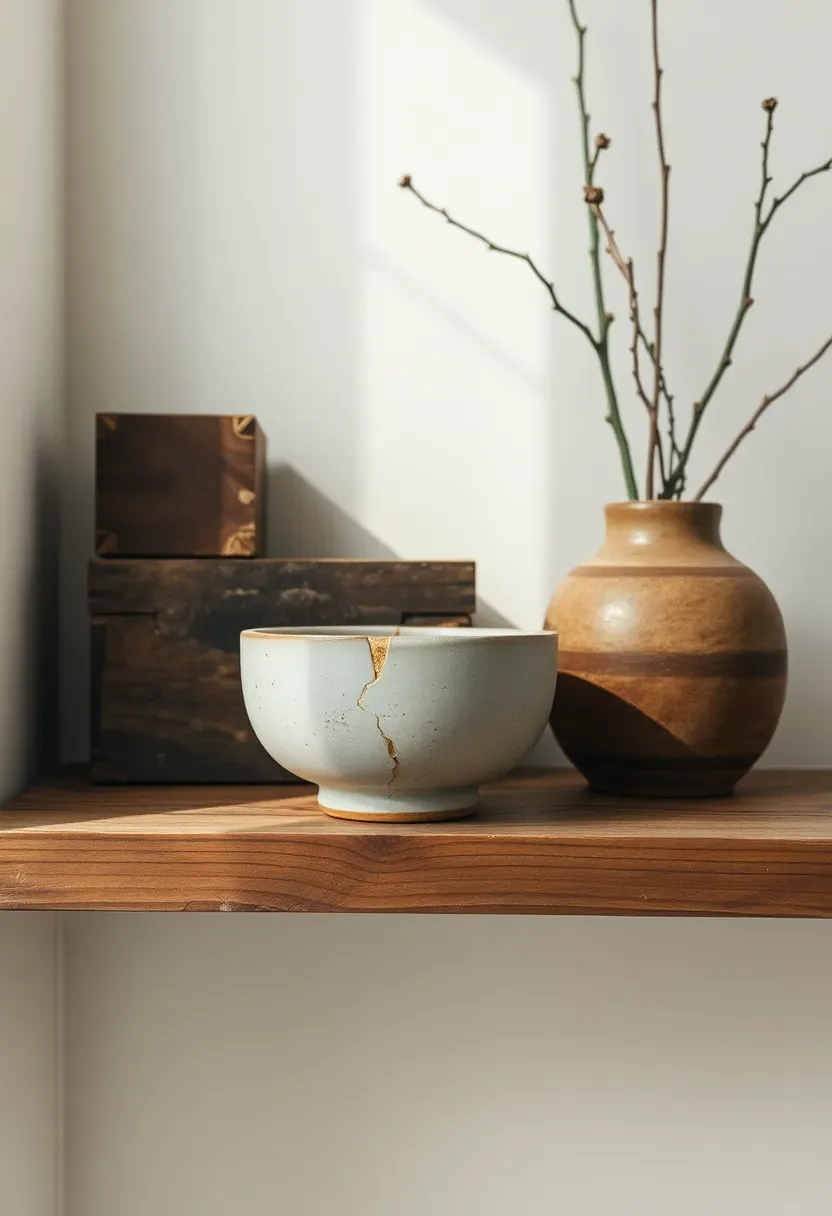
Wabi-sabi invites a profound shift in how we perceive objects and their lifecycle. Rather than pursuing pristine perfection, this principle celebrates the beauty of aging, weathering, and natural imperfection. A chipped ceramic bowl becomes more valuable for its story, worn wood gains character through use, and visible repairs become marks of care rather than flaws to hide. This perspective dramatically reduces consumption by extending the lifespan of possessions while deepening our relationship with what we own—items become companions through life rather than disposable products to replace at first sign of wear.
Tips
- Do choose natural materials that age beautifully—wood, leather, ceramics, linen develop character over time unlike synthetic materials that degrade
- Learn basic repair skills; visible mending becomes part of an object's story rather than something to hide or apologize for
- When shopping, examine items for minor imperfections that indicate handcrafting rather than rejecting them as flawed
- Avoid matching furniture sets; mixing pieces with different ages and provenance creates authentic warmth impossible to replicate with showroom perfection
Best for: Anyone feeling trapped by the constant pressure to maintain perfect possessions or replace items at the first sign of wear
What this gives you: Liberation from perfectionism while reducing replacement purchases and deepening appreciation for the stories your belongings carry.
We picked a few things that go well with this idea: Kintsugi Gold Ceramic Repair Kit (★4.1), Kintsugi Gold Glue for Ceramics (50ml) (★4.0) and iienjoy 4-Color Food Safe Kintsugi Kit (★4.3). As an Amazon Associate we earn from qualifying purchases.
3. Practice Shibui—Subtle, Refined Elegance
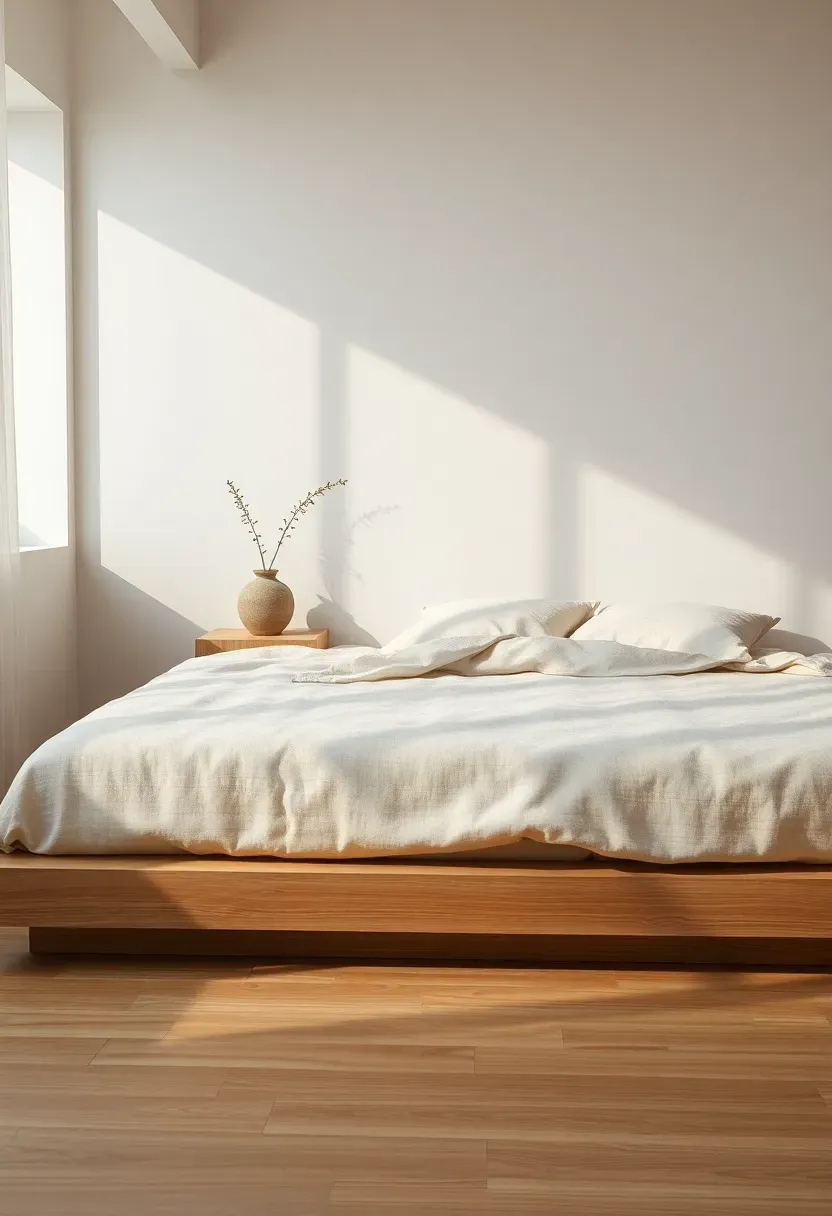
Shibui represents the Japanese aesthetic of subtle, unobtrusive beauty—elegance that doesn't demand attention but reveals itself gradually through quiet appreciation. This principle guides color choices (muted earth tones rather than bright primaries), material selections (natural finishes rather than glossy surfaces), and overall restraint in decoration. Shibui spaces feel calm immediately yet reward sustained attention through details that unfold slowly: the subtle grain pattern in wood, the way light changes across a wall throughout the day, the precise joinery in furniture construction.
Tips
- Do choose a limited color palette of neutrals with one or two accent colors drawn from nature—stone gray, warm cream, soft charcoal, muted olive
- Choose matte finishes over glossy; natural materials over synthetic alternatives, subtle textures over bold patterns
- Layer textures rather than colors: linen, wool, wood, stone, ceramic create visual interest without bold color or pattern
- Edit ruthlessly—if an item feels attention-seeking or disrupts the quiet harmony, it doesn't belong in a shibui space
Best for: People who find bold colors and patterns visually overstimulating and prefer spaces that feel calm without being sterile
What this gives you: An environment that feels calming immediately yet continues to reward attention through subtle details rather than demanding constant visual stimulation.
We picked a few things that go well with this idea: Lipper International Bamboo Cabinet Shelf Organizer (★4.3), PEKER Bamboo Countertop Vanity Storage Shelf (★4.5) and Bamboo 3-Tier Utility Storage Shelf Stand (★4.6). As an Amazon Associate we earn from qualifying purchases.
4. Apply Danshari—The Japanese Decluttering Method for Body, Mind, and Space
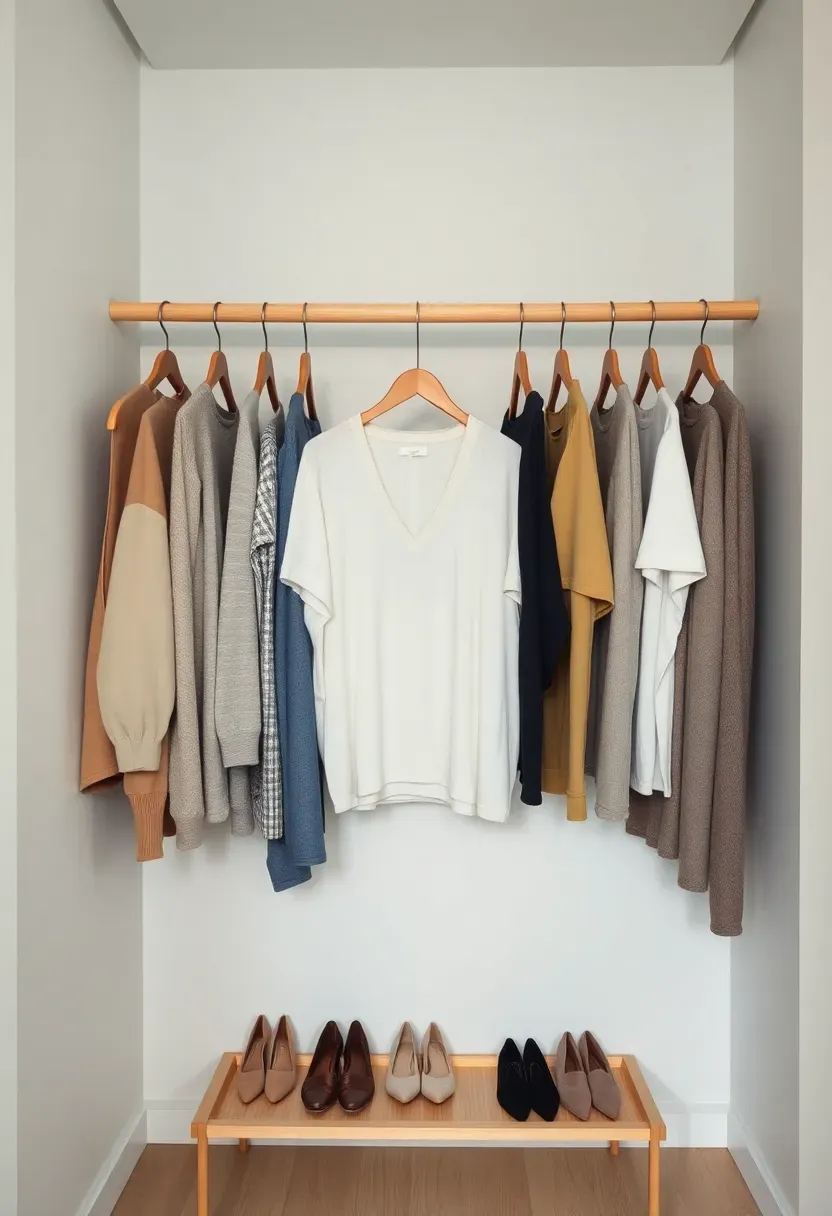
Danshari represents the comprehensive Japanese approach to decluttering that extends beyond physical possessions to mental clutter and unnecessary commitments. The term combines three characters: dan (refusing), sha (disposing), and ri (separating). This tripartite framework provides structure for letting go: first refuse new unnecessary acquisitions, then dispose of what no longer serves you, and finally separate your identity and wellbeing from material accumulation. Danshari isn't a one-time purge but an ongoing practice of assessing what truly adds value versus what creates burden.
Recommended
Items for this idea
Tips
- Do apply danshari to three areas simultaneously: physical possessions, digital clutter, and unnecessary commitments or obligations
- Start with the easiest category first; quick wins build confidence before tackling sentimental items or complex digital spaces
- Practice the one-year rule: if you haven't used something in a year, it likely doesn't deserve the space it occupies
- Consider each item's energy cost—storage, maintenance, mental overhead—rather than just its purchase price or potential future use
Best for: Anyone feeling overwhelmed by possessions, digital overload, or overcommitted schedules seeking a comprehensive framework for simplification
What this gives you: Reduced decision fatigue plus the mental lightness that comes from streamlined possessions and commitments aligned with current priorities.
5. Create Tokonoma—A Focal Point of Beauty
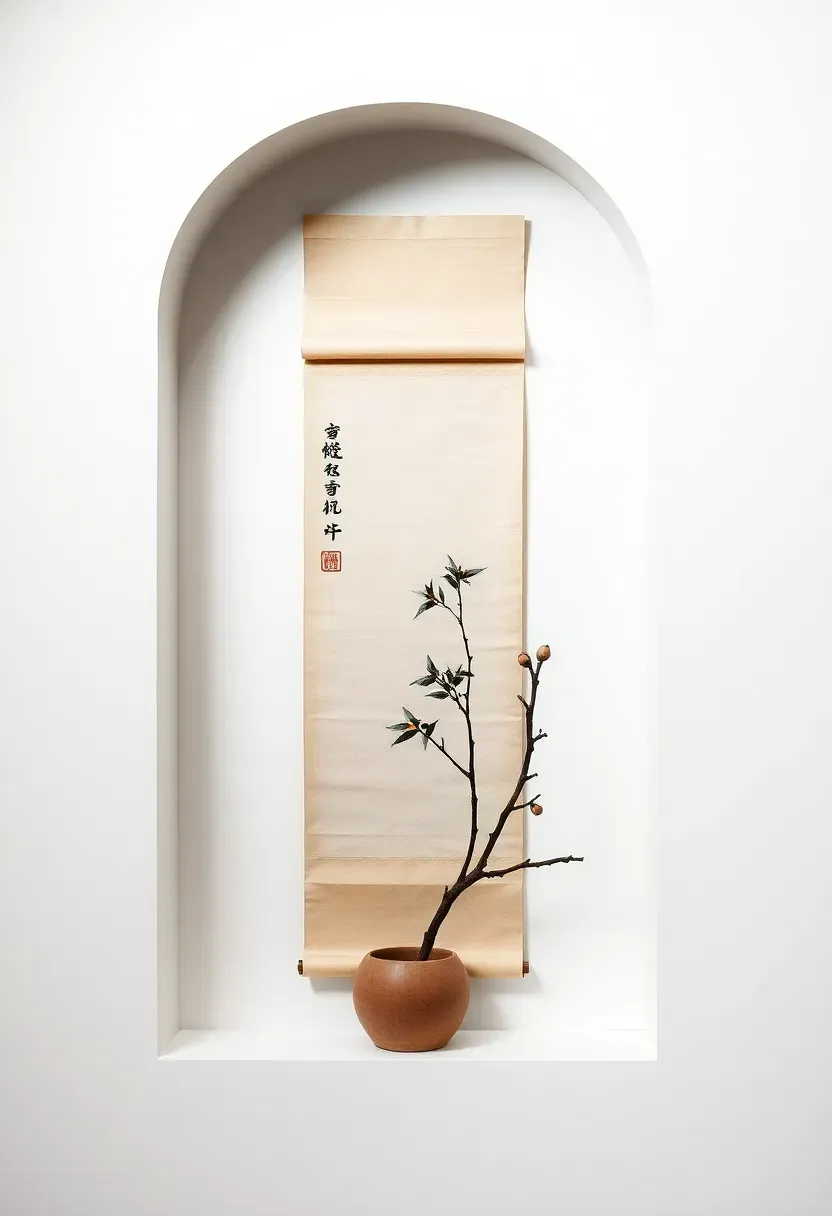
The tokonoma is a traditional Japanese recessed alcove designed for displaying art, flower arrangements, or calligraphy—a designated space of beauty and contemplation. While you may not have an architectural tokonoma, the principle applies universally: create one carefully curated focal point in each room rather than distributing decorations evenly across all surfaces. This concentrated beauty draws the eye and provides a moment of artistic appreciation without competing visual elements. The tokonoma changes seasonally or as inspiration strikes, keeping spaces dynamic while maintaining minimalist restraint.
Tips
- Do choose one wall or alcove per room as your designated display area; keep all other walls completely clear of artwork
- Change your tokonoma display seasonally or monthly—this keeps the space feeling alive while maintaining disciplined restraint
- The display should follow the principle of shibui: subtle, natural, and modest rather than attention-seeking or conventionally decorative
- Consider living elements (branches, stones, shells) alongside art—this connects the display to natural cycles and seasons
Best for: People who love art and beautiful objects but struggle with over-decorating or maintaining restraint across entire rooms
What this gives you: Curated beauty that creates contemplative focal points without the visual chaos of excessive decorations scattered throughout every room.
6. Engage in Forest Bathing (Shinrin-yoku)
Shinrin-yoku, or forest bathing, emerged in Japan during the 1980s as a response to stressful urban living and has since been scientifically validated for numerous health benefits. Unlike hiking or exercise, forest bathing emphasizes slow, contemplative engagement with natural environments—breathing deeply, observing details, and allowing nature to restore mental and physical wellbeing. This practice complements minimalist living by reinforcing the satisfaction found in simple experiences rather than consumption or accumulation.

Recommended
Items for this idea
Tips
- Do practice shinrin-yoku weekly even if you live in an urban area—parks, botanical gardens, and areas with mature trees provide forest bathing benefits
- Leave phones, cameras, and music behind; the goal is direct sensory engagement rather than documentation or entertainment
- Move slowly and stop frequently; unlike hiking which emphasizes distance or destination, forest bathing emphasizes presence and observation
- Engage all senses: touch bark textures, smell forest air, listen to bird calls, notice light patterns through leaves
Time note: Just 20 minutes of forest bathing provides measurable stress reduction benefits—this isn't about extensive time commitments but consistent practice.
What this gives you: Measurable stress reduction and improved mood through simple free experiences rather than expensive purchases or entertainment-based stress relief.
7. Practice O-soji—Daily Mindful Cleaning
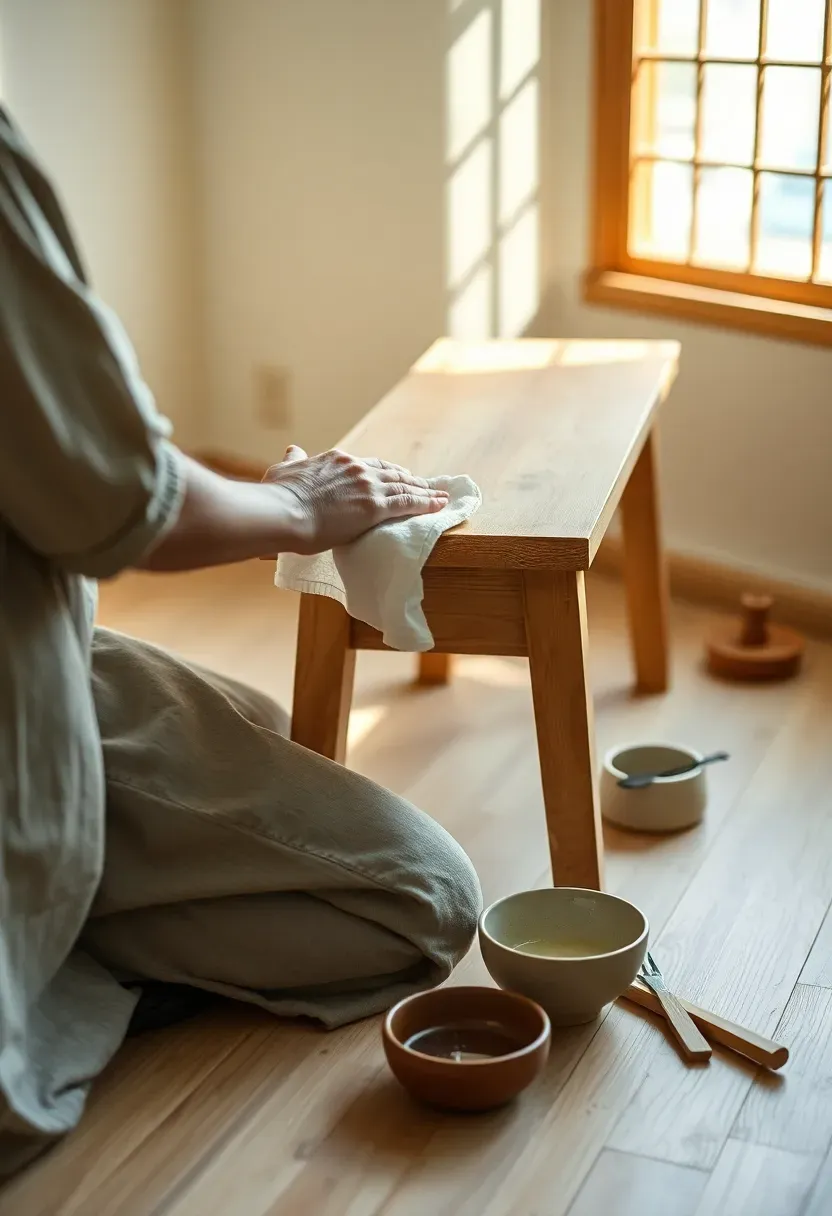
O-soji, or big cleaning, represents the Japanese practice of thorough, mindful cleaning that transforms household maintenance from chore to meditation. Rather than rushing through cleaning as quickly as possible, o-soji emphasizes focused attention on each action: sweeping becomes rhythmic meditation, wiping surfaces becomes mindful observation, organizing becomes clarifying mental practice. This approach, especially when practiced daily in small increments, prevents overwhelming accumulation while creating the meditative satisfaction that Japanese minimalism associates with caring for one's environment.
Tips
- Do practice o-soji for 15-20 minutes daily rather than marathon weekend cleaning sessions; consistency trumps intensity
- Clean mindfully without podcasts or music; treat the activity as its own meditation rather than something to distract from
- Use natural cleaning tools and products: cotton cloths, wood brushes, plant-based cleaners feel more aligned with o-soji's meditative quality
- End each session by returning cleaning tools to their designated place; this ritual completion reinforces mindfulness and prevents tool clutter
Best for: Anyone who feels constantly behind on household maintenance or wants to transform cleaning from dreaded chore to meaningful daily practice
What this gives you: A consistently maintained home without weekend cleaning marathons plus the meditative satisfaction that comes from mindful daily attention to your environment.
8. Value Mottainai—Respecting Resources
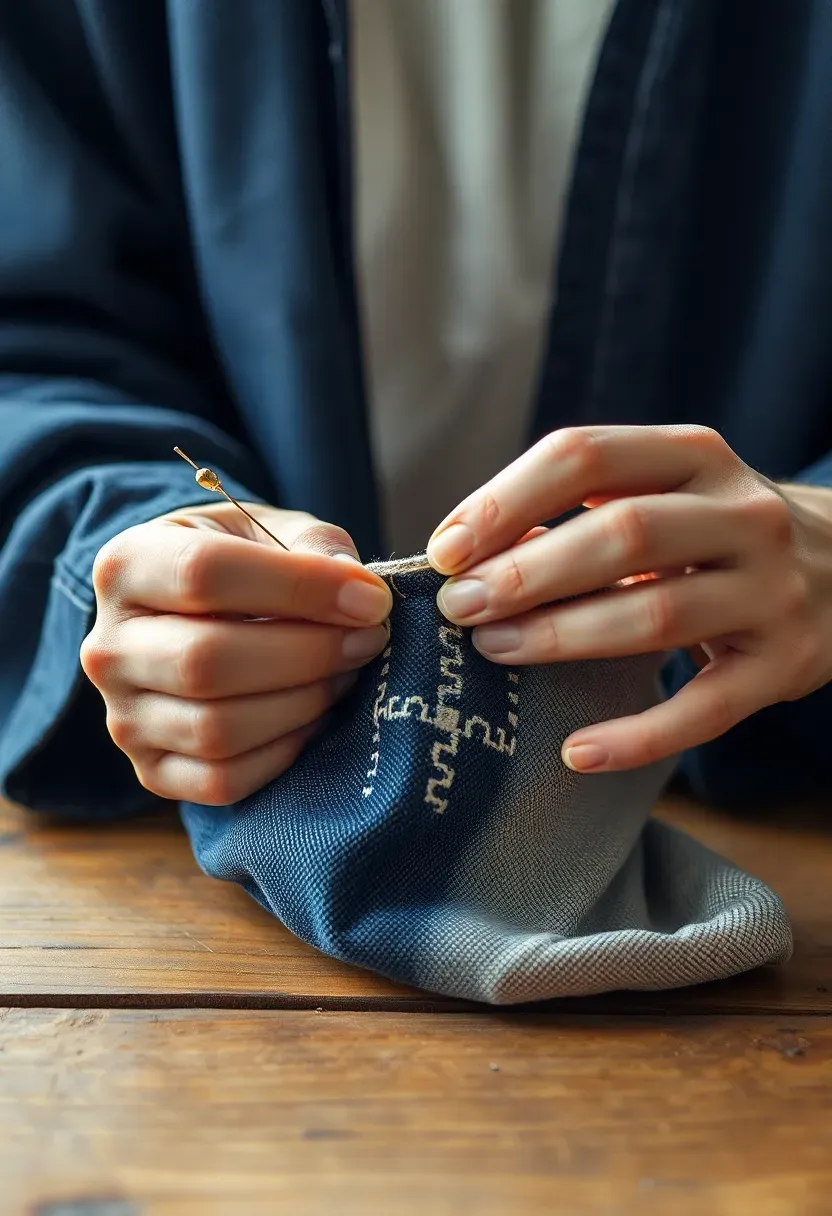
Mottainai expresses regret over waste while acknowledging the inherent value in all things and resources. This principle extends beyond recycling to encompass respect for the labor, materials, and energy embedded in every object. Mottainai thinking asks: "Who made this? What materials does it contain? What energy was required to produce it?" This awareness naturally reduces consumption while increasing appreciation for what we already own. The practice counteracts throwaway culture by encouraging repair, reuse, and thoughtful consideration before acquiring anything new.
Recommended
Items for this idea
Tips
- Do learn basic repair skills: sewing, simple woodworking, glue techniques—extending an item's lifespan embodies mottainai principles
- Before discarding anything, consider alternative uses: glass jars for storage, fabric for cleaning rags, wood for small projects
- Research brands and products before purchasing; understanding production cycles and material sourcing increases mottainai awareness
- Treat every possession as if someone put their life energy into creating it—because most likely, someone did
Budget note: Mottainai practice typically reduces household expenses by 30-50% through decreased consumption and extended product lifespans.
What this gives you: Reduced consumption and waste plus deeper satisfaction with possessions as you develop genuine appreciation for the resources they represent.
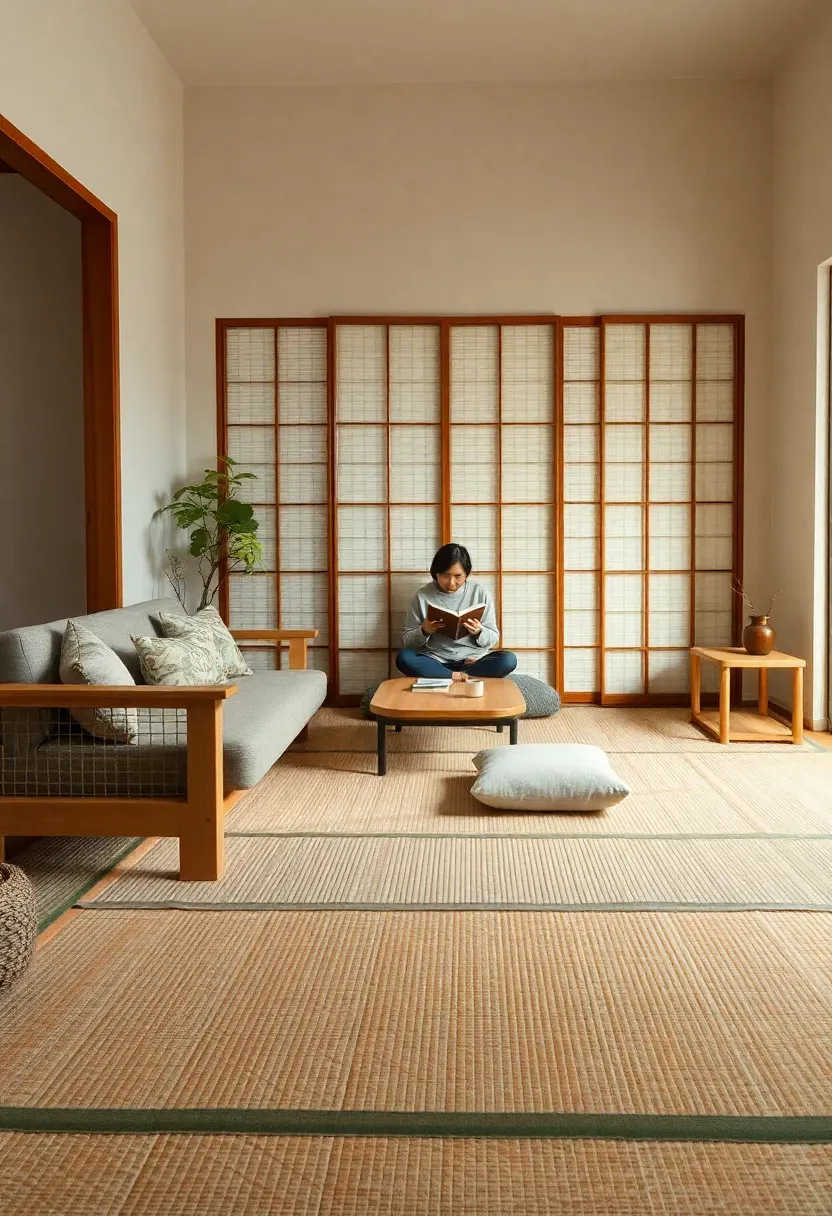
9. Adopt Seated Living (Tatami Culture)
Traditional Japanese living centers on floor-level living facilitated by tatami mats—thick woven straw flooring that provides comfort, insulation, and a cultural foundation for seated activities. While you may not have tatami flooring, the principles translate: low furniture, floor cushions, and seated work create a different relationship with space that feels grounded and humble. Floor living requires less furniture (no bed frame, no chair, no sofa), reduces visual dominance of furnishings, and creates spaces that feel more expansive since furniture doesn't fill vertical volume.
Tips
- Do start with floor cushions for reading or meditation; even small doses of floor living shift your perspective on space and furniture needs
- Consider low tables (coffee height or lower) for eating or working; these take up less visual space and create more casual, intimate atmosphere
- Floor pillows and cushions can be stacked when not in use, unlike conventional furniture which always consumes its full volume
- Invest in good-quality floor seating with adequate support; Japanese floor cushions provide firm support that makes extended sitting comfortable
Placement note: Floor living works exceptionally well in small apartments or rooms where low furniture creates greater sense of volume and openness. Our [Japandi bedroom design ideas](/posts/50_25-minimalist-japandi-bedroom-design-ideas-for-serene-spaces/) show how low platform beds apply this principle beautifully.
What this gives you: Reduced furniture needs and costs plus spaces that feel larger and more open due to decreased vertical volume occupied by furnishings.
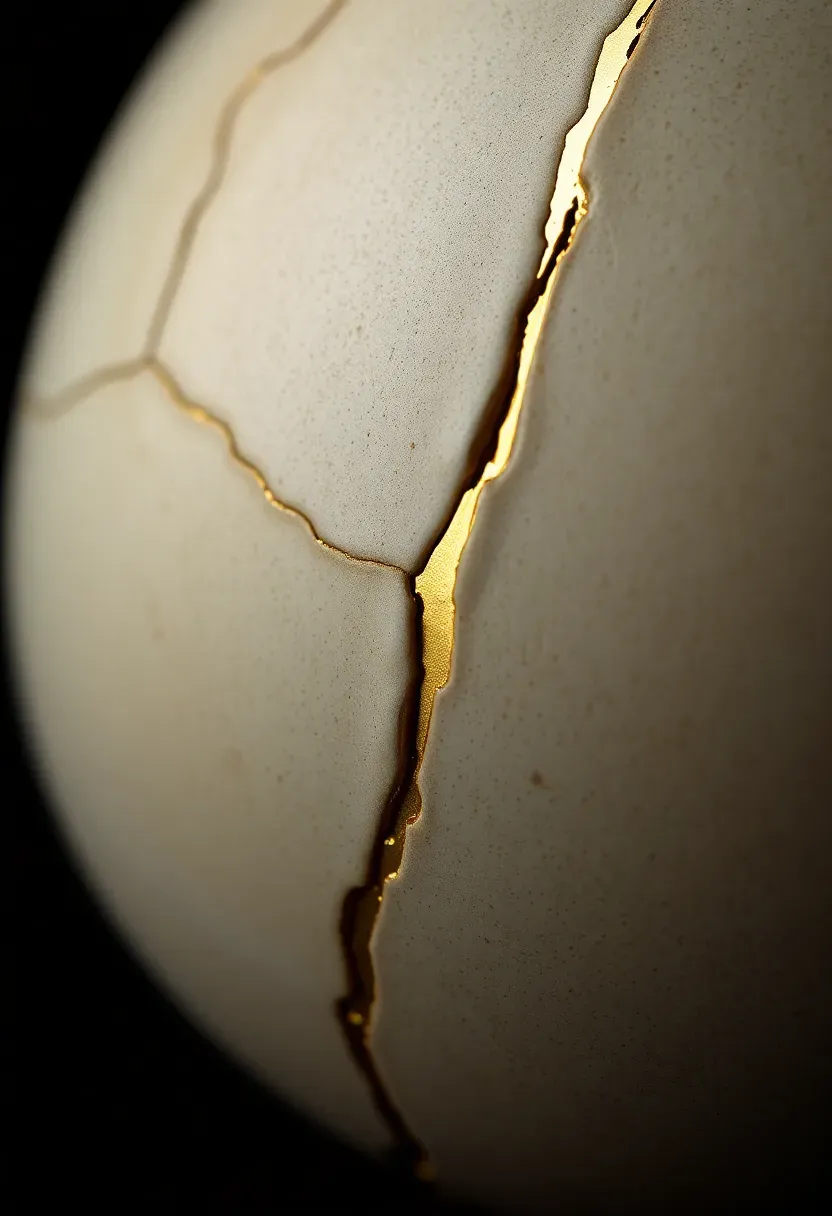
10. Practice Kintsugi Mindset—Honoring Repairs
Kintsugi, the art of repairing broken pottery with gold lacquer, transforms damage into beauty through visible, celebrated repair. This practice extends beyond ceramics to represent a mindset that values preservation and repair over replacement. Applied to everyday life, kintsugi mindset means embracing visible repairs, choosing quality items worth fixing, and developing basic repair skills. A cracked plate becomes more valuable after kintsugi repair—similarly, well-maintained and repaired possessions carry stories and character that new replacements lack.
Recommended
Items for this idea
Tips
- Do learn basic repair skills appropriate to your possessions: sewing for clothes, glue techniques for ceramics and wood, basic tool skills for furniture
- When shopping, research repairability—can this item be fixed? Quality manufacturers provide parts, repair services, or at least don't design against repair
- Display repaired items proudly rather than hiding imperfections—these repairs become part of the object's story and your relationship with it
- Consider kintsugi-inspired repairs for ceramics and pottery even if you're not an expert; the intention matters more than perfect execution
Best for: Anyone frustrated by throwaway culture or wanting to develop deeper, longer relationships with possessions through maintenance and repair
What this gives you: Dramatically reduced replacement purchases plus the satisfaction of maintaining items rather than constantly discarding them.
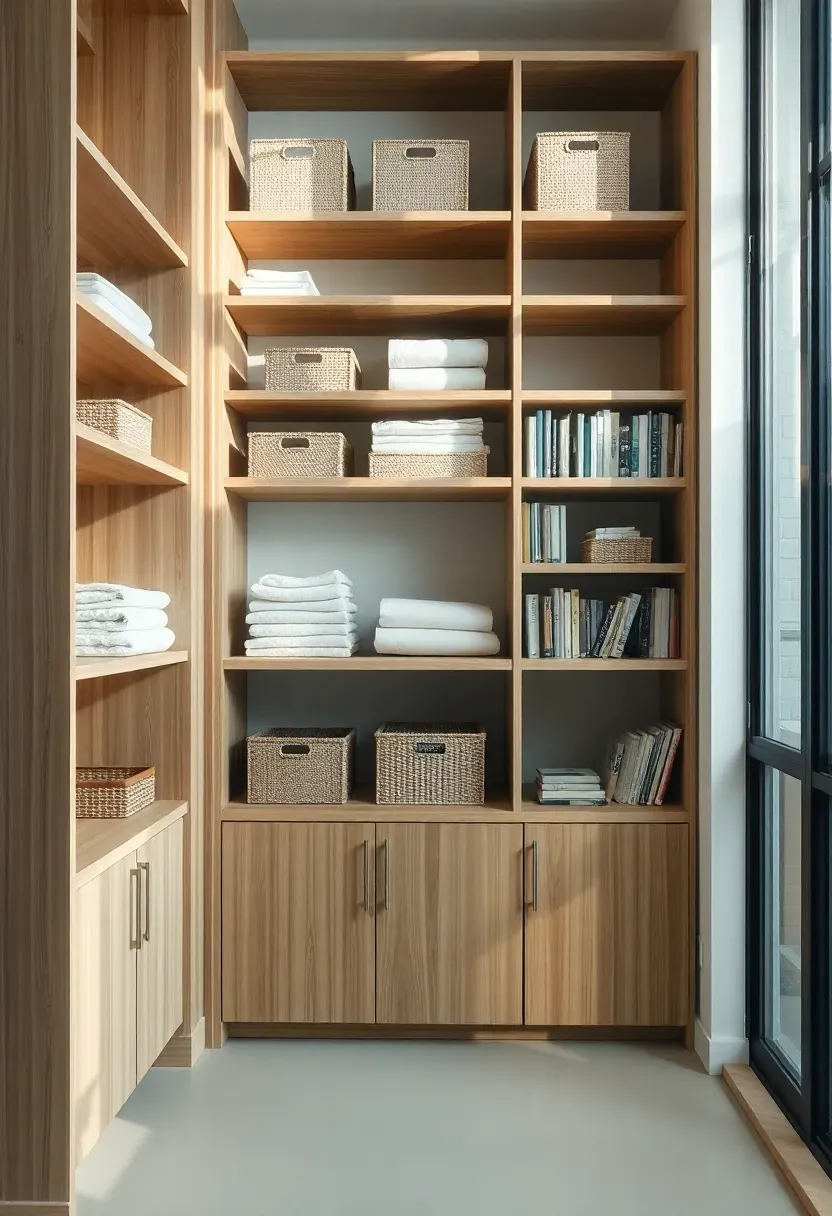
11. Embrace Vertical Storage Principles
Japanese minimalism excels at vertical organization—utilizing wall height efficiently while keeping floor space clear and surfaces uncluttered. This approach ranges from traditional tansu chests to contemporary modular shelving systems that extend toward ceilings rather than spreading across floors. Vertical storage respects ma by leaving floor space open while providing excellent storage density. The visual effect lifts the eye upward, making rooms feel taller and more spacious while keeping everyday items accessible yet unobtrusive.
Tips
- Do extend shelving to ceiling rather than stopping at standard height; this maximizes storage while creating architectural interest
- Keep lower portions enclosed (cabinets or drawers) and upper portions open; this creates visual lightness while hiding clutter
- Use consistent storage containers—boxes, baskets, bins—so shelves feel organized rather than chaotic even when holding miscellaneous items
- Leave 20% of shelf space empty; this breathing room makes the storage feel intentional rather than overstuffed
Placement note: Vertical storage works exceptionally well in smaller rooms where floor space is at a premium but vertical volume is underutilized.
What this gives you: Maximum storage with minimum floor footprint plus rooms that feel larger and more organized through elevated visual emphasis.
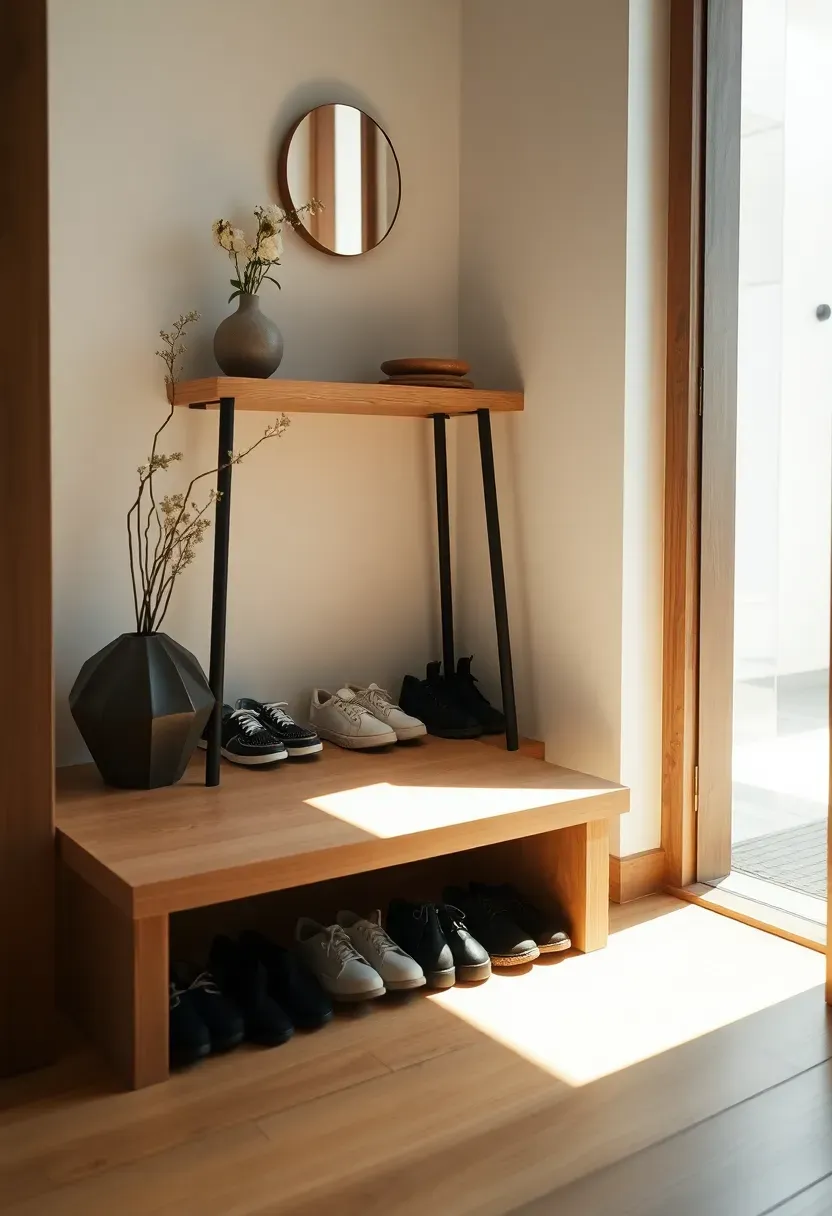
12. Create a Genkan—Renter-Friendly Transition Spaces
The genkan is the Japanese entry area where outdoor shoes are removed before stepping up into the home—both a physical transition zone and psychological boundary between outside world and private sanctuary. This designated entry space, even in small apartments, creates an important ritual: removing shoes signals mentally leaving work, stress, and public concerns behind. The genkan also keeps floors cleaner, reduces tracked-in dirt, and symbolically separates the external world from your private retreat.
Recommended
Items for this idea
Tips
- Do create a defined entry zone even if you can't build a physical step—use rugs or flooring changes to mark the transition area
- Provide designated shoe storage immediately inside the entry; this makes removing shoes convenient rather than awkward
- Keep slippers or house shoes readily available for family and guests; comfort supports the no-outdoor-shoes policy
- The genkan should be completely cleared daily—shoes organized, packages dealt with immediately, coats hung; this maintains clarity
Best for: Anyone wanting cleaner floors, a defined home-arriving ritual, or a psychological boundary between work stress and home sanctuary
What this gives you: Cleaner floors plus a powerful daily ritual that mentally signals leaving outside concerns behind when entering your home.
13. Practice Mono No Aware—Appreciating Impermanence
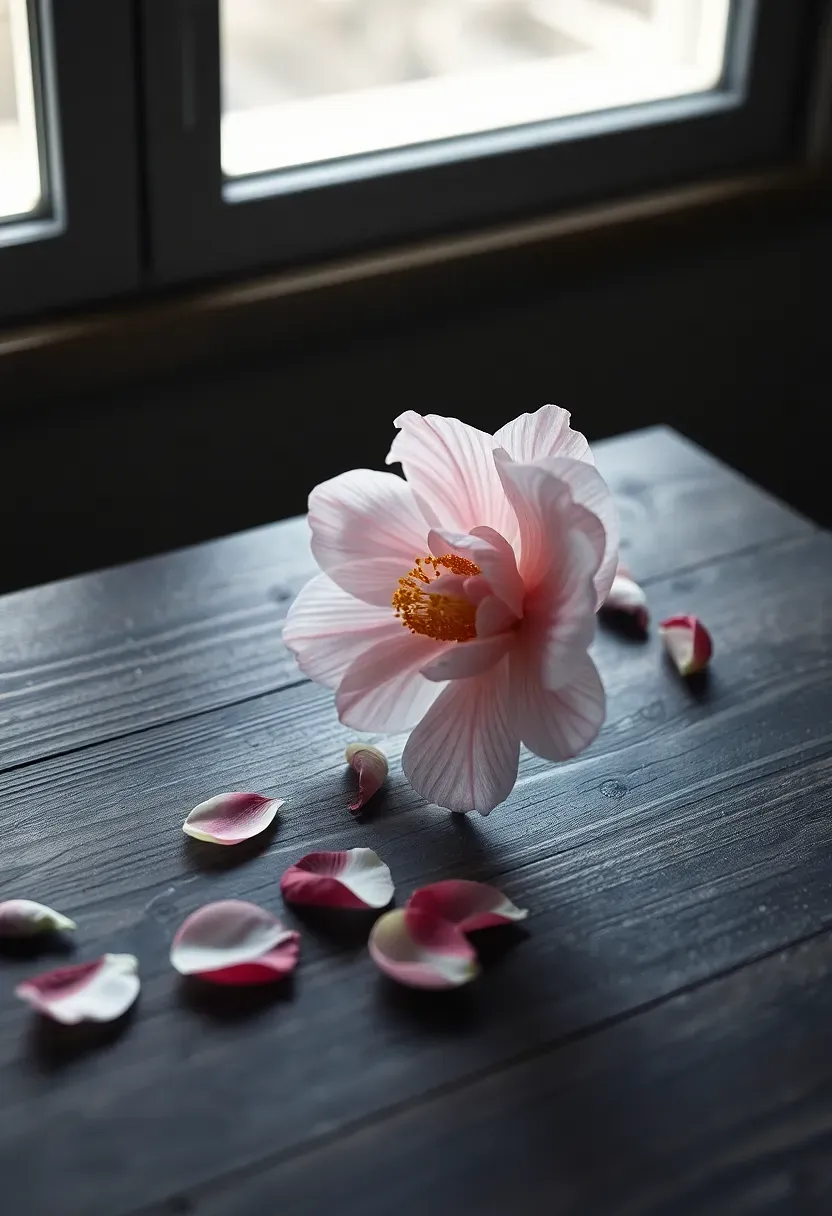
Mono no aware translates roughly to "the pathos of things"—a bittersweet awareness of life's impermanence that enhances appreciation for the present moment. This principle recognizes that seasons change, flowers fade, objects wear, and all things are transient. Rather than causing sadness, this awareness deepens our capacity to appreciate beauty precisely because it's fleeting. Applied to minimalism, mono no aware helps detach from possessions by recognizing their temporary nature while cherishing them more deeply during the time we have them.
Tips
- Do incorporate natural elements in your home that visibly mark seasons—branches, flowers, leaves that change and remind of cycles
- When decluttering, practice gratitude for items leaving your life rather than guilt; acknowledge their service and let them go with appreciation
- Notice seasonal changes through your windows daily; this simple practice builds mono no aware awareness naturally
- Photograph or document meaningful items before letting them go; the memory remains even when the physical object moves on
Best for: People who struggle with attachment to possessions or difficulty letting go, even when items no longer serve their purpose
What this gives you: Easier detachment from possessions plus deeper capacity to appreciate and cherish what you have while acknowledging its temporary nature.
14. Apply Shikiri—Invisible Boundaries
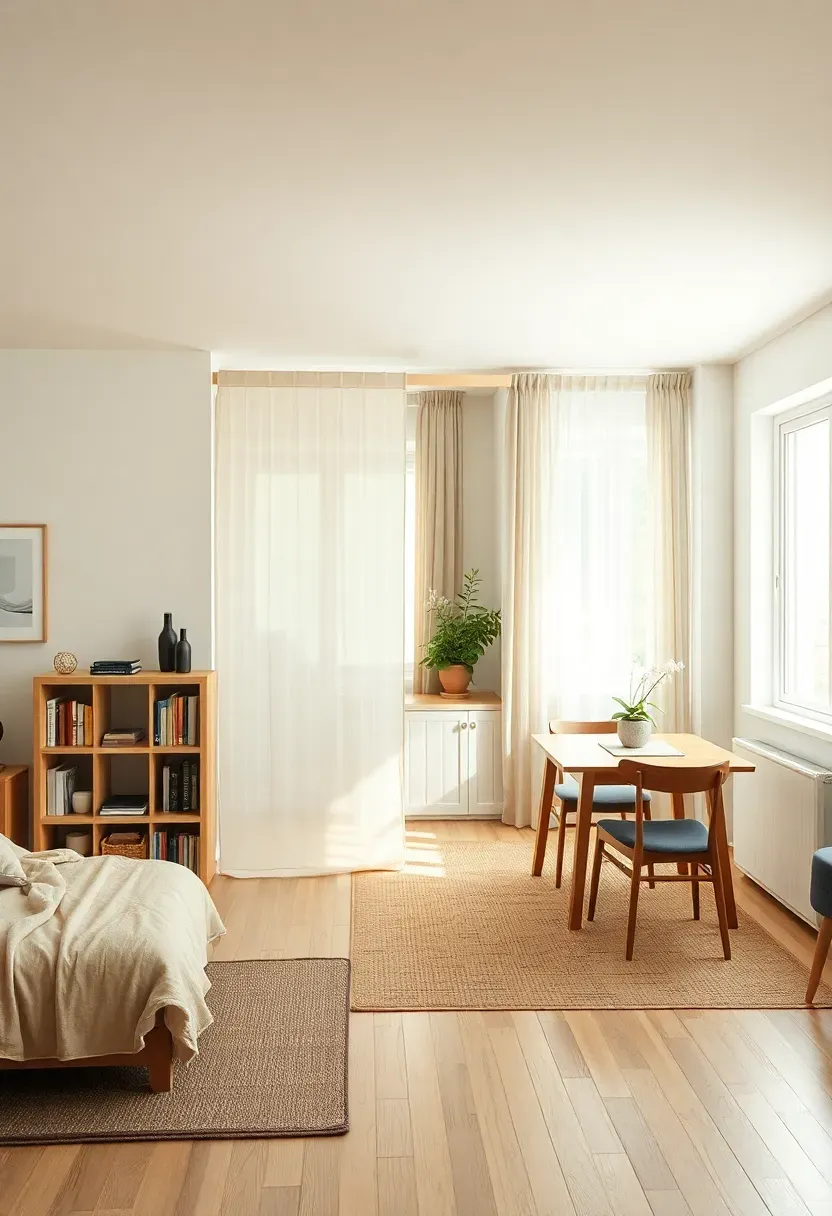
Shikiri refers to the Japanese art of creating separation and boundaries without building actual walls. This might involve furniture placement, changes in floor level, fabric partitions, or simply implied boundaries created through arrangement. Shikiri allows open-plan living while maintaining distinct functional zones—creating privacy without isolation, separation without disconnection. In smaller spaces, shikiri maximizes utility by allowing one area to serve multiple functions throughout the day while feeling appropriately designated for each use.
Recommended
Items for this idea
Tips
- Do use furniture as room dividers—open shelving, low consoles, or sofas create boundaries without blocking light or sightlines
- Floor coverings define zones effectively; a rug under a dining table or bed creates a perceived "room" without walls
- Lighting can create boundaries—task lighting over a workspace or ambient light in a reading area distinguishes zones visually
- Sheer curtains or fabric panels provide privacy while maintaining connection; they create shikiri that's easily adjustable
Placement note: Shikiri works exceptionally well in studio apartments or open-plan living areas where distinct zones improve functionality without sacrificing spaciousness. If you live in a compact space, our [Japanese tiny house ideas](/posts/91_japanese-tiny-house/) explore shikiri in even tighter footprints.
What this gives you: Better utilization of open spaces with clear functional zones without sacrificing light, airflow, or the sense of spaciousness.
15. Cultivate Wa—Harmonious Balance
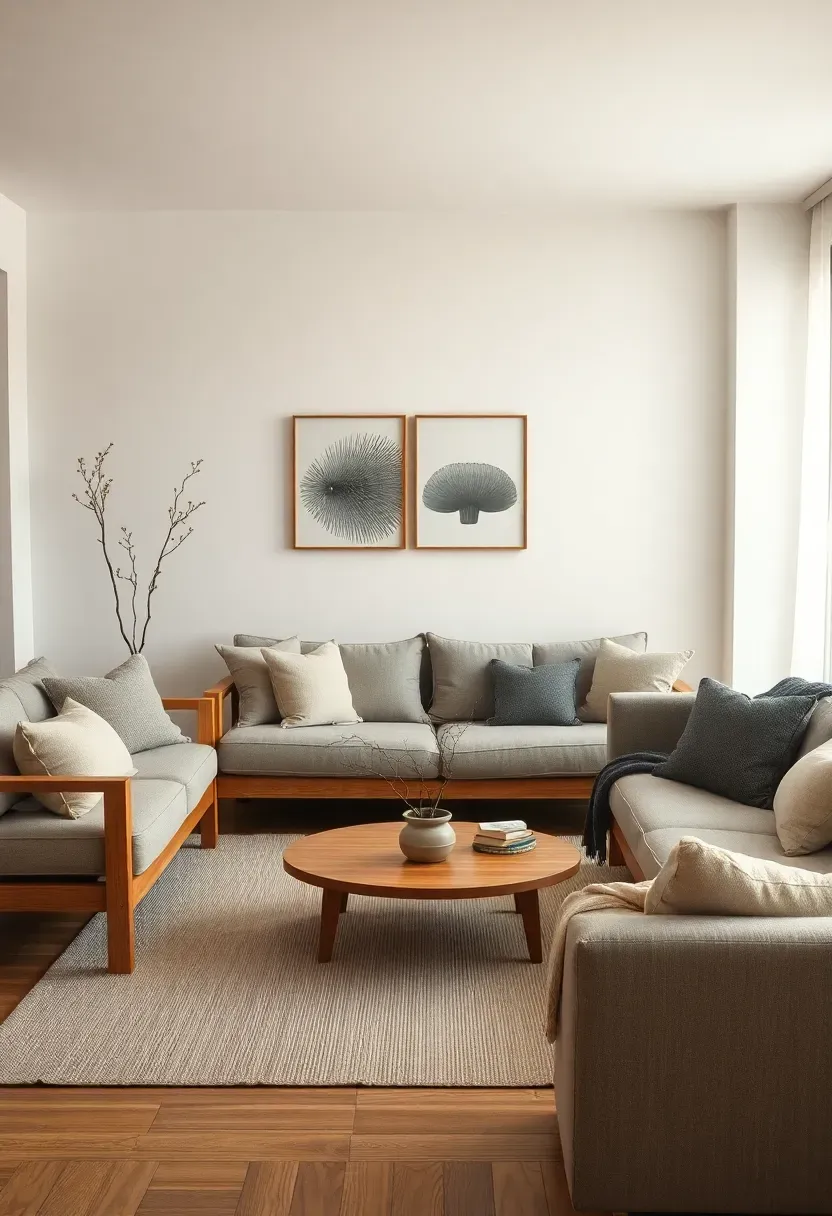
Wa represents harmony, peace, and balance—the overarching goal that all Japanese minimalist principles work toward. This isn't static perfection but dynamic equilibrium where elements complement rather than compete. Wa manifests in color harmony (limited palette working cohesively), texture balance (smooth contrasting rough without jarring), spatial distribution (even visual weight without symmetry), and functional flow (movement through space feels natural). A space with wa feels immediately right—comfortable, calming, and somehow complete without needing anything more.
Tips
- Do limit your color palette to 3-4 colors maximum plus neutrals; this creates automatic visual harmony regardless of specific items
- Balance smooth and rough textures throughout rooms—this creates tactile interest without relying on pattern or color
- Arrange furniture to create conversational clusters rather than lining walls; this balances the room visually and socially
- Edit ruthlessly until everything feels essential and nothing stands out as jarring or unnecessary; wa requires subtraction more than addition
Best for: Anyone whose home feels "off" or uncomfortable despite having nice things—usually indicates lack of wa rather than specific design problems
What this gives you: Spaces that feel immediately comfortable and calming to both inhabitants and guests, creating environments that naturally support wellbeing and tranquility.
A Japanese minimalism lifestyle offers a comprehensive framework for mindful living that extends far beyond aesthetic choices. These 15 principles -- ma, wabi-sabi, shibui, danshari, and others -- provide practical approaches to creating spaces and habits that support clarity, calm, and intentionality in any rental apartment or small home. The beauty of this philosophy lies in its adaptability: apply one principle deeply, incorporate several gradually, or embrace the entire system as your lifestyle evolves. The goal is not perfect replication of Japanese interiors but integrating underlying principles that resonate with your circumstances, values, and budget.
Begin with the concepts that feel most accessible: perhaps creating ma through strategic empty space, practicing o-soji through mindful daily cleaning, or embracing wabi-sabi by valuing well-worn possessions. For more actionable first steps, explore our guide to [simple living ideas for a minimalist lifestyle](/posts/105_simple-living-ideas-minimalist-lifestyle/). As these principles become natural, incorporate others gradually. Japanese minimalism is not about rapid transformation but ongoing refinement -- a lifetime practice of curating spaces, habits, and mindsets that support the life you want to live rather than the life consumer culture suggests you should want.
About the author
OBCD
CGI visualization and interior design content. We create detailed 3D renders and curate practical design ideas for every room in your home.