Minimalist Life with Kids: 21 Family-Friendly Ideas That Actually Work
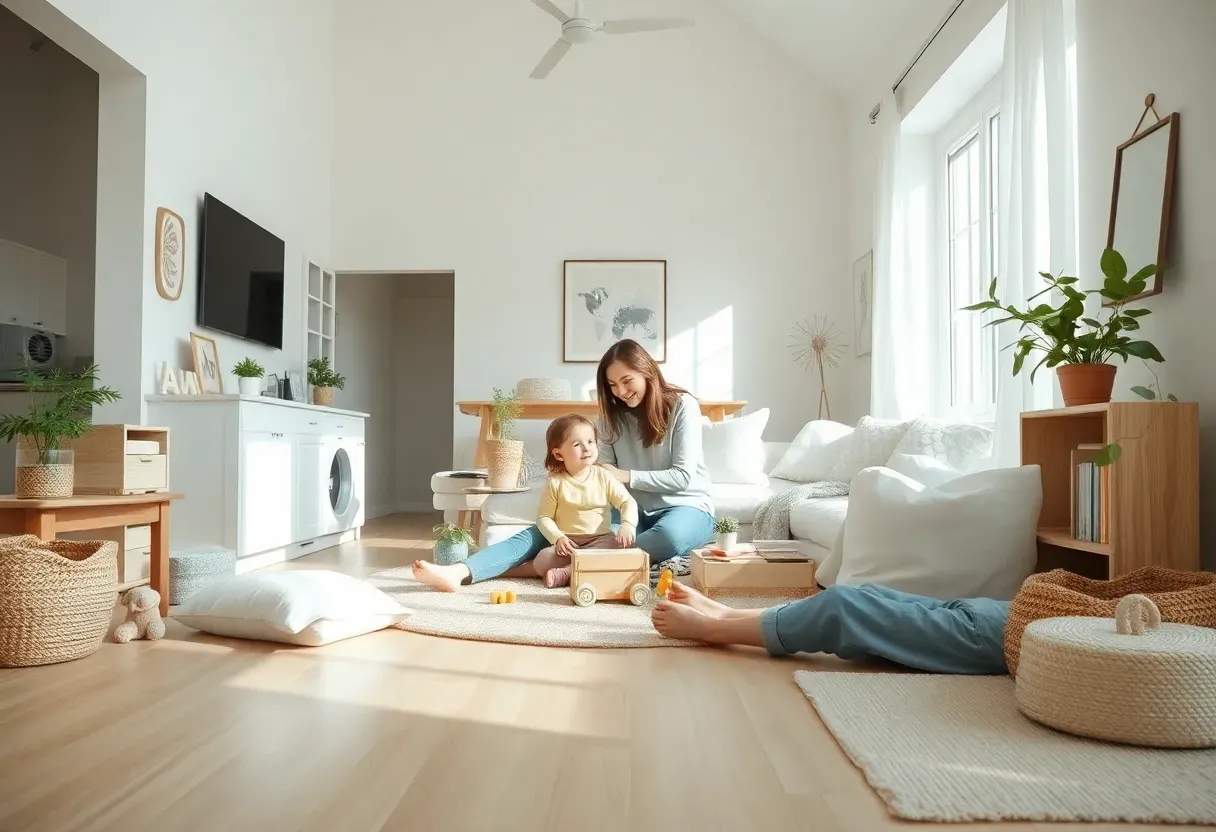
A minimalist life with kids is entirely possible — and it doesn't mean living in stark, empty spaces. It means creating an intentional home where every object earns its place and daily routines flow without chaos. For renters and small apartment families, minimalist principles offer a real path to calmer mornings, faster cleanups, and rooms that actually breathe.
Family-friendly minimalism adapts core minimalist principles to work with the reality of toys, clothes, and inevitable clutter that comes with raising children. The goal isn't perfection, but rather building systems that make your home functional and easy to maintain — even with energetic kids underfoot. Clutter-free family spaces are less about sacrifice and more about intentional organization.
These 21 practical ideas explore how to implement minimalism across your home, from toy rotation systems and capsule wardrobes to kid-friendly storage that hides mess without cramping creativity. Whether you're just starting out or refining an existing approach, you'll find strategies that work for real family life — not a design magazine photoshoot.
Quick FAQ
Is minimalism realistic with young children?
Yes, family minimalism focuses on having fewer but better-quality toys and supplies. Start with visible spaces like living areas, then gradually expand. The key is age-appropriate systems kids can maintain themselves.
How do I handle grandparents buying too many gifts?
Have open conversations about your values. Suggest experiences, consumables, or contributions to activity funds instead of physical gifts. Create a shared wishlist of quality items that replace multiple lesser ones.
What's the best way to organize toys in a minimalist home?
Use closed storage with clear labels, rotate toys seasonally, and limit active toys to what fits in designated bins. Store favorites at child level, overflow on high shelves, and donate what isn't played with regularly.
How many toys should a child have?
Research shows 10-15 quality toys engage children better than 50+ options. Focus on open-ended toys like blocks, art supplies, and dress-up clothes. Rotate rather than accumulate—fewer toys mean deeper, more creative play.
Should I get rid of everything at once?
Start gradually. Declutter one area per week, beginning with your own spaces before touching kids' items. Involve children in age-appropriate decisions about their belongings to build ownership and understanding.
How do I maintain minimalism as kids grow?
Build systems that scale: adjustable storage, multi-purpose furniture, and regular donation habits. Reassess needs every 6 months as children develop new interests. Focus on adaptable spaces that evolve with your family.
As an Amazon Associate I earn from qualifying purchases.
1. Open Plan Living Room with Kid-Friendly Zones for Minimalist Families
Creating distinct zones within an open living space allows families to maintain minimalist aesthetics while accommodating children's needs. Define areas using furniture placement rather than room dividers—a comfortable seating arrangement for adults, a designated play rug for children, and a reading corner that serves both. The key is maintaining clear pathways and visual calm while each zone functions independently.
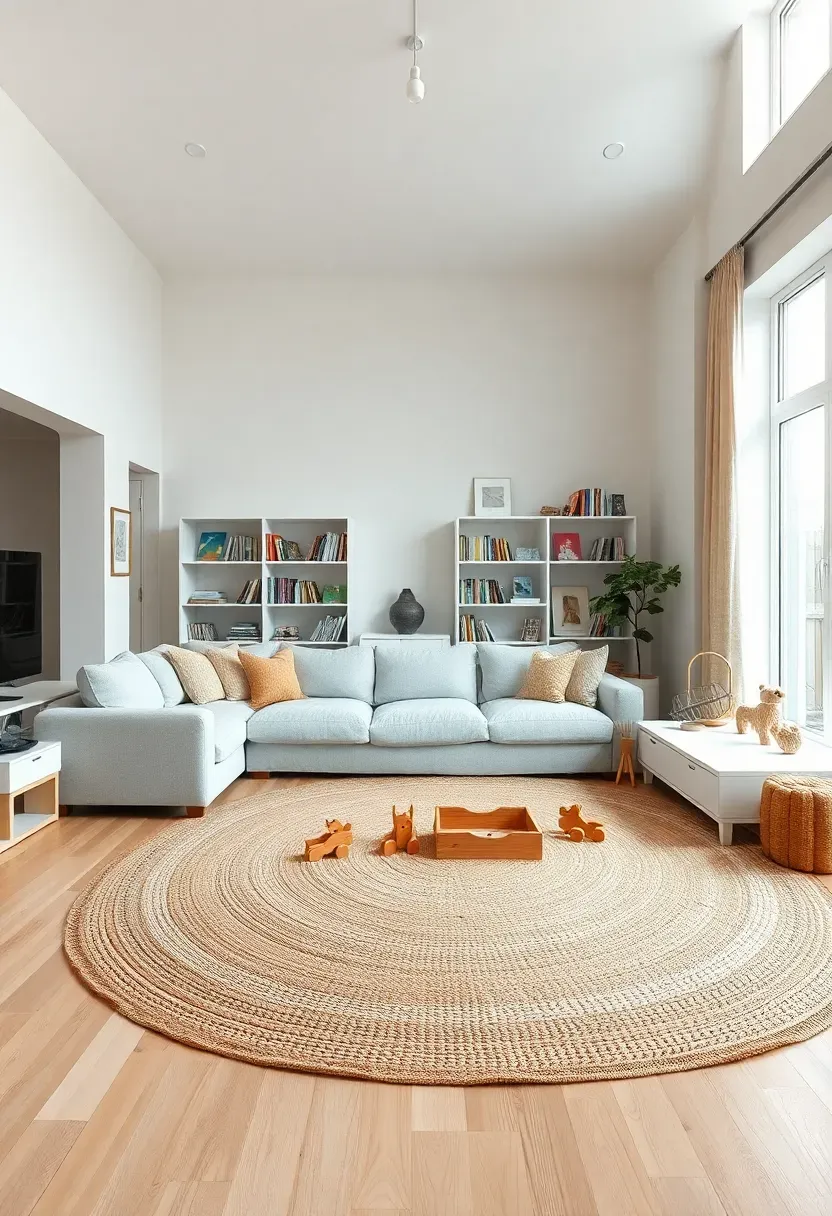
Minimalist open-plan family living room with light gray sectional sofa, natural jute rug defining kids' play zone with wooden toys, and floating white bookshelves — a calm, clutter-free family space with light oak floors and white walls
A minimalist life with kids is entirely possible — and it doesn't mean living in stark, empty spaces. It means creating an intentional home where every object earns its place and daily routines flow without chaos. For renters and small apartment families, minimalist principles offer a real path to calmer mornings, faster cleanups, and rooms that actually breathe.. Minimalist open-plan family living room with light gray sectional sofa, natural jute rug defining kids' play zone with wooden toys, a
Recommended
Items for this idea
Tips
- Use area rugs to visually separate zones while maintaining flow
- Choose low-profile storage that doubles as room dividers
- Keep 30% of surfaces clear to maintain visual breathing room
Best for: Families with open floor plans who want defined activity areas without walls
What this gives you: A cohesive living space where adults and children coexist peacefully without visual chaos
2. Closed Storage Solutions for Toy Organization in a Minimalist Home
Closed storage is the secret weapon of family minimalism, hiding the inevitable clutter of children's belongings while keeping items accessible. Invest in streamlined cabinets, ottomans with storage, or built-in shelving with doors that complement your decor rather than screaming "toy storage." The psychological impact of walking into a room without visual toy overload cannot be overstated—parents report significantly lower stress levels when playthings are tucked away.
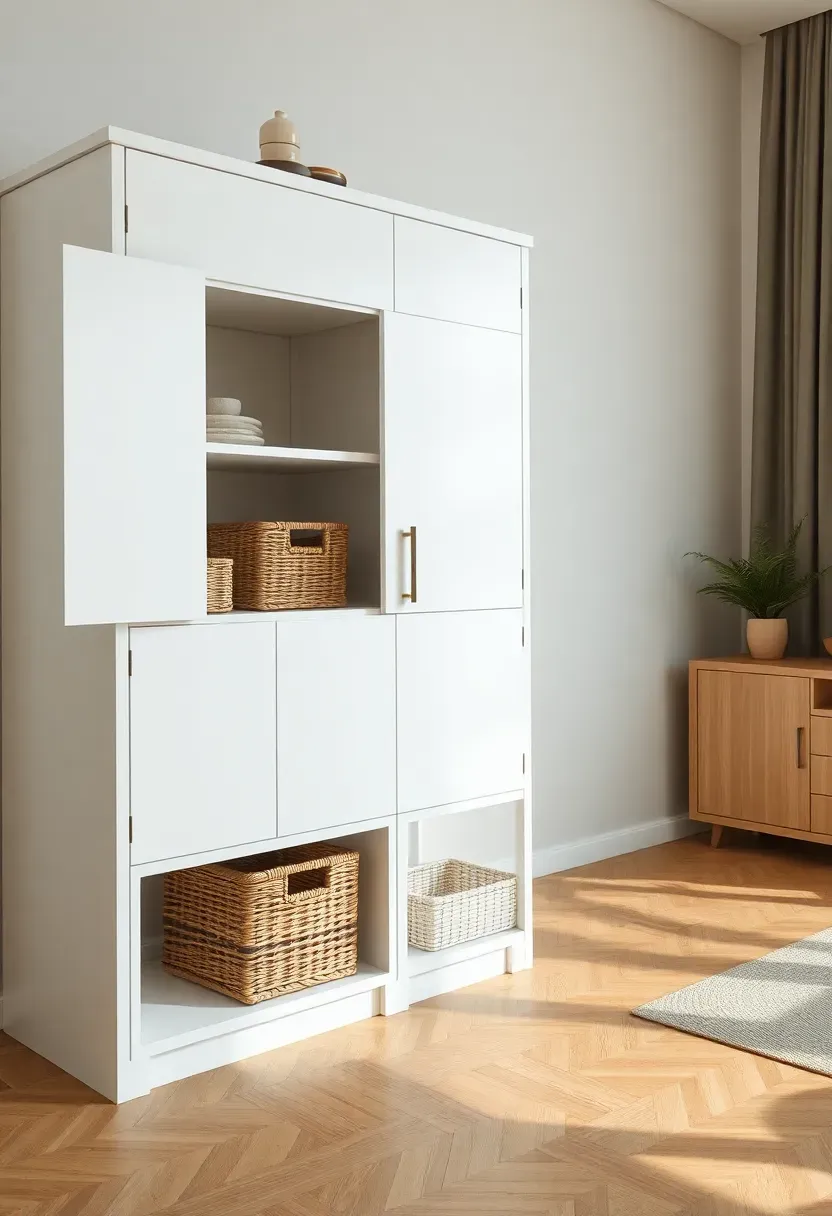
Modern minimalist living room with white lacquer cabinet, push-to-open doors, and woven seagrass storage baskets — closed toy storage that keeps a family home calm and clutter-free on light oak floors
A minimalist life with kids is entirely possible — and it doesn't mean living in stark, empty spaces. It means creating an intentional home where every object earns its place and daily routines flow without chaos. For renters and small apartment families, minimalist principles offer a real path to calmer mornings, faster cleanups, and rooms that actually breathe.. Modern minimalist living room with white lacquer cabinet, push-to-open doors, and woven seagrass storage baskets — closed toy storage
Recommended
Items for this idea
Tips
- Choose storage with soft-close hinges to prevent finger injuries
- Label doors or bins with picture labels for pre-readers
- Keep 80% of toys stored, 20% available for active play
Budget note: Start with affordable options like fabric bins or repurposed furniture before investing in custom built-ins
What this gives you: Instant visual calm and the ability to reset rooms in under five minutes
3. Multi-Functional Furniture Families Need
Every piece of furniture in a family home should work harder, serving multiple purposes to reduce overall quantity while maximizing utility. Look for ottomans that offer storage and seating, coffee tables that transform into work surfaces, and cribs that convert to toddler beds. This approach reduces the number of pieces needed as children grow, saving money and reducing the environmental impact of replacing furniture at each developmental stage.
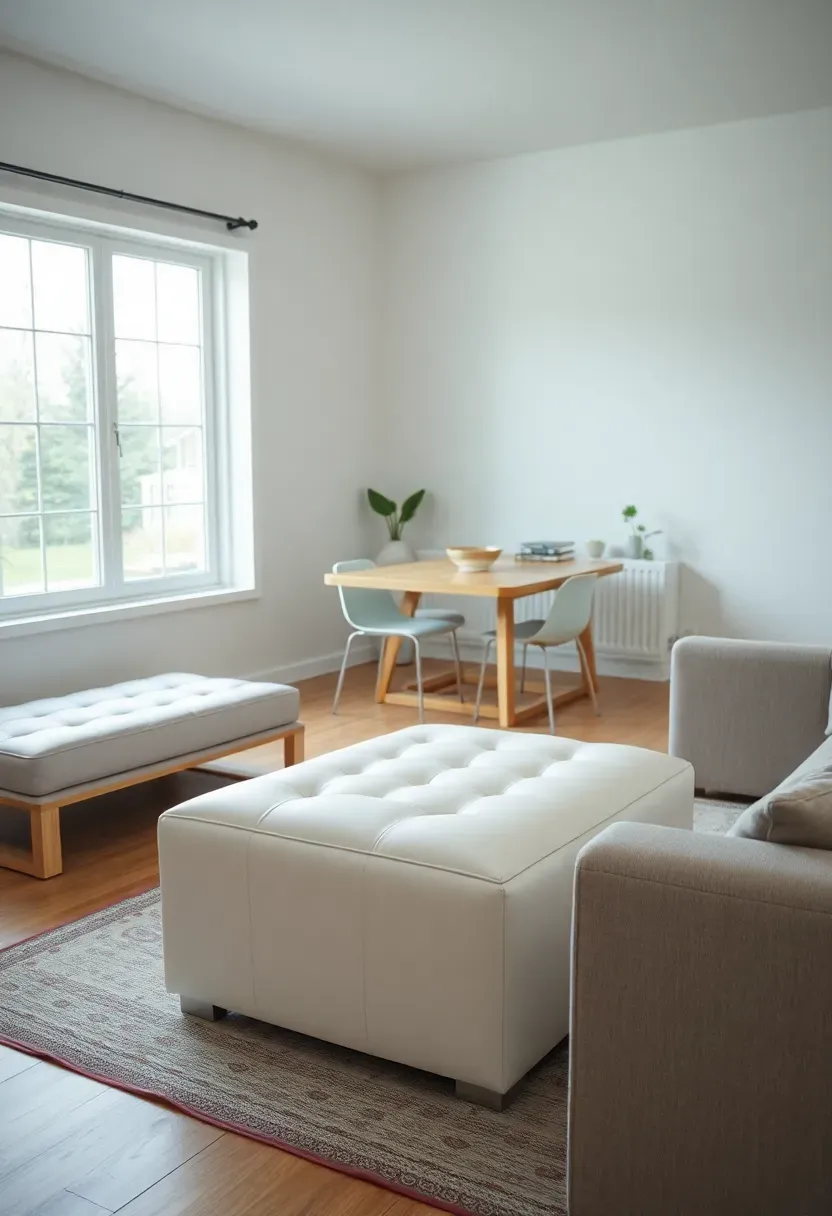
Minimalist family room with white leather storage ottoman as coffee table, extendable dining table, and sofa bed — multi-functional furniture that reduces clutter in a family home with built-in shelves and natural light
A minimalist life with kids is entirely possible — and it doesn't mean living in stark, empty spaces. It means creating an intentional home where every object earns its place and daily routines flow without chaos. For renters and small apartment families, minimalist principles offer a real path to calmer mornings, faster cleanups, and rooms that actually breathe.. Minimalist family room with white leather storage ottoman as coffee table, extendable dining table, and sofa bed — multi-functional f
Recommended
Items for this idea
Tips
- Prioritize convertible furniture for nurseries and kids' rooms
- Choose storage furniture that doesn't look like storage
- Avoid trendy pieces—stick with timeless designs that work long-term
Avoid if: You move frequently—multifunctional pieces can be heavy and difficult to transport
What this gives you: Fewer furniture purchases over time and spaces that adapt to your family's changing needs
4. Designated Play Corner with Boundaries
Rather than allowing toys to colonize every room, establish a clear play corner where children's activities are concentrated and contained. Use a small rug or mat to define the physical boundary—this visual cue helps children understand where play belongs and makes cleanup more concrete. The contained approach prevents toy sprawl while giving kids ownership over their space, teaching valuable lessons about spatial awareness and responsibility.
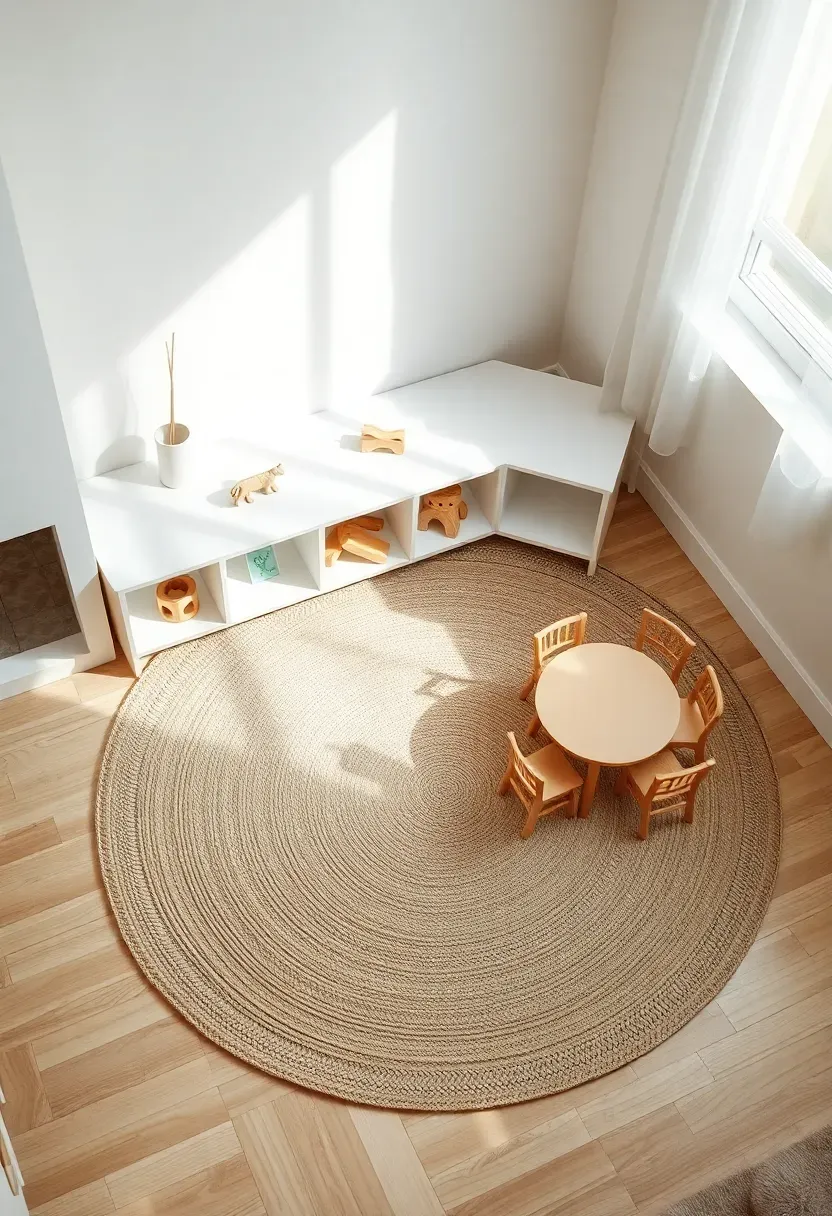
Minimalist family living room corner with circular neutral wool rug defining a kids' play zone, low white lacquer shelves with wooden toys, and a small child-sized table — a calm, contained play space in a clutter-free family home
A minimalist life with kids is entirely possible — and it doesn't mean living in stark, empty spaces. It means creating an intentional home where every object earns its place and daily routines flow without chaos. For renters and small apartment families, minimalist principles offer a real path to calmer mornings, faster cleanups, and rooms that actually breathe.. Minimalist family living room corner with circular neutral wool rug defining a kids' play zone, low white lacquer shelves with wooden
Recommended
Items for this idea
Tips
- Set a rule: toys stay on the rug or mat during playtime
- Use the boundary as a natural cleanup cue—"everything on the rug gets put away"
- Keep the corner near adult seating for supervision without hovering
Placement note: Position the play corner where you can see it from primary living areas, allowing parents to engage in activities while children play independently
What this gives you: Contained mess, easier cleanup, and clear expectations for both children and adults
5. Minimalist Kids' Bedroom with Smart Storage
A minimalist kids' bedroom prioritizes sleep and calm over stimulation, creating a restful environment that supports better rest and behavior. Focus on quality bed linens, blackout window treatments, and limited wall art in soothing colors. Smart storage built into the closet or under the bed keeps clothes and toys accessible but invisible, maintaining the peaceful aesthetic while ensuring everything has a designated home.
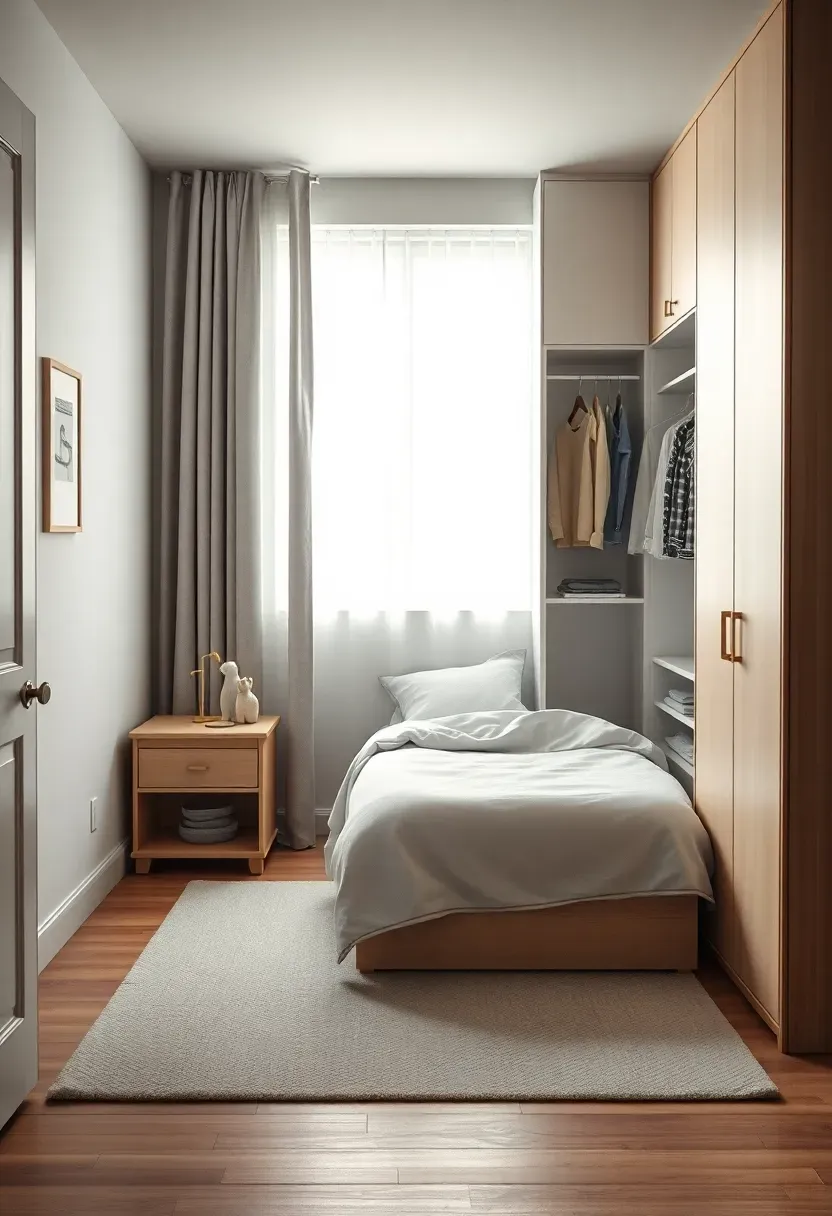
Serene minimalist children's bedroom with white twin bed, light oak nightstand, built-in white closet with organized clothes, and under-bed storage drawers — a calm, clutter-free kids' room with soft natural light and minimal wall art
A minimalist life with kids is entirely possible — and it doesn't mean living in stark, empty spaces. It means creating an intentional home where every object earns its place and daily routines flow without chaos. For renters and small apartment families, minimalist principles offer a real path to calmer mornings, faster cleanups, and rooms that actually breathe.. Serene minimalist children's bedroom with white twin bed, light oak nightstand, built-in white closet with organized clothes, and und
Recommended
Items for this idea
Tips
- Use under-bed drawers for out-of-season clothing or extra bedding
- Install closet organizers that grow with your child
- Keep surfaces 90% clear to maintain the calm atmosphere
Best for: Children who struggle with sleep or overstimulation—calm spaces support better rest
What this gives you: A bedroom that genuinely promotes rest and makes bedtime routines smoother
6. Toy Rotation System — Minimalist Life with Kids Made Easy
Implementing a toy rotation system dramatically reduces visible clutter while actually increasing children's engagement with their toys. Keep only 10-15 toys available at any time, storing the rest in labeled bins out of sight. Every 2-4 weeks, swap some stored toys for currently available ones—children experience the "newness" of familiar toys, and you maintain a streamlined environment without constant new purchases.
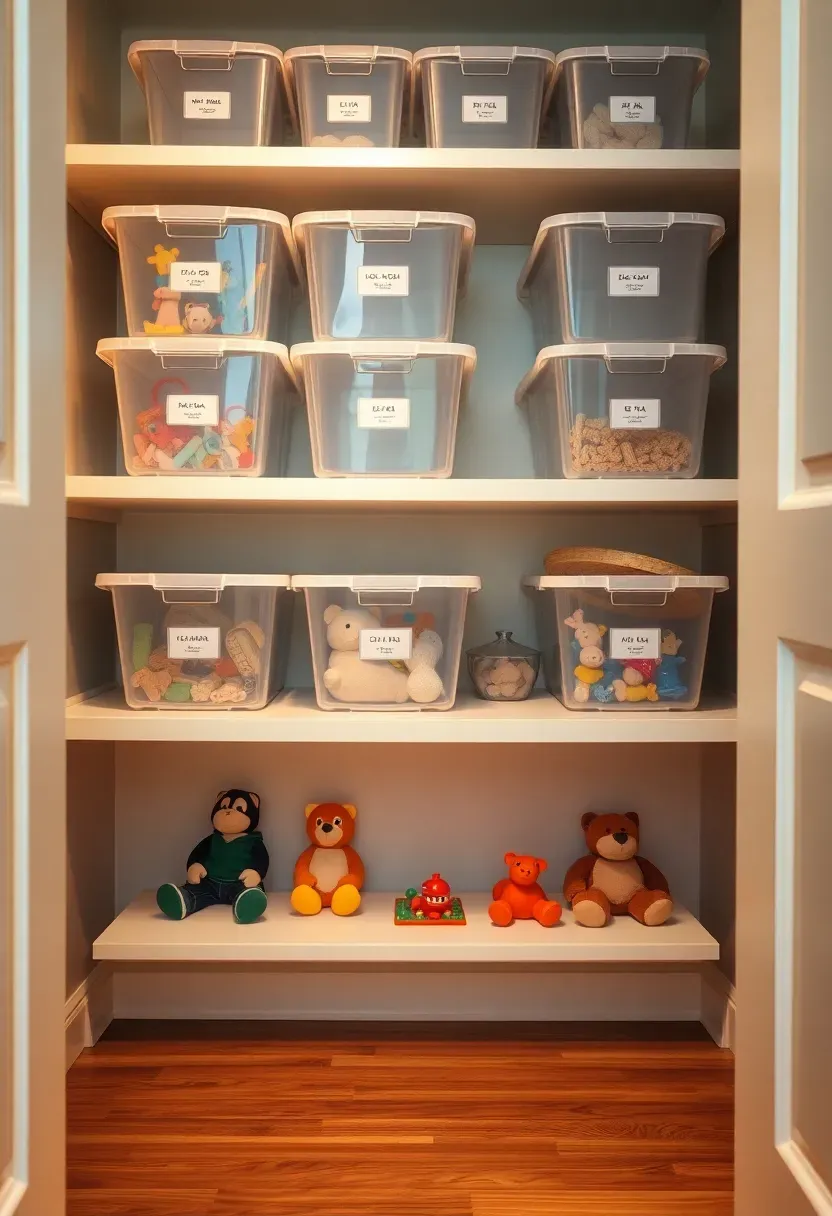
Minimalist storage closet with labeled clear bins on white shelves containing organized toys and a few active toys on the lower shelf — a toy rotation system that keeps family living spaces clutter-free
A minimalist life with kids is entirely possible — and it doesn't mean living in stark, empty spaces. It means creating an intentional home where every object earns its place and daily routines flow without chaos. For renters and small apartment families, minimalist principles offer a real path to calmer mornings, faster cleanups, and rooms that actually breathe.. Minimalist storage closet with labeled clear bins on white shelves containing organized toys and a few active toys on the lower shelf
Recommended
Items for this idea
Tips
- Involve children in choosing which toys to rotate—they feel more control
- Store rotation bins in a closet or garage, not visible to children
- Donate anything that hasn't been requested during 2-3 rotations
Time investment: Initial sorting takes 2-3 hours, but weekly swaps require just 15-20 minutes
What this gives you: Less mess to clean, deeper play from kids, and zero guilt about toy quantity
7. Family Command Center Organization
A centralized family command center streamlines the logistical chaos of managing multiple schedules, permission slips, and household tasks. Choose a visible wall or corner and install a calendar, mail sorter, key hooks, and a whiteboard for daily reminders. This single-point organization prevents paper pile-up throughout the house and ensures everyone knows where to find—and put—important items.
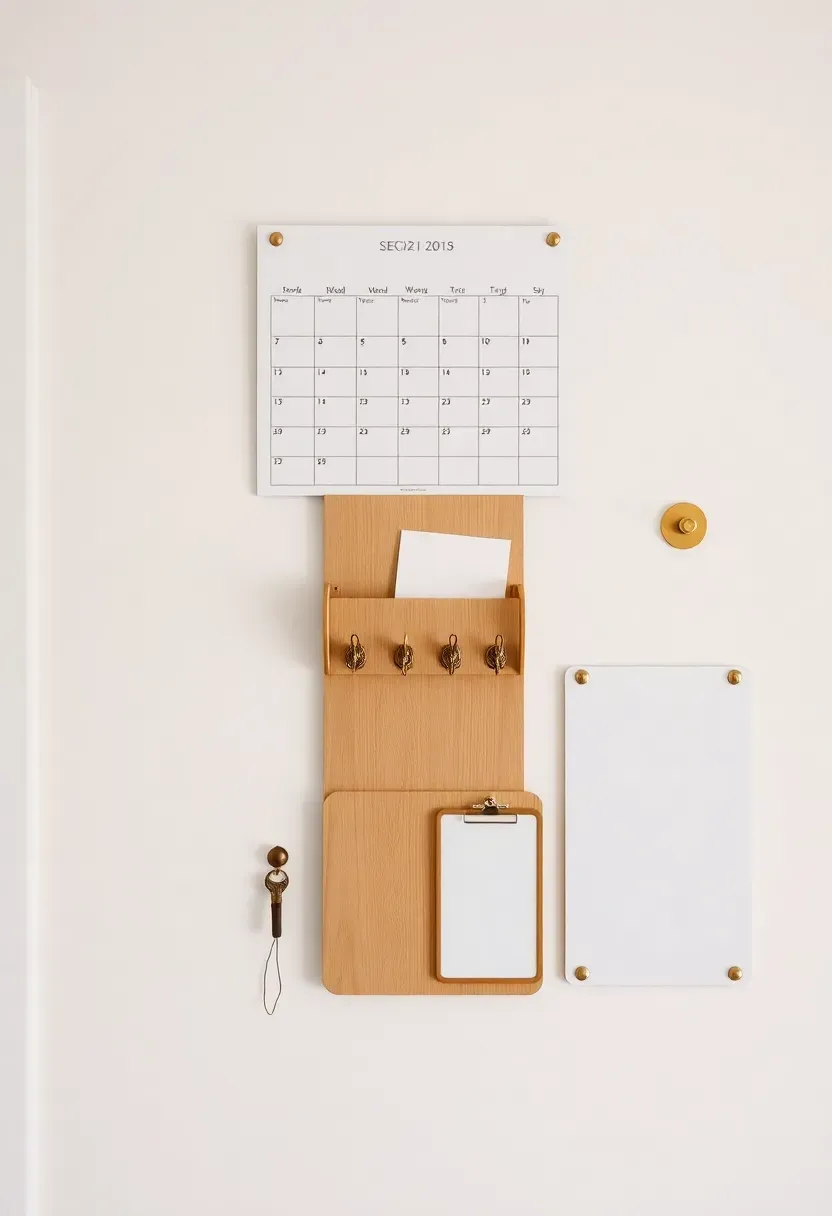
Minimalist family command center on a white wall featuring a wall-mounted calendar, vertical light oak file sorter, brass key hooks, and a small whiteboard — an organized family home hub for managing schedules and reducing clutter
A minimalist life with kids is entirely possible — and it doesn't mean living in stark, empty spaces. It means creating an intentional home where every object earns its place and daily routines flow without chaos. For renters and small apartment families, minimalist principles offer a real path to calmer mornings, faster cleanups, and rooms that actually breathe.. Minimalist family command center on a white wall featuring a wall-mounted calendar, vertical light oak file sorter, brass key hooks,
Recommended
Items for this idea
Tips
- Place near the entry door for immediate drop when arriving home
- Use color-coding for different family members on the calendar
- Review and purge weekly—expired papers create hidden clutter
Placement note: The entryway or kitchen wall works best—high-traffic areas ensure the system gets used daily
What this gives you: Fewer lost permission slips, missed appointments, and frantic morning searches
8. Kid-Friendly Kitchen with Accessible Stations
Designing kitchen stations that children can access independently reduces parental workload while teaching valuable life skills. Create a lower drawer or cabinet with kid-safe dishes, water bottles, and healthy snacks. Install a step stool that stays at counter height for helping with meal prep. This small adjustment builds children's autonomy and reduces the constant "can I have a snack?" requests.
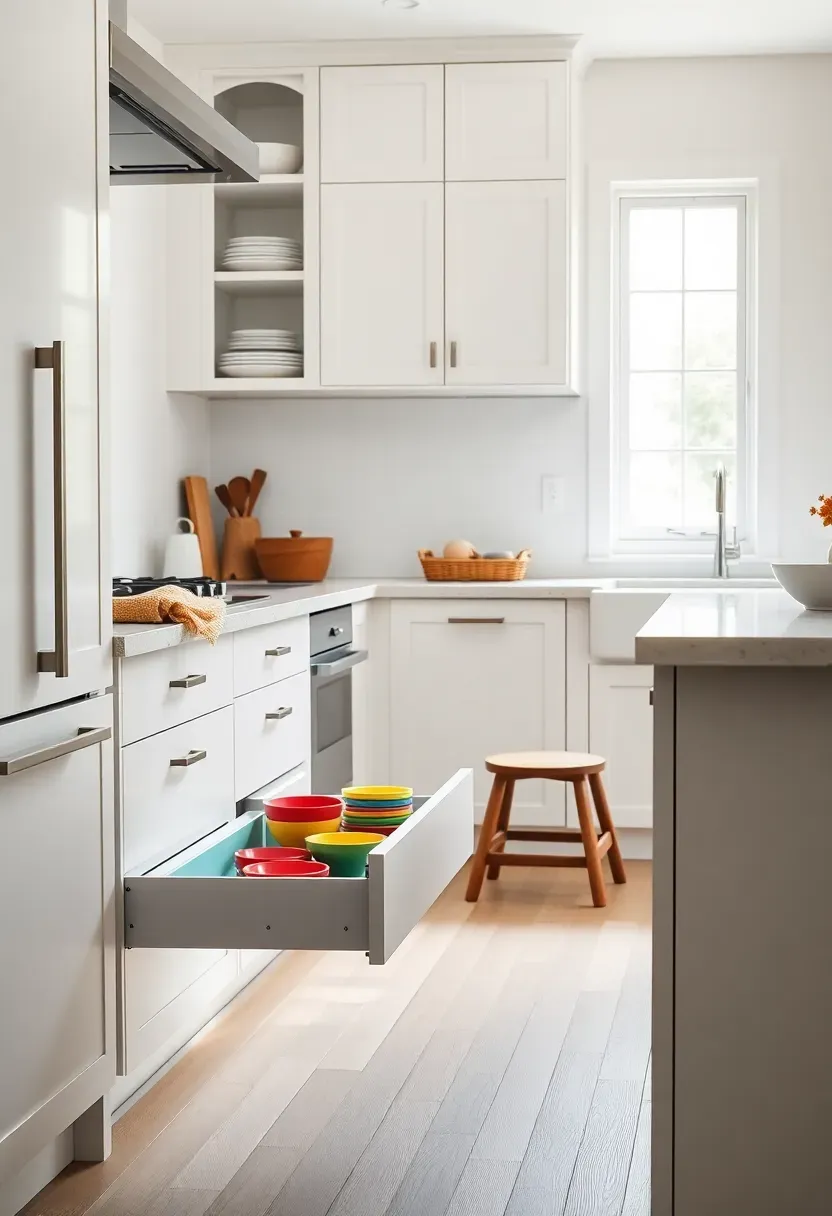
Modern minimalist family kitchen with lower drawer open showing children's colorful bowls and plates, step stool near island, and snack basket on white quartz countertop — a kid-accessible kitchen station that promotes independence
A minimalist life with kids is entirely possible — and it doesn't mean living in stark, empty spaces. It means creating an intentional home where every object earns its place and daily routines flow without chaos. For renters and small apartment families, minimalist principles offer a real path to calmer mornings, faster cleanups, and rooms that actually breathe.. Modern minimalist family kitchen with lower drawer open showing children's colorful bowls and plates, step stool near island, and sna
Recommended
Items for this idea
Tips
- Choose unbreakable dishes for young children—bamboo or silicone work well
- Pre-portion snacks in accessible containers to prevent over-grazing
- Establish clear rules about what can be accessed without permission
Best for: Children ages 3-8 who are developing independence but still need supervision and boundaries
What this gives you: Children who can handle basic snack and drink needs independently, freeing your hands
9. Neutral Color Palette for Calm Spaces
Adopting a neutral color palette throughout your home creates visual continuity and calm, making spaces feel larger and more cohesive regardless of toy clutter. White, cream, gray, and natural wood tones provide a serene backdrop that doesn't compete with children's colorful belongings. This approach also simplifies purchasing decisions—everything matches, reducing the mental load of coordinating new items.
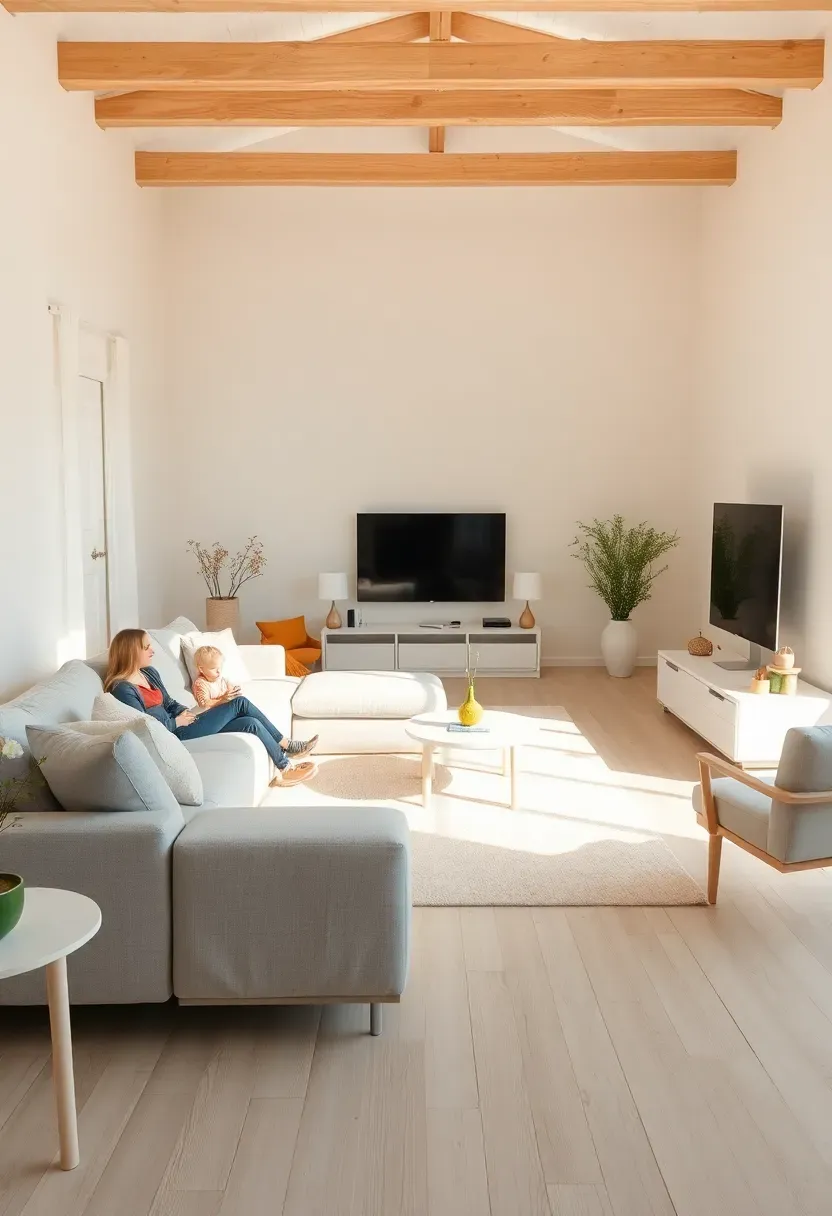
Minimalist family living room with cream walls, light gray linen sofa, white oak floors, and sheer curtains — a calm neutral color palette that stays cohesive even with kids' colorful belongings in the space
A minimalist life with kids is entirely possible — and it doesn't mean living in stark, empty spaces. It means creating an intentional home where every object earns its place and daily routines flow without chaos. For renters and small apartment families, minimalist principles offer a real path to calmer mornings, faster cleanups, and rooms that actually breathe.. Minimalist family living room with cream walls, light gray linen sofa, white oak floors, and sheer curtains — a calm neutral color pa
Recommended
Items for this idea
Tips
- Test paint colors in different lighting before committing—neutrals vary dramatically
- Add texture through rugs, pillows, and wood tones to prevent sterile feelings
- Use colorful accessories and toys to provide pops, not paint or furniture
Avoid if: You love vibrant interiors—neutrals can feel bland without intentional textural layering
What this gives you: A home that feels calm and cohesive even on the most chaotic days
10. Quality Over Quantity Toy Selection
Shifting from quantity to quality in toy selection transforms children's play while reducing storage needs and visual clutter. Focus on open-ended toys like wooden blocks, art supplies, dress-up clothes, and construction sets that grow with children rather than single-purpose toys that are quickly outgrown. Quality toys last through multiple children, have better resale value, and typically inspire more creative, sustained play.
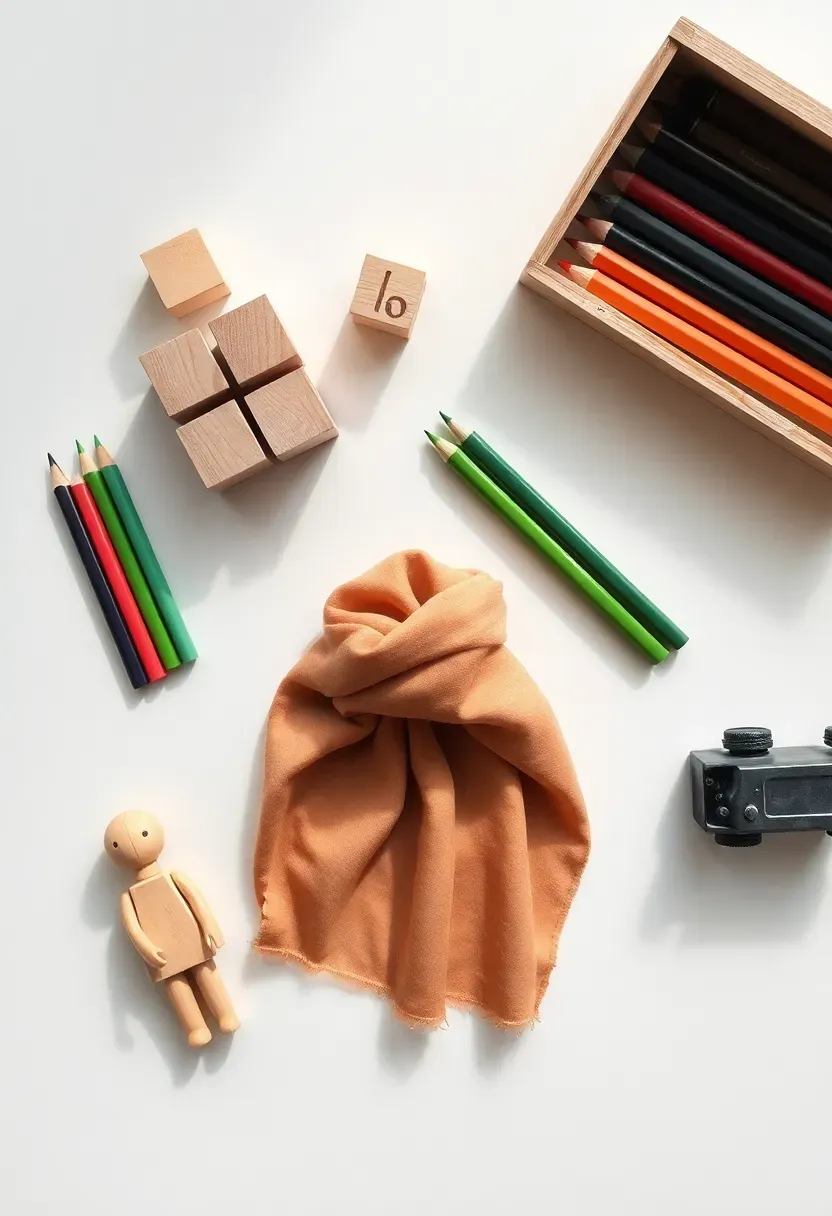
Curated flat-lay of high-quality minimalist kids' toys on white surface — wooden blocks, colored pencils, a silk dress-up scarf, wooden doll, and metal cars — open-ended toys that support creative play in a minimalist family home
A minimalist life with kids is entirely possible — and it doesn't mean living in stark, empty spaces. It means creating an intentional home where every object earns its place and daily routines flow without chaos. For renters and small apartment families, minimalist principles offer a real path to calmer mornings, faster cleanups, and rooms that actually breathe.. Curated flat-lay of high-quality minimalist kids' toys on white surface — wooden blocks, colored pencils, a silk dress-up scarf, wood
Recommended
Items for this idea
Tips
- Choose toys that work for multiple age groups to extend their useful life
- Prioritize materials like wood and metal over plastic for durability and aesthetics
- Test play value before buying—can it be used in at least 3 different ways?
Budget note: Quality items cost more upfront but save money long-term through durability and reduced replacement needs
What this gives you: Children who play more creatively with less, and toys you won't mind seeing in your living space
11. Low-Maintenance Flooring for Families
Selecting low-maintenance flooring dramatically reduces the cleaning burden that comes with children's spills, crumbs, and accidents. Hardwood with durable factory finish, luxury vinyl plank, or large-format porcelain tiles offer easy cleanup and withstand heavy traffic. These surfaces also support the minimalist aesthetic—clean floors expand visual space and create a sense of calm regardless of upper-room chaos.
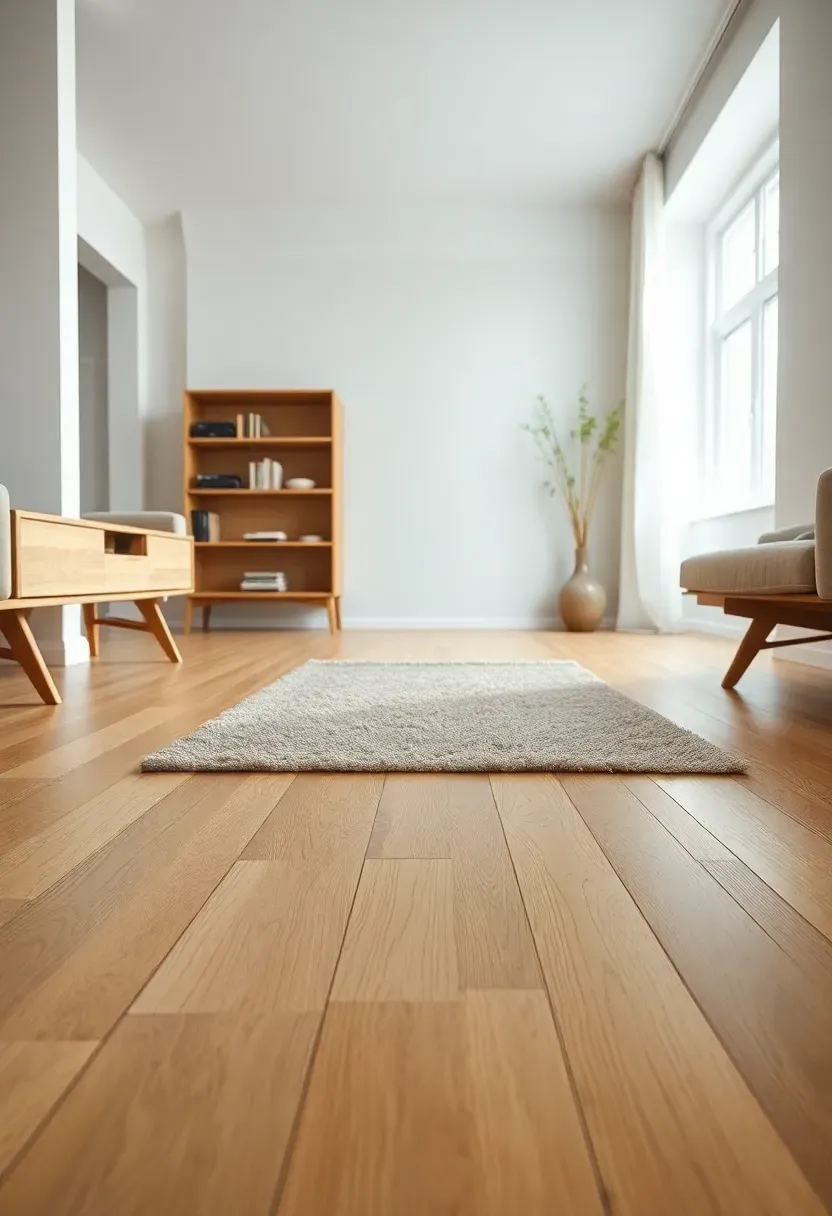
Light oak hardwood flooring in a minimalist family living area with a small wool area rug and clean open surfaces — low-maintenance flooring ideal for families with kids and easy daily cleanup
A minimalist life with kids is entirely possible — and it doesn't mean living in stark, empty spaces. It means creating an intentional home where every object earns its place and daily routines flow without chaos. For renters and small apartment families, minimalist principles offer a real path to calmer mornings, faster cleanups, and rooms that actually breathe.. Light oak hardwood flooring in a minimalist family living area with a small wool area rug and clean open surfaces — low-maintenance f
Recommended
Items for this idea
Tips
- Choose lighter wood tones—they hide dust and pet hair better than dark finishes
- Avoid high-gloss finishes that show every scratch and smudge
- Add rugs strategically for sound absorption and soft play zones
Best for: Families with young children, pets, or anyone who wants to reduce floor cleaning time
What this gives you: Floors that look good even when you haven't mopped in three days
12. Outdoor Play Area Integration
Creating an engaging outdoor play space encourages children to spend active time outside, reducing indoor clutter and noise while promoting physical development. Even small yards or balconies can accommodate a sandbox, small climber, or sensory garden. The key is making the outdoor space as inviting as indoor play areas so children naturally gravitate there.
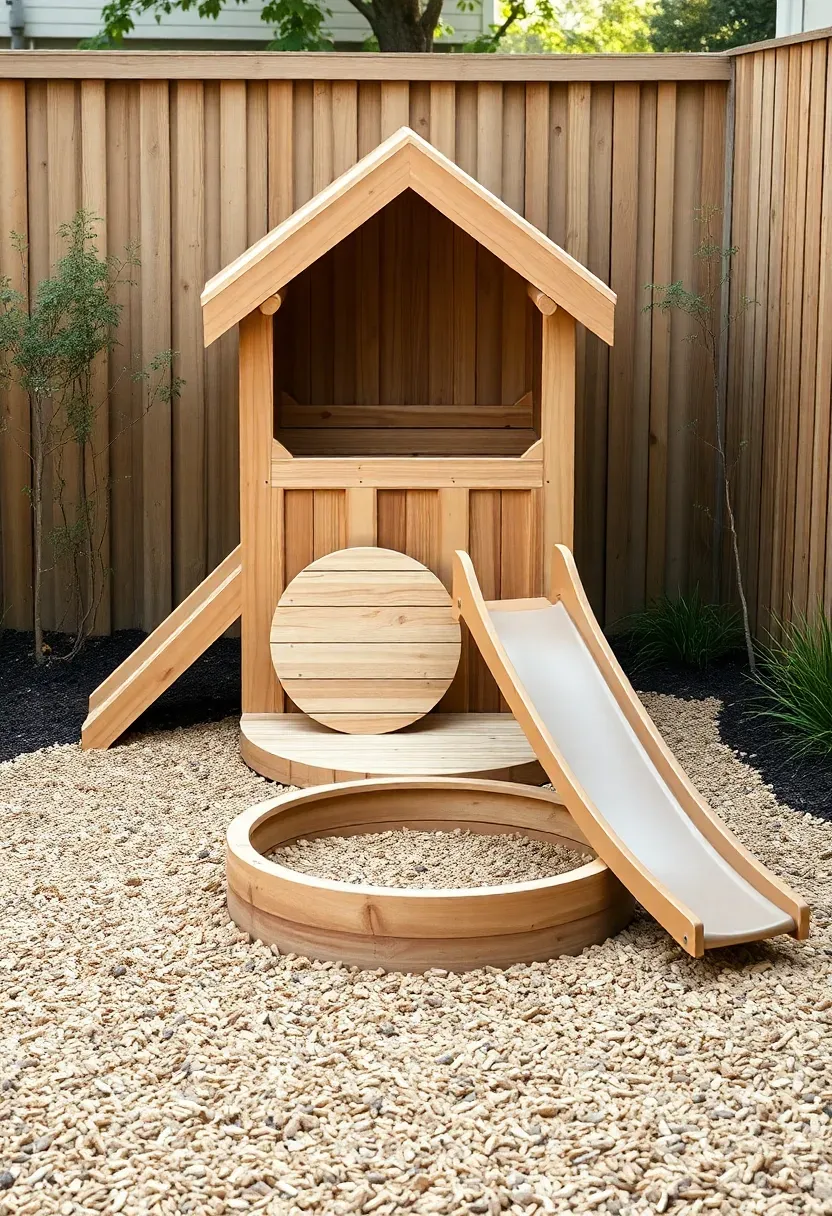
Minimalist backyard corner with a small cedar wood play structure, circular sandbox with lid, and natural wood chip ground cover — a simple, tidy outdoor play area that complements a minimalist family home
A minimalist life with kids is entirely possible — and it doesn't mean living in stark, empty spaces. It means creating an intentional home where every object earns its place and daily routines flow without chaos. For renters and small apartment families, minimalist principles offer a real path to calmer mornings, faster cleanups, and rooms that actually breathe.. Minimalist backyard corner with a small cedar wood play structure, circular sandbox with lid, and natural wood chip ground cover — a
Recommended
Items for this idea
Tips
- Use weather-resistant materials to avoid constant maintenance and storage
- Position the play area visible from indoor windows for supervision
- Include shade—a simple umbrella or canopy extends usable outdoor time
Placement note: Choose a spot visible from main living areas so you can monitor children while doing indoor tasks
What this gives you: Children who voluntarily play outside, giving everyone breaks from shared indoor space
13. Reading Nook for Family Bonding
A dedicated reading nook creates a cozy space for family reading time while encouraging children's love of books. Even a small corner with a comfortable chair, good lighting, and accessible bookshelves works beautifully. Make it inviting with pillows and a throw blanket, then establish a daily reading routine—this simple practice supports literacy and provides quiet bonding time in your otherwise busy household.
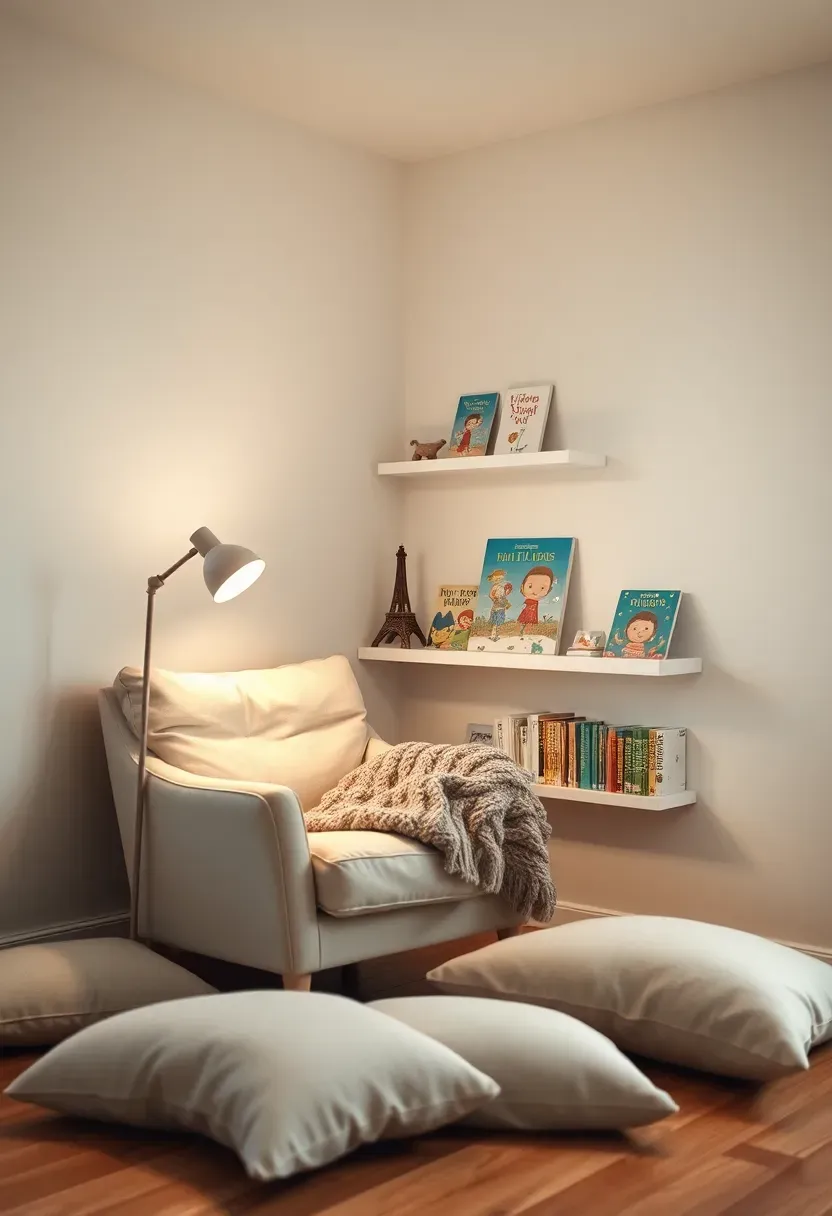
Cozy minimalist reading nook with a cream linen armchair, floor lamp, low white floating shelves of children's books, knit throw blanket, and floor pillows — a calm family bonding corner in a clutter-free home
A minimalist life with kids is entirely possible — and it doesn't mean living in stark, empty spaces. It means creating an intentional home where every object earns its place and daily routines flow without chaos. For renters and small apartment families, minimalist principles offer a real path to calmer mornings, faster cleanups, and rooms that actually breathe.. Cozy minimalist reading nook with a cream linen armchair, floor lamp, low white floating shelves of children's books, knit throw blan
Recommended
Items for this idea
Tips
- Position shelves low so children can independently choose and return books
- Use task lighting that's bright enough for reading but dim enough for coziness
- Keep the nook tech-free to preserve it as a special quiet space
Time investment: Just 15-20 minutes daily reading creates lasting literacy benefits and family connection
What this gives you: A peaceful daily routine that builds memories and supports children's development
14. Art Station with Contained Creativity
A designated art station contains creative mess while giving children freedom to explore self-expression. Choose a spot with a washable table, accessible art supplies, and nearby storage for works in progress. The key is making everything reachable but organized—children can create independently while you maintain control over the inevitable creative chaos.
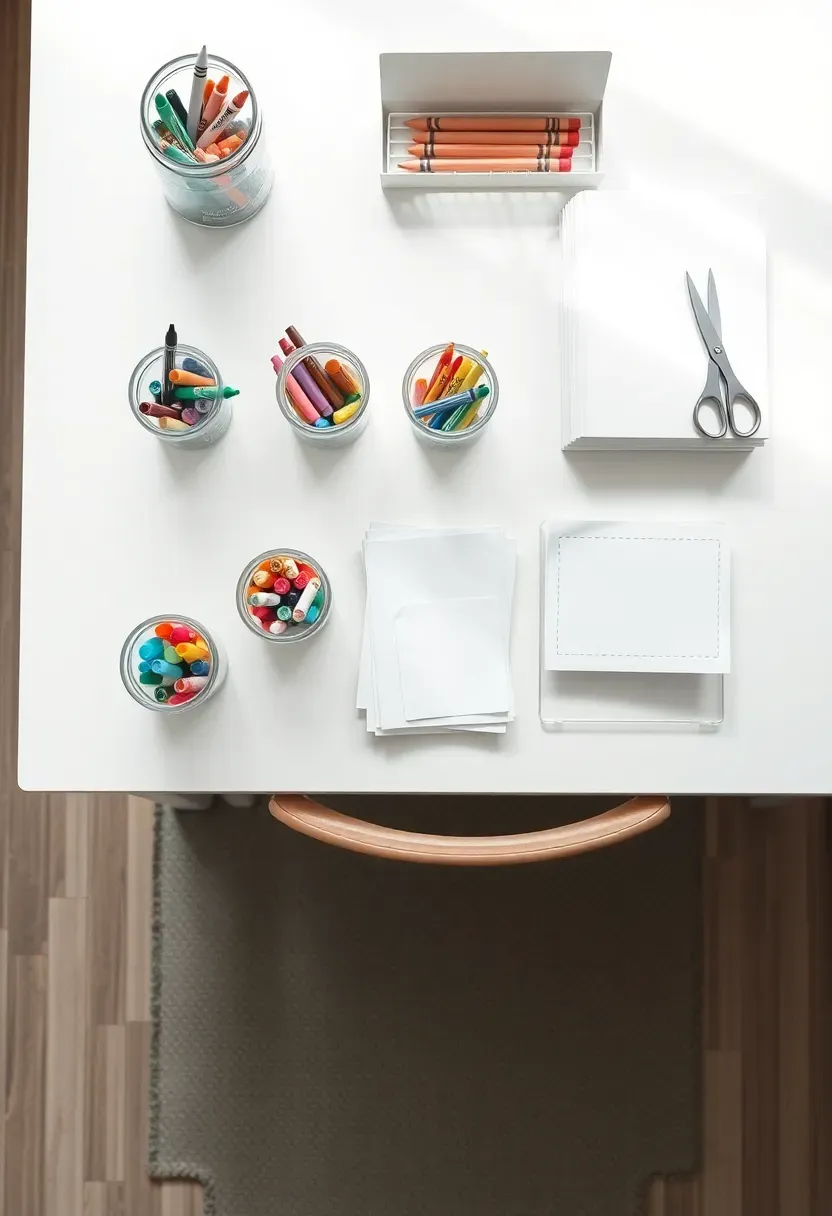
Minimalist kids' art station with white table, markers and crayons in clear acrylic jars, paper stack, and a small drying rack for artwork — a contained creative workspace that keeps family home spaces clutter-free
A minimalist life with kids is entirely possible — and it doesn't mean living in stark, empty spaces. It means creating an intentional home where every object earns its place and daily routines flow without chaos. For renters and small apartment families, minimalist principles offer a real path to calmer mornings, faster cleanups, and rooms that actually breathe.. Minimalist kids' art station with white table, markers and crayons in clear acrylic jars, paper stack, and a small drying rack for ar
Recommended
Items for this idea
Tips
- Use a splat mat or tablecloth under the art area for easy cleanup
- Limit available supplies to what fits in the designated space
- Establish an art gallery wall to display and rotate favorite creations
Best for: Children ages 4-10 who have the motor skills for independent art but need boundaries
What this gives you: Creative kids and contained mess—art happens without taking over your entire home
15. Laundry System That Works for Everyone
Designing a laundry system that involves children reduces parental workload while teaching responsibility. Start with labeled hampers in each bedroom, install a lower bar or hooks children can reach, and create a simple folding station accessible to all. The goal is making laundry doable by anyone, regardless of age—children as young as five can handle sorting, matching socks, and putting away their own clothes.
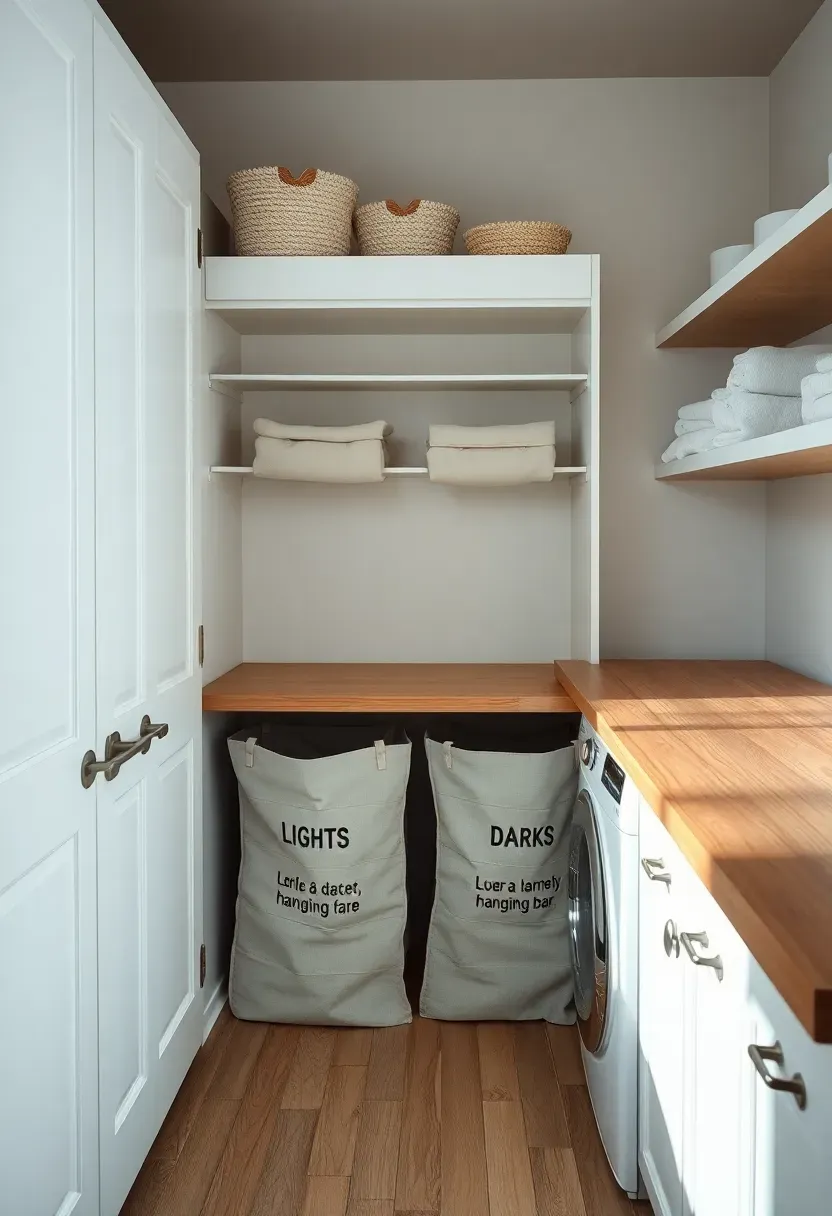
Minimalist laundry area with white cabinetry, labeled canvas hampers for lights and darks, a child-height hanging bar, and wood folding table — a family laundry system that teaches kids responsibility
A minimalist life with kids is entirely possible — and it doesn't mean living in stark, empty spaces. It means creating an intentional home where every object earns its place and daily routines flow without chaos. For renters and small apartment families, minimalist principles offer a real path to calmer mornings, faster cleanups, and rooms that actually breathe.. Minimalist laundry area with white cabinetry, labeled canvas hampers for lights and darks, a child-height hanging bar, and wood foldi
Recommended
Items for this idea
Tips
- Use picture labels for pre-readers and word labels for readers
- Choose hampers with handles children can carry to the laundry room
- Install a lower rod or hooks that grow with your child's height
Placement note: If possible, keep laundry near bedrooms for shorter trips and easier child participation
What this gives you: Children who handle their own laundry and significantly reduced parental chore load
16. Entryway Mudroom for Family Life
An organized entryway mudroom handles the daily onslaught of shoes, coats, backpacks, and sports equipment that families generate. Even a small wall can work—install hooks at varying heights, add a bench for removing shoes, and designate bins for each family member's accessories. The goal is catching clutter at the door before it spreads through your home.
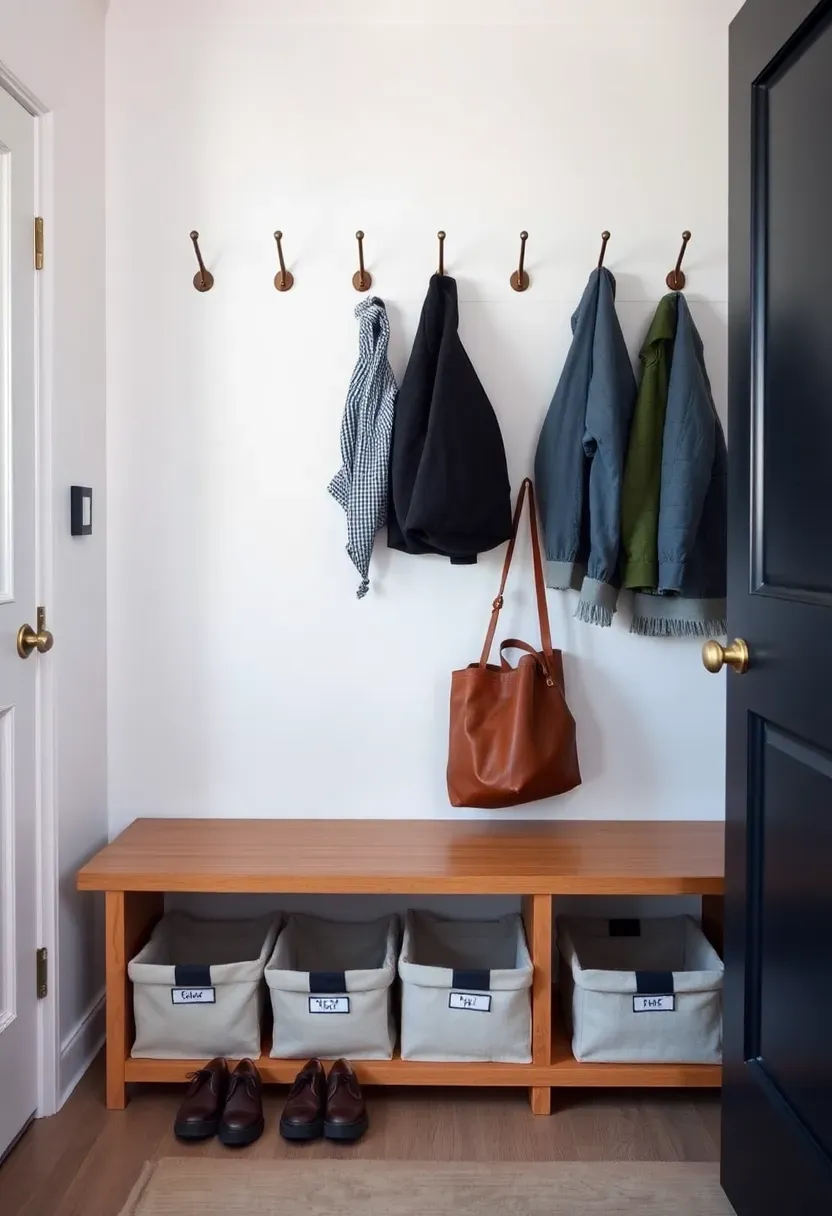
Minimalist entryway mudroom with wall-mounted brass hooks at varying heights, natural wood bench with shoe storage below, and labeled canvas bins — a clutter-catching system that keeps a family home organized from the door in
A minimalist life with kids is entirely possible — and it doesn't mean living in stark, empty spaces. It means creating an intentional home where every object earns its place and daily routines flow without chaos. For renters and small apartment families, minimalist principles offer a real path to calmer mornings, faster cleanups, and rooms that actually breathe.. Minimalist entryway mudroom with wall-mounted brass hooks at varying heights, natural wood bench with shoe storage below, and labeled
Recommended
Items for this idea
Tips
- Install hooks at multiple heights so children can hang their own coats
- Use open bins for quick access—closed containers get neglected
- Keep a shoe bench so everyone can sit while removing footwear
Best for: Families with school-age children who bring home backpacks, coats, and gear daily
What this gives you: An entryway that welcomes you home instead of greeting you with wall-to-wall stuff
17. Digitizing Kids' Artwork and Schoolwork
The sheer volume of children's artwork and school papers can overwhelm any home. Create a digital archive system: photograph or scan significant pieces, then store them digitally or in photo books. Keep only truly special pieces physically displayed in a designated gallery space, and confidently recycle the rest. This practice honors children's creativity without drowning in paper.
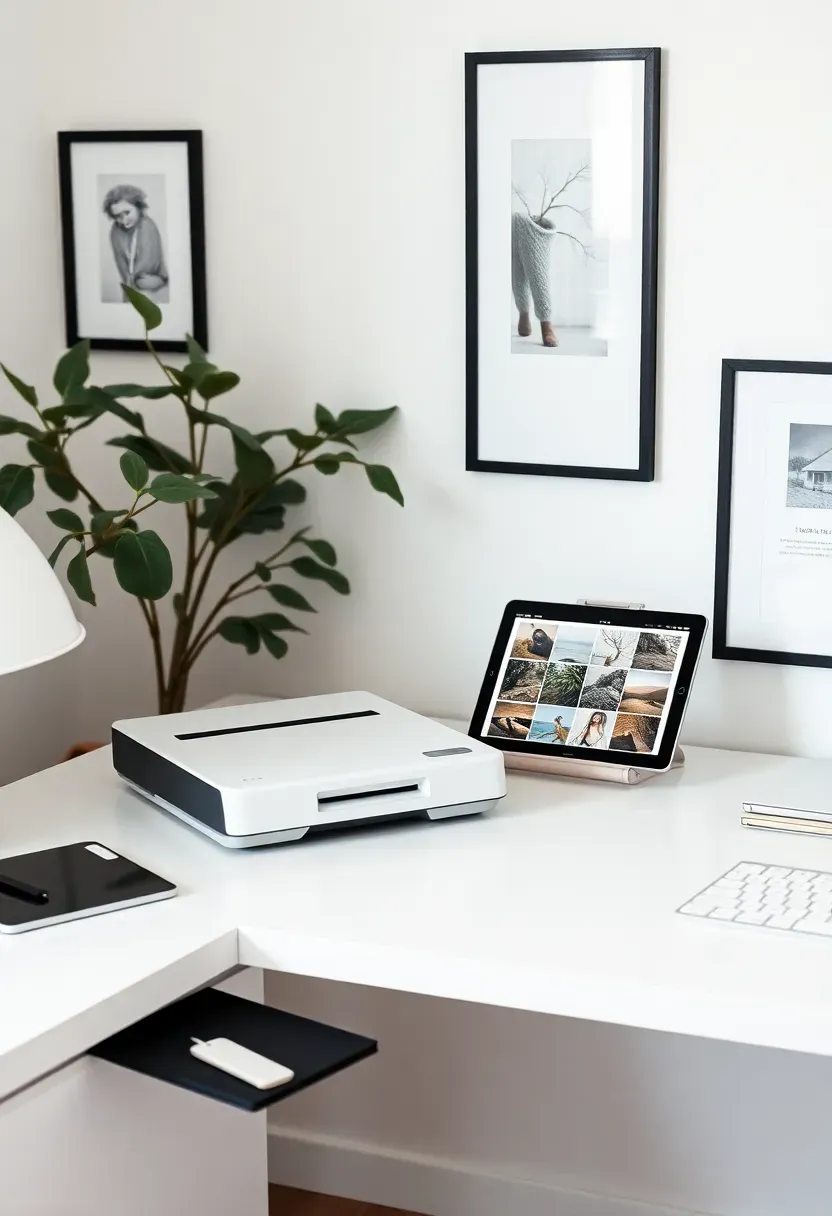
Minimalist family home office desk with a flatbed scanner, tablet showing a digital art gallery, small framed children's artwork on wall, and organized papers — a system for digitizing kids' artwork to eliminate paper clutter
A minimalist life with kids is entirely possible — and it doesn't mean living in stark, empty spaces. It means creating an intentional home where every object earns its place and daily routines flow without chaos. For renters and small apartment families, minimalist principles offer a real path to calmer mornings, faster cleanups, and rooms that actually breathe.. Minimalist family home office desk with a flatbed scanner, tablet showing a digital art gallery, small framed children's artwork on w
Recommended
Items for this idea
Tips
- Set a weekly "art review" time to select pieces for keeping versus digitizing
- Use cloud storage with automatic backup to preserve digital archives
- Create annual photo books of artwork—beautiful keepsakes that take no physical space
Time investment: Just 15 minutes weekly prevents overwhelming accumulation of school papers and art
What this gives you: All the sentimentality, none of the storage burden—artwork preserved without taking over your home
18. Minimalist Bathroom for Shared Spaces
A minimalist family bathroom reduces daily stress through ample closed storage, accessible toiletries for children, and surfaces that clean quickly. Use under-skip drawers, medicine cabinets, or wall-mounted cabinets to keep bottles and supplies out of sight. Designate lower shelves or drawers for children's items so they can independently access toothbrushes, soap, and bath toys.
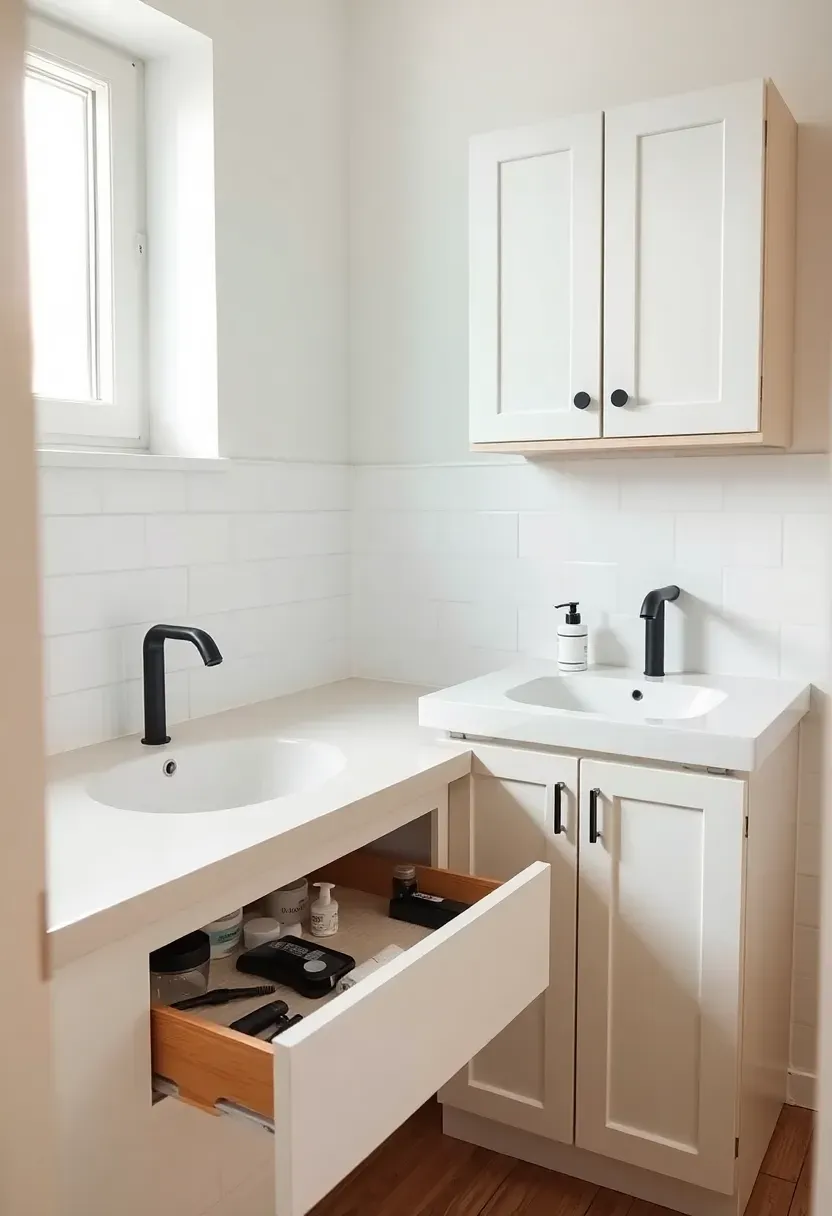
Clean minimalist family bathroom with white porcelain vanity, open drawer of organized toiletries, wall-mounted cabinet, and light oak wood floor — a shared bathroom design with clutter-free countertops and matte black fixtures
A minimalist life with kids is entirely possible — and it doesn't mean living in stark, empty spaces. It means creating an intentional home where every object earns its place and daily routines flow without chaos. For renters and small apartment families, minimalist principles offer a real path to calmer mornings, faster cleanups, and rooms that actually breathe.. Clean minimalist family bathroom with white porcelain vanity, open drawer of organized toiletries, wall-mounted cabinet, and light oa
Recommended
Items for this idea
Tips
- Use drawer dividers to corral small items and prevent jumbled mess
- Choose pump bottles over squeeze bottles—less mess and easier for kids
- Keep 90% of surfaces clear to maintain the calm aesthetic and speed cleaning
Avoid if: You have extensive product collections—minimalist bathrooms work best with streamlined routines and limited product variety
What this gives you: A bathroom that resets in under 5 minutes and feels like a retreat rather than a chore
19. Family Dining Room with Flexible Seating
A minimalist family dining space prioritizes connection over formality, using flexible seating that accommodates everything from daily meals to homework sessions to craft projects. Choose a durable table that can take abuse, stackable or lightweight chairs for easy reconfiguration, and keep the center clear for actual use rather than decoration. This approach creates a hardworking family hub instead of a rarely-used formal space.
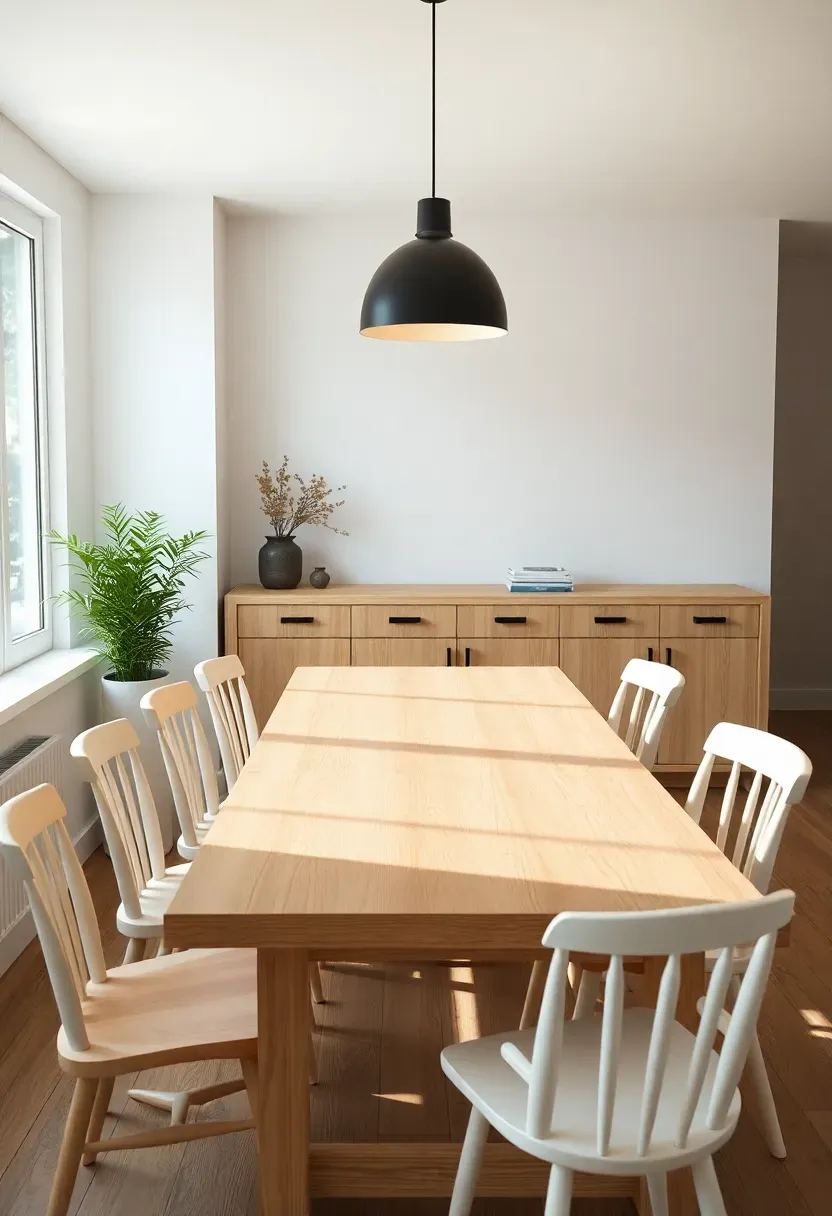
Minimalist family dining area with light oak table, white stackable chairs, clear center surface, and a black pendant light — a flexible family dining room that doubles as a homework and activity space
A minimalist life with kids is entirely possible — and it doesn't mean living in stark, empty spaces. It means creating an intentional home where every object earns its place and daily routines flow without chaos. For renters and small apartment families, minimalist principles offer a real path to calmer mornings, faster cleanups, and rooms that actually breathe.. Minimalist family dining area with light oak table, white stackable chairs, clear center surface, and a black pendant light — a flexi
Recommended
Items for this idea
Tips
- Skip the tablecloth—choose a table finish that wipes clean easily
- Invest in stackable chairs to add seating for guests without permanent clutter
- Keep a central charging station so the table works for homework and remote work
Best for: Families who use their dining space for multiple activities beyond just eating meals
What this gives you: A dining room that actually gets used daily instead of sitting pristine and empty
20. Seasonal Clothing Capsule Wardrobes
Implementing capsule wardrobes for children reduces clothing overwhelm while ensuring kids always have appropriate, well-fitting options. Keep only 20-30 pieces per season that mix and match easily, storing out-of-season items elsewhere. This approach simplifies dressing, reduces laundry volume, and makes it easy to see what children actually need—no more discovering unworn clothes after they've been outgrown.

Flat-lay of a curated children's capsule wardrobe in neutral cotton and denim — tops, pants, dresses, hoodie, and jacket coordinated for a minimalist family lifestyle with less laundry and simpler daily dressing
A minimalist life with kids is entirely possible — and it doesn't mean living in stark, empty spaces. It means creating an intentional home where every object earns its place and daily routines flow without chaos. For renters and small apartment families, minimalist principles offer a real path to calmer mornings, faster cleanups, and rooms that actually breathe.. Flat-lay of a curated children's capsule wardrobe in neutral cotton and denim — tops, pants, dresses, hoodie, and jacket coordinated
Recommended
Items for this idea
Tips
- Choose a cohesive color palette so everything coordinates automatically
- Quality basics last longer and look better through multiple children
- Review the capsule monthly and donate anything that doesn't get worn
Budget note: Capsule wardrobes cost less overall—fewer, higher-quality pieces replace multiple cheap fast-fashion items
What this gives you: Children who can dress independently and closets that don't overflow despite adequate clothing
21. Evening Reset Routine for Busy Families
Establishing a 15-minute evening reset routine transforms your mornings and prevents clutter from accumulating overnight. The whole family participates: toys return to their homes, dishes get loaded or washed, backpacks wait ready by the door, and quick tidying restores visual calm. This small investment creates peaceful mornings and reinforces the habit of returning items to their designated homes.
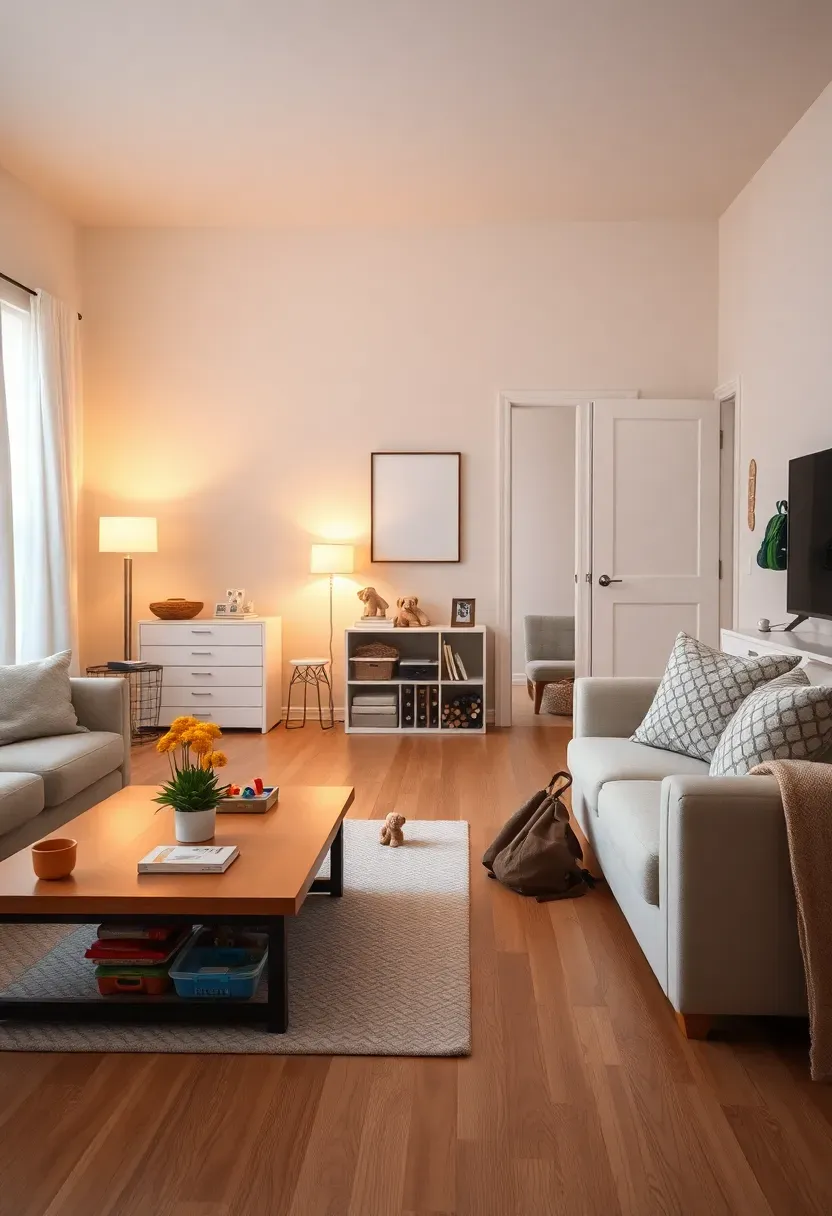
Minimalist family living room in evening light with clear coffee table, toys stored in a closed white cabinet, fluffed pillows, and backpacks ready by the door — a nightly reset routine that keeps a family home calm and clutter-free
A minimalist life with kids is entirely possible — and it doesn't mean living in stark, empty spaces. It means creating an intentional home where every object earns its place and daily routines flow without chaos. For renters and small apartment families, minimalist principles offer a real path to calmer mornings, faster cleanups, and rooms that actually breathe.. Minimalist family living room in evening light with clear coffee table, toys stored in a closed white cabinet, fluffed pillows, and b
Recommended
Items for this idea
Tips
- Set a timer for 15 minutes—race against the clock makes it fun for kids
- Create a simple checklist: toys, dishes, backpacks, quick pickup
- Play upbeat music during reset—it lightens the mood and keeps energy up
Time investment: Just 15 minutes nightly saves 30+ minutes of morning chaos and weekend deep-cleaning
What this gives you: Mornings that start calmly instead of frantically, and weekends free from catch-up cleaning
A minimalist life with kids creates a home that works for your family instead of against it. By implementing intentional systems for toys, clothes, and daily clutter, you reduce decision fatigue and household stress while teaching children valuable lessons about ownership and mindfulness. The goal isn't perfection — it's progress toward spaces that support how you actually live. Start with one area, involve your children in age-appropriate decisions, and expand gradually as systems prove themselves. Whether you're renting a small apartment or settling into a family home, these ideas scale to your space and budget. The beauty of family minimalism is that it meets you where you are.