23 Warm Neutral Kitchen Ideas for Timeless Soft Charm
Warm neutral kitchen ideas are built around soft beige, cream, and warm wood tones that feel both timeless and deeply inviting. These kitchens transcend fleeting trends by focusing on enduring color palettes and quality materials that age gracefully. The result is a sophisticated yet approachable space that serves as the true heart of the home.
Soft charm in kitchen design comes from layering neutral tones with varying textures and finishes. From natural stone countertops to warm wood cabinetry, each element contributes to a cohesive aesthetic that feels calm and collected. This approach prioritizes comfort and functionality while maintaining visual interest through subtle contrasts in texture and tone.
Whether you're planning a complete kitchen renovation, refreshing a rental kitchen with renter-friendly updates, or simply looking for ways to warm up an existing space, these warm neutral kitchen ideas offer lasting appeal. The beauty of this palette lies in its versatility — equally at home in modern lofts, traditional farmhouses, or small apartment kitchens that need a fresh yet familiar feel.
Quick FAQ
What colors are considered warm neutrals for kitchens?
Warm neutrals include creamy white, soft beige, warm gray, taupe, ivory, and natural wood tones with yellow or red undertones rather than cool blue or green bases.
Are warm neutral kitchens hard to keep clean?
Not necessarily—choosing mid-tone warm neutrals rather than stark white can actually hide everyday wear better. Matte finishes and natural materials like stone also conceal spills and scratches effectively.
How do I add warmth to a neutral kitchen without color?
Focus on texture through natural materials: warm wood tones, natural stone, woven elements, layered lighting with warm bulbs (2700K-3000K), and textiles like linen or wool for window treatments and seating.
Will a warm neutral kitchen look dated in five years?
Warm neutrals are inherently timeless because they're based on natural materials and colors found in nature. Unlike trendy bold colors, soft beiges and creams have remained popular for decades and continue to feel fresh.
What metal finishes work best with warm neutral kitchens?
Brushed brass, unlacquered copper, oil-rubbed bronze, and warm-toned stainless steel complement warm neutrals beautifully. Mixed metals can work if they share warm undertones rather than cool chrome or polished nickel.
Can I mix different wood tones in a warm neutral kitchen?
Yes, mixing wood tones adds depth and character. The key is ensuring all woods share warm undertones—vary the intensity from light oak to medium walnut rather than mixing warm and cool woods.
As an Amazon Associate I earn from qualifying purchases.
Table of Contents
- 1. Cream Cabinets with Warm Stone Countertops
- 2. Beige Subway Tile with Warm Grout
- 3. Warm Oak Flooring with Neutral Walls
- 4. Soft Gray Cabinetry with Wood Accents
- 5. Two-Tone Warm Neutral Cabinet Combination
- 6. Natural Wood Island with Cream Perimeter
- 7. Warm White Kitchen with Brass Hardware
- 8. Taupe Lower Cabinets with White Uppers
- 9. Honed Granite in Warm Tones
- 10. Beige Shaker Cabinets with Marble Counters
- 11. Warm Neutral Backsplash Full Height
- 12. Light Wood Cabinetry with White Walls
- 13. Cream Painted Brick Backsplash
- 14. Warm Terracotta Floor with Neutral Cabinets
- 15. Soft Beige Open Shelving
- 16. Walnut Island with Cream perimeter
- 17. Warm Neutral Kitchen with Dark Wood Floors
- 18. Textured Neutral Tile Backsplash
- 19. Cream Kitchen with Copper Accents
- 20. Warm White Farmhouse Sink
- 21. Neutral Stone Slab Backsplash
- 22. Beadboard Cabinets in Warm White
- 23. Layered Warm Neutrals Monochromatic Scheme
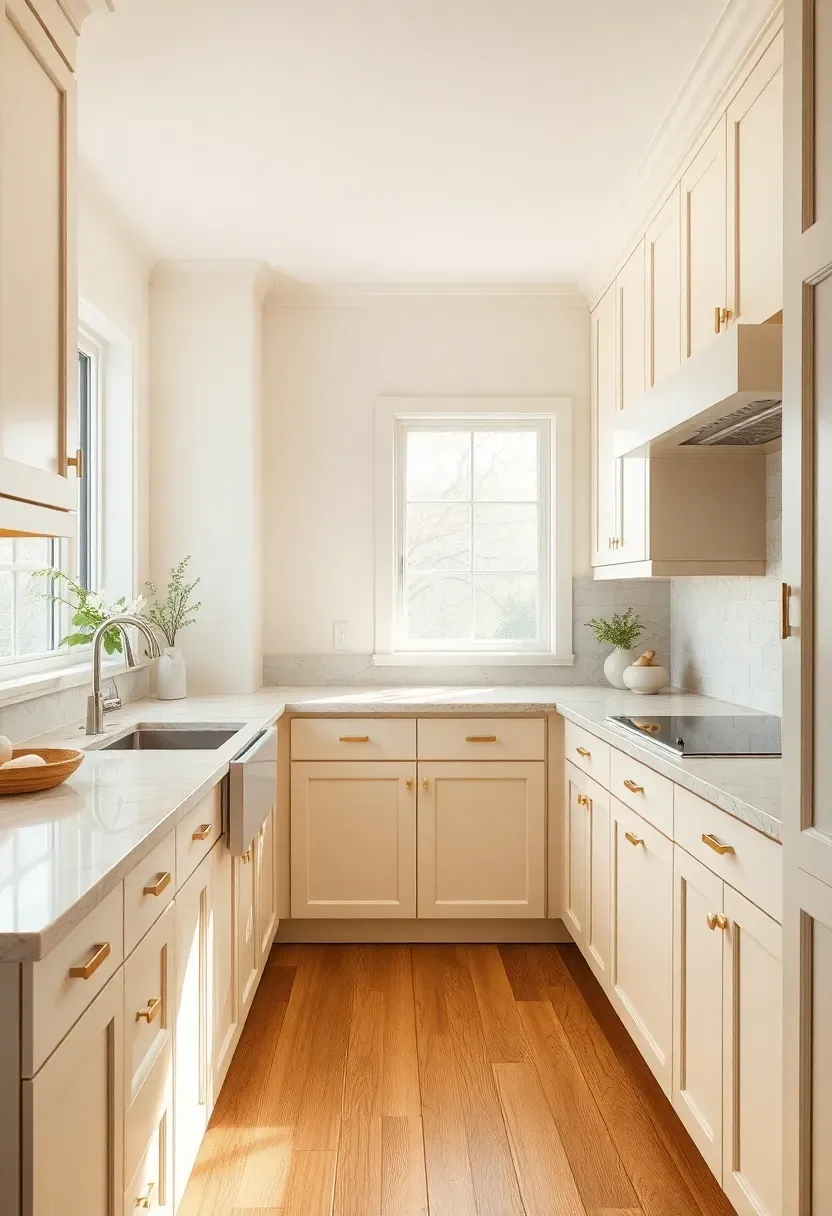
1. Cream Cabinets with Warm Stone Countertops
Cream painted cabinetry creates a soft foundation that feels brighter than white without harsh starkness. Pair this classic cabinet color with warm stone countertops like honed travertine, limestone, or granite with beige and taupe veining. The natural variations in stone add depth while maintaining the warm neutral palette, creating a kitchen that feels sophisticated yet approachable. Consider cream cabinets with a subtle glaze or antiquing for added dimension that highlights architectural details.
Tips
- Choose cream with yellow undertones rather than pink for a cleaner look
- Honed finishes show fewer fingerprints and scratches than polished stone
- Add under-cabinet lighting with 2700K bulbs to enhance warmth in the evening
Best for: kitchens that receive natural light and want to avoid the yellowing effect that can occur with stark white cabinets
What this gives you: a warm neutral kitchen that feels bright and airy while maintaining softness and approachability
We picked a few things that go well with this idea: CEMABT Beige Ceramic Donut Vase Set (2-Piece) (★4.8), KitchenAid Albany Tan Kitchen Towels 4-Pack (★4.8) and LAUCHUH Cream Ceramic Spoon Rest 5-Inch (★4.8). As an Amazon Associate we earn from qualifying purchases.
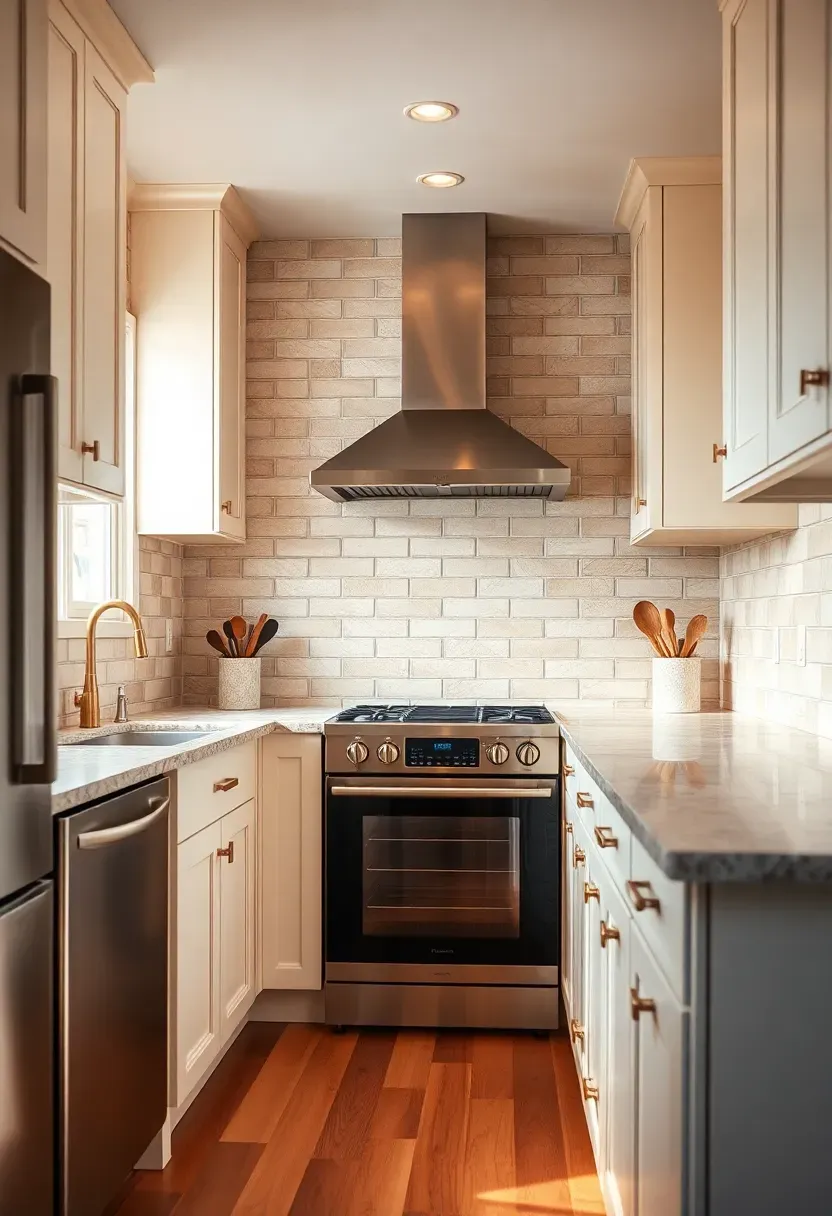
2. Beige Subway Tile with Warm Grout
Subway tile is a timeless choice, but choosing beige or taupe tiles with warm gray grout transforms the classic look into something warmer and more current. This approach softens the kitchen while maintaining the clean, traditional aesthetic that subway tile provides. Consider running the tiles in a classic brick pattern or try a herringbone layout for added visual interest. The warm tones in both tile and grout create continuity, making the backsplash feel intentional rather than an afterthought.
Tips
- Match grout color to a mid-tone in your tile to create a seamless look
- Consider colored grout rather than white to reduce maintenance and add warmth
- Extend the backsplash to the ceiling for a more custom, finished appearance
Budget/Time: subway tile remains one of the most cost-effective backsplash options, with beige tiles costing the same as white
What this gives you: a warm neutral backsplash that adds personality without overwhelming the space or feeling dated
We picked a few things that go well with this idea: Foxwake Natural Wood Adjustable Cabinet Handles 4-Set (★4.4), Franklin Brass Warm Chestnut Cabinet Pulls 10-Pack (★4.6) and White Oak Wood Drawer Pulls 6-Pack 3-Inch (★4.6). As an Amazon Associate we earn from qualifying purchases.
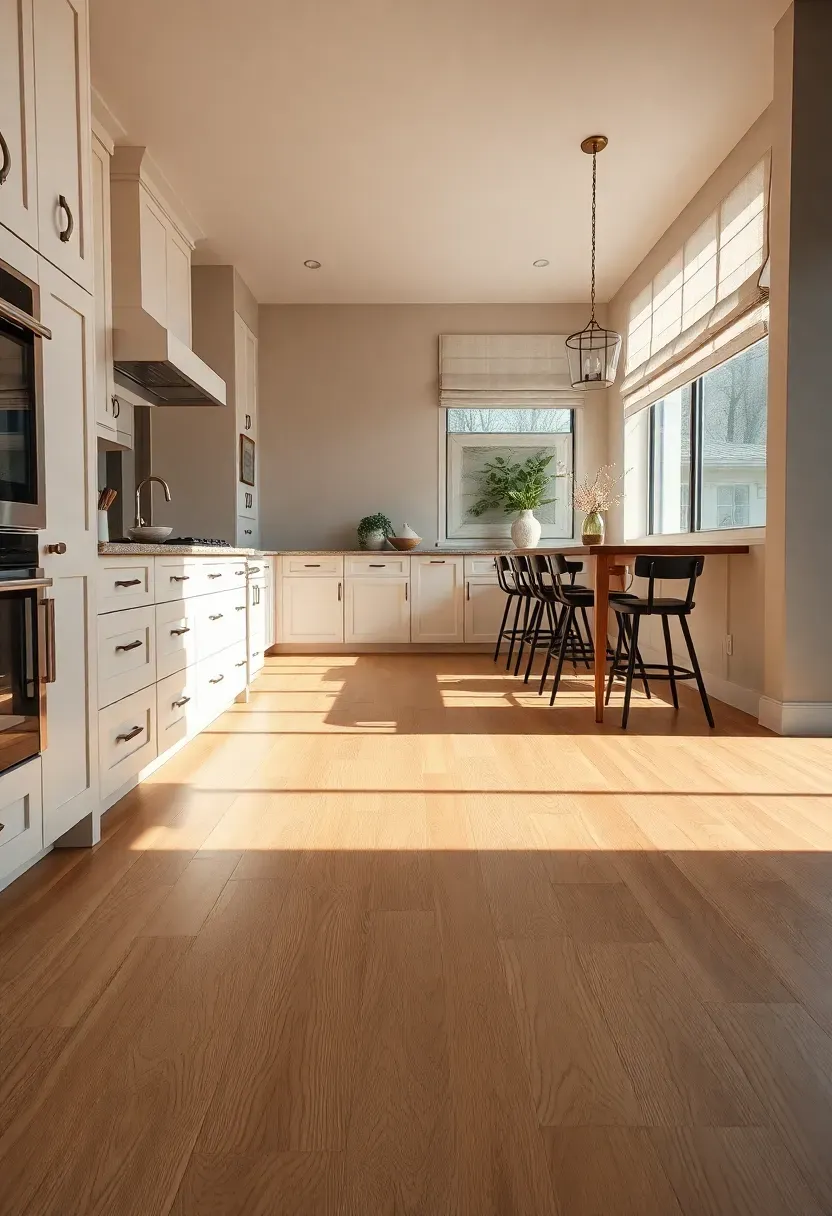
3. Warm Oak Flooring with Neutral Walls
Warm oak hardwood flooring provides a strong foundation for a neutral kitchen, bringing natural warmth that balances cooler neutral tones on walls and cabinetry. Choose white oak with warm amber tones rather than red or yellow oak for a more contemporary look. The wood floor anchors the space while neutral walls—whether soft gray, cream, or warm white—keep the room feeling light and spacious. This combination works particularly well in open-concept spaces where the flooring continues throughout.
Tips
- Wider plank flooring (5-7 inches) feels more modern and shows off the grain pattern
- Choose a matte or satin finish rather than high-gloss for a more natural, lived-in look
- Consider engineered oak for kitchens where solid wood might be affected by moisture fluctuations
Placement note: this flooring choice works beautifully when continuing into adjacent dining and living areas, creating visual flow throughout the main level
What this gives you: a warm neutral foundation that connects the kitchen to surrounding spaces while providing natural warmth underfoot
We picked a few things that go well with this idea: Cisily Cream Stainless Steel Sink Caddy Organizer (★4.3), JIEMEI Antique Beige Ceramic Utensil Crock (★4.7) and AmorArc Ceramic Utensil Crock Terracotta Set (2-Piece) (★4.8). As an Amazon Associate we earn from qualifying purchases.
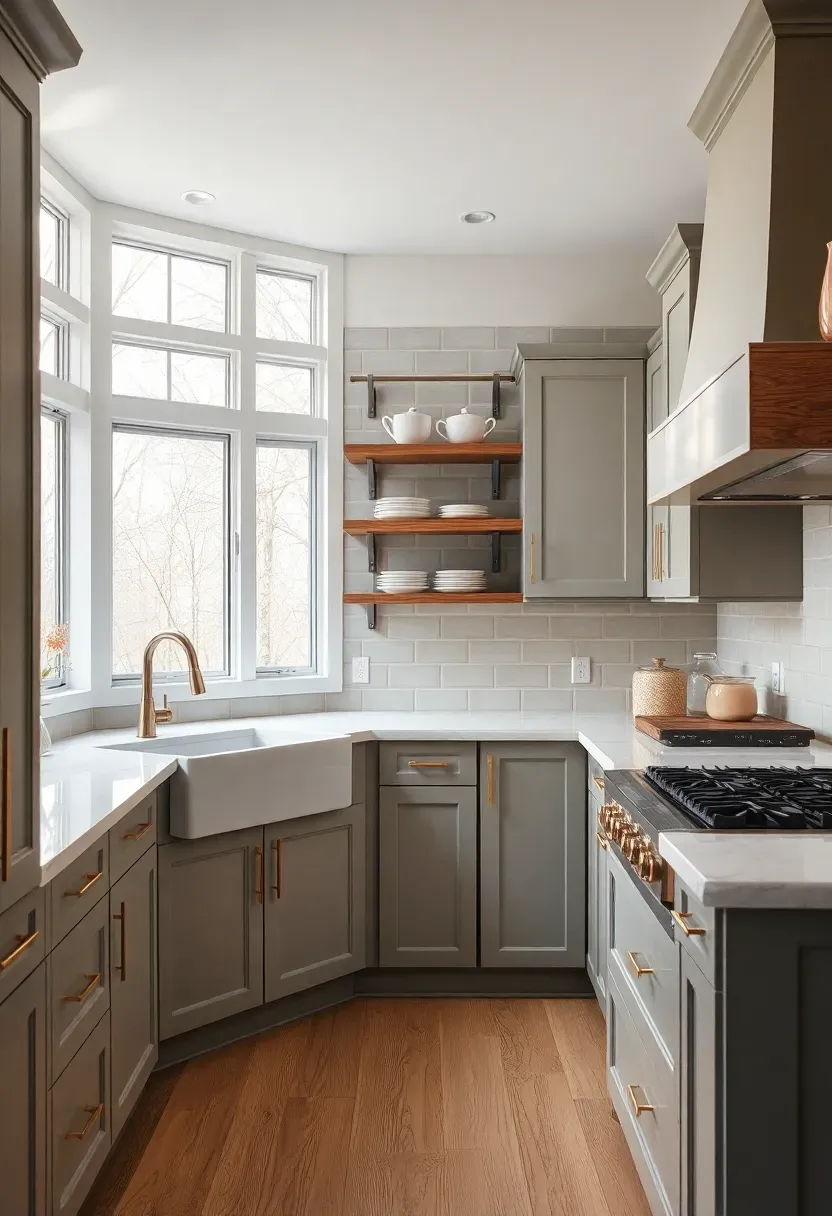
4. Soft Gray Cabinetry with Wood Accents
Soft gray cabinets with warm undertones bridge the gap between cool and warm neutral palettes, creating a sophisticated look that feels current yet timeless. The key is choosing gray with visible brown or taupe undertones rather than blue-gray, which can read as cool. Balance the gray cabinetry with wood accents—whether through open shelves, a wood range hood, or wood flooring—to prevent the space from feeling too monochromatic. This combination creates depth through contrast while maintaining a cohesive neutral story.
Recommended
Items for this idea
Tips
- Test gray paint samples in your kitchen's lighting—artificial light can drastically change how warm or cool a gray reads
- Keep wood accents in the same warm undertone family as your gray for harmony
- Mix matte cabinetry with satin or semi-gloss upper cabinets for subtle contrast
Best for: homeowners who love the sophistication of gray but want to avoid a cold or industrial feeling in the kitchen
What this gives you: a refined neutral palette that feels elegant and current while maintaining warmth and approachability
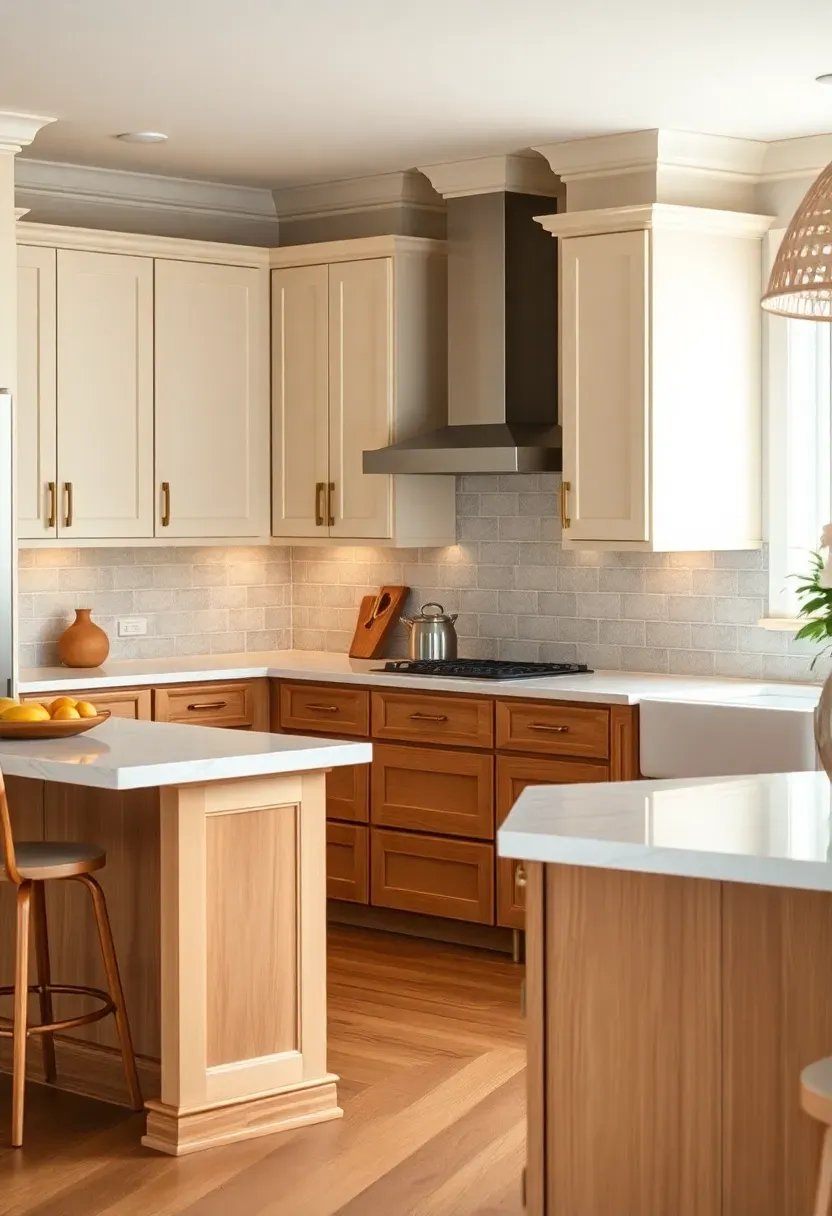
5. Two-Tone Warm Neutral Cabinet Combination
Two-tone cabinetry using warm neutrals creates visual interest without introducing bold colors. Try cream upper cabinets with warm beige or taupe lowers, or combine white oak cabinets with painted cream perimeter cabinets. This approach breaks up the visual weight of wall-to-wall cabinetry while staying within a warm neutral palette. The darker or warmer tone on lower cabinets grounds the space, while lighter uppers maintain an airy feel—particularly effective in kitchens with high ceilings.
Tips
- Keep the color difference subtle—think taupe and cream rather than a stark contrast
- Use the darker or warmer tone on lower cabinets and islands to ground the space
- Consider the same cabinet style and hardware in both colors for cohesion
Placement note: this technique works especially well in galley kitchens where breaking up cabinet color prevents the space from feeling narrow or enclosed
What this gives you: visual dimension and interest through thoughtful color blocking while maintaining a cohesive warm neutral palette
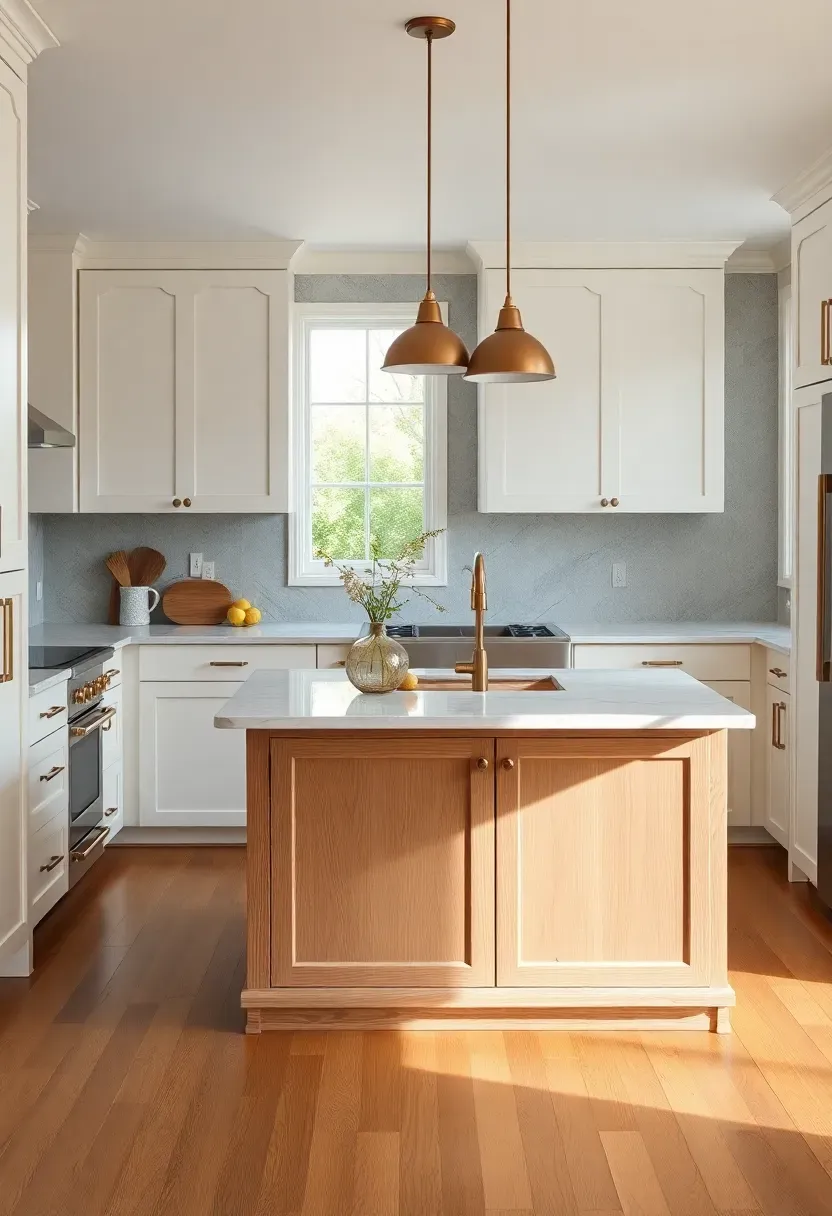
6. Natural Wood Island with Cream Perimeter
A natural wood island serves as a warm focal point in a kitchen with cream or white perimeter cabinets, creating the best of both worlds—light, airy surroundings with a grounded, warm center. White oak, walnut, or maple cabinetry on the island adds organic character while connecting to other wood elements in the home. This approach keeps the perimeter feeling bright and spacious while the island provides warmth and character. Consider extending the wood to the range hood or open shelves for continuity.
Recommended
Items for this idea
Tips
- Choose a wood species and finish that complements existing flooring or other wood tones in your home
- Consider a water-resistant finish on island surfaces given its high-traffic nature
- Match the countertop material on island and perimeter for a custom, cohesive look
Best for: open-concept kitchens where the island is visible from living areas, creating a warm focal point that connects spaces
What this gives you: a light, bright kitchen with a warm organic center that adds character and prevents the space from feeling sterile
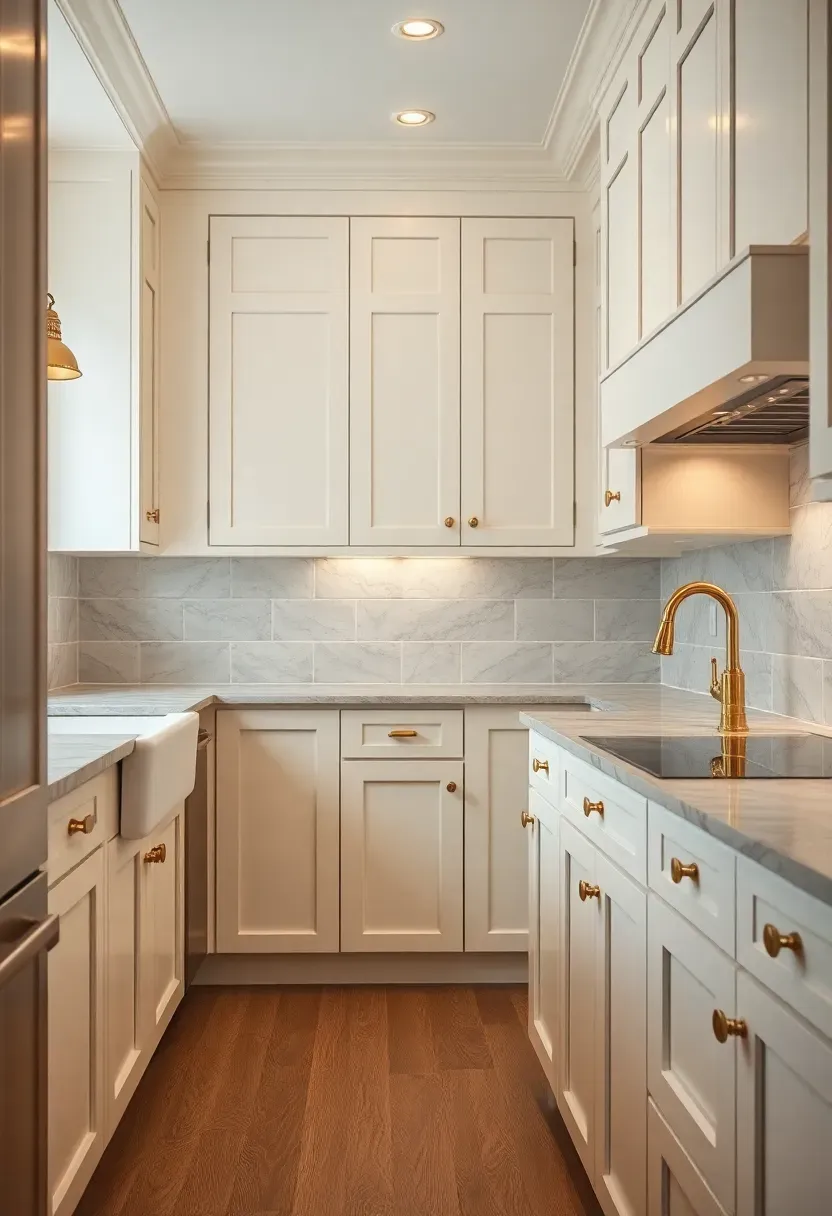
7. Warm White Kitchen with Brass Hardware
Warm white—cream with subtle yellow undertones—provides the crispness of white without the starkness that can feel clinical in kitchen spaces. This soft white becomes even warmer when paired with brass hardware, lighting fixtures, and faucets. The warmth of brass against cream creates an inviting atmosphere while maintaining a light, neutral palette. Consider unlacquered brass that will develop a natural patina over time, adding character and warmth as the kitchen ages.
Tips
- Warm white paint with a slight eggshell or satin finish adds depth and shows fewer imperfections than flat paint
- Don't mix brass with chrome or nickel—commit to one metal family for cohesion
- Embrace the patina of unlacquered brass as part of the kitchen's evolving character
Placement note: this combination works particularly well in kitchens with southern or western exposure where natural light enhances the warmth of both cream and brass
What this gives you: a light, bright kitchen that feels inviting and layered rather than stark or sterile
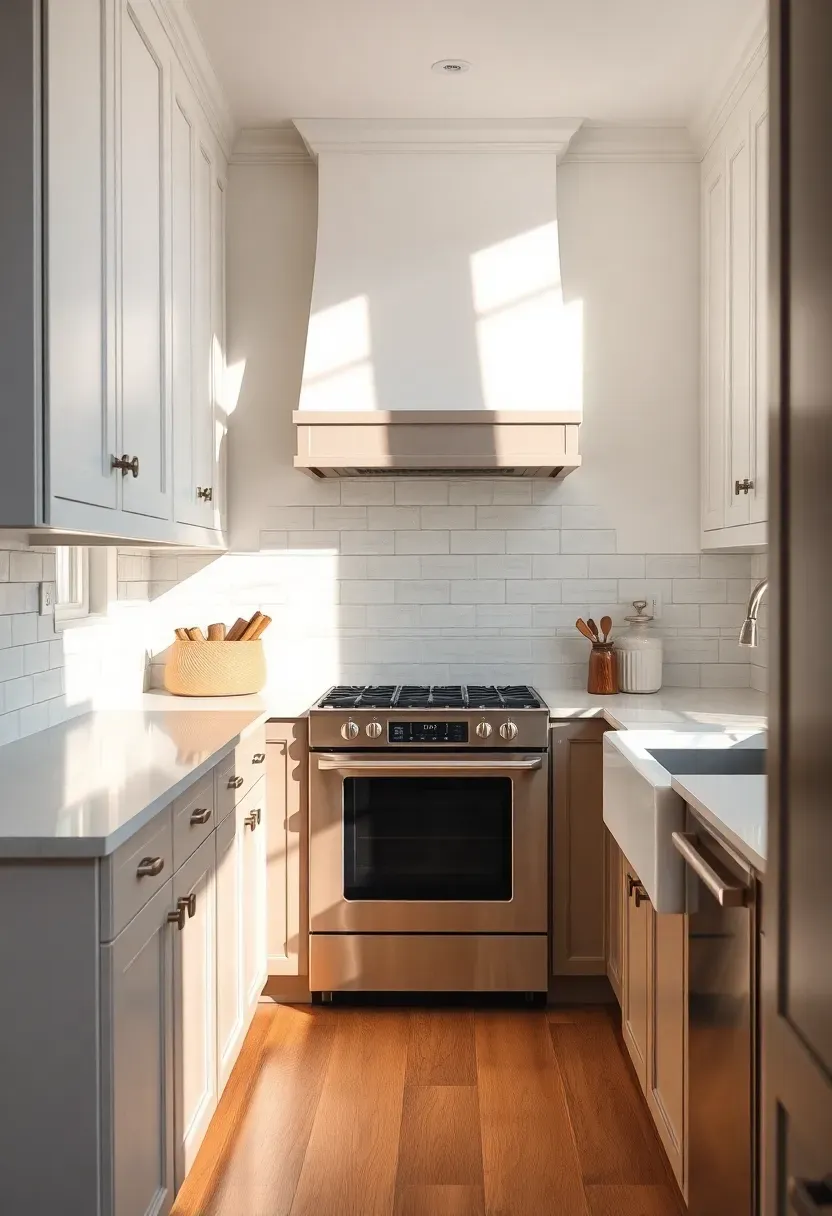
8. Taupe Lower Cabinets with White Uppers
Taupe lower cabinets ground the kitchen while white uppers maintain a sense of airiness and brightness. This two-tone combination feels sophisticated and intentional, using the darker, warmer tone on lower cabinets to anchor the space visually. Taupe—a warm gray-brown—bridges warm and cool neutrals, making it versatile for connecting different color palettes in an open floor plan. Consider extending the taupe to the island or base cabinets only, keeping upper walls and upper cabinets white for maximum light reflection.
Recommended
Items for this idea
Tips
- Keep taupe on the lower third of the kitchen to maintain visual balance
- Choose warm white for uppers rather than stark white to bridge the transition between colors
- Consider the same finish sheen on both upper and lower cabinets for consistency
Best for: kitchens with high ceilings where darker lowers can prevent the space from feeling top-heavy or cavernous
What this gives you: a grounded, sophisticated neutral palette that feels balanced rather than top-heavy
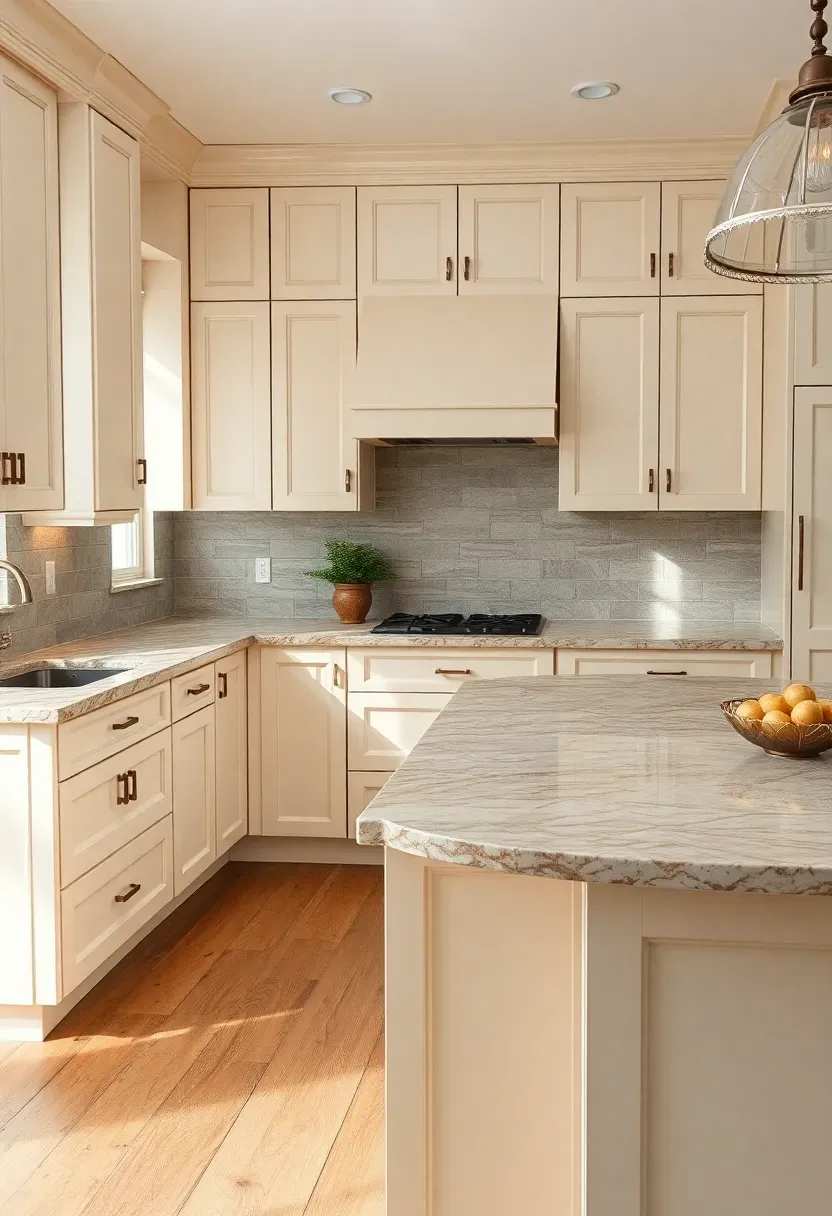
9. Honed Granite in Warm Tones
Honed granite countertops in warm beige, cream, and taupe tones provide durability and natural beauty while fitting seamlessly into a warm neutral palette. Unlike polished granite which can feel formal and cool, honed finishes have a soft, matte appearance that feels more casual and warm. Look for granite with warm movement—veins and patterns in beige, gold, and cream rather than cool blue or gray. The natural variation in stone adds visual interest without relying on bold colors or patterns.
Tips
- Honed finishes show fewer scratches and etching than polished stone but may require periodic sealing
- Choose slabs in person to see the full range of variation—photos rarely capture the warmth of natural stone
- Consider leathered granite for slightly more texture while maintaining a matte finish
Budget/Time: honed granite typically costs less than marble but more than quartz, with prices ranging from moderate to high depending on slab rarity
What this gives you: a durable, natural countertop that adds warmth and character through organic variation
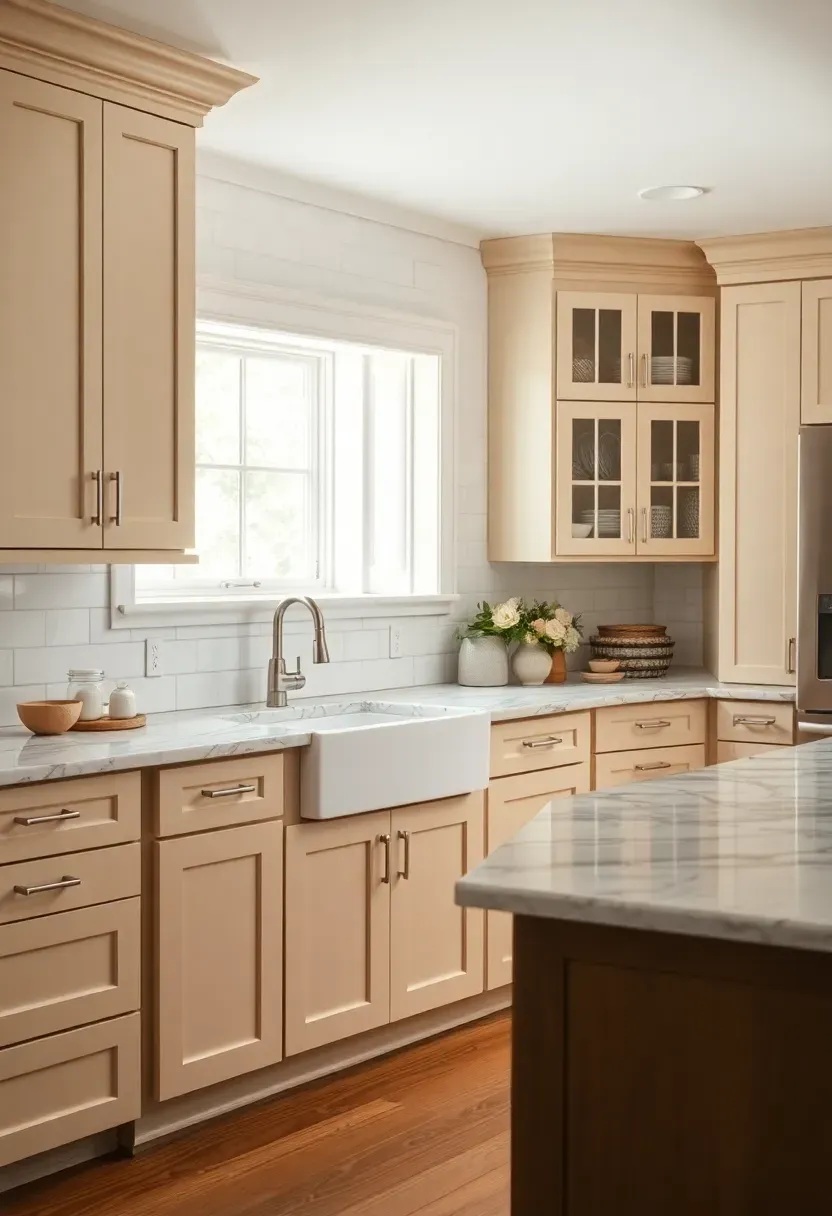
10. Beige Shaker Cabinets with Marble Counters
Beige shaker cabinets create a warm, traditional foundation that feels current rather than dated. The classic shaker style's clean lines and simple construction work beautifully in both traditional and contemporary settings, while the beige color adds warmth that white lacks. Paired with marble countertops—whether classic Carrara with warm gray veining or warmer marble like Calacatta Gold—the combination feels timeless and sophisticated. This pairing creates a kitchen that feels rooted in tradition but appropriate for modern life.
Recommended
Items for this idea
Tips
- Choose beige with visible taupe or gray undertones rather than yellow for a more sophisticated look
- Marble requires maintenance—consider honed marble which shows fewer etch marks than polished
- Keep shaker cabinet proportions traditional—equal width rails and stiles—for a timeless appearance
Avoid if: you want a low-maintenance kitchen—marble requires regular sealing and can be susceptible to acidic foods
What this gives you: a classic, timeless kitchen that feels warm and inviting rather than stark or formal
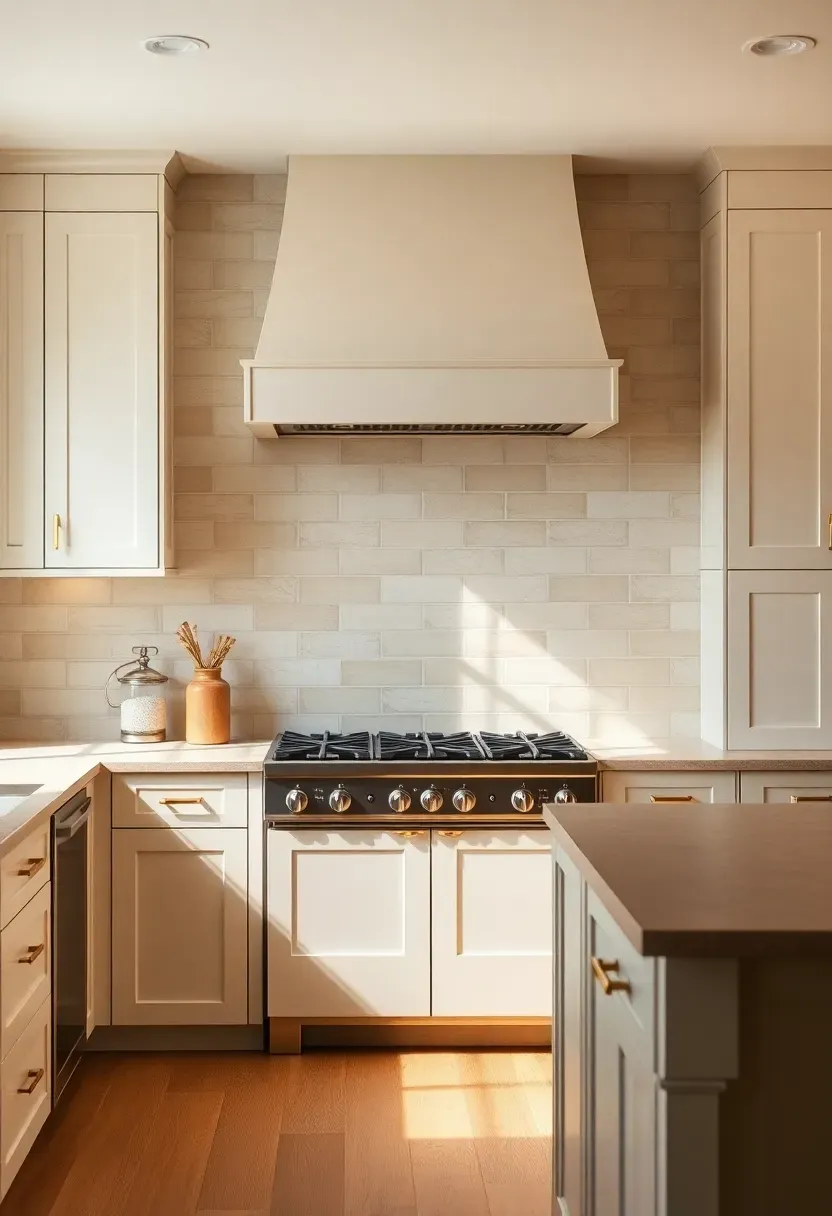
11. Warm Neutral Backsplash Full Height
Extending a warm neutral backsplash from countertop to ceiling creates a custom, architectural feel while maintaining a soft, cohesive palette. Whether using large-format neutral tile, stone slab, or ceramic tile in warm beige or taupe, a full-height backsplash becomes a focal wall rather than just functional protection. This approach works particularly well behind ranges or cooktops where the full-height treatment creates a focal point, or on sink walls where it adds visual interest without the need for upper cabinets.
Tips
- Large-format tiles (12x24 or larger) minimize grout lines for a cleaner, more slab-like appearance
- Consider continuing the countertop material up the wall for a seamless, monolithic look
- Full-height treatments are especially impactful behind ranges or in areas without upper cabinets
Placement note: this technique works beautifully in kitchens with high ceilings where a standard 4-inch backsplash would feel disproportionately small
What this gives you: an architectural focal point that adds visual interest through thoughtful material selection rather than bold color
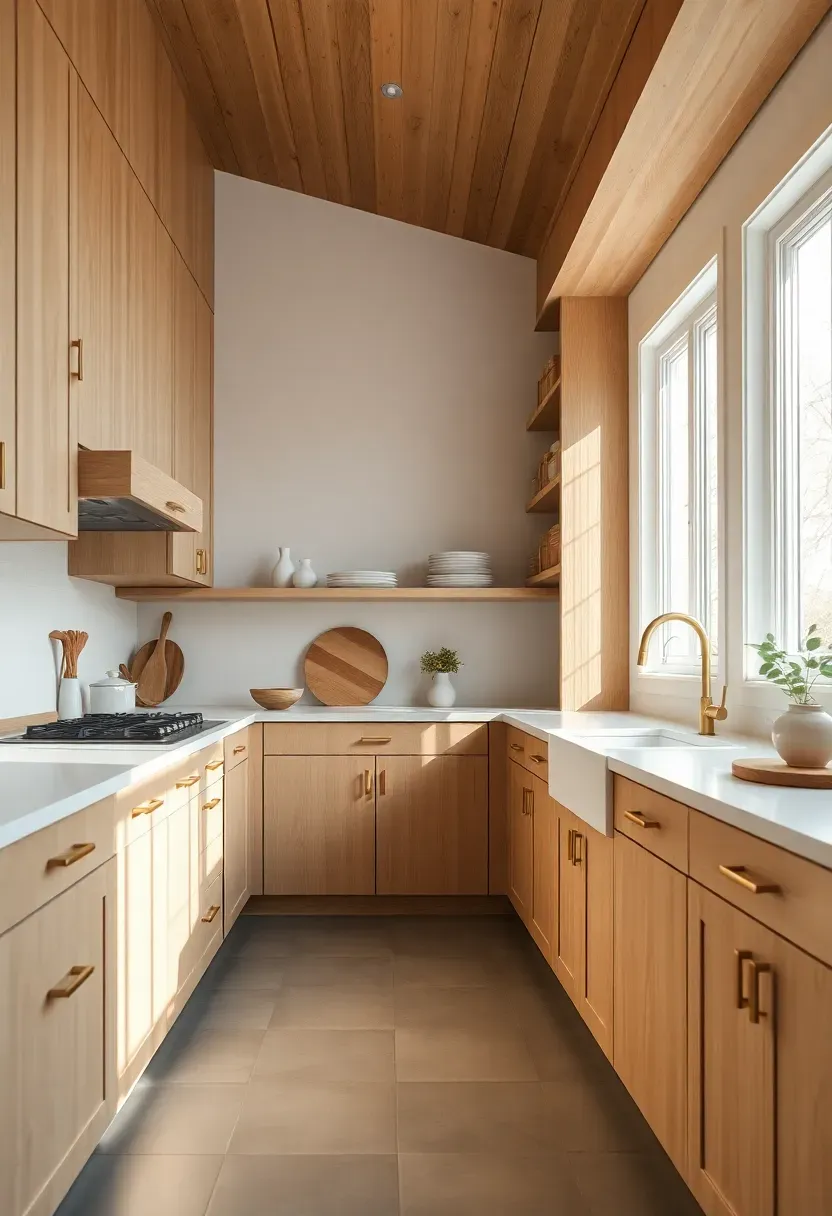
12. Light Wood Cabinetry with White Walls
Light wood cabinetry—whether natural white oak, ash, or maple—brings organic warmth to a kitchen while white walls maintain brightness and spaciousness. This combination creates a Scandinavian-inspired warmth that feels modern yet timeless. The natural grain and variation in wood cabinetry provides visual interest without the need for colorful accents, while white walls prevent the space from feeling dark or enclosed. Consider mixing wood tones—lighter upper cabinets with slightly warmer or darker lowers—for added dimension.
Recommended
Items for this idea
Tips
- Choose wood with consistent grain patterns for a cleaner, more modern look
- Consider a clear or light stain rather than paint to highlight the natural wood character
- Mix wood tones intentionally—slightly darker lowers with lighter uppers adds depth without contrast
Best for: homes with modern or minimalist architecture where wood cabinetry adds necessary warmth and organic character
What this gives you: a warm, organic kitchen that feels bright and spacious while maintaining connection to natural materials
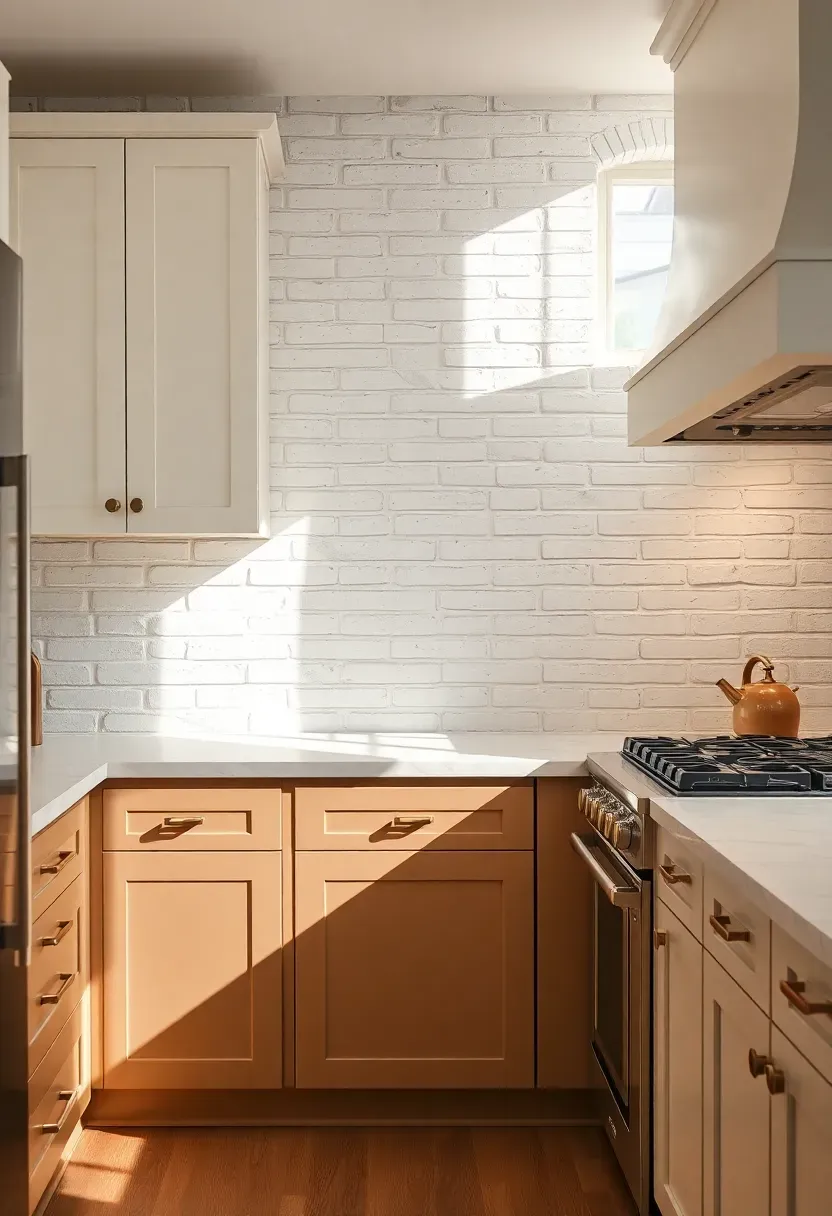
13. Cream Painted Brick Backsplash
Cream-painted brick creates texture and warmth that smooth tile cannot match, making it an ideal choice for warm neutral kitchens seeking character. The mortar lines and brick surface add tactile interest while the cream paint keeps the overall look light and neutral. This approach works particularly well in kitchens with existing brick or in homes where industrial or farmhouse elements provide architectural interest. Consider painting brick in a slightly lighter cream than cabinets for subtle contrast.
Tips
- Use a matte or eggshell finish on brick—glossy finishes can look unnatural on masonry
- Consider limewash or German smear techniques for subtle color variation rather than solid paint
- Seal painted brick in cooking areas to protect from grease and moisture
Placement note: this treatment works especially well on sink walls or behind ranges where the full brick texture becomes a focal point
What this gives you: architectural interest and warmth through texture while maintaining a cohesive light neutral palette
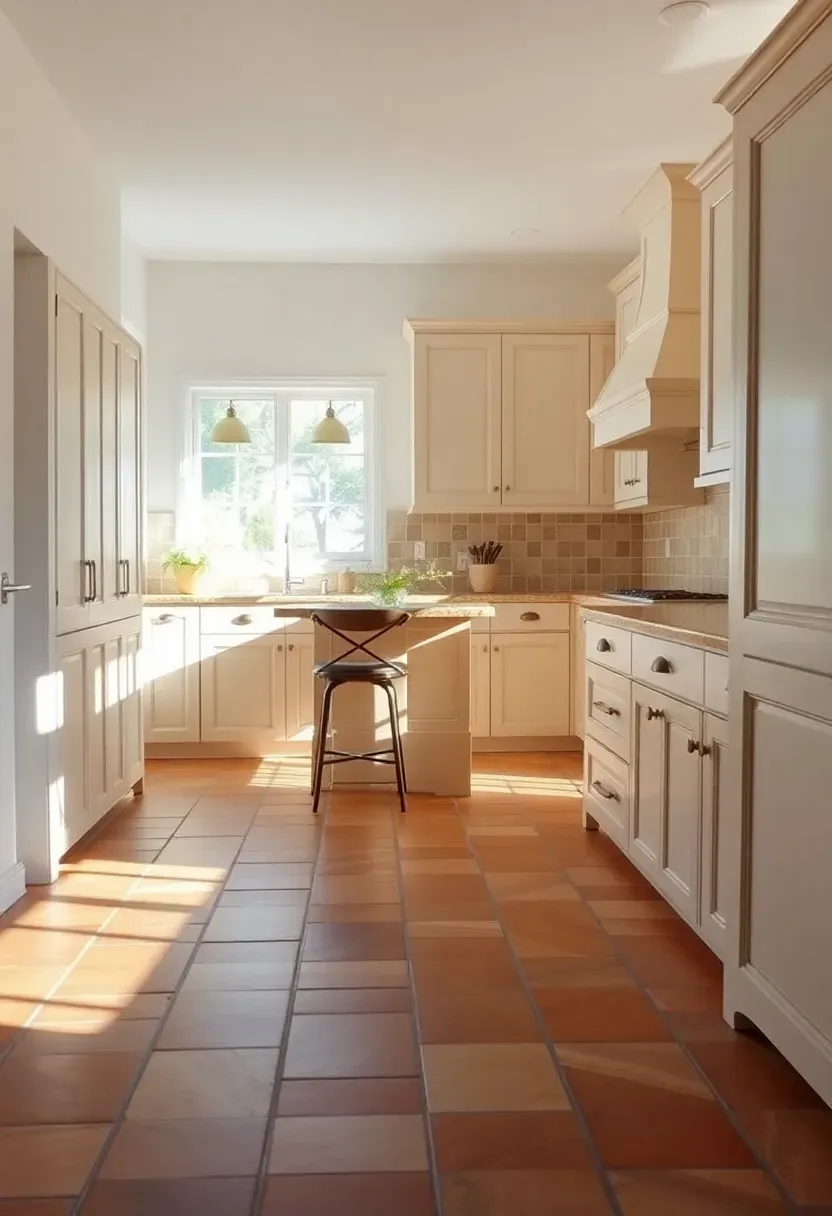
14. Warm Terracotta Floor with Neutral Cabinets
Warm terracotta or terracotta-look tile flooring grounds a neutral kitchen with Mediterranean warmth and organic character. The warm orange undertones in terracotta contrast beautifully with cream, white, or light gray cabinetry, creating visual interest without bold colors. Natural terracotta brings variation and handmade character, while porcelain tiles that mimic terracotta offer durability with less maintenance. Either way, the warm flooring balances neutral cabinetry and prevents the space from feeling monochromatic.
Recommended
Items for this idea
Tips
- Natural terracotta requires sealing—consider high-quality porcelain terracotta-look tile for kitchens
- Choose larger format tiles (12x12 or larger) to reduce grout lines and create a cleaner look
- Warm grout colors that complement the terracotta create a more seamless appearance
Best for: kitchens in older homes or those wanting to add European or Mediterranean character to neutral spaces
What this gives you: warm, organic flooring that adds character and prevents a neutral kitchen from feeling too uniform
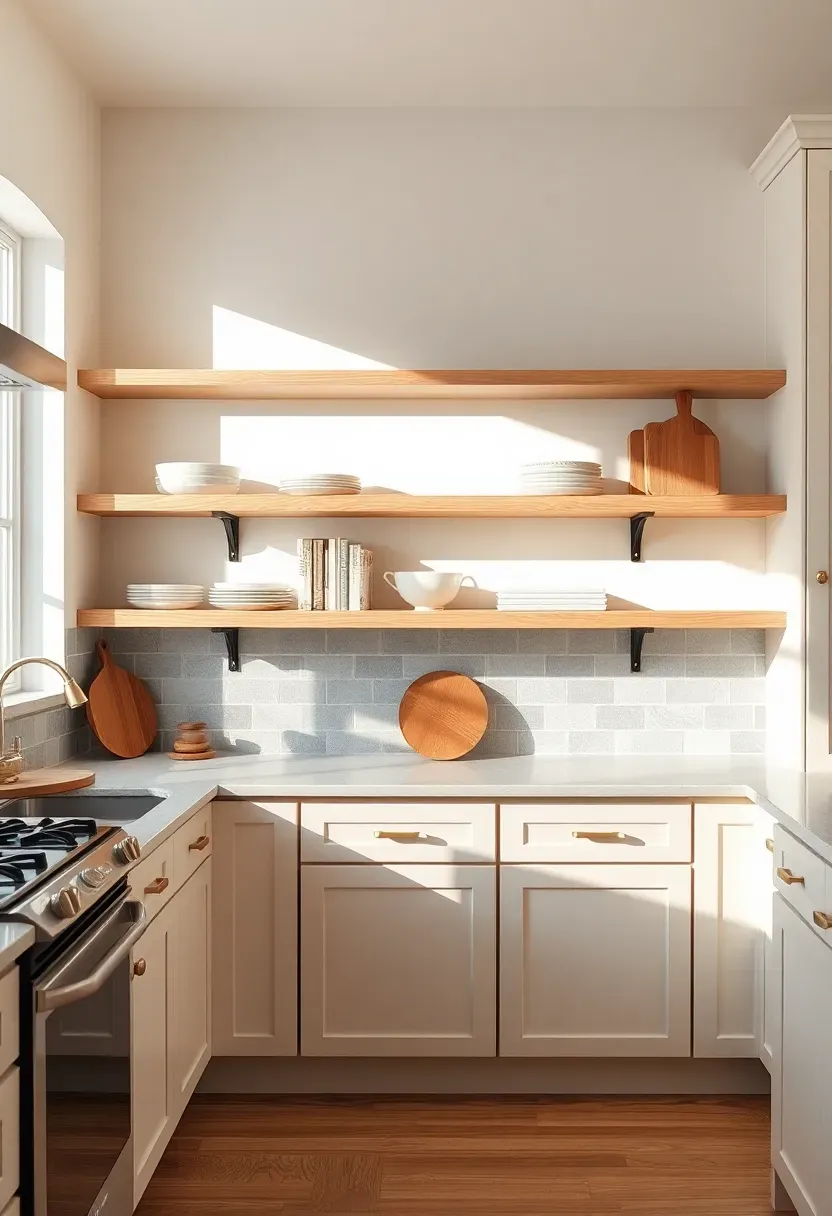
15. Soft Beige Open Shelving
Open shelving painted in soft beige or stained in warm wood tones adds warmth and display space while breaking up expanses of cabinetry. Beige or wood open shelves provide a neutral backdrop for dishware, cookbooks, and curated objects while maintaining the warm neutral palette. Consider floating wood shelves with visible brackets for a casual feel, or built-in painted shelves that match cabinetry for a more custom, integrated look. Open shelving also makes kitchens feel larger by reducing visual weight.
Tips
- Install open shelves at a height that feels accessible—typically 18-20 inches above the counter
- Keep displayed items organized and primarily neutral for a cohesive, curated look
- Consider hidden brackets or floating shelf hardware for a cleaner, more modern appearance
Avoid if: you cook with lots of grease or spices that could stain shelving—open shelves require more maintenance than closed cabinets
What this gives you: functional display space that adds warmth through wood tone and makes the kitchen feel larger and more open
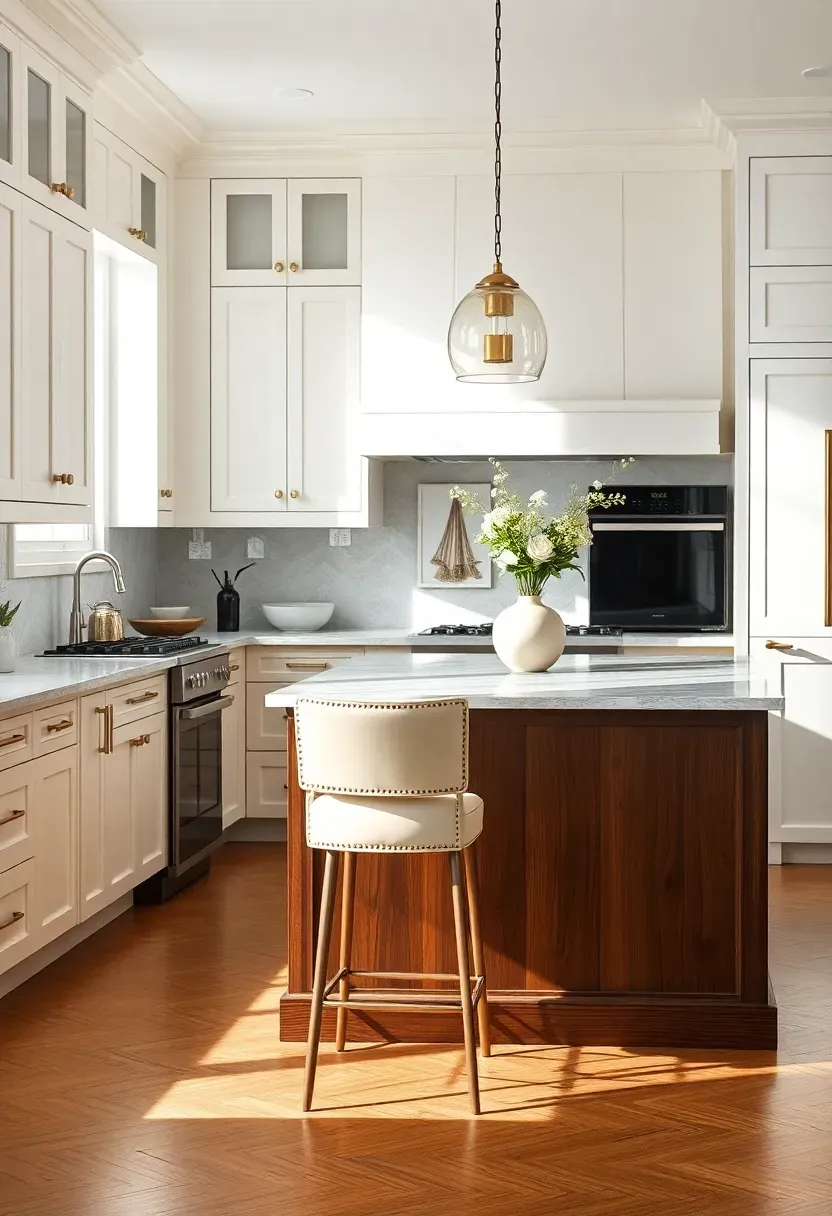
16. Walnut Island with Cream Perimeter
A walnut island creates a rich, warm focal point in a kitchen with cream or white perimeter cabinetry. Walnut's deep brown tones with warm undertones add sophistication and contrast while staying within a neutral palette. The darker island visually anchors the space, creating a natural gathering point that feels both elegant and inviting. Consider extending walnut to the range hood or floating shelves for continuity, or keep it focused on the island for maximum impact.
Recommended
Items for this idea
Tips
- Walnut darkens naturally with age and UV exposure—choose your finish with this in mind
- Consider a satin or matte finish on walnut rather than gloss for a more sophisticated look
- Mix wood with other warm elements—brass, warm stone, cream paint—to prevent the island from feeling isolated
Best for: larger kitchens where the island can serve as a dramatic focal point and natural gathering space
What this gives you: a sophisticated focal point that adds richness and warmth while maintaining overall neutrality
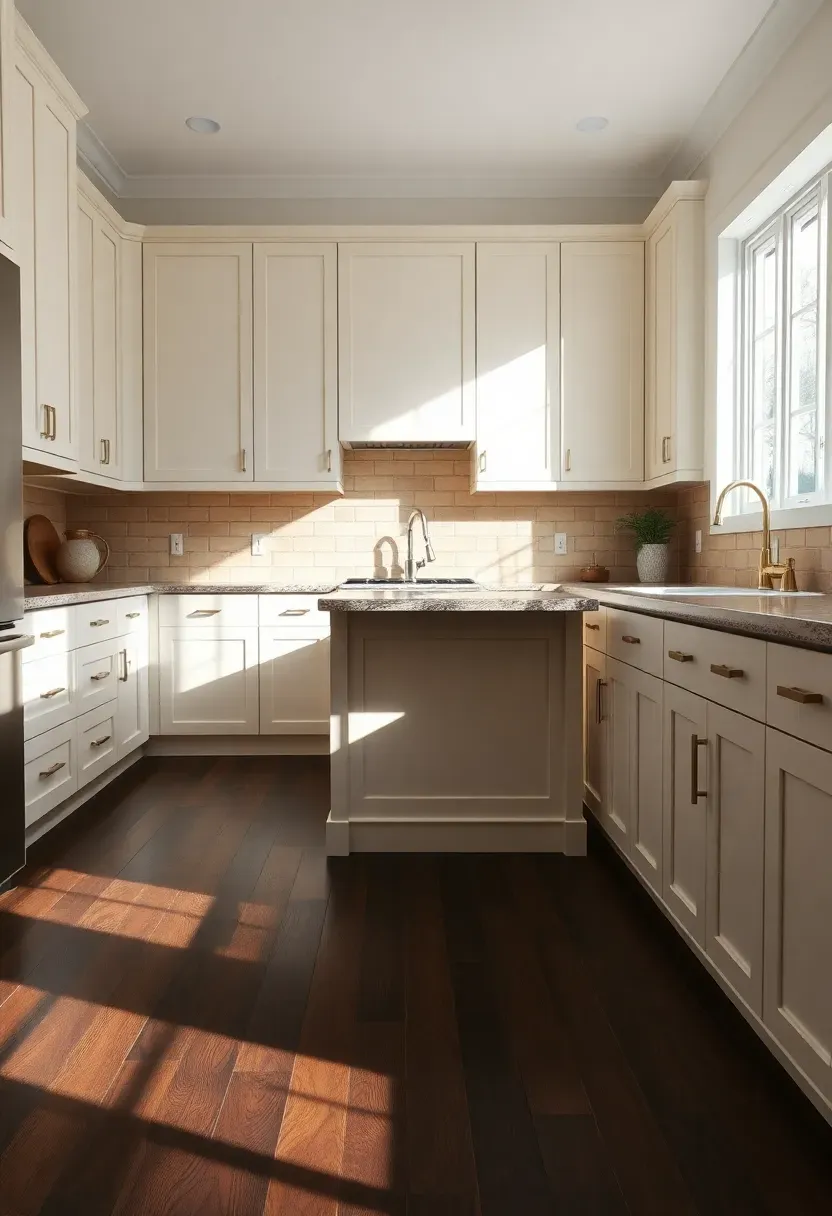
17. Warm Neutral Kitchen with Dark Wood Floors
Dark wood floors—whether walnut, mahogany, or stained oak—ground a warm neutral kitchen and create sophisticated contrast with lighter cabinetry and walls. The dark flooring adds drama and richness while neutral walls and cabinets keep the space feeling bright and balanced. This combination works particularly well in open-concept spaces where the flooring continues throughout, creating continuity while defining the kitchen zone. Consider warm dark stains rather than cool ebony to maintain warmth.
Tips
- Dark floors show dust and pet hair more readily—factor maintenance into your decision
- Balance dark floors with lighter countertops and walls to prevent the space from feeling cave-like
- Consider matte or satin finishes on dark floors rather than high-gloss for a more sophisticated look
Placement note: this combination excels in open-concept homes where dark flooring can define the kitchen while flowing into adjacent living areas
What this gives you: sophisticated contrast and grounding that prevents a neutral kitchen from feeling too uniform or lightweight
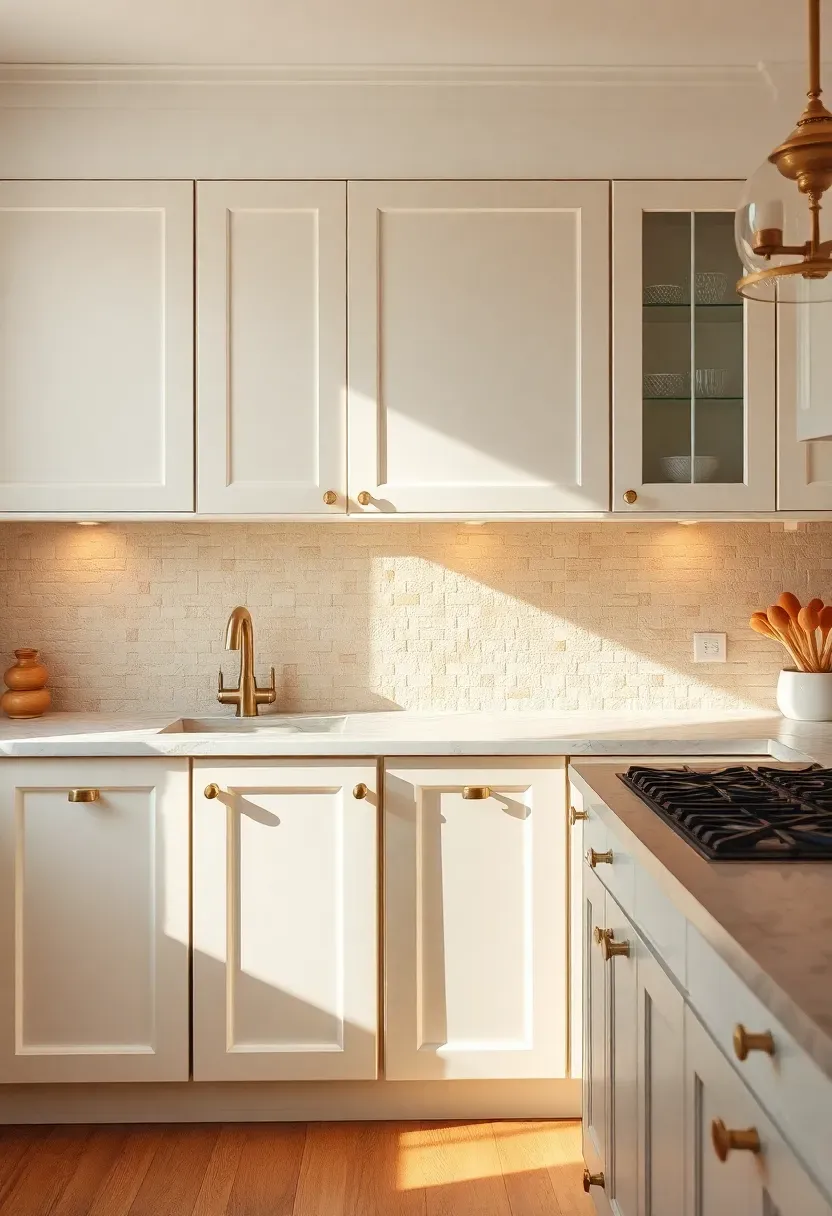
18. Textured Neutral Tile Backsplash
Textured neutral tile—whether zellige, handmade ceramic, or stone with natural variation—adds warmth and character through surface quality rather than color. The subtle variations, uneven edges, and tactile quality of handmade tiles create visual interest that fits perfectly within a warm neutral palette. Consider warm beige zellige with its characteristic variations and uneven edges, or tumbled stone tiles with natural crevices and textures. The result is a backsplash that feels artisanal and layered without introducing bold colors.
Recommended
Items for this idea
Tips
- Embrace variation in handmade tiles—uniformity defeats the purpose of choosing artisanal materials
- Consider adding lighting from above or below to highlight the tile texture and create shadow depth
- Warm gray or cream grout complements handmade tiles better than stark white
Best for: homeowners who want character and warmth without color, relying on texture rather than hue for visual interest
What this gives you: artisanal character and depth through tactile quality while maintaining a cohesive warm neutral palette
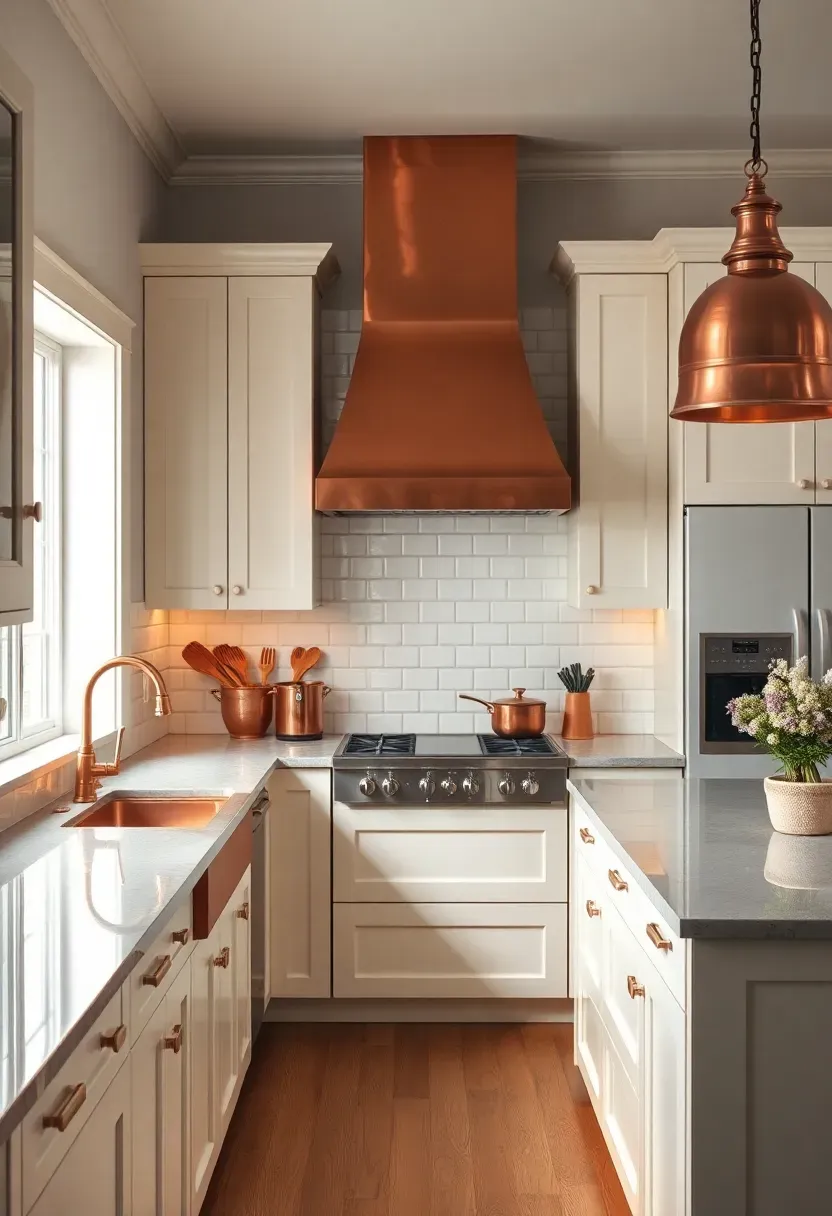
19. Cream Kitchen with Copper Accents
Cream cabinetry paired with copper accents—from light fixtures and faucets to cookware and range hoods—creates a warm, inviting kitchen with subtle metallic richness. Copper's warm orange undertones complement cream paint beautifully, adding a layer of sophistication through material contrast rather than bold color. Consider living copper that will develop a natural patina over time, adding character and evolving warmth as the kitchen ages. The interplay of warm paint and warm metal creates depth without introducing additional colors.
Tips
- Embrace the patina on unlacquered copper—it's part of the material's character and story
- Polished copper requires frequent maintenance to maintain its shine—consider lightly lacquered or living finishes
- Don't mix copper with other metals—commit to copper for all metallic elements for cohesion
Placement note: this combination works especially well in kitchens with good natural light that enhances the warmth of both cream and copper
What this gives you: warmth and sophistication through material combinations while maintaining a monochromatic color palette
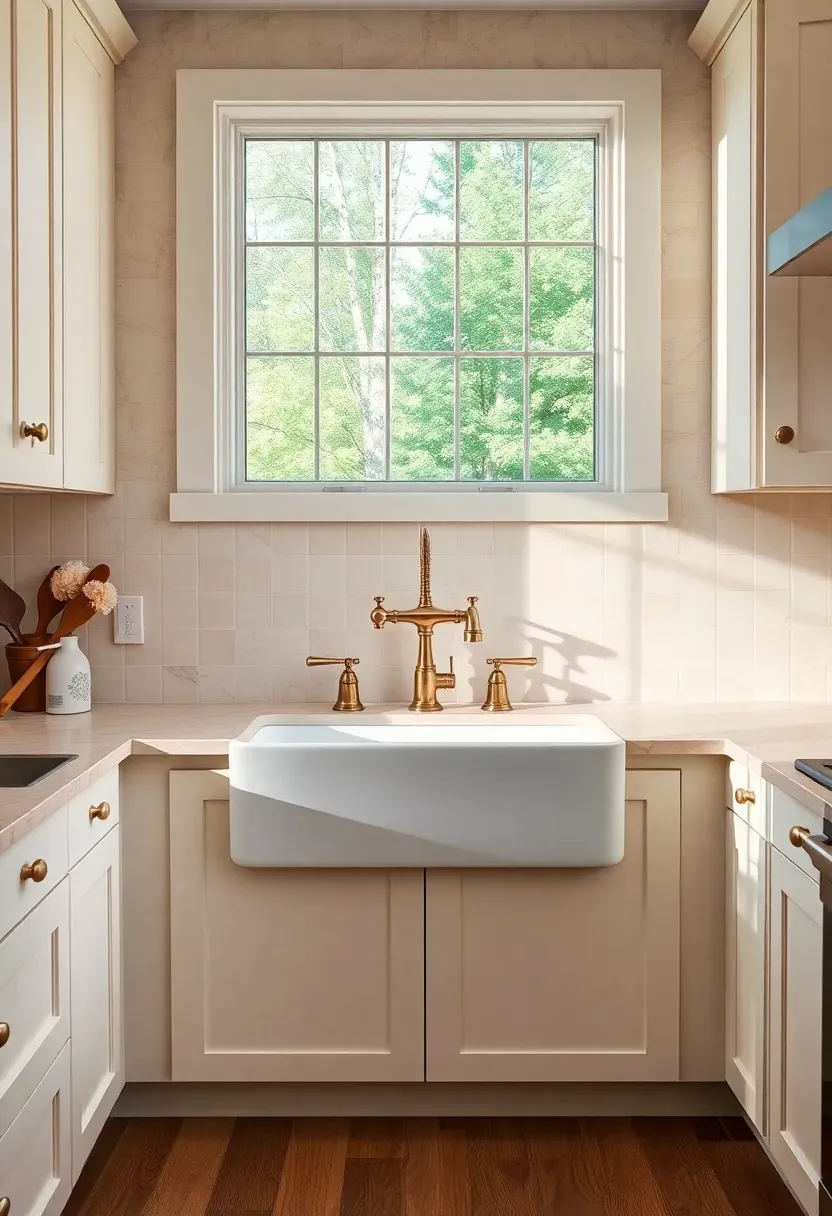
20. Warm White Farmhouse Sink
A warm white farmhouse or apron-front sink serves as a focal point that adds traditional warmth to neutral kitchens. Unlike bright white fireclay sinks that can feel stark, warm white or cream fireclay sinks blend more seamlessly with warm neutral cabinetry and countertops. The exposed front of the sink adds architectural detail and serves as a design element rather than just a functional component. Consider warm white rather than pure white to bridge cream cabinetry and countertops seamlessly.
Recommended
Items for this idea
Tips
- Choose a fireclay sink for durability and the ability to refinish if chipped over time
- Consider a custom cabinet panel on the dishwasher front to match the cabinetry rather than the sink
- A single-bowl farmhouse sink offers more capacity than double-bowl options for large pots and pans
Best for: traditional or transitional kitchens where architectural details and period-appropriate elements add character
What this gives you: a warm, traditional focal point that adds character through architectural detail rather than bold color or pattern
21. Neutral Stone Slab Backsplash
A neutral stone slab backsplash—whether honed marble, travertine, or limestone—creates a seamless, monolithic look that feels luxurious and timeless. Using the same stone as countertops or a complementary neutral stone on the backsplash creates continuity while adding organic variation through natural veining and movement. Stone slab backsplashes eliminate grout lines for a cleaner appearance and make the kitchen feel more custom and considered. Consider warm stones with beige, gold, or taupe tones.
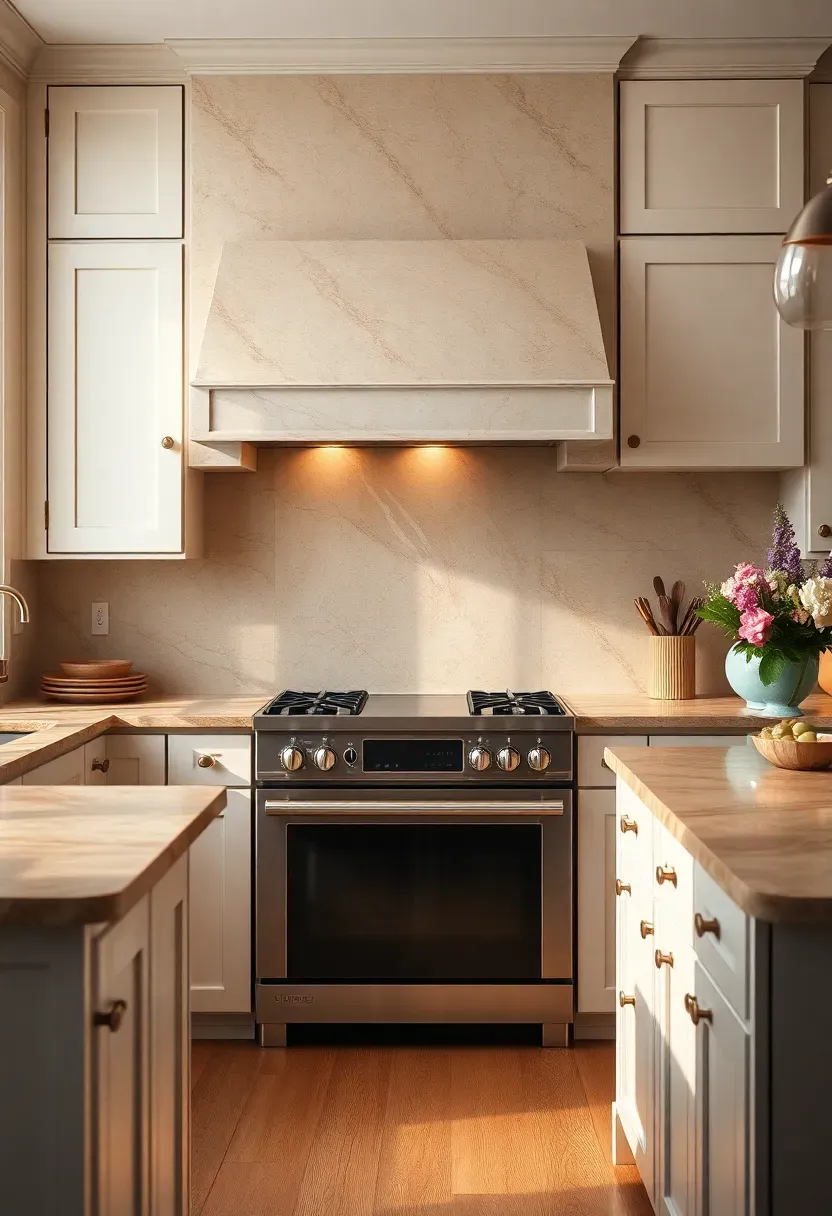
Tips
- Slab backsplashes require careful templating—work with experienced fabricators for seamless installation
- Consider using the same stone as countertops for continuity, or a complementary neutral for subtle contrast
- Honed finishes show fewer water spots and etching than polished stone in cooking areas
Budget/Time: slab backsplashes are a premium investment, typically costing significantly more than tile due to material waste and fabrication
What this gives you: a luxurious, seamless appearance that feels custom and considered while maintaining a warm neutral palette
22. Beadboard Cabinets in Warm White
Beadboard cabinet details add texture and traditional warmth to neutral kitchens, creating a cottage or farmhouse-inspired look that feels inviting rather than formal. Whether used on all cabinetry or just on island ends or upper cabinets, beadboard adds architectural detail and visual interest through pattern rather than color. Warm white or cream beadboard blends with neutral walls and countertops while adding character through its vertical groove pattern. This detail works particularly well in traditional or cottage-style homes.
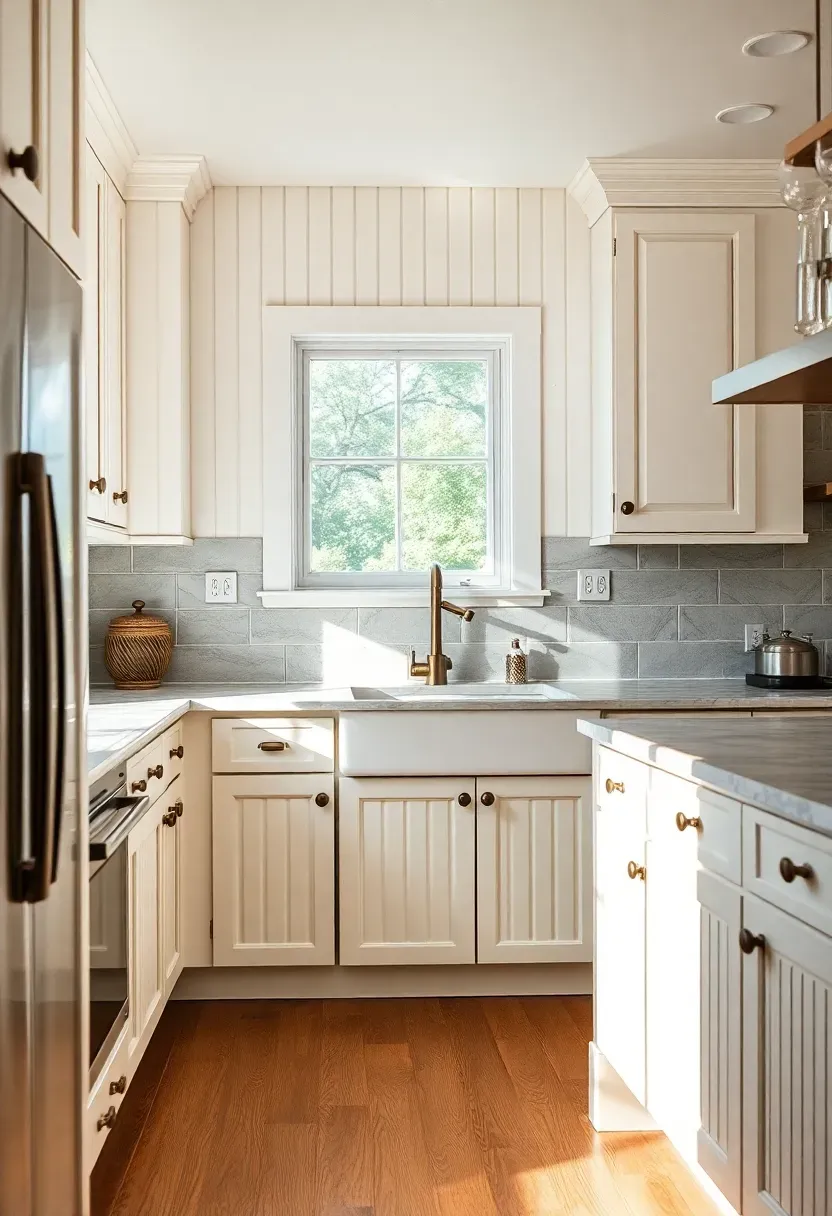
Recommended
Items for this idea
Tips
- Beadboard requires more cleaning due to grooves—factor this into high-traffic cooking areas
- Consider using beadboard selectively on island ends or upper cabinets to add detail without overwhelming
- Warm white rather than pure white bridges better with other neutral elements in the kitchen
Best for: cottage, farmhouse, or traditional-style homes where architectural details and period-appropriate elements enhance character
What this gives you: traditional warmth and character through architectural detail while maintaining a cohesive neutral palette
23. Layered Warm Neutrals Monochromatic Scheme
A monochromatic warm neutral kitchen layers various shades of cream, beige, taupe, and warm wood tones to create depth without contrast. This sophisticated approach relies on subtle variations in tone and texture rather than bold color differences for visual interest. Layer cream walls with taupe cabinets, warm beige countertops, and wood floors in a slightly different warm tone—the result is a space that feels cohesive, calming, and intentionally designed. This monochromatic approach creates a soothing, retreat-like kitchen.
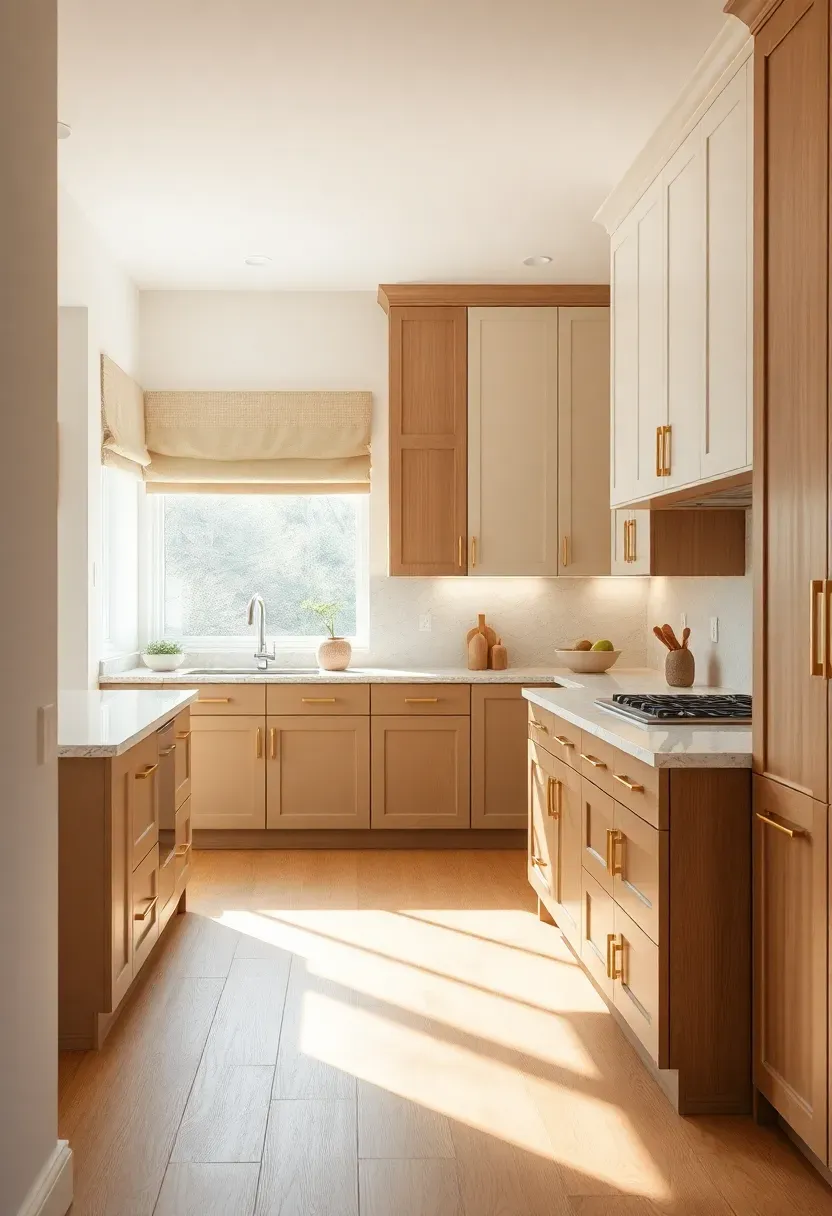
Tips
- Introduce texture through materials—wood grain, stone movement, woven elements—to prevent the space from feeling flat
- Keep tonal differences subtle—think variations on warm beige rather than distinct color blocks
- Layer lighting at different color temperatures but all within the warm spectrum (2700K-3000K) for coherence
Best for: homeowners seeking a calm, retreat-like kitchen where subtle sophistication trumps bold contrast or dramatic statements
What this gives you: a sophisticated, calming kitchen that feels intentionally designed through nuanced layering rather than bold contrasts
These warm neutral kitchen ideas prove that timeless design doesn't need bold colors or dramatic contrasts to make a lasting impression. By layering cream, beige, taupe, and warm wood tones, you create a kitchen that feels sophisticated yet approachable — current today and still beautiful in ten years. The warm neutral color palette is versatile enough for historic renovations and new construction, urban lofts and country homes, even rental kitchens where permanent changes are limited. Whether you're drawn to cream cabinetry with brass hardware, a walnut island as a warm focal point, or a fully layered monochromatic scheme, these 23 ideas show that soft colors and thoughtful materials are all you need to create a kitchen that feels both timeless and deeply inviting.
About the author
OBCD
CGI visualization and interior design content. We create detailed 3D renders and curate practical design ideas for every room in your home.