What Is Japandi Interior Design? Style Guide for Renters
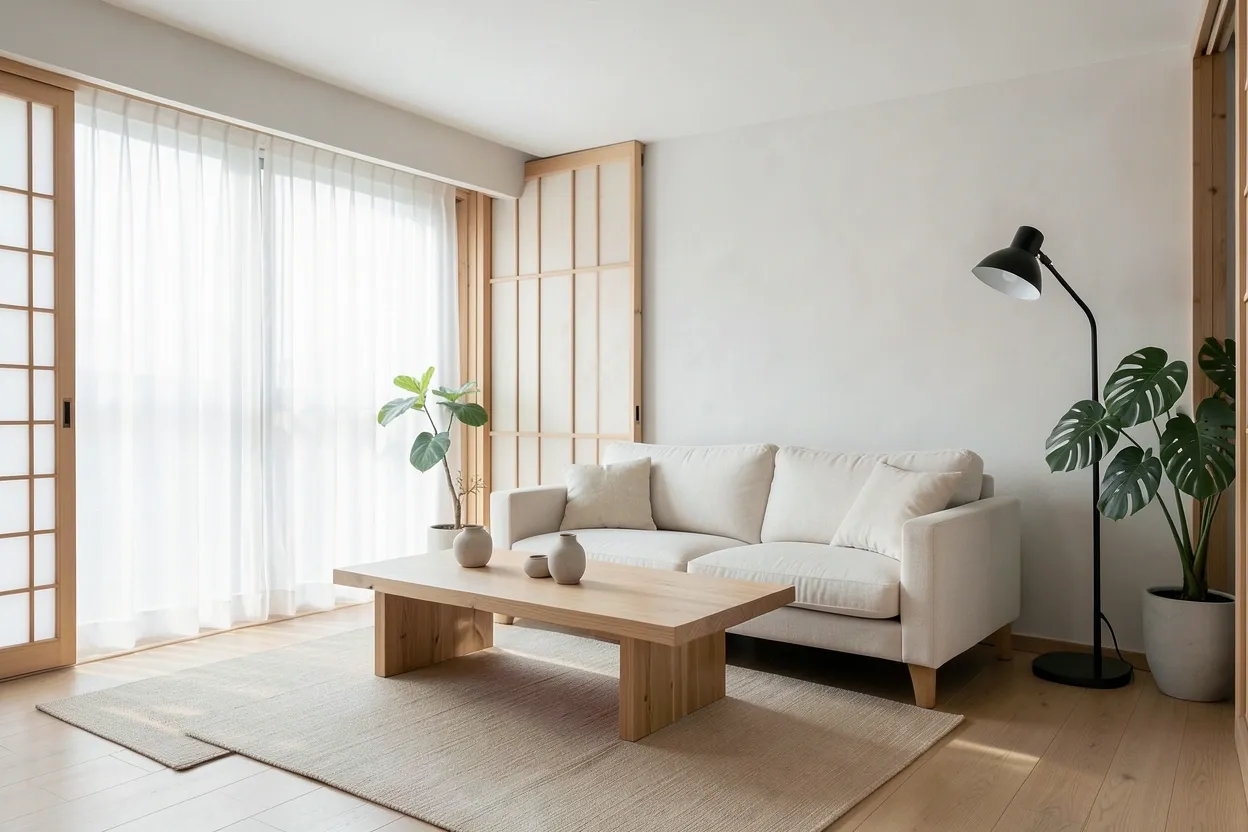
Japandi interior design is a harmonious fusion of Japanese minimalism and Scandinavian hygge, combining the clean, functional aesthetics of Nordic design with the serene, nature-inspired principles of Japanese philosophy. This design style prioritizes simplicity, functionality, and comfort while embracing natural materials, neutral color palettes, and intentional living—creating spaces that feel both calming and inviting. Whether you rent or own, Japandi works especially well in small apartments where every object needs to earn its place.
The philosophy behind Japandi interior design reflects two complementary cultural approaches to home life: the Japanese emphasis on "less is more," connection to nature, and appreciation for imperfection through wabi-sabi, combined with Scandinavian values of hygge (cozy contentment), democratic design, and practical functionality. Together, these traditions create interiors that support mental wellbeing, sustainable living, and intentional consumption patterns while maintaining visual harmony and livable comfort.
What makes Japandi style particularly appealing to renters is its adaptability. Whether in a compact studio apartment, a rented one-bedroom, or a larger shared home, Japandi principles scale appropriately—and most of the key elements are portable, so you can take them with you when you move. The emphasis on quality over quantity, multi-functional furniture, and timeless aesthetics means Japandi interiors age gracefully and resist trend-driven obsolescence.
Quick FAQ
What exactly is Japandi interior design?
Japandi is a design style that merges Japanese minimalism and Scandinavian design principles. It combines Japanese appreciation for simplicity, natural materials, and wabi-sabi with Scandinavian functionality, light colors, and hygge comfort to create balanced, serene living spaces.
How is Japandi different from Scandinavian minimalism?
While both styles value simplicity and natural materials, Japandi incorporates Japanese design elements like lower furniture profiles, stronger connection to craftsmanship, and celebration of imperfection. Japandi tends to feel warmer and more grounded than pure Scandinavian minimalism while maintaining similar clean lines and neutral palettes.
What colors are typical in Japandi interiors?
Japandi color palettes are dominated by neutrals—white, cream, soft gray, beige—as foundation colors, accented with natural wood tones and occasional muted colors like sage green, dusty blue, or warm terracotta. The overall effect is calm, cohesive, and light-enhancing rather than colorful or contrasting.
Is Japandi style expensive to achieve?
Japandi can work across budget ranges. While investment in quality pieces aligns with the philosophy, you can achieve the look through secondhand finds, mixing price points, DIY elements, and focusing on fewer, better items rather than filling space with cheaper alternatives. The emphasis on natural materials and timeless design actually saves money long-term.
What materials are essential for Japandi design?
Natural materials are fundamental: light woods (oak, birch, ash), bamboo, stone, ceramic, wool, linen, and cotton. These materials are often left in their natural state or lightly finished to showcase authenticity and texture. The philosophy celebrates materials that age gracefully and show honest construction.
Can Japandi work in small spaces?
Japandi is exceptionally well-suited to small spaces because both Japanese and Scandinavian design traditions evolved from compact living conditions. The style's emphasis on smart storage, multi-functional furniture, light colors, and decluttering makes rooms feel larger and more organized while maintaining comfort.
As an Amazon Associate I earn from qualifying purchases.
Table of Contents
- 1. Understanding Japandi: The Perfect Design Fusion
- 2. Core Principles: Harmony in Simplicity
- 3. The Neutral Color Palette Foundation
- 4. Natural Materials: Wood, Stone, and Texture
- 5. Furniture: Low Profiles and Clean Lines
- 6. Lighting: Natural and Layered Illumination
- 7. Textiles: Warmth Without Clutter
- 8. Plants and Nature: Biophilic Connection
- 9. Decluttering with Japanese Intention
- 10. Starting Your Japandi Journey
1. Understanding Japandi: The Perfect Design Fusion
Japandi emerged as designers recognized the striking similarities between Japanese minimalism and Scandinavian design—both traditions emphasizing functionality, natural materials, and appreciation for simplicity while addressing different cultural contexts. Japanese design brings centuries of philosophy rooted in Zen Buddhism, wabi-sabi (finding beauty in imperfection), and spatial awareness developed through living with limited square footage. Scandinavian design contributes democratic principles, practical functionality suited to harsh climates, and hygge—the concept of cozy contentment that prevents minimalism from feeling cold.
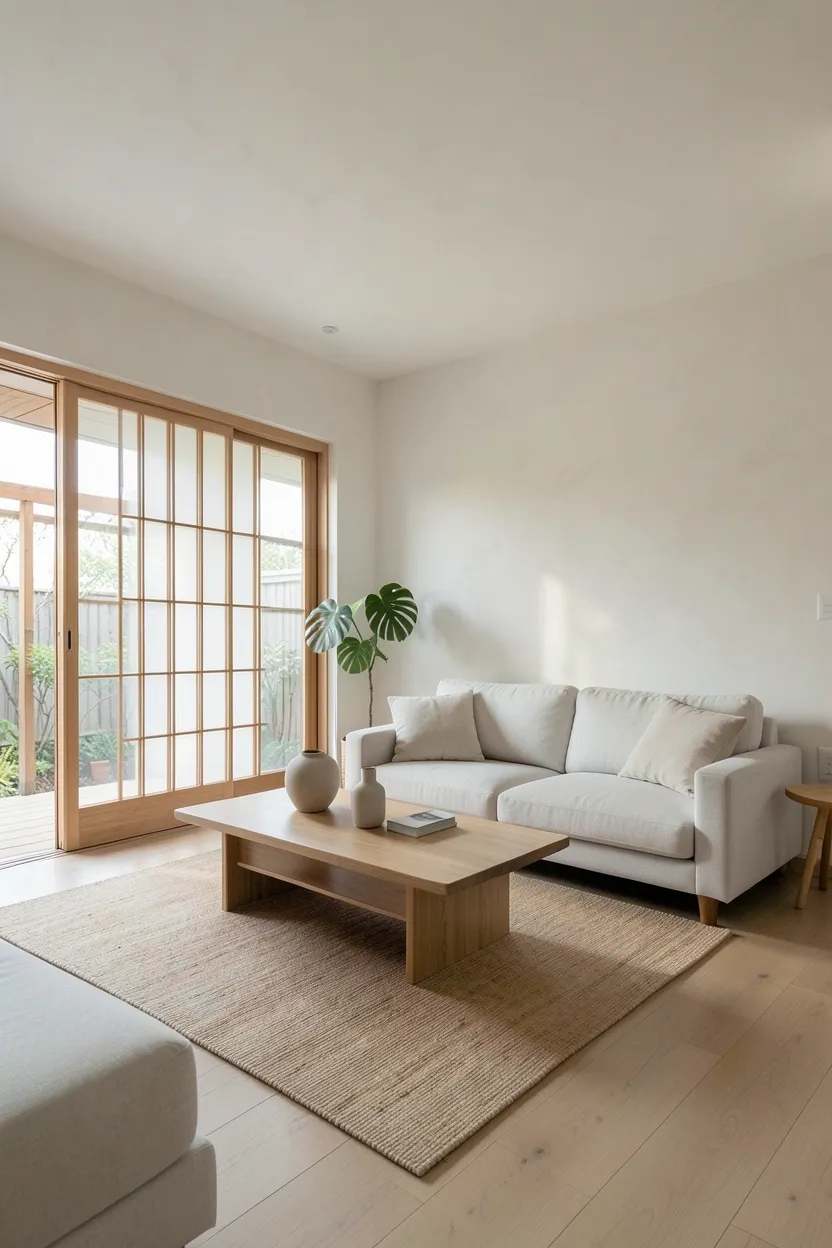
This fusion creates something greater than either style alone. Where pure Scandinavian minimalism can sometimes feel too bright or spacious, Japanese influence adds warmth, texture, and grounding elements. Where Japanese interiors might feel austere or overly restrained, Scandinavian hygge introduces cozy textiles, layered lighting, and inviting comfort. The result is spaces that feel simultaneously calm and welcoming—serene enough for meditation yet comfortable enough for everyday family life.
Tips
- Study both Japanese minimalism and Scandinavian design separately to understand each tradition's contributions
- Notice how high-end hotels and restaurants often blend these styles for sophisticated, calming atmospheres
- Start by identifying elements from each tradition that resonate with your personal preferences
Best for: those seeking a balanced design approach that doesn't sacrifice comfort for minimalism or warmth for simplicity
What this gives you: a design philosophy that honors two complementary cultural approaches to creating peaceful, functional, and beautiful homes.
2. Core Principles: Harmony in Simplicity
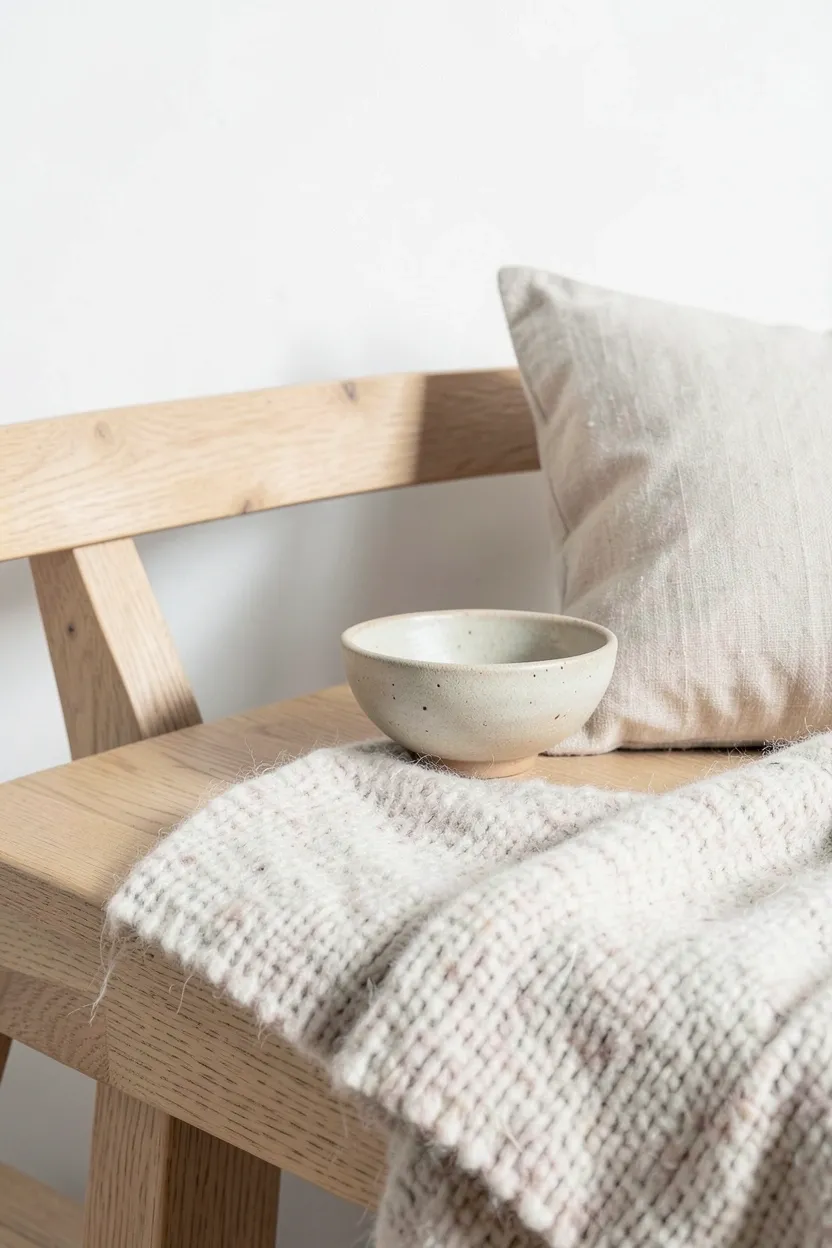
The foundation of Japandi design rests on interconnected principles from both traditions: functionality (every object serves a purpose), natural harmony (materials and colors reflect the natural world), intentional living (surround yourself only with what you use or love), quality over quantity (fewer, better things), and wabi-sabi (appreciating imperfection and authenticity). These principles work together to create spaces that feel considered, calm, and genuinely livable rather than styled or trendy.
Recommended
Items for this idea
Unlike pure minimalism that can prioritize emptiness above all, Japandi embraces lived-in warmth through hygge elements—soft lighting, tactile textiles, and cozy seating arrangements. Unlike Japanese interiors that might feel too restrained for some Western tastes, Japandi incorporates Scandinavian openness and lightness. The sweet spot finds balance: enough objects and warmth to feel welcoming, enough restraint and simplicity to maintain calm. Every object earns its place through either essential function or genuine beauty—ideally both.
Tips
- Before purchasing, ask: "What specific purpose does this serve?" and "Is it genuinely beautiful to me?"
- Practice the "one in, one out" rule to maintain balance and prevent accumulation
- Choose objects that show evidence of craftsmanship or natural variation rather than perfect uniformity
What this gives you: a home filled only with objects that genuinely earn their keep through both practical use and aesthetic pleasure, creating mental clarity and visual calm.
3. The Neutral Color Palette Foundation
Japandi interiors famously employ neutral palettes dominated by white walls, light wood floors, and restrained accents—but this restraint creates a versatile canvas rather than boredom. The foundation consists of whites, creams, soft grays, and warm beiges that maximize natural light, make spaces feel larger, and allow furniture and objects to take precedence rather than compete with colorful surroundings. Natural wood tones (oak, birch, ash) provide warmth and variation without introducing additional colors, while occasional muted accents in sage green, dusty blue, or terracotta add subtle interest.
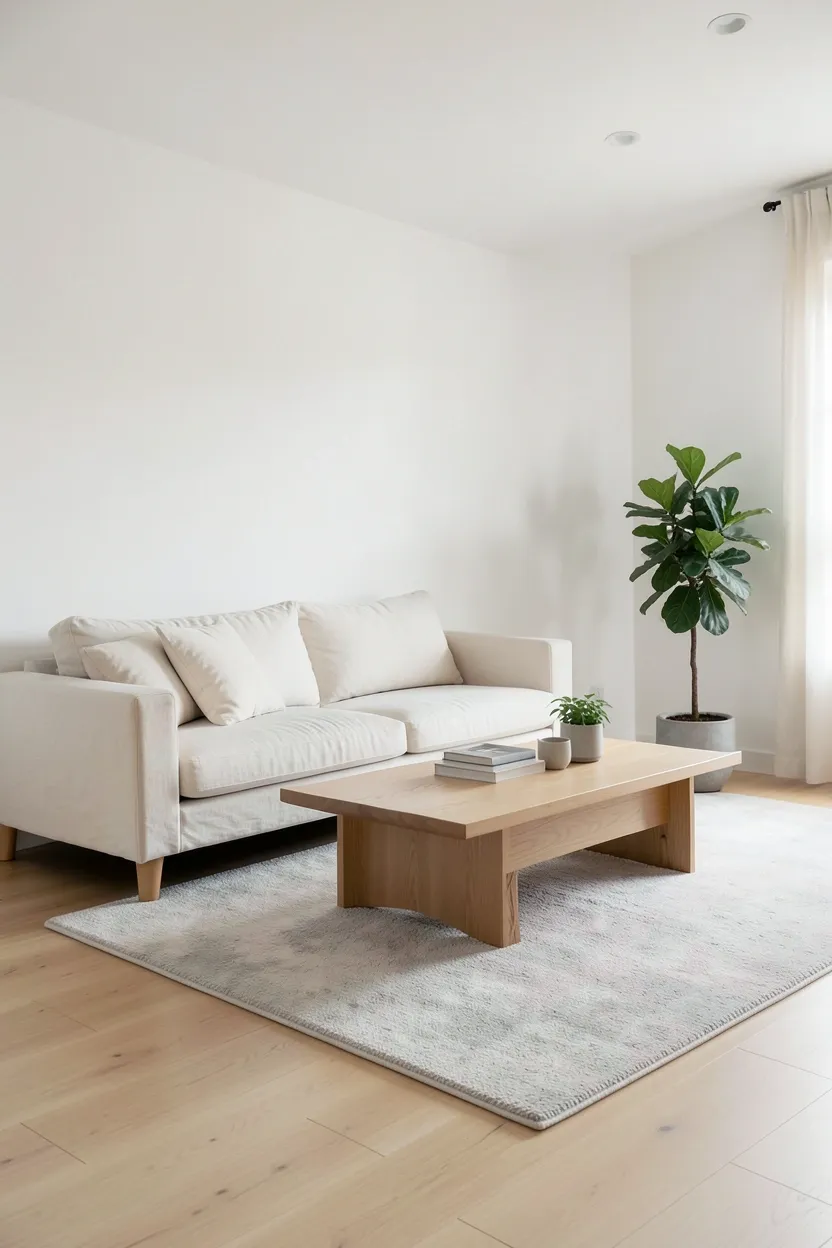
The palette strategy serves multiple functions: neutral colors reflect light (crucial in both Nordic winters and traditional Japanese homes), create visual continuity that makes spaces feel larger, and provide flexibility for seasonal updates through textiles and accessories. Unlike color-forward designs that feel tied to specific eras or trends, Japandi's neutral foundation remains timeless while allowing personality to emerge through material quality, texture variation, and carefully chosen accent pieces rather than color alone.
Tips
- Use varying shades of white and cream rather than stark white to create depth and warmth
- Add color sparingly through easily changed elements (pillows, art, ceramics) rather than permanent fixtures
- Test paint samples at different times of day—natural light dramatically affects how whites appear
Rental note: if you can't paint, use large light-colored textile wall hangings, tall plants, and pale furniture to achieve the brightening effect of white walls
What this gives you: spaces that feel timeless and adaptable rather than tied to specific color trends, with visual calm that supports mental clarity and makes rooms feel significantly larger and brighter.
4. Natural Materials: Wood, Stone, and Texture
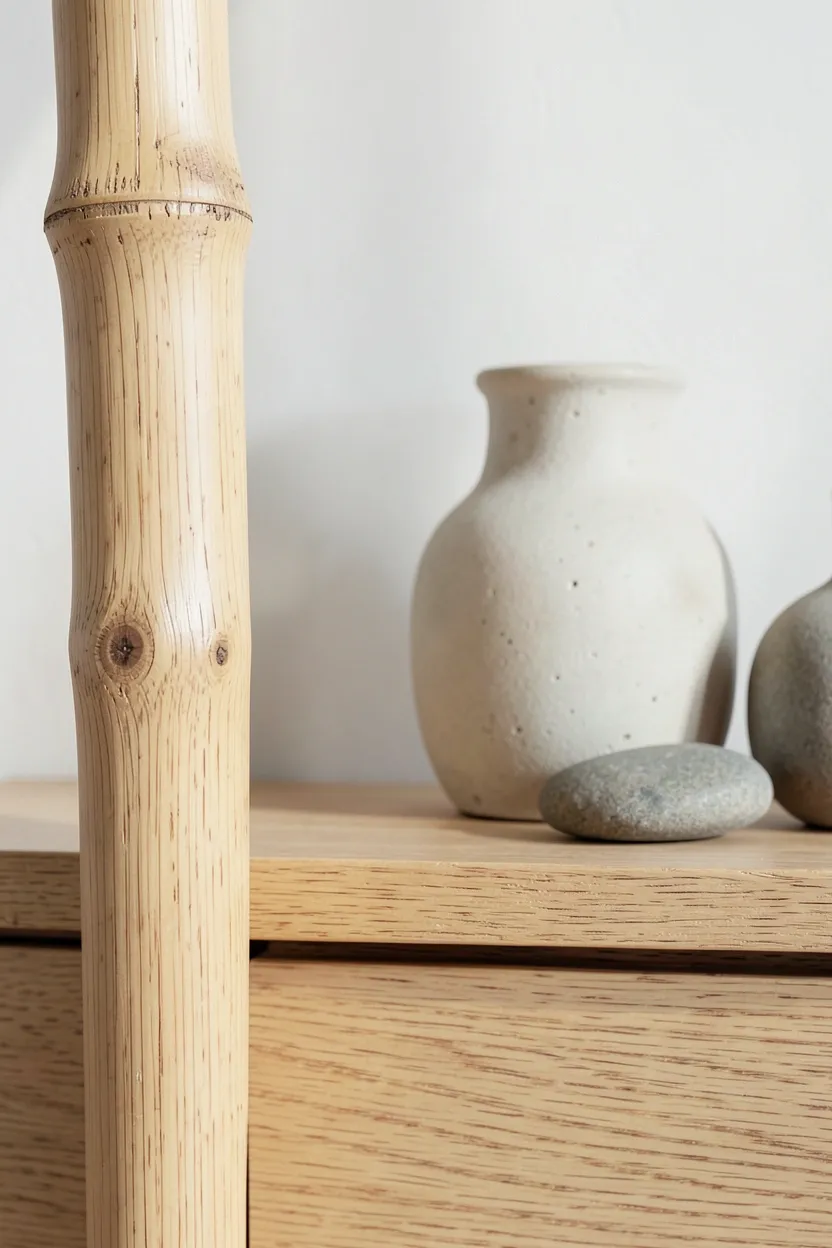
Natural materials are non-negotiable foundation of Japandi design, connecting interiors to both Japanese reverence for natural materials and Scandinavian love of honest construction. Light woods like oak, birch, ash, and pine feature prominently in flooring, furniture, and architectural details, bringing warmth without heaviness. Bamboo appears in furniture and accents, celebrating Japanese tradition while offering sustainability. Stone and ceramic appear in raw, unpolished forms that celebrate natural variation rather than perfection. These materials age gracefully, developing patina that tells stories of use and time.
Recommended
Items for this idea
The emphasis on natural materials reflects both practical and philosophical considerations. Practically, natural materials improve indoor air quality, regulate humidity, and often prove more durable than synthetic alternatives. Philosophically, materials that show evidence of their origin—wood grain, bamboo nodes, stone veining, ceramic imperfections—connect inhabitants to nature and embody wabi-sabi appreciation for authentic beauty rather than manufactured perfection. These materials reward long-term ownership through developing character and improving with age.
Tips
- Choose light wood floors (oak, ash, birch) rather than dark stains to maximize light reflection
- Invest in wool rugs and textiles—they're more durable, naturally flame-resistant, and regulate temperature better than synthetics
- Embrace natural variations in wood grain, stone veining, and ceramic imperfections as features, not flaws
Best for: creating spaces that feel authentic, grounded, and connected to nature—even in high-rise apartments or urban homes
What this gives you: interiors that feel honest and substantial rather than disposable or artificial, with materials that reward long-term ownership through developing character and improving with age.
5. Furniture: Low Profiles and Clean Lines
Japandi furniture combines Scandinavian clean lines and functionality with Japanese low profiles and craftsmanship. The typical Japandi living room features lower seating (sofas and chairs closer to the ground than Western norms), low coffee tables or chabudai-inspired pieces, and furniture that floats above the floor on slender legs, creating visual lightness. This approach reflects both Japanese floor-sitting traditions and Scandinavian love for airy spaces where light can travel freely beneath furniture. The furniture itself emphasizes honest construction, visible joinery, and materials that showcase natural beauty.
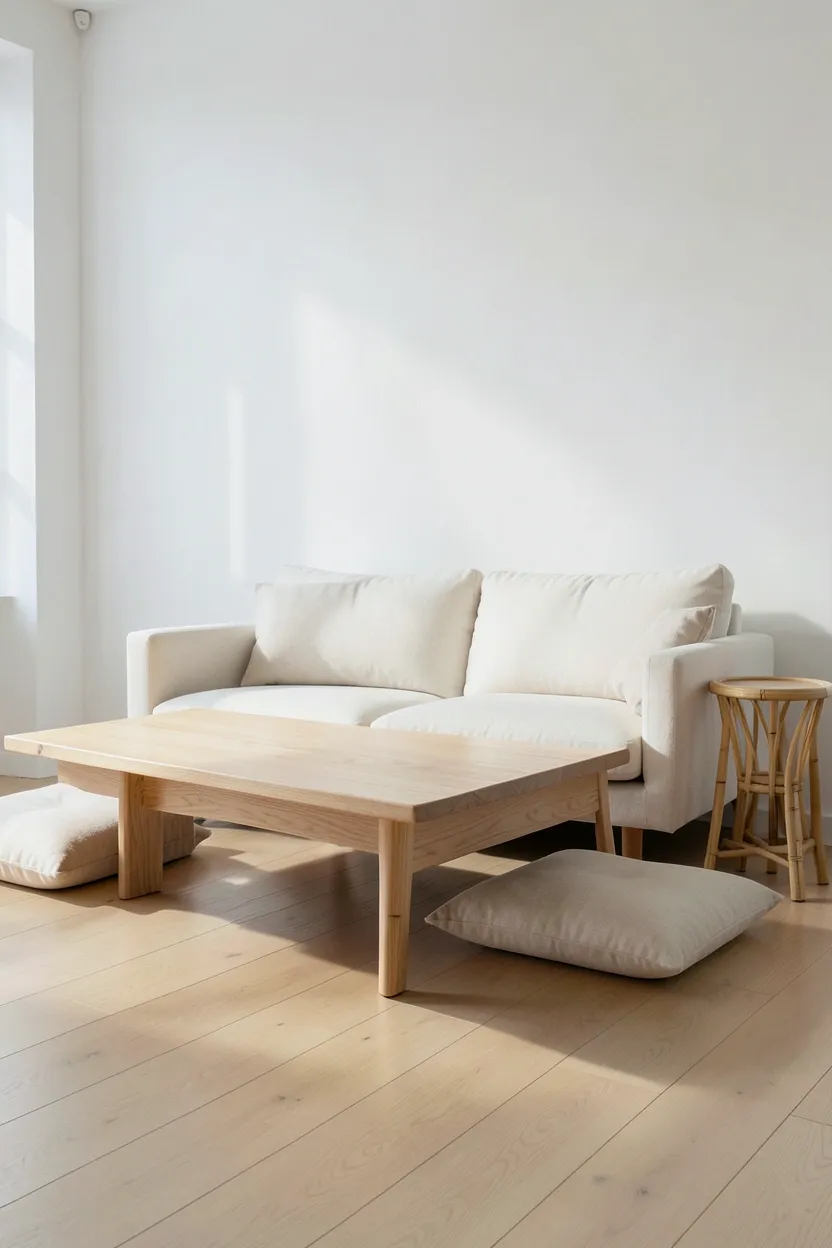
The furniture philosophy prioritizes investment in fewer, better pieces rather than filling spaces with numerous cheaper items. A typical Japandi living room might contain just a low sofa, two armchairs, a coffee table, and a lamp—each piece thoughtfully chosen, well-constructed, and intended for years of use rather than temporary until to next trend. The lower furniture profiles create intimacy while maintaining openness, making rooms feel cozy yet spacious simultaneously. Multi-functional pieces—storage beds, extendable tables, convertible seating—serve multiple purposes without cluttering space.
Tips
- Start with five essential pieces per room: primary seating, secondary seating, surface, storage, lighting
- Consider Japanese floor seating options (floor cushions, low tables) as alternatives to traditional furniture
- Research construction quality—joinery, materials, suspension—rather than just appearance
Budget/Time: save gradually for quality pieces rather than filling spaces immediately with compromises
What this gives you: homes filled with objects you genuinely love and that will serve you for years, eliminating the cycle of buy-replace-repeat that creates both waste and perpetual dissatisfaction.
6. Lighting: Natural and Layered Illumination
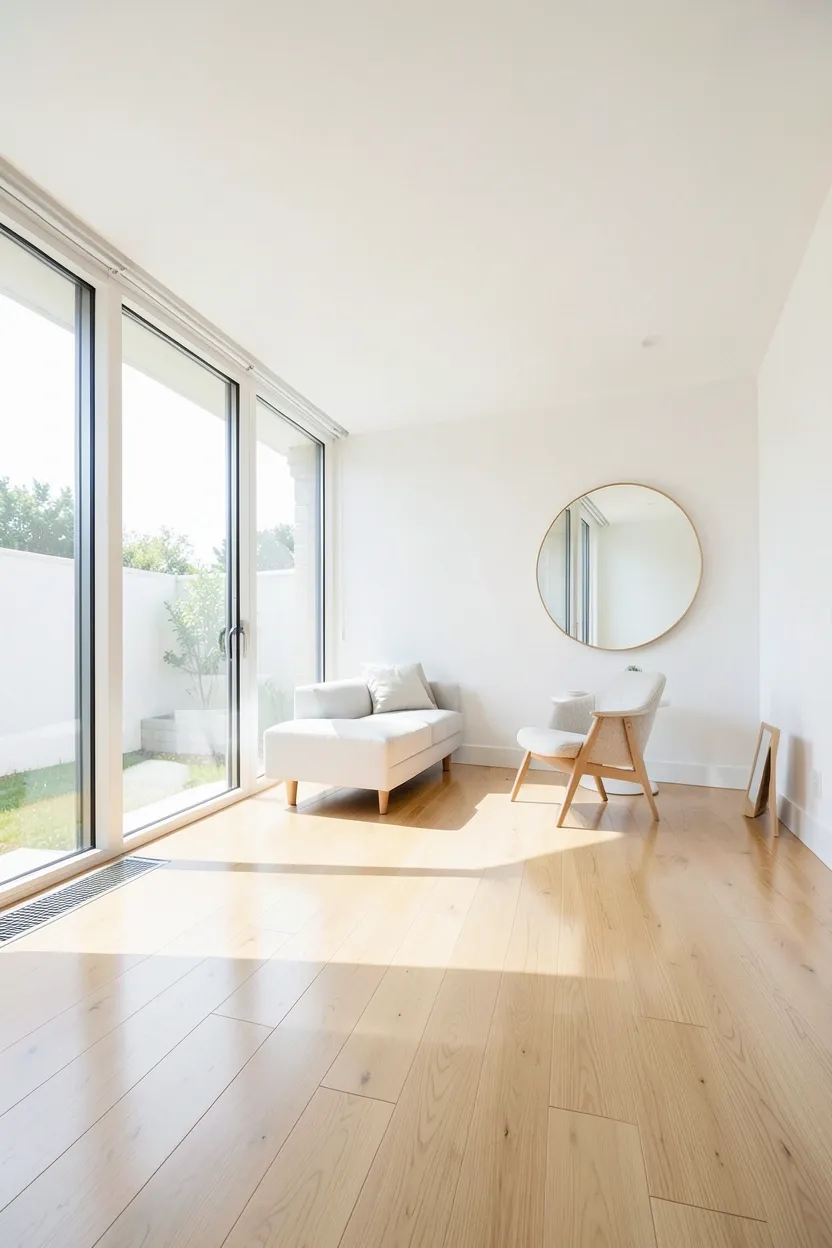
Light is crucial in Japandi design, reflecting both Scandinavian necessity (long dark winters) and Japanese philosophy (appreciation for natural phenomena). The approach maximizes natural light through large windows, reflective surfaces (light floors, mirrors), and minimal window treatments, while creating layered artificial lighting that compensates for darkness and enhances atmosphere. Lighting is treated as a building material rather than afterthought, with entire room layouts planned around light movement throughout the day and mood requirements for different activities.
Recommended
Items for this idea
Artificial lighting follows the Scandinavian three-layer approach: ambient overhead for general illumination, task lighting for specific activities (reading, cooking, working), and accent lighting for highlights and atmosphere. However, Japandi adds Japanese appreciation for lighting as atmosphere-maker—paper lanterns, warm-toned fixtures, and candles create pools of warm light that enhance hygge comfort. The combination of maximized natural light and thoughtfully layered artificial lighting creates spaces that feel uplifting during the day and cozy and intimate at night.
Tips
- Keep window treatments minimal or eliminated—sheer curtains that filter light without blocking are ideal
- Place mirrors opposite windows to double natural light penetration and create brightness
- Use bulbs with warm color temperature (2700K-3000K) and high CRI (90+) for natural color rendering
What this gives you: spaces that feel uplifting and energizing during daylight hours while transforming into warm, intimate retreats in the evening, supporting natural daily rhythms regardless of season.
7. Textiles: Warmth Without Clutter
Textiles serve multiple functions in Japandi interiors: adding warmth without adding clutter, introducing texture for visual interest, and providing tactile comfort that makes minimalist spaces feel welcoming rather than stark. The typical Japandi home uses wool, linen, cotton, and hemp in layers—rugs on floors, throws over furniture, cushions on seating, and minimal window treatments. These textiles soften hard surfaces, absorb sound (making rooms feel acoustically comfortable), and provide seasonal flexibility (layers added in winter, removed in summer) without disrupting visual calm.
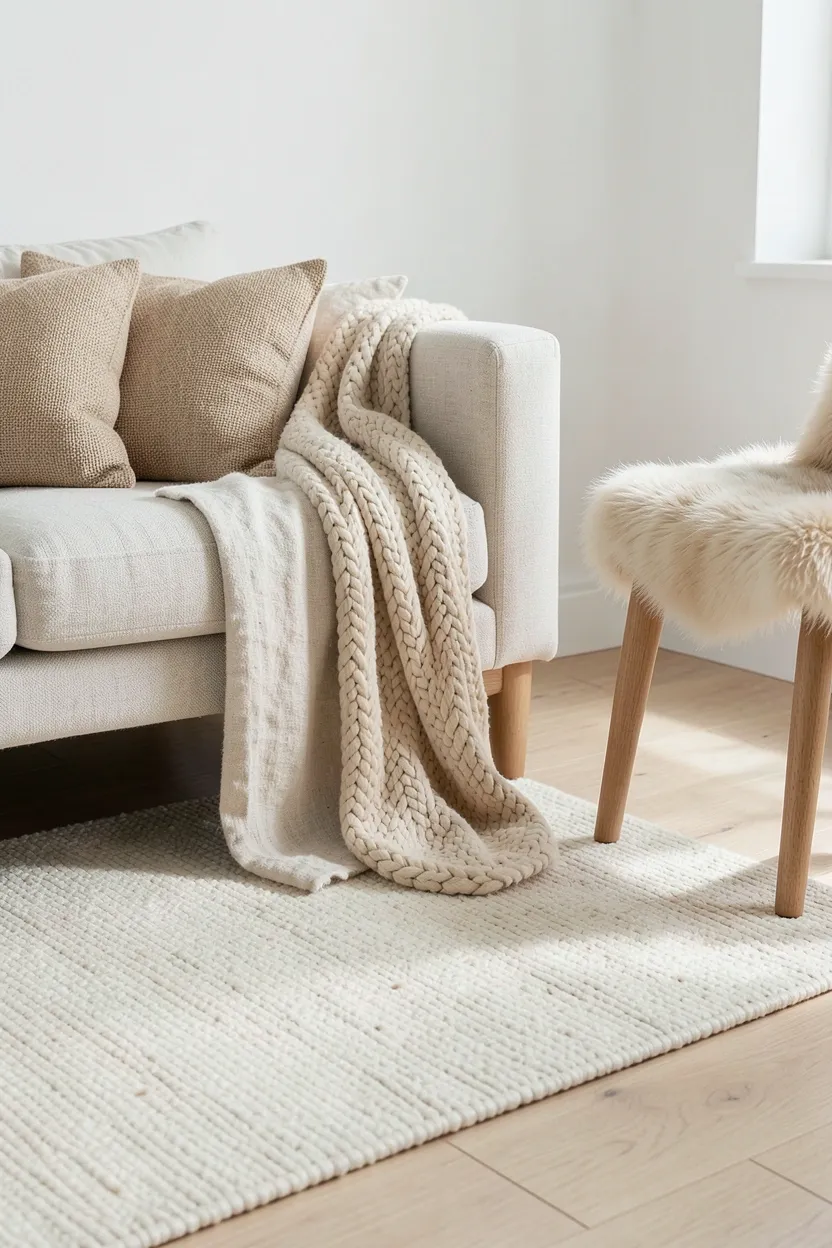
The textile palette remains strictly neutral—whites, creams, grays, natural wool colors—with texture providing visual interest rather than pattern or color. This restraint allows textiles to layer without competing or feeling busy. The emphasis on natural fibers aligns with both Japanese and Scandinavian values of authenticity, sustainability, and material honesty. Unlike synthetic textiles that wear poorly and trap chemicals, natural fibers age gracefully, improve with use, and contribute to healthier indoor environments.
Tips
- Invest in one high-quality wool rug per room rather than multiple cheaper synthetic options
- Keep throws accessible in open baskets or draped casually over furniture arms
- Choose neutral textiles that work across seasons—add color through easily changed accessories
Budget/Time: build textile collections gradually, starting with rugs for high-traffic areas and adding throws and cushions as budget allows
What this gives you: rooms that feel warm and welcoming regardless of temperature, with sound absorption that makes spaces feel intimate and comfortable rather than echoey or harsh.
8. Plants and Nature: Biophilic Connection
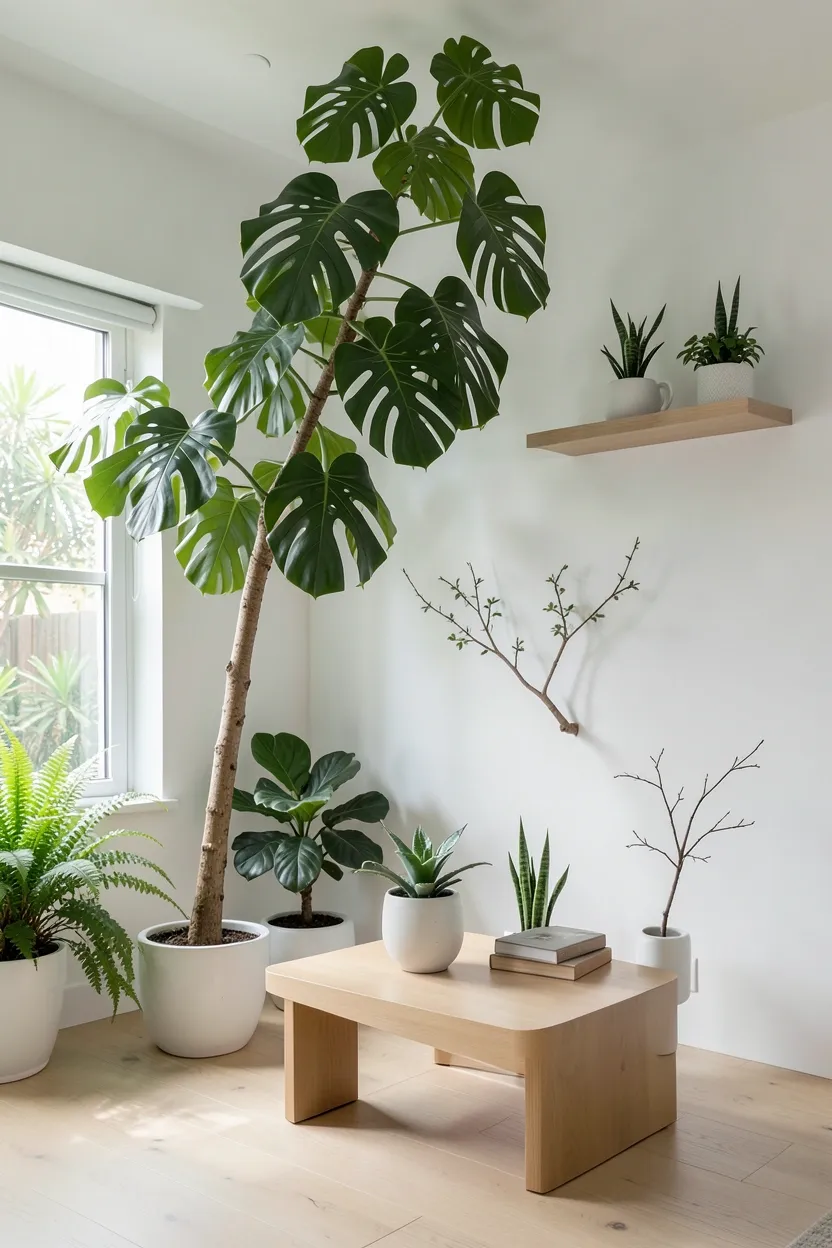
Plants and natural elements bridge the gap between indoor living and both Japanese reverence for nature and Scandinavian biophilic design, adding life, color, and organic beauty to minimalist spaces. The typical Japandi interior includes greenery—sometimes abundant, sometimes minimal but always present. Large potted plants anchor corners, smaller plants sit on shelves and windowsills, fresh cut flowers appear in ceramic vases seasonally. These living elements connect inhabitants to natural cycles (growth, seasons, change) while improving air quality and providing mental health benefits proven to come from biophilic design.
Recommended
Items for this idea
Plant selection reflects both traditions: Japanese appreciation for bonsai, ikebana-inspired arrangements, and disciplined growth patterns, combined with Scandinavian love for abundant, flowing greenery that maximizes nature connection. The plants themselves are chosen for their sculptural qualities, leaf shapes that complement architectural lines, and ability to thrive in indoor conditions. Natural elements beyond plants—driftwood, stones, shells, dried botanicals—appear sparingly as intentional accents that reinforce the nature connection without clutter.
Tips
- Start with low-maintenance plants if you're new to indoor gardening—snake plants, pothos, ZZ plants
- Use plants as architectural elements—large plants can define zones or hide awkward corners
- Group plants in odd numbers (1, 3, 5) for more natural arrangements
Avoid if: you travel frequently or lack natural light—consider realistic artificial plants or dried botanical arrangements instead
What this gives you: interiors that feel alive and connected to natural rhythms, with documented benefits for mood, air quality, and mental wellbeing.
9. Decluttering with Japanese Intention
Japandi decluttering differs from Western minimalism in its emphasis on intention rather than elimination. The goal isn't the fewest possible objects, but rather the most meaningful objects—surrounded only by what you use, love, or find genuinely beautiful. This approach draws from Japanese practices like Danshari (decluttering) and Marie Kondo's KonMari method, focusing on surrounding yourself only with items that "spark joy" or serve essential functions. The process feels like curation rather than deprivation, like editing a collection to show each piece to best advantage.
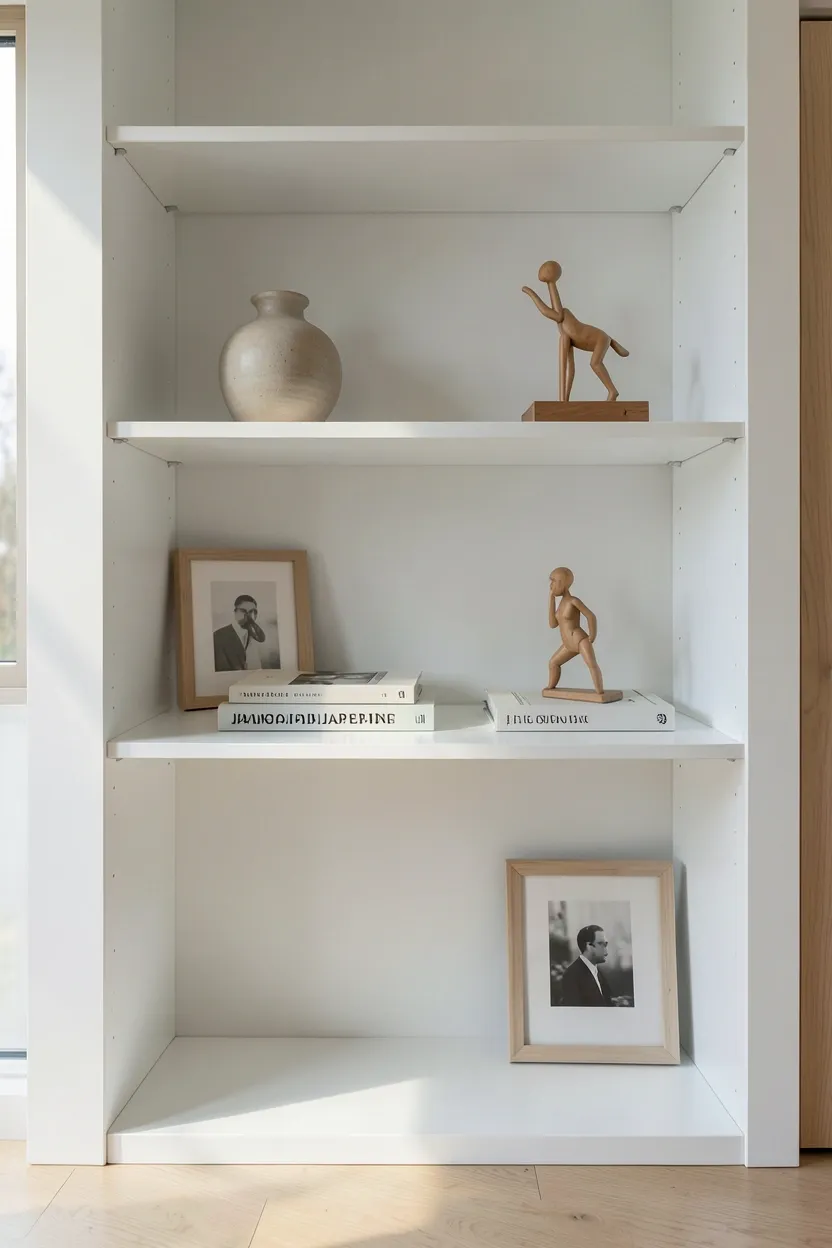
Unlike extreme minimalism that can feel sterile or impersonal, Japandi decluttering maintains warmth and personality through careful curation. The philosophy acknowledges that different people have different thresholds for objects—some thrive with fewer items, others need more to feel comfortable. What matters is intentionality: every object should have a reason for being in your space, whether functional, aesthetic, or sentimental. This approach makes decluttering sustainable and personally meaningful rather than following arbitrary rules.
Tips
- Start with one drawer or shelf, not entire rooms—small wins build momentum without overwhelm
- Create "maybe" boxes for items you're unsure about—store for 6 months and remove if unused
- Focus on keeping the best rather than getting rid of the rest—mindset shift from loss to curation
What this gives you: spaces that feel personally curated and meaningful rather than generically minimal, with every object either serving a function or bringing joy—often both.
10. Starting Your Japandi Interior Design Journey
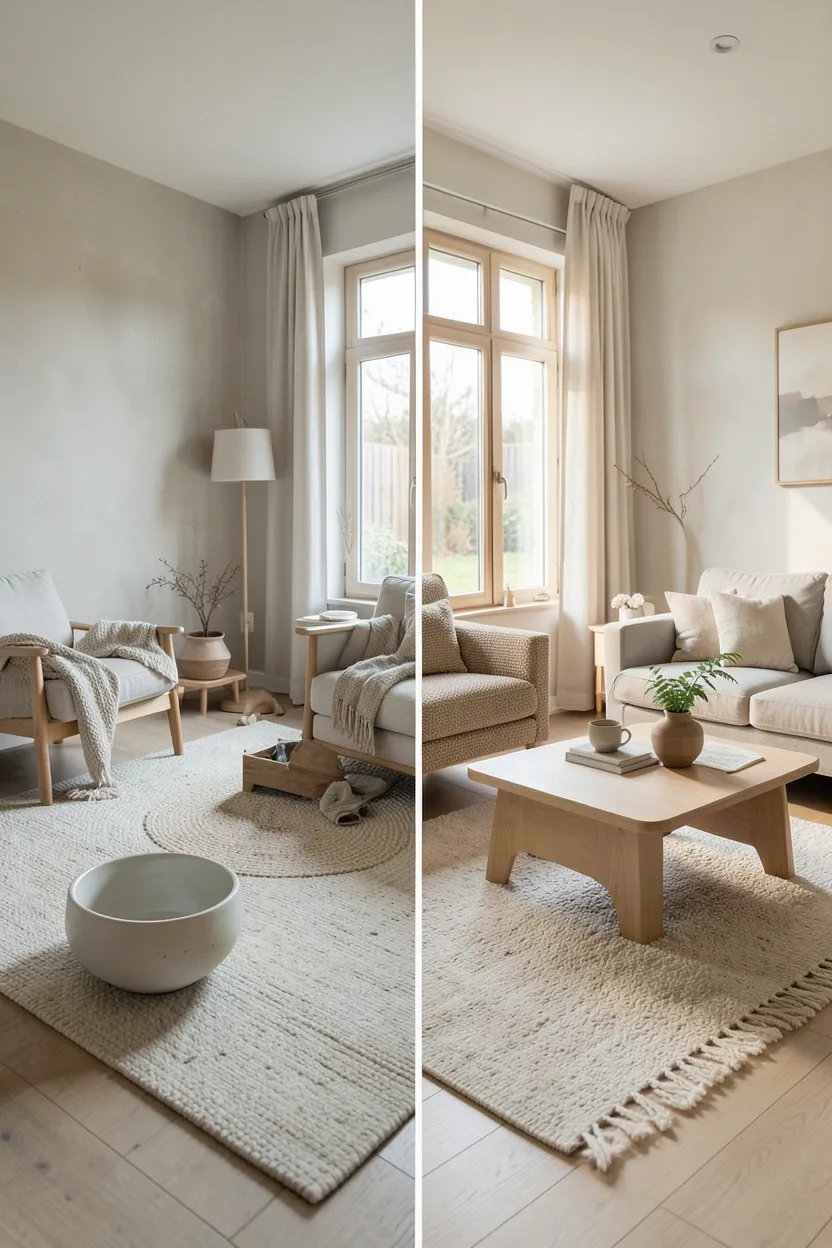
Embracing Japandi interior design doesn't require complete renovation or expensive investment—it can begin with small, intentional changes that gradually transform your space. This is especially good news for renters: most Japandi upgrades are portable and renter-friendly by nature. Start by decluttering one room, focusing on removing items that don't serve a purpose or bring genuine joy. Introduce natural materials gradually—replace a plastic bowl with a ceramic one, add a wool rug, swap synthetic curtains for linen. Lower your furniture profile where possible—swap a high coffee table for a low wooden one, add floor cushions for alternative seating. These incremental changes create momentum and help you discover what aspects of Japandi resonate most with your lifestyle.
Recommended
Items for this idea
Remember that Japandi is a philosophy, not a rigid set of rules. Adapt the principles to your space, budget, and lifestyle. If you love color, introduce it through textiles and art rather than walls. If you live in a rental, focus on portable elements you can take with you—furniture, rugs, lighting, plants. The goal isn't achieving the perfect Japandi room but creating a home that feels calmer, more intentional, and more connected to natural beauty through thoughtful design choices.
Tips
- Document your space with photos before starting—you'll be amazed at how much progress even small changes create
- Follow Japandi accounts on social media for daily inspiration and practical ideas
- Join online communities of Japandi enthusiasts to share progress and learn from others
Best for: anyone seeking to create a calmer, more intentional home environment regardless of budget, space constraints, or design experience
What this gives you: a personalized approach to Japandi that reflects your needs, preferences, and lifestyle while honoring the core principles of harmony, simplicity, and natural beauty.
Japandi interior design offers a timeless approach to creating homes that feel simultaneously calm and welcoming, simple yet rich, functional yet beautiful. By harmonizing Japanese minimalism's reverence for nature, appreciation for simplicity, and celebration of imperfection with Scandinavian design's functionality, democratic principles, and hygge comfort, Japandi creates spaces that support mental wellbeing, sustainable living, and intentional consumption. For renters especially, this style is a gift: the core elements—quality furniture, natural textiles, plants, ceramics, layered lighting—travel with you from apartment to apartment, building a cohesive, personal aesthetic regardless of where you live. Whether transforming an entire home or making small, gradual changes, Japandi style leads to interiors that feel authentic, peaceful, and deeply personal—spaces where quality triumphs over quantity, natural materials tell honest stories, and every object earns its place through beauty, function, or both.
About the author
OBCD
CGI visualization and interior design content. We create detailed 3D renders and curate practical design ideas for every room in your home.