22 Small Backyard Ideas for a Cozy Outdoor Space
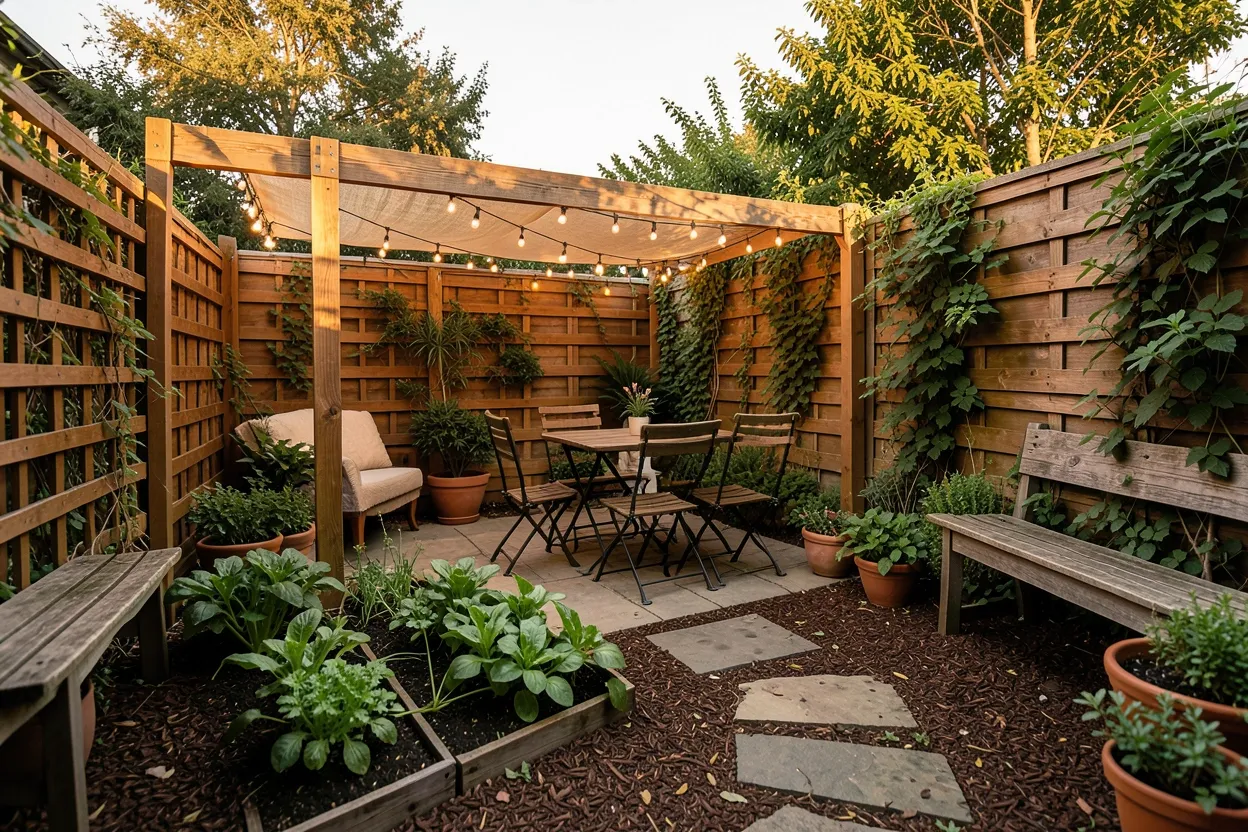
Transforming limited outdoor square footage into a functional and beautiful retreat requires thoughtful planning and creative design solutions. Small backyard ideas focus on maximizing every inch through vertical growing, multi-functional elements, and strategic zoning that makes tiny spaces feel expansive and intentional.
Whether you're working with a compact urban courtyard or a modest suburban yard, these practical and stylish approaches demonstrate how outdoor living spaces can deliver big impact regardless of size limitations. From cozy seating nooks and productive container gardens to clever lighting and artistic features, each solution adds functionality while enhancing visual appeal.
Small backyard design emphasizes quality over quantity—choosing meaningful features that serve multiple purposes while creating inviting atmospheres for relaxation and entertainment. These ideas work independently or in combination, allowing you to customize approaches based on your specific needs, climate, and personal style preferences.
Quick FAQ
What's the most important element in a small backyard?
Multi-functional design is key—choose elements that serve multiple purposes like seating with built-in storage or vertical growing that doubles as screening. Prioritize features you'll use frequently rather than decorative elements that sit unused.
How can I make my small backyard feel bigger?
Create visual depth through layering with vertical elements, strategic lighting, and mirrors. Use winding pathways rather than straight lines to slow movement and create perceived space, and choose scaled-down furniture that doesn't overwhelm the area.
What are the best plants for small outdoor spaces?
Focus on compact varieties like patio trees, dwarf shrubs, and container-friendly perennials. Vertical growers like climbing roses or clematis maximize vertical space, while herbs and succulents provide productive planting in minimal square footage.
How do I maintain a small backyard without excessive work?
Choose low-maintenance materials like composite decking, perennial plantings, and automated irrigation. Group containers for easier watering, select disease-resistant plant varieties, and prioritize hardscaping over high-maintenance lawn areas.
As an Amazon Associate I earn from qualifying purchases.
Table of Contents
- 1. Cozy Seating Nook with String Lights
- 2. Mini Patio with Bistro Table
- 3. Compact Vegetable Garden Beds
- 4. Vertical Garden Wall
- 5. Small Water Feature
- 6. Fire Pit Gathering Spot
- 7. Privacy Screen with Trellis
- 8. Mulched Pathway Through Garden
- 9. Outdoor Rug Under Seating
- 10. Potted Herb Collection
- 11. Solar Accent Lighting
- 12. Built-in Bench Along Fence
- 13. Mini Hammock Corner
- 14. Shade Sail or Pergola
- 15. Outdoor Mirror Feature
- 16. Succulent Ground Cover
- 17. Bistro String Light Curtain
- 18. Floating Shelves for Plants
- 19. Compact Dining Set
- 20. Artful Pebble Mosaic
- 21. Outdoor Art Wall
- 22. Multi-Level Planting Boxes
1. Cozy Seating Nook with String Lights
Create an intimate small backyard sanctuary by installing warm white string lights above a comfortable two-seat nook. This small backyard idea transforms even the tiniest corner into an inviting space for evening conversations or solitary relaxation, bringing that cozy outdoor atmosphere you crave.
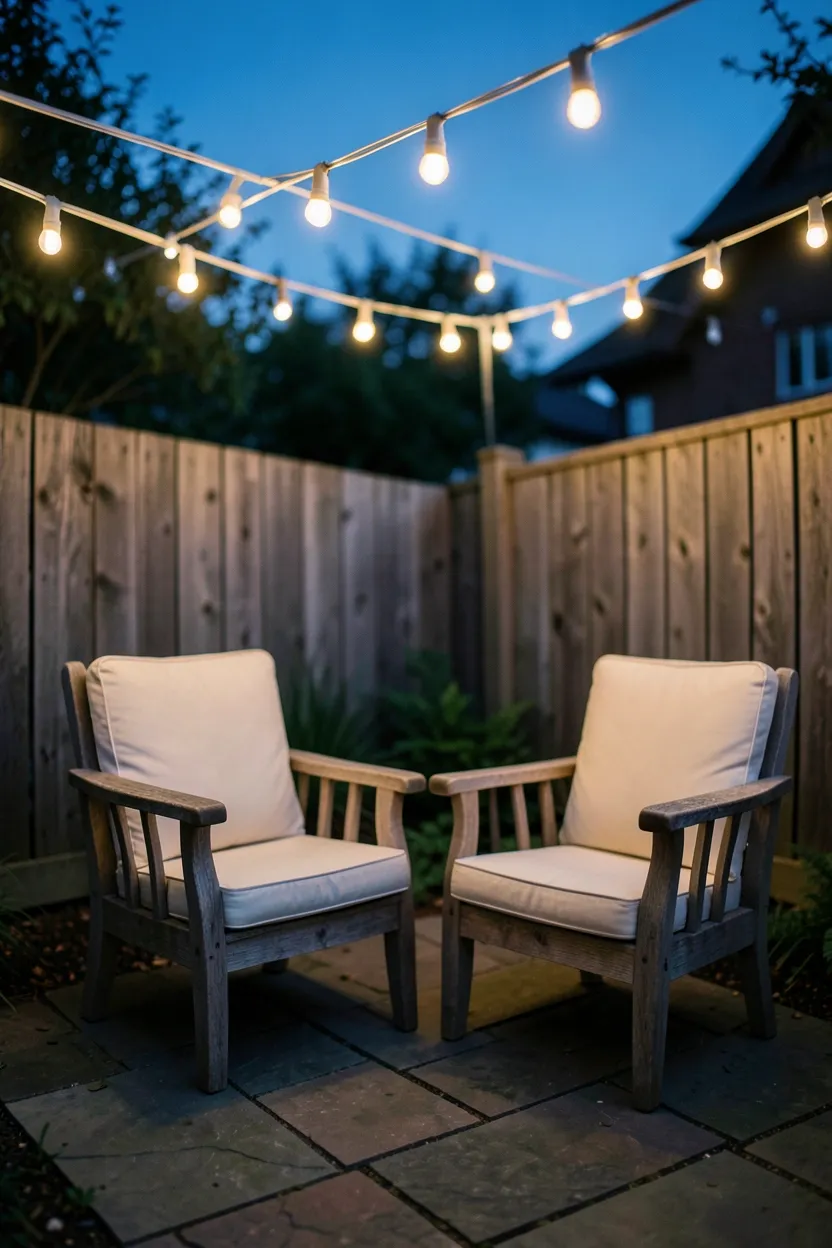
The soft glow from LED string lights creates a magical ambiance after sunset, while weather-resistant cushions in neutral tones add comfort and style. Position the seating near a wall or fence for privacy, and hang the lights overhead at varying heights for visual interest. Avoid harsh flood lighting that kills the cozy vibe—stick with warm-toned bulbs around 2700K.
Installation takes just an afternoon with outdoor-rated clips and a simple plug-in system. Maintenance involves checking connections seasonally and storing cushions indoors during winter months. For a more elaborate setup, solar-powered options eliminate the need for electrical outlets but may require strategic sun exposure.
Do: Use 25-50 LED bulbs per 10 feet for optimal brightness without overwhelming the space
Don't: Mix warm and cool white bulbs—inconsistent color temperatures look amateur
If: You have limited overhead space, install vertical tension wire systems between posts
What this gives you: An instantly usable evening retreat that extends your outdoor living time by 2-3 hours daily.
We picked a few things that go well with this idea: Brightever 100FT LED Outdoor String Lights (★4.6), 100FT Remote Dimmable Waterproof LED Patio String Lights (★4.3) and addlon 100FT Remote LED Patio String Lights (★4.6). As an Amazon Associate we earn from qualifying purchases.
2. Mini Patio with Bistro Table
A compact bistro setup brings European cafe charm to your small backyard without overwhelming the limited space. Choose a round table measuring 28-36 inches in diameter paired with two slim chairs to maintain flow while providing a perfect spot for morning coffee or intimate outdoor dining.
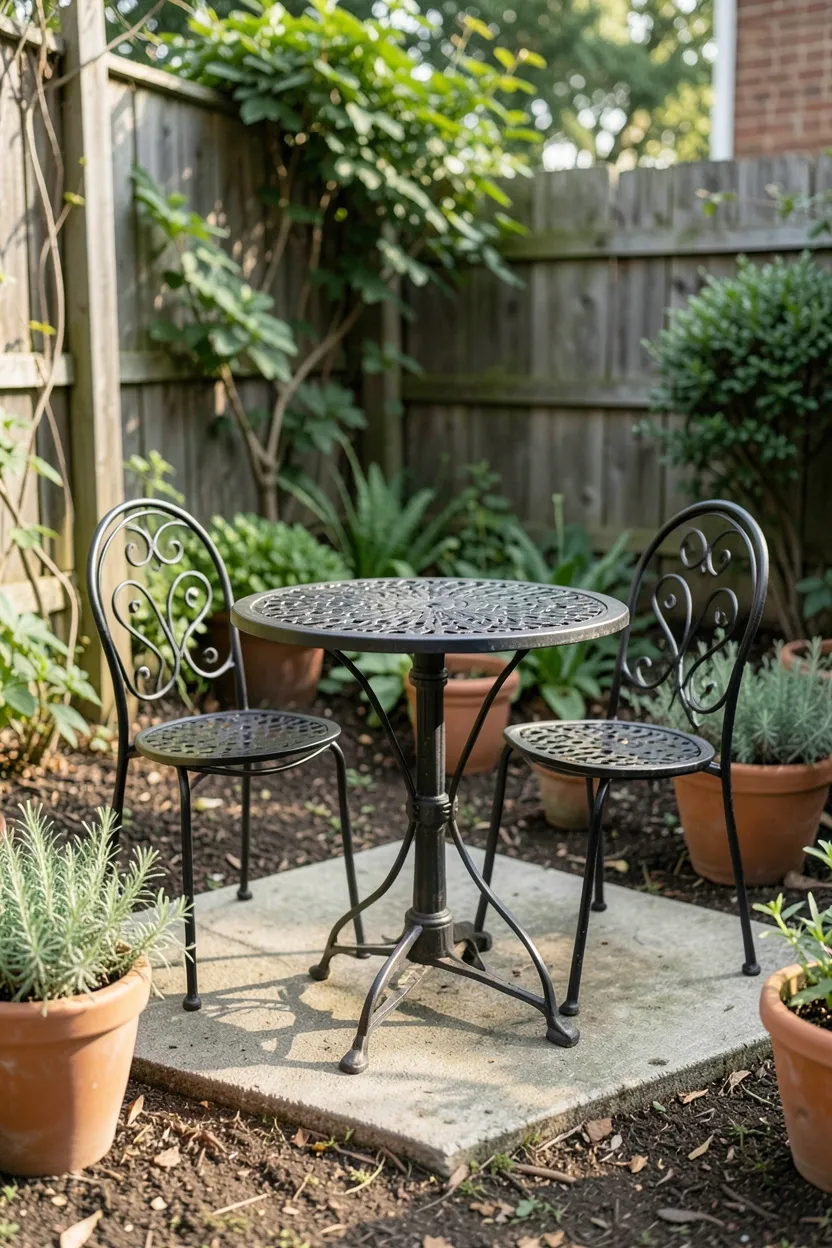
Material selection matters for durability—wrought iron with rust-resistant coating offers classic appeal, while aluminum provides lightweight versatility. Add weather-resistant cushions in subtle patterns or solid neutrals to soften the look. Position the mini patio on a level surface using pavers or a small concrete pad to ensure stability during use.
Placement should prioritize morning sun exposure for breakfast enjoyment, with afternoon shade options like a small umbrella or nearby tree canopy. Consider wind patterns—avoid corners where drafts create uncomfortable conditions during meals.
Pro: Round tables accommodate tighter spaces better than rectangular alternatives
Con: Limited surface area may require adjacent shelf or small side table
Fix: Install a narrow wall-mounted shelf behind seating for drinks and small items
What this gives you: A dedicated dining space that makes small backyard entertaining feel special and intentional.
We picked a few things that go well with this idea: 3-Piece Folding Outdoor Bistro Table Chair Set (★4.4), C/G 3-Piece Cast Aluminum Antique Bistro Set (★4.6) and Flamaker 3-Piece Wicker Rattan Patio Bistro Set (★4.4). As an Amazon Associate we earn from qualifying purchases.
3. Compact Vegetable Garden Beds
Transform your small backyard into a productive growing space with raised garden beds measuring just 2x4 feet each. These compact vegetable beds fit perfectly along fences or in sunny corners, providing fresh herbs and vegetables while adding vibrant greenery to your outdoor space.
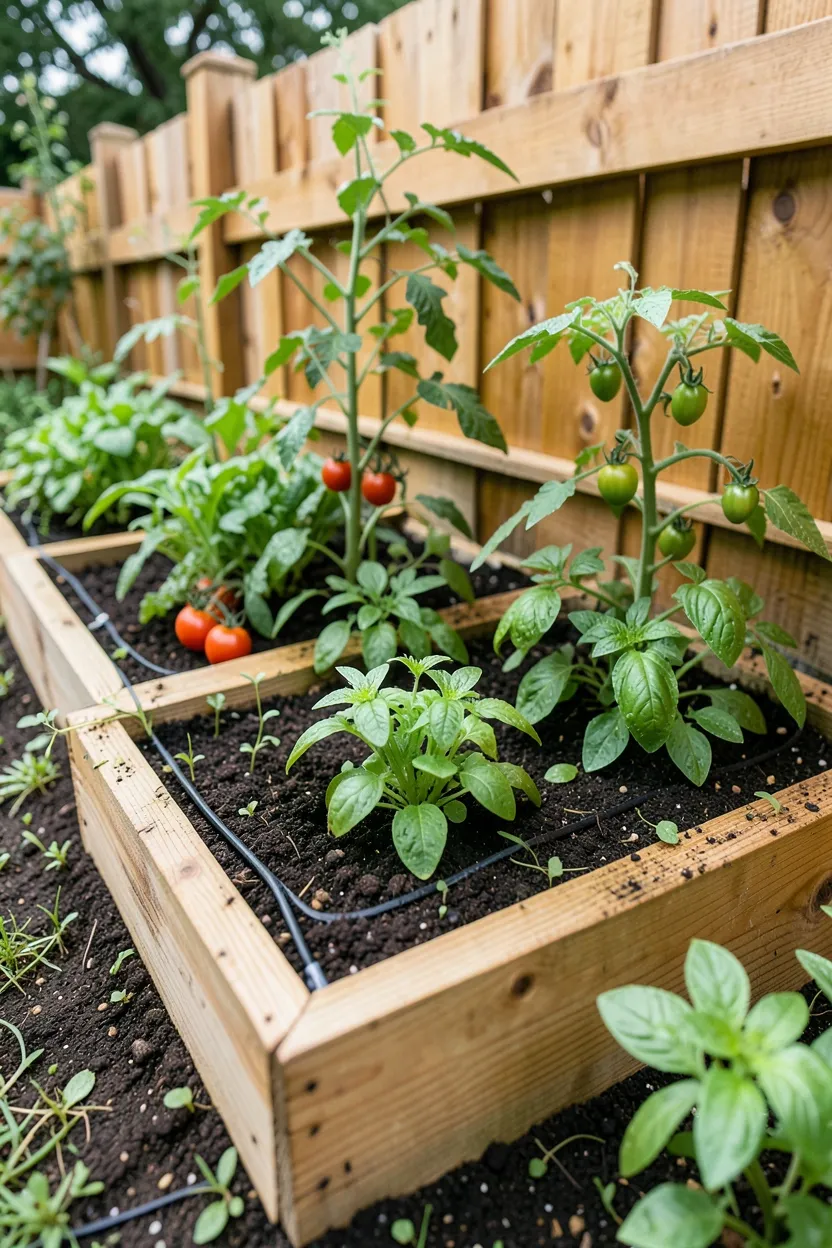
Construct beds from cedar or redwood for natural rot resistance, or use recycled plastic lumber for a modern low-maintenance option. Fill with quality soil mix containing compost, perlite, and peat moss for optimal drainage. Choose compact varieties like bush tomatoes, salad greens, and herbs that thrive in limited space.
Position beds where they receive 6-8 hours of direct sunlight daily, with easy access to water sources. Leave 18-inch pathways between multiple beds for comfortable maintenance access. Consider adding trellises on the north side for vertical growing of beans or peas.
If: You have poor soil quality, raised beds provide complete control over growing medium
Then: Install simple drip irrigation on timers for consistent moisture
Why it works: Raised soil warms faster in spring, extending your growing season
Micro-budget: Start with 1-2 beds under $100 including soil and seeds
What this gives you: A productive small backyard feature that yields fresh produce while enhancing your connection to nature.
We picked a few things that go well with this idea: Elevated Raised Planter Box on Wheels (★4.5), JERIA 2-Pack Galvanized 4x2ft Raised Garden Bed (★4.7) and DUMOS 48x24in Wood Elevated Raised Garden Bed (★4.6). As an Amazon Associate we earn from qualifying purchases.
4. Vertical Garden Wall
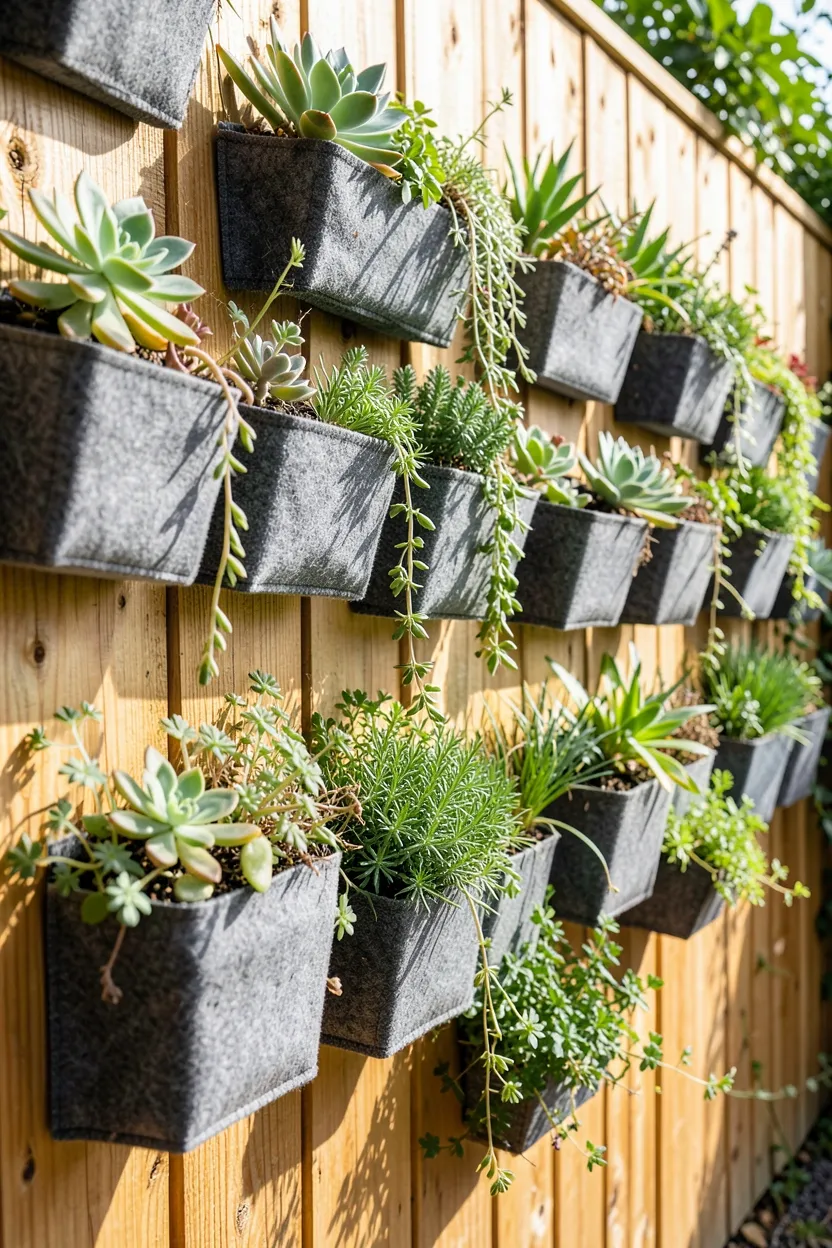
Install a vertical garden wall using modular planters mounted on a fence or exterior wall to maximize small backyard growing space without sacrificing ground area. This innovative approach creates living artwork while doubling your planting capacity through vertical stacking.
Recommended
Items for this idea
Choose modular pocket planters made from breathable felt or rigid plastic with built-in irrigation channels. Arrange in geometric patterns or organic clusters depending on your aesthetic preference. Plant drought-tolerant succulents, trailing vines, or herbs that thrive in vertical environments and require minimal soil depth.
Placement note: Position on north-facing walls in hot climates to prevent sun scorch, or south-facing in cooler zones for maximum light exposure.
Maintain consistent moisture through drip irrigation or careful hand watering. The vertical format requires more frequent attention than ground planting but dramatically increases usable space. Expect to spend 15-20 minutes weekly on maintenance tasks.
Do: Include a variety of textures with trailing plants mixed with upright specimens
Don't: Overplant pockets—allow 2-3 inches of growth space per plant
If: Water access is limited, select drought-resistant varieties like sedums and echeveria
What this gives you: A dramatic small backyard feature that creates lush greenery while preserving valuable floor space.
5. Small Water Feature
Add a compact water feature like a bubble fountain or small pondless waterfall to introduce calming sounds and movement to your small backyard. Water elements create a sense of tranquility while attracting birds and beneficial wildlife to your outdoor sanctuary.
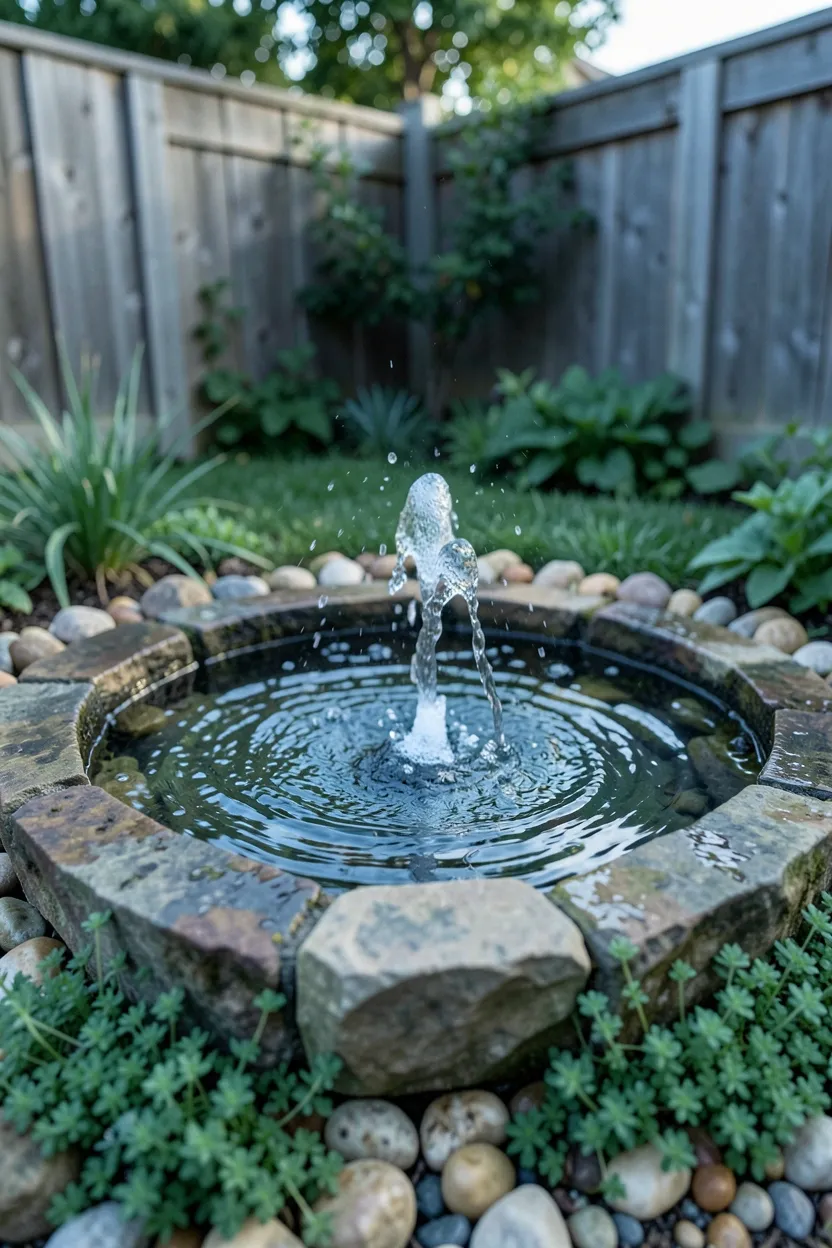
Choose bubble fountains for minimal space requirements and child safety—they use a simple submersible pump and decorative stone basin. For more drama, consider a small pondless waterfall where water recirculates underground without a standing pool. Both options require minimal maintenance compared to traditional ponds.
Position near seating areas to maximize auditory benefits, but avoid placing directly under trees where falling debris creates cleanup issues. Install GFCI-protected outlets and ensure proper drainage away from foundations. Budget 4-6 hours for installation including electrical work.
Pro: Moving water masks neighborhood noise and creates privacy
Con: Algae growth requires occasional cleaning and maintenance
Fix: Add beneficial bacteria tablets monthly to prevent algae naturally
What this gives you: A peaceful small backyard atmosphere that transforms your outdoor space into a calming retreat.
6. Fire Pit Gathering Spot
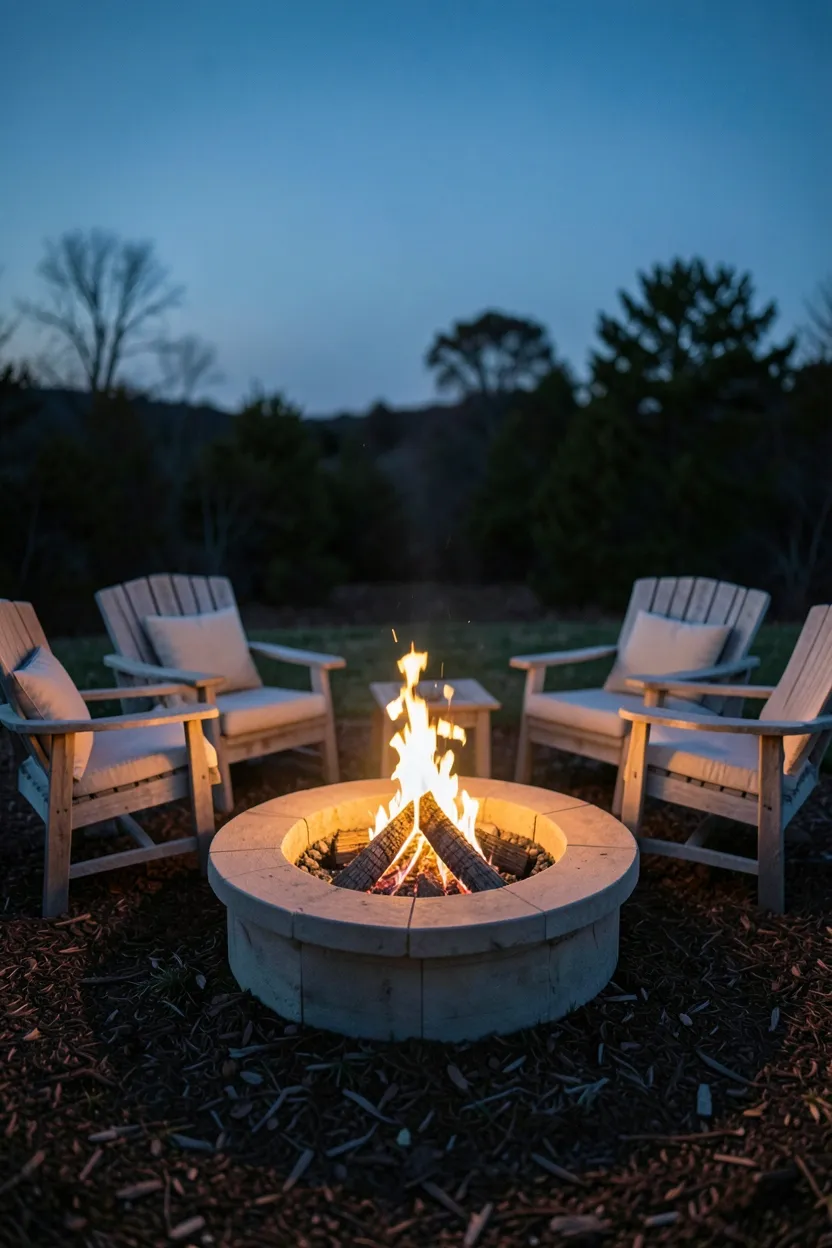
Create a cozy gathering point with a compact fire pit that becomes the natural focal point of your small backyard during cool evenings. Whether you choose a portable bowl or built-in design, fire pits provide warmth and ambiance while extending outdoor living time throughout fall and winter months.
Recommended
Items for this idea
Portable gas fire pits offer convenience with instant flames and no ash cleanup, while wood-burning options provide traditional crackling sounds and aroma. For built-in designs, consider natural stone or concrete blocks that complement your existing hardscaping. Ensure a minimum 10-foot clearance from structures and overhanging branches.
Placement note: Position the fire pit downwind from seating areas to minimize smoke drift, and orient seating for conversation rather than facing the flames directly.
Surround with 4-6 comfortable chairs or built-in bench seating with weather-resistant cushions. Add side tables for drinks and marshmallows, and consider storing firewood in a decorative bin nearby. Maintain the area regularly by clearing debris and checking for rust or damage.
Common mistake: Installing fire pits too close to fences or property lines—check local codes for required setbacks
Do: Keep a fire extinguisher or bucket of water nearby for safety
Don't: Use fire pits during windy conditions or burn bans
If: You rent, choose a portable option that you can take with you
What this gives you: A small backyard feature that creates year-round entertainment value and memorable outdoor experiences.
7. Privacy Screen with Trellis
Install an attractive trellis privacy screen to block unsightly views and create intimate zones within your small backyard. These vertical elements add architectural interest while providing structure for climbing plants that soften the look and enhance privacy through natural greenery.
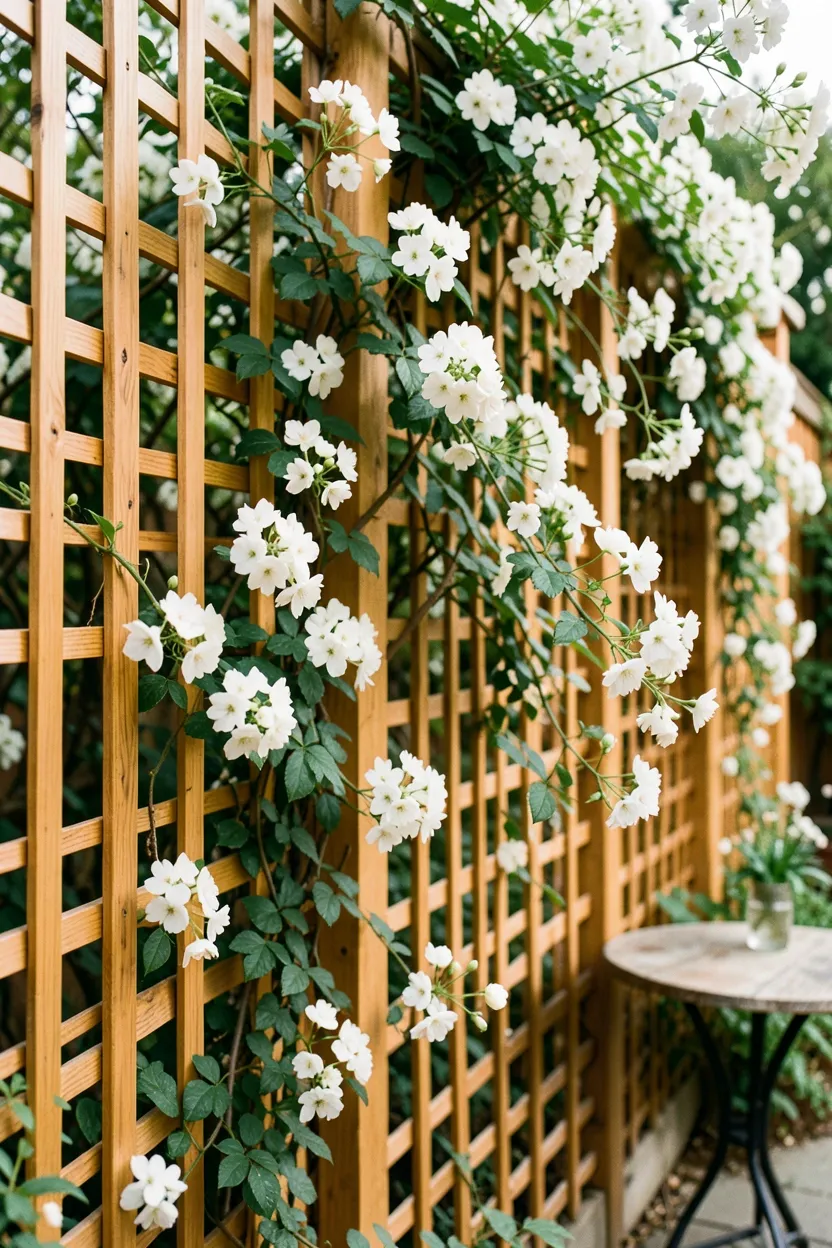
Choose materials that complement your home's exterior—cedar and redwood offer natural beauty, while powder-coated metal provides modern durability with minimal maintenance. Install pre-built panels as freestanding screens with post supports, or attach directly to existing fences for added height and screening capability.
For additional privacy solutions, explore Cozy Backyard Ideas That Boost Warmth and Charm to discover complementary screening approaches.
Plant fast-growing climbing vines like clematis, jasmine, or annual morning glories to create living privacy walls. Plan for 2-3 years of growth before full coverage, or use artificial ivy panels for instant results. Water regularly during establishment and provide occasional fertilizer for vigorous growth.
Do: Include a small gate or removable panel for maintenance access behind the screen
Don't: Position trellises directly against walls—leave 3-4 inches for airflow and plant health
If: You want seasonal interest, mix evergreen and deciduous climbing varieties
What this gives you: A practical small backyard solution that creates visual privacy while adding vertical dimension and natural beauty.
8. Mulched Pathway Through Garden
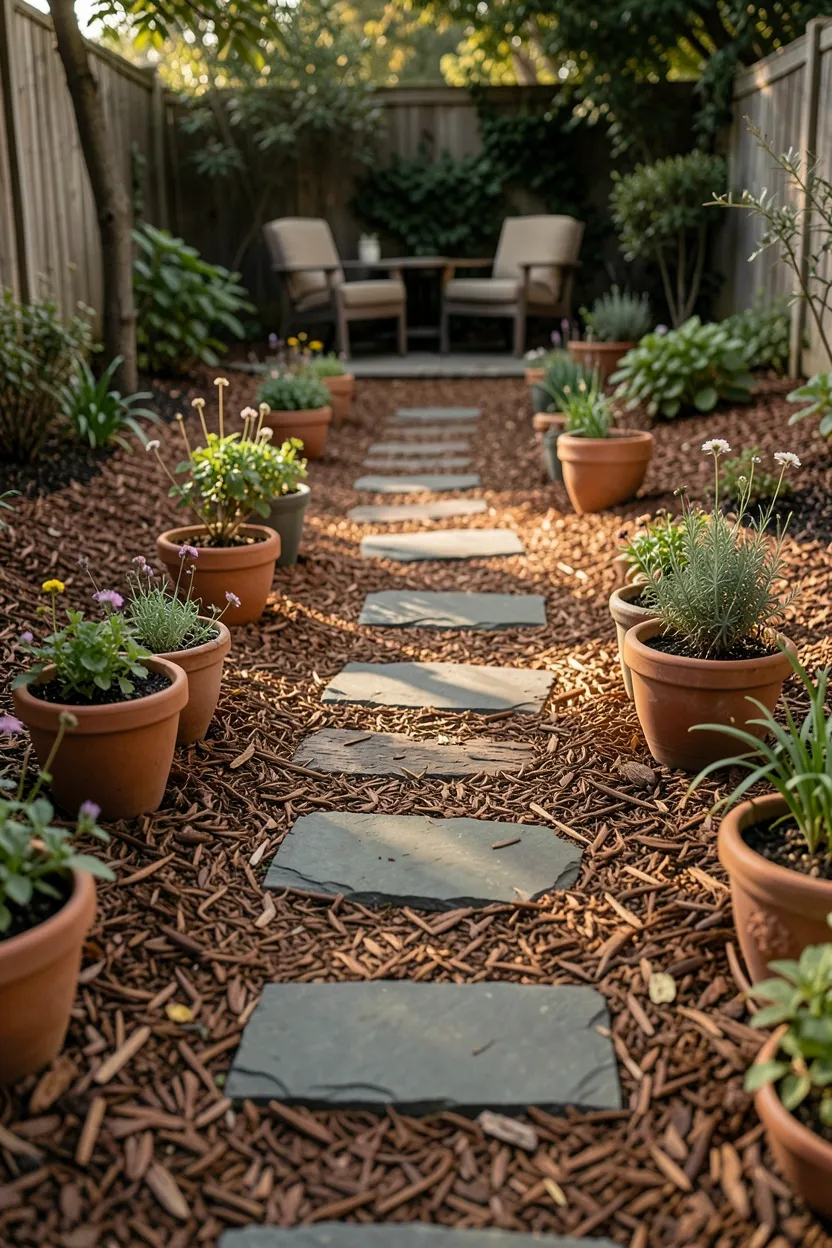
Create a winding mulched pathway that guides visitors through your small backyard garden, adding structure and defining circulation routes while highlighting plantings along the journey. This simple yet effective approach maximizes perceived space by encouraging exploration and creating visual depth.
Recommended
Items for this idea
Choose quality hardwood mulch in rich brown tones to create contrast against greenery, or opt for lighter cedar mulch for a brighter aesthetic. Install edging materials like pavers, metal strips, or recycled plastic to contain mulch and maintain clean lines. Plan for 36-42 inch width to accommodate comfortable passage.
Placement note: Design gentle curves rather than straight lines to slow the pace and create more visual interest in small spaces.
Maintain mulch depth at 3-4 inches for weed suppression and moisture retention. Refresh annually as decomposition occurs, typically needing a 1-inch top-dress each spring. Consider adding stepping stones at key intervals for stability and texture variety.
Pro: Mulched pathways are inexpensive compared to stone or concrete alternatives
Con: Requires annual replenishment and occasional weed removal
Fix: Install landscape fabric beneath mulch to reduce weed growth significantly
What this gives you: A small backyard circulation system that organizes the space while enhancing the garden experience.
9. Outdoor Rug Under Seating
Anchor your small backyard seating area with an outdoor rug that defines the space and adds warmth underfoot. These durable textiles create instant zones within limited square footage, making outdoor seating feel intentional and complete while providing comfort and visual cohesion.
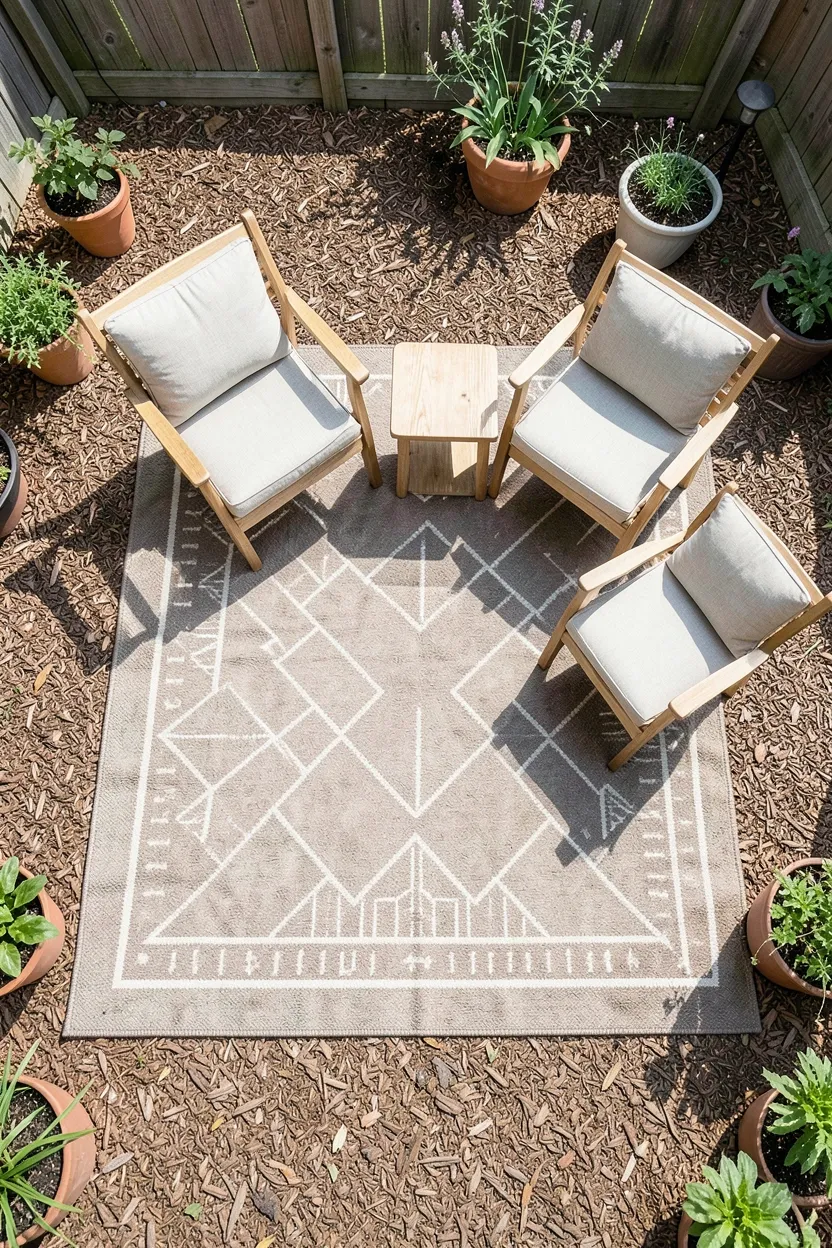
Choose weather-resistant materials like polypropylene or recycled PET designed to withstand UV exposure and moisture without fading or molding. Select sizes that extend 18-24 inches beyond seating dimensions to create proper proportion, avoiding tiny rugs that make furniture appear oversized in relation to the space.
Patterns like geometric prints or bold stripes add personality to simple outdoor setups, while solid neutrals allow furniture and plants to take center stage. Consider light colors in shady areas and darker tones in full sun where dirt shows more prominently.
Do: Secure rugs with non-slip pads or heavy furniture to prevent movement during use
Don't: Leave rolled outdoors during winter months—store indoors to extend lifespan
If: You have pets, select tightly woven patterns that hide paw prints and stains
What this gives you: An affordable small backyard upgrade that instantly transforms undefined areas into cohesive outdoor rooms.
10. Potted Herb Collection
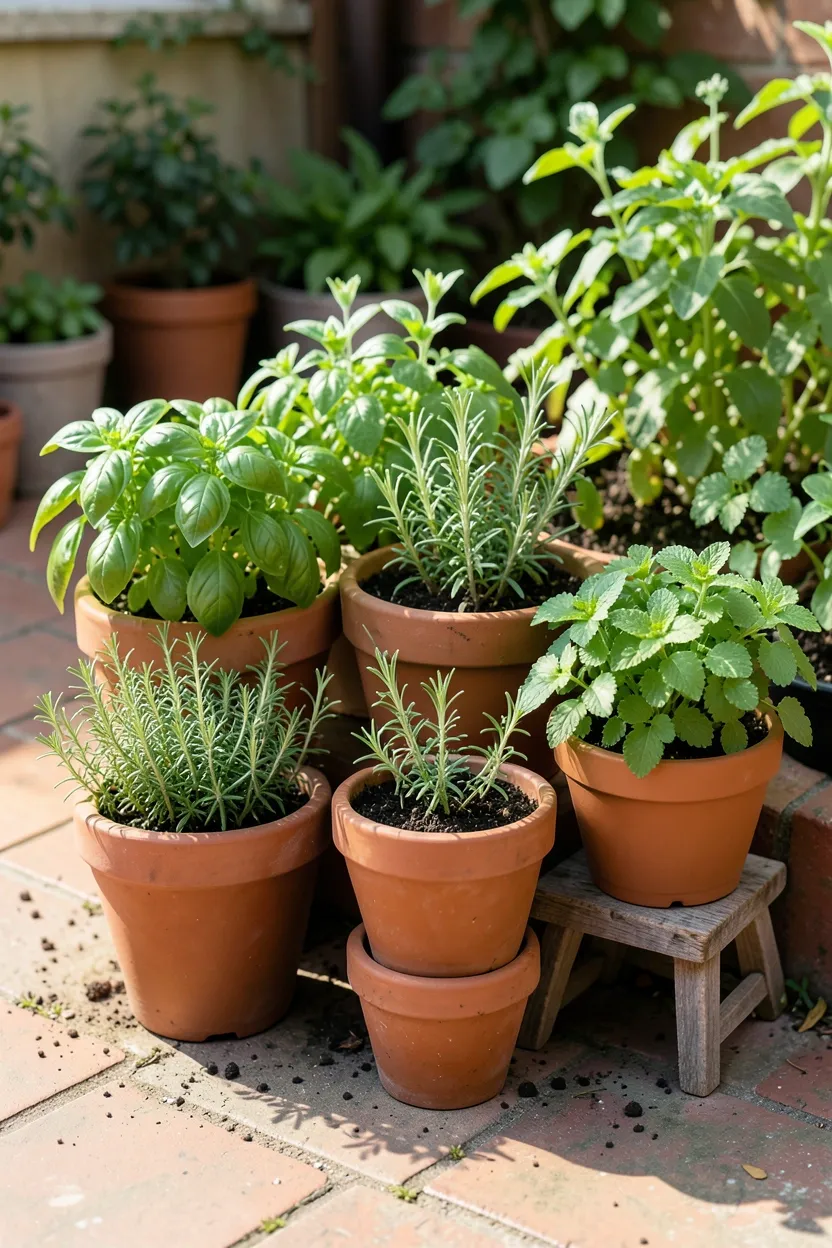
Cultivate a productive and fragrant herb garden in containers that provides fresh ingredients while adding lush greenery to your small backyard. This space-efficient approach brings culinary herbs within easy reach of your kitchen while creating movable garden elements that can be reconfigured as needed.
Recommended
Items for this idea
Choose containers 12-16 inches in diameter for most herbs, grouping 3-5 plants per pot for abundant harvests. Select varieties like basil, thyme, rosemary, and mint that thrive in containers and provide diverse flavors. Use quality potting soil with drainage material like perlite to prevent root rot in confined spaces.
Position pots in areas receiving 6+ hours of sunlight daily, with easy access to water sources. Group containers for mutual humidity benefits and to create visually appealing arrangements. Rotate pots quarterly to ensure even growth and prevent permanent leaning toward light sources.
Why it works: Container growing provides complete control over soil quality and growing conditions
Common mistake: Overcrowding containers—respect each plant's mature spacing requirements
Do: Water containers more frequently than ground plants as they dry faster
Don't: Use garden soil in pots—it compacts and inhibits drainage
If: You're new to gardening, start with mint and chives which are nearly foolproof
Rental note: Container gardens move easily if you relocate, making them perfect for renters
What this gives you: A functional small backyard garden that provides fresh herbs while enhancing visual appeal through lush, fragrant plantings.
11. Solar Accent Lighting
Illuminate pathways and highlight features in your small backyard with solar-powered accent lights that require no electrical installation or wiring. These sustainable lighting solutions enhance safety while creating magical evening ambiance that extends your outdoor enjoyment well beyond sunset.
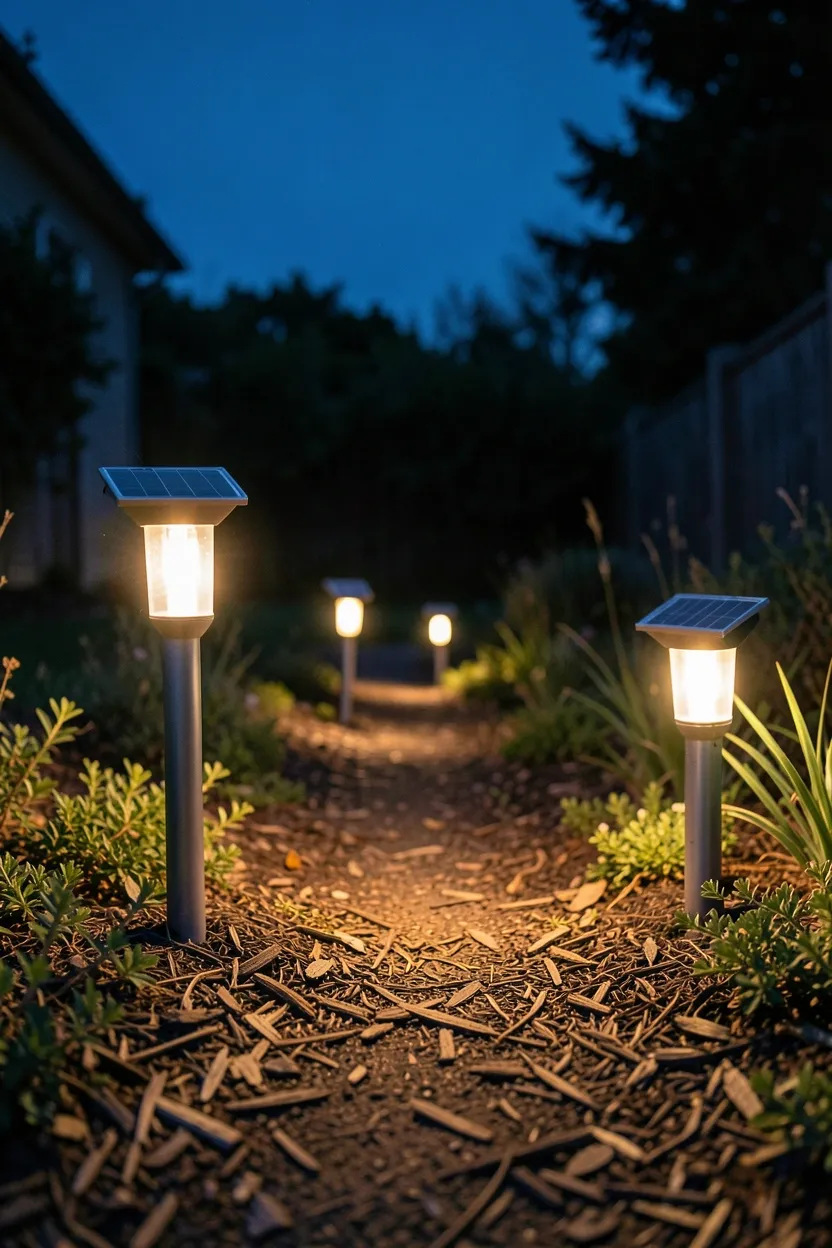
Choose warm-toned LED fixtures (2700K-3000K) that provide soft illumination rather than harsh blue-white light. Path lights should be spaced 6-8 feet apart for continuous illumination, while spotlights can be positioned to highlight architectural features or specimen plants from below for dramatic effect.
For comprehensive outdoor lighting strategies, Outdoor Christmas Lights Ideas That Spark Holiday Joy offers year-round lighting inspiration.
Install fixtures in locations receiving direct sunlight during daylight hours for optimal battery charging. Expect 6-8 hours of illumination on full charge. Clean solar panels quarterly to maintain efficiency, and replace batteries every 1-2 years as needed.
Pro: Solar lights require no wiring and can be repositioned as landscape design evolves
Con: Performance varies significantly with seasonal sun exposure and weather conditions
Fix: Install a mix of solar and low-voltage wired lights for consistent year-round performance
What this gives you: Energy-efficient small backyard lighting that enhances safety and ambiance without ongoing electricity costs.
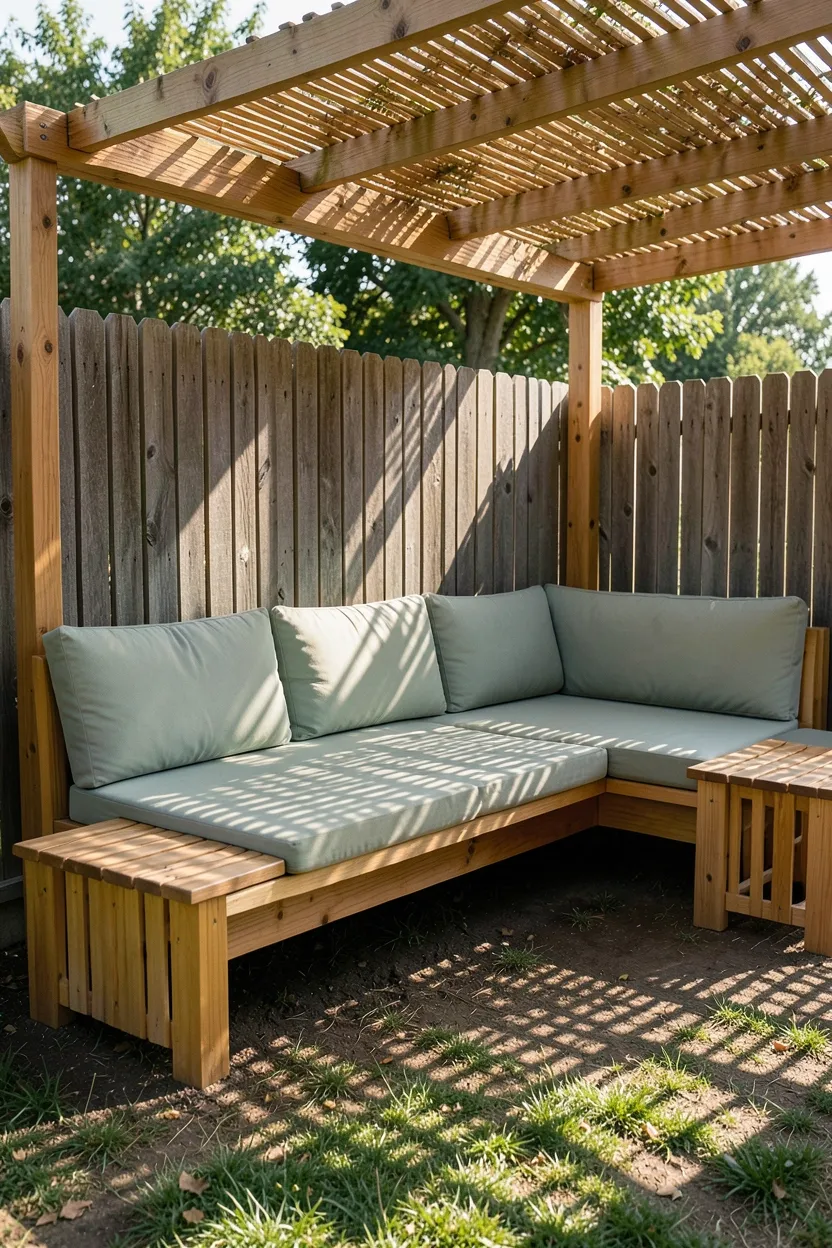
12. Built-in Bench Along Fence
Maximize seating capacity in your small backyard by constructing a built-in bench along an existing fence or wall. This permanent seating solution provides comfortable accommodations for 4-6 people while preserving open floor space and creating a defined outdoor living zone.
Recommended
Items for this idea
Build from pressure-treated lumber or rot-resistant cedar for durability in outdoor conditions. Design bench depth at 16-18 inches with seat height of 18-20 inches for optimal comfort. Include weather-resistant cushions for extended sitting sessions, and consider storage compartments beneath the seat for outdoor accessories.
Attach securely to fence posts or wall structure to ensure stability. Add overhead shade through a simple pergola or umbrella mount to protect users from direct sun during peak hours. Incorporate built-in side tables at both ends for drinks and snacks.
Do: Apply UV-resistant sealant annually to prevent fading and wood deterioration
Don't: Build benches directly against rotting fence boards—repair fencing first
If: You're renting, consider freestanding modular bench options instead of permanent installation
What this gives you: Space-efficient small backyard seating that maximizes guest capacity while maintaining open floor areas.
13. Mini Hammock Corner
Create a relaxing retreat in the corner of your small backyard with a compact hammock that provides comfortable lounging without requiring extensive space. This indulgent feature turns an underutilized area into a favorite spot for reading, napping, or simply enjoying fresh air.
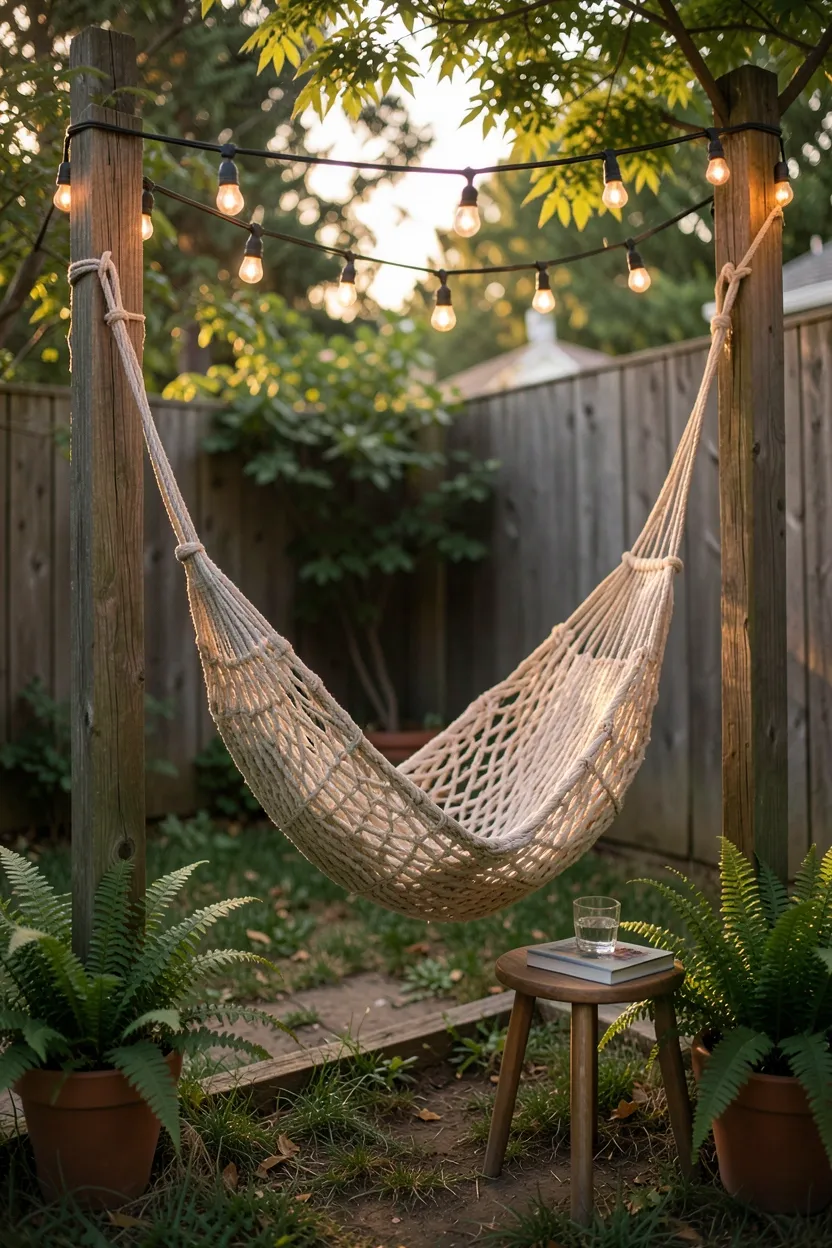
Choose a rope or quilted hammock in weather-resistant materials designed for outdoor durability. Install sturdy mounting posts or utilize existing structures like fence posts with appropriate reinforcement. Ensure minimum distance of 10-12 feet between anchor points for proper hammock tension and safety.
Placement note: Position near afternoon shade or consider a shade umbrella overhead for comfortable use during peak sun hours.
Add decorative elements like potted plants or string lights around the hammock area to create a sense of enclosure and intimacy. Consider small side tables for books, drinks, or electronic devices. Remove and store hammock indoors during winter to extend lifespan.
Pro: Hammocks take up almost no floor space while providing full-body relaxation
Con: Some users find hammocks difficult to enter and exit comfortably
Fix: Choose hammock chairs or swings as accessible alternatives that retain relaxing benefits
What this gives you: A small backyard luxury feature that creates a dedicated relaxation zone without consuming valuable floor area.
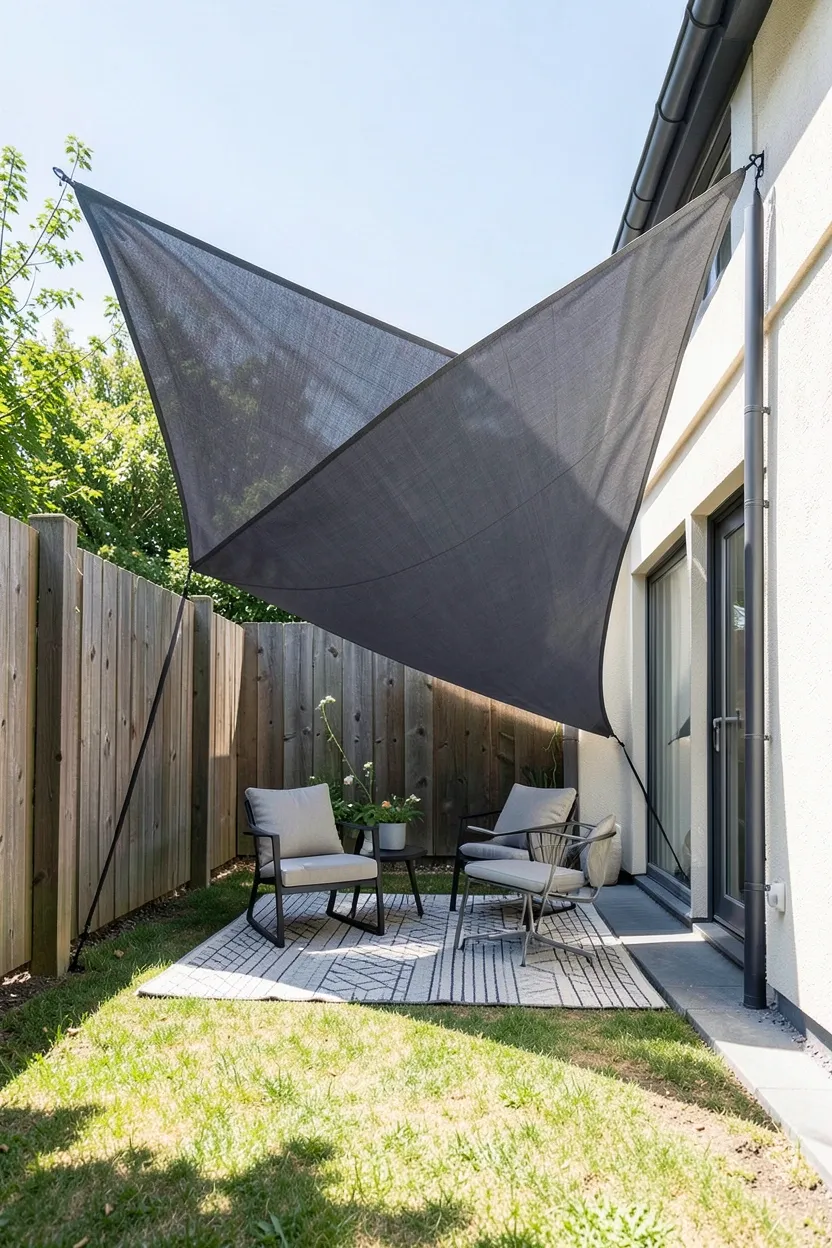
14. Shade Sail or Pergola
Install a shade sail or small pergola to create comfortable outdoor living space in your small backyard while adding architectural interest and defining zones. These shade solutions protect from harsh sun while maintaining open-air connection to the outdoors.
Recommended
Items for this idea
Shade sails offer flexible coverage with dramatic sculptural form, while pergolas provide structured semi-permanent shade with opportunities for climbing plants. Choose materials like UV-resistant canvas for sails or cedar/metal for pergolas depending on your aesthetic preferences and maintenance tolerance.
For additional outdoor structure inspiration, explore Stunning Modern Pergola Worth Saving for Later to discover design variations.
Position to cover primary seating areas while considering sun angle changes throughout seasons. Install at slight angles to promote water runoff and prevent pooling. Professional installation recommended for sails to ensure proper tension and secure attachment points.
Do: Remove or retract shade structures during high wind events to prevent damage
Don't: Install shade sails too low—maintain minimum 8 feet clearance for headroom
If: You want year-round coverage, consider retractable awnings as versatile alternatives
What this gives you: Essential small backyard shade that enables comfortable outdoor use during peak heat while adding visual dimension.
15. Outdoor Mirror Feature
Add visual depth and light reflection to your small backyard by incorporating an outdoor-rated mirror that creates the illusion of expanded space while bouncing light into shadowy corners. This clever design trick transforms tight areas by doubling apparent dimensions and brightening dark zones.
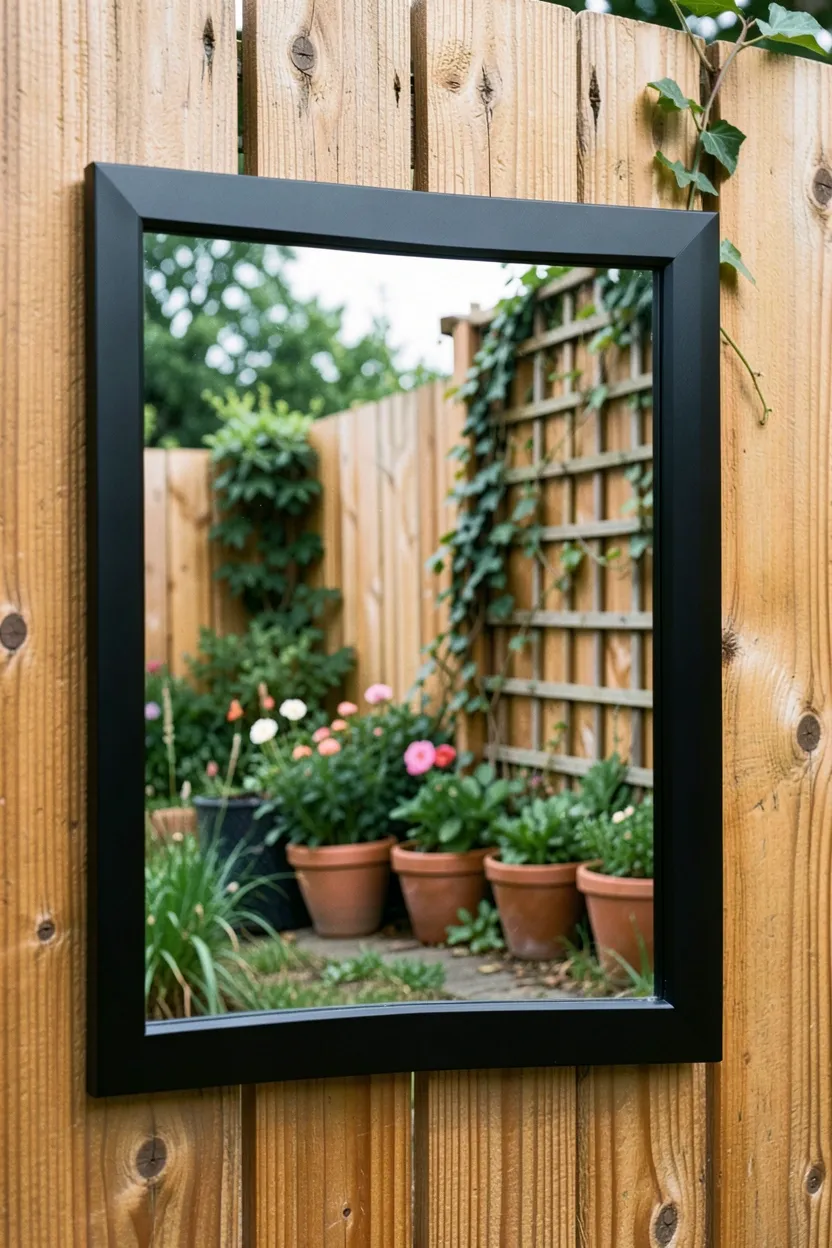
Choose weather-resistant mirrors specifically designed for outdoor use with proper backing materials to prevent moisture damage. Select sizes proportional to available wall space without overwhelming intimate settings. Frame materials should complement existing outdoor elements—natural wood, wrought iron, or powder-coated metal work well.
Position mirrors to reflect attractive features like plantings, views, or light sources rather than blank walls or unsightly areas. Securely mount using outdoor-rated hardware rated for your climate's weather conditions. Angle mirrors slightly downward to prevent direct sun reflection that could create glare or heat buildup.
Pro: Mirrors dramatically increase perceived space without requiring additional square footage
Con: Outdoor mirrors require regular cleaning to maintain clarity and prevent spotting
Fix: Apply hydrophobic coatings to reduce cleaning frequency by repelling water and dirt
What this gives you: A sophisticated small backyard enhancement that visually expands space while enhancing light and brightness.
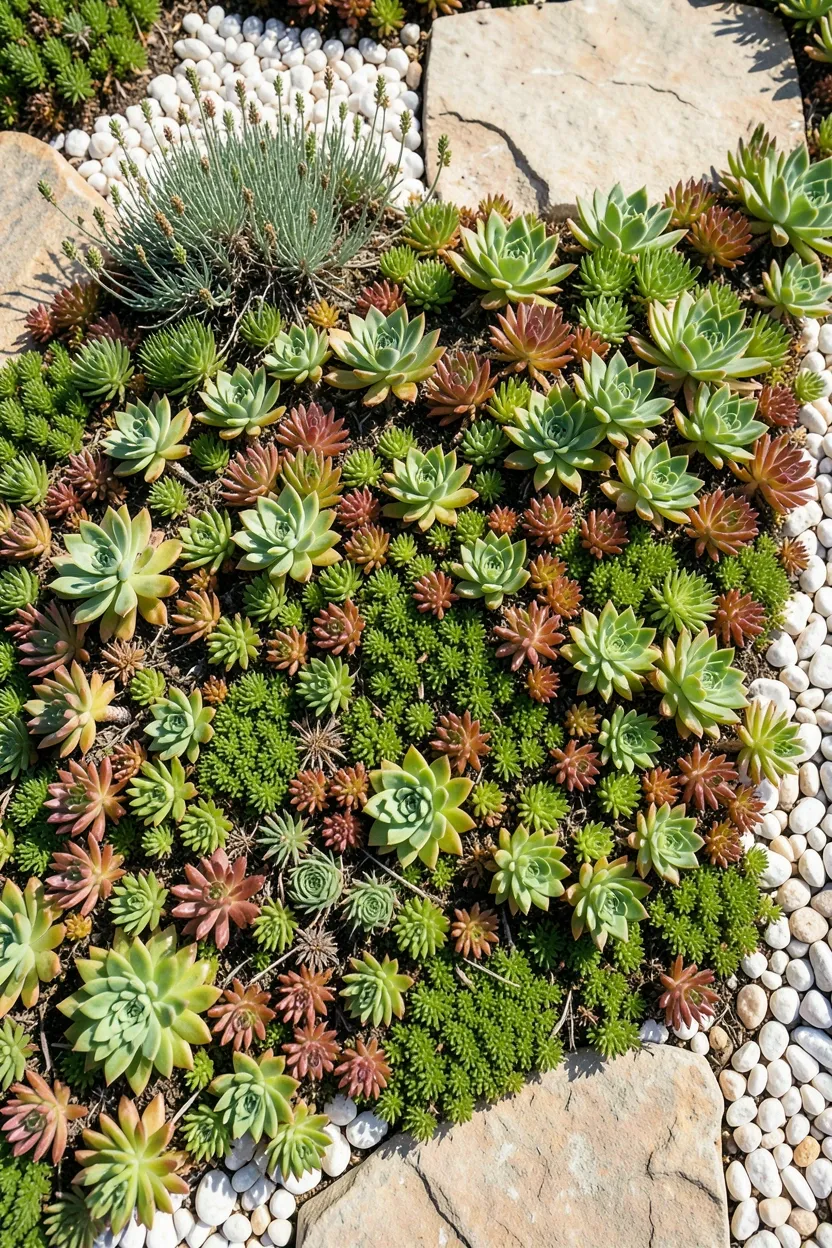
16. Succulent Ground Cover
Replace traditional lawn with drought-tolerant succulent ground cover in your small backyard to create visually striking low-maintenance planting that requires minimal water while providing year-round color and texture. This water-wise approach dramatically reduces maintenance while adding sculptural beauty.
Recommended
Items for this idea
Select varieties like sedum, ice plant, and creeping stonecrop that spread densely to suppress weeds while forming living carpets. Combine multiple species with complementary colors and textures for naturalistic appearance. Plant in well-draining soil amended with sand or gravel to prevent rot in wet conditions.
Placement note: Use succulent ground cover in areas receiving full sun where traditional turf struggles, or around hardscapes to soften edges.
Establish succulent beds by planting 4-6 inch centers for rapid coverage, typically reaching full density within 12-18 months. Water deeply but infrequently, allowing soil to dry completely between watering. Propagate easily by dividing established clumps in spring or fall.
Do: Incorporate crushed stone or pebbles between plantings for contrast and drainage
Don't: Overwater succulents—these plants thrive on neglect and die from excessive moisture
If: You have heavy clay soil, create raised berms or mounds for proper drainage
What this gives you: An eco-friendly small backyard feature that eliminates lawn maintenance while creating striking visual interest.
17. Bistro String Light Curtain
Create a magical overhead canopy with a dense string light curtain that transforms your small backyard into an enchanting evening space. This dramatic lighting feature provides ambient illumination while adding vertical dimension and creating intimate outdoor rooms.
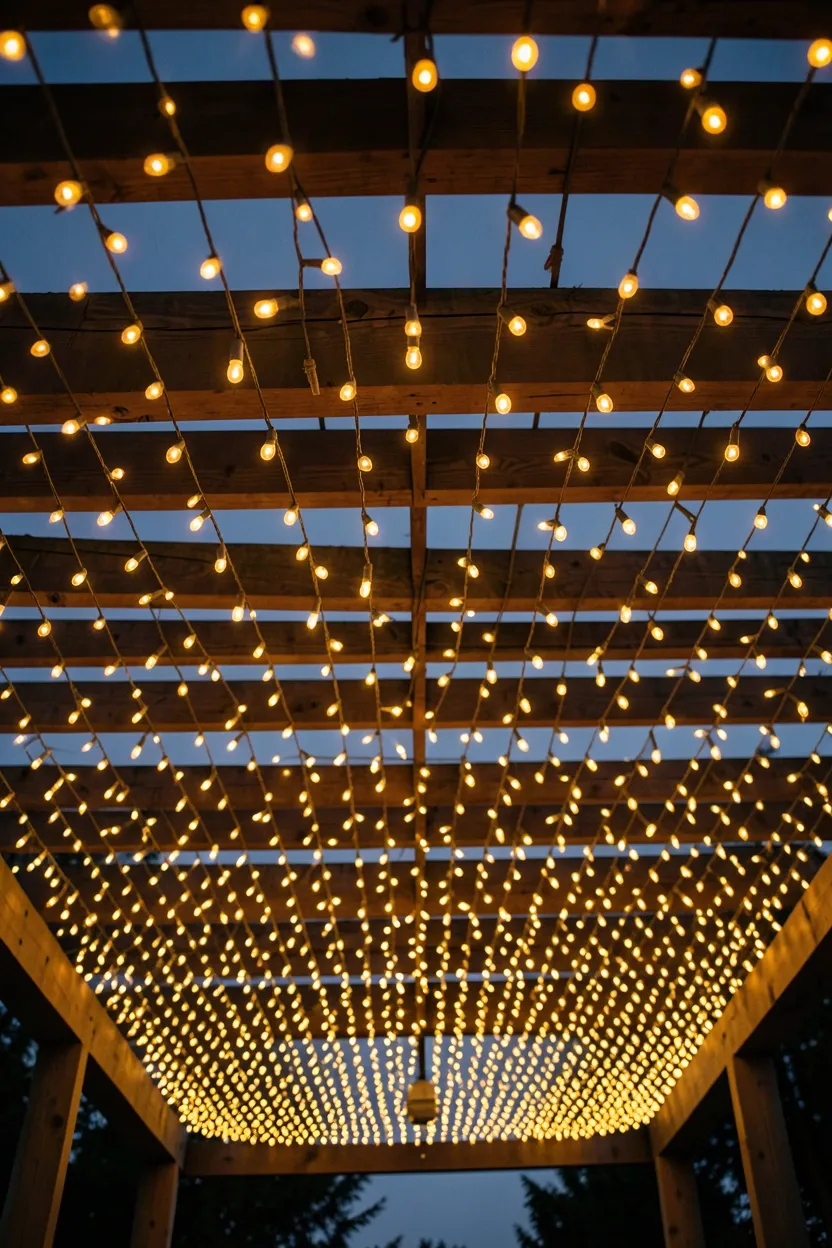
Install multiple strands of commercial-grade string lights with weather-resistant LED bulbs spaced 6-8 inches apart to create solid coverage. Mount curtains from overhead structures like pergolas, tension wires between posts, or even from upper story balconies for dramatic effect. Use dimmer switches to adjust brightness for different moods.
Choose warm-toned bulbs (2700K-3000K) for inviting ambiance, or consider color-changing options for seasonal versatility. Ensure proper electrical connections with outdoor-rated outlets and GFCI protection. Plan bulb access for eventual replacement.
Why it works: Dense light curtains create the illusion of a defined ceiling and intimate enclosure
Do: Install tension wires at multiple heights to support light weight and prevent sagging
Don't: Install permanent lighting over fire pits or cooking areas due to heat and safety concerns
If: You rent, use temporary command hooks or tension systems that don't damage surfaces
What this gives you: A stunning small backyard focal point that creates dramatic evening ambiance and defines outdoor rooms.
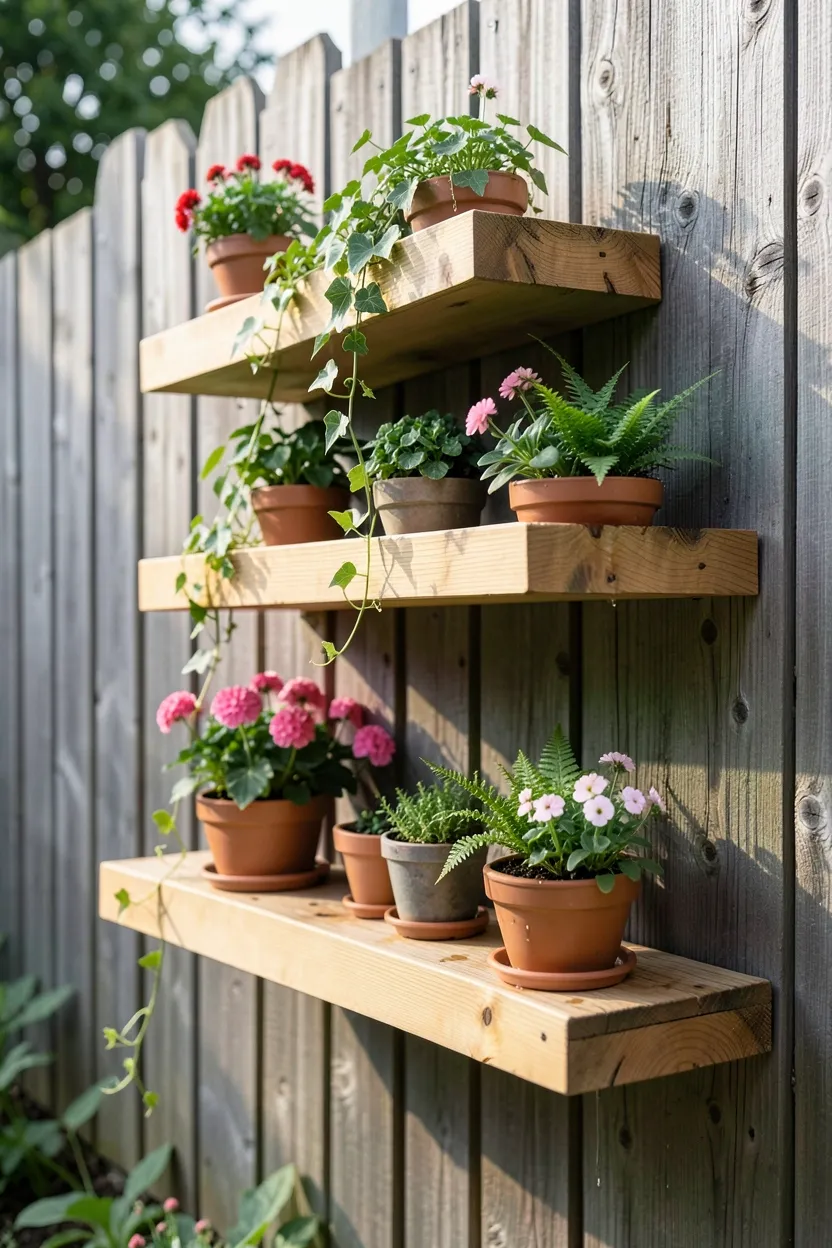
18. Floating Shelves for Plants
Maximize vertical growing space in your small backyard by installing floating shelves on exterior walls or fences to display potted plants at various heights. This space-saving approach creates living walls while preserving valuable ground area for other uses.
Recommended
Items for this idea
Construct shelves from weather-resistant materials like cedar, redwood, or powder-coated aluminum designed for outdoor exposure. Design with 6-8 inch depth to accommodate standard nursery pots while maintaining stability. Install at multiple heights to create cascading visual interest and accommodate plants with different light requirements.
For more vertical garden inspiration, explore Gorgeous Front Yard Garden Ideas That Upgrade Your Garden Area to discover similar space-saving strategies.
Position to receive appropriate sunlight for chosen plant varieties—sun-loving species in full exposure locations, shade plants under eaves or north-facing surfaces. Ensure proper drainage with slight shelf tilt or use of saucers to prevent water damage to walls below.
Do: Include small hooks or brackets for hanging planters between shelf levels
Don't: Overload shelves with heavy ceramic pots—choose lightweight containers or distribute weight evenly
If: You rent, consider freestanding ladder shelves or tiered plant stands instead of wall-mounted options
What this gives you: A vertical gardening solution that dramatically increases planting capacity in your small backyard.
19. Compact Dining Set
Install a thoughtfully sized dining set that provides comfortable meal seating without overwhelming your small backyard. Choose pieces specifically designed for compact spaces that maximize functionality while maintaining proper proportions relative to the available area.
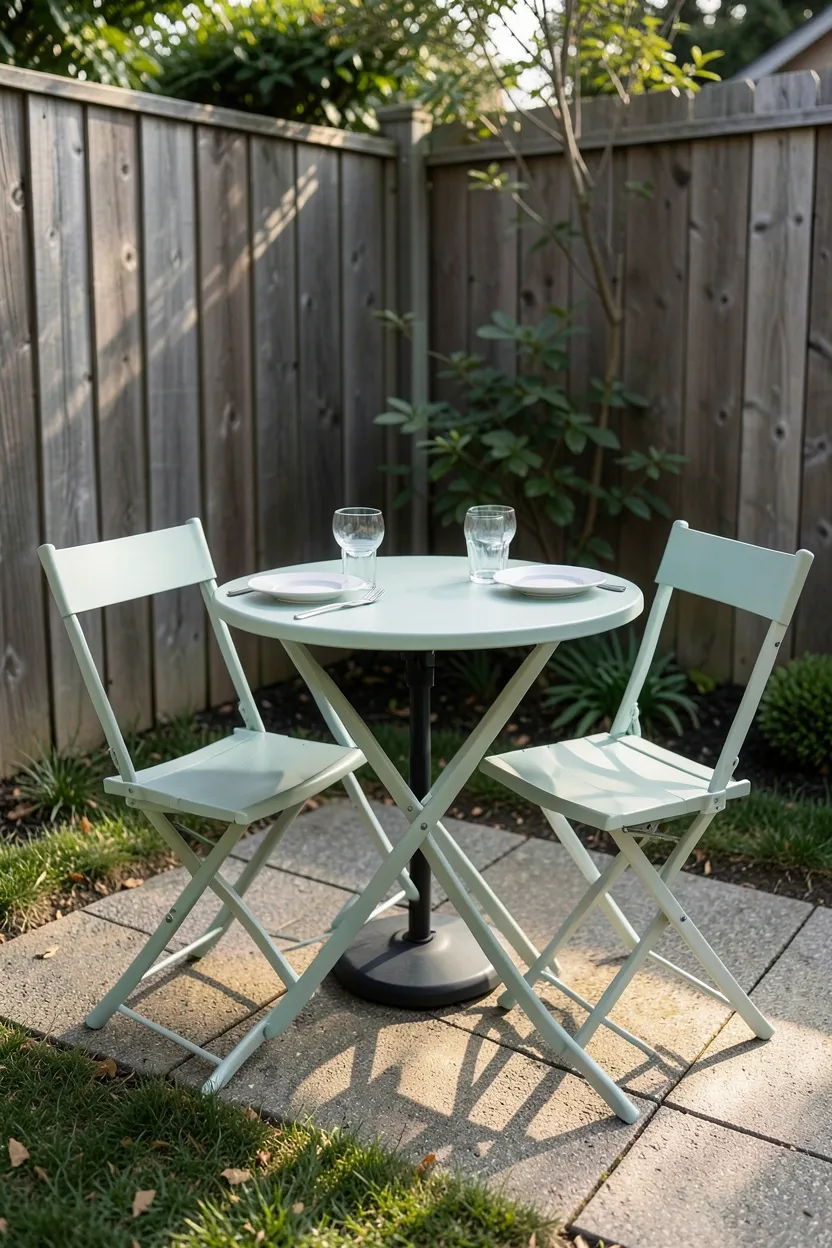
Select folding or stackable tables with chairs that can be stored when not in use, maximizing flexibility in tight spaces. Consider materials like lightweight aluminum or durable resin that withstand weather while remaining easy to move. Look for designs that provide visual lightness—open metalwork or glass tabletops feel less substantial than solid surfaces.
Placement note: Position dining sets on stable, level surfaces like pavers or small concrete pads to prevent wobbling and ensure comfortable use.
Maintain 36-42 inches of clearance around all sides for comfortable seating and service access. Add weather-resistant cushions for extended comfort during longer meals. Consider integrating with other features like nearby counters for serving or storage for tableware.
Pro: Folding and stackable options create versatile space for multiple uses
Con: Some folding sets compromise comfort for portability
Fix: Test seating comfort in-store or read reviews specifically addressing comfort factors
What this gives you: Functional small backyard dining that enables outdoor meals without sacrificing valuable space.
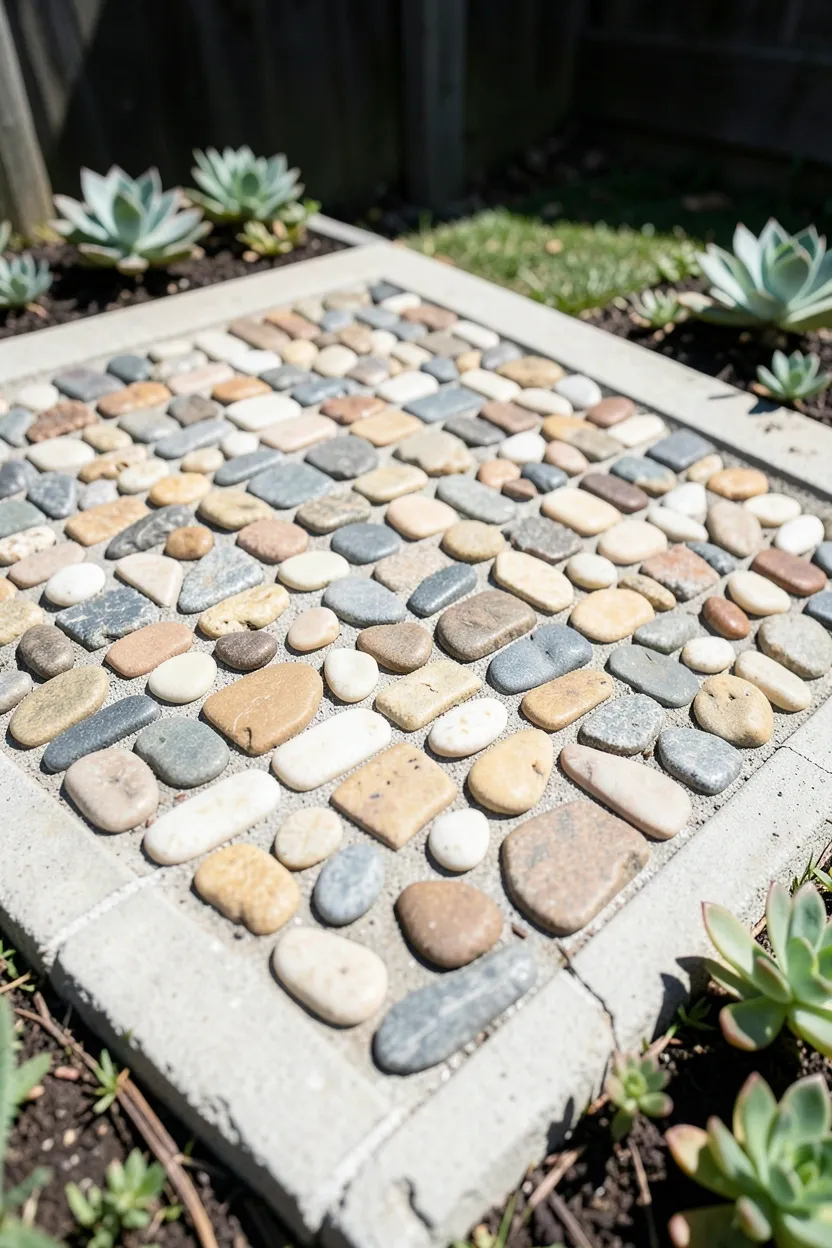
20. Artful Pebble Mosaic
Add artistic sophistication to your small backyard with a handcrafted pebble mosaic that serves as a unique focal point and conversation starter. This creative hardscaping element transforms ordinary ground surfaces into functional art while adding visual texture and interest.
Recommended
Items for this idea
Choose smooth river stones or polished pebbles in complementary colors to create geometric patterns, spirals, or organic flowing designs. Design mosaics as standalone features like medallions or as integrated walkway elements that guide movement through the space. Consider incorporating focal points like decorative tiles or inset designs for added detail.
Create a level base using concrete or compacted sand mixture before installing pebbles. Place stones tightly together with minimal gaps using rubber mallets to set them firmly. Grout with exterior-grade material, then seal with penetrating sealer to protect from weathering and staining.
Why it works: Handcrafted mosaics add personal character that mass-produced hardscaping cannot replicate
Common mistake: Underestimating labor intensity—mosaic projects require significant time and patience
Do: Sketch designs on paper before installation and test stone arrangements on ground first
Don't: Begin with large complex projects—start with small manageable areas like medallions
If: DIY seems overwhelming, hire local artists who specialize in hardscaping mosaics
Micro-budget: Small mosaic medallion 3-4 feet in diameter costs $150-300 in materials
What this gives you: A distinctive small backyard feature that expresses personal style while enhancing hardscaping beauty.
21. Outdoor Art Wall
Transform a blank fence or exterior wall into an art gallery by installing weather-resistant pieces that reflect your personal style and add character to your small backyard. This creative approach brings interior design principles outdoors while making vertical surfaces become focal points.
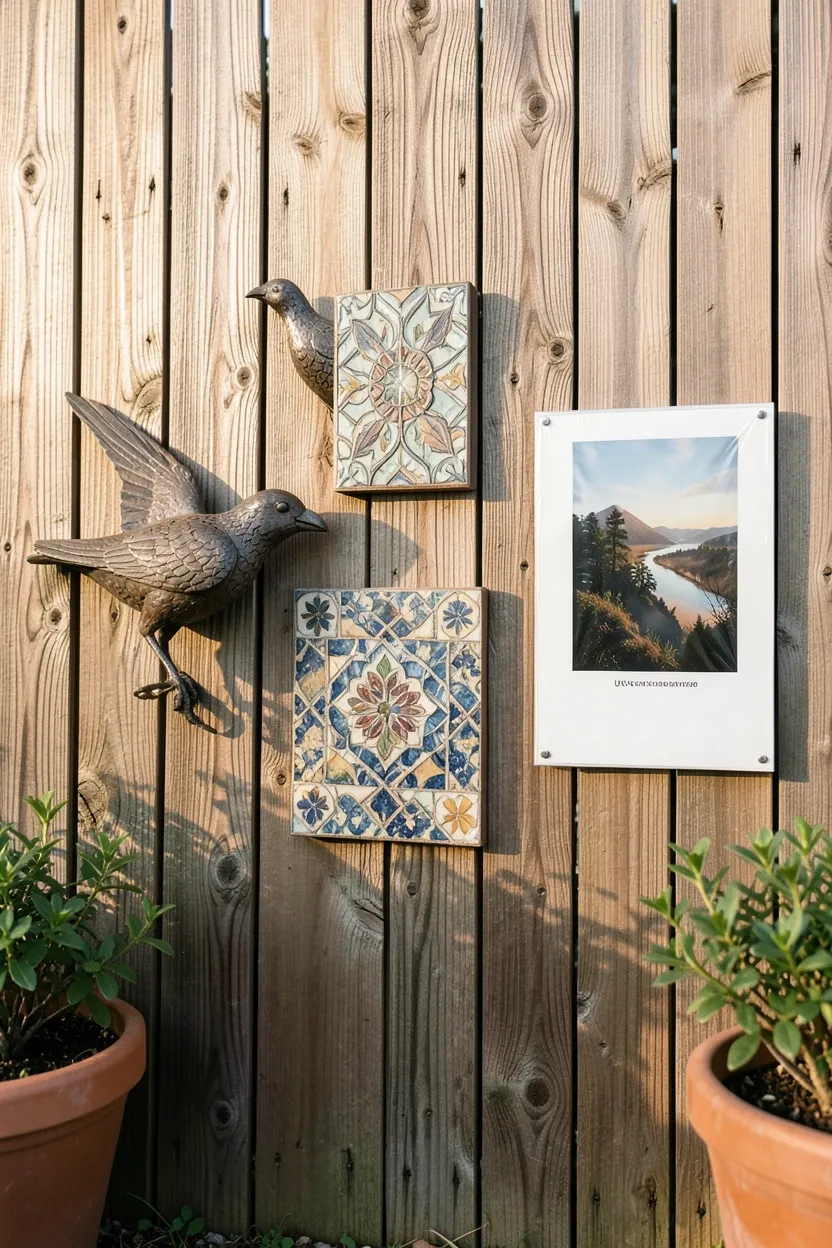
Choose materials specifically rated for outdoor exposure—metal sculptures, treated wood carvings, ceramic mosaics, or UV-resistant prints with protective coatings. Consider pieces that complement existing architectural styles and color schemes rather than fighting against them. Mix scales and textures for visual interest.
Install at eye level (approximately 60-66 inches from ground to center of artwork) for optimal viewing from seating areas. Use outdoor-rated mounting hardware designed for your wall material and local climate conditions. Plan for future replacement or rotation of pieces as tastes evolve.
Do: Include diverse art forms like wall-mounted planters alongside traditional pieces
Don't: Install valuable or irreplaceable pieces where exposure to harsh weather could cause damage
If: You rent, use removable adhesive hooks or freestanding art easels instead of permanent mounting
What this gives you: A personal small backyard expression that transforms blank walls into engaging visual features.
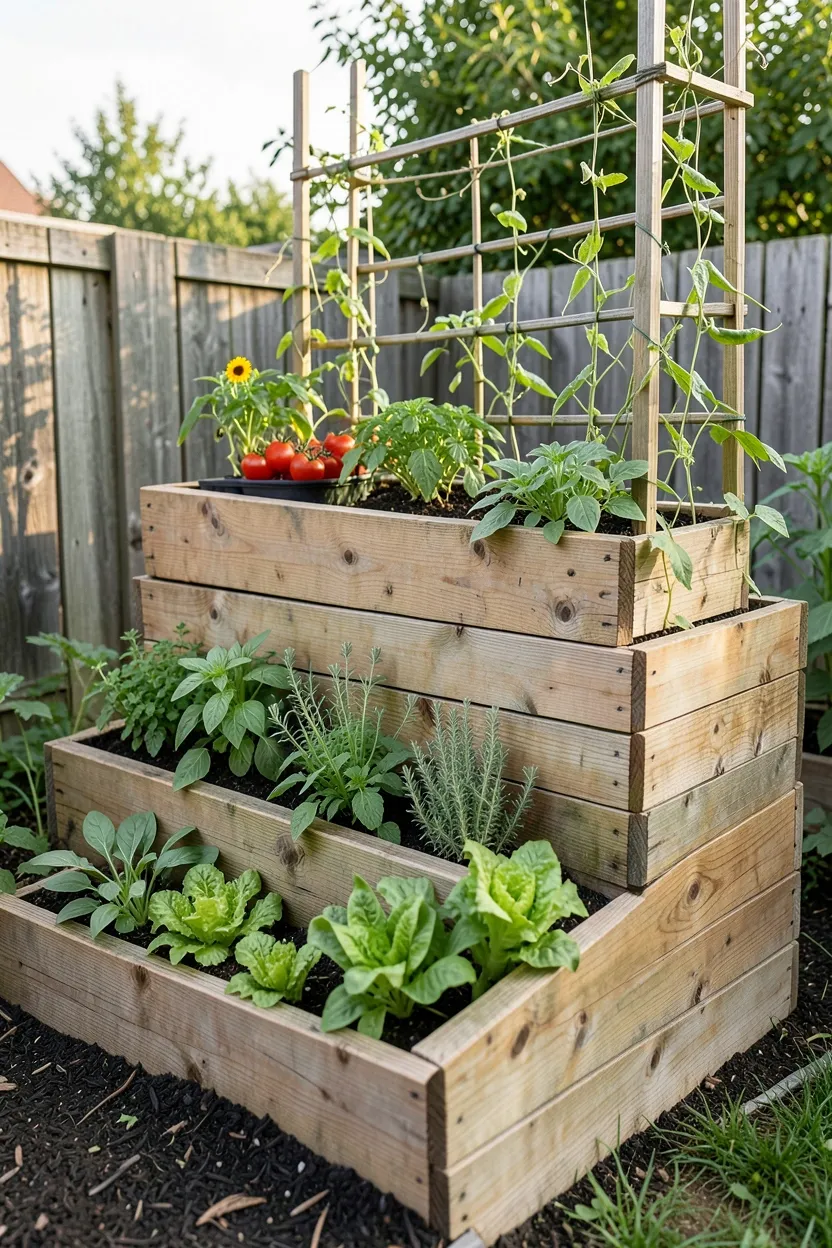
22. Multi-Level Planting Boxes
Create dramatic visual interest and maximize planting capacity in your small backyard with tiered or stepped planting boxes that add vertical dimension while accommodating diverse plant varieties. This structured approach transforms simple garden beds into sculptural elements.
Recommended
Items for this idea
Design tiered systems in graduated heights of 12-18 inches between levels, allowing sun-loving plants on upper tiers and shade-tolerant varieties below. Construct from durable materials like cedar, redwood, or powder-coated metal for longevity in outdoor conditions. Ensure each level has proper drainage holes and access for maintenance.
Position multi-level boxes where they receive optimal sunlight for chosen plantings, typically 6-8 hours daily for most vegetables and flowers. Consider installing drip irrigation systems that water each level individually based on specific plant needs. Add trellises or arbors above the tallest tier for vertical growing of climbing plants.
Pro: Tiered systems create microclimates allowing plants with different needs to coexist
Con: Access to upper tiers may require step stools or ladders for some users
Fix: Design with lower maximum heights (under 4 feet total) to maintain accessibility
Micro-budget: DIY 3-tier cedar system costs $200-400 in materials depending on size
What this gives you: A sophisticated small backyard garden feature that maximizes growing space while adding architectural beauty.
Creating your ideal small backyard requires thoughtful consideration of how you'll use the space and which features bring you the most joy. Start with one or two elements that address your primary needs, then gradually add complementary features as time and budget allow. Remember that successful outdoor spaces evolve over time—don't feel pressured to complete everything immediately. Focus on quality materials and proper installation from the beginning, then let your small backyard grow alongside your lifestyle and preferences. The most beautiful outdoor spaces reflect their owners through personalized touches that make every square foot meaningful and enjoyable.
About the author
OBCD
CGI visualization and interior design content. We create detailed 3D renders and curate practical design ideas for every room in your home.