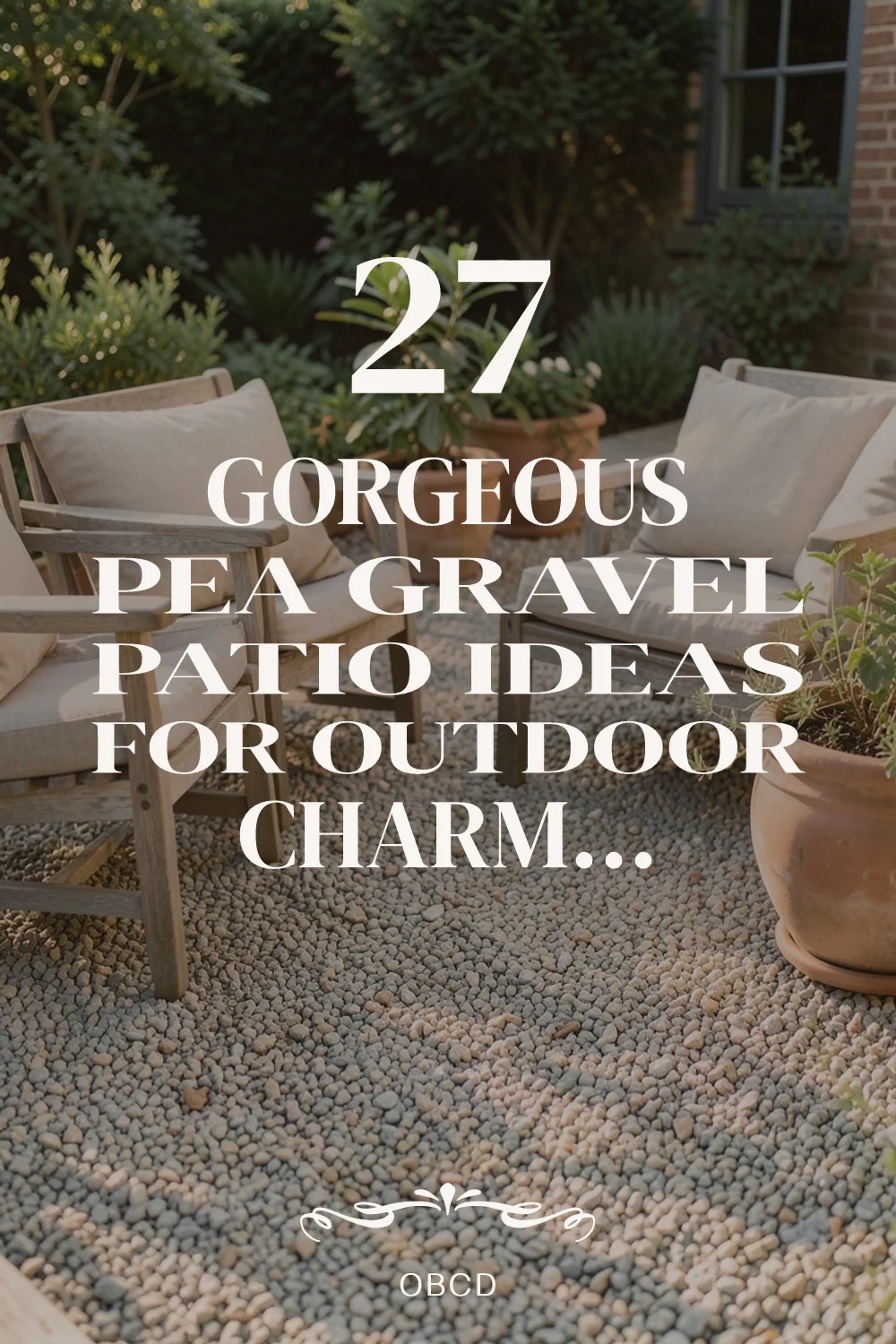
27 Pea Gravel Patio Ideas for Beautiful Outdoor Spaces
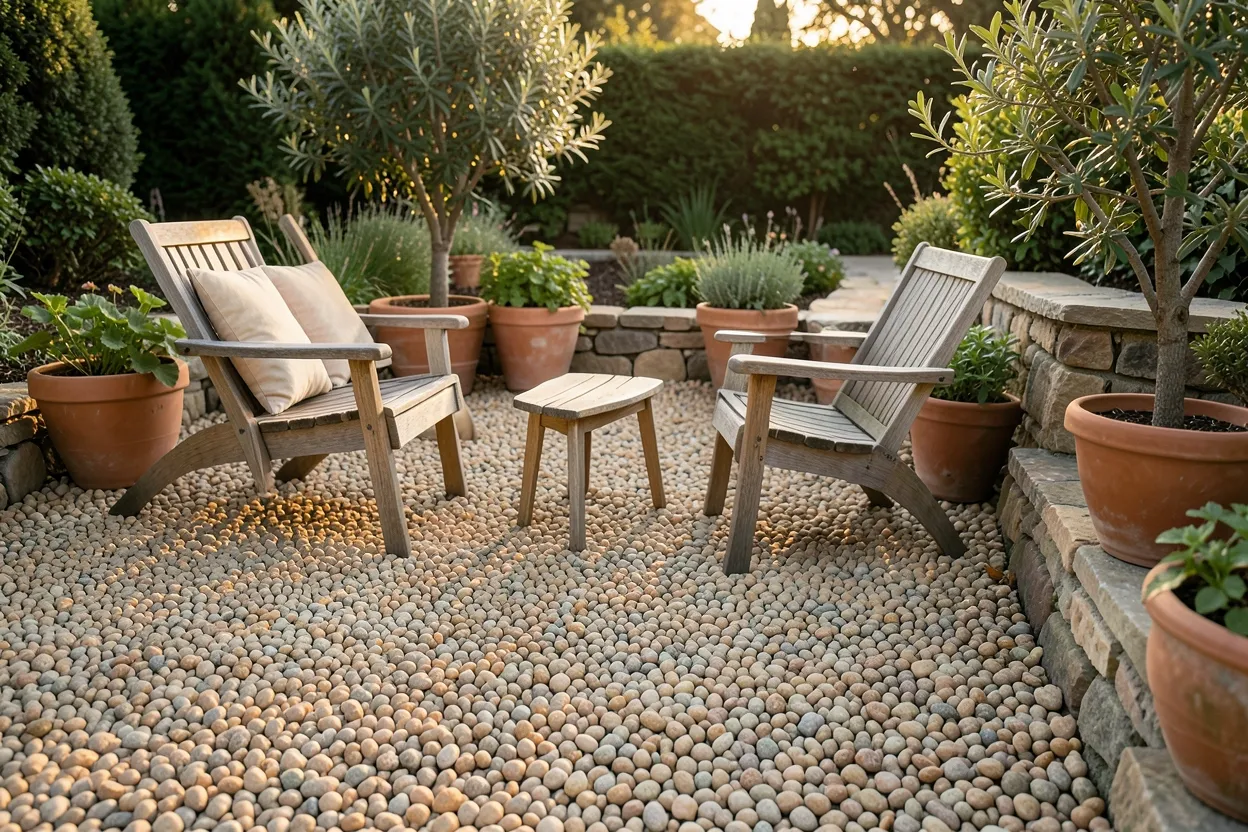
Pea gravel patio ideas are among the most accessible ways to transform an outdoor space into a welcoming retreat. With natural drainage, easy maintenance, and countless design possibilities, a pea gravel patio creates a surface that feels organic and relaxed while staying practical for real homes — and renters who want outdoor upgrades they can actually take with them.
From cozy fire pit gathering spots to elegant dining areas under pergolas, these 27 pea gravel patio ideas show how this budget-friendly material creates stunning backyard spaces for any lifestyle. Whether you're working with a small courtyard or an expansive backyard, pea gravel provides flexibility to design outdoor rooms that feel intentional and effortlessly natural.
The beauty of pea gravel lies in its accessibility — affordable to install and simple to modify as your needs evolve. That makes it perfect for DIY enthusiasts, renters who prefer reversible changes, and anyone who wants to experiment with their outdoor design without a major commitment.
Quick FAQ
Is pea gravel good for patios?
Yes, pea gravel is excellent for patios due to its natural drainage, low maintenance, and affordability. It provides a comfortable surface for walking and creates a relaxed, organic aesthetic that works well in many design styles.
How much does a pea gravel patio cost?
Pea gravel patios are typically budget-friendly, costing between $1-3 per square foot for materials alone. Installation costs vary based on site preparation, edging, and labor, but total costs usually range from $5-10 per square foot for DIY projects.
How deep should pea gravel be for a patio?
A 2-3 inch depth of pea gravel is sufficient for most patio applications. Ensure proper base preparation with compacted soil and landscape fabric underneath to prevent weeds and maintain even settling over time.
Does pea gravel need edging?
Yes, edging is recommended to contain pea gravel within the patio area and prevent it from spreading into surrounding lawn or garden. Options include metal, plastic, wood, brick, or stone edging depending on your design aesthetic.
As an Amazon Associate I earn from qualifying purchases.
Table of Contents
- 1. Classic Pea Gravel Patio with Seating Area
- 2. Pea Gravel Patio with Fire Pit Feature
- 3. Pea Gravel Path Leading to Garden Seating
- 4. Pea Gravel Patio with Raised Planters
- 5. Pea Gravel Dining Patio with Pergola
- 6. Pea Gravel Patio with Stepping Stone Accents
- 7. Pea Gravel Courtyard with Water Feature
- 8. Pea Gravel Patio with Outdoor Kitchen
- 9. Pea Gravel Patio with Built-in Seating
- 10. Pea Gravel Patio with String Light Ambiance
- 11. Pea Gravel Patio with Japanese Garden Elements
- 12. Pea Gravel Patio with Privacy Screens
- 13. Pea Gravel Patio with Sunken Seating Area
- 14. Pea Gravel Patio with Mosaic Accent Tiles
- 15. Pea Gravel Patio with Rustic Farmhouse Style
- 16. Pea Gravel Patio with Modern Minimalist Design
- 17. Pea Gravel Patio with Container Garden Paradise
- 18. Pea Gravel Patio with Hammock Relaxation Zone
- 19. Pea Gravel Patio with Bohemian Style
- 20. Pea Gravel Patio with Yoga and Meditation Space
- 21. Pea Gravel Patio with Outdoor Movie Theater
- 22. Pea Gravel Patio with Mediterranean Influence
- 23. Pea Gravel Patio with Coastal Beach Theme
- 24. Pea Gravel Patio with Art Studio Setup
- 25. Pea Gravel Patio with Rainwater Garden Integration
- 26. Pea Gravel Patio with Pet-Friendly Design
- 27. Pea Gravel Patio with Multi-Zone Layout
1. Classic Pea Gravel Patio with a Simple Seating Area
A classic pea gravel patio creates an inviting outdoor space with its soft, natural texture and warm, earthy tones. This traditional design pairs beautifully with wooden furniture and natural materials, offering a timeless look that works in any garden setting. The gravel's gentle crunch underfoot adds sensory appeal, while the loose stones provide excellent drainage during rainy weather.
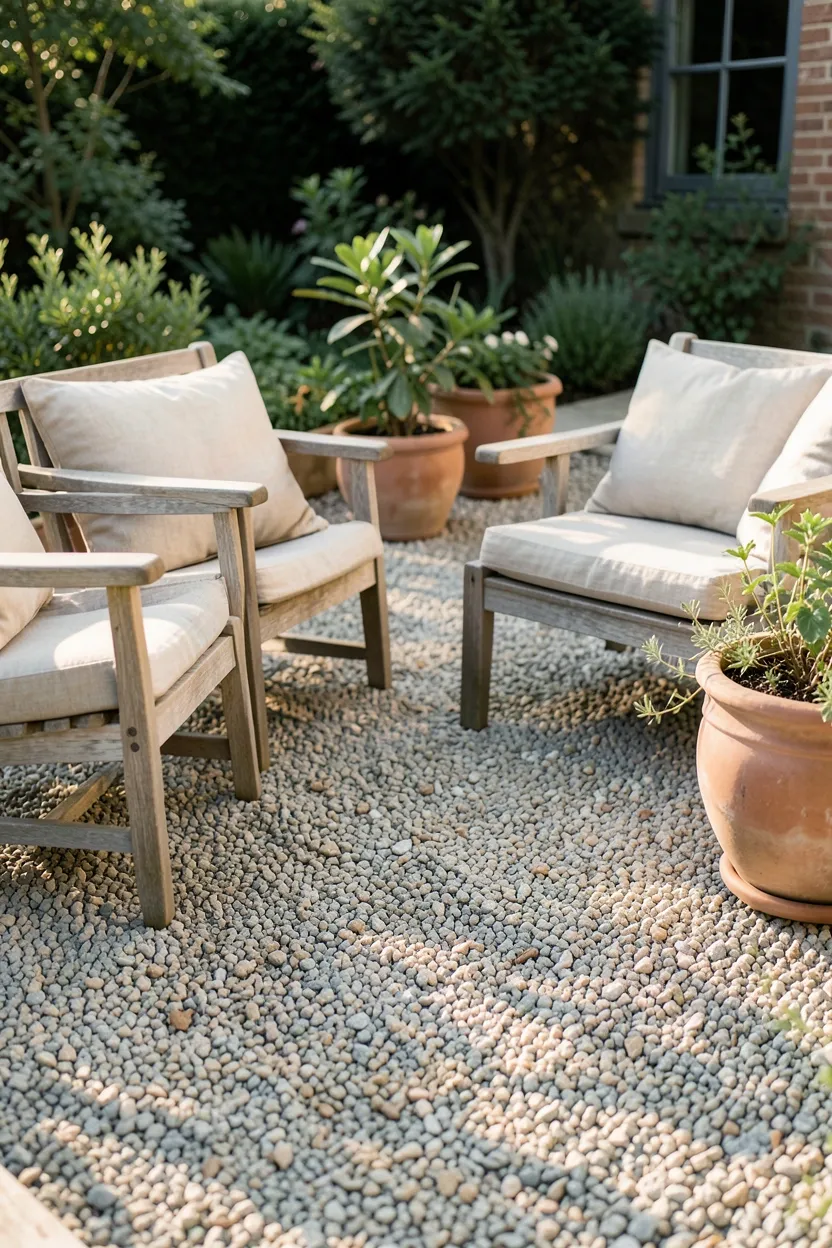
The light gray and beige tones of the gravel reflect sunlight, keeping the space cooler during hot summer months compared to dark paving materials. Avoid using sharp-edged stones that can be uncomfortable to walk on barefoot. Instead, choose rounded pea gravel that feels pleasant underfoot and reduces tripping hazards for children and pets.
Tips
- Do install a weed barrier beneath the gravel to minimize maintenance
- Don't skip edging to keep gravel contained in designated areas
- Do level the base layer properly to prevent uneven settling
What this gives you: A budget-friendly, low-maintenance patio surface that feels natural and inviting.
We picked a few things that go well with this idea: 6-Piece Patio Set with Propane Fire Pit (★4.4), Aoxun 8-Piece Wicker Patio Fire Pit Set (★4.4) and 5-Piece Rattan Patio Set with Fire Pit (★4.4). As an Amazon Associate we earn from qualifying purchases.
2. Pea Gravel Patio with Fire Pit Feature
A pea gravel patio centered around a fire pit creates a cozy gathering spot perfect for cool evenings and social entertaining. The non-combustible nature of gravel makes it an ideal surface choice for fire features, providing safety alongside rustic charm. This design works especially well when paired with comfortable seating arranged in a circular pattern around the fire pit.
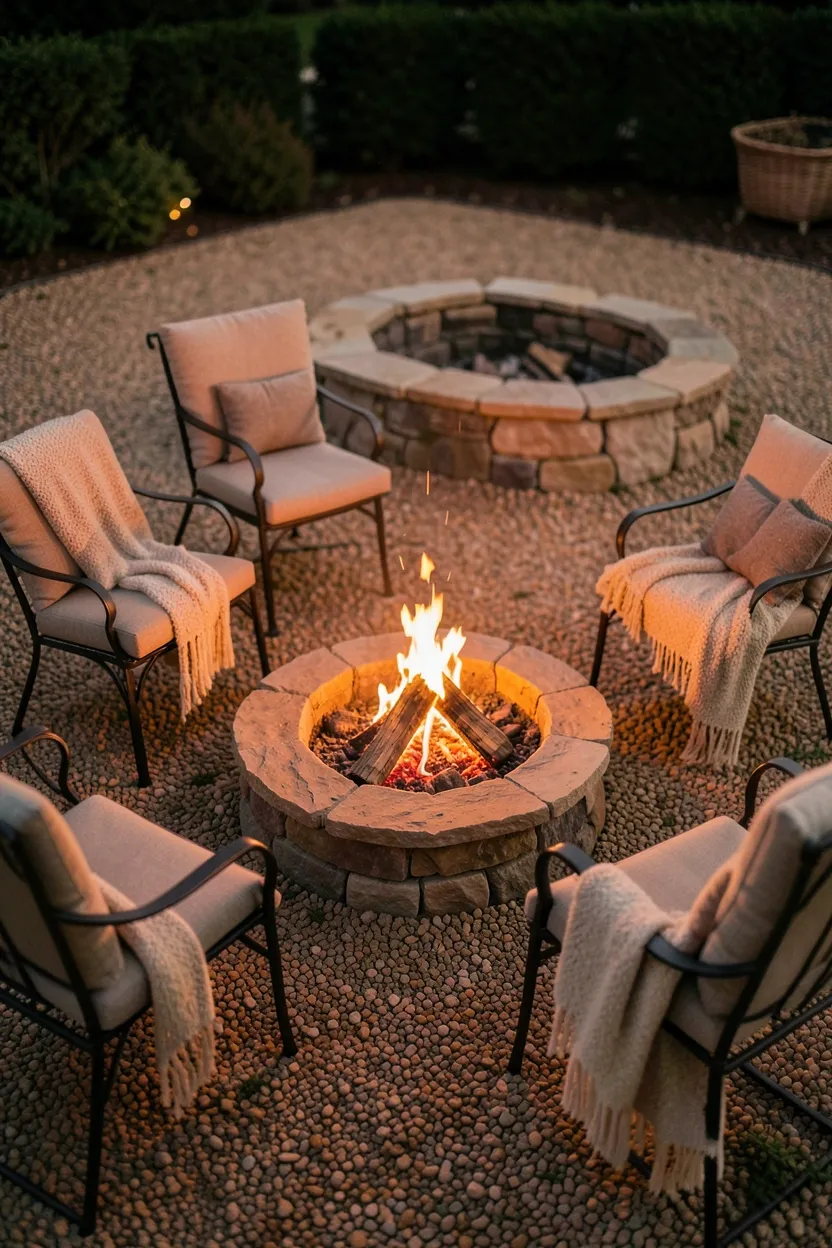
Why it works: The gravel absorbs and radiates heat from the fire pit, creating a warm ambient temperature around the seating area. Consider using larger stone edging around the fire pit to define the zone clearly and prevent gravel from shifting too close to the flames. This setup transforms your patio into a year-round outdoor living space.
Tips
- If you want permanent seating, use built-in stone benches for durability
- Then choose weather-resistant outdoor furniture with fire-retardant cushions
- If you cook often, include a dedicated food prep area nearby
What this gives you: An outdoor entertaining hub that extends your living space and creates memorable moments with family and friends.
We picked a few things that go well with this idea: VEVOR Heavy Duty Weed Barrier Fabric (4x300ft) (★4.5), VEVOR 8oz Geotextile Landscape Fabric (6x100ft) (★4.5) and Heavy Duty Weed Barrier Landscape Fabric (4x100ft) (★4.4). As an Amazon Associate we earn from qualifying purchases.
3. Pea Gravel Path Leading to Garden Seating
Create a meandering pea gravel path that guides visitors through your garden to a secluded seating nook. The gentle crunch of gravel underfoot adds an auditory element to the garden experience, while the path's natural appearance blends seamlessly with surrounding plants. This design works particularly well in cottage-style gardens where informal, romantic aesthetics are desired.
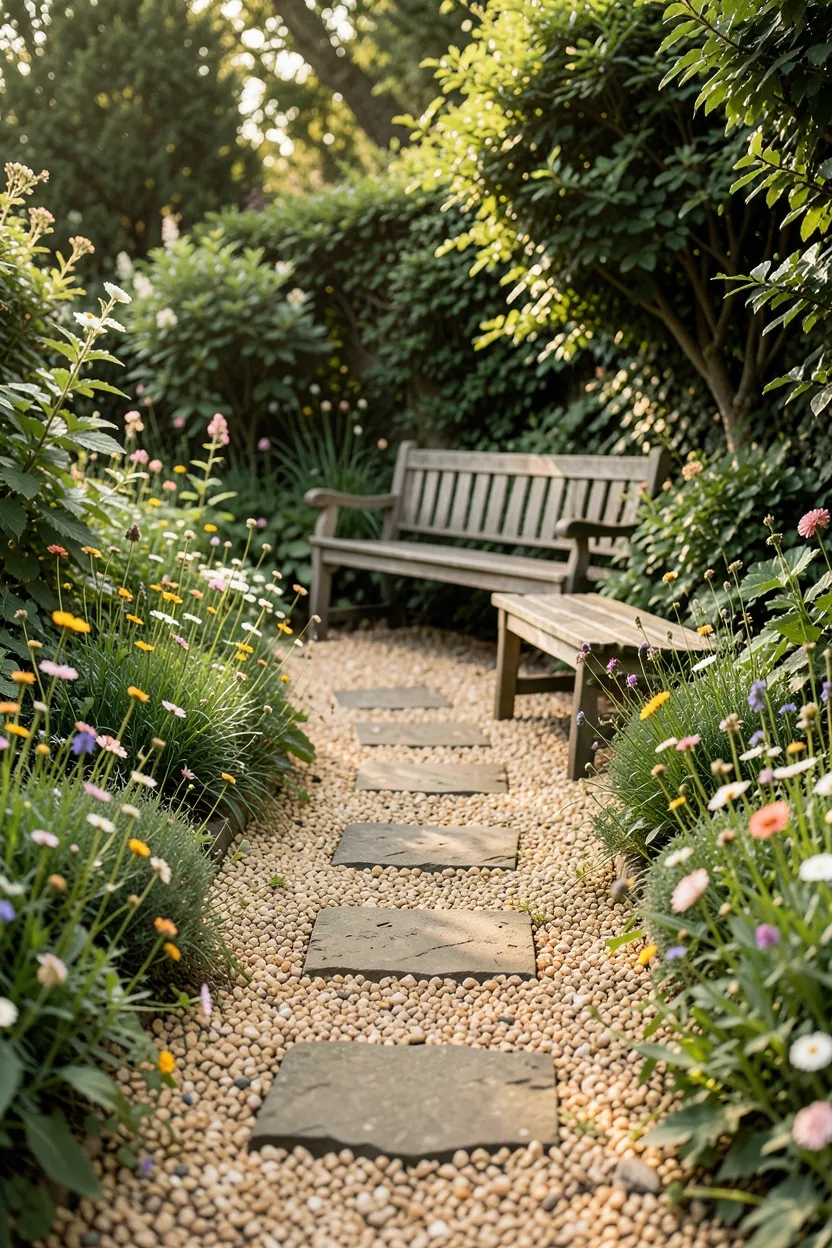
Common mistake: Making the path too narrow or straight, which can feel uncomfortable and unnatural. Instead, curve the path gently to create visual interest and maintain a width of at least 3 feet for comfortable walking. Line the edges with larger stones, bricks, or low-growing plants to contain the gravel and add definition.
Tips
- Install solar path lights along the edges for evening ambiance
- Add stepping stones for easier walking in high-traffic areas
- Plant fragrant herbs or flowers alongside the path for sensory appeal
What this gives you: A magical garden journey that invites exploration and creates peaceful moments in nature.
We picked a few things that go well with this idea: Brightown G40 Outdoor String Lights (50ft) (★4.7), Brightown ST38 Outdoor String Lights (100ft) (★4.7) and Waterproof LED Patio String Lights with Remote (100ft) (★4.3). As an Amazon Associate we earn from qualifying purchases.
4. Pea Gravel Patio with Raised Planters for Renters
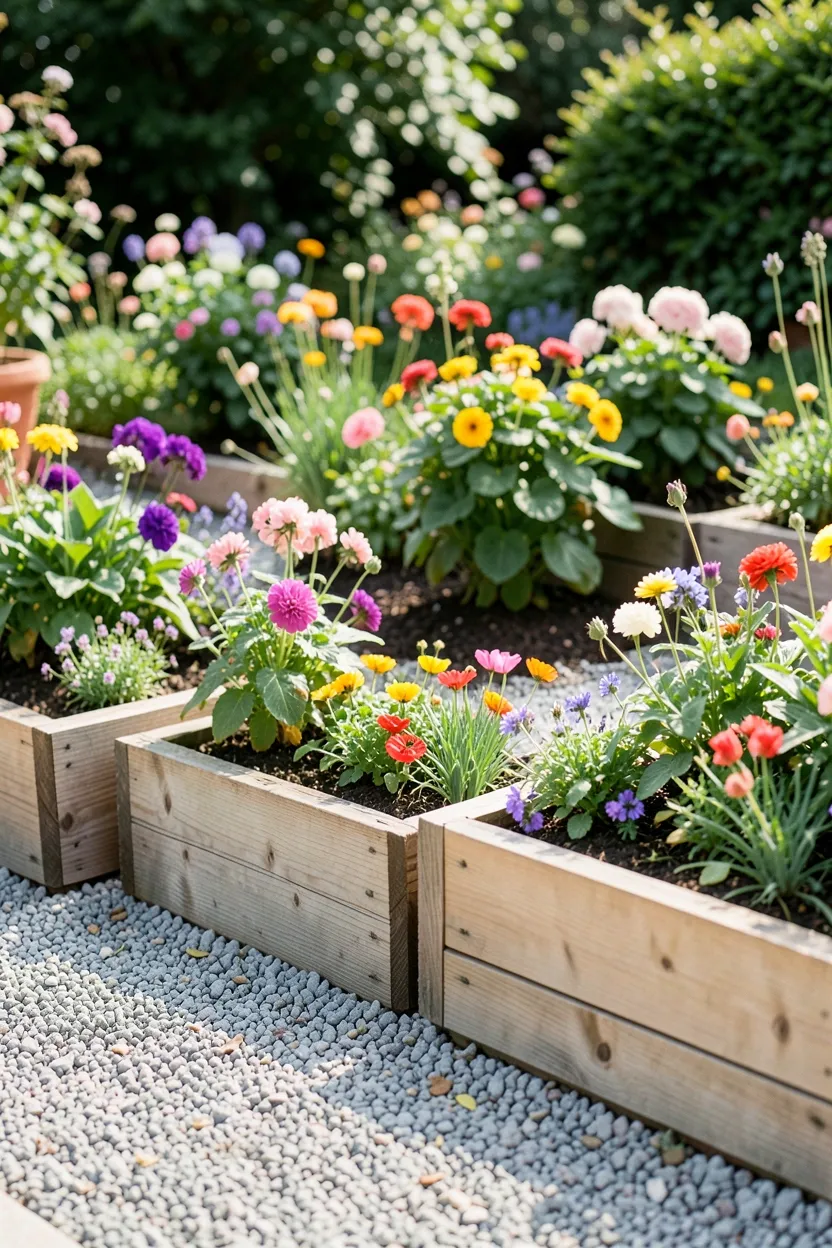
Combine the natural texture of pea gravel with the structured beauty of raised planters to create a stunning patio design. The contrast between the loose, organic gravel surface and the defined edges of wooden or stone planters adds visual depth and sophistication to your outdoor space. This approach is perfect for growing herbs, vegetables, or decorative flowers right on your patio.
Recommended
Items for this idea
Placement note: Position taller planters along the perimeter to create privacy and define the space, while keeping central areas open for seating and movement. The gravel surface makes watering plants easy without creating muddy puddles, and excess water drains naturally through the stones. This design is particularly appealing for urban gardens where maximizing greenery is essential.
Consider incorporating built-in irrigation or self-watering planters to reduce maintenance time. The combination of growing space and patio functionality creates a true outdoor living room that feels connected to nature.
Tips
- Use cedar or redwood planters for natural rot resistance
- Add landscape fabric beneath gravel to prevent weed growth
- Mix perennial and annual plants for year-round interest
What this gives you: A multifunctional outdoor space that combines relaxation areas with productive gardening.
5. Pea Gravel Dining Patio with Pergola
A pea gravel dining patio under a pergola offers the perfect blend of outdoor dining and natural atmosphere. The gravel surface provides excellent drainage, making it ideal for dining areas where spills and rain are common concerns. The pergola structure creates shade and vertical interest, while allowing dappled sunlight to filter through for a comfortable dining experience.
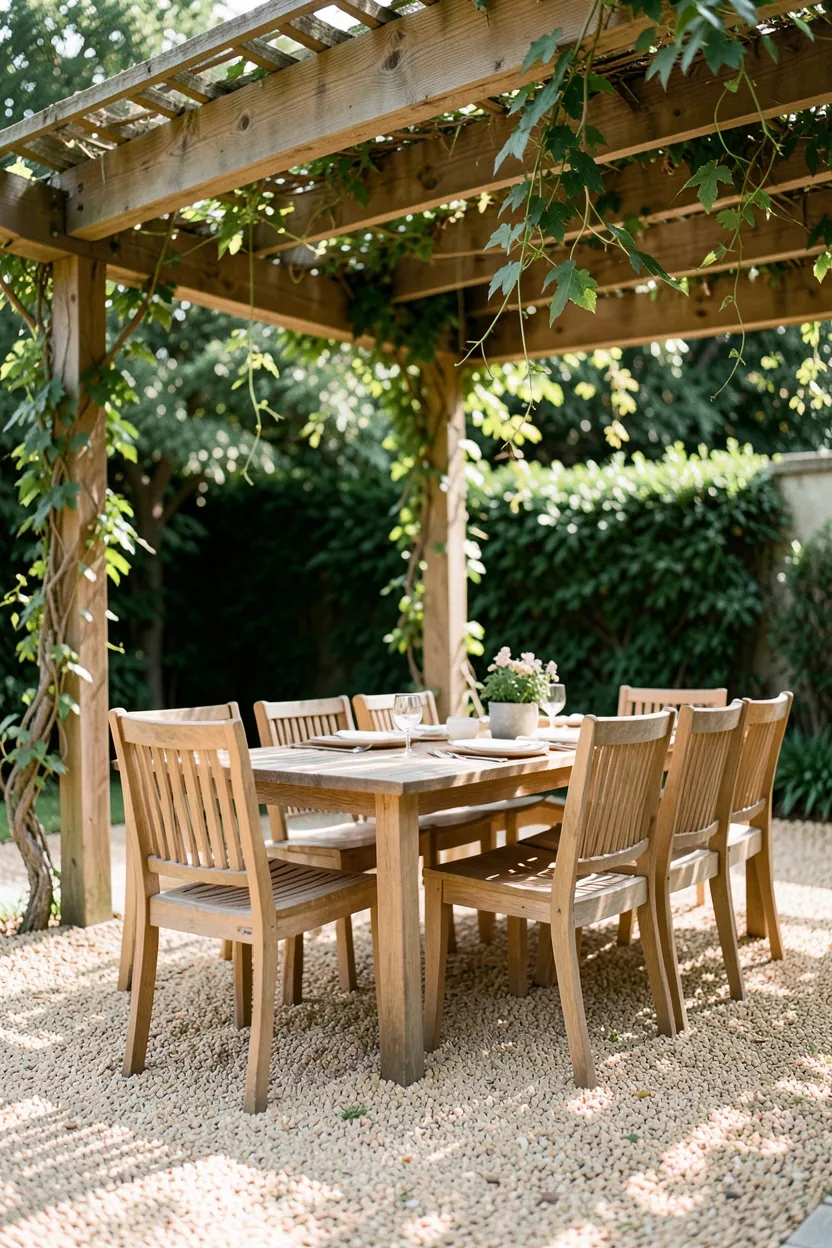
The soft surface of pea gravel feels more forgiving than concrete or stone pavers, making it comfortable for extended periods of standing or walking around the dining table. Upgrade the space with string lights or climbing vines on the pergola for evening ambiance. For a more formal look, consider installing a solid stone or concrete dining surface within the gravel area for stable table placement.
Tips
- Choose weather-resistant outdoor furniture that won't sink into gravel
- Consider adding a solid paver pad under the dining table for stability
- Install outdoor-rated ceiling fans under the pergola for hot weather comfort
What this gives you: An elegant outdoor dining space that feels natural, comfortable, and perfect for entertaining guests.
6. Pea Gravel Patio with Stepping Stone Accents
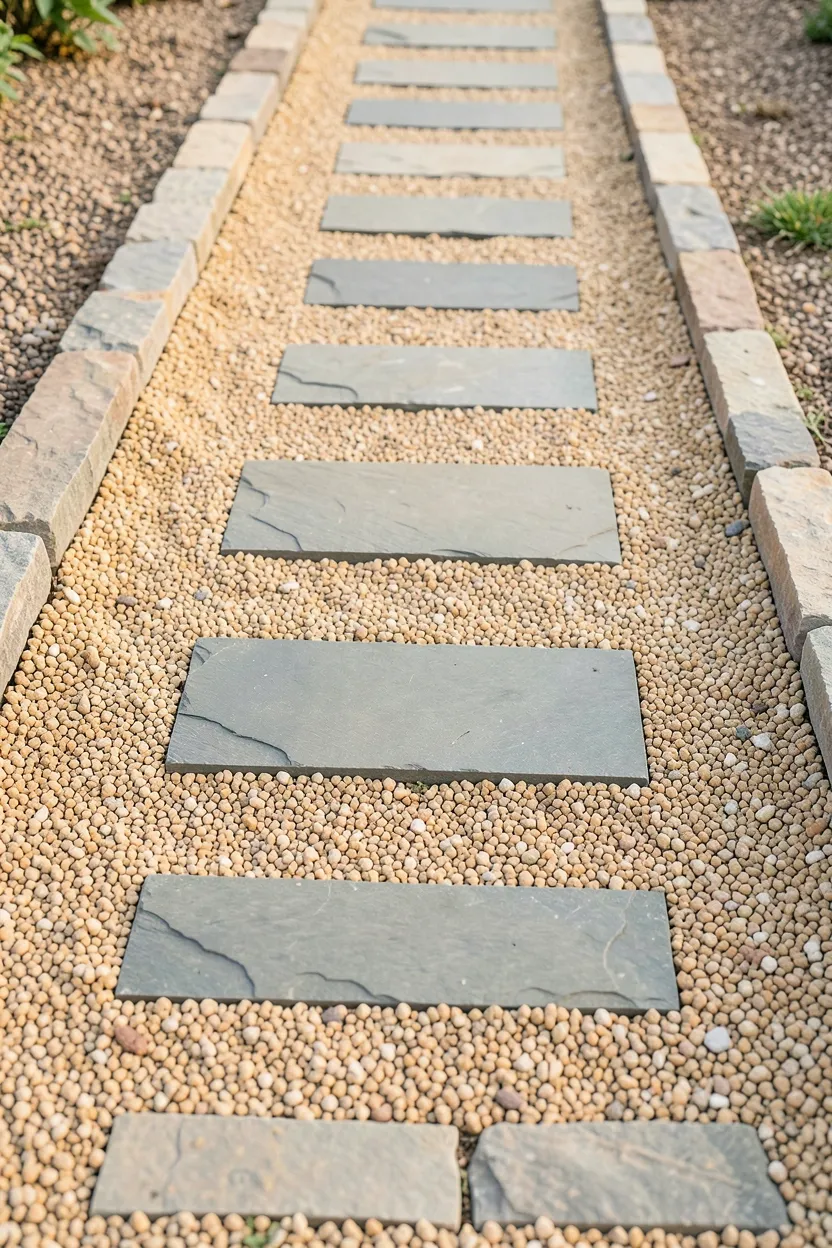
Integrate stepping stones into your pea gravel patio to create visual interest and defined walking paths. The combination of smooth, flat stones surrounded by loose gravel offers both stability and natural texture, making it easier to navigate the space while maintaining the casual, organic feel. This design works beautifully for creating clear walkways to seating areas or connecting different zones of your patio.
Recommended
Items for this idea
Choose stones in colors that complement your gravel—natural slate, limestone, or field stones work exceptionally well with warm-toned pea gravel. The stones provide solid footing for high-traffic areas, while the gravel fills in the gaps and creates a cohesive look. Consider arranging the stones in patterns or curves to add artistic flair to your patio design.
Tips
- Pro: Creates clear walking paths while maintaining natural aesthetics
- Con: Requires careful installation to keep stones level with gravel surface
- Fix: Use sand or fine gravel beneath stones for easy leveling
What this gives you: A practical and beautiful patio design that combines stability with natural charm.
7. Pea Gravel Courtyard with Water Feature
A pea gravel courtyard centered around a water feature creates a serene, meditative outdoor space perfect for relaxation and contemplation. The gentle sound of water combined with the natural texture of gravel underfoot transforms an ordinary courtyard into a peaceful retreat. The gravel surface provides excellent drainage, making it ideal for water features that may splash or overflow.
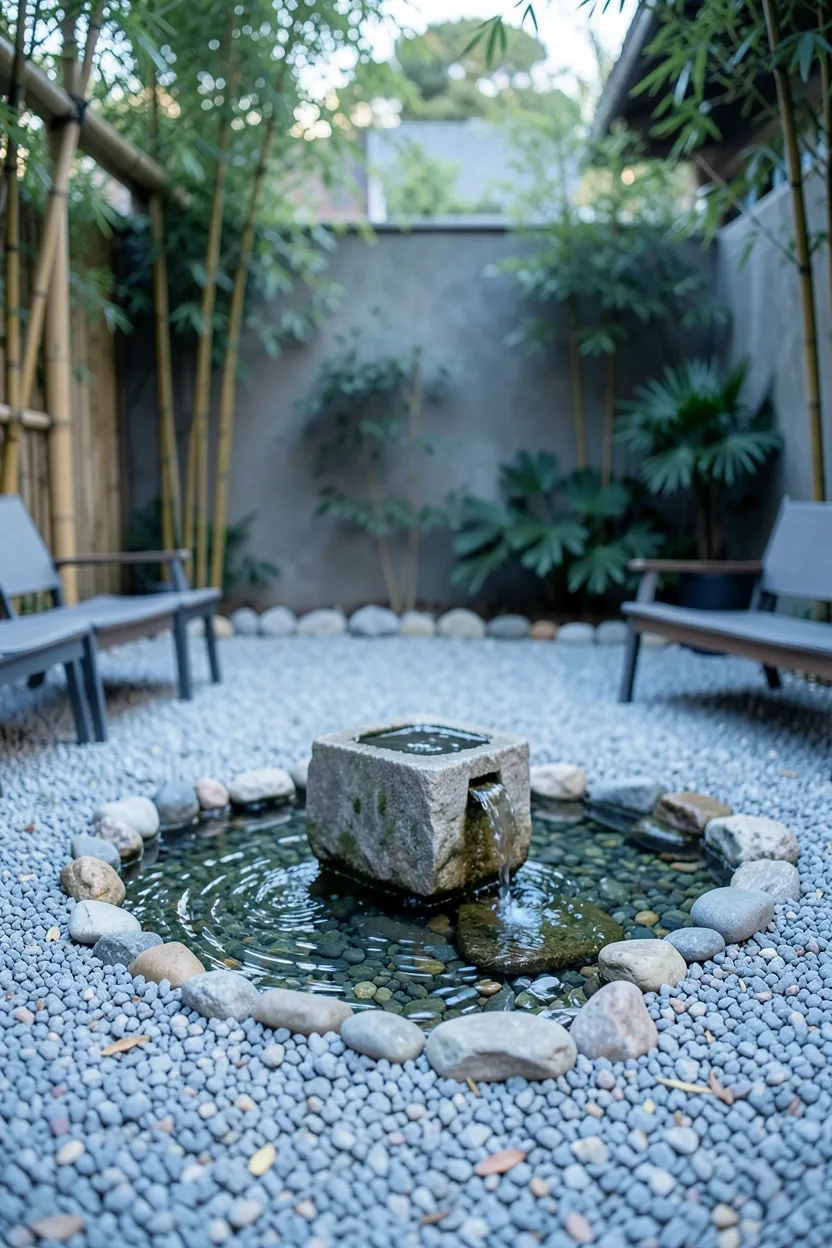
The reflective properties of water contrast beautifully with the matte texture of pea gravel, creating visual interest and depth. Consider incorporating a small fountain, birdbath, or reflective pond as your water feature—the scale should match the size of your courtyard for the most harmonious effect. Surround the water feature with larger rocks or pavers to define the area and prevent gravel from washing into the water.
For a complete sensory experience, add soft lighting around the water feature and plant water-loving plants like ferns or irises nearby. The combination of water, gravel, and greenery creates a tranquil oasis that feels removed from everyday stress.
Tips
- Install a recirculating pump to reduce water usage and maintenance
- Add mosquito dunks or fish to prevent mosquito breeding in standing water
- Choose a water feature size proportional to your courtyard space
Best for: Small to medium courtyards where a sense of tranquility is the primary goal.
What this gives you: A peaceful outdoor sanctuary that promotes relaxation and connection with nature.
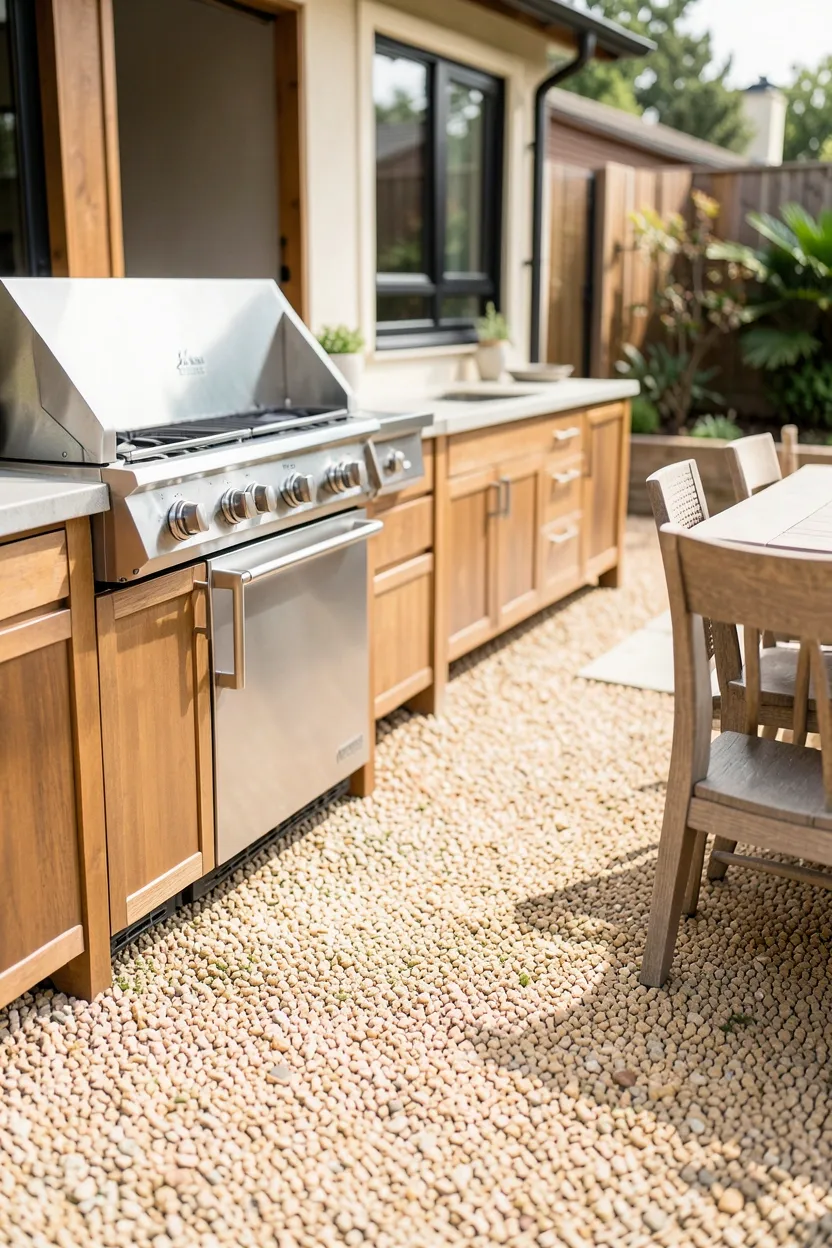
8. Pea Gravel Patio with Outdoor Kitchen
Create an outdoor cooking paradise by combining pea gravel with a functional outdoor kitchen setup. The gravel surface provides excellent drainage for spills and makes cleanup after outdoor cooking sessions simple—just sweep away food debris into the gravel where it decomposes naturally. This design is particularly appealing for those who love entertaining and want a seamless transition between cooking and dining areas.
Recommended
Items for this idea
Install solid pavers or concrete pads beneath heavy appliances like grills and refrigerators to prevent them from sinking into the gravel. The remaining patio area can be gravel, creating a pleasing contrast between the solid cooking surface and the loose seating area. Consider adding a prep station or bar with solid footing within the gravel zone for a cohesive yet functional design.
Tips
- Use weather-resistant appliances rated for outdoor use
- Plan for proper ventilation around the grill area
- Incorporate shade structures like umbrellas or pergolas for summer cooking
What this gives you: A fully functional outdoor cooking and dining space that feels natural and welcoming.
9. Pea Gravel Patio with Built-in Seating
Maximize your patio space and create a cohesive design by incorporating built-in seating directly into your pea gravel patio layout. Built-in benches or seating walls made from stone, brick, or concrete provide permanent, durable seating that requires no storage and defines the boundaries of your patio space. The combination of built-in structures and loose gravel creates visual interest through the contrast of materials.
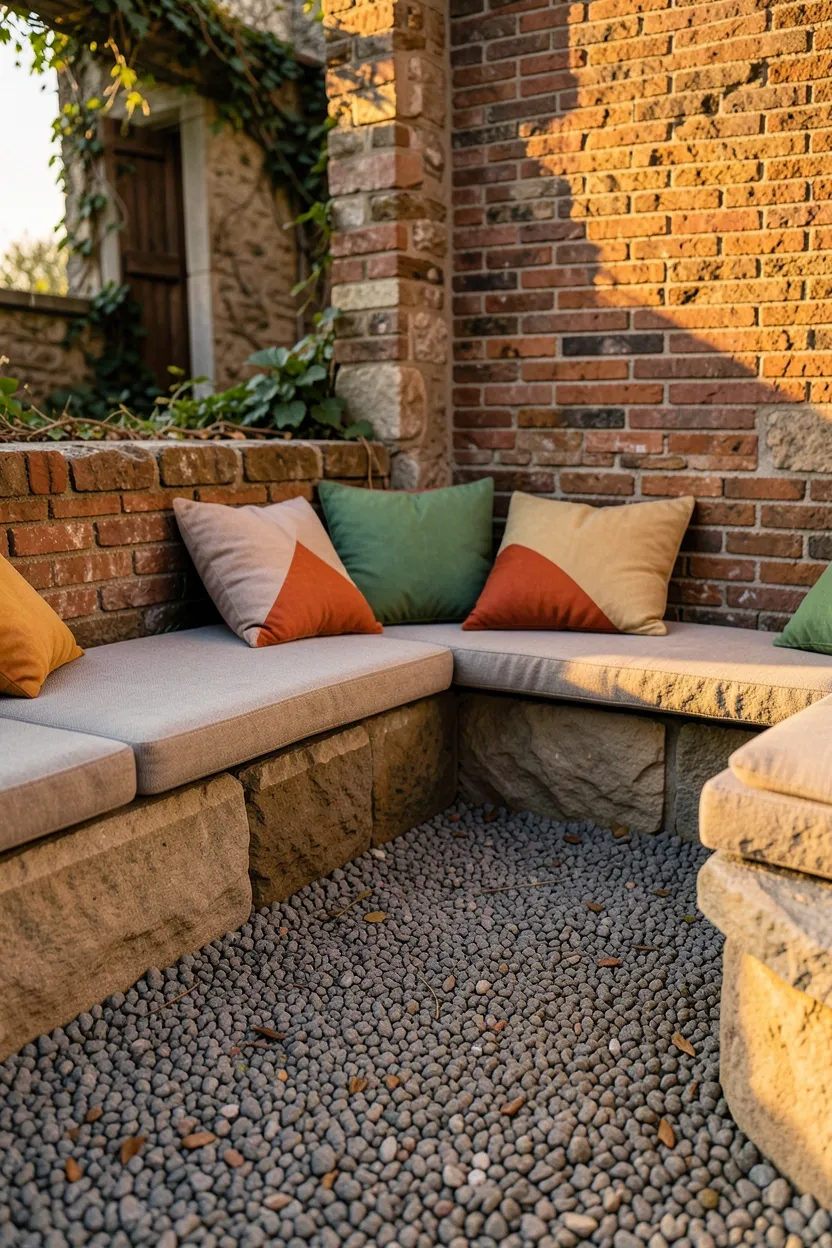
Why it works: Built-in seating eliminates the need for moving furniture pieces and creates a sense of permanence and sophistication. The gravel surface makes it easy to rearrange additional portable seating as needed, while the built-in elements provide anchor points for the overall design. Add weather-resistant cushions to built-in benches for comfort and color accents.
Consider adding storage compartments within built-in benches for outdoor cushions or entertaining supplies. This dual-purpose approach maximizes functionality while maintaining a clean, organized appearance.
Tips
- Choose materials that complement your home's exterior and existing hardscaping
- Add weather-resistant cushions with removable, washable covers
- Incorporate built-in planters at the ends of seating walls for greenery
What this gives you: A space-efficient patio design with permanent seating that requires minimal maintenance and maximum enjoyment.
10. Pea Gravel Patio with String Light Ambiance
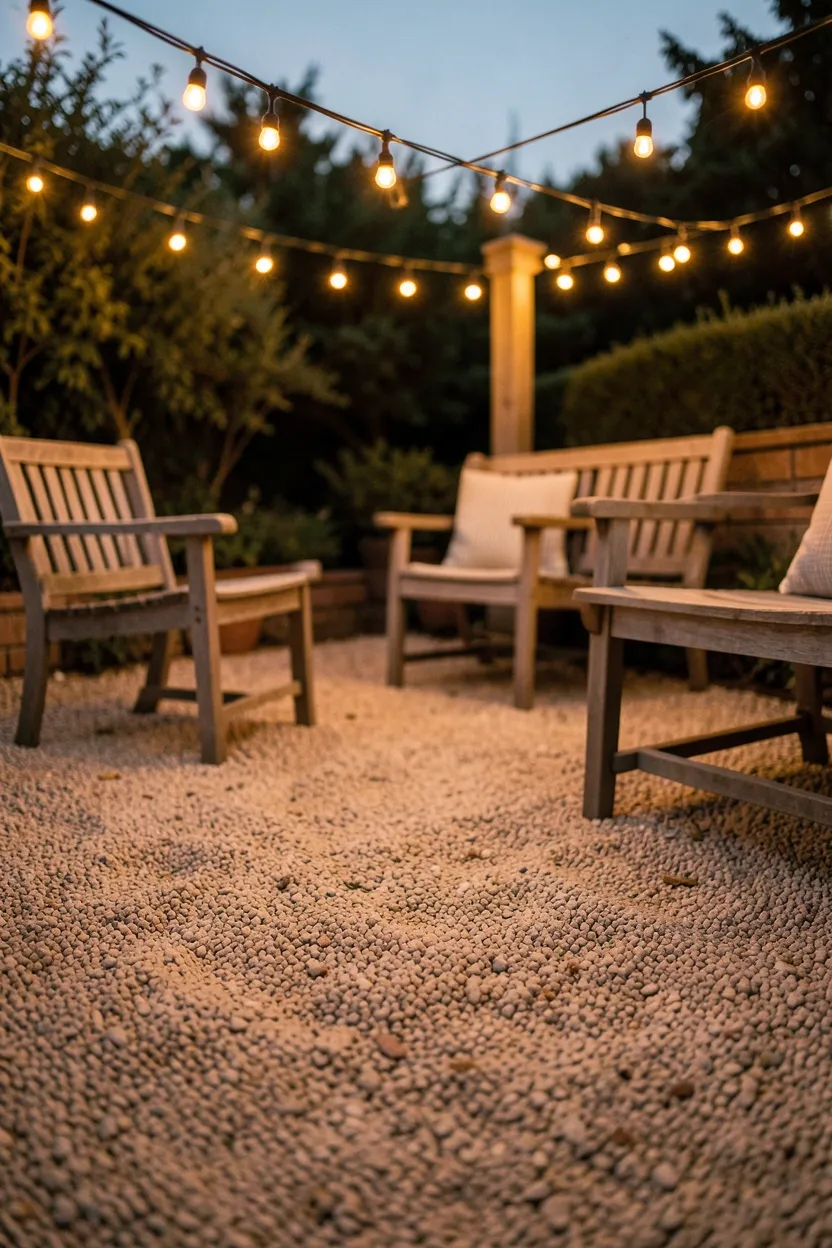
Transform your pea gravel patio into an enchanting evening retreat by incorporating string lights throughout the space. The soft glow of lights strung overhead or wrapped around surrounding trees and structures creates a magical atmosphere that extends the usability of your patio well into the night. The natural texture of pea gravel provides the perfect backdrop for warm, twinkling lights.
Recommended
Items for this idea
The loose surface of gravel makes installation simple—no need to bury wires or drill into concrete. Instead, use solar-powered string lights or discreetly run extension cords to outdoor outlets along the edges of the patio. Consider wrapping lights around pergola beams, tree trunks, or installing freestanding poles to create overhead lighting that defines the patio space.
For more outdoor lighting inspiration, explore Firepits Backyard Ideas and discover how combining lighting with fire features creates memorable outdoor experiences.
Tips
- Use warm white lights (2700-3000K) for cozy, inviting ambiance
- Consider dimmable LED string lights for versatile lighting control
- Install timers or smart plugs to automate lighting schedules
What this gives you: An enchanting outdoor space that creates beautiful evening memories and extends your outdoor living season.
11. Pea Gravel Patio with Japanese Garden Elements
Embrace the tranquility of Japanese garden design by incorporating pea gravel with traditional elements like bamboo, stone lanterns, and carefully placed rocks. The clean, minimalist aesthetic of pea gravel perfectly complements Japanese-inspired landscapes, creating a serene and contemplative outdoor space. This design approach focuses on natural materials and simple elegance.
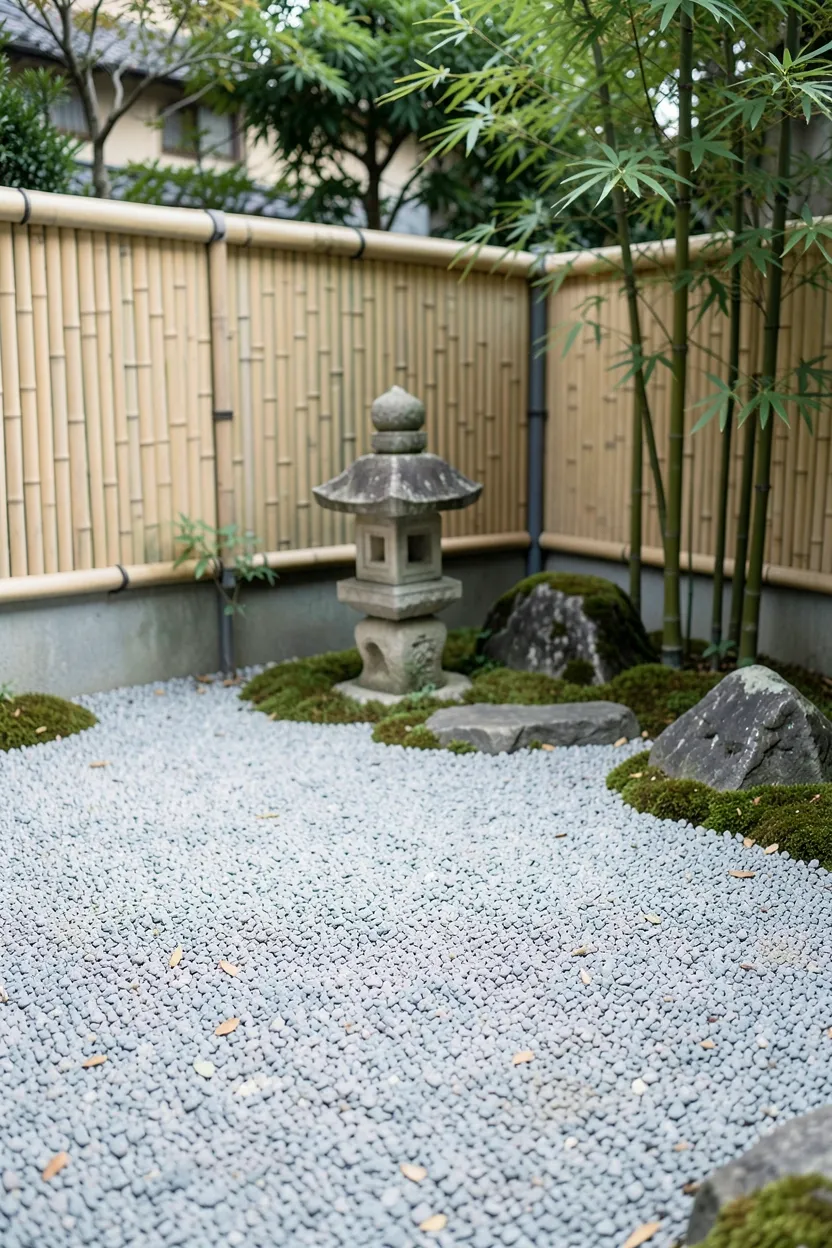
Common mistake: Overcrowding the space with too many elements, which disrupts the serene, uncluttered nature of Japanese design. Instead, focus on a few carefully chosen features—a simple bamboo fence, a single stone lantern, or a small Zen garden area within the larger patio. The gravel surface can be raked into patterns reminiscent of traditional Japanese dry gardens.
Tips
- Incorporate moss or low-growing groundcovers between rocks for authenticity
- Add a simple water feature like a bamboo deer scarer for sensory appeal
- Use evergreen plants to maintain year-round structure and greenery
What this gives you: A peaceful, meditative outdoor space that brings Japanese garden tranquility to your home.
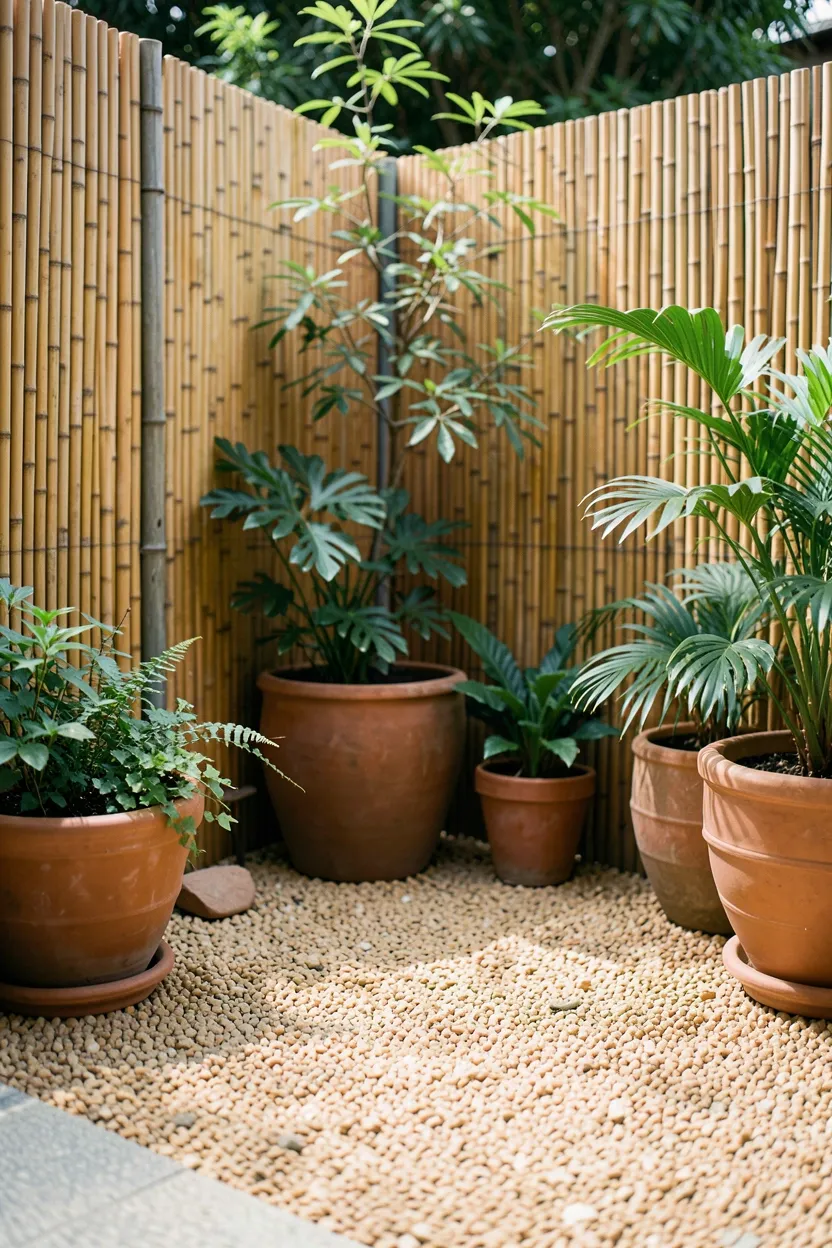
12. Pea Gravel Patio with Privacy Screens
Transform your pea gravel patio into a private retreat by incorporating creative privacy screens that define your space and shield it from neighbors or street views. The loose gravel surface provides excellent drainage and easy maintenance, while privacy screens made from lattice, bamboo, or plants create a sense of enclosure and intimacy. This design is perfect for urban or suburban properties where privacy is a priority.
Recommended
Items for this idea
Placement note: Position taller screens along property boundaries or toward areas where you want to block views, while keeping lower elements in areas where you want to maintain sightlines. Consider using a combination of materials—bamboo fencing for height, trellises with climbing vines for greenery, and decorative panels for artistic interest. The variety creates visual depth while maximizing privacy.
For a living privacy screen, plant fast-growing evergreen vines like jasmine or ivy on trellises, or install tall ornamental grasses in planters along the patio edges. The combination of solid and living screens creates a layered, natural feel.
Tips
- Check local building codes before installing permanent privacy structures
- Choose screen materials that complement your home's exterior style
- Consider portable screens for flexibility in different seasons
What this gives you: A private, intimate patio space where you can relax without feeling overlooked.
13. Pea Gravel Patio with Sunken Seating Area
Create a dramatic and intimate patio design by sinking a seating area into the ground and surrounding it with pea gravel at a higher level. This sunken seating approach provides natural wind protection and creates a cozy, enclosed feeling perfect for conversation and relaxation. The raised gravel edges act as natural seating backrests and define the space beautifully.
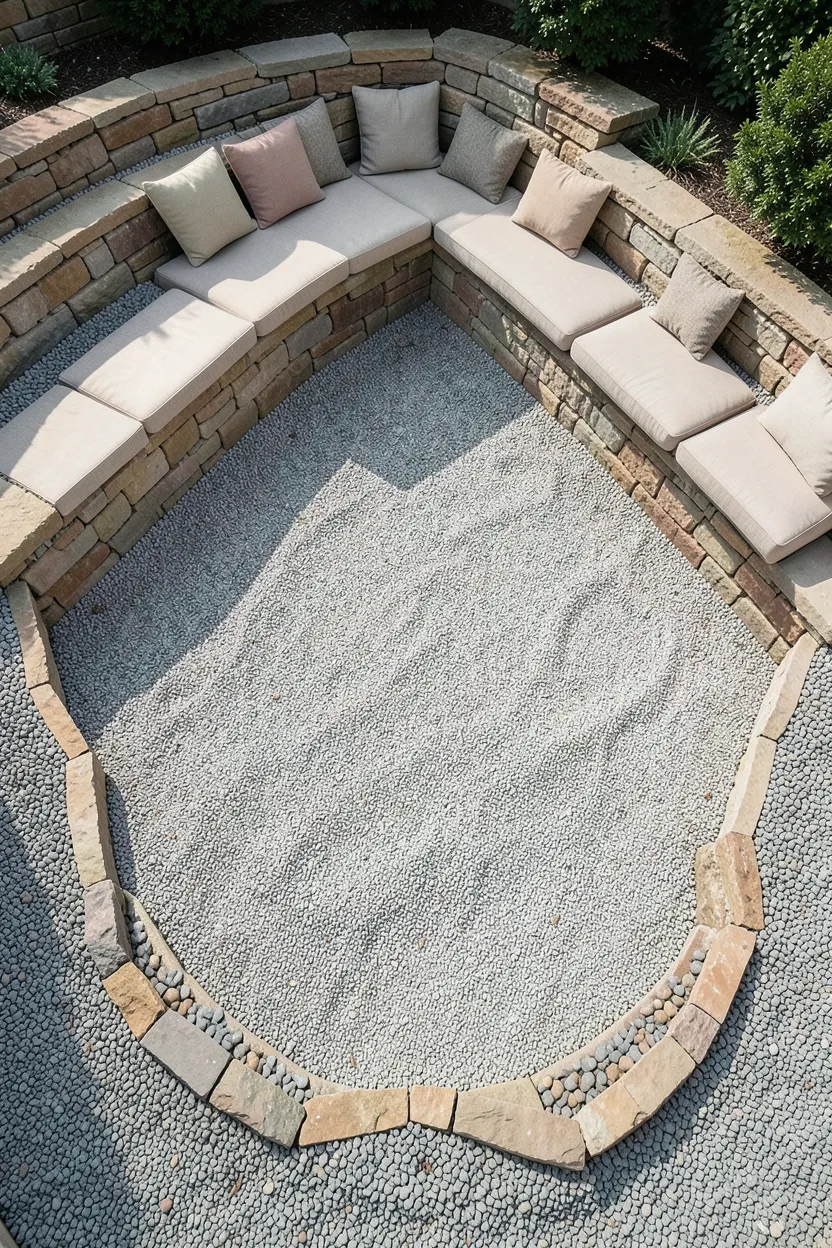
Why it works: The sunken design creates a sense of separation from the surrounding yard while maintaining connection through the raised gravel border. The change in elevation adds visual interest and makes the patio feel like a special destination. Consider adding built-in seating along the perimeter for a cohesive look, or use the gravel edges as informal seating for larger gatherings.
Ensure proper drainage by installing a slight slope away from the sunken area and using drain tiles if necessary. This prevents water from pooling in the seating area during heavy rain while maintaining the cozy, protected feel.
Tips
- Add retaining walls or edging to maintain the sunken area's shape
- Install LED strip lighting along the perimeter edges for evening ambiance
- Consider a fire pit in the center of the sunken area for warmth
Budget note: Sunken designs require excavation and additional materials, making them more expensive than surface-level patios.
What this gives you: A unique, dramatic patio space that feels intimate, protected, and special.
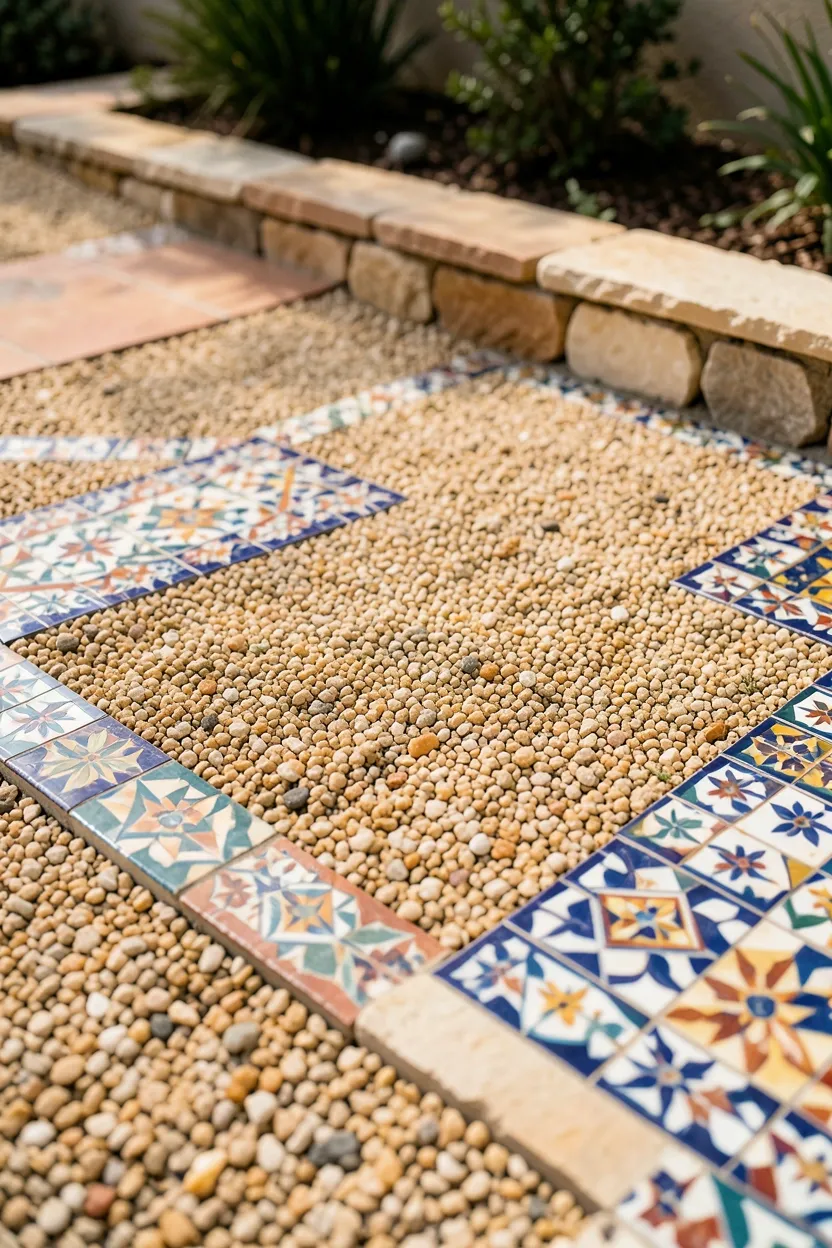
14. Pea Gravel Patio with Mosaic Accent Tiles
Add artistic flair to your pea gravel patio by incorporating mosaic tile accents within the gravel surface. The contrast between smooth, colorful tiles and the natural, loose texture of gravel creates visual interest and becomes a stunning focal point in your outdoor space. This design approach allows you to incorporate custom artwork or patterns that reflect your personal style.
Recommended
Items for this idea
The loose nature of gravel makes installation flexible—you can create mosaic pathways, decorative borders, or central medallions that appear to float within the gravel. Choose tiles in colors that complement your home's exterior and surrounding landscape for a cohesive look. Consider using locally-made tiles or patterns that reflect regional artistry for authentic character.
For more patio design inspiration, explore Backyard Patio Designs and discover how different materials can transform your outdoor space.
Tips
- Install a solid base beneath mosaic areas to prevent tile cracking
- Use frost-proof and UV-resistant tiles for outdoor durability
- Consider hiring a professional for complex mosaic designs
What this gives you: A unique, artistic patio surface that showcases your creativity and becomes a conversation piece.
15. Pea Gravel Patio with Rustic Farmhouse Style
Embrace cozy farmhouse charm by combining pea gravel with reclaimed wood furniture, galvanized metal accents, and vintage-inspired decor. The natural, weathered appearance of pea gravel perfectly complements farmhouse aesthetics, creating a welcoming, down-to-earth outdoor space that feels warm and inviting. This style works beautifully for country homes and suburban properties seeking rustic character.
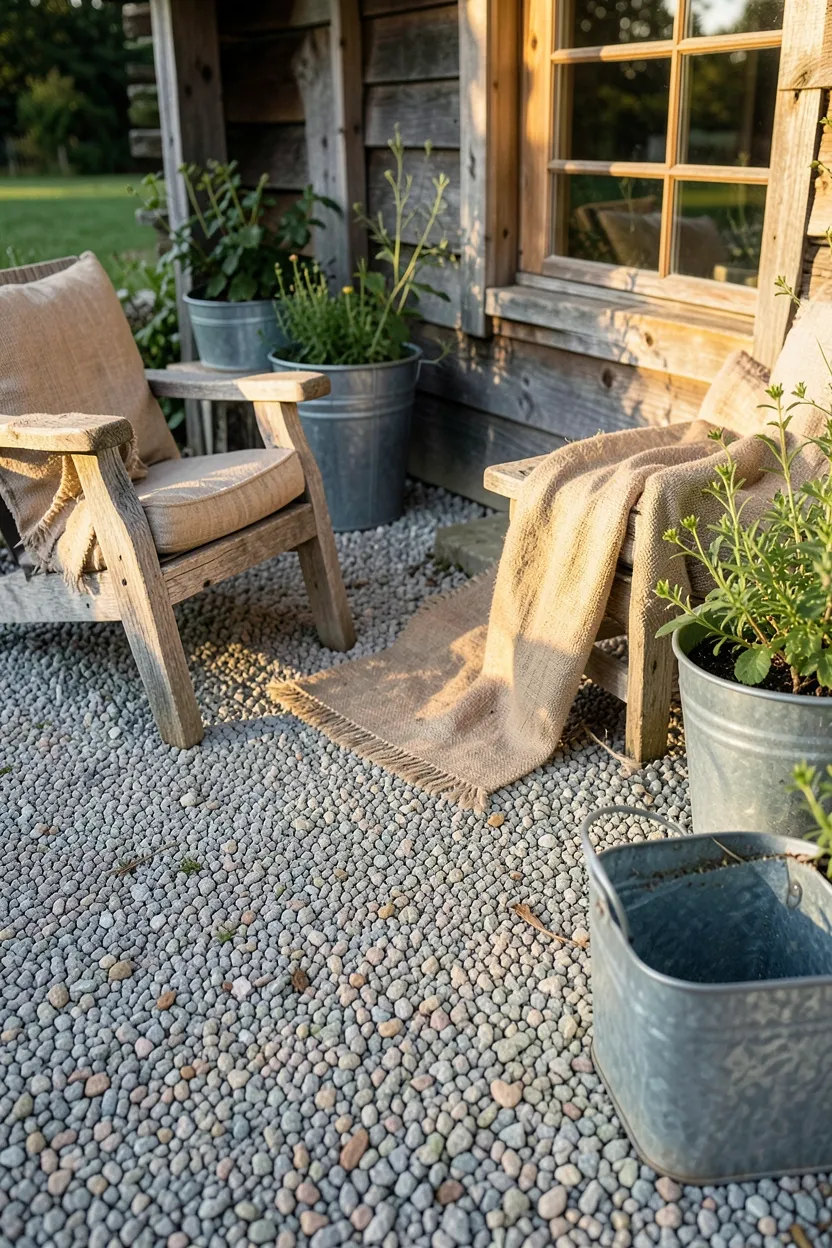
Pro tip: Use large, natural-edge slabs as stepping stones within the gravel for authentic farmhouse appeal. Incorporate galvanized metal planters, wooden crates as side tables, and vintage textiles like burlap or linen for throw pillows. The combination of materials creates rich texture and visual interest while maintaining a cohesive, relaxed atmosphere.
Avoid overly polished or modern elements that clash with the rustic aesthetic. Instead, embrace imperfections and natural patina for authentic farmhouse character.
Tips
- Use reclaimed barn wood or weathered pallet furniture for authentic farmhouse feel
- Add vintage lighting like mason jar sconces or industrial-style fixtures
- Incorporate farmhouse plants like lavender, sage, or wildflowers
What this gives you: A charming, cozy outdoor space that embodies warm farmhouse hospitality.
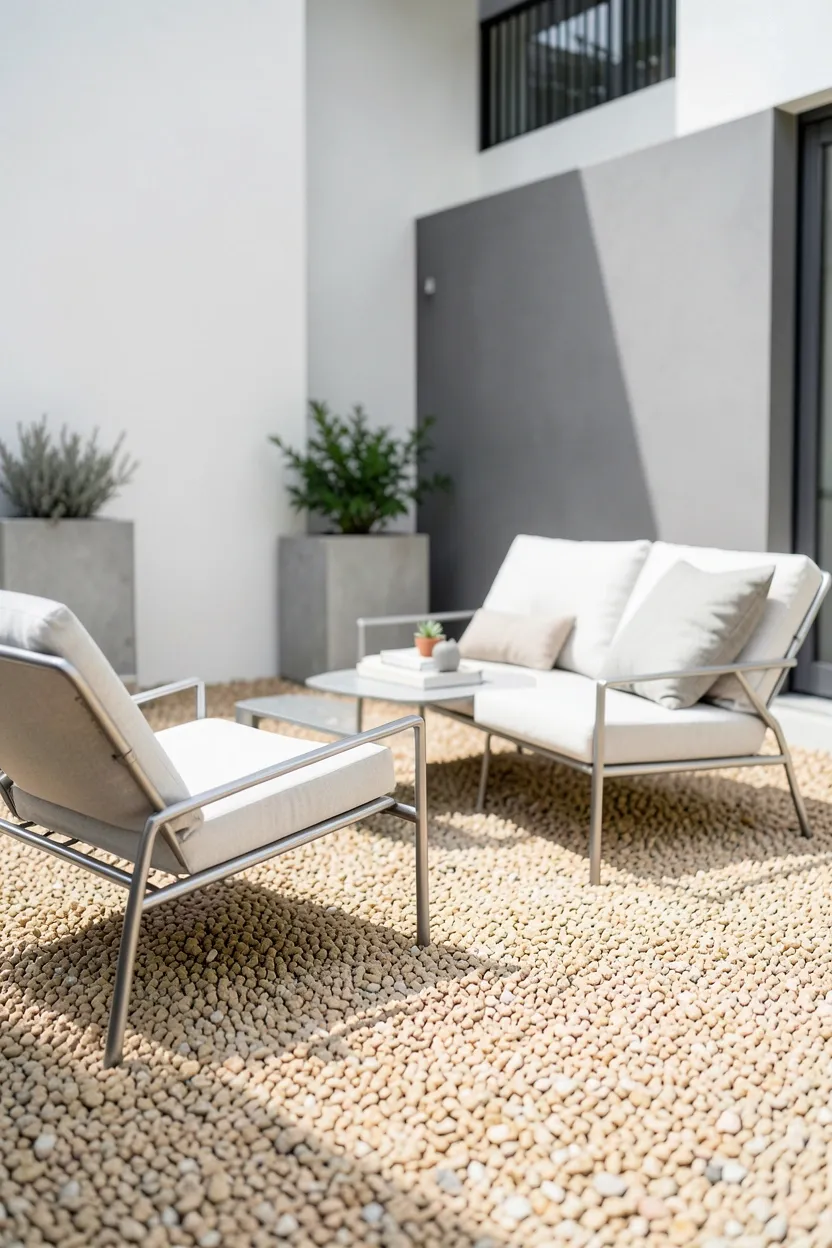
16. Pea Gravel Patio with Modern Minimalist Design
Achieve sophisticated modern minimalism by using clean lines, geometric patterns, and a monochromatic color palette in your pea gravel patio design. The natural texture of gravel adds warmth to minimalist spaces, preventing them from feeling sterile while maintaining the clean, uncluttered aesthetic. This approach works beautifully for contemporary homes and urban properties seeking a refined outdoor space.
Recommended
Items for this idea
Common mistake: Using too many decorative elements that disrupt the minimalist aesthetic. Instead, focus on a few carefully chosen pieces—sleek furniture in neutral tones, simple geometric planters, and restrained lighting. The gravel surface provides texture and interest without the need for additional ornamentation.
Consider creating a grid or linear pattern with different sizes or colors of gravel to add subtle visual interest without compromising the minimalist approach. This technique adds sophistication while maintaining clean lines.
Tips
- Choose furniture with clean lines and simple profiles
- Use a limited color palette—black, white, gray, and natural wood tones
- Incorporate architectural plants like ornamental grasses for vertical interest
What this gives you: A sleek, sophisticated outdoor space that feels contemporary, calm, and thoughtfully designed.
17. Pea Gravel Patio with a Container Garden — Perfect for Renters
Transform your pea gravel patio into a lush container garden paradise by incorporating a variety of potted plants in different sizes and styles. The excellent drainage properties of gravel make it the perfect surface for container gardening, preventing water pooling and protecting your patio from muddy messes. This design approach allows you to grow vegetables, herbs, flowers, and decorative plants in a small space.
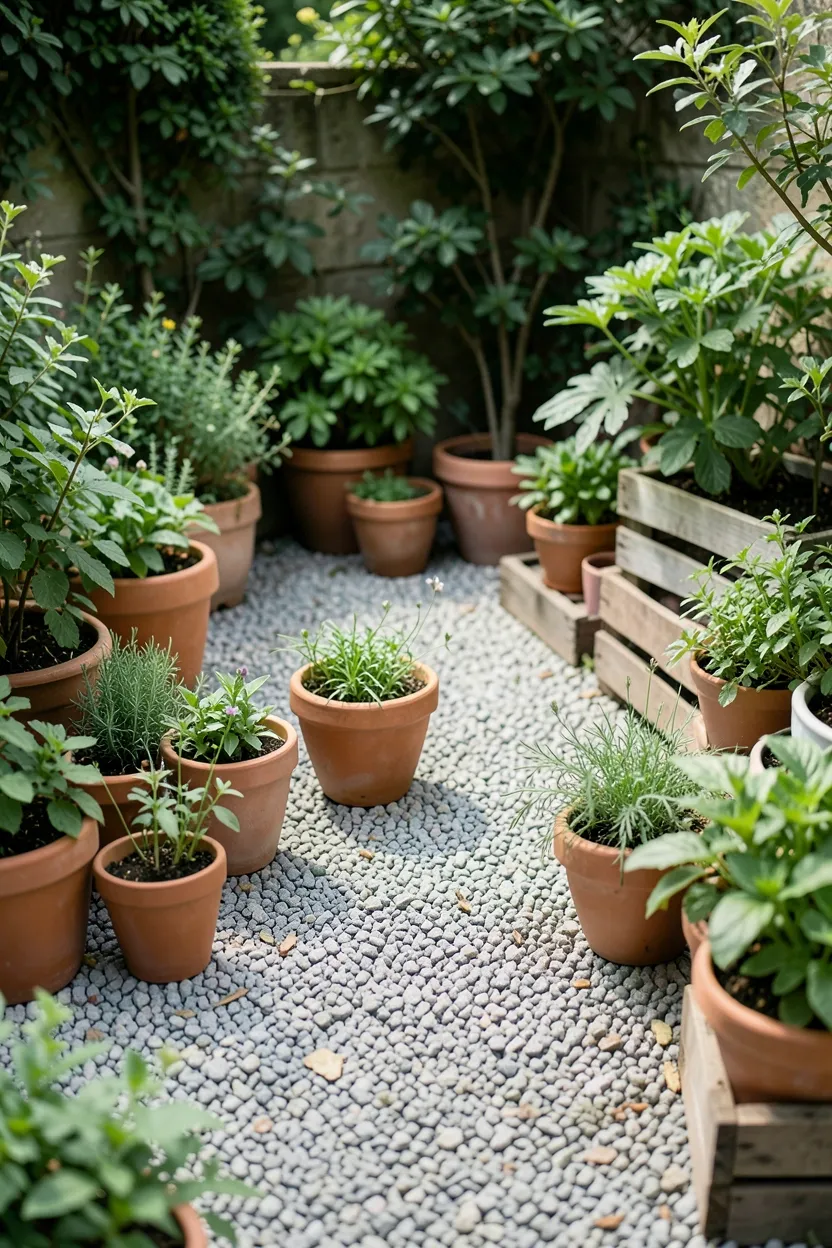
Placement note: Group containers in odd numbers for natural visual appeal, placing larger pots as anchor points and smaller plants as accents. Use varying heights and textures to create visual interest—tall grasses for vertical structure, trailing plants for softness, and colorful flowers for focal points. The loose gravel surface allows you to rearrange containers easily as plants grow or seasons change.
For a cohesive look, choose pots in complementary colors and materials—terracotta, ceramic, or metal—and repeat these throughout the space. This creates a unified design despite the variety of plants.
Tips
- Use pot feet or risers to improve drainage and prevent root rot
- Install drip irrigation to simplify container maintenance
- Choose plants with similar sunlight and water requirements for easier care
What this gives you: A vibrant, productive garden space that combines relaxation with the joy of growing plants.
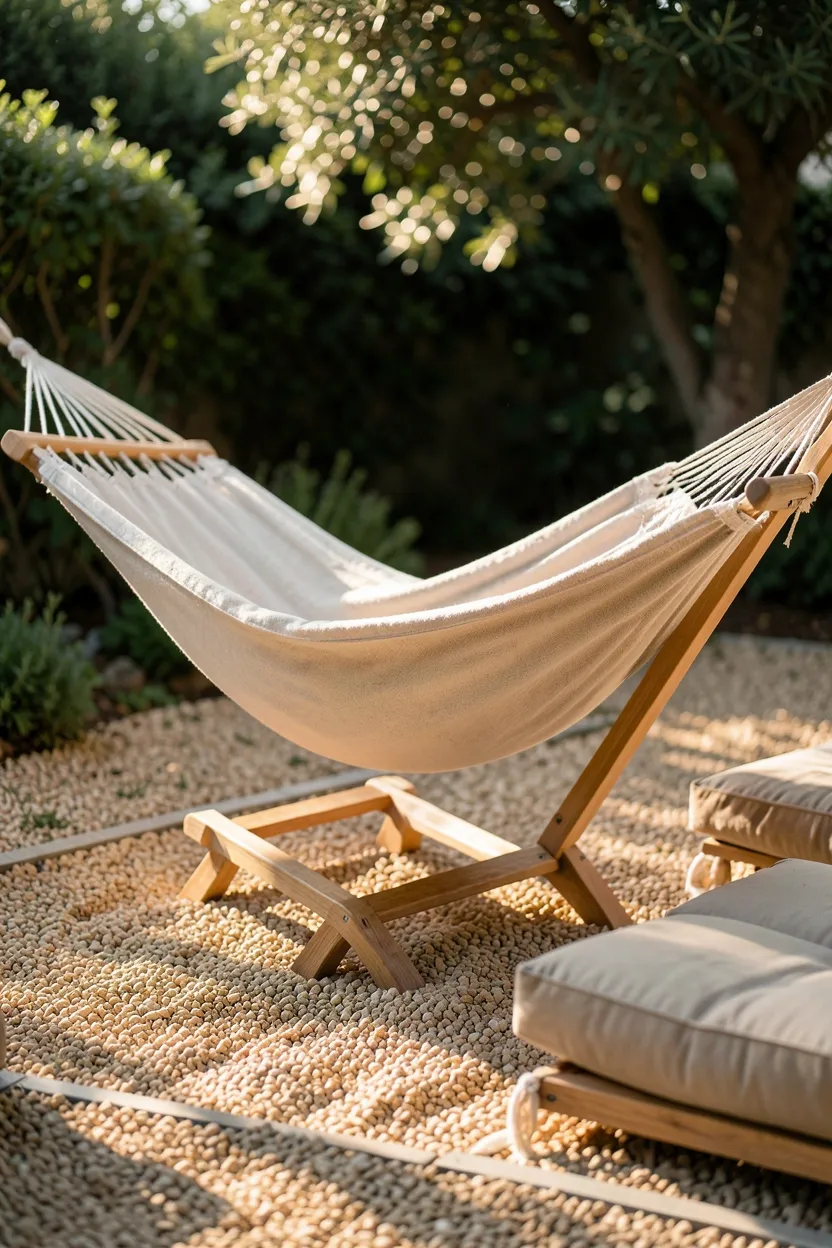
18. Pea Gravel Patio with Hammock Relaxation Zone
Create the ultimate relaxation spot by installing a hammock in your pea gravel patio, surrounded by comfortable seating and shade. The natural, yielding surface of gravel provides a gentle, comfortable foundation for hammock posts or stands, while the loose stones allow for easy installation adjustments. This design creates a dedicated zone for unwinding, reading, or napping in the fresh air.
Recommended
Items for this idea
Why it works: The combination of a swinging hammock and soft gravel creates a sensory experience that promotes relaxation and stress relief. The gentle crunch of gravel beneath the hammock stand adds to the natural, calming atmosphere. Surround the hammock with low seating like poufs or floor cushions for additional lounging options.
Consider adding a small side table or beverage station within reach for convenience. Install shade structures like umbrellas or plant trees strategically to provide comfortable shade during hot afternoons.
Tips
- Choose weather-resistant hammock materials like canvas or quick-dry mesh
- Install posts deeply into the ground with concrete for stability
- Add outdoor speakers discreetly for background music
What this gives you: A dedicated relaxation sanctuary that invites you to slow down and enjoy simple pleasures.
19. Pea Gravel Patio with Bohemian Style
Embrace free-spirited bohemian style by combining pea gravel with colorful textiles, layered rugs, mismatched furniture, and an abundance of plants. The natural, organic texture of gravel provides the perfect canvas for boho decor, allowing you to create an eclectic, vibrant outdoor space that feels relaxed and welcoming. This style encourages creativity and personal expression.
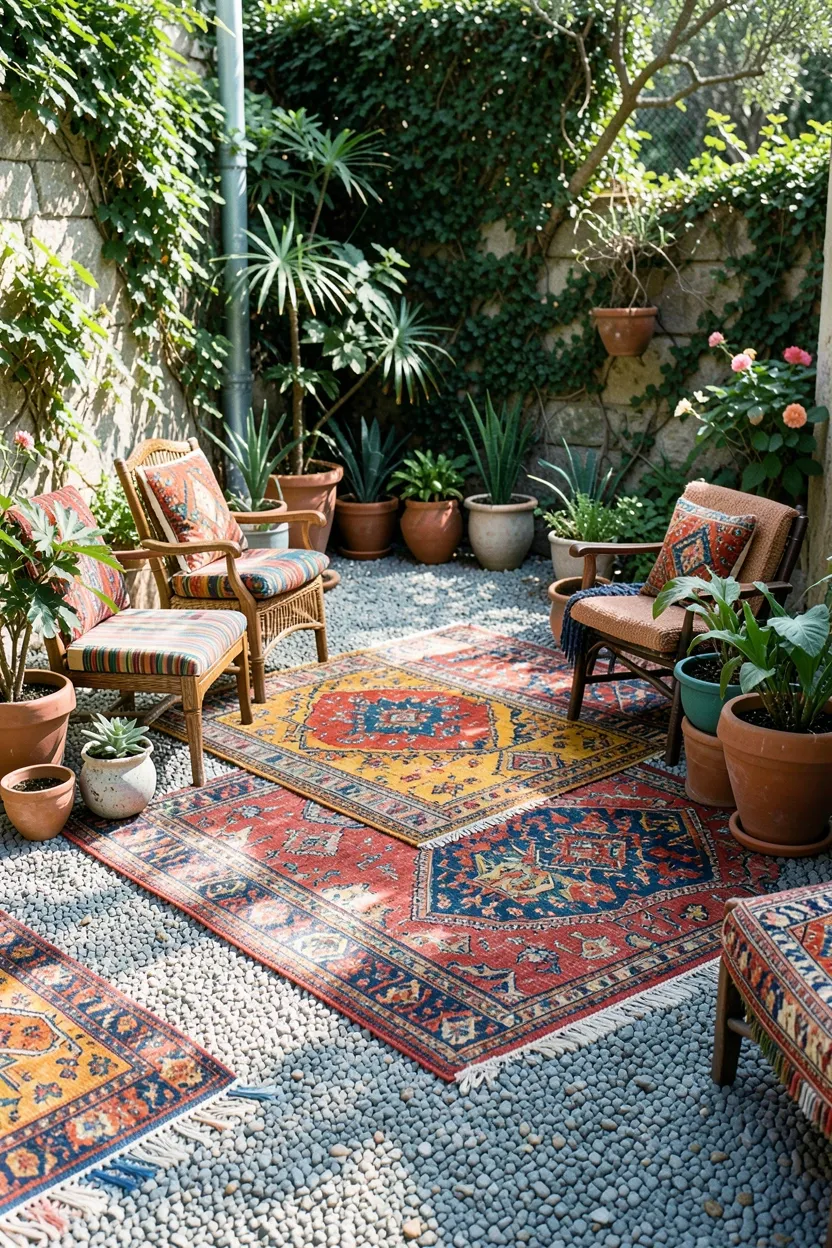
The loose gravel surface allows you to easily rearrange furniture and rugs to create new layouts, which perfectly aligns with the bohemian philosophy of free-form, evolving spaces. Layer outdoor rugs on top of the gravel (use rubber backing to prevent slipping), mix patterns and colors fearlessly, and incorporate handmade or vintage elements for authentic character.
Avoid anything that feels too polished or uniform. Embrace imperfections, mismatched pieces, and personal touches that tell your story. The result should feel collected over time rather than designed all at once.
Tips
- Use vibrant outdoor rugs with patterns as focal points
- Incorporate hanging elements like macramé or dream catchers for vertical interest
- Add abundant plants in varied containers for lush, tropical feel
Best for: Those who love color, pattern, and creating spaces that feel personal and lived-in.
What this gives you: A vibrant, expressive outdoor space that celebrates creativity and relaxed living.
20. Pea Gravel Patio with Yoga and Meditation Space
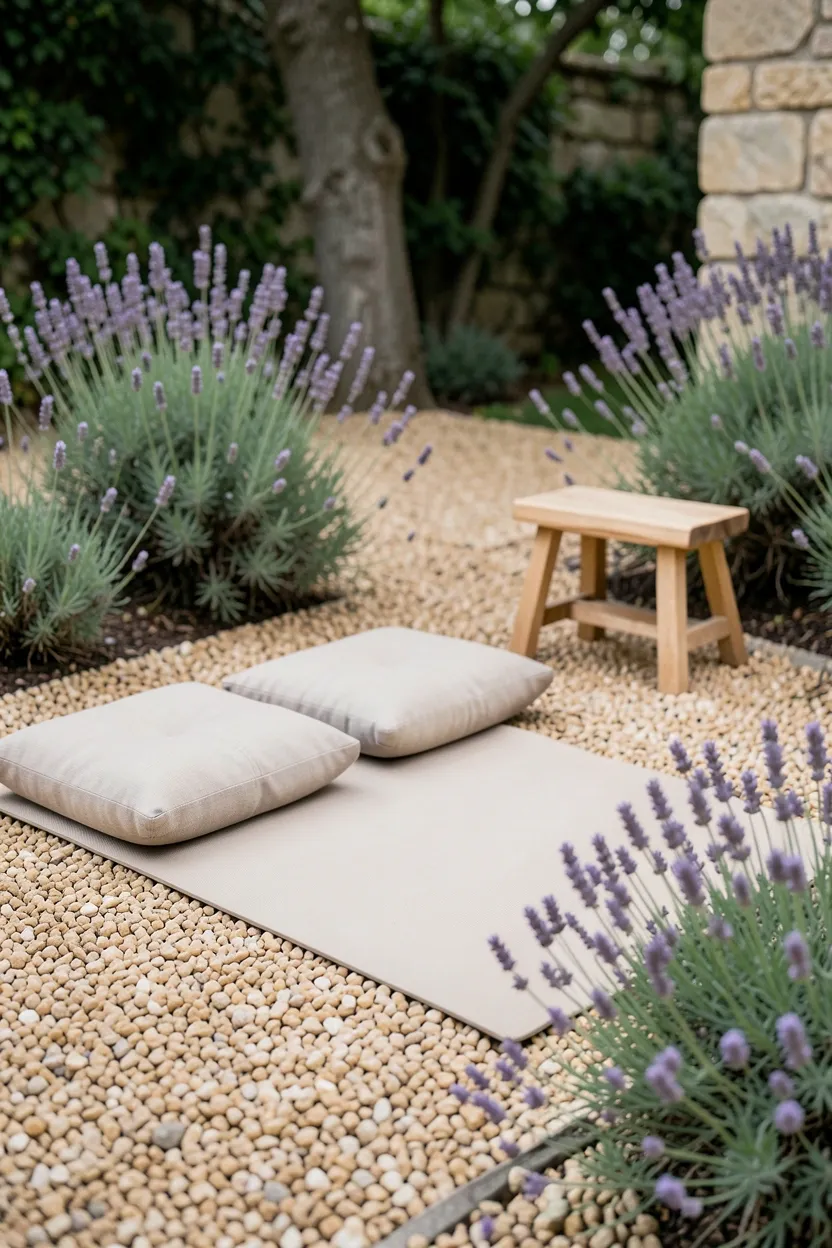
Create a peaceful outdoor sanctuary for yoga and meditation by designing a pea gravel patio specifically for mindfulness practices. The natural, grounding texture of gravel under bare feet connects you to the earth, while the soft surface is comfortable for seated meditation and gentle movement. This design focuses on creating a serene, distraction-free environment for mental and physical wellness.
Recommended
Items for this idea
Common mistake: Placing the practice area too close to noisy streets or busy areas. Instead, position your yoga space in the quietest part of your yard, ideally away from road traffic and neighboring activities. The pea gravel surface provides natural sound dampening, creating a quieter environment for focused practice.
Incorporate natural elements that support mindfulness—fragrant plants like lavender or rosemary, subtle water features for white noise, and soft lighting for dawn or evening practice. Keep the area simple and uncluttered to minimize distractions.
Tips
- Install shade structures for comfortable practice during sunny weather
- Add weather-resistant storage for yoga mats and meditation cushions
- Consider outdoor speakers for guided meditations or calming music
What this gives you: A dedicated outdoor space for wellness practices that promotes mental clarity and physical health.
21. Pea Gravel Patio with Outdoor Movie Theater
Transform your pea gravel patio into an outdoor entertainment destination by setting up a movie theater setup perfect for family movie nights or casual gatherings with friends. The loose gravel surface makes it easy to rearrange seating for optimal viewing, while the natural texture creates a relaxed atmosphere perfect for cinematic experiences under the stars.
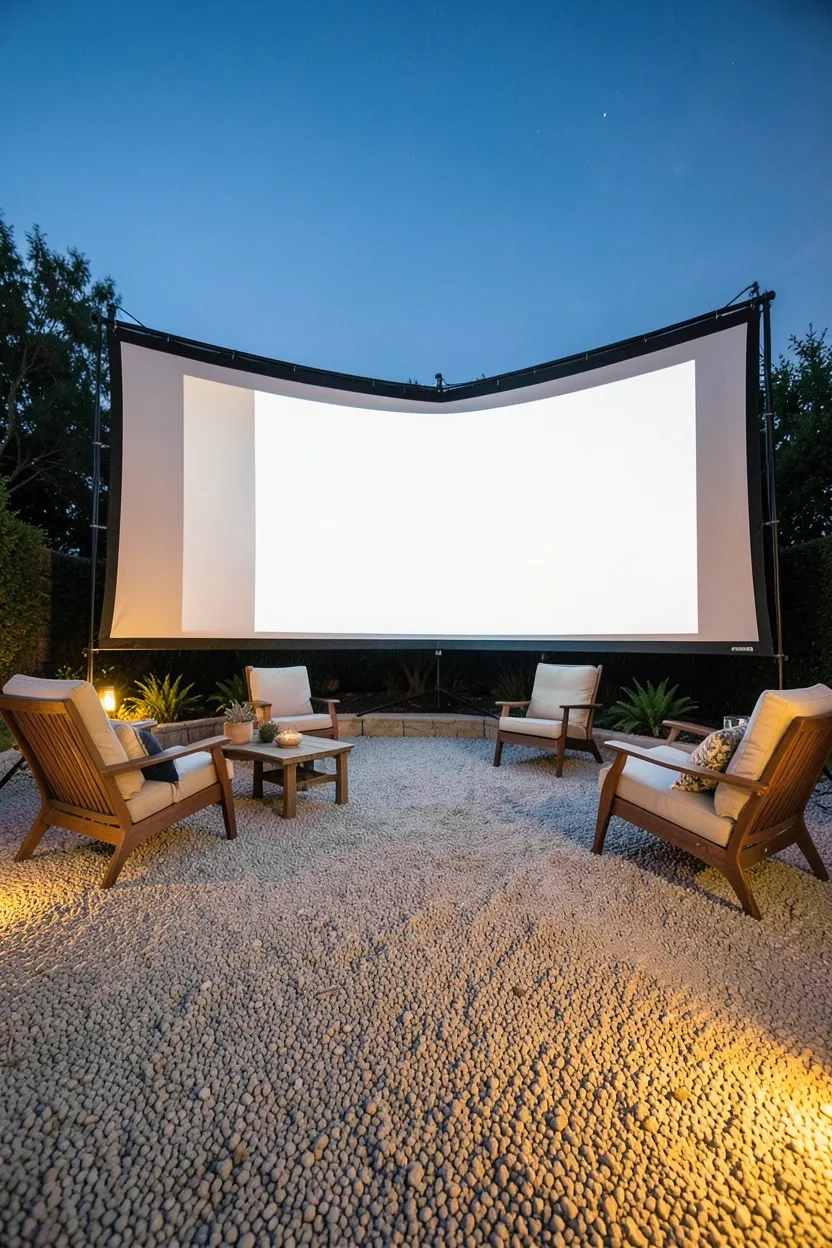
Pro tip: Install a portable projector screen or use a white wall as your viewing surface. Create comfortable seating with weather-resistant cushions, outdoor sofas, or even bean bags that can be arranged and stored easily. Consider adding string lights or lanterns for ambient lighting during movies.
For optimal movie nights, position the screen away from direct light sources and test viewing angles from various seating positions. The gravel surface prevents muddy conditions during dewy evenings, making it ideal for late-night movie sessions.
Tips
- Use weather-resistant outdoor projector and speaker systems
- Install electrical outlets or use extension cords rated for outdoor use
- Store blankets and outdoor-friendly pillows for cool evening comfort
Budget note: Outdoor theater setups can range from affordable portable projectors to professional installations.
What this gives you: A fun, versatile entertainment space that brings people together for memorable movie experiences.
22. Pea Gravel Patio with Mediterranean Influence
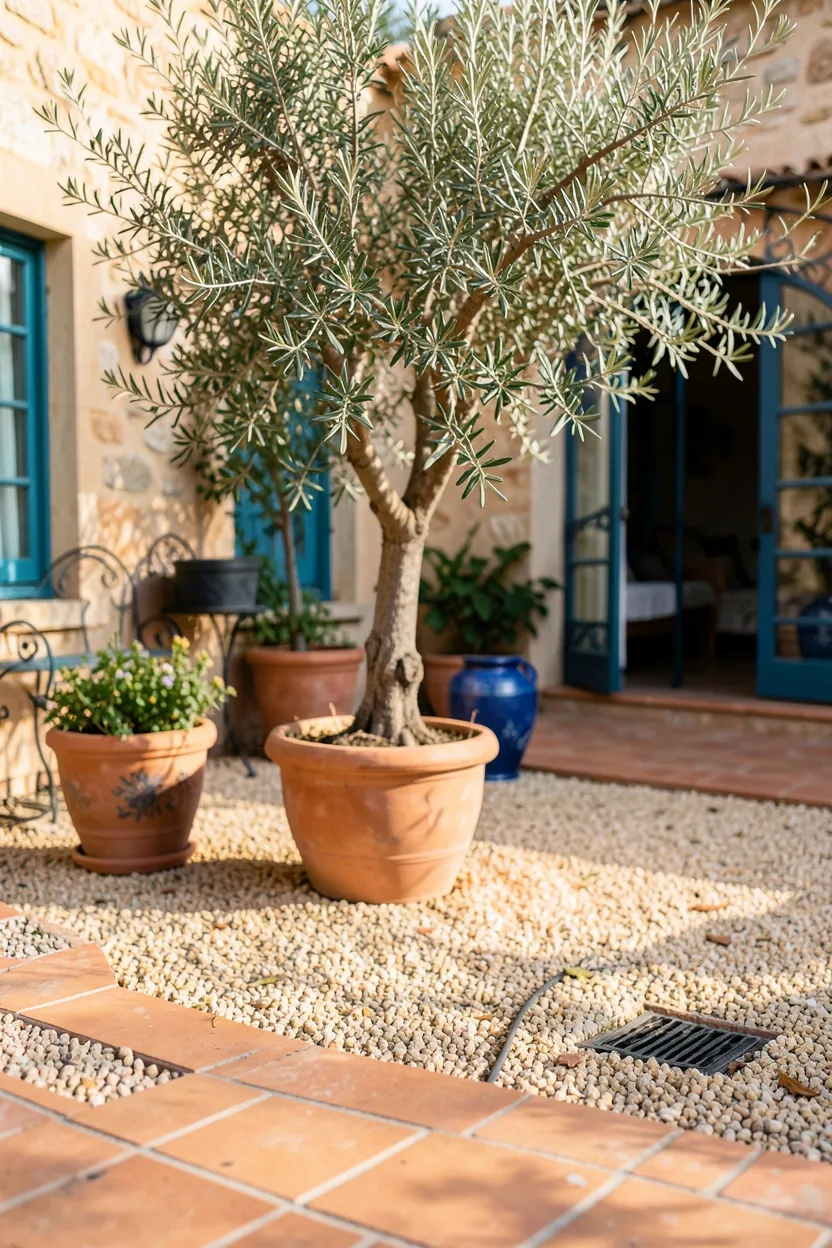
Bring the warmth and romance of the Mediterranean to your outdoor space by combining pea gravel with terracotta tiles, olive trees, and vibrant blue accents. The natural, sun-bleached appearance of pea gravel perfectly captures the essence of Mediterranean courtyards, creating a space that feels both exotic and inviting. This design style thrives on simplicity and natural materials.
Recommended
Items for this idea
The gravel surface provides excellent drainage, ideal for Mediterranean plants that prefer well-draining soil. Incorporate terracotta pots, wrought iron furniture, and bright textiles in colors like turquoise, cobalt blue, or sunny yellow. The combination of warm gravel, cool blue accents, and lush greenery creates a harmonious, sun-drenched aesthetic.
For more patio inspiration, explore Mediterranean design ideas and discover how this timeless style works throughout your home.
Tips
- Plant Mediterranean species like lavender, rosemary, and olive trees
- Use terracotta or clay pots for authentic Mediterranean feel
- Incorporate wrought iron furniture or accessories for texture
What this gives you: A romantic, sun-kissed outdoor space that transports you to Mediterranean shores.
23. Pea Gravel Patio with Coastal Beach Theme
Embrace relaxed coastal living by designing a pea gravel patio that captures the essence of beachside retreats. The natural, sandy appearance of light-toned pea gravel mimics beach sand, creating a seaside atmosphere even miles from the coast. This design style combines casual comfort with beach-inspired elements for a space that feels like a permanent vacation.
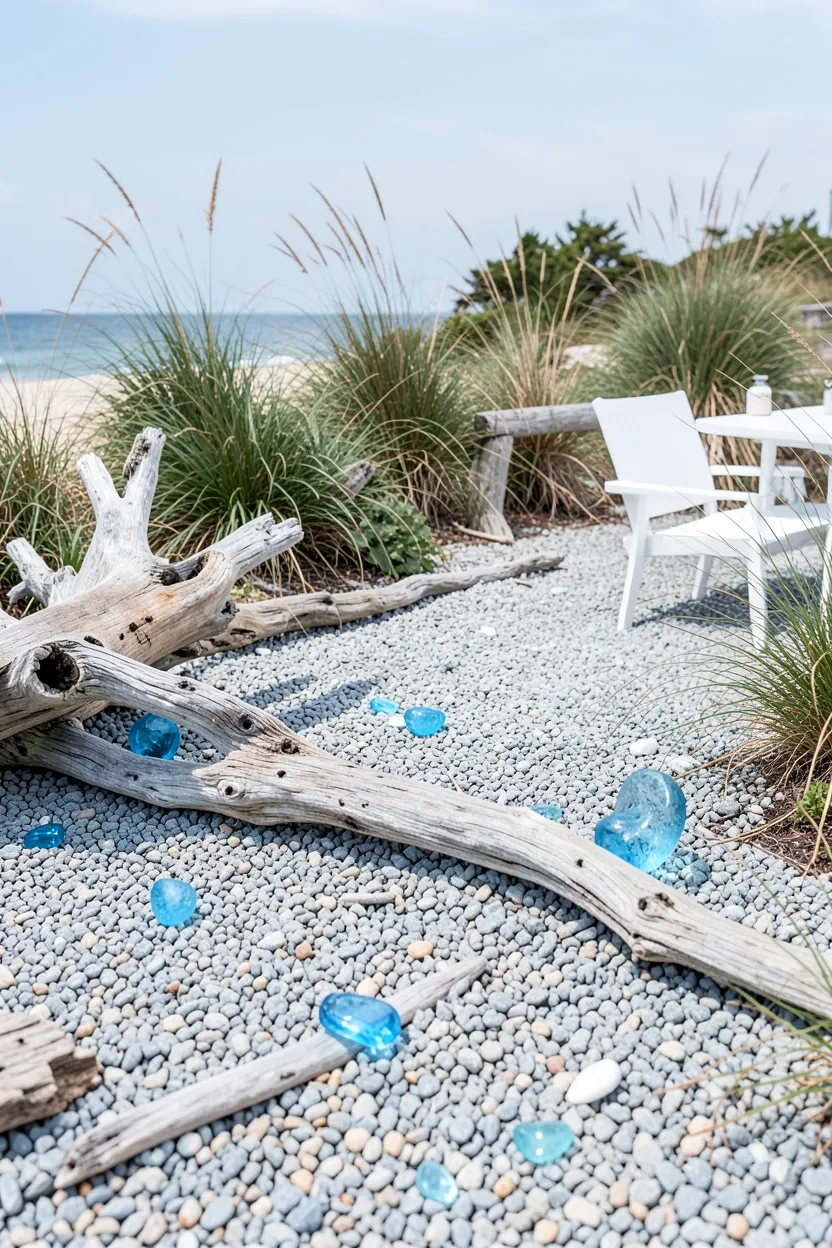
Why it works: The loose texture of gravel underfoot replicates the beach experience, while the natural color palette of blues, whites, and driftwood tones creates a calming, waterfront aesthetic. Incorporate beach-found elements like driftwood, sea glass, or shells as decor, and use weather-resistant materials like teak or wicker for furniture.
Avoid heavy, dark furniture that feels out of place with coastal themes. Instead, choose lightweight pieces that can be rearranged easily and won't feel oppressive in bright, sunny spaces. Add outdoor speakers for ocean sounds or surf-inspired playlists.
Tips
- Use coastal plants like sea grass, palms, or succulents for authentic feel
- Incorporate nautical elements like rope, anchors, or lighthouse decor
- Choose outdoor fabrics in blues, whites, and sandy neutrals
What this gives you: A relaxed, vacation-like outdoor space that evokes the carefree feeling of beach living.
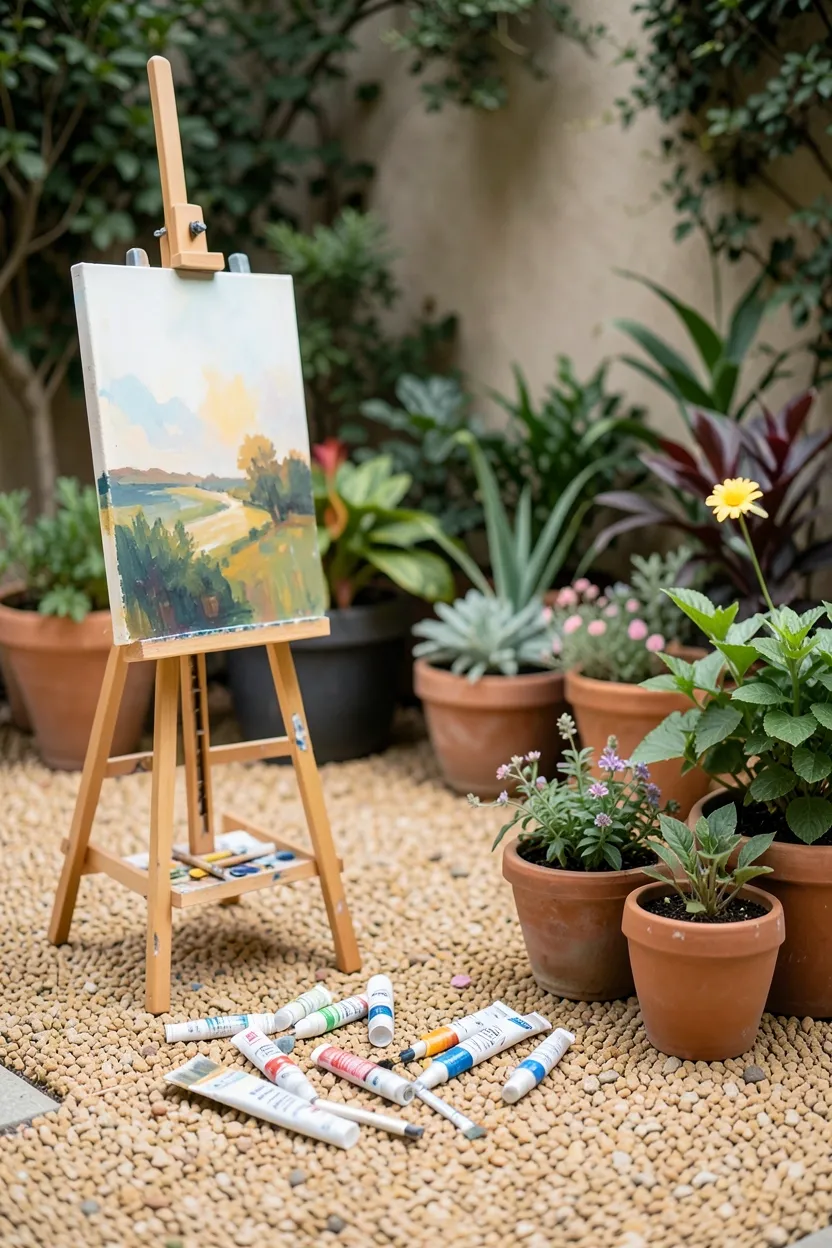
24. Pea Gravel Patio with Art Studio Setup
Create an inspiring outdoor art studio by designing a pea gravel patio specifically for creative pursuits like painting, drawing, or crafting. The natural light and fresh air of outdoor spaces can spark creativity, while the gravel surface provides a practical, easy-to-clean foundation for artistic activities. This design combines functionality with the inspirational power of nature.
Recommended
Items for this idea
Placement note: Position your art area to take advantage of optimal natural light throughout the day, with north-facing orientation preferred for consistent illumination. The gravel surface allows you to easily rearrange tables, easels, and workspaces as your creative needs evolve. Incorporate weather-resistant storage for supplies and consider a covered area for protection during inclement weather.
Add inspirational elements like plants with interesting textures, sculpture pieces, or natural features that spark artistic ideas. The outdoor setting provides endless visual stimulation from changing light, weather, and seasons.
Tips
- Install a solid work surface like a paver pad under easels or tables
- Use weather-resistant furniture and materials for outdoor durability
- Add flexible lighting options for evening or overcast day work sessions
Best for: Artists and creatives who want an inspiring outdoor workspace that connects them with nature.
What this gives you: A creative sanctuary that nurtures artistic expression in the fresh air and natural light.
25. Pea Gravel Patio with Rainwater Garden Integration
Create an environmentally conscious patio design by integrating pea gravel with rainwater garden features that capture and filter runoff naturally. The permeable nature of gravel allows rainwater to drain through, feeding adjacent rain garden plants and reducing water waste. This sustainable approach combines patio functionality with ecological responsibility.
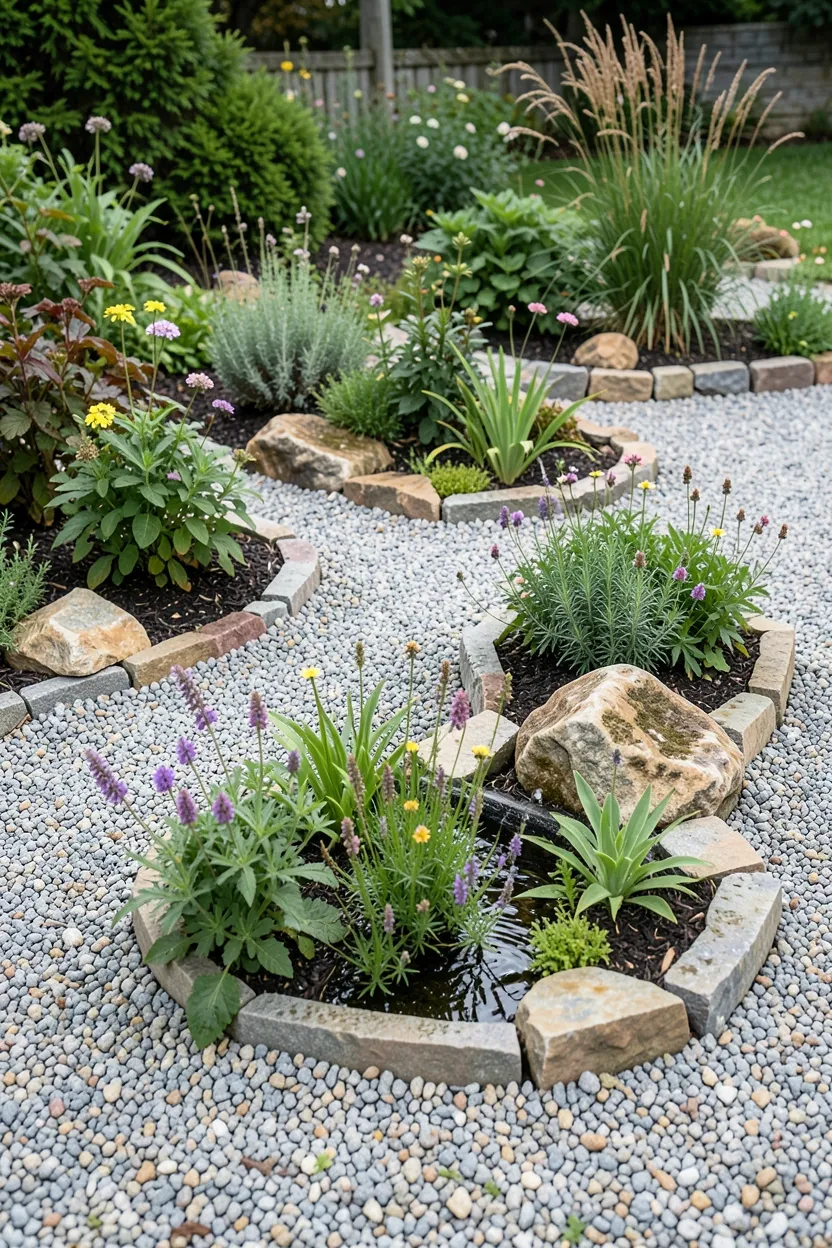
Pro: The gravel surface directs water toward rain garden areas where native plants filter and absorb runoff, reducing soil erosion and preventing water pollution. Con: Requires proper planning and grading to ensure effective water flow. Fix: Consult with local water management resources for site-specific recommendations on rain garden design.
The aesthetic appeal of a rain garden adjacent to your patio adds natural beauty while serving an important ecological function. Native plants adapted to your region's rainfall patterns will thrive with minimal maintenance once established.
Tips
- Choose native plants suited to your region's rainfall and soil conditions
- Position rain gardens at least 10 feet from building foundations
- Incorporate decorative rocks or driftwood for natural rain garden borders
What this gives you: An eco-friendly patio design that manages water naturally while supporting local ecosystems.
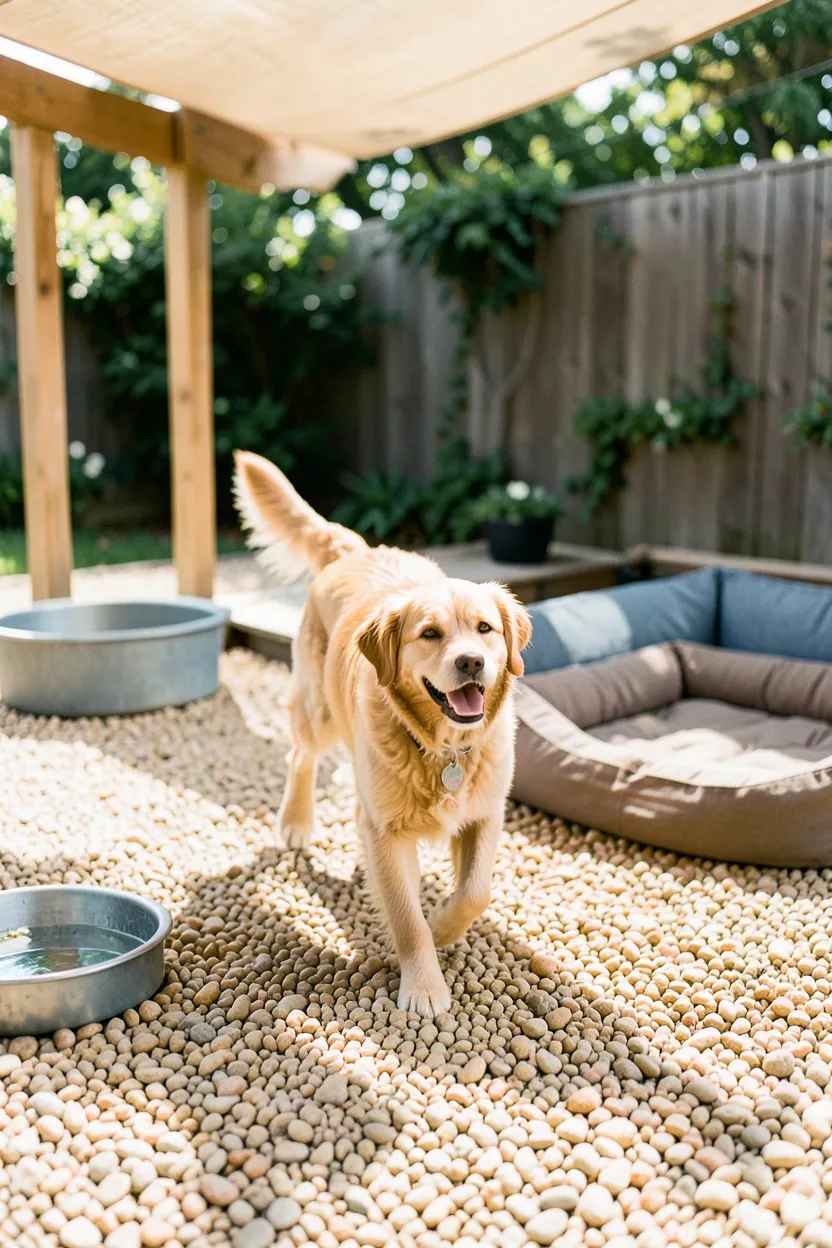
26. Pea Gravel Patio with a Pet-Friendly Design
Design a pea gravel patio that accommodates your furry family members by incorporating features that make outdoor time enjoyable and comfortable for pets. The natural texture of gravel provides interesting sensory stimulation for dogs, while the loose surface prevents muddy paws and makes waste cleanup simple. This thoughtful approach ensures your outdoor space works for every family member.
Recommended
Items for this idea
Common mistake: Using sharp-edged gravel that can irritate pets' paws. Instead, choose rounded pea gravel that feels comfortable for walking and playing. Consider installing a designated potty area with sand or a different material, and add water stations and shade structures to keep pets comfortable during outdoor time.
Incorporate pet-safe plants and avoid toxic varieties that could harm curious animals. Add raised beds or barriers around gardens if your pets tend to dig in planted areas.
Tips
- Install shade structures like umbrellas or shade sails for hot weather
- Provide fresh water in elevated bowls for comfortable drinking
- Add weather-resistant pet beds or cushions for comfortable lounging
Rental note: Portable pet-friendly elements can be removed when moving, making this design ideal for renters. For more renter-friendly outdoor inspiration, see our small patio ideas for compact spaces.
What this gives you: A welcoming outdoor space where pets can enjoy fresh air safely while you relax alongside them.
27. Pea Gravel Patio with Multi-Zone Layout
Maximize your outdoor living potential by designing a pea gravel patio with distinct zones for different activities—dining, lounging, cooking, and socializing. The loose surface allows you to define each area with furniture placement, decorative elements, and subtle changes in gravel depth or color, creating a cohesive yet multi-functional space.
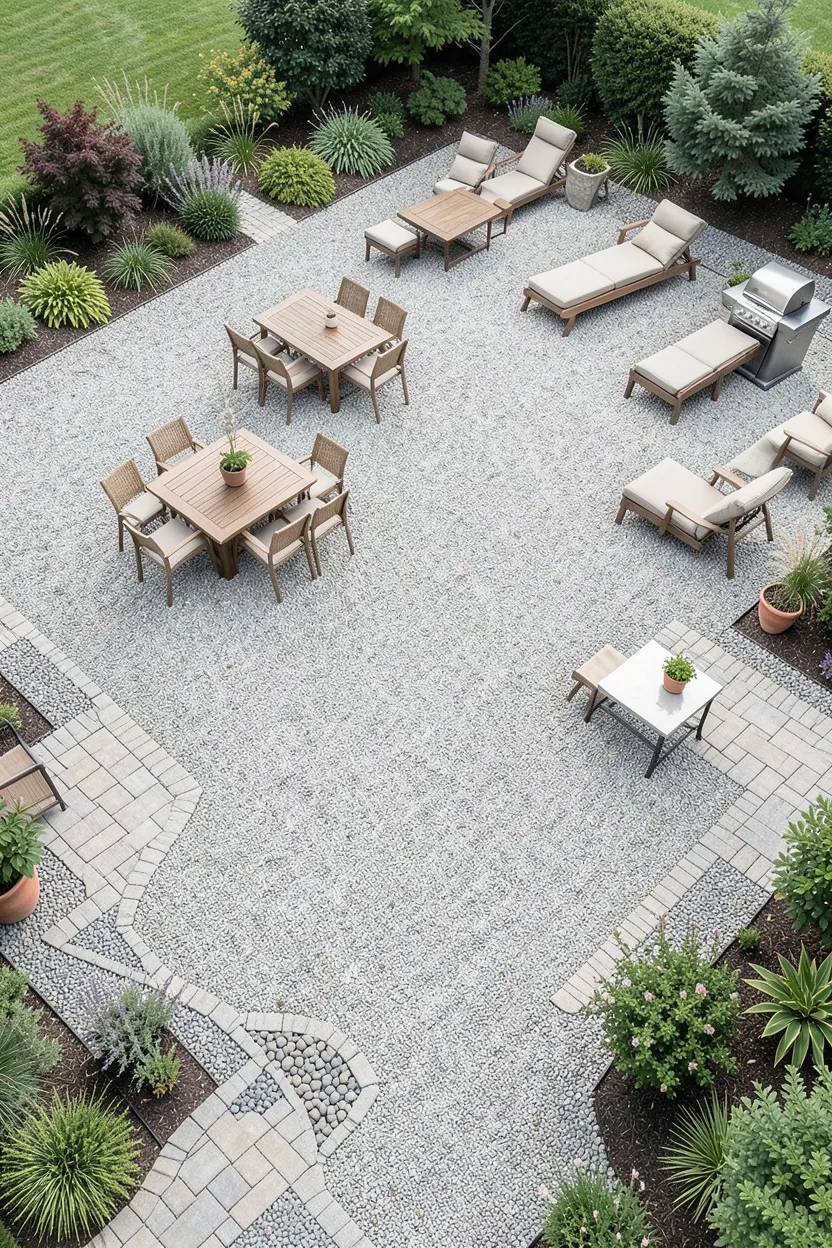
Why it works: Zoning creates clear purpose areas while maintaining visual flow through consistent gravel surface. The flexibility of gravel means you can adjust zones as needs change over time—expand the dining area for large gatherings or create more lounging space for quiet relaxation. This approach works especially well for larger patios where multiple functions can coexist comfortably.
Use larger pavers or decorative borders to visually separate zones without disrupting the overall design. Consider traffic flow between zones and ensure adequate space for movement and social interaction.
Tips
- Define zones with furniture groupings rather than physical barriers
- Ensure adequate spacing between zones for comfortable movement
- Use consistent color palette throughout all zones for cohesion
What this gives you: A versatile outdoor space that adapts to various activities and accommodates different uses seamlessly.
Pea gravel patios offer exceptional versatility for creating beautiful outdoor spaces that work in real homes, from cozy courtyards to expansive entertaining areas. With proper installation, edging, and thoughtful design planning, pea gravel provides an affordable, low-maintenance surface that can transform any outdoor area into a welcoming retreat. Whether you're drawn to classic garden styles, modern minimalism, or bohemian eclecticism, the natural charm of pea gravel adapts beautifully to your aesthetic vision while providing practical benefits like drainage, comfort underfoot, and easy maintenance. Start small with a simple seating area and expand your pea gravel design over time to create the perfect outdoor sanctuary for your lifestyle.
About the author
OBCD
CGI visualization and interior design content. We create detailed 3D renders and curate practical design ideas for every room in your home.