19 Modern Balcony Ideas for a Stylish Outdoor Retreat
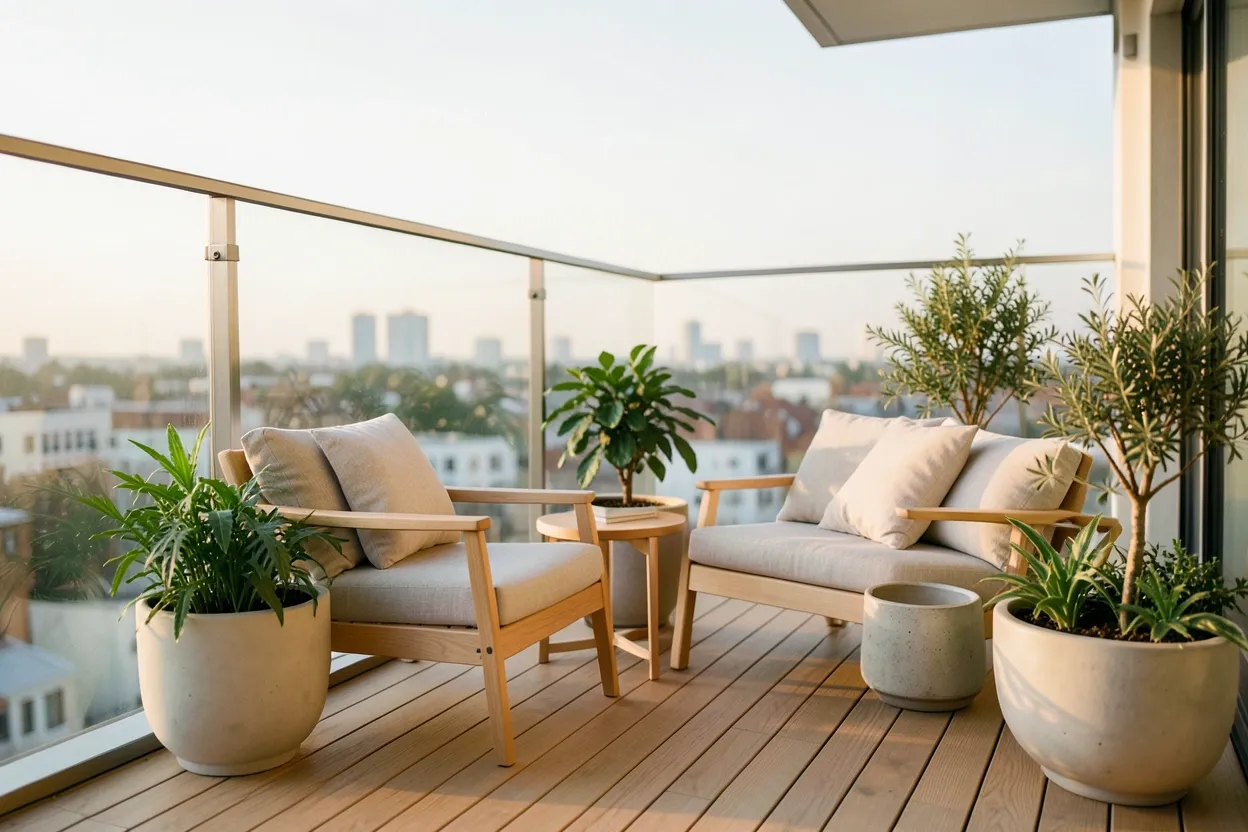
These 19 modern balcony ideas prove that even the smallest outdoor space can become a genuine extension of your home. From renter-friendly no-drill setups to lush urban jungle walls, modern balcony design has evolved far beyond a plastic chair and a potted plant—today it's about intentional choices that reflect your style and maximize every square foot.
Whether you're working with a narrow Juliet balcony in a city apartment or a generous terrace, the right combination of furniture, plants, and lighting transforms wasted outdoor square footage into a personal sanctuary. Many of these small balcony ideas for apartments require zero permanent changes—perfect if you're renting and need solutions your landlord will approve.
From minimalist Scandinavian retreats to cozy reading nooks and entertaining-ready outdoor rooms, each concept prioritizes sustainability, comfort, and visual harmony. We've focused on ideas that are achievable, budget-conscious, and genuinely renter-friendly—proving that thoughtful modern balcony decor doesn't require a renovation budget or a huge footprint.
Quick FAQ
What makes a balcony modern?
A modern balcony features clean lines, minimalist furniture, neutral color palettes, and functional design that prioritizes both aesthetics and practicality. Think sleek materials, intentional decor, and a focus on creating an inviting outdoor living space.
How can I maximize a small balcony space?
Choose multipurpose furniture, use vertical storage solutions like wall-mounted planters, select foldable pieces when possible, and avoid overcrowding. Every element should serve a purpose while contributing to the overall aesthetic.
What plants work best for modern balconies?
Opt for low-maintenance plants like succulents, snake plants, pothos, or herbs in sleek planters. Vertical gardens and hanging plants add greenery without consuming floor space, maintaining the modern aesthetic.
How do I protect balcony furniture from weather?
Invest in weather-resistant materials like teak, aluminum, or synthetic rattan. Use covers or store furniture during harsh weather, and consider shade solutions like umbrellas or retractable awnings to protect both furniture and plants.
As an Amazon Associate I earn from qualifying purchases.
Table of Contents
- 1. Minimalist Scandi Balcony – Clean Lines for Small Spaces
- 2. Urban Jungle Vertical Garden – Modern Balcony Greenery for Renters
- 3. Japanese Zen-Inspired Balcony
- 4. Mediterranean Coastal Vibe
- 5. Industrial Chic Outdoor Space
- 6. Sustainable Eco-Friendly Balcony
- 7. Compact Bistro Style Setup
- 8. Bohemian Modern Mix
- 9. Monochrome Contemporary Design
- 10. Herb and Edible Garden
- 11. Coastal Nautical Theme
- 12. Desert Succulent Oasis
- 13. Modern Rustic Natural Space
- 14. Geometric Pattern Accents
- 15. Smart Technology Integration
- 16. Seasonal Decor Flexible Space
- 17. Privacy-Focused Balcony Sanctuary – Renter-Friendly Screening Ideas
- 18. Cozy Reading Nook
- 19. Entertaining-Ready Outdoor Room
1. Minimalist Scandi Balcony – Clean Lines for Small Spaces
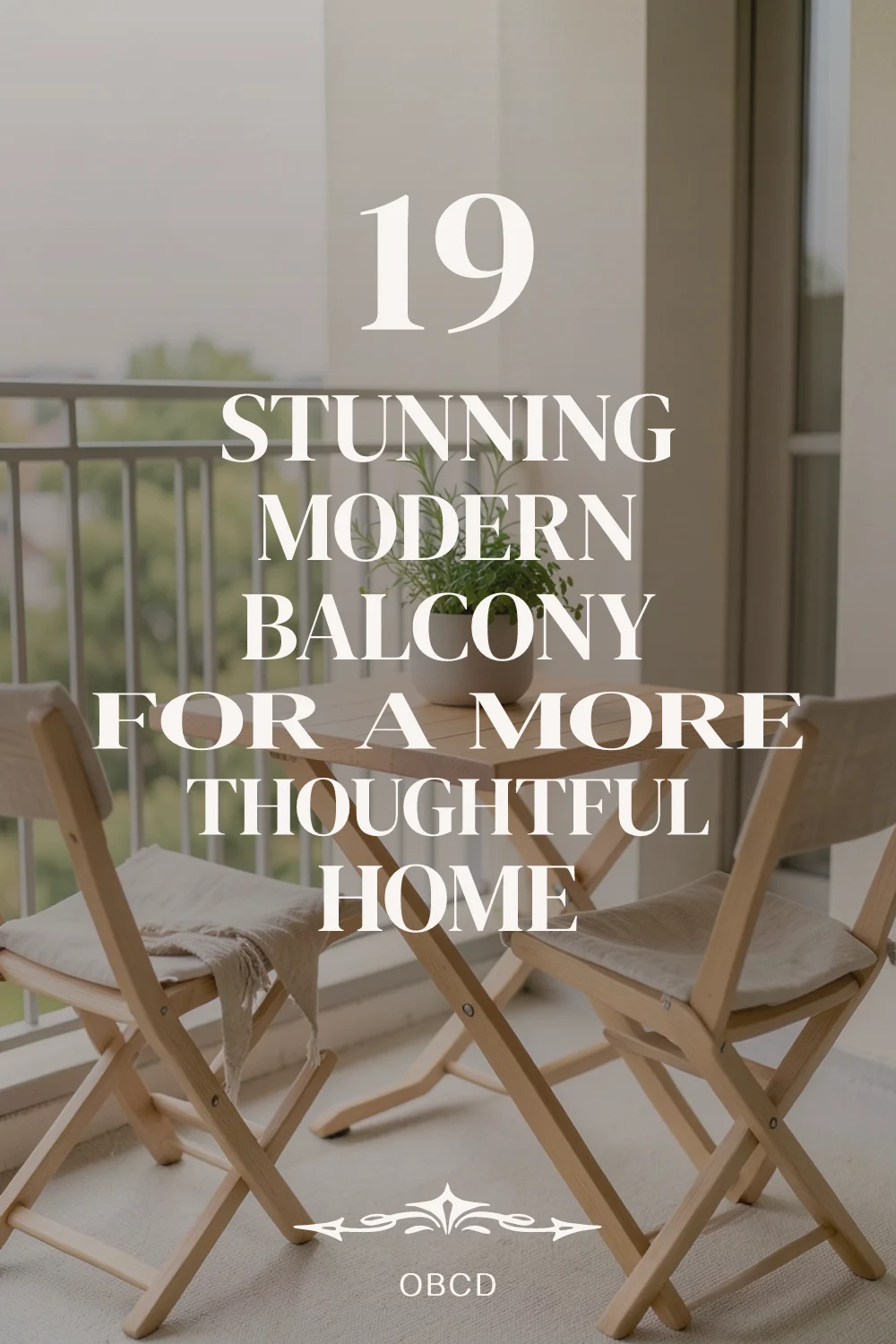
A modern minimalist balcony embraces Scandinavian design principles with clean lines and natural materials. Light wood furniture, neutral textiles, and carefully selected plants create a serene atmosphere that invites relaxation. The focus is on quality over quantity—every piece serves a purpose while contributing to visual harmony.
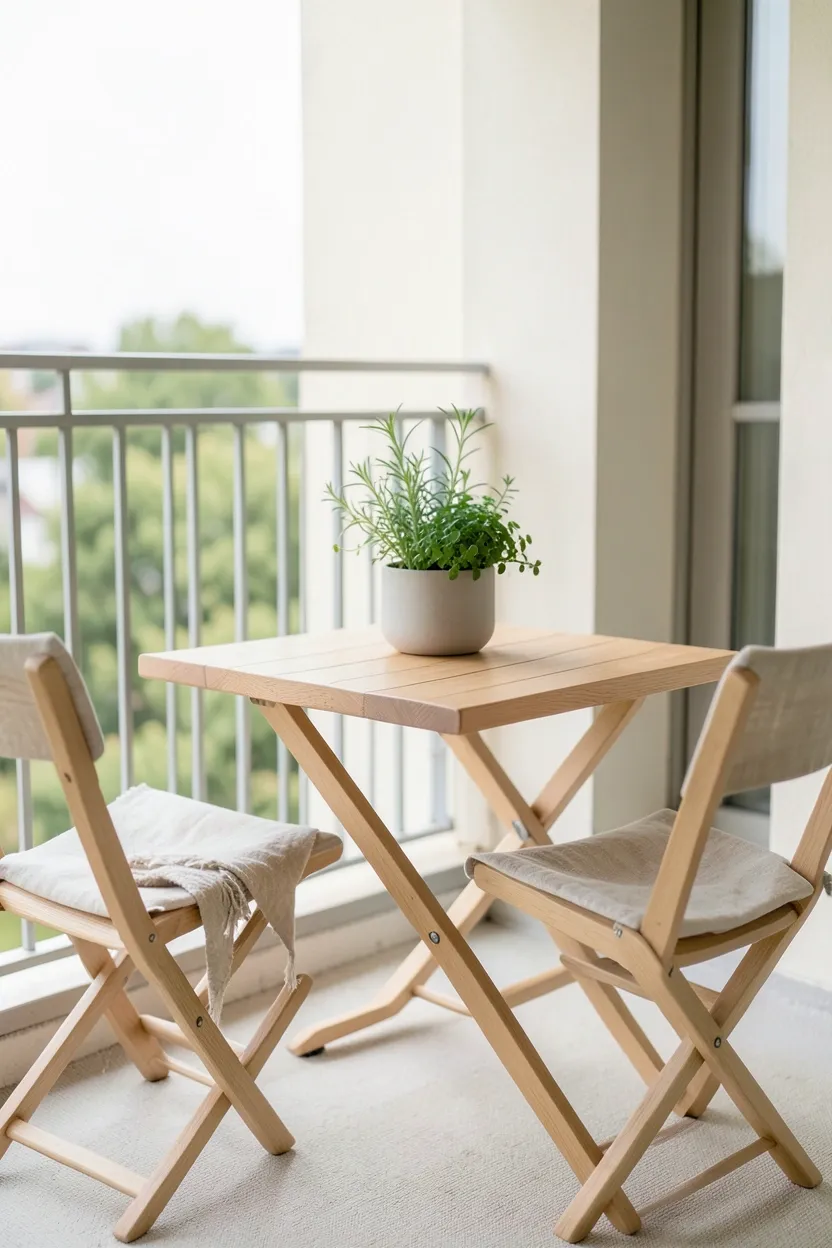
Choose light oak or birch furniture that can withstand outdoor conditions. A small folding table paired with two slim chairs maximizes space without sacrificing comfort. Soft throws in gray or beige tones add warmth during cooler evenings. Potted herbs or a single statement plant in a ceramic planter bring life without clutter.
The beauty of this minimalist balcony design lies in its simplicity. By limiting decor to essential elements, you create an uncluttered space that feels expansive despite its modest size. Natural light reflects off light surfaces, making the area appear larger and more inviting.
Do: Stick to a neutral color palette (white, beige, light gray, soft wood tones) for a cohesive look.
Don't: Overcrowd with too many furniture pieces or decorations—less is more.
What this gives you: A peaceful retreat that seamlessly extends your indoor living space while maintaining a sophisticated, clutter-free aesthetic.
2. Urban Jungle Vertical Garden – Modern Balcony Greenery for Renters
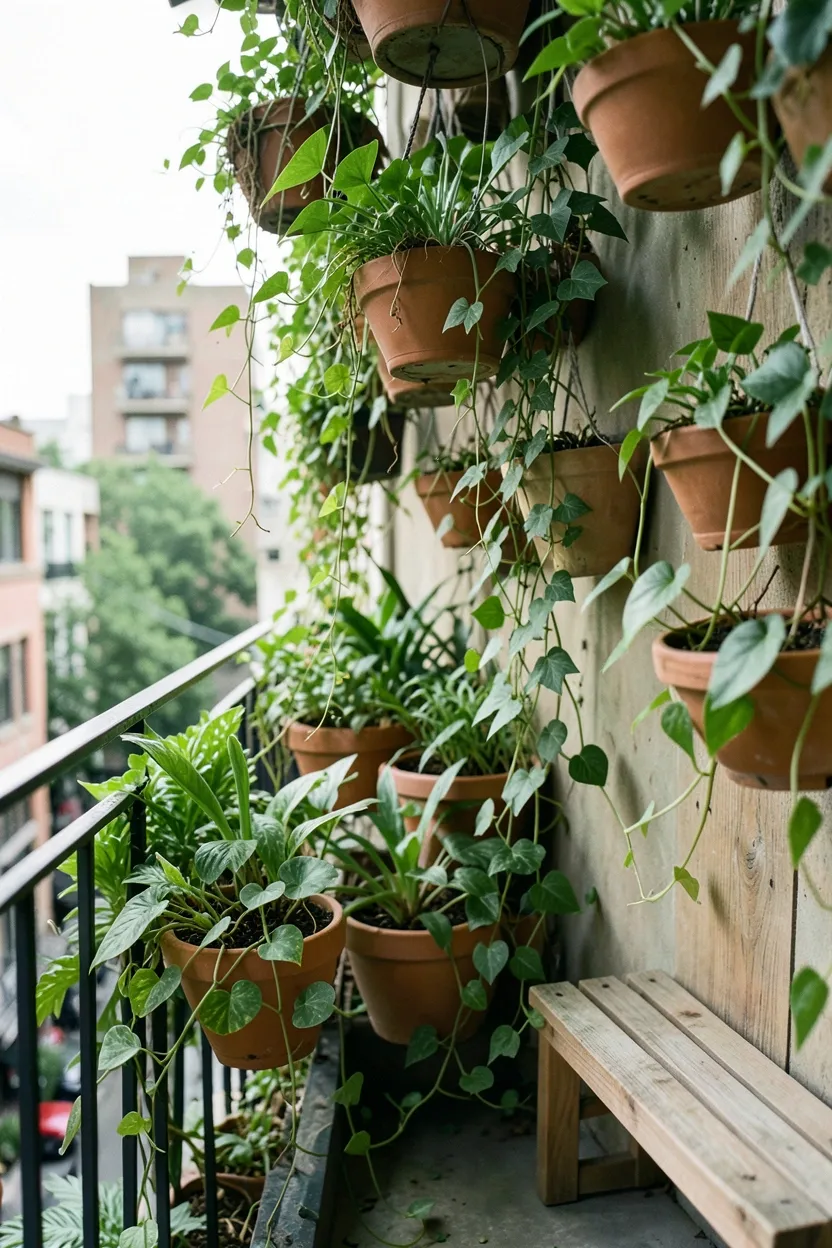
Transform your modern balcony into a lush vertical garden that brings nature into urban living. Wall-mounted planters, hanging pots, and trellises maximize greenery while preserving valuable floor space. This approach turns vertical surfaces into living walls, creating an immersive natural environment that feels expansive and vibrant.
Recommended
Items for this idea
Install lightweight modular planters on railings or walls for herbs, ferns, and trailing vines like pothos or ivy. Use trailing plants to soften hard edges and create depth. Mix leaf sizes and textures—large monstera leaves paired with delicate fern fronds add visual interest. A small bench or single chair provides a spot to enjoy your garden sanctuary.
For indoor plant inspiration that complements your balcony, see Minimalist Living Room Ideas with Indoor Plants and bring greenery throughout your home.
Why it works: Vertical gardening transforms limited space into abundant nature. By growing upward rather than outward, you create the illusion of a larger garden while enjoying the benefits of fresh air and improved air quality.
If you have full sun exposure: Choose drought-tolerant succulents and herbs like rosemary or thyme.
If your balcony is shaded: Opt for shade-loving plants like ferns, peace lilies, or snake plants.
What this gives you: A thriving green oasis that improves air quality, reduces stress, and creates a stunning visual statement from both inside and outside your home.
3. Japanese Zen-Inspired Balcony
A Japanese-inspired balcony brings tranquility through minimalist design principles and natural elements. This style emphasizes harmony between nature and space, using restrained decor to create a meditative environment. Clean lines, natural materials, and intentional placement transform your balcony into a peaceful sanctuary perfect for reflection and relaxation.
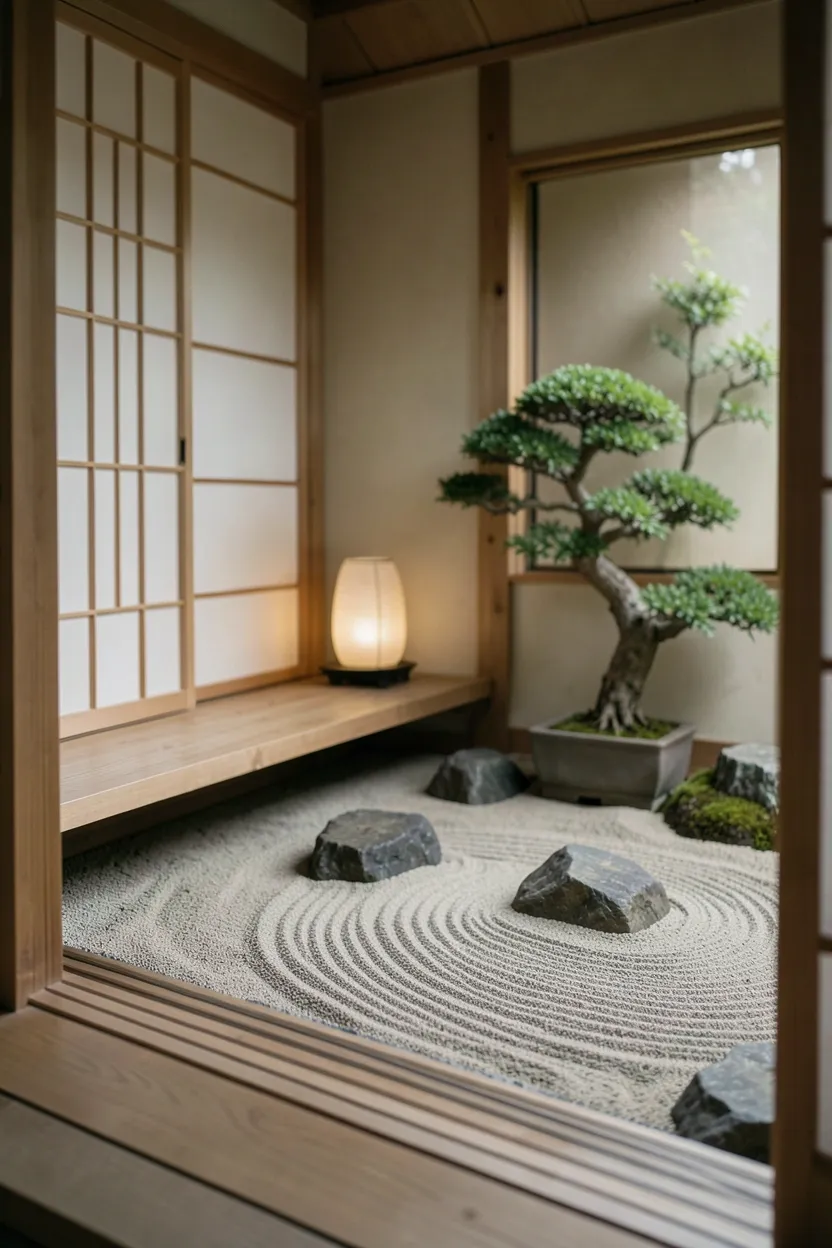
Placement note: Position a low wooden bench or tatami mat seating against the wall to create a focal point while maintaining open space.
Incorporate natural elements like bamboo, stone, or water features if space permits. A small zen garden with raked sand and strategically placed stones adds contemplative depth. Bonsai trees or carefully pruned shrubs bring living art. Soft ambient lighting through paper lanterns or subtle string lights creates a magical evening atmosphere.
Common mistake: Overcrowding with too many decorative elements disrupts the peaceful simplicity essential to Japanese design. Focus on quality over quantity.
Pro: Creates a serene atmosphere perfect for meditation, reading, or enjoying morning coffee in peace.
Con: Requires regular maintenance to keep plants and zen garden elements pristine.
Fix: Choose low-maintenance plants and simplify the zen garden design to reduce upkeep time.
What this gives you: A meditative retreat that promotes mindfulness and stress relief through deliberate, nature-centered design.
4. Mediterranean Coastal Vibe
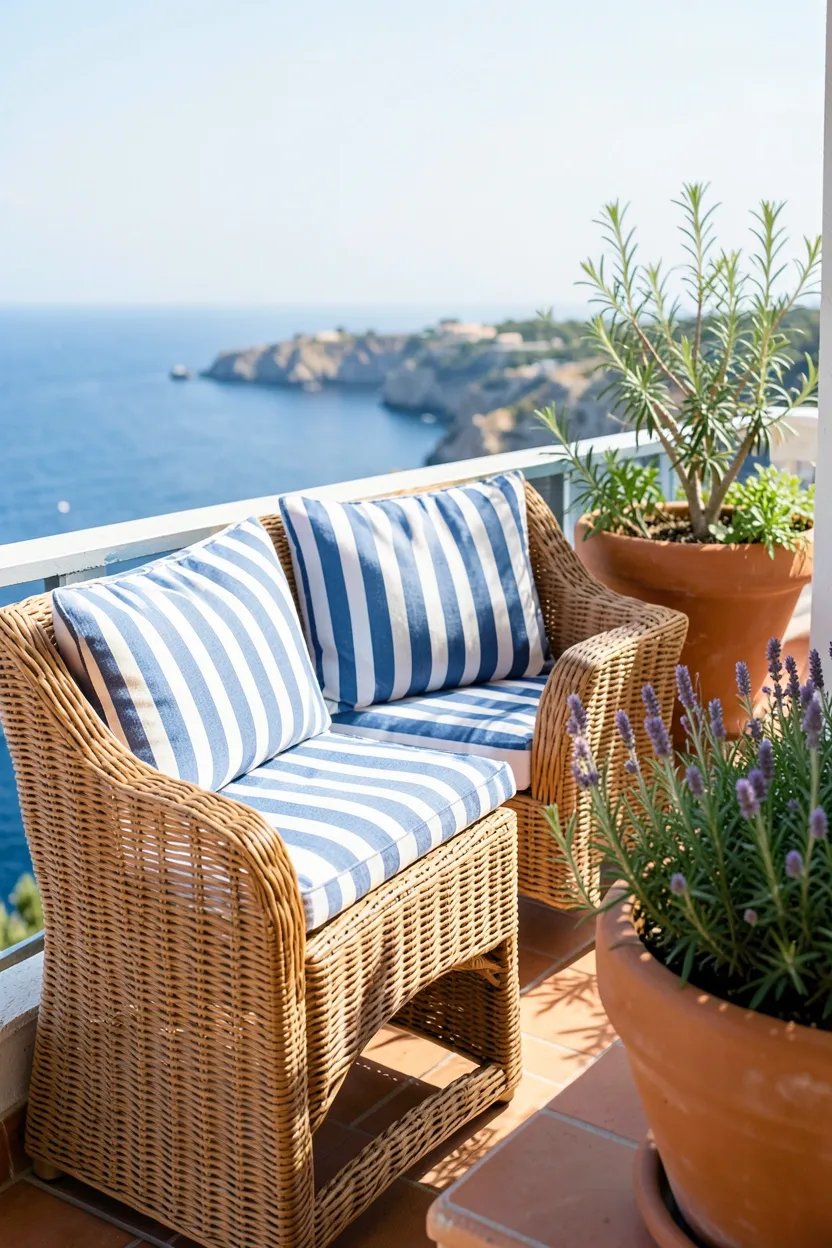
Bring coastal Mediterranean charm to your modern balcony with a palette of blues, whites, and warm terracotta. This design style evokes sun-drenched seaside retreats through natural textures and breezy elegance. Woven furniture, nautical accents, and resilient plants create an inviting space perfect for enjoying warm weather and ocean-inspired relaxation.
Recommended
Items for this idea
Opt for weather-resistant woven furniture like synthetic rattan chairs and a small glass-topped table. Blue and white striped cushions add classic coastal flair. Terracotta planters with rosemary, lavender, or olive trees provide fragrance and visual interest. Sheer white curtains or bamboo blinds offer shade while maintaining an airy feel.
Material choices are crucial for this aesthetic. Natural textures like jute, linen, and weathered wood complement the color scheme. Avoid heavy fabrics or dark metals that weigh down the light, breezy atmosphere. Every element should feel effortless and sun-washed.
Use maritime rope as a decorative element—wrap it around planters or create a simple wall hanging.
Introduce nautical accents like driftwood, seashells, or a vintage lantern for authentic character.
Plant drought-resistant Mediterranean herbs like oregano, thyme, or basil for both beauty and practicality.
What this gives you: A vacation-inspired outdoor space that makes every day feel like a getaway, with durable materials perfect for extended outdoor enjoyment.
5. Industrial Chic Outdoor Space
An industrial chic balcony combines raw materials and modern design for an edgy, sophisticated outdoor retreat. Exposed metal, concrete, and reclaimed wood create a striking contrast that feels urban and intentional. This style works particularly well in city apartments, embracing the architectural character while adding warmth through careful material selection.
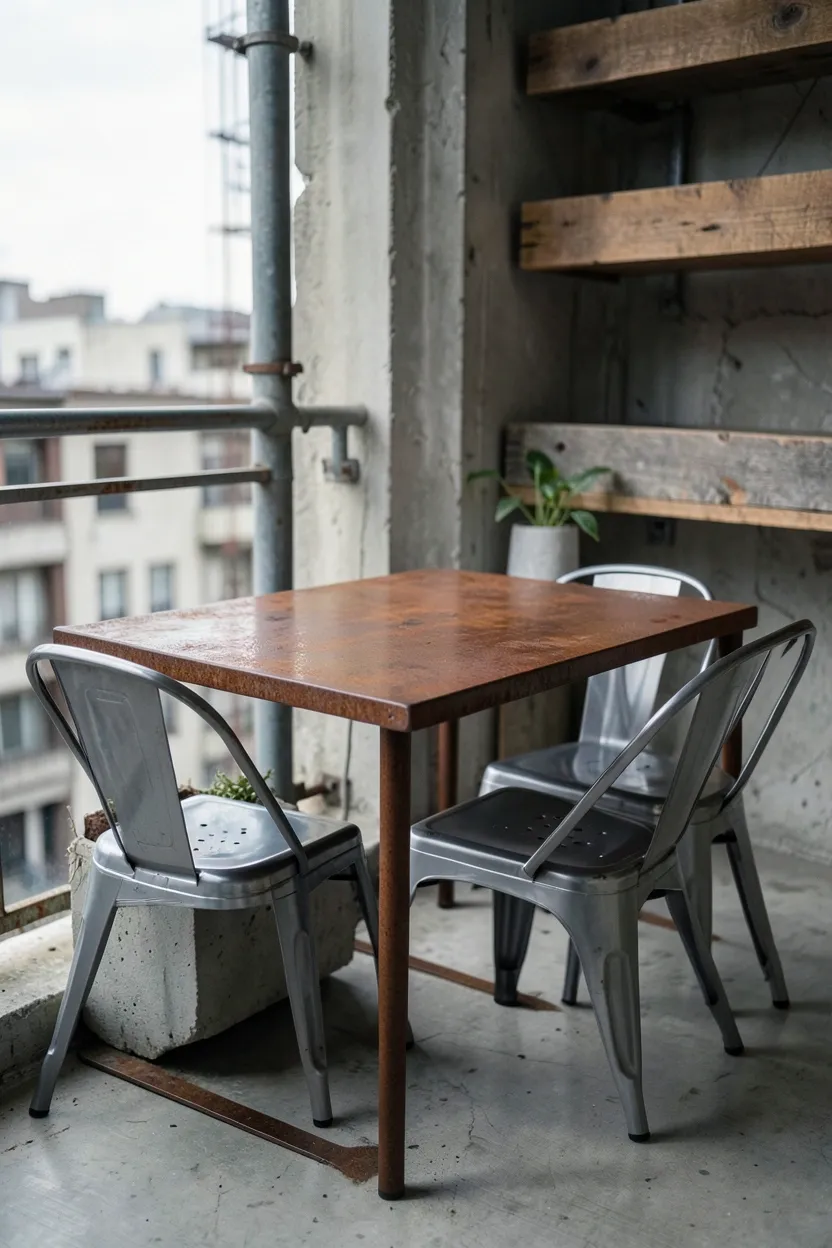
Metal furniture with clean lines—think a corten steel table or powder-coated aluminum chairs—provides durability and visual impact. A concrete floor or large concrete planter adds authenticity. Reclaimed wood shelves or a wooden feature wall introduces warmth and softens the industrial edge. String lights with exposed bulbs or a simple metal pendant light complete the look.
For complementary indoor industrial inspiration, see Eclectic Minimalist Living Room Ideas that balance raw materials with refined aesthetics.
The key to successful industrial design is balance. While materials should feel raw and unfinished, the overall effect must remain cohesive and intentional. Avoid cluttering the space with too many industrial elements—let each piece shine through thoughtful placement.
Do: Emphasize one or two industrial materials (like metal and concrete) and keep others subtle.
Don't: Mix too many different industrial styles—stick to a cohesive color and material palette.
What this gives you: A bold, contemporary outdoor space that reflects urban sophistication while maintaining comfort and functionality.
6. Sustainable Eco-Friendly Balcony
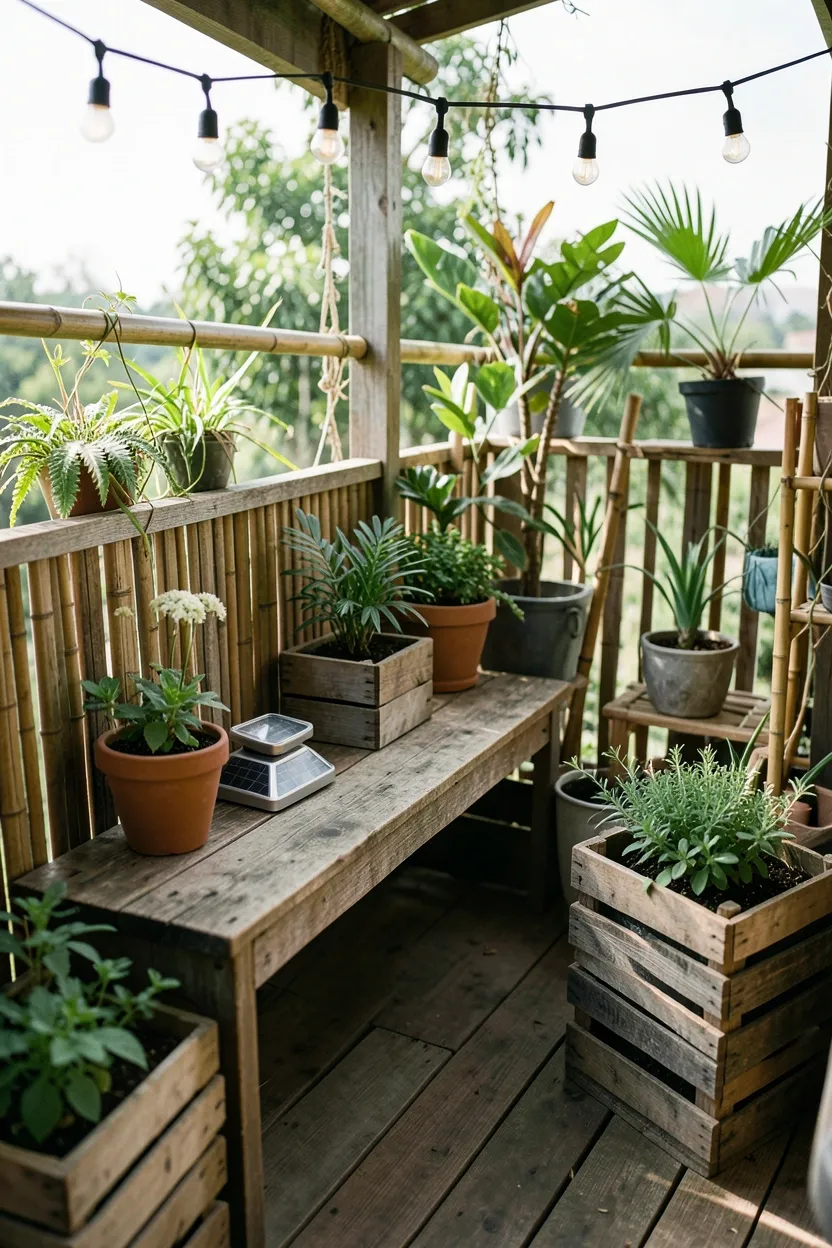
Create a conscious outdoor space with sustainable materials and environmentally friendly design choices. This eco-friendly balcony prioritizes renewable resources, upcycled elements, and plants that benefit local ecosystems. Every piece serves a purpose while minimizing environmental impact, proving that sustainable living can be both beautiful and functional.
Recommended
Items for this idea
Choose furniture made from reclaimed wood, bamboo, or recycled materials like HDPE lumber. A simple wooden bench or set of stools provides seating without excessive material use. Upcycled containers like old crates or repurposed industrial metal buckets make unique planters. Native plants and pollinator-friendly flowers support local biodiversity while requiring less water and maintenance.
Consider installing a small rain barrel or compost bin if space permits. Solar-powered string lights offer ambient evening lighting without electricity consumption. Every choice—from materials to plants—reflects a commitment to sustainable living.
Do: Source secondhand furniture or materials whenever possible to reduce waste and carbon footprint.
Don't: Use treated wood or materials that leach harmful chemicals into soil or water runoff.
Budget-friendly: Visit local salvage yards or online marketplaces for affordable reclaimed materials.
What this gives you: An environmentally responsible outdoor space that reduces your ecological footprint while providing a beautiful, functional retreat.
7. Compact Bistro Style Setup
A bistro-style balcony brings Parisian café charm to your outdoor space with minimal footprint. This classic design centers around a small table and two chairs, creating an intimate dining or coffee spot perfect for enjoying meals alfresco. The key is choosing scaled-down furniture that maximizes comfort without overwhelming the limited space.
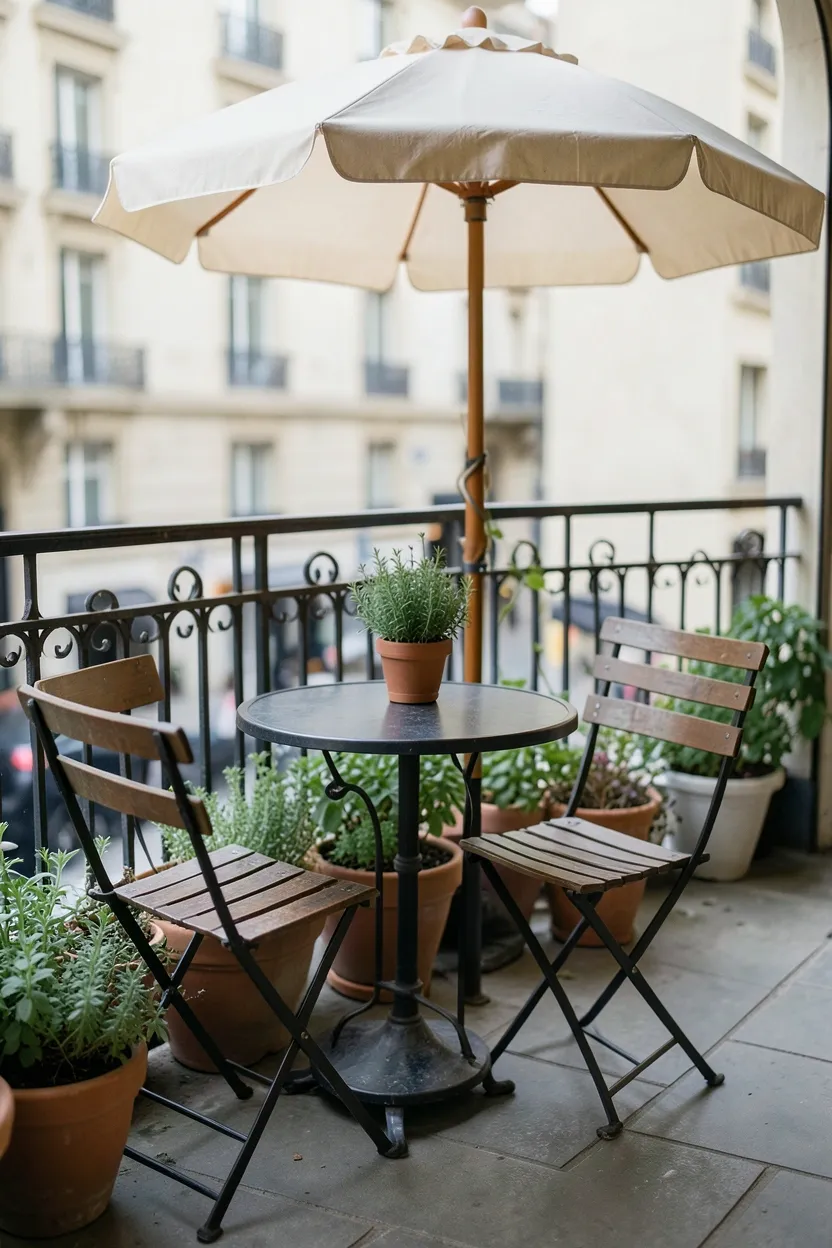
Placement note: Position the bistro set in a corner or against a wall to keep the center of the balcony open and traffic flowing smoothly.
Look for a round bistro table (30-36 inches diameter) paired with two foldable or slim-profile chairs. Foldable chairs can be tucked away when not in use, reclaiming space. A small umbrella provides shade without bulk. Add potted herbs or a trailing plant on the table for greenery without sacrificing surface area.
Why it works: The bistro setup creates a dedicated dining area that feels intentional and inviting. Even in the smallest balcony, this classic arrangement transforms unused space into a functional outdoor room perfect for morning coffee, casual meals, or evening wine.
If you entertain frequently: Choose weather-resistant materials like metal or synthetic wicker that can withstand regular use.
If space is extremely limited: Opt for a wall-mounted drop-leaf table that can be folded down when not in use.
What this gives you: A charming outdoor dining experience that maximizes small spaces and brings restaurant-style ambiance to your home.
8. Bohemian Modern Mix
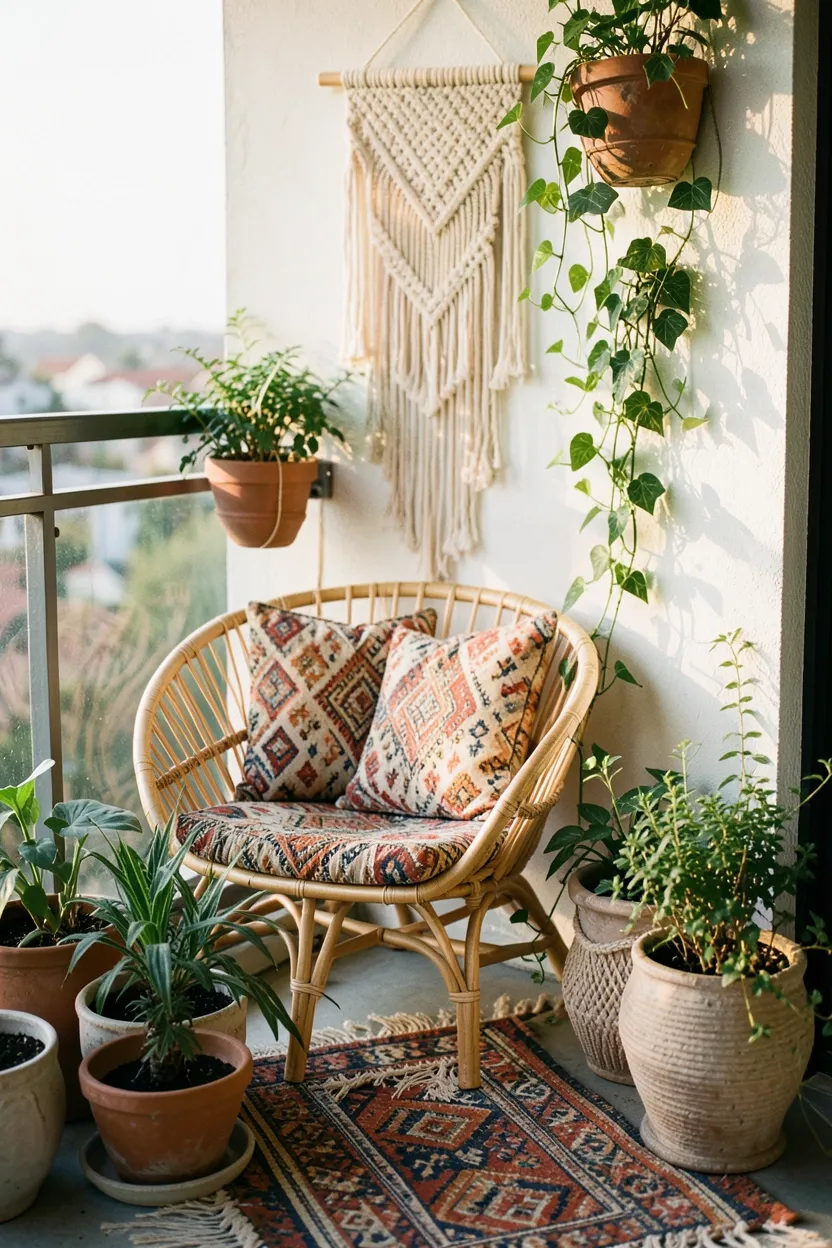
Blend bohemian eclecticism with modern minimalist sensibilities for a balcony that feels curated yet carefree. This style combines layered textures, global patterns, and natural materials with clean lines and restraint. The result is a vibrant, personalized space that expresses individuality while maintaining contemporary sophistication.
Recommended
Items for this idea
Start with a neutral base—light wood furniture or a simple rattan chair—and layer in boho elements through textiles and accessories. Patterned cushions in geometric or tribal prints add visual interest. A macramé wall hanging or woven rug introduces texture. Potted plants in mismatched containers create collected charm. String lights or a Moroccan lantern provide ambient evening lighting.
Common mistake: Going overboard with too many patterns and textures creates visual chaos. The key is balancing boho elements with modern restraint—every addition should have purpose and intention.
Pro: Creates a unique, personalized space that reflects your individual style and travels.
Con: Can feel cluttered if not carefully edited and balanced with negative space.
Fix: Limit yourself to two or three dominant patterns and repeat colors throughout the space for cohesion.
What this gives you: A vibrant, eclectic outdoor retreat that feels collected and worldly while maintaining contemporary appeal and comfort.
9. Monochrome Contemporary Design
A monochrome color scheme creates striking contemporary impact through sophisticated simplicity. By limiting the palette to shades of a single color, this design emphasizes texture, form, and light over pattern and variety. The result is a visually cohesive, modern balcony that feels expansive and intentionally curated.
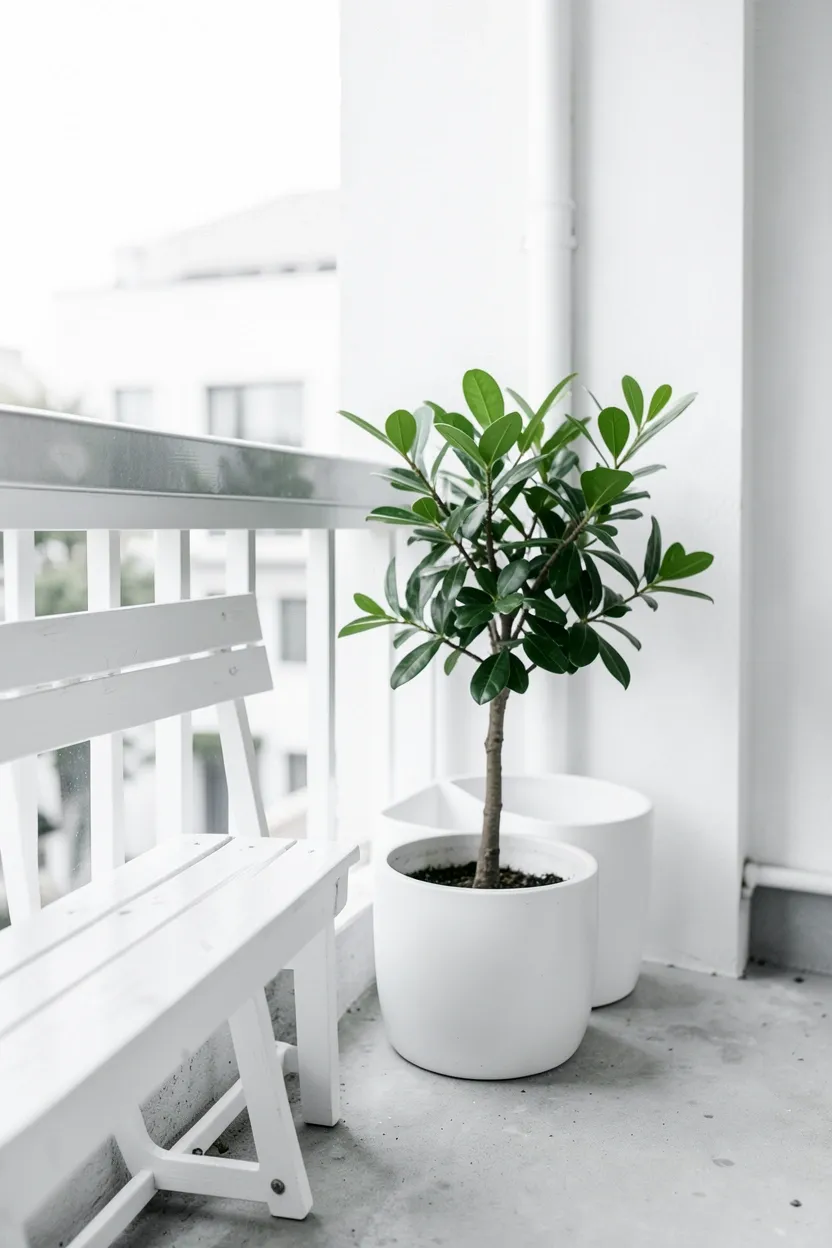
Choose a dominant color—white, gray, black, or even a bold hue like navy or forest green—and vary the shade across furniture, textiles, and accessories. Texture becomes crucial here: mix wood grain, metal, concrete, fabric, and plant material to add depth. A single statement plant in a planter that matches the color scheme adds life without breaking the monochromatic harmony.
For indoor monochrome inspiration, see Minimalist Pastel Living Room Ideas that demonstrate how limited palettes create sophisticated spaces.
Lighting plays a crucial role in monochrome design. Natural light emphasizes the interplay of shadows and textures, while strategic artificial lighting can highlight architectural details or create dramatic evening effects. Consider how different times of day transform the space through changing light.
Do: Vary textures extensively—wood grain, fabric weave, metal finish, concrete surface—to prevent the space from feeling flat.
Don't: Introduce competing colors or bold patterns that disrupt the monochromatic harmony.
What this gives you: A sophisticated, visually cohesive outdoor space that feels expansive and professionally designed through intentional color restraint.
10. Herb and Edible Garden
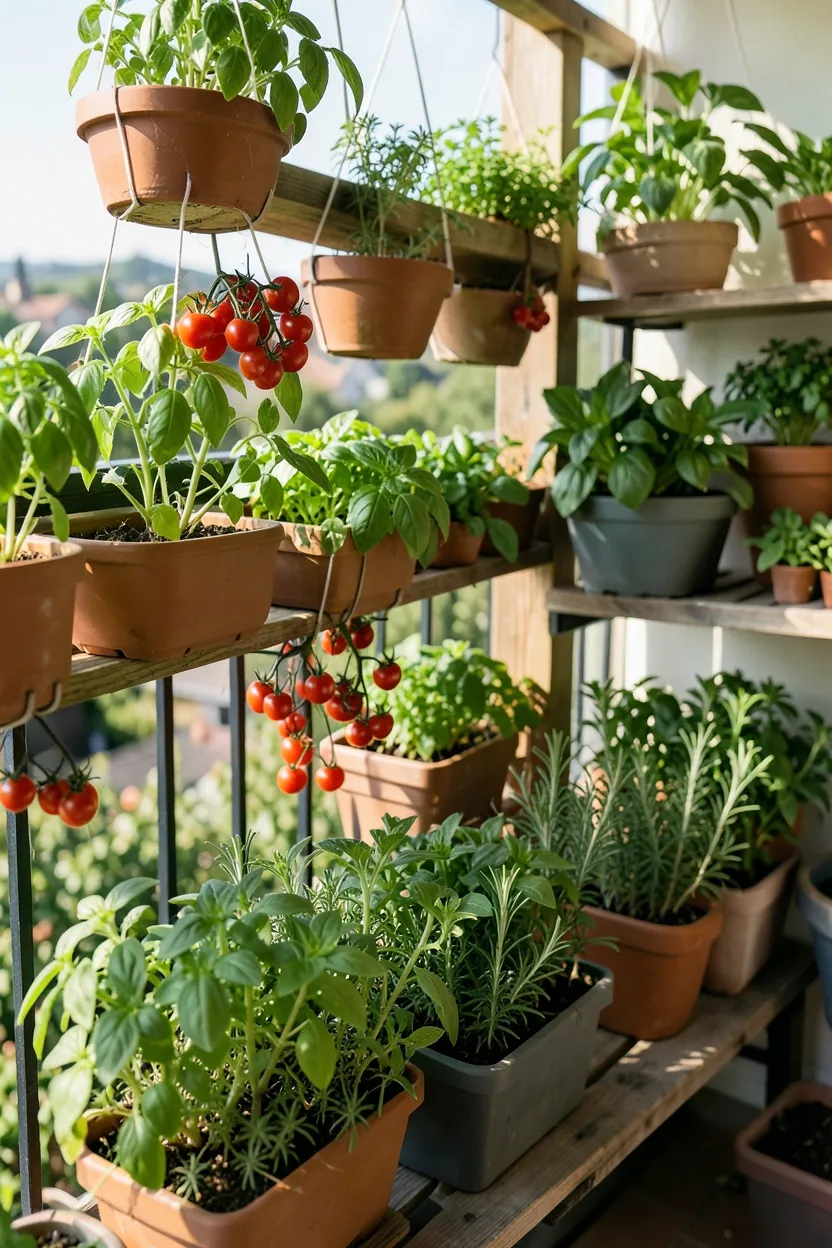
Transform your modern balcony into a functional kitchen garden with herbs, vegetables, and edible flowers. This design combines practicality with beauty, providing fresh ingredients for cooking while adding greenery and fragrance to your outdoor space. Vertical planters, hanging baskets, and tiered shelves maximize growing potential in limited square footage.
Recommended
Items for this idea
Choose compact varieties that thrive in containers: cherry tomatoes, dwarf peppers, lettuce, spinach, and herbs like basil, mint, rosemary, and thyme. Arrange plants by sun requirements and water needs for easier care. A small shelf or railing system organizes pots while keeping them accessible. Consider companion planting—like basil with tomatoes—to naturally repel pests.
The beauty of an edible balcony is its year-round utility. Spring brings seedlings, summer offers harvests, fall provides late crops, and winter herbs like rosemary and thyme continue producing. Even in small spaces, you can grow significant portions of your own fresh produce.
Use self-watering containers for consistent moisture, especially during hot summer months.
Plant marigolds or nasturtiums alongside vegetables to attract pollinators and naturally deter pests.
Label planters with plant names and planting dates to track growth and harvest times.
What this gives you: A productive outdoor space that provides fresh, organic ingredients while beautifying your balcony and connecting you to food origins.
11. Coastal Nautical Theme
A nautical-themed balcony captures maritime charm through deliberate use of maritime colors, materials, and motifs. This style celebrates coastal living with blues, whites, and natural materials that evoke seaside relaxation. Striped patterns, rope details, and marine-inspired accessories create an authentic maritime atmosphere perfect for urban dwellers dreaming of the sea.
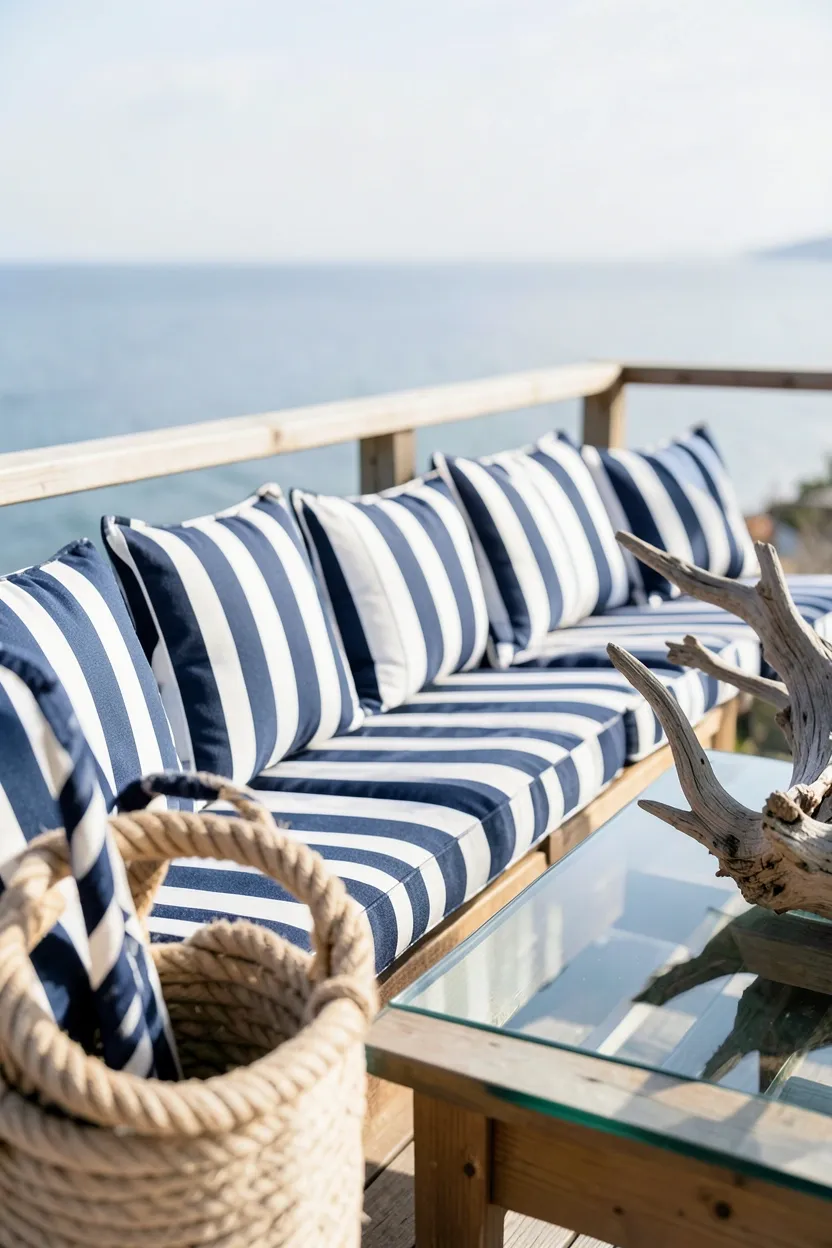
Incorporate navy blue and white striped cushions, a weather-resistant rope-wrapped planter, or a driftwood feature. A small anchor or life ring as wall art adds character. Navy or teal planters with white flowers or silver succulents complement the nautical palette. A simple glass-topped table keeps the space feeling open and airy.
For more outdoor space inspiration, see Stylish Small Patio Ideas for Cozy Outdoor Vibes that blend maritime charm with modern design.
Weather-resistant materials are essential for coastal themes that may face salt air or harsh sun. Choose marine-grade fabrics, powder-coated metal, or treated wood that withstands elements. Every element should feel intentional—avoid excessive nautical kitsch in favor of sophisticated, understated maritime references.
Do: Use natural rope, weathered wood, and marine-grade fabrics for authentic coastal character.
Don't: Overdo nautical symbols—subtle references feel more sophisticated than literal motifs.
What this gives you: A coastal retreat that brings seaside tranquility to your urban balcony through thoughtful maritime-inspired design.
12. Desert Succulent Oasis
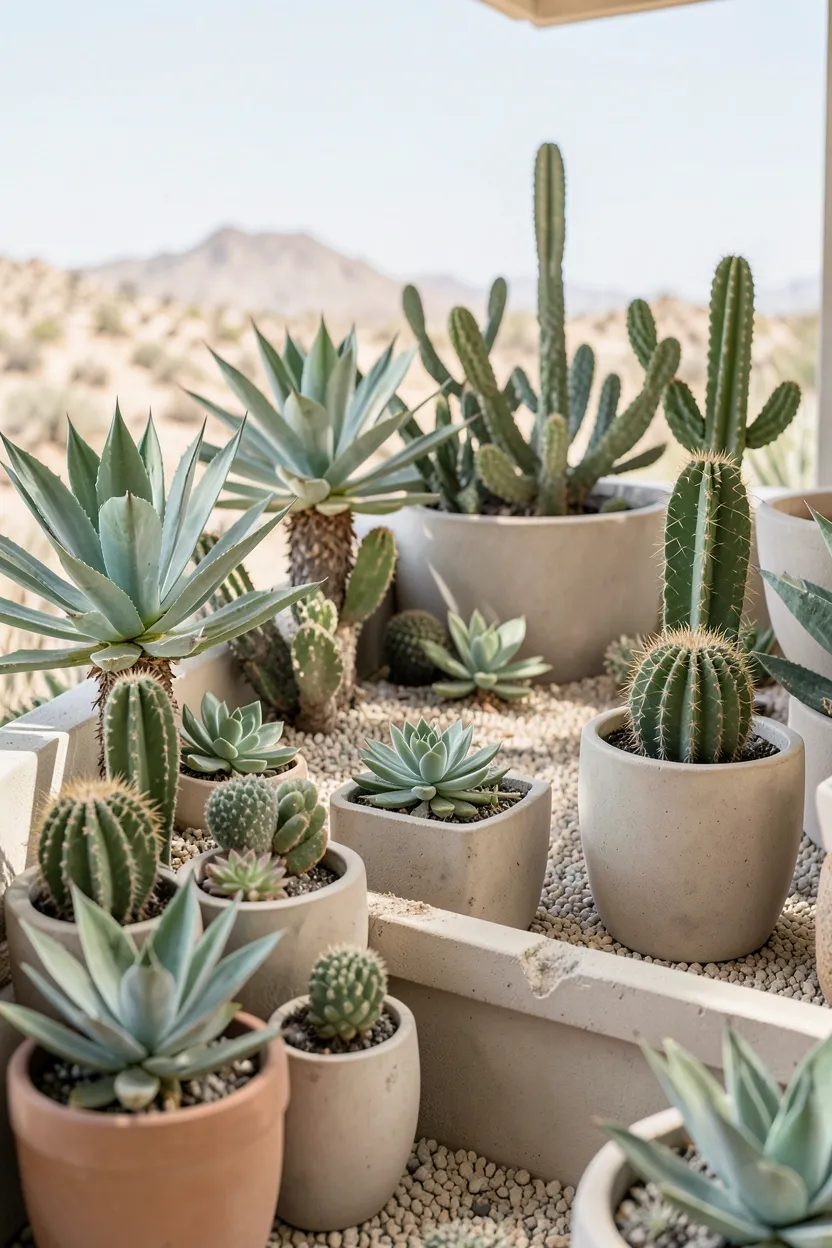
Create a low-maintenance desert oasis on your modern balcony with sculptural succulents and drought-resistant plants. This design celebrates architectural plant forms and minimalist aesthetics, perfect for balconies with full sun exposure. The combination of striking plants and neutral containers creates a contemporary landscape that thrives with minimal water and care.
Recommended
Items for this idea
Placement note: Group plants by light requirements and water needs, positioning thirstier varieties closer to your water source for easier care.
Choose a variety of succulents with contrasting forms: spiky agave, rosette-shaped echeveria, trailing sedum, and columnar cactus. Mix heights and textures for visual interest. Use neutral containers in white, gray, or terracotta to let plant forms shine. Gravel or small stones as mulch add desert authenticity while helping retain moisture.
Why it works: Succulents offer year-round interest with minimal maintenance. Their architectural forms provide sculptural beauty that complements modern design, while their drought tolerance makes them ideal for balconies where daily watering isn't practical.
If you have full sun: Choose cactus, agave, and sedum that thrive in intense, direct sunlight.
If your balcony is partially shaded: Opt for jade plants, haworthia, or aloe that tolerate lower light conditions.
What this gives you: A striking, low-maintenance garden that brings desert beauty to your balcony while requiring minimal water and care.
13. Modern Rustic Natural Space
Blend rustic warmth with contemporary simplicity for a balcony that feels grounded and inviting. This modern rustic style celebrates natural materials and organic textures while maintaining clean lines and restraint. Weathered wood, natural stone, and living plants create a connection to nature that feels authentic and timeless rather than dated or cluttered.
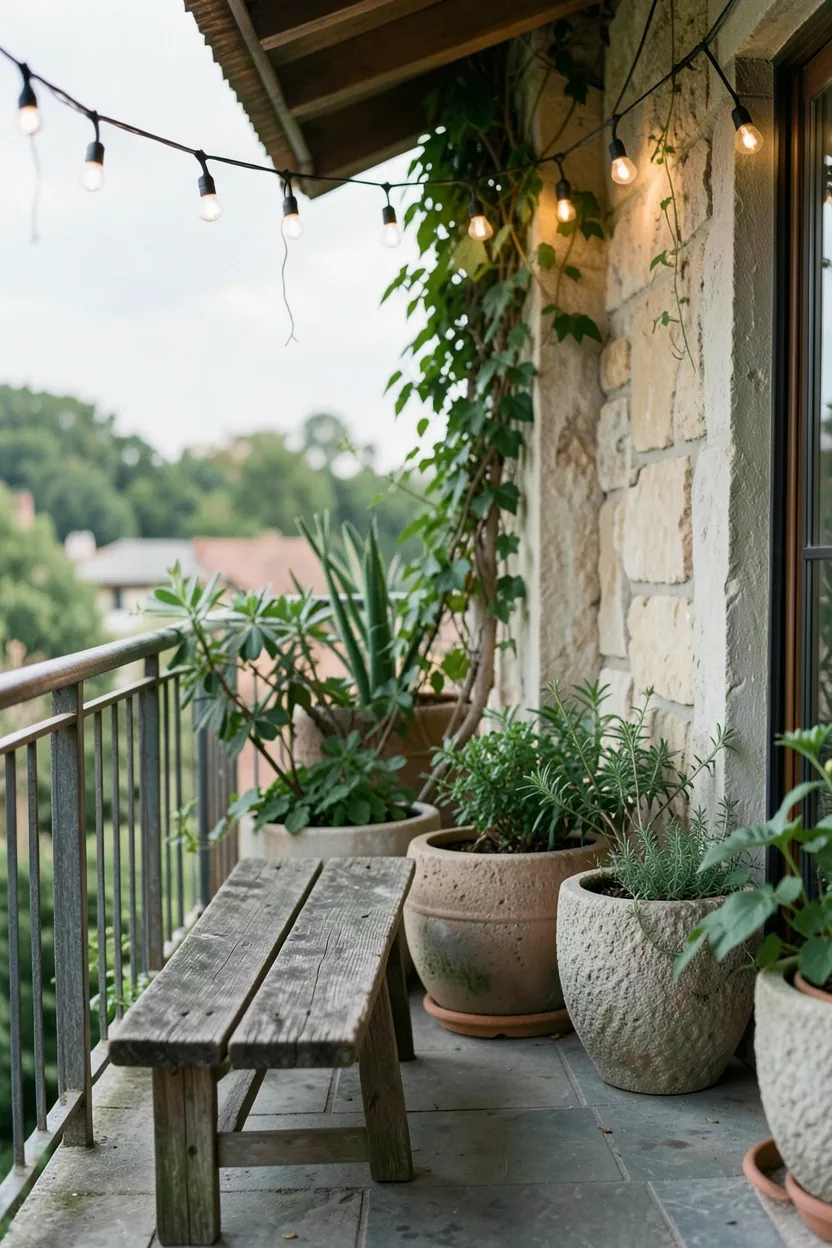
Start with a simple wooden bench or rustic table in weathered or reclaimed wood. Add natural stone elements like a small pebble garden or stone planters. Layer in greenery through potted plants, trailing vines, or a small vertical garden. Soft textiles in earth tones or linen add comfort. String lights or a simple lantern provide ambient evening lighting.
Common mistake: Overcrowding with too many rustic elements makes the space feel cluttered rather than curated. The key is balancing rustic warmth with modern restraint—every addition should feel intentional.
Pro: Creates a warm, inviting atmosphere that feels connected to nature despite urban surroundings.
Con: Natural materials like wood and stone may require maintenance or protection from harsh weather.
Fix: Choose weather-resistant treatments and provide covers or storage during extreme weather conditions.
What this gives you: A grounded, natural retreat that brings rustic charm to your balcony while maintaining contemporary sophistication and comfort.
14. Geometric Pattern Accents
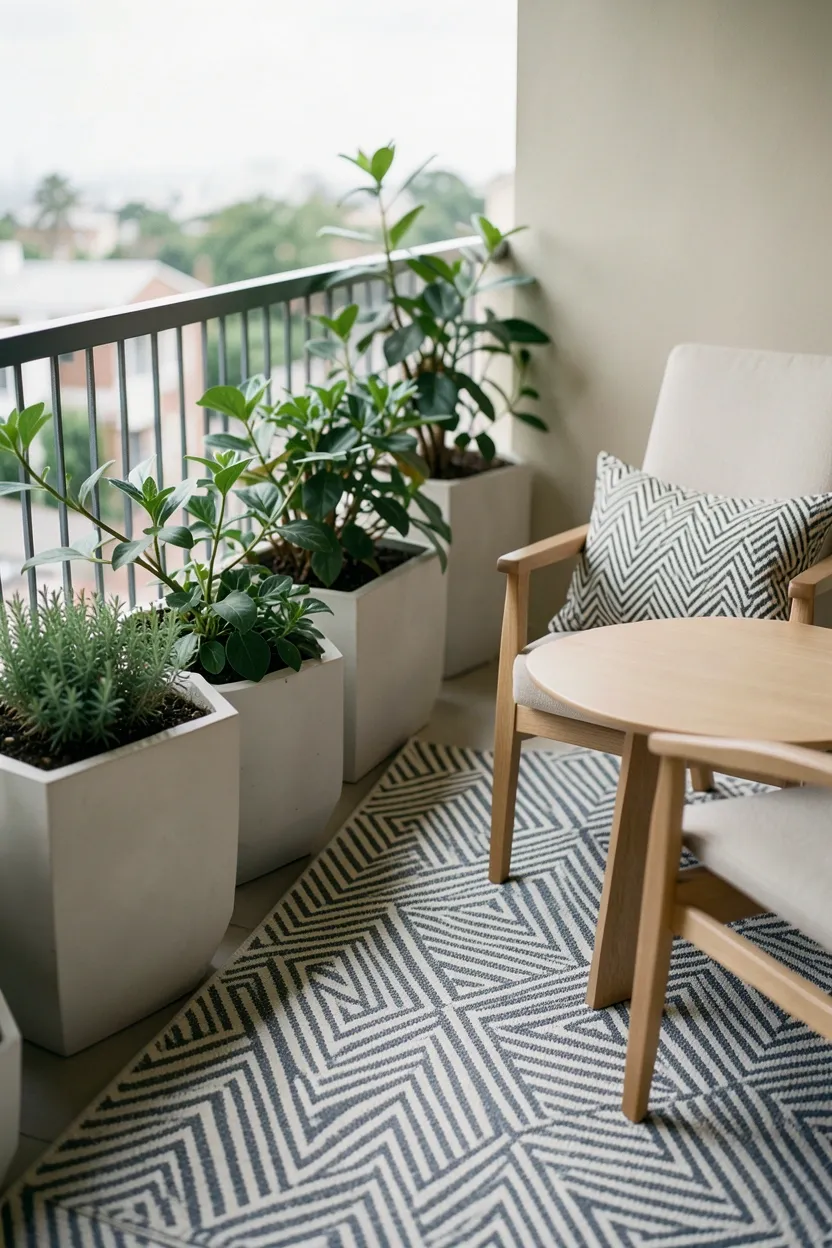
Introduce contemporary visual interest through strategic geometric patterns that add depth and sophistication to your modern balcony. This design approach uses geometric shapes—on textiles, planters, flooring, or architectural elements—to create a dynamic visual rhythm while maintaining overall simplicity. The result is a space that feels thoughtfully designed and visually engaging.
Recommended
Items for this idea
Choose one or two geometric patterns to dominate the design: hexagonal planters, a chevron-patterned rug, or triangular cushions in contrasting colors. Keep the background neutral to let patterns pop. A simple table and chair in solid colors balance the visual activity. Geometric wall art or a patterned screen adds architectural interest.
The secret to successful geometric design is restraint. One bold pattern statement creates impact, while multiple competing patterns feel chaotic. Scale matters too—mix small-scale patterns with large-scale ones for visual hierarchy and interest.
Do: Choose geometric patterns in colors that complement your overall color palette for cohesion.
Don't: Use too many different geometric patterns simultaneously—one or two strong patterns work best.
DIY option: Create geometric planters by painting plain terracotta pots with tape and spray paint in your chosen pattern.
What this gives you: A visually dynamic contemporary space that feels modern and sophisticated through intentional geometric patterning.
15. Smart Technology Integration
Elevate your modern balcony with smart technology that enhances comfort, convenience, and ambiance. This design approach seamlessly integrates technological solutions while maintaining aesthetic harmony. Smart lighting, automated irrigation, weather sensors, and connected speakers transform your balcony into a responsive, intelligent outdoor living space that adapts to your needs.
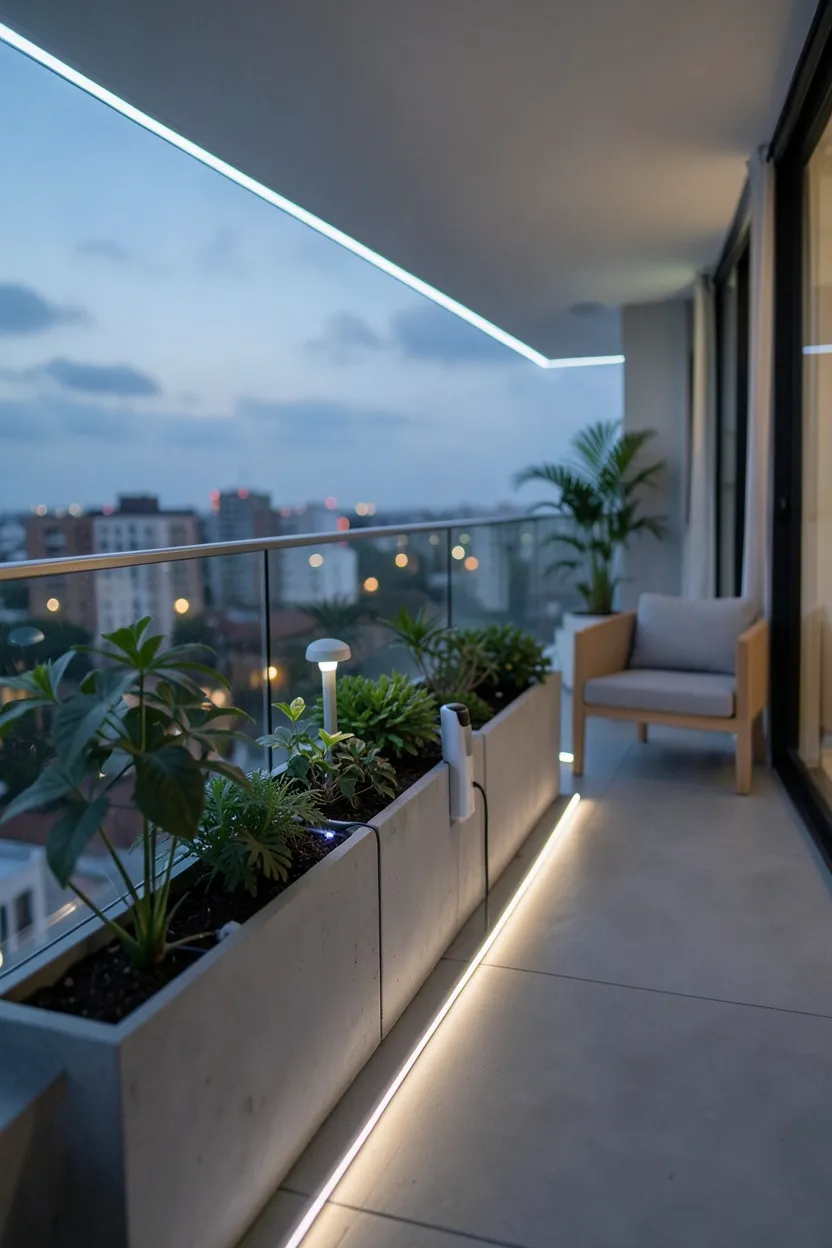
Install smart LED strip lighting that changes color or brightness via app control for customizable evening ambiance. Smart soil sensors in planters alert you when plants need water, or use automated drip irrigation for hands-off plant care. A smart weather station provides real-time conditions, helping you protect furniture during rain or frost. Bluetooth speakers deliver music without visible equipment.
For indoor smart home inspiration, see Extreme Minimalist Life: A Guide to Radical Simplicity that explores intentional technology use.
Technology should enhance, not dominate, your balcony design. Choose discreet, weather-resistant devices that integrate seamlessly into the space. The goal is technology that feels invisible—effortlessly improving your experience without drawing attention to itself.
Do: Choose weather-rated smart devices specifically designed for outdoor use to ensure longevity.
Don't: Overload your balcony with too many smart features—prioritize functionality you'll actually use regularly.
What this gives you: A technologically enhanced outdoor space that provides automated convenience, customizable ambiance, and responsive comfort.
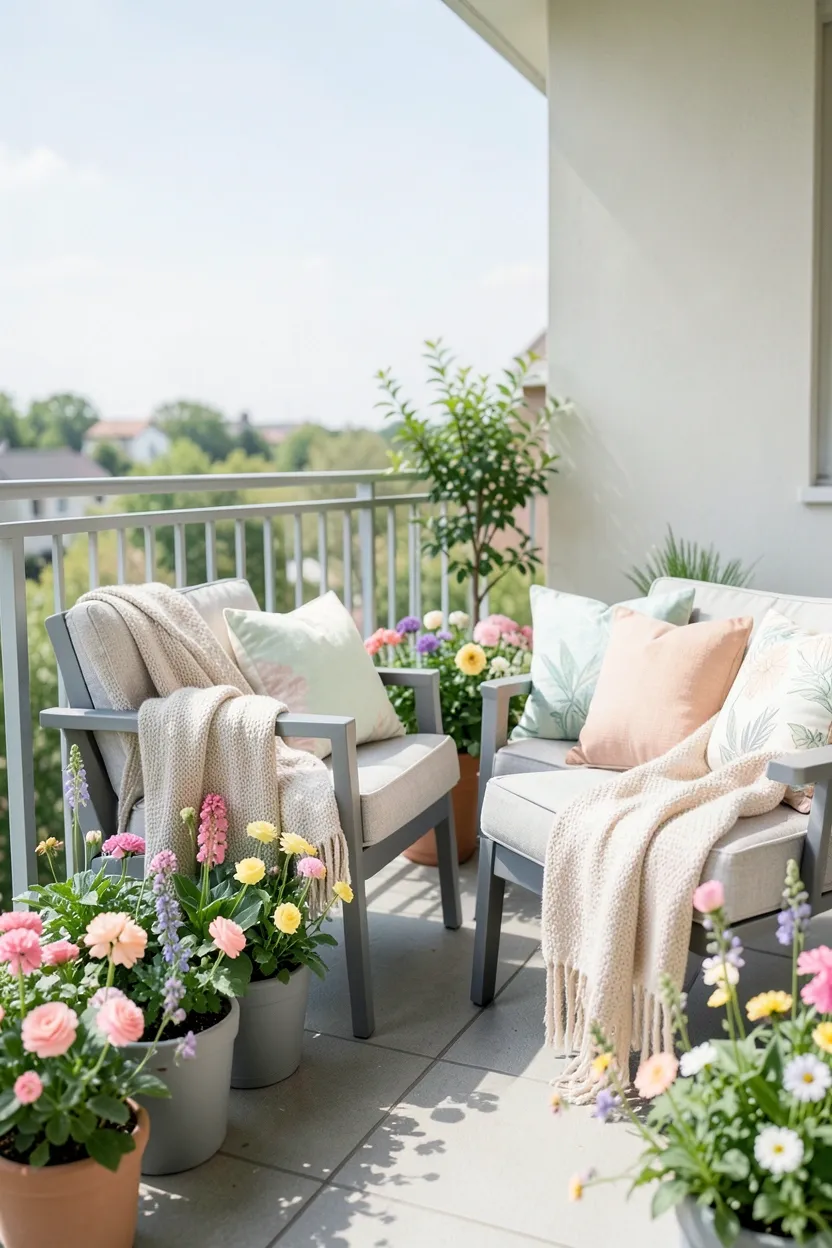
16. Seasonal Decor Flexible Space
Design your modern balcony as a flexible canvas that transforms with the seasons through intentional, easily changeable decor elements. This approach keeps your outdoor space feeling fresh and engaging year-round while maintaining a consistent foundation. The key is choosing durable base pieces that accommodate seasonal accents—throws, pillows, plants, and lighting that shift with the calendar.
Recommended
Items for this idea
Placement note: Position flexible decor items in accessible areas—near storage or doors—so seasonal changes feel effortless rather than chore-like.
Start with neutral, weather-resistant furniture as your year-round foundation. Spring brings pastel pillows and blooming flowers. Summer offers light linens and vibrant flowering plants. Fall introduces warm-toned throws, dried foliage, and mums. Winter adds cozy blankets, evergreen boughs, and warm lighting. Store seasonal items in weather-resistant bins when not in use.
Why it works: Seasonal transformation keeps your balcony engaging and prevents design fatigue. This approach lets you celebrate holidays, changing weather, and personal events while maintaining a cohesive overall aesthetic that doesn't require complete redesign.
If you live in a climate with extreme seasons: Invest in covers for furniture and weather-resistant storage for seasonal items.
If you have limited storage: Choose multi-seasonal items that work across multiple seasons, like neutral throws or versatile planters.
What this gives you: A dynamic outdoor space that feels fresh and engaging throughout the year while requiring minimal redesign effort.
17. Privacy-Focused Balcony Sanctuary – Renter-Friendly Screening Ideas
Transform your modern balcony into a private retreat through strategic screening solutions that create seclusion without sacrificing style. This design approach addresses urban density by establishing visual barriers that feel intentional and aesthetically pleasing rather than makeshift. Privacy screens, strategic plantings, and thoughtful layout create a sanctuary where you can relax without feeling exposed.
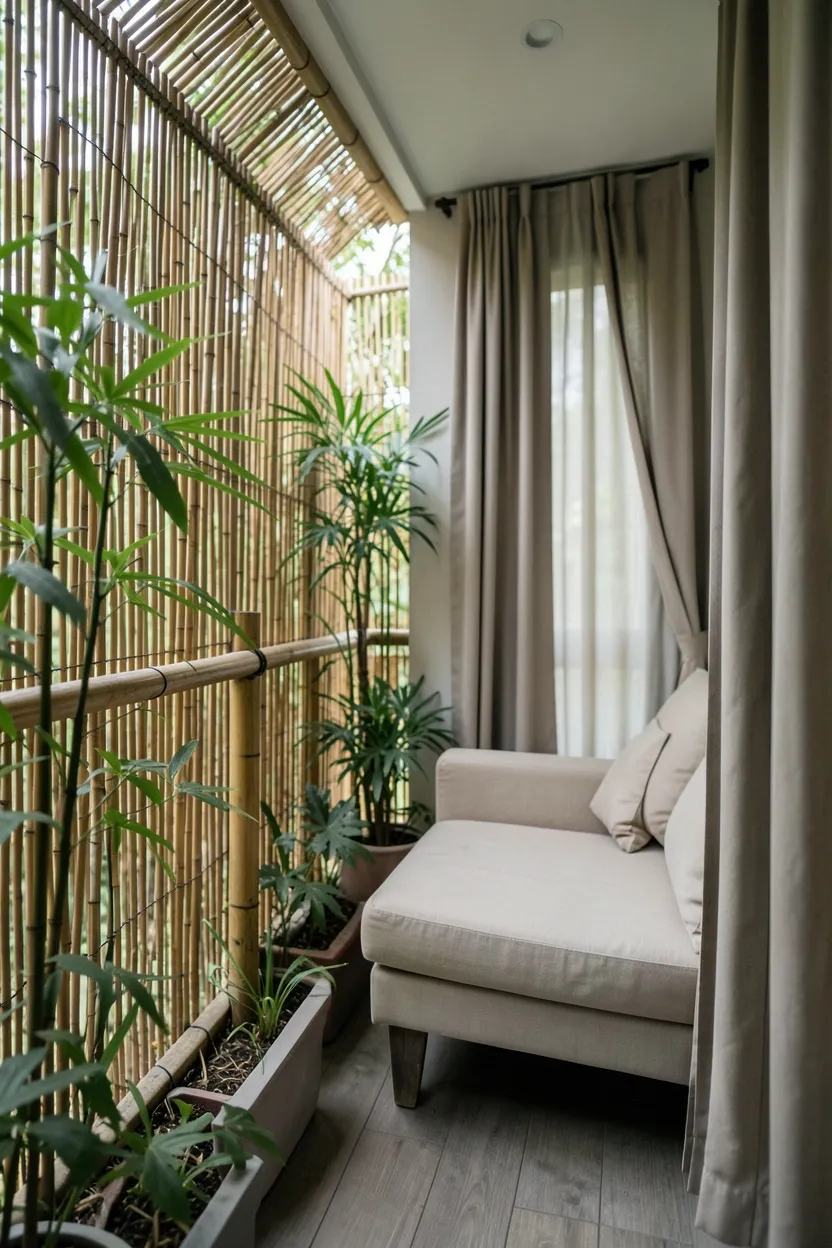
Install bamboo or reed screening that filters light while blocking views. Create a living privacy wall with tall plants like bamboo, arborvitae, or trellised climbing vines. Outdoor curtains in weather-resistant fabric add elegance and flexibility—draw them closed for privacy, open for views. A slatted wood screen or lattice panel provides architectural interest while maintaining airflow.
Common mistake: Choosing privacy solutions that feel fortress-like or oppressive, making the balcony feel confined rather than secluded. The goal is screened privacy that feels intentional and calming, not isolated.
Pro: Creates a truly private retreat ideal for yoga, meditation, or intimate conversations without neighbor visibility.
Con: Some solutions block natural light or airflow, potentially affecting plant health or comfort.
Fix: Choose semi-permeable screens that provide privacy while maintaining light and ventilation.
Rental-friendly: Use tension-mounted bamboo screening or freestanding planters as privacy barriers that require no permanent installation.
What this gives you: A secluded sanctuary that offers true privacy without sacrificing style, light, or the sense of outdoor connection.
18. Cozy Reading Nook
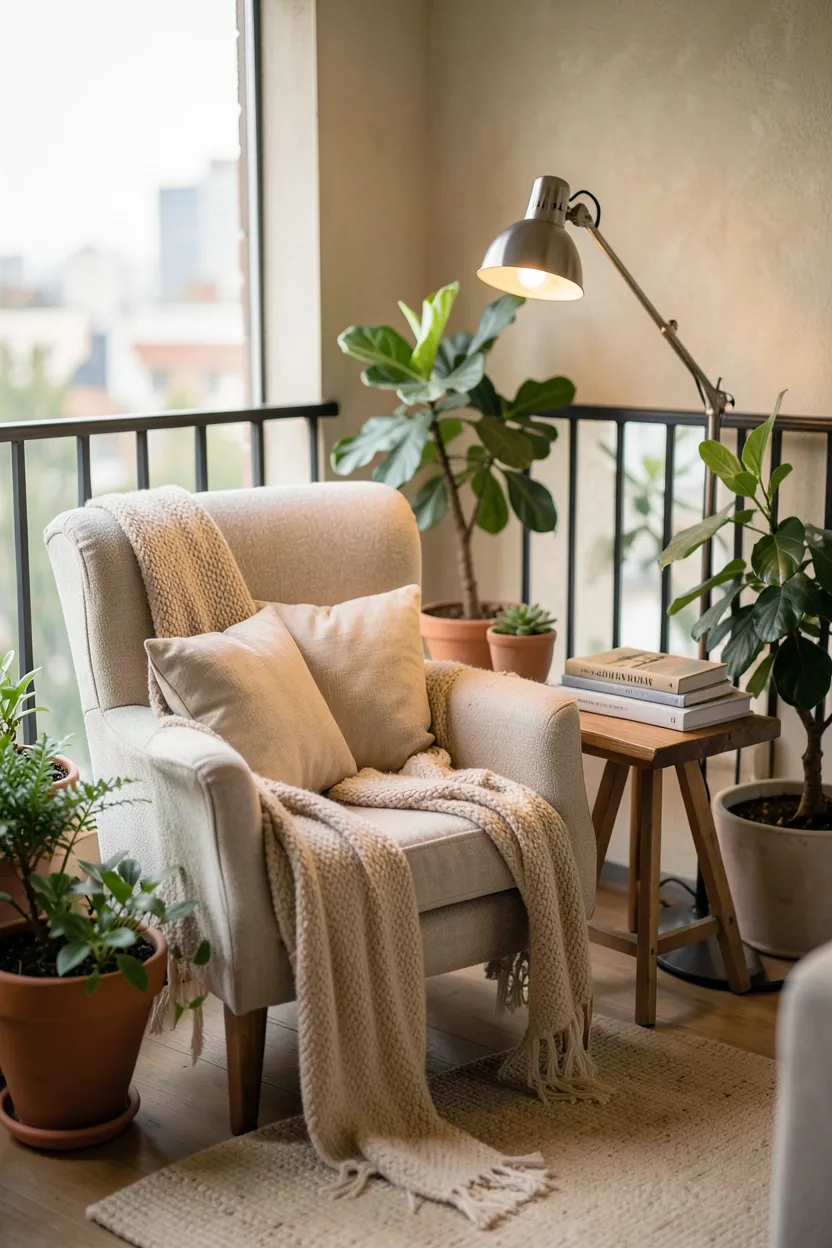
Design a dedicated reading nook on your balcony that becomes your personal library retreat. This focused design prioritizes comfort for extended reading sessions through supportive seating, adjustable lighting, and thoughtful positioning. The result is an inviting outdoor space perfect for losing yourself in books, articles, or morning newspapers while enjoying fresh air and natural light.
Recommended
Items for this idea
Choose a comfortable chair with adequate back support—a club chair, lounge chair, or even a small daybed if space permits. Add a side table within arm's reach for books, beverages, or glasses. Adjustable lighting like a floor lamp or reading light ensures comfortable reading at any time. Soft cushions and a throw blanket add cozy warmth. Potted plants provide greenery without requiring movement.
For indoor reading space inspiration, see Inspiring Home Library Ideas for a Cozy Reading Escape and create reading sanctuaries throughout your home.
Position your reading nook to optimize natural light for daytime reading while offering shade during peak hours. Consider how afternoon or evening light affects the space—strategic positioning maximizes comfortable reading hours while minimizing glare.
Do: Test seating comfort before finalizing—reading sessions require supportive furniture that doesn't cause discomfort.
Don't: Position reading areas directly in harsh midday sun without shade options—glare makes reading difficult and uncomfortable.
What this gives you: A dedicated outdoor reading sanctuary that combines the joy of books with the pleasure of fresh air and natural surroundings.
19. Entertaining-Ready Outdoor Room
Transform your modern balcony into an entertaining-ready outdoor space that seamlessly accommodates guests for cocktails, conversations, or small dinner parties. This design prioritizes flexible seating, ample surface area, and ambient lighting to create an inviting atmosphere for social gatherings. Even modest balconies become sophisticated entertaining destinations through intentional layout and multifunctional furniture.
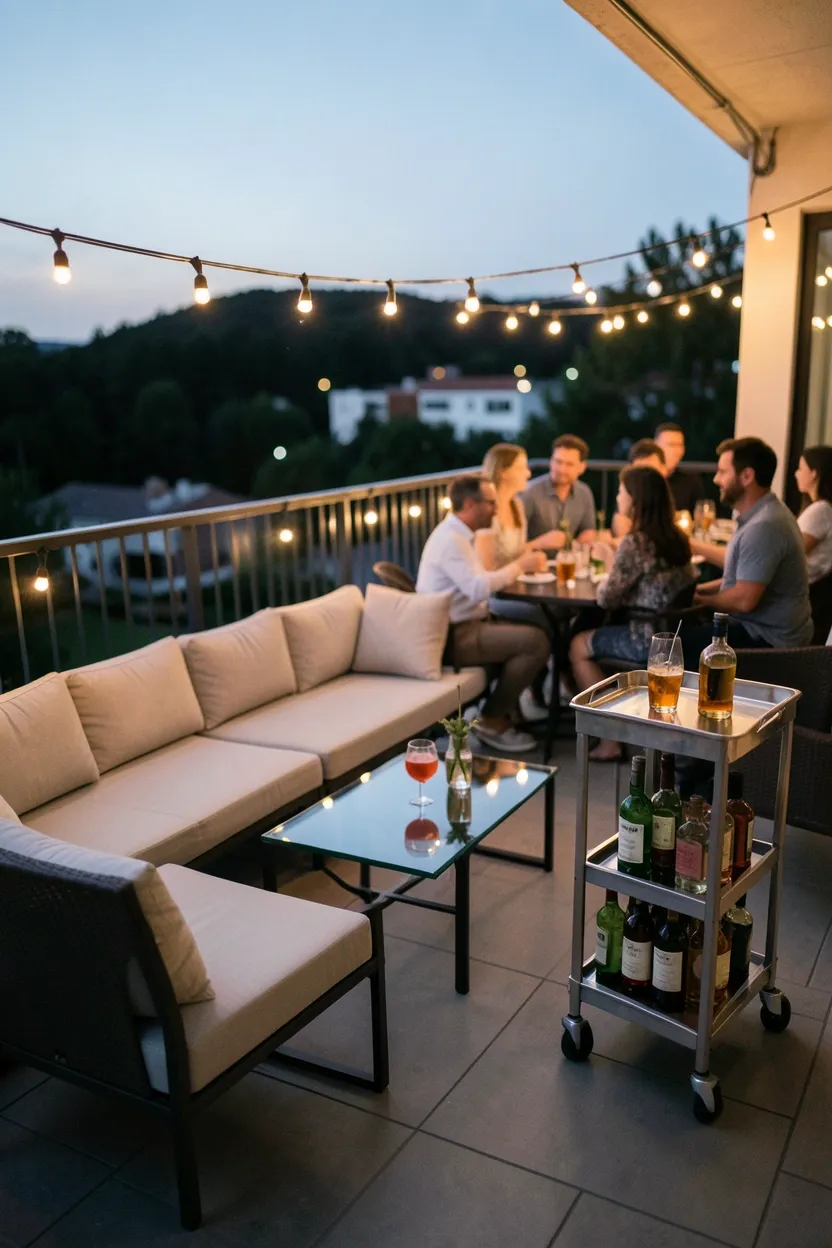
Invest in versatile seating options: folding chairs that store easily, stackable stools, or modular furniture that rearranges for different group sizes. Multiple small tables or a larger surface provide space for drinks and appetizers. String lights or lanterns create inviting evening ambiance. A bar cart or side station offers beverage service without crowding seating areas.
The key to successful balcony entertaining is flow and flexibility. Furniture should allow easy conversation and movement between seating and serving areas. Every piece should serve multiple purposes—a bench provides seating and surface area, while a table offers dining and serving functions.
Keep a lightweight throw or two available for guests who might feel chilly during evening gatherings.
Choose weather-resistant cocktail napkins, trays, and serving pieces designed for outdoor use.
Consider a small herb garden near your serving area for fresh garnishes that elevate cocktails and appetizers.
What this gives you: A sophisticated outdoor entertaining space that transforms small balconies into social destinations perfect for hosting intimate gatherings.
These 19 modern balcony ideas show that thoughtful design can transform even the smallest outdoor space into a functional, beautiful retreat. Whether you're a renter working around lease restrictions or a homeowner maximizing a compact terrace, there's a modern balcony decor approach here that fits your lifestyle and budget. Start with one element—a bistro set, a vertical planter, or a privacy screen—and build outward from there. With the right furniture, plants, and lighting, your balcony becomes the most beloved room in your home.
About the author
OBCD
CGI visualization and interior design content. We create detailed 3D renders and curate practical design ideas for every room in your home.