19 Small Patio Garden Ideas for Renters (No Yard Needed)
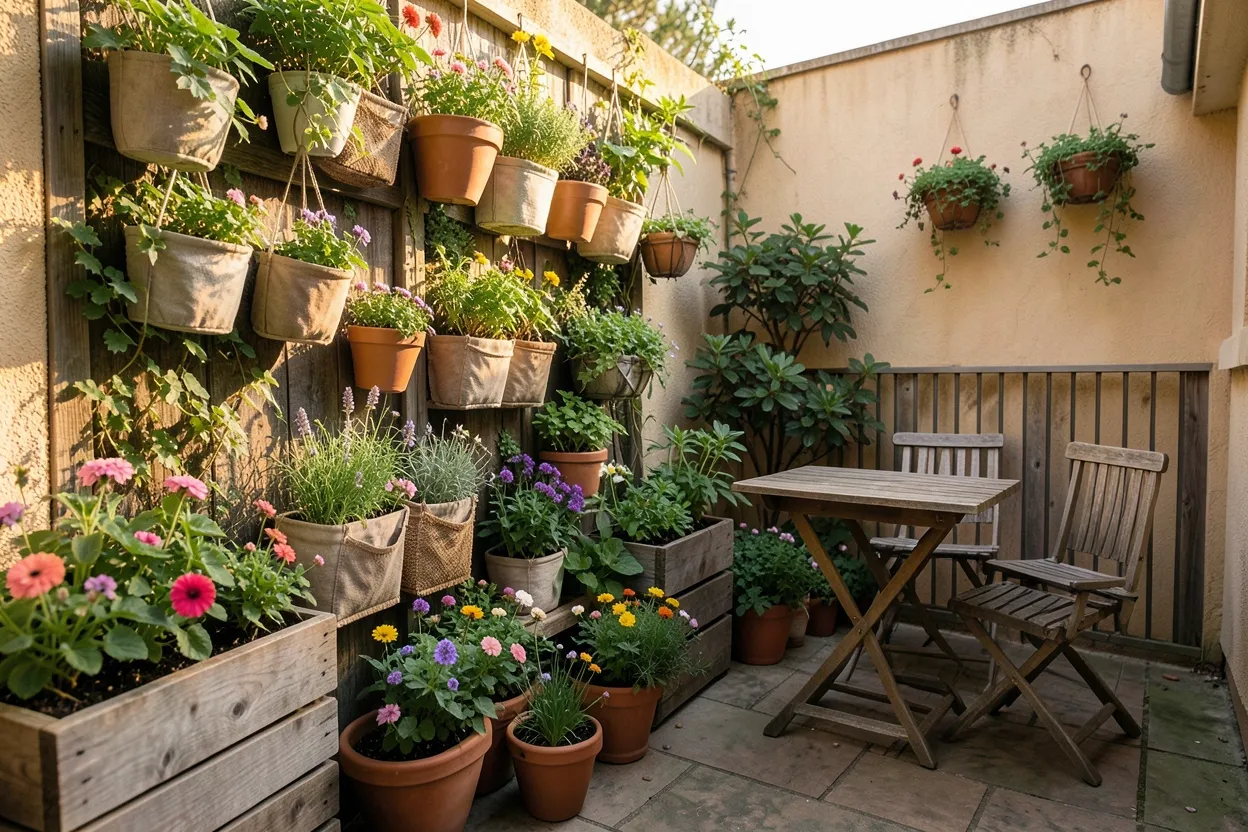
Small patio garden ideas have become a lifeline for renters who crave greenery but lack a yard. Whether you're working with a tiny apartment balcony or a compact courtyard you can't dig up, there are creative ways to bring real plants and real beauty into your outdoor area — no permanent changes, no landlord drama. The key is maximizing vertical space, using containers strategically, and choosing plants that thrive in your specific conditions.
From vertical pocket gardens and railing planters to tiered containers and no-drill herb boxes, these 19 small patio garden ideas will help you create a lush oasis that adds character and charm to your rental. Even the smallest outdoor spaces — we're talking 6 square feet — can become beautiful gardens with the right planning and plant selection.
These solutions work for any patio size, from urban balconies to cozy courtyards, and scale to your budget and maintenance preferences. You'll find options for full-sun lovers, shade-tolerant varieties, and ultra-low-maintenance choices like succulents. Many are fully renter-friendly: no drills, no screws, no lease worries.
Quick FAQ
What plants grow best in small patio gardens?
Herbs like basil, mint, and thyme thrive in containers, as do compact vegetables like cherry tomatoes and peppers. For flowers, petunias, geraniums, and marigolds are excellent choices that provide continuous blooms throughout the season.
How do I maximize space in a small patio garden?
Use vertical gardening with trellises and wall-mounted planters, choose tiered or stacking containers, and select compact plant varieties. Hanging baskets and railing planters also utilize overhead space that would otherwise go unused.
How often should I water my patio garden?
Container gardens typically need more frequent watering than in-ground plants, often daily during hot weather. Check soil moisture by inserting your finger about an inch deep—if it feels dry, it's time to water.
Can I grow vegetables in a small patio garden?
Absolutely! Compact and dwarf vegetable varieties are perfect for containers. Choose determinate tomatoes, bush beans, compact peppers, and lettuce varieties that don't require deep soil or extensive growing space.
As an Amazon Associate I earn from qualifying purchases.
Table of Contents
- 1. Vertical Garden Wall with Pockets
- 2. Tiered Container Garden
- 3. Hanging Basket Display
- 4. Compact Herb Garden in Window Boxes
- 5. Succulent Window Box Garden
- 6. Trellis with Climbing Plants
- 7. Raised Planter Box Garden
- 8. Railing Planters for Balcony
- 9. Dwarf Fruit Tree in Large Container
- 10. Fairy Garden in a Pot
- 11. Mini Vegetable Garden
- 12. Shade-Loving Fern Garden
- 13. Edible Flower Garden
- 14. Bamboo Privacy Screen
- 15. Mediterranean Herb Spiral
- 16. Repurposed Container Garden
- 17. Low-Maintenance Succulent Wall
- 18. Butterfly Garden in Pots
- 19. Moonlight Garden with Night-Blooming Plants
1. Vertical Garden Wall with Pockets
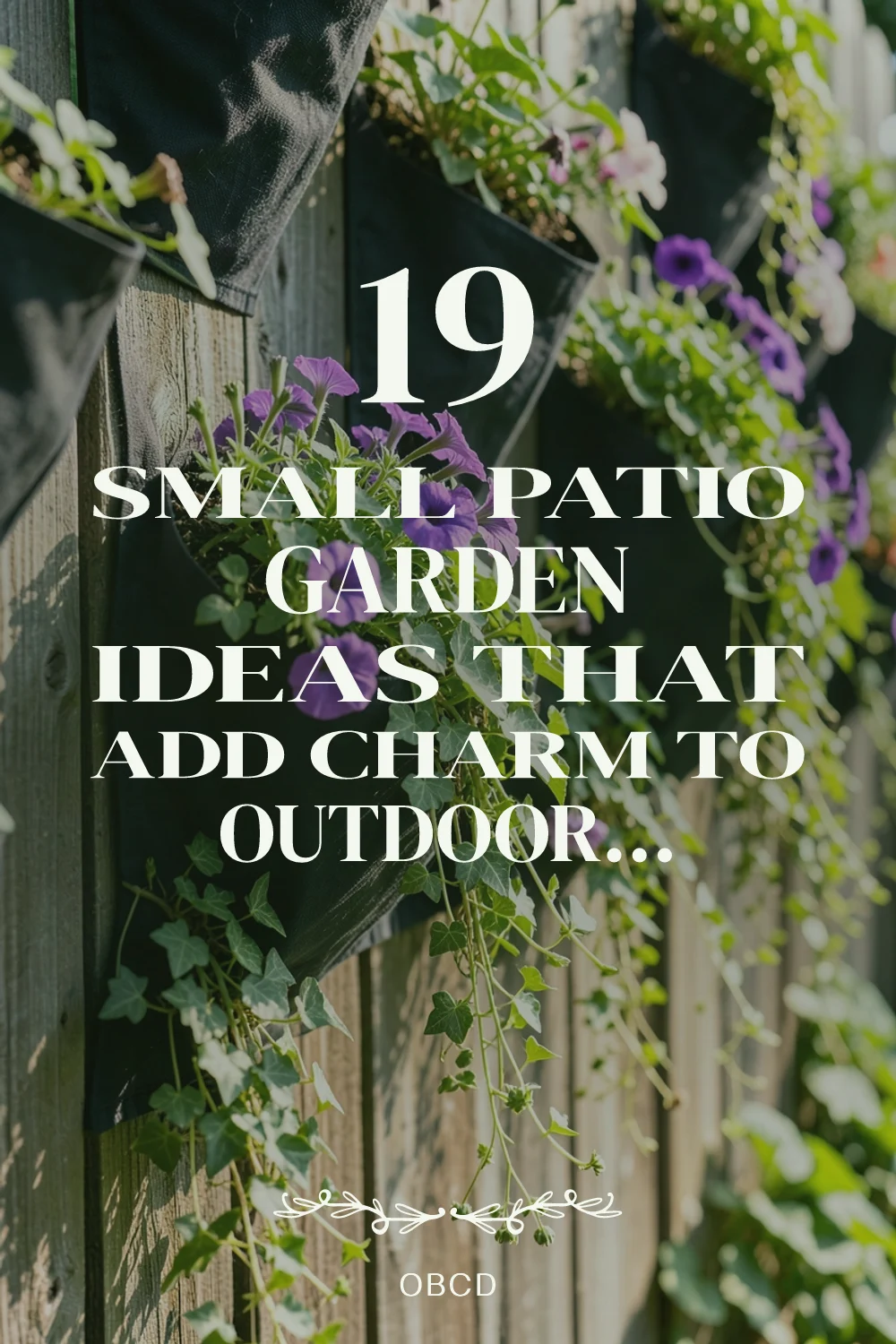
A vertical garden wall with pockets transforms blank wall space into a lush, living display that maximizes growing area without consuming floor space. This small patio garden solution uses fabric or rigid pockets mounted to walls or fences, creating a stunning tapestry of plants that adds both beauty and privacy to your outdoor area.
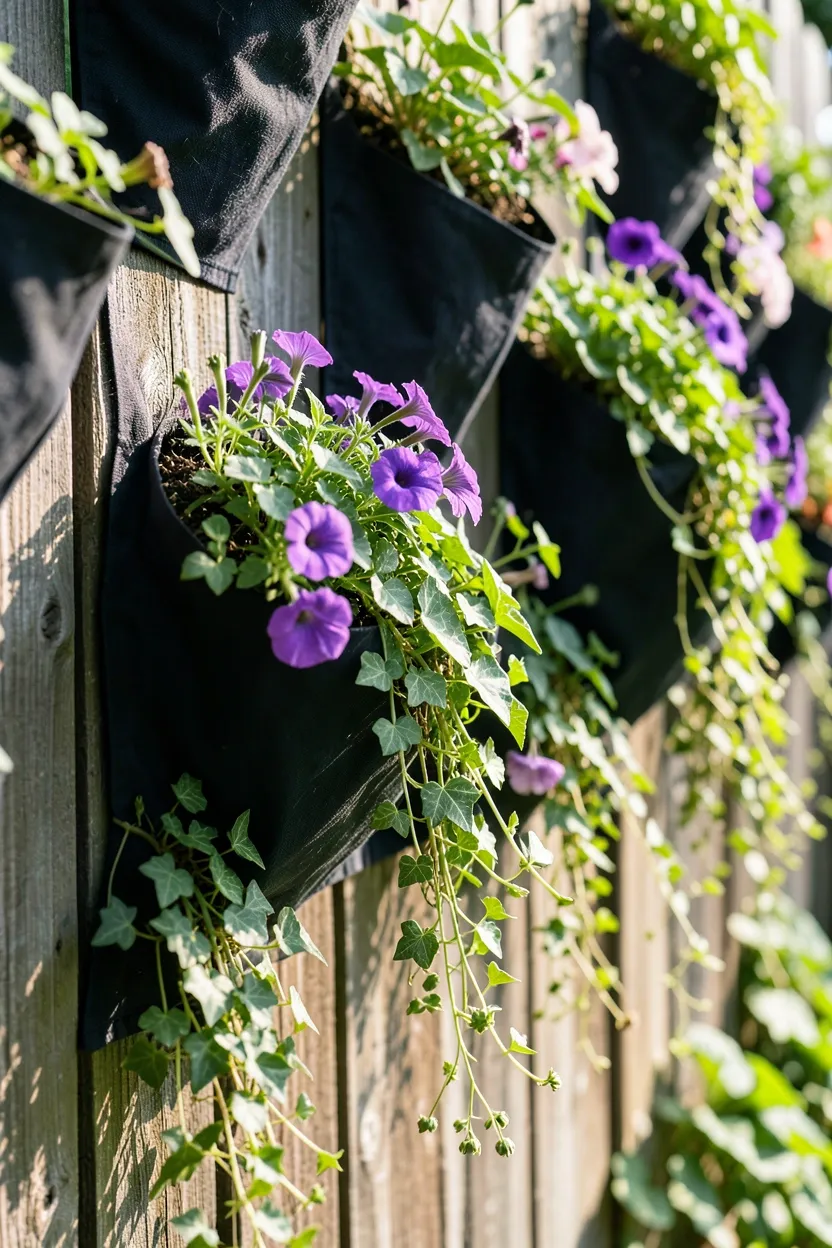
The pockets can be filled with a mix of trailing plants, colorful annuals, and herbs, creating depth and visual interest. Mount the system on a wall that receives appropriate light for your chosen plants, and ensure easy access for watering and maintenance. Most pocket systems require a backing material to protect walls from moisture.
Placement note: Position your vertical garden where it's visible from your seating area and receives at least 6 hours of sun if growing sun-loving plants. Consider installing a drip irrigation system for consistent watering, as vertical gardens can dry out more quickly than traditional containers.
Do: Use lightweight potting mix and choose plants with similar water and light requirements. Group plants by their needs for easier care.
Don't: Overfill pockets with heavy soil that can strain the mounting system or cause water to pool and potentially damage the wall.
What this gives you: Maximum planting area with zero floor space usage, instant privacy screen, and a stunning living wall that creates a focal point in your patio garden.
We picked a few things that go well with this idea: Ogrmar 36-Pocket Vertical Wall Garden Planter (★4.1), ANGTUO 6-Pocket Hanging Balcony Wall Planter (★4.1) and 90-Pocket Vertical Wall Mounted Grow Bag Planter (★4.0). As an Amazon Associate we earn from qualifying purchases.
2. Tiered Container Garden
A tiered container garden uses vertical stacking to create a multi-level display that dramatically increases your planting space while keeping your small patio organized and visually appealing. This approach allows you to grow herbs, flowers, and even vegetables in a compact footprint, with each level receiving adequate light and air circulation.
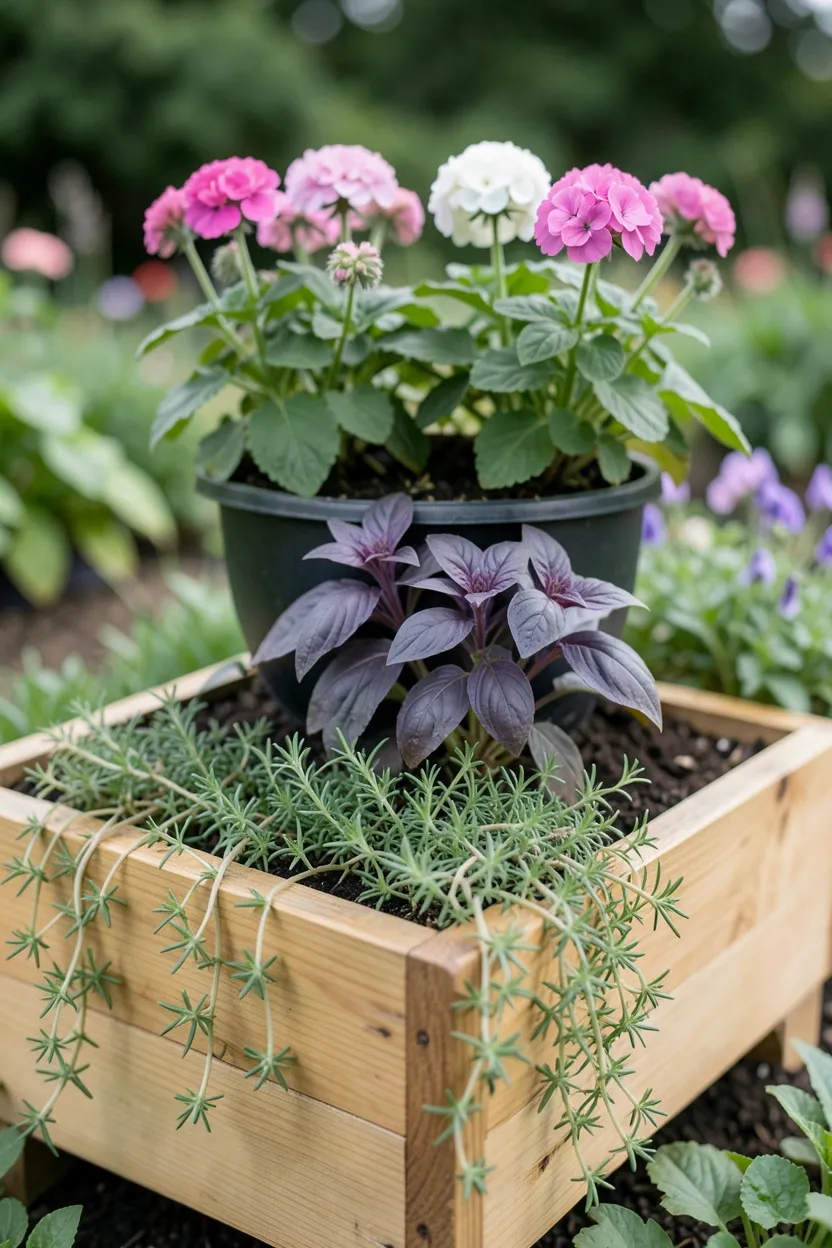
Why it works: The tiered design ensures that even plants on lower levels get sunlight, as taller plants are placed on upper tiers while trailing varieties cascade down the sides. This arrangement mimics natural growing patterns and creates an attractive cascading effect that adds movement and depth to your patio.
Common mistake: Overcrowding each tier with too many plants can lead to competition for resources and poor air circulation. Instead, select a few well-chosen plants per tier and give them room to grow. Use high-quality potting mix with good drainage, and add a slow-release fertilizer to support healthy growth throughout the season.
If you have a corner space, choose a corner-tiered planter that maximizes vertical height while fitting snugly into tight angles.
Then fill each level with plants that have similar water and light needs, making maintenance simpler and more efficient.
If your patio receives limited direct sunlight, focus on shade-tolerant varieties like ferns, impatiens, and hostas for lower tiers.
Budget & time: Pre-made tiered planters range from $50-200, or build your own with wooden shelves and terracotta pots for $30-50. Setup takes 1-2 hours.
What this gives you: 3-4 times more growing space than traditional single-level containers, organized plant display, and the ability to grow diverse plants in a small area.
We picked a few things that go well with this idea: Simple Trending 3-Tier Metal Outdoor Plant Stand (★4.7), Simple Trending 3-Tier Stackable Metal Plant Shelf (★4.7) and NAKUPE 4-Tier 30-Inch Tall Metal Planter Rack (★4.6). As an Amazon Associate we earn from qualifying purchases.
3. Hanging Basket Display
Hanging baskets create a stunning vertical display that brings life and color to eye level while keeping floor space completely free. This small patio garden solution is perfect for displaying trailing flowers, cascading vines, or even compact herbs and strawberries, creating a lush, abundant look that draws the eye upward.
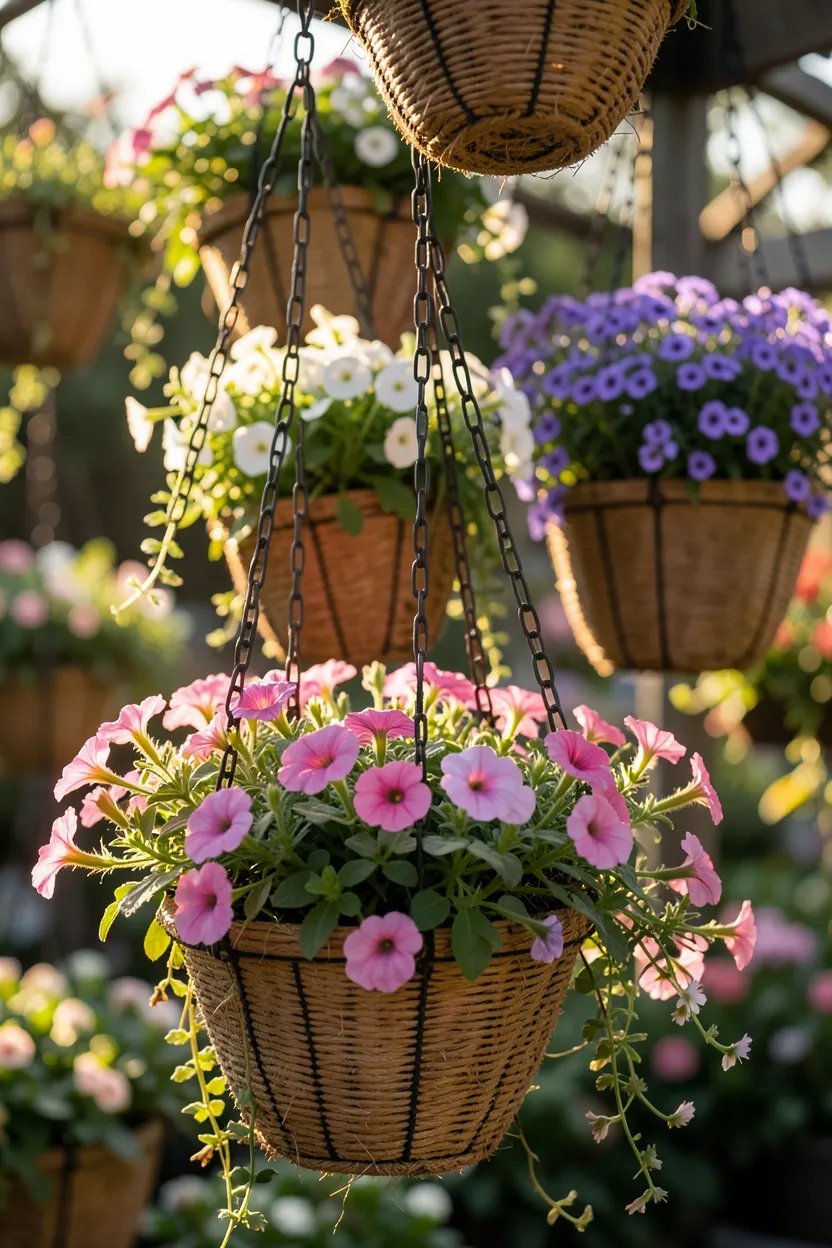
Mix trailing plants with upright varieties in each basket for visual interest and maximum use of space. Choose baskets with self-watering reservoirs or add water-retaining crystals to the potting mix to help maintain moisture, as hanging baskets dry out faster than ground-level containers. Group multiple baskets at varying heights for a dynamic, layered effect.
Consider the weight of fully watered baskets when selecting mounting hardware and supports. Use swivel hooks to easily rotate baskets for even light exposure and access for maintenance from all sides. Select plants that spill attractively over the edges, creating a fuller, more generous appearance.
Pro: Hanging baskets provide excellent air circulation, which reduces fungal issues and promotes healthier plant growth compared to ground-level containers.
Con: They require more frequent watering, especially in hot weather, and may need daily attention during peak summer months.
Fix: Install a simple drip irrigation system with individual lines to each basket, or set up a pulley system to easily lower baskets for easier watering and maintenance.
What this gives you: Zero footprint planting, eye-level garden display, and the ability to grow beautiful cascading plants that add drama and vertical interest to your patio.
We picked a few things that go well with this idea: VOXOR 2-Pack 24-Inch Heavy Duty Railing Planter (★4.5), Karlliu 2-Pack 24-Inch Railing Planter with Coco Liner (★4.5) and VOXOR 2-Pack 24-Inch Adjustable Balcony Railing Planter (★4.7). As an Amazon Associate we earn from qualifying purchases.
4. Compact Herb Garden in Window Boxes
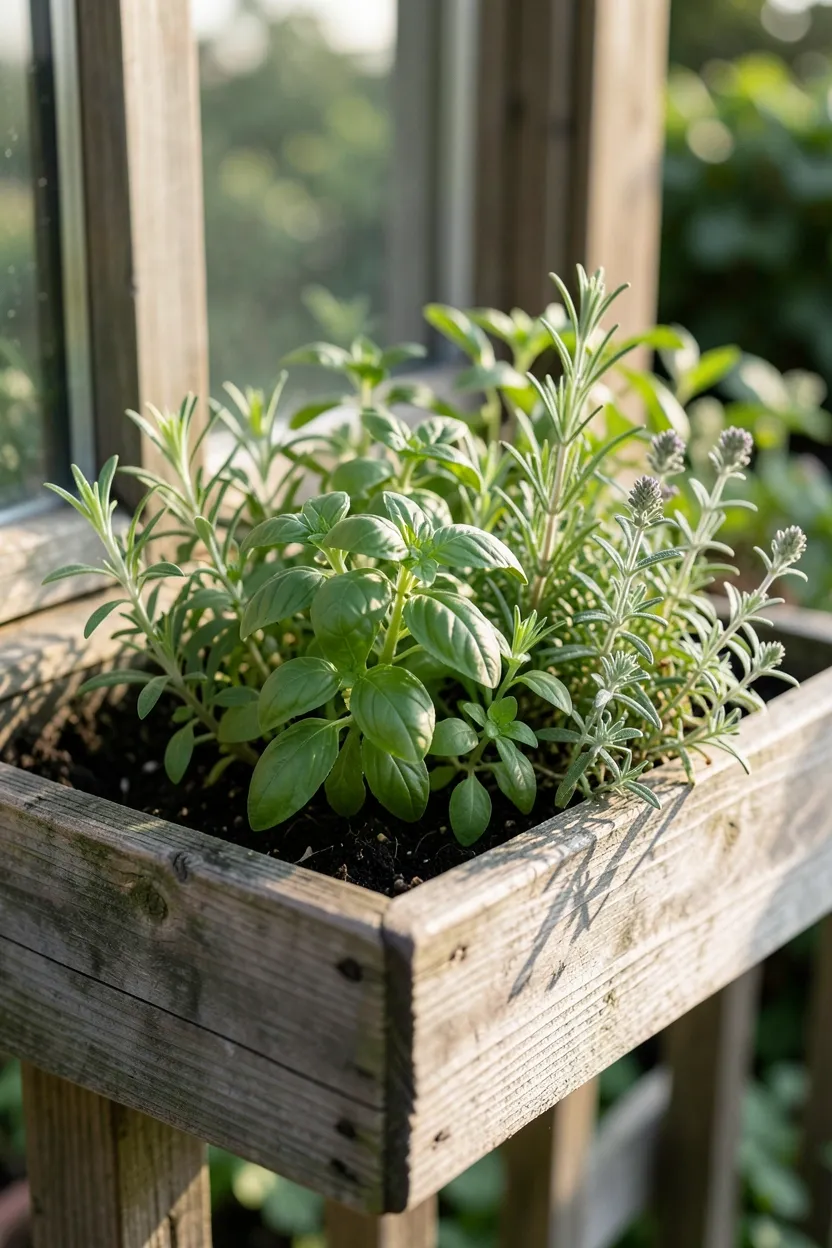
A compact herb garden in window boxes brings fresh culinary herbs within easy reach while adding fragrance and greenery to your small patio. This practical solution utilizes railing or wall space, keeping your herbs accessible for cooking and creating a fragrant, aromatic atmosphere in your outdoor living area.
Recommended
Items for this idea
Choose herbs based on your cooking preferences and sunlight conditions. Mediterranean herbs like rosemary, thyme, and oregano thrive in full sun, while parsley, cilantro, and mint tolerate partial shade. Plant taller herbs like basil toward the back of the box and trailing varieties like creeping thyme near the front edge for a layered, attractive display.
Ensure window boxes have adequate drainage holes and use a well-draining potting mix mixed with compost. Water regularly but allow soil to dry slightly between waterings, as herbs generally prefer slightly drier conditions than many flowering plants. Pinch back growing tips regularly to encourage bushier, more productive growth.
Do: Group herbs with similar water and sunlight requirements together in the same box for simplified care. Keep mint in its own container, as it can be invasive and crowd out other plants.
Don't: Over-fertilize herbs, which can reduce their flavor intensity. A light application of balanced fertilizer once or twice per season is usually sufficient.
Rental note: Window boxes are ideal for renters as they require no permanent installation. Choose models with adjustable brackets or rail mounts that can be removed without leaving damage when you move.
What this gives you: Fresh herbs for cooking year-round, fragrant patio atmosphere, and attractive greenery that serves both decorative and culinary purposes.
5. Succulent Window Box Garden
A succulent window box garden creates a stunning, low-maintenance display that thrives with minimal care while adding architectural beauty to your small patio. These drought-tolerant plants come in a wide variety of shapes, colors, and textures, allowing you to create living artwork that looks beautiful year-round.
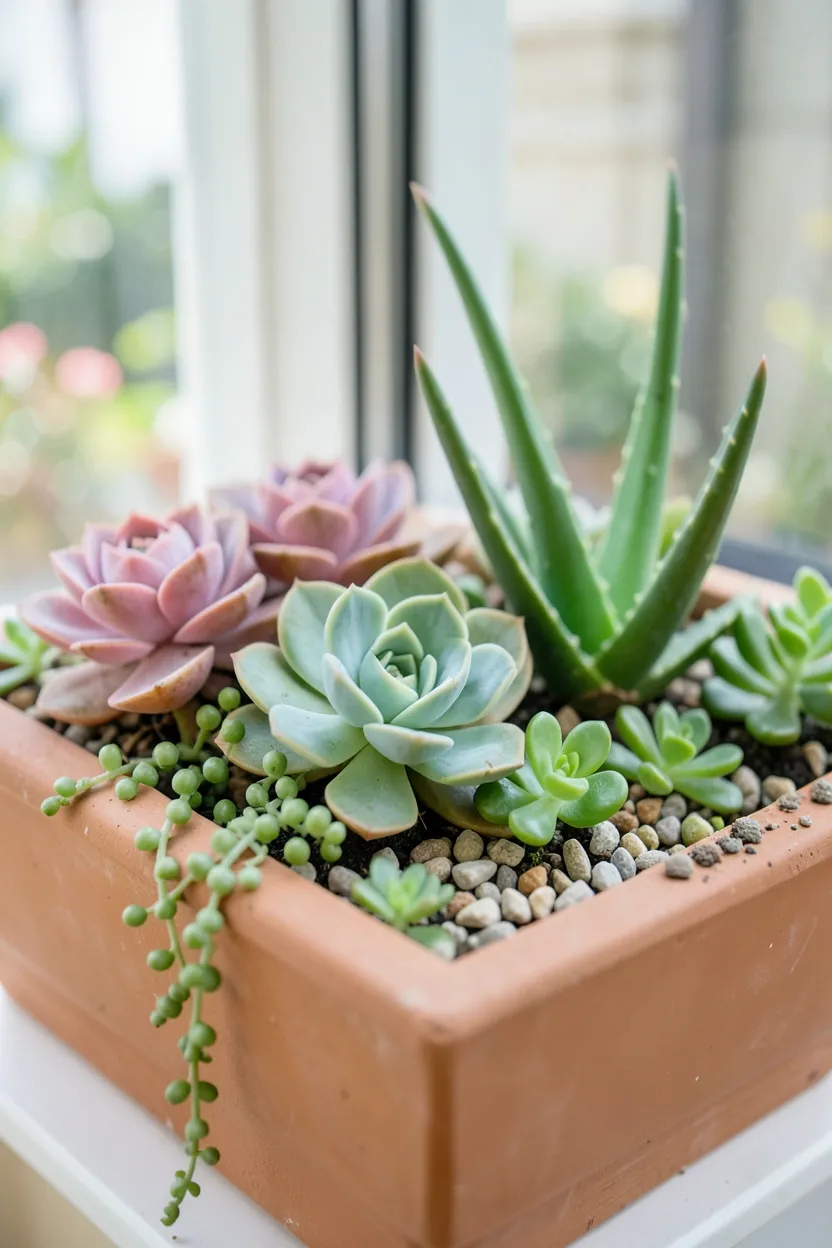
Select a diverse mix of succulents with different growth habits—trailing varieties like string-of-pearls, rosette-forming echeverias, and upright species like aloe for visual interest. Use a well-draining cactus or succulent potting mix, and avoid traditional potting soil which retains too much moisture and can cause root rot.
Water deeply but infrequently, allowing soil to dry completely between waterings. Most succulents prefer bright, direct light for at least 6 hours daily, though some varieties tolerate partial shade. Rotate the window box occasionally to ensure even growth, as plants naturally lean toward light sources.
Micro hack: Top-dress the soil surface with decorative gravel or crushed stone to improve drainage, reduce evaporation, and give the arrangement a polished, finished appearance.
Micro hack: Include a few slow-growing succulents near the front edges that can be easily propagated from leaves or stem cuttings, allowing you to expand your collection over time.
Micro hack: Group succulents with similar water requirements together rather than mixing thirsty varieties with drought-tolerant ones, which makes watering simpler and reduces risk of overwatering.
What this gives you: Ultra-low maintenance garden that tolerates neglect, beautiful year-round display with architectural appeal, and plants that can be easily propagated and shared.
6. Trellis with Climbing Plants
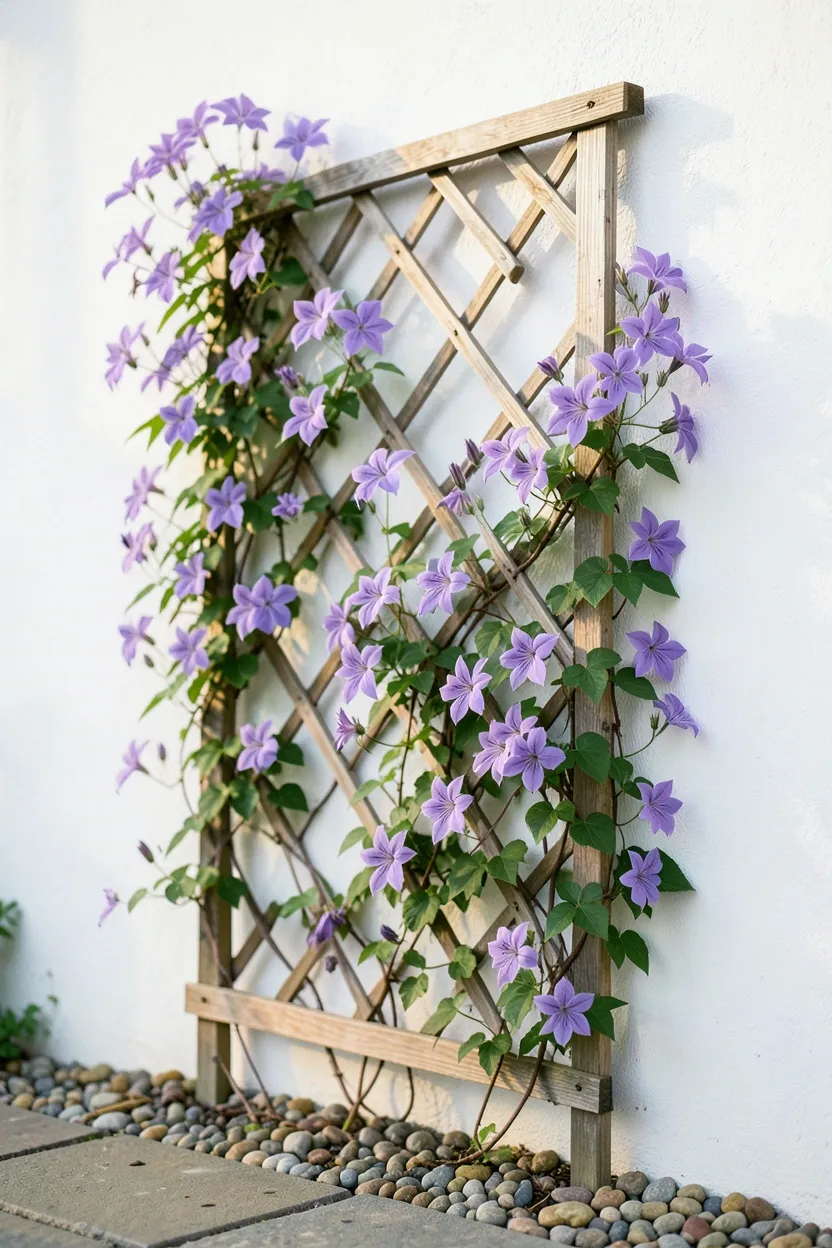
A trellis with climbing plants creates a living wall that adds privacy, shade, and vertical beauty to your small patio without taking up valuable floor space. This garden solution allows you to grow flowering vines, vegetables, or fragrant climbers that transform a bare wall or corner into a lush, green sanctuary.
Recommended
Items for this idea
Choose climbing plants suited to your climate and sun exposure. Morning glory, clematis, and jasmine produce beautiful flowers, while pole beans, peas, and cucumbers offer edible harvests. For a fragrant option, consider climbing roses or sweet peas that perfume your patio with their scent.
Position the trellis where plants will receive adequate light, and ensure it's securely anchored to support mature plant weight. Train young vines by gently tying them to the trellis with soft ties, and prune regularly to encourage dense, bushy growth and prevent plants from becoming tangled or unruly.
If your patio faces north or receives limited direct sun, choose shade-tolerant climbers like climbing hydrangea, Virginia creeper, or English ivy that thrive in lower-light conditions.
Then provide extra support with additional netting or twine, as some shade-loving vines can be more delicate and require help climbing.
Best for: Creating instant privacy from neighbors, adding shade to sunny patios, and growing edible vegetables vertically in small spaces.
What this gives you: Living privacy screen, vertical growing space for vegetables or flowers, and a stunning green wall that changes with the seasons.
7. Raised Planter Box Garden
A raised planter box garden provides excellent drainage, easier access for planting and maintenance, and creates a defined growing area that looks tidy and organized in your small patio. These containers can be built or purchased in various sizes to fit your space, allowing you to grow vegetables, herbs, or flowers at a comfortable working height.
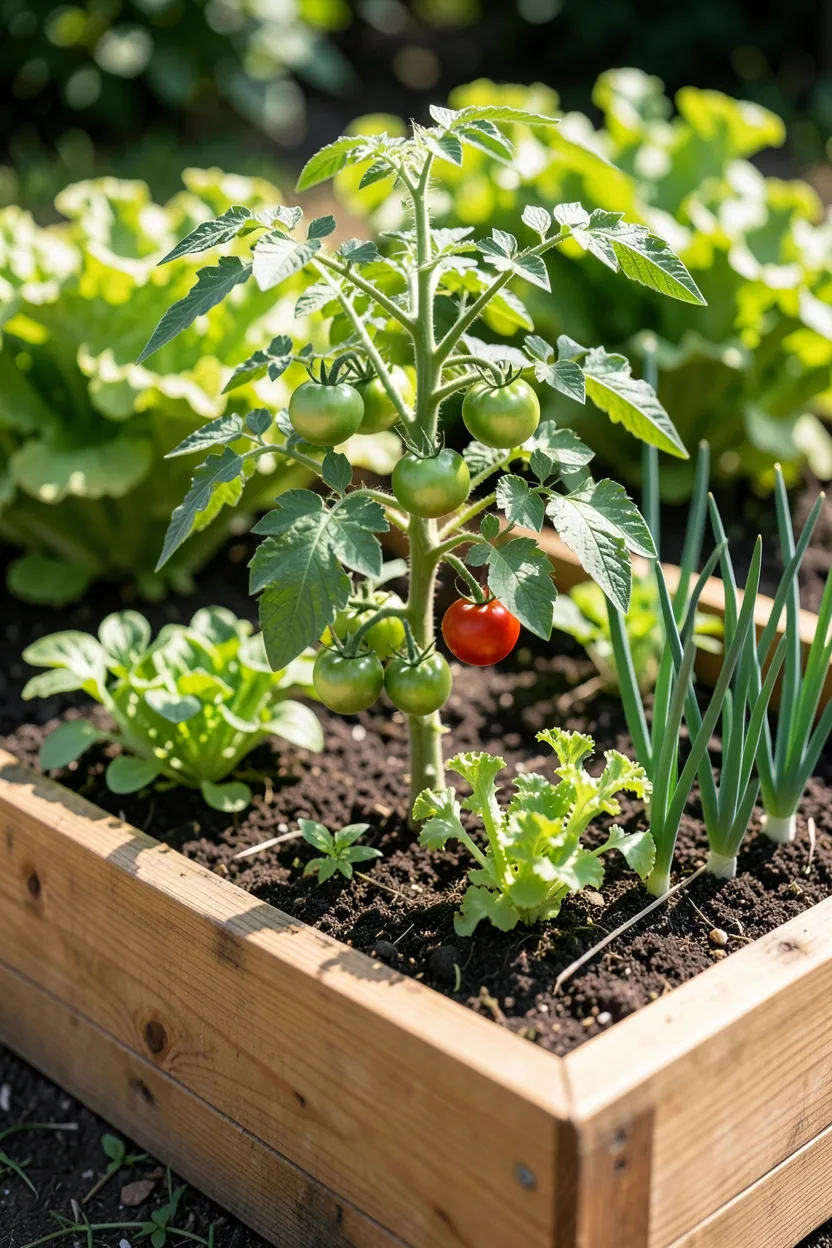
Fill the planter with a high-quality potting mix enriched with compost, and consider adding a layer of gravel at the bottom to improve drainage if the planter lacks holes. Position the planter where it receives appropriate sunlight for your chosen plants, and ensure easy access to water sources.
Why it works: The raised height reduces strain on your back and knees during planting and maintenance, making gardening more comfortable and accessible. This setup also warms soil faster in spring, extending your growing season, and provides better air circulation around plants compared to ground-level planting.
If building your own planter, use rot-resistant cedar or redwood, or pressure-treated lumber rated for ground contact to ensure longevity outdoors.
Then line the interior with landscape fabric to prevent soil from contacting the wood directly, which helps extend the planter's lifespan.
If purchasing a pre-made planter, look for models with built-in drainage systems and removable liners that make cleaning and soil replacement easier.
What this gives you: Comfortable gardening at working height, excellent drainage and soil control, and a tidy, organized growing area that enhances your patio's appearance.
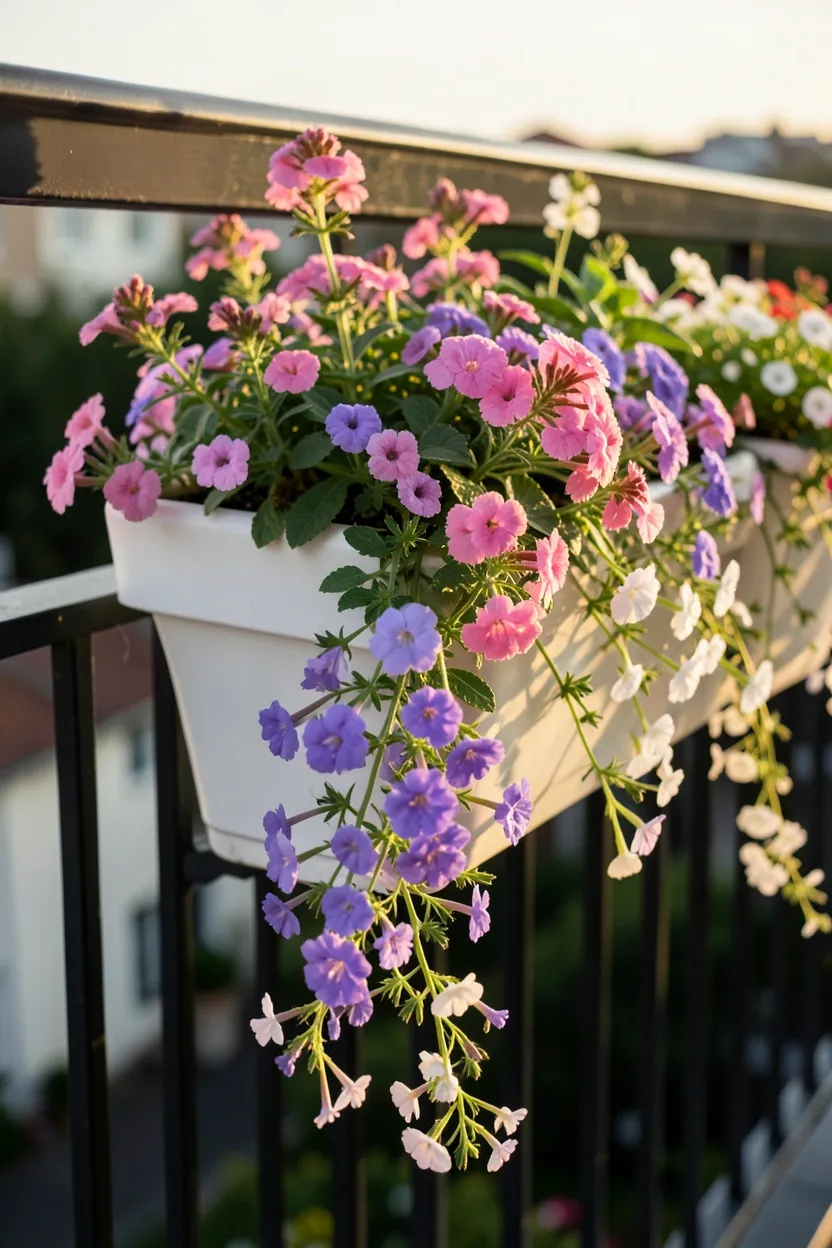
8. Railing Planters for Balcony
Railing planters attach directly to balcony or deck railings, utilizing this often-overlooked space to create a lush garden that doesn't interfere with floor area or seating arrangements. This smart solution maximizes growing potential while keeping your small patio open and uncluttered.
Recommended
Items for this idea
Choose rail-mounted planters designed for your specific railing type and size, ensuring they're secure and stable. Select plants that will be visible from both inside and outside your home, creating an attractive display that enhances your view while adding privacy and greenery to your outdoor space.
Consider the weight of fully watered planters and choose lightweight, durable materials like fiberglass or high-quality plastic. Fill with well-draining potting mix, and select plants that can withstand wind exposure typical of elevated balconies and decks.
Do: Check railing weight limits before installing planters, especially if using heavy materials like ceramic or stone, and distribute weight evenly across multiple planters rather than concentrating it in one spot.
Don't: Install planters on railings that are damaged, loose, or structurally unsound. Ensure mounting brackets are properly secured and regularly check for any loosening.
Rental note: Many railing planters use adjustable clamps that don't require drilling, making them perfect for rental properties. Choose models with rubber or plastic grips to protect railing finishes from scratches.
What this gives you: Additional growing space without sacrificing floor area, enhanced privacy from neighboring balconies, and attractive displays visible from both inside and outside.
9. Dwarf Fruit Tree in Large Container
A dwarf fruit tree in a large container brings the joy of homegrown fruit to even the smallest patio, creating a stunning focal point while providing a delicious harvest. Compact varieties of citrus, apples, peaches, and figs thrive in containers and produce full-sized fruit on miniature trees.
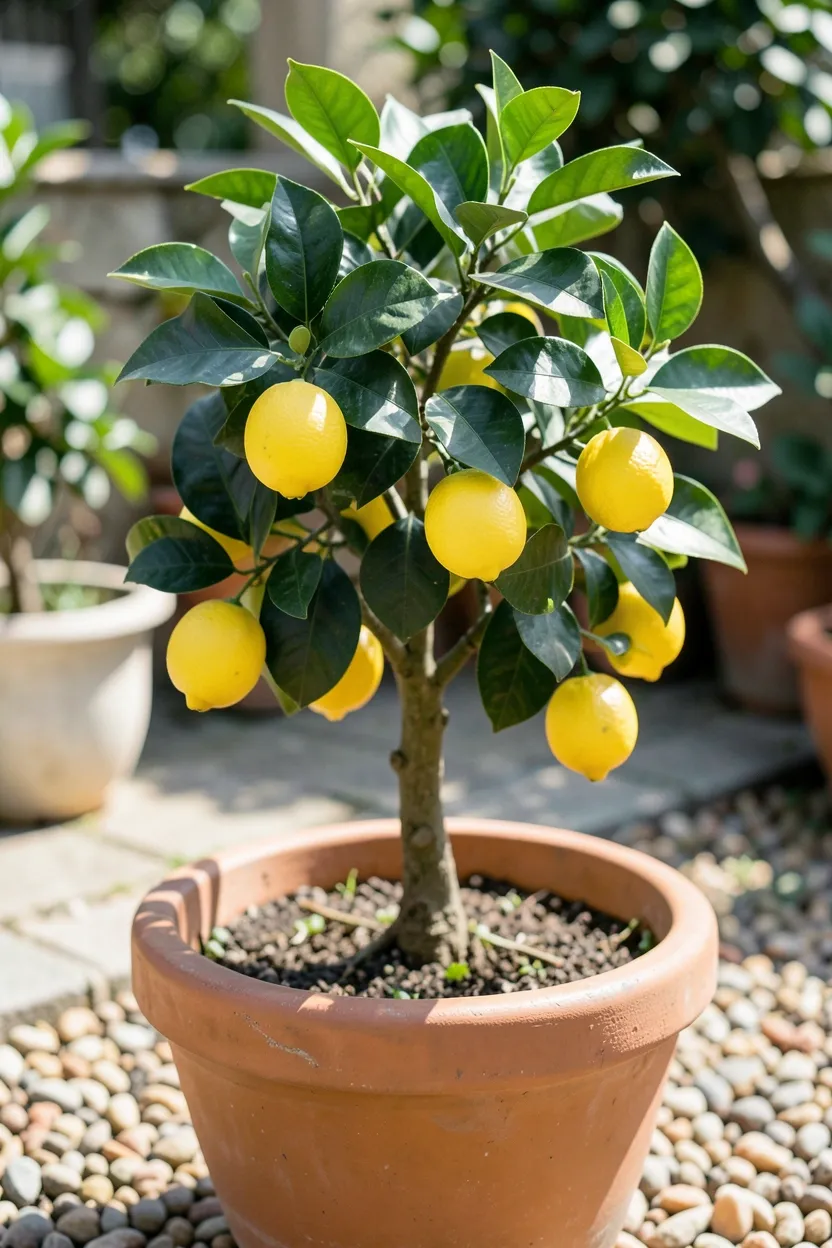
Select dwarf or semi-dwarf varieties specifically bred for container growing, and choose a pot at least 20 inches in diameter with excellent drainage. Use a high-quality potting mix formulated for fruit trees, and ensure the container receives at least 6-8 hours of direct sunlight daily for optimal fruit production.
Common mistake: Overwatering or underwatering container fruit trees, as both can stress the plant and reduce fruit quality. Check soil moisture regularly, watering deeply when the top 2-3 inches of soil feels dry. Fertilize regularly with a balanced fertilizer formulated for fruit trees during the growing season.
Pro: Container fruit trees can be moved indoors during harsh winter weather in colder climates, protecting them from freeze damage and extending their productive lifespan.
Con: They require more frequent watering than in-ground trees, especially during hot summer months when containers dry out quickly.
Fix: Install a simple drip irrigation system or self-watering container to maintain consistent moisture, and use mulch on the soil surface to reduce evaporation.
What this gives you: Fresh homegrown fruit from your patio, beautiful ornamental tree with spring blossoms and fall foliage, and the satisfaction of harvesting your own produce.
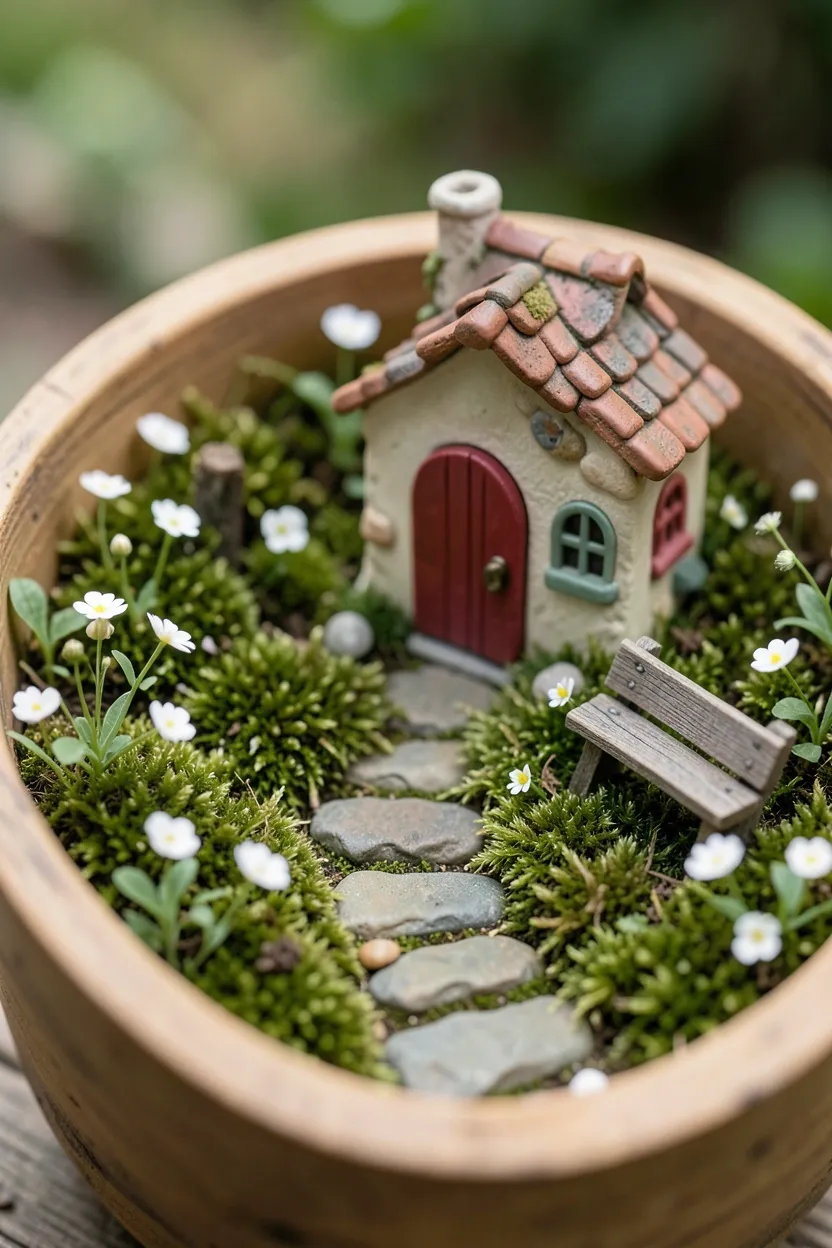
10. Fairy Garden in a Pot
A fairy garden in a pot creates a whimsical, miniature world that adds charm and magic to your small patio while showcasing your creativity. This enchanting garden concept uses small-scale plants, decorative accessories, and imaginative design to create a tiny landscape that delights both children and adults.
Recommended
Items for this idea
Choose a shallow container at least 12-15 inches in diameter with drainage holes, and select miniature plants like moss, creeping thyme, succulents, and small ferns that stay small and won't quickly outgrow their fairy garden setting. Add pathways made from tiny stones, miniature furniture, and whimsical accents like fairy houses or miniature bridges.
Position the fairy garden where it's easily visible from your seating area, and ensure it receives appropriate light for your chosen plants. This project offers endless opportunities for customization and personal expression, making it a wonderful way to add a unique, personalized touch to your patio.
Micro hack: Create different zones within your fairy garden—a tiny moss lawn, a miniature pond using a small dish with stones, and a fairy village with multiple houses arranged around a central pathway.
Micro hack: Use natural materials like twigs, bark, and stones from your garden to create fences, bridges, and other accessories that blend seamlessly with the plants.
Micro hack: Change seasonal decorations throughout the year—tiny pumpkins for autumn, miniature flags for summer, or small LED lights for a magical nighttime effect.
What this gives you: A charming, whimsical focal point that sparks joy and conversation, creative outlet for personal expression, and a miniature garden that can be customized seasonally.
11. Mini Vegetable Garden
A mini vegetable garden in containers transforms your small patio into a productive growing space that provides fresh, homegrown produce right outside your door. This practical solution allows you to grow tomatoes, peppers, lettuce, herbs, and other vegetables in compact, manageable spaces.
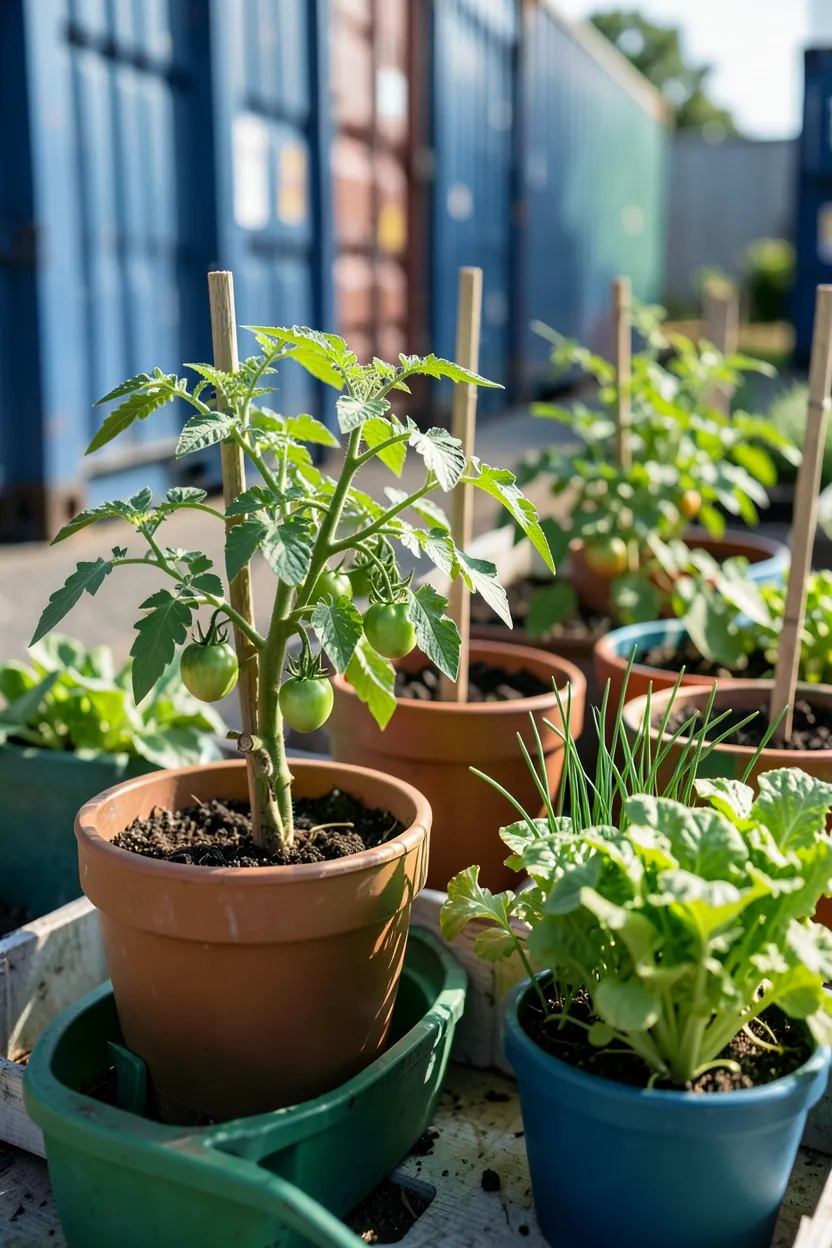
Choose compact or dwarf vegetable varieties bred specifically for container growing, such as determinate tomatoes, bush beans, and compact pepper varieties. Use containers at least 12 inches deep with drainage holes, and fill with a high-quality potting mix enriched with compost and organic fertilizer.
Group vegetables by their light requirements, placing sun-lovers like tomatoes and peppers in the brightest spots. Provide support structures for vining vegetables using small trellises or cages, and practice succession planting by sowing new seeds every few weeks to maintain continuous harvests throughout season.
Do: Monitor soil moisture daily during hot weather, as container vegetables need consistent watering to develop properly and prevent issues like blossom end rot in tomatoes.
Don't: Overcrowd containers with too many plants, which leads to competition for resources, poor air circulation, and increased susceptibility to pests and diseases.
Best for: Gardeners who want fresh produce but lack traditional garden space, beginners learning vegetable gardening basics, and anyone who values the satisfaction of harvesting their own food.
What this gives you: Fresh, homegrown vegetables with superior flavor, complete control over growing conditions, and the satisfaction of harvesting your own produce.
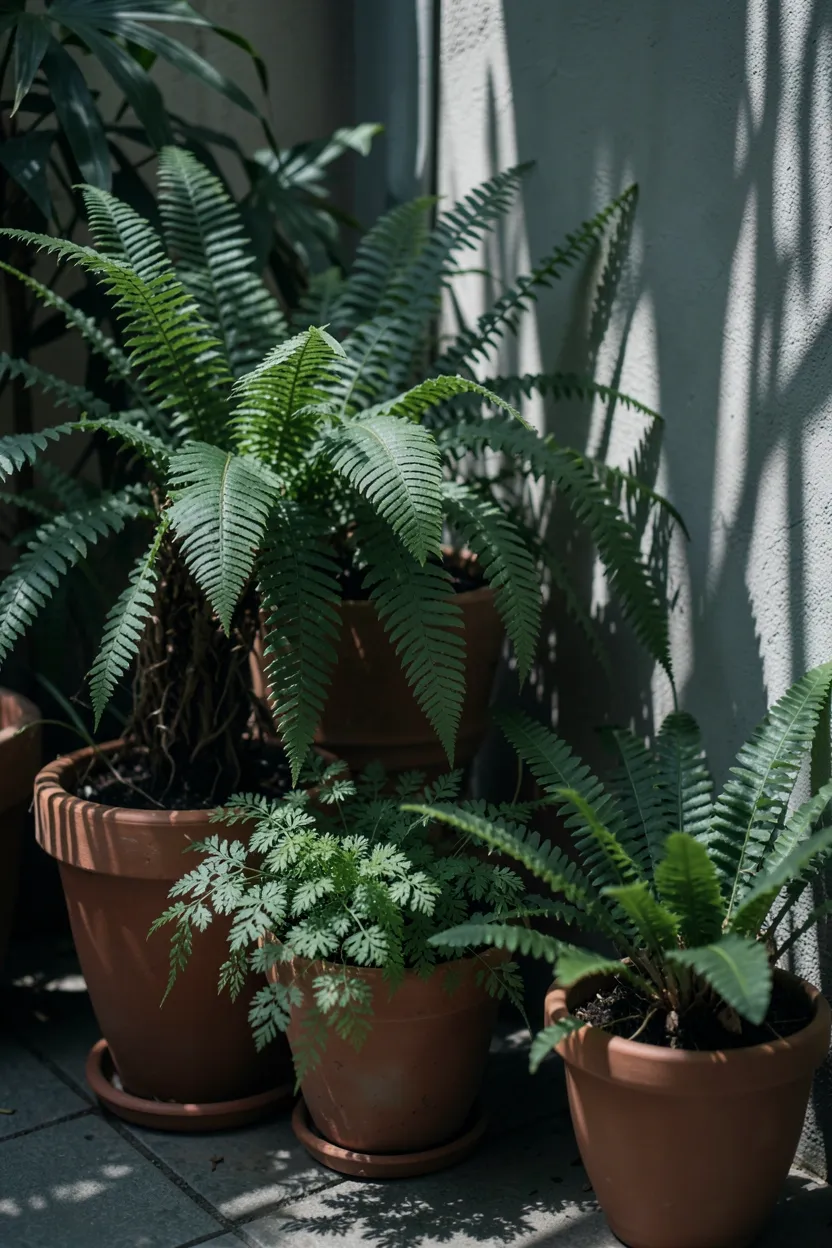
12. Shade-Loving Fern Garden
A shade-loving fern garden transforms a shady or north-facing patio into a lush, tropical retreat with textures and greens that brighten low-light spaces. These ancient plants thrive in containers and create a calming, forest-like atmosphere that feels refreshingly cool even on hot days.
Recommended
Items for this idea
Select a diverse mix of ferns with different textures and growth habits— Boston ferns for full, cascading fronds, maidenhair ferns for delicate, lacy foliage, and bird's nest ferns for architectural rosette forms. Group several ferns together in individual containers or create a single mixed planting in a large pot.
Provide consistent moisture, as ferns prefer evenly damp soil but don't tolerate waterlogged conditions. Increase humidity around ferns by placing containers on pebble-filled trays with water, or misting regularly, especially in dry climates or heated indoor spaces.
If your patio receives very little natural light, focus on particularly shade-tolerant varieties like the Japanese painted fern, which thrives in deep shade and displays beautiful silver and burgundy markings on its fronds.
Then combine it with darker green ferns like the autumn fern, which produces coppery new growth that contrasts beautifully against mature green fronds.
Rental note: Ferns are ideal for shady balconies and patios where other sun-loving plants struggle. Their soft, graceful appearance creates a welcoming atmosphere without requiring intense sunlight.
What this gives you: Lush, tropical-looking garden in low-light spaces, beautiful textural contrast, and plants that thrive where other patio gardens might struggle.
13. Edible Flower Garden
An edible flower garden combines stunning beauty with culinary usefulness, creating a small patio garden that's as practical as it is gorgeous. These colorful blooms add elegance to your outdoor space while providing fresh, decorative garnishes for your dishes and drinks.
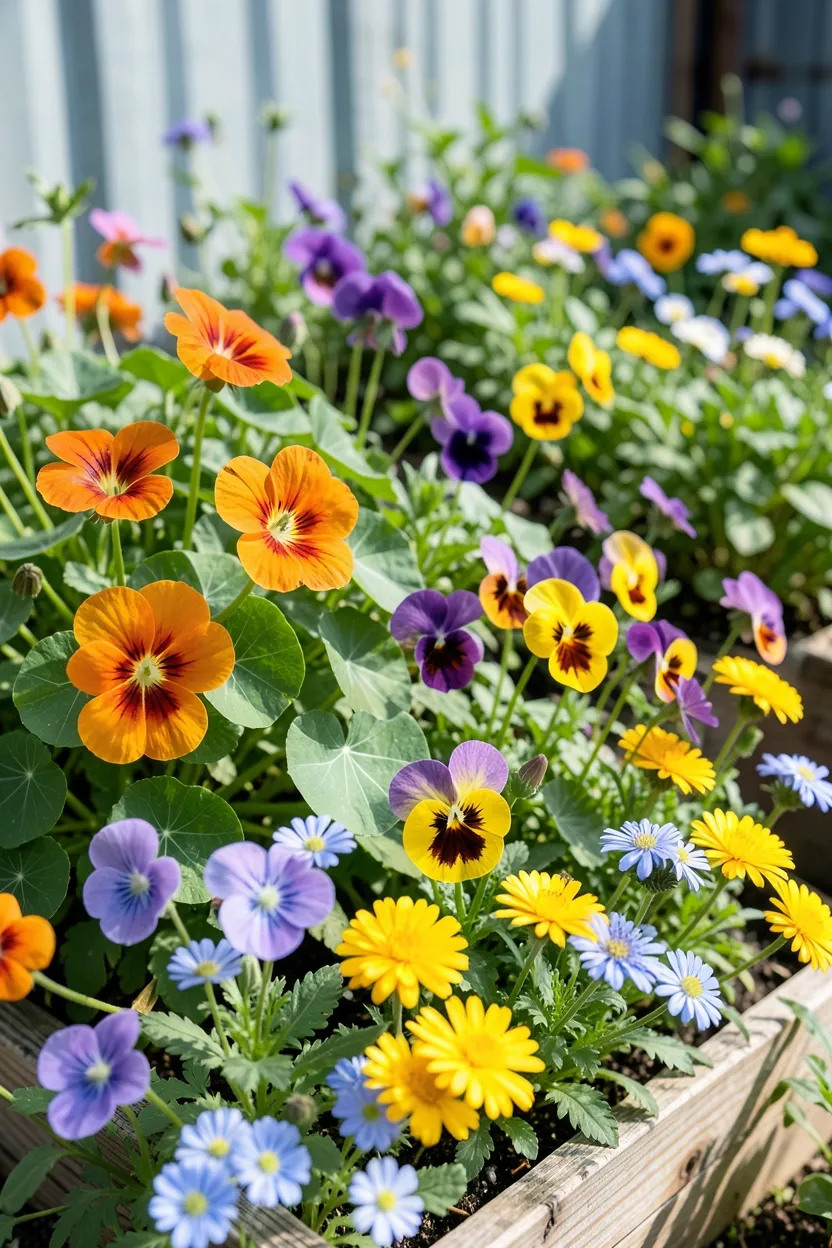
Choose edible flowers that thrive in containers, such as nasturtiums, pansies, violas, calendula, and borage. These plants produce abundant blooms throughout the season and come in a rainbow of colors that create vibrant displays. Always verify flowers are edible and have been grown without pesticides before consumption.
Harvest flowers in the morning when they're fully open and at their peak freshness. Remove pistils and stamens from larger flowers before use, as these can have bitter flavors. Plant varieties with different bloom times to ensure continuous harvest from spring through fall.
Pro: Edible flowers attract beneficial pollinators like bees and butterflies to your patio, which can improve pollination of other nearby plants including vegetables and herbs.
Con: Flowers may require regular deadheading to maintain continuous blooming, and some varieties like nasturtiums can attract aphids that need monitoring.
Fix: Intersperse edible flowers with herbs and vegetables that naturally repel pests, like basil and marigolds, to reduce aphid problems while creating diverse, attractive plantings.
What this gives you: Beautiful blooms for patio display, fresh edible garnishes for culinary use, and plants that attract pollinators to benefit your entire garden ecosystem.
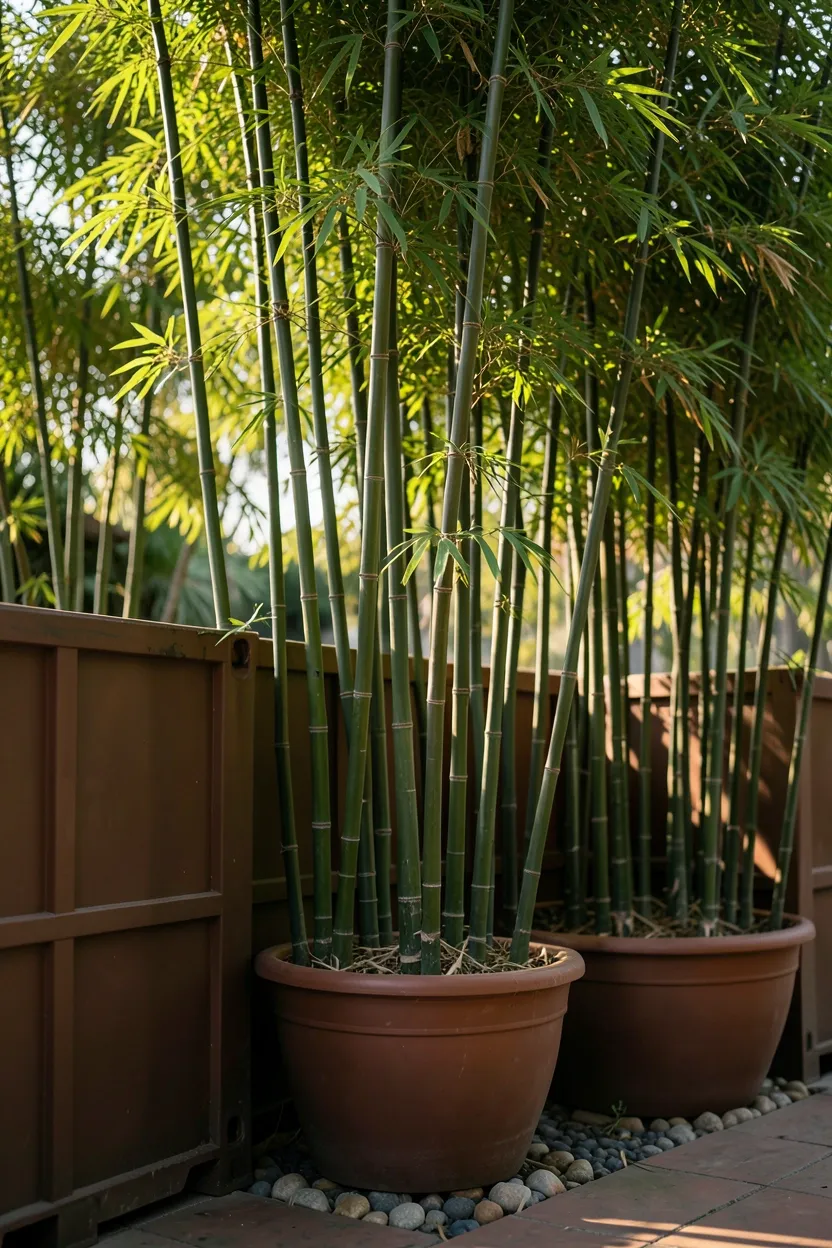
14. Bamboo Privacy Screen
A bamboo privacy screen creates an instant natural barrier that blocks unsightly views while adding tropical elegance to your small patio. This fast-growing grass provides dense coverage year-round and creates a serene, Zen-like atmosphere perfect for relaxation.
Recommended
Items for this idea
Choose clumping bamboo varieties rather than running types, which can become invasive and difficult to contain. Select dwarf or compact bamboo species suited to container growing, and use large, sturdy pots with drainage holes. Bamboo requires ample moisture and nitrogen-rich fertilizer for optimal growth.
Why it works: Bamboo grows rapidly in containers, providing quick coverage where privacy is needed immediately. Its vertical growth habit maximizes screening per square foot, making it ideal for small patios where horizontal space is limited. The gentle rustling of bamboo leaves in the breeze adds soothing ambient sound.
If you're concerned about bamboo's potential invasiveness, choose varieties like 'Golden Goddess' or 'Alphonse Karr' that are clumping types and more well-behaved in containers.
Then use root barriers inside containers if planting in the ground, or keep plants permanently in pots to completely prevent spreading beyond their designated space.
If your patio experiences strong winds, select bamboo varieties with thinner culms that flex rather than break, and position containers where they're protected from the strongest gusts.
What this gives you: Instant privacy screen, tropical aesthetic with year-round greenery, and natural sound barrier that creates a peaceful retreat atmosphere.
15. Mediterranean Herb Spiral
A Mediterranean herb spiral creates a beautiful, space-efficient garden design that organizes herbs by their water and sunlight needs while adding architectural interest to your small patio. This raised, spiral-shaped planting bed maximizes growing surface area and creates microclimates for different herb varieties.
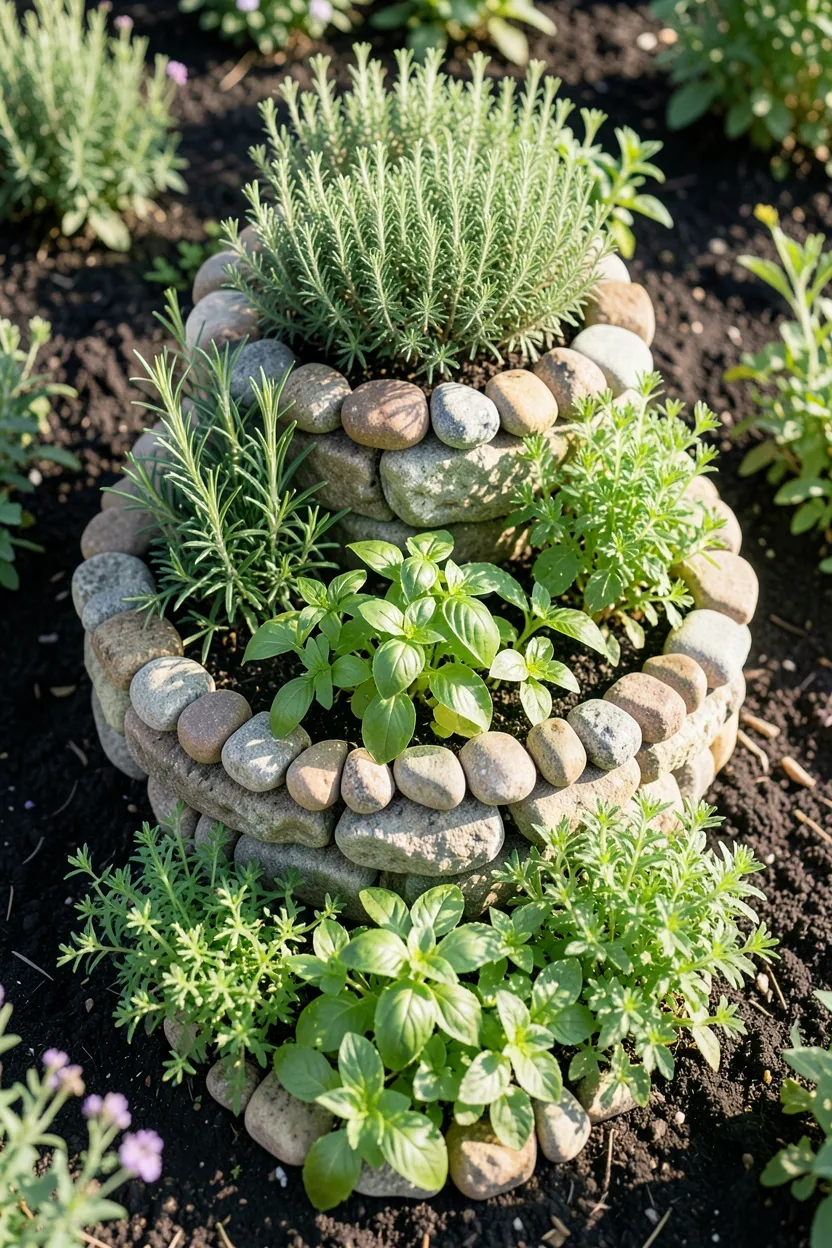
Build a small-scale spiral using stones, bricks, or a pre-formed container kit. The spiral's highest point receives the most sun and drains fastest, making it ideal for drought-tolerant herbs like thyme, rosemary, and lavender. Lower, more sheltered areas retain more moisture, perfect for moisture-loving herbs like parsley, cilantro, and mint.
Position the herb spiral where it receives at least 6 hours of sunlight daily, and fill with a well-draining potting mix enriched with compost. The spiral's shape provides excellent drainage, good air circulation, and easy access to all plants from multiple angles.
Micro hack: Place a small saucer or shallow bowl at the spiral's center to catch rainwater, creating a miniature birdbath that attracts birds and adds wildlife interest to your patio.
Micro hack: Intersperse edible flowers like nasturtiums or calendula among herbs to add color and provide both visual beauty and culinary garnishes.
Micro hack: Use smooth river stones or decorative gravel between herb plants to suppress weeds, retain soil moisture, and create a polished, finished appearance.
What this gives you: Efficient herb organization by growing requirements, beautiful architectural garden feature, and maximum planting surface in minimal footprint.
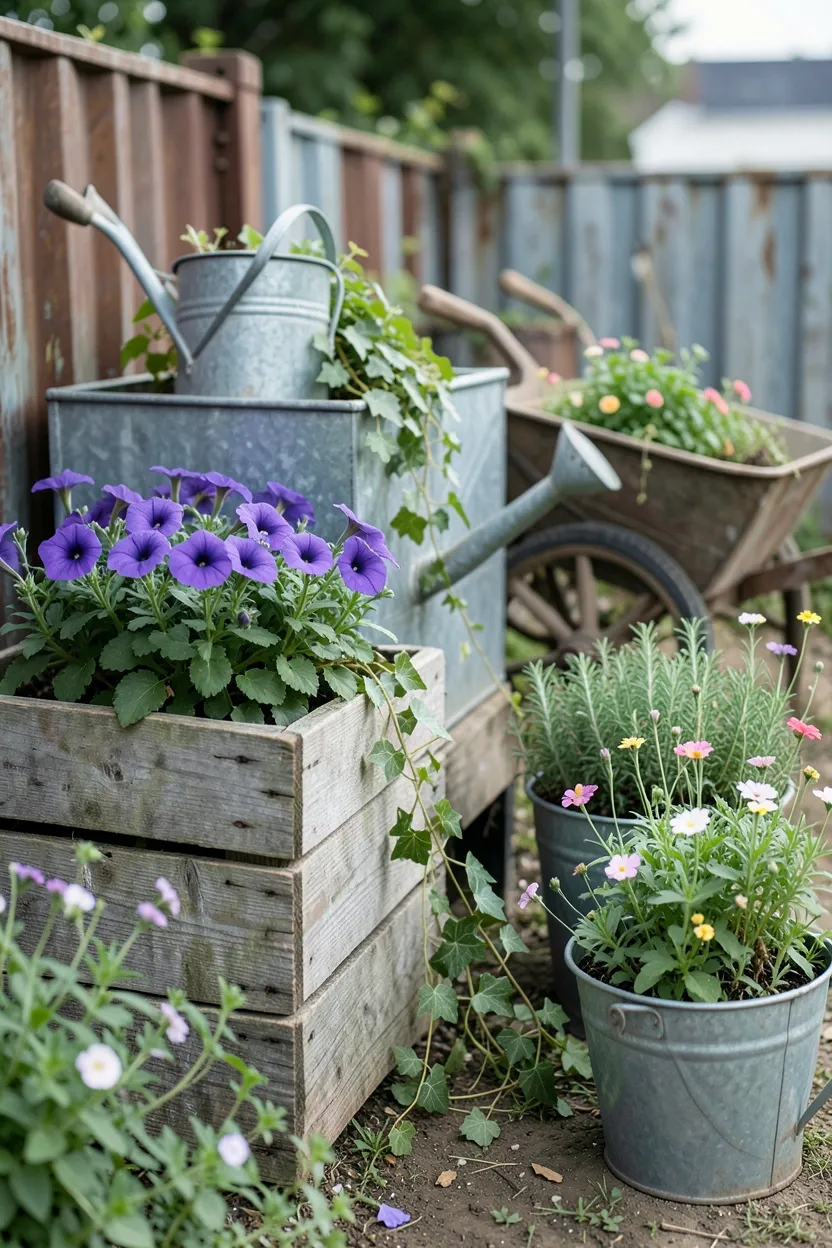
16. Repurposed Container Garden
A repurposed container garden transforms everyday objects into unique planters, adding personality and creativity to your small patio while reducing waste. This eco-friendly approach to gardening allows you to express your style and create conversation pieces that stand out from traditional pots.
Recommended
Items for this idea
Clean and prepare containers thoroughly, ensuring they have drainage holes or can accommodate them without compromising structural integrity. Consider materials like old wooden crates, metal buckets, colanders, teapots, or even worn-out boots for playful, unexpected planters. Line porous materials like wood or metal with plastic to protect against water damage.
Match plants to container size and growing conditions—shallow containers work well for succulents and shallow-rooted herbs, while deeper pots accommodate vegetables and larger plants. Group repurposed containers together to create cohesive displays despite their varied origins.
Do: Drill drainage holes in non-porous containers like glass, metal, or plastic, or use them as decorative covers for actual nursery pots inside.
Don't: Use containers that previously held toxic materials like lead paint or chemicals without thorough cleaning and sealing, as these can leach into soil and harm plants.
Budget & time: Most repurposed containers are free or very inexpensive from thrift stores or garage sales. Preparation and planting typically takes 30-60 minutes per container.
What this gives you: Unique, personalized planters that express your creativity, eco-friendly gardening solution, and conversation-starting garden features.
17. Low-Maintenance Succulent Wall
A low-maintenance succulent wall creates a stunning vertical garden that thrives with minimal care while providing year-round beauty for your small patio. This elegant solution uses drought-tolerant plants arranged in frame planters or vertical pockets to create living artwork that requires little water and attention.
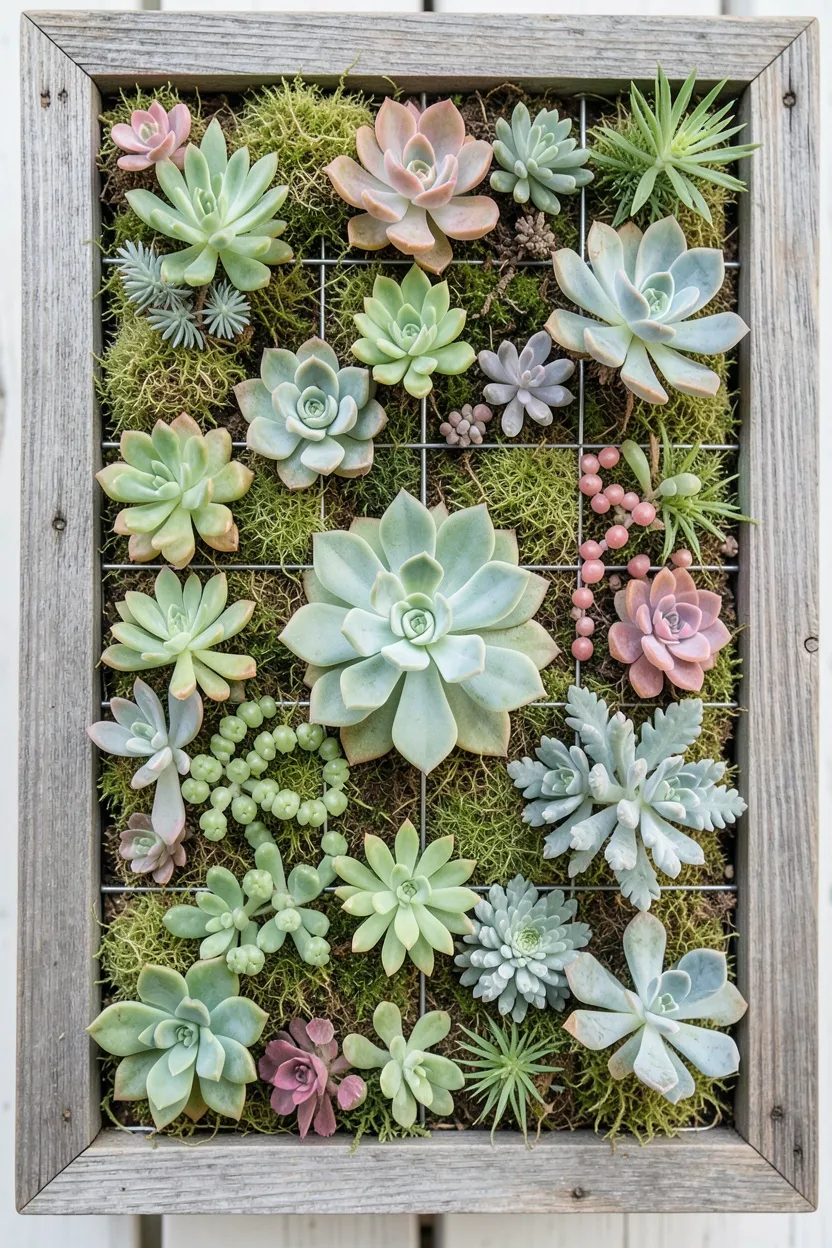
Choose a prefabricated vertical succulent frame or build your own using a wooden picture frame, wire mesh, and sphagnum moss. Fill with a well-draining succulent soil mix, and select a variety of succulents with different textures, colors, and growth habits for visual interest. Propagate succulents from leaves or stem cuttings to fill in gaps affordably.
Position the succulent wall where it receives bright, indirect light or morning sun, as intense afternoon heat can scorch leaves. Water deeply but infrequently, allowing soil to dry completely between waterings. Rotate the display periodically to ensure even growth and prevent plants from stretching toward light.
If you live in a climate with freezing winters, bring your succulent wall indoors before first frost, or choose cold-hardy succulent varieties that can withstand your winter temperatures.
Then provide bright indoor light near a south- or west-facing window, or supplement with grow lights to maintain healthy growth through winter months.
Best for: Busy gardeners who want beautiful plants with minimal maintenance, water-conscious gardeners, and anyone who wants year-round greenery without seasonal changes.
What this gives you: Stunning vertical garden with minimal water and care requirements, year-round greenery, and living wall art that transforms blank space into focal point.
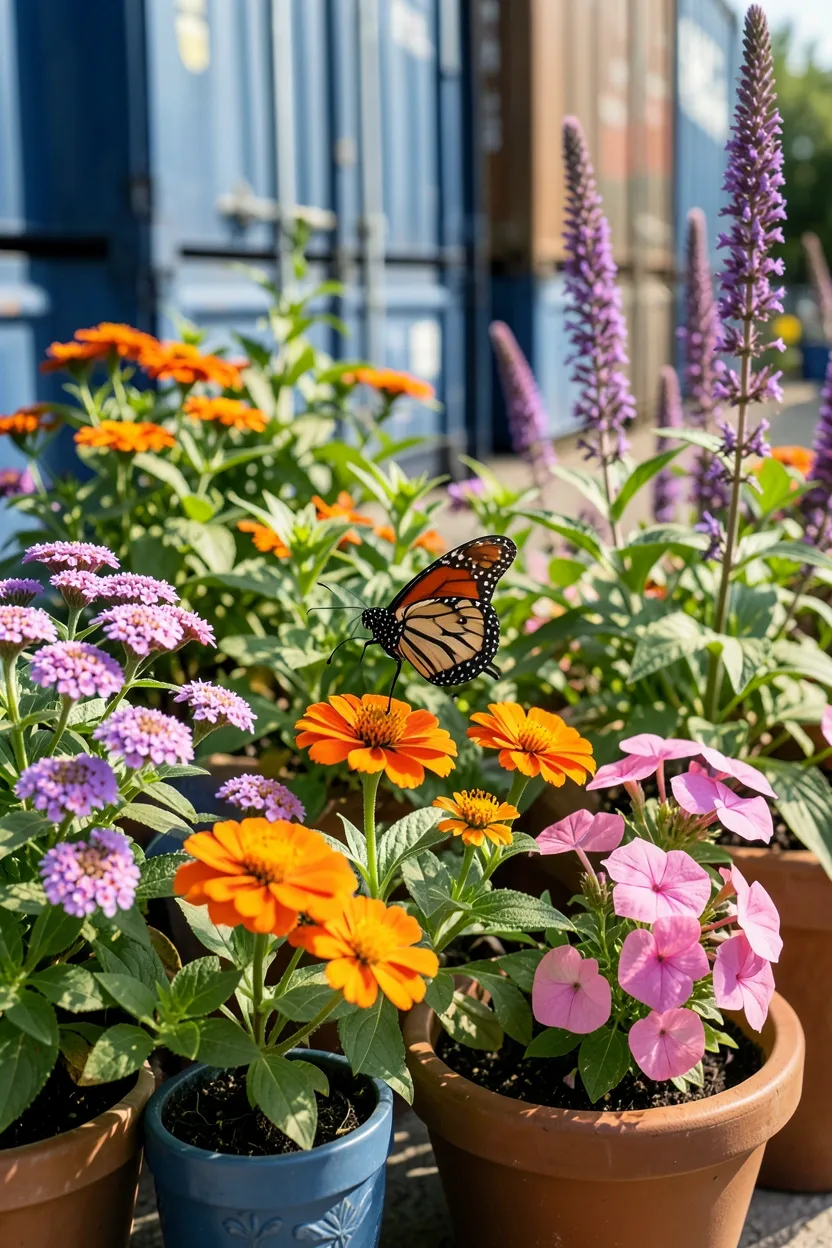
18. Butterfly Garden in Pots
A butterfly garden in pots transforms your small patio into a vibrant habitat that attracts these beautiful pollinators while adding color and movement to your outdoor space. This thoughtful garden concept combines nectar-rich flowers with host plants that support butterfly lifecycles.
Recommended
Items for this idea
Include nectar plants like butterfly bush, lantana, zinnias, and pentas that provide food for adult butterflies. Add host plants like milkweed for monarchs or parsley for black swallowtails to support caterpillar growth. Group containers together in sunny locations to create mass plantings that are more visible and attractive to butterflies.
Provide shallow water sources like butterfly baths—saucers filled with wet sand or pebbles—for drinking and puddling. Avoid using pesticides, which can harm butterflies and their caterpillars. Instead, encourage natural predators or use organic pest control methods if necessary.
Pro: Butterfly gardens attract these beautiful pollinators up close, providing endless entertainment as you watch them feed, mate, and lay eggs throughout the season.
Con: Caterpillars will eat leaves of host plants, which can make plants look damaged temporarily before they pupate and transform into butterflies.
Fix: Plant extra host plants or position them where minor damage won't be as noticeable, and focus on nectar plants near seating areas for maximum butterfly viewing enjoyment.
What this gives you: Beautiful butterflies visiting your patio, vibrant flowers with continuous blooms, and opportunity to observe butterfly lifecycles up close.
19. Moonlight Garden with Night-Blooming Plants
A moonlight garden with night-blooming plants creates a magical evening retreat on your small patio, featuring flowers that glow in moonlight and release their strongest fragrances after sunset. This enchanting garden concept maximizes outdoor enjoyment during cooler evening hours.
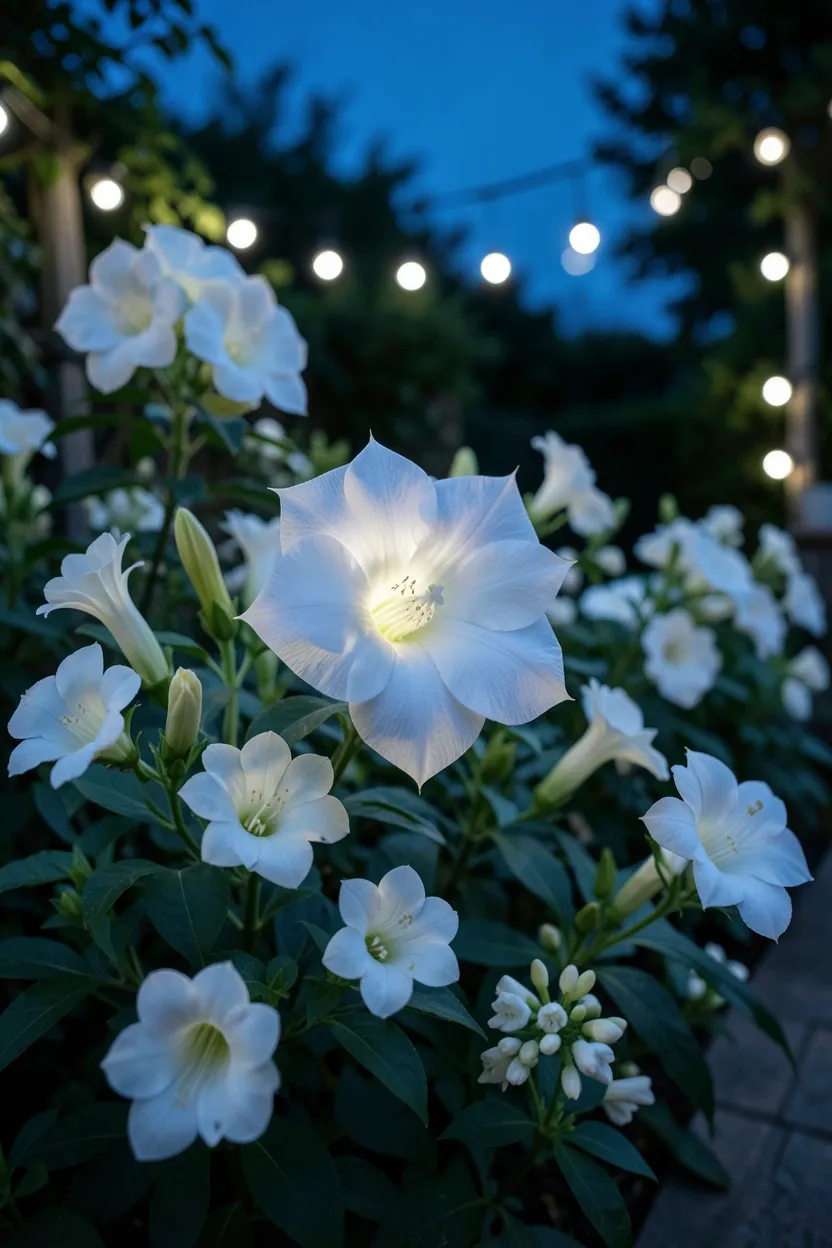
Include white or light-colored flowers like moonflower, evening primrose, white nicotiana, and jasmine that reflect moonlight beautifully. Add fragrant varieties like gardenia, night-blooming jasmine, and four o'clocks that perfume the evening air. Position these plants where they'll be visible from your seating areas.
Why it works: White and pale flowers appear luminous at night, creating a glowing effect that transforms your patio after dark. Night-blooming plants have evolved to release their strongest scents at twilight to attract nocturnal pollinators like moths and bats, making evening garden visits particularly aromatic and enjoyable.
If you enjoy entertaining on your patio in the evenings, add subtle solar or LED lighting that complements rather than competes with your moonlight garden's natural glow.
Then use warm white lights positioned low to illuminate walkways and seating areas without overwhelming the delicate night-blooming flowers.
If your patio is particularly dark at night, consider adding light-reflecting surfaces like white stones, light-colored cushions, or mirror elements to enhance moonlight's effect.
What this gives you: Magical evening garden atmosphere, fragrant blooms that perfume nighttime air, and patio enjoyment that extends into cooler evening hours.
Transforming your small patio into a charming garden doesn't require a yard, a big budget, or a landlord's permission — just creativity, smart planning, and the right plants. These 19 small patio garden ideas show that vertical gardening, clever container choices, and renter-friendly solutions can turn even the tiniest balcony into a lush, productive retreat. Choose one idea or layer several together, and watch your small outdoor space bloom into the garden oasis you've always wanted.
About the author
OBCD
CGI visualization and interior design content. We create detailed 3D renders and curate practical design ideas for every room in your home.