25 Gravel Patio Ideas to Transform Your Backyard
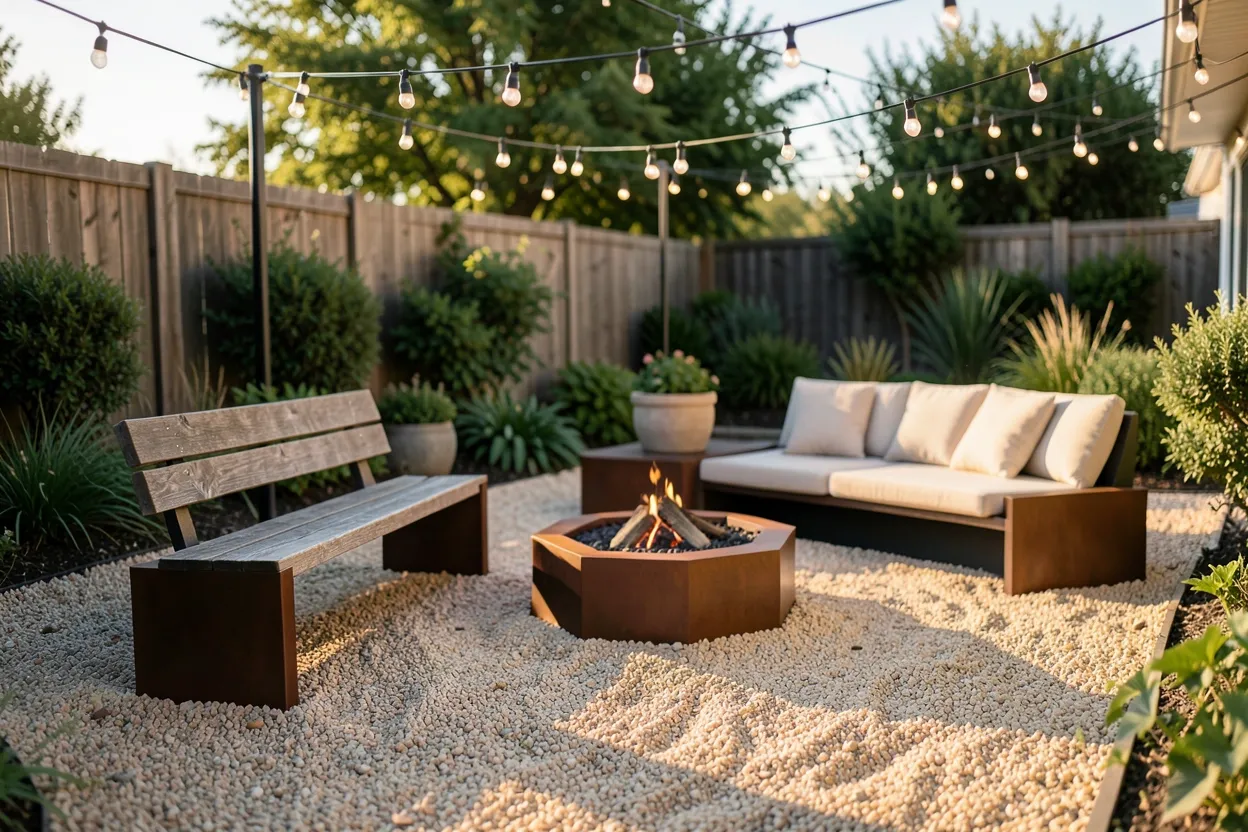
These 25 gravel patio ideas cover everything from minimalist fire-pit hangouts to romantic string-light retreats — all built around the natural beauty and low-maintenance charm of loose stone. Whether you rent or own, gravel is one of the most affordable, permeable, and flexible surfaces you can choose for an outdoor living space.
Each design showcases how gravel patio ideas can look just as sophisticated as traditional hardscaping. From decomposed granite in a zen garden to pea gravel paired with driftwood on a coastal deck, loose stone surfaces adapt to any style and any backyard size.
Best of all, most gravel patios are DIY-friendly and can be installed in a weekend or two, keeping costs low and giving renters a reversible upgrade that won't violate a lease.
Quick FAQ
How much does a gravel patio cost?
Basic gravel patios cost $3-15 per square foot for materials and installation. Budget $500-3,000 for a typical 200 square foot patio, with premium materials or professional installation at the higher end.
Is gravel good for patios?
Yes, gravel is excellent for patios—it's affordable, permeable, and easy to install. Choose angular gravel for stability and add edging to contain the surface for best results.
How do I maintain a gravel patio?
Maintain by raking regularly to redistribute displaced gravel, adding fresh gravel annually to maintain depth, and removing weeds promptly. Occasional power washing refreshes the surface appearance.
What gravel is best for patios?
Angular gravel like crushed stone or decomposed granite works best because it locks together. Avoid pea gravel or rounded stones which shift underfoot. Size should be 3/8 to 3/4 inch for comfort and stability.
As an Amazon Associate I earn from qualifying purchases.
Table of Contents
- 1. Minimalist Gravel Patio with Paver Accents
- 2. Fire Pit Gravel Patio Design
- 3. Gravel Patio with Stepping Stones
- 4. Zen-Inspired Gravel Garden Patio
- 5. Mediterranean Gravel Patio with Terracotta
- 6. Rustic Gravel Patio with Wooden Elements
- 7. Coastal Gravel Patio with Driftwood
- 8. Modern Gravel Patio with Geometric Patterns
- 9. Cottage-Style Gravel Patio with Wildflowers
- 10. Asian-Inspired Gravel Patio with Bamboo
- 11. Eco-Friendly Permeable Gravel Patio
- 12. Gravel Patio with Built-In Seating
- 13. Contemporary Gravel Patio with Concrete Accents
- 14. Romantic Gravel Patio with String Lights
- 15. Gravel Patio with Water Feature
- 16. Tropical Gravel Patio with Palms
- 17. Industrial Gravel Patio with Metal Elements
- 18. Gravel Patio with Edible Garden
- 19. Bohemian Gravel Patio with Textiles
- 20. Gravel Patio with Pergola
- 21. Gravel Patio with Outdoor Kitchen
- 22. Gravel Patio with Swings
- 23. Desert-Inspired Gravel Patio with Succulents
- 24. Gravel Patio with Privacy Screens
- 25. Multi-Level Gravel Patio Design
1. Minimalist Gravel Patio with Paver Accents
This gravel patio combines clean lines and neutral tones to create a serene outdoor retreat. The minimalist approach focuses on simplicity while using paver accents to define zones and add subtle interest to the gravel patio design.
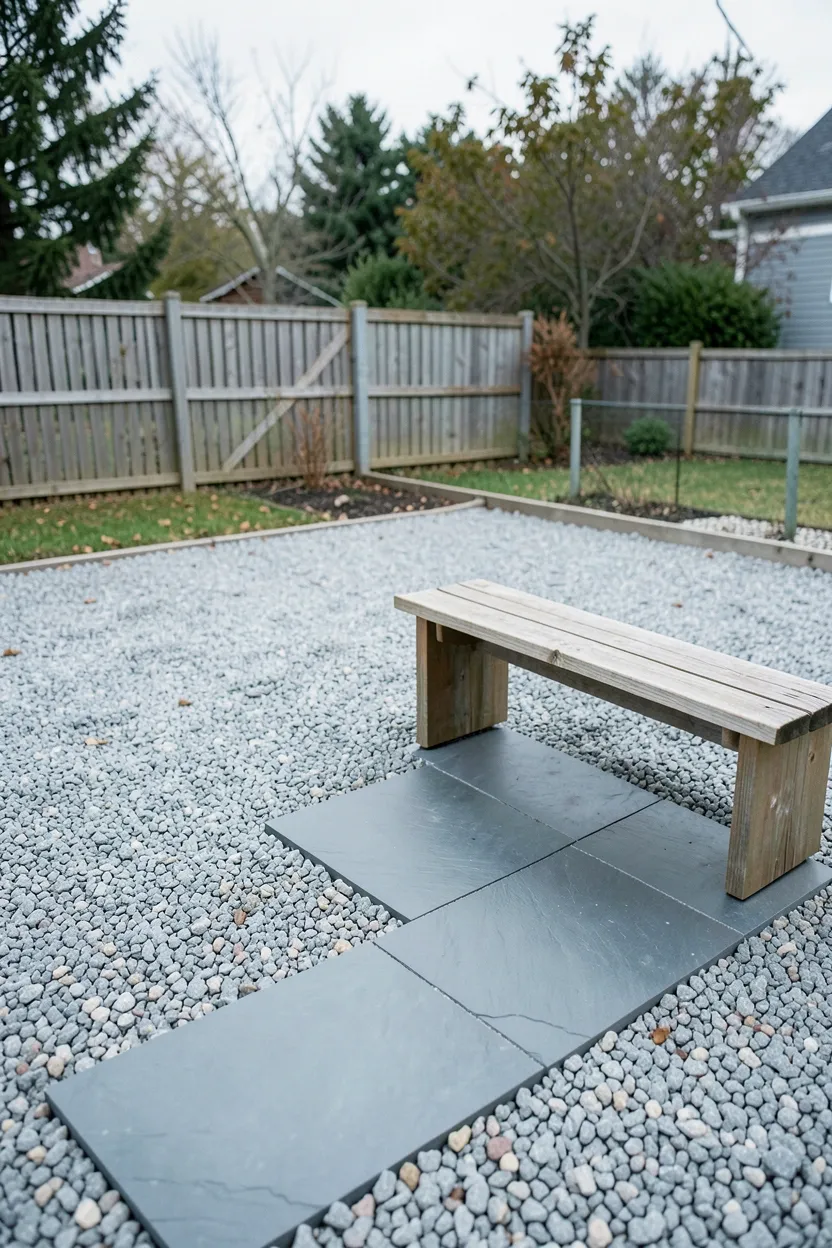
The soft crunch of gravel underfoot creates a natural sensory experience that connects you to the outdoors. Light gray gravel pairs beautifully with slate-gray concrete pavers, creating a cohesive palette that reflects natural light throughout the day. Avoid overly busy patterns or excessive colors that disrupt the calm aesthetic—simple rectangles or squares work best for this style.
Installation typically takes 2-3 weekends: excavate 4-6 inches deep, lay landscape fabric to prevent weeds, add a 2-inch compacted base layer, then finish with 2-3 inches of decorative gravel. The pavers should sit flush with the gravel surface for a seamless look. Regular raking and occasional replenishment maintain the tidy appearance.
Tips
- Do choose angular gravel that locks together for stability
- Don't use rounded pea gravel for main walking areas—it shifts too much
- Do install edging to contain the gravel and maintain clean lines
Best for: Small backyards or side yards where you want a clean, low-maintenance retreat.
What this gives you: A serene, low-maintenance outdoor space that feels spacious and uncluttered.
We picked a few things that go well with this idea: Gardzen 100ft No-Dig Landscape Edging Kit (★4.4), 40ft Black Lawn Landscape Edging with Stakes (★4.4) and 33ft Tall 4-Inch Flexible Plastic Lawn Edging (★4.4). As an Amazon Associate we earn from qualifying purchases.
2. Fire Pit Gravel Patio Design
A fire pit transforms any gravel patio into a cozy gathering space that extends your outdoor living season. This design centers around a built-in fire feature surrounded by comfortable seating, with gravel providing a fire-resistant and naturally beautiful surface.
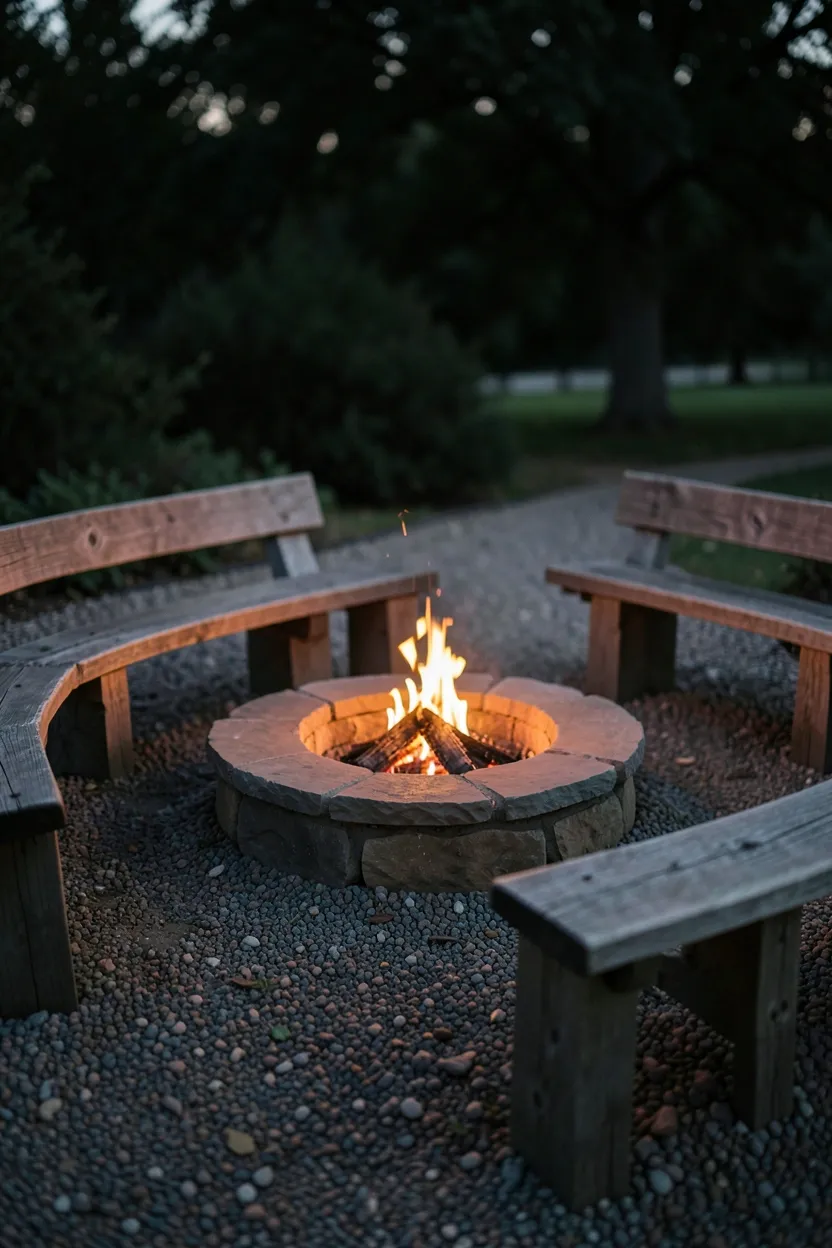
The warmth of flickering flames against the cool tones of decomposed granite creates a stunning visual contrast. Radiant heat reaches seating areas positioned 6-8 feet from the fire pit, while the gravel naturally drains and won't become slippery like concrete patios. For a safer alternative, consider a gas fire pit if you have small children or live in an area with burn restrictions.
Build a 10-12 foot diameter circular patio with the fire pit at center. Use darker gravel colors like charcoal or brown to camouflage ash. Add a 3-foot wide paver surround around the fire pit to provide stable seating placement and prevent gravel migration into the fire area. Budget around $2,000-4,000 for materials and professional installation.
Tips
- If you use wood-burning pits, keep a fire extinguisher nearby
- Then install a spark screen for added safety
- Do check local fire codes before construction
Best for: Evening entertaining and creating a focal point for social gatherings.
What this gives you: A year-round outdoor living room perfect for cool-weather relaxation and conversation.
We picked a few things that go well with this idea: Hykolity 31-Inch Wood Burning Fire Pit with Grill (★4.7), Pure Garden 32-Inch Wood Burning Firepit with Cover (★4.4) and OutVue 36-Inch 3-in-1 Fire Pit BBQ Table (★4.4). As an Amazon Associate we earn from qualifying purchases.
3. Gravel Patio with Stepping Stones
Integrate natural stone stepping stones into your gravel patio for a meandering pathway feel. This design blends the functionality of a solid walking surface with the organic beauty of loose gravel, creating visual interest and guiding movement through your outdoor space.
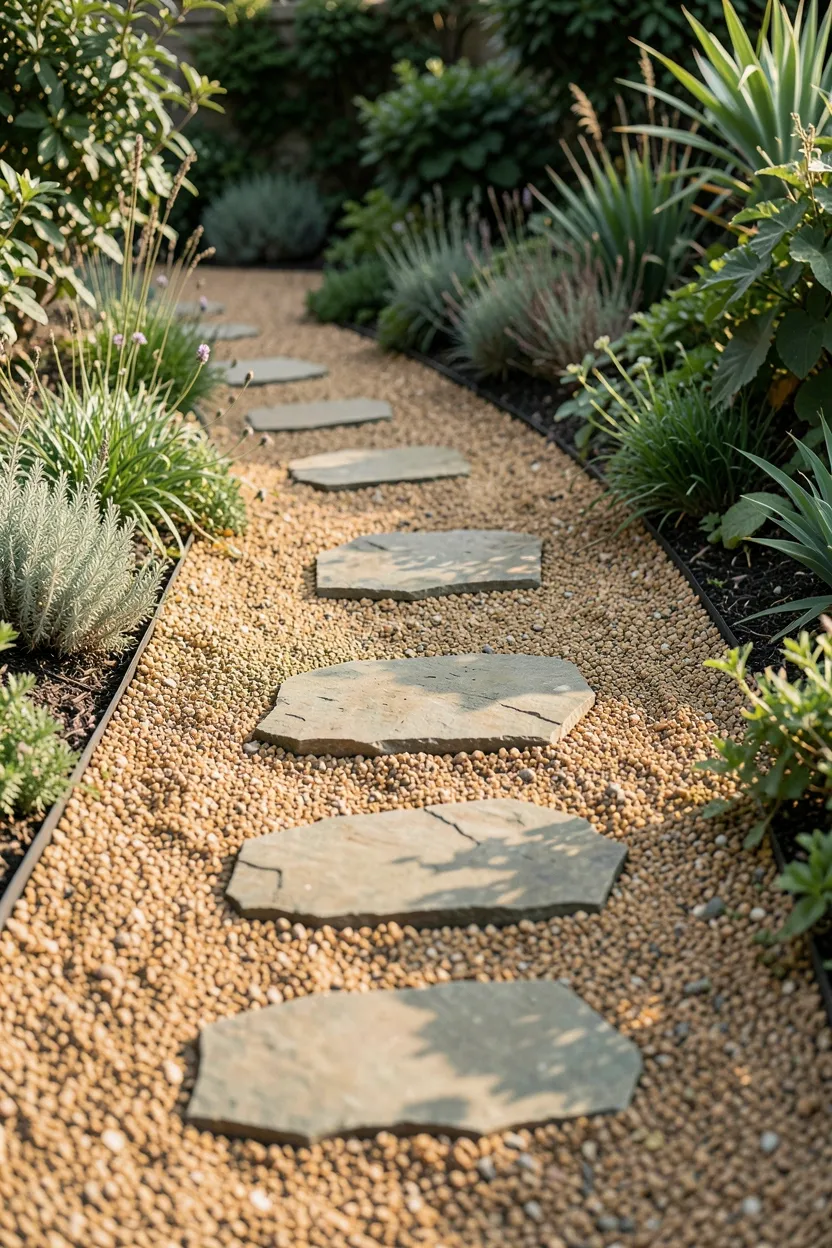
Why it works: The contrast between irregular flagstone and uniform gravel creates dynamic visual texture while maintaining a cohesive natural palette. Large stepping stones (18-24 inches wide) provide stable walking paths, while the gravel fills gaps and creates a soft, permeable surface. Consider river stones or slate for a cool, calming effect that complements most garden styles.
Space stepping stones 3-4 inches apart and level them with the surrounding gravel surface. Use irregular shapes that feel like they emerged naturally from the landscape. Plant low-growing groundcover like creeping thyme between stones for a living element. Installation requires setting each stone in a bed of sand or crushed stone and compacting the gravel around it. Maintenance involves occasional raking and weed removal.
Tips
- Do test stepping stone spacing with your natural stride
- Don't place stones too far apart—it becomes awkward to walk on
- Do select stones of similar thickness for a level walking surface
Best for: Connecting different zones of your yard or creating a meandering garden path.
What this gives you: A functional and artistic pathway that adds organic movement to your outdoor space.
We picked a few things that go well with this idea: Brightown 100ft ST38 Waterproof LED String Lights (★4.7), Brightever 100ft Edison Bulb Dimmable String Lights (★4.6) and Brightown 50ft G40 Globe LED Patio String Lights (★4.7). As an Amazon Associate we earn from qualifying purchases.
4. Zen-Inspired Gravel Garden Patio
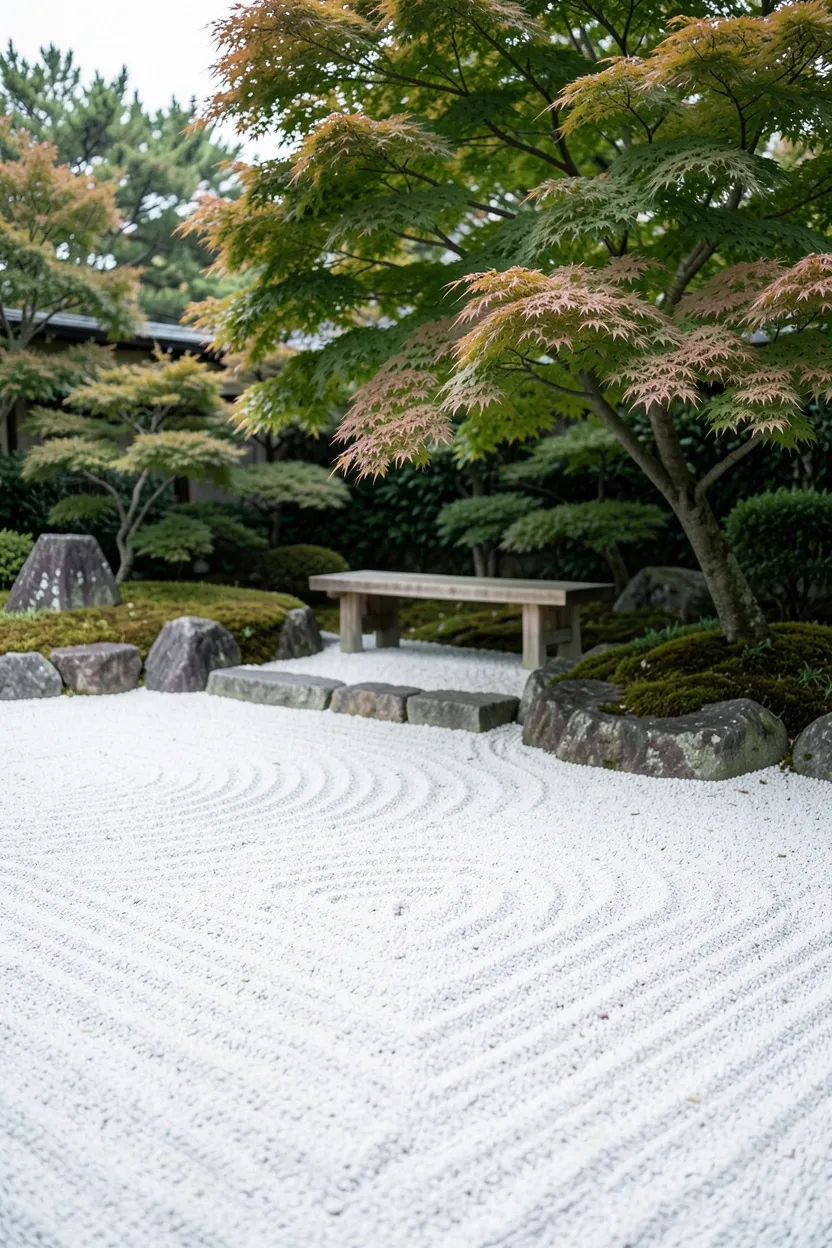
Channel Japanese garden aesthetics with a zen-inspired gravel patio that promotes meditation and tranquility. This design emphasizes clean lines, natural materials, and intentional simplicity to create a contemplative outdoor sanctuary.
Recommended
Items for this idea
Common mistake: Overcrowding the space with too many plants or decorative elements defeats the purpose of a zen garden. Instead, focus on negative space and strategic placement of just a few carefully chosen elements. Fine white or beige gravel raked into gentle waves creates visual movement without clutter.
Incorporate a single specimen tree like a Japanese maple or ornamental cherry as a focal point. Add a simple water feature such as a bamboo fountain or stone basin for the soothing sound of flowing water. Position a comfortable meditation bench or a few flat stones for seating. The key is restraint—each element should have purpose and breathing room. Regular raking maintains the patterns and becomes a meditative practice itself.
Tips
- Do choose fine gravel that holds raked patterns longer
- Don't mix multiple stone types—stick to one or two
- Do incorporate evergreen elements for year-round structure
Best for: Small spaces where you want a peaceful retreat for meditation or quiet reflection.
What this gives you: A serene sanctuary that promotes mindfulness and connection with nature.
5. Mediterranean Gravel Patio with Terracotta
Embrace the warmth of Mediterranean style with terracotta accents and sun-loving plants. This gravel patio combines earthy tones, vibrant pottery, and drought-tolerant plantings to create an outdoor oasis that feels like a Tuscan getaway.
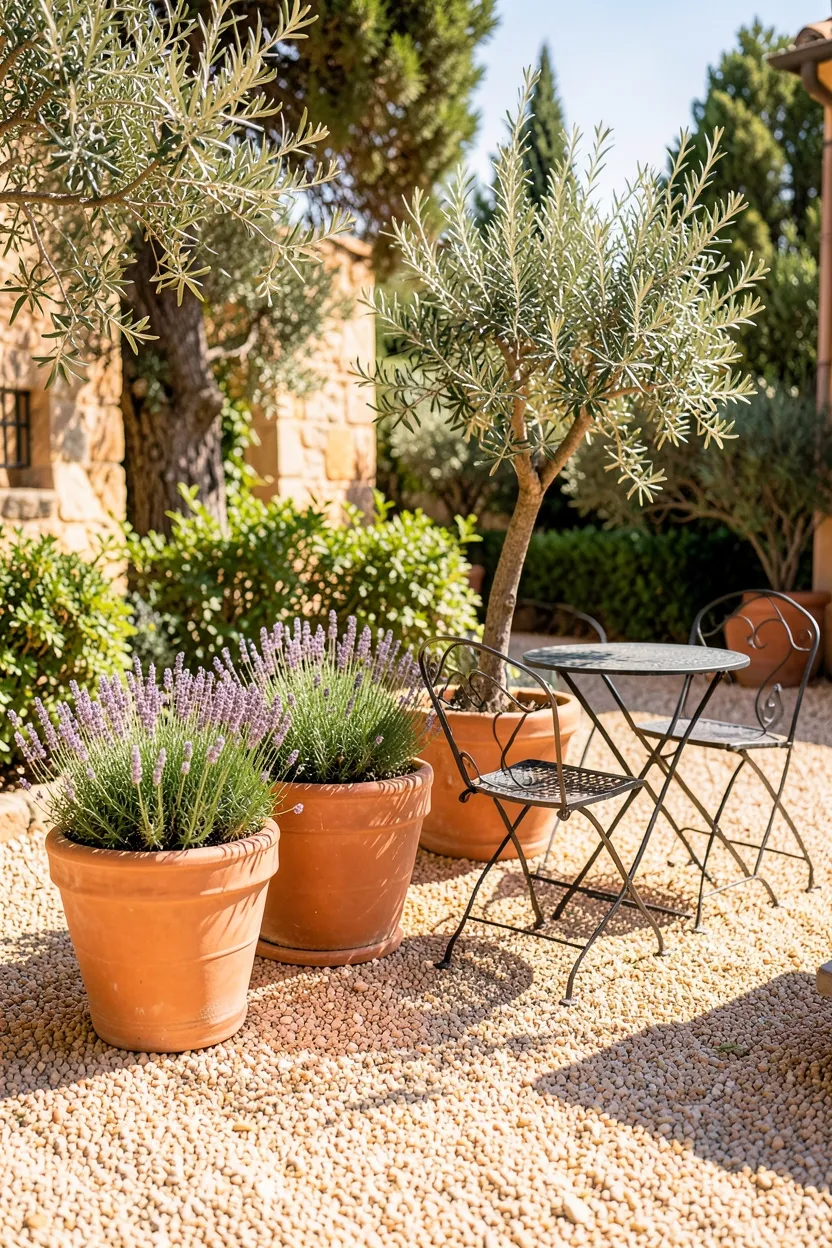
The rich reddish-brown of terracotta contrasts beautifully with warm beige or golden gravel, creating a palette that evokes sun-drenched Italian courtyards. Glazed terracotta pots filled with lavender, rosemary, and olive trees add fragrance and color. The loose gravel surface provides excellent drainage for these Mediterranean plants. Consider incorporating reclaimed terracotta roof tiles as edging for authentic character.
Plan for groupings of 3-5 terracotta containers in varying sizes. Create a focal point with a larger specimen tree in an aged pot. Add an iron bistro set or a simple wooden table with benches for alfresco dining. The gravel should be compacted but not so tight that water can't penetrate—this Mediterranean approach prioritizes natural drainage. Minimal watering needs make this ideal for dry climates.
Tips
- Do use warm-toned gravel like decomposed granite or pea gravel
- Don't choose gray gravel—it creates too much contrast with terracotta
- Do mix herbs with ornamental plants for both beauty and function
Best for: Sunny climates or homeowners who love drought-tolerant, low-water landscaping.
What this gives you: A vibrant, fragrant outdoor space that transports you to the Mediterranean coast.
6. Rustic Gravel Patio with Wooden Elements
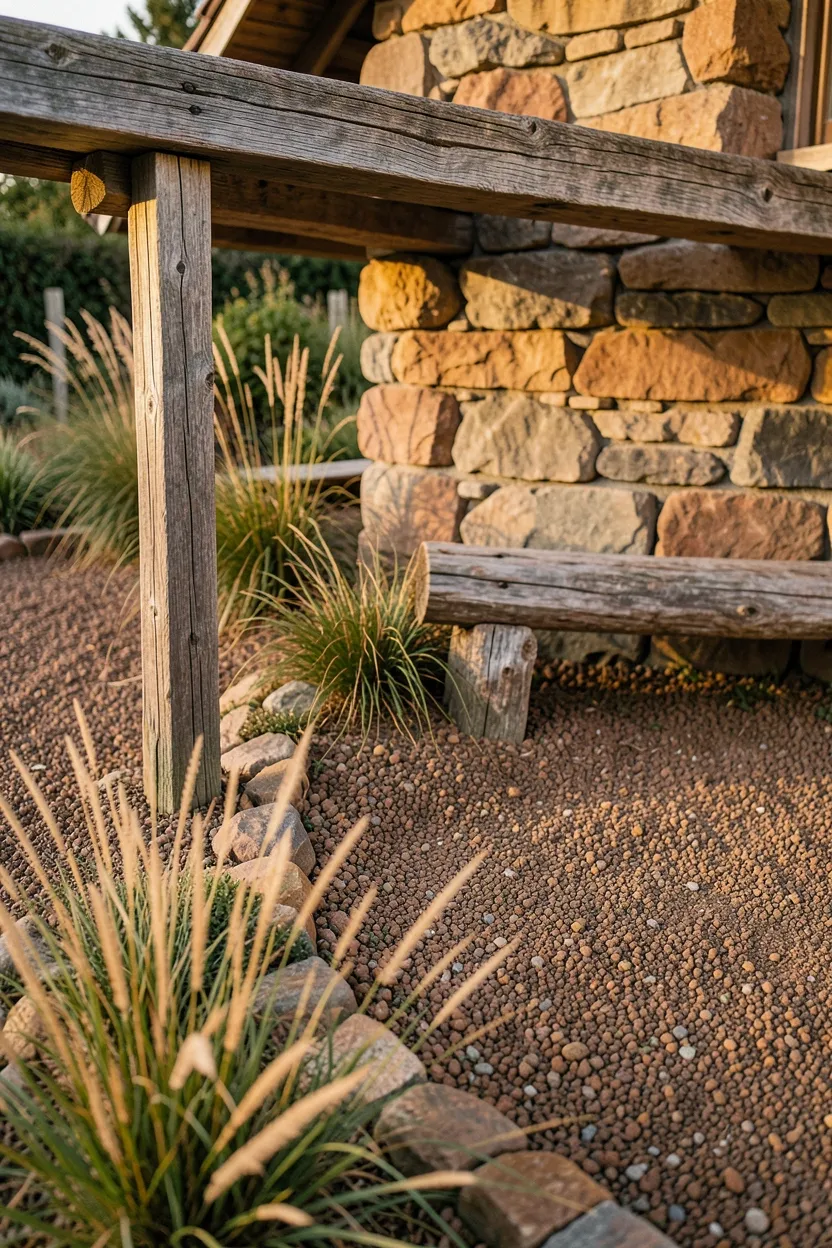
Combine weathered wood with natural gravel for an authentic rustic charm that feels like it's been part of the landscape for generations. This design celebrates imperfection and natural aging, creating a warm, inviting outdoor space with character.
Recommended
Items for this idea
The rough texture of aged cedar or reclaimed barn wood contrasts beautifully with the finer grain of river rock or crushed stone. Use thick wooden beams for edging, create simple benches from logs or rough-sawn planks, and incorporate a wooden trellis or pergola for shade. The gravel should be earth-toned—browns, tans, or muted reds—to complement the wood.
Placement note: Position wooden elements to create defined zones—seating areas, pathways, or garden borders. This gives structure to the open gravel surface.
Seal wood with a natural oil finish that allows it to age gracefully without rotting. Use larger river rock (1-2 inches) rather than pea gravel for better stability around wooden structures. Plant ornamental grasses or native wildflowers around the perimeter to soften edges. Expect to reapply protective sealant every 1-2 years and replenish gravel as needed.
Tips
- If using reclaimed wood, ensure it's properly treated for outdoor use
- Then add landscape fabric beneath gravel to prevent wood rot from below
- Do mix wood sizes—thick beams with thinner planks for visual interest
What this gives you: A time-worn, authentic outdoor space that feels like a natural extension of the landscape.
7. Coastal Gravel Patio with Driftwood
Evoke the spirit of the seaside with a coastal-inspired gravel patio featuring driftwood accents. This design captures the relaxed, weathered beauty of beach landscapes, creating an outdoor retreat that feels like a permanent vacation.
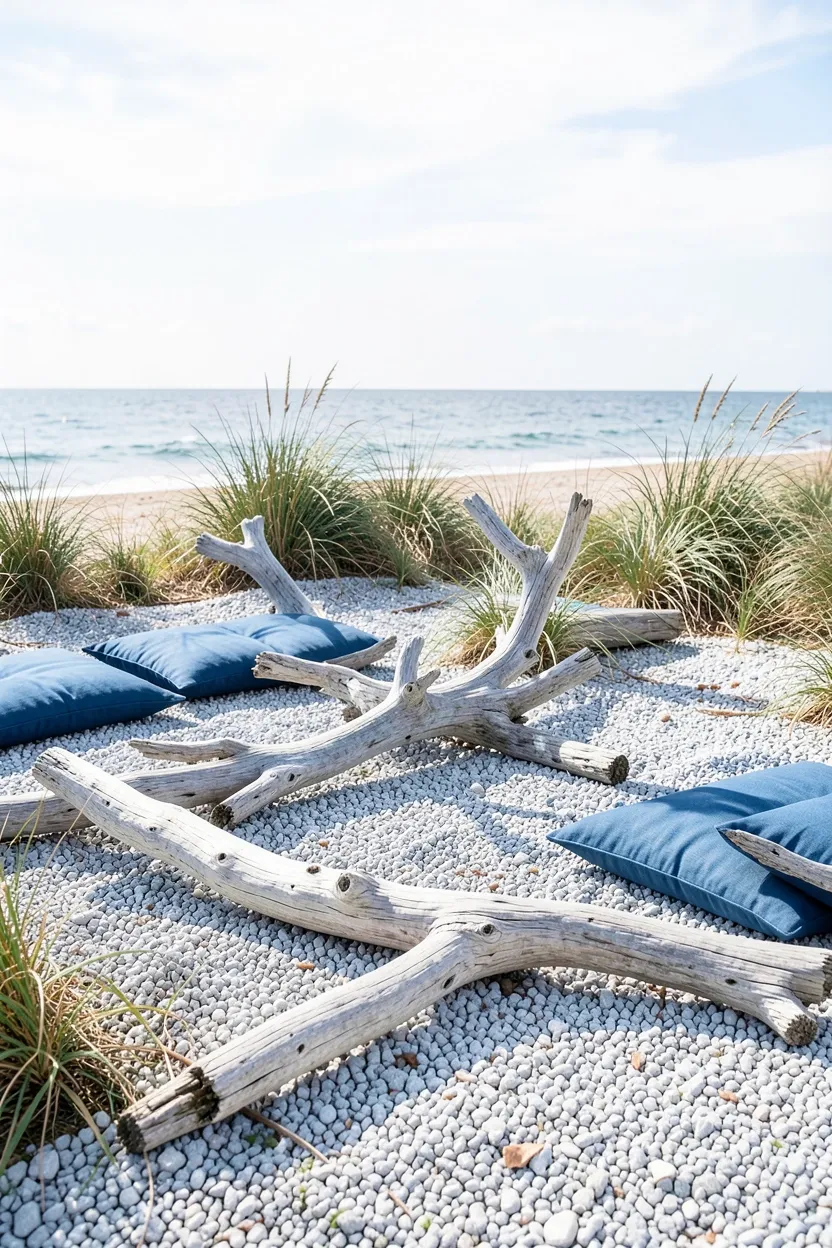
Silvery-gray driftwood pieces scattered across the gravel surface create natural sculpture while adding organic movement to the space. White or light gray gravel mimics sand beaches, while the driftwood provides natural perches for beachcombing finds like shells, sea glass, or smooth stones. The weathered wood texture softens the harder edges of the gravel.
Use larger driftwood pieces as natural seating or side tables. Create a focal point with a dramatic driftwood sculpture or a collection of smaller pieces arranged artfully. Plant coastal grasses like sea oats or beach grass in containers around the perimeter. The loose gravel provides excellent drainage for salt-tolerant plants. Consider adding outdoor lighting with a nautical theme for evening ambiance.
Tips
- Do source driftwood sustainably or purchase from reputable suppliers
- Don't use driftwood that's been treated with harmful chemicals
- Do incorporate blues and whites in cushions or accessories
Best for: Beach houses or anyone wanting to bring coastal calm to their backyard.
What this gives you: A breezy, beach-inspired outdoor space that feels permanently vacation-ready.
8. Modern Gravel Patio with Geometric Patterns
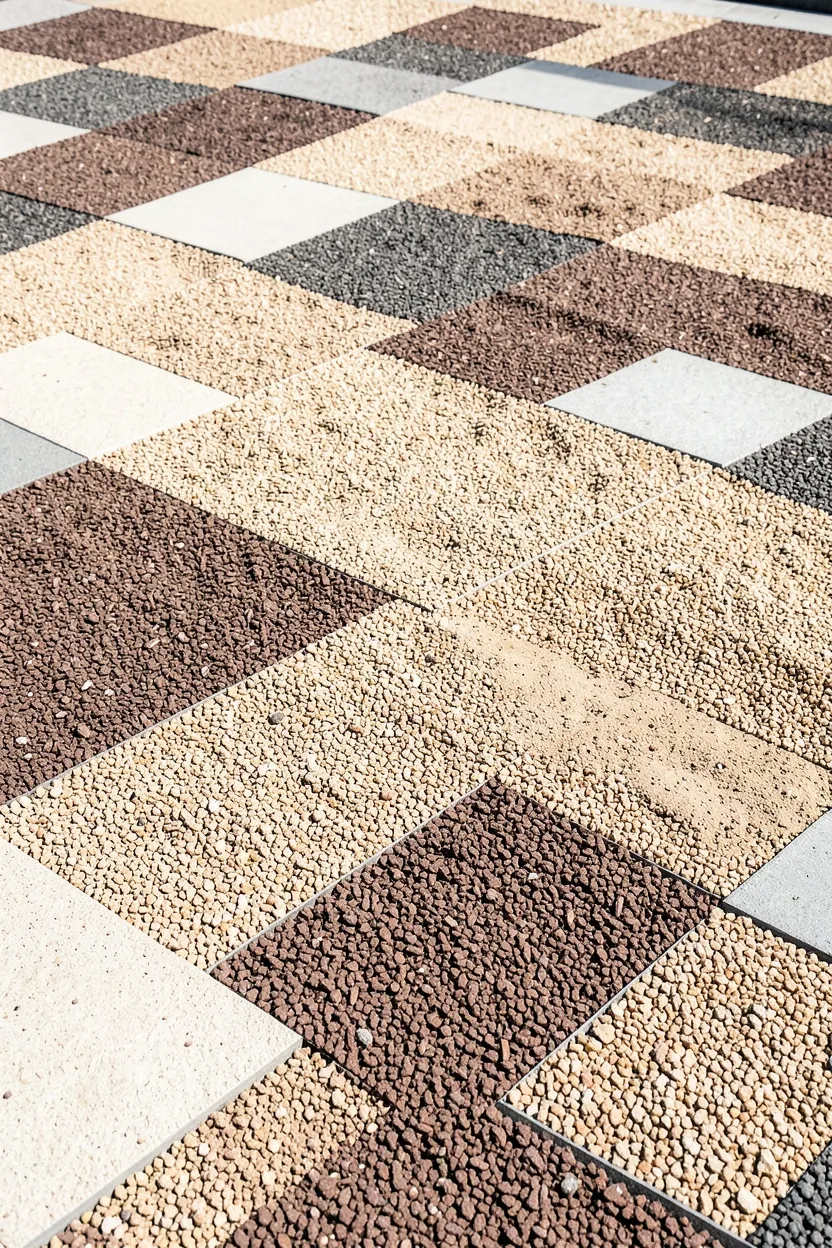
Transform your gravel patio into a contemporary design statement with bold geometric patterns and clean lines. This modern approach treats gravel as a design element, using contrasting colors and precise patterns to create visual drama.
Recommended
Items for this idea
Why it works: Geometric patterns in gravel create sophisticated visual interest without requiring permanent materials. Sharp lines and crisp angles define spaces while the gravel maintains its natural, permeable qualities. The contrast between light and dark gravel colors emphasizes the geometric forms.
Create patterns using landscape edging as borders between gravel colors or textures. Simple rectangles, squares, or triangles work best—overly complex patterns become difficult to maintain. Consider a checkerboard pattern with light and dark gravel, or linear stripes that direct the eye through the space. Keep the scale proportional to the patio size—smaller patterns for intimate spaces, larger ones for grand patios.
For more modern outdoor inspiration, see Modern Scandinavian Living Room Ideas and borrow the emphasis on clean lines and neutral palettes.
Tips
- Do use metal or plastic edging for crisp pattern lines
- Don't create patterns that are too intricate—maintenance becomes overwhelming
- Do choose gravel colors with good contrast for pattern visibility
Budget & time: Higher initial cost for edging and multiple gravel types, but dramatic visual impact.
What this gives you: A striking contemporary patio that makes a bold design statement.
9. Cottage-Style Gravel Patio with Wildflowers
Create a charming, cottage-inspired retreat with a gravel patio framed by wildflowers and informal planting. This design embraces the romantic, slightly untamed aesthetic of English cottage gardens while providing a practical outdoor living space.
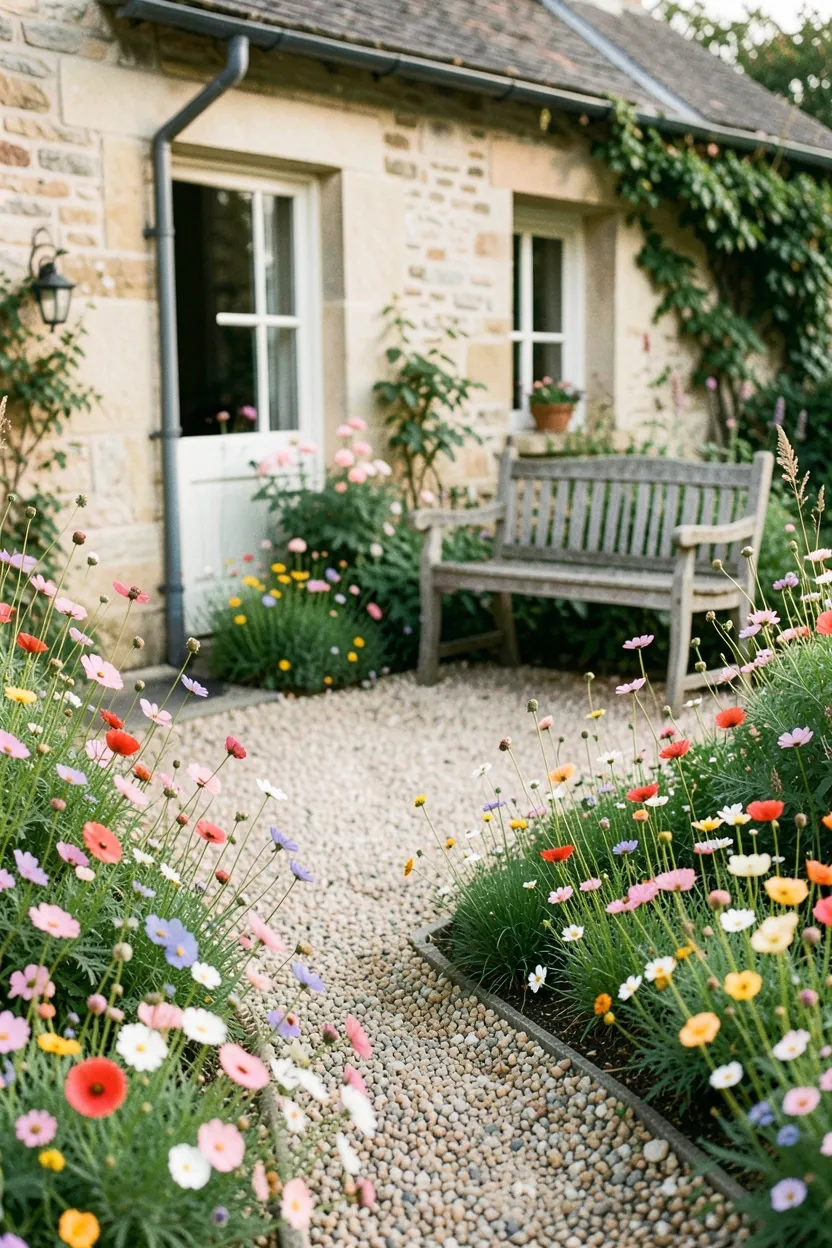
The loose gravel surface provides perfect drainage for cottage plants that resent standing water. Allow wildflowers to spill over from garden beds onto the gravel edges, creating a soft transition between hardscape and planting. The natural, irregular shapes of wildflower clumps contrast beautifully with the uniform gravel texture.
Plant a mix of perennials and annuals like cosmos, poppies, black-eyed Susans, and lavender around the patio perimeter. Create irregular, flowing garden borders rather than rigid straight lines. Add vintage-inspired furniture—a wrought-iron bistro set, a weathered wooden bench, or mismatched chairs painted in soft pastels. Incorporate terra cotta pots planted with herbs for function and fragrance.
Tips
- Do choose native wildflowers adapted to your climate
- Don't be afraid to let some plants self-seed for natural variation
- Do include plants with different bloom times for continuous color
Best for: Gardeners who love romantic, flower-filled outdoor spaces with a casual feel.
What this gives you: A picturesque, flower-filled patio that feels like stepping into a storybook garden.
10. Asian-Inspired Gravel Patio with Bamboo
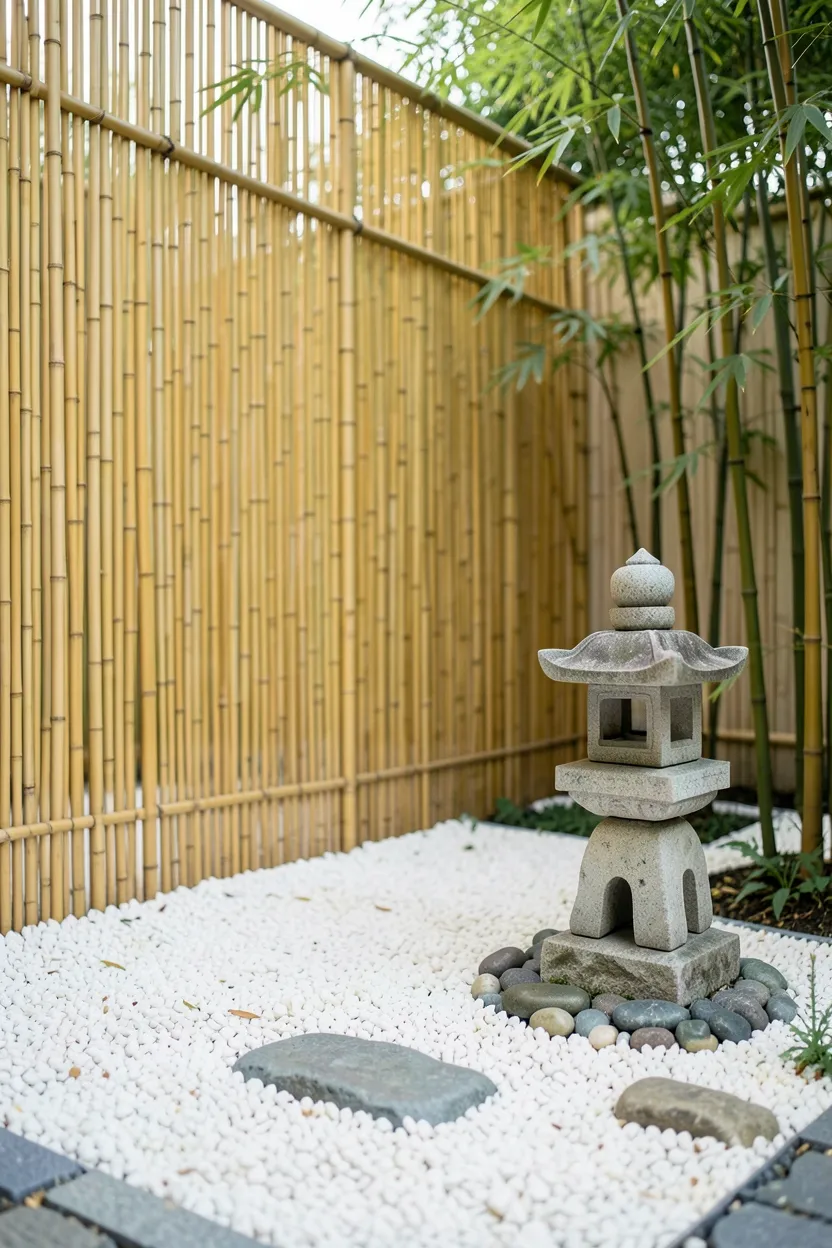
Incorporate the elegance of Asian garden design with a gravel patio featuring bamboo and complementary elements. This design creates a serene, balanced outdoor space that draws inspiration from traditional Japanese and Chinese gardens.
Recommended
Items for this idea
The vertical elegance of bamboo provides a stunning backdrop to the horizontal plane of the gravel surface. Golden or black bamboo varieties create dramatic contrast against light-colored gravel like white marble chips or crushed granite. The gentle rustling of bamboo leaves in the breeze adds auditory tranquility to the space.
Plant bamboo in containers or install root barriers to prevent invasive spread. Create a bamboo screen or living fence for privacy and wind protection. Add Asian-inspired elements like a stone lantern, a small bridge over a dry gravel stream, or a simple wooden torii gate. Use round river stones to create patterns in the gravel, symbolizing water or mountains. Keep the plant palette simple—bamboo, moss, and a few specimen trees.
Tips
- Do choose clumping bamboo varieties rather than running types
- Don't skip root barriers—even clumping bamboo can spread aggressively
- Do consider the mature height of bamboo before planting near structures
Best for: Creating a peaceful retreat with privacy and Asian aesthetic appeal.
What this gives you: A tranquil outdoor sanctuary with the graceful movement and sound of bamboo.
11. Eco-Friendly Permeable Gravel Patio
Design a sustainable gravel patio that manages stormwater naturally while reducing your environmental footprint. This permeable approach allows rain to infiltrate the ground, replenishing groundwater and preventing runoff pollution.
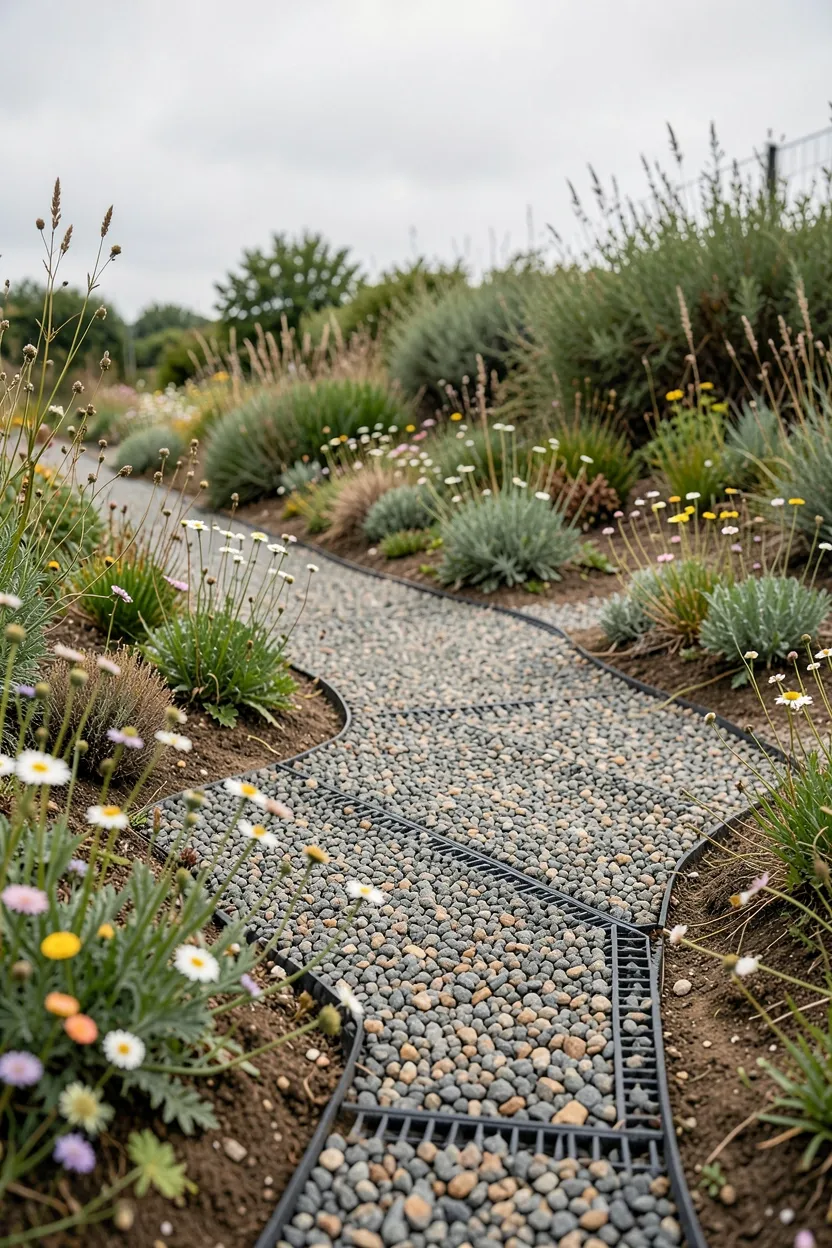
The porous surface of gravel allows water to pass through rather than running off into storm drains. Combine this with native drought-tolerant plants and you create a truly sustainable outdoor space that requires minimal irrigation and maintenance. The natural beauty of gravel complements eco-conscious landscaping perfectly.
For more sustainable design ideas, explore Natural Minimalism Interior Design principles for your home.
Install a 4-6 inch deep gravel base with landscape fabric beneath to separate layers. Use angular gravel that interlocks better than rounded stones. Create a slight slope away from structures to direct water flow. Plant native species around the perimeter that can handle occasional flooding. The system captures rainwater, filters it through the gravel and soil, and returns it to the groundwater supply naturally.
Tips
- Do consult local building codes about permeable surface requirements
- Don't skip the landscape fabric—it prevents gravel sinking into soil
- Do test drainage with a simple water bucket test before finalizing
What this gives you: An environmentally responsible patio that manages water naturally and requires minimal maintenance.
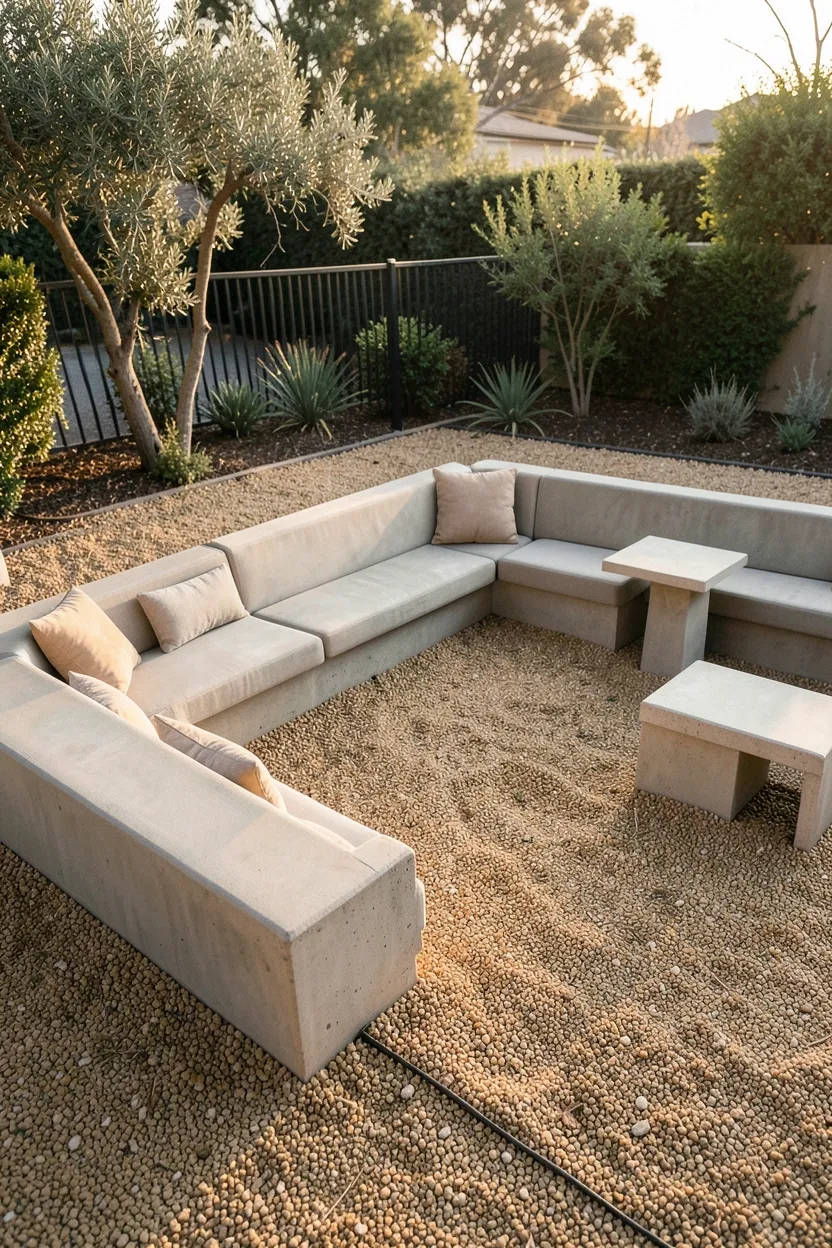
12. Gravel Patio with Built-In Seating
Maximize functionality and comfort by incorporating built-in seating directly into your gravel patio design. This approach eliminates the need for movable furniture while creating permanent, cozy gathering spots that blend seamlessly with the landscape.
Recommended
Items for this idea
Common mistake: Building seating too far apart or at awkward heights makes conversation difficult. Instead, position built-in benches within 4-6 feet of each other for comfortable conversation. Seat height should be 16-18 inches for proper ergonomics. The permanent nature of built-in seating gives your patio structure and purpose.
Construct benches from concrete, stone, or wood that matches your patio aesthetic. Create an L-shape or U-shape configuration for intimate conversations. Add weather-resistant cushions for comfort and color. Include built-in side tables or planters between seating areas. Position seating to take advantage of views, shade, or focal points. The gravel surrounds the built-ins, providing a soft, natural base.
Tips
- Do use weather-resistant materials rated for outdoor use
- Don't forget to include drainage behind built-in seating
- Do incorporate storage within built-ins for cushions or supplies
Best for: Creating permanent gathering spots that don't require furniture storage or maintenance.
What this gives you: Dedicated, comfortable seating that's always ready for guests and never needs moving.
13. Contemporary Gravel Patio with Concrete Accents
Blend industrial materials with natural elements in this contemporary design that combines gravel with concrete accents. The contrast between raw gravel and smooth concrete creates striking visual tension while maintaining sophisticated style.
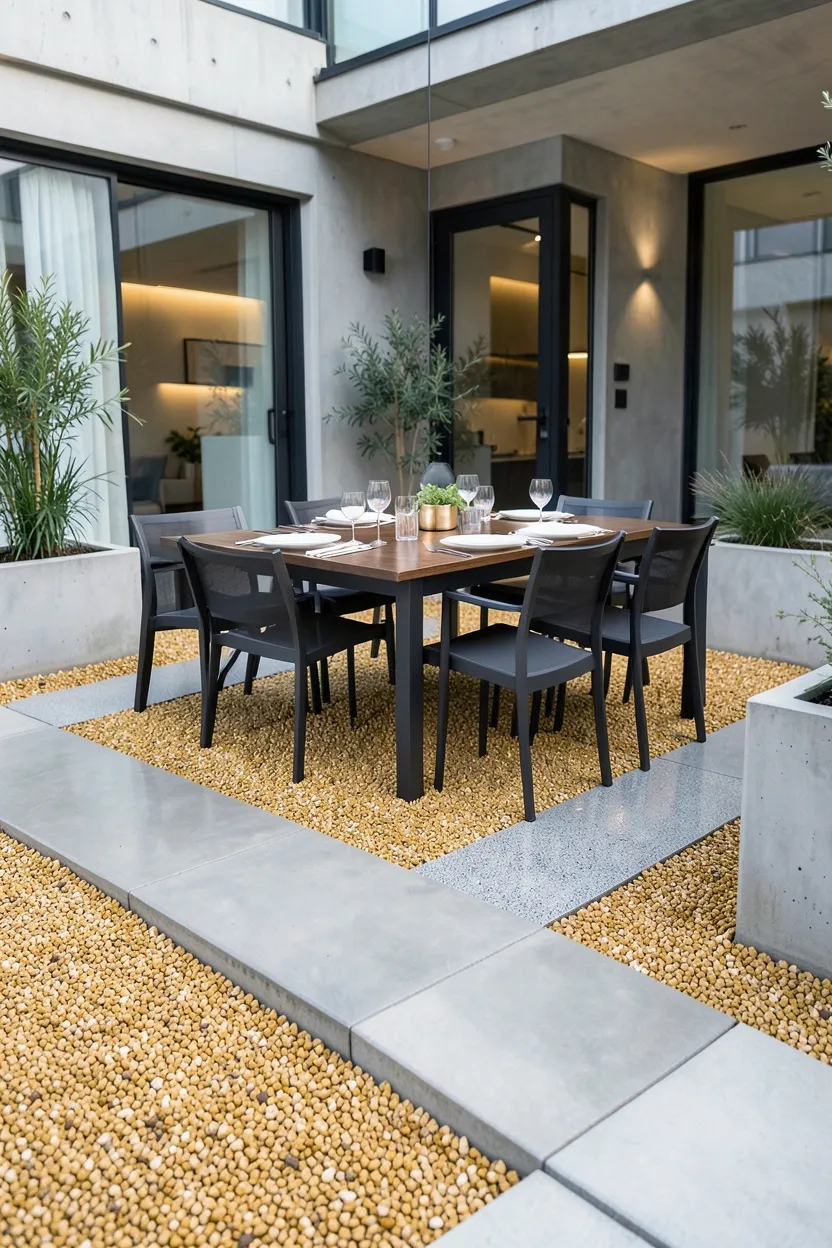
The cool gray of polished concrete pairs beautifully with warmer gravel tones like tan, brown, or gold. Concrete provides stable surfaces for dining tables or lounging areas, while gravel fills the remaining space with texture and natural movement. This duality creates a balanced, modern aesthetic that feels grounded yet refined.
Install concrete pavers or poured sections to create defined zones—a dining area, a fire pit surround, or a pathway through the gravel. Leave deliberate gaps between concrete sections filled with gravel for visual interest. Keep lines straight and geometric for contemporary appeal. Add concrete planters or a built-in bench as cohesive elements. The concrete provides permanence while gravel maintains flexibility.
Placement note: Position concrete elements to create intentional flow patterns and define functional zones within the larger gravel area.
Tips
- If pouring concrete, consider a broom finish for better traction
- Then seal concrete to prevent staining and weathering
- Do maintain consistent color tones between concrete and gravel
What this gives you: A sophisticated contemporary patio that balances industrial materials with natural beauty.
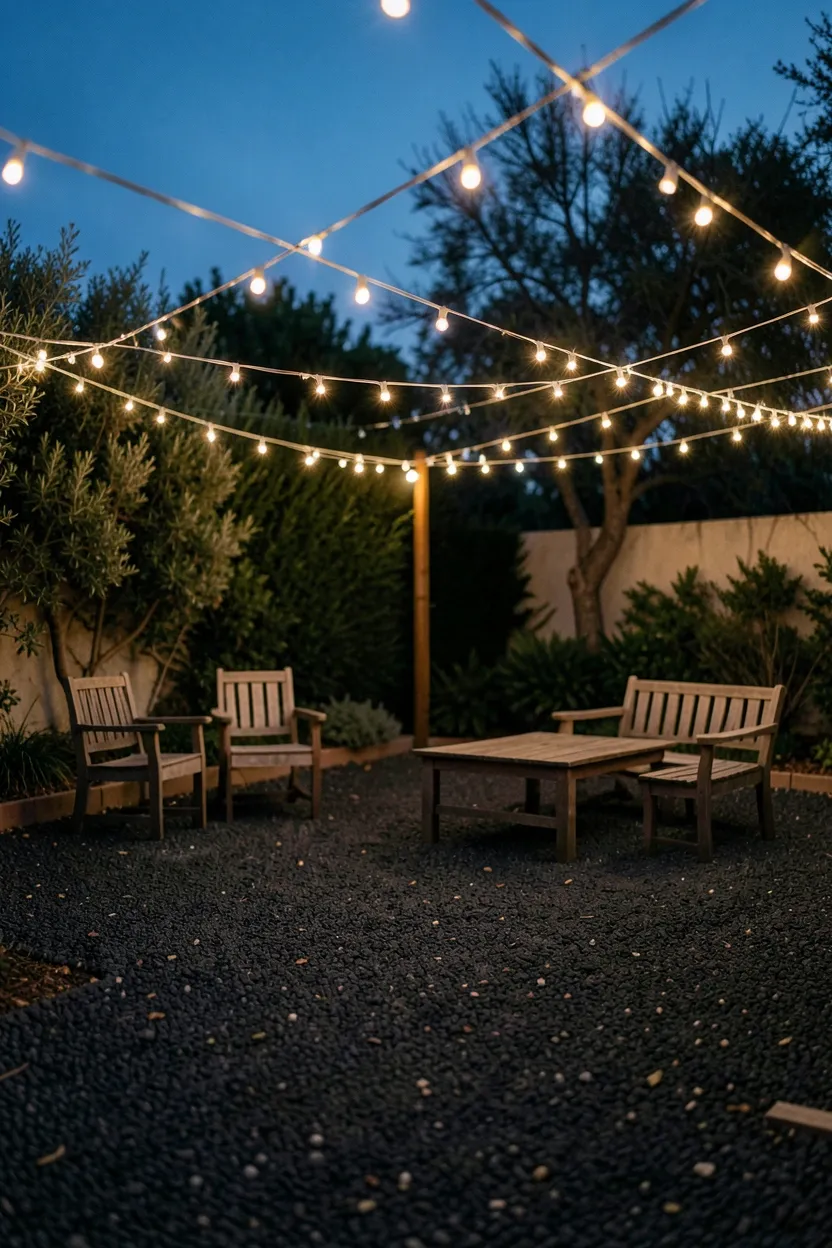
14. Romantic Gravel Patio with String Lights
Transform your gravel patio into an enchanting evening retreat with the warm glow of string lights. This romantic design creates magical ambiance while extending the usability of your outdoor space well into the night.
Recommended
Items for this idea
The soft, diffuse light of string suspended above the gravel creates shadows and highlights that bring the space to life after dark. Warm white bulbs complement most gravel colors from light tan to dark charcoal. The loose gravel surface reflects light differently than solid surfaces, creating a sparkling effect as you walk through.
Install string lights overhead using poles, trees, or existing structures. Create a canopy effect over the entire patio or focus lighting on specific zones like dining or seating areas. Use battery-operated or solar options for flexible placement without wiring. Add lanterns or ground lights for additional layers of illumination. The gravel base makes installation easier than hard surfaces—you can stake or weigh down temporary fixtures.
Tips
- Do use LED bulbs for energy efficiency and longevity
- Don't place lights where they'll create glare or interference
- Do consider dimmers for adjustable ambiance
Budget & time: String lights are relatively inexpensive and quick to install, offering dramatic impact.
What this gives you: A magical evening atmosphere that transforms your patio into a romantic destination.
15. Gravel Patio with Water Feature
Incorporate the soothing sound and visual appeal of water into your gravel patio design. A water feature adds multisensory richness, creating a focal point that transforms the space into a true outdoor sanctuary.
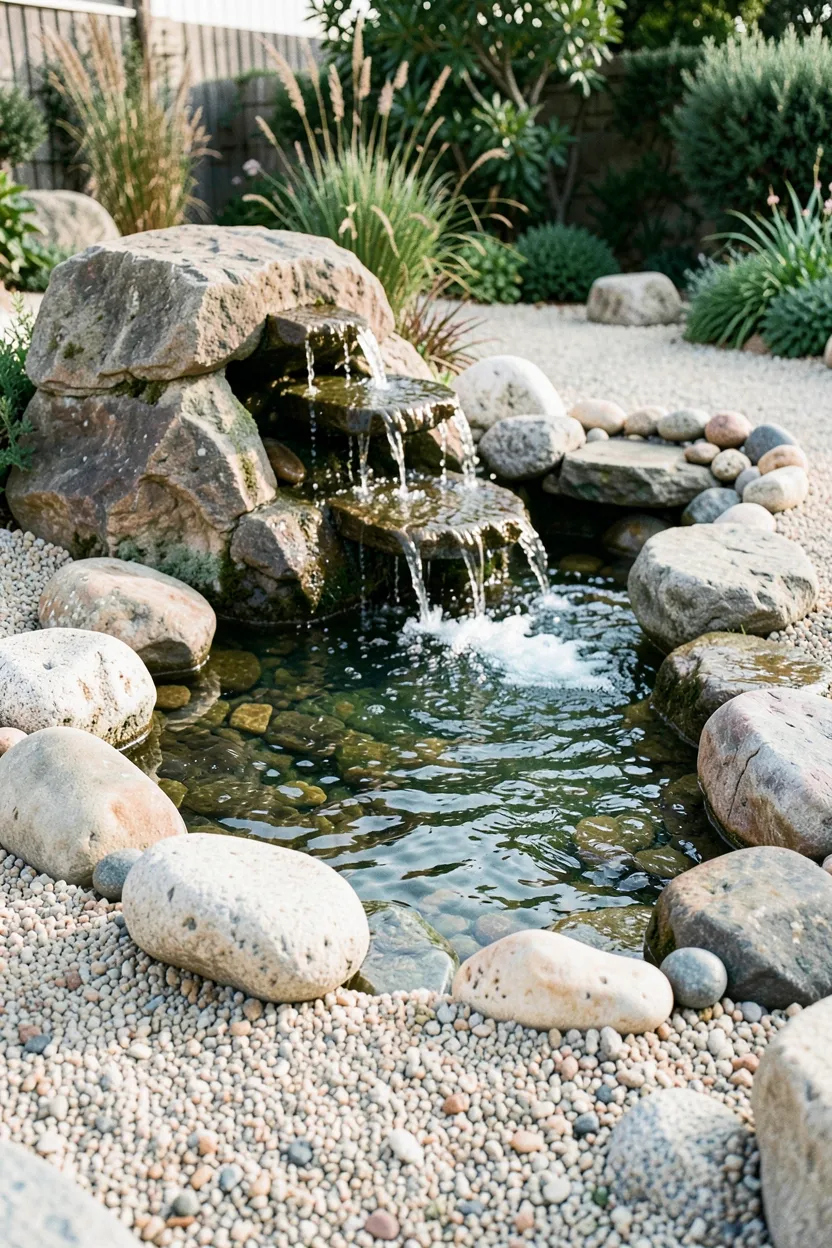
Why it works: The sound of moving water masks neighborhood noise and creates instant tranquility. Gravel provides excellent drainage for water features and creates a natural, organic setting. The combination creates a spa-like atmosphere that encourages relaxation and connection with nature.
Choose a water feature scale appropriate for your patio—a small bubbling rock, a fountain in a basin, or a small pond. Position it as a focal point visible from multiple seating areas. Surround it with larger river stones or decorative gravel that contrasts with the main patio surface. Consider incorporating lighting to highlight water at night. The gravel naturally contains splashes and prevents muddy areas around the feature.
Tips
- Do consider maintenance requirements before choosing a water feature
- Don't place water features where they'll be constantly in the way
- Do include a recirculating pump to minimize water waste
Rental note: Self-contained fountains are portable and suitable for renters who can't install permanent features.
What this gives you: A multisensory retreat with the calming presence of water and the natural beauty of gravel.
16. Tropical Gravel Patio with Palms
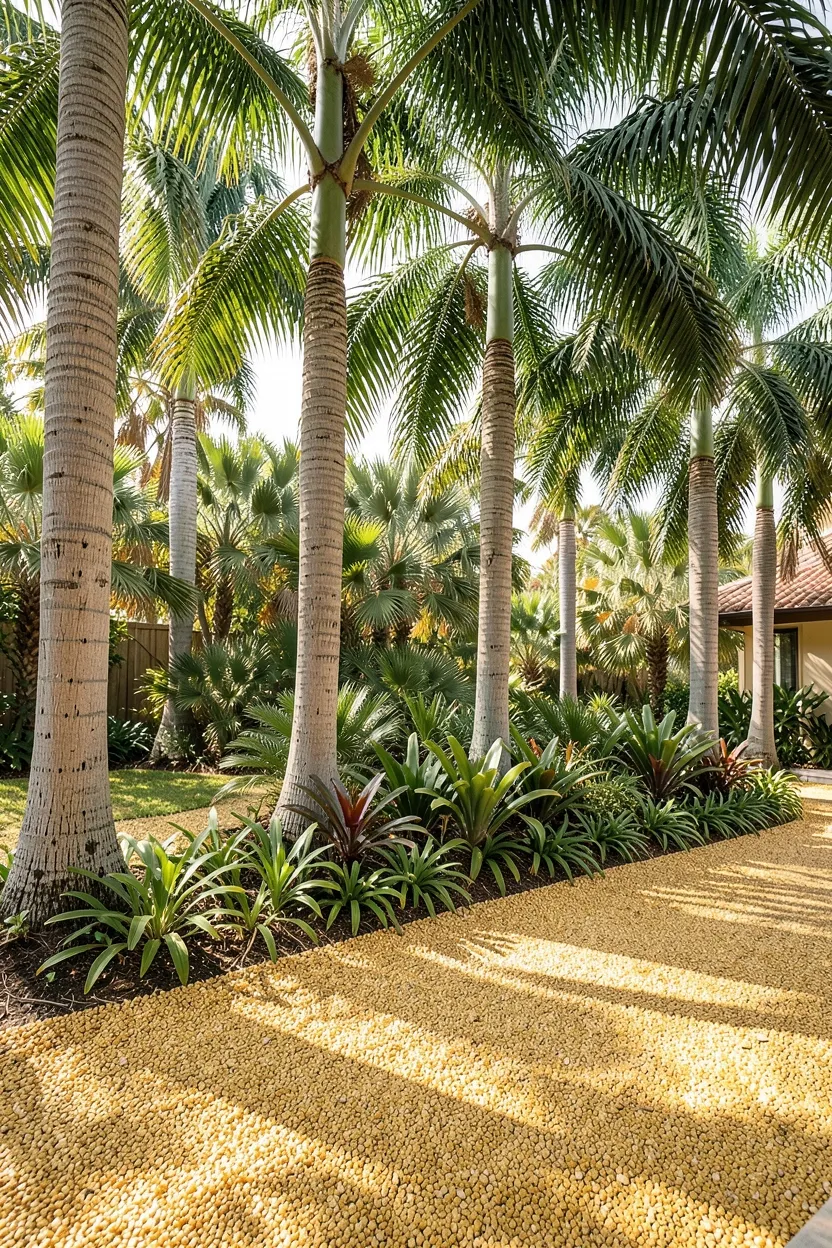
Bring the lush vibrancy of the tropics to your backyard with a gravel patio surrounded by palm trees and exotic plants. This design creates a private oasis that evokes island relaxation and creates dramatic vertical interest.
Recommended
Items for this idea
The soaring trunks of palm trees create a natural canopy while the gravel provides a clean, low-maintenance ground plane. Warm-toned gravel like gold or tan complements the green foliage of tropical plants. The loose surface allows rain to penetrate deeply, supporting the water needs of thirsty tropical species.
Plant palms in containers or directly in the ground depending on your climate and space constraints. Choose cold-hardy varieties if you're in a cooler region. Create layers of tropical plants—tall palms, medium-sized banana or bird of paradise plants, and low-growing ferns or hostas. Add bright accent colors with flowering tropicals like hibiscus or bougainvillea. The gravel makes it easy to rearrange container plants as desired.
Tips
- Do choose palm varieties appropriate for your climate zone
- Don't plant palms too close to structures—root systems can be extensive
- Do consider cold protection if you're growing tropicals in cooler zones
Best for: Creating a dramatic, private retreat with year-round tropical appeal.
What this gives you: A lush, exotic outdoor space that transports you to a tropical paradise.
17. Industrial Gravel Patio with Metal Elements
Embrace the raw aesthetic of industrial design with a gravel patio featuring weathered metal elements. This contemporary approach combines the organic texture of gravel with the strength and character of steel, iron, or aluminum.
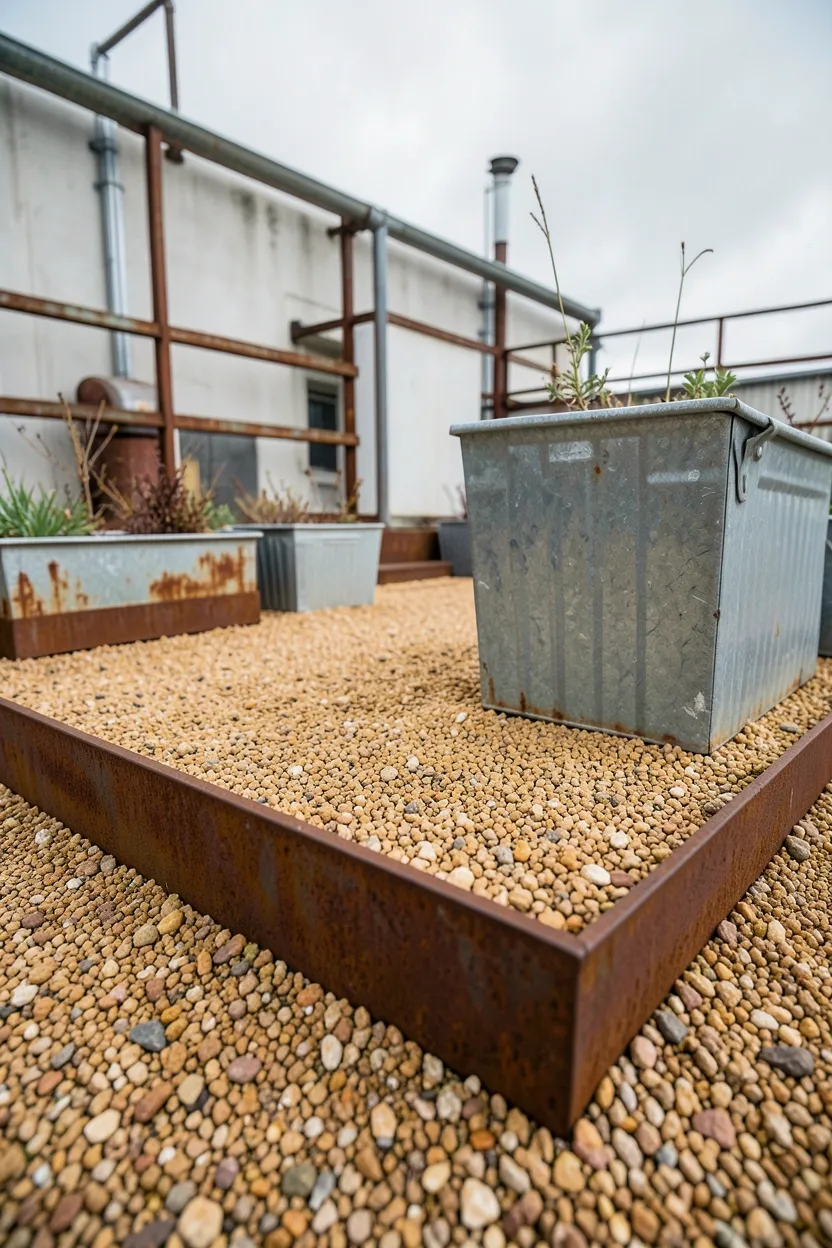
Weathered metal in rust or gray tones creates stunning contrast against lighter gravel colors. Corten steel edging, metal planters, or industrial furniture pieces add authentic character. The gravel softens the hardness of metal while maintaining the overall industrial vibe. This style celebrates the beauty of materials as they age naturally.
Use corten steel for edging, raised planters, or fire pit surrounds. Incorporate repurposed industrial pieces like metal drums as planters or welding tanks as water features. Add metal furniture with clean lines and simple construction. Keep the color palette limited—black, gray, rust, and natural gravel tones. The gravel provides a natural counterpoint to the manufactured metal elements.
Tips
- Do seal metal surfaces if you want to prevent further weathering
- Don't mix too many metal types—stick to one or two
- Do consider how metal heats in direct sun and position accordingly
What this gives you: A bold contemporary patio with authentic industrial character and raw beauty.
18. Gravel Patio with Edible Garden
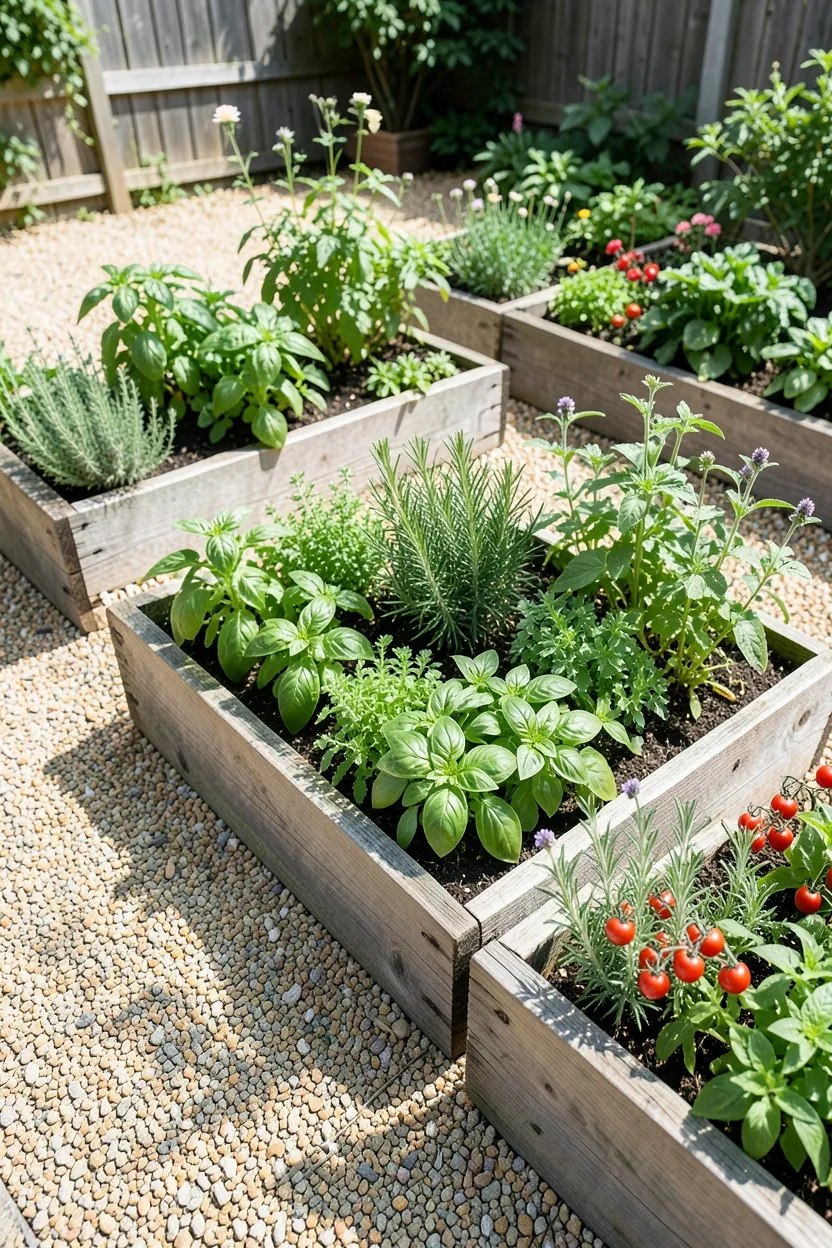
Combine beauty with functionality by integrating an edible garden into your gravel patio design. This productive approach yields fresh herbs, vegetables, or fruits while creating an attractive, living outdoor space.
Recommended
Items for this idea
Common mistake: Planting edibles too densely or without adequate sunlight leads to disappointing harvests. Instead, group plants by their sun and water needs and give them proper spacing. The gravel provides excellent drainage for most edibles and prevents soil compaction around plant roots.
Plant in raised beds or containers set directly on the gravel surface. Group herbs together for easy kitchen access—basil, rosemary, thyme, and chives. Include compact vegetable varieties like cherry tomatoes, peppers, or lettuce. Add fruit-bearing plants like strawberries in hanging containers or dwarf fruit trees in larger pots. Position plants for optimal sun exposure throughout the day. The gravel makes it easy to relocate containers as needed.
Tips
- Do choose vegetables and herbs that grow well in containers
- Don't plant invasive species that will spread into the gravel
- Do install a drip irrigation system for consistent watering
Budget & time: Seeds and starter plants are relatively inexpensive; initial setup costs for containers and soil.
What this gives you: A productive outdoor space that provides fresh, homegrown ingredients for your kitchen.
19. Bohemian Gravel Patio with Textiles
Create an eclectic, free-spirited outdoor space with a bohemian gravel patio featuring rich textiles, layered colors, and collected treasures. This style celebrates individuality and creates a cozy, personal retreat that feels curated over time.
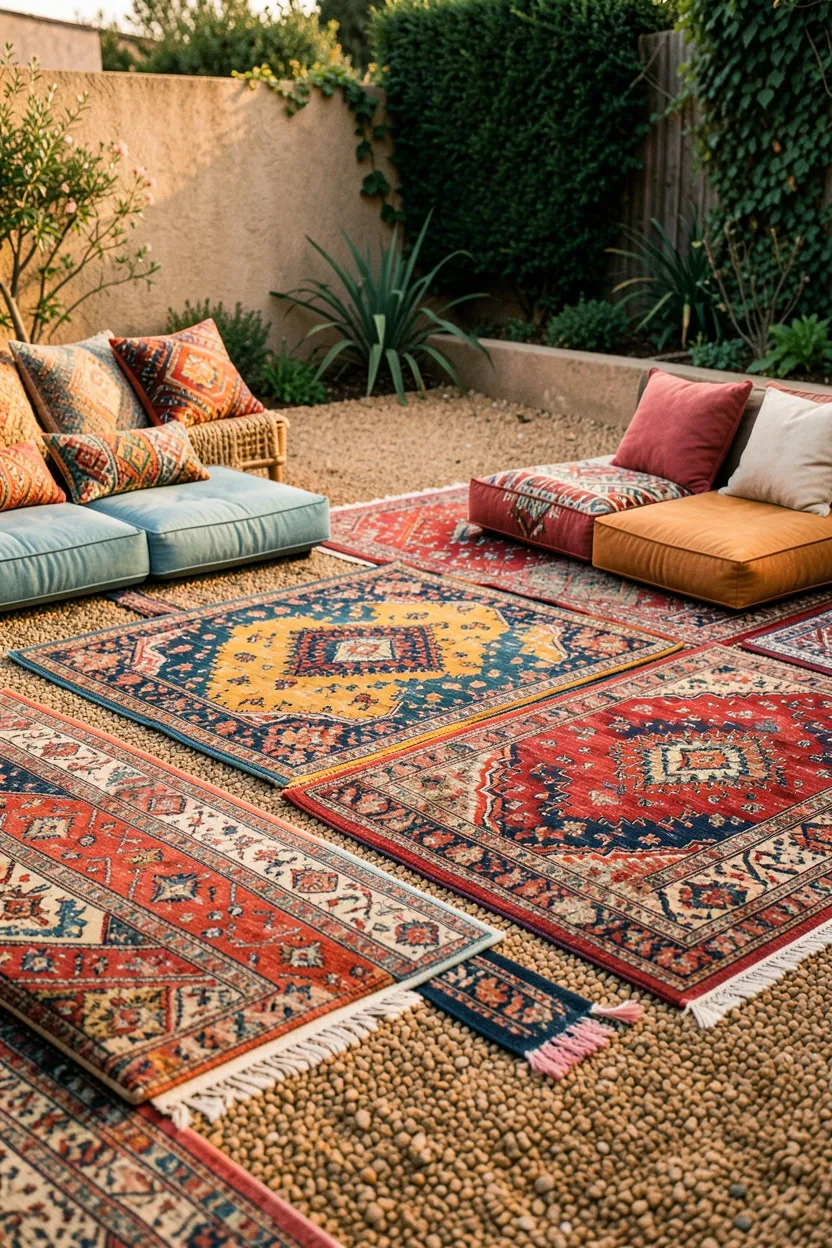
Layered rugs, throw pillows, and textiles bring warmth and color to the neutral gravel surface. Mix patterns, textures, and colors fearlessly—there are no rules in bohemian design. The loose gravel creates a natural, slightly uneven base that feels authentic and relaxed. This approach values personal expression over rigid design principles.
Layer outdoor rugs on the gravel to create defined seating and dining areas. Add low furniture—floor cushions, poufs, or low benches draped with textiles. Incorporate collected objects—mirrors, lanterns, or found pieces—as decorative accents. Use textiles to soften edges and create intimate nooks. Choose colors that reflect the gravel while adding vibrancy—earthy tones mixed with jewel tones or bright accents.
Placement note: Arrange textiles to create cozy conversation areas and intimate spaces within the larger patio.
Tips
- If using rugs indoors, ensure they're rated for outdoor use
- Then store textiles indoors during severe weather
- Do mix patterns of different scales for visual interest
What this gives you: A personalized, eclectic outdoor space that reflects your unique style and creates cozy gathering spots.
20. Gravel Patio with Pergola
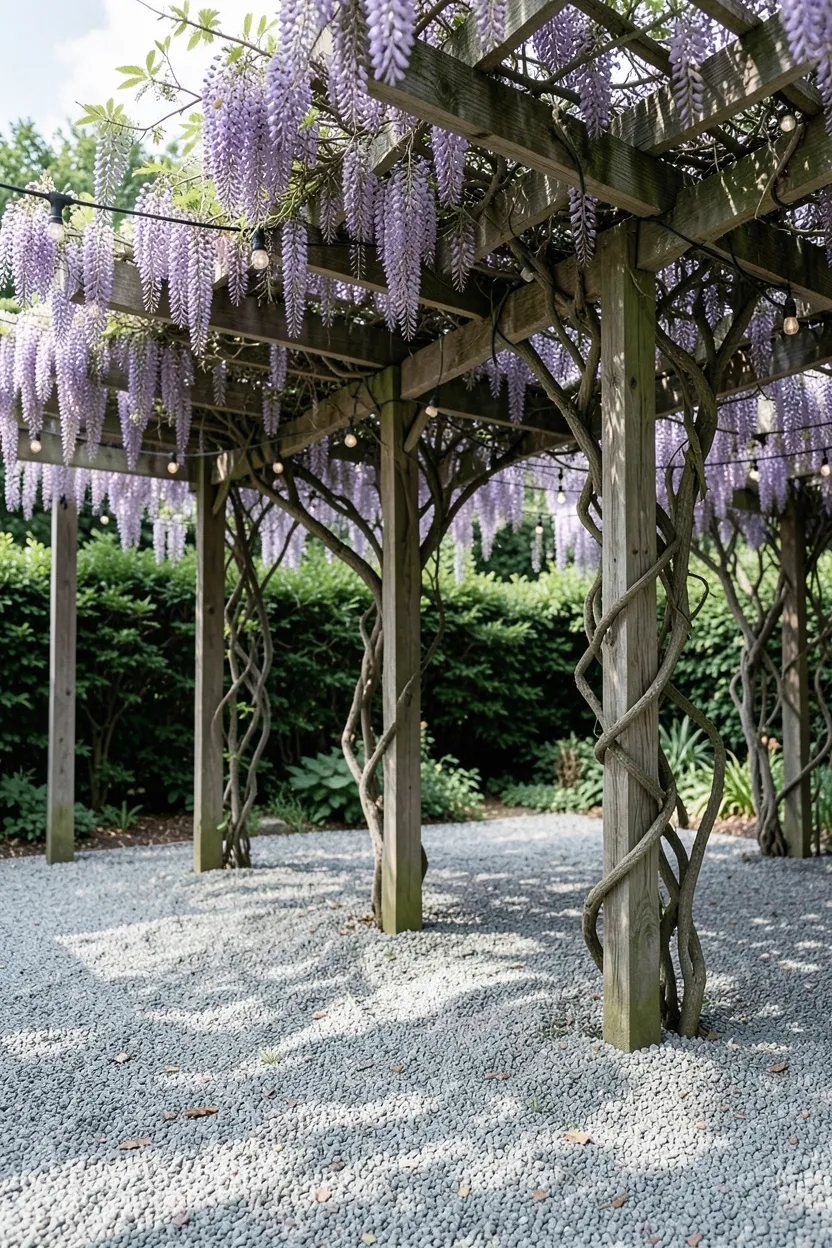
Add architectural interest and shade to your gravel patio with a pergola. This structure defines the space, provides relief from the sun, and creates a beautiful framework for climbing plants or outdoor lighting.
Recommended
Items for this idea
The vertical structure of a pergola creates visual presence above the horizontal gravel surface. Whether built from wood, metal, or vinyl, the pergola provides scale and proportion to the outdoor space. Dappled light filtering through the slats creates beautiful patterns on the gravel below, adding visual interest throughout the day.
Design the pergola size to complement your patio dimensions—typically cover 50-75% of the space. Position over main seating or dining areas. Add climbing plants like wisteria, jasmine, or clematis for natural shade and fragrance. Install outdoor string lights or fans under the structure for functionality and ambiance. The gravel surface makes anchoring the pergola easier than concrete while maintaining natural drainage.
Tips
- Do check local building codes and HOA restrictions before construction
- Don't underestimate the weight of a pergola—proper footings are essential
- Do consider shade orientation based on your sun exposure
Budget & time: Significant investment for materials and professional installation, but adds major architectural value.
What this gives you: A defined, shaded outdoor living space with architectural character and versatile functionality.
21. Gravel Patio with Outdoor Kitchen
Elevate your outdoor entertaining with a gravel patio featuring a fully functional outdoor kitchen. This design creates an al fresco dining experience that brings cooking and dining into the beautiful natural setting of your backyard.
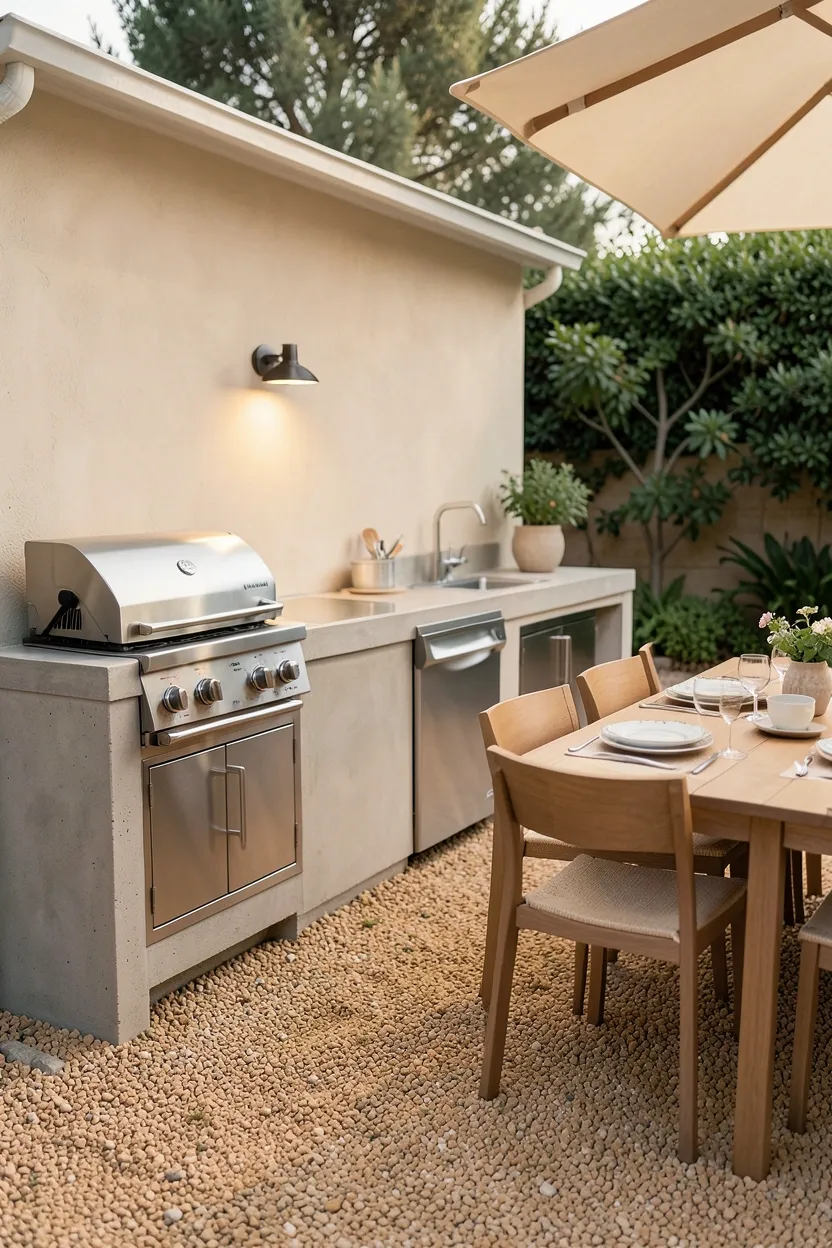
Why it works: The gravel surface naturally drains spills and messes, making cleanup easier than with solid surfaces. Stable concrete or stone pavers under the cooking areas provide solid footing for appliances and prep workstations. This combination of surfaces gives you both natural beauty and practical functionality.
Create distinct zones: a cooking area with built-in grill and smoker, a prep counter, a dining area, and a serving station. Use the same paver material for the kitchen surfaces for continuity. Install shade structures like a pergola or umbrella over the cooking area. Add ambient lighting for evening cooking and dining. The gravel provides a natural buffer zone between kitchen elements and garden areas.
Tips
- Do plan your kitchen workflow carefully from storage to prep to cooking
- Don't forget to include utilities—gas, water, and electrical requirements
- Do choose durable, weather-resistant appliances rated for outdoor use
Budget & time: Major investment ranging from $5,000-30,000+ depending on scope and appliances.
What this gives you: A complete outdoor cooking and dining experience that transforms your patio into an extension of your home.
22. Gravel Patio with Swings
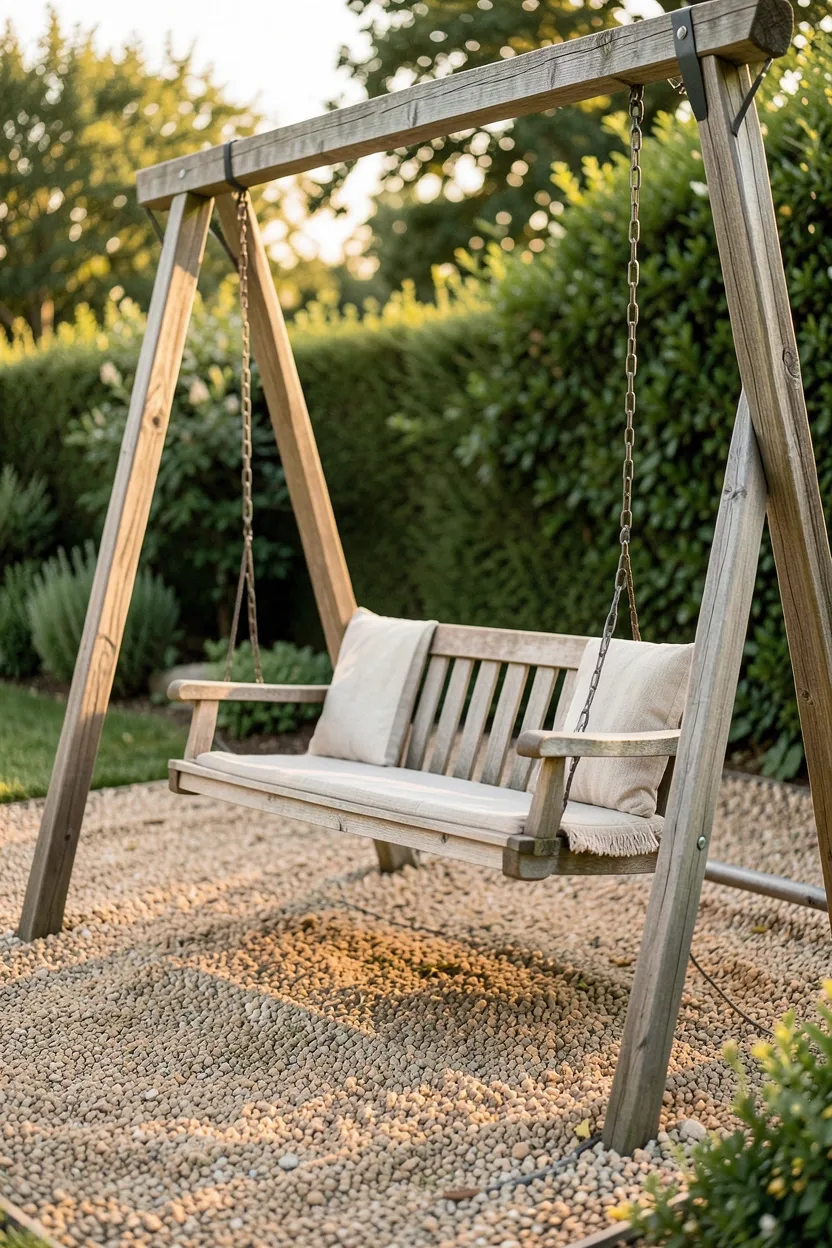
Add playful charm and relaxation to your gravel patio with one or more outdoor swings. Whether a classic bench swing, a hammock, or individual porch swings, these features bring movement and joy to your outdoor space.
Recommended
Items for this idea
The gentle motion of swinging creates a meditative, relaxing experience that connects you with nature. A bench swing under a pergola or tree provides comfortable seating with a view. Individual swings add playful elements for children or nostalgic charm for adults. The gravel surface provides a soft, natural base that complements the swinging motion.
For more cozy outdoor seating ideas, explore Cozy Farmhouse Living Room Ideas and adapt the comfortable seating principles.
Install swings properly from sturdy structures—beams, trees, or dedicated frames. Consider weight capacity and safety hardware carefully. Add cushions and pillows for comfort and style. Position swings to take advantage of views or shade. The gravel makes it easy to relocate freestanding swing frames as needed.
Tips
- Do check weight limits and safety ratings before installation
- Don't install swings too close to walls or other structures
- Do use weather-resistant cushions that can withstand the elements
Rental note: Freestanding swing frames are portable and perfect for renters who want this feature.
What this gives you: A playful, relaxing outdoor space that brings childhood joy and gentle motion to your backyard.
23. Desert-Inspired Gravel Patio with Succulents
Channel the beauty of arid landscapes with a desert-inspired gravel patio featuring sculptural succulents and drought-tolerant plants. This design celebrates dramatic textures, muted colors, and the resilience of desert flora.
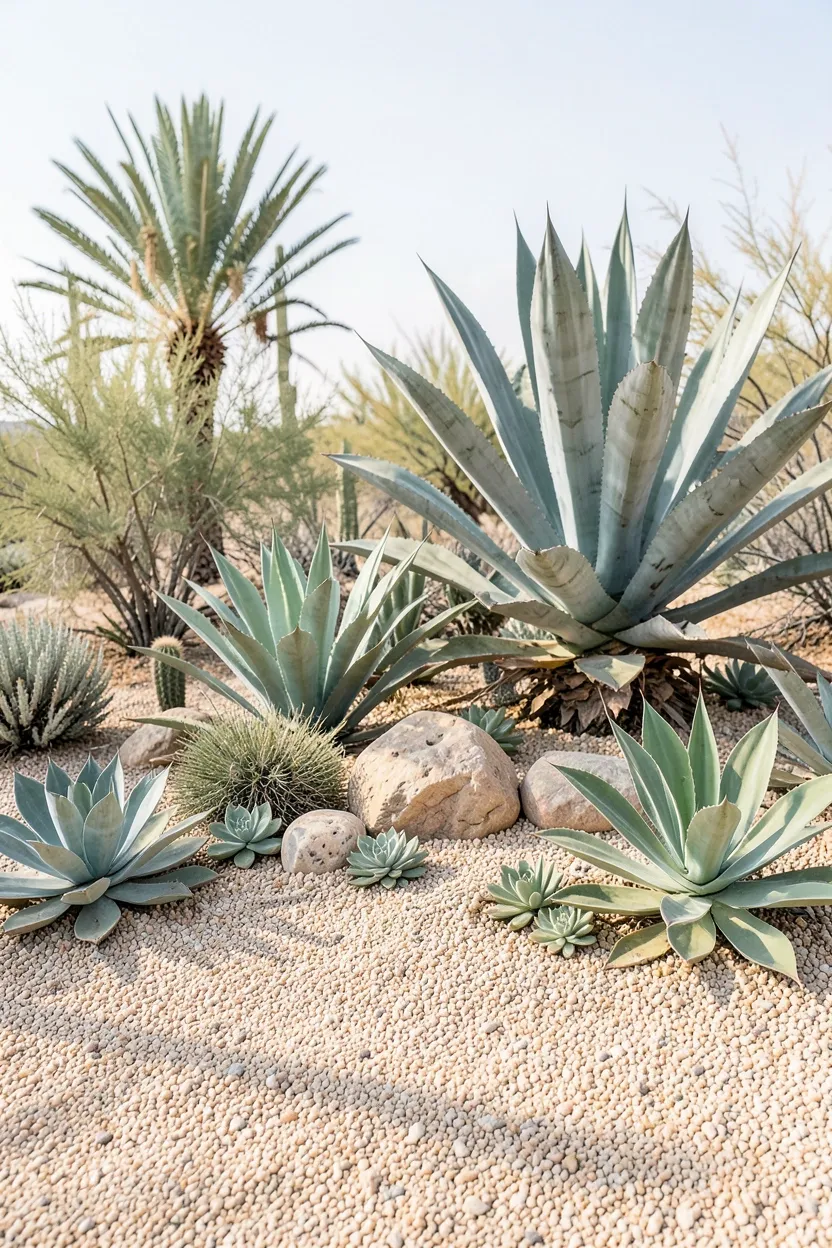
The sculptural forms of succulents like agaves, yuccas, and aloe create living art against the natural gravel canvas. Muted gravel colors in tan, beige, or terra cotta complement the desert palette. The loose gravel provides excellent drainage for succulents that prefer dry conditions. This style is inherently low-maintenance and water-efficient.
Plant a variety of succulents in containers or directly in the ground—large architectural agaves as focal points, smaller echeverias and sedums for groundcover, and cacti for dramatic accents. Add drought-tolerant ornamental grasses for texture variation. Create rock groupings or dry riverbeds with larger stones. The gravel unifies the entire composition while requiring minimal water.
Tips
- Do choose succulents adapted to your climate zone
- Don't overwater—succulents prefer neglect to overattention
- Do mix different textures and sizes for visual interest
Best for: Dry climates or homeowners seeking water-efficient, low-maintenance landscaping.
What this gives you: A dramatic, sculptural outdoor space that thrives with minimal water and care.
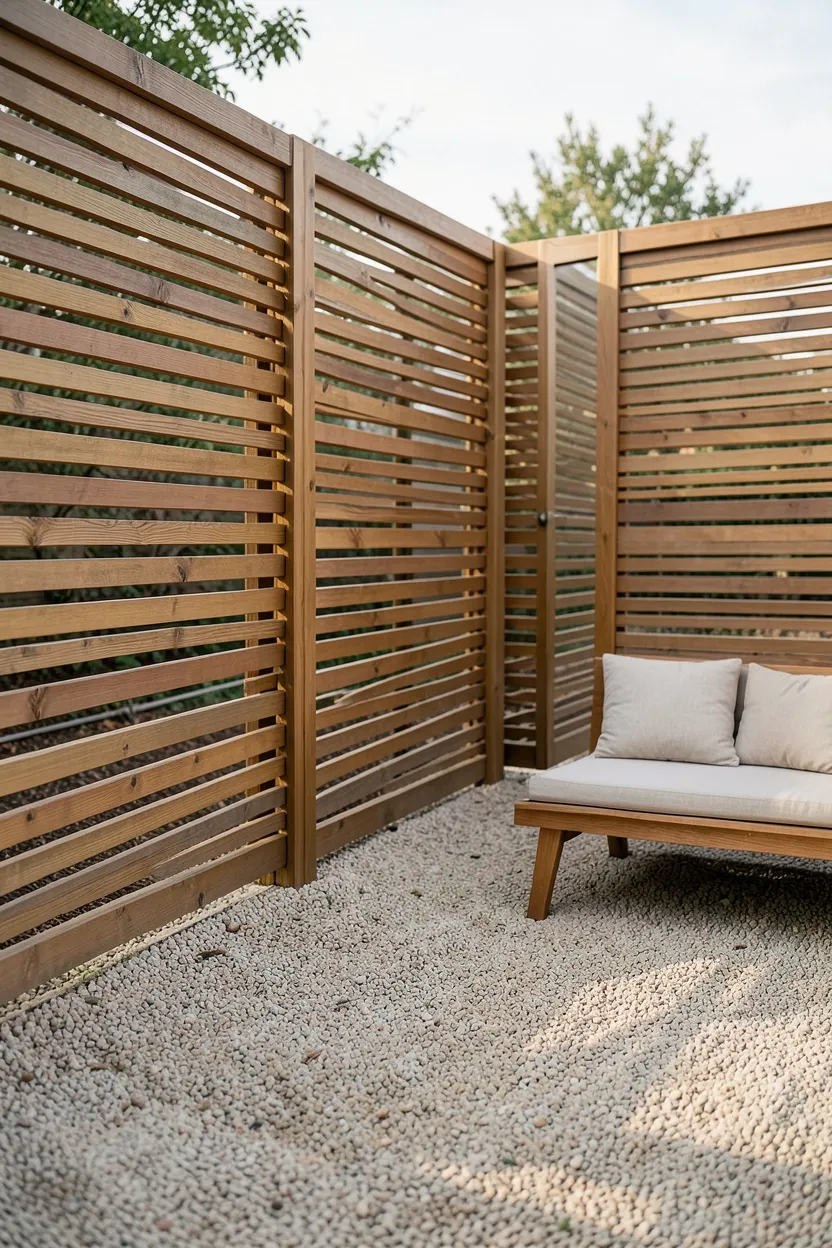
24. Gravel Patio with Privacy Screens
Create an intimate, secluded retreat by incorporating privacy screens into your gravel patio design. These elements block unwanted views, define boundaries, and add architectural interest to your outdoor space.
Recommended
Items for this idea
Privacy screens transform an exposed patio into a personal sanctuary. Whether made from wood, metal, bamboo, or fabric, these elements create visual separation from neighbors or streets. The gravel surface provides a natural foreground that softens the screens and integrates them with the landscape.
Install freestanding panels or attach screens to existing structures. Create partial screens that filter views while maintaining airflow and light. Use climbing plants on trellis screens for living privacy that changes with the seasons. Position screens strategically to block specific sightlines while maintaining desired views. The gravel makes it easy to reposition freestanding screens as needs change.
Tips
- Do consider wind loads if you're using solid privacy screens
- Don't block all airflow—perforated or louvered screens allow ventilation
- Do choose materials that complement your overall patio design
Rental note: Freestanding or portable privacy screens are perfect for renters who can't install permanent structures.
What this gives you: A private, intimate outdoor space where you can relax without feeling exposed.
25. Multi-Level Gravel Patio Design
Add visual interest and functionality to your outdoor space with a multi-level gravel patio design. This approach creates distinct zones for different activities while adding architectural dimension and elegance to your landscape.
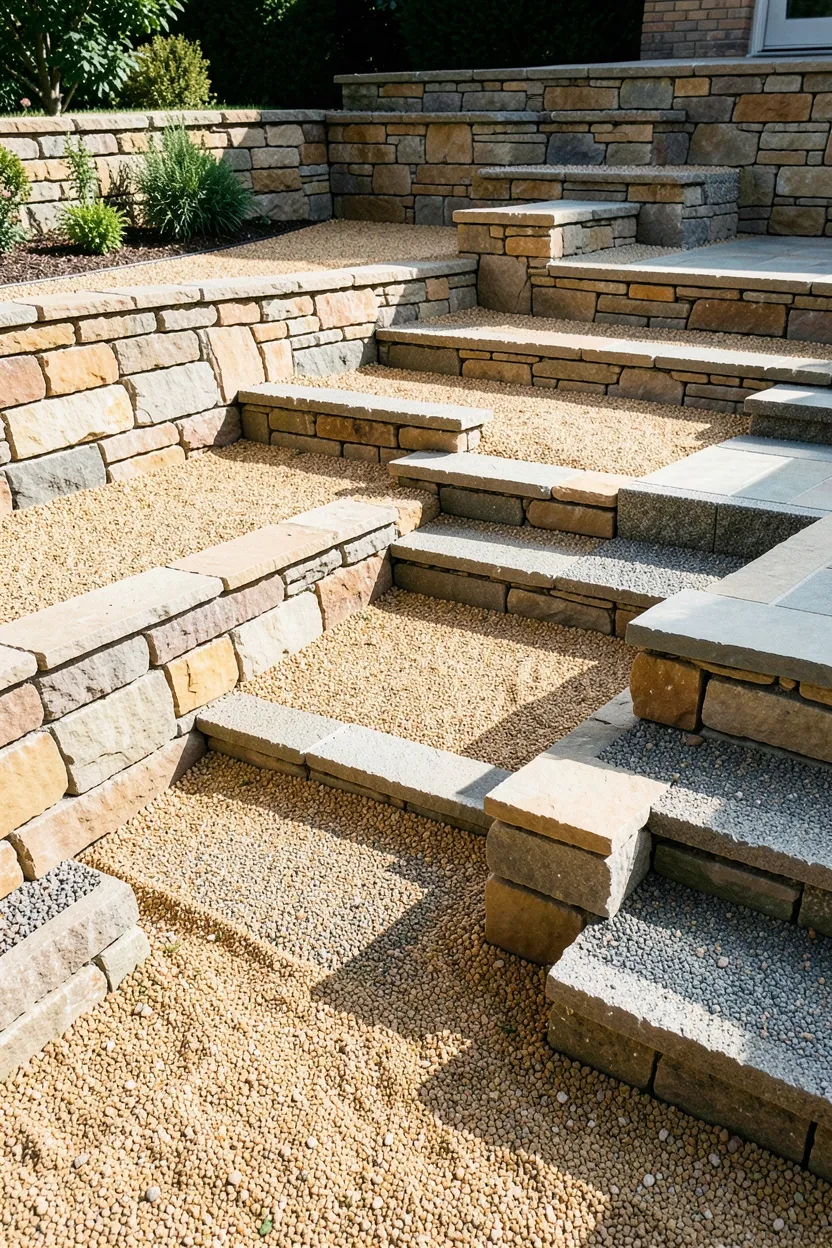
Multiple levels break up large spaces and create natural separation between dining, lounging, and conversation areas. Retaining walls, steps, and slight elevations add architectural interest without overwhelming the natural feel of gravel. Each level can have its own character while maintaining material consistency for cohesion.
Create 2-3 levels with 12-18 inch elevation changes for comfortable step heights. Connect levels with gravel paths or simple stairs. Use the same gravel material throughout for unity. Position different zones appropriately—dining near the kitchen, lounging with privacy, conversation areas in open spaces. Consider how levels interact with drainage and sun exposure. The gravel naturally manages water runoff between levels.
Tips
- Do consult a professional for proper retaining wall construction
- Don't create levels with dramatic elevation changes—keep them gradual
- Do ensure proper drainage between levels
Budget & time: More expensive due to retaining walls and site preparation, but adds significant value and interest.
What this gives you: A dynamic, architecturally interesting outdoor space with defined zones and elegant dimension.
These 25 gravel patio ideas prove that loose stone surfaces can anchor any backyard style, from minimalist fire-pit lounges to lush tropical retreats. Whether you're a renter looking for a removable upgrade or a homeowner building a permanent outdoor room, gravel is one of the most affordable and flexible materials you can choose. Pick the one or two ideas that match your space and budget, and start building your backyard sanctuary one weekend at a time.
About the author
OBCD
CGI visualization and interior design content. We create detailed 3D renders and curate practical design ideas for every room in your home.