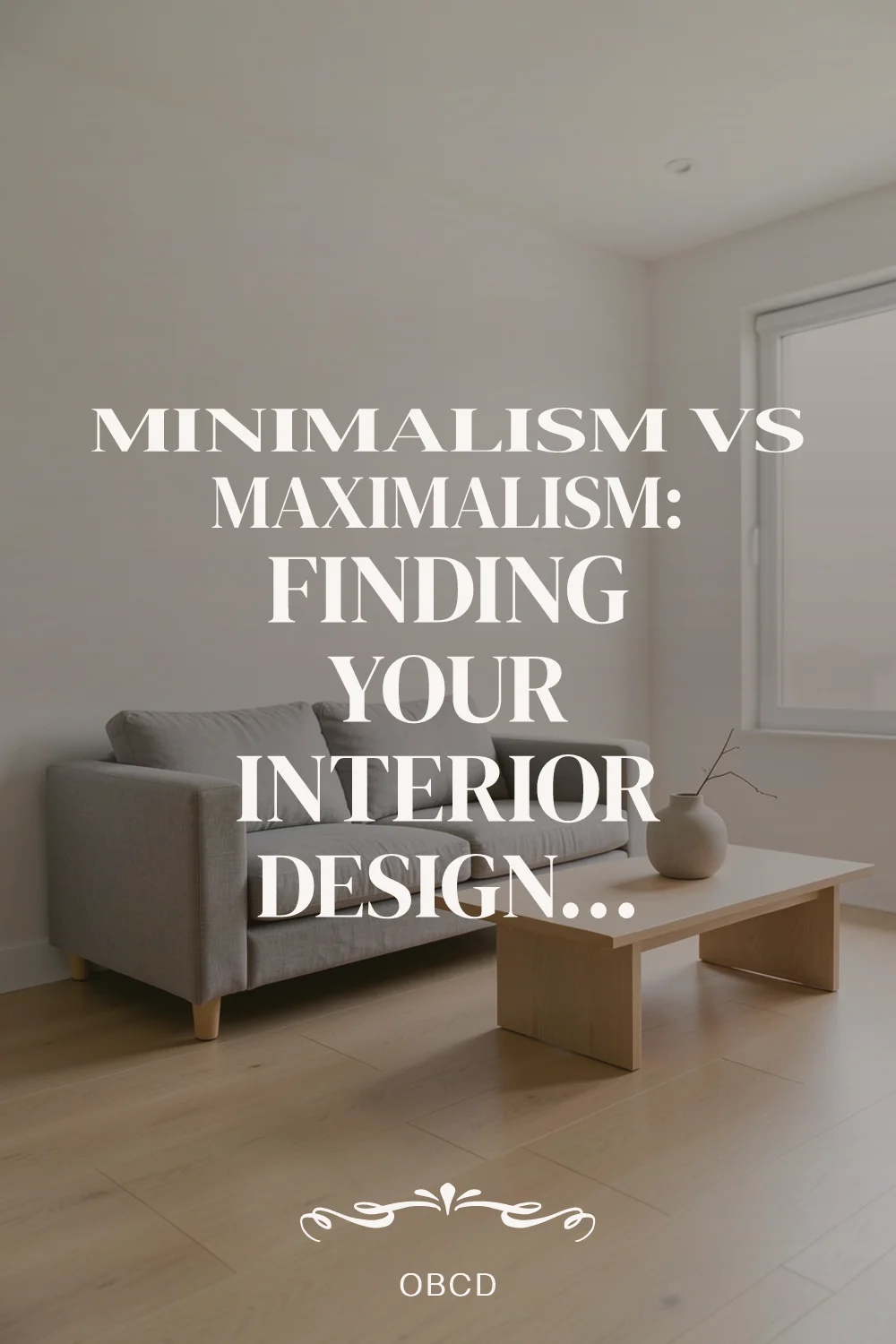
Minimalism vs Maximalism: Finding Your Interior Design Balance
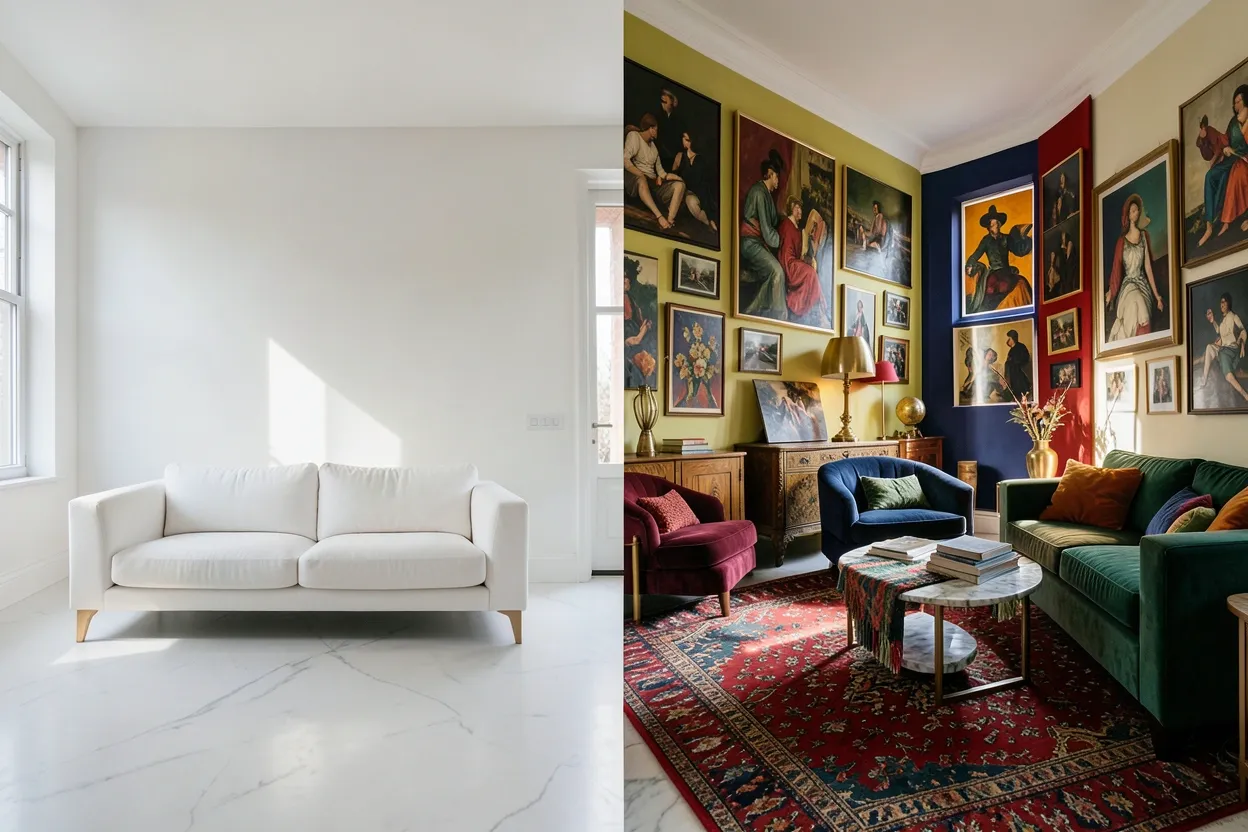
Minimalism vs maximalism interior design represents the eternal tension between less and more, yet these opposing philosophies aren't mutually exclusive—they're complementary tools for creating homes that feel simultaneously calm and expressive. Understanding both styles allows you to craft spaces that reflect your personality while maintaining visual harmony and functional comfort.
The key to balancing minimalism vs maximalism lies not in choosing one extreme over another, but in discovering your personal balance point where calm restraint meets bold expression in proportions that feel authentic to your lifestyle. This guide walks you through understanding both philosophies, identifying your preferences, and implementing practical strategies for blending them into cohesive, personalized interiors.
Whether you're drawn to serene minimalism, crave maximalism's layered richness, or seek something in between, these principles apply to any space—rental apartments, small apartment living rooms, family homes, or single rooms—empowering you to make design decisions that support rather than overwhelm daily life. Most of the ideas here require no drilling or permanent changes, making them ideal for renters.
Quick FAQ
Can I mix minimalism and maximalism in one room?
Absolutely, and many successful interiors do exactly this. Start with a minimal base (neutral walls, essential furniture) then add maximalist accents (art, textiles, collections) in controlled amounts. The 80/20 rule works well: 80% minimal foundation, 20% maximalist expression.
Is maximalism just clutter?
Not at all. Maximalism is intentional layering and curation—every object has meaning and placement. Clutter is random accumulation without thought. True maximalism requires more discipline than minimalism because excess must be deliberate, cohesive, and visually balanced.
How do I know which style suits me better?
Pay attention to how you feel in different spaces. Do hotel rooms with clean lines and empty surfaces feel calm or sterile? Does a crowded antique shop feel inspiring or overwhelming? Your emotional responses reveal whether you lean toward minimalism's clarity or maximalism's richness.
What if my partner prefers the opposite style?
This is common and solvable through designated zones. One person gets a minimalist bedroom sanctuary while the other curates a maximalist library or home office. Shared spaces can compromise with minimal foundations plus individual accent areas for personal expression.
As an Amazon Associate I earn from qualifying purchases.
Table of Contents
- 1. Understanding Minimalism and Maximalism in Interior Design
- 2. Core Differences Between the Two Styles
- 3. Finding Your Personal Minimalism vs Maximalism Balance
- 4. Starting with a Minimal Base
- 5. Adding Maximalist Accents Thoughtfully
- 6. Mixing Styles Successfully
- 7. Practical Tips for Renters and Small Apartments
1. Understanding Minimalism and Maximalism in Interior Design
Minimalism vs maximalism interior design represents two ends of design philosophy, each offering distinct approaches to creating meaningful interiors. Minimalism emphasizes quality over quantity, negative space over decoration, and intentionality over accumulation. Maximalism celebrates abundance, layering, and the joy of surrounding yourself with objects that tell stories and spark conversation.
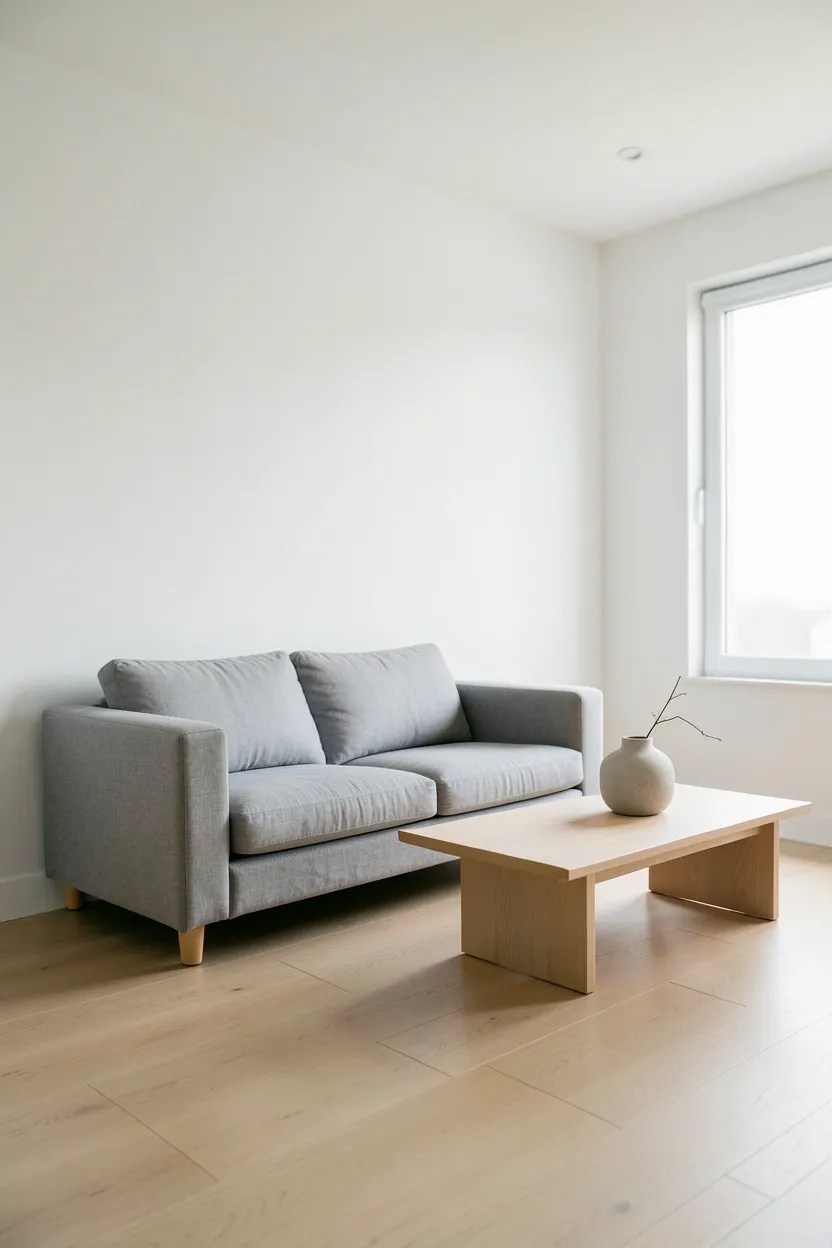
Minimalism isn't about empty rooms or deprivation—it's about editing possessions to essentials, creating space for what matters. Materials remain visible (honest construction, visible grain), colors stay restrained (neutrals dominate), and each object earns its place through function or genuine aesthetic pleasure. The result feels calm, expansive, and timeless.
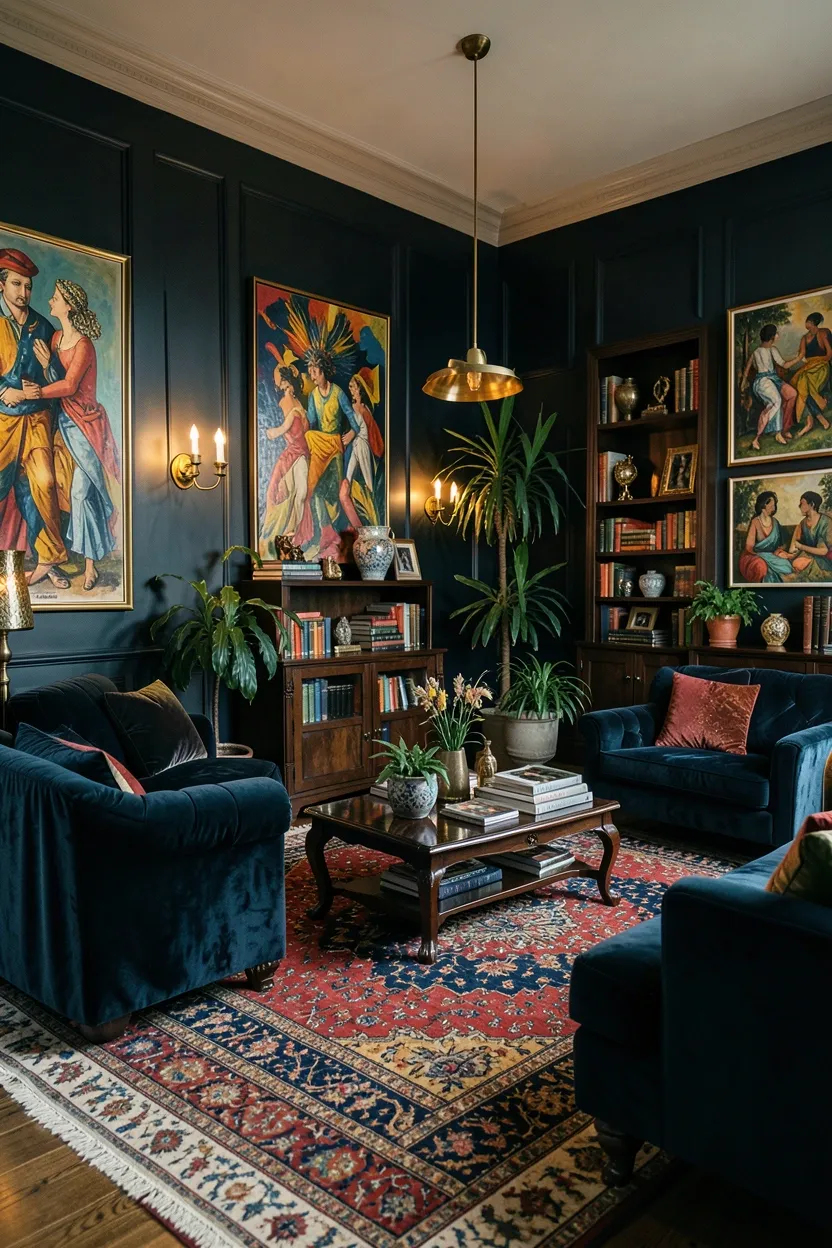
Maximalism embraces the opposite philosophy: more texture, more color, more objects, more personality. It's not about randomness but about curating collections, mixing patterns intentionally, and creating visual density that rewards closer inspection. Materials overlap (velvet with wood, brass with ceramic), colors collide fearlessly, and every surface becomes opportunity for expression.
Key Insight: Neither approach is inherently superior—both can create beautiful, functional homes. The choice depends on your personality, lifestyle, and what makes you feel most at ease in your space.
What this gives you: clarity on two design philosophies that can coexist, enabling you to make intentional choices rather than following trends
2. Core Differences Between the Two Styles
Minimalism vs maximalism diverges dramatically in approach to space, objects, and color. Minimalism treats negative space as design element itself—empty walls allow architecture to breathe, uncluttered surfaces reduce visual noise, and sparse furniture arrangements create flow. Maximalism sees empty space as opportunity: walls become canvases for art, surfaces display collections, and furniture creates intimate conversation zones.
Recommended
Items for this idea
Material usage differs fundamentally. Minimalism favors fewer materials used generously: single wood species throughout, monochromatic textiles, restrained metal accents. Maximalism mixes materials fearlessly: leather with linen, brass with chrome, marble with wool—creating texture through contrast rather than material honesty. Both approaches work, but through different logic.
Color application represents another divide. Minimalism typically employs neutral base (white, gray, cream, tan) with single accent color used sparingly. Maximalism embraces full spectrum: multiple saturated colors coexist, patterns mix rather than match, and color schemes feel celebratory rather than restrained. Minimalism finds beauty in restraint; maximalism finds it in abundance.
Do/Don’t
- Do understand that both styles can be functional and beautiful
- Don’t assume one style is inherently more expensive—quality minimalism costs more than cheap maximalism
What this gives you: ability to recognize and appreciate both approaches, helping you identify which resonates more with your personality
3. Finding Your Personal Minimalism vs Maximalism Balance
Finding your balance between minimalism vs maximalism interior design requires honest self-assessment. Some people thrive in serene, uncluttered spaces—these individuals should embrace minimalism as their foundation. Others feel energized by visual richness and personal collections—maximalism better supports their needs. Most people fall somewhere in between.
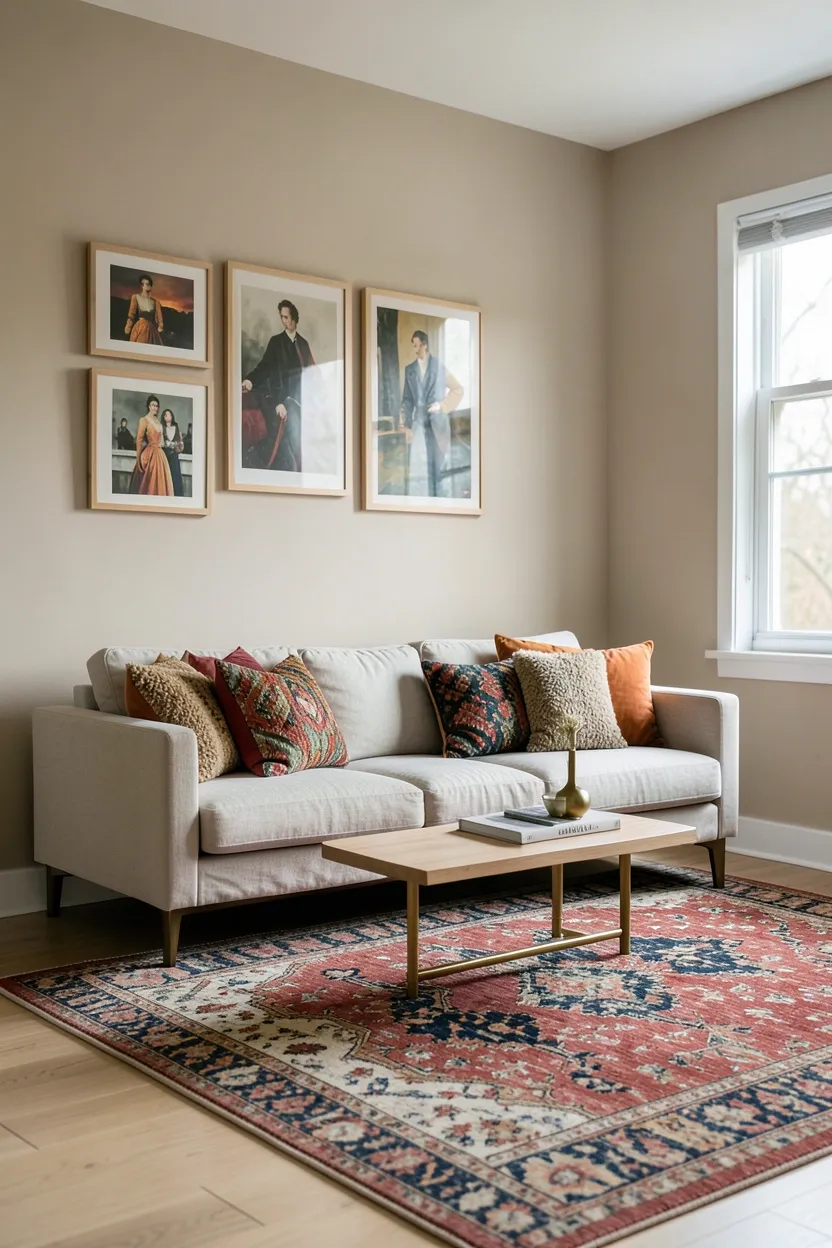
Consider your lifestyle habits. Do you enjoy spending time organizing and curating displays? You might lean maximalist. Do you prefer clean surfaces and quick cleanup? Minimalism suits your habits. Do you collect objects with stories? Provide display space. Do you value efficiency and speed? Edit ruthlessly. Your home should support, not compete with, your daily life.
Rooms can have different balances too. A bedroom might be minimalist sanctuary for restful sleep while living room embraces maximalist expression for entertaining. Home office might lean minimal for focus while dining room celebrates maximalist gathering. You're not obligated to apply uniform philosophy throughout—adapt to each space's function.
For minimalist bedroom inspiration, see Beige Minimalist Bedroom Ideas to understand how serene spaces support rest and relaxation.
If/Then
- If you feel energized by visual density → add more maximalist elements
- If you feel drained by visual complexity → edit toward minimalism
Practical Exercise: Take photos of your current space and identify which areas feel calm vs chaotic. This reveals your natural balance preferences and where adjustments might help.
What this gives you: personalized design direction based on your personality and lifestyle rather than following someone else's rules
4. Starting with a Minimal Base
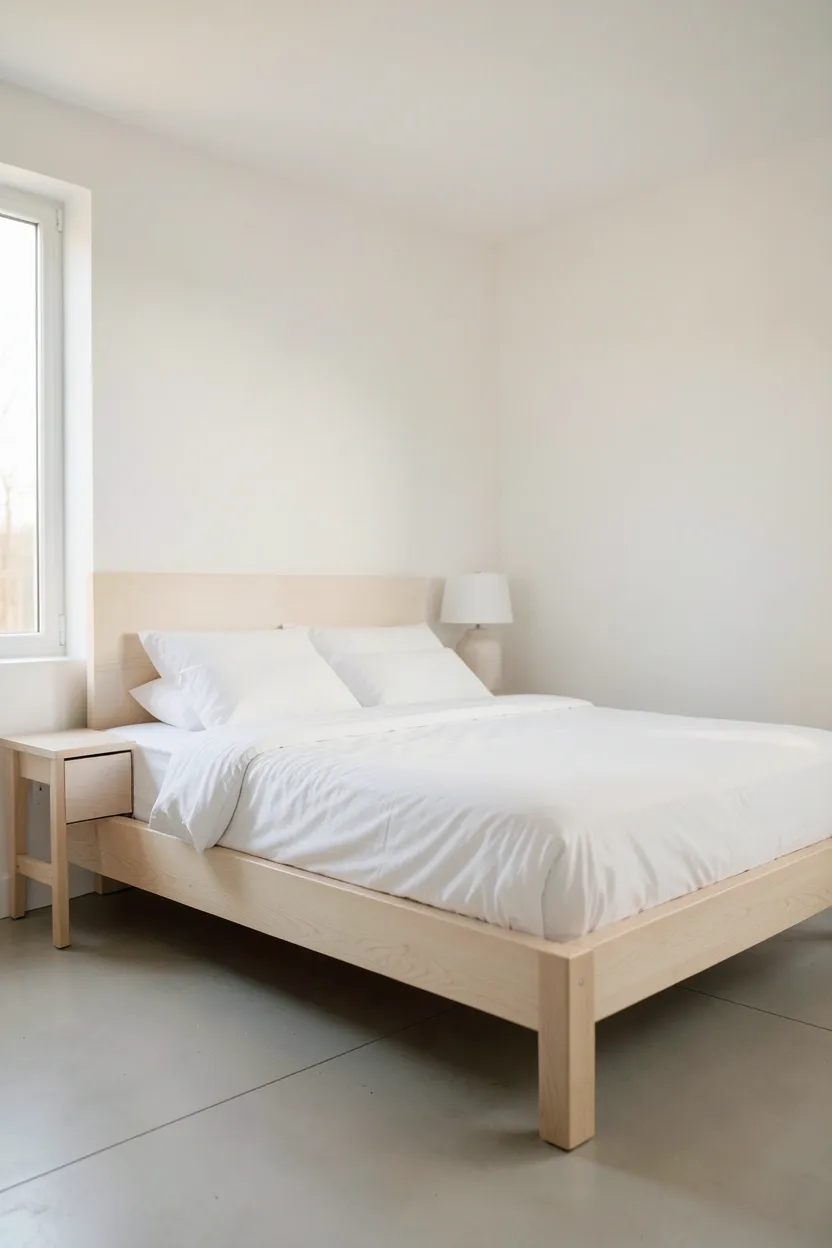
Starting with minimal foundation provides flexibility—you can always add, but editing excess is harder. Begin with essential furniture and neutral surfaces, then layer personality gradually. This approach works for any balance preference: pure minimalists stop here, while those wanting more richness add maximalist accents without overwhelming space.
Recommended
Items for this idea
Establish neutral palette first: white, cream, gray, or light walls become canvas. Select essential furniture in materials that age gracefully—oak, walnut, linen, leather. Choose quality over quantity—one excellent sofa beats three mediocre ones. This foundation remains timeless regardless of how you accent it later.
Lighting deserves early attention. Install multiple light sources at different heights rather than single overhead fixture. Warm bulbs (2700-3000K) create coziness even in minimal settings. Dimmable switches allow adjustment from bright task lighting to soft ambient glow. Good lighting transforms minimal spaces from clinical to welcoming.
Do/Don’t
- Do invest in quality foundation pieces—sofa, bed, dining table
- Don’t rush to fill empty spaces—let them breathe until you find perfect additions
Why it works: Minimal base reduces visual noise, allowing any accents you add to shine and feel intentional rather than accidental.
What this gives you: flexible foundation that supports evolution toward more minimalism, more maximalism, or balanced middle ground as preferences shift
5. Adding Maximalist Accents Thoughtfully
Adding maximalist elements transforms minimal foundation without overwhelming it. The secret is restraint and placement—treat accents as jewelry, not entire outfit. Bold artwork, patterned textiles, and collected objects add personality while preserving calm base's serenity.
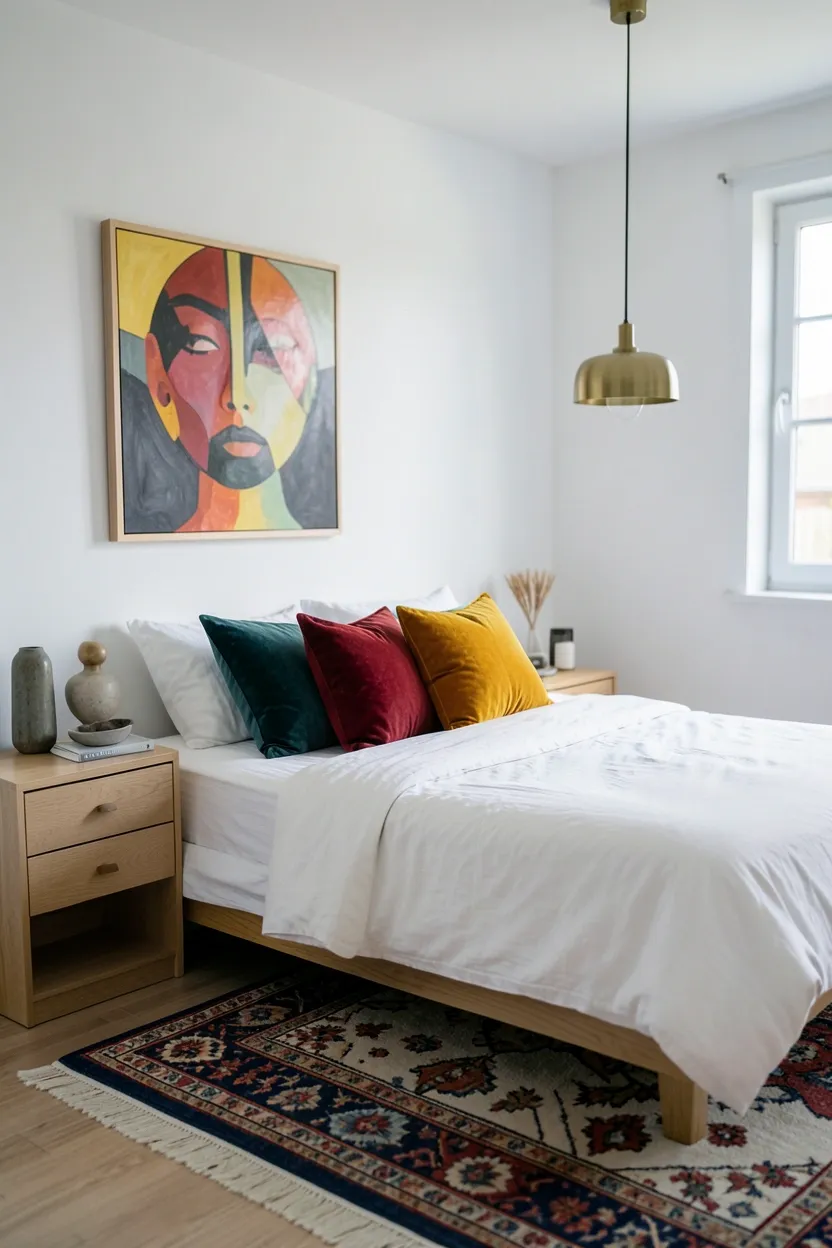
Art represents easiest maximalist addition. Statement piece above sofa, gallery wall with curated collection, or sculptural object on mantel—art adds visual interest without permanent commitment. Choose pieces that genuinely move you rather than filling space. Art tells stories and reflects personality unlike generic decor.
Textiles introduce pattern and texture without permanence. Patterned rugs layer over neutral carpeting, colorful throw pillows update plain sofas, vintage textiles become wall hangings. These additions are easily swapped as tastes change—making them low-risk maximalist experiments. Materials matter too: velvet, silk, and wool add richness while linen and cotton provide counterpoint.
Pro/Con/Fix
- Pros: Personalizes space, adds visual interest, easy to update
- Cons: Can feel cluttered if not intentional, requires curation
- Fix: Edit regularly, group related items, leave breathing room
Placement Rule: Create focal points rather than dispersing maximalist elements everywhere. One bold accent wall or single curated collection creates more impact than scattered small details.
What this gives you: ability to express personality and add warmth without losing calm foundation's benefits
6. Mixing Styles Successfully
Mixing minimalism vs maximalism successfully requires visual coherence despite intentional contrast. The key is establishing unifying threads that tie disparate elements together: consistent color palette, repeated materials, or shared design language prevent spaces from feeling chaotic despite stylistic diversity.
Recommended
Items for this idea
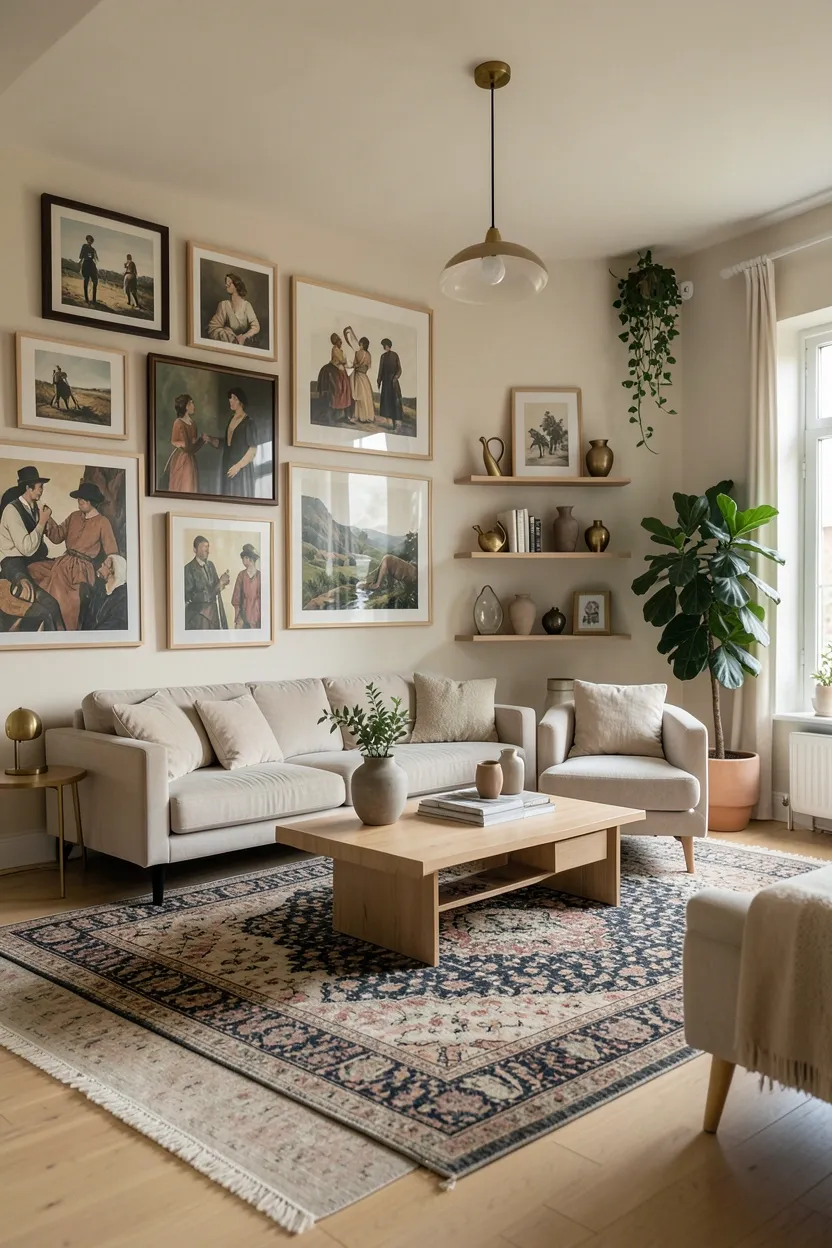
Color provides easiest unifier. Choose neutral base (white, gray, cream) that appears throughout, then use consistent accent colors across maximalist elements. If your accent is emerald green, repeat it in art, textiles, and objects rather than introducing rainbow of competing hues. This creates visual harmony despite abundance.
Material repetition also ties styles together. If you love brass, incorporate it in both minimal fixtures (lamps, handles) and maximalist accents (vases, frames). Same with materials like oak, linen, or ceramic. When materials echo across minimal foundation and maximalist accents, the overall space feels curated rather than random.
For inspiration on mixing styles thoughtfully, see Eclectic Minimalist Living Room Ideas to understand how personality and restraint can coexist beautifully.
3 Micro-hacks
- Edit regularly: remove pieces that don't contribute to overall vision
- Group related items: collections make stronger statement than scattered objects
- Leave negative space: every maximalist addition needs breathing room
What this gives you: spaces that feel personal and layered without sacrificing calm, creating homes that reflect complexity while maintaining harmony
7. Practical Tips for Renters and Small Apartments
Implementing your minimalism vs maximalism interior design balance requires practical strategies that accommodate real life constraints like budget, rental rules, and changing preferences. These actionable tips help renters and small apartment dwellers move toward their ideal style balance regardless of starting point or limitations.
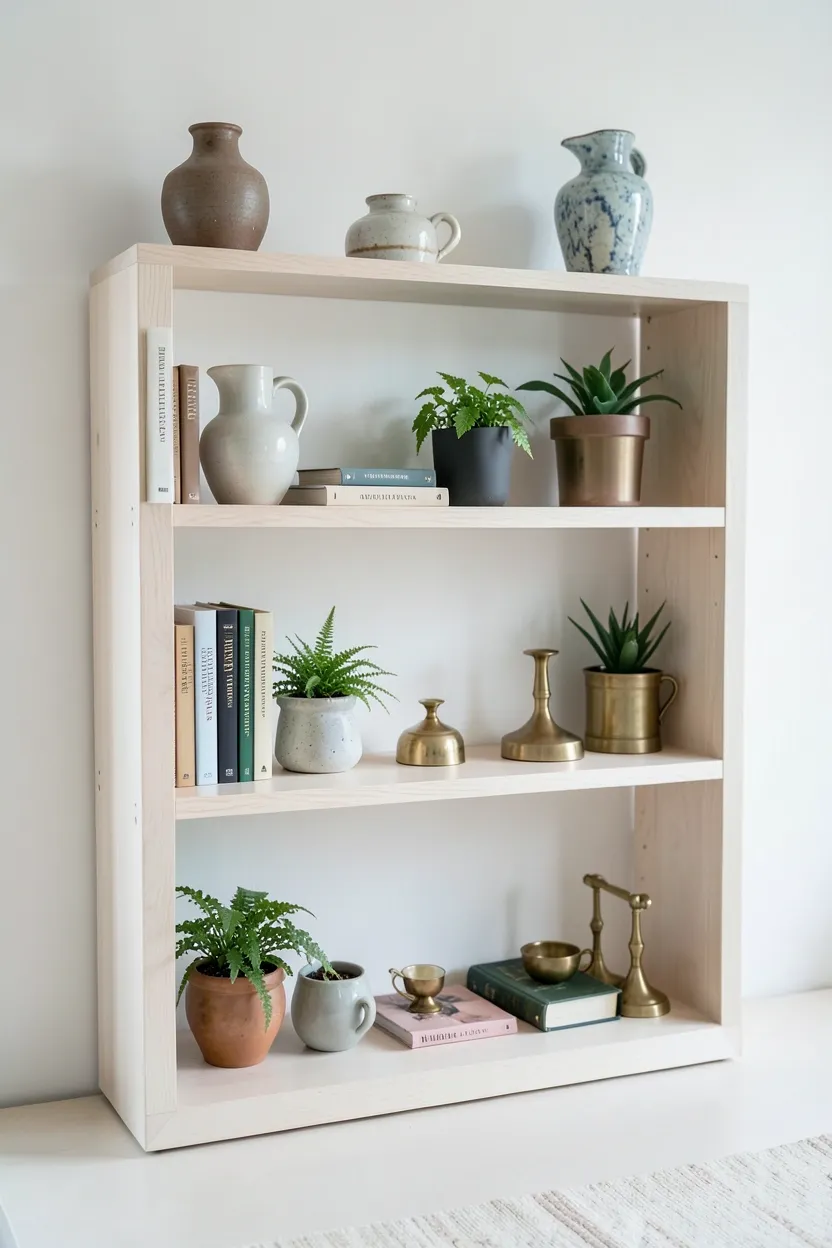
Start with editing, not buying. Before acquiring new pieces, remove items that don't serve purpose or bring joy. This clearing process reveals what you truly need and creates space for intentional additions. Edit ruthlessly, trust that less feels more, and resist urge to fill gaps immediately.
Use removable maximalist elements in rentals. Temporary wallpaper, peel-and-stick art, and freestanding shelves add maximalist personality without permanent changes. Textiles are particularly rental-friendly: rugs, throws, and curtains transform spaces without requiring landlord approval. These elements allow experimentation without commitment.
Do/Don’t
- Do live with changes before adding more—give yourself time to adjust
- Don’t accumulate to compensate for poor editing—better to have fewer perfect pieces
Budget Strategy: Invest in minimal foundation pieces (sofa, bed) first, then add maximalist accents gradually as budget allows. Quality foundation lasts decades; accents can evolve with taste.
What this gives you: actionable approach to finding design balance regardless of constraints, creating home that supports your life rather than competing for attention
Minimalism vs maximalism interior design offers a framework rather than rules—use both philosophies as tools to create homes that feel authentic to who you are and how you live. Whether you gravitate toward serene minimalism, rich maximalism, or a balanced middle ground, the key remains intentionality: every choice should serve function, bring joy, or tell a story. For renters especially, the ability to blend both styles using removable accents and portable pieces means you can evolve your space without ever violating your lease. In the end, perfect interior design balance isn't about choosing one style over another, but about creating a home that truly feels right for you.
About the author
OBCD
CGI visualization and interior design content. We create detailed 3D renders and curate practical design ideas for every room in your home.