19 Soviet Interior Design Ideas That Feel Authentic and Livable
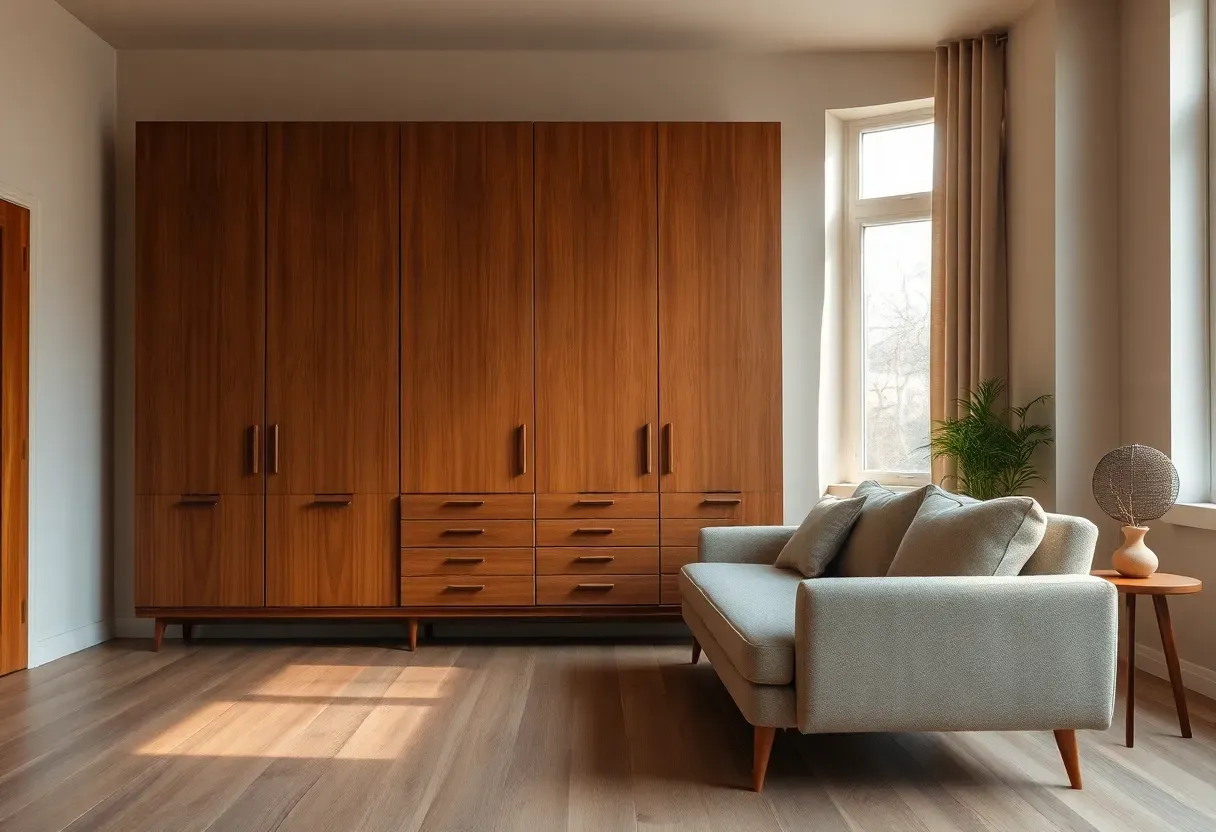
These soviet interior design ideas show how to balance utilitarian furniture with warm, tactile layers for a space that feels both authentic and livable. From wood veneer wall units to geometric wool rugs, each idea focuses on honest materials, practical layouts, and a quiet sense of nostalgia. Whether you are updating a small apartment, a Khrushchevka living room, or a larger family space, soviet-inspired decor brings character without heavy renovation.
Quick FAQ
Which soviet interior design ideas work best for modern apartments?
Start with warm wood tones, compact seating, and a muted palette. These details feel authentic but still fit contemporary layouts.
How do I make soviet interior design feel cozy, not cold?
Layer textiles like wool rugs and linen curtains, and add warm lighting at 2700K. Soft textures and warm light change the mood quickly.
Are vintage soviet interior design pieces expensive to source?
Many items are affordable at flea markets or local resellers. Focus on one or two authentic pieces and mix in clean modern basics.
Should I use bold color in a Soviet-style interior?
Use color in small doses like cushions or artwork. A restrained palette keeps the space livable and calm.
What is the simplest Soviet decor update to try first?
Swap in a wood veneer cabinet and a patterned rug. These two changes define the mood without heavy renovations.
As an Amazon Associate I earn from qualifying purchases.
1. Veneer wall unit with sliding doors
Soviet interior design ideas often center on a wood veneer wall unit that combines storage and display. A modular wall unit in walnut or birch veneer sets the tone without feeling heavy. Aim for a unit around 90 to 110 inches wide so it anchors the wall. A low profile keeps the room open, especially in a Moscow apartment. Avoid glossy lacquer; upgrade to a matte finish for a softer, lived-in look.
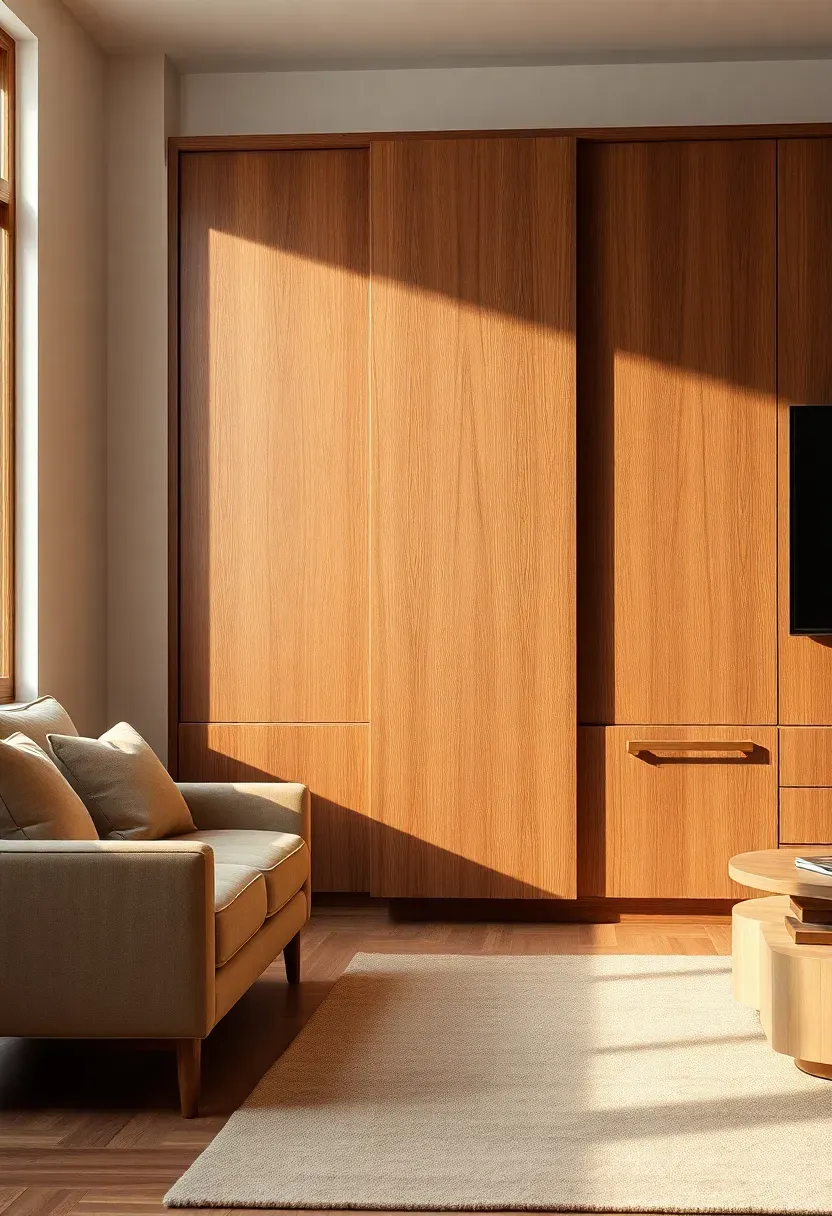
Walnut veneer wall unit with sliding doors in a warm Soviet-style living room
These soviet interior design ideas show how to balance utilitarian furniture with warm, tactile layers for a space that feels both authentic and livable. From wood veneer wall units to geometric wool rugs, each idea focuses on honest materials, practical layouts, and a quiet sense of nostalgia. Whether you are updating a small apartment, a Khrushchevka living room, or a larger family space, soviet-inspired decor brings character without heavy renovation.. Walnut veneer wall unit with sliding doo
Prompt: Nature documentary capture on Hasselblad X2D 100C with XCD 90V lens at f/4. Hyper-realistic 3/4 view of a wood veneer wall unit with sliding doors. A low sofa and soft rug sit nearby in a Soviet living room. Materials: walnut veneer, matte paint, cotton upholstery, brushed brass. Warm low diffused window light, creamy neutrals with amber accents. Mood: calm, lived-in, nostalgic. Shallow depth of field, sharp details on products, balanced minimalist composition, soft shadows, visible room context. No text, no logos, no watermarks, high contrast on textures. Negative prompt: blurry, deformed, extra objects, overexposed, underexposed, cluttered background, text, watermark, lowres, artifacts. Steps: 4, CFG: 1.3, Resolution: 768x1024.
Keep the shelves edited with books and a few ceramics to avoid visual noise. Use sliding doors to hide clutter, which was a common practical detail in Leningrad flats. If the unit feels bulky, switch to a version with open bays and slimmer legs. Add warm lighting inside one bay to highlight glassware and soften the edges. The storage stays functional while the room feels curated.
Tips
- Do: use shelf liners to protect veneer surfaces.
- Don’t: overcrowd shelves with small souvenirs.
- Do: keep one bay open for breathing room.
Best for: small living rooms that need hidden storage.
What this gives you: a classic focal wall with practical storage.
We picked a few things that go well with this idea: Nathan James Jasper Wall Bookshelf with Cabinet (★4.4), Nathan James Jacala Mid Century Storage Cabinet (★4.8) and LKTART Mid Century Walnut Sideboard Cabinet (★5.0). As an Amazon Associate we earn from qualifying purchases.
2. Low divan sofa with textured upholstery
Soviet interior style feels grounded with a low divan sofa in textured upholstery. Mid-century furniture proportions keep the room airy while still offering generous seating. Choose a 78 to 84 inch sofa to fit most apartment layouts. A neutral wool blend in warm beige softens the utilitarian silhouette. Avoid shiny synthetic fabric; upgrade to a matte weave that hides wear.
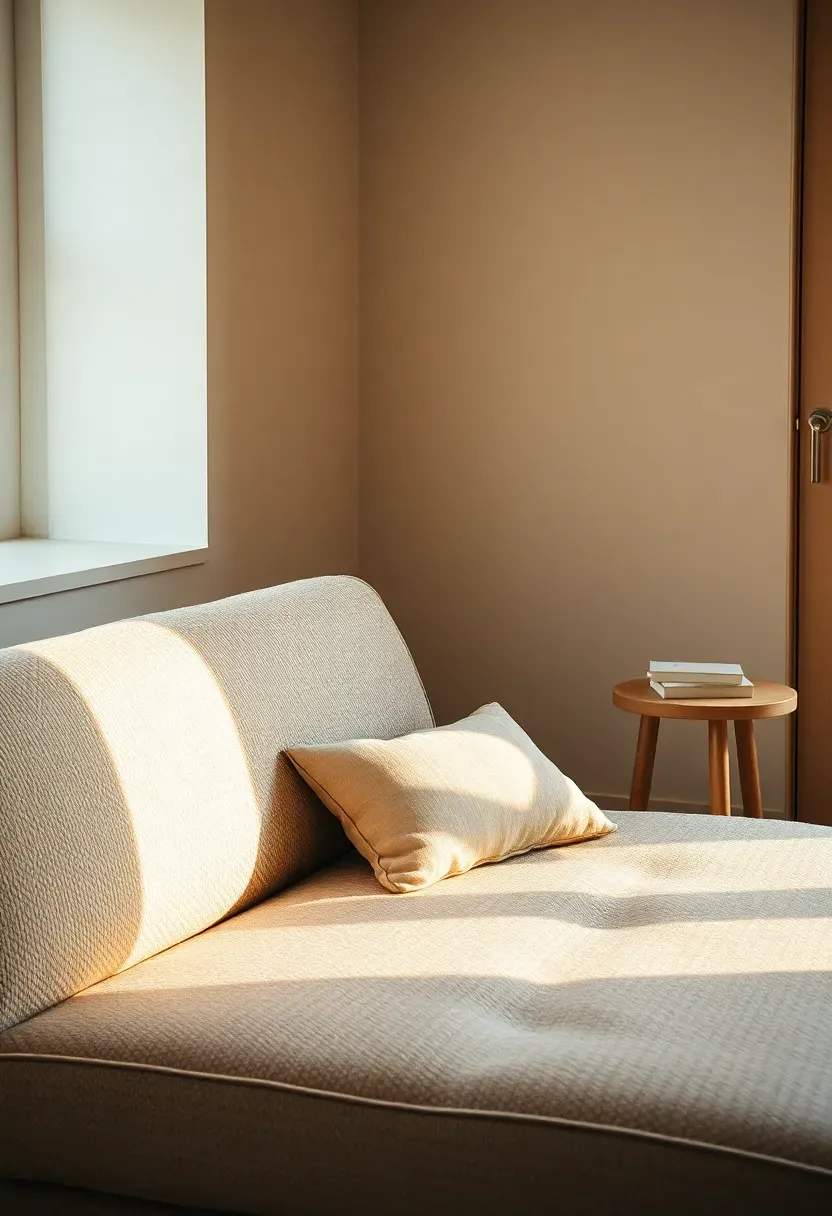
Low divan sofa with warm beige textured wool upholstery in a Soviet apartment living room
These soviet interior design ideas show how to balance utilitarian furniture with warm, tactile layers for a space that feels both authentic and livable. From wood veneer wall units to geometric wool rugs, each idea focuses on honest materials, practical layouts, and a quiet sense of nostalgia. Whether you are updating a small apartment, a Khrushchevka living room, or a larger family space, soviet-inspired decor brings character without heavy renovation.. Low divan sofa with warm beige textured
Prompt: Nature documentary capture on Hasselblad X2D 100C with XCD 90V lens at f/4. Hyper-realistic 3/4 view of a low divan sofa with textured upholstery. A small side table and books sit nearby. Materials: wool blend upholstery, light oak, matte paint, cotton cushion. Warm low diffused window light, creamy neutrals with soft taupe accents. Mood: modest, cozy, authentic. Shallow depth of field, sharp details on products, balanced minimalist composition, soft shadows, visible room context. No text, no logos, no watermarks, high contrast on textures. Negative prompt: blurry, deformed, extra objects, overexposed, underexposed, cluttered background, text, watermark, lowres, artifacts. Steps: 4, CFG: 1.3, Resolution: 768x1024.
Placement note: Keep 30 inches between the sofa and the coffee table for easy movement.
Pair the sofa with a single structured pillow to keep the look clean. If the silhouette feels too rigid, add a soft throw in a warm gray. Use tapered legs to lighten the body and make cleaning easier. This setup suits a Khrushchevka living room without overwhelming the space. The seating stays comfortable and honest.
Tips
- If cushions slide, then add a hidden grip pad.
- If the room is narrow, then choose a sofa under 80 inches.
- If fabric pills, then use a fabric shaver monthly.
What this gives you: cozy seating with a restrained Soviet profile.
We picked a few things that go well with this idea: nuLOOM Ofelia Handmade Geometric Wool Rug (★4.3), Phantoscope Geometric Boho Rug Terracotta/Cream (★4.3) and Handmade Geometric Floral Wool Area Rug (★4.9). As an Amazon Associate we earn from qualifying purchases.
3. Geometric wool rug in muted tones
Soviet-inspired interior design often features a geometric wool rug that adds pattern without loud color. A patterned rug in muted browns and rust gives the room warmth and depth. Choose a 5x8 foot size to anchor a small seating group. Keep patterns simple, like diamonds or stripes, for an authentic look. Avoid high-pile shag; upgrade to a low, dense weave that wears well.
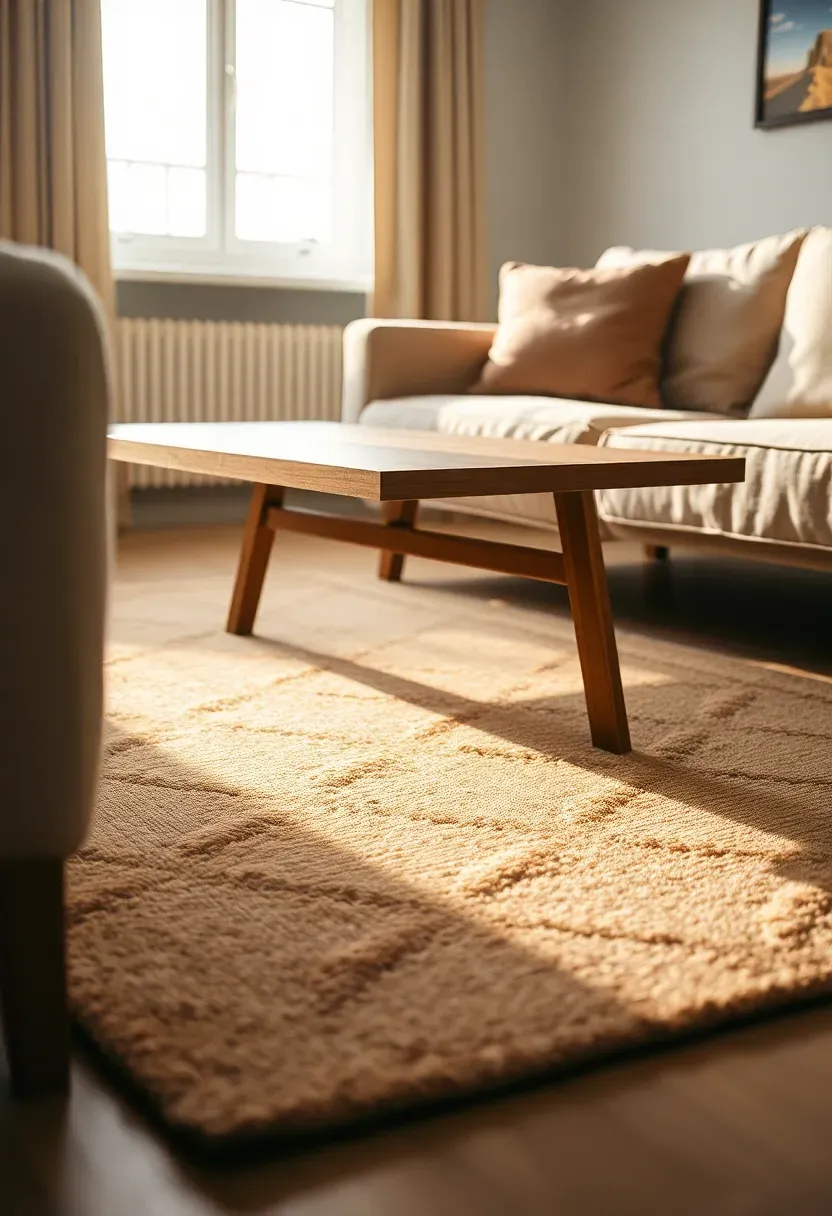
Geometric wool rug in muted brown and rust tones under a coffee table in a Soviet-inspired room
These soviet interior design ideas show how to balance utilitarian furniture with warm, tactile layers for a space that feels both authentic and livable. From wood veneer wall units to geometric wool rugs, each idea focuses on honest materials, practical layouts, and a quiet sense of nostalgia. Whether you are updating a small apartment, a Khrushchevka living room, or a larger family space, soviet-inspired decor brings character without heavy renovation.. Geometric wool rug in muted brown and ru
Prompt: Nature documentary capture on Hasselblad X2D 100C with XCD 90V lens at f/4. Hyper-realistic 3/4 view of a geometric wool rug under a coffee table. A low sofa edge is visible. Materials: wool rug, walnut wood, linen upholstery. Warm low diffused window light, creamy neutrals with rust accents. Mood: cozy Soviet living room. Shallow depth of field, sharp details on products, balanced minimalist composition, soft shadows, visible room context. No text, no logos, no watermarks, high contrast on textures. Negative prompt: blurry, deformed, extra objects, overexposed, underexposed, cluttered background, text, watermark, lowres, artifacts. Steps: 4, CFG: 1.3, Resolution: 768x1024.
Why it works: the pattern adds interest while the muted palette stays calm.
Position the rug so front sofa legs sit on it for a grounded look. If the room feels too busy, choose a tighter repeat and fewer colors. A woven rug also dampens sound in apartments with hard floors. The graphic detail feels authentic but still livable for daily use. It makes the seating area feel complete.
Tips
- Pro: wool rugs resist flattening over time.
- Con: darker patterns can show dust quickly.
- Fix: vacuum weekly with a gentle brush head.
Budget/Time: $180-$350 and a quick placement update.
What this gives you: grounded pattern that feels true to the era.
We picked a few things that go well with this idea: RUIYEY 12-Light Gold Sputnik Chandelier (★4.7), MQMQA 12-Light Brushed Brass Sputnik Chandelier (★4.7) and BONLICHT 10-Light Brushed Brass Sputnik Chandelier (★4.6). As an Amazon Associate we earn from qualifying purchases.
4. Sheer lace curtains with weighted hem
Soviet interior design can look softer with sheer lace curtains that filter light and add texture. Sheer curtains keep privacy while letting daylight wash the room. Choose panels at 96 inches so they skim the floor and elongate the wall. A weighted hem keeps the fabric from shifting and adds a clean line. Avoid heavy blackout drapes; upgrade to a thin sheer layer for authenticity.
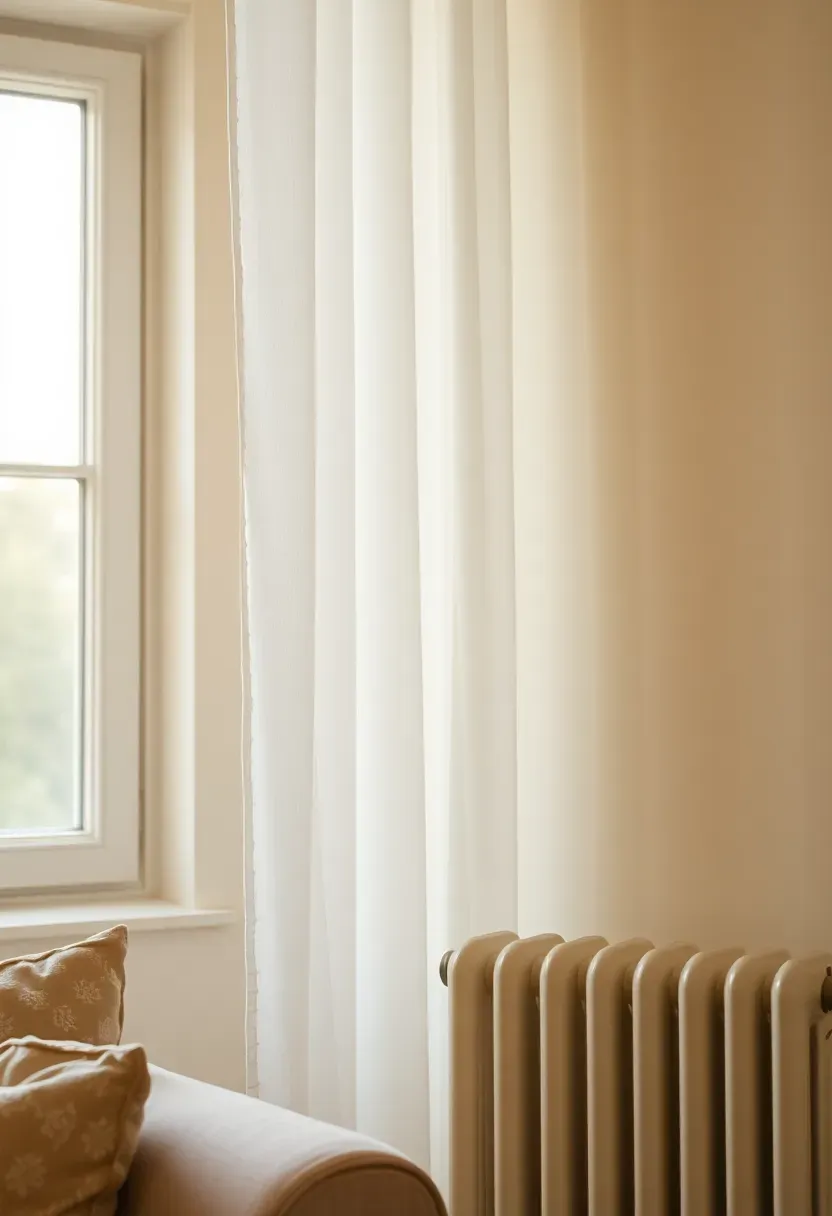
Sheer ivory lace curtains with weighted hem near a tall window in a Soviet-era living room
These soviet interior design ideas show how to balance utilitarian furniture with warm, tactile layers for a space that feels both authentic and livable. From wood veneer wall units to geometric wool rugs, each idea focuses on honest materials, practical layouts, and a quiet sense of nostalgia. Whether you are updating a small apartment, a Khrushchevka living room, or a larger family space, soviet-inspired decor brings character without heavy renovation.. Sheer ivory lace curtains with weighted
Recommended
Items for this idea
Common mistake: using bright white sheers that look too modern.
Pick warm ivory lace to match aged walls and wood tones. Use brass or matte nickel hooks for a low-profile header. If you need more warmth, add a thin wool throw on the sofa rather than heavier curtains. The light stays soft and the room feels open. This detail fits Soviet interiors without feeling staged.
Tips
- Micro-hack: steam sheers after hanging for a clean drop.
- Micro-hack: use clip rings to adjust length easily.
- Micro-hack: wash in cool water to avoid shrinkage.
What this gives you: soft daylight with authentic texture.
5. Sputnik ceiling lamp in matte brass
Soviet interior design ideas often include a sputnik lamp that adds a sculptural focal point overhead. A matte brass finish feels warmer than chrome and pairs with neutral walls. Choose a 20 to 24 inch diameter for standard ceiling heights. Use frosted bulbs to avoid glare and keep light soft. Avoid oversized fixtures; upgrade to a smaller sputnik for a balanced room.
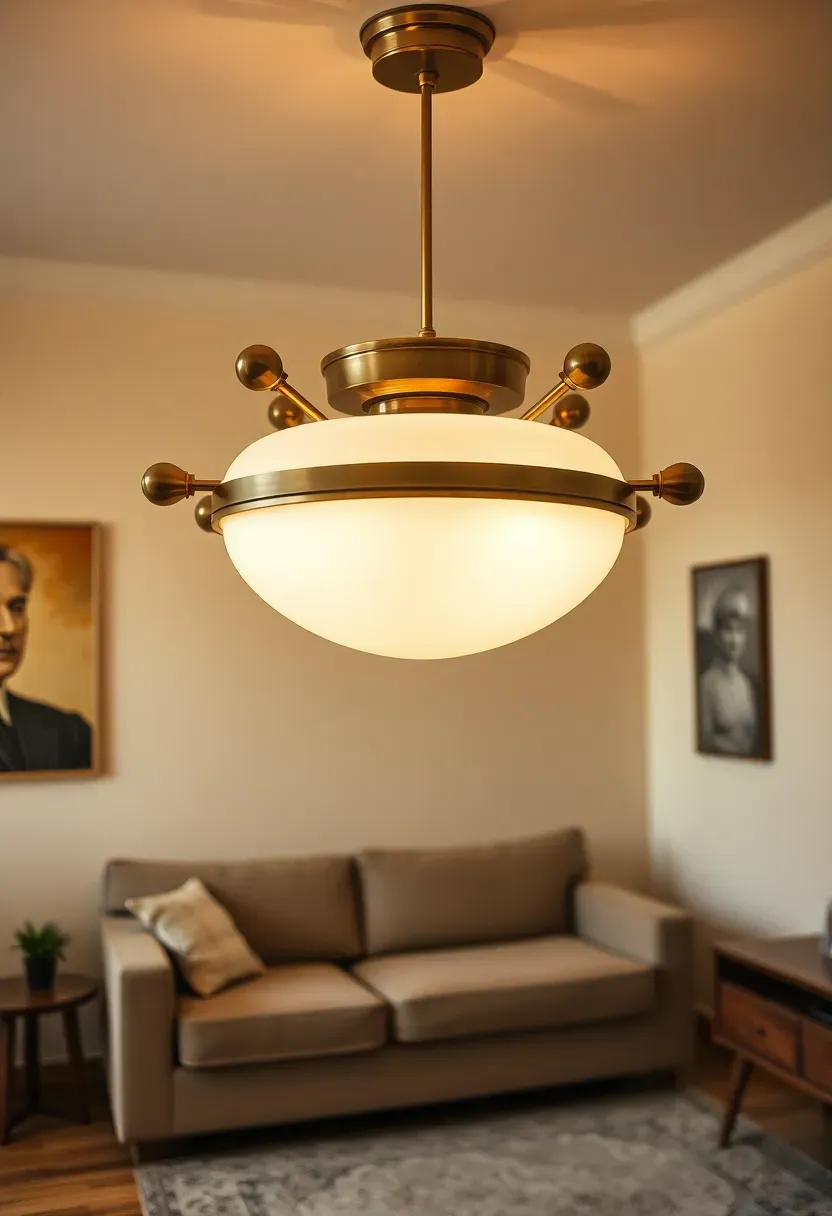
Sputnik ceiling lamp in matte brass with frosted bulbs in a modest Soviet living room
These soviet interior design ideas show how to balance utilitarian furniture with warm, tactile layers for a space that feels both authentic and livable. From wood veneer wall units to geometric wool rugs, each idea focuses on honest materials, practical layouts, and a quiet sense of nostalgia. Whether you are updating a small apartment, a Khrushchevka living room, or a larger family space, soviet-inspired decor brings character without heavy renovation.. Sputnik ceiling lamp in matte brass with
Recommended
Items for this idea
Keep the rest of the ceiling simple so the lamp reads clearly. A warm 2700K bulb keeps the brass from feeling cold. If the room is small, use a semi-flush version to avoid head clearance issues. This light nods to Soviet design while still working with modern electrical standards. It becomes an easy statement piece.
Tips
- Do: center the fixture with the main seating area.
- Don’t: mix shiny chrome with matte brass.
- Do: add a dimmer to keep the mood flexible.
Best for: rooms that need a sculptural ceiling anchor.
What this gives you: iconic lighting with warm, period character.
6. Painted radiator cover with slatted face
Soviet interior design can feel cleaner with a painted radiator cover that hides bulky heating units. A slatted face keeps airflow moving while softening the silhouette. Use warm white paint and simple trim to echo brutalist accents without harshness. A cover about 5 inches deeper than the radiator gives room for heat circulation. Avoid heavy carved panels; upgrade to flat slats for a calmer profile.
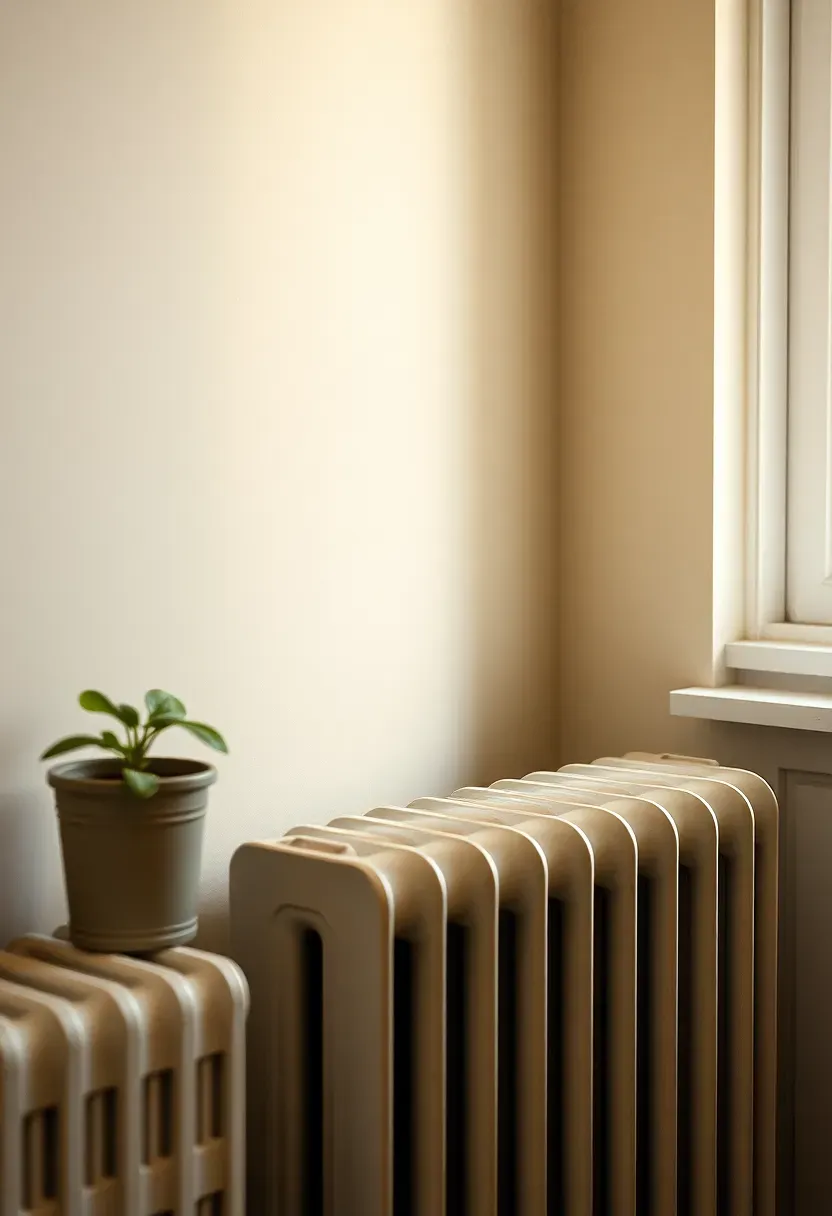
Painted white radiator cover with slatted face and a small plant in a Soviet apartment
These soviet interior design ideas show how to balance utilitarian furniture with warm, tactile layers for a space that feels both authentic and livable. From wood veneer wall units to geometric wool rugs, each idea focuses on honest materials, practical layouts, and a quiet sense of nostalgia. Whether you are updating a small apartment, a Khrushchevka living room, or a larger family space, soviet-inspired decor brings character without heavy renovation.. Painted white radiator cover with slatte
Recommended
Items for this idea
Placement note: Leave at least 2 inches above the radiator for airflow.
Add a thin wood top so the cover doubles as a display shelf. If heat output drops, widen the slat gaps slightly rather than removing the cover. A compact cover feels more refined than exposed pipes and adds a neat finish. This detail works in a living room or hallway and reads period-correct. It keeps the wall line cleaner and more usable.
Tips
- If the cover rattles, then add rubber bumpers inside.
- If paint chips, then touch up with a small foam brush.
- If the room is dusty, then vacuum slats monthly.
What this gives you: a neater wall line with softer heating details.
7. Glass-front tea cabinet display
Soviet interior design ideas often highlight a glass-front cabinet for tea sets and collectibles. A glass-front cabinet adds sparkle without cluttering surfaces. Choose a cabinet around 48 inches wide for a compact living room. Use warm lighting inside to show cups without glare. Avoid overly ornate frames; upgrade to a slim wood profile for a clean look.
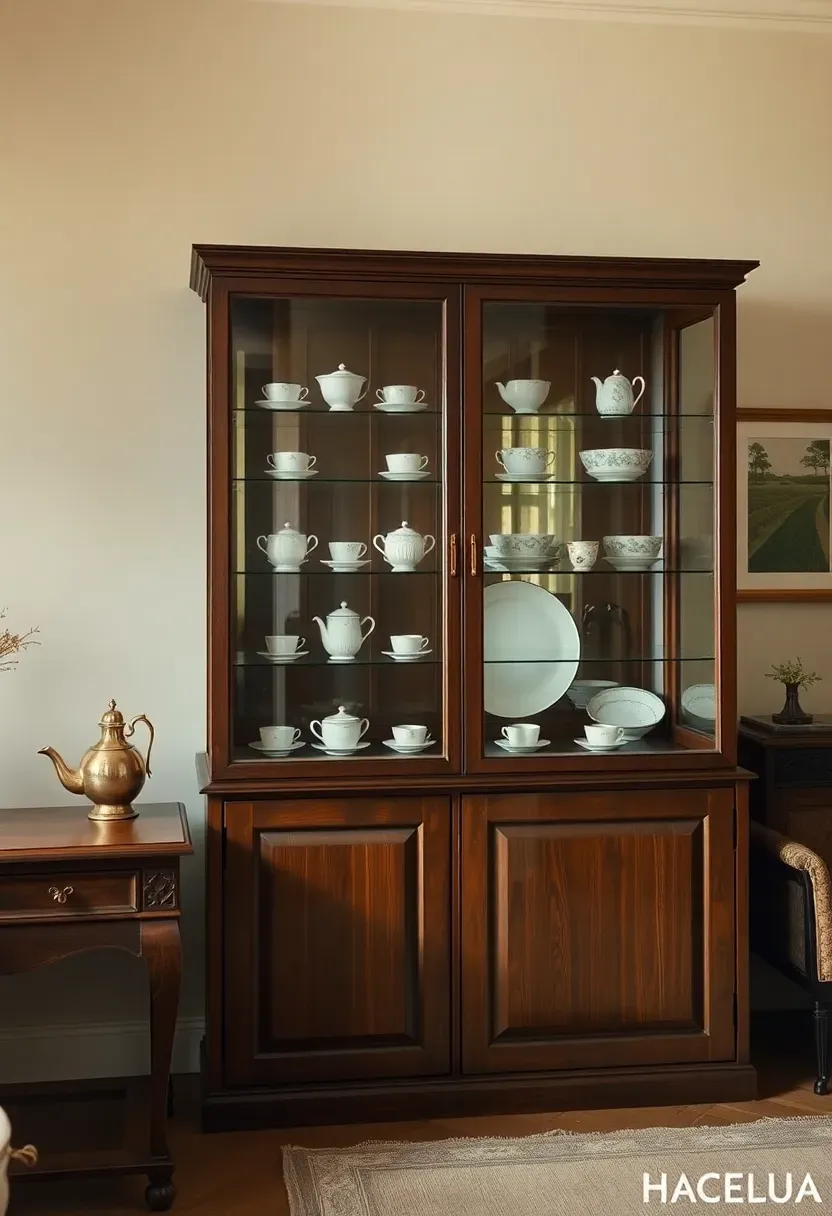
Glass-front tea cabinet displaying porcelain cups and gold accents in a Soviet-style room
These soviet interior design ideas show how to balance utilitarian furniture with warm, tactile layers for a space that feels both authentic and livable. From wood veneer wall units to geometric wool rugs, each idea focuses on honest materials, practical layouts, and a quiet sense of nostalgia. Whether you are updating a small apartment, a Khrushchevka living room, or a larger family space, soviet-inspired decor brings character without heavy renovation.. Glass-front tea cabinet displaying porce
Recommended
Items for this idea
Why it works: glass keeps items visible while protecting them from dust.
Arrange cups in small groups and leave at least 2 inches between items. If you want a softer vibe, add a linen runner inside the cabinet. For a more romantic look, see 11 Charming Vintage Bedroom Ideas for a Timeless Retreat and borrow the layered texture idea. The cabinet becomes a quiet focal point without crowding the room. It feels authentic and personal.
Tips
- Pro: glass doors reduce daily cleaning.
- Con: glare can hide details at night.
- Fix: use a low-wattage strip inside the cabinet.
Rental note: use a freestanding cabinet instead of built-ins.
What this gives you: a tidy display with vintage heritage.
8. Bentwood chairs around a round table
Soviet interior style looks authentic with bentwood chairs around a small round table. A compact dining zone supports everyday meals without dominating the living room. Choose a 36 to 42 inch table for tight layouts. Bentwood chairs keep the look light and classic. Avoid bulky upholstered seats; upgrade to simple wood chairs with curved backs.
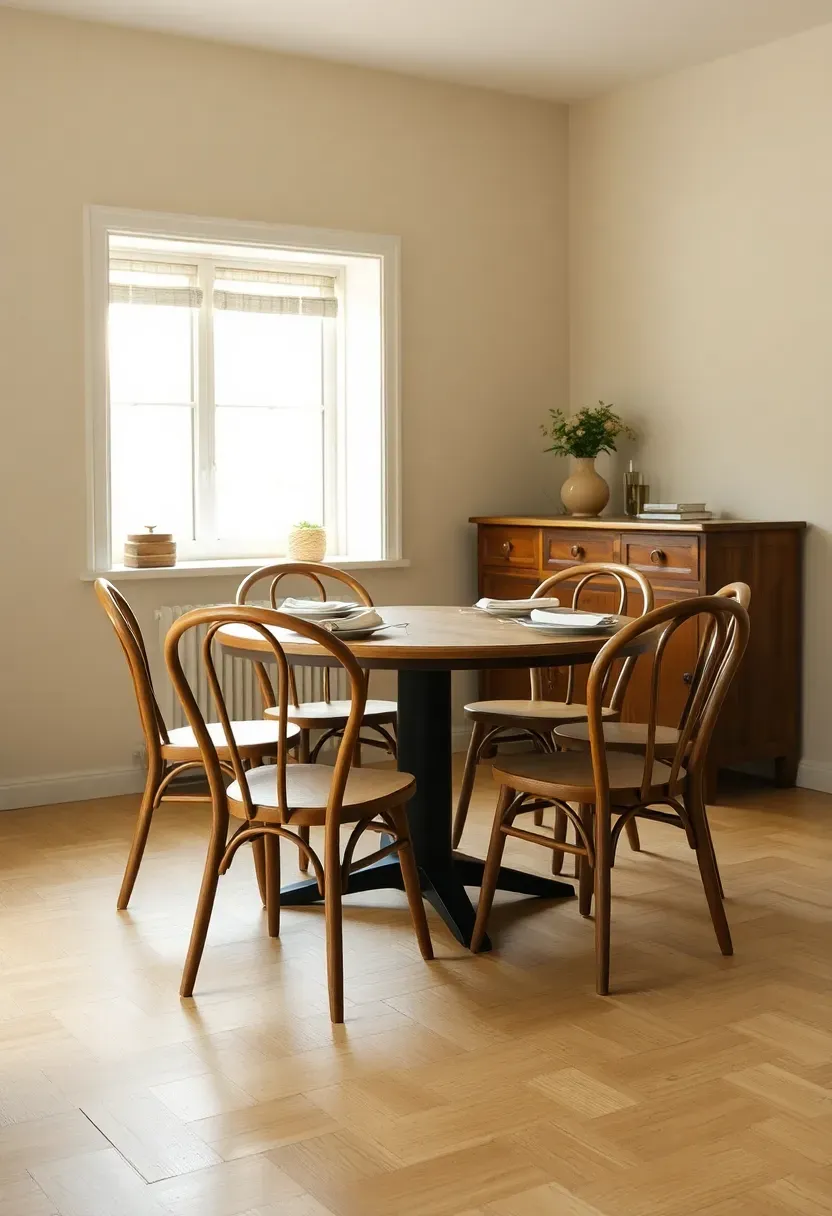
Bentwood chairs around a round oak dining table in a warm Soviet apartment corner
These soviet interior design ideas show how to balance utilitarian furniture with warm, tactile layers for a space that feels both authentic and livable. From wood veneer wall units to geometric wool rugs, each idea focuses on honest materials, practical layouts, and a quiet sense of nostalgia. Whether you are updating a small apartment, a Khrushchevka living room, or a larger family space, soviet-inspired decor brings character without heavy renovation.. Bentwood chairs around a round oak dinin
Recommended
Items for this idea
Common mistake: using chairs with mismatched stain that look chaotic.
Keep the finish in one tone, like warm oak or walnut. If space is tight, use a pedestal table so legs do not crowd knees. A simple linen runner adds softness without becoming busy. This arrangement fits a Leningrad apartment and keeps circulation clear. It also makes the dining area feel intentional and calm.
Tips
- Micro-hack: add felt pads to protect parquet or laminate.
- Micro-hack: keep one spare chair tucked against the wall.
- Micro-hack: choose a table with a rounded edge for comfort.
What this gives you: a light dining zone with classic curves.
9. Parquet floor with border inlay
Soviet interior design often includes parquet flooring that adds texture and warmth underfoot. A herringbone pattern with a thin border inlay feels authentic and refined. If you refinish, choose a matte seal so the grain stays visible. Keep the border around 2 inches wide for a subtle frame. Avoid glossy stain; upgrade to a light oil finish for a natural look.
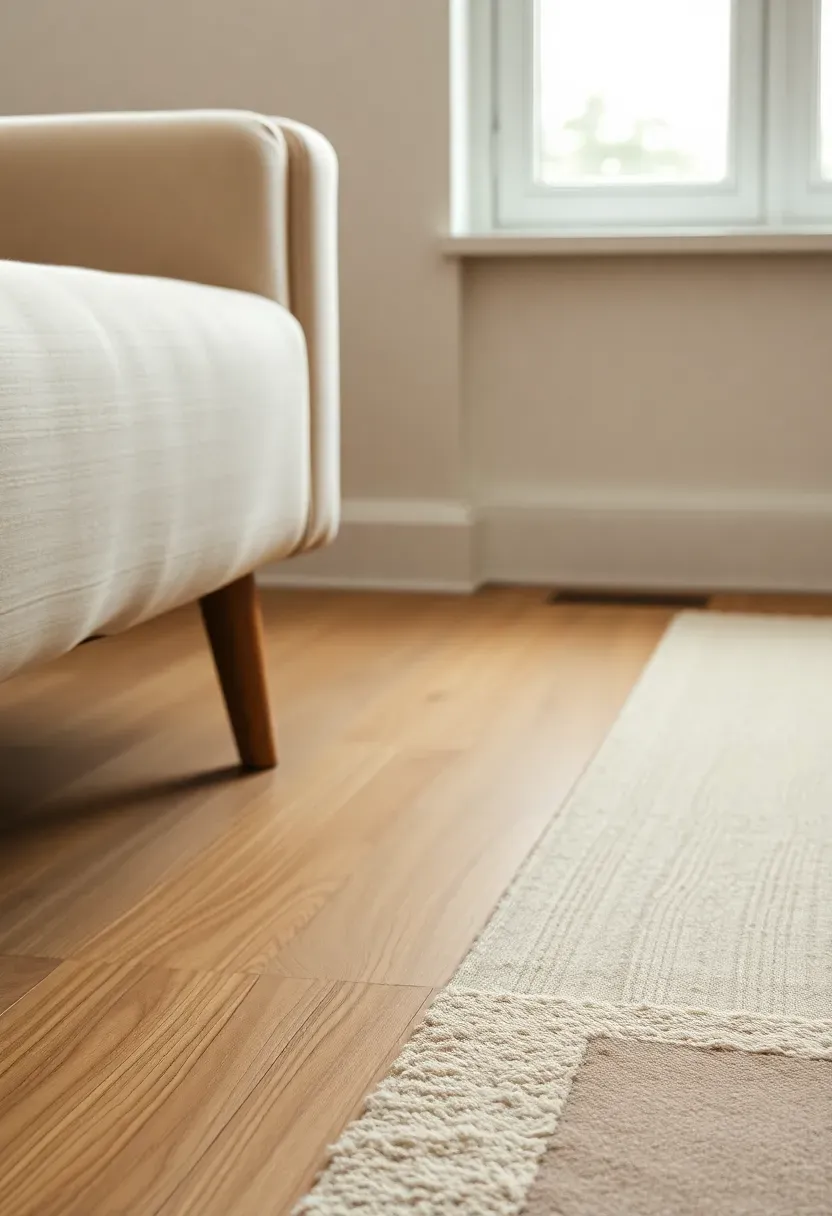
Oak herringbone parquet floor with border inlay in a Soviet living room with wool rug
These soviet interior design ideas show how to balance utilitarian furniture with warm, tactile layers for a space that feels both authentic and livable. From wood veneer wall units to geometric wool rugs, each idea focuses on honest materials, practical layouts, and a quiet sense of nostalgia. Whether you are updating a small apartment, a Khrushchevka living room, or a larger family space, soviet-inspired decor brings character without heavy renovation.. Oak herringbone parquet floor with borde
Recommended
Items for this idea
Use felt pads on furniture to prevent scratches. If the floor feels cold, layer a low-pile rug near the seating area. A careful refinish every 8 to 10 years keeps the floor healthy. This detail makes the living room feel established and lived-in. It supports a classic Soviet palette without extra decor.
Tips
- Do: sweep weekly to keep grit from scratching the finish.
- Don’t: use high-gloss polyurethane.
- Do: spot clean spills quickly to prevent staining.
Best for: living rooms with minimal rugs.
What this gives you: warm, textured floors with authentic character.
10. Textured plaster walls in warm gray
A warm gray textured plaster wall brings subtle depth to Soviet interior design. Textured plaster hides imperfections and adds a handmade feel to simple rooms. Use a soft limewash or fine plaster with a light trowel pattern. Keep the color in the warm gray range to avoid a cold, sterile look. Avoid heavy stucco; upgrade to a fine, even texture for a softer finish.
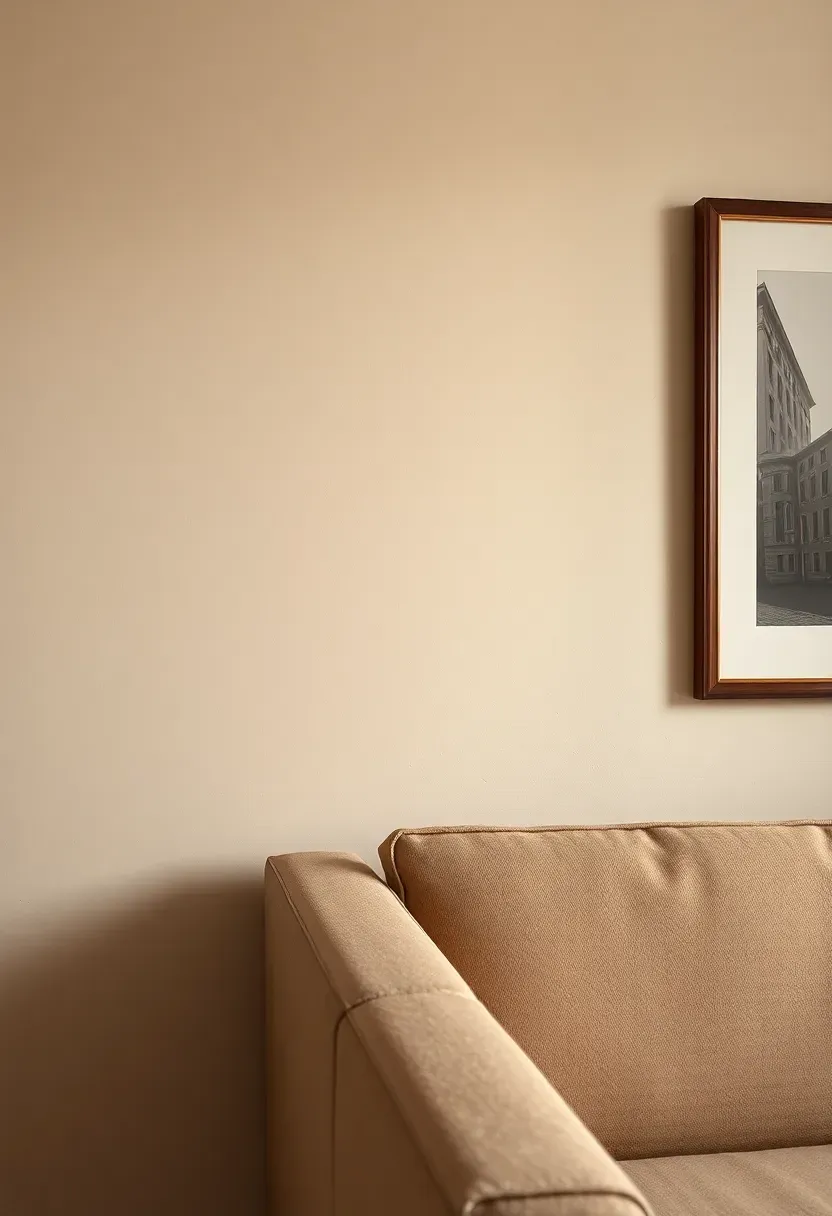
Textured lime plaster walls in warm gray with framed art in a Soviet apartment
These soviet interior design ideas show how to balance utilitarian furniture with warm, tactile layers for a space that feels both authentic and livable. From wood veneer wall units to geometric wool rugs, each idea focuses on honest materials, practical layouts, and a quiet sense of nostalgia. Whether you are updating a small apartment, a Khrushchevka living room, or a larger family space, soviet-inspired decor brings character without heavy renovation.. Textured lime plaster walls in warm gray
Recommended
Items for this idea
Placement note: Test a 12x12 sample patch before committing to the whole wall.
Keep art frames thin so the wall texture remains the focus. If the room feels dark, add a lighter ceiling to balance the tone. A textured finish pairs well with wood veneer furniture and simple rugs. The wall feels honest and quietly refined. It adds depth without adding clutter.
Tips
- If patches look uneven, then lightly sand and reapply.
- If walls are damp, then use a breathable limewash.
- If you want warmth, then mix in a taupe tint.
What this gives you: subtle depth with an authentic, handmade finish.
11. Woven tapestry panel above the sofa
Soviet-inspired interior design often uses a woven tapestry to add pattern and softness to a plain wall. A tapestry wall hanging can introduce color without paint. Choose a piece about 36 to 48 inches wide for a typical sofa. Keep the palette muted to avoid a loud statement. Avoid shiny prints; upgrade to a woven textile for depth.
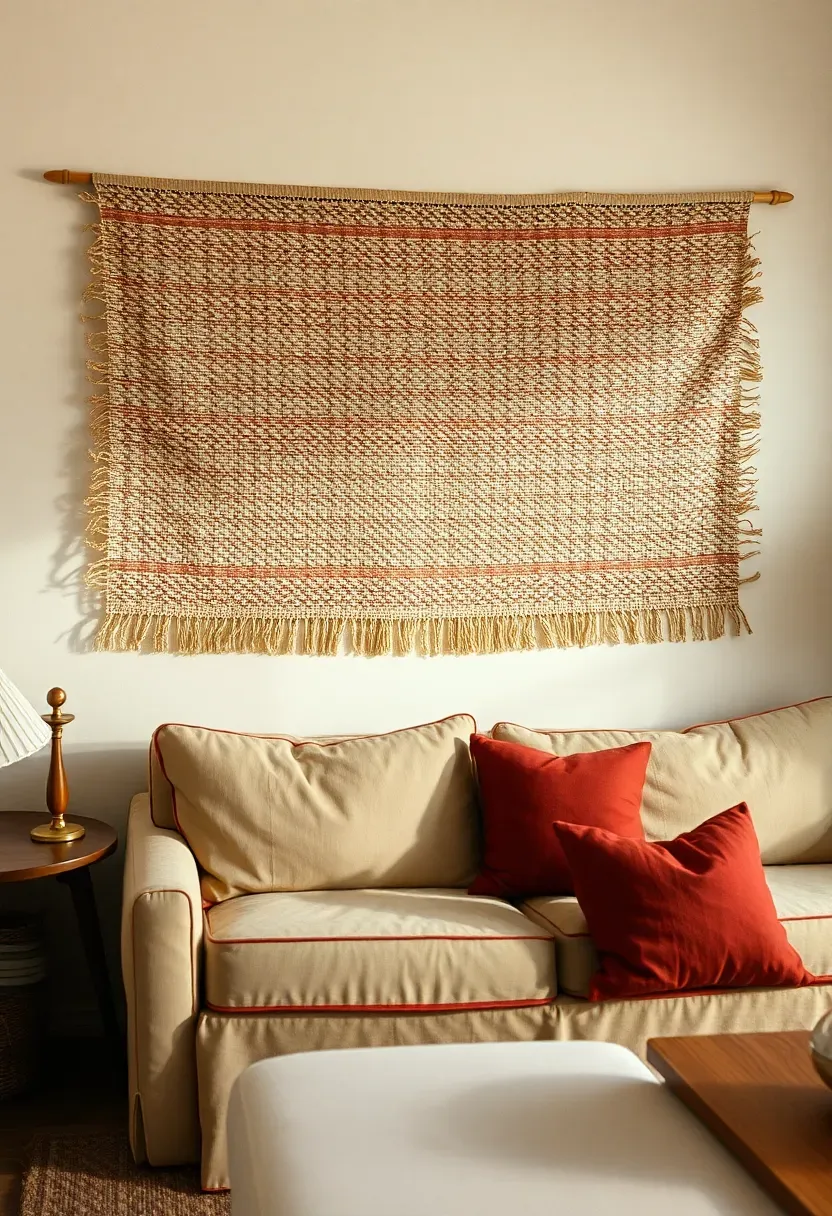
Woven tapestry panel with muted red accents hanging above a sofa in a cozy Soviet room
These soviet interior design ideas show how to balance utilitarian furniture with warm, tactile layers for a space that feels both authentic and livable. From wood veneer wall units to geometric wool rugs, each idea focuses on honest materials, practical layouts, and a quiet sense of nostalgia. Whether you are updating a small apartment, a Khrushchevka living room, or a larger family space, soviet-inspired decor brings character without heavy renovation.. Woven tapestry panel with muted red acce
Recommended
Items for this idea
Why it works: the textile softens acoustics and makes the room feel warmer.
Hang it about 6 inches above the sofa back for a grounded look. If the tapestry feels too bold, add a neutral frame and keep nearby decor simple. A woven panel pairs well with muted tones and natural wood. The detail references classic Soviet interiors while staying livable. It adds a soft layer without heavy furniture.
Tips
- Pro: tapestries hide minor wall flaws.
- Con: bold patterns can dominate small rooms.
- Fix: choose a smaller size or softer colors.
Best for: rooms with plain walls and simple furniture.
What this gives you: texture and history without extra clutter.
12. Modular bookshelf with ceramics and books
Soviet interior design ideas often include modular shelving that mixes books and small ceramics. A modular bookshelf keeps the room flexible and easy to reconfigure. Choose a 60 inch wide unit with adjustable shelves for mixed heights. Use fewer objects and more negative space to avoid visual clutter. Avoid glossy laminated finishes; upgrade to a matte wood tone for a calmer look.
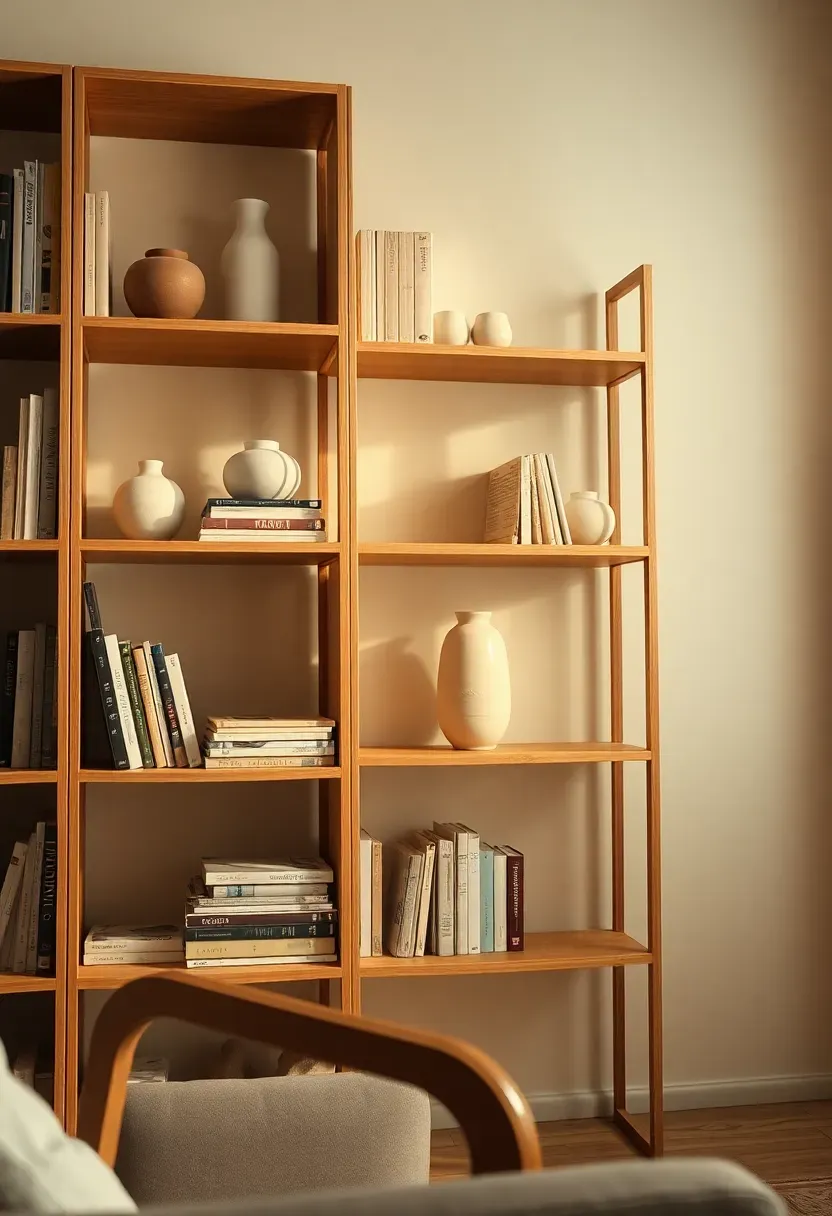
Modular wood bookshelf with ceramic vases and books in a warm brown Soviet living room
These soviet interior design ideas show how to balance utilitarian furniture with warm, tactile layers for a space that feels both authentic and livable. From wood veneer wall units to geometric wool rugs, each idea focuses on honest materials, practical layouts, and a quiet sense of nostalgia. Whether you are updating a small apartment, a Khrushchevka living room, or a larger family space, soviet-inspired decor brings character without heavy renovation.. Modular wood bookshelf with ceramic vase
Recommended
Items for this idea
Common mistake: filling every shelf with small items, which looks busy.
Group books by height and color to create a quiet rhythm. Add one Gzhel ceramic piece for a subtle cultural nod. If the shelf looks heavy, leave one bay empty and add a single plant. This system feels authentic and keeps storage practical. It also supports a clean daily routine.
Tips
- Micro-hack: stack a few books horizontally to break lines.
- Micro-hack: keep ceramic pieces in odd-numbered groups.
- Micro-hack: leave one shelf open for air.
What this gives you: flexible storage with a calm visual rhythm.
13. Compact writing desk in a bright corner
Soviet interior style feels practical with a compact writing desk in a bright corner. A small wood veneer desk keeps the workspace simple and timeless. Choose a desk about 36 to 42 inches wide so it fits near a window. A slim drawer handles essentials without bulk. Avoid oversized office chairs; upgrade to a simple stool or light chair.
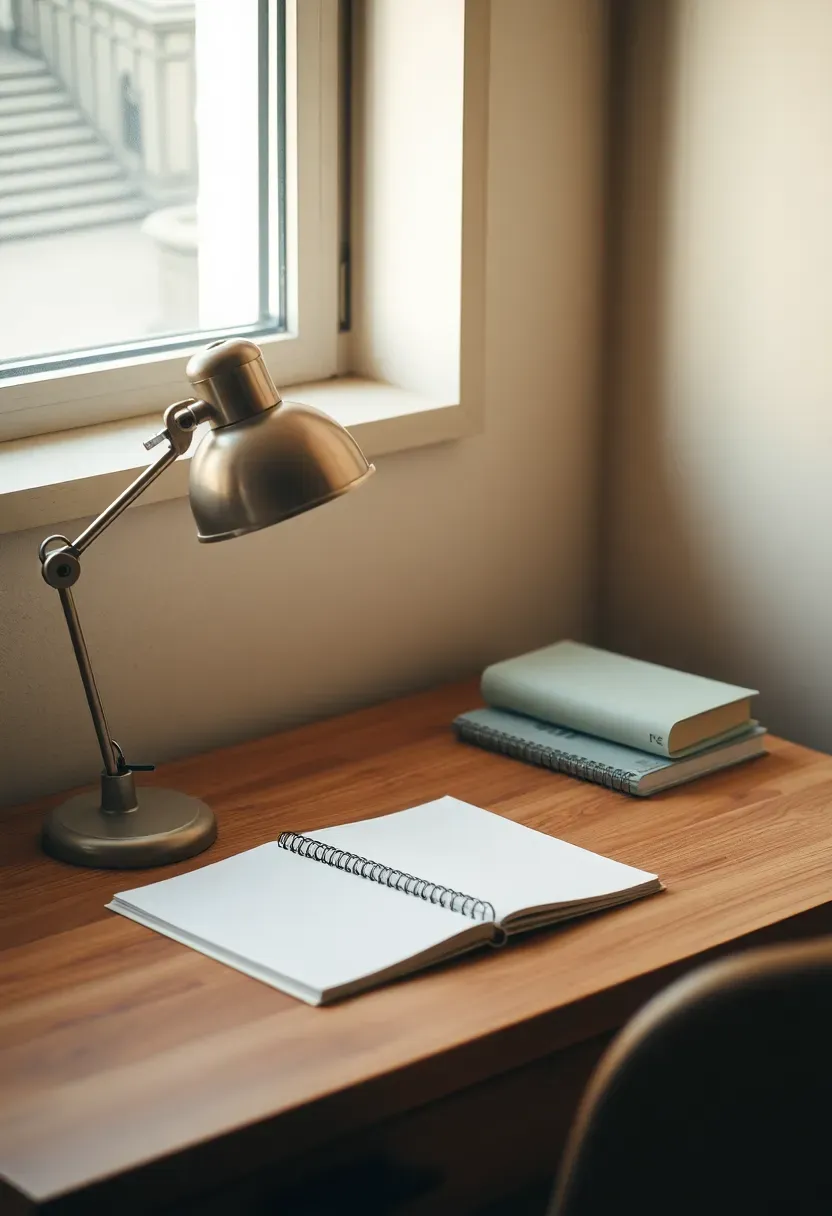
Compact wood veneer writing desk near a window with a notebook and metal lamp in a Soviet apartment
These soviet interior design ideas show how to balance utilitarian furniture with warm, tactile layers for a space that feels both authentic and livable. From wood veneer wall units to geometric wool rugs, each idea focuses on honest materials, practical layouts, and a quiet sense of nostalgia. Whether you are updating a small apartment, a Khrushchevka living room, or a larger family space, soviet-inspired decor brings character without heavy renovation.. Compact wood veneer writing desk near a
Recommended
Items for this idea
Keep the desktop clear except for a lamp and one tray. If the corner feels too sparse, add a small framed print above. A simple desk works well in small Moscow flats where every corner counts. This setup balances authenticity with daily use. It also gives the room a calm, purposeful zone.
Tips
- Do: add a small felt pad to protect the surface.
- Don’t: overload the desk with tall accessories.
- Do: tuck cables into a fabric sleeve for neatness.
Rental note: choose a freestanding desk to avoid wall drilling.
What this gives you: a practical work corner with quiet charm.
14. Record console vignette with speakers
Soviet interior design can feel authentic with a record console vignette and compact speakers. A low console in warm wood ties into parquet flooring and keeps the scale grounded. Choose a 48 to 60 inch console so it sits below most windows. Keep speakers low and symmetrical to avoid visual clutter. Avoid glossy black units; upgrade to wood-grain or fabric-front speakers for a vintage touch.
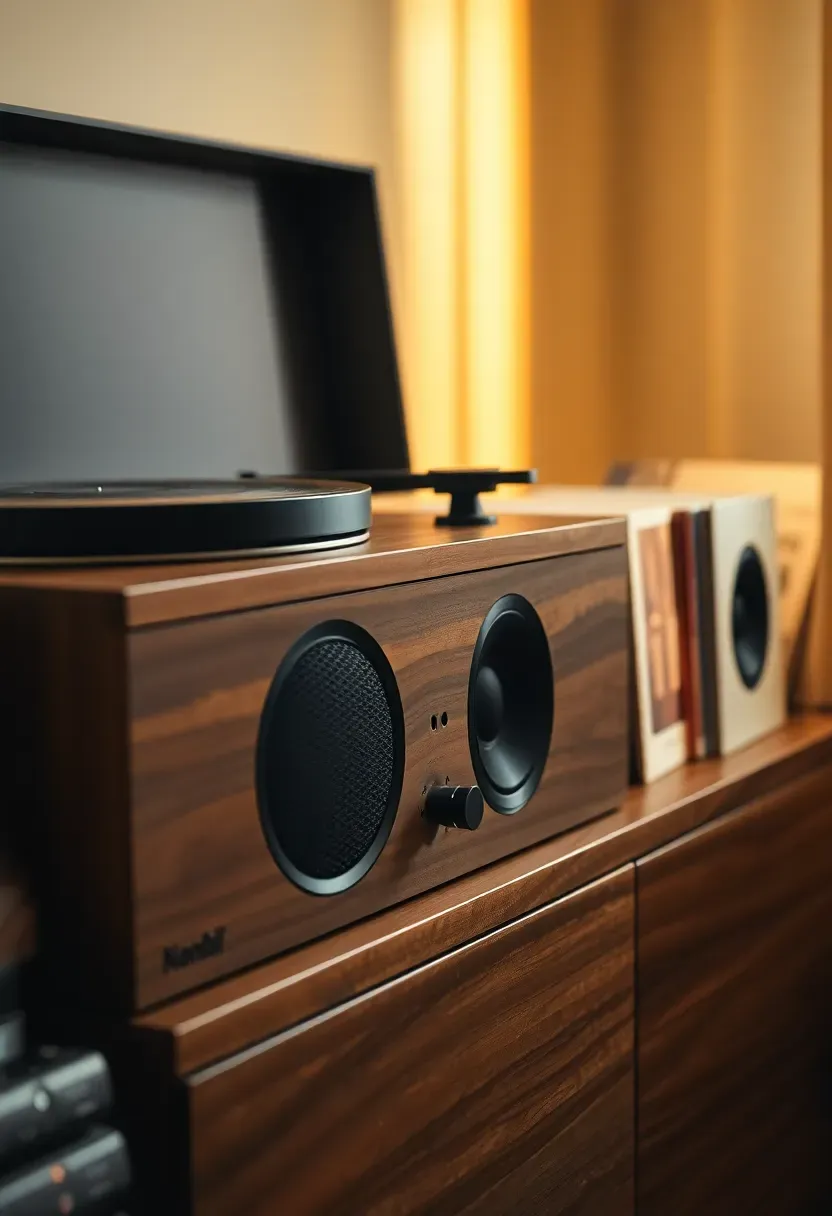
Walnut veneer record console with compact fabric-front speakers and vinyl sleeves in a Soviet living room
These soviet interior design ideas show how to balance utilitarian furniture with warm, tactile layers for a space that feels both authentic and livable. From wood veneer wall units to geometric wool rugs, each idea focuses on honest materials, practical layouts, and a quiet sense of nostalgia. Whether you are updating a small apartment, a Khrushchevka living room, or a larger family space, soviet-inspired decor brings character without heavy renovation.. Walnut veneer record console with compac
Recommended
Items for this idea
Placement note: Keep the console at least 6 inches away from the wall for cable airflow.
Add two or three record sleeves for color, but keep the stack low. If the vignette feels too modern, add a vintage clock or small framed photo. A low console works in a small living room and keeps the mood relaxed. This detail brings a personal, lived-in feel without feeling staged. It also creates an easy conversation zone.
Tips
- If cables show, then route them through a fabric sleeve.
- If speakers feel heavy, then use low stands to lift them.
- If dust builds, then keep a microfiber cloth in the drawer.
What this gives you: a nostalgic music corner with balanced proportions.
15. Bakelite table lamp on a sideboard
Soviet interior design ideas often include a Bakelite table lamp that adds a small but iconic detail. A lamp with a simple shade and warm bulb feels authentic without shouting. Use a 14 to 18 inch tall lamp to keep it in scale with a sideboard. A matte shade keeps light soft and warm. Avoid chrome finishes; upgrade to warm brown or cream for a period feel.
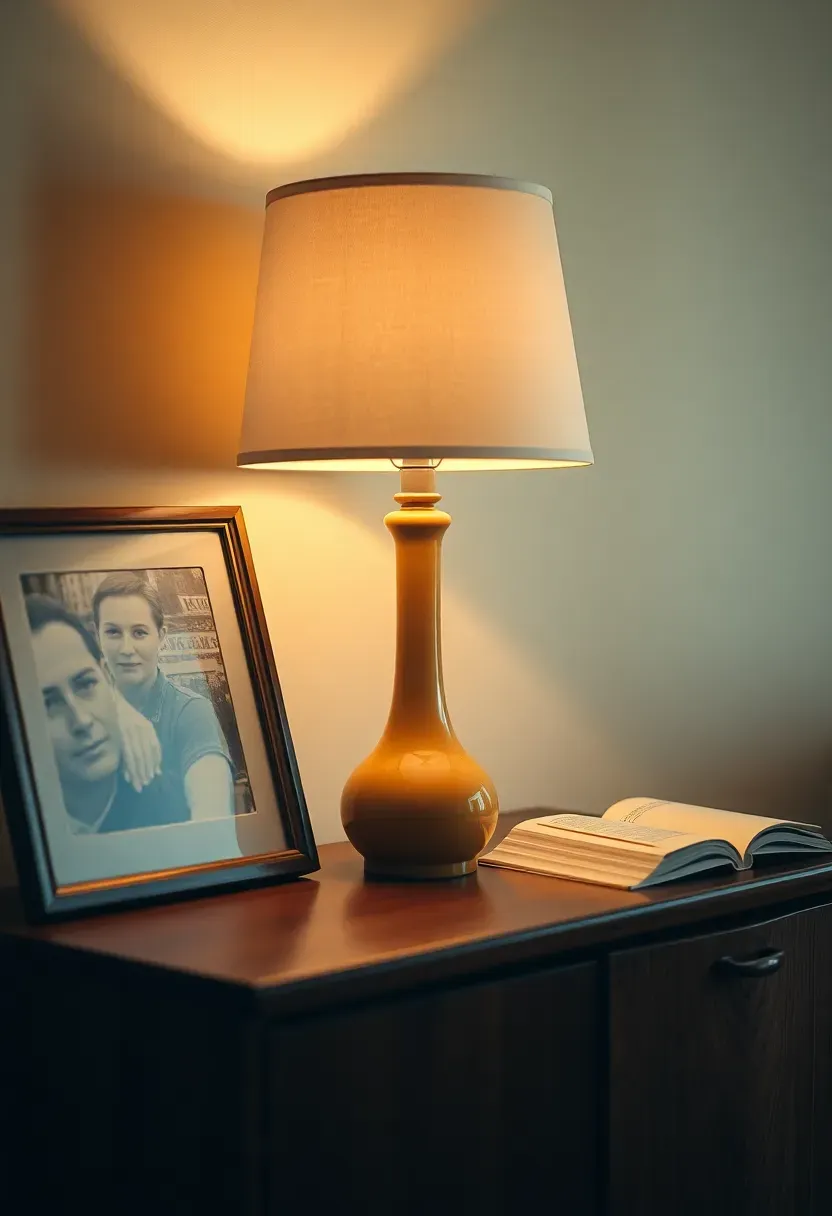
Bakelite table lamp with linen shade on a wood veneer sideboard in a warm Soviet evening setting
These soviet interior design ideas show how to balance utilitarian furniture with warm, tactile layers for a space that feels both authentic and livable. From wood veneer wall units to geometric wool rugs, each idea focuses on honest materials, practical layouts, and a quiet sense of nostalgia. Whether you are updating a small apartment, a Khrushchevka living room, or a larger family space, soviet-inspired decor brings character without heavy renovation.. Bakelite table lamp with linen shade on
Recommended
Items for this idea
Why it works: a small lamp adds warm light without changing the layout.
Place it near a seating area to create a soft reading corner. If the lamp feels too shiny, lightly buff it for a softer sheen. A single lamp works better than pairs in tight apartments. This detail references Soviet material culture without turning the room into a museum. It adds warmth and focus to the evening.
Tips
- Pro: Bakelite pieces hold color and patina well.
- Con: older wiring can be unsafe.
- Fix: rewire the lamp with a modern cord.
Budget/Time: $40-$120 and a quick wiring check.
What this gives you: warm light with a true vintage accent.
16. Tapered-leg coffee table with tray
Soviet interior design feels balanced with a tapered-leg coffee table that keeps the room light. The simple profile echoes mid-century silhouettes without excess. Choose a table around 42 inches long to fit a small sofa. A shallow tray keeps daily items organized. Avoid heavy block tables; upgrade to slimmer legs and a thin top.
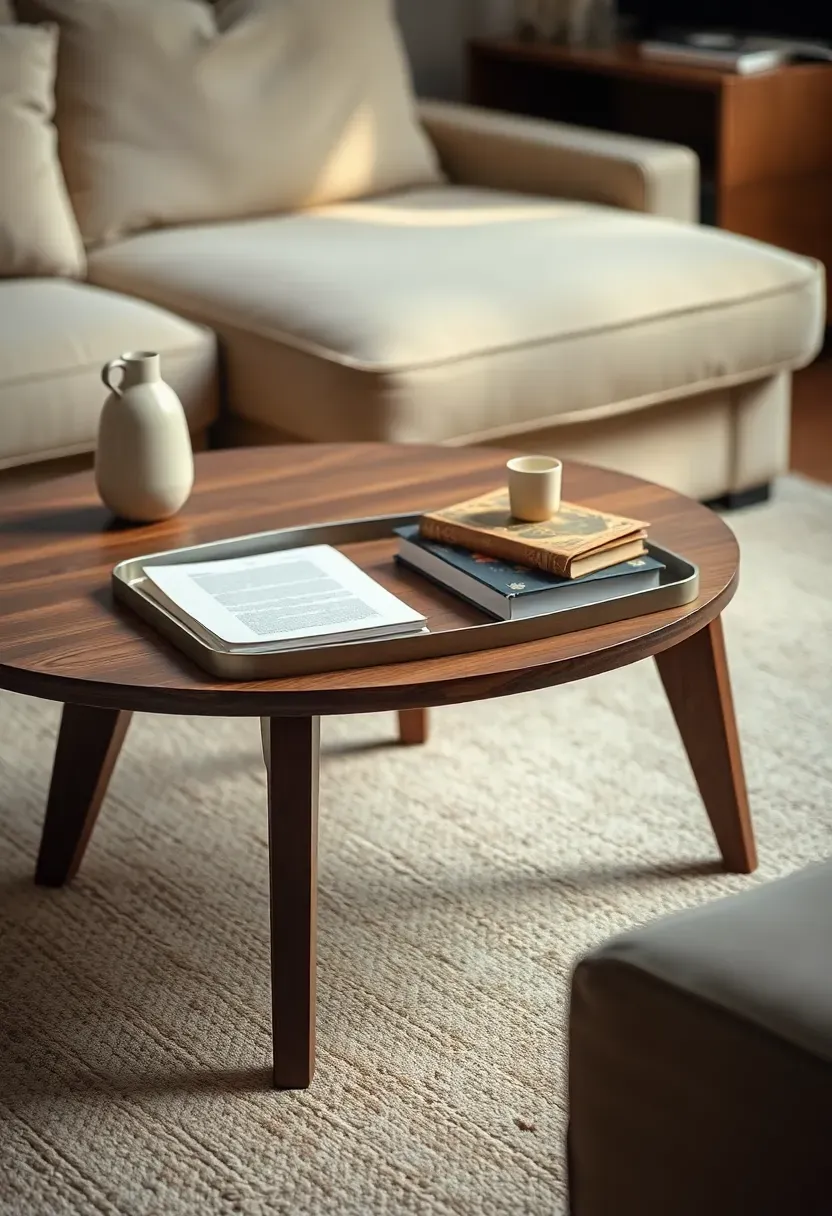
Walnut tapered-leg coffee table with metal tray and books on a wool rug in a Soviet living space
These soviet interior design ideas show how to balance utilitarian furniture with warm, tactile layers for a space that feels both authentic and livable. From wood veneer wall units to geometric wool rugs, each idea focuses on honest materials, practical layouts, and a quiet sense of nostalgia. Whether you are updating a small apartment, a Khrushchevka living room, or a larger family space, soviet-inspired decor brings character without heavy renovation.. Walnut tapered-leg coffee table with met
Recommended
Items for this idea
Common mistake: using a table that is too high for a low sofa.
Keep the table height within 1 to 2 inches of the sofa seat. Add a wool runner if the surface feels bare. A small tray keeps keys and coasters neat without adding clutter. This detail supports a lived-in Soviet look without looking heavy. It keeps the seating area functional and calm.
Tips
- Micro-hack: choose a tray with raised edges to catch spills.
- Micro-hack: keep one stack of books only.
- Micro-hack: use felt pads to protect parquet.
What this gives you: a light, practical center for daily life.
17. Samovar or metal tea tray display
Soviet interior design ideas often include a metal tea tray or samovar as a nod to tradition. The metal surface reflects warm light and adds a ceremonial feel. Choose a tray around 14 inches wide or a compact samovar for small rooms. Brass or pewter finishes look softer than chrome. Avoid overly ornate pieces; upgrade to simple forms for a livable look.
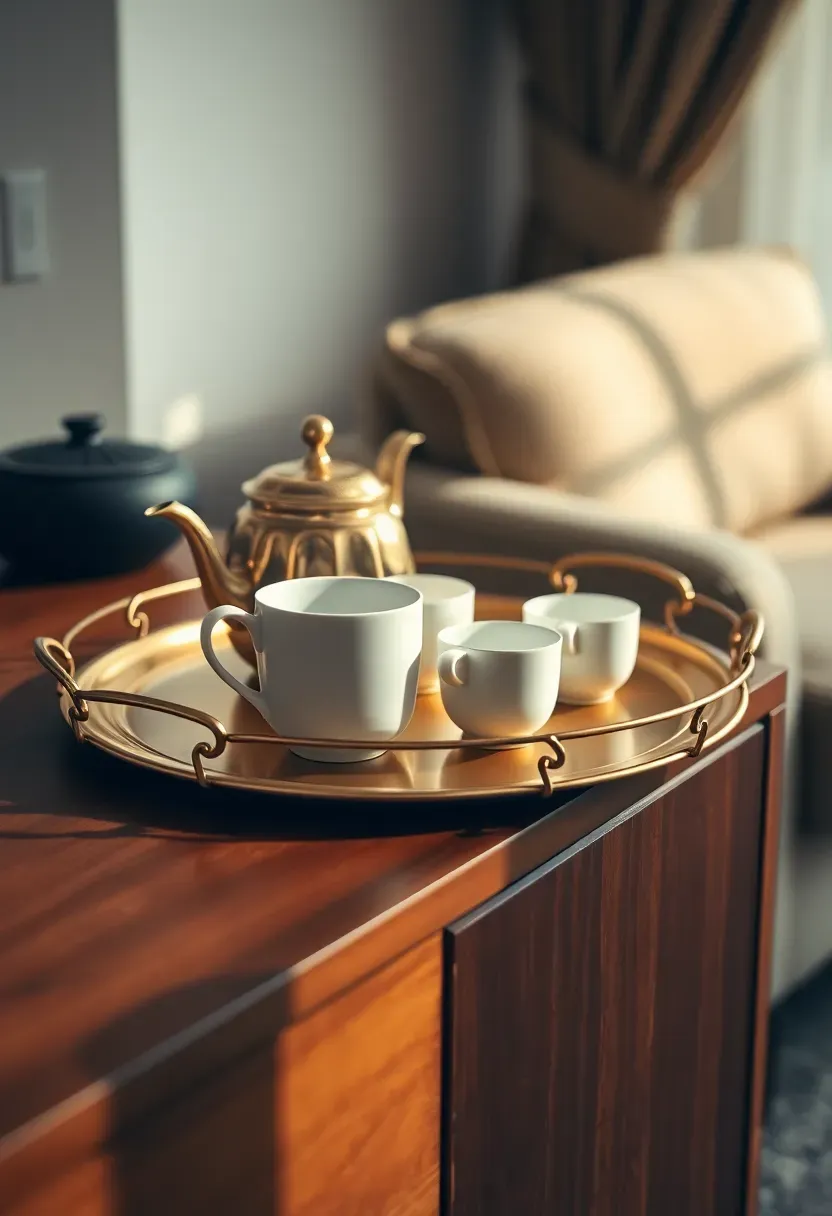
Brass metal tea tray with porcelain cups on a wood veneer sideboard in a Soviet-style room
These soviet interior design ideas show how to balance utilitarian furniture with warm, tactile layers for a space that feels both authentic and livable. From wood veneer wall units to geometric wool rugs, each idea focuses on honest materials, practical layouts, and a quiet sense of nostalgia. Whether you are updating a small apartment, a Khrushchevka living room, or a larger family space, soviet-inspired decor brings character without heavy renovation.. Brass metal tea tray with porcelain cups
Recommended
Items for this idea
Place the tray on a sideboard and keep accessories to two or three items. If the metal looks too shiny, use a soft cloth to dull the surface slightly. A tea vignette feels authentic and still fits daily routines. This detail adds warmth without changing the layout. It gives the room a quiet cultural anchor.
Tips
- Do: line the tray with a linen napkin for softness.
- Don’t: mix too many metal finishes on one surface.
- Do: polish lightly once a season, not weekly.
Best for: sideboards and console tables.
What this gives you: a cultural accent with gentle warmth.
18. Folding screen to define the room
Soviet interior design can feel more livable with a folding screen that defines a quiet zone. A screen adds privacy without permanent walls, which is helpful in small flats. Choose a 60 inch wide screen with simple fabric or wood panels. Neutral tones keep the room calm and flexible. Avoid bright prints; upgrade to a muted fabric for an authentic feel.
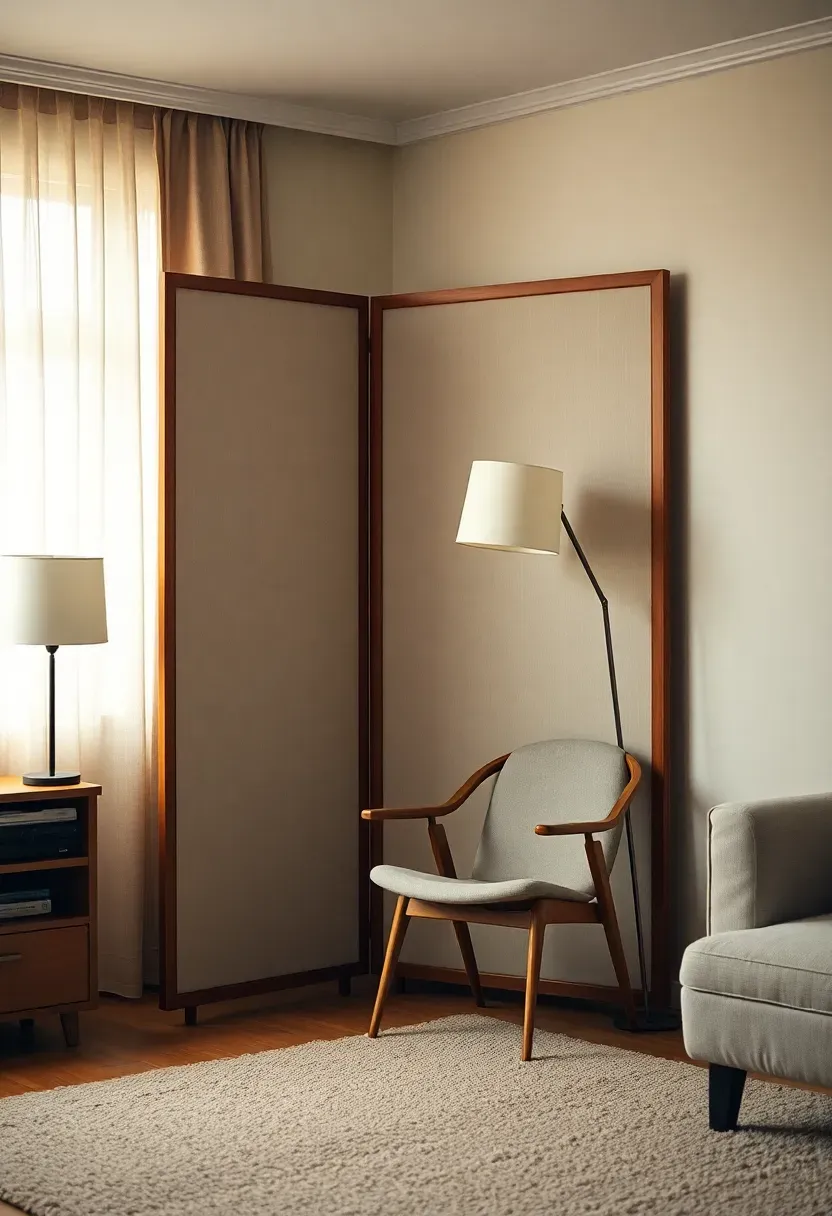
Fabric folding screen dividing a Soviet living room with neutral tones and a wool rug
These soviet interior design ideas show how to balance utilitarian furniture with warm, tactile layers for a space that feels both authentic and livable. From wood veneer wall units to geometric wool rugs, each idea focuses on honest materials, practical layouts, and a quiet sense of nostalgia. Whether you are updating a small apartment, a Khrushchevka living room, or a larger family space, soviet-inspired decor brings character without heavy renovation.. Fabric folding screen dividing a Soviet
Recommended
Items for this idea
Placement note: Angle the screen slightly so it feels intentional, not temporary.
Place the screen behind a chair to create a reading nook. If the screen feels too tall, choose one around 62 inches for a softer line. A fabric screen also improves acoustics in echo-prone rooms. This detail works well in shared living rooms and small studios. For more ways to make a compact room work harder, see 25 Minimalist Living Room Ideas for Small Spaces. It adds privacy without blocking light.
Tips
- If the screen wobbles, then add small felt feet.
- If space is tight, then use a two-panel version.
- If fabric sags, then tighten the frame with corner braces.
What this gives you: flexible zoning with a vintage feel.
19. Plant stand with rubber tree and pot
Soviet interior design ideas feel more livable with a simple plant stand and a rubber tree. The greenery softens hard lines and adds a fresh, lived-in tone. Choose a stand around 18 inches tall so the plant sits at eye level. Use a matte ceramic pot in warm beige to keep the palette calm. Avoid glossy plastic planters; upgrade to stoneware for an authentic touch.
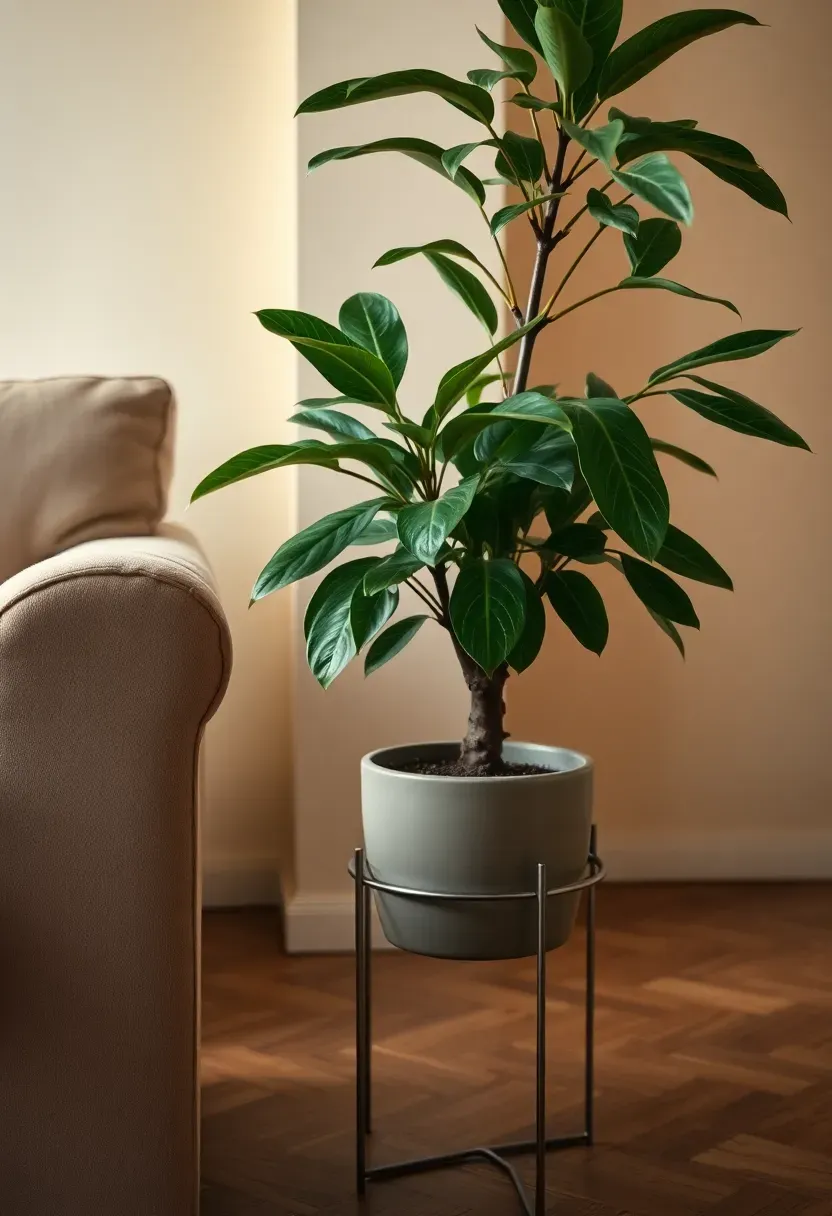
Metal plant stand with rubber tree in a matte beige ceramic pot in a Soviet living room corner
These soviet interior design ideas show how to balance utilitarian furniture with warm, tactile layers for a space that feels both authentic and livable. From wood veneer wall units to geometric wool rugs, each idea focuses on honest materials, practical layouts, and a quiet sense of nostalgia. Whether you are updating a small apartment, a Khrushchevka living room, or a larger family space, soviet-inspired decor brings character without heavy renovation.. Metal plant stand with rubber tree in a
Recommended
Items for this idea
Why it works: greenery adds softness without changing the core furniture.
Place the plant near a window but out of direct midday sun. If the room is dark, choose a hardier plant like a ZZ plant. A simple stand keeps the floor clear and makes the plant feel intentional. This detail adds life without fighting the overall palette. It keeps the room looking fresh and authentic.
Tips
- Pro: rubber trees tolerate low light well.
- Con: leaves can collect dust in dry rooms.
- Fix: wipe leaves monthly with a damp cloth.
Best for: corners that need softening.
What this gives you: a fresh green accent that stays low effort.
Soviet interior design ideas work best when you balance function with softness. A few authentic materials, layered textiles, and careful lighting choices create a lived-in feel without turning the room into a set piece. These soviet-inspired decor ideas prove that heritage details can still support modern routines in apartments of any size. Use them to build a calm, practical home with quiet nostalgia and honest character.