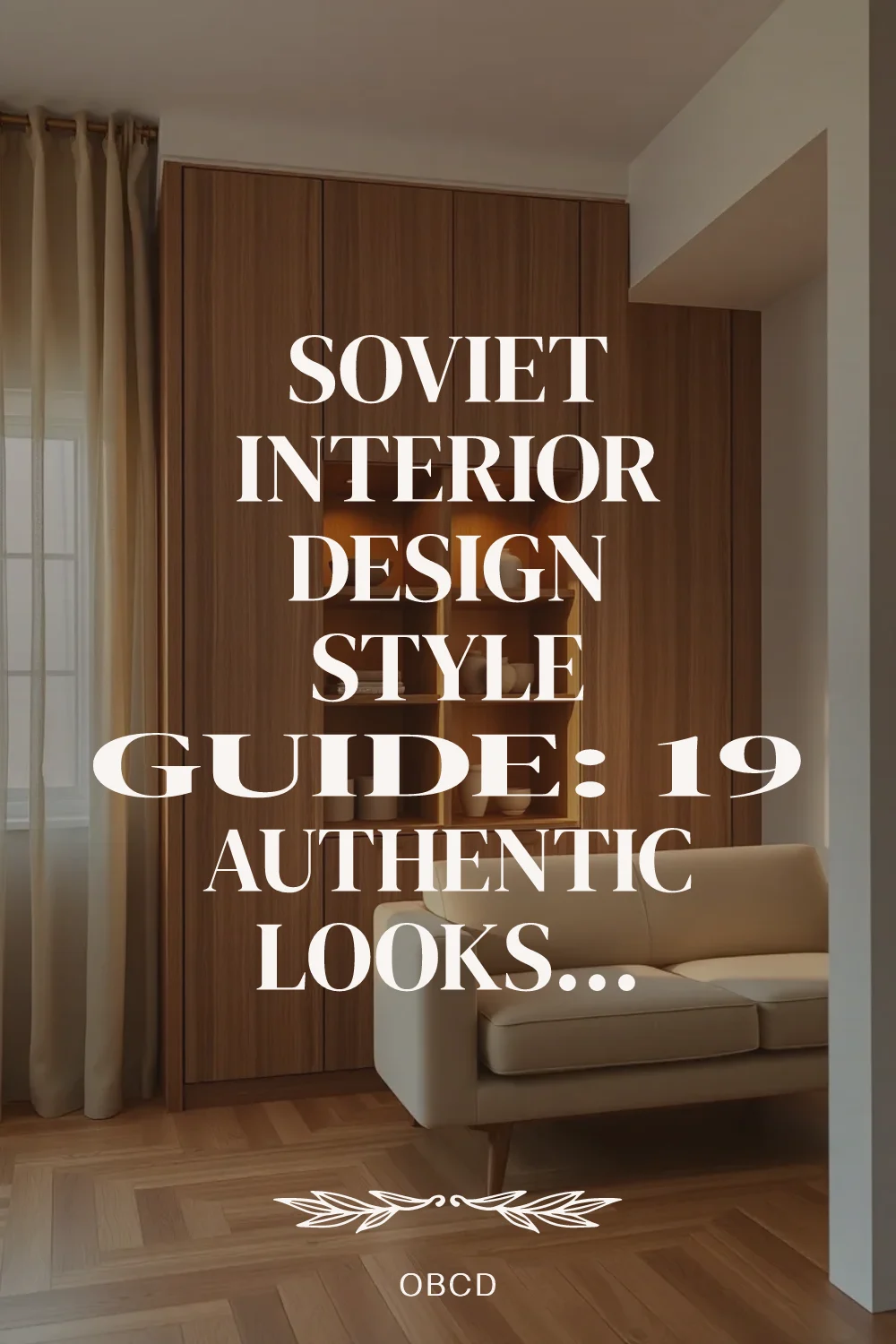
Soviet Interior Design: 19 Authentic Ideas for Modern Apartments
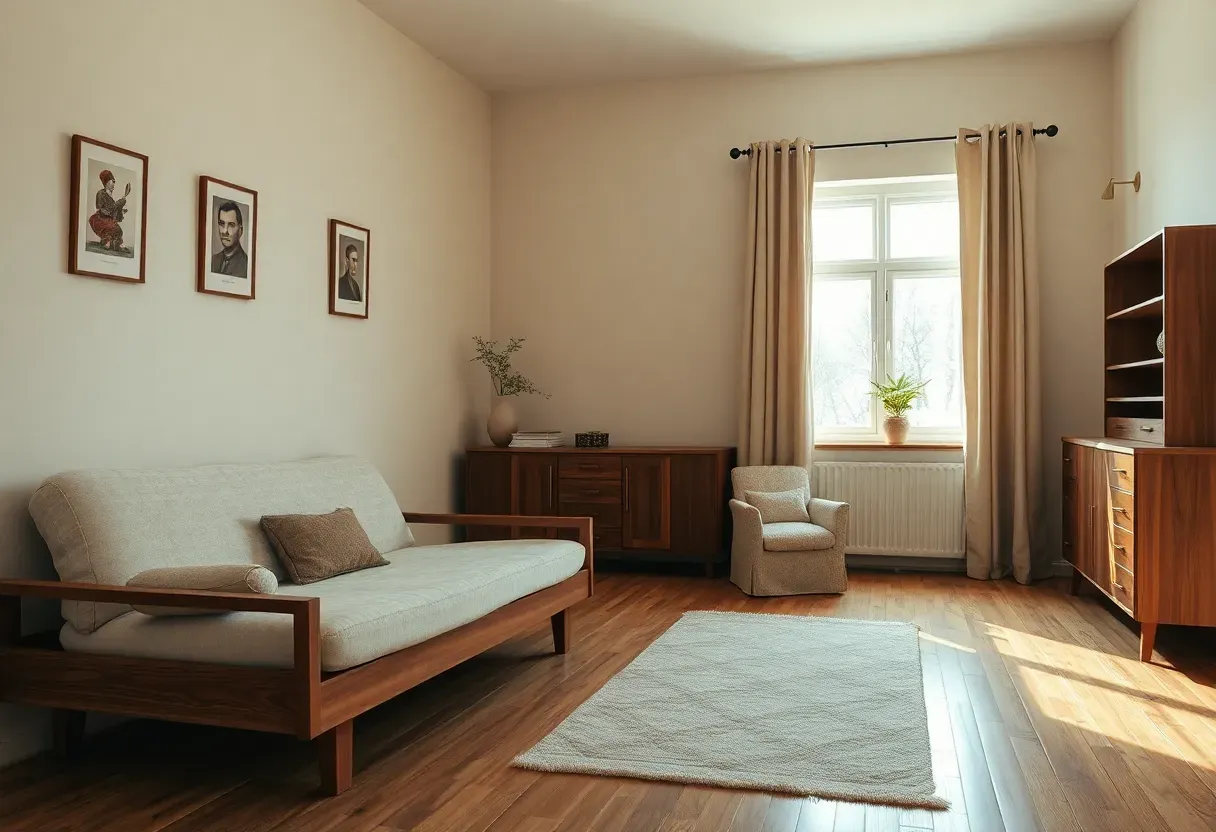
Soviet interior design can feel surprisingly fresh and livable when you balance utilitarian pieces with soft layers and smart layouts. Whether you live in a small rental apartment or simply love the honest materials and modest proportions of soviet-style interiors, these 19 ideas will help you build a room that feels authentic without looking dated.
This soviet interior design style guide covers everything from wood veneer storage walls to Gzhel ceramic displays. Each idea works in a compact Khrushchevka, a modern studio, or any small living room that needs calm order and warm lighting. We focused on renter-friendly solutions that require no major renovations.
Quick FAQ
How do I keep Soviet interior design authentic without feeling outdated?
Focus on proportions and materials first, then add one or two period pieces. Warm light and soft textiles keep the room welcoming and modern.
Which colors work best for a Soviet-style interior?
Use warm neutrals with muted browns or amber accents. A quiet palette lets the textures and furniture shapes stand out.
Can I use Soviet interior design in a rental apartment?
Yes. Most soviet-style pieces are freestanding and need no drilling. Low daybeds, wool runners, folding screens, and enamel tea sets all work in rentals without any permanent changes.
What should I avoid in a Soviet-style interior?
Avoid glossy finishes and oversized furniture. The look is practical and low-profile, not flashy or bulky.
Why is low furniture common in Soviet-era rooms?
Low pieces make small rooms feel larger and keep sightlines open. They also fit the modest ceiling heights of many apartments.
As an Amazon Associate I earn from qualifying purchases.
Table of Contents
- 1. Curtain-front storage wall in wood veneer
- 2. Low daybed with wool cover
- 3. Checkerboard linoleum entry strip
- 4. Frosted glass divider with metal frame
- 5. Radio shelf and minimalist wall clock
- 6. Drop-leaf table with bentwood chairs
- 7. Compact writing desk with Bakelite lamp
- 8. Gobelin tapestry panel above the sofa
- 9. Baltic birch sideboard with brass pulls
- 10. Parquet border with matte oil finish
- 11. Opaline glass globe pendant
- 12. Gzhel ceramic shelf display
- 13. Textured plaster wall with picture rail
- 14. Enamel tea corner with tray
- 15. Slatted radiator cover in warm white
- 16. Layered wool runner over flatweave rug
- 17. Window bench with linen cushions
- 18. Folding screen for a quiet nook
- 19. Open modular bookshelf with ceramics
1. Curtain-front storage wall in wood veneer
A Soviet-style interior feels orderly when storage is hidden rather than displayed. A curtain-front storage wall in wood veneer keeps books and media out of sight while the room stays light. Plan for a 72 to 90 inch run so the wall reads as one calm plane. Use neutral linen curtains and avoid glossy laminate; upgrade to a matte veneer for warmth.
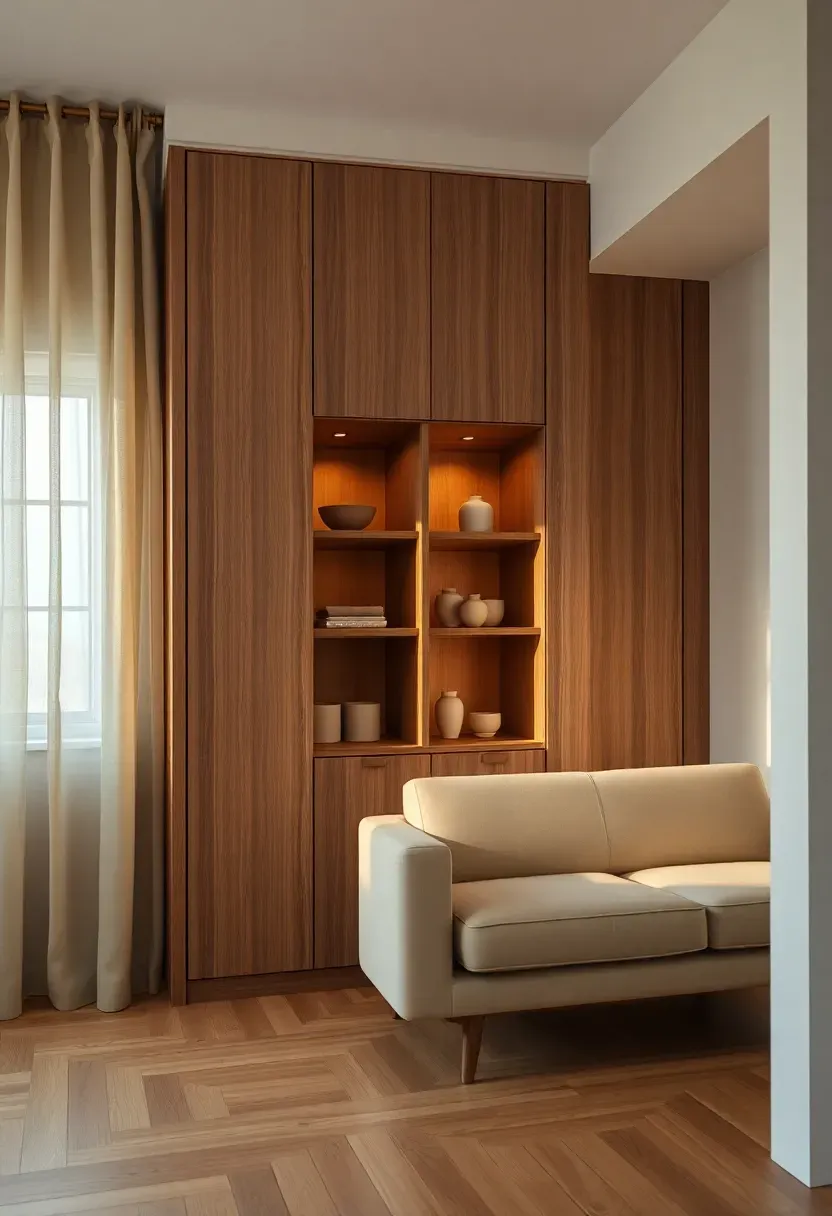
Keep shelf depth around 14 inches so the unit does not overwhelm a narrow room. If you want a hint of display, add one open bay with a ceramic bowl and a small radio, otherwise keep it closed. The soft curtain edge reduces echo and makes the wall feel less rigid. This layout feels authentic yet works with modern streaming gear.
Tips
- Do: use quiet gliders so curtains slide easily.
- Don’t: choose heavy velvet that blocks light.
- Do: hem panels to skim the floor cleanly.
Best for: narrow living rooms with one main wall.
What this gives you: calm storage that reads clean and lived-in.
We picked a few things that go well with this idea: LYHome 100% Wool Scandinavian Throw Blanket (★4.7), Molithe Military Wool Blanket (62x86) (★4.6) and Woolly Mammoth Merino Wool Blanket (66x90) (★4.3). As an Amazon Associate we earn from qualifying purchases.
2. Low daybed with wool cover
A Soviet interior design look becomes more comfortable with a low daybed instead of a bulky sofa. This works well in a Khrushchevka living room where floor space is tight. Choose a 76 to 82 inch daybed with a firm base and slim arms. A wool cover in muted brown adds warmth and hides wear. Avoid tall backs; upgrade to a low profile that keeps the room open.
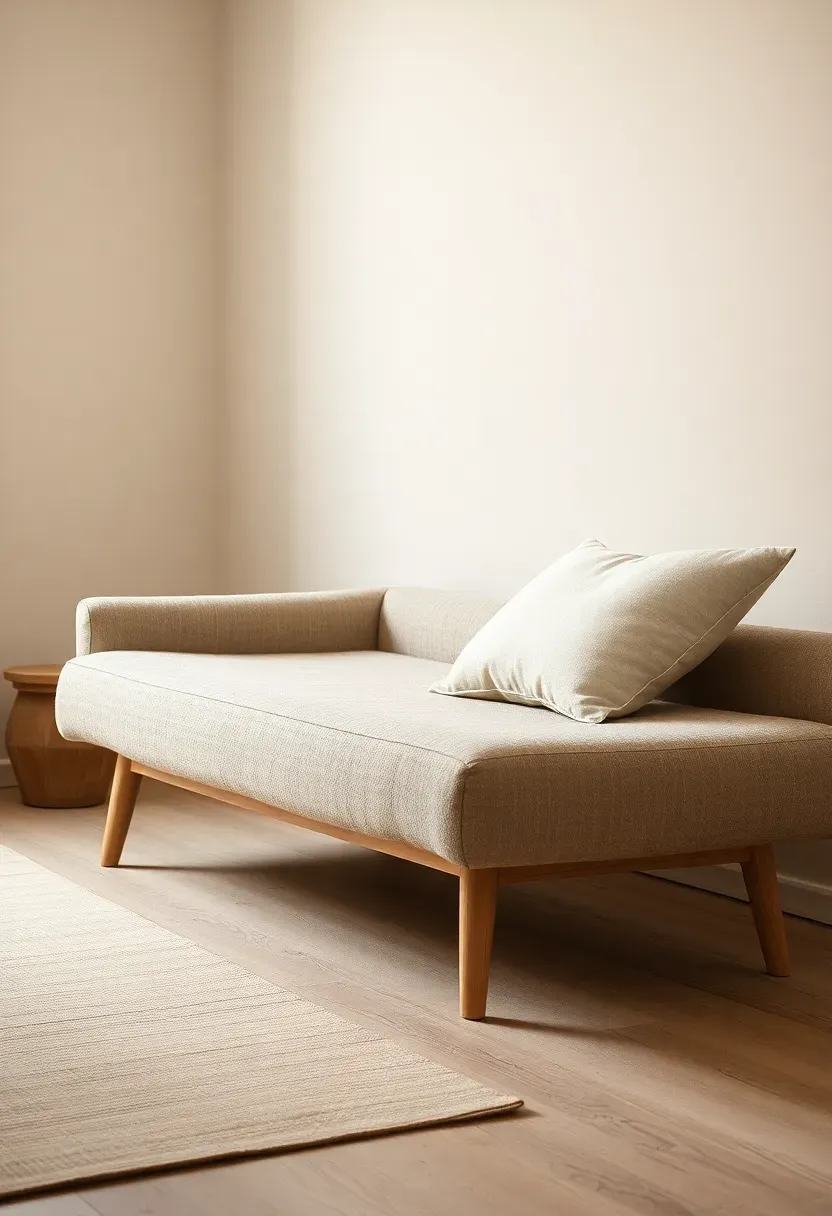
Placement note: Keep 28 inches between the daybed and the coffee table for easy movement.
As a trade-off, low seating can feel too casual if you overstuff it. Keep one firm cushion and a single throw to avoid a slouchy look. If you need a guest bed, choose a daybed with a flat, 6 inch mattress. This keeps the silhouette crisp and still feels true to the era. The room stays airy and functional.
Tips
- If the cover slides, then add a hidden grip pad.
- If the room is narrow, then keep the arms under 3 inches wide.
- If you need storage, then add a shallow drawer under the base.
What this gives you: relaxed seating that keeps small rooms open.
We picked a few things that go well with this idea: Mid-Century Rattan Bentwood Dining Chairs (Set of 2) (★4.5), Commercial Seating Bentwood Tinted Raw Chair (★3.9) and Modway Eon Elm Wood Dining Chair (★3.3). As an Amazon Associate we earn from qualifying purchases.
3. Checkerboard linoleum entry strip
Soviet-inspired interiors often used linoleum in high-traffic zones, and a checkerboard entry strip still feels authentic. The pattern adds rhythm without loud color, which keeps the room calm. Use a 24 inch wide strip to protect the area near the door. Pick two muted tones like warm gray and sand. Avoid high-gloss tiles; upgrade to a matte linoleum finish that is easy to clean.
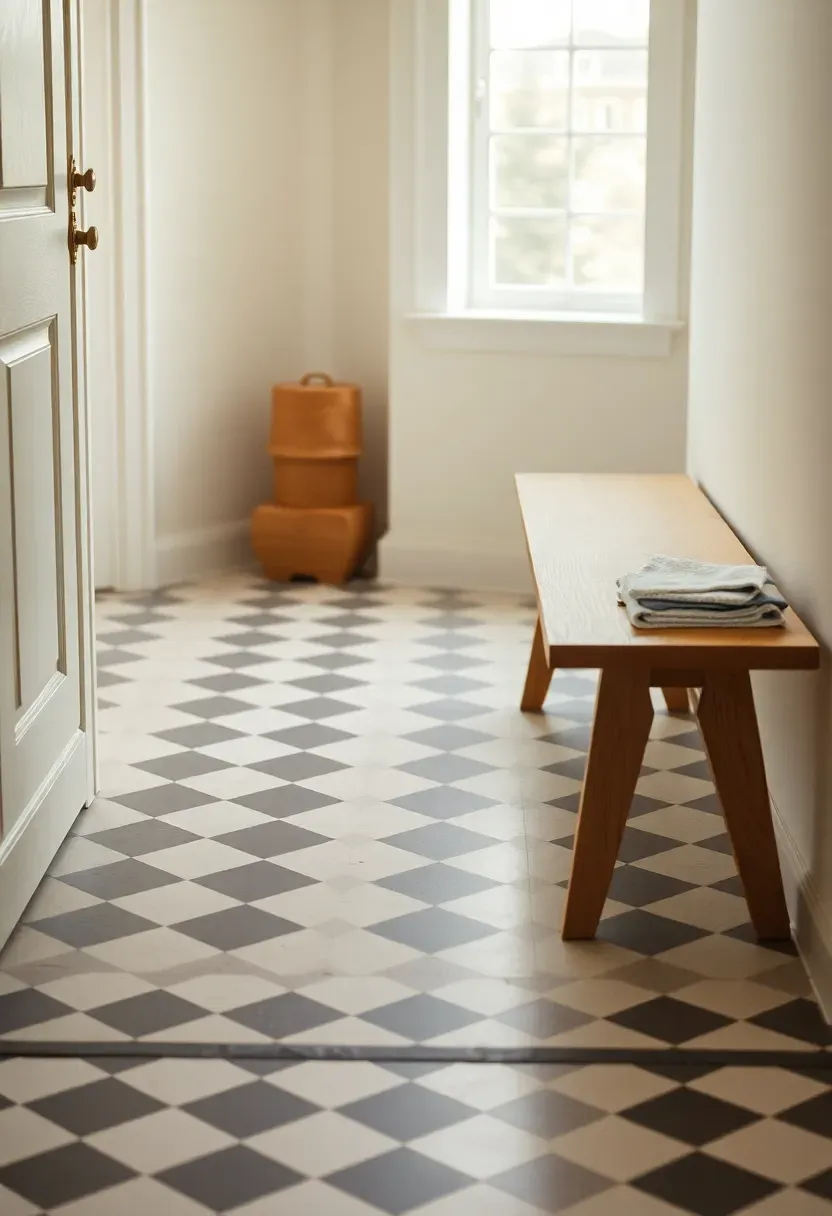
Why it works: the pattern defines a zone without adding extra furniture.
Keep the border clean by using a narrow metal threshold strip. If the entry feels too busy, choose a larger check pattern for a calmer rhythm. A small runner on top can add softness in winter, but skip thick pads that wrinkle. This detail anchors the entry while still looking period-correct. It also protects the main floor from grit.
Tips
- Pro: linoleum is warm underfoot in cold months.
- Con: edges can curl if glued poorly.
- Fix: use a full-spread adhesive and a heavy roller.
Budget/Time: $120-$260 and a half-day install.
What this gives you: a tough entry zone with a vintage rhythm.
We picked a few things that go well with this idea: Aisilan Opal Glass Globe Pendant Light (★4.1), Globe Electric Opal Glass Pendant Light (★4.4) and Progress Lighting Opal Globe Pendant (★4.5). As an Amazon Associate we earn from qualifying purchases.
4. Frosted glass divider with metal frame
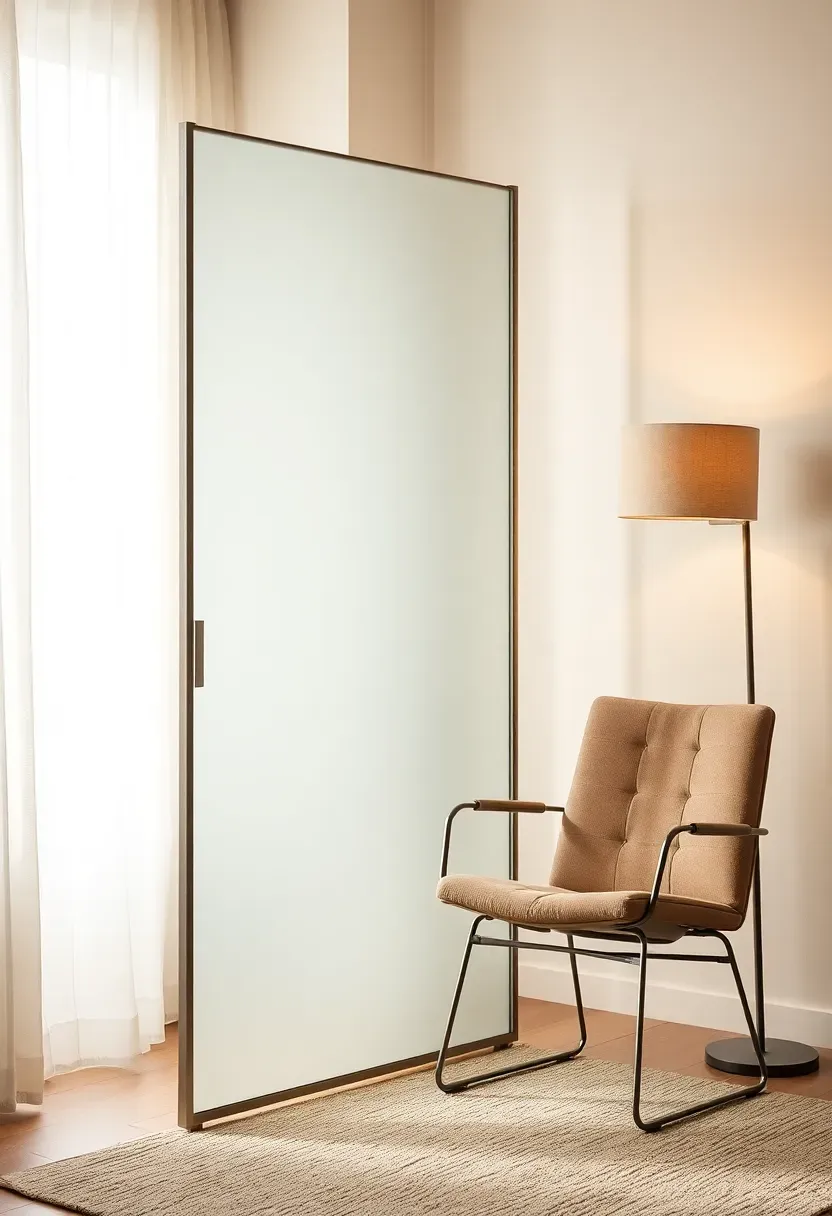
A Soviet-style interior can feel more private when a frosted glass divider defines space. This is especially useful in a communal apartment layout where one room serves multiple functions. A 60 to 70 inch wide panel separates a reading nook without blocking light. Choose a slim metal frame in warm gray. Avoid clear glass; upgrade to frosted panels for privacy and soft glow.
Recommended
Items for this idea
Common mistake: using thick frames that feel heavy and modern.
Keep the frame under 1 inch thick so it reads light and utilitarian. If you need more storage, add a slim shelf behind the panel rather than making the divider bulky. A soft glow from a floor lamp turns the frosted glass into a gentle feature. The room stays open but feels better zoned. It is a practical nod to Soviet-era solutions.
Tips
- Micro-hack: add felt pads to prevent floor scratches.
- Micro-hack: choose tempered glass for safety.
- Micro-hack: keep the base plate slim to avoid tripping.
What this gives you: privacy without sacrificing daylight.
5. Radio shelf and minimalist wall clock
A Soviet interior design look feels nostalgic when you add a simple radio shelf and clock. This Brezhnev-era detail brings a lived-in rhythm to the wall without clutter. Mount a 30 inch shelf at eye level for a compact radio and one framed photo. Choose a clock with a clean face and thin hands. Avoid oversized decor; upgrade to smaller pieces that feel practical.
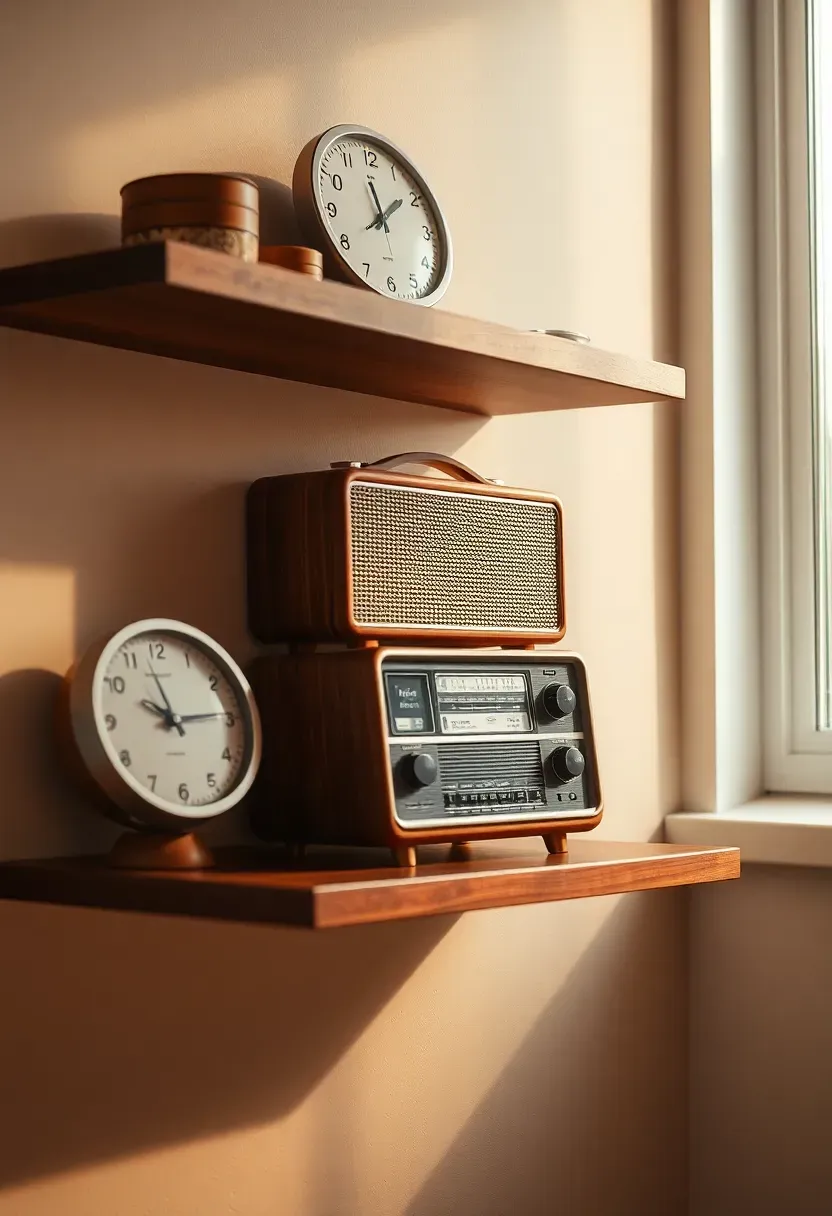
Keep the shelf depth around 8 inches so the wall stays light. If the clock feels too modern, swap to a matte frame in warm gray. A small radio works better than a large one in a Leningrad apartment, where walls need breathing room. This arrangement adds character without turning the wall into a gallery. It keeps the space functional and true to its roots.
Tips
- Do: use hidden brackets for a clean profile.
- Don’t: stack books higher than the radio.
- Do: choose a clock under 12 inches wide.
Best for: blank walls that need a functional accent.
What this gives you: a quiet focal point with everyday use.
6. Drop-leaf table with bentwood chairs
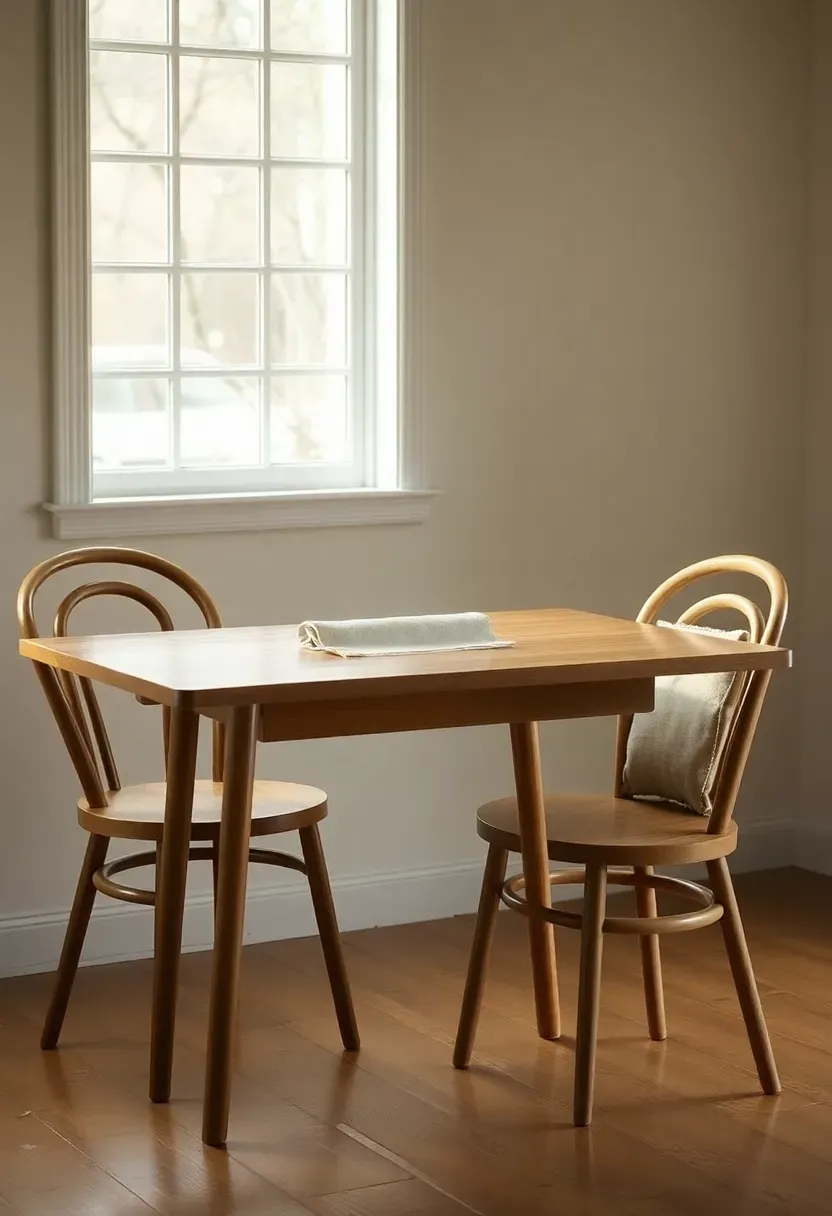
Soviet-style interiors feel practical with a compact dining zone that can expand when needed. A drop-leaf table paired with bentwood chairs keeps the silhouette light and classic. Choose a 36 inch round table that opens to 48 inches for guests. Keep the wood tone warm and even across pieces. Avoid bulky upholstered chairs; upgrade to curved backs that slide under the table.
Recommended
Items for this idea
Placement note: Leave at least 30 inches from table edge to wall for comfortable seating.
If space is tight, keep the leaves folded on weekdays and open them only for dinner. As a trade-off, drop-leaf hardware can squeak, so add felt washers to quiet the hinges. A simple linen runner is enough texture without clutter. The setup feels authentic and still works for modern meals. It keeps the room flexible.
Tips
- If chairs wobble, then tighten the seat bolts quarterly.
- If the table looks dark, then use a lighter oil finish.
- If you need storage, then add a shallow wall shelf nearby.
What this gives you: a flexible dining spot with light curves.
7. Compact writing desk with Bakelite lamp
A Soviet-inspired interior becomes more useful with a compact writing desk and a Bakelite lamp. The glossy Bakelite base adds a classic detail without taking much space. Choose a desk around 36 inches wide to fit near a window. A single drawer keeps supplies tucked away. Avoid oversized office chairs; upgrade to a light stool that slides under the desk.
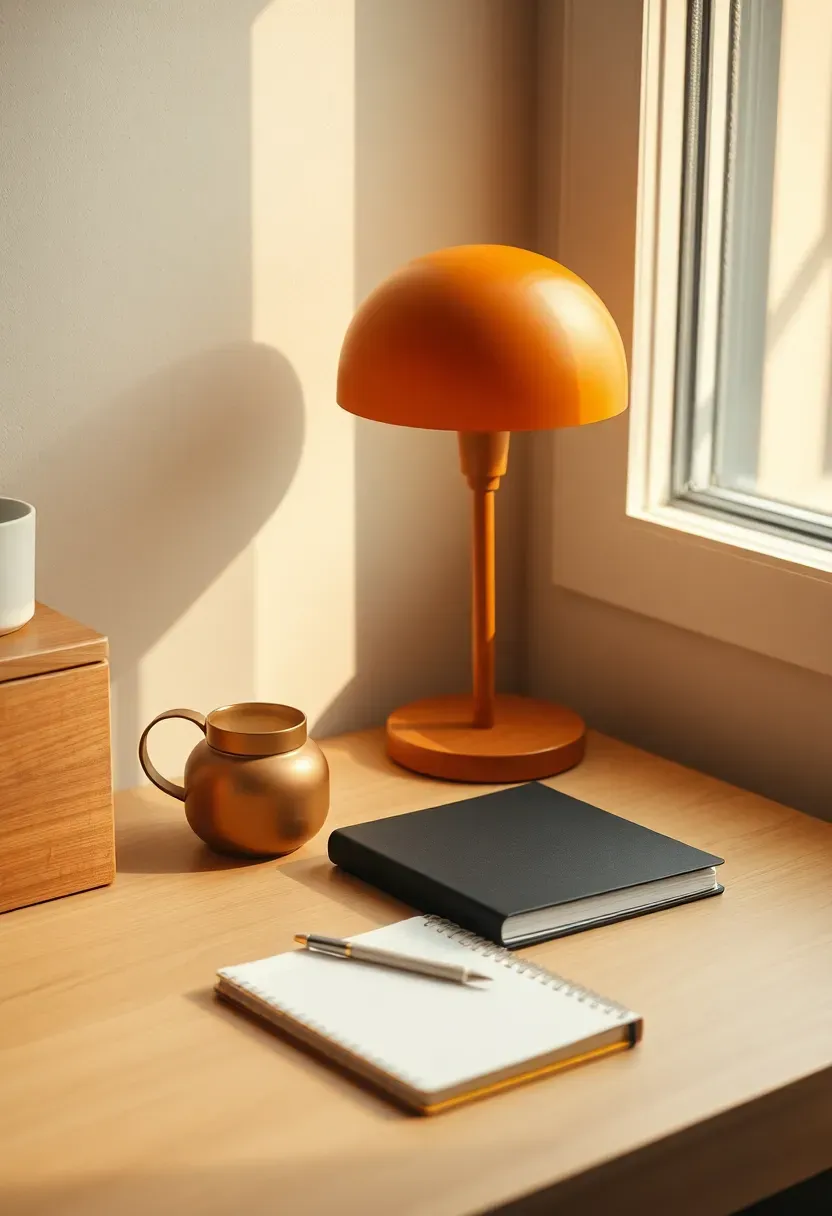
Why it works: the small scale creates a work zone without taking over the room.
Keep the surface clear except for a lamp and one tray to avoid clutter. If the lamp feels too shiny, buff it gently for a softer sheen. A compact desk is ideal for a home office corner but still reads authentic. It adds purpose without changing the entire layout. The look stays calm and useful.
Tips
- Pro: Bakelite holds color and patina well.
- Con: old wiring can be unsafe.
- Fix: rewire with a modern cord and switch.
Rental note: use a freestanding desk to avoid wall anchors.
What this gives you: a focused workspace with vintage character.
8. Gobelin tapestry panel above the sofa
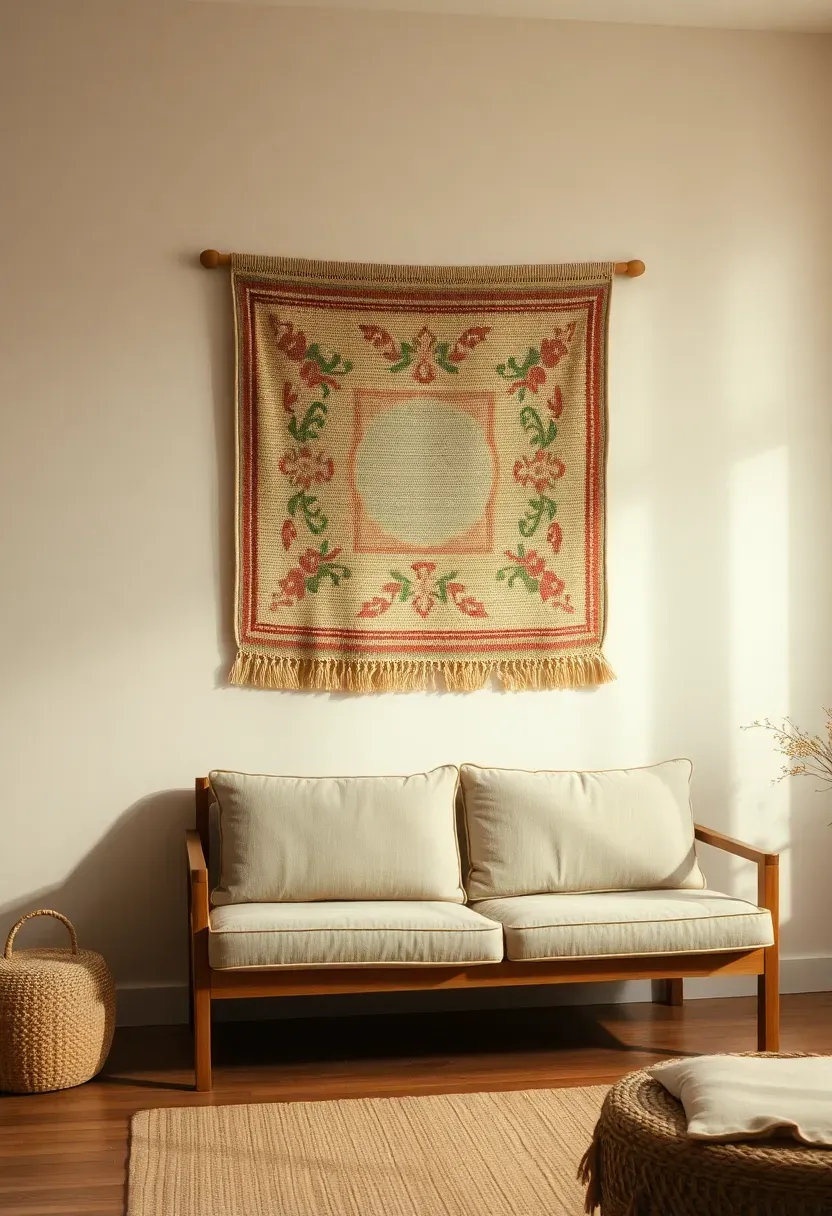
Soviet interior design often feels warmer with a gobelin tapestry above the sofa. The woven panel adds color while softening acoustics in small rooms. Choose a piece about 36 to 48 inches wide to keep scale balanced. Stick to muted reds and browns for an authentic palette. Avoid glossy prints; upgrade to real textile weave for depth.
Recommended
Items for this idea
Common mistake: hanging the tapestry too high so it floats above the furniture.
Keep the bottom edge about 6 inches above the sofa back for a grounded feel. If the pattern feels strong, add plain cushions and keep the rug simple. This contrast makes the textile stand out without making the room busy. A woven panel reads authentic and softens the wall. It adds warmth without extra furniture.
Tips
- Micro-hack: use a hidden dowel to keep edges straight.
- Micro-hack: vacuum gently with a brush head twice a year.
- Micro-hack: frame the tapestry in thin wood for structure.
What this gives you: texture and warmth with a period feel.
9. Baltic birch sideboard with brass pulls
Soviet-style interiors look refined with a low sideboard in Baltic birch. The pale wood keeps the room bright while the brass pulls add a subtle highlight. Choose a 48 to 60 inch sideboard so it sits below window sills. Keep the top clear except for one tray. Avoid oversized hardware; upgrade to slim pulls that feel utilitarian.
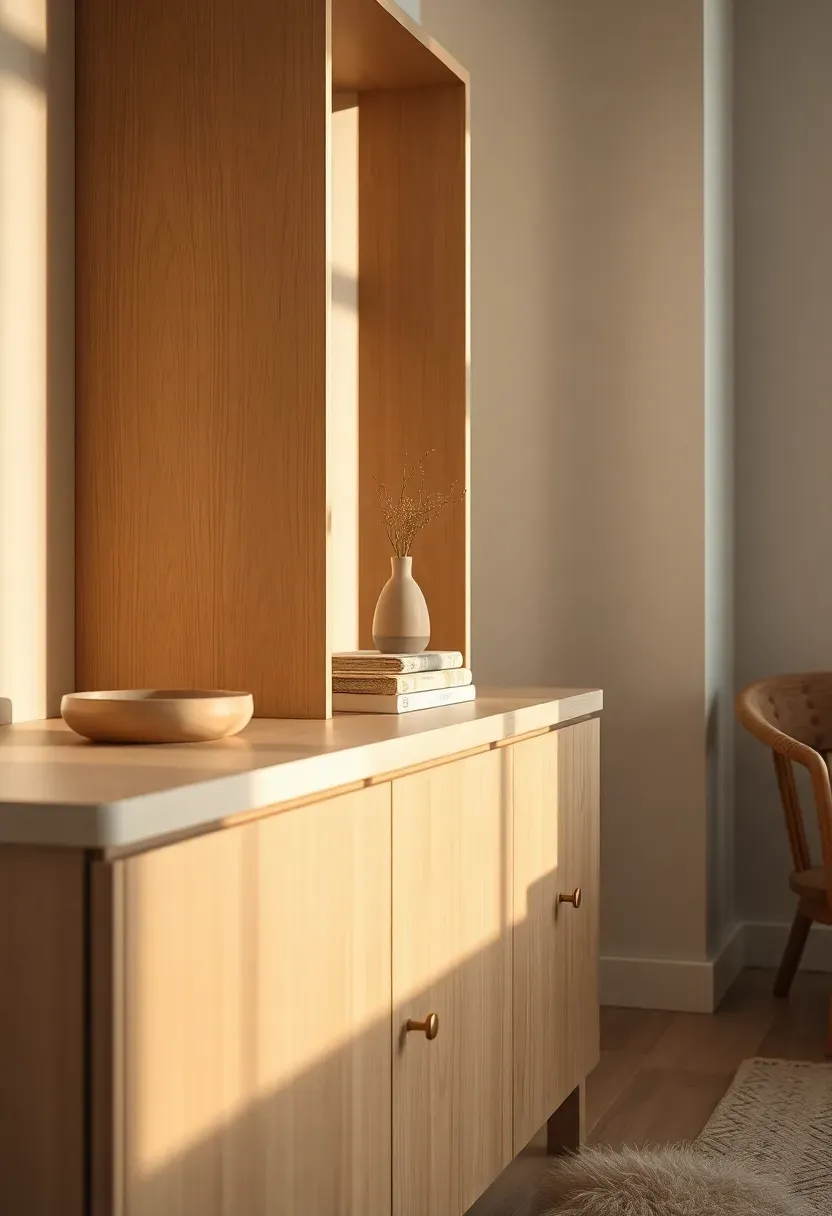
Use drawer dividers so the storage stays functional and easy to maintain. If you want more ideas for balanced storage, see 19 Soviet Interior Design Ideas That Feel Authentic and Livable. A low sideboard keeps the wall line clean and makes space for art above. This is a simple upgrade that feels authentic and modern at once. It fits both Moscow and St. Petersburg flats.
Tips
- Do: use felt pads to protect parquet floors.
- Don’t: overload the top with tall objects.
- Do: keep one ceramic piece as a focal item.
Best for: rooms that need low storage without bulk.
What this gives you: light storage with a warm, authentic tone.
10. Parquet border with matte oil finish
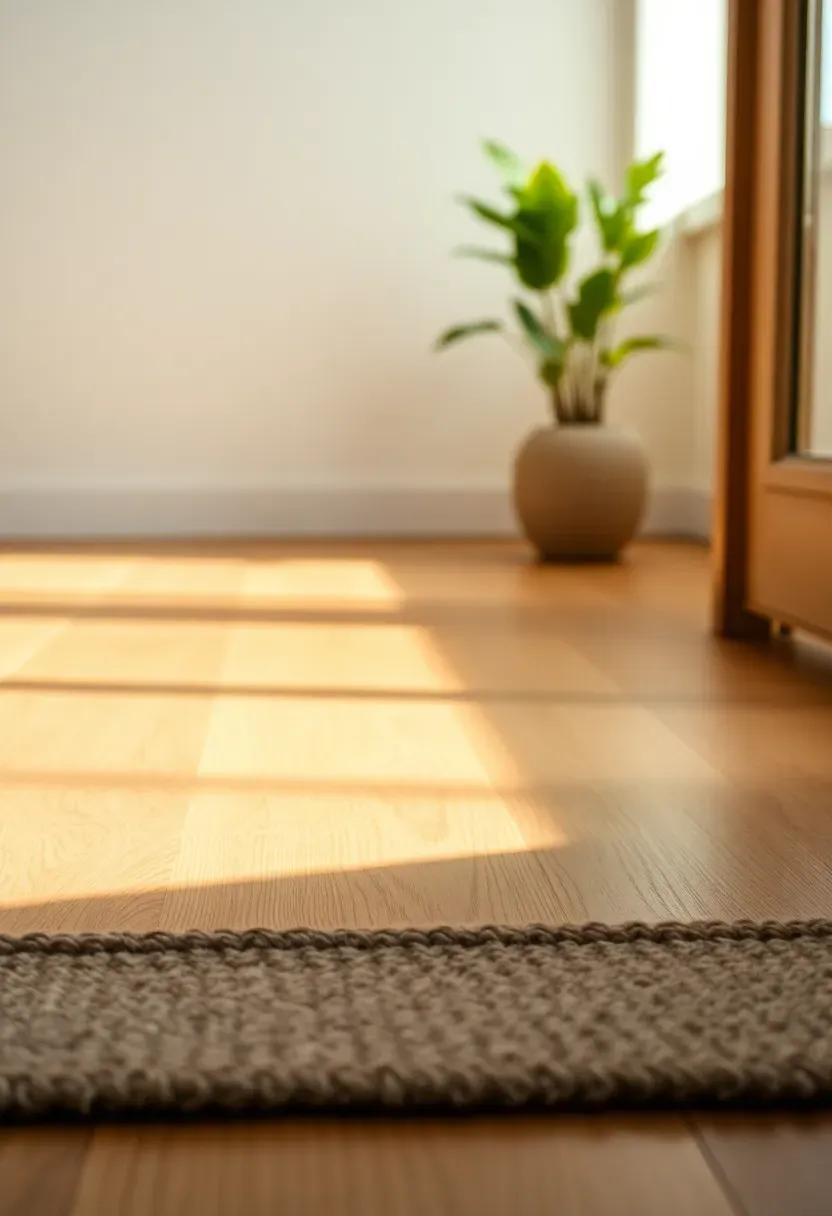
Soviet interior design often features parquet flooring that adds warmth underfoot. A narrow border makes the floor feel intentional without overpowering the room. Keep the border around 2 inches wide for a subtle frame. Choose a matte oil finish so the grain reads softly. Avoid glossy sealers; upgrade to a low-sheen oil that feels natural.
Recommended
Items for this idea
Placement note: Leave a 1 inch expansion gap at walls and cover it with a slim baseboard.
As a trade-off, matte finishes show dust faster, so plan on weekly sweeping. If the floor feels cold, layer a low pile rug near the sofa instead of a thick shag. A clean border detail brings quiet structure to the room. This look is classic and still easy to maintain. It keeps the space grounded without heavy decor.
Tips
- If the floor dulls, then buff with oil once a year.
- If planks squeak, then add a bead of wood glue at joints.
- If you refinish, then test a small patch first.
What this gives you: a warm floor with authentic craftsmanship.
11. Opaline glass globe pendant
A Soviet-style interior becomes softer with an opaline glass globe pendant. The milky shade spreads light evenly and keeps glare low. Choose a 12 to 14 inch globe for standard ceiling heights. A simple black or brass stem keeps the focus on the glass. Avoid oversized fixtures; upgrade to a smaller globe for a calmer scale.
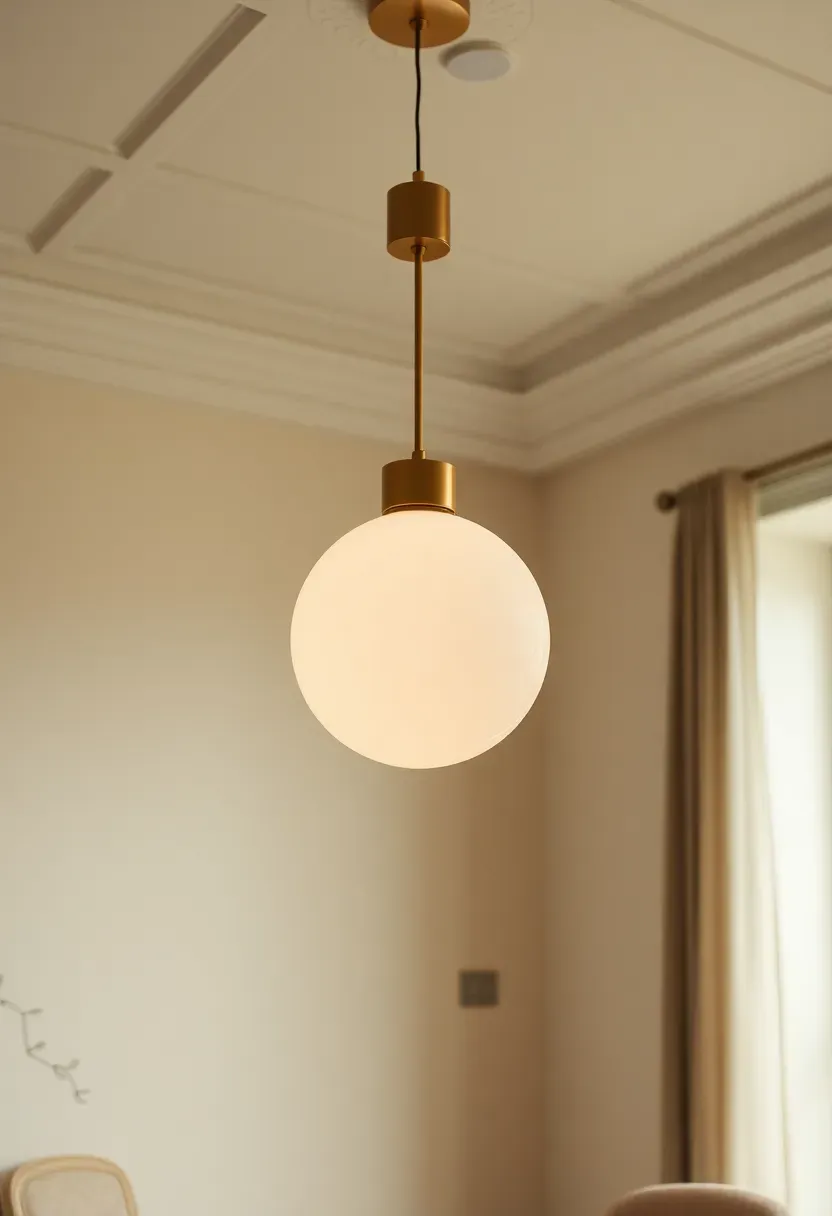
Why it works: the glow feels gentle and keeps the room calm at night.
Use a 2700K bulb so the glass reads warm, not cold. If the pendant feels too modern, switch to a braided cord in neutral tone. A globe pendant works in living rooms and dining corners without dominating the space, much like the lighting ideas in our mid-century modern living room decor guide. It adds a quiet statement that still feels period-correct. The room stays soft and balanced.
Tips
- Pro: opaline glass hides the bulb shape.
- Con: smudges show on matte glass.
- Fix: wipe gently with a microfiber cloth once a month.
Best for: rooms that need warm, even light.
What this gives you: soft overhead light with a classic tone.
12. Gzhel ceramic shelf display
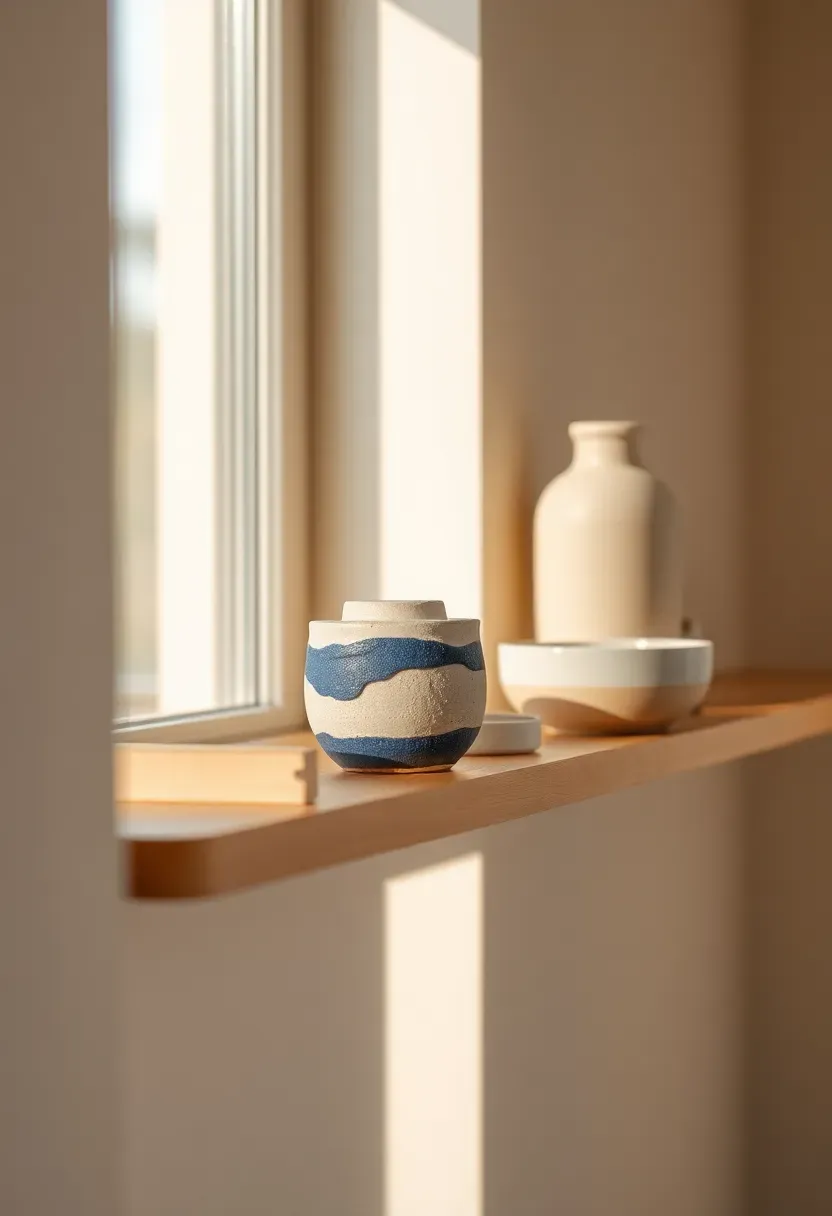
Soviet interior design looks more personal with a small display of Gzhel ceramics. The blue-and-white palette adds contrast without heavy color. Use a 30 inch shelf and limit the display to three pieces. Keep the shelf line slim and simple. Avoid crowded collections; upgrade to a few standout pieces with clean shapes.
Recommended
Items for this idea
Common mistake: mixing too many patterns so the shelf looks busy.
Keep the background wall plain so the ceramics stand out. If you want extra height, add a single small vase rather than a full stack. A small linen doily keeps the shelf line soft. The shelf feels curated and authentic without turning into a museum display. This detail adds a cultural note while keeping the room calm. It is a small change with high impact.
Tips
- Micro-hack: use museum putty to prevent wobble.
- Micro-hack: space pieces 4 inches apart for breathing room.
- Micro-hack: keep the shelf under 8 inches deep.
What this gives you: a cultural accent that feels curated and light.
13. Textured plaster wall with picture rail
Soviet-inspired interiors often include subtle wall texture that hides imperfections. A textured plaster wall with a simple picture rail adds depth without extra decor. Use a fine plaster with a light trowel pattern for a soft finish. Keep the rail about 12 inches below the ceiling. Avoid heavy stucco; upgrade to a thin coat that reads handmade.
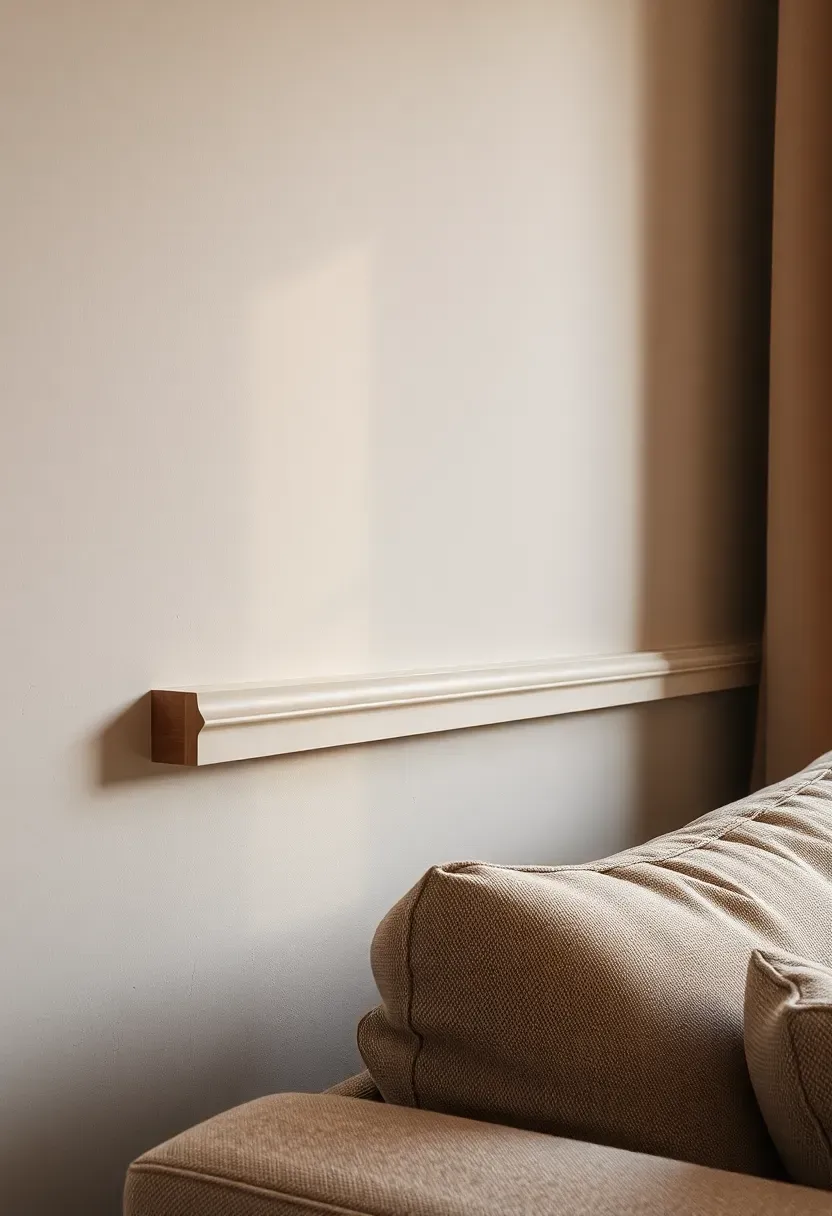
Keep art frames thin so the rail line stays crisp. If the room feels dark, paint the rail a shade lighter than the wall. The texture softens acoustics and gives the wall a finished feel. It also makes the ceiling feel slightly higher. This look fits Soviet-era rooms without needing large furniture changes. It adds depth with minimal cost.
Tips
- Do: test a 12x12 sample patch before committing.
- Don’t: add glossy paint on top of the plaster.
- Do: keep the rail level with a laser line.
Avoid if: you cannot patch cracks or uneven surfaces first.
What this gives you: subtle depth that feels handcrafted and calm.
14. Enamel tea corner with tray
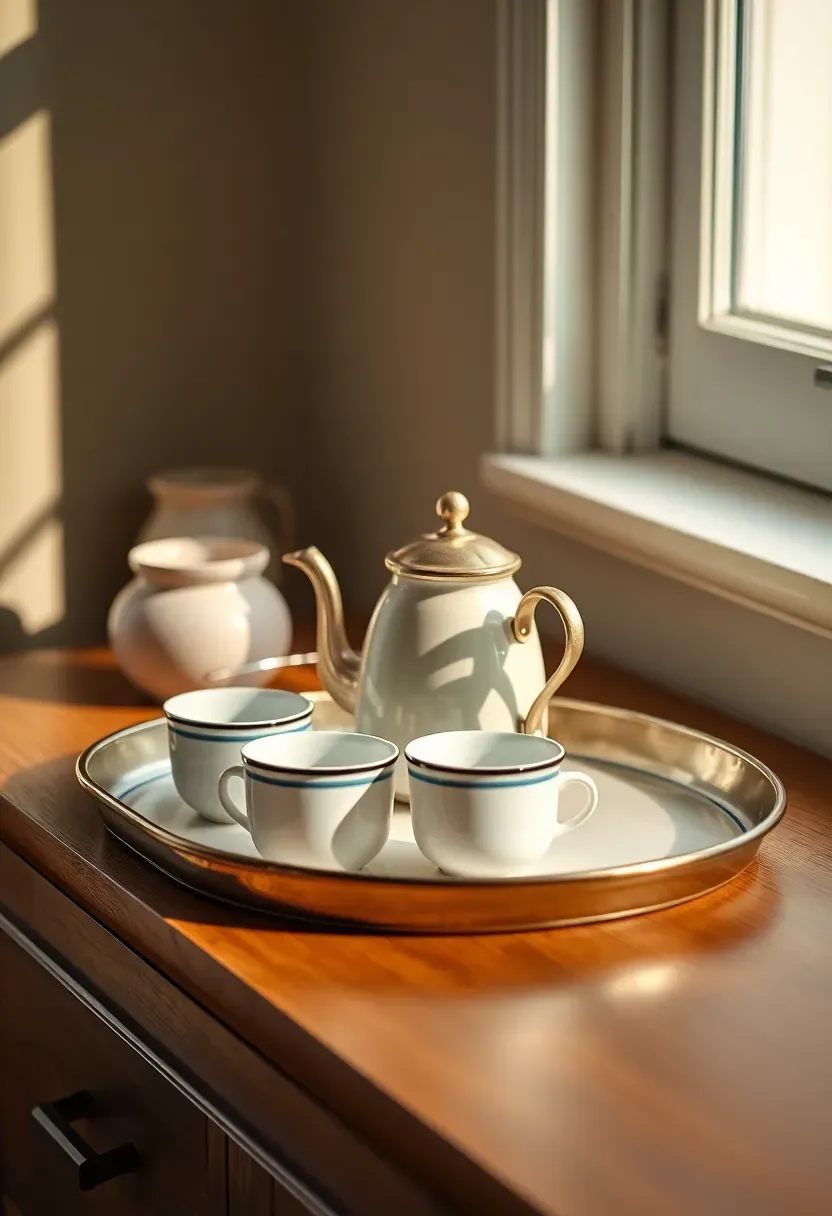
A Soviet-style interior feels welcoming with a small enamel tea corner. An enamel tray and kettle add a modest ritual without needing a full dining setup. Use a 14 inch tray on a sideboard or bar cart. Keep the palette neutral with one accent color like soft blue. Avoid shiny chrome; upgrade to enamel for a softer, lived-in look.
Recommended
Items for this idea
Placement note: Keep the tray at least 6 inches from the edge to prevent spills.
If the corner feels too decorative, add a small stack of coasters for function. As a consequence, enamel chips can show quickly, so keep a clear coat on high-use pieces. A tea corner adds warmth and invites daily use without crowding surfaces. It feels authentic and easy to maintain. The detail anchors the room with a quiet ritual.
Tips
- If the tray slides, then add a thin cork liner.
- If chips appear, then touch up with enamel paint.
- If space is tight, then use a narrow wall shelf instead.
What this gives you: a functional ritual that feels classic and warm.
15. Slatted radiator cover in warm white
Soviet interior design often has bulky heating units that benefit from a simple cover. A slatted cover hides the cast-iron radiator while still allowing airflow. Paint it in warm white to soften the wall line. Keep the cover 4 to 5 inches deeper than the radiator for circulation. Avoid carved panels; upgrade to flat slats for a cleaner profile.
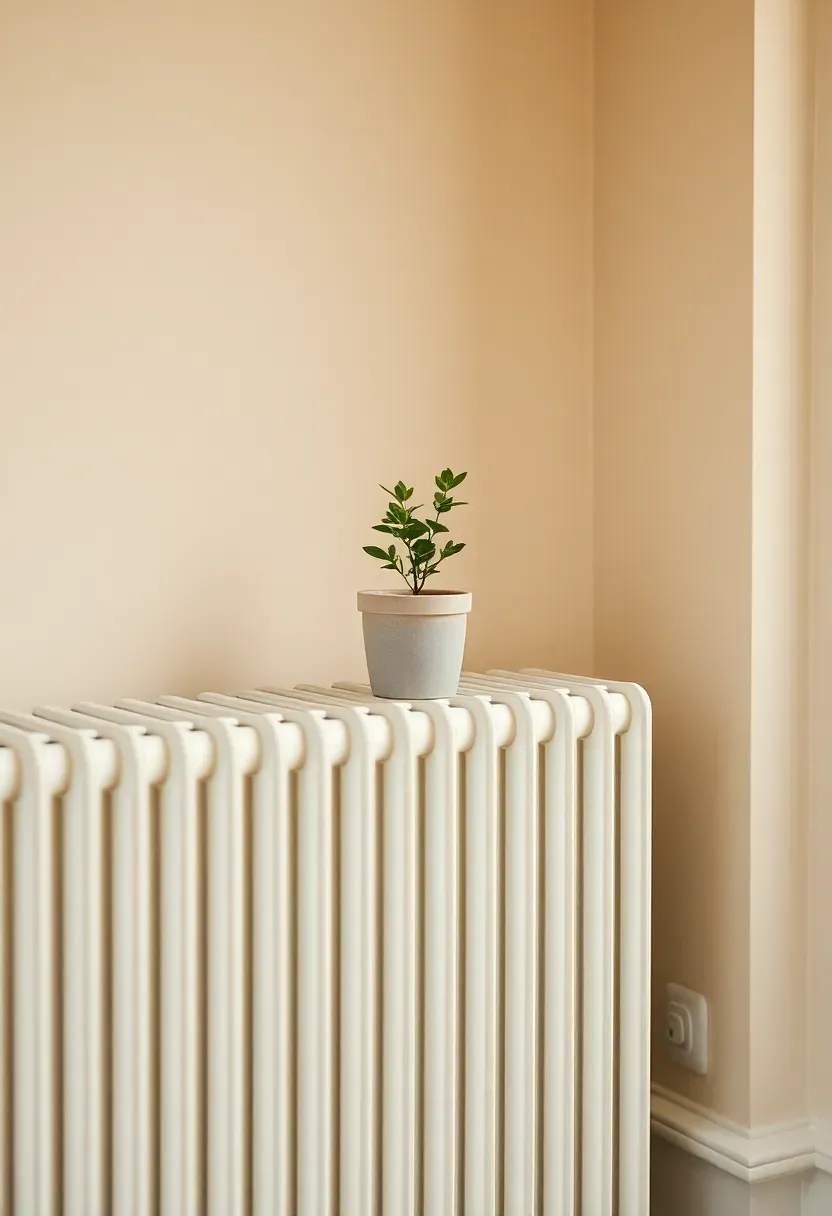
Why it works: the cover adds a clean line without changing the room layout.
If you need extra display, add a thin top ledge for a framed photo. As a trade-off, tight slats reduce heat output, so leave 1 inch gaps between slats. A simple cover makes the wall feel finished and less industrial. It is a small upgrade that reads authentic. The space feels calmer and more intentional.
Tips
- Pro: covers reduce dust buildup on radiators.
- Con: tight gaps can block heat.
- Fix: widen slat spacing to improve airflow.
Rental note: use a freestanding cover instead of wall-mounted panels.
What this gives you: a cleaner wall line with softer heating details.
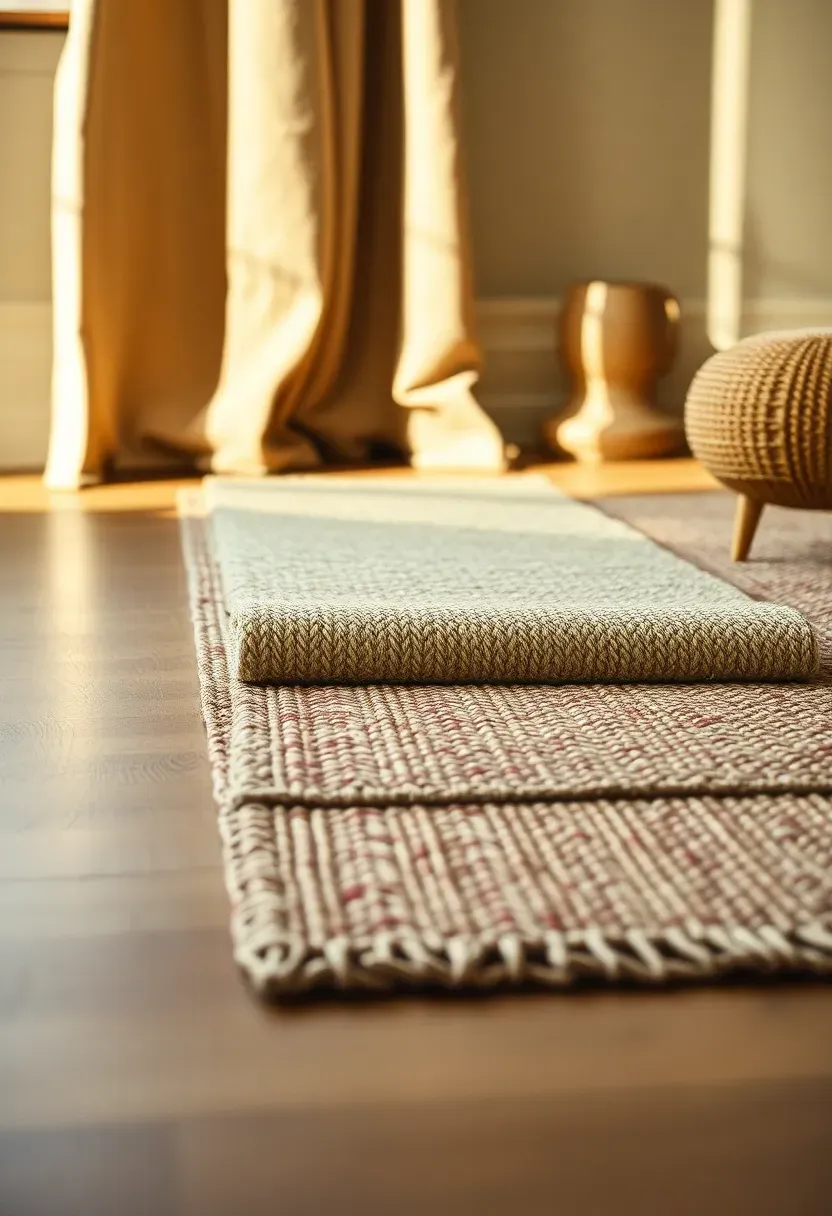
16. Layered wool runner over flatweave rug
A Soviet-style interior gains warmth with layered textiles, especially on hard floors. A slim wool runner over a flatweave rug adds depth without feeling heavy. Choose a 2x6 foot runner so the edges of the base rug still show. Keep colors muted to avoid visual noise. Avoid thick shag layers; upgrade to low pile for a neat profile.
Recommended
Items for this idea
Common mistake: stacking two bold patterns that compete for attention.
Use one simple geometric pattern and one solid base for balance. If the runner shifts, add a thin rug pad cut to size. A muted stripe runner echoes classic Soviet textiles and pairs well with minimalist vintage living room ideas. Layering adds comfort but still keeps the floor visible, which feels true to modest Soviet rooms. This is a fast update that keeps the layout intact. It makes the seating zone feel complete.
Tips
- Micro-hack: rotate the runner every season for even wear.
- Micro-hack: vacuum both layers before stacking.
- Micro-hack: choose a runner with bound edges.
What this gives you: layered comfort without visual clutter.
17. Window bench with linen cushions
A Soviet-inspired interior feels more usable when a window bench adds seating and storage. Linen cushions keep the look soft and breathable while staying understated. Build a bench around 48 inches wide so it fits under most windows. Use a hinged lid to hide blankets or books. Avoid bulky upholstery; upgrade to simple linen pads for a clean profile.
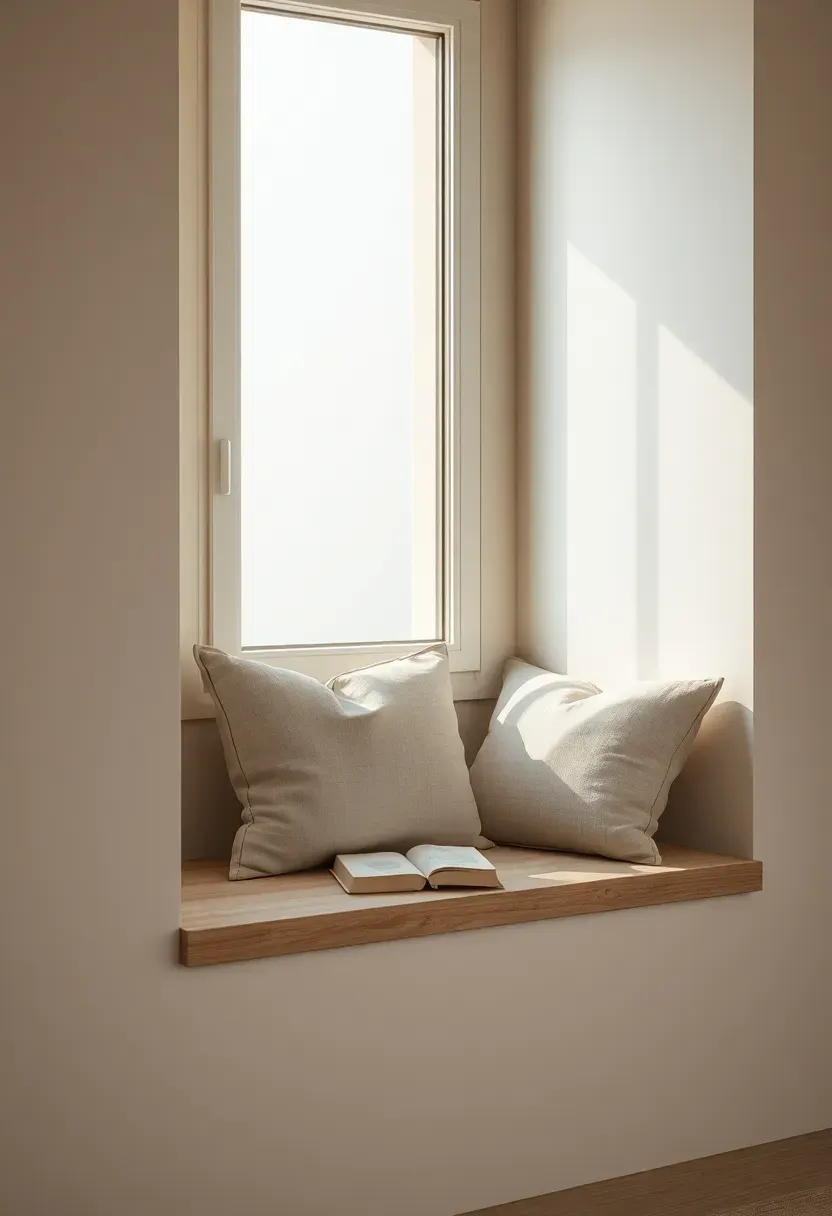
Keep cushion thickness around 2 inches so the bench does not look bulky. If you need extra back support, add a single lumbar pillow in warm gray. The bench works as a reading spot and a storage zone without adding new furniture. This detail suits small rooms and keeps the window area useful. It feels modern yet honest to the era.
Tips
- Do: add a thin felt pad under cushions to stop sliding.
- Don’t: use bright patterns that overpower the window view.
- Do: seal the bench top to protect against moisture.
Best for: corners that need seating and hidden storage.
What this gives you: a calm perch with practical storage.
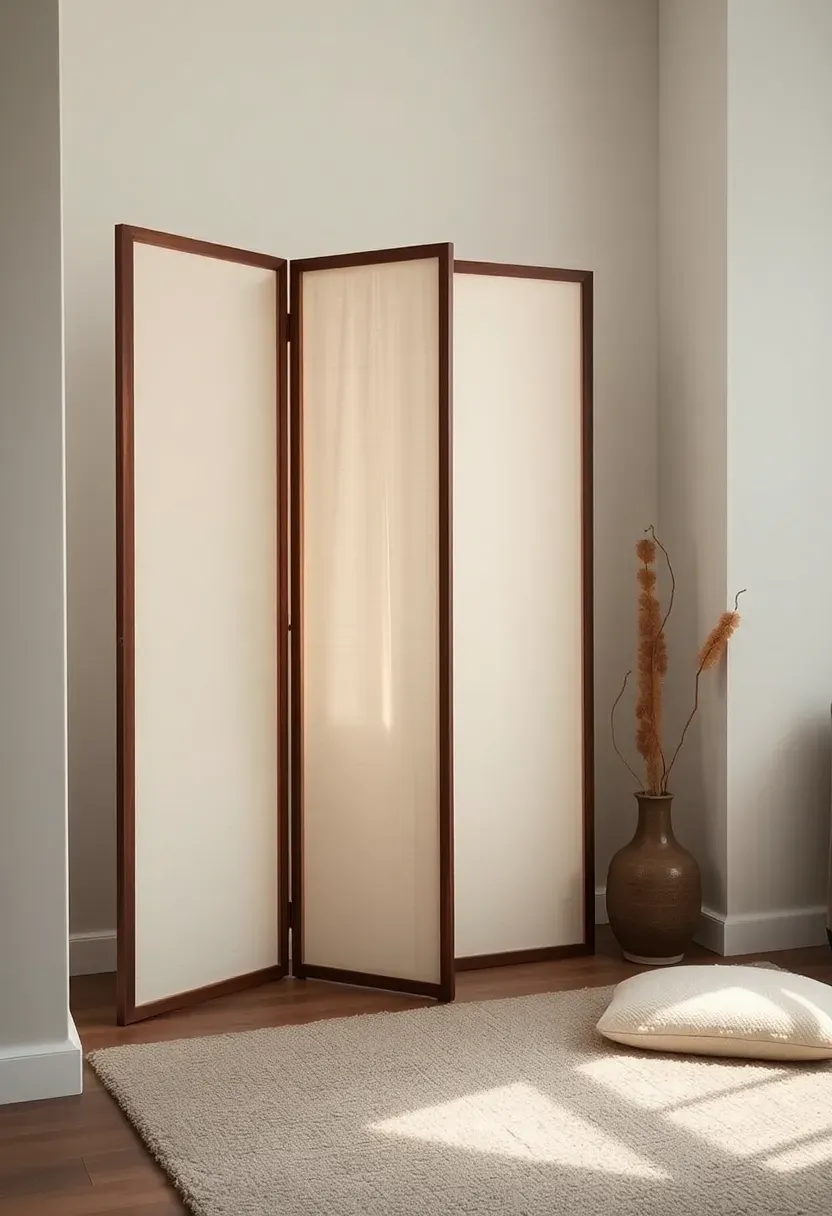
18. Folding screen for a quiet nook
Soviet interior design can feel more functional when you create a small nook. A folding screen offers privacy without permanent walls. Choose a 60 inch wide screen with simple fabric or wood panels. Keep the tone neutral so it blends into the room. Avoid busy prints; upgrade to a muted panel that feels utilitarian.
Recommended
Items for this idea
Placement note: Angle the screen slightly so it reads intentional, not temporary.
If the screen feels unstable, add small felt feet for grip. As a trade-off, a screen blocks some light, so place it where daylight is already strong. A simple divider is ideal for a shared living room or a work corner. It zones the space without adding heavy furniture. The look stays authentic and flexible.
Tips
- If space is tight, then use a two-panel version.
- If fabric sags, then tighten the frame with corner braces.
- If you need storage, then add a small tray table nearby.
What this gives you: flexible privacy with a light footprint.
19. Open modular bookshelf with ceramics
A Soviet-style interior looks balanced with open modular shelving. The grid layout keeps books tidy and makes space for a few ceramics. Choose a 60 inch wide unit with adjustable shelves for flexibility. Keep at least one bay empty for visual breathing room. Avoid glossy finishes; upgrade to a matte wood tone for a softer look.
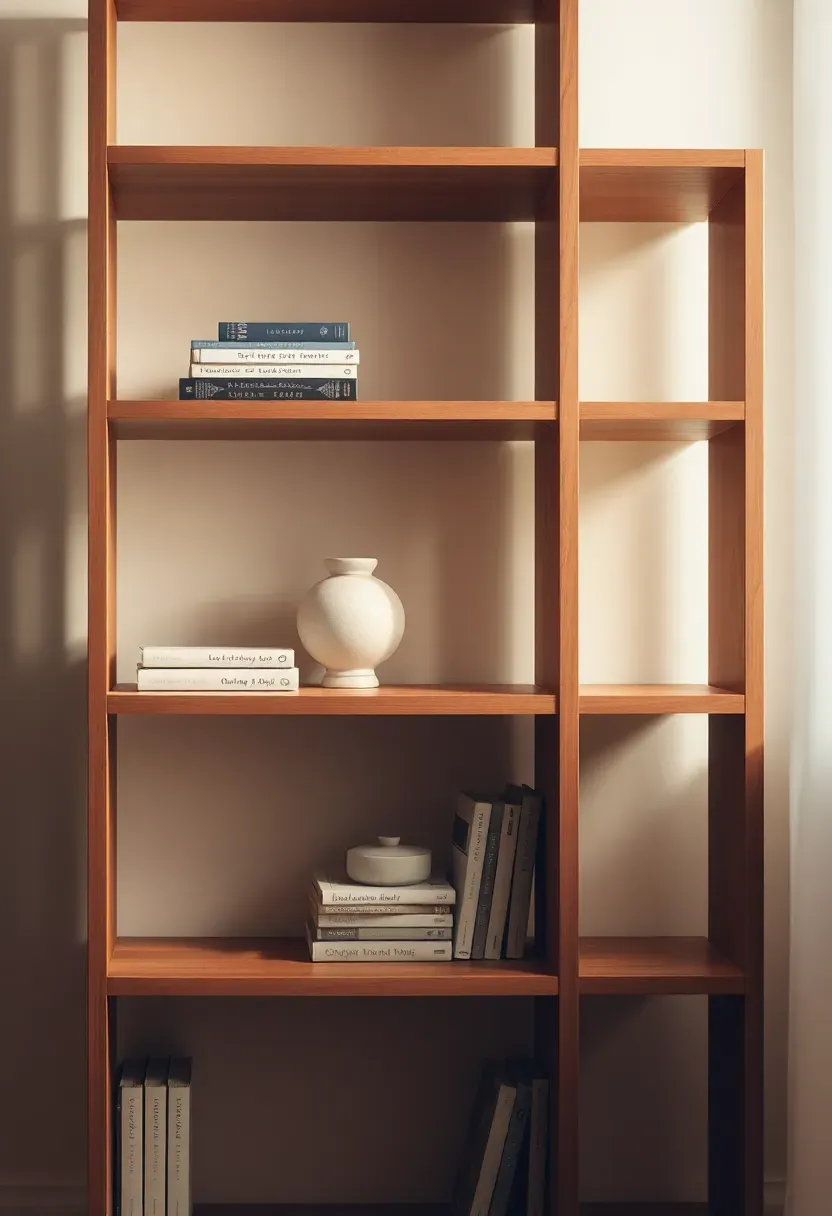
Why it works: the grid keeps the room tidy while showing a few personal items.
Group books by height and color so the shelf feels calm. If the shelf looks heavy, remove one row and add a small plant instead. Modular shelves are easy to reconfigure when your needs change. This look reads authentic but adapts to modern life. It keeps storage flexible without clutter.
Tips
- Pro: open shelves make cleaning quick.
- Con: dust can collect on horizontal stacks.
- Fix: keep a microfiber cloth inside one cubby.
Best for: living rooms that need flexible, light storage.
What this gives you: modular storage that stays calm and practical.
Soviet interior design works best when you combine practical pieces with gentle texture and warm light. Use this style guide to build a soviet-style interior that fits modern routines and small apartment living without losing its heritage. A few focused updates often matter more than full renovations. Keep the palette warm, the furniture low, and the materials honest for a timeless result that any renter can achieve.
About the author
OBCD
CGI visualization and interior design content. We create detailed 3D renders and curate practical design ideas for every room in your home.