21 Modern Minimalist Living Room Ideas for Stylish Spaces
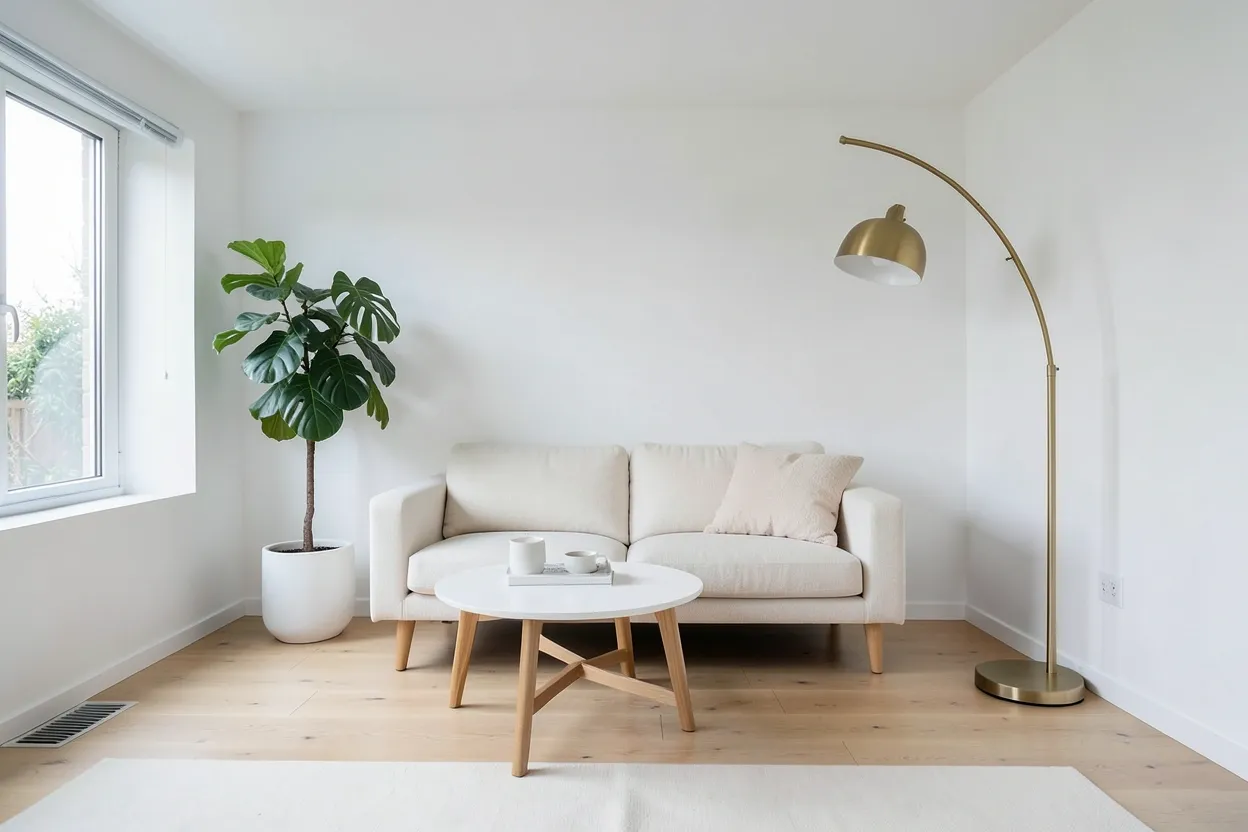
Modern minimalist living room ideas combine clean, uncluttered design with warmth and personality to create spaces that feel both sophisticated and inviting. For renters, this approach is especially powerful—you can transform any apartment with thoughtfully curated pieces that require no permanent changes. The key to successful minimalism isn't removing everything, but choosing furniture and decor that serve both purpose and joy while maintaining visual calm.
True modern minimalism balances restraint with warmth through strategic choices: quality over quantity, neutral palettes warmed by natural materials, and intentional negative space. We found that this design philosophy works exceptionally well in small rental living rooms because it emphasizes function without clutter—making even compact spaces feel larger, brighter, and more serene.
Color plays a crucial role in modern minimalist living rooms. White, cream, and light gray provide a serene foundation while allowing architectural details and carefully chosen pieces to shine. Natural materials like wood, stone, and linen add warmth and texture, preventing the space from feeling cold or sterile. Lighting—both natural and artificial—is layered to create atmosphere and highlight the room's thoughtful design. All 21 ideas below can be adapted for rental apartments with no drilling required.
Quick FAQ
How do I make a minimalist living room feel warm, not cold?
Introduce warmth through natural materials like wood, linen, and wool that add texture and organic character. Layer lighting with warm-toned bulbs at different heights for cozy ambiance. Choose a few well-chosen accessories like plants, textiles, or artwork in warm colors to prevent sterile feeling.
What furniture pieces are essential for a minimalist living room?
Focus on quality essentials: one comfortable sofa, one or two accent chairs, a coffee table, and perhaps a console or side table. Each piece should serve clear purpose and bring joy. Invest in high-quality, well-designed pieces that stand out and earn their place in the space.
How do I keep a minimalist living room organized?
Embrace the "one in, one out" rule for new acquisitions to prevent accumulation. Use thoughtful storage solutions that hide clutter while maintaining accessibility—built-ins, floating shelves with baskets, or console tables with drawers. Regularly edit your possessions, keeping only what serves a purpose or brings genuine happiness.
Can I have plants in a minimalist living room?
Absolutely. Plants bring life, color, and organic texture that enhances minimalist design. Choose a few large, statement plants rather than many small ones for bigger impact. Large potted trees or sculptural plants become beautiful design elements while adding warmth and natural character to the space.
As an Amazon Associate I earn from qualifying purchases.
Table of Contents
- 1. Neutral White Walls for a Bright Minimalist Foundation
- 2. Light Oak Flooring
- 3. Scandinavian Sofa
- 4. Round Coffee Table
- 5. Statement Art Piece
- 6. Floating Shelves
- 7. Floor Lamp
- 8. Textured Throw Pillows
- 9. Large Potted Plant
- 10. Minimal Area Rug for Warmth and Zone Definition
- 11. Hidden Storage
- 12. Wall Sconces
- 13. Bench Seating
- 14. Sheer Curtains
- 15. Console Table
- 16. Neutral Textures
- 17. Accent Chair
- 18. Glass Coffee Table
- 19. Books Display
- 20. Natural Wood Elements
- 21. Minimal Decor Grouping
1. Neutral White Walls for a Bright Minimalist Foundation
Neutral white walls create a clean, serene foundation for a modern minimalist living room. The bright reflective surface makes the space feel larger and airier while providing a blank canvas for carefully chosen furniture and accessories. White walls emphasize architectural details and allow natural light to bounce throughout the room.
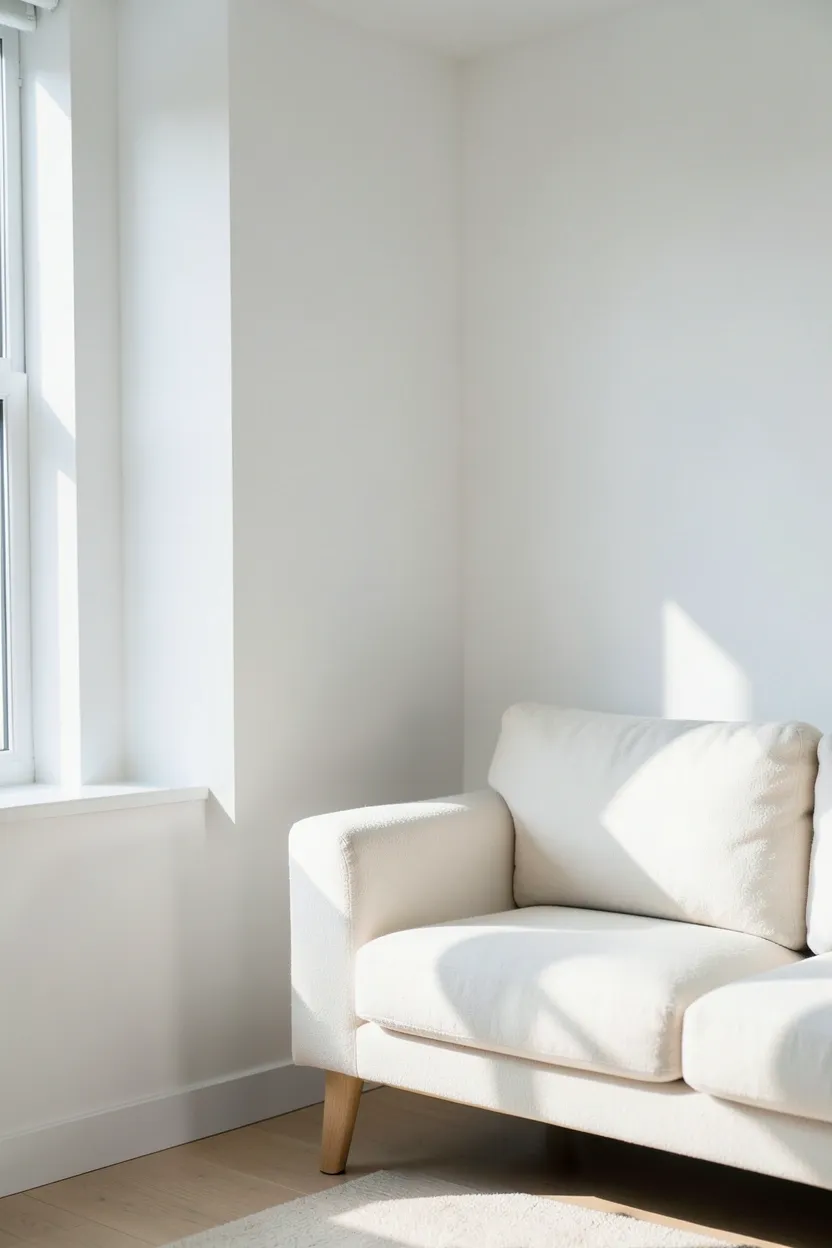
Choose white with subtle warm undertones rather than stark cool whites to maintain a welcoming atmosphere. Eggshell or matte finishes provide sophisticated sheen without overwhelming glare. The white backdrop allows statement pieces, art, and furniture to become focal points without competition from wall color.
Do: Test paint colors in different lighting conditions—white can appear dramatically different morning vs. evening.
Don't: Skip the ceiling—painting it the same white creates continuity and makes rooms feel taller.
Pro tip: Use white with slight gray or cream undertones to prevent sterile, hospital-like appearance.
What this gives you: A bright, airy foundation that makes your living room feel larger and more serene.
2. Light Oak Flooring
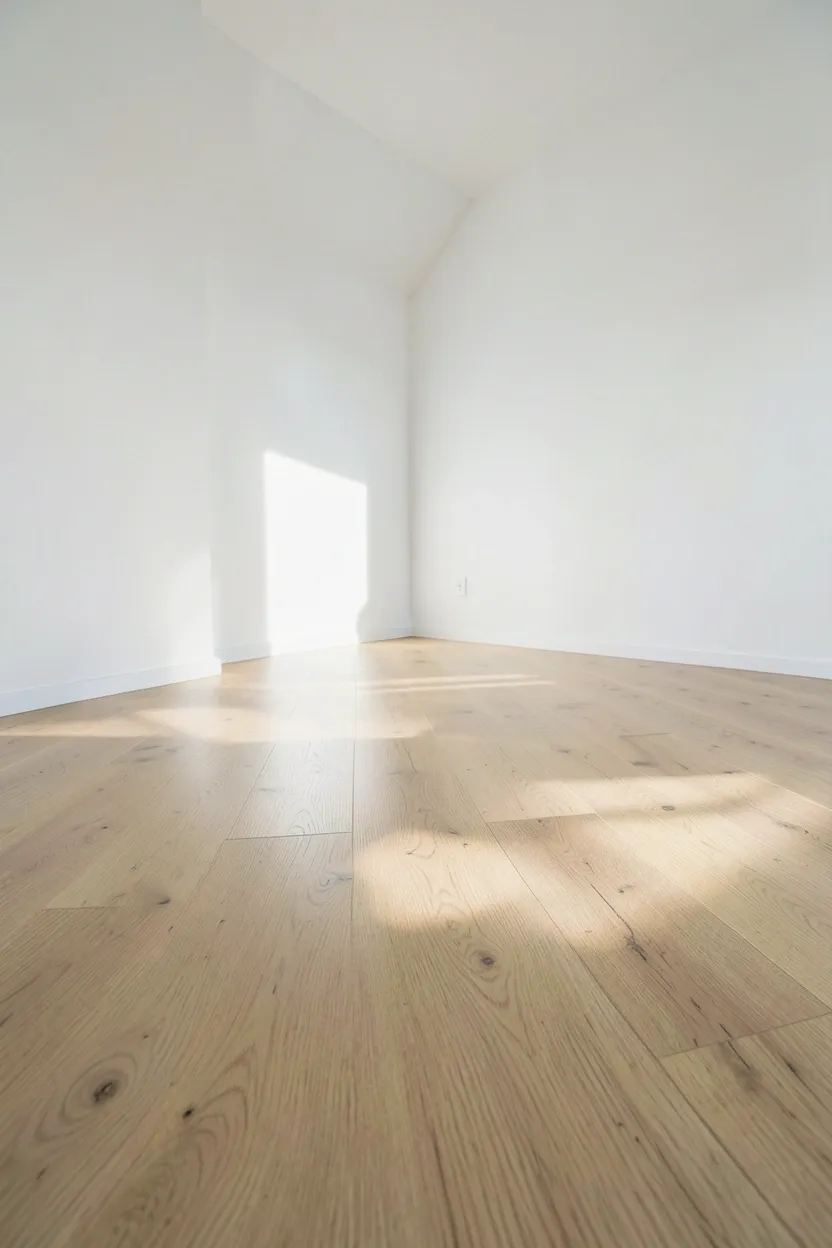
Light oak flooring adds warmth and natural texture to a modern minimalist living room without overwhelming the clean aesthetic. The wood's subtle grain and warm tones prevent white spaces from feeling cold while maintaining sophisticated simplicity. Natural wood brings organic character that enhances the room's welcoming feel.
Recommended
Items for this idea
Wide-plank oak flooring with minimal or invisible seams creates continuous visual flow that enhances room's spaciousness. The light color reflects natural light beautifully, making rooms feel brighter and more open. Consider white oak or blonde finishes that maintain the neutral palette while adding warmth and texture.
Do: Use area rugs strategically to define zones and add warmth without covering wood entirely.
Don't: Choose flooring with pronounced orange or red undertones that clash with modern neutral palette.
Pro tip: Maintain with appropriate cleaner and occasional refinishing to preserve natural beauty.
What this gives you: Natural warmth and texture that balances minimalist clean lines with organic character.
3. Scandinavian Sofa
A Scandinavian-style sofa brings clean lines, light wood legs, and refined comfort to a modern minimalist living room. The design emphasizes function and form without unnecessary ornamentation while providing a comfortable, sophisticated seating solution that anchors the space.
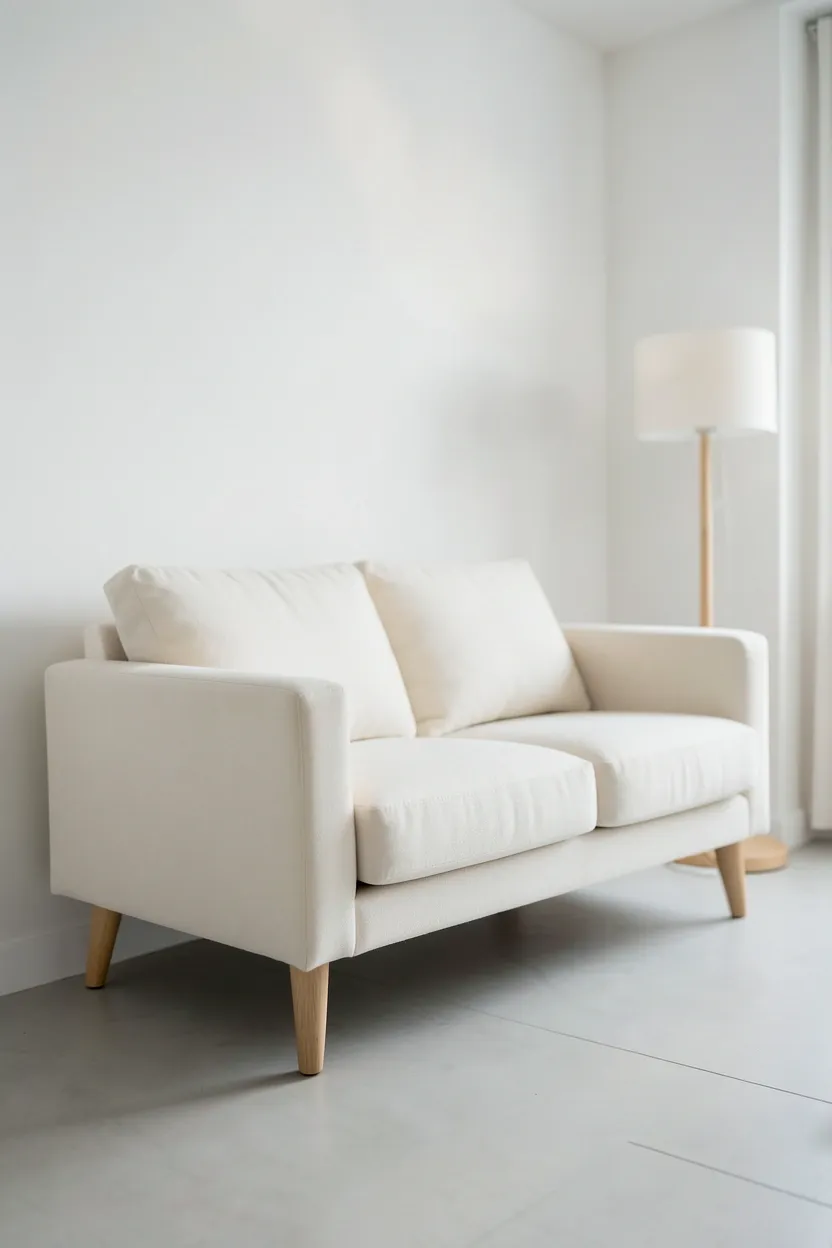
Choose sofas in neutral colors like cream, light gray, or beige that blend with minimalist palette. Tapered wooden legs create visual lightness and make the piece feel more elegant. The Scandinavian aesthetic balances simplicity with quality materials and comfortable proportions.
Do: Scale appropriately to your room—oversized sofas overwhelm minimalist spaces.
Don't: Forget to consider fabric quality—natural materials like linen or wool add luxury.
Pro tip: Leave negative space around the sofa to maintain minimalist's clean, uncluttered feel.
What this gives you: Sophisticated seating that combines comfort with clean, minimalist design.
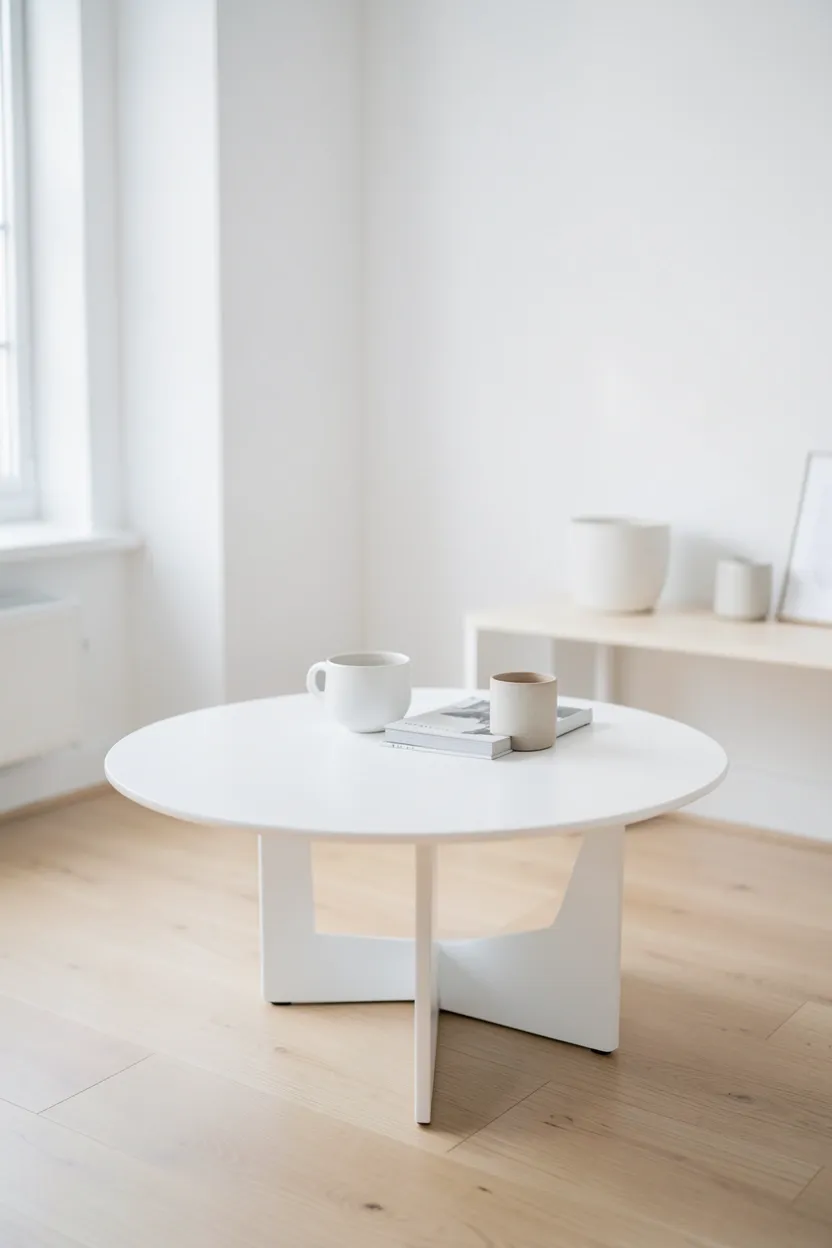
4. Round Coffee Table
A round coffee table introduces soft curves that contrast beautifully with the clean lines of a modern minimalist living room. The circular shape creates flow and prevents the room from feeling too rigid or angular, while providing functional surface that doesn't overwhelm the space.
Recommended
Items for this idea
Choose tables in materials like white oak, marble, or light wood that maintain the neutral palette. The round shape allows easier movement around the piece and creates a more relaxed, welcoming atmosphere. Scale appropriately—too large creates clutter, too small doesn't serve practical needs.
Do: Consider a pedestal or legless design for visual lightness and easier cleaning.
Don't: Choose overly ornate or detailed designs that compete with minimalist aesthetic.
Pro tip: Add one or two carefully curated objects rather than cluttering the surface.
What this gives you: Soft, welcoming curves that balance angular lines while providing functional surface.
5. Statement Art Piece
One large statement art piece becomes the focal point that adds personality and visual interest to a minimalist living room. Instead of many small accessories, a single well-chosen artwork creates sophisticated impact without cluttering the space.
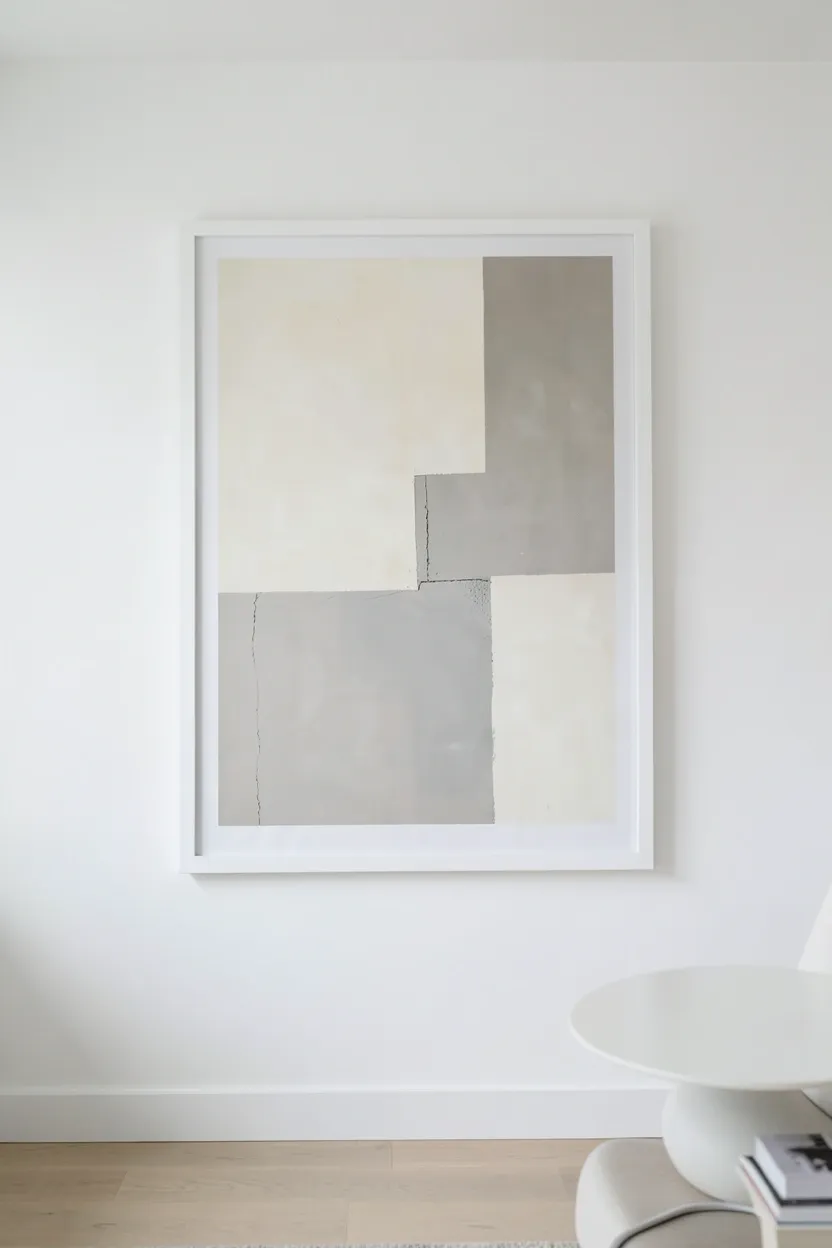
Choose artwork with a color palette that complements your neutral scheme—subtle colors, black and white photography, or abstract compositions with restrained tones work beautifully. The art should be large enough to command attention without overwhelming walls. Quality framing in simple, elegant materials adds refinement.
Do: Hang artwork at eye level (57-60 inches from floor to center) for optimal viewing.
Don't: Overcrowd walls with multiple pieces—let the statement work stand alone.
Pro tip: Use picture lighting to highlight the artwork and create beautiful evening ambiance.
What this gives you: Personal sophistication that makes your minimalist space uniquely yours.
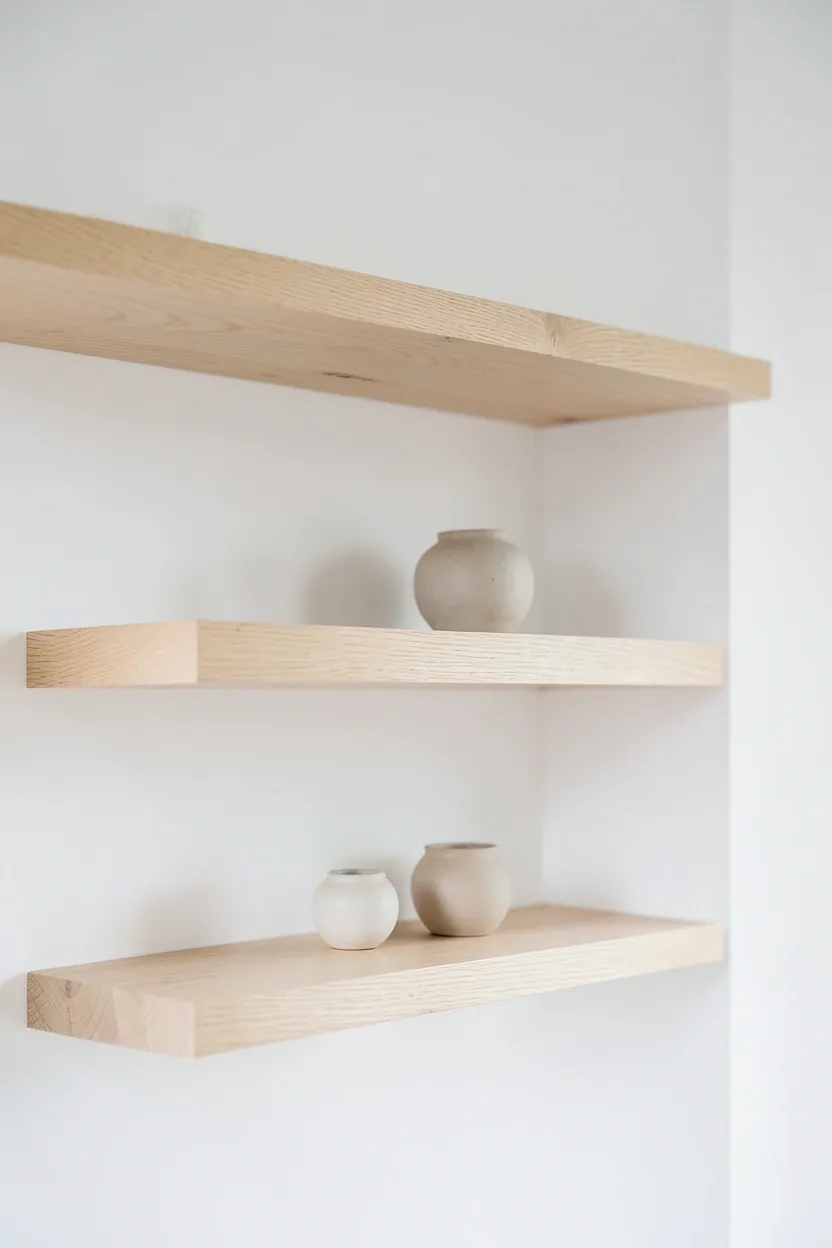
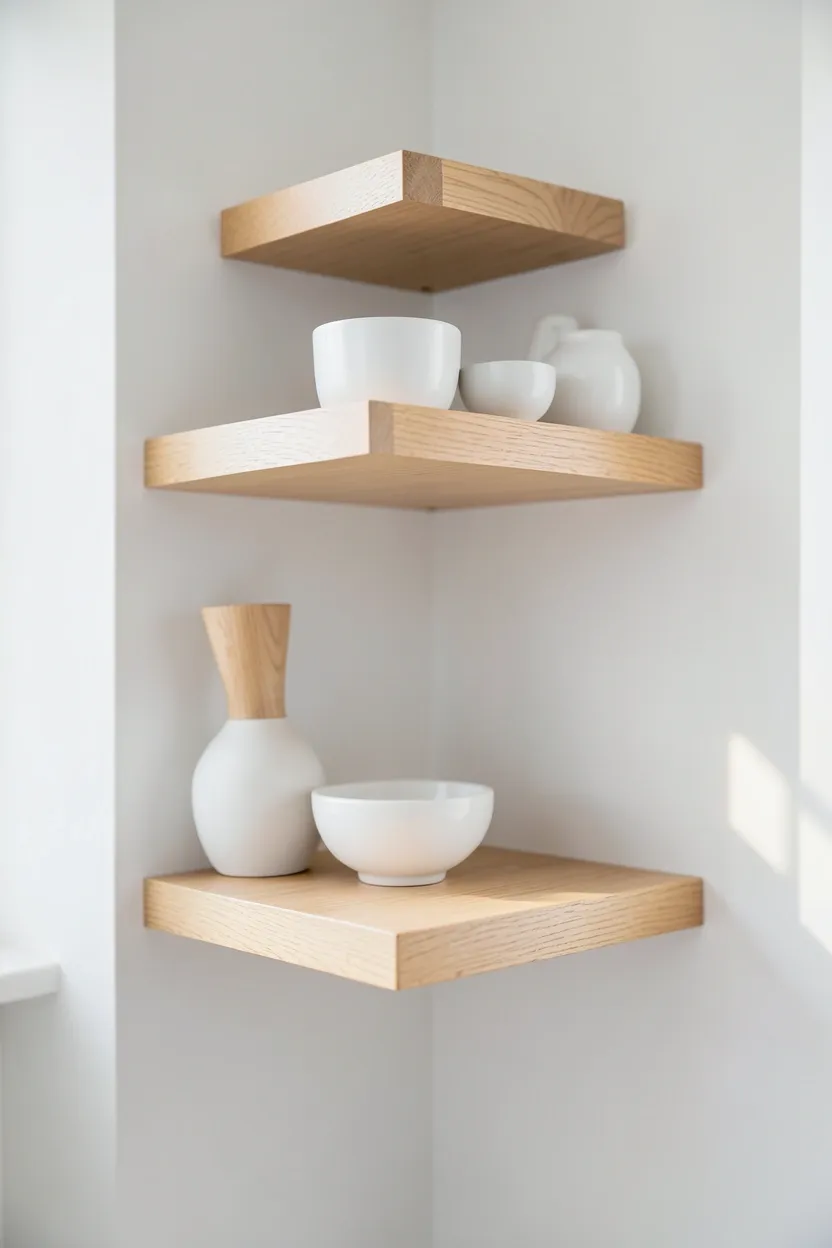
6. Floating Shelves
Floating shelves provide storage and display without occupying valuable floor space in a minimalist living room. The wall-mounted design creates visual lightness and allows the floor to remain open and uncluttered while offering surfaces for curated displays.
Recommended
Items for this idea
Install shelves in light wood or white finishes that blend with walls or create subtle contrast. Keep displays minimal—a few carefully chosen objects per shelf maintain the curated, uncluttered aesthetic. The shelves should be scaled appropriately to the wall and surrounding furniture.
Do: Use shelves to display a few curated items rather than storing everything visible.
Don't: Install shelves too high or too low for comfortable access and visual balance.
Pro tip: Integrate LED strip lighting underneath shelves for dramatic ambient effect.
What this gives you: Functional storage that maintains minimalist openness while displaying curated items.
7. Floor Lamp
A sculptural floor lamp adds both function and beautiful design to a minimalist living room without requiring table space or wall mounting. The lamp becomes a design element that provides warm ambient lighting while maintaining clean, uncluttered surfaces.
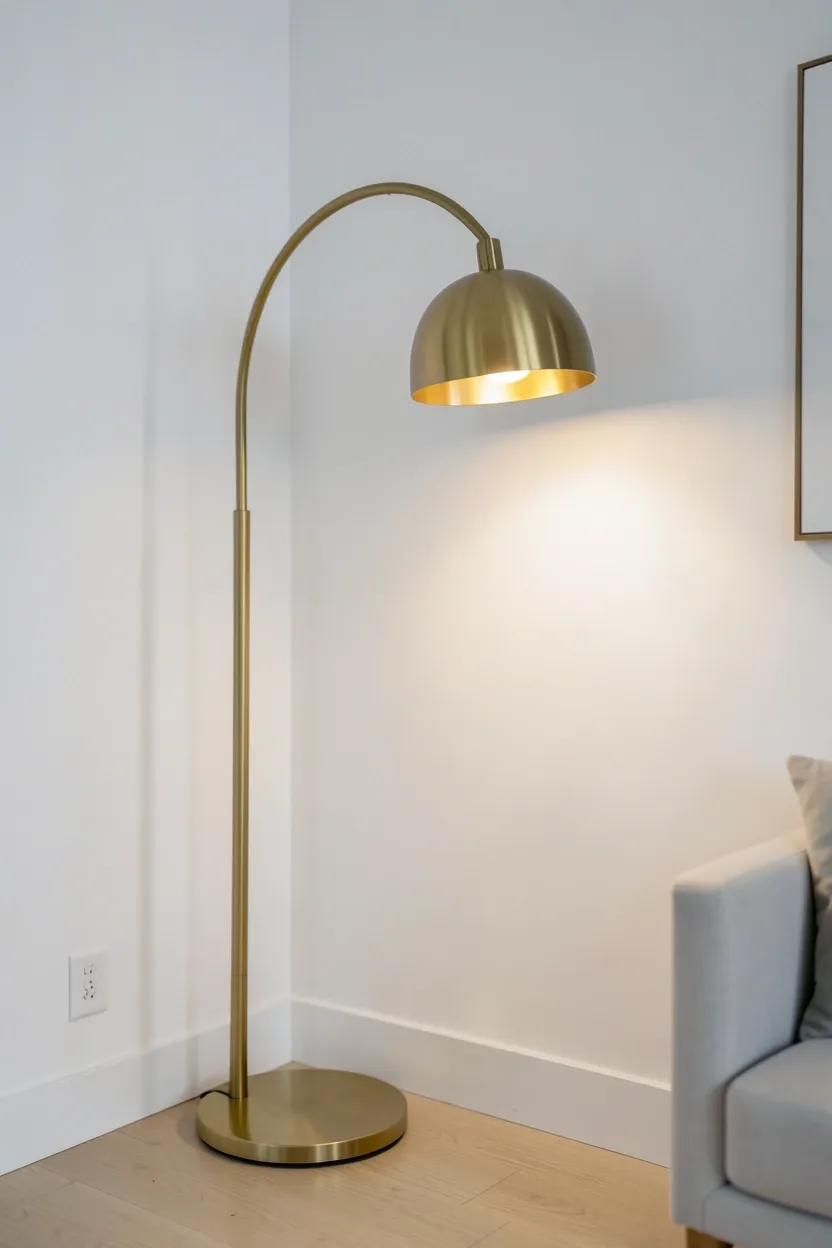
Choose lamps with elegant, simple shapes—arc designs, sculptural bases, or clean geometric forms—that complement your aesthetic. Matte finishes in white, brass, or light wood maintain sophistication while providing visual interest. The lamp should be appropriately scaled to furniture and room size.
Do: Use warm-toned LED bulbs (2700K-3000K) for cozy, inviting ambiance.
Don't: Skip considering placement—lamp should illuminate desired areas without creating glare.
Pro tip: Add a dimmer switch to adjust lighting for different moods and activities.
What this gives you: Beautiful lighting that serves as both function and sculptural design element.
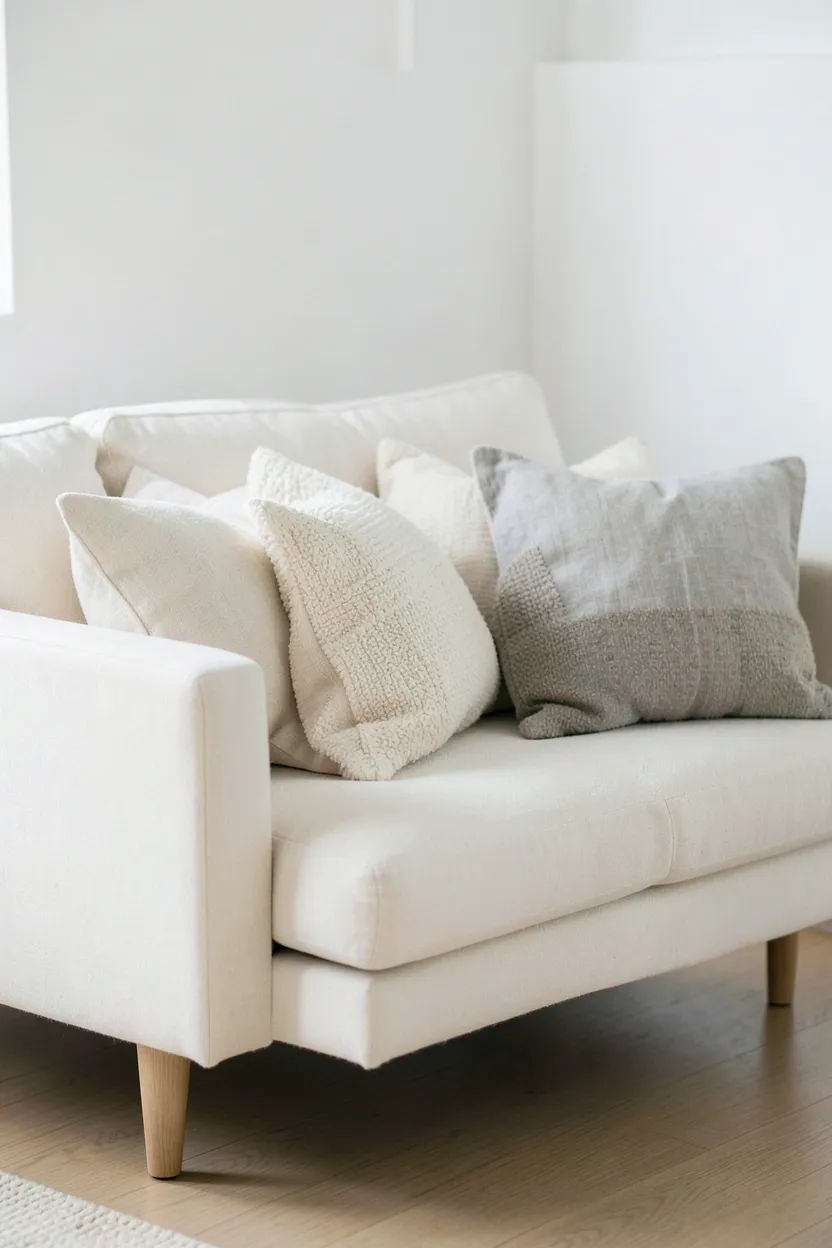
8. Textured Throw Pillows
Textured throw pillows add warmth and tactile interest to a minimalist living room while maintaining the clean aesthetic. The subtle variety in texture—linen, wool, or knitted fabrics—provides visual depth without introducing competing colors or patterns.
Recommended
Items for this idea
Choose pillows in neutral colors that complement your sofa and overall palette—cream, light gray, beige, or subtle blush. Mix textures rather than colors for sophisticated contrast—smooth linen against chunky knit, or soft wool against crisp cotton. Limit to 2-3 pillows per sofa to maintain minimalist restraint.
Do: Edit regularly—remove pillows seasonally to maintain curated appearance.
Don't: Use too many different patterns or colors that disrupt the clean aesthetic.
Pro tip: Rotate pillows periodically to prevent flat spots and extend life of materials.
What this gives you: Warmth and texture that makes minimalist spaces feel inviting and comfortable.
9. Large Potted Plant
One large potted plant brings life, color, and natural beauty to a minimalist living room while serving as a sculptural design element. The plant becomes a focal point that adds organic warmth without introducing clutter or requiring many accessories.
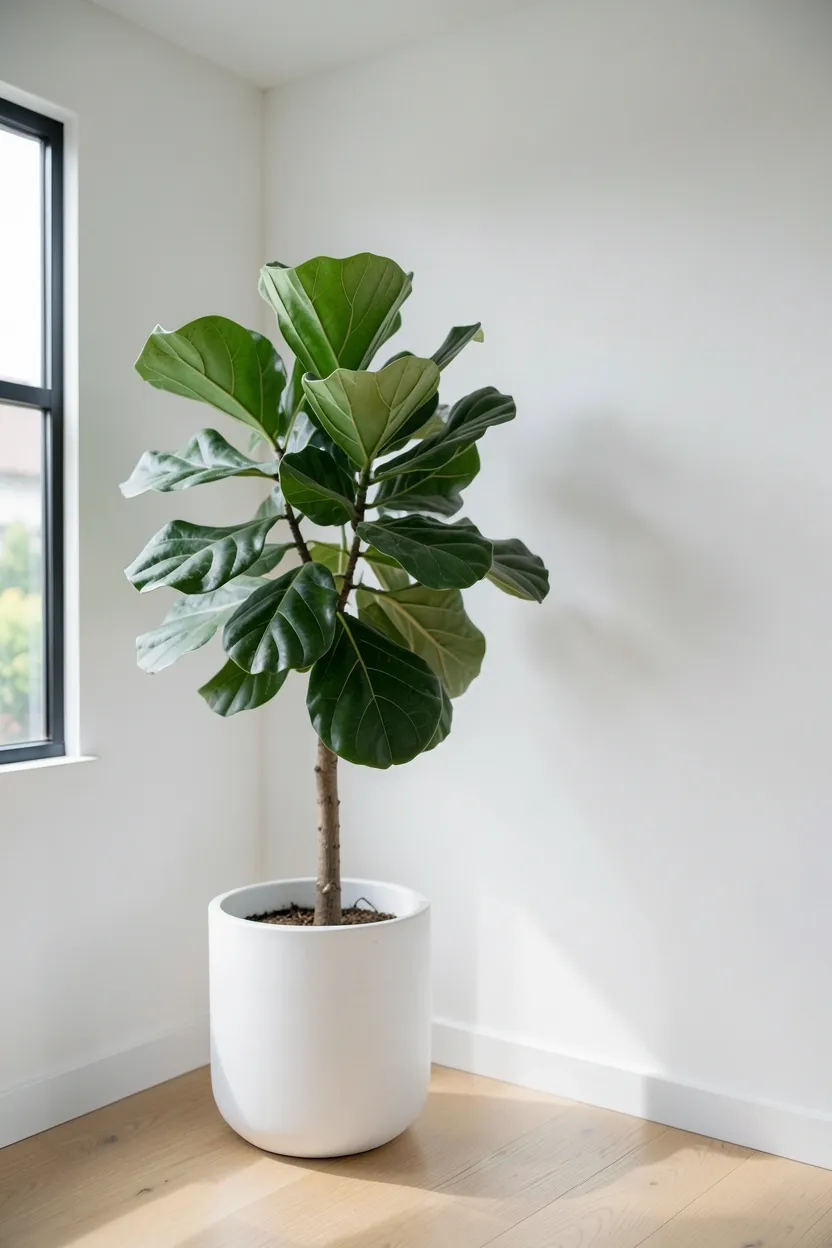
Choose a statement plant like a fiddle leaf fig, monstera, or bird of paradise with dramatic leaves. The planter should be simple and elegant—white ceramic, light wood, or matte black—to maintain sophisticated aesthetic. Position the plant where it receives appropriate light while creating visual balance in the room.
Do: Research plant's light and care requirements before choosing for long-term health.
Don't: Choose plants that will outgrow your space quickly or require extensive maintenance.
Pro tip: Use pebble stones on top of soil for clean, finished appearance while maintaining drainage.
What this gives you: Living beauty that adds organic warmth and natural sophistication.
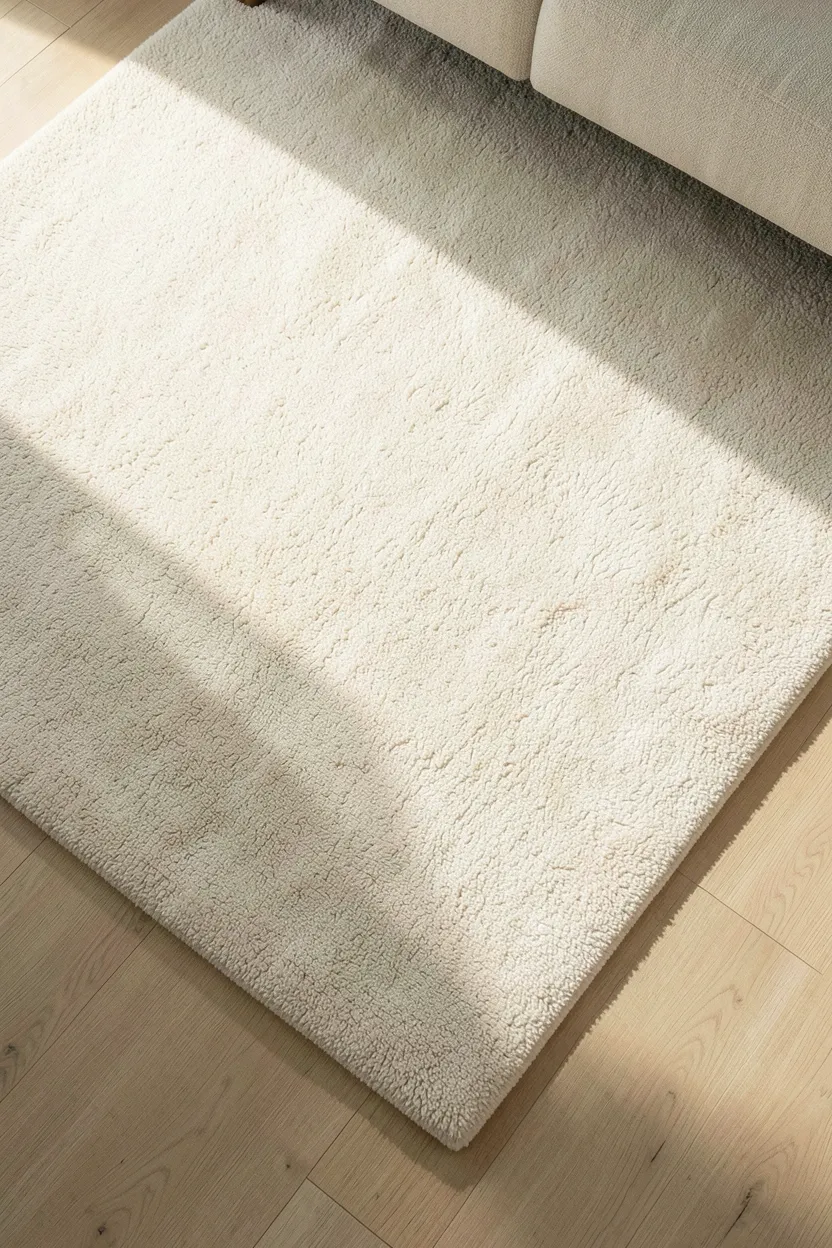
10. Minimal Area Rug for Warmth and Zone Definition
A minimal area rug defines the living space and adds warmth without overwhelming the clean aesthetic. The rug should be substantial enough to anchor furniture zones but simple enough to maintain visual calm through restrained design and neutral colors.
Recommended
Items for this idea
Choose rugs in simple patterns or solid colors—cream, light gray, or beige—that blend with or subtly complement walls. Materials like wool or jute add natural texture without introducing visual noise. The rug should extend at least 18 inches beyond major furniture for proper proportion.
Do: Use a rug pad to prevent slipping and add comfort underfoot.
Don't: Choose overly busy patterns that compete with minimalist aesthetic.
Pro tip: Layer a smaller textured runner for visual interest while maintaining simple base.
What this gives you: Warmth and zone definition that maintains minimalist visual calm.
11. Hidden Storage
Hidden storage solutions keep minimalist living rooms clutter-free while maintaining clean visual appearance. Built-in cabinets, floating shelves with baskets, or furniture with concealed storage provide organizational space without revealing its contents.
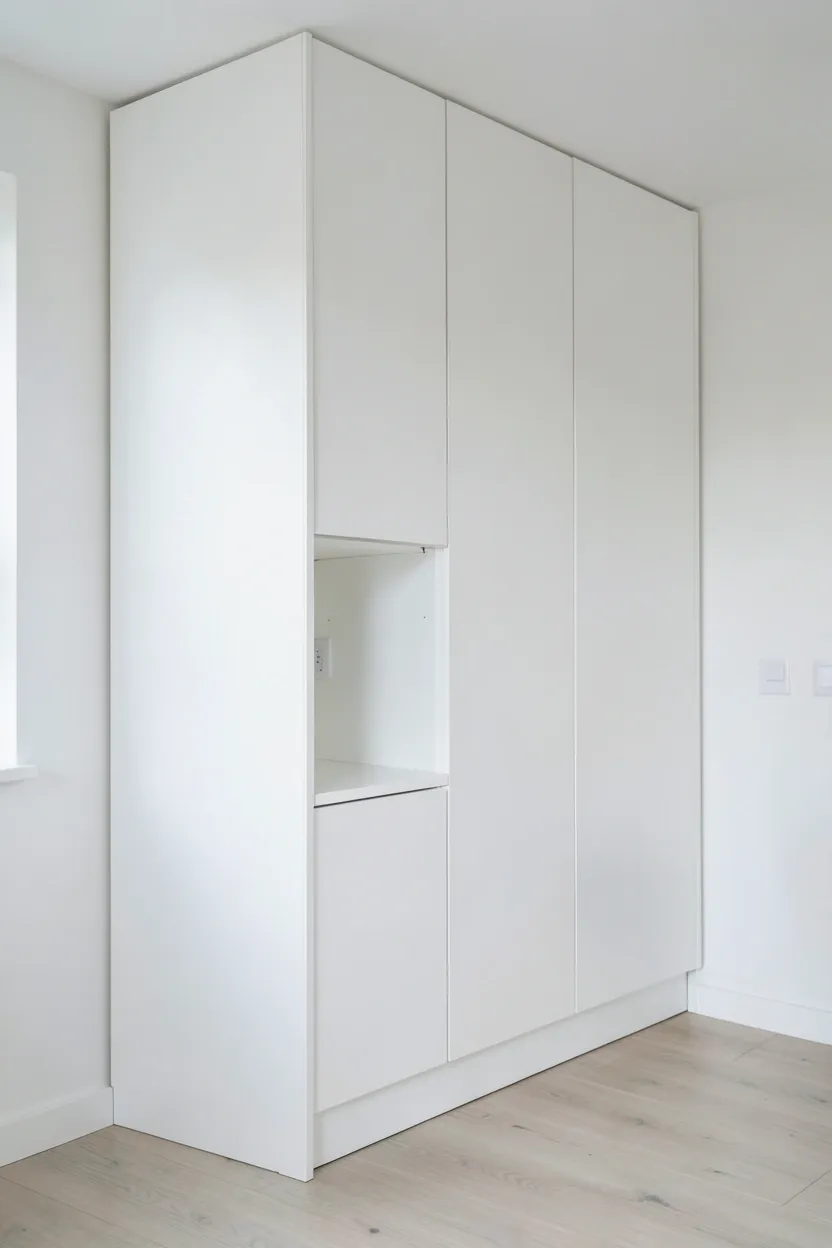
Choose storage that integrates seamlessly with walls or furniture—same color as surroundings, simple handles, or push-to-open mechanisms. The storage should be sufficient to hide everyday items while maintaining easy access. Concealed storage maintains the curated, uncluttered appearance of minimalist design.
Do: Edit regularly—remove unused items to prevent hidden accumulation.
Don't: Skip accessibility—storage should be easy to use despite being hidden.
Pro tip: Use uniform containers inside for organized, visually pleasing concealed storage.
What this gives you: Clutter-free organization that maintains minimalist aesthetic.
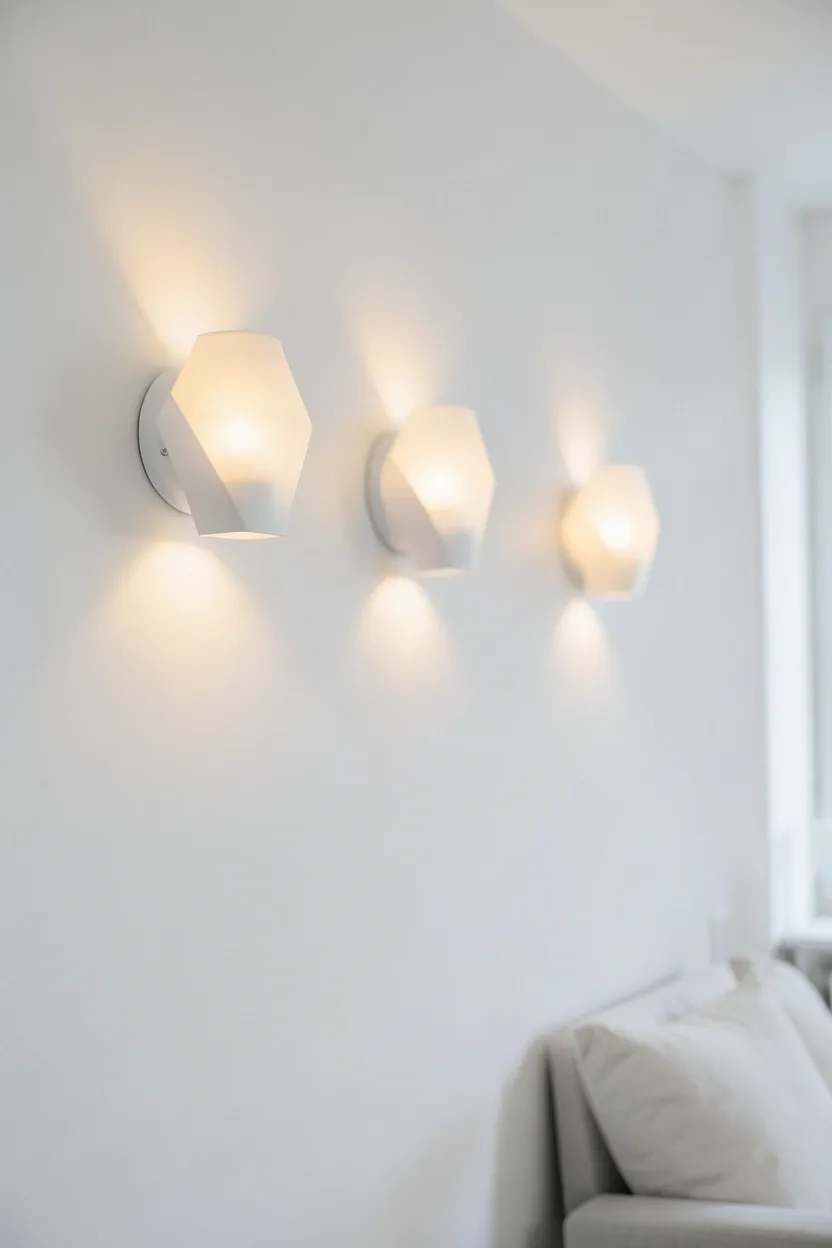
12. Wall Sconces
Wall-mounted sconces provide ambient lighting without occupying table or floor space in a minimalist living room. The fixtures add architectural interest and sophisticated illumination while keeping surfaces clean and uncluttered.
Recommended
Items for this idea
Choose sconces with simple, elegant designs—geometric shapes, frosted glass, or minimal arm details—that complement your aesthetic. Matte finishes in white, brass, or black maintain sophistication. Position sconces to provide both ambient glow and functional task lighting where needed.
Do: Install at appropriate height (65 inches above floor) for optimal illumination and proportion.
Don't: Overcrowd walls—two well-placed sconces provide sufficient lighting.
Pro tip: Use dimmers to adjust lighting for different activities and moods.
What this gives you: Sophisticated lighting that maintains minimalist surfaces.
13. Bench Seating
A simple bench provides additional seating without the visual weight of traditional chairs in a minimalist living room. The slim profile and clean lines add function while maintaining open, airy feel and visual calm.
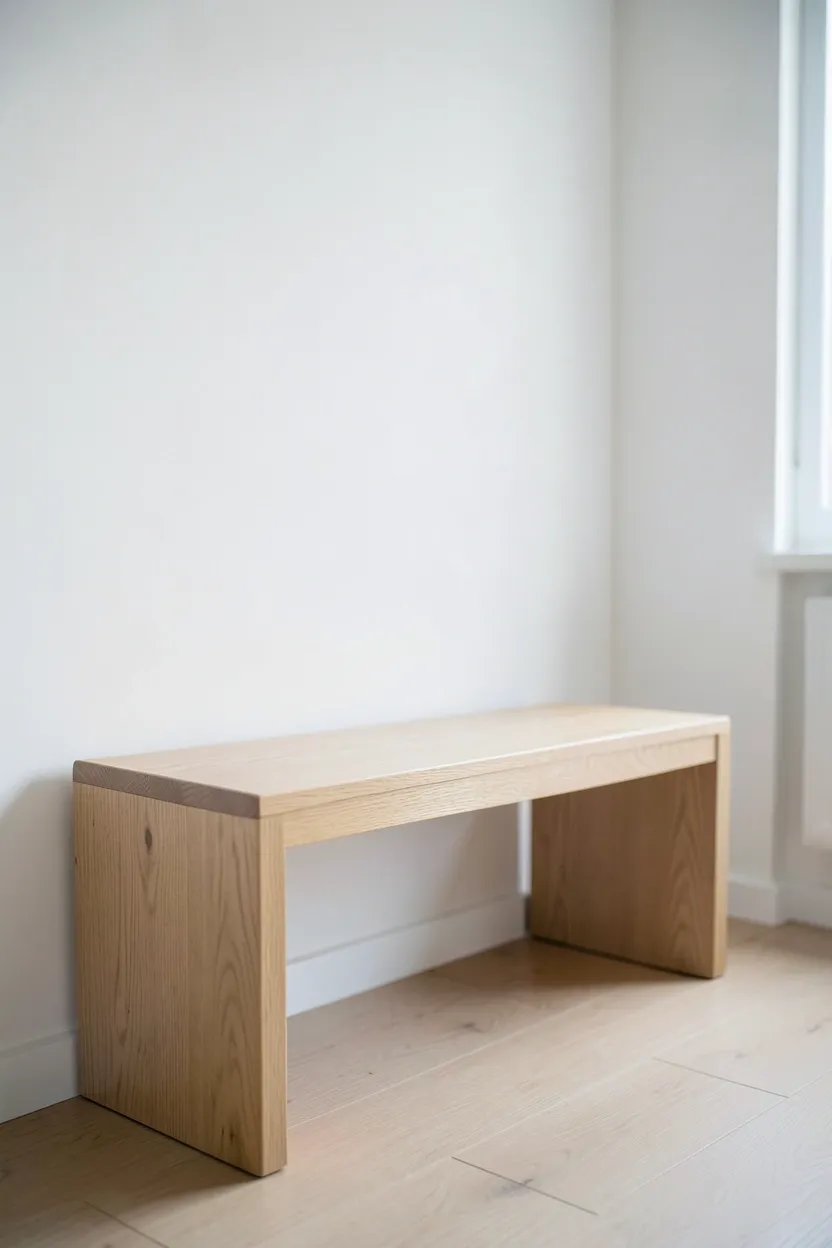
Choose benches in light wood, upholstered in neutral fabrics, or simple metal designs that complement your palette. The bench should be scaled appropriately to space and primary seating. Position against a wall or in a conversation area without blocking flow or creating visual clutter.
Do: Consider dual-purpose benches—some offer hidden storage underneath.
Don't: Choose benches that are too deep or ornate—they should feel light and simple.
Pro tip: Add a single throw pillow rather than multiple cushions for minimalist appearance.
What this gives you: Functional seating that maintains minimalist openness and flow.
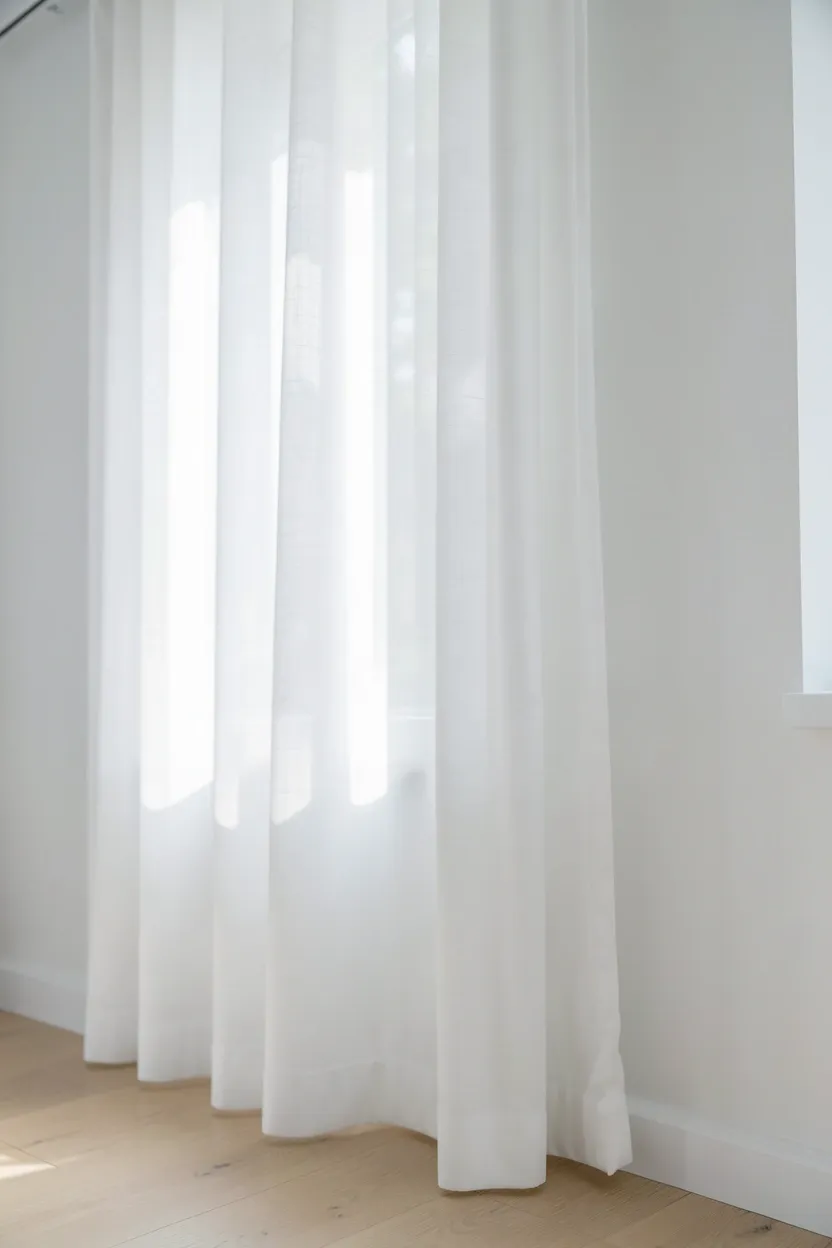
14. Sheer Curtains
Sheer curtains provide privacy and light filtering while maintaining brightness and openness in a minimalist living room. The translucent fabric allows natural light to pass through while softening the space and adding subtle texture.
Recommended
Items for this idea
Choose sheers in neutral colors—white, cream, or light gray—that blend with walls and ceiling. Mount curtains high above windows to create height and drama. The fabric should have enough body to hang beautifully while remaining translucent for light diffusion.
Do: Layer with blackout curtains behind for complete light control when needed.
Don't: Choose heavy or opaque fabrics that defeat the purpose of sheers.
Pro tip: Use tiebacks when curtains are open to maintain clean, elegant appearance.
What this gives you: Light control that maintains brightness and openness.
15. Console Table
A slim console table provides surface and storage without dominating a minimalist living room. The narrow profile and clean design add function for display or storage while maintaining visual calm and preserving floor space.
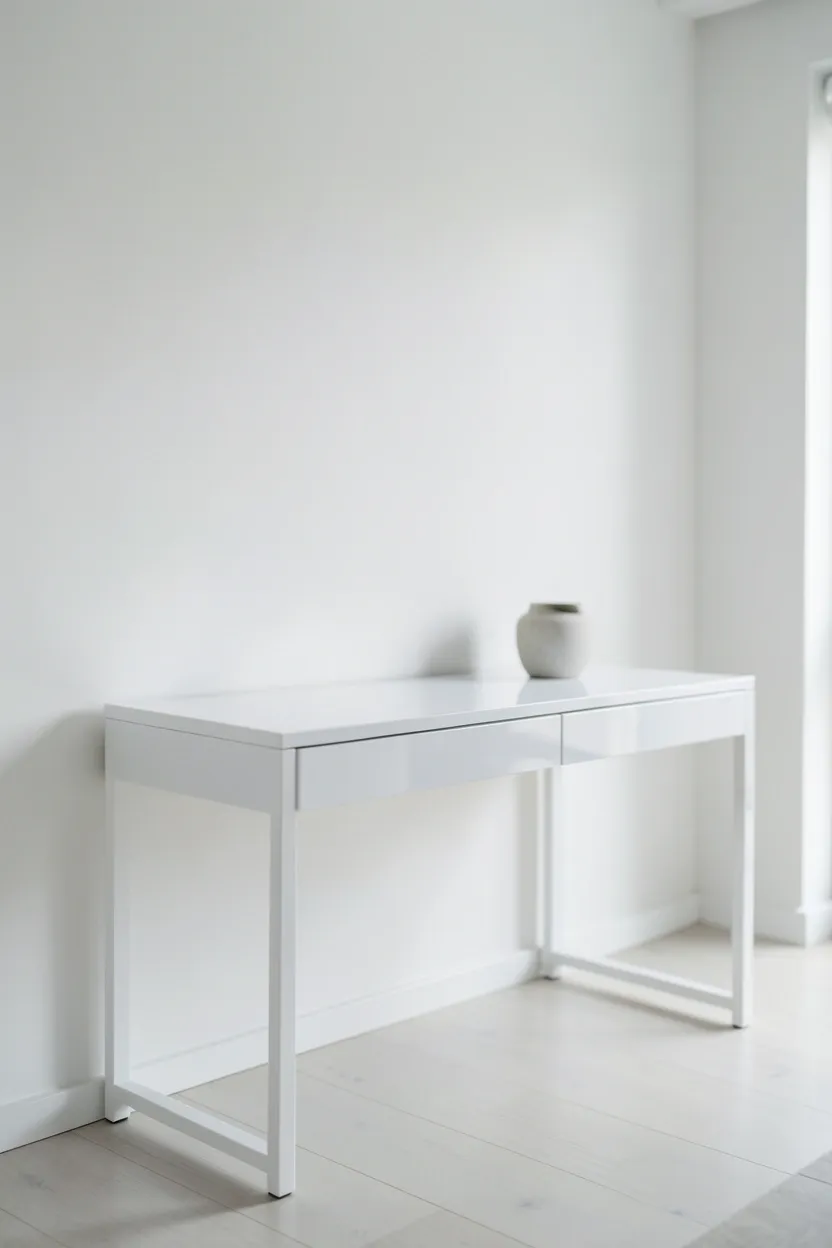
Choose consoles in light wood, white lacquer, or simple metal designs that blend with your palette. The table should be proportional to wall and surrounding furniture—typically two-thirds the width of sofa when placed behind it. Hidden drawers or shelves provide storage without revealing contents.
Do: Use console to display 2-3 curated items rather than cluttering the surface.
Don't: Choose overly deep or ornate designs that disrupt minimalist flow.
Pro tip: Add a small table lamp or sculpture for elegant accent lighting and interest.
What this gives you: Functional surface that maintains minimalist openness.
16. Neutral Textures
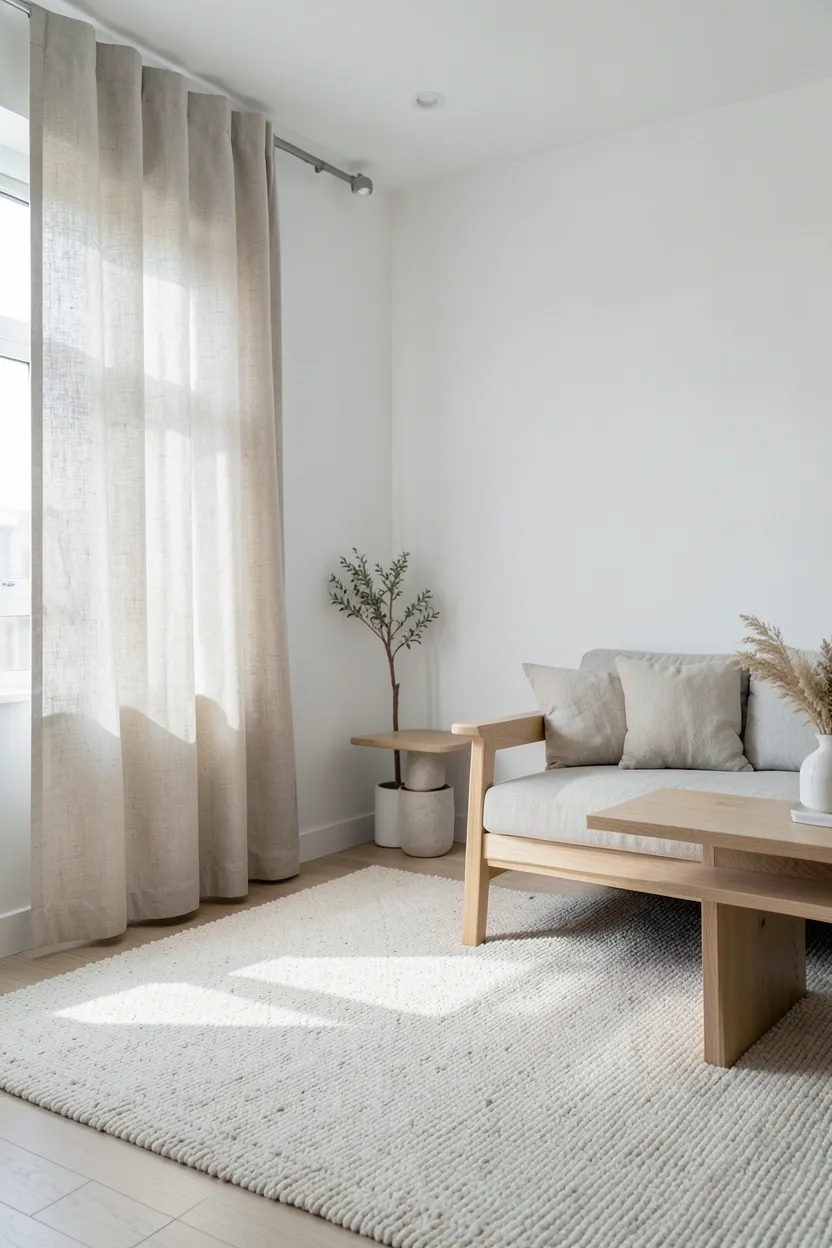
Layering neutral textures adds visual depth and interest to a minimalist living room without introducing competing colors. Mixing materials like linen, wool, wood, and stone creates sophisticated richness while maintaining the calm, monochromatic aesthetic.
Recommended
Items for this idea
Combine textures through various elements—wool rug, linen curtains, wood furniture, ceramic accessories—all in similar color families. The textural variety prevents the space from feeling flat while maintaining minimalist restraint. Each texture should be visible and intentional rather than accidental.
Do: Mix textures intentionally for contrast—smooth against rough, matte against sheen.
Don't: Introduce too many different textures that create visual chaos.
Pro tip: Focus on 3-4 main textures throughout the space for cohesive variety.
What this gives you: Visual sophistication through textural depth without color complexity.
17. Accent Chair
One carefully chosen accent chair adds seating variety and design interest to a minimalist living room without requiring a full suite of furniture. The chair becomes a sculptural element that provides function while maintaining the curated, uncluttered aesthetic.
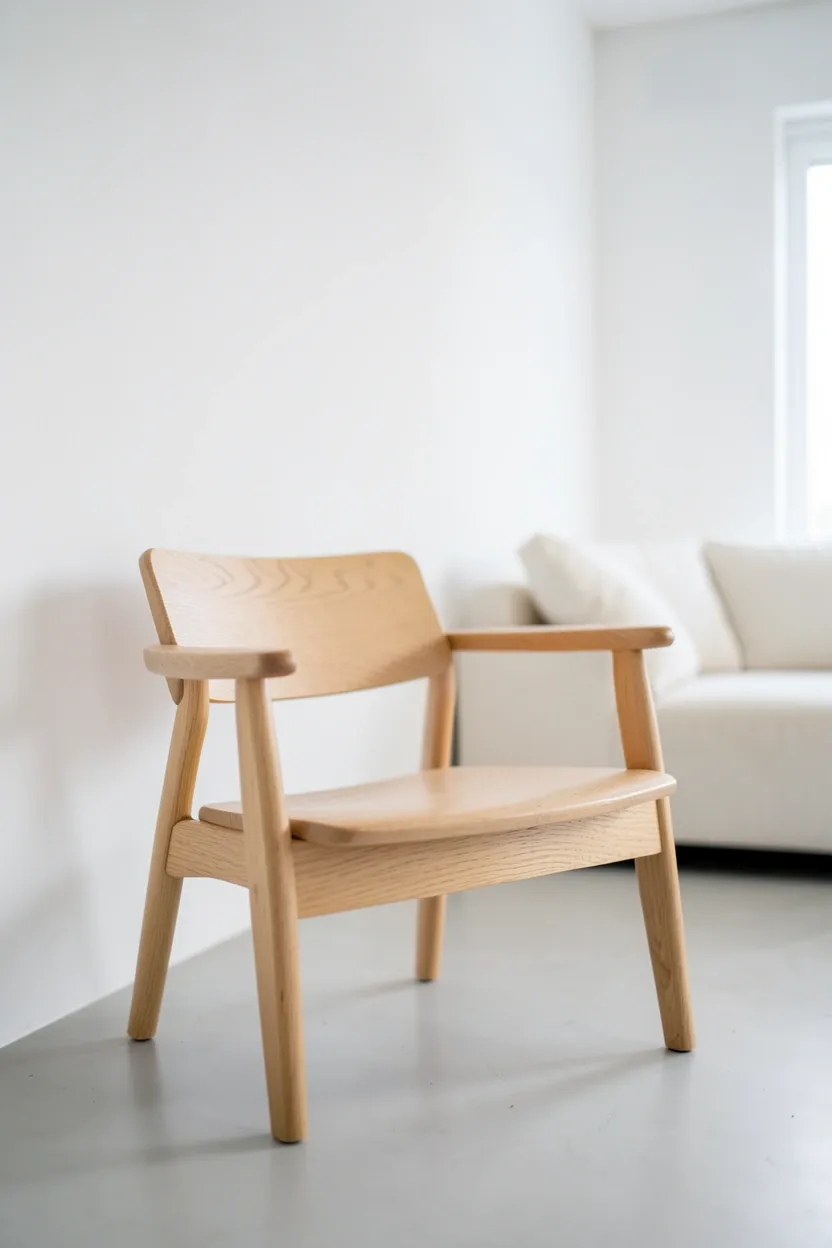
Choose a chair with distinctive but simple design—Eames-style shell, wing back, or clean modern forms—that complements your primary seating. The chair should be in a material or color that provides subtle contrast while remaining within neutral palette—wood, leather, or a single accent color.
Do: Position the chair where it creates a conversational area without blocking flow.
Don't: Add too many accent chairs that compete for attention and create clutter.
Pro tip: Add a single throw blanket or pillow to enhance comfort without excess.
What this gives you: Seating variety and sculptural interest in minimalist restraint.
18. Glass Coffee Table
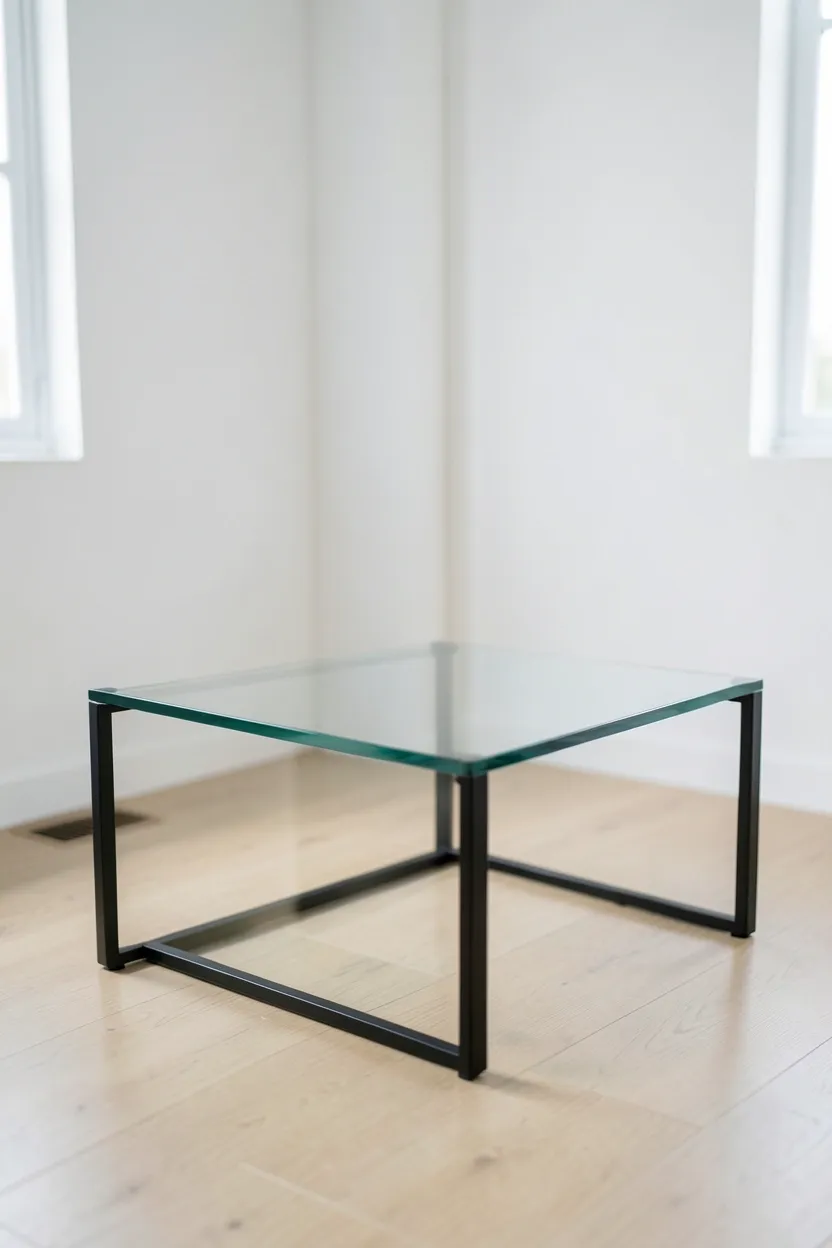
A glass coffee table provides functional surface while almost disappearing visually in a minimalist living room. The transparent material maintains openness and light reflection while offering a clean, modern surface for curated objects.
Recommended
Items for this idea
Choose glass tables with simple designs—circular or rectangular tops, minimal metal or wood legs—that provide elegance without visual weight. Clear or lightly tinted glass maintains openness while reflecting natural light. The table should be scaled appropriately to sofa and room size.
Do: Keep surface minimal—display 2-3 carefully chosen objects rather than cluttering.
Don't: Choose overly ornate or heavy bases that defeat the purpose of glass.
Pro tip: Use coasters or trays to protect the surface and maintain clean appearance.
What this gives you: Functional surface that maintains minimalist openness and light reflection.
19. Books Display
A carefully curated collection of books displayed with intention adds intellectual character to a minimalist living room. Whether stacked on a console, arranged on floating shelves, or placed in a minimal bookcase, books provide warmth and personality without clutter.
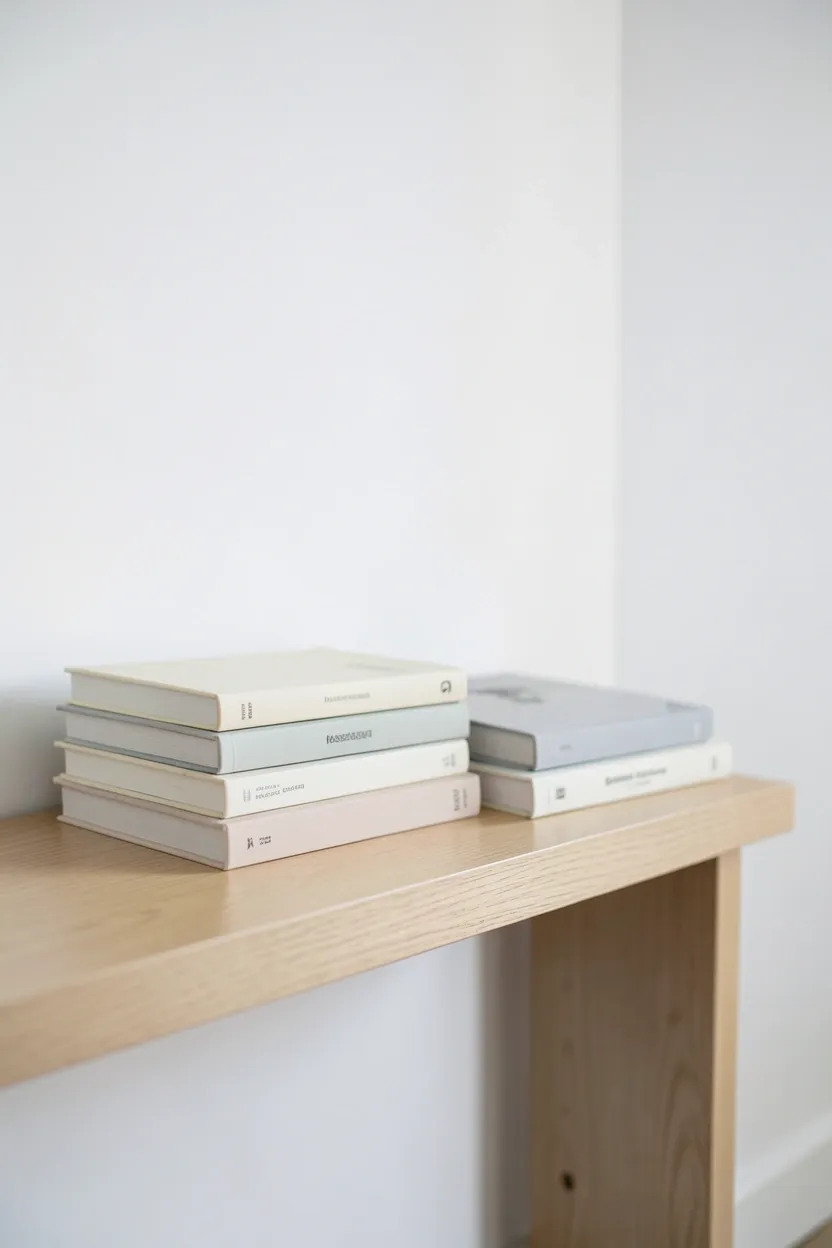
Choose books with cohesive spine colors—neutral tones or a limited color palette—for sophisticated appearance. Arrange books with care—some flat, some vertically, creating intentional rhythm rather than random piles. Limit to books you genuinely love or reference to maintain curation.
Do: Edit regularly—remove books you no longer want or need to maintain intentionality.
Don't: Overfill shelves—leave breathing room and maintain minimalist aesthetic.
Pro tip: Group books by color or size for more visually appealing arrangements.
What this gives you: Personal sophistication and intellectual warmth in minimalist restraint.
20. Natural Wood Elements
Natural wood elements introduce warmth, character, and organic beauty to a minimalist living room. Whether through furniture, accessories, or architectural details, wood prevents sterile appearance while maintaining clean, modern design.
Recommended
Items for this idea
Choose light-toned woods—oak, ash, or birch—that maintain bright, airy feel. The wood should have subtle grain and clean finishes rather than heavy staining or ornate carving. Wood can appear through furniture legs, floating shelves, trim, or accessories like bowls or sculptures.
Do: Mix wood tones intentionally for visual interest while maintaining harmony.
Don't: Choose overly dark or heavily stained woods that compete with minimalist brightness.
Pro tip: Use wood with visible grain for natural character rather than painted or heavily finished.
What this gives you: Organic warmth and natural character in minimalist restraint.
21. Minimal Decor Grouping
Grouping decor items intentionally creates cohesive displays that add sophistication to a minimalist living room without appearing scattered or accidental. Careful arrangement of 2-3 related objects creates visual interest through composition rather than accumulation.
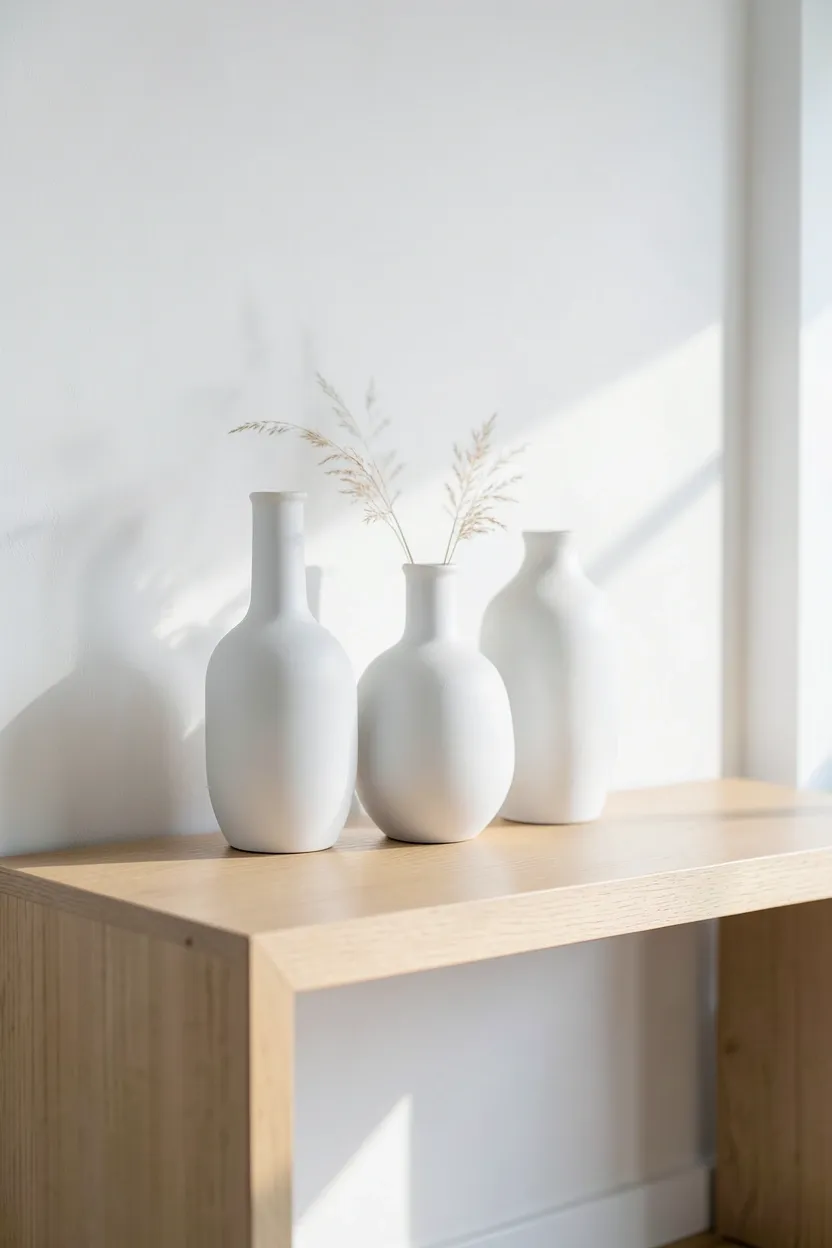
Group items by material, color, or theme for harmonious appearance—ceramic vessels in white, wood objects in similar tones, or books with cohesive spine colors. Vary heights and shapes within the grouping for visual interest. The grouping should feel intentional and edited rather than random.
Do: Edit regularly—rearrange or remove items to maintain fresh, intentional appearance.
Don't: Create multiple groupings throughout the room—focus on 2-3 intentional displays.
Pro tip: Use odd-numbered groupings (3, 5) for more natural, pleasing arrangements.
What this gives you: Curated sophistication through intentional decor composition.
These 21 modern minimalist living room ideas show how to blend clean design with warmth for spaces that feel sophisticated and genuinely welcoming. Whether you're decorating a small rental apartment or a larger space, the key lies in intentional curation—choosing quality over quantity, maintaining negative space, and introducing warmth through natural materials and thoughtful textures. Start with one or two elements and build gradually. Your minimalist living room will become a serene retreat that reflects your personal style while remaining comfortable for everyday life.
About the author
OBCD
CGI visualization and interior design content. We create detailed 3D renders and curate practical design ideas for every room in your home.