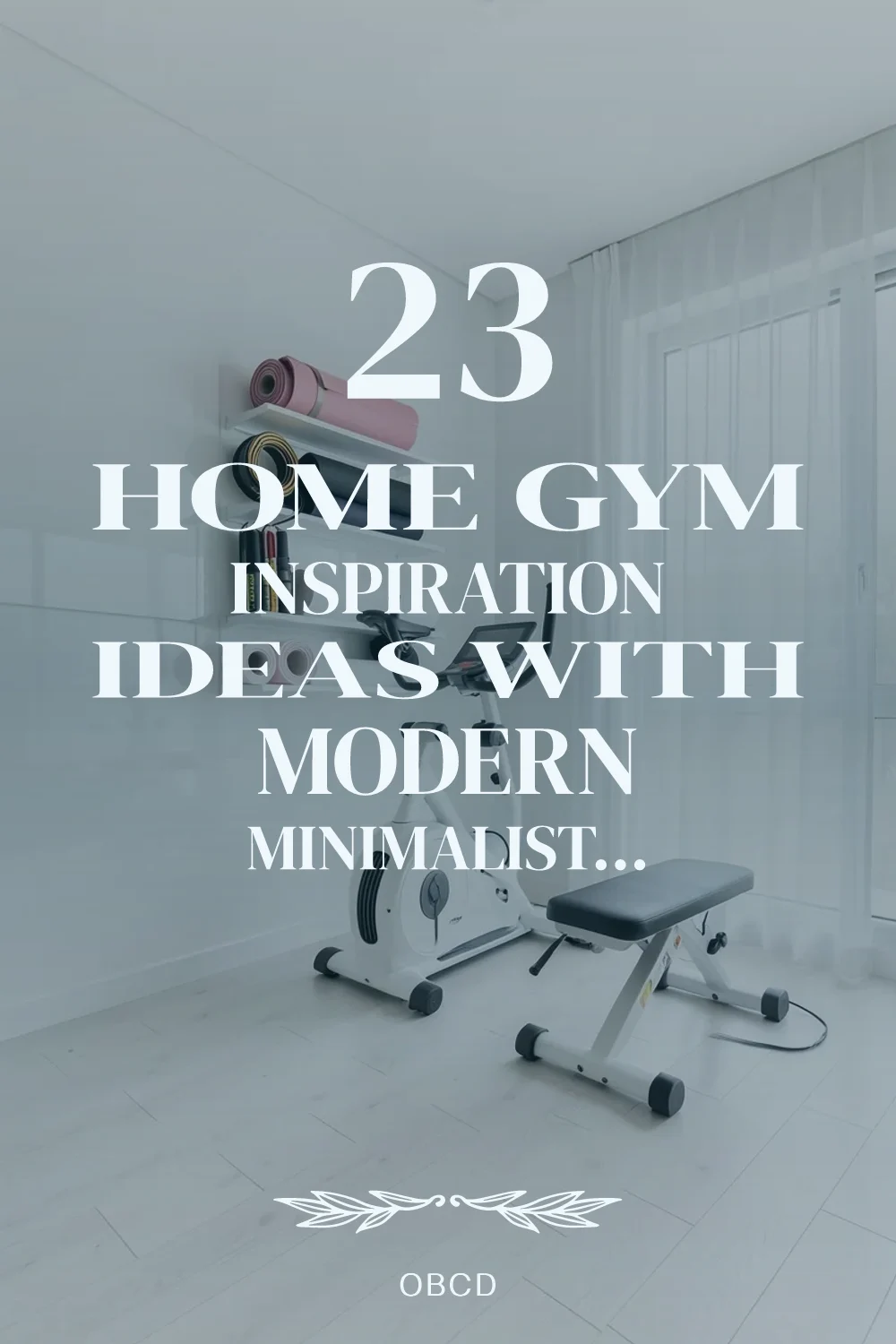
23 Home Gym Inspiration Ideas for a Minimalist Workout Space
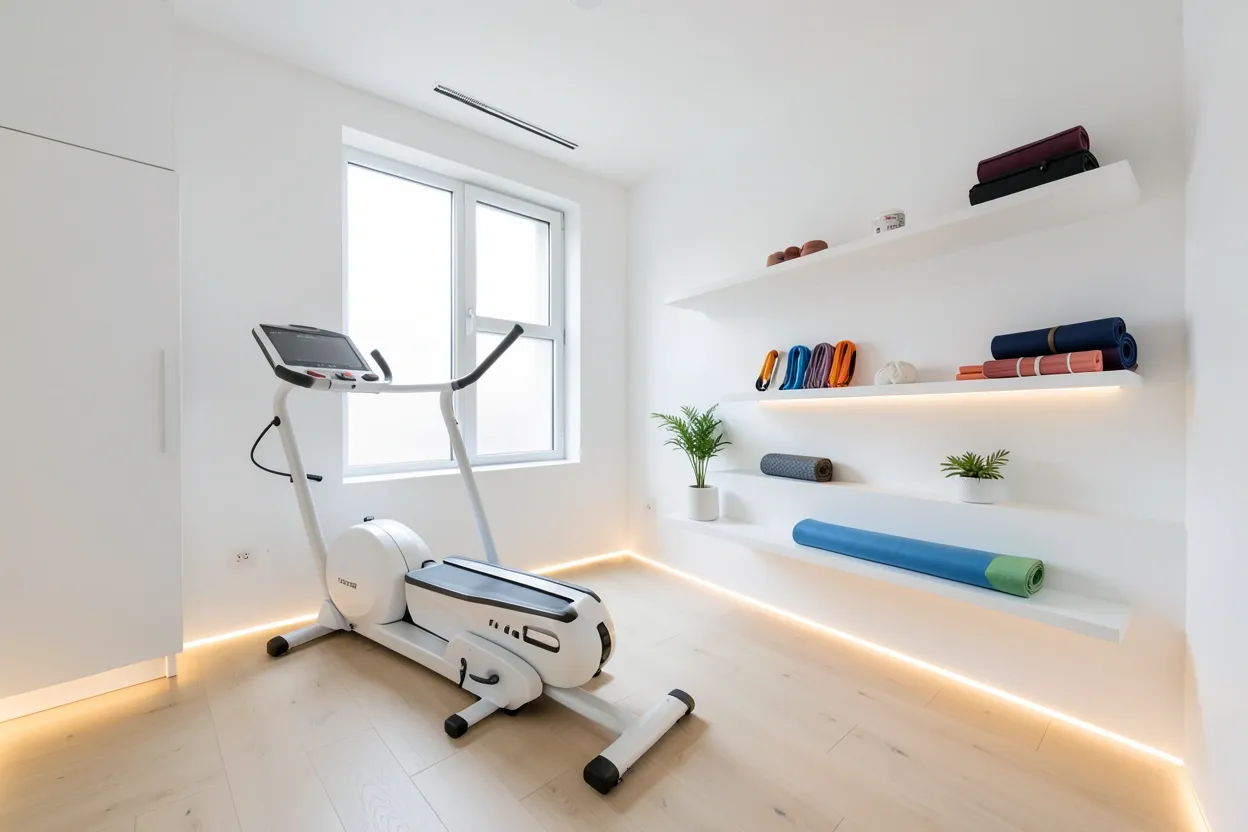
Creating a home gym doesn't mean sacrificing style for function. These home gym inspiration ideas prove that modern minimalist design principles can transform any space—spare bedroom, apartment corner, or small rental room—into a serene, motivating workout environment. By embracing clean lines, neutral color palettes, and smart organization, you can build a fitness sanctuary that inspires daily movement while maintaining visual harmony with your home's aesthetic.
The key to successful minimalist home gym design lies in thoughtful curation—selecting equipment that serves multiple purposes, maximizing vertical storage solutions, and using strategic lighting to create an energizing yet calming atmosphere. Whether you're working with a spare bedroom, garage corner, or dedicated basement space, these 23 home gym inspiration ideas demonstrate how to achieve the perfect balance between functional fitness needs and sophisticated minimalist design. Many of these ideas are renter-friendly and require no permanent installation.
From clever equipment concealment to zen-inspired workout zones, each concept focuses on eliminating visual clutter while maximizing workout efficiency. Explore these modern minimalist gym ideas to discover how simplicity can elevate your fitness experience and create a space you'll genuinely love to use every day.
Quick FAQ
How do I start designing a minimalist home gym?
Begin by decluttering the space and choosing a neutral color palette. Select only essential equipment that aligns with your workout goals, then incorporate smart storage solutions to keep everything organized and visually clean.
What colors work best for a minimalist gym?
Neutral tones like white, light gray, beige, and soft pastels create an airy, calming atmosphere. These colors reflect light well and make the space feel larger while maintaining a clean, modern aesthetic.
How can I hide gym equipment when not in use?
Consider built-in cabinets, folding wall-mounted racks, or stylish decorative screens. Multi-functional furniture like storage ottomans or slim cabinets can conceal smaller equipment while maintaining the minimalist look.
What lighting is ideal for a minimalist home gym?
Layered lighting works best: natural light during the day, ambient overhead lighting for general workouts, and task lighting for specific exercise zones. Install dimmable fixtures to adjust the mood for different types of workouts.
As an Amazon Associate I earn from qualifying purchases.
Table of Contents
- 1. Clean White Workout Sanctuary
- 2. Floating Gym Equipment Wall
- 3. Hidden Mirror Wall Panel
- 4. Sliding Door Gym Cabinet
- 5. Monochromatic Gray Fitness Zone
- 6. Integrated Floor Mat System
- 7. Ceiling-Mounted Suspension Trainer
- 8. Bamboo-Inspired Zen Gym Corner
- 9. Recessed Wall Niche Storage
- 10. Frameless Glass Partition
- 11. Under-Stair Workout Nook
- 12. Hidden Cable Management System
- 13. Magnetic Equipment Rail Display
- 14. Floor-to-Ceiling Storage Column
- 15. Minimalist Dumbbell Rack Tower
- 16. Natural Light Optimized Space
- 17. Folding Bench Wall Integration
- 18. Acoustic Panel Design Wall
- 19. Minimalist Yoga Studio Corner
- 20. Smart Technology Integration
- 21. Neutral Textile Accents
- 22. Multipurpose Cardio Station
- 23. Inspirational Wall Art Gallery
1. Clean White Workout Sanctuary
A pristine white palette transforms any workout space into an energizing home gym inspiration, creating an atmosphere of clarity and focus. The absence of visual clutter allows your mind to concentrate solely on movement and form, while the light-reflecting properties of white surfaces maximize natural illumination throughout the space. Select sleek, white-finished equipment like a compact elliptical trainer or adjustable bench to maintain visual cohesion with walls and flooring.
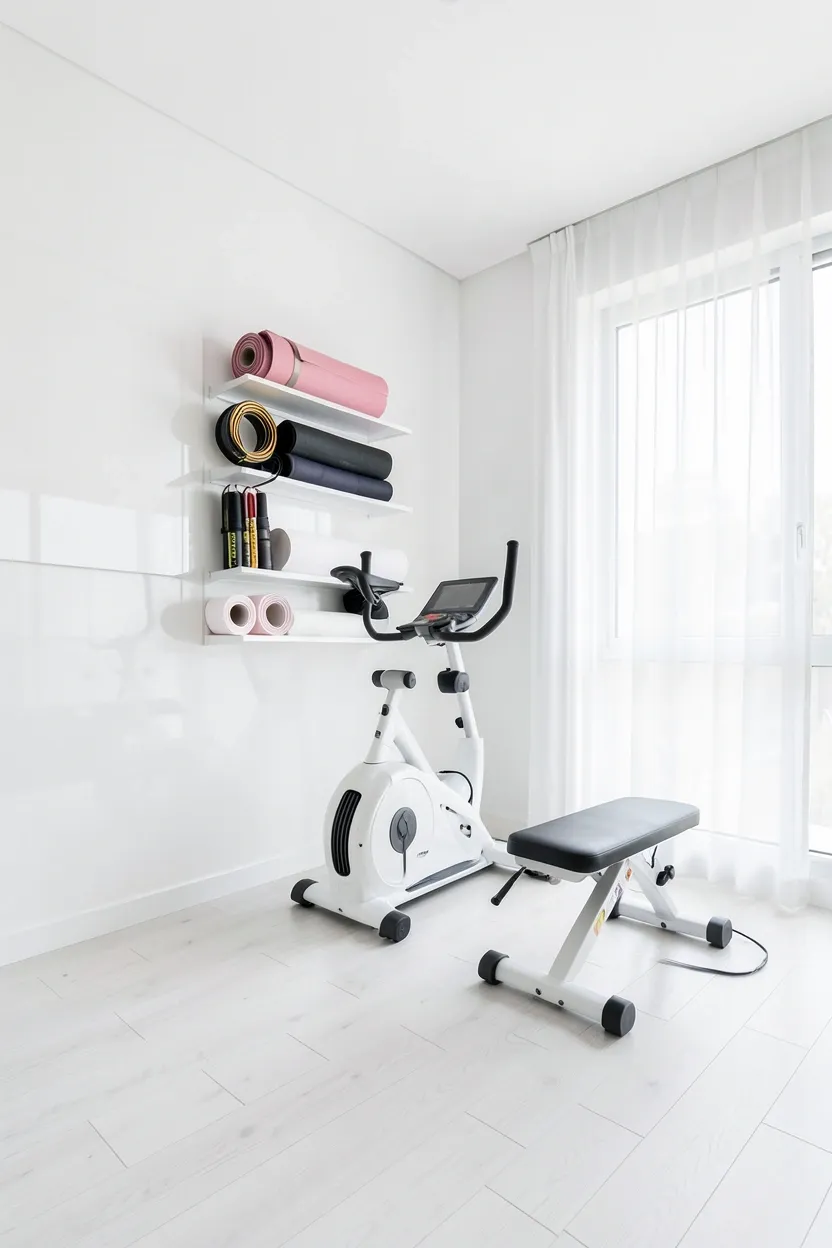
Incorporate glossy white wall-mounted storage racks that double as sculptural elements, keeping resistance bands, yoga mats, and light weights organized without breaking the monochromatic theme. Consider installing white wood flooring with a subtle grain pattern that adds warmth while maintaining the crisp aesthetic, or choose large-format white porcelain tiles for easy cleaning and durability. Avoid overwhelming the space with too much stark white—introduce subtle texture through sheer white curtains or woven light fixtures.
Strategic lighting becomes essential in an all-white gym to prevent the space from feeling clinical or sterile. Install warm white LED strip lighting along floorboards or ceiling coves to create soft ambient glow, and position adjustable track lighting above workout zones for targeted illumination during exercises. The clean white workout sanctuary approach works especially well in smaller spaces where the color's light-expanding properties can make the room feel significantly larger and more open.
Quick Tips
- Do add subtle green plants to introduce organic contrast and improve air quality
- Don't forget to include easy-to-clean white surfaces that can withstand sweat and regular use
- Consider semi-gloss wall paint for better moisture resistance in humid workout environments
What this gives you: A psychologically uplifting workout environment that feels spacious, clean, and infinitely motivating every time you enter.
2. Floating Gym Equipment Wall
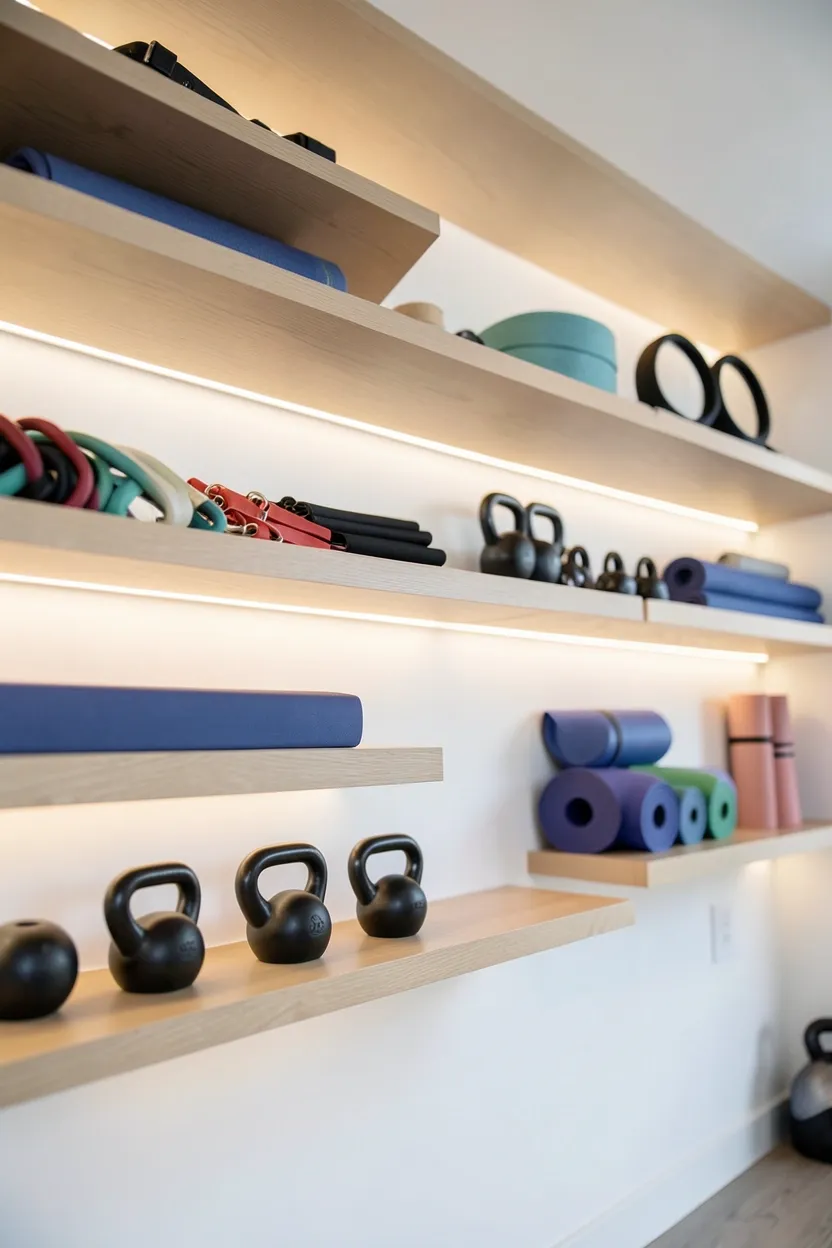
Transform blank wall space into a sophisticated home gym inspiration by installing floating shelves and racks that keep essential equipment visible yet beautifully organized. This vertical storage approach maximizes floor space for movement while creating a visually striking display that turns functional gear into design elements. Position the floating wall at varying depths to create visual interest, with shallower shelves for smaller items like resistance bands and deeper ledges for dumbbells or kettlebells.
Recommended
Items for this idea
Placement note: Install the floating wall on the longer wall of your workout space to maximize storage capacity while leaving shorter walls free for equipment placement or mirrors.
Choose floating shelves made from light wood or white lacquered MDF that complement your overall minimalist aesthetic, ensuring each shelf appears to hover effortlessly against the wall surface. Consider incorporating built-in LED lighting beneath each shelf to highlight equipment displays and create ambient illumination that enhances the space's modern feel. Avoid overcrowding shelves—maintain breathing room between items to preserve the clean, uncluttered appearance that defines minimalist design.
Quick Tips
- Use weight-rated floating shelves for heavy equipment to ensure safety and stability
- Arrange equipment by type or weight for both functional efficiency and visual harmony
- Leave some shelves partially empty to create negative space and visual breathing room
What this gives you: Maximum storage functionality without sacrificing floor space, creating a gym that feels expansive despite housing comprehensive equipment collections.
3. Hidden Mirror Wall Panel
Why it works: A full-length mirror is essential for proper form during workouts, but traditional gym mirrors can disrupt a minimalist aesthetic with their industrial frames and stark reflections. The hidden mirror wall panel solution conceals this functional element behind sleek, integrated cabinetry that maintains clean lines while providing instant access when needed.
Install floor-to-ceiling cabinet doors on smooth sliding tracks that reveal a large mirror panel when opened, then conceal it completely when closed for a seamless wall appearance. Choose cabinet finishes that match surrounding wall treatments, whether that's matte white paint, light wood veneers, or soft gray laminate, ensuring the hidden mechanism remains virtually invisible when not in use. Consider incorporating adjustable lighting within the mirror housing that activates automatically when doors open, providing optimal illumination for form checking during exercises.
The hidden mirror approach is particularly valuable in home gym inspiration scenarios where the workout space shares walls with other living areas or visible from main rooms. When the mirror is concealed, the space maintains a refined, minimalist appearance that doesn't scream "workout zone"—perfect for open-plan homes where visual continuity between spaces matters. Common mistake: installing overly heavy doors that are difficult to operate smoothly during workouts; opt for lightweight materials with premium hardware for effortless sliding motion.
Quick Tips
- If you're working with a compact space, consider a folding mirror design instead of sliding doors
- Install magnetic door catches to keep panels securely closed during high-impact workouts
- Choose anti-fog mirror coatings to prevent condensation buildup in humid workout conditions
Best for: Shared living spaces where gym visibility matters, open-plan homes, or anyone who values the ability to completely transform the room's appearance from workout zone to seamless minimalist space.
What this gives you: The functional benefits of a full-length workout mirror without compromising your minimalist aesthetic, allowing you to maintain form perfecting capabilities while preserving clean visual lines.
4. Sliding Door Gym Cabinet
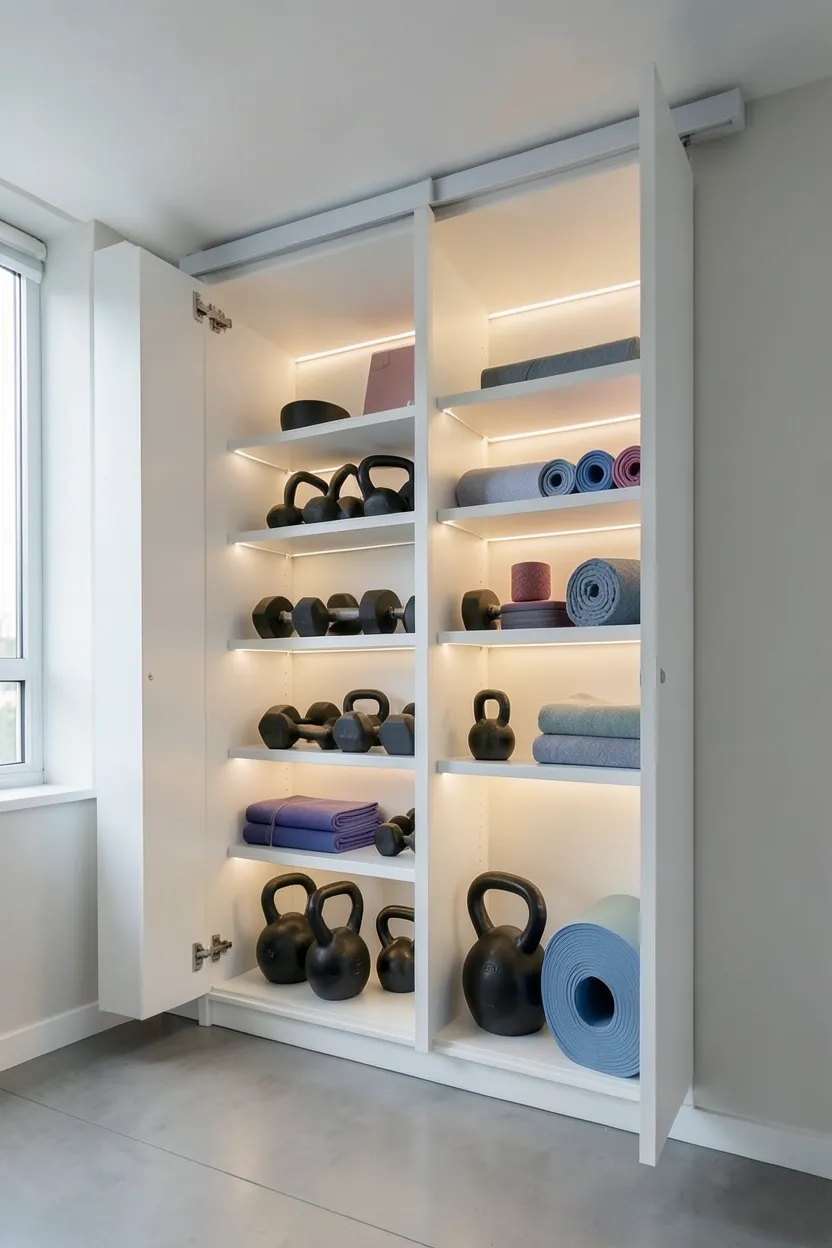
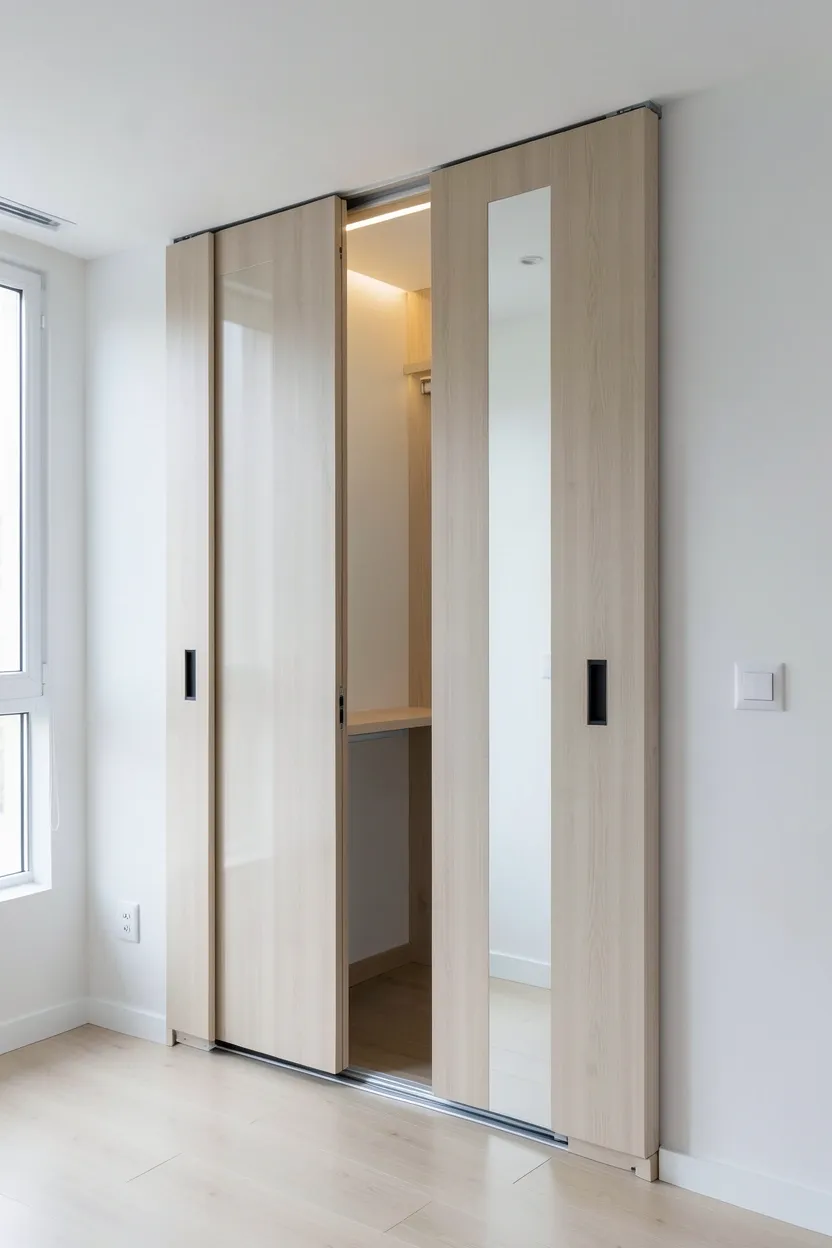
A streamlined sliding door cabinet system provides the ultimate home gym inspiration solution for concealing bulky equipment while maintaining instant accessibility for daily workouts. Unlike traditional swing-door cabinets that require clearance space for opening, sliding mechanisms allow you to position the cabinet flush against walls, maximizing valuable floor area in smaller workout spaces. Select tall, narrow cabinet units with multiple interior zones designed specifically for different equipment types—shallow drawers for accessories like resistance bands and jump ropes, adjustable shelving for weights, and dedicated compartments for yoga mats or foam rollers.
Recommended
Items for this idea
Choose cabinet finishes that harmonize with your overall minimalist aesthetic, whether that's matte white lacquer for seamless wall integration or light natural wood for warmth. Consider incorporating built-in organization features like soft-close drawer slides, magnetic catches that keep sliding doors securely closed during intense workouts, and interior LED lighting that activates when doors open to help you quickly locate equipment. Avoid dark cabinet finishes that can make smaller workout spaces feel cramped or visually heavy—opt for light, reflective surfaces that maintain an airy, open feeling.
The sliding door approach excels in home gyms that double as multi-purpose spaces, allowing you to completely conceal workout equipment when the room serves other functions throughout the day. Position the cabinet along a wall that's not your primary workout zone, ensuring easy access without interfering with movement patterns during exercises. For larger spaces, consider creating a wall-to-wall sliding door system that creates the illusion of built-in millwork while providing expansive storage capacity for comprehensive equipment collections.
Quick Tips
- If you need floor equipment storage, install bottom cabinets with lift-up doors instead of sliders
- Consider mirrored sliding doors to simultaneously solve equipment storage and form-checking needs
- Install soft-close mechanisms on sliding tracks to prevent slamming during intense workout sessions
What this gives you: The ability to completely transform your workout space from a functional gym to a pristine minimalist room in seconds, perfect for homes where the same space serves multiple purposes.
5. Monochromatic Gray Fitness Zone
A sophisticated monochromatic gray palette creates a modern, grounded home gym inspiration that feels both professional and welcoming in residential settings. Unlike stark white spaces that can feel clinical, gray tones add warmth and depth while maintaining the clean, uncluttered aesthetic essential for focused workouts. Select varying shades of gray from light, airy dove gray for walls to darker charcoal accents for equipment or storage elements, creating visual hierarchy without introducing contrasting colors that disrupt the serene atmosphere.
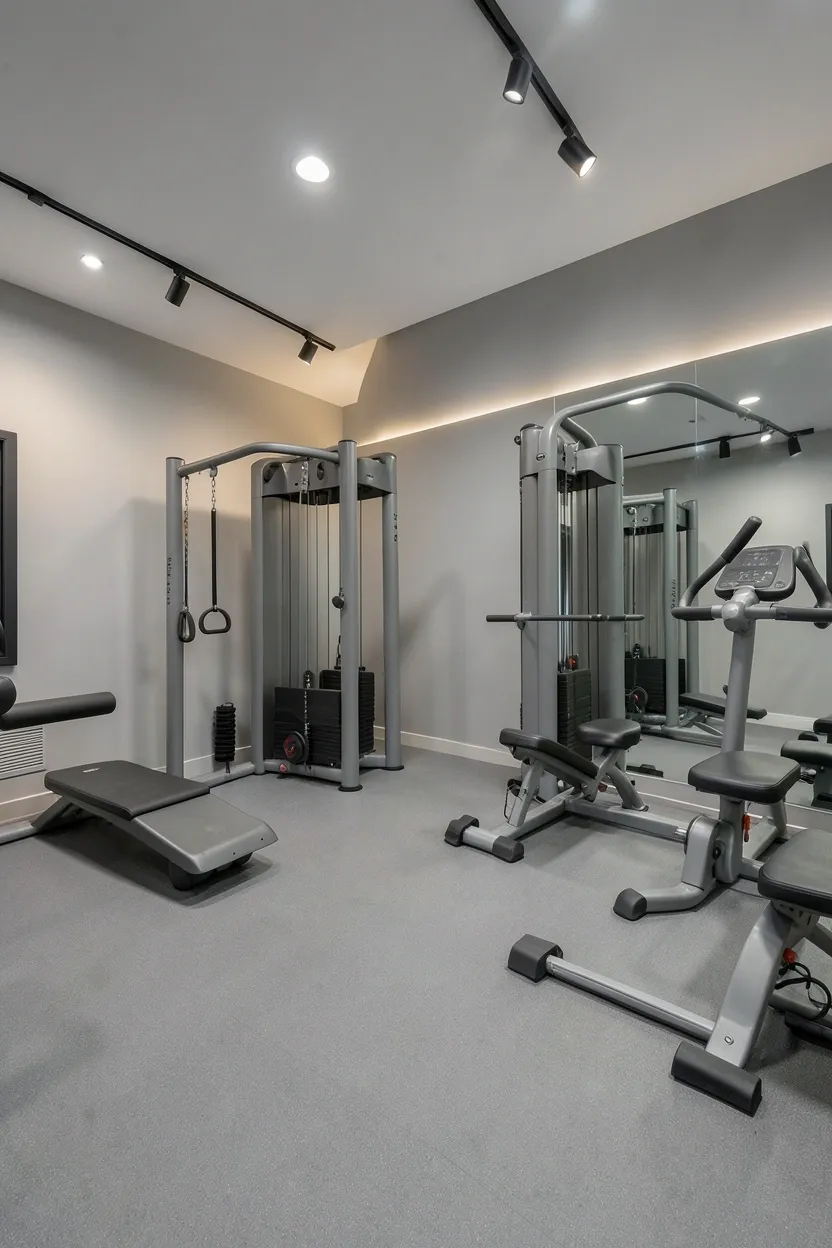
Choose flooring in a medium gray tone with subtle texture—large-format porcelain tiles with a matte finish or luxury vinyl plank flooring that mimics light gray natural stone—providing durability while complementing the overall color scheme. Select equipment in gray finishes where possible, or choose white or black pieces that create deliberate contrast against the monochromatic background rather than appearing unintentionally mismatched. Incorporate gray-toned textiles like yoga mats in heather gray or charcoal resistance bands that integrate seamlessly into the color story.
Lighting becomes particularly important in monochromatic gray spaces to prevent the room from feeling dark or oppressive. Install layered lighting with warm white LEDs that create ambient glow, supplemented by task lighting over specific workout zones and accent lighting highlighting architectural features or equipment displays. A common mistake in gray minimalist design: using only cool-toned lighting that makes the space feel uninviting; instead, opt for bulbs with warm color temperatures around 3000-3500K that create a comfortable, energizing atmosphere conducive to sustained workouts.
Quick Tips
- Introduce metallic accents in brushed nickel or chrome to add subtle sparkle without breaking the monochrome theme
- Create visual interest through texture rather than color—woven light fixtures, textured wall treatments, or patterned rugs
- Use darker gray tones on lower elements like flooring and cabinetry to ground the space, with lighter shades above eye level
Avoid if: You prefer spaces that feel exceptionally bright and airy—gray palettes naturally feel more intimate and cocooning than white alternatives, which may not align with your desired workout atmosphere.
What this gives you: A sophisticated, gallery-like workout environment that feels intentionally designed rather than functional, creating a space you're proud to show visitors and genuinely enjoy using daily.
6. Integrated Floor Mat System
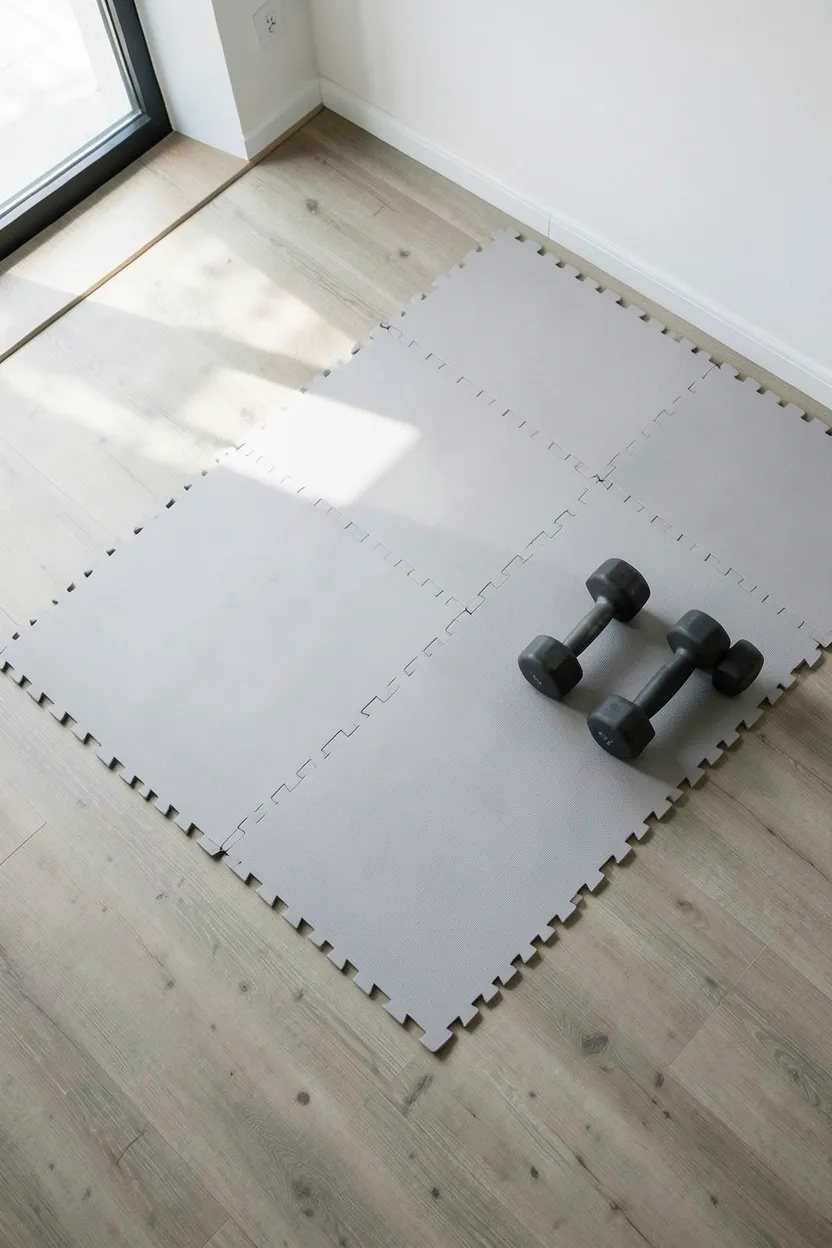
An integrated floor mat system eliminates the visual disruption of traditional loose workout mats while providing superior comfort and safety during home gym inspiration sessions. Instead of placing individual rubber mats over existing flooring, this approach involves installing permanent or semi-permanent flooring designed specifically for workout activities, creating a seamless transition between your gym space and surrounding living areas. Select interlocking foam tiles or rolled rubber flooring that covers the entire workout zone, choosing colors that complement your overall minimalist palette—light gray, soft beige, or matte white options maintain visual cohesion while providing necessary cushioning.
Recommended
Items for this idea
For a more refined aesthetic, consider engineered wood flooring with a protective finish that resists impact and moisture, or luxury vinyl plank flooring designed specifically for athletic use that combines realistic wood or stone appearances with workout-appropriate durability. The integrated system approach eliminates unsightly mat edges and tripping hazards while creating a defined workout zone that feels intentional and professionally planned. Position the integrated flooring strategically—cover only the primary workout area rather than entire rooms, leaving perimeter flooring exposed to maintain visual connection with adjacent living spaces.
If you're working with a compact home gym inspiration scenario where permanent flooring changes aren't feasible, explore Home Gym Inspiration for Small Spaces to discover modular solutions that provide similar functionality without permanent installation.
The integrated floor system excels in homes where the workout space serves dual purposes—providing comfortable, safe surfaces for exercise while maintaining the clean aesthetic of a regular living space when not in use. Consider installing floor-to-ceiling transition strips at mat boundaries to create deliberate visual separation, or opt for flooring materials that extend beyond the immediate workout zone for a more expansive feel. For yoga-focused spaces, consider cork flooring that provides natural cushioning and warmth underfoot while maintaining environmental consciousness—perfect alignment with minimalist principles of thoughtful material selection.
Quick Tips
- Choose flooring thickness based on your primary workout type—thicker options for heavy lifting or high-impact cardio, thinner for yoga or Pilates
- Consider moisture-resistant flooring options if your workout space lacks climate control or experiences humidity fluctuations
- Install flooring samples in your actual space before committing to full installation to verify color compatibility and comfort underfoot
What this gives you: A professionally finished workout floor that provides optimal comfort and safety while maintaining the seamless aesthetic of your minimalist home design, eliminating visual clutter from loose mats and equipment.
7. Ceiling-Mounted Suspension Trainer
A ceiling-mounted suspension trainer system provides versatile full-body workout capabilities in any home gym inspiration space while eliminating the need for bulky equipment that disrupts minimalist aesthetics. By mounting suspension training hardware directly into structural ceiling joists, you create a permanent workout station that takes up zero floor space while enabling countless exercise variations for strength, flexibility, and balance training. This approach exemplifies minimalist design principles—maximum functionality with minimum visual footprint.
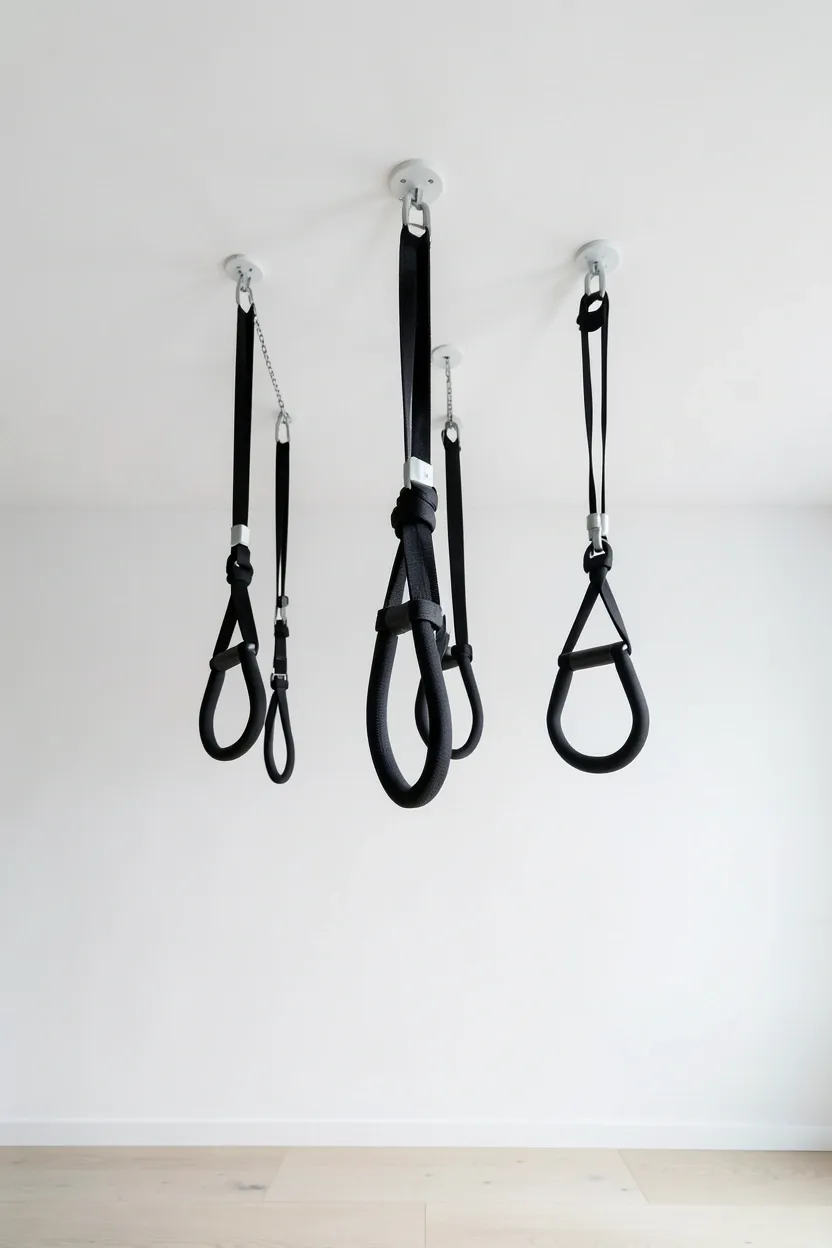
Install a clean ceiling-mounted anchor point with minimal visible hardware, choosing flush-mounted plates or recessed ceiling hooks that virtually disappear when not in use. Consider installing multiple anchor points at different positions around your workout zone to enable varied exercise angles and movement patterns without repositioning equipment. Use high-quality commercial-grade mounting hardware rated for your weight plus significant safety margin, and consider hiring a professional to ensure proper installation into structural elements rather than just drywall.
The ceiling-mounted suspension trainer excels in smaller home gym inspiration spaces where floor area is at a premium, providing comprehensive workout capabilities while maintaining open space for movement. When not in use, the suspension trainer straps and handles can be neatly coiled and stored in nearby cabinets or wall-mounted organizers, leaving only the minimal ceiling anchor visible. For enhanced functionality, consider installing a pull-up bar in conjunction with the suspension anchor point using a single clean mounting system that serves dual purposes while maintaining visual simplicity.
Quick Tips
- Position suspension anchors at least 8 feet apart to enable full-range exercises without interference
- Install ceiling hooks with minimal protrusion to maintain clean sightlines throughout the space
- If you're renting, consider heavy-duty doorway-mounted suspension trainers as an alternative to permanent ceiling installation
What this gives you: Comprehensive full-body training capabilities that occupy zero floor space, allowing you to perform hundreds of exercise variations while maintaining the open, uncluttered aesthetic essential to minimalist design.
8. Bamboo-Inspired Zen Gym Corner
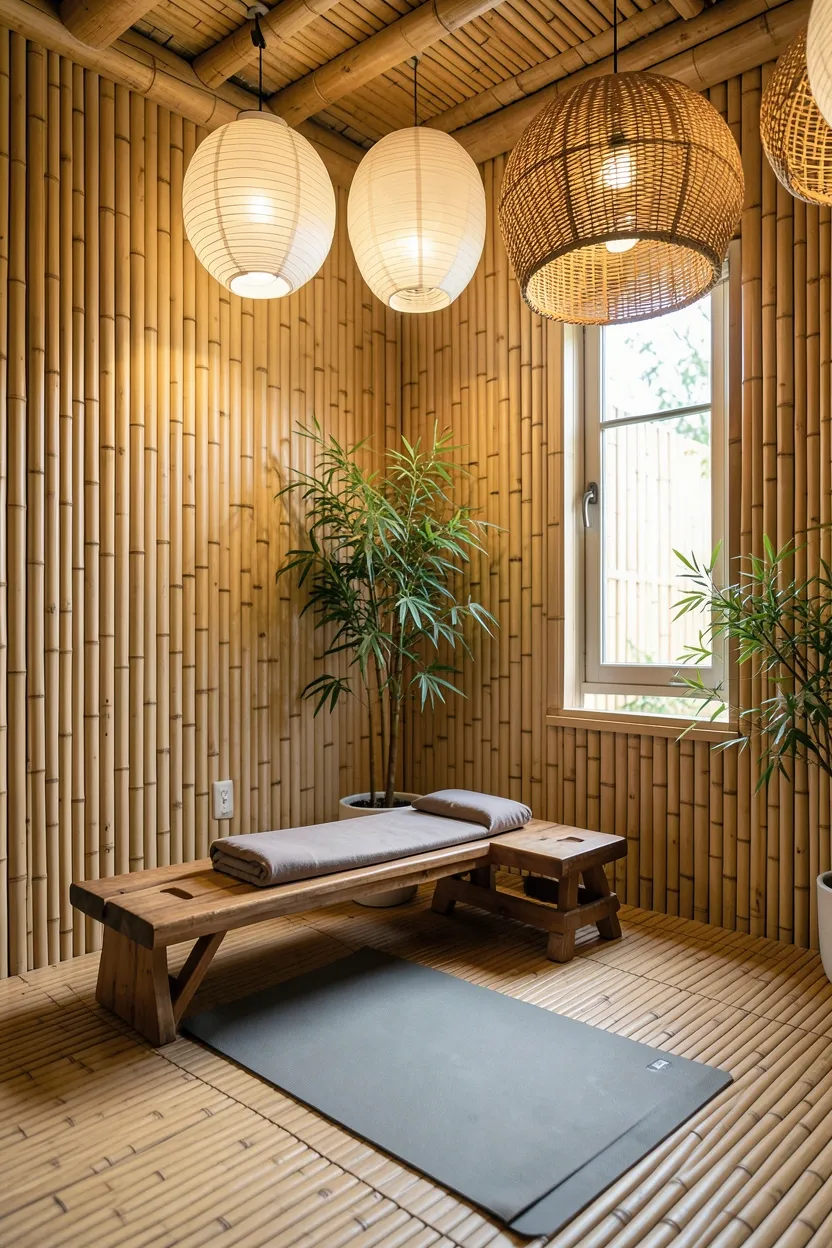
Creating a bamboo-inspired zen corner within your home gym inspiration space brings natural tranquility and grounding elements that enhance the mind-body connection during workouts. This approach integrates Japanese minimalist design principles—emphasizing natural materials, organic forms, and intentional simplicity—while providing a dedicated space for yoga, meditation, or cool-down stretching exercises. Position the zen corner away from the primary equipment zone to create a peaceful retreat within your workout space, using bamboo screens or light wood partitions to establish subtle visual separation without completely isolating the area.
Recommended
Items for this idea
Incorporate bamboo elements throughout the zen corner—from bamboo flooring or area rugs with bamboo-inspired patterns to actual bamboo wall treatments or light fixtures that cast warm, organic shadows. Position a low-profile meditation bench or yoga mat in the center of the zen corner, surrounded by small potted bamboo plants or other greenery that brings life and fresh air to the space. Install dimmable warm white lighting with paper lantern-style fixtures or woven bamboo shades that create soft, diffused illumination ideal for relaxation and mindfulness practices.
The bamboo zen approach works exceptionally well when positioned near natural light sources—large windows or skylights that allow daylight to enhance the natural, organic atmosphere. Consider incorporating a small indoor water feature with bamboo accents to introduce gentle sound that masks workout noise and creates a calming backdrop for meditation sessions. Avoid overpopulating the zen corner with too many decorative elements—the beauty lies in intentional simplicity, with each item serving both aesthetic and functional purposes.
Quick Tips
- If actual bamboo isn't available or practical, choose light wood finishes with visible grain patterns that evoke similar natural warmth
- Install floating bamboo shelves at varying heights to display small plants, meditation cushions, or inspirational items
- Consider bamboo-inspired artwork or wall hangings instead of actual bamboo if you prefer lower maintenance materials
Rental note: Create a portable zen corner using bamboo screens, folding meditation benches, and potted bamboo plants that can be easily moved or removed without permanent installation.
What this gives you: A dedicated mindfulness sanctuary within your workout space that enhances mental clarity, reduces stress, and creates a more holistic fitness experience that addresses both physical and emotional well-being.
9. Recessed Wall Niche Storage
Recessed wall niches provide elegant home gym inspiration storage solutions that maximize available space while maintaining the clean, uncluttered lines essential to minimalist design. Instead of protruding shelves or cabinets that interrupt wall planes, recessed niches create storage pockets within the wall structure itself, appearing as intentional architectural details rather than added storage elements. This approach works particularly well in spaces where every inch matters, allowing you to store essential equipment and accessories without sacrificing valuable floor area or creating visual clutter.
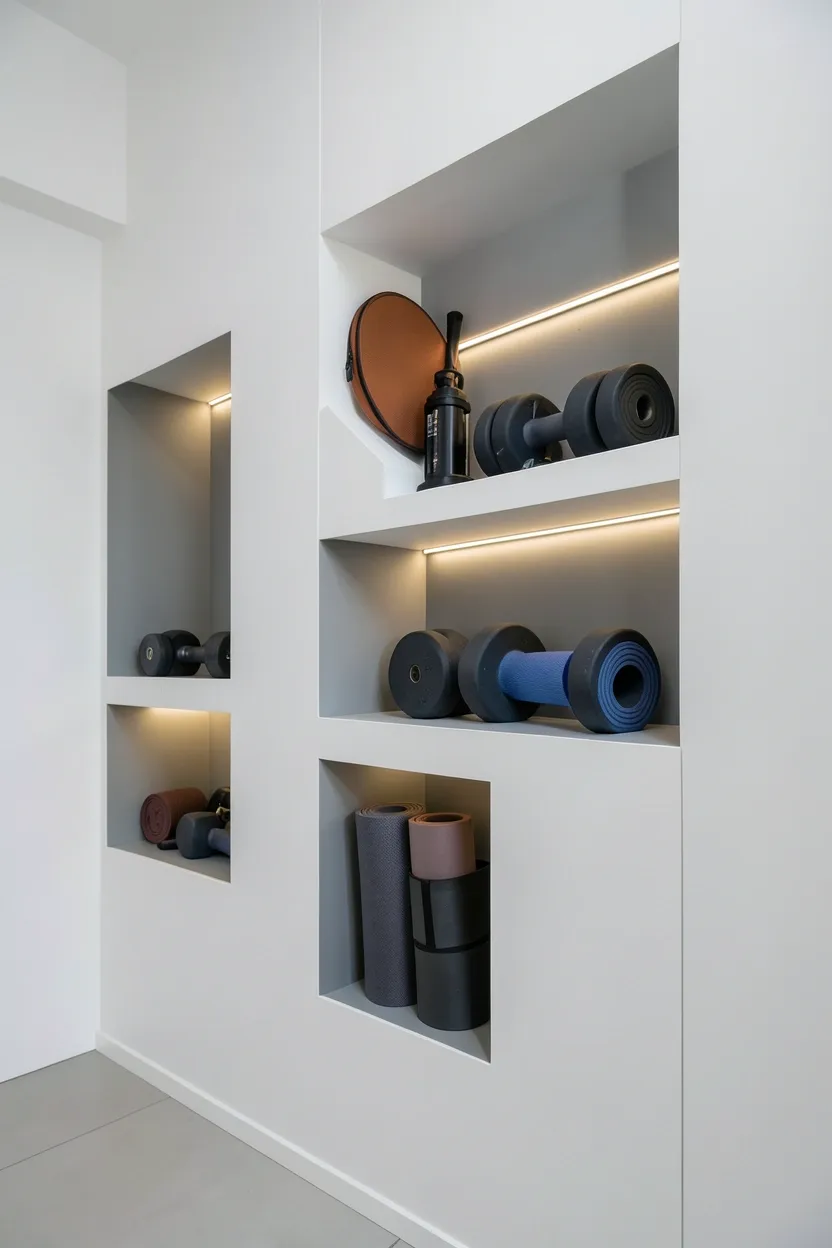
Create niches at varying heights and depths to accommodate different equipment types—shallow niches for smaller items like resistance bands, yoga blocks, or workout gloves, while deeper niches can house dumbbells, kettlebells, or rolled yoga mats. Finish the niche interiors with materials that provide visual interest while complementing your overall color scheme—consider painting niches in a slightly darker shade than surrounding walls to create depth, or line them with wood veneers for warmth and organic contrast.
For additional small-space storage solutions that complement recessed niches, explore Home Gym Inspiration for Small Spaces to discover creative approaches for maximizing every square inch of compact workout areas.
The recessed niche approach excels in spaces where wall-mounted shelving would feel visually intrusive or where floor-standing storage isn't practical due to space constraints. Consider incorporating LED strip lighting within each niche to create subtle illumination that highlights stored items while adding ambient glow to the space. Install adjustable shelving within niches to accommodate different-sized items, or leave niches open without shelves to display equipment as curated collections rather than hidden away completely.
Quick Tips
- If structural recessed niches aren't feasible, create the illusion using shallow mounted shelves with painted backs that blend into wall color
- Position niches at ergonomic heights based on how frequently you access stored items—everyday equipment at eye level, occasional items higher or lower
- Consider installing motion-sensor LED lighting within niches that activates automatically when you approach to locate equipment quickly
What this gives you: Sophisticated built-in storage that feels like intentional architecture rather than added shelving, maximizing functionality while maintaining the clean, seamless aesthetic that defines minimalist design.
10. Frameless Glass Partition
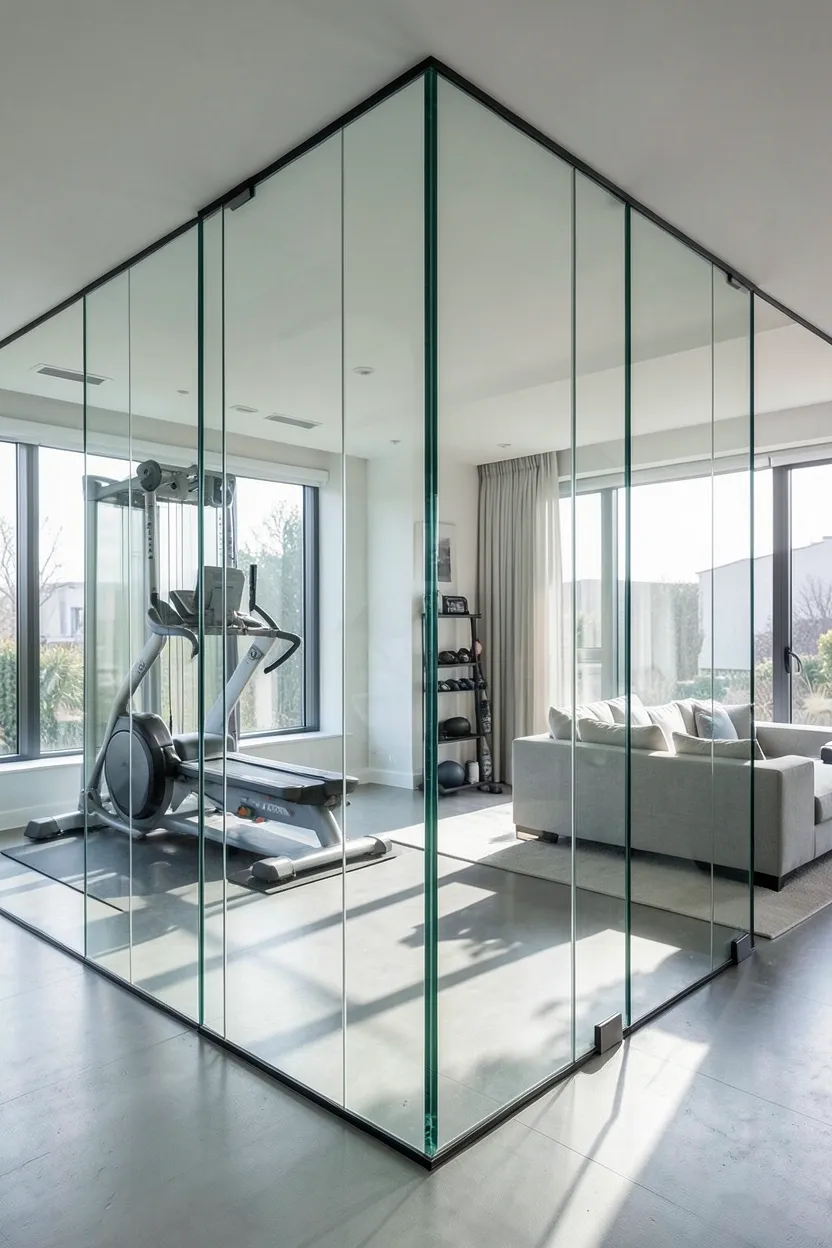
A frameless glass partition offers an elegant home gym inspiration solution for creating defined workout zones without sacrificing light, openness, or visual connection to surrounding spaces. Unlike solid walls or opaque dividers that can make smaller workout areas feel cramped and isolated, frameless glass maintains spatial continuity while establishing clear boundaries between functional areas. This approach works exceptionally well in open-plan homes where the gym shares space with living areas, allowing you to visually separate workout activities without completely closing off the zone.
Recommended
Items for this idea
Install floor-to-ceiling frameless glass panels with minimal hardware—discreet hinges or sliding tracks that don't interrupt the clean surface of the glass itself. Choose clear tempered glass for maximum transparency, or opt for frosted or etched glass that provides subtle privacy while still allowing light transmission. Consider adding integrated vertical mullions at strategic intervals to create visual interest and structure while maintaining the frameless aesthetic—these minimal dividers can also serve as anchor points for wall-mounted equipment or storage elements.
The glass partition approach excels when you want to maintain visual connection between your workout space and other living areas—perhaps allowing you to keep an eye on children while exercising or simply feeling less isolated during solo workouts. Position the glass partition to create a defined workout corridor that separates cardio or strength training zones from stretching or cool-down areas, or use it to enclose a specific workout corner while keeping the overall space feeling open and expansive. For added privacy during video calls or when the gym isn't in use, consider installing motorized roller blinds behind the glass that can be deployed as needed.
Quick Tips
- Choose laminated safety glass rather than standard annealed glass to prevent hazardous shattering if broken
- Install glass partitions with minimal clearance from floors and ceilings to create the illusion of floating glass panels
- If privacy is occasionally needed, consider adhesive privacy films that can be applied to existing glass rather than replacing panels
What this gives you: Defined workout zones that maintain spatial continuity, light flow, and visual connection to your home's living areas while creating clear boundaries between functional exercise spaces.
11. Under-Stair Workout Nook
Transforming under-stair space into a compact workout nook provides brilliant home gym inspiration for maximizing every square foot of your home while maintaining minimalist design principles. This often-overlooked area typically features slanted ceilings that create cozy, intimate dimensions perfect for focused workouts like yoga, Pilates, or bodyweight exercises. By strategically placing a yoga mat, meditation cushion, or small workout bench under the stairs, you create a dedicated fitness zone that feels intentional rather than improvised.
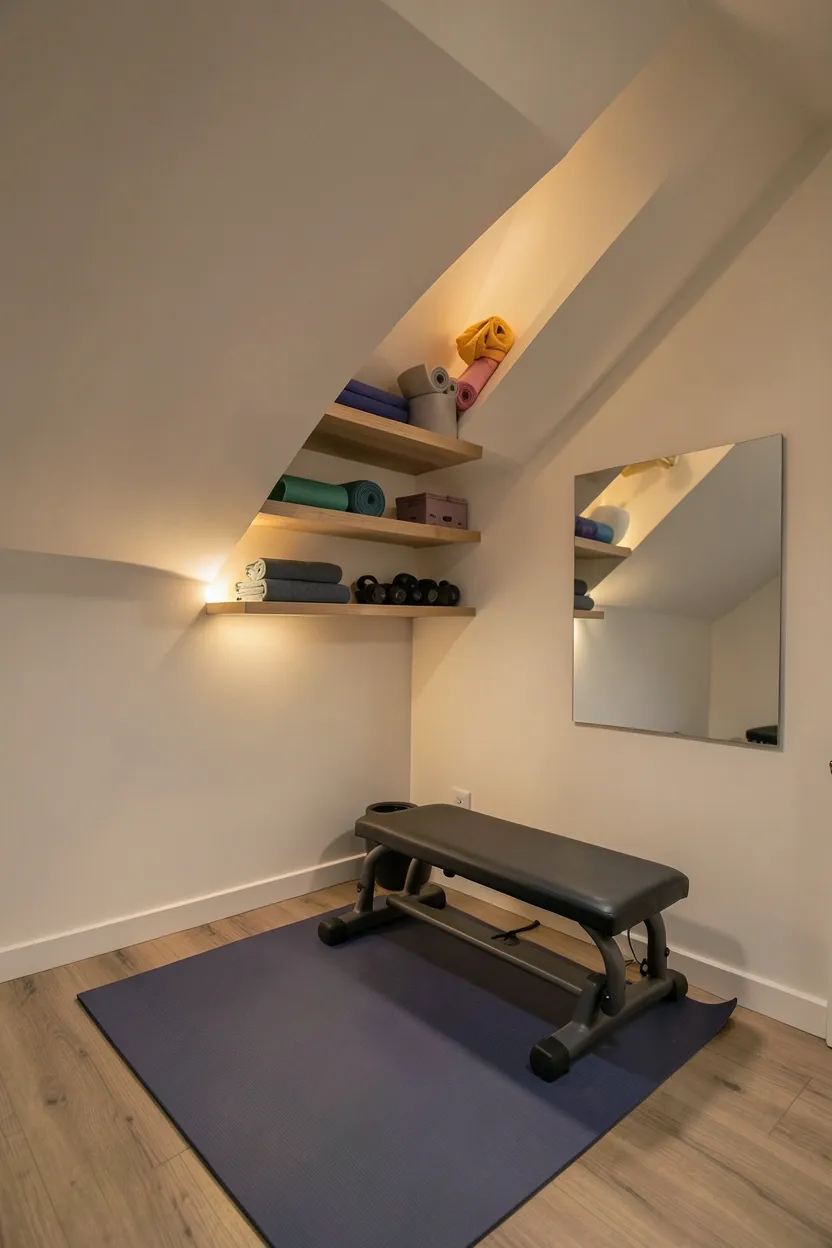
Position the workout nook where the stair height provides adequate clearance for your preferred exercises—typically the area where the staircase is at least 5-6 feet tall at its lowest point. Install shallow shelving or recessed niches along the sloping ceiling to store yoga props, resistance bands, or workout accessories, making use of otherwise difficult-to-access wall space. Consider adding a small mirror on one wall to check form during exercises, positioning it where it reflects light and makes the compact space feel larger.
The under-stair approach excels in homes where dedicated workout space isn't available but you still want a defined area for daily fitness activities. Position wall-mounted equipment like suspension trainer anchors or pull-up bars along the vertical walls adjacent to the staircase to maximize vertical space while keeping the floor area open for movement. Install warm lighting with adjustable brightness to transform the nook from an energizing workout zone to a calm meditation corner depending on your needs.
Quick Tips
- Measure the slope and height of your under-stair space carefully to ensure adequate clearance for standing exercises
- Consider installing a small rug or mat with non-slip backing to prevent slipping on potentially uneven under-stair flooring
- If ventilation is poor under the stairs, install a small battery-operated fan or ensure the staircase area connects to well-ventilated spaces
Budget note: Under-stair transformations can be completed with minimal investment—primarily just proper flooring, basic shelving, and lighting—making this one of the most cost-effective home gym inspiration solutions for smaller homes.
What this gives you: A fully functional workout space that occupies otherwise unused square footage, providing a dedicated fitness zone without requiring additional rooms or compromising your home's existing layout.
12. Hidden Cable Management System
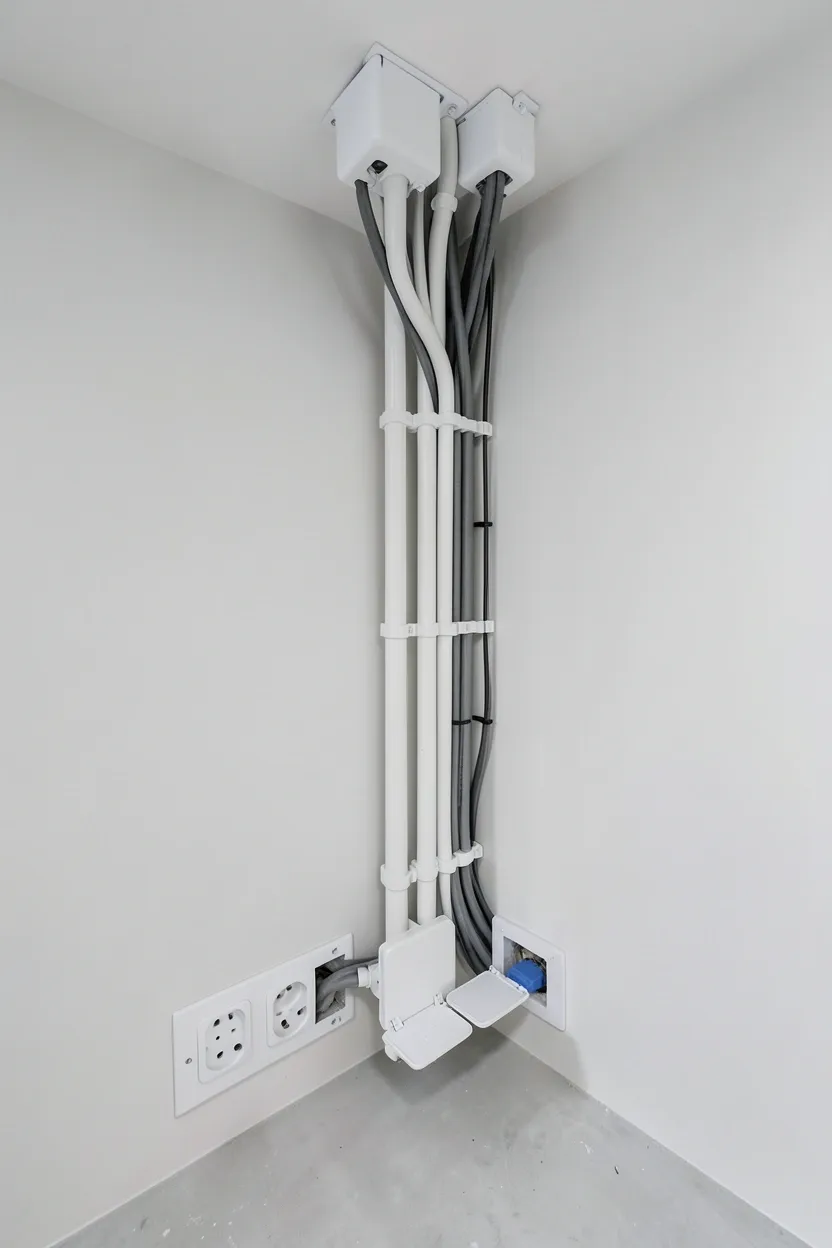
A comprehensive hidden cable management system eliminates the visual chaos of tangled cords and power strips that disrupt minimalist home gym inspiration aesthetics. Modern workout equipment often requires power for displays, heart rate monitors, or built-in entertainment systems, and cables running across floors or dangling from walls can instantly ruin a carefully curated minimalist space. By planning cable concealment during initial design or retrofitting existing spaces with thoughtful solutions, you maintain clean visual lines while ensuring all equipment functions seamlessly.
Recommended
Items for this idea
Install in-wall cable channels that run behind equipment placement zones, routing power cables through walls to floor outlets positioned precisely where equipment will be stationed. Use cable raceways that match wall color or paintable conduit to guide cables vertically from equipment to ceiling-mounted power sources, creating the illusion of floating equipment without visible wiring. Consider installing recessed floor outlets with flip-up covers at strategic workout positions, allowing equipment to plug directly into the floor without visible cords crossing walking paths.
The hidden cable approach becomes particularly important when your workout space is visible from other living areas—nothing disrupts minimalist aesthetics faster than a tangled mess of black cords against pristine white walls. Position power strips and surge protectors inside cabinets or drawers when possible, using extension cords that can be neatly coiled and secured rather than left loose. For equipment that truly requires visible power access, consider braided cable sleeves or fabric-wrapped cords in colors that complement your overall palette rather than default black or white vinyl options.
Quick Tips
- If running cables through walls isn't feasible, use cable concealment kits that route cords along baseboards with paintable covers
- Label cable ends before concealing them to make future equipment changes or troubleshooting significantly easier
- Install cable ties or Velcro straps at regular intervals along concealed cable runs to prevent sagging and maintain neat organization
What this gives you: Completely clean visual lines throughout your workout space with no visible cables, cords, or power strips disrupting the minimalist aesthetic while maintaining full functionality of all powered equipment.
13. Magnetic Equipment Rail Display
A magnetic equipment rail display transforms workout accessories from clutter into curated home gym inspiration, turning functional items into visually organized collections that enhance rather than disrupt minimalist aesthetics. By installing sleek metal rails with strong magnetic capabilities, you can hang resistance bands, jump ropes, small weights, and workout accessories directly on walls in configurations that feel intentional and gallery-like rather than haphazard storage. This approach combines easy accessibility with sophisticated display, ensuring essential gear is always visible and ready for use.
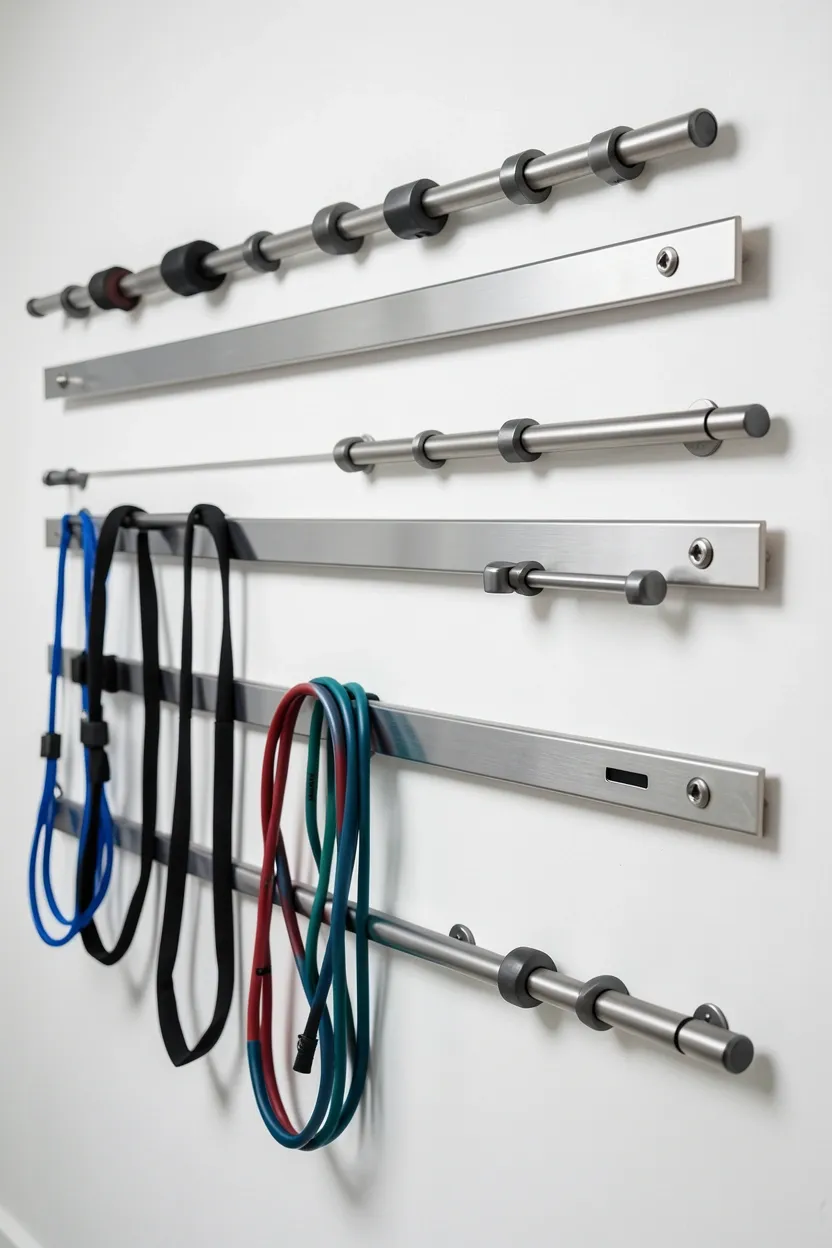
Install magnetic rails at varying heights to accommodate different equipment types—position higher rails for lighter items like resistance bands and foam rollers, while lower rails can support heavier accessories like kettlebell attachments or weighted bars. Choose rail finishes that complement your overall color scheme—brushed stainless steel for modern spaces, powder-coated white for seamless wall integration, or matte black for striking contrast against lighter walls. Consider installing multiple parallel rails with varying spacing to create visual rhythm and accommodate equipment of different widths.
The magnetic rail approach excels in home gym inspiration scenarios where equipment visibility motivates use—you're more likely to grab resistance bands or use jump ropes when they're beautifully displayed rather than hidden in drawers. Position rails near workout zones where the displayed equipment will be used, creating functional efficiency while maintaining visual organization. For added sophistication, consider labeling sections of rails with minimalist typography or small icons that indicate equipment categories, adding functional clarity without overwhelming the clean aesthetic.
Quick Tips
- Test magnetic strength with your heaviest planned items before final installation—some lightweight magnetic strips may not hold heavy equipment securely
- Position rails at least 6 inches from corners to prevent displayed equipment from extending beyond wall boundaries
- If you prefer concealed storage, install magnetic rails inside cabinet doors for hidden organization that remains accessible
What this gives you: Beautifully displayed equipment that transforms functional items into visual design elements, motivating use through visibility while maintaining sophisticated organization.
14. Floor-to-Ceiling Storage Column
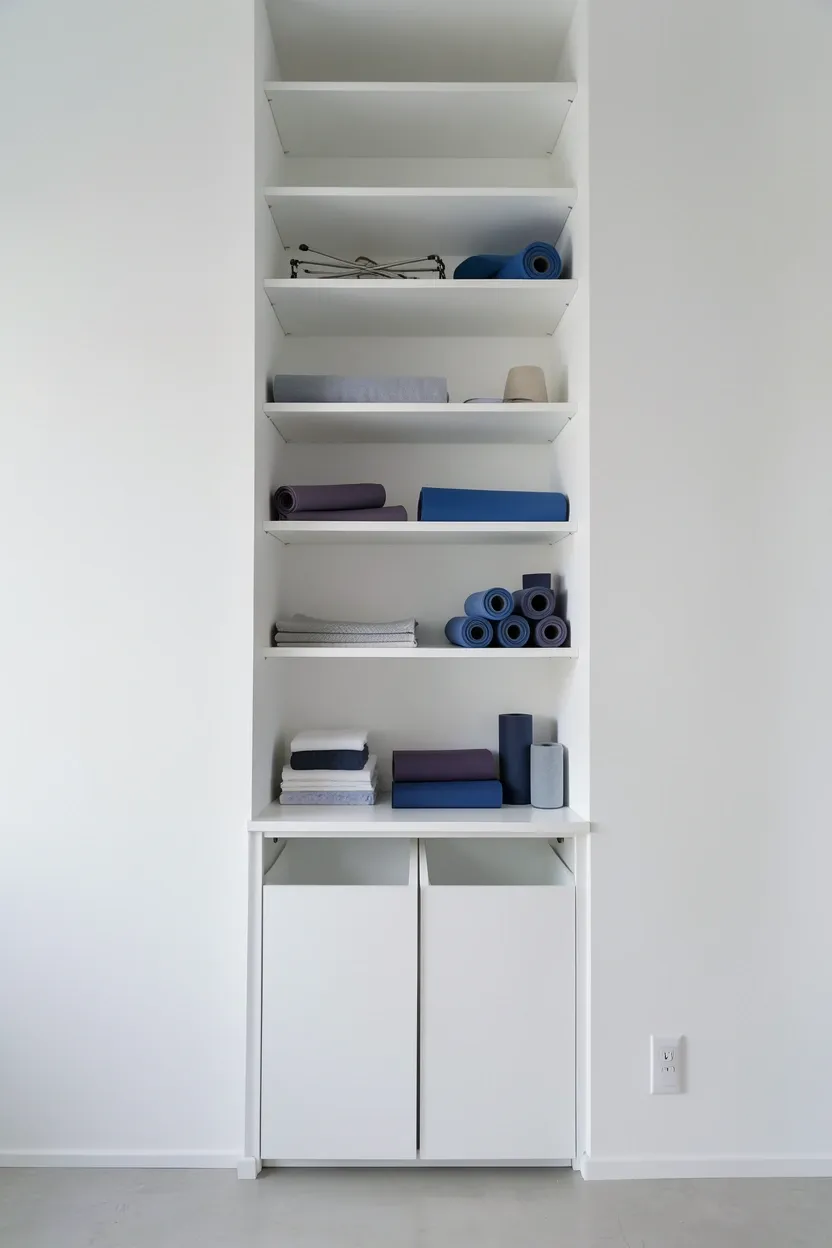
A floor-to-ceiling storage column provides exceptional home gym inspiration storage capacity while occupying minimal floor footprint, making it ideal for spaces where every inch matters. Unlike wide shelving units or bulky cabinets that consume significant floor area, tall narrow columns maximize vertical storage space while creating the illusion of architectural pillars rather than furniture. This approach works exceptionally well in corners or against walls where their narrow profile doesn't interfere with movement patterns during workouts.
Recommended
Items for this idea
Design storage columns with adjustable shelves at varying intervals to accommodate different equipment types—wider spacing for yoga mats and foam rollers, tighter spacing for smaller accessories like resistance bands or workout gloves. Choose column finishes that blend seamlessly with surrounding walls—matte white or light gray columns can virtually disappear against painted walls, while natural wood or bamboo finishes add warmth and organic contrast. Consider incorporating some solid cabinet doors lower on the column for concealed storage, with open shelving above eye level for displayed items.
For additional small-space storage solutions that complement tall columns, explore Home Gym Inspiration for Small Spaces to discover creative approaches for maximizing storage in compact workout areas.
The floor-to-ceiling column approach excels in creating dedicated storage without overwhelming the space visually—narrow columns feel intentional and architectural rather than intrusive. Position columns strategically at room corners or along walls where they don't interfere with primary workout zones, and consider installing interior LED lighting that activates when column doors open for easy item location. For enhanced functionality, install pull-out drawers or baskets on lower shelves that make accessing bottom items convenient without requiring bending or reaching.
Quick Tips
- Secure floor-to-ceiling columns to walls at top and bottom to prevent tipping, especially in households with children or during earthquakes
- Consider installing columns on low-profile casters if flexibility matters—this allows you to reposition storage as workout needs change
- If ceiling height varies, choose columns with adjustable feet or leveling mechanisms to ensure stability regardless of floor unevenness
What this gives you: Maximum storage capacity in minimal floor space, with vertical organization that feels architectural rather than furniture-like, preserving open movement areas throughout your workout zone.
15. Minimalist Dumbbell Rack Tower
A minimalist dumbbell rack tower provides essential strength training storage without the industrial, commercial-gym aesthetic that disrupts home gym inspiration design. Traditional dumbbell racks often feature bulky frames, heavy construction, and industrial finishes that feel completely at odds with refined home interiors. A minimalist approach streamlines this essential storage into sleek, vertical columns or horizontal racks that maintain clean lines while safely storing essential weights for strength training.
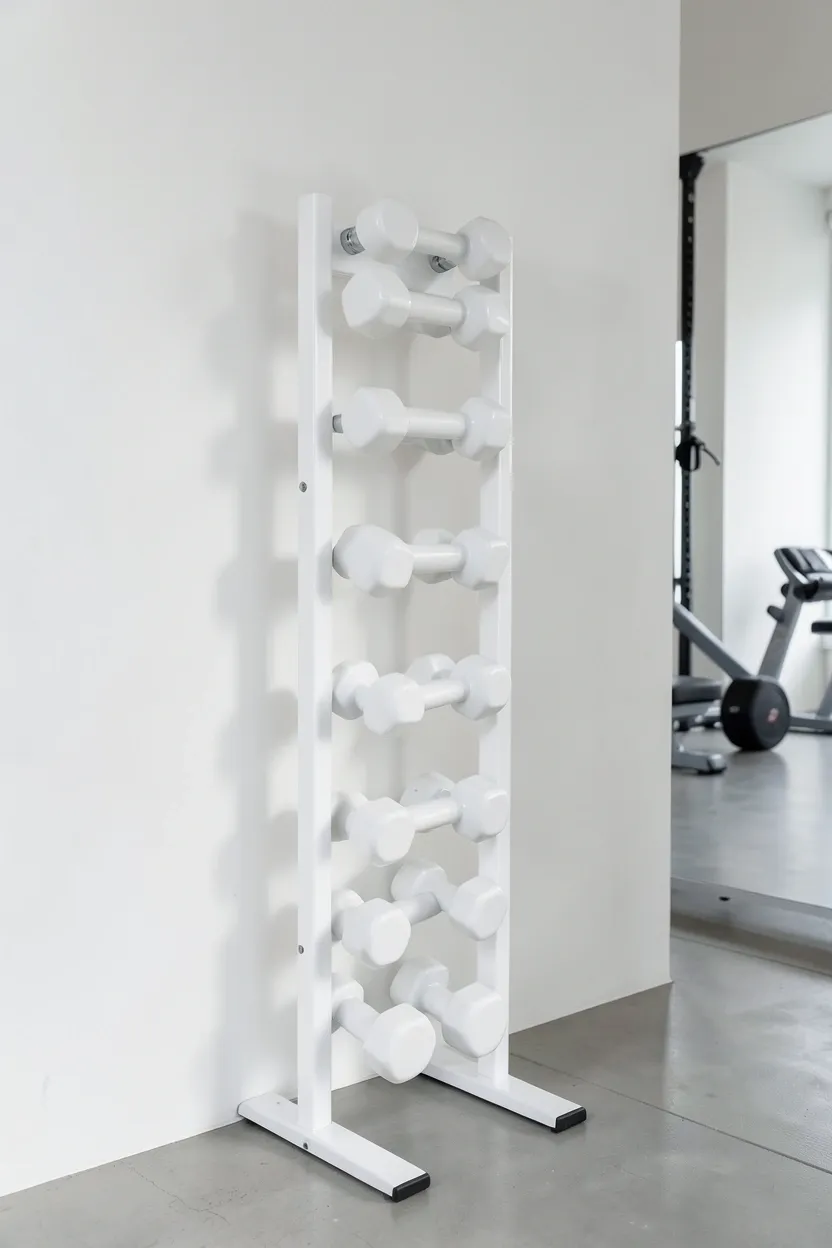
Choose dumbbell racks with slim-profile frames in finishes that complement your space—powder-coated white for seamless integration, brushed stainless steel for modern sophistication, or matte black for dramatic contrast against lighter walls. Consider vertical tower designs that store dumbbells in ascending order from lightest at top to heaviest at bottom, creating visual hierarchy while making weight selection intuitive. Horizontal A-frame style racks work well for smaller collections, keeping dumbbells accessible while maintaining a minimal footprint near workout zones.
The minimalist dumbbell rack approach transforms functional strength training storage from an eyesore into a considered design element. Position racks near strength training zones but maintain clearance for unobstructed movement around equipment during exercises. Consider positioning racks against walls rather than freestanding in open space to preserve open floor area for movement. For smaller dumbbell collections, consider wall-mounted racks that keep weights accessible while maintaining zero floor footprint—particularly valuable in compact home gym inspiration scenarios.
Quick Tips
- If you prefer lighter weights initially, choose racks with expandable designs that accommodate future weight additions
- Position racks with the heaviest weights at bottom height for safest and easiest access during workouts
- Consider rubber or cork shelf liners to prevent metal-on-metal contact noise and protect rack finishes from scratching
What this gives you: Essential strength training storage that maintains sophisticated aesthetics, allowing you to build muscle with proper equipment without compromising the refined visual quality of your minimalist workout space.
16. Natural Light Optimized Space
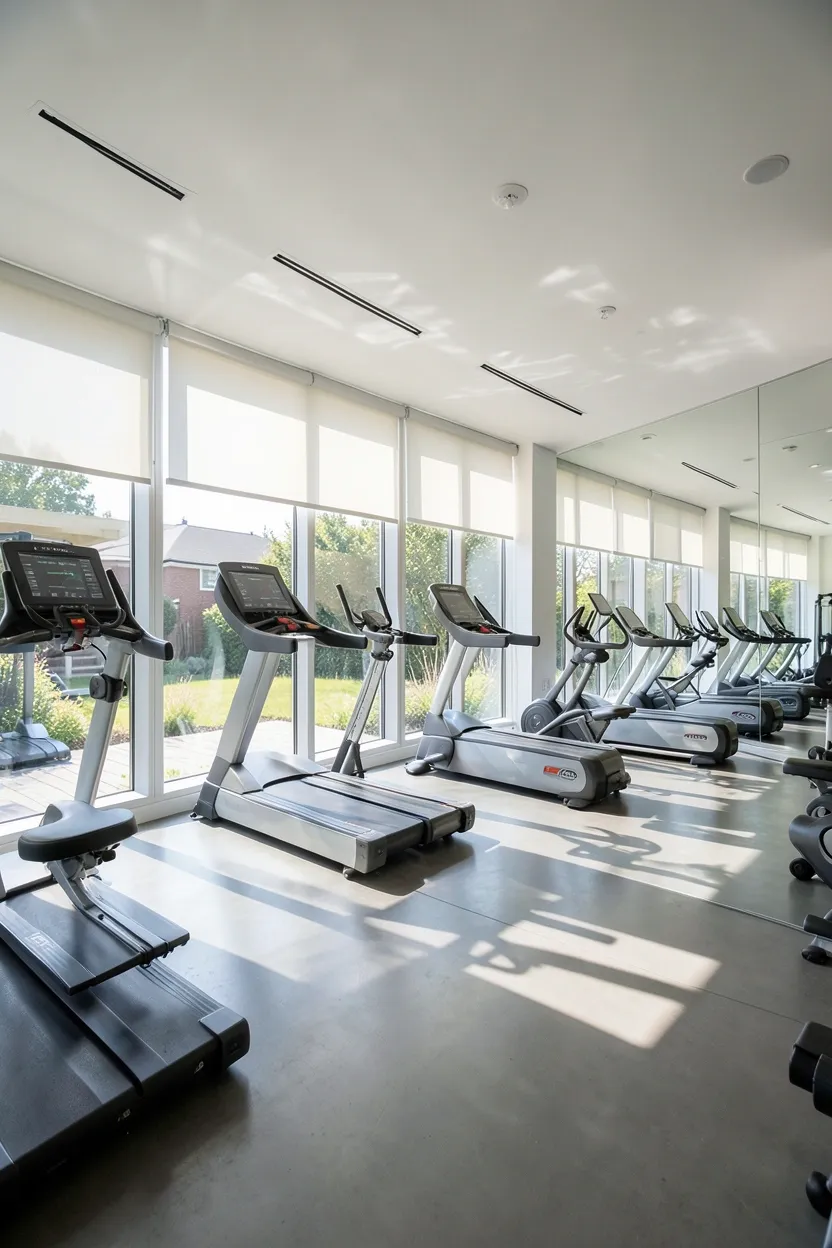
Optimizing natural light in your home gym inspiration space creates an energizing, uplifting environment that enhances motivation and makes workouts feel significantly more enjoyable. Natural light boosts mood, improves focus, and provides essential vitamin D while creating visual connection to the outdoors that expands perceived space. Strategically position workout zones to maximize daylight exposure—place yoga or stretching areas near windows where morning sunlight creates gentle illumination, and position cardio equipment where changing daylight patterns provide visual stimulation throughout extended sessions.
Recommended
Items for this idea
Enhance natural light penetration by removing heavy window treatments and opting instead for sheer roller shades or light-filtering blinds that control glare while maintaining daylight views. Consider installing skylights or solar tubes if your workout space lacks adequate windows—these bring daylight deep into interior spaces without compromising privacy or exterior aesthetics. Position mirrors strategically to reflect natural light throughout the space, placing them perpendicular to windows to bounce daylight into darker corners and create an overall brighter, more expansive feeling.
The natural light approach transforms workouts from routine exercises into uplifting daily rituals, especially beneficial for morning routines that start with energizing sunlight rather than harsh artificial illumination. Consider orienting your primary workout zone to face windows or glass doors, providing outdoor views during exercises that reduce mental fatigue and increase enjoyment. For spaces with southern exposure, install light-filtering window films that reduce harsh midday glare while still admitting beneficial daylight throughout the day.
Quick Tips
- Position cardio equipment to face windows rather than walls—watching outdoor scenery makes indoor cardio feel significantly less tedious
- If privacy concerns prevent unobstructed windows, use frosted glass panels that admit light while maintaining visual screening
- Consider installing dimmable artificial lighting that gradually increases brightness as natural light fades, maintaining consistent illumination levels
What this gives you: An energizing, mood-boosting workout environment that harnesses natural light's psychological and physiological benefits, making daily exercise feel more enjoyable and less like a chore.
17. Folding Bench Wall Integration
A wall-integrated folding bench provides essential strength training functionality while maintaining the clean, open aesthetic central to home gym inspiration principles. Traditional workout benches consume significant floor space even when not in use, creating obstacles that disrupt minimalist spatial flow. By integrating a bench that folds flat against walls or cabinets when not in use, you maintain open floor area for movement while still having proper equipment available for strength training exercises when needed.
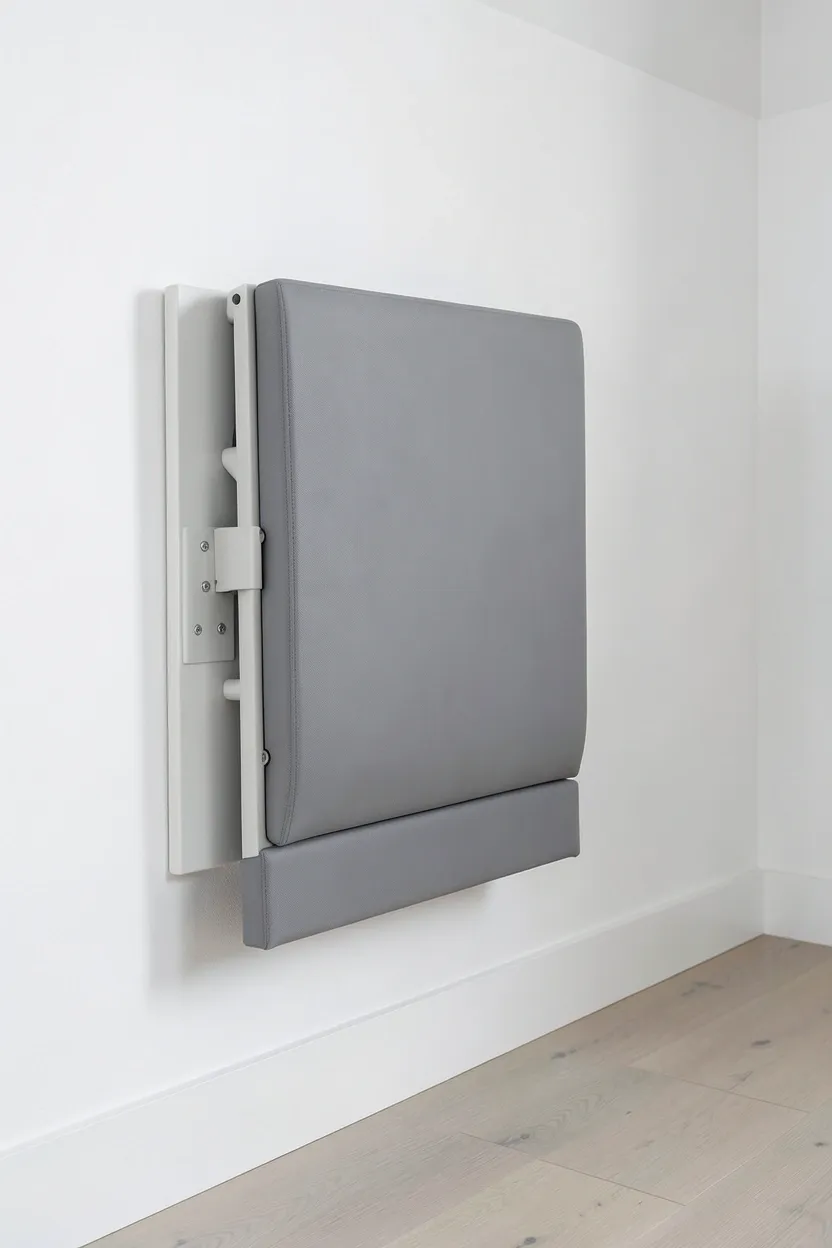
Install wall-mounted folding bench mechanisms with smooth hydraulic lift systems that make deployment effortless and secure during workouts. Choose bench finishes that complement your overall color scheme—upholstered pads in leather or performance fabrics that match furniture elsewhere, or durable vinyl in coordinating colors. Position the folded bench at a height where it becomes unobtrusive architectural detailing when stored, perhaps at eye level as a horizontal band that appears intentional rather than intrusive.
The folding bench approach excels in multi-purpose spaces where the gym shares functions with other living areas throughout the day. When stored against the wall, the bench disappears as a workout element, allowing the space to function as a living area, office, or guest room without permanent gym equipment occupying visual attention. Consider installing multiple folding benches at different heights to accommodate different exercises—adjustable height benches for varied strength training movements and lower benches for step exercises or abdominal work.
Quick Tips
- Test folding bench load capacity carefully before purchase to ensure it supports your weight plus additional weights during exercises
- Install wall reinforcement boards behind folding bench mounting points to distribute weight and prevent damage to drywall
- Consider benches with integrated back adjustment mechanisms that lock securely in multiple positions for varied strength training exercises
Budget note: Wall-mounted folding benches vary significantly in price—simple wall-mounted brackets with separate bench pads cost considerably less than integrated hydraulic folding systems, allowing you to achieve similar functionality with different investment levels.
What this gives you: Essential strength training capabilities that completely disappear when not in use, maintaining open floor area and clean aesthetics while preserving full functionality when needed for workouts.
18. Acoustic Panel Design Wall
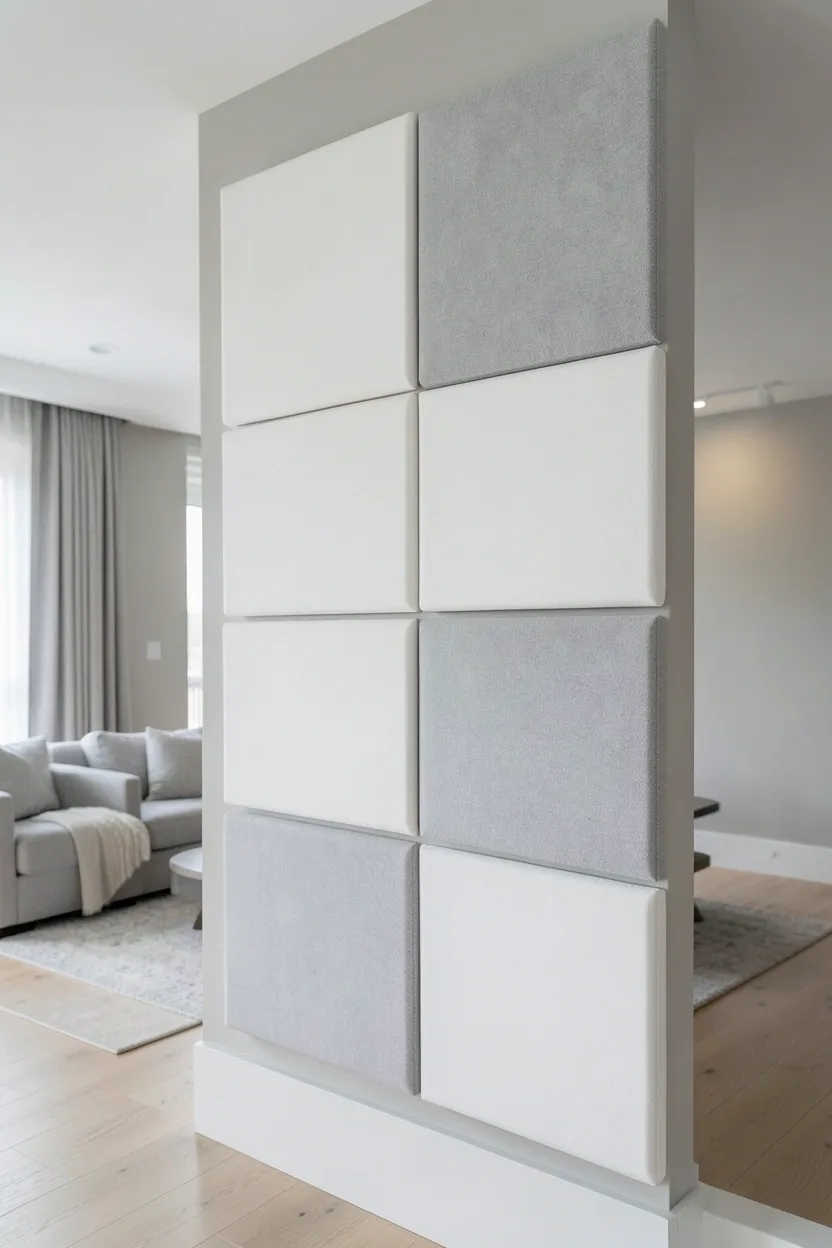
An acoustic panel design wall serves dual home gym inspiration purposes—reducing sound transmission between your workout space and other living areas while creating a visually striking architectural feature. High-intensity workouts generate significant noise from equipment impact, dropped weights, and cardio machines, which can be disruptive in multi-story homes or apartments. By installing acoustic panels designed with minimalist aesthetics, you address sound control without sacrificing visual sophistication.
Recommended
Items for this idea
Choose acoustic panels with clean geometric shapes in colors that complement your overall palette—large square or rectangular panels in white, light gray, or soft pastels that blend seamlessly with walls rather than appearing as industrial sound treatment. Consider arranging panels in rhythmic patterns or asymmetrical layouts that create visual interest while maximizing sound absorption. Position acoustic panels strategically on walls shared with other living spaces or on opposing walls to create sound-absorbing surfaces throughout the workout zone.
The acoustic panel approach transforms functional sound treatment into intentional design elements rather than afterthoughts. Modern acoustic panels come in sophisticated materials like upholstered fabric, perforated wood, or recycled polyester felt that maintain refined aesthetics while providing effective sound dampening. Consider panels that double as display surfaces—magnetic acoustic panels allow you to attach lightweight accessories or inspirational items while maintaining sound absorption capabilities.
Quick Tips
- Install acoustic panels at ear level throughout the workout space for maximum effectiveness in absorbing sound waves
- Combine different panel thicknesses to address various sound frequencies—thicker panels for low-frequency impact noise, thinner for high-frequency sounds
- If you're renting, consider freestanding acoustic dividers or panel systems that can be removed without damaging walls
What this gives you: Effective sound control that prevents workout noise from disrupting other household activities while creating a sophisticated architectural feature that enhances rather than detracts from minimalist design.
19. Minimalist Yoga Studio Corner
Dedicating a specific corner of your home gym inspiration space to yoga practice creates a peaceful sanctuary within your workout zone for flexibility, balance, and mindfulness exercises. Unlike the more dynamic energy required for cardio or strength training, yoga requires calm, focused atmosphere—establishing a designated corner signals the shift in mindset and energy from intense workouts to intentional movement. Position this yoga corner away from high-energy equipment zones, ideally near natural light sources and away from visual distractions.
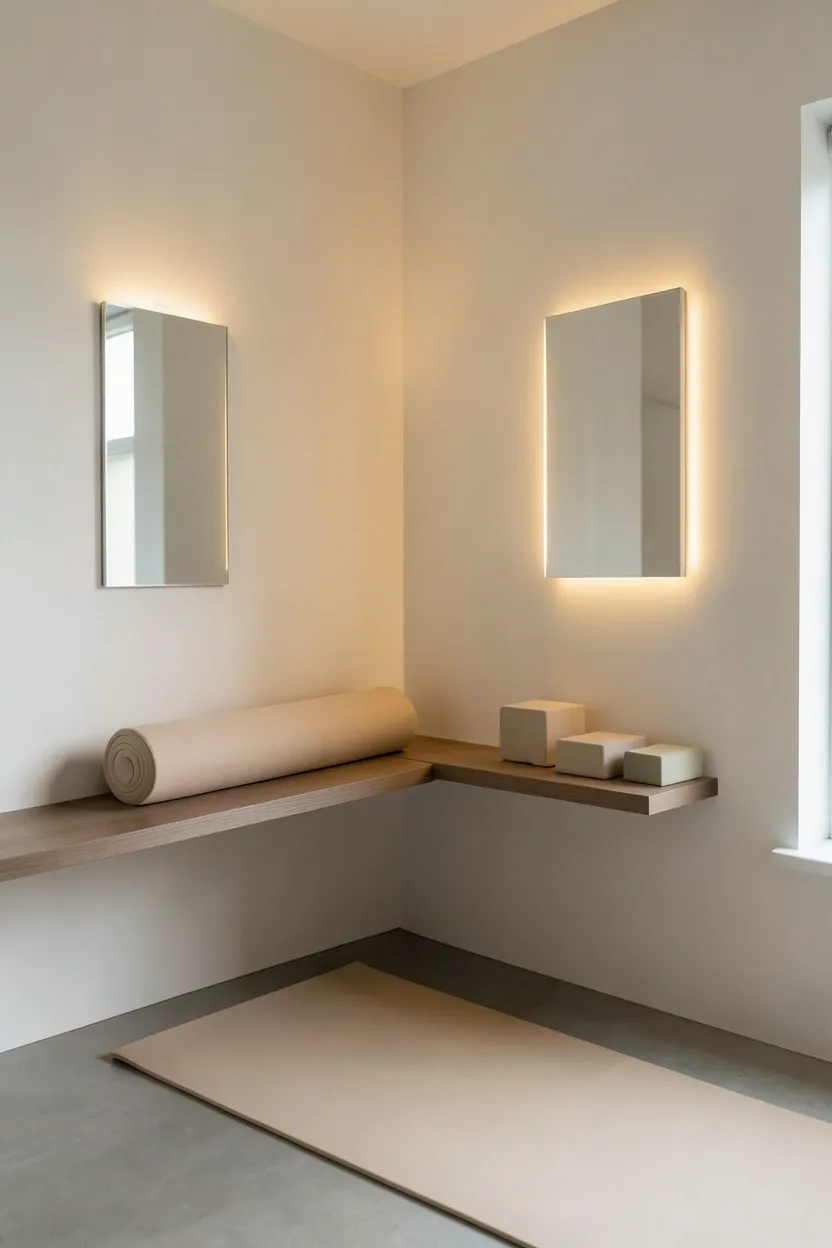
Lay a high-quality yoga mat in neutral tones that complement your overall palette—natural cork mats provide sustainable warmth underfoot, while premium PVC or TPE mats in soft grays, beiges, or whites maintain visual cohesion. Add essential minimalist props like a yoga bolster, meditation cushion, or yoga blocks kept in nearby floating shelves or niches, ensuring these items are accessible yet unobtrusive. Consider installing a small wall-mounted mirror for form checking during poses, positioning it where it reflects light rather than creating visual clutter.
The yoga studio corner approach enhances the holistic nature of your home fitness practice, providing space for warming up before intense workouts or cooling down afterward with intentional stretching. Install warm, dimmable lighting with adjustable brightness that can transform the corner from an energizing pre-workout zone to a calm, meditative space for restorative yoga sessions. Position the yoga corner near the bamboo-inspired zen zone described in idea 8 if possible, creating an extended wellness area that flows naturally from mindfulness practice into more dynamic movement.
Quick Tips
- Choose yoga mats with adequate cushioning but minimal thickness to prevent instability during balance poses
- If space allows, position the yoga corner in a room corner to create cozy, protected atmosphere that encourages focus
- Consider adding a small Bluetooth speaker for calming background music or guided yoga sessions without disrupting the overall minimalist aesthetic
What this gives you: A dedicated mindfulness and flexibility space within your workout zone that supports holistic fitness practices, allowing you to warm up, cool down, or practice yoga in an appropriately calm, focused environment.
20. Smart Technology Integration
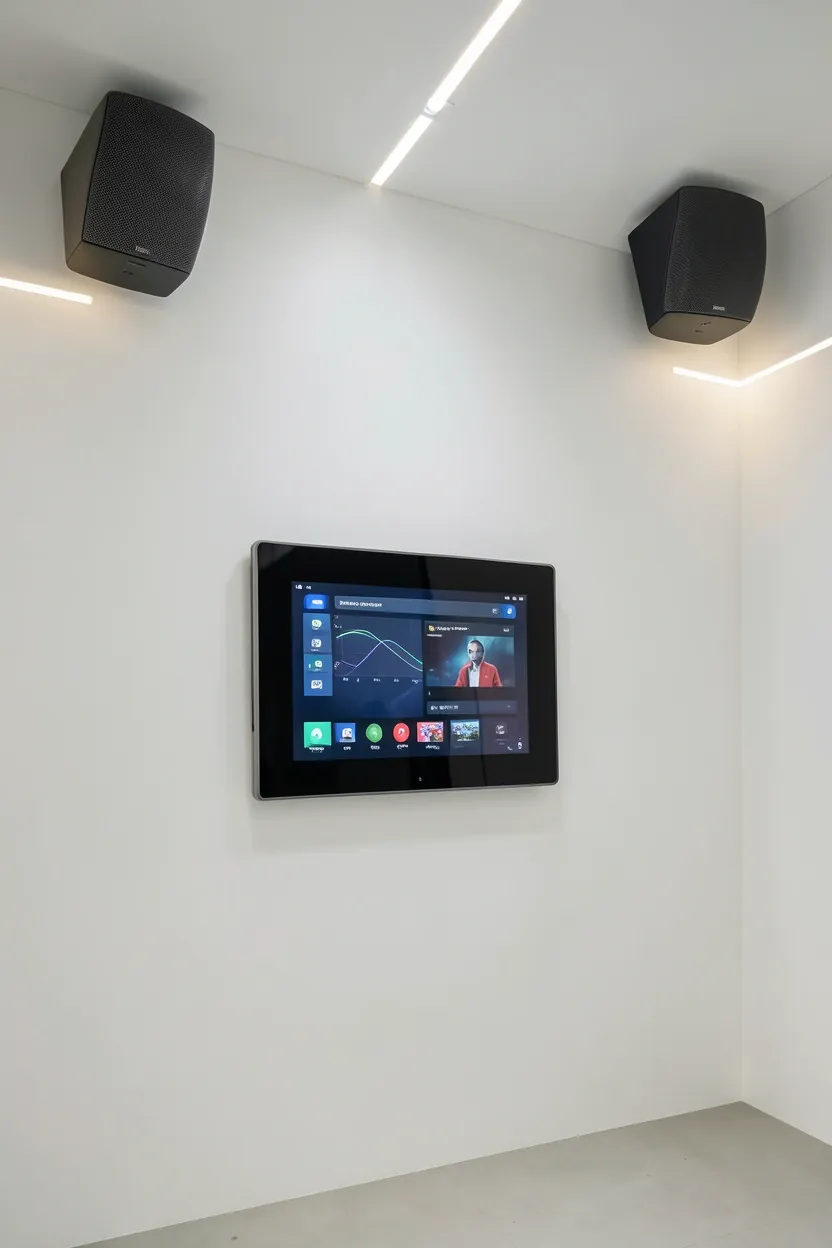
Thoughtful smart technology integration enhances home gym inspiration functionality without introducing visual clutter that disrupts minimalist aesthetics. Modern fitness technology can track workouts, provide motivation, and create engaging workout experiences—when integrated thoughtfully rather than haphazardly. The key is selecting technology that disappears into your space rather than dominating it, with screens, speakers, and sensors that feel intentional rather than intrusive.
Recommended
Items for this idea
Install smart mirrors or wall-mounted displays that integrate seamlessly into wall surfaces, appearing as intentional design elements rather than afterthought additions. Choose equipment with built-in displays and smart features rather than adding separate tablets or monitors—this reduces the number of devices needed while maintaining clean aesthetics. Consider installing smart speakers with voice control capabilities that blend into ceiling corners or shelf spaces, providing audio guidance and motivation without visible equipment.
The smart technology approach transforms your workout space into an intelligent fitness environment that responds to your needs while maintaining refined aesthetics. Install smart lighting systems that adjust automatically based on workout type—bright, energizing illumination for high-intensity cardio or strength training, softer warm light for yoga or cool-down sessions. Consider occupancy sensors that activate equipment or displays when you enter the space and automatically power down when not in use, creating a responsive environment that feels magical rather than technological.
Quick Tips
- If you prefer using tablets for workout apps, install them in wall mounts with charging ports rather than leaving them freestanding
- Choose smart devices with minimalist designs in finishes that complement your color scheme—avoid industrial black plastic when possible
- Consider hiding smart home hubs or routers in nearby cabinets to eliminate visible equipment from the primary workout zone
What this gives you: Enhanced workout functionality through intelligent technology that enhances rather than dominates your space, creating a smart gym experience that maintains sophisticated minimalist aesthetics.
21. Neutral Textile Accents
Neutral textile accents introduce warmth, texture, and acoustic absorption into home gym inspiration spaces while maintaining the sophisticated color palette essential to minimalist design. Unlike boldly colored textiles that can feel jarring in serene workout environments, neutral tones in varied textures create visual interest and tactile comfort without disrupting color harmony. These textiles soften hard surfaces, absorb sound, and add layers of sophistication that make workout spaces feel more inviting and livable.
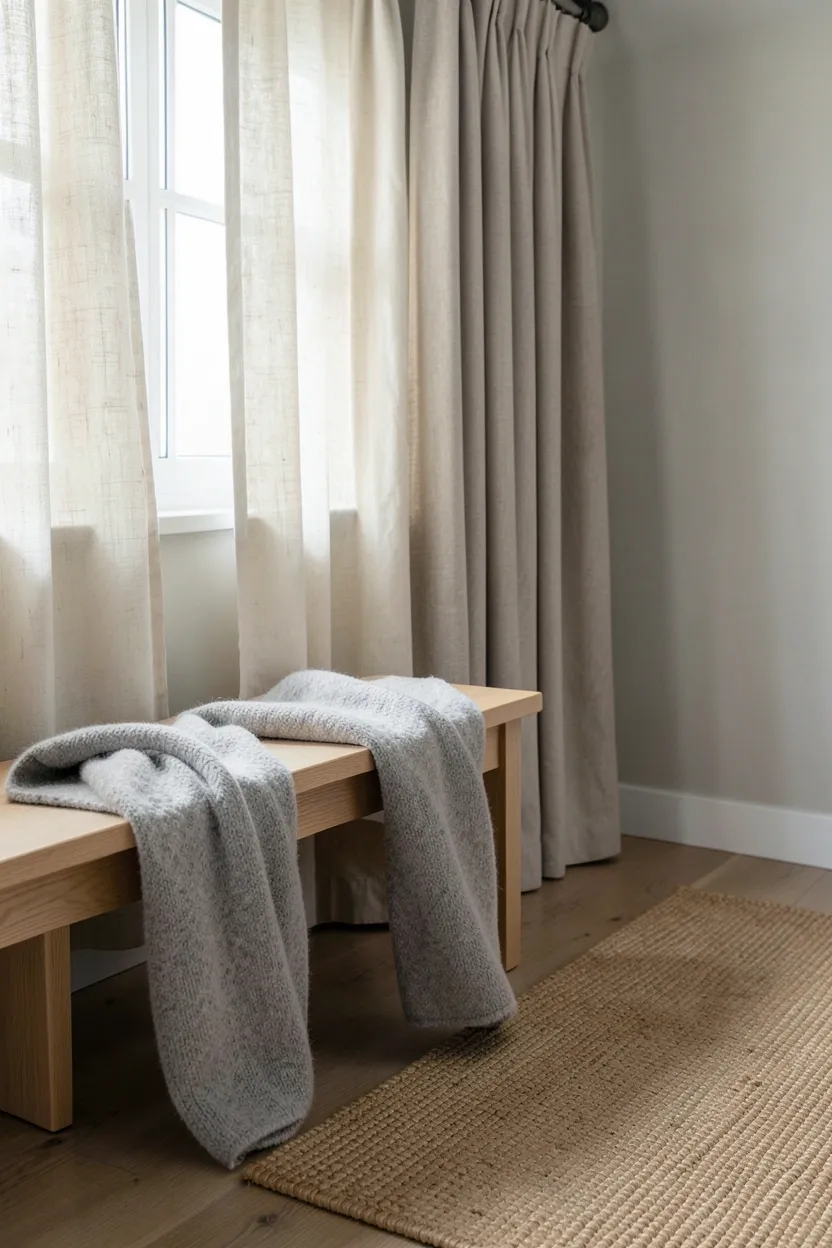
Incorporate textiles in varied materials—wool throws in soft grays or creams draped over benches or stored in niches for post-workout comfort, linen curtains in light neutrals that provide privacy while filtering natural light, and woven jute or sisal rugs that define specific workout zones while adding earthy texture. Consider installing acoustic curtains on walls shared with other living areas—these sound-absorbing textiles reduce noise transmission while adding softness and visual warmth to the space.
Textile accents become particularly valuable in home gym inspiration spaces featuring hard surfaces like tile, concrete, or glass flooring and walls. These materials create echo-prone environments that can feel cold and uninviting—textiles absorb sound and add warmth, making spaces feel more comfortable for extended workouts. Position area rugs strategically under cardio equipment to reduce noise and vibration transmitted to lower floors, and add throw cushions or folded blankets in neutral tones to corners where stretching or cool-down exercises occur.
Quick Tips
- Choose textiles with low-pile, tight weaves for workout areas to prevent tripping hazards and minimize dust accumulation
- If you live in a humid climate, choose synthetic or moisture-resistant fabrics rather than natural materials that may develop mildew
- Layer different textile types for maximum effect—a jute rug topped with a wool throw creates rich textural contrast while maintaining neutral tones
What this gives you: A warmer, more comfortable workout environment that absorbs sound, adds tactile appeal, and creates visual interest while maintaining sophisticated neutral color harmony throughout your minimalist gym space.
22. Multipurpose Cardio Station
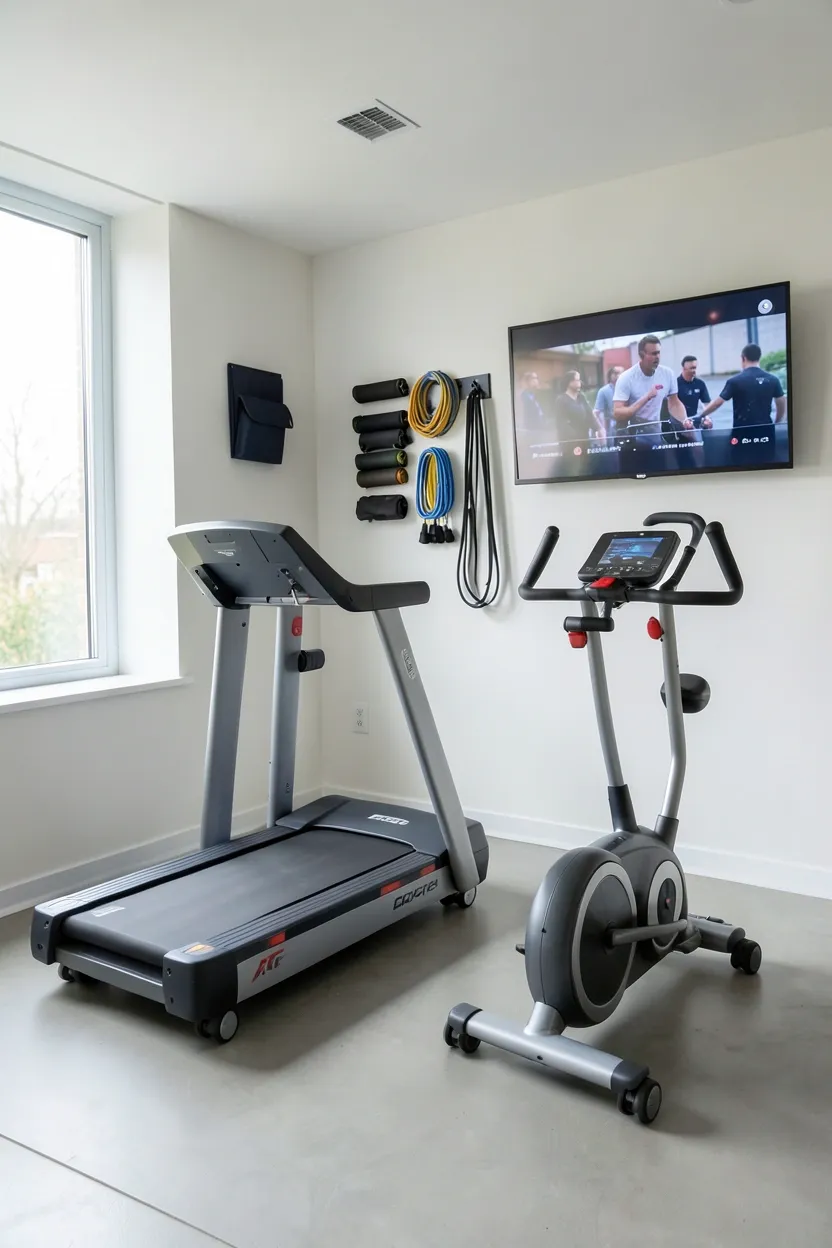
A multipurpose cardio station consolidates essential cardiovascular equipment into one efficient home gym inspiration zone, maximizing functionality while minimizing spatial requirements. Instead of dedicating separate areas for treadmill, elliptical, and rowing machine, this approach creates a centralized cardio hub where equipment can be quickly repositioned or swapped based on workout preferences. Choose compact cardio machines with similar dimensions and aesthetic profiles to maintain visual cohesion when displayed together.
Recommended
Items for this idea
Position cardio machines on low-profile caster wheels or place them on furniture sliders to enable easy repositioning, allowing you to create open floor space for other exercises when cardio equipment isn't in use. Install wall-mounted storage for resistance bands, jump ropes, or small cardio accessories nearby, creating a complete cardio zone with everything needed within arm's reach. Consider installing a folding or wall-mounted television screen that provides entertainment during cardio sessions while folding away when not in use to maintain clean aesthetics.
The multipurpose cardio station approach excels in smaller home gym inspiration scenarios where floor area is at a premium but comprehensive cardio functionality is still desired. Position this zone near windows or natural light sources to enhance the cardio experience with outdoor views and energizing daylight. Install durable flooring beneath cardio equipment with good shock absorption and moisture resistance—rubber interlocking tiles or vinyl flooring designed for athletic use protects underlying floors while providing comfortable cushioning during extended cardio sessions.
Quick Tips
- If you only need occasional cardio access, consider renting machines rather than purchasing to reduce long-term storage commitment
- Position cardio machines near power outlets to avoid unsightly extension cords running across floor areas
- Consider noise-dampening pads under cardio machines to reduce vibration transmission to lower floors or neighboring spaces
What this gives you: Comprehensive cardio functionality that occupies minimal floor space while maintaining clean aesthetics, allowing you to perform diverse cardiovascular workouts without dedicating excessive room area to bulky equipment.
23. Inspirational Wall Art Gallery
Curating an inspirational wall art gallery transforms your home gym inspiration space from functional workout zone into motivating sanctuary that reflects your fitness journey and aspirations. Unlike commercial gyms filled with motivational posters or generic inspirational quotes, a thoughtfully curated personal gallery adds sophisticated visual interest while providing meaningful motivation that resonates deeply with your individual fitness goals and experiences. This approach combines aesthetic refinement with psychological motivation, creating a space that genuinely inspires regular exercise.
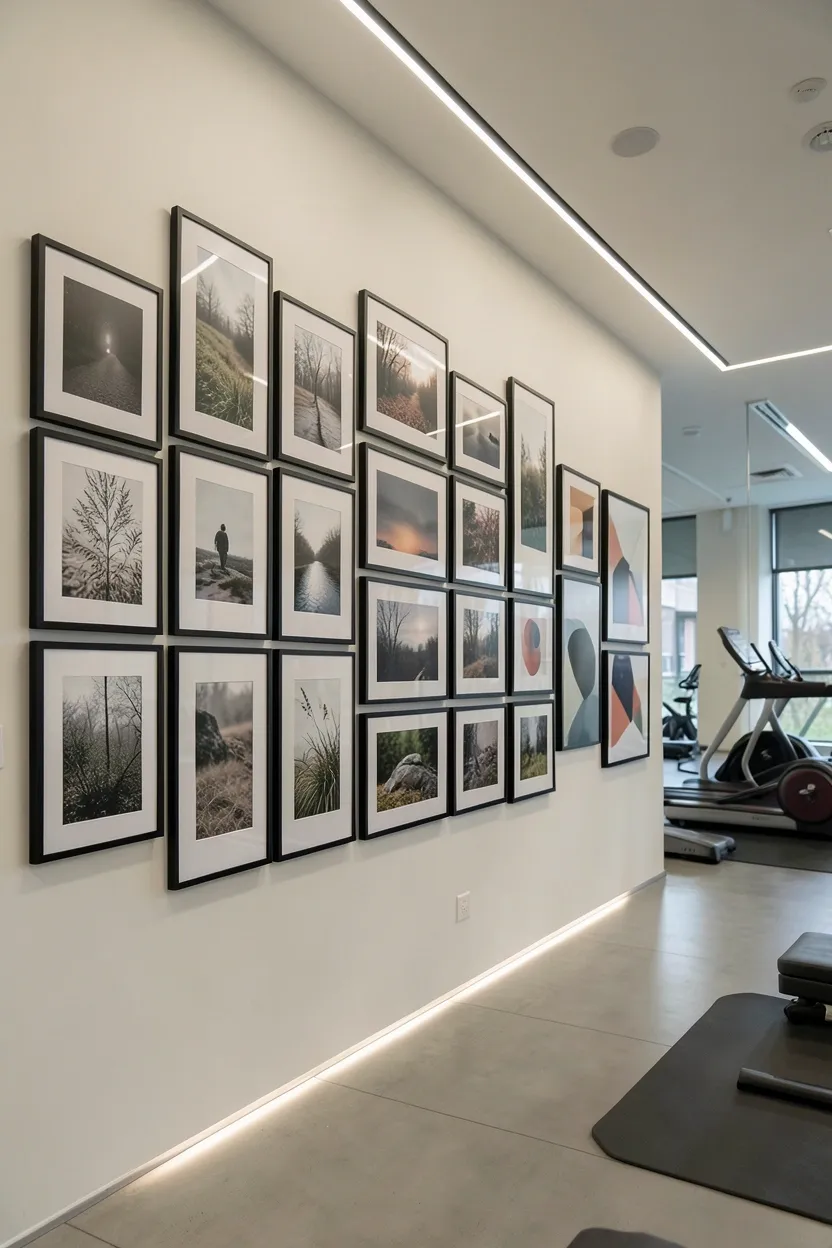
Display artwork in a cohesive arrangement—perhaps a grid of identically framed prints featuring minimalist photography of nature landscapes that inspire outdoor adventures, or abstract geometric pieces that convey movement and energy through clean lines and dynamic forms. Consider incorporating personal elements like photographs from races, competitions, or memorable outdoor adventures that remind you of your fitness achievements and future goals. Choose frames in finishes that complement your overall aesthetic—thin matte black frames for modern sophistication, natural wood for warmth, or white frames for seamless wall integration.
The wall art gallery approach transforms your workout space from purely functional to personally meaningful, creating visual storytelling that documents your fitness journey while motivating continued progress. Position the gallery in a prominent but not overwhelming location—perhaps on the wall facing your primary cardio equipment or visible from yoga and stretching zones. Consider mixing mediums to create texture and visual interest—framed photography alongside small sculptural elements or even three-dimensional wall-mounted pieces that add depth and dimension beyond flat artwork.
Quick Tips
- Use picture-hanging strips or museum putty for lighter pieces to avoid wall damage in rental properties
- Consider incorporating LED strip lighting above or below the gallery to highlight artwork during evening or early morning workouts
- Rotate gallery elements periodically to keep visual interest fresh—swap seasonal images or update photographs to reflect new fitness achievements
What this gives you: A personally meaningful, visually sophisticated gallery that provides deep motivation while enhancing aesthetic appeal, transforming your workout space into a sanctuary that genuinely inspires regular exercise.
Creating a home gym that embodies modern minimalist design principles doesn't require sacrificing functionality or style—it demands thoughtful intentionality in every element selection and spatial arrangement. These 23 home gym inspiration ideas demonstrate how clean lines, strategic storage, and sophisticated aesthetics can coexist with comprehensive fitness capabilities, creating workout spaces that genuinely motivate daily use while elevating your home's overall design quality. The most successful minimalist gyms balance form and function, ensuring every element serves a purpose while contributing to serene, uncluttered visual harmony.
For additional inspiration on creating beautiful, functional workout spaces, explore 27 Home Gym Inspiration Ideas to Upgrade Your Workout Space to discover more creative approaches for transforming any area into a motivating fitness sanctuary.
Remember that your home gym should reflect your personal fitness journey and design preferences—adapt these minimalist principles to align with your specific workout needs, space constraints, and aesthetic sensibilities. Start with the ideas that resonate most strongly with your vision for an ideal workout space, implementing changes incrementally rather than attempting complete transformation all at once. The most effective home gyms evolve gradually through thoughtful refinement, becoming increasingly personalized and motivating as you discover what truly enhances your daily fitness experience.
About the author
OBCD
CGI visualization and interior design content. We create detailed 3D renders and curate practical design ideas for every room in your home.