17 Minimal Small Gym Room Ideas for a Clean, Focused Setup
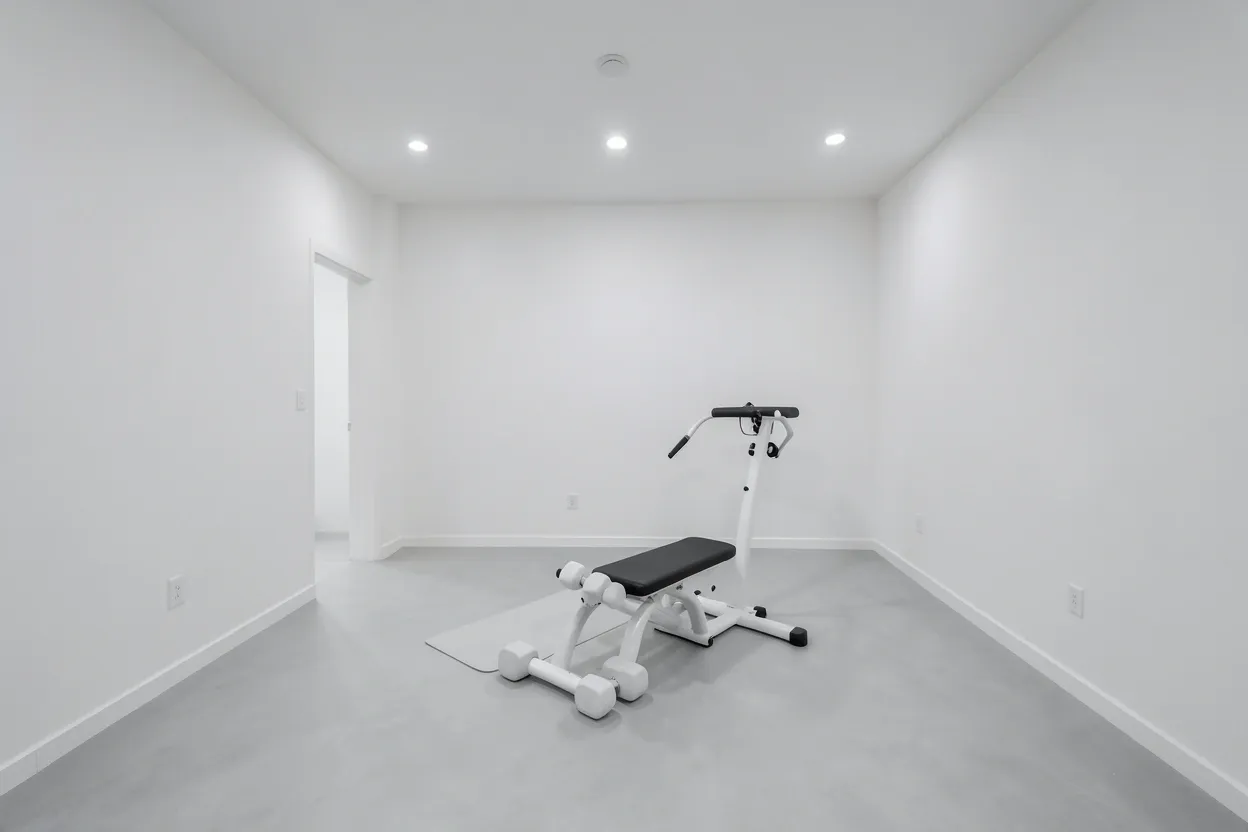
These minimal small gym room ideas are built around a simple truth: you don't need a large space or a lot of equipment to work out well—you need an intentional one. Whether you're setting up a dedicated room, a spare corner, or a renter-friendly nook you can restore before moving out, minimalist design principles keep things clean, purposeful, and free of the visual noise that kills motivation before a workout even starts.
The benefits of minimal gym design extend beyond aesthetics—organized spaces reduce safety hazards from scattered equipment, make it easier to find and use what you need during workouts, and create a psychological sense of calm that enhances motivation. When your gym feels intentional and thoughtfully curated, every workout feels more purposeful, and the space itself becomes a source of motivation rather than a source of stress.
These 17 minimal small gym room ideas demonstrate how to create a clean, focused workout environment regardless of space constraints. From color palettes that promote calm to storage solutions that hide equipment when not in use, from intentional equipment selection to design elements that enhance focus, these approaches will help you transform any small area into a serene, motivating fitness sanctuary that supports rather than distracts from your goals.
Quick FAQ
How much equipment do I need for a minimal gym?
A minimal gym typically includes 3-5 essential pieces: one cardio machine or space for bodyweight cardio, adjustable dumbbells or a small weight set, a yoga mat, and perhaps resistance bands or suspension trainer. The goal is quality over quantity—equipment that serves multiple purposes and covers your primary workout modalities.
What colors work best for a minimalist gym?
Neutral, calming colors create the most focused atmosphere—white, light gray, beige, or soft earth tones. These colors reflect light, make spaces feel larger, and reduce visual stimulation that can be distracting during intense workouts. Avoid bold or busy patterns unless they serve a specific motivational purpose.
How do I maintain a clean gym space with equipment?
Designate a specific storage location for each piece of equipment and make returning items to their place part of your workout routine. The "one place for everything" principle prevents accumulation of clutter. Consider equipment that can be easily stored or concealed when not in use, and clean your gym space after every few workouts rather than waiting for deep cleaning sessions.
Can a minimalist gym still be effective for serious training?
Absolutely—many serious athletes train in minimalist environments because the lack of distractions enhances focus. The key is choosing high-quality, versatile equipment that covers your training needs. Adjustable dumbbells, suspension trainers, and bodyweight-focused equipment can provide comprehensive workout capabilities in a minimal setup.
As an Amazon Associate I earn from qualifying purchases.
Table of Contents
- 1. Monochromatic Color Palette
- 2. Single-Purpose Equipment Only
- 3. Hidden Storage Solutions
- 4. Essential Equipment Selection
- 5. Open Floor Plan
- 6. Neutral Wall Colors
- 7. Limited Decor Elements
- 8. Multipurpose Equipment
- 9. Intentional Lighting
- 10. Seamless Storage Integration
- 11. Natural Material Tones
- 12. Visible Floor Space
- 13. Mindful Equipment Arrangement
- 14. Soft Textures Over Clutter
- 15. Zen-Inspired Design
- 16. Negative Space Utilization
- 17. Purposeful Minimalism
1. Monochromatic Color Palette
Embrace a single-color palette throughout your small gym to create visual continuity and calm. This monochromatic approach uses varying shades of one primary color for walls, equipment, and accessories, eliminating visual fragmentation that can create distraction. The unified color scheme makes space feel intentional, calm, and thoughtfully designed rather than randomly assembled.
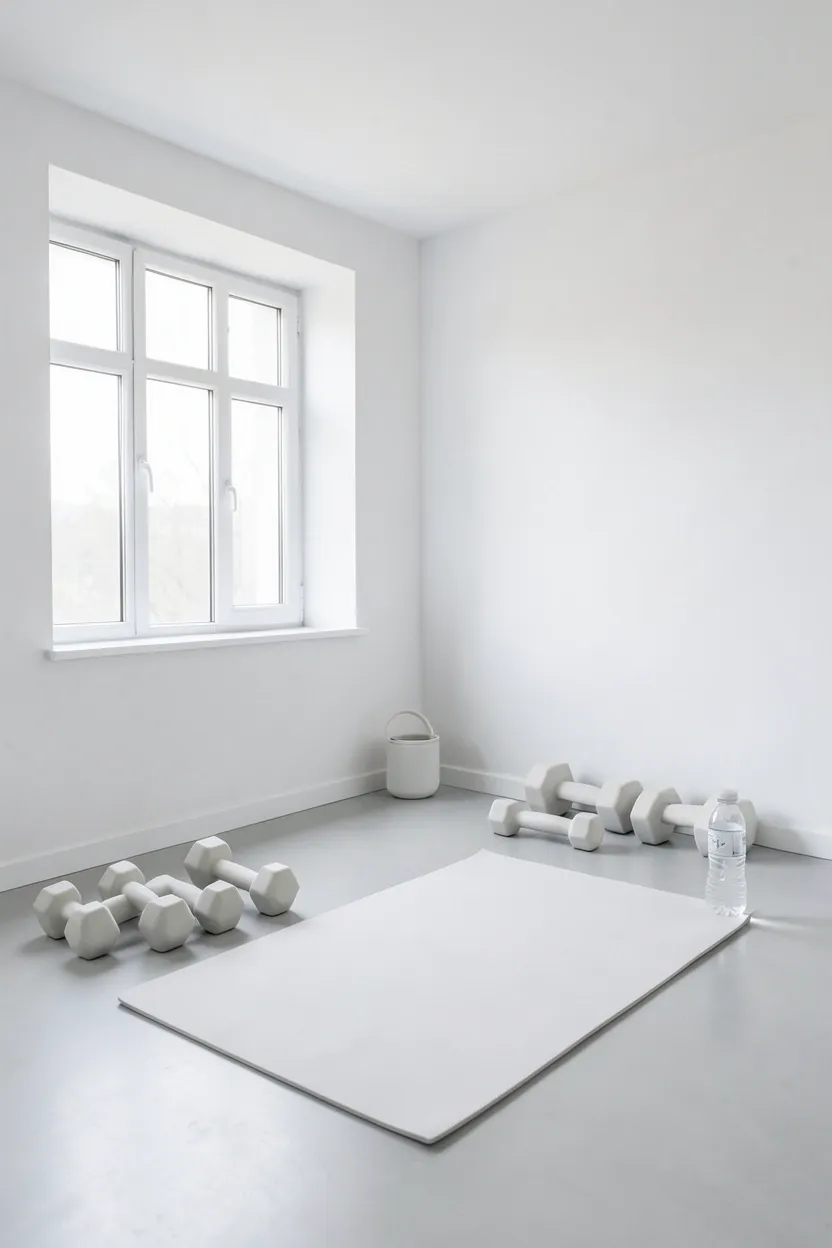
Why it works: A monochromatic palette reduces visual noise, allowing your brain to focus on exercise rather than processing multiple competing colors. The subtle variation within one color family adds depth without introducing new hues that might be distracting. This approach creates a sophisticated, gallery-like aesthetic that feels both minimalist and intentional.
Choose a neutral base color—white, light gray, beige, or soft taupe—and use 2-3 shades within that family for walls, equipment, and accessories. The lighter shade typically dominates (walls, floor), while darker shades provide accents (equipment frames, small accessories). This creates hierarchy without introducing additional colors.
If: You prefer warmer tones, choose a monochromatic palette in beige, cream, or soft brown rather than cool whites and grays.
Then: Your gym will feel warm and inviting while maintaining clean, minimalist aesthetic.
What this gives you: A visually calming environment that reduces distractions and promotes focus during workouts.
2. Single-Purpose Equipment Only
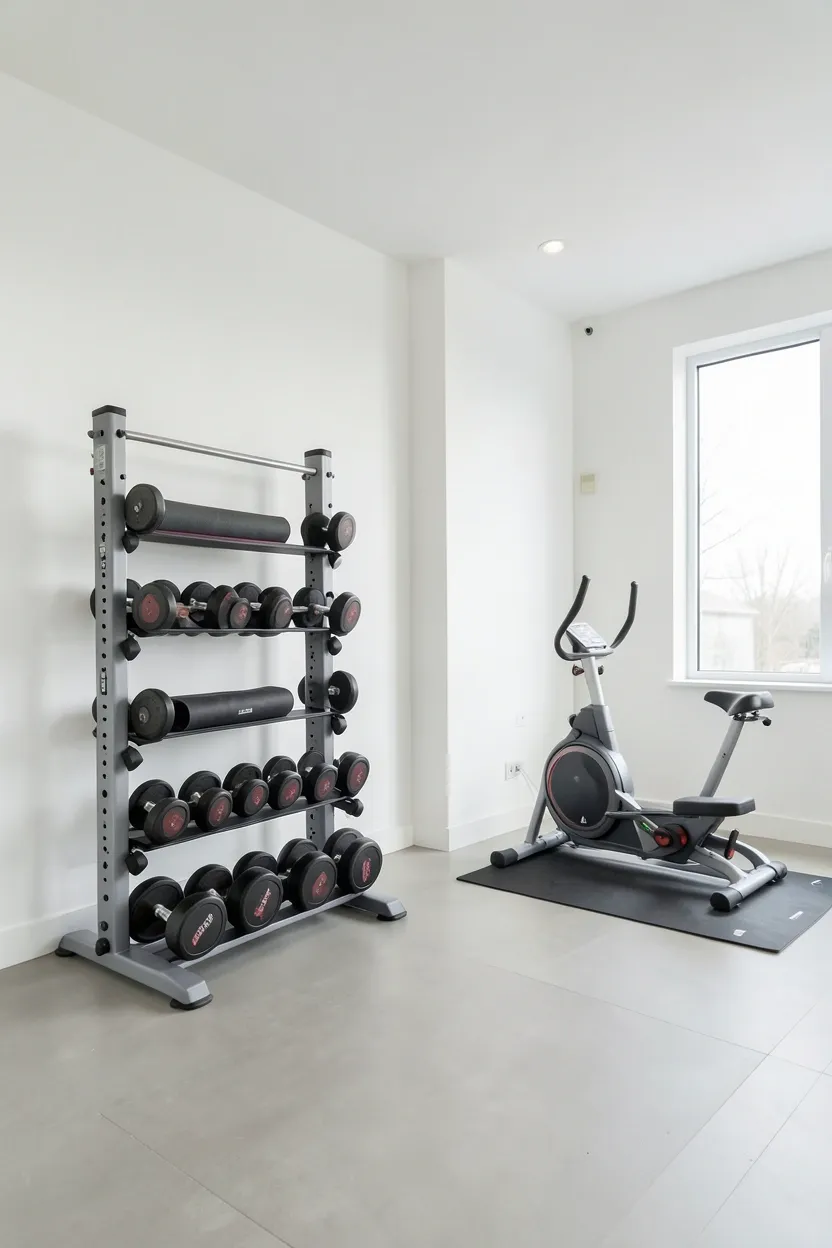
Commit to equipment that serves one primary purpose rather than multi-functional machines that create visual clutter. This single-purpose approach means choosing specialized pieces—dedicated dumbbell bench, yoga mat, or cardio machine—rather than equipment that tries to do everything but dominates space. Each piece has clear, singular function that you understand and value.
Recommended
Items for this idea
Common mistake: Accumulating multi-purpose equipment that serves every exercise type but occupies significant floor space. Instead, select 3-5 high-quality pieces that cover your primary workout modalities—one for strength, one for cardio, one for flexibility—and rely on bodyweight exercises for everything else.
The single-purpose philosophy extends to accessories—choose a yoga mat designed specifically for yoga practice, resistance bands focused on strength training, and suspension trainers targeted at bodyweight exercises. Each item earns its place in your gym through functional necessity rather than versatility claims.
Pro: Single-purpose equipment typically serves its function better than multi-purpose alternatives, improving workout quality.
Con: You may need to supplement with additional equipment as workout goals evolve or diversify.
Fix: Start with essential single-purpose pieces and add specialized equipment gradually as you identify new training needs.
What this gives you: A streamlined equipment collection where each piece serves a clear, valued purpose in your training routine.
3. Hidden Storage Solutions
Integrate storage that completely conceals equipment when not in use, maintaining clean lines and uninterrupted surfaces. This hidden storage approach uses cabinets, closets, or furniture with integrated compartments to keep equipment out of sight, creating visual calm and reducing safety hazards from scattered gear.
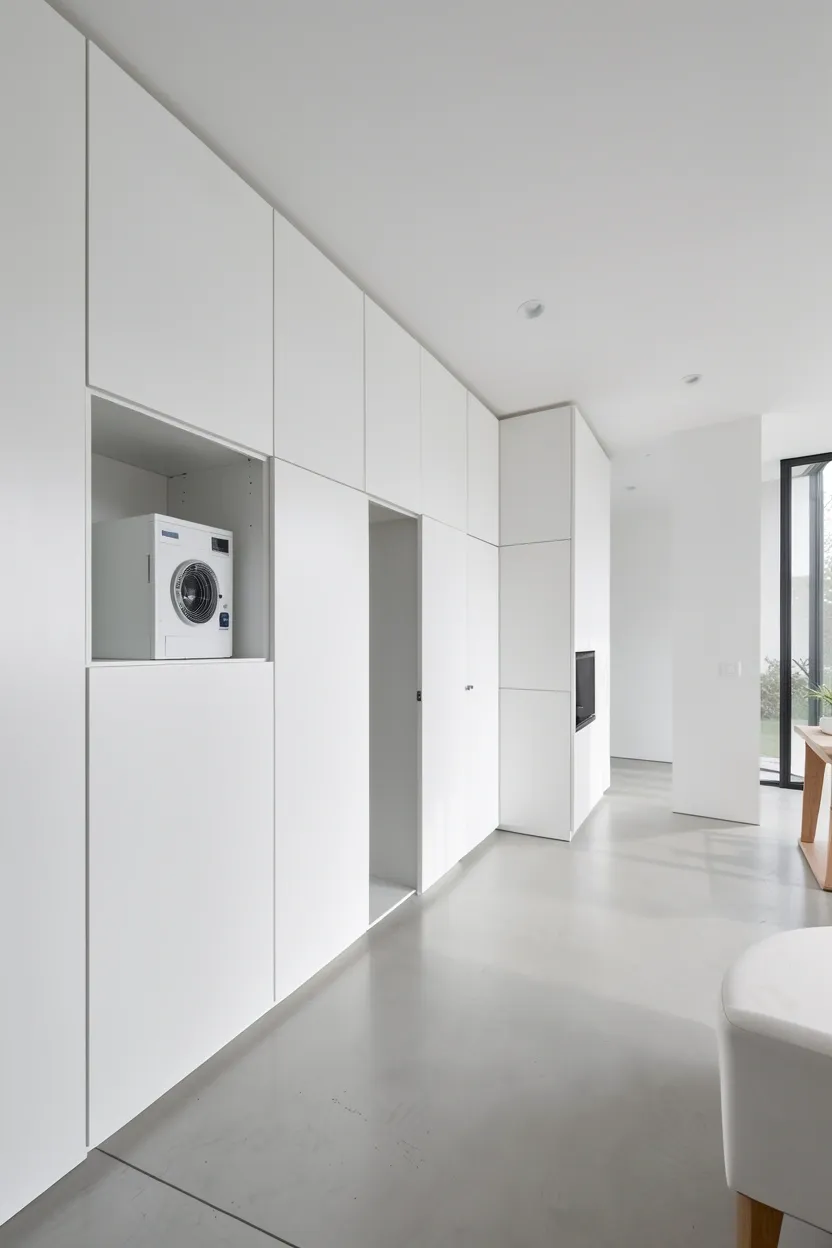
Why it works: Hidden storage eliminates visual clutter that can create subconscious distraction before workouts even begin. When equipment is concealed, your gym appears as a dedicated exercise space rather than a storage area, shifting your psychological approach from organizing gear to actually training. The clean surfaces also make cleaning and maintenance significantly easier.
Hidden storage options include wall cabinets with doors that close to conceal equipment, furniture with lift-top lids that hide contents, or built-in closets where equipment disappears behind doors. Choose storage that's accessible enough that you'll actually use equipment rather than forgetting it's there, but secure enough to prevent accidental openings.
If: You're working with limited space, consider furniture that serves as both storage and workout surface.
Then: You'll maximize functionality while maintaining clean, uncluttered appearance.
What this gives you: A clean, distraction-free gym where equipment is accessible but completely concealed when not in use.
4. Essential Equipment Selection
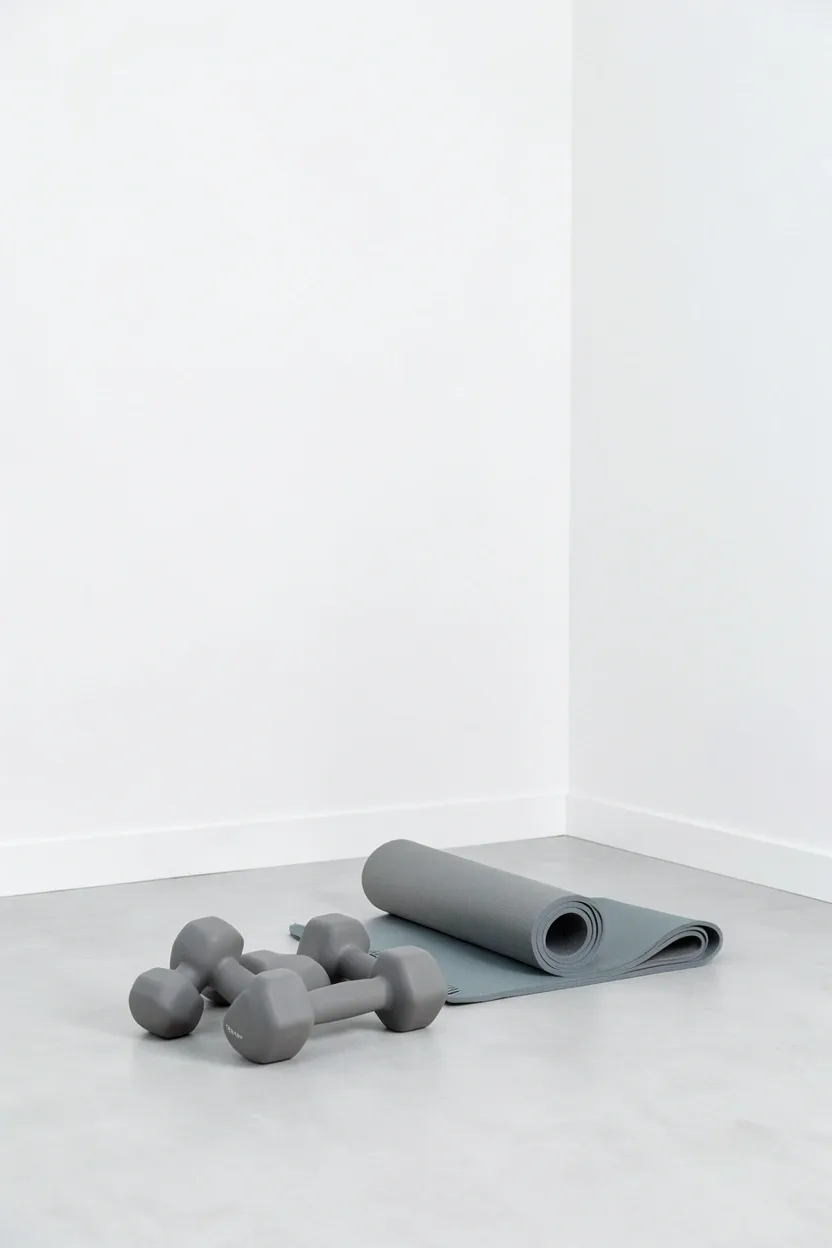
Choose only the most essential equipment pieces that directly support your training goals, avoiding accumulation of items you rarely use. This essential-only approach means carefully evaluating each potential purchase against your actual workout routine, prioritizing equipment that enables your primary exercises and eliminating anything that serves marginal purpose.
Recommended
Items for this idea
The essential equipment philosophy focuses on items that serve multiple exercises or training modalities—adjustable dumbbells for strength training across movements, a yoga mat for floor exercises and stretching, and perhaps a suspension trainer for bodyweight work. Each piece must earn its place through frequent use and clear contribution to your goals.
Before purchasing, ask yourself specific questions: Will I use this equipment at least 3-4 times per week? Does it enable exercises I can't perform otherwise? Does it directly support my current training goals? If answer is "no" to any question, the item is likely non-essential for your current routine.
Do: Periodically audit your equipment and donate or sell items that haven't seen consistent use in 3+ months.
Don't: Keep equipment "just in case" when it doesn't serve a clear, frequent purpose in your routine.
What this gives you: A streamlined equipment collection where every piece serves a clear, valued purpose in your training.
5. Open Floor Plan
Maintain maximum floor openness by avoiding furniture or equipment that interrupts movement patterns. This open floor approach prioritizes clear space for movement—cardio, strength training, and stretching—by keeping large areas of floor free from obstructions. The unimpeded space allows for full range of motion and natural movement between exercise stations.
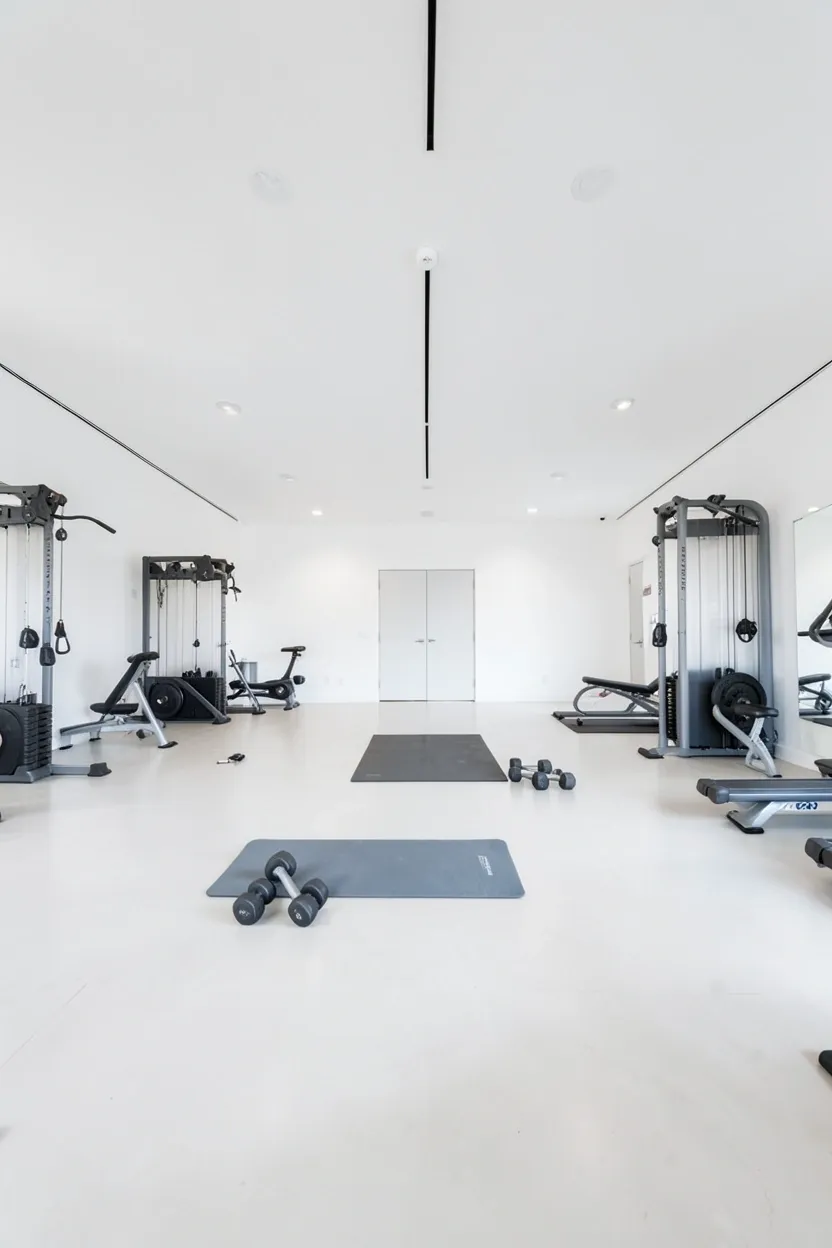
Common mistake: Placing equipment in a way that creates narrow pathways or requires careful navigation between exercises. Instead, zone your gym by function—cardio in one area, strength training in another, stretching in a third—with clear, wide pathways connecting them. Avoid placing equipment in the center of the room unless it's your primary workout station.
The open floor design typically leaves at least 50-60% of floor area completely clear for movement, with equipment positioned along walls or in designated corners. This layout allows for full range of motion during exercises and easy transition between workout modalities without navigating obstacles. If your priority is making tight spaces feel as large as possible, see our 21 small gym room ideas that make tight spaces feel bigger for mirror and vertical storage strategies that complement an open floor plan.
Pro: Open floor space reduces risk of injury from tripping and makes movement feel more natural.
Con: Limited floor space may restrict equipment options, requiring careful selection of compact pieces.
Fix: Choose equipment with smaller footprints—foldable treadmills, adjustable dumbbells, or suspension trainers—to maximize open floor area.
What this gives you: Unobstructed movement space that supports full range of motion and natural workout flow.
6. Neutral Wall Colors
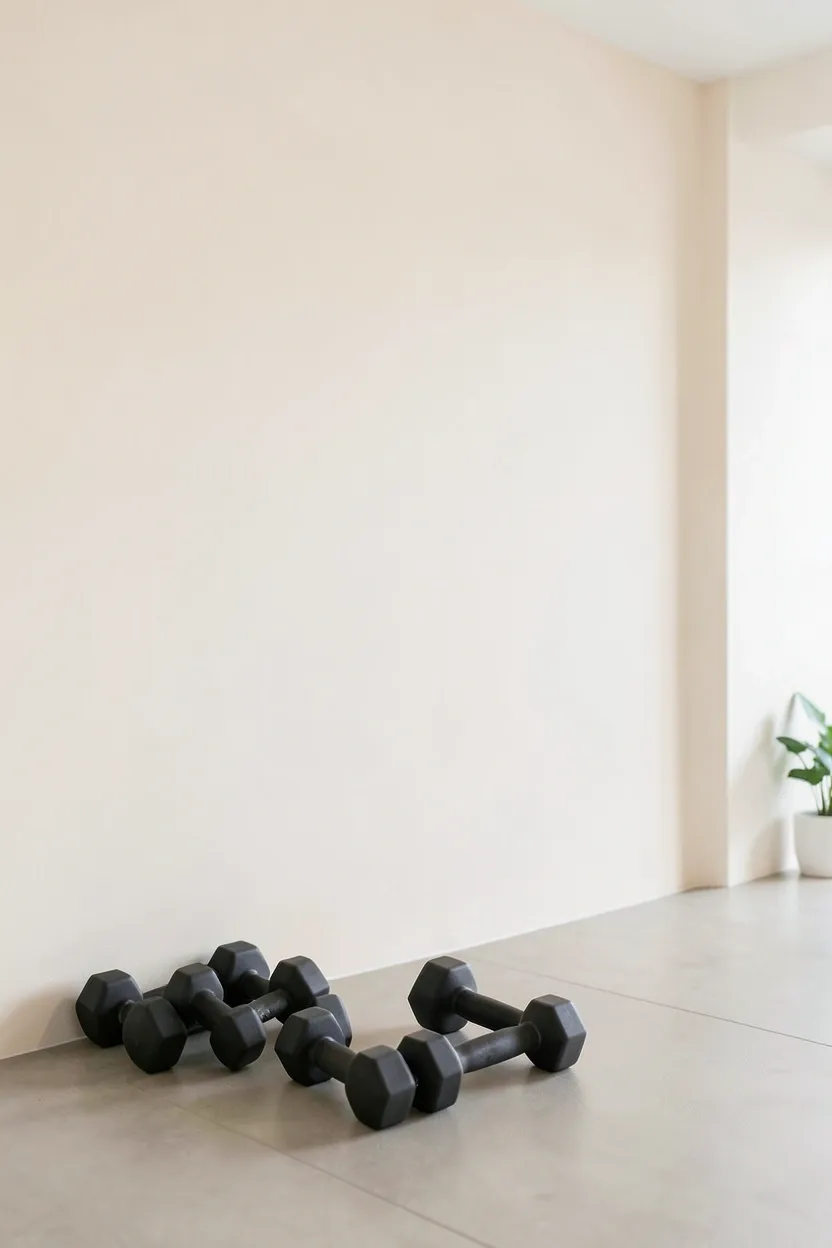
Choose neutral wall colors that create calm, unstimulating environment conducive to focus. These neutral tones—white, light gray, beige, taupe, or soft earth colors—reduce visual overstimulation that can be distracting during intense workouts. The calm backdrop allows your mind to settle into exercise rather than processing competing visual stimuli.
Recommended
Items for this idea
Why it works: Neutral colors create a blank canvas that doesn't compete for attention with equipment or workout movements. The lack of bold colors or patterns allows your brain to focus fully on exercise performance rather than processing visual information. This psychological benefit makes workouts feel more grounded and intentional.
Choose wall colors based on your space's natural light—white maximizes brightness in dark spaces, while warm neutrals add coziness to bright rooms. Consider matte rather than glossy finishes to prevent glare from overhead lighting. The goal is calm, unobtrusive background that supports rather than distracts from your workout.
If: You find pure white too clinical, warm it with very subtle undertones of gray or beige.
Then: You'll maintain neutrality while adding slight warmth that makes space feel more inviting.
What this gives you: A calm, unstimulating environment that reduces visual distractions during workouts.
7. Limited Decor Elements
Embrace intentional minimalism with decor elements serving specific, functional purposes rather than filling space for appearance. This limited decor approach means carefully selecting only items that enhance focus, motivation, or practical functionality—everything else is eliminated. Each decorative element must earn its place through genuine contribution to your workout experience.
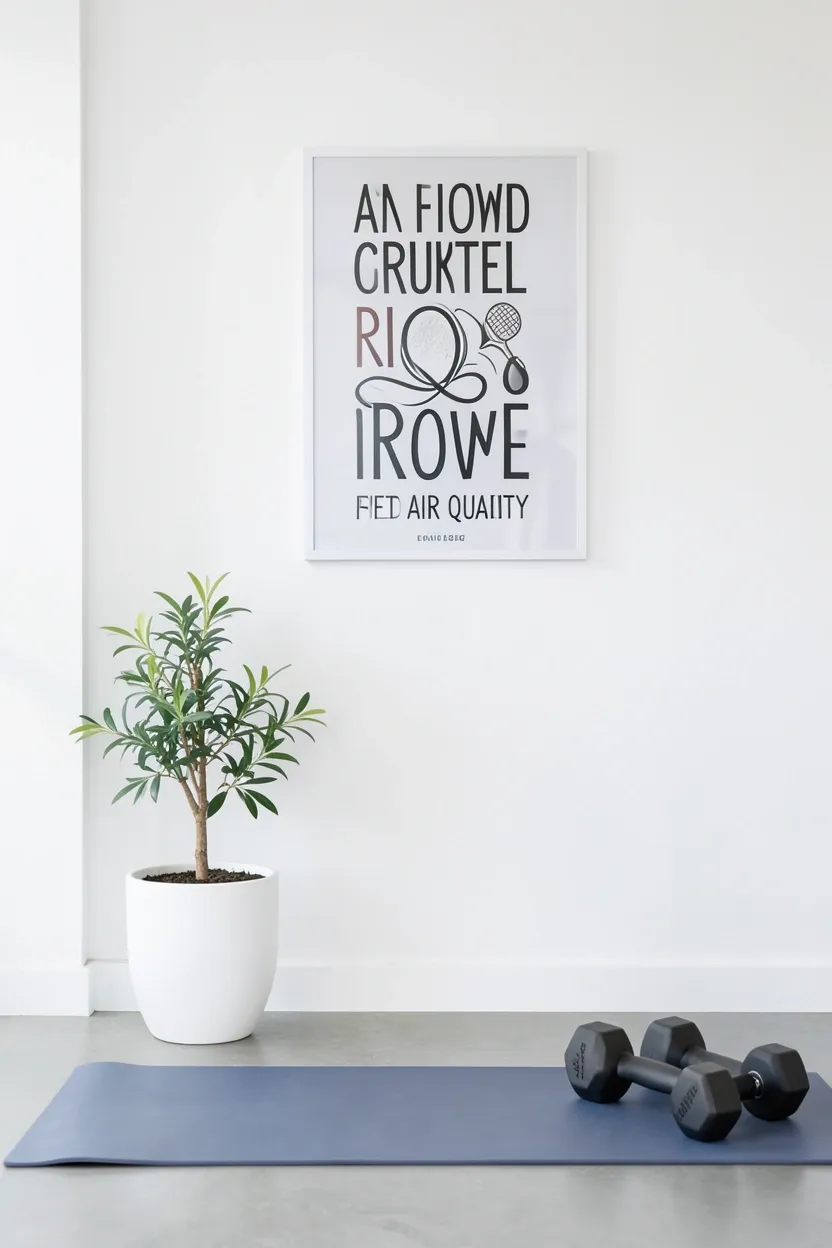
Common mistake: Adding decor items—posters, plants, inspirational quotes—without considering their actual impact on focus or motivation. Instead, evaluate each potential decor element against specific criteria: Does it help me concentrate? Does it motivate my workouts? Does it serve a practical function? If answer is "no" to all, the item doesn't belong in your gym.
Effective limited decor might include one small plant for air quality, a single motivational poster positioned thoughtfully, or a functional item like a clock or water tracker. The key is restraint—choosing very few items that make meaningful impact rather than accumulating numerous items with minimal purpose.
Pro: Limited decor reduces visual noise and prevents distraction from your primary workout focus.
Con: Too little decor can make space feel sterile or unmotivating for some people.
Fix: If space feels too stark, add one meaningful element at a time—plant, artwork, or motivational item—and observe its impact.
What this gives you: A curated environment where every decorative element serves a meaningful purpose in supporting your workouts.
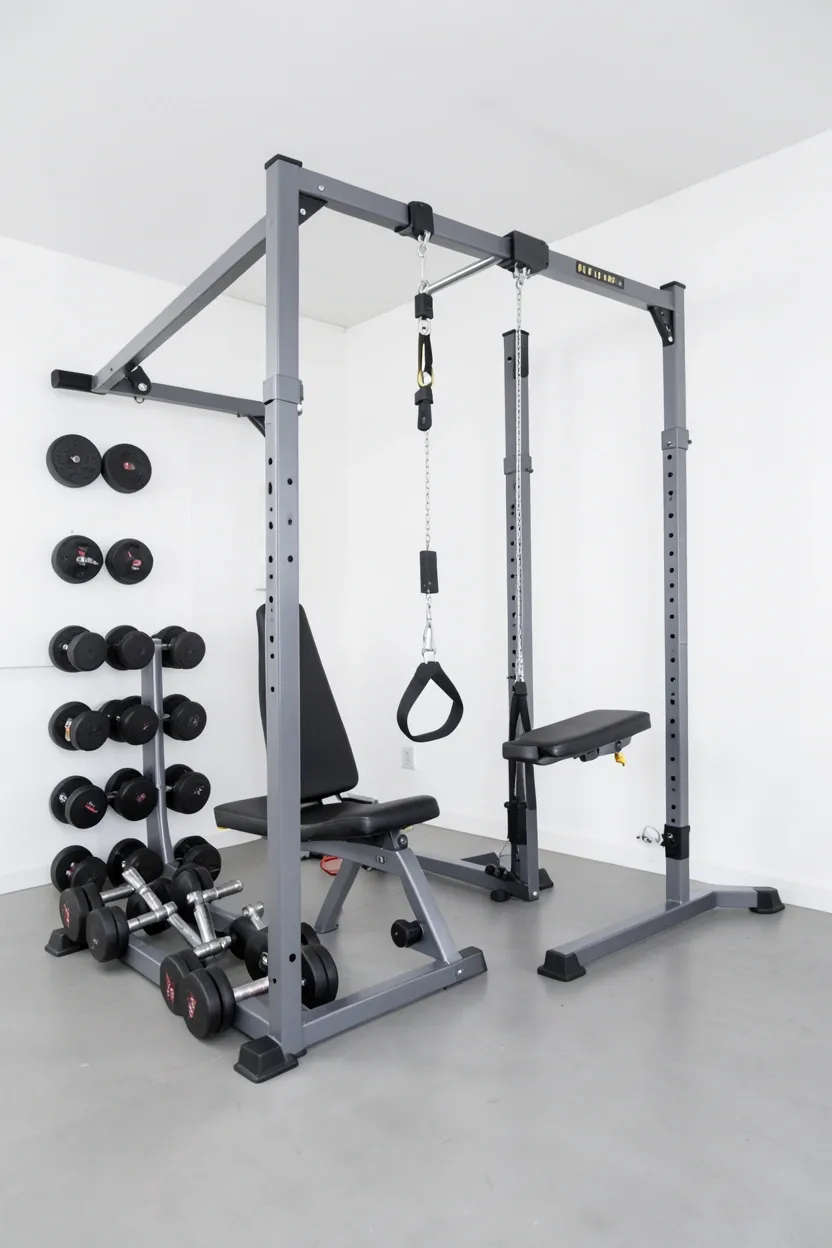
8. Multipurpose Equipment
Select equipment that serves multiple training modalities, reducing total number of pieces while maintaining workout variety. This multipurpose approach means choosing items like adjustable dumbbells that replace multiple fixed-weight sets, or suspension trainers that enable countless bodyweight exercises through single anchor point. Each piece works harder to justify its space.
Recommended
Items for this idea
Why it works: Multipurpose equipment reduces total equipment count while maintaining or even expanding workout options. Fewer pieces mean less visual clutter, easier maintenance, and more efficient space utilization. The versatility also means equipment grows with you as training evolves, providing ongoing value rather than becoming obsolete.
Effective multipurpose equipment includes adjustable dumbbells that replace entire weight sets, adjustable benches that serve multiple exercise angles, or suspension trainers that enable hundreds of bodyweight variations through single anchor point. These pieces often cost more initially but save money and space long-term.
Do: Prioritize equipment quality over quantity—better multipurpose pieces outperform cheaper, specialized items.
Don't: Choose multipurpose equipment that compromises quality or durability for the sake of versatility.
What this gives you: Fewer equipment pieces providing more workout variety, reducing visual clutter while maximizing training options.
9. Intentional Lighting
Design lighting specifically to enhance focus rather than simply illuminating space. This intentional approach considers color temperature, brightness levels, and fixture placement to create an environment that supports concentration and energy. The lighting becomes an active participant in workout experience rather than just functional necessity.
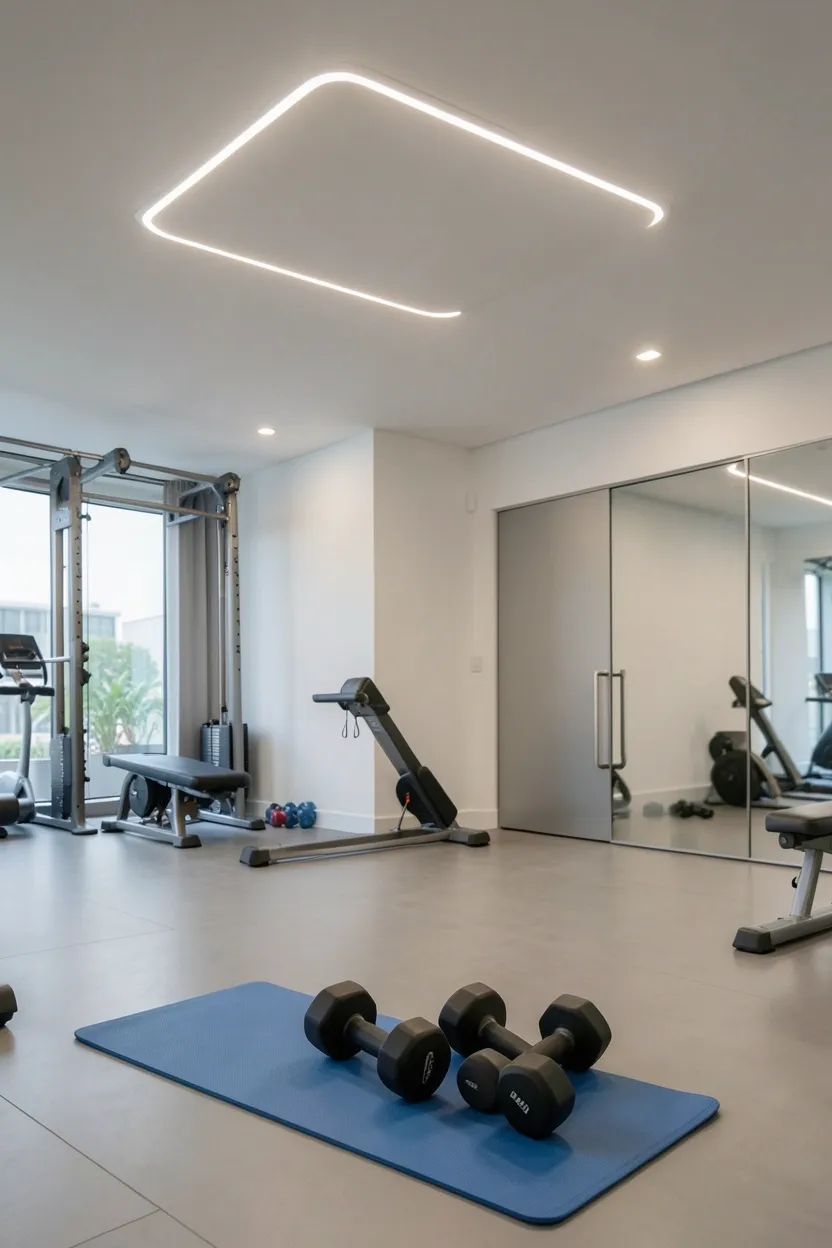
Common mistake: Using overly bright or cool-colored lighting that creates harsh, overstimulating environment. Instead, choose daylight-balanced LEDs (4000K-5000K) that provide clarity without harsh glare. Consider dimmable fixtures that allow adjustment between energizing brightness for intense work and softer light for cool-down sessions.
Position fixtures to eliminate shadows where you perform exercises, especially if you monitor form in mirrors. Avoid fixtures that create glare or visual distraction. The goal is lighting that's bright enough for clarity but soft enough to be unobtrusive—supporting focus rather than competing for attention.
If: You do both high-energy workouts and calming yoga or stretching in same space, consider tunable white lighting.
Then: You'll be able to shift between energizing bright light and calming warm tones as workout type changes.
What this gives you: Lighting designed to support focus and energy, enhancing rather than distracting from workouts.
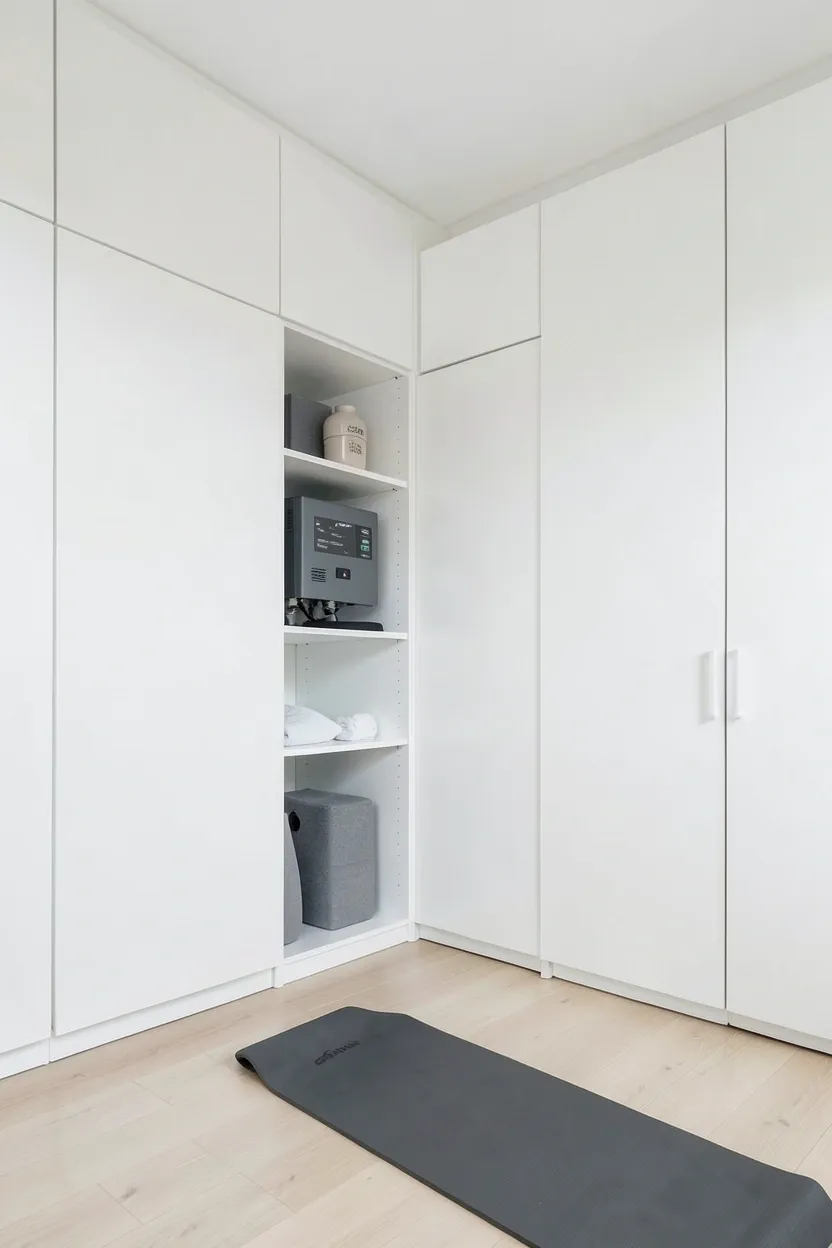
10. Seamless Storage Integration
Create storage that's visually integrated into space rather than standing out as separate elements. This seamless approach means using built-in cabinets, furniture that matches surrounding aesthetics, or storage designed to disappear when not in use. The storage becomes part of space's architecture rather than adding visual clutter.
Recommended
Items for this idea
Why it works: Seamless storage maintains clean visual lines throughout your gym, preventing storage from becoming focal point that creates distraction. When storage integrates into space's design, the room feels thoughtfully planned rather than assembled piece by piece. This visual harmony supports psychological sense of calm and intentionality.
Seamless storage options include built-in cabinets that match wall color, furniture designed specifically for gym environment, or wall-mounted units that appear as architectural elements rather than added furniture. The goal is storage that's fully functional but visually disappears when not in use.
Pro: Integrated storage maintains clean aesthetic while providing substantial equipment organization.
Con: Custom-built storage requires planning and installation, which may not be suitable for all spaces or renters.
Fix: For renters, choose furniture in neutral colors and simple designs that blend with existing space.
What this gives you: Storage that provides substantial organization without adding visual clutter to your gym.
11. Natural Material Tones
Embrace natural material tones—light woods, bamboo, stone, or natural fibers—to create calming, organic environment. These natural materials bring warmth and grounding quality to minimalist space without introducing clutter or complexity. The subtle variations in natural grain and texture add visual interest without disrupting clean aesthetic.
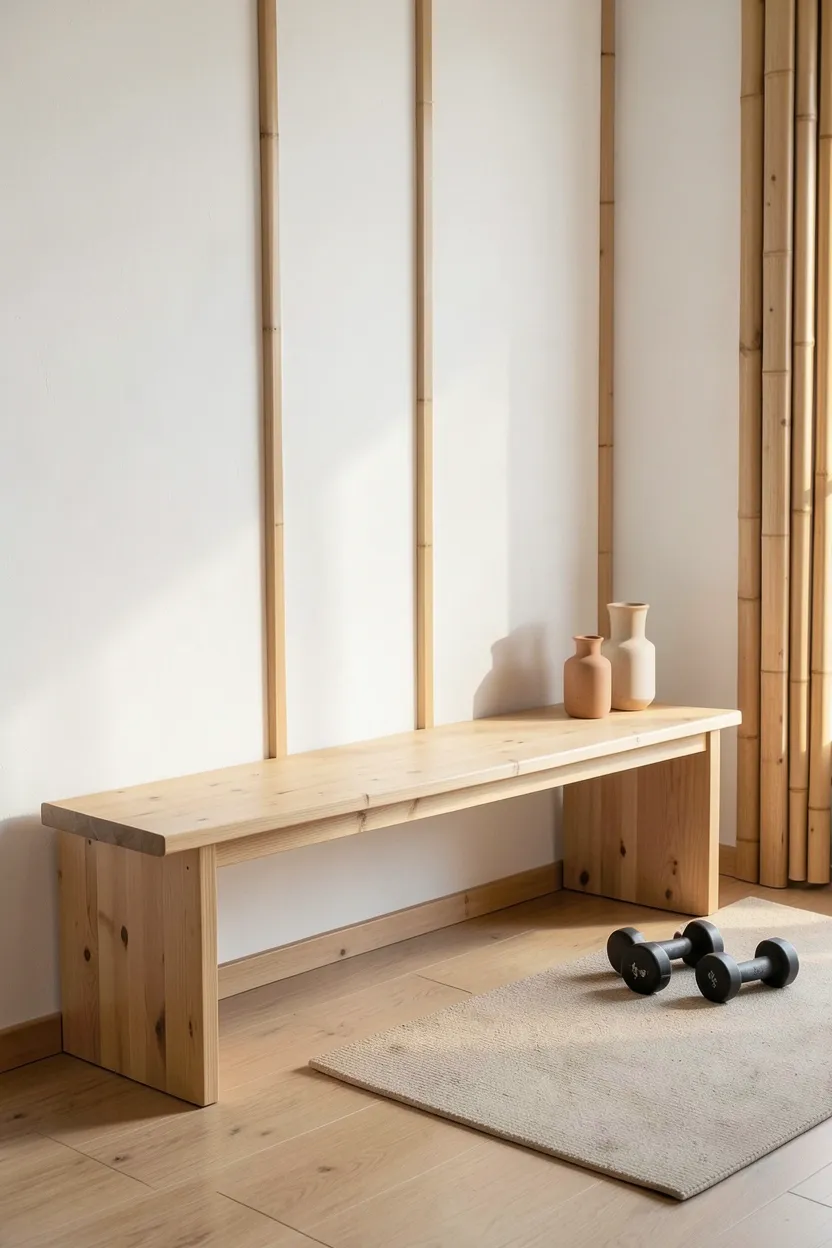
Why it works: Natural materials create psychological connection to nature, which research shows can reduce stress and improve focus. The inherent warmth of woods and organic feel of fibers balances the clean, minimal aesthetic, preventing space from feeling sterile or clinical. Natural materials age beautifully, developing character over time.
Choose materials in light, neutral tones—oak, bamboo, maple, or light walnut—to maintain overall minimalist palette while adding natural warmth. Use wood for benches, storage units, or even wall paneling. Natural fiber mats, cotton towels, or linen accessories introduce organic texture without adding clutter.
If: You're working with limited budget, introduce natural materials gradually—wooden bench, natural fiber mat, or bamboo storage basket.
Then: You'll achieve organic warmth without overwhelming space or budget.
What this gives you: A calming, organic environment that connects to nature while maintaining minimalist aesthetic.
12. Visible Floor Space
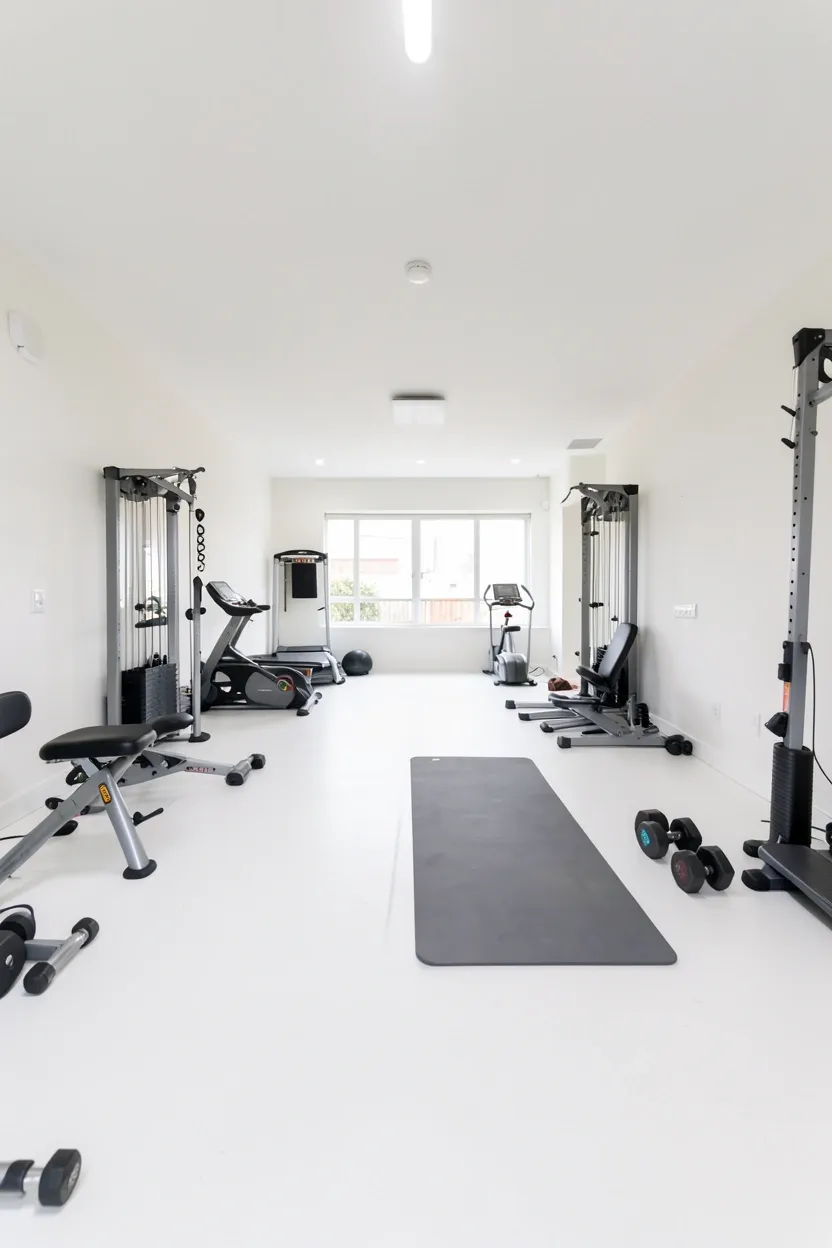
Prioritize keeping substantial floor area visible and uncluttered, creating sense of spaciousness even in small rooms. This visible floor approach means intentionally arranging equipment to maximize open floor, making space feel larger and more breathable. The openness supports psychological sense of freedom during movement and reduces feeling of confinement.
Recommended
Items for this idea
Common mistake: Spreading equipment across entire floor, creating fragmented layout with narrow pathways between pieces. Instead, concentrate equipment along walls or in designated corners, leaving large central areas completely open. Aim for at least 50-60% of floor area remaining clear for movement and exercise.
The visible floor approach typically positions equipment against walls, creating clear central workout zone. This layout allows for full range of motion during exercises and easy transition between different training modalities without navigating around equipment. The openness also makes cleaning and maintenance significantly easier.
Pro: Visible floor space makes rooms feel significantly larger and reduces psychological sense of confinement.
Con: May limit equipment quantity or require careful selection of compact pieces to maintain adequate open space.
Fix: Prioritize equipment that can be stored or folded when not in use, maintaining open floor even with more items.
What this gives you: A spacious-feeling gym with abundant open floor area for unrestricted movement.
13. Mindful Equipment Arrangement
Arrange equipment thoughtfully based on workout flow, creating logical sequence for exercise transitions. This mindful approach considers how you actually move through workouts—cardio first, then strength, then stretching—and positions equipment accordingly. The arrangement becomes invisible support system that makes workouts feel smoother and more intuitive.
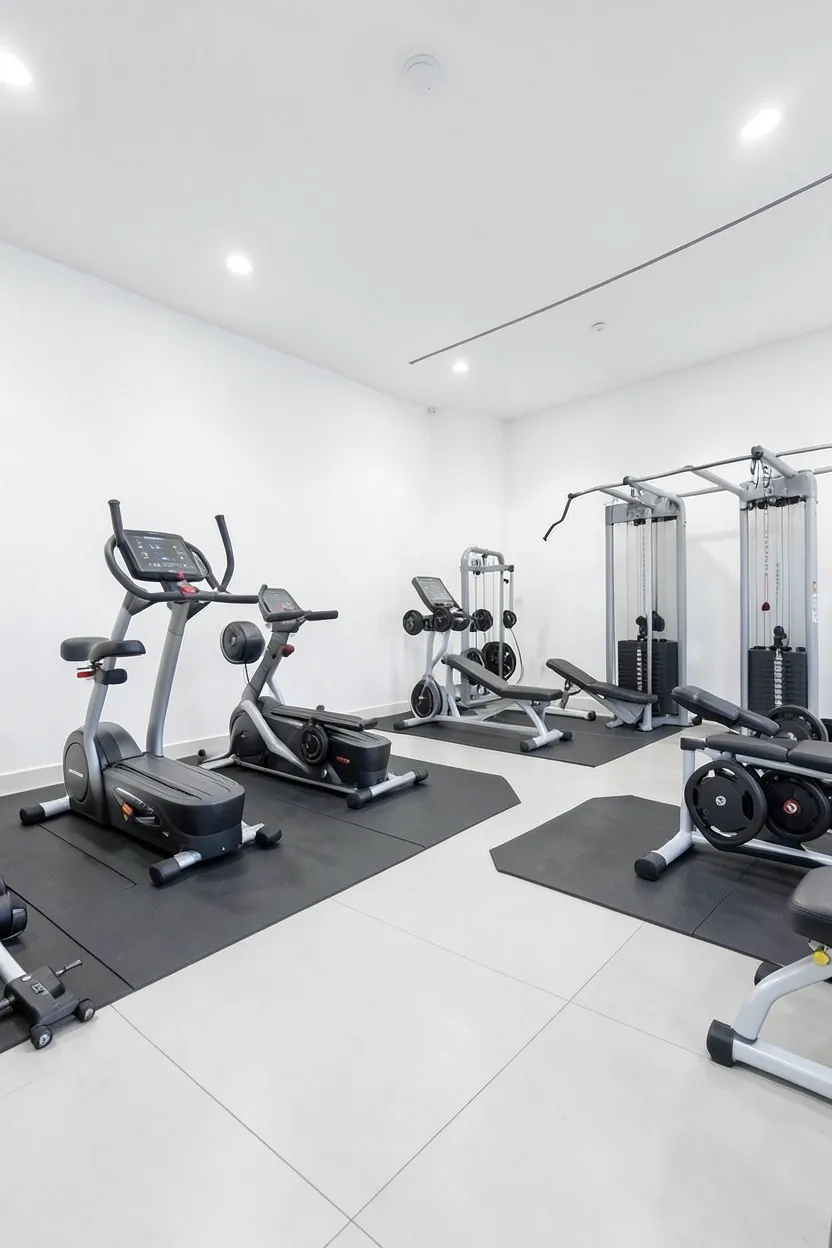
Why it works: Equipment arranged by workout flow reduces decision-making and unnecessary movement during sessions. When your natural workout sequence aligns with equipment placement, you move smoothly from one exercise to next without searching or backtracking. This seamless flow maintains mental focus and momentum throughout workout.
The mindful arrangement zones your gym by function—cardio area near door or ventilation, strength training along one wall, stretching zone with mirrors. Position equipment in sequence matching your typical routine, with smooth pathways connecting each zone. Consider your most frequent exercises and ensure they have dedicated, accessible space.
If: Your workout routine varies significantly, create flexible arrangement that accommodates different flow patterns.
Then: You'll maintain smooth transitions regardless of workout type without constant equipment rearrangement.
What this gives you: An intuitive layout that supports smooth, uninterrupted workout flow matching your training routine.
14. Soft Textures Over Clutter
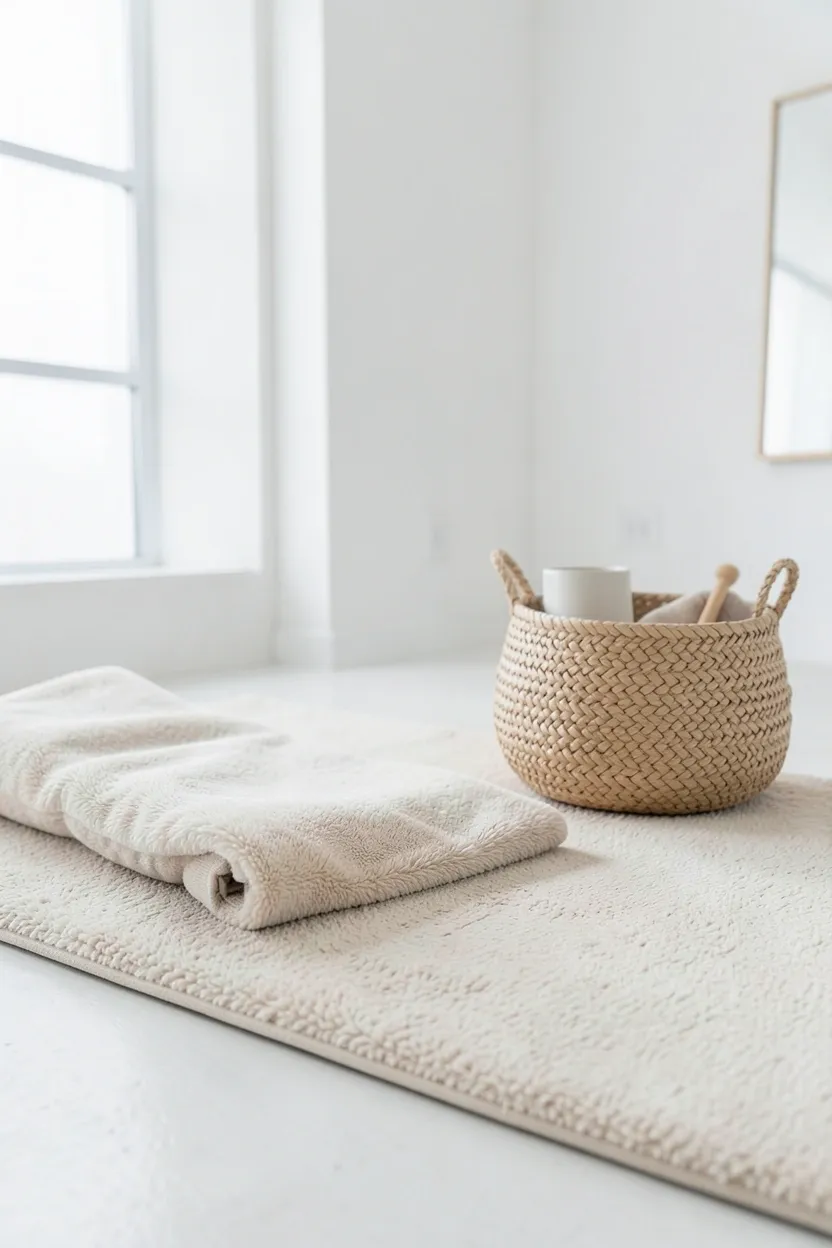
Add warmth and character through soft textures—plush mats, woven baskets, fabric accents—rather than accumulating additional objects. This texture-focused approach maintains minimal item count while preventing space from feeling sterile. The subtle tactile elements create comfort and interest without introducing visual clutter.
Recommended
Items for this idea
Common mistake: Adding numerous small decorative items—plants, posters, figurines—in attempt to make space feel less sterile. Instead, choose fewer, larger-scale texture elements that provide warmth without creating visual fragmentation. One high-quality textured piece provides more impact than numerous smaller items.
Effective texture additions include plush yoga mats, woven storage baskets for smaller items, or simple fabric wall hangings. These elements introduce softness and warmth that balances clean lines while maintaining overall minimalist aesthetic. The goal is texture that feels rather than looks—subtle elements you notice through touch rather than sight.
Pro: Soft textures add warmth and comfort without creating visual noise or requiring additional items.
Con: Too many texture elements can create visual clutter that defeats minimalist purpose.
Fix: Use one or two well-chosen texture pieces rather than accumulating numerous smaller items.
What this gives you: A warm, comfortable environment that prevents sterile feeling without compromising minimalist principles.
15. Zen-Inspired Design
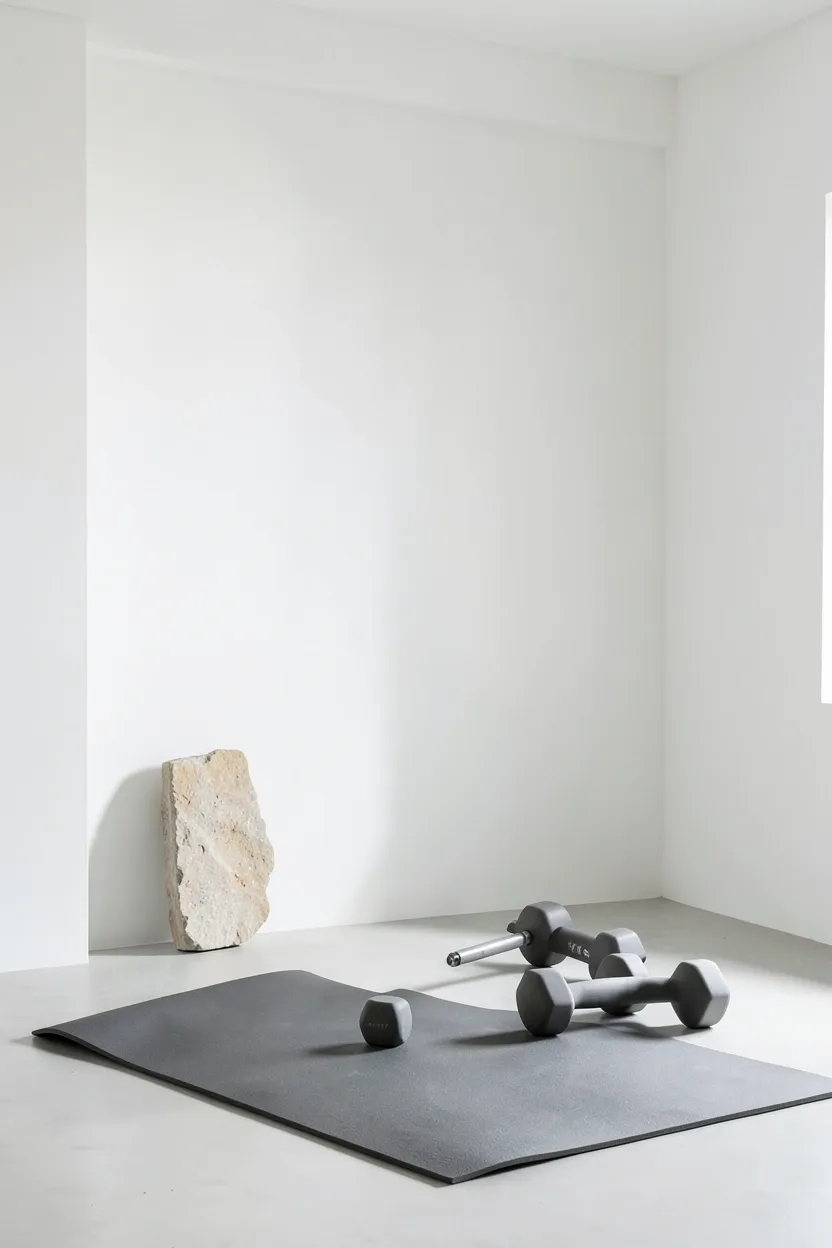
Embrace Zen aesthetic principles—simplicity, harmony, and intentionality—to create serene, meditative gym environment. This Zen-inspired approach prioritizes calm over stimulation, balance over accumulation, and purposeful design over decoration. The space becomes sanctuary that supports both physical training and mental clarity.
Why it works: Zen environments reduce mental noise and promote focus through simplicity and harmony. The uncluttered, balanced space allows mind to settle during workouts, supporting both physical exertion and mental presence. This combination creates more effective training sessions where you're fully engaged rather than distracted.
Zen-inspired design features asymmetric balance, natural materials, negative space, and purposeful simplicity. The aesthetic prioritizes breathing room over filled space, with each element carefully chosen and positioned. Consider adding subtle water features, natural stone elements, or simple wooden accents that enhance tranquility.
If: Zen aesthetic feels too sparse, add one meaningful element—small plant, stone piece, or simple artwork.
Then: You'll maintain Zen principles while adding personal touch that makes space feel more connected.
Best for: Yoga, Pilates, stretching, and bodyweight workouts that benefit from meditative environment.
What this gives you: A serene, meditative gym environment that supports both physical training and mental clarity.
16. Negative Space Utilization
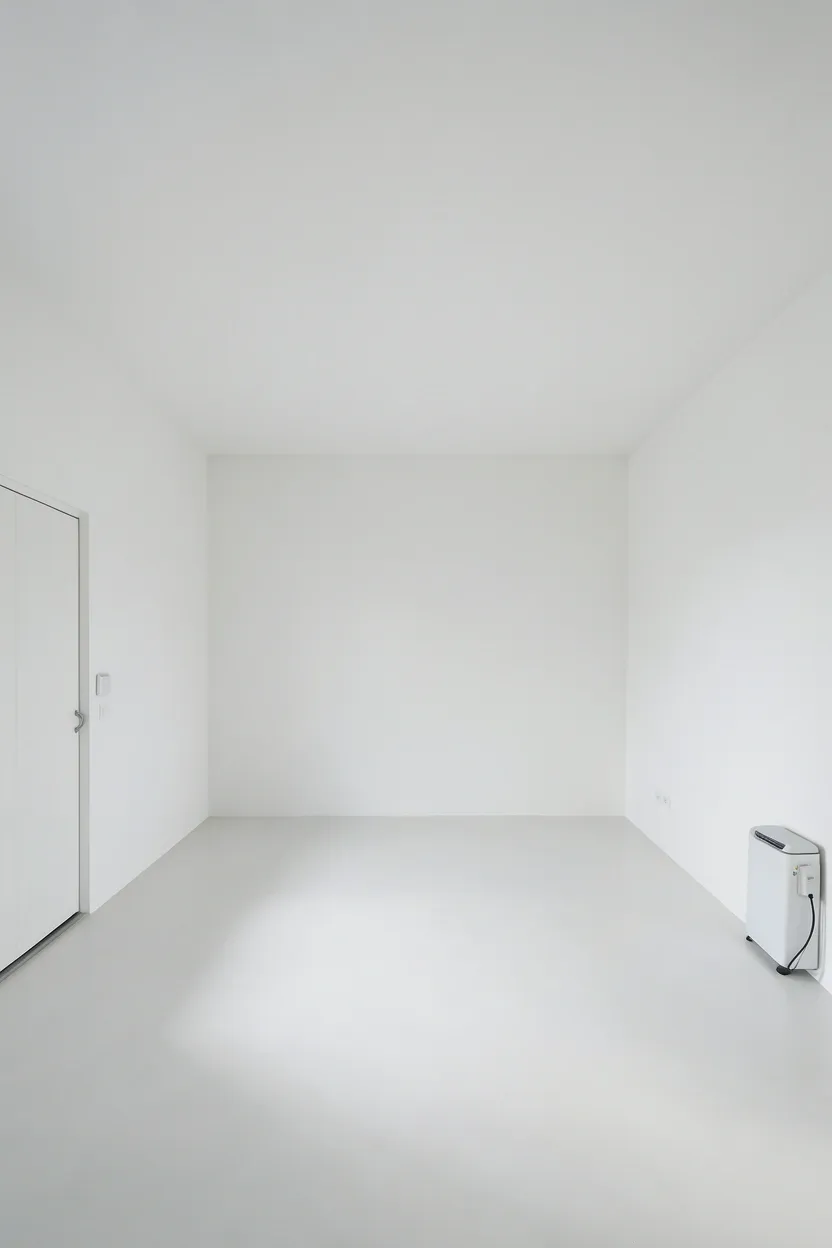
Intentionally leave negative space—empty walls and uncluttered surfaces—allowing room to breathe and feel peaceful. This negative space approach embraces emptiness as design element rather than problem to be filled. The unoccupied areas become part of aesthetic, creating calm through simplicity and preventing visual overwhelm.
Recommended
Items for this idea
Common mistake: Feeling need to fill every available wall or surface, creating cluttered appearance even with minimal equipment. Instead, leave significant portions of walls, floors, and even ceiling completely empty. These open spaces become intentional design features that create breathing room and visual calm.
The negative space approach means equipment and storage occupy only what's necessary, with substantial empty surfaces remaining. Leave at least 30-40% of wall space unoccupied, and maintain clear floor zones between equipment clusters. The emptiness becomes part of design, not absence of it.
Pro: Negative space creates psychological sense of calm and prevents visual overwhelm during workouts.
Con: May feel counterintuitive if you're accustomed to spaces filled with decorations and items.
Fix: Start gradually—leave one wall completely empty, then add negative space in other areas as you adjust to aesthetic.
What this gives you: A calm, uncluttered environment where emptiness becomes intentional design element supporting focus.
17. Purposeful Minimalism
Embrace minimalism as intentional choice rather than limitation, consciously selecting only items that directly serve your training goals and bring joy. This purposeful approach means every element in your gym—equipment, storage, decor—has clear reason for being there. The space reflects considered decisions rather than accumulated clutter.
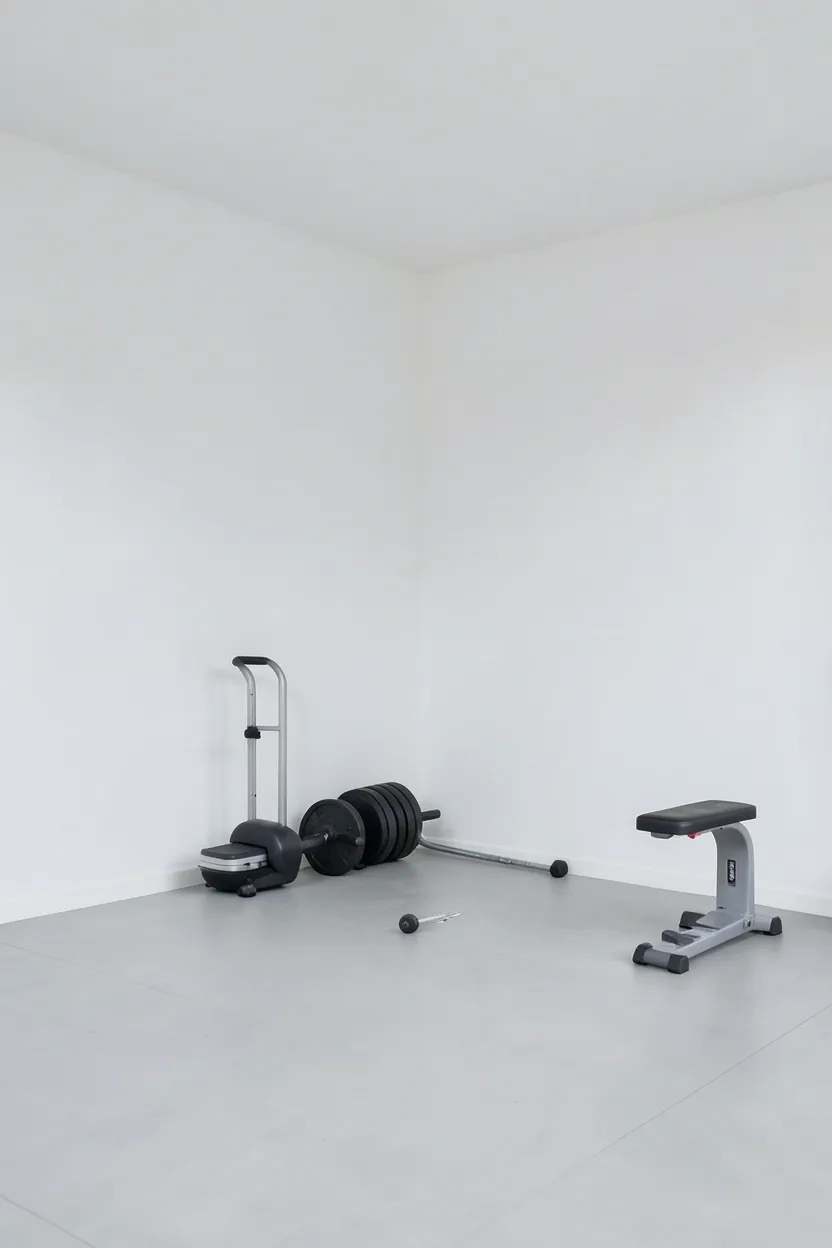
Why it works: Purposeful minimalism creates environment where every element serves meaningful function, reducing mental load and decision fatigue. When you know exactly why each item exists and what purpose it serves, workouts feel more directed and less chaotic. The space becomes reflection of intentional training philosophy.
The purposeful minimalist approach involves regular evaluation—asking "Does this equipment serve my current goals? Do I actually use this? Does having this item make my workouts better?" Items that don't earn affirmative answers are eliminated. The remaining collection represents curated, intentional choices supporting your training journey.
Do: Regularly audit your gym space, asking if each item still serves a meaningful purpose in your current routine.
Don't: Keep items out of guilt, obligation, or sunk cost fallacy—only keep what genuinely supports current training.
What this gives you: A gym environment that reflects intentional training philosophy, with every element serving meaningful purpose.
If you want to go even further with the clean-space philosophy, our minimalist mini gym at home ideas cover additional approaches for motivation and clutter-free aesthetics in tight spaces.
Creating a minimal small gym room is ultimately about intentionality—making conscious choices about what belongs in your space and why. The clean, focused environment you create isn't about deprivation but about purpose—ensuring everything in your gym serves your training goals and enhances your workout experience. This intention extends to equipment selection, color choices, storage solutions, and even lighting design.
Remember that minimalism looks different for everyone based on training style, space constraints, and personal preferences. What matters is that your choices feel intentional rather than accidental, that you understand why each element exists and what purpose it serves. The goal is environment that supports your best workouts—not gym that looks like someone else's minimal gym or achieves minimalism through deprivation.
These 17 minimal small gym room ideas demonstrate various approaches to creating clean, focused workout environments. From color palettes and material choices to storage solutions and equipment selection, each idea represents a principle rather than prescription. Adapt these approaches to fit your specific situation, training goals, and aesthetic preferences. The most effective minimal gym is one that makes you want to work out, supports your focus during training, and feels true to your personal approach to fitness.
About the author
OBCD
CGI visualization and interior design content. We create detailed 3D renders and curate practical design ideas for every room in your home.