27 Nursery Corner Ideas for Master Bedrooms in Small Rentals
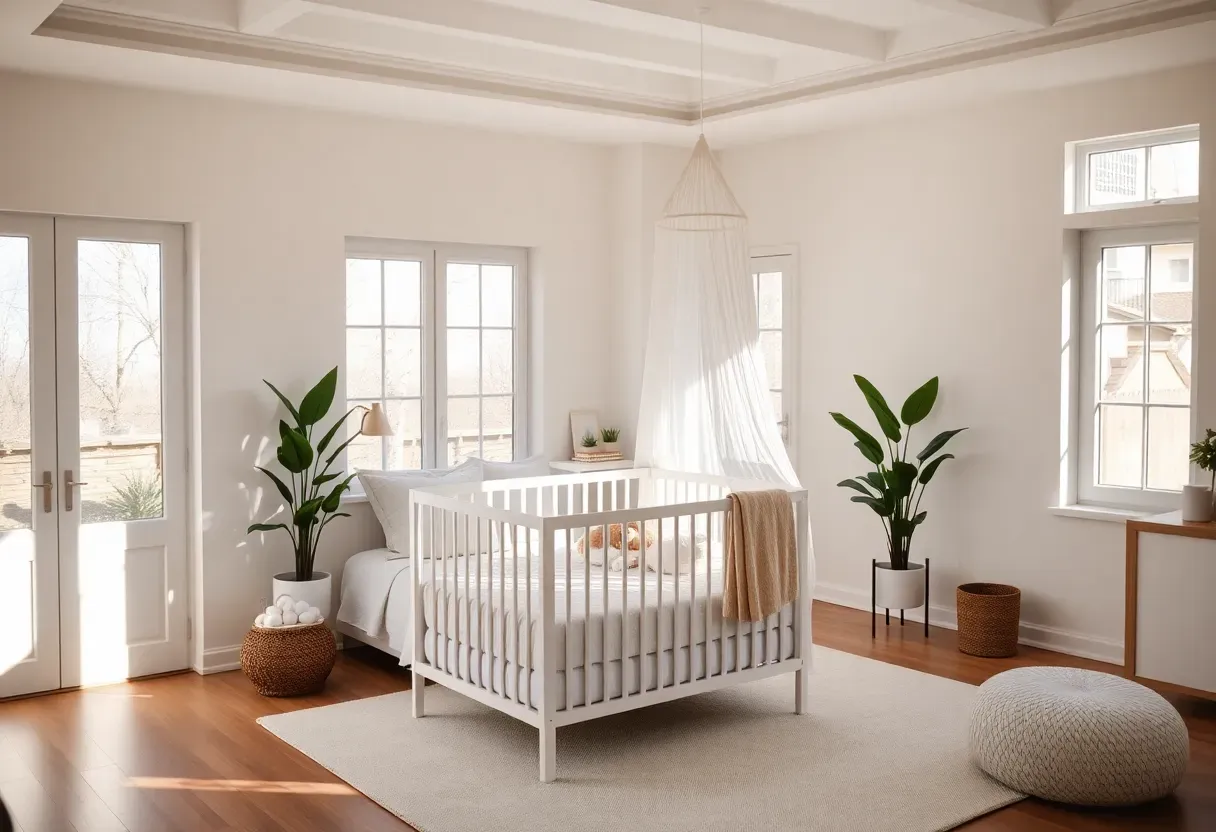
Finding the right nursery corner ideas for master bedrooms in small rental apartments is one of the most practical challenges new renter-parents face. You need your newborn close for nighttime feeding and safety, but your lease likely prohibits major construction—and your master bedroom has limited square footage to spare. The good news: you don't need a dedicated nursery room or permanent modifications to create a safe, cozy baby zone that works beautifully alongside your adult space.
The 27 ideas we've gathered prioritize safety, convenience, and style in equal measure—three elements that often feel mutually exclusive when space is tight. From wall-mounted solutions that consume zero floor space to freestanding dividers and portable cribs on wheels, each setup leaves no permanent trace when removed, making them ideal for renters. Whether you're working with a 200-square-foot studio bedroom or a slightly more generous apartment master, these strategies help you welcome your newest family member without risking your security deposit.
We've tested these approaches in real small apartments, and the recurring lesson is this: nursery corners work best when they borrow from the room's existing architecture—corners, alcoves, window recesses, the space behind a door—rather than fighting the layout. Let's explore how to create the perfect renter-friendly nursery nook that serves your baby's needs while honoring the sanctuary you've built for yourself.
Quick FAQ
How long should my baby sleep in our master bedroom?
The American Academy of Pediatrics recommends room-sharing for at least the first 6 months, ideally up to 12 months, to reduce SIDS risk. However, many families transition babies to their own rooms between 4-6 months when sleep patterns stabilize. Trust your instincts and your baby's cues—there's no single "right" timeline that fits every family.
What's the minimum space needed for a nursery corner?
You can create a functional nursery zone in as little as 3x3 feet—a mini crib fits comfortably with narrow clearance on all sides. For a more complete setup with changing station and storage, aim for at least 4x4 feet. Wall-mounted and vertical solutions maximize efficiency in tight spaces.
How do I maintain my bedroom's adult aesthetic with a baby corner?
Choose nursery furniture in neutral tones that complement your existing decor—whites, greys, and natural woods blend seamlessly with most bedroom styles. Use room dividers, curtains, or strategic furniture placement to visually separate the baby zone when desired. Store baby items in attractive baskets or closed storage rather than plastic bins.
Can I create a safe nursery corner without drilling into walls?
Absolutely! Freestanding bookshelves, folding screens, and tension-mounted curtains create boundaries without permanent installation. Portable cribs on wheels, floor mattresses, and rolling storage carts provide full functionality without wall attachments. Always anchor freestanding furniture to walls for safety, even in rentals—small holes are easily patched later.
As an Amazon Associate I earn from qualifying purchases.
Table of Contents
- 1. Compact Crib Nook with Built-in Shelving
- 2. Window-Side Nursing Station
- 3. Floating Shelves Changing Corner
- 4. Divider Screen Nursery Zone
- 5. Under-Window Daybed Nursery
- 6. Closet-to-Nursery Conversion
- 7. Alcove Crib Nook
- 8. Wall-Mounted Bassinet Station
- 9. Bookshelf Nursery Boundary
- 10. Corner Rocking Chair Retreat
- 11. Behind-the-Door Nursery Zone
- 12. Bedside Co-Sleeper Attachment
- 13. Floor Mattress Montessori Corner
- 14. Curtain-Enclosed Crib Area
- 15. Portable Crib on Wheels
- 16. Wall Niche Crib Installation
- 17. Trundle Bed Nursery Combo
- 18. Storage Ottoman Changing Station
- 19. Loft Bed Nursery Underneath
- 20. Room Divider with Built-in Storage
- 21. Bedside Bassinet with Canopy
- 22. Corner Armchair Nursing Nook
- 23. Wall-Mounted Fold-Down Changing Table
- 24. Under-Bed Drawer Crib
- 25. Multi-Functional Storage Bench
- 26. Ceiling-Hung Crib Canopy Zone
- 27. Symmetrical Twin Nursery Corners
1. Compact Crib Nook with Built-in Shelving
Small nursery corner designs work best when you maximize vertical space without overwhelming the room. A compact crib tucked into an unused corner paired with floor-to-ceiling built-in shelving creates an instant baby zone that feels intentional rather than improvised. The shelving keeps diapers, wipes, and bedtime books within arm's reach while maintaining a clean visual line that doesn't dominate your master bedroom's aesthetic.
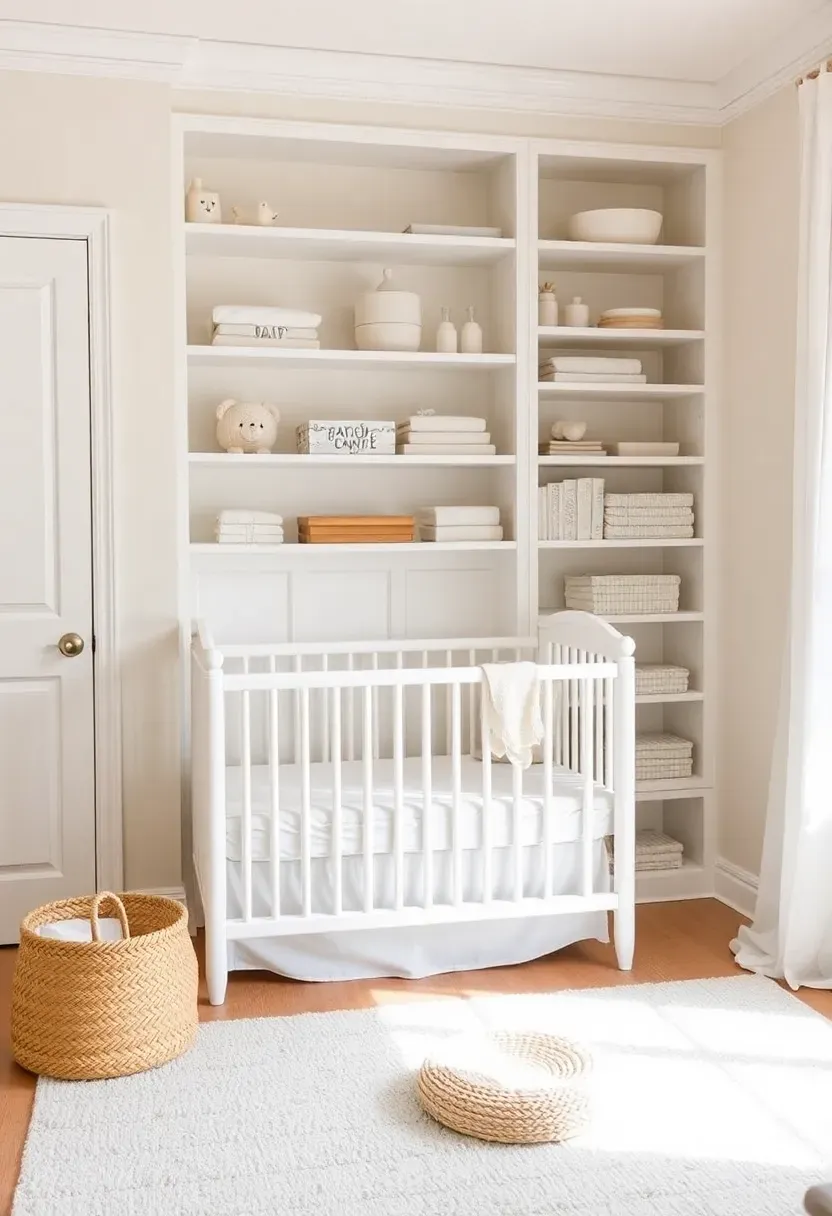
The beauty of this approach lies in its adaptability as your child grows—those same shelves transition from holding burp cloths to storing picture books and eventually school supplies. Natural wood tones warm up the nursery area while painted shelving in soft whites or greys blends seamlessly with existing bedroom decor. Consider adjustable shelving heights to accommodate changing storage needs over time.
Why it works: It defines the nursery boundary clearly without physical barriers, letting parents check on the baby from bed while maintaining the room's open feel.
Tips
- Do: Install shelving at least 18 inches above the crib for safety compliance
- Don't: Overload upper shelves with heavy items that could fall
- Pro tip: Add LED strip lighting under upper shelves for gentle nighttime navigation
What this gives you: A dedicated baby space that integrates smoothly into your existing bedroom layout without renovation.
2. Window-Side Nursing Station
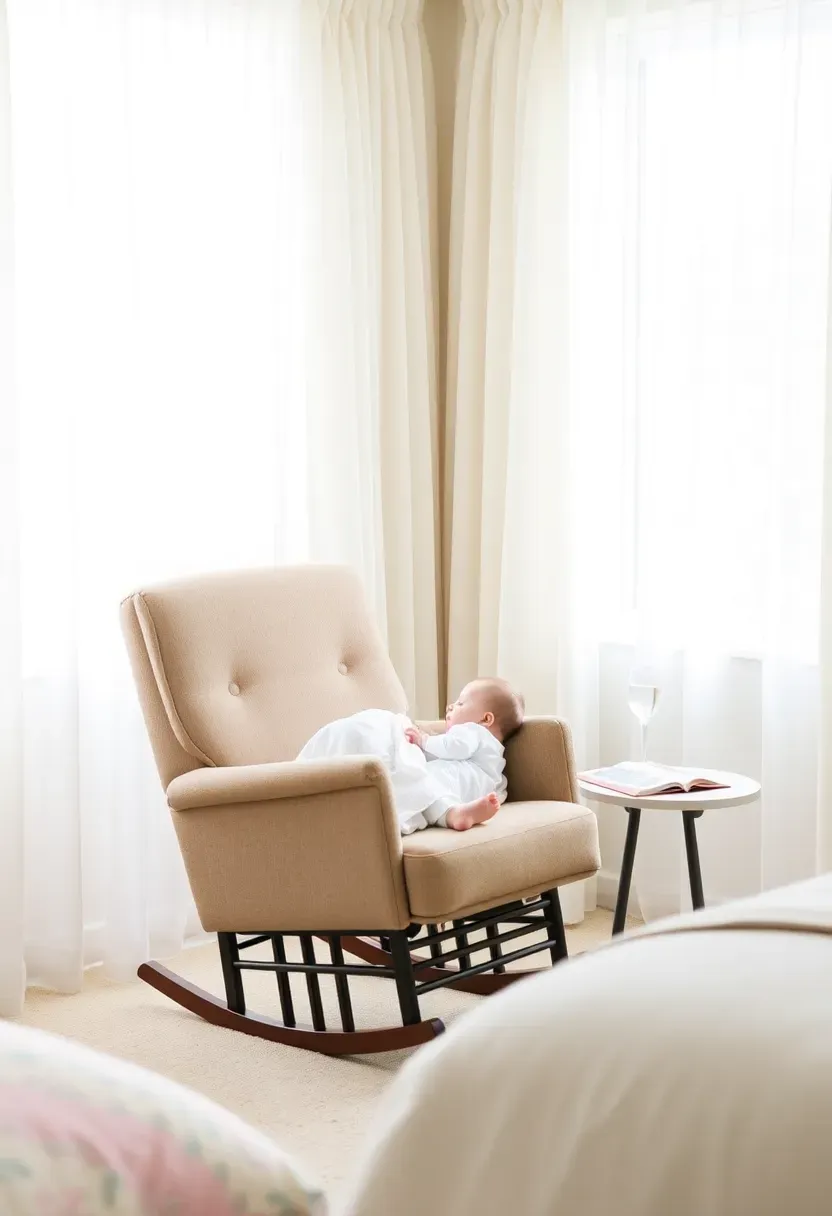
Positioning your nursery corner near a window transforms feeding sessions into peaceful bonding moments filled with natural light. A comfortable glider or nursing chair placed perpendicular to the window provides gentle illumination while offering a view that keeps you grounded during late-night feedings. The natural light helps regulate both your and your baby's circadian rhythms, supporting healthier sleep patterns for everyone.
Recommended
Items for this idea
Install blackout curtains on the same window for daytime naps—they block harsh afternoon sun while maintaining the room's temperature consistency. A small side table within reach holds water, snacks, and your phone, while wall-mounted sconces provide soft lighting after sunset without disturbing your partner's sleep.
Common mistake: Placing the chair too close to the window creates drafts and temperature fluctuations that wake the baby.
For more cozy seating inspiration, explore our Cozy Warm Bedroom Ideas and adapt the seating principles to your nursing nook.
Tips
- If you have a bay window: Build a custom window seat with storage underneath
- Then add: Sheer curtains for diffused daylight during morning feeds
- Finally: A small footstool that doubles as extra seating when needed
What this gives you: A serene feeding sanctuary that connects you to the outdoors while maintaining bedroom functionality.
3. Floating Shelves Changing Corner for Renters
When square footage is limited, a traditional changing table consumes precious space better used for movement. Floating shelves mounted at changing height create a minimalist diaper station that disappears visually when not in use — and in a rental, they cause far less damage than a freestanding unit that scuffs floors or tips. The streamlined design keeps essentials organized while freeing up floor space for yoga, stretching, or simply walking around the bed without obstacles.
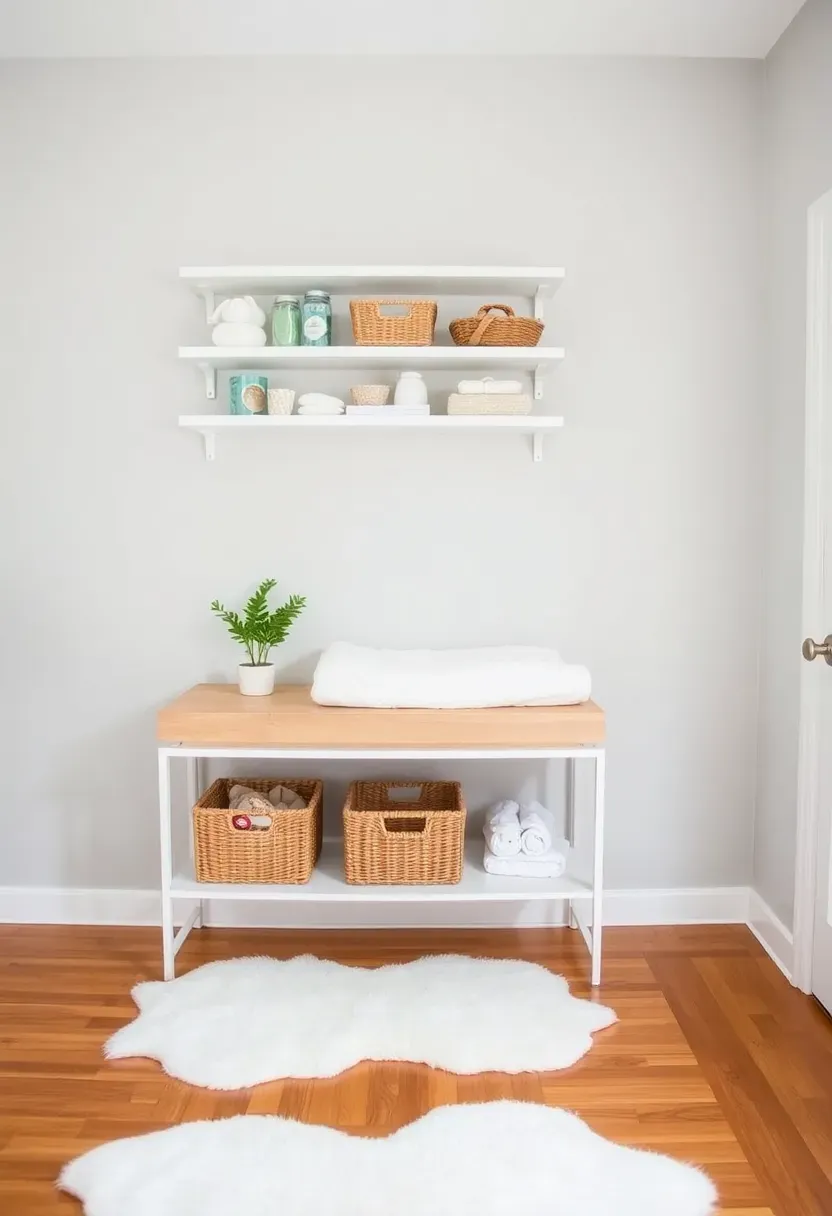
Choose wall-mounted shelves with raised edges to prevent items from sliding off during one-handed changes. Below, a compact rolling cart tucked into the corner holds backup supplies and moves easily to the bathroom for restocking. This setup works particularly well in narrow bedrooms where every inch of walkway matters.
Placement note: Position the lowest shelf 36-40 inches from the floor for ergonomic changing height that protects your back.
Tips
- Do: Install a small mirror at baby's eye level for visual engagement during changes
- Don't: Skip the safety strap—babies roll sooner than expected
- Pro tip: Use clear acrylic shelf dividers to separate clean diapers from used ones
Rental note: Use heavy-duty floating shelf brackets rated for 50+ pounds to avoid damage claims later.
What this gives you: A space-efficient changing area that maintains your bedroom's minimalist aesthetic without bulky furniture.
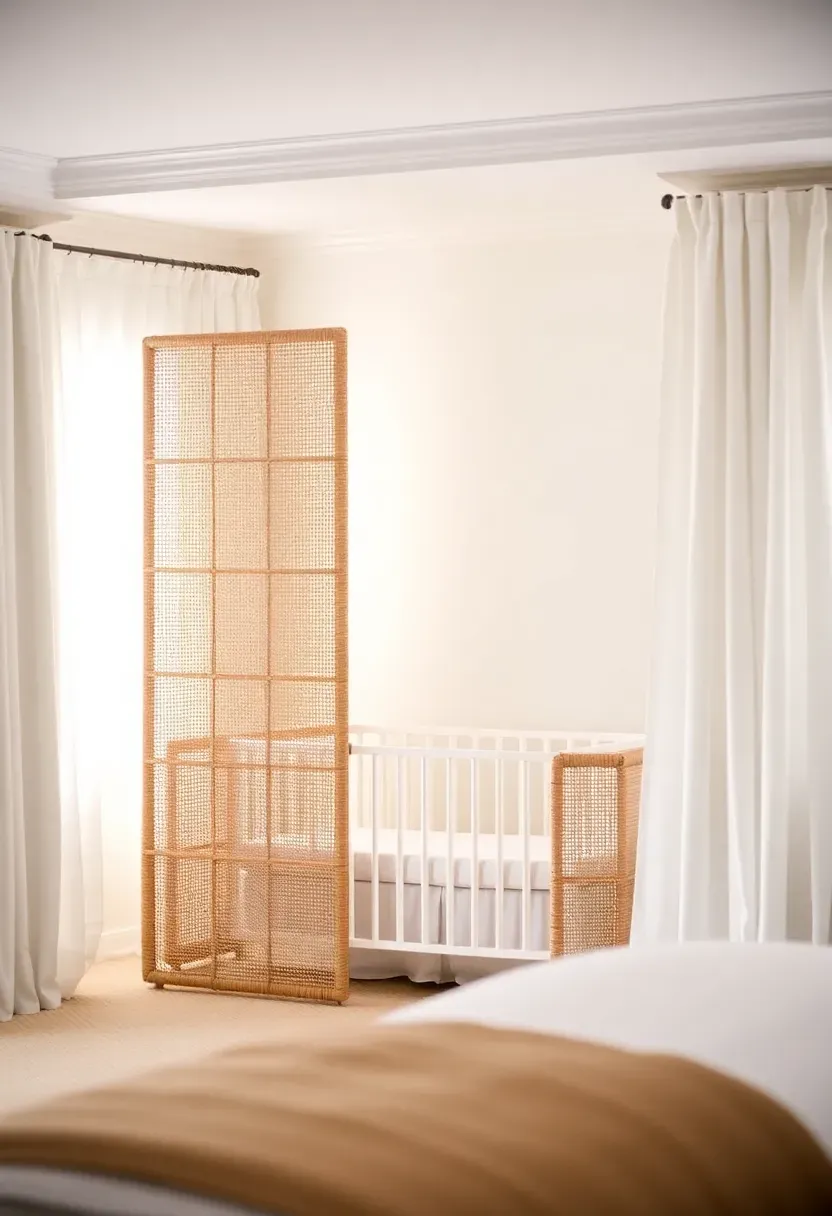
4. Divider Screen Nursery Zone
Creating psychological separation between sleeping and parenting spaces helps everyone rest better in a shared room. A decorative folding screen or open bookshelf divider delineates the nursery corner without blocking airflow or light, maintaining the master bedroom's openness while giving the baby area a sense of enclosure. This gentle boundary helps parents mentally transition between caretaker and partner modes.
Recommended
Items for this idea
Choose screens with woven materials, cutout patterns, or slatted designs that filter light beautifully while providing partial privacy. Rattan and bamboo options add natural texture that warms the room, while painted wood screens in coordinating colors blend with existing decor. The divider becomes a design feature that enhances rather than interrupts your bedroom's flow.
Why it works: It signals to your brain that the crib area is "baby's space" and the bed is "adult space," supporting better sleep associations for everyone.
Tips
- Do: Secure freestanding screens to the wall with furniture straps for safety
- Don't: Use solid dividers that block your view of the crib from bed
- Pro tip: Add battery-operated fairy lights woven through the screen for gentle nighttime ambiance
What this gives you: Visual and psychological separation that helps establish healthy sleep boundaries in a shared space.
5. Under-Window Daybed Nursery
Transform the often-underutilized space beneath your bedroom window into a dual-purpose nursery zone with a low daybed or floor mattress. This setup creates a cozy sleep surface for your baby while preserving your main bed for adult rest, letting you choose where to sleep based on the night's demands. During the day, the daybed becomes a comfortable reading nook or play space that transitions smoothly between functions.
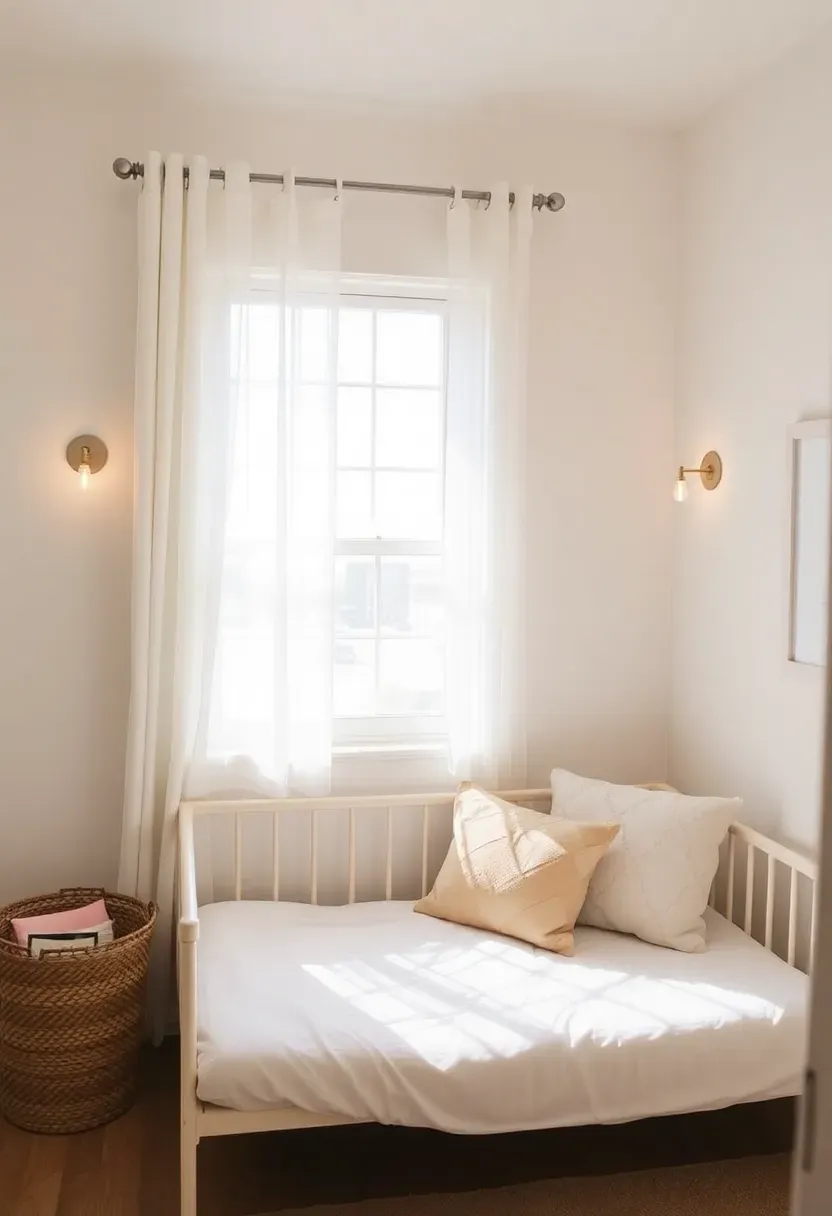
Position a mesh crib rail or safety bumper along the open edge of the daybed to prevent rolling during restless nights. Install wall-mounted reading lights above for bedtime stories without bright overhead lighting. The window placement provides natural ventilation and the gentle white noise of outdoor sounds that many babies find soothing.
Common mistake: Placing the daybed too high off the floor creates a fall risk as your baby becomes mobile—keep it low or at floor level.
For more cozy corner inspiration, browse our Navy Blue Bedroom Ideas and imagine the calming color scheme for your nursery corner.
Tips
- Do: Use a firm mattress designed for infants—never adult plush bedding
- Don't: Add pillows, blankets, or stuffed animals until age-appropriate
- Pro tip: Choose a daybed with trundle storage for extra linens and backup diapers
Best for: Parents who want the option of separate sleeping surfaces while maintaining proximity for nighttime feedings.
What this gives you: Flexible sleeping arrangements that adapt to your family's evolving needs without rearranging furniture.
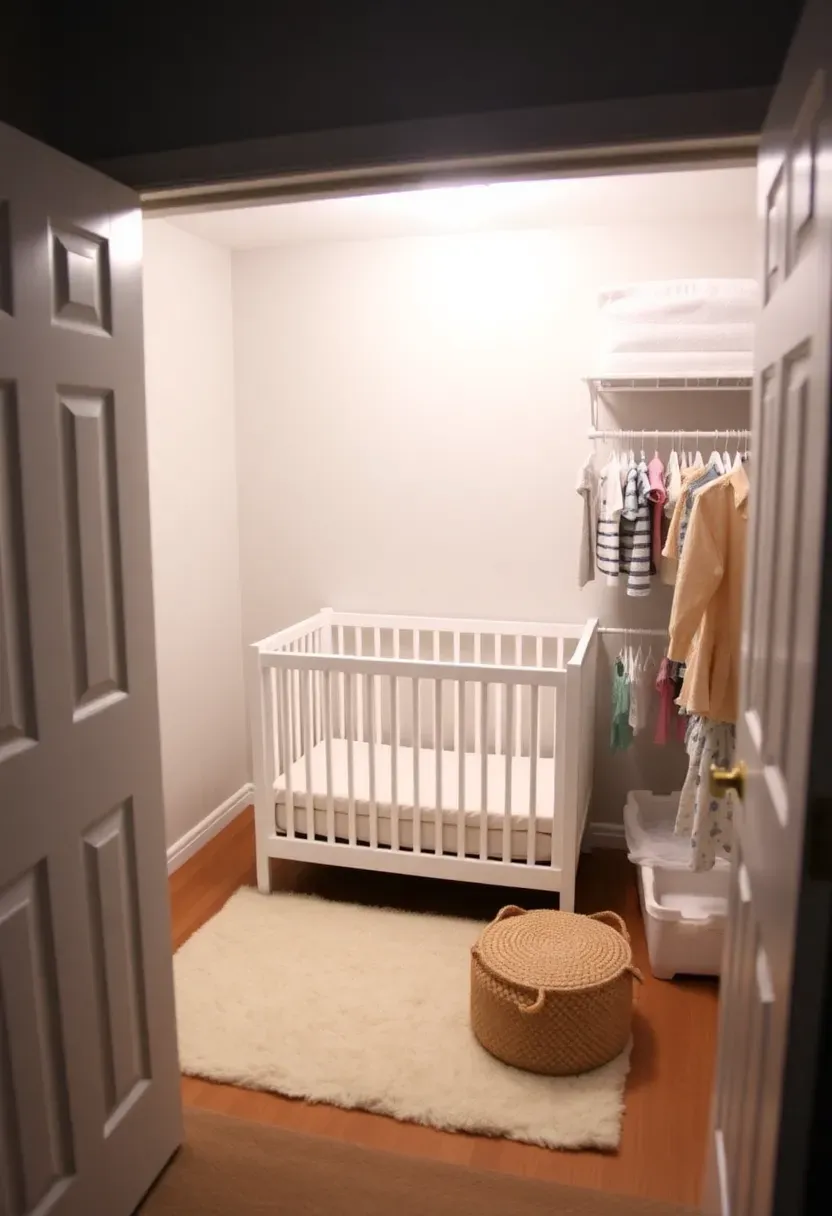
6. Closet-to-Nursery Conversion
An unused walk-in closet offers the perfect footprint for a complete nursery without sacrificing bedroom floor space. By removing the closet door and adding a low crib against the back wall, you create an enclosed baby zone that feels like a separate room within your master suite. The existing closet rod transforms into a clothing bar for baby's tiny wardrobe, while shoe shelves become perfect diaper storage stations.
Recommended
Items for this idea
Install a soft area rug over the closet floor to warm the space and provide a comfortable spot for tummy time. LED puck lights battery-operated or wired into the closet system provide gentle illumination without harsh overhead lighting. This approach works exceptionally well in older homes with generously sized closets that modern families rarely fill completely.
Placement note: Ensure at least 36 inches of clearance between the crib and closet entrance for easy access during nighttime checks.
Tips
- Do: Install a small battery-powered air purifier for circulation in the enclosed space
- Don't: Block the closet's original ventilation grilles
- Pro tip: Use S-hooks on the clothing rod to hang a diaper caddy within arm's reach
Best for: Homes with walk-in closets larger than 4x6 feet where clothing storage can be consolidated elsewhere.
What this gives you: A fully enclosed nursery space that doesn't impact your bedroom's layout or aesthetics.
7. Alcove Crib Nook
Architectural alcoves—those charming recessed areas beside chimneys or between structural supports—make natural nursery enclosures without any construction. A mini crib or bedside sleeper fits perfectly into the recessed space, creating a cave-like environment that babies find instinctively comforting. The surrounding walls provide sound dampening that helps your little one sleep through adult bedtime routines.
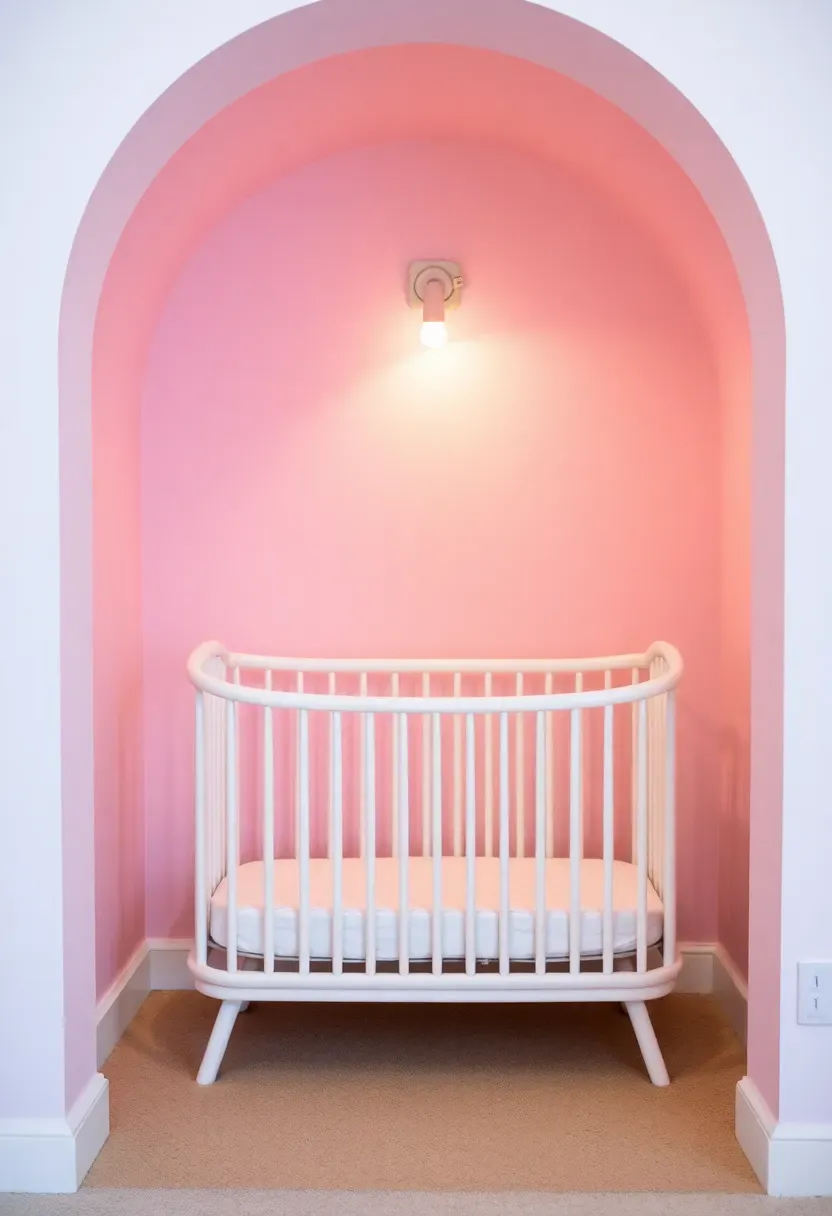
Paint the alcove interior in a soft, contrasting color to visually distinguish it as baby's special zone. Wall-mounted sconces or clip-on reading lights provide task lighting without occupying floor space. The recessed nature of the alcove naturally keeps the crib away from windows and drafts, creating a consistently comfortable microclimate.
Why it works: The three-sided enclosure mimics the womb's protected feeling while still allowing parents full access from the open side.
For more unique bedroom features, see our Vintage Bedroom Ideas to blend character details with modern nursery needs.
Tips
- Do: Measure the alcove depth carefully—some vintage homes have non-standard dimensions
- Don't: Assume all alcoves are draft-free; test with a thermometer over several days
- Pro tip: Add a tension rod across the open side for a curtain that provides extra darkness
What this gives you: A naturally defined nursery space that leverages your home's existing architecture for zero-footprint integration.
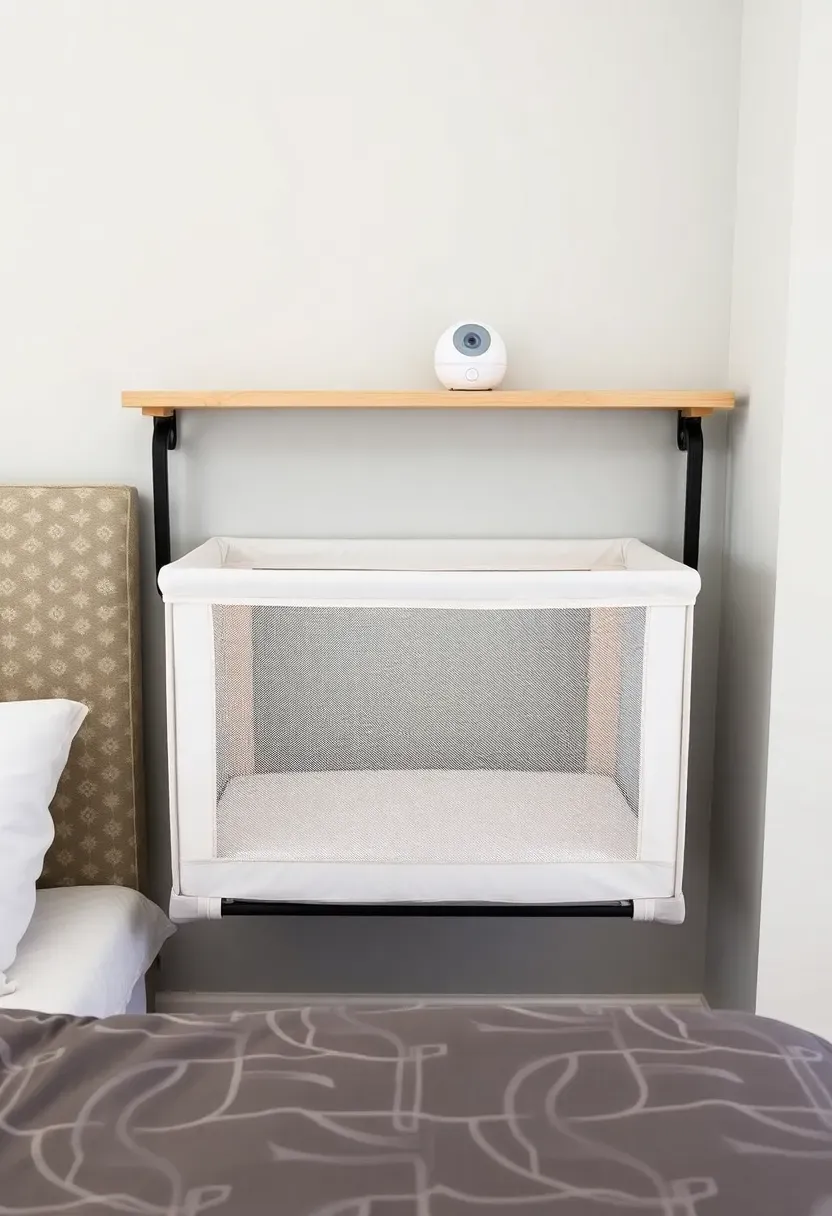
8. Wall-Mounted Bassinet Station
For the tiniest newborn spaces, a wall-mounted bassinet bracket eliminates floor-standing furniture entirely. These innovative systems attach securely to wall studs and extend a sleeping surface over thin air, maximizing every square inch of floor space for walking and living. When mounted beside the master bed, the bassinet creates the intimacy of co-sleeping with the safety of separate surfaces.
Recommended
Items for this idea
Modern wall-mounted systems feature secure locking mechanisms and weight ratings that rival traditional cribs. The cantilevered design keeps the bassinet surface stable while freeing the floor beneath for storage baskets or your own feet when getting in and out of bed. Many systems adjust in height, letting you position the bassinet flush with your mattress for easy nighttime transfers.
Common mistake: Installing on drywall without locating studs creates a serious safety hazard—always use a stud finder and appropriate hardware.
Tips
- Do: Choose a system with quick-release for easy detachment when cleaning
- Don't: Exceed the weight limit—transition to a floor crib around 15-20 pounds
- Pro tip: Install a small shelf above the mount for pacifiers and a sound machine
Budget & time: $150-400 for the mounting system; 2-3 hours installation with proper tools.
What this gives you: The most space-efficient sleeping solution possible, perfect for urban apartments and tiny master bedrooms.
9. Bookshelf Nursery Boundary
A strategically placed open bookshelf creates a permeable wall that defines the nursery zone without blocking light or conversation. Low-backed bookshelves work best, allowing you to see the crib while providing storage for baby's books and toys. The open design maintains airflow and prevents the claustrophobic feeling that solid room dividers can create in smaller bedrooms.
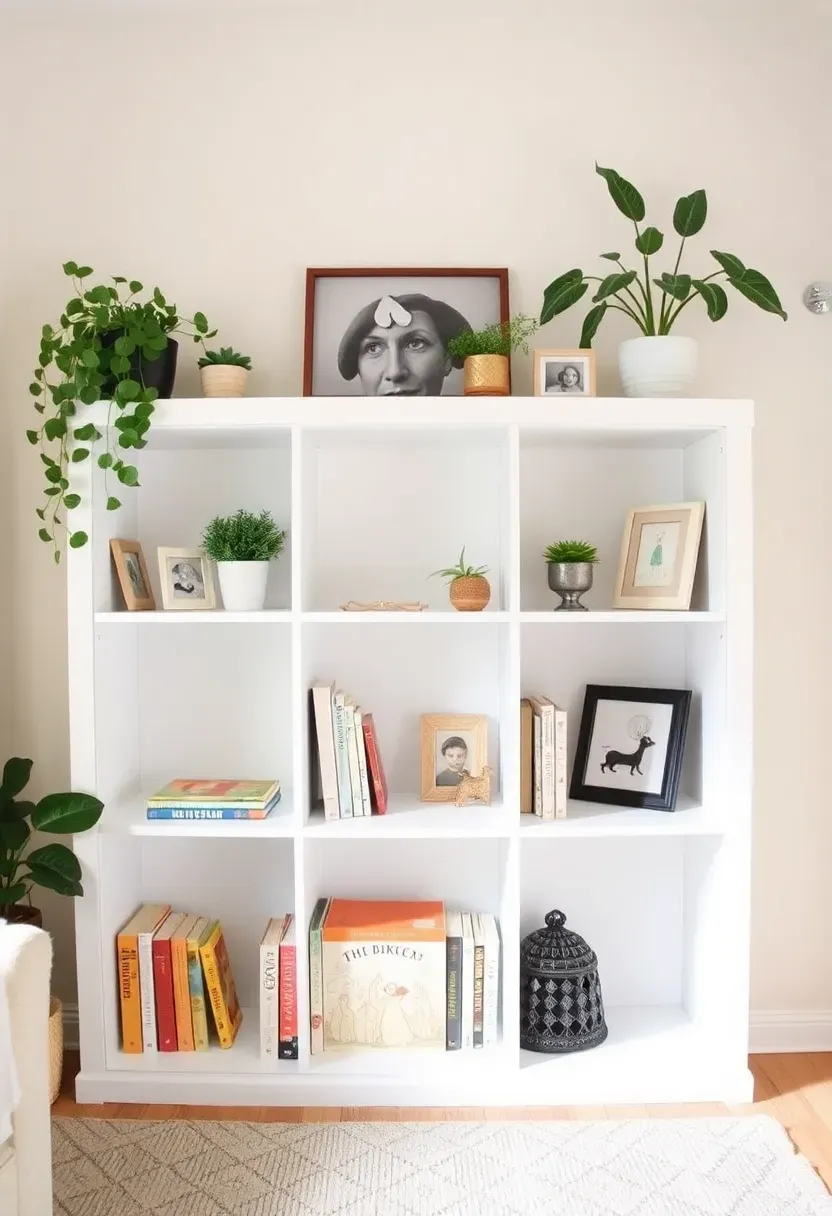
Style the shelves with a curated mix of practical items—wipes, diaper cream, spare onesies—and decorative elements like small plants or framed photos. As your child grows, lower shelves transition from holding supplies to displaying favorite books within little hands' reach. The bookshelf becomes a design feature that evolves with your family's needs while maintaining the nursery's footprint.
Why it works: It creates psychological separation while maintaining physical openness, letting your bedroom breathe while still feeling organized.
Tips
- Do: Anchor the bookshelf to the wall with L-brackets regardless of your child's age
- Don't: Place the bookshelf where it could fall onto the crib if bumped
- Pro tip: Add cabinet locks to lower shelves once your baby becomes mobile
What this gives you: A functional room divider that provides storage while maintaining an open, airy feel in your master bedroom.
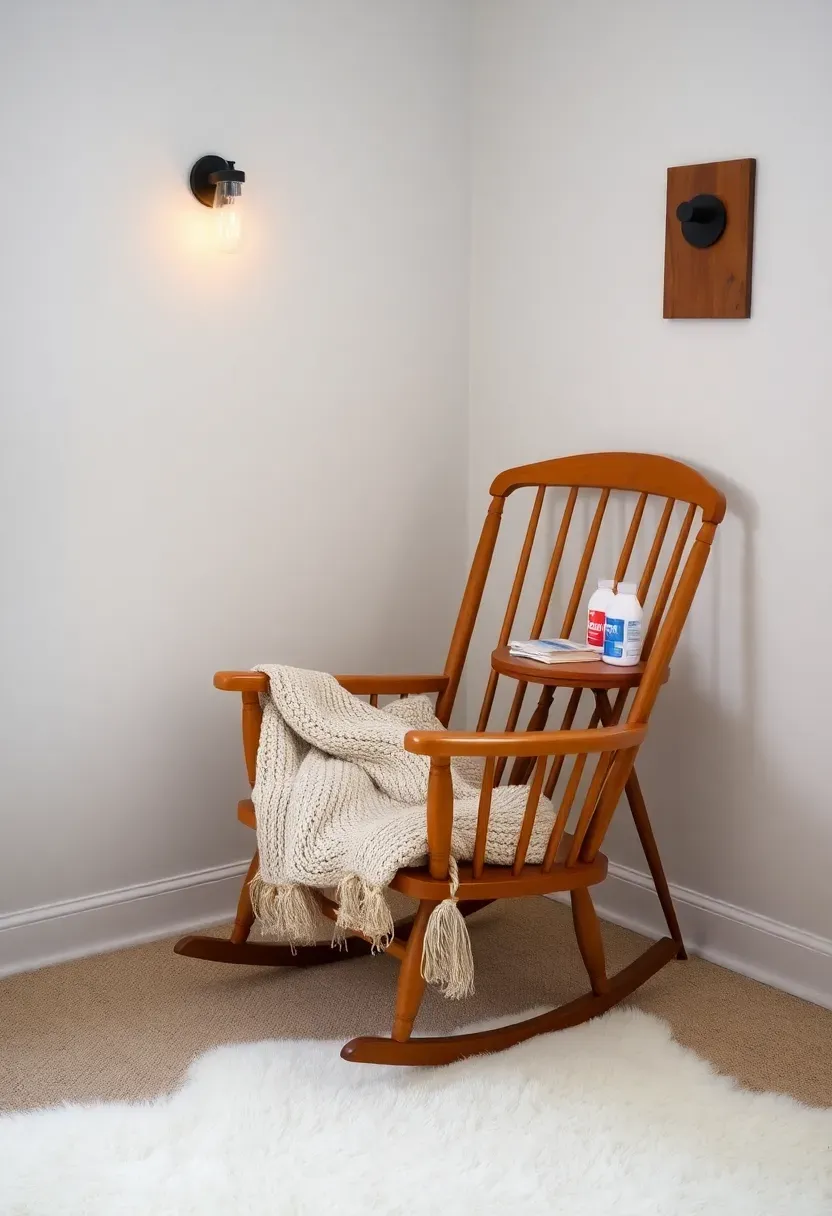
10. Corner Rocking Chair Retreat
A classic rocking chair tucked into a quiet corner creates an instant nursing and bonding station that requires minimal space. Choose a compact glider with a slim profile—modern designs offer the soothing motion in half the footprint of traditional rockers. The corner placement naturally faces away from the bed, creating a dedicated space for intimate parent-child moments without bedroom distractions.
Recommended
Items for this idea
Surround the chair with wall-mounted pockets or a narrow side table for burp cloths and nursing supplies. A small area rug under the chair defines the zone and protects your bedroom floor from milk spills. Position a soft lamp or wall sconce nearby for nighttime feeding without turning on bright overhead lights that wake everyone fully.
Common mistake: Choosing a bulky recliner that dominates the corner and makes the room feel crowded.
For seating comfort ideas, check our Cozy Romantic Bedroom Ideas and apply the comfort principles to your nursing corner.
Tips
- Do: Test the chair's arm height—ideal nursing chairs have arms level with your elbows when seated
- Don't: Place the chair in direct sunlight that creates glare during daytime feeds
- Pro tip: Add a small ottoman that opens for storage of extra blankets and pillows
What this gives you: A dedicated bonding space that occupies minimal square footage while providing maximum comfort for nursing sessions.
11. Behind-the-Door Nursery Zone
The wedge of space behind your bedroom door often goes completely unused, yet it offers surprising potential for a micro-nursery. A narrow mini crib positioned against the wall here stays out of the traffic flow while remaining easily accessible. When the door opens, it naturally shields the sleeping area from hallway light and household noise, creating an accidental sound barrier.
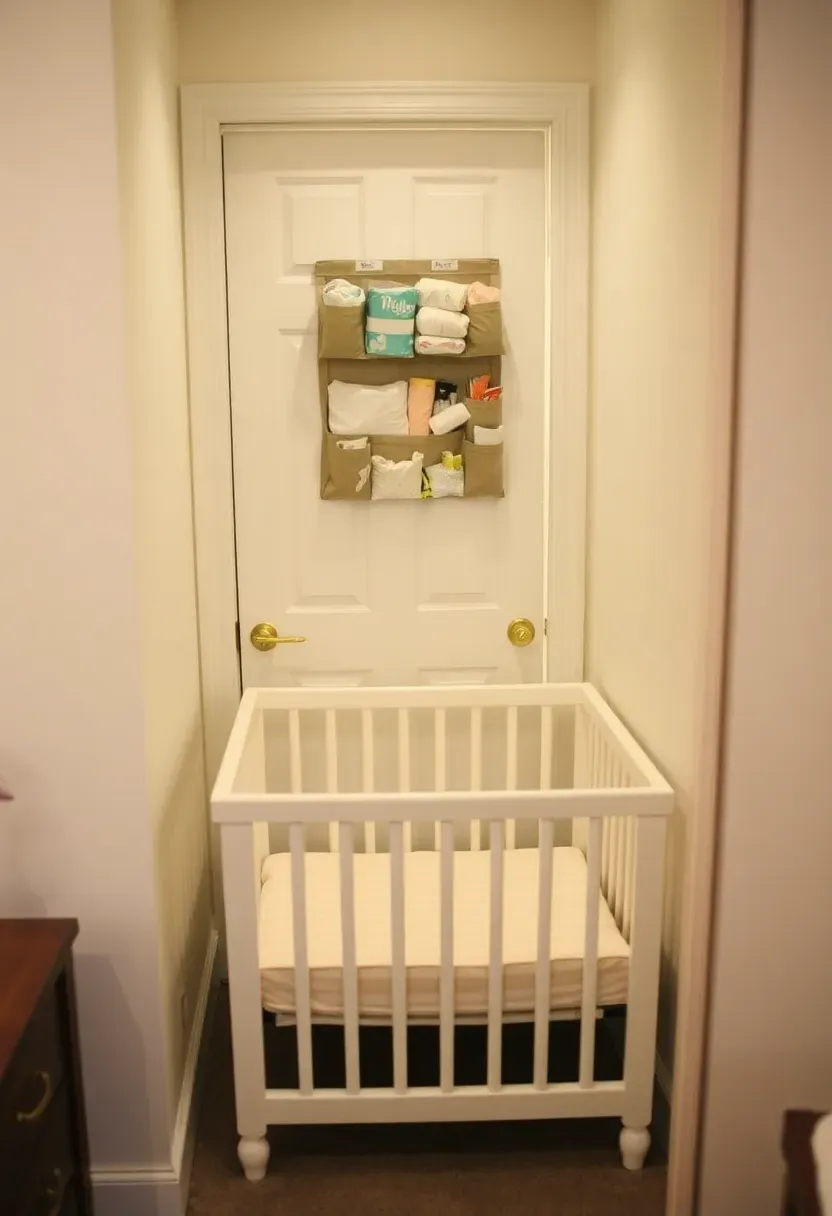
Install an over-door organizer for diapers and changing supplies to keep essentials within reach without consuming floor space. A slim wall-mounted changing pad folds down when needed and disappears flat against the wall afterward. This setup works particularly well in guest bedrooms serving as temporary nurseries, where the door is rarely used anyway.
Placement note: Ensure at least 30 inches of clearance between the door swing arc and the crib for safe passage.
Tips
- Do: Install a door stop to prevent accidental crib collisions
- Don't: Block the door's ability to open fully for fire safety
- Pro tip: Add felt pads to the door edge to minimize noise when opening near a sleeping baby
Rental note: Use removable adhesive hooks for over-door storage to avoid damaging door surfaces.
What this gives you: A hidden nursery zone that maximizes dead space while keeping the main bedroom area completely clear.
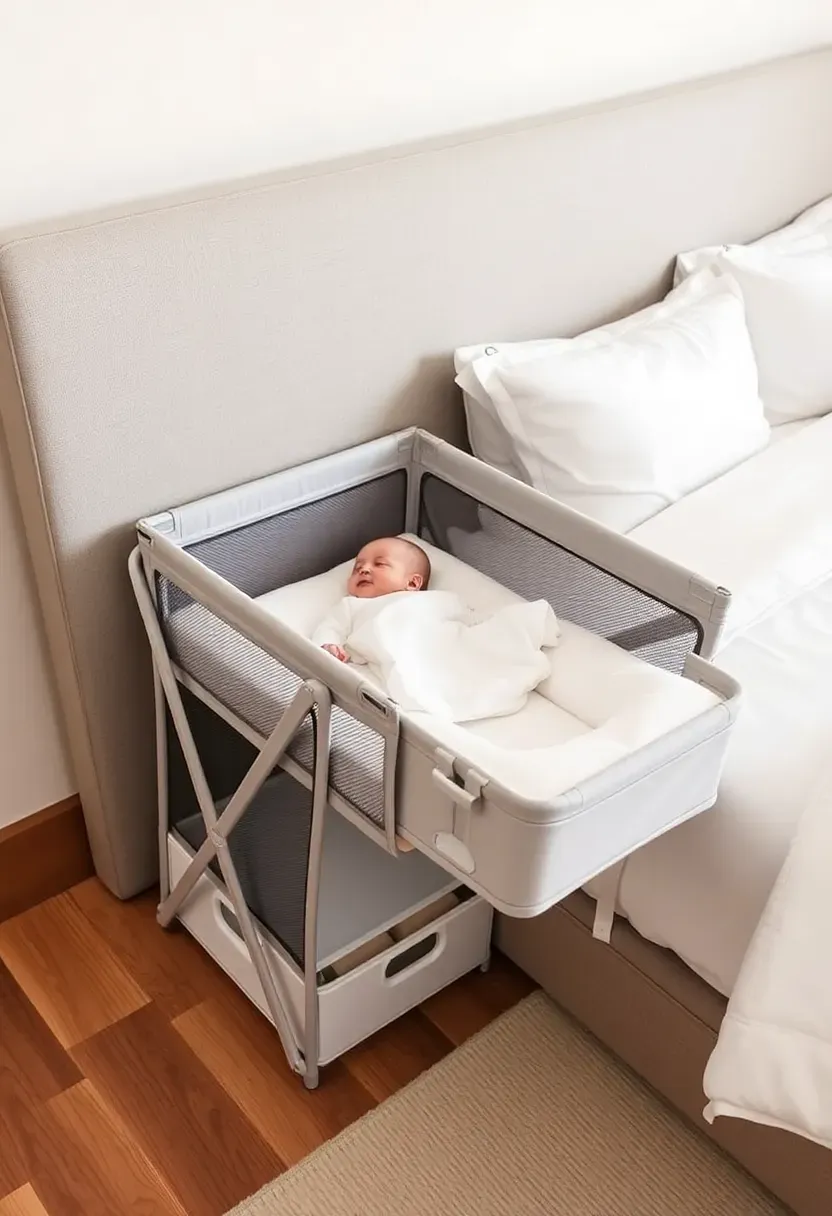
12. Bedside Co-Sleeper Attachment
A co-sleeper bassinet that attaches directly to your bedside eliminates the gap between parent and baby beds, creating the closest possible sleeping arrangement while maintaining separate surfaces. These specialized bassinets feature drop-down sides that align flush with your mattress, letting you reach your baby without getting up during the night. The compact footprint extends your bed's length by just 12-18 inches rather than consuming floor space.
Recommended
Items for this idea
Modern co-sleepers feature breathable mesh sides for visibility and airflow, sturdy attachment straps for safety, and optional vibration or sound features built in. The height-adjustable legs accommodate various bed frames and mattress thicknesses for a seamless transition between surfaces. When your baby outgrows the bassinet phase, many models convert to standalone sleepers or play yards.
Why it works: It satisfies the biological instinct to sleep near your newborn while following safe sleep guidelines that recommend separate sleeping surfaces.
For more bedroom integration ideas, visit our Navy Blue Bedroom Ideas for Women to blend baby needs with sophisticated design.
Tips
- Do: Measure your mattress height precisely before purchasing—compatibility varies
- Don't: Leave the side down when you're sleeping; always secure it after feeding
- Pro tip: Choose a model with storage pockets underneath for nighttime essentials
Best for: Breastfeeding mothers who want minimal disruption during nighttime feedings.
What this gives you: The intimacy of co-sleeping with the safety of separate beds, all within arm's reach.
13. Floor Mattress Montessori Corner
Embracing Montessori principles, a simple floor mattress in a dedicated corner empowers your baby with freedom of movement from the earliest months. Unlike traditional cribs with bars, a floor mattress allows your infant to explore their environment safely while always having a soft landing. The setup eliminates fall risks as your baby learns to crawl and cruise, supporting natural physical development.
Create a defined zone with a large woven rug or foam play mat surrounding the mattress, providing grip for little hands and knees. Install a baby gate or low barrier across the nursery corner entrance to contain the safe zone while maintaining visibility. As your child grows, the mattress transitions seamlessly from sleeping surface to reading nook or meditation spot.
Common mistake: Using a too-soft mattress that doesn't provide proper infant support—choose a firm crib mattress even for floor setups.
Tips
- Do: Baby-proof the entire surrounding area—floor mattress babies have more freedom to explore
- Don't: Place near windows, curtains, or cords that create strangulation hazards
- Pro tip: Use a waterproof mattress protector for inevitable nighttime accidents
What this gives you: A developmentally supportive sleeping arrangement that grows with your child from infancy through toddler years.
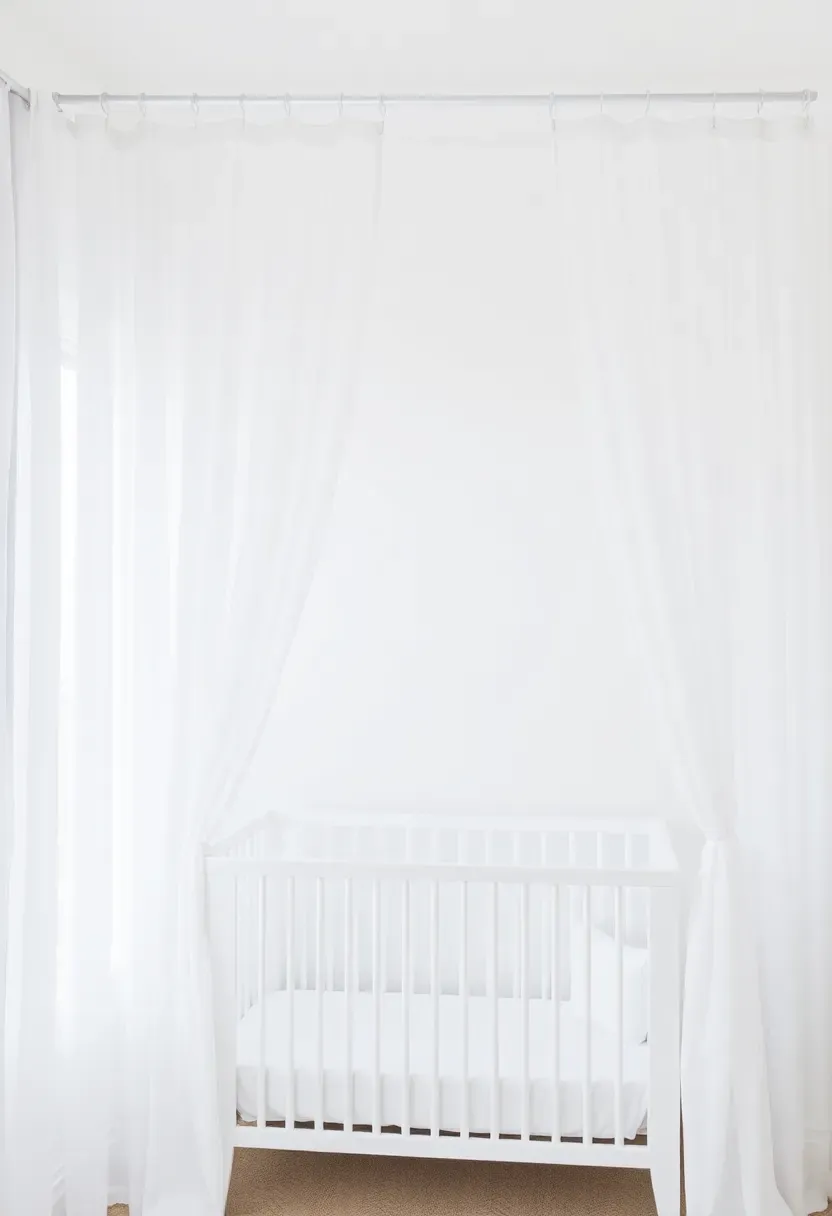
14. Curtain-Enclosed Crib Area — No Drilling Required
Floor-to-ceiling curtains create an elegant room-within-a-room effect that encloses the crib area without permanent construction. A ceiling-mounted curtain track or tension rod spanning a corner section instantly creates a private nursery zone that opens fully during the day. Soft, flowing fabric adds texture and warmth to the bedroom while providing the darkness babies need for quality sleep.
Recommended
Items for this idea
Choose blackout-lined curtains for optimal sleep conditions, or layer sheer panels under heavier drapes for adjustable light control. The curtain enclosure helps dampen household sounds while maintaining airflow better than solid walls. When opened fully, the curtains stack compactly against the wall, returning the space to its original master bedroom function.
Why it works: It creates psychological boundaries that help both parents and baby distinguish between sleep time and awake time in a shared space.
Tips
- Do: Use ceiling-mounted tracks rather than tension rods for stability and safety
- Don't: Choose curtains with long tie-backs that become choking hazards
- Pro tip: Install a smart curtain motor for silent opening during nap transitions
Budget & time: $100-300 for curtains and hardware; 1-2 hours installation.
What this gives you: An elegant, non-permanent room divider that creates privacy without the commitment of walls or doors.
15. Portable Crib on Wheels — Perfect for Small Rental Bedrooms
A full-size crib mounted on industrial casters transforms your nursery corner into a flexible space that adapts to daily needs. Roll the crib closer to your bed at night for easy feeding access, then position it near a window during the day for natural light exposure that supports healthy sleep rhythms. The mobility lets you rearrange the room for yoga, cleaning, or entertaining without heavy lifting.
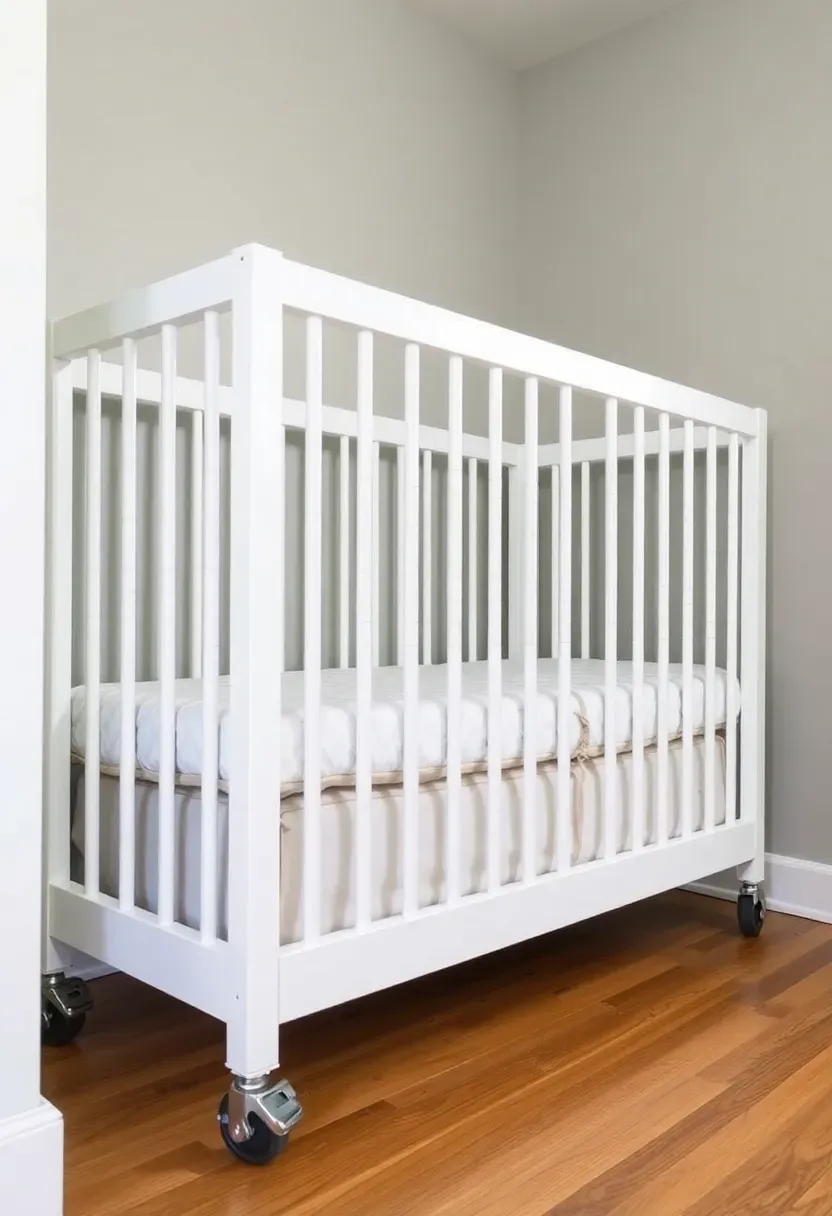
Choose locking casters rated for the crib's weight plus your baby's anticipated growth. Rubber wheels protect hardwood floors while providing smooth movement over carpet. When locked, a wheeled crib remains just as stable as a stationary model, meeting all safety standards while offering unprecedented flexibility.
Common mistake: Forgetting to lock the wheels after moving the crib creates a rolling hazard as your baby becomes more active.
For flexible furniture inspiration, see our Dark Romantic Bedroom Ideas and consider how mobility enhances any bedroom style.
Tips
- Do: Test wheel locks before each use—casters can loosen over time
- Don't: Move the crib with your baby inside; always transfer them first
- Pro tip: Mark ideal positions on the floor with washi tape for quick alignment
What this gives you: Maximum flexibility to adapt your bedroom layout as needs change throughout the day and your baby's development.
16. Wall Niche Crib Installation
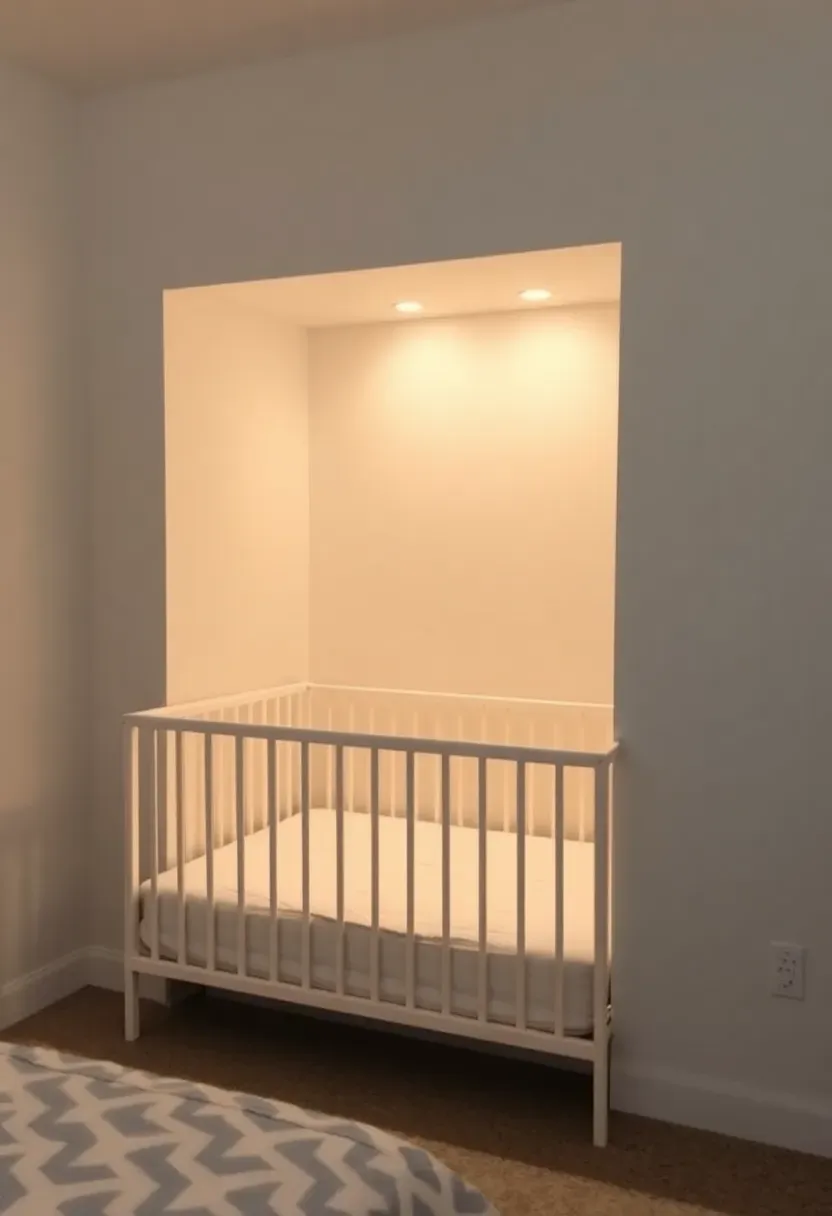
A recessed wall niche offers one of the most space-efficient nursery solutions possible, literally embedding the crib into the wall cavity. This architectural feature exists in many older homes and contemporary designs as decorative alcoves, but with proper reinforcement, it becomes a secure sleeping space that consumes zero floor area. The three-sided enclosure provides natural coziness that babies find comforting.
Recommended
Items for this idea
Retrofitting an existing niche requires professional assessment to ensure structural integrity and proper ventilation. The depth should accommodate a standard crib mattress with safe clearance above. LED strip lighting installed along the niche's upper edge provides gentle illumination without heat buildup or bulb replacement concerns.
Why it works: It transforms dead wall space into functional nursery real estate while creating a conversation-piece design feature.
Tips
- Do: Consult a contractor to verify load-bearing capacity before installation
- Don't: Assume all niches are deep enough—measure carefully for mattress fit
- Pro tip: Add a small shelf inside the niche for a sound machine or monitor
Best for: Homes with existing architectural niches or new construction where custom niches can be planned.
What this gives you: A space-saving nursery solution that feels custom-designed while maximizing every square inch of your bedroom.
17. Trundle Bed Nursery Combo
A daybed with a pull-out trundle creates a dual-purpose sleeping solution that serves parents and baby in the same footprint. The upper bed remains your adult sleeping space while the lower trundle becomes baby's nighttime zone, sliding out when needed and tucking away during the day. This approach works exceptionally well for parents who want the option of sleeping separately while maintaining proximity.
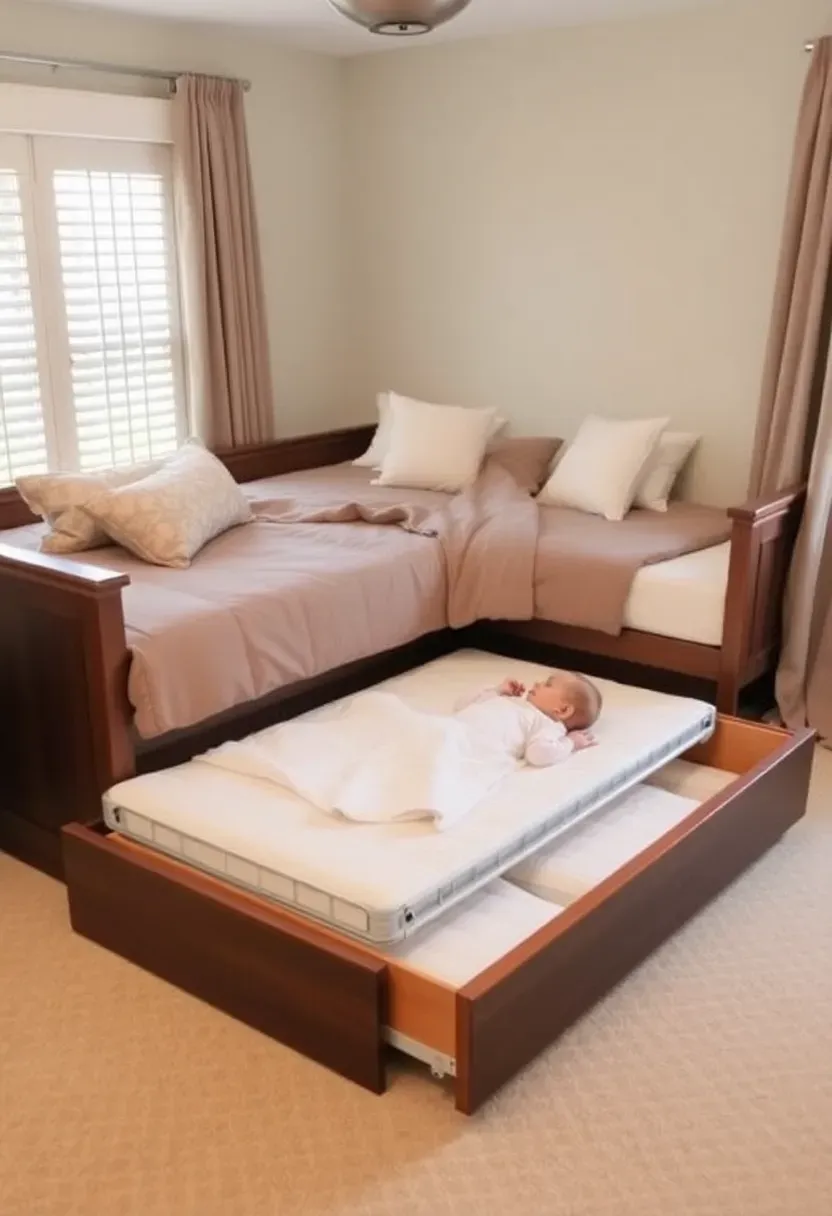
Choose a trundle with solid sides to prevent roll-offs while providing the enclosed feeling infants prefer. During the day, the tucked trundle frees up significant floor space for other activities. As your child grows, the trundle transitions to toddler bed and eventually guest bed, offering years of flexible use.
Placement note: Ensure at least 24 inches of clearance on the trundle side for smooth operation without moving other furniture.
For more dual-purpose bedroom ideas, explore our Rustic Farmhouse Bedroom Ideas and consider how versatile furniture enhances country charm.
Tips
- Do: Choose a trundle with a firm mattress that meets infant safety standards
- Don't: Add soft bedding or pillows in the trundle—keep it minimal and safe
- Pro tip: Install a bedside rail on the trundle once your baby becomes mobile
What this gives you: A flexible sleeping arrangement that evolves from nursery to toddler room without purchasing new furniture.
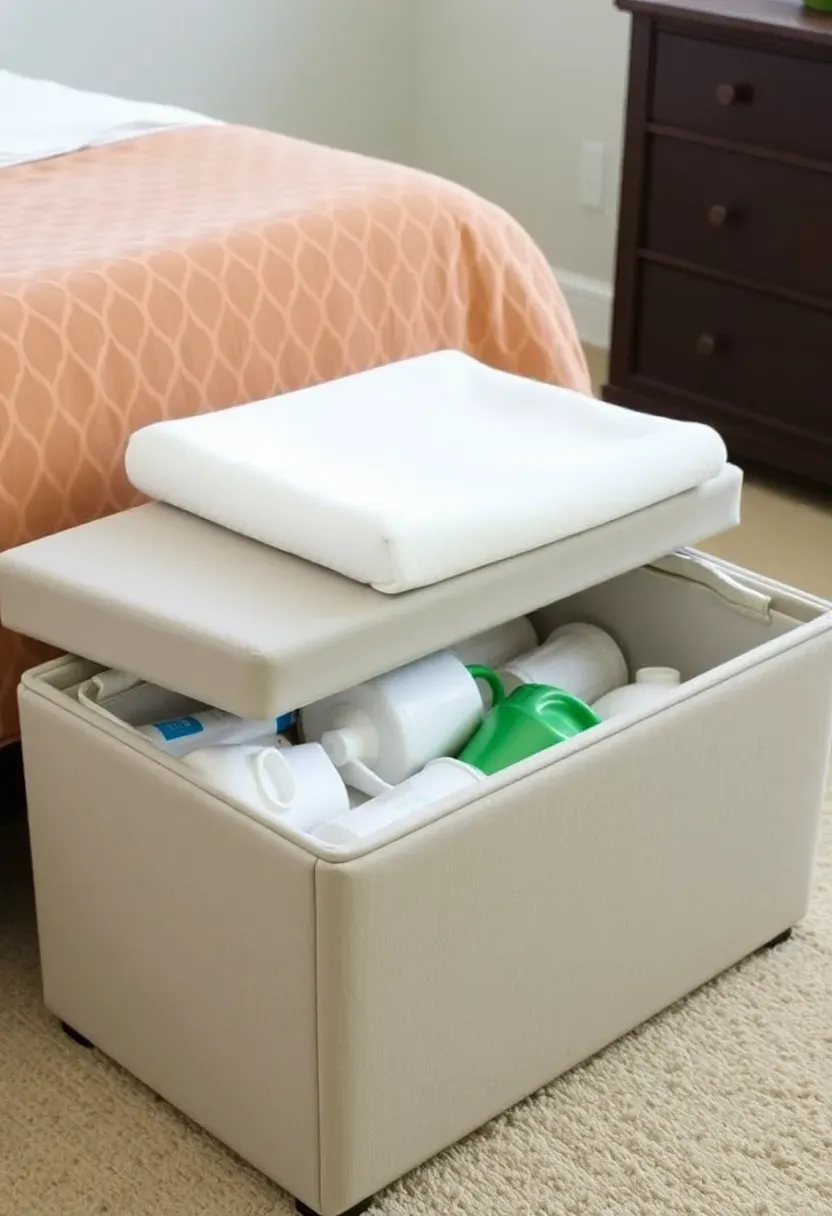
18. Storage Ottoman Changing Station
Transform a large storage ottoman into a dual-purpose changing station that provides seating, storage, and diaper duty functionality in one compact piece. A firm cushion on top creates a comfortable changing surface, while the hollow interior swallows massive amounts of diapers, wipes, and clothing. Positioned beside the crib or your bed, it becomes command central for nighttime changes.
Recommended
Items for this idea
Choose an ottoman with a removable, washable cover for inevitable messes—leather and performance fabrics clean most easily. The seating function provides a spot for nursing, reading, or simply resting during long nights. Unlike traditional changing tables that become obsolete, the ottoman serves your family indefinitely as storage and seating.
Why it works: It consolidates three nursery functions into one footprint, perfect for bedrooms where every inch matters.
Tips
- Do: Add a non-slip changing pad on top for safety and easy cleaning
- Don't: Leave the lid open where it could fall on little fingers
- Pro tip: Use fabric bins inside the ottoman to separate diapers from clothing
Budget & time: $80-200 for a quality storage ottoman; no installation required.
What this gives you: A multi-functional furniture piece that serves changing, storage, and seating needs without consuming extra space.
19. Loft Bed Nursery Underneath
An elevated loft bed creates valuable floor space beneath that transforms perfectly into a complete nursery zone. The upper level serves parents while the area underneath accommodates a full-size crib, changing station, and storage—a complete baby suite within your existing bedroom footprint. This vertical solution essentially doubles your usable floor space without moving walls.
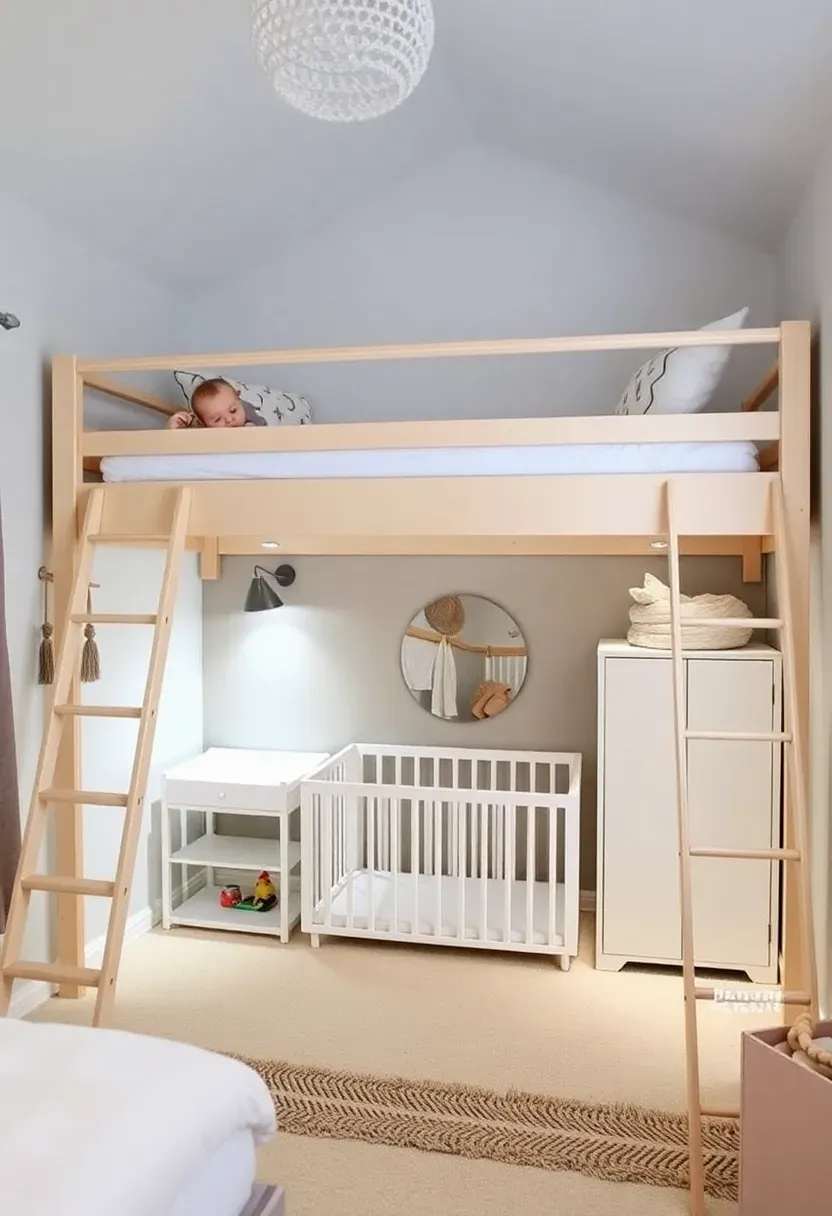
Install appropriate lighting under the loft for the nursery area—string lights, battery sconces, or wired fixtures create a cozy cave-like ambiance. Safety rails on the loft bed prevent falls while maintaining visibility between levels. The height separation provides psychological boundaries between adult and baby spaces while keeping everyone in the same room.
Common mistake: Inadequate ceiling height creates a claustrophobic nursery space—ensure at least 7 feet clearance above the crib.
Tips
- Do: Install a video monitor with two-way audio for easy communication between levels
- Don't: Hang anything heavy from the loft bed above the crib area
- Pro tip: Use the loft's support posts as anchor points for a canopy over the crib
What this gives you: A complete nursery setup that exists within your bedroom's existing footprint through clever vertical space utilization.
20. Room Divider with Built-in Storage
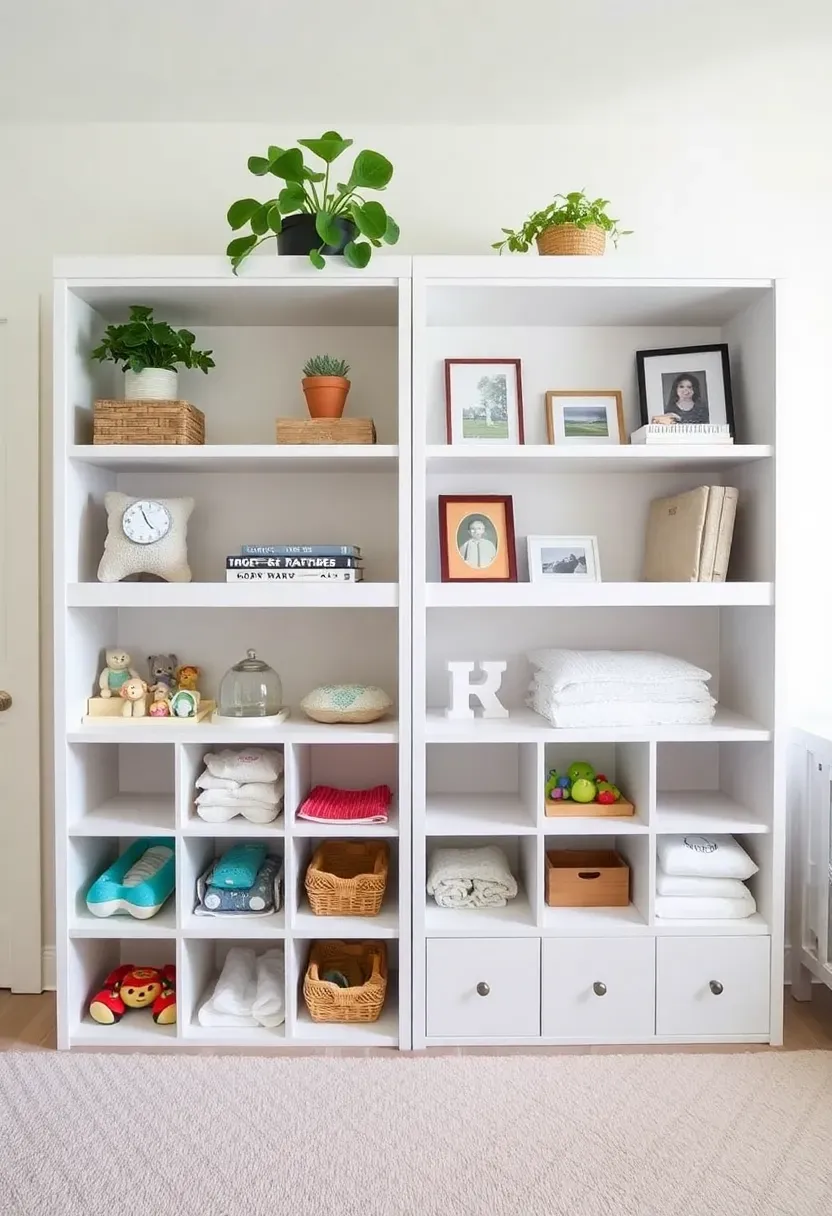
A custom room divider featuring integrated storage cubbies serves as both nursery boundary and organization center. The double-sided design faces baby's area with lower shelves for toys and diapers while the bedroom side displays decor or stores adult items. This architectural solution creates genuine separation without the permanence of walls or doors.
Recommended
Items for this idea
Build the divider at counter height—tall enough to define spaces but low enough to see over when standing. Open cubbies on both sides maintain airflow and light penetration while closed cabinet sections hide clutter. The top surface provides display space for plants, photos, or a monitor on the nursery side.
Why it works: It transforms a simple room divider into functional furniture that earns its floor space through storage utility.
For more built-in storage inspiration, browse our Minimalist Kitchen Design Ideas and apply the clean storage principles to bedroom organization.
Tips
- Do: Anchor freestanding dividers to the wall for tipping prevention
- Don't: Build higher than 48 inches if you want to see the crib from your bed
- Pro tip: Add felt pads to the bottom to protect hardwood floors when adjusting position
Budget & time: $200-600 for materials; 4-8 hours construction or professional installation.
What this gives you: A custom room divider that provides genuine storage utility while creating clear nursery boundaries.
21. Bedside Bassinet with Canopy
A traditional bassinet beside your bed gains instant elegance and functionality with the addition of a flowing canopy. The draped fabric creates a defined sleep space for your baby while adding romantic softness to your bedroom decor. Choose sheer, breathable materials that filter light beautifully without trapping heat or blocking your view of your little one.
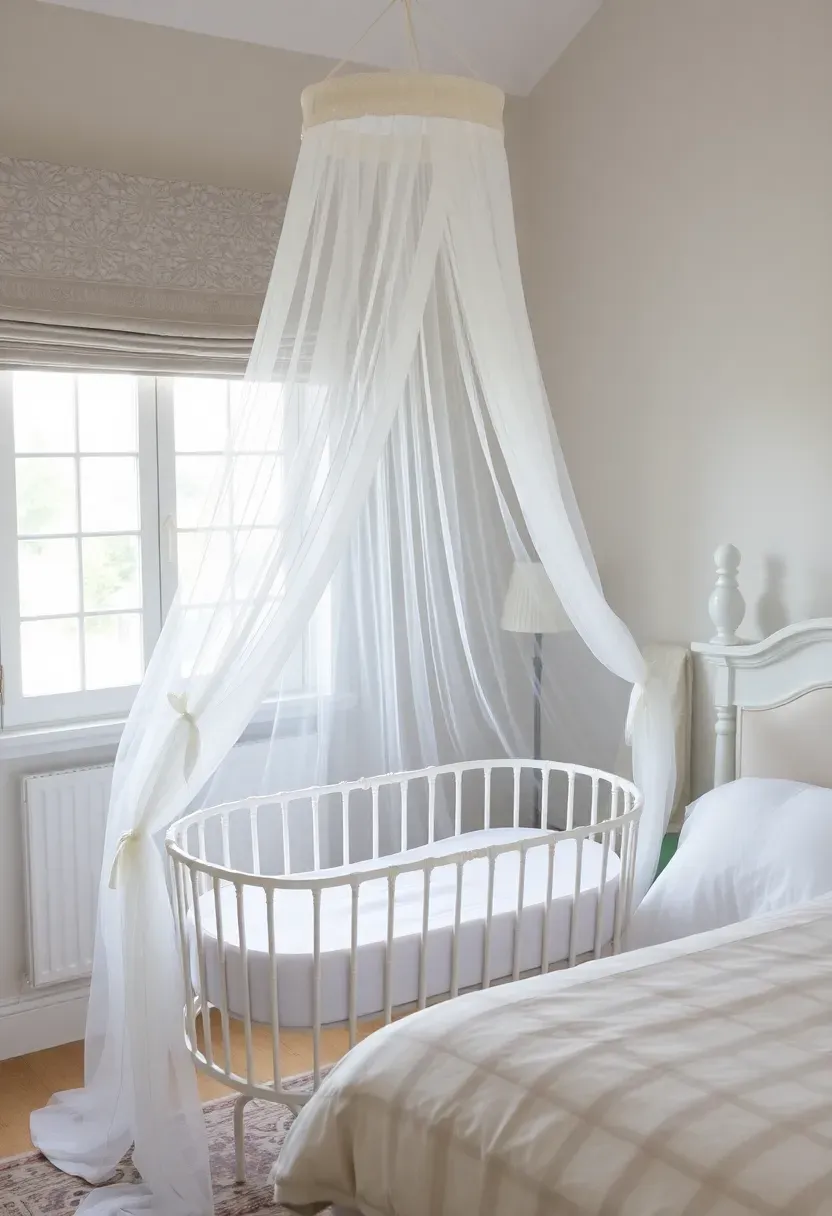
The canopy helps establish sleep associations—when the fabric drapes down, it signals bedtime to your baby's developing brain. During the day, tie the panels back with decorative ribbons to open the space and let light flow through. The elevated bassinet keeps baby at perfect height for nighttime checks without leaving your bed.
Common mistake: Using heavy, opaque fabrics that create a suffocation hazard and trap stale air around the sleeping baby.
Tips
- Do: Secure the canopy frame firmly to prevent tipping when pulling on fabric
- Don't: Let canopy fabric hang within reach of the baby inside the bassinet
- Pro tip: Choose a canopy in a color that complements your existing bedding
Best for: Parents who want a touch of elegance and clear sleep boundaries in a shared bedroom.
What this gives you: A beautiful, defined sleep space that enhances your bedroom's aesthetic while keeping baby close.
22. Corner Armchair Nursing Nook
A plush armchair positioned in an unused corner creates an inviting nursing sanctuary that encourages longer, more relaxing feeding sessions. Unlike dining chairs or bed edges, a proper armchair supports your back, neck, and arms during the marathon feeds of early infancy. The corner placement naturally faces away from the room's activity, minimizing distractions for both you and baby.
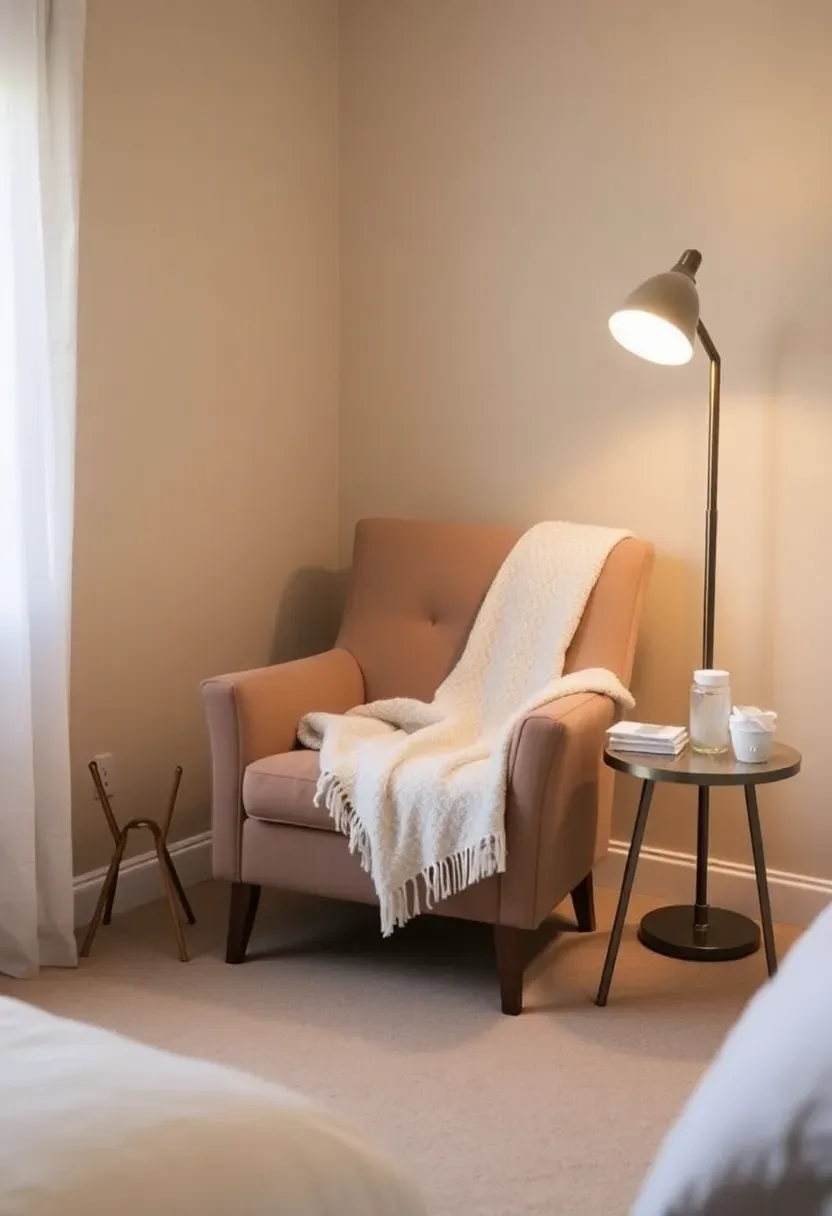
Recommended
Items for this idea
Add a small side table or wall-mounted shelf within arm's reach for water, snacks, phone, and burp cloths. A soft throw blanket draped over the chair invites settling in for extended nursing sessions. Position a floor lamp nearby for gentle illumination that doesn't require overhead lighting.
Why it works: The dedicated space signals your brain that it's time to relax and focus on bonding, rather than multitasking.
For more cozy corner ideas, explore our Cozy Guest Bedroom Ideas and apply the welcoming comfort principles to your nursery nook.
Tips
- Do: Test the chair with a nursing pillow before committing—arm height matters
- Don't: Choose slippery upholstery that makes positioning difficult
- Pro tip: Add a small basket beside the chair for pacifiers and spare burp cloths
What this gives you: A comfortable, dedicated feeding space that supports proper posture and extended nursing sessions.
23. Wall-Mounted Fold-Down Changing Table
When floor space is truly minimal, a wall-mounted changing table that folds flat against the wall becomes essential. These space-saving stations extend when needed for diaper duty, then disappear completely to restore your bedroom's openness. The vertical orientation keeps everything within easy reach while consuming zero floor space when closed.
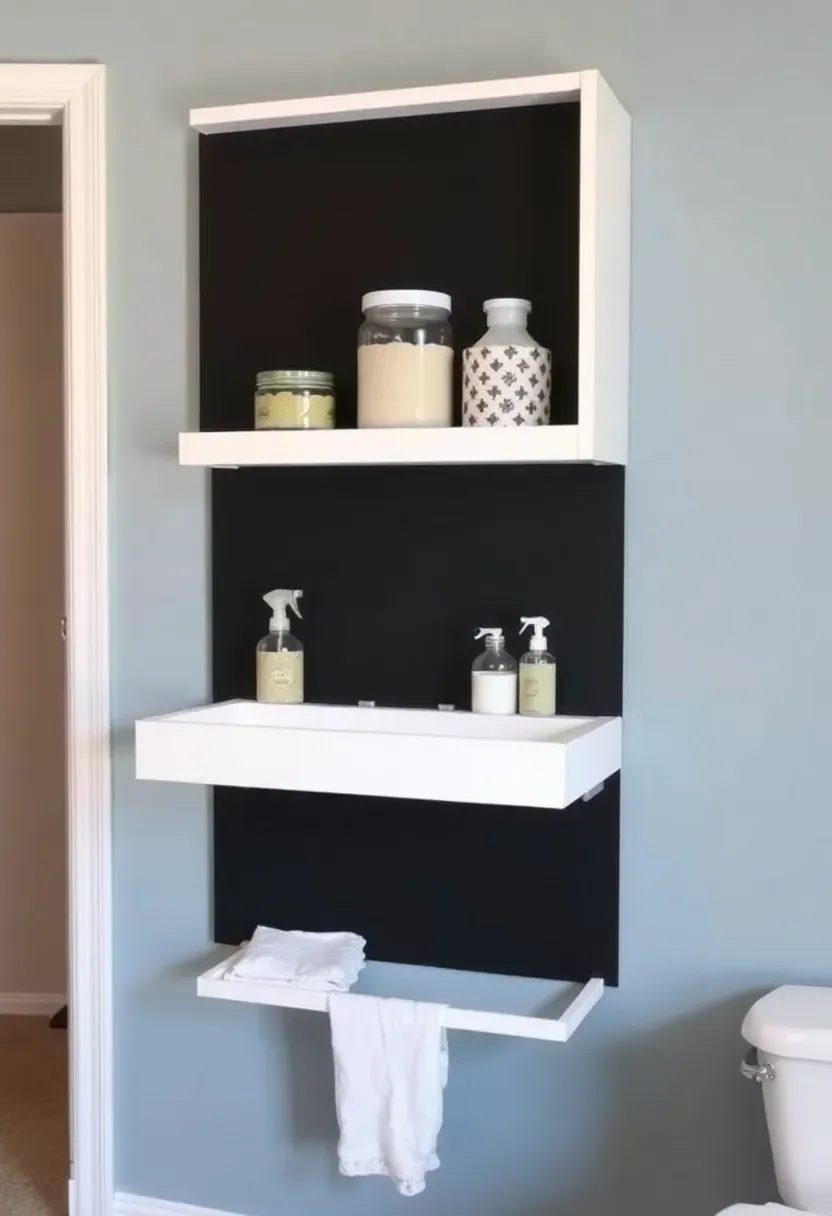
Install the unit at comfortable changing height with a safety strap and raised edges to prevent rolls. Inside, integrated shelves or compartments hold diapers, wipes, and creams in organized rows. When folded, the unit's exterior can serve as a small chalkboard, mirror, or art display that contributes to your bedroom decor rather than detracting from it.
Common mistake: Mounting too high or too low creates back strain—test the height with your partner before finalizing.
Tips
- Do: Install into wall studs with heavy-duty anchors rated for at least 50 pounds
- Don't: Forget to lock the table in both open and closed positions
- Pro tip: Add a small rail underneath for hanging a diaper pail or laundry bag
Rental note: Some models use tension mounting rather than screws—check weight ratings carefully.
What this gives you: A complete changing station that virtually disappears when not in use, preserving your bedroom's spacious feel.
24. Under-Bed Drawer Crib
A custom or modified under-bed drawer transforms wasted space beneath your platform bed into a cozy, enclosed crib zone. This innovative solution slides out when needed for sleep and tucks away during the day, maintaining your bedroom's clean lines and open feel. The enclosed drawer design naturally limits drafts and creates a den-like environment that many babies find soothing.
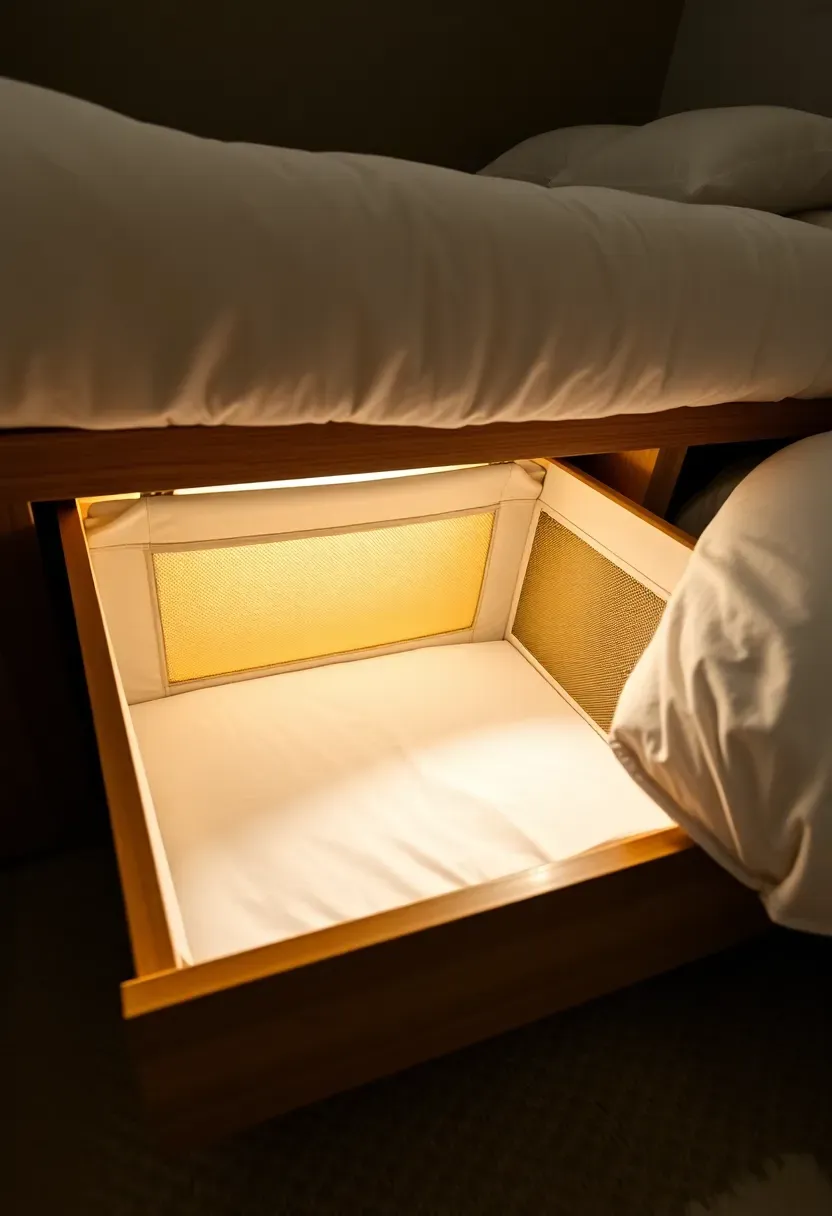
Recommended
Items for this idea
The drawer should feature ventilation holes or mesh panels for airflow, along with a firm mattress that fits snugly without gaps. Soft-close drawer slides prevent jarring movements that might wake your baby. When closed, the crib drawer looks like standard under-bed storage, maintaining your bedroom's aesthetic integrity.
Why it works: It places baby literally within arm's reach while maintaining the visual cleanliness of your bedroom space.
Tips
- Do: Ensure minimum 6 inches of clearance above the mattress for ventilation
- Don't: Use soft bedding that could bunch up in the confined drawer space
- Pro tip: Install a battery-powered motion light inside the drawer for nighttime checks
Budget & time: $300-800 for custom fabrication; 2-3 days professional build or DIY weekend project.
What this gives you: The closest possible sleeping arrangement while maintaining your bedroom's clean, uncluttered appearance.
25. Multi-Functional Storage Bench
A long storage bench at the foot of your bed serves triple duty as seating, storage, and changing station while defining the nursery zone's boundary. The bench's length provides ample surface area for changing supplies, while the hinged top reveals cavernous storage for diapers, wipes, and out-of-season baby clothes. Positioned strategically, it separates the crib area from the main bedroom traffic flow.

Choose a bench height of 18-20 inches for comfortable changing without excessive bending. Upholstered tops in performance fabrics clean easily while providing a soft landing spot for dressing your baby. The bench's presence at the bed's foot creates a natural stopping point that prevents accidentally backing into the crib area in the dark.
Placement note: Leave at least 30 inches of walkway between the bench and any wall or furniture for easy passage.
For more bedroom bench ideas, check our Cozy Warm Bedroom Ideas and adapt the bench styling to your nursery needs.
Tips
- Do: Add a non-slip changing pad that secures to the bench surface
- Don't: Overfill the storage compartment, making the lid heavy and hazardous
- Pro tip: Use clear acrylic bins inside for instant visibility of contents
What this gives you: A furniture piece that serves changing, storage, and room-definition functions simultaneously.
26. Ceiling-Hung Crib Canopy Zone
A dramatic canopy suspended from the ceiling creates an instant nursery zone without consuming a single inch of floor or wall space. The flowing fabric drapes down from a ceiling-mounted ring or frame, encircling the crib with soft, billowing walls that define the space beautifully. This ethereal approach adds romance and softness to your master bedroom while creating clear boundaries for baby's sleep area.

Recommended
Items for this idea
Choose lightweight, breathable fabrics that filter light and provide privacy without blocking airflow or creating heat traps. The canopy's height can be adjusted as needed—lower for naptime darkness, tied back for playtime openness. When your baby outgrows the crib, the same canopy structure transitions to a reading nook or meditation space.
Common mistake: Installing with inadequate ceiling support risks collapse—always anchor into ceiling joists, not just drywall.
Tips
- Do: Use a professional stud finder to locate ceiling joists for secure mounting
- Don't: Choose heavy fabrics that strain the mounting hardware over time
- Pro tip: Layer sheer inner panels with opaque outer curtains for adjustable light control
Best for: Bedrooms with high ceilings where vertical space is abundant but floor area is limited.
What this gives you: A stunning, space-defining nursery zone that adds architectural interest to your bedroom.
27. Symmetrical Twin Nursery Corners
When blessed with twins, symmetrical nursery corners on opposite sides of your master bedroom create balanced, harmonious spaces that serve each baby equally. Matching mini cribs or bassinets positioned in mirrored corners provide individual sleep zones while maintaining equal proximity to your bed. The symmetry brings visual order to what could otherwise feel chaotic.
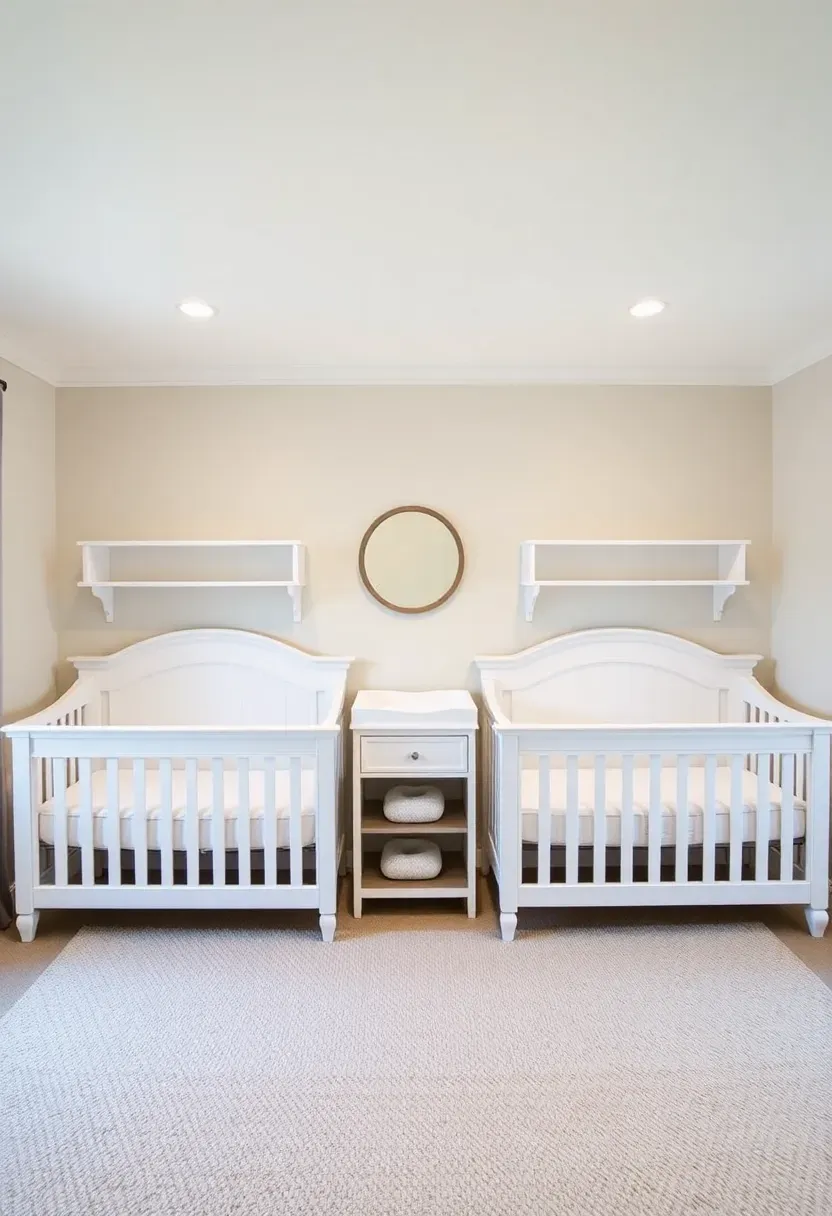
Each corner should feature identical storage solutions, lighting, and comfort items to prevent competition and ensure fairness. A central shared changing station positioned between the two corners serves both babies efficiently. The symmetrical layout helps you mentally organize which baby is where, reducing confusion during sleep-deprived nights.
Why it works: It provides separate spaces for each twin's developing identity while keeping them equally accessible for nighttime care.
For more twin-friendly bedroom ideas, visit our Moody Romantic Bedroom Ideas to find calming color palettes that soothe multiple babies simultaneously.
Tips
- Do: Use color-coded sheets or crib bumpers to quickly identify each baby's space
- Don't: Assume both babies prefer the same sleep conditions—observe and adjust individually
- Pro tip: Install a white noise machine centrally between the two corners for equal sound distribution
What this gives you: A balanced, organized approach to twin nursery design that serves both babies while maintaining bedroom harmony.
These nursery corner ideas for master bedrooms prove that renters can welcome a baby without sacrificing comfort, style, or their security deposit. By thoughtfully utilizing vertical space, architectural features, and multi-functional freestanding furniture, you create a complete care station for your little one while preserving the sanctuary you've built for yourself. Whether you choose a wall-mounted bassinet that consumes zero floor space or a cozy closet conversion that feels like a separate room, the key lies in selecting solutions that serve your specific rental layout and family's needs. Remember that this arrangement is temporary—within months or a year, your baby will likely transition to their own room, leaving behind only memories of those precious early days when they slept just an arm's length away. The renter-friendly nursery corner you create today becomes the foundation for countless midnight feedings, early morning snuggles, and the profound bonding that happens when parent and child share space, even if only for a season.
About the author
OBCD
CGI visualization and interior design content. We create detailed 3D renders and curate practical design ideas for every room in your home.