25 Nursery Corner Ideas for Parent Rooms: Cozy Baby Spaces
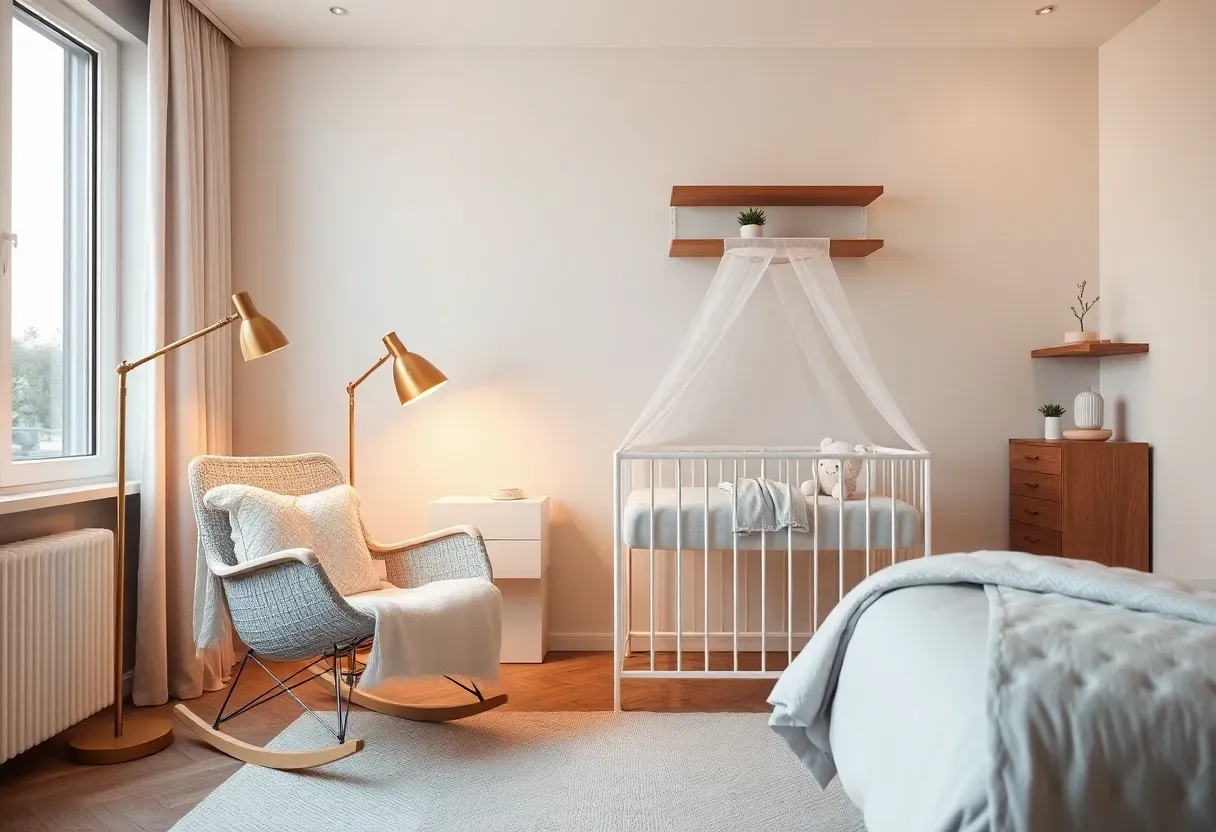
Creating a dedicated nursery corner in your parent bedroom is one of the smartest moves for new families sharing a room with baby. These nursery corner ideas for parent bedrooms offer the perfect balance between proximity and privacy, allowing for nighttime feedings, soothing moments, and precious bonding time without sacrificing the adult aesthetic of your primary sleeping area.
The best nursery corner ideas for small spaces have evolved far beyond simple bassinets tucked in corners. Today’s designs seamlessly integrate functionality with style, offering smart storage, gentle lighting, and ergonomic comfort — and most work in rentals with no drilling or permanent changes required.
Whether you are working with a spacious master suite or a compact bedroom, these 25 baby corner nursery ideas demonstrate how to carve out a meaningful, cozy space for your little one that grows with your family’s needs.
Quick FAQ
What is the minimum space needed for a nursery corner?
A functional nursery corner can work in as little as 3x3 feet, though 4x5 feet provides comfortable space for a bassinet, storage, and a chair for feeding.
How long should a baby sleep in a parent room nursery corner?
The American Academy of Pediatrics recommends room-sharing for at least the first 6 months, ideally up to 12 months, to reduce the risk of SIDS.
Can a nursery corner be converted back to normal bedroom space?
Absolutely. Choose modular furniture and neutral color schemes that transition easily. Many cribs convert to toddler beds, and storage units can serve multiple purposes.
What lighting is best for nighttime feedings?
Warm, dimmable lighting around 2000-2700K amber tones preserves your night vision and helps baby return to sleep. Avoid blue spectrum lights.
As an Amazon Associate I earn from qualifying purchases.
Table of Contents
- 1. Minimalist Bassinet Nook with Floating Shelves
- 2. Scandinavian-Inspired Corner with Rattan Accents
- 3. Wall-Mounted Changing Station Combo
- 4. Cozy Canopy Corner with Sheer Drapes
- 5. Under-Window Nursery Nook with Storage Bench
- 6. Mid-Century Modern Corner with Walnut Accents
- 7. Bohemian Macrame Corner with Natural Textures
- 8. Compact Nursing Station with Armchair Ottoman
- 9. Alcove Conversion with Custom Built-Ins
- 10. Neutral Tone Corner with Woven Baskets
- 11. Black and White Monochrome Mini Nursery
- 12. Japanese-Inspired Zen Nursery Corner
- 13. Industrial Style Corner with Metal Accents
- 14. French Country Cottage Corner
- 15. Coastal Blue and White Seaside Nook
- 16. Smart Corner with Tech Integration
- 17. Organic Modern with Sustainable Materials
- 18. Glam Corner with Velvet and Gold
- 19. Rustic Farmhouse Corner with Barn Door Details
- 20. Art Deco Inspired Geometric Nursery
- 21. Biophilic Design Corner with Living Plants
- 22. Modular Cube Storage Corner System
- 23. Dark Moody Corner with Warm Accents
- 24. Whitewashed Coastal Farmhouse Blend
- 25. Future-Proof Convertible Corner Design
1. Minimalist Bassinet Nook with Floating Shelves
A minimalist bassinet nook strips away visual clutter while maximizing functionality in your nursery corner solutions. This approach works beautifully in modern parent bedrooms where clean lines and calm aesthetics are paramount. By focusing on essential pieces and smart vertical storage, you create a serene space that does not overwhelm the room's primary purpose as an adult retreat.
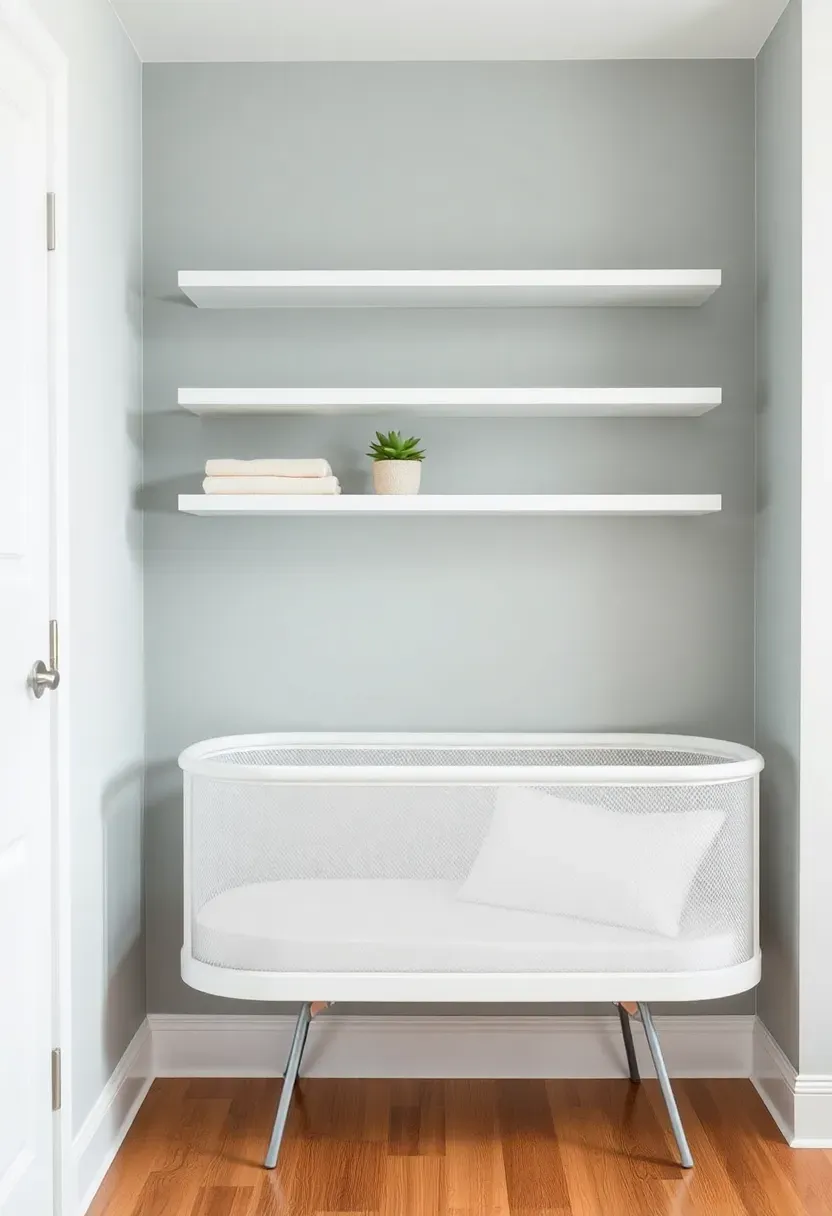
Choose a sleek, modern bassinet with a small footprint in white, natural wood, or soft gray tones. The key is selecting furniture that feels intentional rather than temporary. Floating shelves mounted at staggered heights above the bassinet provide display space for sentimental items and practical storage for diapers, wipes, and creams without consuming floor space.
Wall-mounted lighting with dimmable warm LEDs keeps the area illuminated for nighttime checks without disturbing your partner. Opt for a monochrome or tonal color scheme that complements your bedroom's existing palette rather than competing with it.
Do: Choose bassinets with breathable mesh sides for safety and visibility.
Don't: Overload floating shelves with heavy items that could pose a hazard.
Pro tip: Install a small floating shelf at arm's reach for your phone, water bottle, and nursing pads.
What this gives you: A clutter-free zone that maintains your bedroom's sophisticated ambiance while providing everything baby needs within arm's reach.
2. Scandinavian-Inspired Corner with Rattan Accents
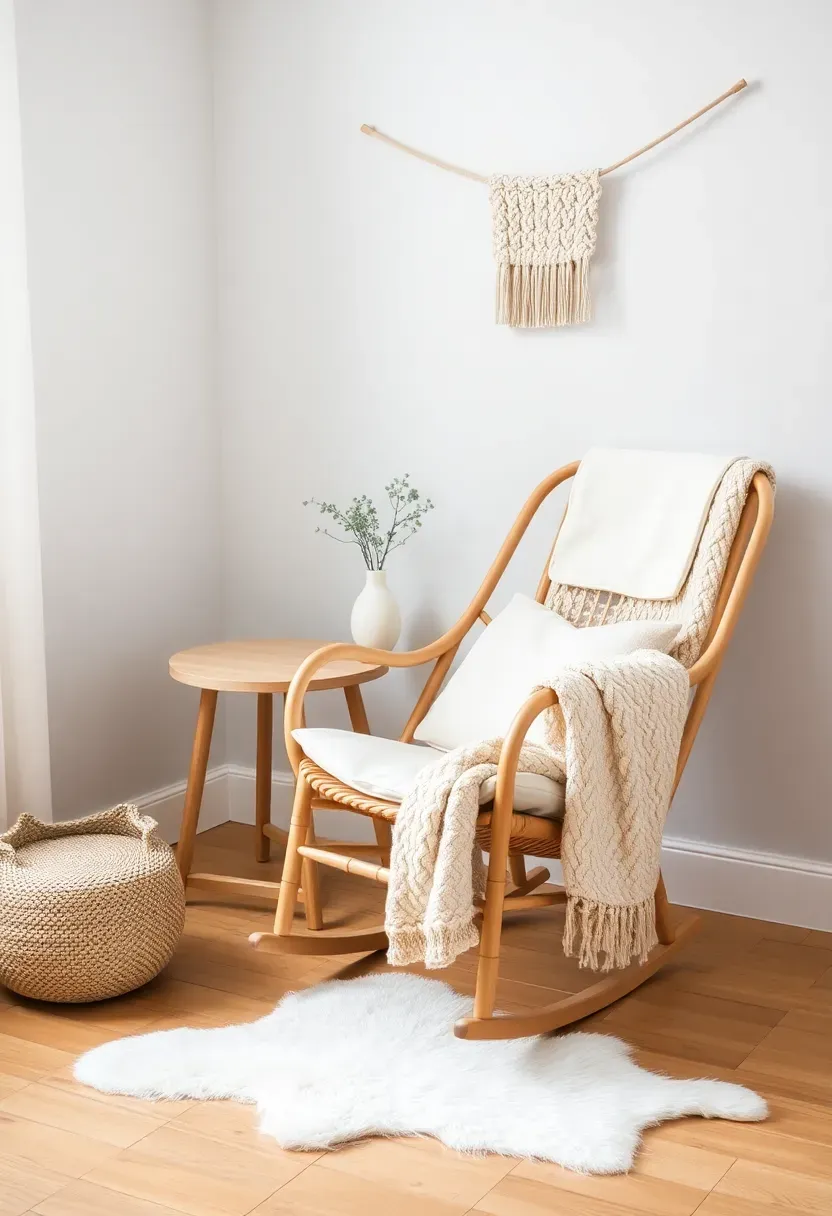
Scandinavian design principles translate perfectly to nursery corner solutions, offering warmth through natural materials rather than visual noise. This style embraces the hygge concept, creating a cozy, intimate space for bonding through tactile comfort and soft ambient elements.
Recommended
Items for this idea
Placement note: Position your rattan or natural fiber rocking chair to face away from the bed, creating a dedicated "session" space for feeding and bonding that psychologically separates parent and baby time from couple time.
Light oak or birch wood furniture keeps the corner airy while adding warmth. Layer textures through a chunky knit merino wool throw, linen nursing pillow, and sheepskin rug beneath the chair. The rattan accents introduce organic curves that soften the room's geometry while maintaining that signature Scandinavian simplicity.
Keep the color palette restrained: whites, warm grays, sand, and pale wood tones. Add one muted accent color through textiles if desired, such as sage green or dusty rose.
If your bedroom has cool-toned gray walls, then warm up the nursery corner with natural wood and cream textiles to create visual balance.
Con: Rattan can be tricky to clean; Fix: Choose pieces with removable washable cushions and regularly vacuum rattan with a brush attachment.
What this gives you: A timeless aesthetic that transitions from newborn days to toddler reading sessions without requiring a complete redesign.
3. Wall-Mounted Changing Station Combo
When square footage is at a premium, a wall-mounted changing station becomes the ultimate space-saving hero among nursery corner solutions. This innovative approach transforms any corner into a fully functional diapering station that folds away when not in use, preserving your bedroom's adult aesthetic.
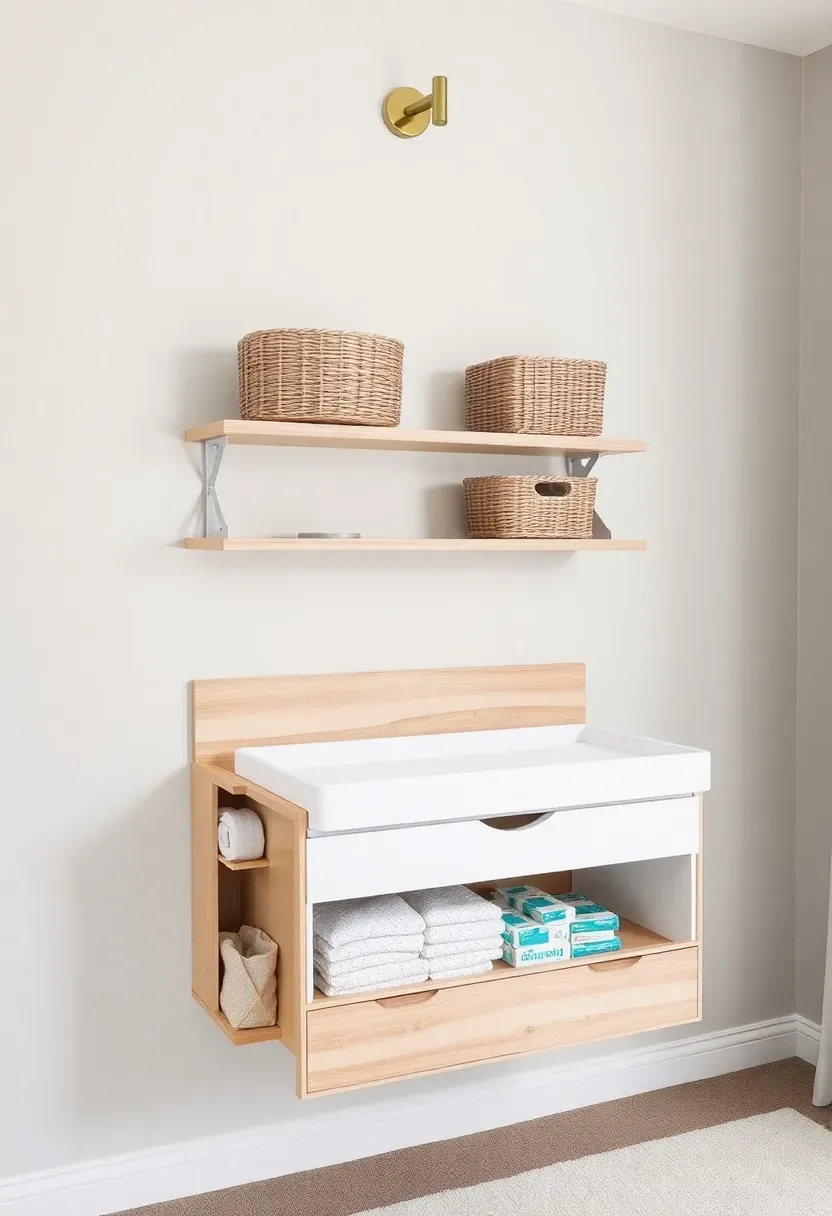
Why it works: By utilizing vertical wall space rather than floor space, you reclaim precious square footage while keeping diapering essentials organized and accessible. The elevated position also provides ergonomic comfort for parents, reducing back strain during frequent changes.
Choose a fold-down changing table with integrated side compartments or install a floating changing station above a slim console that doubles as storage. Pair with wall-mounted organizers for diapers, wipes, and creams. Below the station, place a compact hamper for soiled items and a small stool for older siblings who want to help.
Common mistake: Mounting the station too high or too low; the changing surface should align with your elbows when standing to prevent back strain during those countless nighttime changes.
• Install a motion-sensor night light below the station for hands-free illumination during sleepy changes.
• Use adhesive hooks on the wall for hanging diaper bags and spare outfits.
• Keep a small caddy with essentials that can move with baby to other rooms.
What this gives you: Maximum functionality in minimal space, with the ability to restore your bedroom's original purpose as baby grows.
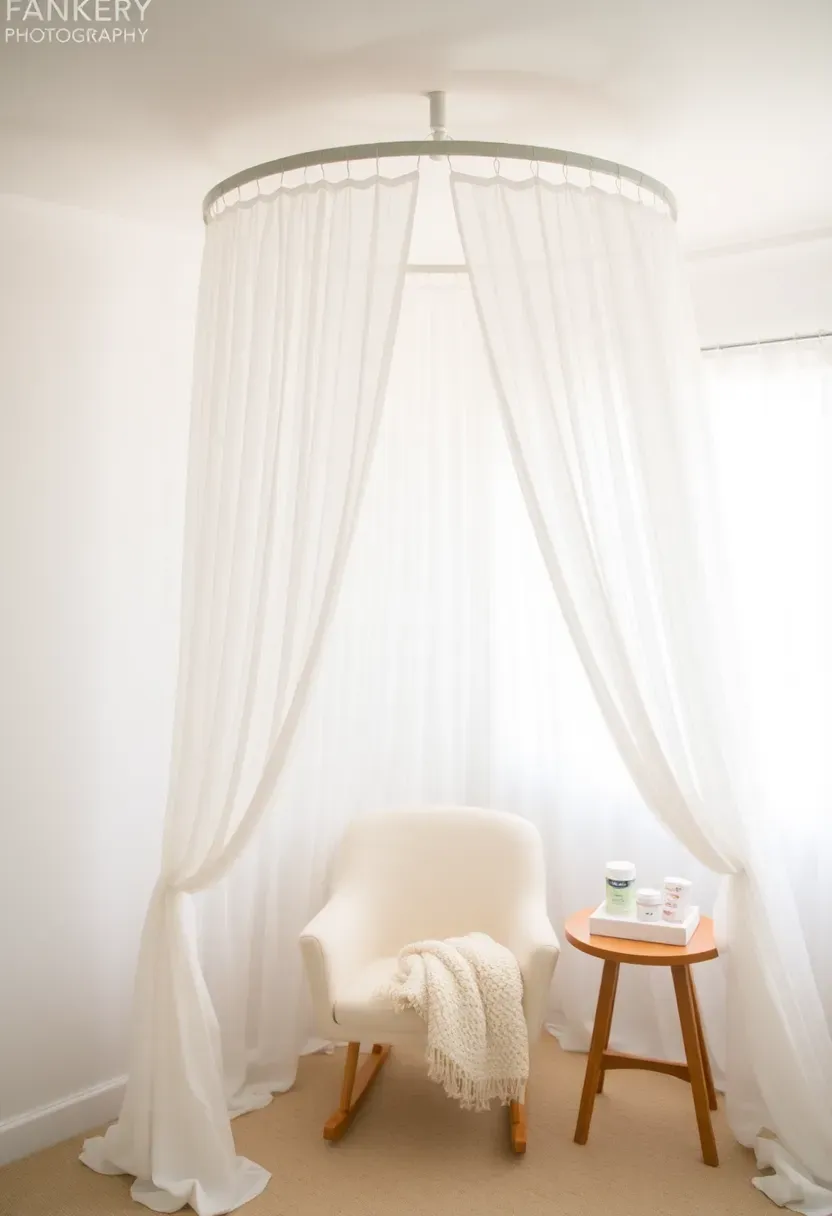
4. Cozy Canopy Corner with Sheer Drapes
A canopy corner transforms an ordinary bedroom space into a magical retreat for both parent and baby. This romantic approach to nursery corner solutions creates visual separation without physical walls, defining the nursery zone through ethereal drapery that filters light and dampens sound.
Recommended
Items for this idea
Install a ceiling-mounted circular canopy rod or tension wires in the corner, draping sheer white linen or cotton voile panels to create an intimate cocoon. Inside, place a comfortable nursing chair or floor cushions, a small side table for essentials, and soft ambient lighting through battery-operated candles or fairy lights.
The canopy serves multiple purposes: it signals "nursery zone" to your brain when you step inside, creates a womb-like environment that soothes fussy babies, and adds architectural interest to otherwise plain corners. For safety, ensure drapes are secured well above baby's reach and opt for flame-resistant fabrics.
Do: Use sheer fabrics that allow air circulation while providing privacy.
Don't: Install heavy curtains that collect dust or block airflow.
Pro/Con/Fix: Pro: Creates instant ambiance. Con: Requires occasional washing. Fix: Choose machine-washable fabrics and have a spare set.
For creating cozy canopy spaces in other rooms, see our vintage bedroom ideas for inspiration on romantic drapery techniques.
What this gives you: A dreamy, defined space that feels separate from the adult bedroom while maintaining open, airy flow.
5. Under-Window Nursery Nook with Storage Bench
An under-window nursery nook leverages natural light for daytime bonding while providing a built-in storage solution that maximizes every inch of your bedroom. This clever use of otherwise dead space transforms a window wall into the most desirable spot in the room for both rest and practicality.
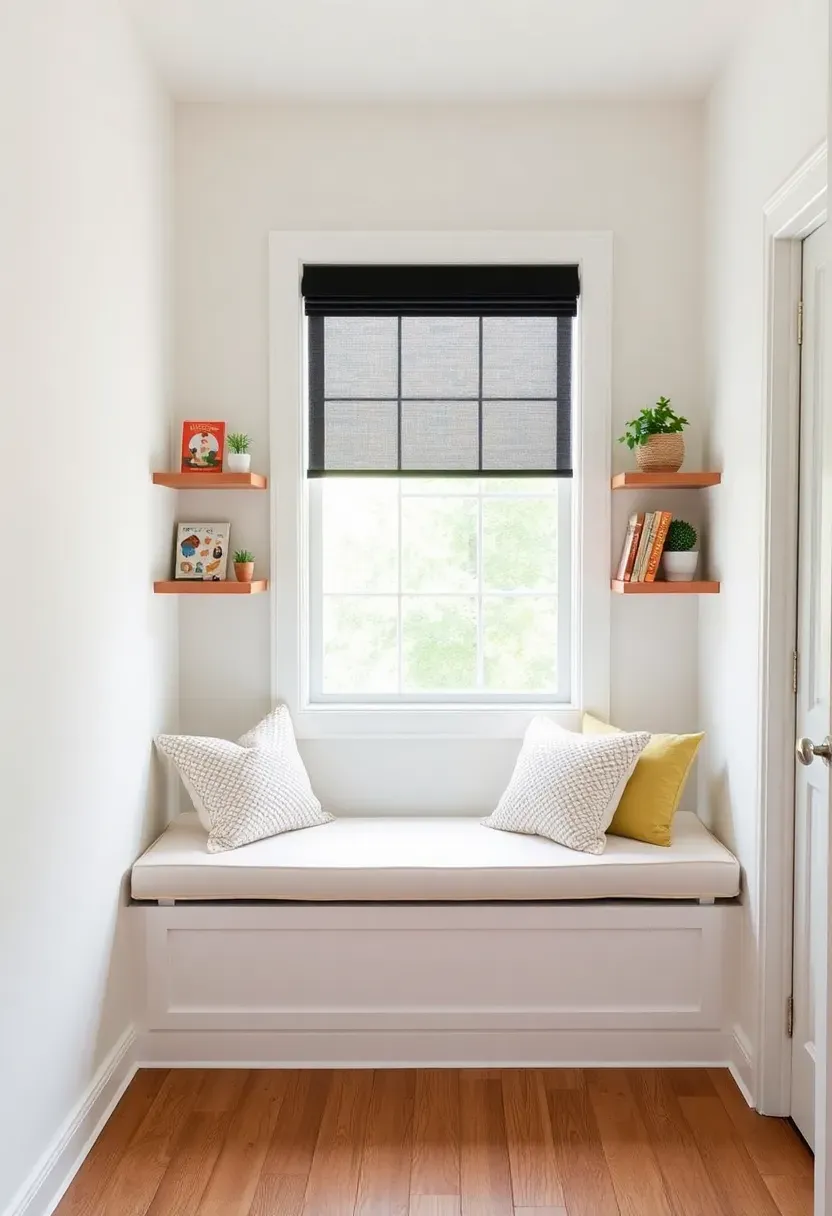
Build or purchase a custom window seat with hinged lift-top storage beneath the cushion. This hidden compartment accommodates bulky items like extra blankets, seasonal clothing, or backup diaper supplies. Above the bench, install floating shelves or a narrow console for immediate essentials like burp cloths and pacifiers.
Placement note: Position baby's bassinet or play mat parallel to the window to receive gentle natural light during the day while avoiding direct sun exposure. Consider blackout curtains that can fully seal the space for nap times.
The window seat becomes a multi-functional piece: morning nursing spot bathed in gentle light, afternoon reading nook for toddler years, and extra guest seating when needed. Choose weather-resistant cushion fabrics if your windows experience condensation.
If your windows are drafty, then add weatherstripping and place a wool blanket chest nearby for warmth during nighttime feedings.
• Add a small side table on casters that can roll away when not in use.
• Use UV-filtering window film to protect baby's sensitive skin from harsh rays.
What this gives you: A sunlit sanctuary that combines storage, seating, and sleeping space in one efficient footprint.
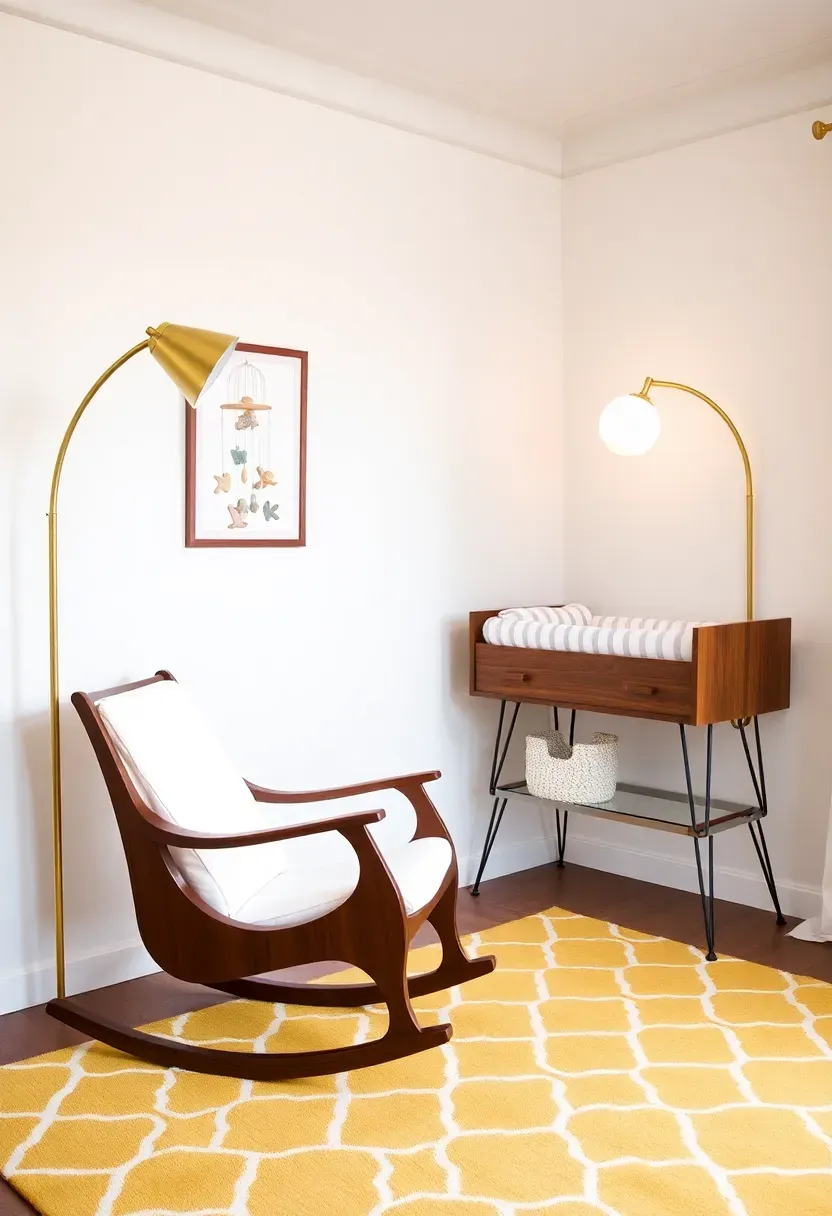
6. Mid-Century Modern Corner with Walnut Accents
Mid-century modern design brings sophisticated retro charm to nursery corner solutions, proving that baby spaces can be both functional and design-forward. This style celebrates clean lines, gentle curves, and warm wood tones that complement adult bedrooms while introducing playful vintage character.
Recommended
Items for this idea
Select iconic pieces like a walnut or teak rocking chair with sculptural lines, a low-profile changing table with tapered legs, or a vintage-inspired crib with hairpin legs. The key is choosing furniture that could exist in any mid-century styled room, making the nursery corner feel intentional rather than like an afterthought.
Warm amber lighting through arc floor lamps or atomic-style sconces creates moody ambiance perfect for nighttime routines. Add geometric textiles in mustard, olive, or rust tones for that authentic 1960s palette. These colors work surprisingly well in neutral modern bedrooms, adding warmth without overwhelming the space.
Do: Source authentic vintage furniture from estate sales, properly refinished for safety.
Don't: Use vintage pieces with lead paint or unstable construction.
Pro: Mid-century pieces hold resale value and work in any room when baby's needs change.
What this gives you: A nursery corner that feels like a curated design choice rather than temporary baby equipment, with furniture that serves your home long-term.
7. Bohemian Macrame Corner with Natural Textures
Bohemian nursery corners embrace free-spirited textures and artisanal craftsmanship, creating a nurturing space that stimulates baby's developing senses through tactile variety. This laid-back approach to nursery corner solutions welcomes imperfection and celebrates handmade elements that tell a story.
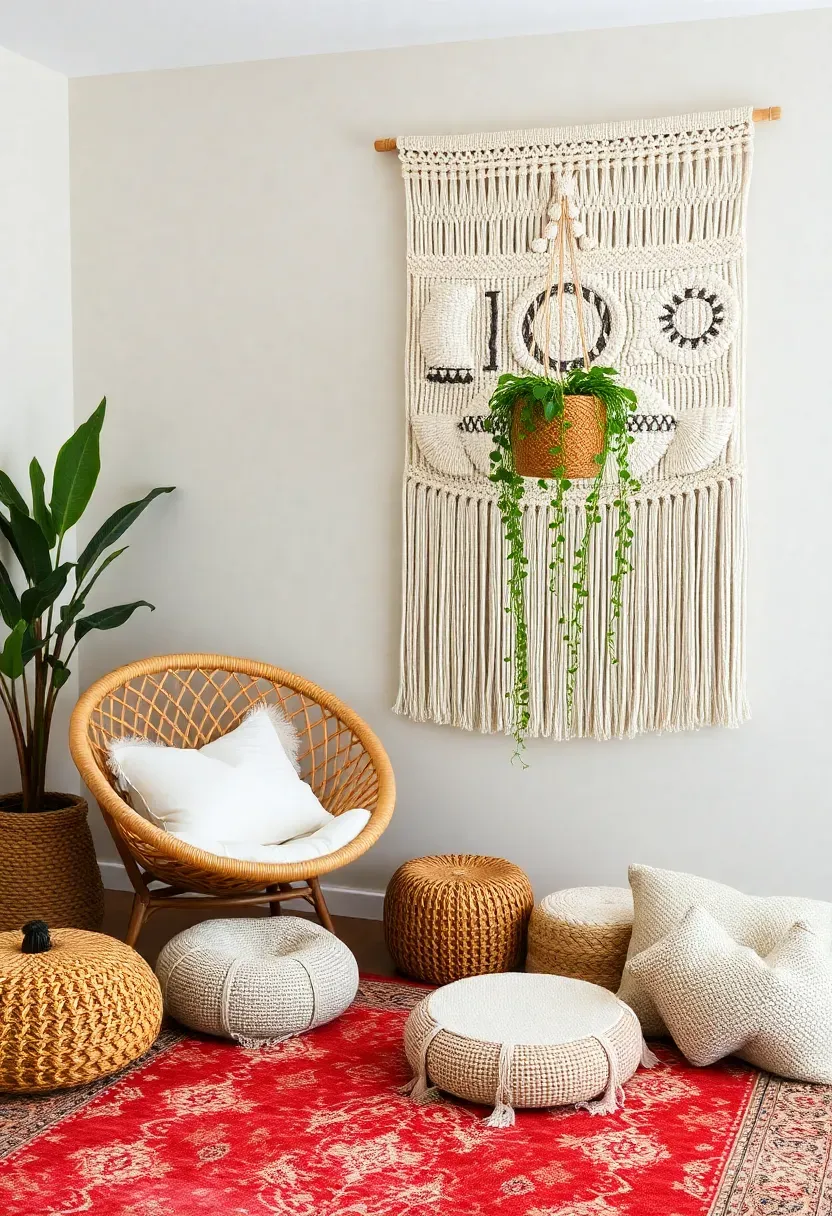
Anchor the space with a statement macrame wall hanging above the sleeping area, choosing pieces with organic shapes and natural cotton or jute fibers. Layer the floor with a vintage Persian or Moroccan rug featuring worn patterns that hide spills while adding warmth. Incorporate a papasan chair or hanging rattan swing for nursing, surrounded by floor cushions and poufs for flexible seating.
Natural materials reign supreme: seagrass baskets for toy storage, driftwood mobiles, and linen bedding in earthy terracotta, sage, or cream tones. Live plants (safely suspended out of baby's reach) purify air and add life to the corner.
Why it works: The textural variety supports sensory development while the relaxed aesthetic reduces parental stress during challenging nights.
• Mix vintage and new pieces for authentic collected-over-time feeling.
• Use removable wallpaper with botanical or geometric patterns for commitment-free color.
• Layer rugs for sound dampening and visual interest.
What this gives you: A soulful, personalized space that grows with your child from nursery to reading corner without major renovations.
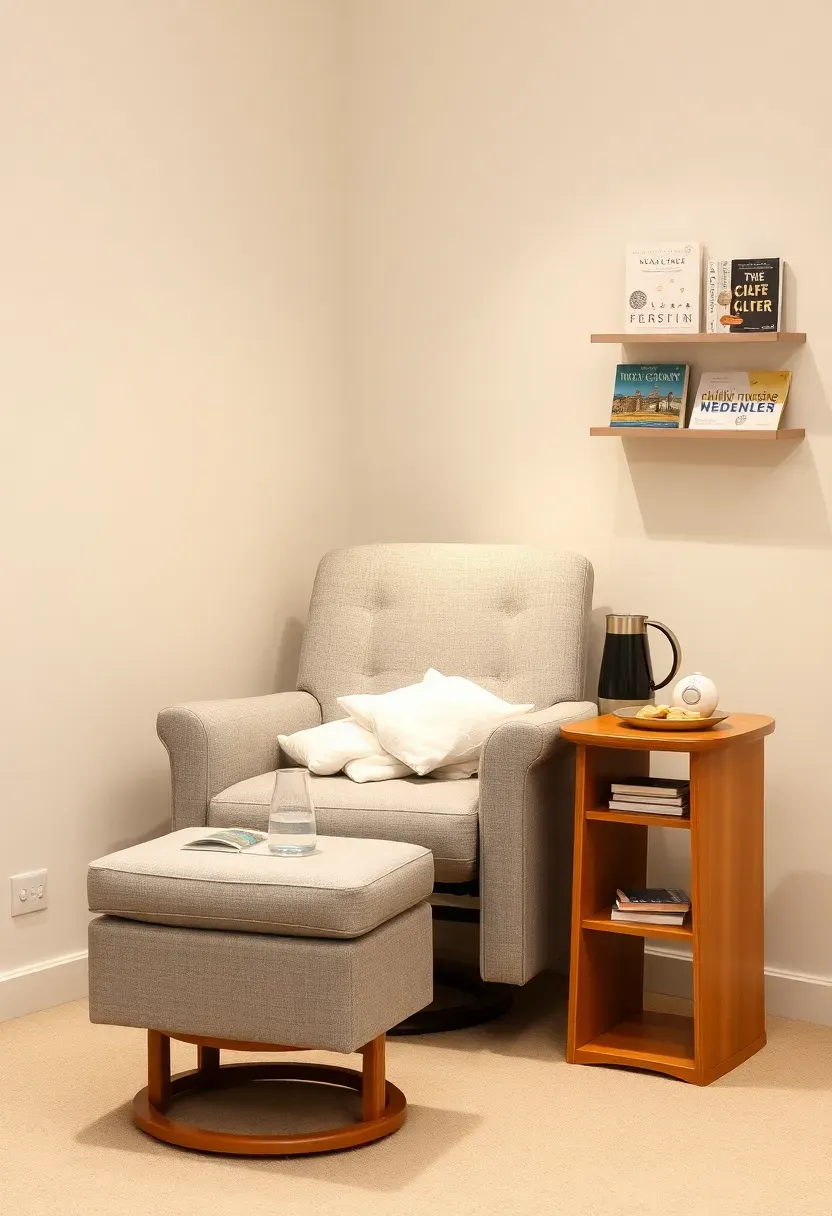
8. Compact Nursing Station with Armchair Ottoman
A dedicated nursing station forms the heart of practical nursery corner solutions, providing ergonomic support during countless feeding sessions. This compact setup prioritizes parental comfort while keeping essentials within arm's reach, transforming a simple corner into a command center for newborn care.
Recommended
Items for this idea
Invest in a quality glider or rocker with proper lumbar support, wide padded armrests, and smooth motion. Pair it with an ottoman that offers storage inside for nursing pads, nipple cream, and spare burp cloths. The chair should be positioned to allow easy entry and exit even while holding a sleeping baby.
Common mistake: Choosing style over comfort; you will spend 8-12 hours daily in this chair during early months. Test multiple options for back support and arm height.
Flank the chair with a narrow side table holding a carafe for water, healthy snacks, your phone charger, and a reading light. Install a wall-mounted floating shelf above for books, pacifiers, and a small sound machine. Consider a rolling cart for supplies that can move with you if you relocate temporarily.
Placement note: Leave 24 inches clearance on both sides of the chair for comfortable maneuvering with baby.
If you have a c-section recovery, then choose a chair with firm armrests for leverage when standing up with baby.
What this gives you: A comfortable, efficient feeding station that prevents back pain and keeps necessities organized during bleary-eyed nighttime sessions.
9. Alcove Conversion with Custom Built-Ins
An unused alcove or architectural nook presents the perfect opportunity for built-in nursery corner solutions that feel custom-designed for your space. This approach maximizes awkward corners, dormers, or recessed areas that often go underutilized in master bedrooms, creating a seamless integration that looks intentional rather than improvised.
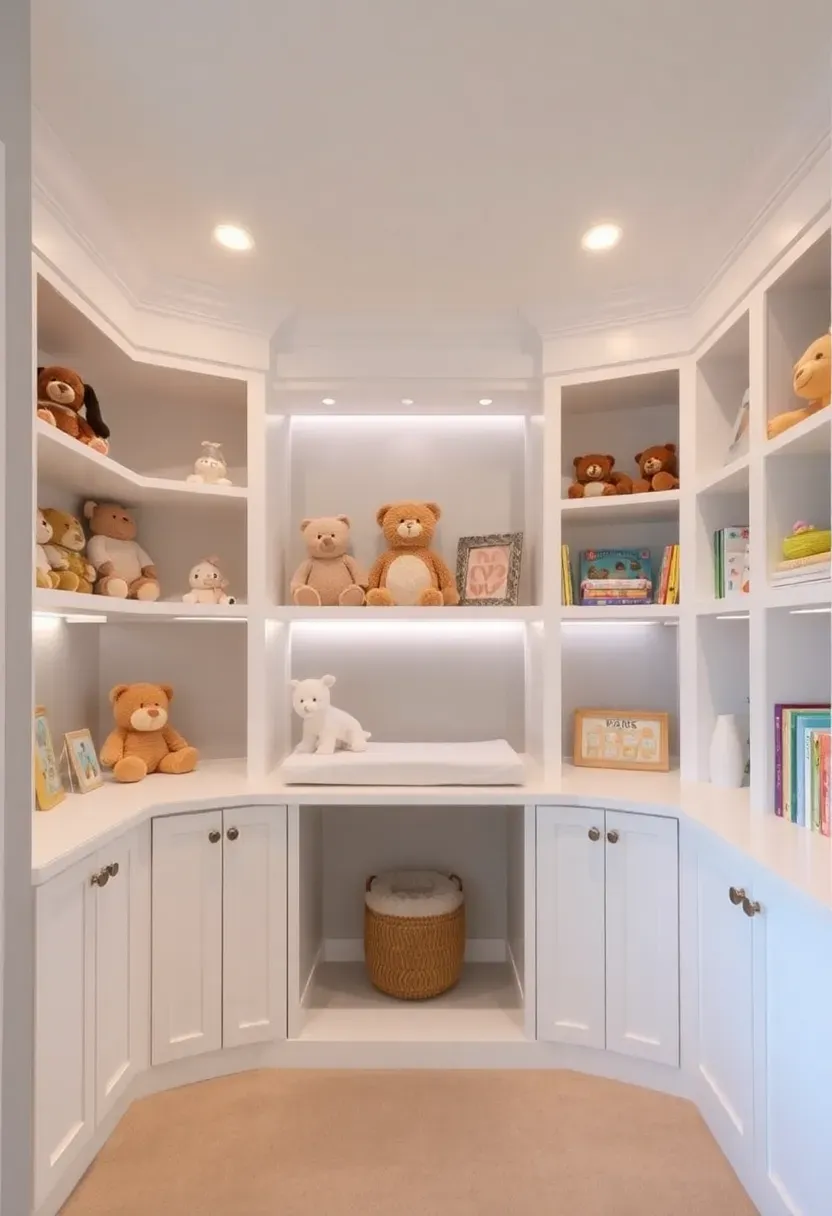
Work with a carpenter to install floor-to-ceiling cabinetry with open shelving for display and closed storage for supplies. The alcove's natural enclosure provides a sense of separation while maintaining proximity. Add a custom-fitted changing surface that folds down from the wall or slides out from cabinetry when needed.
Integrated lighting is crucial: install recessed ceiling lights with dimmers, LED strip lighting under shelves for gentle nighttime illumination, and a small reading sconce. If the alcove has a window, add blackout cellular shades that retract completely during the day.
Choose finishes that match or complement your bedroom's built-ins, creating visual continuity. Paint the alcove's interior in a soft, calming hue that defines it as the "nursery zone" without clashing with the main room.
• Install soft-close hinges and drawers to prevent slamming during nap times.
• Add ventilation if the alcove feels enclosed; small USB fans work well.
• Consider a mini crib rather than full-size to maximize floor space.
What this gives you: A tailored, furniture-like solution that adds value to your home while providing a dedicated, organized baby zone.
10. Neutral Tone Corner with Woven Baskets
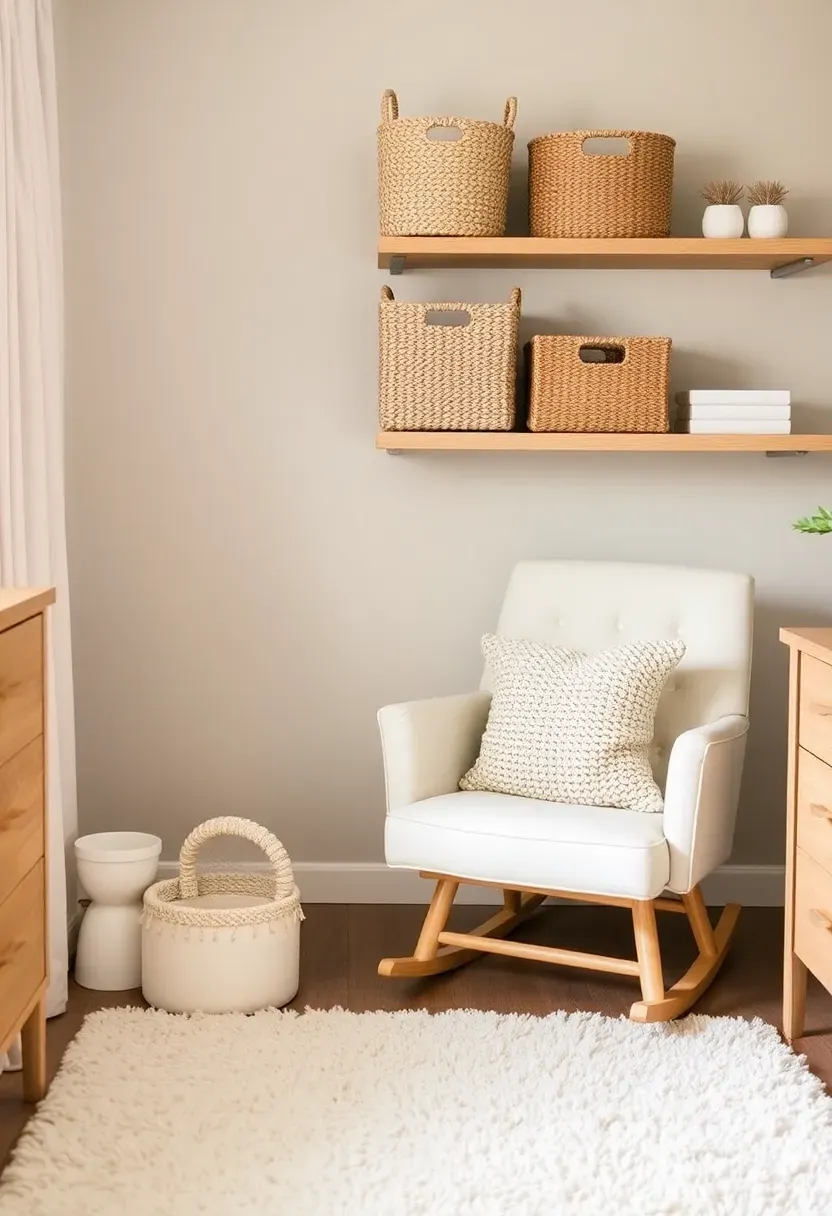
Neutral tone nursery corners embrace the "less is more" philosophy, creating serene spaces that promote rest for both baby and parents. This sophisticated approach to nursery corner solutions relies on texture and material variation rather than bold colors, resulting in a timeless aesthetic that harmonizes with any adult bedroom decor.
Recommended
Items for this idea
Layer cream, ivory, oatmeal, and sand tones through linen bedding, cotton rugs, and velvet accents. Woven seagrass or rattan baskets provide textural contrast while hiding clutter. Choose furniture in bleached oak, white, or natural wood finishes that feel airy and light.
The beauty of neutrals lies in their versatility: swap out throw pillows or blankets seasonally to refresh the look without major investment. This palette also photographs beautifully for those inevitable newborn photo sessions.
For more neutral bedroom inspiration that complements this nursery style, explore our cozy warm bedroom ideas for cohesive whole-room design.
Do: Mix warm and cool neutrals to prevent a sterile, flat appearance.
Don't: Use only stark white; it creates harsh contrast and shows every stain.
Pro/Con/Fix: Pro: Easy to find coordinating pieces. Con: Can feel bland. Fix: Add one metallic accent (brass, copper) for warmth.
What this gives you: A sophisticated, adaptable space that feels intentional and expensive while remaining practical for daily baby care.
11. Black and White Monochrome Mini Nursery
A black and white monochrome nursery corner makes a bold, graphic statement while providing the high-contrast environment newborns actually prefer. This dramatic approach to nursery corner solutions challenges the pastel-only nursery stereotype, creating a modern, design-forward space that stimulates visual development.
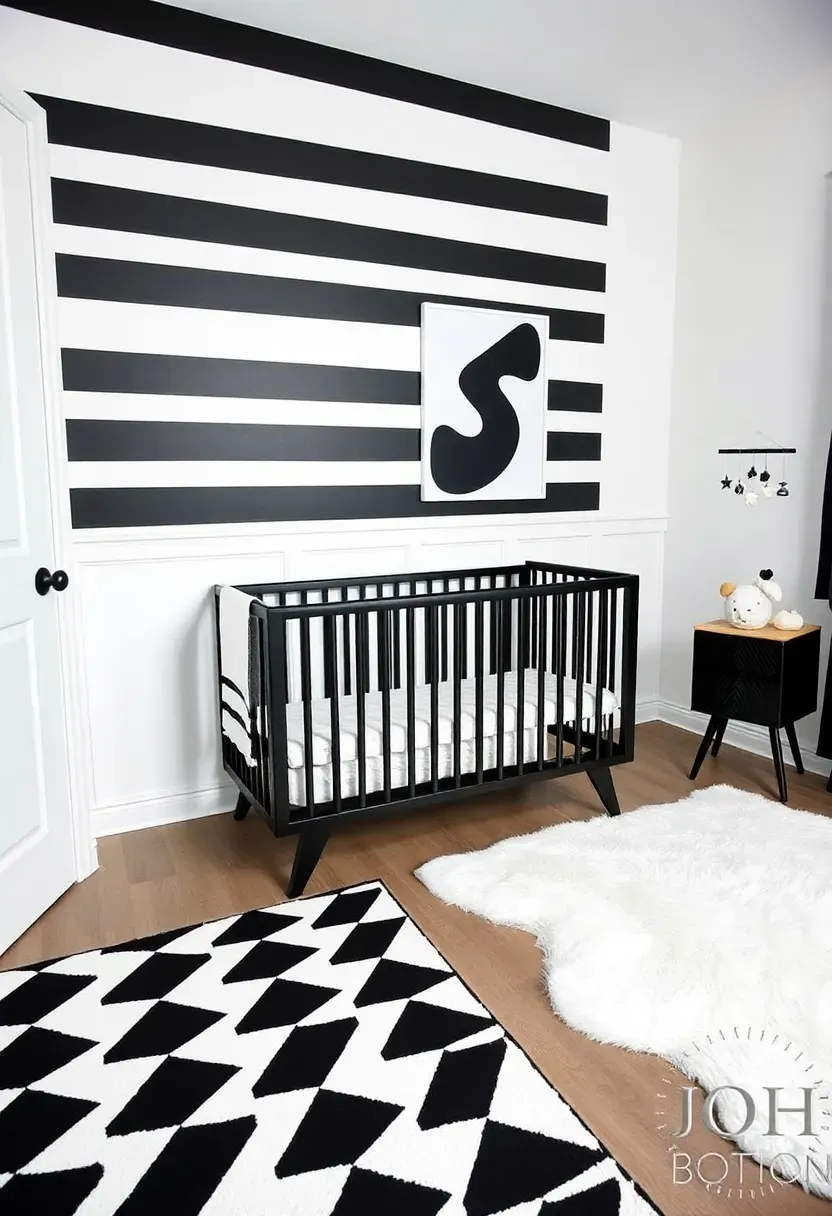
Infants can only see high-contrast colors during early months, making black and white patterns developmentally beneficial as well as stylish. Incorporate bold stripes, graphic triangles, or abstract shapes through removable wallpaper, bedding, or artwork. A black crib or bassinet against white walls creates striking visual definition.
Balance the boldness with soft textures: white sheepskin rugs, black velvet pillows, and creamy knit blankets prevent the space from feeling cold. Add warmth through natural wood accents or brass hardware.
Why it works: Babies are naturally drawn to high-contrast patterns, making this corner visually engaging for them while satisfying parental aesthetic preferences.
If your bedroom has dark walls, then use white furniture to create definition and prevent the corner from disappearing visually.
• Introduce patterns gradually to avoid overwhelming the space.
• Add one accent color later (like mustard or sage) when baby develops color vision around 3-4 months.
What this gives you: A nursery corner that supports baby's visual development while making a sophisticated design statement in your adult bedroom.
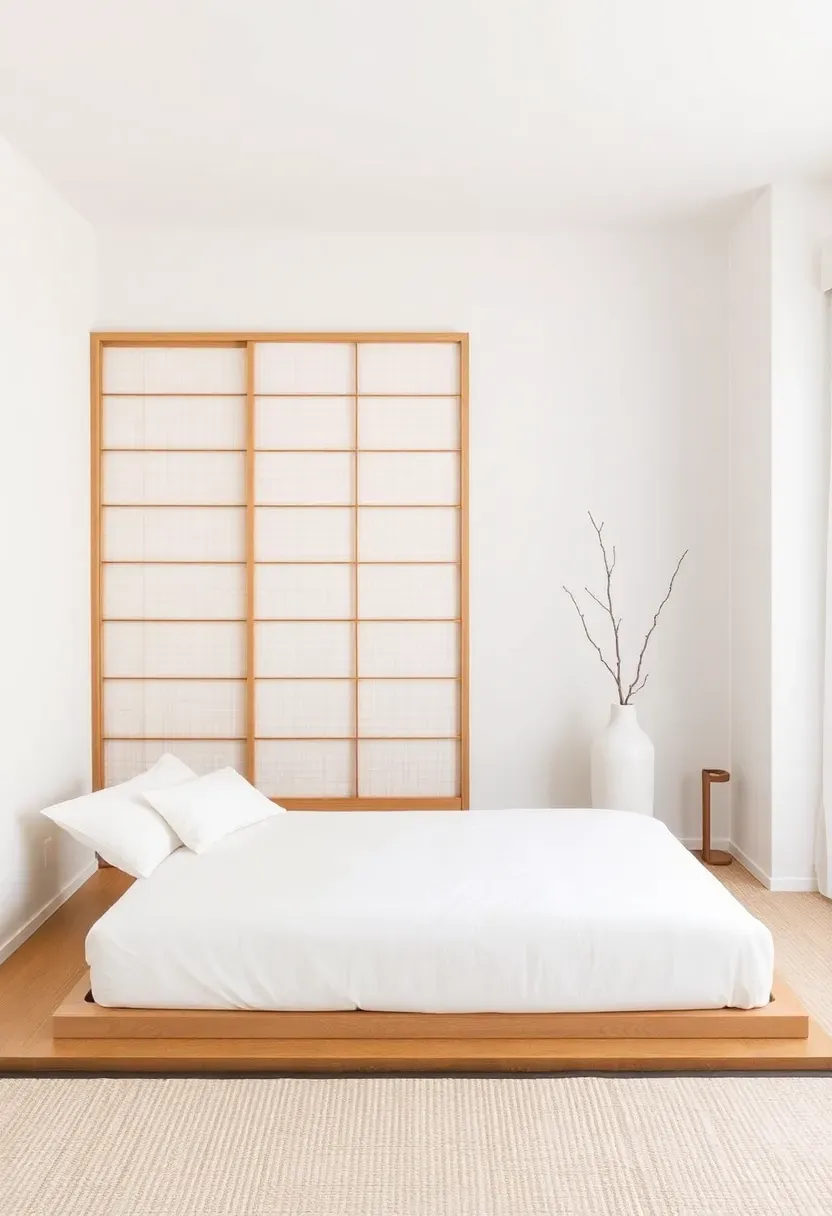
12. Japanese-Inspired Zen Nursery Corner
Japanese-inspired zen nursery corners bring mindful minimalism and natural harmony to your bedroom, emphasizing simplicity, clean lines, and connection to nature. This serene approach to nursery corner solutions prioritizes calm energy and uncluttered spaces that promote restful sleep for both parent and baby.
Recommended
Items for this idea
Create a low sleeping platform or floor bed surrounded by soft tatami-style mats instead of traditional raised cribs. Shoji screens or rice paper room dividers provide privacy while allowing diffused light to pass through. Choose natural materials: bamboo, rice paper, light wood, and organic cotton in whites, soft grays, and natural tones.
The zen philosophy emphasizes "less but better" — choose fewer, higher quality pieces. A single beautiful ceramic vase with seasonal branches, one handwoven basket for essentials, and quality textiles create impact without clutter.
Placement note: Position the sleeping area away from the room's entrance to maintain the sense of sanctuary and minimize disruption from foot traffic.
Do: Incorporate natural elements like stones, wood, and water features (safely out of reach).
Don't: Over-decorate; zen spaces breathe through negative space.
Pro: Floor sleeping aligns with Montessori principles for future transitions.
What this gives you: A tranquil, uncluttered space that promotes mindfulness and rest, with timeless aesthetics that never feel dated.
13. Industrial Style Corner with Metal Accents
Industrial style nursery corners infuse urban edge and raw materiality into your bedroom, proving that baby spaces can maintain an adult aesthetic. This unexpected approach to nursery corner solutions pairs metal, wood, and exposed architectural elements for a rugged yet refined look that grows with your child.
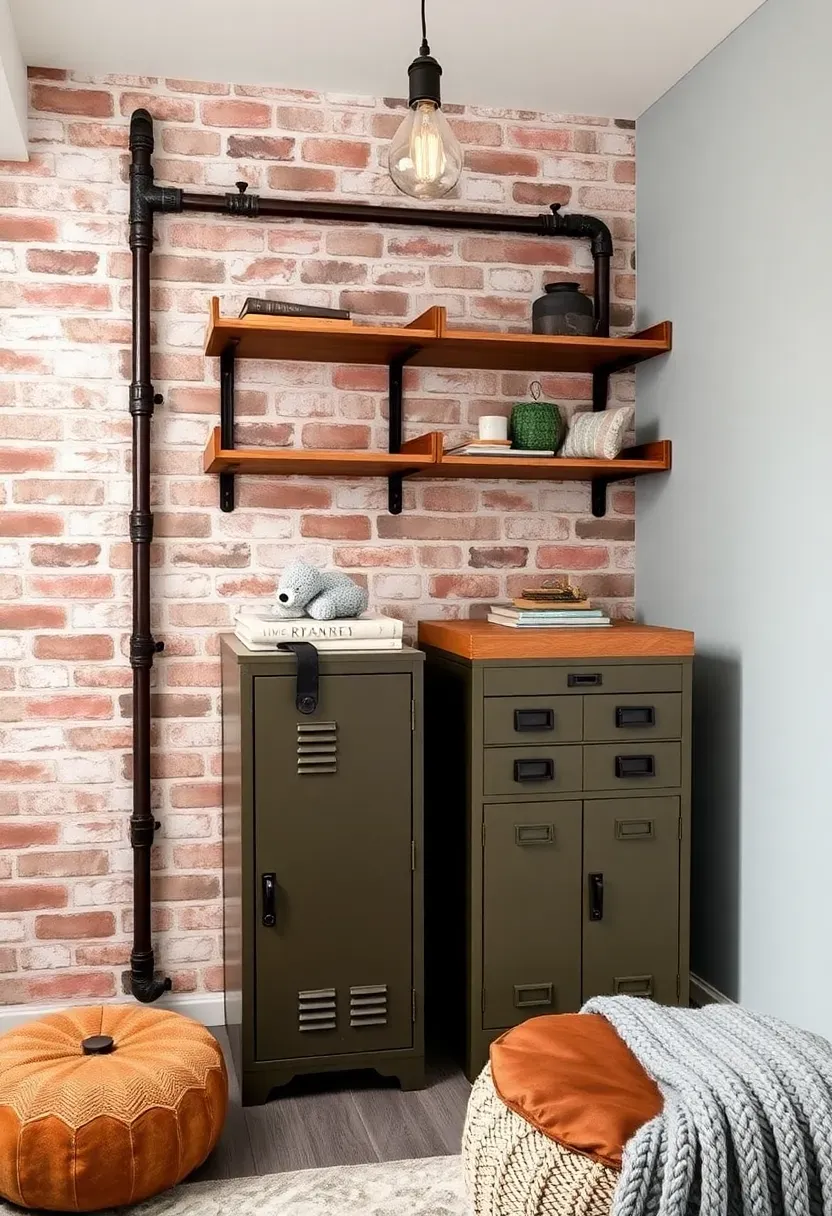
Common mistake: Making industrial spaces feel cold; the key is balancing hard materials with soft textiles and warm lighting. Incorporate metal pipe shelving for storage, paired with weathered wood surfaces and Edison bulb pendant lights. Exposed brick (real or faux wallpaper) adds texture and visual interest.
Choose a metal-frame crib or vintage locker-style storage unit as statement pieces. Soften the look through thick cable knit blankets, faux fur rugs, and leather poufs in cognac or tobacco tones.
The industrial palette of grays, blacks, and warm metallics coordinates beautifully with modern urban apartments or converted loft spaces. Add vintage factory carts as mobile storage or side tables.
• Secure all heavy furniture to walls; industrial pieces can be top-heavy.
• Use soft-close mechanisms on metal drawers to prevent noise.
• Add dimmable Edison bulbs for adjustable ambient lighting.
What this gives you: A stylish, masculine-leaning nursery corner that feels cohesive with industrial bedroom aesthetics while providing full baby functionality.
14. French Country Cottage Corner
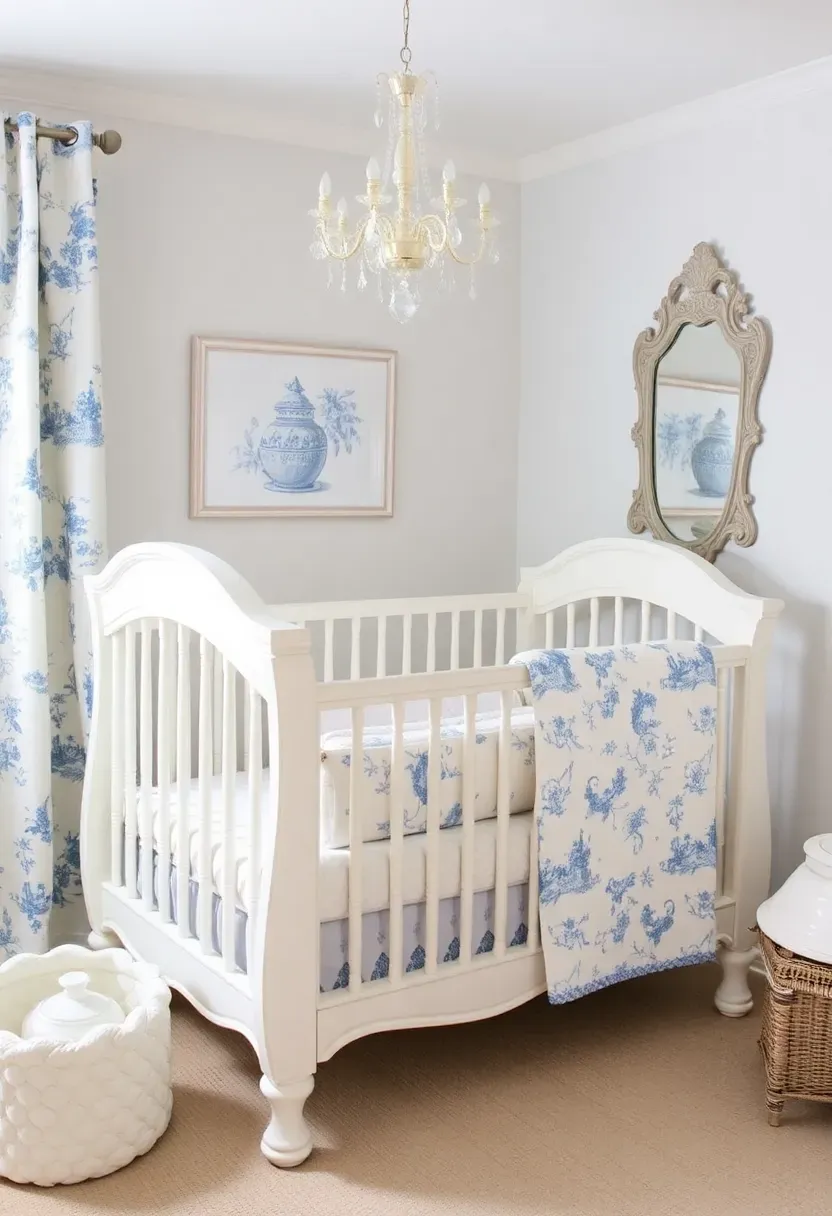
French country cottage corners bring romantic European charm to your nursery, combining rustic elements with refined details for a timeless, storybook aesthetic. This elegant approach to nursery corner solutions creates a warm, welcoming space that feels like a countryside retreat within your modern home.
Recommended
Items for this idea
Why it works: The combination of weathered wood, soft florals, and vintage details creates an inherently nurturing environment that soothes both parent and baby through its gentle, romantic energy.
Choose furniture with distressed white or pale blue finishes, curved lines, and delicate turned legs. Layer toile or floral prints in soft blues, creams, and sage greens. Incorporate vintage or vintage-inspired pieces: a wrought iron bed frame, ceramic jardinières for storage, or an antique mirror above the changing station.
Textiles should feel lived-in and comfortable: linen slipcovers, quilted cotton blankets, and hand-crocheted details. Add a small crystal chandelier or birdcage pendant for romantic lighting.
Do: Mix different floral scales (large blooms with small prints) for visual interest.
Don't: Overdo the theme; one or two toile pieces prevent overwhelming the space.
If/Then: If your bedroom has dark wood furniture, then balance with lighter nursery pieces to create contrast.
For more romantic bedroom inspiration, explore our cozy romantic bedroom ideas for cohesive design elements.
What this gives you: A charming, sophisticated space that feels both nostalgic and fresh, with pieces that transition beautifully to toddler and child rooms.
15. Coastal Blue and White Seaside Nook
Coastal nursery corners evoke breezy seaside serenity through crisp whites, ocean blues, and natural textures. This refreshing approach to nursery corner solutions brings vacation-like calm to your daily routine, creating a light, airy space that maximizes natural light and promotes peaceful rest.
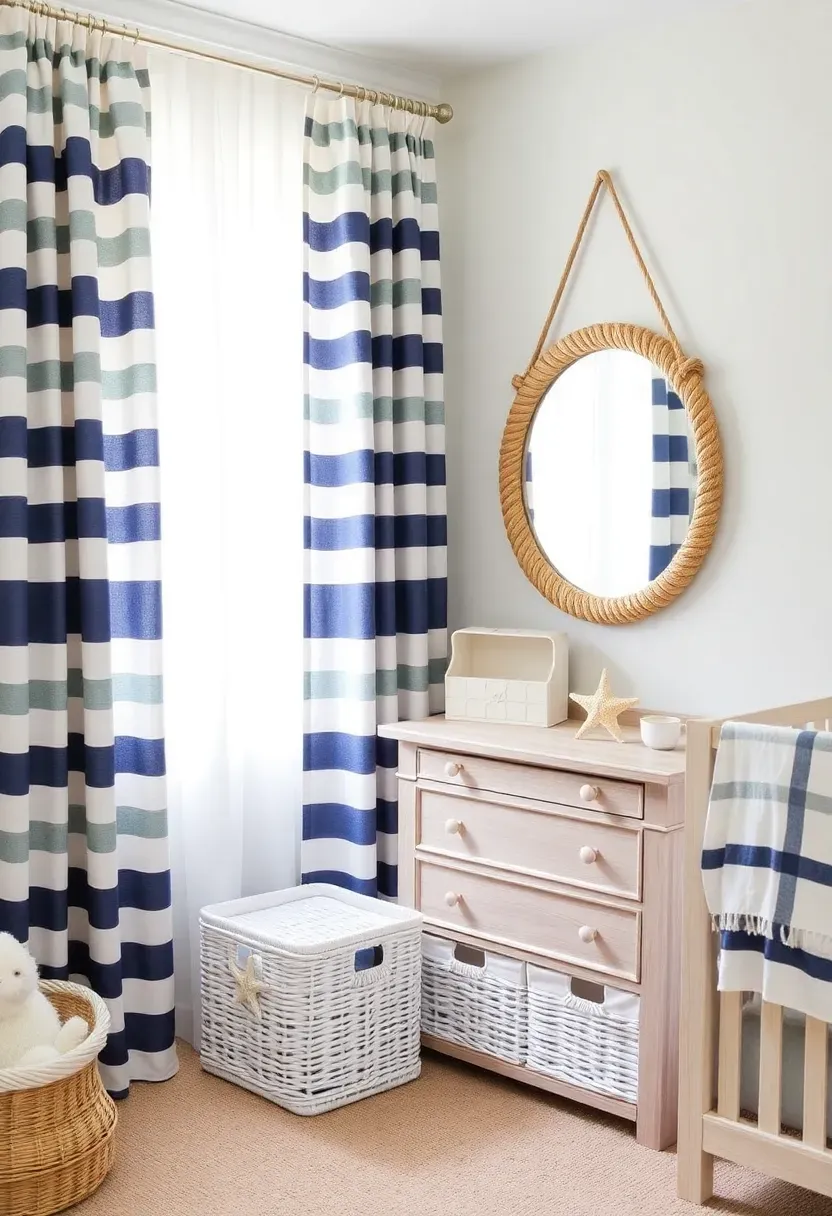
The classic coastal palette of navy, white, and sand creates a clean, gender-neutral foundation. Add natural rope details through mirrors with nautical frames, macrame hangers, or drawer pulls. Weathered wood furniture in driftwood finishes reinforces the beach house aesthetic.
Striped textiles in varying scales add visual interest: wide stripes on curtains, narrow ticking on bedding, and medium stripes on storage baskets. Incorporate natural elements like coral sculptures (replica for safety), seashell displays, or starfish accents.
Placement note: Position the nursery corner near windows to maximize natural light and breezes, using sheer white curtains that filter light while maintaining privacy.
• Avoid overly themed "beachy" items; opt for sophisticated coastal elements.
• Use navy sparingly as an accent; too much dark color closes in the space.
• Add warmth through natural fiber rugs to prevent the palette from feeling cold.
What this gives you: A tranquil, vacation-inspired space that feels open, fresh, and conducive to both daytime play and nighttime rest.
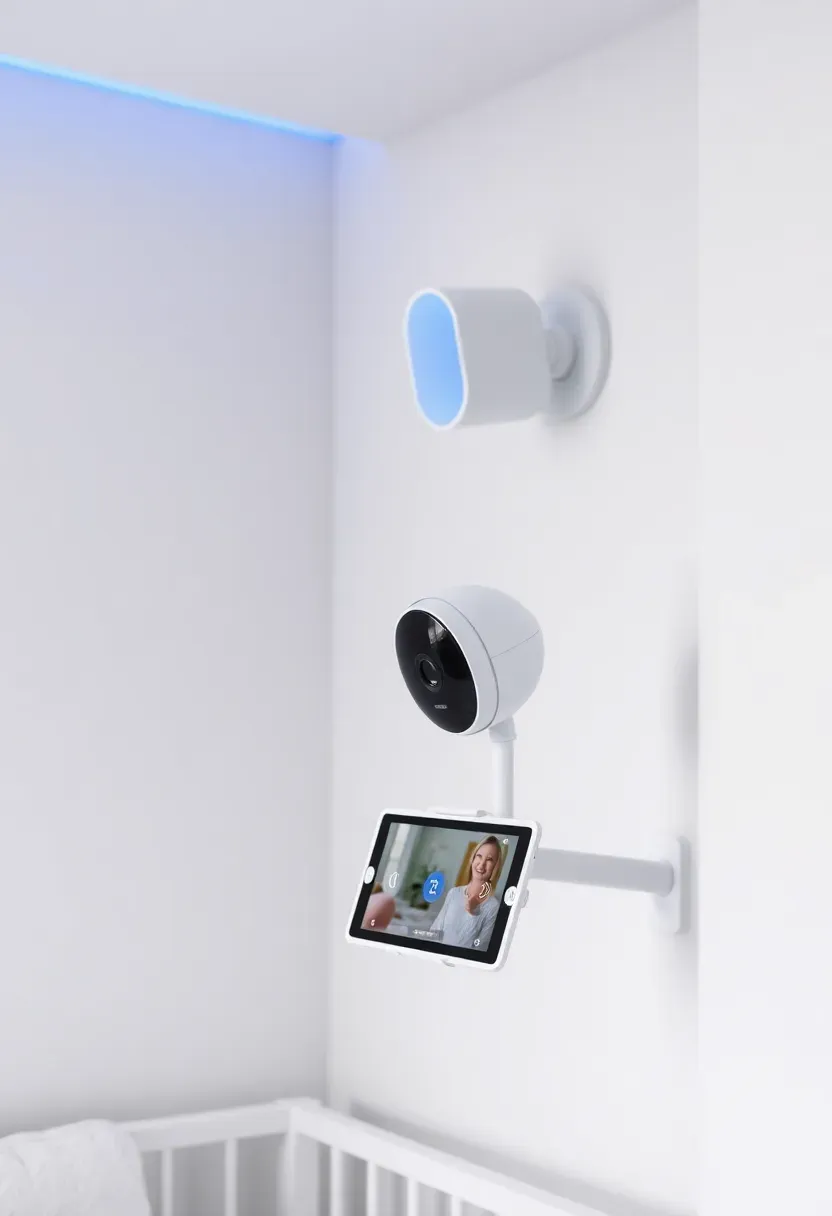
16. Smart Corner with Tech Integration
Smart nursery corners integrate cutting-edge technology seamlessly into your baby care routine, offering convenience and peace of mind through connected devices. This forward-thinking approach to nursery corner solutions appeals to tech-savvy parents who want data-driven insights and automated comfort for their little ones.
Recommended
Items for this idea
Install a comprehensive smart system: WiFi-enabled baby monitors with two-way audio, room temperature and humidity sensors, app-controlled dimmable LED lighting with circadian rhythm programming, and smart white noise machines that respond to crying. Many systems offer sleep analytics that help identify patterns and optimize routines.
Voice control through smart assistants allows hands-free operation during nursing or when holding a sleeping baby. "Alexa, dim nursery lights to 10%" becomes a lifesaver during nighttime feedings. Smart outlets let you control fans, heaters, or humidifiers remotely.
Common mistake: Over-relying on technology; use smart features to enhance rather than replace parental intuition and presence.
Do: Choose devices with strong security protocols and regular firmware updates.
Don't: Place cameras directly over the crib; position for wide room views instead.
Pro/Con/Fix: Pro: Remote monitoring from anywhere. Con: WiFi dependency. Fix: Maintain traditional audio monitors as backup.
What this gives you: Data-informed parenting with automated comfort controls that adapt to your baby's needs while providing peace of mind through constant connectivity.
17. Organic Modern with Sustainable Materials
Organic modern nursery corners prioritize environmental responsibility without sacrificing style, creating a healthy, chemical-free environment for your baby through sustainable materials and ethical manufacturing. This conscientious approach to nursery corner solutions appeals to eco-minded parents committed to reducing their family's environmental footprint from day one.
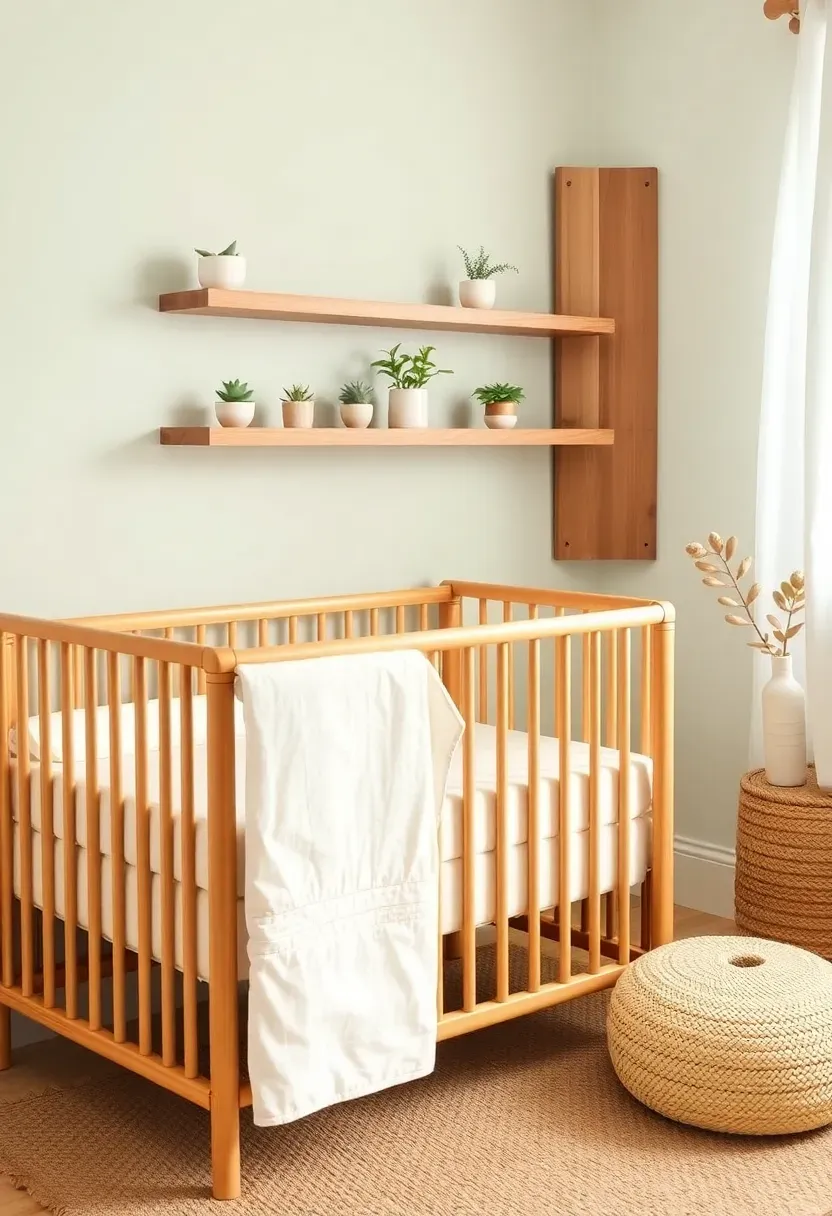
Choose furniture crafted from sustainably harvested bamboo, FSC-certified wood, or reclaimed materials. Prioritize Greenguard Gold certified pieces that emit minimal VOCs. Textiles should be organic cotton, linen, or hemp, free from pesticides and harsh chemical treatments.
The organic modern aesthetic embraces natural color variations, visible wood grain, and raw material textures. Soft, earthy palettes of cream, sage, sand, and clay create a grounded, nurturing environment.
Why it works: Babies spend 16-18 hours daily in their nursery environment; reducing chemical exposure supports developing respiratory and immune systems.
• Research brands' sustainability practices beyond marketing claims.
• Choose natural latex or organic wool mattresses instead of conventional foam.
• Use zero-VOC paints and natural fiber rugs.
For sustainable living throughout your home, see our green living inspiration for eco-friendly design continuity.
What this gives you: A toxin-free sanctuary that supports baby's health while aligning with your environmental values through beautiful, sustainable design.
18. Glam Corner with Velvet and Gold
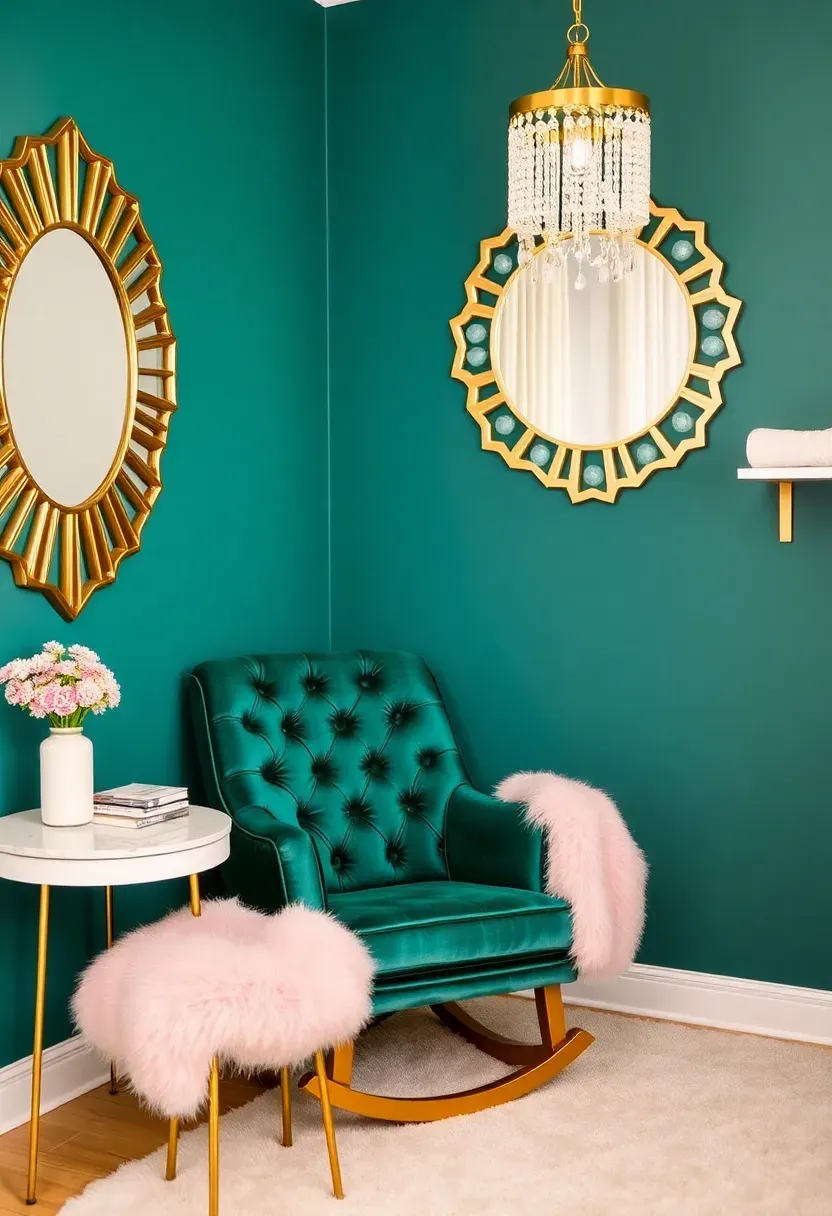
Glam nursery corners bring luxurious sophistication to your bedroom, proving that baby spaces can sparkle with opulence and elegance. This bold approach to nursery corner solutions creates a jewel-box retreat where parents can enjoy upscale aesthetics while caring for their little one in style.
Recommended
Items for this idea
Anchor the space with a statement velvet rocking chair in deep emerald, sapphire, or blush pink. Add metallic accents through gold or brass mirrors, side tables, and light fixtures. Crystal chandeliers or sputnik pendants provide ambient sparkle.
Rich textures define the glam aesthetic: faux fur throws, silk curtains, tufted ottomans, and mirrored surfaces. Wallpapers with subtle metallic patterns or bold geometrics create a dramatic backdrop.
Placement note: Position reflective surfaces to bounce light around the corner, creating that signature glamorous glow.
Do: Balance glamour with practical washable fabrics like performance velvet.
Don't: Use fragile glass or crystal within baby's reach.
If/Then: If your bedroom is minimalist, then add one or two glam pieces to the nursery corner for intentional contrast rather than competing styles.
What this gives you: A luxurious, Instagram-worthy space that elevates daily baby care into an elegant experience while maintaining full functionality.
19. Rustic Farmhouse Corner with Barn Door Details
Rustic farmhouse nursery corners infuse warmth, character, and nostalgic charm into your bedroom through reclaimed materials and handcrafted details. This cozy approach to nursery corner solutions celebrates imperfection and authenticity, creating a space that feels established and loved from day one.
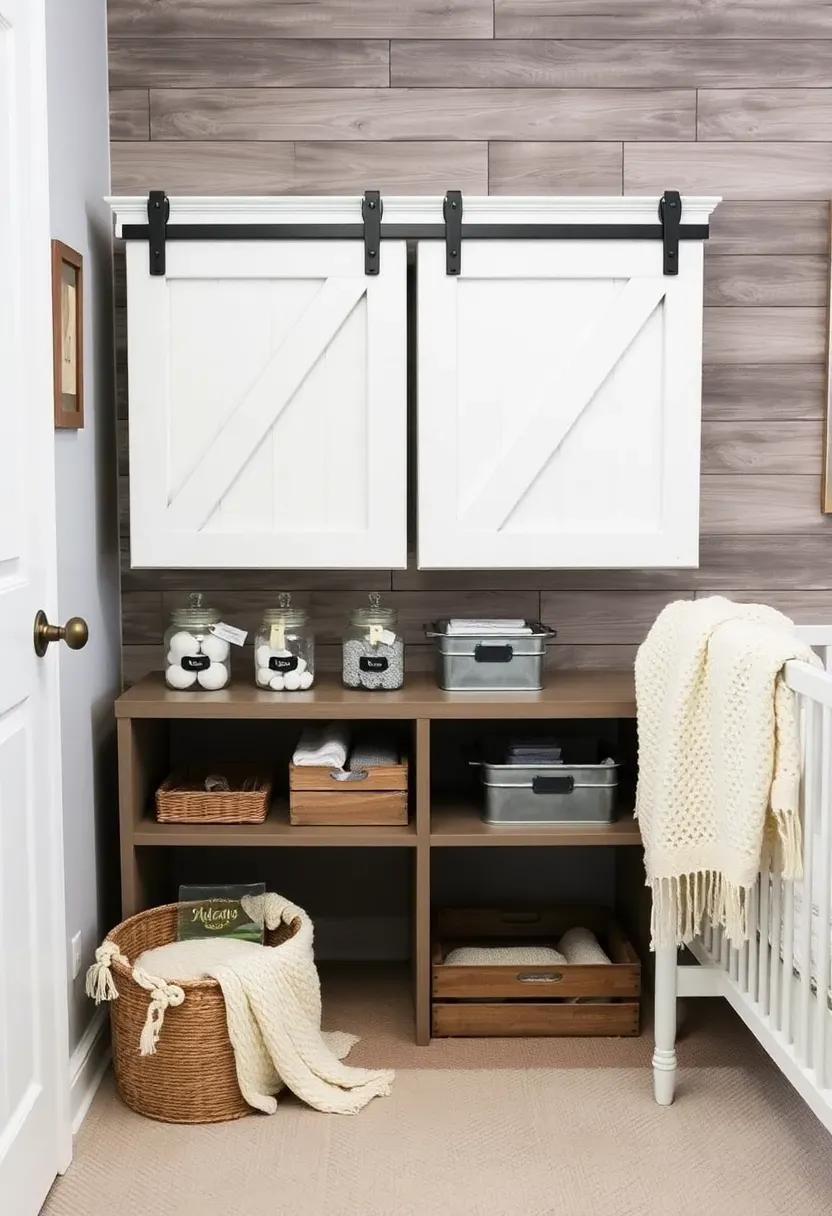
Common mistake: Making farmhouse style feel cluttered or overly themed; restraint is key to sophistication. Choose one or two signature pieces like a sliding barn door cabinet or weathered wood changing table, then balance with clean-lined accessories.
Reclaimed barn wood accents, mason jar storage, galvanized metal bins, and vintage-inspired textiles create the farmhouse aesthetic. Neutral palettes of white, cream, gray, and sage keep the look modern rather than dated.
Handcrafted elements add authenticity: hand-knitted blankets, wooden name signs, or vintage crates repurposed as shelving. Galvanized metal accents bring industrial farmhouse edge.
• Source authentic reclaimed wood from local salvage yards for unique character.
• Use chalk paint on furniture for that signature matte, slightly worn finish.
• Add greenery through eucalyptus or cotton stems in galvanized pitchers.
For more rustic inspiration, browse our rustic farmhouse bedroom ideas for cohesive design language.
What this gives you: A warm, welcoming space with authentic character that feels grounded and timeless, with pieces that tell a story.
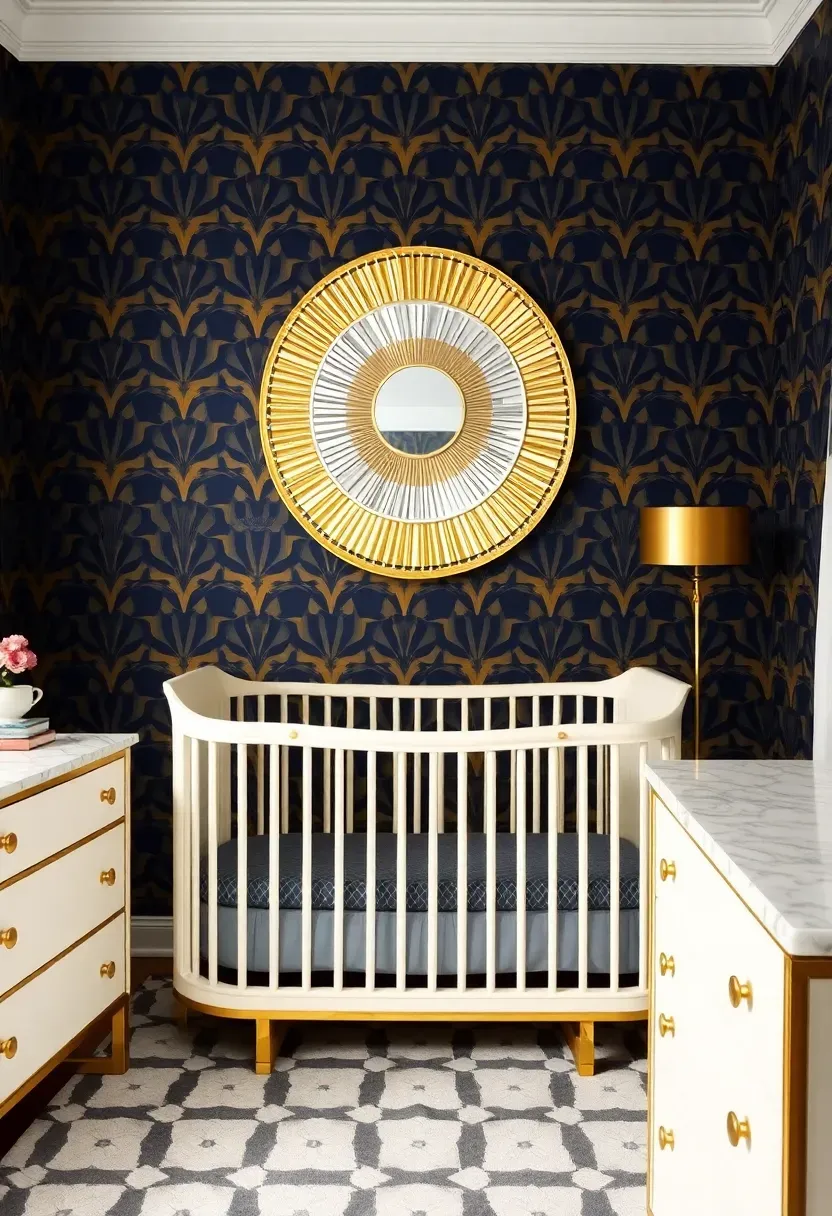
20. Art Deco Inspired Geometric Nursery
Art deco inspired nursery corners channel 1920s glamour through bold geometry, luxurious materials, and sophisticated color palettes. This distinctive approach to nursery corner solutions makes a strong design statement, creating a mini-masterpiece within your bedroom that celebrates architectural beauty and vintage elegance.
Recommended
Items for this idea
Why it works: Art deco's emphasis on symmetry, streamlined forms, and rich materials translates beautifully to modern nurseries, offering sophisticated geometry that stimulates visual interest without cartoonish motifs.
Key elements include sunburst mirrors, geometric wallpaper in navy and gold or black and cream, brass or chrome accents, and furniture with curved silhouettes and tapered legs. Choose luxe materials like velvet, marble, and lacquered wood.
The color palette leans sophisticated: deep blues, emerald greens, black, cream, and metallic gold or brass accents. Geometric patterns in rugs, curtains, or wall art reinforce the theme without overwhelming.
Do: Use symmetry in furniture arrangement for that signature deco balance.
Don't: Overdo the theme; one statement wallpaper wall or geometric rug anchors the look.
Pro: Art deco pieces often become heirloom furniture that works in any room.
What this gives you: A sophisticated, artful nursery corner that stands out as intentional interior design while providing a stimulating environment for baby.
21. Biophilic Design Corner with Living Plants
Biophilic nursery corners reconnect your baby with nature through living plants, natural materials, and organic forms that support wellbeing and development. This nature-focused approach to nursery corner solutions brings the outdoors in, creating a calming, oxygen-rich environment that supports both physical health and cognitive development.
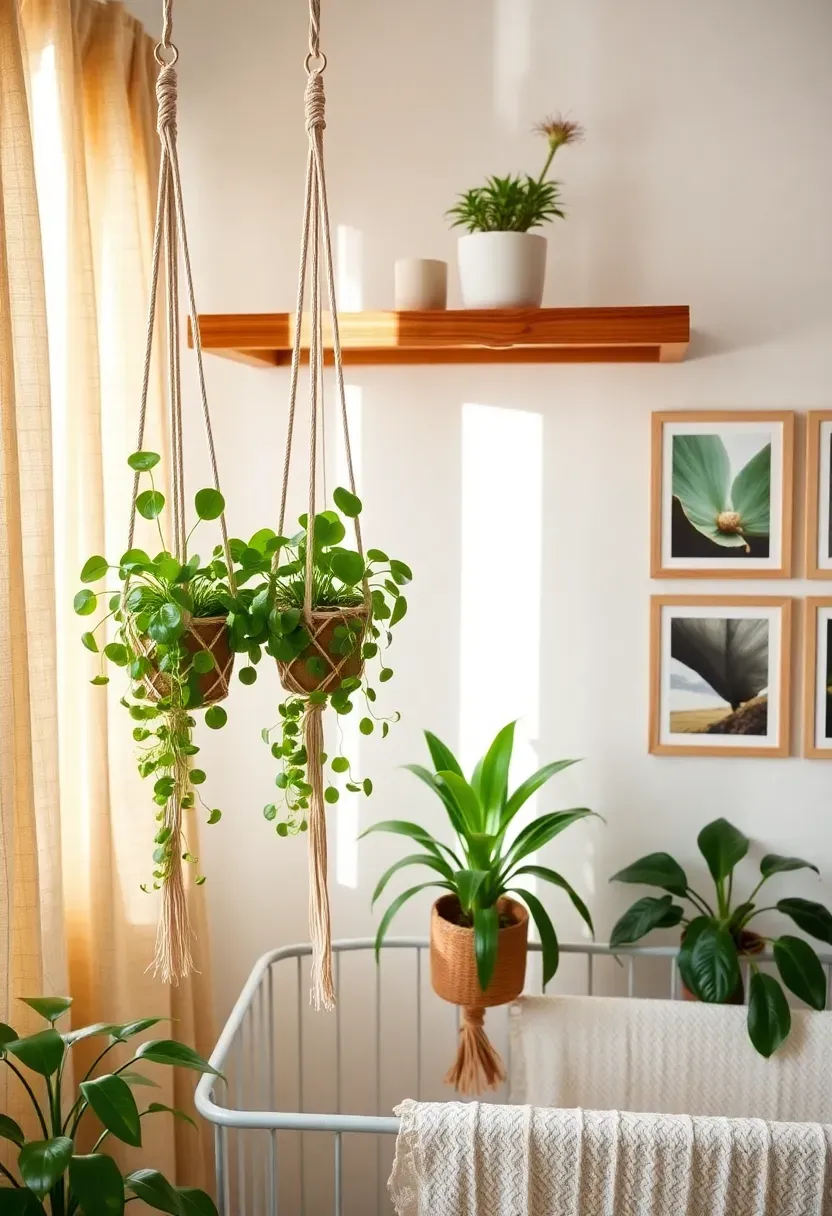
Integrate hanging plants safely out of baby's reach: pothos, spider plants, or peace lilies purify air while adding life and movement to the corner. Natural wood elements in live-edge shelves, tree stump side tables, or branch mobiles reinforce the organic connection.
Maximize natural light and views of outdoor greenery. If windows are limited, use nature photography, botanical prints, or pressed flower art. Natural fiber textiles in linen, cotton, and wool add tactile variety that stimulates sensory development.
Why it works: Biophilic design reduces stress, improves air quality, and supports circadian rhythm regulation through natural light exposure.
Do: Choose non-toxic plants and keep all greenery well above baby's reach.
Don't: Use soil that could harbor mold; opt for hydroponic or well-draining setups.
If/Then: If you lack natural light, then use full-spectrum grow lights for plants and circadian lighting for baby.
What this gives you: A living, breathing space that improves air quality while creating a calming, nature-connected environment for rest and growth.
22. Modular Cube Storage Corner System
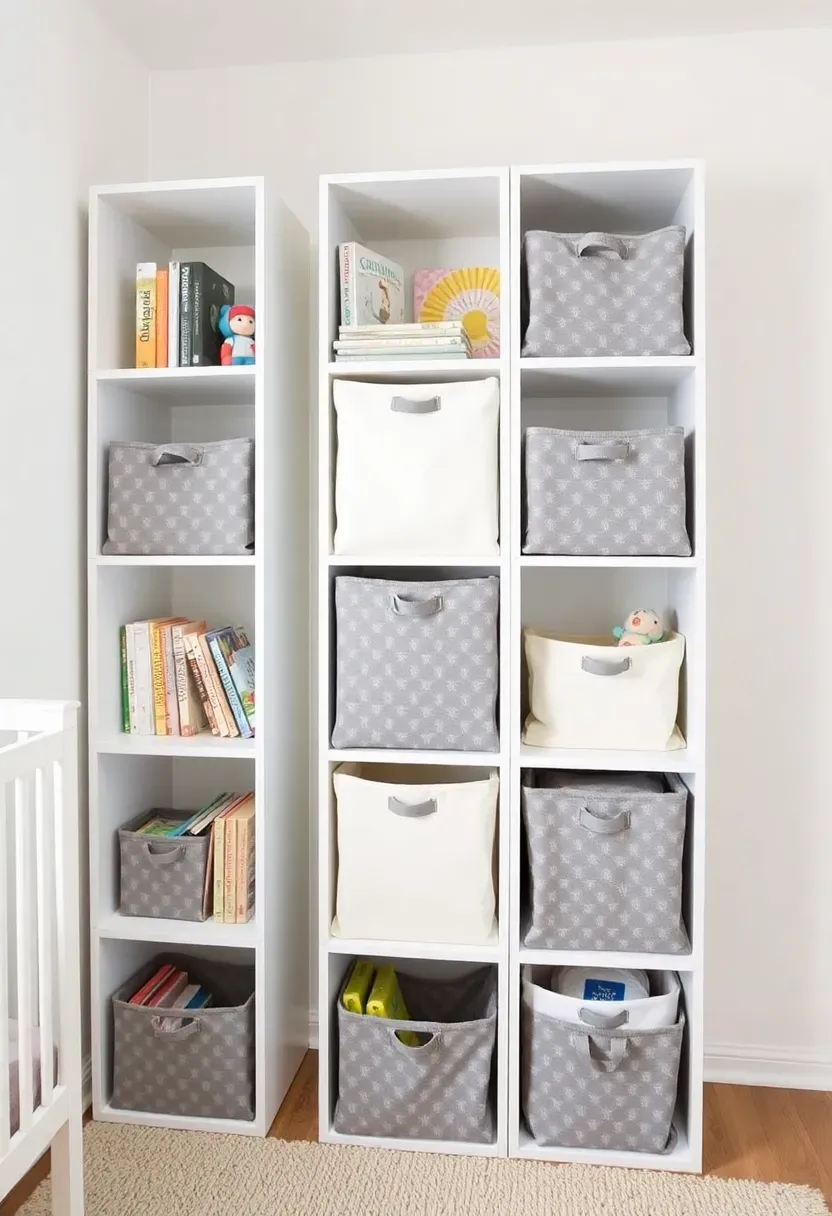
Modular cube storage systems offer unparalleled flexibility for evolving nursery needs, adapting as your baby grows from newborn essentials to toddler toys and beyond. This practical approach to nursery corner solutions maximizes every inch while maintaining clean, organized aesthetics that prevent clutter from overwhelming your bedroom.
Recommended
Items for this idea
Choose stackable cube units that can reconfigure as needs change: vertical towers for tight corners, horizontal benches for seating plus storage, or L-shaped arrangements that define the nursery zone. Fabric bins in coordinating colors hide clutter while allowing easy access.
The beauty of modularity lies in longevity: today's diaper storage becomes tomorrow's book nook, then transforms into a desk system for school-age children. Mix open cubes for display with closed storage for messier items.
Placement note: Anchor all tall units securely to walls; modular systems can be top-heavy when fully loaded.
• Label bins with pictures for pre-readers and words for older children.
• Use clear bins for frequently accessed items, fabric for less-used storage.
• Leave some cubes empty for future needs and impulse purchase accommodation.
What this gives you: Adaptable, scalable storage that grows with your child while maintaining bedroom organization and aesthetics.
23. Dark Moody Corner with Warm Accents
Dark moody nursery corners challenge the tradition of pastel-only baby spaces, creating dramatic, cocoon-like environments that promote deep sleep and sophisticated aesthetics. This bold approach to nursery corner solutions proves that rich colors and dim lighting can create the ultimate sleep sanctuary for both parent and baby.
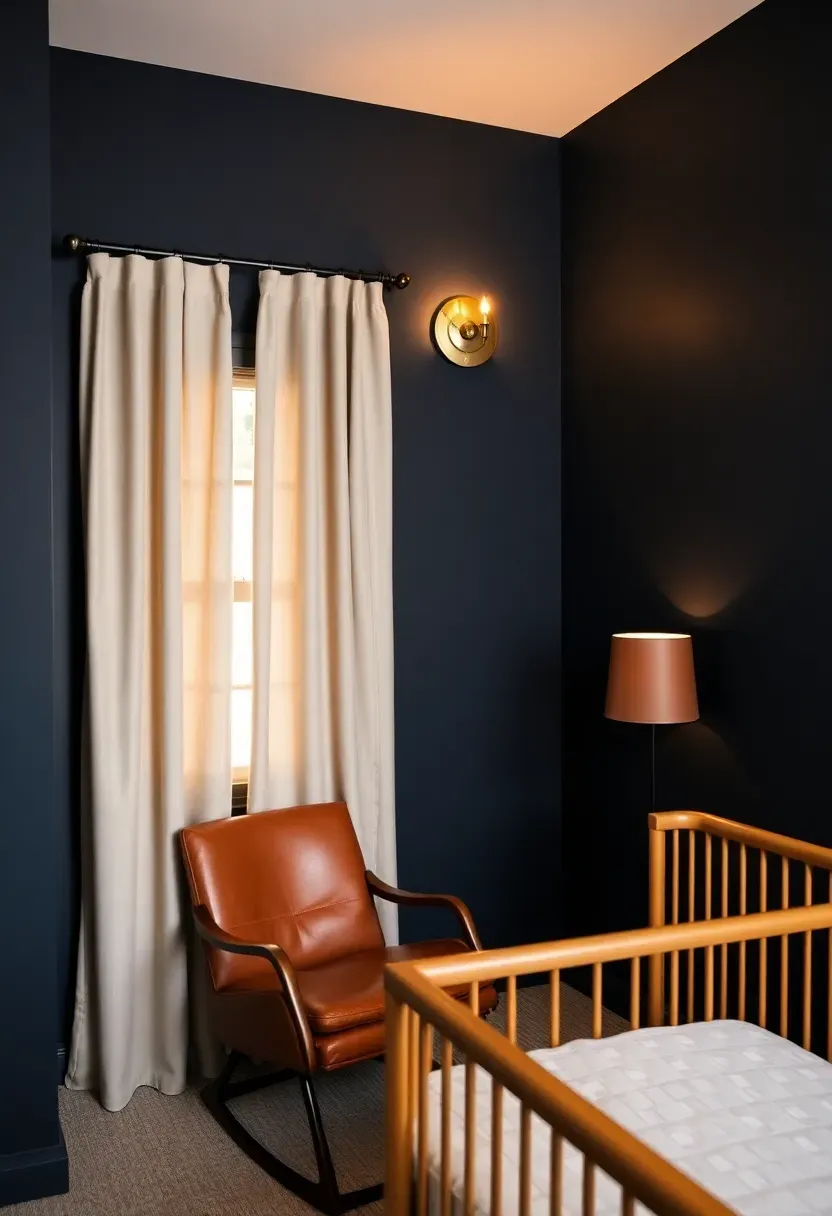
Common mistake: Making dark spaces feel cave-like; the key is layering warm accent lighting and varied textures. Paint the nursery corner in deep navy, charcoal, or forest green, then add warmth through brass fixtures, cognac leather accents, and amber-toned lighting.
Dark walls actually benefit sleep by absorbing light rather than reflecting it, creating a womb-like environment conducive to rest. Layer multiple light sources: sconces, table lamps, and fairy lights all on dimmers for adjustable ambiance.
Balance dark walls with light wood furniture, cream textiles, and metallic accents that catch and reflect available light. This creates sophisticated contrast that feels intentional rather than heavy.
Do: Use matte paint finishes that absorb rather than reflect light.
Don't: Make the entire bedroom dark; confine deep tones to the nursery corner for definition.
Pro/Con/Fix: Pro: Creates excellent sleep environment. Con: Can feel small. Fix: Add mirrors to reflect light and expand visually.
For more moody bedroom inspiration, see our dark romantic bedroom ideas for cohesive dramatic design.
What this gives you: A sophisticated, sleep-optimized space that feels cozy and secure while challenging conventional nursery color norms.
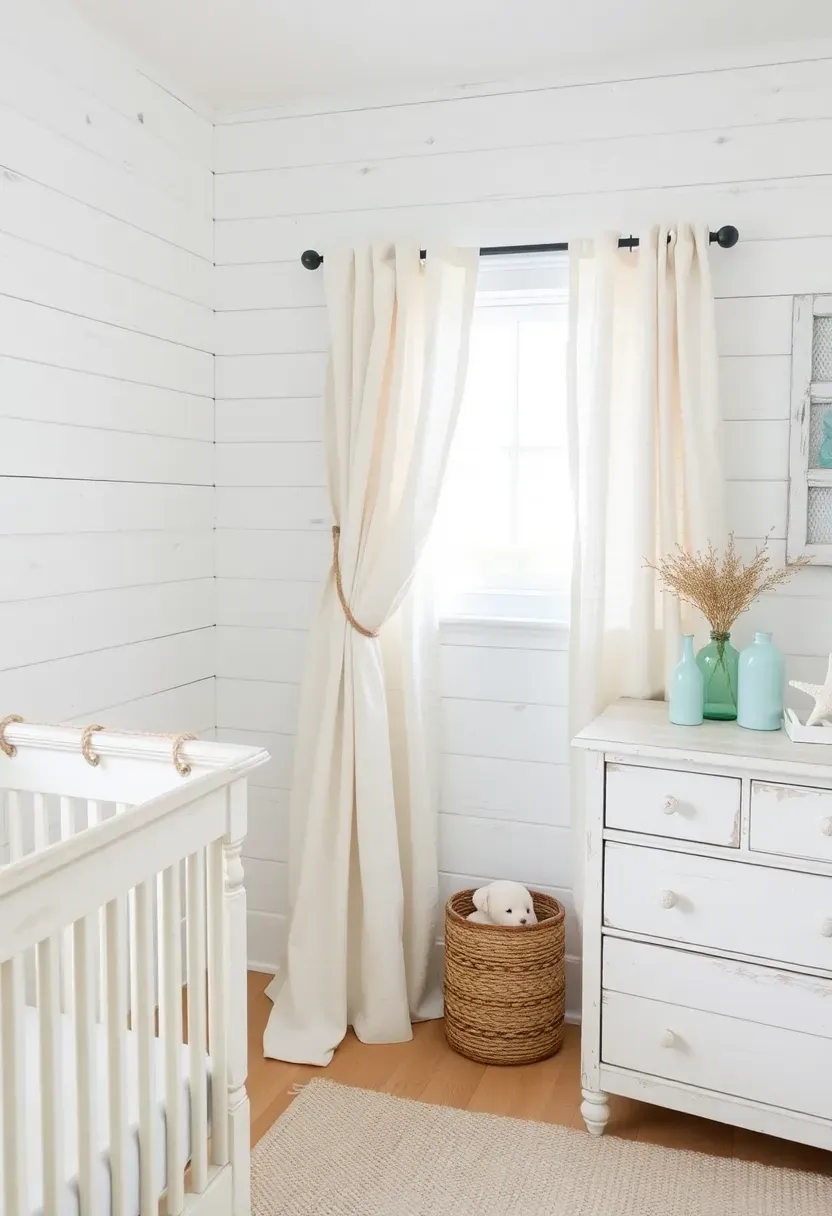
24. Whitewashed Coastal Farmhouse Blend
Whitewashed coastal farmhouse corners blend two beloved aesthetics into one serene, sun-drenched space that feels both rustic and refined. This hybrid approach to nursery corner solutions creates timeless appeal through weathered textures, ocean-inspired hues, and comfortable, lived-in elegance that welcomes both naps and nursing sessions.
Recommended
Items for this idea
The whitewashed palette combines farmhouse's rustic charm with coastal's breezy openness. Shiplap walls in white or pale blue-gray create architectural interest without heaviness. Weathered wood furniture in bleached oak or driftwood finishes adds texture while maintaining the light, airy feeling.
Textiles should feel effortless and comfortable: crumpled linen curtains, nubby cotton throws, and soft wool rugs in cream, sand, and sea glass tones. Vintage glass bottles, starfish accents, and rope details reinforce the coastal element.
Why it works: This style ages beautifully, hiding wear and stains while feeling perpetually relaxed and welcoming rather than precious.
• Mix antique finds with new basics for authentic collected-over-time appeal.
• Use slipcovered furniture that can be washed as needed.
• Add blue accents through ceramics or textiles for subtle coastal nods.
What this gives you: A timeless, comfortable space that combines rustic character with coastal serenity, creating the perfect relaxed environment for bonding.
25. Future-Proof Convertible Corner Design
Future-proof convertible corners represent the ultimate in smart nursery planning, featuring furniture and design choices that adapt from newborn through school age. This long-term approach to nursery corner solutions maximizes your investment while minimizing disruption to your bedroom as your child's needs evolve.
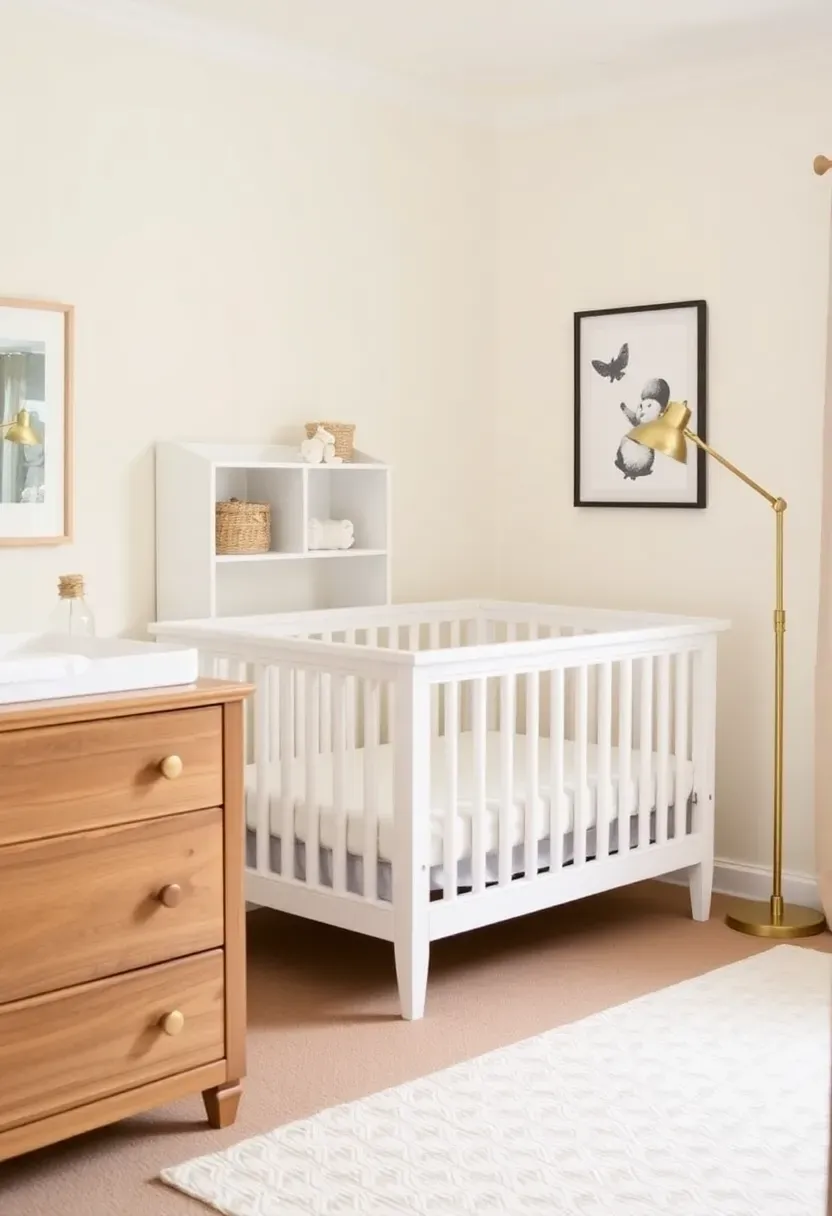
Choose a 4-in-1 convertible crib that transforms from bassinet to crib to toddler bed to full-size bed frame. Pair with a changing table that becomes a dresser, and open shelving that transitions from diaper storage to book displays to desk organization.
Design the corner with flexibility in mind: neutral wall colors that work for any age, lighting that adjusts from nightlight to homework lamp, and furniture proportions that don't feel oversized for a corner but can anchor a larger room later.
Common mistake: Designing only for the newborn phase; consider how the corner functions for a crawling baby, walking toddler, and eventually a child who needs desk space for homework.
Do: Invest in quality convertible pieces that can handle years of use.
Don't: Choose overly babyish themes that require complete redesign in two years.
If/Then: If space allows, then plan for a future desk area by leaving wall space and electrical access.
What this gives you: A wise, sustainable investment that serves your family for a decade or more while maintaining bedroom aesthetics through every developmental stage.
Setting up a nursery corner in your parent bedroom is one of the most practical and loving decisions you can make for your new family. These 25 nursery corner ideas for parent bedrooms prove that you do not need a separate room to provide a beautiful, functional space for your baby. Whether you rent or own, by choosing multi-functional furniture and a style that complements your existing decor, you can create a cozy bonding space that serves your family well beyond the infant years.
About the author
OBCD
CGI visualization and interior design content. We create detailed 3D renders and curate practical design ideas for every room in your home.