19 Home Garden Ideas That Turn Any Yard Into an Outdoor Oasis
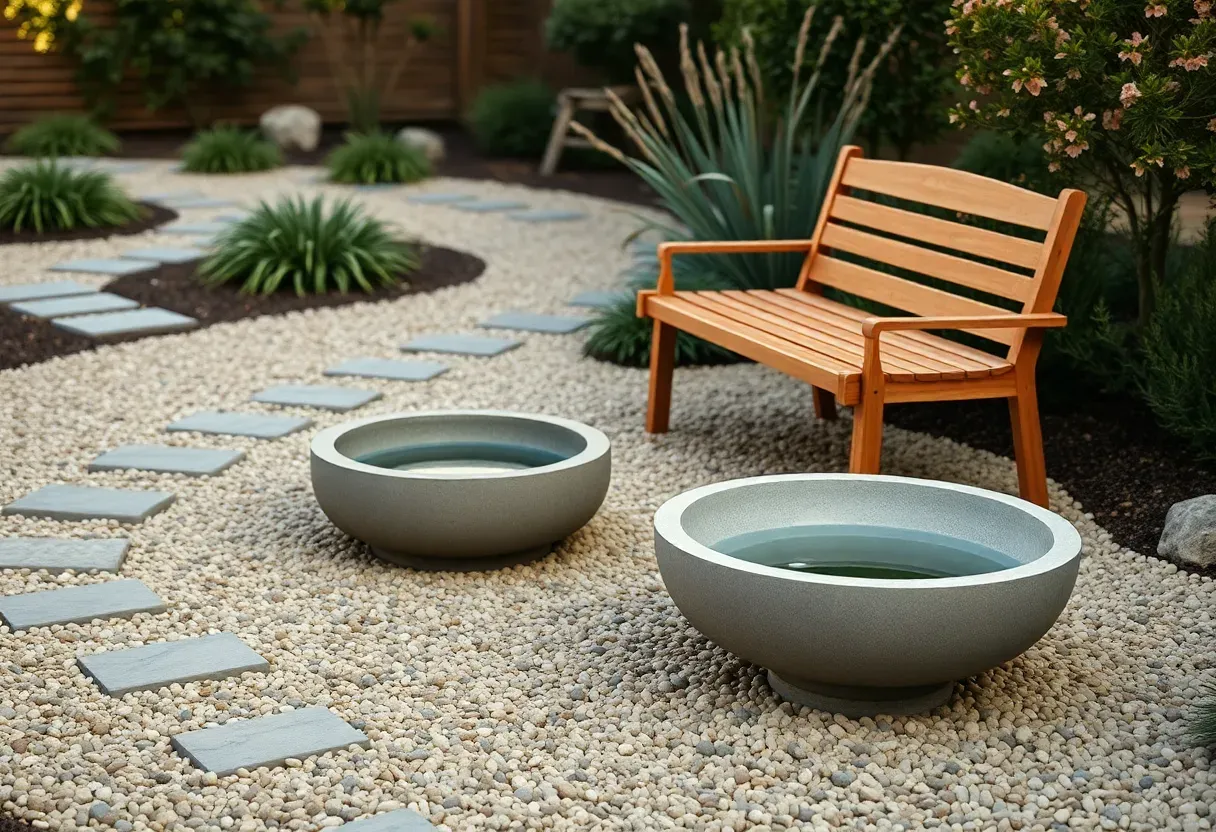
The right home garden ideas can turn even a modest yard into a backyard oasis that feels calm and purposeful. Whether you have a small backyard or a full lot, these garden design ideas focus on layered planting, low-maintenance materials, and cozy outdoor living zones that work season after season.
Below you will find 19 practical outdoor garden ideas, from raised beds and gravel paths to fire pits and privacy hedges. Each one scales to your space and budget, so you can start with a single project and build from there.
Quick FAQ
Which home garden ideas work best for small yards?
Start with one clear path and a compact seating nook. Vertical planting and raised beds keep the footprint light while adding volume.
How do home garden ideas stay low maintenance over time?
Choose hardy perennials, deep mulch, and drip irrigation so the garden holds moisture. Repeat materials to simplify care and avoid high-touch surfaces.
Why should I plan zones before planting?
Zones help you decide where to relax, grow, and store tools. A clear plan prevents crowding and makes every square foot useful.
Which materials age best outdoors?
Teak, bluestone, and corten steel develop patina without heavy upkeep. They also ground softer planting so the space feels calm.
Should I avoid mixing too many garden styles?
Yes, limit the palette to one main style and one accent. If you want a near-match, combine modern lines with a few vintage touches.
As an Amazon Associate I earn from qualifying purchases.
Table of Contents
- 1. Curved gravel path that guides the view
- 2. Tiered cedar raised beds for small harvests
- 3. Hidden drip irrigation that keeps beds even
- 4. Deep mulch border with soft groundcover
- 5. Native pollinator pocket near the patio
- 6. Corten edge lines for clean planting geometry
- 7. Teak bench nook under a shade tree
- 8. Solar lantern trail for warm evening glow
- 9. Rain-barrel watering station with lattice screen
- 10. Compost nook screened by tall grasses
- 11. Bluestone dining terrace with linen shade
- 12. Herb trellis wall beside the kitchen door
- 13. Espaliered fruit trees along a sunny fence
- 14. Fire-pit circle on crushed granite
- 15. Pebble meditation corner with stone bowl
- 16. Pergola swing seat for a gentle retreat
- 17. Mobile container garden for seasonal swaps
- 18. Moonlight planting palette with silver leaves
- 19. Layered privacy hedge with mixed evergreens
1. Curved gravel path that guides the view
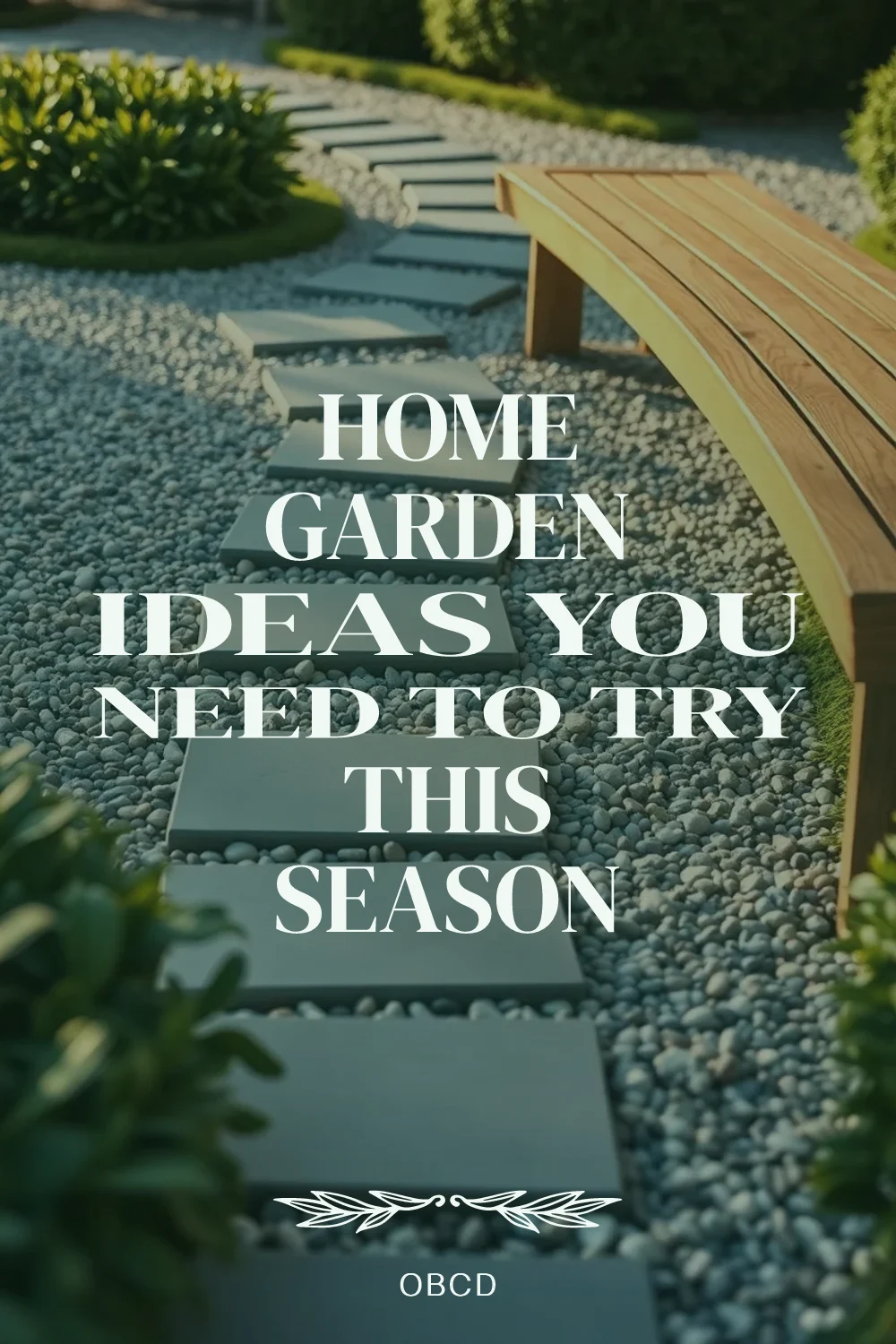
One home garden idea that makes a yard feel larger is a curved gravel path that guides the eye. The soft curve slows movement and creates small reveals along planting beds. Keep the path about 36 inches wide so two people can pass comfortably. Place bluestone stepping stones every 24 inches for steady footing after rain. Avoid jagged crushed rock; upgrade to rounded pea gravel for a softer, barefoot-friendly feel.
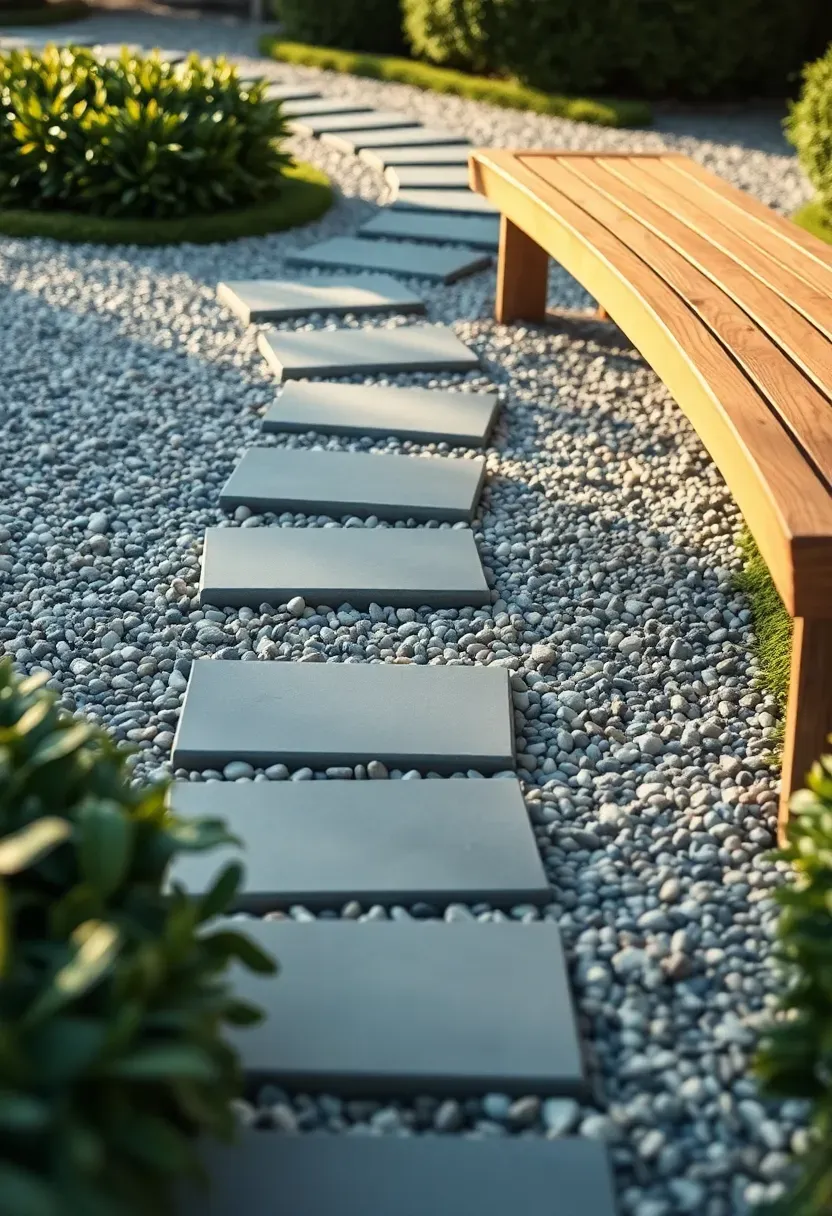
For example, set a 3-inch compacted base and a breathable landscape fabric to reduce weeds. A narrow stone or metal edging keeps gravel from drifting into planting and keeps mowing clean. If the route crosses lawn, add a 4-inch mowing strip so trimming stays easy. This gravel path pairs well with low evergreens and a simple teak bench for pauses. The gentle curve makes the garden feel intentional without heavy construction.
Tips
- Do: rake the surface lightly once a month for an even texture.
- Don't: use bright white gravel that throws glare.
- Do: edge the curve with a flexible steel strip for clean lines.
Best for: narrow side yards and front entries that need flow.
What this gives you: a calm circulation spine with instant structure.
We picked a few things that go well with this idea: Epic Gardening Cedar Raised Bed Extension Kit (★3.5), Earth Elevated Cedar Wood Garden Bed (★4.4) and Cedar Raised Garden Bed with Wheels (★4.3). As an Amazon Associate we earn from qualifying purchases.
2. Tiered cedar raised beds for small harvests
A practical home garden idea for a beautiful outdoor oasis is tiered cedar raised beds that add height and order. Build two or three beds in 4x8-foot modules so you can rotate crops easily. Keep the height around 18 inches to reduce bending and improve drainage. Cedar resists rot and keeps the beds light. Avoid treated lumber near edibles; upgrade to untreated cedar or redwood.
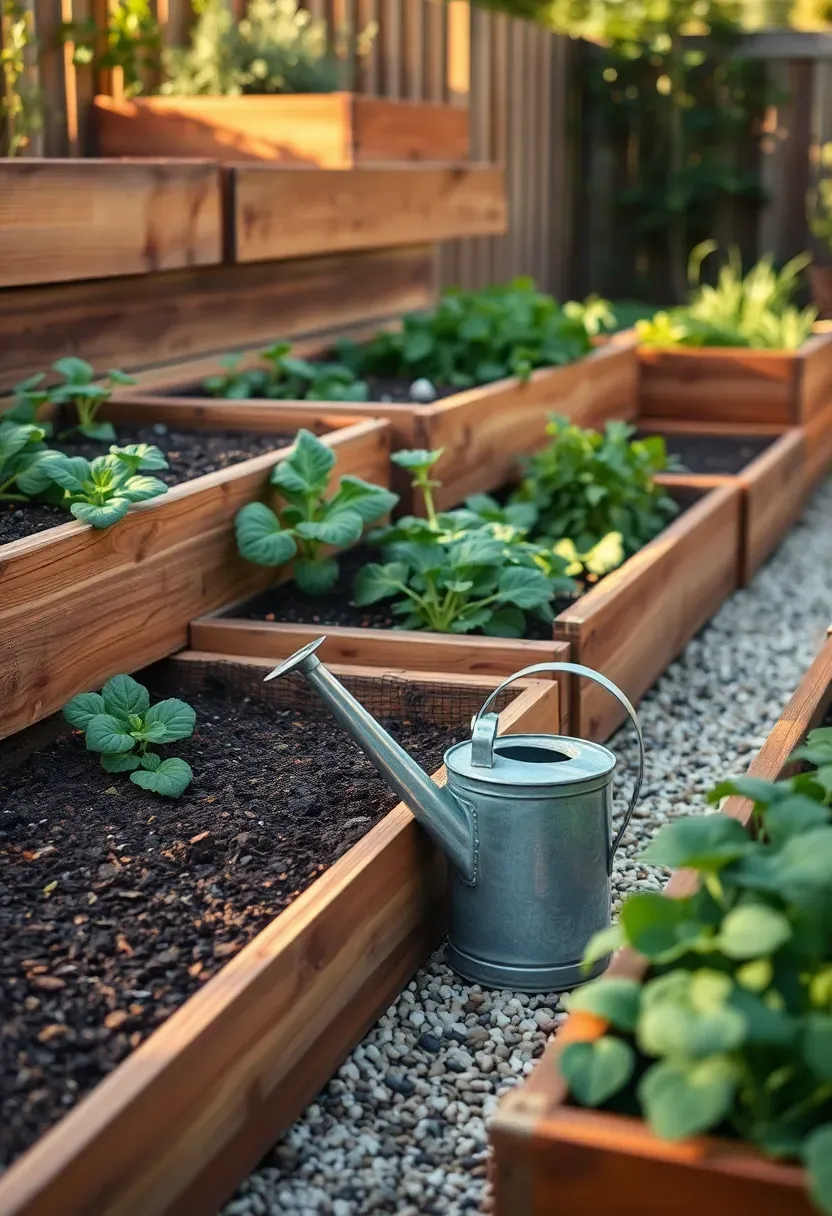
Placement note: Set beds on the sunniest 6-hour stretch and keep a 30-inch aisle for a wheelbarrow.
The trade-off is a higher soil cost, so fill with a 60/30/10 mix of topsoil, compost, and perlite. A simple drip irrigation line under mulch keeps vegetables evenly watered without splashing leaves. Border the beds with a narrow gravel path so shoes stay clean. The tiered layout makes harvesting feel tidy and inviting.
If you want softer, old-world texture around the beds, see 23 Timeless Vintage Garden Ideas That Never Go Out Of Style for material cues that still read classic.
Tips
- If soil settles, then top up with compost each spring.
- If pests are common, then add a 12-inch hardware cloth liner under beds.
- If space is tight, then stagger heights to keep the back row visible.
What this gives you: a productive garden zone that stays neat and ergonomic.
We picked a few things that go well with this idea: Dynaming Solar Hanging Lanterns (6-Pack) (★4.3), Dynaming Solar Path Lanterns (6-Pack) (★4.5) and GIGALUMI Solar Pathway Lights (12-Pack) (★4.1). As an Amazon Associate we earn from qualifying purchases.
3. Hidden drip irrigation that keeps beds even
Another home garden idea that saves time is hidden drip irrigation that keeps beds evenly moist. Run 1/2-inch main lines along bed edges and tuck 1/4-inch emitter lines under mulch. Space emitters about 12 inches apart for herbs and veggies. This method reduces leaf disease because foliage stays dry. Avoid overhead sprinklers; upgrade to drip for precise watering.
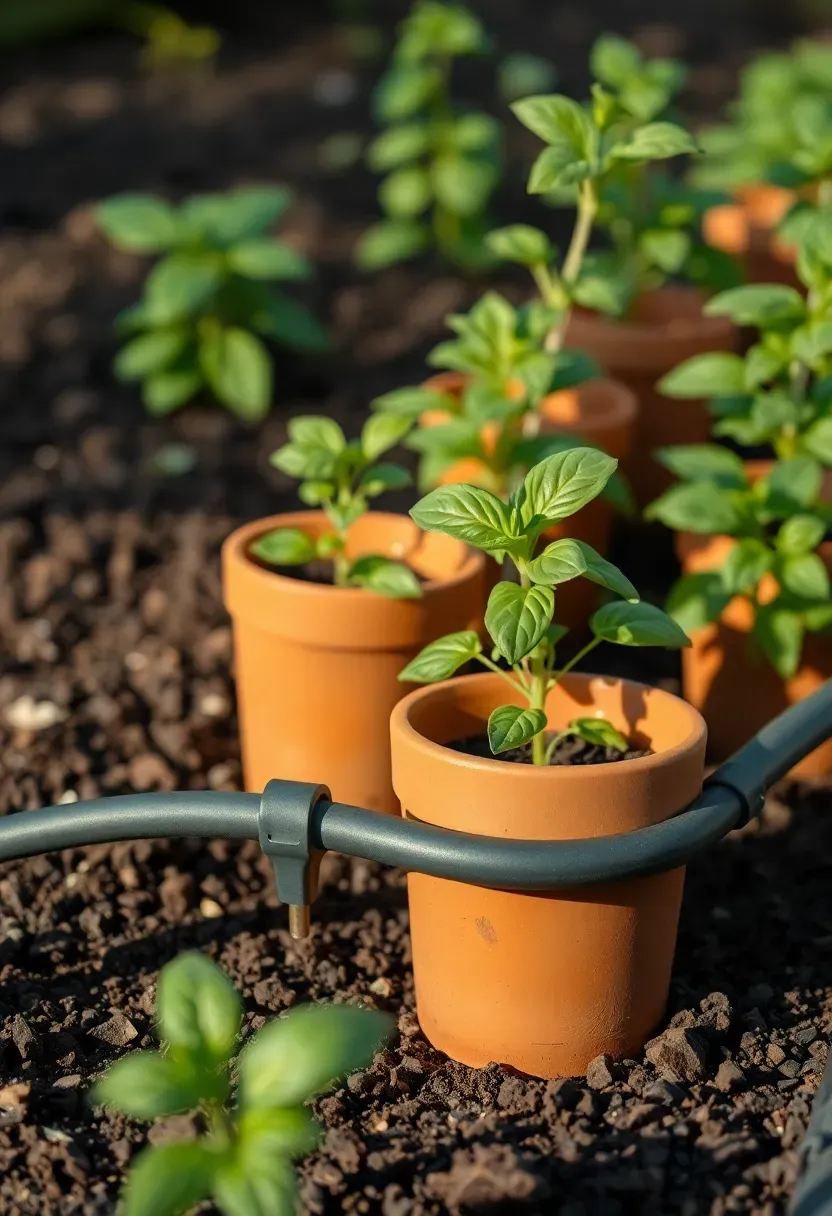
Why it works: slow, targeted watering reduces evaporation and keeps foliage dry.
As a consequence, watering windows shrink to about 20 minutes a few times a week. Use Italian terracotta pots near the edge to disguise valves and add warmth. If you prefer hand watering for small beds, install quick-connect fittings so you can switch easily. A simple battery timer keeps the schedule steady during hot weeks. The system stays nearly invisible while keeping growth consistent.
Tips
- Pro: steady moisture keeps roots happier during heat spikes.
- Con: emitters can clog in hard water.
- Fix: add a small inline filter and flush lines monthly.
Budget/Time: $80-$180 and about 2 hours to install.
What this gives you: even watering that frees up your weekends.
We picked a few things that go well with this idea: Carbonized Wood Outdoor Garden Bench (★4.0), Weatherproof Backless Outdoor Garden Bench (★4.5) and Large Teak Shower and Garden Bench (★4.2). As an Amazon Associate we earn from qualifying purchases.
4. Deep mulch border with soft groundcover
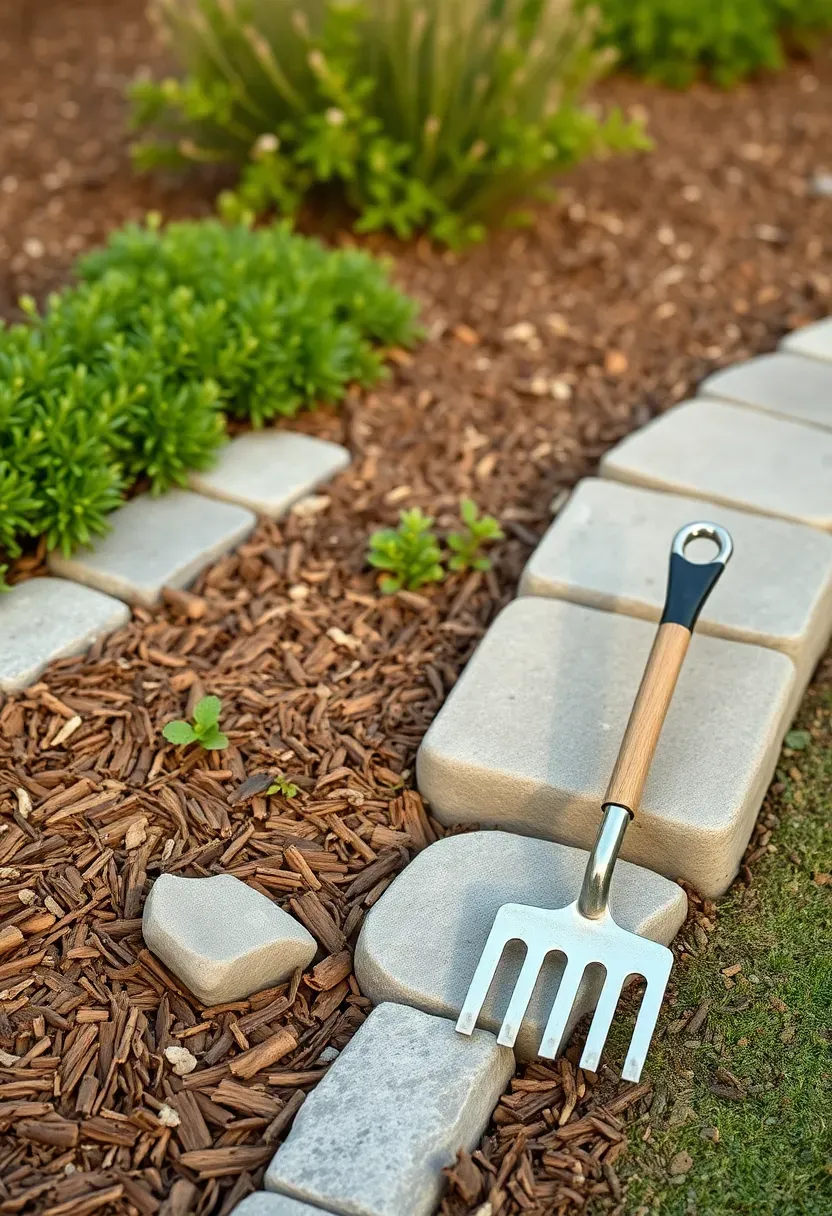
A low-effort home garden idea is a deep mulch border that softens edges and locks in moisture. Spread a 3- to 4-inch layer along planting beds to reduce weeds and stabilize temperature. Choose shredded bark in a dark tone so foliage stands out. The texture feels quiet and natural underfoot. Avoid thin mulch that shows soil; upgrade to a full-depth layer for a clean look.
Recommended
Items for this idea
Common mistake: mixing bright bark with soft plant colors, which makes the border look busy.
In practice, mix in creeping thyme or ajuga every 18 inches so the border looks alive rather than flat. Keep mulch two inches away from stems to prevent rot. A simple limestone edging strip stops runoff during storms. This approach cuts watering needs and keeps the border tidy.
If you want harder materials to balance soft planting, see 15 Architectural Concrete Ideas That Change the Urban Environment for outdoor surface inspiration.
Tips
- Micro-hack: water after spreading so mulch knits in.
- Micro-hack: refresh the top inch each spring for color.
- Micro-hack: use a leaf blower on low to clear debris.
- Micro-hack: keep a small rake nearby for quick touch-ups.
What this gives you: a softer edge that stays cooler and cleaner.
5. Native pollinator pocket near the patio
A cheerful home garden idea near the patio is a native pollinator pocket that adds movement and color. Set aside a 6x6-foot bed and plant in loose drifts for a natural look. Space perennials about 18 inches apart so they fill in without crowding. Include a shallow stone dish for water to bring bees and butterflies closer. Avoid double-petal hybrids; upgrade to single blooms that offer real nectar.
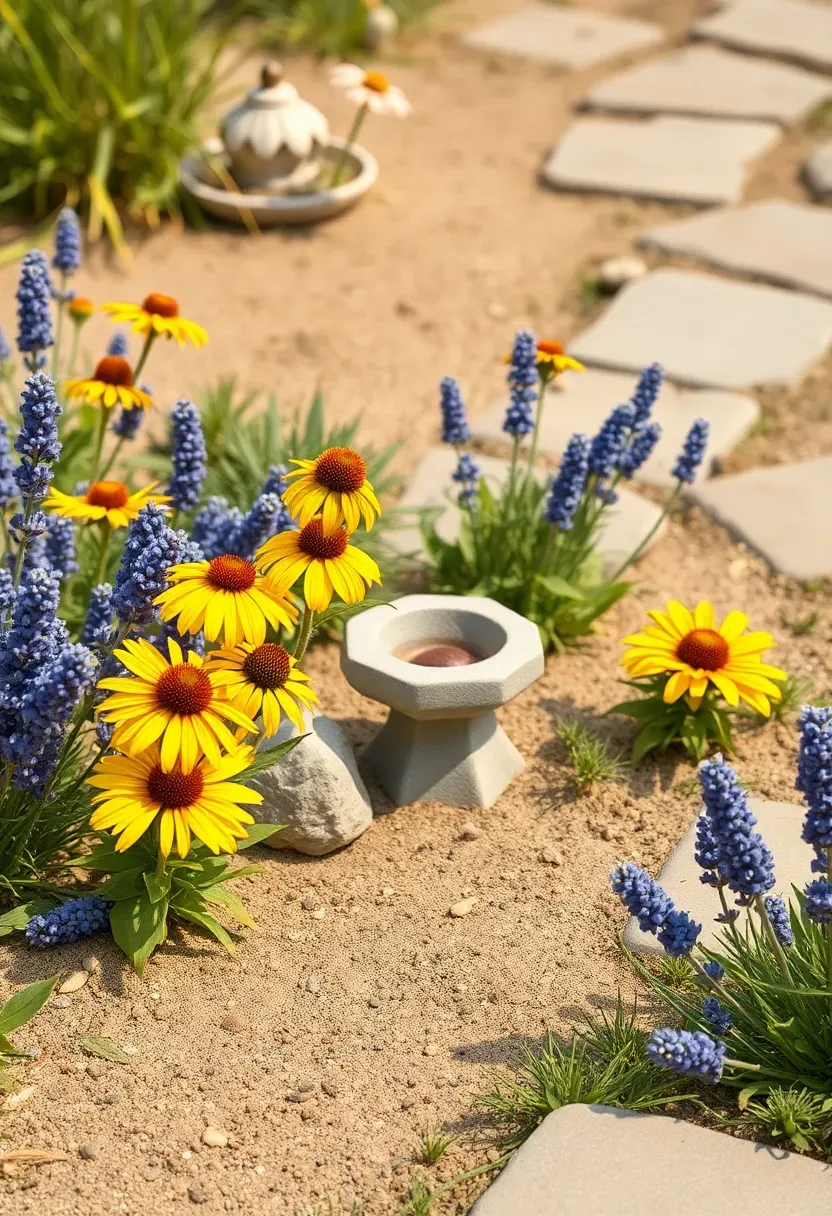
For a quick win, tuck in pollinator plants that bloom in sequence from spring to fall. Use a 2-inch layer of composted mulch to keep soil cool and feed roots. If the area gets wind, add a low hedge to protect fragile stems. The pocket reads lively without feeling messy.
Tips
- Do: repeat three plant types for a calmer rhythm.
- Don't: mix more than two bright colors at once.
Best for: patios and decks that need a lively backdrop.
What this gives you: a lively burst of color that supports local wildlife.
6. Corten edge lines for clean planting geometry
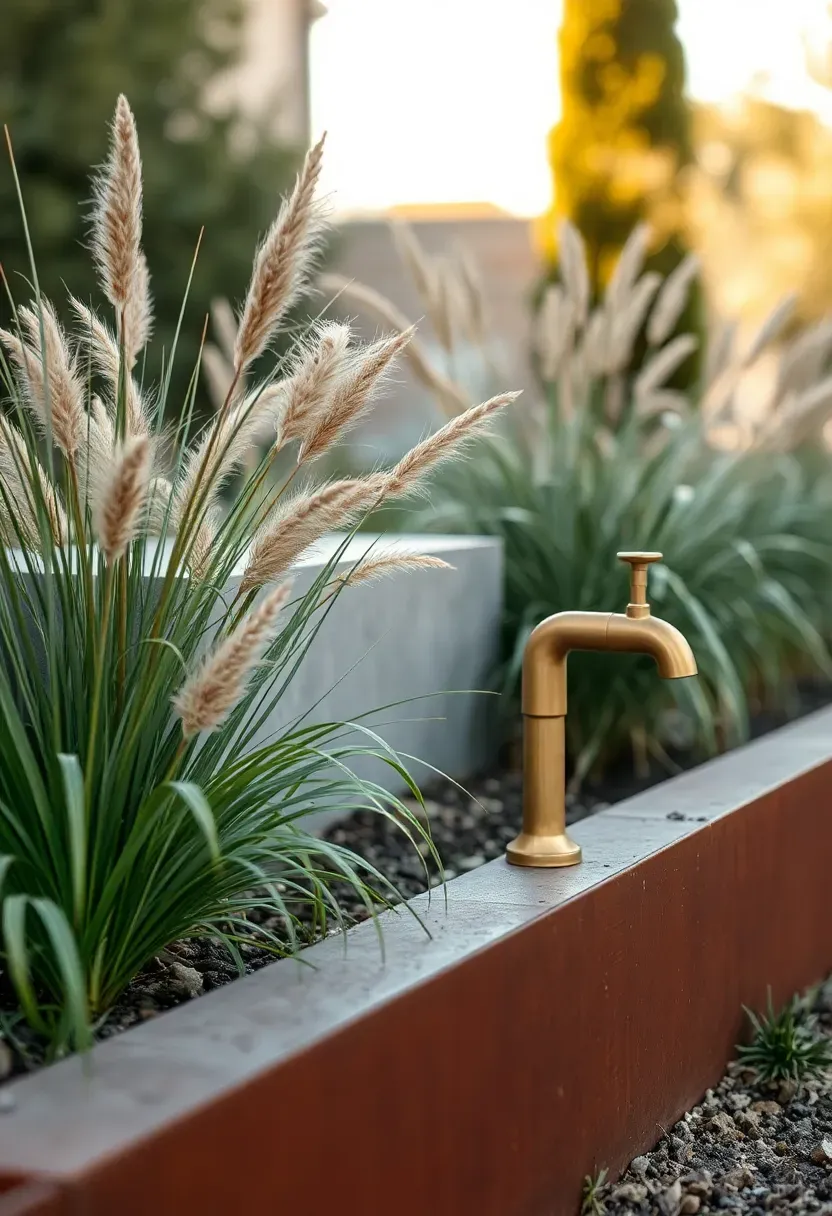
A clean-lined home garden idea is to use corten steel edging to define planting geometry. The thin rusted line creates a crisp boundary without bulky borders. Keep edging about 4 inches tall so it disappears behind foliage. It pairs well with grasses and gravel for a modern natural look. Avoid bright galvanized edging; upgrade to corten for a warm, muted edge.
Recommended
Items for this idea
Placement note: Align edging with existing paths and leave a 12-inch planting setback for root spread.
If you want a softer feel, combine the corten with a single curve rather than tight angles. Add a concrete stepping slab every 30 inches to keep feet off soil after rain. The patina deepens over a season and looks intentional next to stone. This edging makes beds look tailored while keeping mulch contained.
For more ideas that balance clean lines and outdoor materials, see 23 Beautiful Small Balcony Garden Inspiration You'll Love and borrow the compact layout cues.
Tips
- If the edge lifts, then pin it with 8-inch stakes.
- If rust runoff worries you, then add a 3-inch gravel strip.
- If grasses flop, then trim in early spring.
What this gives you: crisp bed lines that stay neat without fuss.
7. Teak bench nook under a shade tree
A restful home garden idea is a teak bench nook tucked under a shade tree. The seat creates outdoor seating without building a full patio. Choose a 48-inch bench so two people can sit comfortably. Add a simple cushion in a neutral textile to soften the look. Avoid bulky armchairs here; upgrade to a slim bench for better circulation.
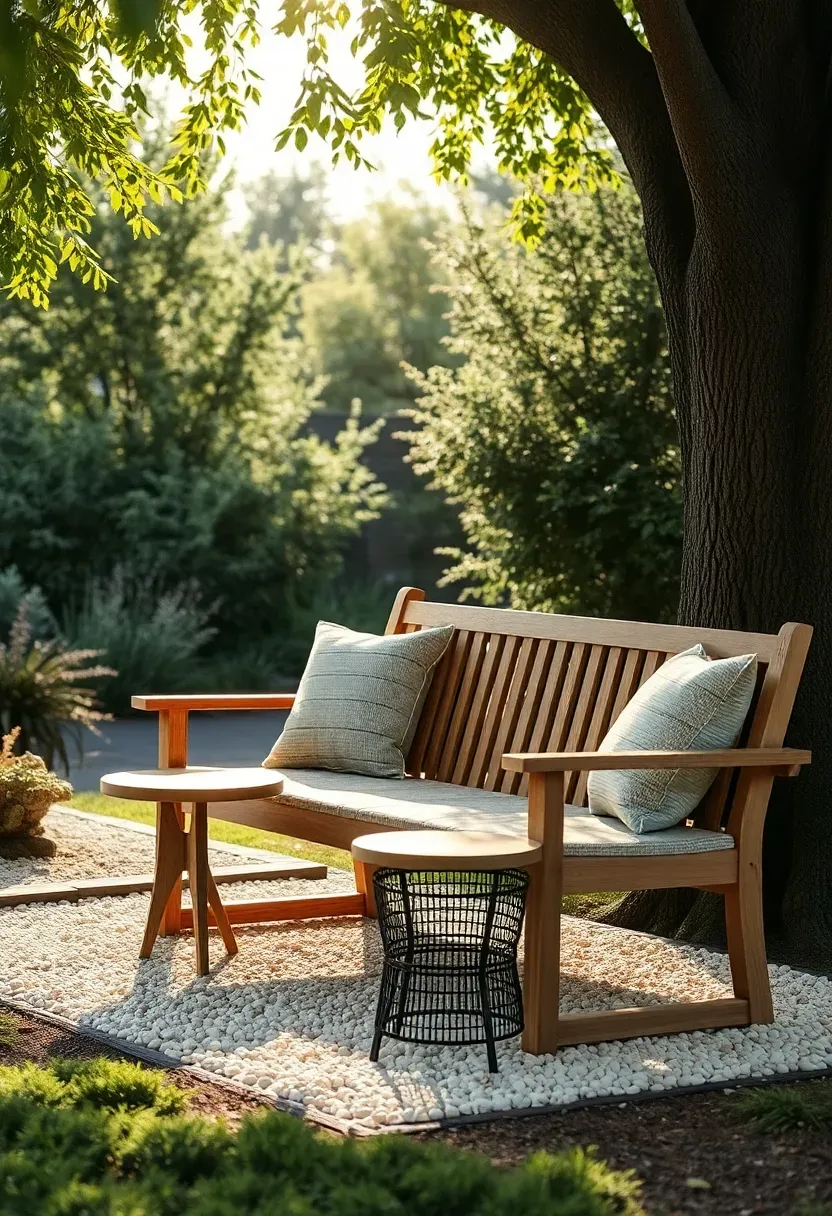
Why it works: the bench adds outdoor seating without demanding a full patio footprint.
The trade-off is less lounging length, so add a small side table for drinks. A 5x6-foot gravel pad under the bench keeps shoes clean and stabilizes legs. If you want more privacy, back the nook with a low hedge or a cedar screen. The teak weathers to silver and blends with greenery.
Tips
- Pro: teak handles sun and rain with minimal care.
- Con: cushions can fade in direct light.
- Fix: use a washable cover and store in a deck box.
Best for: shaded corners that feel underused.
What this gives you: a quiet seat that invites daily pauses.
8. Solar lantern trail for warm evening glow
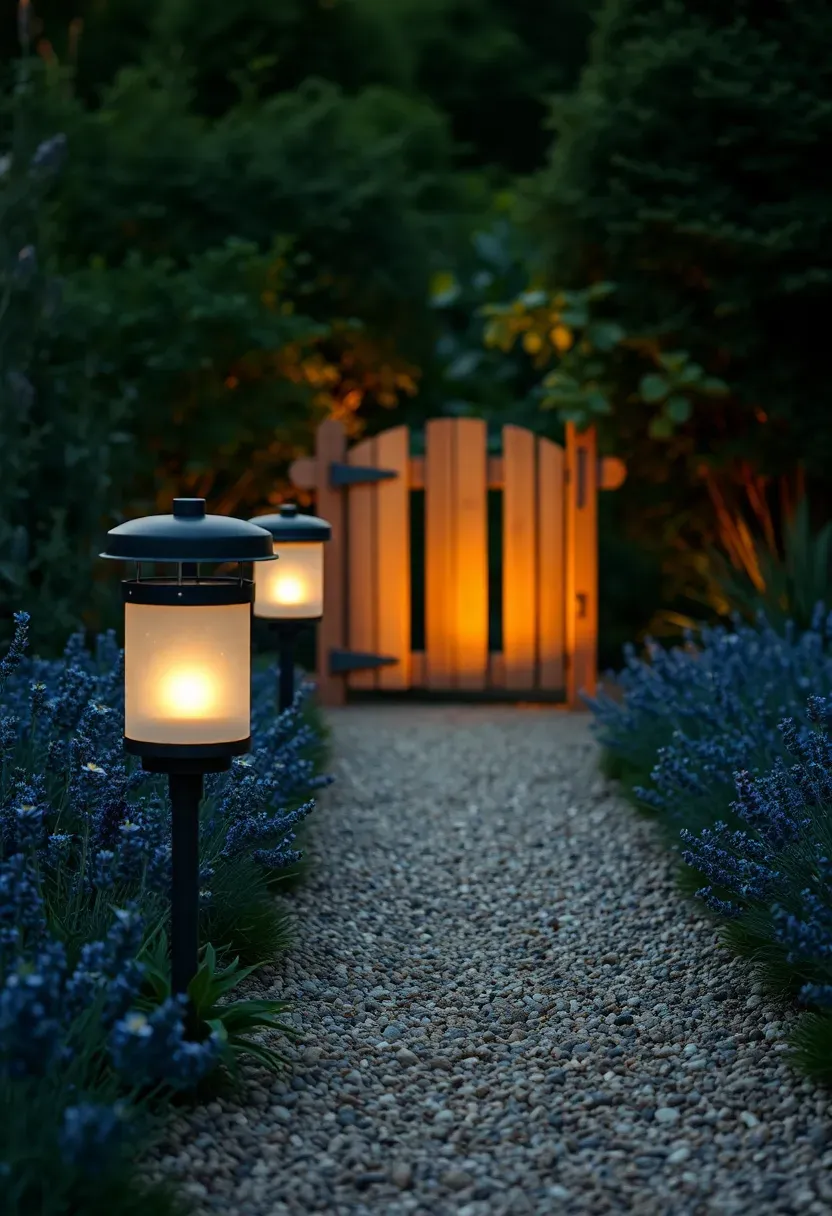
A warm home garden idea for evenings is a solar lantern trail that guides guests gently. Place lanterns every 6 to 8 feet along a path for even rhythm. Choose warm LED tones so light feels like candle glow. The soft pool of light makes the garden usable after sunset. Avoid cool white bulbs; upgrade to 2200K warm tones.
Recommended
Items for this idea
Common mistake: clustering lights too close, which makes the path look dotted and busy.
As evening falls, the glow highlights plants without overwhelming them. Mix lantern heights slightly so shadows feel natural. If you want a quieter look, use matte black stakes and frosted glass. The solar lights reduce wiring needs while still marking the route.
If you want a softer, nostalgic ambiance, see 23 Timeless Vintage Garden Ideas That Never Go Out Of Style for lighting cues that stay classic.
Tips
- Micro-hack: wipe panels monthly so they charge fully.
- Micro-hack: angle lights away from seating to prevent glare.
- Micro-hack: store extras for winter and rotate in spring.
What this gives you: a soft night path that feels inviting and safe.
9. Rain-barrel watering station with lattice screen
A smart home garden idea for water savings is a rain-barrel watering station with a lattice screen. Place a 50- to 65-gallon barrel under a downspout and connect a hose bib at the base. The screen hides the utility look and adds a tidy backdrop. Keep the spigot about 12 inches above grade for bucket clearance. Avoid flimsy plastic screens; upgrade to cedar lattice for better longevity.
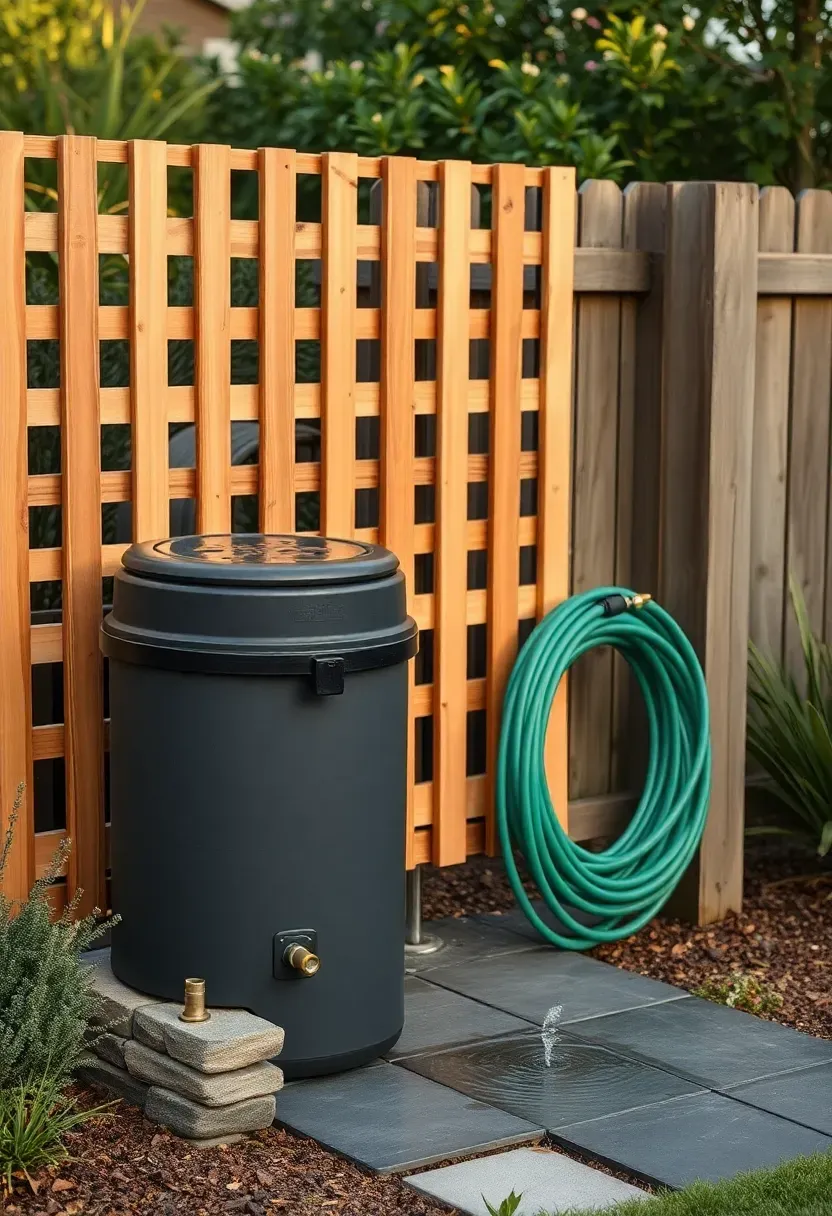
For example, set a 24x24-inch slate splash pad below the spigot to stop erosion. Add a short gravel path so the area stays walkable after heavy rain. If mosquitoes are a concern, use a fine mesh inlet cover. The station feels purposeful while keeping runoff useful.
Tips
- Do: add an overflow hose to direct excess water.
- Don't: let the barrel sit on bare soil.
- Do: raise it on concrete pavers for stability.
- Don't: store it where freezing water can crack fittings.
Budget/Time: $120-$220 and half a day to install.
What this gives you: free water on hand with a cleaner-looking corner.
10. Compost nook screened by tall grasses
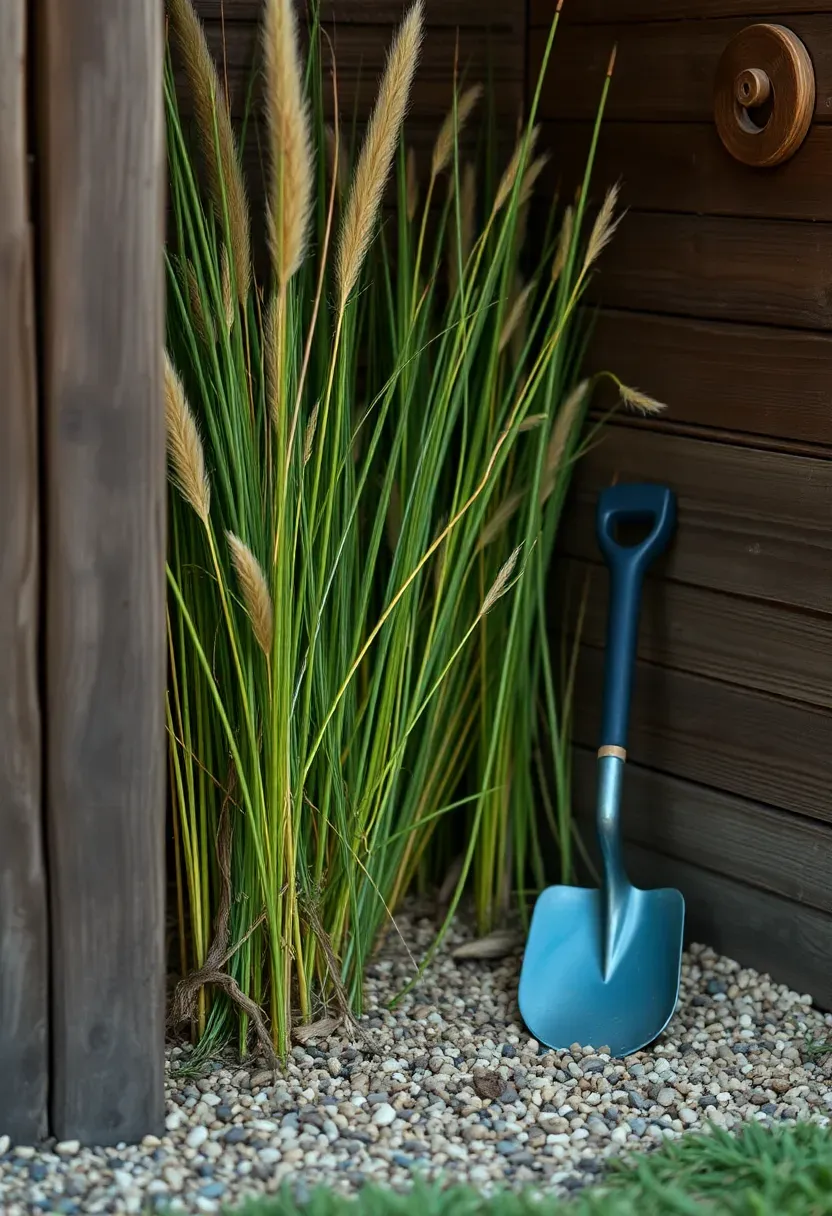
A tidy home garden idea for sustainability is a compost nook screened by tall grasses. Place the bin where it gets some sun but is still easy to reach. A 3x3-foot bin size handles most kitchen scraps without taking over the yard. Use compostable liners to reduce mess. Avoid placing it directly against the house; upgrade by giving it 4 feet of breathing room.
Recommended
Items for this idea
Placement note: Tuck the bin downwind of seating and leave a 36-inch clearance for turning.
The trade-off is a slightly rustic look, so soften it with miscanthus or switchgrass. Add a gravel base so the area stays clean in wet weather. If you want a cleaner edge, frame the nook with a low timber curb. The compost becomes an invisible engine for richer soil.
For ideas on tidy outdoor zones, see 15 Architectural Concrete Ideas That Change the Urban Environment and borrow the durable surface mindset.
Tips
- If odors appear, then add more dry leaves or cardboard.
- If the pile stays cold, then turn it every two weeks.
- If pests visit, then bury scraps under 6 inches of browns.
What this gives you: healthy soil production without a messy view.
11. Bluestone dining terrace with linen shade
A hosting-focused home garden idea is a bluestone dining terrace with a light linen shade. A 12x12-foot pad fits a table for six without crowding. Bluestone stays cool underfoot and handles heavy furniture. Use a simple teak table to keep the palette warm. Avoid shiny tile outdoors; upgrade to honed stone for slip resistance.
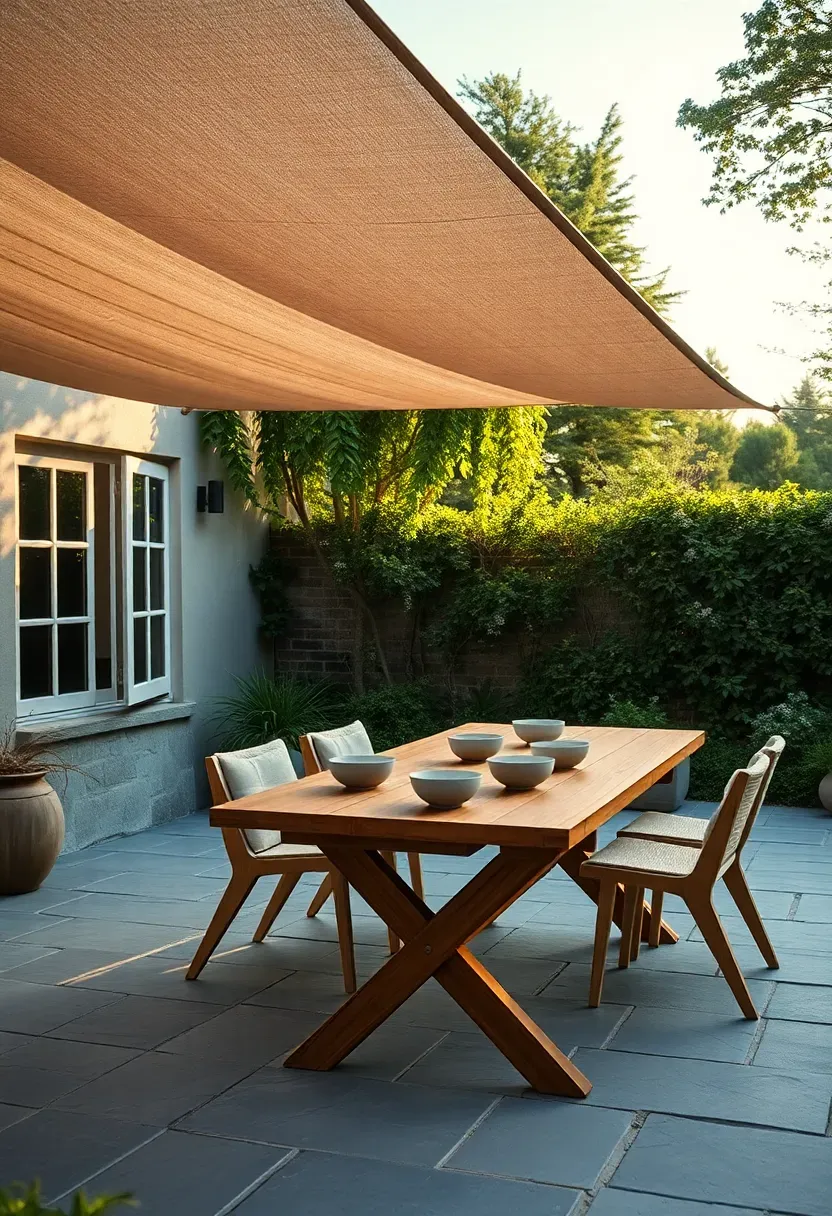
Why it works: the stone terrace anchors an outdoor seating zone without feeling heavy.
For instance, a triangular shade sail angled at 7 feet keeps the space airy while blocking midday glare. Add one large planter instead of many small pots to reduce clutter. If wind is strong, anchor the sail to steel posts set in concrete. The terrace reads refined but still relaxed.
Tips
- Pro: bluestone hides dirt and weathers beautifully.
- Con: stone can feel cool in early spring.
- Fix: add a linen outdoor rug for warmer footing.
Best for: households that host dinners outside.
What this gives you: an outdoor dining room that feels effortless.
12. Herb trellis wall beside the kitchen door
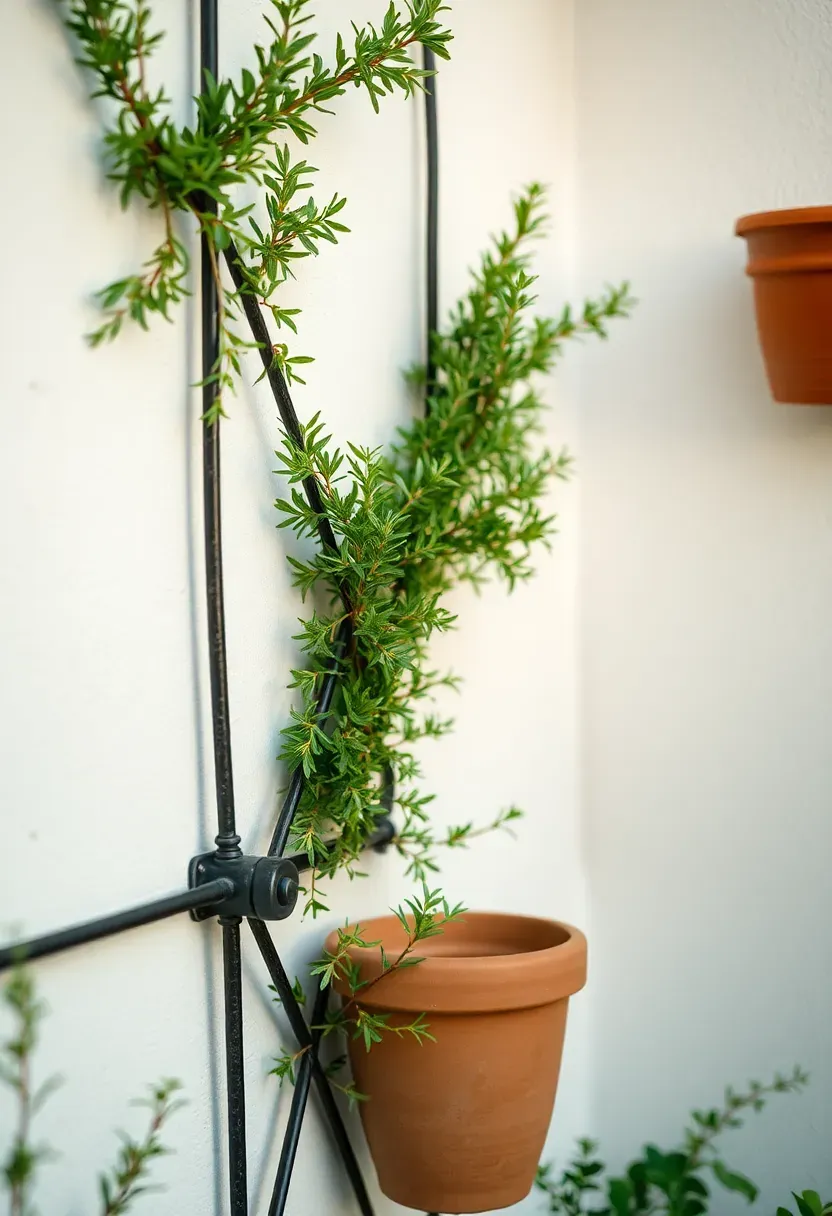
A practical home garden idea near the kitchen is an herb trellis wall that keeps flavors close. Mount a slim trellis and train rosemary or thyme so the wall stays green. Run a thin drip irrigation line at the base to keep pots evenly moist. Keep the planting zone about 16 inches deep to leave room for walking. Avoid small plastic pots; upgrade to Italian terracotta for stable roots.
Recommended
Items for this idea
Common mistake: crowding too many herbs into one pocket, which reduces airflow.
To keep it practical, use a 12-inch shelf for tools and harvesting scissors. Add a light layer of gravel under pots to reduce mud splash. If sun is limited, swap rosemary for mint or chives that tolerate shade. The herb wall adds scent without stealing garden space.
If you need compact planting ideas, see 23 Beautiful Small Balcony Garden Inspiration You'll Love and adapt the vertical layout approach.
Tips
- Micro-hack: label herbs with small wooden stakes for quick grabs.
- Micro-hack: pinch tips weekly to keep growth compact.
- Micro-hack: rotate pots a quarter turn for even light.
- Micro-hack: line shelves with cork to stop slipping.
What this gives you: fresh herbs within reach and a greener wall.
13. Espaliered fruit trees along a sunny fence
A classic home garden idea is espaliered fruit trees trained along a sunny fence. The flat profile saves space while giving you blossoms and harvest. Set wires 18 inches apart and start training in early spring. A 6-foot fence height is enough for apples or pears. Avoid letting branches cross; upgrade by tying new growth horizontally for a crisp pattern.
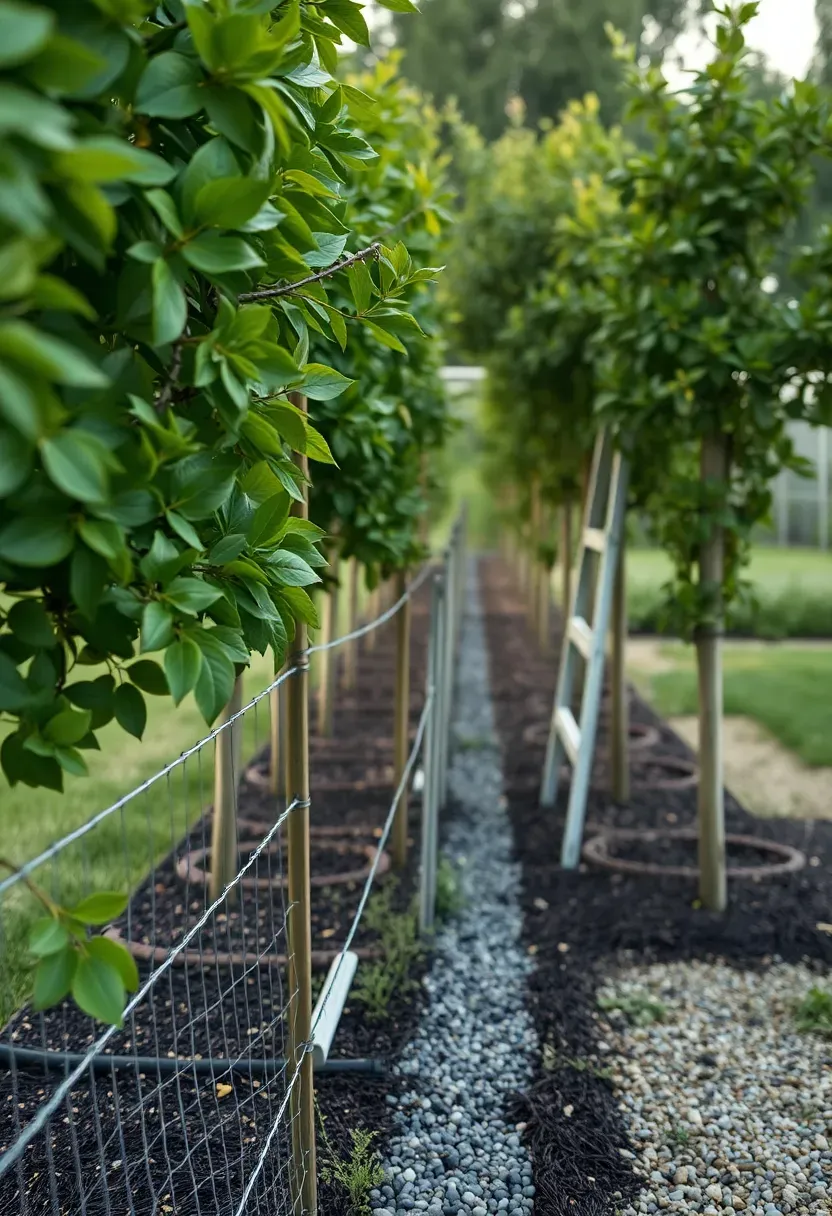
As a mini-example, place a 2-foot mulch ring under each tree to keep moisture steady. A narrow gravel strip at the base keeps the area clean for pruning. A light limewash on the fence keeps the branch lines visible in winter. If you want a softer look, underplant with low herbs like thyme. The living wall feels structured yet natural.
Tips
- Do: prune lightly in summer to keep the flat shape.
- Don't: overfeed; too much nitrogen causes wild shoots.
Avoid if: you want instant coverage; training takes two seasons.
What this gives you: a productive fence line with elegant structure.
14. Fire-pit circle on crushed granite
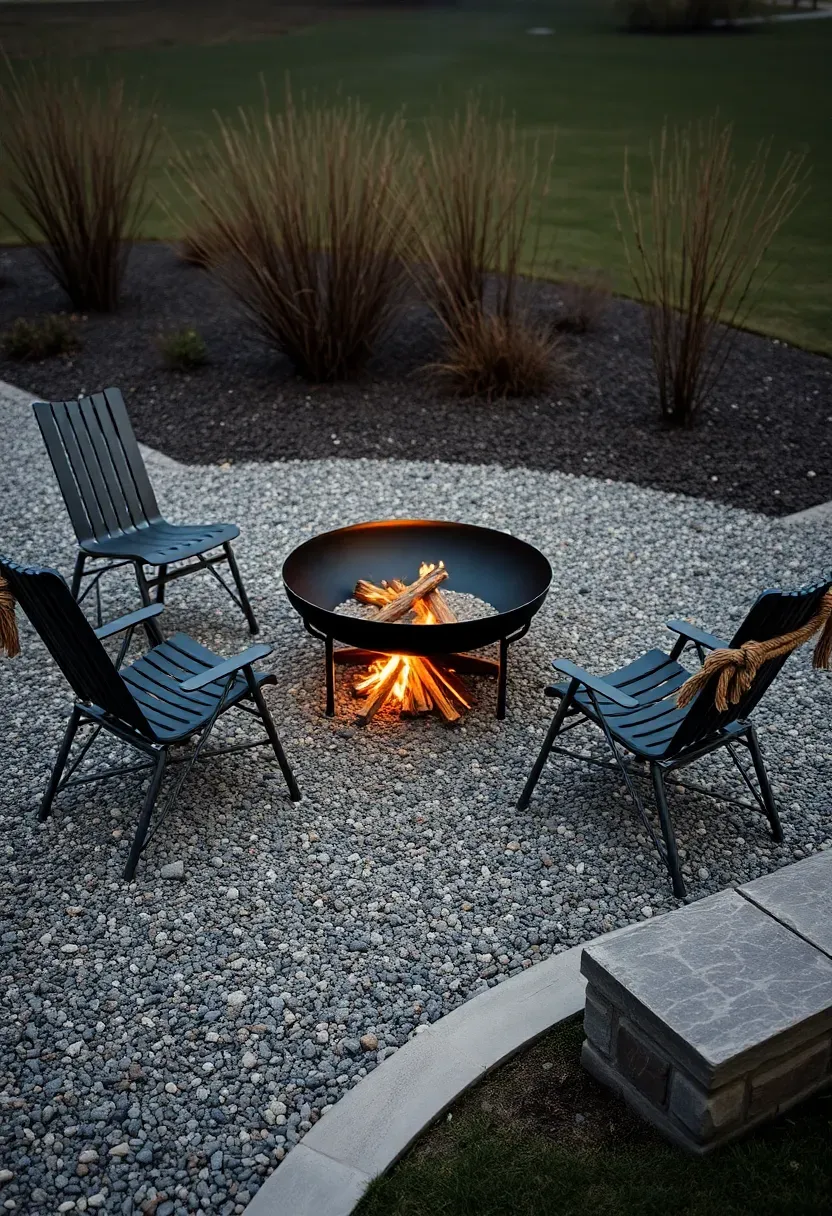
A cozy home garden idea for evenings is a fire-pit circle set on crushed granite. Keep the circle about 10 feet wide so chairs have room to pull back. Granite drains fast and keeps sparks from landing on grass. Add a simple steel bowl for a clean silhouette. Avoid loose mulch near the pit; upgrade to stone to reduce fire risk.
Recommended
Items for this idea
Placement note: Place the fire pit at least 10 feet from structures and align it with a clear gravel path.
If you want softer edges, frame the circle with a low stone curb to keep gravel in place. Add one or two movable stools instead of heavy seating for flexibility. A small wood rack nearby keeps fuel tidy without clutter. The zone becomes a reliable gathering spot year-round.
For more timeless outdoor ambiance ideas, see 23 Timeless Vintage Garden Ideas That Never Go Out Of Style and borrow the patina-friendly details.
Tips
- If wind is common, then use a low spark screen.
- If smoke drifts, then shift seating to the upwind side.
- If kids visit, then mark a safe ring with flat stones.
What this gives you: a warm social hub that still feels clean.
15. Pebble meditation corner with stone bowl
A calming home garden idea is a pebble meditation corner with a simple stone bowl. Cover a 5x7-foot area with smooth river pebbles for a clean, tactile surface. Add a low bamboo screen for privacy without blocking light. A small solar uplight can graze the bowl at night. Avoid large boulders; upgrade to one modest focal piece for clarity.
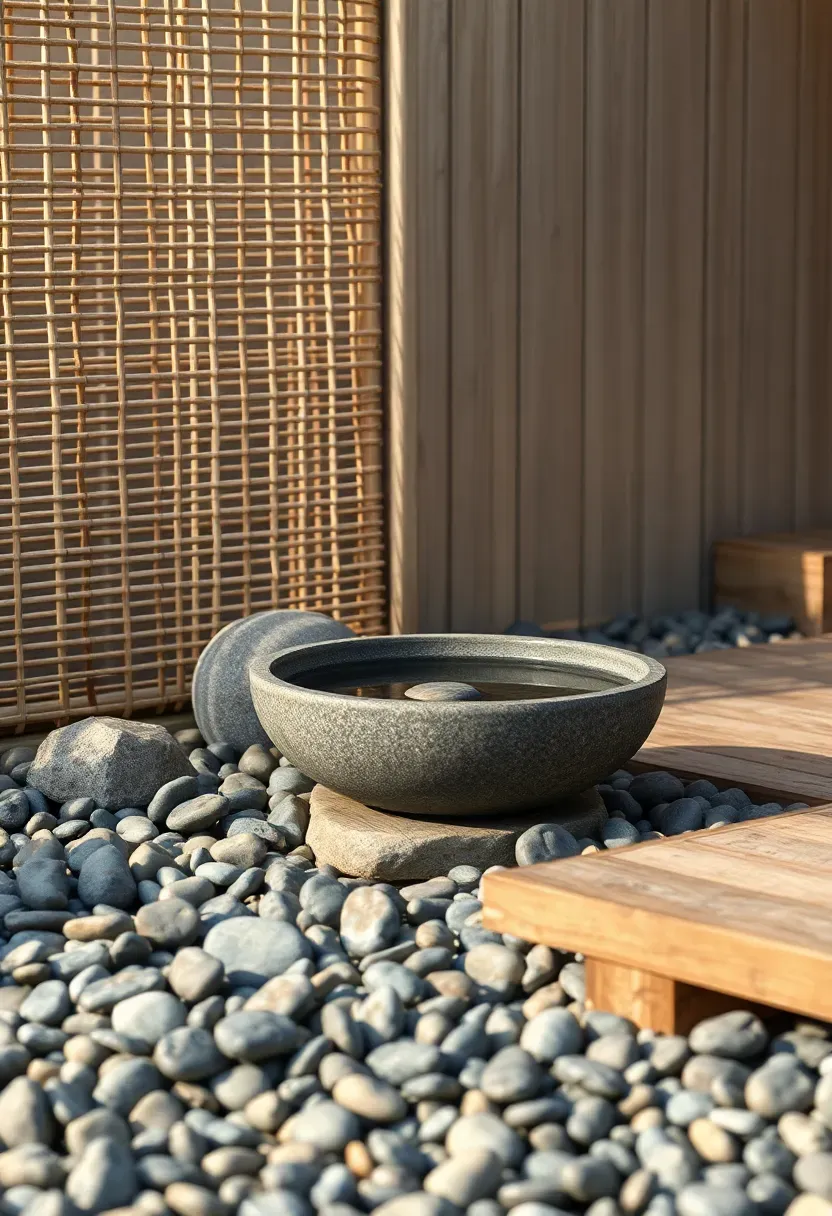
Why it works: a clean surface reduces visual noise and makes one focal point feel stronger.
The trade-off is less planting, so balance it with a slim border of moss or groundcover. Rake the pebbles once a month to keep the pattern crisp. If you need sound, add a slow drip into the bowl instead of a loud fountain. The corner feels like a quiet reset between busier zones.
Tips
- Pro: pebbles drain fast and stay clean after rain.
- Con: weeds can pop through over time.
- Fix: lay a permeable weed barrier under the stones.
Avoid if: you want a high-color garden; this area is intentionally calm.
What this gives you: a minimalist pause space that clears the mind.
16. Pergola swing seat for a gentle retreat
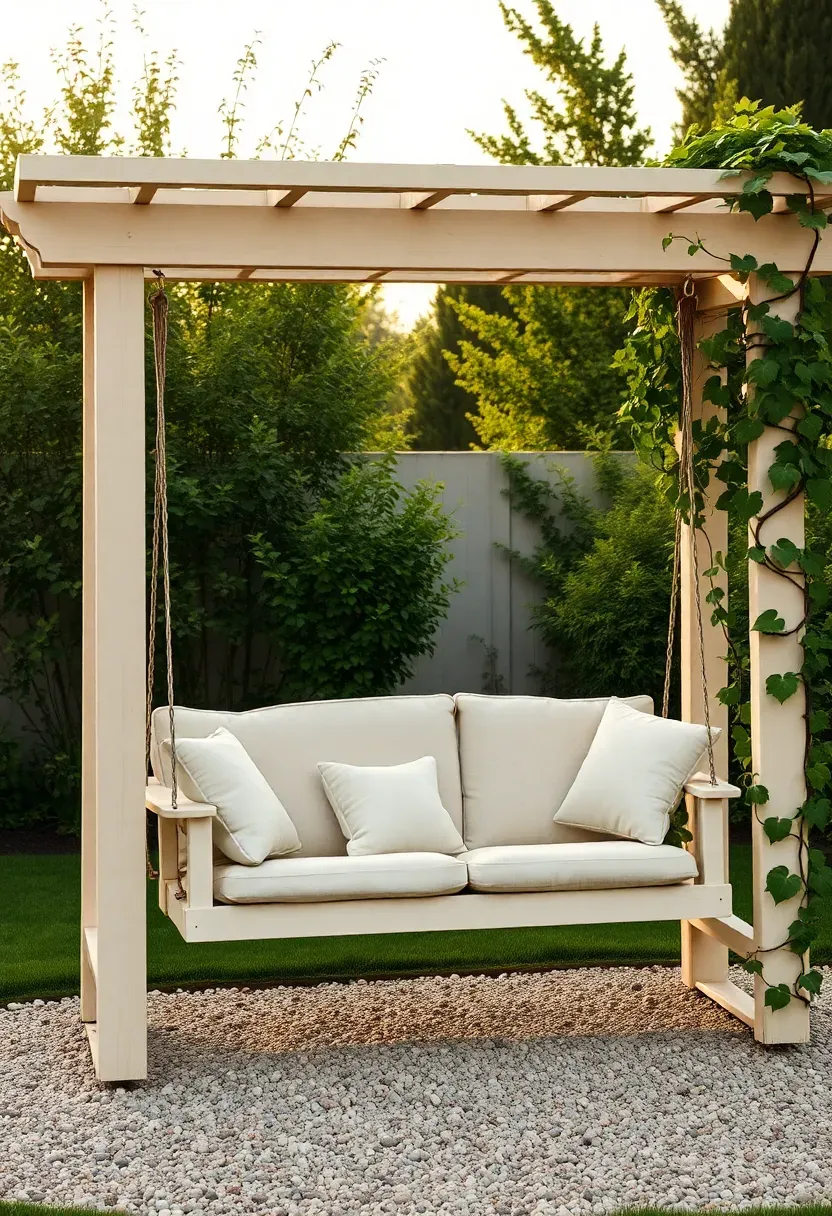
A gentle home garden idea is a pergola swing seat that turns a passage into a retreat. Hang the swing so the seat sits about 18 inches off the ground for easy entry. Keep the frame light and painted to match trim. Add canvas cushions for comfort without visual weight. Avoid heavy chains; upgrade to rope or slim black hardware for a cleaner look.
Recommended
Items for this idea
Common mistake: placing the swing too close to planting, which leads to constant brushing and mess.
As a consequence, leave at least 24 inches of clearance behind the swing for movement. A narrow gravel base reduces mud underfoot and keeps the swing legs clean. If you want extra shade, train a single vine along one beam rather than all sides. The seat becomes a soft destination that still feels open.
For more durable outdoor surfaces, see 15 Architectural Concrete Ideas That Change the Urban Environment and borrow the hardscape concepts.
Tips
- Micro-hack: wax rope ends to reduce fraying.
- Micro-hack: add a washable throw for cool evenings.
- Micro-hack: check swing bolts every season.
What this gives you: a playful seat that feels light and airy.
17. Mobile container garden for seasonal swaps
A flexible home garden idea is a mobile container garden that can shift with the seasons. Use large planters on lockable casters so they stay stable in wind. A 20-inch-wide container gives roots room for tomatoes or dwarf citrus. Mix in 20% compost for nutrition without heavy fertilizer. Avoid tiny pots that dry fast; upgrade to deep containers for steadier moisture.
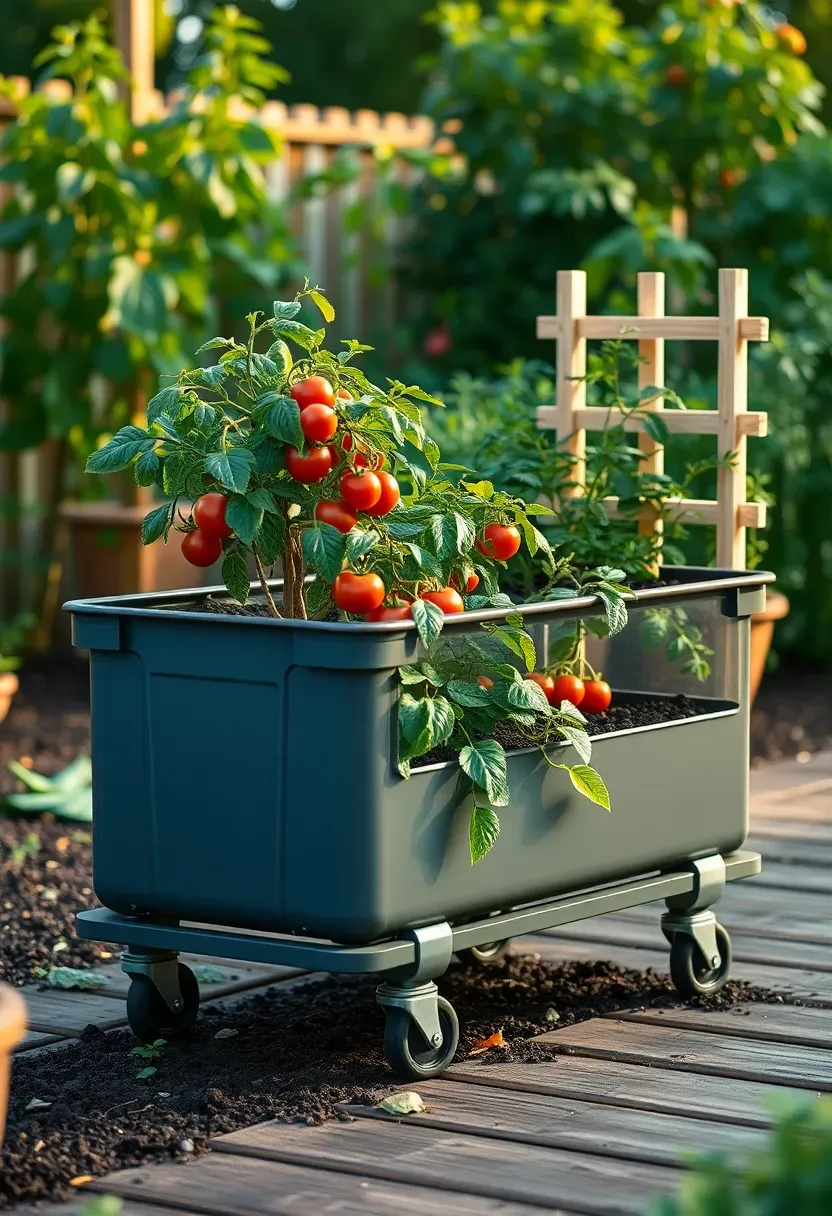
For example, park the containers near a wall in spring and roll them into sun as trees leaf out. Add a simple trellis to keep plants vertical and make harvesting easier. If the deck is delicate, use rubber pads under wheels to prevent marks. The mobility keeps the garden adaptable all year.
Tips
- Do: lock wheels before storms to prevent drift.
- Don't: overload one container with too many varieties.
- Do: refresh the top 2 inches of soil each season.
Rental note: containers on wheels let you take the garden with you.
What this gives you: a movable harvest zone that adapts to light.
18. Moonlight planting palette with silver leaves
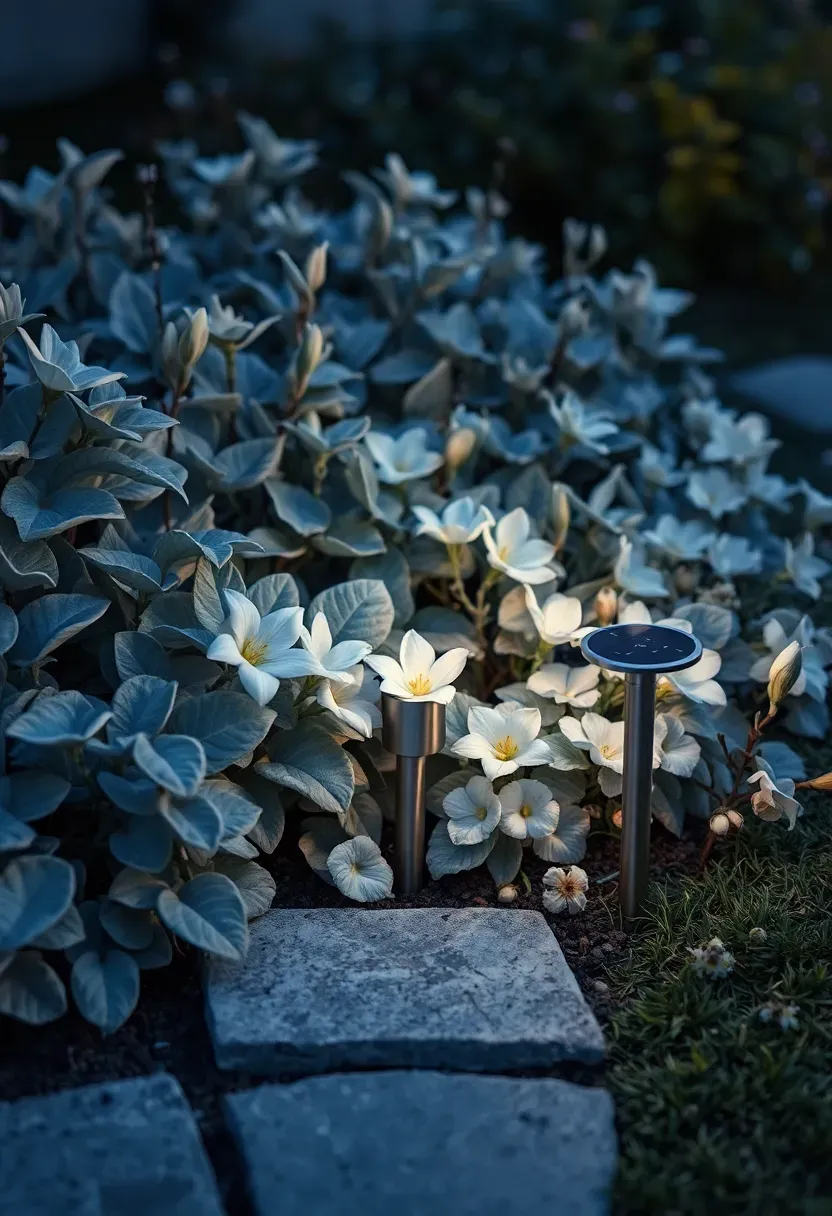
A dreamy home garden idea for nighttime is a moonlight planting palette with silver leaves. Use plants like dusty miller or lamb's ear to reflect light. Keep the bed at least 4 feet wide so the foliage reads as a band. Add a single solar spotlight for gentle highlights. Avoid bright mixed colors here; upgrade to whites and silvers for a calm glow.
Recommended
Items for this idea
Placement note: Locate the bed where it catches indirect porch light or moonlight for at least three hours.
To deepen the effect, edge the bed with a simple stone path so the pale foliage pops. Tuck in white blooms like nicotiana for occasional fragrance. If you need structure, add one compact evergreen to anchor the palette. The night garden feels serene without heavy lighting.
If you need ideas for compact, light-friendly layouts, see 23 Beautiful Small Balcony Garden Inspiration You'll Love and adapt the lighting tricks.
Tips
- If flowers fade, then rely on silver foliage as the main texture.
- If light feels harsh, then aim the spotlight at the ground, not the leaves.
- If deer browse, then choose lamb's ear or artemisia.
What this gives you: a quiet evening glow that extends garden time.
19. Layered privacy hedge with mixed evergreens
A privacy-focused home garden idea is a layered hedge with mixed evergreens. Stagger two rows, with plants 3 feet apart, to avoid a flat wall. Add a drip irrigation line at the base so roots stay evenly moist. Mix textures like boxwood, yew, and holly for depth. Avoid a single-species hedge; upgrade to a blend for resilience.
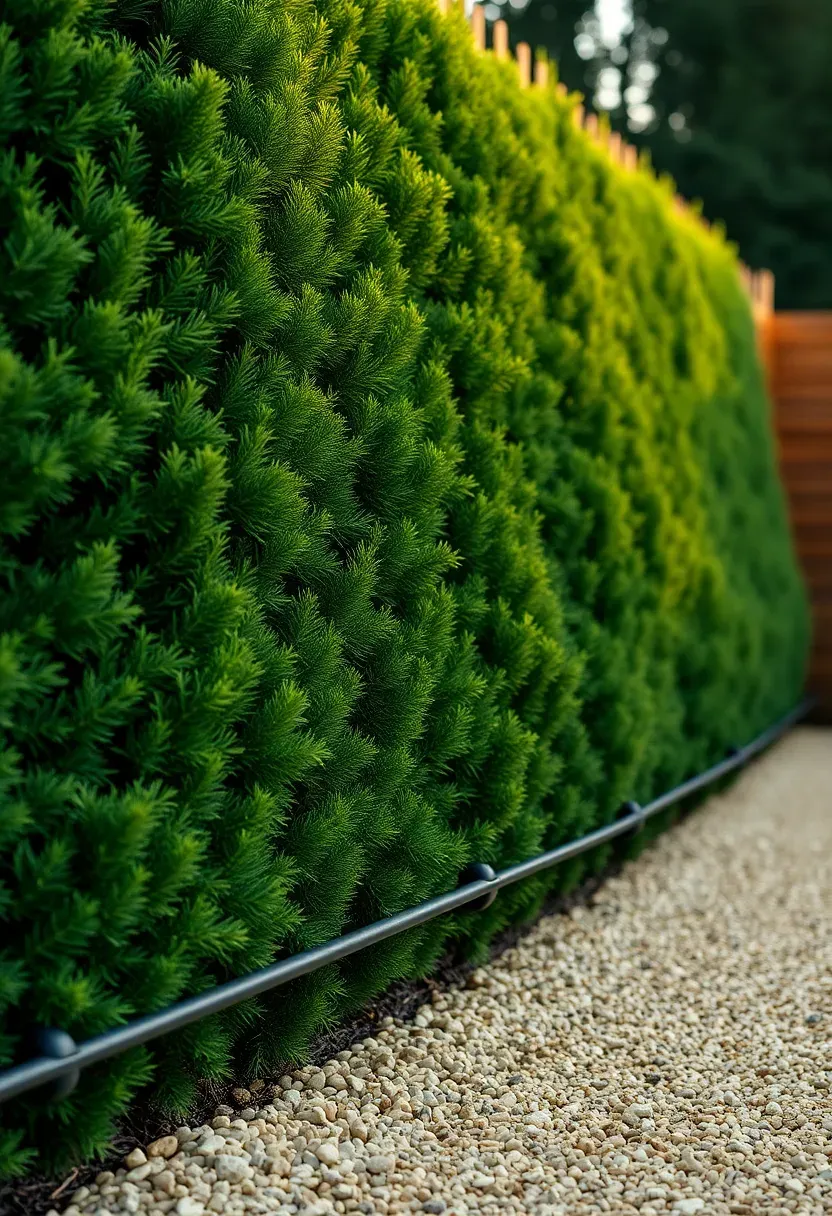
Why it works: layered planting creates depth and blocks views without a hard wall.
For a clearer boundary, keep the hedge trimmed at about 6 feet and taper the top slightly. Mulch the root zone to reduce weeds and conserve water. If you need faster coverage, add a simple timber screen behind young plants for instant privacy. The layered hedge feels lush without being heavy.
Tips
- Pro: mixed evergreens handle seasonal stress better.
- Con: growth rates vary across species.
- Fix: prune twice a year to keep the line even.
Best for: yards that need privacy without solid fencing.
What this gives you: a living screen that feels soft and secure.
These home garden ideas show that a backyard oasis does not require a massive budget or a professional crew. Pick a few garden design ideas that match your light, soil, and maintenance level, then build out one zone at a time. With durable materials, layered planting, and low-maintenance systems like drip irrigation and deep mulch, even a small backyard matures into a space you actually want to use every day. Start with one change this weekend and let the garden grow from there.
About the author
OBCD
CGI visualization and interior design content. We create detailed 3D renders and curate practical design ideas for every room in your home.