25 Natural Minimalism Interior Design Ideas for Renters
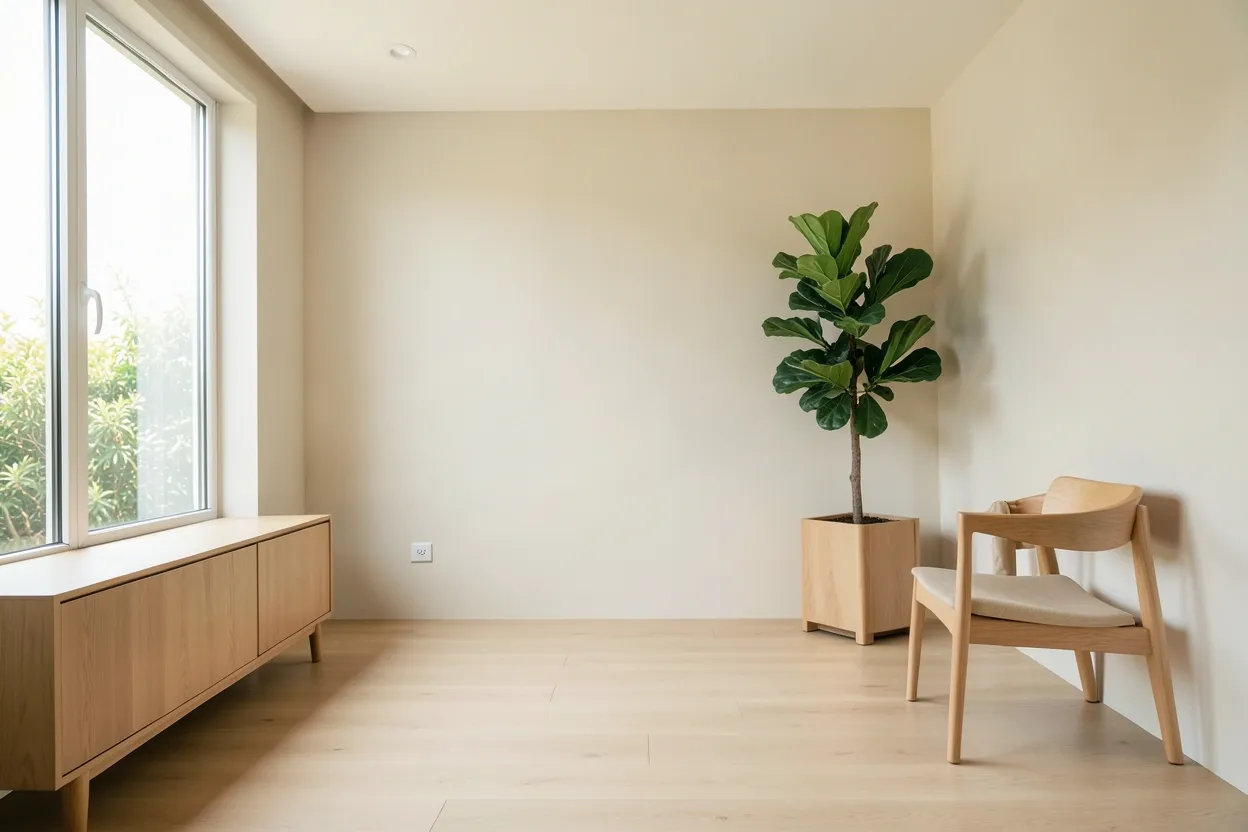
Natural minimalism interior design combines the serene simplicity of minimalism with the warmth and authenticity of natural elements, creating spaces that feel both contemporary and deeply connected to the earth. This design philosophy celebrates raw materials, organic forms, and thoughtful curation while eliminating unnecessary clutter and visual noise. The result is an environment that promotes calm, clarity, and a genuine connection to nature in everyday living.
By prioritizing natural materials like wood, stone, and fiber alongside clean lines and uncluttered spaces, natural minimalism creates interiors that feel sophisticated yet approachable, modern yet timeless. Whether you're working with an entire home or a single rental room, these design principles can transform your space into a sanctuary that supports both function and wellbeing. For renters, the beauty of this approach is that most ideas require no drilling, no permanent changes, and no landlord approval — just intentional choices.
This approach works beautifully in any architectural style and suits various budgets. Focus on quality over quantity, and layer natural textures gradually. Natural minimalism adapts equally well to busy families and solo dwellers seeking tranquility — and it translates particularly well to small apartment living where every piece must earn its place.
Quick FAQ
What defines natural minimalism interior design?
Natural minimalism combines minimalism's clean lines and decluttered approach with natural materials like wood, stone, and fiber. It emphasizes organic textures, neutral palettes, and curated spaces while maintaining simplicity and functionality.
Is natural minimalism suitable for families?
Absolutely. Natural materials are durable and often develop character with use, making them family-friendly. Focus on washable textiles, sturdy furniture, and practical storage solutions that maintain the aesthetic while accommodating daily life.
Can I achieve natural minimalism in a rental?
Yes. Use removable elements like natural fiber rugs, wooden furniture, plants, and woven baskets. Peel-and-stick backsplashes or wall art can introduce natural textures without permanent changes. Focus on furniture and decor rather than structural elements.
How do I maintain natural minimalism without feeling cold or sterile?
Layer different natural textures—wood, stone, wool, linen—rather than relying on just one material. Incorporate plants, vary the heights of objects, and include soft textiles. These layers create warmth while maintaining minimalist principles.
As an Amazon Associate I earn from qualifying purchases.
Table of Contents
- 1. Light Wood Flooring with Minimal Furniture
- 2. Neutral Walls with Natural Texture Accents
- 3. Plants as Primary Decor Elements
- 4. Stone or Concrete Surfaces in Living Spaces
- 5. Open Shelving with Curated Natural Objects
- 6. Large Windows for Natural Light Maximization
- 7. Natural Fiber Rugs and Textiles
- 8. Wooden Furniture with Clean Lines
- 9. Woven Baskets for Storage
- 10. Monochromatic Color Palette with Natural Variations
- 11. Architectural Plants as Statement Pieces
- 12. Natural Lighting Fixtures
- 13. Wood and Stone Combinations
- 14. Minimal Wall Art with Nature Themes
- 15. Organic Shapes in Furniture Design
- 16. Soft Textiles in Natural Fibers
- 17. Raw Wood Elements
- 18. Natural Woven Window Treatments
- 19. Simple Ceramics and Pottery
- 20. Reclaimed Wood Accents
- 21. Greenery in Every Room
- 22. Warm Neutral Color Scheme
- 23. Bamboo and Rattan Furniture
- 24. Sun-Drenched Rooms
- 25. Natural Stone Fireplaces or Focal Points
1. Light Wood Flooring with Minimal Furniture
Light wood flooring creates a warm, neutral foundation that embodies natural minimalism's core principles. Oak, maple, or ash in lighter finishes brings natural warmth without overwhelming the space, while wide planks minimize visual seams. Paired with minimal furniture featuring clean lines, the flooring becomes a subtle but essential design element that grounds the entire room.
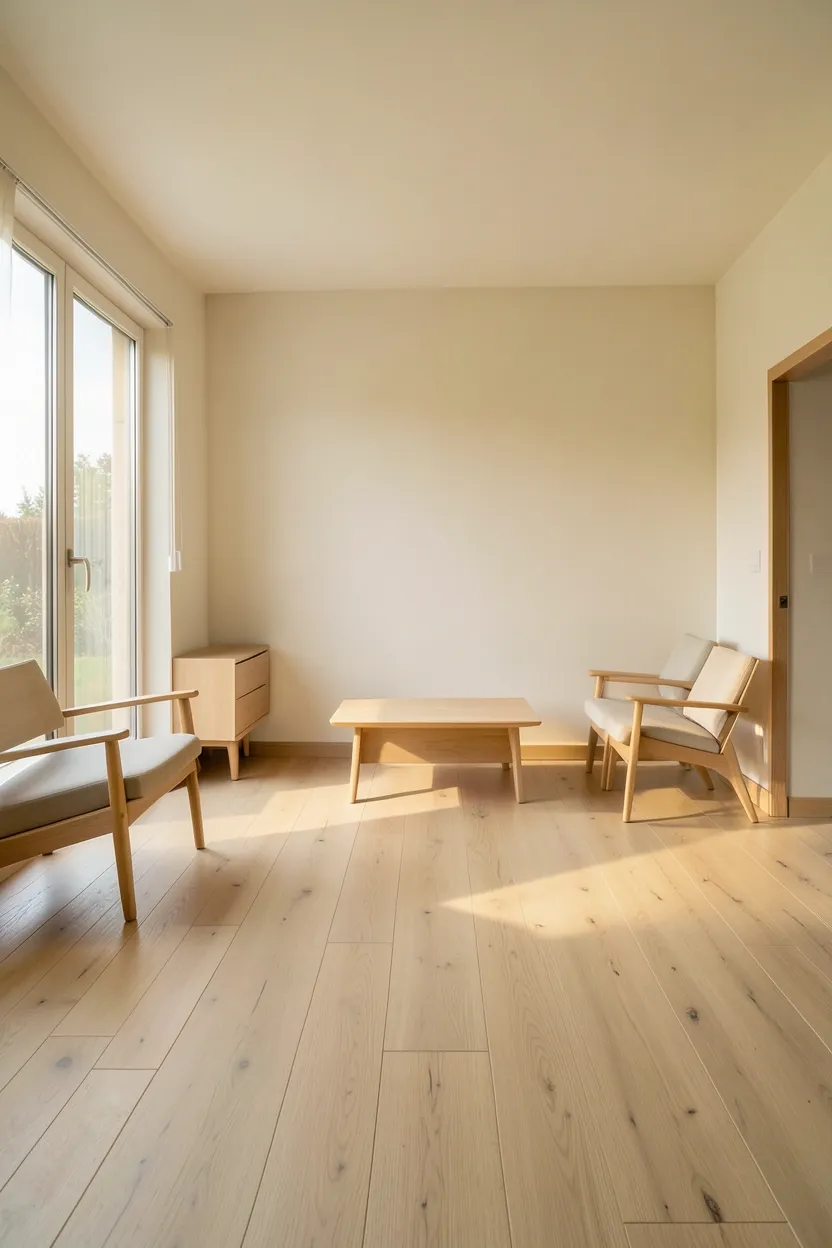
The organic grain patterns in light wood add visual interest without introducing bold colors or busy patterns, maintaining the serene atmosphere essential to natural minimalism. Unlike dark wood that can make spaces feel smaller or more formal, light wood reflects natural light and creates an airy, expansive feeling. The floor becomes a canvas that allows other natural elements to take center stage while providing continuity throughout connected spaces. Choose matte or satin finishes for contemporary appeal and better scratch concealment.
Tips
- Do: Select wider planks (5-7 inches) for modern appearance and fewer seams
- Don't: Use high-gloss finishes that show every scratch and feel less natural
- Consider engineered wood for greater stability against moisture changes
What this gives you: A warm, continuous foundation that enhances natural light and complements minimalist furniture.
2. Neutral Walls with Natural Texture Accents
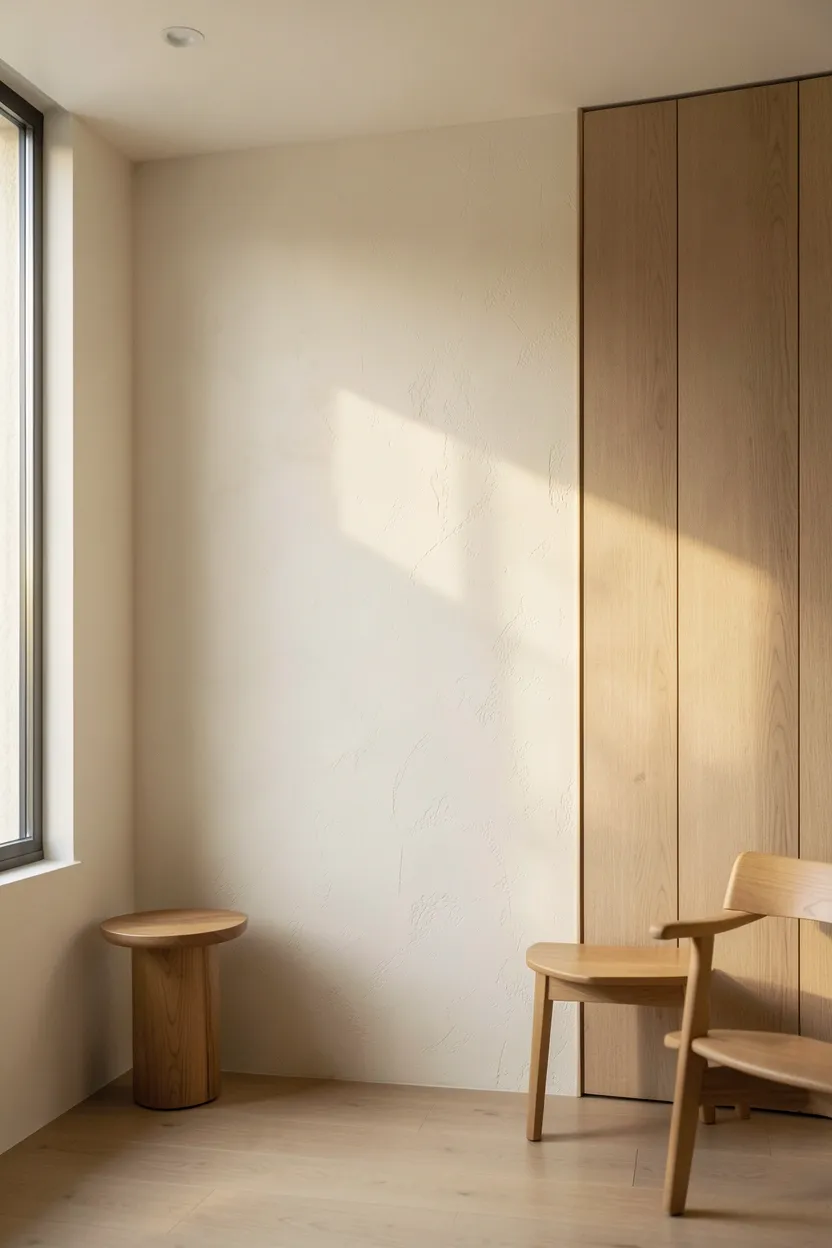
Neutral walls in cream, soft beige, or warm gray provide the perfect backdrop for natural minimalism's focus on texture and material quality. These wall colors recede into the background, allowing furniture and natural elements to take center stage while maintaining warmth and sophistication. The key lies in undertones—warm neutrals complement natural materials, while cool neutrals create crisper, more contemporary spaces.
Recommended
Items for this idea
Natural texture accents through wood paneling, stone feature walls, or woven wall hangings add depth without color. Unlike accent walls that rely on bold hues, these texture-based accents create visual interest through material variations and light interaction. The result is a layered, sophisticated space that feels calm yet dynamic. Position texture accents where they receive natural light to maximize their visual impact.
Tips
- Test paint colors in your actual space—natural light dramatically affects how neutrals appear
- If budget is tight, focus texture accents on one wall or architectural feature
- Mix different natural textures rather than repeating the same material throughout
What this gives you: A sophisticated backdrop that allows natural materials to shine while creating depth through texture.
3. Plants as Primary Decor Elements
Using plants as primary decor elements transforms natural minimalism from static to living design, introducing organic movement, color, and life. Statement plants like fiddle leaf figs, monsteras, or bird of paradise create architectural interest while connecting interior spaces to nature. Smaller plants grouped together or trailing from shelves add layers and fill vertical space without clutter.
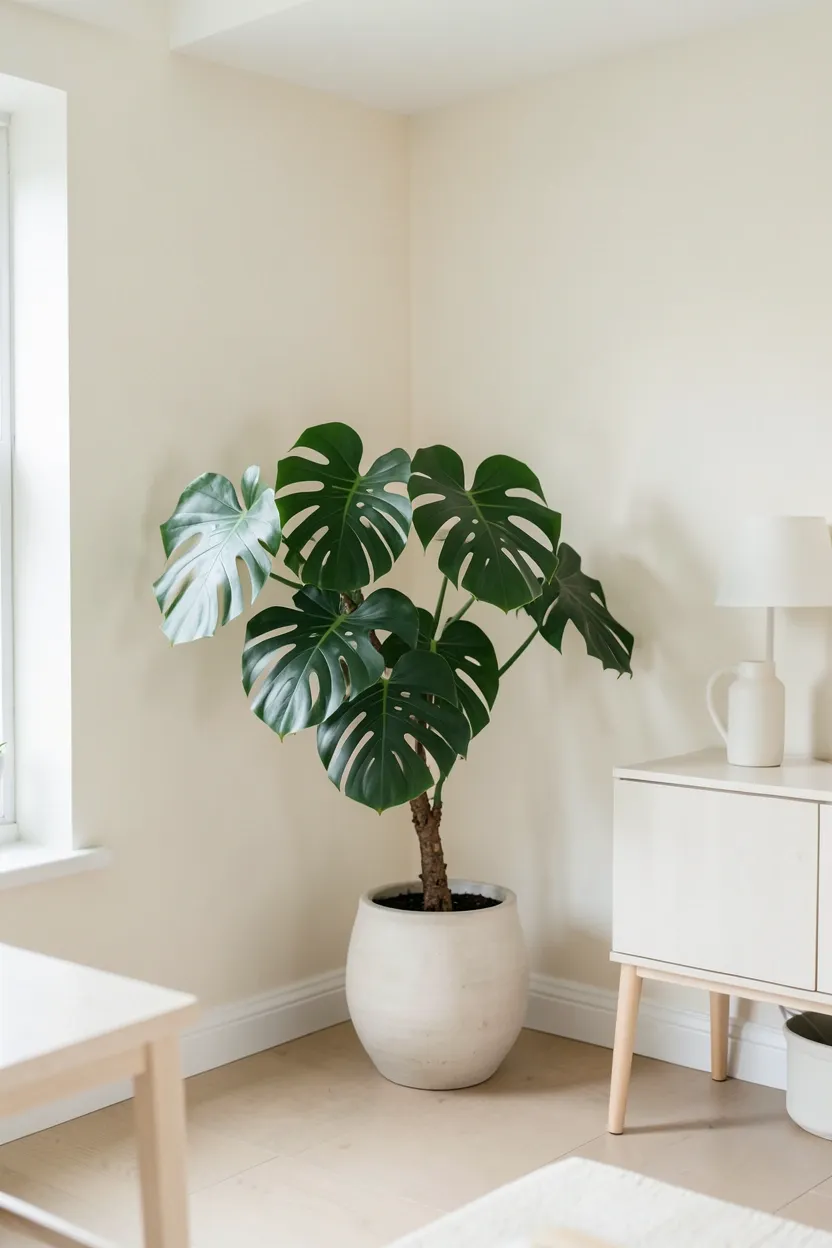
The living nature of plants brings constant subtle change—new leaves, seasonal growth, light-catching variations—that keeps spaces feeling dynamic yet calm. Unlike traditional decor that remains static, plants introduce organic imperfection and growth that feels authentic and alive. Group plants at different heights for visual rhythm, or use architectural specimens as focal points in empty corners. Choose varieties that thrive in your specific light conditions for long-term success.
Tips
- If you're new to plants, start with low-maintenance varieties like pothos or snake plants
- Use natural fiber baskets or ceramic pots that complement your neutral palette
- Position plants near windows for optimal light and visual connection to outdoors
What this gives you: Living, breathing decor that adds organic movement while purifying air and connecting you to nature.
4. Stone or Concrete Surfaces in Living Spaces
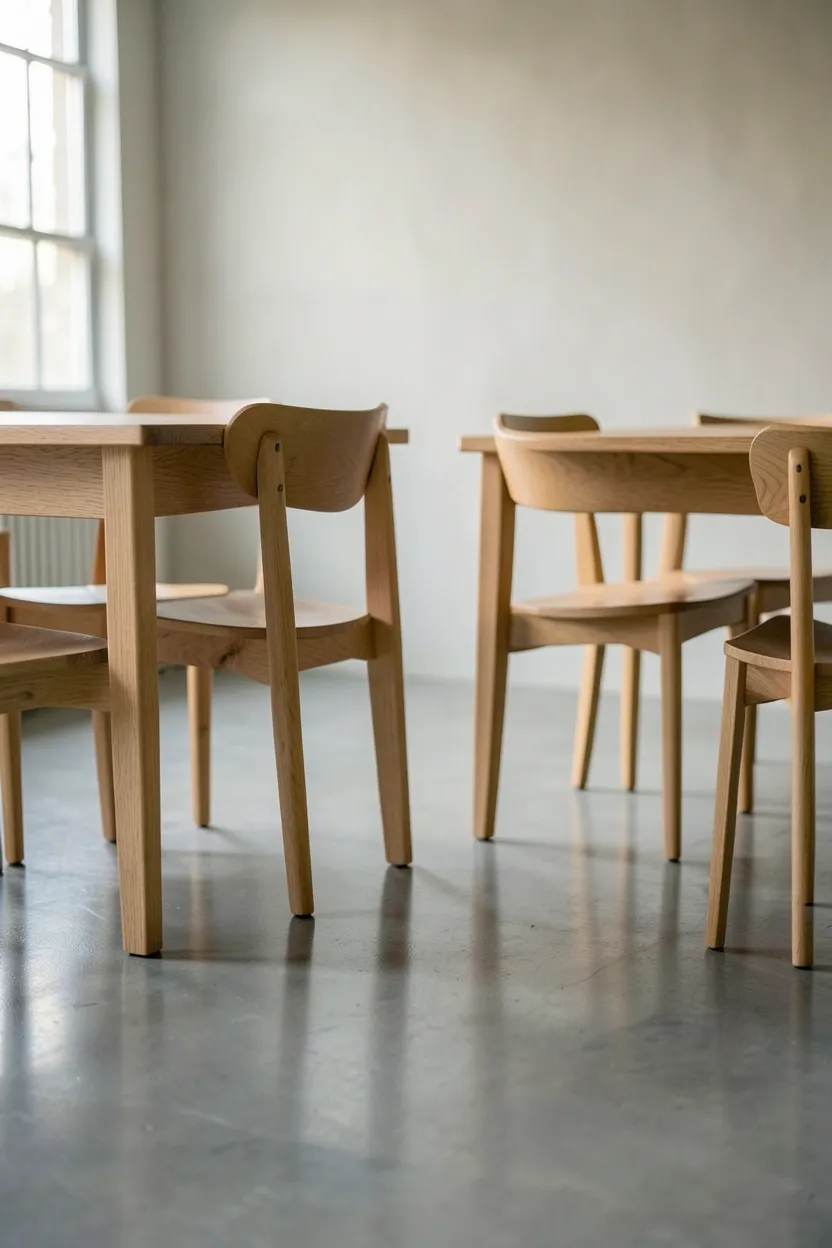
Stone or concrete surfaces bring grounding, earthy elements that anchor natural minimalist interiors with authenticity and permanence. Polished concrete floors, stone accent walls, or raw edge stone countertops introduce organic textures and cool tones that contrast beautifully with warm wood and soft textiles. These materials embody natural minimalism's celebration of raw, unadorned elements.
Recommended
Items for this idea
The natural variations in stone—veining, color shifts, surface textures—create visual interest without requiring additional decor. Concrete offers industrial modern edge while stone provides more organic warmth and variation. Unlike manufactured surfaces that look identical, each stone or concrete installation is unique, telling a story of natural formation and craftsmanship. Position these surfaces to catch natural light, which enhances their texture and creates dynamic shadows throughout the day.
Tips
- Use honed or matte finishes for contemporary appeal and better scratch concealment
- If budget is limited, focus stone or concrete on one feature area rather than entire rooms
- Pair with warm wood or soft textiles to balance cool stone tones and prevent feeling cold
What this gives you: Grounding, authentic surfaces that add sophistication while celebrating natural material variation.
5. Open Shelving with Curated Natural Objects
Open shelving replaces bulky cabinets with lighter, airier storage that doubles as display space for curated natural objects. Wooden shelves or floating shelves made from natural materials provide the structure, while carefully selected pieces—ceramics, wood bowls, natural fiber baskets, found stones—tell a story of thoughtful curation rather than random accumulation.
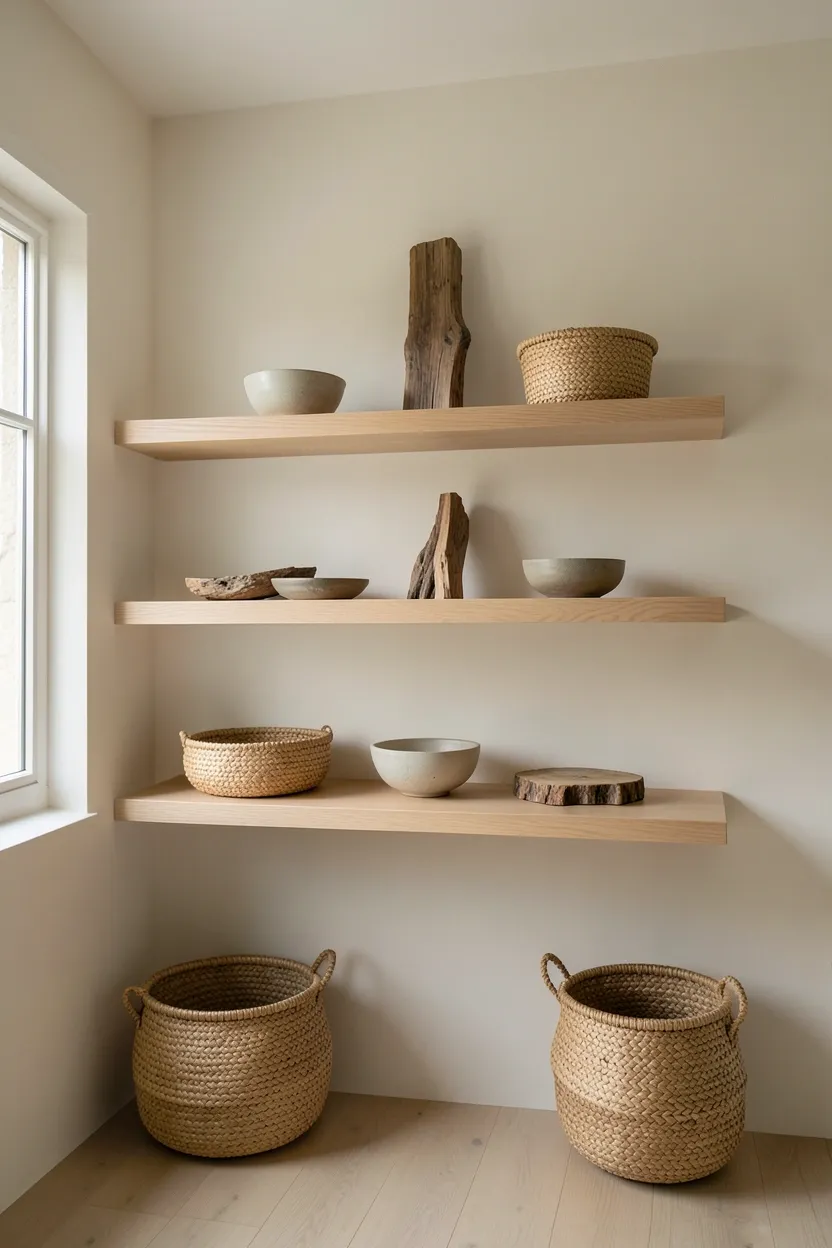
The open nature of these shelves makes spaces feel larger and more connected while forcing intentional editing—you can only display what's truly beautiful or useful. Unlike closed cabinets that hide everything, open shelving encourages displaying pieces that bring joy and meaning while maintaining visual simplicity. Group items in odd numbers (threes or fives) for visual balance, and leave negative space between objects to prevent feeling cluttered.
Tips
- Edit regularly—rotate displayed items to keep the arrangement fresh and intentional
- Use baskets or boxes to hide less attractive but necessary items while maintaining open feel
- Vary heights and textures of displayed objects for visual interest without color
What this gives you: Airy, intentional storage that displays meaningful objects while maintaining minimalist principles.
6. Large Windows for Natural Light Maximization
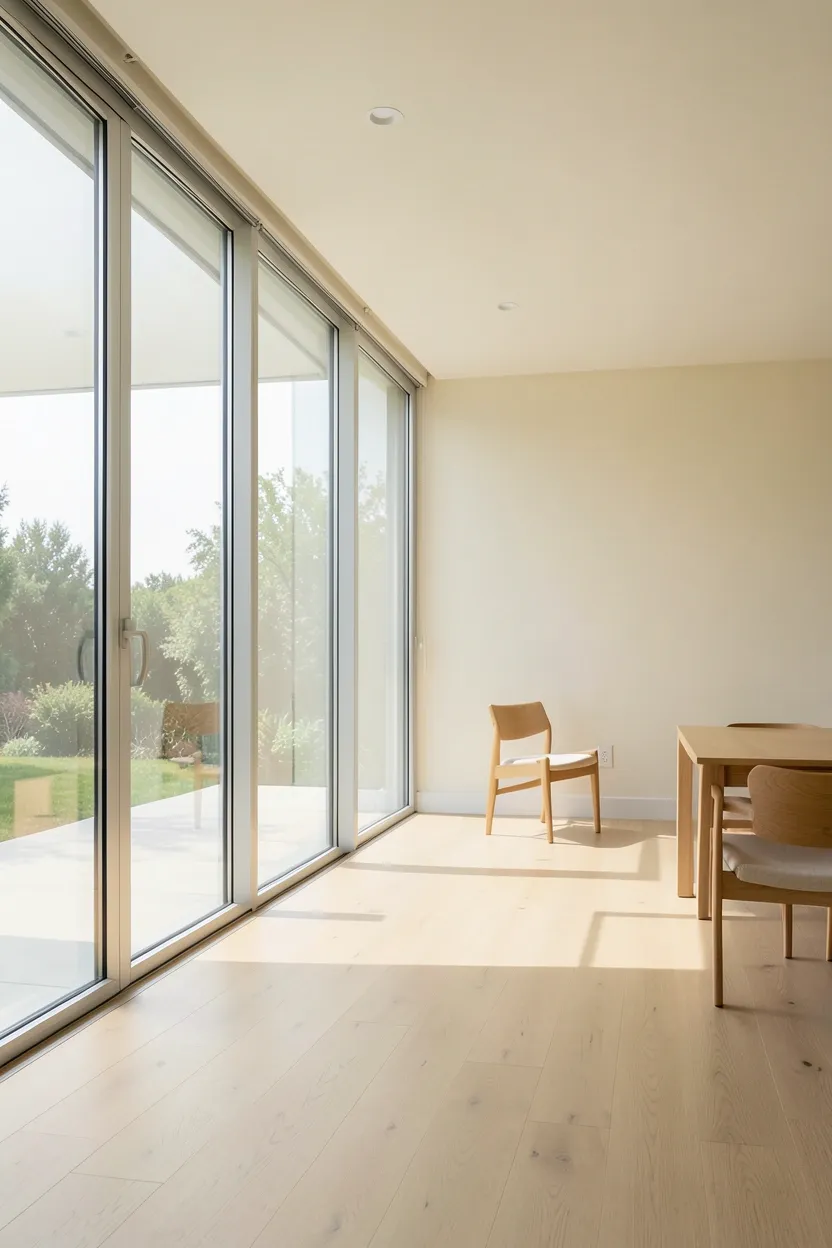
Large windows or expansive glass surfaces maximize natural light, which is essential to natural minimalism's ability to create bright, airy spaces. Whether through floor-to-ceiling windows, sliding glass doors, or skylights, abundant natural light transforms interiors, making materials glow and spaces feel larger and more connected to outdoors.
Recommended
Items for this idea
Natural light changes throughout the day, creating dynamic spaces that feel alive and connected to natural rhythms. The quality of light enhances natural materials—wood grain becomes more visible, stone textures catch shadows, textiles reveal their weave. Unlike artificial lighting that remains constant, natural light provides variation that keeps spaces feeling fresh and engaging. Position key furniture and natural elements to maximize light exposure, using window treatments that filter rather than block light.
Tips
- If you can't modify windows, use mirrors opposite existing windows to reflect and amplify light
- Choose light-filtering curtains or blinds rather than blackout options for daylight maximization
- Keep windows clean and unobstructed to maximize light transmission
What this gives you: Bright, dynamic spaces that connect to natural rhythms and enhance material beauty.
7. Natural Fiber Rugs and Textiles
Natural fiber rugs and textiles—wool, jute, cotton, linen—introduce warmth, texture, and grounding that are essential to natural minimalism's balance of simplicity with organic comfort. These materials bring tactile beauty and subtle color variation that adds visual interest without bold hues or busy patterns.
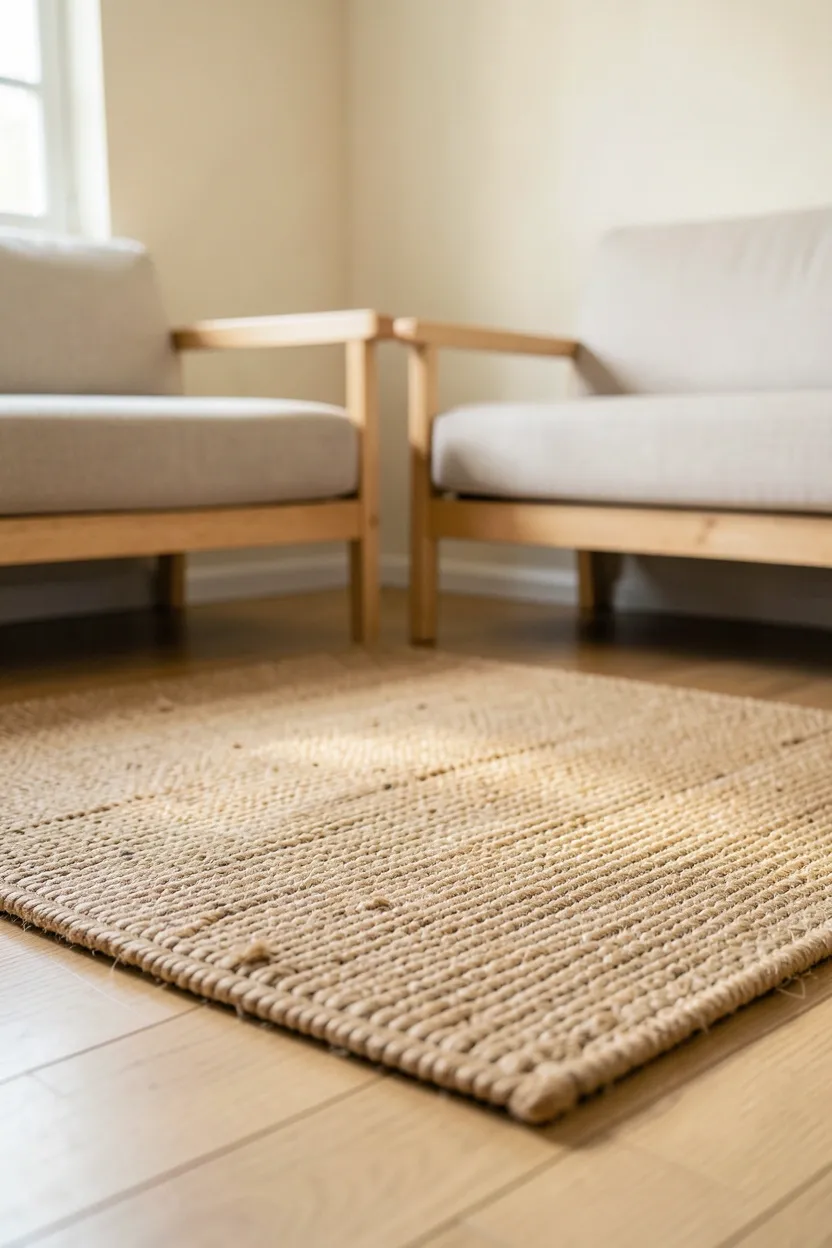
The natural imperfections in hand-woven or natural fiber pieces add authentic character that machine-made synthetics can't replicate. Layering different textures—wool over jute, linen throws on linen cushions—creates depth while maintaining neutral palette. Unlike synthetic rugs that can feel cheap or out of place in natural settings, natural fiber pieces feel authentic and connected to earth. Choose pieces sized appropriately for each zone, and allow generous space around rugs for uncluttered feel.
Tips
- If budget is tight, start with one high-quality natural fiber rug as focal point
- Consider durability—jute and sisal work well in high-traffic areas, wool for comfort zones
- Allow for slight imperfections in natural fiber rugs as part of their character
What this gives you: Warm, tactile comfort with authentic texture that grounds minimalist spaces.
8. Wooden Furniture with Clean Lines
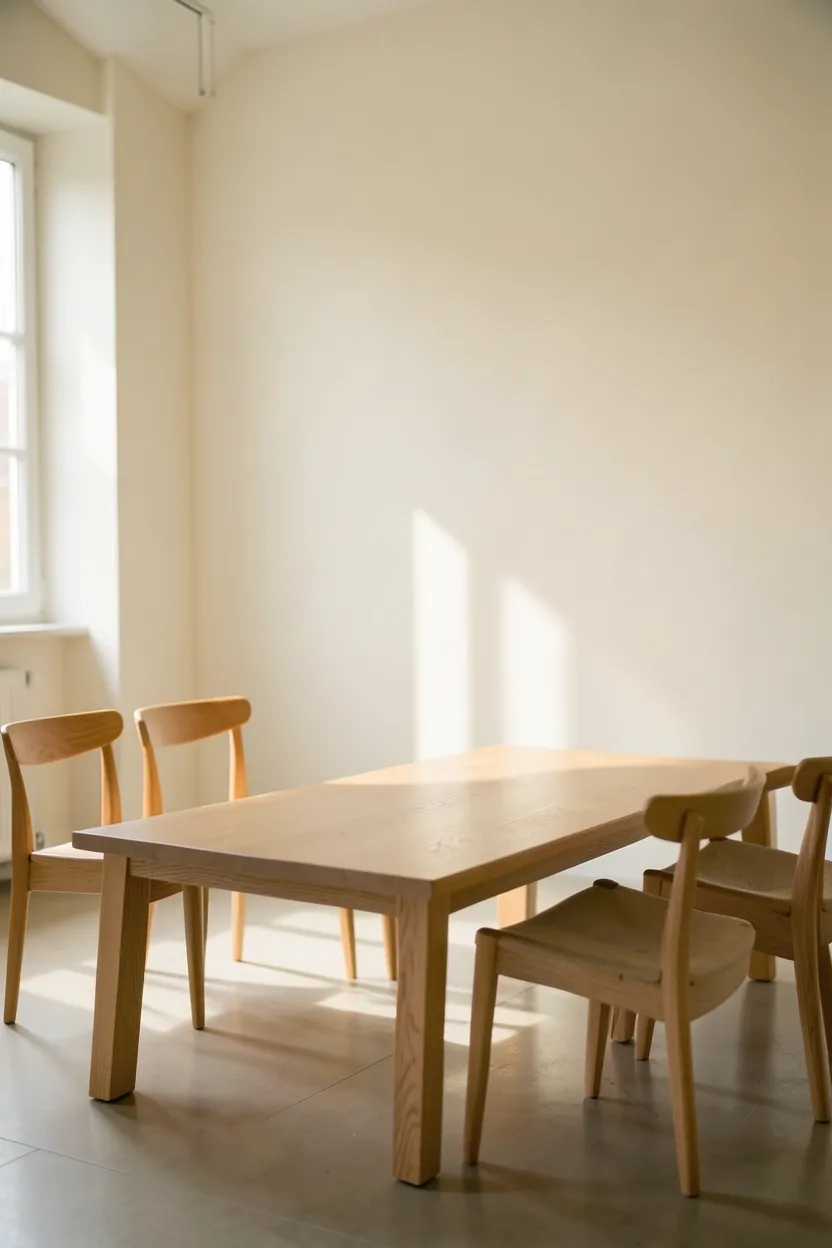
Wooden furniture featuring clean, simple lines embodies natural minimalism's combination of material authenticity with contemporary restraint. Whether mid-century inspired pieces, Scandinavian designs, or custom minimalist furniture, wood brings warmth while clean lines prevent visual clutter.
Recommended
Items for this idea
The natural grain and warmth of wood balances the simplicity of forms, creating pieces that feel sophisticated yet approachable. Unlike heavily ornamented or ornate furniture that can feel dated or overwhelming, clean-lined wooden pieces provide function without unnecessary visual noise. The versatility of wood—light oak for airy spaces, walnut for warmth, maple for brightness—allows tailoring to specific room needs and aesthetic preferences.
Tips
- Choose pieces with visible joinery and honest construction rather than hidden fasteners
- If mixing wood tones, select pieces with complementary undertones rather than clashing colors
- Prioritize quality construction—solid wood or high-quality plywood over particle board
What this gives you: Sophisticated furniture that provides warmth and function without visual clutter.
9. Woven Baskets for Renter-Friendly Storage
Woven baskets for storage replace plastic bins or closed containers with natural, breathable, and fully portable solutions. Made from seagrass, water hyacinth, bamboo, or willow, these baskets provide practical storage while adding texture and organic warmth that complements natural minimalism's aesthetic — and they move with you when the lease ends.
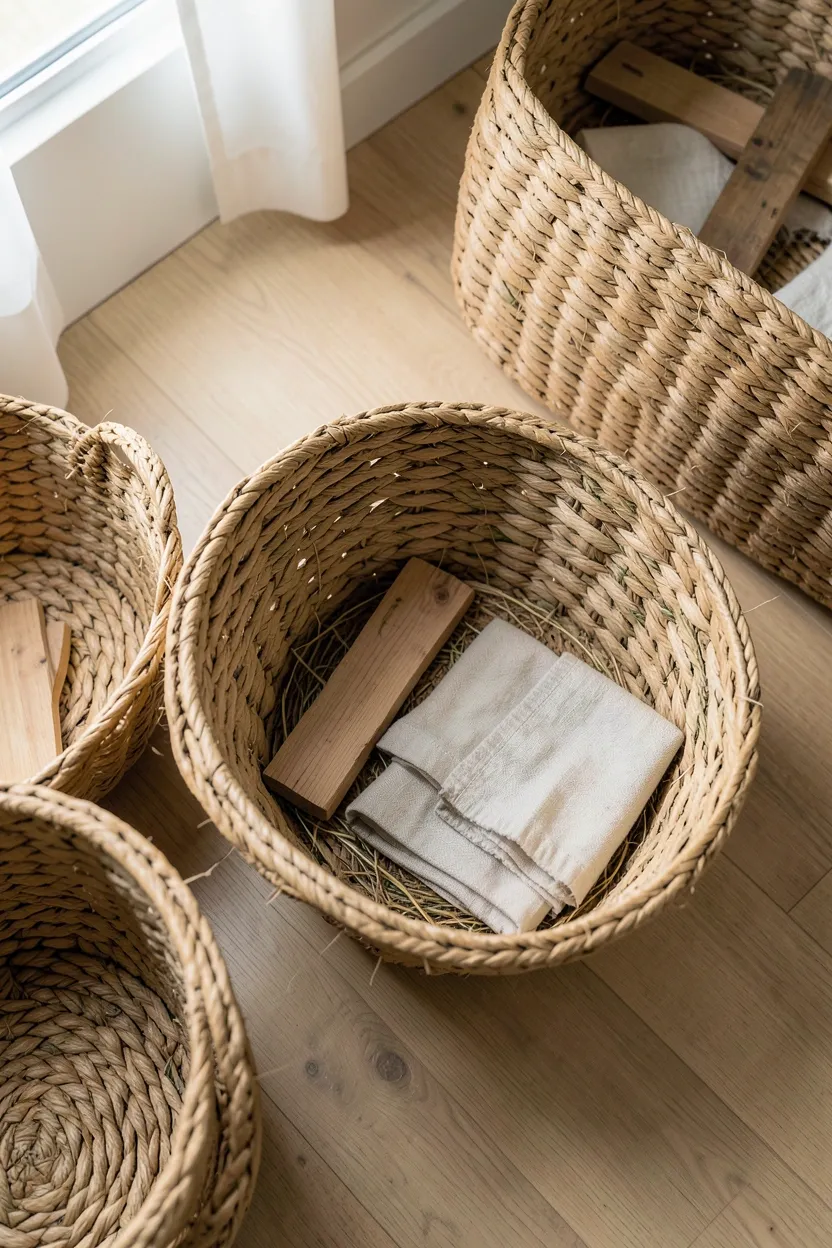
The natural textures and slight variations in hand-woven baskets add visual interest without requiring additional decor. Unlike opaque containers that hide contents completely, woven baskets provide subtle visibility while maintaining organized appearance. Group similar baskets together for visual cohesion, or vary sizes and weaves for collected-over-time feel. Position baskets where they're accessible yet not visually cluttering—under consoles, beside sofas, or on shelves.
Tips
- If contents need protection, use natural fabric liners inside baskets
- Consider lids for baskets containing items that create visual clutter
- Place liners or trays inside baskets for containing smaller items and keeping organization
What this gives you: Practical storage that adds organic texture while maintaining minimalist aesthetic.
10. Monochromatic Color Palette with Natural Variations
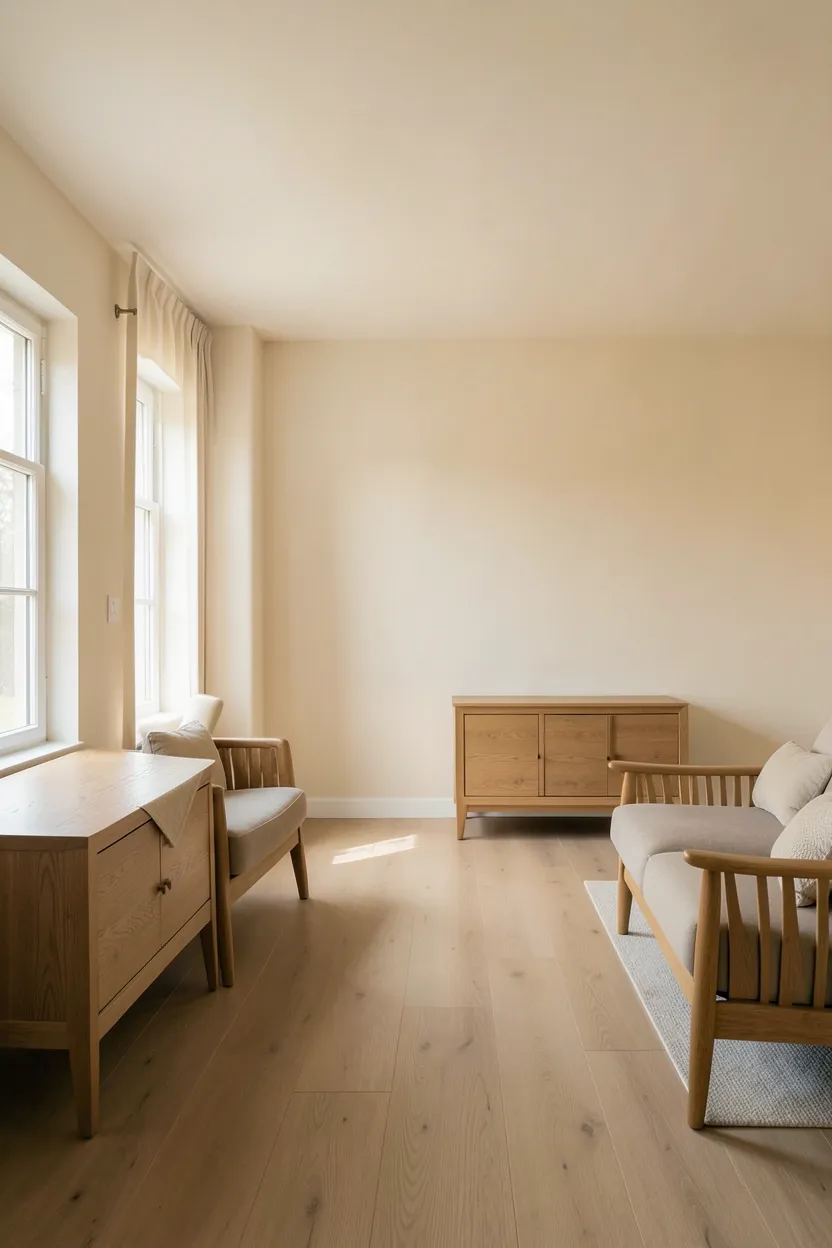
Monochromatic color palette with natural variations creates sophisticated cohesion while allowing material textures to take center stage. Working primarily with one color family—warm neutrals, cool grays, soft earth tones—while varying shades and materials adds depth through subtlety rather than bold contrast.
Recommended
Items for this idea
The monochromatic approach creates visual flow and calm that's essential to minimalism, while natural material variations prevent spaces from feeling flat or sterile. Wood grain, stone veining, textile weave, and plant greenery all introduce visual interest within the color family. Unlike highly colorful interiors that can feel chaotic, monochromatic spaces feel sophisticated and intentional. The key lies in varying shades and textures to prevent monotony while maintaining cohesion.
Tips
- Use natural light to create perceived color variations—light appears different at different times of day
- If using pure white or very light neutrals, ensure sufficient texture variation
- Consider undertones—warm neutrals create cozy feel, cool neutrals contemporary edge
What this gives you: Sophisticated, cohesive spaces that let natural materials shine through subtle color variations.
11. Architectural Plants as Statement Pieces
Architectural plants like fiddle leaf figs, snake plants, or bird of paradise serve as living sculptures that create focal points without additional decor. Their bold forms and dramatic shapes provide visual interest and vertical dimension, filling spaces while maintaining natural minimalism's preference for living elements over decorative objects.
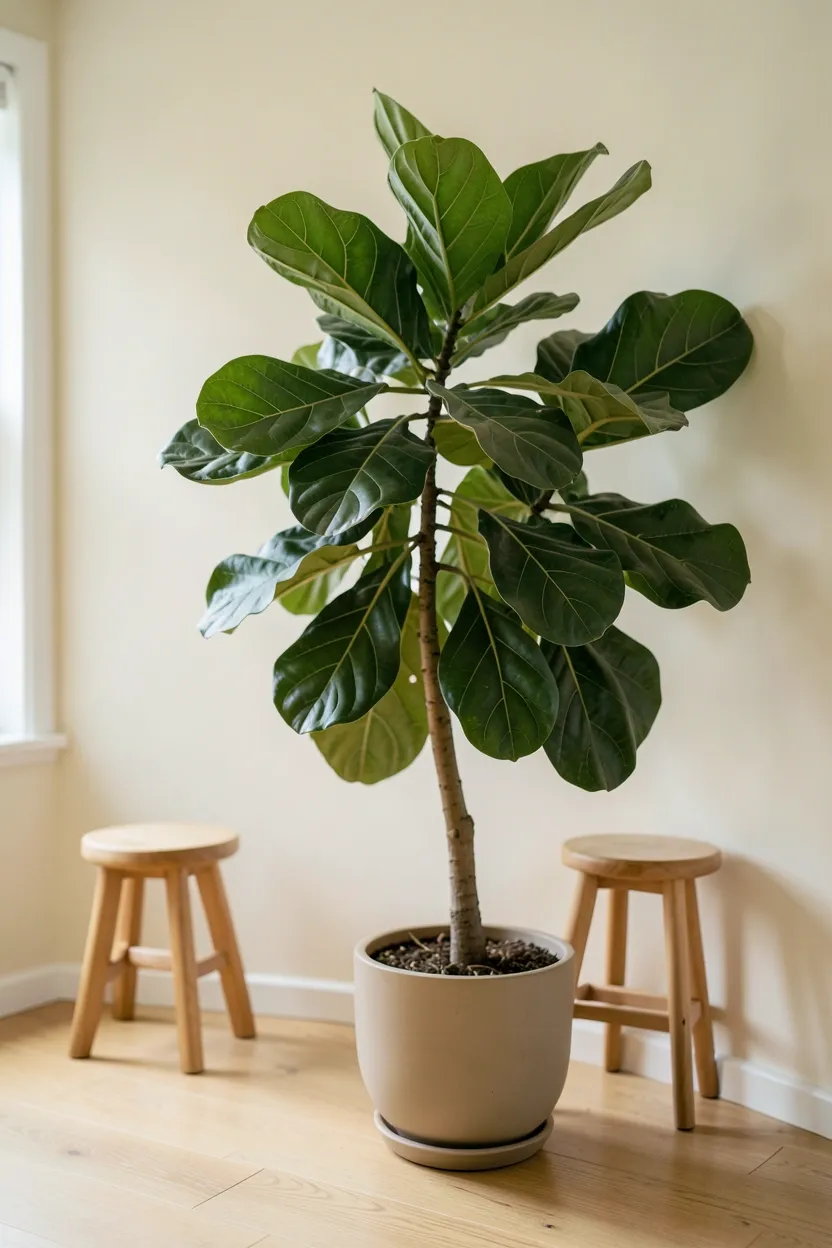
These plants introduce organic movement and change that keeps spaces feeling dynamic yet calm. Unlike static decorative objects, plants grow, change, and respond to their environment, bringing life and connection to nature indoors. Position large specimens in empty corners or as focal points in minimalist spaces where they can make maximum impact. Choose plants suited to your specific light conditions for long-term success.
Tips
- If budget is tight, start with one large architectural plant rather than many small ones
- Use natural fiber baskets or ceramic pots that complement your neutral palette
- Position plants where they receive adequate light and have room to grow
What this gives you: Living focal points that add drama and organic movement while purifying air.
12. Natural Lighting Fixtures
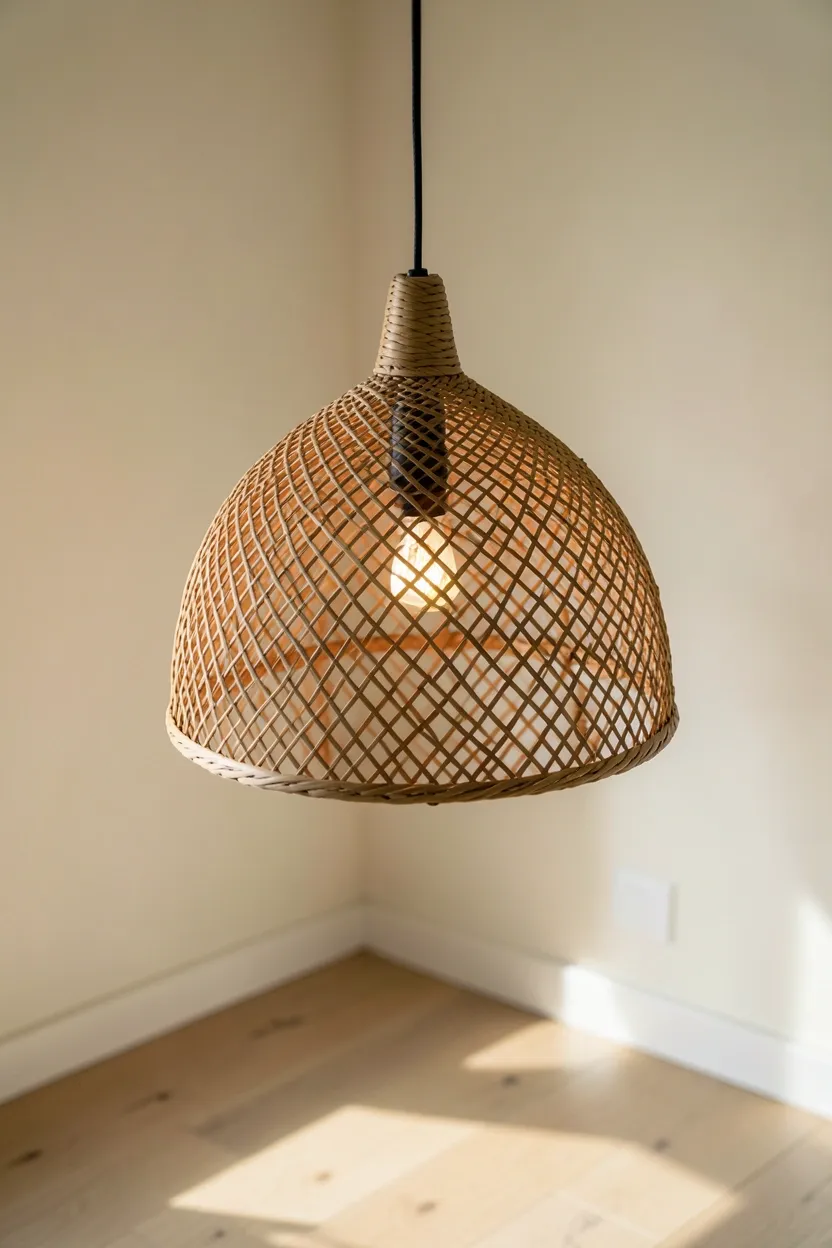
Natural lighting fixtures crafted from materials like wood, rattan, bamboo, or natural fibers bring organic warmth to illumination. Whether pendant lights, floor lamps, or sconces, these fixtures provide both function and material authenticity that complements natural minimalism's material palette.
Recommended
Items for this idea
The materials and craftsmanship of natural lighting fixtures add visual interest through texture rather than color or ornamentation. Woven rattan creates beautiful shadows, wood adds warmth, natural fiber introduces organic irregularity. Unlike metallic or plastic fixtures that can feel industrial or cold, natural material lighting brings authenticity and warmth. Mix fixture types and sizes to create visual rhythm and adequate task lighting throughout spaces.
Tips
- If using woven fixtures, position them where light creates interesting shadow patterns
- Choose warm-toned bulbs (2700-3000K) to complement natural materials
- Consider adjustable fixtures for flexibility in directing light where needed
What this gives you: Warm, authentic lighting that enhances natural materials while providing functional illumination.
13. Wood and Stone Combinations
Combining wood and stone materials creates sophisticated contrast that embodies natural minimalism's celebration of material diversity. Warm wood balances cool stone, while organic grain patterns provide counterpoint to stone's mineral veining. This combination appears in flooring, furniture, countertops, and architectural elements throughout spaces.
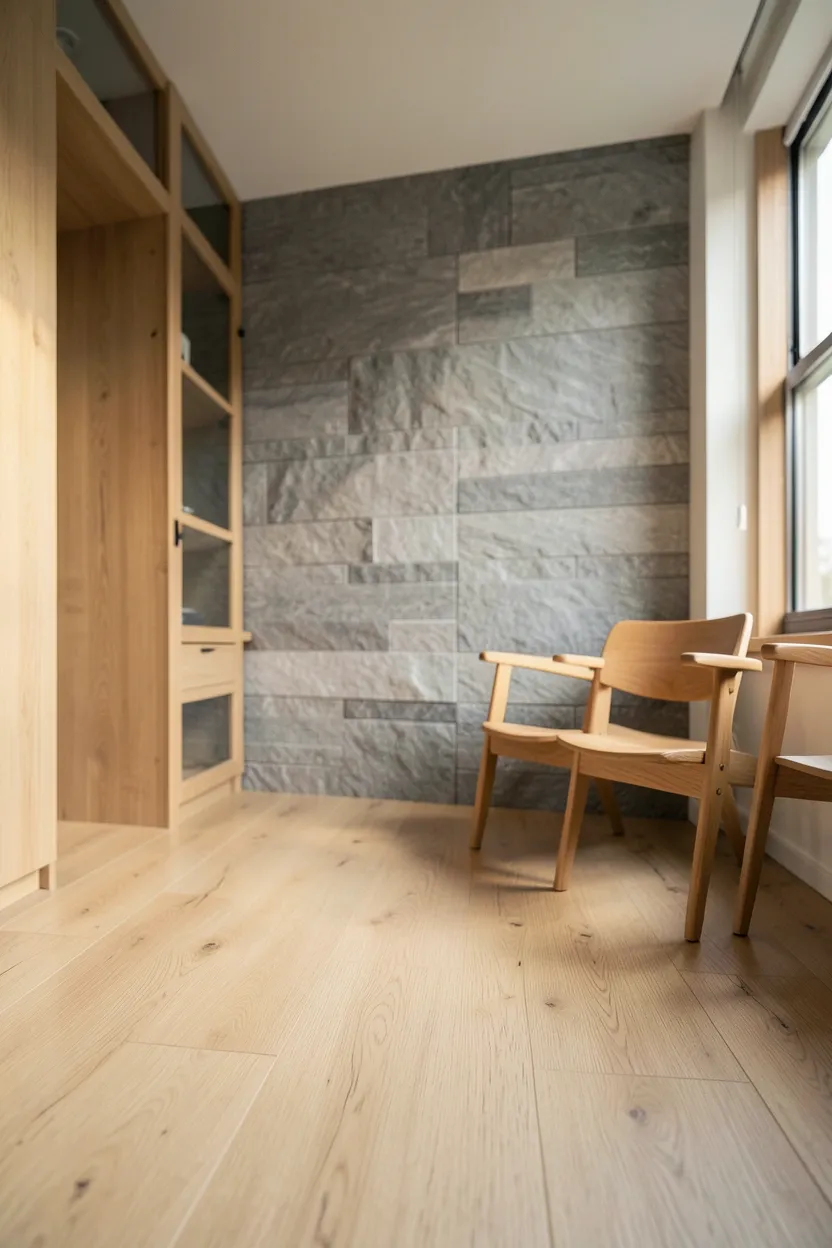
The interplay of warm and cool, organic and mineral, creates visual interest without requiring additional decor or color. Unlike monolithic spaces featuring just one material, wood and stone combinations feel richer and more layered. The contrast enhances each material's qualities—wood feels warmer against stone, stone appears more sophisticated with wood. Use proportions appropriate to each space—more wood in living areas for warmth, more stone in bathrooms for water resistance.
Tips
- If combining on floors, consider using one material as primary (60-80%) and other as accent
- Choose wood and stone with complementary undertones rather than clashing
- Use similar color intensity in both materials for cohesive appearance
What this gives you: Sophisticated material contrast that creates visual interest while maintaining neutral palette.
14. Minimal Wall Art with Nature Themes
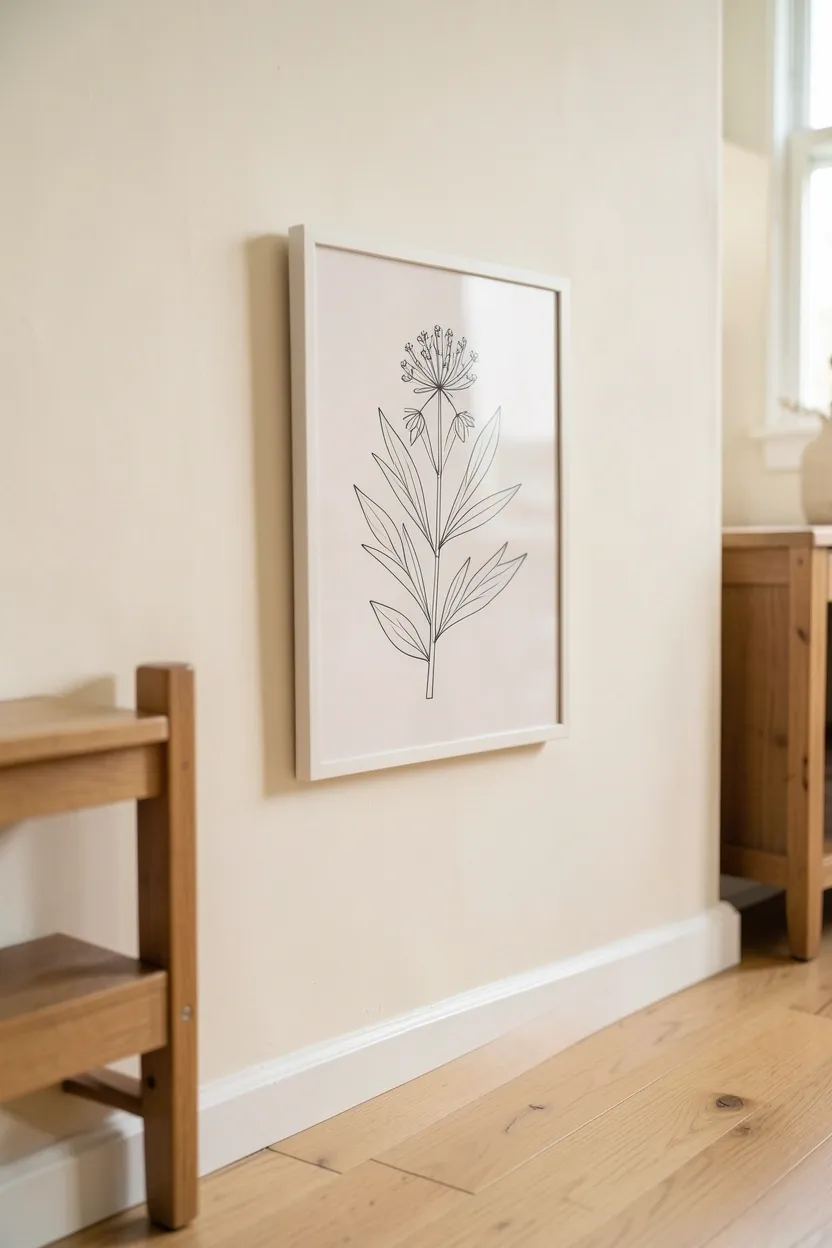
Minimal wall art featuring nature themes— botanical prints, landscape photography, abstract nature studies—adds visual interest while maintaining natural minimalism's connection to organic forms. These pieces provide focal points and narrative without introducing bold colors or complex imagery that feels at odds with minimalist principles.
Recommended
Items for this idea
The simplicity of minimal nature art complements rather than competes with other natural elements. Unlike busy or highly colorful artwork that can overwhelm minimalist spaces, nature-themed pieces with clean composition and restrained palettes enhance the overall aesthetic. Position art at eye level and allow generous wall space around pieces to maintain uncluttered feel. Group related works for impact, or use single larger pieces as focal points.
Tips
- If budget is tight, consider framing botanical specimens, leaves, or found natural objects
- Choose frames in natural wood tones or black for contemporary feel
- Consider natural light sources when positioning art to avoid glare
What this gives you: Subtle visual interest that maintains connection to nature while supporting minimalist principles.
15. Organic Shapes in Furniture Design
Furniture featuring organic shapes—rounded edges, curved lines, asymmetrical forms—softens the angularity often associated with minimalism while maintaining simplicity. These shapes introduce natural movement and comfort that feels more approachable and less rigid than purely rectilinear designs.
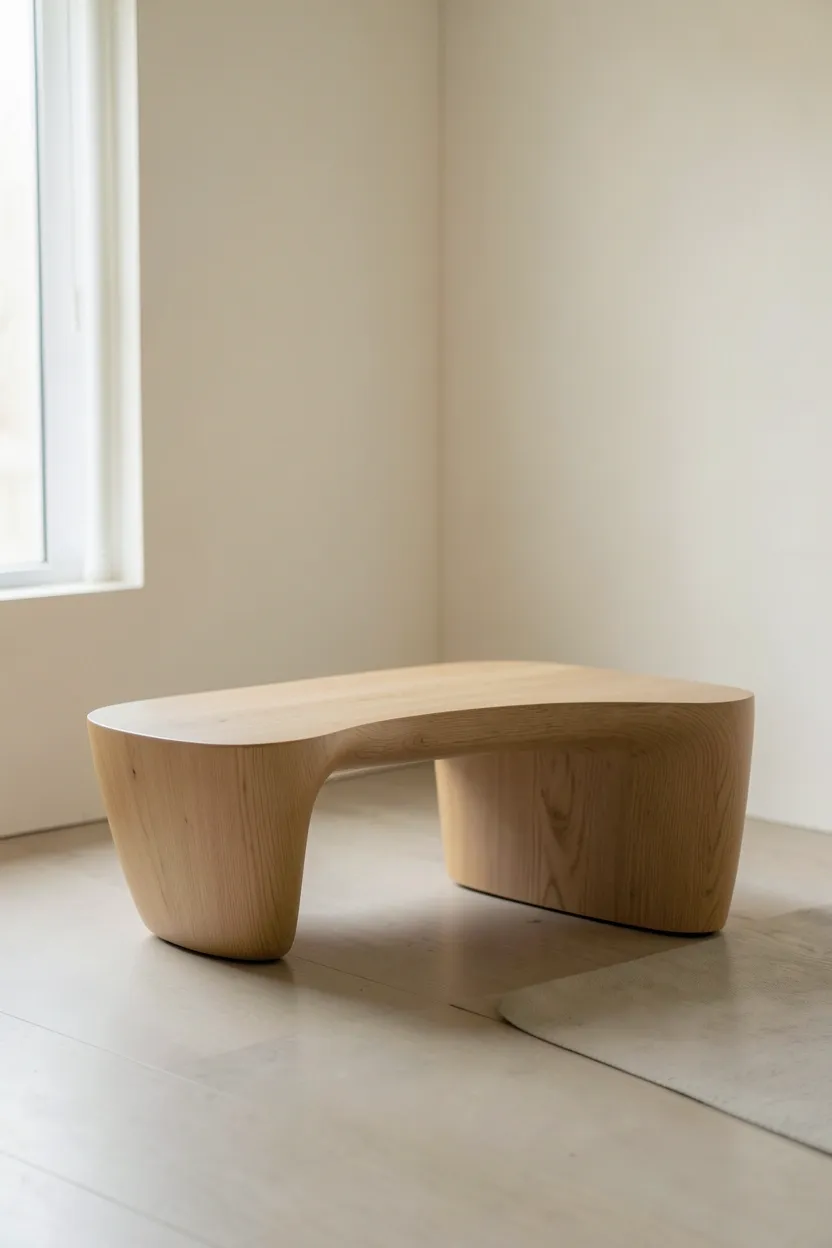
The natural curves and irregularities in organic-shaped furniture add visual interest without ornamentation or complex forms. Unlike strictly geometric furniture that can feel sterile or harsh, organic shapes feel warmer and more inviting. Round tables soften square rooms, curved sofas add flow, irregular mirrors break up straight lines. Balance organic shapes with some geometric elements to prevent spaces from feeling too soft or lacking structure.
Tips
- If mixing shapes, maintain 60-40 ratio—predominantly one shape, the other as accent
- Consider function—organic coffee tables may require larger surface area than rectangular
- Use organic shapes for statement pieces, keep occasional furniture simpler
What this gives you: Softer, more approachable spaces that maintain minimalist simplicity through organic forms.
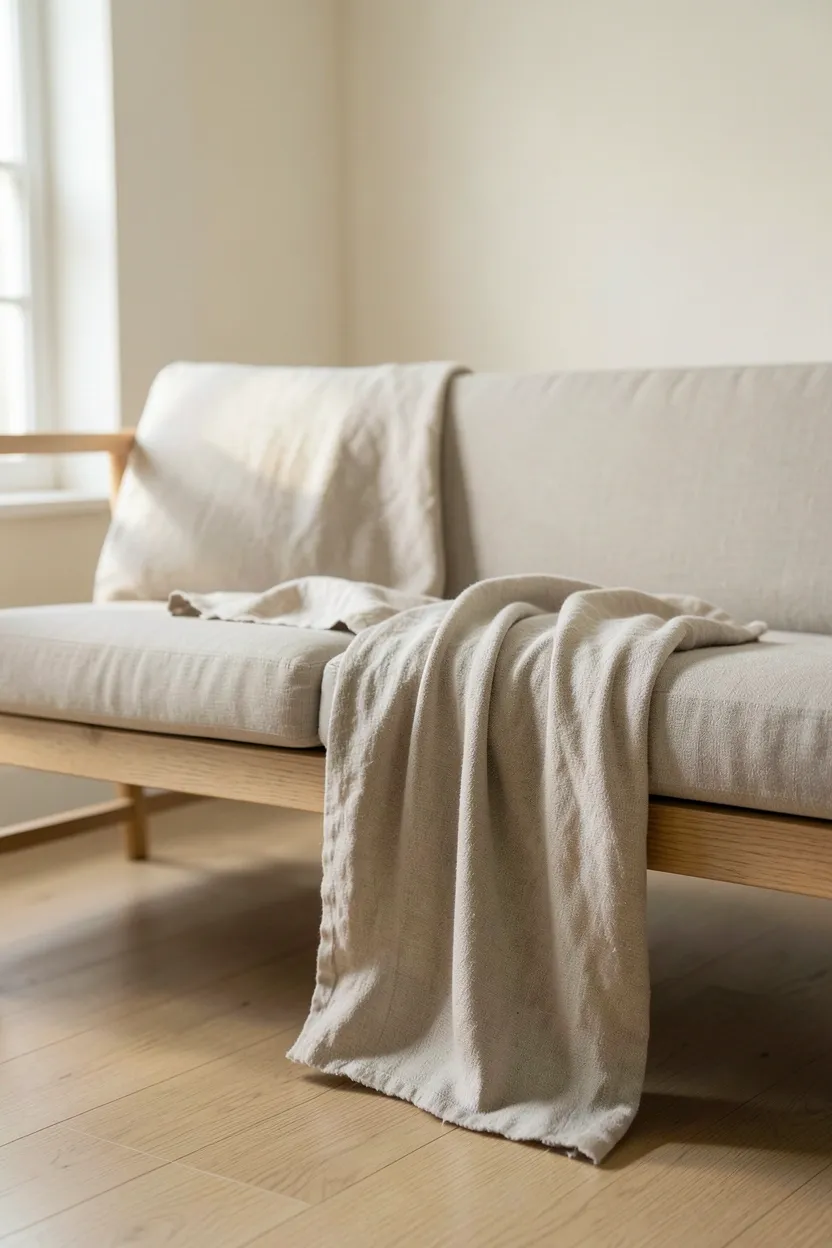
16. Soft Textiles in Natural Fibers
Soft textiles in natural fibers—linen, cotton, wool, silk—introduce comfort and warmth that balance the minimal, often cool nature of minimalist design. These materials through throws, cushions, bedding, and curtains add layers of tactile luxury while maintaining natural color palettes.
Recommended
Items for this idea
The natural irregularities and subtle variations in hand-woven or natural fiber textiles add authentic character. Unlike synthetic textiles that can feel cheap or out of place, natural fiber pieces connect spaces to earth through material authenticity. Layer different textures for depth—wool throws on linen sofas, silk cushions on cotton bedding. Choose colors within your neutral palette for cohesion.
Tips
- If budget is tight, start with one high-quality wool throw or linen cushion set
- Consider maintenance—wool requires gentle care, linen wrinkles beautifully
- Rotate textiles seasonally for freshness and appropriate warmth levels
What this gives you: Tactile comfort and warmth that enhances minimalist spaces through material quality.
17. Raw Wood Elements
Raw wood elements—live edges, natural finishes, unpolished surfaces—celebrate material authenticity that's central to natural minimalism. These pieces retain knots, grain patterns, and natural variations that add character and tell stories of material origin.
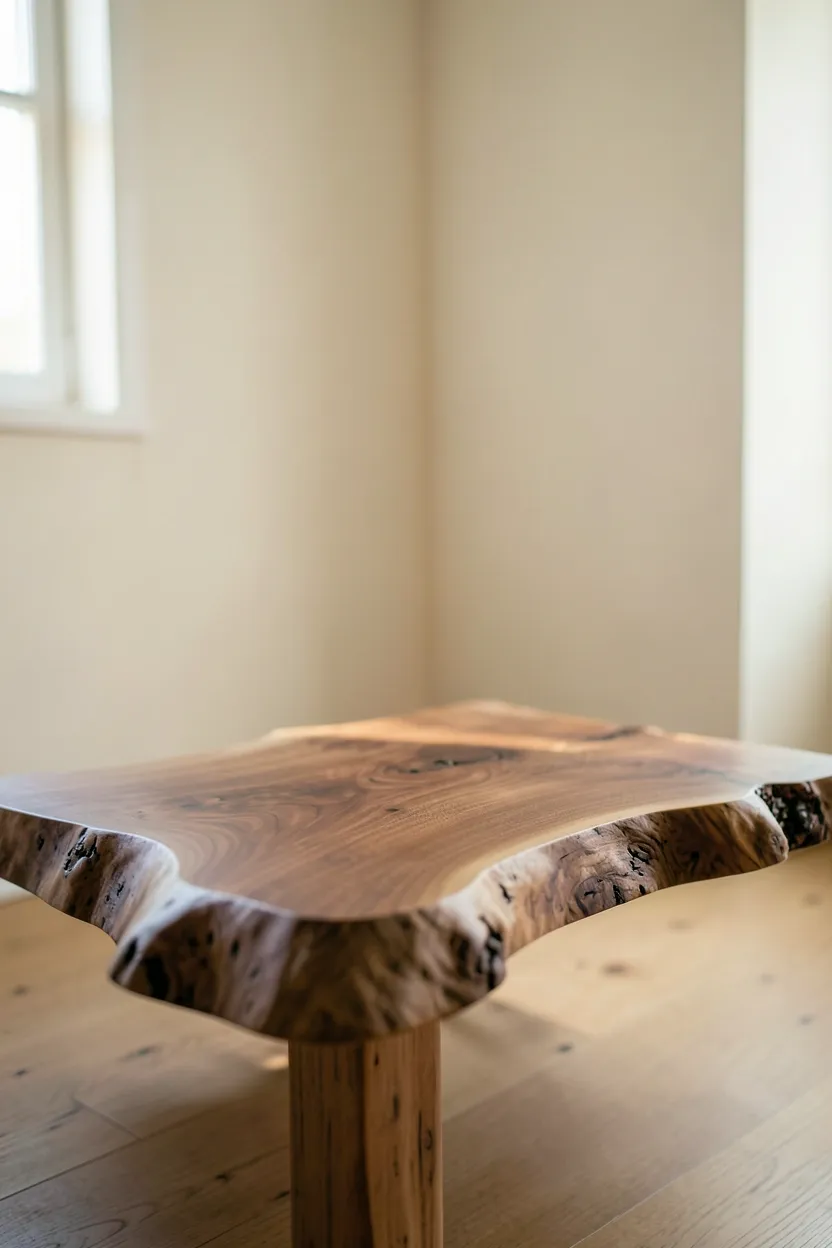
The natural imperfections in raw wood create visual interest without requiring additional decor. Unlike highly finished or engineered wood that can feel sterile, raw wood pieces feel authentic and connected to nature. Balance raw wood elements with some refined pieces to prevent spaces from feeling too rustic or unfinished. Use raw wood as accents rather than primary materials for sophisticated minimalism.
Tips
- If using live edge, apply appropriate finish to protect while maintaining natural appearance
- Position raw wood where natural light enhances grain patterns
- Consider maintenance—raw wood may require more regular care than finished pieces
What this gives you: Authentic material character that adds warmth and organic irregularity.
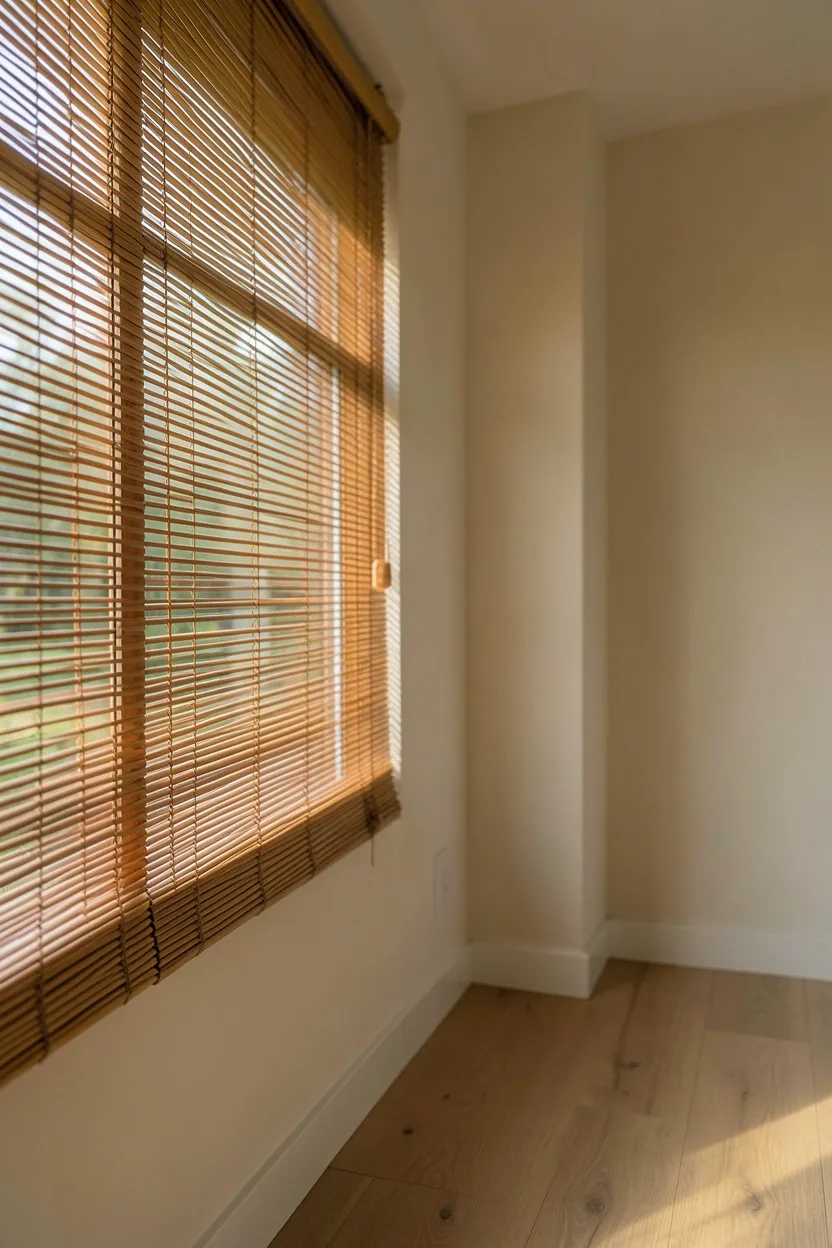
18. Natural Woven Window Treatments for Rentals
Natural woven window treatments—bamboo blinds, woven wood shades, linen sheers—filter natural light while adding organic texture that complements natural minimalism. These treatments control privacy and light without blocking views, introducing synthetic materials, or requiring permanent installation — making them ideal for renters.
Recommended
Items for this idea
The natural materials create beautiful light filtering effects and subtle shadows that enhance spaces. Unlike heavy drapes that can feel traditional or blinds that feel industrial, woven treatments feel organic and appropriate to natural minimalist aesthetic. Choose opacity levels based on privacy needs—lighter sheers for maximum natural light, denser weaves for privacy. Layer with complementary fabrics for versatility.
Tips
- If budget is tight, start with windows where natural light is most important
- Consider ease of operation—woven treatments may require different mechanisms than blinds
- Use liners for increased privacy or light control without sacrificing natural material appearance
What this gives you: Organic light filtering that maintains connection to outdoors while controlling privacy.
19. Simple Ceramics and Pottery
Simple ceramics and pottery—vases, bowls, plates—introduce handcrafted authenticity that adds visual interest without color or ornamentation. The natural clay materials and handmade qualities connect spaces to earth through material honesty and craft traditions.
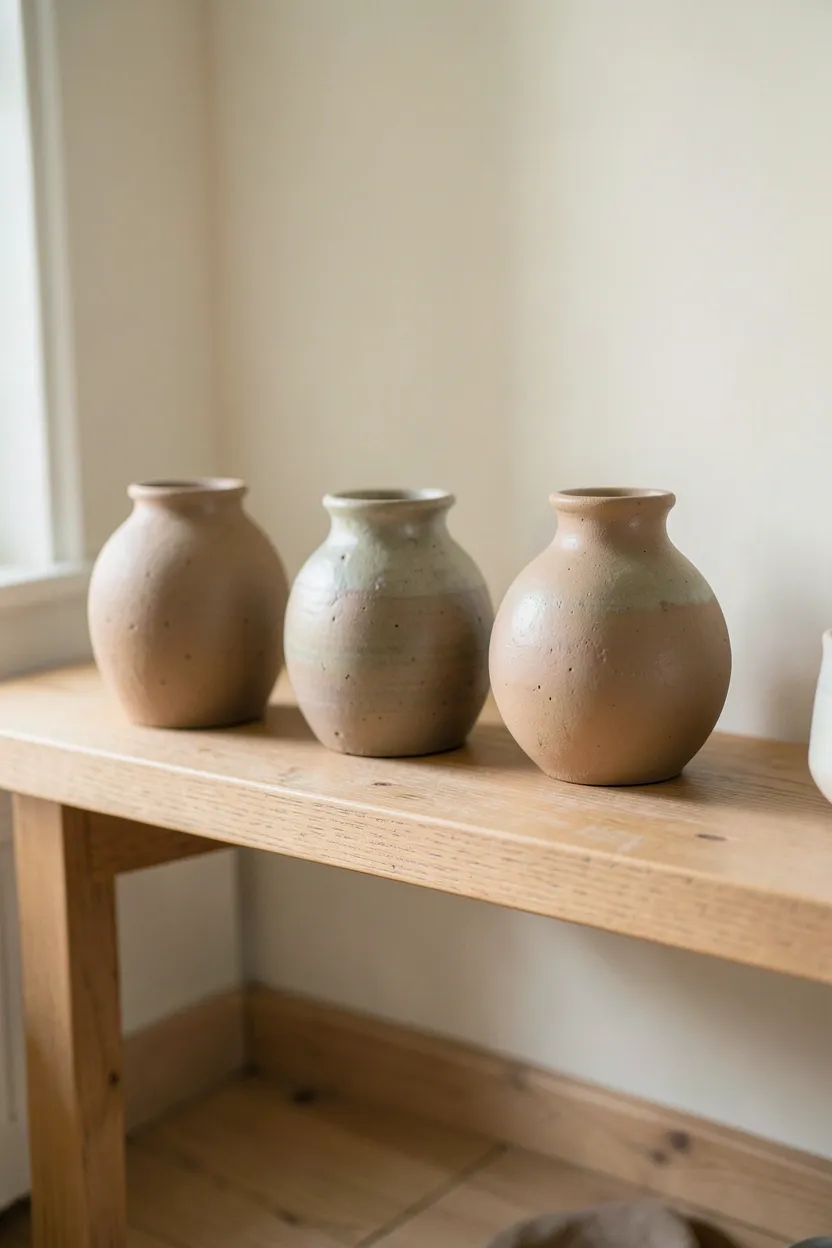
The subtle variations and natural imperfections in handmade ceramics add authentic character that mass-produced pieces lack. Unlike highly decorated or colorful ceramics that can overwhelm minimalist spaces, simple, natural-clay pieces complement the aesthetic. Display ceramics in groups for impact, or use individual pieces as subtle accents. Choose pieces with visible maker marks or glaze variations for authenticity.
Tips
- If budget is tight, collect pieces gradually rather than buying entire sets
- Consider function—ceramics serve both decorative and practical purposes
- Support local artisans by purchasing from regional ceramicists when possible
What this gives you: Handcrafted authenticity that adds subtle visual interest through material honesty.
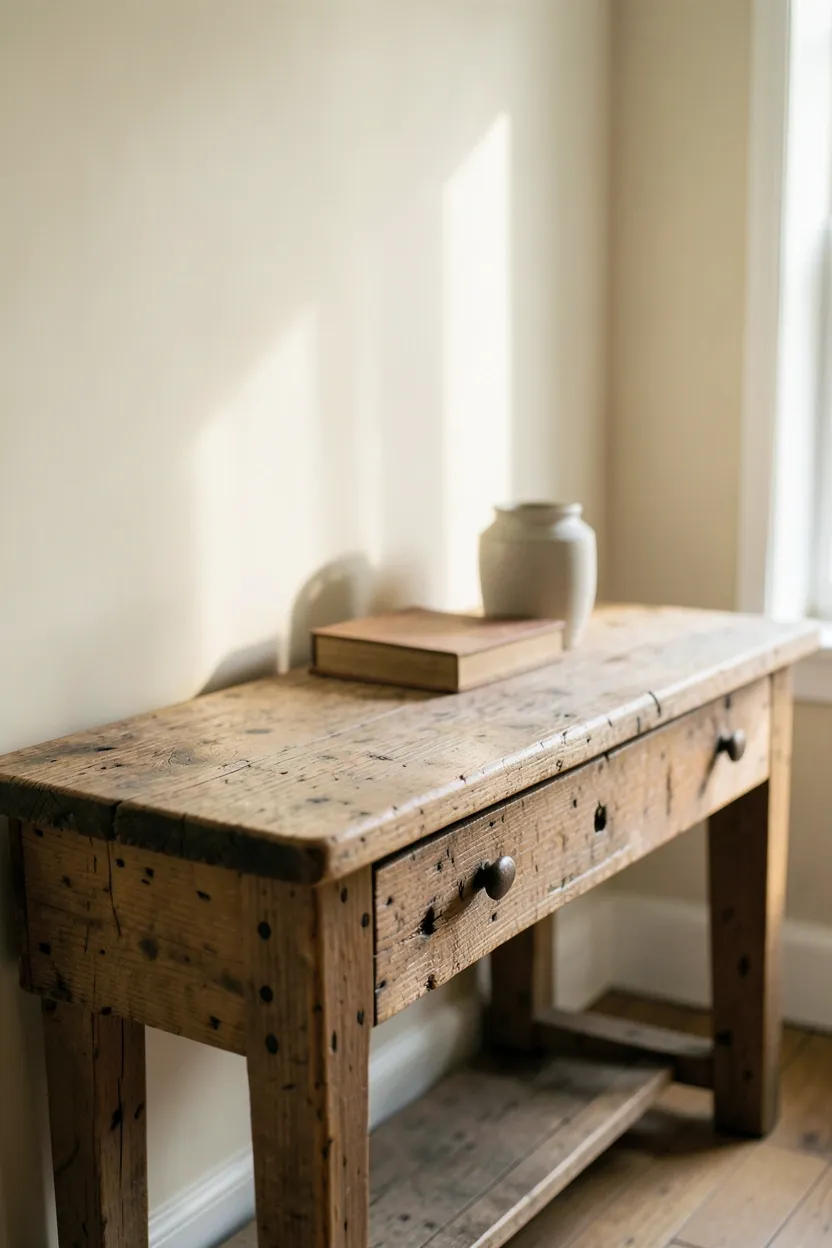
20. Reclaimed Wood Accents
Reclaimed wood accents—furniture, architectural elements, decorative pieces—introduce sustainability and history that enrich natural minimalism with layered meaning. These materials carry stories of previous uses while providing material authenticity and environmental consciousness.
Recommended
Items for this idea
The natural patina and wear patterns in reclaimed wood add character that new materials can't replicate. Unlike new wood that can feel generic, reclaimed pieces feel unique and connected to history. Balance aged pieces with some newer elements to prevent spaces from feeling too rustic or dated. Use reclaimed wood as accent pieces rather than dominant materials for contemporary natural minimalism.
Tips
- If sourcing reclaimed wood, verify origin and treatment for safety
- Consider maintenance—older wood may require special care or refinishing
- Use reclaimed wood where its history becomes conversation piece and visual interest
What this gives you: Sustainable, history-rich materials that add character and environmental consciousness.
21. Greenery in Every Room
Incorporating greenery in every room through plants, botanical prints, or green textiles creates consistent connection to nature throughout spaces. This continuity supports natural minimalism's principle of holistic connection to organic elements rather than isolated pockets of green.
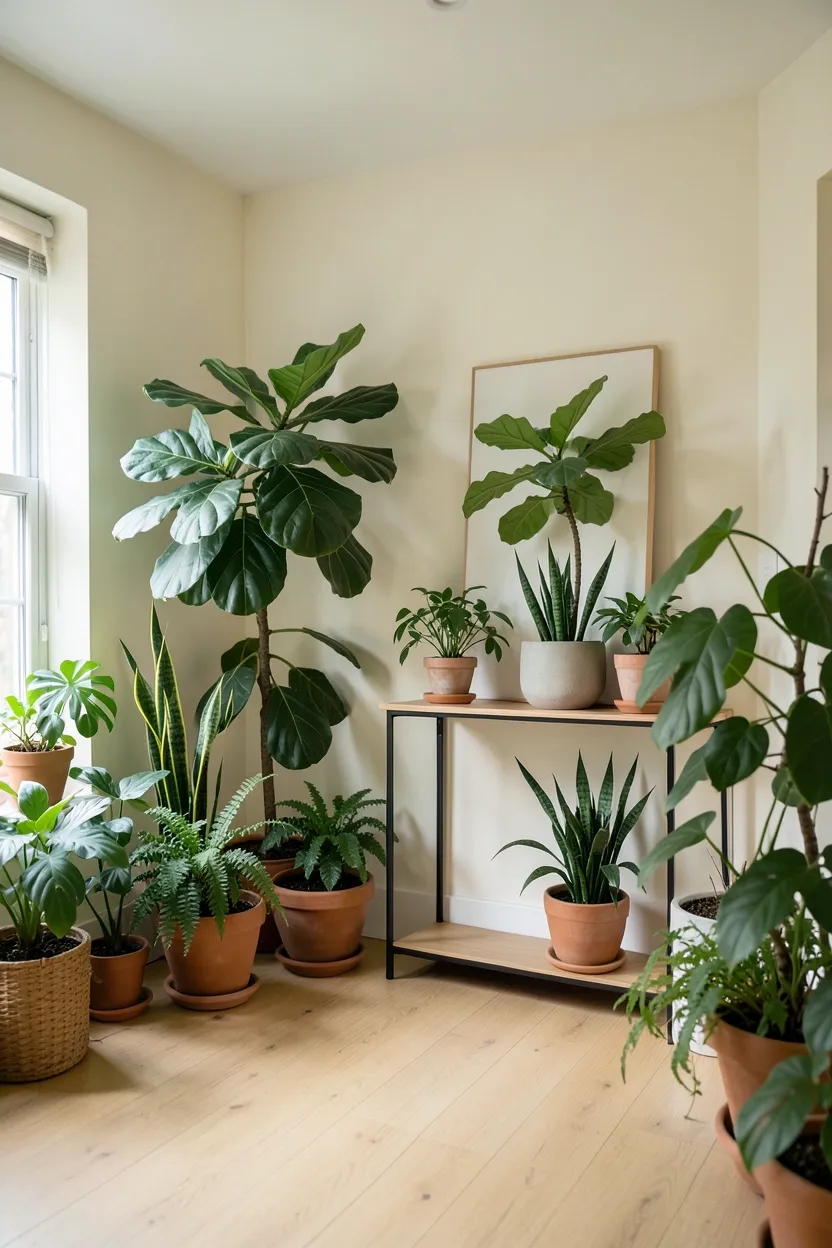
The consistent presence of green creates visual flow and supports wellbeing through biophilic design principles. Unlike spaces with plants only in living areas, incorporating greenery throughout makes entire home feel connected to nature. Choose plant varieties appropriate to each room's light conditions, use botanical art where real plants aren't feasible, or incorporate green in textiles and accessories.
Tips
- If maintaining many plants is challenging, focus on low-maintenance varieties
- Use artificial plants in low-light areas if real plants won't thrive
- Consider scale—larger plants make bigger impact with less maintenance than many small ones
What this gives you: Consistent connection to nature throughout spaces that supports wellbeing and visual flow.
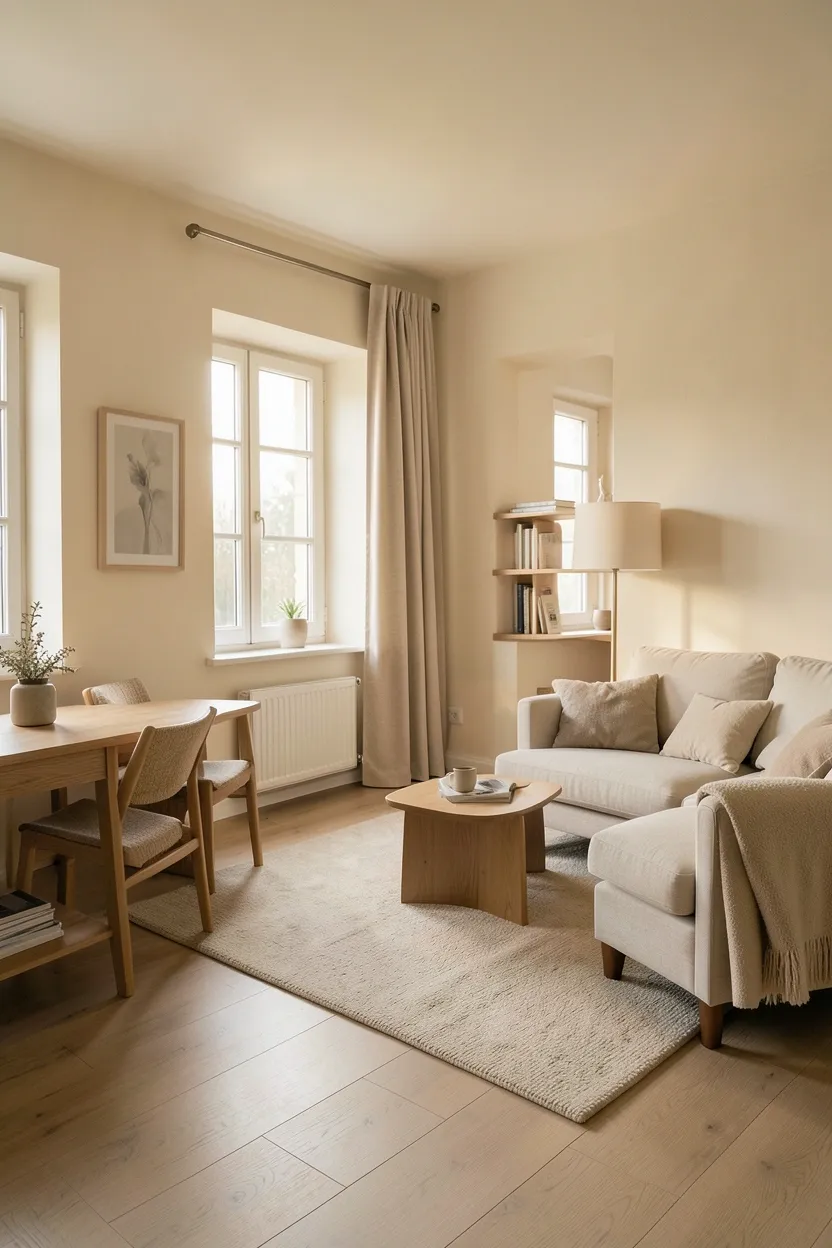
22. Warm Neutral Color Scheme
Warm neutral color scheme featuring cream, beige, soft brown, and warm gray tones creates cozy, inviting atmosphere that's essential to natural minimalism's balance of simplicity with comfort. These colors reflect natural light beautifully and complement wood, stone, and other natural materials.
Recommended
Items for this idea
The warmth in these neutrals prevents spaces from feeling cold or sterile, which can happen with overly cool or stark palettes. Unlike highly colorful schemes that can feel chaotic or overwhelming, warm neutrals create calm sophistication. Vary shades within warm neutral family to create depth and interest without introducing new colors. Use warmer neutrals in living areas, slightly cooler neutrals in bathrooms or kitchens.
Tips
- If uncertain about undertones, test colors in your actual space under different lighting
- Use similar undertones across walls, furniture, and textiles for cohesive appearance
- Add occasional cooler accent for contrast without breaking warm overall feel
What this gives you: Warm, inviting spaces that feel cozy while maintaining minimalist sophistication.
23. Bamboo and Rattan Furniture
Bamboo and rattan furniture introduces sustainable, rapidly renewable materials that embody natural minimalism's connection to organic, earth-friendly design. These materials provide lightweight, durable furniture with beautiful natural textures and warm tones.
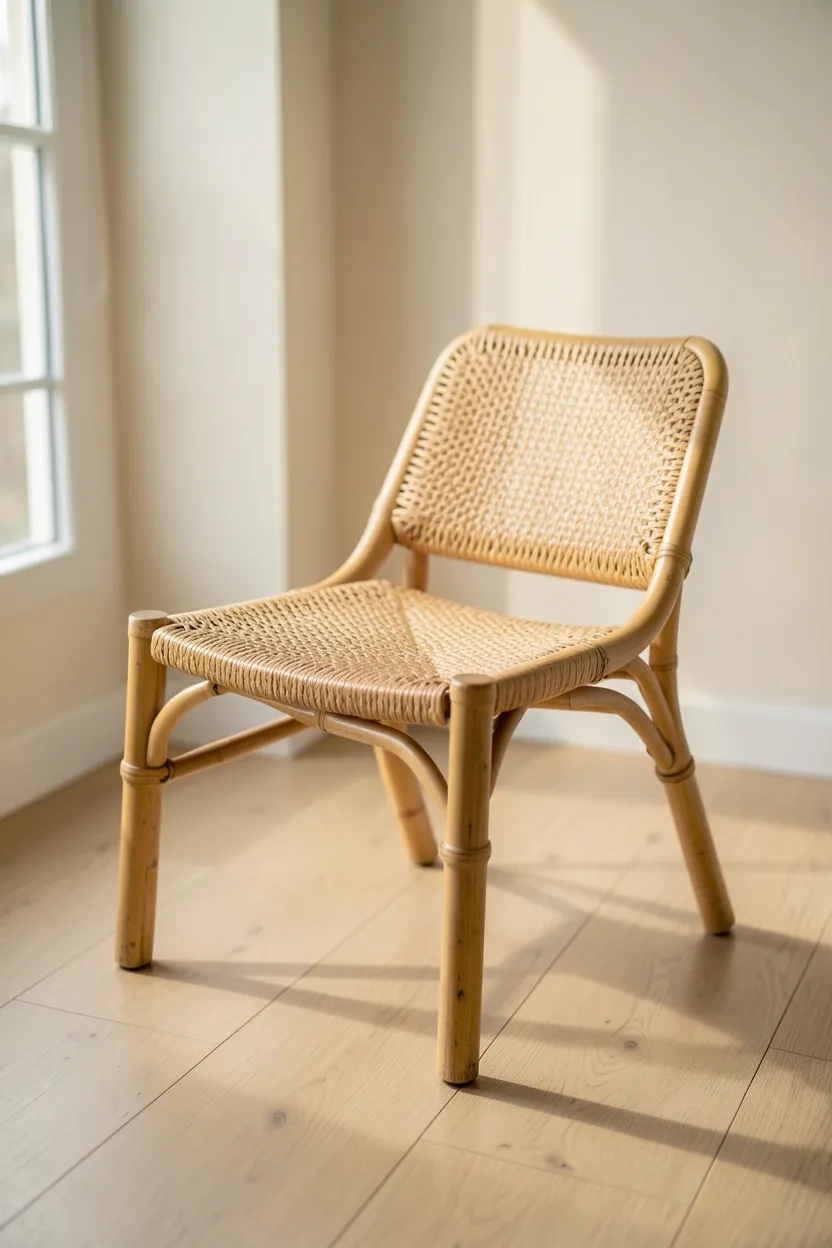
The natural textures and visible construction in bamboo and rattan pieces add visual interest without ornamentation. Unlike solid wood furniture that can feel heavier or more formal, bamboo and rattan pieces feel lighter and more casual while maintaining sophistication. These materials work particularly well in outdoor spaces, sunrooms, or coastal interiors. Balance bamboo/rattan with wood or upholstered pieces for material variety.
Tips
- If using bamboo or rattan outdoors, choose pieces rated for outdoor use
- Consider durability—rattan can be more delicate than bamboo for high-traffic areas
- Use cushions and pillows for comfort when bamboo/rattan frames are primary seating
What this gives you: Sustainable, lightweight furniture with beautiful natural textures and warm tones.
24. Sun-Drenched Rooms
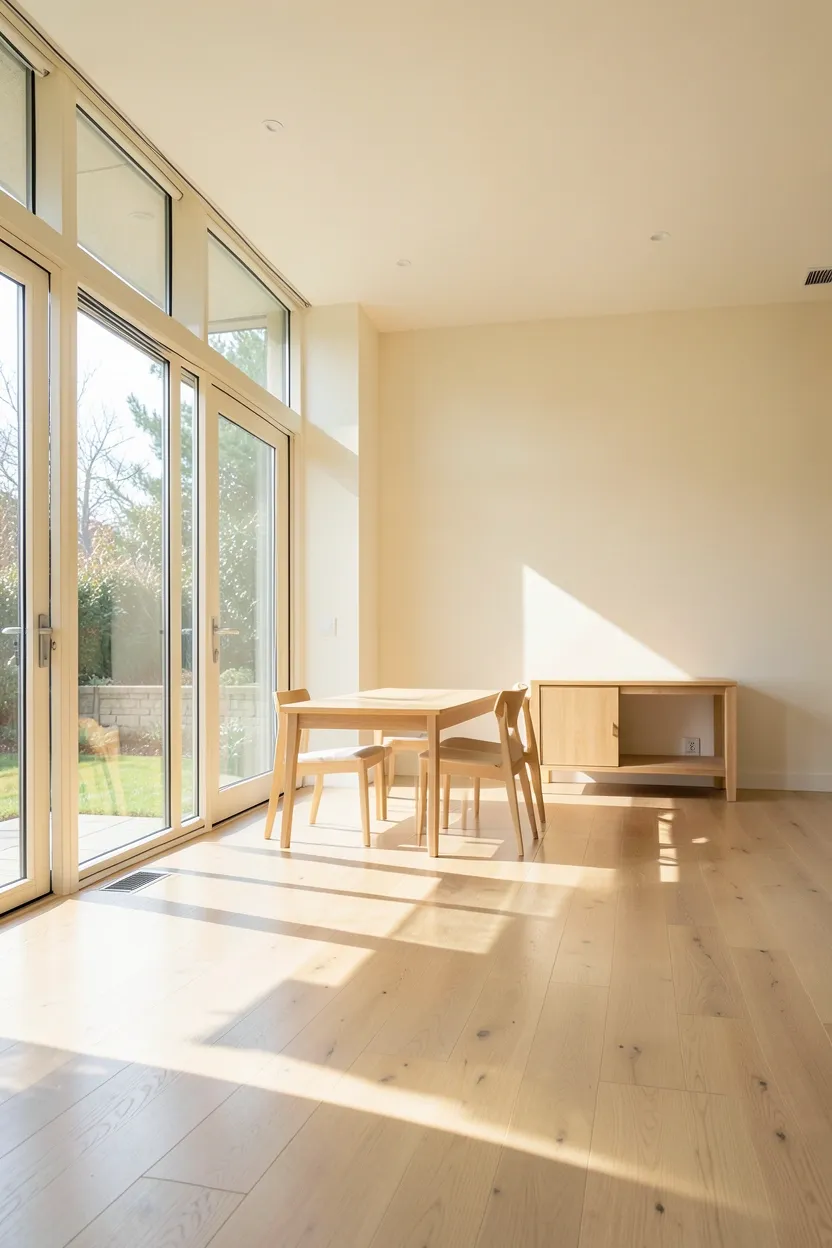
Creating sun-drenched rooms through strategic window placement, light-colored surfaces, and reflective elements maximizes natural light that transforms spaces. Sunlight enhances natural materials, improves mood, and makes rooms feel larger and more connected to outdoors.
Recommended
Items for this idea
Light-colored surfaces reflect sunlight throughout spaces, while mirrors and glossy surfaces amplify light. The quality of natural light changes throughout day, creating dynamic, engaging environments. Unlike spaces relying primarily on artificial lighting, sun-drenched rooms feel more alive and connected to natural rhythms. Use light-filtering treatments rather than blackout options, position reflective surfaces strategically, and maintain clean windows.
Tips
- If modifying windows isn't possible, use mirrors to reflect existing light
- Consider UV protection for furnishings in extremely sun-drenched spaces
- Use light-colored walls and surfaces to maximize light reflection
What this gives you: Bright, dynamic spaces that enhance mood and connect to natural light cycles.
25. Natural Stone Fireplaces or Focal Points
Natural stone fireplaces or focal points create grounding anchors that embody natural minimalism's celebration of earth materials. Whether a full stone fireplace surround, stone accent wall, or freestanding stone feature, these elements add sophistication and permanence while maintaining material authenticity.
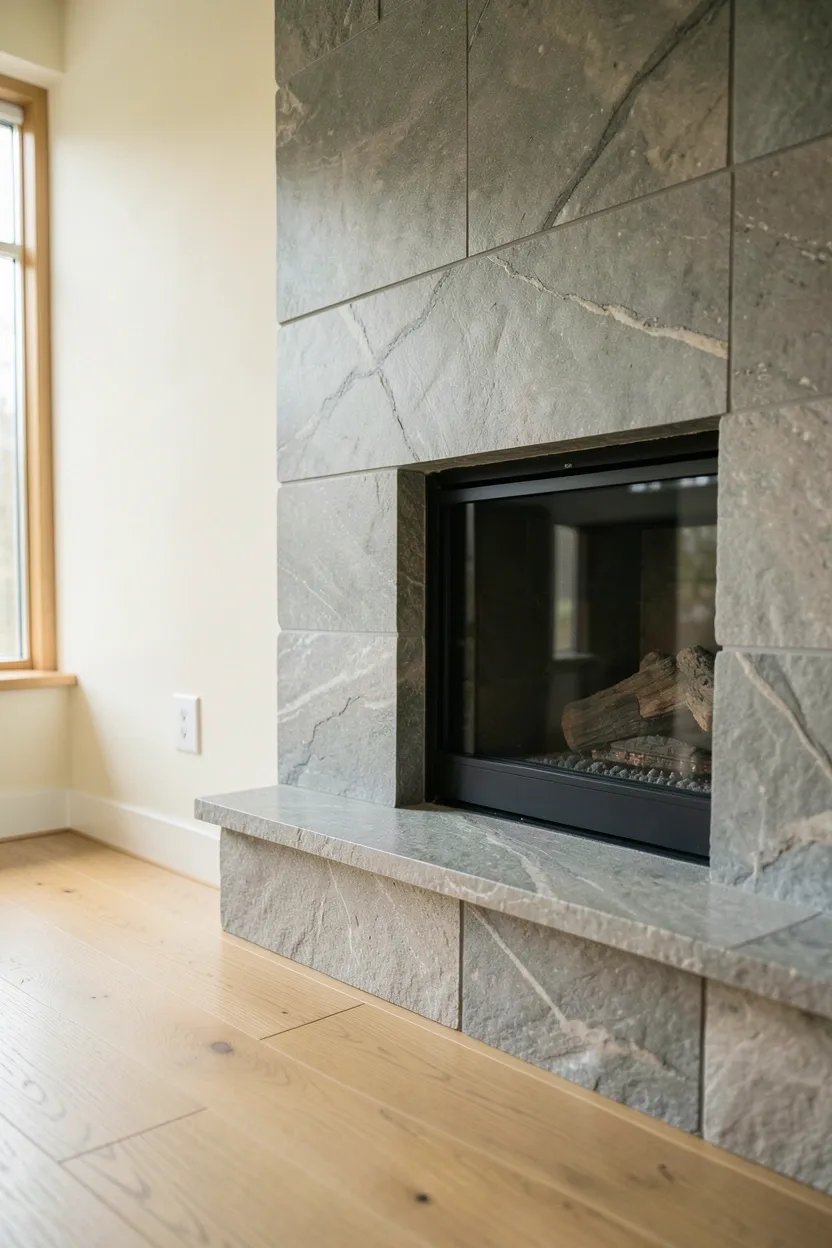
The natural variations in stone—veining, color shifts, surface textures—create visual interest that requires no additional decor. Unlike synthetic fireplace surrounds that can look artificial, natural stone feels authentic and timeless. The cool tones of stone provide beautiful contrast with warm wood and soft textiles. Position stone focal points to receive natural light, which enhances their texture and creates dynamic shadows.
Tips
- If budget is limited, use stone tiles rather than solid stone for similar aesthetic
- Consider stone type—granite for durability, marble for elegance, limestone for warmth
- Balance stone's cool tones with warm wood or textiles to prevent feeling cold
What this gives you: Sophisticated, grounding focal points that celebrate authentic natural materials.
Natural minimalism interior design offers a path to creating spaces that feel both contemporary and deeply connected to the earth — sophisticated yet approachable, calm yet dynamic. For renters especially, this approach is empowering: most ideas here require no drilling, no landlord approval, and no permanent changes. By prioritizing natural materials, embracing light, curating rather than accumulating, and finding beauty in simplicity, you create environments that support wellbeing and reflect timeless design principles. These 25 ideas are your starting points — whether you're styling a single rental room or refreshing your entire apartment. Each material choice, each carefully curated object, each intentional edit moves you toward a home that feels calm, connected, and authentically beautiful — worth saving for later inspiration and returning to for comfort in everyday living.
About the author
OBCD
CGI visualization and interior design content. We create detailed 3D renders and curate practical design ideas for every room in your home.