23 Minimalist Lifestyle Tips for a Calm, Focused Home
These minimalist lifestyle tips for renters turn even the smallest apartment into a calm, focused sanctuary — no expensive renovations or landlord permissions needed.
Whether you're dealing with a cluttered studio or a lease that limits what you can change, these practical daily habits reduce overwhelm, sharpen concentration, and create genuine peace in your space.
From decluttering one drawer at a time to setting simple daily priorities, each minimalist habit here is renter-friendly, low-cost, and immediately actionable. Start with one that resonates and build from there.
Quick FAQ
How does minimalism improve mental health?
Minimalism reduces decision fatigue and visual clutter, leading to lower stress levels and improved mental clarity.
Can I practice minimalism without getting rid of everything?
Yes—minimalism is about intentionality, not deprivation. Keep what you truly need and love while removing excess.
How long does it take to see results from minimalist habits?
Most people notice improvements in mental clarity and reduced stress within 1-2 weeks of consistent practice.
What's the first step to adopting a minimalist lifestyle?
Start with one area—your desk, closet, or morning routine—and gradually expand minimalism to other aspects of life.
As an Amazon Associate I earn from qualifying purchases.
Table of Contents
- 1. Start with a Daily Mindfulness Practice
- 2. Declutter One Small Area Each Day
- 3. Practice Single-Tasking Instead of Multitasking
- 4. Create a Capsule Wardrobe
- 5. Establish a Morning Routine That Sets Intentions
- 6. Limit Digital Distractions and Screen Time
- 7. Practice Gratitude Journaling Daily
- 8. Keep Surfaces Clear and Tidy
- 9. Say No to Non-Essential Commitments
- 10. Create Designated Spaces for Different Activities
- 11. Practice the One-In-One-Out Rule
- 12. Simplify Your Meal Planning and Cooking
- 13. Set Daily Priorities the Night Before
- 14. Remove Visual Noise from Your Environment
- 15. Practice Deep Work Sessions Without Interruption
- 16. Organize Your Digital Files Regularly
- 17. Spend Time in Nature Daily
- 18. Practice Conscious Consumerism
- 19. Create a Calming Evening Wind-Down Routine
- 20. Let Go of Perfectionism
- 21. Cultivate Meaningful Relationships
- 22. Practice Regular Digital Detoxes
- 23. Embrace Slow Living Principles
1. Start with a Daily Mindfulness Practice
Daily mindfulness practice creates mental clarity and emotional balance through simple, consistent techniques. Just 5-10 minutes each morning grounds you in the present moment, reducing anxiety and improving focus throughout the day. This foundational habit supports all other minimalist lifestyle practices by developing self-awareness and intentional living.
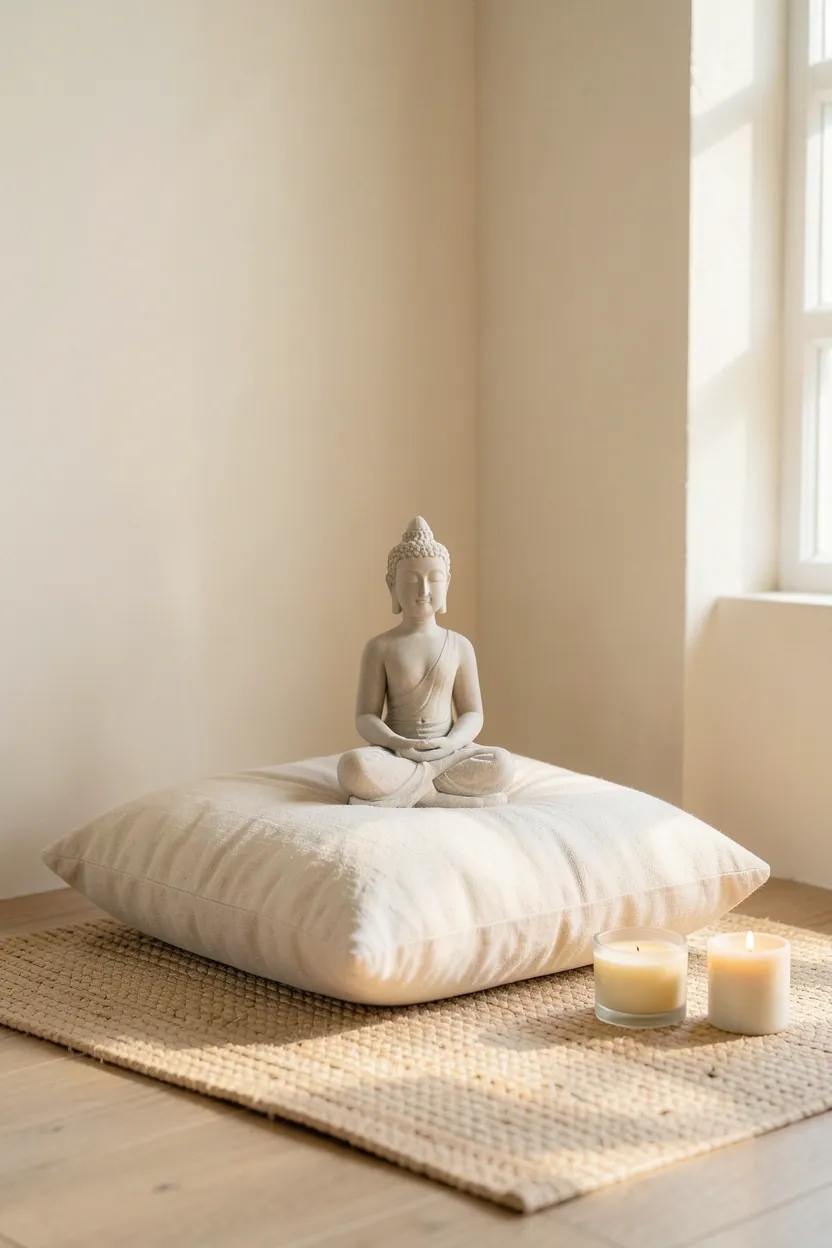
Choose techniques that resonate—meditation, deep breathing, body scans, or mindful journaling. The key is consistency over duration. Set a specific time each day, perhaps with morning coffee or before bed, to establish routine. Even two conscious breaths between tasks can reset mental state.
For more calm interior ideas, see Minimalist Bedroom Reading Nook Ideas to create mindful spaces at home.
Tips
- Start with just 3 minutes and gradually increase
- Use guided meditation apps if starting independently feels difficult
- Practice at the same time daily for habit formation
- Be patient—mindfulness improves with consistent practice
Best for: Beginners seeking accessible mindfulness entry points.
What this gives you: Enhanced self-awareness and reduced daily stress.
2. Declutter One Small Area Each Day (Renter-Friendly Approach)
Decluttering one small area daily prevents overwhelm while creating momentum toward a more organized home. The 15-minute daily approach transforms massive tasks into manageable victories that build confidence. This method works with minimalist lifestyle tips for small apartments by making progress through consistent, intentional actions rather than exhausting marathon sessions.

Recommended
Items for this idea
Choose specific areas like one drawer, one shelf, or one corner rather than attempting entire rooms. This targeted approach prevents decision fatigue and ensures visible results each day. Celebrate small wins—they accumulate into significant transformation over time. Set a timer to prevent perfectionism and maintain momentum.
Placement note: Start with high-traffic areas like entryways or kitchen counters for immediate impact.
Tips
- If you feel overwhelmed, set a 10-minute timer minimum
- If you have extra energy, extend to 30 minutes but not required
- Then create a rotating schedule of areas to cover systematically
- If you encounter sentimental items, set aside for separate processing
What this gives you: Sustainable decluttering progress without overwhelm.
3. Practice Single-Tasking Instead of Multitasking
Single-tasking dramatically improves focus, quality of work, and overall productivity compared to multitasking. This minimalist approach to mental habits reduces cognitive load and decreases error rates while increasing satisfaction with completed work. Single-tasking aligns with minimalist principles by eliminating unnecessary complexity and mental clutter.

Complete one task fully before beginning the next, eliminating the hidden costs of constant task-switching. This approach increases both efficiency and enjoyment—work feels more manageable and accomplishments provide genuine satisfaction. Minimize notifications and distractions during focused work sessions to protect this intentional state.
Why it works: The brain processes information sequentially, so rapid task-switching actually reduces overall productivity and accuracy.
Tips
- Do schedule dedicated blocks for different types of work
- Don't check email or messages during focused work time
- Do use physical separation between different work modes
- Don't underestimate the mental cost of frequent task-switching
What this gives you: Higher quality work and reduced mental fatigue.
4. Create a Capsule Wardrobe
A capsule wardrobe reduces decision fatigue and creates intentional style through carefully selected, versatile pieces. This minimalist approach to clothing eliminates daily wardrobe dilemmas while ensuring you always have appropriate options. The capsule method aligns perfectly with minimalist lifestyle by promoting conscious consumption and reducing visual clutter.

Recommended
Items for this idea
Start with 30-40 pieces that mix and match easily for various occasions. Focus on quality materials and flattering fits rather than quantity. Neutral colors form the foundation with a few statement pieces for personality. Organize by category and eliminate items that don't serve you or that you haven't worn in over a year.
Common mistake: keeping "someday" items that never actually get worn—release these and trust that future needs can be met then.
Tips
- Choose a cohesive color palette to maximize mixing possibilities
- Select pieces that work for multiple occasions in your life
- Invest in higher quality basics rather than many fast-fashion items
- Donate or sell items leaving your capsule rather than storing them
Budget/time: 3-6 months to build complete capsule wardrobe gradually.
What this gives you: Simplified mornings and reduced consumption habits.
5. Establish a Morning Routine That Sets Intentions
A thoughtful morning routine sets the tone for calm, focused living throughout the entire day. By establishing predictable, intentional practices each morning, you reduce decision fatigue and create psychological readiness for whatever the day brings. This habit provides structure that supports minimalism by reducing reactive responses to daily chaos.
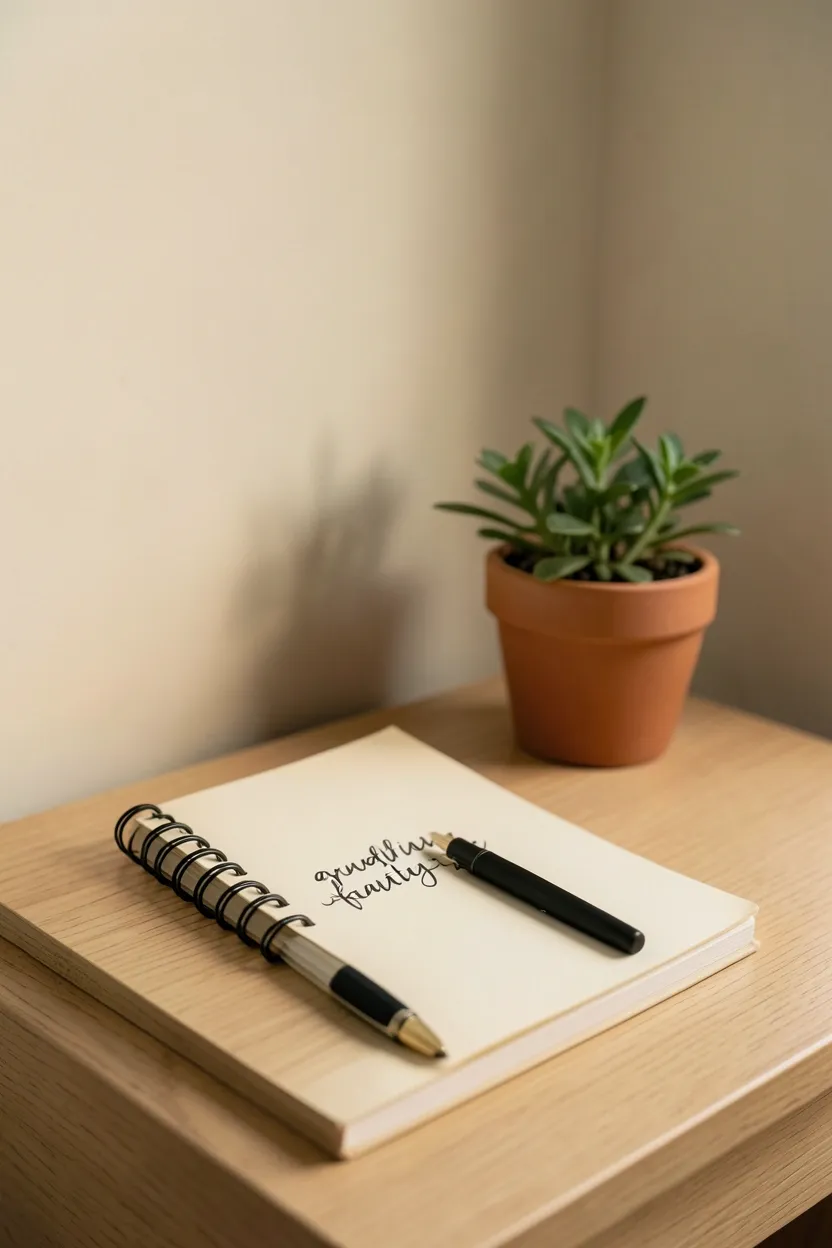
Include elements that nourish body and mind—stretching, hydration, planning, quiet reflection. Keep routines simple enough to maintain consistency but meaningful enough to provide genuine benefit. The routine should energize rather than drain you, so eliminate steps that feel burdensome or unnecessary.
Upgrade from chaotic mornings that start with urgency and reaction—intentional beginnings create mindful, responsive days.
Tips
- If you're not a morning person, start with 5-minute routines
- If you enjoy structure, create detailed morning checklists
- Then experiment with timing to find your optimal rhythm
- If routines become stale, refresh elements seasonally
What this gives you: Proactive rather than reactive daily experiences.
6. Limit Digital Distractions and Screen Time
Limiting digital distractions creates mental space and reduces constant stimulation that fragments attention. This minimalism applied to technology boundaries protects focus time, reduces anxiety, and creates space for meaningful activities. Setting intentional digital limits supports calm, focused living while preventing mindless scrolling and constant connectivity.
Recommended
Items for this idea
Turn off non-essential notifications, set specific times for checking email and social media, and create tech-free zones in your home. Consider implementing digital sunset times—screens off an hour before bed to protect sleep quality. Replace digital time with activities that truly matter: reading, movement, conversation, or simply being present.
Placement note: Start with the most distracting apps or platforms—those where you lose hours without realizing.
Tips
- If cold turkey feels impossible, start with reduced notifications
- If willpower alone fails, use apps to limit screen time
- Then create physical barriers to constant checking like phone docking stations
- If withdrawal causes anxiety, replace digital habits with alternative activities
What this gives you: Reclaimed time and improved mental clarity.
7. Practice Gratitude Journaling Daily
Daily gratitude journaling shifts mental focus from what's lacking to what's abundant, cultivating contentment and perspective. This simple practice rewires neural pathways toward positivity while reducing anxiety and depression symptoms. Gratitude journaling aligns with minimalism by appreciating abundance rather than craving more.

Write 3-5 things each day—big or small—that genuinely evoke gratitude. Be specific: instead of "family," write "my daughter's laugh this morning." This specificity increases emotional impact and creates richer gratitude experiences. Consistency matters more than length, so even brief daily practice yields benefits.
Why it works: The brain naturally focuses on threats and problems—gratitude practice consciously trains attention toward positive experiences.
Tips
- Do choose a consistent time—morning or evening—for habit formation
- Don't judge your gratitude practice—any amount is beneficial
- Do include people, experiences, and simple pleasures
- Don't skip days when feeling negative—gratitude helps most then
Best for: People prone to negative thought patterns or anxiety.
What this gives you: Increased contentment and positive perspective.
8. Keep Surfaces Clear and Tidy
Maintaining clear surfaces reduces visual noise and creates calm, orderly environments that support mental clarity. This practice transforms everyday spaces into peaceful sanctuaries while preventing clutter accumulation. Clear surfaces provide visual breathing room that makes homes feel larger and more serene.

Recommended
Items for this idea
Develop the habit of returning items to their designated homes immediately after use rather than setting them down temporarily. This simple practice prevents the "piling up" phenomenon that creates clutter. Create specific homes for frequently used items to make returning them effortless. Address surface clutter daily rather than letting it accumulate.
Common mistake: assuming surfaces will stay clear without maintenance—this requires conscious, consistent action.
Tips
- Pro: Creates visual calm and reduces decision fatigue
- Con: Requires consistent daily maintenance
- Fix: Establish 5-minute evening surface-reset routines
What this gives you: Visually peaceful environments that reduce mental clutter.
9. Say No to Non-Essential Commitments
Saying no to non-essential commitments protects time, energy, and mental health while creating space for what truly matters. This boundary practice prevents overwhelm and allows investment in relationships and activities aligned with values. Selective engagement with commitments embodies minimalism by reducing busyness while increasing meaningful engagement.

Evaluate potential commitments against personal values and current capacity before saying yes. Consider time required, energy impact, and alignment with priorities. Practice declining politely but firmly—good opportunities will still be available when you have capacity. Remember that every yes requires no to something else.
For workspace minimalism, half bathroom ideas can inspire streamlined spaces throughout your home.
Tips
- If you feel pressured to commit, request time to think first
- If you're uncertain about a request, ask clarifying questions
- Then practice declining phrases that feel authentic to you
- If guilt arises, remember that selective engagement improves quality
What this gives you: Protected time for meaningful activities and relationships.
10. Create Designated Spaces for Different Activities in Small Apartments
Designated spaces for specific activities reduce decision fatigue and create psychological cues for different modes of work or rest. This spatial minimalism creates mental clarity through environmental cues that support focus or relaxation — especially useful as a minimalist lifestyle tip for renters who live and work in the same space. Clear boundaries between activity areas prevent the feeling that you're always in work mode.

Recommended
Items for this idea
Create specific areas for sleep, work, exercise, and relaxation whenever possible. Even small apartments benefit from demarcated zones using furniture placement, lighting, or rugs. These boundaries help the brain transition between modes more easily, improving focus and sleep quality. Keep work materials separate from rest areas to maintain psychological boundaries.
Placement note: Prioritize zones based on frequency of use and available natural light—work near windows when possible.
Tips
- If space is limited, create temporal zones instead—different areas for different times
- If zones overlap, use furniture to create visual and functional separation
- Then maintain organization within each zone to support its specific purpose
- If digital boundaries are impossible, create boundaries around screen use
Rental note: Use furniture and rugs to create zones without permanent changes.
What this gives you: Improved focus and better work-life separation.
11. Practice One-In-One-Out Rule
The one-in-one-out rule maintains balance and prevents accumulation while allowing new items. This minimalist approach to consumption forces intentional decision-making about acquisitions. Each new addition requires thoughtful consideration and removal of something else, preventing gradual clutter buildup.
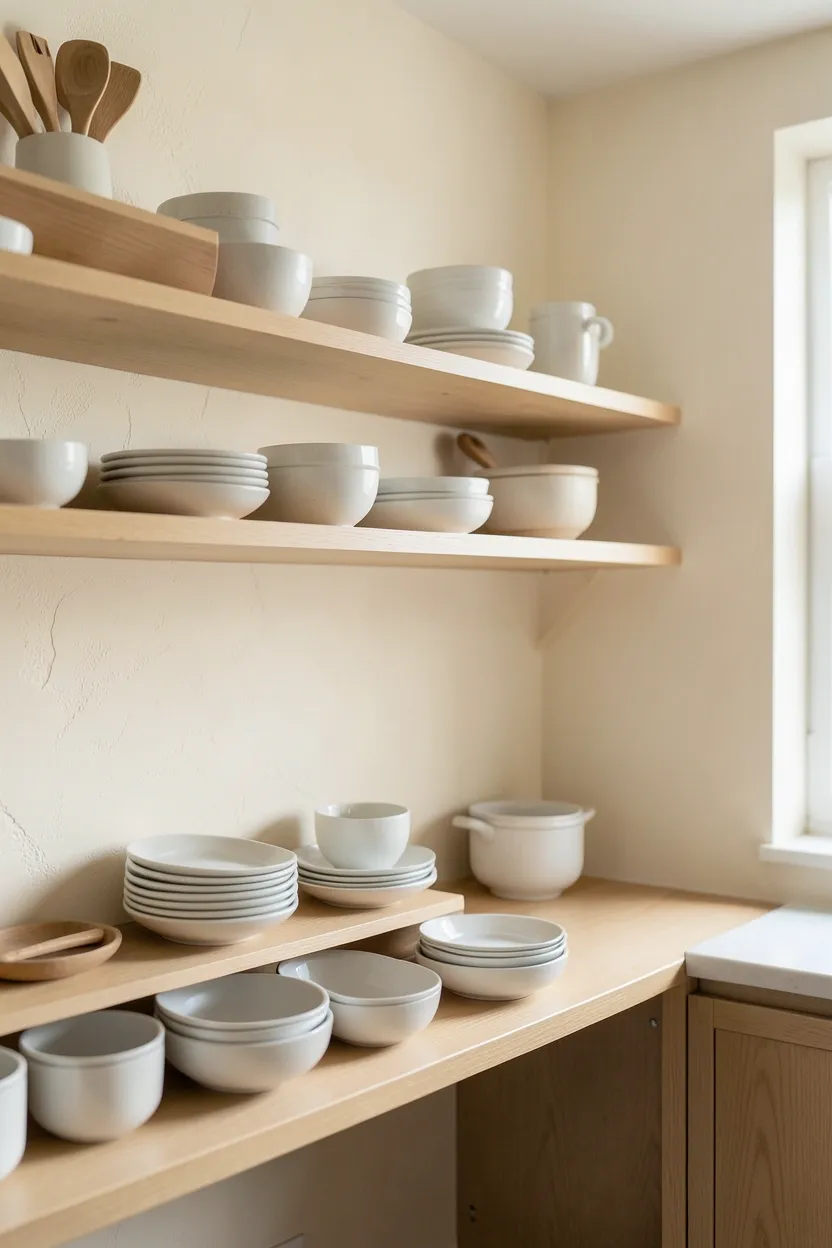
Apply this rule consistently—clothing, books, kitchen items, or any category where you tend to accumulate. The practice creates natural boundaries and reduces impulse purchases. When tempted by new items, evaluate whether something existing can be removed or whether the new addition is truly essential.
Why it works: This rule prevents the natural tendency toward accumulation by maintaining neutral balance.
Tips
- Do donate or sell removed items rather than trashing when possible
- Don't make exceptions for gifts or free items—these count too
- Do apply rule to categories that need attention most
- Don't abandon practice if you slip occasionally—return to consistency
What this gives you: Natural boundaries against over-consumption.
12. Simplify Your Meal Planning and Cooking
Simplified meal planning reduces daily decision fatigue while ensuring nutritious, enjoyable eating. This minimalist approach to food creates mental space and reduces stress around daily sustenance. Simple systems for meals create predictability that supports calm, focused living.
Recommended
Items for this idea
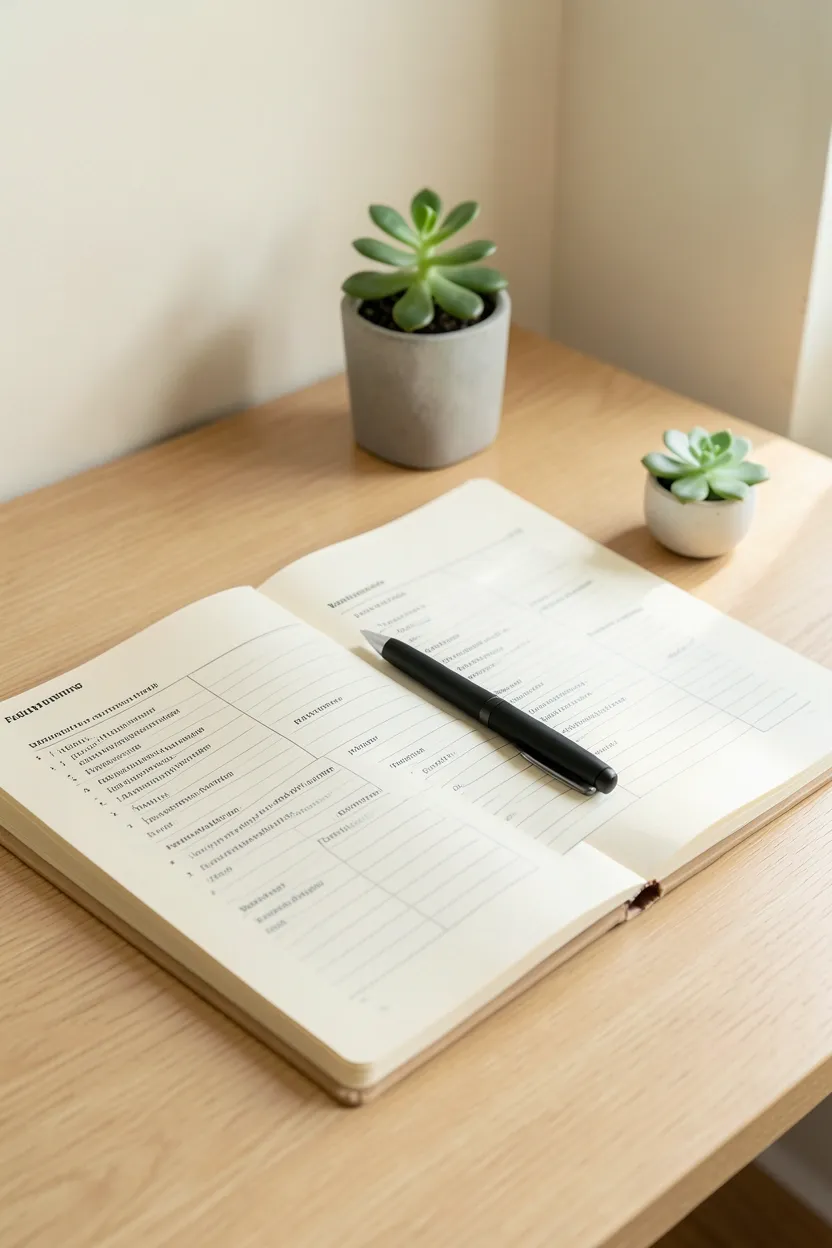
Create weekly rotating menus with 5-7 go-to recipes that use similar ingredients. Cook in batches to save time and reduce kitchen chaos. Keep pantry staples for quick meals when plans fall through. Focus on quality ingredients rather than complex recipes—simple preparation lets flavors shine.
Placement note: Plan meals when you have energy and focus—Sunday evening or Monday morning often work well.
Tips
- If cooking feels overwhelming, start with 3-day meal plans
- If you enjoy variety, rotate seasonally rather than weekly
- Then build a collection of reliable 30-minute recipes
- If budget is concern, plan around sales and seasonal produce
What this gives you: Reduced food stress and reliable nourishment.
13. Set Daily Priorities the Night Before
Setting daily priorities the night before eliminates morning decision fatigue and creates focused intention. This simple practice provides mental clarity and reduces anxiety about what needs to happen each day. Knowing priorities allows purposeful action rather than reactive busyness.
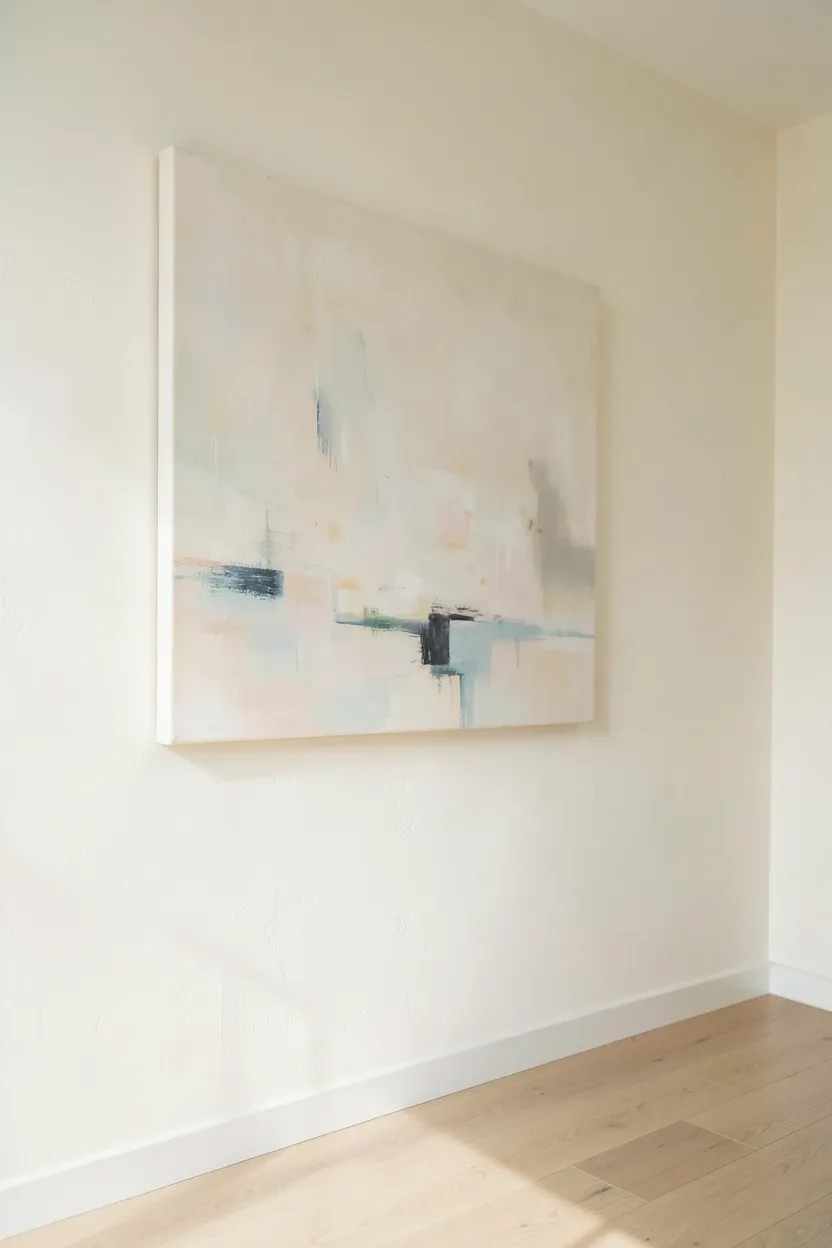
Choose 1-3 top priorities rather than overwhelming to-do lists. These priorities guide your day's energy and attention. Review completed tasks from the current day, acknowledge progress, and set realistic expectations for tomorrow. This practice creates closure and preparation that supports restful sleep.
Upgrade from starting each day without direction—clear priorities create focused, purposeful action.
Tips
- If you feel ambitious, set 3 priorities—if realistic, set 1
- If unexpected opportunities arise, stay flexible with priorities
- Then acknowledge completed tasks rather than only focusing on what remains
- If anxiety about tasks interferes with sleep, write worries separately
What this gives you: Purposeful, focused daily action.
14. Remove Visual Noise from Your Environment
Removing visual noise creates calm, spacious environments that support mental clarity. This practice involves eliminating unnecessary decoration, excessive collections, and chaotic arrangements that compete for attention. Minimalist environments reduce cognitive load and create peaceful sanctuaries.
Recommended
Items for this idea
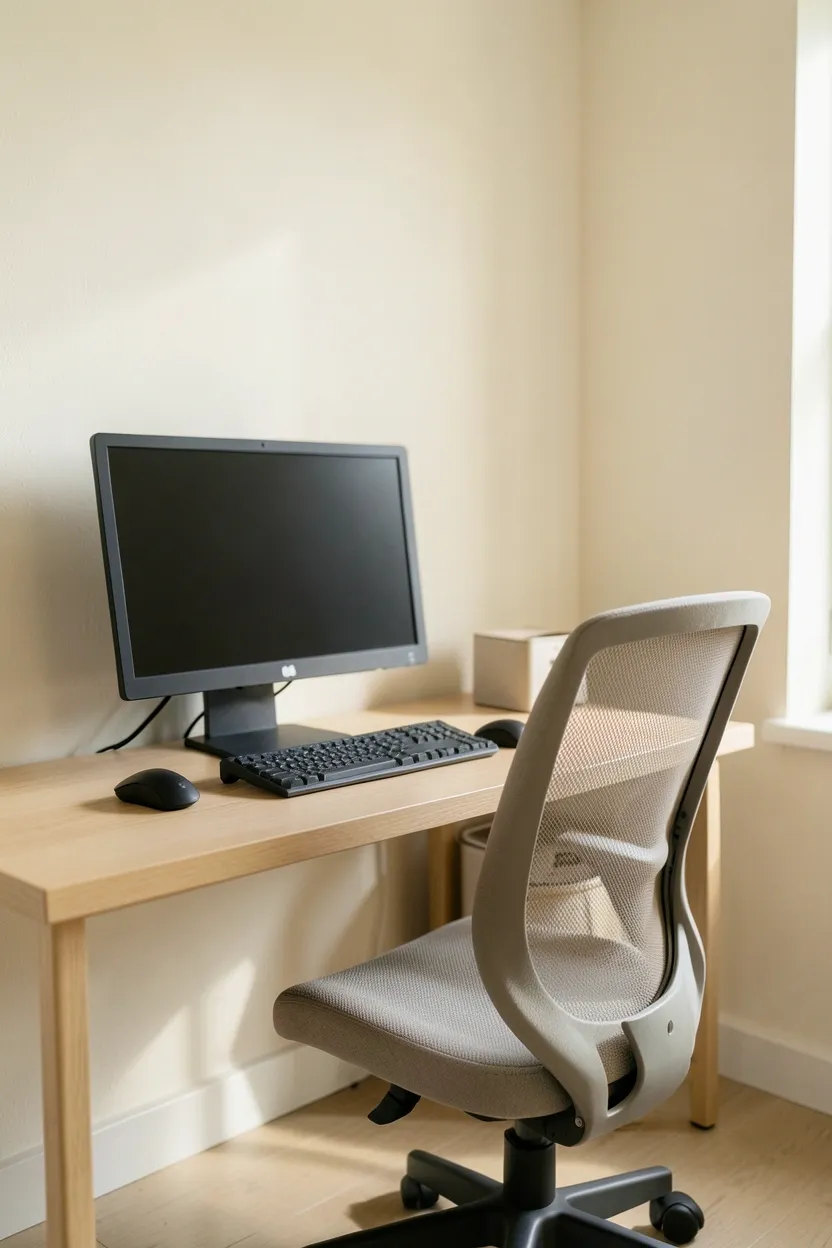
Identify visual clutter—too many colors competing, excessive knick-knacks, busy patterns, or surfaces covered with items. Reduce collections to the most meaningful pieces, group similar items for visual harmony, and use negative space intentionally. Each item should earn its place through beauty, function, or genuine meaning.
Common mistake: removing everything and creating sterile spaces—the goal is intentional calm, not emptiness.
Tips
- Do evaluate each item's purpose and enjoyment before keeping
- Don't eliminate all personality—keep meaningful pieces
- Do use grouping to create visual order from collections
- Don't rush—visual decluttering takes observation and refinement
What this gives you: Visually calm, mentally spacious environments.
15. Practice Deep Work Sessions Without Interruption
Deep work sessions without interruption enable meaningful progress on important projects and reduce the feeling of constant busyness. This focused approach to work embodies minimalism by eliminating shallow tasks and protecting time for what truly matters. Deep work creates satisfaction and accomplishment that scattered multitasking cannot.

Schedule protected blocks of 60-90 minutes for focused work on important projects. Eliminate all interruptions—phone, email, notifications, and even minor distractions. Communicate unavailability to others during these sessions. The cognitive state of deep work takes 15-20 minutes to achieve, so protect this time carefully.
For workspace inspiration, Soviet interior design shows functional minimalism in practice.
Tips
- If you're new to deep work, start with 45-minute sessions
- If you have multiple priorities, rotate through them in different sessions
- Then gradually increase session length as focus improves
- If interruptions occur, pause and reset rather than continuing distracted
What this gives you: Meaningful progress and reduced work stress.
16. Organize Your Digital Files Regularly
Regular digital organization prevents digital clutter that causes frustration and wastes time searching for files. This minimalism applied to digital spaces creates efficiency and reduces the stress of disorganized information. Organized digital environments support focused, productive work rather than constant searching and frustration.
Recommended
Items for this idea
Create logical folder structures with clear, consistent naming conventions. Delete unnecessary files regularly rather than letting them accumulate. Back up important files while removing redundant copies. Set aside time weekly or monthly for digital maintenance rather than letting disorganization grow.
Why it works: Digital spaces expand infinitely without physical boundaries, making organization essential to prevent chaos.
Tips
- Do create folder structures that make sense for your specific needs
- Don't create too many subfolders—keep systems simple
- Do date folders if helpful for chronological organization
- Don't forget email organization—it needs attention too
What this gives you: Efficient digital work without constant searching.
17. Spend Time in Nature Daily
Daily time in nature reduces stress, improves mood, and provides mental restoration that supports calm, focused living. This practice connects us with natural rhythms that modern life often obscures. Even brief nature exposure provides significant benefits for mental and physical wellbeing.

Aim for at least 15-30 minutes outdoors daily, whether walking in parks, tending plants, or simply sitting outside. Notice natural details—birds, plants, sky, weather—to engage senses and ground attention. Nature provides perspective that reduces daily stress and worry.
Placement note: Morning outdoor time can be especially refreshing—combine with walking, coffee, or meditation.
Tips
- If weather limits outdoor time, bring nature indoors with plants
- If time is limited, even 5 minutes outside provides benefits
- Then engage senses actively—notice sights, sounds, smells
- If urban environment feels disconnected, create nature pockets
What this gives you: Natural stress relief and mental clarity.
18. Practice Conscious Consumerism
Conscious consumerism reduces environmental impact while saving money and reducing accumulation. This minimalism applied to purchases ensures intentional acquisitions rather than impulse consumption. Conscious buying aligns actions with values while preventing clutter and unnecessary consumption.

Recommended
Items for this idea
Wait 24-48 hours before non-essential purchases to separate impulse from genuine need. Evaluate whether items serve real purposes or genuine enjoyment. Research products for quality and ethical production. Support companies aligned with values whenever possible, even if purchases cost slightly more.
Upgrade from mindless consumption—conscious buying creates greater satisfaction with fewer possessions.
Tips
- If tempted by sales, remember cost includes environmental impact
- If you feel uncertain about purchases, create a wishlist to revisit
- Then buy fewer, better things rather than many cheap items
- If consumption triggers emotional issues, explore underlying needs
What this gives you: Greater satisfaction with fewer possessions.
19. Create a Calming Evening Wind-Down Routine
A calming evening routine signals the body and mind to prepare for restful sleep. This practice creates psychological boundaries between daily activity and rest, improving sleep quality and mental restoration. Evening routines support morning energy by ensuring adequate, high-quality rest.

Include activities that promote relaxation: gentle stretching, reading, herbal tea, meditation, or calming music. Limit screens and stimulating content at least one hour before bed. Create consistency by performing routines at similar times each evening. Keep environments calm with dim lighting and comfortable temperature.
Common mistake: staying up too late scrolling phones—this significantly reduces sleep quality.
Tips
- If you struggle with sleep, include 10 minutes of relaxation exercises
- If evening energy varies, adapt routine intensity accordingly
- Then prepare tomorrow's needs the night before to reduce morning stress
- If insomnia persists, consult healthcare about sleep hygiene
What this gives you: Improved sleep quality and morning energy.
20. Let Go of Perfectionism
Letting go of perfectionism reduces anxiety, procrastination, and self-criticism while enabling real progress. This mental minimalism eliminates the impossible standards that paralyze action and cause unnecessary stress. Progress over perfection creates satisfaction and momentum that perfectionism destroys.

Recommended
Items for this idea
Recognize that perfection is unattainable—aim for good enough rather than impossible standards. Focus on completion and learning rather than flawless execution. Celebrate progress while accepting imperfection as natural. Perfectionism often masks fear of judgment or failure.
For interior inspiration that embraces imperfection, white modern kitchen ideas show clean but not sterile design.
Tips
- If perfectionism prevents starting, commit to imperfect action first
- If you criticize yourself, speak to a friend instead
- Then celebrate completed work rather than criticizing quality
- If perfectionism causes anxiety, consider professional support
What this gives you: Reduced anxiety and increased productivity.
21. Cultivate Meaningful Relationships
Cultivating meaningful relationships rather than maintaining many shallow connections aligns with minimalist principles. This practice invests energy where it truly matters, creating deeper satisfaction and support. Quality relationships require less maintenance than many casual connections while providing greater fulfillment.

Focus time and energy on people who genuinely matter—family, close friends, partners. Prioritize quality interactions over quantity of connections. Be intentional about spending time with those who share values and provide mutual support. Release relationships that drain energy without providing meaning.
Why it works: Human connection is essential for wellbeing, but quality matters more than quantity.
Tips
- Do schedule regular time with important people
- Don't maintain relationships out of guilt or obligation
- Do practice quality presence when with loved ones
- Don't compare your social life to others' appearances
What this gives you: Deeper satisfaction and stronger support networks.
22. Practice Regular Digital Detoxes
Regular digital detoxes break dependence on constant connectivity and create space for real-world experiences. These periodic breaks from screens reduce stress, improve attention span, and reconnect you with physical reality. Digital detoxes support minimalist living by examining the role technology plays in daily life.

Recommended
Items for this idea
Set specific times for digital disconnection—weekend mornings, one evening per week, or full day monthly. During detoxes, engage fully with physical reality: nature, conversation, hobbies, or simply being present. Notice withdrawal symptoms—they reveal technology's grip and the value of breaks.
Placement note: Start with shorter detoxes if full disconnection feels intimidating—build up gradually.
Tips
- If detoxes feel difficult, invite others to join you
- If work requires connectivity, detox during non-work hours
- Then plan engaging activities to fill the digital void
- If detoxes fail, try gradually reducing screen time instead
What this gives you: Reduced digital dependence and increased presence.
23. Embrace Slow Living Principles
Embracing slow living means choosing quality over speed in daily life. This minimalist approach to time rejects constant rushing and busyness in favor of savoring experiences. Slow living creates calm, meaningful days that align with natural human rhythms rather than artificial urgency.

Eat meals mindfully rather than rushing through them. Walk instead of rushing to destinations. Create rituals around daily activities—morning coffee, evening meals, bedtime routines. Resist the pressure to multitask and optimize every moment. Slow living finds pleasure in ordinary experiences that rushing obscures.
Common mistake: equating slow with lazy—slow living actually increases presence and satisfaction.
Tips
- Do choose at least one daily activity to do slowly
- Don't apologize for taking time—your pace is valid
- Do notice small details that speed blurs over
- Don't compare your pace to others' rushed schedules
What this gives you: Greater presence and daily satisfaction.
These 23 minimalist lifestyle tips for renters create practical pathways to calmer, more focused daily living — no permanent changes, no huge budget required. Each practice reduces mental clutter and creates intentional space for what truly matters in your apartment. Start with one or two habits that resonate most deeply, then gradually incorporate others as they become sustainable. Minimalism isn't about deprivation or perfection — it's about creating space for meaningful experiences by removing unnecessary complexity. Consistent practice of these intentional living tips transforms both your mindset and your environment, creating calm, focused living that supports wellbeing and satisfaction wherever you rent.
About the author
OBCD
CGI visualization and interior design content. We create detailed 3D renders and curate practical design ideas for every room in your home.