Tiny House vs RV Living: Which Fits Your Life?
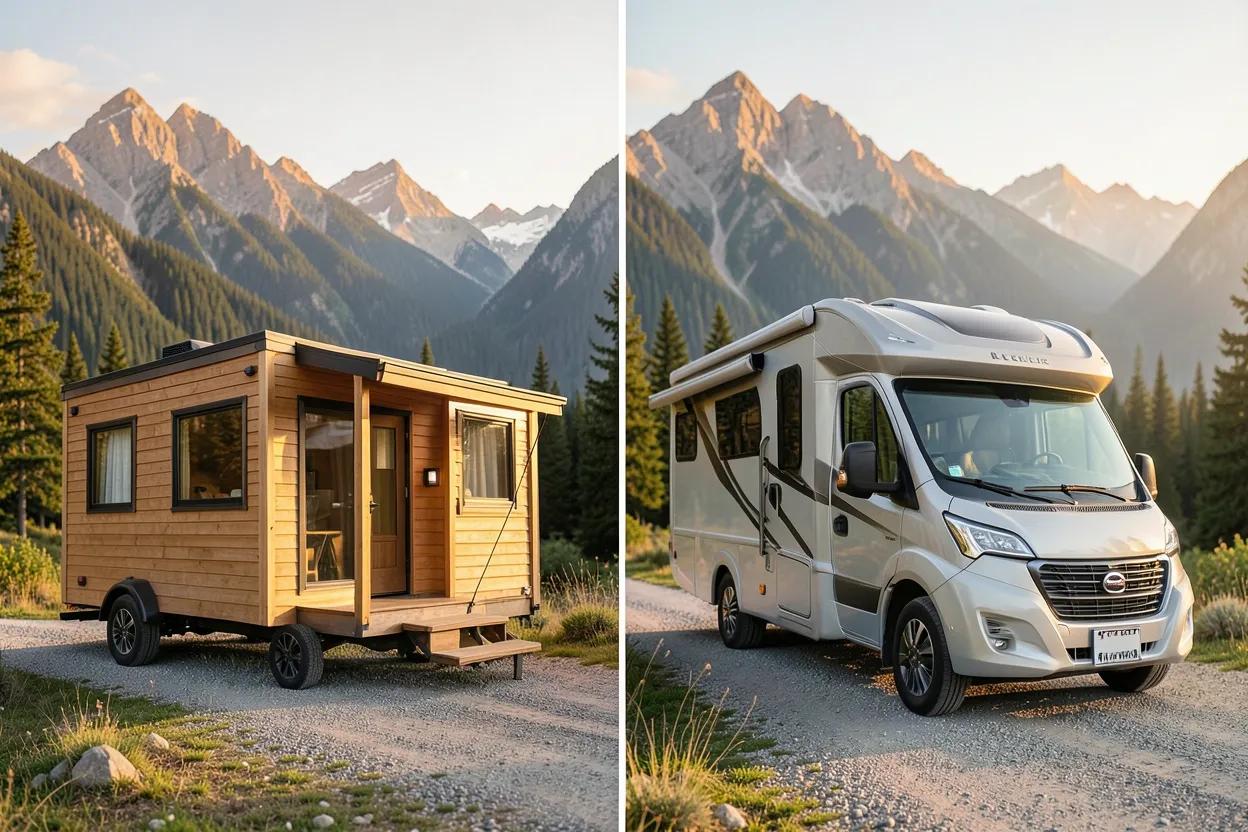
The tiny house vs RV living debate is one of the most common dilemmas in the alternative housing movement, and for good reason—both options promise freedom from traditional mortgages, smaller footprints, and a more intentional way of life. But while they share a minimalist spirit, tiny houses and RVs deliver very different daily experiences when it comes to cost, mobility, construction quality, and long-term value.
Choosing between a tiny house and an RV comes down to one core question: do you want the freedom to travel anywhere at a moment's notice, or a permanent, beautifully customized home you can occasionally move? Tiny houses feel like real homes in miniature—custom layouts, residential insulation, and lasting construction. RVs are engineered for the road, with built-in tanks, highway-ready frames, and turnkey campground connectivity.
We break down 15 key factors—from upfront cost and depreciation to zoning laws and seasonal comfort—so you can make an informed decision about which alternative lifestyle truly fits your values, budget, and travel dreams. In our experience, the right choice becomes clear once you get honest about how much you actually want to move.
Quick FAQ
Which is cheaper: tiny house or RV?
Entry-level RVs are generally cheaper upfront ($20,000-$80,000) compared to custom tiny houses ($40,000-$150,000+). However, tiny houses often have better long-term value and lower depreciation, while RVs may require expensive repairs and replacement sooner.
Can tiny houses travel like RVs?
Tiny houses on wheels can move, but they're not designed for frequent travel. Moving a tiny house requires professional towing, permits, and route planning. RVs are engineered for highway travel and can be moved by their owners relatively easily.
Are tiny houses better insulated than RVs?
Generally yes. Tiny houses use residential-grade insulation (R-19 to R-30) similar to traditional homes, while RVs typically have thinner insulation (R-5 to R-15) to keep weight down. This affects comfort and energy costs in extreme weather.
Which lasts longer: tiny house or RV?
Tiny houses typically have longer lifespans (30-50+ years) because they're built with residential construction methods and materials. RVs, designed for travel rather than permanence, often show significant wear after 10-15 years of regular use.
Can I live in either full-time legally?
Both face legal challenges depending on location. Tiny houses often struggle with zoning and building codes, while RVs may face restrictions on long-term parking and residential use. Research local regulations thoroughly before committing.
Which holds resale value better?
Quality tiny houses often hold value better than RVs, which depreciate rapidly. Custom tiny homes can appreciate if well-maintained, while RVs typically lose 20-30% of value in the first few years regardless of condition.
As an Amazon Associate I earn from qualifying purchases.
Table of Contents
- 1. Custom Layout vs Factory Floor Plan
- 2. Residential Construction vs RV Engineering
- 3. Insulation and Climate Control Differences
- 4. Mobility and Travel Flexibility
- 5. Utility Hookups and Off-Grid Capability
- 6. Long-Term Value and Depreciation
- 7. Maintenance and Repair Considerations
- 8. Legal and Zoning Challenges
- 9. Space Efficiency and Storage Design
- 10. Resale Potential and Market Demand
- 11. Community and Social Integration
- 12. Seasonal Living and Weather Resistance
- 13. Financing and Insurance Options
- 14. Parking and Land Requirements
- 15. Lifestyle Compatibility Assessment
1. Custom Layout vs Factory Floor Plan
Tiny houses offer complete customization potential, allowing you to design every square foot around your specific needs, lifestyle, and priorities. You control everything from ceiling height and window placement to kitchen layout and storage configuration. RVs come with factory-designed floor plans optimized for manufacturing efficiency rather than personal preference, limiting your ability to modify the core layout significantly.
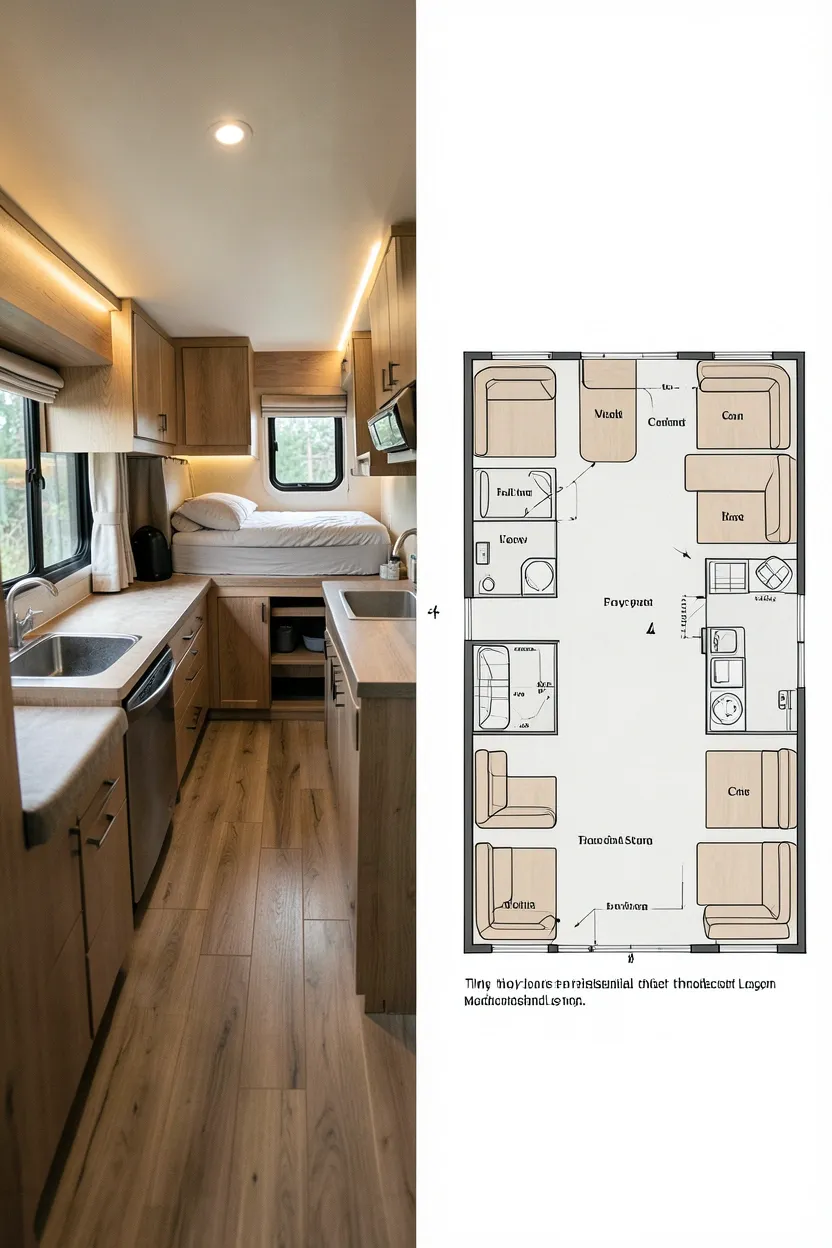
The custom nature of tiny house construction means you can prioritize what matters most—a dedicated home office, larger kitchen for cooking enthusiasts, or extra storage for hobbies. RV layouts follow industry standards that serve general needs but rarely address specific individual requirements. While some RV modifications are possible, they're often limited by structural considerations and can void warranties.
Tips
- Visit RV shows to understand standard floor plan limitations before deciding
- Work with a tiny house builder who specializes in custom designs
- Consider whether you need flexibility to change layout over time
Best for: those with specific spatial needs or accessibility requirements
What this gives you: living space designed exactly for your lifestyle
2. Residential Construction vs RV Engineering
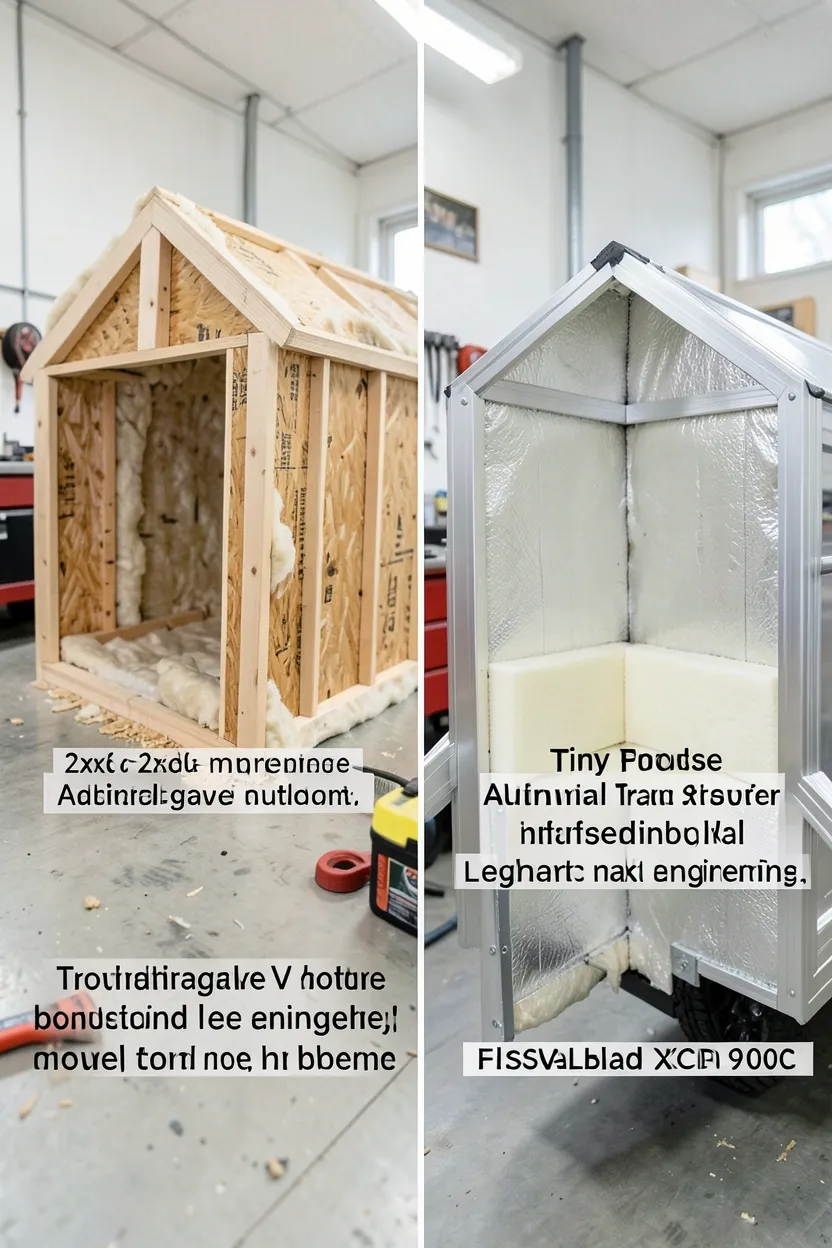
Tiny houses are built using traditional residential construction methods—2x4 or 2x6 framing, plywood sheathing, residential-grade windows and doors—essentially a regular house scaled down. RVs are engineered for lightweight travel, utilizing aluminum framing, thin walls, and components designed for mobility rather than permanence. This fundamental difference affects everything from durability and insulation to repairability and longevity.
Recommended
Items for this idea
The residential construction approach means tiny houses use materials and techniques familiar to contractors, making repairs and renovations straightforward. You can hire any general contractor for work on a tiny house. RV repairs often require specialized knowledge and parts, with components integrated in ways that make modifications challenging. When something breaks in an RV, you're often dependent on RV-specific service centers.
Tips
- Inspect the construction quality of both options thoroughly before purchasing
- Research RV repair shops in your area if considering an RV
- Ask about warranty coverage and what it covers for each option
Best for: those planning to DIY renovations or modifications
What this gives you: repairable construction using standard materials and methods
3. Insulation and Climate Control Differences
Tiny houses typically incorporate residential-grade insulation similar to traditional homes, with R-19 walls, R-30 ceilings, and R-25 floor insulation in cold climates. This level of insulation provides year-round comfort and energy efficiency. RVs, prioritizing weight reduction for travel, use thinner insulation ranging from R-5 to R-15, resulting in more significant temperature fluctuations and higher energy costs for heating and cooling.
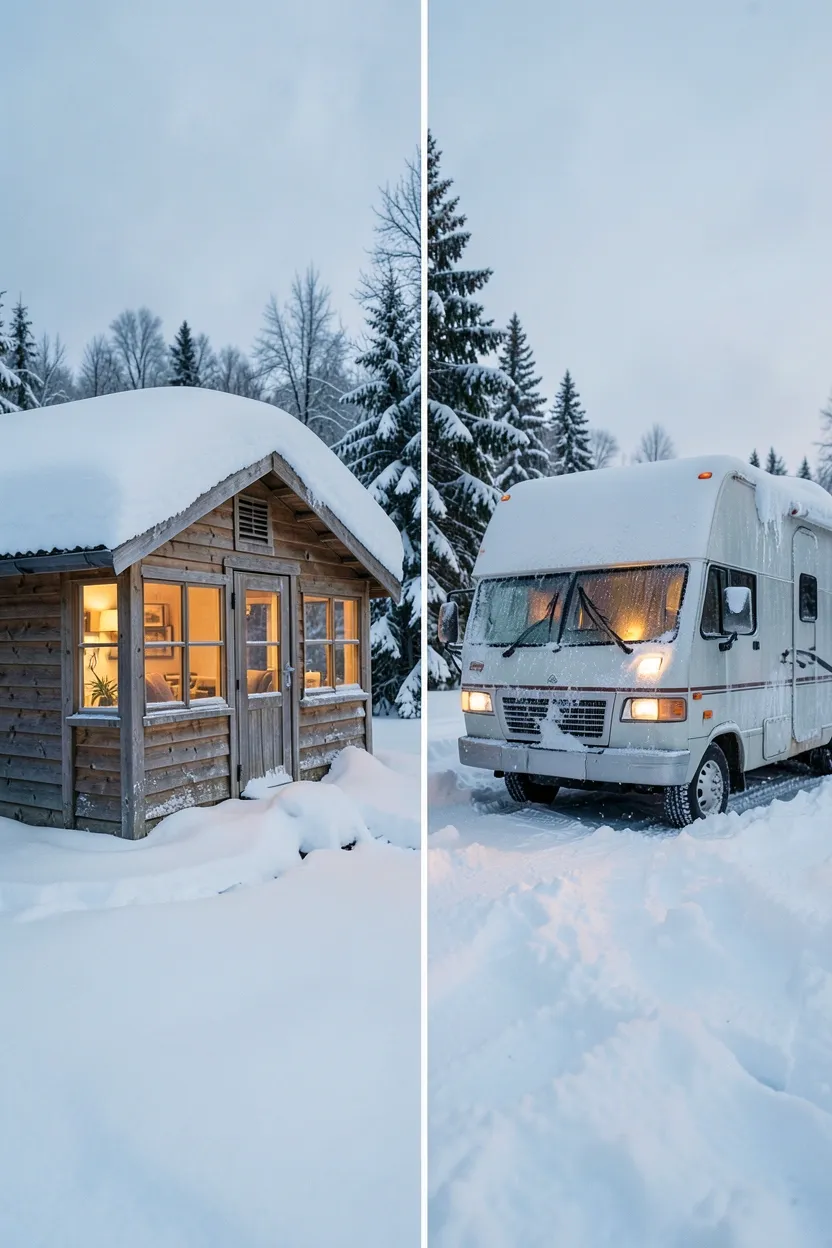
The insulation difference becomes starkly apparent in extreme weather. Tiny houses maintain comfortable temperatures more easily and require less energy for climate control, making them suitable for year-round living in varied climates. RVs often struggle in very hot or cold conditions, requiring supplemental heating or cooling and resulting in uncomfortable living conditions during temperature extremes. This affects both comfort and long-term energy costs.
Tips
- Ask for insulation specifications before making a decision
- Consider climate zones where you plan to live most of the time
- Research skirting options for RVs in cold weather
Best for: those living in extreme climates or wanting energy efficiency
What this gives you: comfortable year-round living with lower energy costs
4. Mobility and Travel Flexibility
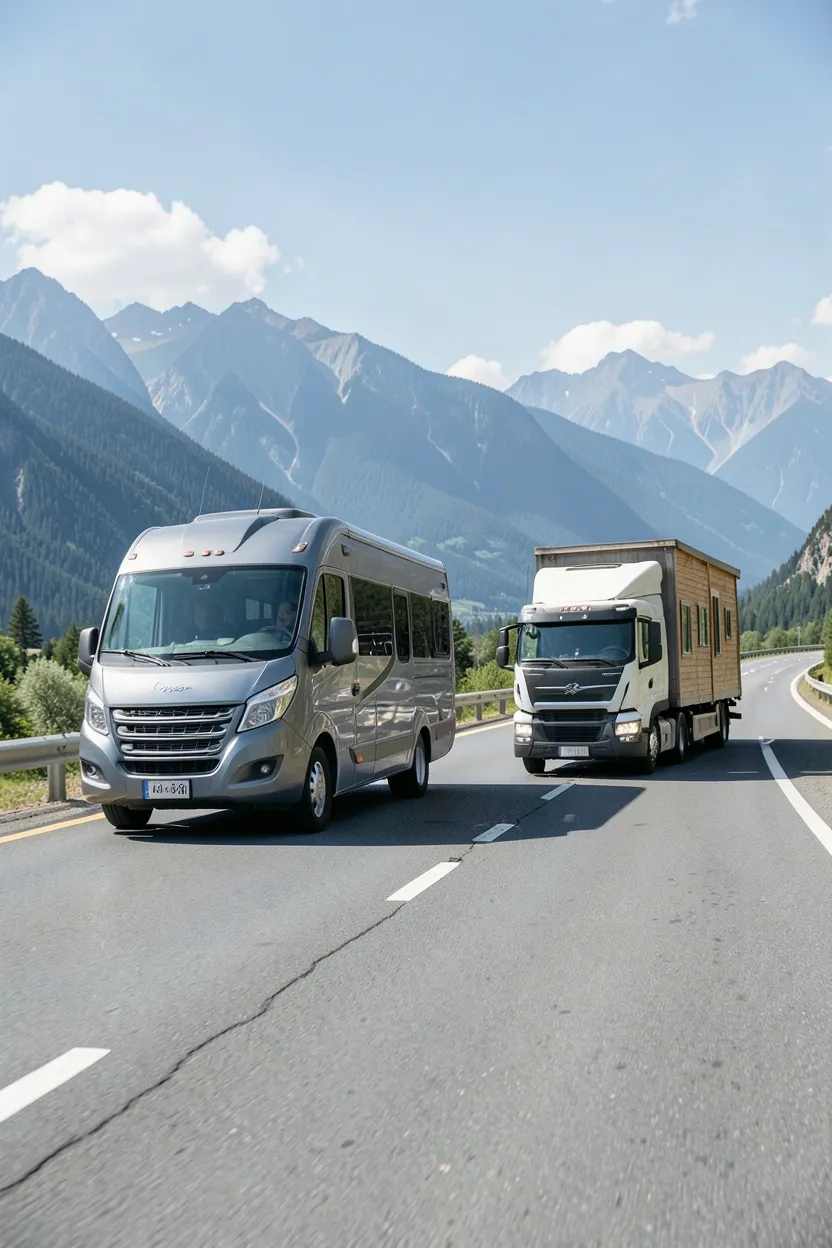
RVs are designed for mobility, featuring lightweight construction, highway-ready engineering, and systems that allow quick setup and teardown at campgrounds. You can hook up and leave within hours. Tiny houses on wheels can move, but the process involves hiring professional towing services, obtaining permits, planning routes for oversized loads, and significant time and expense. They're designed for occasional moves, not regular travel.
Recommended
Items for this idea
The travel flexibility difference represents perhaps the most significant lifestyle distinction between the two options. RV owners embrace a nomadic lifestyle, moving frequently and exploring new locations regularly. Tiny house owners typically establish semi-permanent locations, moving only when necessary for job changes, land leases, or life circumstances. The mobility difference fundamentally shapes daily life—from how you grocery shop to how you connect with community.
Tips
- Be honest about your travel desires—some people romanticize travel but prefer stability
- Research campground availability and costs if considering RV life
- Consider whether you want the ability to relocate seasonally
Best for: those valuing exploration and frequent location changes
What this gives you: freedom to travel and relocate as desired
5. Utility Hookups and Off-Grid Capability
RVs come pre-equipped with systems designed for campground hookups—fresh water tanks, gray and black water holding tanks, propane systems, and electrical connections that support off-grid living for limited periods. Tiny houses typically require permanent utility connections or extensive off-grid retrofits including solar panels, composting toilets, and water collection systems. RVs are turnkey ready for boondocking, while tiny houses need intentional off-grid planning.
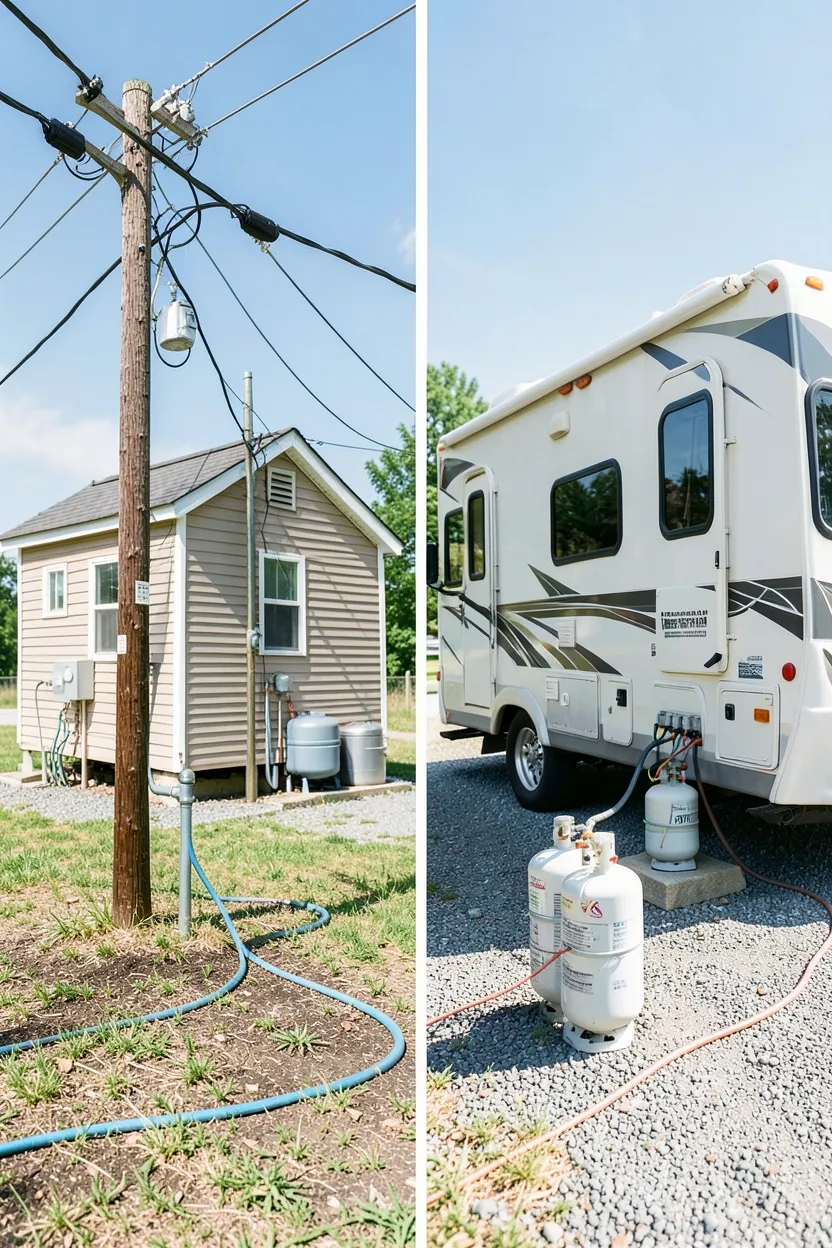
The built-in utility systems in RVs support spontaneous travel—you can pull into a campground and be set up within an hour. Tiny houses generally require more permanent infrastructure, whether that's connecting to municipal utilities or installing comprehensive off-grid systems. This difference affects not just mobility but also where you can legally live. Many areas allow RVs temporarily but prohibit tiny houses without proper permitting.
Tips
- Research off-grid capability if you want independence from utilities
- Understand campground amenities and costs in areas you want to explore
- Consider water and waste management for both options realistically
Best for: those wanting self-contained living with utility flexibility
What this gives you: built-in systems supporting independent living
6. Long-Term Value and Depreciation
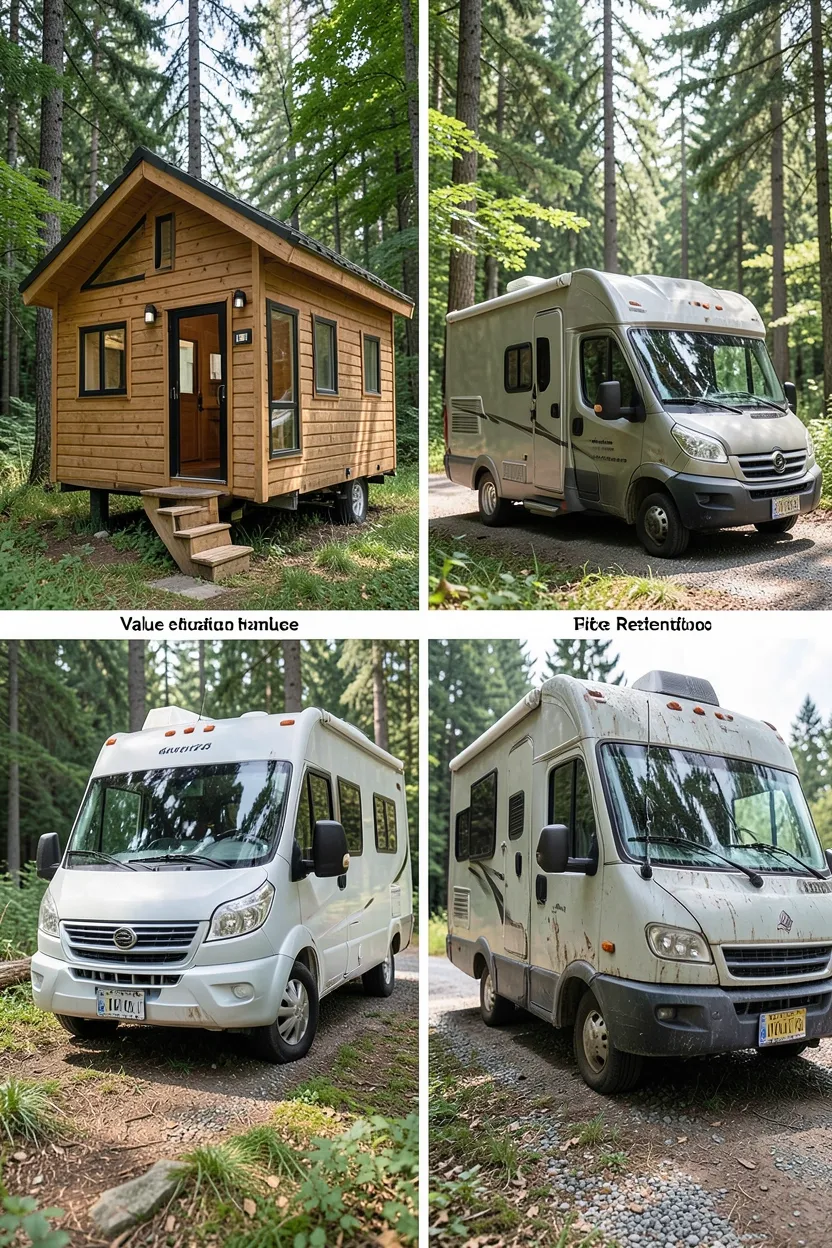
Tiny houses, particularly quality custom builds, often hold value well and can even appreciate over time, especially as the tiny house movement grows and demand increases. The residential construction methods and quality materials contribute to longevity and lasting appeal. RVs depreciate rapidly, typically losing 20-30% of value in the first few years regardless of condition, with most losing 50% or more within a decade of ownership.
Recommended
Items for this idea
The depreciation difference represents a significant financial consideration. While the upfront cost of a tiny house may be higher, the longer-term value proposition often favors tiny houses, particularly for those planning to live in their home for many years. RVs function more like vehicles than homes from an investment perspective—depreciating assets that serve a purpose but don't build equity or maintain value over time.
Tips
- Consider both upfront cost and long-term value in your decision
- Research resale values for similar options in your area
- Think about your timeline—are you planning to live in this 5+ years?
Best for: those viewing their home as a long-term investment
What this gives you: asset that maintains or increases value over time
7. Maintenance and Repair Considerations
Tiny house maintenance resembles traditional home maintenance, with familiar systems and components that most contractors can service. You can DIY many repairs or hire local tradespeople. RV maintenance requires specialized knowledge and often proprietary parts, with systems designed for travel rather than long-term durability. Finding qualified RV repair services can be challenging, and many RV owners learn to handle repairs themselves out of necessity.
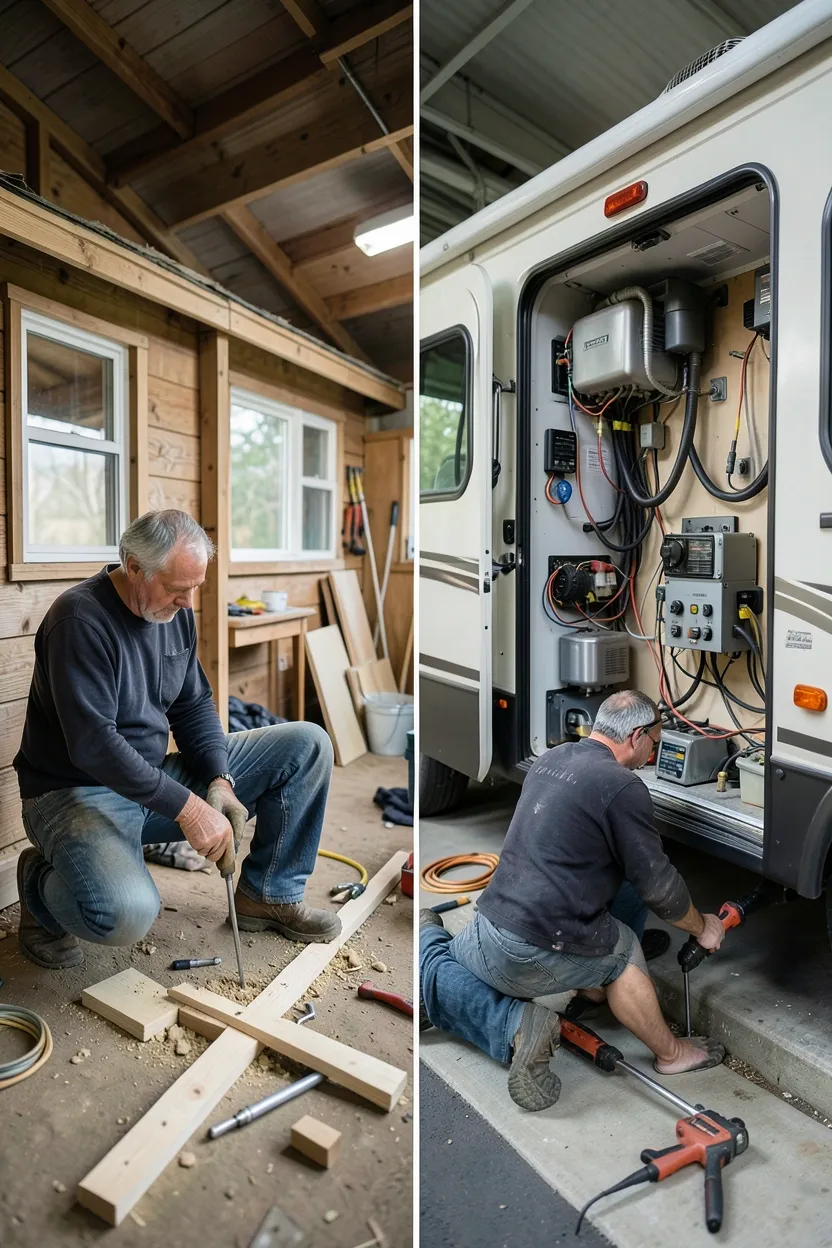
The maintenance accessibility difference affects daily life and long-term ownership satisfaction. Tiny house issues are generally straightforward to address, with standard materials and repair methods. RV problems can be more complex, requiring specialized diagnostic equipment and parts that may need ordering from manufacturers. The complexity and specialized nature of RV systems means breakdowns can take longer to resolve and cost more to repair professionally.
Tips
- Assess your DIY comfort level with repairs for both options
- Research service availability for RVs in your intended areas
- Consider whether you're willing to learn specialized RV systems
Best for: those wanting straightforward, maintainable living space
What this gives you: repairable systems using standard materials and methods
8. Legal and Zoning Challenges
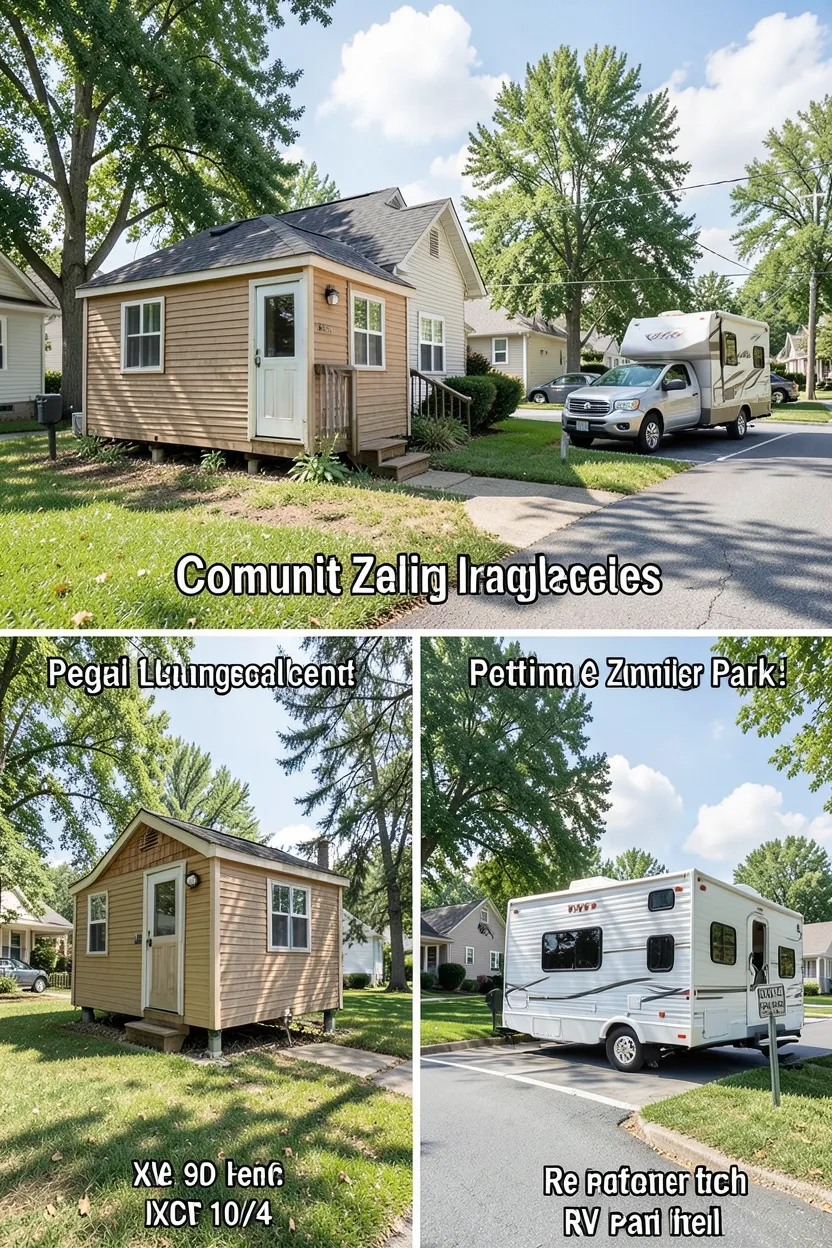
Both tiny houses and RVs face significant legal hurdles, but the nature of these challenges differs. Tiny houses struggle with zoning codes and building permits—many municipalities have minimum square footage requirements that exclude tiny houses, and building codes may not recognize them as legal dwellings. RVs face restrictions on long-term parking and residential use, with many areas prohibiting living in RVs outside designated campgrounds or RV parks.
Recommended
Items for this idea
The legal landscape for both options varies dramatically by location, requiring thorough research before committing to either lifestyle. Some areas embrace tiny houses with specific zoning provisions, while others effectively ban them. RV-friendly communities exist but may have residency time limits or require membership in RV resorts. The legal uncertainty affects not just where you can live but also financing options, insurance, and long-term security of tenure.
Tips
- Research local zoning codes thoroughly before purchasing either option
- Connect with local tiny house or RV communities for real-world advice
- Consider whether you're comfortable with legal uncertainty
Best for: those willing to navigate legal complexities and regulations
What this gives you: awareness of legal challenges before making commitments
9. Space Efficiency and Storage Design
Both tiny houses and RVs maximize space, but the approaches differ significantly. Tiny houses can incorporate built-in furniture, hidden storage, and multi-purpose features designed specifically for the owner's needs. RV storage follows factory designs prioritizing weight distribution and accessibility over personal optimization. While both offer clever storage solutions, tiny houses allow intentional design around your possessions and lifestyle.
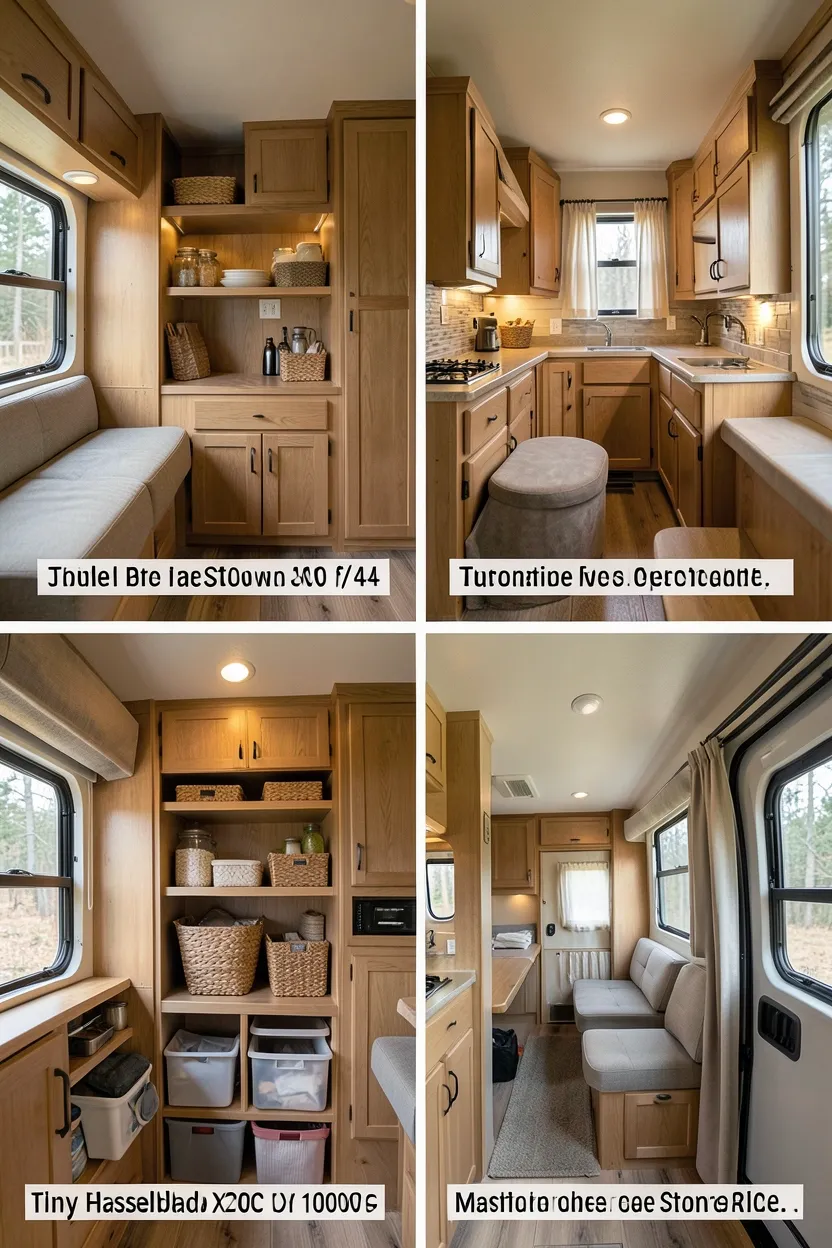
The customization difference affects daily living quality. Tiny house storage can be designed exactly for what you own, with specialized compartments for hobbies, work equipment, or personal collections. RV storage tends to be more generic, serving general needs but rarely addressing specific individual requirements. The weight restrictions in RVs also limit the amount of storage, while tiny houses can incorporate heavier storage solutions without compromising mobility.
Tips
- Inventory your possessions and assess storage needs realistically
- Compare storage layouts in both options for your specific items
- Consider whether you're willing to downscale significantly
Best for: those with specific storage needs or who own specialized equipment
What this gives you: storage designed around your specific belongings and lifestyle
10. Resale Potential and Market Demand
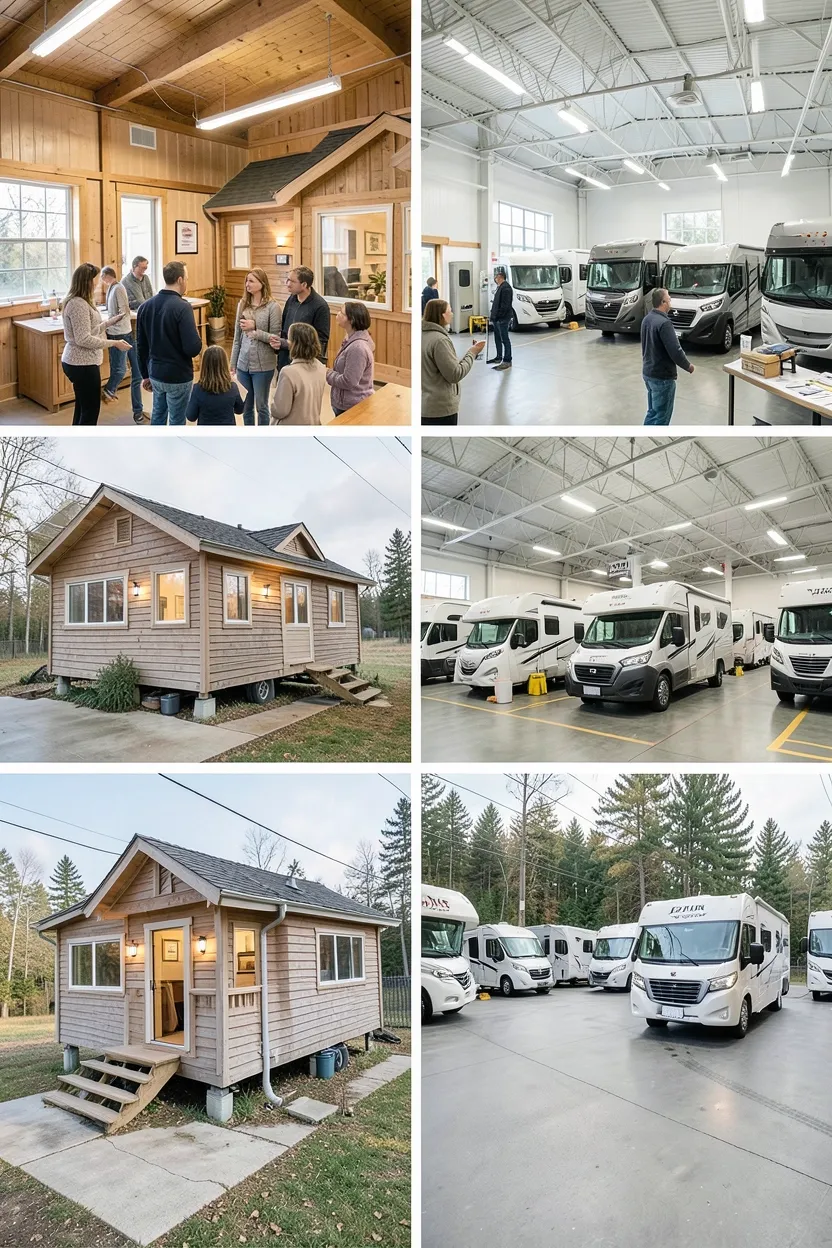
The tiny house market has grown significantly, with increasing demand for quality homes and a developing resale market. Well-built tiny houses often sell quickly and maintain value, especially those with quality construction and thoughtful design. The RV resale market is well-established but competitive, with thousands of units for sale at any given time and prices reflecting rapid depreciation. Specialized RVs may sell faster, but general models face saturated markets.
Recommended
Items for this idea
The resale dynamics affect both exit strategy and investment considerations. Tiny houses represent an emerging market with growing interest and potential for appreciation, particularly as cities reconsider zoning and housing density. RVs face established depreciation patterns and competition from both new and used units. The specialized nature of RVs means demand fluctuates with economic conditions—luxury RVs may struggle to sell during downturns, while tiny houses often hold appeal regardless of economic climate.
Tips
- Research resale values for similar options in your target price range
- Consider how long you plan to own before needing to sell
- Understand market demand in your region for both options
Best for: those viewing their home as a potential asset
What this gives you: property with growing demand and resale potential
11. Community and Social Integration
RV parks and campgrounds often foster tight-knit transient communities with residents coming and going regularly, creating social opportunities but limiting long-term relationship building. Tiny house communities are emerging in some areas, offering more permanent neighborhoods with deeper social connections. However, tiny houses parked individually can lead to isolation, depending on location and community receptiveness.
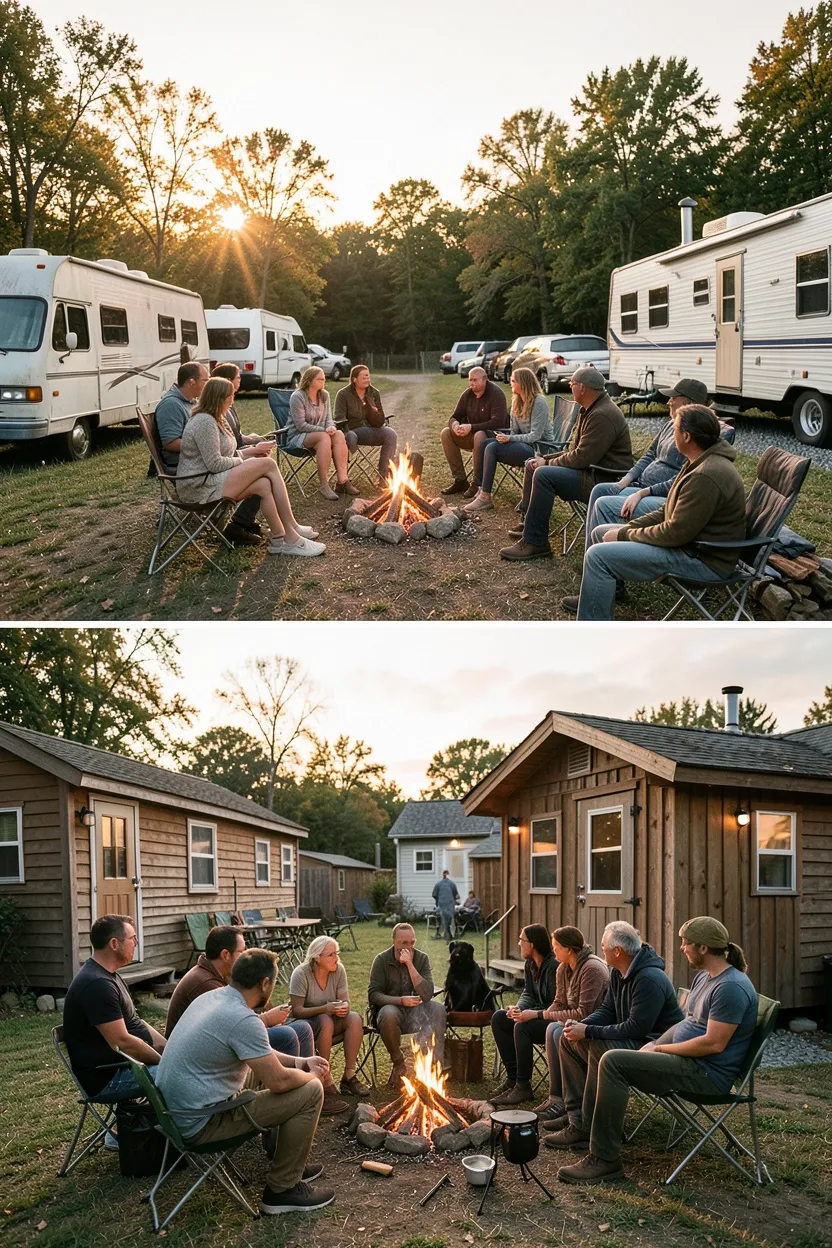
The social dynamics differ significantly between the two lifestyles. RV living often involves constant exposure to new people in campground settings, creating opportunities for connection but limiting depth of relationships. Tiny house living can offer more stable community if located in intentional communities or tiny house developments, but individual parking may result in social isolation depending on neighborhood acceptance and proximity to resources.
Tips
- Research existing communities for both options in areas you're considering
- Assess your social needs—do you prefer constant new interactions or stable community?
- Consider how each option aligns with your values around community
Best for: those prioritizing community and social connection
What this gives you: understanding of social implications for each lifestyle
12. Seasonal Living and Weather Resistance
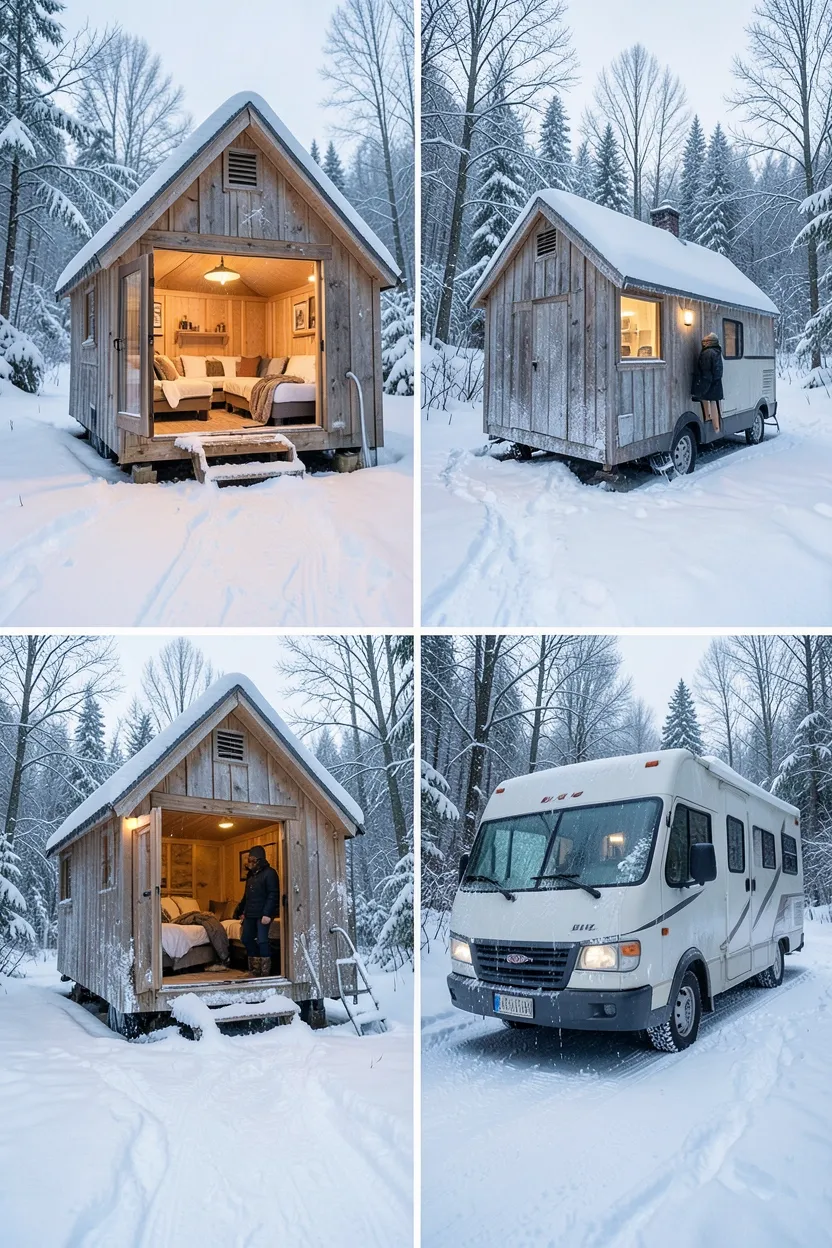
Tiny houses, with their superior insulation and residential construction, handle seasonal weather changes better than most RVs. The thermal mass, quality windows, and proper insulation create comfortable environments year-round with appropriate heating and cooling systems. RVs, designed primarily for three-season use, struggle in extreme weather—freezing in winter, overheating in summer, and requiring significant energy to maintain comfortable temperatures regardless of season.
Recommended
Items for this idea
The seasonal capability difference determines where and when you can comfortably live. Tiny houses can serve as permanent year-round residences in most climates with proper heating and cooling systems. RVs often require seasonal migration—following favorable weather patterns or limiting occupancy to mild seasons. This difference affects lifestyle choices, employment options, and long-term planning, particularly for those who want to stay in one location year-round.
Tips
- Consider climate zones where you plan to spend most of your time
- Research four-season RV capabilities if considering year-round RV living
- Ask about heating and cooling systems for both options
Best for: those living in areas with extreme seasonal weather
What this gives you: comfortable year-round living regardless of season
13. Financing and Insurance Options
Tiny houses face financing challenges, with many lenders unfamiliar with this housing type and traditional mortgages rarely available. Personal loans, RV loans, or cash purchases are common financing methods. Insurance also presents challenges, with some carriers refusing coverage and others offering limited policies. RVs have established financing through RV dealers and specialty lenders, with insurance widely available through RV-specific carriers.
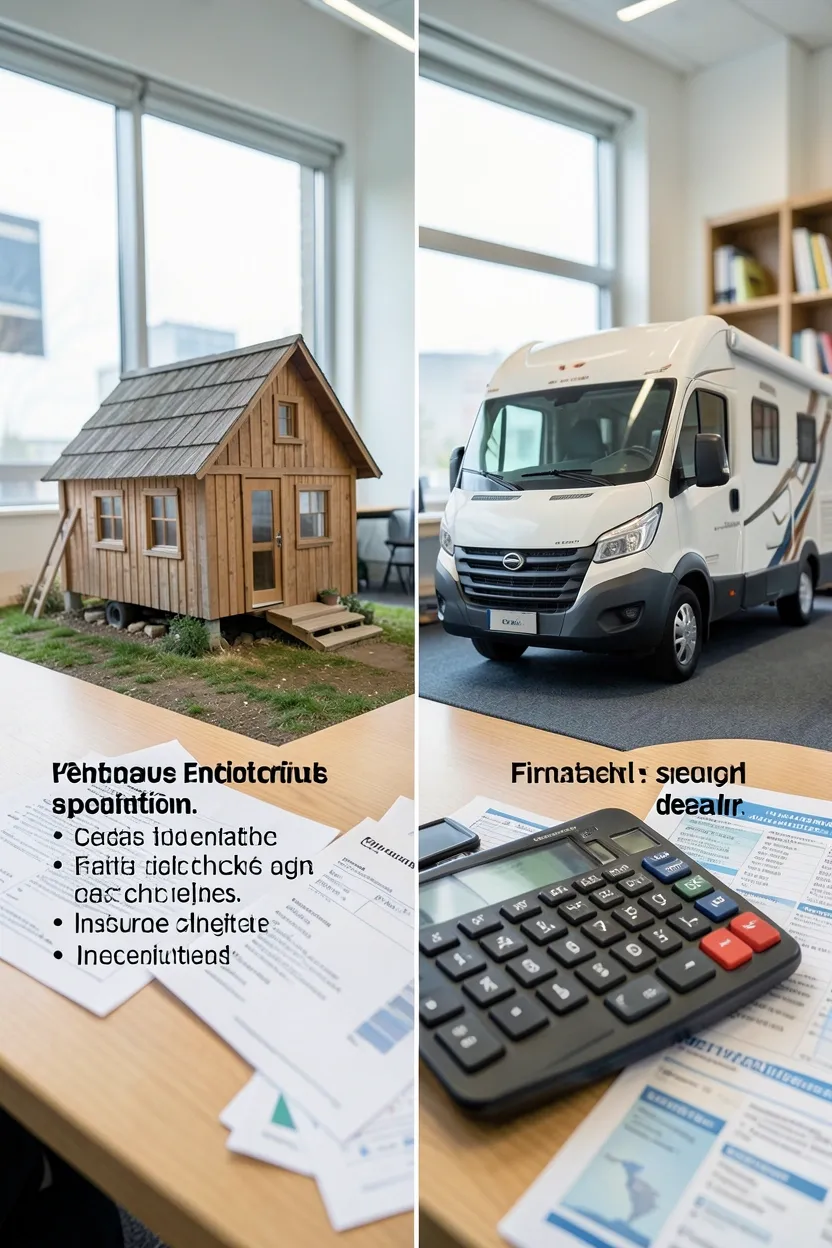
The financial infrastructure difference affects accessibility and long-term costs. RVs benefit from established lending and insurance markets, making them easier to finance and insure, though often at higher interest rates than traditional mortgages. Tiny houses require more creative financing approaches and may involve higher insurance premiums due to their non-traditional status. Both options lack the favorable terms available for traditional home mortgages.
Tips
- Research financing options thoroughly for both choices
- Compare insurance quotes and coverage before purchasing
- Consider whether you have cash available or need financing
Best for: those needing financing and insurance for their housing purchase
What this gives you: understanding of financial options for each housing type
14. Parking and Land Requirements
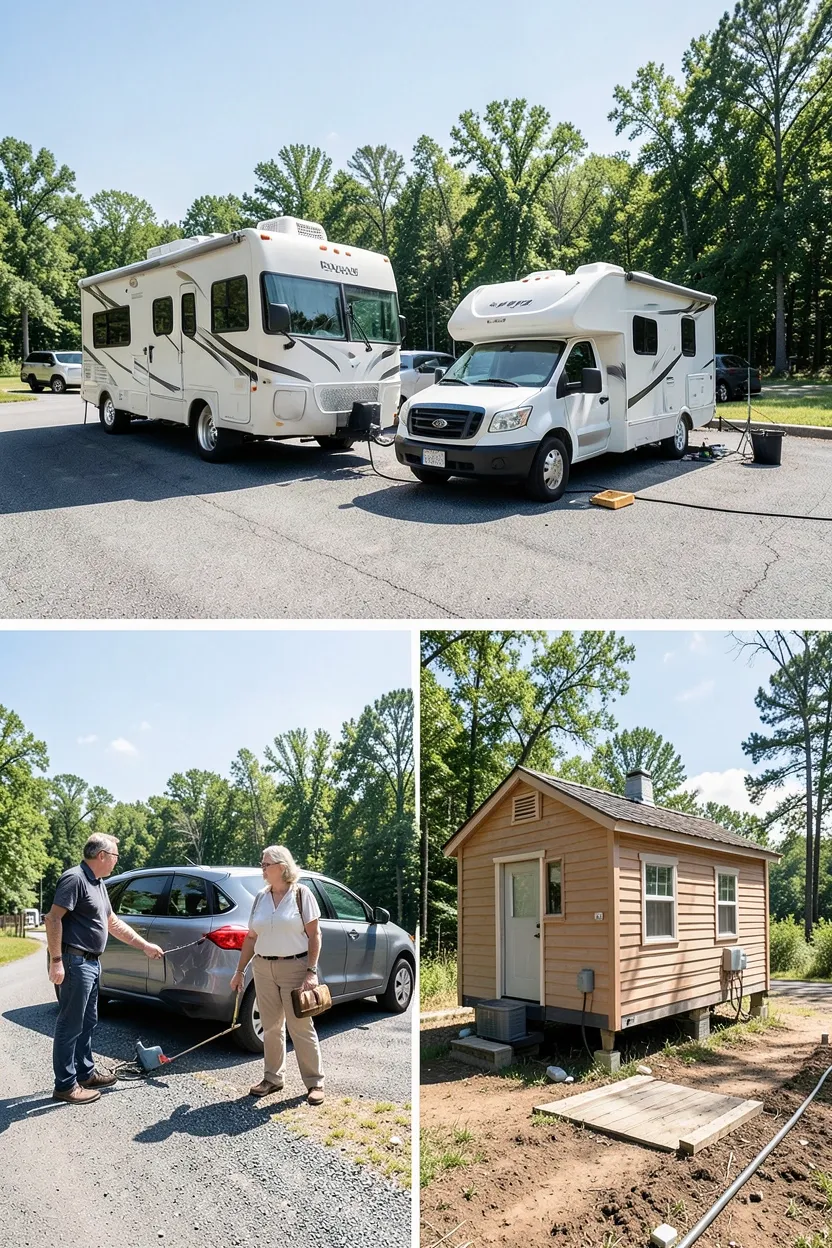
RVs have established parking infrastructure through campgrounds, RV parks, and designated RV spaces, often with amenities included. Daily rates range from $30-100+, with monthly rates available in many locations. Tiny houses require finding land with appropriate zoning, often involving negotiations with landowners or seeking out tiny house-friendly communities. Parking arrangements are less standardized and may require utilities, permits, and legal considerations.
Recommended
Items for this idea
The parking logistics difference fundamentally shapes lifestyle and costs. RV living often involves regular campground fees and movement between locations, with predictable costs and established amenities. Tiny house parking typically involves longer-term arrangements, potentially including land rental, utility connections, and legal compliance. The uncertainty and effort required to find suitable tiny house parking contrasts with the established RV park infrastructure.
Tips
- Research parking availability in areas you're considering for both options
- Calculate monthly parking costs as part of your budget
- Consider whether you're comfortable with the uncertainty of finding parking
Best for: those valuing established infrastructure and predictable arrangements
What this gives you: understanding of parking logistics for each housing type
15. Lifestyle Compatibility Assessment
The choice between tiny house and RV living ultimately comes down to lifestyle compatibility rather than objective superiority. Consider your core values: do you prioritize the freedom to travel spontaneously and explore new places regularly? The RV lifestyle likely aligns better. Do you value having a permanent, beautifully designed home that reflects your personality and needs? The tiny house approach probably suits you better. Be honest about your travel desires, community needs, and tolerance for uncertainty.
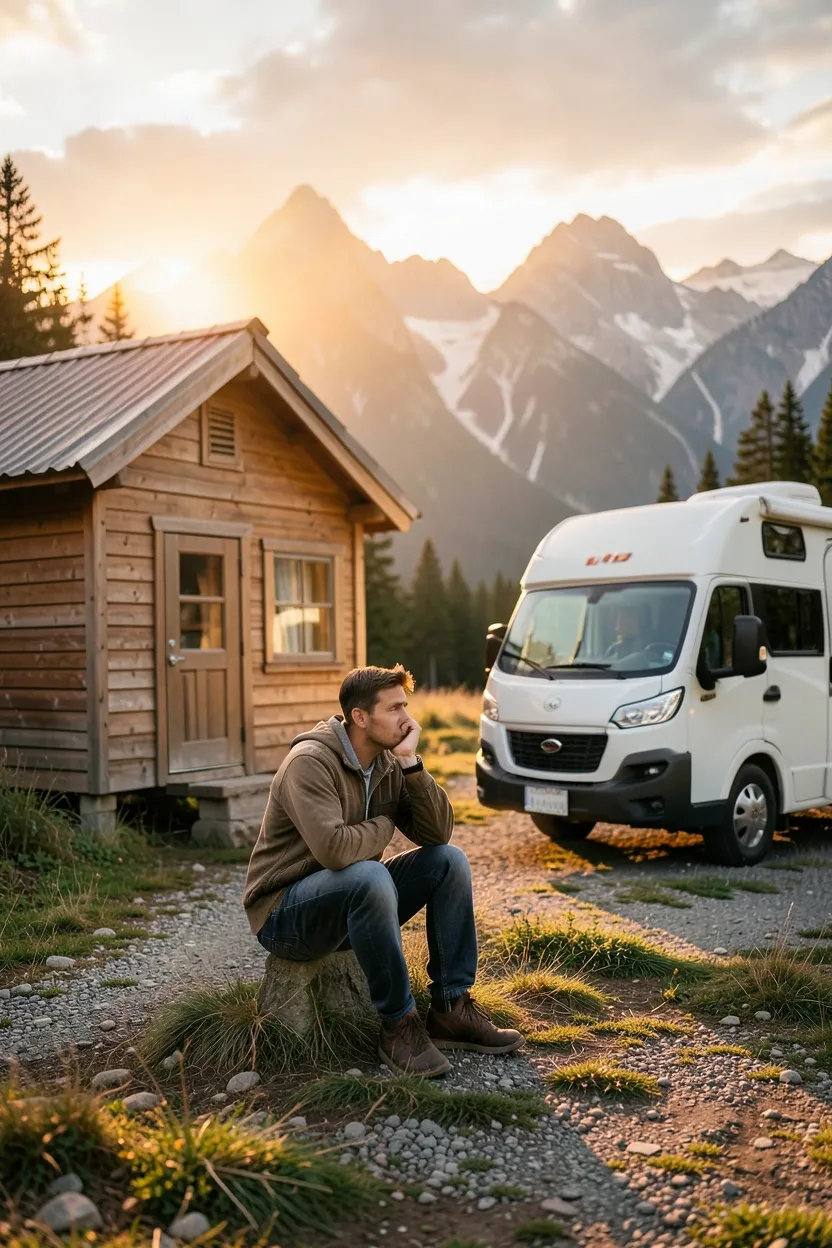
Many people discover that their idealized vision doesn't match reality—some who think they want constant travel actually crave stability, while others who expect permanence find themselves itching to explore. The decision requires self-reflection about what truly brings you happiness and fulfillment. Both paths lead to intentional, simplified living, but the daily experience differs dramatically between the two options.
Tips
- Try renting an RV for a weekend to test the travel lifestyle
- Visit tiny house communities to experience the lifestyle firsthand
- Make a pros and cons list based on your specific priorities
Best for: anyone trying to decide between tiny house and RV living
What this gives you: framework for making the right choice for your lifestyle
Choosing between tiny house and RV living requires careful consideration of your values, lifestyle preferences, and long-term goals. Both paths offer freedom from excess and the opportunity for intentional living, but they deliver very different daily experiences. Tiny houses provide permanence, customization, and residential-quality construction that feels like home. RVs offer mobility, flexibility, and the freedom to explore and travel spontaneously.
The right choice depends on what matters most to you—the stability of a permanent, beautifully designed space, or the adventure of life on the road. Be honest with yourself about your travel desires, tolerance for uncertainty, and what brings you genuine fulfillment. Many people discover that their expectations don't match reality once they experience either lifestyle firsthand. Consider trying before committing—rent an RV for travel or visit tiny house communities to understand the reality of each approach.
Whichever path you choose, both tiny house and RV living represent intentional choices to live differently from conventional housing patterns. They prioritize experiences over possessions, freedom over accumulation, and authenticity over appearance. The journey toward simpler living isn't about choosing the "right" option—it's about choosing the option that's right for you, your values, and the life you want to create.
About the author
OBCD
CGI visualization and interior design content. We create detailed 3D renders and curate practical design ideas for every room in your home.