23 Shabby Chic Bedroom Ideas for a Romantic Retreat
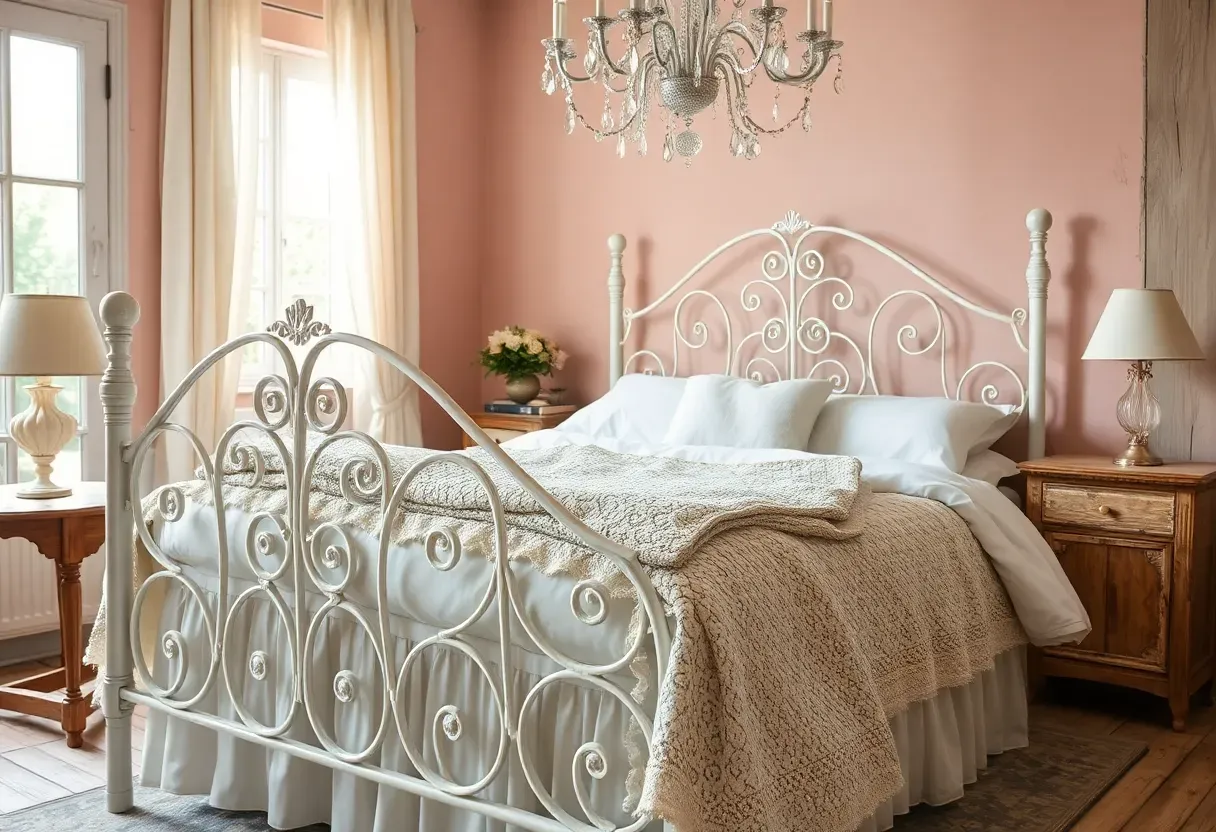
These shabby chic bedroom ideas prove that the most romantic spaces aren't designed — they're collected. Distressed wood, delicate lace, soft pastels, and worn vintage pieces come together in a style that celebrates imperfection and feels genuinely lived-in rather than catalog-perfect. Whether you rent a compact studio or own a larger space, this look delivers charm without requiring permanent changes or a major renovation budget.
What makes shabby chic so enduringly popular? It's the artful balance between feminine softness and rustic authenticity. Unlike stark minimalism or heavy traditional decor, shabby chic creates visual harmony through layered textures, muted color palettes, and carefully curated vintage finds. The result is a bedroom that feels inviting without being cluttered, romantic without being overly sweet, and comfortable without sacrificing style — which is exactly why it works so well for renters who want a beautiful space they can take with them when they move.
Whether you're working with a spacious master bedroom or a cozy apartment room, these 23 ideas will guide you through creating your own shabby chic haven. From furniture selection to textile choices, from color schemes to decorative accents, we'll explore renter-friendly ways to capture that effortlessly elegant aesthetic that makes shabby chic bedrooms so timelessly appealing.
Quick FAQ
Is shabby chic the same as farmhouse style?
While they share rustic elements, shabby chic emphasizes vintage femininity with distressed finishes, soft pastels, and romantic details, whereas farmhouse style tends toward more neutral tones and practical, utilitarian pieces. Shabby chic is more ornate and decorative.
Can shabby chic bedroom ideas work in a modern apartment?
Absolutely. The key is balancing vintage pieces with clean backgrounds. Use shabby chic furniture and textiles against neutral walls, and limit the style to key focal points rather than overwhelming the space. Modern apartments benefit from edited shabby chic touches — and since most pieces are freestanding or removable, it's ideal for renters.
What's the best way to source affordable shabby chic furniture?
Thrift stores, estate sales, and online marketplaces are treasure troves for solid wood pieces that can be refinished. Look for good bones rather than perfect finishes — you can always distress, paint, or reupholster to achieve the shabby chic aesthetic at a fraction of retail prices.
Which colors define shabby chic bedrooms?
Soft whites, creams, blush pinks, powder blues, sage greens, and muted lavenders form the core palette. These gentle hues create the romantic, airy atmosphere that defines the style, often paired with natural wood tones and aged metallic accents.
How do I avoid making my shabby chic bedroom look cluttered?
Focus on intentional layering rather than random accumulation. Choose a few statement vintage pieces, maintain consistent color schemes, and balance decorative items with breathing room. Less is often more — curate your collections and rotate accessories seasonally.
Table of Contents
- Distressed White Iron Bed Frame
- Layered Vintage Lace Bedding
- Antique Dresser as Statement Piece
- Soft Blush Pink Accent Wall
- Crystal Chandelier Centerpiece
- Weathered Wood Nightstands
- Ruffled Linen Window Treatments
- Vintage Mirror Gallery Wall
- Repurposed Vanity Table
- Floral Wallpaper Feature Wall
- Tufted Upholstered Headboard
- Painted Wicker Furniture
- Soft Chenille Throw Blankets
- Antique Door as Headboard
- Rose-Printed Textiles
- Vintage Suitcase Storage
- Distressed Wood Ceiling Beams
- Porcelain Pitcher and Basin Display
- Shabby Chic Area Rug
- Vintage Book Stack Nightstand
- Lace-Trimmed Bed Canopy
- Mismatched Vintage Picture Frames
- Faded Floral Armchair Reading Nook
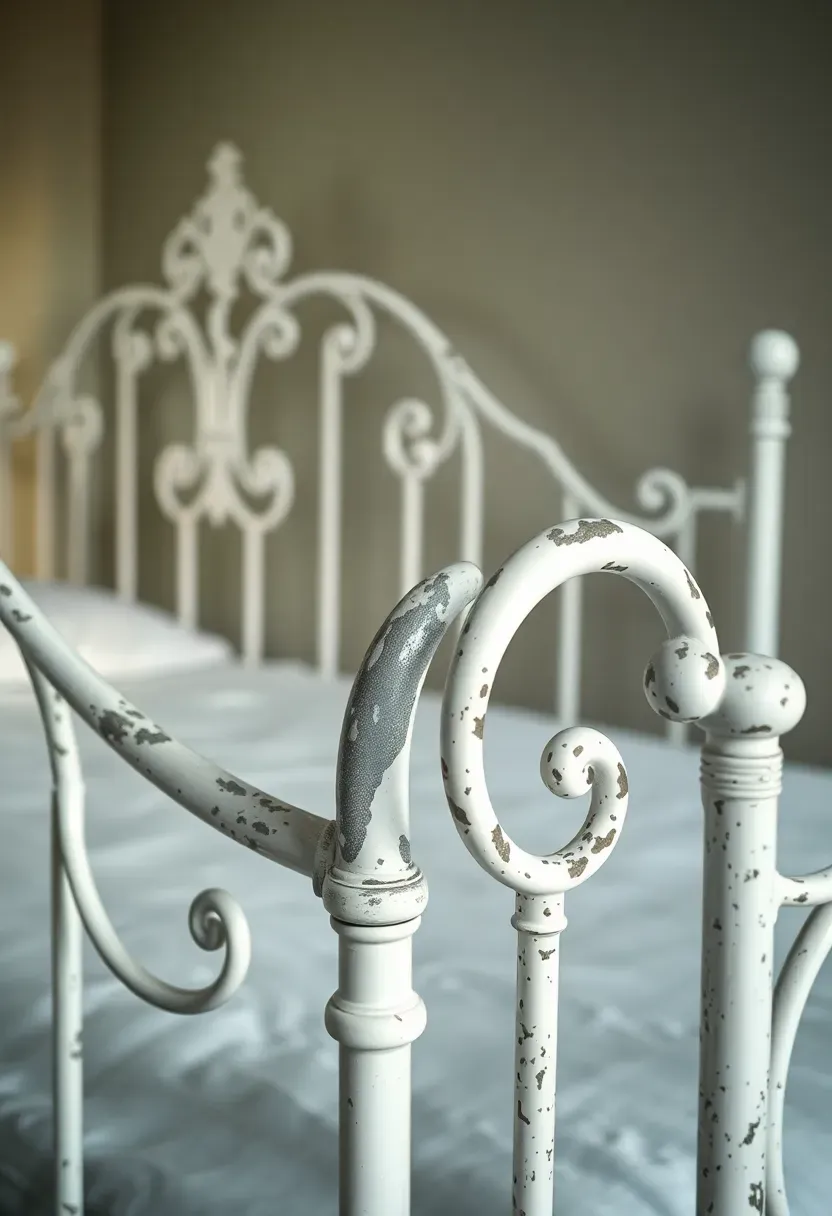
1. Distressed White Iron Bed Frame
A vintage iron bed frame in weathered white becomes the romantic anchor of any shabby chic bedroom. The beauty lies in the worn finish—where paint has naturally chipped away to reveal darker metal beneath, creating authentic character no new piece can replicate. Look for frames with delicate scrollwork, curved headboards, or Victorian-inspired details that add architectural interest without overwhelming the space.
Why It Works
The elevated design allows light to flow underneath and around the bed, making even small bedrooms feel more spacious. The contrast between sturdy metal construction and delicate finish perfectly embodies shabby chic's feminine-meets-rustic aesthetic. Unlike wood frames, iron doesn't compete with other vintage furniture pieces in the room.
Styling Tips
- Pair with crisp white linens layered with floral quilts
- Add a bed skirt in natural linen to soften the metal base
- Balance ornate ironwork with simple nightstands
- Consider a frame with brass or crystal finials for extra charm
We picked a few things that go well with this idea: Yaheetech Classic Metal Platform Bed Frame (★4.5), TUSEER Metal Bed Frame Full Size (★4.5) and SHA CERLIN Full Size Metal Platform (★4.5). As an Amazon Associate we earn from qualifying purchases.
2. Layered Vintage Lace Bedding
The Problem: Flat, Uninviting Beds
Modern minimal bedding often leaves bedrooms feeling cold and unwelcoming, lacking the cozy, lived-in texture that makes you actually want to climb in at the end of a long day.
The Solution: Textural Layering
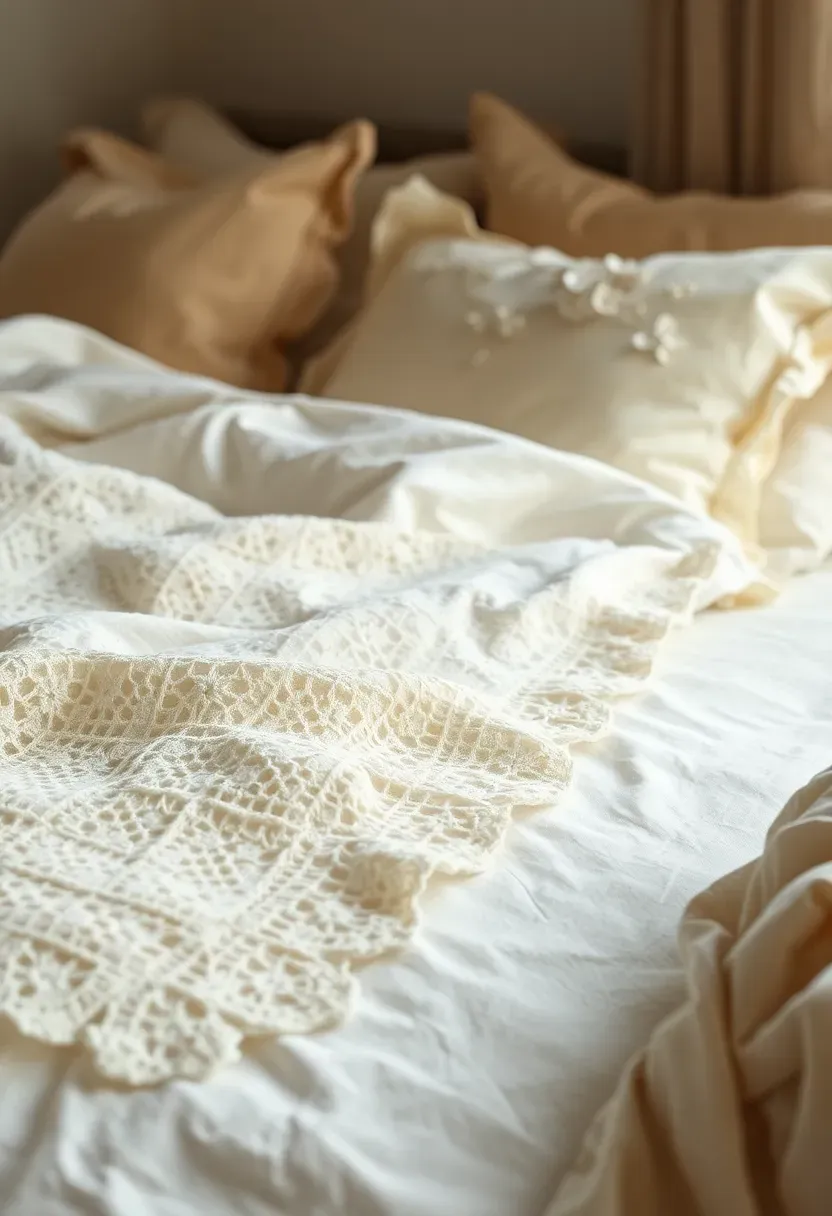
Start with a base of soft cotton sheets in white or cream, then layer a vintage lace coverlet or crocheted throw as your middle piece. Top with a lightweight quilt featuring subtle florals or tone-on-tone embroidery. Add 4-6 pillows in varying sizes—mix smooth linen euro shams with ruffled cotton standard pillows and smaller decorative cushions with lace trim. The key is creating visual depth through different textures while maintaining a cohesive color story.
Pros and Cons
Pros: Creates instant warmth and visual interest; easily changed seasonally; hides imperfect pillows or older bedding underneath; makes beds look professionally styled.
Cons: More pieces mean more laundry; can feel overwhelming in very small bedrooms if not edited carefully; authentic vintage lace requires gentle care.
We picked a few things that go well with this idea: Vintage Farmhouse (★4.1), Vintage Farmhouse (★4.1) and Joyreap Queen Size Comforter Set Black, (★4.5). As an Amazon Associate we earn from qualifying purchases.
3. Antique Dresser as Statement Piece
Step 1: Find the Right Base
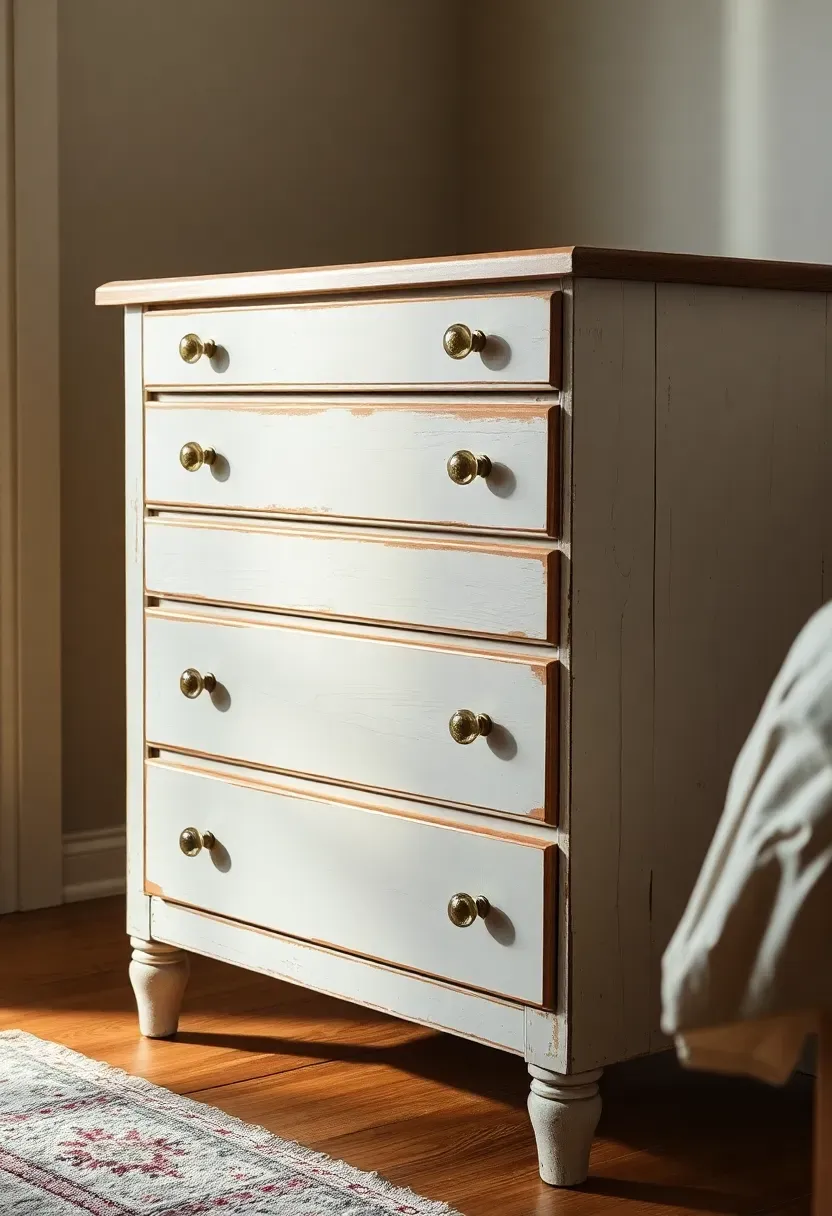
Scout estate sales, auctions, and online marketplaces for solid wood dressers from the 1920s-1950s. Focus on pieces with good proportions and sturdy construction—look for dovetail joints and solid drawer bottoms. Ignore the current finish; you're buying bones, not beauty. Victorian, French Provincial, and simple farmhouse styles all work beautifully.
Step 2: Assess and Prepare
Determine if the existing finish can be enhanced (light sanding, wax) or needs complete removal. For shabby chic, you want visible wood grain with paint highlighting details. Clean thoroughly, repair loose joints with wood glue, and replace missing hardware if needed.
Step 3: Apply Your Finish
Use chalk paint in soft white, pale gray, or duck egg blue. Apply 2-3 thin coats, allowing each to dry completely. Once dry, gently distress edges, corners, and details with fine sandpaper where natural wear would occur. Seal with clear wax buffed to a soft sheen.
What to Watch Out For
Avoid over-distressing—it should look naturally aged, not artificially attacked. Make sure drawers slide smoothly before finishing. Original vintage knobs add value and authenticity—keep them when possible or hunt for period-appropriate glass or porcelain replacements.
We picked a few things that go well with this idea: Madison Park 100% Cotton Tufted Chenille (★4.4), Ultra Soft Pre-Washed Quilted Throw Blanket, (★4.7) and Amélie Home Ultra Soft Ruffle Knit (★4.7). As an Amazon Associate we earn from qualifying purchases.
4. Soft Blush Pink Accent Wall
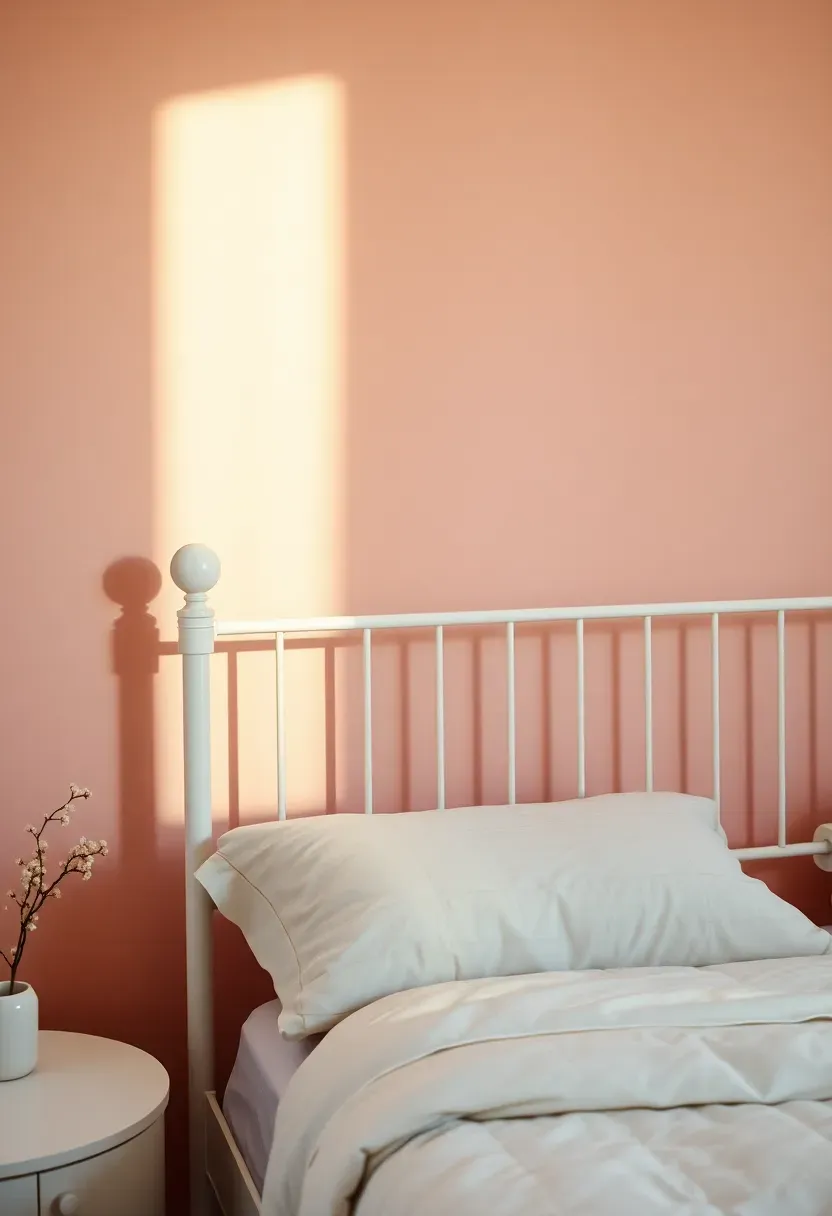
Where stark white can feel sterile and bold colors overwhelm, a barely-there blush pink accent wall adds just enough warmth to make a bedroom feel embraced rather than enclosed. This whisper of color—think more "inside of a seashell" than "bubblegum"—creates the romantic atmosphere shabby chic is known for without crossing into overly sweet territory. The key is choosing a shade so subtle it appears to shift with changing daylight, sometimes reading as pale peach, other times as soft rose.
Paint only the wall behind your bed to create a gentle focal point that grounds your furniture arrangement. This approach works particularly well in rooms with abundant white furniture and linens, where it prevents the space from feeling too cold or clinical. The soft pink reflects light beautifully, making mornings feel gentler and evenings more serene. It also serves as a flattering backdrop for vintage mirrors, wall art, and decorative plates—warming up metallic frames and complementing aged wood tones perfectly.
Best pink shades to consider: Benjamin Moore's "Melted Ice Cream," Farrow & Ball's "Middleton Pink," or Sherwin Williams' "Rosebud"—all muted, complex tones that read sophisticated rather than juvenile. Test samples in your space, viewing them in morning, midday, and evening light before committing.
Recommended
Items for this idea
5. Crystal Chandelier Centerpiece
The History Behind the Look
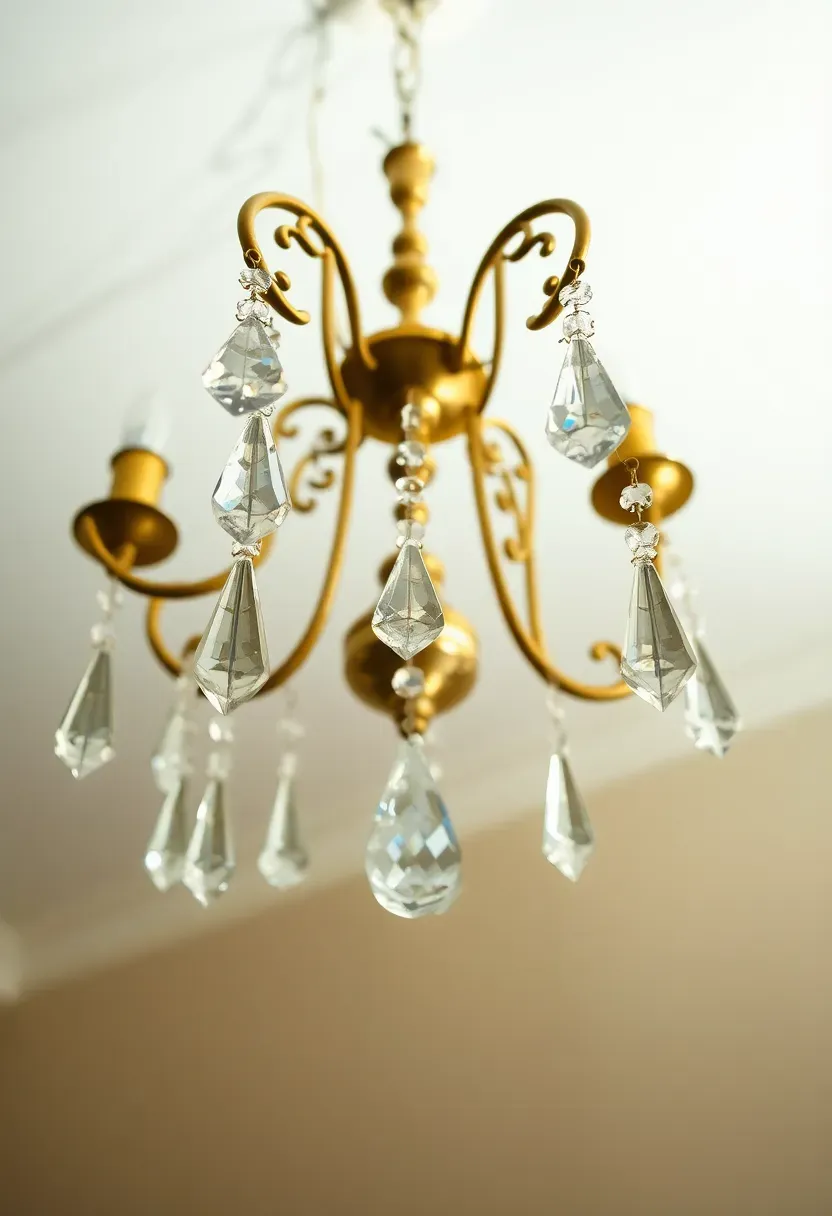
Crystal chandeliers originated in European palaces during the 17th century, where candlelight through faceted glass created magical ambiance. By the Victorian era, smaller versions appeared in middle-class homes, symbolizing elegance and refinement. Today's shabby chic interpretation celebrates these aged beauties—often with tarnished metal arms and cloudy crystals that add character modern reproductions lack.
Modern Interpretation
Rather than grand ballroom scale, look for compact 4-6 light fixtures (18-24 inches diameter) perfect for standard bedroom ceilings. The shabby chic approach embraces imperfection: missing crystals create interesting shadow patterns, aged brass finish adds warmth, and slightly askew arms suggest authentic history. Install with a dimmer switch to control ambiance from bright morning light to romantic evening glow.
How to Apply at Home
- Position centered over the bed or in a dressing area
- Hang 30-36 inches above a freestanding tub for luxury
- Pair with simple edison bulbs rather than candelabra styles
- Clean crystals yearly but leave metal patina intact for authentic character
6. Weathered Wood Nightstands
Mismatched vs. Matching
Go mismatched if: Your room already has symmetry through the bed and window placement; you enjoy the eclectic, collected-over-time aesthetic; you have different needs on each bedside (one person reads, the other needs charging stations).
Go matching if: Your room lacks other strong focal points; you prefer subtle variation through styling rather than furniture; you want a more calming, balanced feel.
Recommendation
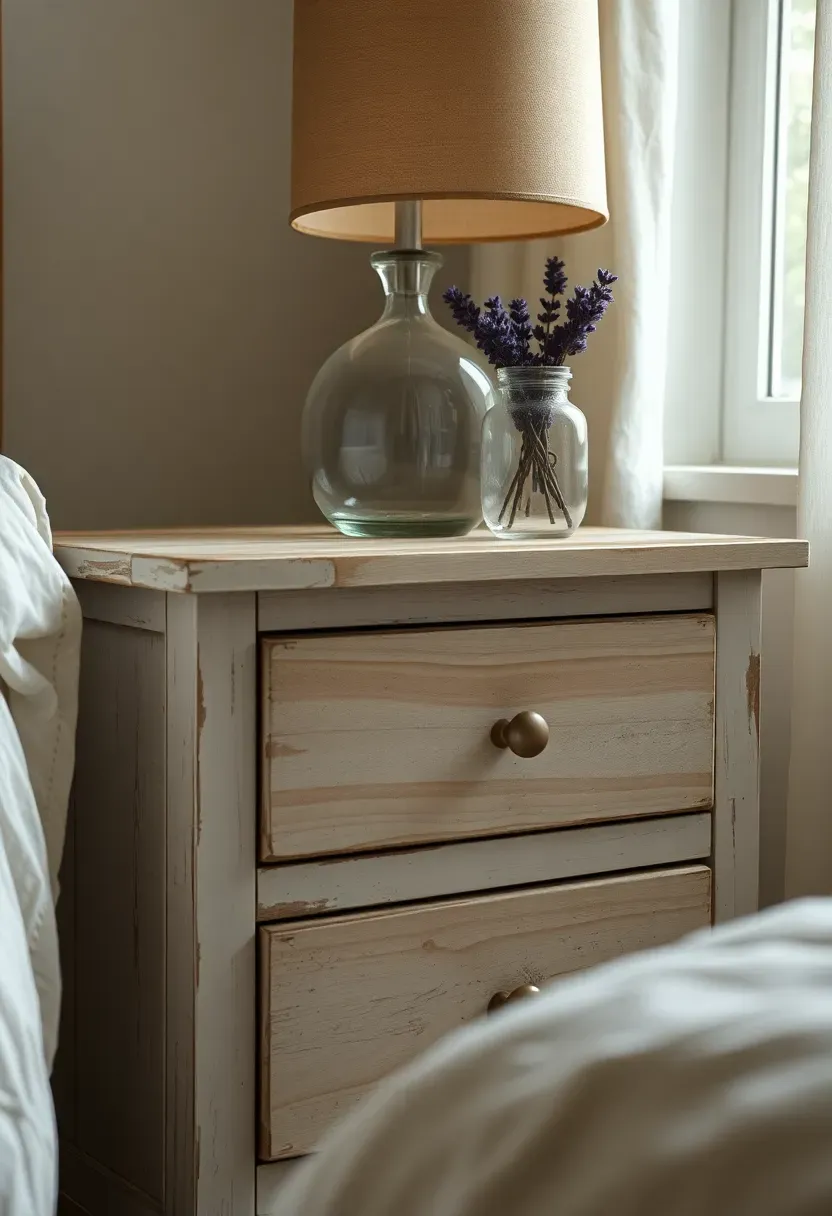
For most shabby chic bedrooms, mismatched nightstands in the same color family create the most authentic vintage look. Choose pieces of similar height (within 2-3 inches) and visual weight—perhaps a small dresser on one side, a vintage plant stand on the other, both in weathered white or soft gray. This approach feels collected and personal rather than catalog-perfect, which is exactly the point of shabby chic design. You get functional asymmetry that tells a story while maintaining overall balance through shared color and finish characteristics.
Recommended
Items for this idea
7. Ruffled Linen Window Treatments
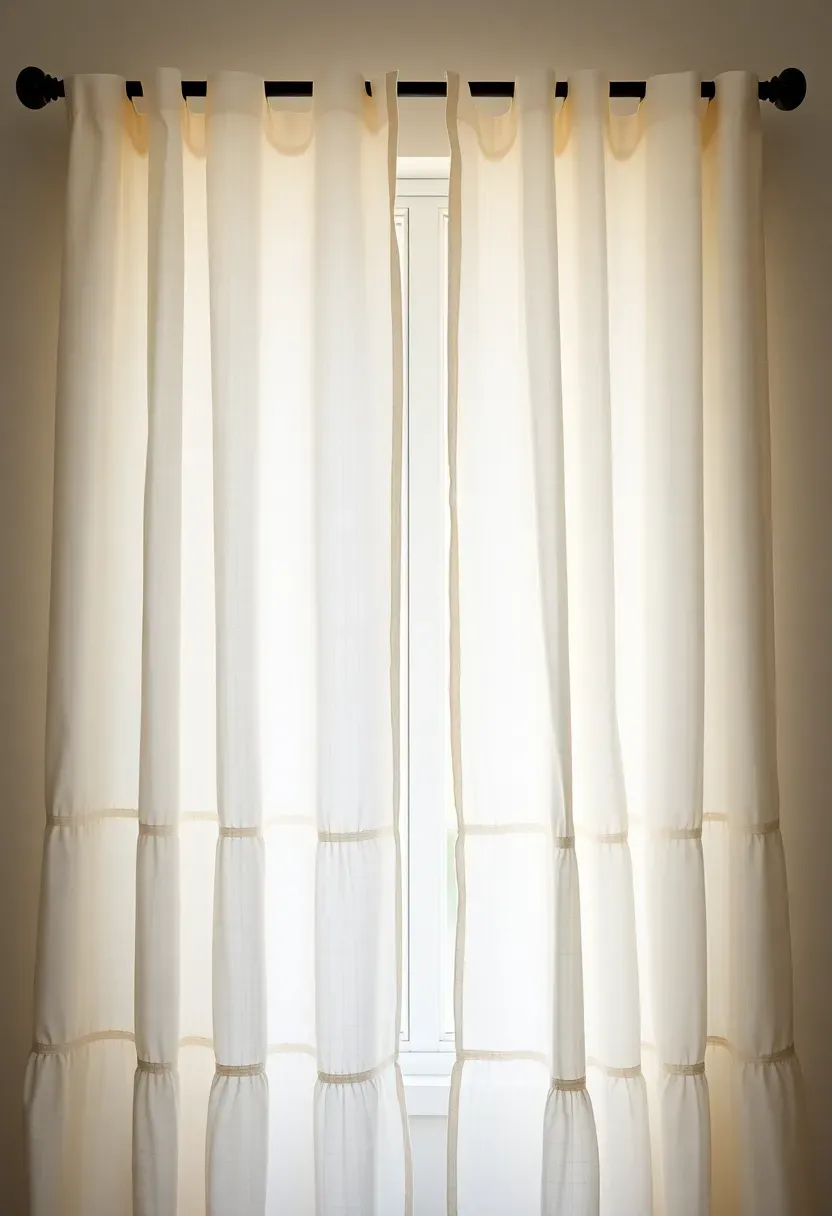
Natural linen curtains with subtle ruffled details soften window architecture while maintaining the airy, light-filled quality essential to shabby chic style. Unlike heavy drapes that block precious natural light, semi-sheer linen panels filter sunlight beautifully, creating that dreamy, diffused glow that makes bedrooms feel ethereal. The gentle ripple of ruffles along the leading edge or hem adds romantic movement without the stiffness of formal pleating.
Choose panels 2-3 times your window width for proper fullness when gathered. Install rods 4-6 inches above the window frame and extend them 6-8 inches beyond each side—this creates the illusion of larger windows and allows maximum light when panels are drawn open. Pre-washed linen offers the perfectly rumpled texture shabby chic loves; avoid crisp, pressed versions that feel too formal. Natural flax, soft white, or pale gray work universally well.
Hardware matters as much as fabric: wrought iron rods with simple finials, weathered wood poles, or vintage brass options all complement the aesthetic. Add fabric tie-backs positioned at two-thirds window height for classic proportion, or let panels hang straight for a more relaxed, contemporary take on the style. The beauty of linen is how it ages—sun-fading and gentle wearing only enhance its shabby chic appeal over time.
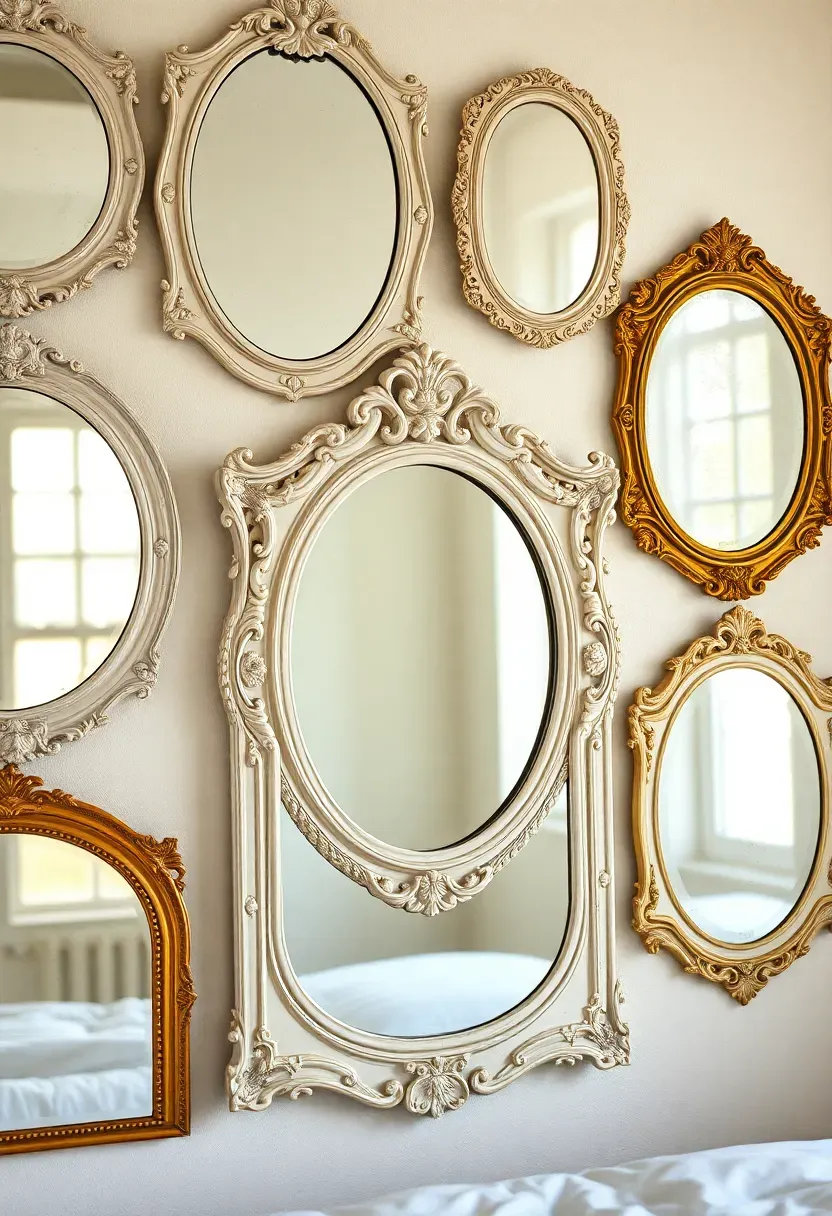
8. Vintage Mirror Gallery Wall
Step 1: Collect Your Mirrors
Gather 5-9 mirrors in varying sizes over several months from thrift stores, estate sales, and antique shops. Look for ornate frames in different shapes—oval, rectangular, arched, and sunburst styles. Don't worry about tarnished silvering or aged glass; these imperfections add authenticity. Aim for frames in complementary finishes: all whites and creams, or mix white with gold and silver.
Step 2: Plan Your Layout
Arrange mirrors on the floor against your wall to test compositions before hanging. Start with your largest mirror as the anchor (typically center or slightly off-center), then build around it with smaller pieces. Maintain 2-4 inches between frames for breathing room. Take a photo from bed-height to see how it will actually appear.
Step 3: Install Securely
Use appropriate wall anchors for each mirror's weight—never rely on nails alone for anything over 5 pounds. Mark all positions with painter's tape before drilling. Hang the anchor mirror first, then work outward, stepping back frequently to check balance.
What to Watch Out For
Avoid perfectly symmetrical arrangements—they feel too formal. Don't hang mirrors where they'll create jarring reflections of doors or clutter. Consider what each mirror reflects; you want glimpses of windows, light sources, or pretty corners, not laundry baskets or bathroom doorways.
Recommended
Items for this idea
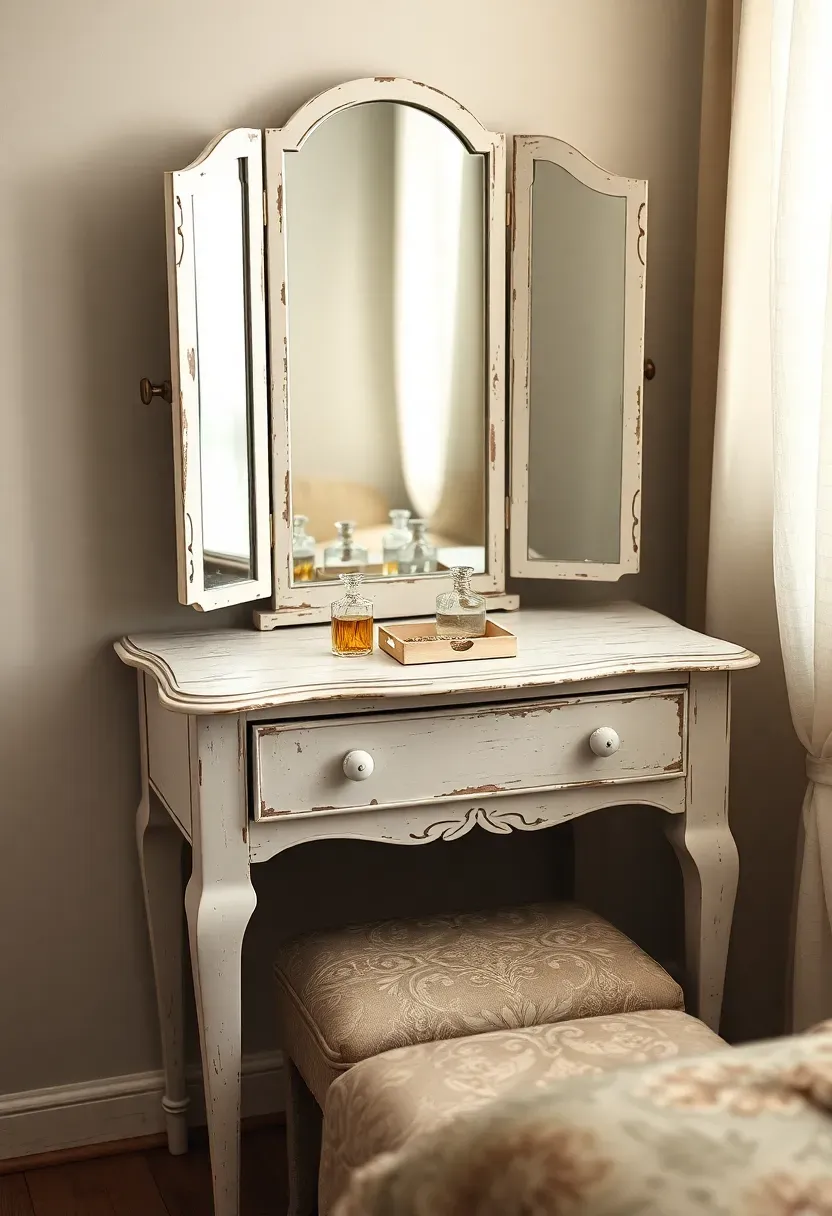
9. Repurposed Vanity Table
Why Traditional Vanities Fell Out of Favor
Modern life prioritized efficiency over ritual, relegating makeup application to bathroom counters under harsh lighting. We lost the dedicated space for personal care that previous generations considered essential for starting and ending each day with intention.
The Solution: Reclaiming the Ritual
A shabby chic vanity brings back this lost luxury while serving multiple purposes. Look for vintage pieces with drawers for jewelry organization, a mirror (or space to hang one above), and enough surface for both functional items and decorative touches. Even small bedrooms can accommodate a compact vanity—many vintage versions are surprisingly space-efficient at 30-36 inches wide.
Position it near a window for natural light, or add a pair of vintage sconces on either side of the mirror for flattering illumination. Choose a comfortable stool or small chair—perhaps reupholstered in a complementary fabric. Style the surface with a vintage tray for perfumes, a small vase with fresh flowers, and only your most-used items. This becomes a morning sanctuary that makes daily routines feel more intentional.
Pros and Cons
Pros: Dedicated organization reduces bathroom clutter; better lighting than overhead bathroom fixtures; adds furniture variety to bedroom; creates Instagram-worthy styling opportunities; increases bedroom functionality.
Cons: Requires floor space in smaller rooms; may encourage cosmetic accumulation; needs regular styling to avoid looking messy; vintage pieces may need refinishing or repairs.
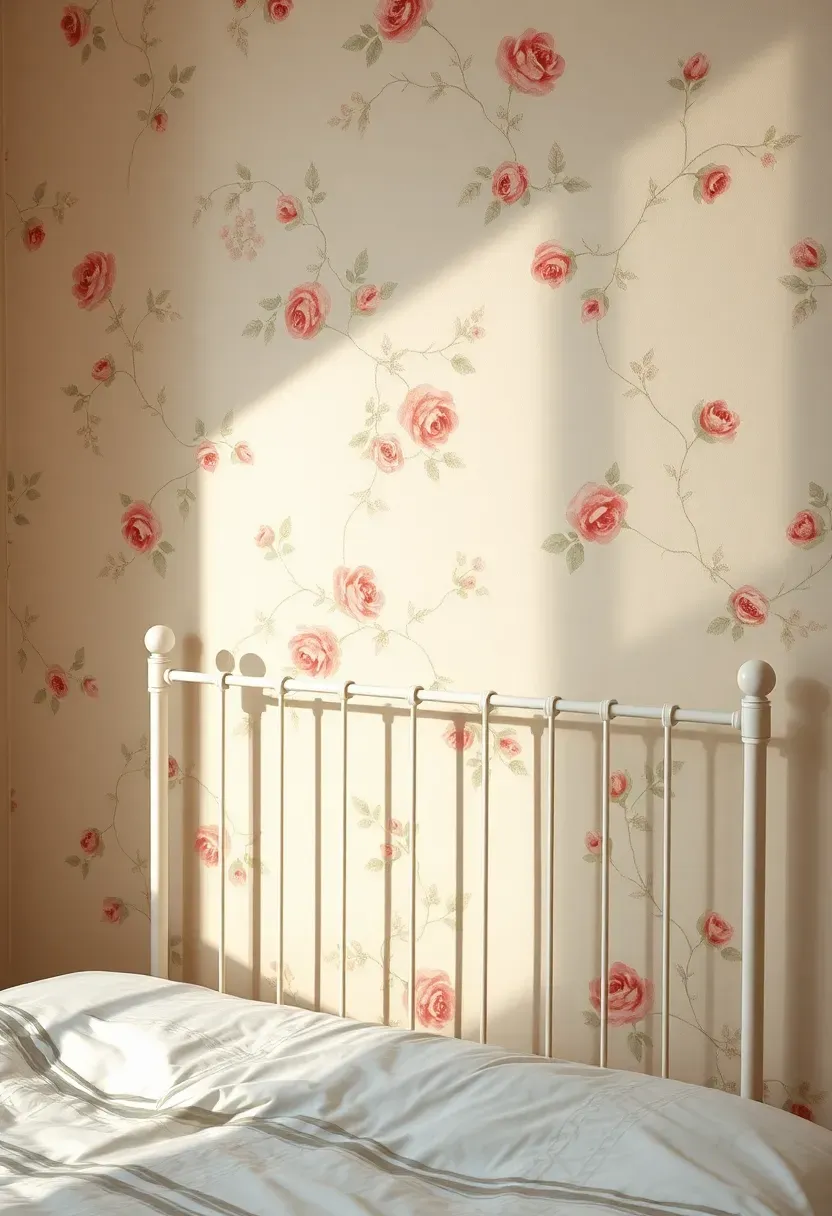
10. Floral Wallpaper Feature Wall
The Evolution of Floral Wallpaper
Once a symbol of 1980s excess with oversized cabbage roses on dark backgrounds, floral wallpaper has been reimagined for contemporary shabby chic bedrooms. Today's versions feature watercolor florals, faded botanical prints, and delicate trailing vines in muted, sophisticated palettes that add pattern without overwhelming.
Modern Interpretation
Apply wallpaper to only one wall—typically behind the bed—to create impact while maintaining the airy quality shabby chic requires. Look for patterns with soft, blurred edges rather than stark graphic designs. The background should be pale (cream, soft gray, or blush) with florals in slightly deeper but still muted tones. Small-scale patterns work best in compact bedrooms; larger rooms can handle more generous blooms.
How to Apply at Home
- Choose removable peel-and-stick wallpaper for commitment-free experimentation
- Measure carefully and order 10-15% extra to account for pattern matching
- Start from the center of the wall and work outward for balanced pattern placement
- Pair patterned walls with solid, quiet bedding to prevent visual chaos—let the wall be the star
Recommended
Items for this idea
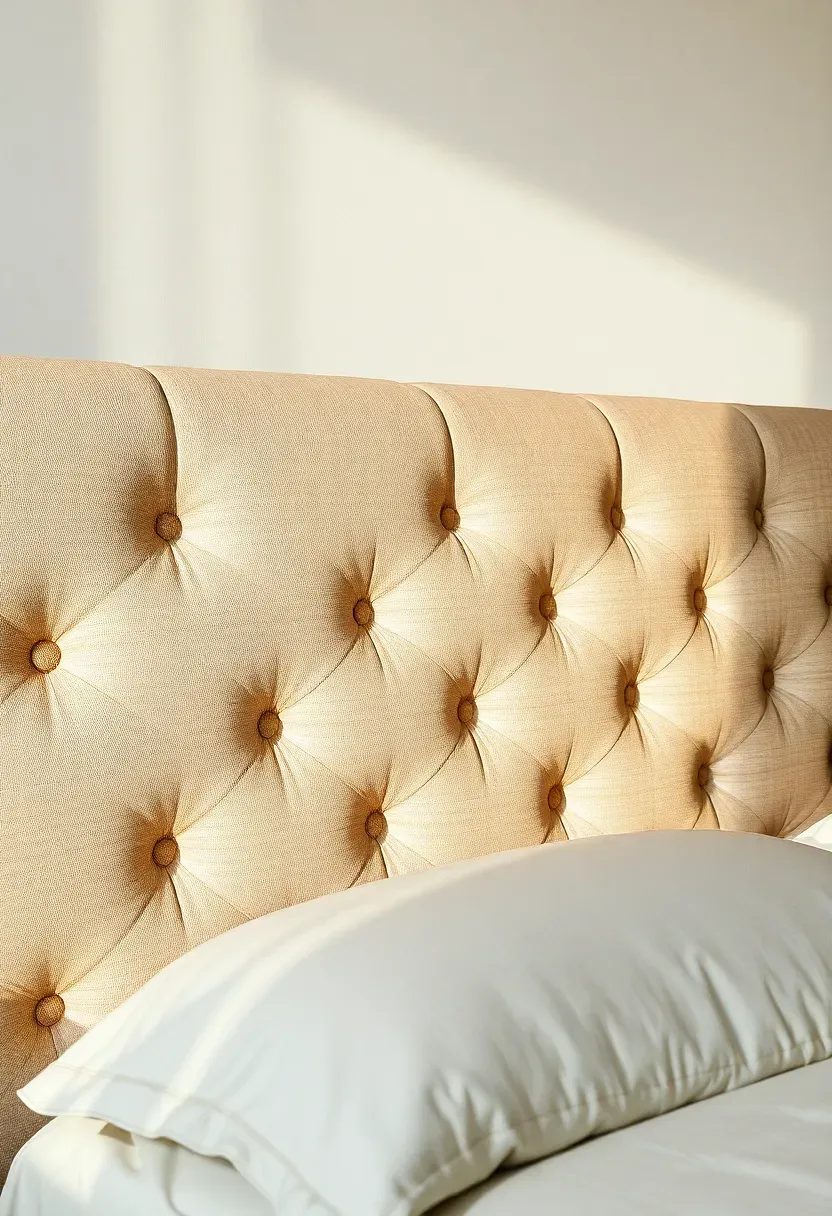
11. Tufted Upholstered Headboard
A tufted headboard in neutral linen or soft velvet adds luxurious comfort to shabby chic bedrooms while providing crucial back support for reading in bed. The diamond or square tufting pattern—created by fabric pulled tight over padding and secured with buttons—originated in Victorian furniture and perfectly complements the vintage aesthetic. Unlike hard wood or metal headboards, upholstered versions soften bedroom acoustics and create a cozy, enveloping feel.
For authentic shabby chic character, choose natural materials over synthetics: Belgian linen in oatmeal or ivory, cotton duck canvas, or soft velvet in muted sage or blush. Buttons can be fabric-covered for subtle elegance or crystal for added sparkle. The headboard should extend 2-4 inches beyond your mattress width on each side and rise 48-54 inches from the floor for queen or king beds—tall enough to make a statement without overwhelming the room.
Installation options include wall-mounting (most secure), attachment to the bed frame, or freestanding with adjustable legs. Wall-mounting creates a floating effect and allows you to center the headboard precisely. Consider adding a narrow shelf along the top for styling with small frames, books, or plants. The beauty of upholstered headboards is their versatility—change the entire room's feel simply by slipcover the headboard in different fabrics seasonally.
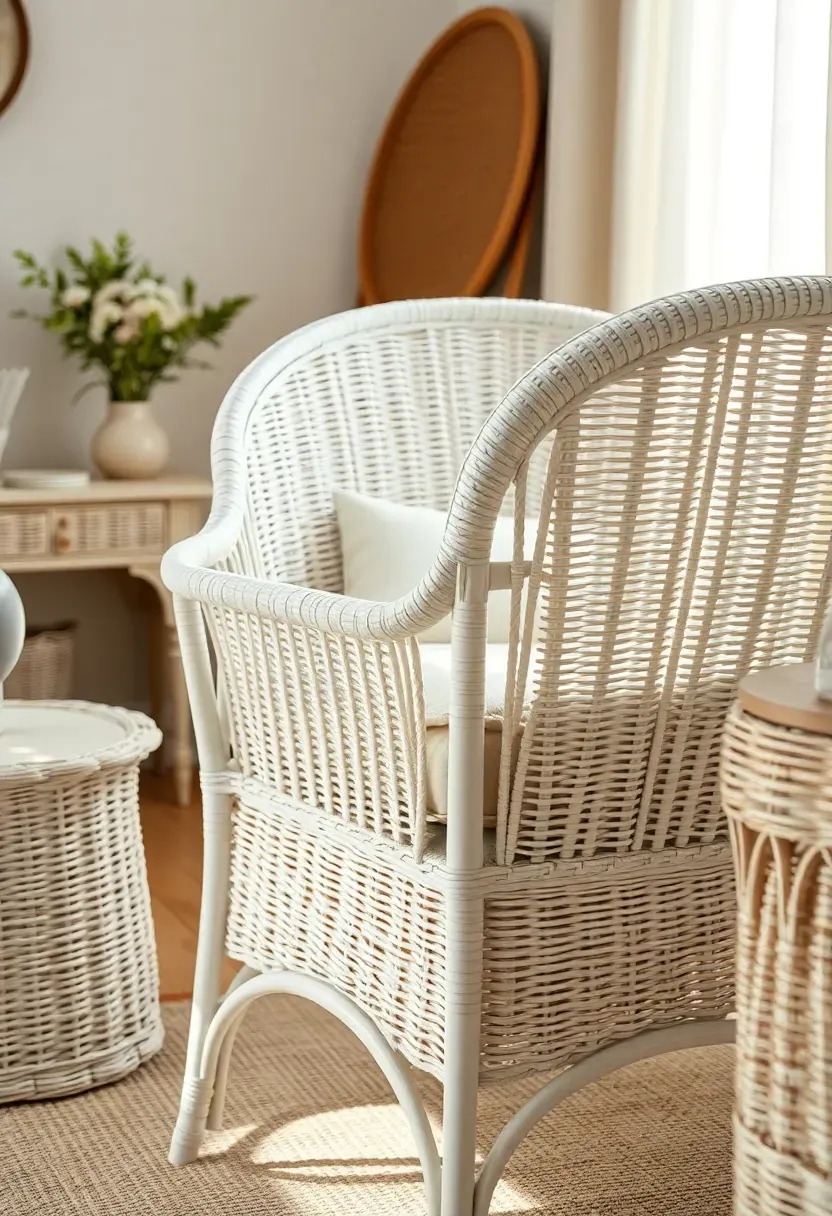
12. Painted Wicker Furniture
Step 1: Source Quality Wicker
Hunt for tightly woven wicker or rattan pieces from the 1960s-1980s when craftsmanship was excellent. Look at estate sales, thrift stores, and online marketplaces. Check for structural soundness—minor unraveling at edges is fine and adds character, but avoid pieces with broken support structures. Common finds include chairs, small tables, magazine racks, and plant stands.
Step 2: Clean and Prep
Vacuum thoroughly to remove dust from all crevices. Wash with warm soapy water and an old toothbrush, getting into every weave. Let dry completely (24-48 hours). Wrap any loose ends with clear fishing line or thin wire, tucking ends into the weave. Lightly sand any rough spots but don't over-work it—wicker should maintain its natural texture.
Step 3: Paint with Care
Use spray paint for best coverage in wicker's intricate weaving—chalk-finish spray paints work beautifully. Apply 2-3 very light coats from all angles rather than one heavy coat that will drip and pool. White, cream, soft gray, or pale blue are classic shabby chic choices. Let dry between coats. For a more distressed look, lightly sand high points after the final coat dries.
What to Watch Out For
Don't paint outdoors in humidity—it prevents proper drying. Test your chosen paint on an inconspicuous area first. Add cushions in coordinating fabrics for comfort and color. Avoid placing painted wicker in high-moisture areas as it can cause mildew under the paint.
Recommended
Items for this idea
13. Soft Chenille Throw Blankets
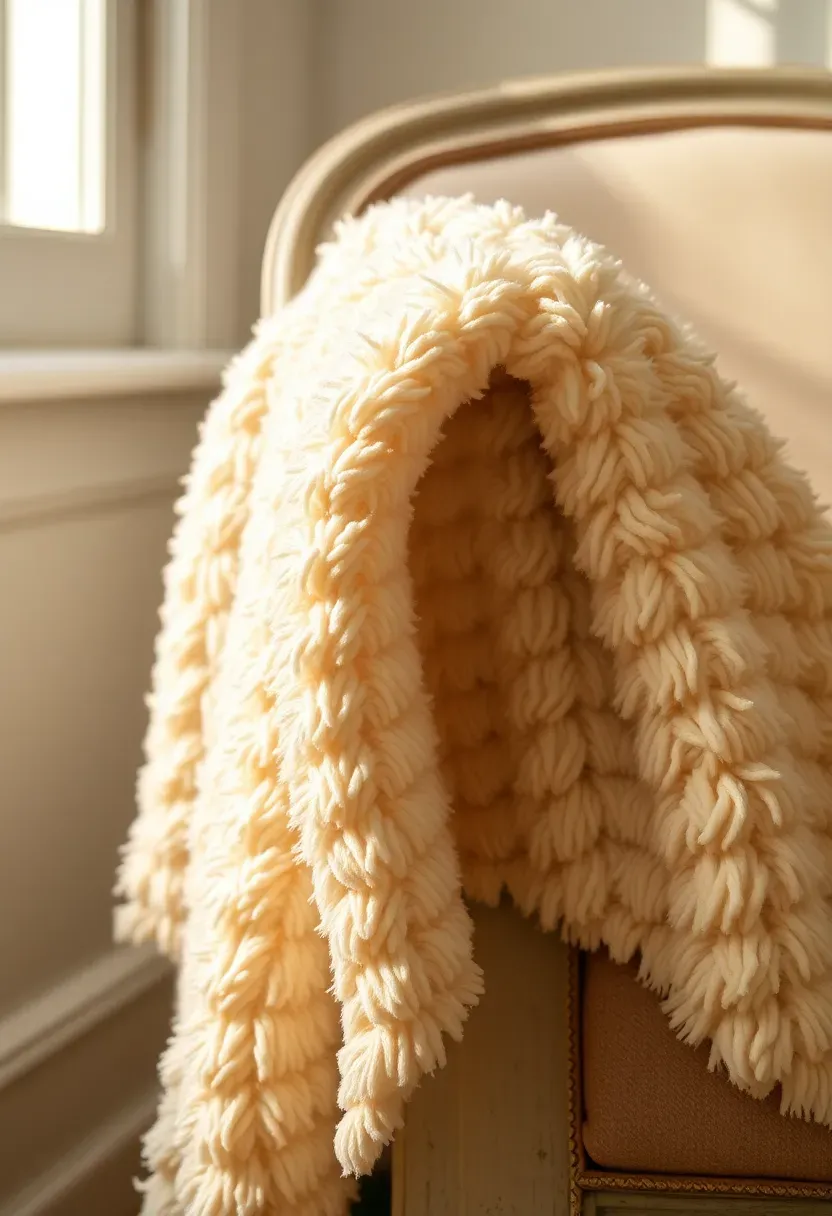
Chenille—from the French word for "caterpillar" describing its fuzzy, segmented texture—adds instant coziness to shabby chic bedrooms through its distinctive plush pile and gentle drape. Unlike flat woven throws, chenille's tufted construction creates dimensional texture that catches and reflects light beautifully, adding visual interest even in monochromatic color schemes. Vintage chenille bedspreads from the 1930s-1950s featured elaborate floral or geometric patterns in the tufting itself, creating subtle surface decoration you can feel as much as see.
Modern interpretations maintain that touchable quality while offering easier care than delicate antiques. Drape a chenille throw across the foot of your bed for an inviting layered look, or fold one over a bedroom chair to soften hard furniture lines. The key is choosing colors that whisper rather than shout—cream, pale gray, soft blush, or muted sage work beautifully. Avoid bright whites (too stark) or vivid colors (too modern) in favor of those gently aged, slightly ambiguous tones that could be cream or could be palest peach depending on the light.
Care tips: Chenille pills less if washed in cool water on gentle cycle and laid flat to dry. Vintage pieces may require hand washing. The slight fading and softening that occurs with age only enhances shabby chic appeal. Rotate throws seasonally to prevent wear patterns—keep lighter colors for spring/summer, deeper neutrals for fall/winter.
14. Antique Door as Headboard
Why Standard Headboards Feel Generic
Mass-produced headboards lack the history and character that make bedrooms feel personal. They're perfectly symmetrical, uniformly finished, and utterly forgettable—functional but soulless. Every bedroom deserves a focal point with a story.
The Solution: Architectural Salvage
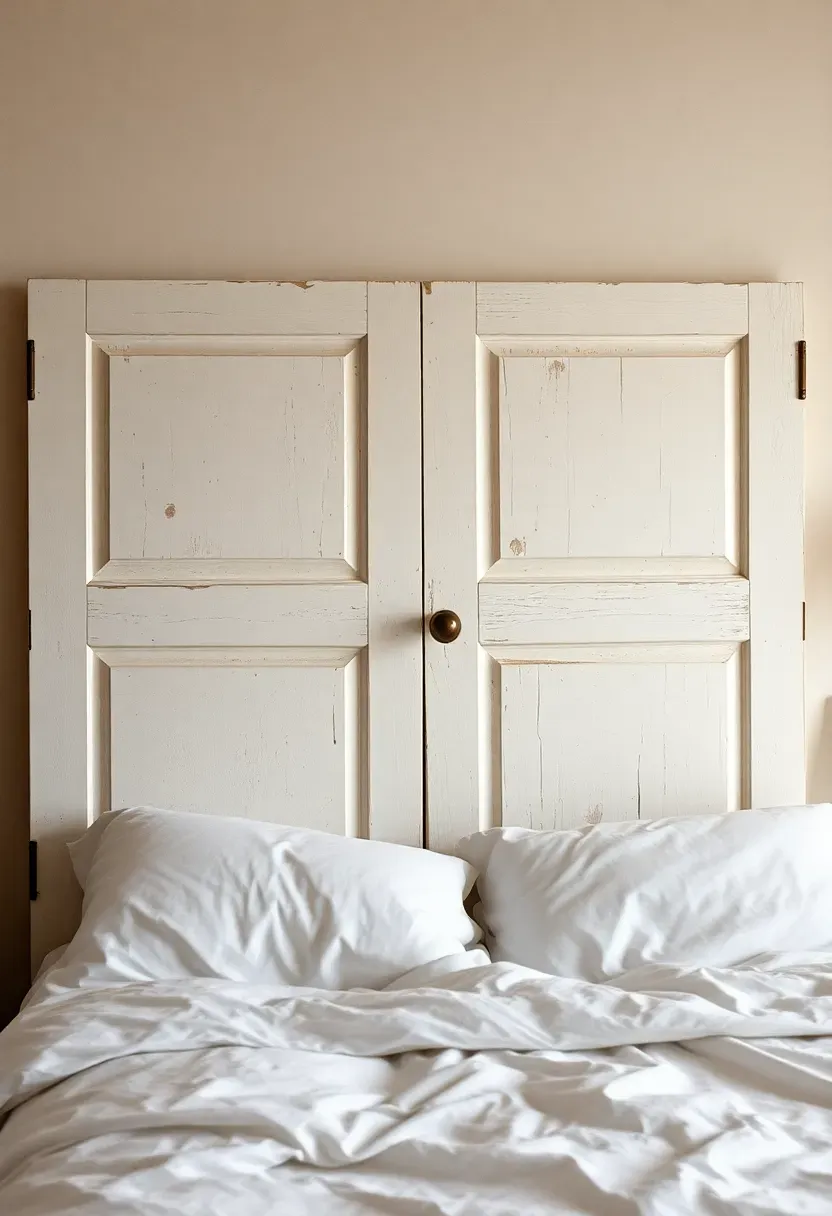
An antique door—especially one with original hardware, glass panels, or intricate woodwork—becomes a conversation-starting headboard that anchors your entire shabby chic design. Look for doors 70-84 inches tall and 30-36 inches wide (perfect for queen beds; use two side-by-side for king). Paneled doors offer the most visual interest, while doors with windows add unexpected dimension. The existing finish matters less than structural integrity and appealing proportions.
Mount horizontally (traditional) or vertically (dramatic) depending on door details and ceiling height. Secure to wall studs with heavy-duty brackets—never lean unsecured against walls. Leave the door in found condition to celebrate authentic patina, or lightly clean and seal to preserve peeling paint without disturbing it. Add vintage hooks for hanging reading glasses or jewelry.
Pros and Cons
Pros: Absolutely unique focal point; celebrates sustainability through reuse; typically costs $20-100 versus $300+ for quality new headboards; adds instant age and character; conversation piece.
Cons: Requires proper mounting for safety; may need light restoration; source dimensions must suit your bed size; cannot be adjusted or moved easily once installed.
Recommended
Items for this idea
15. Rose-Printed Textiles
The Cultural Significance of Roses
For centuries, roses have symbolized romance, femininity, and timeless beauty across cultures—from Persian gardens to Victorian language of flowers to modern wedding bouquets. In shabby chic design, rose motifs connect us to this rich decorative tradition while softening contemporary spaces with nostalgic charm.
Modern Interpretation
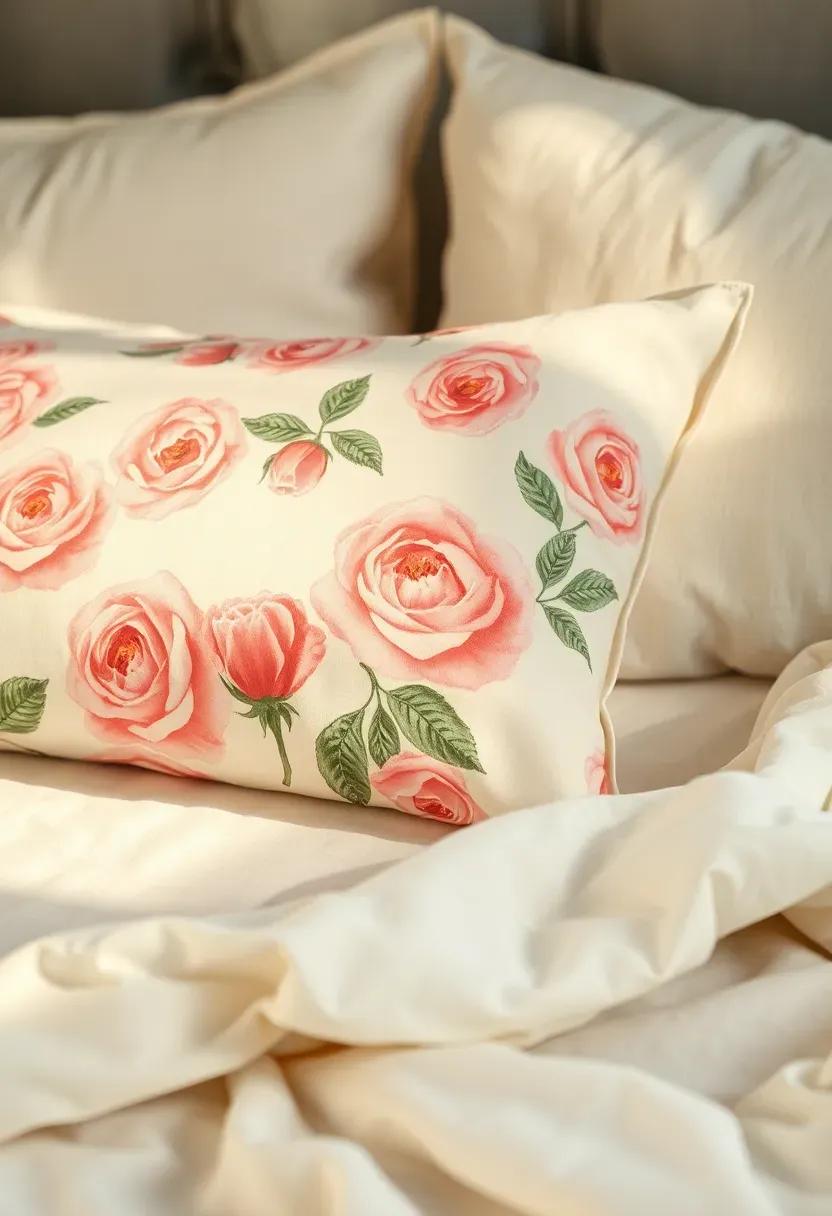
Today's shabby chic rose prints have evolved beyond grandma's fussy florals into more sophisticated interpretations: watercolor roses with blurred edges, vintage botanical illustrations, or faded cabbage roses that look sun-bleached by years of service. The key is choosing prints where roses appear soft and romantic rather than bold and graphic. Look for patterns on natural fabrics—cotton, linen, or linen-cotton blends—that will age gracefully and wash beautifully.
How to Apply at Home
- Start small: Add rose-printed throw pillows to solid bedding
- Choose one dominant pattern and vary scale—large roses on curtains, tiny rosebuds on pillowcases
- Mix rose prints with other patterns (stripes, checks, dots) in the same color family for sophisticated layering
- Balance floral abundance with solid, quiet areas—not every surface needs roses
- Consider vintage linens from estate sales for authentic faded beauty no new fabric can replicate

16. Vintage Suitcase Storage
A stack of vintage suitcases transforms overlooked vertical space into charming storage while adding instant character to shabby chic bedrooms. These hard-sided beauties from the 1940s-1960s—when luggage was built to last through decades of train travel—offer surprisingly sturdy platforms for bedside essentials, extra blanket storage, or display surfaces. Look for cases in complementary sizes that nest together visually, preferably in leather, canvas, or cardboard with interesting labels, worn corners, and travel stickers that tell stories of journeys past.
Stack 2-4 suitcases with the largest at the bottom for stability, arranging them slightly offset rather than perfectly aligned for a more casual, collected look. The top case becomes your functional surface for a lamp, books, and water glass—just ensure it's flat and stable. Lower cases actually open and close, providing hidden storage for seasonal clothing, extra pillows, or memorabilia you want accessible but not visible. Position stacks beside the bed as nightstands, at the foot of the bed for blanket storage, or in a corner for a unique vignette.
Sourcing tips: Thrift stores and estate sales are goldmines for affordable vintage luggage. Avoid moldy or heavily damaged pieces, but embrace scuffs, worn handles, and faded fabrics—they're part of the appeal. Clean interiors thoroughly before storing textiles. Add felt pads under bottom cases to protect floors. The beauty of this approach is flexibility—rearrange, add, or subtract cases as your storage needs change.
Recommended
Items for this idea
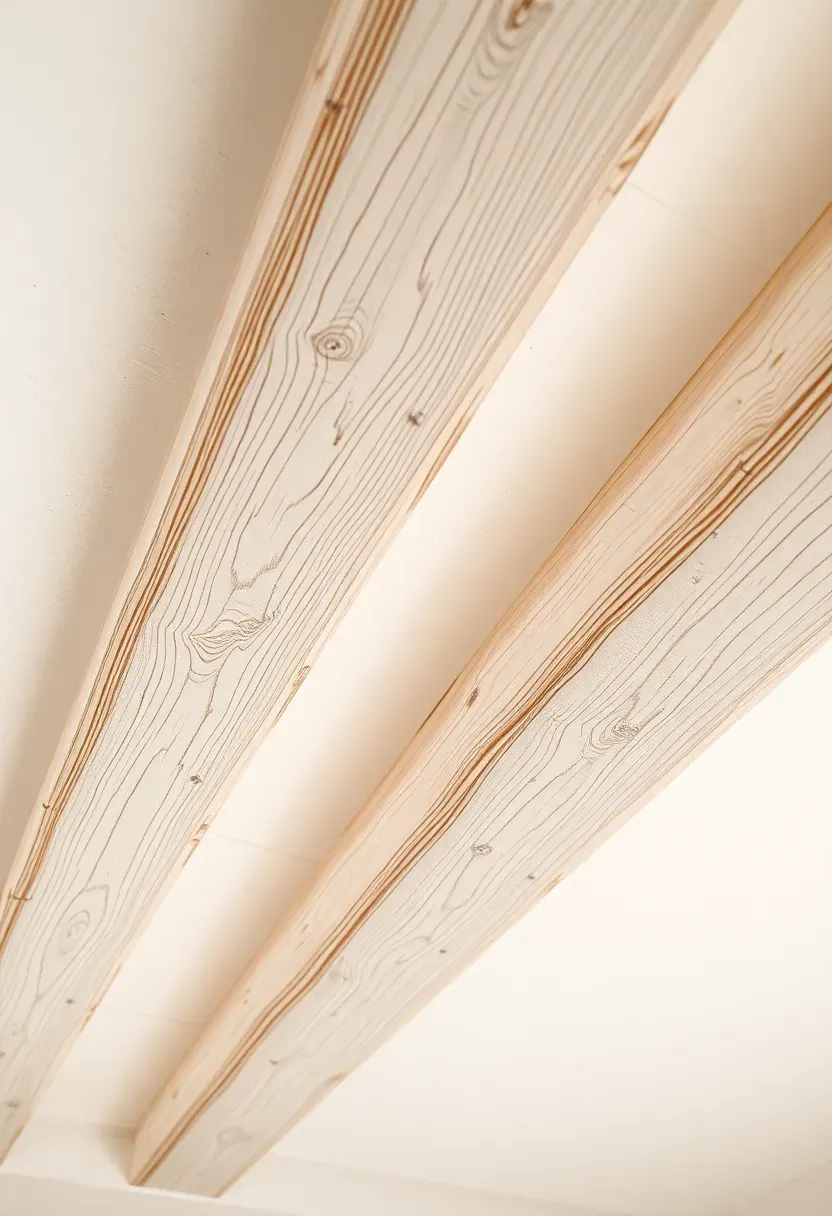
17. Distressed Wood Ceiling Beams
Step 1: Determine Beam Type and Placement
Real wood beams (3-4 inches thick) offer authenticity but add significant weight requiring structural assessment. Faux beams (hollow, lightweight polyurethane) provide the look with easier installation and lower cost. For shabby chic bedrooms, plan 2-3 beams running perpendicular to the bed's length, spaced 3-4 feet apart, which adds architectural interest without overwhelming the space.
Step 2: Prepare Surface and Materials
If using real reclaimed wood, inspect for pests and treat if necessary. Sand rough areas but preserve character marks—knots, nail holes, and age cracks add authenticity. For distressed finish on new wood, apply white or soft gray paint, let dry, then sand heavily to expose raw wood underneath in random patterns. Seal with matte polyurethane. Faux beams come pre-finished; choose whitewashed or aged gray options.
Step 3: Install Securely
For real beams, attach blocking between ceiling joists, then secure beams to blocking with lag screws. Faux beams install with construction adhesive and screws into joists or blocking. Work with a helper—even lightweight beams are awkward overhead. Ensure level installation; uneven beams look DIY-gone-wrong rather than charmingly rustic.
What to Watch Out For
Consider ceiling height—beams in rooms under 8 feet can feel oppressive. Coordinate beam finish with other wood tones in the room (floors, furniture). Run electrical for recessed lighting or pendants before beam installation if desired. Remember that beams are permanent—ensure you love the look before committing.
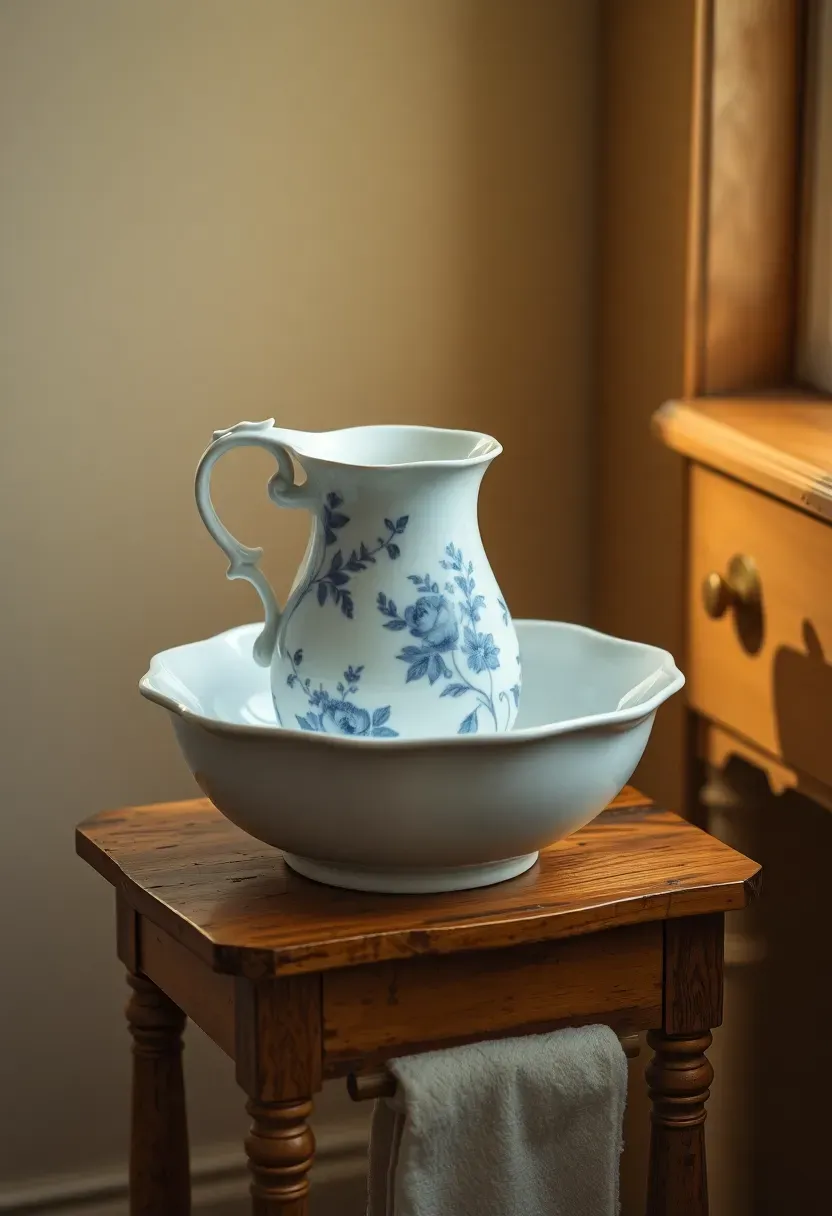
18. Porcelain Pitcher and Basin Display
The History Behind Washstands
Before indoor plumbing became standard in the early 20th century, every bedroom featured a washstand with porcelain pitcher and basin for morning ablutions and evening washing. These sets—often decorated with delicate florals, transferware patterns, or simple bands of color—represented the intersection of utility and beauty that defined Victorian domestic life. Wealthy homes had matching sets for each bedroom; more modest households treasured single sets passed through generations.
Modern Interpretation
Today, these charming relics serve purely decorative purposes, but they add instant vintage authenticity to shabby chic bedrooms. Position a washstand (small table with towel bar and lower shelf) near a window with the basin displayed on top, pitcher inside or beside it. The play of light through translucent porcelain creates beautiful shadow patterns on surrounding surfaces. Sets typically include pitcher, basin, chamber pot, and smaller pieces—you can display the full collection or just the primary pieces.
How to Apply at Home
- Fill pitchers with fresh or dried flowers for functional beauty
- Use basins to corral jewelry on a dresser or vanity
- Display smaller pieces on floating shelves as sculpture
- Look for ironstone (sturdy white pottery) for more affordable options than fine porcelain
- Mix patterns from different eras rather than seeking perfect matching sets—the collected look feels more authentic than too-precious museum displays
Recommended
Items for this idea
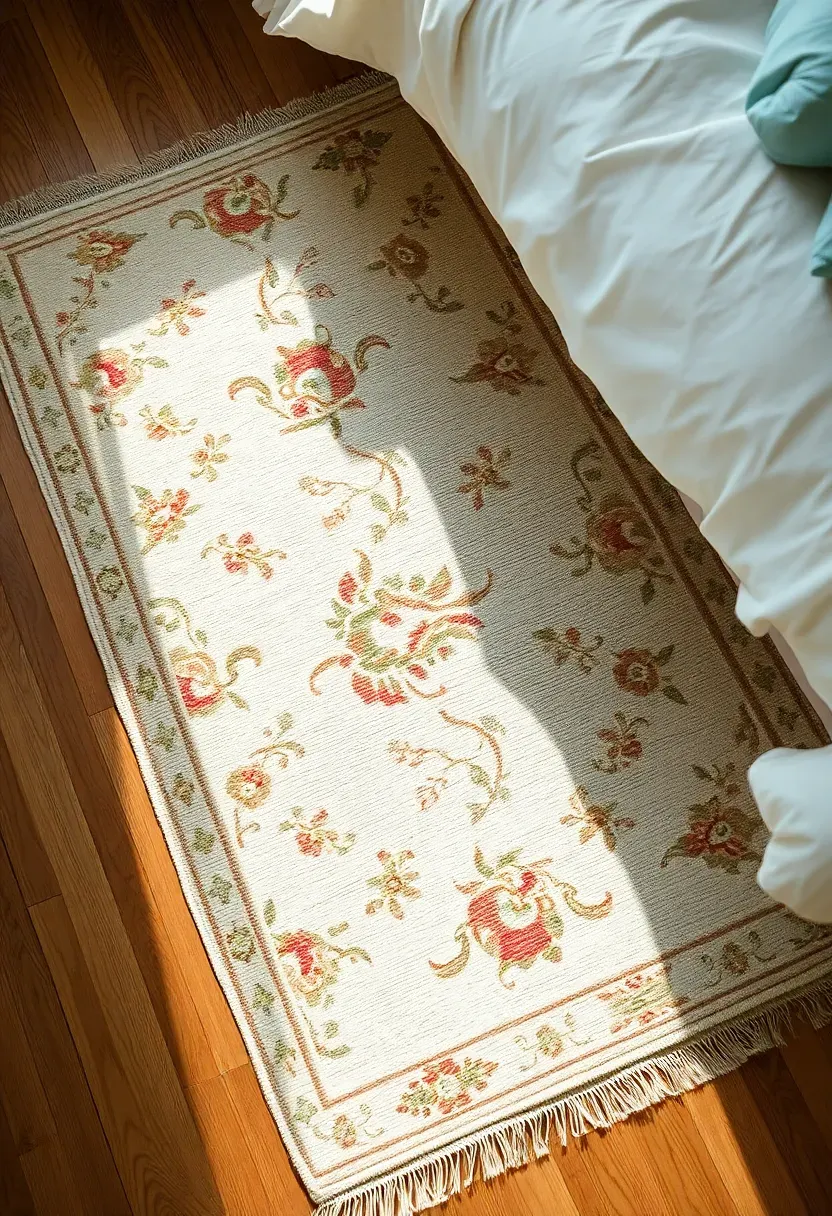
19. Shabby Chic Area Rug
Where hard floors can feel cold and uninviting, a thoughtfully chosen area rug grounds furniture arrangements, softens acoustics, and adds essential warmth underfoot for those first morning steps out of bed. Shabby chic rugs distinguish themselves through soft, faded palettes and vintage-inspired patterns—think Persian designs with washed-out colors, French Aubusson florals in muted tones, or simple natural fiber rugs with subtle patterns rather than bold geometric moderns.
Size matters tremendously: for bedrooms, you want a rug large enough to extend at least 18-24 inches beyond each side of the bed, creating a soft landing for bare feet. In queen bedrooms, aim for 8x10 or 9x12 rugs; king bedrooms need 9x12 or larger. Alternatively, use two smaller runners flanking each side of the bed if a single large rug exceeds budget. The rug should anchor the bed and nightstands as a unified grouping rather than floating awkwardly in the center of the room.
Material considerations: Natural fibers (jute, sisal, wool) offer texture and durability but can feel scratchy; layer with soft sheepskin or faux fur rugs for comfort. Cotton dhurrie rugs wash easily but wear faster. Wool vintage reproductions provide the best balance of softness, durability, and authentic appearance. Avoid synthetics that look plasticky—pay more for natural materials that age beautifully. Rug pads prevent slipping and extend rug life significantly; they're non-negotiable investments.

20. Vintage Book Stack Nightstand
Books vs. Traditional Nightstand
Choose book stacks if: You love unexpected design solutions that spark conversation; your bedroom is small and benefits from visually lighter furniture; you enjoy changing your decor frequently; you have access to free or very cheap vintage books; you want a temporary solution while saving for quality furniture.
Choose traditional nightstands if: You need drawer storage for medications, glasses, and personal items; you prefer permanent, stable surfaces; you have valuable items that need secure placement; you want uniform height for symmetry; you have young children or pets who might topple unstable stacks.
Recommendation
Book stack nightstands work beautifully as accent pieces rather than primary solutions—try one creative stack on one side while using a traditional nightstand on the other for needed storage. This asymmetrical approach captures shabby chic's collected aesthetic while maintaining functionality. Choose 8-15 large hardcover books (encyclopedia volumes, vintage atlases, coffee table books) in complementary spine colors. Stack with largest books at bottom, alternating orientation every few books for stability. Top with a small wooden cutting board or marble tile to create a stable surface for a lamp and water glass. This becomes art-meets-function that you can reconfigure whenever inspiration strikes, keeping your bedroom from feeling too settled or stale.
Recommended
Items for this idea
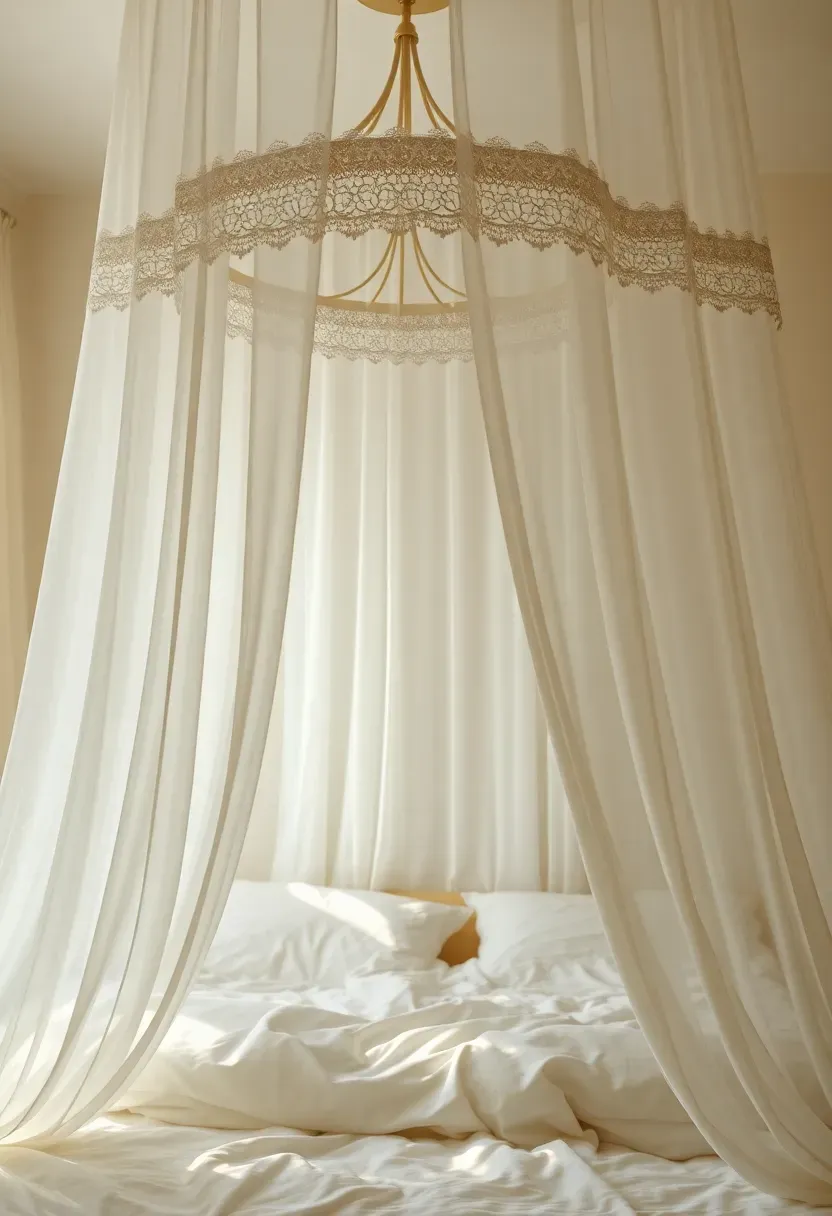
21. Lace-Trimmed Bed Canopy
A flowing bed canopy transforms ordinary bedrooms into romantic retreats reminiscent of European countryside cottages and vintage bridal suites. Unlike heavy traditional canopies requiring four-poster beds, modern shabby chic versions use lightweight sheers suspended from ceiling-mounted hardware—making them accessible for any bed style. The gentle draping of fabric around your sleeping space creates intimate boundaries within larger rooms, filters morning light beautifully, and adds dramatic vertical interest that draws the eye upward, making ceilings appear higher.
Choose sheer cotton voile, fine linen, or lightweight muslin in white, cream, or the palest blush. Look for panels with delicate lace trim along hems or vintage crocheted edging that adds textural detail without weight. Installation options include circular crown canopy holders mounted above the headboard (romantic swag effect), curtain rods mounted parallel to the bed on both sides (structured traditional look), or simple ceiling hooks with fabric draped and gathered (casual bohemian approach). The fabric should puddle slightly on the floor rather than hanging precisely hemmed—this relaxed draping embodies shabby chic's lived-in comfort.
Practical considerations: Choose washable fabrics for easy freshening. Secure all ceiling hardware to joists or with appropriate anchors. Keep fabric away from bedside lamps and candles. Tie panels back during the day with coordinating ribbon or let them hang loose for maximum dreamy effect. Some find enclosed sleeping spaces cozy; others feel claustrophobic—test with temporary installation before permanent mounting.
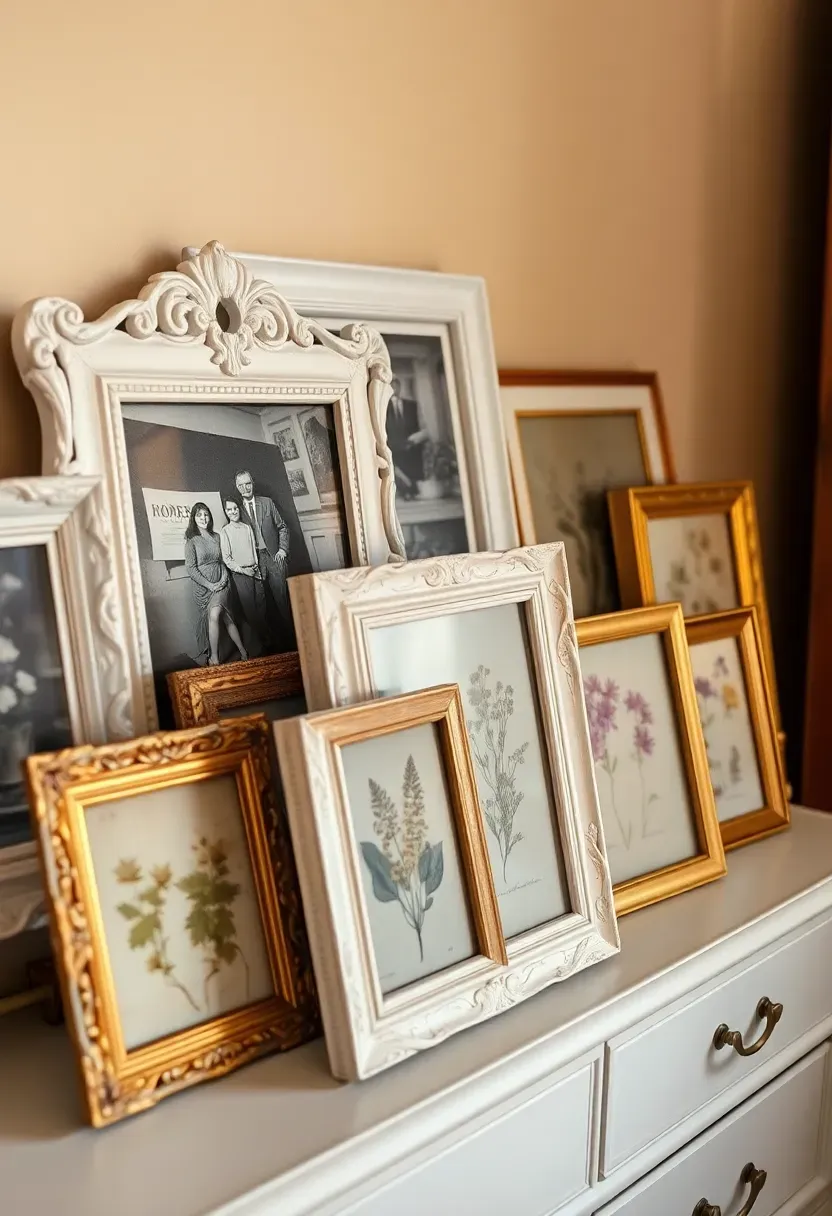
22. Mismatched Vintage Picture Frames
Step 1: Build Your Frame Collection
Gather frames over time from thrift stores, estate sales, and relatives' attics. Look for ornate wood frames, simple painted versions, and aged metal frames in varying sizes from 4x6 to 8x10. Focus on a cohesive color story—all whites and creams, or mix white with gold and distressed wood tones. You'll need 10-20 frames for impactful gallery walls, or 3-5 for smaller vignettes on dressers and shelves.
Step 2: Curate Your Content
This is where personal storytelling happens. Mix family photos (black and white or sepia-toned work best), vintage botanical prints downloaded and printed on aged paper, pressed flowers under glass, meaningful quotes in beautiful typography, and small watercolor paintings or drawings. The key is creating visual variety through both frame styles and content types—but maintaining an overall softness through muted tones and romantic imagery.
Step 3: Arrange and Display
For wall galleries, lay frames on the floor first to test arrangements. Aim for roughly equal spacing (2-3 inches) between frames while allowing organic asymmetry. Hang groupings at eye level as a unified cluster. For surface displays, lean frames on mantels, dressers, or shelves in layered arrangements—larger frames in back, smaller ones propped in front. Incorporate small objects (vintage books, candlesticks, ceramic birds) between frames for dimensional interest.
What to Watch Out For
Avoid too much color variation—limit your palette for cohesion. Don't hang frames in direct sunlight where photos will fade. Replace content seasonally to keep displays feeling fresh. Mix frame orientations (vertical and horizontal) for visual rhythm. Leave breathing room—clusters should feel intentional, not cluttered.
Recommended
Items for this idea
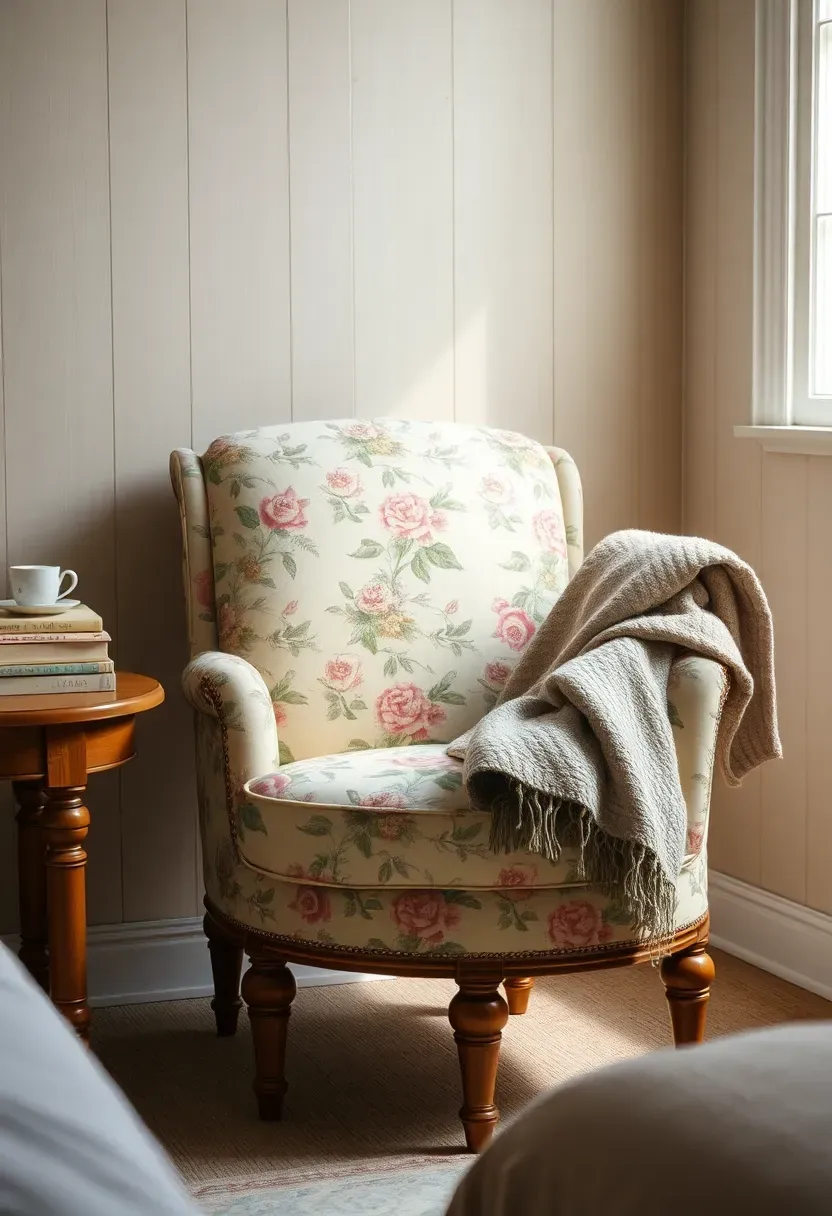
23. Faded Floral Armchair Reading Nook
Why Bedrooms Need More Than Beds
Modern bedrooms often function as single-purpose sleeping spaces, but this wastes valuable square footage and limits how we experience our most personal rooms. Adding a dedicated seating area transforms bedrooms into true retreats where you can read, journal, enjoy morning coffee, or simply sit somewhere other than the bed when you need a mental shift without leaving your private sanctuary.
The Solution: Define a Reading Corner
Position a generously proportioned armchair near a window for natural reading light, angling it slightly toward the view rather than facing the wall. Choose upholstery with faded cabbage roses, sun-bleached floral damask, or vintage-inspired botanical prints in soft colorways that complement your overall palette. The worn, lived-in quality of the fabric shouldn't look shabby in a negative sense—more gently aged, like a favorite sweater that's been washed a hundred times. Add a small side table for beverages and books, plus a standing or table lamp for evening reading.
Layer with a soft throw blanket draped over the arm and 1-2 coordinating pillows—one lumbar support for your back, one decorative accent. A small footstool or ottoman extends leg comfort for extended reading sessions. Define the nook further with a small area rug underneath if your chair isn't already on your main bedroom rug.
Pros and Cons
Pros: Creates functional variety in bedrooms; provides retreat-within-a-retreat; increases usable square footage value; encourages healthier habits than scrolling in bed; adds furniture variety for visual interest; can showcase favorite vintage fabric finds.
Cons: Requires minimum 4x5 feet of floor space; can collect clothes/clutter if not maintained; vintage upholstery may need professional cleaning; comfortable chairs cost $200-800 depending on source and condition.
Your shabby chic bedroom journey begins with just one piece—perhaps a distressed mirror or a vintage quilt. Start small, let each addition tell its own story, and remember that the most beautiful shabby chic spaces evolve gradually, just like the aged patinas and worn textures that define this timeless style.
Pinterest cover for 23 Shabby Chic Bedroom Ideas for a Romantic Retreat
About the author
OBCD
CGI visualization and interior design content. We create detailed 3D renders and curate practical design ideas for every room in your home.