19 Modern Shabby Chic Living Room Ideas for Renters
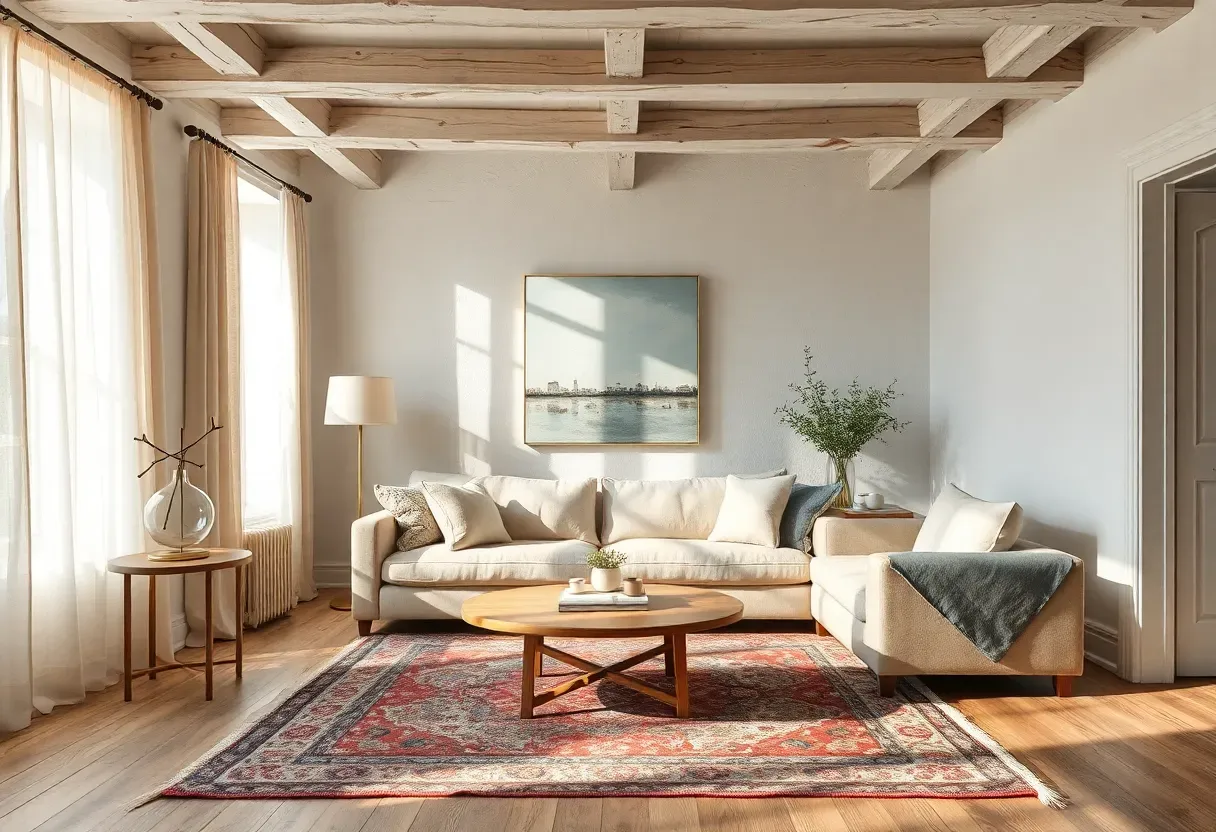
Imagine stepping through a doorway into a room that feels like it has been breathing for a hundred years yet somehow knows exactly what today demands. The walls carry a gentle patina, the furniture shows honest wear, but the proportions are sharp and the clutter is gone. That tension between old soul and new discipline sits at the core of modern shabby chic living room design, and it is one of the most satisfying balances you can strike — especially as a renter who wants authentic character without drilling holes or breaking a lease.
Traditional shabby chic sometimes drifted into territory that felt overly precious -- too many ruffles, too much pink, an avalanche of florals that turned rooms into dollhouse parlors. The modern version corrects course without abandoning what made the style beloved in the first place. Distressed surfaces stay, but they share the room with streamlined sofas. Soft palettes remain, yet they anchor themselves in warm whites and earthy neutrals instead of relentless pastels. It is vintage design that has learned to edit itself — and it happens to be remarkably renter-friendly because most of the magic lives in furniture, textiles, and movable objects rather than permanent structural changes.
In this article I have gathered 19 modern shabby chic living room ideas that range from structural-looking decisions like accent walls and flooring down to the final layer of styling details. Some will take a full weekend, others just an hour and a trip to your nearest antique market. Nearly all of them work in a rental apartment without permanent alterations. We will start with the bones and work outward to the finishing touches.
Quick FAQ
What separates modern shabby chic from traditional shabby chic?
Modern shabby chic strips away the excess frills and heavy floral patterns. It keeps the love for distressed finishes and aged textures but pairs them with cleaner furniture silhouettes, restrained palettes, and more intentional negative space.
Can you mix modern shabby chic with other styles?
Definitely. This approach blends naturally with Scandinavian simplicity, coastal aesthetics, and even industrial accents. The key is maintaining the warm, lived-in quality while borrowing structural elements from other design languages.
Should every piece of furniture look old or distressed?
No, and that is actually a common mistake. The most successful rooms alternate between genuinely aged pieces and clean contemporary ones. A sleek modern lamp beside a chipped vintage dresser creates contrast that makes both elements stronger.
Which rooms benefit most from this style?
Living rooms and bedrooms are natural fits because they prioritize comfort, but modern shabby chic living room ideas also translate beautifully to kitchens and dining rooms, especially when you focus on open shelving, worn wood surfaces, and natural textiles.
Is modern shabby chic renter-friendly and budget-friendly?
Very. Most of the style's impact comes from secondhand finds, DIY distressing techniques, and repurposing what you already own — all fully renter-friendly since nothing requires permanent installation. A can of chalk paint and a sheet of sandpaper can transform a piece of furniture in an afternoon.
Table of Contents
- Whitewashed Reclaimed Wood Accent Wall
- Linen-Wrapped Modern Sectional
- Aged Brass and Glass Coffee Table
- Raw Plaster Feature Wall
- Oversized Vintage Mirror with Clean Surround
- Neutral-Toned Kilim Rug Over Wide Plank Floors
- Contemporary Chandelier with Antique Crystals
- Open Linen Shelving with Curated Objects
- Soft Gray Palette with Blush Highlights
- Salvaged Door Headboard as Wall Art
- Modern Wingback Chair in Faded Velvet
- Vintage Botanical Prints in Minimal Frames
- Jute and Cotton Layered Textiles
- Weathered Stone Fireplace Surround
- Repurposed Vintage Ladder as Display Shelf
- Ceramic Table Lamps with Linen Shades
- Iron and Reclaimed Wood Console Table
- Fresh Greenery in Aged Terracotta Pots
- Monochrome Gallery Wall with Antique Frames
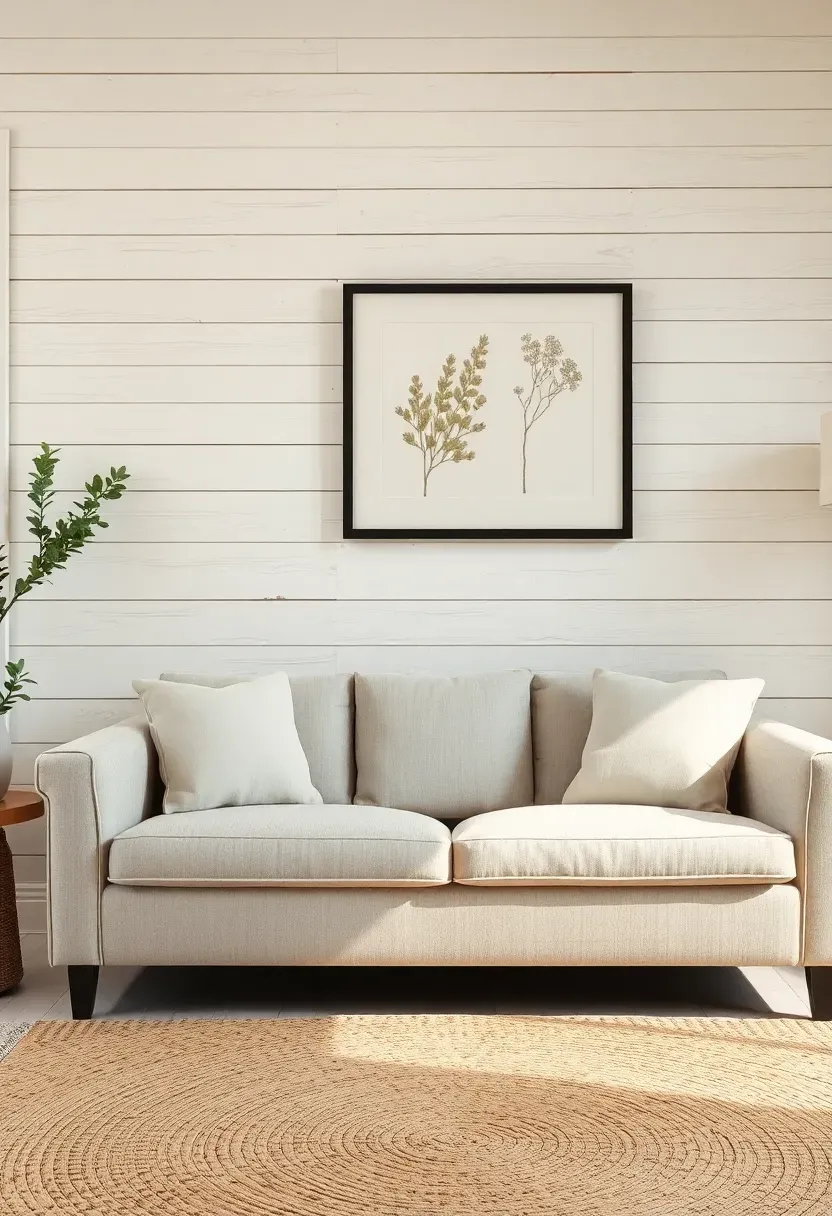
1. Whitewashed Reclaimed Wood Accent Wall
There is something almost meditative about a wall built from salvaged lumber that has been brushed with a thin white wash. Each plank carries its own grain pattern, nail holes, and subtle color shifts, yet the whitewash unifies everything into a calm backdrop that feels neither rustic barn nor sterile gallery.
How to Achieve the Look
The process requires patience but no specialized carpentry skills. Follow these three essential steps to transform salvaged lumber into a statement wall.
Step 1: Source the Wood
Scout local demolition sites, reclaimed lumber yards, or online salvage dealers. Barn siding, old fencing, and even retired shipping pallets work well. Aim for planks between four and eight inches wide to create natural visual rhythm.
Step 2: Prepare and Whitewash
Sand lightly to remove splinters without erasing character. Mix white latex paint with water at a 1:1 ratio and brush it on with long strokes, wiping back with a rag before it dries. Two thin coats give more control than one heavy application.
Step 3: Install in a Random Pattern
Stagger end joints at least twelve inches apart to avoid visible seam lines. Use a pneumatic nail gun for speed. Leave gaps of one-sixteenth of an inch between planks to account for seasonal wood movement.
What to Watch Out For
- Inspect reclaimed boards for hidden nails or staples before cutting
- Seal the finished wall with matte polyurethane to prevent dust trapping
- Keep surrounding decor minimal so the texture speaks for itself
We picked a few things that go well with this idea: Farmhouse Shabby Chic Throw Pillow (★4.6), Farmhouse Shabby Chic Throw Pillow (★4.6) and Shabby Chic Linen Throw Pillow (★4.6). As an Amazon Associate we earn from qualifying purchases.
2. Linen-Wrapped Modern Sectional
The Core Issue
Traditional shabby chic sofas often lean toward ornate rolled arms and heavy skirts that can overwhelm a room. Finding a piece that carries the right fabric warmth without the dated silhouette frustrates many homeowners.
The Solution
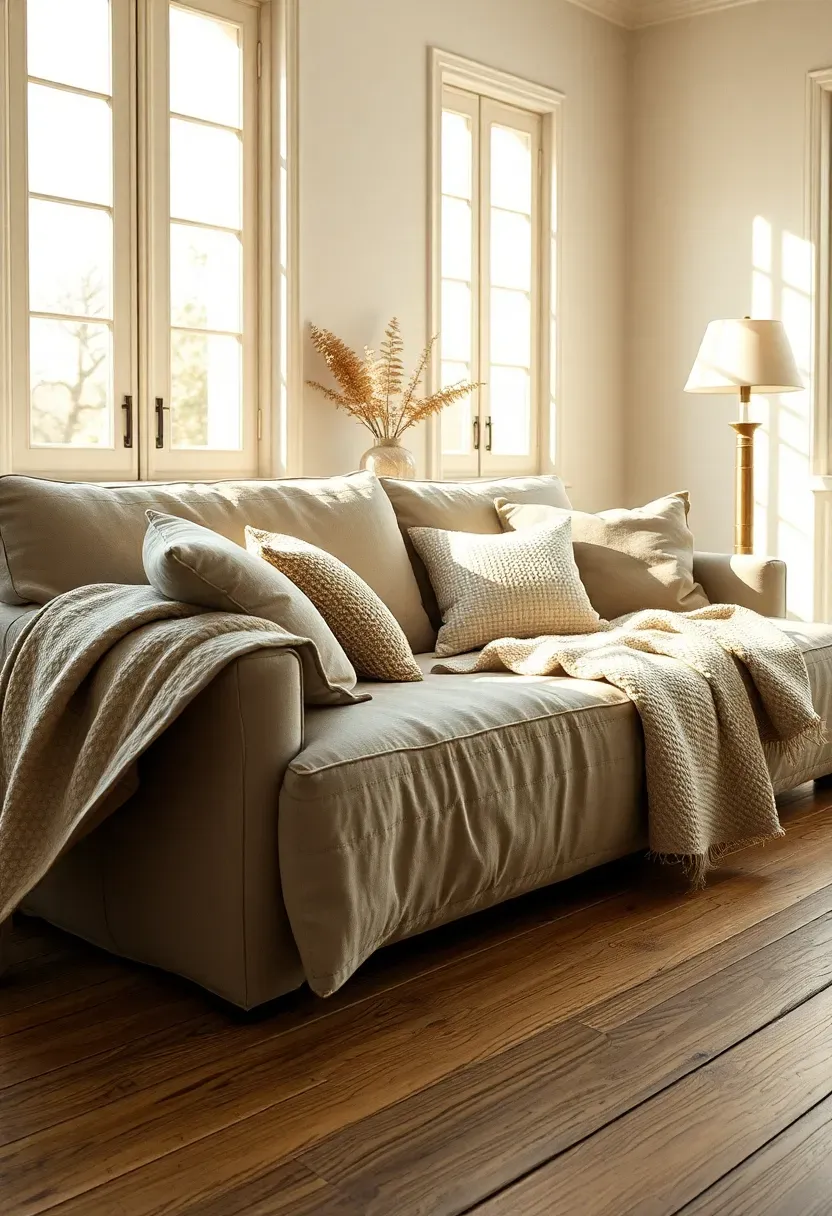
A modern sectional with clean track arms and low profile gets wrapped in washed Belgian linen -- think oatmeal, warm white, or stone gray. The fabric delivers the relaxed, slightly rumpled texture that shabby chic demands, while the furniture shape keeps the room feeling current. Pre-washed linen softens further with every use and develops a patina that factory-fresh microfiber will never achieve. Budget between $1,500 and $3,500 for a quality linen sectional that will age beautifully over a decade.
Pros and Cons
Pros: Breathable year-round, develops richer texture with time, slipcover versions allow seasonal washing
Cons: Wrinkles constantly (embrace it), lighter colors show pet hair (keep a lint roller nearby)
We picked a few things that go well with this idea: Contemporary Brass Frame (★4.7), Modern Brass Coffee Table (★4.3) and Brass Glass Coffee Table (★4.4). As an Amazon Associate we earn from qualifying purchases.
3. Aged Brass and Glass Coffee Table
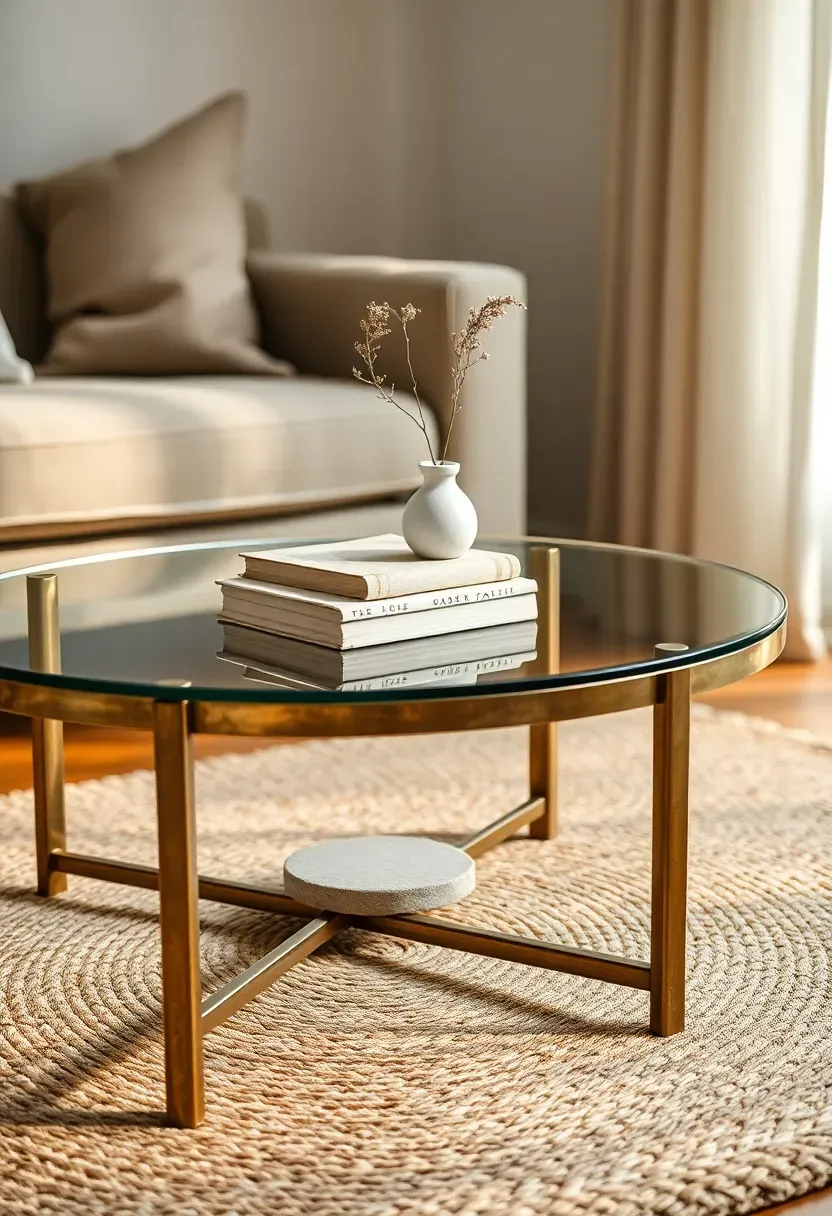
A brass-framed coffee table with a clear glass top bridges two worlds at once. The metal carries warmth and patina that aligns with vintage sensibility, while the transparency of glass keeps the visual weight low and the sight lines open. This combination works particularly well in smaller living rooms where a solid wood table might feel heavy.
Look for frames with natural oxidation rather than lacquered shine. The slightly dulled, uneven tones of real aged brass tell a story that polished reproduction hardware cannot. Pair it with a textured rug beneath to ground the piece, and style the surface with a small stack of linen-bound books, a stone coaster, and a single stem in a bud vase.
Tips for Maintaining Patina
- Avoid commercial brass polish -- it strips the very character you want to preserve
- Wipe with a soft dry cloth to remove dust without affecting the oxidized finish
- If spots become too dark, dab lightly with lemon juice and rinse immediately
We picked a few things that go well with this idea: Rustic Vintage Planter (★4.9), Creative Co Planter (★4.6) and Rustic Vintage Planter (★3.8). As an Amazon Associate we earn from qualifying purchases.
4. Raw Plaster Feature Wall
Origins and History
Lime plaster walls have been used in European homes since Roman times. The technique fell out of favor during the drywall revolution of the mid-twentieth century but has surged back as designers rediscovered the depth and warmth that no paint color can replicate.
Modern Interpretation
Today, raw plaster walls appear in modern shabby chic rooms as deliberate design statements rather than signs of disrepair. The surface shifts subtly from warm ivory to soft blush depending on the mineral content of the plaster and the angle of natural light. Applied by hand with a steel trowel, no two walls look the same. It pairs beautifully with clean-lined furniture because the wall itself becomes the decorative focal point.
How to Apply at Home
- Hire a skilled plasterer for your first wall -- the technique requires feel that comes with practice
- Choose Roman Clay or lime-based plaster products for the most authentic, breathable finish
- Seal with a natural wax rather than synthetic topcoat to maintain the matte, chalky appearance
- Start with a smaller accent wall before committing to an entire room
Recommended
Items for this idea
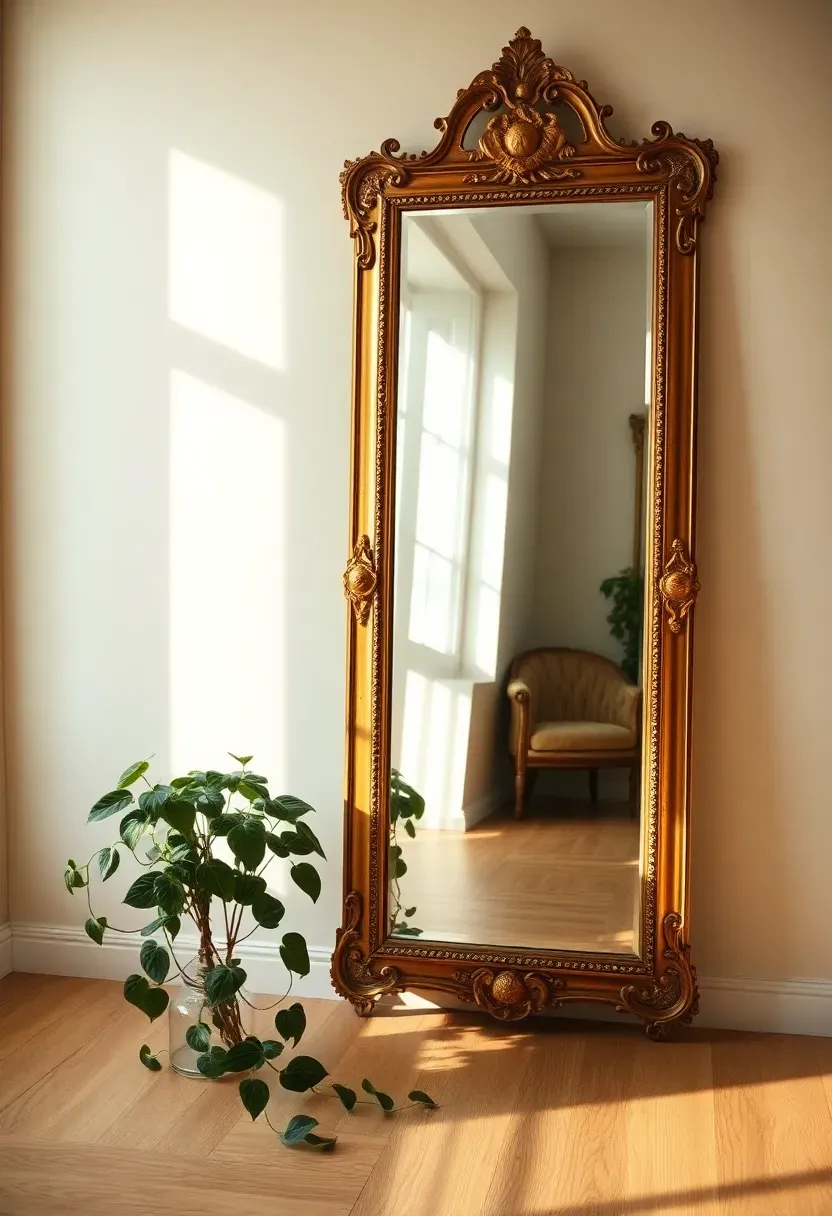
5. Oversized Vintage Mirror with Clean Surround
Comparing: Hanging vs. Leaning
The decision between hanging and leaning your vintage mirror changes both function and feel. Here's how each approach works in a modern shabby chic setting.
Hanging the Mirror
A wall-mounted oversized vintage mirror becomes a true architectural element. It opens the room visually, bounces natural light into darker corners, and serves as a permanent focal point above a fireplace or console table. Make sure to use appropriate wall anchors rated for the mirror's weight -- antique mirrors in ornate gilt frames can weigh over fifty pounds.
Leaning Against the Wall
Propping a large mirror against the wall at a slight angle feels deliberately casual and entirely modern shabby chic. It avoids wall damage, allows you to reposition the piece seasonally, and creates a grounded, gallery-like aesthetic.
What to Choose
Choose hanging if: You have a fixed focal point like a fireplace mantel or centered console, and the wall can support the weight.
Choose leaning if: You prefer flexibility, rent your space (no wall damage), or want the relaxed, unfussy energy that defines modern shabby chic living room style.
Recommendation
For most modern shabby chic rooms, leaning wins. The informality matches the design philosophy, and it lets you layer art or smaller objects in front of the mirror for added depth.
6. Neutral-Toned Kilim Rug Over Wide Plank Floors
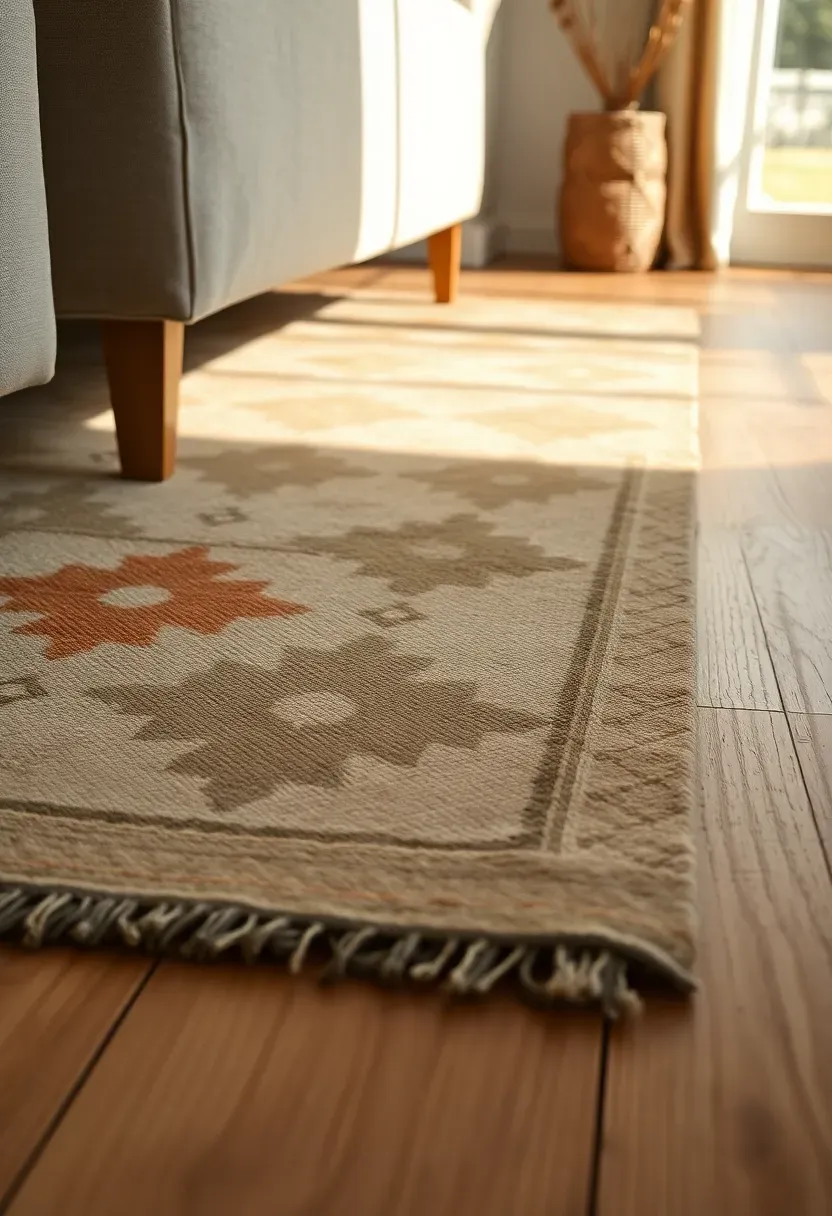
There is an art to rug layering that modern shabby chic handles better than almost any other style. Begin with wide plank hardwood floors -- oak, pine, or reclaimed barn wood -- that provide a textured, imperfect base. Over that, lay a flat-weave kilim in muted earth tones: faded terracotta, dusty sage, warm cream, and soft charcoal.
Kilim rugs bring geometric pattern into the room without the visual busyness of thick pile or bold color. Their flat construction lets furniture sit level while the hand-woven irregularities contribute exactly the kind of honest imperfection that modern shabby chic celebrates. Vintage kilims from Turkey or Morocco carry decades of sun-faded character that new reproductions try but rarely succeed at matching.
Tips for Rug Placement
- Position the rug so at least the front legs of your sofa and chairs rest on it to anchor the seating area
- Use a non-slip pad underneath to prevent shifting on hard floors
- Rotate the rug 180 degrees every six months to distribute wear evenly across the surface
Recommended
Items for this idea
7. Contemporary Chandelier with Antique Crystals
The Core Issue
Standard overhead lighting often feels too modern or too utilitarian for a shabby chic space, while fully antique chandeliers can read as overly ornate against clean walls.
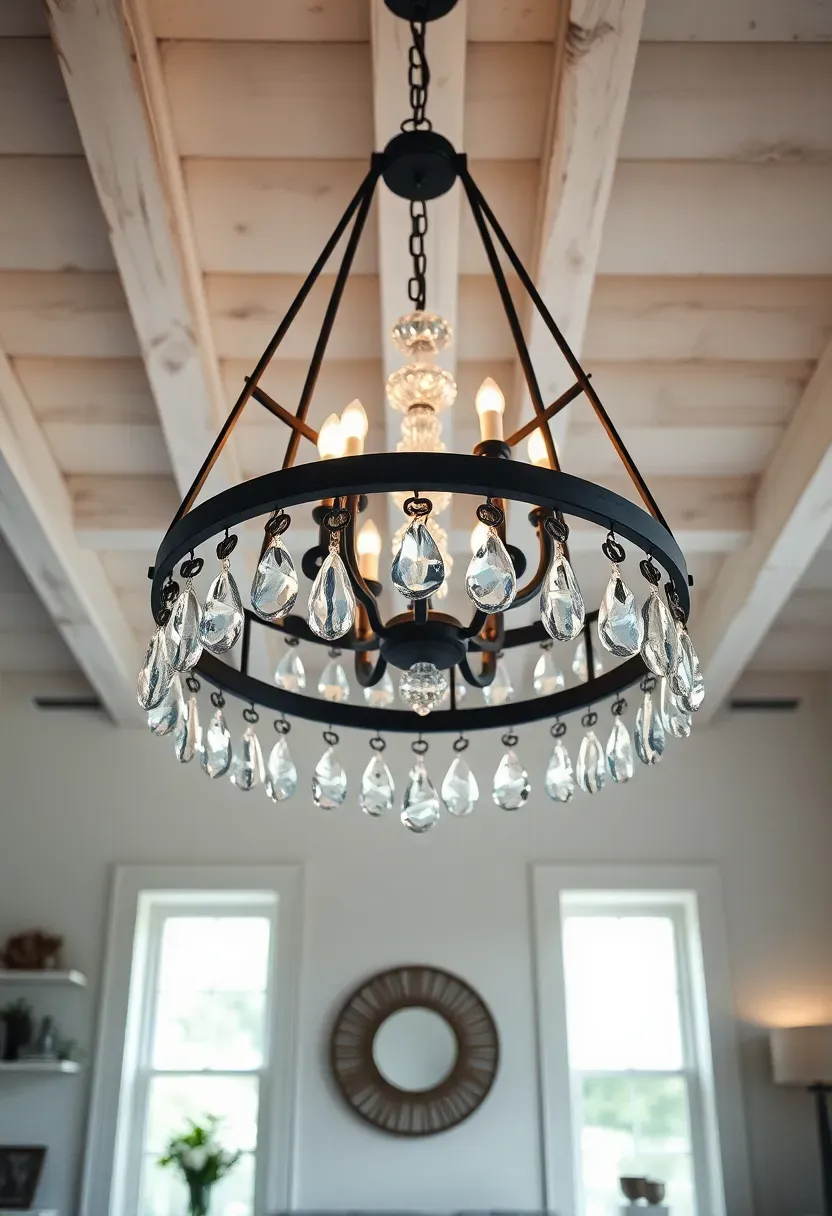
The Solution
Combine a contemporary chandelier frame -- think matte black iron, brushed nickel, or raw brass -- with salvaged antique crystal drops and prisms. The contrast marries two eras in a single fixture that commands attention without overwhelming the room. Source crystal drops from estate sales, online antique dealers, or even disassembled old chandeliers found at flea markets. Wire them onto the modern frame using simple S-hooks or fine brass wire. The crystals catch and scatter light across plaster and whitewashed surfaces, creating a warm glow that overhead LEDs alone cannot achieve.
Pros and Cons
Pros: Completely unique to your room, surprisingly affordable when sourcing salvaged parts, creates beautiful light patterns
Cons: Assembly takes patience, mixing crystal sizes requires a good eye, cleaning individual drops is time-consuming
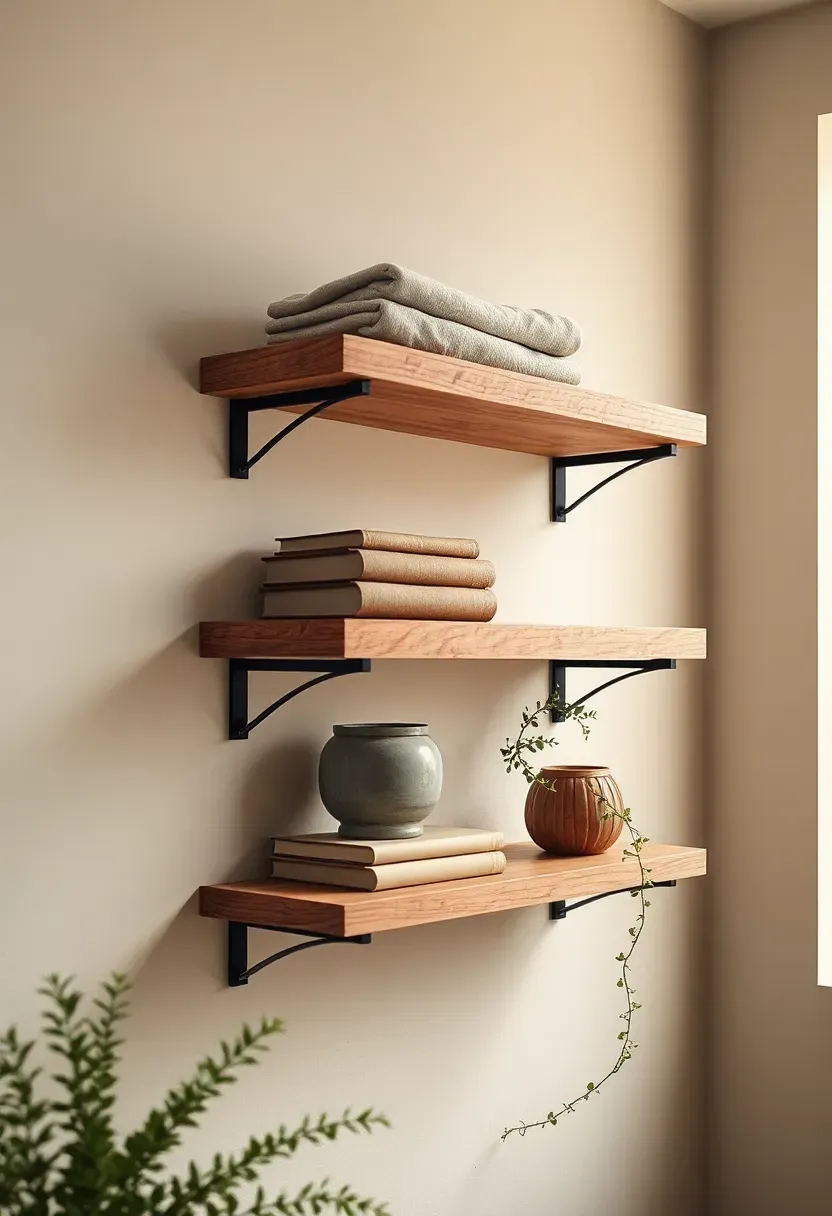
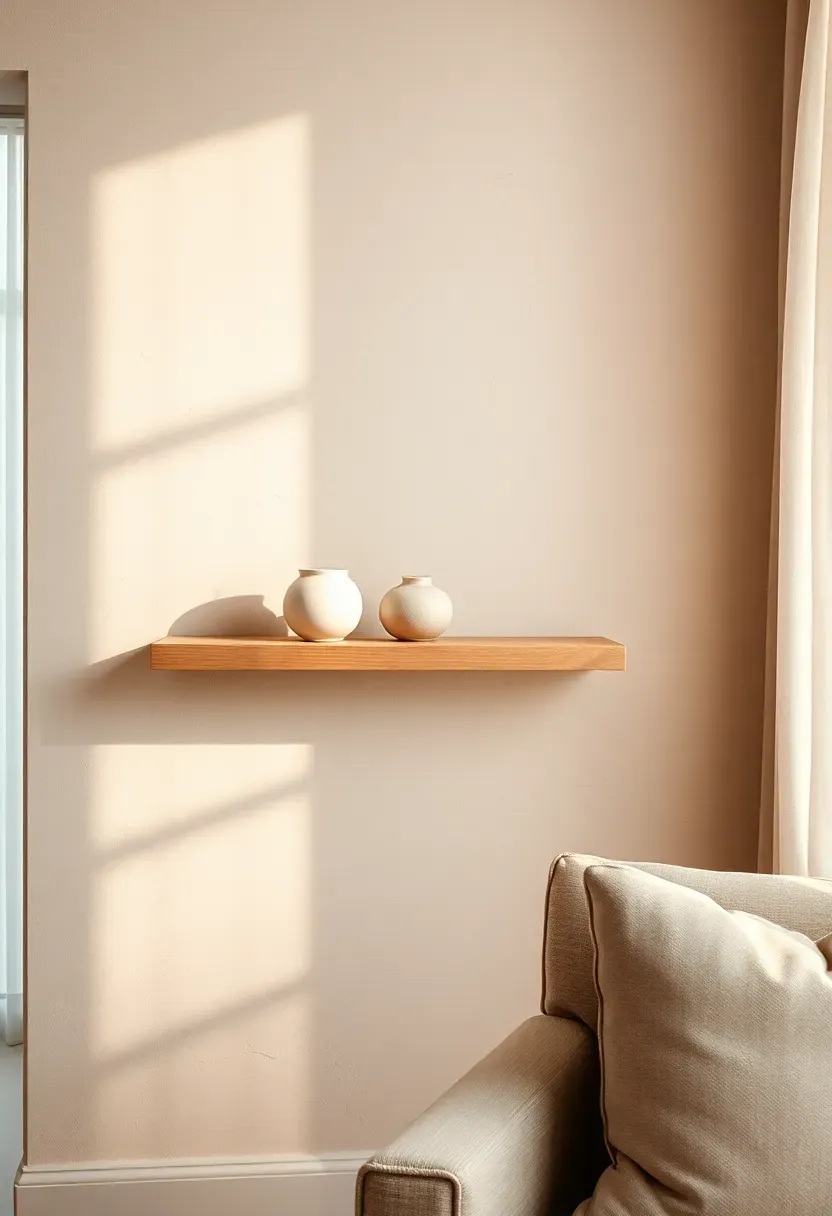
8. Open Linen Shelving with Curated Objects
Open shelving works in modern shabby chic because the style already celebrates imperfection and visible history. Thick timber planks mounted on simple iron brackets give you a framework for storytelling -- each shelf becomes a small composition of objects that reveal something about the people who live in the room.
The trick lies in restraint. Where traditional shabby chic might crowd every surface with chintz teacups and porcelain figurines, the modern approach selects fewer pieces and gives each one breathing room. Alternate between tall and short objects: a stack of linen-bound books next to a single stoneware vase, a small framed photograph leaning against a potted succulent. Leave at least thirty percent of each shelf empty. That negative space is what separates curated from cluttered.
Styling Formula
- Group objects in odd numbers -- three or five items per shelf section
- Mix materials: ceramic beside wood beside metal beside textile
- Include at least one organic element per shelf, whether dried botanicals or a small plant
Recommended
Items for this idea
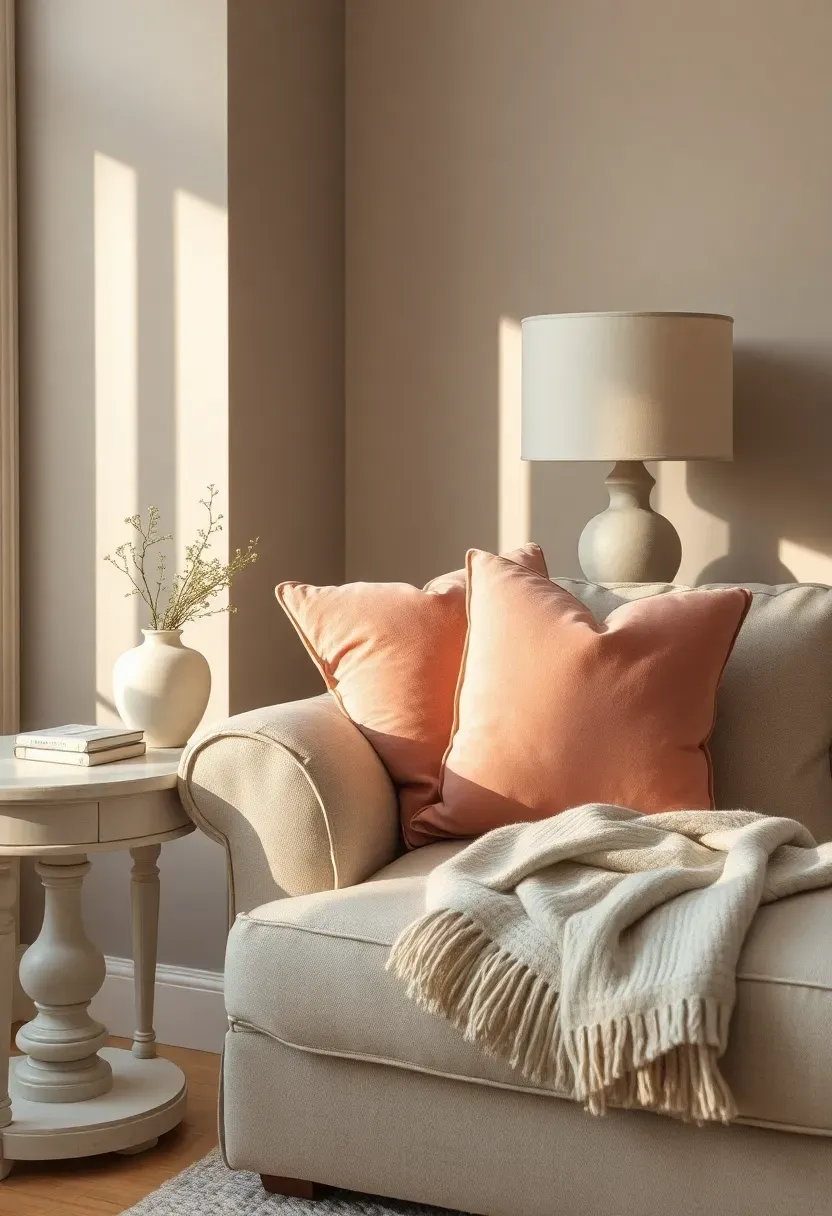
9. Soft Gray Palette with Blush Highlights
Trend Context
The 2026 design forecast shows warm grays continuing to replace both cool grays and stark whites as the dominant neutral in residential interiors. When paired with whispered touches of blush, the combination creates a palette that feels simultaneously sophisticated and tender.
Modern Interpretation
Start with walls in a warm putty gray -- Benjamin Moore's Revere Pewter or Farrow and Ball's Elephant's Breath serve as strong starting points. Layer in lighter grays through upholstery and darker grays through accessories. Then introduce blush through carefully edited moments: a pair of velvet cushions, a single ceramic vase, the binding of a few displayed books. The blush acts as an emotional warmth point against the cooler gray foundation, preventing the room from feeling austere.
How to Apply at Home
- Keep blush accents to no more than fifteen percent of the room's visible color
- Use dried pink peonies or garden roses as a seasonal blush accent that changes naturally
- Ground the palette with warm wood tones in flooring or furniture legs
- Avoid matching blush tones exactly -- slight variation between cushion fabric and vase glaze adds depth
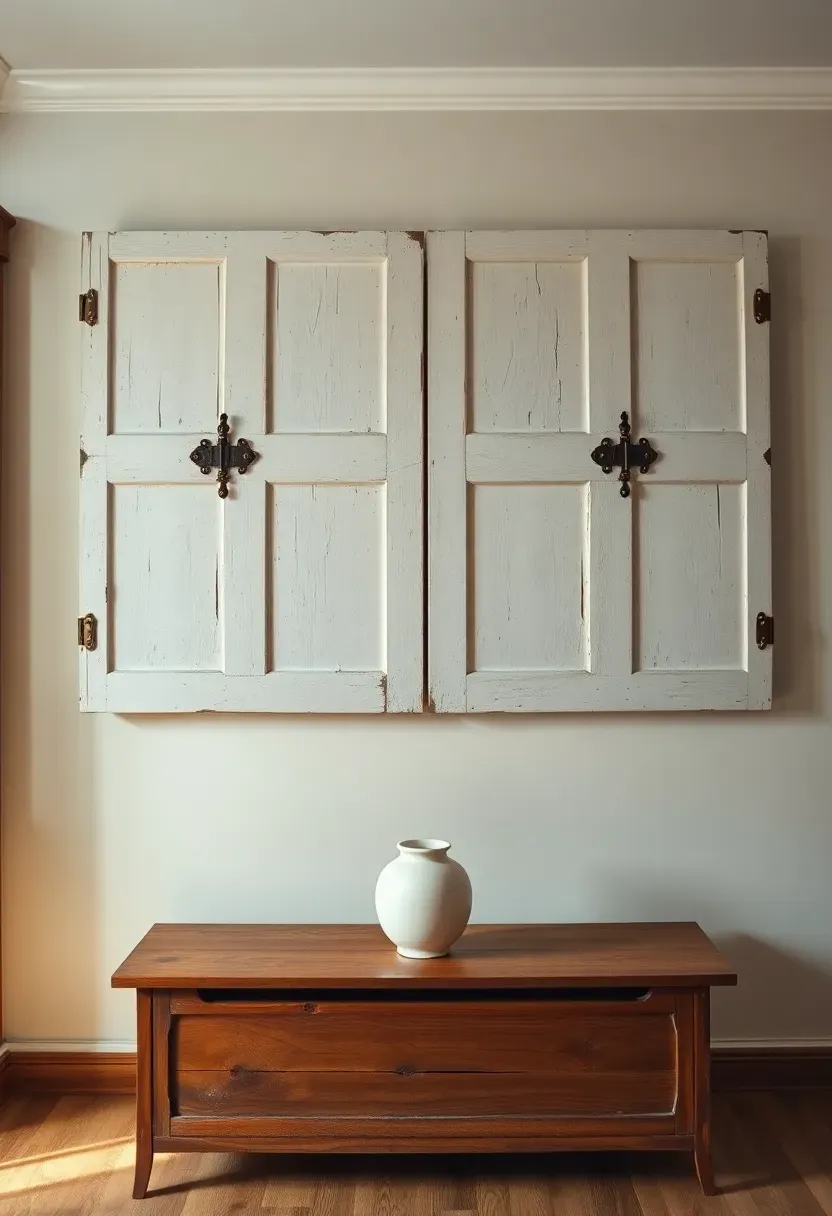
10. Salvaged Door Headboard as Wall Art
Repurposing an old paneled door as wall-mounted art transforms an architectural castoff into a conversation piece that anchors your modern shabby chic living room. The door's proportions -- tall, narrow, and paneled -- provide built-in visual structure that paintings or prints rarely match. Peeling paint, iron hardware marks, and weathering patterns give each salvaged door a fingerprint of its own history.
Mount the door horizontally above a low console table or vertically behind a reading chair to create an instant focal point. Leave it unfinished if the existing patina feels right, or apply a single coat of diluted white paint to soften heavy wood tones while preserving the underlying grain and imperfections. Remove the doorknob hardware or leave it in place for sculptural interest.
What to Watch Out For
- Ensure the door is structurally sound -- check for rot or insect damage before investing time
- Use French cleats for secure, invisible wall mounting on heavy panels
- Keep surrounding wall art minimal to let the door's scale do the talking
Recommended
Items for this idea
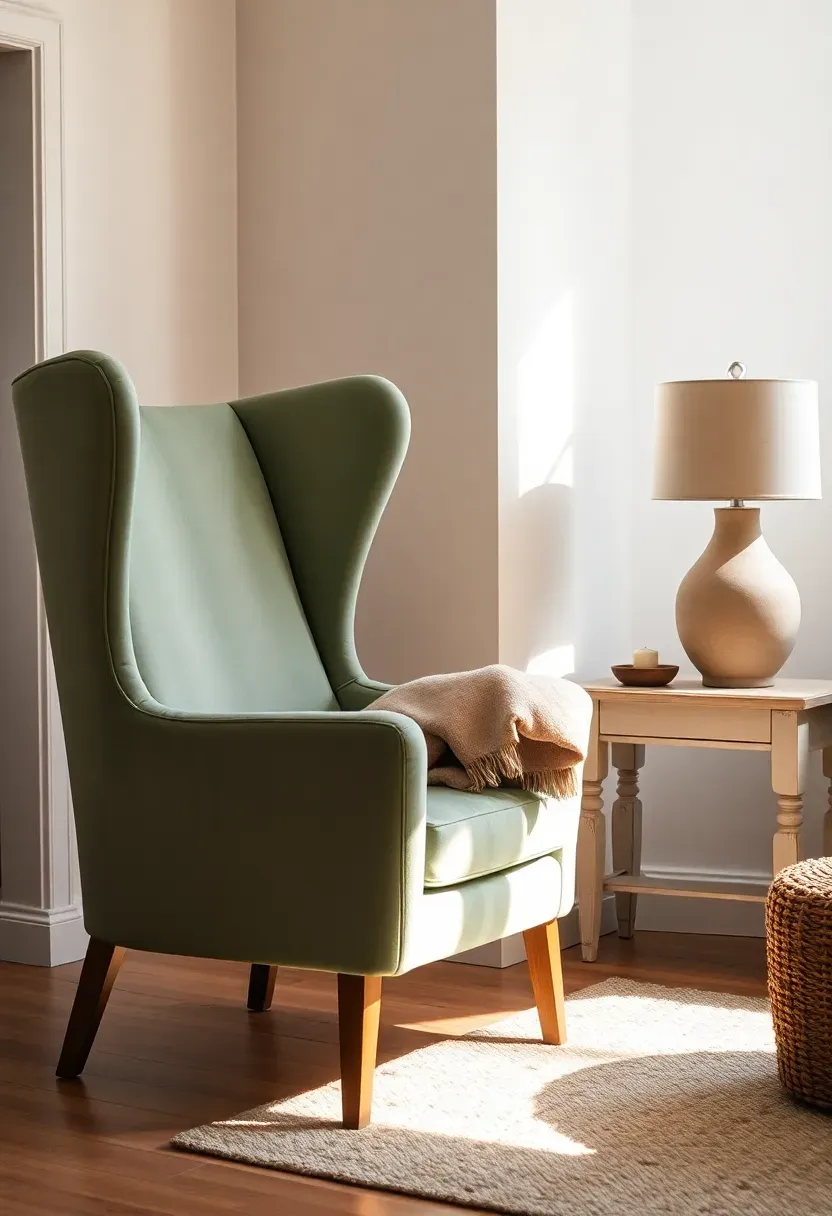
11. Modern Wingback Chair in Faded Velvet
Step 1: Choose the Frame Shape
Modern wingbacks feature slimmer proportions than their traditional counterparts. Look for legs that taper rather than curve, wings that angle sharply rather than scroll, and seats set at a height that works with contemporary coffee tables. These streamlined bones prevent the chair from looking like it wandered in from a Victorian parlor.
Step 2: Select the Velvet Tone
Faded or washed velvet in sage green, dusty rose, or slate blue carries the soft, lived-in quality that modern shabby chic prizes. Avoid saturated jewel tones -- the goal is fabric that looks like sunlight has gently touched it over many seasons. Cotton velvet ages more gracefully than polyester blends.
Step 3: Style the Surrounding Area
Place the chair beside a distressed wood side table holding a ceramic lamp with a linen shade. Drape a lightweight throw over one arm. Position it near a window where natural light can play off the velvet's surface, creating subtle shifts between light and shadow that make the fabric come alive.
What to Watch Out For
- Test fabric samples in your actual room light before committing to a color
- Velvet nap direction affects how colors appear -- brush it both ways to see the range
- Protect from direct prolonged sunlight to slow fading beyond the desired level
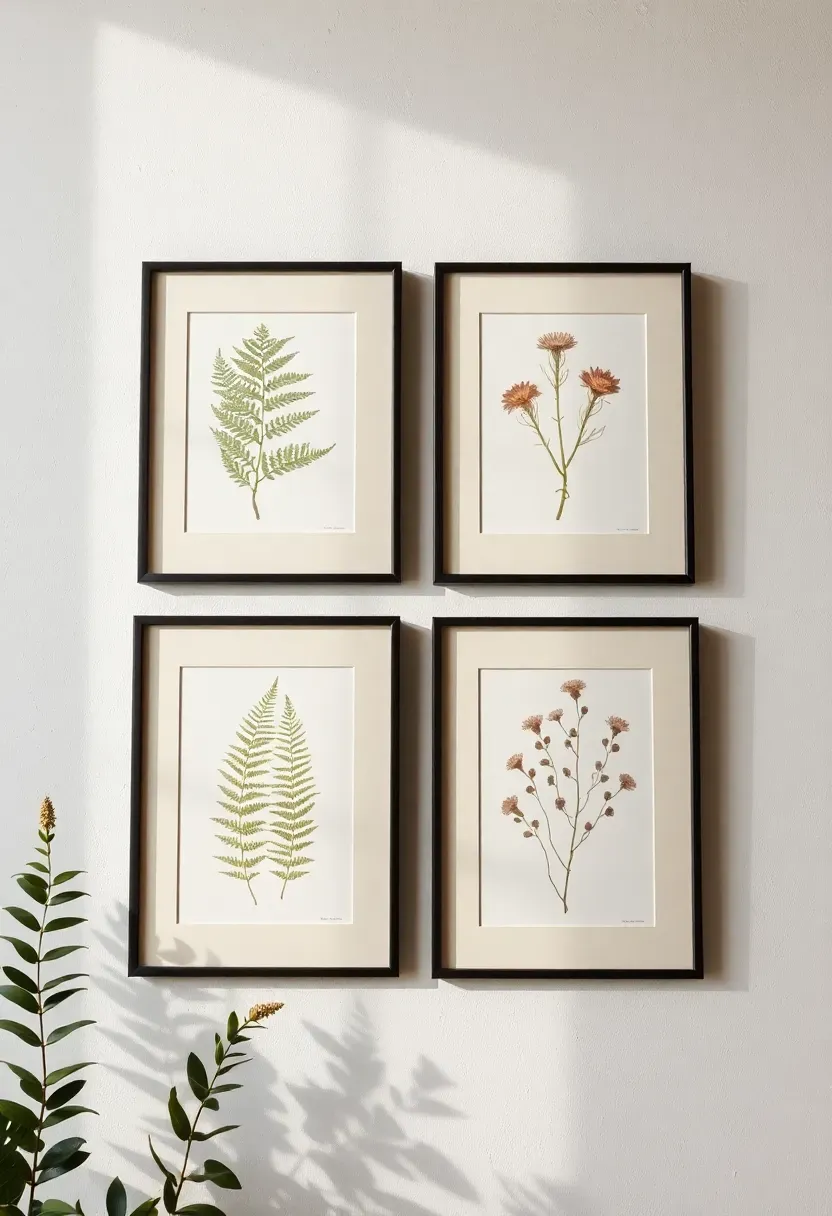
12. Vintage Botanical Prints in Minimal Frames
Botanical prints have appeared in shabby chic interiors for decades, but the modern version reframes them -- literally. Instead of ornate gilt or distressed white frames, choose slim profiles in matte black, raw oak, or brushed brass. The simple framing lets the illustrations breathe and connects them to the contemporary side of the room's personality.
Source prints from antique books, estate sales, or high-quality digital archives that offer scans of original eighteenth and nineteenth century illustrations. Ferns, pressed wildflowers, seed pod studies, and herb diagrams all carry the naturalist spirit that shabby chic interiors thrive on. Arrange them in a tight grid of four or six for graphic impact, or scatter them asymmetrically along a hallway wall for a collected feeling.
Tips for Display
- Use archival-quality matting to protect old prints from acid deterioration over time
- Match mat color to the warmest tone in the print for a cohesive gallery effect
- Hang the center of the arrangement at eye level, roughly fifty-seven to sixty inches from the floor
Recommended
Items for this idea
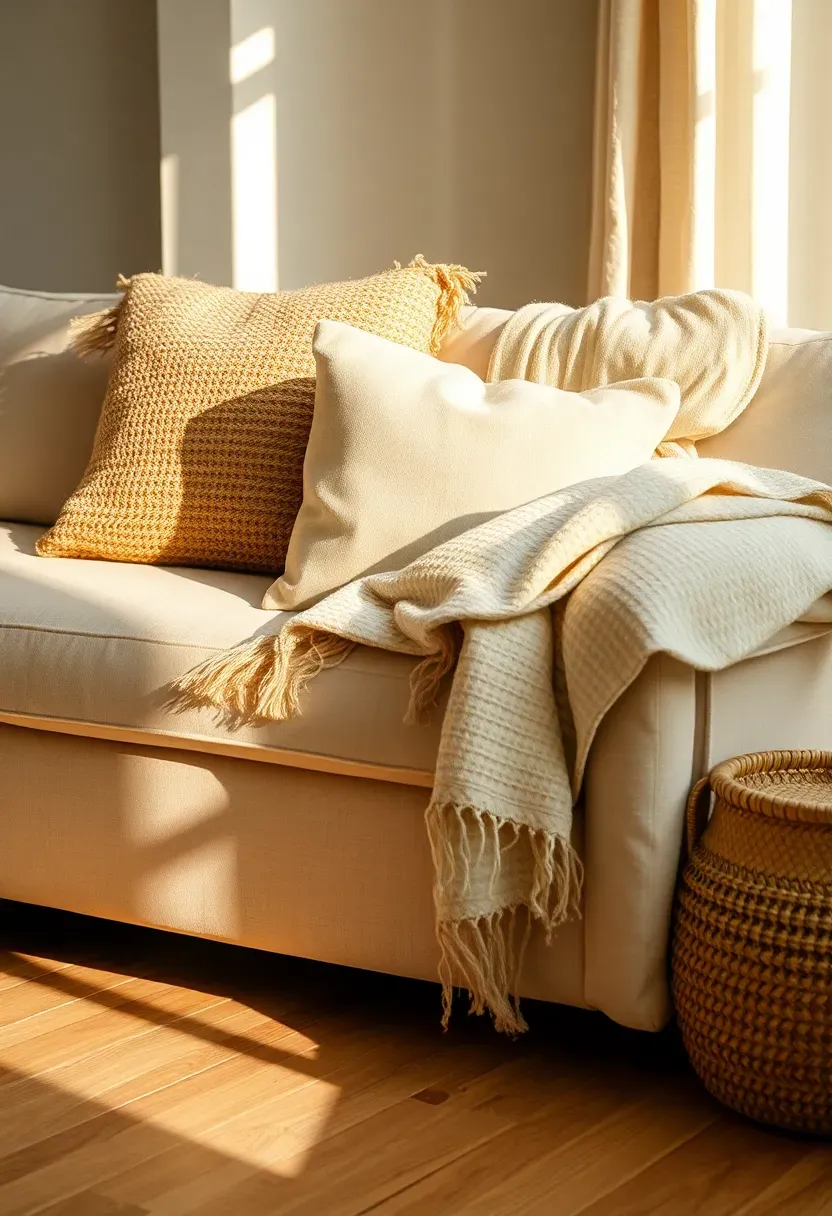
13. Jute and Cotton Layered Textiles
Modern shabby chic depends on textiles the way a musician depends on rhythm -- they set the pace, the mood, and the warmth of the entire room. Start with a base layer of natural jute: a rug underfoot, a woven basket beside the sofa, a coaster set on the coffee table. Then build upward with washed cotton in complementary tones. Throws in waffle weave, cushion covers in slubby cotton, curtain panels in unbleached muslin.
The beauty of this combination lies in how the two fibers interact. Jute contributes rough, golden warmth. Cotton adds softness and visual lightness. Together they create a textural conversation that engages the eye without requiring color contrast. Keep everything within a tonal range of cream, sand, warm white, and pale gray, and the room will feel deeply cohesive while remaining interesting to look at.
Practical Notes
- Machine-wash cotton pieces in cold water and tumble dry on low to maintain their relaxed drape
- Vacuum jute rugs with a brushless attachment to avoid pulling fibers loose
- Rotate throw pillows seasonally to distribute wear and refresh the arrangement
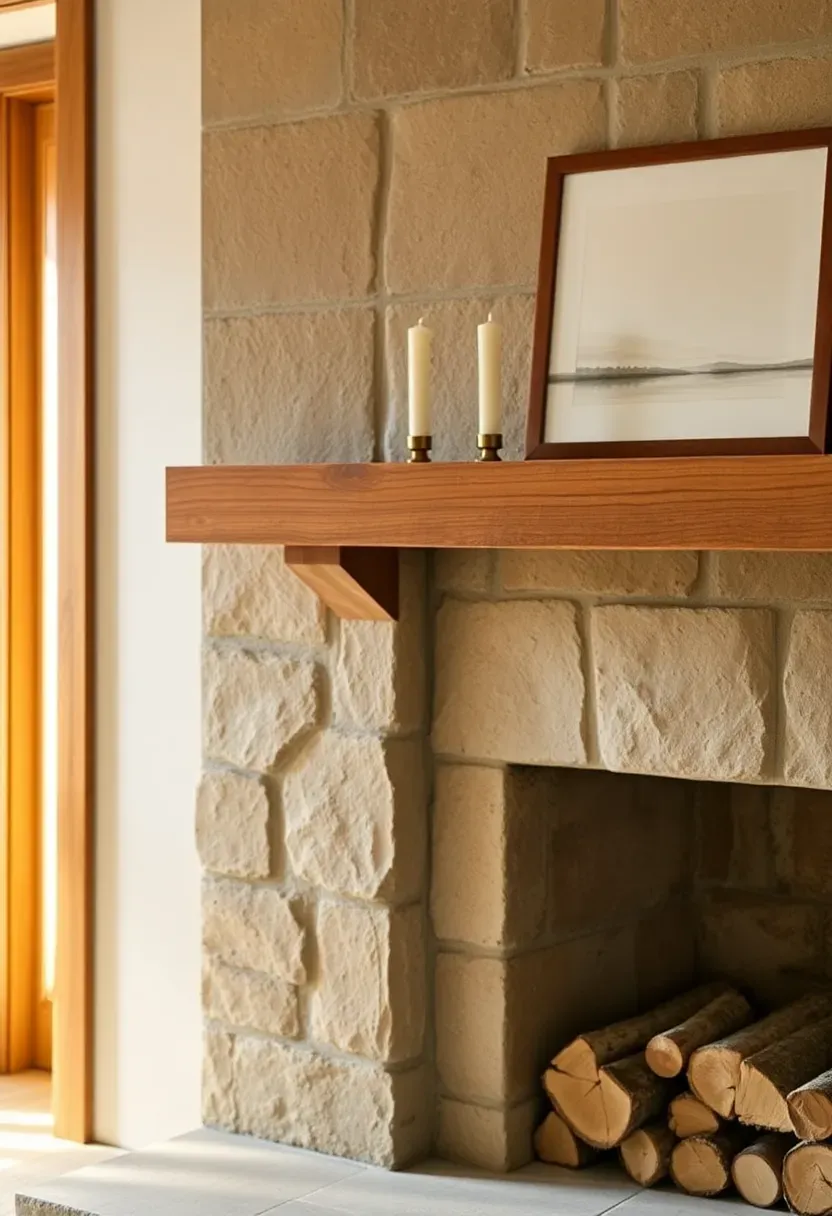
14. Weathered Stone Fireplace Surround
A fireplace clad in weathered natural stone becomes the gravitational center of a modern shabby chic living room. Limestone, travertine, and tumbled marble all offer surfaces that carry visible geological history -- fossilized textures, mineral veining, and the soft, chalky quality that polished granite lacks entirely.
The weathered finish matters because it eliminates the showroom quality that works against this style. Each stone should look like it has been part of the house for generations, even if it was installed last month. Tumbled-finish tiles and hand-cut fieldstone achieve this most convincingly. Keep the mantel shelf simple -- a single beam of reclaimed timber or a thick slab of honed limestone -- to avoid competing with the stone's natural drama.
Styling the Mantel
- Less is more: one large ceramic vessel, two taper candles, and a small piece of framed art
- Avoid symmetrical arrangements -- asymmetry feels more organic and lived-in
- Let some of the stone surround remain visible above the mantel objects to appreciate its texture
Recommended
Items for this idea
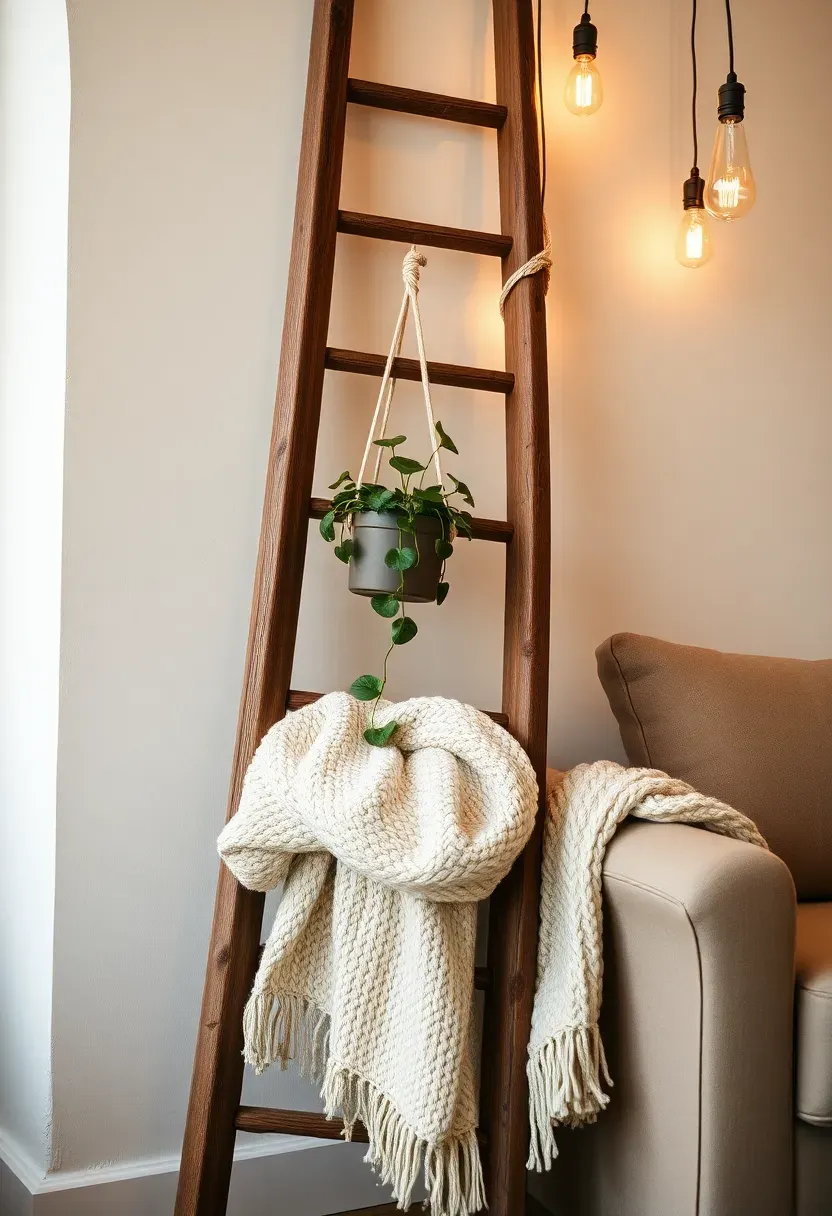
15. Repurposed Vintage Ladder as Display Shelf
Few objects embody the shabby chic spirit as naturally as an old wooden ladder. Its function has ended, but its form -- strong, vertical, and built with honest joinery -- translates perfectly into a display piece. Lean it against a wall at a gentle angle and drape folded blankets over its rungs. Hang small potted plants in macrame holders from the higher rungs. Let a string of simple Edison bulb lights wind loosely around the sides for evening warmth.
The beauty of a ladder shelf is its informality. Nothing is permanent, nothing is screwed in place, and everything can be swapped out with the season — making it one of the most renter-friendly shabby chic ideas you can bring into a living room. Winter brings chunky knit throws and pine boughs. Spring replaces them with lightweight cotton and fresh herbs in small clay pots.
Sourcing Tips
- Farm auctions and barn clearances often have old orchard ladders at very low prices
- Check all rungs for stability before use -- reinforce loose joints with wood glue and clamps
- If the original finish is too dark, a light whitewash or diluted gray stain softens the tone
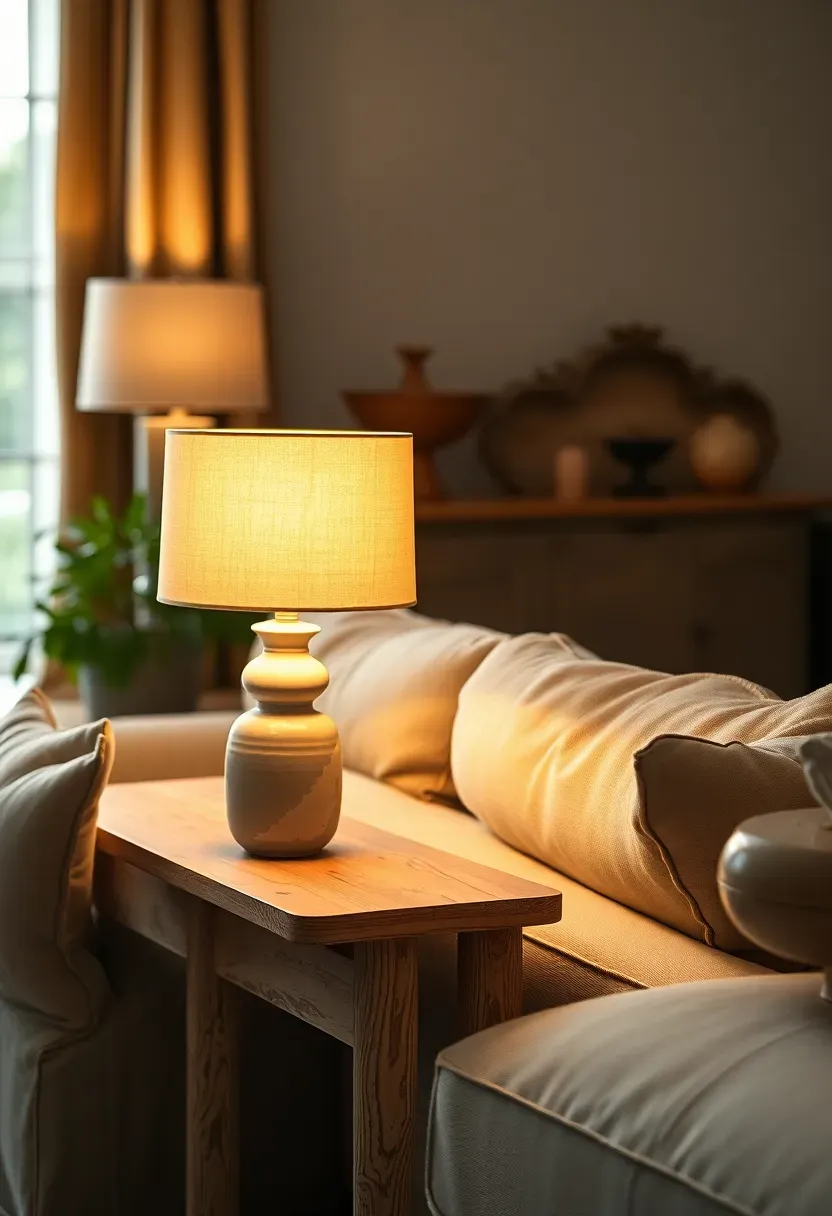
16. Ceramic Table Lamps with Linen Shades
Comparing: Ceramic vs. Glass Lamp Bases
Choosing the right lamp base material affects both visual weight and style authenticity. Here's how ceramic and glass stack up in a modern shabby chic context.
Ceramic Bases
Handmade ceramic lamp bases in matte finishes -- think warm white, stone gray, or pale sage -- bring an artisanal, grounded quality. Their opacity creates a solid visual anchor on a side table, and slight irregularities in the glaze reinforce the handmade ethos of modern shabby chic.
Glass Bases
Clear or tinted glass bases offer transparency and lightness. They work well in smaller rooms where visual weight matters, and vintage glass finds often carry charming bubbles or color variations.
What to Choose
Choose ceramic if: You want a grounded, substantial look with artisan texture and warmth.
Choose glass if: Your space is compact and you prefer to keep sight lines open through your accessories.
Recommendation
For most modern shabby chic living rooms, ceramic wins on character. Crown each base with a natural linen drum shade in a warm white tone to diffuse light softly and tie back to the room's textile palette.
Recommended
Items for this idea
17. Iron and Reclaimed Wood Console Table
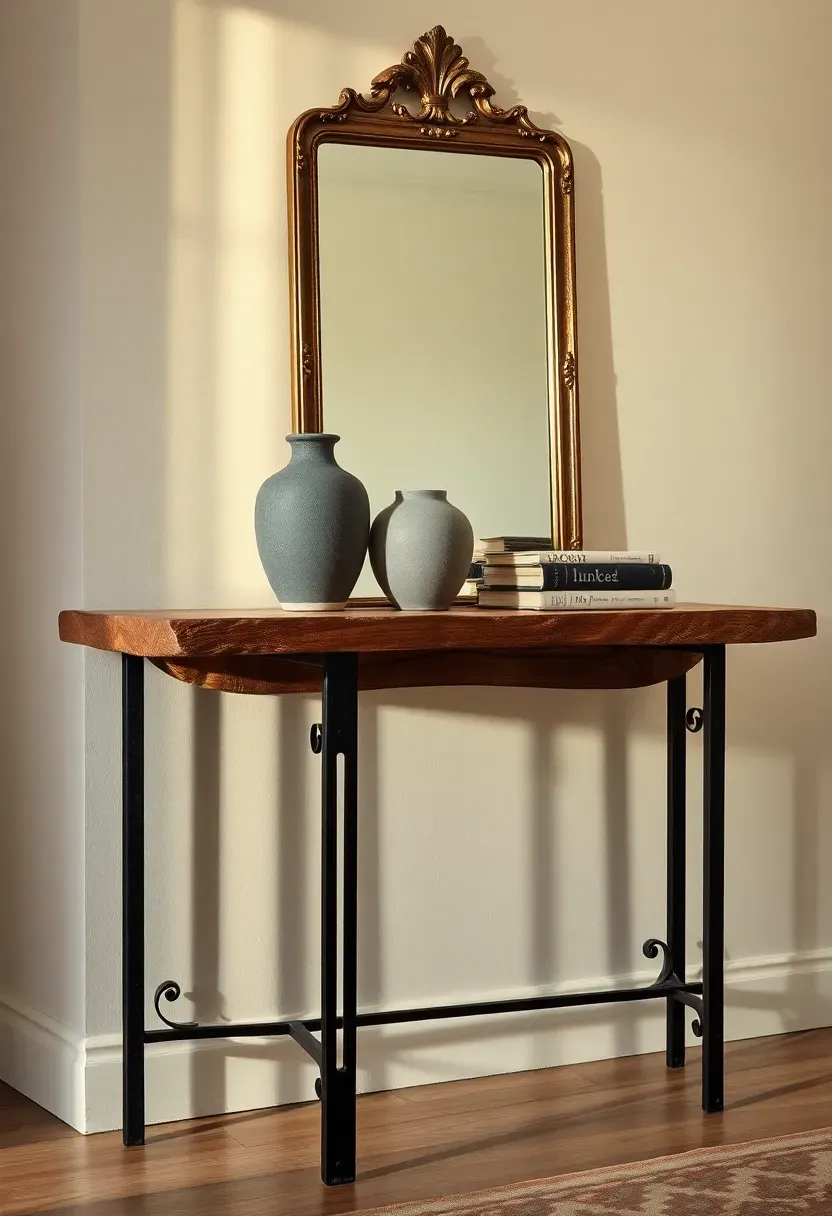
A console table built from blackened iron legs and a thick reclaimed wood top distills modern shabby chic into a single piece of furniture. The iron provides clean, structural lines that read as contemporary. The wood carries warmth, grain, knot holes, and the accumulated wear of its previous life. Together they create tension that is visually compelling and stylistically versatile.
Position the console against the wall behind a sofa or in the entryway. Style it with an oversized vintage mirror propped against the wall, a pair of ceramic vessels in complementary heights, and a small stack of books. The console serves double duty as both display surface and room divider in open floor plans, defining zones without blocking sight lines.
Practical Notes
- Wax the wood surface seasonally with a clear paste wax to nourish the grain and prevent drying
- Check iron joints for stability, especially on vintage industrial pieces
- Leave at least one-third of the surface empty to maintain visual breathing room
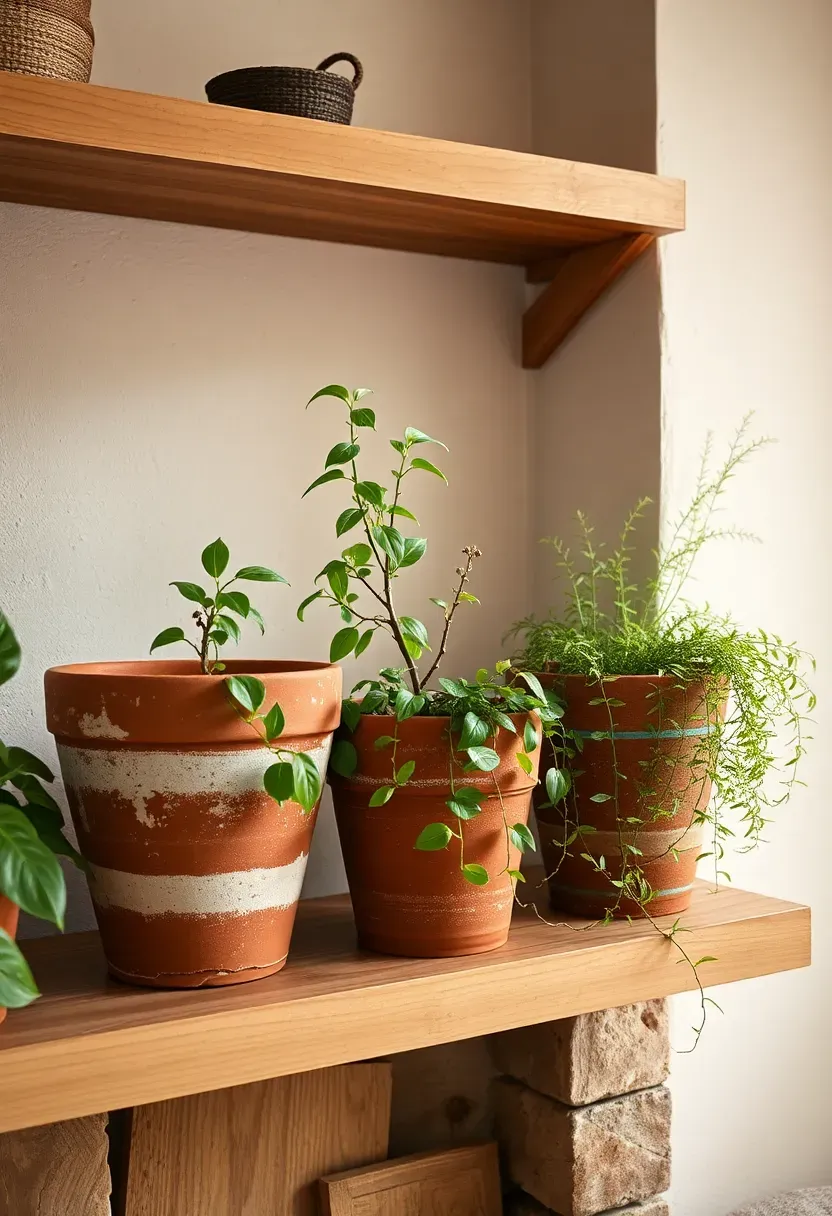
18. Fresh Greenery in Aged Terracotta Pots
Origins and History
Terracotta -- literally "baked earth" in Italian -- has been used for planting vessels for over five thousand years. Its porous surface absorbs moisture, minerals, and environmental patina, developing a white crusty bloom called efflorescence that gardeners and designers prize equally.
Modern Interpretation
In a modern shabby chic living room, aged terracotta pots serve as small sculptures that ground the space in organic warmth. Group three or five pots of varying sizes on a console table, windowsill, or open shelf. Fill them with low-maintenance greenery: trailing pothos, compact rosemary, soft maidenhair fern, or a simple mound of moss. The green against the warm orange-brown clay creates one of nature's most pleasing color combinations.
How to Apply at Home
- Source genuinely aged pots from garden centers, estate sales, or European import shops
- Speed up the aging process on new pots by rubbing them with yogurt and leaving them outdoors for several weeks
- Match pot sizes to plant proportions -- the plant should be roughly one and a half times the pot height
- Group in odd numbers and vary the heights for the most natural-looking arrangement
Recommended
Items for this idea
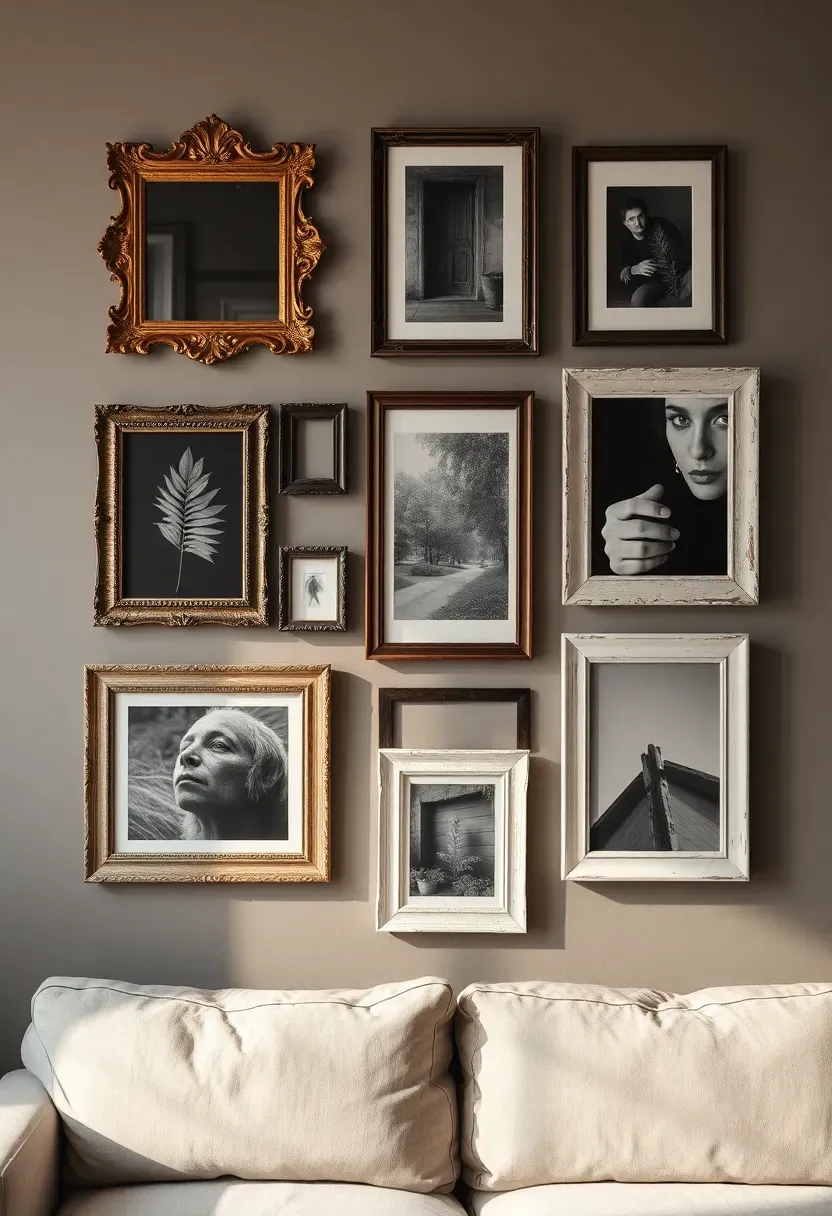
19. Monochrome Gallery Wall with Antique Frames
A gallery wall composed entirely of black-and-white photographs inside mismatched antique frames delivers visual cohesion through tonal unity while celebrating individual character through the frames themselves. Each frame -- gilded, painted, carved, plain, ornate, weathered -- tells its own story, but the monochrome imagery inside prevents the arrangement from feeling chaotic.
Choose photographs that carry emotional weight: landscapes, architectural details, candid portraits, close-ups of natural textures. Print them on matte paper rather than glossy to maintain the soft, aged feeling that suits the room. Arrange the frames on the floor first, starting with the largest piece at center and building outward, maintaining consistent spacing of two to three inches between frames.
Step-by-Step Assembly
Creating a gallery wall is easier when you break it into three clear stages. Follow this sequence to avoid wall damage and unnecessary repositioning.
Step 1: Gather Frames
Collect eight to fifteen frames of varying sizes from thrift stores, antique shops, and your own storage. Clean and repair any loose corners with wood glue.
Step 2: Edit Your Images
Convert chosen photographs to black and white. Adjust contrast slightly lower than usual for a softer, vintage-sympathetic tonal range. Print on heavyweight matte paper.
Step 3: Map the Layout
Trace each frame onto kraft paper, cut out the shapes, and tape them to the wall. Adjust until the composition feels balanced. Then hang the real frames in their place.
A living room shaped by modern shabby chic does not ask you to commit to one era or one aesthetic rulebook. It asks you to honor the things that have lasted -- the textures, the craftsmanship, the quiet imperfections that time creates -- and to set them inside a framework that feels current and uncluttered. Start with one idea from this list. Let it settle into your room. Then add another when the moment feels right. The best spaces are never finished in a day.
Pinterest cover for 19 Modern Shabby Chic Living Room Ideas for Renters
About the author
OBCD
CGI visualization and interior design content. We create detailed 3D renders and curate practical design ideas for every room in your home.