23 Rustic Farmhouse Decorating Ideas for a Cozy Home
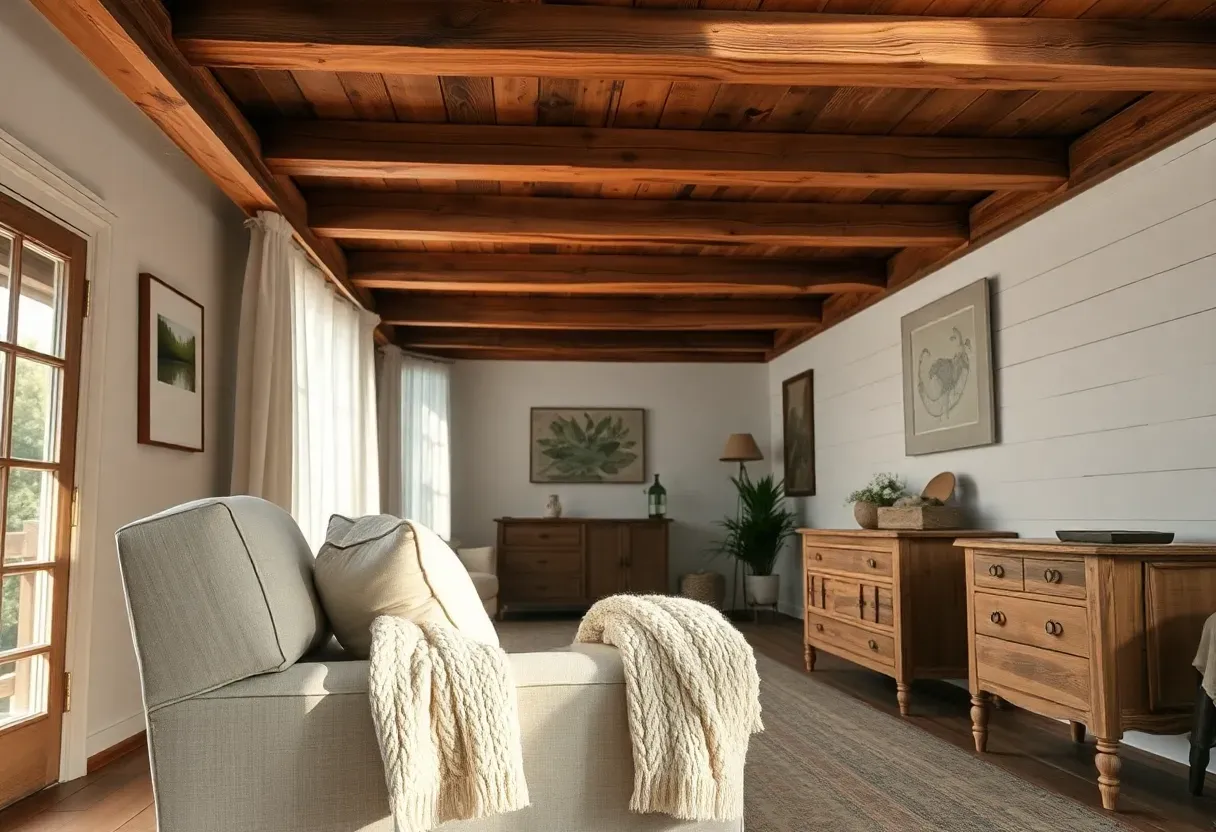
Picture this: you step into a home where every corner whispers stories of simpler times. Weathered wood meets soft linen, antique treasures nestle beside handcrafted pieces, and natural light dances across surfaces that celebrate imperfection. This is the heart of rustic farmhouse style—a design philosophy that values authenticity over perfection, comfort over formality, and the beauty found in everyday objects with history and soul.
Below, I've gathered 23 rustic farmhouse decorating ideas that will help you capture this timeless aesthetic, whether you live in a countryside cottage or a city rental apartment. The best part? Most of these tips require no permanent modifications—just intentional choices about materials, texture, and what you bring into your space. Each idea focuses on practical, achievable ways to layer textures, honor natural materials, and create spaces that feel both collected and intentional.
Table of Contents
- Embrace Reclaimed Wood Everywhere
- Layer Neutral Earth Tones
- Mix Old and New Furniture
- Display Vintage Collections
- Add Shiplap or Beadboard Accents
- Choose Chunky Textiles
- Install Barn Doors
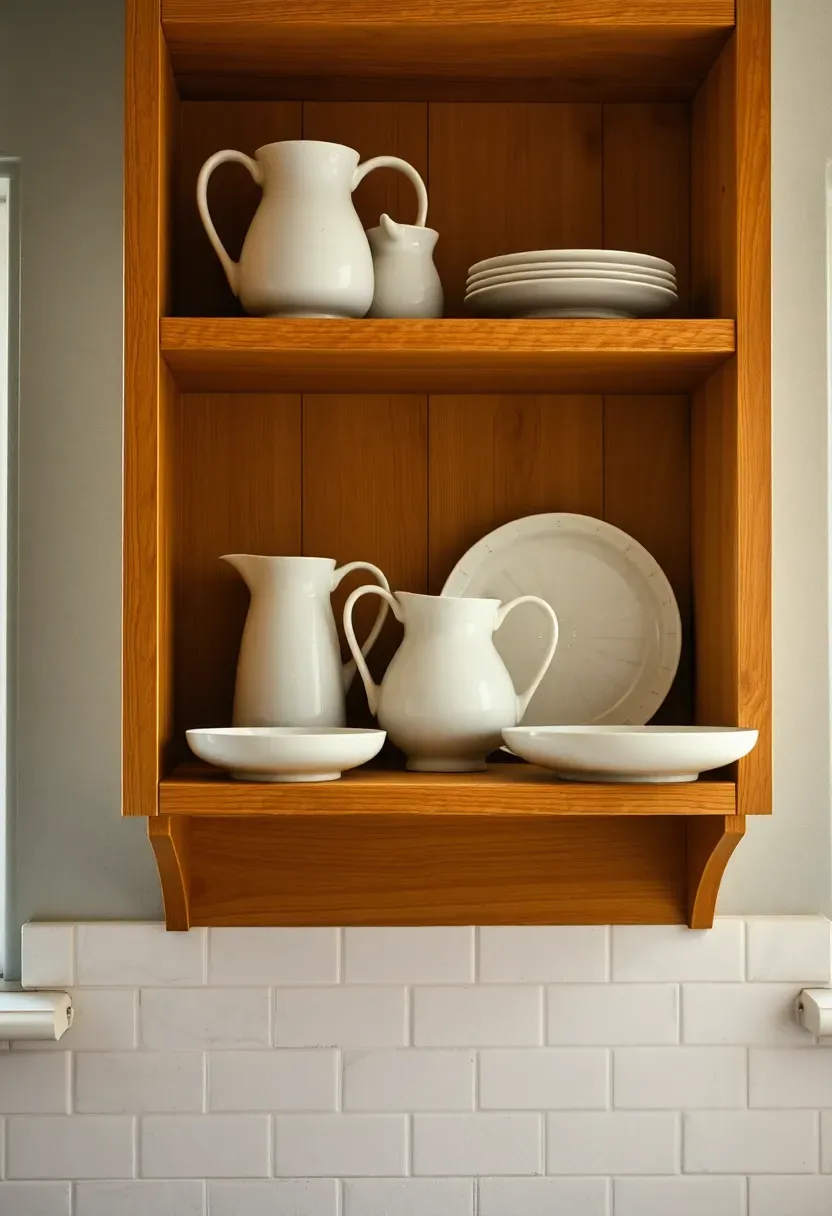
- Use Open Shelving
- Incorporate Farm Animal Motifs
- Hang Statement Light Fixtures
- Create a Gallery Wall
- Add Natural Fiber Rugs
- Style with Antique Kitchenware
- Use Mason Jars Creatively
- Install Farmhouse Sinks
- Layer White on White
- Add Industrial Metal Accents
- Showcase Fresh Greenery
- Use Vintage Ladders as Decor
- Create Cozy Reading Nooks
- Display Seasonal Elements
- Add Woven Baskets
- Incorporate Handwritten Signs
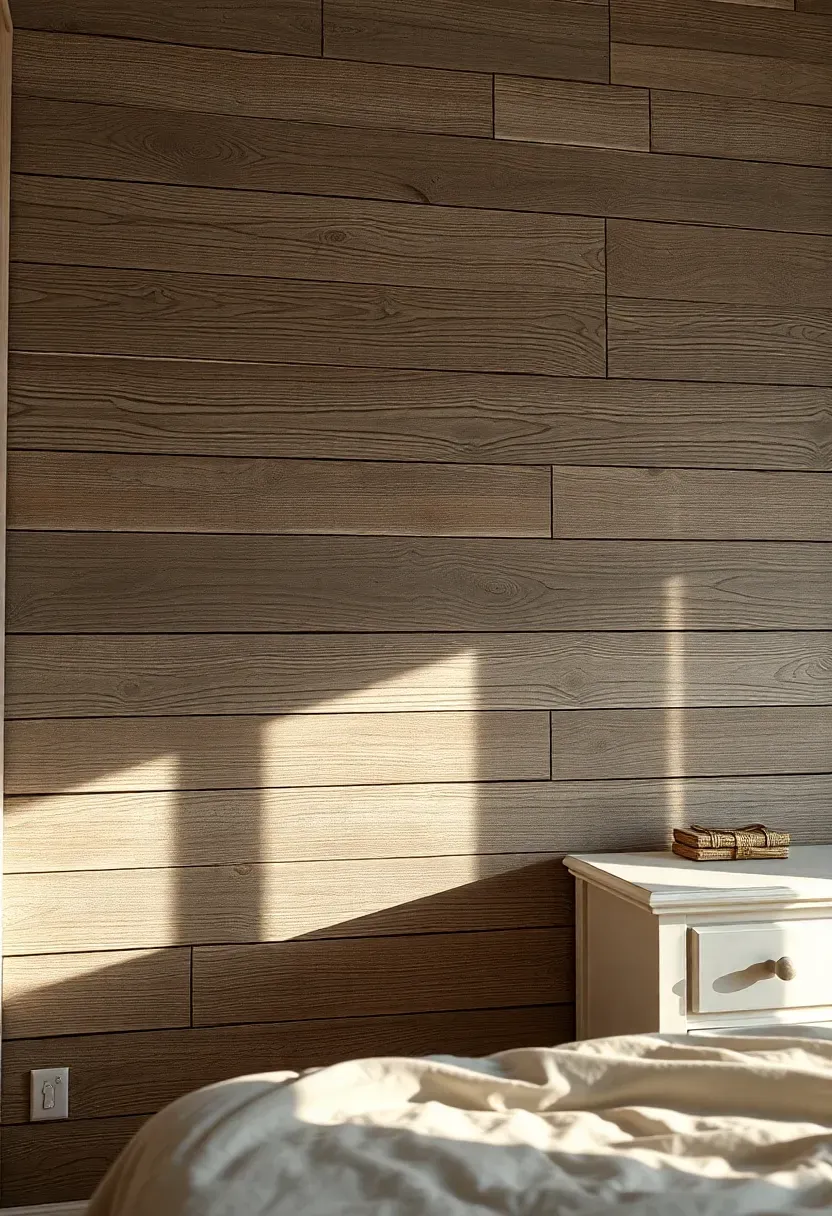
1. Embrace Reclaimed Wood Everywhere
Reclaimed wood isn't just sustainable—it's the backbone of authentic farmhouse style. Each plank carries the marks of time, weather, and use that new lumber simply can't replicate. Whether you source from old barns, shipping pallets, or architectural salvage yards, these pieces add instant character and warmth to any space.
Where to Use Reclaimed Wood
Start with accent walls in bedrooms or living areas where the texture becomes a focal point. Floating shelves made from thick barn beams showcase collections while keeping spaces open. Custom dining tables crafted from reclaimed planks become family gathering spots that improve with age.
What Makes It Work
- Visual depth: Varied grain patterns and natural imperfections create dimension
- Sustainability: Repurposing materials reduces environmental impact
- Timeless appeal: Never goes out of style or looks dated
Sourcing Tips
Check local salvage yards first—they often have better prices than specialty retailers. Online marketplaces connect you with sellers dismantling old structures. Even small hardware stores sometimes stock reclaimed lumber at reasonable rates.
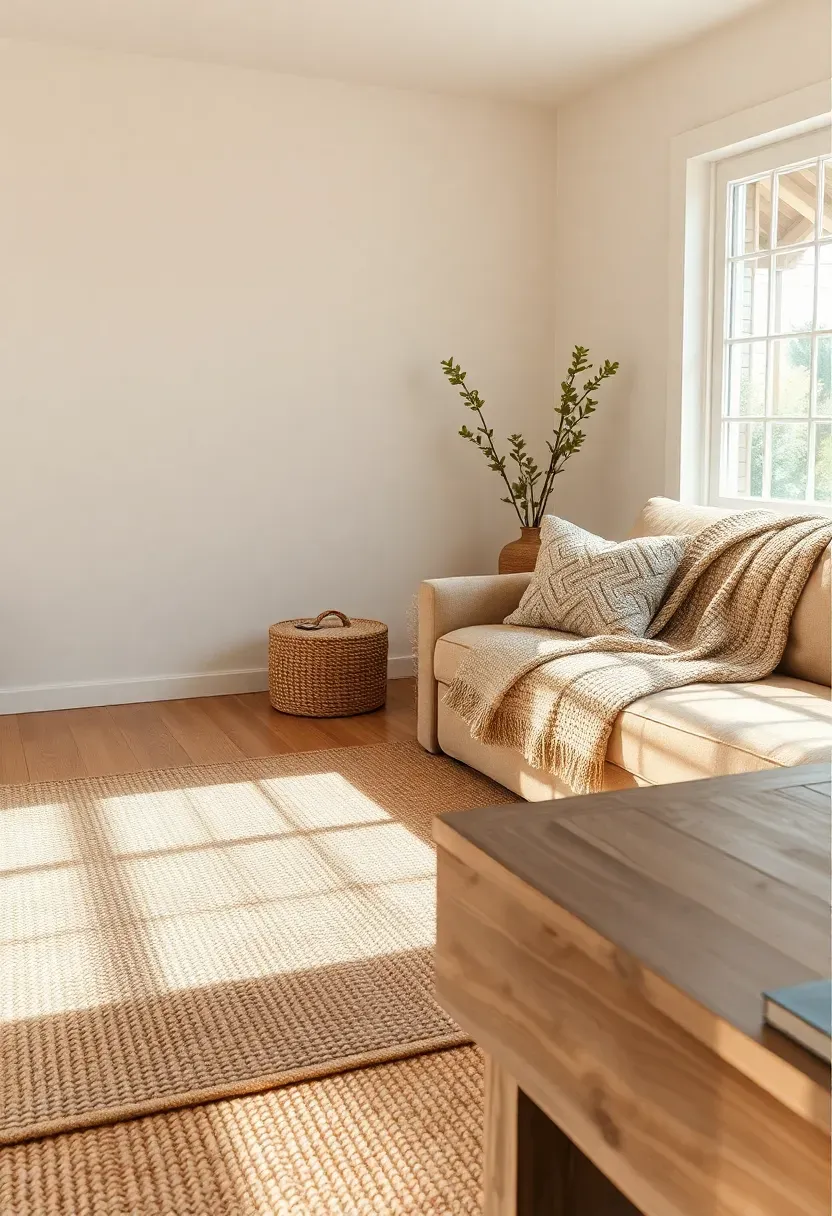
We picked a few things that go well with this idea: DII Braided Striped Decorative Throw Blanket, (★4.5), Americanflat 50x60 Throw Blanket Soft Breathable (★4.4) and Aganear Fleece Throw Blanket Cozy Soft (★4.5). As an Amazon Associate we earn from qualifying purchases.
2. Layer Neutral Earth Tones
The Foundation of Farmhouse Color
Rustic farmhouse style thrives on a muted, natural palette that mimics the colors found in nature—think wheat fields, weathered stones, and aged linen. This isn't about being boring; it's about creating a calm backdrop that lets textures, materials, and meaningful objects shine.
Building Your Palette
Start with warm whites and creams for walls and larger furniture pieces. Layer in shades of beige, taupe, and greige (gray-beige) through textiles and accessories. Add depth with charcoal or deep brown in smaller doses through picture frames, hardware, or accent furniture.
The 60-30-10 Rule
60% dominant neutral (walls, large furniture) 30% secondary neutral (area rugs, curtains, upholstery) 10% accent neutral (throw pillows, decorative objects, artwork)
Avoiding the "Washed Out" Look
Vary the undertones—mix warm and cool neutrals to prevent flatness. Include different finishes: matte walls, glossy ceramics, rough wood. Change the scale of patterns from solid to subtle textures to bold stripes.
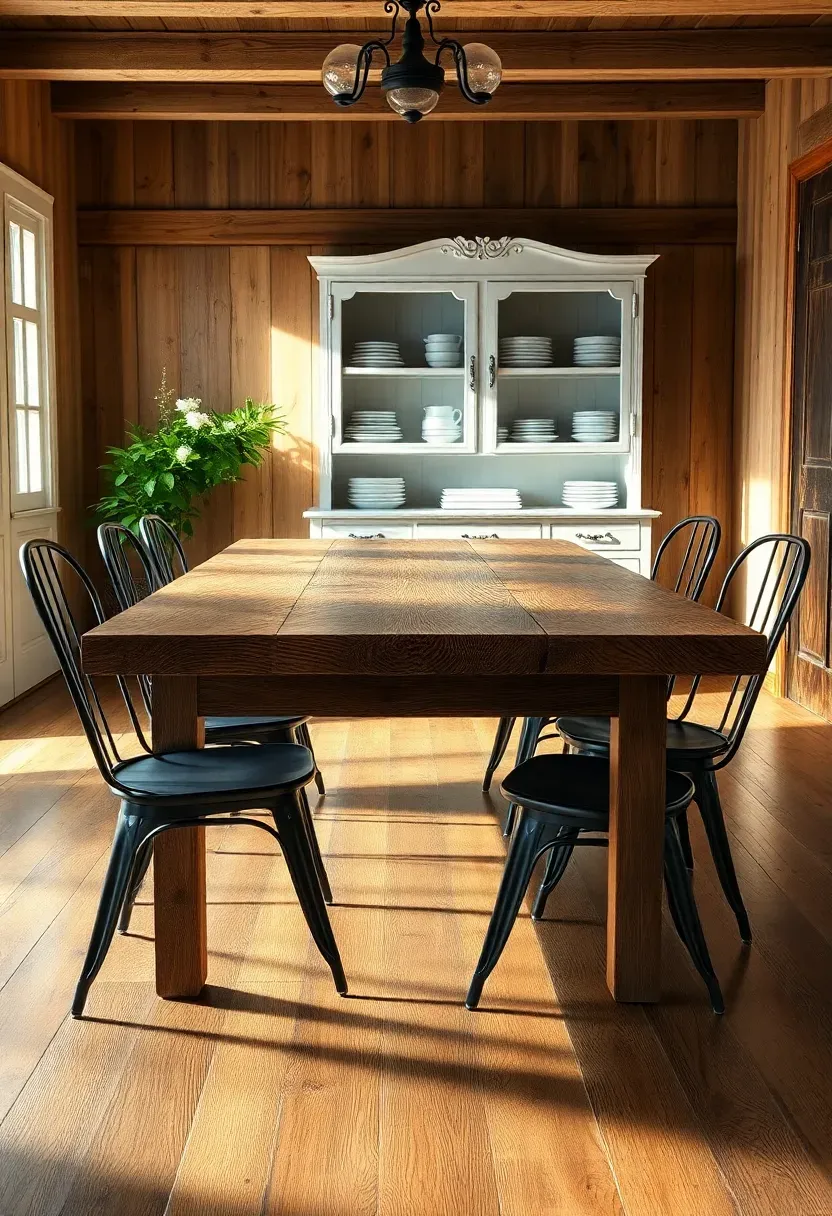
We picked a few things that go well with this idea: L'AGRATY Chunky Knit Blanket Throw,Soft Chenille (★4.4), Admitrack Chunky Knit Blanket Throw 51"x63", (★4.4) and Chunky Knit Throw Blanket, 50''*60'' Knitted (★4.5). As an Amazon Associate we earn from qualifying purchases.
3. Mix Old and New Furniture
Why Mixing Eras Works
A room filled entirely with antiques feels like a museum, while all-new furniture lacks soul. The magic happens when you deliberately blend periods, creating spaces that feel collected over time rather than decorated in a single shopping trip.
The Balance Formula
Choose one or two substantial antique pieces as anchors—perhaps a farmhouse table or vintage cabinet. Surround them with simpler, more contemporary pieces that provide function without competing for attention. This approach lets each piece breathe while maintaining visual harmony.
What to Mix
Vintage focal points: dining tables, dressers, armoires, mirrors Modern supporting cast: side chairs, lighting, smaller storage pieces Bridge elements: pieces with clean lines but natural materials
Finding Your Balance
Go old when: you need character, craftsmanship, or a statement piece Go new when: you need specific dimensions, comfort features, or budget-friendly solutions
Shopping Strategy
Scour estate sales and auctions for quality antiques at fair prices. Balance splurges on special vintage pieces with affordable new basics from budget retailers. Don't rush—collecting authentic farmhouse style takes time.
We picked a few things that go well with this idea: Vintage Lights (2-Pack) (★4.6), GLOBE Electric 65155 1-Light Industrial Warehouse (★4.5) and Vintage Farmhouse Lights (3-Pack) (★4.7). As an Amazon Associate we earn from qualifying purchases.
4. Display Vintage Collections
Collections tell your story. Whether you've inherited grandmother's transferware, hunted flea markets for enamelware, or gathered blue glass bottles over years, displaying these treasures adds personality that decorator-bought accessories never achieve.
Collections That Work
- Ironstone pitchers and platters
- Antique bottles in various colors
- Vintage books with worn spines
- Enamelware bowls and containers
- Old wooden boxes and crates
- Tin containers and signs
Display Principles
Group by color or material: Creates visual cohesion even with different shapes Vary heights: Stack books, use small stands, or layer items Leave breathing room: Not every shelf needs to be full Rotate seasonally: Keep displays fresh and protect items from light damage
Recommended
Items for this idea
5. Add Shiplap or Beadboard Accents
The Shiplap Story
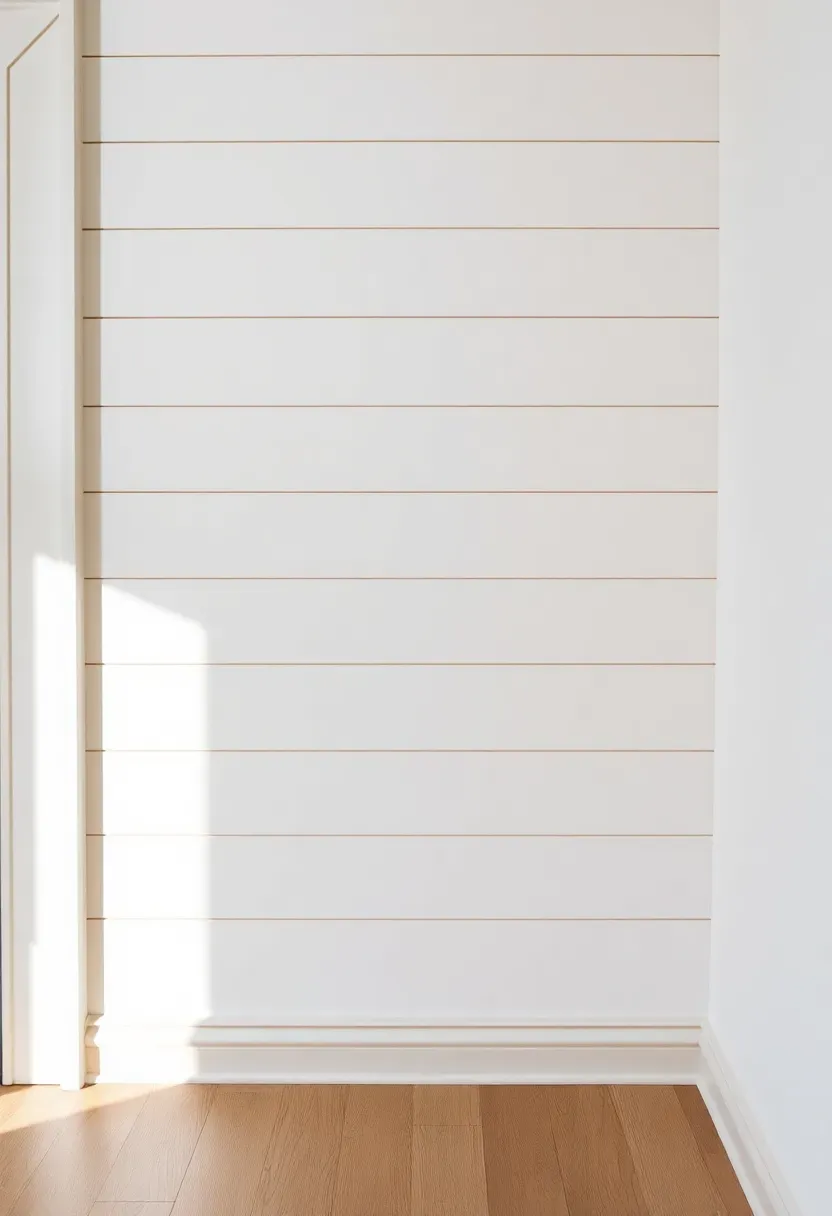
Shiplap—those horizontal wooden boards with distinctive gaps—originated as functional exterior siding on barns and farmhouses. Today, it brings instant rustic credibility to interior walls, adding texture and visual interest without overwhelming a space.
Step 1: Choose Your Wall
Select a wall that needs definition—behind a bed, in an entryway, or flanking a fireplace. Avoid covering every wall, which creates a "theme park" effect rather than authentic farmhouse style.
Step 2: Select Your Material
Real wood shiplap offers authentic texture and grain. Pre-finished MDF panels provide easier installation and consistent appearance. Peel-and-stick options work for renters or commitment-phobes.
Step 3: Finish Strategically
Pure white creates a fresh, modern farmhouse look. Stained or natural wood adds warmth and rustic weight. Painted in soft neutrals like greige or sage offers subtle variation.
Beadboard Alternative
Vertical beadboard works beautifully in bathrooms, mudrooms, or as wainscoting. The narrow grooves create cottage charm that's slightly more refined than shiplap's bold horizontal lines.
6. Choose Chunky Textiles
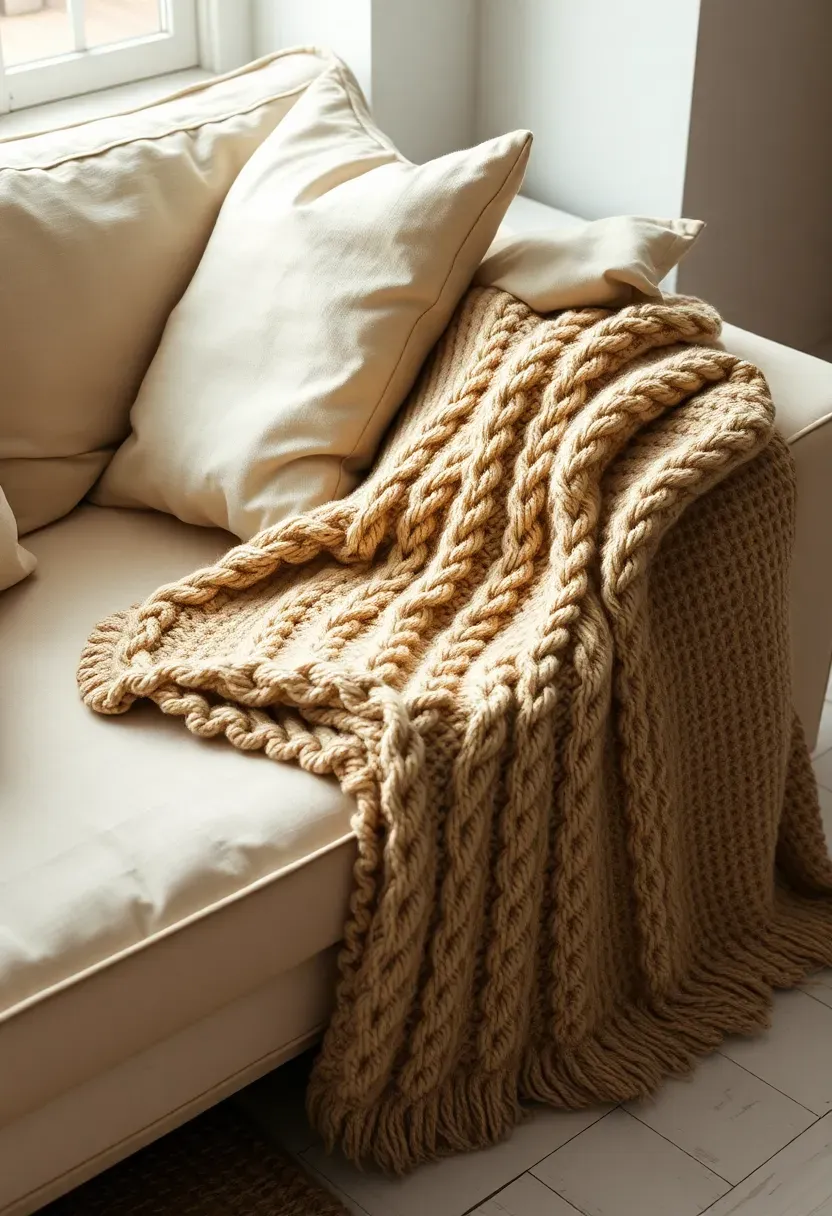
Farmhouse style celebrates textiles you can feel from across the room—thick weaves, visible stitching, and substantial fabrics that invite touch. These aren't delicate decorator pieces; they're working textiles that add warmth and comfort.
Essential Chunky Textiles
Knit throws: Cable knit, waffle weave, or hand-knitted blankets in cream or oatmeal Heavy linens: Duvet covers, curtains, and table runners with weight and drape Burlap accents: Table runners, pillow covers, or wall hangings (use sparingly) Wool elements: Plaid blankets, felted cushions, or vintage camp blankets
Layering Strategy
Start with a neutral base layer, add a contrasting texture in the middle, top with a pattern or pop of color. Mix smooth with rough, tight weaves with loose knits, matte with subtle sheen.
Recommended
Items for this idea
7. Install Barn Doors
More Than Just Trendy
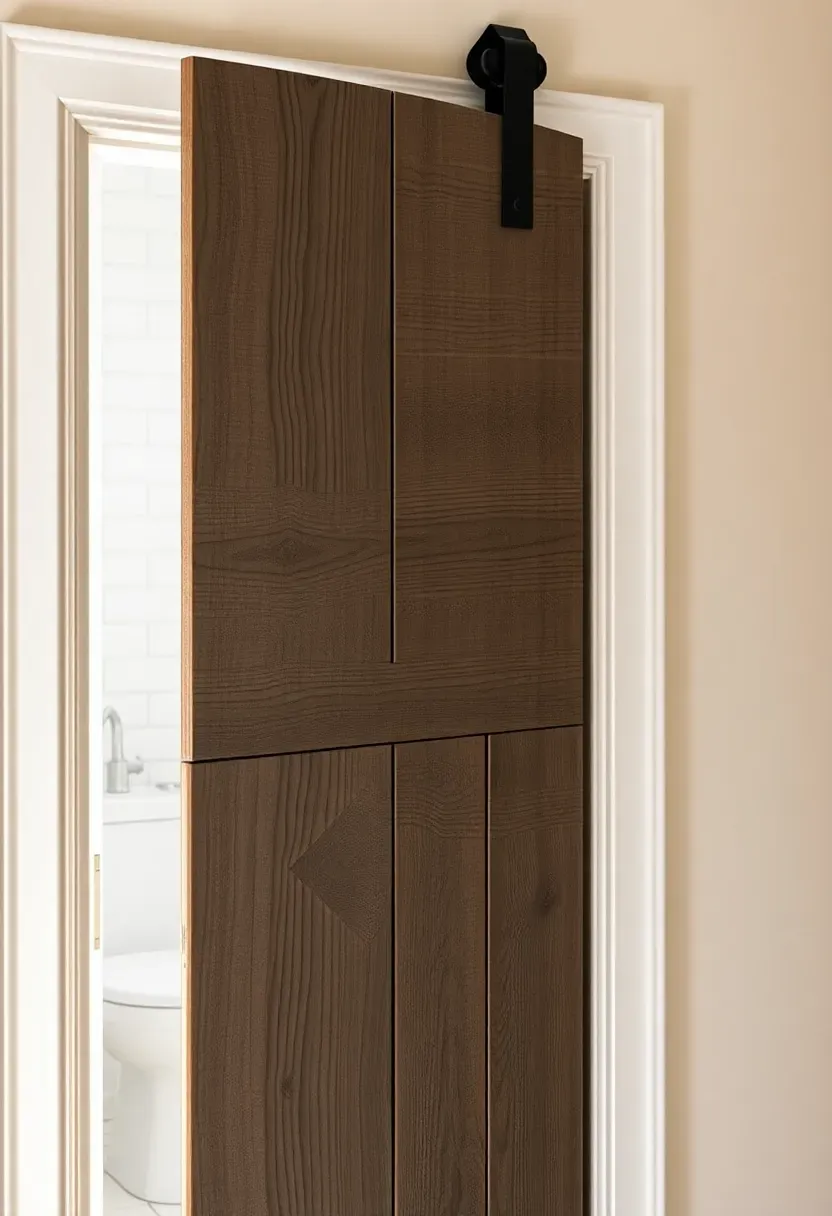
Barn doors solve practical problems while delivering serious visual impact. In spaces where traditional hinged doors eat up precious floor space or where you want to preserve an open floor plan with occasional privacy, these sliding beauties perform beautifully.
The Core Benefits
Save 9-12 square feet of swing space that traditional doors require. Create architectural interest on otherwise blank walls. Customize the look from ultra-rustic reclaimed wood to sleek painted finishes.
Hardware Matters
Black matte finish: Most versatile, works with any wood tone Aged bronze or iron: Adds authentic vintage character Modern steel: Clean lines for contemporary farmhouse
Where Barn Doors Excel
Bathrooms: Privacy when needed, open feel when not Pantries: Easy access with full opening Bedrooms: Space-saving in smaller homes Laundry rooms: Hide utility spaces stylishly
Installation Considerations
Ensure you have solid wall structure for the track mounting. Allow for 2-3 inches of clearance above the door frame. Consider soft-close hardware to prevent slamming and finger pinching.
8. Use Open Shelving
The Shift from Hidden to Displayed
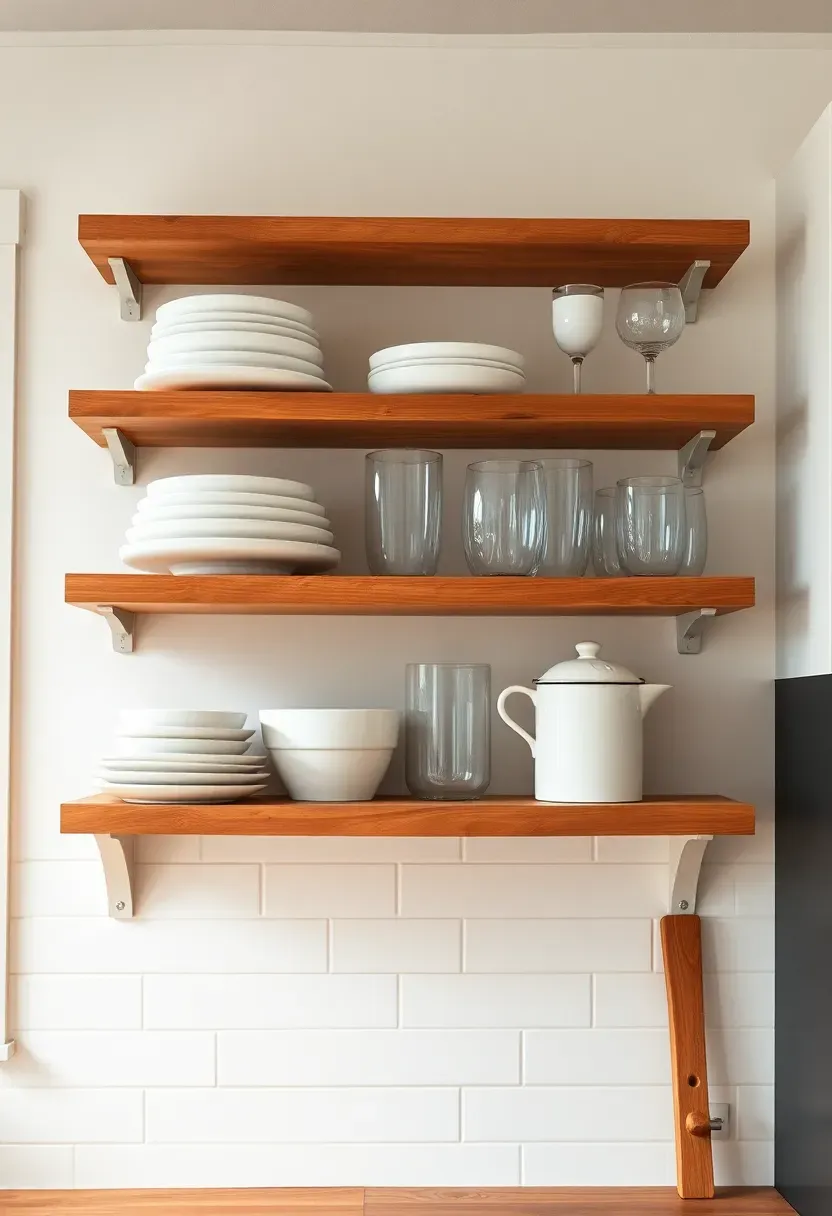
Open shelving represents farmhouse philosophy: everyday items deserve to be seen, not hidden behind cabinet doors. This approach forces you to curate what you own, keeping only pieces worthy of display while making your kitchen or dining area feel more spacious and accessible.
Making Open Shelving Work
Edit ruthlessly: Only display items you use regularly or love looking at Create rhythm: Alternate stacks with single pieces, vary heights, leave some empty space Stick to a color story: White dishes, wooden bowls, glass containers create cohesion Group by function: All glasses together, all bowls together, mixing bowls separate from serving pieces
Practical Considerations
Pros:
- Makes small kitchens feel larger
- Easy to grab everyday items
- Natural dust barrier for frequently-used pieces
Cons:
- Requires regular dusting
- Everything visible means more pressure to keep organized
- Less storage capacity than closed cabinets
Recommended
Items for this idea
9. Incorporate Farm Animal Motifs
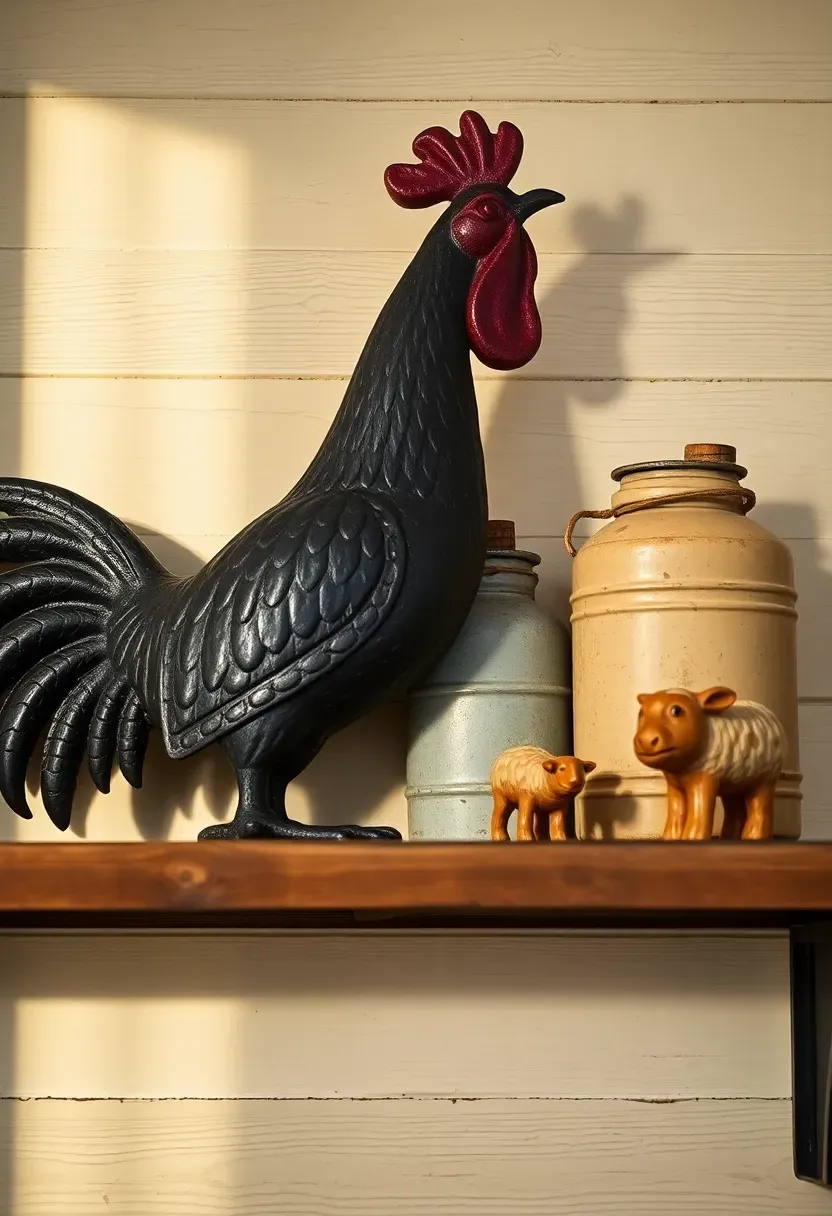
Farm animal touches connect your space to agricultural roots without turning your home into a petting zoo. The key is choosing sophisticated representations—vintage finds, subtle patterns, or artisan crafts—rather than cutesy cartoon versions.
Tasteful Animal Accents
- Cast iron rooster weathervanes as wall art
- Vintage cow portraits in ornate frames
- Chicken wire cabinet fronts
- Sheep or goat figurines in natural materials
- Horse-themed textiles in muted tones
- Pig cutting boards or serving pieces
The "Less Is More" Rule
Choose 2-3 animal types maximum per room. Display one larger statement piece rather than multiple small tchotchkes. Select items that serve a function when possible—a rooster-shaped pitcher, a cow-print tea towel.
10. Hang Statement Light Fixtures
Why Lighting Changes Everything
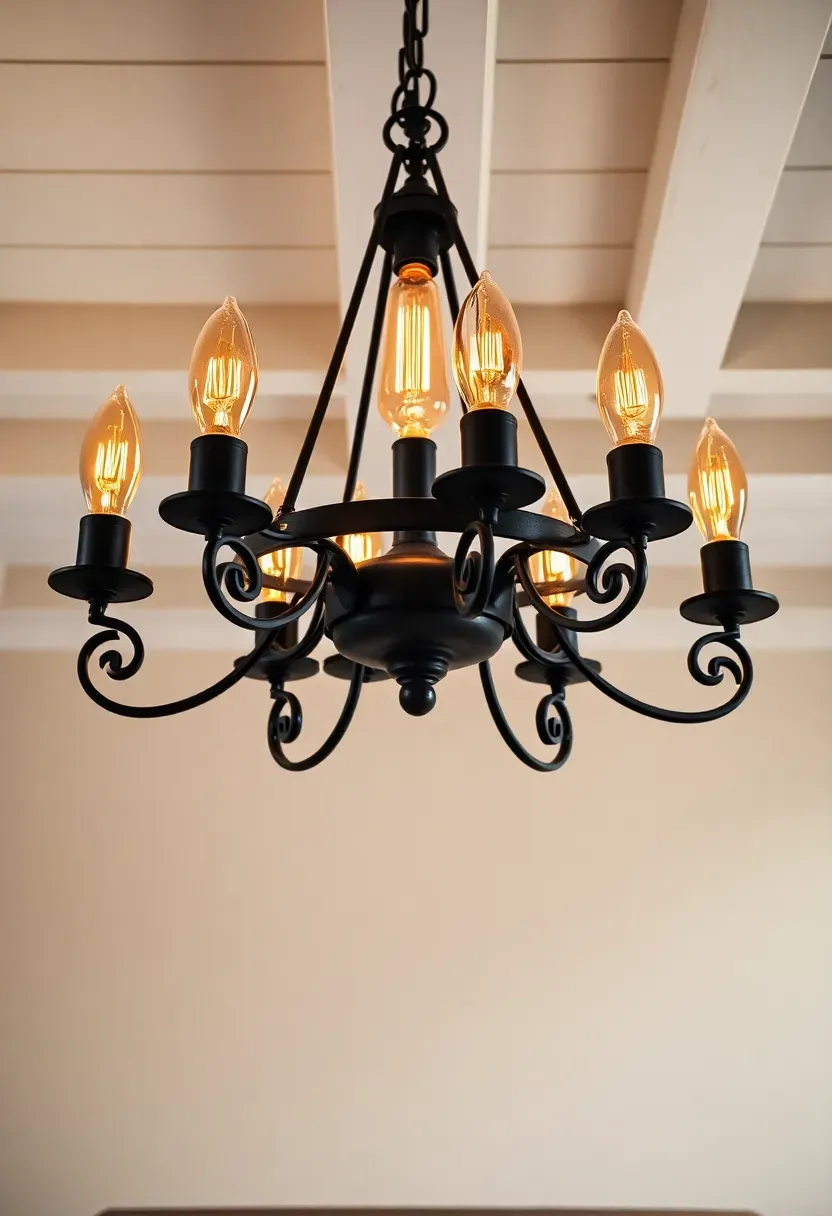
In rustic farmhouse design, lighting isn't just functional—it's sculptural. The right fixture draws the eye upward, anchors a dining table, or defines a seating area while adding another layer of texture and material to your design mix.
Farmhouse Lighting Styles
Wrought iron chandeliers: Substantial presence, works in high-ceiling spaces Wagon wheel fixtures: Best in cabins or western-leaning designs Industrial pendants: Metal shades, exposed bulbs, factory-inspired Lantern styles: Traditional or modern interpretations Wooden beam fixtures: Custom pieces with Edison bulbs
Sizing Guidelines
Measure your room: add length + width in feet, convert to inches—that's your ideal fixture diameter in inches. For dining tables, fixtures should be 12-18 inches narrower than the table width. Hang dining room fixtures 30-36 inches above the table surface.
Mixing Metals
Don't feel bound to match every fixture. Mixing black iron with aged brass or copper adds depth and prevents a too-matchy appearance. Keep finishes within the same warmth family (all warm or all cool tones).
Recommended
Items for this idea
11. Create a Gallery Wall
From Blank Space to Story Wall
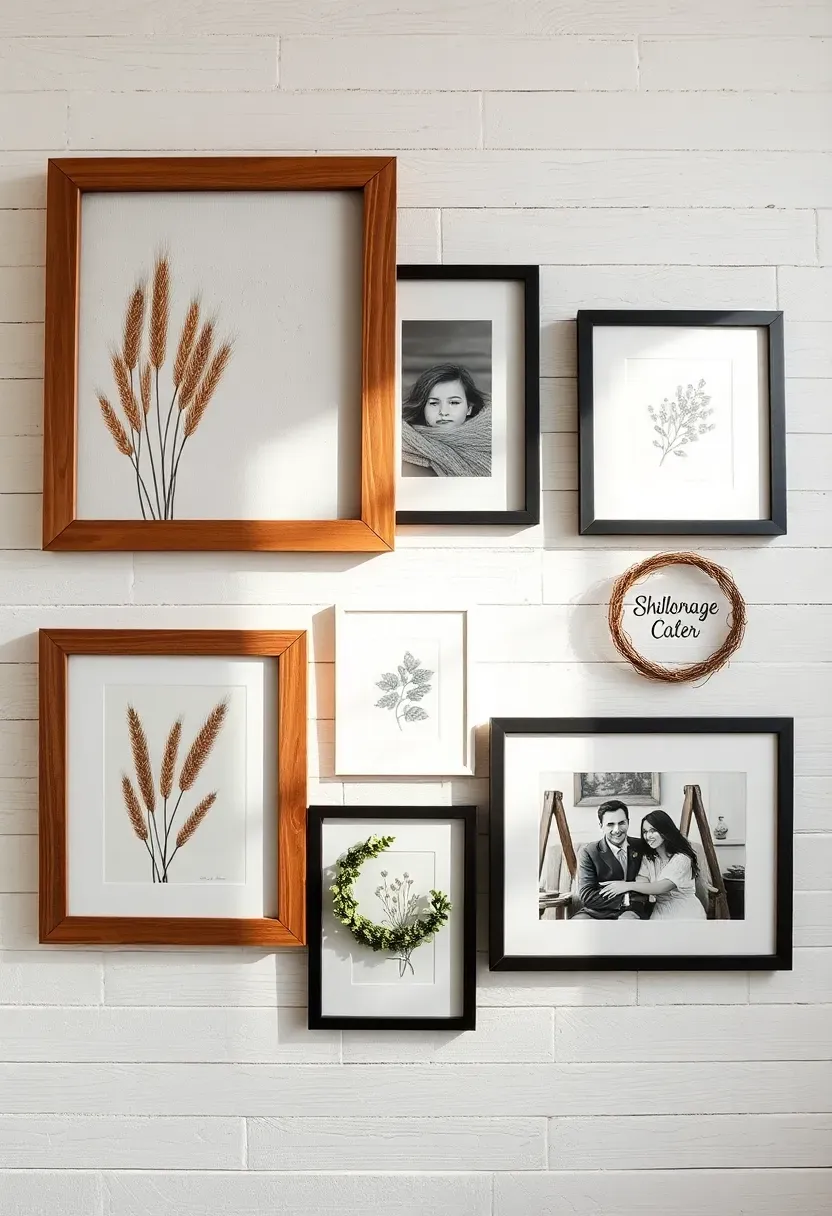
Gallery walls transform empty vertical space into curated narratives. In farmhouse style, these collections mix family photos, vintage finds, botanical prints, and meaningful objects—creating visual interest that reflects your personal history rather than a designer's vision.
Step 1: Gather Your Pieces
Collect 7-15 items before you start. Mix frame styles (wood, metal, painted), sizes (from 5×7 to 16×20), and content types (photos, prints, mirrors, small objects on plate hangers).
Step 2: Create a Layout
Trace each piece on kraft paper, cut out, tape to wall with painter's tape. Experiment with arrangements—symmetrical grid, organic cluster, or horizontal row. Maintain 2-3 inches between pieces for breathing room.
Step 3: Hang with Precision
Start with the center or largest piece, work outward. Use a level for each piece. Consider a hanging system with adjustable hooks if you like changing displays seasonally.
Farmhouse-Specific Elements
Include at least one vintage frame with aged patina, one botanical or agricultural print, one family photo, and one unexpected element like a small wreath, antique tool, or architectural fragment.
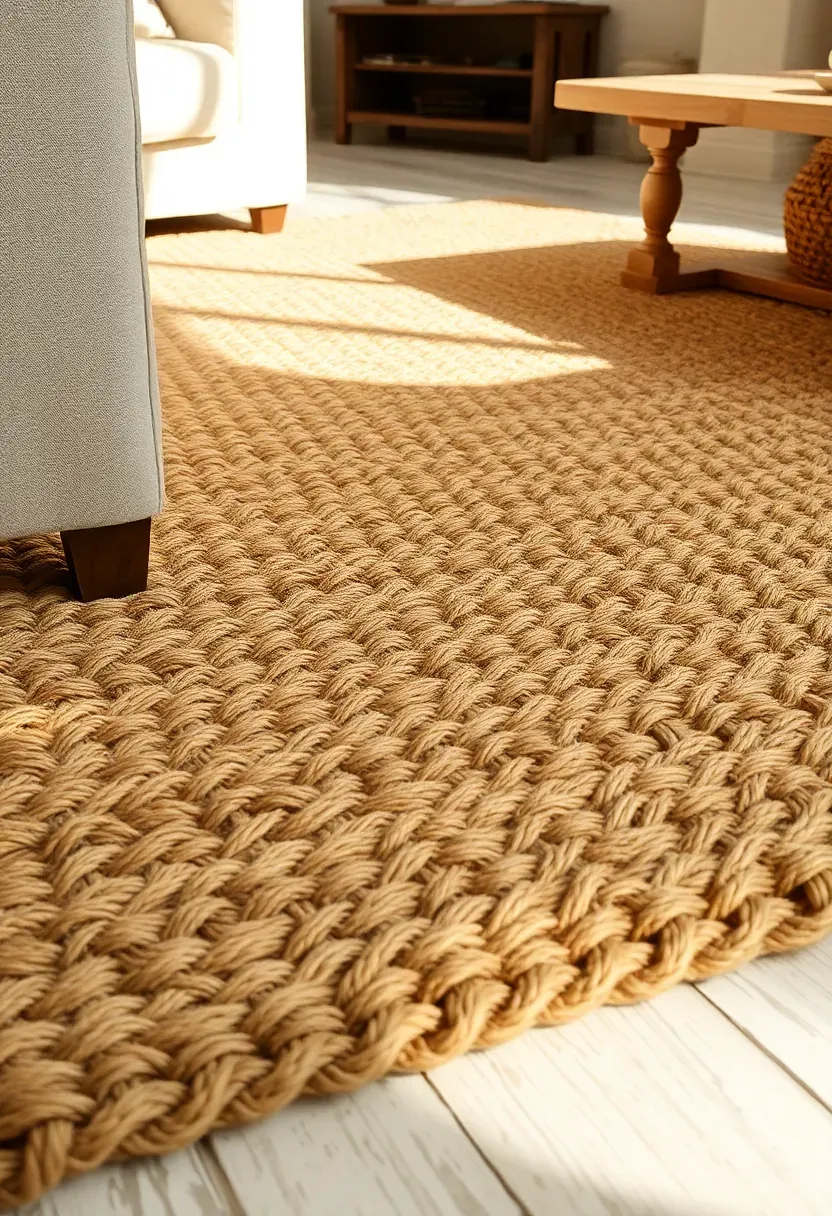
12. Add Natural Fiber Rugs
Natural fiber rugs ground farmhouse spaces with organic texture and neutral tones that complement rather than compete with your furniture and decor. Unlike synthetic options, these rugs improve with age, developing a softened patina that enhances their rustic appeal.
Natural Fiber Options
Jute: Thick, chunky weave; affordable; slightly rough texture Sisal: More refined than jute; durable; slightly finer weave Seagrass: Smooth, almost silky; naturally stain-resistant Hemp: Softest option; eco-friendly; ages beautifully
Practical Layering
Layer a natural fiber rug as a base with a smaller patterned rug on top for visual interest and softer foot feel. This combination adds dimension while keeping the natural, earthy foundation that farmhouse style requires.
Care Considerations
Vacuum regularly without beater bars to prevent fiber damage. Blot spills immediately—these rugs stain easily. Rotate annually to ensure even wear. Accept that natural fibers will shed initially and soften over time.
Recommended
Items for this idea
13. Style with Antique Kitchenware
Functional Becomes Beautiful
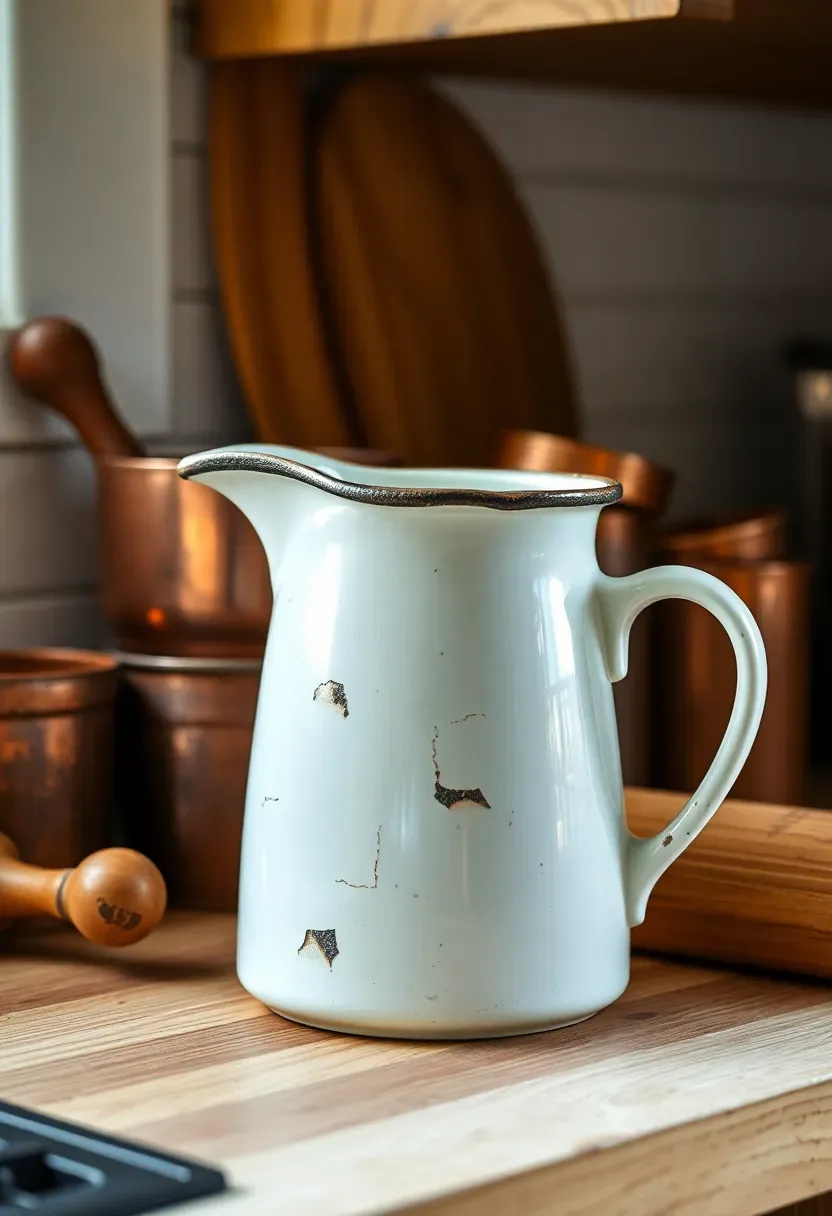
The farmhouse kitchen celebrates tools that show evidence of use—rolling pins with worn handles, enamelware with chips that tell stories, copper pots with honest patina. These aren't museum pieces; they're working items that add character while remaining functional.
The Hunt
Estate sales and antique shops yield the best finds. Look for items with solid construction despite wear—a chipped enamel bowl still holds fruit beautifully; a dented copper pot cooks as well as new. Avoid anything with rust through the metal or significant damage that compromises function.
Display Strategies
Hang copper molds on walls as sculptural elements. Group white ironstone pitchers on open shelving by size. Store wooden spoons and rolling pins in crocks on counters. Display vintage scales with seasonal fruit or fresh eggs.
What to Collect
- Enamelware in cream, white, or robin's egg blue
- Copper measuring cups and cookware
- Wooden cutting boards and bread boards
- Vintage glassware and mixing bowls
- Antique kitchen scales
- Stoneware crocks and jugs
14. Use Mason Jars Creatively
Beyond Pinterest Clichés
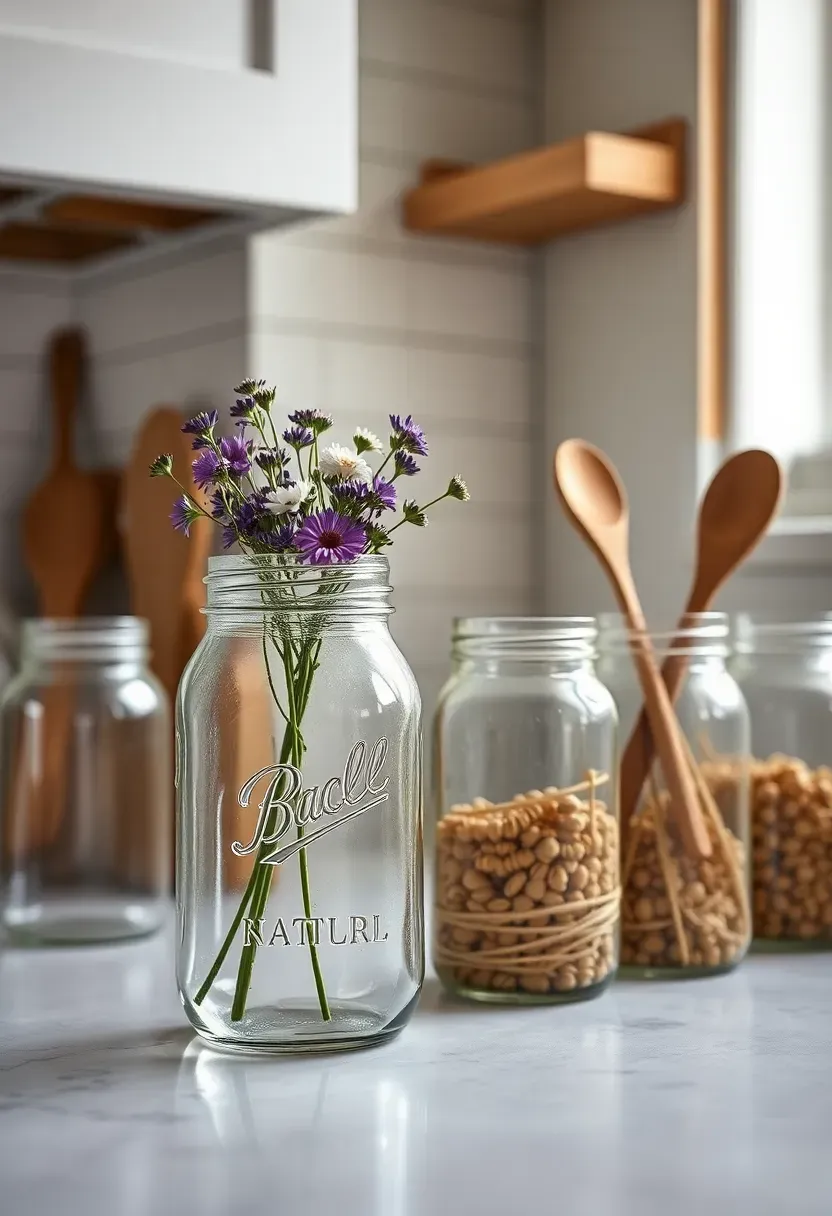
Yes, mason jars have been done to death. But in authentic farmhouse style, these workhorses earn their place through genuine utility and honest simplicity—not because they're trendy. The difference lies in using them naturally rather than forcing them into every possible DIY project.
Actually Useful Applications
Flower vases: Single stems or wildflower bouquets look effortless Dry goods storage: Pasta, beans, rice, baking ingredients Drinking glasses: Especially for iced tea or lemonade Desk organizers: Pens, scissors, craft supplies Bathroom storage: Cotton balls, swabs, bath salts
Avoid These Overplayed Ideas
Skip the painted and distressed versions, soap dispensers with pump lids, or elaborately decorated centerpieces. Let the jars be simple, clear, and functional.
Mixing Sizes and Styles
Collect various sizes from pint to half-gallon. Mix Ball, Kerr, and Atlas brands for subtle variation. Vintage blue-tinted jars add color without decoration.
Recommended
Items for this idea
15. Install Farmhouse Sinks
The Centerpiece of Kitchen Function
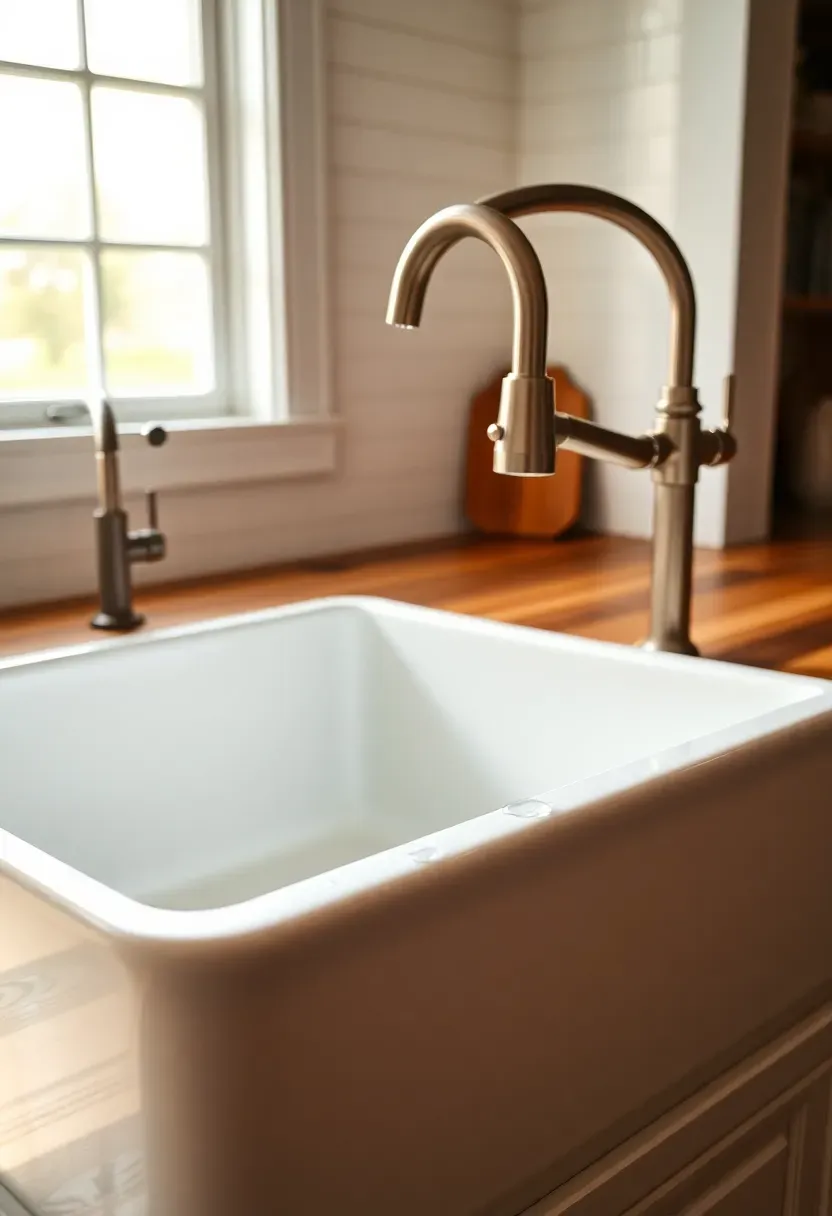
The deep, wide basin of a farmhouse sink—also called an apron-front sink—originated in rural homes where large pots, canning jars, and harvested vegetables needed washing. Today, this design combines nostalgic appeal with genuine functionality that modern households appreciate.
The Core Advantages
Deep basins accommodate large roasting pans and baking sheets that won't fit in standard sinks. Front aprons eliminate the cabinet edge, reducing strain on your back during prolonged washing. Exposed fronts create a focal point that anchors kitchen design.
Material Choices
Fireclay: Traditional white, incredibly durable, resistant to chips and stains Cast iron: Heavy, requires strong cabinet support, classic with enamel coating Stainless steel: Modern farmhouse aesthetic, budget-friendly, shows water spots Copper: High maintenance, develops patina, expensive but stunning
Installation Considerations
Requires modified cabinet base for support. Plan installation before countertop templating. Consider undermount faucets or bridge-style fixtures that complement the traditional look.
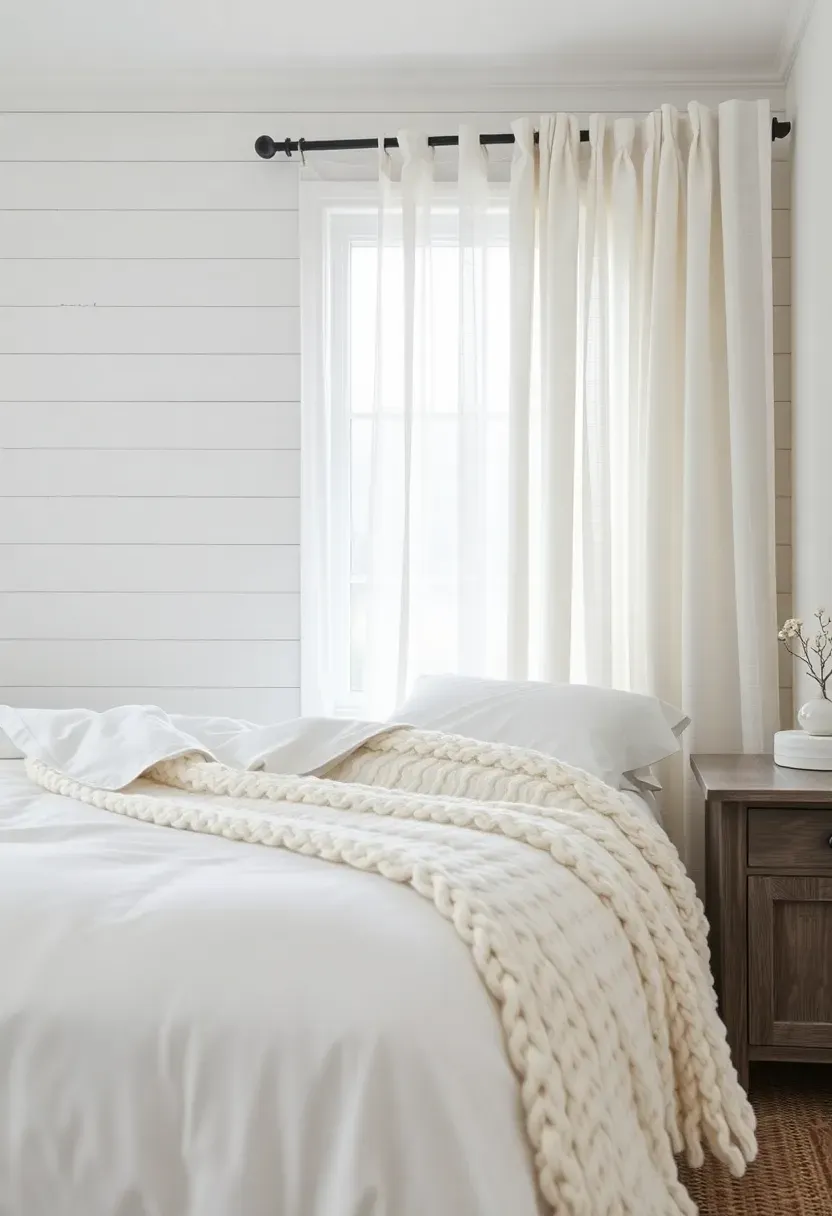
16. Layer White on White
The Subtlety of Monochrome
An all-white palette might seem boring in theory, but when executed with attention to texture, tone, and material variation, it creates serene spaces with remarkable depth. This approach is particularly powerful in bedrooms and bathrooms where calm takes priority.
Creating Dimension Without Color
Mix textures aggressively: smooth painted walls, rough linen curtains, nubby knit throws, sleek ceramic lamps, weathered wood furniture. Vary the whites—pure white, cream, ivory, off-white, warm white—so each surface catches light differently.
The Essential Layers
Foundation: White or cream walls and ceiling Major pieces: White or natural linen bedding, white-painted furniture Texture layers: Chunky knit throws, jute rugs, linen pillows Accent tones: Warm wood, aged metal, greenery
Avoiding Sterility
Include at least three different white tones in varying finishes. Add natural wood elements to ground the space. Incorporate living greenery for subtle color and life. Use vintage pieces with age and patina to prevent a "showroom" feeling.
Recommended
Items for this idea
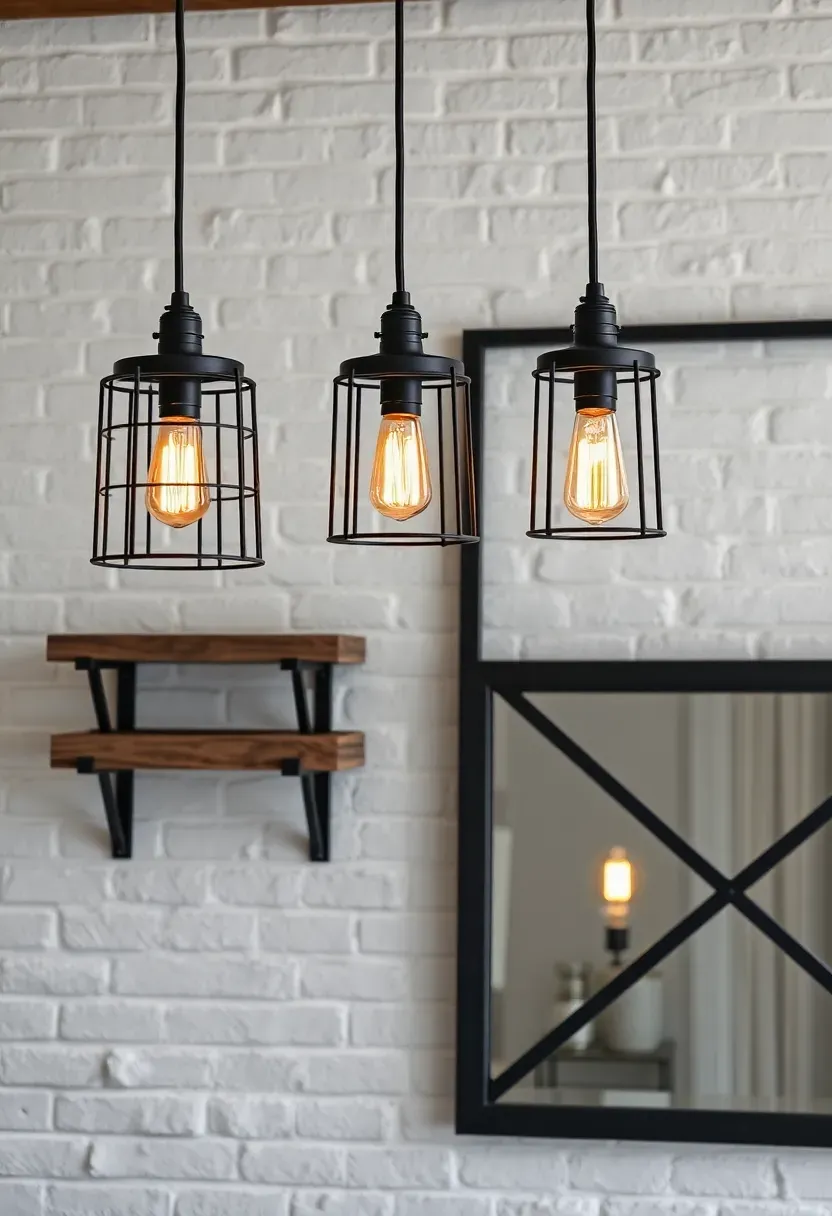
17. Add Industrial Metal Accents
The Unexpected Mix
The marriage of rustic farmhouse warmth with industrial metal creates dynamic tension that keeps spaces from feeling too sweet or predictable. These harder-edged elements—factory lights, iron brackets, steel shelving—reference agricultural equipment and working farms while adding masculine balance.
Key Metal Accents
Lighting: Edison bulb fixtures, metal cage pendants, industrial sconces Furniture: Steel-framed tables, metal bar stools, wire baskets Hardware: Iron door handles, metal shelf brackets, pipe curtain rods Accessories: Vintage scales, metal signs, iron wall hooks
Finish Selection
Black matte: Most versatile, works with any color scheme Aged brass: Warmer, pairs beautifully with white and cream Galvanized steel: Authentic farm feel, slightly more casual Raw iron: Develops natural rust patina over time
Balancing Industrial and Rustic
For every metal element, add two warm, soft, or natural pieces. Use metal in functional applications (brackets, lighting, hardware) rather than as pure decoration. Let patina and wear soften the industrial edge.
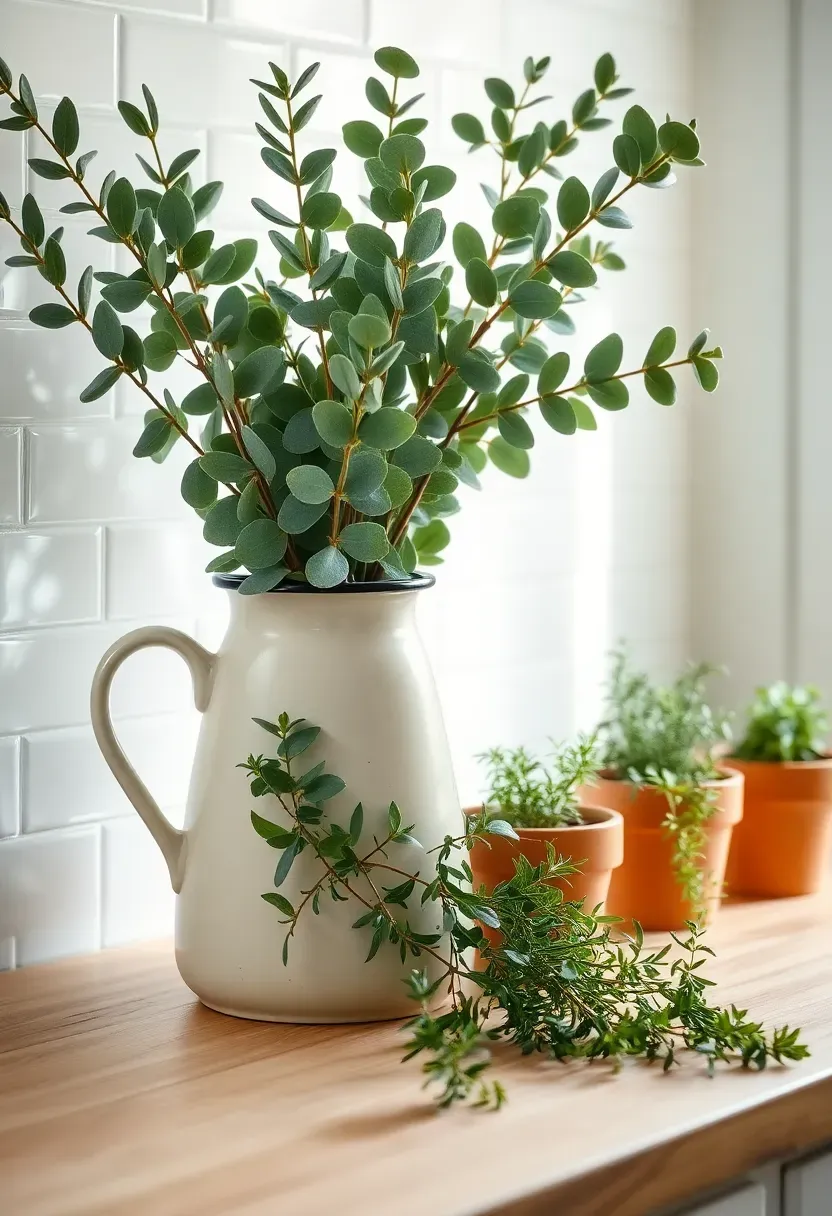
18. Showcase Fresh Greenery
Farmhouse style honors the connection between indoor spaces and the natural world outside. Fresh greenery isn't optional decoration—it's essential life force that softens hard edges, purifies air, and changes with the seasons.
Year-Round Greenery
Eucalyptus: Long-lasting, beautiful silver-green, fragrant Herbs: Rosemary, sage, thyme in small pots for kitchen windowsills Olive branches: Elegant, Mediterranean farmhouse vibe Ferns: Lush, classic, thrive in humid bathrooms Fiddle leaf fig: Sculptural, modern farmhouse favorite
Seasonal Rotation
Spring brings tulips, daffodils, and cherry blossoms. Summer calls for sunflowers, dahlias, and wildflower mixes. Fall features wheat stalks, cotton stems, and rust-colored foliage. Winter showcases evergreen branches, holly, and white amaryllis.
Display Vessels
Skip the modern geometric planters. Choose vintage pitchers, enamelware containers, galvanized buckets, wooden crates, or simple glass vases that let the greenery shine.
Recommended
Items for this idea
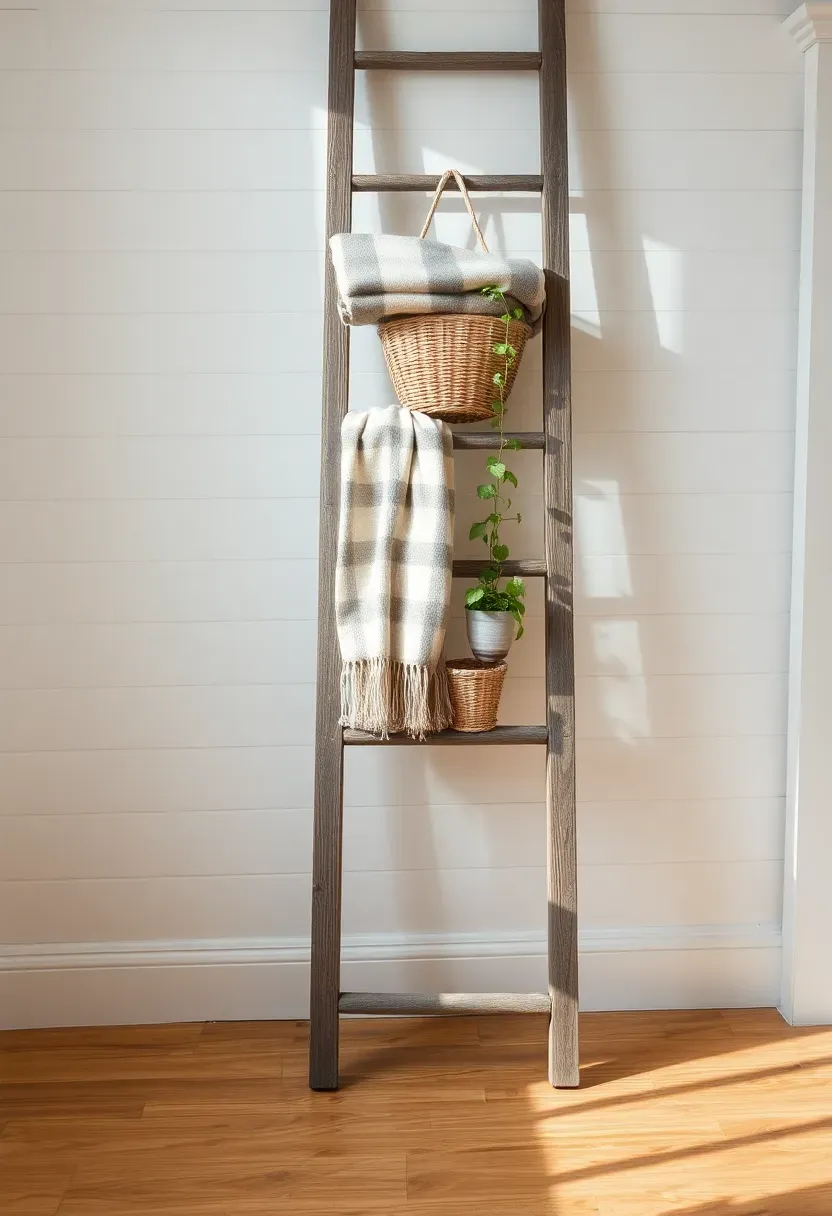
19. Use Vintage Ladders as Decor
From Tool to Treasure
Old wooden ladders—whether orchard ladders, painter's ladders, or library ladders—transition beautifully from their working lives into decorative service. Their vertical lines draw the eye upward, their weathered rungs add texture, and their functionality-turned-ornamental status embodies farmhouse repurposing philosophy.
Sourcing Vintage Ladders
Check antique stores, architectural salvage, farm estate sales, or online marketplaces. Look for solid construction despite wear—wobbles add character, but structural damage limits usefulness. Ladder heights from 4-8 feet work best for standard ceiling homes.
Creative Applications
Blanket ladder: Lean against a wall to display throws and quilts Plant stand: Hang potted plants from rungs at varying heights Photo display: Clip photographs or postcards to rungs with clothespins Towel storage: Perfect for bathrooms with limited wall space Seasonal displays: Hang wreaths, garlands, or decorative elements
Styling Tips
Leave the natural worn finish—don't paint or distress further. Lean at a slight angle against the wall for stability and visual interest. Allow some rungs to remain empty; avoid overloading.
20. Create Cozy Reading Nooks
The Art of the Personal Retreat
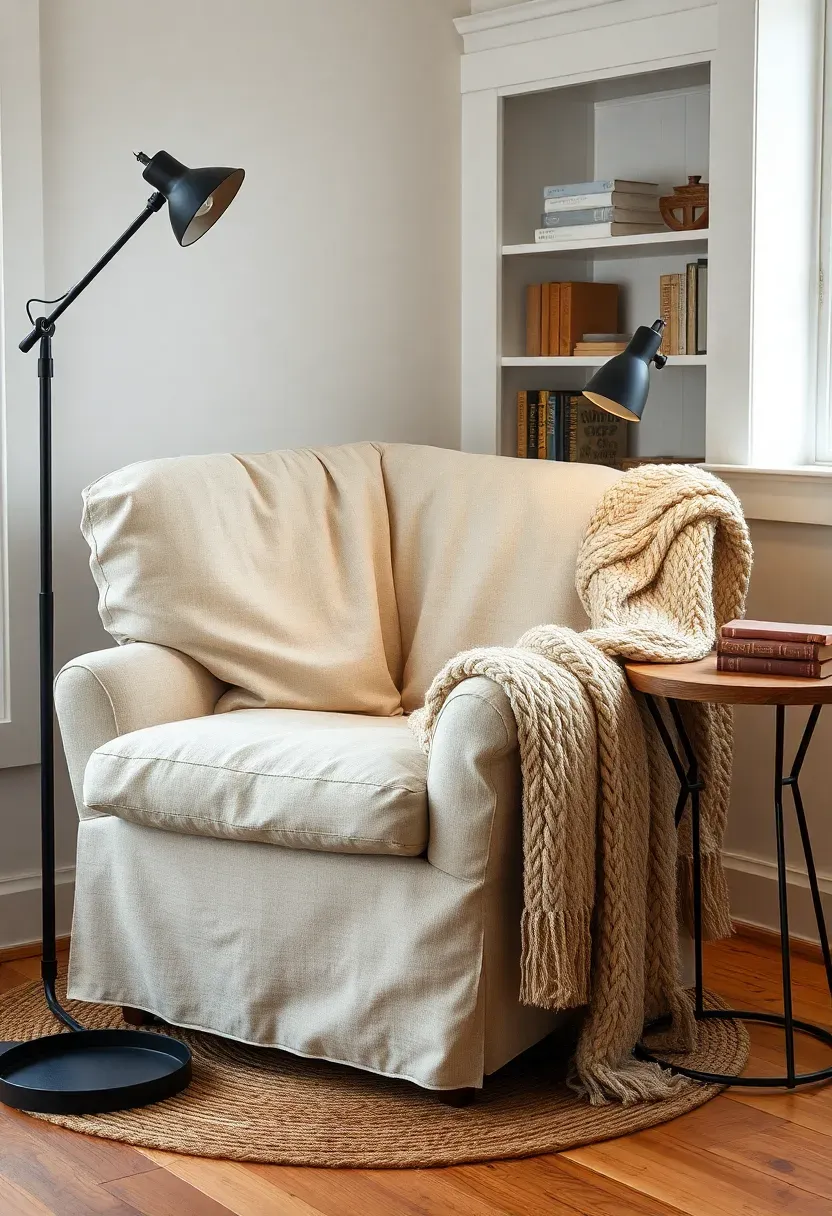
Every farmhouse needs at least one spot dedicated to slowing down—a corner where you can disappear into a book with good light, comfortable seating, and just enough separation from household activity to feel like a genuine escape.
Step 1: Claim Your Corner
Look for underutilized spaces: the area beside a bedroom window, an alcove under stairs, a wide hallway with natural light, or the corner of a living room. You need only 4-6 feet of floor space.
Step 2: Anchor with Seating
Choose an oversized upholstered chair, a small loveseat, or a window seat with cushions. Prioritize comfort—test before buying. Add a small side table or stool within arm's reach for books and beverages.
Step 3: Layer for Comfort
Add a chunky throw blanket, 2-3 pillows with varied textures, and a footstool or ottoman. Place a basket nearby to store current reading material. Include good task lighting—a floor lamp or swing-arm wall sconce.
The Finishing Touches
Position near a window for natural light and views. Add a small shelf or stack of favorite books within reach. Include personal elements: a framed photo, a plant, or a meaningful object.
Recommended
Items for this idea
21. Display Seasonal Elements
Living with the Rhythm of the Year
Farmhouse decorating naturally aligns with agricultural seasons—planting, growing, harvesting, resting. Bringing seasonal elements indoors connects your home to the changing world outside while providing an easy way to refresh spaces without major redecorating.
Spring: Renewal
Fresh tulips and daffodils in vintage pitchers. Nests and eggs (real or decorative) in bowls. Pastel linens and light cotton throws. Garden tools displayed as sculptural elements.
Summer: Abundance
Sunflowers and wildflower bouquets. Fresh herb pots on windowsills. Lightweight linens in whites and blues. Produce baskets filled with farmers market finds.
Fall: Harvest
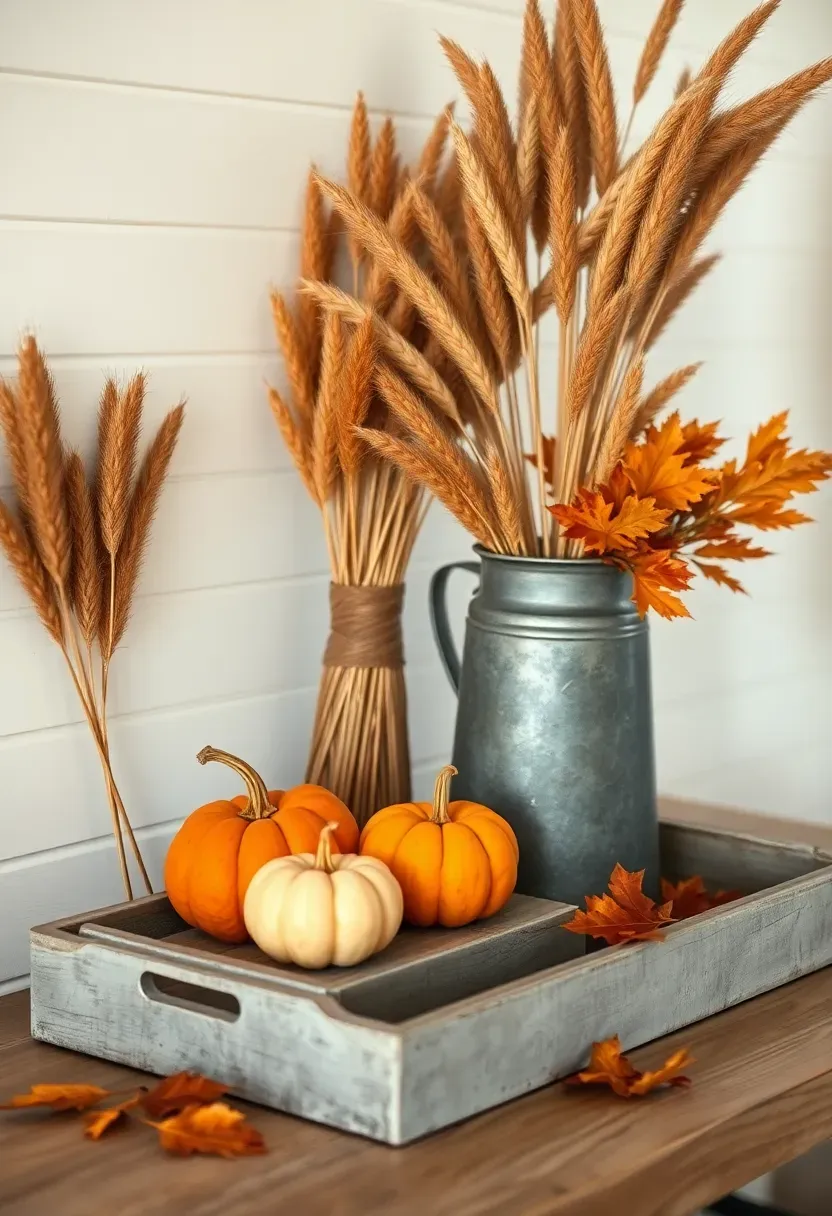
Wheat stalks and dried grasses in large crocks. Pumpkins and gourds in wooden dough bowls. Plaid wool blankets replacing summer throws. Preserved autumn leaves in frames or garlands.
Winter: Rest
Evergreen branches in pitchers and urns. White amaryllis in simple containers. Heavier wool and velvet textiles. Candles in brass or pewter holders.
The Key to Success
Edit as you add—remove summer elements before bringing in fall decor. Use natural items that will decompose rather than plastic. Keep changes subtle; swap 3-5 key pieces rather than redecorating entirely.
22. Add Woven Baskets
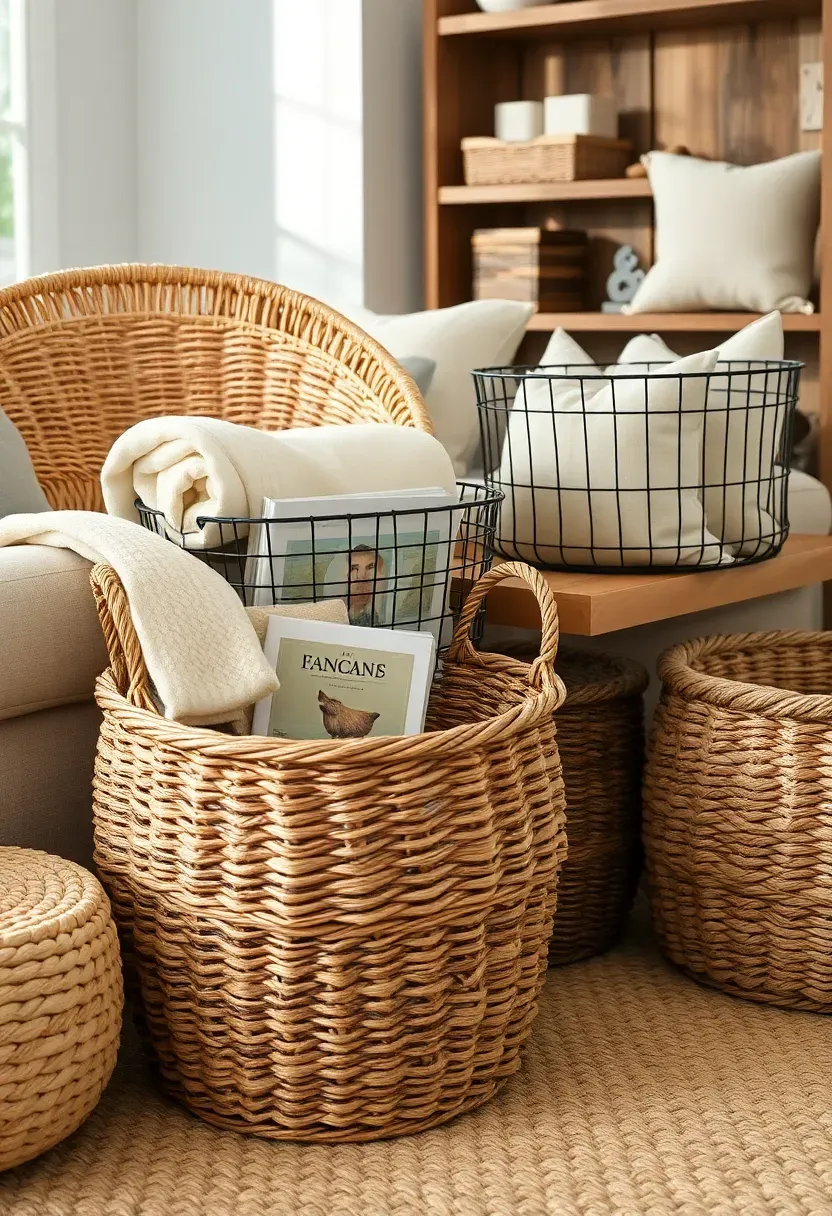
Baskets solve the farmhouse decorator's constant challenge: how to store everyday items without hiding them behind closed doors or letting clutter take over. These workhorses combine functionality with organic texture, bringing warmth to any room while keeping life's necessities accessible and organized.
Basket Types and Uses
Wire baskets: Vegetables, mail, bathroom towels Woven seagrass: Blanket storage, toy bins, laundry Vintage wooden baskets: Firewood, magazines, throw pillows Cotton rope baskets: Modern farmhouse aesthetic, shelf storage
Placement Strategy
Group three baskets of varying sizes on open shelving. Tuck under console tables for hidden storage with easy access. Place beside fireplaces for kindling and wood. Use in bathrooms for rolled towels and toiletries.
Maintaining the Aesthetic
Choose natural materials over painted or decorated versions. Vary sizes and weave patterns to prevent monotony. Allow some baskets to remain visible and styled, others tucked away for pure function.
Recommended
Items for this idea
23. Incorporate Handwritten Signs
When Words Add Meaning
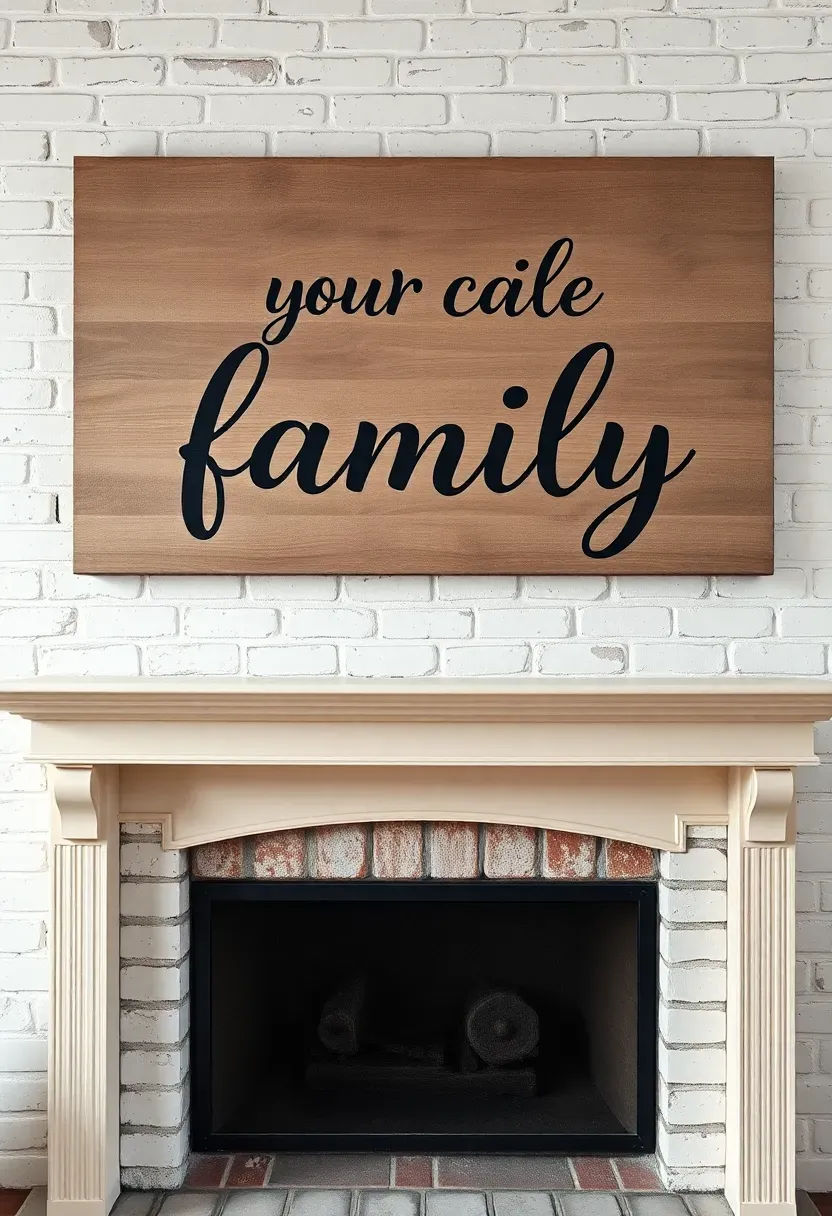
Handwritten or hand-painted signs bring a personal, artisan touch that mass-produced wall art can't match. The key is choosing meaningful phrases that reflect your values and using them sparingly—one powerful statement beats a dozen generic sayings scattered throughout your home.
Sourcing Authentic Signs
Commission a local sign painter or calligrapher for custom pieces. Create your own using reclaimed wood, stencils, and paint. Hunt antique stores for vintage farm signs, advertising boards, or hand-painted store signs.
Phrase Selection
Skip: "Live, Laugh, Love" and other overused Pinterest phrases Choose: Family mottos, meaningful song lyrics, vintage farm terms, regional sayings, or personally significant quotes
Design Guidelines
Use simple fonts—rustic sans-serif or classic serif. Keep colors limited to 1-2 tones. Let the wood or background show character. Size the sign appropriately—too small reads as cluttered, too large overwhelms.
Placement
Above mantels as focal points. In entryways as greeting statements. Kitchen walls as family mottos. Bedroom walls as personal reminders. One significant sign per room maximum.
Quick FAQ
Can rustic farmhouse decorating ideas work in a modern apartment?
Absolutely. Focus on portable elements like textiles, furniture, and accessories rather than architectural changes. A vintage dining table, chunky throw blankets, and natural fiber rugs create farmhouse warmth without permanent modifications. Even small touches like mason jar storage, fresh greenery, and neutral color palettes shift the aesthetic significantly—making rustic farmhouse one of the most renter-friendly styles around.
How do I avoid making my space look like a barn?
Balance is everything. Mix rustic elements with refined pieces—pair a weathered wood table with upholstered dining chairs, combine shiplap walls with sleek lighting fixtures. Avoid theme-park syndrome by limiting farm animal motifs to 2-3 per room and choosing sophisticated representations. Keep spaces edited; empty surfaces and breathing room prevent the cluttered, overly-themed look.
What's the difference between rustic farmhouse and modern farmhouse style?
Rustic farmhouse embraces more weathered finishes, darker wood tones, and vintage finds with visible age. Modern farmhouse leans cleaner with more white paint, newer furniture mixed with vintage accents, and sleeker lines. Both share the foundation of natural materials, neutral palettes, and functional beauty—rustic just pushes further toward the weathered and imperfect end of the spectrum.
Is rustic farmhouse style expensive to achieve on a budget?
It can be, but doesn't have to be. The beauty of farmhouse style is its embrace of flea market finds, DIY projects, and repurposed items. Invest in a few quality anchor pieces (a solid wood table, a good sofa), then build around them with secondhand treasures, handmade elements, and budget-friendly basics. Patience matters more than budget—authentic farmhouse style comes together over time, not overnight.
Should everything be neutral, or can I add color?
While neutral earth tones form the foundation, farmhouse style absolutely welcomes color—just keep it muted and nature-inspired. Think soft sage green, dusty blue, warm terracotta, or deep charcoal rather than bright primary colors. Use color in textiles, dishware, and small painted furniture pieces while maintaining neutral walls and larger furniture. The 80/20 rule works well: 80% neutrals, 20% subtle color accents.
Remember: authentic farmhouse style isn't about perfectly matching Pinterest boards or buying everything from a single retailer's "farmhouse collection." It's about collecting meaningful pieces over time, honoring natural materials, embracing imperfection, and creating spaces that prioritize comfort and function as much as beauty. Start with one or two of these tips that resonate most with your space and lifestyle, then build gradually. The best farmhouse homes feel lived-in and loved—because they are.
Pinterest cover for 23 Rustic Farmhouse Decorating Ideas for a Cozy Home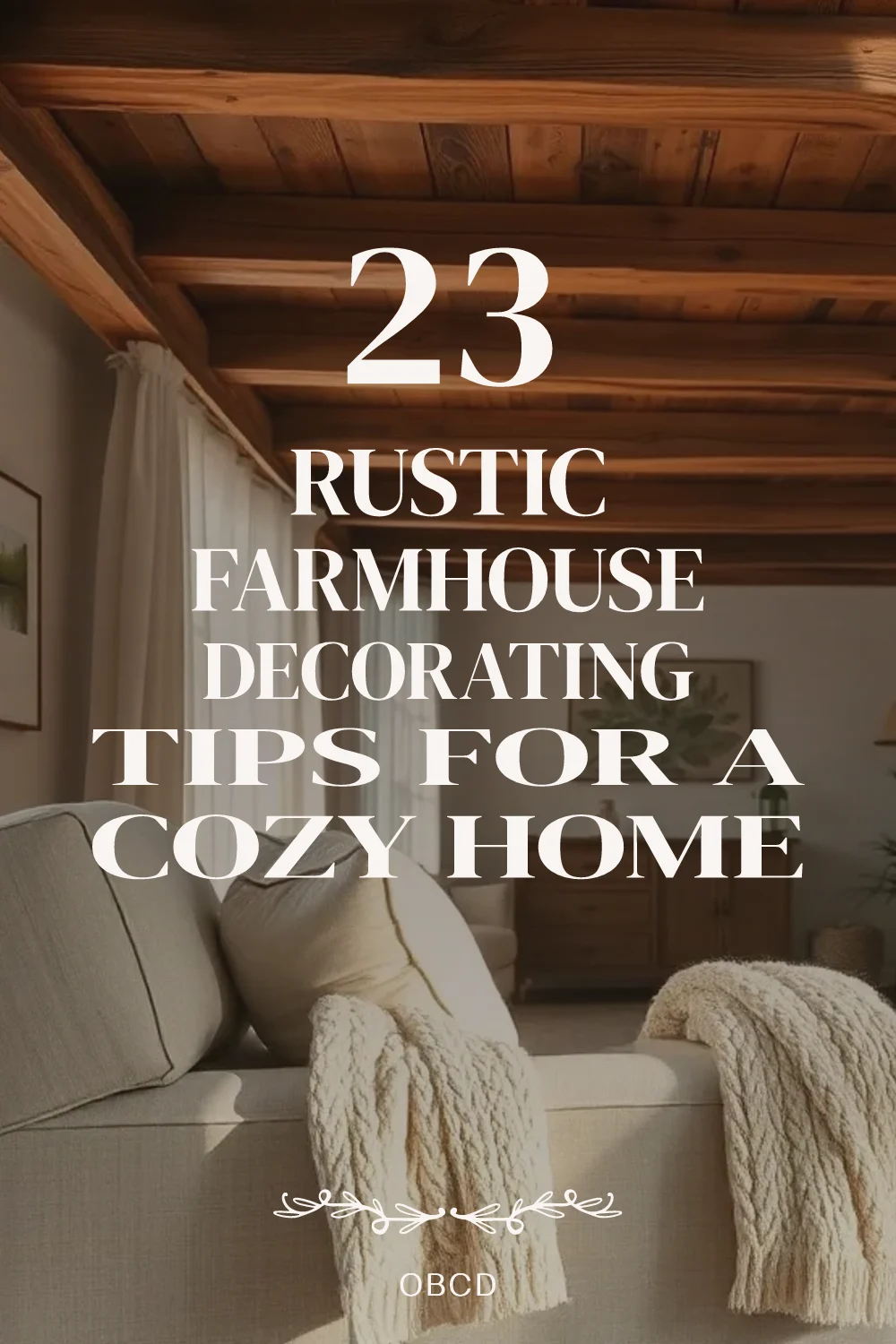
About the author
OBCD
CGI visualization and interior design content. We create detailed 3D renders and curate practical design ideas for every room in your home.