25 Modern Bathroom Trends to Watch in 2026
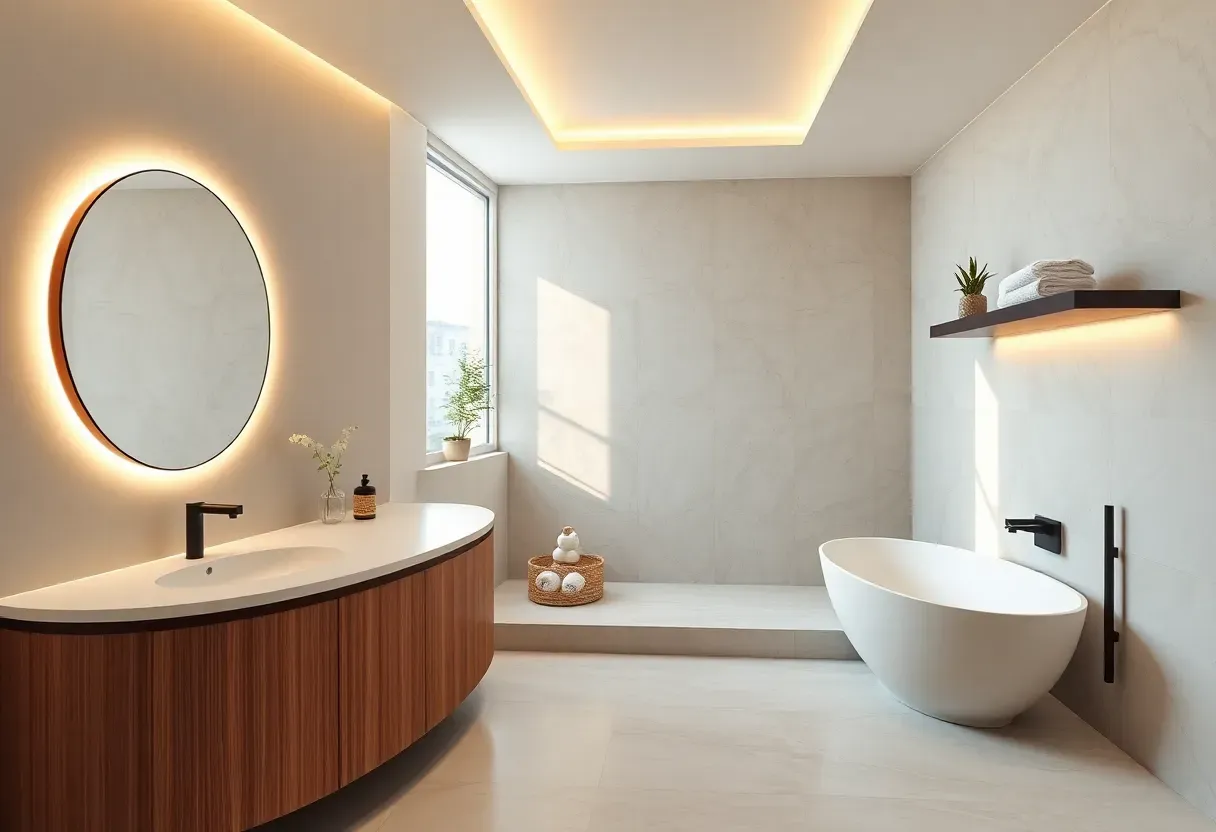
According to leading interior designers and renovation professionals, the modern bathroom trends shaping 2026 are a departure from the purely utilitarian rooms of previous decades. Bathrooms have become personal sanctuaries where material choices, lighting design, and spatial flow receive the same attention once reserved for living rooms and kitchens. Homeowners and renters alike are increasingly demanding bathrooms that look intentional, feel calming, and function effortlessly in daily routines.
In this article you will find 25 distinct bathroom design trends reshaping the space right now. Some are subtle shifts in color and texture, others represent bold structural changes. We move from surface-level updates to more involved transformations, so there is something here whether you are planning a quick renter-friendly refresh or a full renovation.
Table of Contents
- Curved Vanities and Soft Geometry
- Warm Minimalism with Natural Stone
- Matte Black Hardware Everywhere
- Freestanding Sculptural Bathtubs
- Floor-to-Ceiling Tile Slabs
- Floating Vanities with Hidden Storage
- Japandi-Inspired Wet Rooms
- Earthy Terracotta and Clay Tones
- Smart Mirrors with Integrated Lighting
- Open Shower Concepts without Glass
- Fluted and Reeded Surface Textures
- Mushroom and Taupe Color Palettes
- Oversized Hexagonal Floor Tiles
- Brass and Unlacquered Metal Accents
- Concrete Countertops and Sinks
- Vertical Garden Walls in Bathrooms
- Backlit Mirrors and LED Niches
- Double Rain Showerheads
- Micro-Cement Wall Finishes
- Statement Pendant Lighting
- Integrated Bench Seating in Showers
- Zellige and Handmade Tile Revival
- Hidden Toilet Cisterns and Wall-Hung WCs
- Spa-Style Heated Towel Walls
- Mixed Metal Layering
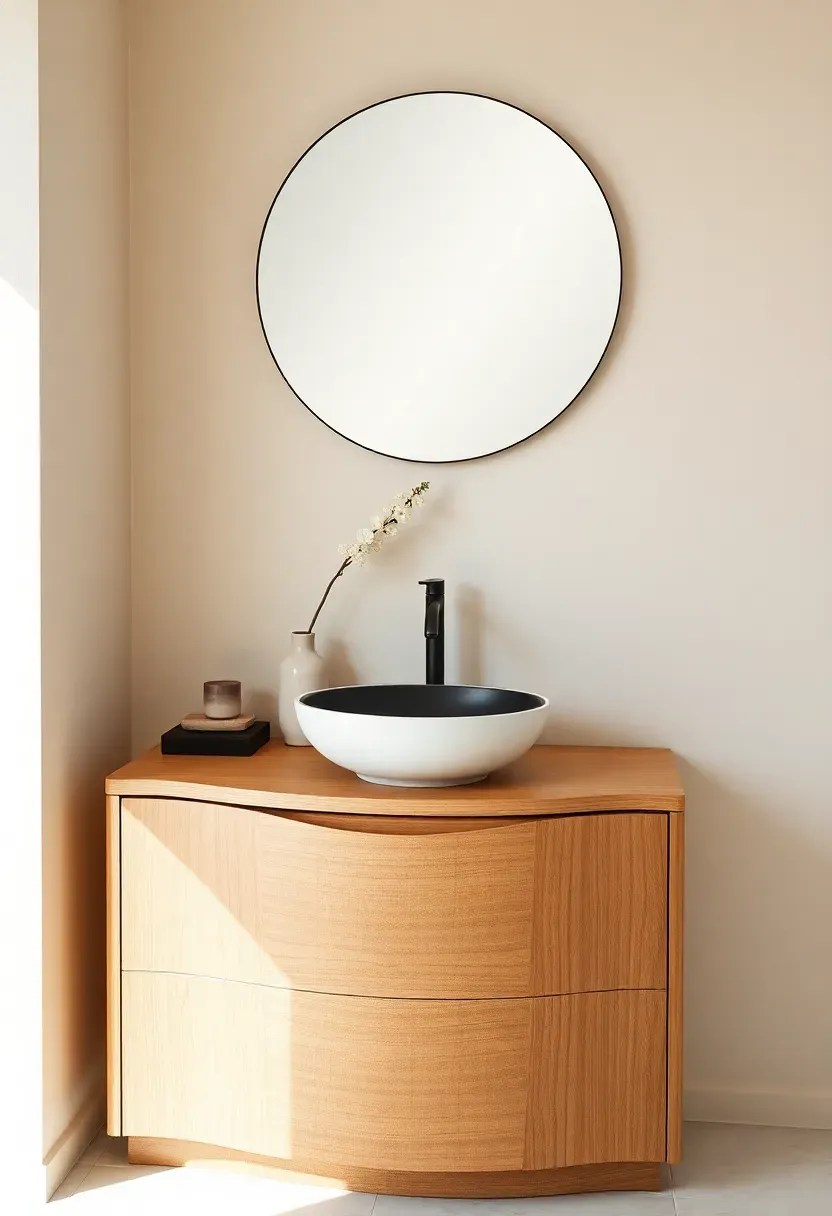
1. Curved Vanities and Soft Geometry
Sharp right angles are losing ground in bathroom cabinetry. Designers are gravitating toward rounded edges on vanity fronts, oval mirrors, and arched shower enclosures that soften the overall feel of the room without sacrificing storage capacity.
Why the Shift Matters
Curved forms reduce visual tension in small spaces, making a compact bathroom feel less boxy. They also minimize hard corners that collect dust and cause bruised hips during the morning rush. Materials like bent plywood, molded resin, and CNC-routed solid wood make production easier than in previous decades.
Tips for Implementation
- Pair a curved vanity with a round or pill-shaped mirror for visual cohesion
- Choose soft-close drawers to match the gentle aesthetic
- Opt for integrated handles or push-to-open mechanisms that maintain the smooth silhouette
We picked a few things that go well with this idea: 10-Piece Matte Black Stainless Steel Towel Bar Set (★4.7), USHOWER 4-Piece Matte Black Towel Bar Set (★4.6) and FORIOUS 4-Piece Matte Black Bathroom Hardware Set (★4.7). As an Amazon Associate we earn from qualifying purchases.
2. Warm Minimalism with Natural Stone
The Core Issue
Cold, clinical minimalism dominated the last decade of bathroom design, leaving many homeowners with spaces that felt sterile rather than serene.
The Solution
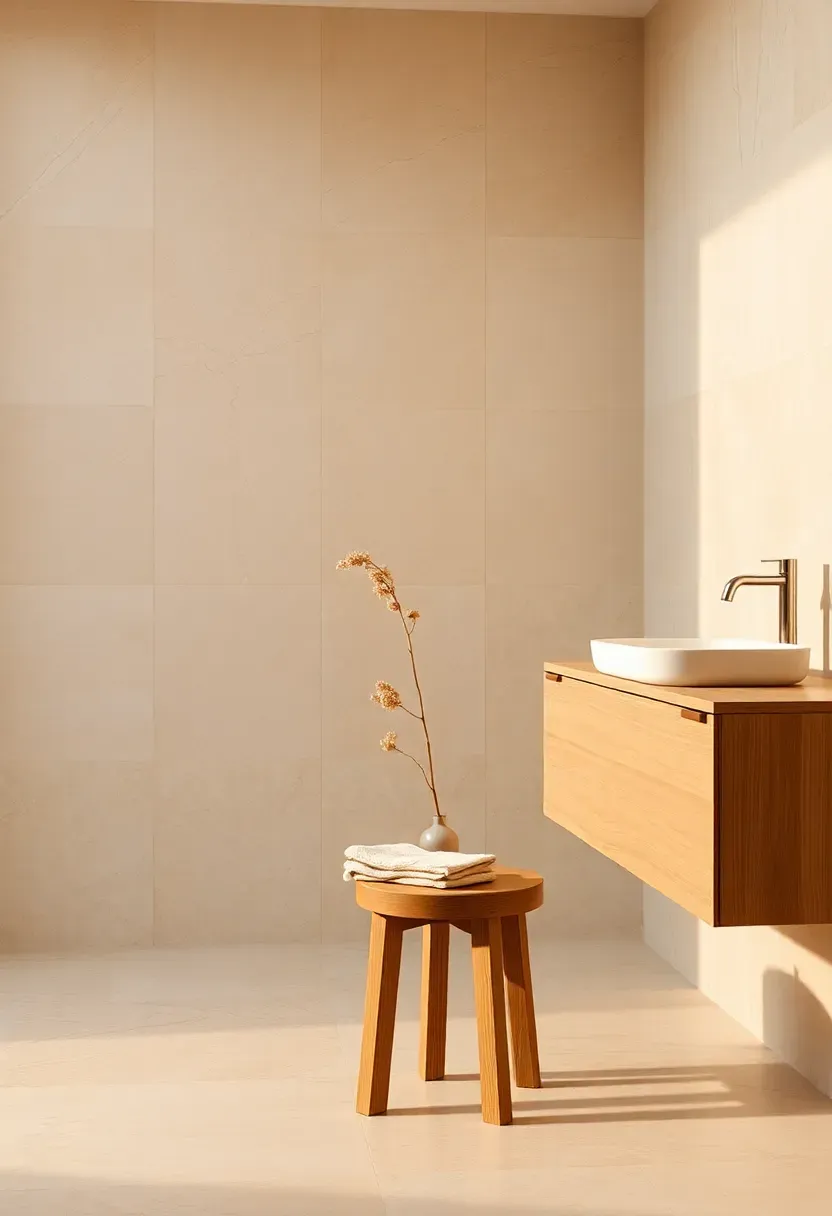
Warm minimalism corrects this by retaining the decluttered simplicity of minimalist design while introducing natural stone surfaces, honey-toned woods, and creamy plaster finishes. Travertine, limestone, and sandstone replace white gloss tiles, creating depth through subtle vein patterns and tonal variation. The result is a bathroom that feels edited and intentional rather than empty and uninviting.
Pros and Cons
Pros: Timeless appeal, tactile warmth, hides water spots better than white surfaces Cons: Natural stone requires sealing, higher material cost than ceramic tile
We picked a few things that go well with this idea: LOAAO 24x32 LED Anti-Fog Bathroom Mirror (★4.6), Hivone 40x32 Smart LED Bathroom Mirror (★4.7) and STARLEAD 40x28 LED Mirror with Bluetooth Speaker (★4.6). As an Amazon Associate we earn from qualifying purchases.
3. Matte Black Hardware Everywhere
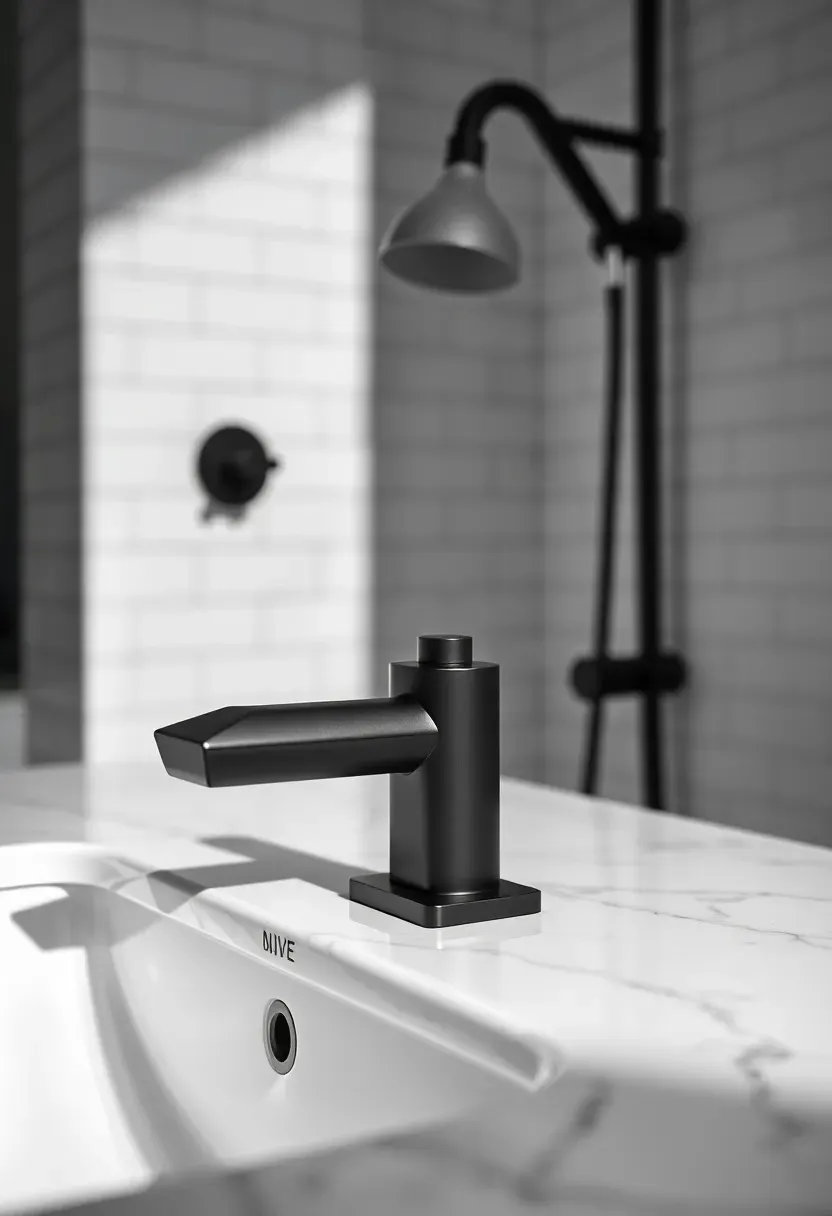
The matte black finish has moved beyond faucets and shower heads into towel bars, toilet flush plates, mirror frames, and cabinet pulls. This cohesive approach creates a graphic, deliberate look that anchors the bathroom design and pairs equally well with marble, wood, or concrete surfaces.
Practical Considerations
- Matte finishes show fewer water spots and fingerprints than polished chrome
- Choose PVD-coated fixtures for scratch resistance and long-term durability
- Black hardware works best against lighter backgrounds where the contrast reads clearly
What to Watch Out For
Avoid mixing different brands of matte black, as slight variations in shade or texture become obvious when pieces sit side by side. Purchase all hardware from a single manufacturer or collection.
We picked a few things that go well with this idea: WOODBRIDGE 67-Inch Acrylic Freestanding Soaking Tub (★4.6), Empava 59-Inch Acrylic Freestanding Soaking Tub (★5.0) and 67-Inch Black and White Freestanding Soaking Tub (★5.0). As an Amazon Associate we earn from qualifying purchases.
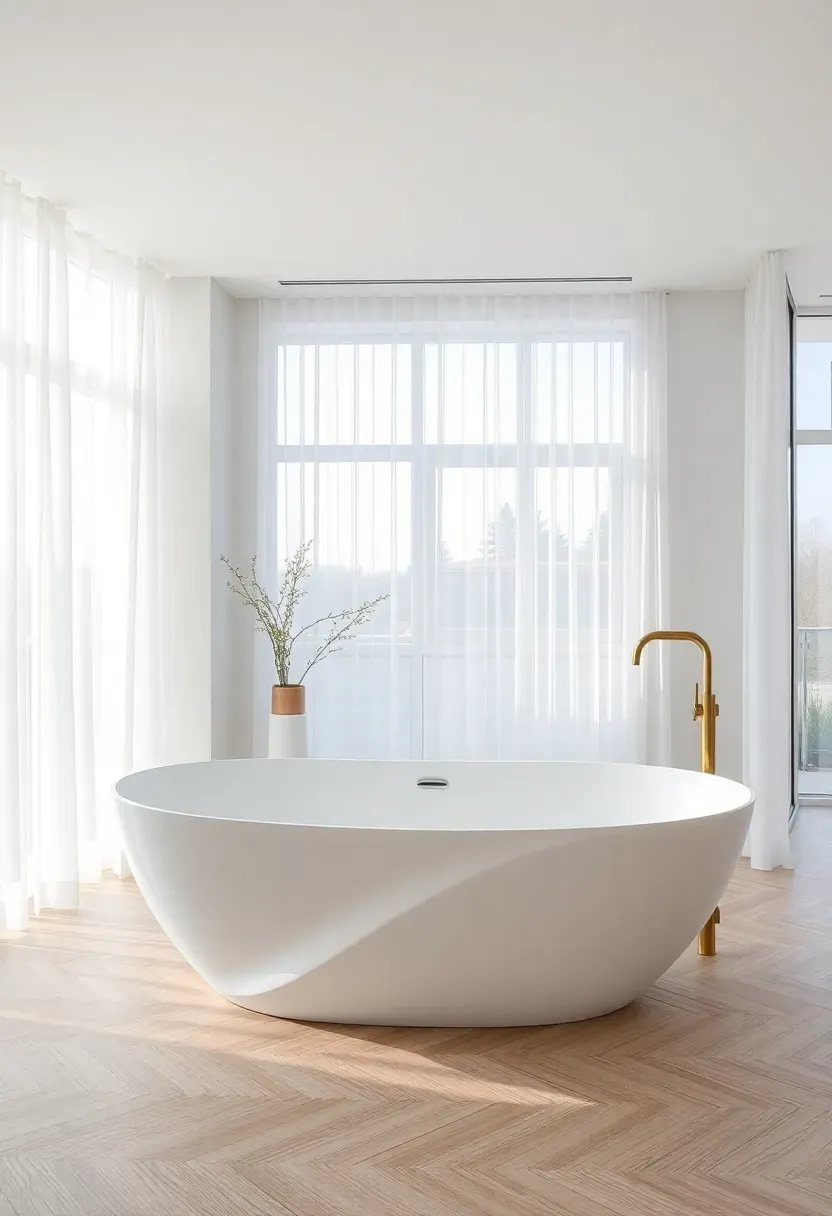
4. Freestanding Sculptural Bathtubs
The bathtub as furniture piece continues to grow in popularity. Asymmetric silhouettes, tapered bases, and stone-composite materials turn the tub into a visual anchor that makes the entire bathroom feel more like a designed room and less like a tiled box.
Step 1: Assess Your Space
You need a minimum clear area of roughly 70 by 32 inches, plus at least 15 inches of clearance on one side for getting in and out. Verify floor load capacity, since stone-composite tubs filled with water can weigh over 800 pounds.
Step 2: Choose the Right Material
Solid surface composites offer warmth to the touch and retain heat longer than acrylic. Cast stone provides luxury weight and texture. Avoid thin acrylic models that flex underfoot and feel hollow.
Step 3: Plan Plumbing Access
Freestanding tubs require floor-mounted or wall-mounted filler spouts with concealed rough-in plumbing. Plan this before tiling to avoid costly rework.
Recommended
Items for this idea
5. Floor-to-Ceiling Tile Slabs
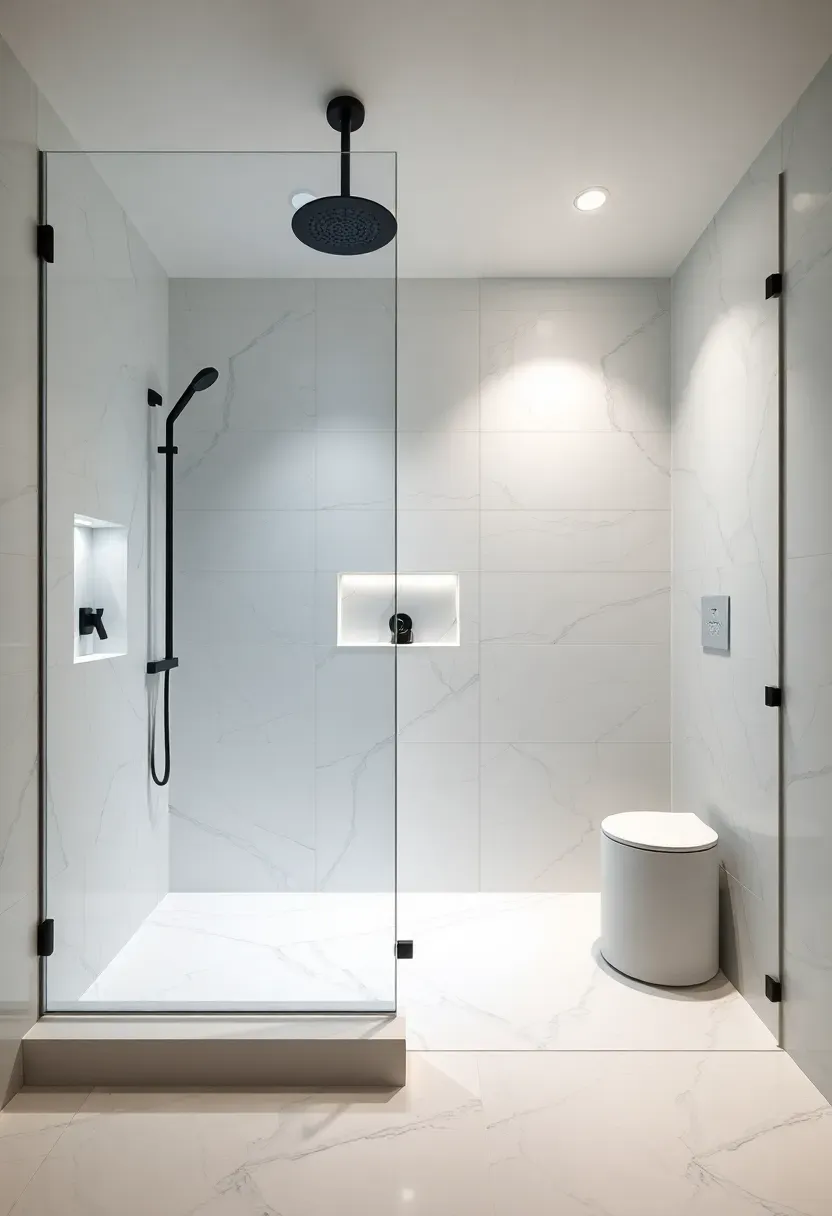
Oversized porcelain slabs measuring 60 by 120 inches or larger eliminate grout lines almost entirely, creating walls that look like solid stone. This trend delivers a seamless, luxurious appearance that also happens to be easier to clean than traditional tile layouts.
Why It Works
Fewer grout joints mean fewer places for mold and mildew to take hold. The visual continuity tricks the eye into perceiving more space, which is especially valuable in smaller bathrooms. Porcelain slabs mimic marble, concrete, and terrazzo patterns at a fraction of the cost and maintenance burden.
Practical Considerations
- Professional installation is essential due to the weight and fragility of large slabs
- Book-matched slabs create a mirror-image pattern across two walls for a dramatic feature
- Budget for specialized adhesive and leveling systems designed for large-format tiles
6. Floating Vanities with Hidden Storage
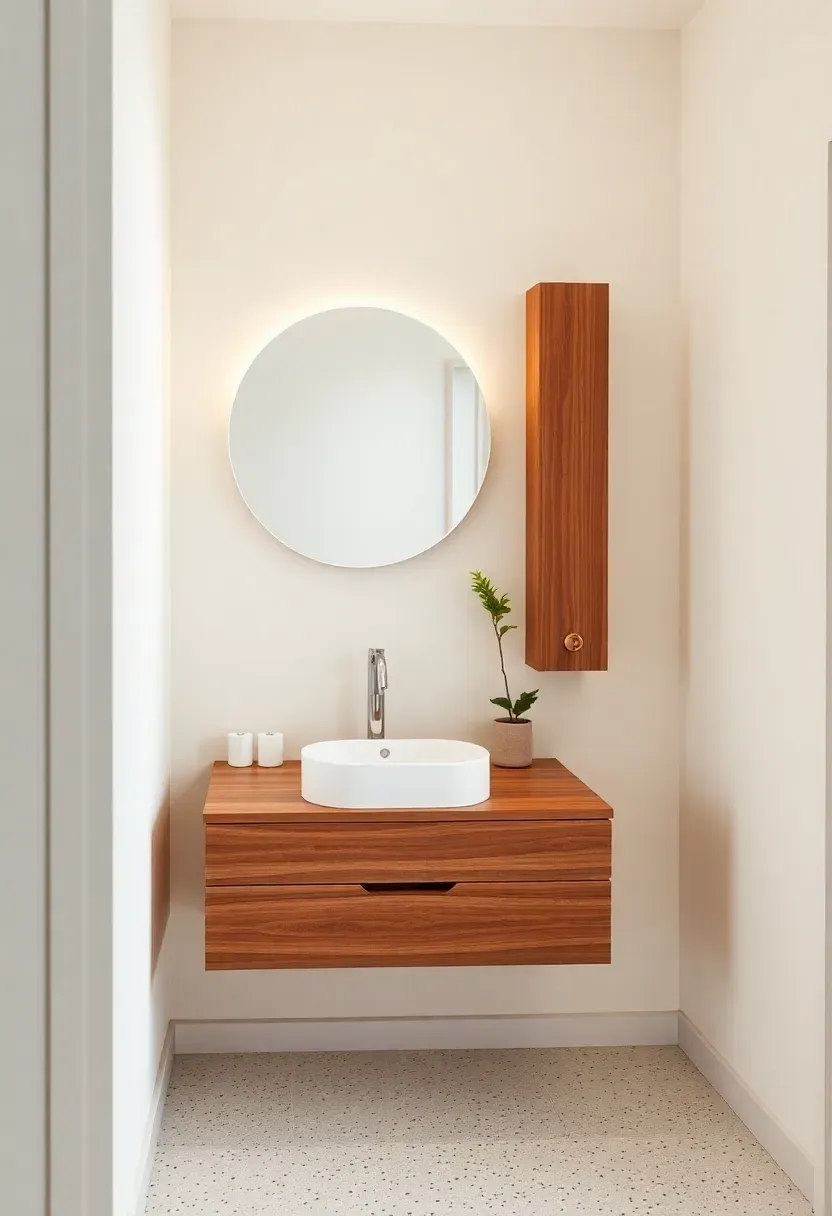
Wall-mounted vanities that hover above the floor continue to dominate contemporary bathroom design. The exposed floor beneath creates an illusion of greater square footage and makes cleaning a simple matter of sweeping or mopping underneath without obstacles.
How to Maximize Storage
Internal organizers with dividers keep drawers tidy. Full-extension drawer slides allow access to the entire depth of the cabinet. Consider a vanity with a recessed shelf behind the mirror to keep daily essentials within reach but out of sight.
Tips for Installation
- Use a heavy-duty French cleat or steel bracket rated for the loaded weight
- Ensure wall blocking is installed between studs before tiling
- Position the vanity height between 32 and 36 inches from floor to countertop, depending on user height
Recommended
Items for this idea
7. Japandi-Inspired Wet Rooms
The Core Issue
Traditional shower stalls and bathtub surrounds chop the bathroom into separate zones, making mid-size rooms feel cramped and awkward to navigate.
The Solution
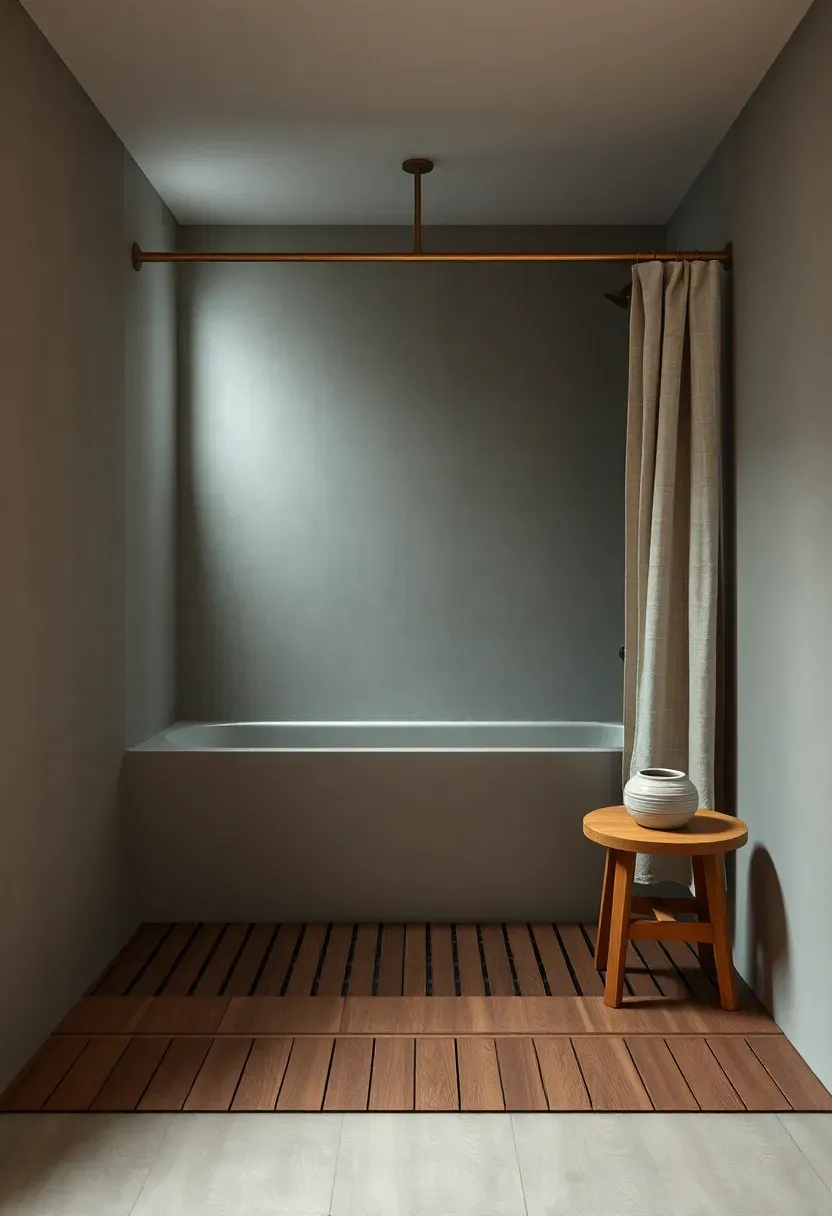
Wet room design removes these barriers. The entire bathroom floor is graded toward a linear drain, allowing the shower area to flow seamlessly into the rest of the space. Adding Japandi influences means integrating warm wood slat flooring over the drain zone, linen textiles, and a restrained color palette of charcoal, cream, and warm gray. A single branch or ceramic vessel provides the only decoration. If this aesthetic resonates, explore more Japandi bathroom ideas for a deeper look at this serene style.
Pros and Cons
Pros: Maximizes usable floor space, wheelchair accessible, spa-like atmosphere Cons: Requires waterproof membrane across the entire floor, careful slope grading, higher installation cost
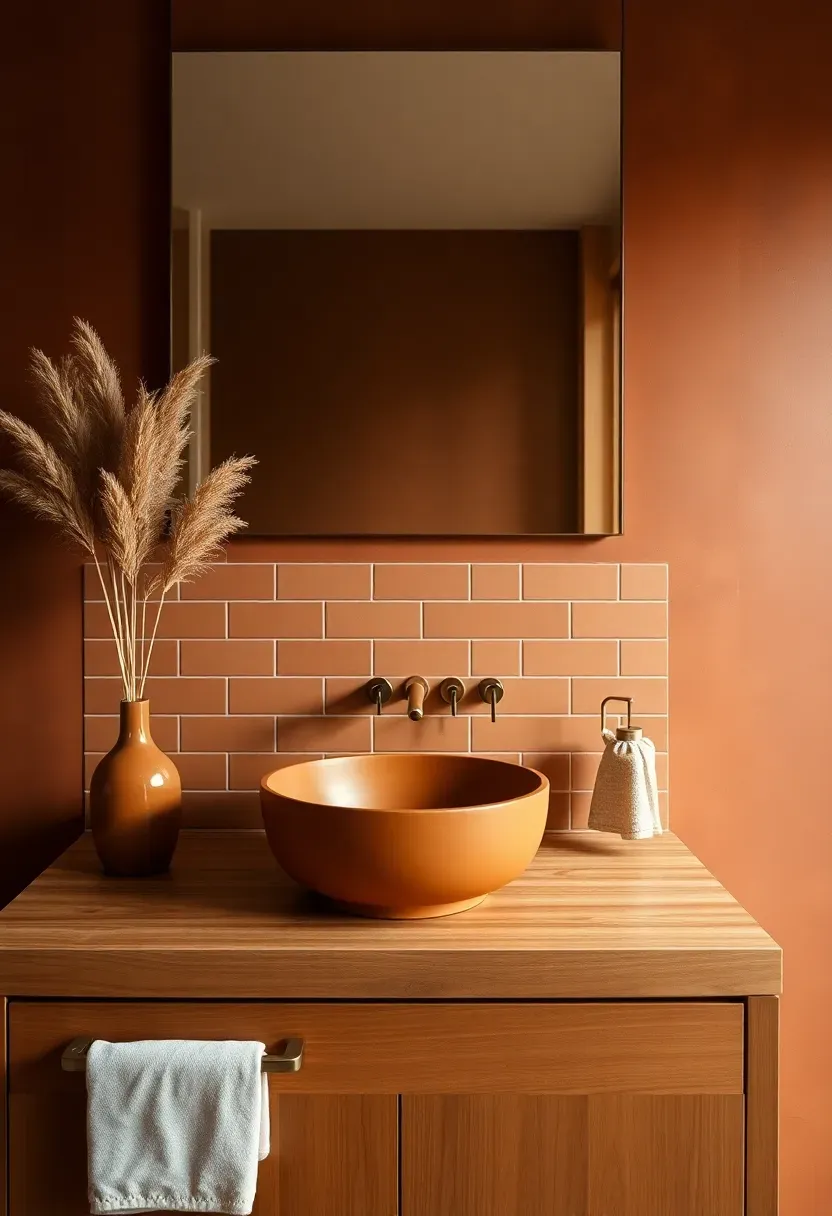
8. Earthy Terracotta and Clay Tones
White and gray bathrooms are making room for warmer alternatives. Terracotta, sienna, rust, and clay tones bring a grounded, lived-in quality that photographs beautifully and creates a welcoming atmosphere. These colors pull from the natural world and pair well with raw wood, dried botanicals, and linen textiles.
Modern Interpretation
Rather than coating every surface in deep orange, the contemporary approach uses terracotta as an accent. A feature wall of hand-pressed terracotta tiles behind the vanity, a clay-toned vessel sink, or warm-toned grout with neutral tiles all deliver the look without overwhelming the room.
How to Apply at Home
- Start with terracotta accessories like soap dispensers and towels to test the palette
- Use matte-finish terracotta tiles to avoid a glossy, dated appearance
- Balance warm tones with cooler whites or soft greens to prevent the space from feeling heavy
- Consider terracotta-colored micro-cement for a seamless, modern finish
Recommended
Items for this idea
9. Smart Mirrors with Integrated Lighting
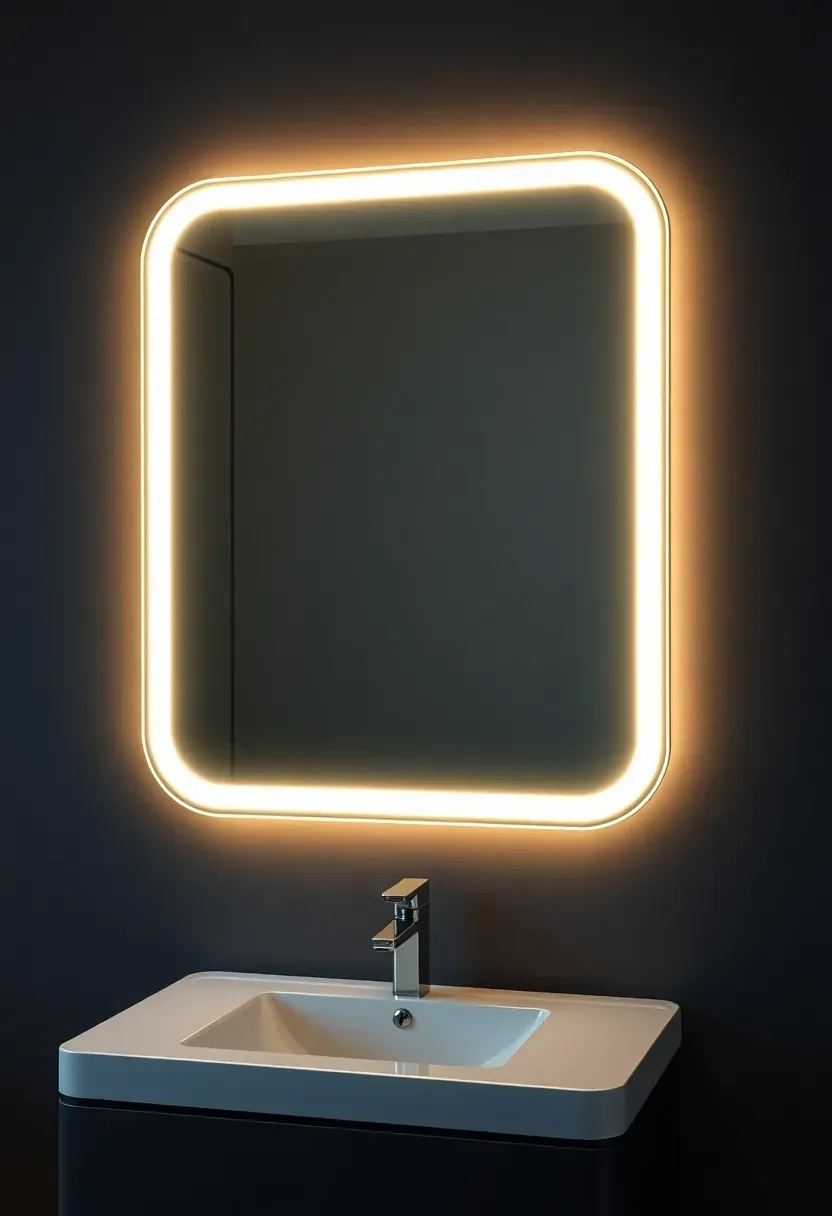
Bathroom mirrors are becoming multi-functional fixtures. Models with built-in LED perimeter lighting, defogger pads, touch-activated dimming, and even Bluetooth speakers transform a simple reflective surface into the control center of the morning routine.
Comparing: Standard Mirror vs Smart Mirror
Standard mirror — lower cost, no electrical work needed, easy to replace. Best for guest bathrooms and rental apartments where simplicity matters.
Smart mirror — adjustable color temperature for makeup application, no external sconces needed, defogging after hot showers. Best for primary bathrooms where daily functionality justifies the investment.
Recommendation
If you apply makeup or shave at the mirror daily, an integrated LED mirror pays for itself in convenience. Choose models rated IP44 or higher for moisture zones.
10. Open Shower Concepts without Glass
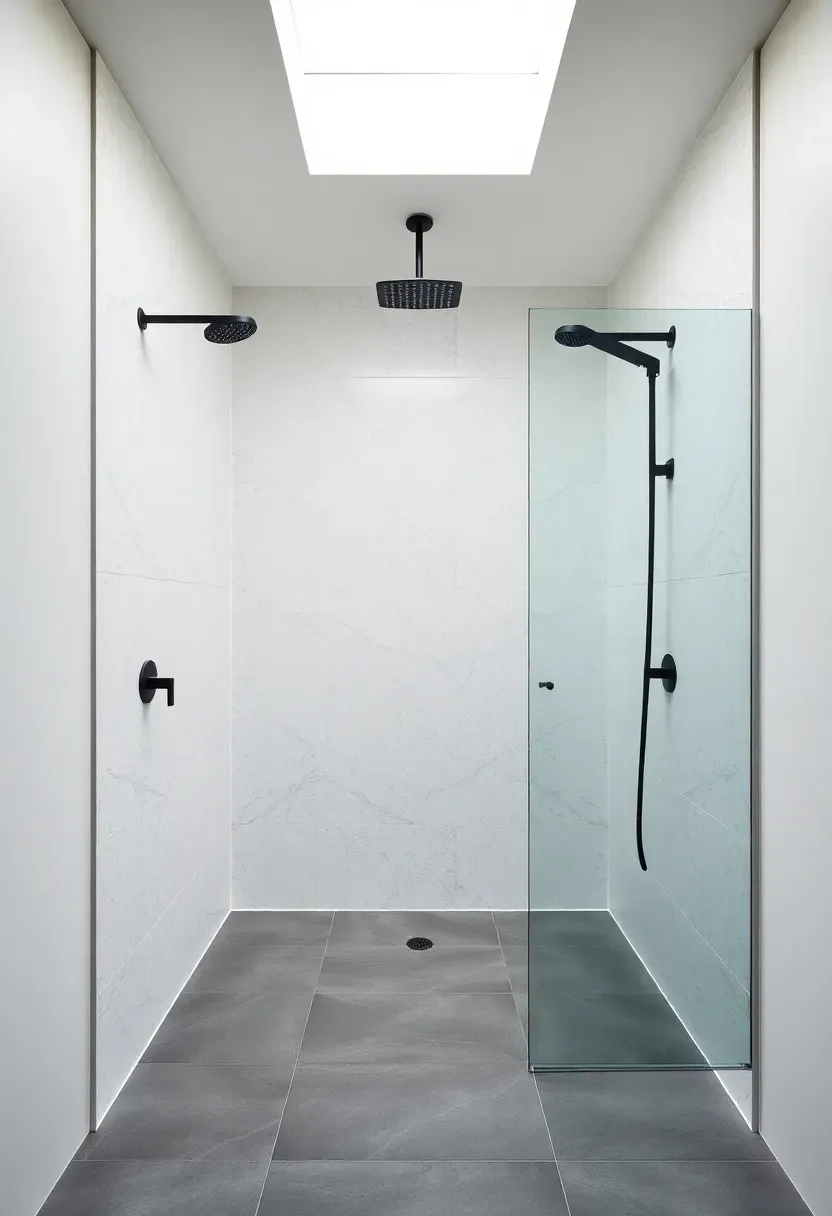
Frameless glass shower enclosures dominated the 2010s, but the trend is shifting toward fully open showers that use half walls, changes in floor level, or strategic layout to contain water without any glass to clean. The result is a bathroom that feels more like a room and less like a series of enclosed compartments.
How to Contain Water without Glass
A half wall roughly 48 inches tall blocks direct splash. A recessed shower floor with a slight lip at the transition prevents water from flowing into the dry zone. Ceiling-mounted rain showers positioned directly over the drain reduce sideways spray significantly.
What to Watch Out For
- Ventilation becomes critical since steam disperses freely through the room
- Choose slip-resistant floor tiles rated R10 or higher for the entire bathroom
- Position towel hooks within arm's reach of the shower exit but outside the splash zone
Recommended
Items for this idea
11. Fluted and Reeded Surface Textures
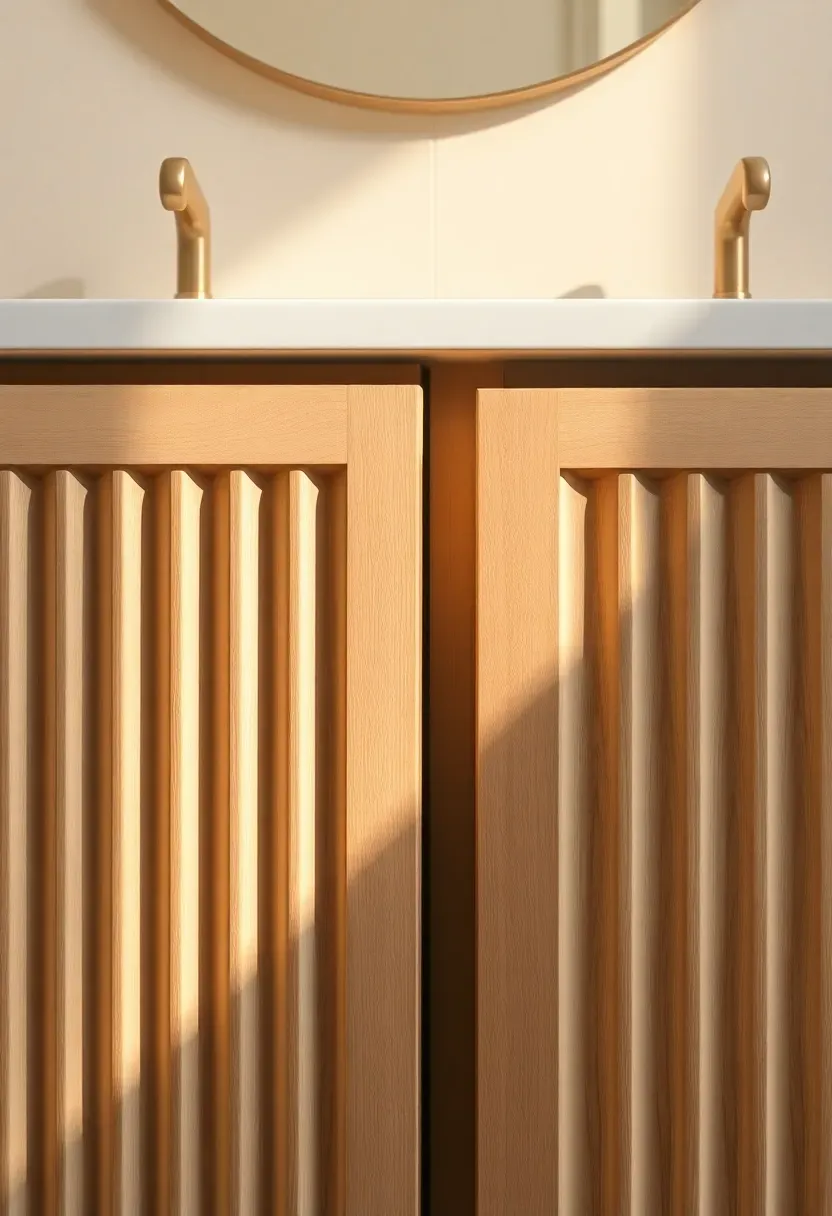
Vertical grooves on vanity doors, feature walls, and even bathtub surrounds add rhythmic depth to bathroom surfaces. This architectural detail, borrowed from classical column design, is appearing in everything from natural wood to painted MDF and cast concrete panels.
Why It Works
Fluting catches light at varying angles throughout the day, creating subtle shadow play that flat surfaces cannot achieve. The texture adds visual interest without pattern or color, making it versatile enough for minimalist and maximalist schemes alike.
Practical Considerations
- Reeded glass shower panels offer privacy while allowing light through
- Fluted vanity fronts in solid wood are easier to dust than carved decorative panels
- Vertical lines draw the eye upward, making low ceilings feel taller
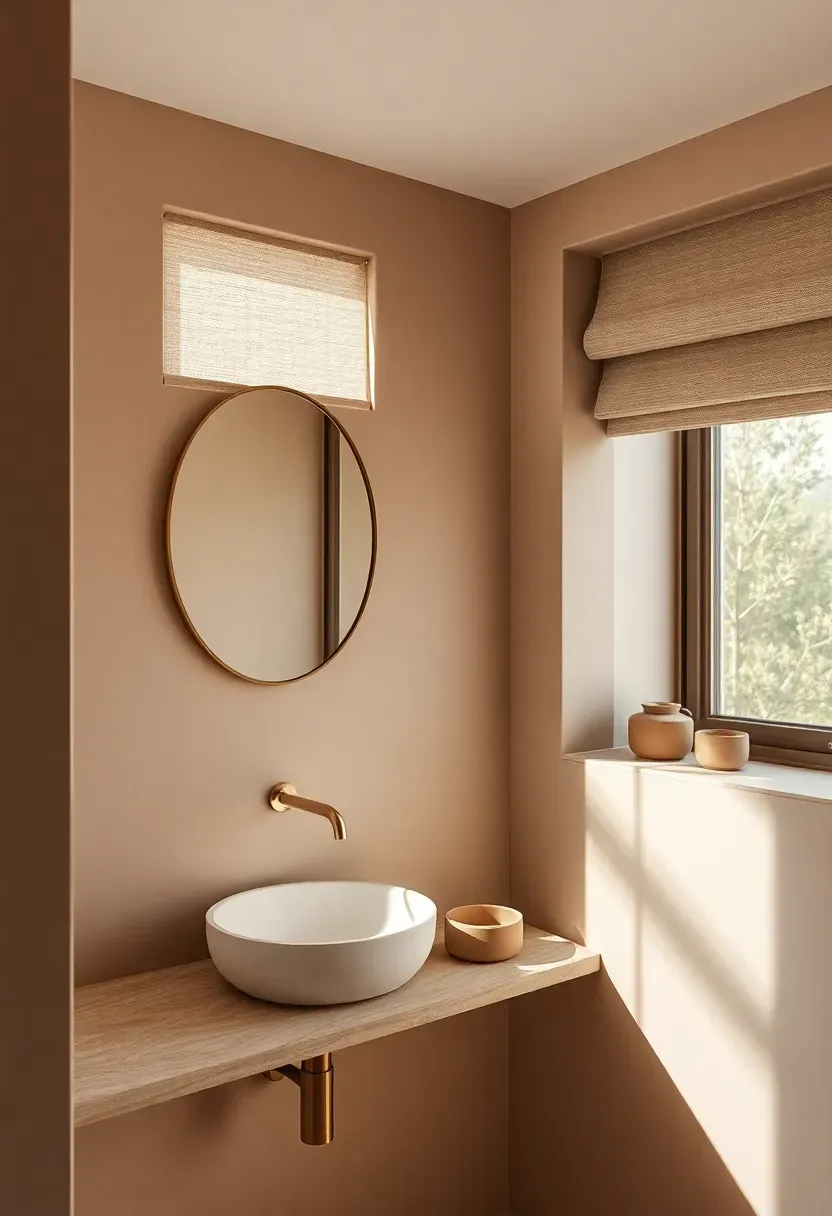
12. Mushroom and Taupe Color Palettes
The pure white bathroom is yielding to warmer neutral tones. Mushroom, taupe, greige, and putty shades create a cocoon-like atmosphere that feels sophisticated without demanding bold commitment. These colors work across a range of materials, from plaster and paint to tile and stone, unifying the space with quiet consistency. For a broader view of this direction, the guide to modern minimalist bathroom ideas shows how neutral palettes translate into complete room schemes.
Origins
This color shift connects to the broader interior design movement toward "quiet luxury," where expensive-looking restraint replaces loud statements. European spa design and Japanese onsen aesthetics both contributed to the appeal of soft, muted earth tones.
How to Apply at Home
- Layer three to four shades within the same tonal family for depth without contrast
- Use matte finishes to enhance the soft, chalky quality of these hues
- Add a single dark element, such as a black-framed mirror, to prevent the palette from reading as washed out
Recommended
Items for this idea
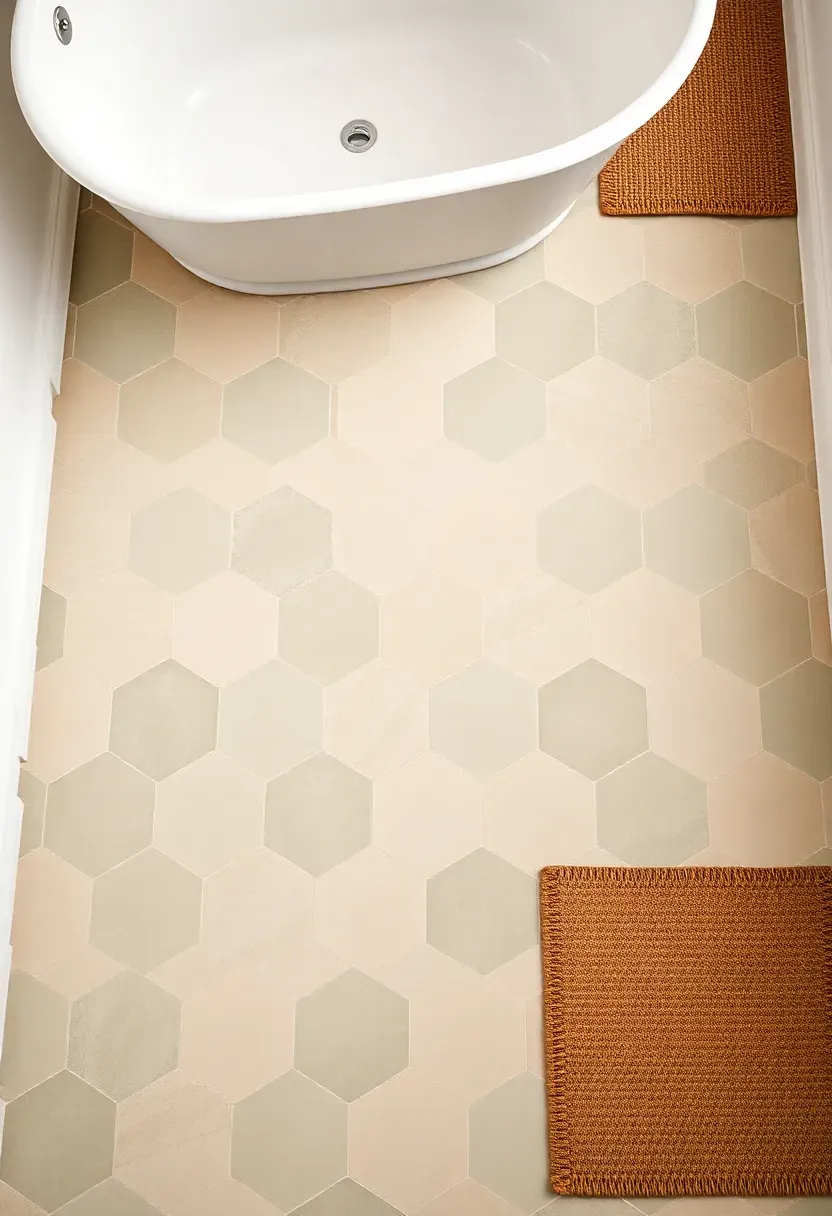
13. Oversized Hexagonal Floor Tiles
Small mosaic hexagons recall vintage bathrooms, but the 2026 version scales up dramatically. Hexagonal tiles measuring 8 to 12 inches across deliver geometric interest with far fewer grout lines. Laid in two alternating tones, they create a subtle pattern that feels fresh without overwhelming the room.
Step 1: Choose Your Scale
Match tile size to room size. Eight-inch hexagons suit compact powder rooms, while 12-inch versions anchor larger primary bathrooms. Avoid mixing sizes on the same floor.
Step 2: Select a Color Strategy
Two muted tones in the same family, such as warm white and pale sage, create movement without chaos. High-contrast pairings like black and white read as retro, which may or may not suit your design goals.
Step 3: Plan the Layout
Dry-lay the tiles before adhering to confirm the pattern alignment at doorways and walls. Hexagonal tiles create complex edge cuts, so budget extra material for waste.
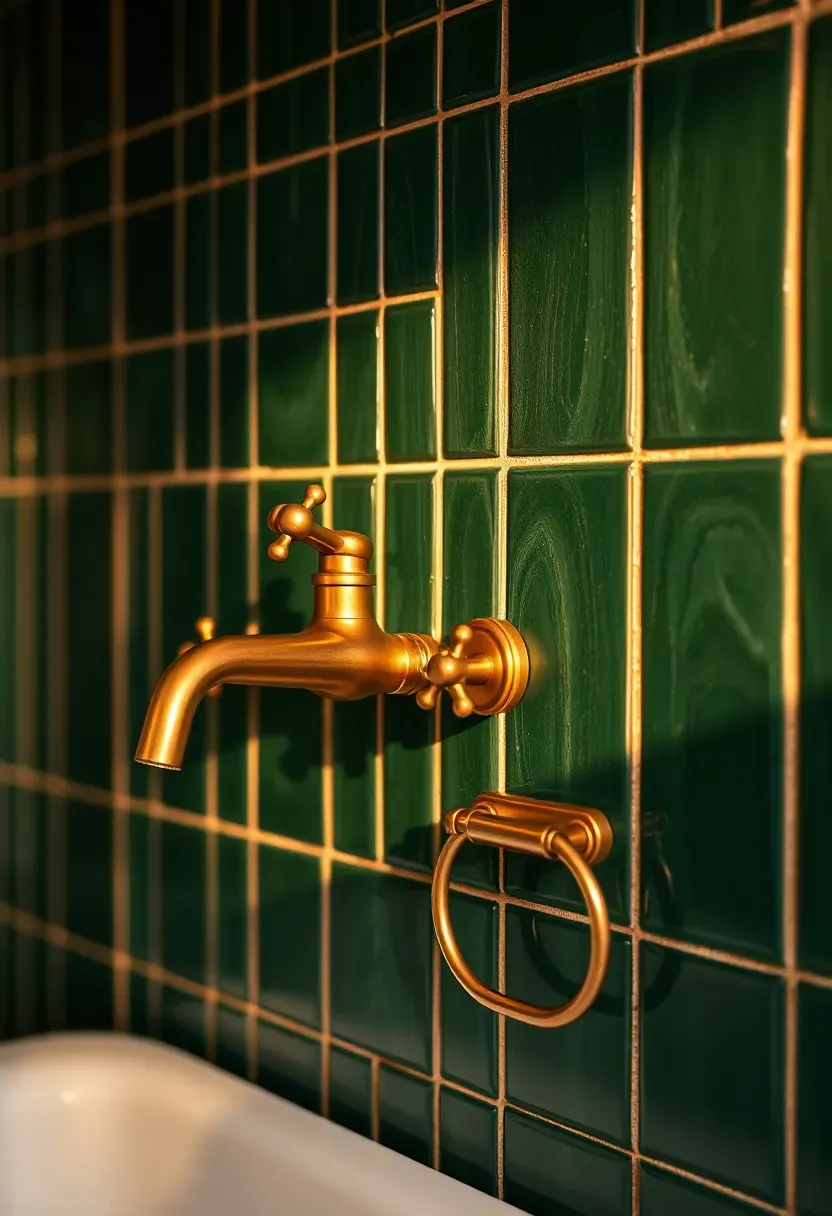
14. Brass and Unlacquered Metal Accents
Living finishes that age and patina over time are gaining ground over static polished or brushed alternatives. Unlacquered brass, in particular, develops a rich warmth as it oxidizes, making the bathroom feel more personal and layered over the years rather than frozen in its installation day.
Why It Matters
Every hand that touches an unlacquered brass door handle or faucet leaves a subtle mark that contributes to the finish's evolution. This imperfection aligns with the broader design embrace of wabi-sabi and authentic materiality, rejecting the idea that a bathroom should look factory-new indefinitely.
Practical Considerations
- Unlacquered brass requires no maintenance if you embrace the patina
- To restore shine, a lemon and salt paste removes oxidation in minutes
- Pair with matte tile and natural stone to amplify the organic, lived-in effect
Recommended
Items for this idea
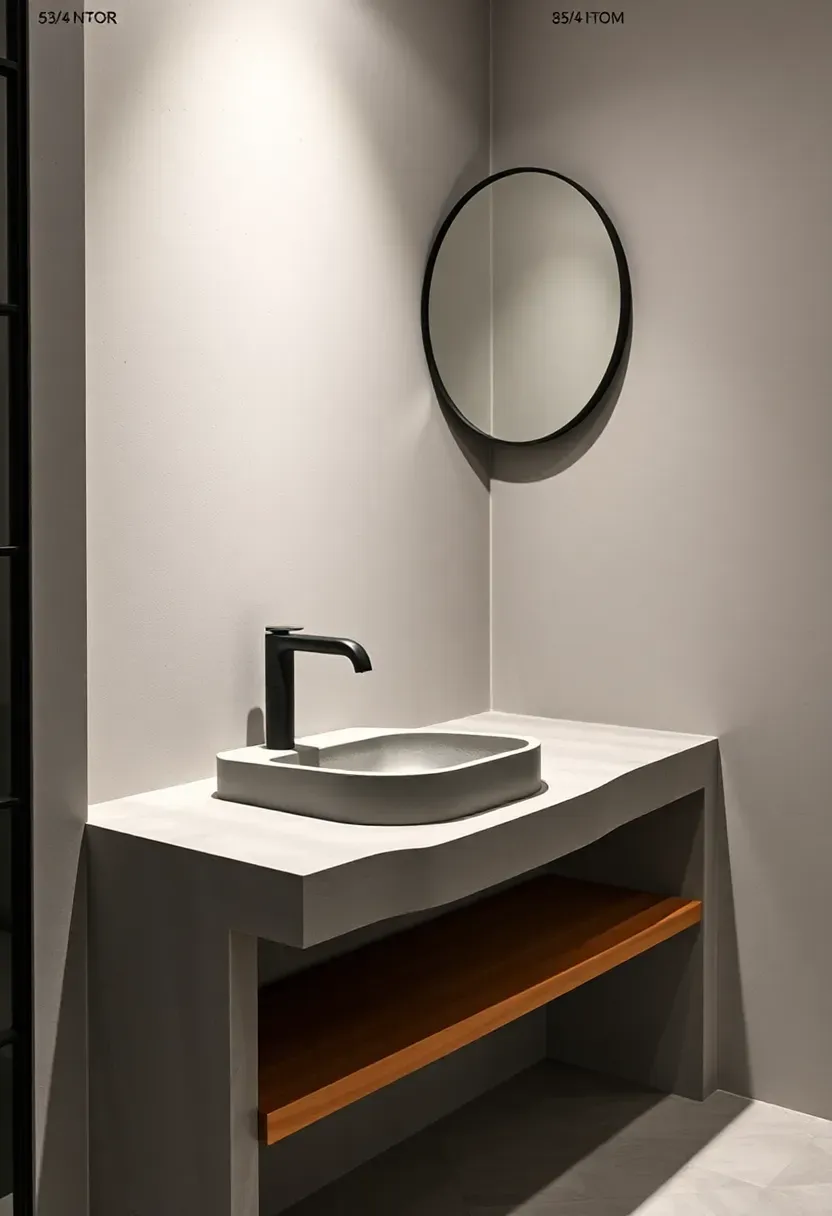
15. Concrete Countertops and Sinks
Cast concrete brings industrial weight and raw texture to the bathroom. Integrated sinks eliminate the seam between counter and basin, creating a monolithic surface that looks like it was carved from a single block. Custom pigments allow concrete to match almost any color palette, from charcoal to pale sand.
Comparing: Concrete vs Marble
Choose concrete if: you want a modern industrial aesthetic, need a custom shape, prefer a surface that develops character over time, or work within a moderate budget.
Choose marble if: you want classic elegance, prefer natural vein patterns, are willing to maintain a softer stone, or design within a traditional aesthetic.
What to Watch Out For
- Seal concrete with a penetrating sealer every one to two years
- Expect hairline cracks over time as the material cures, which most designers consider part of the charm
- Weight matters: ensure your vanity frame and wall brackets can support the load
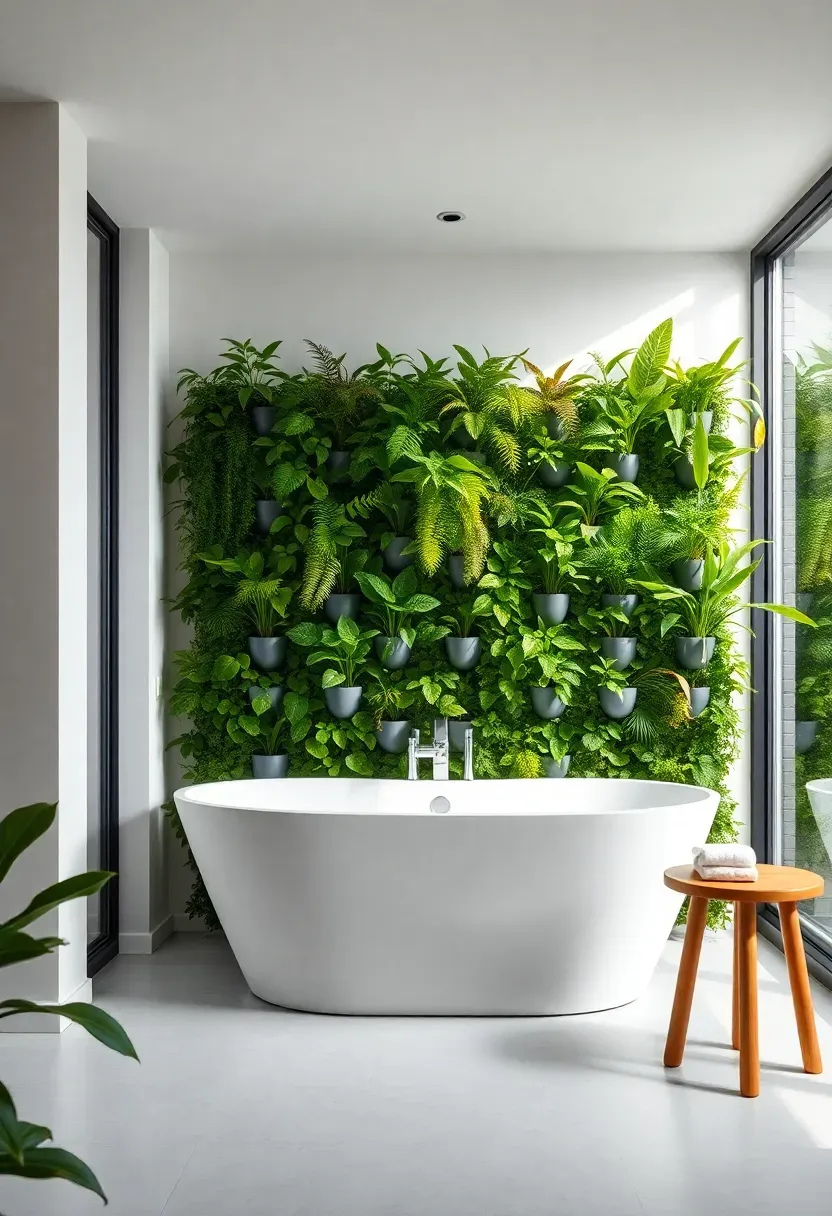
16. Vertical Garden Walls in Bathrooms
Bringing live plants into the bathroom is not new, but dedicating an entire wall to a vertical garden system takes the concept to another level. Modular pocket planters mounted on a waterproof backing support ferns, pothos, moss, and other humidity-loving species that thrive in bathroom conditions.
Why It Works
Bathrooms offer the warm, humid environment that tropical plants crave. A vertical garden improves air quality, adds biophilic texture, and turns a blank wall into a living focal point that changes with the seasons.
Tips for Success
- Install grow lights if your bathroom lacks natural light
- Use an automatic drip irrigation system to keep watering consistent
- Choose low-maintenance species: pothos, bird's nest fern, and peace lily tolerate low light and irregular care
- Waterproof the wall behind the planter system with a pond liner before installation
Recommended
Items for this idea
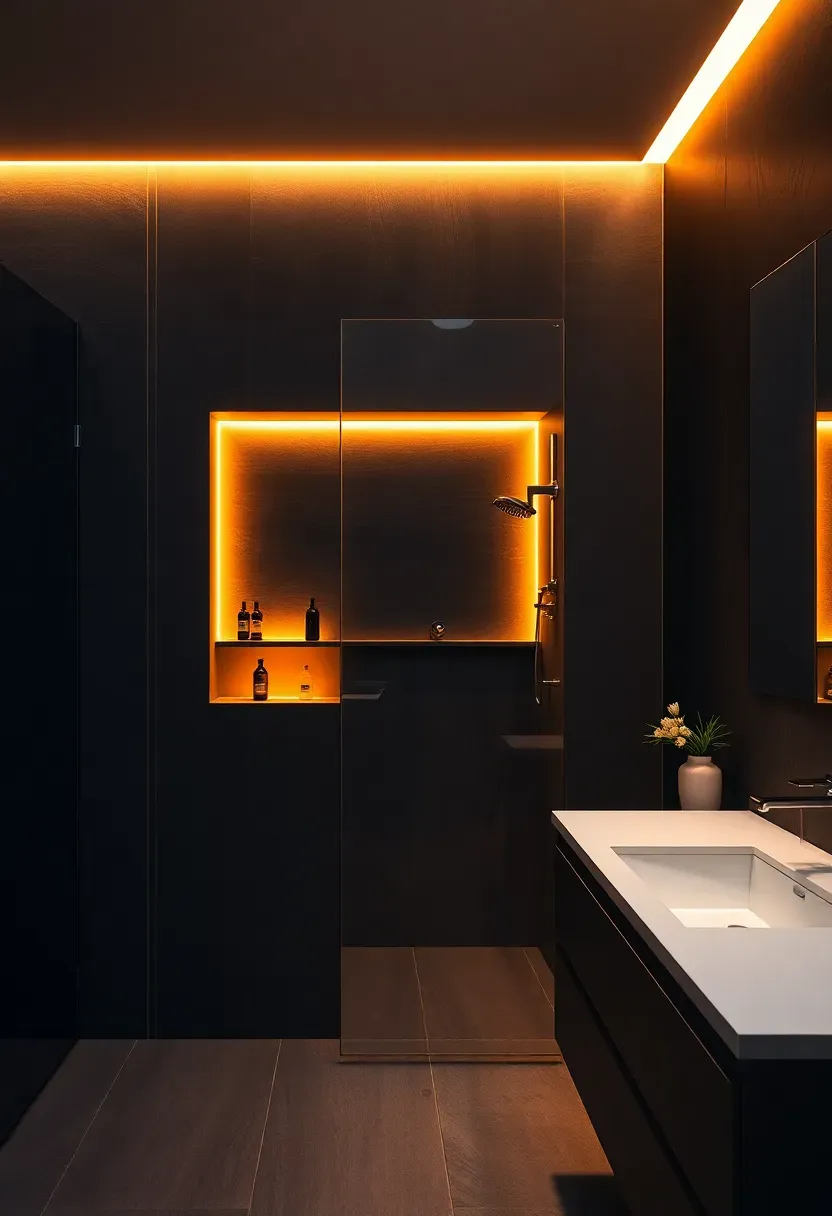
17. Backlit Mirrors and LED Niches
Ambient lighting is replacing overhead fixtures as the primary mood-setter in modern bathrooms. Backlit mirrors cast a halo of light against the wall, eliminating harsh shadows on the face. LED strips recessed inside shower niches illuminate shampoo bottles from below, turning a utilitarian shelf into an architectural detail.
Step 1: Choose Color Temperature
Warm white at 2700 to 3000 Kelvin creates a flattering, relaxed glow suitable for bathing. Neutral white at 4000 Kelvin works better for grooming tasks that require accurate color rendering.
Step 2: Layer Your Lighting
Combine backlit mirrors with recessed ceiling downlights and niche LEDs. Dimmer switches on each circuit allow you to shift from bright task lighting to soft evening ambiance.
Step 3: Plan Wiring Early
LED installations require low-voltage drivers and moisture-rated connections. Run wiring during the rough-in phase before walls are closed.
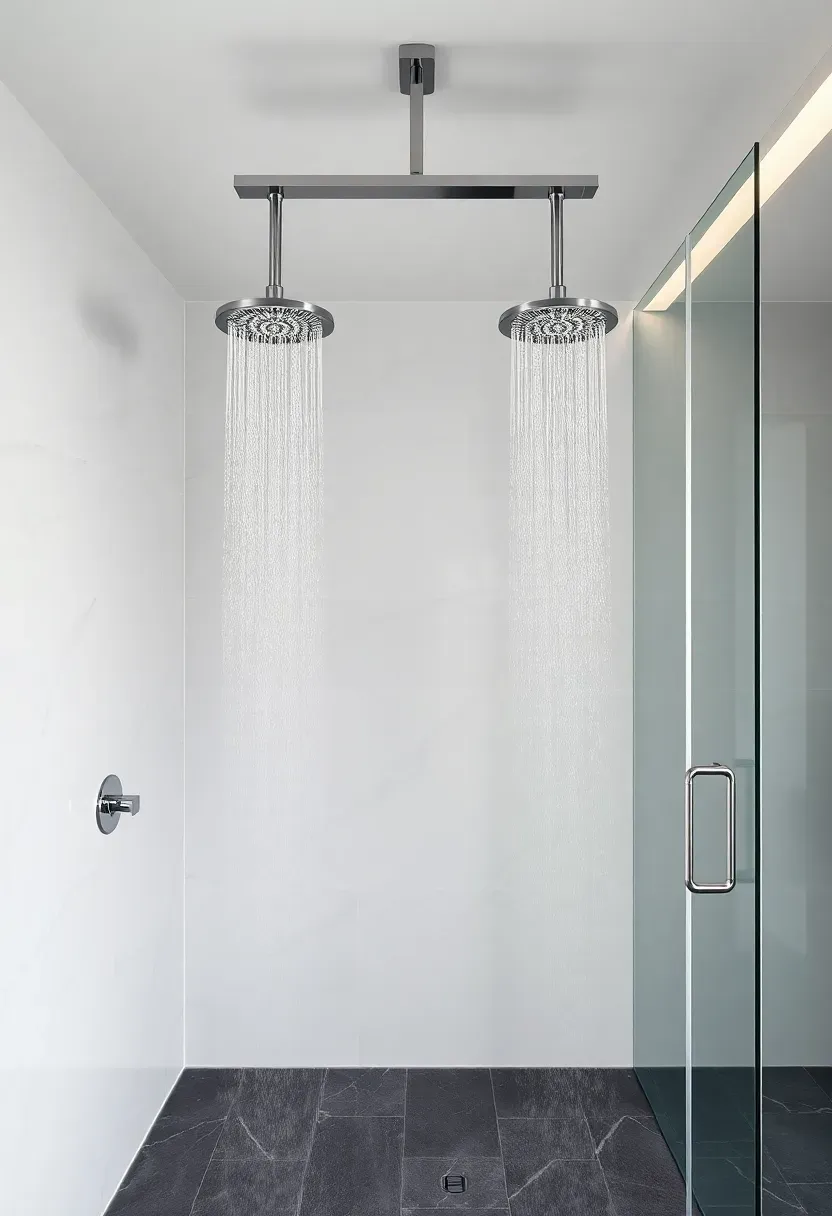
18. Double Rain Showerheads
A single rain showerhead remains popular, but the luxury segment is pushing toward dual installations, either two ceiling-mounted heads side by side or a rain head paired with a wall-mounted waterfall spout. The experience mimics standing beneath a warm downpour rather than under a directed stream.
Why the Upgrade Appeals
Two showerheads cover a wider body area, reducing the constant turning and repositioning that a single head demands. For couples sharing a shower, dual heads eliminate the "cold side" problem entirely.
Practical Considerations
- Verify your water heater capacity can sustain two showerheads running simultaneously
- A thermostatic mixing valve prevents temperature fluctuation when both heads operate
- Larger drain capacity and proper floor slope become more important with increased water volume
Recommended
Items for this idea
19. Micro-Cement Wall Finishes
The Core Issue
Tile installation involves grout lines, complex cuts around fixtures, and visible seams that break up the visual flow of the room.
The Solution
Micro-cement, a polymer-modified cement coating applied in thin layers directly over existing surfaces, creates a seamless finish with the depth and texture of polished concrete. It can cover walls, floors, countertops, and even the shower interior without a single grout line. The material accepts pigment for custom colors and receives a topcoat sealer for full waterproofing.
Pros and Cons
Pros: Seamless appearance, applicable over existing tile, vast color range, thinner than tile assemblies Cons: Requires skilled application, can show trowel marks if applied poorly, needs resealing every few years
20. Statement Pendant Lighting
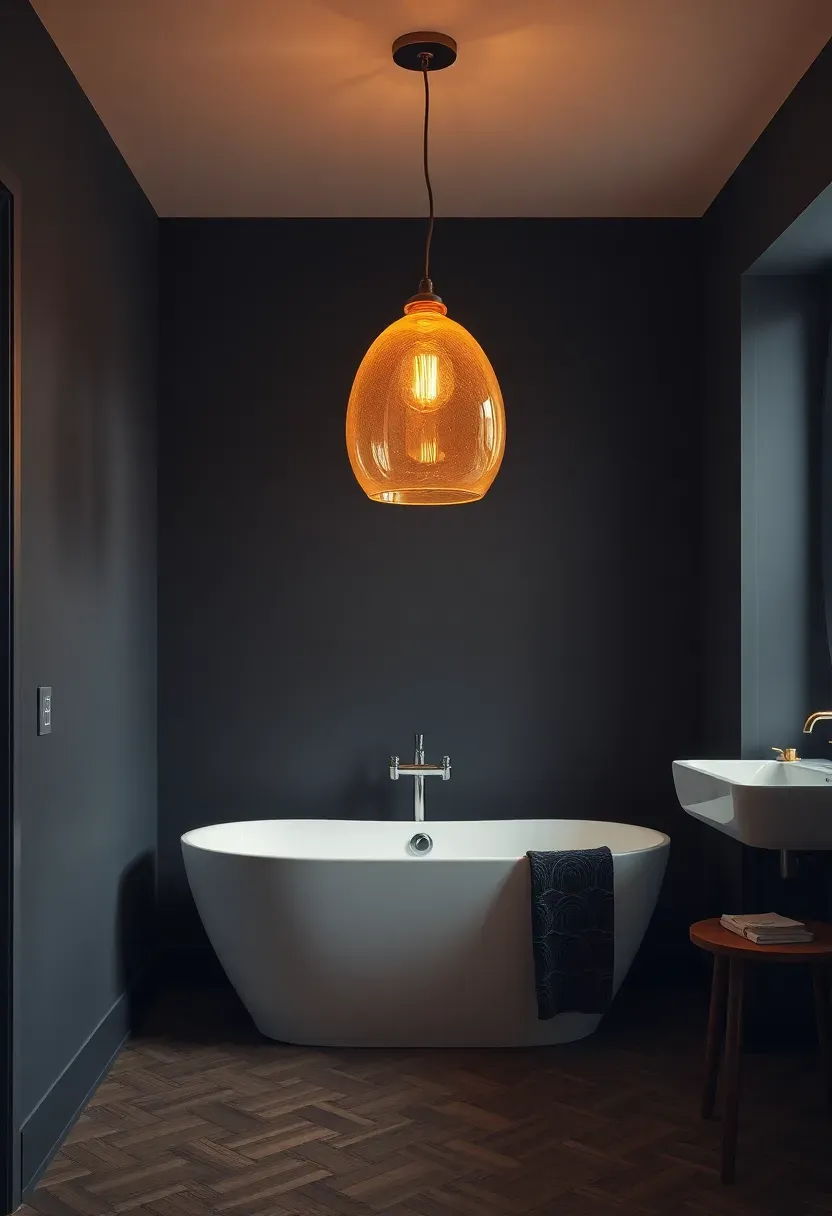
Bathrooms are borrowing from dining rooms and bedrooms by introducing pendant lights as decorative focal points. A single oversized pendant above a freestanding tub or a pair of pendants flanking a vanity mirror adds sculptural interest and warm, directed light.
Why It Works
Pendant fixtures introduce materiality, whether blown glass, woven rattan, hammered metal, or ceramic, that complements other finishes in the room. They create a vertical element that draws the eye upward, adding perceived height to standard ceilings.
What to Watch Out For
- All bathroom pendant fixtures must be rated for damp locations (or wet locations if near the shower zone)
- Hang pendants at least 84 inches from the floor to avoid head clearance issues
- Use dimmable bulbs to transition from bright task lighting to soft bath-time ambiance
Recommended
Items for this idea
21. Integrated Bench Seating in Showers
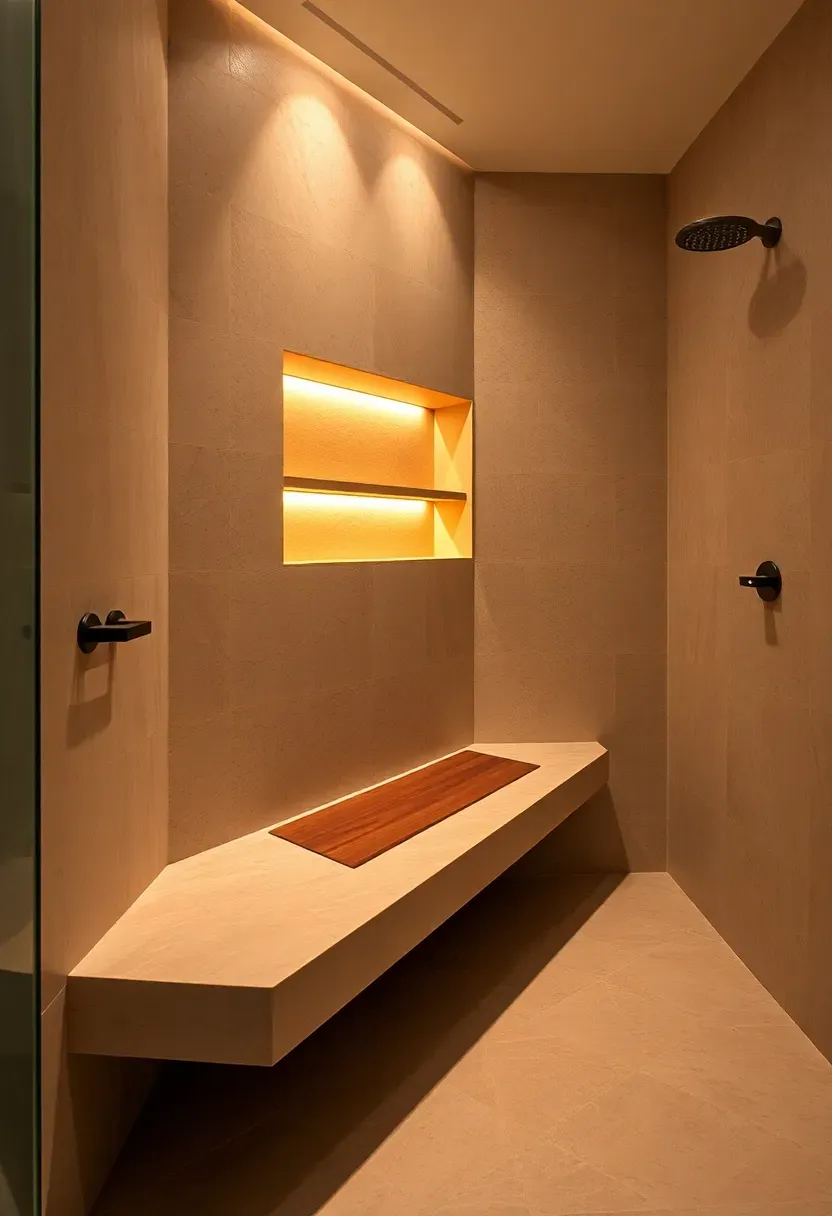
A built-in bench transforms a shower from a quick rinse station into a place where you actually want to linger. Whether cantilevered from the wall, built into a corner, or extended as a full-width ledge, bench seating adds comfort and accessibility to the daily routine.
Modern Interpretation
Current designs favor floating benches with concealed brackets that appear to hover against the wall, eliminating the chunky look of traditional tiled seat boxes. Teak wood slats or heated stone surfaces elevate the seating experience. Some homeowners extend the bench beyond the shower zone to double as a dressing area.
How to Apply at Home
- Build the bench during the shower rough-in phase for proper waterproofing
- Position the seat at 17 to 19 inches from the floor for comfortable sitting height
- Slope the seat surface slightly toward the drain to prevent water pooling
- A niche shelf above the bench keeps bath products within easy reach
22. Zellige and Handmade Tile Revival
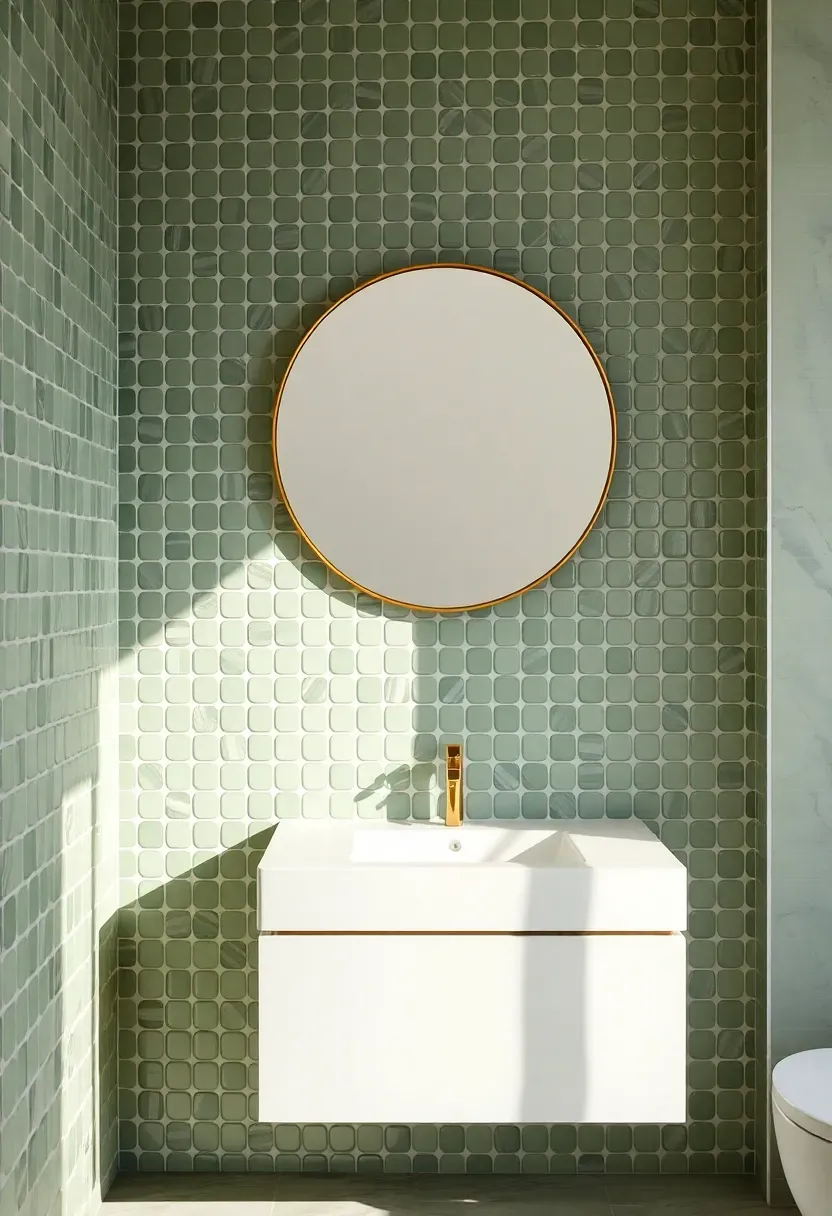
Mass-produced precision tiles have their place, but the renewed appetite for handmade zellige tiles from Morocco and similar artisan traditions brings imperfection back into the spotlight. Each tile varies slightly in color, thickness, and surface undulation, producing a wall that shimmers with tonal depth.
Origins
Zellige tiles have been hand-cut and glazed in Morocco for centuries, traditionally decorating mosques and riads. The current Western adoption preserves the craft while expanding color options far beyond the traditional blues and greens.
Practical Considerations
- Expect 10 to 15 percent tile waste due to irregular sizing and cutting needs
- Wider grout joints (3 to 5 millimeters) accommodate size variation and enhance the handmade look
- Cost runs higher than factory tile but delivers a texture no machine can replicate
Recommended
Items for this idea
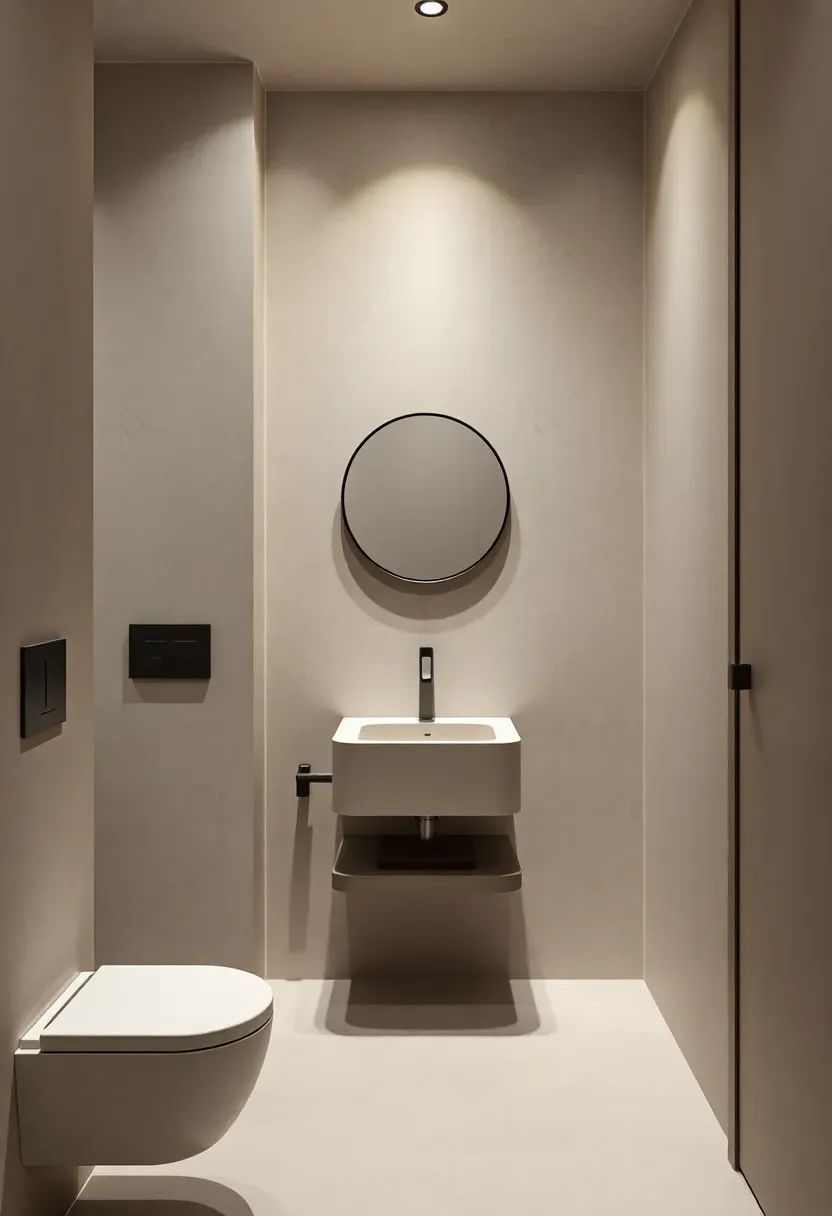
23. Hidden Toilet Cisterns and Wall-Hung WCs
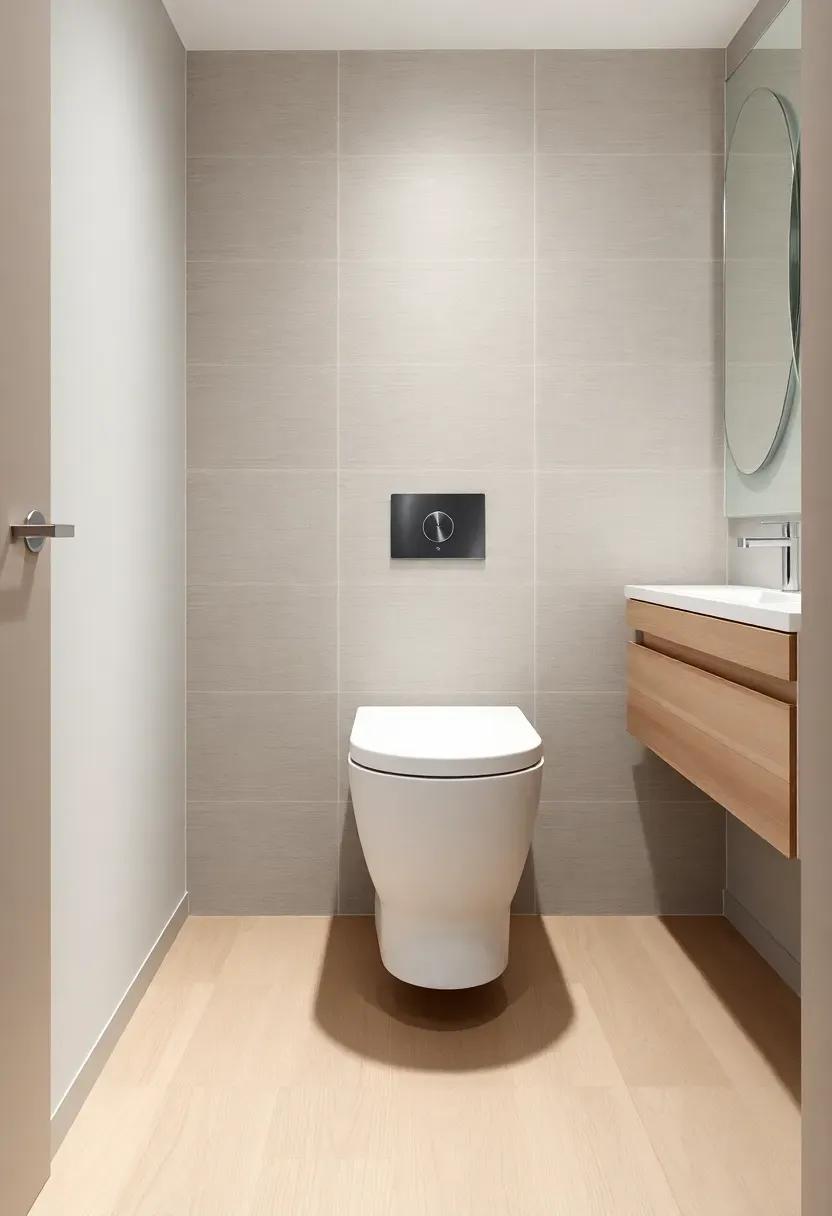
The wall-hung toilet paired with a concealed in-wall cistern is rapidly becoming the default in high-end bathroom renovations. By hiding the tank behind a finished wall and suspending the bowl above the floor, this configuration frees visual space, simplifies cleaning, and creates a streamlined look that aligns with contemporary design principles.
Why It Matters
A traditional floor-mounted toilet with an exposed tank occupies roughly 30 inches of wall depth and creates a bulky profile. A wall-hung unit requires only 8 to 10 inches of in-wall carrier depth and leaves the floor completely clear beneath the bowl. The result is a bathroom that feels larger and more hygienic.
Tips for Installation
- Use a steel carrier frame rated for at least 880 pounds of load
- Access panels behind the flush plate allow maintenance of the concealed valve and fill mechanism
- Dual-flush plates with two buttons offer water-saving flexibility
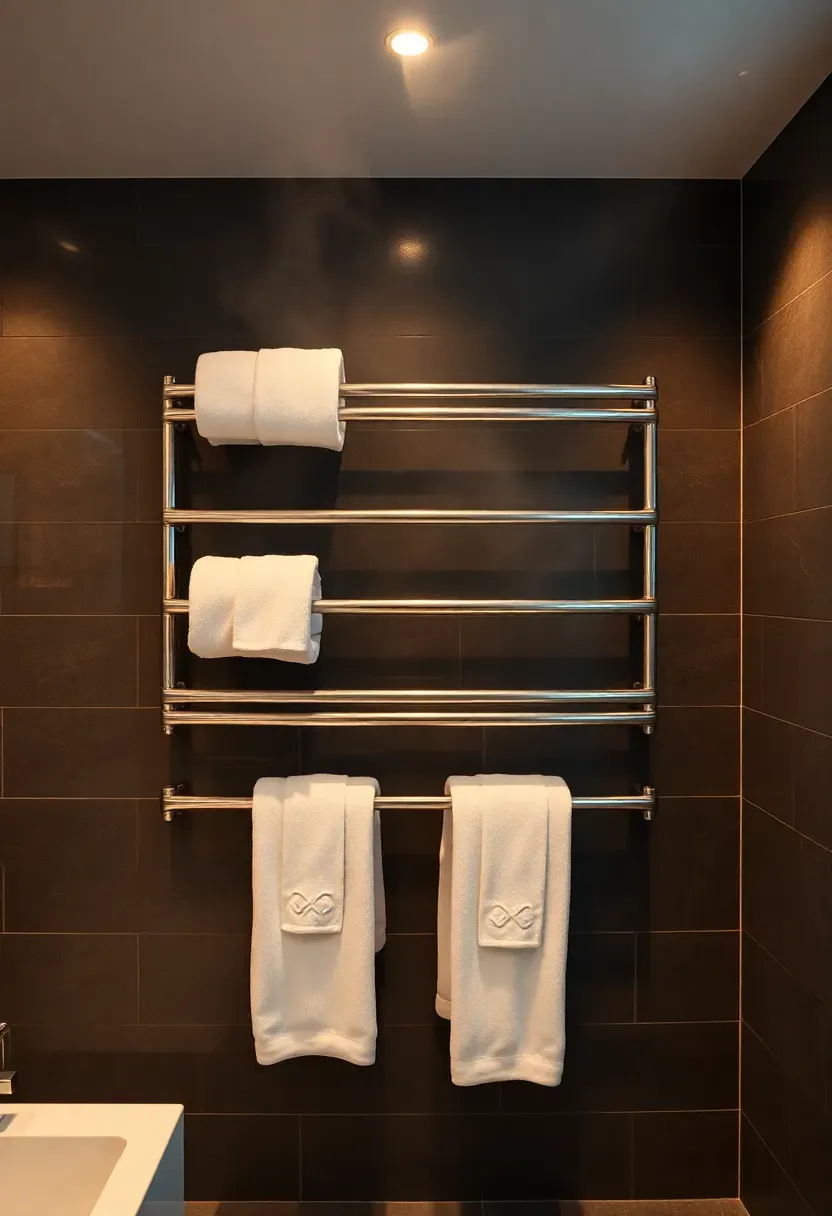
24. Spa-Style Heated Towel Walls
Individual heated towel bars have been around for years, but the trend is shifting toward dedicated towel warming walls with multiple horizontal bars, LED integration, and timer controls. Stepping out of the shower and wrapping yourself in a warm towel turns an everyday moment into a small luxury that costs very little to operate.
Comparing: Heated Towel Bar vs Heated Towel Wall
Choose a single bar if: budget is tight, you have minimal wall space, or only one person uses the bathroom.
Choose a towel wall if: the bathroom serves multiple people, you want to warm bath robes alongside towels, or you are building a spa-like primary bathroom.
Recommendation
Hydronic (water-heated) models connect to your home's hot water system and run more efficiently than electric versions in cold climates. Electric models install faster and work independently, making them better for renovations.
Recommended
Items for this idea
25. Mixed Metal Layering
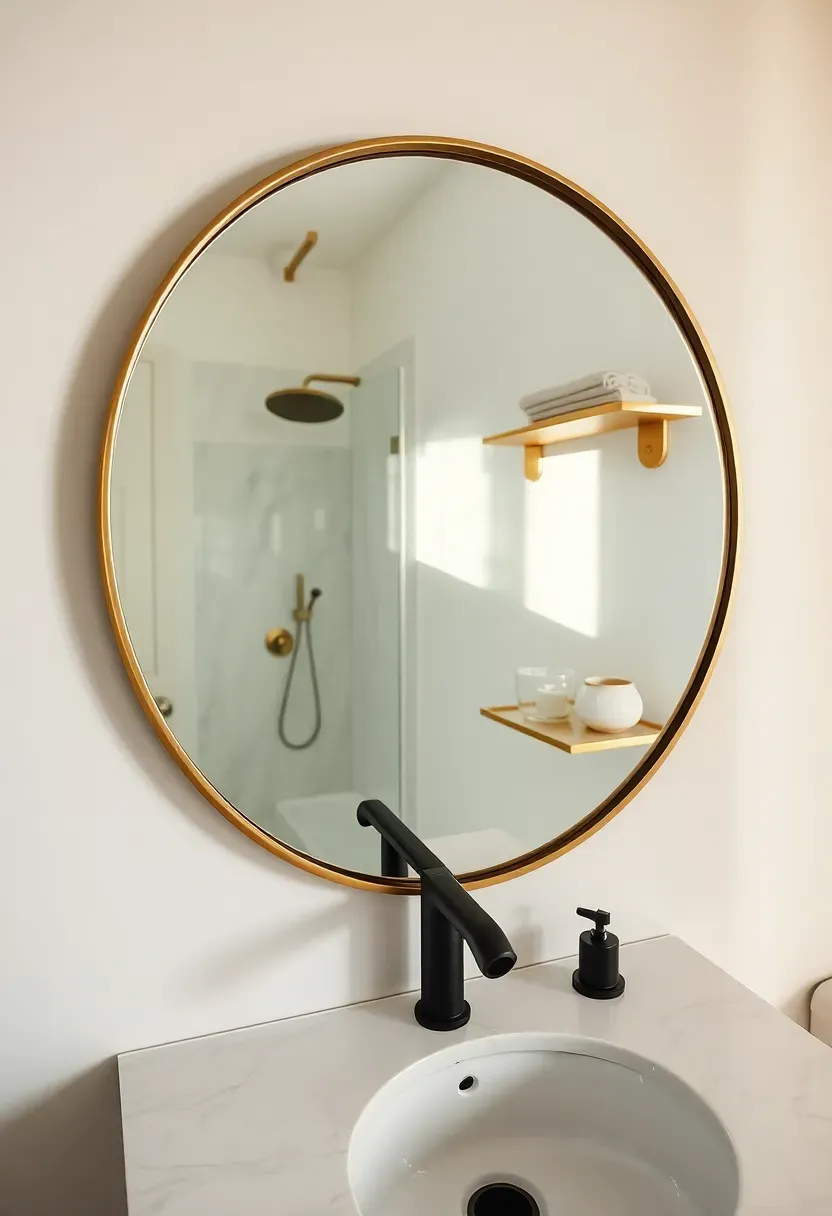
The old rule of matching all metals in a bathroom is officially retired. Designers now layer two or three metal finishes deliberately, such as a brass-framed mirror with matte black faucets and brushed nickel shower trim. The key word is deliberate: each metal should appear in at least two places to look intentional rather than mismatched.
How to Pull It Off
Select a dominant metal that covers about 60 percent of the hardware, typically the faucet and shower fixtures. A secondary metal, around 30 percent, appears in accents like the mirror frame and cabinet pulls. A third metal at 10 percent adds a spark, perhaps a single brass shelf bracket or copper soap dish.
What to Watch Out For
- Limit the mix to three metals maximum to avoid visual chaos
- Keep undertones consistent: warm metals (brass, gold, copper) and cool metals (chrome, nickel, steel) can coexist but need a connecting element like the tile or paint color
- Test samples side by side before purchasing, since screen colors rarely match reality
Quick FAQ
Is warm minimalism just a passing fad?
Warm minimalism has deeper roots than most trends because it solves a real problem: sterile-looking bathrooms that nobody enjoys using. By grounding minimal design in natural materials and warmer tones, it creates spaces with lasting appeal that do not depend on a specific style moment.
Should I go with natural stone or porcelain slabs?
Porcelain slabs offer lower maintenance, consistent patterning, and resistance to staining. Natural stone brings one-of-a-kind veining and a tactile warmth that porcelain imitates but cannot fully replicate. Your decision should weigh maintenance tolerance against the sensory experience you want.
Which bathroom trends add the most resale value?
Floating vanities, wall-hung toilets, and quality tile work consistently rank among the features buyers notice first. Smart mirrors and heated towel bars are increasingly expected in upper-tier renovations rather than seen as extras.
Can I combine several of these modern bathroom trends in one space?
Absolutely, and most successful bathroom designs layer three to five trends together. The secret is maintaining a consistent color and material palette so that individual elements feel like parts of a unified whole rather than a showroom of disconnected ideas.
Are open showers practical for families with children?
Open showers work well when combined with a hand-held showerhead mounted at lower height and a gentle floor slope toward the drain. For very young children, a removable splash guard or a curved half wall provides containment without permanent glass. Many families find the accessibility far more practical than a tub-shower combo.
The best bathroom renovations rarely chase a single headline trend. They borrow selectively, layering two or three ideas that genuinely suit the space, the household, and the daily routine. Start with the change that solves your biggest frustration, whether that is cold towels, poor lighting, or cramped layout, and let the rest follow naturally. A bathroom that works better always looks better too. For a step-by-step approach to putting these ideas into practice, see our guide on how to decorate a bathroom in 2026.
Pinterest cover for 25 Modern Bathroom Trends to Watch in 2026
About the author
OBCD
CGI visualization and interior design content. We create detailed 3D renders and curate practical design ideas for every room in your home.