How to Decorate a Bedroom in 2026: 7 Steps to a Calm Retreat
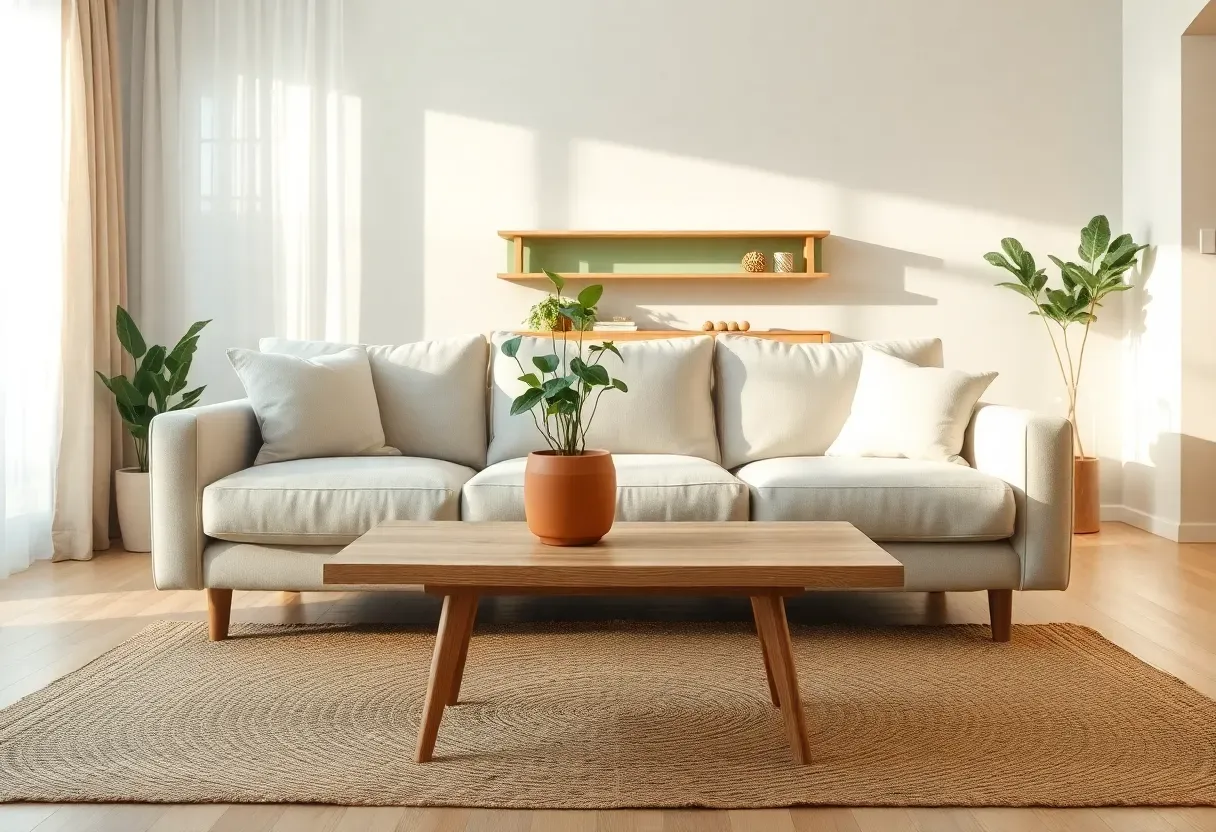
Your bedroom should be the one room in your home where the outside world doesn't follow you in. Yet most bedrooms end up as catch-all spaces — piled with laundry, flooded by screen light, and cluttered with things that have nowhere else to go. Decorating a bedroom in 2026 means reversing that drift: choosing deliberate calm over accidental chaos, and investing in a handful of high-impact decisions rather than dozens of small purchases that never quite add up to a coherent whole.
This guide walks you through seven steps that build on each other, from clearing the slate to adding the final meaningful touches. Each step is designed to be actionable on its own, so you can work through the process at your own pace — whether you tackle it over a single weekend or stretch it across several weeks. The goal at the end is a bedroom that feels genuinely restful the moment you walk through the door.
As an Amazon Associate I earn from qualifying purchases.
Table of Contents
- Step 1: Clear the Space and Set Your Intention
- Step 2: Choose a Calming Color Palette
- Step 3: Invest in Quality Bedding
- Step 4: Control Light with Layered Window Treatments
- Step 5: Add Warmth with Intentional Texture and Natural Materials
- Step 6: Create Calm with Thoughtful Lighting
- Step 7: Finish with Minimal, Meaningful Decor
What You'll Need
- Storage boxes or donation bags for the declutter phase
- Color swatches or peel-and-stick paint samples in your chosen palette
- Quality bedding set in natural fibers (linen, cotton percale, or bamboo)
- Blackout curtains plus sheer liner panels
- Dimmable warm-white bulbs (2700–3000K) and at least one plug-in wall sconce or bedside lamp
- 2–3 natural-material accents: a jute rug, a rattan tray, or a solid wood side table
- One or two intentional decor pieces: a potted plant, a framed print, or a ceramic vessel
Step 1: Clear the Space and Set Your Intention
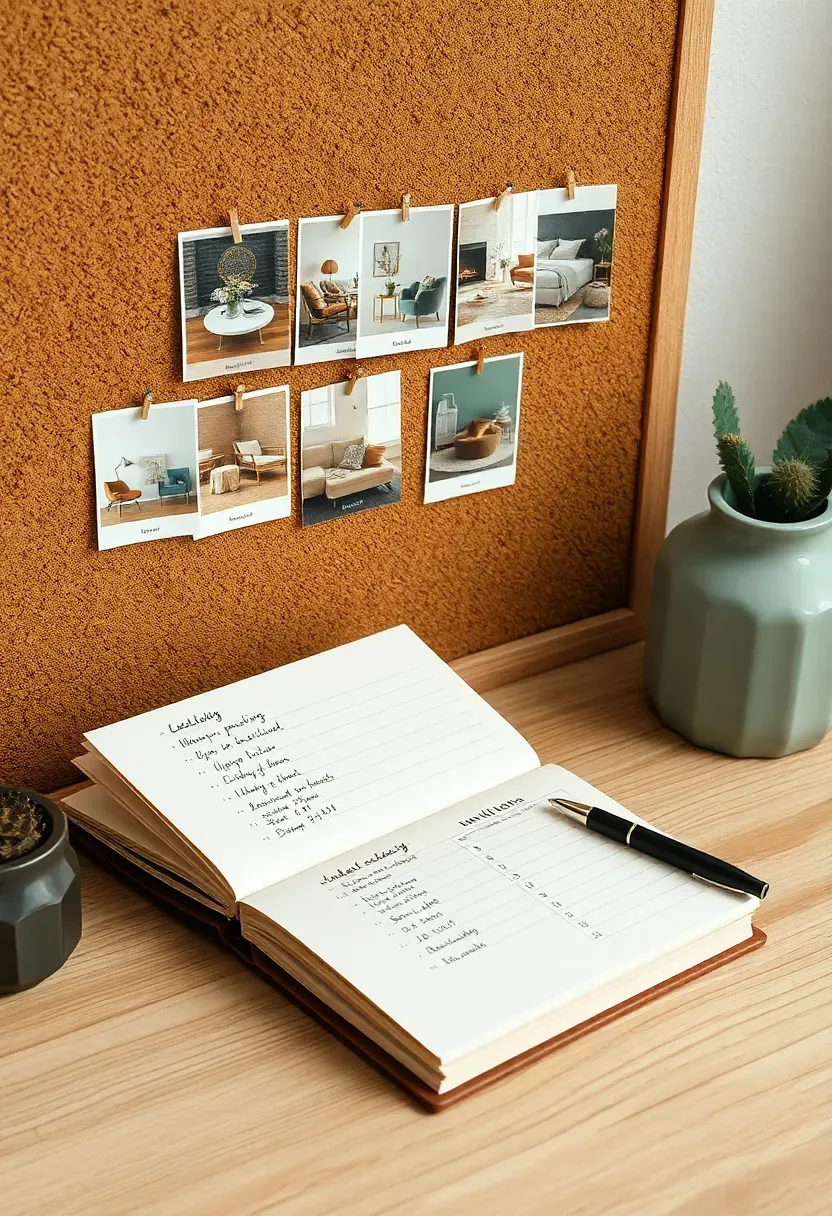
Before you add a single new item, remove everything that shouldn't be in a bedroom at all. That means exercise equipment, work documents, the chair that exclusively collects clothes, and anything you're keeping out of guilt rather than genuine use. A calm bedroom can only be designed once you know what the room actually needs to hold. Take everything out — or at least off surfaces — and bring back only what serves sleep, rest, or a quiet morning routine.
Recommended
Items for this idea
Once the room is cleared, stand in it for a moment before you start filling it back up. Notice where natural light comes from, which wall your eye goes to first, and how the proportions feel. This is your intention-setting moment: decide what you want this room to do for you emotionally. Words like "quiet," "grounding," or "restorative" are more useful design guides than style labels like "Scandinavian" or "minimalist." Everything in the next six steps should answer to that intention, not the other way around.
- Do: Remove items in one session so you see the full empty room before making decisions.
- Don't: Start shopping for new decor until the declutter is fully done — new things in a cluttered room just add to the noise.
- Pro tip: Photograph the empty room. You'll refer back to these photos when planning furniture placement and color.
What this gives you: A clean decision-making baseline so every choice you make from here is intentional rather than reactive.
Step 2: Choose a Calming Color Palette
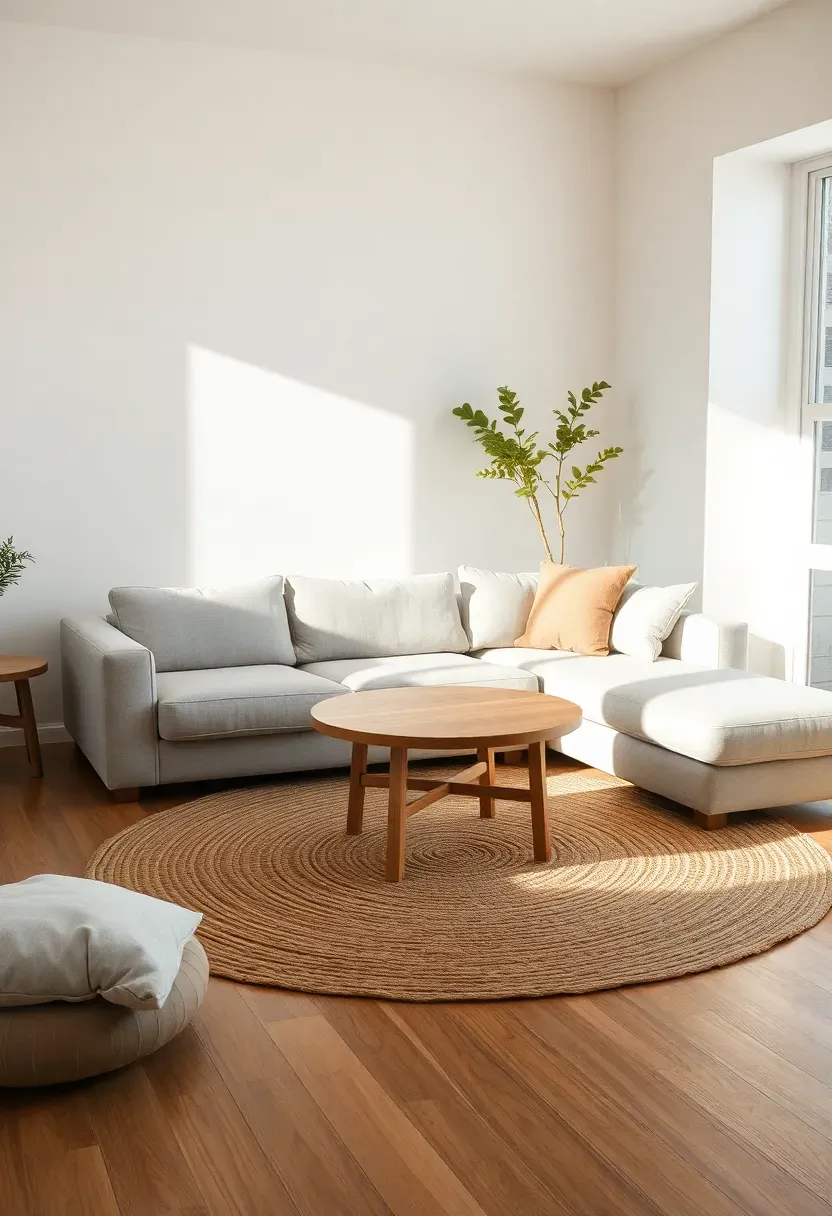
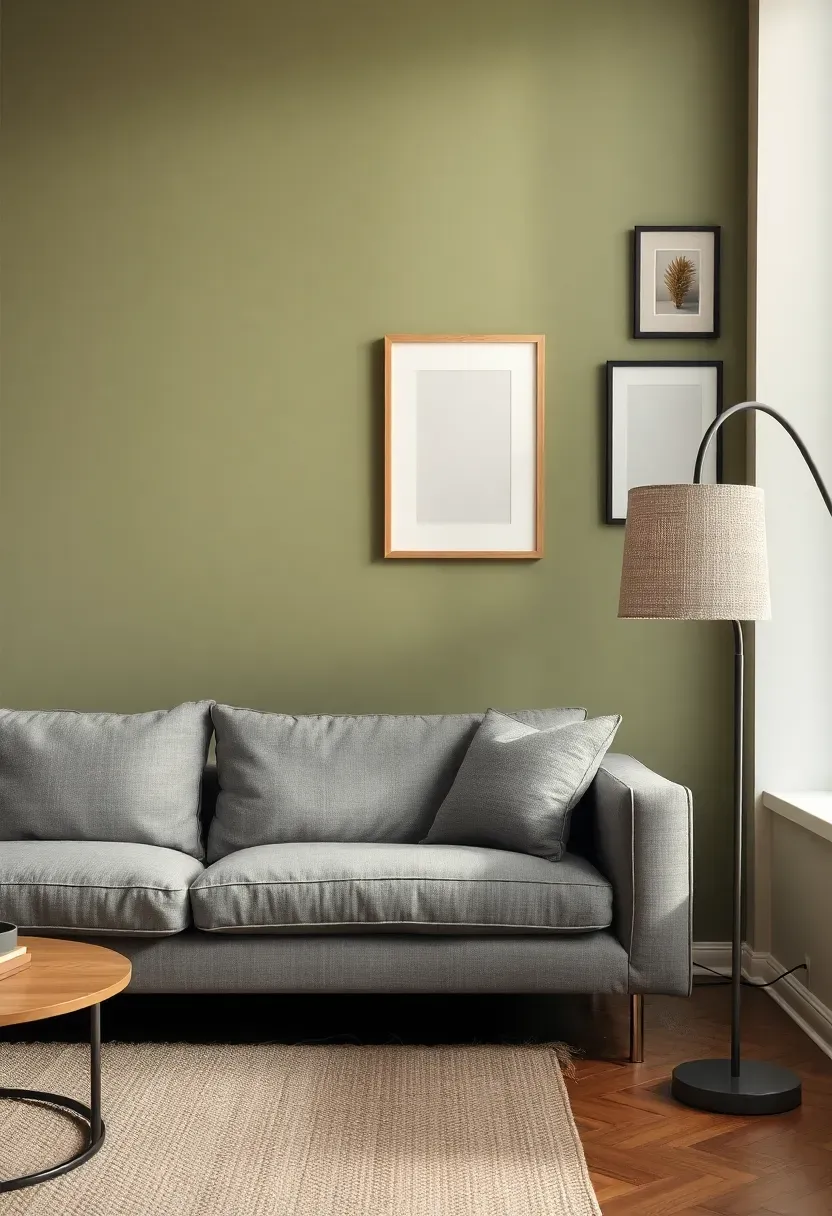
Color is the fastest way to shift a room's emotional register, and in 2026 the direction is consistently toward warmth and softness rather than stark contrast. Warm whites, muted sage, dusty terracotta, warm greige, and faded dusty rose are all reliable anchors for a retreat-style bedroom. The key is to choose a palette of two to three tones from the same temperature family — all warm or all cool — and let them relate to each other quietly rather than compete. High contrast reads as energetic; low contrast reads as restful.
Recommended
Items for this idea
Paint your walls with a peel-and-stick swatch sample first and live with it through different times of day before committing. A color that looks perfect in afternoon sun can feel dingy in the morning or garish under artificial evening light. Extend your palette beyond walls: consider whether your planned bedding, curtains, and rug read as a coherent family of tones. If any single element pulls sharply away from the others, it will become a visual interruption every time you walk in — the opposite of calm.
Placement note: Paint the ceiling in a tone one or two shades lighter than your wall color, not bright white — it lowers the visual ceiling height slightly and makes the room feel more enveloping rather than exposed.
- If your room gets limited natural light, then choose a warm white or soft cream over a true greige, which can read as grey and cold in dim conditions.
- If you have large windows and bright south-facing light, then you can afford a slightly deeper wall tone like dusty sage or warm clay without the room feeling heavy.
- Pro tip: Sample at least two colors side by side on the same wall — your eye will judge them relative to each other, which is how they'll actually read in the finished room.
What this gives you: A visual foundation that makes every other element in the room feel cohesive and intentionally chosen.
Step 3: Invest in Quality Bedding
The bed is the center of the bedroom — architecturally, functionally, and visually. When you decorate a bedroom for calm, the bed needs to look as restful as it feels, which means investing in bedding that has weight, texture, and tonal depth rather than crisp high-contrast pattern. Linen duvet covers, cotton percale sheets, and a chunky knit or waffle-weave throw layer in a way that looks naturally composed rather than staged. Stick to two to three tones drawn from your wall palette so the bed reads as part of the room rather than a separate object within it.
Natural fibers are worth the investment here beyond aesthetics: linen and cotton percale regulate temperature better than polyester blends, which means you'll sleep cooler in summer and feel cozier in winter without layering on additional blankets. Keep pillow count intentional — two sleeping pillows and two or three decorative cushions is plenty. A bed buried under eight pillows looks high-effort, not calm. The goal is a surface that looks like you simply got up from a well-made bed, not a display window.
For a warmer, more textured take on this approach, see Rustic Minimalist Bedroom Ideas — the natural material combinations translate well to a calm retreat palette.
- Do: Choose a duvet insert one size larger than your mattress — the extra drape on the sides makes the bed look deliberately styled without any effort.
- Don't: Mix patterns at different scales; stick to one subtle texture or very fine pattern and let the others be solid.
- Pro tip: Pre-wash linen bedding twice before using it — it softens dramatically and loses the new-fabric stiffness that can feel too formal for a retreat aesthetic.
What this gives you: A focal point that anchors the whole room and signals rest every time you walk in.
Step 4: Control Light with Layered Window Treatments
Light control is one of the most underrated elements in bedroom decoration, and it has a direct impact on both sleep quality and the room's daytime atmosphere. In 2026, the approach is to layer treatments rather than rely on a single heavy curtain. A blackout lining or dedicated blackout panel blocks morning light for better sleep, while a sheer linen or voile layer diffuses daylight beautifully without cutting it off entirely. Together, they give you full control: sheers alone for a soft daytime glow, both layers closed for complete darkness.

Recommended
Items for this idea
Hang curtain rods high — at least four to six inches above the window frame, or directly at ceiling height if the ceiling is low — and extend the rod eight to twelve inches beyond the frame on each side. This makes windows appear larger, allows more light in when the curtains are open, and gives the panels a long, architectural fall that reads as calm and considered rather than cramped. Choose curtain fabric in a tone from your palette: natural linen or cotton in warm white, soft flax, or muted sage all work beautifully and add texture without pattern.
If your bedroom has a moody, low-light quality you want to lean into rather than fight, the ideas in Stylish Dark Bedroom Ideas show how to use that atmosphere intentionally.
- Pro: Layering lets you adapt to the season — sheers alone in summer, full blackout in winter mornings.
- Con: Two sets of curtain hardware requires more wall space and a slightly higher budget than a single rod.
- Fix: Use a double curtain rod — it holds both layers on a single mount and keeps the installation clean.
What this gives you: Full control over the room's light quality at every hour, which is the single biggest lever for creating a genuine retreat atmosphere.
Step 5: Add Warmth with Intentional Texture and Natural Materials
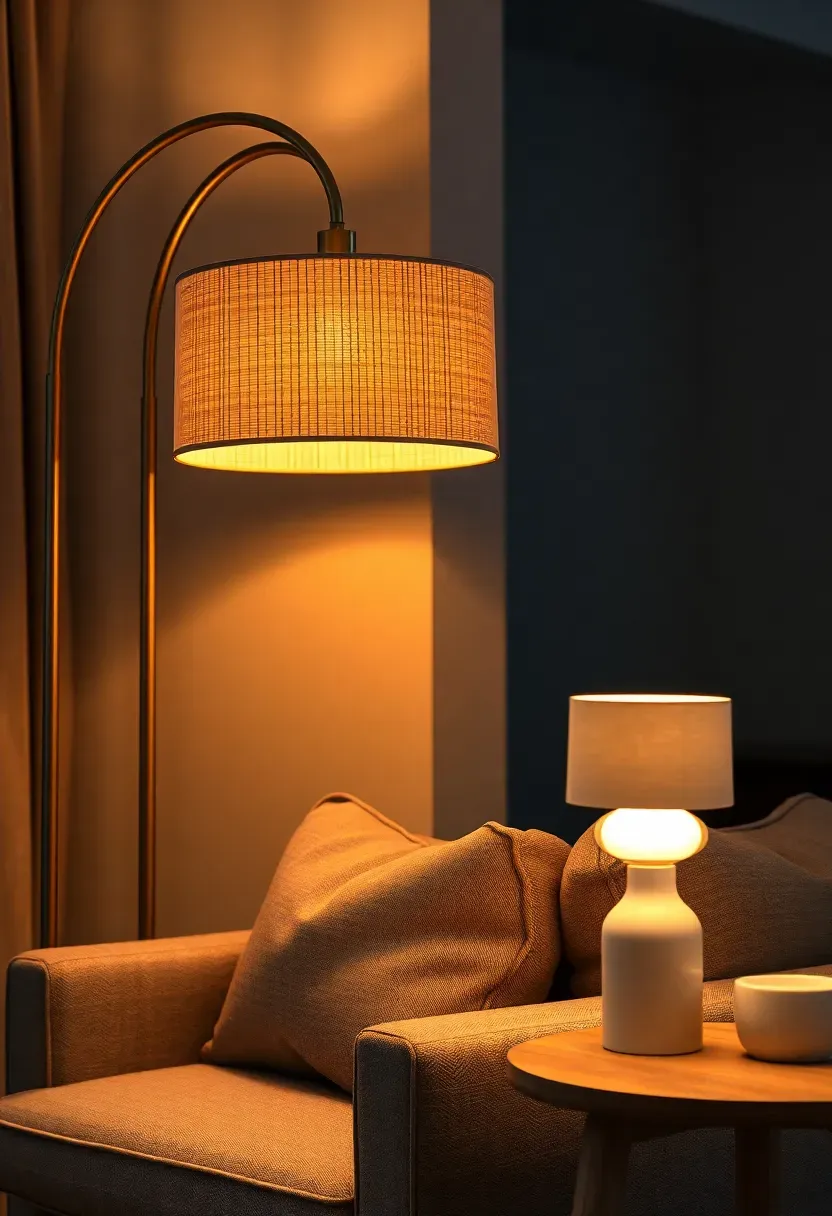
Once your color palette and major soft furnishings are in place, texture is what prevents the room from feeling flat or sterile. Natural materials — linen, cotton, jute, rattan, solid wood, stone, and unglazed ceramic — add tactile and visual depth that synthetic materials can't replicate convincingly. The difference between a room that looks calm and one that actually feels calm is largely a material question: organic surfaces absorb light slightly instead of reflecting it, and their natural variation reads as warmth rather than pattern.
Recommended
Items for this idea
Why it works: natural materials age gracefully and develop character over time rather than looking worn. A rattan tray gets more beautiful with use; a solid oak side table develops patina. That quality of improving-with-time is inherently calming — it communicates permanence and care rather than disposability. Aim for three to four material types maximum in any one room: for example, linen on the bed, a jute rug underfoot, a wooden side table, and a ceramic lamp base. More than four and the room starts to feel like a showroom; fewer than two and it risks feeling bare.
For a room that takes the natural material approach furthest, the Organic Modern Bedroom post is worth studying for how to balance raw and refined textures.
- Do: Mix textures at different scales — a chunky knit throw against smooth linen sheets, a rough-weave rug against a sleek wooden floor.
- Don't: Choose all soft textures with no hard material counterpoints; the room will feel under-structured and drift toward cluttered rather than cozy.
- Pro tip: A single large jute or wool rug anchors the bed and unifies the floor zone — place it so it extends at least 18–24 inches on each side and at the foot of the bed.
What this gives you: A room with sensory warmth and visual depth that feels genuinely inhabitable, not just photographable.
Step 6: Create Calm with Thoughtful Lighting
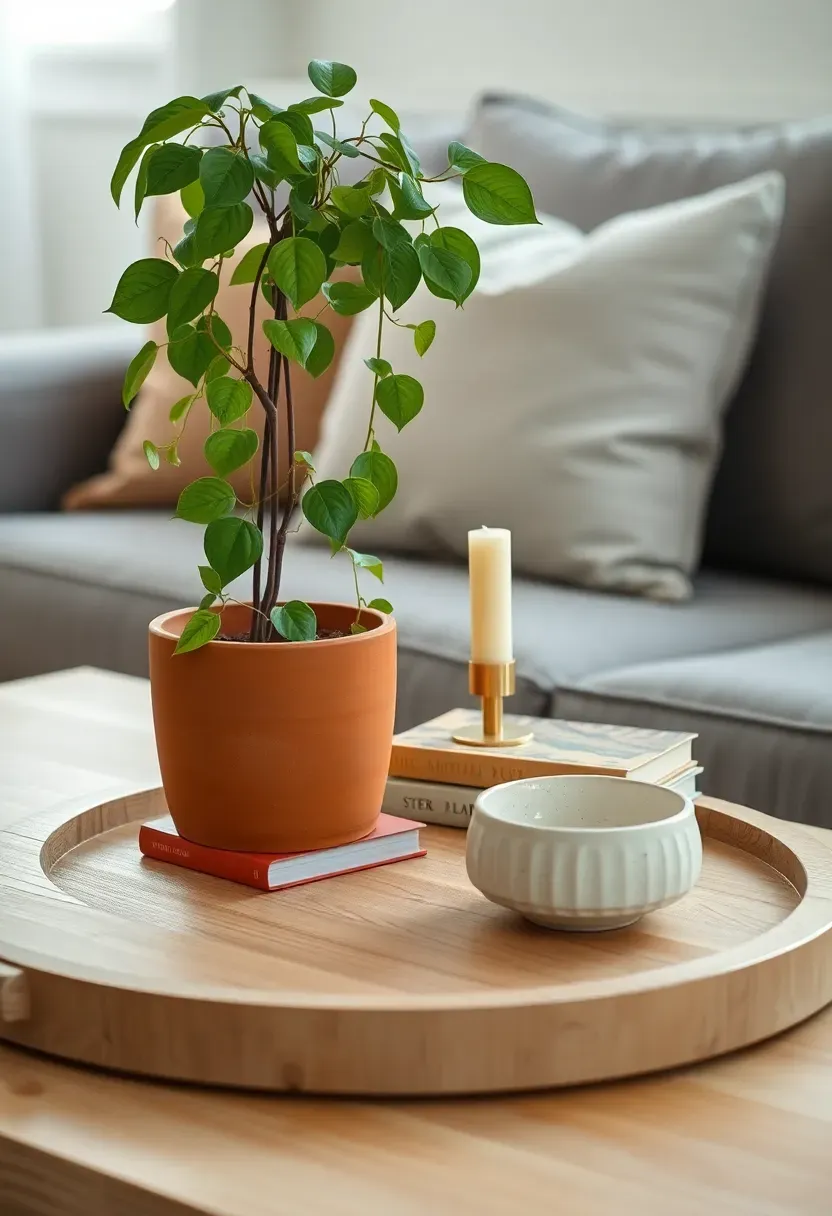
Overhead ceiling lights are the enemy of a calm bedroom. A single bright overhead fixture flattens the space, creates harsh shadows, and signals "functional room" rather than "retreat." The 2026 approach to bedroom lighting is layered: ambient light for general visibility, task light for reading, and accent light for atmosphere. Together they let you dial the room up or down depending on whether you're getting ready for work at 7am or winding down at 10pm. Every layer matters — missing one means you'll always be compensating with the others at the wrong intensity.
Recommended
Items for this idea
Common mistake: buying bulbs that are technically "warm white" but still too bright for evening use. The right specification for bedroom bulbs is 2700K color temperature and no more than 400–600 lumens per fixture for bedside lamps. Overhead fixtures, if you keep them, should be on a dimmer and rated for the same warm temperature. Dimmers are non-negotiable — the ability to reduce overhead light to 20% in the evening is what bridges the gap between a functional room and a room that actively helps you decompress. Plug-in wall sconces are a renter-friendly alternative to hardwired fixtures and look just as intentional.
- Place bedside lamps at eye level when you're sitting up in bed — too high and the light glares, too low and it doesn't reach your book.
- Use a single pendant or chandelier on a dimmer as your ambient source rather than multiple recessed downlights, which create a clinical grid effect.
- Add a small accent light — a LED strip behind a headboard or a candle-flicker bulb in a ceramic holder — to create the depth that elevates a room from "well-lit" to "atmospheric."
What this gives you: The ability to transform the room's mood in seconds, matching the light to what your body actually needs at each time of day.
Step 7: Finish with Minimal, Meaningful Decor
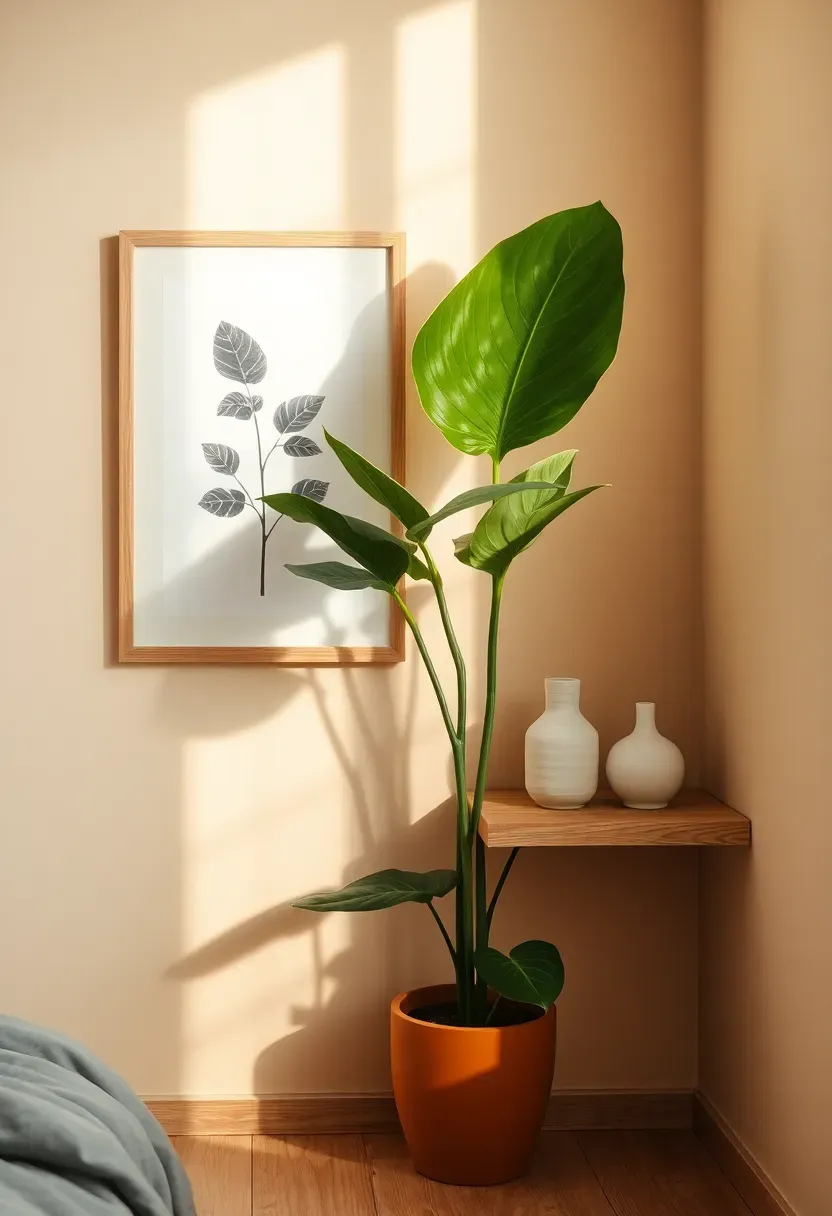
The final step is also the one most people get backwards: they add decor first and hope it creates the atmosphere they want, rather than building the atmosphere through the previous six steps and letting decor be the finishing layer. By now your room already has palette, texture, light control, and quality bedding doing the heavy lifting. What you add in this step should support calm rather than compete for attention. That means editing ruthlessly: one piece of art on the primary wall rather than a gallery, one or two plants rather than a shelf of small pots, one carefully chosen ceramic or sculptural object per surface rather than a collection.
Recommended
Items for this idea
Each piece you choose should pass a simple test: does it make the room feel more like the intention word you chose in Step 1, or less? A framed botanical print, a trailing pothos in a terracotta pot, or a single sculptural candle holder all clear that bar for a calm retreat. A collection of travel souvenirs, a stack of books with mismatched spines, or a gallery wall of twelve frames with different mats probably don't. Scent is worth considering here too: a single diffuser or an unscented beeswax candle adds a sensory layer that photographs can't capture but that contributes meaningfully to the experience of the room.
- Do: Choose one statement piece per zone — one art print above the bed, one plant in the corner — and let each breathe with empty space around it.
- Don't: Add decor to fill surfaces out of habit; every open surface in a calm bedroom is a visual rest, not a missed opportunity.
- Pro tip: Live with the room for a week before buying anything decorative — you'll discover which surfaces genuinely need something and which feel better left open.
What this gives you: A bedroom that feels complete without feeling crowded — where every element is there because it earns its place, not because it filled a gap.
Frequently Asked Questions
What is the most important step when decorating a bedroom for a calm retreat feel?
Light control has the single biggest impact on whether a bedroom feels like a retreat. Layered window treatments that give you full blackout capability combined with warm, dimmable bedside lighting transform a room's emotional register more than any decor purchase. If you can only do one thing, address the lighting first — the color palette and decor choices will look different (and better) once the light quality is right.
How do I decorate a bedroom on a budget and still achieve a calm, retreat-style look?
Focus budget on the highest-impact categories: a quality duvet cover in a natural fiber (linen or cotton percale), a dimmable lamp with a warm bulb, and a large neutral rug. These three items change the room's feel more than any amount of smaller decorative purchases. Paint is also high-impact and relatively inexpensive — choosing the right wall color does more work than most people expect. After those priorities, shop secondhand for solid wood furniture and ceramic accessories; natural materials age well and the origin rarely shows.
About the author
OBCD
CGI visualization and interior design content. We create detailed 3D renders and curate practical design ideas for every room in your home.