How to Decorate a Living Room in 2026: 7 Steps to a Stylish Space
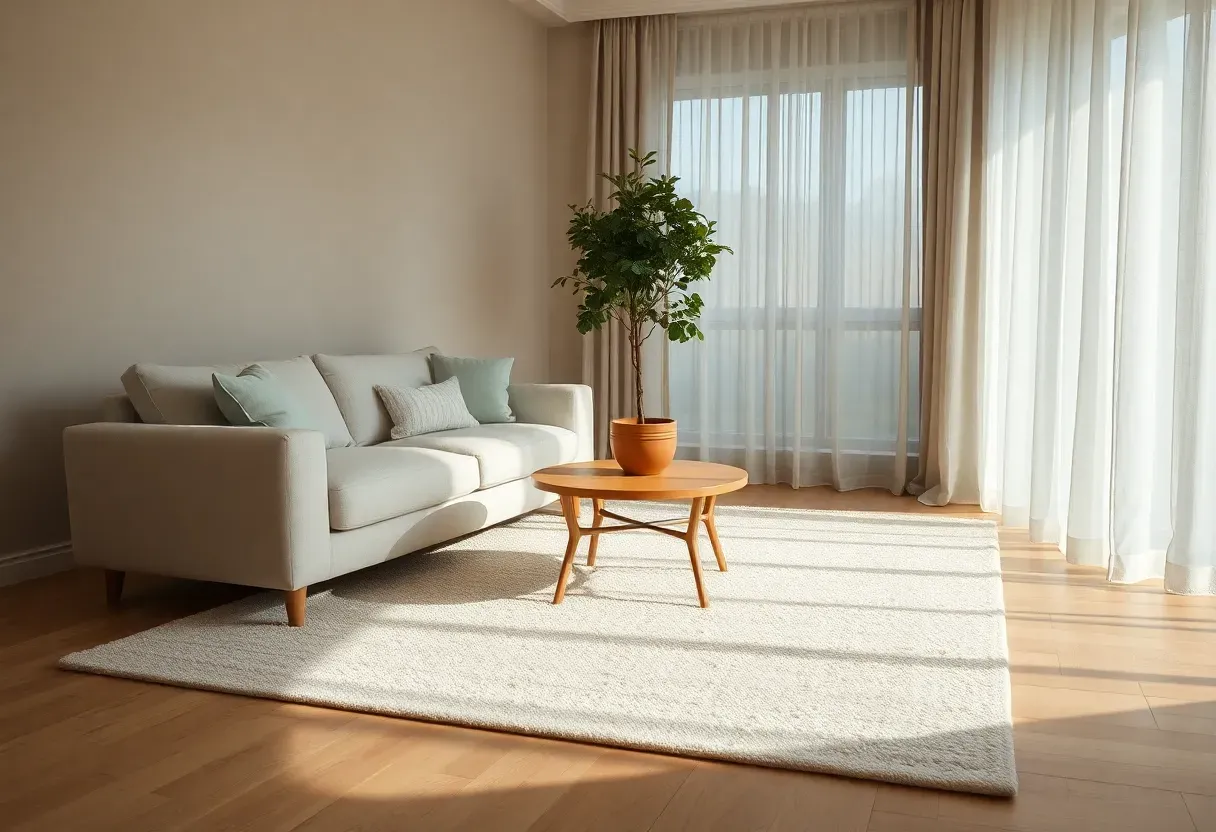
The living room carries more weight than any other space in the home. It's where you land after a long day, where guests form their first impression of how you live, and where the competing demands of relaxation, conversation, and entertainment all have to coexist. Getting it right doesn't require a large budget or a full renovation — it requires a sequence of decisions made in the right order. Decorating a living room in 2026 means starting with structure and ending with style, not the other way around.
This guide walks you through seven steps that build on each other deliberately. Each decision prepares the ground for the next one, so nothing feels arbitrary and nothing needs to be undone later. Whether you're decorating from scratch or overhauling a room that never quite came together, working through these steps in order will get you to a space that feels both considered and genuinely comfortable.
As an Amazon Associate I earn from qualifying purchases.
Table of Contents
- Step 1: Define the Room's Purpose and Layout
- Step 2: Choose a Cohesive Color Palette
- Step 3: Anchor the Space with the Right Sofa
- Step 4: Layer Lighting for Atmosphere and Function
- Step 5: Ground the Seating Area with a Rug
- Step 6: Build Depth with Textiles and Natural Materials
- Step 7: Edit and Style the Final Details
What You'll Need
- Graph paper or a free floor-plan app (e.g., Planner 5D or RoomSketcher) for layout planning
- Paint swatches or peel-and-stick samples in your chosen color palette
- A sofa in the correct scale for your room's square footage
- An area rug sized to anchor the full seating group (at least 8×10 ft for most living rooms)
- Three light sources: a floor lamp, a table lamp, and one accent or wall light
- Dimmable warm-white bulbs at 2700–3000K for all fixtures
- Two to three textile layers: cushion covers, a throw, and curtain panels in coordinating tones
- Two to four natural-material accent pieces: a wood tray, a ceramic vase, a rattan basket, or a stone object
Step 1: Define the Room's Purpose and Layout
Most living room decoration fails before a single item is purchased, because the room's purpose was never clearly defined. A room that needs to function as a media center, a reading nook, a play area, and a dinner overflow zone requires very different furniture placement than one used purely for adult conversation and occasional hosting. Before you make any decisions about color, furniture, or decor, write down the two or three primary activities the room needs to support — and rank them. That ranking becomes your decision-making hierarchy for every step that follows.

With purpose defined, map the layout. The most common mistake is pushing all furniture against the walls — a habit that leaves a dead zone in the center and makes conversation awkward across long distances. Instead, float the seating group toward the center of the room, anchored by a rug, with enough clearance behind for traffic flow. In a media-focused room, the sofa should face the screen with a clear sightline; in a conversation-first room, two seats should face each other at a comfortable talking distance of six to eight feet. Sketch it out on paper or a free floor-plan app before moving anything — revising on paper takes seconds; revising with actual furniture takes hours.
- Do: Leave at least 18 inches of clearance between the sofa and the coffee table, and 30–36 inches for main traffic paths through the room.
- Don't: Buy additional furniture before the layout is resolved — every piece you bring in before the plan is set risks becoming an obstacle.
- Pro tip: Use painter's tape on the floor to mark furniture footprints before committing. Living with the taped outline for a day reveals traffic problems and proportional issues that sketches miss.
What this gives you: A spatial framework that makes every subsequent decision — sofa scale, rug size, lighting placement — faster and more accurate.
We picked a few things that go well with this idea: MIULEE Linen Euro Sham Pillow Covers 24x24 (★4.4), Foindtower Natural Linen Pillow Covers 20x20 (★4.5) and MIULEE Neutral Linen Pillow Covers 18x18 (4-Pack) (★4.5). As an Amazon Associate we earn from qualifying purchases.
Step 2: Choose a Cohesive Color Palette
In 2026, living room color is moving away from sharp contrast and toward layered tonal depth. The strongest palettes pair a grounded neutral wall color with two accent tones drawn from nature — think warm terracotta and dusty sage against a warm greige base, or soft clay and faded olive against creamy linen white. The principle isn't about any particular color; it's about temperature consistency. Mixing warm and cool tones without intention is the fastest route to a room that feels unsettled, even when every individual piece is attractive on its own. Pick your wall color first, then build the rest of the palette from it.
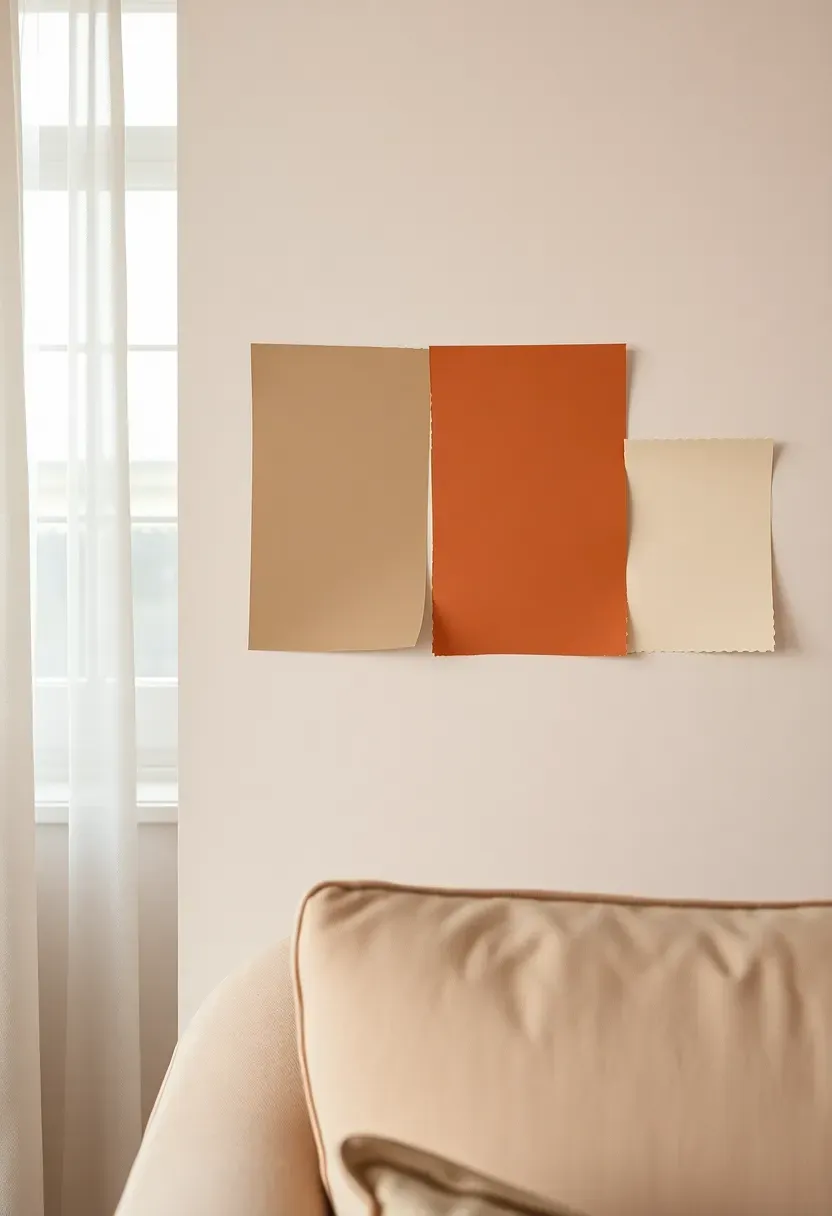
Test your wall color under multiple light conditions before committing: a mid-toned greige that reads as golden in afternoon sun can look grey and cold on a cloudy morning. Buy three or four peel-and-stick samples and observe them through a full day. Once you've confirmed the wall color, assign tones to the other major surfaces — sofa upholstery, curtains, and rug — keeping them in the same temperature family but varying the value (light-to-dark) for depth. Accent colors reserved for cushions, ceramics, and artwork can carry more saturation, but shouldn't introduce a new temperature unless you're deliberately using contrast as a focal point on a single feature.
For a deep-dive into one of 2026's strongest living room color directions, see 19 Cozy Earthy Living Room Ideas — the warm-toned palettes there translate directly into this kind of whole-room approach.
- Do: Pin your swatch samples next to the existing flooring and trim — those fixed elements define your palette's real starting point.
- Don't: Choose a wall color based on how it looks in a magazine shoot; those rooms are professionally lit and photographed to flatten natural variation.
- Pro tip: Paint the ceiling in a tone one shade lighter than your walls — it lowers the visual ceiling height slightly and makes the room feel more enveloping rather than exposed.
What this gives you: A visual foundation that makes the room feel intentionally designed, not assembled piece by piece.
We picked a few things that go well with this idea: Safavieh Natura Handmade Wool Blend Rug 8x10 (★4.5), Safavieh Lyndhurst Traditional Oriental Rug 8x10 (★4.5) and Homemate Washable Faux Wool Area Rug 8x10 (★5.0). As an Amazon Associate we earn from qualifying purchases.
Step 3: Anchor the Space with the Right Sofa
The sofa is the single most consequential purchase in a living room. It sets the room's scale, establishes its style register, and is the piece you'll live with most intimately — so getting it wrong affects everything else. Scale is the most critical factor: a sofa that's too small for the room floats uncomfortably in the space; one that's too large blocks traffic and dominates. A standard 84–90 inch three-seater suits most rooms between 200 and 300 square feet. Larger rooms benefit from a sectional or a sofa-plus-loveseat arrangement, and smaller rooms are often better served by two armchairs than by a full sofa.
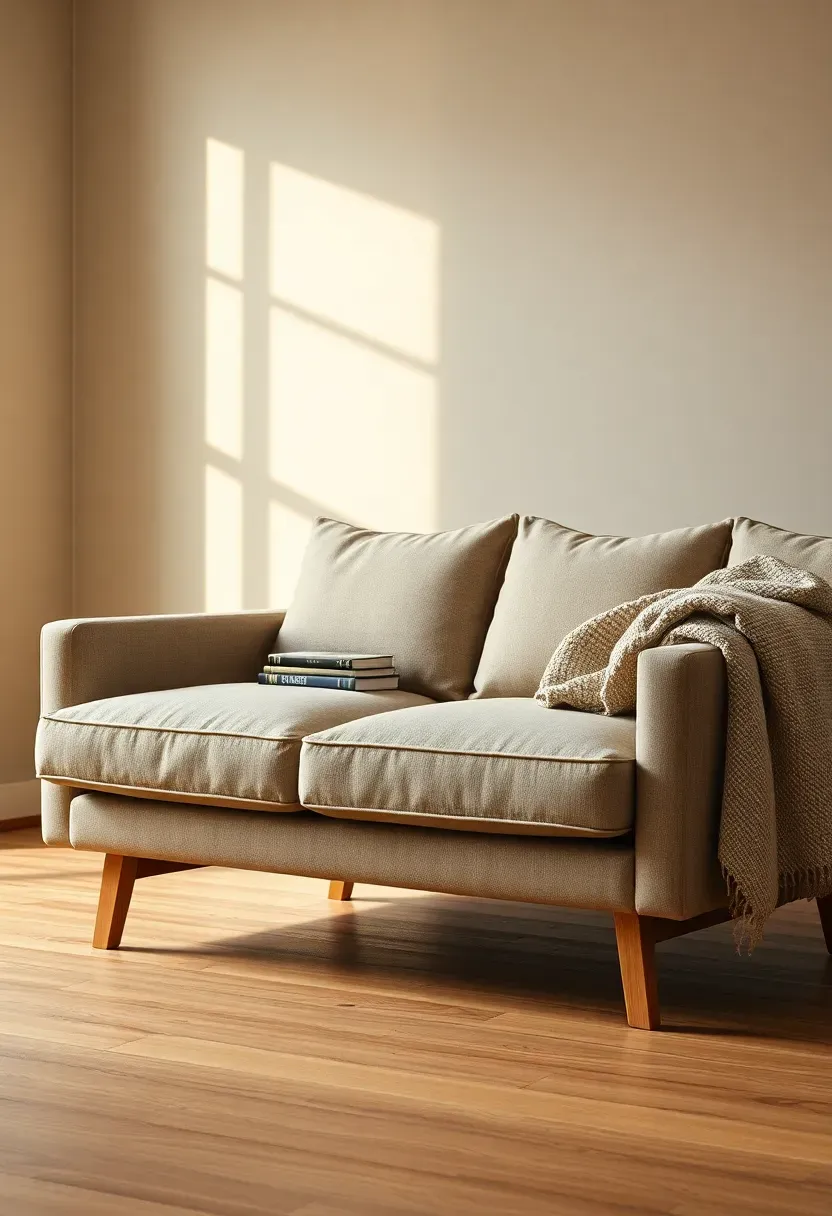
Beyond scale, consider the silhouette. In 2026 the dominant direction is low-profile sofas with clean lines, solid wood or metal legs, and upholstery in natural fibers: linen, cotton bouclé, or performance velvet. High-backed sofas with heavy rolled arms read as traditional; low-slung frames with exposed legs read as contemporary and also make rooms feel larger by preserving the visual floor space. For upholstery color, choose from the neutral range of your established palette — the sofa will account for the largest single area of color in the room, so anything too saturated or heavily patterned will fight with every other element. Patterns, if any, work better as cushion accents than as upholstery.
If your room benefits from a warmer, more layered aesthetic, the sectional and seating arrangements in Modern Rustic Living Room Ideas show how to balance comfort and visual weight at scale.
- Do: Order fabric samples before purchasing — sofa upholstery looks different in room lighting than on a screen, and the texture matters as much as the color.
- Don't: Choose an oversized sofa to fill a large room; a coffee table, floor lamp, and second seat will fill the space without making it feel congested.
- Pro tip: Measure the delivery route — hallways, stairwells, and door widths — before ordering. More sofas are returned for access reasons than for style ones.
What this gives you: A structural anchor that defines the room's scale, sets its style register, and gives every other element something to respond to.
We picked a few things that go well with this idea: Dimmable Arc Floor Lamp Linen Shade Black (★4.4), GOEBLESON Dimmable Standing Lamp Remote Switch (★4.5) and 3-Light Dimmable Arc Floor Lamp Beige Shades (★4.5). As an Amazon Associate we earn from qualifying purchases.
Step 4: Layer Lighting for Atmosphere and Function
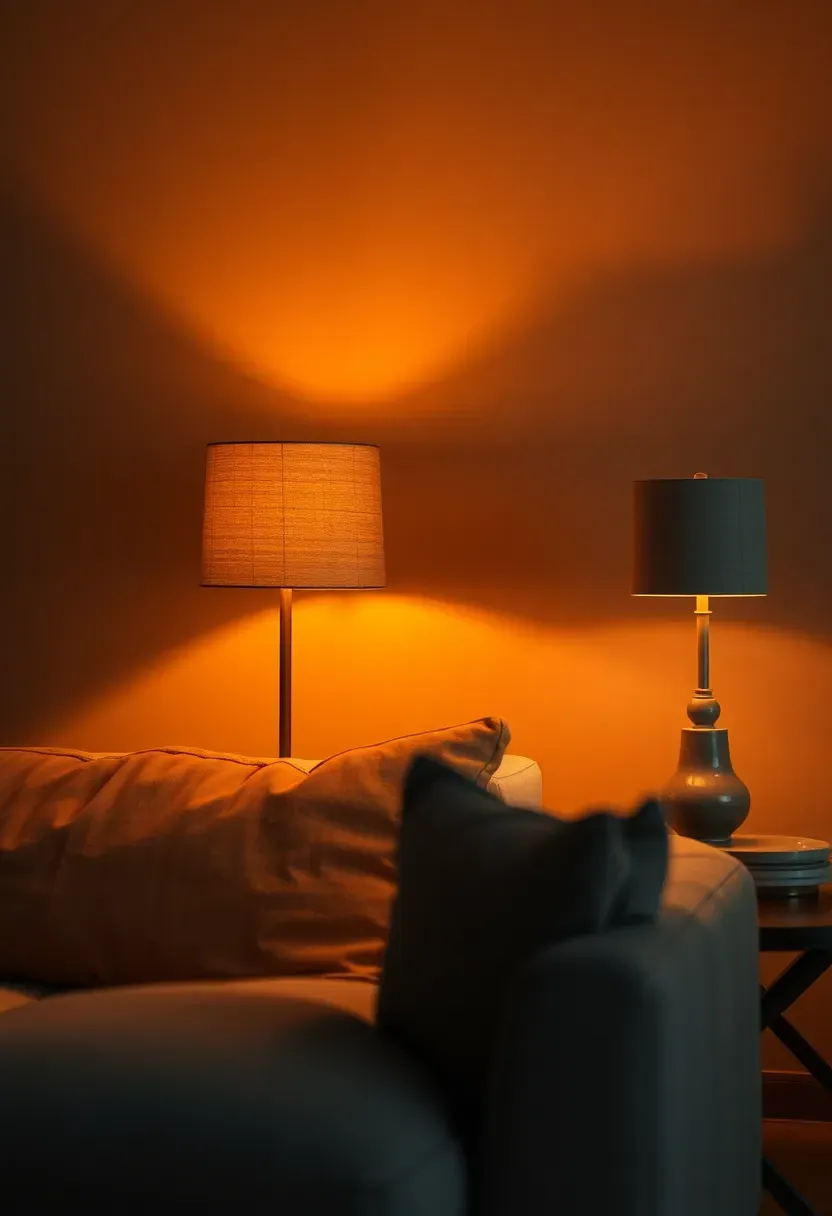
A single overhead light is the fastest way to drain a living room of atmosphere. Overhead fixtures create flat, even illumination that works well for task-heavy spaces like kitchens but eliminates the shadows and warm pools of light that make a living room feel inviting after dark. The 2026 approach is to think of lighting in three layers: ambient (general fill light, usually from a pendant or ceiling fixture on a dimmer), task (directed light for reading, working, or playing — a floor lamp beside the sofa or an adjustable table lamp), and accent (atmosphere light — a wall sconce, a table lamp with a translucent shade, or LED strip behind a shelf). All three layers together give you a room that works at noon and at 10pm.
Recommended
Items for this idea
The most impactful single investment you can make in living room lighting is a dimmer switch on your ceiling fixture. The ability to drop overhead light to 20% in the evening — while floor and table lamps carry the atmospheric load — transforms a room's feel in seconds. Bulb temperature matters equally: living room lighting should be 2700–3000K (warm white) throughout. Cool-white or daylight bulbs above 3500K read as clinical and make natural materials and warm paint tones look flat. If you're renting and can't install dimmers, plug-in floor lamps and table lamps with warm bulbs can carry the atmospheric layer entirely on their own.
- Do: Position floor lamps at the far corners of the seating group — corner light makes rooms feel larger by pushing light into the areas overhead fixtures miss.
- Don't: Rely on a single floor lamp to provide all three lighting layers; it will either be too bright for atmosphere or too dim for reading.
- Pro tip: A lamp with a linen or paper shade diffuses light softly; a lamp with a solid or opaque shade sends light directionally up or down — choose based on whether you need fill light or task light from that position.
What this gives you: The ability to shift the room's mood instantly — from bright and practical to warm and atmospheric — with nothing more than a dimmer adjustment.
Step 5: Ground the Seating Area with a Rug
A correctly sized area rug is one of the most transformative investments you can make in a living room, and also one of the most commonly sized wrong. The cardinal rule: the rug should be large enough for the front legs of all major seating pieces to sit on it. In most living rooms that means at least an 8×10 ft rug, and in larger rooms a 9×12 or even larger. A small rug in the center of a seating group — the most common mistake — looks like a welcome mat that wandered in from the hallway. It visually disconnects the furniture from the floor and makes the room feel unmoored.
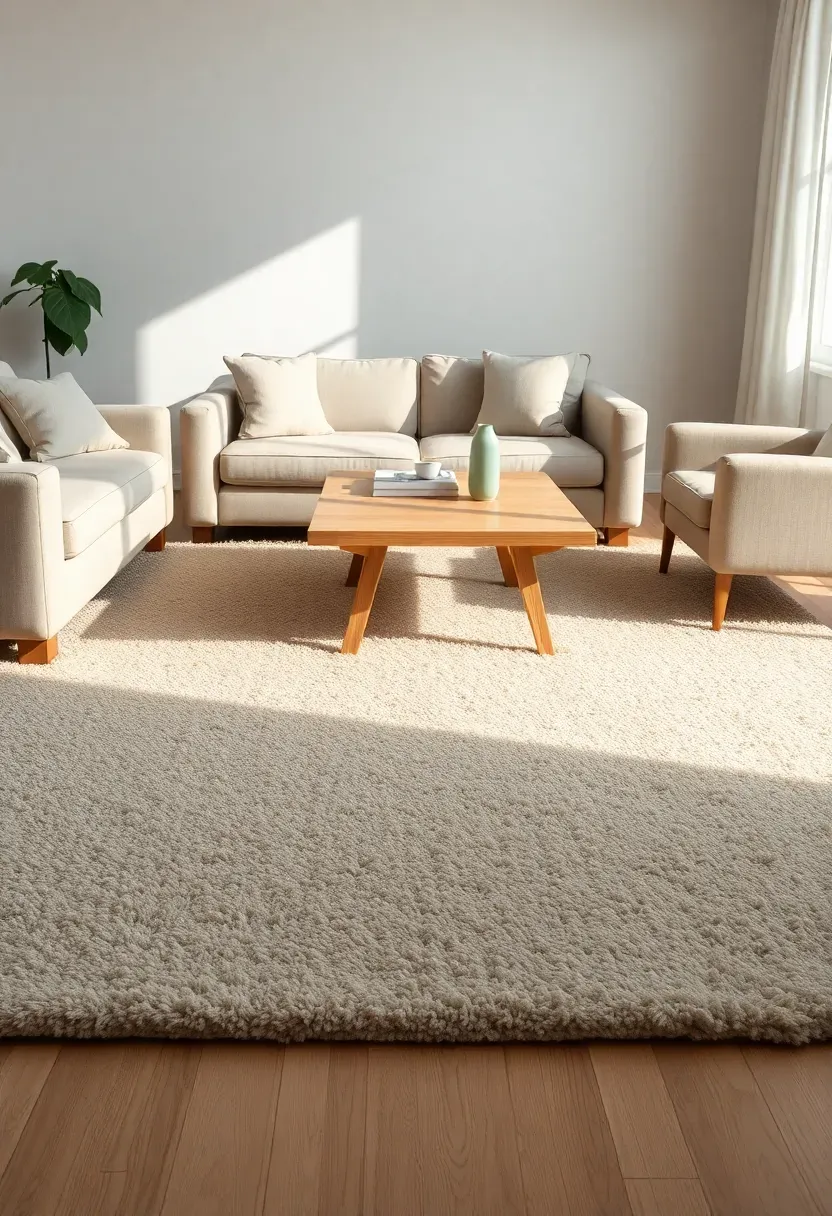
For material, wool and wool-blend rugs are the 2026 benchmark: they hold their pile, resist crushing under furniture, and develop a natural warmth of tone over time. Jute and seagrass work well in lower-traffic areas and rooms with an earthy or coastal palette, but they're rougher underfoot and less comfortable for barefoot lounging. Flat-weave rugs in cotton or recycled materials offer a budget-conscious option and work particularly well in rooms with young children or pets where frequent cleaning is a reality. For color, staying within your established palette is the safest approach — a rug that introduces an entirely new tone can work, but it needs to connect back to something already in the room (a cushion, a ceramic, a paint accent) to avoid reading as an interruption.
For styling inspiration around rug sizing and placement in compact layouts, the ideas in Small Scandinavian Living Room Ideas handle the proportional challenges clearly.
- Do: Use a rug pad underneath — it prevents slipping, protects the floor, and adds softness underfoot that even expensive rugs benefit from.
- Don't: Buy the rug before confirming your final furniture layout; the rug size should be determined by the furniture footprint, not the other way around.
- Pro tip: When in doubt between two sizes, choose larger. A rug that's slightly too big reads as generous and intentional; one that's slightly too small reads as an error.
What this gives you: A unified seating zone that feels purposefully composed — where the furniture belongs together rather than sitting on the same floor by coincidence.
Step 6: Build Depth with Textiles and Natural Materials
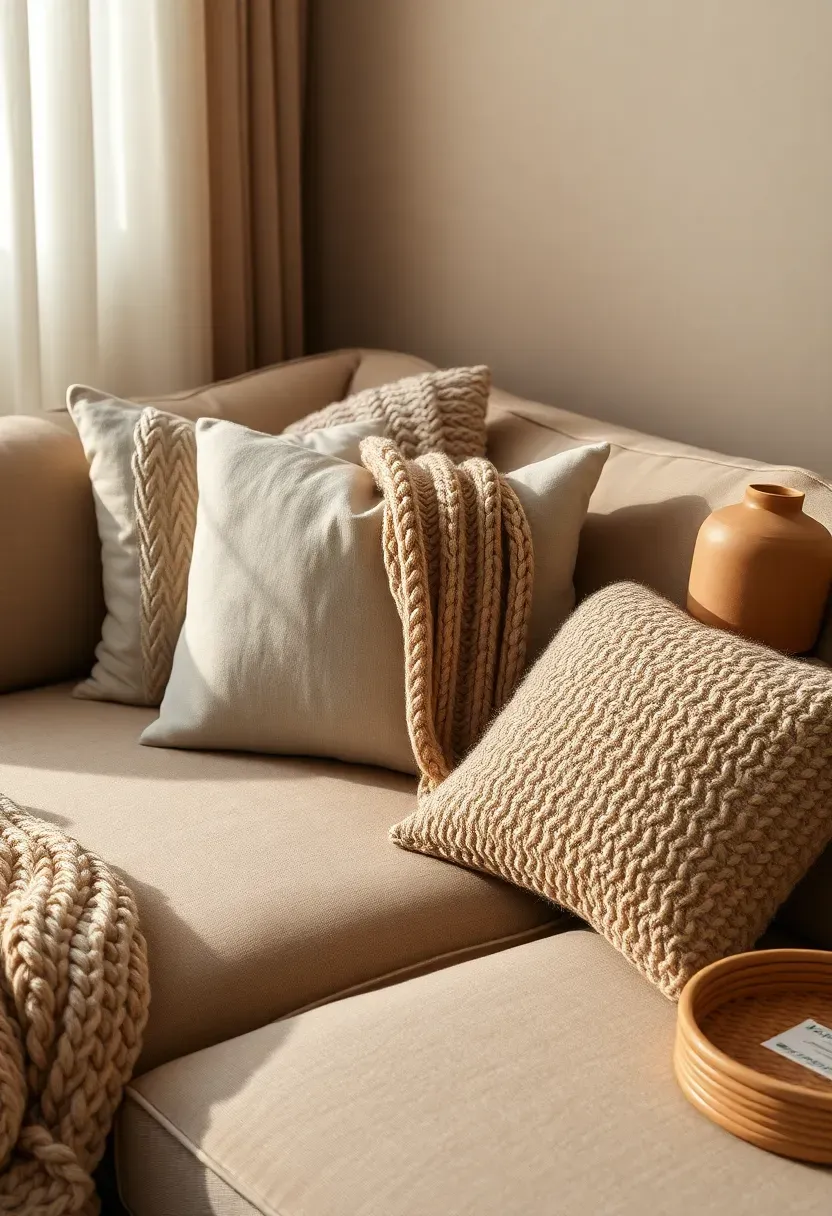
Once the layout, color, sofa, lighting, and rug are in place, the room has its structure. What it likely still lacks is sensory warmth — the quality that makes you want to sit down and stay rather than simply acknowledging that the room is well-arranged. Textiles and natural materials are what provide this. Cushions in varying textures (a smooth linen, a ribbed cotton, a chunky bouclé), a throw draped casually over one sofa arm, and curtains that pool slightly at the floor all add softness and lived-in ease that hard furniture surfaces alone never achieve. The key is variation in texture without variation in palette: keep the tones consistent, vary the weave and material.
Recommended
Items for this idea
Natural materials — solid wood, unglazed ceramic, woven rattan, stone — bring a different quality: visual weight and tactile permanence that synthetic alternatives can't replicate convincingly. A solid oak coffee table, a rattan storage basket, a ceramic table lamp base, and a marble tray on a side table together create a material story that gives the room character and visual interest without pattern or color contrast. The 2026 direction is deliberately away from metallic and high-gloss surfaces toward matte, warm-toned, and organic. That shift reads as both more contemporary and more relaxed — a rare combination in interior design. Aim for three to four material types maximum; beyond that, the room starts to feel like a store display rather than a home.
For a masterclass in layering organic materials in a living room, the Organic Modern Living Room post shows exactly how to balance raw and refined textures at different scales.
- Do: Vary cushion sizes — use two or three different dimensions — to create a layered, dimensional arrangement rather than a row of identical squares.
- Don't: Match all textiles exactly to the sofa color; the contrast between the upholstery and the cushion/throw tones is what creates visual interest.
- Pro tip: Curtains hung at ceiling height and extending 6 inches past the window frame on each side make windows appear significantly larger and add height to the room — one of the highest-impact, lowest-cost changes in the whole process.
What this gives you: A room with sensory richness and visual depth that feels genuinely warm — not just stylish in photographs but inviting to actually be in.
Step 7: Edit and Style the Final Details
The final step is where most people's confidence collapses — they've done the hard structural work, but the styling stage feels arbitrary, subjective, and never quite finished. The most useful frame for this step is to think of surfaces and walls not as opportunities to fill but as opportunities to edit. By now the room already has palette, materials, lighting, and textile warmth doing the work. What you add in this step should support the room's atmosphere, not compete with it. That means choosing one anchor piece per zone — one piece of art above the sofa, one plant in the corner, one considered arrangement on the coffee table — and stopping before the room tips from curated to cluttered.
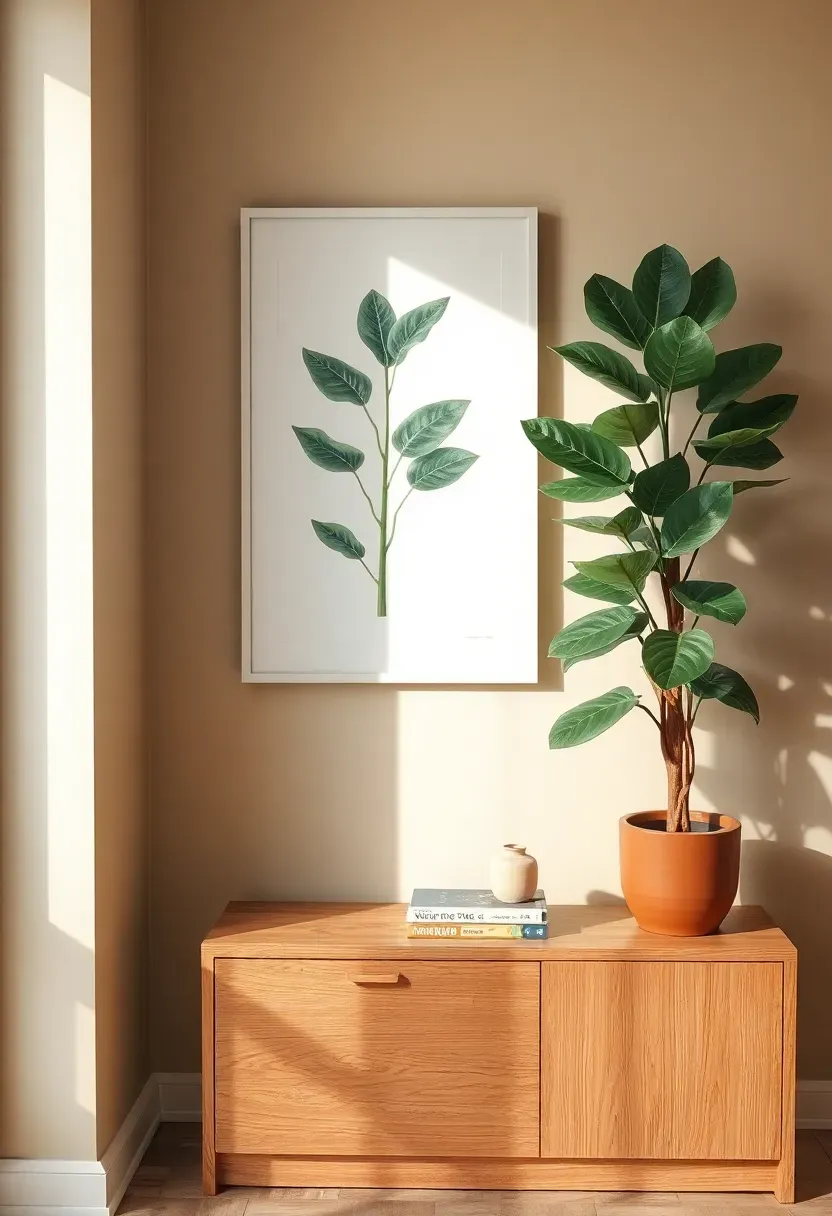
For wall art, the most common error is hanging pieces too high and too small. Art above a sofa should be centered at eye level when standing — roughly 57–60 inches from floor to the center of the piece — and should span at least two-thirds of the sofa's width. A single large print or painting reads as more intentional and confident than a gallery wall of many small frames, especially in rooms that are already working hard with texture and material. For plants, one large specimen — a fiddle-leaf fig, a pothos on a tall shelf, a monstera in a terracotta pot — has more visual impact than a cluster of small pots. The final test for every decorative piece: does it make the room feel more like your intention, or does it add noise? If the answer is noise, it doesn't belong yet.
- Do: Style the coffee table in odd-numbered groupings of two to three objects at different heights — a stack of books, a ceramic vessel, and a small plant read as a composed vignette, not a collection.
- Don't: Rush this step with a single shopping trip; live with the room for a week first to see which surfaces genuinely need something and which feel better left open.
- Pro tip: Every open surface in a well-decorated living room is a visual rest, not a missed opportunity. Restraint in the final step is what separates a room that looks intentional from one that looks busy.
What this gives you: A living room that feels complete without feeling crowded — where every element earns its place and the whole adds up to more than the sum of its parts.
Frequently Asked Questions
What is the single most important thing to get right when decorating a living room?
Layout and scale. A room with a perfect color palette and beautiful furniture will still feel wrong if the furniture is the wrong size for the space or arranged against the walls. Getting the furniture footprint and traffic flow right in Step 1 makes every subsequent decision — rug size, lighting placement, art scale — more accurate and faster. If you only have time to do one thing thoroughly, map the layout before buying anything.
How do I decorate a living room on a budget without it looking cheap?
Focus budget on the highest-impact, most permanent elements: a quality sofa in a durable natural fiber, a correctly sized area rug, and a set of warm-toned dimmable lamps. These three things change the room's feel more than any amount of decorative accessories. For everything else — cushions, throws, ceramics, art — shop secondhand, vintage markets, or print-your-own art framed in simple frames. Natural materials like terracotta pots, rattan baskets, and wooden trays look expensive at any price point because they're timeless rather than trend-dependent.
Should all the furniture in a living room match?
No — and in 2026, perfectly matched furniture sets read as dated. The more effective approach is to choose pieces that share a material language (all wood legs, or all linen upholstery, for instance) but vary in style and period. A contemporary low sofa paired with a vintage wooden coffee table and a rattan side chair creates a collected, layered feel that matched sets can't replicate. The palette and material consistency do the work of unifying them — no matchy-matchy suite required.
Is it worth hiring an interior designer to decorate a living room?
For a full room overhaul, even a single consultation with an interior designer — usually two to three hours — pays for itself by preventing costly mistakes in furniture scale, color, and layout. Many designers offer hourly consultations specifically for people who want to execute the work themselves. If the budget doesn't stretch to professional help, working through these seven steps in order provides the same decision-making structure that designers use: resolve function before form, structure before decoration, palette before individual pieces.
About the author
OBCD
CGI visualization and interior design content. We create detailed 3D renders and curate practical design ideas for every room in your home.