How to Decorate Your Room on a Budget: 7 Creative Steps
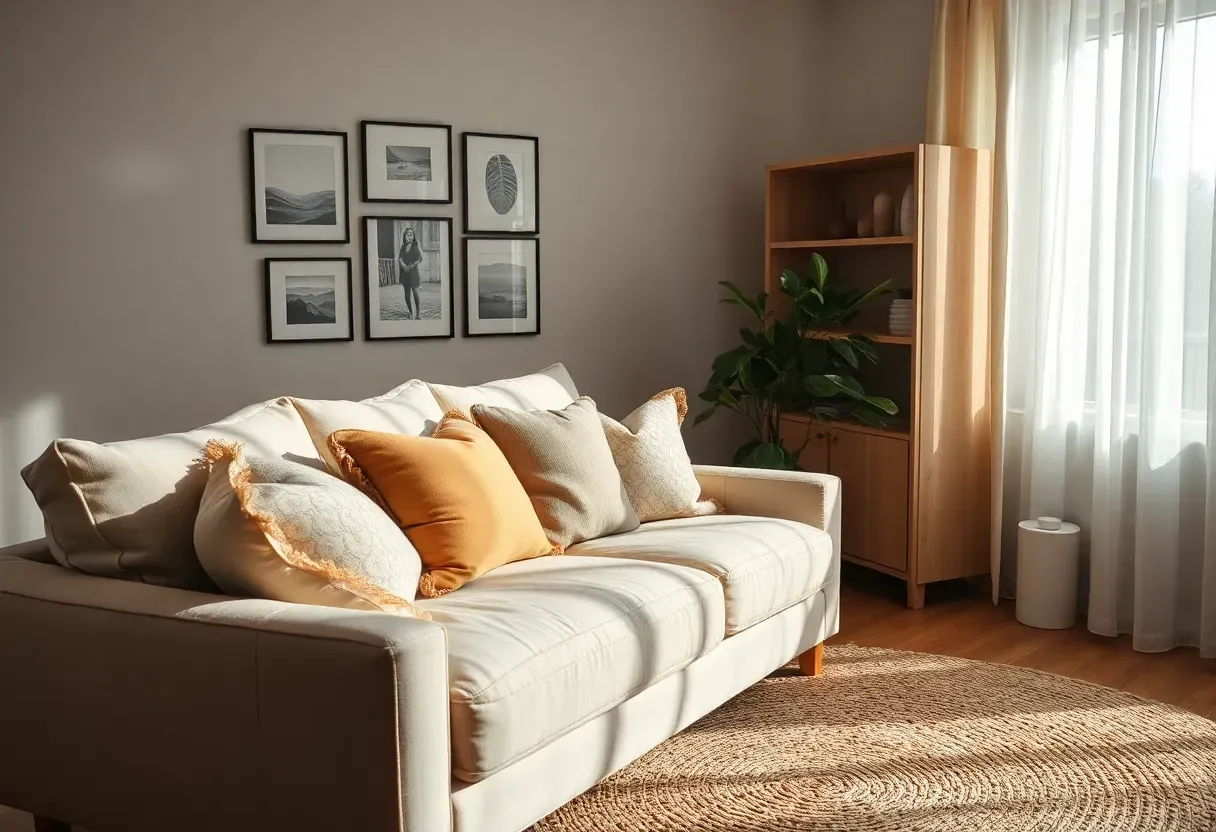
Decorating a room on a budget is less about spending less and more about spending smarter. With a clear plan and a few high-impact moves, you can transform a space that feels scattered or stale into something that genuinely reflects your taste — without waiting for a bigger bank balance.
These seven steps walk you through the process in the right order: first clarifying what you want, then working with what you have, and only then adding new pieces where they'll make the most difference. The goal is a room that looks intentional, not just affordable.
As an Amazon Associate I earn from qualifying purchases.
Table of Contents
- Step 1: Set a Budget and Choose a Style Direction
- Step 2: Rearrange and Edit What You Already Own
- Step 3: Refresh the Walls Without a Full Renovation
- Step 4: Add a Rug to Anchor the Space
- Step 5: Layer Textiles for Warmth and Texture
- Step 6: Upgrade the Lighting Without Rewiring
- Step 7: Style With Plants and Curated Accessories
What You'll Need
- A notebook or phone for jotting down your budget and style references
- Measuring tape for furniture placement and rug sizing
- Paint samples or peel-and-stick wallpaper swatches for wall testing
- A floor rug sized to fit your main furniture zone
- At least one warm-toned lamp (table or floor style)
- A small selection of throw pillows, a blanket, and one or two plants
Step 1: Set a Budget and Choose a Style Direction
Before buying a single thing, the most valuable move you can make is to decide how much you're willing to spend and what visual outcome you're aiming for. Knowing how to decorate your room on a budget starts with this clarity — because without it, every purchase becomes a guess. Write down a realistic total, then break it into rough categories: walls, textiles, lighting, accessories. Even rough numbers stop impulse buys that add up to nothing cohesive.

Recommended
Items for this idea
For style direction, pick one word that describes how you want the room to feel — calm, cozy, bold, airy — and use it to filter every decision. Scroll through three or four saved images and identify what they share: a color palette, a material, a level of clutter. That common thread is your direction. Without it, a cheap purchase can pull the room in the wrong direction just as easily as an expensive one.
Placement note: Keep your style reference image visible while you shop — even a screenshot on your phone prevents mismatched impulse buys.
One contrast worth naming early: a style direction is not the same as copying a specific look. You're extracting a feeling, not a replica. That freedom is what makes budget decorating work — you're not locked into one brand or one price point.
- Do: Assign at least 40% of your budget to the one or two items that will have the biggest visual impact (rug, lighting, or wall treatment).
- Don't: Split your budget evenly across every category — spreading too thin means nothing makes a real difference.
- Pro tip: Use Pinterest or a saved folder of room photos to identify recurring colors and materials before setting foot in any store.
What this gives you: A spending plan that stops waste and a visual target that makes every purchase feel purposeful from day one.
Step 2: Rearrange and Edit What You Already Own
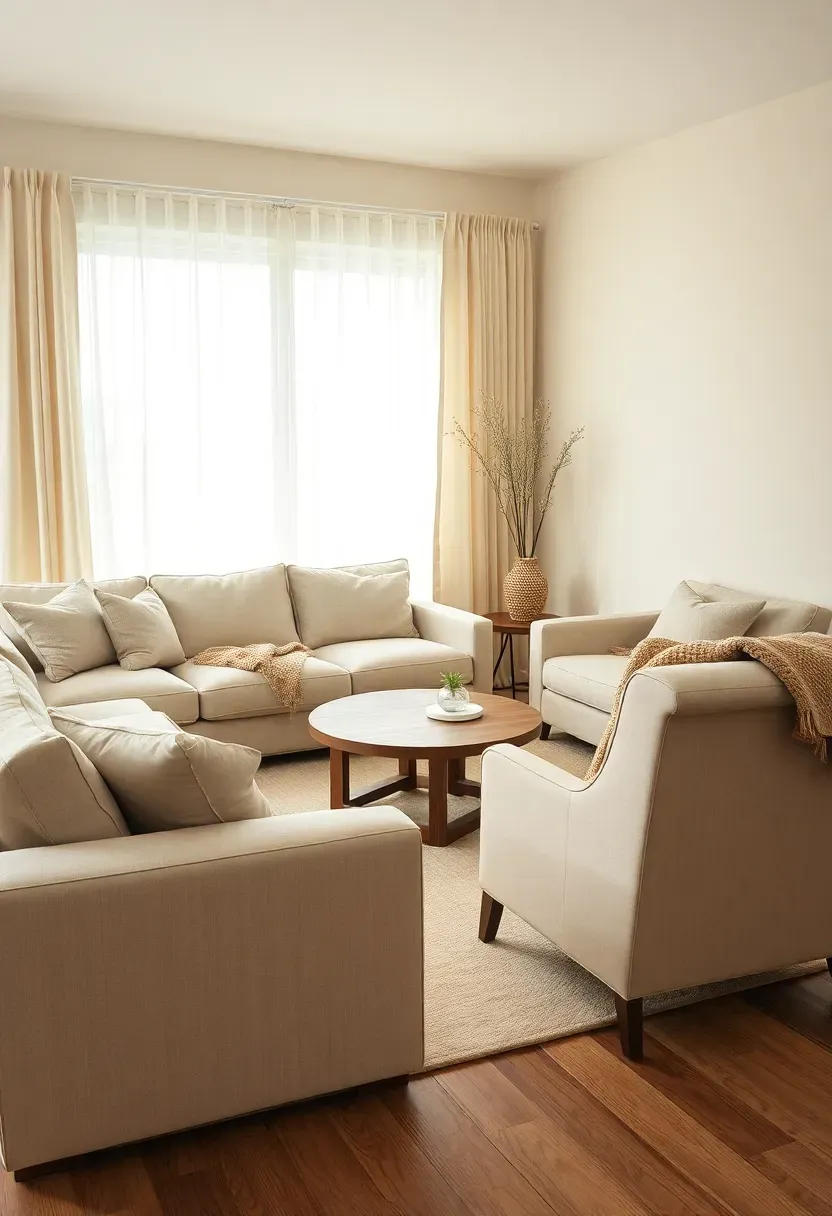
Most rooms don't need more — they need less, and they need what's already there moved to a better position. Before spending anything, spend an hour taking everything out of sight: clear the surfaces, push the furniture to the walls temporarily, and look at the empty floor plan. Rearranging furniture changes the proportions of a room more dramatically than any accessory. Try the bed on the wall opposite the door, angle the desk toward the window, or float the chair away from the corner.
Recommended
Items for this idea
Editing is the second half: look at every object in the room and ask whether it earns its place. Things that are purely functional but ugly can be stored out of sight. Things that you keep "just in case" or because you spent money on them are the first candidates for removal. A room with ten objects you love reads better than a room with forty objects you tolerate.
Why it works: negative space — the visible floor and bare wall sections — gives the eye somewhere to rest, which makes curated objects look more considered and the room feel more expensive.
One common mistake is rearranging furniture but keeping all the old clutter in new positions. The edit has to come first, or the rearrangement just moves the mess around.
- If your room feels small, then float the main furniture piece six to twelve inches from the wall — it creates depth and makes the room read larger.
- If you have mismatched storage pieces, then move them to a closet or hallway and replace them with one clean surface.
- If you can't decide what to remove, then box it up for two weeks — if you don't miss it, donate it.
What this gives you: A room that already feels transformed before you spend a cent, and a clear picture of the real gaps worth filling.
Step 3: Refresh the Walls Without a Full Renovation
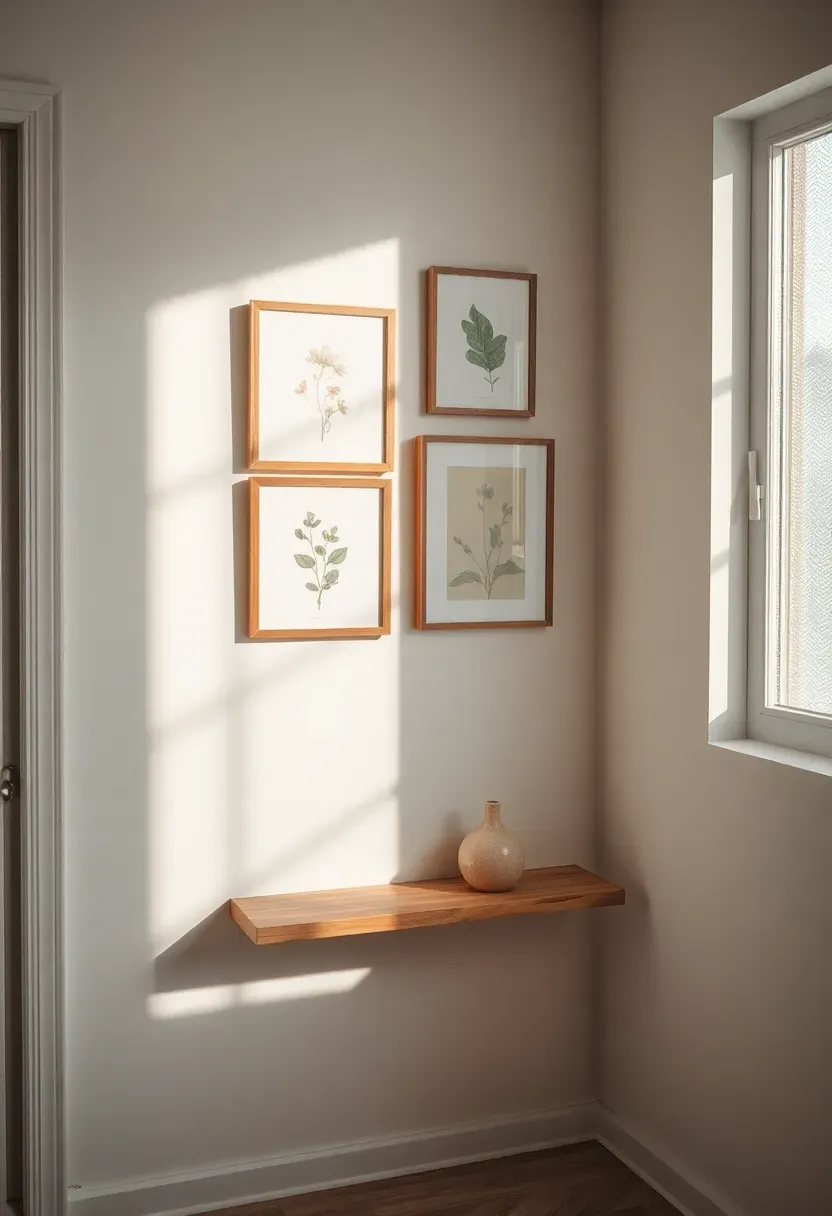
Walls are the largest surface in a room and the one most people overlook when working with a limited budget. You don't need to repaint everything or hire anyone — a single accent wall in a warm neutral, a panel of peel-and-stick wallpaper behind the bed, or a carefully arranged gallery of frames can completely reframe the room's character. The key is treating the wall as a design element rather than a blank backdrop.
Recommended
Items for this idea
Paint is still the highest-return budget move per square foot. A single wall in a deeper tone — slate, sage, terracotta, or charcoal — costs around $20–$40 in paint and changes the entire mood of the room. If you rent or want something reversible, peel-and-stick wallpaper panels are now widely available in quality patterns for under $30 a roll. For gallery walls, consistency matters more than the frames themselves: stick to one finish (all black, all wood, all white) and vary only the sizes.
Placement note: The wall behind the bed or the one directly visible from the door delivers the most visual impact — concentrate your effort there before treating other walls.
If you're working with a rented space, the ideas in How to Decorate Your Room from Scratch include several damage-free wall techniques worth borrowing.
- Pro: Peel-and-stick wallpaper is fully removable and repositionable, making it safe for renters.
- Con: It can peel at the edges in humid rooms or on textured walls.
- Fix: Apply a thin bead of removable adhesive along the edges after installation to secure them without damaging the wall.
What this gives you: A room that immediately reads as designed — not just furnished — at a cost that leaves budget for everything else.
Step 4: Add a Rug to Anchor the Space
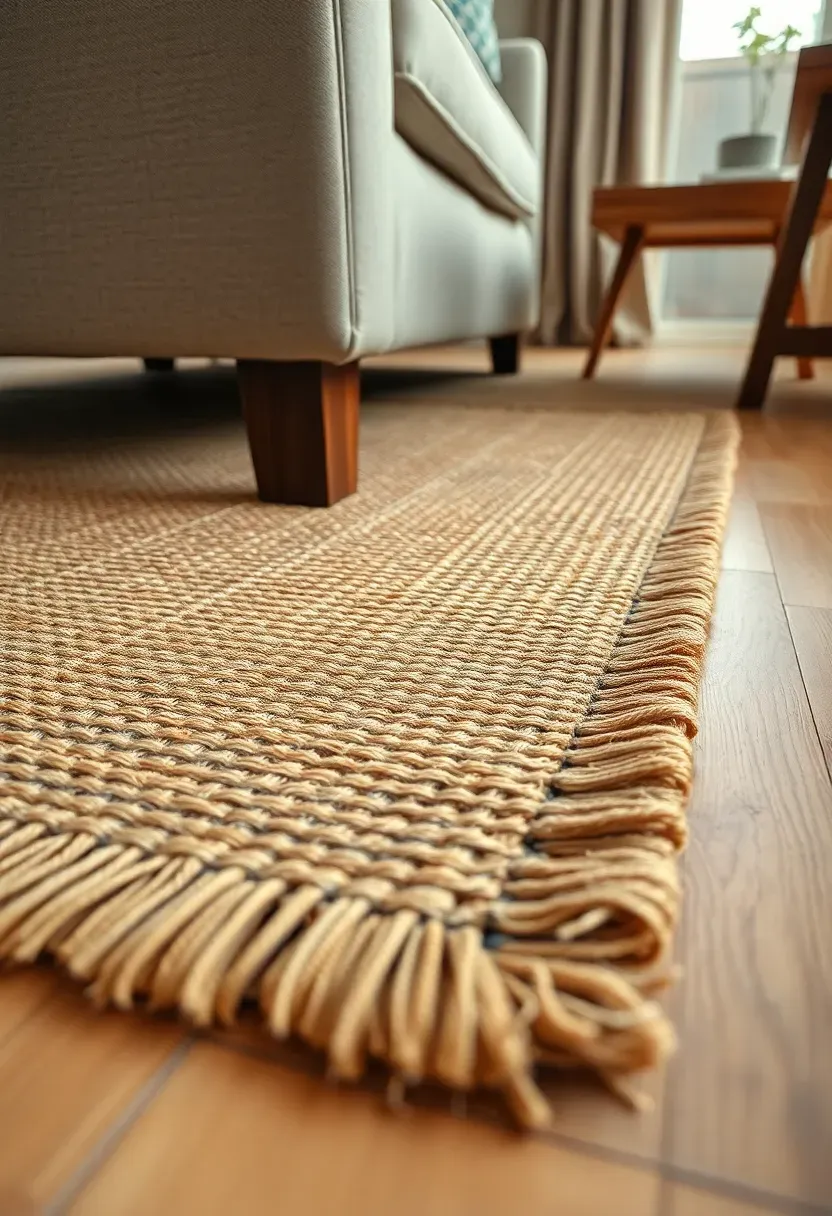
A rug does more structural work than almost any other single purchase in a room makeover. It defines the zone, tells the eye where the seating or sleeping area begins and ends, and ties together furniture that might otherwise feel randomly placed. In a room where the floor is the dominant surface, a rug is the fastest way to add visual warmth and a sense of intention — even when the furniture is basic or mismatched.
Recommended
Items for this idea
Size is the most common mistake: too small and the rug looks like an afterthought, too large and it overwhelms the room. For a bedroom, aim for a rug that extends at least eighteen inches beyond both sides of the bed and beyond the foot. For a living room, all the front legs of the furniture should sit on the rug. Natural fiber rugs — jute, sisal, cotton flatweave — are typically the most affordable and age well. Avoid high-pile rugs in high-traffic areas; they flatten quickly.
Common mistake: choosing a rug based on a small sample swatch in a store. The pattern and color read very differently at full scale on the floor — always check a full room image of the rug before buying.
- Do: Use masking tape on the floor to mark the intended rug size before purchasing — it prevents costly sizing mistakes.
- Don't: Place a rug so small that no furniture touches it — a floating rug disconnects the furniture and shrinks the perceived room size.
- Pro tip: Layer a smaller patterned rug over a flat jute base to get a high-end look at a fraction of the cost of one large decorative rug.
What this gives you: Instant visual structure — the room stops feeling like furniture sitting on a bare floor and starts feeling like a designed space.
Step 5: Layer Textiles for Warmth and Texture
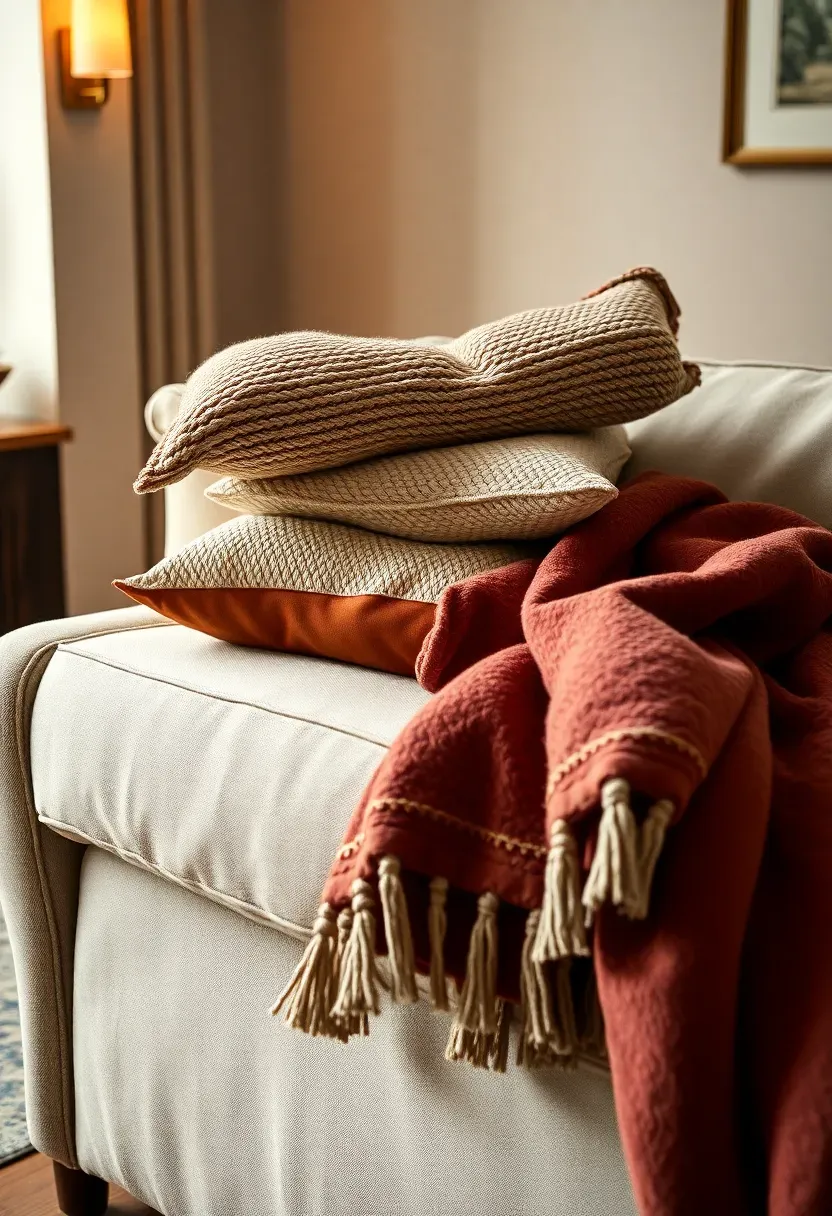
Textiles — throw blankets, cushion covers, curtains — are the most budget-friendly way to change the sensory feel of a room. They add warmth, soften hard edges, and introduce pattern and color without any permanent commitment. When you learn how to decorate your room on a budget with textiles, the key insight is that layering matters more than the individual pieces: three simple items working together read more luxurious than one expensive statement textile.
Recommended
Items for this idea
Start with curtains — they're often underestimated, but floor-length panels make ceilings feel higher and rooms feel more finished than any other textile. Hang the rod close to the ceiling, not just above the window frame. Then add two or three cushion covers in tones pulled from your color direction, and finish with a throw folded at the foot of the bed or draped over the chair. Keep textures varied: cotton, linen, and a slightly heavier knit all together creates visual depth that a matching set never achieves.
For more on how textiles can transform a bedroom specifically, the textile combinations in Japandi Bedroom Textile Ideas work just as well in non-Japandi rooms.
- Do: Hang curtain rods four to six inches above the window frame and as wide as possible — it makes the window look larger and the room taller.
- Don't: Match all textiles exactly — identical cushion covers and throws read flat and impersonal.
- Pro tip: Buy plain cushion covers in two neutral tones and one accent color; swap the accent cover seasonally to refresh the room for almost no cost.
What this gives you: A room that feels warm, considered, and lived-in — the kind of softness that furniture alone can never provide.
Step 6: Upgrade the Lighting Without Rewiring
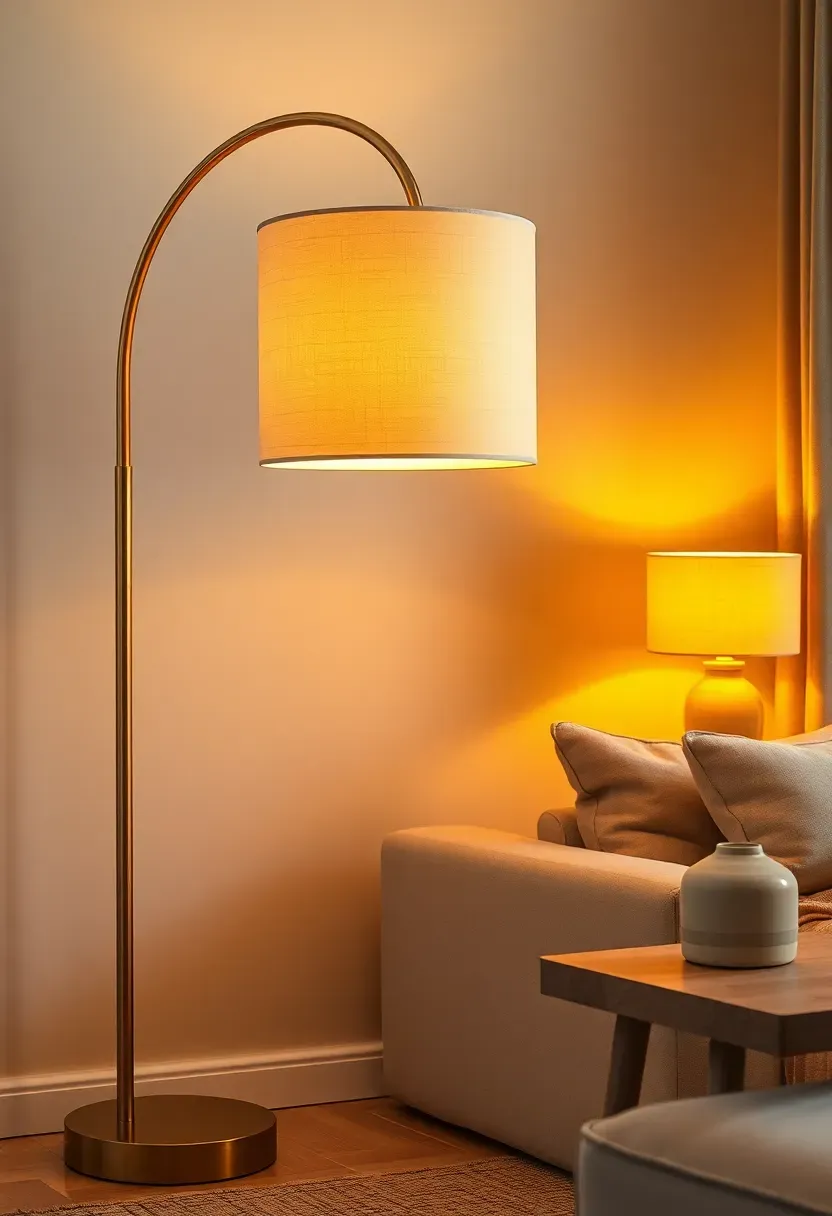
Lighting is the single most transformative element in any room, and most people never change it because they assume it requires an electrician. It doesn't. Swapping a harsh overhead bulb for a warm-toned one (2700–3000K) costs under $5 and immediately changes the entire mood of the space. Adding a plug-in floor lamp or a USB-charged table lamp introduces layered light that overhead fixtures can't provide — and layered light is what makes a room feel designed rather than functional.
Recommended
Items for this idea
The goal is to move light sources down from the ceiling and into the corners and surfaces of the room. A floor lamp behind a chair, a table lamp on a nightstand, and a string of warm LED lights above a shelf create three distinct light zones that let you adjust the room's mood depending on the time of day. Contrast this with a single overhead fixture at full brightness: that approach flattens everything and makes even beautiful objects look institutional.
- Do: Use bulbs rated 2700K–3000K for living spaces — they're warm and flattering without being yellow.
- Don't: Rely on a single overhead source; it eliminates shadow and depth, making the room feel like a waiting room.
- Pro tip: A plug-in pendant light (with a cord cover) can replace a builder-grade overhead fixture entirely — no wiring needed and under $40 at most home stores.
What this gives you: A room that feels entirely different at night — intimate and layered instead of flat and harsh — without touching a single wire.
Step 7: Style With Plants and Curated Accessories
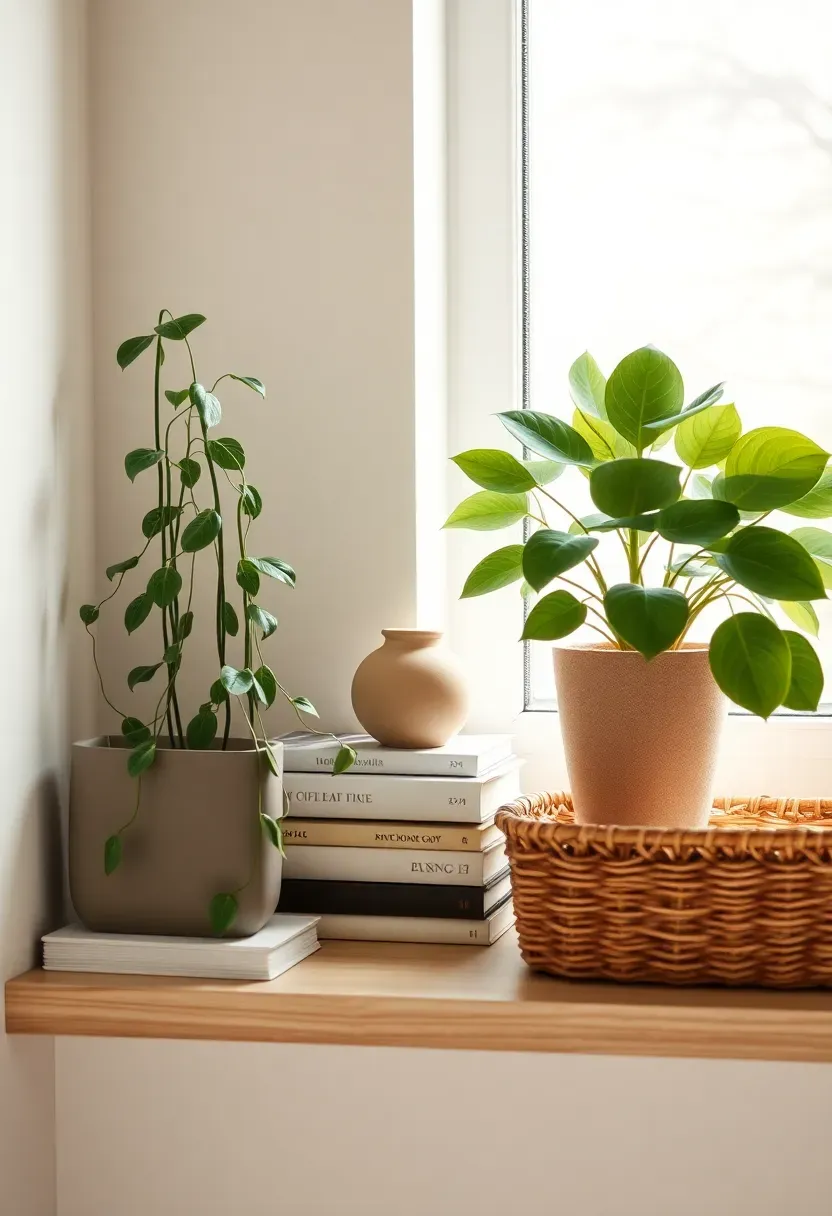
The final step is about editing, not adding. At this point, the structure of the room is already in place — the styling layer is a small set of objects and one or two plants that make the space feel personal and complete. The instinct is to fill surfaces with things, but restraint is what separates a well-styled room from a busy one. Choose three to five objects you genuinely like — a stack of books, a ceramic vase, a framed print — and give each one enough space to be seen.
Recommended
Items for this idea
Plants earn their place on every budget because a single pothos or snake plant costs $5–$15, requires minimal care, and adds more life to a surface than any decorative object at the same price. Group objects in odd numbers — threes work especially well — and vary the heights within the grouping. A tall object, a medium one, and a low one together create a natural visual rhythm. The alternative — lining up objects of equal height and spacing — is what makes shelves look like a store display rather than a home.
If you want a more thorough approach to styling a room from the ground up, How to Decorate a Room Like a Pro covers the full process with styling principles that apply at any budget.
- Do: Style in groups of three, varying height and material — one plant, one ceramic, one printed object work well together.
- Don't: Cover every surface; leave at least one surface completely clear so the eye has somewhere to rest.
- Pro tip: Rotate accessories from other rooms before buying new ones — a vase or tray you already own often looks fresh in a new location.
What this gives you: A room that feels personal and complete — styled with intention, not just filled with things.
Frequently Asked Questions
How much should I realistically spend to decorate a room on a budget?
A meaningful room transformation is achievable for $100–$150 if you prioritize high-impact items: a rug, a lamp, curtains, and a few textiles. Many of the most effective steps — rearranging furniture, editing clutter, swapping light bulbs — cost nothing at all. Spending more won't improve the result if the foundational decisions (scale, color direction, layout) haven't been made first.
What's the single highest-impact change I can make for under $50?
Changing your lighting. Replace the overhead bulb with a warm 2700K option ($5), add one plug-in lamp in a corner ($30–$45), and the room will feel completely different by evening. Lighting affects how every other element in the room is perceived — furniture, color, and textiles all look better under warm, layered light than under a single cool overhead source.
How do I make a rented room look more personal without losing the deposit?
Focus on reversible changes: peel-and-stick wallpaper on a single accent wall, command strips for gallery frames, plug-in lamps, and floor rugs cover the biggest visual surfaces without touching walls permanently. Curtains hung from tension rods or removable hooks also add significant warmth without a single nail hole. These tools let you treat the room as fully yours for the duration of the lease.

About the author
OBCD
CGI visualization and interior design content. We create detailed 3D renders and curate practical design ideas for every room in your home.