How to Decorate a Room on a Budget: 7 Steps to a Beautiful Space
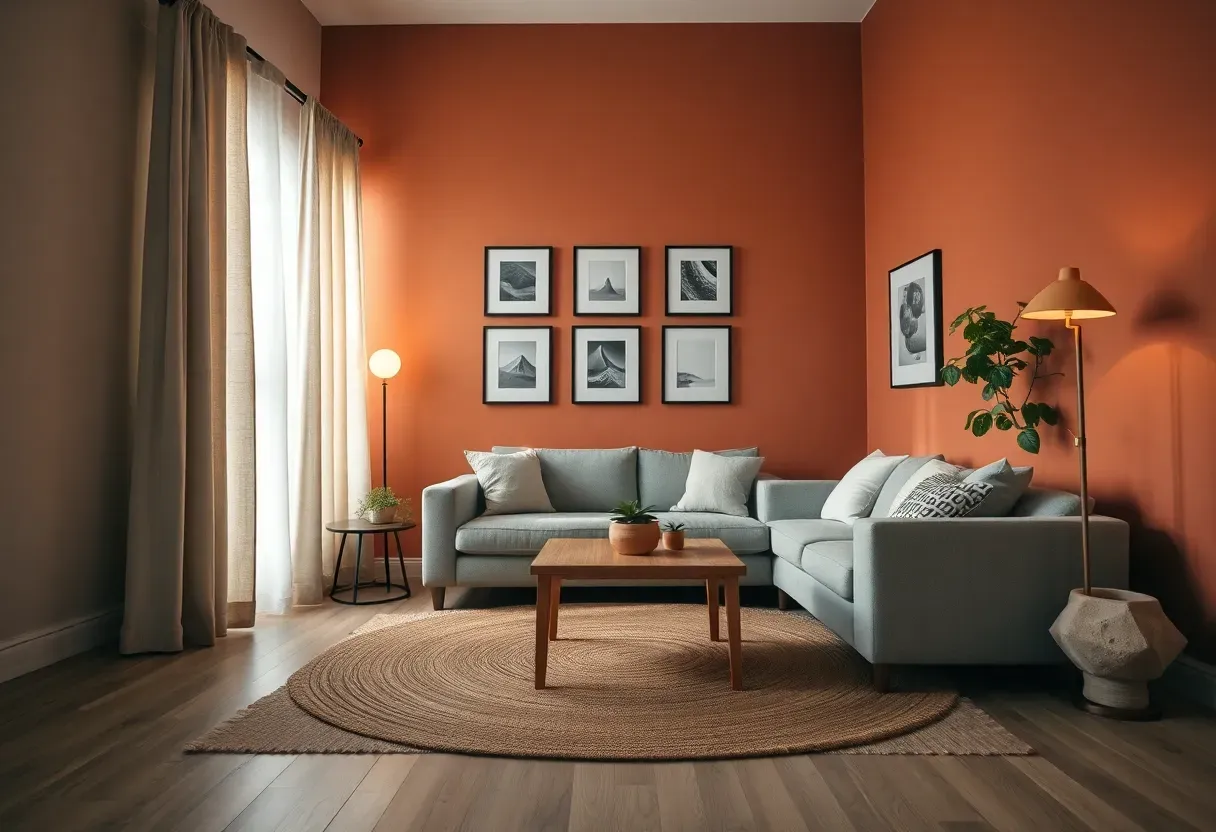
The idea that a beautiful room requires a large budget is one of the most persistent myths in home decorating. In reality, the rooms that look best are the ones with clear decision-making — a defined focal point, a color direction, and purchases made in the right order. Budget is a constraint that forces that clarity, which is why rooms decorated with limited funds often look more intentional than rooms where anything went.
These seven steps take you from a room that feels unfinished or underdirected to one that looks genuinely designed — without spending more than you've decided to spend. Each step builds on the last, and together they cover every layer a room needs: structure, color, light, texture, and personality.
As an Amazon Associate I earn from qualifying purchases.
Table of Contents
What You'll Need
- A phone or notebook for capturing secondhand finds and tracking your budget
- One quart of paint in your chosen wall or furniture color
- A curtain rod, rings, and two panels of floor-length curtains
- A rug sized to anchor your main furniture zone
- Command strips, picture-hanging strips, or small nails for gallery wall frames
- Three to five secondhand or printed frames for the gallery wall
- One or two easy-care houseplants and a few styled accessories
Step 1: Define a Focal Point
Every well-decorated room has one element that anchors it — the wall you look at when you walk in, the piece of furniture everything else orbits, the feature that gives the room its identity. Before spending a cent, identify yours. In a bedroom, it's almost always the wall behind the headboard. In a living room, it's the wall facing the main seating or the one with the fireplace or window. In a home office, it's the wall visible from your chair. Once you know where the eye naturally goes, that's where your effort and your small budget should concentrate first.
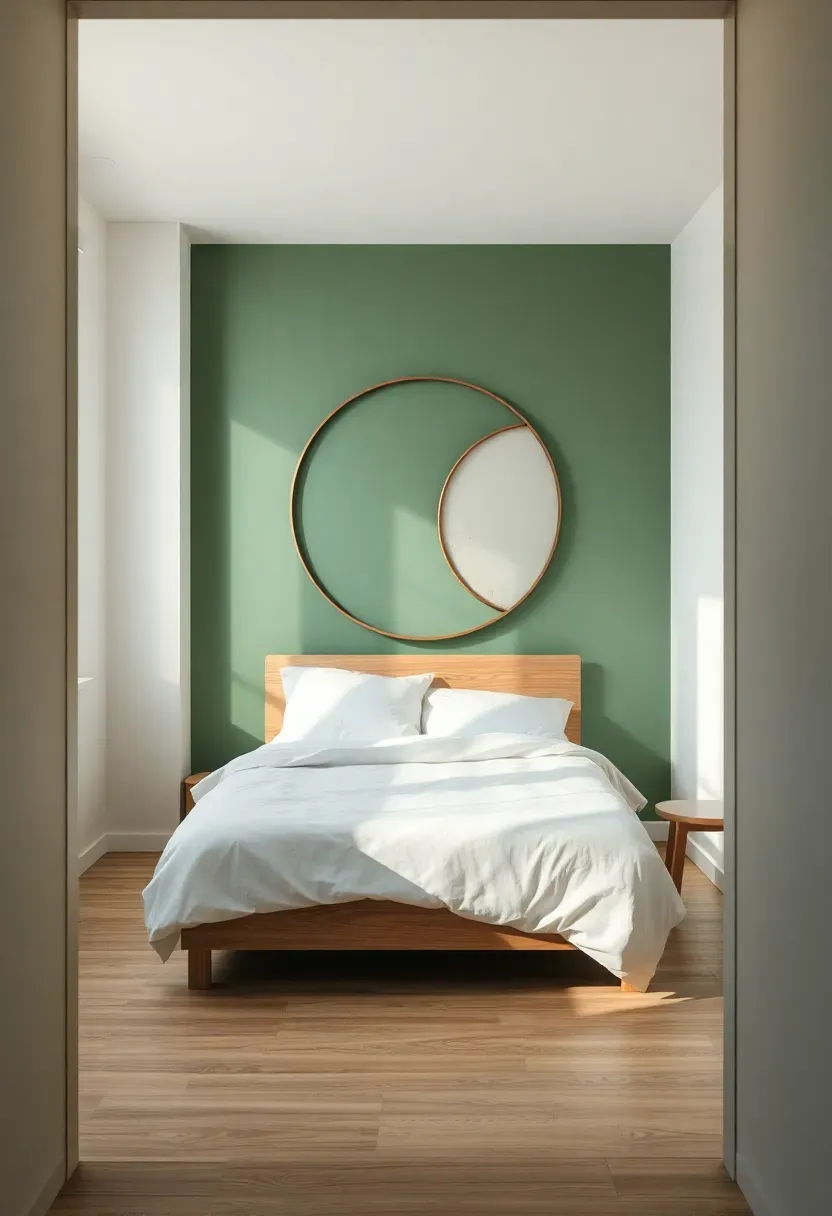
A focal point doesn't require a large purchase. A deeply painted accent wall, a single large-format print hung at eye level, a set of three identical frames in a row, or even a well-placed floor mirror can all create a strong visual anchor. The test is simple: stand in the doorway and look in. If your eye lands on one place and stays there for a moment, the focal point is working. If the eye bounces around looking for somewhere to settle, the focal point hasn't been established yet.
Why this comes first: everything else — furniture placement, rug choice, lighting, accessories — is arranged in relation to the focal point. Establish it and the rest of the decisions become much easier to make.
- Do: Choose a focal point based on the room's existing architecture — a window, a recess, a chimney breast — rather than trying to create one from scratch.
- Don't: Try to create two focal points in a small room; competing anchors split the eye and make the space feel unsettled.
- Pro tip: If the room has no obvious architectural feature, a large mirror (sourced secondhand for under $20) can create a focal point while making the room feel twice as large.
What this gives you: A visual anchor that organizes every subsequent decision and makes the room feel designed rather than assembled.
Step 2: Shop Secondhand and Repurpose What You Own
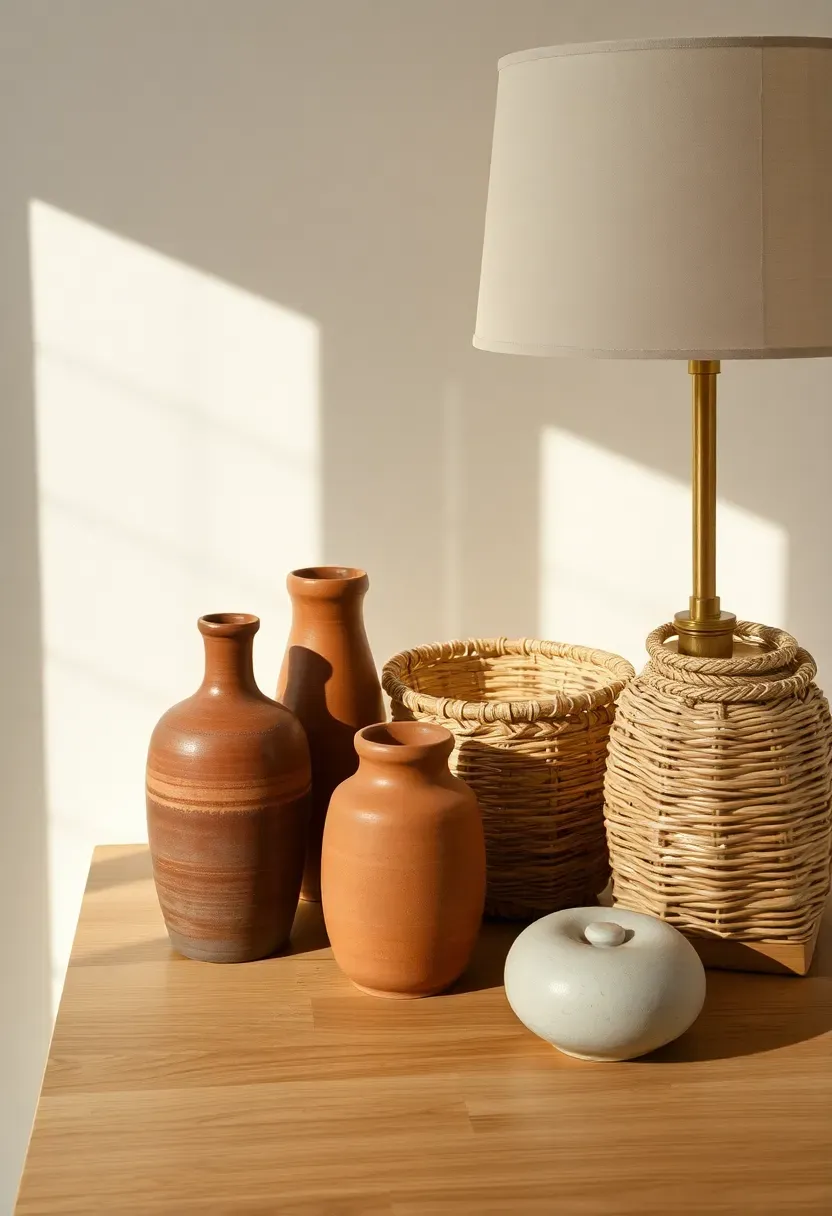
The fastest way to stretch a decorating budget is to source furniture and decor from places where someone else's cost has already been absorbed. Facebook Marketplace, local thrift stores, charity shops, and estate sales regularly carry solid wood furniture, ceramic vases, picture frames, and even quality rugs at ten to thirty percent of their original price. The key is shopping with a specific list rather than browsing — without a clear target, secondhand shopping becomes just as wasteful as retail shopping.
Recommended
Items for this idea
Before browsing any marketplace, spend twenty minutes moving items you already own from room to room. A lamp that feels lost in the hallway might be exactly right in the bedroom. A tray from the kitchen can become a styled coffee table centerpiece. A framed photo stored in a drawer might look strong on the new gallery wall. Repurposing objects you already own costs nothing, and it often surfaces pieces that are more interesting and personal than anything you'd buy new at the same price.
One useful rule: only bring something new in if it improves on what's currently there. "Different" is not a good enough reason to spend money. "Better" is.
- Do: Search Facebook Marketplace with specific search terms ("jute rug", "oak side table", "ceramic lamp") and set a price alert — good pieces go quickly.
- Don't: Buy secondhand items that need significant repair unless you have the time, tools, and skill to fix them — project furniture can drain a budget as fast as retail.
- Pro tip: A can of spray paint ($8) can unify a set of mismatched thrift store frames, vases, or small pieces of furniture into a cohesive collection in an afternoon.
What this gives you: A room filled with pieces that have character and cost a fraction of retail — and a clear picture of which gaps are actually worth filling with something new.
Step 3: Make Paint Do the Heavy Lifting
No single material delivers more visual change per dollar than paint. A quart costs $15–$25 and covers an entire accent wall; a gallon costs $30–$50 and can transform the room's entire mood. Paint is also the one decoration you can undo completely — a second coat in a lighter tone covers almost any previous color — which makes it unusually low-risk for the return it offers. On a budget, paint is not just a background element; it is an active design tool.
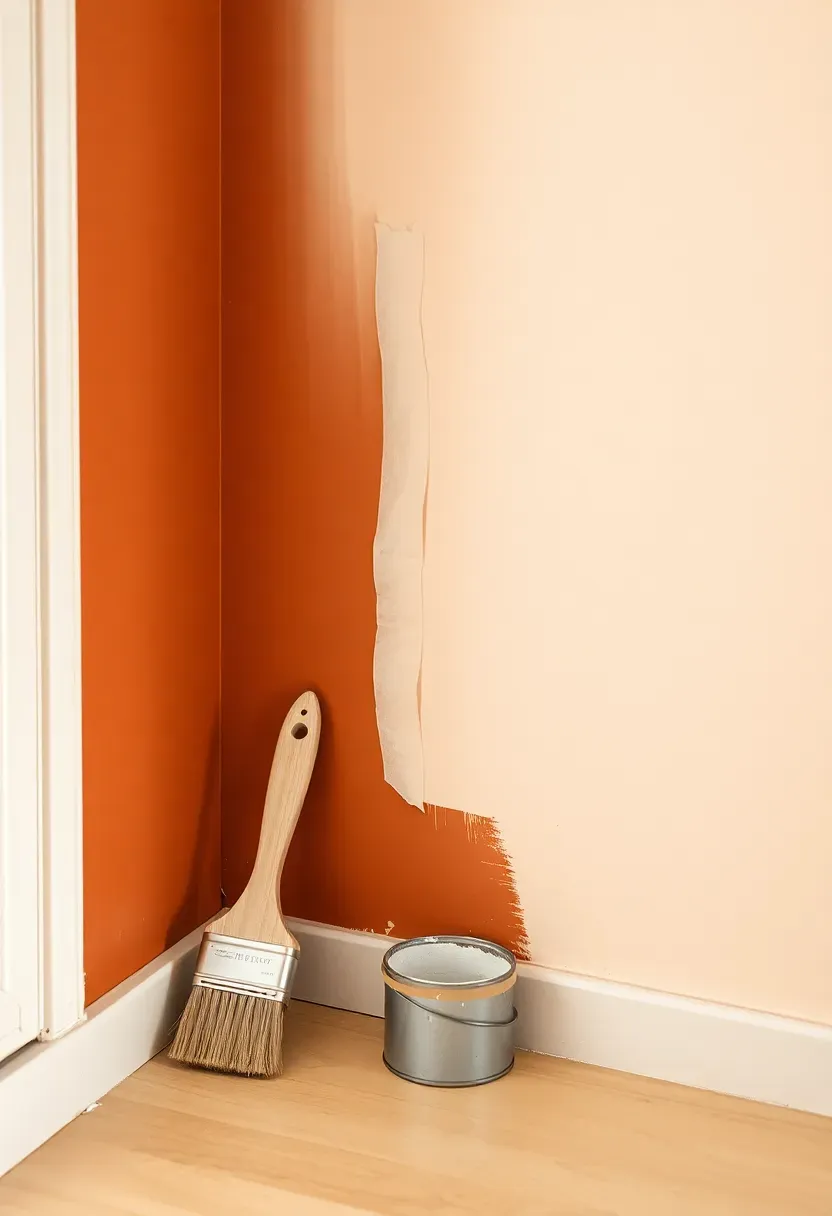
The highest-impact paint moves at the lowest cost are: a single feature wall in a deeper tone than the other three (charcoal, dark sage, terracotta, deep navy), furniture painting to revive a tired piece (a chest of drawers, a side table, a bookcase), and ceiling painting in the wall color to make a room with low ceilings feel more cocoon-like. Of these, the feature wall is the fastest and most reversible — a long afternoon of work and the room looks entirely different.
Paint also works on more than walls. A secondhand wooden nightstand painted in a matte black or deep green becomes a statement piece. An old picture frame repainted in a consistent finish becomes part of a cohesive gallery. A radiator painted to match the wall behind it disappears, giving the room a cleaner look at zero cost.
- Do: Test a large painted swatch (at least A3 size) on the actual wall and observe it in morning light, afternoon light, and with lamps on in the evening before committing.
- Don't: Paint all four walls in a strong color in a small room on a first attempt — a single accent wall is more forgiving and still delivers most of the visual impact.
- Pro tip: Ask your local paint store about "mistint" paints — returned custom colors sold at steep discounts, sometimes for as little as $5 a quart, and often in beautiful unexpected shades.
What this gives you: The single biggest visual transformation the budget can buy, with minimal time investment and the option to change it if you change your mind.
Step 4: Hang Curtains the Right Way
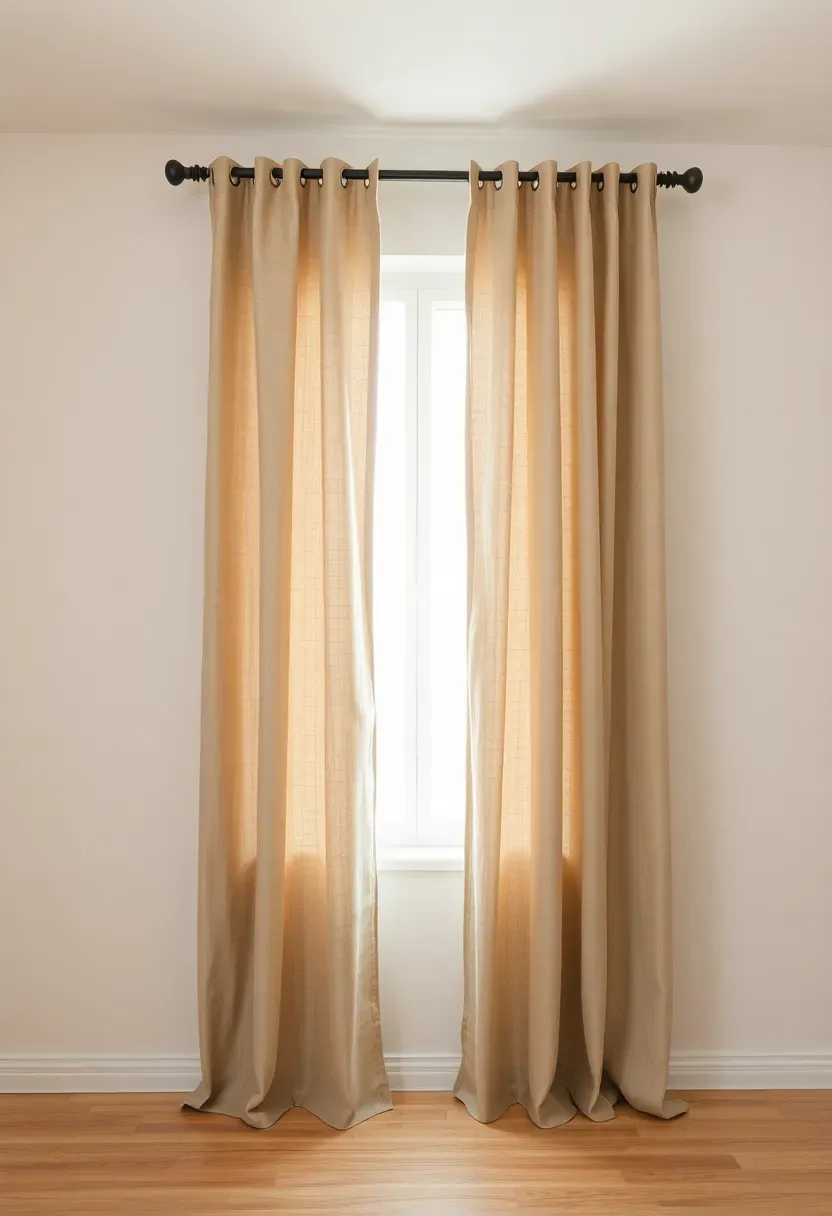
Curtains are one of the most commonly misinstalled elements in a room, and getting this right costs exactly nothing extra — the rod goes in different holes, that's all. The standard amateur mistake is mounting the rod just above the window frame, which makes the window look smaller and the ceiling feel lower. The professional approach: hang the rod as close to the ceiling as possible (or directly at the ceiling line), and extend it four to six inches past the window frame on each side. The result is a window that appears substantially larger and a room that reads as taller and more considered.
Recommended
Items for this idea
Budget curtains — IKEA LENDA, thrifted panels, or simple linen-look fabric from a fabric store — look expensive when hung correctly. The opposite is also true: quality curtains hung at the wrong height look cheap and unresolved. Prioritize the hanging position over the curtain itself. If you can only afford basic white panels, that's fine; just hang them right. Floor-length is non-negotiable — curtains that stop halfway down the wall or hover above the floor make every room look unfinished.
- Do: Let curtain panels touch the floor lightly or pool slightly — a centimeter or two on the floor reads as intentional and luxurious.
- Don't: Use curtains that are too short; panels ending at the windowsill or mid-wall instantly make a room look unfinished and the ceilings lower.
- Pro tip: If your panels are slightly too short to reach the floor when the rod is at ceiling height, add curtain ring clips — they add three to five inches and cost under $5.
What this gives you: A room with taller-feeling ceilings, larger-looking windows, and an immediately more polished overall impression — all from changing the position of two screws.
Step 5: Choose a Rug That Anchors the Room
A rug defines the room's main zone, ties together furniture that might otherwise feel randomly placed, and introduces warmth and texture that bare floors can't provide. On a budget, rugs are one of the more significant purchases — but they are also one of the most versatile secondhand finds. A 5×8 or 8×10 jute, flatweave cotton, or low-pile synthetic rug found at a thrift store or on Facebook Marketplace for $20–$60 will do the same structural job as a $400 retail equivalent.
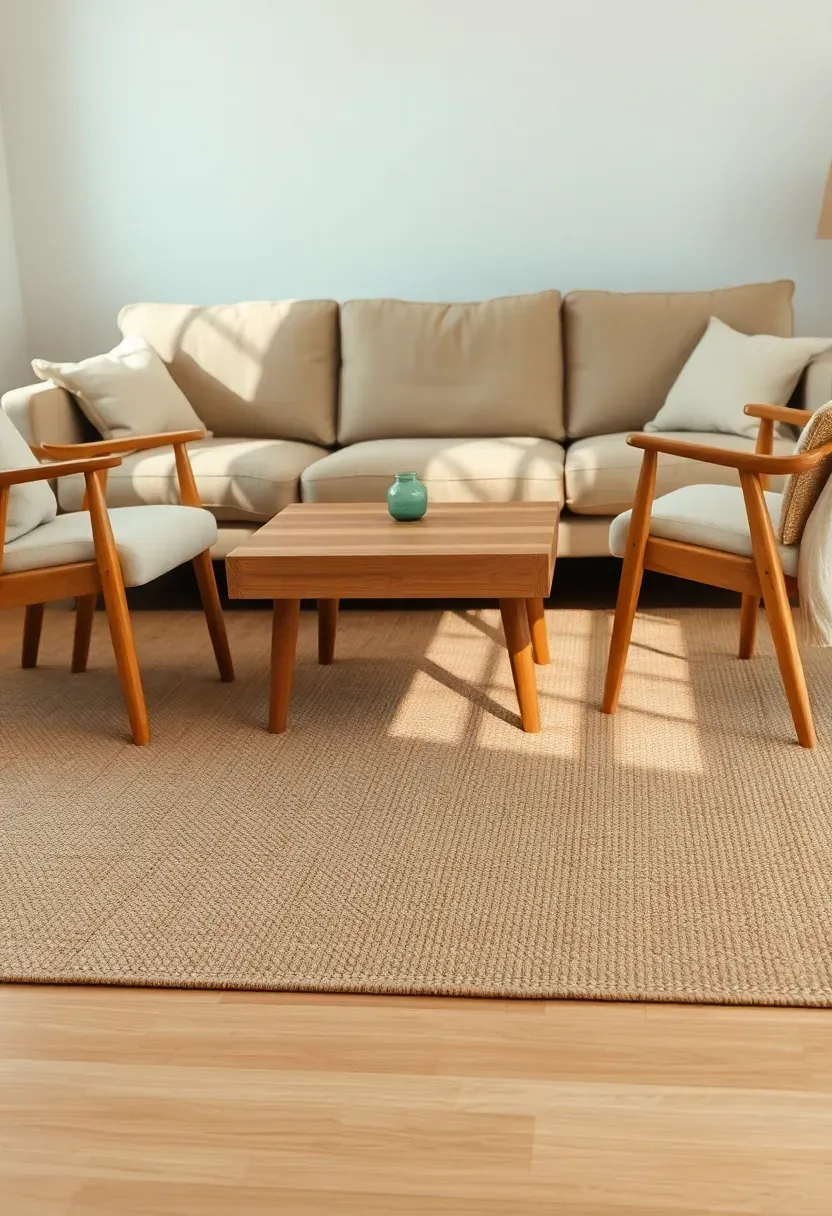
The most important decision is size, not style. A rug that is too small floats in the middle of the room and makes the furniture feel unanchored and the space feel smaller. In a living room, at minimum the front legs of all seating should rest on the rug. In a bedroom, the rug should extend eighteen to twenty-four inches beyond both sides of the bed and past the foot. When in doubt, go larger — a bigger rug almost always looks better than a smaller one, and you can layer a smaller patterned piece on top of a plain jute base to add visual interest at low cost.
- Do: Mark the intended rug outline on the floor with masking tape before purchasing — it prevents the single most expensive sizing mistake in budget decorating.
- Don't: Buy a rug primarily based on a small digital image; always check a full room photo showing the rug at scale before purchasing online.
- Pro tip: A rug pad (often half the cost of the rug itself) prevents slipping, protects the floor, adds cushion underfoot, and makes any rug feel more expensive — it is not optional.
What this gives you: Immediate visual structure — the room stops reading as furniture sitting on bare floor and starts reading as a designed, intentional space.
Step 6: Build a Gallery Wall for Under $30
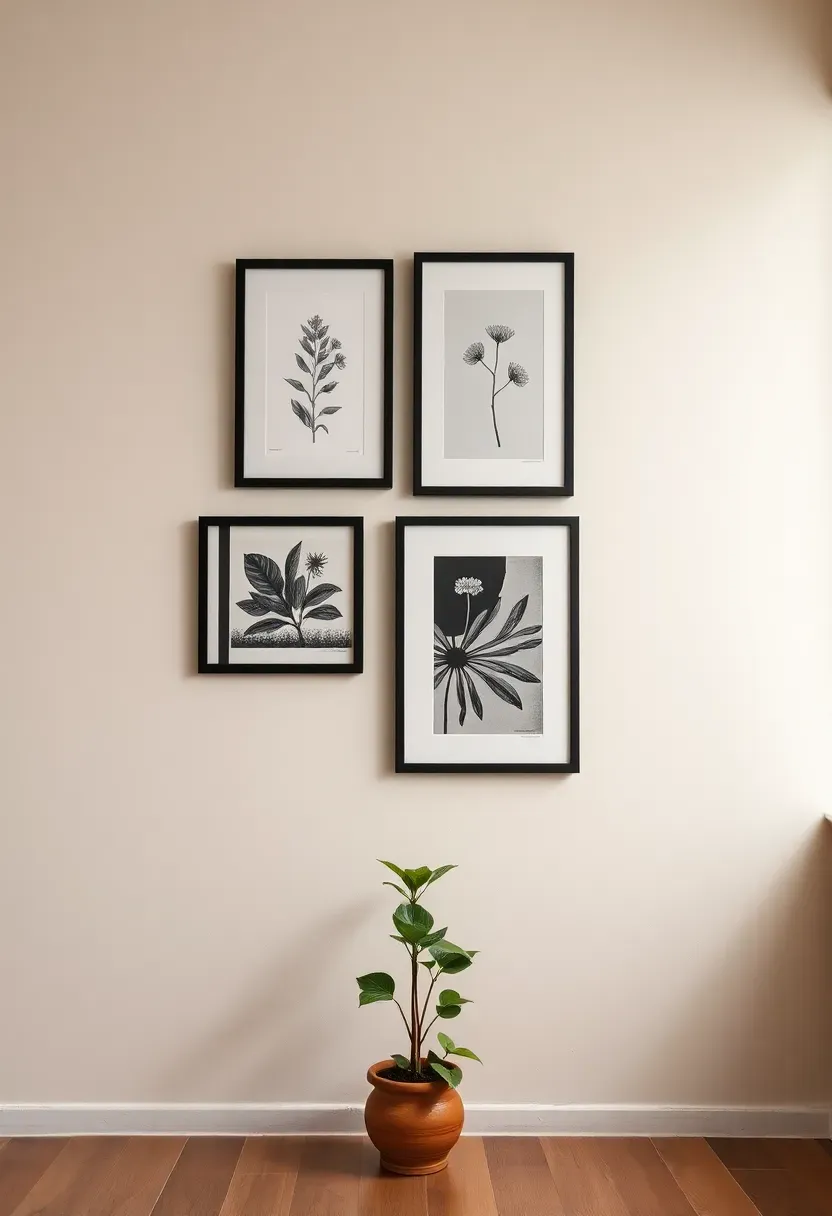
A gallery wall is the most budget-friendly way to add personality to a large empty wall — the kind of wall that would otherwise require an expensive large-format artwork or a significant architectural intervention. Done well, it looks curated and personal. Done poorly, it looks random and cluttered. The difference comes down to two decisions: keeping frames consistent in finish (all black, all wood, all white), and planning the arrangement on the floor before a single hole is made in the wall.
Recommended
Items for this idea
The art itself doesn't need to be purchased. Print free or low-cost artwork from sites like Unsplash or Posterity, use pages torn from oversized books or magazines, or frame fabric swatches, postcards, and botanical specimens. What matters is that the pieces share something: a color palette, a subject, a level of contrast, or a scale range. Frames can be sourced entirely from thrift stores for $1–$5 each — spray paint them all the same color and they become a collection. Command picture-hanging strips hold frames up to eight pounds without damaging walls, making this approach fully renter-friendly.
For more ways to fill large walls affordably, see How to Decorate Your Room from Scratch, which includes several damage-free wall display techniques that work in any room.
- Do: Lay the full arrangement on the floor first, photograph it, and use that photo as your reference when transferring to the wall — it eliminates guesswork and unnecessary holes.
- Don't: Mix frame finishes (silver, gold, black, and wood all in one arrangement) unless you're highly confident in the curation — consistent finish is what makes thrifted frames look intentional.
- Pro tip: Leave a consistent gap of two to three inches between every frame in the arrangement — evenness of spacing reads as professional even when the frames themselves are inexpensive.
What this gives you: A wall that looks collected, personal, and styled — for less than the cost of a single mid-range artwork from a home store.
Step 7: Finish With Plants and a Few Curated Pieces
By this stage the room already has a focal point, color, structure, light control, and a textured floor layer. The final step is about adding life and personality without undoing the clarity you've built. The temptation here is to keep buying — accessories are cheap and the room feels like it needs filling. Resist it. A room that is almost finished and slightly under-accessorized reads as calm and designed. A room that is over-filled with small objects reads as busy and unresolved, regardless of the quality of the individual pieces.
Recommended
Items for this idea
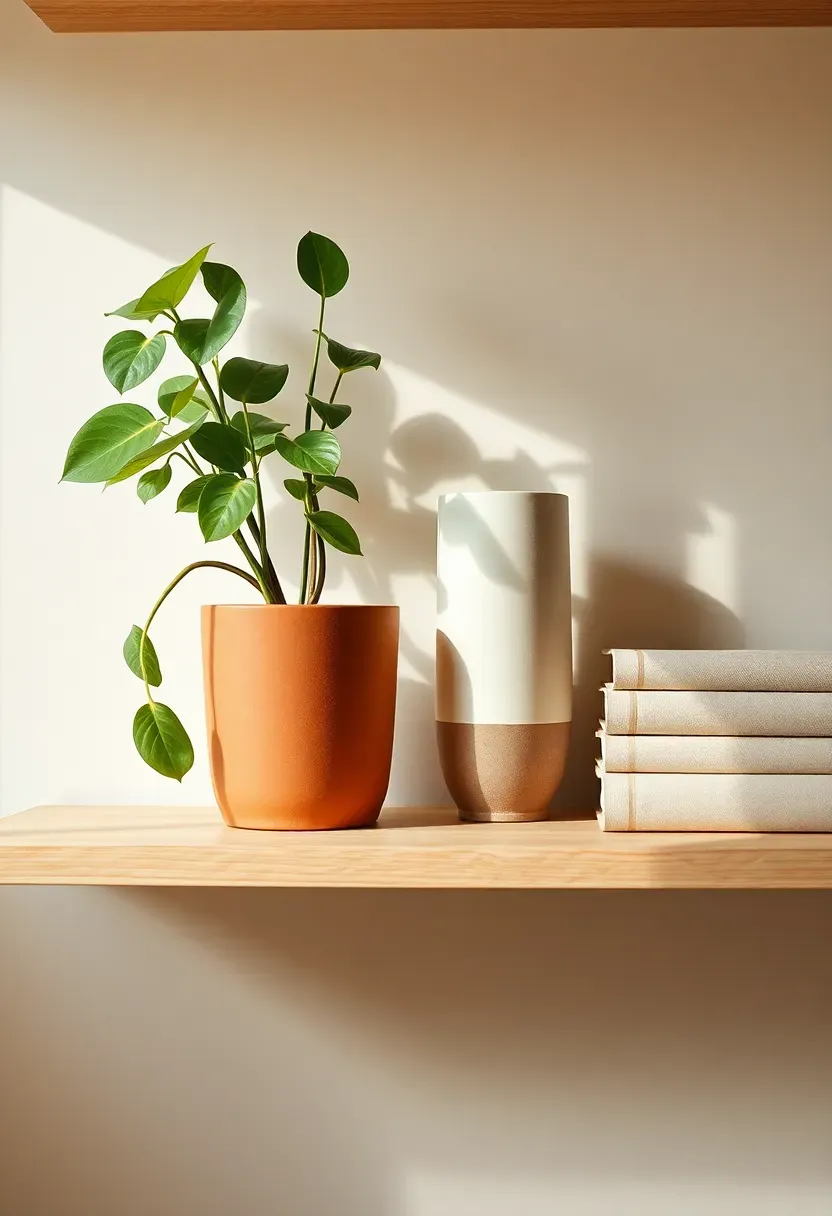
Start with one plant. A pothos, spider plant, or snake plant costs $5–$15, requires minimal care, and does more for a room's sense of life than any manufactured object at the same price. Place it where it gets appropriate light — not where it looks best and then slowly dies. Then choose three to five objects you genuinely own and like: a candle, a ceramic vase, a small stack of books, a tray. Group them in odd numbers, vary the height within each grouping (tall, medium, low), and leave the surfaces between groups completely clear. That empty space is not a gap to fill — it is the element that makes the arranged objects visible.
If you'd like a deeper guide to the full decorating process from the first decision to the last accessory, How to Decorate a Room Like a Pro covers every layer in detail.
- Do: Style the three most visible surfaces first — the coffee table, the shelf above eye level, and the nightstand or desk — and leave less visible surfaces bare until those feel complete.
- Don't: Buy accessories just to fill a surface; if you can't think of a specific object that would genuinely improve a spot, leave it empty for now.
- Pro tip: Take a photo of the room from the doorway before calling it finished — the camera flattens the space and reveals imbalance or clutter that is easy to overlook when you're standing in the middle of it.
What this gives you: A room that feels personal, complete, and alive — styled with intention rather than filled by instinct.
Frequently Asked Questions
What is the most impactful thing I can do to decorate a room on a budget?
Define a focal point and paint it. Choosing one wall to treat with a stronger color or a gallery arrangement costs as little as $20–$40 in paint or frames, but it gives the entire room a center of gravity. Every other purchase you make will look more intentional once the room has a clear anchor point to organize around.
Is it worth buying secondhand furniture for a room makeover?
Yes — with one important rule. Only buy secondhand pieces that are structurally sound and require no significant repair. A solid wood dresser with chipped paint is worth $20 and an afternoon of painting. A sofa with a broken frame or a chair with suspect upholstery is not worth the hassle at any price. Stick to hard furniture, ceramics, mirrors, and frames for the most reliable secondhand finds.
Should I buy a cheap rug or save up for a more expensive one?
A cheap rug in the right size and color will always beat an expensive rug in the wrong size. Size is the rug decision that matters most on a budget — a correctly sized $40 jute rug grounds a room far better than a $200 rug that's too small. If quality matters to you, look for affordable natural fiber options like jute flatweave or cotton dhurrie rather than synthetic pile rugs, which tend to flatten quickly under furniture.
Can I decorate a rented room without losing my deposit?
Every step in this guide can be done without permanent wall damage. Command picture strips hold gallery frames up to eight pounds per strip. Curtain rods go into standard pre-drilled holes or use tension rod systems that require no drilling at all. Peel-and-stick wallpaper on a single accent wall is fully removable. The only irreversible step is paint — check your lease, and if painting is not permitted, use removable wallpaper on the accent wall instead for a similar effect.
About the author
OBCD
CGI visualization and interior design content. We create detailed 3D renders and curate practical design ideas for every room in your home.