How to Decorate My Room Without Spending a Fortune: 6 Steps
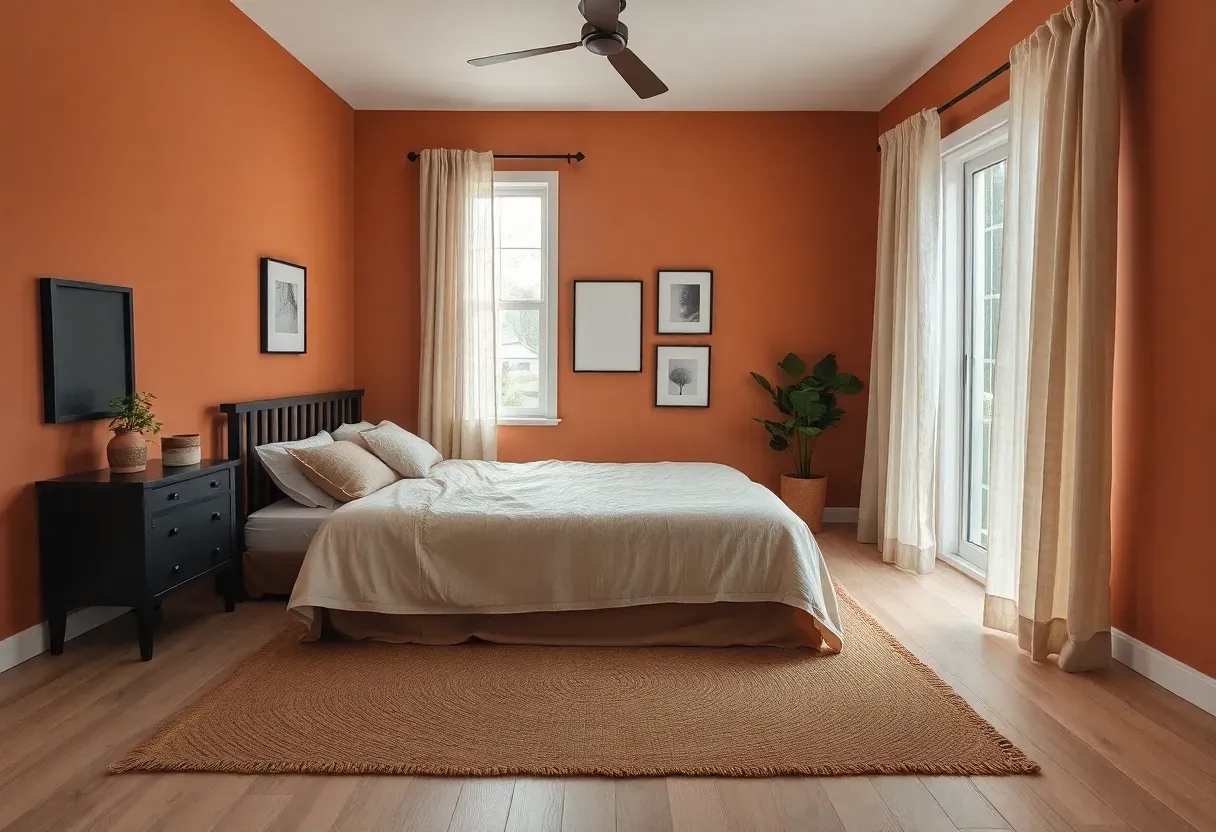
Decorating a room well has very little to do with how much money you spend and almost everything to do with the order in which you make decisions. A room that looks designed usually has a clear focal point, a defined color direction, the right proportions of furniture to open floor, and a few well-chosen objects — none of which require a large budget. What they require is a sequence: each step builds on the last, and taking them in the right order prevents the most common and expensive decorating mistakes.
These six steps show you how to decorate your room without spending a fortune by starting with what you already own, adding one high-impact low-cost move at a time, and finishing with restraint rather than accumulation. The total spend for all six steps combined can stay well under $150 — and for many rooms, under $75.
As an Amazon Associate I earn from qualifying purchases.
Table of Contents
What You'll Need
- A tape measure and a piece of paper for sketching the room layout before moving anything
- One quart of paint in your chosen accent color (matte or eggshell finish)
- A curtain rod, mounting brackets, and two floor-length curtain panels
- Four to eight secondhand picture frames in consistent sizes (to be spray-painted one color)
- One easy-care houseplant (pothos, snake plant, or spider plant) and a ceramic or terracotta pot
Step 1: Rearrange What You Already Own
Before spending a single dollar, spend one hour moving things. The most common reason a room feels unfinished or uncomfortable is not that it lacks objects — it is that the furniture is placed in the default position it landed when you moved in rather than in the position that serves the room. In most bedrooms, the single most impactful free move is pulling the bed away from a side wall and centering it against the main wall opposite the door. This one change shifts the room from "storage with a bed in it" to "room with a bed as its anchor."
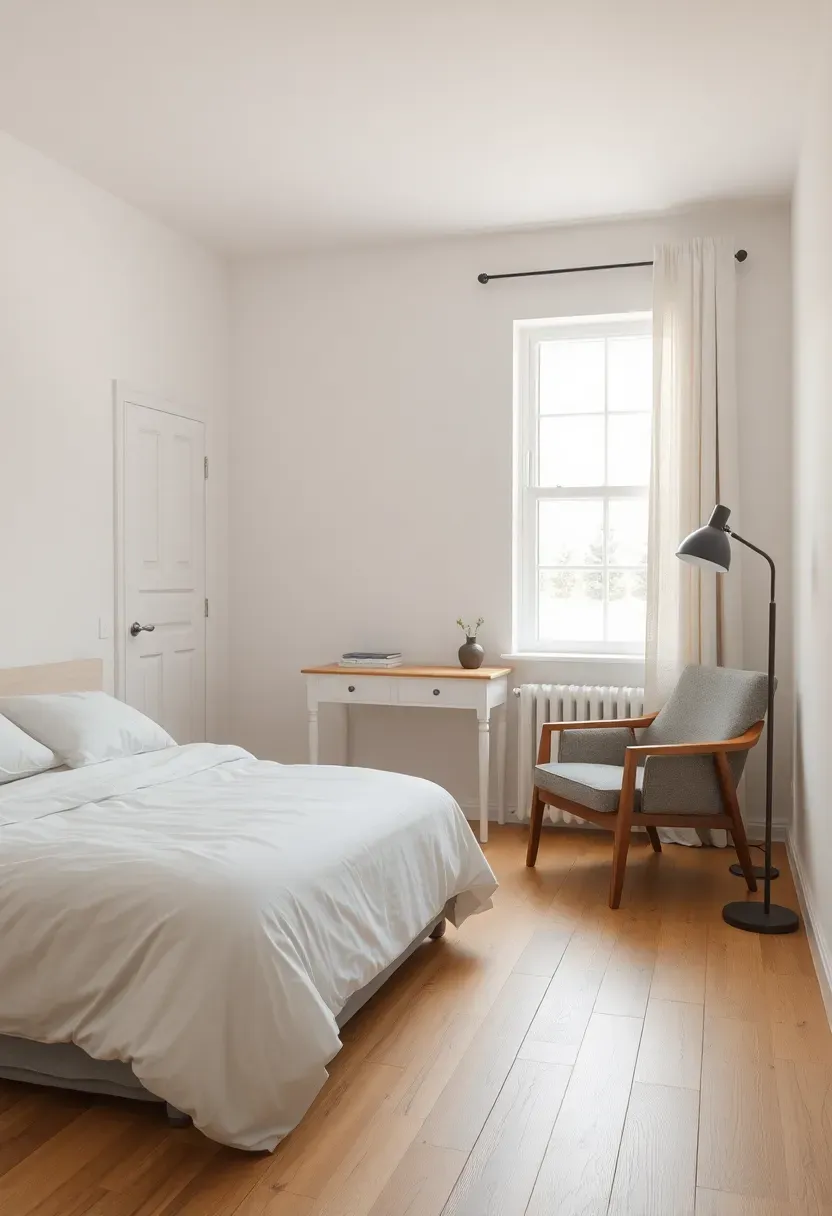
In living rooms, the equivalent move is pulling sofas and chairs away from the perimeter walls and grouping them around a central point — a coffee table, a rug, a fireplace. Furniture pushed against every wall makes a room feel like a waiting room. Furniture grouped inward, even slightly, creates a conversation zone and makes the room feel intentionally designed. Walk around the room from the doorway after each rearrangement and assess honestly: does the eye land somewhere, or does it bounce? If it bounces, keep moving things.
- Do: Sketch the room on paper with rough measurements before moving heavy furniture — it takes ten minutes and prevents the frustration of moving a wardrobe twice.
- Don't: Assume the first layout you try is the best; give yourself permission to move a piece two or three times before deciding it has found its place.
- Pro tip: Place furniture so that the first thing visible from the doorway is the most intentional part of the room — the bed, a styled shelf, or a gallery wall — not a pile of unsorted objects.
What this gives you: A room with clear structure and a defined focal point — at zero cost, before a single new object enters the space.
Step 2: Use Paint as a High-Impact, Low-Cost Tool
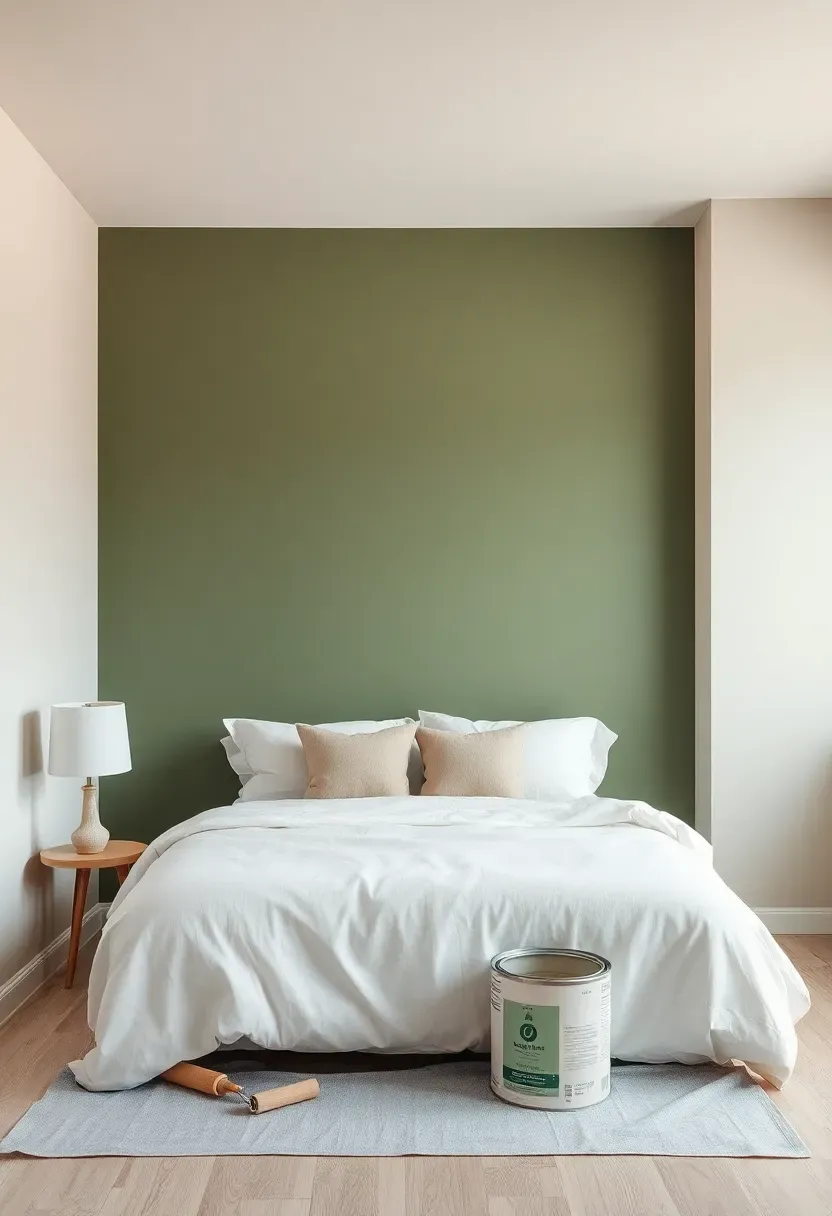
No material delivers more visual transformation per dollar than paint. A quart covers a full accent wall and costs $15–$25; a gallon covers the entire room for $30–$50. On a budget, paint is not a background detail — it is an active design decision. The single most effective and reversible move is painting one wall in a deeper or warmer tone than the other three: deep sage green, terracotta, charcoal, dusty navy, warm clay. That contrast gives the room a clear back wall, which reinforces the focal point you established in Step 1 and makes the space feel considered rather than default.
Recommended
Items for this idea
Paint also works on surfaces beyond walls. A secondhand wooden nightstand painted in matte black or deep green becomes a statement piece instead of a thrift store find. A mismatched set of picture frames spray-painted one consistent color becomes a cohesive collection. A radiator painted to match the wall behind it effectively disappears. These applications cost pennies and have outsized visual returns. Identify the two or three surfaces in the room that currently undermine the aesthetic — a dingy laminate shelf, a scuffed side table, a set of mismatched frames — and address them with paint before buying replacements.
- Do: Test a large swatch (at least A4 size, ideally larger) on the actual wall and observe it at different times of day — morning, afternoon, and under artificial light in the evening — before buying a full can.
- Don't: Paint all four walls in a strong color on the first attempt in a small room; one accent wall is more forgiving, still delivers most of the visual impact, and is easier to change if the color doesn't work.
- Pro tip: Ask about "mistint" paints at your local hardware store — returned custom colors sold at steep discounts, sometimes $5–$8 a quart, and frequently in unexpectedly beautiful shades.
What this gives you: The highest visual return on investment in the entire decorating process — a room that looks color-directed and intentional for the price of a coffee and an afternoon.
Step 3: Shop Secondhand Before Buying Anything New
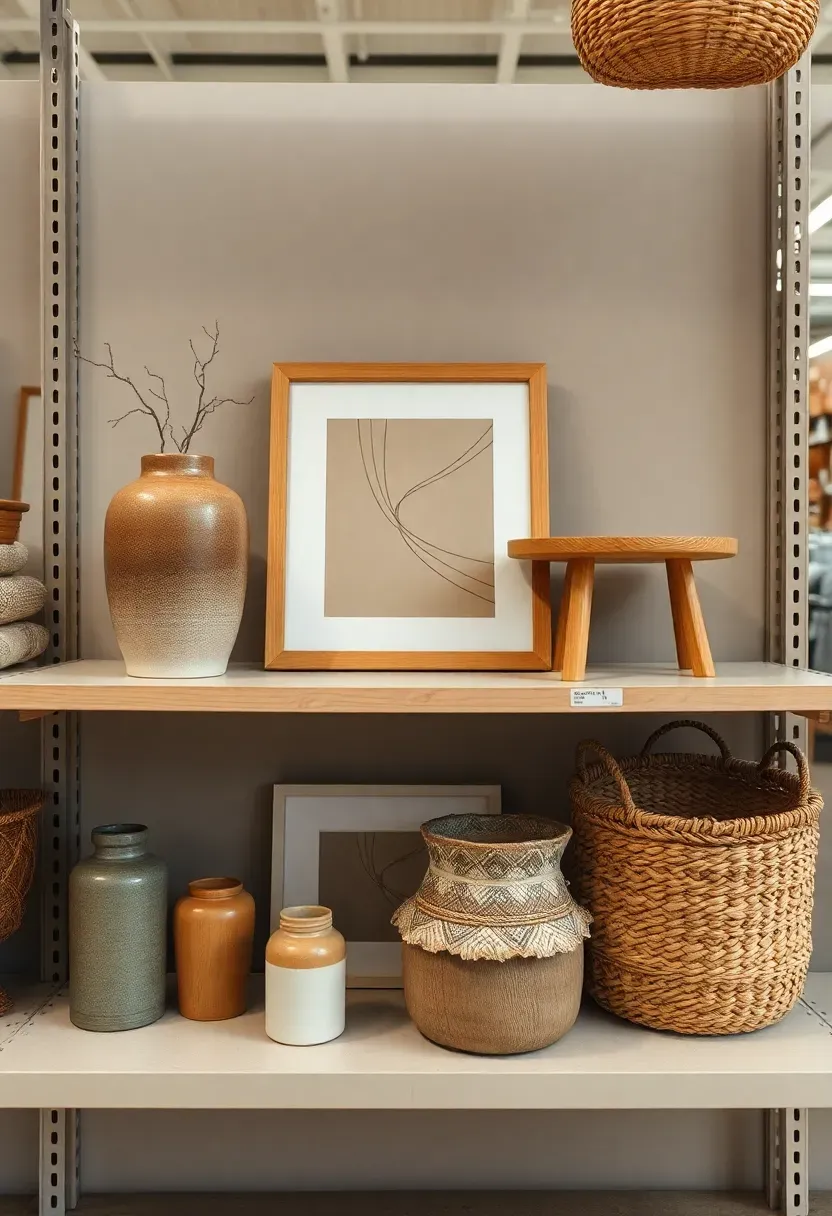
Once you have rearranged and painted, you have a clear picture of what the room actually needs — not what you think it needs in the abstract, but the specific gap on the left wall, the missing piece of warmth on the floor, the lack of a surface at the right height. Only at this point should you consider adding something new, and the first place to look is always secondhand. Facebook Marketplace, local thrift stores, charity shops, and estate sales regularly carry solid wood furniture, ceramic vases, quality rugs, picture frames, and mirrors at ten to thirty percent of their original retail price. Shopping with a specific list — one oak side table, one jute rug roughly 5x8, three matching frames — prevents the unfocused browsing that makes secondhand shopping as expensive as retail.
Recommended
Items for this idea
Before browsing any marketplace, do one more pass through your own home. A lamp that feels wrong in the hallway might be exactly right in the newly rearranged bedroom. A ceramic pot stored in a kitchen cabinet could work on the newly painted accent wall. A framed photo kept in a drawer might anchor the gallery wall. Repurposing objects you already own costs nothing, and the pieces that have been with you for a while often carry more personality than anything you'd buy new at the same price point. The rule: only bring something in if it is measurably better than what is currently there — "different" is not a good enough reason to spend money.
For a full walkthrough of building a room from nothing using a strict budget, see How to Decorate Your Room from Scratch, which covers sourcing strategy in depth.
- Do: Use specific search terms on Facebook Marketplace ("jute rug 5x7", "ceramic table lamp", "solid wood dresser") and set alerts — good pieces are claimed within hours.
- Don't: Buy secondhand items that require significant structural repair unless you have the tools, time, and genuine skill to do the work — project furniture absorbs budget and time faster than buying new.
- Pro tip: A single $8 can of spray paint can unify a set of three to five mismatched thrift store frames or vases into a cohesive collection in one afternoon — finish consistency matters far more than individual piece quality.
What this gives you: A room furnished with pieces that have character and texture, sourced at a fraction of retail, with a clear picture of exactly what gaps — if any — are still worth filling.
Step 4: Hang Curtains High to Make the Room Feel Taller
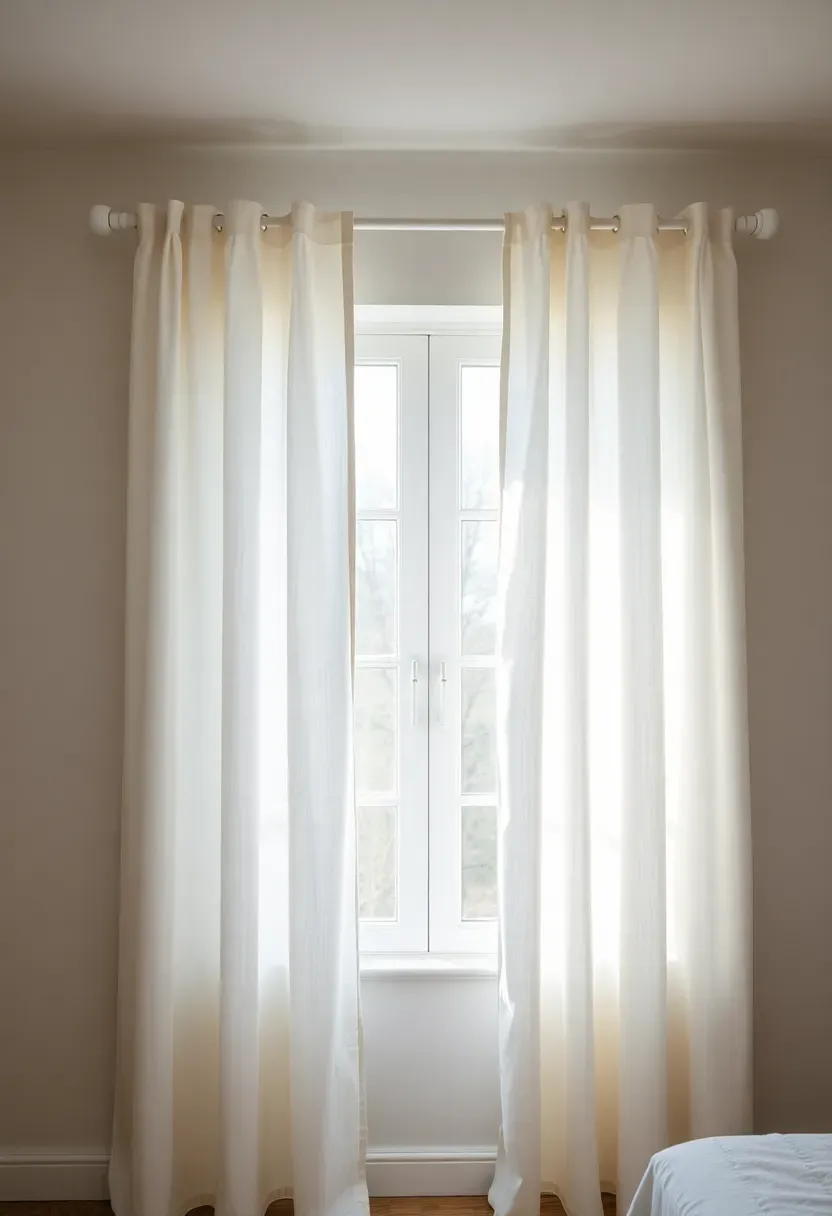
Curtains are one of the most commonly misinstalled elements in a room, and correcting the installation costs nothing — the rod simply goes into different holes. The standard amateur position is mounting the rod just above the window frame, which makes the window look smaller, the ceiling feel lower, and the room look unfinished. The professional position: hang the rod as close to the ceiling as possible — at the ceiling line if the wall allows — and extend it four to six inches past the window frame on each side. Floor-length panels then fall straight from near the ceiling to the floor, creating a strong vertical line that makes the room read as taller, more considered, and more complete.
Recommended
Items for this idea
The panels themselves do not need to be expensive. IKEA LENDA panels, basic cotton voile from a fabric store, or secondhand linen found at a thrift store all look excellent when hung at the right position. The installation detail does more work than the material. One practical note: if your existing panels are too short to reach the floor when the rod is at ceiling height, add curtain ring clips — they add three to five inches and cost under $5 for a set of ten. Let the panels touch the floor lightly or pool by a centimeter or two; this reads as intentional rather than a sizing mistake, and it works on almost any budget fabric.
- Do: Let panels touch the floor or pool slightly — a small break at the bottom reads as intentional and gives even basic fabric a finished, considered appearance.
- Don't: Use panels that stop at the windowsill or hover mid-wall; curtains that don't reach the floor instantly make the ceiling feel lower and the room look incomplete.
- Pro tip: If drilling into the wall isn't an option (rented rooms, plaster walls), tension curtain rods with a ceiling-mounted channel are fully damage-free and hold panels at the correct height.
What this gives you: A room with taller-feeling ceilings, larger-looking windows, and a noticeably more polished overall impression — from changing the position of two screws.
Step 5: Build a Gallery Wall for Under $25
A gallery wall is the most cost-effective way to fill a large empty surface with something that looks personal and curated. Done well, it functions as the room's personality statement — the place that says something specific about the person who lives there. Done poorly (random frames, mixed finishes, unplanned spacing), it reads as clutter in frames. The difference between the two comes down to two decisions: keeping frame finishes consistent and planning the full arrangement on the floor before making a single hole in the wall. Take a photograph of the floor arrangement and use it as your guide when transferring to the wall — this eliminates guesswork and unnecessary damage.
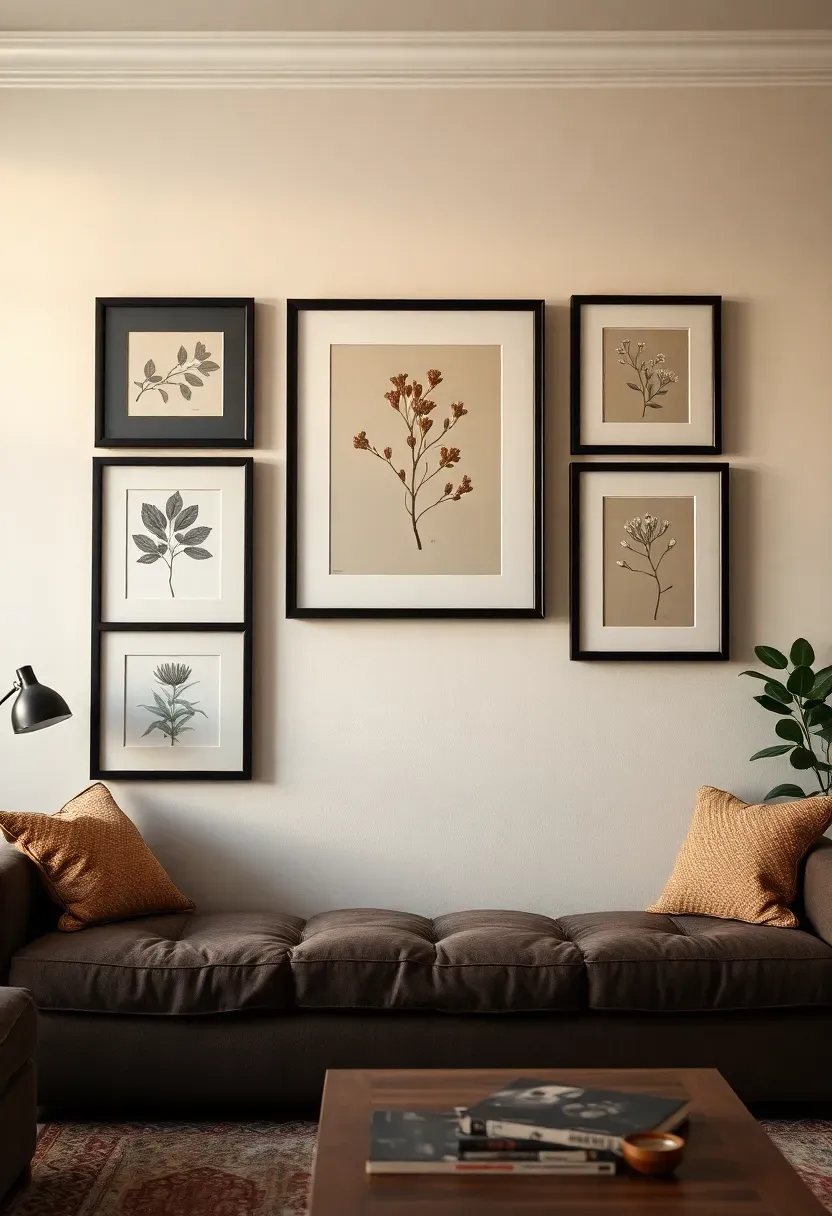
Frames can come entirely from thrift stores at $1–$5 each. Buy whatever shapes and sizes you like, then spray-paint them all the same color — matte black, warm white, or raw wood tone — in one session outdoors. That single coat of paint is what transforms a collection of unrelated secondhand frames into a cohesive set. For the art inside: print free images from Unsplash or similar sites, use pages from an oversized book or magazine, frame fabric swatches, botanical specimens, or postcards. What matters is that the pieces share a visual thread — a color palette, a subject, a level of contrast. Command picture-hanging strips hold frames up to eight pounds per strip without wall damage, making this approach fully renter-friendly.
For more ideas on filling walls affordably, including damage-free options for renters, see How to Decorate a Room on a Budget.
- Do: Leave a consistent gap of two to three inches between every frame in the arrangement — even spacing reads as professional and makes inexpensive frames look intentional.
- Don't: Mix frame finishes (silver, gold, black, and raw wood all in one arrangement) unless the curation is extremely deliberate — consistent finish is what makes a collection of thrifted frames look considered rather than random.
- Pro tip: Cut pieces of paper to the exact dimensions of each frame and tape them to the wall first to test the arrangement before making any holes — adjust positions freely without consequences.
What this gives you: A wall that looks collected, styled, and personal — for less than the price of a single mid-range artwork from a home store.
Step 6: Finish With Plants and Three to Five Curated Objects
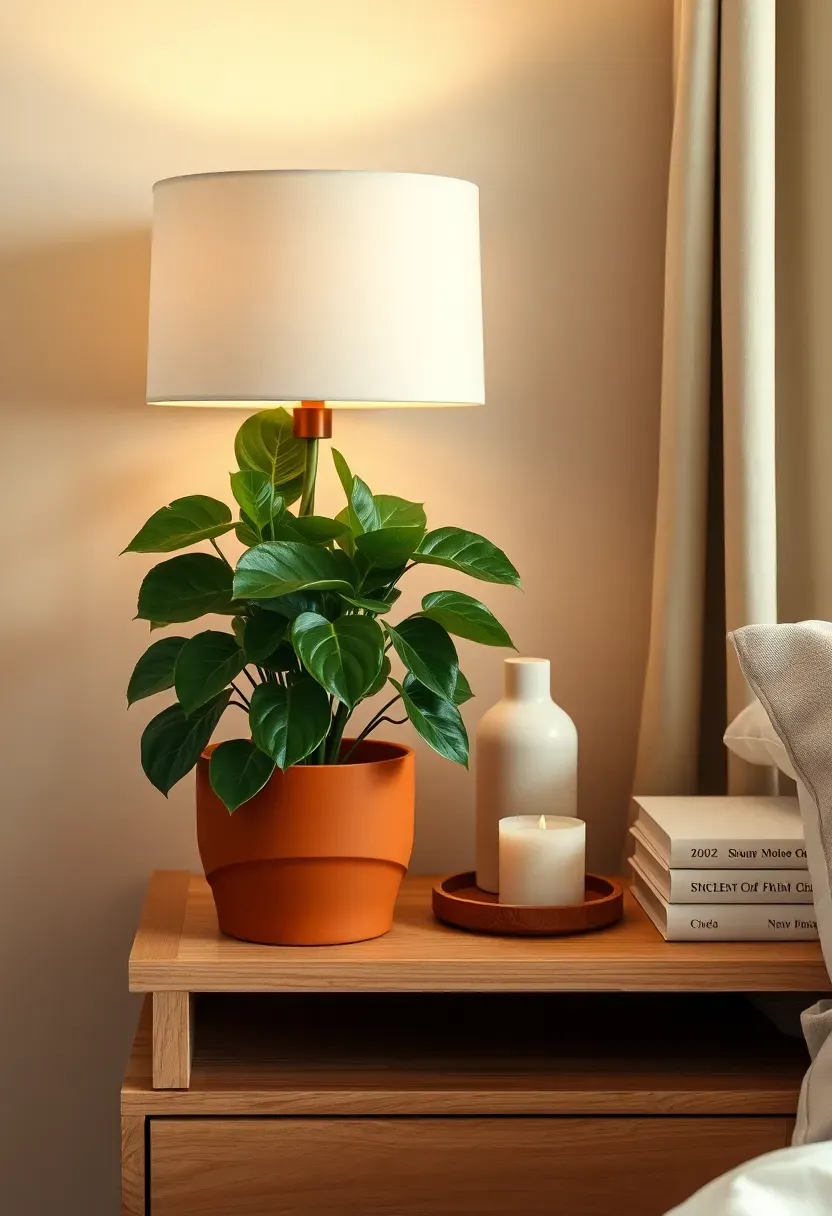
By this point the room has structure, color, sourced pieces, proper light control, and a statement wall. The final step adds life and personality without undoing the clarity that the previous steps established. The temptation at this stage is to keep adding — accessories are inexpensive and the room still feels like it has empty surfaces. Resist the instinct to fill. A room that is almost finished and slightly under-accessorized reads as calm and considered. A room that is over-filled with small objects reads as busy and unresolved, regardless of what each individual piece costs or looks like.
Recommended
Items for this idea
Start with one plant. A pothos, spider plant, or snake plant costs $5–$15, requires minimal care, and does more for a room's sense of life than any manufactured object at the same price. Place it where it receives appropriate light — not just where it looks good in a photograph. Then identify three to five objects you genuinely own and find meaningful: a candle, a ceramic vase, a tray, a short stack of books. Group them in odd numbers, vary the height within each group (tall, medium, low), and leave the surfaces between groups completely clear. That empty space is not a gap waiting to be filled — it is the breathing room that makes the styled objects visible and the room feel finished rather than crowded.
- Do: Style the three most visible surfaces first — the main shelf, the nightstand or coffee table, and any surface seen from the doorway — and leave all other surfaces bare until those feel complete and settled.
- Don't: Buy accessories just to fill a surface; if you cannot think of a specific object that would genuinely improve a spot, leaving it empty is always the better choice.
- Pro tip: Stand in the doorway and take a photo of the finished room — the camera collapses depth and reveals imbalance or over-crowding that is easy to overlook when you are standing in the middle of the space.
What this gives you: A room that feels personal, complete, and alive — decorated with intention rather than filled by instinct, and well within a budget that doesn't require a fortune to achieve.
Frequently Asked Questions
What is the single most effective thing I can do to decorate my room without spending money?
Rearrange the furniture. In most rooms, the biggest visual problem is not a lack of objects but poorly placed furniture — a bed pushed against a side wall, seating lined up around the perimeter, no clear focal point. Moving the bed to the center of the main wall, or pulling chairs inward around a rug, changes how the room reads entirely and costs nothing. Do this before spending anything else, and you may find the room needs far less than you thought.
How do I make my room look more expensive on a very small budget?
Three moves do the most work: hang curtains at ceiling height with floor-length panels (makes the room feel taller and more finished), paint one wall in a deliberate color rather than leaving everything white (gives the room a sense of direction), and keep surfaces edited — three to five objects with clear negative space between groups always looks more considered than a crowded surface. None of these cost more than $30–$50 total, and together they change how the entire room reads.
Is it worth buying secondhand furniture when decorating on a budget?
Yes — with one firm rule. Only buy secondhand pieces that are structurally sound and require no significant repair. Solid wood furniture, ceramic lamps, mirrors, picture frames, and rugs are the most reliable secondhand finds. Avoid upholstered pieces that smell, sofas with broken frames, or anything that requires specialist repair unless you have the skill and tools ready. Stick to hard furniture and decor objects for the most rewarding and genuinely budget-friendly secondhand sourcing.
Can I decorate a rented room without damaging the walls or losing my deposit?
Every step in this guide can be adapted for renters. Command picture-hanging strips hold gallery frames up to eight pounds per strip with no wall damage. Tension curtain rods require no drilling at all. Peel-and-stick wallpaper on a single accent wall is fully removable and leaves no residue on most surfaces. Paint is the one irreversible step — check your lease, and if painting is not permitted, use removable wallpaper on the focal point wall instead for a comparable effect.
About the author
OBCD
CGI visualization and interior design content. We create detailed 3D renders and curate practical design ideas for every room in your home.