19 Cozy Warm Bedroom Ideas for Relaxing Nights at Home
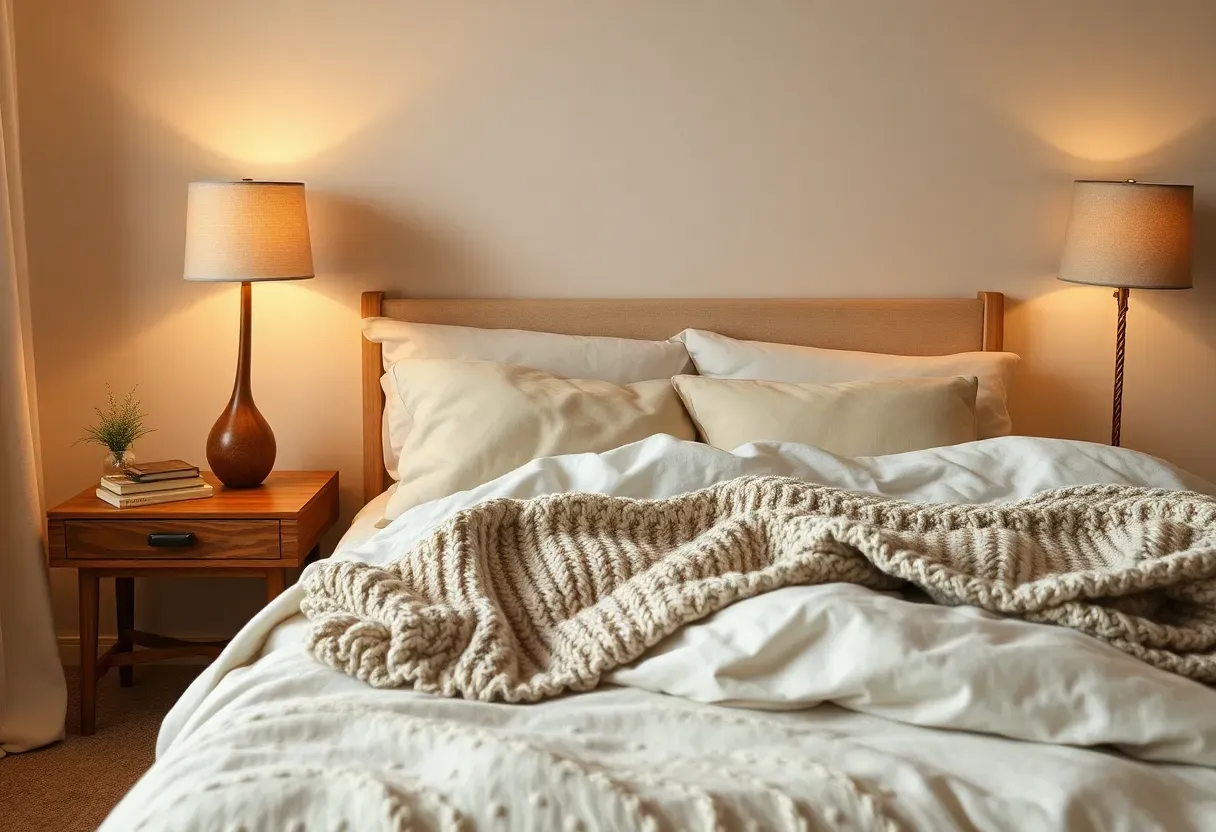
Creating a cozy warm bedroom transforms your daily routine, turning your sleeping space into a sanctuary where stress melts away the moment you step inside. These cozy warm bedroom ideas focus on layering textures, ambient lighting, and warm colors to generate an enveloping atmosphere that promotes deep relaxation and restorative sleep. Whether you rent a small apartment or own a spacious home, these design principles help you craft a personal retreat that feels both grounded and indulgent -- no drilling or permanent changes required for most of these updates.
The secret to bedroom warmth lies in the thoughtful combination of tactile elements—plush fabrics underfoot, sumptuous bedding against your skin, and ambient lighting that creates pockets of gentle illumination throughout the room. A well-designed warm bedroom doesn't just look inviting; it engages all your senses, from the soft glow of bedside lamps to the cushioned embrace of an upholstered headboard. Consider how materials like wood, wool, and linen interact with light to create that coveted hygge atmosphere that makes lingering in bed feel like a legitimate weekend activity.
These 19 warm bedroom ideas range from quick budget-friendly updates like swapping throw pillows to more substantial changes like adding wall paneling or reimagining your lighting scheme. Each approach prioritizes comfort without sacrificing style, proving that a cozy bedroom can still feel sophisticated and curated rather than cluttered or overheated. We have included renter-friendly alternatives and approximate costs where applicable.
Quick FAQ
What colors make a bedroom feel warm and cozy?
Warm bedrooms typically rely on a foundation of cream, beige, taupe, or soft gray as a neutral base, then layer in terracotta, rust, warm brown, sage green, or dusty blue for depth. The key is keeping saturation moderate—avoiding overly bright or starkly cool tones that disrupt the serene vibe.
How can I make my bedroom feel warmer without changing the wall color?
Focus on texture: add a chunky knit throw, layer rugs (a flatweave under a plush wool runner), swap cool-toned lampshades for linen or cream-colored ones, and introduce wooden accents like bedside tables or a bench. These additions warm up the room visually without requiring paint.
What type of lighting creates the coziest bedroom atmosphere?
Layered lighting is essential. Combine bedside lamps with warm-toned bulbs (2700K-3000K), wall sconces for ambient glow, and LED strips under your bed or behind headboards for indirect illumination. Avoid a single overhead ceiling fixture—multiple low-level light sources create intimacy.
Should I avoid dark colors in a cozy warm bedroom?
Not at all. Dark colors like charcoal, forest green, or navy can feel incredibly warm and cocoon-like when balanced with lighter bedding, metallic accents (brass or gold), and adequate lighting. The contrast between dark walls and bright linens often enhances the cozy factor.
What bedding materials are best for a warm bedroom aesthetic?
Linen, cotton percale, and washed velvet all contribute visual warmth through texture. For actual warmth during colder months, layer a wool throw or add a down duvet with a linen cover. The mix of textures (smooth sheets, nubby throws, plush pillows) creates depth.
As an Amazon Associate I earn from qualifying purchases.
Table of Contents
- 1. Layered bedding with a chunky knit throw
- 2. Warm wood bedside tables with table lamps
- 3. Textured rug layering for warmth underfoot
- 4. Upholstered headboard in warm fabric
- 5. Ambient bedside sconces with warm bulbs
- 6. Reading nook with floor lamp and armchair
- 7. Wall paneling for added warmth and texture
- 8. Curtains hung high and wide for coziness
- 9. Wooden ceiling beams for rustic warmth
- 10. Warm accent wall behind the bed
- 11. Bed bench with plush upholstery
- 12. String lights or fairy lights for soft glow
- 13. Built-in window seat with cushions
- 14. Layered pendant lights over bedside tables
- 15. Woven baskets for textured storage
- 16. Gallery wall with warm-toned art
- 17. Soft area rug extending under the bed
- 18. Mirrors with warm brass or gold frames
- 19. Diffuser or candles for ambient scent
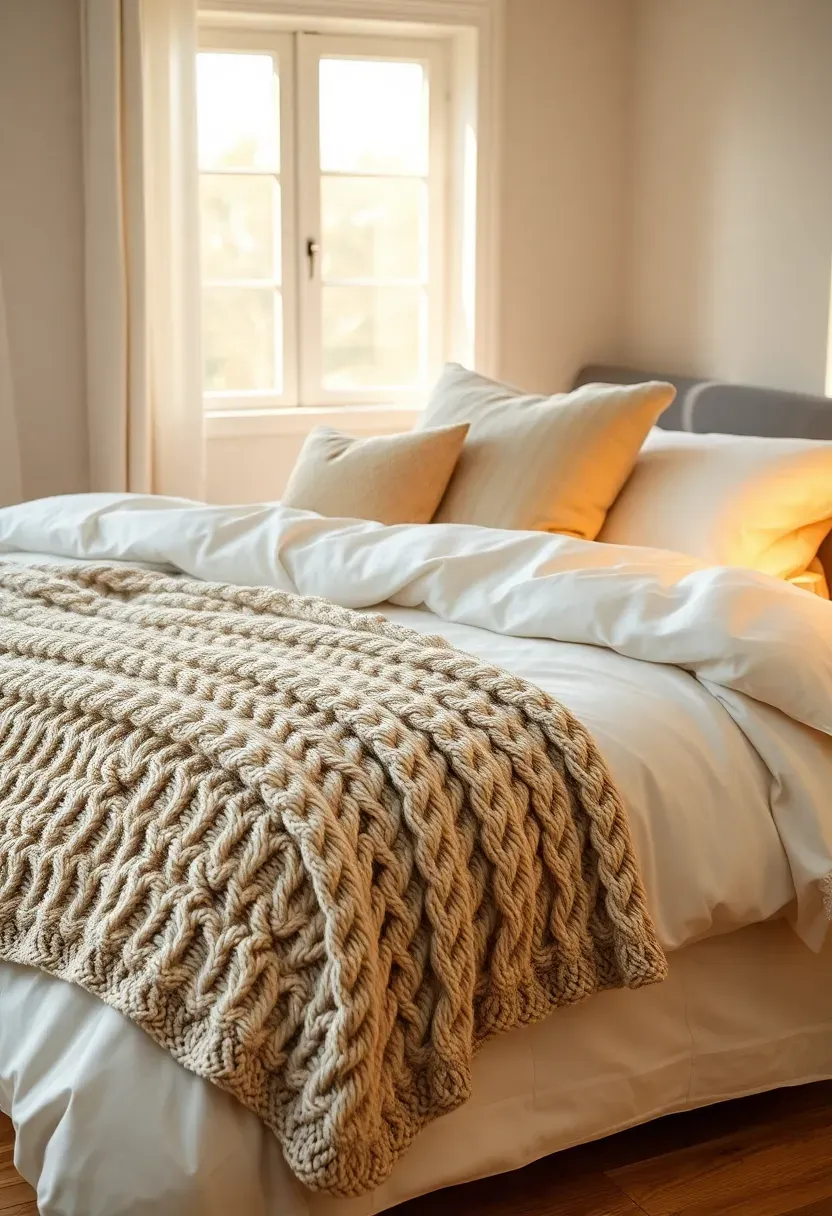
The foundation of any truly warm bedroom begins with thoughtfully layered bedding that invites you to burrow in and stay awhile. A chunky knit throw adds instant visual weight and tactile appeal, draped casually across the foot of your bed or folded neatly within arm's reach. The key is mixing textures rather than matching everything perfectly—combine smooth cotton sheets, a linen duvet cover, and that nubby throw to create depth that draws the eye and makes the bed look genuinely lived-in and welcoming rather than stiffly arranged.
This approach works particularly well in neutral-toned bedrooms where the variation in textures does the heavy lifting. A cream-colored knit throw on white linens adds just enough contrast to read as intentional, while a warm gray throw introduces subtle sophistication without disrupting the serene palette. Position the throw so it cascades naturally over the corner of the bed—this artful drape signals comfort and suggests a space where relaxation takes precedence over perfection.
Tips
- Choose a throw with substantial weight (2-3 lbs) so it drapes beautifully and actually provides warmth during cooler months
- If you have pets, opt for synthetic blends that mimic the chunky knit look but resist snagging and are machine-washable
- Rotate your throw seasonally—wool or cotton cable-knit for fall/winter, lighter linen or cotton gauze for spring/summer
What this gives you: Instant visual warmth that makes your bed look perpetually inviting, even when perfectly made.
We picked a few things that go well with this idea: Bigacogo Chunky Knit Chenille Throw Blanket (★4.5), Handmade Cream Chunky Knit Throw Blanket (★4.5) and Larexius Rope Knot Chunky Knit Throw Blanket (★4.4). As an Amazon Associate we earn from qualifying purchases.
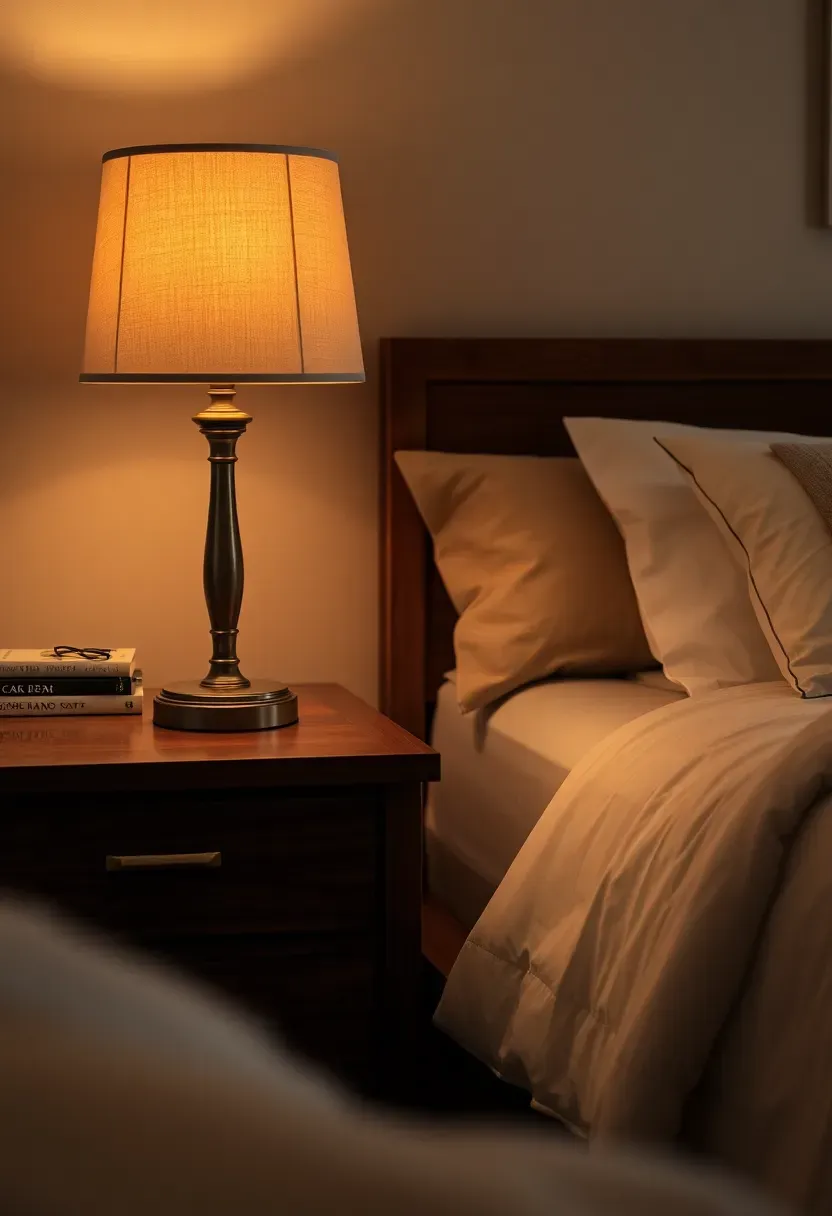
Bedside tables in warm wood tones ground your bedroom and introduce natural material that inherently reads as cozy and inviting. Walnut, oak, or cherry tables with visible grain bring organic warmth that complements virtually any color scheme, while their substantial presence prevents the space from feeling too sparse or clinical. Pair these tables with lamps featuring linen or fabric shades rather than glass or metal—this simple swap softens the light and adds another layer of texture that contributes to the room's overall warmth.
The key to making this idea work is scale and proportion. Choose bedside tables that reach at least 24-26 inches tall so they sit comfortably beside your mattress without requiring awkward reaching. If space allows, opt for tables with drawers or shelves—this storage reduces visual clutter on the tabletop, keeping the focus on the beautiful wood grain and your carefully chosen lamp. A single well-placed table lamp on each nightstand creates symmetry and balance, while mixing matching wood tones with slightly different lamp designs adds personality without chaos.
Placement note: Position your bedside tables so there's 6-8 inches between the table edge and your mattress—close enough for convenience but with enough breathing room to make the bed-making process easier.
Tips
- If your existing bedside tables are a cool-toned finish (like painted white or black), warm them up with a wood tray or a small table runner
- Mix wood tones intentionally—walnut tables with an oak bed frame feels curated rather than mismatched when the undertones align
- Add a coaster or small dish in brass or ceramic to introduce another material and protect the wood surface from water rings
What this gives you: Functional storage and lighting that actively contributes to your bedroom's warm aesthetic rather than merely serving a purpose.
We picked a few things that go well with this idea: EDISHINE Wood Tripod Lamp with Linen Shade (★4.6), EDISHINE Walnut Cylinder Lamp with Linen Shade (★4.7) and EDISHINE Boho Wood Tripod Bedside Lamp (★4.6). As an Amazon Associate we earn from qualifying purchases.
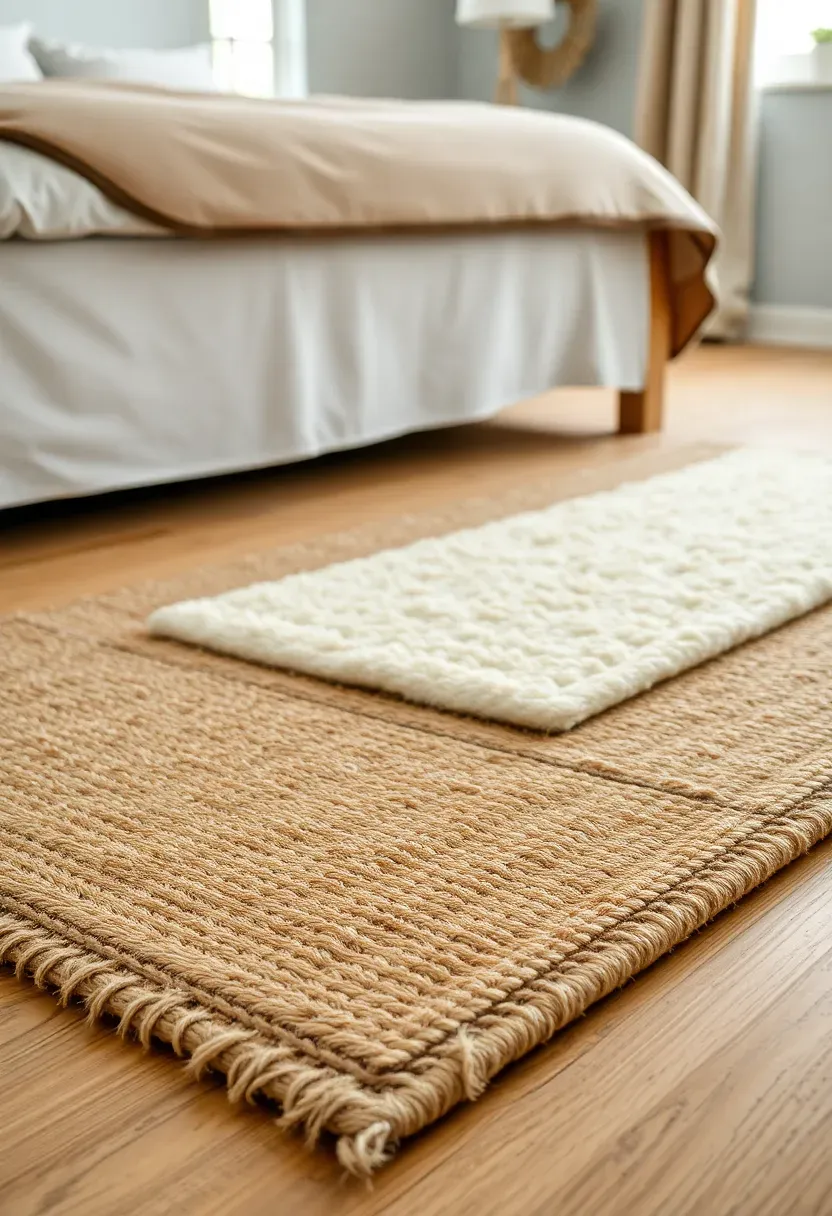
Stepping onto a cold floor first thing in morning instantly dispels any lingering cozy feelings, but layered rugs solve this problem while adding visual depth to your bedroom. The layering technique involves placing a larger, neutral base rug (typically natural fiber like jute or seagrass) and positioning a smaller, plush rug on top—this combination defines your sleeping zone, cushions your feet, and introduces multiple textures that make the room feel richer and more intentional. The contrast between the rougher base rug and the softer top layer creates visual interest even in monochromatic schemes.
This approach works beautifully whether your bedroom has hardwood, tile, or carpet. On hard floors, the double layer provides genuine insulation and softness; over existing carpet, it adds variety and defines the bed area as a distinct "zone" within the room. Choose a top-layer rug that extends at least 24 inches beyond each side of the bed—this generous sizing ensures you'll step onto plush rug when you get up, not the colder base layer or bare floor. Neutral color palettes (cream, beige, warm gray) keep the look sophisticated rather than cluttered.
Tips
- Use rug pads between both layers to prevent slipping and add extra cushioning—the investment makes a noticeable difference in comfort
- If you have wall-to-wall carpet you can't change, layer a smaller plush runner or sheepskin rug beside the bed for targeted softness
- Vacuum layered rugs carefully—use the upholstery attachment on the top plush rug and a beater-bar setting on the base natural fiber rug
Budget/Time: A jute base rug (6x9 or 8x10) costs $80-150, while a wool or faux-fur top layer (3x5 or 4x6) runs $50-120; total investment under $300 for lasting comfort.
What this gives you: Genuine physical warmth that transforms your morning routine from jarring to gentle, plus added texture that elevates your bedroom's design.
We picked a few things that go well with this idea: Bedsure Faux Wool Area Rug Cream (9x12) (★4.3), SAFAVIEH Natura Handmade Wool Blend Rug (6x9) (★4.0) and S&L Homes Chunky Knit Wool Popcorn Rug (8x10) (★3.8). As an Amazon Associate we earn from qualifying purchases.
Recommended
Items for this idea
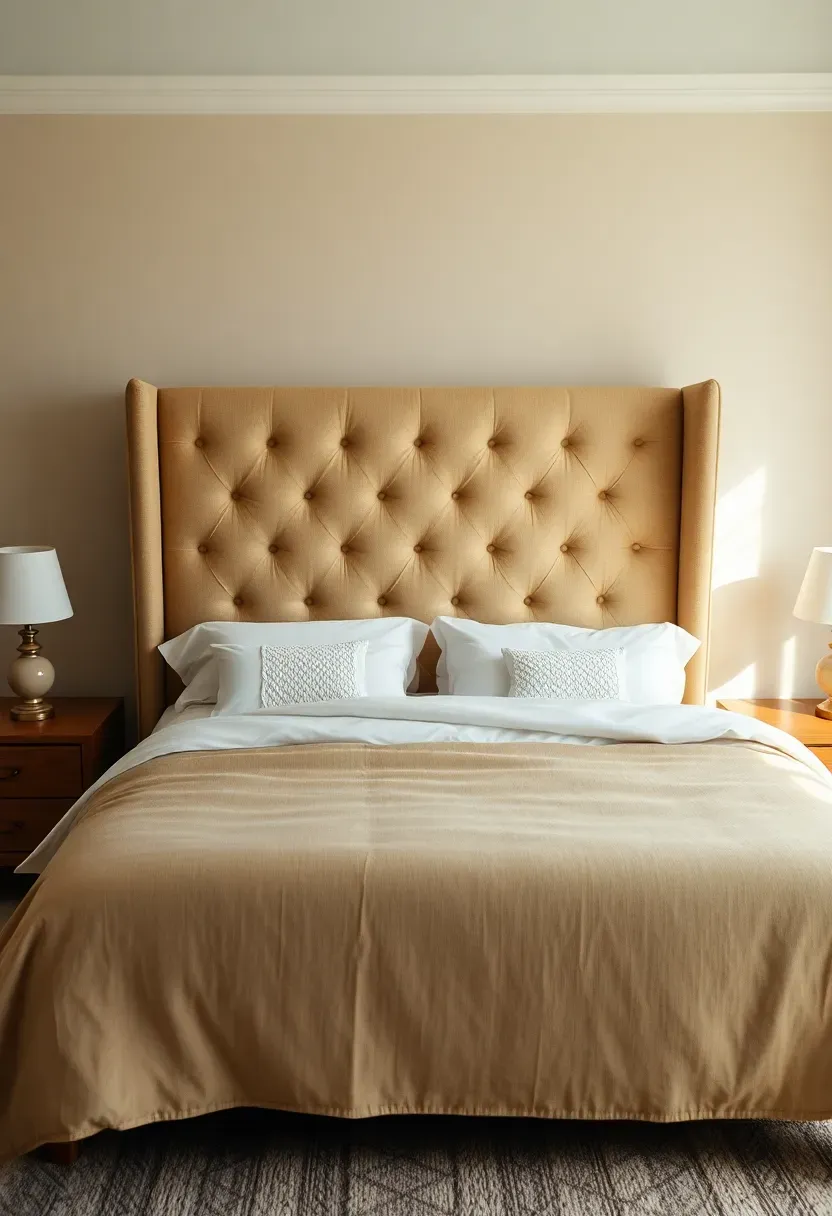
An upholstered headboard acts as both a visual anchor for your bedroom and a genuinely comfortable backrest for reading or morning coffee in bed. Choosing a warm fabric—think oatmeal linen, warm gray velvet, or textured chenille—introduces a substantial swathe of cozy material that dominates the bed wall and sets the tone for the entire room. Unlike wood or metal headboards that can read as sleek or cold, fabric upholstery softens the space both visually and literally, making your bed feel like a legitimate seating area rather than just a place to sleep.
The style of upholstered headboard you choose impacts the overall vibe. A rectangular, wall-mounted design feels modern and tailored, while a wingback style with curved edges adds traditional elegance and creates a cocoon-like feeling around the pillows. Tufting (button detailing) adds dimensional texture that catches light beautifully, making even neutral fabrics look more dynamic. Consider the height carefully—taller headboards (60+ inches) make a dramatic statement and work well in rooms with high ceilings, while shorter options (48-54 inches) feel more casual and work better in smaller bedrooms where proportion matters.
Tips
- If you're handy with DIY, you can reupholster an existing headboard yourself—fabric, batting, and a staple gun transform outdated pieces for under $100
- Choose performance fabric or treated linen if you eat in bed frequently or have pets—these resist stains and clean up with just soap and water
- Add a wood trim to the bottom or sides of your upholstered headboard to bridge the gap between soft fabric and other wood furniture in the room
Rental note: Use a peel-and-stick upholstered headboard panel that adheres directly to the wall—no holes, no permanent changes, and it removes cleanly when you move.
What this gives you: A comfortable backrest that makes reading or working in bed genuinely comfortable, plus a major dose of soft texture that defines your bedroom's cozy character.
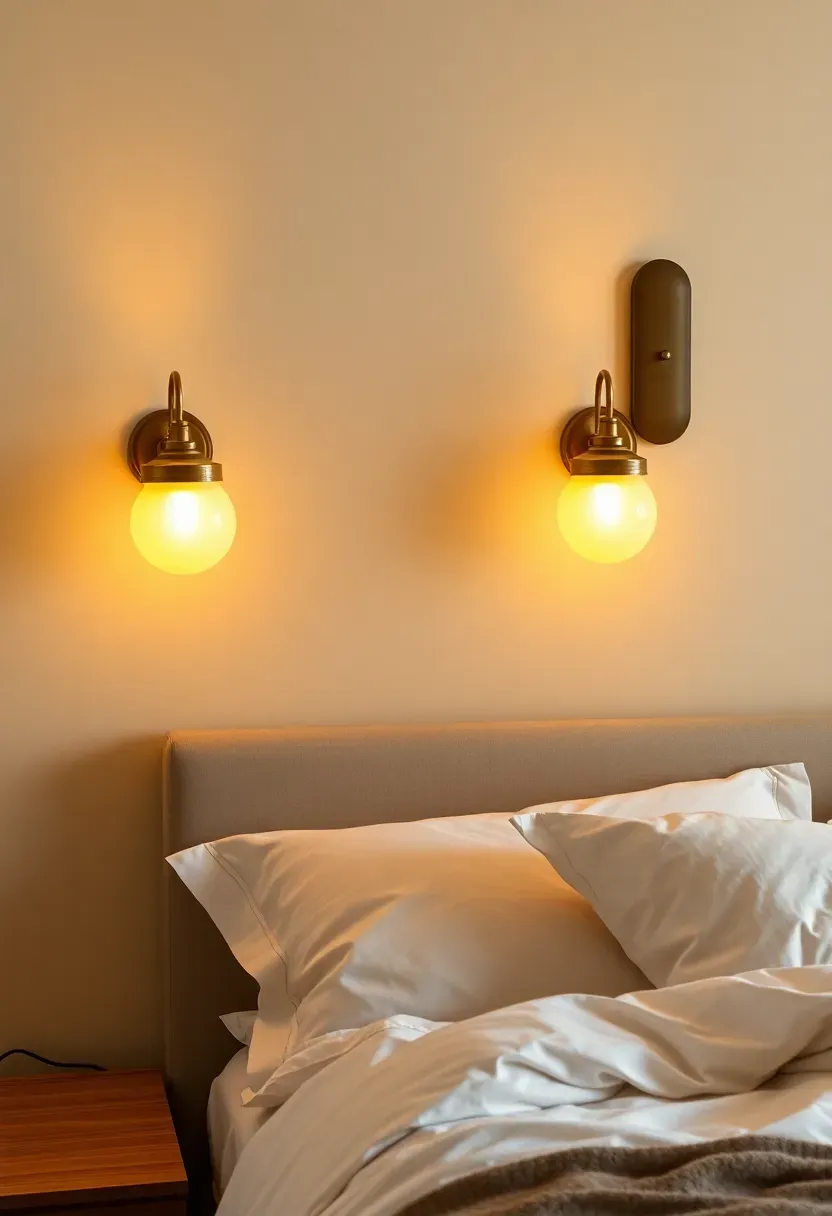
Wall sconces mounted beside your bed free up surface space on nightstands while creating layered ambient lighting that instantly makes a bedroom feel warmer and more intimate. Unlike table lamps that can feel clunky or require significant surface area, sconces tuck neatly against the wall and provide directed light perfect for reading or creating a gentle glow. The key to achieving cozy warmth lies in the bulb temperature—choose 2700K LEDs that emit a soft amber light rather than the harsh blue-white of higher Kelvin ratings, and select sconces with shades or globes that diffuse the light rather than exposing the bulb directly.
The style of sconce dramatically affects the room's overall aesthetic. Brass or gold fixtures with milk glass shades feel elegant and timeless, while matte black or iron designs introduce a more modern edge. For maximum coziness, choose sconces with arms that allow you to adjust the direction of light—this flexibility means you can angle them toward your pillow for reading or toward the wall for a gentler ambient glow. Hardwiring sconces is ideal but requires electrical work; plug-in versions with concealed cord management offer the same look without the electrical investment, making them perfect for renters or those hesitant to commit to permanent installation.
Tips
- Install sconces 28-32 inches above the top of your mattress for ideal positioning—this height works whether you're sitting up or lying down
- Use dimmable LEDs and install dimmer switches—being able to adjust from bright task lighting to barely-there glow transforms the room's mood
- Match the sconce finish to other metal accents in the room (curtain rods, picture frames, lamp bases) for a cohesive, intentional look
What this gives you: Space-efficient lighting that creates intimacy and frees your nightstands for essentials while establishing a warm, layered glow.
Recommended
Items for this idea
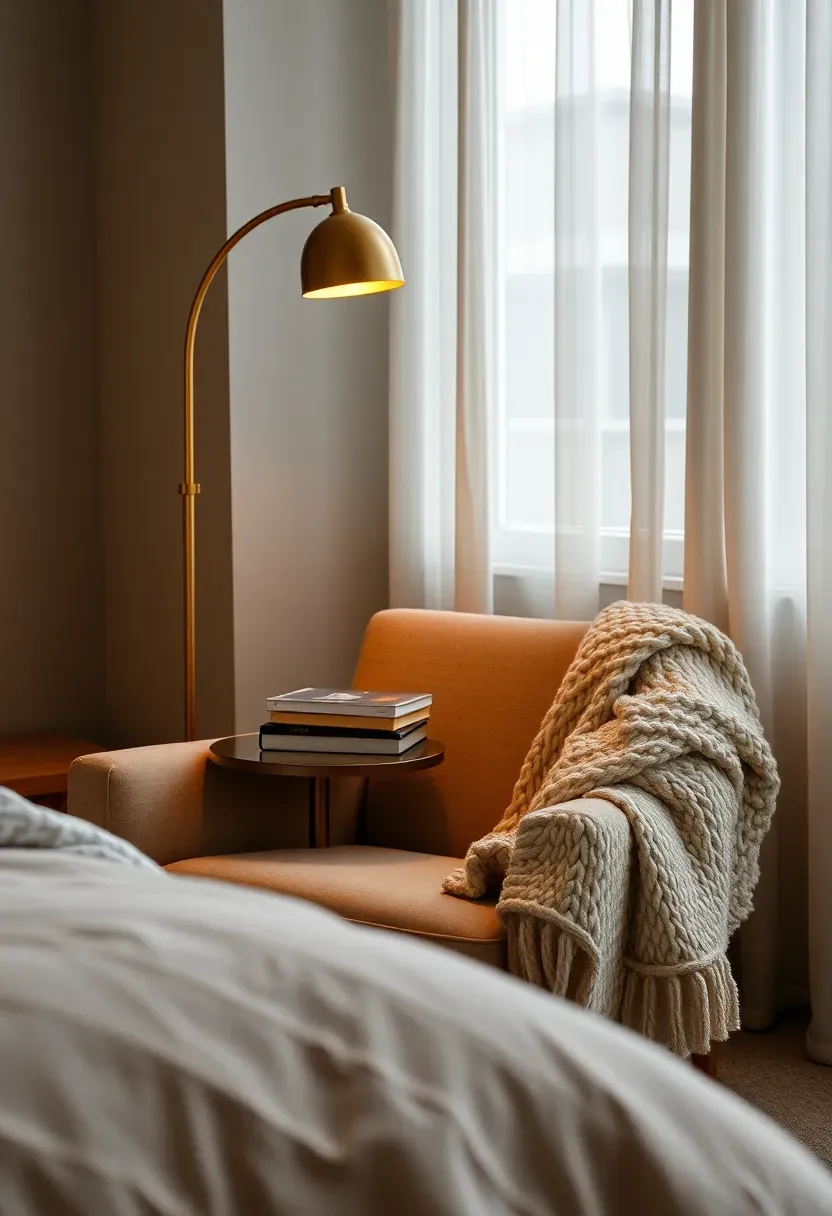
Carving out a dedicated reading corner within your bedroom transforms it from a merely functional sleeping space into a true retreat where you can unwind before bed or linger on weekend mornings. A well-positioned armchair—ideally upholstered in a warm fabric like linen, velvet, or bouclé—creates a destination within the room that encourages the kind of lazy, extended relaxation time that defines cozy living. Pair this seating with an arc floor lamp that can be angled over your shoulder for reading, and add a small side table for your book, tea, or reading glasses.
The key to making a reading nook feel genuinely inviting lies in the details that signal comfort. A chunky throw blanket draped over the arm of the chair adds both visual warmth and actual utility during cooler months. A sheepskin or plush rug under the chair makes the transition from bed to chair feel softer on bare feet. Position this nook near a window if possible—natural light during the day makes the space feel cheerful, while evening reads benefit from the layered lighting provided by your floor lamp. Even compact bedrooms can accommodate this idea with a petite armchair or even a window seat; the goal is creating a separate zone that's explicitly for relaxation rather than sleep.
Tips
- Choose an armchair with a seat height of 18-20 inches—this matches most bed heights and makes the transition from bed to chair feel natural
- If floor space is limited, consider a hanging chair or even a floor cushion with back support instead of a full armchair
- Frame the nook with a potted plant (snake plant or fiddle leaf fig) to add life and soften corners without requiring significant square footage
Best for: Bedrooms with at least one empty corner; the nook doesn't need to be large, but having defined separation from the sleeping area makes it feel like a distinct retreat.
What this gives you: A dedicated space for pre-sleep winding down that separates your relaxation time from your sleeping area, supporting better sleep hygiene and more intentional evenings.
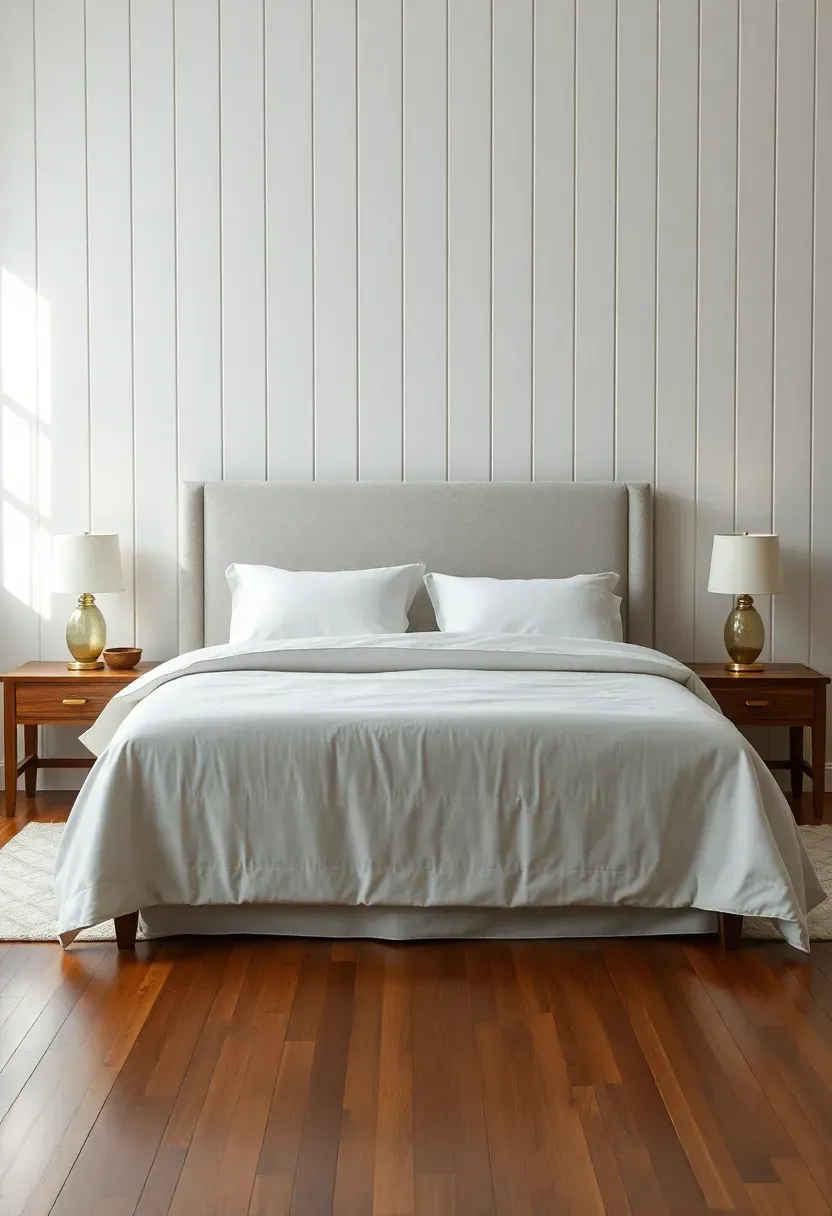
Adding architectural detail through wall paneling instantly makes a bedroom feel more substantial, warm, and thoughtfully designed—even if you're working with a standard builder-grade box of a room. Shiplap, board and batten, or raised paneling painted in a warm white or soft cream adds texture that catches light beautifully throughout the day, creating visual interest that makes walls feel less flat and sterile. This architectural element particularly shines on the wall behind your bed, where it acts as an alternative to a traditional headboard or provides a layered backdrop that makes even a simple bed frame look intentional and curated.
The beauty of wall paneling lies in its versatility across design styles. Narrow shiplap planks (4-6 inches wide) feel casual and coastal, while wider boards (8-10 inches) read as more modern and substantial. Board and batten with vertical strips creates a more formal, traditional look. The paint color you choose dramatically affects the outcome—warm white with slight yellow undertones feels cozy and inviting, while cool white reads as crisp and contemporary. Installation is surprisingly DIY-friendly, especially with peel-and-stick wood planks that require minimal tools and expertise, making this an accessible upgrade even for rental spaces where you can use removable adhesive rather than nails.
Tips
- Run paneling horizontally behind the bed to make the room feel wider, or vertically to make ceilings feel taller—the orientation subtly affects perceived proportions
- Leave paneling natural wood tone rather than painting it for even more warmth; just seal it with a clear coat to protect against humidity and wear
- If paneling an entire wall feels too ambitious, start with a strip behind the bed that's as wide as your mattress—this framed "headboard" area has major impact with less work
What this gives you: Permanent architectural interest that makes your bedroom feel custom-designed and intentionally cozy, with texture that interacts beautifully with changing light.
Recommended
Items for this idea
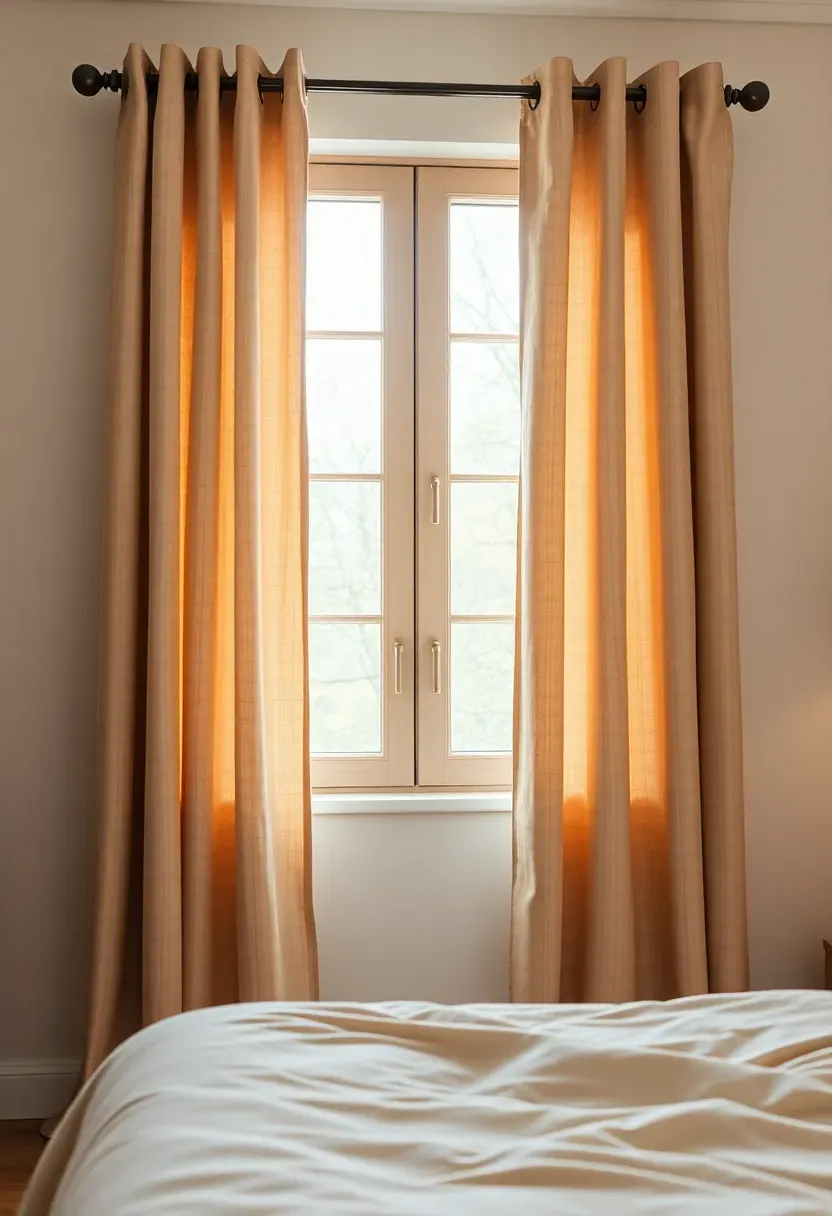
Hanging curtains at ceiling height and extending them well beyond the window frame is a designer trick that instantly makes a bedroom feel larger, more finished, and undeniably warmer. This technique draws the eye upward, making ceilings feel higher and the overall space more generous, while the generous fabric creates a soft, enveloping frame around windows rather than leaving them as bare, cold openings in the wall. Choose curtains in a substantial fabric—linen, velvet, or heavy cotton—in warm neutrals like cream, beige, or soft gray to maximize the cozy factor and add another layer of texture to your room.
The specific installation measurements matter here. Mount your curtain rod 4-6 inches above the window frame (or even at ceiling height if there's less than 12 inches between window and ceiling) and extend the rod 8-12 inches beyond each side of the frame. This positioning allows you to pull curtains completely off the window during the day, maximizing natural light, while still having enough fabric to create substantial, cozy folds when closed. Opt for curtains that are long enough to "puddle" slightly on the floor (1-2 inches extra length) rather than stopping exactly at the sill—this small excess looks luxurious and adds to the overall warmth and fullness of the treatment.
Placement note: If your bed sits directly beneath a window, ensure curtains can be fully pushed back to avoid blocking light or interfering with your headboard—use tie-backs or holdbacks to keep fabric neatly in place.
Tips
- Line your curtains with blackout fabric for sleep quality—this doesn't affect the exterior appearance but dramatically improves darkness and temperature control
- Use a double rod if you want both privacy sheers (for soft light diffusion) and heavier blackout panels (for night and privacy)
- Iron or steam curtains after hanging to remove fold lines from packaging—crisp, smooth fabric looks far more expensive and intentional
What this gives you: A finished, polished room that feels larger and more luxurious, with soft fabric elements that frame views and add textural warmth.
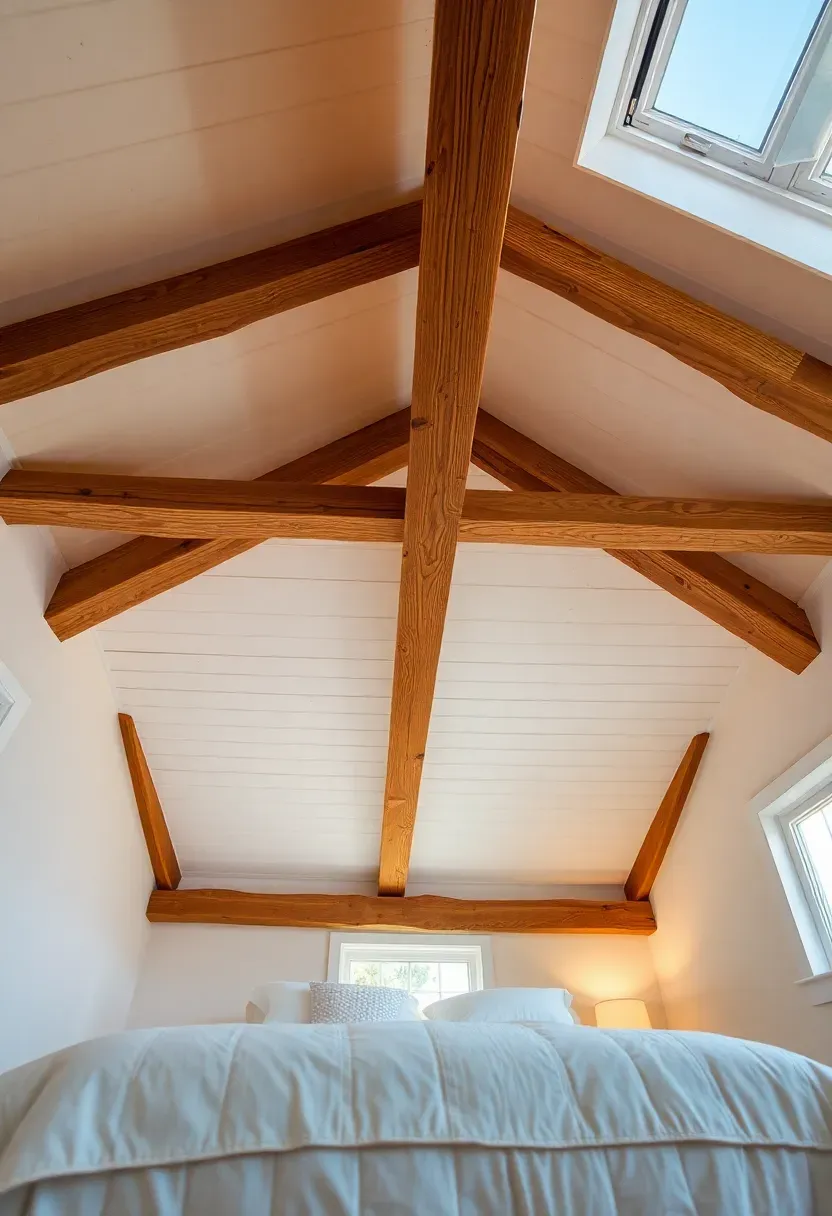
Exposed wooden ceiling beams introduce architectural warmth that defines a bedroom's character regardless of what else is in the room. Whether your space has authentic structural beams or you add faux beams as a decorative element, the presence of warm wood overhead makes the entire room feel more substantial, grounded, and intentionally cozy. This architectural detail works particularly beautifully in bedrooms with neutral color schemes, as the beams provide a natural warm contrast to white or pale walls while tying into flooring or furniture for a cohesive, organic feel.
If you're fortunate enough to have original beams, simply cleaning and sealing them (or lightly sanding and refinishing if they've been painted) reveals their natural beauty. For bedrooms without authentic beams, faux wood beams made from lightweight polyurethane or hollow wood boxes are surprisingly convincing once installed and significantly easier to add than you might expect. Position beams parallel to the longest wall for a traditional look, or run them perpendicular to create visual flow and make the room feel wider. The stain color you choose affects the overall mood—natural, light oak feels modern and airy, while darker walnut or espresso stains create a more dramatic, cocoon-like atmosphere.
Tips
- Keep ceiling beams to 3-4 maximum for a typical bedroom—too many can make the space feel busy rather than cozy; spacing them evenly (every 4-5 feet) looks most intentional
- If you have popcorn or textured ceilings that you hate, adding beam boxes is a clever way to cover and modernize without scraping or extensive drywall work
- Coordinate beam color with your flooring for continuity—matching tones (even if not exact matches) creates a grounded, cohesive feel throughout the room
Avoid if: Your bedroom has low ceilings (under 8 feet)—beams reduce perceived height and can make the space feel cramped rather than cozy in already-small rooms.
What this gives you: Major architectural character that makes your bedroom feel custom-designed and inherently warm, with wood tones that balance cooler wall colors and ground the space.
Recommended
Items for this idea
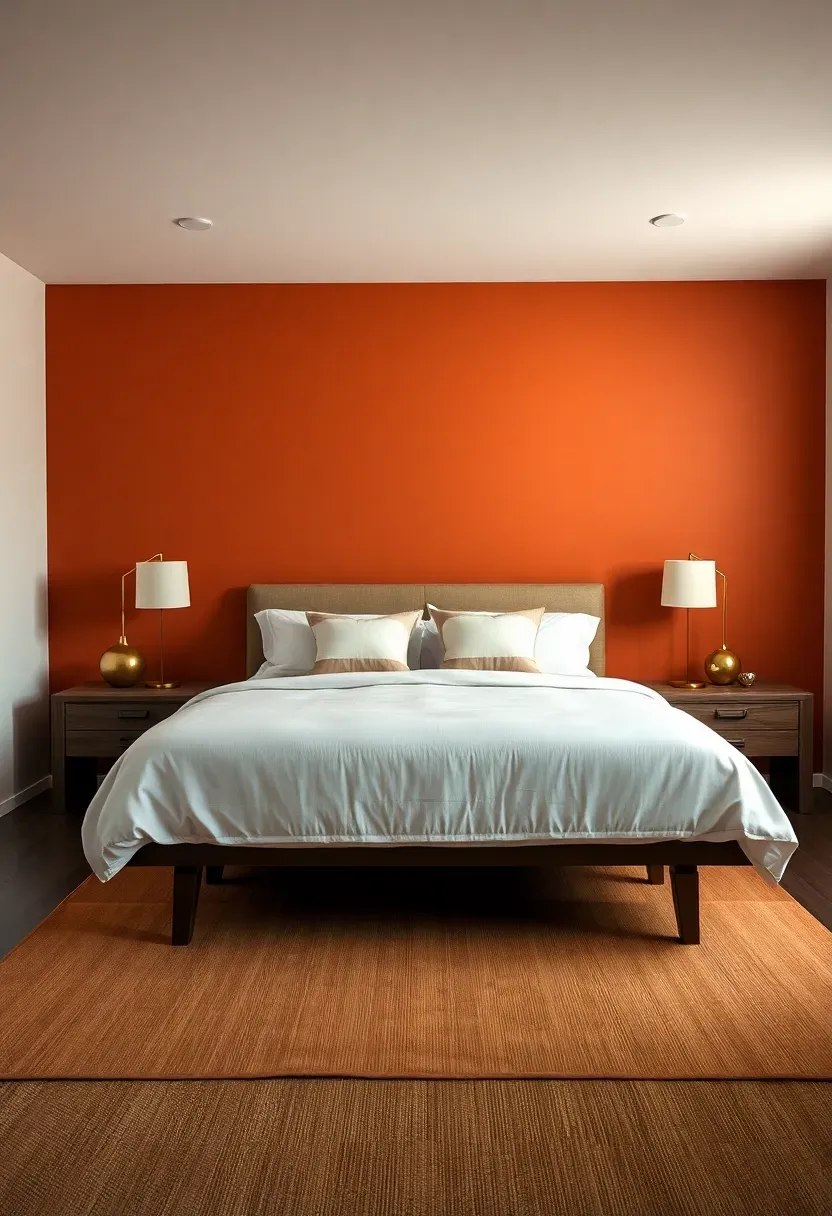
Painting the wall behind your bed in a warm, rich color instantly creates a focal point that makes the entire bedroom feel more cocooned and inviting. A warm accent wall—think terracotta, sage green, dusty blue, or even a saturated charcoal—acts as a headboard of sorts, visually framing your sleeping area and adding a jolt of personality that neutral walls alone can't achieve. The key to keeping this feeling cozy rather than overwhelming is choosing a color with warm undertones and keeping the surrounding walls light; this contrast creates depth without making the space feel small or dark.
The psychology of color matters in a bedroom setting. Terracotta, rust, or warm peach tones feel energizing yet comforting, making them ideal for those who want their bedroom to feel vibrant rather than sleepy. Sage green or dusty blue read as calming and restful, perfect if you struggle with stress or sleep issues. Dark charcoal or navy can feel incredibly sophisticated and cocoon-like—especially when balanced with white bedding and metallic accents—but require careful lighting to prevent the room from feeling cave-like. Whichever hue you choose, opt for a matte finish rather than satin or gloss; matte absorbs light rather than reflecting it, creating a softer, more organic feel that enhances the cozy atmosphere.
Tips
- Test paint colors at different times of day—natural morning light, midday sun, and evening artificial light all make the same color read differently
- If committing to one color feels too bold, start with a "half-wall" treatment—paint the lower half in your warm color and install a chair rail or picture ledge as a divider
- Use painter's tape to create a "frame" behind your bed—paint the framed rectangle in your accent color while leaving the surrounding wall neutral for a more subtle take
Rental note: Use removable wallpaper in a warm tone or pattern—it creates the accent wall effect without permanent changes and peels off cleanly when you move.
What this gives you: A strong focal point that makes your bedroom feel intentional and designed, with a cocooning effect that enhances relaxation and sleep quality.
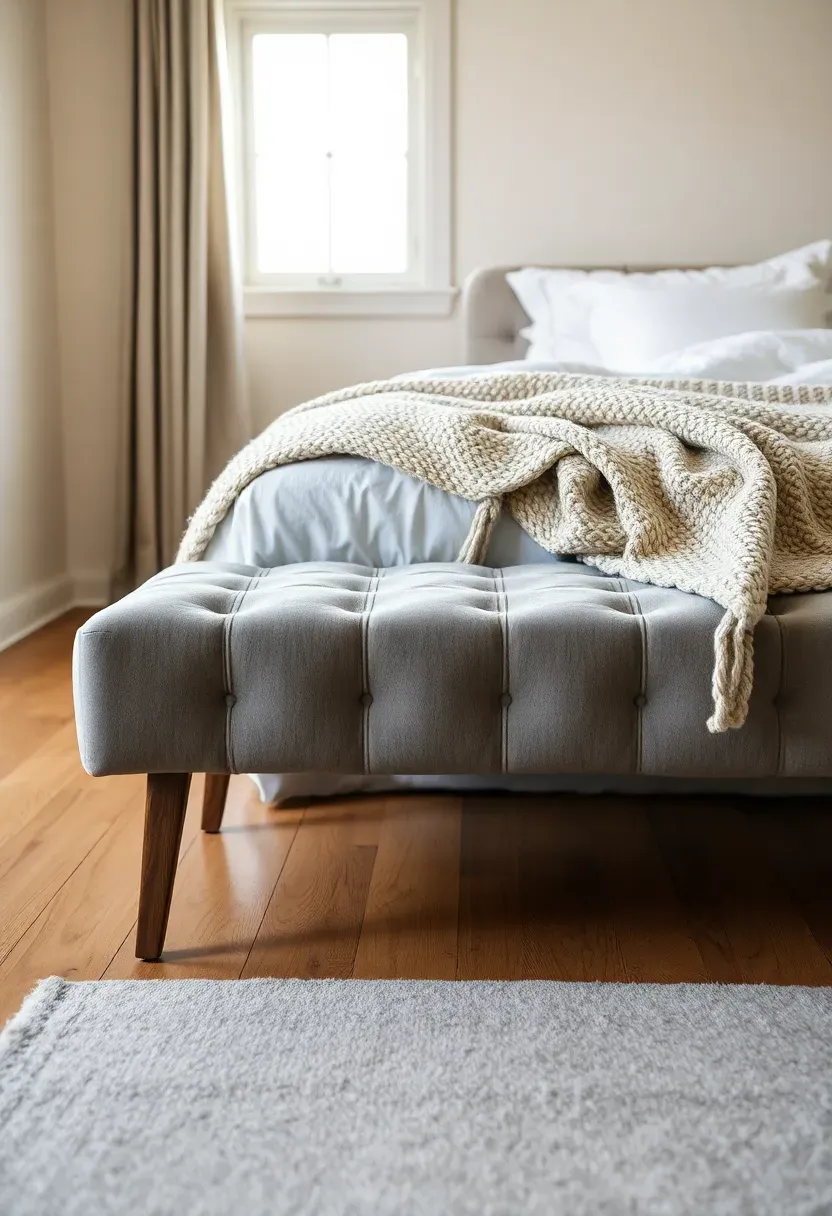
A bench at the foot of your bed serves multiple purposes: it provides a convenient spot to sit while putting on shoes, offers a surface for folded blankets or decorative pillows, and visually anchors the bed while adding another layer of soft texture to the room. Choosing a bench with plush upholstery in a warm fabric—velvet, linen, or bouclé—introduces a substantial piece of furniture that feels luxurious and inviting rather than purely functional. This piece works particularly well in larger bedrooms where the bed might feel somewhat adrift, creating a visual boundary that defines the sleeping zone as a complete, intentional composition.
The style of bench you choose should complement your existing bedroom furniture without matching it exactly. If your bed frame is wood, an upholstered bench adds soft contrast; if your bed has an upholstered headboard, choose a bench in a coordinating (but not identical) fabric for a curated look. Consider practical features like storage benches with lift-up tops—these provide hidden space for extra blankets or seasonal clothing, reducing clutter elsewhere in the room. The length should be roughly proportional to your bed; a queen bed looks balanced with a 45-50 inch bench, while a king can accommodate 55-60 inches. Avoid benches that are too long—they can make the room feel cramped and impede traffic flow around the bed.
Tips
- Leave 24-30 inches between the bench and the bed frame—this spacing gives you room to walk comfortably while keeping the bench visually connected to the bed
- If floor space is tight, choose a bench with open sides or legs rather than a solid box base—this "see-through" quality keeps the space feeling airy
- Layer a throw blanket or sheepskin rug on the bench for additional texture and warmth—this makes the piece feel even more inviting and adds visual interest
What this gives you: A functional yet beautiful addition that completes your bed's visual composition while providing convenient seating and storage.
Recommended
Items for this idea
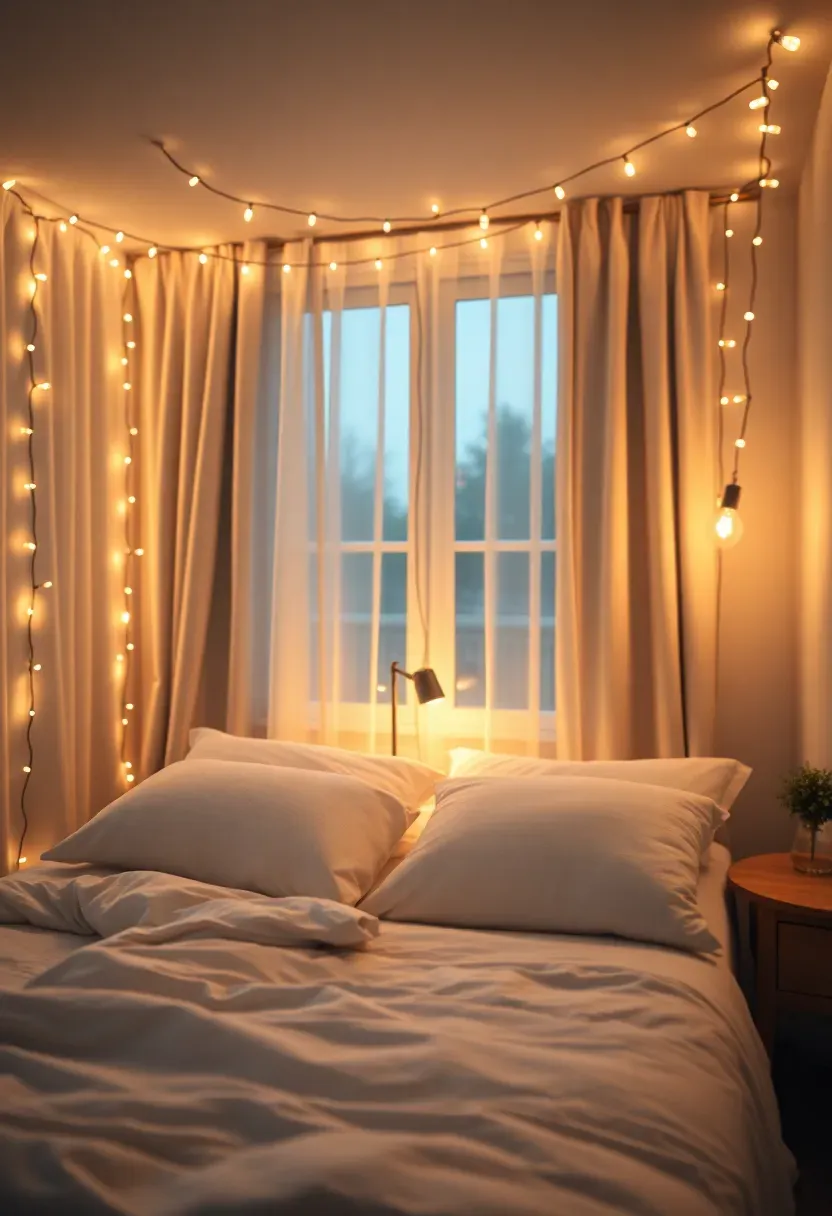
String lights or fairy lights add an undeniable layer of whimsy and warmth to a bedroom, creating a soft, diffused glow that transforms the space from ordinary to magical with minimal effort or expense. Unlike harsh overhead fixtures, these tiny lights distribute gentle illumination that makes a bedroom feel intimate and cocooned—perfect for winding down before sleep or creating a dreamy atmosphere for lazy weekend mornings. The key to pulling this off without making your room look like a college dorm is choosing warm white lights (2700K) rather than cool white or colored options, and installing them with intention rather than haphazardly draping them wherever.
Placement strategies dramatically affect the overall look. Draping string lights along a headboard, around a window frame, or following the line of a ceiling beam creates architectural interest and makes the lighting feel purposeful. For a more subtle approach, run lights behind a headboard or along the top of walls where wall meets ceiling—this "hidden" installation provides ambient glow without visible cords or bulbs. Choose lights with thin, flexible wire that disappears against the wall, and use small adhesive hooks or clear clips to secure them in place. Plug-in versions with a switch near your bed make controlling the lights convenient, while battery-operated options work well for areas without accessible outlets.
Tips
- Use a timer or smart plug so your string lights turn on automatically at dusk and off at bedtime—this eliminates the need to remember switches and conserves energy
- Combine string lights with other light sources (bedside lamps, sconces) rather than relying on them as sole illumination—layered lighting always reads as more intentional and sophisticated
- Avoid overloading a room with lights—15-30 feet total is typically sufficient for a standard bedroom; more can feel cluttered rather than cozy
What this gives you: Affordable ambient lighting that creates a magical, intimate atmosphere perfect for relaxation, with minimal installation or investment.
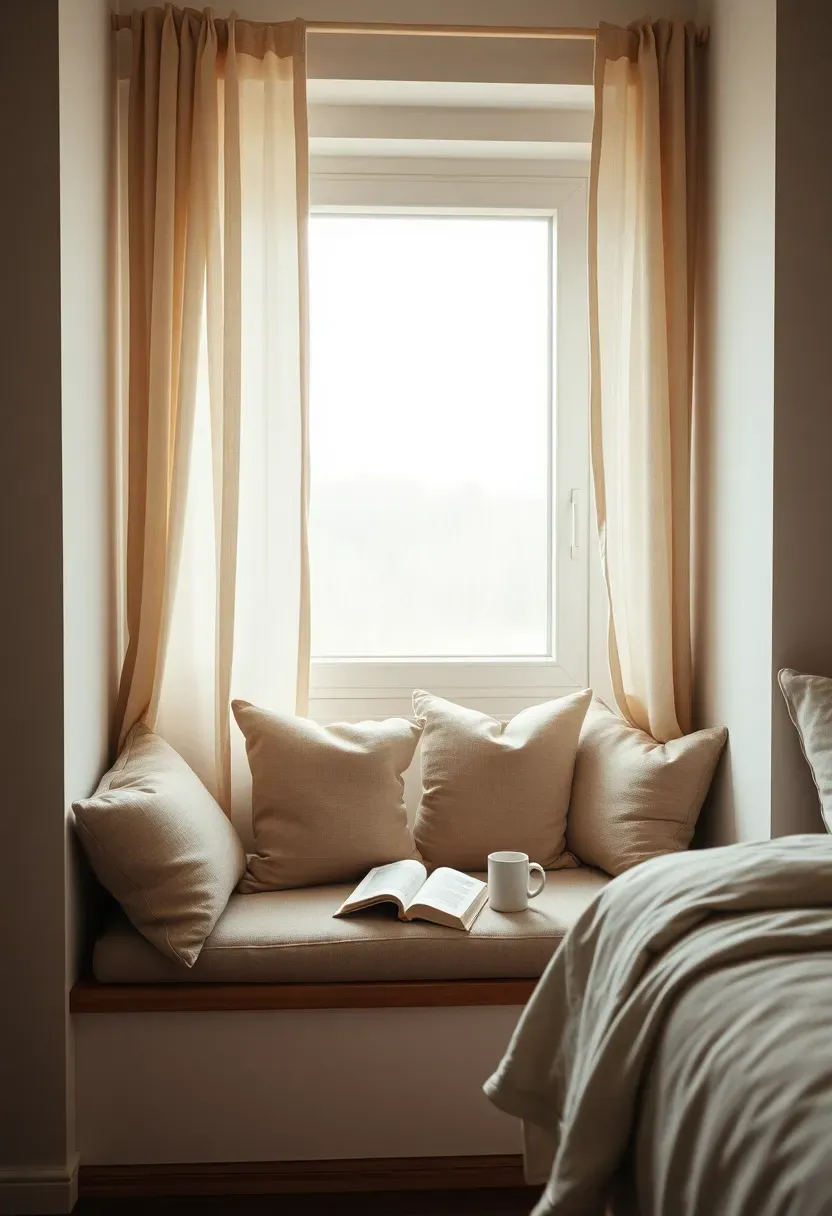
A window seat transforms an ordinary window into a destination within your bedroom, providing a cozy spot for reading, enjoying morning coffee, or simply gazing outside while adding architectural interest to the room. Built-in benches beneath windows maximize often-wasted space and create a nook that feels inherently cozy and secluded—especially when outfitted with plush cushions and pillows in warm fabrics. This feature works particularly well in bedrooms with bay windows, alcoves, or under windows with decent natural light, turning what might be an awkward area into one of the room's most charming and functional elements.
If you're handy with carpentry or willing to hire a pro, a true built-in with storage underneath is ideal—this provides a place to store extra blankets, seasonal clothing, or books, making the window seat both beautiful and practical. For a simpler approach, a ready-made bench or even two storage chests placed side-by-side can create a similar effect with minimal effort. The key to making a window seat genuinely inviting lies in the cushioning—choose 4-6 inch thick foam wrapped in washable linen or cotton covers, and layer plenty of pillows in varying sizes for back support and comfort. Add a small side table or wall-mounted shelf nearby for books, a reading lamp, or a morning beverage station.
Tips
- Make the seat depth at least 20-24 inches if space allows—this deeper proportion makes the seat genuinely comfortable for lounging rather than just perching
- If your window receives intense afternoon sun, install solar shades or blackout blinds behind your sheers—this protects cushions from fading and keeps the seat usable during bright hours
- Add a skirt around the base of the window seat to conceal storage underneath—this creates a polished, furniture-like look rather than a DIY bench aesthetic
Budget/Time: A DIY window seat with basic carpentry skills runs $200-500 in materials (plywood, lumber, foam, fabric); a ready-made bench with cushions costs $150-400 depending on size and quality.
What this gives you: A charming, functional nook that maximizes space and provides a dedicated spot for relaxation or quiet activities away from your bed.
Recommended
Items for this idea
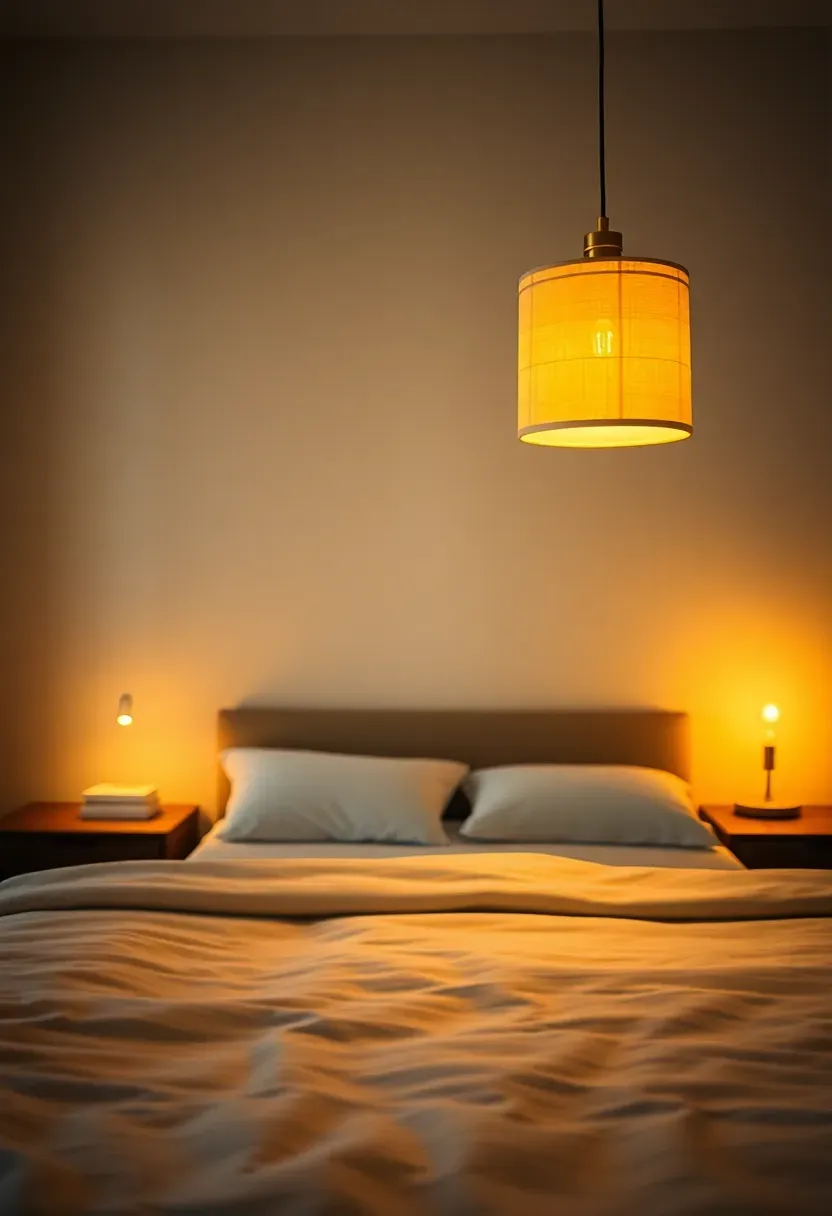
Replacing traditional table lamps with pendant lights suspended above bedside tables frees up surface space while creating a modern, intentional look that instantly elevates a bedroom's design. This lighting approach feels particularly warm and cozy when pendants feature shades in linen or fabric (rather than bare bulbs or glass), and when hung at the right height to create pools of warm light directly where you need them. The downward-directed light is perfect for reading or checking your phone in bed, while the fixtures themselves become sculptural elements that add visual interest above the nightstands.
The key to success with pendant lights is getting the height and spacing right. Hang pendants so the bottom of the shade is 28-32 inches above the top of your mattress—this positioning provides adequate clearance for sitting up while keeping light within easy reach. Space them 24-30 inches apart (or center each pendant over its respective bedside table) for balanced, symmetrical lighting. Choose fixtures that complement your bedroom's style—globes or drums with clean lines feel modern, while pendants with detailed arms or decorative elements read as more traditional. Matching the pendant finish to other metal accents in the room (curtain rods, picture frames, or bed hardware) creates cohesion, though mixing metals intentionally can also work if the undertones align.
Tips
- Use a dimmer switch on your pendant lights—being able to adjust from bright task lighting to soft ambient glow dramatically increases their versatility
- If you're concerned about sleeping beneath hanging fixtures, choose flush-mount or semi-flush mounts instead of full pendants—these provide a similar look with less visual weight overhead
- Consider plug-in pendants with swag hooks if you don't want to hardwire—these plug into a standard outlet and can be installed without electrical work, making them renter-friendly
What this gives you: Space-efficient, modern lighting that frees your nightstands while providing directed task light and sculptural visual interest.
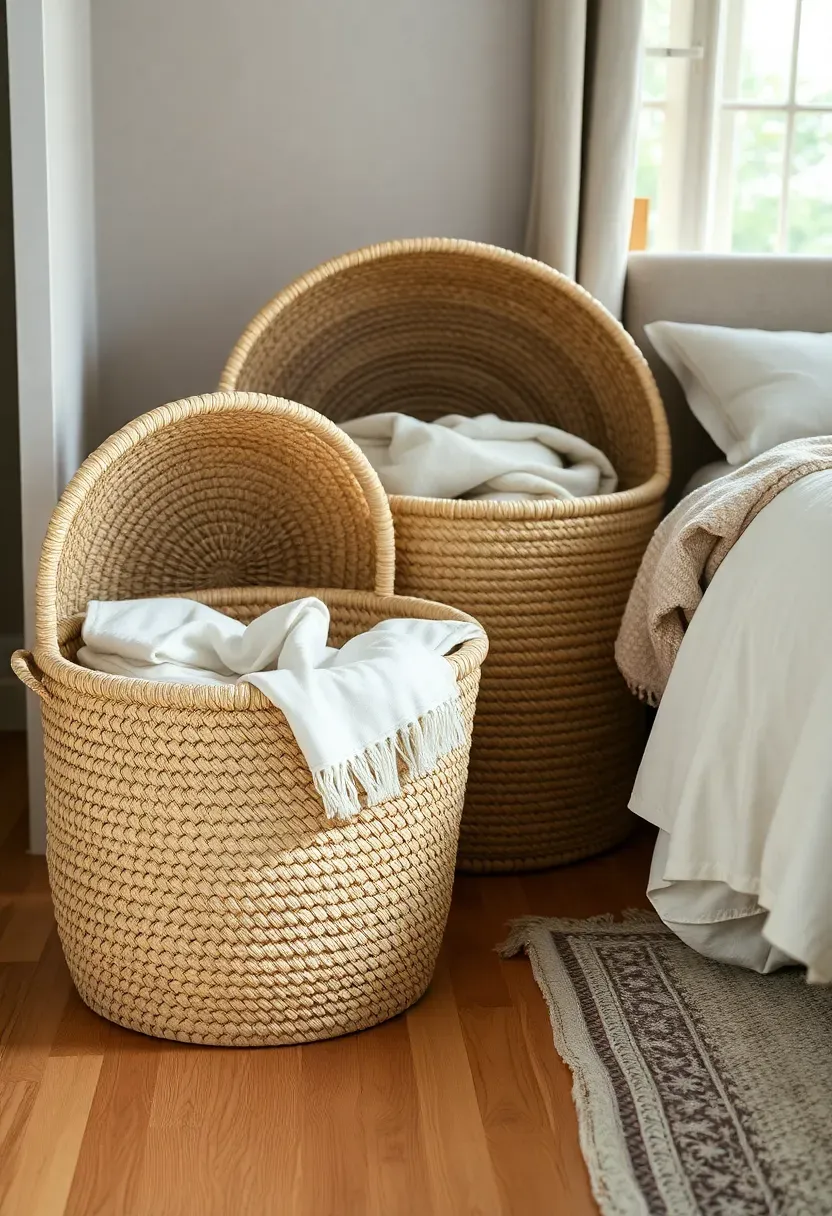
Woven baskets introduce natural texture and warmth while providing practical storage that keeps clutter under control—a crucial element in maintaining a serene, cozy bedroom. Whether you choose seagrass, water hyacinth, or rattan, these organic containers bring visual interest that plastic bins or fabric drawers simply can't match. Position baskets at the foot of the bed for extra blanket storage, tuck them into open shelving units, or use them as laundry hampers—their natural material makes even functional items feel intentional and beautiful rather than purely utilitarian.
The key to making baskets work aesthetically rather than making your room look cluttered is choosing pieces with intention and placing them strategically. Look for baskets with consistent weaves and colors that complement your existing palette—natural tan works beautifully with neutral bedrooms, while black or dark stained baskets can ground a lighter space. Vary the sizes but keep the shapes complementary—mixing round and rectangular baskets creates visual interest without feeling chaotic. Use one larger basket (18-20 inches diameter) for major storage (blankets, off-season clothing) and smaller ones (10-12 inches) for accessories, magazines, or smaller items. Label baskets subtly with leather tags or small chalkboard labels if you need to identify contents—this adds to the organized, intentional look.
Tips
- Line baskets with fabric if you're storing delicate items—this prevents snags on rough woven edges and makes it easier to clean the liners periodically
- If floor space is limited, mount wire or woven baskets on walls as open shelving—this provides storage without consuming square footage and looks unexpectedly stylish
- Avoid overfilling baskets—keeping contents visible but contained looks more organized than stuffing baskets to overflowing, which defeats the serene aesthetic
Budget/Time: Quality woven baskets cost $15-50 each depending on size and material; investing in 3-5 well-chosen pieces makes a noticeable visual difference while providing functional storage.
What this gives you: Practical, beautiful storage that reduces visual clutter while introducing organic texture that enhances your bedroom's cozy warmth.
Recommended
Items for this idea
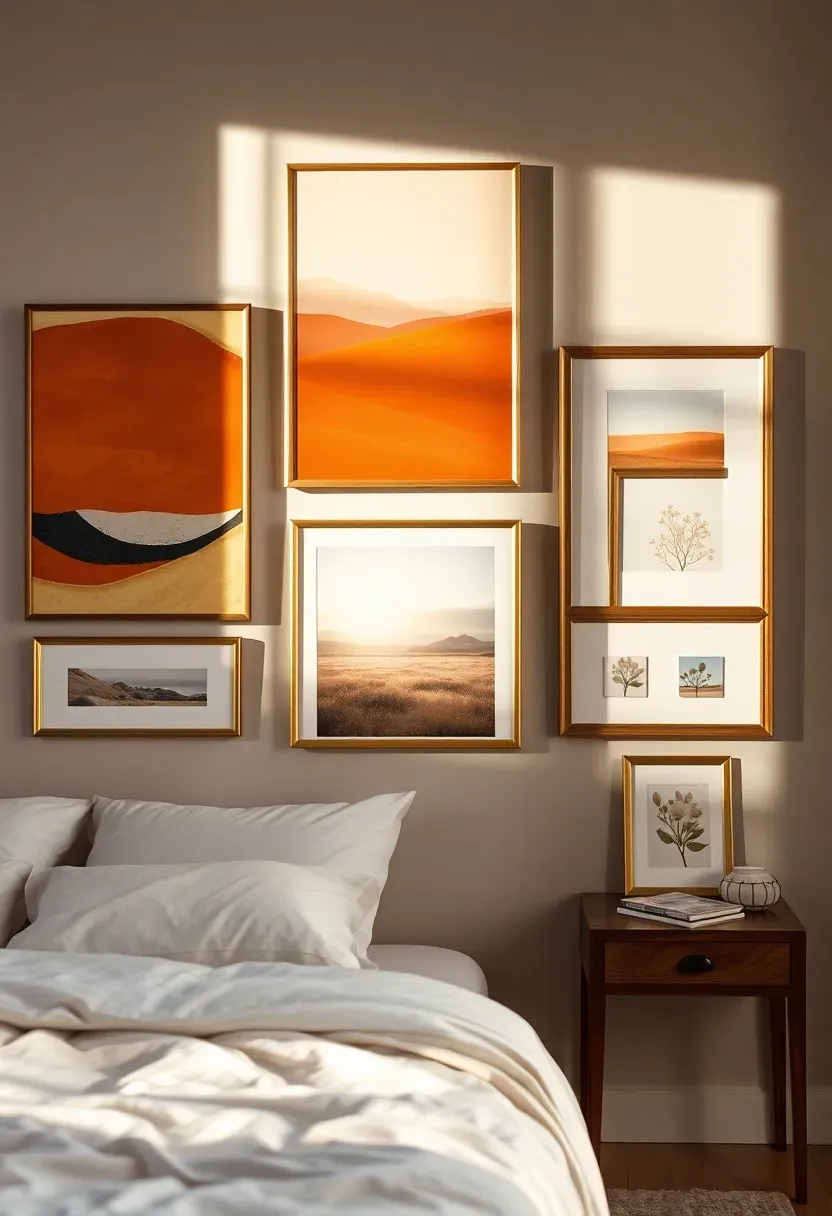
A gallery wall featuring artwork in warm tones infuses your bedroom with personality and creates a focal point that makes the space feel lived-in and loved. Unlike a single large piece, a collection of smaller works creates visual rhythm and tells a story—whether that's through travel photography, abstract pieces in your favorite warm hues, or a mix of family photos and found art. The key to keeping this feeling cozy rather than chaotic is choosing works with a cohesive color palette (terracotta, rust, warm gray, cream) and framing them consistently, even if you mix frame materials or sizes.
When arranging a gallery wall, start by laying all pieces on the floor and experimenting with composition before hanging anything. A loose grid with consistent spacing (2-3 inches between frames) reads as orderly and sophisticated, while a more organic, salon-style arrangement feels casual and collected. Aim for the center of your arrangement to hang at approximately 57-60 inches from the floor—this eye-level positioning makes the wall feel balanced and connected to human scale. Incorporate dimensional elements like small shelves, woven wall hangings, or mirrors to break up the flatness and add depth. If you're renting and hesitant about putting multiple holes in the wall, use picture-ledges and lean art rather than hanging—this achieves a similar collected look with minimal wall damage.
Tips
- Include at least one piece with personal significance—a photo from a trip, a child's drawing, or something you created—to make the gallery feel genuinely meaningful rather than just decorative
- Mix frame materials intentionally (gold, brass, natural wood, black) but keep them unified by either matching the frame width or choosing frames with similar profiles
- Use picture-hanging strips rather than nails for lightweight pieces—this makes rearranging easy and minimizes wall damage, perfect for renters or indecisive decorators
What this gives you: A personalized, visually interesting focal point that makes your bedroom feel like home and provides endless visual interest without disrupting the serene atmosphere.
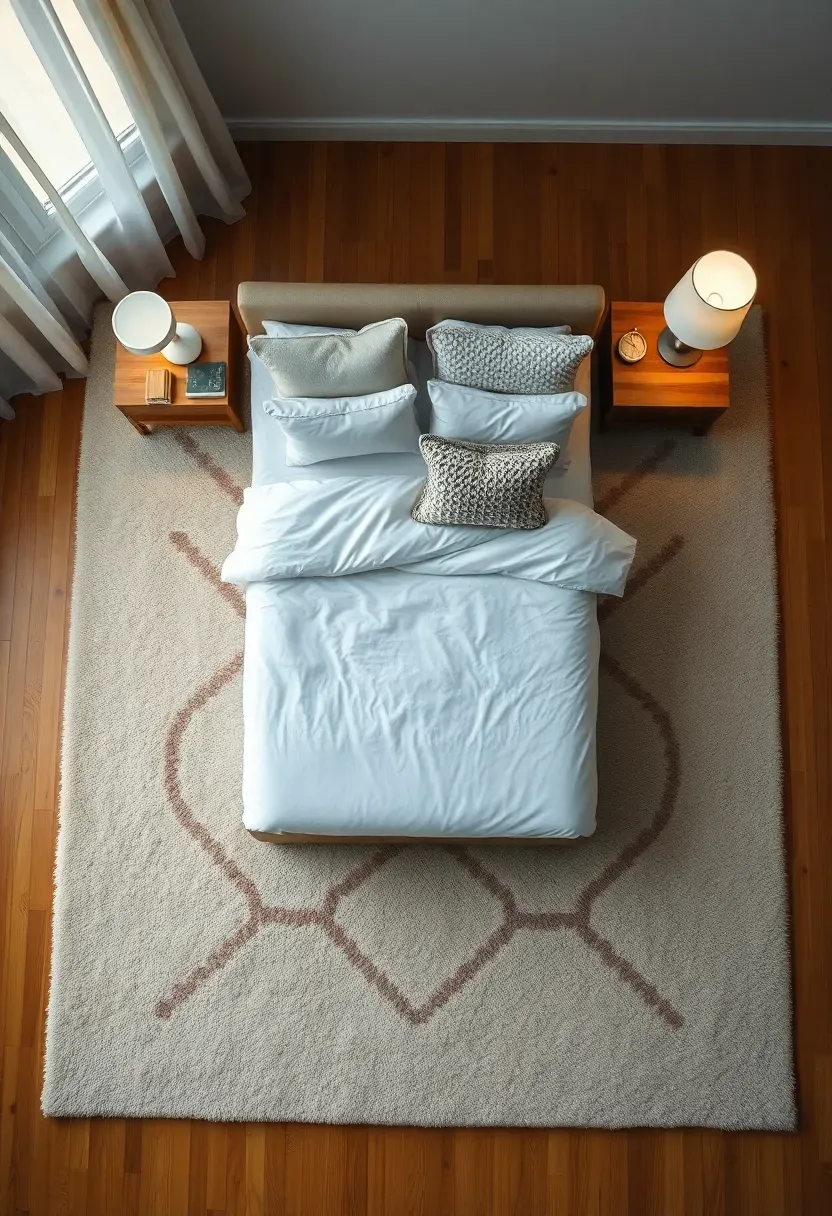
A substantial area rug that extends well under the bed anchors your sleeping zone and adds a layer of softness that makes the entire room feel warmer and more cohesive. Unlike smaller rugs that float awkwardly beside the bed, a large rug (typically 8x10 or 9x12 for a queen or king bed) defines the bedroom area and ensures your feet land on plush material rather than cold floors when you get up. This grounding effect makes the room feel finished and intentional, while the rug's texture and color contribute significantly to the overall cozy atmosphere.
The ideal placement has the rug extending at least 24 inches beyond each side of the bed and 36+ inches at the foot—this generous sizing ensures the rug is visible from all angles and creates a soft border around your sleeping area. When choosing a rug, prioritize plush pile or hand-tufted wool for genuine softness underfoot; flatweave or natural fiber rugs might look good but don't provide the cushioned feeling that defines cozy. Color-wise, warm neutrals (cream, beige, warm gray) or subtle patterns work best in bedrooms—busy or bright patterns can disrupt the serene vibe necessary for a relaxing sleep space. If wall-to-wall carpet already exists, layer a smaller plush runner or sheepskin rug on top for targeted softness and visual contrast.
Tips
- Use a rug pad underneath any area rug—this provides extra cushioning, prevents slipping, and extends the rug's life by reducing friction with the floor
- If your bedroom is on the smaller side, visually enlarge it by choosing a rug that extends all the way to the walls or nearly so—this continuous surface makes the room feel more generous
- Vacuum area rugs weekly with the beater bar disengaged or on a low setting—aggressive vacuuming can damage plush pile and reduce the rug's lifespan
What this gives you: Physical warmth and softness underfoot every morning, plus visual cohesion that makes your bedroom feel finished and intentionally designed.
Recommended
Items for this idea
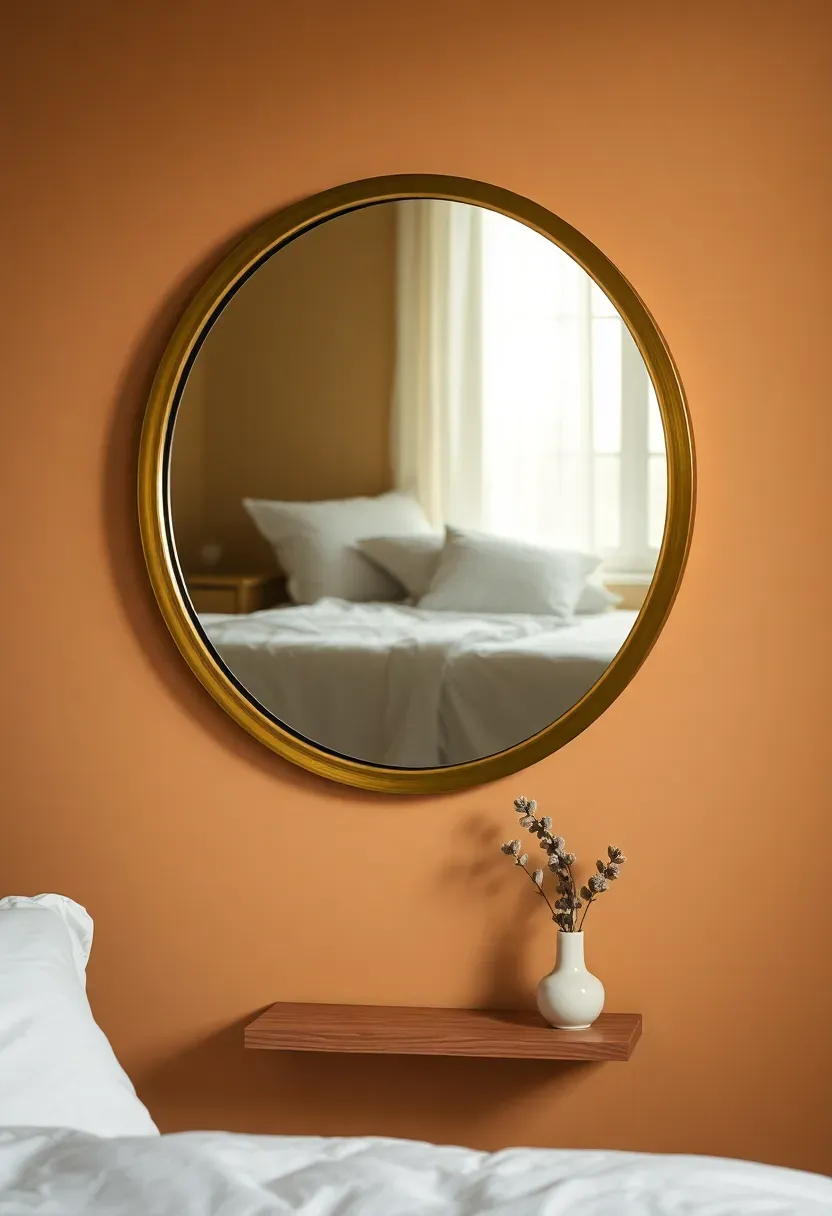
Mirrors with brass or gold frames add warmth through both their metallic finish and their ability to reflect and amplify light throughout your bedroom. Unlike chrome or silver frames that can read as cold or clinical, warm metal tones introduce a rich, inviting element that enhances cozy vibes while serving a practical purpose. Position a mirror strategically—opposite a window to maximize natural light, above a dresser for functionality, or as part of a gallery wall for visual interest—and it becomes both beautiful and useful, reflecting both actual light and the carefully curated elements of your room.
The shape and size of mirror you choose affects the overall aesthetic. Round mirrors feel softer and more organic, working beautifully in bedrooms with curved lines or eclectic styles. Rectangular or arched mirrors read as more traditional and can make ceilings feel higher when hung vertically. Oversized mirrors (36+ inches diameter or width) make a dramatic statement and can visually expand smaller rooms by reflecting space and light. When grouping mirrors, vary the sizes but keep frame finishes consistent for cohesion—mixing round and rectangular mirrors in the same warm brass finish creates visual interest without feeling chaotic. Clean mirrors regularly to maintain their light-amplifying effect; dust or smudges significantly reduce their ability to brighten your space.
Tips
- Hang mirrors so the center is 57-60 inches from the floor—this standard eye-level height works for most people and keeps the room feeling balanced
- Lean a large mirror against the wall rather than hanging it for a casual, relaxed look—this works particularly well on top of dressers or mantels
- Position mirrors to reflect something worth looking at—a window, a piece of art, or an attractive arrangement of plants rather than a cluttered corner or blank wall
What this gives you: Warm metallic accents that enhance your bedroom's cozy palette while amplifying natural light and visually expanding the space.
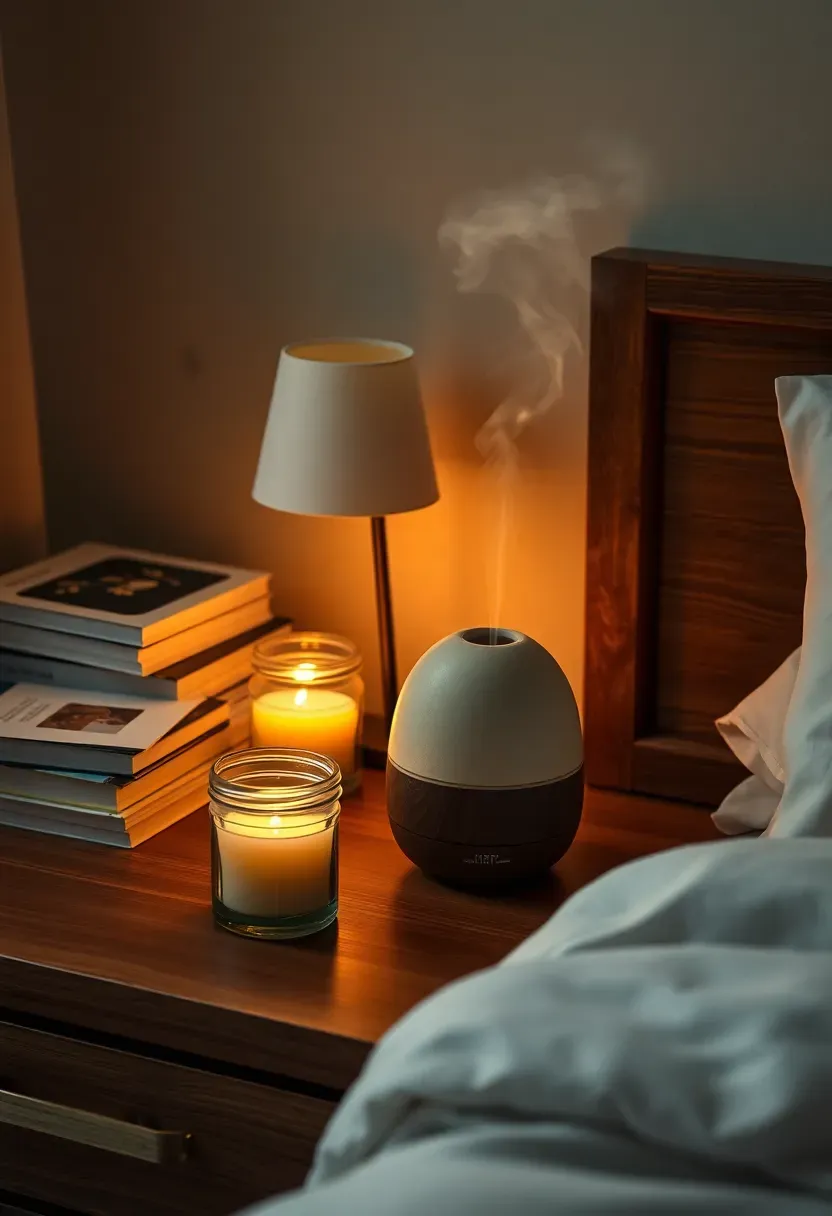
The final layer of a genuinely cozy bedroom appeals to the often-overlooked sense of smell—scent has a powerful effect on mood and relaxation, making a diffuser or carefully chosen candle the finishing touch that transforms a pretty room into a true sanctuary. Fragrances like lavender, vanilla, sandalwood, or warm citrus (bergamot, ylang-ylang) promote relaxation and signal to your brain that it's time to wind down, creating a multisensory experience that enhances the visual warmth you've built through color, texture, and lighting. A subtle, consistent scent makes your bedroom feel lived-in and loved rather than staged and sterile.
Diffusers offer continuous, subtle fragrance without the safety concerns of open flames—ideal for bedrooms where candles might be forgotten or left unattended. Ultrasonic diffusers add humidity to dry air (a bonus in winter months) and allow you to control intensity by adjusting the amount of essential oil used. Candles, while requiring more attention, provide both scent and the soft, flickering light that's inherently cozy—just choose high-quality soy or beeswax candles with cotton wicks to avoid soot and artificial fragrances that can disrupt sleep. Position your scent source on a bedside table or dresser for optimal distribution, and consider a timer for diffusers so they run for a few hours before bed then shut off automatically, conserving oil while maintaining a consistent routine.
Tips
- Avoid stimulating scents like peppermint, eucalyptus, or citrus at bedtime—these can energize rather than relax; save them for morning routines
- Rotate scents seasonally—warm vanilla, cinnamon, or cedar in fall/winter; lighter lavender, jasmine, or fresh cotton in spring/summer
- If you share a bedroom with someone sensitive to scents, choose very subtle options or use personal inhalers/scented sachets rather than room-wide diffusers
What this gives you: A multisensory cozy experience that enhances relaxation and sleep quality through the often-underestimated power of scent.
These 19 cozy warm bedroom ideas work together to create a space that feels genuinely inviting, transforming your sleeping area from a functional room into a sanctuary that supports rest and relaxation. The most successful warm bedrooms combine multiple elements from this list -- layered bedding, textured rugs, ambient lighting, and natural materials -- to create depth and richness that makes even a small rental apartment feel curated rather than cluttered. Start with the changes that make the biggest impact for your specific space: add that chunky throw to your bed, swap cool-toned light bulbs for warm LEDs, or layer a plush rug for immediate physical warmth and softness underfoot.
The beauty of building a cozy bedroom lies in how personal the process becomes. Your ideal warm bedroom might prioritize ambient lighting with multiple warm-toned fixtures, or it might focus on texture through layered rugs, upholstered headboards, and plush throws. There's no single formula for creating warmth—the key is paying attention to how materials, colors, and lighting interact to generate that enveloping feeling of comfort. As you implement these ideas, pay attention to how the room feels at different times of day and in different seasons; the coziest bedrooms evolve and adapt, with lightweight linen throws and sheers in summer giving way to wool blankets and blackout curtains in winter.
Ultimately, a warm cozy bedroom serves a deeper purpose than just looking good in photos -- it creates an environment that genuinely supports better sleep, lower stress, and more meaningful daily rituals around rest and rejuvenation. Whether you rent a small apartment or own your home, the investment in making your bedroom genuinely cozy pays dividends every single night and every single morning. Whether you implement all 19 ideas or just select the ones that resonate most strongly with your space and budget, the result is a bedroom that feels like a true retreat -- a place where the outside world fades away and comfort takes center stage.

About the author
OBCD
CGI visualization and interior design content. We create detailed 3D renders and curate practical design ideas for every room in your home.