How to Decorate a Small Living Room: 6 Steps to Make It Feel Spacious
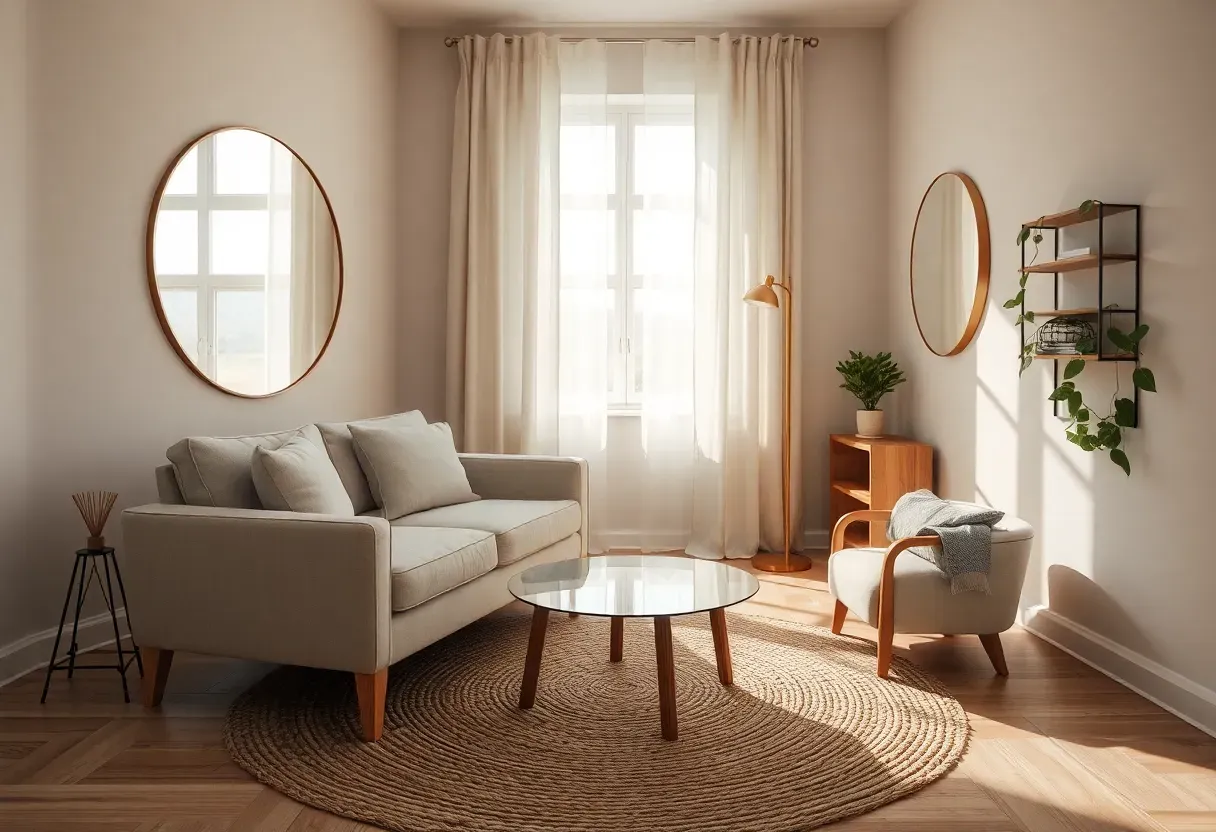
Your living room is small. That is a fact, not a limitation. The most inviting spaces in design magazines are rarely the largest — they are the ones where every piece earns its place and the eye moves freely from one end to the other. The trick is not cramming more in or leaving it bare. It is knowing which six decisions actually expand how a room feels, then executing them in the right sequence. Follow these steps and your compact living room will breathe.
Table of Contents
- What You'll Need
- Step 1: Edit the Room Down to Essentials
- Step 2: Choose a Light, Cohesive Color Palette
- Step 3: Select Furniture That Fits the Scale
- Step 4: Anchor the Layout With a Rug
- Step 5: Layer Lighting at Three Heights
- Step 6: Add Mirrors and Vertical Interest
What You'll Need
- Measuring tape and painter's tape for mapping furniture placement
- A paint swatch fan deck or sample pots in light neutral tones
- One area rug sized to fit under the front legs of your seating
- A floor lamp, a table lamp, and a set of string lights or LED candles
- One medium to large mirror with a simple frame
- 2-3 floating shelves or a slim vertical bookcase
- Sheer curtains and a curtain rod mounted close to the ceiling
Step 1: Edit the Room Down to Essentials
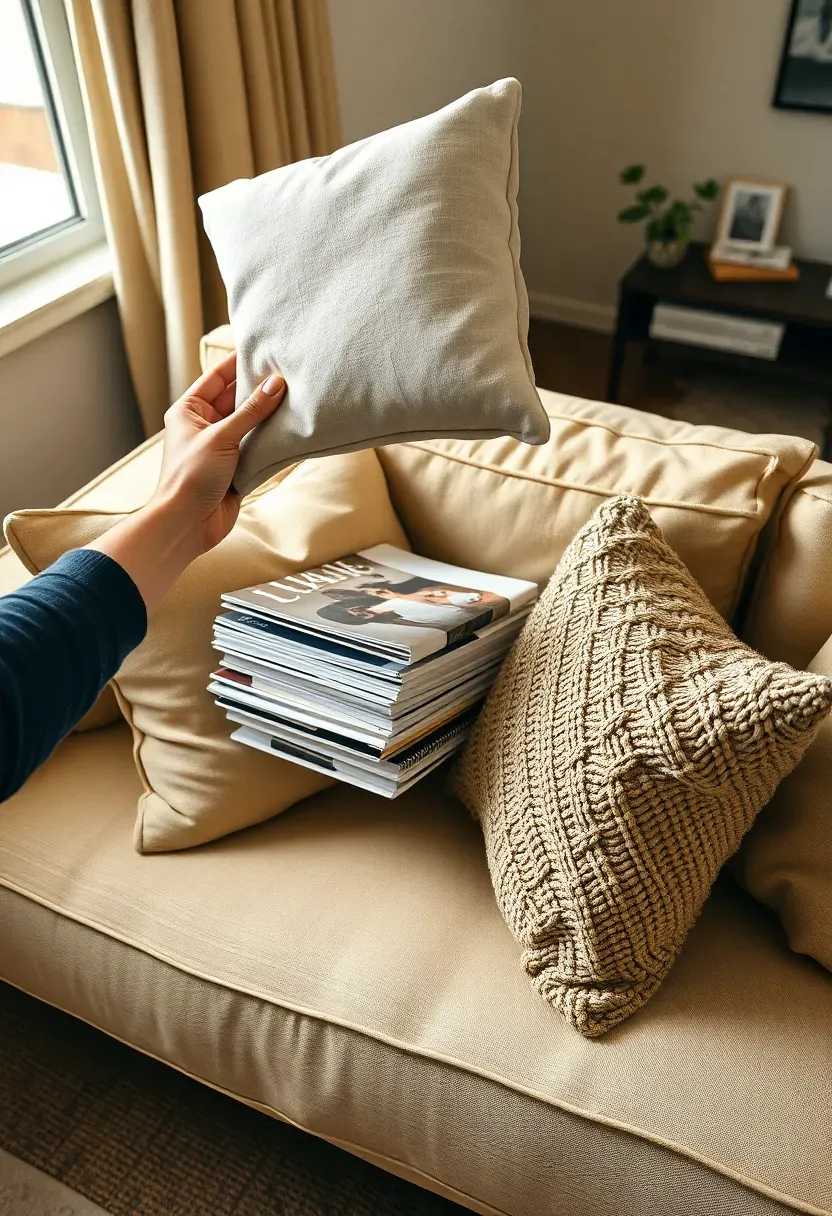
Before you add a single thing, take everything away that does not serve the room daily. A small living room cannot absorb visual noise the way a large one can — every unnecessary object shrinks the space.
Walk through the room and touch each item. The oversized floor vase blocking the corner. The accent chair nobody sits in. The side table holding nothing but a remote. If it does not get used at least twice a week, move it to another room or donate it. You are not making the room empty — you are making it intentional. In compact spaces, what you remove matters more than what you add.
Do: count your seating — keep only what you need for the people who actually live here plus one guest spot Don't: hold onto bulky furniture out of guilt or habit, sentimentality is the enemy of a spacious room Pro tip: photograph the room after decluttering and compare it to the "before" — you will be surprised how much bigger it already looks
Step 2: Choose a Light, Cohesive Color Palette
Color is the single most powerful tool for making a room feel larger than it is. Dark walls advance toward you. Light walls recede. That optical illusion is the entire foundation of this step.
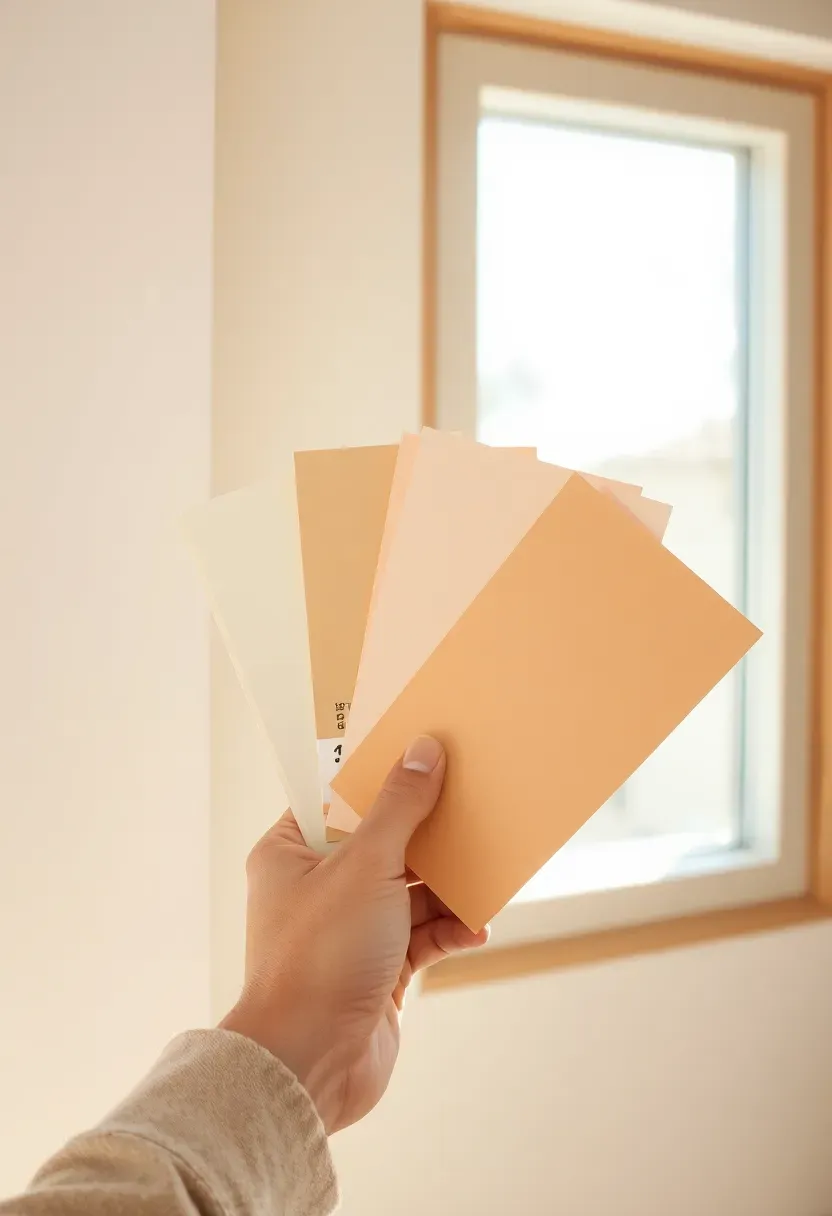
Pick one base color — warm white, soft greige, or pale sand — and commit to it for walls, ceiling, and the largest pieces of furniture. Then choose two accent tones that sit within the same warmth family. A warm white wall with a flax linen sofa and honey oak legs reads as one continuous plane of light rather than a collection of separate surfaces. The fewer sharp color contrasts, the fewer places the eye stops, and the bigger the room feels. Save bold color for small, portable accents like cushions and ceramics that you can rotate.
Do: paint the ceiling the same shade as the walls to erase the boundary and push the room upward Don't: introduce more than three colors in a small space — restraint creates calm, and calm reads as spacious Pro tip: test paint samples on the darkest wall in the room, not the brightest — that is where the color needs to work hardest
Recommended
Items for this idea
Step 3: Select Furniture That Fits the Scale
Oversized furniture is the number one reason small living rooms feel cramped. A standard three-seater sofa built for a suburban family room will swallow your apartment living room whole.
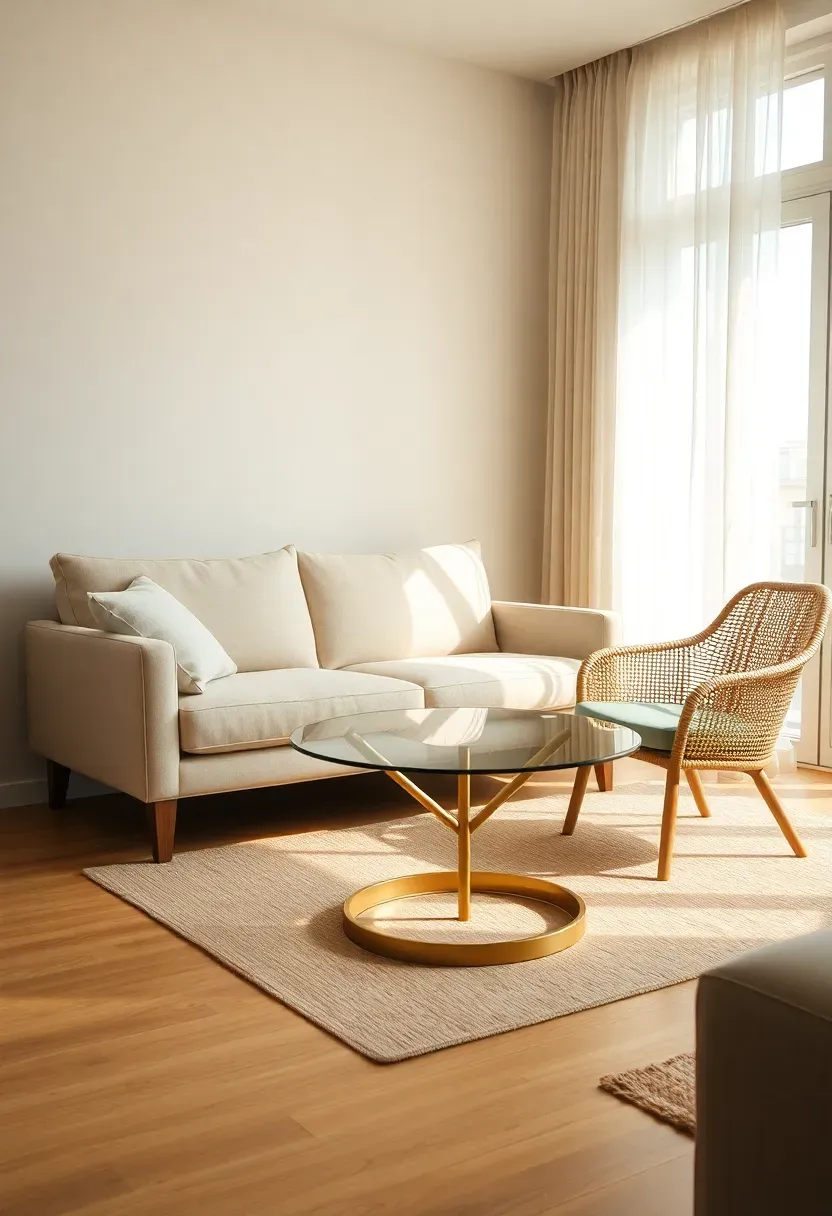
Measure your room and your doorways before shopping — not after. Choose a loveseat or apartment-sized sofa with slim arms. Pick a round coffee table instead of a rectangular one because it eliminates sharp corners and creates better traffic flow. Every piece of furniture should have visible legs — raised furniture lets light pass underneath, which tricks the eye into seeing more floor. Acrylic or glass tables are your allies here; they provide a surface without visual weight. Think of each furniture choice as a negotiation between function and footprint.
Do: leave at least 18 inches of walking space between major pieces for comfortable traffic flow Don't: push all furniture against the walls assuming it creates more space — floating furniture slightly inward actually makes the room feel larger Pro tip: nesting tables and storage ottomans give you flexibility without permanent square footage commitment
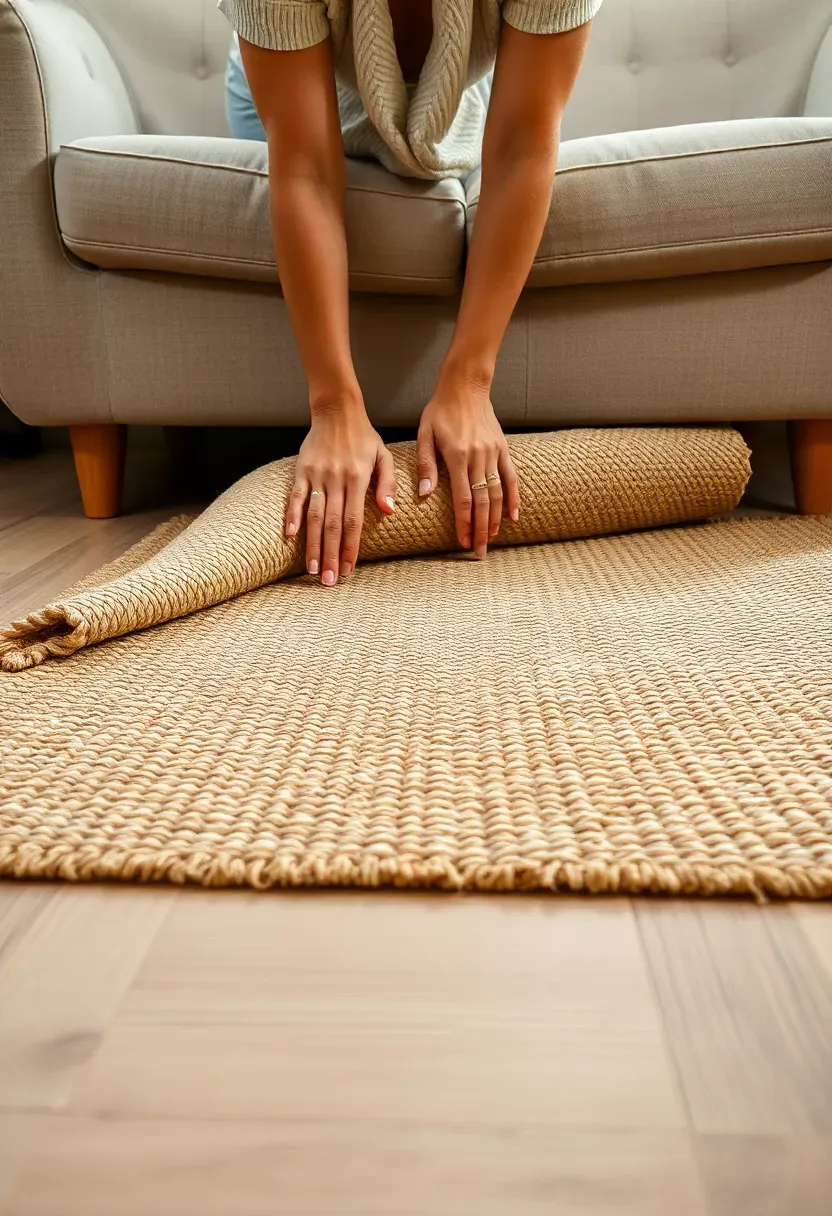
Step 4: Anchor the Layout With a Rug
A rug does something no other element can: it defines a zone without walls. In a small living room, the right rug tells the eye exactly where the seating area lives and separates it from the walkway, the dining nook, or the entry.
Size matters enormously here. A rug that is too small floats awkwardly in the middle and makes the room look fragmented. Go large enough that the front legs of your sofa and chairs all rest on it — this pulls the furniture into a cohesive group. In a truly tiny room, a single rug that nearly fills the floor from wall to wall creates the illusion of expanded square footage. Stick with light, solid-color, or subtle-pattern rugs. A busy rug in a small room is like shouting in a phone booth.
Do: use a rug pad underneath to prevent slipping and add a layer of cushion that makes the room feel more finished Don't: choose a dark or heavily patterned rug that visually chops up the floor — continuity of color equals continuity of space Pro tip: a round rug under a round coffee table softens a room full of straight lines and creates an unexpected focal point
Recommended
Items for this idea
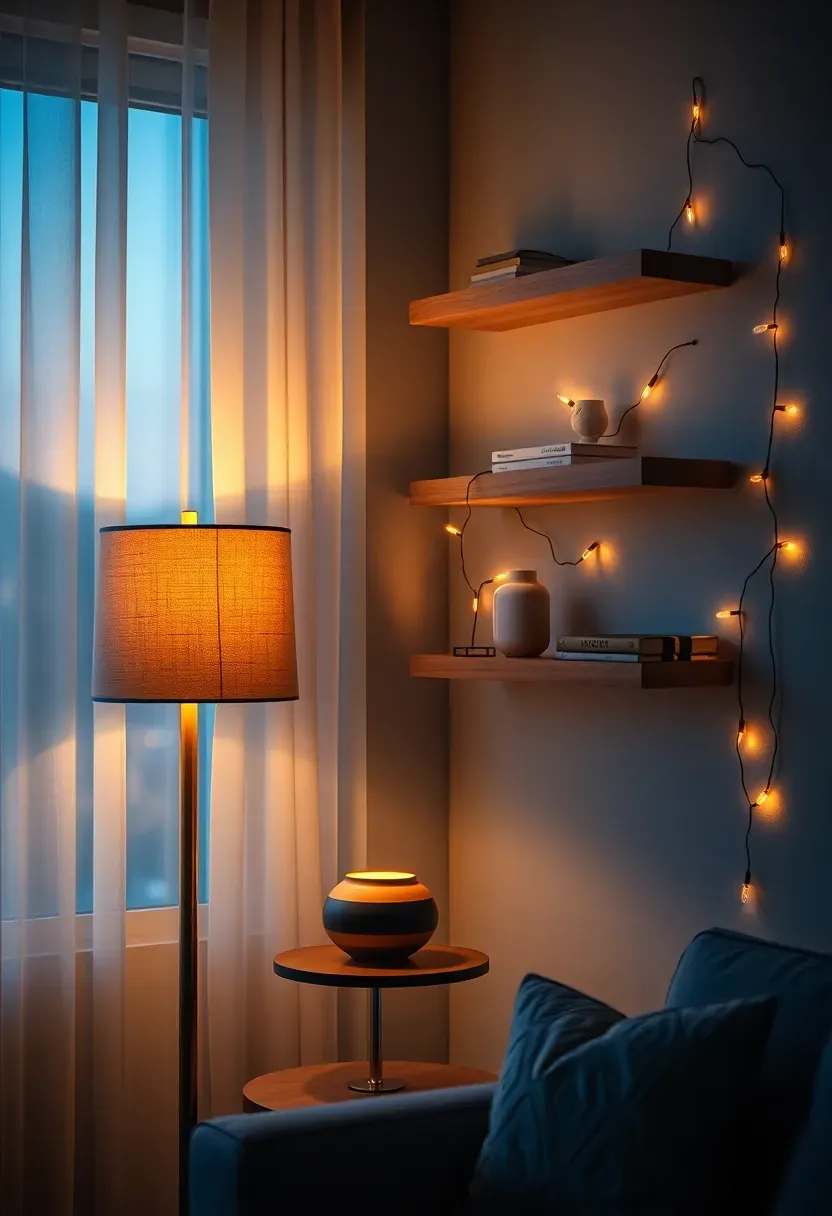
Step 5: Layer Lighting at Three Heights
Nothing shrinks a room faster than a single overhead fixture casting flat, shadowless light from above. Layered lighting creates depth, and depth is how small rooms borrow square footage they do not have.
Install light at three levels. High: a flush-mount ceiling light or recessed cans for ambient glow. Middle: a table lamp on a side table or console for task light and warmth. Low: a floor lamp with an upward-facing shade or LED strip lights under shelving to wash the walls with soft gradient. Warm-white bulbs between 2700K and 3000K are non-negotiable — cool white makes small rooms feel clinical. Dimmer switches let you adjust the mood without changing fixtures, and they cost less than a throw pillow.
Do: place lamps in corners to push light into the areas overhead fixtures miss — lit corners expand the perceived boundary Don't: rely on a single central pendant, it creates a spotlight effect that shrinks the room inward Pro tip: battery-operated LED candles on a floating shelf add a fourth layer of light with zero wiring
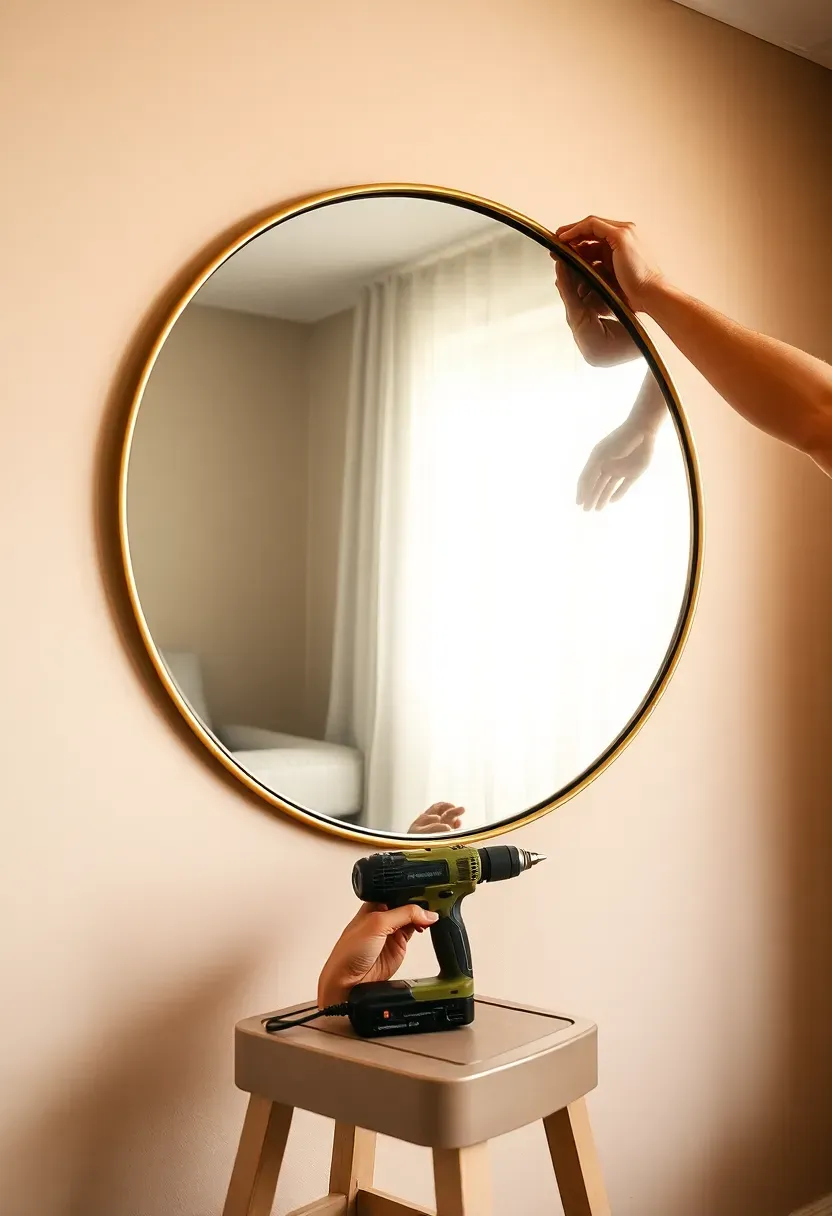
Step 6: Add Mirrors and Vertical Interest
This is the finishing move that turns a compact room into one that feels open and considered. Mirrors and vertical elements draw the eye upward and outward — two directions that fight the closed-in feeling.
Hang one large mirror on the wall opposite or adjacent to your largest window. It doubles the natural light and creates an illusion of a second room behind the glass. Avoid grouping several small mirrors — one generous mirror reads as a window, while a cluster reads as clutter. For vertical interest, mount floating shelves high on the wall, hang curtains from ceiling height rather than just above the window frame, and lean a tall plant in a narrow corner. Every element that directs the gaze upward steals attention from the limited floor space and makes the ceiling feel higher.
Do: position the mirror to reflect something beautiful — a window, a plant, or an art piece — not a blank wall Don't: hang curtains from the window frame, always mount the rod 4 to 6 inches below the ceiling to exaggerate height Pro tip: a tall, narrow fiddle leaf fig or snake plant in a corner adds life and vertical drama without consuming floor area
FAQ
Is it possible to decorate a small living room without replacing any furniture? Yes. Start with editing, color, and lighting — the first three steps that cost the least. Rearranging existing furniture away from the walls and adding a mirror can transform the feel of the room without a single new purchase.
Should I avoid dark colors entirely in a compact living room? Not entirely. A single dark accent wall can add depth and drama if the other three walls stay light. The rule is contrast control — one dark surface recedes like a shadow, but multiple dark surfaces close in on you.
Can renters make a small living room feel spacious without painting? Absolutely. Peel-and-stick wallpaper in a light tone, oversized removable mirrors with adhesive strips, sheer curtains hung from tension rods at ceiling height, and smart lighting all work in rentals. Focus on portable solutions that leave with you.
What is the best coffee table shape for a tiny living room? Round or oval tables outperform rectangular ones in tight spaces. They eliminate sharp corners that snag shins and block traffic flow. A glass-top round table is the ultimate small-space choice because it provides a surface with almost no visual mass.
How do I make a small living room work for both adults and kids? Storage furniture is your best friend. An ottoman with a hidden interior holds toys in seconds. A console with baskets keeps the room guest-ready at a moment's notice. Choose machine-washable slipcovers and save the delicate textiles for when the kids are older.
The most spacious-feeling room you have ever walked into was probably not that large — it was just decorated with discipline. Pick up the measuring tape, start with Step 1, and let each decision build on the last. By the time you reach the mirror, your living room will feel like it doubled in size.
Pinterest cover for How to Decorate a Small Living Room: 6 Steps to Make It Feel Spacious
About the author
OBCD
CGI visualization and interior design content. We create detailed 3D renders and curate practical design ideas for every room in your home.