How to Decorate a Small Living Room in 2026: 7 Space-Smart Steps
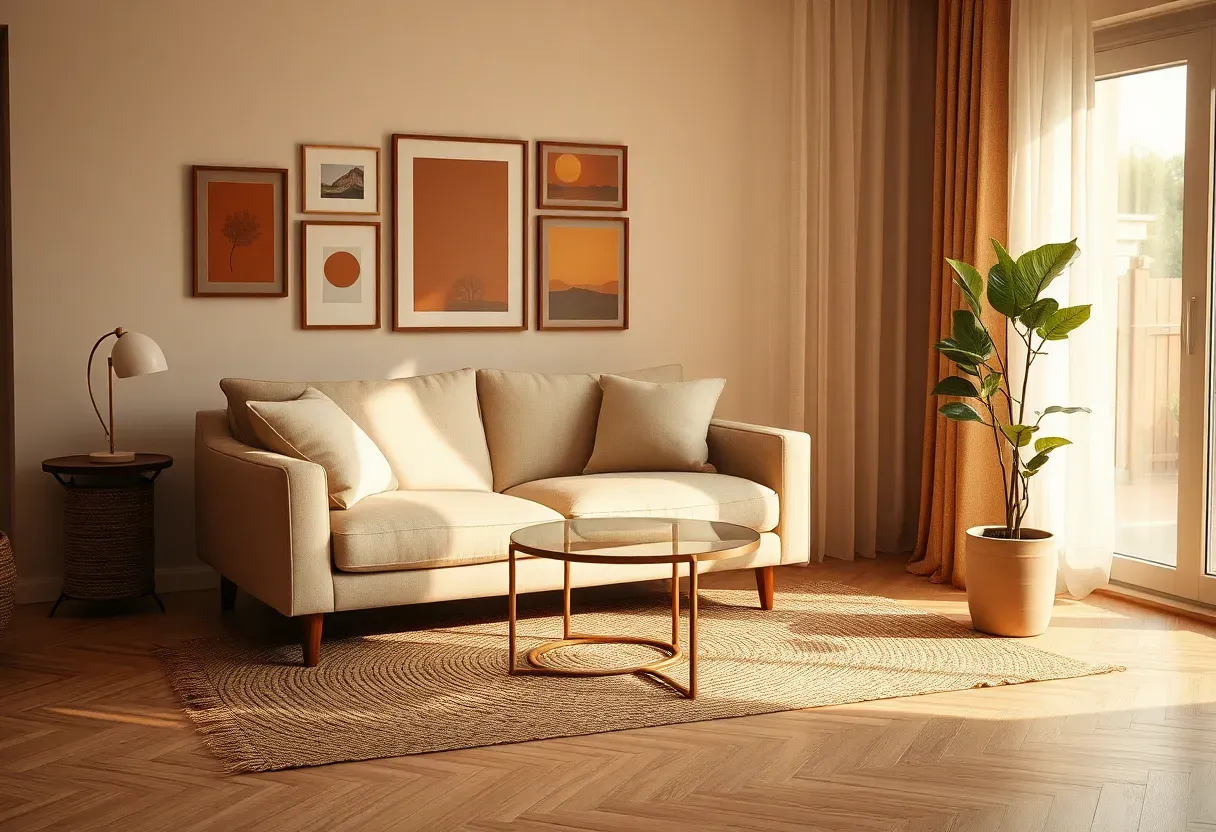
Your living room doesn't need more square footage -- it needs smarter decisions. The biggest design breakthroughs of 2026 actually favor smaller rooms: warm minimalism, sculptural furniture with clean footprints, and layered lighting that draws the eye upward instead of outward. A well-decorated compact living room can feel more intentional, more inviting, and more visually interesting than a sprawling one that was never properly edited. These seven steps turn tight dimensions into a strength, not a limitation.
Table of Contents
- What You'll Need
- Step 1: Measure the Room and Map Your Zones
- Step 2: Choose a Compact Sofa with Clean Lines
- Step 3: Pick a Round or Nesting Coffee Table
- Step 4: Create Vertical Interest with Wall Decor
- Step 5: Layer Lighting at Three Heights
- Step 6: Add Textiles That Soften Without Cluttering
- Step 7: Style Surfaces with a Less-Is-More Edit
What You'll Need
- Measuring tape and painter's tape (for floor-planning furniture positions)
- A compact two-seater sofa or loveseat (under 72 inches wide)
- A round or nesting coffee table (glass or open-base preferred)
- 2-3 wall art pieces or a single oversized mirror
- One floor lamp, one table lamp, and a set of LED strip lights or picture lights
- 2 throw pillows, 1 throw blanket, and a medium-size area rug
- 3-5 curated accessories (a plant, a candle, a tray, a vase, one book stack)
Step 1: Measure the Room and Map Your Zones
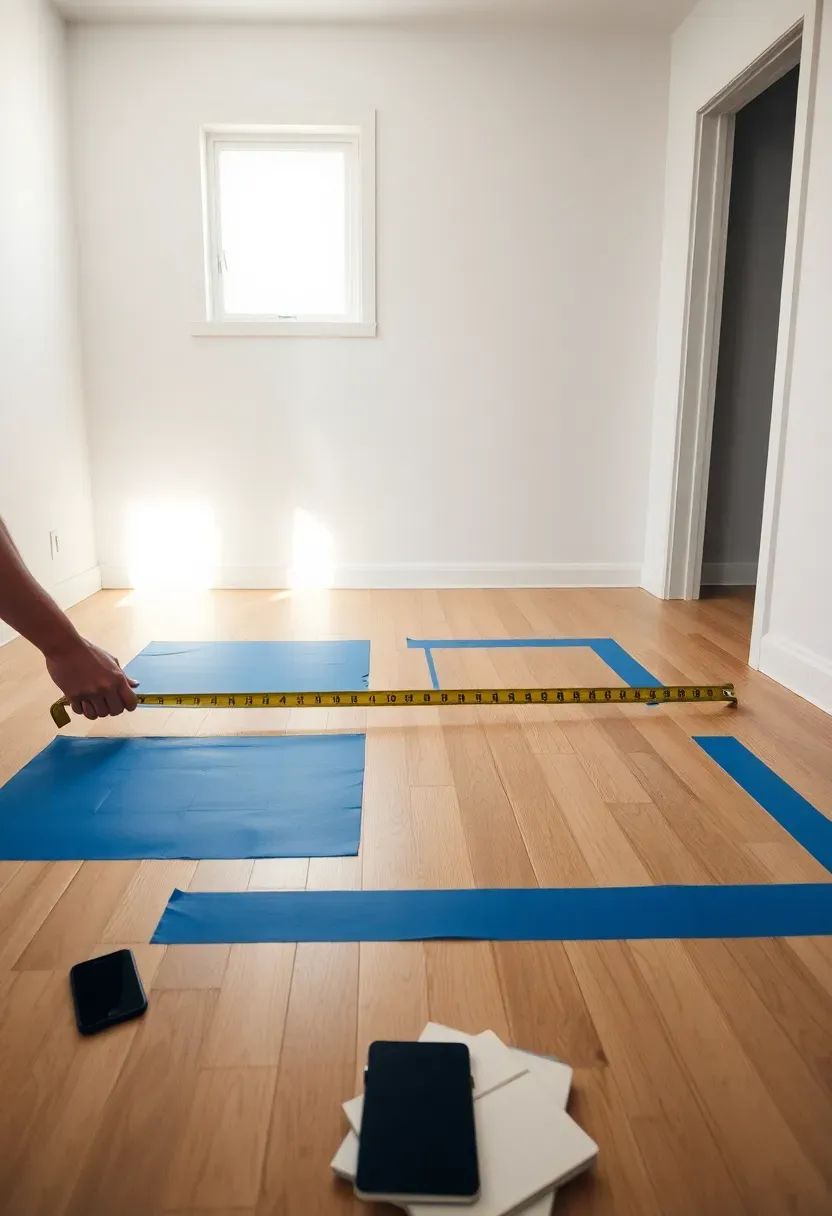
Most people skip this -- and it shows. Every centimeter matters when a room is under 200 square feet, and eyeballing it leads to furniture that blocks walkways, seating that crowds the door, and a layout that feels cramped before you add a single cushion.
Grab your measuring tape and record the exact length, width, and distance between doorways and windows. Then use painter's tape on the floor to outline where your sofa, coffee table, and any side pieces will sit. Leave at least 18 inches for walking paths. This five-minute exercise prevents the single most expensive mistake in small-room decorating: buying furniture that doesn't fit.
Do: mark the tape outlines with the real dimensions of the furniture you're considering, not rough estimates Don't: push everything flush against the walls -- even a four-inch gap behind the sofa makes the room feel less claustrophobic Pro tip: use a free room-planning app like RoomSketcher or Planner 5D to test layouts digitally before moving anything heavy
Step 2: Choose a Compact Sofa with Clean Lines
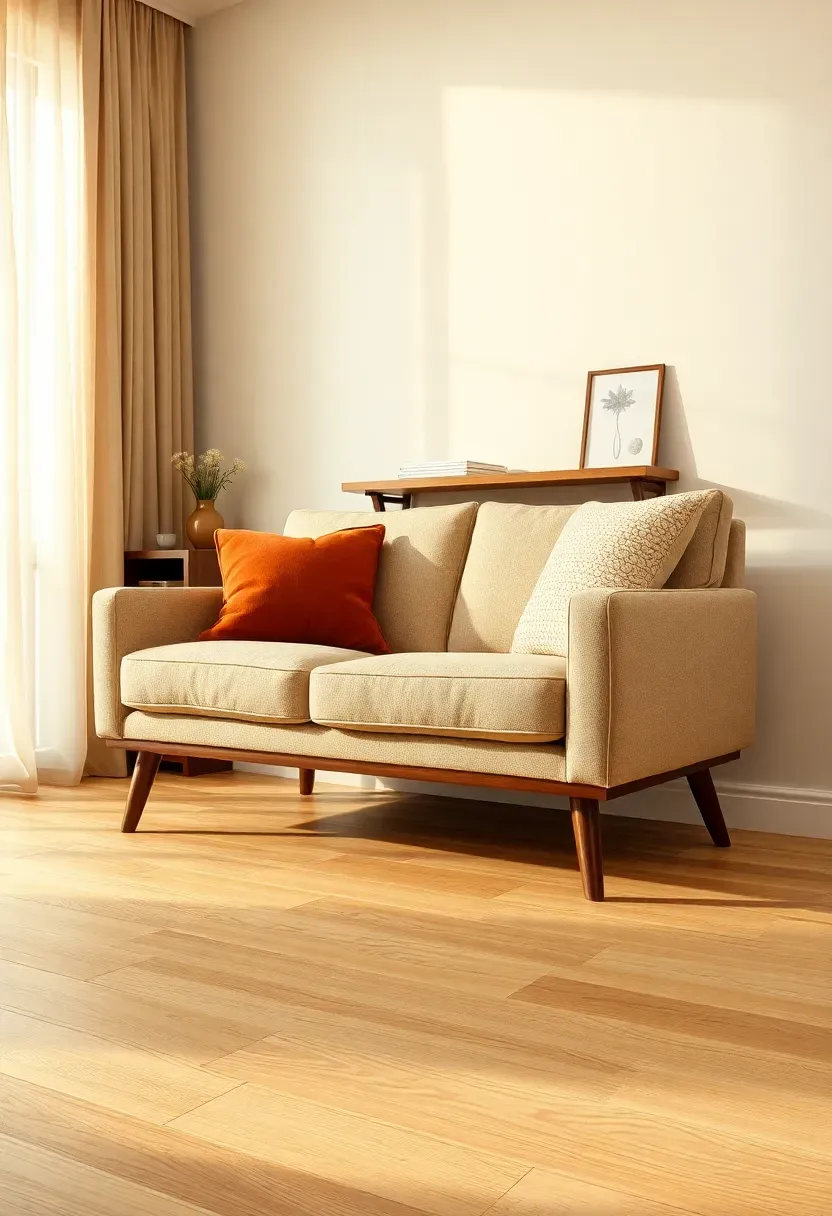
Get this right and the rest falls into place. The sofa is the largest piece in any living room, and in a small space, the wrong one can swallow half the floor area and make everything else feel like an afterthought.
Look for a two-seater under 72 inches wide with slim, visible legs. Raised legs create a visible floor line underneath, which tricks the eye into reading more open space. Avoid bulky rolled arms, deep overstuffed seats, and heavy skirts that hide the base. The 2026 move is a low-profile frame in a warm neutral -- oatmeal linen, warm grey bouclé, or soft caramel leather. A sofa with a narrow arm profile (under 4 inches) gives you back nearly a foot of usable seating compared to a traditional rolled-arm design, and that makes a genuine difference in a small room.
Do: choose a sofa with removable covers if you want the option to refresh the look without replacing the piece Don't: buy a sectional for a room under 180 square feet -- it will dominate the space and limit every other furniture decision Pro tip: if you want lounge depth without bulk, consider a compact daybed-style sofa -- it doubles as a guest bed and takes up less visual mass
Recommended
Items for this idea
Step 3: Pick a Round or Nesting Coffee Table
This is where the real transformation happens. A coffee table with sharp rectangular corners in a tight room creates visual barriers and bruised shins. Switching to a round or oval shape changes how the room flows.
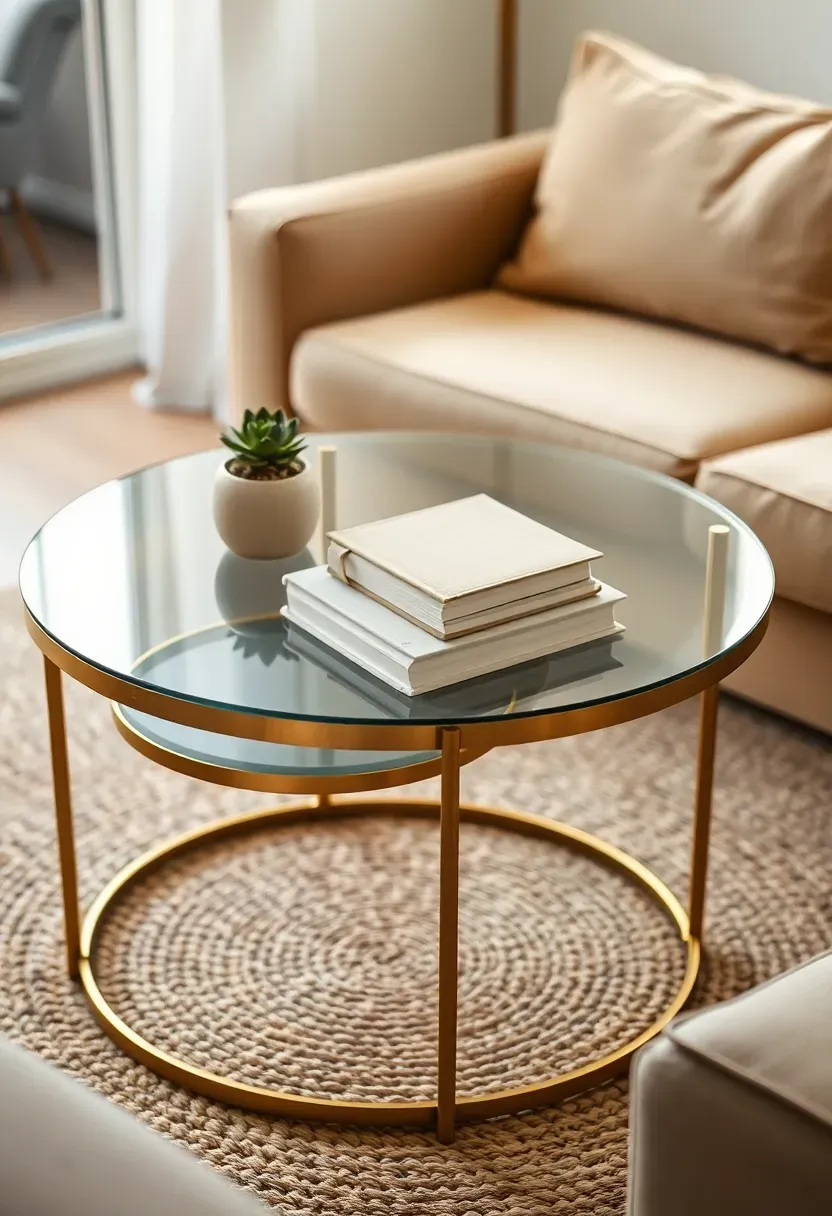
Round tables soften the geometry of the space, allow easier circulation, and have no dead corners. A glass-top table is even better -- it lets you see the rug underneath, which makes the floor area feel continuous rather than chopped up. Nesting tables are the space-smart hero of 2026: two or three tables that stack inside each other, pull out when you have guests, and tuck back into a single footprint when you don't. Look for tables with thin metal frames and open bases that maintain sight lines across the room. The more floor you can see through and under your furniture, the bigger the room reads.
Do: match the table's metal finish to other hardware in the room -- door handles, lamp bases, shelf brackets -- for a cohesive thread Don't: go smaller than 24 inches in diameter, or the table will look out of scale with the sofa and become functionally useless Pro tip: a marble-top nesting set in mixed sizes becomes a sculptural element on its own -- you won't need a centerpiece
Step 4: Create Vertical Interest with Wall Decor
Don't rush this step -- it makes the biggest visual difference. In a small room, the walls are your secret weapon. Every square foot of wall space you activate vertically is square footage you don't need on the floor.
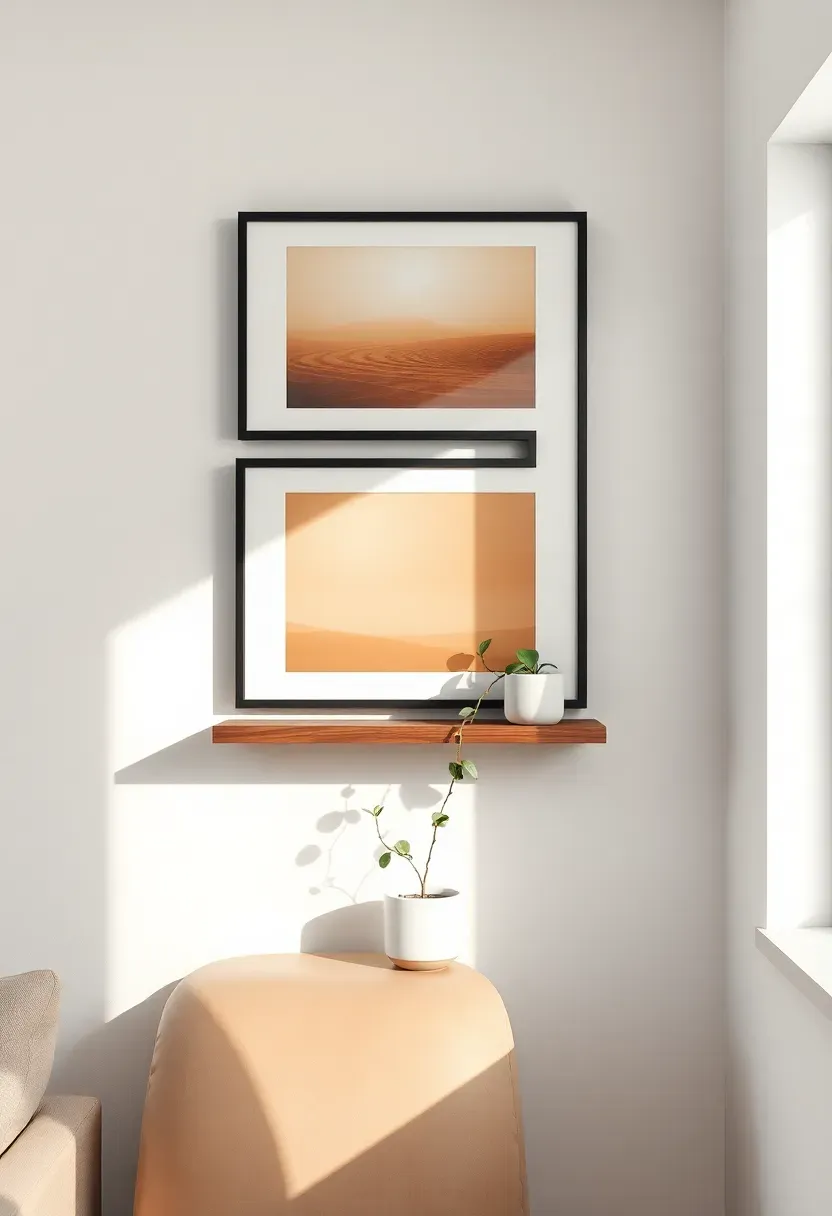
Hang art higher than you think you should. The 2026 guideline for small rooms is to center artwork at 60 inches from the floor -- slightly above the traditional "eye level" rule -- because it pulls the gaze up and makes the ceiling feel taller. A vertical gallery arrangement of two or three pieces stacked above one another draws the eye from sofa height to ceiling height in one smooth line. If you prefer a single statement, an oversized mirror opposite the window doubles the natural light and creates an illusion of depth that no amount of furniture rearranging can match. Floating shelves mounted in a staggered vertical line combine storage and display without eating into floor space.
Do: use consistent frames for a gallery to unify the arrangement and prevent visual noise in an already compact space Don't: spread art across every wall -- concentrate it on one feature wall so the other walls breathe Pro tip: a large round mirror (30 inches or more) opposite a window is the single most effective trick for making a small room feel twice its size
Recommended
Items for this idea
Step 5: Layer Lighting at Three Heights
A single overhead fixture is the fastest way to make a small room feel flat, sterile, and box-like. Layered lighting at three different heights creates depth, warmth, and the illusion of a larger room by drawing attention to different zones instead of flooding everything with the same flat wash.
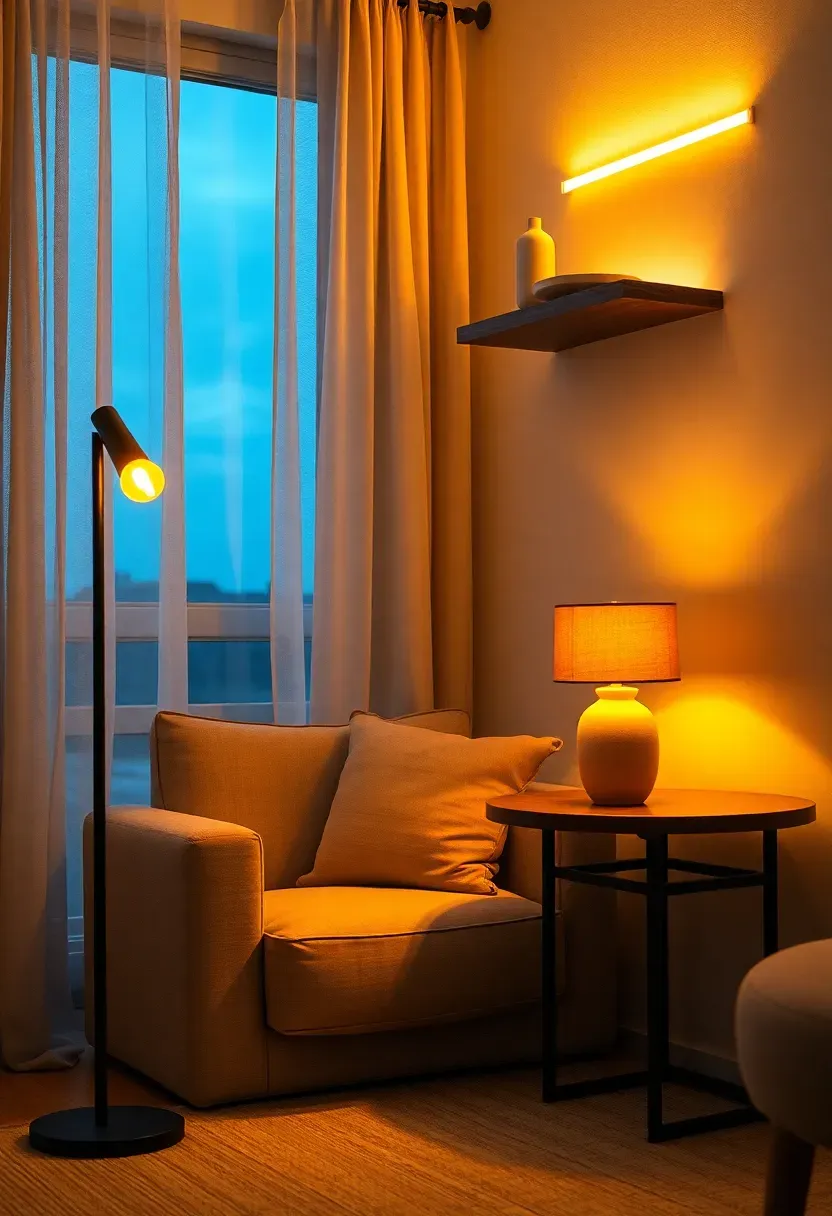
Start at floor level with a slim arc or stick floor lamp beside the sofa -- it provides reading light and anchors that corner. Add a table lamp on a side table or shelf at mid-height for ambient warmth in the evenings. Finally, install LED strip lights under a floating shelf, behind the TV, or along the ceiling edge as accent lighting that lifts the boundaries of the room. Set all three to a warm white (2700K-3000K). The combination of up-light, mid-light, and down-light sculpts the room's shape in a way that one overhead pendant never can, and it makes the space feel layered and intentional rather than simply illuminated.
Do: put floor and table lamps on a smart plug so you can adjust all three from the sofa with a single voice command or app tap Don't: rely on recessed downlights alone -- they create harsh shadows on faces and flatten the room's dimension Pro tip: LED strip lights hidden behind furniture cost under fifteen dollars and add the kind of ambient glow that makes a small room feel like a boutique hotel lobby
Step 6: Add Textiles That Soften Without Cluttering
A small room without textiles feels cold and echoey. A small room with too many textiles feels like a storage unit draped in fabric. The difference is restraint -- choosing a tight palette and layering just enough to add warmth, absorb sound, and make the space feel lived-in.
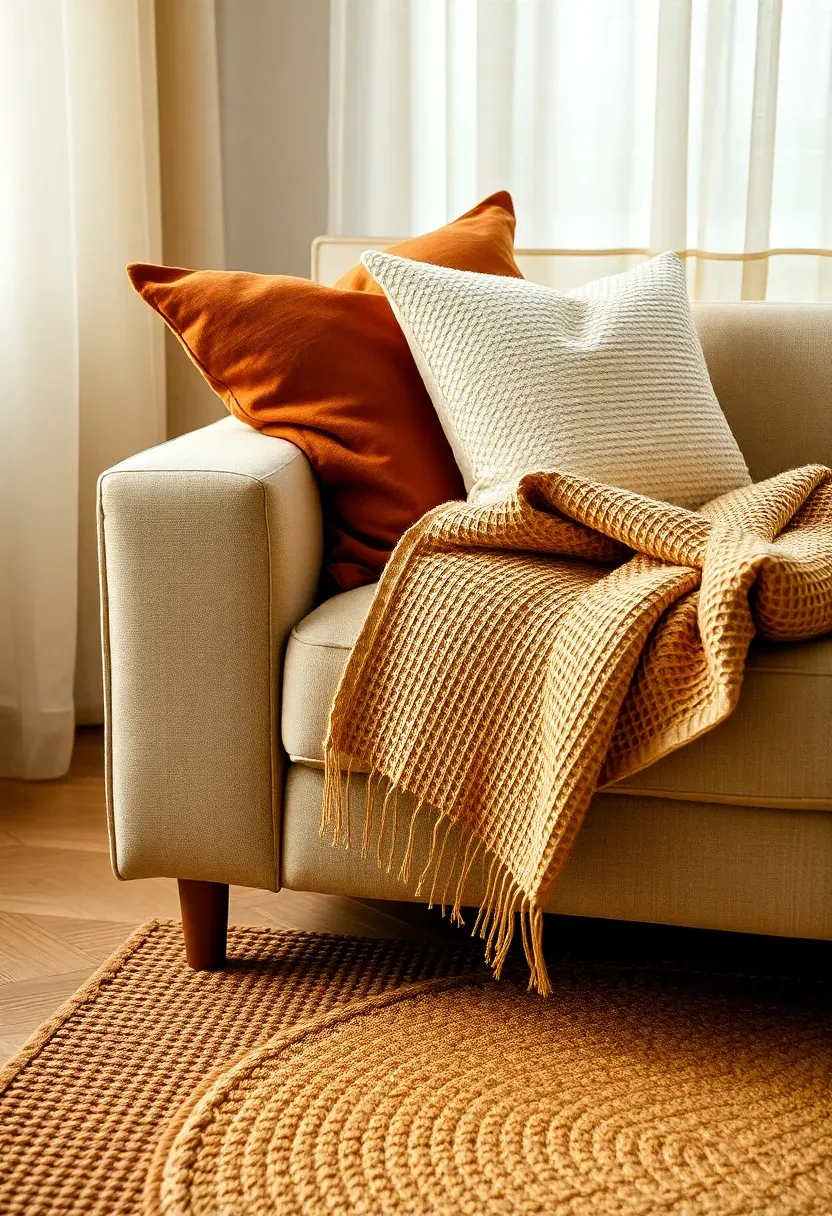
Start with the rug. In a small living room, a medium-size rug (5x7 feet) that sits under the coffee table and reaches the front legs of the sofa anchors the seating zone and makes it feel defined rather than floating. Go for a flat-weave or low-pile texture to keep the room feeling open -- high-pile shags visually shrink the floor. On the sofa, limit yourself to two throw pillows and one folded blanket. Pick textiles in two coordinating tones from your room's palette, with two different textures. The 2026 sweet spot is one linen and one bouclé or one velvet and one waffle-weave. Fold the throw over one arm or the back -- never drape it across the entire sofa, which makes it look smaller.
Do: choose a rug with a light or medium tone -- dark rugs absorb light and make small floors feel heavier Don't: add more than two cushion covers per seat in a compact room; three or more per seat looks crowded, not cozy Pro tip: a round jute rug layered under a smaller wool rug adds depth and texture without adding visual weight, and it's the fastest way to make a basic floor look designed
Recommended
Items for this idea
Step 7: Style Surfaces with a Less-Is-More Edit
This is the step that separates rooms that look decorated from rooms that look designed. In a compact living room, every object you place on a surface either earns its spot or steals visual space from the room. The editing pass is non-negotiable.
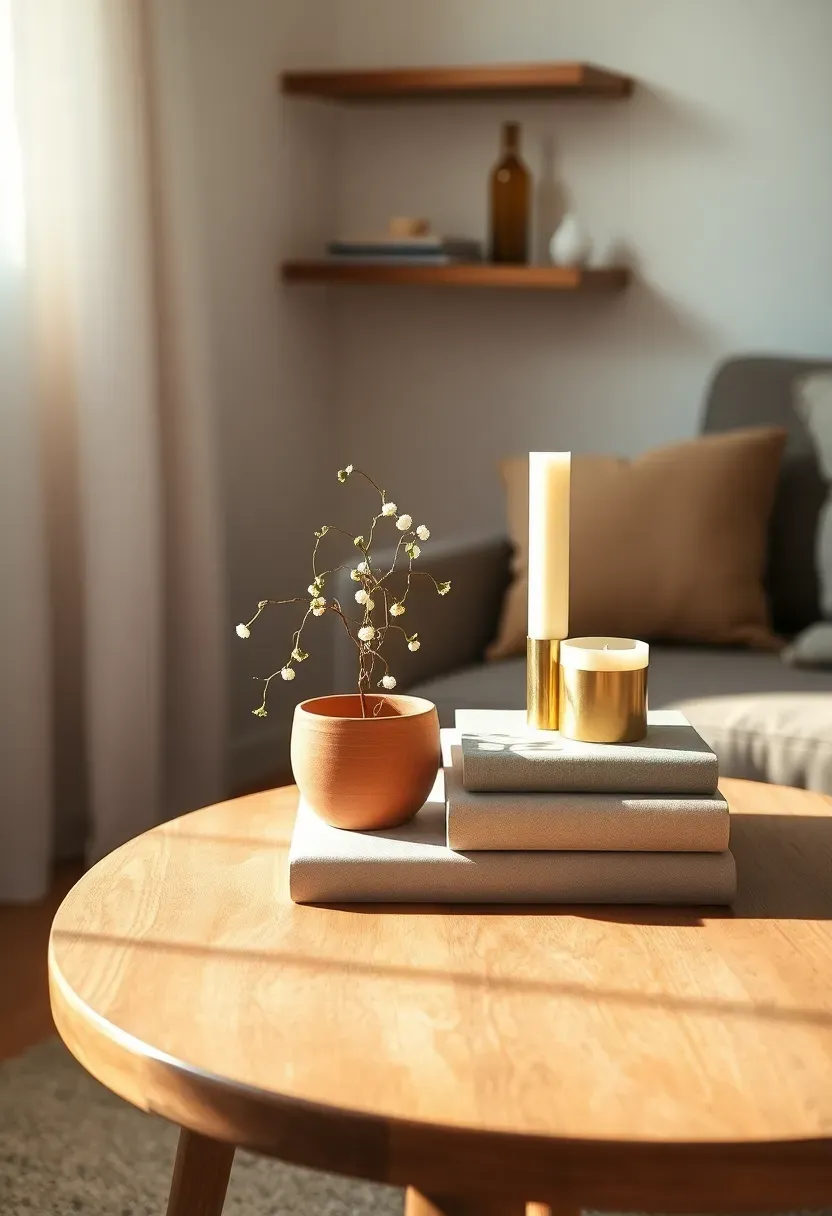
Work surface by surface. On the coffee table, allow no more than three items: a small plant or candle, a short stack of two books, and one sculptural object or tray. On a side table, one lamp and one small accessory. On a floating shelf, alternate between objects and empty space -- the gaps are just as important as the things. The 2026 principle is called "visual breathing room," and it means leaving at least 40 percent of any horizontal surface empty. When you think you're done, remove one more thing. In small rooms, what you leave out matters more than what you put in, and that restraint is what makes the space feel calm, curated, and deliberately designed rather than crammed.
Do: group small objects in odd numbers (one or three) on trays to create micro-vignettes that read as one visual unit Don't: fill every shelf -- stagger objects with empty slots between them to avoid the "packed bookshelf" effect Pro tip: a single oversized candle on the coffee table does more for atmosphere than five small trinkets, and it takes up less visual bandwidth
FAQ
Is it possible to make a small living room look spacious without painting the walls? Absolutely. The biggest space-makers are mirrors, vertical art placement, light-toned textiles, and raised-leg furniture. These tricks expand visual depth without touching a single wall. If you do want a subtle shift, removable peel-and-stick wallpaper in a light tone adds dimension without permanent commitment.
Should I avoid dark colors entirely in a compact room? Not at all -- dark accents add richness and contrast. The key is using them strategically: a dark cushion, a moody art print, or a charcoal candle against a lighter backdrop. Avoid painting all four walls dark, but a single deep-toned accent wall behind the sofa can actually add perceived depth rather than shrinking the room.
What furniture should I skip in a small living room? Anything with a heavy visual footprint: oversized sectionals, bulky entertainment centers, armchairs with thick padded arms, and large rectangular coffee tables. Prioritize pieces with visible legs, slim frames, and dual purposes -- like an ottoman that opens for storage or nesting tables that tuck away.
Can I use a rug in a living room under 150 square feet? Yes, and you should. A rug defines the seating zone and makes the room feel intentional. Choose a 5x7 size that anchors the coffee table and reaches the sofa legs. Going too small (like a 3x5) actually makes the room look more fragmented and awkward, not bigger.
What's the single best investment for a small living room in 2026? A high-quality compact sofa with clean lines and slim raised legs. It's the piece you sit on daily, and the right one will make the room feel designed and open. A well-chosen sofa also sets the palette and mood for everything else, so it's worth spending your biggest portion of the budget here.
Start with Step 1 this weekend -- tape out your floor plan, measure twice, and you'll already see your small living room differently. The best compact spaces aren't the ones with the most stuff; they're the ones where every single piece was chosen with purpose.
Pinterest cover for How to Decorate a Small Living Room in 2026: 7 Space-Smart Steps
About the author
OBCD
CGI visualization and interior design content. We create detailed 3D renders and curate practical design ideas for every room in your home.