How to Decorate a Small Living Room on a Budget: 5 Easy Steps
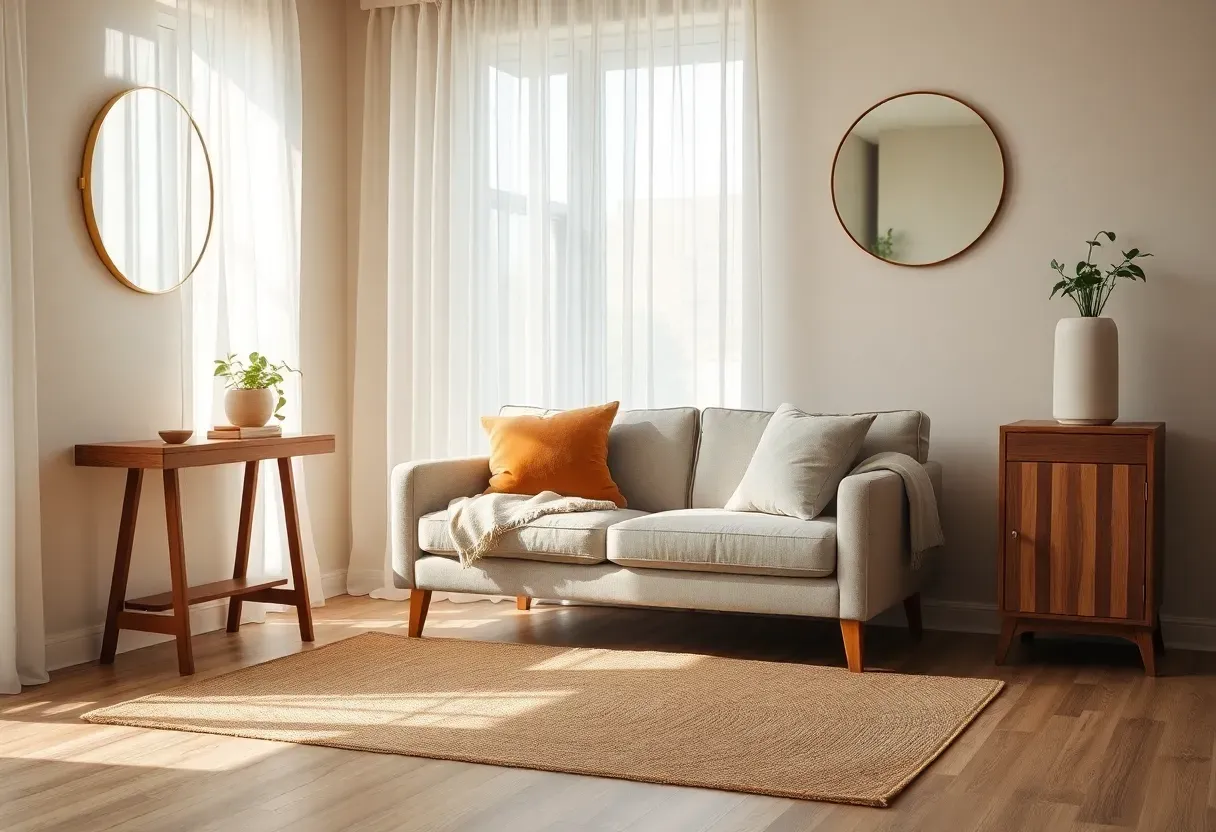
Your small living room has more potential than you think. The problem was never the square footage — it was trying to decorate it like a bigger room. Small spaces demand a different approach: fewer pieces chosen with more intention, smarter use of vertical space, and light that works harder. These five steps are designed specifically for rooms under 200 square feet and budgets under $200. Follow them in order and you will end up with a living room that feels twice its size without spending twice your rent.
Table of Contents
- What You'll Need
- Step 1: Declutter and Map Your Floor Plan
- Step 2: Pick Multi-Functional Furniture
- Step 3: Brighten the Room with Light and Mirrors
- Step 4: Layer Textiles Without Overwhelming the Space
- Step 5: Style Vertically with Plants and Accessories
What You'll Need
- Measuring tape and graph paper (or a free room-planning app like RoomSketcher)
- One or two multi-functional furniture pieces (storage ottoman, nesting tables, or a slim console)
- A medium-sized mirror (round or arched, at least 24 inches)
- Sheer curtains and a warm-white floor lamp or table lamp (2700K bulb)
- An area rug sized to fit under the front legs of your sofa
- 2-3 cushion covers, a lightweight throw blanket
- A hanging planter or wall-mounted shelf and 1-2 small plants
- Command strips or adhesive hooks for renter-friendly hanging
Step 1: Declutter and Map Your Floor Plan
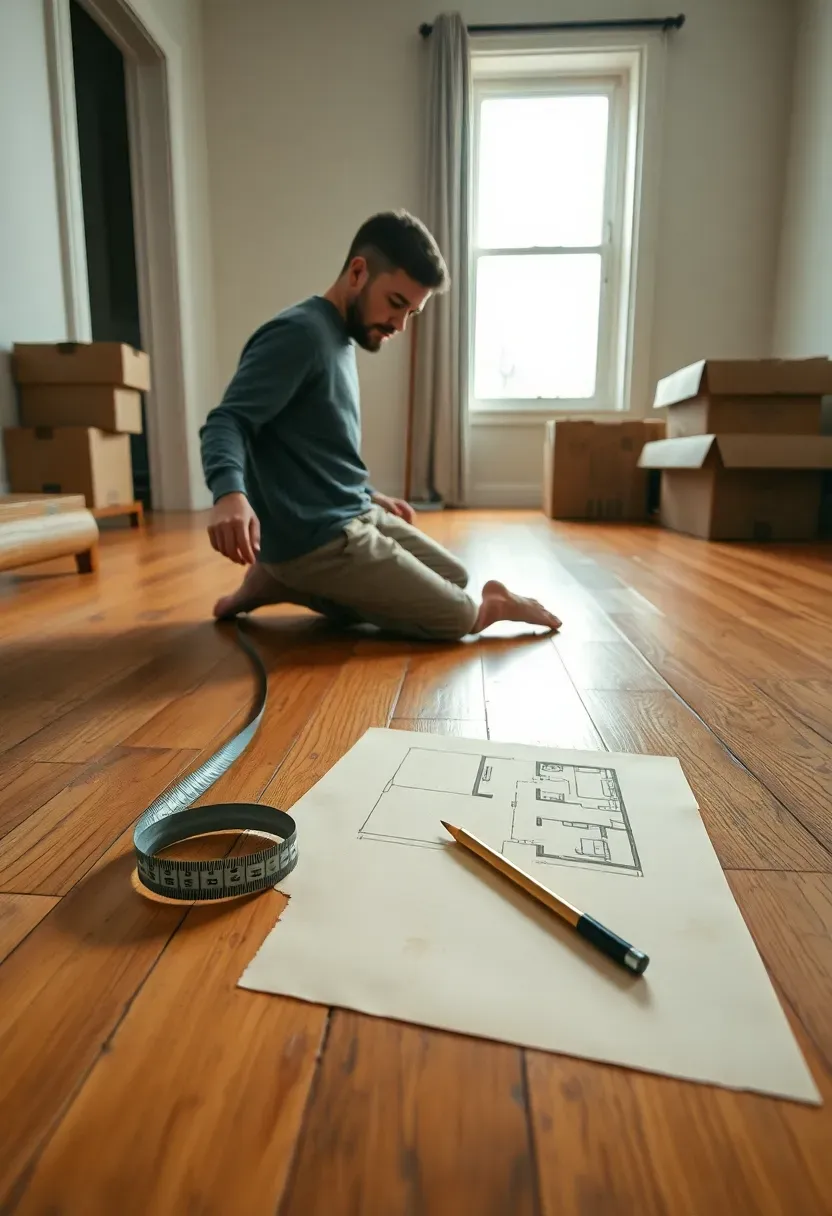
Before you spend a single dollar, reclaim what your room already has — space. Most small living rooms feel cramped not because of their dimensions but because of the sheer volume of stuff competing for attention on every surface and corner.
Pull everything out of the room that is not essential furniture. Every basket of magazines, every side table crowded with trinkets, every floor lamp that has not been turned on in months. Be ruthless. Once the room is stripped back, measure the walls and sketch a simple floor plan on graph paper. Mark the windows, doors, and electrical outlets. Now experiment with furniture placement on paper before you start pushing sofas around. In rooms under 150 square feet, angling the sofa diagonally across a corner often opens up more usable floor space than pushing it flat against the longest wall.
Do: measure doorway widths before buying any new furniture — a piece that barely squeezes through a door signals "this room was not designed for this" Don't: hold onto oversized furniture out of sentimental attachment; one large armchair that eats a third of the room is not worth keeping Pro tip: use painter's tape on the floor to outline potential furniture positions — it takes two minutes and prevents weeks of regret
Step 2: Pick Multi-Functional Furniture
This single decision separates small rooms that work from small rooms that feel like an obstacle course. Every piece of furniture in a tight space needs to earn its footprint twice over.
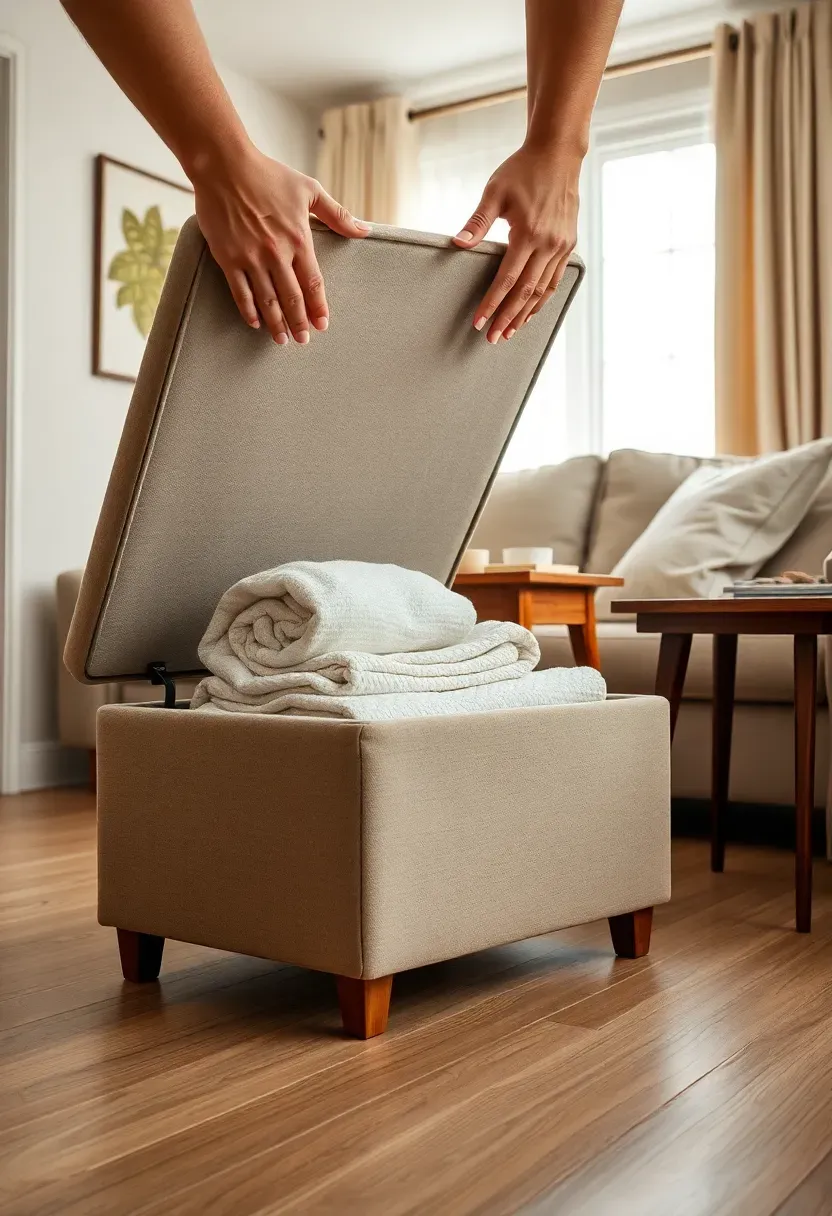
A storage ottoman replaces both a coffee table and a blanket bin. Nesting tables tuck away when you need floor space and fan out when guests arrive. A wall-mounted drop-leaf table doubles as a desk and a dining surface, then folds flat against the wall when not in use. If your sofa is the biggest piece in the room, choose one with slim arms and visible legs — exposed legs let light pass under the frame, which makes the floor look continuous and the room feel larger. Avoid boxy recliners, oversized sectionals, and anything with a skirt that touches the ground. In small rooms, seeing the floor is seeing the space.
Do: prioritize pieces with hidden storage — every cubic inch of hidden storage is one less visible item creating clutter Don't: buy matching furniture sets; a single armchair in a different material adds depth without adding bulk Pro tip: look for "apartment-sized" or "condo" sofas from brands like IKEA, Article, or Castlery — they are specifically scaled for rooms under 200 square feet
Recommended
Items for this idea
Step 3: Brighten the Room with Light and Mirrors
Most small rooms fail not because they lack floor area but because they feel dark and enclosed. Open the room up with light — both natural and artificial — and it will feel like you knocked out a wall.
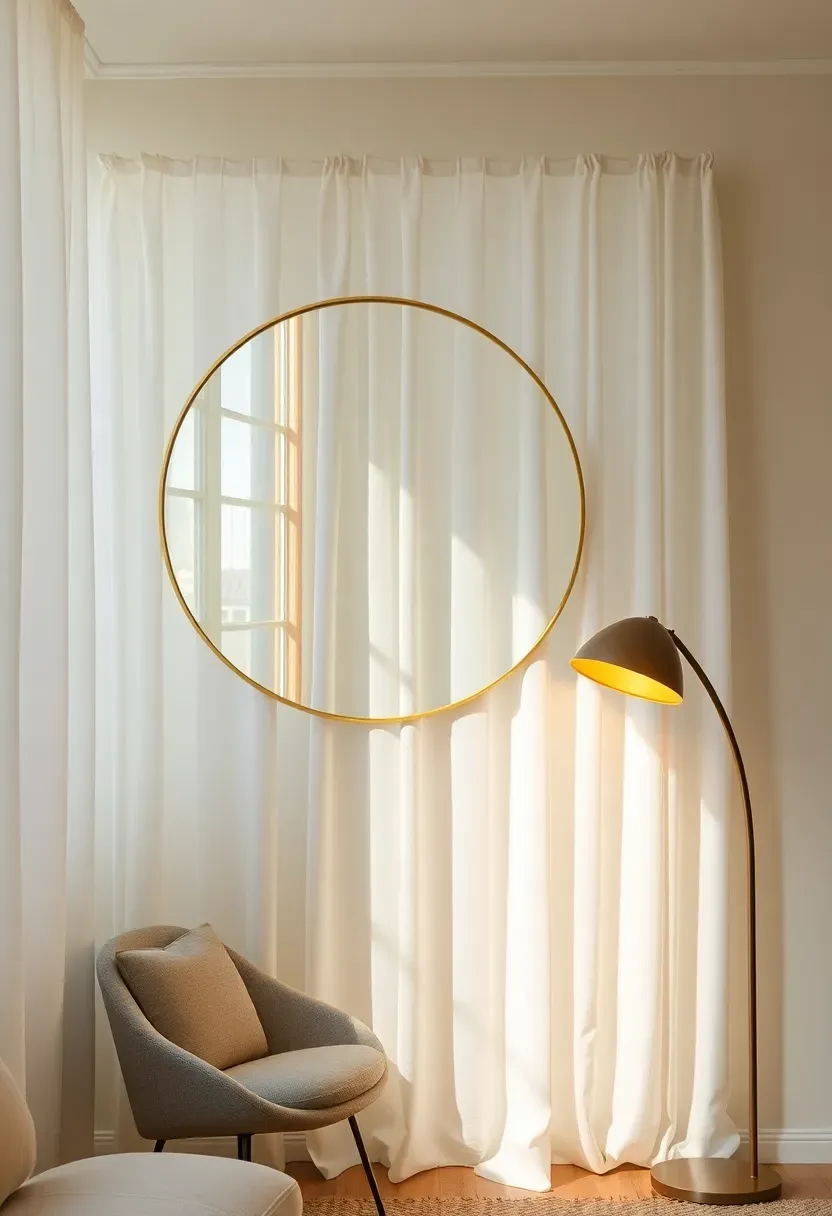
Start with the windows. Replace heavy drapes with sheer curtains hung as close to the ceiling as possible and extending six inches beyond the window frame on each side. This makes windows appear taller and wider than they are, letting maximum daylight flood the room. Next, hang a mirror on the wall opposite or adjacent to the largest window. A round mirror at least 24 inches across will bounce light deep into the room and create a sense of depth that the actual square footage cannot provide. For evening, add one floor lamp with a warm-white bulb beside the seating area and one small table lamp on a console or shelf. Keep the overhead light off after sunset — two lower light sources create pools of warmth that make even a ten-by-twelve room feel like a lounge.
Do: hang curtain rods four to six inches above the window frame to draw the eye upward and create the illusion of taller ceilings Don't: place mirrors directly opposite a cluttered wall — they double the mess instead of doubling the light Pro tip: a leaning floor mirror in a corner reflects the entire room and costs less than a mounted one; prop it behind a plant for a layered, intentional look
Step 4: Layer Textiles Without Overwhelming the Space
Textiles bring the warmth, but in a small room the margin between "cozy" and "cluttered" is razor-thin. The trick is fewer pieces with more texture and a tighter color range.
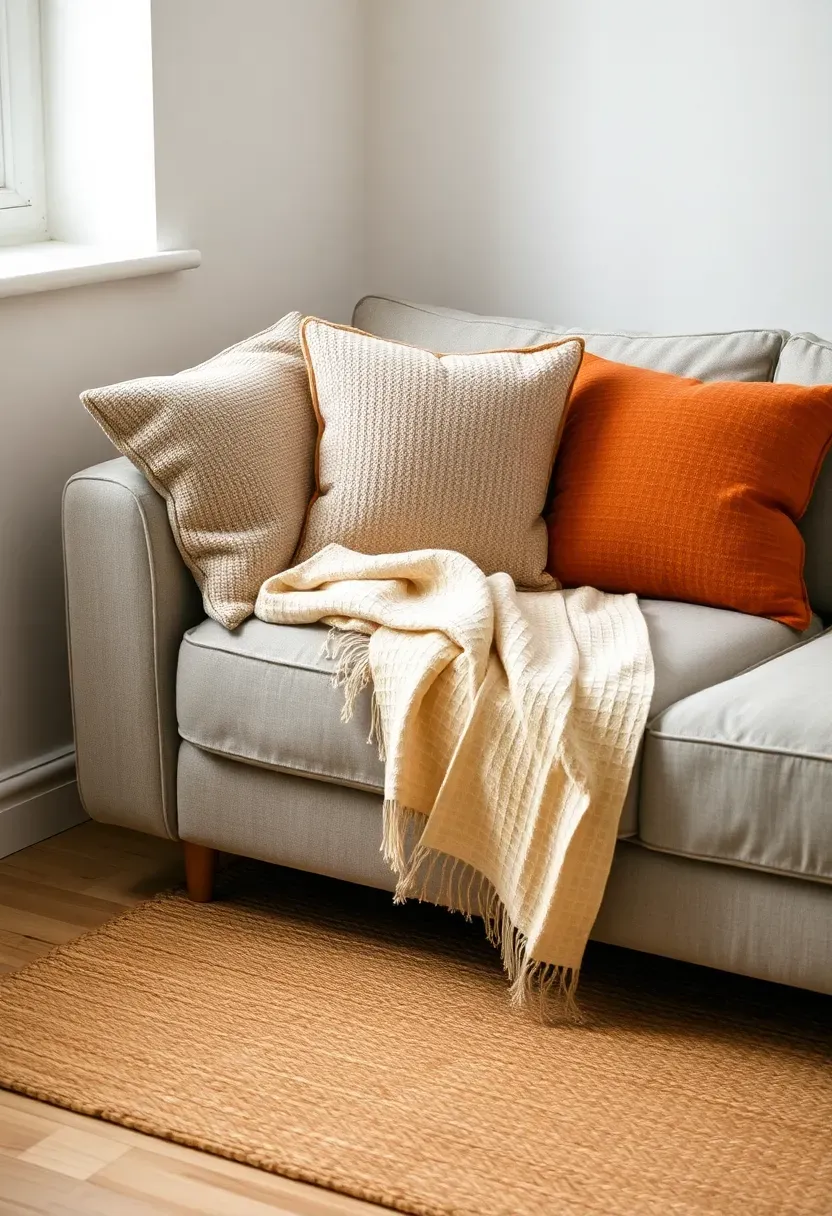
Choose an area rug that fits under the front two legs of your sofa — in a small room, a rug that floats in the center with bare floor on all sides makes the space feel fragmented. A natural-fiber rug like jute or sisal keeps the visual weight low while adding texture underfoot. On the sofa, stick to two or three cushions maximum, not the five or six that a larger room can absorb. Pick covers in two tones from the same color family — warm sand and terracotta, or soft grey and dusty blue — and add one textured piece like a boucle or linen cover for contrast. Fold a lightweight throw, waffle-weave or cotton gauze, over one arm. In small spaces, heavy chunky knit throws visually shrink the sofa. Keep it light, keep it lean.
Do: choose a rug with a low pile height — thick shaggy rugs make small rooms feel heavier and trap more dust in tight quarters Don't: introduce more than two pattern types (one solid, one subtle texture is the safest combination) Pro tip: buying cushion covers rather than whole cushions saves money and storage space — swap inserts from existing cushions you already own
Recommended
Items for this idea
Step 5: Style Vertically with Plants and Accessories
When you run out of floor space, go up. Vertical styling is the secret weapon of every well-decorated small living room because it draws the eye toward the ceiling and makes walls feel taller.
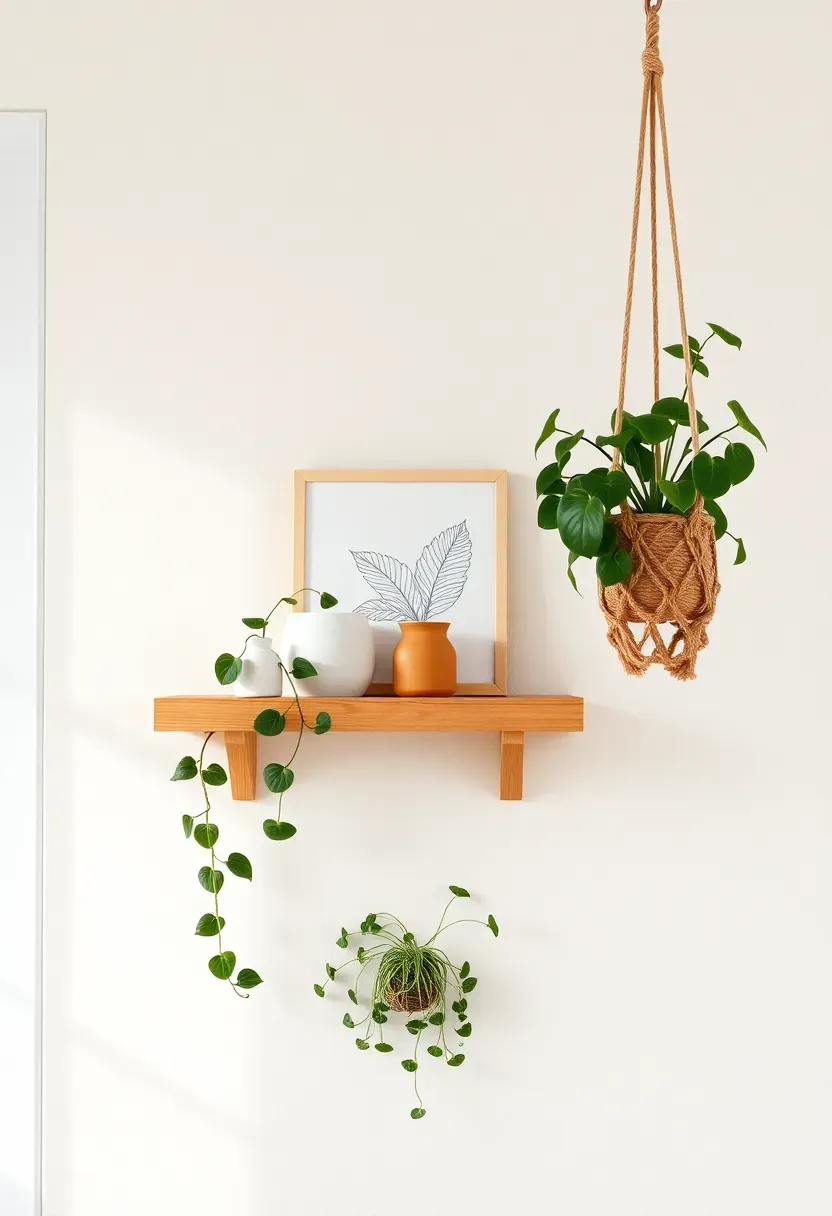
Mount one or two floating shelves at different heights above a console or beside the sofa. Style them sparingly: a trailing pothos, a small framed print, and one ceramic object per shelf is enough. A macrame or rope hanging planter near the window fills dead upper-wall space with living greenery without costing a single inch of floor. If you have a bare corner, a tall narrow bookshelf or a ladder shelf takes up less than a square foot of floor but provides five tiers of display and storage. For accessories, choose items that relate to your color palette and stop at three per surface. In small rooms, every object is amplified — one beautiful piece on an otherwise empty shelf reads as intentional; four mediocre pieces on that same shelf reads as a yard sale.
Do: use command strips and adhesive hooks for shelves and planters so you avoid drill holes in rental walls Don't: place all your decor at the same height — vary the levels to create a sense of rhythm and movement across the wall Pro tip: pothos, spider plants, and philodendrons thrive in indirect light and trail beautifully from high shelves, making them perfect for small living rooms with limited windowsill space
FAQ
Is it possible to make a 100-square-foot living room look spacious? Yes — and it comes down to three principles: visible floor, reflected light, and vertical storage. A compact sofa with exposed legs, a mirror that bounces window light, and wall-mounted shelves instead of floor-standing bookcases will make even a tiny room feel open and breathable.
Should I avoid dark paint colors in a small living room? Not necessarily. A deep, saturated wall color like navy or forest green can actually make a small room feel cocooned and intentional rather than cramped. The key is pairing it with plenty of warm-toned lighting and lighter textiles so the room does not absorb all the light. Dark accent walls work especially well behind a sofa.
Can I use these tips if I rent and cannot make permanent changes? Every step in this guide is fully renter-friendly. Peel-and-stick hooks replace drill holes. Sheer curtains hang from tension rods. Mirrors lean against walls. The furniture and textiles go with you when you move. Nothing here leaves a mark.
What is the one thing that makes the biggest difference in a small living room? Decluttering — Step 1 — delivers more visible change than any single purchase. Removing five objects from a small room has more impact than adding one beautiful new one. Once the visual noise is gone, every subsequent step lands harder because the room has room to breathe.
How do I fit a TV in a small living room without it dominating the space? Wall-mount it. A TV on a media console eats two to three feet of floor depth. Mounted on the wall at eye level from your seated position, it takes up zero floor space and the wall beneath it becomes usable for a slim console or a pair of baskets. Run the cables through a paintable cord cover for a clean look.
You do not need to tackle all five steps in a single weekend. Start with Step 1 — it costs nothing, takes an hour, and the immediate difference will convince you the rest is worth doing.
Pinterest cover for How to Decorate a Small Living Room on a Budget: 5 Easy Steps
About the author
OBCD
CGI visualization and interior design content. We create detailed 3D renders and curate practical design ideas for every room in your home.