26 Timeless Wood Kitchen Ideas That Never Go Out of Style
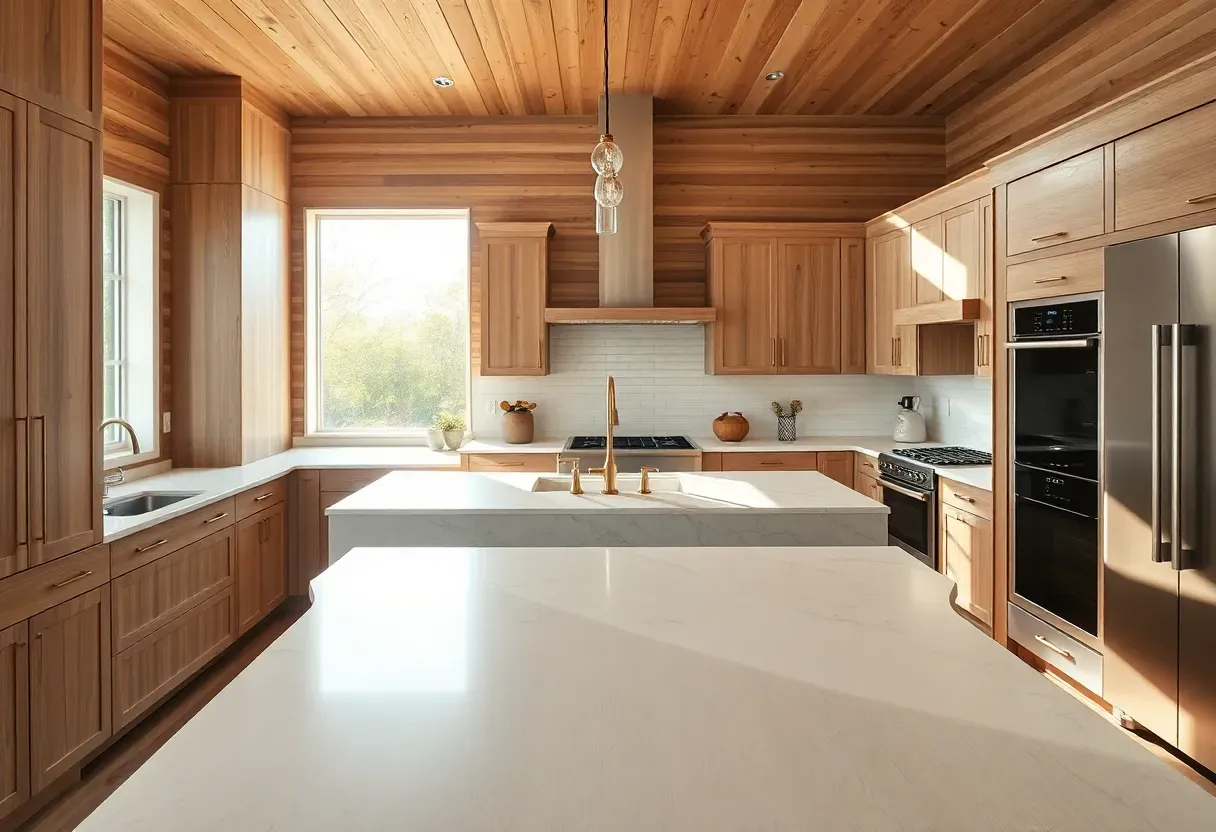
Wood kitchen ideas transform ordinary cooking spaces into warm, inviting rooms that balance natural beauty with everyday function. Whether you rent a small apartment or own your home, natural wood cabinetry brings timeless character that painted finishes simply cannot match.
This collection focuses on thoughtful cabinetry choices, material combinations, and layout details that make wood kitchens work for real life—from [white oak kitchen designs](/posts/177_25-stunning-white-oak-kitchen-ideas-for-a-warm-modern-look/) that brighten compact spaces to [dark wood cabinets](/posts/212_21-stunning-dark-wood-kitchen-ideas/) that add modern drama. These 26 ideas prove that a wood kitchen never goes out of style when you choose the right finishes, pair them with durable surfaces, and let the grain be the star.
Quick FAQ
Which wood tone works best in small kitchens?
Light woods like white oak, ash, or birch reflect more light and keep small spaces feeling open. Dark woods can work if you balance them with plenty of pale countertops and good lighting.
Are wood kitchen cabinets high maintenance?
Quality wood cabinets with a durable factory finish are quite forgiving. Wipe spills promptly, avoid harsh cleaners, and use trivets for hot pans. The natural patina that develops over time adds character rather than damage.
Should I mix wood tones in one kitchen?
Yes, but keep them in the same temperature family—warm with warm, or cool with cool. A light oak floor with walnut upper cabinets can feel jarring, while oak floors with maple cabinets reads as intentional layering.
What countertops pair best with wood cabinets?
Marble and quartz create classic contrast, butcher block adds warmth, and concrete offers modern edge. The key is balancing color—if your wood is strongly grained, choose a quieter countertop.
Do wood kitchens work in modern homes?
Absolutely. Flat-panel doors, minimal hardware, and clean lines keep wood feeling current. Pair light oak with sleek surfaces and integrated appliances for a Scandinavian modern look.
How do I keep wood cabinets from looking dated?
Avoid ornate molding and excessive glazing. Choose simple shaker or slab doors, understated hardware, and matte or satin sheens rather than high gloss.
As an Amazon Associate I earn from qualifying purchases.
Table of Contents
- 1. Light oak kitchen with brass hardware
- 2. Rustic farmhouse with copper accents
- 3. Walnut cabinets with waterfall island
- 4. White and wood kitchen blend
- 5. Cherry with marble countertops
- 6. Minimalist ash with concrete
- 7. Exposed beam ceiling harmony
- 8. Forest green and wood pairing
- 9. Birch with garden views
- 10. Two-tone wood kitchen
- 11. Butcher block kitchen island focus
- 12. Reclaimed wood character
- 13. Honey-toned traditional
- 14. Modern walnut with stainless
- 15. Pale timber with brass fixtures
- 16. Floor-to-ceiling wood pantry
- 17. Open shelving with wood accents
- 18. Matte black hardware contrast
- 19. Live-edge waterfall island
- 20. Patterned tile backsplash mix
- 21. Light maple with gray tones
- 22. Dark wood with bright countertops
- 23. Vertical grain cabinetry
- 24. Wood hood focal point
- 25. Integrated appliance wood panels
- 26. Mixed wood tones harmony
1. Light oak kitchen with brass hardware
Light oak cabinetry brings natural warmth to a kitchen while keeping the space feeling bright and open. The subtle grain pattern adds texture without overwhelming, making it an ideal choice for both modern and traditional homes. Brushed brass hardware complements the honeyed tones of the wood, creating a cohesive palette that feels intentional rather than accidental.
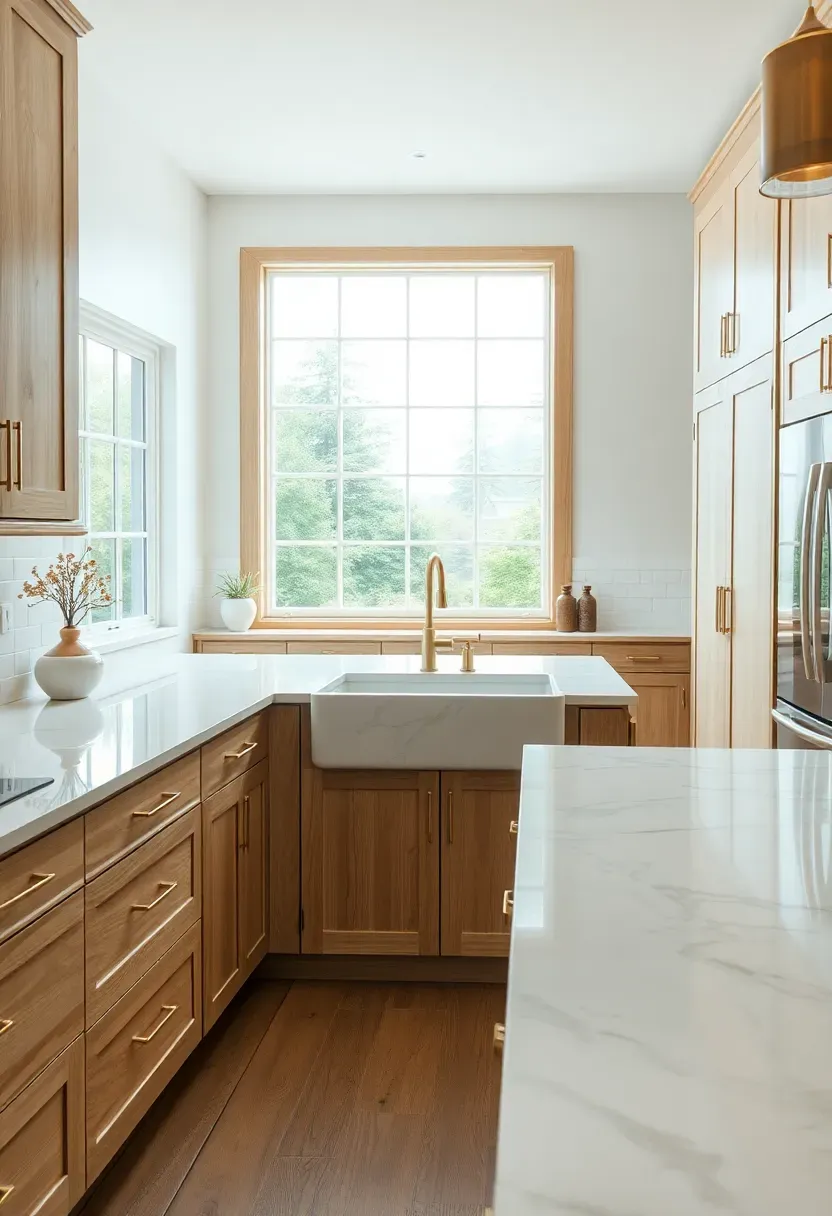
A marble countertop on the island provides cool contrast to the warm wood while offering a durable surface for food prep. Consider positioning the sink beneath a window to maximize natural light and create a pleasant workspace. The combination of oak, brass, and marble works equally well in period homes and new construction.
Tips
- Do choose unlacquered brass if you want the patina to develop over time.
- Don't mix too many metal finishes—stick to brass or choose one complementary metal.
- Do test wood samples in your actual kitchen lighting before committing.
- Don't worry about natural color variation in the oak—it adds character.
Best for: Kitchens with good natural light that want to feel warm but not dark.
What this gives you: A timeless kitchen that feels both current and rooted in traditional design.
We picked a few things that go well with this idea: Ravinte Brushed Brass Cabinet Pulls (30-Pack) (★4.7), Ravinte Square Brass Cabinet Handles (10-Pack) (★4.7) and Ravinte Brushed Brass Round Cabinet Knobs (30-Pack) (★4.8). As an Amazon Associate we earn from qualifying purchases.
2. Rustic farmhouse with copper accents
Rustic wood kitchens draw their charm from aged materials and honest construction that feels gathered over time. A copper pendant light suspended above the island becomes a focal point that develops its own patina alongside the wood cabinetry. The speckled farmhouse sink bridges traditional style with practical function, offering deep bowls for washing large pots and pans.
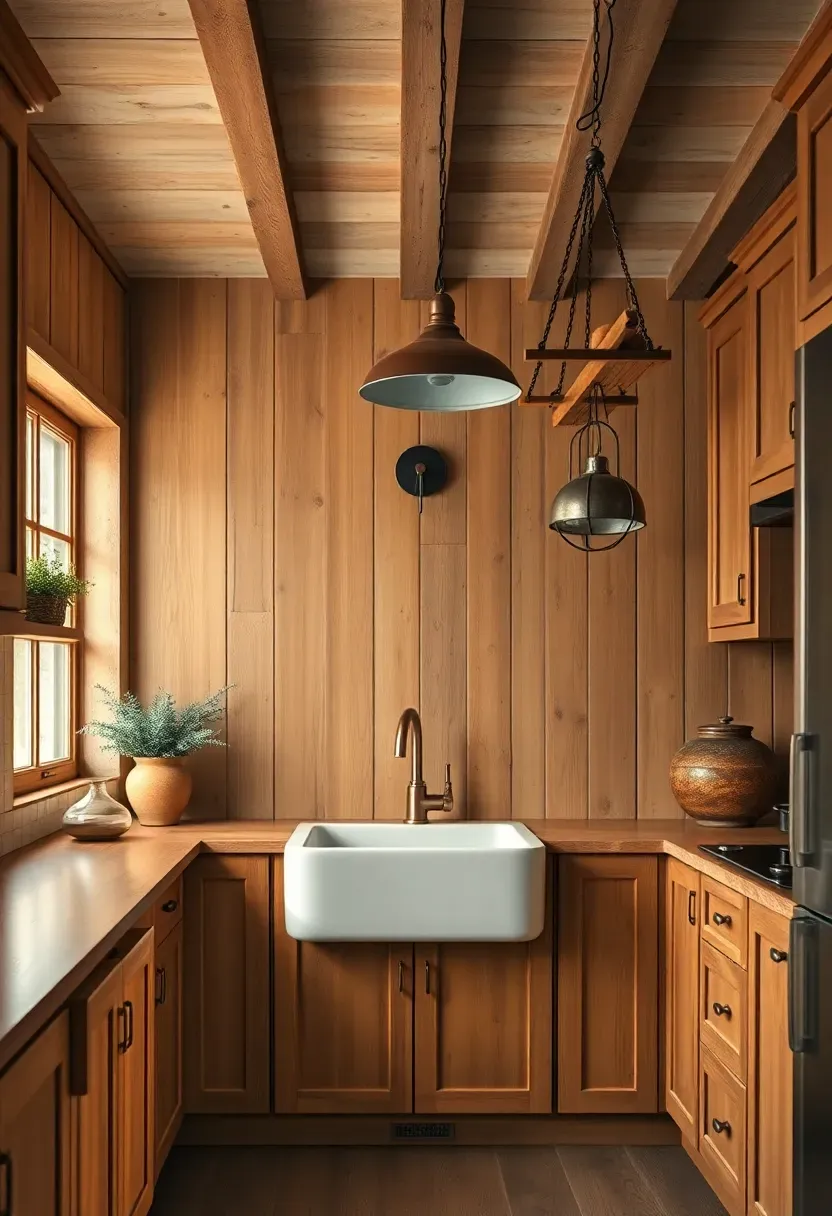
Placement note: Copper works best when used deliberately—one or two statement pieces rather than scattered throughout.
Wood countertops on the island add warmth and create a dedicated prep surface that's gentle on knives. As the wood ages, it will develop darker areas around frequently used spots, creating a visual history of your time in the kitchen. This aesthetic embraces imperfection, so don't stress about every dent or water ring.
Tips
- If/Then: If you choose wood countertops, then use food-safe oil finish and maintain it monthly.
- Do seal any porous wood surfaces around the sink to prevent water damage.
- Don't place hot pots directly on wood—always use trivets.
What this gives you: A kitchen that feels like it's been part of the home for generations, even in new construction.
We picked a few things that go well with this idea: Bamboo Butcher Block Cutting Board (16x11) (★4.5), Ironwood Gourmet Acacia End Grain Board (★4.1) and Walnut End Grain Cutting Board (17x13) (★4.5). As an Amazon Associate we earn from qualifying purchases.
3. Walnut cabinets with waterfall island
Dark walnut cabinetry creates drama and sophistication while maintaining warmth that painted cabinets can't achieve. A waterfall countertop extends the same surface material down the side of the island, creating a continuous visual plane that feels custom and intentional. The rich tones of walnut pair particularly well with lighter countertops in marble, quartz, or concrete.
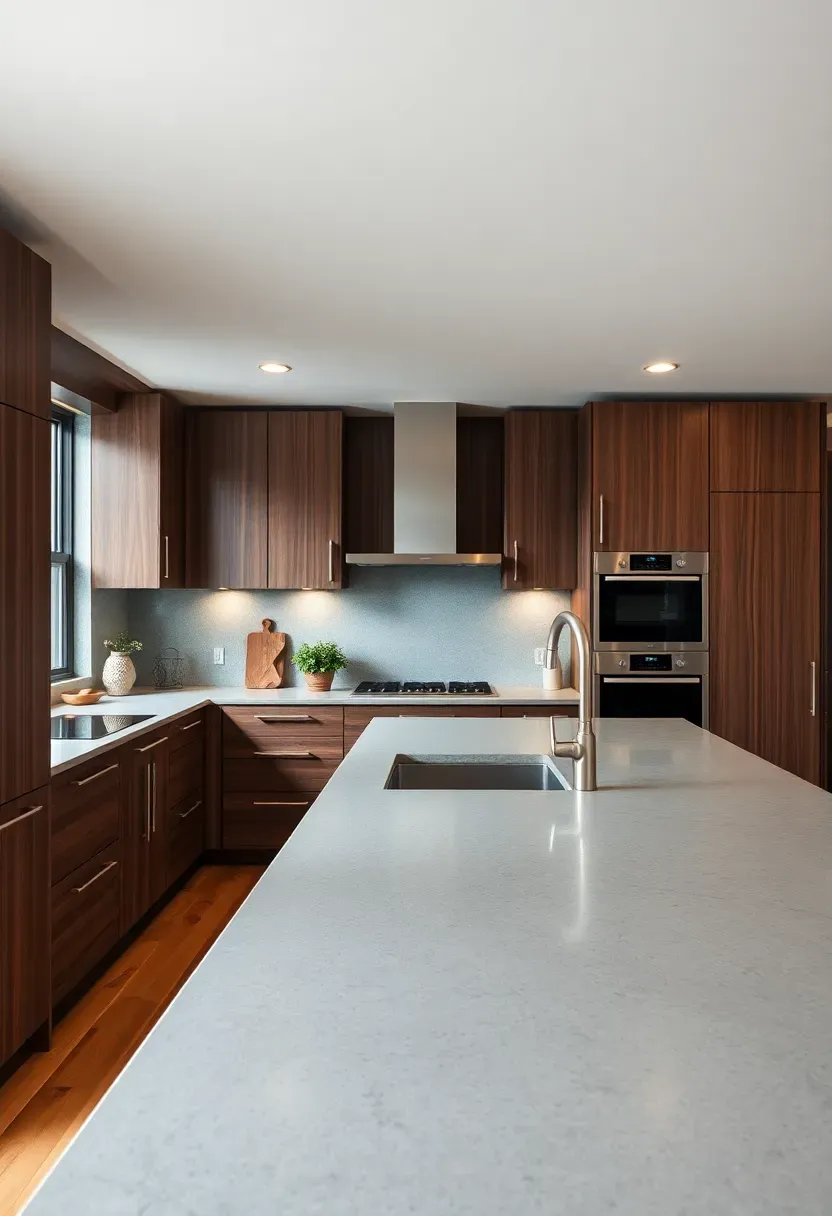
Keep the surrounding surfaces light to prevent the space from feeling too dark or heavy. Pale grey quartz with subtle veining adds interest without competing with the walnut's strong grain pattern. Stainless steel appliances and hardware introduce cool tones that balance the warmth of the wood.
Tips
- Pro/Con/Fix: Walnut is gorgeous but expensive—use it on lower cabinets only and paint uppers white to stretch the budget.
- Do consider matte finish on walnut to reduce visible fingerprints and scratches.
Budget/Time: Walnut costs 30-50% more than oak but offers premium visual impact.
What this gives you: A high-end kitchen that feels bold and dramatic without sacrificing warmth.
We picked a few things that go well with this idea: Stackable Wood Kitchen Counter Shelf (Set of 4) (★4.4), SONGMICS Stackable Kitchen Cabinet Shelf (Set of 2) (★4.5) and Bamboo Stackable Kitchen Pantry Shelf (Set of 2) (★4.8). As an Amazon Associate we earn from qualifying purchases.
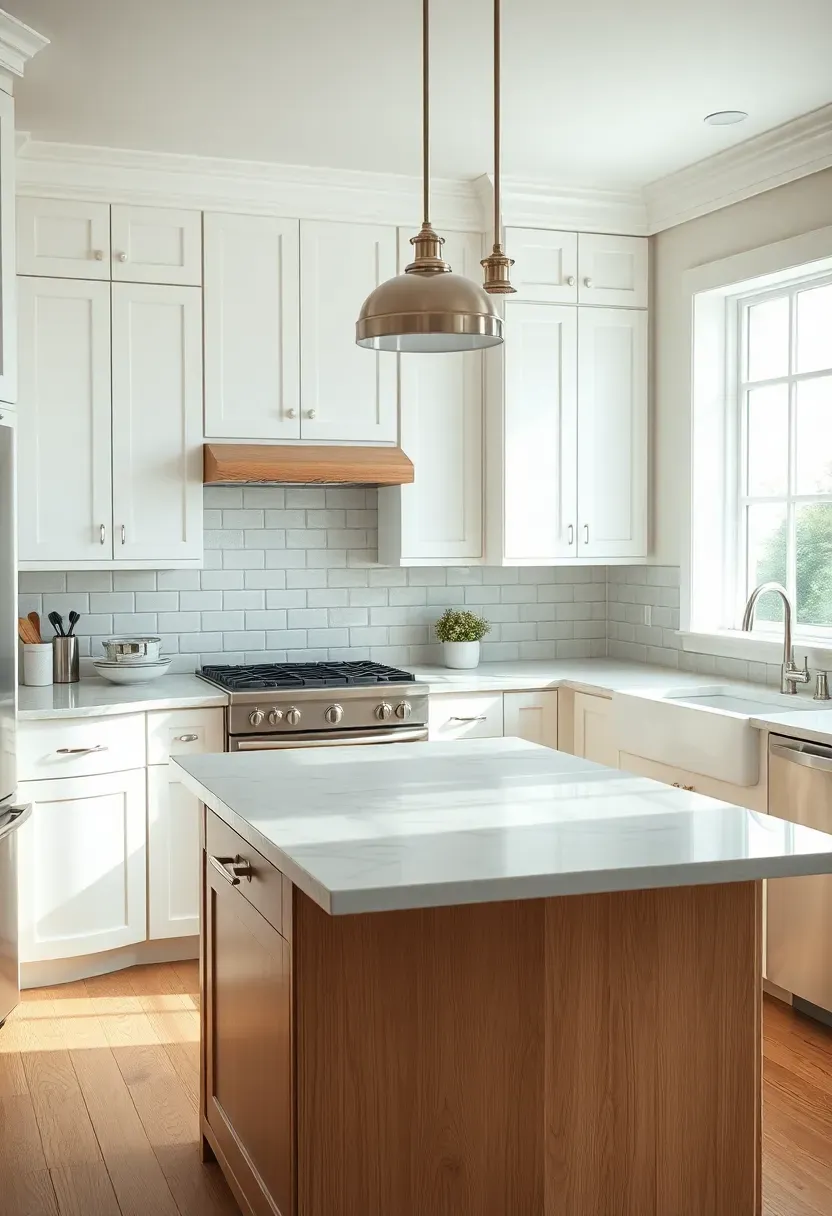
4. White and wood kitchen blend
Combining white upper cabinets with a wood island creates visual separation that keeps the kitchen feeling light while adding warmth where it matters most. For more on this pairing, see our full guide to [white and wood kitchen ideas](/posts/279_17-white-and-wood-kitchen-ideas/). The white cabinets reflect light around the room, making the space feel larger, while the wood island grounds the design and provides a rich textural contrast. This approach works particularly well in open-plan kitchens where you want the kitchen to feel connected to adjoining living spaces.
Recommended
Items for this idea
A marble countertop on the island bridges the white and wood elements, providing continuity between upper and lower surfaces. Keep hardware consistent throughout—brushed nickel or chrome ties the white and wood together without introducing another finish.
Tips
- Do carry the wood tone to at least one other element—a floating shelf or the pantry door—for cohesion.
- Don't use different wood stains on the island and other wood elements.
- Do choose a white with warm undertones rather than pure stark white.
What this gives you: A bright, airy kitchen with just enough warmth to feel inviting rather than clinical.
5. Cherry with marble countertops
Cherry wood cabinets deepen in color over time, developing a reddish-amber patina that makes kitchens feel richer with each passing year. Paired with marble countertops, the combination creates luxurious warmth that feels especially elegant in period homes or traditional architecture. The key is keeping the marble white with minimal veining so it doesn't compete with the cherry's strong presence.
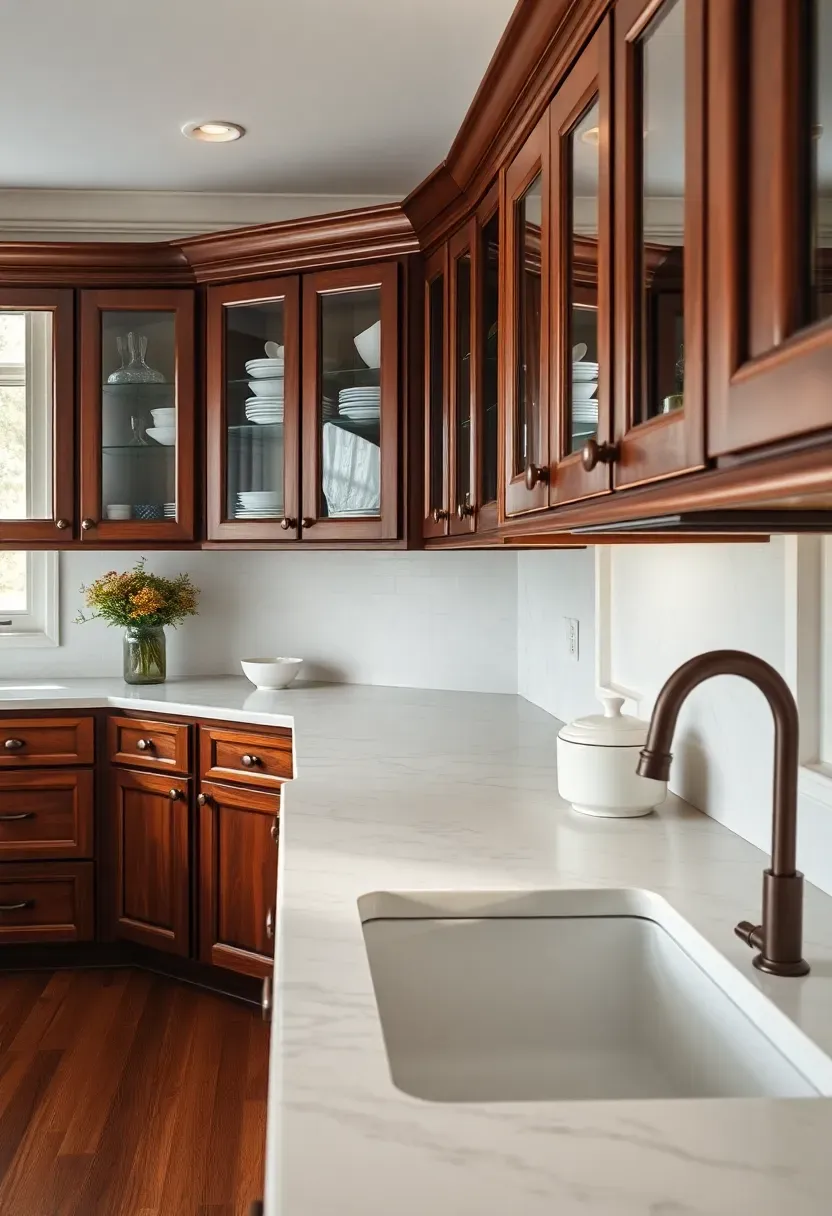
Mini "Why it works": The natural progression of cherry's color means your kitchen evolves rather than aging out of style.
Consider glass-front upper cabinets to break up the visual weight of solid wood and display curated dishware. Oil-rubbed bronze hardware complements cherry's warm tones without introducing competing cool metals. Under-cabinet lighting in warm 2700K enhances the wood's natural depth.
Tips
- Do embrace the color change—cherry will darken significantly in the first year.
- Don't place cherry in direct sunlight without UV-protective window treatments.
- Do use cutting boards on marble to prevent etching from acidic foods.
- Don't expect uniform color—variation is part of cherry's appeal.
Avoid if: You prefer consistent color that doesn't evolve over time.
What this gives you: A kitchen that gains character and richness as it ages gracefully.
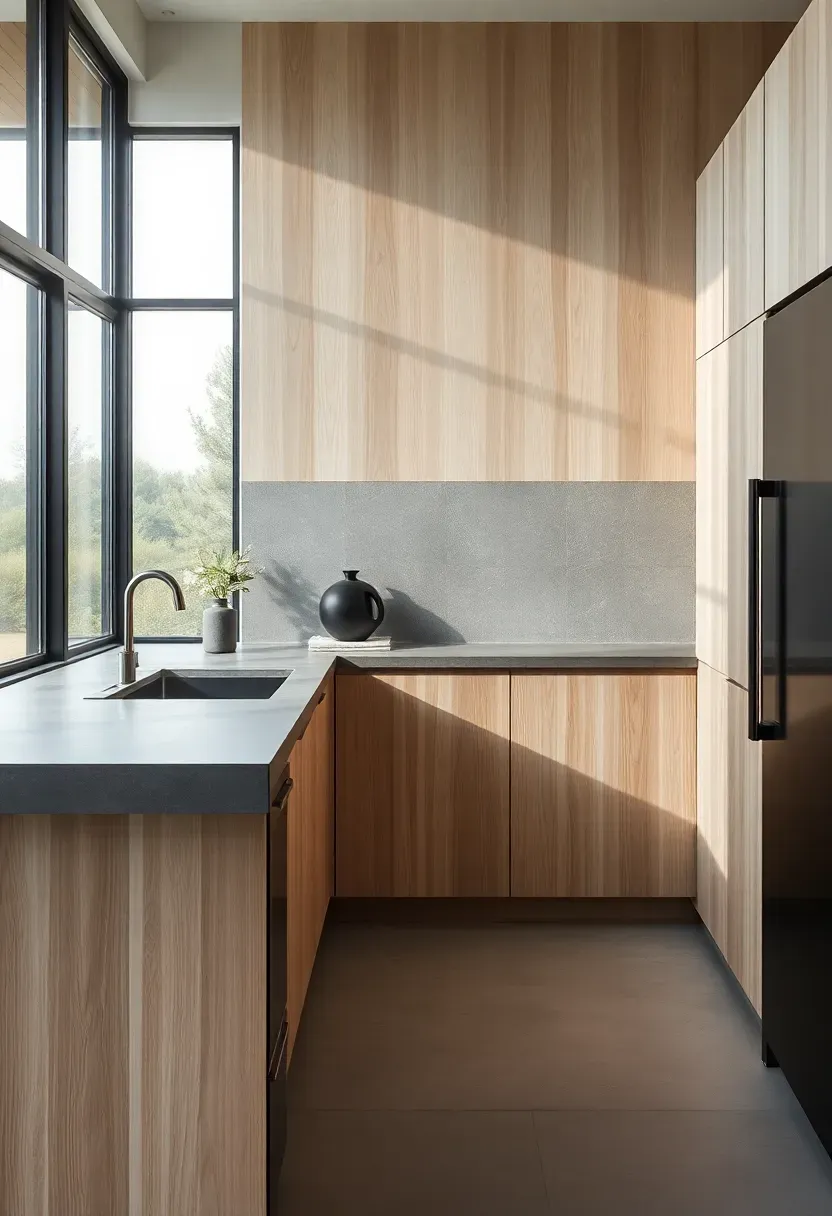
6. Minimalist ash with concrete
Light ash cabinetry with a super matte finish creates a minimalist look that feels Scandinavian-modern while maintaining warmth. Concrete countertops introduce an industrial edge that keeps the design from feeling too soft, creating a balanced aesthetic that works in contemporary homes and lofts. The pale tones of ash reflect light beautifully, making it an excellent choice for kitchens that want to feel clean and uncluttered.
Recommended
Items for this idea
Mini "Common mistake": Over-decorating minimalist wood kitchens—restraint is what makes them work.
Keep hardware minimal or eliminate it entirely with push-to-open mechanisms. Concrete develops hairline cracks and patina over time—view this as character rather than damage. A single large pendant or a row of matching flush mounts provides sufficient lighting without cluttering the ceiling.
Tips
- Do seal concrete countertops regularly to prevent staining.
- Don't pair ash with too many grey elements or the space will feel flat.
- Do introduce one warm accent—copper or brass lighting—to activate the palette.
What this gives you: A contemporary kitchen that feels warm and livable despite its minimalist approach.
7. Exposed beam ceiling harmony
When your kitchen features exposed wooden ceiling beams, designing the cabinetry to complement rather than compete creates architectural coherence throughout the space. Matching the cabinet wood to the beams—or choosing a complementary tone in the same temperature family—makes the kitchen feel integrated with the home's structure rather than added later. This approach is particularly effective in homes with vaulted ceilings or great room layouts.
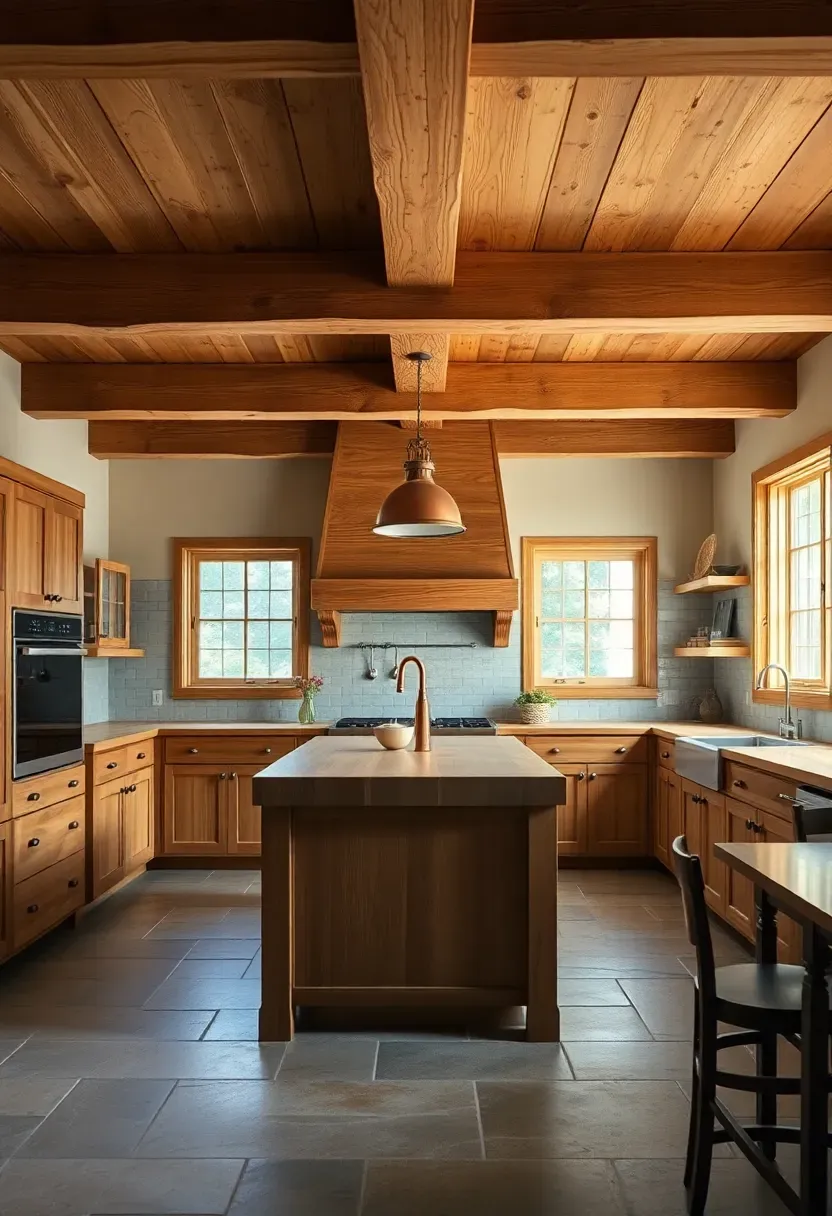
A butcher block island adds another layer of warmth and creates a textural counterpoint to the smooth cabinetry. Copper pendant lights bridge old and new, feeling appropriate in a rustic space while providing contemporary function. Consider leaving some upper walls open rather than filling every inch with cabinets—the beams deserve breathing room.
Tips
- Micro-hack: Sample the beam stain and test it against cabinet wood choices before finalizing.
- Do run flooring continuous from adjacent rooms rather than stopping at kitchen boundaries.
- Don't try to match beams exactly—complementary tones feel more intentional.
What this gives you: A kitchen that feels architecturally connected to the home rather than inserted into it.
8. Forest green and wood pairing
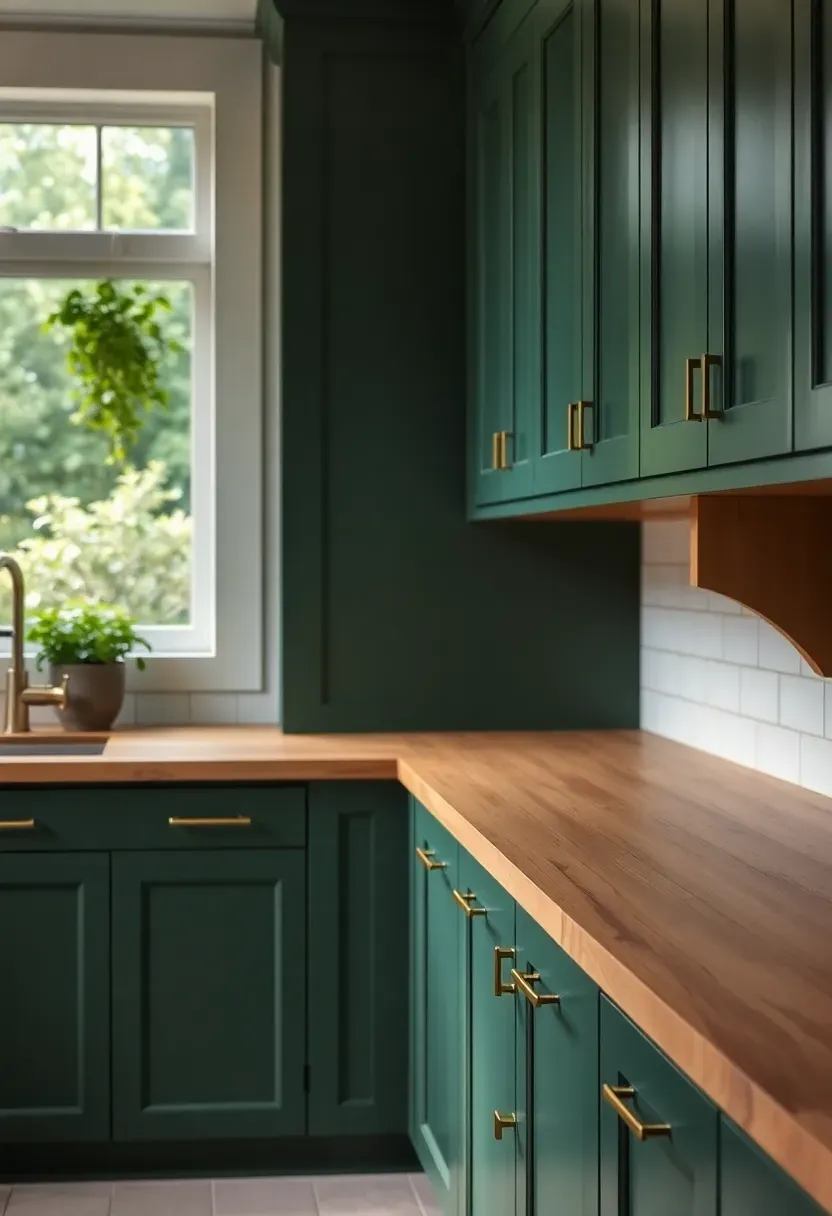
Deep forest green cabinets paired with natural wood countertops create a rich, nature-inspired palette that feels both bold and grounded. The darkness of the green makes wood counters feel brighter by comparison, while the wood grain prevents the green from feeling too heavy or oppressive. This combination brings the outdoors in, working especially well in homes surrounded by greenery or with garden views.
Recommended
Items for this idea
Brass hardware adds just enough metallic warmth to tie the green and wood together without introducing jarring contrast. White subway tile backsplash keeps the wall surfaces light and prevents the kitchen from feeling too dark. A light oak floor continues the wood theme while maintaining overall brightness.
Tips
- Do choose a green with blue undertones rather than yellow for better wood compatibility.
- Don't pair forest green with dark wood floors—the space will feel cave-like.
- Do use multiple light sources to keep dark cabinets from feeling oppressive.
Best for: Kitchens with ample natural light or those wanting a cozy, cocooning atmosphere.
What this gives you: A kitchen that feels connected to nature while making a confident color statement.
9. Birch with garden views
Pale birch cabinetry creates a serene, spa-like atmosphere that feels especially calming in kitchens with abundant windows and garden views. The subtle grain pattern and almost-white tone of birch allows other elements—marble countertops, stainless appliances, colorful accessories—to take center stage while providing a warm, natural backdrop. This wood choice excels at making kitchens feel bright and expansive regardless of their actual size.
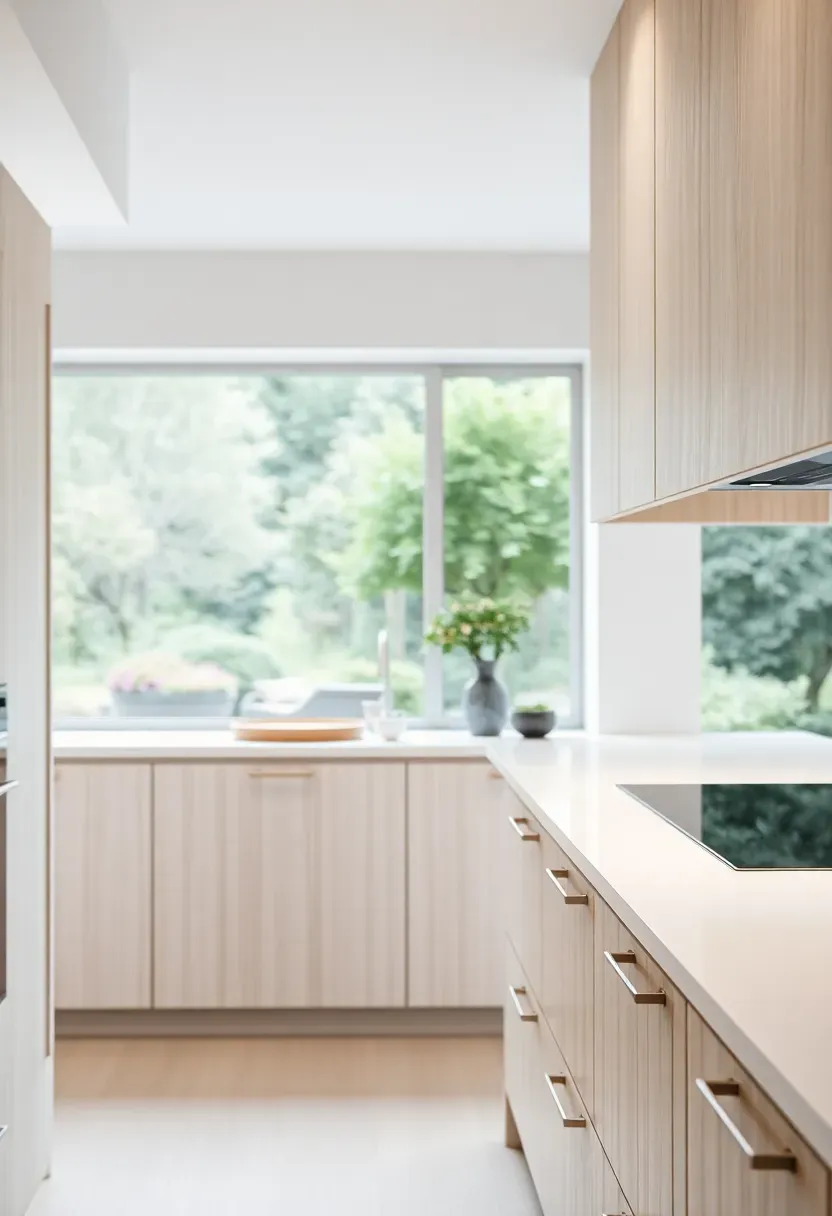
White quartz countertops maintain the pale palette while offering durability and maintenance ease compared to marble. An integrated cooktop keeps the island surface unbroken, enhancing the minimalist aesthetic. Consider motorized shades for the windows to control glare while preserving views.
Tips
- Do choose birch with minimal yellow undertone if you want true pale neutrality.
- Don't overwhelm birch with bold wall colors—keep them soft and muted.
- Do add texture through rugs, textiles, and accessories since birch is visually quiet.
- Don't expect birch to darken significantly—it will stay pale for decades.
What this gives you: A kitchen that feels peaceful and light-filled, with wood warmth that doesn't overpower.
10. Two-tone wood kitchen
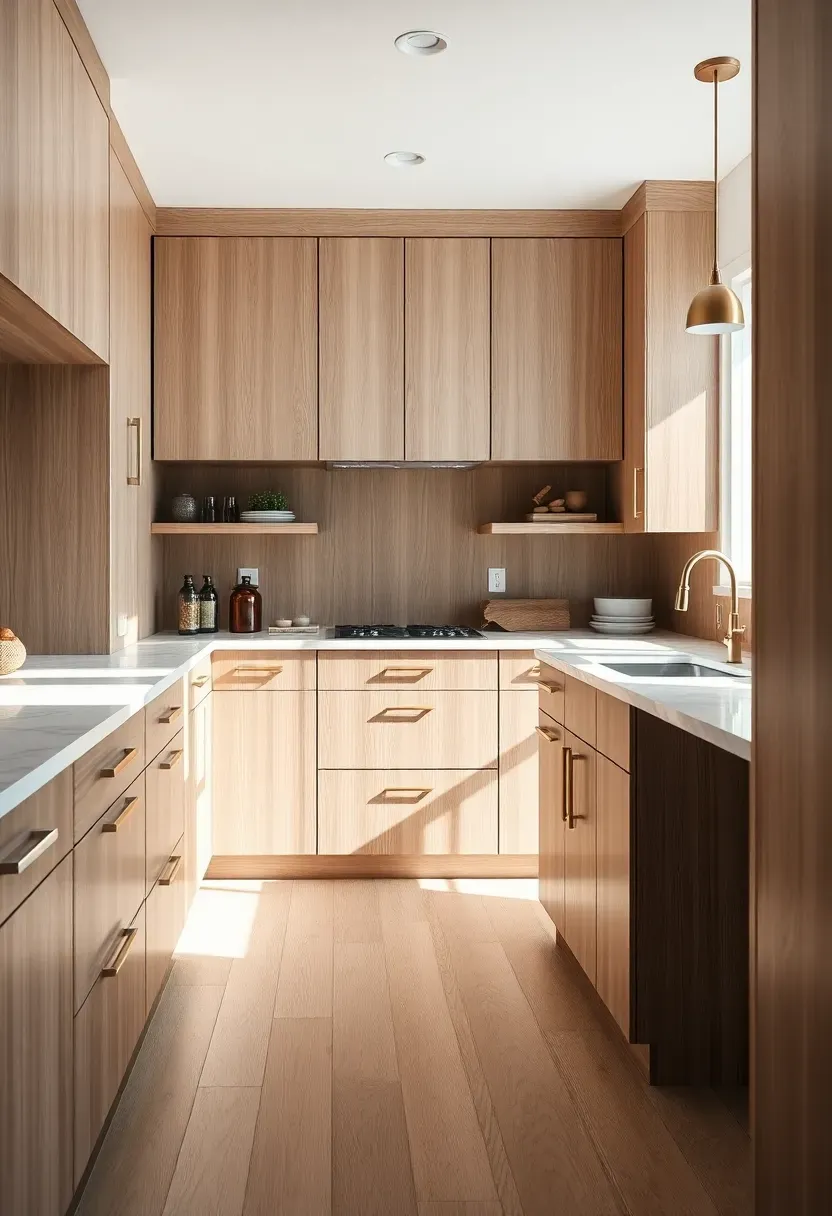
Combining two different wood tones in one kitchen creates visual interest and breaks up what might otherwise feel like too much of a single material. The key is choosing woods in the same temperature family—light maple with white oak, or walnut with cherry—rather than mixing warm and cool tones that can feel discordant. Use one tone for perimeter cabinets and another for the island to define zones without physical barriers.
Recommended
Items for this idea
Keep the undertones consistent—if both woods have pink or amber undertones, they'll read as related even when colors differ. A consistent countertop material across both zones helps unify the design. Don't introduce more than two wood tones or the effect becomes busy rather than intentional.
Tips
- Do place the darker wood on lower cabinets to keep the space feeling lifted.
- Don't mix wood stains—choose natural or evenly stained finishes for cohesion.
- Do carry both woods into adjacent elements for intentionality.
Budget/Time: Two-tone designs can cost 15-25% more due to additional finishing work.
What this gives you: A kitchen with visual layering that feels custom and thoughtful without requiring elaborate detailing.
11. Butcher block kitchen island focus
A butcher block countertop on the island creates a dedicated prep surface that's functional, beautiful, and increasingly rare in contemporary kitchens. The wood surface is gentle on knives, making it ideal for serious cooking, while developing a rich patina that tells the story of meals prepared over years. Unlike stone countertops that show every scratch, butcher block ages gracefully, with marks and cuts becoming part of its character rather than damage to be repaired.
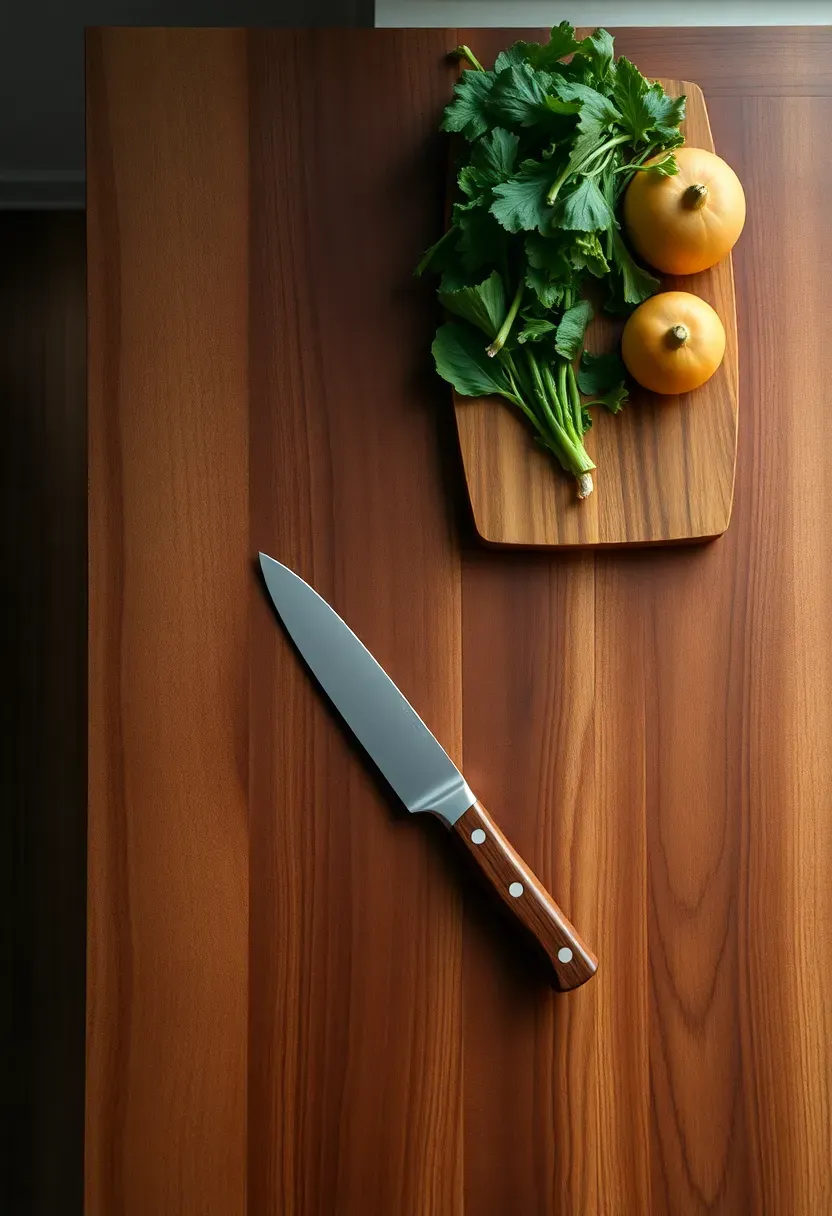
Edge-grain construction, where wood strips are oriented vertically, creates a stronger surface that's more resistant to warping than face-grain alternatives. Walnut offers rich darkness that feels premium, while maple provides lighter brightness. Oil finishes require regular maintenance but allow easy renewal—sand and re-oil rather than replace when surfaces become worn.
Tips
- Do use separate boards for raw meat and ready-to-eat foods on butcher block.
- Don't leave wet items sitting on wood for extended periods.
- Do apply food-safe mineral oil monthly for the first year, then quarterly thereafter.
- Don't put hot pots directly on butcher block—heat causes discoloration and checking.
Rental note: Butcher block is renter-friendly if you use a temporary overlay—protects the landlord's surface while giving you wood functionality.
What this gives you: A hardworking prep surface that improves with age rather than deteriorating.
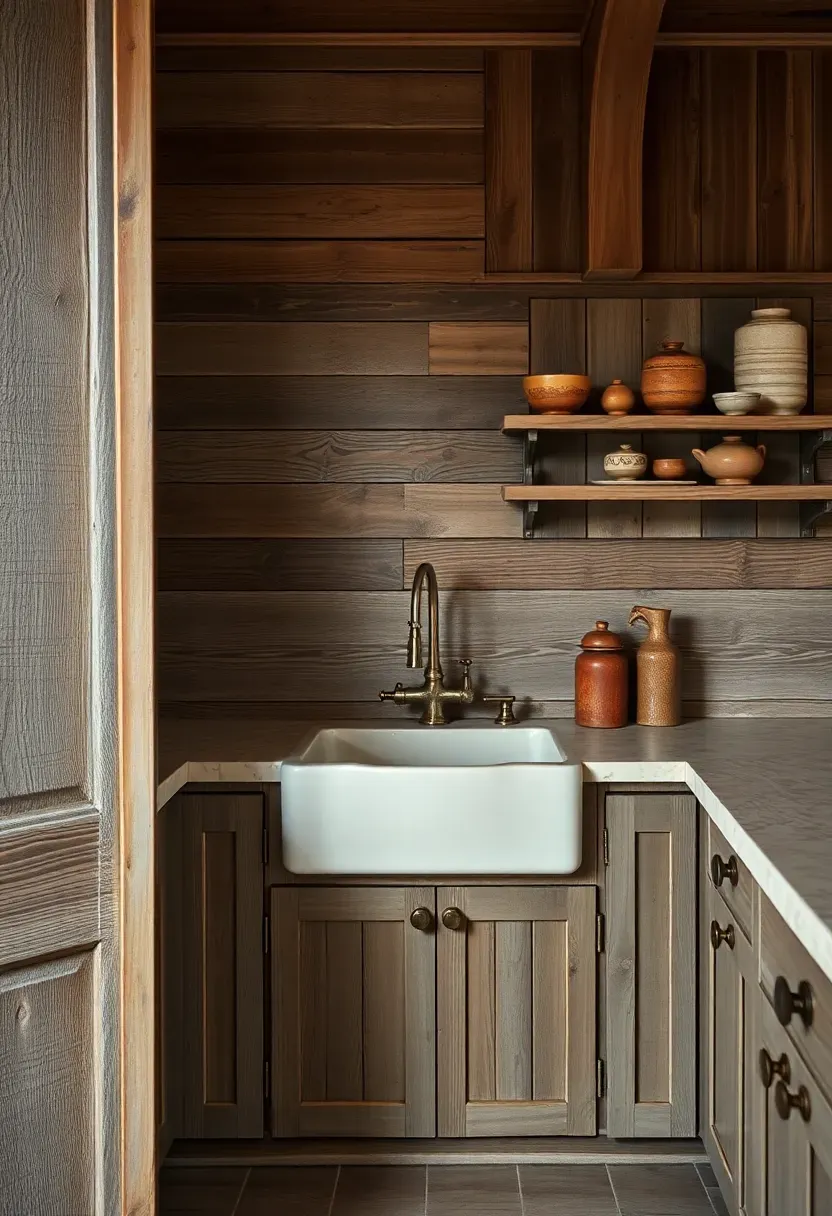
12. Reclaimed wood character
Reclaimed wood cabinetry brings history and sustainability to your kitchen, with each board bearing marks from its previous life—nail holes, saw marks, weathered patina that new wood can't replicate. The imperfections become the star feature, creating a kitchen that feels collected rather than installed. This approach works particularly well in homes with architectural character, where the kitchen can acknowledge and amplify the building's history.
Recommended
Items for this idea
Mini "Why it works": Reclaimed wood's variation eliminates the need for additional decoration—the material is the decoration.
Keep surrounding surfaces simple so the wood can shine—subway tile, solid surface counters, unadorned walls. Open shelving rather than upper cabinets allows the reclaimed wood to be the star. Vintage-style hardware in unlacquered brass or aged bronze continues the historical narrative.
Tips
- Do source from reputable suppliers who properly clean and kiln-dry reclaimed lumber.
- Don't expect perfectly square or flat boards—variation is part of the appeal.
- Do seal with matte finish to protect against kitchen grease while maintaining aged appearance.
- Don't mix too many different reclaimed woods—stick to one source for consistency.
What this gives you: A kitchen with authentic character that can't be replicated with new materials.
13. Honey-toned traditional
Honey-toned wood cabinets create a warm, traditional kitchen that feels welcoming without feeling dated. The key to keeping this look fresh rather than old-fashioned lies in the details—clean shaker-style door frames, simple crown molding, and restrained hardware prevent the honey tone from reading as overly retro. This warmth works beautifully in family kitchens where you want a space that feels comforting and approachable rather than showpiece-perfect.
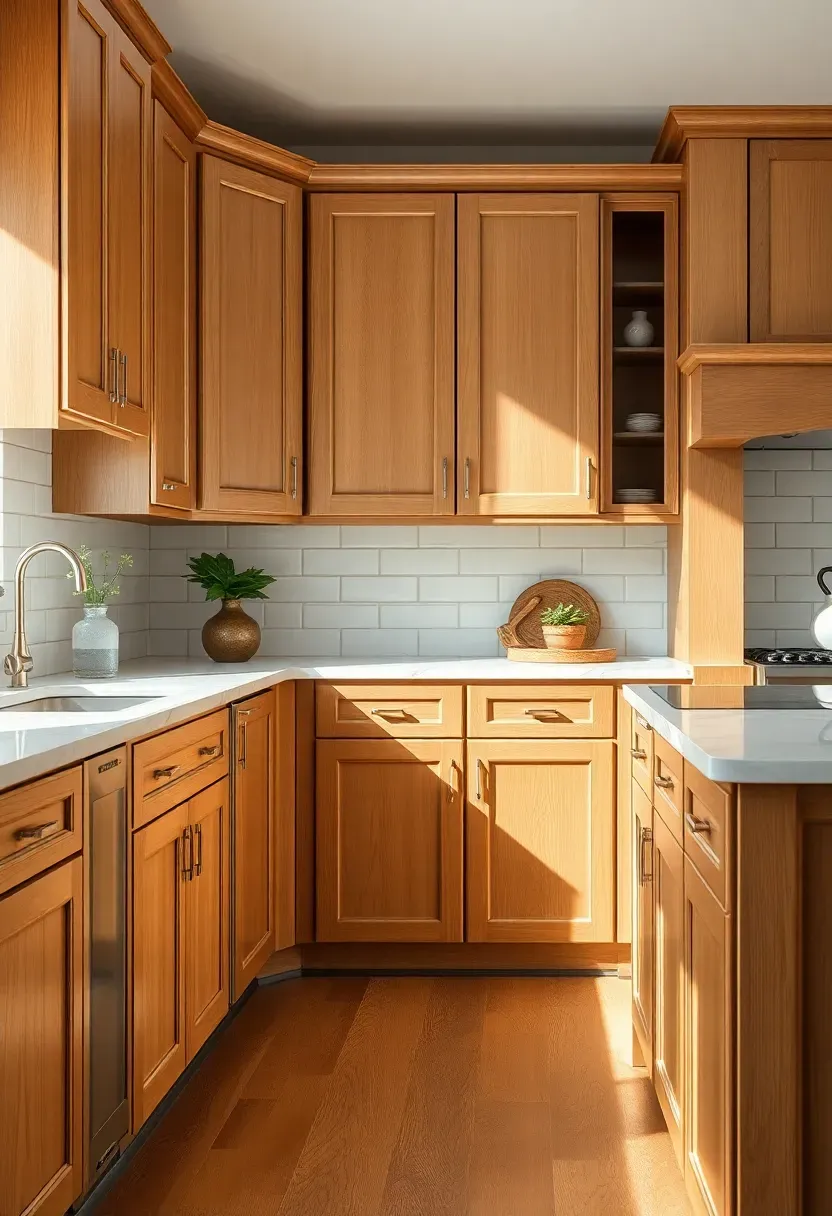
Mini "Common mistake": Choosing ornate molding and details that make honey-toned wood feel dated rather than traditional.
White marble countertops and subway tile backsplash keep the palette fresh and prevent the warm wood from feeling overwhelming. Brushed nickel hardware feels traditional without being overtly retro. Consider leaving some upper walls for open shelves to break up the cabinetry and display everyday dishware.
Tips
- Do choose honey tones with golden rather than orange undertones for modernity.
- Don't pair honey wood with warm paint colors—stick to crisp whites and cool grays.
- Do use under-cabinet lighting to keep work surfaces bright despite warm tones.
- Don't skip upper cabinets entirely—honey wood needs weight to avoid feeling insubstantial.
What this gives you: A warm, family-friendly kitchen that feels fresh rather than stuck in the past.
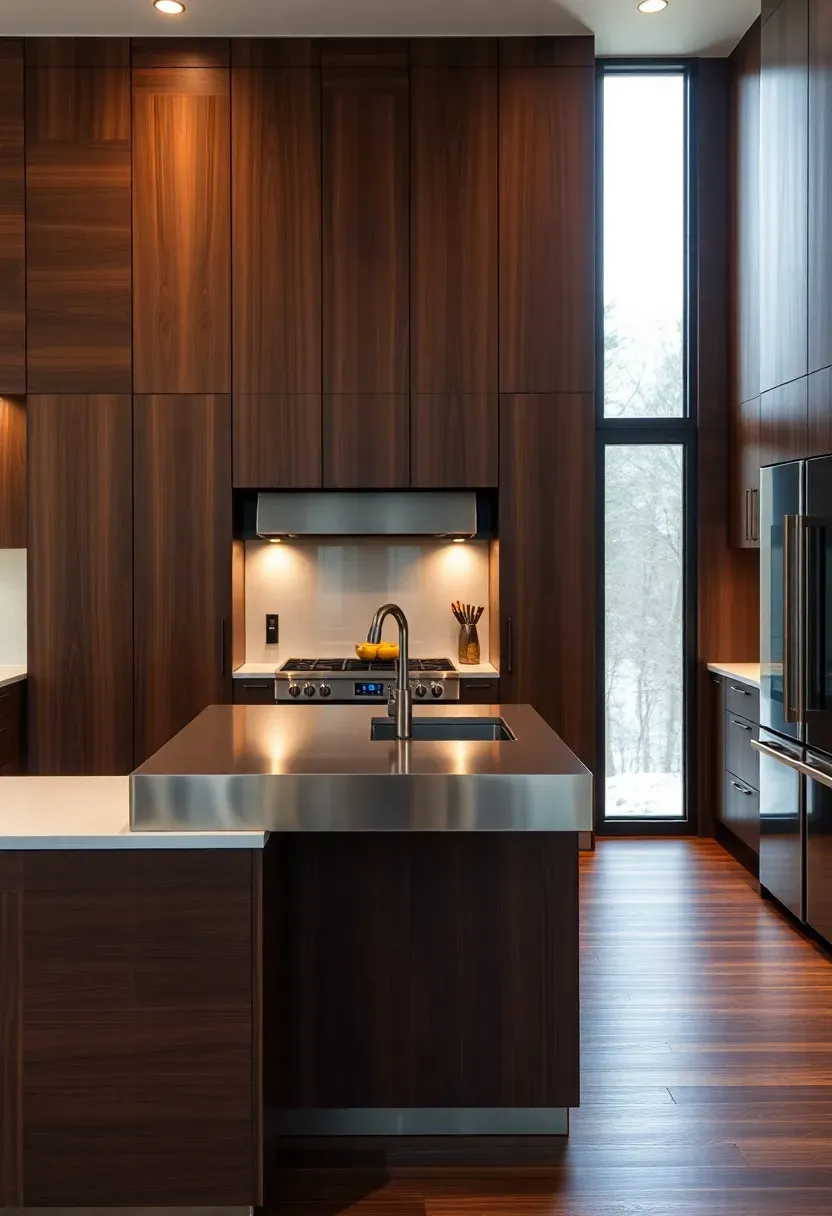
14. Modern walnut with stainless
Dark walnut cabinets paired with stainless steel surfaces and appliances create a modern, high-contrast kitchen that feels sleek rather than heavy. The warmth of walnut prevents stainless from feeling cold or clinical, while the steel adds contemporary edge that keeps walnut from feeling traditional. This combination excels in modern homes and urban apartments where you want drama without sacrificing function.
Recommended
Items for this idea
A stainless waterfall island makes a bold statement while providing a durable, hygienic work surface. White quartz on perimeter counters keeps the overall palette from becoming too dark and maintains brightness for food prep. Minimal black hardware provides subtle contrast without competing with the strong wood-and-steel combination.
Tips
- Do use fingerprint-resistant stainless finishes to reduce maintenance.
- Don't mix in too many other materials—let walnut and stainless be the stars.
- Do choose matte walnut finish to reduce visible scratches and fingerprints.
- Don't skimp on lighting—dark surfaces need abundant illumination.
What this gives you: A contemporary kitchen with bold contrast that feels polished and intentional.
15. Pale timber with brass fixtures
Pale timber cabinets in maple or ash create a neutral backdrop that lets brass fixtures become the jewelry of the kitchen. The light wood keeps the space feeling open, while brass introduces warmth and metallic reflection that catches light beautifully. This combination creates a kitchen that feels sophisticated without being formal, with enough warmth to feel inviting for everyday family life.
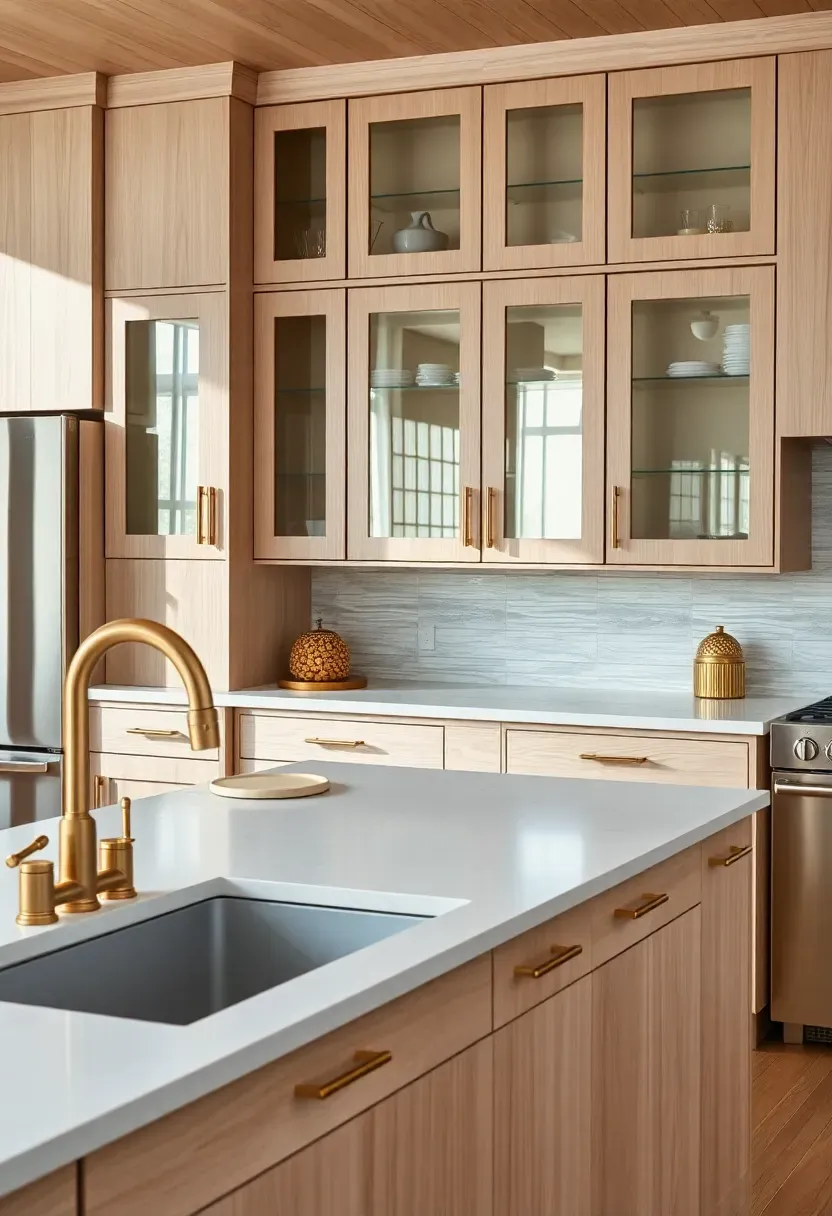
Unlacquered brass develops a living patina over time, making the kitchen feel like it's evolving with your family rather than staying frozen in move-in condition. Glass-front upper cabinets with brass grilles display dishware while breaking up the expanses of wood cabinetry. A honed quartz countertop provides durability without the high-gloss reflectivity that can feel cold.
Tips
- Do commit to unlacquered brass only if you embrace patina—sealed brass stays brighter.
- Don't mix brass with chrome or nickel—choose one metal family and stick with it.
- Do use warm-white bulbs (2700K-3000K) to enhance brass's golden qualities.
- Don't worry about brass elements aging at different rates—variation looks intentional.
Best for: Kitchens where you want hardware to be a design feature rather than an afterthought.
What this gives you: A refined kitchen with metallic warmth that develops character over time.
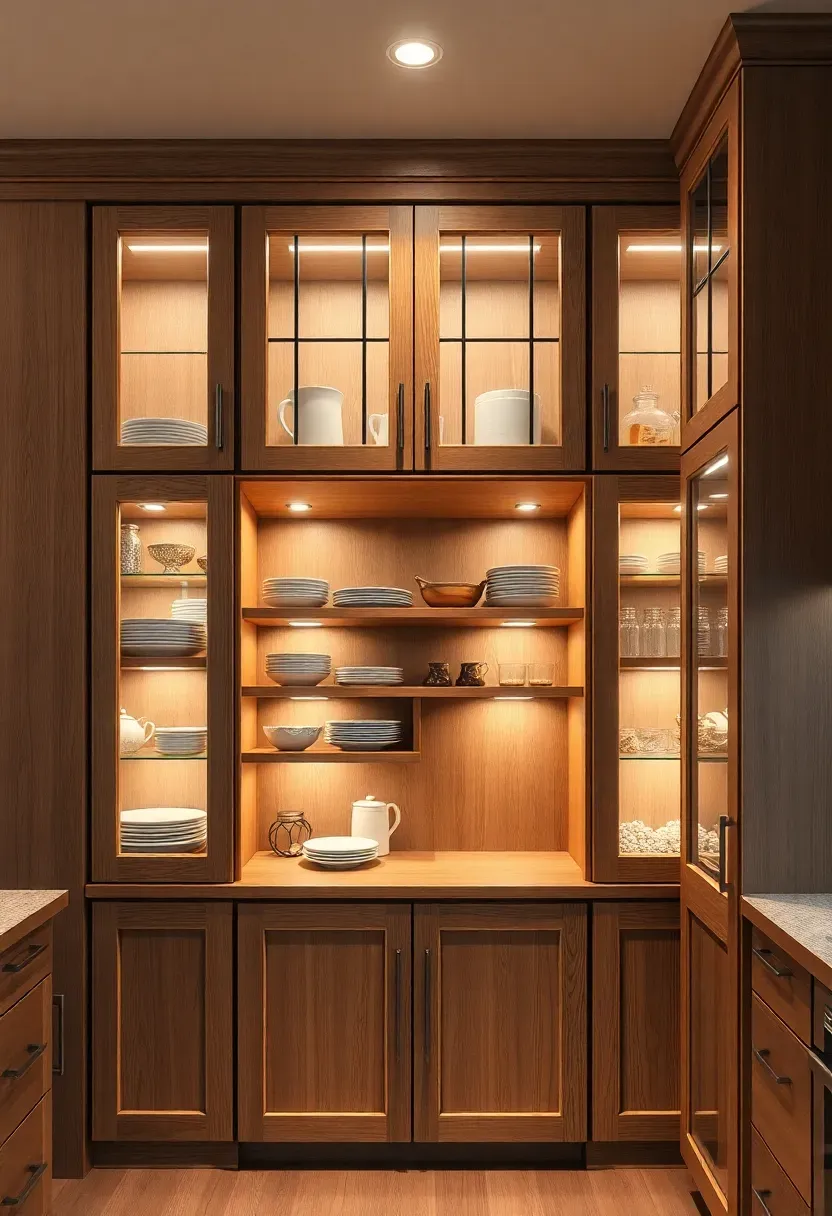
16. Floor-to-ceiling wood pantry
A floor-to-ceiling wood pantry creates a focal point that feels both functional and beautiful, turning storage into architecture. Full-height cabinetry maximizes every inch of vertical space while creating a wall of wood that adds warmth and substance to the kitchen. Glass upper doors allow you to display curated dishware and dry goods, turning everyday items into decoration while keeping everything protected and dust-free.
Recommended
Items for this idea
LED strip lighting inside the glass sections creates a beautiful glow while making contents easily visible. Solid wood lower doors hide less attractive items while maintaining visual continuity. Consider pull-out shelves or drawer units inside to maximize accessibility—deep floor-to-ceiling cabinets can otherwise make items in back hard to reach.
Tips
- Do use soft-close hinges on tall doors—full-height doors are heavy and can slam.
- Don't forget to plan electrical for interior lighting during rough-in.
- Do organize pantry interiors with matching containers for visual harmony through glass.
- Don't overload upper glass shelves—tempered glass has weight limits.
What this gives you: Storage that doubles as architecture, turning functional needs into beautiful design.
17. Open shelving with wood accents
Replacing some upper cabinets with open wood shelves creates a lighter, airlier feel while keeping warmth and visual interest. Wood shelves break up what might otherwise feel like an expanse of closed cabinetry, providing display space for everyday dishware, cookbooks, and decorative objects. The key is styling shelves intentionally—editing items regularly and keeping the arrangement curated rather than cluttered.
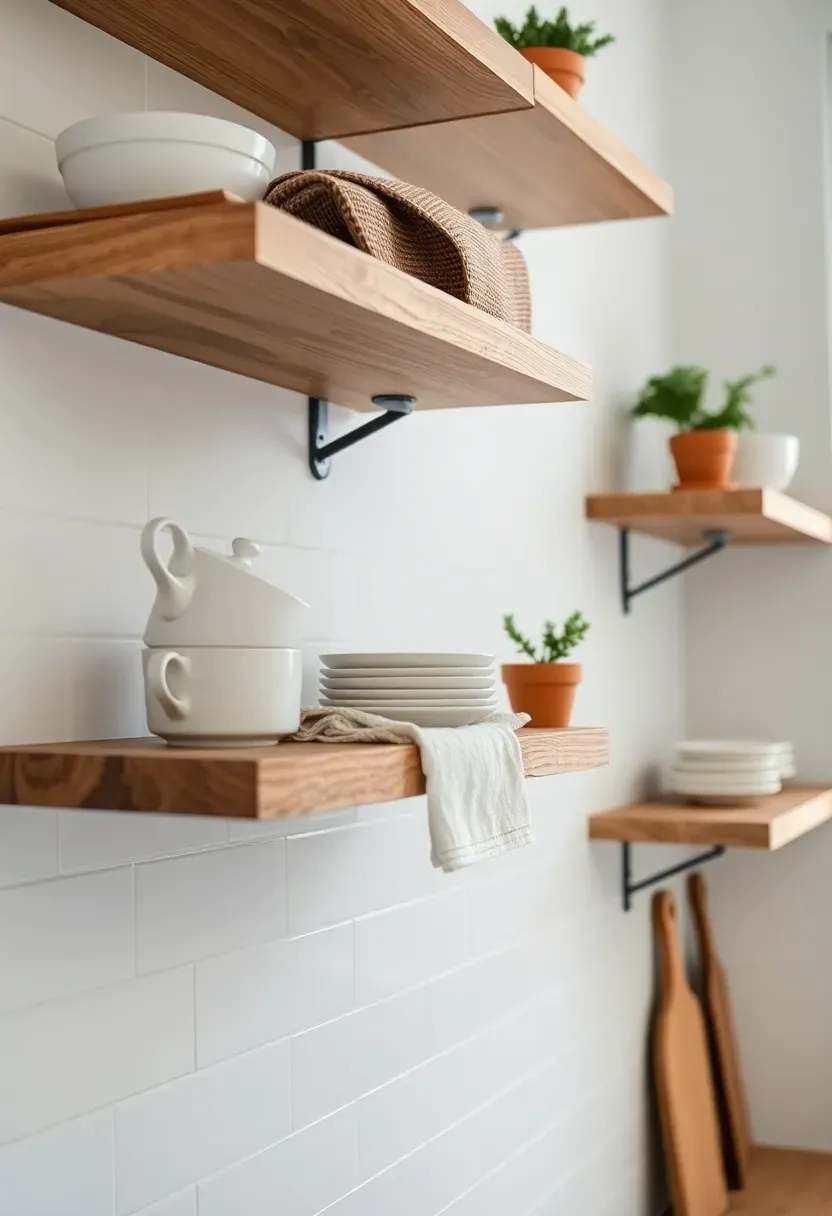
Mount shelves at varying heights to create visual interest and allow different item heights. Keep everyday items on lower, easily accessible shelves and reserve higher shelves for less-used display pieces. Wood shelves should be substantial enough not to feel flimsy—at least 1.5 inches thick for standard spans, with hidden brackets for a clean, floating appearance.
Tips
- Do anchor shelves into studs or use heavy-duty anchors—kitchen items get heavy.
- Don't crowd shelves—leave some negative space for the arrangement to breathe.
- Do group items in odd numbers rather than even for more visual interest.
- Don't display items you use daily that get greasy or dusty—keep those behind closed doors.
Rental note: Open shelving is perfect for renters—no installation required beyond lightweight floating shelves that patch easily upon moving.
What this gives you: Display space that makes your kitchen feel personalized and lived-in rather than generic.
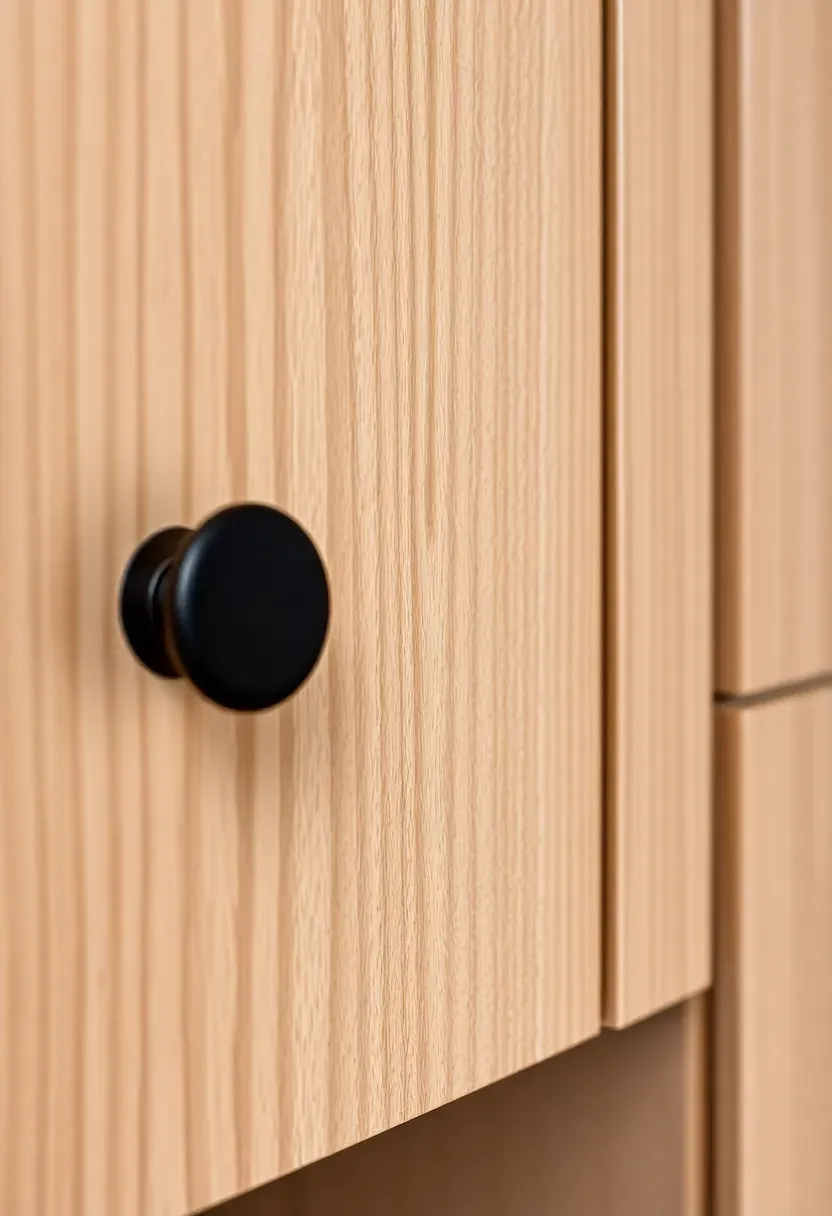
18. Matte black hardware contrast
Matte black hardware against light wood cabinetry creates crisp contrast that feels modern and graphic without introducing jarring elements. The darkness of black hardware grounds the wood tones and adds a punctuation that makes the cabinetry feel intentional and designed. This combination works across styles from Scandinavian modern to farmhouse, making it a versatile choice that won't limit your design flexibility over time. For more on this bold pairing, browse our [black and wood kitchen ideas](/posts/345_27-stylish-black-and-wood-kitchen-that-elevate-everyday-cooking/).
Recommended
Items for this idea
Keep the black finish matte rather than glossy for a more sophisticated look that doesn't call too much attention to itself. Cup pulls feel traditional, knobs feel classic, and long bar pulls feel modern—choose based on your overall aesthetic but stick to one style throughout. Black hardware hides fingerprints and shows less wear than brighter metal finishes.
Tips
- Do match black finish across all hardware—including faucets—for cohesion.
- Don't introduce black lighting fixtures unless you want a very bold, high-contrast look.
- Do choose black appliances if you want full commitment to the contrast palette.
- Don't worry about black feeling too dark—against light wood it reads as neutral.
What this gives you: Modern contrast that elevates light wood without competing with its natural beauty.
19. Live-edge waterfall island
A live-edge waterfall island makes a stunning statement, with the natural edge of the wood continuing down the side of the island creating a sculptural element that feels both organic and designed. The live edge—where the natural contour of the tree is preserved rather than squared off—brings raw, organic character to a kitchen that might otherwise feel too refined or predictable. Each live-edge piece is unique, making your kitchen truly one-of-a-kind.
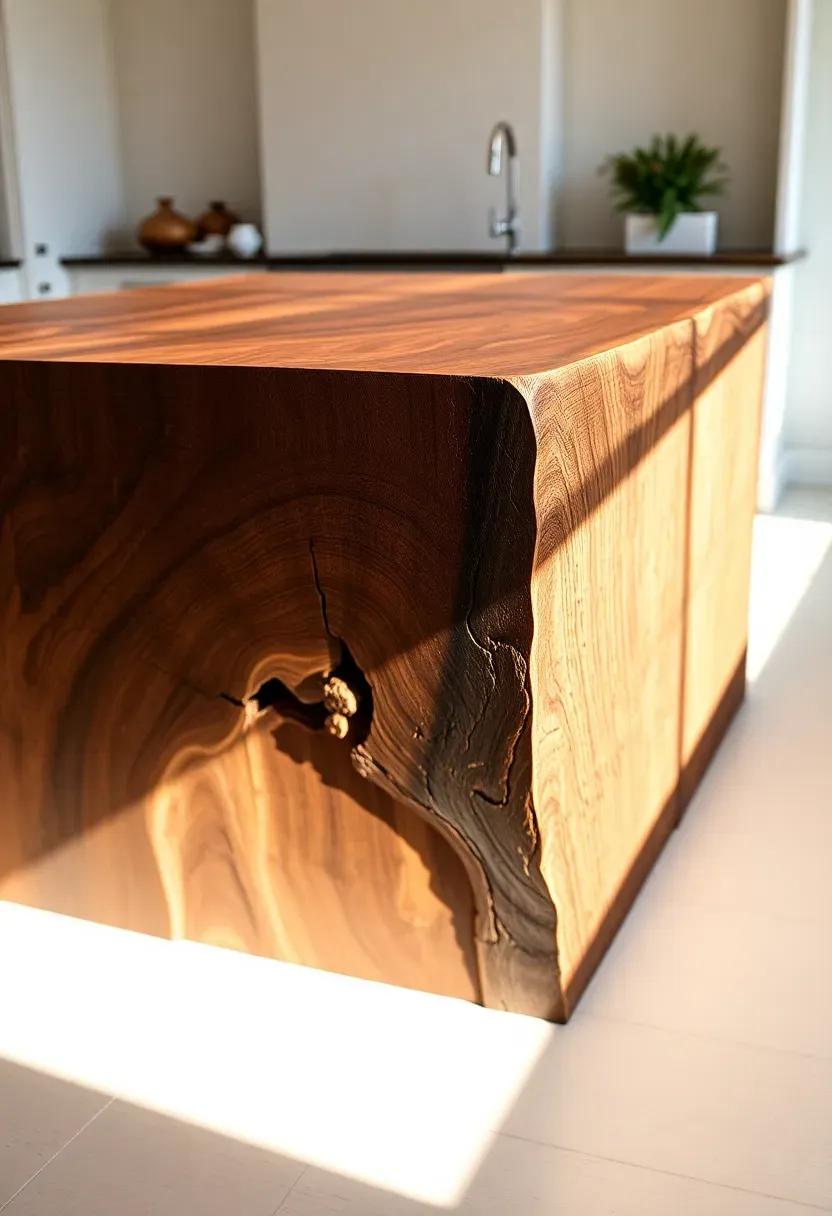
Walnut provides rich darkness that makes the live edge feel dramatic, though lighter woods like maple create equally striking effects with more casual appeal. Natural knots and bark inclusions are often filled with clear or tinted epoxy for both aesthetic and functional reasons—preventing debris accumulation while highlighting natural features. Keep surrounding surfaces simple so the island remains the focal point.
Tips
- Do choose a slab with knots and features you love—you'll live with them for decades.
- Don't place hot pots directly on live edges near bark inclusions—epoxy can soften.
- Do budget significantly more—live-edge slabs are premium and labor-intensive to install.
- Don't expect perfectly flat surfaces—natural variation is part of the appeal.
Budget/Time: Live-edge islands typically cost 3-4 times more than standard countertop installations due to slab premium and specialized labor.
What this gives you: A sculptural centerpiece that makes your kitchen uniquely yours.
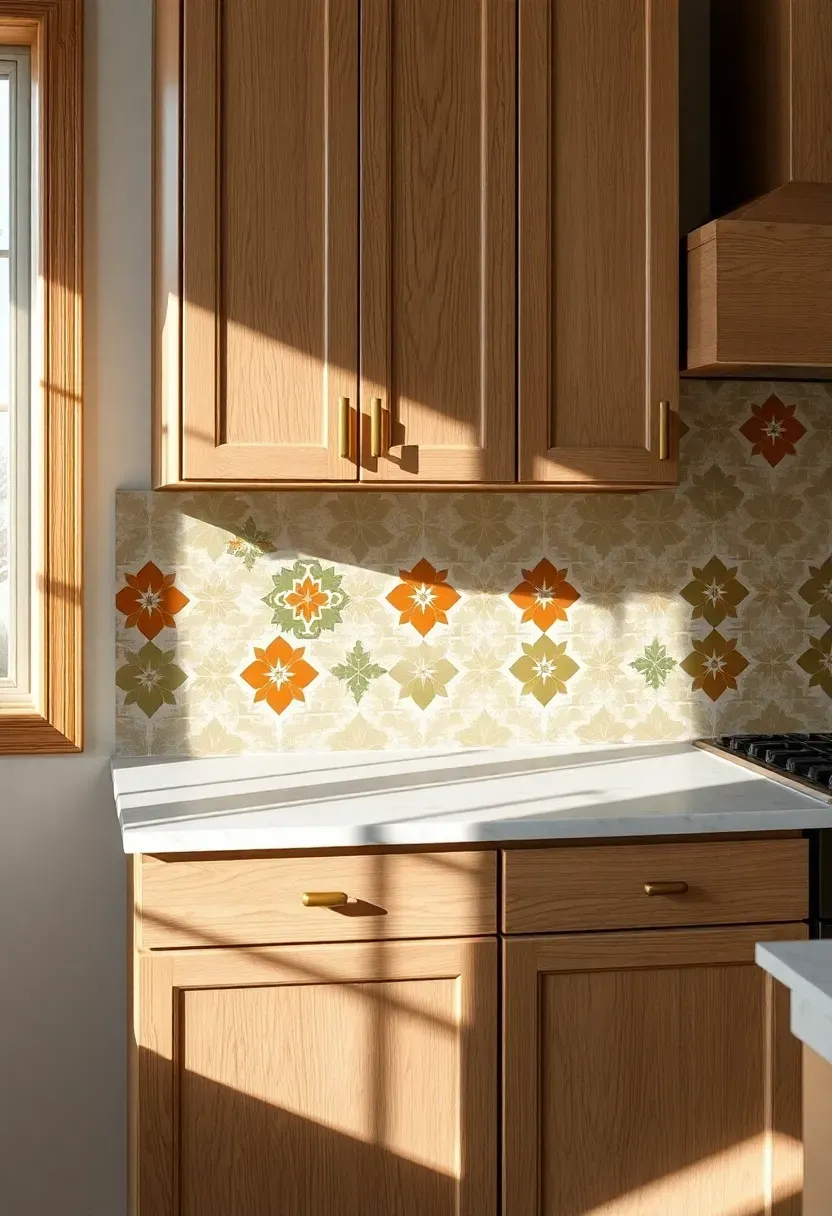
20. Patterned tile backsplash mix
A patterned tile backsplash adds visual interest and personality to wood cabinets without overwhelming the warmth of the natural material. The key is choosing a pattern with colors drawn from the wood's natural palette—earthy terracottas, muted greens, soft blues—that complement rather than compete. This approach allows you to introduce pattern and color while keeping the cabinetry neutral enough to remain flexible over time.
Recommended
Items for this idea
Keep the pattern contained to the backsplash rather than extending to other surfaces—too much pattern feels busy and will date more quickly. Solid surface countertops in marble or quartz provide visual resting place for the eyes. Simple hardware in brass or nickel doesn't compete with the patterned tile.
Tips
- Do lay out tile pattern before committing to ensure it works with your space dimensions.
- Don't choose patterns with colors that clash with your wood's undertones.
- Do consider classic patterns that have longevity—Moroccan, subway variation, herringbone.
- Don't overspend on trendy patterns that will feel dated in five years.
What this gives you: Pattern and personality that makes the kitchen feel curated while keeping cabinets adaptable.
21. Light maple with gray tones
Light maple cabinetry paired with gray surfaces creates a fresh, modern palette that feels clean without being stark. Maple's subtle grain provides warmth that prevents gray from feeling cold, while gray adds contemporary sophistication that keeps maple from feeling traditional. This combination works particularly well in open-plan homes where you want the kitchen to relate to adjacent living spaces with gray upholstery or modern art.
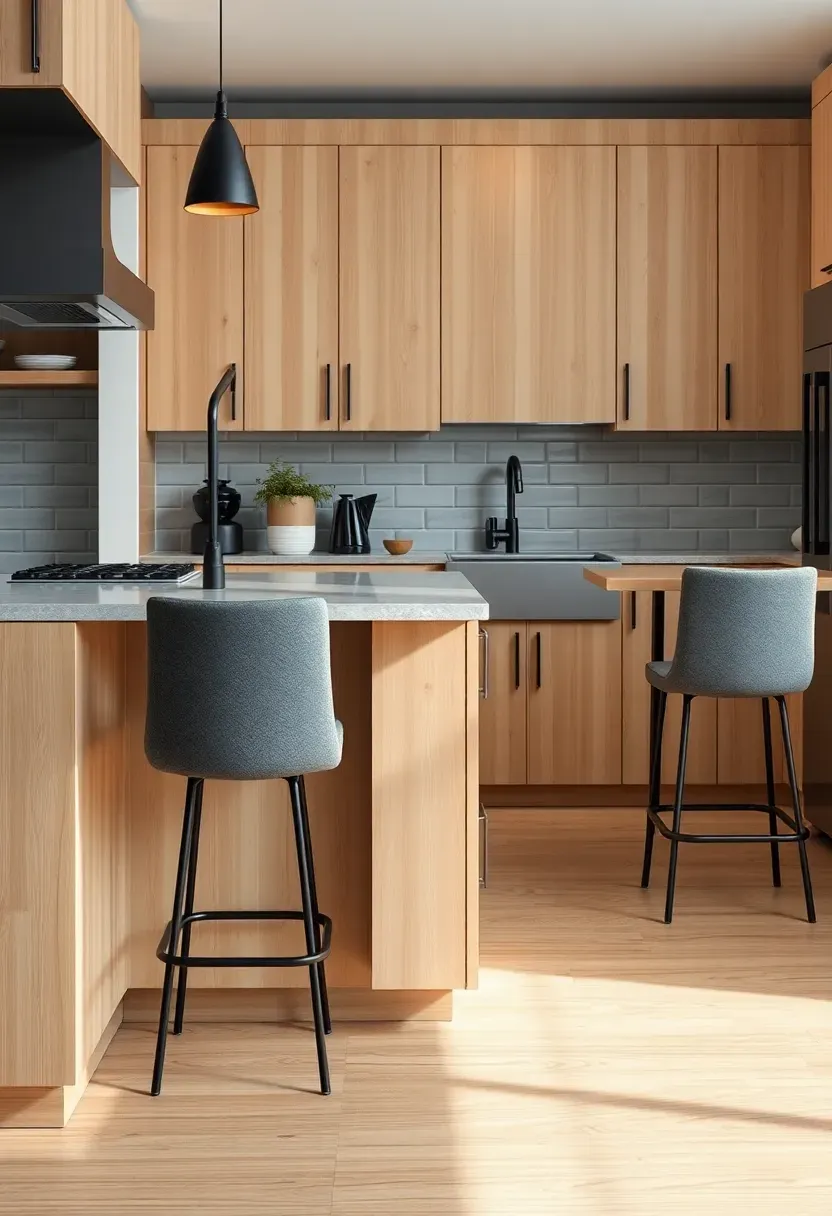
Vary the gray tones across surfaces—a lighter quartz on the island, medium grey backsplash, darker grey stools—to create depth while maintaining monochromatic harmony. Black hardware provides subtle contrast and punctuation without introducing a new color family. Maple's natural pink undertones prevent the overall palette from reading as too cool.
Tips
- Do choose gray with warm rather than cool undertones to complement maple naturally.
- Don't introduce blue-based grays that will clash with maple's pink warmth.
- Do add one warm accent—a brass light or wood stool—to activate the gray palette.
- Don't worry about maple being too light—it holds its own against strong gray.
What this gives you: A modern palette that feels fresh and sophisticated while maintaining warmth.
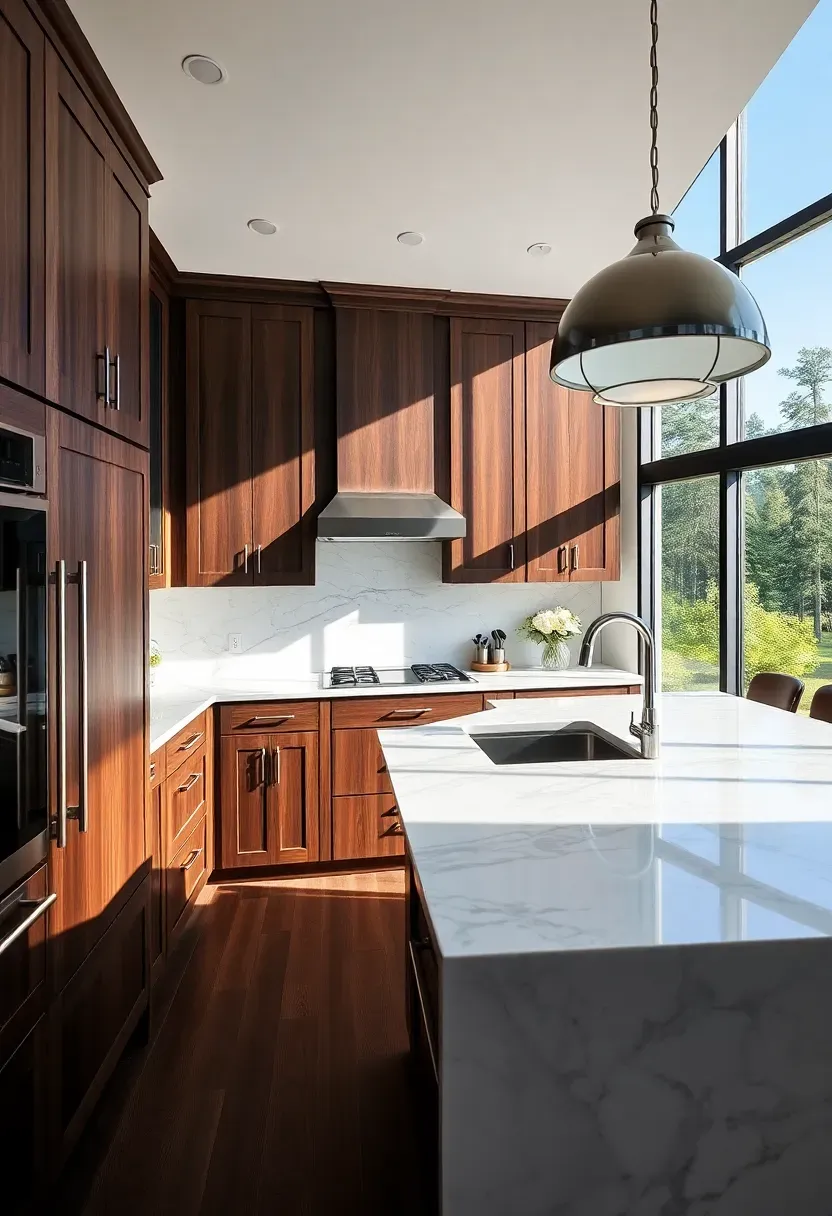
22. Dark wood with bright countertops
Dark wood cabinetry balanced with bright white or light stone countertops creates dramatic contrast that feels bold rather than heavy. The key is keeping the countertops sufficiently light to prevent the space from feeling cave-like—white marble, bright quartz, or even solid surface in pure white provide the necessary counterweight to dark woods like walnut, mahogany, or stained oak. This combination creates a kitchen that feels dramatic and luxurious.
Recommended
Items for this idea
Chrome or stainless steel hardware and appliances introduce cool brightness that prevents dark wood from feeling oppressive. Large windows or abundant artificial lighting are non-negotiable—dark surfaces eat light, and insufficient illumination will make the kitchen feel grim rather than dramatic. Consider reflective surfaces like glass tile or mirrored backsplash to bounce light around the space.
Tips
- Do use layered lighting—ambient, task, and accent—to keep dark wood surfaces readable.
- Don't choose dark wood for a kitchen with poor natural light unless you commit to serious artificial lighting.
- Do choose the lightest possible countertops to create maximum contrast.
- Don't paint walls dark—keep them bright to maintain overall lightness.
Avoid if: Your kitchen has limited natural light or low ceilings—dark wood needs vertical and horizontal space.
What this gives you: A dramatic, high-contrast kitchen that feels luxurious and bold.
23. Vertical grain cabinetry
Vertical grain cabinetry, where wood is oriented with its grain running floor-to-ceiling rather than horizontally, creates visual height and makes kitchens feel more expansive and architectural. This orientation emphasizes the verticality of the space, drawing the eye upward and making ceilings feel higher. The effect is particularly striking in tall kitchens or those with vaulted ceilings, where vertical grain reinforces the room's natural proportions.
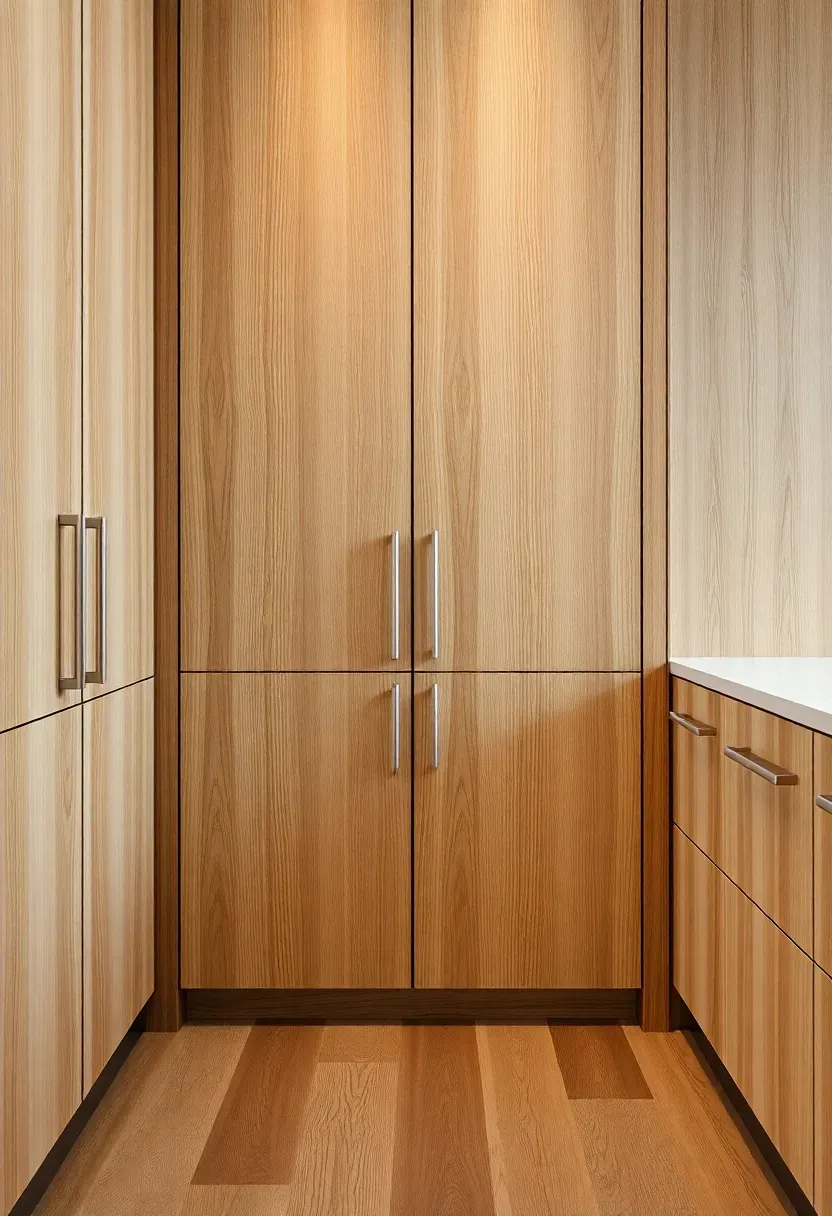
Quarter-sawn or rift-sawn cuts produce the most consistent vertical grain with less variation than plain-sawn alternatives. Minimal horizontal breaks—fewer cabinet doors that span full height rather than stacking shorter doors—enhance the vertical effect. Integrated or minimal hardware prevents visual interruptions that break the continuous grain lines.
Tips
- Do choose quarter-sawn lumber for the straightest, most consistent vertical grain.
- Don't stack upper and lower cabinets separately—run them continuous for full effect.
- Do consider tall ceilings (9+ feet) for maximum vertical impact.
- Don't use prominent hardware that interrupts the grain lines.
Budget/Time: Vertical grain cabinetry typically costs 20-30% more due to premium lumber selection and specialized construction.
What this gives you: Visual height and architectural presence that makes the kitchen feel custom and expansive.
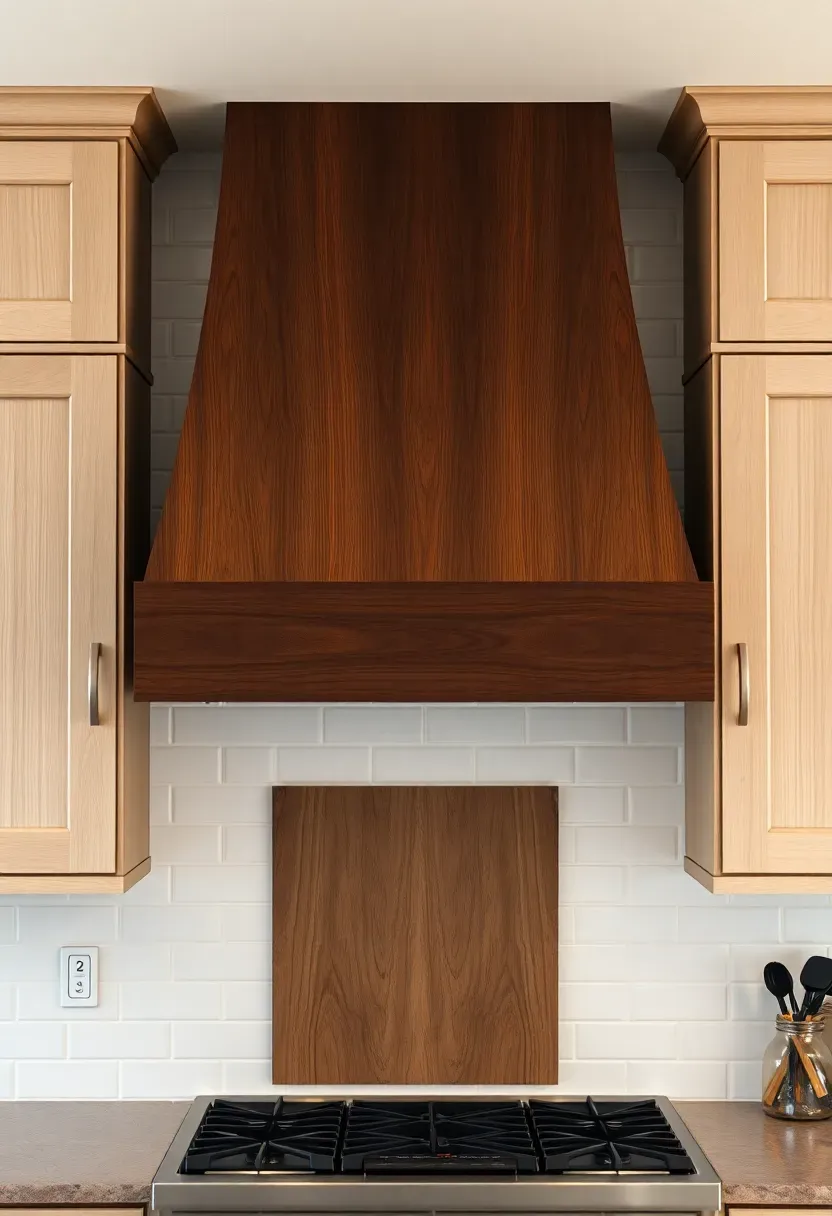
24. Wood hood focal point
A wood range hood creates a natural focal point above the cooktop, adding warmth and architectural interest while defining the cooking zone. Whether you choose a simple box design, a tapered chimney style, or a more elaborate shape with molding and trim, the wood hood becomes the star element that draws the eye and anchors the kitchen's design. Making the hood a different wood tone than the cabinets adds intentional contrast and makes it feel like a distinct feature.
Recommended
Items for this idea
Consider extending the wood hood to the ceiling for maximum impact, or leaving a gap above for a more contemporary look. Interior lighting within the hood both provides task cooking lighting and highlights the wood's beauty. A simpler hood design often reads as more modern—elaborate molding can feel dated unless you're working in a period-appropriate style.
Tips
- Do size the hood appropriately—typically 6 inches wider than the cooktop for adequate capture.
- Don't forget ventilation power—wood hoods still need proper CFM ratings for your cooking style.
- Do choose woods that can handle heat and moisture near the cooktop.
- Don't place the hood too low—standard height is 28-36 inches above the cooktop.
What this gives you: A natural focal point that defines the cooking zone while adding warmth and architectural interest.
25. Integrated appliance wood panels
Wood cabinet panels that integrate refrigerators and dishwashers create a seamless, custom look where major appliances disappear into the cabinetry. This approach makes the kitchen feel larger and more cohesive, with wood as the continuous visual language rather than interrupted by stainless steel or white appliance boxes. The effect is particularly striking in open-plan kitchens, where the integrated look allows the kitchen to recede and let adjoining living spaces take prominence.
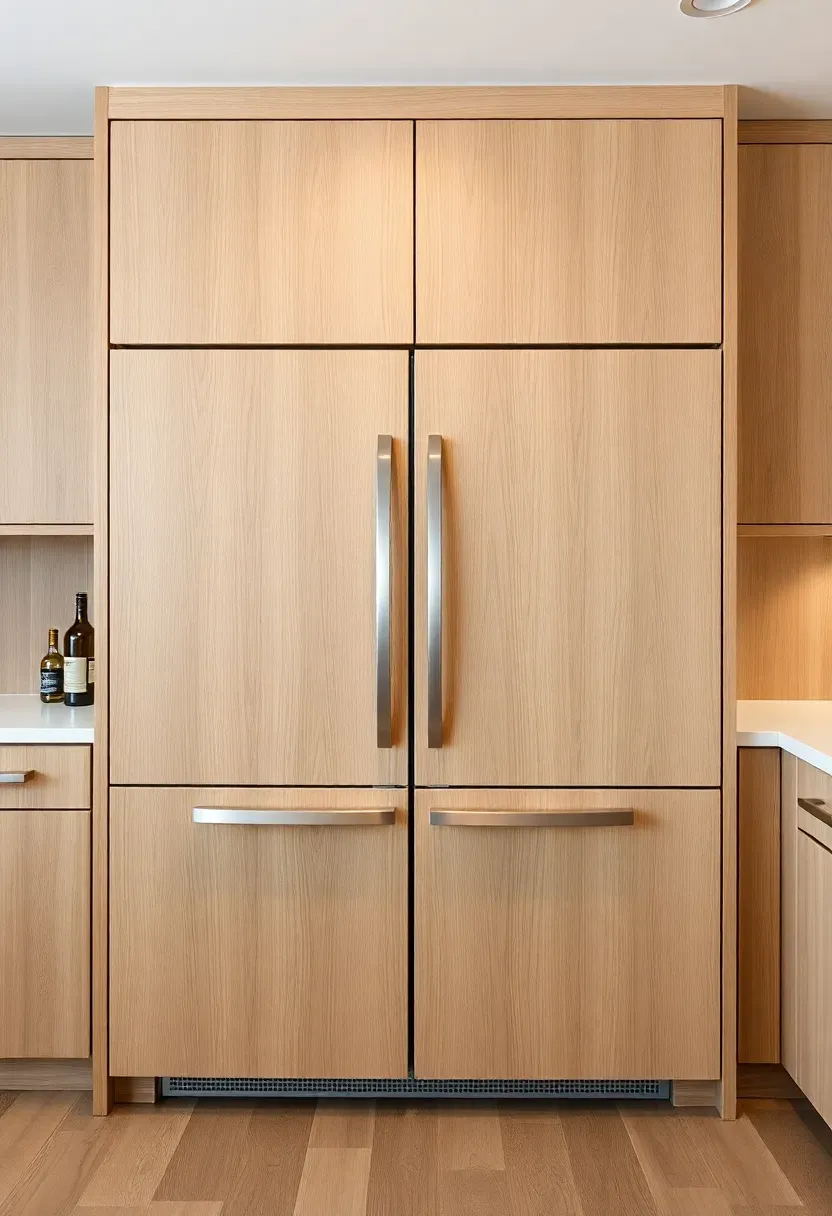
Integrated appliances require careful planning—refrigerators need proper ventilation space, and dishwashers may require special trim kits for panel attachment. Panel-ready appliances cost more upfront but offer a cleaner long-term aesthetic. Choose hardware that integrates cleanly—inset handles or minimal pulls that don't break the continuous wood surface.
Tips
- Do leave adequate ventilation space as specified by the refrigerator manufacturer.
- Don't attempt DIY panel integration without proper kits and expertise.
- Do choose panel-ready appliances specifically designed for this application.
- Don't forget that integrated appliances may need special access for future repairs.
Budget/Time: Integrated wood panels typically add $1,500-3,000 per appliance plus panel-ready appliance premium.
What this gives you: A seamless, custom look where wood takes precedence over appliance presence.
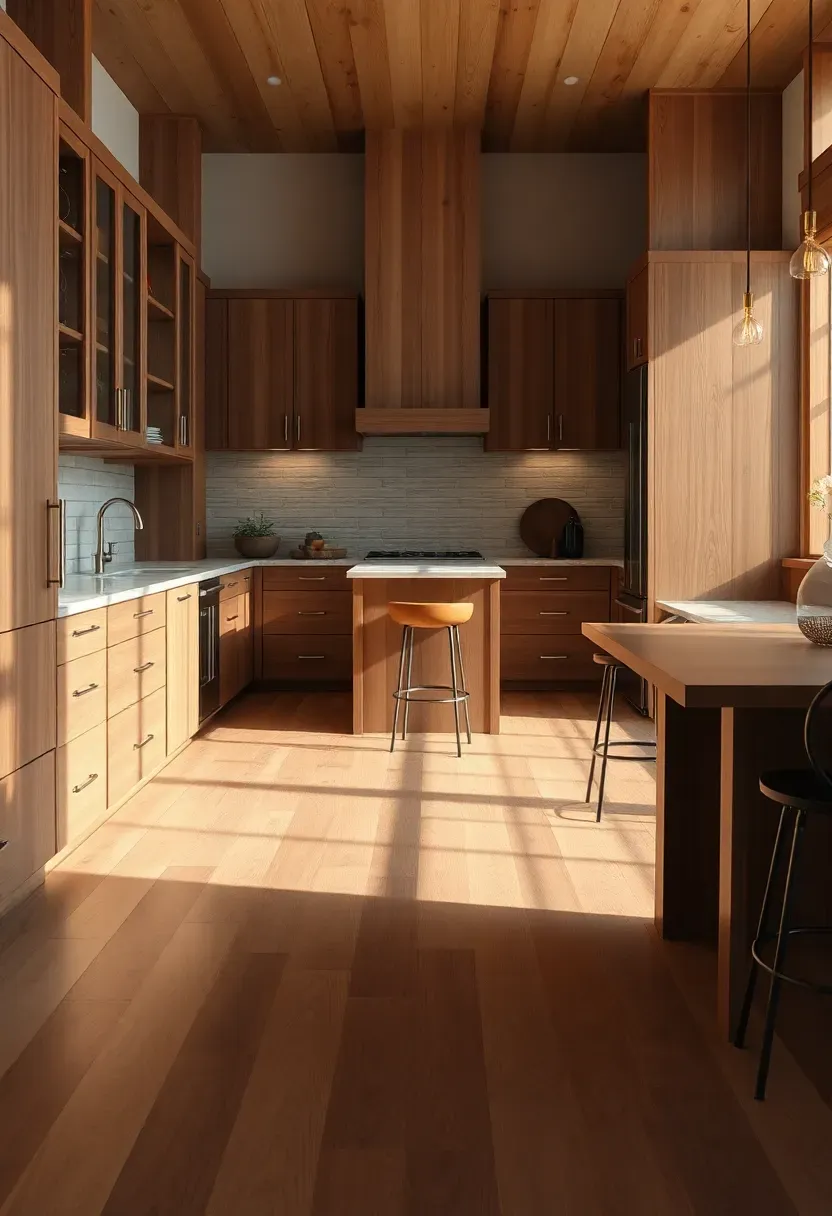
26. Mixed wood tones harmony
Intentionally mixing multiple wood tones—floors, cabinets, island, furniture—creates a layered, collected look that feels sophisticated rather than accidental. The key is choosing woods in the same temperature family and ensuring enough contrast between tones for the layering to read as intentional. Warm woods (oak, maple, cherry) can be mixed together, as can cool woods (ash, hickory, walnut), but crossing between warm and cool families risks discordance.
Recommended
Items for this idea
Include a unifying element—brass hardware that repeats throughout, a consistent countertop material, or wall color—to tie the varied woods together. Don't worry about perfect matching; variation is what makes the mix interesting. Consider wood grain patterns as well as color—fine-grained woods paired with more prominent grains create textural contrast beyond just color.
Tips
- Do test wood samples together in your actual space before finalizing.
- Don't mix more than three different wood tones or the effect becomes busy.
- Do use unifying elements—hardware, countertops, lighting—to tie mixed woods together.
- Don't mix wood temperatures—keep all warm or all cool for harmony.
Best for: Homes with existing wood elements where you want new cabinetry to feel integrated rather than matched.
What this gives you: A layered, sophisticated kitchen that feels collected over time rather than installed all at once.
These wood kitchen ideas demonstrate that natural materials offer enduring appeal whether you choose light oak for brightness, walnut for drama, or cherry for developing richness. The most successful wood kitchen designs balance warmth with lightness, mix textures and tones thoughtfully, and let the natural grain remain the star rather than overdecorating. Whether you are building new, renovating, or simply looking for renter-friendly upgrades like open shelving or butcher block overlays, wood cabinetry provides a foundation that adapts as your style evolves while maintaining the character that makes a kitchen feel like home. If you love the warmth of natural materials, explore our [warm wood kitchen collection](/posts/346_29-inspiring-warm-wood-kitchen-for-functional-and-stylish-kitchens/) or see how wood pairs with bold contrast in [black and wood kitchen designs](/posts/345_27-stylish-black-and-wood-kitchen-that-elevate-everyday-cooking/).
About the author
OBCD
CGI visualization and interior design content. We create detailed 3D renders and curate practical design ideas for every room in your home.