23 Latest Living Room Design Trends
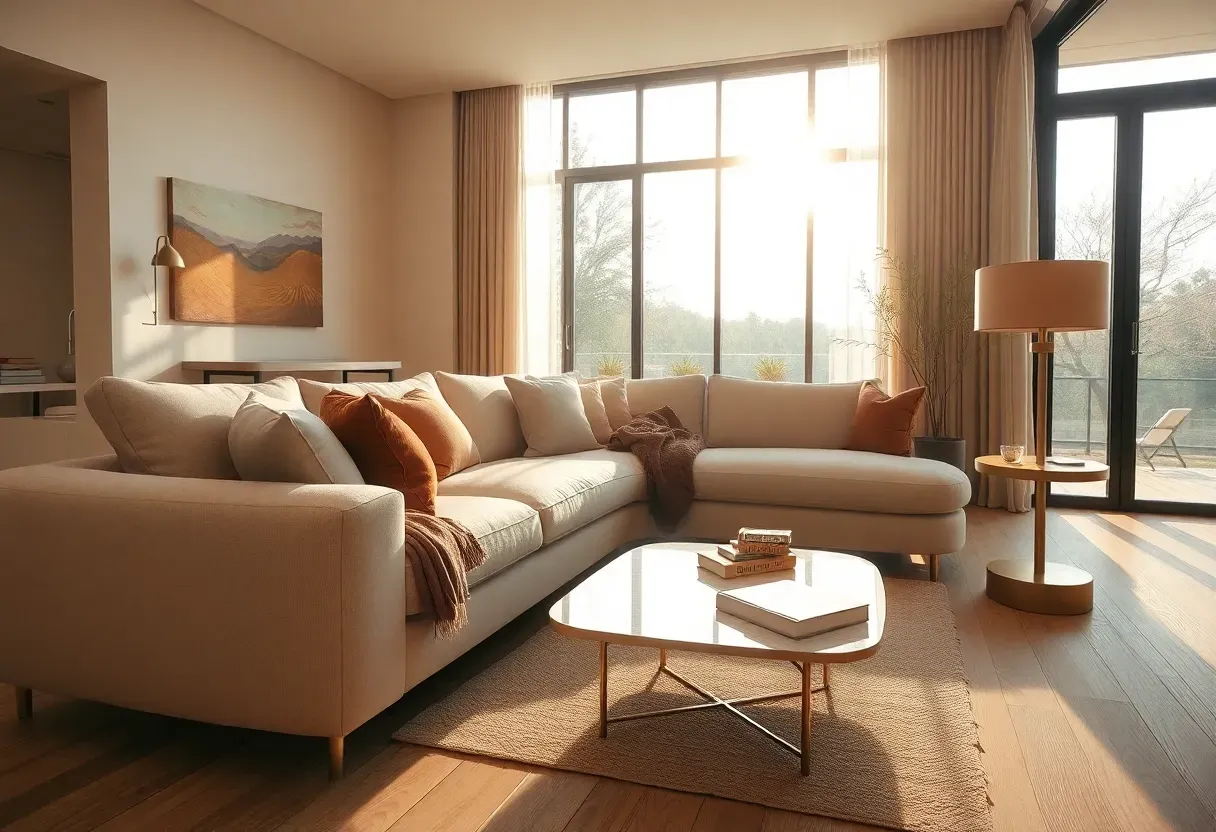
For centuries, the living room has served as the heart of every home, yet never before has it carried so many roles at once. In 2026, the best living rooms double as reading nooks, meditation corners, and impromptu galleries. Designers are moving away from cookie-cutter showroom looks and leaning into spaces that feel genuinely lived-in, textured, and personal. Whether you are renovating from scratch or simply swapping a few pieces, the trends shaping this year reward intention over expense and character over perfection.
Below you will find 23 ideas spanning furniture silhouettes, color shifts, material choices, and layout strategies. Each one is grounded in what real homeowners are actually adopting right now.
Table of Contents
- Curved Furniture Silhouettes
- Warm Minimalism
- Earth-Tone Color Palettes
- Japandi Fusion
- Statement Ceiling Treatments
- Bouclé and Textured Upholstery
- Biophilic Design Elements
- Arched Doorways and Niches
- Mixed Metal Accents
- Oversized Art as Focal Point
- Sunken Conversation Pits
- Fluted and Ribbed Details
- Moody Dark Interiors
- Modular Seating Systems
- Organic Sculptural Lighting
- Layered Rugs and Textiles
- Terracotta and Clay Accents
- Open Shelving as Room Dividers
- Sustainable and Vintage Furniture
- Limewash and Textured Walls
- Jewel-Tone Accent Pieces
- Indoor-Outdoor Living Blur
- Quiet Luxury Aesthetic
1. Curved Furniture Silhouettes
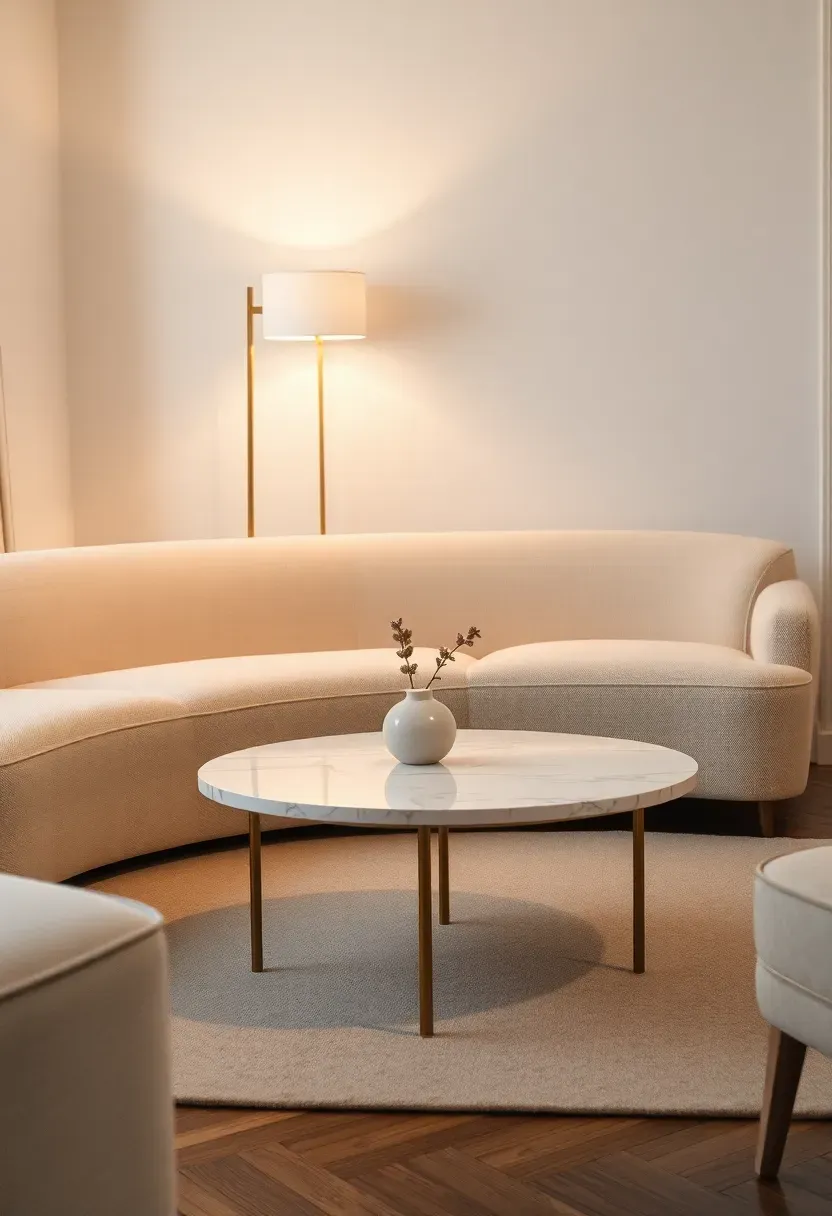
Sharp corners are giving way to gentle arcs. Curved sofas, kidney-shaped coffee tables, and round ottomans dominate showrooms this year, and for good reason. Rounded forms soften a room visually, encourage conversation by angling people toward each other, and create a sense of flow that straight-edged furniture rarely achieves. The trend works in both large open-plan spaces and compact apartments because curves eliminate dead corners and make traffic paths feel more natural.
How to Apply This Trend
- Start with one hero piece like a curved sofa or an arched bookcase rather than rounding every item
- Pair curved seating with a round or oval rug to reinforce the organic flow
- Keep the rest of the room relatively simple so the curves become the visual story
We picked a few things that go well with this idea: First of a Kind Cream Boucle Chair, CHITA Swivel Boucle Barrel Chair Cream (★4.5) and Swivel Boucle Accent Chairs (Set of 2) (★4.7). As an Amazon Associate we earn from qualifying purchases.
2. Warm Minimalism
Why Cold Minimalism Failed
The all-white, sterile living rooms of the 2010s looked stunning in photographs but left people feeling like guests in their own homes. Something was missing: warmth.
The Shift
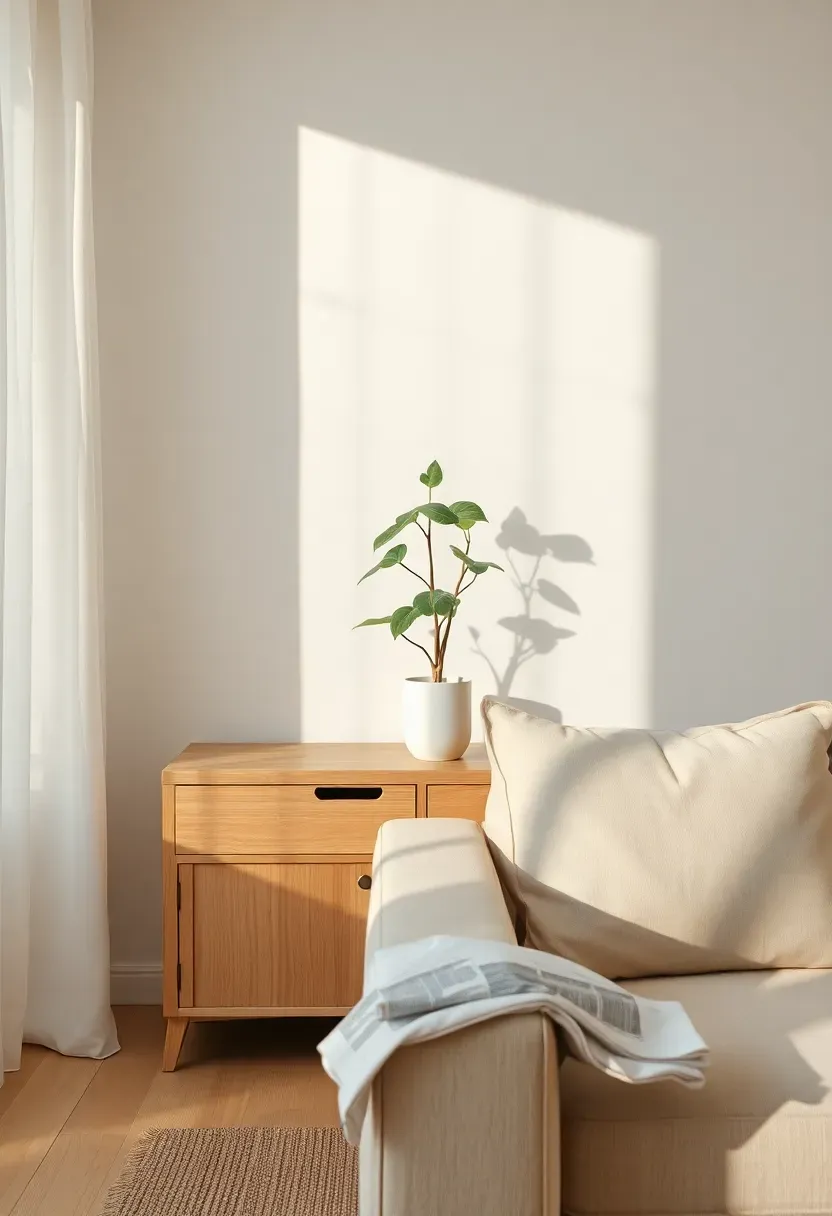
Warm minimalism keeps the clean lines and uncluttered surfaces but swaps cold grays for oat, cream, and honey tones. Natural wood replaces chrome. Linen and wool replace synthetic fabrics. The result is a room that still breathes but no longer feels like a hospital waiting area. You get the calm of minimalism without sacrificing the comfort your body actually craves after a long day.
Pros and Cons
Pros: inviting atmosphere, timeless palette that ages well, works with nearly any architectural style Cons: light fabrics demand more careful maintenance, the palette can feel monotonous without intentional texture variation
We picked a few things that go well with this idea: ZSHLXM Rustic Terracotta Decorative Vase (★4.7), Mitt Ditt Terracotta Vase with Handles (11") (★4.7) and Dobbyby Farmhouse Terracotta Vase Whitewashed (★4.7). As an Amazon Associate we earn from qualifying purchases.
3. Earth-Tone Color Palettes
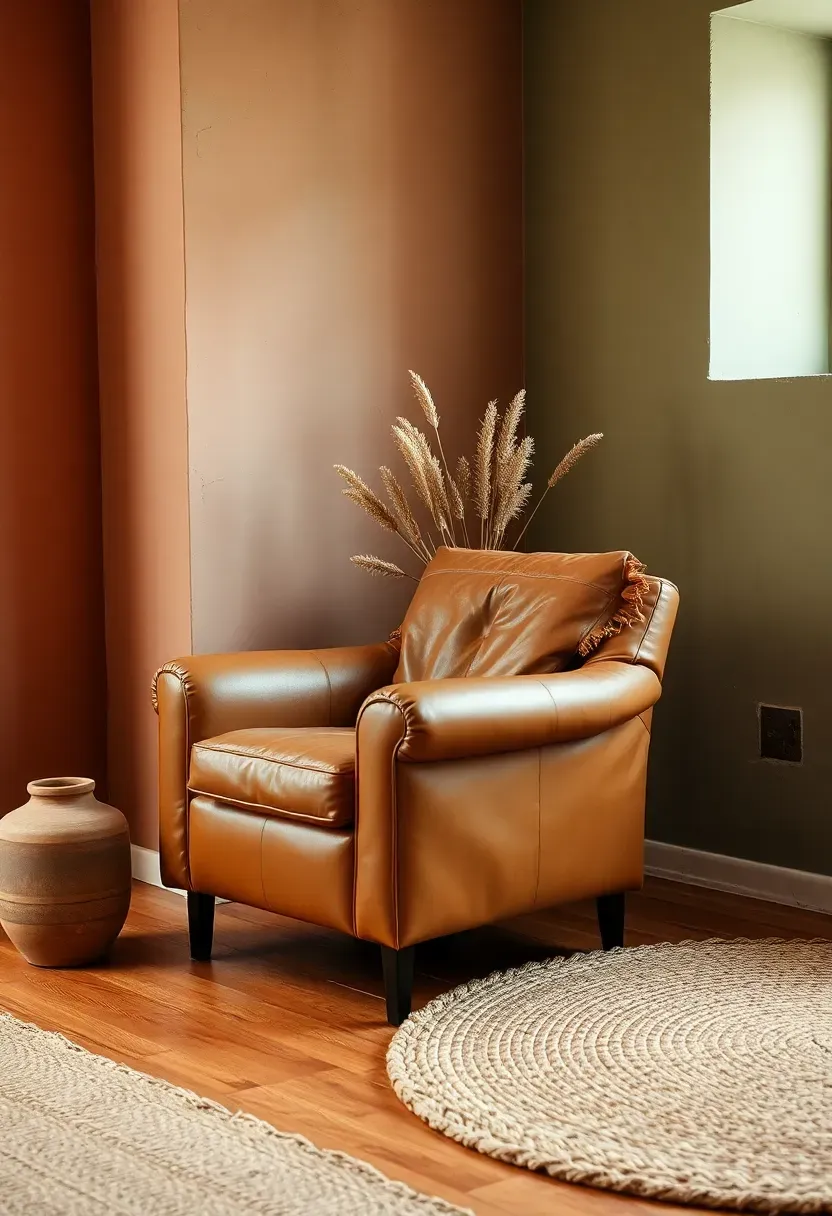
Think beyond beige. The earth-tone movement of 2026 pulls from the full geological spectrum: burnt sienna, moss green, clay, ochre, charcoal slate, and sun-bleached sand. These hues ground a room in the natural world and pair effortlessly with wood, stone, and organic textiles. Unlike trendy pastels that can date a space within a season, earth tones age gracefully because they reference the landscape rather than a specific design era.
Tips for Getting Earth Tones Right
- Anchor the room with a dominant warm neutral, then layer two or three deeper earth tones as accents
- Introduce green through live plants rather than painted walls for a more dynamic effect
- Use matte finishes on walls and furniture to amplify the organic, unprocessed feel
We picked a few things that go well with this idea: EP Mode Pure Cashmere Throw Blanket (★4.7), Velanio Cashmere Throw with Fringe (Camel) (★4.2) and Homiest Decorative Knitted Throw with Fringe (★4.6). As an Amazon Associate we earn from qualifying purchases.
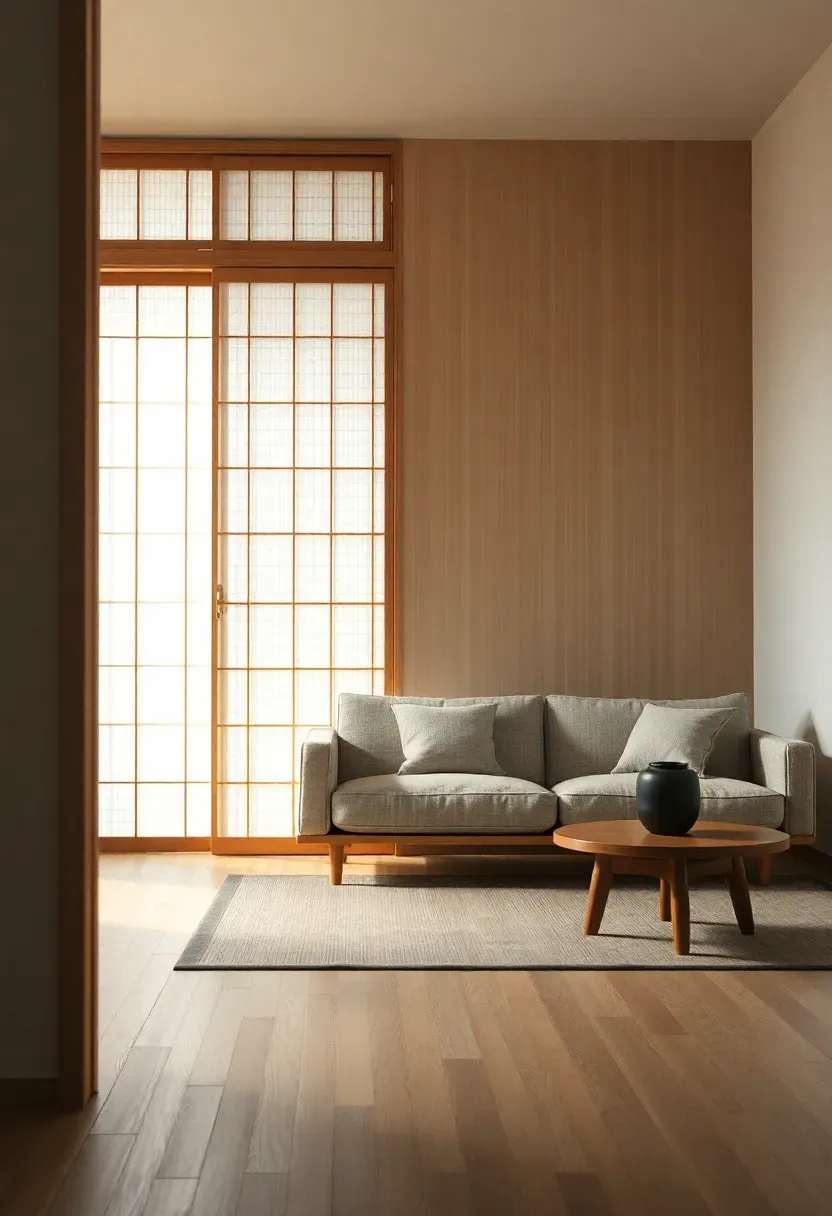
4. Japandi Fusion
Japandi blends Japanese wabi-sabi philosophy with Scandinavian functionalism. The shared DNA is obvious: both traditions value natural materials, clean forms, and the beauty of restraint. In a Japandi living room, you might find a low-profile Danish sofa alongside a Japanese tansu chest, with a single ceramic vase providing the only decorative accent. The palette stays muted and the furniture sits close to the ground, creating a meditative quality that high-ceilinged rooms especially benefit from.
Step 1: Lower the Sightline
Choose furniture with shorter legs or floor-level profiles to create visual calm.
Step 2: Embrace Imperfection
Select handcrafted ceramics, rough-hewn wood, or linen with visible weave. Perfection is not the goal.
Step 3: Edit Ruthlessly
Remove any object that does not serve a function or bring genuine beauty. Japandi spaces are curated to the bone.
Recommended
Items for this idea
5. Statement Ceiling Treatments
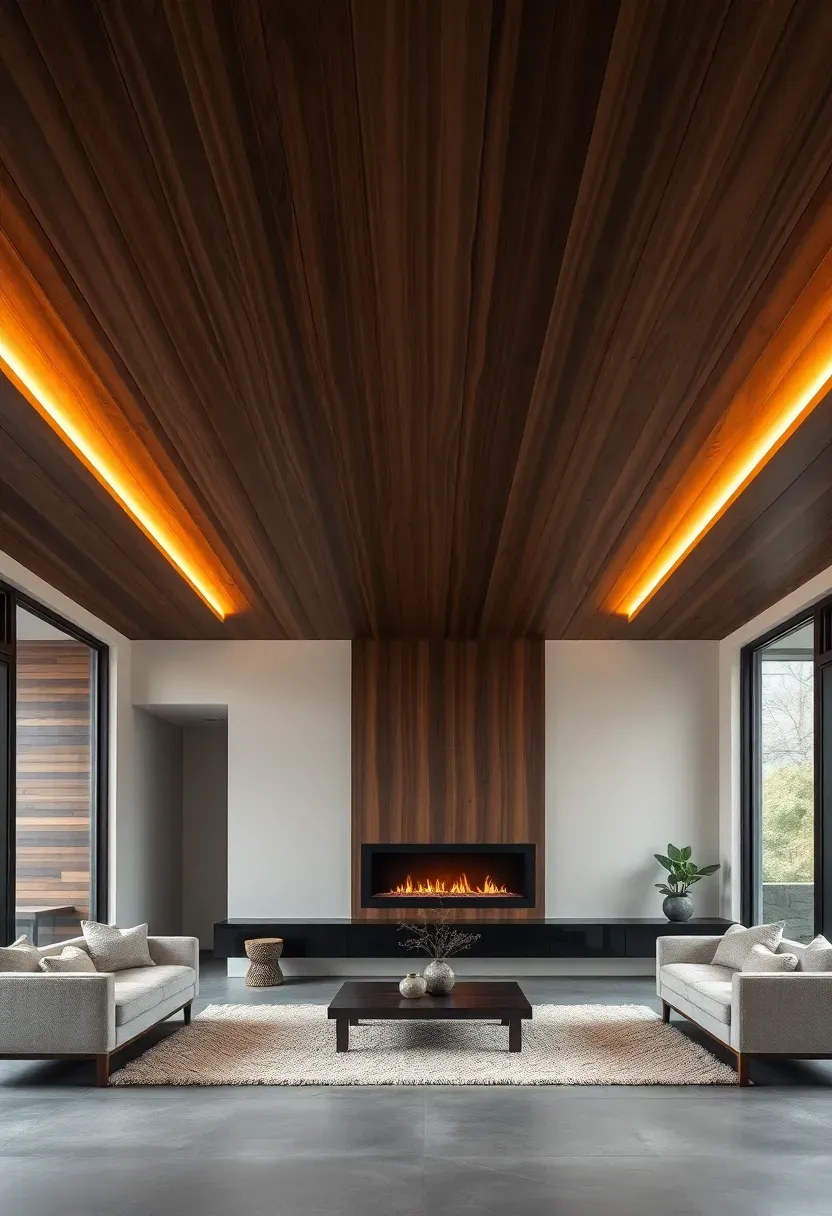
The fifth wall is finally getting its due. Designers are dressing ceilings with wood slats, plaster molding, painted geometric patterns, and even wallpaper. A treated ceiling draws the eye upward, makes standard-height rooms feel taller, and adds a layer of architectural interest that no amount of furniture rearranging can replicate. It is one of the highest-impact changes you can make in a living room without touching the floor plan.
Options Worth Considering
- Wood slat panels: warm, acoustic-dampening, and available in peel-and-stick versions for renters
- Plaster crown molding: classic elegance that pairs well with traditional and transitional styles
- Bold paint color: a deep navy or forest green ceiling makes the walls recede and the room feel like a cocoon
6. Bouclé and Textured Upholstery
The Core Issue
Smooth, flat fabrics on sofas and chairs often look good on day one and lifeless by month six. They show every crease, stain, and pet hair.
The Solution
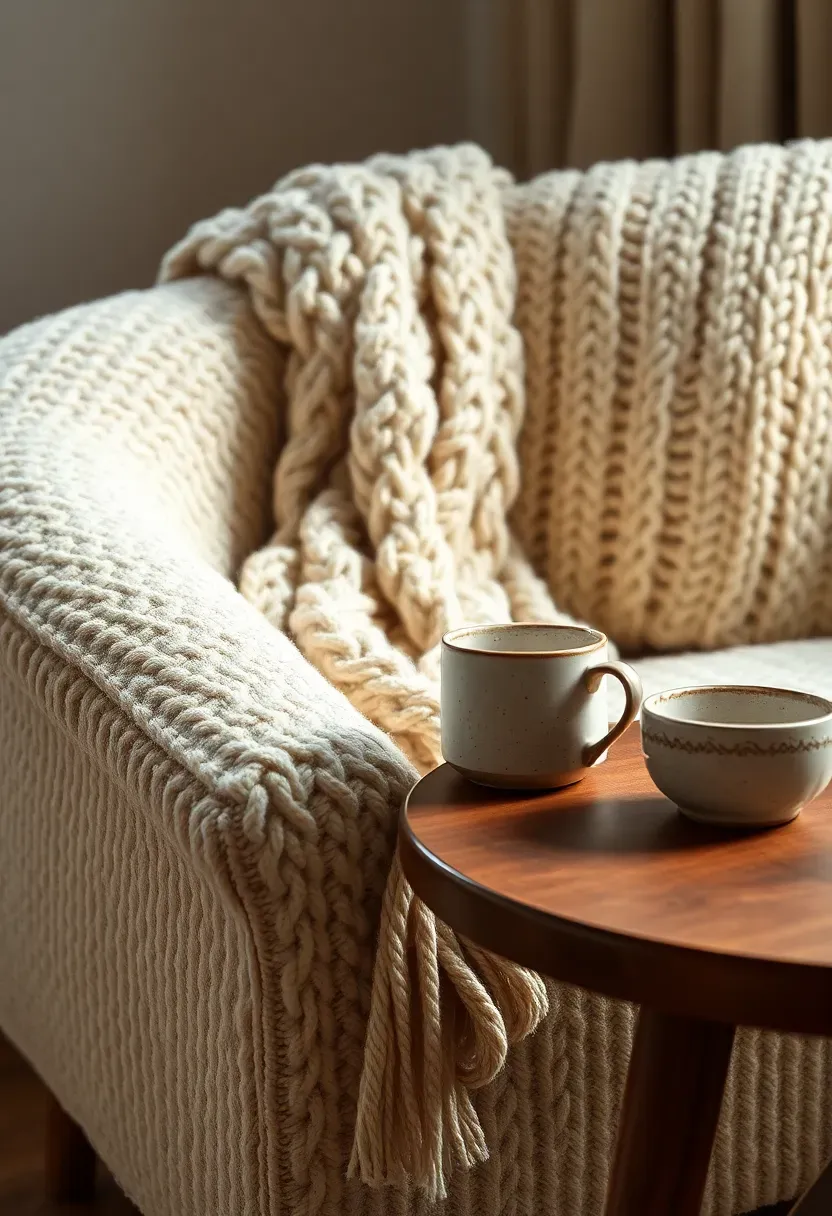
Bouclé, sherpa, and other loop-pile textiles have surged in popularity because they hide wear beautifully while adding a tactile richness that flat fabrics cannot match. Running your hand across a bouclé sofa is a sensory experience, and that physicality makes the living room feel more inviting on a subconscious level. These fabrics also catch light at different angles, which means they shift in tone throughout the day, keeping the room dynamic without any effort from you.
Pros and Cons
Pros: hides pet hair and minor stains, adds visual depth, extremely comfortable Cons: can be a lint magnet, higher-quality bouclé is not cheap, some textures feel too warm in hot climates
Recommended
Items for this idea
7. Biophilic Design Elements
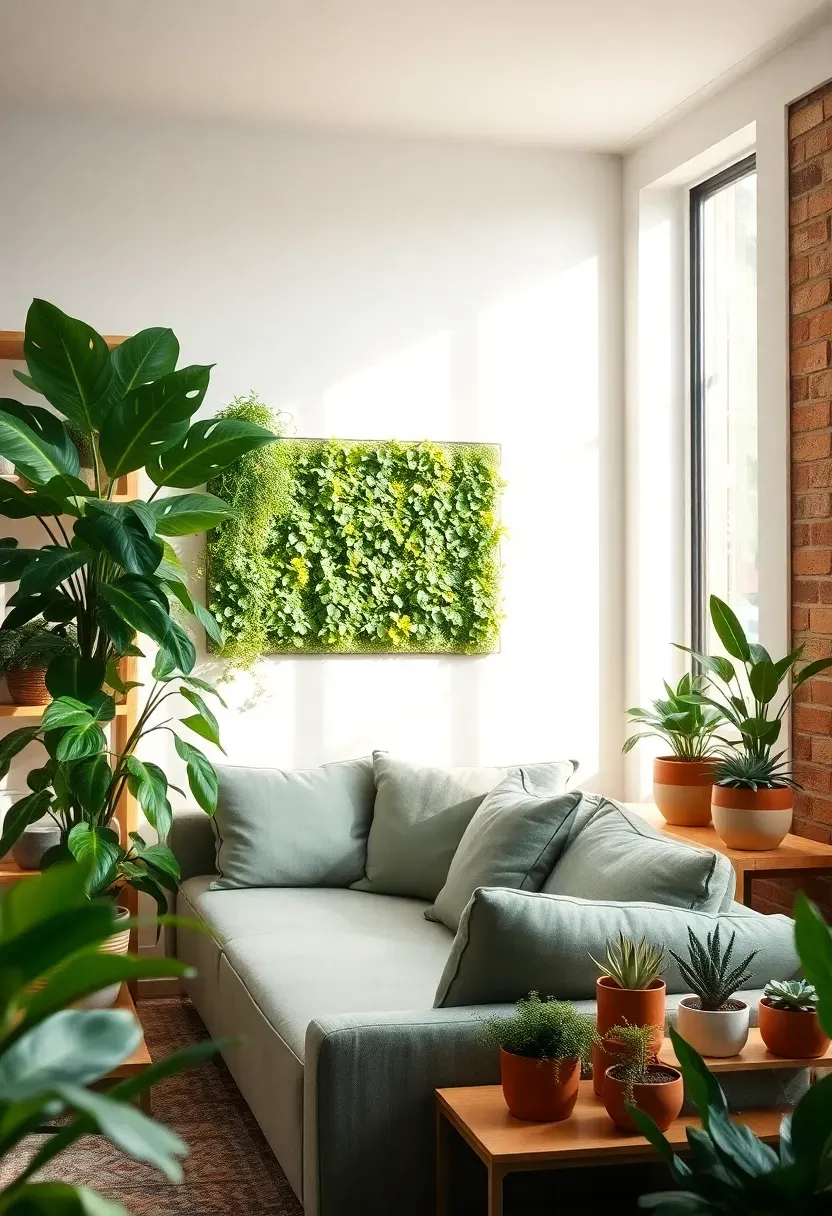
Biophilic design is about more than placing a potted plant in the corner. It is a comprehensive approach that reconnects indoor spaces with nature through materials, light, views, and even sound. In a living room context, this means maximizing natural light, incorporating wood and stone surfaces, introducing water features or nature sounds, and using plant arrangements at multiple heights. Studies consistently link biophilic environments with reduced stress and improved mood, which explains why this trend keeps accelerating year after year.
Practical Applications
- Create a living wall or cluster trailing plants on floating shelves above the sofa
- Replace synthetic materials with raw stone, untreated wood, and clay wherever possible
- Position seating to face windows or outdoor views rather than defaulting to a TV-centric layout
8. Arched Doorways and Niches
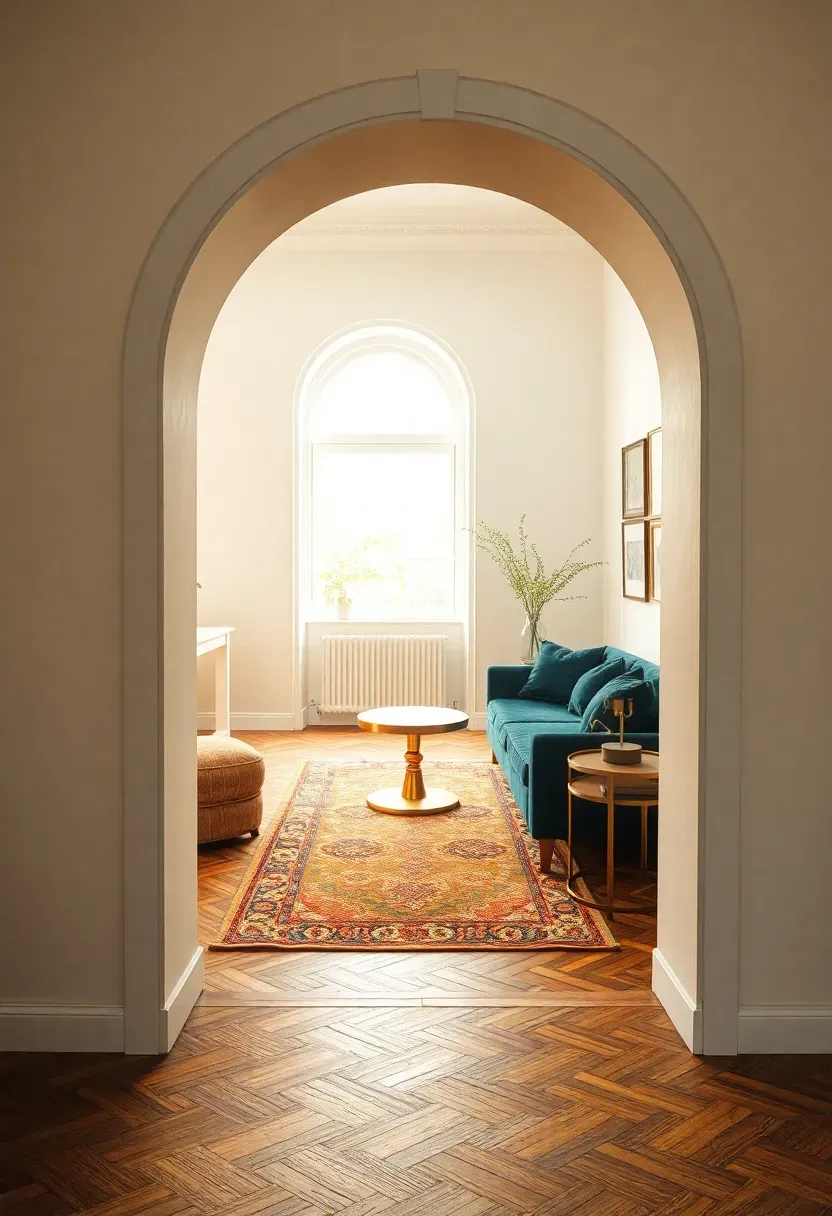
Arches introduce a timeless architectural gesture that softens transitions between rooms. Whether you are adding a full arched doorway, creating a recessed arched niche for display shelves, or simply installing an arched mirror, the curved form breaks the monotony of rectangular rooms in a way that feels permanent and intentional. The beauty of this trend is its scalability: a full structural arch is a renovation project, but an arched bookcase or mirror is a weekend upgrade.
Tips for Incorporating Arches
- An arched floor mirror leaning against the wall delivers the look without construction
- Arched niches built into a wall can replace traditional shelving units and double as ambient lighting alcoves
- Pair arches with plaster or limewash finishes to enhance the Mediterranean-inspired feel
Recommended
Items for this idea
9. Mixed Metal Accents
Comparing: Single Metal vs Mixed Metals
Sticking to one metal finish used to be a design rule. Mixing metals was considered chaotic. That rule is officially retired.
Single Metal Approach
Using only brushed nickel or only brass creates a uniform, coordinated look. It is safe and predictable.
Mixed Metal Approach
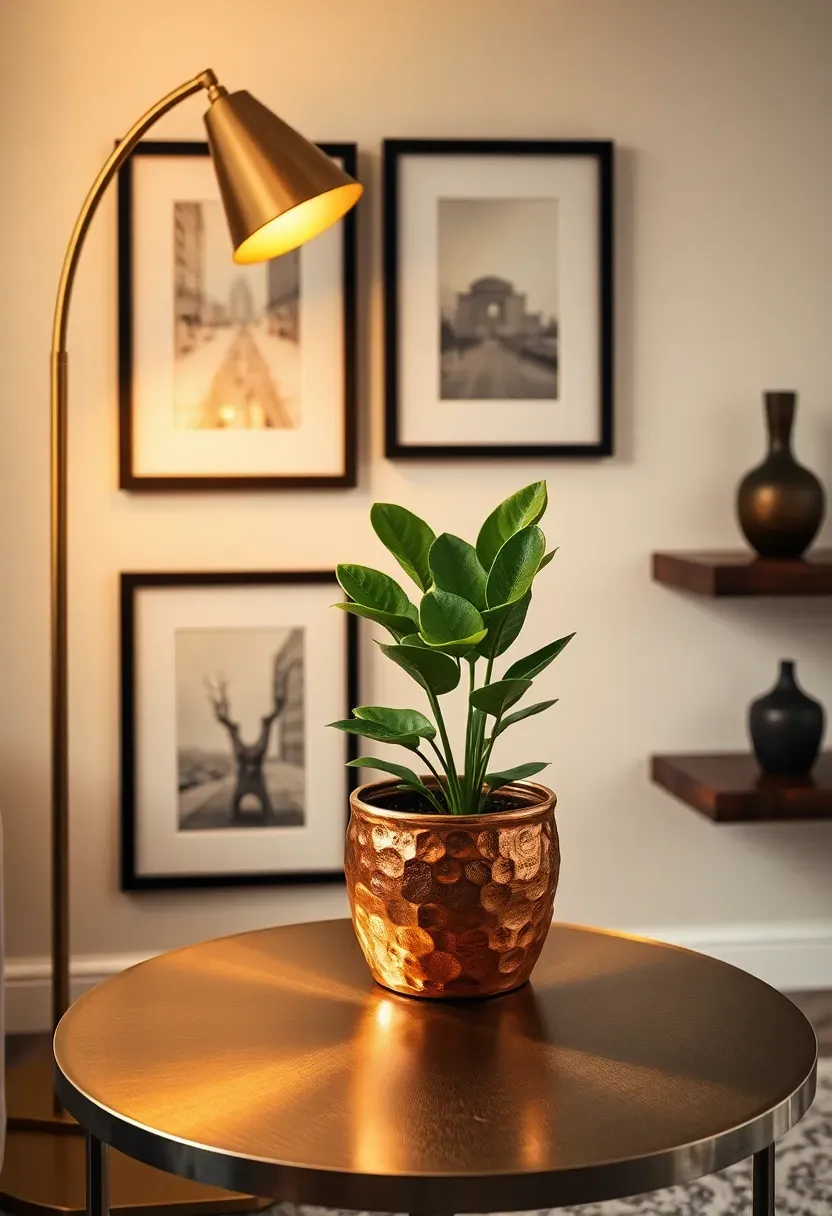
Combining two or three metal finishes — say, brass light fixtures with matte black hardware and a touch of aged bronze — creates visual depth and a collected-over-time feel that single-metal rooms lack.
What to Choose
Choose single metal if: you prefer a streamlined, hotel-like aesthetic or tend to feel overwhelmed by too many variables Choose mixed metals if: you want a layered, eclectic feel or your space already has fixtures in different finishes
Recommendation
Most living rooms benefit from a dominant metal (60 percent) with one or two accent metals (40 percent combined). This gives you variety without visual noise.
10. Oversized Art as Focal Point
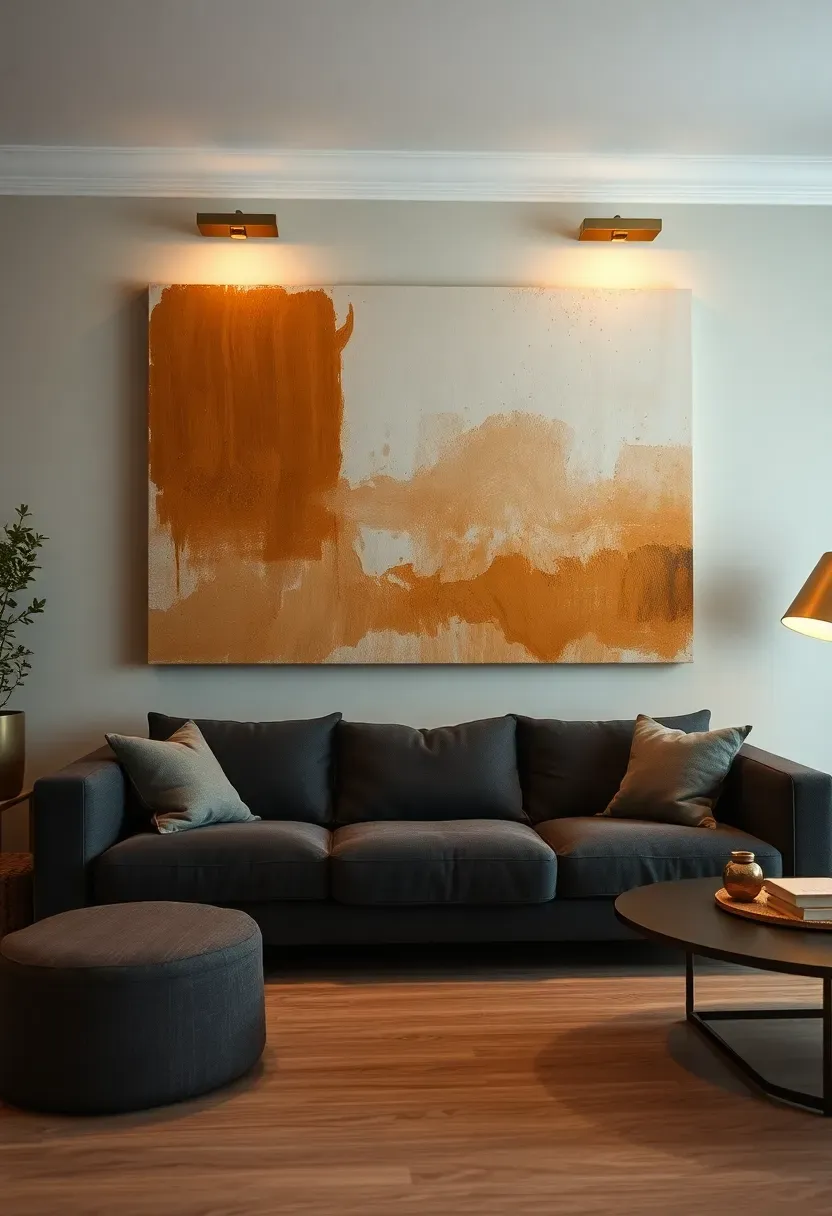
A single large-scale artwork can anchor an entire living room in a way that gallery walls and small prints cannot. The trend toward oversized art reflects a broader shift in interior design: fewer objects, each with more presence. One painting that stretches nearly wall-to-wall eliminates the need for elaborate wall arrangements and gives the room a clear visual hierarchy. Abstract pieces in earth tones or muted palettes are particularly popular because they complement rather than compete with the furniture.
What to Watch Out For
- Scale matters: the artwork should fill at least two-thirds of the wall width above the sofa
- Hang it lower than you think — the center should sit at eye level when seated, not standing
- Skip ornate frames in favor of thin floating frames or no frame at all for a contemporary edge
Recommended
Items for this idea
11. Sunken Conversation Pits
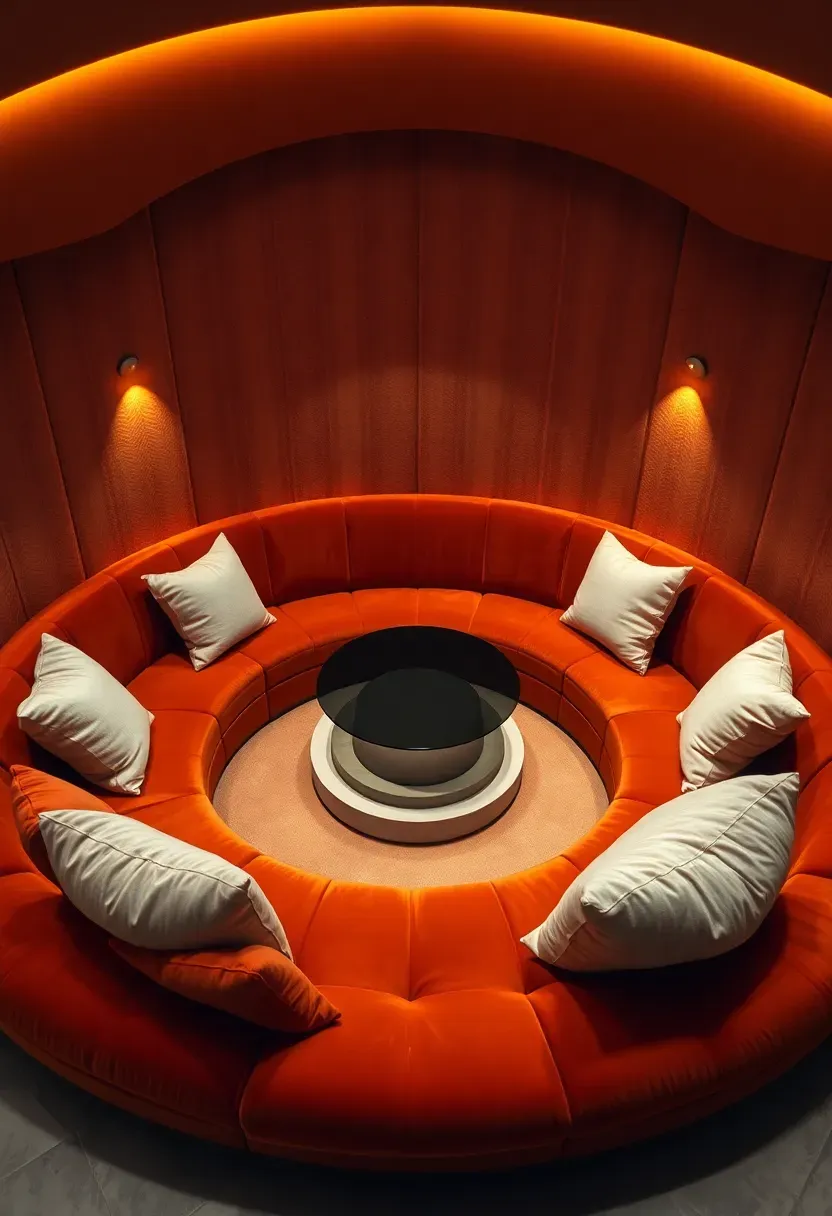
The 1970s conversation pit is making a dramatic comeback, reimagined for modern comfort. A sunken seating area, even just one or two steps below the main floor level, creates an intimate zone within a larger open-plan space. It signals "sit down, stay awhile" in a way that a standard sofa arrangement never quite manages. While a true sunken pit requires structural work, the principle can be approximated with a raised platform around the perimeter or simply a low-profile modular sofa arrangement with an oversized area rug defining the boundary.
How to Achieve the Look Without Renovation
- Use a deep-seated modular sofa arranged in a U-shape with a central ottoman
- Layer thick rugs to visually "sink" the seating zone below the surrounding floor
- Add floor cushions and poufs to extend seating at a lower level than chairs and sofas
12. Fluted and Ribbed Details
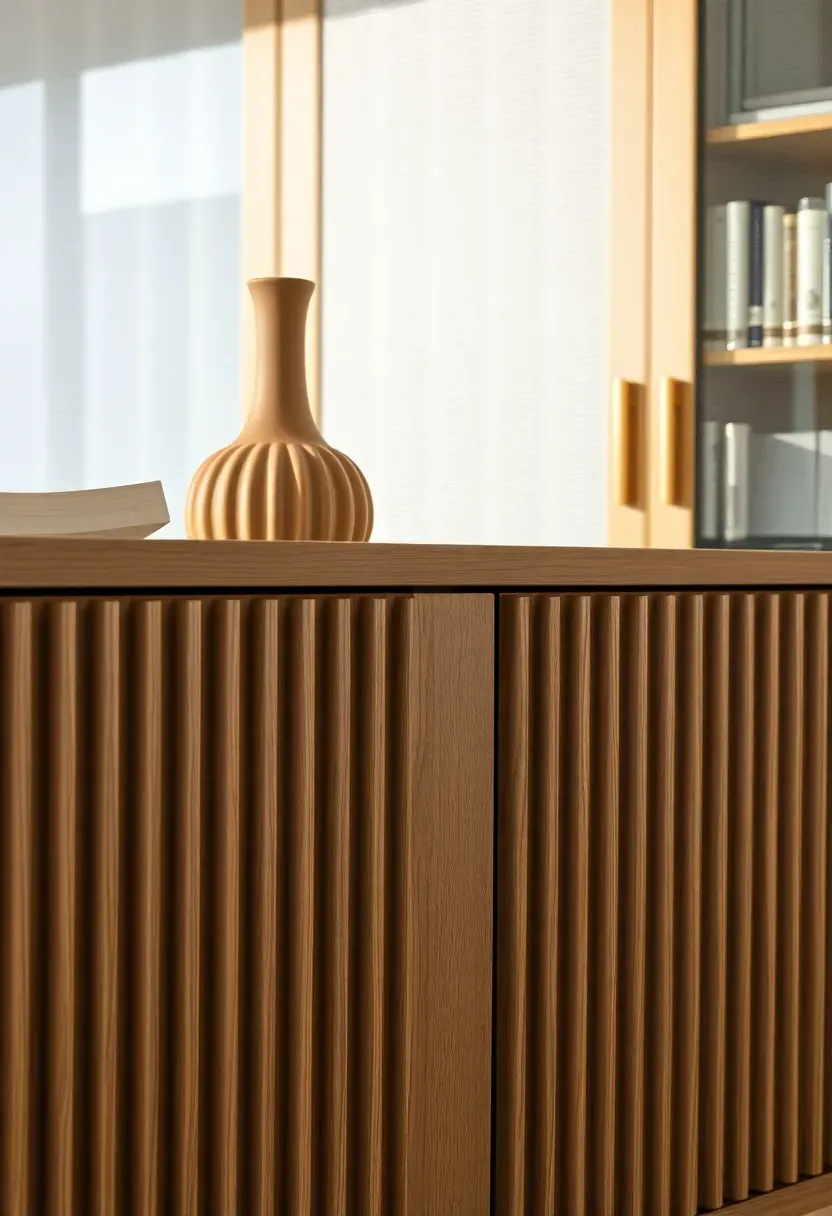
Fluting — those evenly spaced vertical grooves — has migrated from ancient Greek columns to modern furniture, cabinetry, and decor objects. Reeded glass, ribbed planters, and fluted console tables bring rhythm and shadow play to surfaces that would otherwise read as flat. The appeal is textural rather than colorful, which makes this trend especially versatile. It works in neutral palettes, maximalist rooms, and everything in between because the pattern adds dimension without adding color or competing motifs.
Where Fluting Works Best
- Console tables and sideboards facing the main seating area
- Accent cabinet doors in reeded or ribbed glass that partially conceal contents
- Decorative objects like vases, candle holders, and planters that catch side light
Recommended
Items for this idea
13. Moody Dark Interiors
Origins
Dark interiors trace back to Victorian parlors and gentleman's clubs where deep hues signaled sophistication and privacy. For decades, white walls dominated residential design, but the pendulum is swinging.
Modern Interpretation
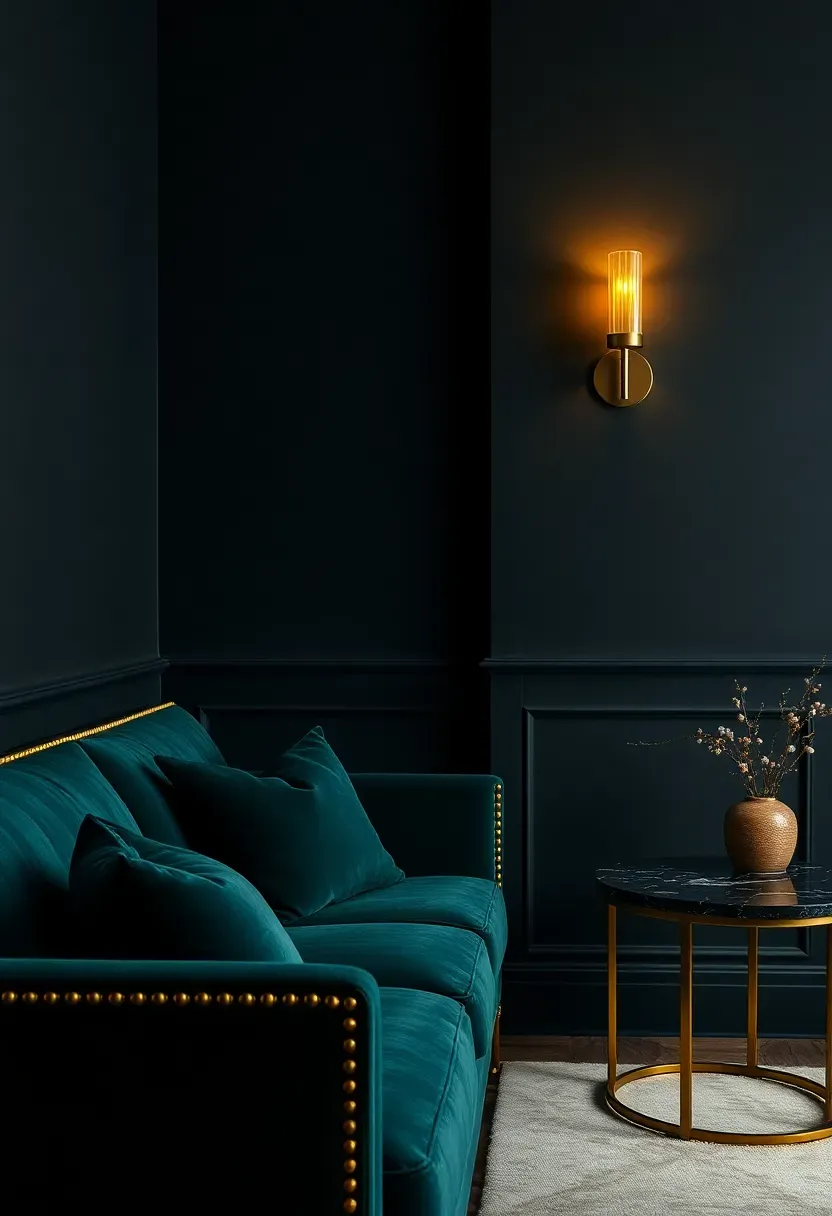
Today's moody living rooms use charcoal, midnight blue, deep olive, and rich burgundy not to feel heavy but to create a cocoon-like embrace. The trick is layering: dark walls paired with lighter textiles, metallic accents that catch the light, and strategic warm-toned lamps that prevent the room from becoming a cave. The result feels intimate and luxurious rather than oppressive.
How to Apply at Home
- Start with a single dark accent wall before committing to a full room
- Use matte paint finishes to avoid glare and create a velvety depth
- Introduce brass, gold, or copper accents to break up the darkness with warmth
- Ensure at least two distinct light sources per seating zone
14. Modular Seating Systems
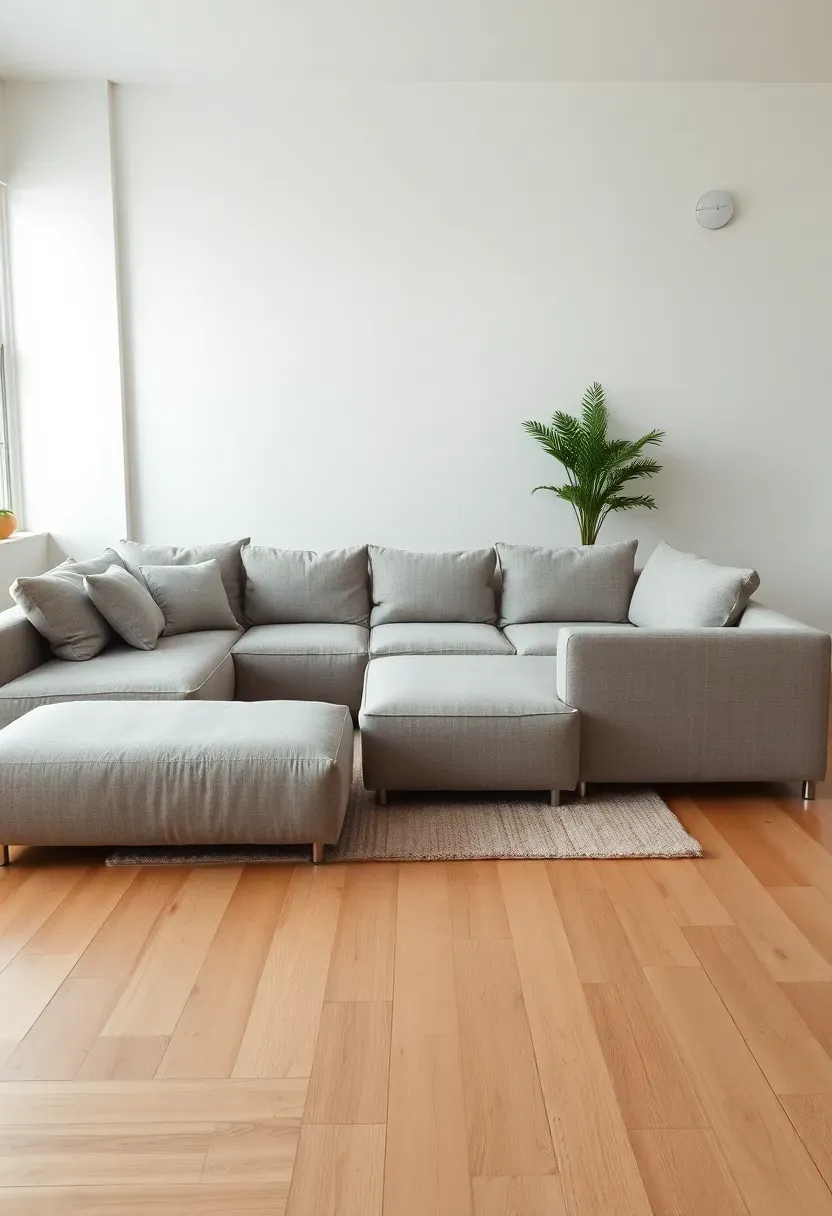
The way we use living rooms keeps changing — movie night, work from home, hosting friends, solo reading. Modular sofas respond to this reality by letting you reconfigure the seating arrangement in minutes. Pieces click together or pull apart, transform from an L-shape into a straight sofa or a daybed, and adapt as your needs shift. Brands are now offering modules that ship flat-pack and connect without tools, making them practical for renters and people who move frequently.
Tips for Choosing Modular Seating
- Count the modules you actually need; three to five is the sweet spot for most living rooms
- Prioritize systems with washable, removable covers if you have kids or pets
- Test the connection mechanism in person — a modular sofa that slides apart during use defeats the purpose
Recommended
Items for this idea
15. Organic Sculptural Lighting
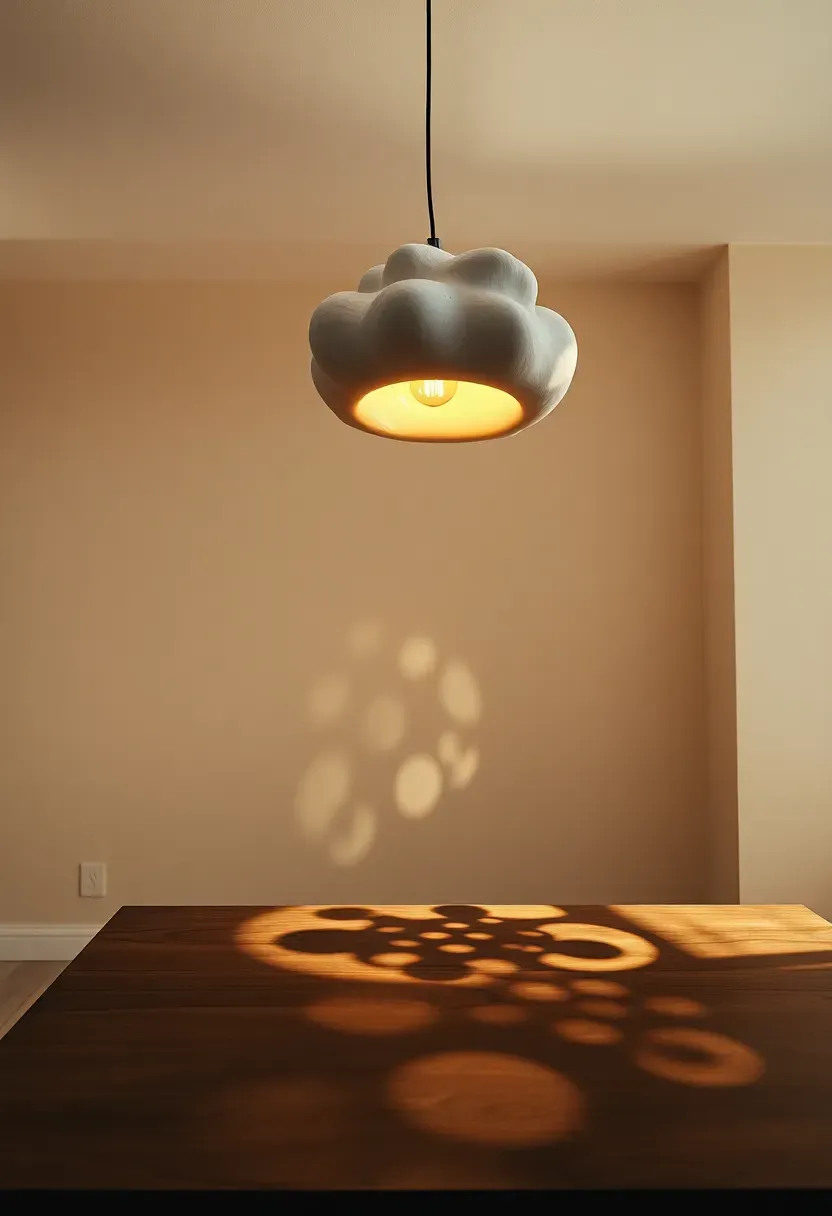
Lighting fixtures are becoming art objects. Sculptural pendants inspired by clouds, stones, flowers, and abstract organic forms replace the predictable drum shade. These fixtures serve double duty: functional light source when on, conversation-starting sculpture when off. The trend aligns with the broader move toward organic shapes in furniture and architecture. A single sculptural pendant above the coffee table or in a reading corner can elevate the entire room without requiring any other changes.
What to Watch Out For
- Scale the fixture to the room — an oversized pendant in a small room reads as dramatic, but undersized looks like an afterthought
- Warm-toned bulbs (2700K-3000K) complement organic shapes better than cool daylight
- Hang pendants lower than you expect over seating areas; 7 feet from the floor is a good baseline for non-traffic zones
16. Layered Rugs and Textiles
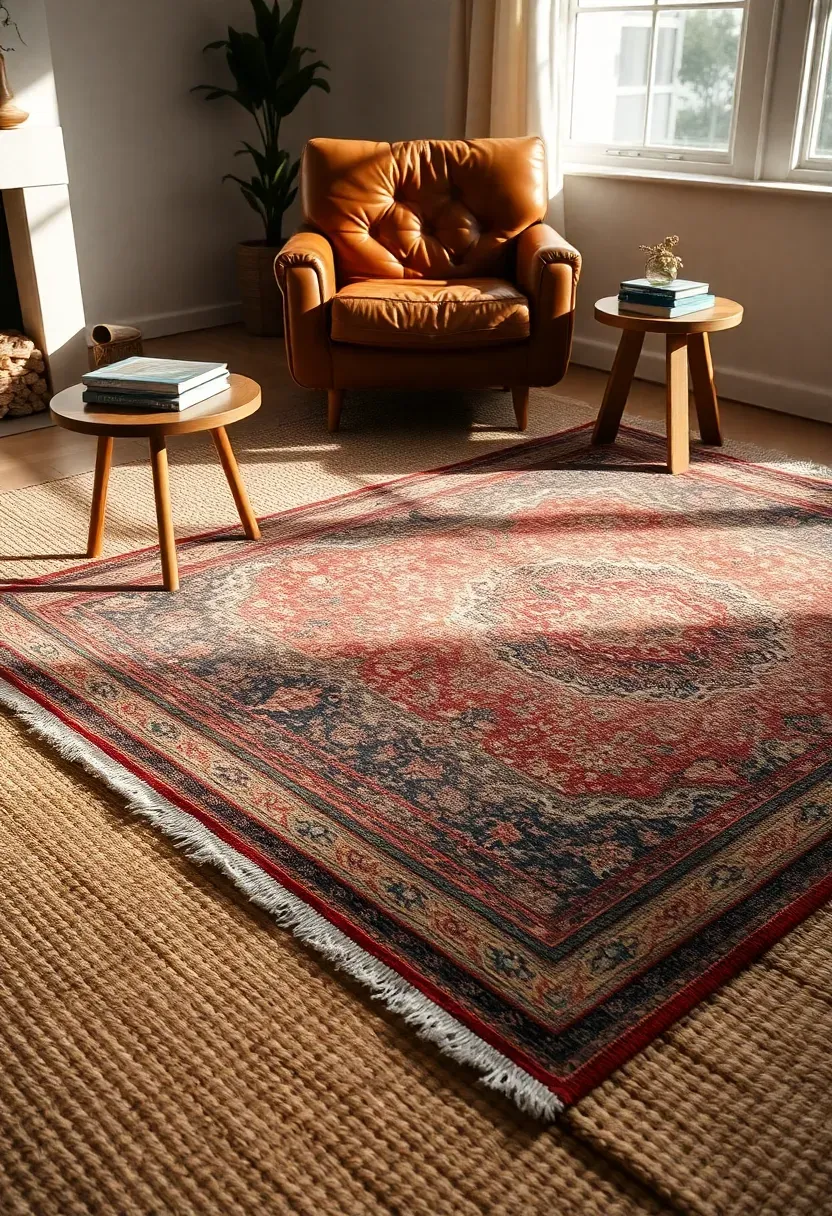
One rug defines a zone. Two rugs layered together tell a story. The layered-rug trend adds depth, color, and a bohemian intelligence to living rooms that a single rug cannot deliver alone. The standard approach is a large, neutral base rug — jute, sisal, or a flatweave — topped with a smaller vintage or patterned rug that introduces personality. Beyond rugs, the broader textile layering philosophy extends to throws draped over sofa arms, mixed cushion fabrics, and even curtains in contrasting weights.
Step 1: Choose the Base
Select a large neutral rug that extends under all main furniture. This grounds the room.
Step 2: Add the Accent
Place a smaller, more colorful or patterned rug on top, angled slightly for a casual feel.
Step 3: Extend the Layers
Add a woven throw over the sofa and two or three cushions in fabrics that echo the accent rug's tones.
Recommended
Items for this idea
17. Terracotta and Clay Accents
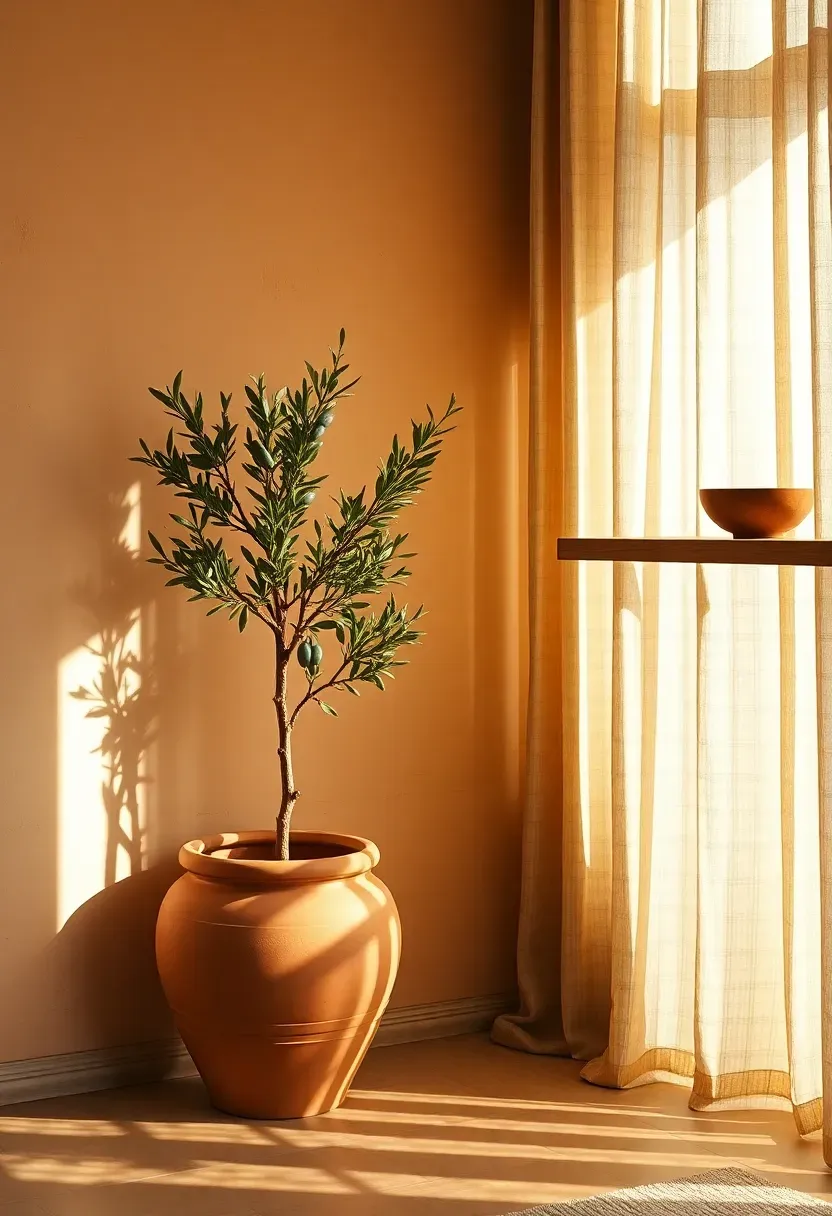
Terracotta is not just a pot material anymore. It has evolved into a full interior design palette that includes wall paint, tile, upholstery fabric, and sculptural objects. The warm, reddish-brown tone of terracotta brings Mediterranean and Southwest warmth to any room and pairs remarkably well with sage green, cream, and deep navy. Clay-based decor objects — handmade bowls, unglazed vases, sculptural candleholders — reinforce the handcrafted, slow-living ethos that defines 2026 interiors.
Tips for Using Terracotta
- A terracotta accent wall behind the sofa adds warmth without overwhelming a neutral room
- Mix glazed and unglazed clay objects for textural contrast
- Pair terracotta tones with plenty of natural greenery to prevent the palette from feeling one-dimensional
18. Open Shelving as Room Dividers
Why Walls Feel Wrong
In open-plan living, solid walls defeat the purpose. But completely open space can feel directionless and echoey.
The Solution
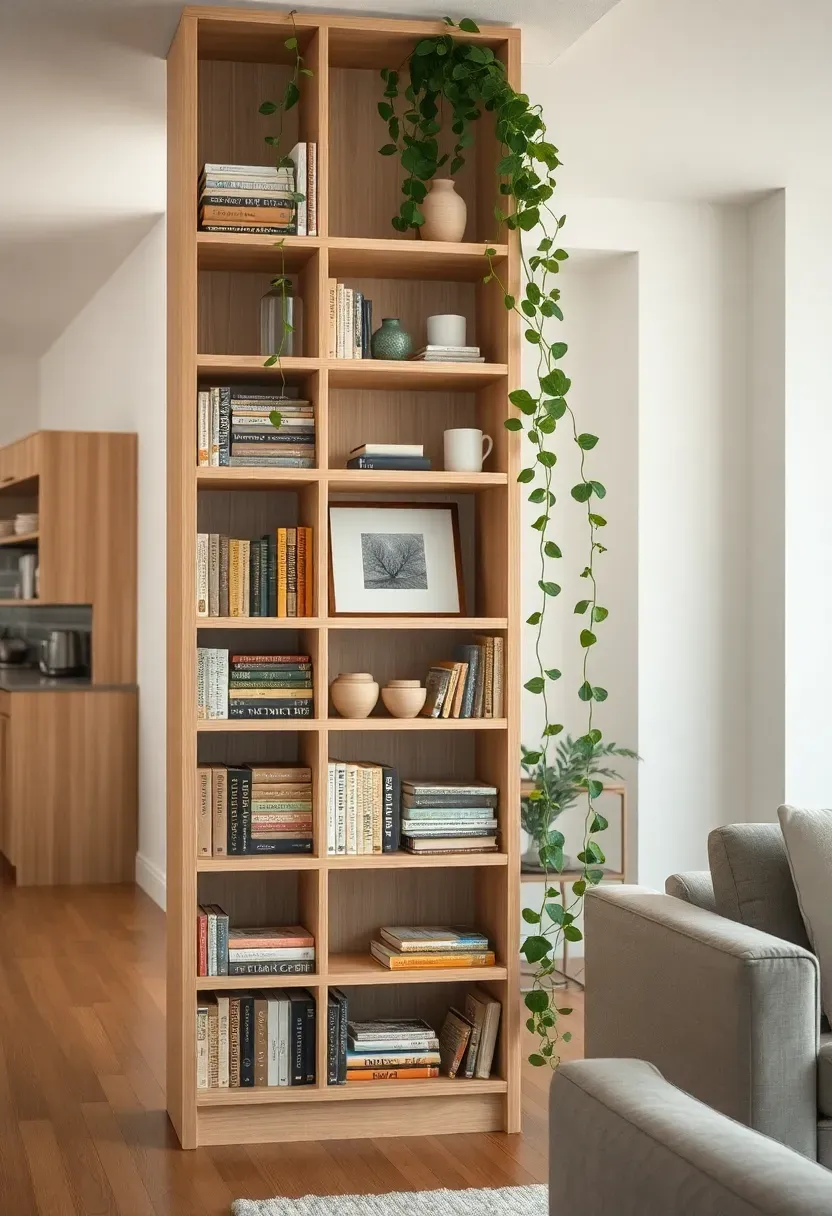
Freestanding open shelving units solve both problems. They define zones — separating the living area from a dining nook or home office — while allowing light and sightlines to pass through. When styled thoughtfully with a mix of books, plants, and objects, they function as decor and architecture simultaneously. The best room-divider shelves are at least six feet tall and no deeper than 14 inches to avoid feeling bulky.
Pros and Cons
Pros: preserves openness and light, adds storage, can be repositioned, doubles as display space Cons: requires regular styling to avoid looking cluttered, does not provide sound or visual privacy
Recommended
Items for this idea
19. Sustainable and Vintage Furniture
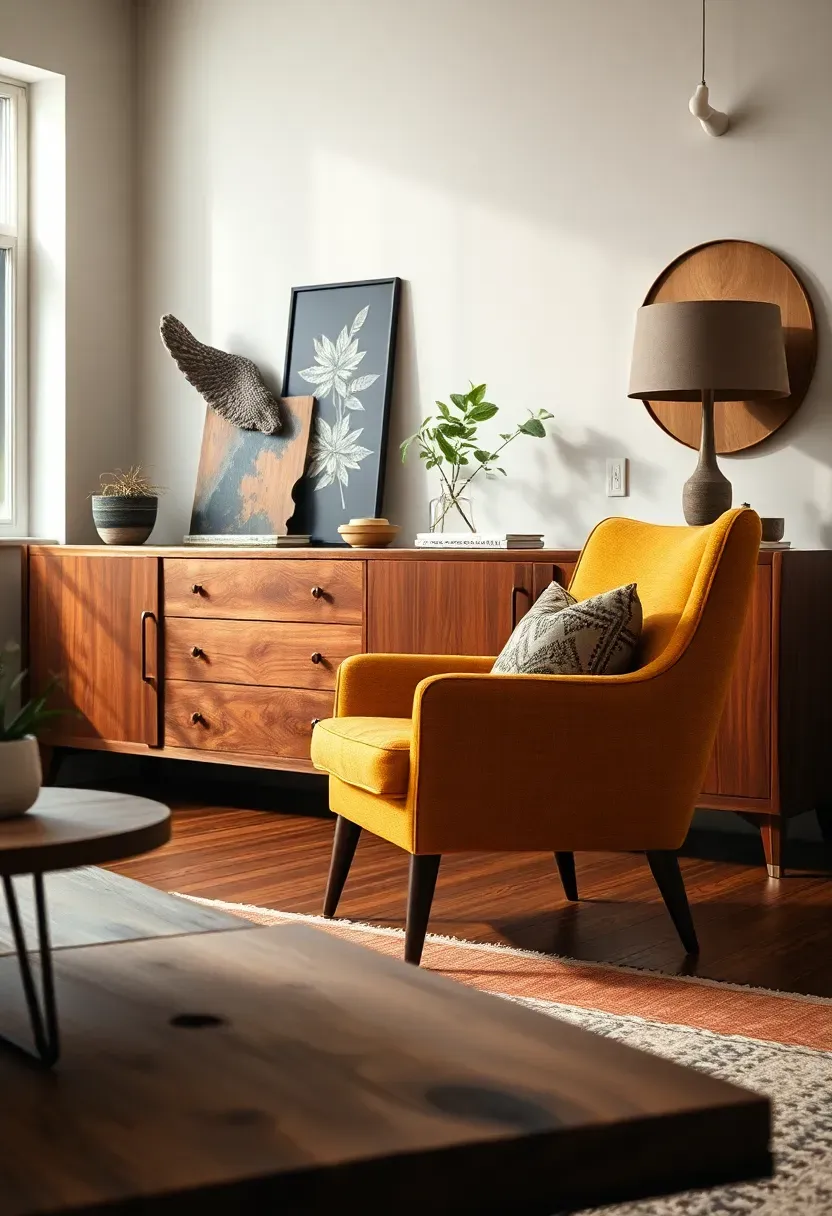
Buying new is no longer the default. Thrifting, estate sale hunting, and choosing furniture made from reclaimed or sustainably sourced materials have moved from niche to mainstream. The environmental motivation is clear, but the design payoff is equally compelling: vintage pieces have character, patina, and proportions that mass-produced furniture simply cannot replicate. A 1960s teak credenza or a reupholstered mid-century armchair immediately anchors a room with a sense of history and intention.
How to Mix Vintage and New
- Anchor the room with one or two vintage statement pieces, then fill in with new basics
- Reupholster vintage seating in modern fabrics for a fresh-meets-found aesthetic
- Check structural integrity before purchasing — sturdy bones can always be refinished
20. Limewash and Textured Walls
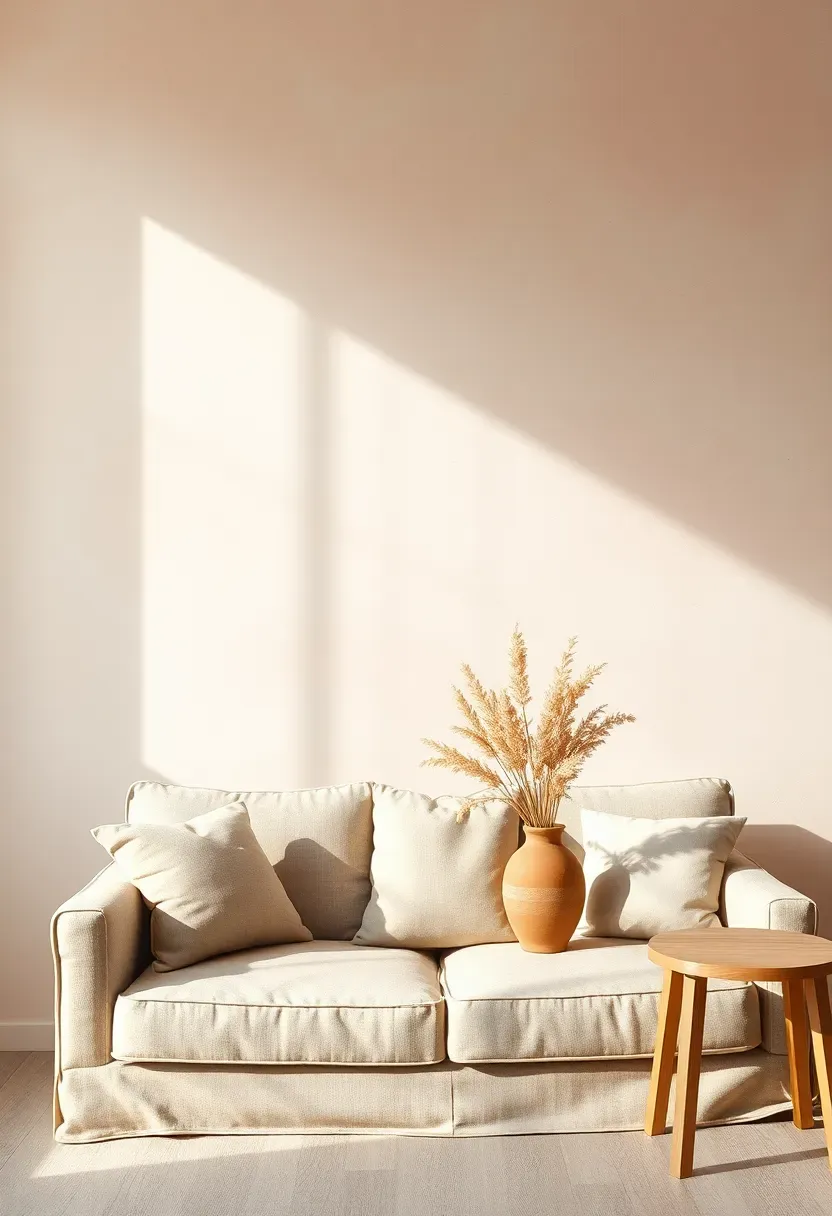
Flat, uniform paint is losing ground to finishes that move. Limewash, Roman clay, venetian plaster, and microcement create surfaces with subtle tonal variation, depth, and a tactile quality that standard paint cannot achieve. Limewash in particular has exploded on social media because the application process is forgiving and the results look like a centuries-old Italian villa wall. These textured finishes absorb and reflect light differently throughout the day, which means your walls genuinely change character from morning to evening.
What to Watch Out For
- Limewash works best on porous surfaces like drywall and plaster; it will not adhere well to glossy or sealed surfaces
- Test a small area first — the color lightens significantly as it dries
- Expect and embrace imperfection; the mottled, cloud-like effect is the entire point
Recommended
Items for this idea
21. Jewel-Tone Accent Pieces
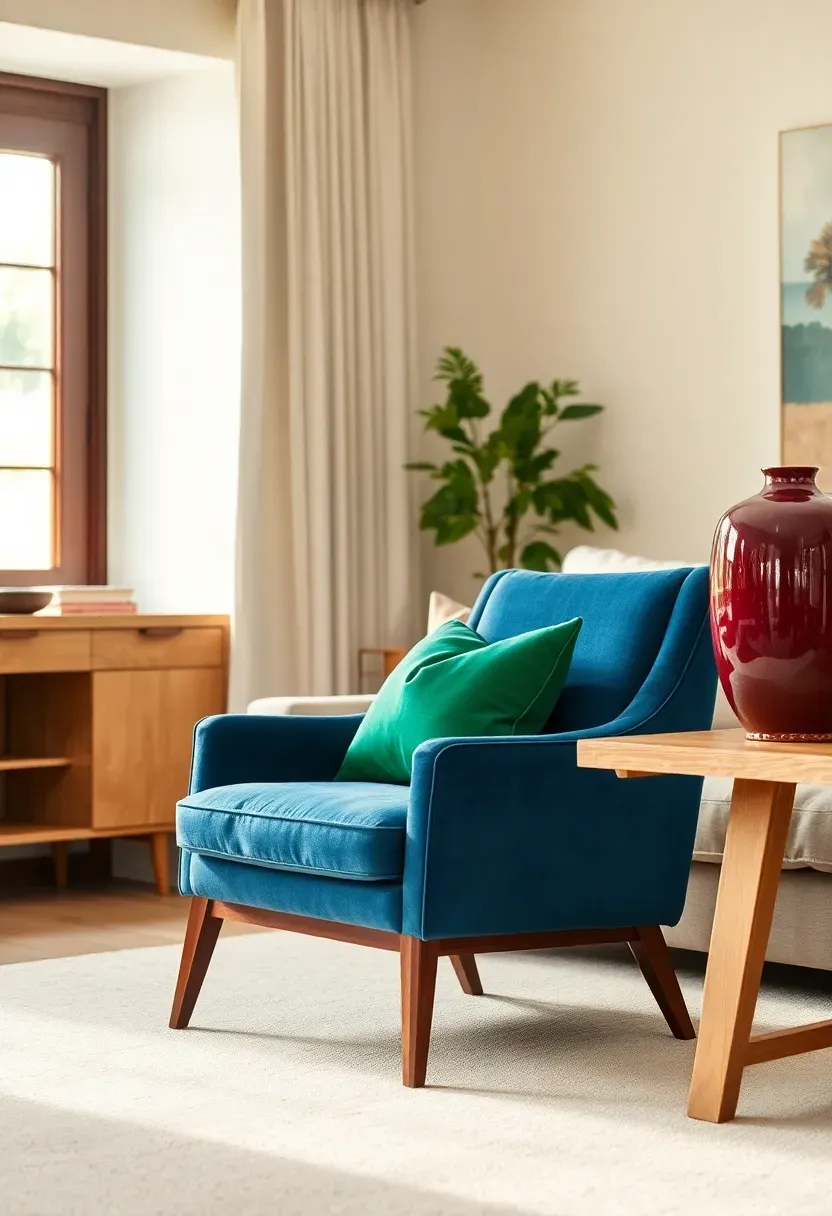
After years of muted neutrals, bold color is returning — but not on every surface. The 2026 approach to jewel tones is strategic: a single sapphire armchair, an emerald cushion, a ruby vase. These saturated hues act as visual exclamation points in otherwise calm rooms. The beauty of using jewel tones as accents rather than room-wide commitments is flexibility. You can swap a pillow or vase with the seasons while the room's foundation remains timeless.
Practical Applications
- Limit jewel tones to two or three objects maximum to preserve impact
- Choose velvet or silk for jewel-toned textiles — the sheen amplifies the color richness
- Ground jewel accents with warm neutrals like camel, taupe, or ivory to prevent the room from feeling like a jewelry box
22. Indoor-Outdoor Living Blur
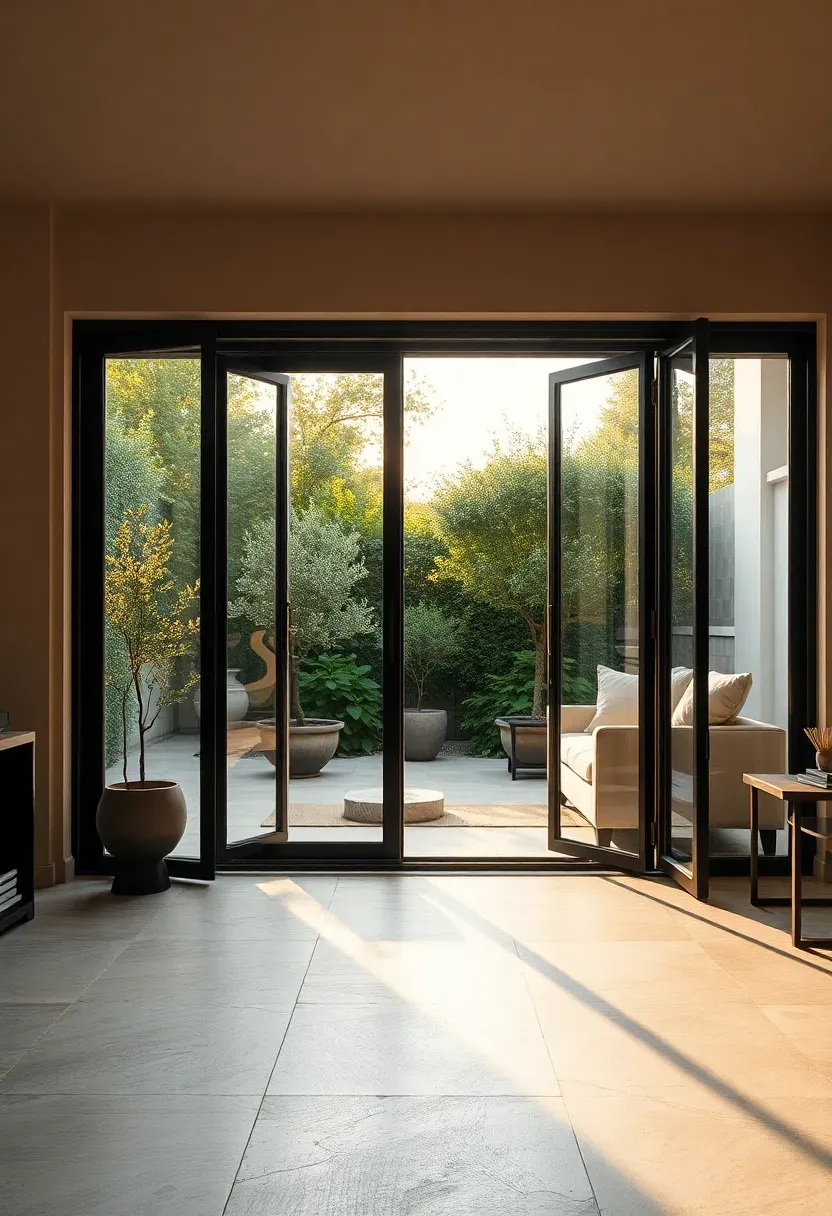
The boundary between inside and outside is dissolving. Folding glass doors, continuous flooring materials that extend from living room to patio, and weather-resistant indoor-style furniture on decks all contribute to a seamless flow. This trend is practical in warm climates but increasingly achievable in cooler regions through enclosed sunrooms, heated patios, and insulated glass walls. The psychological effect is powerful: the living room feels twice as large when it visually borrows the outdoors.
Step 1: Align the Sightline
Position your main sofa to face the outdoor opening. The view becomes your artwork.
Step 2: Continue the Floor
Use the same flooring material or a complementary one inside and out to erase the threshold visually.
Step 3: Extend the Style
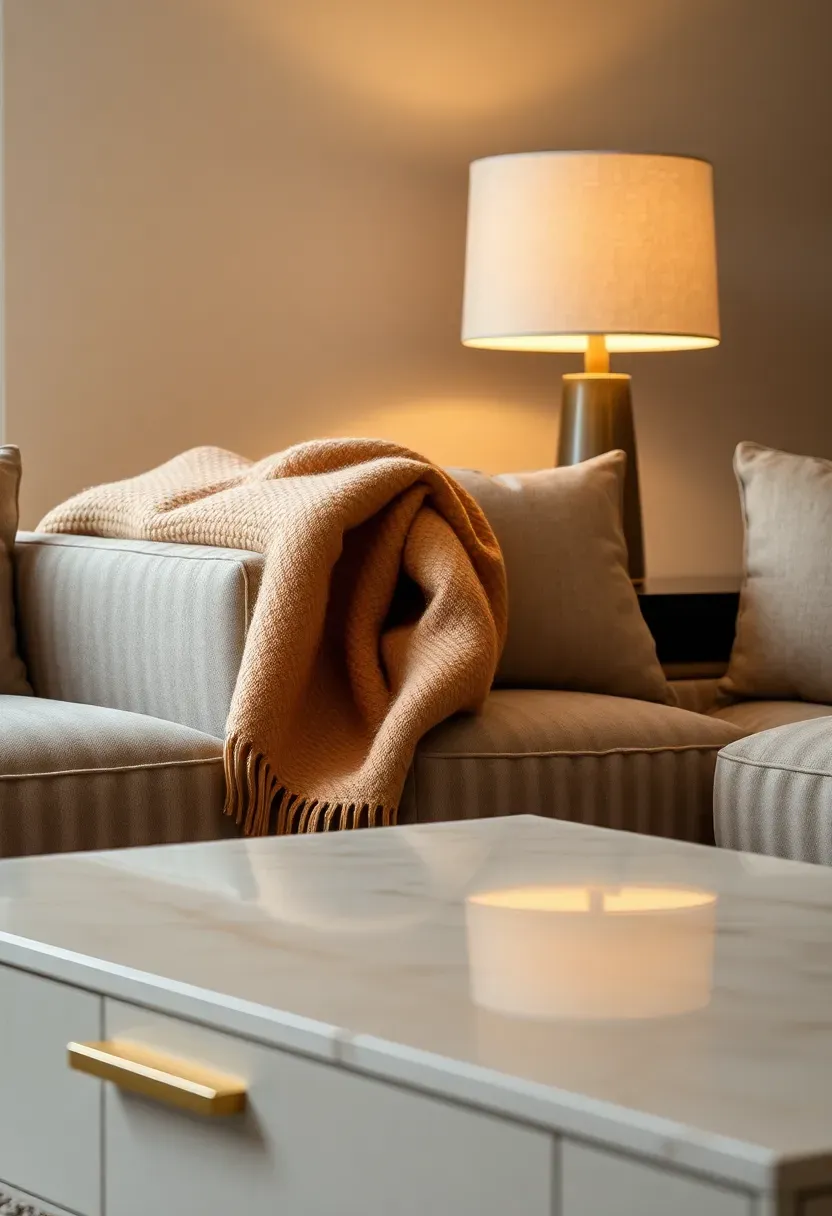
Bring indoor elements outside — a real rug on a covered patio, table lamps on an outdoor side table — and outdoor elements in, like potted trees and stone accessories.
Recommended
Items for this idea
23. Quiet Luxury Aesthetic
Quiet luxury is the antithesis of flashy design. There are no logos, no attention-grabbing patterns, no gilded frames. Instead, the focus falls on material quality — cashmere throws, full-grain leather, hand-finished wood, natural stone. The room whispers rather than shouts. Every object earns its place through craftsmanship and tactile pleasure rather than visual drama. This trend appeals to homeowners who have moved past collecting things and now curate experiences. A quiet luxury living room feels expensive without ever trying to prove it.
How to Apply at Home
- Invest in fewer, better pieces: one exceptional sofa beats three mediocre ones
- Choose materials you want to touch — leather that softens with age, linen that wrinkles beautifully, stone with visible veining
- Keep surfaces mostly clear and let the quality of each object speak for itself
- Lighting should be warm, layered, and never overhead fluorescent
Quick FAQ
Is warm minimalism the same as Scandinavian design? They share a family resemblance but differ in emphasis. Scandinavian design prioritizes function and often leans cool with whites and grays. Warm minimalism starts from the same clean-line foundation but swaps the cool palette for honey, oat, and clay tones, creating a more enveloping atmosphere.
Should I follow every trend on this list? Absolutely not. The strongest rooms commit to two or three trends that resonate personally and ignore the rest. Trying to incorporate all 23 would create a confused space. Pick the ideas that align with how you actually live and build from there.
Can moody dark walls work in a small living room? Yes, and often better than expected. Dark walls in a small room create depth rather than confinement when paired with good lighting and a few lighter elements. The key is warm-toned darks like charcoal brown or deep olive rather than stark black, plus at least two light sources per wall.
Which trend offers the biggest impact for the smallest budget? Limewash or textured paint delivers a dramatic transformation for under $100 in materials. A single accent wall in limewash changes the entire character of a room in an afternoon.
Are curved sofas practical for everyday use? Modern curved sofas are designed with comfort in mind. Look for models with a gentle curve rather than a dramatic arc, firm seat cushions, and a depth of at least 22 inches. They seat as many people as straight sofas of the same length and encourage more natural conversation angles.
The living room you actually enjoy spending time in is never the one that follows every trend. It is the one that borrows selectively from what is happening in design and filters it through how you and your household really live. Start with the trend that excited you most while reading this list. Move one piece of furniture, try one new color, swap one light fixture. Small changes compound, and before you know it, the room feels entirely new.
Pinterest cover for 23 Latest Living Room Design Trends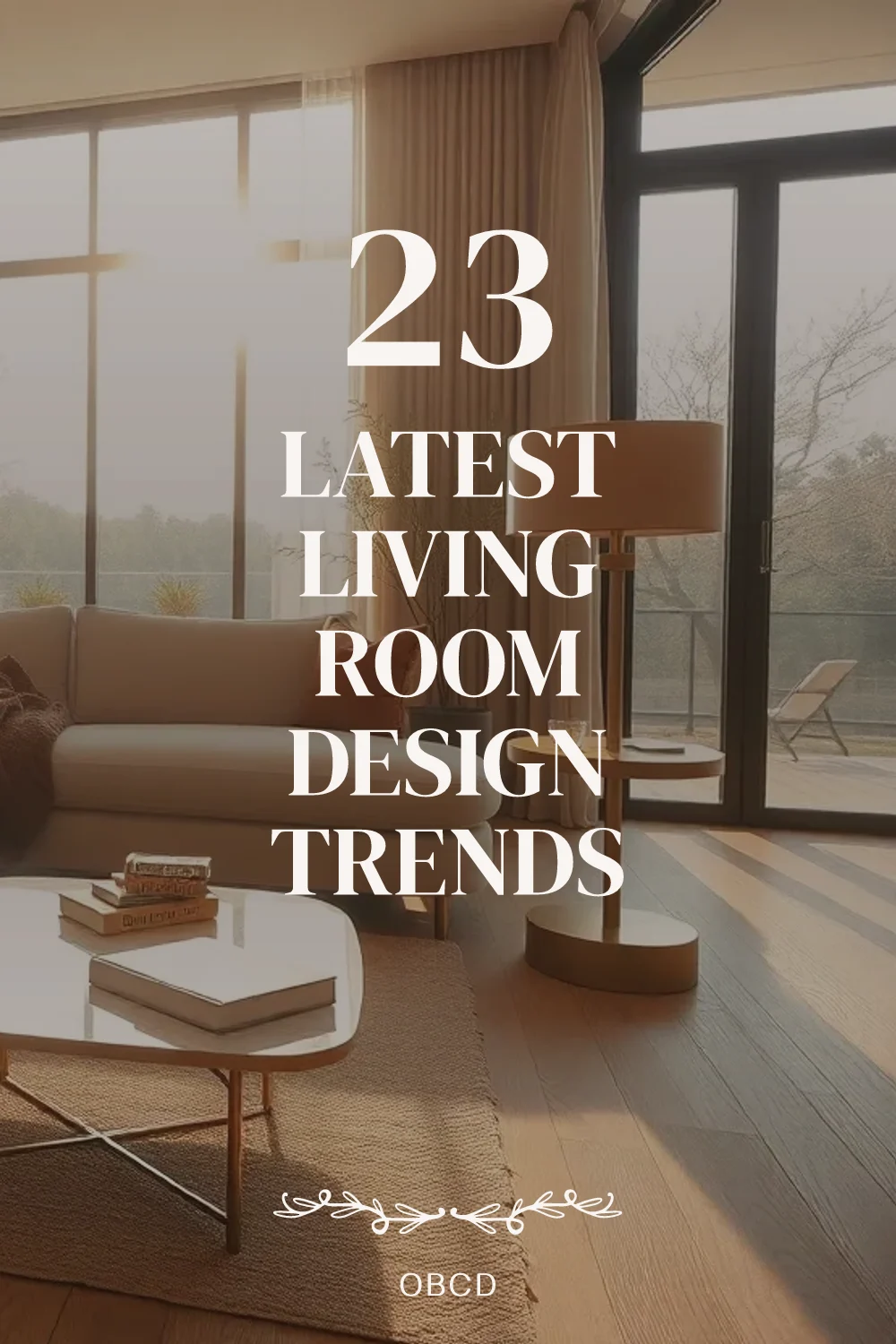
About the author
OBCD
CGI visualization and interior design content. We create detailed 3D renders and curate practical design ideas for every room in your home.