27 Shabby Chic Dining Room Ideas for Charming Gatherings
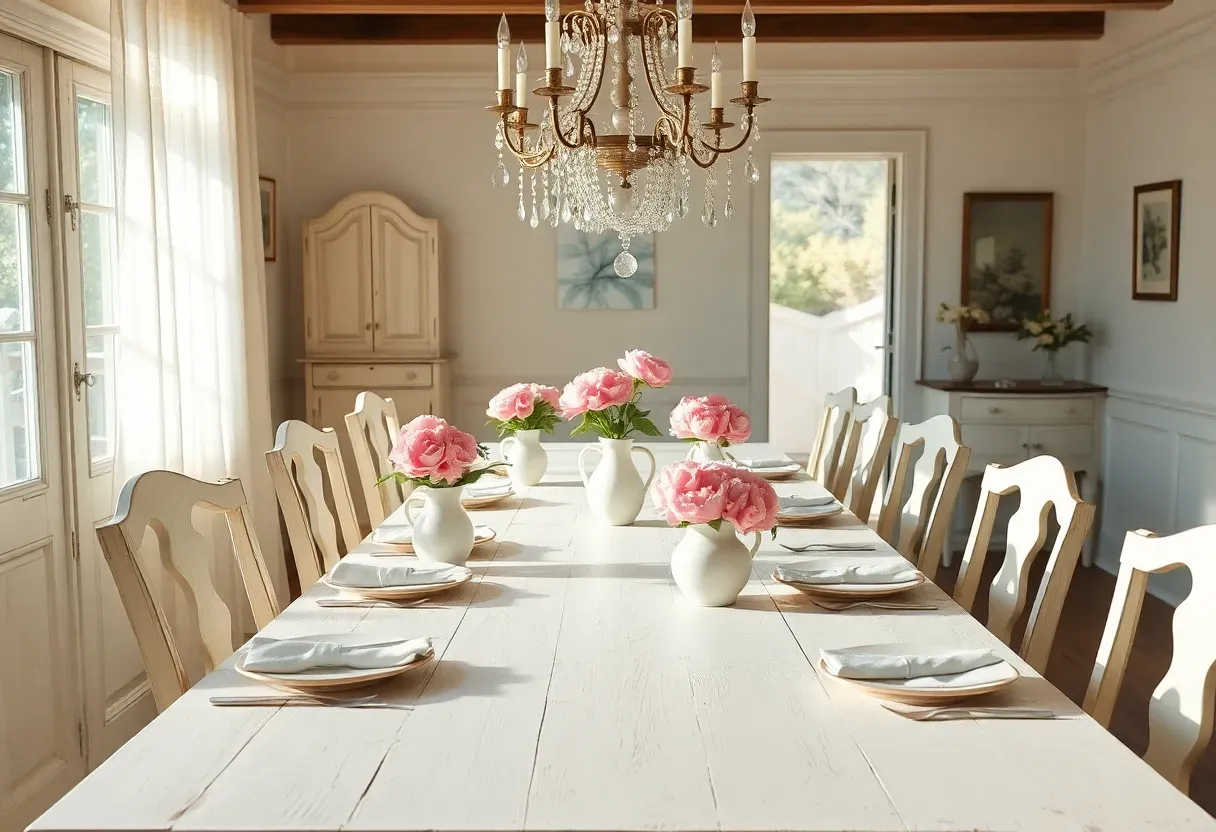
Why do we keep pretending that dining rooms need to look showroom-perfect? The most memorable meals happen around tables with scratched surfaces, chairs that do not match, and candlelight flickering inside salvaged lanterns. Shabby chic dining rooms lean into that truth. They celebrate the beauty of things that have been loved, used, and passed down. Instead of chasing pristine finishes, this style layers worn textures, muted florals, and soft whites into spaces that feel instantly welcoming -- the kind of room where guests linger long after dessert is finished.
In this article I have gathered twenty-seven distinct approaches covering furniture choices, wall treatments, lighting ideas, textile layering, and table styling. We start with foundational pieces like tables and chairs, move through decorative layers, and finish with the small touches that pull everything together.
Table of Contents
- Farmhouse Trestle Table with Peeling Paint
- Mismatched Vintage Chair Collection
- Crystal Chandelier over Rustic Wood
- Linen Slipcover Dining Chairs
- French Provincial Glass-Front Hutch
- Distressed White Wainscoting Walls
- Ironstone Pitcher Centerpiece Arrangement
- Layered Lace Table Runner
- Repurposed Door as Wall Art
- Vintage Plate Wall Display
- Rope-Wrapped Pendant Cluster
- Whitewashed Brick Accent Wall
- Floral Chintz Bench Cushions
- Antique Mirror Sideboard Backdrop
- Mason Jar Herb Centerpiece
- Tiered Tray Dessert Display
- Chippy Window Frame Room Divider
- Ruffled Linen Napkin Set
- Weathered Wood Floating Shelves
- Toile de Jouy Accent Wall
- Birdcage Candle Lanterns
- Monogrammed Burlap Chair Sashes
- Pastel Painted Ladder Wine Rack
- Vintage Silverware as Decor Hooks
- Dried Hydrangea Wreath Over Mantel
- Crackle-Glaze Ceramic Dinnerware
- Candlelit Cloche Terrarium Centerpiece
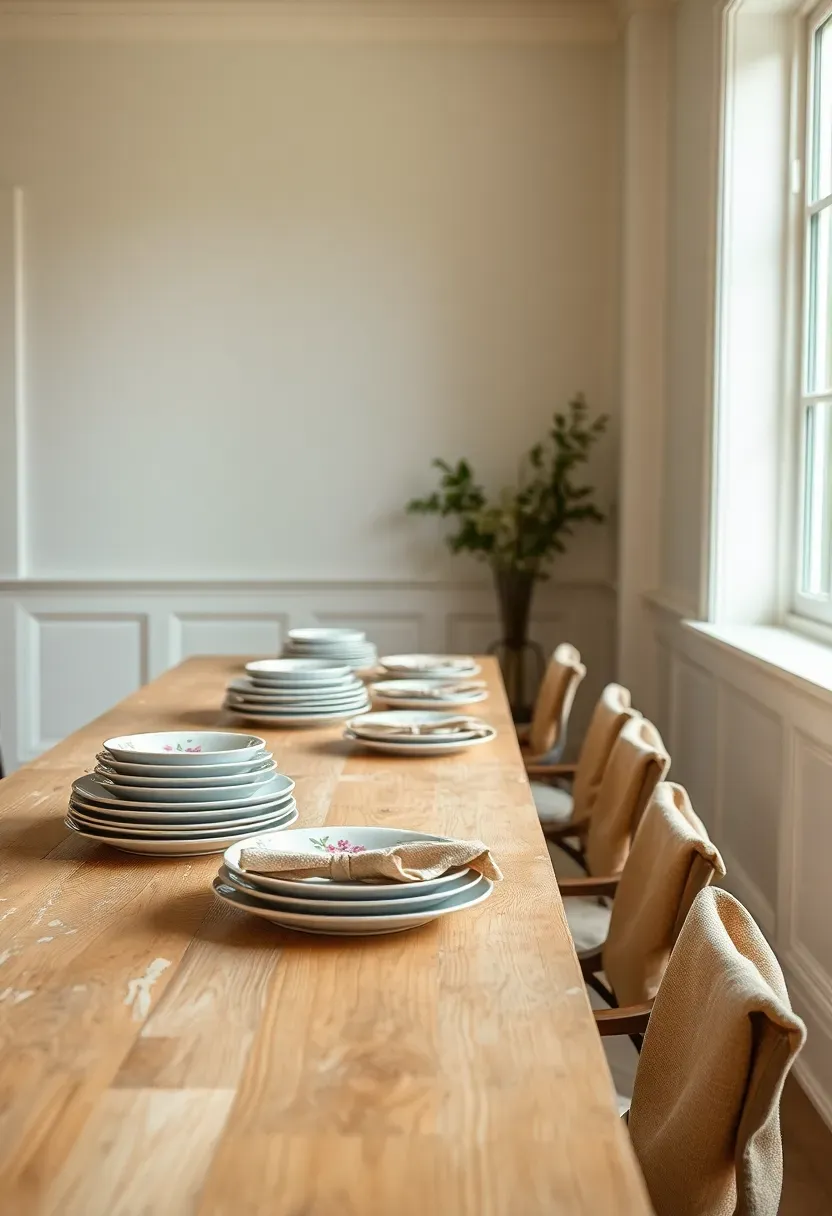
1. Farmhouse Trestle Table with Peeling Paint
A trestle table anchors any shabby chic dining room because its simple silhouette pairs with almost every chair style. Hunt for an older piece at an estate sale or distress a new pine table yourself using a heat gun and scraper. The partially peeling surface reveals contrasting wood tones underneath, adding a depth that stain alone never achieves. Aim for a table long enough to seat eight comfortably -- shabby chic thrives when gatherings feel generous.
Tips for Sourcing
- Check church rummage sales and school surplus auctions for solid wood tables at steep discounts
- Avoid particleboard -- shabby chic distressing only works on real wood grain
- If the table wobbles, replace the trestle bolts rather than shimming with cardboard
We picked a few things that go well with this idea: Plank+Beam Farmhouse Dining Table 72in (★4.2), Farmhouse Rustic Pine Dining Table 69in and Rustic Trestle Dining Table 59 Inch (★4.8). As an Amazon Associate we earn from qualifying purchases.
2. Mismatched Vintage Chair Collection
The Core Issue
Matching dining chair sets from big-box stores look uniform but feel impersonal, and replacing a broken chair means buying the entire set again.
The Solution
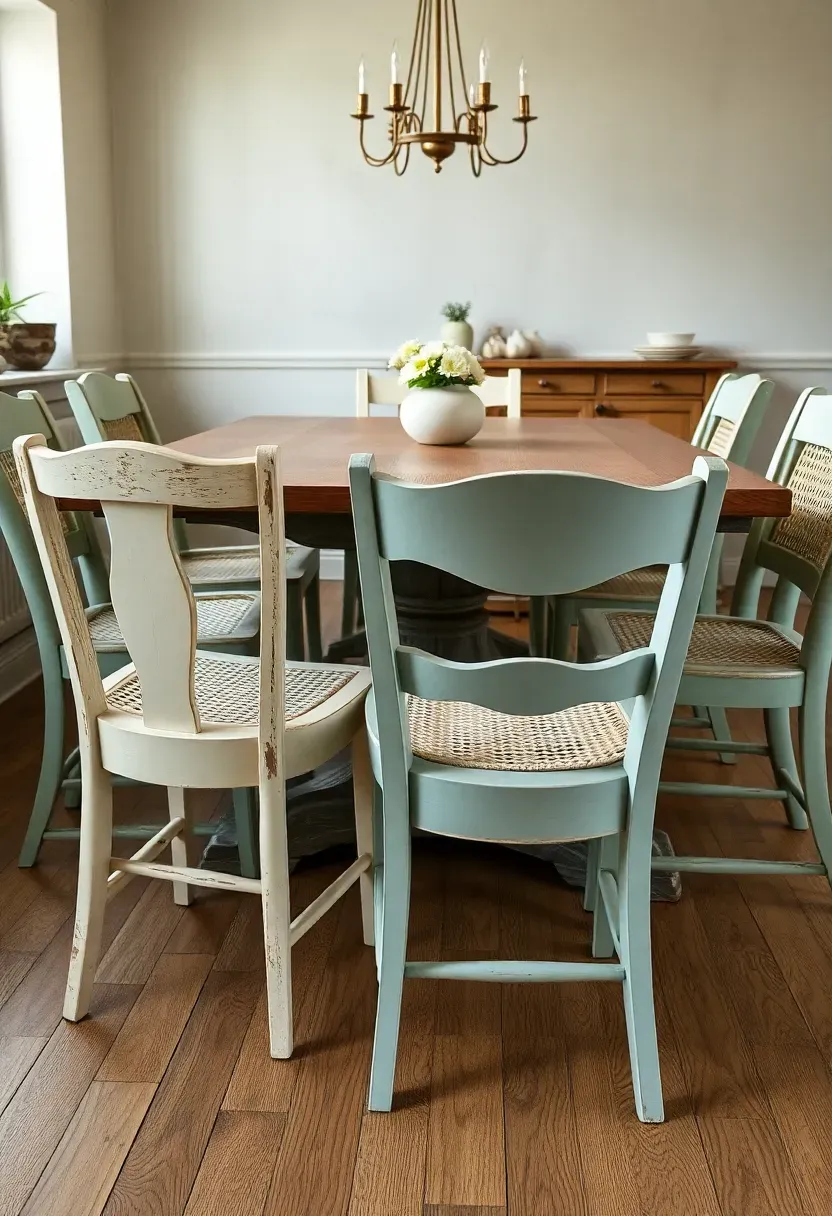
Gather chairs one or two at a time from thrift stores, flea markets, and garage sales. Unify them with a shared color palette -- think antique white, duck-egg blue, and pale sage -- applied with chalk paint. The different silhouettes create visual rhythm around the table while the coordinated colors keep the look cohesive rather than chaotic. Cane-back, spindle, and ladderback styles mix especially well.
Pros and Cons
Pros: Each chair becomes a conversation piece, replacement costs almost nothing, and guests naturally gravitate to "their" favorite seat. Cons: Seat heights can vary -- test before buying, and add cushions to level shorter chairs.
We picked a few things that go well with this idea: Virabit French Country Dining Chairs (2) (★4.5), LUE BONA Black Windsor Dining Chairs (4) (★4.8) and Nrizc French Country Dining Chairs (4) (★4.6). As an Amazon Associate we earn from qualifying purchases.
3. Crystal Chandelier over Rustic Wood
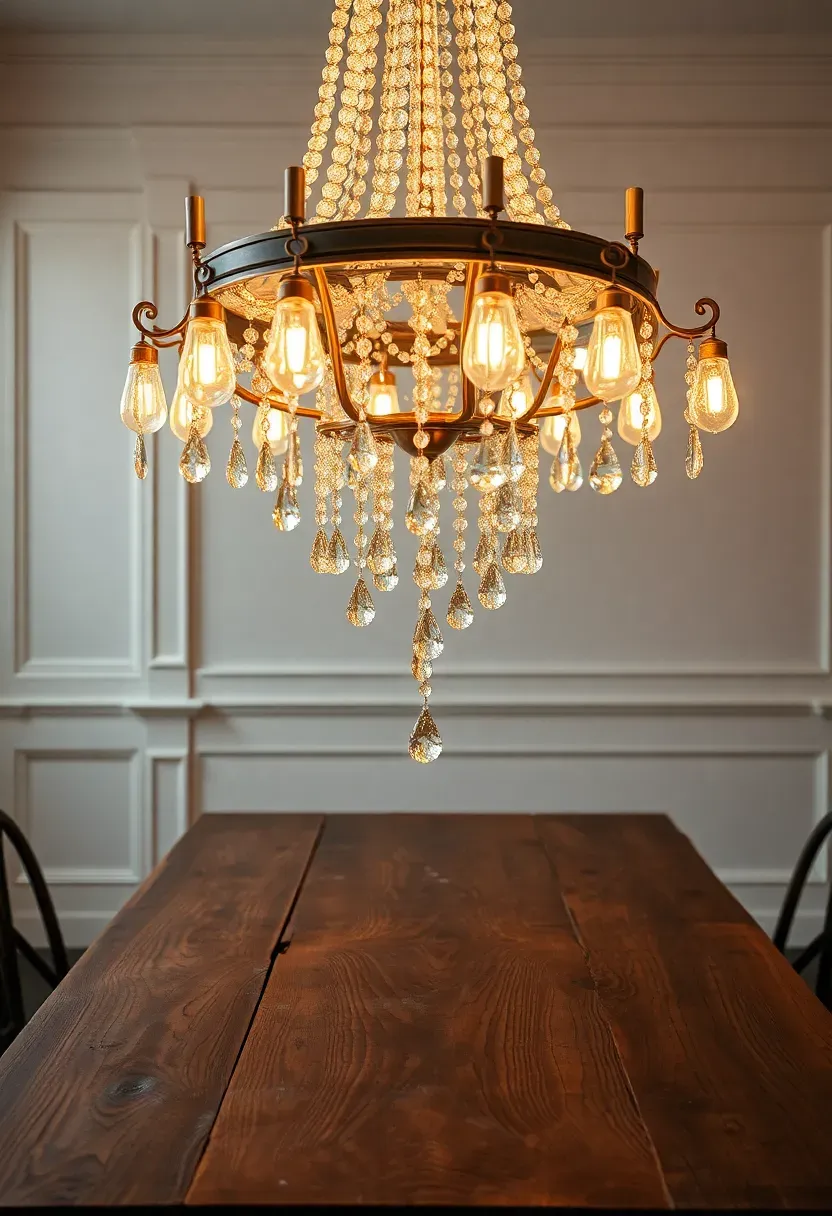
Nothing captures the shabby chic tension between elegant and worn quite like a sparkling crystal chandelier suspended above a rough-hewn table. The contrast is deliberate -- polished glass refracts candlelight across scratched wood, creating a warm glow that overhead LEDs cannot replicate. Seek out vintage chandeliers at salvage yards or repurpose a thrift store brass fixture by spray-painting it white and adding acrylic crystal drops. Position the fixture about thirty inches above the tabletop for the most flattering light spread.
What to Watch Out For
- Verify the ceiling joist can support the weight before hanging
- Swap incandescent bulbs for warm-white LEDs (2700K) to preserve the amber tone
- Dust crystal drops monthly with a microfiber cloth to keep the sparkle alive
We picked a few things that go well with this idea: Modern Farmhouse Crystal Chandelier 5-Light (★4.7), K9 Clear Crystal Chandelier 8-Light (★4.2) and Crystal Chandelier Black Rectangle 11-Light (★4.6). As an Amazon Associate we earn from qualifying purchases.
4. Linen Slipcover Dining Chairs
How to Create the Look
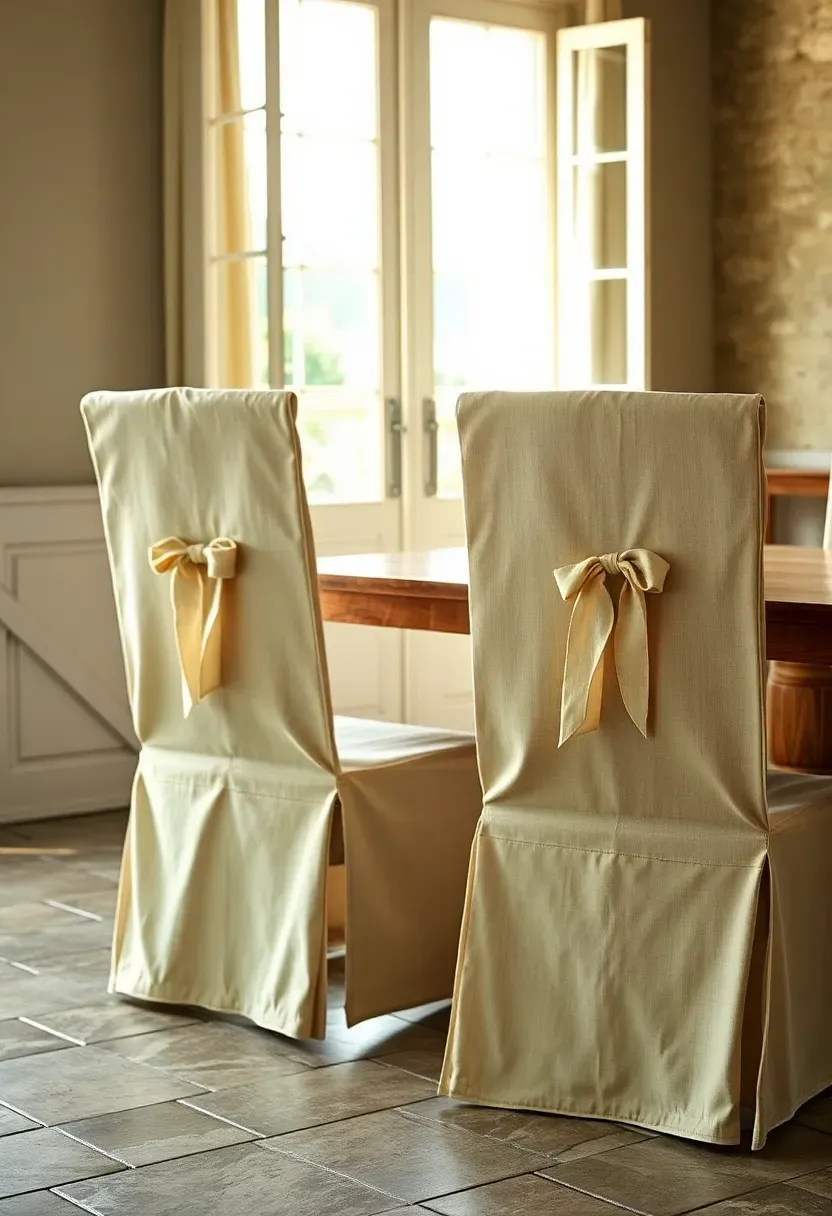
Slipcovers instantly soften hard dining chairs and let you switch palettes with the seasons.
Step 1: Measure and Select Fabric
Measure from the top of the chair back to the floor and across the seat. Choose a medium-weight linen in oatmeal, ivory, or pale blush -- these drape well without looking limp. Budget about three yards per chair.
Step 2: Sew or Tie
For a tailored look, sew a basic envelope cover with back ties. For a quicker approach, drape a linen panel over the chair and cinch it at the back with a ribbon or jute cord.
Step 3: Finish and Maintain
Machine-wash on a gentle cycle and tumble dry briefly. Linen softens with each wash, which enhances the lived-in shabby chic character. Press only if you want crisp edges -- wrinkles are part of the charm.
Recommended
Items for this idea
5. French Provincial Glass-Front Hutch
Origins and Style Features
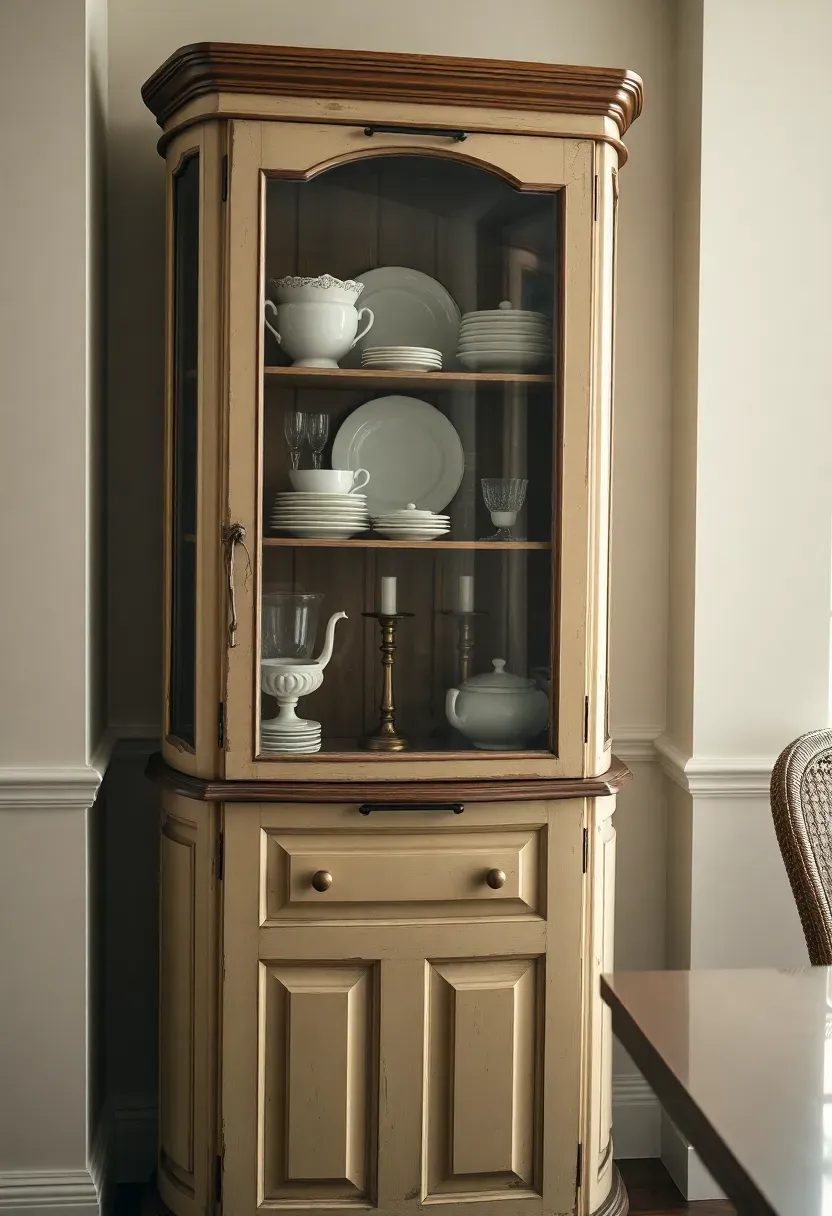
The glass-front hutch traces back to eighteenth-century French provincial homes where families displayed their best ceramics behind leaded glass doors. The form spread across Europe and eventually became a farmhouse staple in rural America.
Modern Interpretation
Today these hutches serve double duty in a shabby chic dining room. Behind the glass you arrange your collected ironstone platters, mismatched teacups, and tarnished silver pieces into a curated display that doubles as functional storage. Distress the hutch with sandpaper along edges and drawer pulls to reveal the primer or bare wood underneath. Leave the interior painted a contrasting soft blue or sage to frame the dishes.
How to Apply at Home
- Search estate sales for solid-wood hutches with original glass panes intact
- Replace missing hardware with porcelain knobs rather than metal for a softer feel
- Line the interior shelves with wallpaper scraps in a muted floral pattern
- Keep the top surface clear or style it with a single trailing ivy plant
6. Distressed White Wainscoting Walls
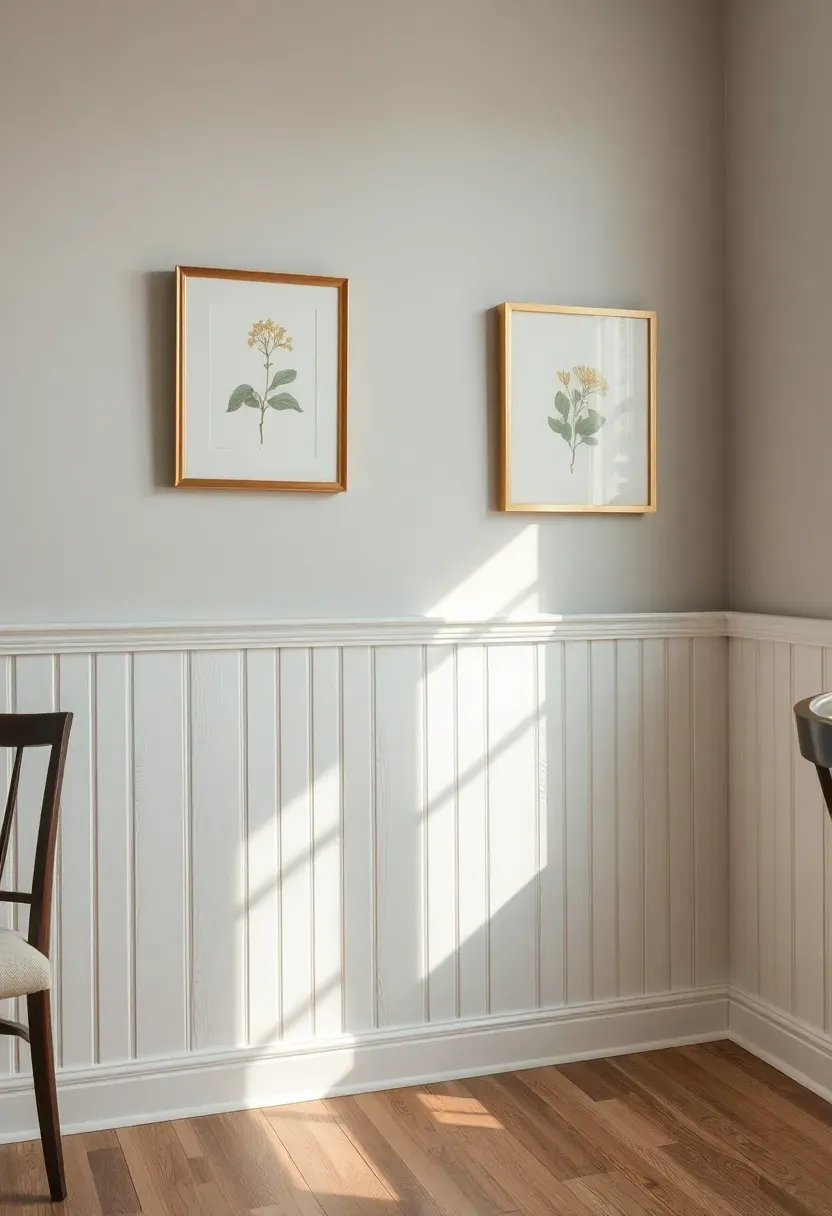
Wainscoting adds architectural texture that flat drywall simply cannot offer. Install beadboard panels on the lower third of your dining room walls and paint them in antique white. Once dry, sand the raised beads and panel edges lightly to simulate decades of use. The upper wall can stay a soft gray, pale sage, or warm linen tone. This two-tone treatment grounds the room visually and protects walls from chair scuffs -- a practical benefit that happens to look beautiful.
Tips for Installation
- Use construction adhesive plus finish nails for the strongest bond
- Cap the wainscoting with a simple chair rail to create a clean transition
- Prime raw MDF panels before painting to prevent moisture swelling
Recommended
Items for this idea
7. Ironstone Pitcher Centerpiece Arrangement
Why Ironstone Works
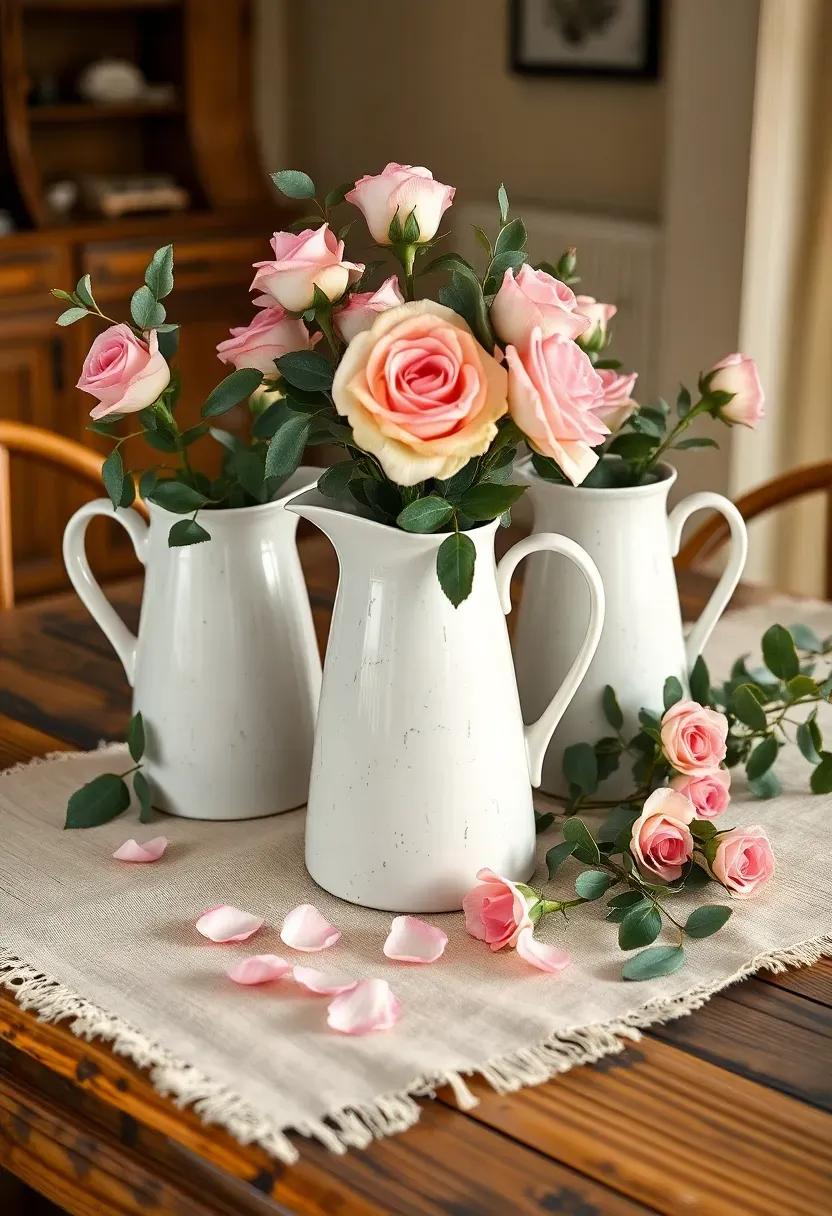
Ironstone pitchers are heavy, durable, and carry a soft ivory patina that only improves with age. Their rounded forms complement the angular lines of a farmhouse table, and a grouping of three in graduated sizes creates an effortless centerpiece. Fill them with seasonal garden cuttings -- roses in summer, dried wheat in autumn, forced bulbs in spring. The arrangement looks intentional without feeling stiff, exactly the balance shabby chic demands.
Sourcing on a Budget
Antique malls sell genuine ironstone pitchers for ten to twenty-five dollars each. Look for crazing and minor chips -- those imperfections add authenticity. Avoid reproductions that feel too light in the hand.
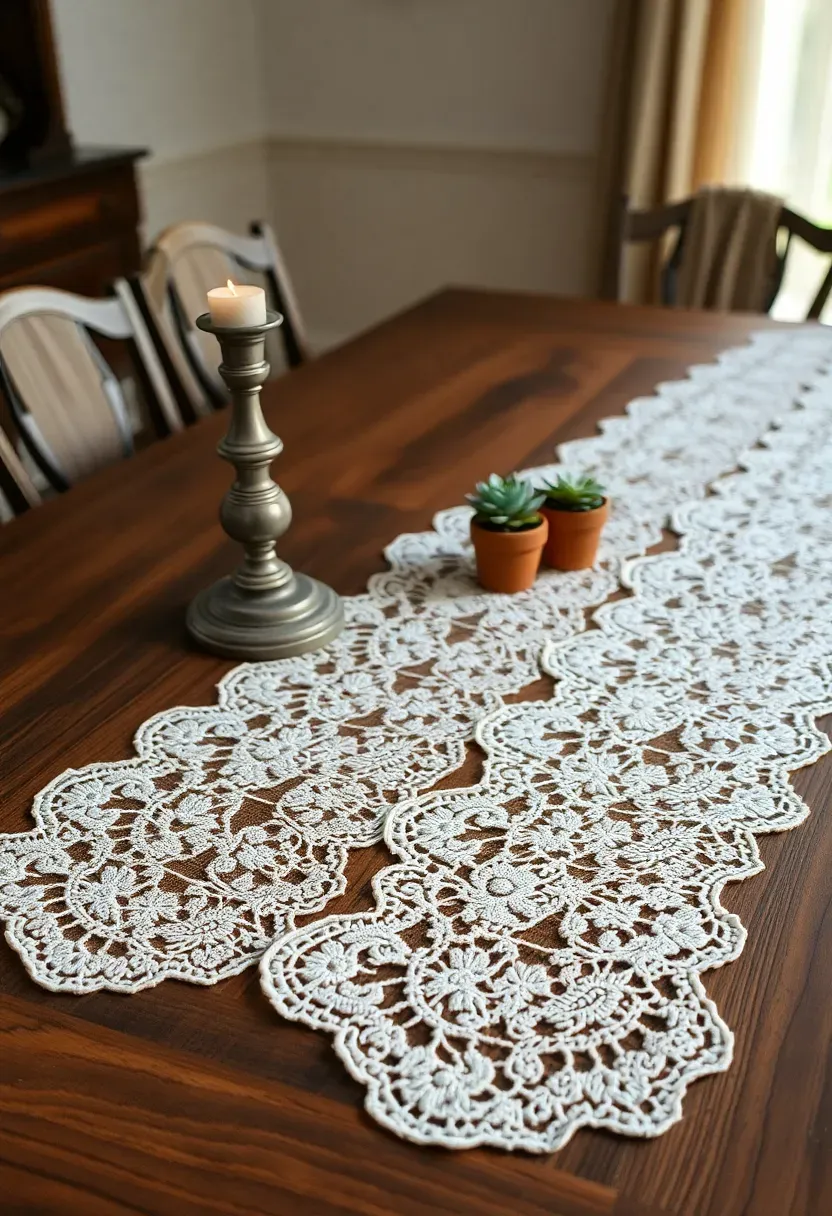
8. Layered Lace Table Runner
Comparing: Single Layer vs Stacked Lace
Introduction: A lace runner adds instant femininity to a dining table, but how you layer it determines whether the result reads elegant or overwhelming.
Single Layer
One wide lace runner in ivory provides a delicate base. It works best on darker wood tables where the open weave pattern stands out clearly against the grain beneath. This approach is cleaner and suits smaller tables.
Stacked Layers
Layering two or three runners of different widths, textures, and slightly varied cream tones creates dimension. Place the widest at the bottom and offset narrower pieces so each pattern remains visible.
What to Choose
Choose single if: your table is under six feet or already heavily styled with place settings. Choose stacked if: you want a dramatic centerpiece zone for a long harvest table at holiday gatherings.
Recommended
Items for this idea
9. Repurposed Door as Wall Art
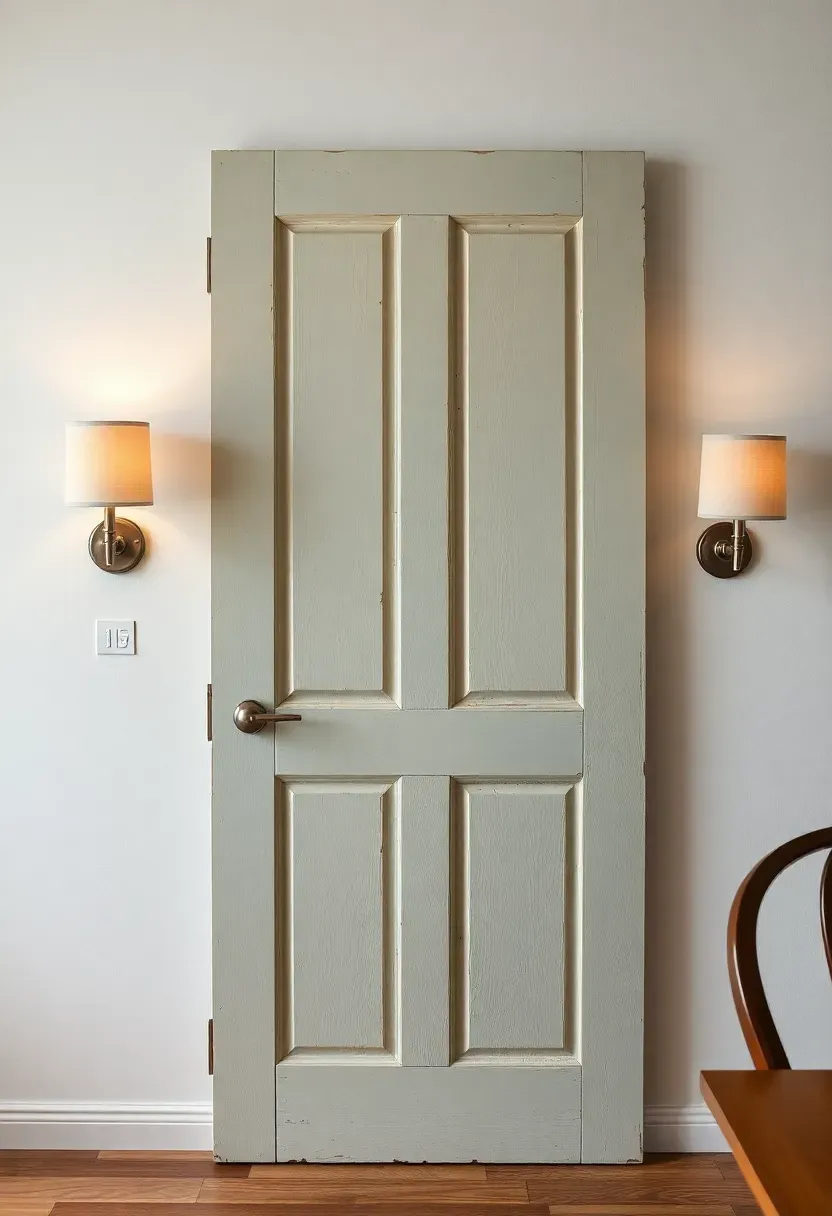
Salvaged doors carry decades of paint layers, hardware scars, and wood grain that no factory finish can imitate. Mount one flat against the dining room wall as a vertical statement piece. Choose a door with original paint in a faded aqua, blush, or cream to complement your palette. Remove the doorknob and fill the hole with a small hook for hanging a dried flower posy. Flank the door with simple wall sconces to create a balanced focal point that anchors the room without competing with the table.
What to Watch Out For
- Sand any sharp paint chips to prevent flaking onto food areas
- Use heavy-duty French cleats to secure the door flush against the wall
- Keep the surrounding wall uncluttered so the door reads as art rather than storage
10. Vintage Plate Wall Display
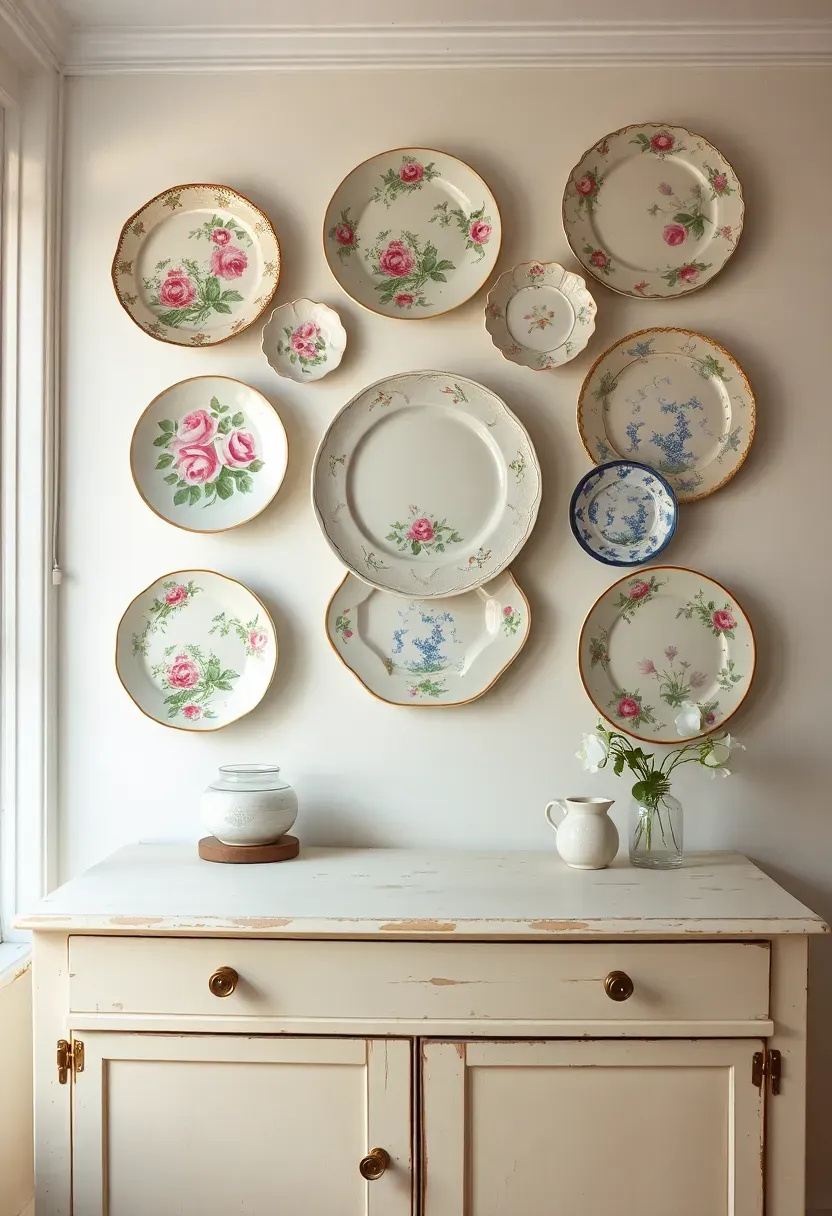
For centuries, displaying decorative plates on walls has served as both personal expression and cultural tradition -- from Dutch Delftware arrangements to English cottage parlors. The technique translates perfectly into a shabby chic dining room. Collect plates with soft floral transfers, gilt edges, or hand-painted scenes in a palette of blush, sage, and cream. Arrange them above a sideboard or along one wall in an organic cluster rather than rigid rows. Use spring-loaded plate hangers rated for each plate's weight and diameter.
Practical Layout Method
- Lay plates on kraft paper on the floor and trace their outlines
- Tape the paper template to the wall and hammer nails through the marks
- Remove the paper and hang plates, adjusting spacing until the cluster feels balanced
Recommended
Items for this idea
11. Rope-Wrapped Pendant Cluster
How to Make This Fixture
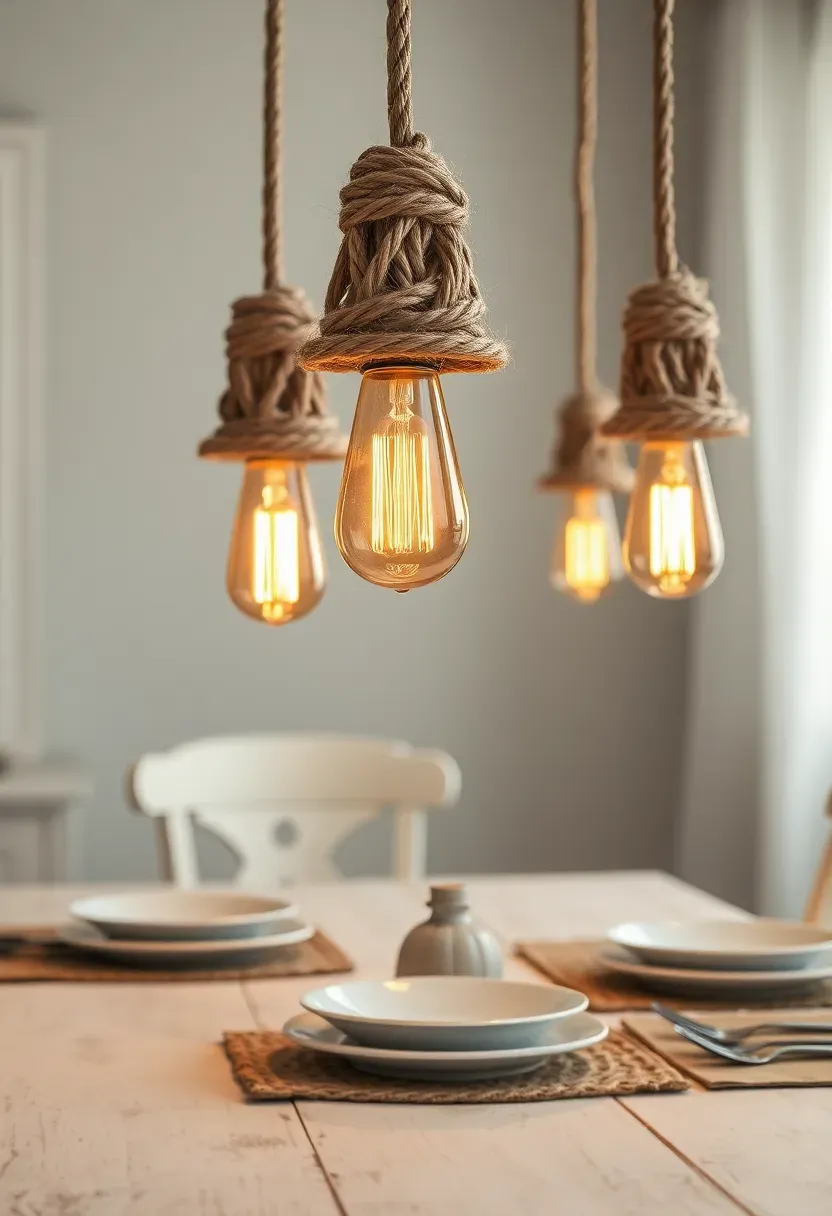
A cluster of rope-wrapped pendants delivers warm, focused light while reinforcing the textural layering that defines shabby chic design.
Step 1: Gather Materials
Purchase three basic pendant cord kits, a bag of thick jute or cotton rope, and a hot glue gun. Choose Edison-style bulbs with visible filaments for the warmest glow.
Step 2: Wrap the Shades
If using simple metal cone shades, wrap them tightly in rope starting from the top. Secure each row with a thin line of hot glue. Trim the rope end and tuck it under the final wrap.
Step 3: Hang at Varied Heights
Stagger the three pendants at different drop lengths -- roughly twenty-four, twenty-eight, and thirty-two inches from the ceiling -- to create visual interest directly above the dining table center.
What to Watch Out For
- Use LED bulbs to keep heat away from the rope wrapping
- Ensure the combined wattage does not exceed your junction box rating
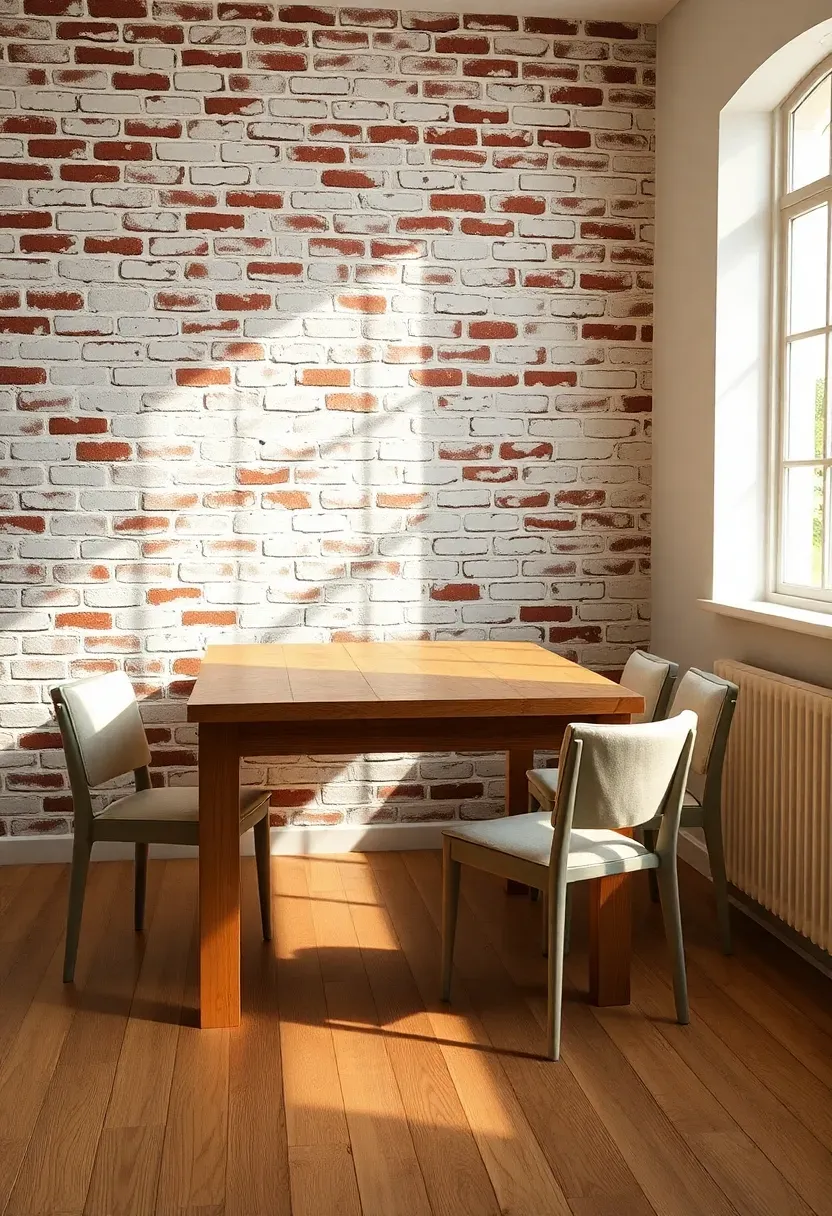
12. Whitewashed Brick Accent Wall
Exposed brick carries industrial weight, but a whitewash tames it into something softer and perfectly suited for a shabby chic setting. Mix white latex paint with water at a one-to-one ratio and brush it onto the brick in random, uneven strokes. Allow some bricks to absorb more wash than others so the mortar lines and natural red tones peek through. The result is a textured backdrop that feels aged and warm without overwhelming the room. Position your dining table parallel to this wall so every seat benefits from the visual depth.
Tips for Maintenance
- Seal the whitewash with a matte clear coat to prevent chalking
- Touch up high-traffic areas annually with the same paint-water mixture
- Avoid glossy sealers -- they kill the matte patina that makes this technique work
Recommended
Items for this idea
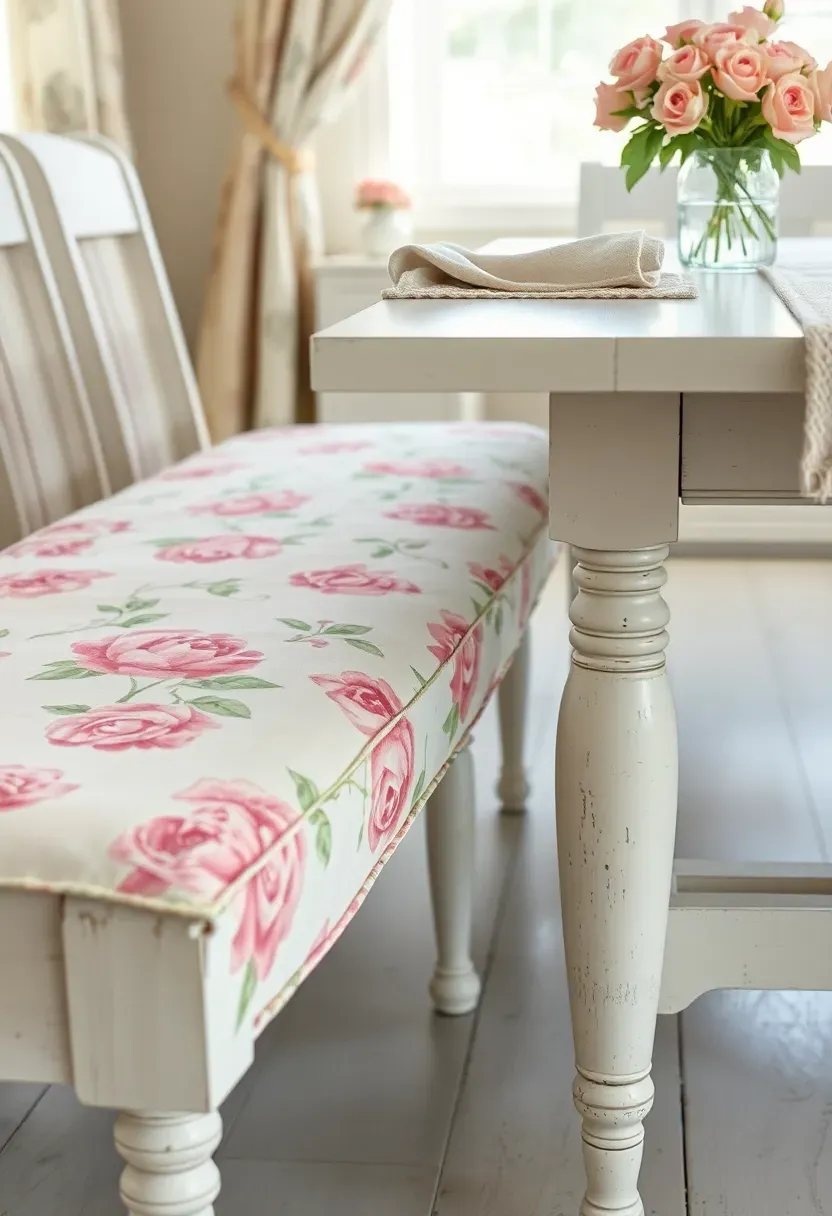
13. Floral Chintz Bench Cushions
The Core Issue
Hard wooden dining benches look charming but become uncomfortable after thirty minutes, discouraging guests from lingering at the table.
The Solution
Custom bench cushions in floral chintz fabric solve the comfort problem while reinforcing the shabby chic aesthetic. Choose a glazed chintz in cabbage roses, trailing vines, or cottage garden prints. The fabric's slight sheen resists stains better than matte cotton, and the bold pattern hides minor spills. Tie the cushions to the bench with wide ribbon bows so they stay put during use. Make two sets in coordinating prints and rotate them seasonally to keep the look fresh.
Pros and Cons
Pros: Guests stay seated longer, the bench becomes a visual anchor, and the cushions are machine washable. Cons: Chintz can feel dated if overused -- limit it to the bench and pick solids for surrounding chairs.
14. Antique Mirror Sideboard Backdrop
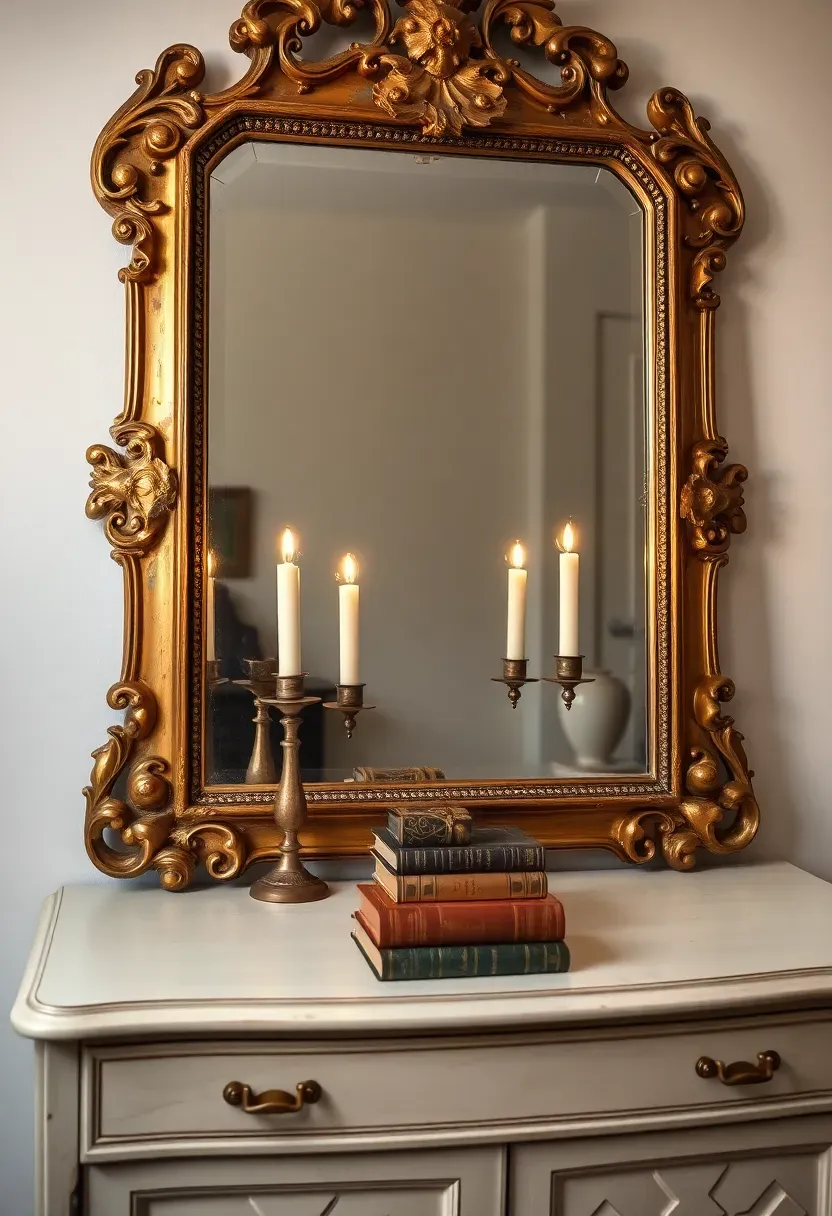
Lean a large antique mirror behind your sideboard and watch the dining room double in perceived size. The mirror reflects candlelight during evening meals, amplifying warmth throughout the space. Hunt for a frame with genuine aging -- flaking gilt, foxed glass spots, or minor carved details that have softened over time. Position the mirror so it catches the chandelier's light from across the room. Stack a few vintage hardcovers, a small brass clock, and a trailing pothos plant on the sideboard shelf in front to build depth in the reflection.
What to Watch Out For
- Secure leaning mirrors with earthquake putty or wall straps to prevent tipping
- Avoid placing mirrors directly opposite windows to reduce harsh glare at daytime meals
Recommended
Items for this idea
15. Mason Jar Herb Centerpiece
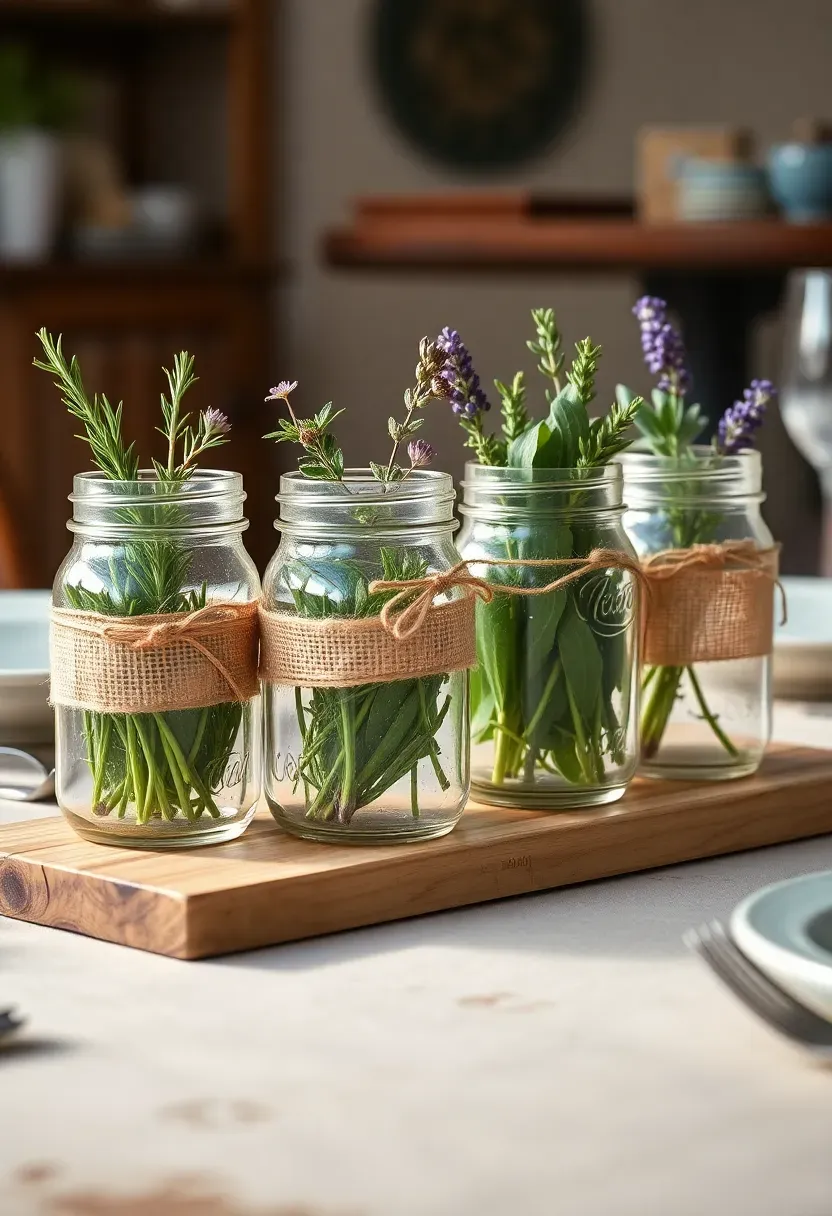
Fresh herbs bring both fragrance and function to the table. Arrange a row of wide-mouth mason jars on a reclaimed wood board and fill each with a different cutting -- rosemary, lavender, thyme, and sage. Guests can snip herbs directly onto their plates during the meal, turning the centerpiece into an interactive experience. After dinner, move the board to the kitchen windowsill where the herbs continue growing. Replace the water every few days and trim stems at an angle to extend freshness by a full week.
Tips for Presentation
- Wrap each jar with a strip of burlap and secure it with twine for a cohesive look
- Add small chalkboard tags identifying each herb
- Alternate tall and short jars for a more natural silhouette
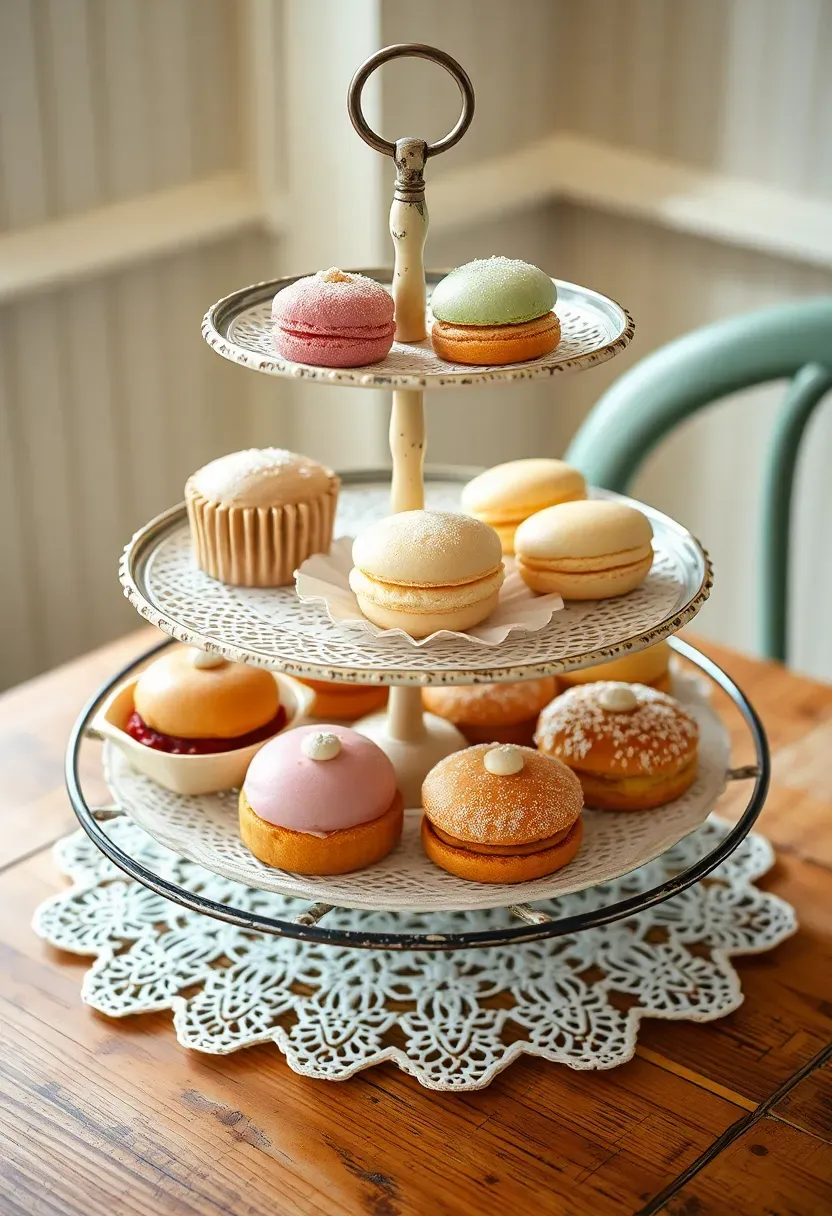
16. Tiered Tray Dessert Display
Origins and Cultural Context
Tiered serving trays evolved from Victorian afternoon tea culture, where presenting sweets on ascending platforms signaled hospitality and refinement. That sense of occasion translates directly into shabby chic entertaining.
Modern Interpretation
Today, a distressed metal or painted wood tiered tray becomes a functional sculpture on the dining table. Use it during dinner parties for displaying petit fours, fruit tarts, and chocolate truffles on the upper tiers while reserving the bottom for savory bites or cheese. Between events, style the tray with small potted succulents, candles, and vintage salt cellars as a permanent tabletop vignette. The vertical display frees table surface area -- a meaningful advantage at crowded holiday dinners.
How to Apply at Home
- Source vintage tiered trays at antique malls or paint a new one with chalk paint
- Line each tier with a paper doily to prevent items from sliding
- Mix sweet and savory items on different tiers for visual variety
- Position the tray slightly off-center on the table for a relaxed arrangement
Recommended
Items for this idea
17. Chippy Window Frame Room Divider
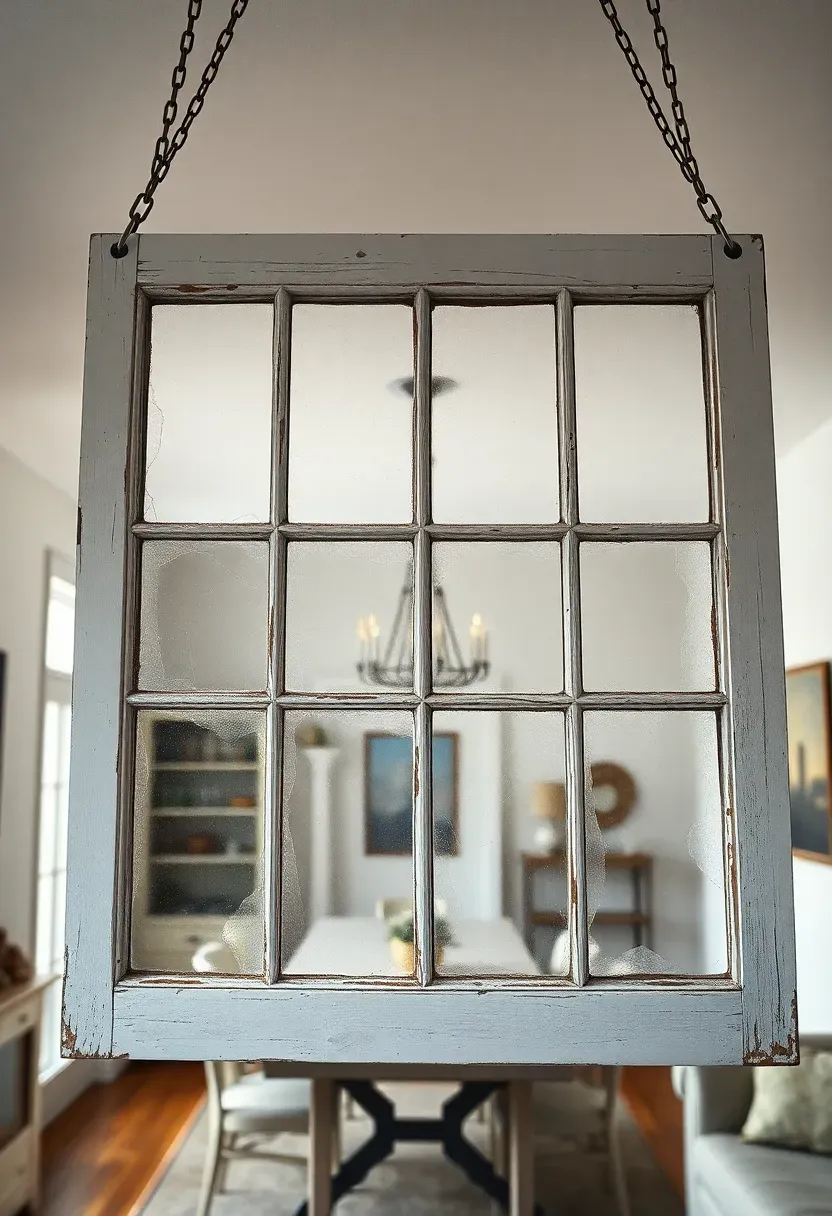
Salvaged multi-pane window frames make outstanding lightweight dividers in open-plan homes where the dining area flows into the living room. Suspend two or three frames from the ceiling using chains or heavy-gauge wire to create a semi-transparent boundary that separates zones without blocking light. The chippy paint and wavy old glass add character that modern frosted panels cannot match. For extra charm, hang small dried flower bundles or fairy lights from the frame's lower edge.
What to Watch Out For
- Test window panes for lead paint if the frame predates 1978 -- encapsulate or remove if positive
- Use toggle bolts rated for the frame's weight when anchoring ceiling hooks
- Leave at least twelve inches between the bottom of the frame and head height for comfortable passage
18. Ruffled Linen Napkin Set
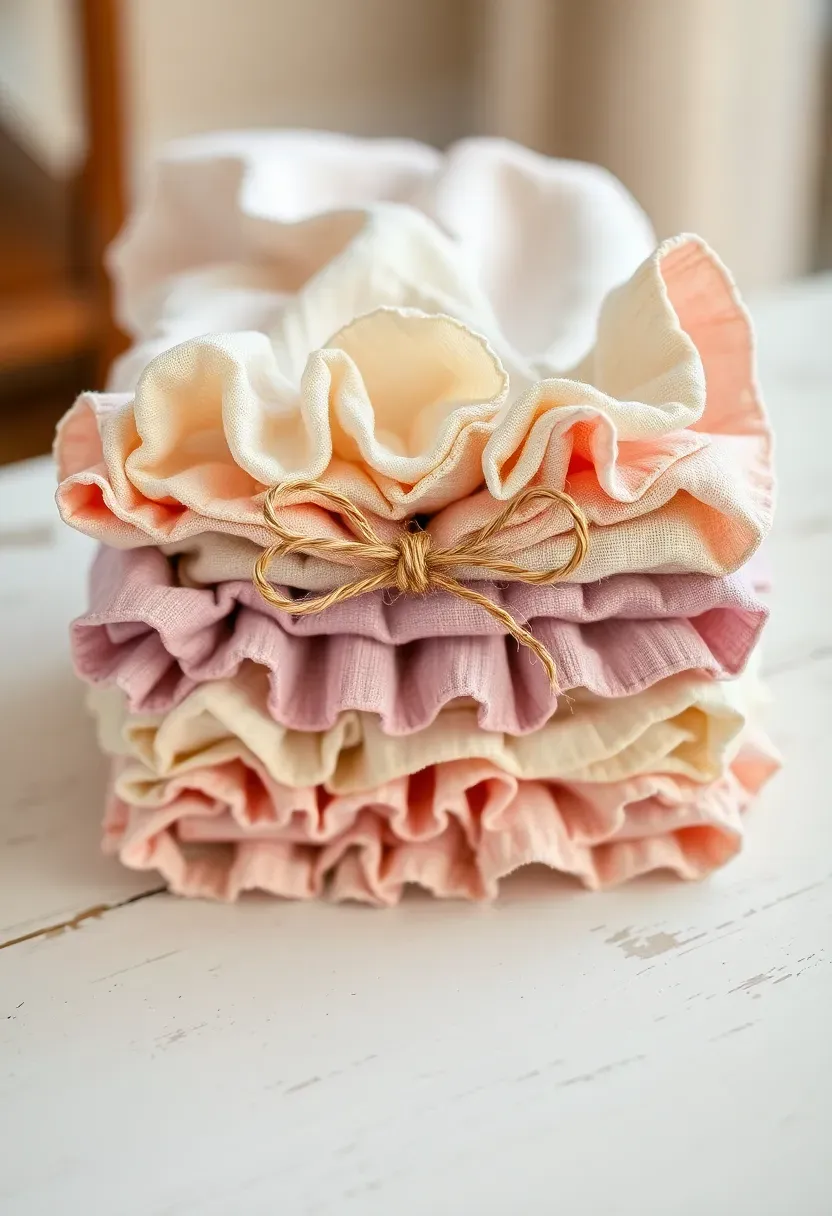
Small details carry enormous weight in shabby chic design, and ruffled napkins are a perfect example. Sew a one-inch ruffle along two edges of each square linen napkin using a gathering stitch. Choose a palette of three to four muted tones -- blush, cream, lavender, and pale sage -- and mix them freely across place settings rather than matching each seat. The ruffles add softness that plain hemmed napkins lack, and linen's natural drape means each napkin falls differently, reinforcing that collected-over-time feeling.
Tips for Care
- Pre-wash linen before cutting to prevent shrinkage surprises
- Iron ruffles only when damp for the crispest edge
- Store rolled rather than folded to avoid permanent crease lines
Recommended
Items for this idea
19. Weathered Wood Floating Shelves
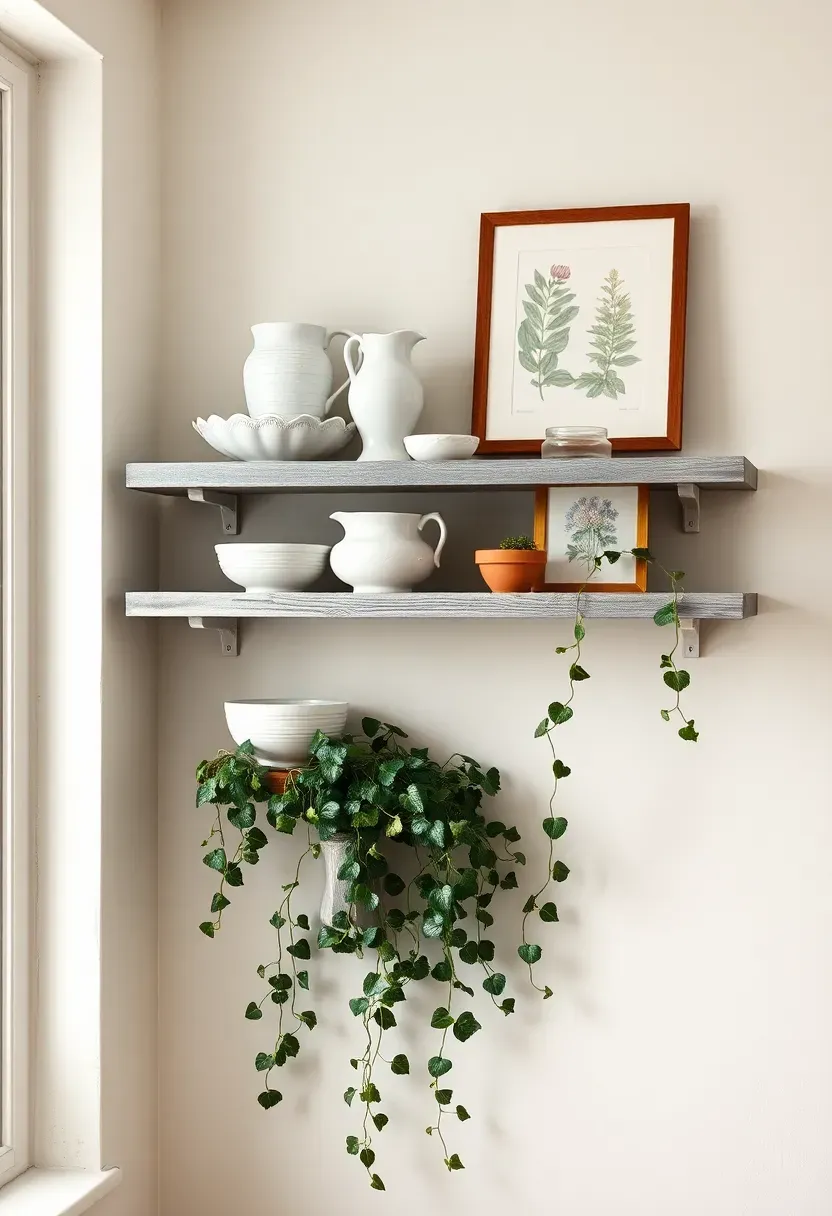
Comparing: Reclaimed Barn Wood vs New Pine
Introduction: Open shelving brings display space to the dining room without the visual bulk of a full hutch. The wood you choose shapes the final character.
Reclaimed Barn Wood
Barn wood arrives with nail holes, saw marks, and an uneven patina that no stain can replicate. Each board tells a different story, which aligns perfectly with shabby chic's celebration of imperfection. Expect to pay a premium and spend time sanding splinters.
New Pine with Aging Techniques
Fresh pine boards cost less and offer uniform dimensions. Use a wire brush to raise the grain, then apply a diluted gray or white wash to mimic age. Finish with a matte polyurethane for durability.
What to Choose
Choose barn wood if: authenticity matters most and you have budget flexibility. Choose new pine if: you want a uniform shelf depth for practical display and prefer a weekend DIY project.
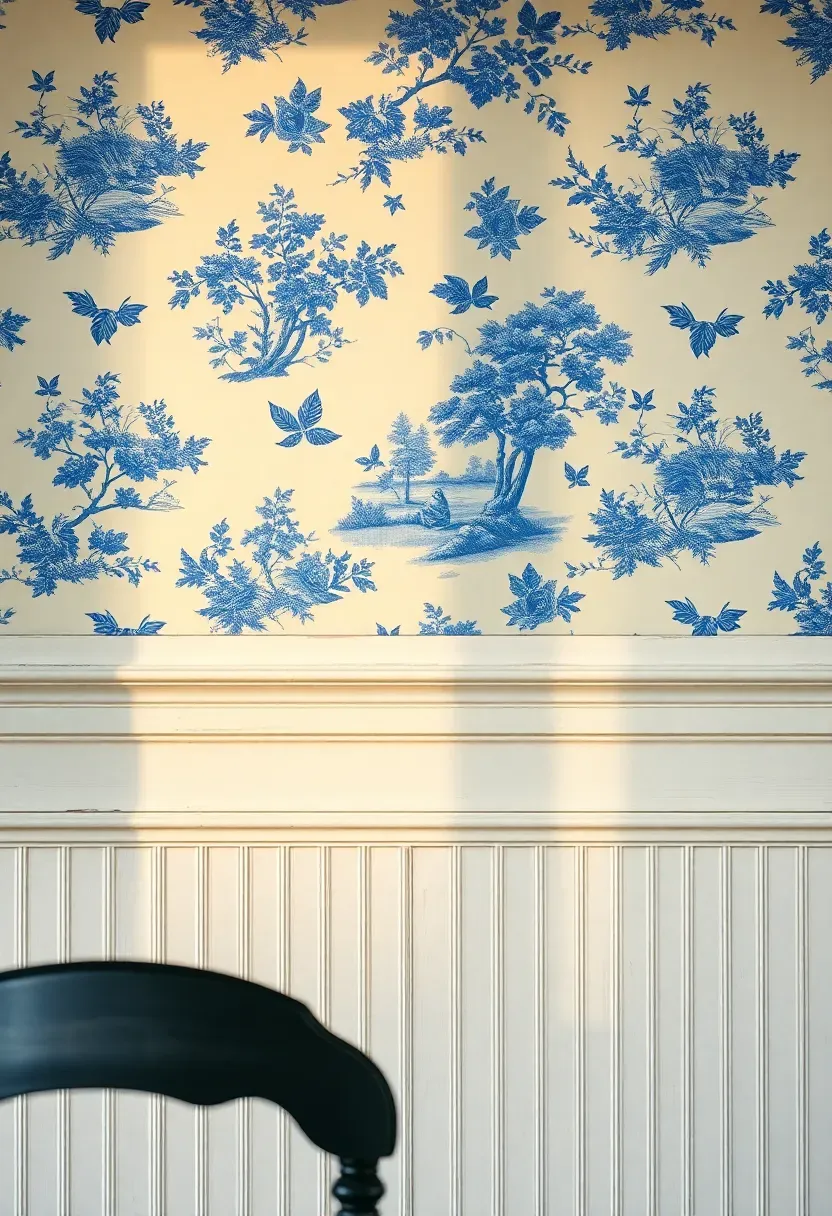
20. Toile de Jouy Accent Wall
Origins and History
Toile de Jouy originated in Jouy-en-Josas, France, in the late eighteenth century. The cotton fabric featured single-color pastoral, mythological, or floral scenes printed on a cream base, and it quickly became a hallmark of French country interiors.
Modern Interpretation
In a shabby chic dining room, toile wallpaper on a single accent wall introduces narrative depth without overwhelming the space. Blue-on-cream remains the most classic pairing, though red, charcoal, and sage versions suit different palettes. Apply the wallpaper above a chair rail to keep the lower wall protected by wainscoting. The detailed scenes give guests something to study during dinner, sparking conversation about the imagery. Modern peel-and-stick toile options make installation reversible for renters.
How to Apply at Home
- Choose one wall -- ideally the one visible from the main entrance
- Pair toile above with solid-painted wainscoting below for balance
- Keep furniture against this wall simple to avoid visual competition
- Use the dominant color in the toile pattern as an accent throughout the room
Recommended
Items for this idea
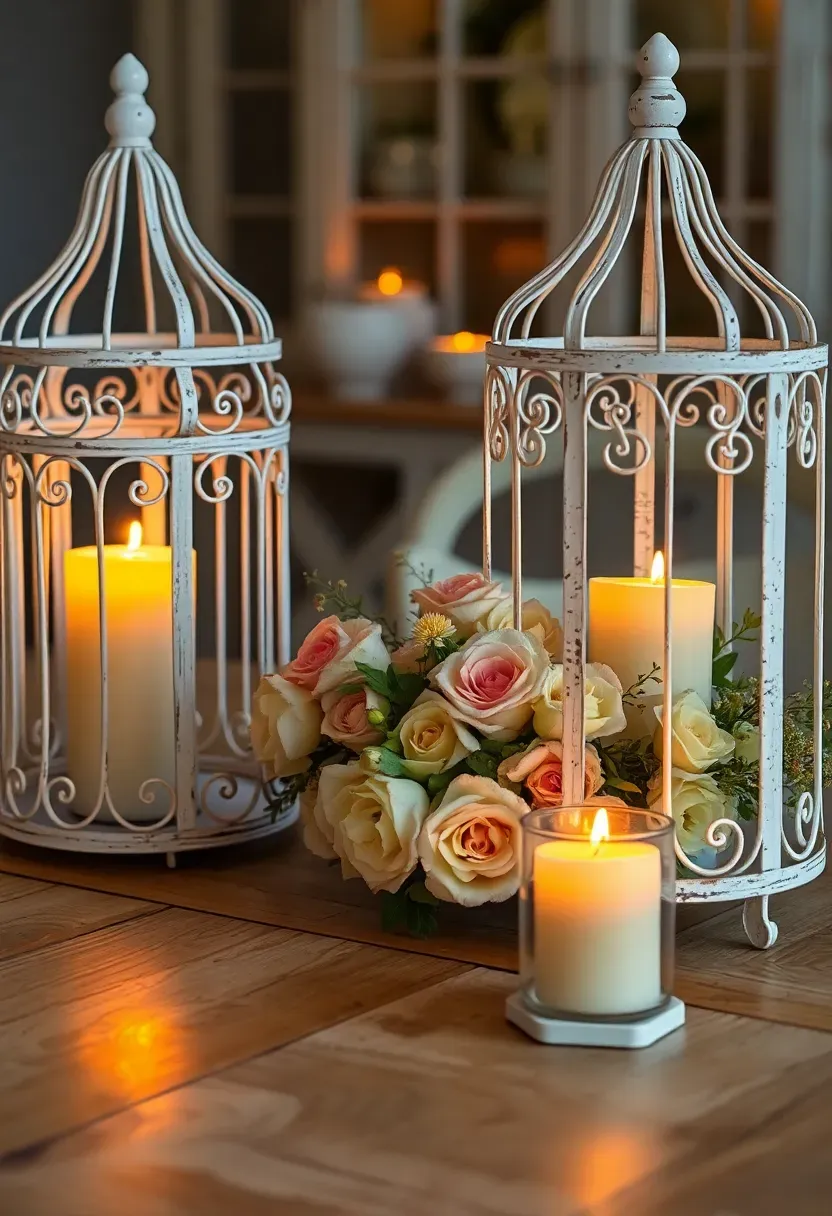
21. Birdcage Candle Lanterns
Decorative birdcages repurposed as candle holders deliver a whimsical centerpiece that feels uniquely shabby chic. Choose cages with peeling white or cream paint and ornate scroll detailing. Place a chunky pillar candle inside each cage and position them at the ends of the dining table where they frame the arrangement without blocking sightlines. The cage structure filters candlelight into delicate shadow patterns across the tablecloth. For safety, use flameless LED pillar candles that mimic a realistic flicker.
What to Watch Out For
- Ensure the cage door opens easily for candle replacement
- Avoid cages with loose or sharp wires that could snag table linens
- Pair with low floral arrangements so the table does not feel overcrowded vertically
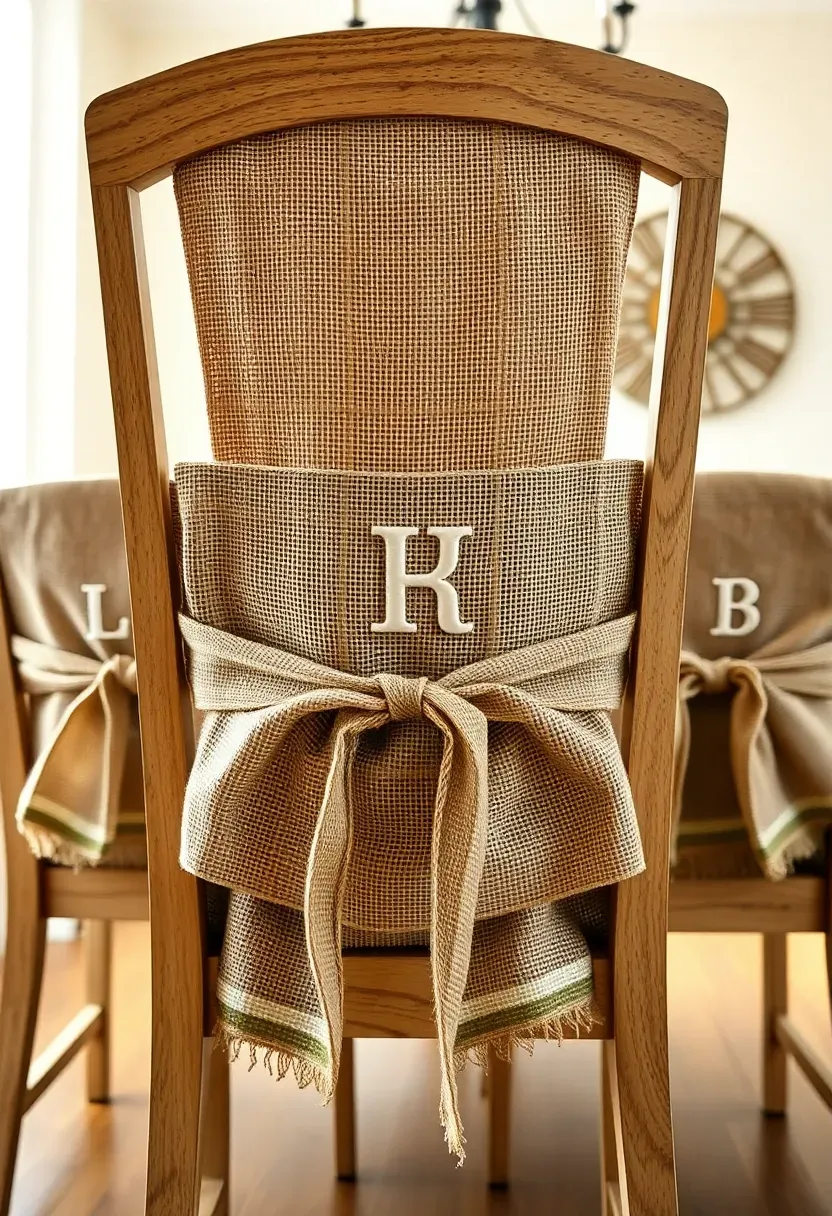
22. Monogrammed Burlap Chair Sashes
How to Create These Sashes
Personalized chair sashes turn everyday dining into something that feels curated and intentional.
Step 1: Cut and Hem
Cut burlap fabric into strips approximately six inches wide and forty-eight inches long. Fold the raw edges inward and secure with fabric glue or a quick straight stitch to prevent fraying.
Step 2: Embroider or Stencil
Hand-embroider each guest's initial in white thread using a simple backstitch, or use a fabric paint stencil for a faster approach. Center the letter on the sash where it will be visible when tied.
Step 3: Tie and Style
Wrap each sash around the chair back and tie a loose bow. Trim the tails at an angle for a polished finish. Store sashes rolled in a basket between uses to keep them wrinkle-free.
Recommended
Items for this idea
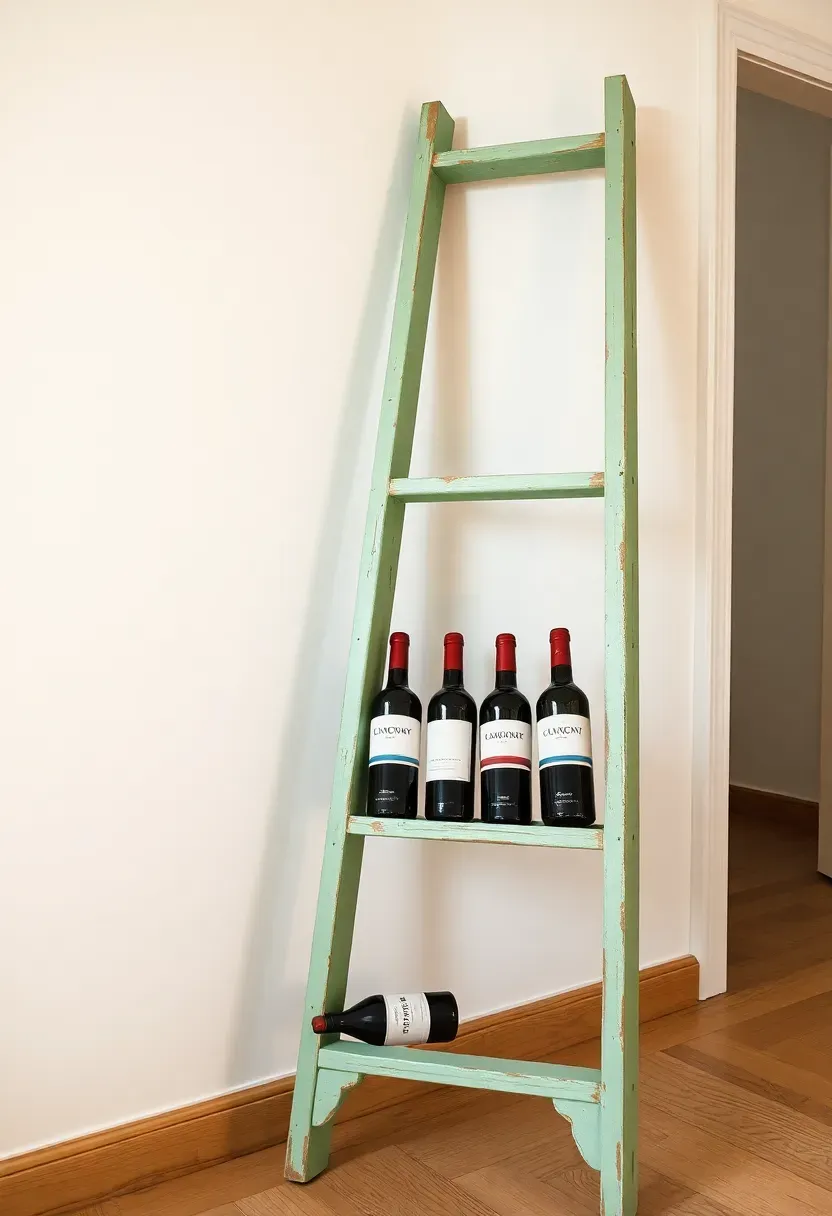
23. Pastel Painted Ladder Wine Rack
An old wooden ladder gets new purpose when you lean it against the dining room wall and use the rungs as horizontal wine storage. Paint the ladder in a soft mint, blush, or butter yellow to coordinate with your palette. Lay bottles between the rungs at a slight angle -- most standard ladders fit three to four bottles per rung. The vertical footprint saves floor space compared to a traditional wine cabinet, and the open design lets you grab a bottle without rummaging through a dark shelf.
Tips for Stability
- Secure the top of the ladder to the wall with a single L-bracket to prevent sliding
- Sand all surfaces before painting to ensure chalk paint adheres evenly
- Place a folded linen cloth under each bottle to cushion it and prevent rolling
24. Vintage Silverware as Decor Hooks
The Core Issue
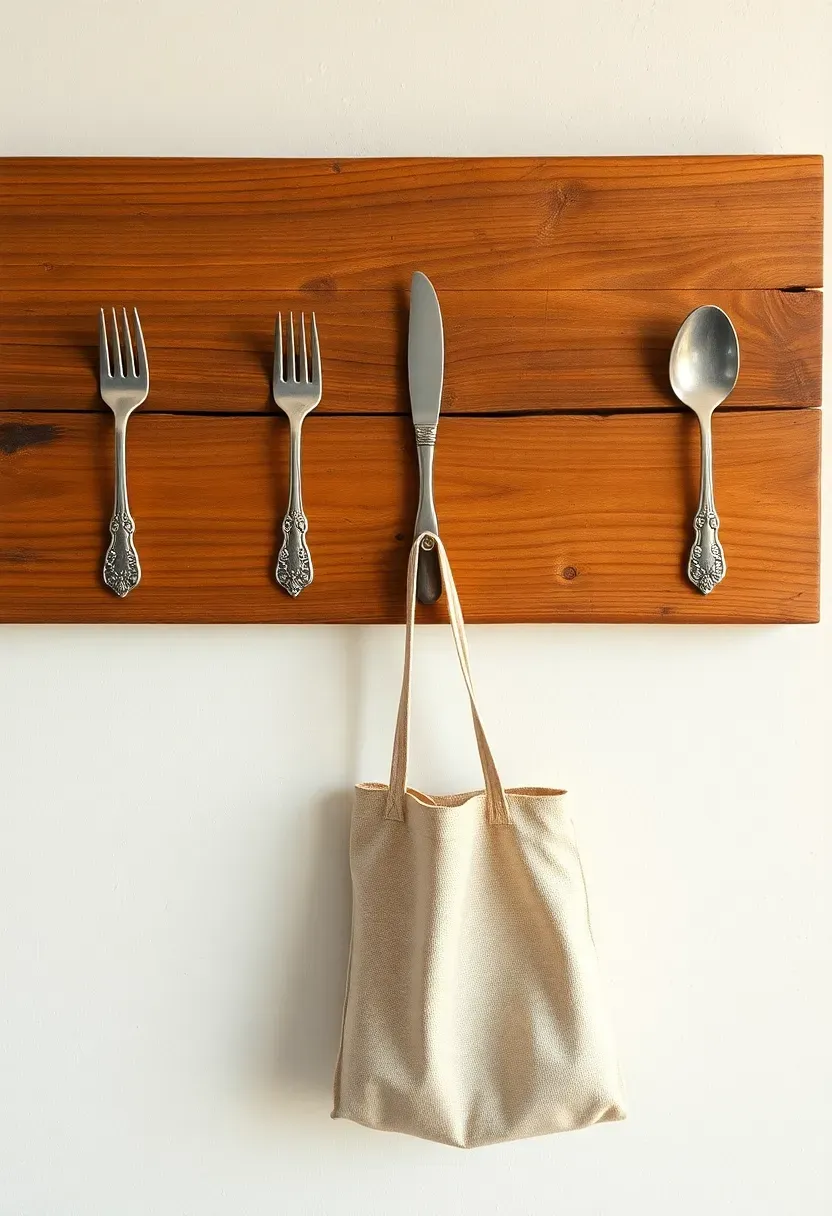
Dining room entryways and walls near the table often lack functional hooks for aprons, lightweight bags, or decorative items -- and standard metal hooks feel too modern for a shabby chic setting.
The Solution
Bend vintage silver-plated forks and spoons into hook shapes using pliers and mount them on a reclaimed wood board. The tines of a fork curve naturally into a usable hook, and each piece of silverware carries its own tarnish pattern and decorative handle. Mount the board near the dining room entrance for hanging linen tote bags, aprons, or dried herb bundles. The piece doubles as wall art when nothing is hanging from it.
Pros and Cons
Pros: Nearly free if you already own tarnished silverware, each hook is one-of-a-kind, and installation takes under an hour. Cons: Thin-handled pieces may bend under heavy loads -- reserve for lightweight items only.
Recommended
Items for this idea
25. Dried Hydrangea Wreath Over Mantel
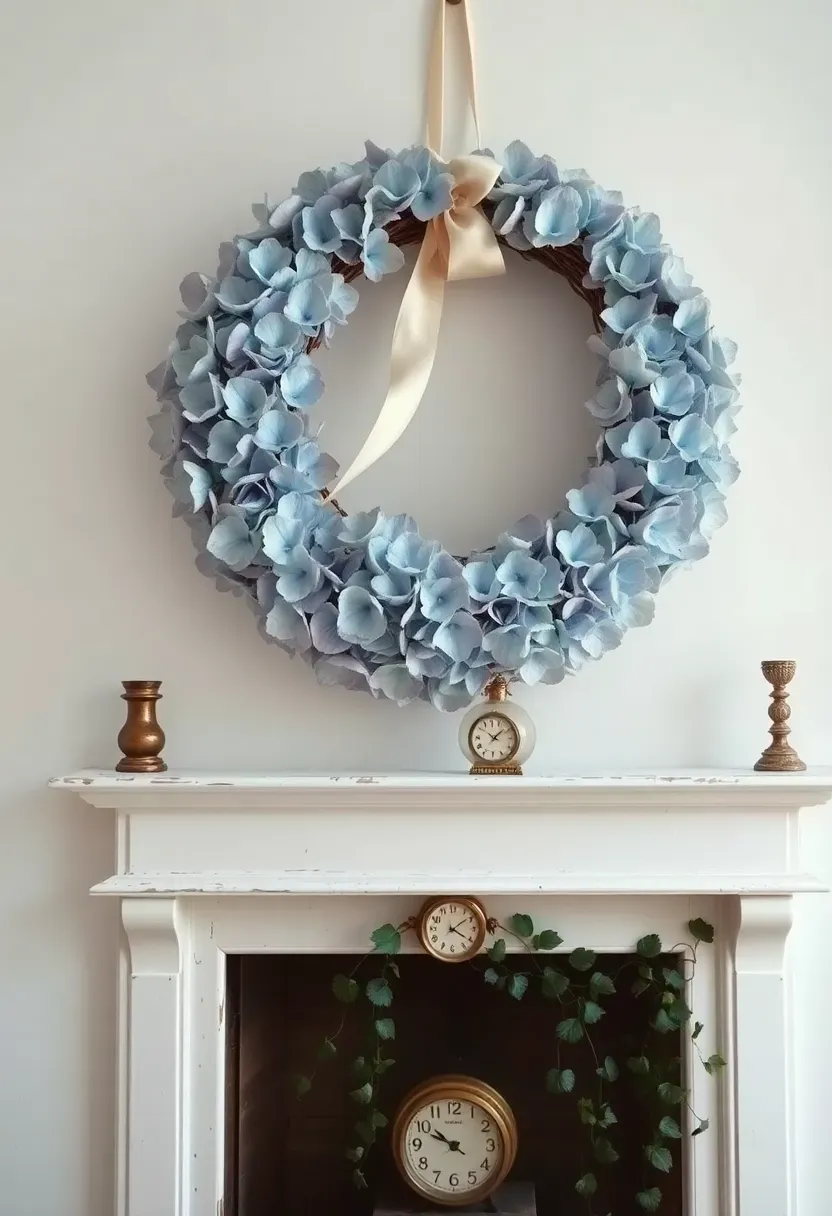
If your dining room includes a fireplace mantel, a dried hydrangea wreath creates a soft focal point that lasts for months without maintenance. Cut hydrangea blooms at peak color during late summer and hang them upside down in a dry, dark space for two weeks. Wire the dried heads onto a grapevine wreath form, alternating blue, lavender, and cream tones for depth. Hang the finished wreath above the mantel using a decorative ribbon loop. The muted palette harmonizes with almost every shabby chic color scheme and carries a nostalgic, garden-gathered quality.
Tips for Longevity
- Spray the finished wreath with unscented hairspray to reduce petal shedding
- Keep it away from direct sunlight to preserve color
- Replace individual blooms annually rather than rebuilding the entire wreath
26. Crackle-Glaze Ceramic Dinnerware
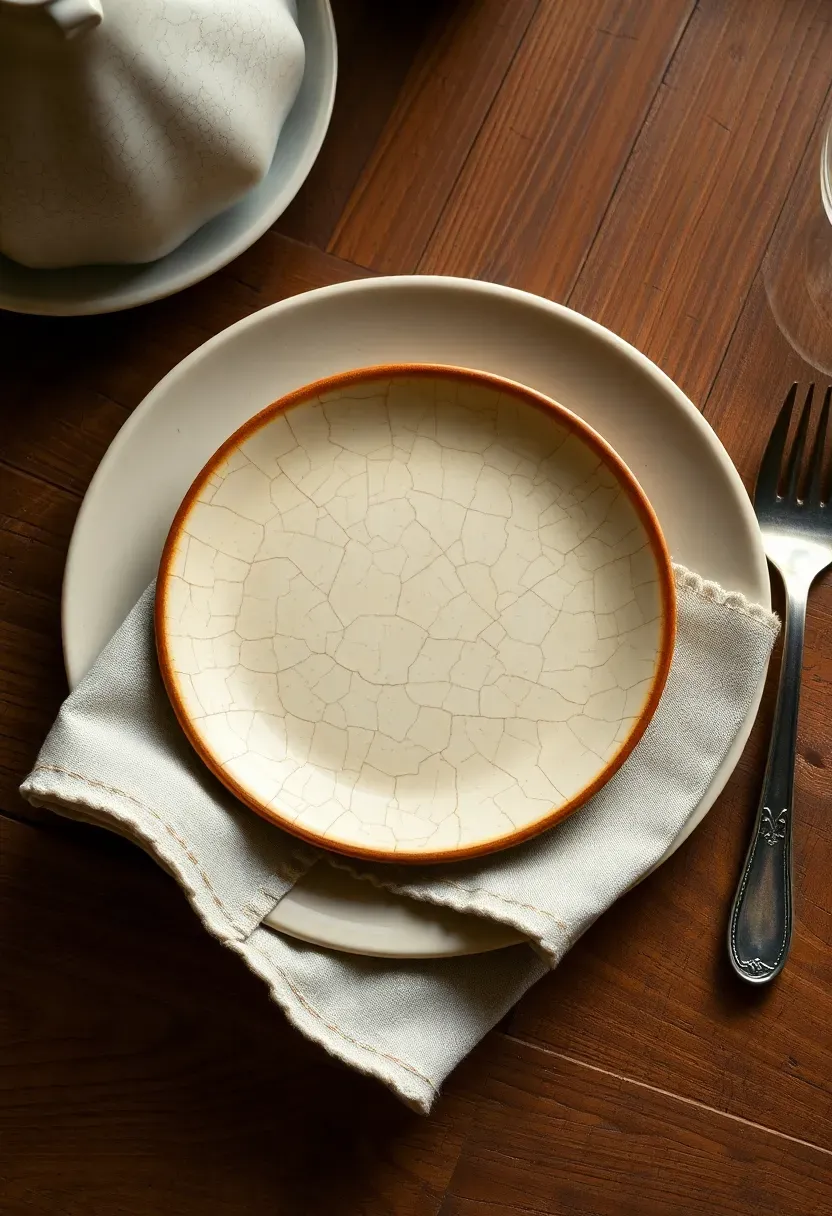
Crackle glaze -- where a deliberate network of fine lines forms across the ceramic surface during firing -- gives new dishes the appearance of antique stoneware. A full set in cream or soft white provides a unified base for every table setting while the craze pattern adds visual texture that plain porcelain lacks. Pair these plates with tarnished silver flatware and woven linen placemats to build layers of tactile interest. Many artisan potters offer crackle-glaze sets in small batches, so your table will never look identical to anyone else's.
What to Watch Out For
- Confirm that the crackle finish is food-safe and lead-free before purchasing
- Hand-wash when possible to preserve the glaze integrity over years of use
- Avoid sudden temperature changes -- let plates cool before submerging in water
Recommended
Items for this idea
27. Candlelit Cloche Terrarium Centerpiece
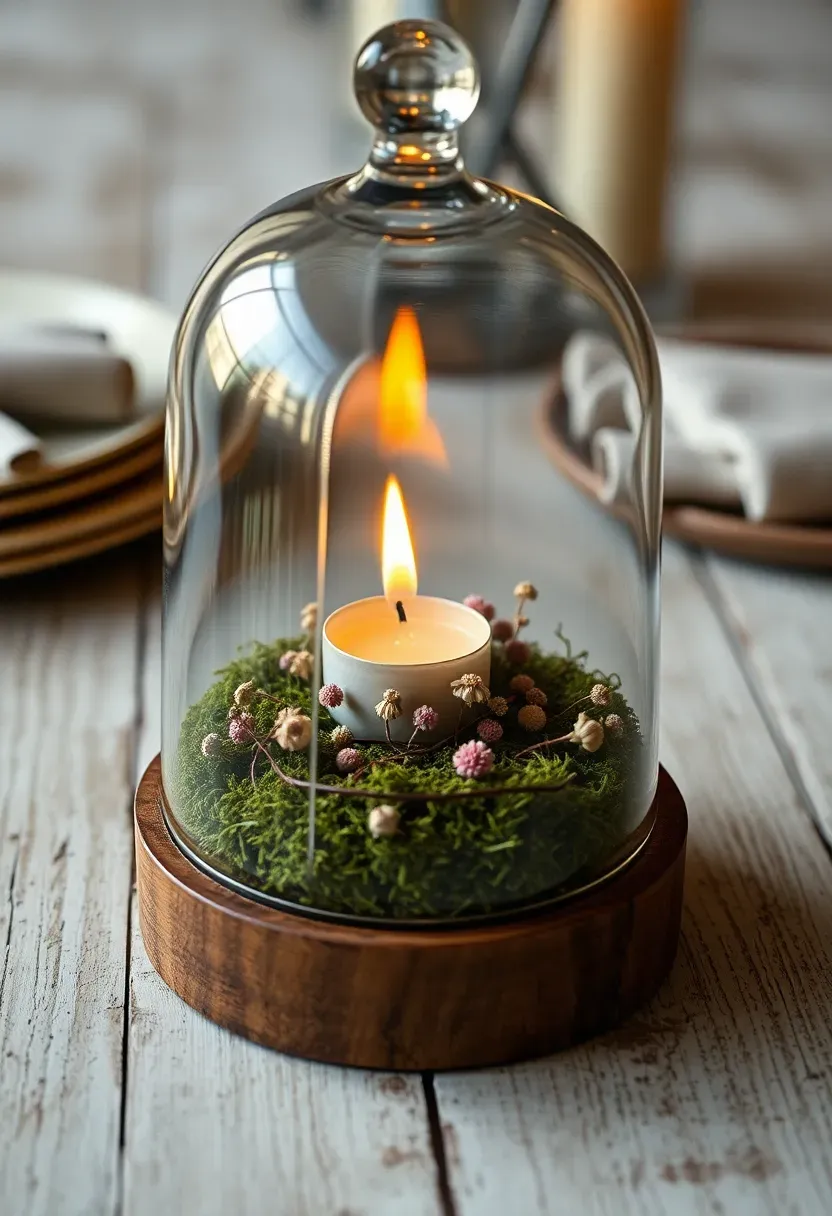
A glass cloche turns a simple candle into a miniature world. Place a bed of dried moss inside the base, nestle a votive candle at the center, and scatter a few tiny dried flowers and miniature pinecones around it. Lower the cloche over the arrangement. The glass amplifies the candlelight while containing the flame safely. Create three to five of these terrariums in varying cloche sizes and space them along the table runner for a centerpiece that feels enchanted without requiring any floral arranging skills.
Tips for Safety and Style
- Use only short votive candles that leave at least two inches of clearance below the cloche top
- Lift the cloche periodically to release heat and prevent the glass from cracking
- Swap seasonal elements -- dried lavender in summer, cinnamon sticks in winter, tiny eggs in spring
Quick FAQ
Is shabby chic dining decor suitable for everyday use or only special occasions? Absolutely suitable for daily meals. The entire philosophy celebrates wear and tear, so everyday use actually improves the aesthetic over time. Dishes collect minor chips, linens soften from repeated washing, and wood surfaces develop a richer patina. The style looks better lived-in than preserved.
Should I stick to all-white furniture or can I mix in other colors? White and cream form the foundation, but a limited palette of muted accents keeps the room from feeling sterile. Duck-egg blue, pale sage, blush pink, and soft lavender all work within the shabby chic spectrum. The key is keeping every color desaturated and avoiding high-contrast combinations.
Which fabrics hold up best for dining room chair covers and cushions? Linen and cotton blends offer the best balance of durability and softness for dining use. Linen resists pilling, dries quickly after washing, and develops a beautiful drape with age. Glazed chintz adds stain resistance for cushions. Avoid delicate silk or thin voile on seating surfaces -- save those for window treatments.
Can renters achieve this look without permanent changes? Renters can lean mirrors against walls, hang lightweight wreaths with removable hooks, use peel-and-stick wallpaper for accent walls, and rely on slipcovers, table runners, and removable wainscoting panels. Nearly every idea in this list works without drilling permanent holes.
What budget range should I expect for a full shabby chic dining room makeover? A thoughtful transformation can cost as little as two hundred to five hundred dollars if you source furniture from thrift stores and handle distressing, slipcovers, and painting yourself. The most expensive single item is usually the dining table, which can be mitigated by refinishing an existing one rather than buying vintage.
The most inviting dining rooms never look like they were decorated in a single weekend. They feel accumulated -- a chair found at a yard sale here, a pitcher inherited from a grandmother there, a wreath dried from last summer's garden. That slow layering is what shabby chic does best. Pick two or three ideas from this list, start with what you already own, and let the room grow at its own pace. The charm will follow.
Pinterest cover for 27 Shabby Chic Dining Room Ideas for Charming Gatherings
About the author
OBCD
CGI visualization and interior design content. We create detailed 3D renders and curate practical design ideas for every room in your home.