17 Sunroom Ideas: Cozy, Modern Ways to Style a Bright Space
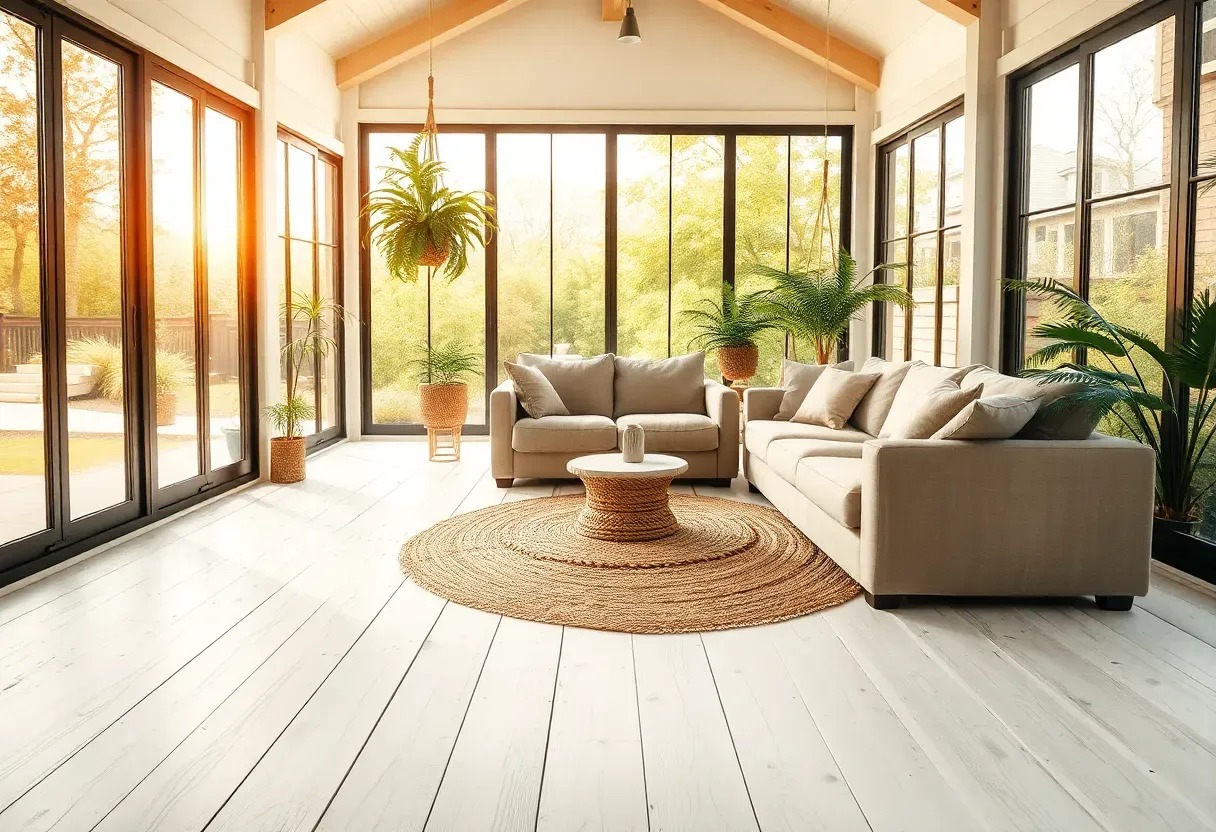
According to the National Association of Home Builders, sunrooms consistently rank among the top five most-requested home additions in North America. And it makes sense -- few rooms deliver as much mood-lifting potential as a glass-walled space flooded with daylight. But filling that bright shell with the right furniture, textiles, and greenery is where most homeowners get stuck. Too sparse, and it feels like a greenhouse without the plants. Too cluttered, and you lose the airiness that made the room appealing in the first place. The sweet spot lives somewhere between those extremes, and these seventeen ideas will help you find it.
Ready? We will move from foundational layout decisions through furniture picks, textile layering, plant arrangements, and finishing touches that pull the whole room together.
Table of Contents
- Floor-to-Ceiling Curtain Panels
- Wicker Conversation Set with Linen Cushions
- Hanging Chair Reading Nook
- Indoor-Outdoor Tile Flooring
- Daybed Lounge with Bolster Pillows
- Vertical Plant Wall on a Trellis Frame
- Rattan Coffee Table with Hidden Storage
- Sheer Roman Shades for Light Control
- Bistro Dining Corner
- Layered Jute and Cotton Rugs
- Built-In Window Seat with Storage
- Citrus Tree Container Garden
- Mixed-Material Pendant Lighting
- Fold-Down Desk Workspace
- Ceiling Fan with Woven Blade Covers
- Seasonal Throw Pillow Rotation
- Firepit Table for Three-Season Use
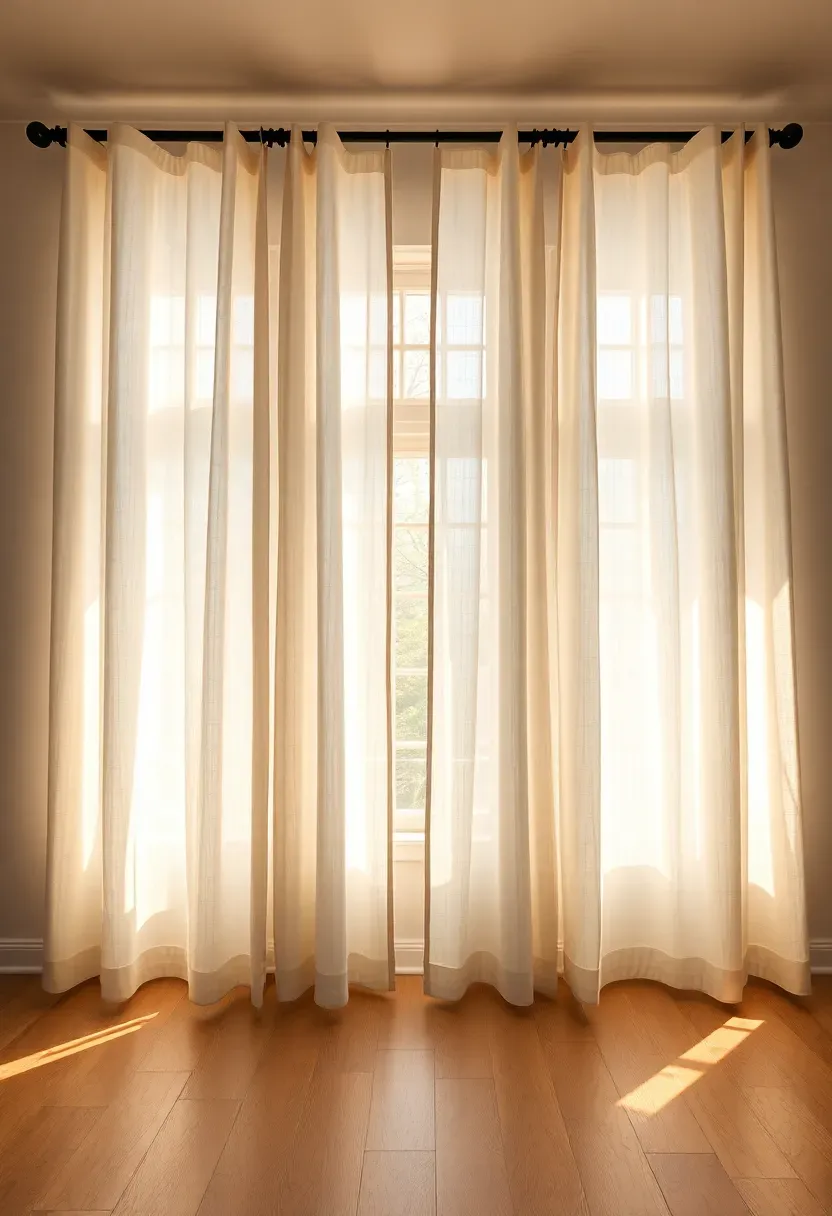
1. Floor-to-Ceiling Curtain Panels
Why It Matters
Bare windows in a sunroom can feel stark once the sun drops low and the room shifts from bright to glaring. Floor-to-ceiling curtain panels solve that problem while adding a layer of softness that hard surfaces alone cannot provide. Choose lightweight linen or sheer cotton that filters harsh rays without blocking them entirely. The fabric should pool slightly on the floor -- about two centimeters -- for a relaxed, lived-in drape rather than a stiff hotel look.
Practical Pointers
- Mount the curtain rod fifteen centimeters above the window frame to exaggerate ceiling height
- Use ring clips instead of pocket rods so panels glide easily when you want full sun
- Wash linen panels before hemming because they shrink up to eight percent on the first cycle
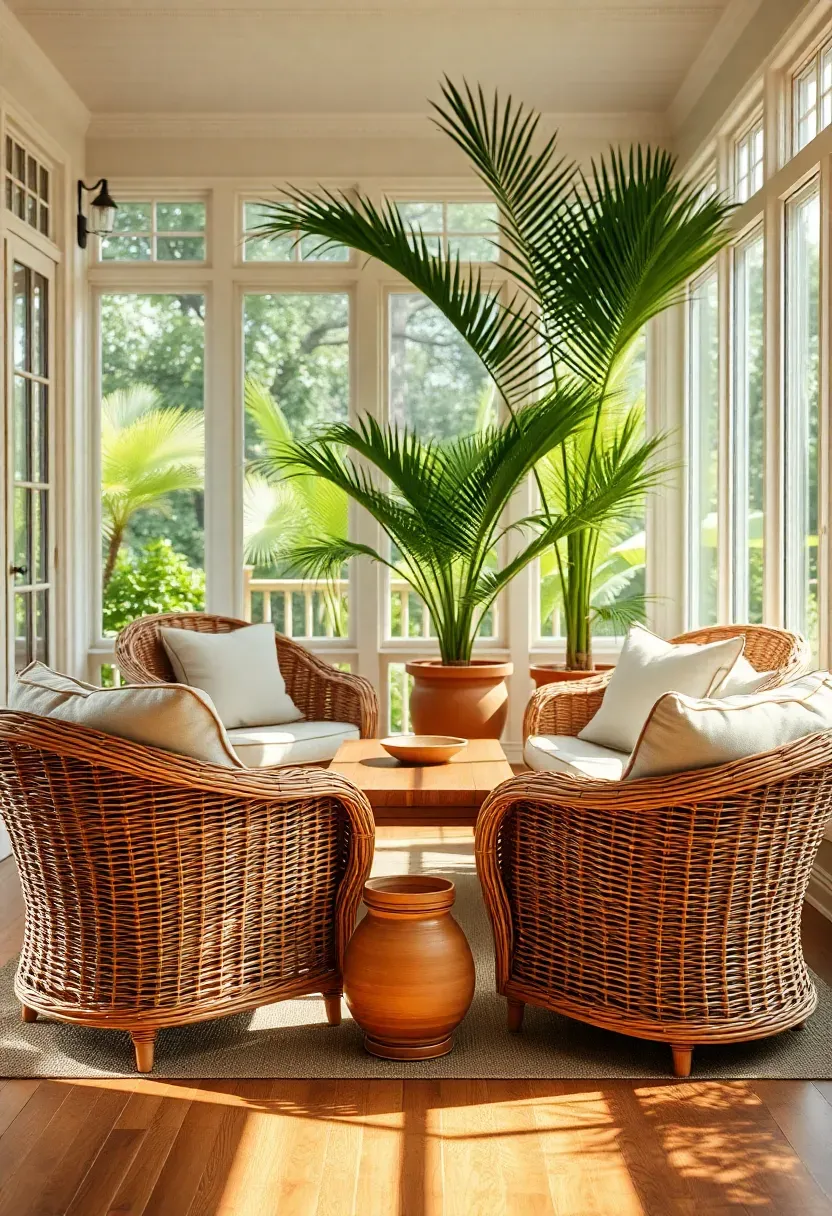
2. Wicker Conversation Set with Linen Cushions
Wicker furniture belongs in a sunroom the way bread belongs on a French table -- it just works. The open weave lets air circulate during warm months, and the natural texture breaks up all that glass and light. Pair a four-piece conversation set with removable linen cushion covers in a neutral oatmeal or warm sand tone. The fabric choice matters: indoor-outdoor linen blends resist fading from UV exposure far better than standard cotton upholstery, and they dry faster after an unexpected rain through an open window.
Pros and Cons
Pros: Lightweight enough to rearrange seasonally, naturally breathable, ages gracefully with a warm patina over time
Cons: Synthetic resin wicker lasts longer than natural rattan in humid climates, and cushion inserts need annual replacement if the sunroom lacks climate control
Recommended
Items for this idea
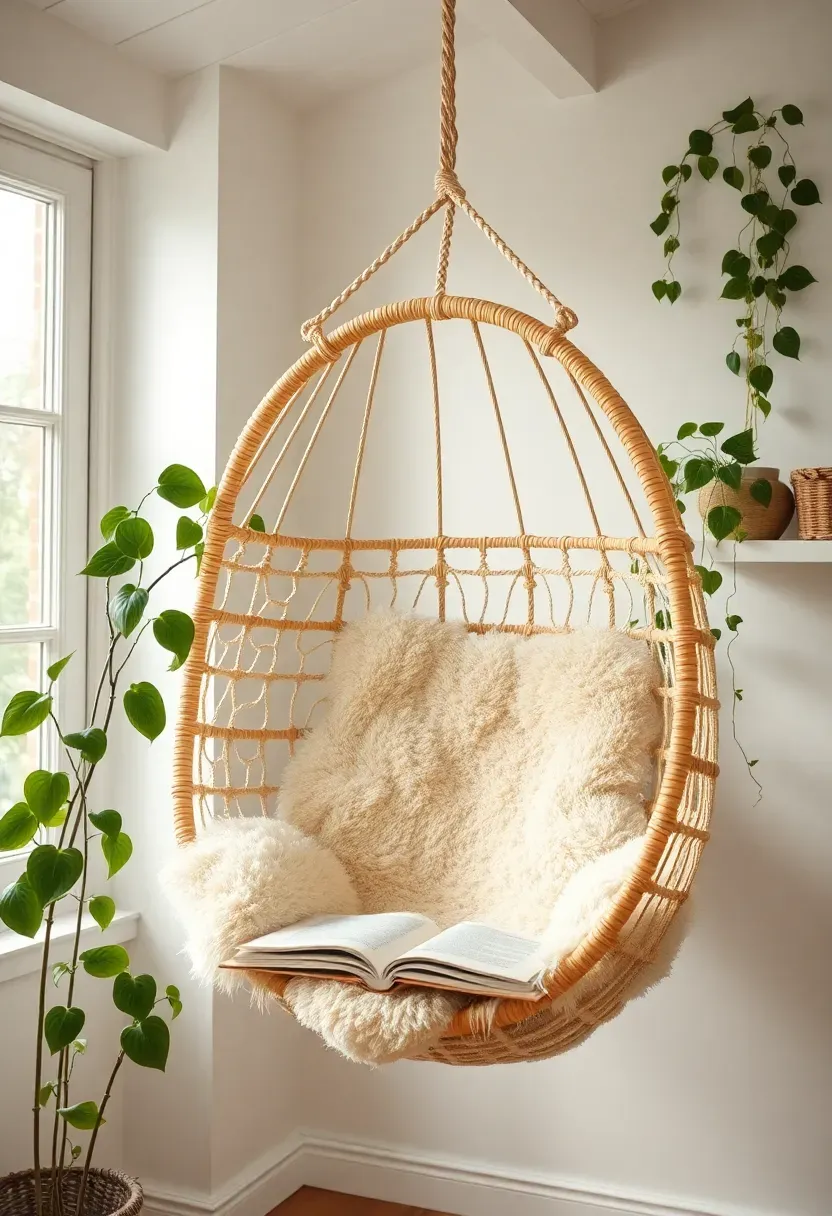
3. Hanging Chair Reading Nook
The Core Issue
Standard armchairs eat floor space in small sunrooms, and they never quite feel special enough for a room designed around relaxation.
The Solution
A ceiling-mounted hanging chair turns a corner into a destination. Egg-shaped rattan models pair perfectly with sunroom aesthetics, and the gentle swinging motion makes reading feel more immersive than sitting in a stationary seat. Anchor the mounting hardware into a ceiling joist -- not just drywall -- and confirm the joist can support at least two hundred kilograms. Add a sheepskin throw across the seat for warmth during cooler months and a small side shelf at arm height for a coffee mug and reading glasses.
What to Watch Out For
- Measure the ceiling height first: you need at least two hundred seventy centimeters of clearance
- Leave sixty centimeters of swing radius around the chair so it does not bump walls or furniture
- Choose a chair with a removable cushion for easy washing
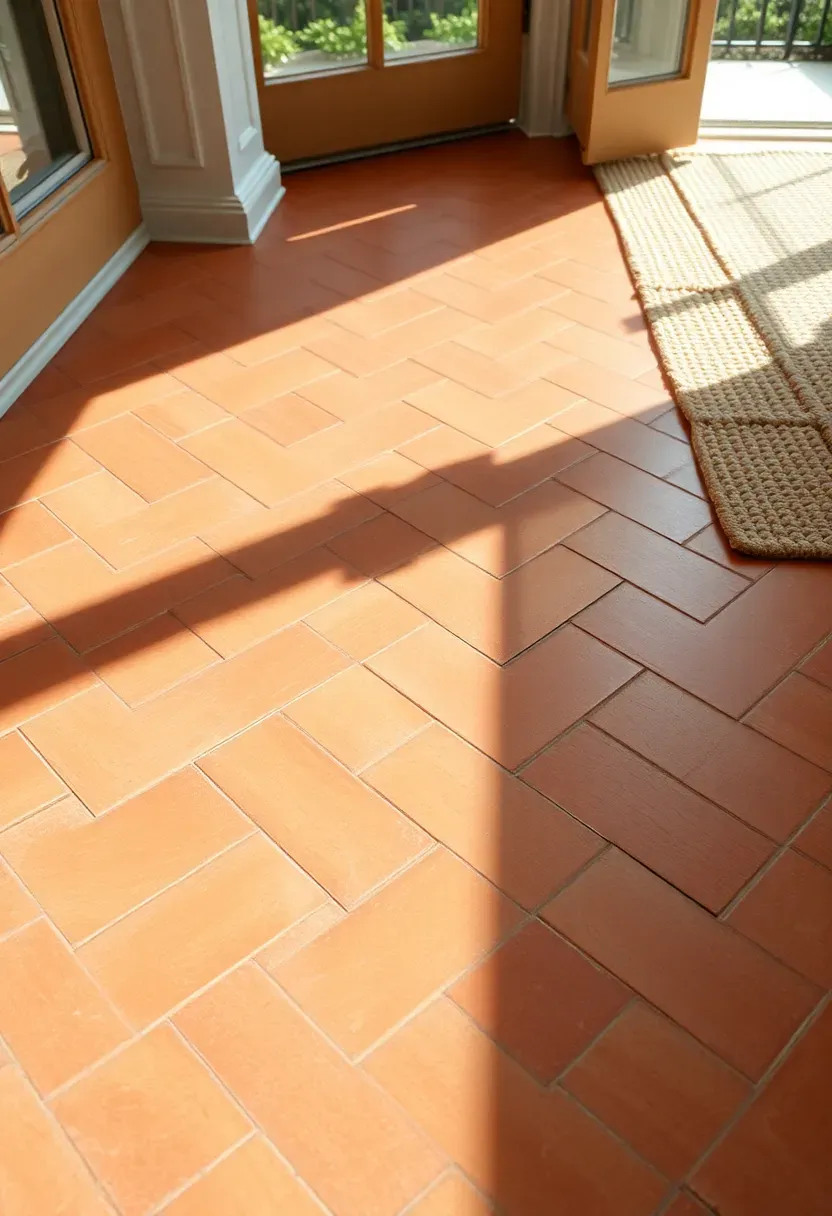
4. Indoor-Outdoor Tile Flooring
How to Choose the Right Tile
Opening paragraph: sunroom floors take more abuse than typical interior floors because temperature swings, moisture, and direct sun hit them daily. The right tile handles all three without cracking or fading.
Step 1: Pick the Material
Porcelain tiles rated for outdoor use offer the best balance of durability and style. Terracotta adds warmth but needs sealing every two years. Cement tiles bring bold pattern options but stain easily without a quality impregnating sealer.
Step 2: Choose a Layout
Herringbone patterns make narrow sunrooms appear wider. Straight-lay large-format tiles in sixty-by-sixty centimeter sizes minimize grout lines and create a seamless indoor-outdoor transition when the same tile extends to an adjacent patio.
Step 3: Plan for Comfort
Tile feels cold underfoot in winter. Radiant floor heating mats installed beneath the tile solve this entirely and cost less than most homeowners expect -- typically between forty and sixty dollars per square meter for materials.

Recommended
Items for this idea
5. Daybed Lounge with Bolster Pillows
Imagine: you finish lunch on a Saturday, walk into the sunroom, and collapse onto a daybed wide enough to stretch out completely. No curling into a tight armchair. No perching on a narrow bench. Just a full-length lounging surface bathed in afternoon light. That is the appeal of centering a sunroom around a daybed rather than traditional seating. Choose a frame with a low profile -- thirty-five centimeters off the floor works well -- so the piece does not block sightlines through the windows. Bolster pillows along the back wall convert the daybed into a sofa for upright conversation, then remove them when you want to nap.
Tips for Styling
- Layer two bolsters in contrasting textures: one smooth linen, one nubby bouclé
- Keep a lightweight cotton throw folded at the foot for temperature shifts
- Place a low tray on the daybed surface as a temporary table for drinks
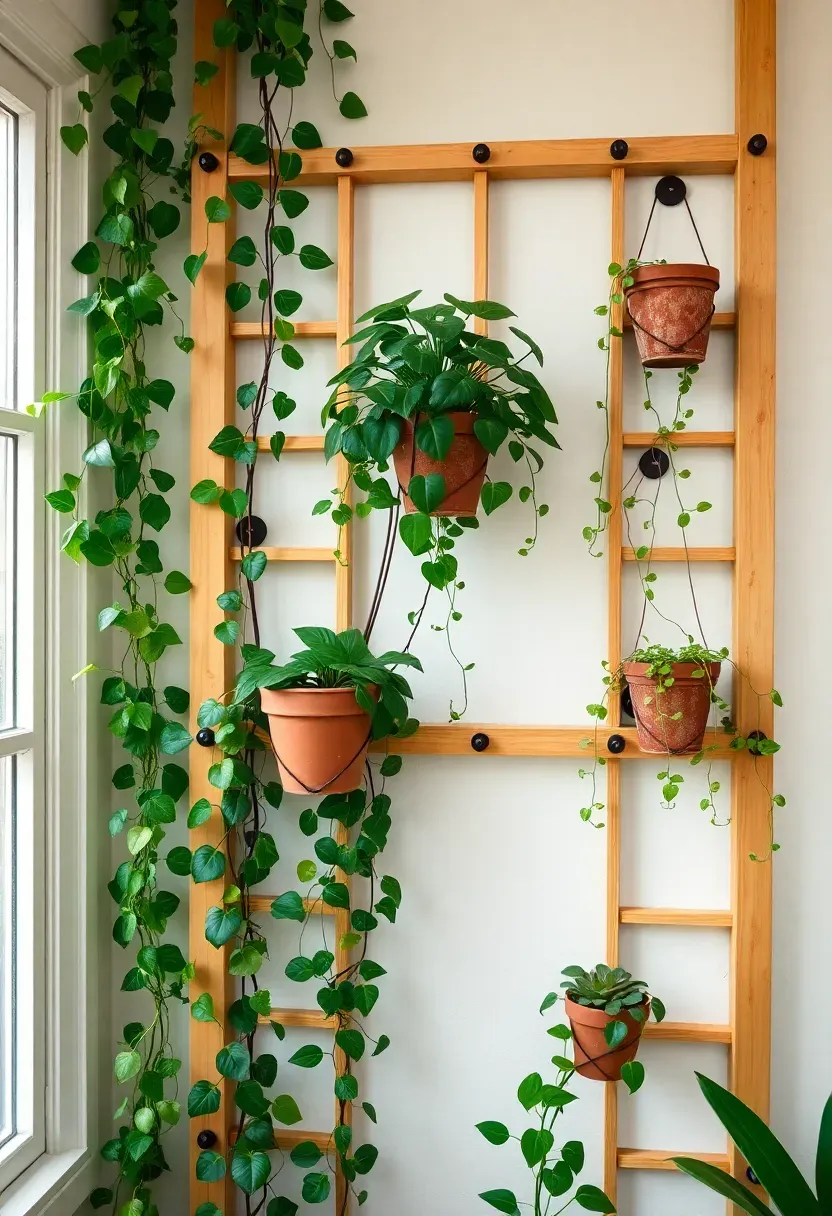
6. Vertical Plant Wall on a Trellis Frame
Origins
Living walls evolved from commercial architecture in the early 2000s, when botanist Patrick Blanc installed vertical gardens on building facades across Paris. The residential adaptation took hold around 2015 as modular planter systems became affordable.
Modern Interpretation
Today a sunroom plant wall does not require expensive hydroponic panels. A simple wooden trellis frame mounted to one wall serves as the backbone. Attach small terracotta pots at staggered heights using metal ring brackets, then fill them with trailing plants that thrive in bright indirect light -- pothos, philodendron, string of pearls, and creeping fig all perform well. The trellis adds architectural texture even before the plants fill in, and you can rearrange pots seasonally without patching wall holes.
How to Apply at Home
- Use a trellis at least one hundred twenty centimeters tall to create visual impact
- Install a drip tray at the base to catch runoff during watering
- Group plants by water needs so you can irrigate the entire wall on one schedule
- Mist trailing foliage twice weekly in dry climates to prevent crispy leaf edges

Recommended
Items for this idea
7. Rattan Coffee Table with Hidden Storage
Why Storage Matters in a Sunroom
Sunrooms tend to collect clutter fast -- blankets, magazines, sunscreen, remote controls -- because they serve as transitional spaces between indoors and out. A rattan coffee table with a hinged lid or removable tray top gives you a surface for drinks and a hidden compartment for everything else. Round shapes work better than rectangular in sunrooms because they allow easier movement around the room when windows and doors limit furniture placement.
Pros and Cons
Pros: Keeps surfaces tidy, lightweight enough to move for cleaning, natural material complements plants and textiles
Cons: Rattan can dry out and crack in direct sustained sun -- position the table where it gets indirect light, or apply a clear UV-protective spray once a year

8. Sheer Roman Shades for Light Control
Comparing: Sheer Roman Shades vs Roller Blinds
Introduction: both options filter sunlight, but they create completely different moods in a sunroom. Understanding the trade-offs helps you choose the right fit for your space and budget.
Sheer Roman Shades
Fabric folds neatly into horizontal pleats when raised, adding visual texture even in the up position. The layered look feels warmer and more residential. They work especially well in sunrooms where you want softness to balance hard surfaces like tile floors and glass walls.
Roller Blinds
Clean, minimal appearance when lowered. Nearly invisible when fully raised. Better for modern sunrooms where you want the architecture to speak without textile interruption.
What to Choose
Choose Roman shades if: your sunroom leans traditional, cottage, or eclectic, and you want the window treatment itself to contribute warmth and pattern.
Choose roller blinds if: your sunroom has a modern or minimalist direction, and you prefer the glass and structure to remain the focus.
Recommended
Items for this idea
9. Bistro Dining Corner
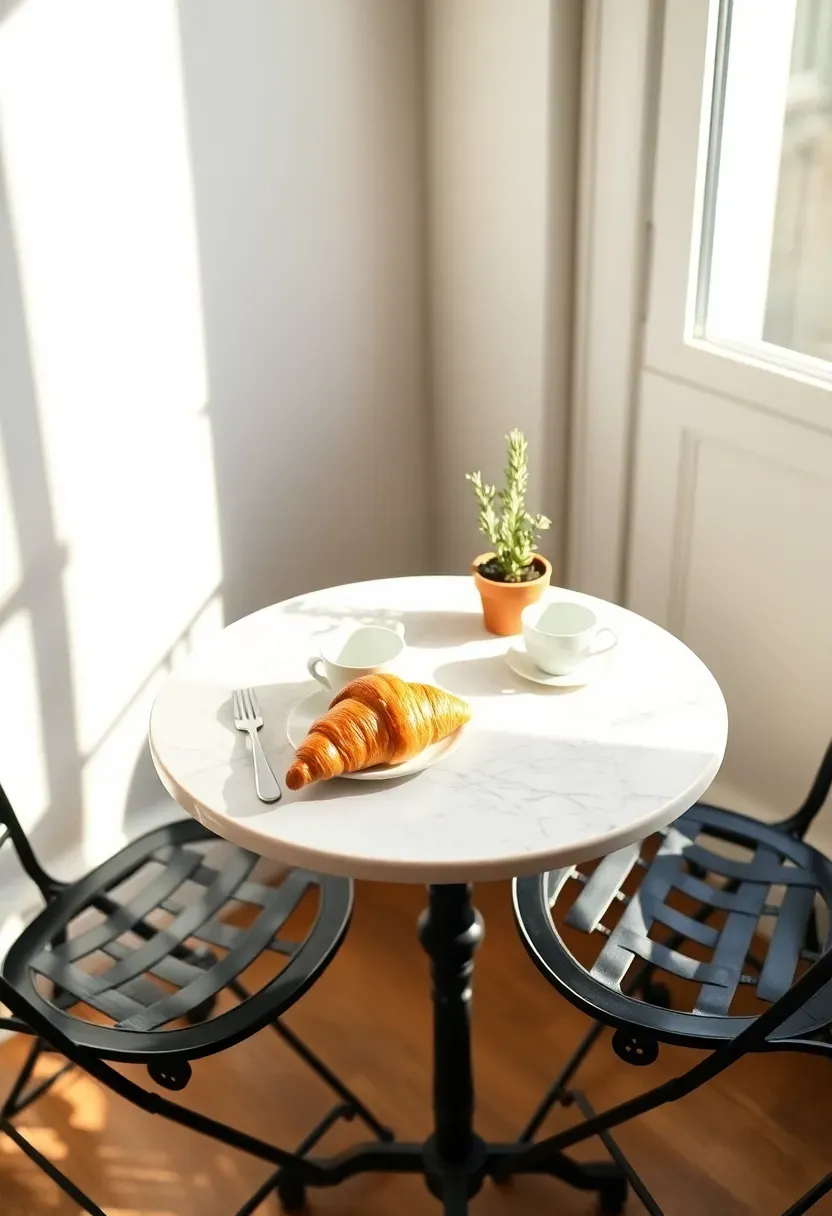
Not every sunroom needs a full dining table. A compact bistro set tucked into one corner creates a dedicated breakfast spot that feels intentional rather than crammed. Choose a marble or stone top for durability and a surface that stays cool in direct sun. Pair it with folding metal chairs so you can stash them flat against the wall when you need the floor space for yoga, stretching, or a kid's play area. The key dimension to remember: you need at least ninety centimeters of clearance behind each chair for comfortable seating and standing.
Tips for the Setup
- A sixty-centimeter round table seats two comfortably for meals and doubles as a plant display when not in use
- Add a small wall-mounted shelf nearby for condiments, napkins, or a Bluetooth speaker
- Position the table near the sunniest window so morning coffee catches the best light
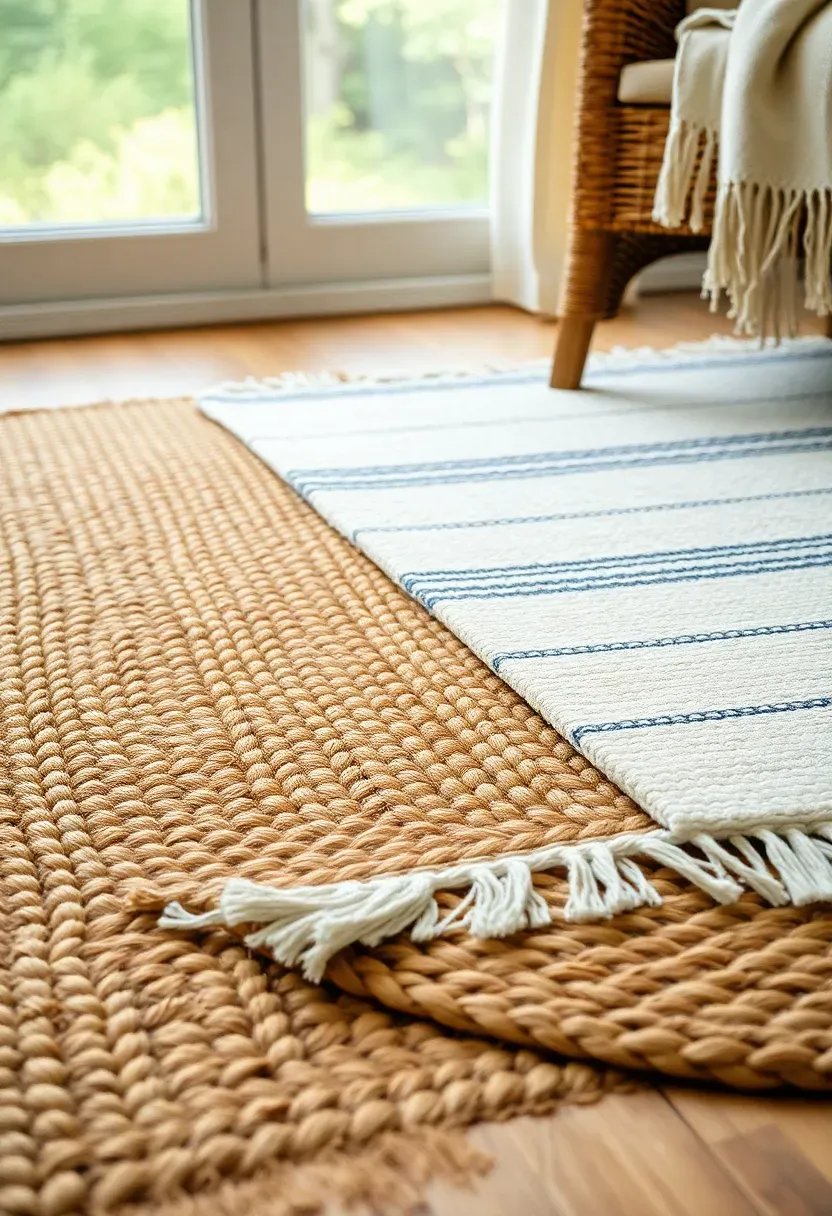
10. Layered Jute and Cotton Rugs
The Core Issue
Sunroom floors -- whether tile, concrete, or wood -- often feel cold and acoustically hard. A single rug helps, but it can look flat and predictable in a room already defined by uniform glass walls.
The Solution
Layer two rugs of different textures and sizes. Start with a large jute rug as the base layer. Its coarse weave adds warmth and defines the seating area. Then angle a smaller cotton flat-weave rug on top, slightly off-center, to introduce pattern or a second color. The overlap creates depth without clutter. Cotton flat-weaves are machine-washable, which matters in a room where muddy shoes and spilled drinks happen regularly.
Pros and Cons
Pros: Easy to swap the top rug seasonally, adds acoustic softness, defines zones in an open-plan sunroom
Cons: Jute can absorb moisture and develop mildew in very humid sunrooms -- use a rug pad with moisture barrier underneath
Recommended
Items for this idea
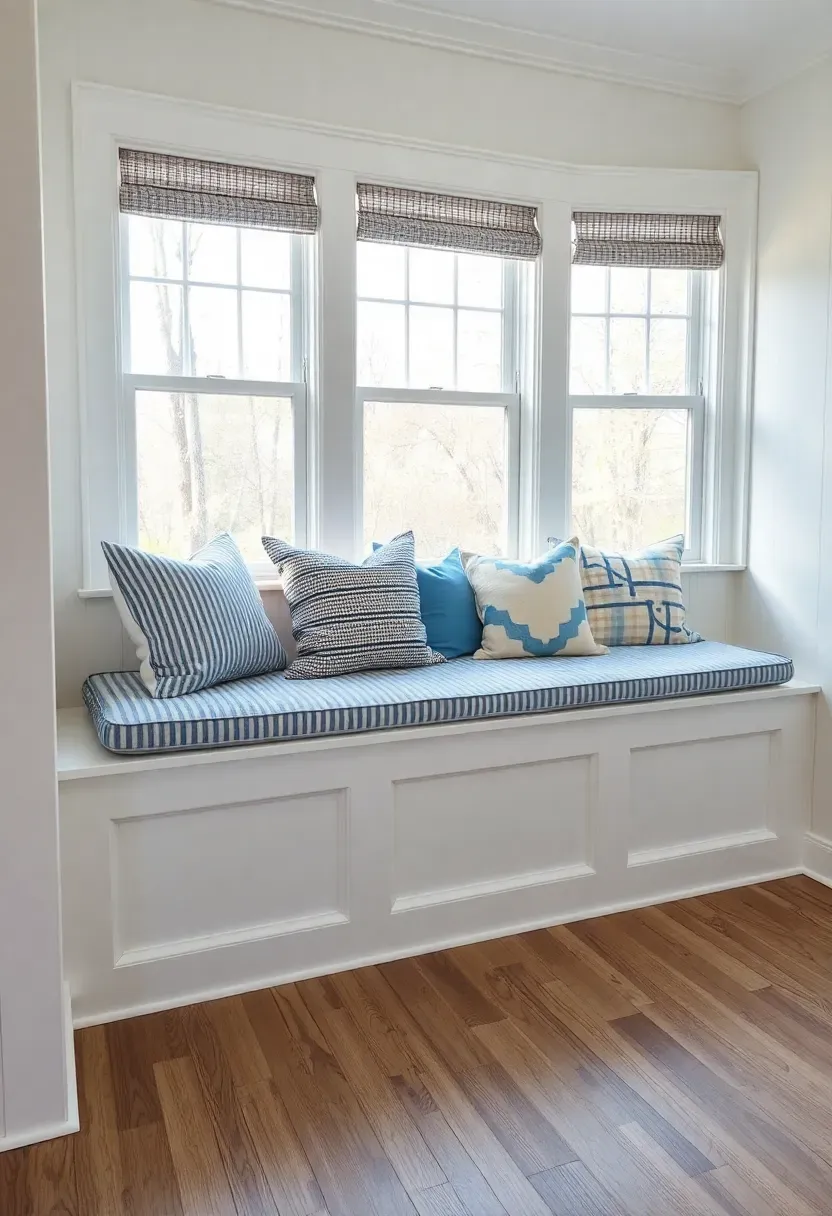
11. Built-In Window Seat with Storage
How to Plan a Window Seat
A window seat transforms dead wall space beneath sunroom windows into the most coveted spot in the house. Here is how to build one that works.
Step 1: Measure the Wall
Measure the full width of the wall section beneath the windows. Standard bench depth is forty-five to fifty centimeters -- deep enough to sit comfortably but not so deep that your feet dangle awkwardly.
Step 2: Build the Frame
Construct a simple plywood box frame with a hinged top for blanket and game storage. Use moisture-resistant MDF or marine-grade plywood if your sunroom is not climate-controlled. Add a shiplap or beadboard facing to the front for a finished look.
Step 3: Add the Cushion
A custom foam cushion with a zippered, washable cover in striped ticking or solid linen completes the seat. Eight centimeters of high-density foam provides enough comfort for extended sitting without looking bulky.
What to Watch Out For
- Ventilate the storage box by drilling small holes in the back panel to prevent moisture buildup
- Attach a soft-close hinge so the lid does not slam on fingers

12. Citrus Tree Container Garden
For centuries, European orangeries served as the bridge between architecture and agriculture -- grand glass rooms built specifically to overwinter citrus trees. Your sunroom can honor that tradition at a smaller scale. Dwarf Meyer lemon, calamondin orange, and key lime trees all thrive in containers when they receive at least six hours of direct sunlight daily. Place them in large terracotta pots with saucers, grouping three trees of different heights for a layered, orchard-like arrangement. The glossy evergreen foliage looks beautiful year-round, and the fragrance when the trees bloom in late winter fills the entire room.
Care Essentials
- Water when the top five centimeters of soil feel dry -- overwatering causes root rot faster than underwatering
- Feed with a citrus-specific fertilizer every six weeks from March through October
- Rotate pots a quarter turn weekly so growth stays even on all sides
Recommended
Items for this idea
13. Mixed-Material Pendant Lighting
Why Overhead Lighting Changes Everything
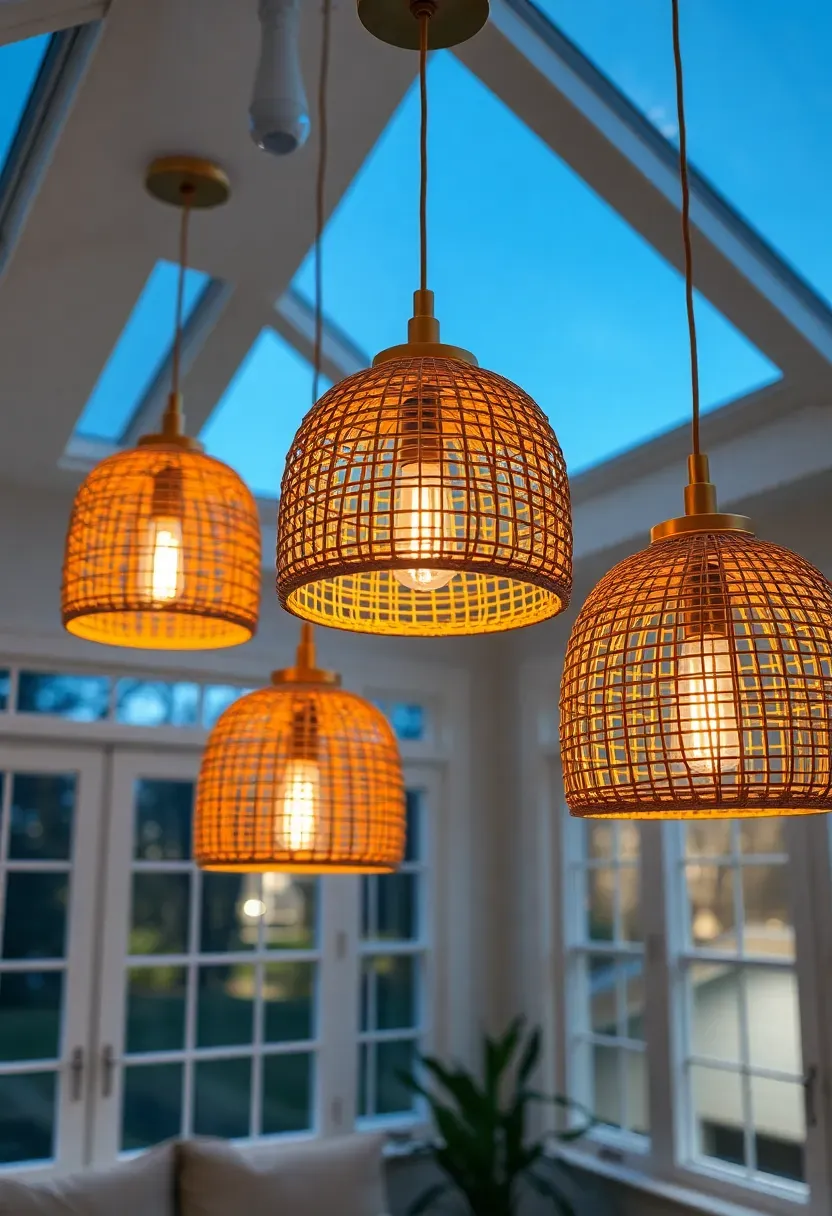
A sunroom without dedicated lighting becomes a dark void after sunset. Most homeowners rely on table lamps, which create pools of light but leave corners in shadow. Pendant fixtures solve this by distributing light from above, and choosing mixed-material designs -- rattan shades with brass fittings, for example -- keeps the look warm rather than institutional. Hang three pendants at staggered heights above the main seating area to mimic the clustered, organic feel of the room's plantings.
Practical Pointers
- Install pendants on a dimmer switch so you can shift from bright task lighting to soft evening ambiance
- Choose LED bulbs rated at 2700K for a warm glow that complements natural wood and wicker
- Leave at least two hundred centimeters of clearance between the bottom of the shade and the floor
14. Fold-Down Desk Workspace
Why This Works for Sunrooms
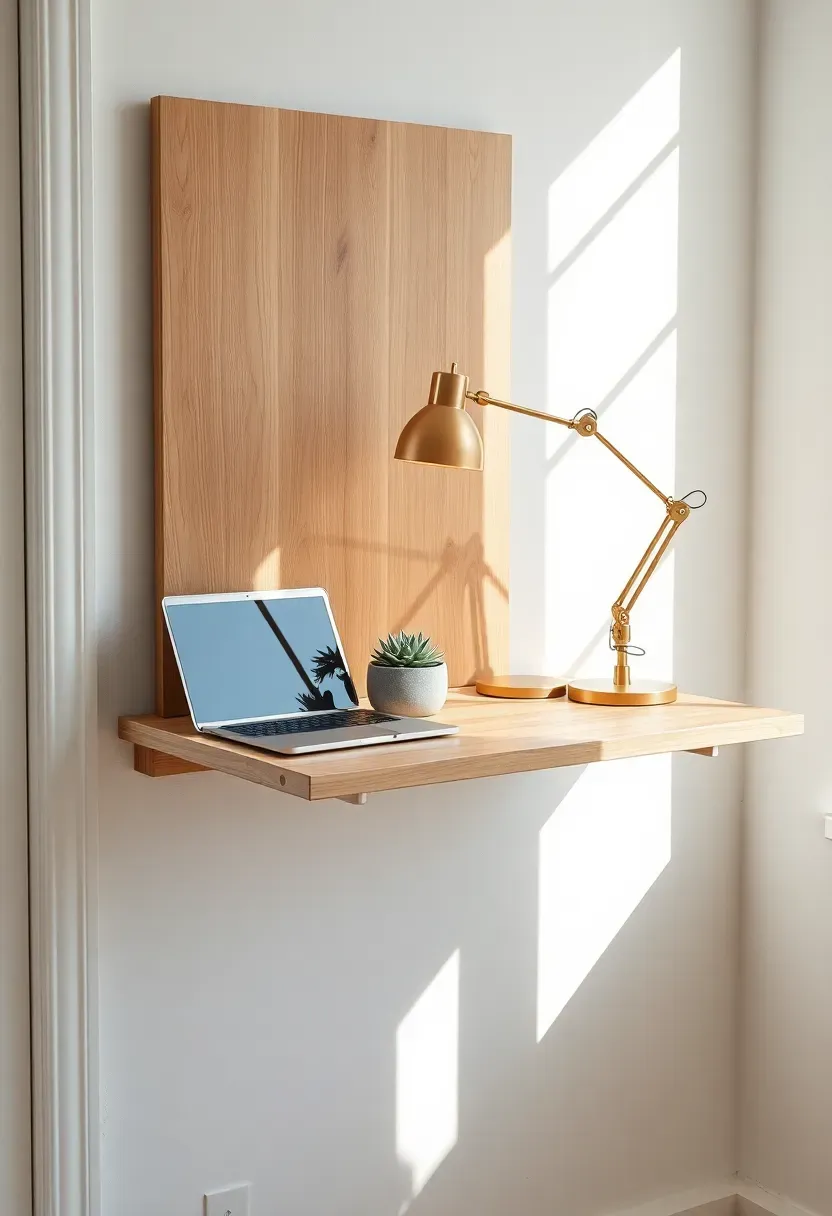
Remote workers who want natural light but lack a dedicated office can carve out a functional workspace inside a sunroom without sacrificing the room's leisure identity. A fold-down wall-mounted desk disappears when not in use, preserving the open, relaxed atmosphere. When you flip it down, you get a surface roughly eighty centimeters wide -- enough for a laptop, notebook, and a cup of coffee. Mount it on the wall that gets the least direct glare, typically the north-facing wall in the northern hemisphere, so your screen stays readable without squinting.
Tips for the Setup
- Add a single floating shelf above the desk for a small plant and a task lamp
- Use cable clips along the wall to route a charging cord neatly out of sight
- Choose a desk with a built-in cork or felt panel on the underside so it doubles as a pinboard when folded up

Recommended
Items for this idea
15. Ceiling Fan with Woven Blade Covers
Sunrooms trap heat. That is the uncomfortable truth behind all those beautiful windows -- glass magnifies solar gain, and temperatures can climb ten to fifteen degrees above the rest of the house by mid-afternoon. A ceiling fan provides immediate relief at a fraction of the cost of upgrading to low-E glass or adding a mini-split system. Woven rattan blade covers transform a utilitarian appliance into a design element that matches the natural textures typical of sunroom decor. Look for a fan with a reversible motor: counterclockwise in summer pushes air downward for a cooling breeze, clockwise in winter circulates trapped warm air back to seating level.
Key Specifications
- Blade span of one hundred thirty-two centimeters covers rooms up to twenty square meters
- Choose a fan rated for damp locations if your sunroom is not fully climate-controlled
- A remote control is worth the small upcharge over pull chains
16. Seasonal Throw Pillow Rotation
Spring and Summer Set
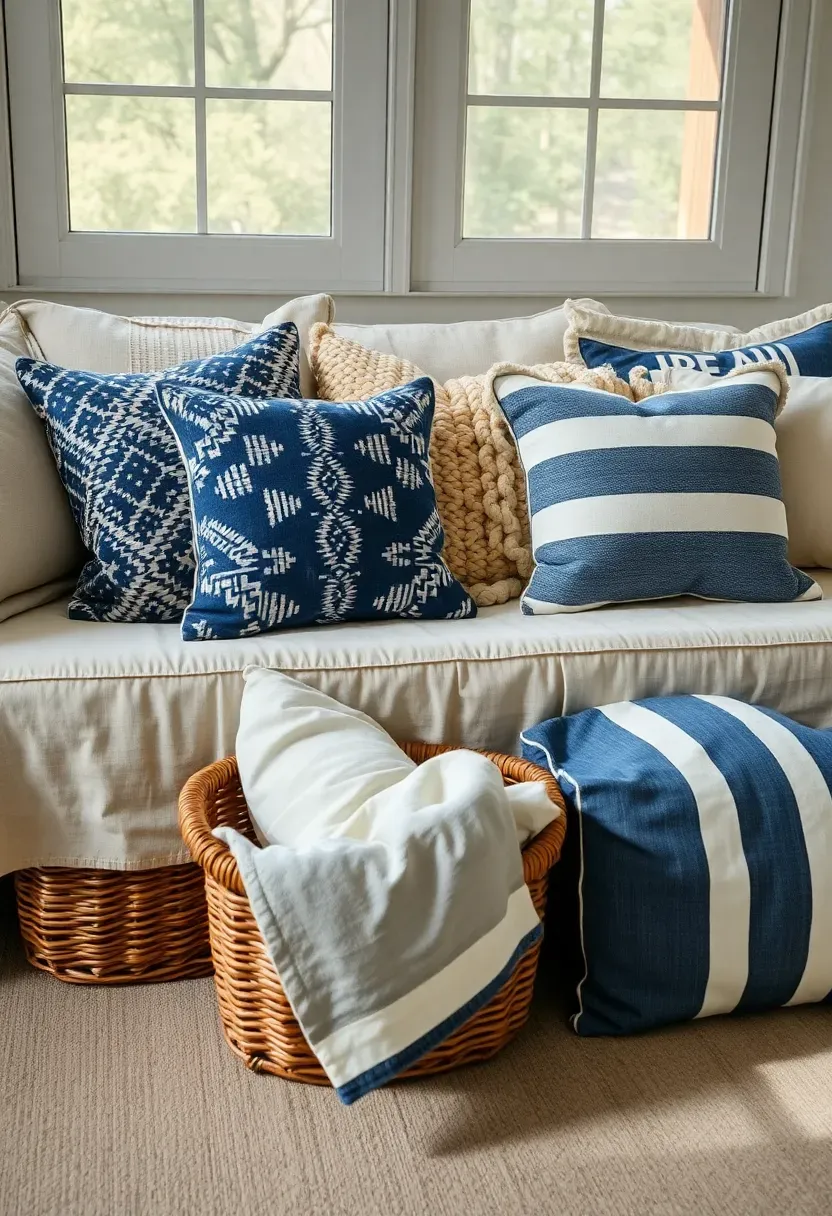
Swap in lightweight covers made from block-printed cotton, faded indigo mudcloth, or chambray linen. Stick to a palette of soft blues, greens, and natural whites that echo the foliage visible through the windows. Patterns should feel loose and organic -- botanical prints, simple stripes, or subtle tie-dye effects rather than rigid geometrics.
Autumn and Winter Set
Switch to heavier fabrics: chunky knit covers, faux shearling, brushed flannel, and velvet in warm tones like terracotta, ochre, and deep olive. These textures signal warmth and make the sunroom feel cozy even as outdoor temperatures drop and the light turns cooler.
How to Manage the Rotation
- Store off-season pillow covers in a labeled canvas bin inside the window seat storage from idea eleven
- Limit each season to five or six covers so the swap takes ten minutes, not an afternoon
- Invest in quality feather-down inserts that work across all cover sizes year after year
Recommended
Items for this idea
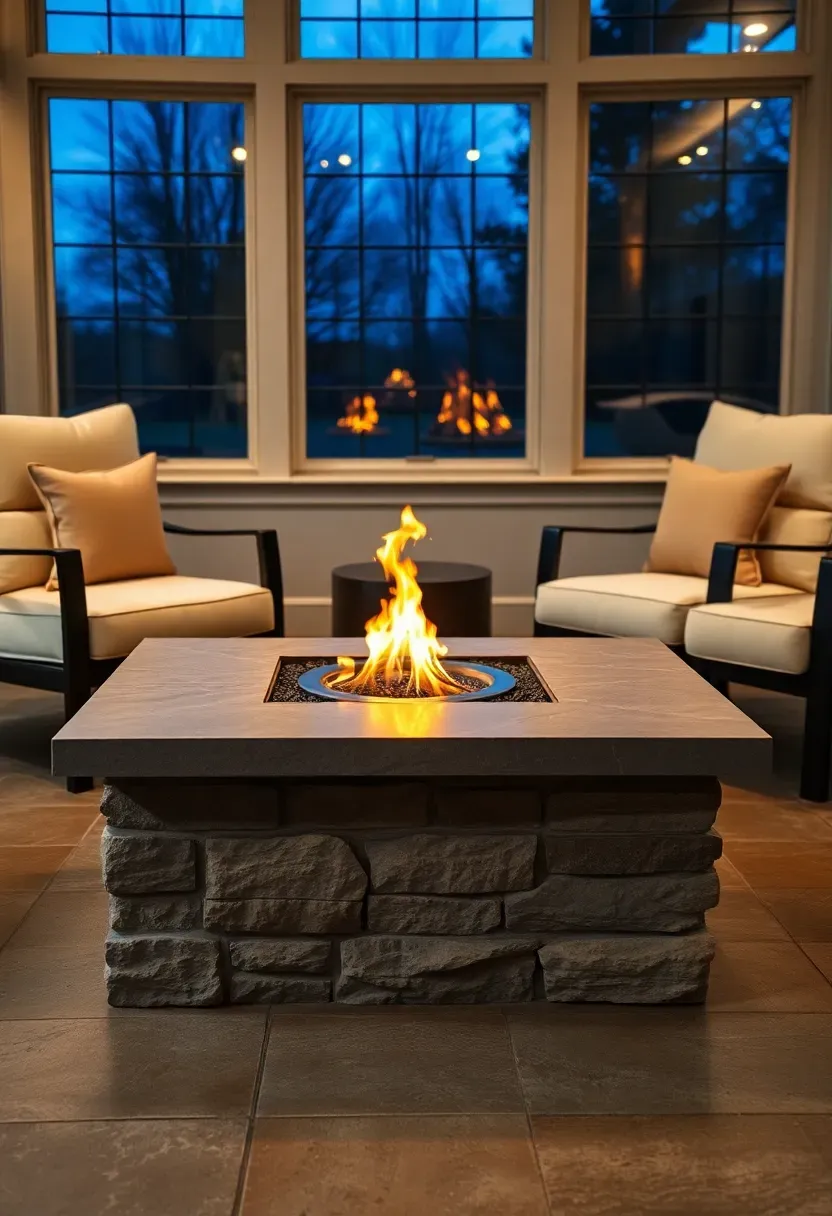
17. Firepit Table for Three-Season Use
A sunroom that cannot stay warm past October wastes half the year. A low-profile gas firepit table solves this without the smoke, ash, or chimney requirements of a traditional fireplace. Propane-fueled models with a hidden tank compartment fit neatly between two armchairs and produce enough radiant heat to extend comfortable use well into November in most climates. The flickering flame also creates a focal point for evening gatherings -- a campfire feeling without leaving the house.
Pros and Cons
Pros: No installation beyond connecting a propane tank, provides heat and ambient light simultaneously, some models double as a regular coffee table with a cover plate
Cons: Requires ventilation -- never operate in a fully sealed sunroom without opening at least two windows, propane tanks need periodic replacement or refilling
Quick FAQ
Is a sunroom considered living space for resale value? It depends on whether the sunroom is climate-controlled and meets local building codes for habitable space. A four-season sunroom with HVAC adds directly to square footage and resale value. A three-season room typically counts as a bonus feature but not livable area.
Should I use outdoor or indoor furniture in my sunroom? Indoor-outdoor hybrids work best. Fully outdoor furniture can feel too utilitarian, while delicate indoor pieces may fade or warp from sun and humidity. Look for pieces marketed as indoor-outdoor with UV-resistant fabrics and moisture-tolerant frames.
Which flooring holds up best in an unheated sunroom? Porcelain tile rated for freeze-thaw cycles leads the pack. Luxury vinyl plank handles temperature swings well too and feels warmer underfoot. Avoid solid hardwood -- it expands and contracts dramatically with humidity changes in an unconditioned space.
Can I add a sunroom without a full renovation? Prefabricated sunroom kits from companies like Sunspace and Patio Enclosures install in as little as two weeks. They attach to an existing exterior wall and require only a concrete pad or existing patio slab as a foundation.
What is the cheapest way to heat a three-season sunroom? A ductless mini-split heat pump offers the lowest ongoing operating cost. Initial installation runs between two and four thousand dollars, but the energy savings over electric space heaters pay that back within three to five heating seasons.
Start with the idea that matches your biggest frustration -- whether that is glare control, temperature swings, or simple clutter. One targeted upgrade changes the way you use the room more than five scattered purchases ever could. A sunroom should feel like the easiest room in the house to enjoy, and getting there is simpler than most renovation projects suggest.
Pinterest cover for 17 Sunroom Ideas: Cozy, Modern Ways to Style a Bright Space
About the author
OBCD
CGI visualization and interior design content. We create detailed 3D renders and curate practical design ideas for every room in your home.