19 Sun Room Ideas on a Budget for Back Porches: Outdoor Rooms That Feel Expensive
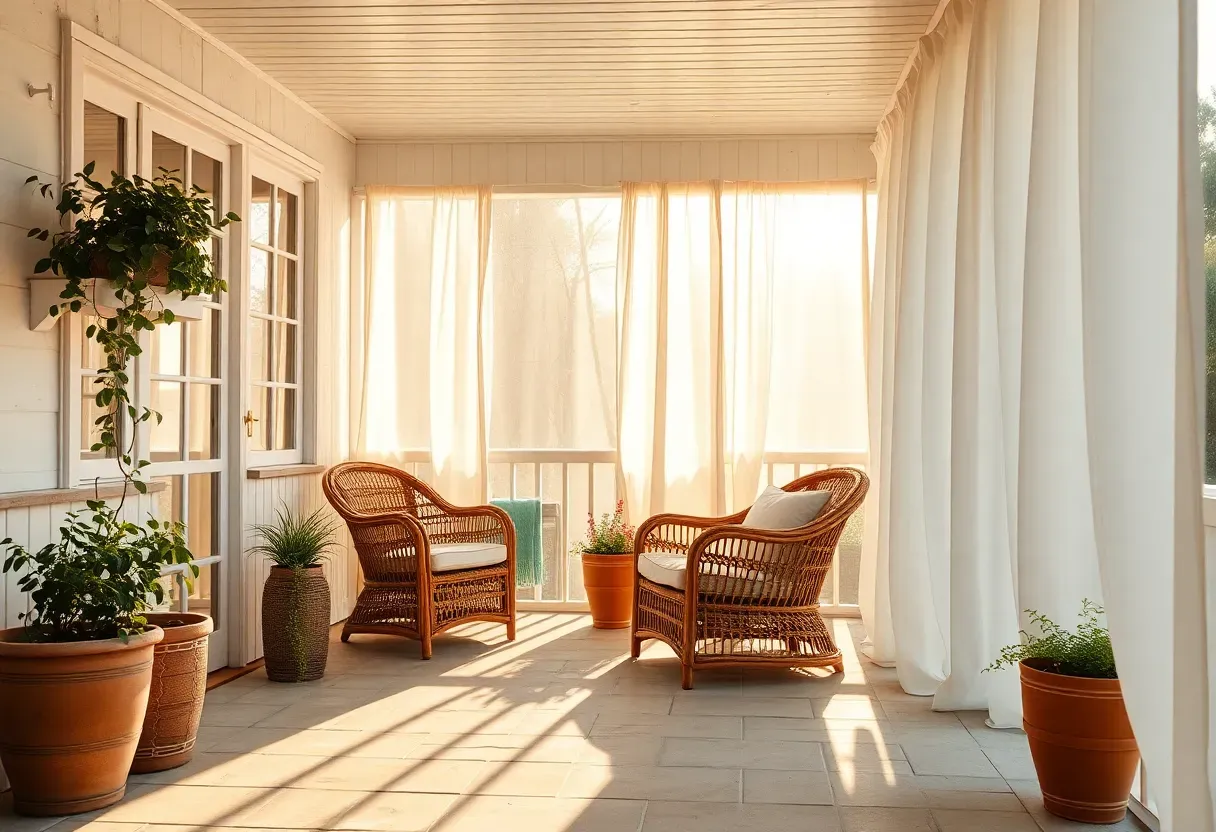
There is a particular kind of envy reserved for scrolling past those gorgeous enclosed porches on Pinterest — the ones drenched in natural light, layered with linen cushions, and anchored by beautiful furniture that whispers "luxury." What the photos rarely mention is that many of these spaces started as bare concrete slabs and basic screen enclosures, transformed with clever choices rather than contractor invoices.
A sun room on a budget does not mean settling for folding chairs and a card table. It means being intentional. The right combination of secondhand finds, strategic textiles, and a clear design direction can turn your neglected back porch into the most photographed room in your home. The ideas gathered here prove that constraint breeds creativity — and that outdoor rooms can feel polished on a modest spend.
Below you will find 19 approaches organized by style, function, and difficulty level. Some require a weekend afternoon, others a committed Saturday project. All of them respect your wallet.
Quick FAQ
Is it worth converting a back porch into a sun room? Converting a back porch into a sun room adds usable square footage to your home without a full addition. Even a basic screened-in porch with comfortable seating can serve as a dining area, reading nook, or home office for three seasons. Most homeowners recoup 50-70% of costs at resale.
Should I use indoor or outdoor furniture in a budget sun room? That depends on your enclosure level. Fully enclosed, climate-controlled sun rooms can handle indoor furniture. Screened porches need outdoor-rated or weather-resistant pieces. A smart middle ground: thrift store indoor furniture protected with outdoor-grade sealant or washable slipcovers.
What flooring works best for a budget-friendly porch sun room? Interlocking deck tiles are the fastest budget option — they snap together over existing concrete with no adhesive. Outdoor rugs layered over painted concrete also work well. For a more permanent upgrade, peel-and-stick vinyl planks rated for exterior use run around two dollars per square foot.
Can I build a sun room enclosure without a contractor? Yes, if you keep it simple. Pre-made screen panel kits, polycarbonate roof panels, and snap-together framing systems are designed for DIY installation. Full glass enclosures typically require professional help for proper sealing and structural support.
Which season is cheapest for sun room materials? Late summer and early fall bring the best deals. Outdoor furniture goes on clearance as retailers make room for holiday inventory. Building materials also tend to dip in price during slower construction months from October through February.
Table of Contents
- Screened Porch with Outdoor Curtains
- Thrift Store Wicker Revival
- Polycarbonate Roof Panel Enclosure
- Painted Concrete Floor with Stencil Pattern
- Drop Cloth Curtain Sun Room
- Pallet Daybed Lounge
- String Light Canopy Ceiling
- DIY Privacy Screen Wall
- Vintage Window Frame Enclosure
- Outdoor Rug Layering Studio
- Hanging Chair Reading Nook
- Potted Plant Room Divider
- Café Bistro Corner
- Fabric Canopy Overhead Shade
- Bamboo Roll-Up Shade Walls
- Repurposed Door Panel Screens
- Cozy Firepit Anchor Zone
- Modular Seating Arrangement
- All-Season Weatherproof Retreat
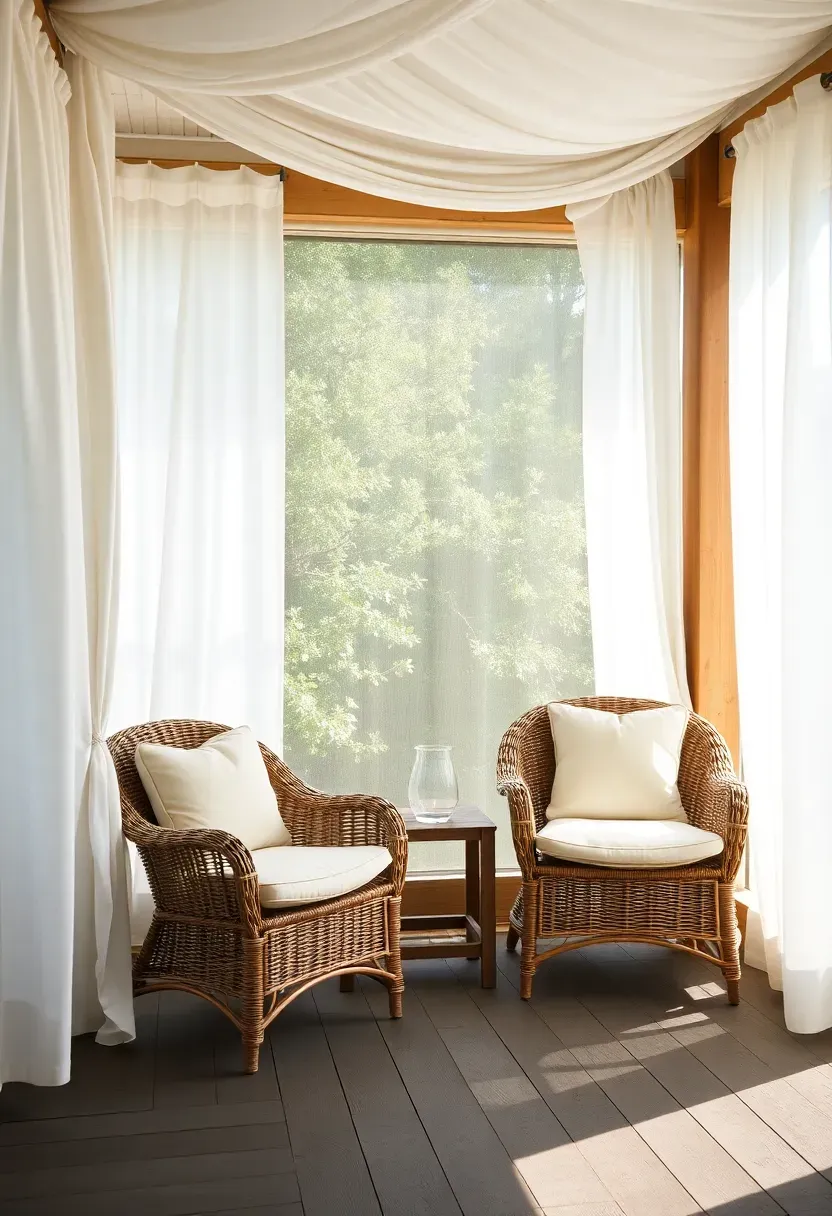
1. Screened Porch with Outdoor Curtains
The simplest path from basic porch to sun room starts with what you already have. If your back porch has a roof and posts, outdoor curtains instantly create the feeling of an enclosed room without construction permits or permanent framing.
How to Pull This Off
Hang a tension rod or cable wire system between existing posts. Choose curtains rated for outdoor use — Sunbrella fabric resists fading and mildew, but even canvas drop cloths hemmed to length work beautifully at a fraction of the cost. The curtains let you control light, wind, and privacy on demand.
Tips for a Polished Look
- Mount the rod or wire as close to the ceiling line as possible to emphasize height
- Use curtain tiebacks or simple rope loops to create gathered drapes when open
- Stick to neutral tones — white, oatmeal, or soft gray — for a high-end resort feel
- Wash outdoor curtains monthly to prevent mildew buildup in humid climates
We picked a few things that go well with this idea: BONZER Waterproof Outdoor Porch Curtain Panel (★4.6), RYB HOME Waterproof Patio Curtain Panel (★4.5) and HolidayIdeas Outdoor Curtains (6-Panel Set) (★4.5). As an Amazon Associate we earn from qualifying purchases.
2. Thrift Store Wicker Revival
The Core Issue
New wicker sun room sets cost anywhere from eight hundred to several thousand dollars, pricing out most budget-conscious homeowners. Meanwhile, thrift stores and estate sales overflow with perfectly solid wicker frames that just need cosmetic attention.
The Solution
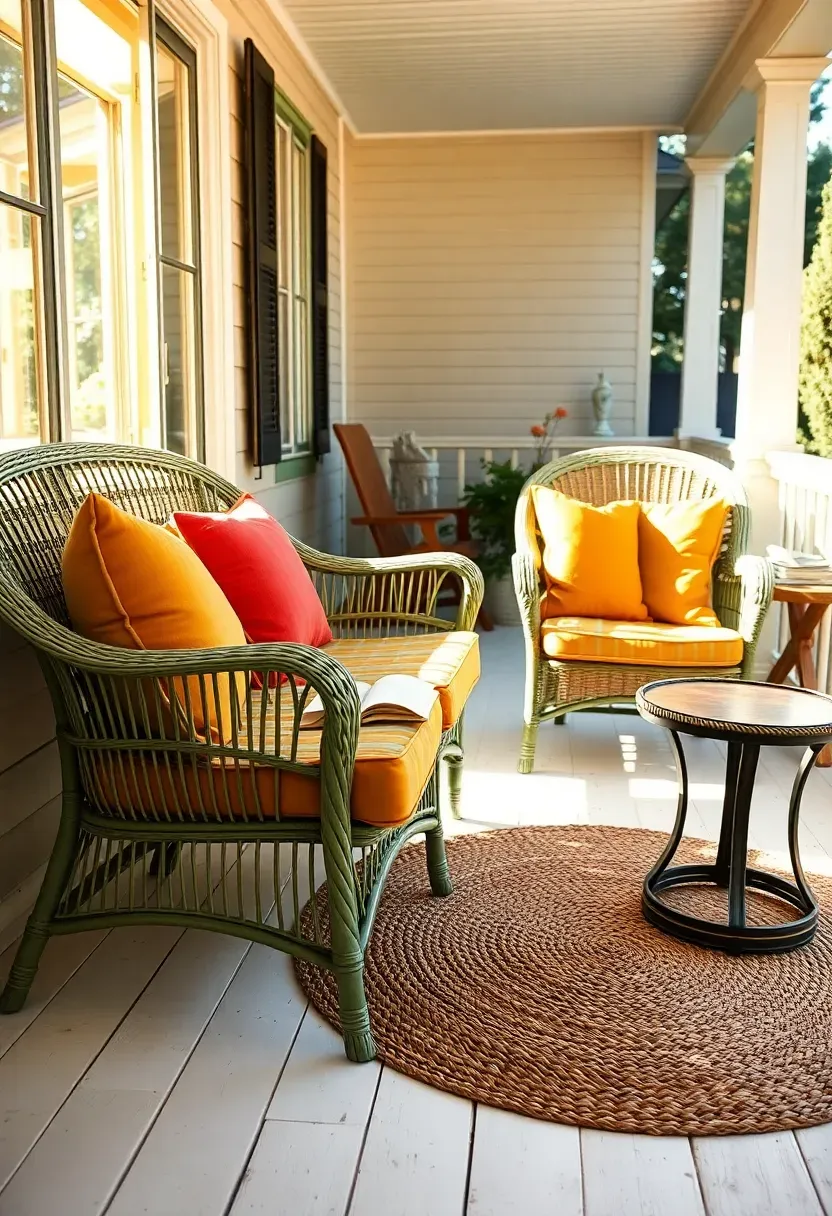
Buy secondhand wicker chairs, loveseats, and coffee tables, then spray paint them with a bonding primer and exterior-rated paint. A complete four-piece set that might cost fifty to eighty dollars at a thrift store transforms into something that looks custom after a weekend of painting. Add fresh cushions made from outdoor fabric — or stuff weatherproof covers with high-density foam from a craft store.
Pros and Cons
Pros: Dramatic cost savings, unique character, eco-friendly repurposing, and the satisfaction of a hands-on project.
Cons: Requires a dedicated painting day, wicker may need minor repairs before painting, and cushion-making adds time if you sew your own.
We picked a few things that go well with this idea: Svater LED Outdoor String Lights (105ft) (★4.6), Achin Outdoor Edison String Lights (150ft) (★4.4) and addlon LED Outdoor String Lights (48ft) (★4.5). As an Amazon Associate we earn from qualifying purchases.
3. Polycarbonate Roof Panel Enclosure
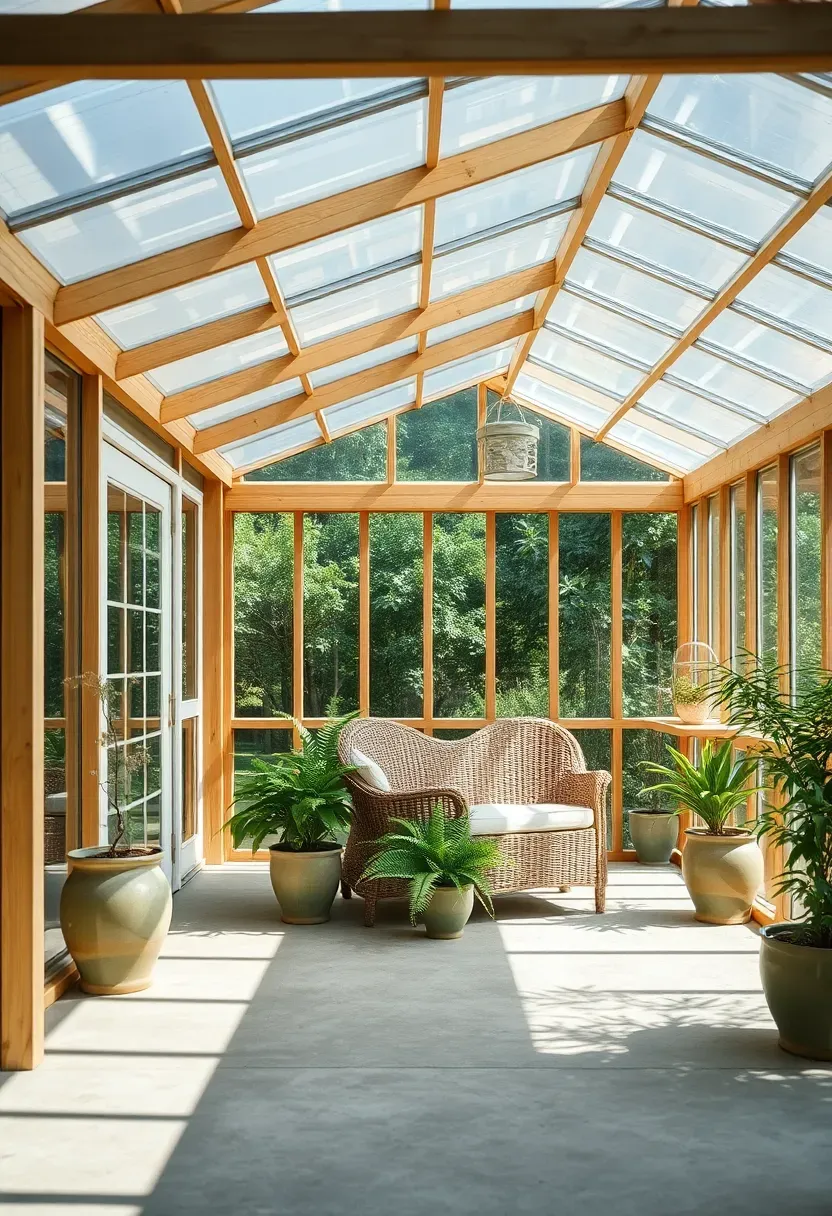
For porches that lack a solid roof, polycarbonate panels offer the most affordable route to a covered sun room. These translucent sheets let light pour through while blocking rain, UV rays, and debris — a greenhouse effect that extends your porch season by months.
Step 1: Measure and Frame
Build a simple wooden frame or use aluminum channel from the hardware store. Polycarbonate panels need a slight pitch — at least one inch per foot — for rain drainage.
Step 2: Install the Panels
Cut panels with a circular saw fitted with a fine-tooth blade. Secure them with self-drilling screws and rubber washers to prevent leaks at attachment points.
Step 3: Seal the Edges
Apply flashing tape where panels meet existing walls or gutters. This prevents water intrusion at seams — the most common failure point for DIY installations.
What to Watch Out For
- Multiwall panels insulate better than solid sheets but cost slightly more
- Clear panels maximize light but show dirt; tinted or opal panels hide imperfections
- Budget roughly three to five dollars per square foot for materials
We picked a few things that go well with this idea: FDW 4-Piece Wicker Patio Furniture Set (★4.3), 5-Piece Rattan Wicker Patio Conversation Set (★4.8) and 3-Piece Wicker Bistro Patio Set (★4.7). As an Amazon Associate we earn from qualifying purchases.
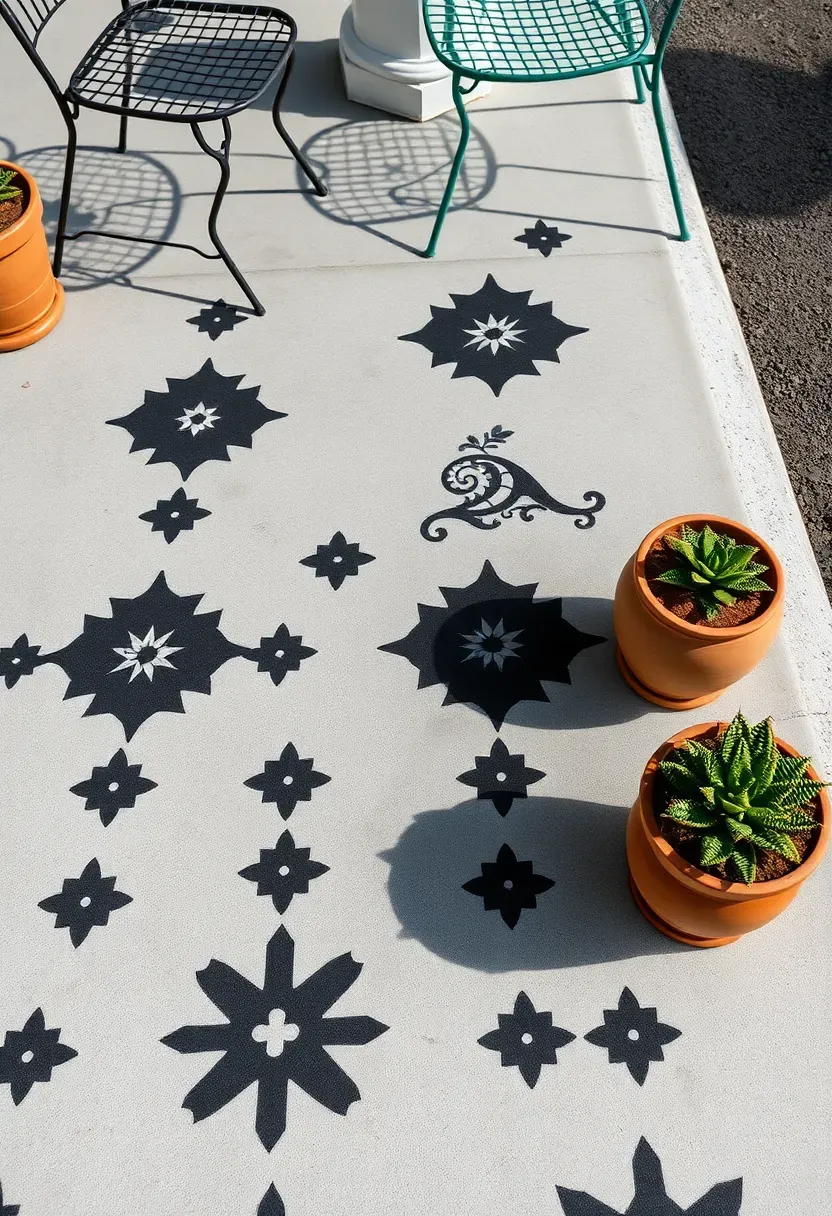
4. Painted Concrete Floor with Stencil Pattern
Nothing says "unfinished porch" quite like bare gray concrete. Painting and stenciling the floor is one of the highest-impact, lowest-cost upgrades for any budget sun room. A gallon of porch paint covers roughly four hundred square feet, and a large geometric stencil from a craft store costs under twenty dollars.
Why This Works So Well
A patterned floor anchors the entire space visually. It eliminates the need for wall-to-wall carpeting or expensive tile, and it tricks the eye into reading the porch as a designed interior room rather than an afterthought. Moroccan tile patterns, herringbone, and checkerboard are all popular choices that photograph beautifully for Pinterest.
Tips for Durability
- Clean and etch the concrete with TSP before painting for proper adhesion
- Apply two coats of porch and patio paint rated for foot traffic
- Seal the finished stencil with two coats of exterior polyurethane
- Touch up high-traffic areas annually with matching paint
Recommended
Items for this idea
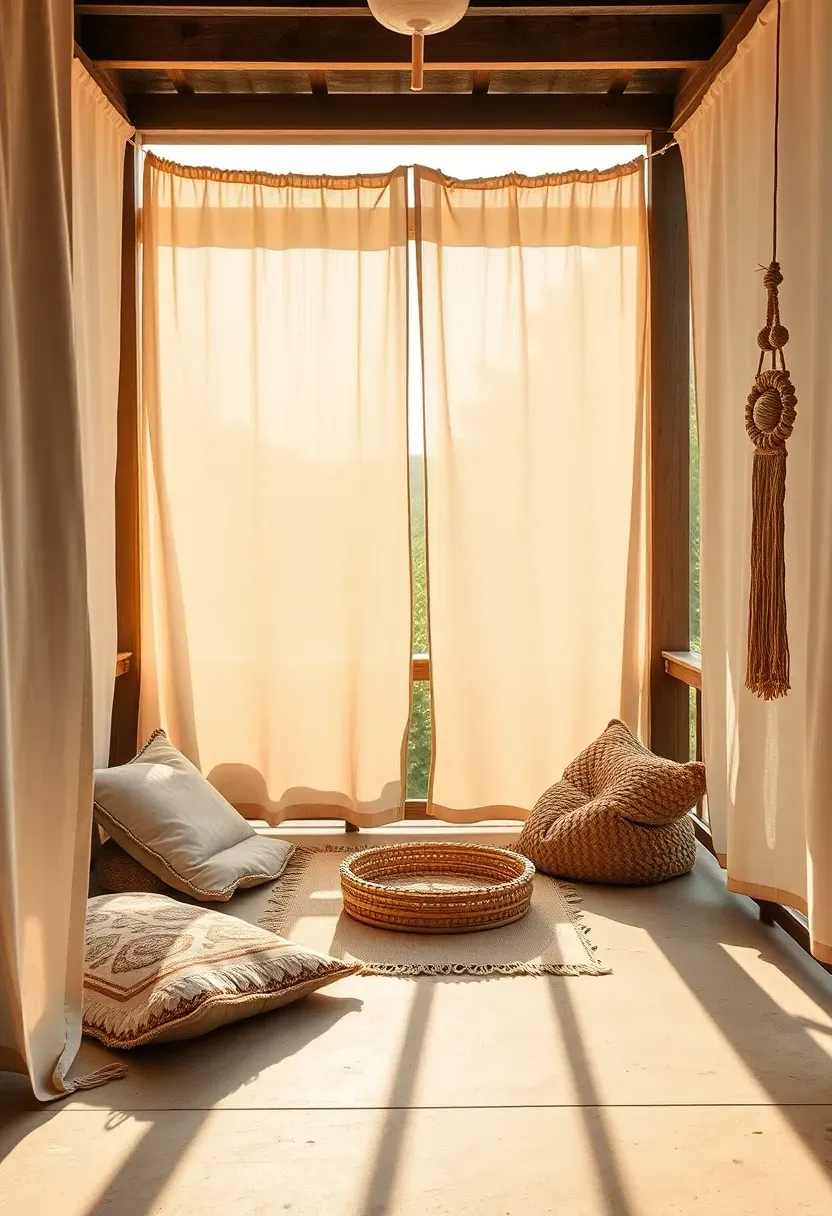
5. Drop Cloth Curtain Sun Room
Comparing: Drop Cloths vs Outdoor Fabric Curtains
Drop cloths from the hardware store may be the best-kept secret in budget sun room design. At roughly ten dollars per nine-by-twelve-foot cloth, they cost a fraction of dedicated outdoor curtain panels.
Drop Cloths
Heavy cotton canvas with a naturally textured, linen-like appearance. They drape well when softened in the wash and accept fabric dye if you want color. One cloth can cover a full porch section when hemmed.
Outdoor Fabric Curtains
Purpose-made with UV inhibitors and mildew resistance. They last longer in exposed conditions and come in a wide color range. A single panel typically runs forty to eighty dollars.
What to Choose
Choose drop cloths if: you want the cheapest possible option, enjoy a neutral palette, and can bring them inside during storms.
Choose outdoor curtains if: your porch faces heavy rain or direct sun for most of the day and you prefer less maintenance.
Recommendation
Start with drop cloths. If they degrade within one season, upgrade the most exposed panels to outdoor fabric and keep drop cloths on the sheltered sides.
6. Pallet Daybed Lounge
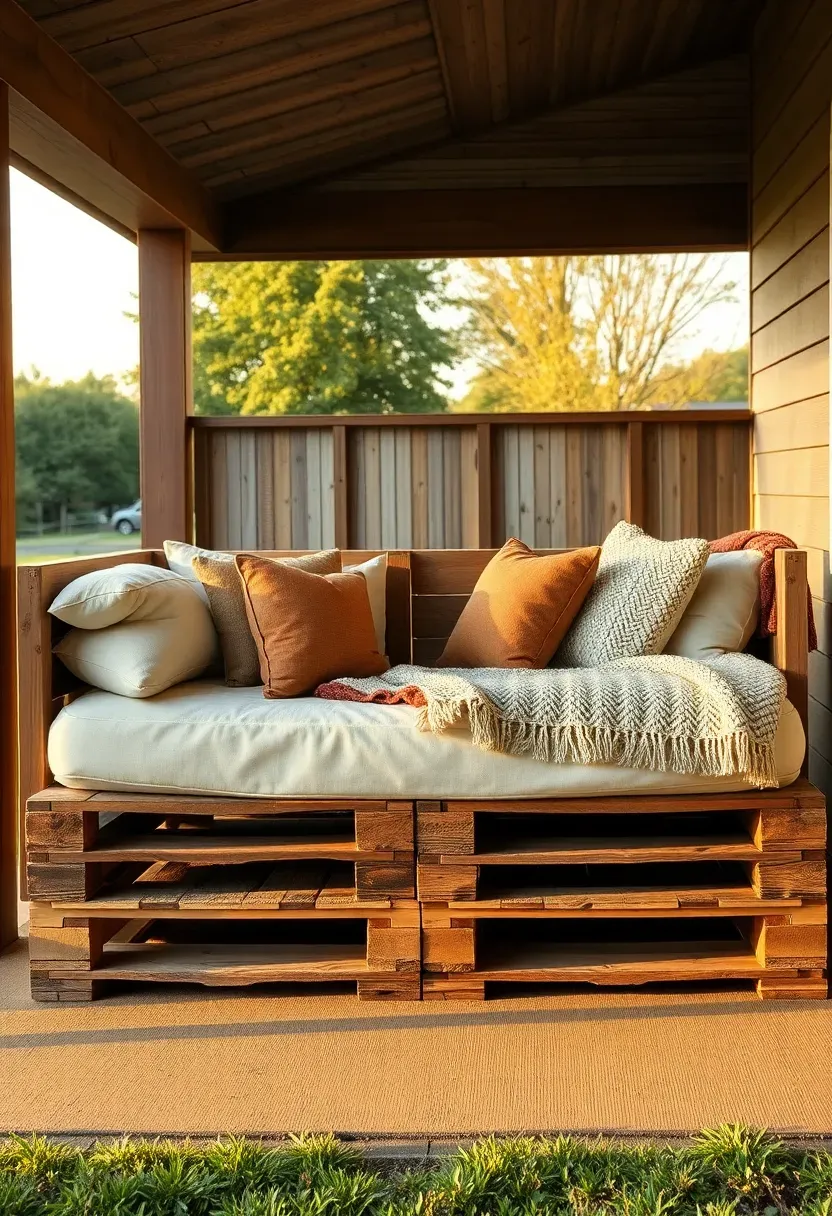
A daybed turns a porch from a pass-through space into a destination. Building one from shipping pallets costs almost nothing — the materials are often free from warehouses, and the rustic character fits perfectly in a casual sun room.
Step 1: Source and Prepare Pallets
Find heat-treated pallets (stamped HT, not MB). Sand all surfaces thoroughly and apply exterior wood stain or paint. Stack two pallets for seat height, or three for a slightly elevated platform.
Step 2: Build the Back and Arms
Stand one pallet vertically against a wall to serve as a headboard. Secure it with L-brackets into the wall studs or to the base pallets. Optional: add a second standing pallet at one end for an armrest.
Step 3: Layer for Comfort
Top with a twin mattress wrapped in a waterproof cover, then add fitted outdoor cushions. Pile on throw pillows in varying sizes and textures. A lightweight cotton blanket draped over one arm completes the invitation to nap.
What to Watch Out For
- Never use pallets marked MB (methyl bromide treated) — they contain harmful chemicals
- Place rubber furniture pads beneath pallets to prevent moisture trapping on the floor
- Attach casters if you want the daybed to be movable for cleaning
Recommended
Items for this idea
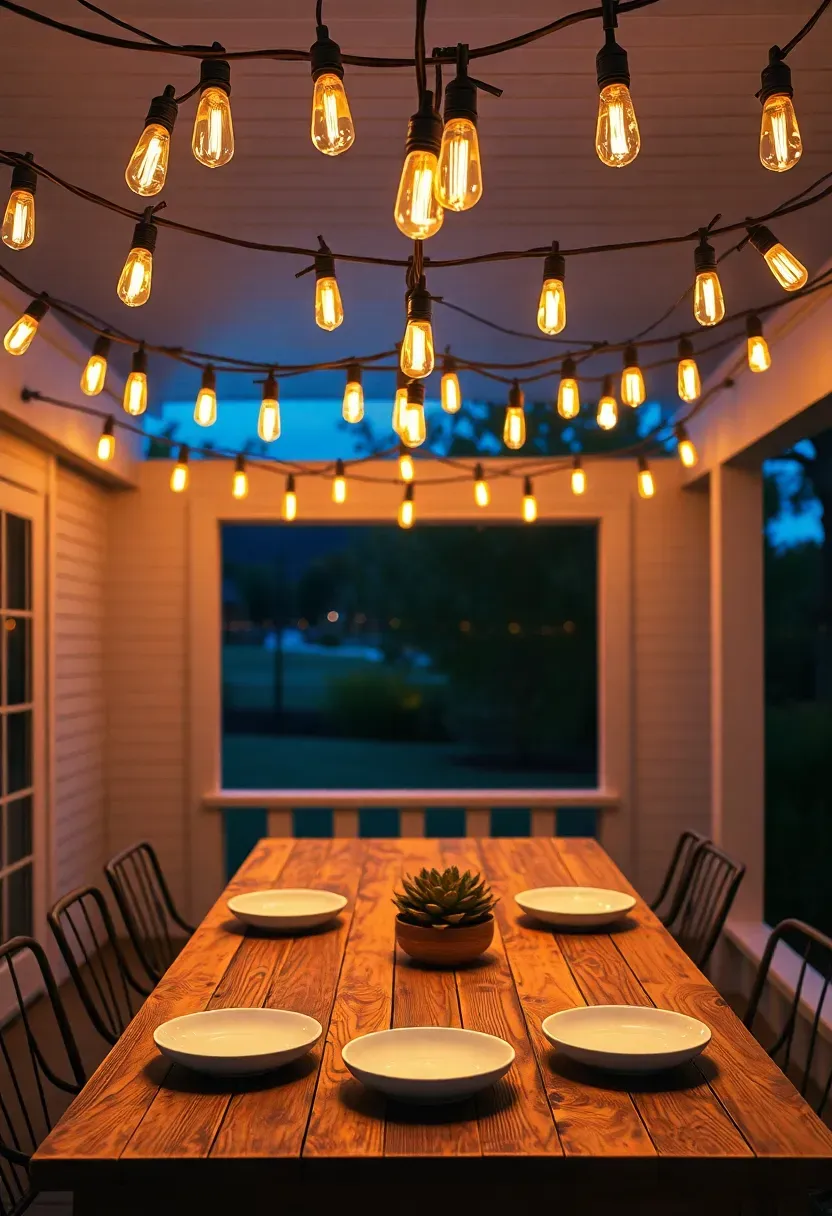
7. String Light Canopy Ceiling
Origins of Overhead Lighting in Outdoor Rooms
Stringing lights above outdoor gatherings dates back to European beer gardens and Mediterranean courtyards, where the goal was always the same: extend the usable evening hours and create atmosphere that overhead fixtures cannot match. The warm, diffused glow of string lights mimics candlelight at a scale that fills an entire room.
Modern Interpretation
Today, LED string lights with Edison-style bulbs have become the default ceiling treatment for budget sun rooms. They consume minimal electricity, generate almost no heat, and last for years. The trick to making them feel intentional rather than seasonal is the installation pattern. Parallel lines running the length of the porch create a clean, architectural look. A radial pattern from a central point creates a tent-like canopy that feels festive without being kitschy.
How to Apply at Home
- Use commercial-grade string lights with heavy-duty sockets — they resist weather better than decorative sets
- Install guide hooks or eye screws into ceiling joists every three feet for consistent draping
- Connect to a dimmer switch or smart plug for adjustable ambiance
- Avoid criss-crossing patterns, which tend to look tangled rather than designed
8. DIY Privacy Screen Wall
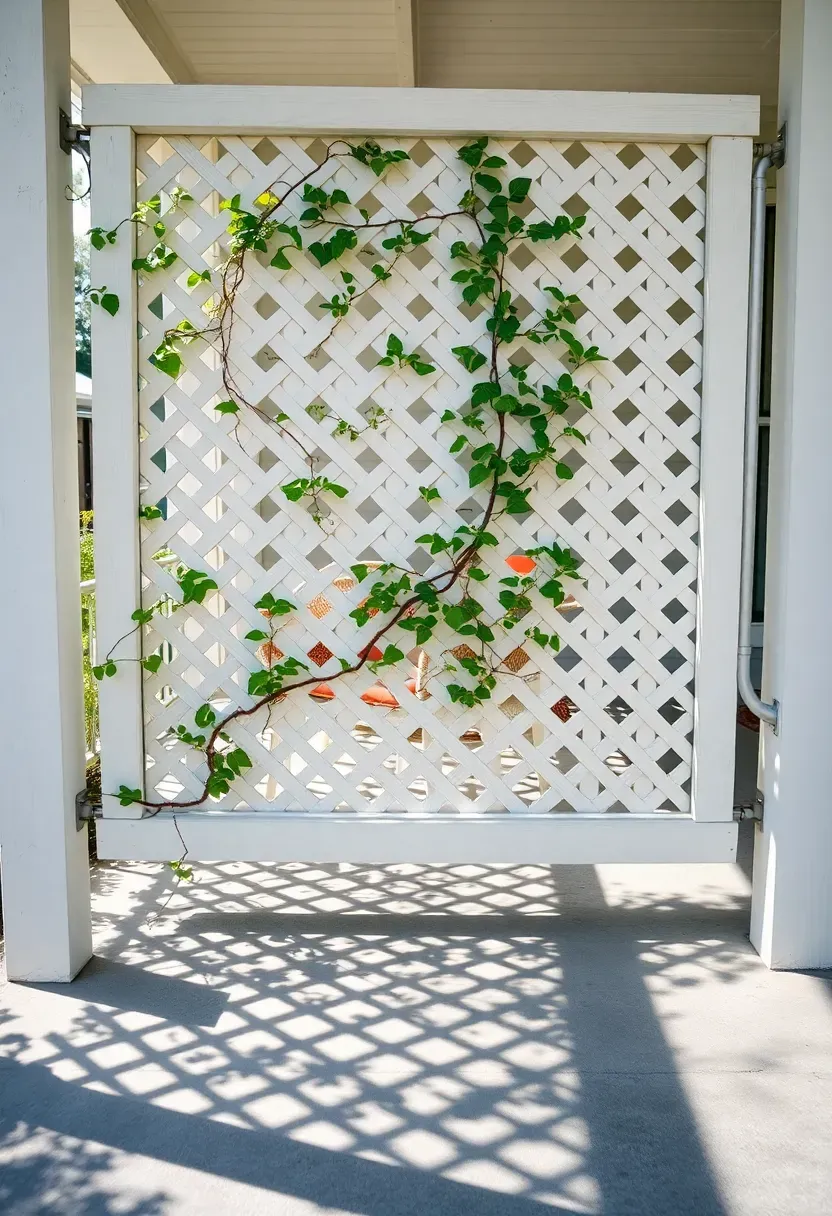
An open porch becomes a room only when it feels enclosed. Privacy screens solve this without the cost of full walls, and they let you choose exactly how much seclusion you want — from a light visual filter to near-total screening from neighbors.
The Core Issue
Back porches often face neighboring yards, driveways, or streets, which makes lounging uncomfortable. People avoid spending time on porches that feel exposed, no matter how nicely they are furnished.
The Solution
Build simple frames from pressure-treated lumber and fill them with lattice panels, reed fencing, or exterior fabric. Mount the frames between porch posts or freestand them in heavy planter bases. For a modern look, use horizontal slat fencing with consistent spacing. For a cottage feel, go with lattice panels and train climbing vines through them over the season.
Pros and Cons
Pros: Immediate privacy improvement, customizable height and opacity, can support climbing plants for additional beauty.
Cons: Freestanding versions can blow over in strong wind without proper anchoring, lattice panels may need annual restaining.
Recommended
Items for this idea
9. Vintage Window Frame Enclosure
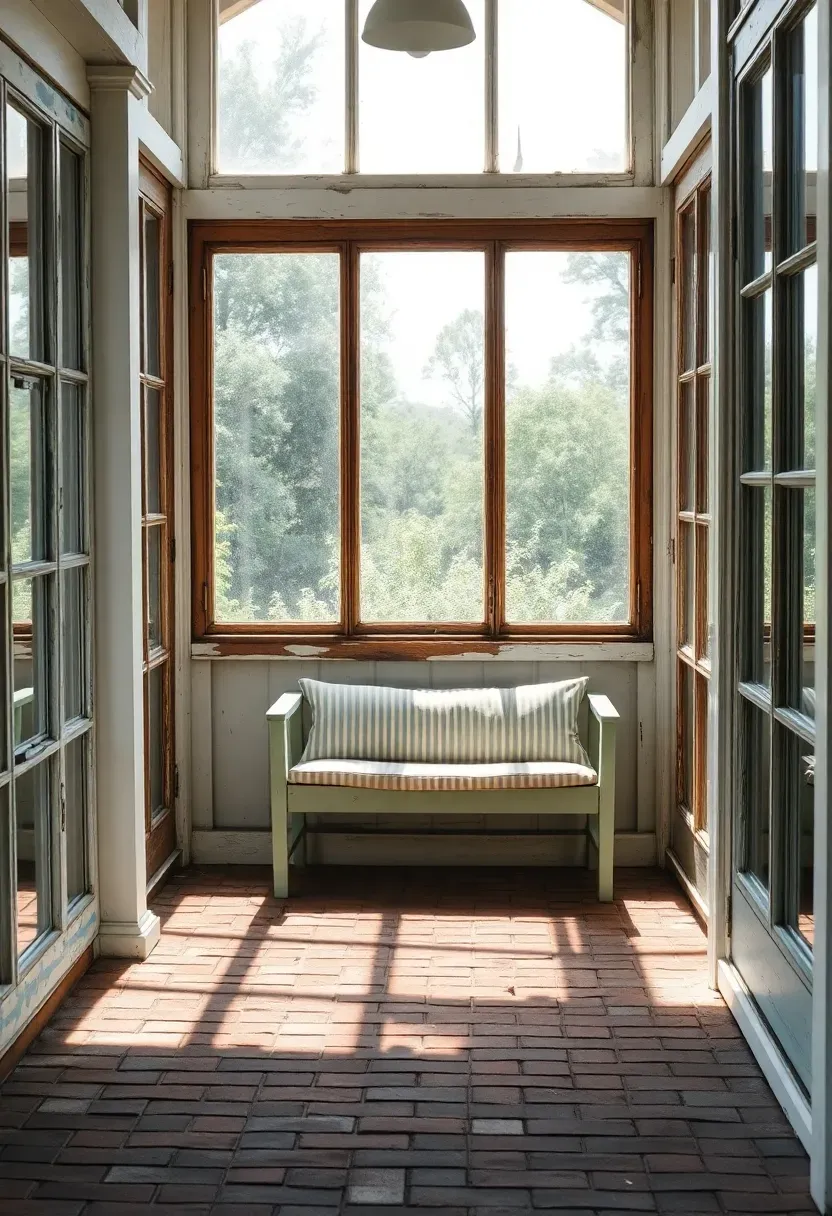
This is the idea that breaks Pinterest every time it surfaces: salvaged window frames mounted between porch posts to create a greenhouse-style sun room. The unmatched frames, wavy old glass, and peeling paint create exactly the kind of imperfect charm that money cannot buy new.
How to Make This Work
Source frames from architectural salvage yards, demolition sales, or marketplace listings. You need frames roughly the same height — width variation adds visual interest rather than looking like a mistake. Mount them between posts using hinges on one side so individual panels swing open for ventilation.
Tips for Structural Integrity
- Reinforce the frames with additional wood if the joints are loose
- Apply exterior wood glue and corner brackets before mounting
- Replace any cracked glass panes with clear acrylic for safety and insulation
- Caulk gaps between frames and posts with paintable exterior sealant
10. Outdoor Rug Layering Studio
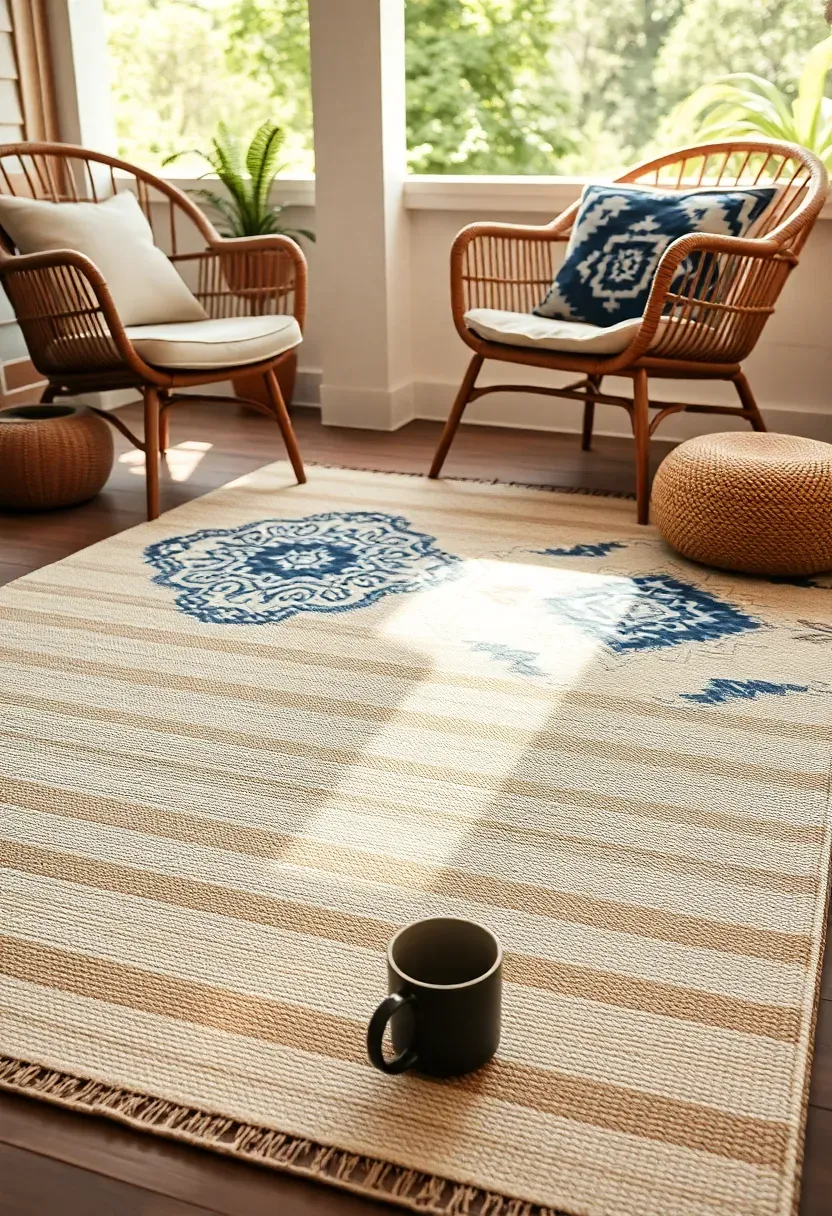
Layering rugs is an interior design technique that translates beautifully to sun rooms. Rather than buying one large expensive outdoor rug, combine two or three smaller, affordable ones in coordinating patterns and colors. The layered effect adds visual depth and defines separate zones within the same porch space.
Step 1: Choose a Base Rug
Select the largest rug in a neutral solid or subtle stripe. This anchors the seating area. Polypropylene flatweave rugs resist moisture and dry quickly — essential for a porch environment.
Step 2: Add a Pattern Layer
Place a smaller rug with a bolder pattern at an angle on top of the base. Geometric prints, medallions, or botanical motifs all work. The contrast between layers creates the visual richness that a single rug cannot achieve.
Step 3: Define a Secondary Zone
Use a third small rug to mark a separate area — perhaps under a side table, at the entry threshold, or beneath a hanging chair. This signals intentional design rather than random placement.
What to Watch Out For
- Secure layers with rug tape or grip pads to prevent shifting and tripping hazards
- Shake out and hose down outdoor rugs monthly to prevent mold beneath layers
- Replace the top accent rug seasonally for a fresh look without replacing the base
Recommended
Items for this idea
11. Hanging Chair Reading Nook
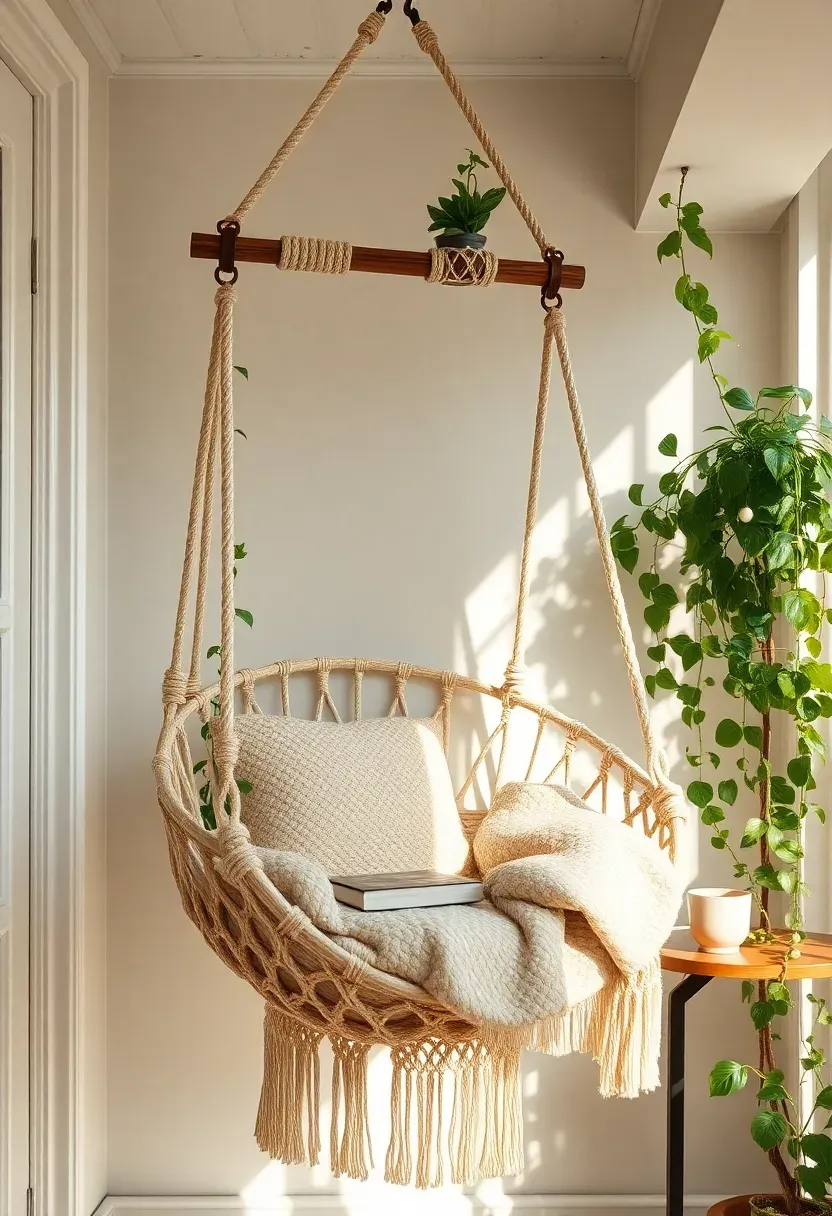
A single hanging chair can transform an entire corner of your porch into a statement. The visual drama of a suspended seat draws the eye immediately, and the gentle swaying motion turns reading or morning coffee into a sensory experience rather than a routine.
Why Hanging Chairs Work on a Budget
Macrame hanging chairs start around thirty-five dollars online. Egg chairs with metal stands run one hundred to one hundred fifty dollars. Compare that to a quality outdoor lounge chair at two hundred to five hundred dollars, and the hanging option wins on both price and personality.
Setting Up the Perfect Nook
Position the chair near a corner where two walls or screens meet — this creates a cocooned feeling. Add a small side table or wall-mounted shelf within arm's reach for drinks and books. Hang a lightweight throw blanket over the back for cooler evenings. Trail a pothos or string of pearls from a hook above to frame the space with greenery.

12. Potted Plant Room Divider
Comparing: Living Plant Wall vs Potted Arrangement
Both approaches use greenery to define space, but they differ significantly in cost, maintenance, and flexibility.
Living Plant Wall
A vertical planting system mounted on a frame or trellis. Dramatic and Instagram-ready, but requires irrigation planning, consistent watering, and replanting as species fail. DIY versions using pocket planters run one hundred to three hundred dollars for a full wall section.
Potted Arrangement
A line of large floor pots filled with tall, leafy plants. Easier to maintain because each plant gets individual attention. You can rearrange, swap out struggling plants, or change the layout seasonally. Total cost for five to seven large pots with plants: eighty to two hundred dollars.
What to Choose
Choose a living wall if: you enjoy garden maintenance, want maximum visual impact for photos, and have a reliable water source nearby.
Choose a potted arrangement if: you prefer flexibility, lower maintenance, and the ability to move plants indoors during cold snaps.
Recommendation
A row of tall snake plants, fiddle leaf figs, or bird of paradise in matching terracotta pots delivers a designer look that adapts to any sun room layout.
Recommended
Items for this idea
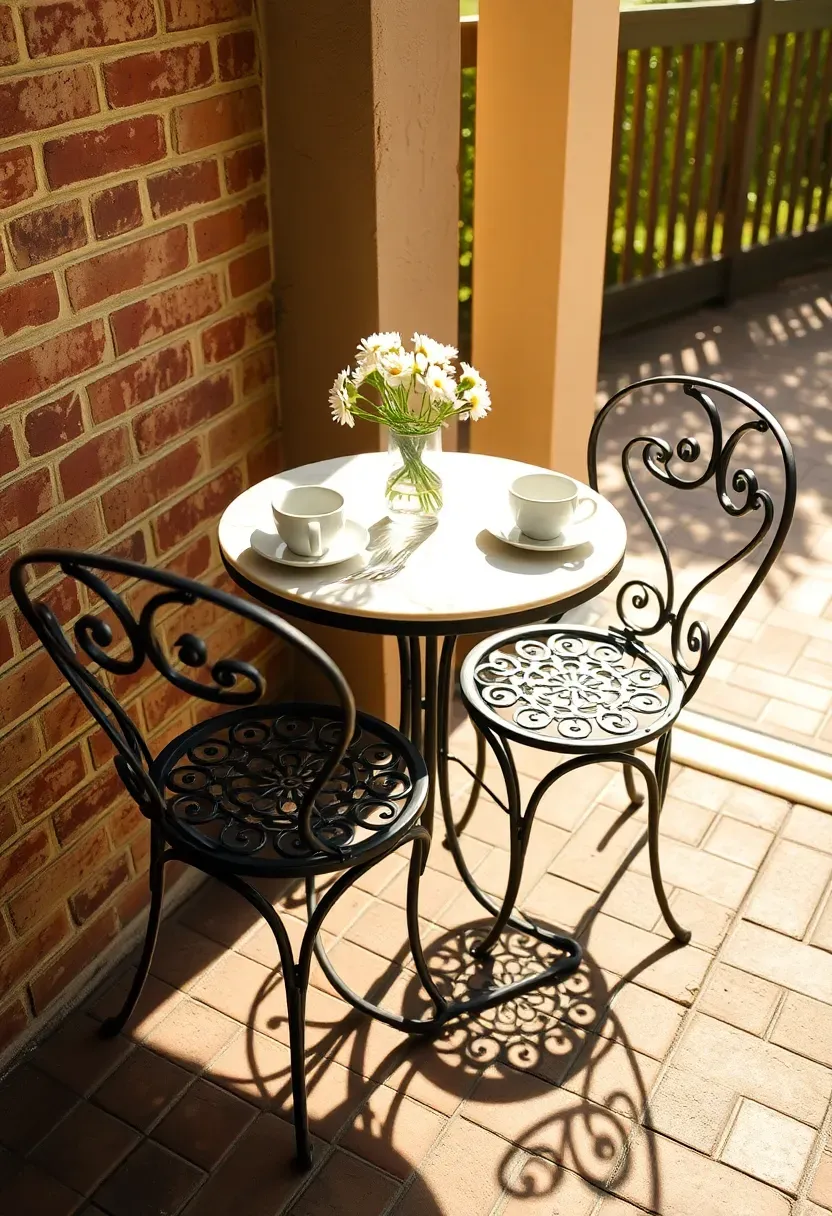
13. Cafe Bistro Corner
Not every sun room needs a full living room arrangement. A small bistro set — two chairs and a round table — carves out a charming breakfast or coffee spot that takes up minimal floor space while adding European sidewalk cafe energy.
Why This Feels Expensive
The bistro setup reads as intentional and curated rather than furniture-starved. A simple metal set in matte black or forest green, paired with a small potted herb arrangement and ceramic cups, creates a scene that looks plucked from a lifestyle magazine. These sets cost forty to one hundred dollars at garden centers or online marketplaces.
Tips for Maximum Charm
- Choose metal or wrought iron over plastic — the weight and texture read as quality
- Add a small round tablecloth or placemats for softness
- Mount a small shelf nearby for a French press, sugar bowl, or book stack
- Position the set where morning light hits for the best ambiance and photo opportunities
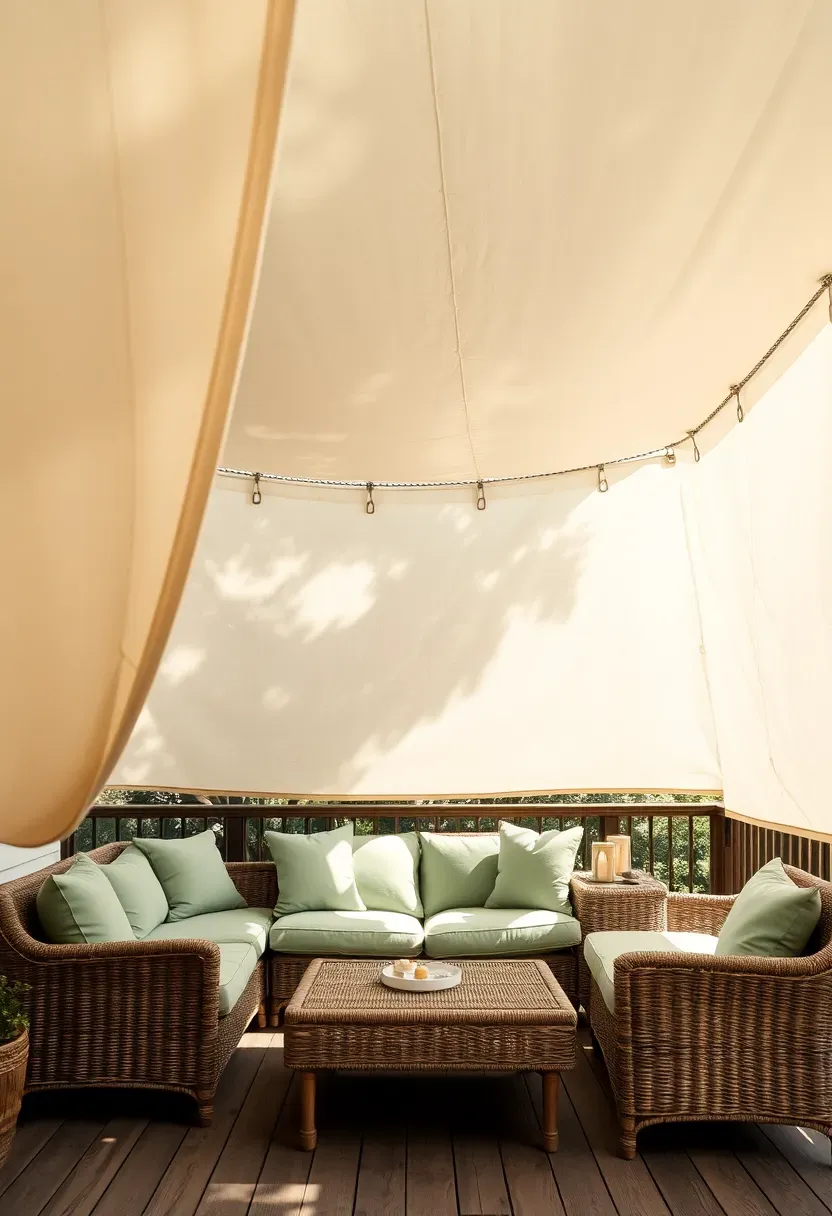
14. Fabric Canopy Overhead Shade
When your porch roof is open-beam or your seating extends beyond the roofline, a fabric canopy fills the gap beautifully. It softens the architecture, controls harsh afternoon sun, and adds a layered quality that bare structures lack.
Origins of Canopy Design
Fabric overhead shade traces back to Roman vela — retractable awnings that shaded amphitheaters and marketplaces. The concept has endured because it solves a universal problem: too much sun in a space designed for enjoyment. Modern iterations using outdoor fabric, sail shades, or even draped bedsheets maintain that same functional elegance.
Modern Interpretation
Triangle shade sails in overlapping arrangements have become the go-to contemporary approach, but a continuous fabric drape across guide wires creates a softer, more romantic effect suited to sun rooms. Choose fabric with at least UV 50 rating for meaningful sun protection. Neutral canvas tones keep the look sophisticated; patterned fabrics can overwhelm a small space.
How to Apply at Home
- Run stainless steel cable between anchor points at the roofline or post tops
- Drape fabric over the cables with intentional swags rather than pulling it taut
- Use fabric clips or rings for easy removal during storms
- Wash the canopy every two months to prevent mildew and staining
Recommended
Items for this idea
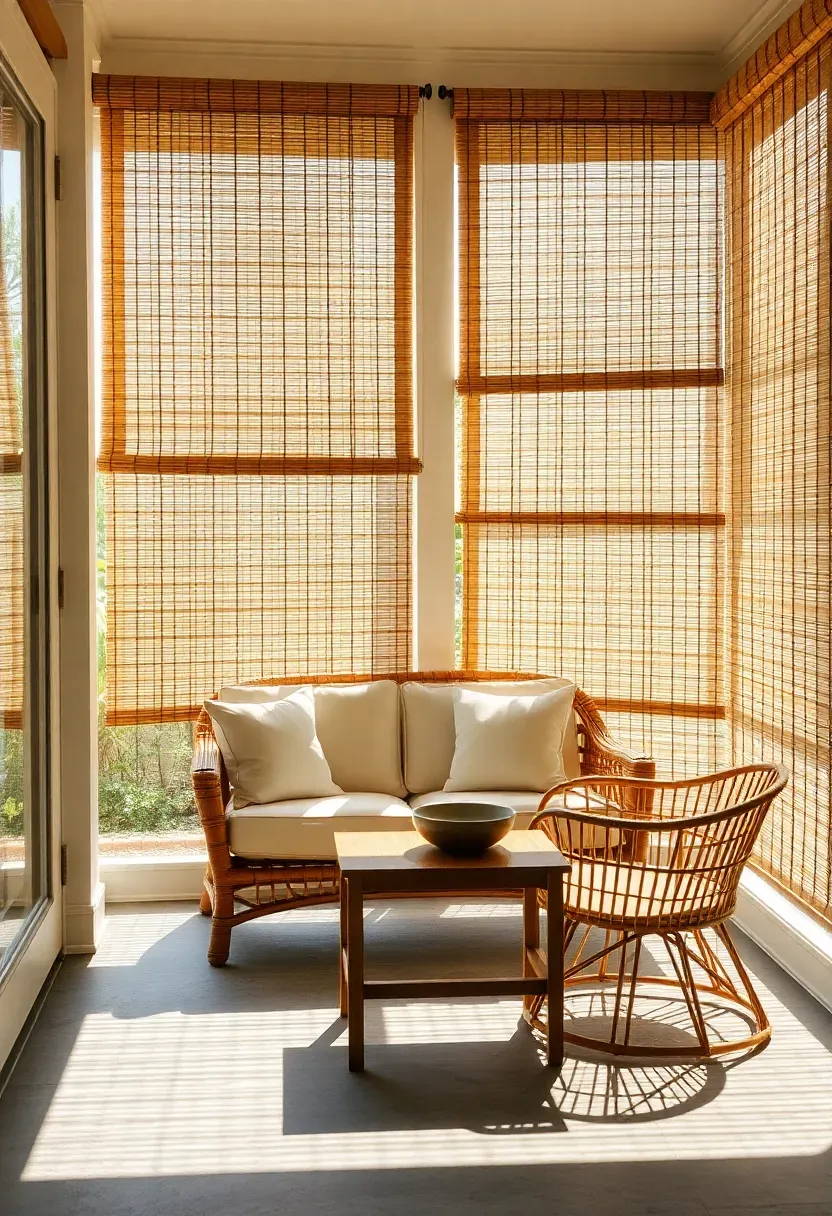
15. Bamboo Roll-Up Shade Walls
Bamboo shades represent the sweet spot between full enclosure and open air. They filter light without blocking it, provide partial privacy, and roll up completely when you want an unobstructed view. At fifteen to forty dollars per shade panel, they cost a fraction of permanent wall treatments.
How to Pull This Off
Mount bamboo shades at the top of each porch opening using standard brackets. For wider openings, use two shades side by side rather than one oversized panel — narrower shades roll more evenly and resist wind better. Attach a cleat hook at the bottom post so you can tie the shade at any height.
Tips for Longevity
- Spray new bamboo shades with a clear exterior sealant before hanging to prevent splitting
- Roll shades up during heavy rain — standing water trapped in the reeds causes mold
- Replace worn cord mechanisms with paracord for a stronger, more durable pull system
- Consider matchstick bamboo for tighter weave and better privacy, or wider-slat bamboo for more airflow
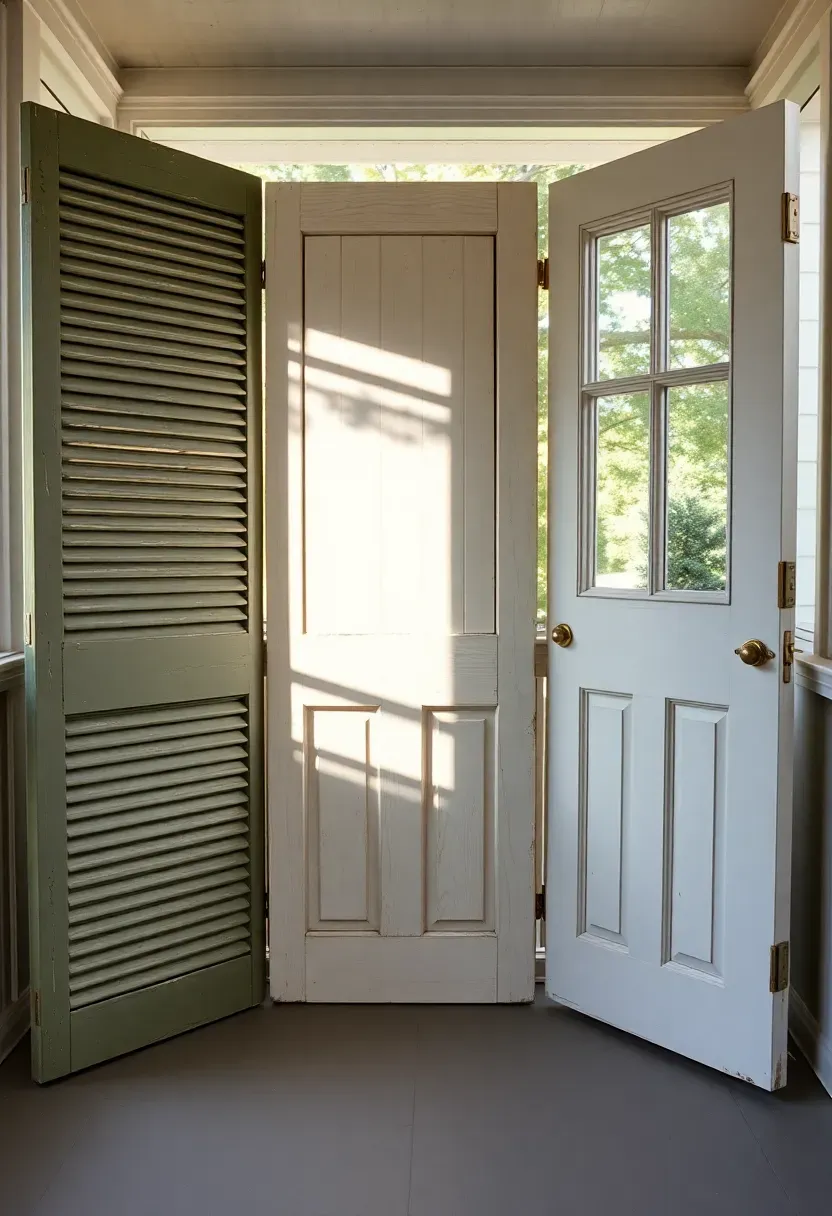
16. Repurposed Door Panel Screens
Old interior doors — the kind salvage yards sell for five to twenty dollars each — make striking porch screens when mounted between posts. Louvered doors filter light beautifully. Solid panel doors painted in coordinating colors create bold architectural walls. French doors with glass panes function almost like proper sun room windows.
The Core Issue
Building porch walls from scratch requires framing, sheathing, and finishing — all skilled labor that pushes costs high. Most budget-friendly enclosure options look temporary or flimsy.
The Solution
Salvaged doors already have the structural rigidity, finished surfaces, and proportional scale that a porch wall needs. Hinge two or three doors together as a folding screen, or fix them permanently between posts with carriage bolts. Paint them all the same color for cohesion, or leave them mismatched for an eclectic, artistic statement.
Pros and Cons
Pros: Extremely affordable, architecturally interesting, reusable if you move or redesign.
Cons: Dimensions may not perfectly match your porch openings — expect some creative gap-filling. Heavy doors need secure mounting to resist wind.
Recommended
Items for this idea
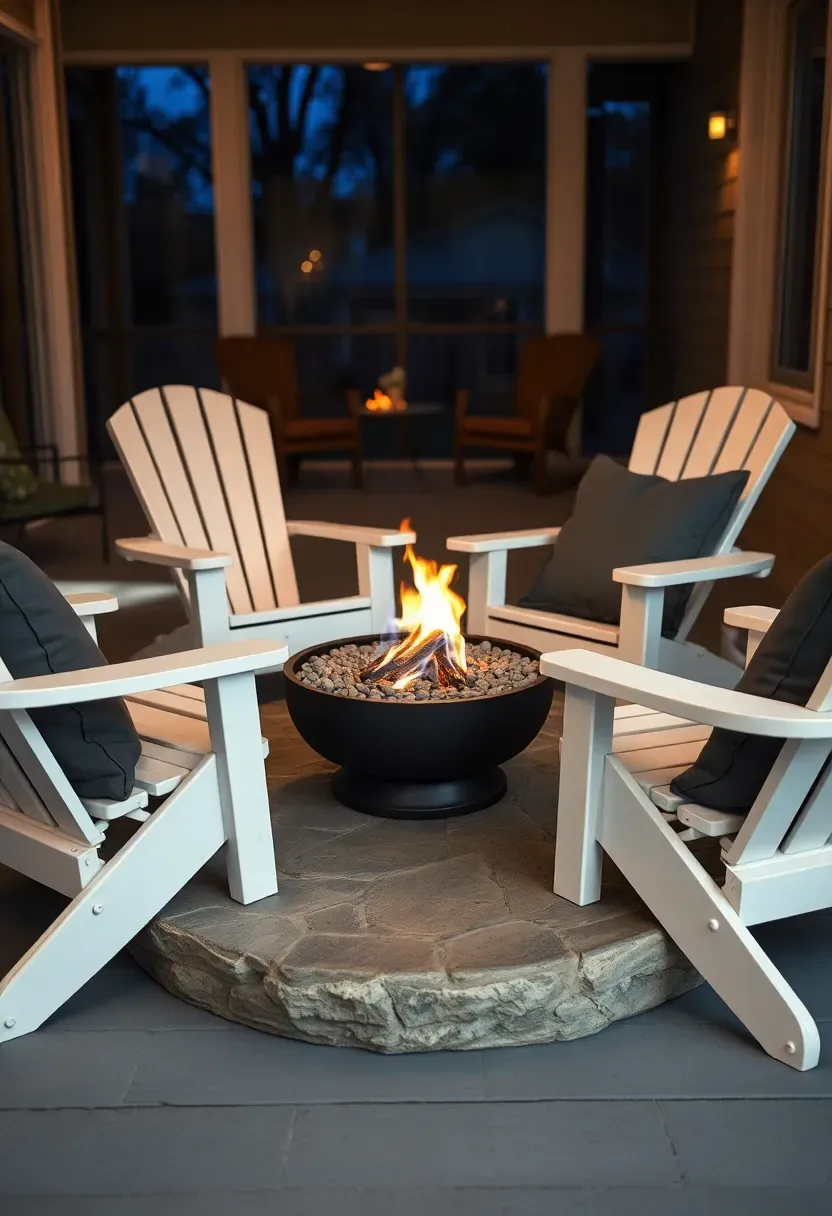
17. Cozy Firepit Anchor Zone
A firepit gives your sun room a gravitational center — a reason to gather that extends well past sunset and deep into cooler months. Tabletop propane firepits designed for porch use start around sixty dollars and produce enough warmth for a small seating circle without the smoke, ash, or safety concerns of open wood fires.
Why This Transforms a Porch
Heat and flickering flame trigger something primal. A porch with a firepit goes from "outdoor seating" to "outdoor living room" because people linger. They pull their chairs closer. Conversations stretch longer. That shift in behavior is what separates a decorated porch from a true sun room — and a small propane firepit delivers it for less than a decent restaurant dinner.
Tips for Safe Porch Use
- Use only propane or bioethanol firepits on covered porches — never wood-burning
- Place on a heat-resistant pad or stone tile to protect decking
- Maintain at least three feet of clearance from curtains, cushions, and overhead structures
- Store propane tanks outdoors and disconnected when not in use
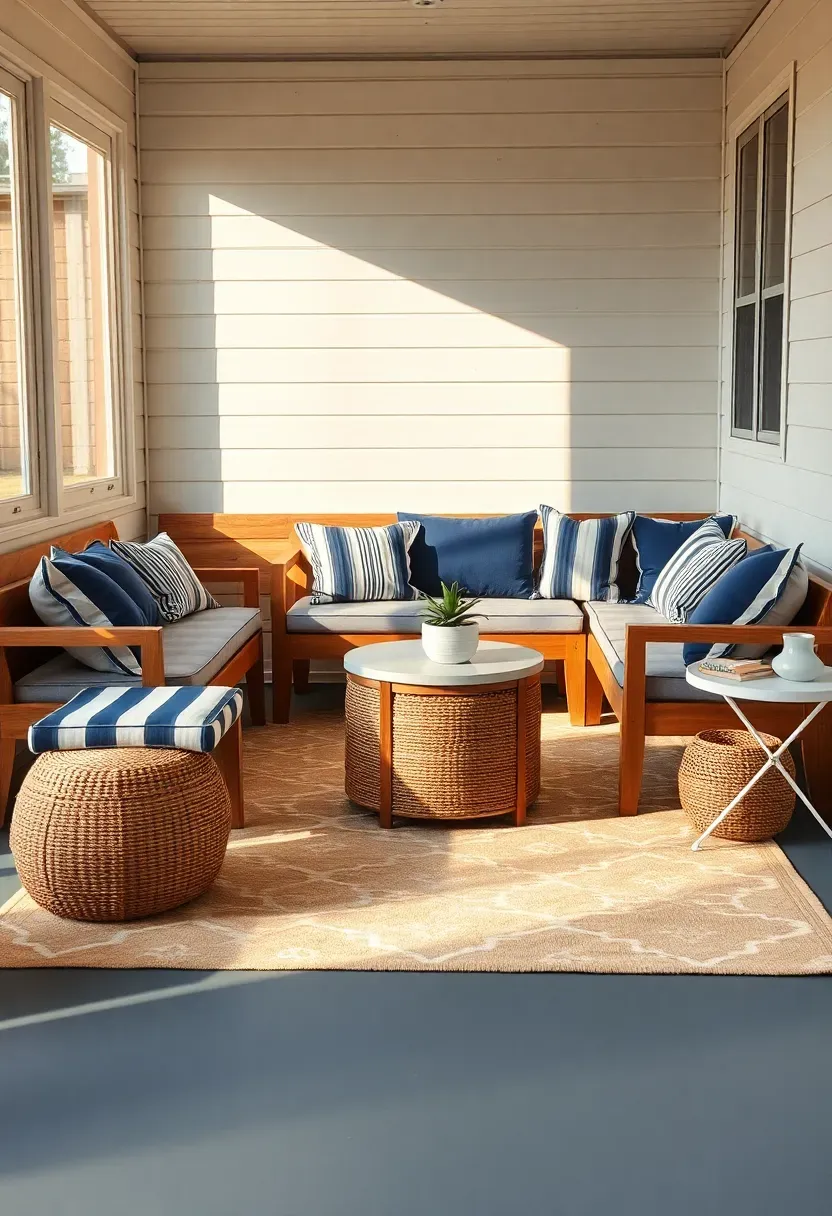
18. Modular Seating Arrangement
Step 1: Gather Your Pieces
Forget matching sets. Collect a mix of seating — a bench from one source, floor cushions from another, a loveseat found on sale, and a couple of accent stools. The key is consistency in one element: either color palette, cushion fabric, or wood tone. That single thread ties mismatched pieces into a cohesive grouping.
Step 2: Arrange in an L or U Shape
Push the largest piece against one wall and angle smaller seats to form a conversational grouping. Leave one side open for entry. Floor cushions and poufs fill gaps without adding visual bulk, and they stack away when you need the space.
Step 3: Unify with Textiles
Throw matching blankets over different chair backs. Use the same pillow fabric across all seats. A single outdoor rug beneath the arrangement draws everything together visually, regardless of how varied the actual furniture is.
What to Watch Out For
- Test seat heights before arranging — a six-inch height mismatch between adjacent seats feels awkward
- Secure lightweight pieces to posts or railings during storm warnings
- Rotate cushion positions monthly to even out sun fading
Recommended
Items for this idea
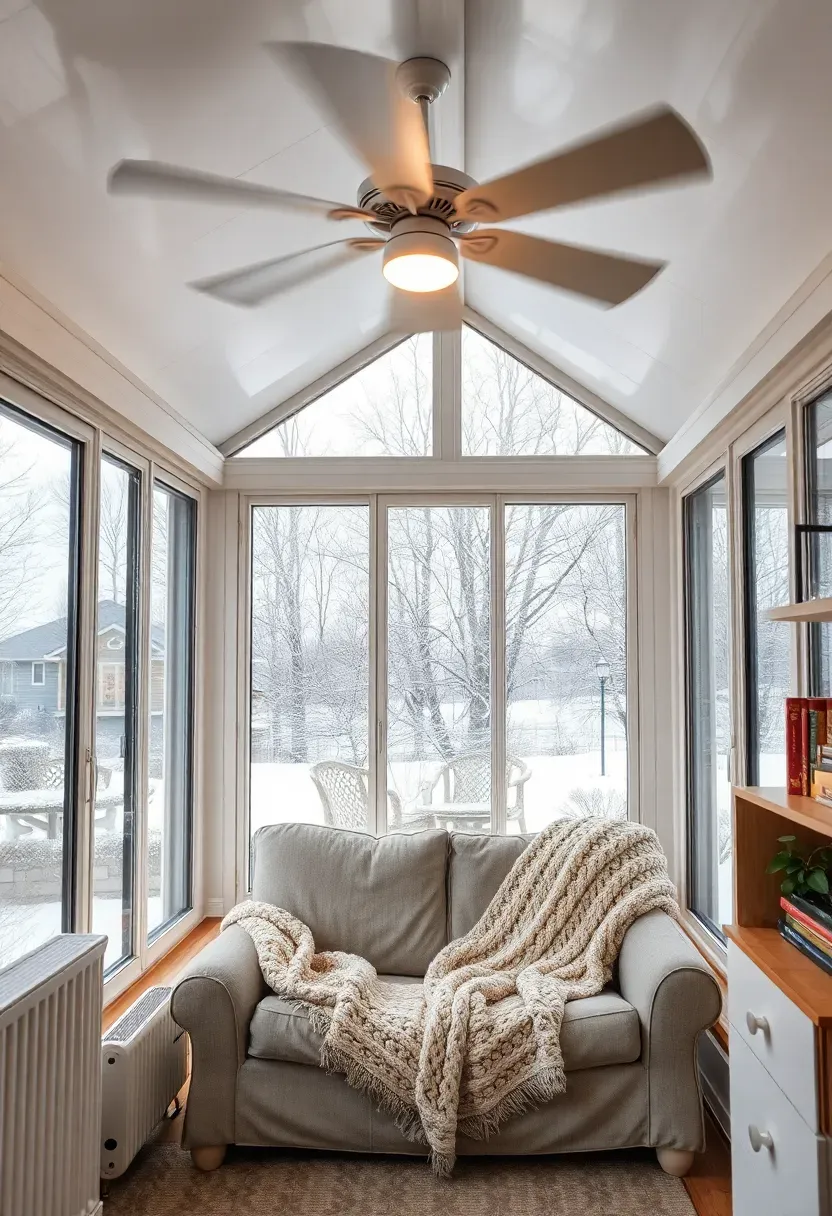
19. All-Season Weatherproof Retreat
This is the most ambitious idea on the list, but it still respects a budget by using affordable materials and phased installation. The goal is a back porch sun room you can use in January as comfortably as July — a true four-season outdoor room.
Step 1: Enclose with Insulated Panels
Use clear polycarbonate multiwall panels (the kind with internal channels) for walls and ceiling sections. These provide insulation comparable to single-pane glass at roughly half the cost. Frame them in pressure-treated lumber or aluminum channel.
Step 2: Add Climate Control
A portable space heater handles winter. A ceiling fan manages summer airflow. If your budget allows, a mini-split heat pump is the long-term investment that keeps the space comfortable year-round — used units can be found for three hundred to five hundred dollars.
Step 3: Seal Every Gap
Weatherstripping along panel edges, foam tape at frame joints, and a door sweep on the entry keep conditioned air inside. This step matters more than the heating or cooling equipment — an unsealed room wastes energy regardless of the hardware.
What to Watch Out For
- Check local building codes before fully enclosing a porch — some jurisdictions require permits for climate-controlled additions
- Insulated panels can create condensation in humid climates; add a small dehumidifier if needed
- Phase the project over multiple weekends to spread costs and avoid burnout
A back porch does not need a five-figure renovation to feel like a real room. Start with the idea that excites you most — maybe it is string lights and a painted floor this weekend, or maybe it is a full polycarbonate enclosure planned over the next month. The point is to begin. Every outdoor curtain hung, every thrift store chair painted, and every rug layered on concrete brings your porch one step closer to the sun room you keep pinning but never thought you could afford.
Pinterest cover for 19 Sun Room Ideas on a Budget for Back Porches: Outdoor Rooms That Feel Expensive
About the author
OBCD
CGI visualization and interior design content. We create detailed 3D renders and curate practical design ideas for every room in your home.